
The Pathetic “Re-Reveal” of The Elder Scrolls VI

A Morrowind-themed spoiler warning

Spoiler Warning: Beware of minor spoilers for The Elder Scrolls VI: Sentinel and Starfield.

So it’s gonna be called “Sentinel,” is it? Wonderful.

If any video game teaser or trailer from the last decade better encapsulated the phrase “this could’ve been an email,” I’ve yet to see it. Bethesda’s re-reveal of The Elder Scrolls VI was so lacklustre, so devoid of any content at all, and so pathetic that I hardly know what to say. It was quite obviously thrown together in a rush on a Friday afternoon by an artist whose thoughts were elsewhere, perhaps on the shopping they had to do on the way home, or the worry that they’d left the oven on.

The video was honestly so bad that it almost feels like malicious compliance from Bethesda to a directive that clearly came from Xbox: “Okay,” said Todd Howard to Asha Sharma, “we’ll make your trailer. Gonna do a shit job with it on purpose, though.”
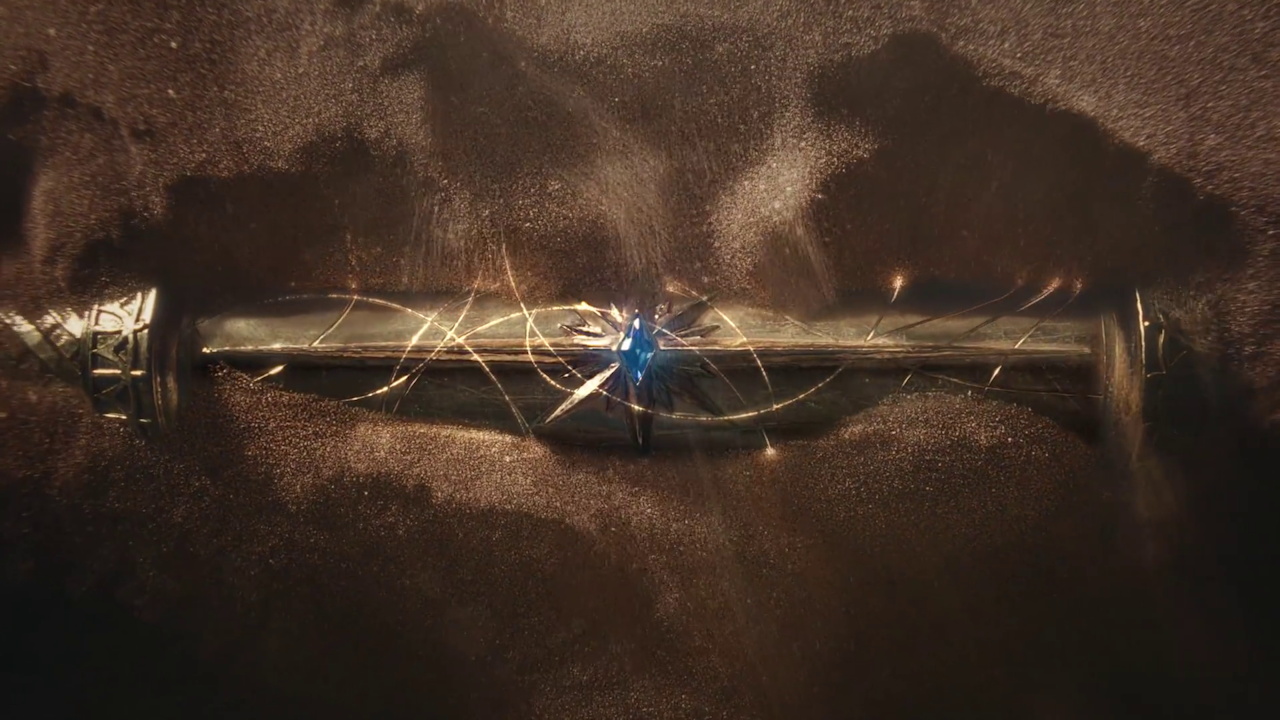
Still frame from the second TES VI trailer showing a golden object
Was this really the best Bethesda could manage… or is this a case of malicious compliance?

If you don’t have anything nice to say, don’t say anything at all. And, in this case, if you don’t have anything to show… why bother showing us a big load of nothing? The game’s title had already leaked, and with it being two-plus years away from launch, there was no need to do this now – especially not when there was clearly nothing worth showing.

Bethesda *could*, with a modicum of effort, put together a CGI teaser trailer that might’ve shown off, say, a bit of the desert landscape that the shitty teaser was trying to invoke. Or better, something to do with ships and sailing, if that’s gonna be part of the game. There were ways to reveal Sentinel’s title in less of a pathetic, boring, and uninspired way… which is why I circle back to this being malicious compliance from a studio that clearly didn’t want to be pushed into doing this right now.
So it’s gonna be called “Sentinel,” I guess.

But Sentinel’s title being revealed – regardless of the manner of that reveal, I guess – gives us a bit of an opportunity to touch base with the game for the first time in a year or so.

Last year, I briefly covered comments by Todd Howard in which he stated that the game was still “several years away,” and reluctantly defended Howard and Bethesda against the backlash those comments generated from some delusional super-fans who’d somehow convinced themselves that Sentinel was mere months away from launch. I stand by what I said then: Starfield took five-plus years of active development, and Bethesda stubbornly and stupidly insists on only developing one game at a time, so The Elder Scrolls VI is undoubtedly a 2028 or 2029 game – with potential delays pushing it back even further than that, in the worst case.

That makes the timing of this name reveal quite odd, and given the manner of the reveal – with such a low-quality, low-effort, “minimum viable product” level of video clip – I’m absolutely convinced that this was an order from Bethesda’s corporate overlords rather than something the team actually wanted to do. As Xbox continues to flail around, desperately trying to grasp at whatever flimsy straw it can find, re-teasing The Elder Scrolls VI probably seemed like a reasonable business decision. It’s basically Xbox saying, “please stay with us! We have a good game coming, we pinky-promise!”

Photo of Xbox CEO Asha Sharma
Xbox CEO Asha Sharma.

Or, more likely, it’s Xbox saying to Microsoft, “please don’t shut us down or cut us off! We’re gonna make money soon!”

Anyway… Sentinel. What does that name mean, and has anything changed now that we have the title officially confirmed?

We’ve known for a while that Hammerfell – home of the Redguards – was likely going to be the destination for the sequel to Skyrim, and Sentinel is a major settlement in that province, so that seems to confirm that. Sentinel is also a city on the northern coast, relatively close to – and directly across the bay from – the province of High Rock, which is the Bretons’ homeland. So that could imply that parts or even all of High Rock might be explorable in the game.
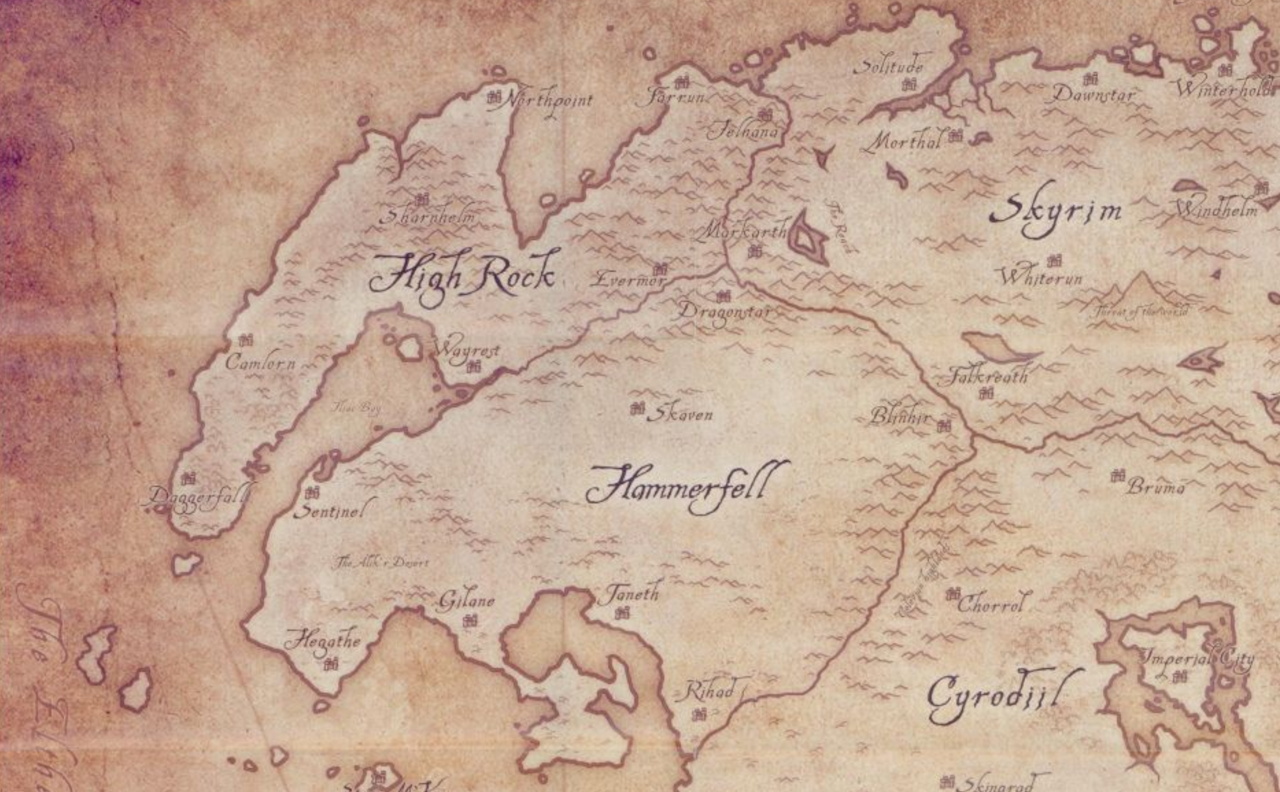
Crop of a map of Tamriel, focused on Hammerfell, the location of TES VI
Hammerfell sits to the north-west of Cyrodiil and the west/south-west of Skyrim. The city of Sentinel can be seen on its north-western coast, facing High Rock.

After such a long time since Skyrim, Sentinel will need to do *something* to differentiate itself and improve on the Elder Scrolls open-world formula – and allowing players to cross the border from one province to another could be a great way of doing that. Rather than locking the game to a single territory, being able to visit more than one could open up whole new gameplay options and factions, particularly if there’s conflict or intrigue between the provinces.

With sailing and shipbuilding having been touted as possible features for Sentinel, having two provinces – or parts of two provinces, anyway – could also work really well with that. Sentinel is a coastal city, and as noted, it’s directly across the waters from High Rock, so if sailing *is* part of the game… it’d be weird, really, if there was no way to sail to at least some ports and settlements in the neighbouring province. At the very least, ports and cities along the bay could be accessible, even if the hinterland isn’t.
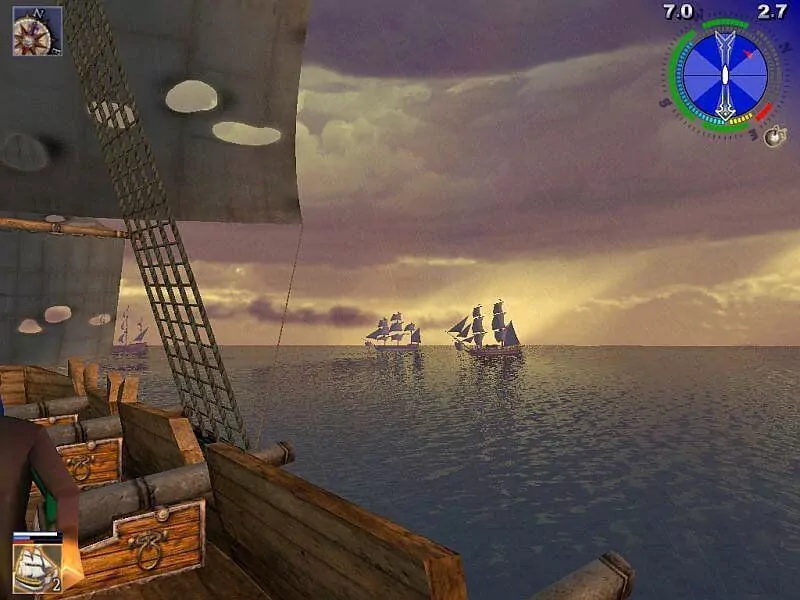
Screenshot of the 2003 game Pirates of the Caribbean showing ships in combat
In 2003, Bethesda published Pirates of the Caribbean – which featured piracy and ship combat.

Shipbuilding wasn’t perfect in Starfield, but it was probably the part of that game where I had the most fun. So if shipbuilding or ship customisation is going to be part of Sentinel, that could be a positive thing. Giving players a moving home as they navigate from port to port could be a lot of fun, and there might be options for things like piracy and coastal raids, or treasure hunting and cargo hauling for more scrupulous characters!

Any such missions, though, would have to be handled way, way better than they were in Starfield. I talked about this in one of my Starfield pieces, but I can still vividly recall the unmitigated disappointment I felt at how basic and boring the missions were. I thought it could be fun to be a “space trucker,” hauling cargo across the settled systems to make a bit of cash – but these so-called “missions” were so non-interactive that they basically played themselves. Cargo magically appeared on your ship at the tap of a button, then you opened the fast-travel menu, selected the planet, and as soon as you touched down – without even leaving your seat in the cockpit – the “mission” marked itself as complete. There were no NPCs, you didn’t have to manually load or unload anything… any possible immersive or even just interactive elements were missing, and the whole thing was a complete let-down.

So that’s an area to focus on for improvement, Bethesda!
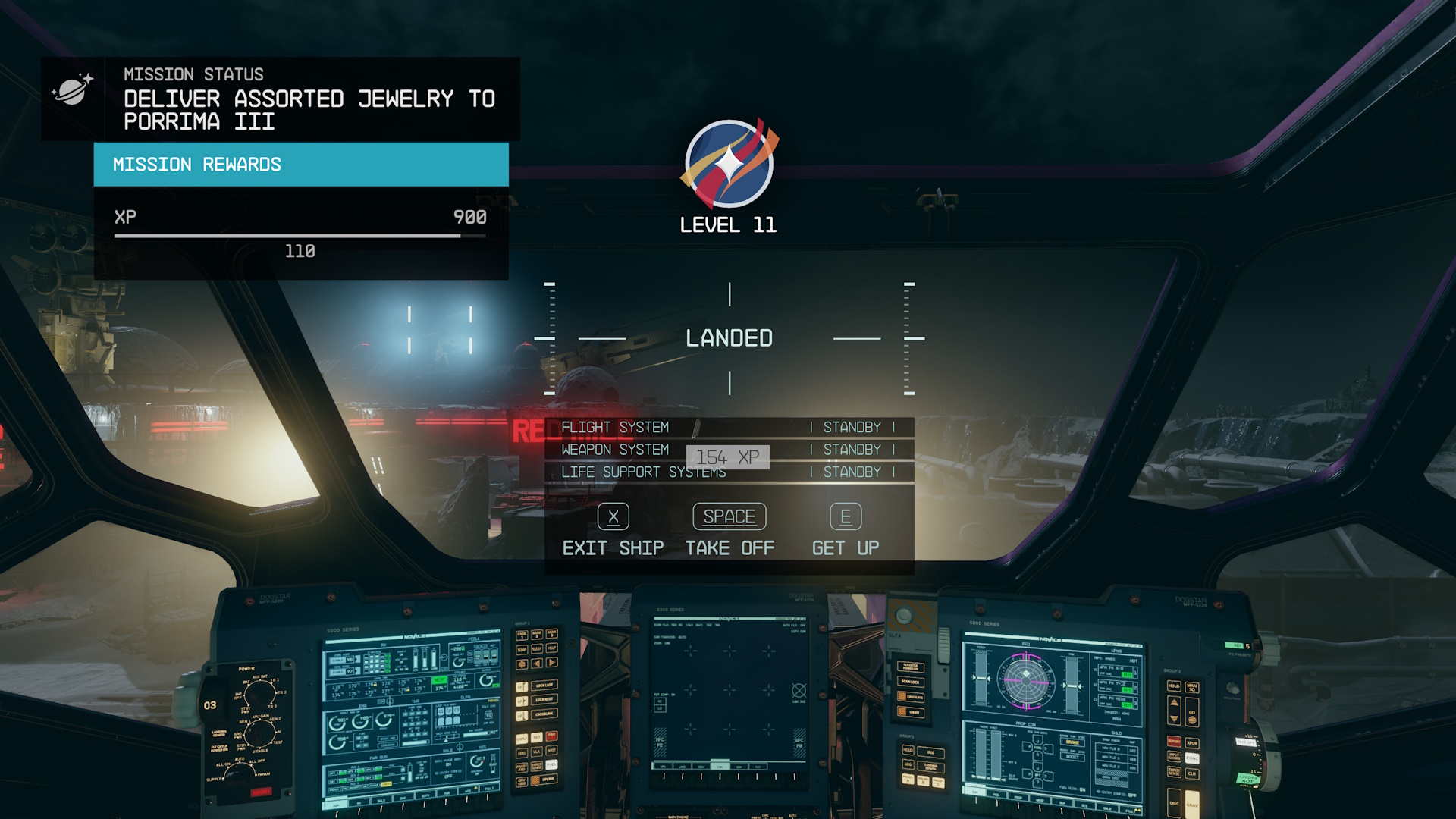
Screenshot of Starfield showing a mission being completed upon landing
This was so disappointing in Starfield…

The world of The Elder Scrolls has pretty rich and deep lore, so I’m less worried about the quality of the storytelling than some folks seem to be. I concede the point that Starfield’s world-building was particularly poor, and that should be a cause for concern. But Starfield, as a space game, brought some unique issues to the fore – most notably, as we’ve discussed before, the sense of *scale* that a game set in space desperately needs. Sentinel’s medieval-fantasy setting better lends itself to small settlements and the kinds of open worlds that Bethesda has been good at crafting in the past.

I doubt, though, that procedural generation will entirely disappear from Sentinel. If shipbuilding and sailing are gonna be important mechanics in the game, procedurally generated islands, or settlements on islands, could be a way to include that aspect of the game in a way that makes sense. However, Starfield shit the bed here by repeating the exact same copy-and-pasted “points of interest” over and over and over and over again. And when there were so few of those to begin with… it got stale very quickly. I only lasted about thirty hours before I permanently logged out of Starfield, but in that time I must’ve visited the same “abandoned research tower” at least a dozen times.

Screenshot of Starfield with the message 'you cannot go that way'
You cannot go that way.

But, at least for me, there’s still an elephant in the room when it comes to Sentinel… one that’s taken the game from a “must-buy on day one” title to a “wait twelve months and see” kinda thing: microtransactions.

Bethesda seems to see its games not as complete experiences, but rather as platforms for in-game content, monetisation, and microtransactions… and if I’m paying full price for a single-player game, I have absolutely no interest in that whatsoever. Starfield launched with relatively few cosmetic options, but Bethesda was happy to offer more… for a fee.

At time of writing in November 2026, three-plus years after Starfield launched, the game still costs £45 for the PC version, with an extra £27 for the two pieces of paid DLC, and an additional £43 to buy 5,500 “Creation Points” to spend on the official Bethesda-created microtransactions. That’s £115 just to get started, and you could easily double, triple, or quadruple that total with paid mods and other paid in-game content.
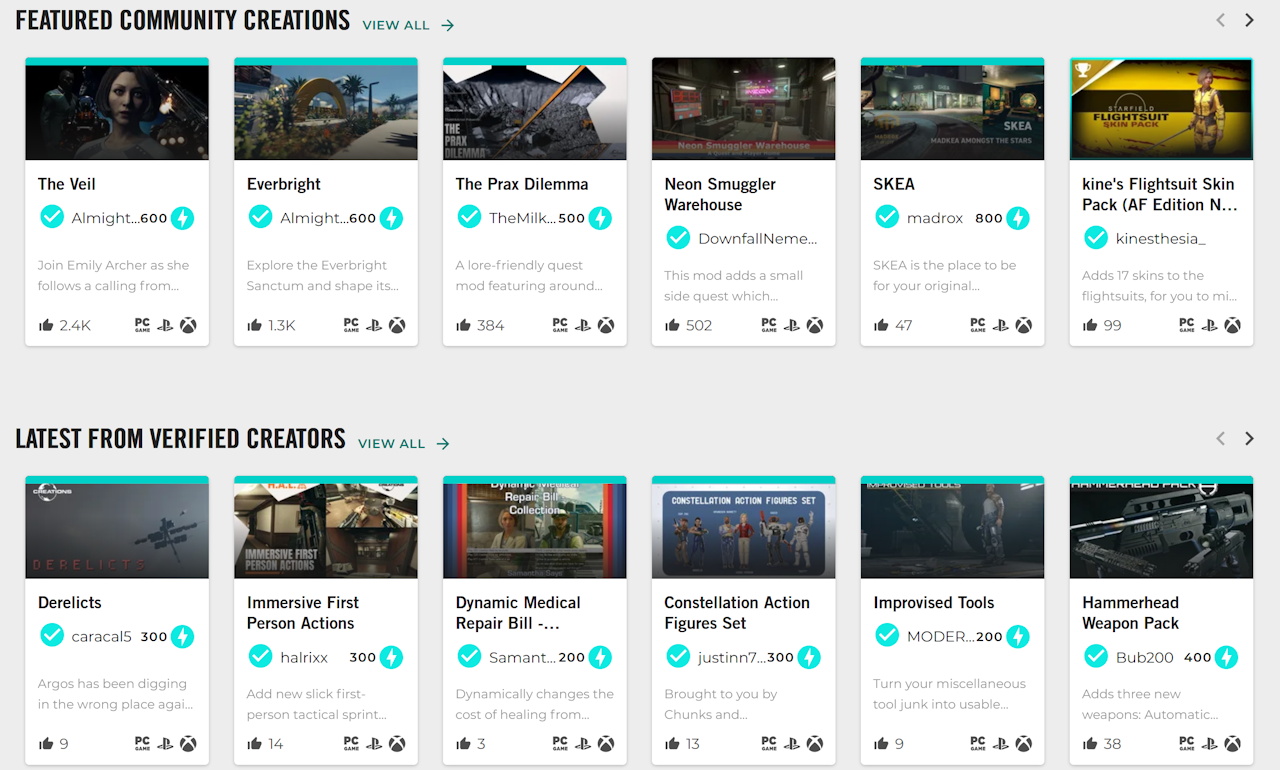
Screenshot of Starfield microtransactions in 2026
A small sample of Starfield’s in-game marketplace.

In short, if Sentinel is gonna be another marketplace instead of a game… I don’t even think I’m gonna play it.

In online games, especially free-to-play titles like Fortnite, Warframe, or Honkai: Star Rail, microtransactions are an established funding model and they make sense. They still mustn’t be predatory or aggressive, but I accept that that’s a reasonable way for a developer or publisher to make money and keep the lights on. But when a single-player game is launched at full price, I don’t think it’s unreasonable to say that all the content should be available and included within that price. Large expansion packs are one thing – and Bethesda has had several great expansions over the years, from Morrowind’s Bloodmoon to Fallout 4′s Far Harbor – but individual weapon skins, colour schemes, decorative items, outfits, and things like that? They should be part of a full-price game without having to reach into my wallet and spend even more.

If Sentinel goes down the Starfield road when it comes to in-game monetisation – and, at this stage, I’d be astonished if it doesn’t – then I think I’m out before I even get in! I don’t need that kind of bullshit, other studios don’t try to nickel-and-dime me like that, and there are plenty of other fantasy RPGs and open-world titles to play that aren’t greedy and aggressive.
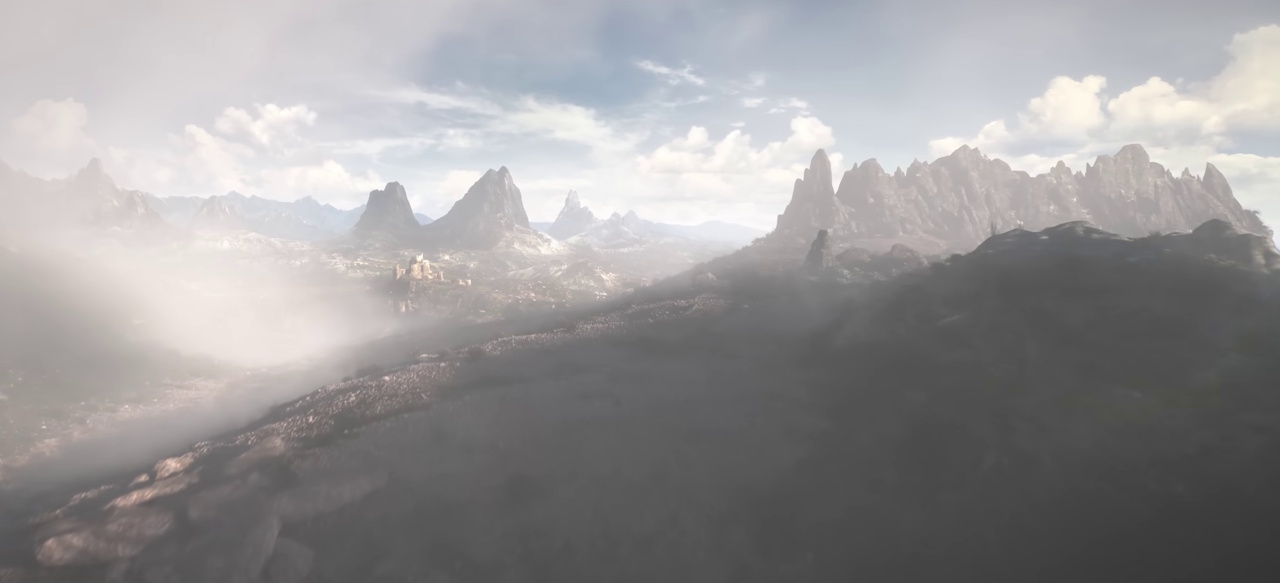
Still frame from The Elder Scrolls VI announcement trailer
We all remember this, right? It was eight-and-a-half years ago.

Look at this year’s Crimson Desert as an example, or The Blood of Dawnwalker. Look at The Witcher 3, which just dropped a major update and visual overhaul completely for free. And by the time Sentinel launches, as the decade is drawing to a close, we might be able to point to other titles like Exodus, The Witcher 4, Kingdom Come III, and more. There’s going to be some stiff competition, and if the difference between Sentinel and some of those other titles is the extent of in-game monetisation, I know what I’m gonna choose to play… and what I’m not.

But all that’s still to be revealed, I suppose.

Thanks for joining me today. It had been a while since we last checked in with Bethesda, and the pathetically lacklustre trailer honestly made me laugh so much that I thought it gave us a good excuse to revisit Skyrim’s upcoming sequel. I hope this has been interesting, in any case. I wouldn’t bet on me buying Sentinel when it launches, let alone writing a review, but I daresay there’ll be more to say about the game sometime soon… so stay tuned. Have fun out there, and happy gaming!


The Elder Scrolls VI: Sentinel will launch on PC and Xbox consoles in 2028, 2029, or beyond. All titles discussed above are the copyright of Bethesda Game Studios, Bethesda Softworks, Xbox Game Studios, and/or Microsoft. Some screenshots and promo art courtesy of Steam and IGDB. This article contains the thoughts and opinions of one person only and is not intended to cause any offence.
The Elder Scrolls VI: A Game In Peril?

It seems silly to be talking about a game this far out from its potential launch – and I can appreciate that. However, I find myself with things to say about The Elder Scrolls VI, in part to expand upon something I touched on earlier in the year when discussing Starfield’s absolutely disgusting microtransaction marketplace, and with news breaking in 2024 that Bethesda Game Studios is ramping up development on The Elder Scrolls VI… well, it can’t hurt to share my thoughts at this early stage, right?

Let’s briefly re-tread some ground so we’re all on the same page. The Elder Scrolls III: Morrowind is one of my favourite games of all-time, and I also enjoyed Oblivion, Skyrim, and Bethesda’s entries in the Fallout series. In 2023, I got swept up in the hype for Starfield… only to crash and burn on that game pretty quickly when I found it to be last-gen, small, and basically just boring. I am not any kind of “hater” of Bethesda or their games – and I’m definitely not trying to pick on any individual developers, producers, or creative folks. I approach this subject as someone who desperately wants to enjoy The Elder Scrolls VI… but I feel so incredibly turned off the game at this early stage that it would take a miracle to even convince me to play it.

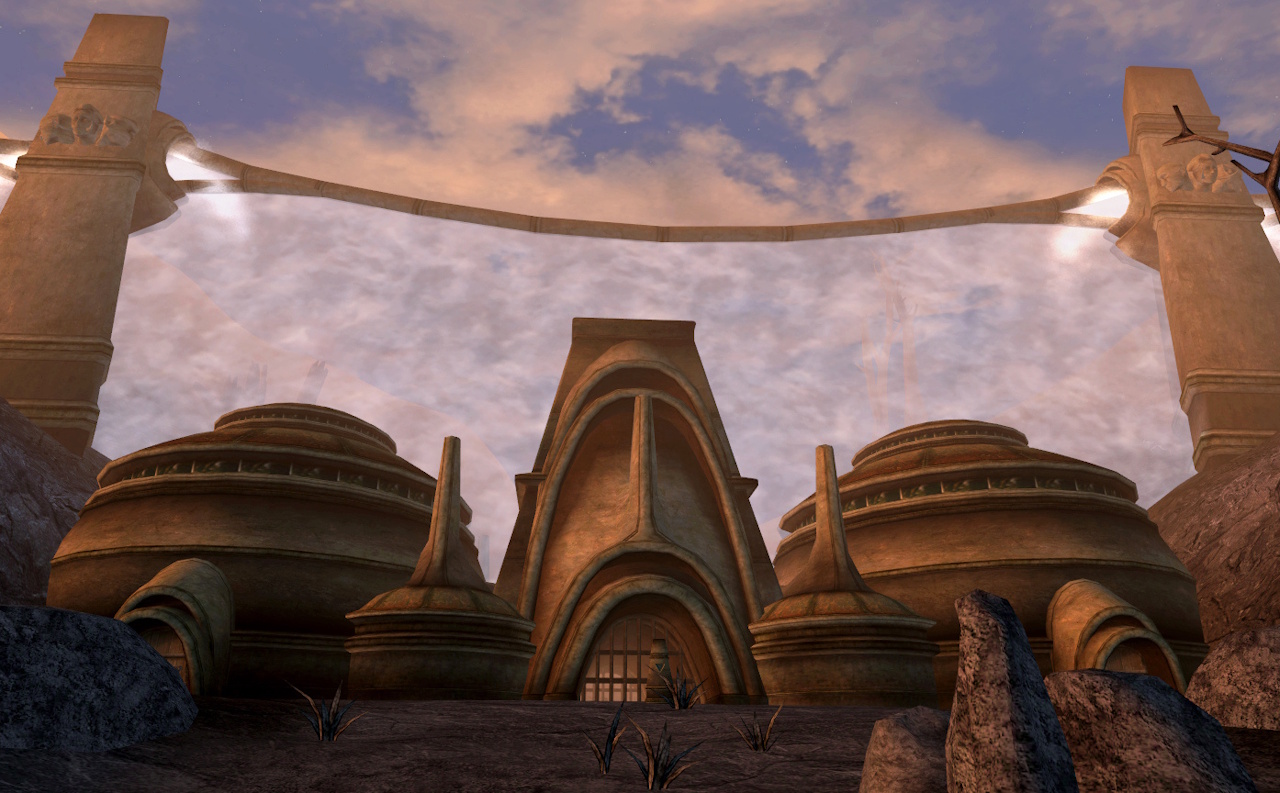
Screenshot of Morrowind showing the settlement of Ghostgate (two buildings, a gateway, and a magical fence).
Morrowind is one of my favourite games of all-time.

The Elder Scrolls VI feels vulnerable right now. Bethesda is, to be frank, coming off not just one poorly-received game… but a decade’s worth. Fallout 4, while enjoyable enough, is generally considered to be less impressive than its predecessor, with fans proclaiming Obsidian’s spin-off Fallout New Vegas as the “best” entry in that series since Bethesda acquired the license. Fallout 76 has, to my surprise I will admit, clawed back some players and gone some way to rehabilitating its reputation as a multiplayer title… but it launched in such a shockingly poor state that there was a very low bar. And then we come to Starfield and its Shattered Space expansion.

Starfield was the game that, for me, hammered home how little Bethesda has learned and how unwilling the company is to adapt and evolve. Starfield was built on the creaking reanimated corpse of a twenty-five-year-old game engine… and it showed. Massively outdated gameplay was compounded by weak world-building and an uninspired and incomplete main quest – leading me to uninstall the game after a meagre thirty hours of gameplay. I was then massively disappointed to see Bethesda add paid mods and microtransactions to this single-player title.

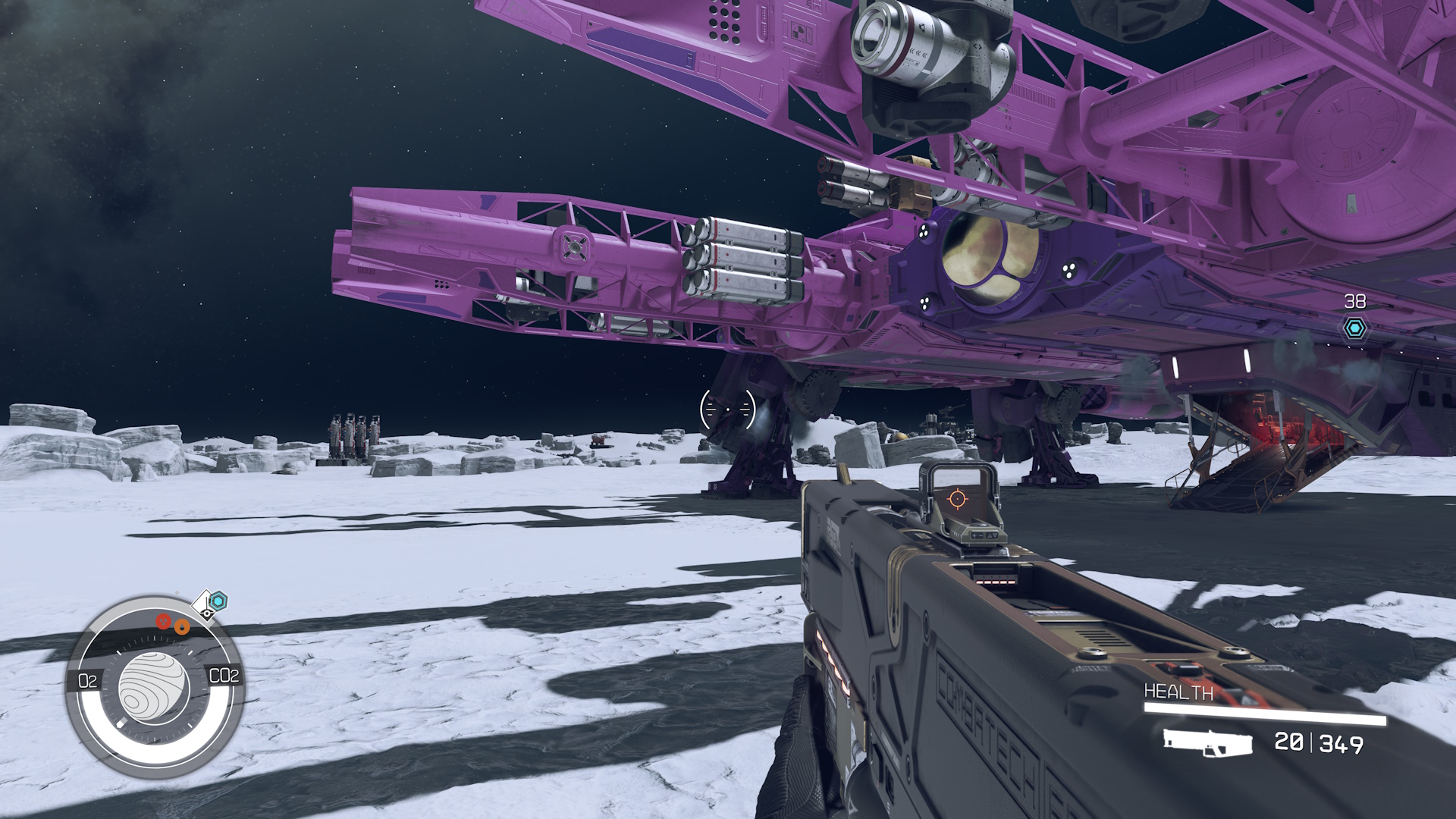
Screenshot of Starfield showing a first-person perspective, a rifle, and a custom spaceship.
Starfield has led to me feeling sceptical about Bethesda’s next game.

The microtransactions really stand out to me. They reveal how Bethesda sees Starfield – and by extension, how the company will presumably treat The Elder Scrolls VI, too. Instead of making a complete game with an expansion or two – like they used to do in the Morrowind days – Bethesda sees its games as platforms for every shitty monetisation trend going. Starfield’s in-game marketplace looks like something out of a free-to-play mobile game, complete with an in-game currency that has an awkward exchange rate, tiny packs of massively overpriced skins and cosmetic items, and even whole missions locked behind a paywall. I was disgusted to see the game descend so quickly into this overly-monetised mess – even more so because Bethesda hid the extent of microtransactions during Starfield’s important first few months on sale.

Paid mods will have to be the subject of a longer piece one day, but for now it’s sufficient to say that I’m not a supporter of the idea and never have been. But to see Bethesda greedily trying to grab even more money for something they didn’t even make… it makes me sick to my stomach to see how ridiculous Starfield’s in-game marketplace is.

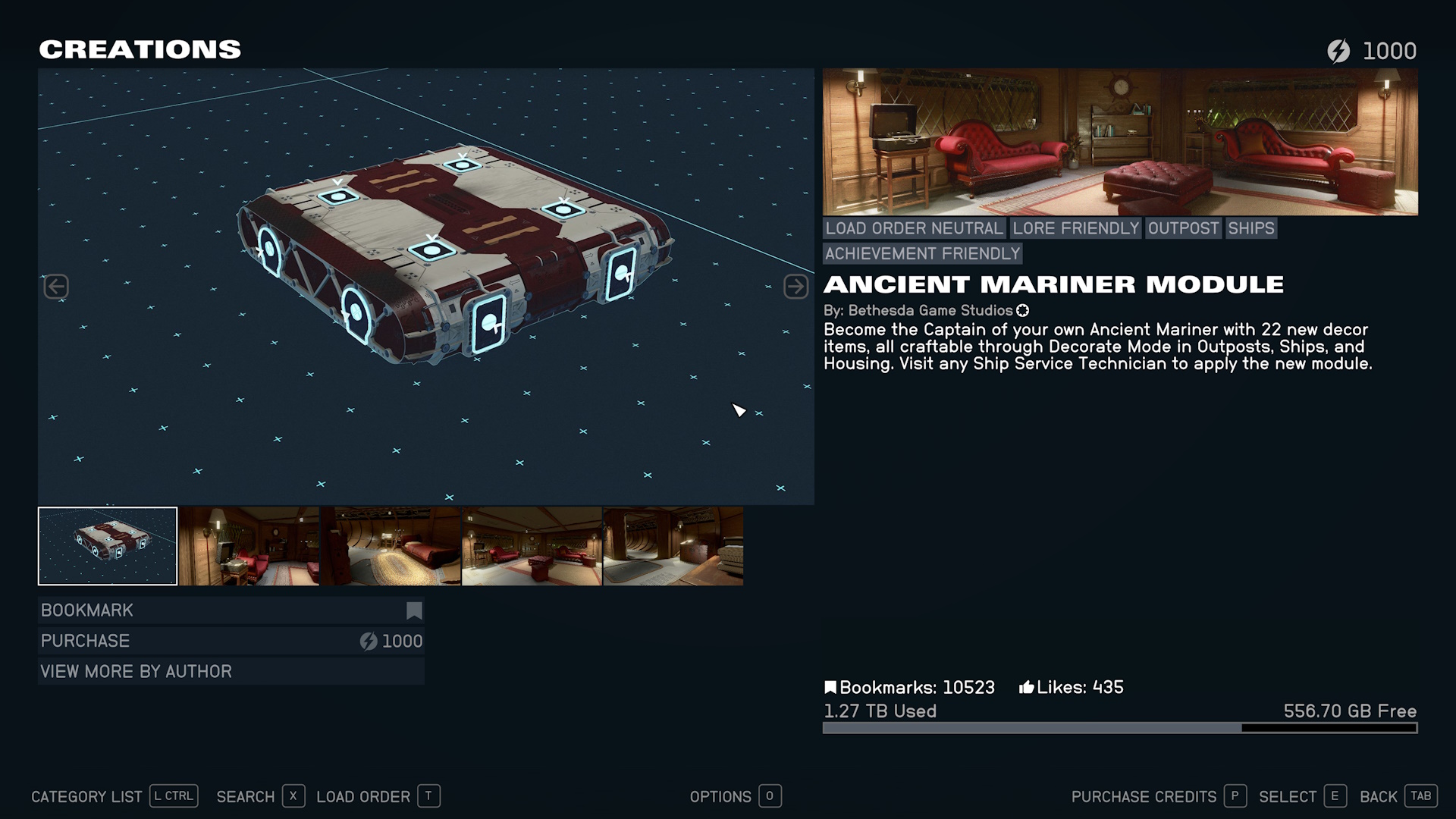
Screenshot of the Starfield in-game shop showing one of the items available for purchase (a pack of cosmetic items).
One of Starfield’s many microtransactions.

And that, I’m afraid, has completely changed how I feel about The Elder Scrolls VI.

I could have written off Starfield as an unsuccessful experiment; a game with some good ideas but that was let down by an overreliance on outdated tech and poor world-building that never succeeded at generating that sense of scale that a game set in space needs to have. I would have been content to put Starfield back on the digital shelf and see what Bethesda could do with the next entry in a series that I have a genuine fondness for.

There would still have been concerns, of course. The Creation Engine is so outdated that using it for yet another game feels like a seriously bad idea, one that could harm The Elder Scrolls VI immeasurably. But I would have looked past that if the story and world-building were good enough – just as I can look past the jankiness of titles like Morrowind.

The logo of Bethesda's Creation Engine 2.
Bethesda’s insistence on retaining the outdated Creation Engine was always going to be a cause for concern.

But having seen the microtransaction hell-hole that Bethesda created, paywalling off little packages of content left, right, and centre in a game that – let’s be blunt – wasn’t exactly brimming with content to begin with… I feel increasingly sure that that’s how the company plans to make games from now on. The Elder Scrolls VI may launch with no microtransactions, but if it follows the Starfield pattern they’ll be added in within the game’s first few months – and you can expect to pay extra for anything from a shiny new pair of boots to an entire questline or faction.

I loathe this approach to single-player games, and I really don’t think it’s too much to ask for to be able to buy and play a complete game. Look at other titles in the single-player action/RPG space: Cyberpunk 2077, Elden Ring, Kingdom Come: Deliverance, Baldur’s Gate 3… what do they all have in common? They might have an expansion pack or two, but they don’t paywall fan-made mods, they don’t make you pay for in-game currency, and they don’t try to sell you skins, cosmetic items, and missions.

Promo image for Baldur's Gate 3 showing the game's box art, logo, and main characters.
If Baldur’s Gate 3 can succeed and turn a profit without microtransactions, why can’t Bethesda’s games?

But that’s just my personal take on Bethesda, Starfield, and how I feel about The Elder Scrolls VI. There’s more to say – and I think there are legitimate reasons for Microsoft and Bethesda to worry about the prospects of this game as it’s currently envisioned.

Starfield was in development for a long time – and Bethesda, over the past few years, has taken anywhere from four to six years on development. Rumours abound that Starfield was forcibly delayed by Microsoft in order to quash as many bugs as possible, with perhaps as much as a year of “polish” and bug-fixing after the game’s primary development was complete. It doesn’t seem unreasonable to me to think a similar five- or six-year timeframe is likely for The Elder Scrolls VI.

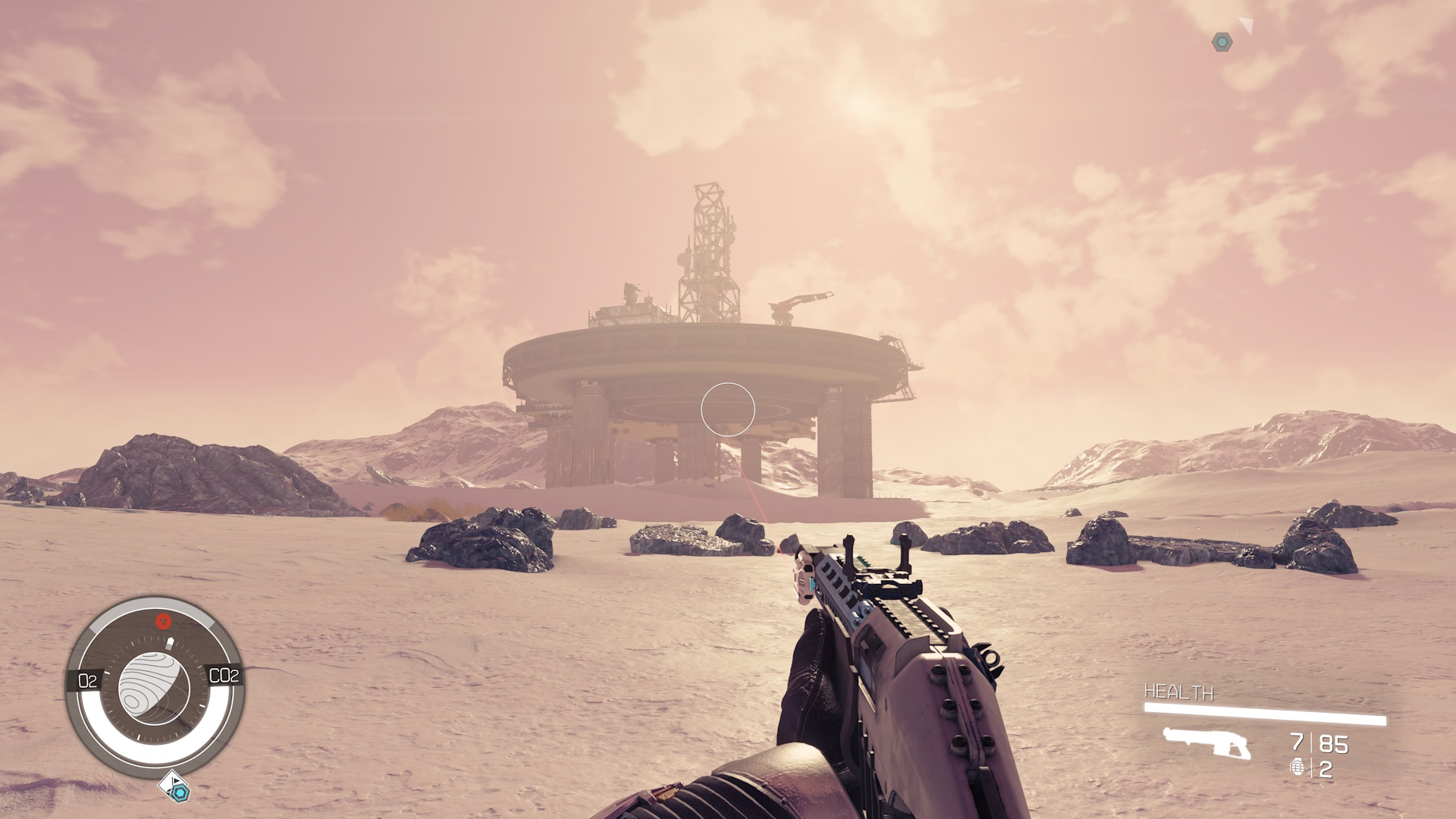
Screenshot of Starfield showing a first-person perspective and a circular building in the distance.
Starfield took Bethesda years to create.

If we generously assume that Bethesda jump-started full development on The Elder Scrolls VI the second Starfield was out the door in September 2023, that puts the game’s potential launch in late 2028 or even 2029. Forget these so-called “rumours” of a 2026 launch… that seems like a total fantasy to me. It will take time to develop a game like this… and if I dare to hope, Bethesda may be taking on board feedback from Starfield and perhaps making some changes – like reducing the need for loading screens in between areas – which may make things take even longer.

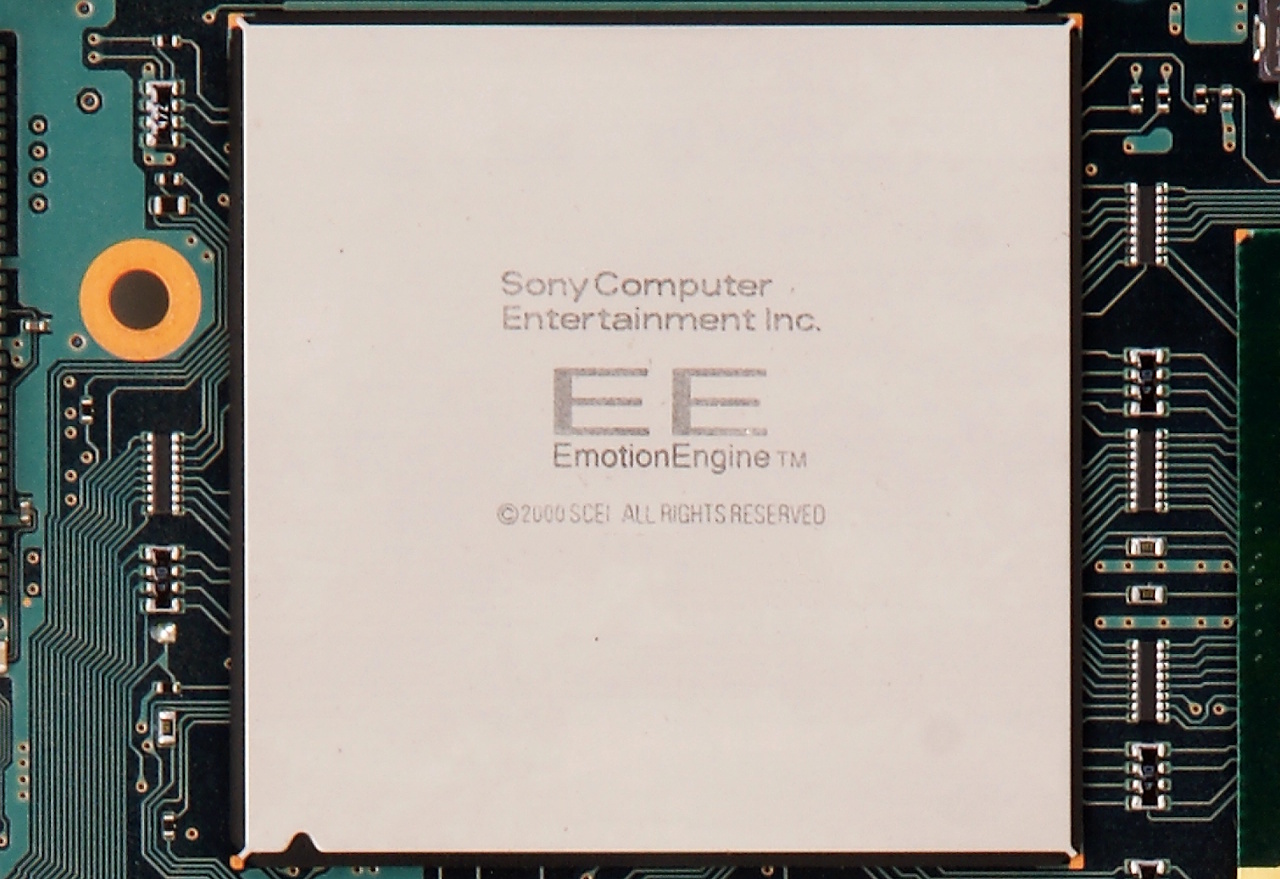
So what else might be happening in 2028 or 2029? Well… in 2024 we’re about halfway through the current generation of home consoles, right? It doesn’t seem impossible to me that the PlayStation 6 and perhaps a new Xbox console could be targeting a 2028 or 2029 launch; I’d be surprised if we don’t see the next generation of home consoles before the end of the decade. With a new console generation there will be new games – and new improvements to graphical fidelity and gameplay. That doesn’t bode well for a game that’s being created on underlying technology that will be thirty years out of date by the time it launches.

A PlayStation 2 Emotion Engine chip; a silver chip mounted to a green circuit board.
By the time The Elders Scrolls VI is ready, a new generation of home consoles could already be on the way.
Pictured: A PlayStation 2 Emotion Engine chip.

I’m not saying that The Elder Scrolls VI will be exclusive to next-gen hardware; I think it’s almost guaranteed that it’ll launch on the Xbox Series S and X – with the possibility, perhaps, of a deal to bring it to PlayStation 5 further down the line. But what I am saying is that, if the game arrives in 2028 or 2029 as predicted above, it’ll be landing in a very competitive marketplace, one where people are beginning to get hyped for new consoles – or where new consoles may even have launched.

That isn’t to say being late to the party in a console generation is always a bad thing. The Last Of Us was one of the final PlayStation 3 exclusives, for example, and it launched to critical and commercial acclaim. Microsoft could well be hoping that The Elder Scrolls VI will net Xbox a late consolation goal – ending a troubled console generation on a high note. That’s a good aspiration to have, I guess.

Still frame from the 2018 teaser trailer for The Elder Scrolls VI showing mountains in the mist.
Is Microsoft banking on The Elder Scrolls VI to see out this generation with a bang?

But even if the PlayStation 6 and the next Xbox aren’t out by the time The Elder Scrolls VI launches, it’s quite possible that players will already be seeing trailers and teasers for those consoles’ launch titles – and those games could look bigger, better, and much more visually impressive than anything Bethesda is capable of. The Elder Scrolls VI could seem underwhelming or disappointing to an audience already preparing to move on from this console generation.

There’s also a perception – an incorrect one, but one that Bethesda inflicted upon itself – that The Elder Scrolls VI has been in development since 2018. While it’s true that early pre-production was going on during Starfield’s development, it simply won’t be true in 2028 that this game “took ten years to make.” But I already see this idea taking root, and even some commentators and critics who should know better have been talking about The Elder Scrolls VI as a game that’s been in development since 2018.

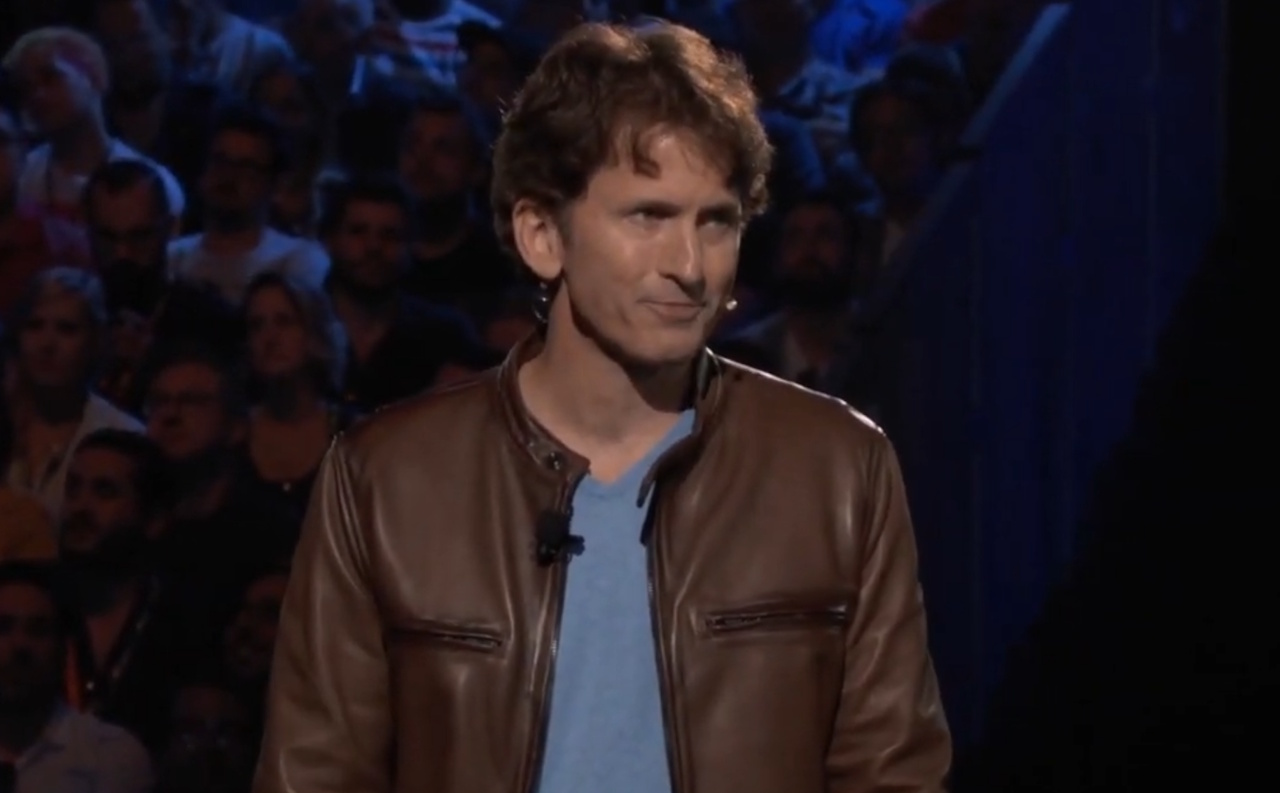
Still frame from Bethesda's 2018 E3 presentation showing producer Todd Howard.
The Elder Scrolls VI was announced in 2018.

By announcing The Elder Scrolls VI so early, before any major work had been done on the game, Bethesda has set some dangerously wrong expectations. If the game is bad – or even if it’s good but not great – people will ask “what did you waste ten years doing?” or “how did a game this mid take a decade to make?” There’s nothing that can be done about that now; the 2018 announcement is out there and has been part of the gaming landscape for six years at this point. But it was an own goal from Bethesda; the company shouldn’t have rushed to announce a game that they weren’t actively working on and that they knew wouldn’t be ready any time soon.

Skyrim is, for many folks, Bethesda’s high-water mark. It was a landmark title that did a lot for the fantasy genre in gaming as well as action/RPGs. There hasn’t been a new mainline Elder Scrolls game since 2011; by 2028 we’ll be closing in on Skyrim’s 20th anniversary. Such a huge gap in between games brings with it its own expectations, and players will expect to see genuine improvements in everything from combat and exploration to world-building and voice acting. Failing to live up to those expectations will cause the game to suffer – and if there’s a gulf in between player expectations and reality, that could be catastrophic.

Screenshot of Starfield showing the player reaching an invisible wall at the edge of the map.
“Walk on, brave explorer.”

Bethesda is also a company that I would argue massively over-promises – to the point where some statements in the run-up to Starfield’s launch felt borderline deceptive. Remember “walk on, brave explorer?” Well, it turned out you could “walk on” for about ten minutes before hitting an invisible wall… which wasn’t exactly a great look. You can shout at me till you’re blue in the face that technically nothing they said was an out-and-out lie, but there’s no doubt in my mind that Starfield’s marketing was mishandled and that Bethesda deliberately encouraged excessive hype – hype that ultimately ended up harming many players’ enjoyment of the game.

The Elder Scrolls VI needs to be marketed fairly and honestly – even if it’s not actually that good! The basic job of marketing is to show a product in the best possible light, but it’s also incumbent upon a good marketing department not to set incorrect expectations nor allow hype to get out of control. That happened with Starfield, and the result was that too many players crashed down to earth pretty quickly when they hit the game’s limitations – and loading screens.

Screenshot of Starfield showing an NPC on a medical bed.
It must be some kind of visual metaphor…

For me, The Elder Scrolls VI is – at best – a game I’m going to wait a year to decide on after it launches. Bethesda was duplicitous with Starfield’s microtransactions and paid mods, concealing them as best they could during the game’s first few months on sale – and while reviews were being written – before adding them in later. If Bethesda won’t explicitly commit to having no such marketplace in The Elder Scrolls VI, then I’m going to wait at least a year to see if they add one in and how bad it is. If it’s anything like Starfield, I really don’t think anyone will be able to convince me to play it.

But there are other reasons to be sceptical of this game. Bethesda’s refusal to modernise – in terms of the underlying game engine as well as in both writing and game design – left Starfield feeling decidedly out of date; a game surpassed in so many ways not only by its contemporaries, but by games that were several years old by 2023. Without major changes internally, I worry that The Elder Scrolls VI will be in the same boat. If that’s what fans want – and some fans will clearly be satisfied with “just” another Bethesda game that’s no different from all the others – then that’s okay, I guess. But when I look ahead to the second half of the 2020s and beyond, I hope and expect to see improvements in game design… improvements that Bethesda has shown absolutely no signs of making.

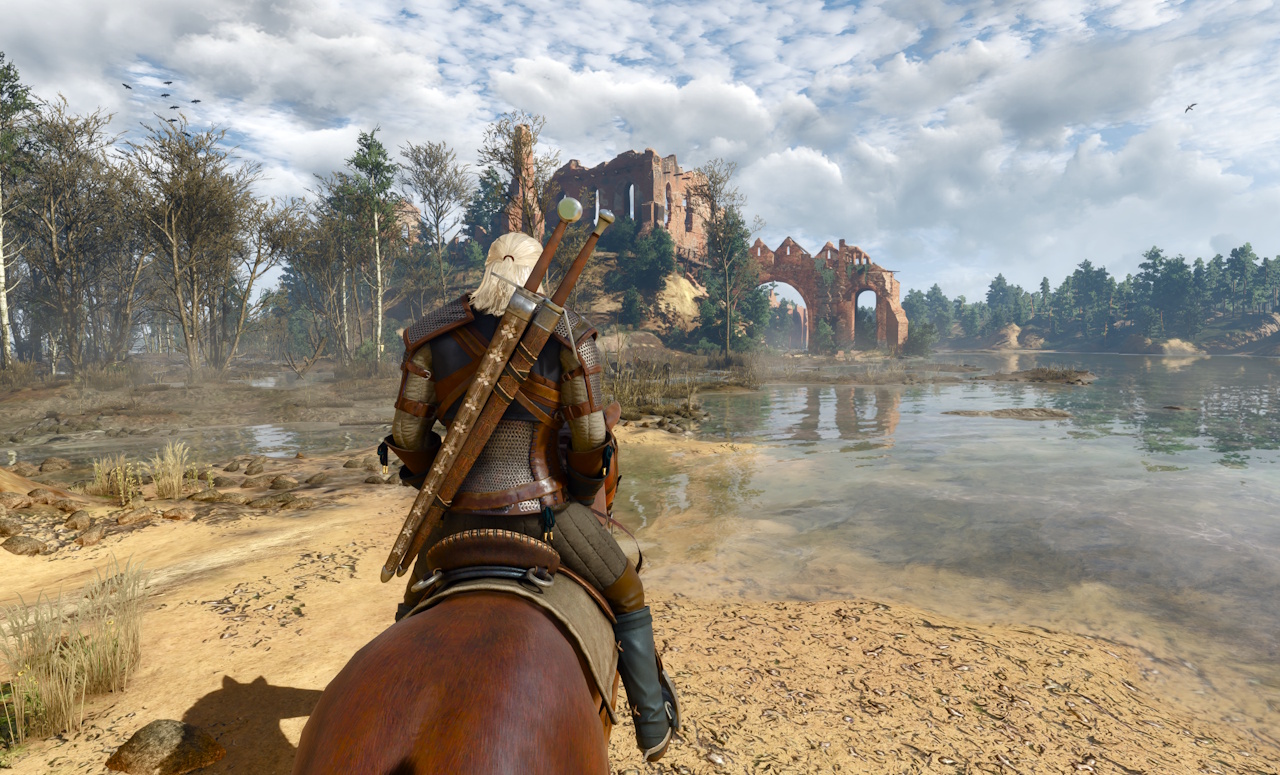
Promotional screenshot of The Witcher 3 showing Geralt on his horse.
Bethesda doesn’t seem to have learned anything from its competitors in the action/RPG space.
Pictured: The Witcher 3 from CD Projekt Red

So that’s where I am when it comes to The Elder Scrolls VI… at least at this early stage. There are red flags galore and plenty of reasons to leave this game on the shelf, even if it launches to positive reviews. And after a difficult few years for Bethesda – a decade, basically, in which their least-bad title is arguably Fallout 76 – there is a lot riding on the success of The Elder Scrolls VI. Despite Starfield’s issues, its mediocre reviews, and a player base that seems to have largely deserted the game, Microsoft seems content at this stage to let Bethesda do its thing and push ahead with The Elder Scrolls VI. I find it impossible to think that Microsoft and Xbox will tolerate another disappointment on that scale, though.

Bethesda may have earned some goodwill through publishing titles like Doom Eternal and Indiana Jones and the Great Circle – the latter having become a surprise hit just this month. But the company’s development arm is struggling, and Microsoft has shown it can be brutal when it comes to shutting down studios that fail to deliver. It’s incredibly important for Bethesda that they get this right.


The Elder Scrolls VI is currently in development and will release on PC and Xbox Series consoles at an unknown future date. The Elder Scroll series, Starfield, and other properties discussed above are the copyright of Bethesda Softworks, ZeniMax Media, Inc., and/or Microsoft. This article contains the thoughts and opinions of one person only and is not intended to cause any offence.