A New Star Trek Film Has Been Announced (Again!)

A Star Trek-themed spoiler warning.

Spoiler Warning: There are spoilers ahead for the following Star Trek productions: The Wrath of Khan, The Next Generation, First Contact, Into Darkness, Beyond, Discovery, Picard, Lower Decks, Prodigy, and Section 31.

Just the other day, we covered a rumour/leak from Skydance that the next Star Trek film would “move on” from the Kelvin timeline, and I shared my thoughts on that. Following on from that news is the announcement from Skydance/Paramount that the film they hinted at is officially going ahead. I thought we could get into the details today, as well as talk about what this announcement might mean for the Star Trek franchise overall.

If you want to check out my piece on the apparent end of the Kelvin timeline, you can find it by clicking or tapping here.

So first of all, this is not the first time in recent years that Star Trek’s corporate overlords have announced a new film. It’s not the first time that a writer/director has been attached to a new film, either. There was a film supposedly on the schedule for 2023 penned by Short Treks and Discovery writer Kalinda Vazquez. There was Noah Hawley’s film. There was an absolute mess surrounding the Beyond sequel, which had to be rapidly un-announced after it became clear that Paramount didn’t have everything in place. There was an “origin story” which may have been connected to the Kelvin timeline. There have been other rumours and pitches, too, including from famed director Quentin Tarantino. Sir Patrick Stewart even teased that a Picard movie could be in the offing after that show wrapped up.

Still frame from Star Trek: The Motion Picture showing Kirk addressing the crew of the Enterprise.
Look, it’s everyone who’s officially announced a Star Trek movie over the last few years.

I mention all of these for one simple reason: for almost a decade now, Viacom, Paramount, and the re-forged Paramount Global tried and *repeatedly* failed to get a new Star Trek film out of development hell for all manner of reasons. And just because new owners Skydance have announced this project and attached the filmmaking duo of Jonathan Goldstein and John Francis Daley to it… that doesn’t mean we’ll ever even hear about it again, let alone see the finished product in cinemas in the years ahead. Maybe you’ll say it’s unfair now that the Star Trek brand is under new management, but Skydance/Paramount have a lot to do to convince me that they have even the most basic filmmaking competence, at this point!

If you know me, you’ll know Marvel and comic book films aren’t really my thing, so I’m not familiar with Daley and Goldstein’s work on Spider-Man: Homecoming. I also haven’t seen their Dungeons and Dragons film, though I think it’s worth noting that both pictures got solid reviews, even if Honor Among Thieves was considered a bit of a disappointment in terms of the money it made at the box office. As far as I can tell, neither Daley nor Goldstein has worked with the Star Trek franchise before – which isn’t necessarily a bad thing, but it’s worth being aware of.
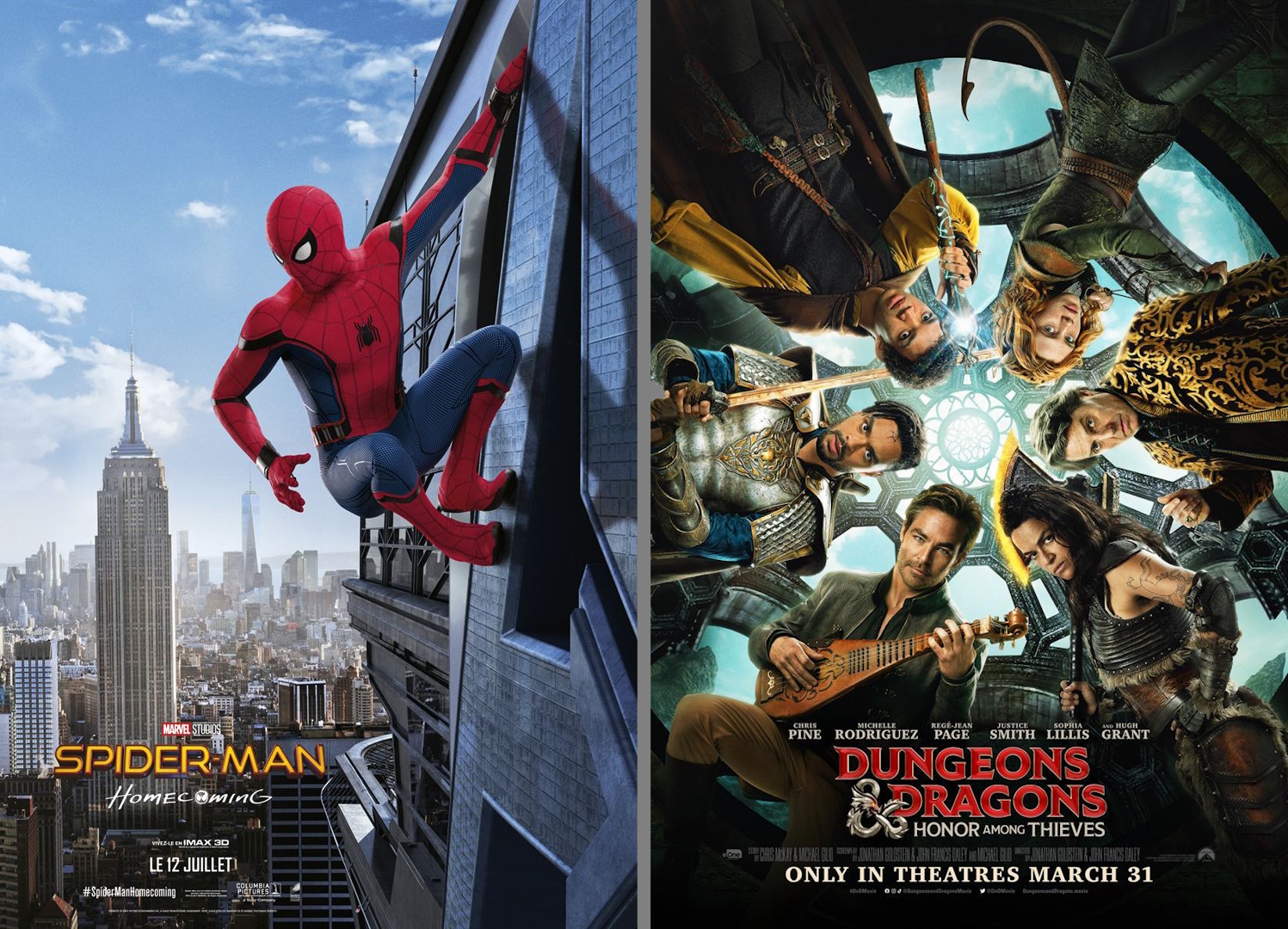
Posters for Spider-Man Homecoming (left) and Dungeons and Dragons: Honor Among Thieves (right).
Daley and Goldstein previously worked on Spider-Man: Homecoming and Dungeons and Dragons: Honor Among Thieves.

As we discussed when the Skydance merger had gone through, this announcement seems to embody Skydance CEO David Ellison’s preference for film over TV. With a swath of cancellation announcements for every Star Trek series save Starfleet Academy, and now this new film getting an official announcement, I think we’re catching the first glimpse at what a new era for Star Trek is going to look like. Star Trek is being reimagined as a cinematic franchise first, and while I haven’t given up on the prospect of Star Trek remaining on the small screen… that looks less likely in the medium term, once the current crop of shows come to the end of their runs.

And I have to be honest: I’m pretty disappointed about that.

Look, I’ll be the first to concede that not every modern Star Trek project has gone well. Picard’s awful second season, Discovery’s increasingly repetitive storytelling, Prodigy struggling to find an audience… there have been many mistakes made by the former Paramount corporation and the folks in charge of creating new Star Trek stories. But for me, Star Trek’s home is and always will be on television, not at the cinema. That’s where Star Trek has the freedom to dip its toes into different genres and storytelling ideas, and it’s really the only way it can “seek out new life and new civilisations.” Being constrained to the cinema in the years ahead restricts the kinds of stories Star Trek will be able to tell.
The new Skydance/Paramount logo (white on a navy blue background).
The new film will be the first original Star Trek project for the new Skydance/Paramount corporate entity.

Additionally, it means we’re going to be seeing a lot less Star Trek! Now, I’ve taken Paramount to task in recent years for oversaturating the brand and for allowing the dreaded franchise fatigue to set in. But there’s a balance somewhere between broadcasting more than fifty new episodes in a single calendar year and releasing one film every few years. Even if we just had one Star Trek series at a time, running for truncated ten-episode seasons, that would be preferable – in my opinion – to Star Trek doing what it did in the Kelvin timeline era.

It makes sense to me, as I wrote last time, for Star Trek to move on from the Kelvin timeline, though, and I think that’s a net positive as we look at this announcement. The Kelvin films were fun for what they were, and the 2009 reboot in particular was arguably just what the franchise needed at that moment to avoid slipping away altogether. But almost a decade on from Beyond, and with so much else having been on our screens in that time, I think a new approach is warranted – and I’m happy to see Skydance going in a different direction.
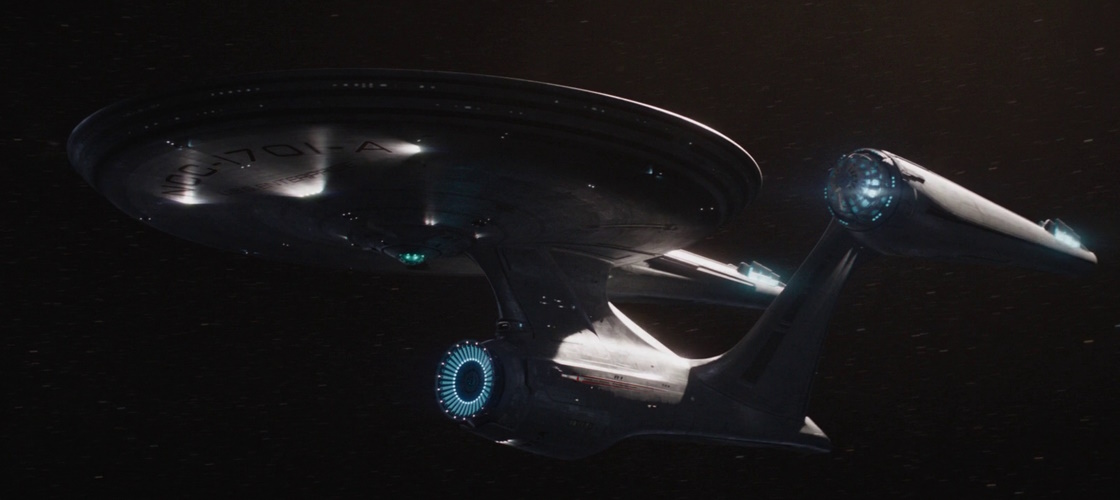
Still frame from the final moments of Star Trek: Beyond showing the new Enterprise-A.
The Enterprise-A at the end of Beyond.

It also makes a lot of sense from the new corporation’s perspective. Why go back to something that someone else made when you could tell your own story? The Star Trek universe is vast, and there are so many different time periods, alien factions, and planets to explore… being restricted to the same handful of re-cast characters over and over again begins to feel small and repetitive after a while. As we look ahead and try to be optimistic about Star Trek’s future prospects, building a new foundation instead of trying to revive one from almost twenty years ago is the smart move.

I just hope it pays off… because after what has been a clearly underwhelming performance (in financial terms) on streaming over the past few years, and with an ageing fan community that hasn’t significantly expanded in a long time, Star Trek doesn’t feel like it’s in a great place, to be honest with you. Not when considering the future, at any rate. If this film doesn’t impress Skydance’s leadership and investors… I could absolutely see Star Trek as a whole going on hiatus, if not being permanently brought to an end.

So no pressure, eh?
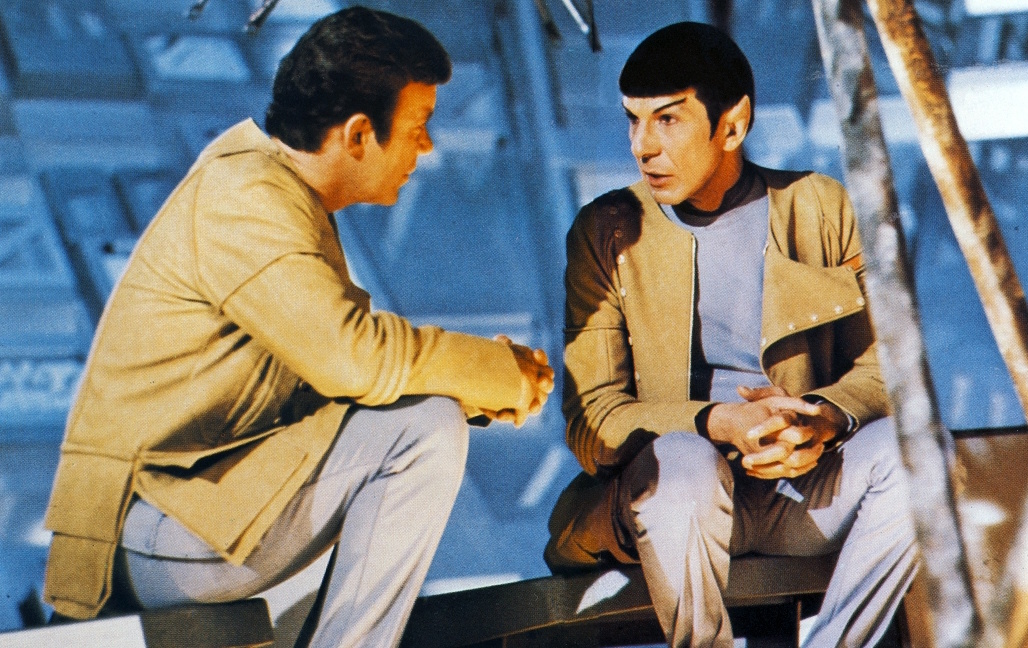
Behind-the-scenes photo from the set of Star Trek: The Motion Picture showing William Shatner (Kirk) and Leonary Nimoy (Spock) having a chat on set.
William Shatner and Leonard Nimoy during the production of The Motion Picture.

Next, I’d like to briefly talk about what I think this new film might look like… as well as what I’d *like* it to look like if I were in charge!

Firstly, if you’re hoping for some kind of in-depth TOS-style “morality play,” or something a bit more esoteric and weird, you’re going to be bang out of luck. We’re almost certainly going to get a picture which lands a lot closer to the “action” side of “action/sci-fi.” But that doesn’t have to be a bad thing. Ask most Trekkies – and a general audience – which Star Trek films are the best, and you’re almost certain to hear The Wrath of Khan and First Contact ahead of the likes of The Motion Picture or Insurrection. But just based on the writers/directors attached to the project, and their previous works, I’m almost certain this new Star Trek film will be going down that route.

Secondly, it sounds as if we’re going to get an all-new cast of characters this time, which could also mean we’re going to get a new setting and even a new time period. Unless the new film does something silly like trying to re-cast Picard and the TNG characters, it really sounds like it’ll be going in a totally new and fresh direction, which I think is a hugely positive thing. Think about it: basically everything we’ve gotten in this era of streaming Trek is either a direct prequel or sequel, and many characters have either been re-cast or simply brought back to the franchise. Getting something genuinely *new* is going to feel like a treat after so much recycling!
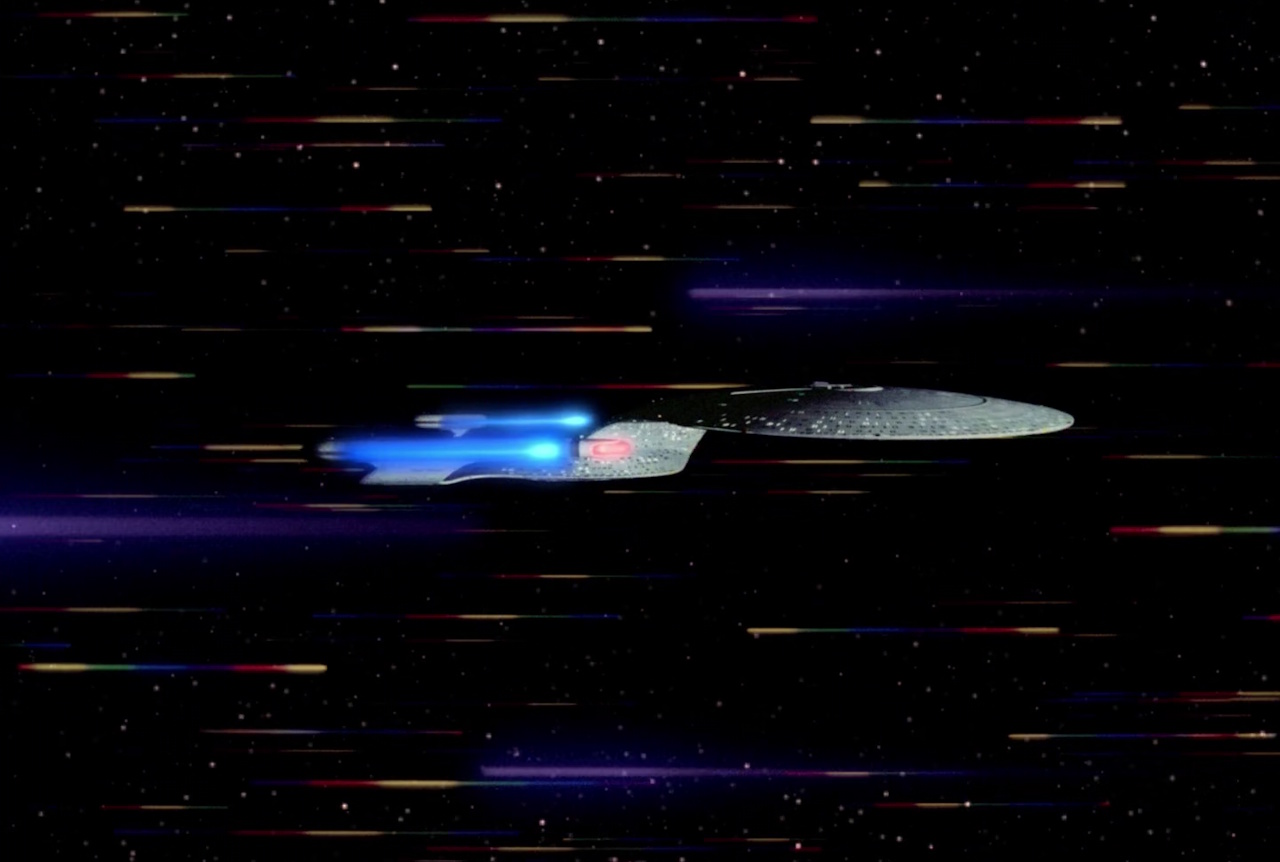
Still frame from Star Trek: The Next Generation Season 1 showing the Enterprise-D at warp.
The Enterprise-D.

Finally, I expect this project will be somewhat comparable in terms of tone and audience appeal to Star Trek ’09. After a decade on streaming, this is Skydance brushing all of that aside and saying: “here’s a reboot.” Perhaps it won’t be as blatant as Star Trek ’09’s “alternate reality,” but make no mistake about it: this is another attempt to streamline and simplify Star Trek, and to reach out to a much wider audience. As a Trekkie, that might feel somewhat alarming; after all, don’t we all want Star Trek to be “made for the fans?” But I’m kind of taking the same approach as I did in the late 2000s, seeing this film – and any potential sequels – as a stepping-stone to something bigger and better. As I said in the run-up to Section 31′s launch at the start of the year: it doesn’t matter if the film isn’t for me if it succeeds in its objectives of expanding the fan community and shoring up the brand.

To me, that’s what this new film should be attempting to do. It needs to reach out to folks who may have watched First Contact and Into Darkness, but who haven’t subscribed to Paramount+, don’t know who Captain Pike is, and prefer to watch things like Spider-Man. And it needs to convince them that this weird, convoluted, nerdy franchise is something worth getting invested in. Section 31 was meant to do that, too, by the way, but I think the verdict there is that it failed.
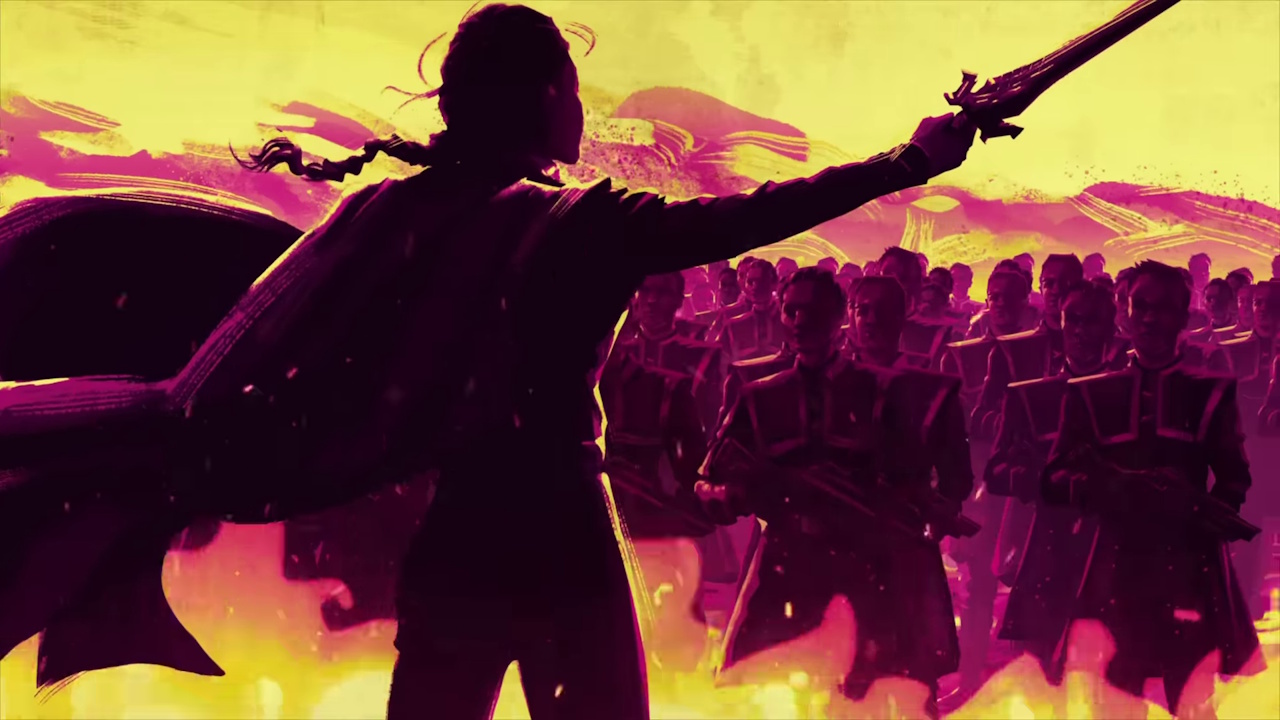
Promo image for Star Trek: Section 31 showing Empress Georgiou holding a sword.
This new film needs to succeed where Section 31 failed.

If I were in charge, I think I’d want a film set sometime after the Picard era – in a new, fresh, unexplored time period, but still within the prime timeline. There’d be scope, perhaps, for one familiar character to have a cameo, something akin to Leonard Nimoy’s role in Into Darkness, perhaps, just to tie things together but without overwhelming the story. And then? I’d set the new characters a challenge that might be connected to previous iterations of Star Trek, but which doesn’t depend on any pre-existing knowledge.

The Borg arguably fit the bill!

We want the new film to have a distinctly “Star Trek” identity, meaning it can be a gateway for new fans that isn’t totally disconnected from everything else that the franchise has done. But it mustn’t be *too* closely tied up with what came before, because that risks putting off the very casual audience that we’re trying to attract. It needs to be explosive and exciting while still being true to Star Trek. And I really can’t think of a better fit than the Borg, to be honest with you.
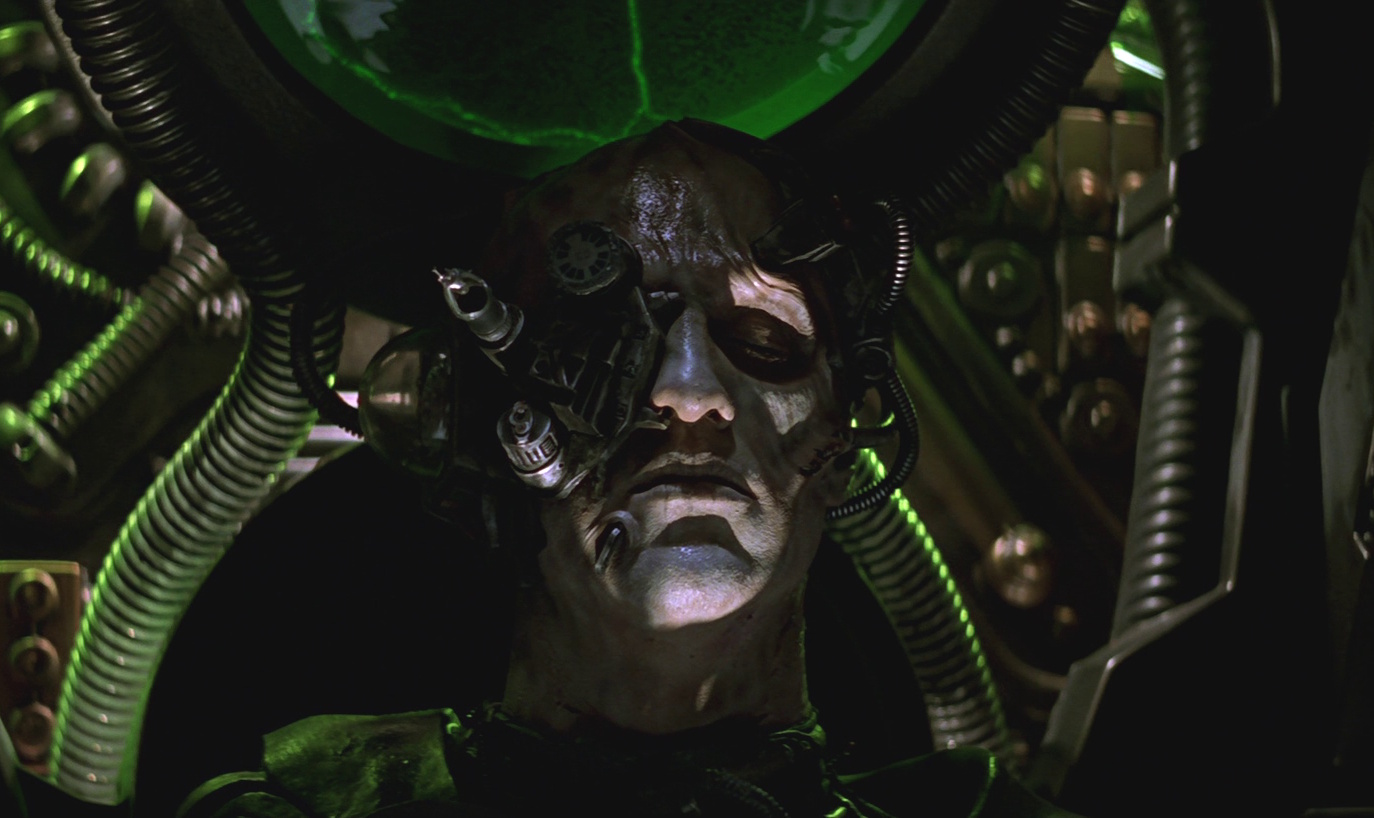
Still frame from Star Trek: First Contact showing a Borg drone in their alcove.
Should this new film feature the Borg as a major antagonist?

I know the Borg have been back a little too often in modern Star Trek, appearing in all three seasons of Picard as well as in Prodigy and Lower Decks. But the last time the Borg were seen *at the cinema* was in 1996 – and that came in what is still, to this day, one of the best-remembered and highest-rated Star Trek films. So… why not bring back the Borg for another round? Have a new cast of characters facing off against a familiar foe, but one that’s easy for non-fans to understand? You don’t need a lot of background about the Borg to realise they’re a horrible danger!

Furthermore, despite what I said about this new film not being a “morality play” type of story, we’re right in the middle of a potential A.I.-led transformation of at least some parts of society. What could be more timely than a film about the Borg: cybernetic beings, all hooked up to one hive mind? The Borg, since their inception, have been a warning of a reliance on technology gone awry, and I think there’s even more potential in that idea in 2025 than there was thirty-five years ago when the Borg debuted.
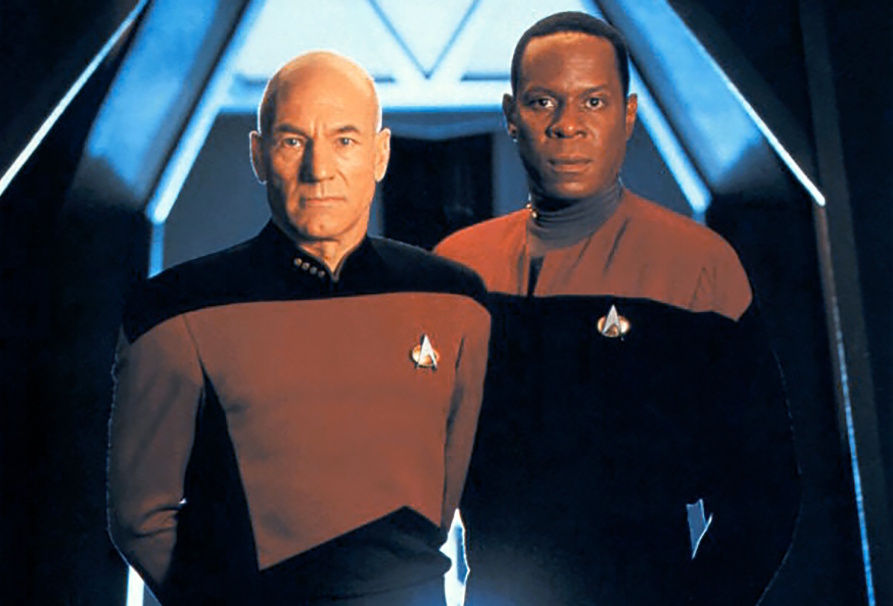
Promo photo for Star Trek: Deep Space Nine showing Sisko with Picard.
Picard and Sisko.

So that’s what I’d argue for if I were in the room!

But in any case, a new Star Trek film has been announced and seems to be going ahead. Skydance is now in full control, and it’s my hope that the new leadership team will be more competent than the previous crop of executive idiots who’ve mismanaged Star Trek over the past few years. Though I’m still disappointed to lose Strange New Worlds – and to see Star Trek potentially disappearing from the small screen in the years ahead – it does at least give me some room for optimism that Skydance has faith in the franchise. A new film wouldn’t have been my choice; I’d have commissioned a new TV show if I had the opportunity. But it’s better than nothing, and I will do my very best to support it as it develops.

If and when we get more news on this film, like story details, casting announcements, or a trailer, I hope you’ll join me as I daresay I’ll have plenty to add! And when it’s finally ready for release – perhaps in 2028, 2029, or 2030 – I’ll definitely check it out and write a review! Until then, though, there are still two more seasons of Strange New Worlds to come, as well as Starfleet Academy, and more. I’ll be talking about all of that in the weeks and months ahead, but until then… Live Long and Prosper!


The Star Trek franchise – including all films, TV programmes, and other properties discussed above – is the copyright of Skydance/Paramount. Most of the Star Trek franchise is available to stream now on Paramount+ in countries and territories where the platform is available, and is also available on DVD, Blu-ray, and video-on-demand platforms. This article contains the thoughts and opinions of one person only and is not intended to cause any offence.
The End of the Kelvin Timeline?

A Star Trek-themed spoiler warning.

Spoiler Warning: Beware of minor spoilers for the Kelvine timeline films and Strange New Worlds.

In a little over six months from now, it’ll be ten years – an entire decade – since Star Trek Beyond hit cinemas. Beyond is the most recent film in the Kelvin timeline – the Star Trek spin-off films set in an alternate reality. There have been multiple attempts in the nine-plus years since its release to get a sequel off the ground, including a couple of years ago when Paramount announced – and then had to rapidly un-announce – a film that wasn’t ready. That was a clusterfuck, eh?

Every so often, if you follow some of the big Star Trek fansites and social media pages, an interview will pop up with a member of the Kelvin cast, and they always make the right noises, sounding positive and hopeful about one day returning and making another film. But if recent reports are to be believed, the newly-merged Skydance/Paramount corporation is ready to “move on” from the Kelvin timeline. While a new Star Trek film is supposedly being planned, it won’t involve the Kelvin timeline or the cast of the rebooted series. I thought we could discuss that today.

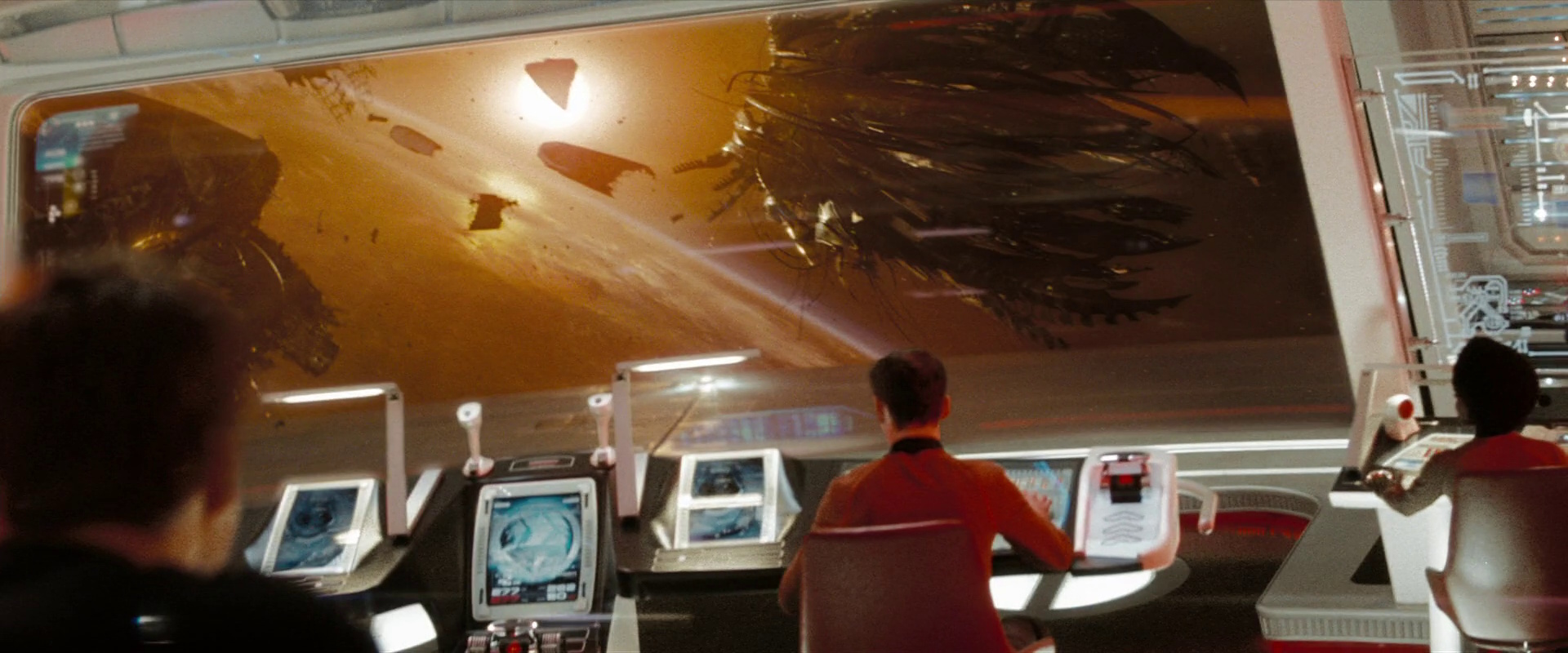
Still frame from Star Trek 2009 showing the main viewscreen on the bridge.
The bridge in Star Trek ’09.

I know the Kelvin films weren’t every Trekkie’s favourite part of the franchise – to put it mildly! Heck, I *still* know people who refuse to even watch them because of how upset they were at both the recasting of classic characters and the more action-heavy storytelling. But we should all be able to acknowledge what the films – and the 2009 reboot in particular – did for Star Trek at a time when the franchise had been cancelled after more than fifteen years on the small screen.

We wouldn’t have seen Discovery, Picard, Lower Decks, Strange New Worlds or really any of the Star Trek productions we’ve enjoyed over the last decade were it not for the success of the Kelvin timeline films. Star Trek ’09 demonstrated to investors that, despite declining viewership on TV in the 2000s, there was still life in the Star Trek franchise, and still new stories to be told. These films carried the torch for Star Trek during what could’ve been its darkest hour, and they set the stage for the franchise’s revival.

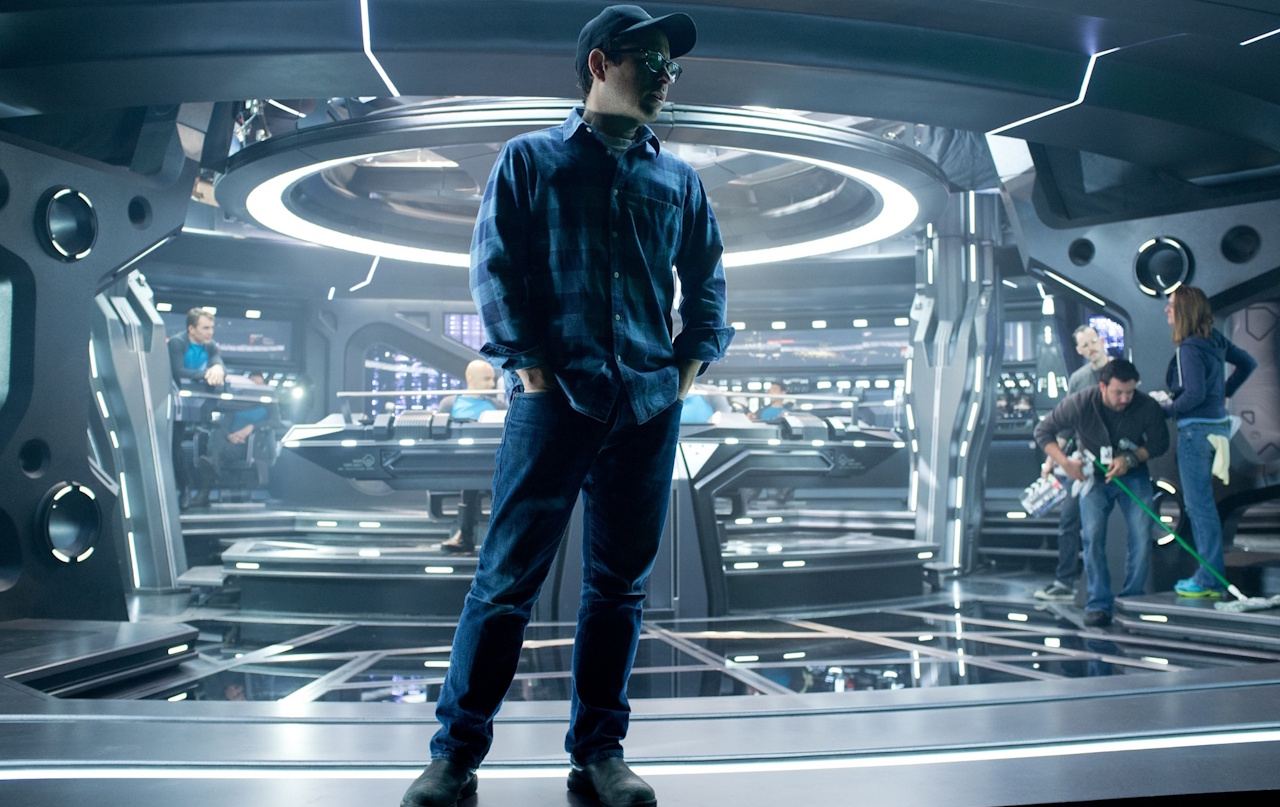
Behind-the-scenes photo from the set of Star Trek Into Darkness showing director JJ Abrams.
Director J.J. Abrams on the set of Star Trek Into Darkness.

With all that being said, regular readers will undoubtedly remember me saying that I don’t believe there’s a place for a new Kelvin timeline film. I wrote about this in 2020 and 2021, and while my original reasons for saying that have now shifted in light of the spate of cancellations this year… I stand by the original point. I know Beyond seemed to tease a sequel in its closing moments, and there will always be a part of me that wants to see reboot Kirk’s adventures aboard the Enterprise-A. But given the changes not just to Star Trek over the past ten years, but the entertainment landscape as a whole… I’m not sure a 2009-style film is the right fit any more. After almost a decade, audiences have moved on and expectations have changed.

Then there’s Strange New Worlds. What was the original idea behind Star Trek ’09? It was to show “young Kirk” and “young Spock” at Starfleet Academy, then undertaking their first missions together. Well… we’ve seen that. And thanks to Strange New Worlds, we’ve also seen the prime timeline version of that, too. Strange New Worlds has introduced several other legacy characters, and thanks to being able to develop those characters a lot more because of the extended runtime a television show permits, I’d argue it’s done a lot more with some of those characters than the entire Kelvin trilogy did.

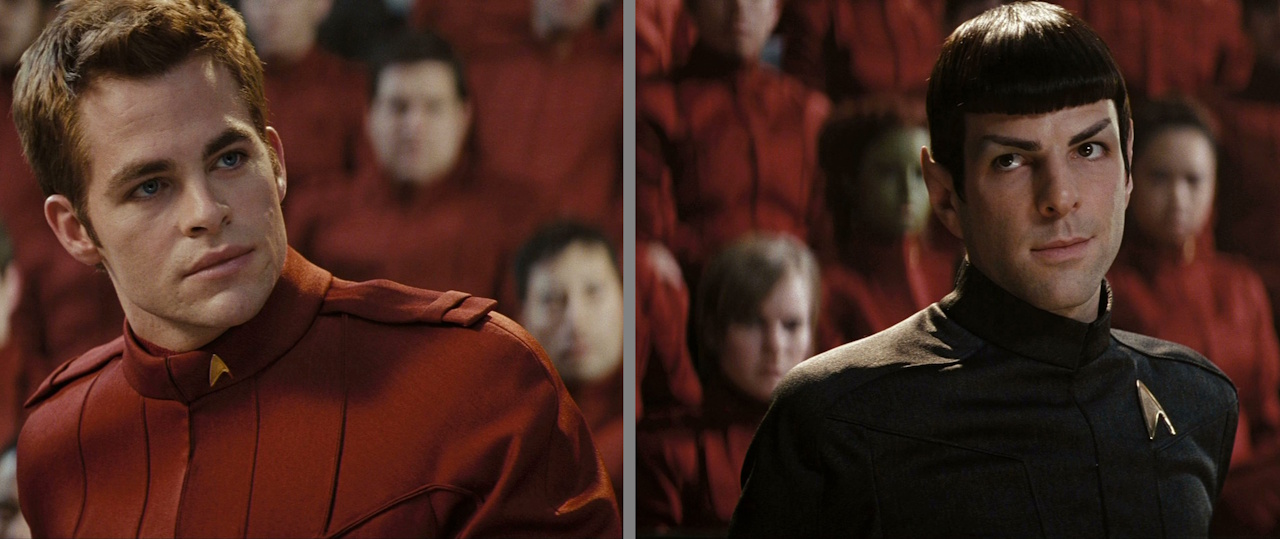
Two still frames from Star Trek 2009 stitched together, with Cadet Kirk on the left and Commander Spock on the right.
Kirk and Spock at the Academy in Star Trek ’09.

At this point, if we returned to the Kelvin timeline a decade after Beyond, we wouldn’t be seeing “young Kirk” and “young Spock” on one of their first missions. We’d be seeing Kirk and Spock on their five-year mission – or perhaps even *after* that, in the latter part of the 23rd Century. There are things that the Kelvin timeline could do with that idea, sure… but we’ve already seen plenty of Kirk and Spock at this point, haven’t we? Between TOS, the Kelvin films, Strange New Worlds, and the rest of Star Trek, we’ve spent a lot of time with these characters already. So… what could a new Kelvin film do that we haven’t already seen?

This leads me to my most fundamental point: Star Trek needs to move on. Not just from the Kelvin timeline, but from the 23rd and 24th Centuries in general. Since the turn of the millennium, we’ve had Enterprise, Discovery, Strange New Worlds, and the Kelvin timeline – all of which were prequels. Then we had Prodigy and Picard, which were direct sequels to Voyager and The Next Generation. The closest Star Trek came to originality was Lower Decks, ironically enough! And that show called back to The Next Generation era over and over again, and brought in numerous guest-stars.

Still frame from Star Trek: Picard Season 3 showing the Titan/Enterprise-G in orbit of a star.
What *new* adventures might lie ahead for the Star Trek franchise?

A new film at this point should have the freedom to go in a totally different direction, and shouldn’t be too tied up with what came before. That doesn’t mean it can go breaking all of the rules of canon, of course, but after so many sequels, prequels, and spin-offs, it’ll be nice to get something truly original for once. Won’t it?

If Star Trek continues to look backwards at its own history, and keeps trying to bring back characters from the past, that limits the franchise’s potential to grow and expand. I became a Trekkie in the early 1990s not because of Kirk, Spock, and Dr McCoy, but because of Picard, Riker, and Data. If Star Trek, in the ’80s, had doubled-down on The Original Series and those classic characters, we’d have missed out on so much – not only The Next Generation, but Deep Space Nine, Voyager, and more. After such a long time, and with so much having happened since Beyond was in cinemas… a new film taking a new approach just feels like the best option.

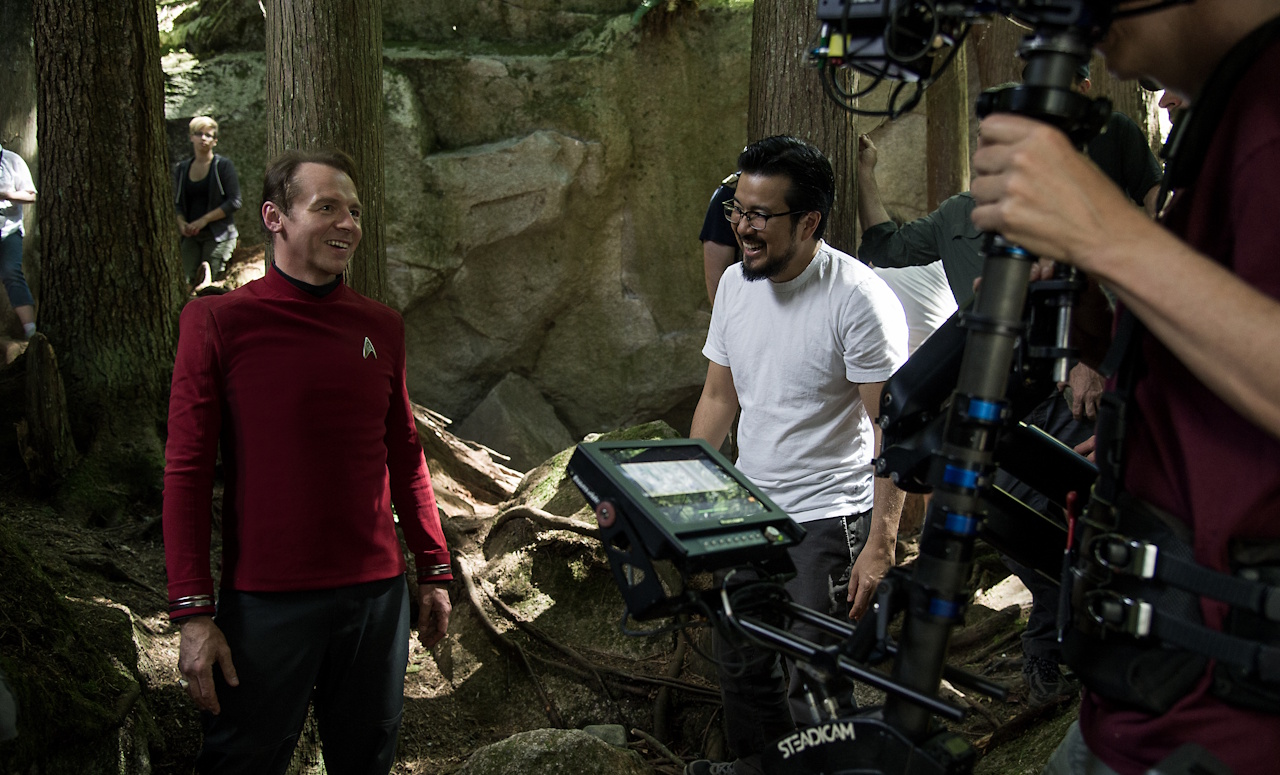
Behind-the-scenes photo from Star Trek Beyond showing Simon Pegg, Justin Lin, and others.
Simon Pegg (Scotty) and director Justin Lin on the set of Star Trek Beyond.

There are risks, of course. Into Darkness remains the cinematic Star Trek franchise’s high-water mark in terms of financial success, and all three of the Kelvin films turned a profit. Creating something brand-new, with a new director and a new cast of characters, might not achieve the same level of success as a Beyond sequel. Figuring out how to attract audiences who turned out for Into Darkness – but who may have skipped *everything* Star Trek has done since – will be the biggest challenge Skydance faces when it comes to pitching the new film.

And there’s kind of limited room for manoeuvre here. In 2009, a lot of people who hadn’t watched the likes of DS9 and Enterprise showed up specifically because Star Trek was billed as a reboot. The universe was going to be reset, you didn’t have to have followed any of the increasingly convoluted storylines from the previous fifteen-plus years… this film was its own thing. But can you re-reboot a franchise and achieve the same level of success a couple of decades later? Does the name “Star Trek” carry the same weight it did in 2009, after not really managing to reach out to a big new audience on streaming? I think those are valid questions as this new film may be getting underway.

Cropped promo image for Star Trek 2009 showing the USS Enterprise in sillhouette.
A silhouette of the Enterprise was one of the first teaser images released for Star Trek ’09.

I don’t lament the demise of the Kelvin timeline. It laid the groundwork for Star Trek’s return to its small screen home in 2017, which I truly appreciate, but then it kind of lost its place – at least for me as a Trekkie. By the time Pike and Spock joined Discovery a couple of years later, and we were getting news of new projects featuring Picard, Section 31, and a new animated series, it really seemed like Star Trek was back. Strange New Worlds, with its focus on many of the same characters as those in the Kelvin films, occupies a very similar space, and I’m just struggling to see what a new Kelvin film could really have to say after five seasons of Strange New Worlds and everything else Star Trek has done over the past nine-plus years.

At the same time, there’s a sense that Star Trek’s executives never took *full* advantage of the alternate reality that the Kelvin films presented. We could’ve seen, just as one example, Captain Kirk taking on the Borg – something that would be impossible to do in the prime timeline. Or we could’ve done more with the idea of a crossover from the prime timeline, bringing in William Shatner and George Takei alongside Leonard Nimoy. That can’t happen now.

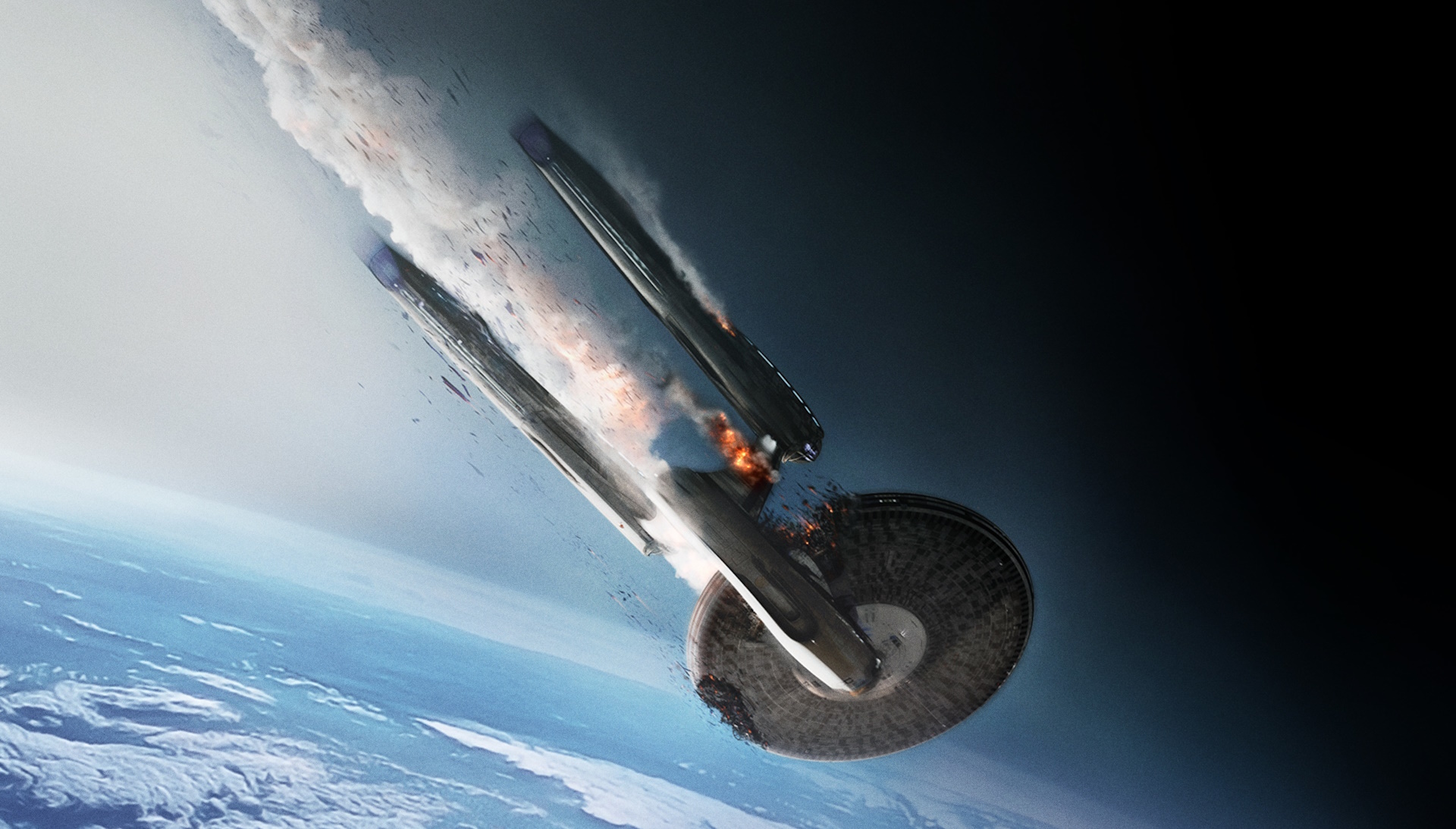
Cropped promo poster for Star Trek Into Darkness showing the USS Enterprise crashing into the atmosphere of a planet.
The Enterprise.

But the Kelvin films – or perhaps we should start saying “the Kelvin trilogy” – have a place in the history of Star Trek. They carried a torch for the franchise at a time when total cancellation and annihilation seemed not only likely, but were actively happening, and they set the stage for several great streaming shows that expanded the franchise in new ways. That isn’t a bad legacy by any means.

And as we look to the future? Star Trek seems set to enter a fallow period as the 2020s come to a close. After Strange New Worlds finishes its run, all we know for sure is that Starfleet Academy is getting a second season – and then there’s this potential new film. Star Trek XV – or whatever we’re going to end up calling it – has a lot to live up to in some ways, as it may have to pick up the mantle from the Kelvin timeline and keep Star Trek alive at a time when there might not be anything else going on. But this new film, thanks to being its own thing, has almost limitless storytelling possibilities, and won’t be constrained by what came before. That worked well in 2009, and it set the stage for bigger and better things. I’m going to keep my fingers crossed that this new film, in whatever form it ultimately takes, will be much more like Star Trek ’09 and less like the unfortunate Section 31.

So I hope this has been interesting. Part of me wonders if, in another ten or fifteen years, we may yet get a belated Kelvin timeline revival. Who knows! But nostalgia can be a big deal in entertainment, and if there are enough Kelvin fans clamouring for it… never say never, right? I will keep my ear to the ground and if there’s any news about a new Star Trek film in the weeks and months ahead, I daresay I’ll have more to add, so be sure to check back from time to time. And if you want to see what else I’ve had to say about the Kelvin timeline over the years, you can check out my dedicated Kelvin timeline page by clicking or tapping here. Until next time, friends!


Star Trek ’09, Star Trek Into Darkness, and Star Trek Beyond are available to stream now on Paramount+ in countries and territories where the platform is available. All three films are also available on DVD and Blu-ray. The Star Trek franchise – including all films and other properties discussed above – is the copyright of Skydance/Paramount. This article contains the thoughts and opinions of one person only and is not intended to cause any offence.
Star Trek Needs Sequels, Not Prequels

A spoiler warning graphic.

Spoiler Warning: There are spoilers present for Star Trek: Discovery and Star Trek: Picard.

Alright, let’s talk about some troubling Star Trek news, I guess.

First of all, I want to say that more Star Trek on our screens is a good thing. I always like to give that caveat before I say anything even remotely negative about announcements and rumours because I know I can be misinterpreted. Given Paramount’s dire financial situation, recent Star Trek cancellations on the small screen, and the repeated failures of big-screen Star Trek projects in recent years, the fact that we’re getting announcements about new Star Trek content at all is a positive development. The franchise isn’t dead and doesn’t seem to be going away in the immediate term – and that is good news.

But – and you knew there had to be a “but” after all of that – recent Star Trek film announcements are not only not what I’d hoped to see, but I think they really represent how out-of-touch Paramount is and how far removed its executives have become from the Star Trek fan community. The kinds of projects Paramount wants to greenlight seem to be poised to repeat recent and not-so-recent mistakes, and also appear to be based on a total misread of where Trekkies – and a more casual wider audience – are right now.

Paramount Global's logo.
Paramount Global is the corporation that owns and manages Star Trek.

Earlier in the year we talked about the announcement of a Kelvin timeline prequel film, as well as the prospects of a sequel to 2016’s Beyond. It’s recently been reported that the so-called “origin story” is moving ahead, with talks ongoing to sign Simon Kinberg – who previously worked on films like Deadpool, The Martian, and the X-Men series – as a producer. Kinberg may also have a role in guiding or producing future Star Trek films after that.

This prequel is not the kind of project I’d choose to make if I were in charge of the franchise over at Paramount – and it seems to me that Paramount is repeating and doubling-down on the same mistake that the Star Trek franchise has been making for almost a quarter of a century. Going all the way back to the announcement of Enterprise around the turn of the millennium, prequels are just not what most fans have wanted to see. You can see that from Enterprise’s lacklustre viewing figures during its original run, leading to its premature cancellation.

Promo photo for Star Trek: Enterprise (2001) showing several main cast members.
Enterprise – Star Trek’s first prequel – struggled with viewership throughout its four-season run.

Moreover, Discovery had the same problem when it was announced in 2016 – and that show’s place in the Star Trek timeline caused it a plethora of issues. As I said when I took a longer look at Discovery’s creation and its status as a prequel – which you can read for yourself by clicking or tapping here – the show’s writers taking Burnham and the crew out of the 23rd Century in the Season 2 finale seems to be a tacit admission of the fact that it should never have been set in that time period to begin with.

Most of Paramount’s executives and key investors are old. They’re of the baby boomer generation, and while I doubt whether any of them are or ever were Star Trek fans, when they think of the franchise their thoughts naturally turn to The Original Series – to Kirk, Spock, and Dr McCoy, and the adventures of the original Enterprise. When they consider pitches for new Star Trek projects and think about where to spend their money, that unconscious bias is present – and I would argue that it’s leading to them pushing the Star Trek franchise in very much the wrong direction.

Black-and-white promo photo for Star Trek (1966) showing Captain Kirk wielding a phaser rifle.
Too many senior people at Paramount Global still think of this when they hear the name “Star Trek.”

Discovery would have always been a controversial production, I suspect, but one of the biggest problems fans had with the show was its place in the timeline. Very little about Discovery in its first two seasons would’ve needed to change if the series had been set a decade after Nemesis instead of ten years before Kirk’s voyages aboard the Enterprise. Some character details would need to be different, but the fundamentals of the show would have worked the same – and it wouldn’t have picked up the controversy and bad feelings that came with being a prequel.

The biggest request from Star Trek fans over the past year-and-a-bit has been a Picard spin-off. Originally pitched by Terry Matalas, Picard’s showrunner during its second and third seasons, the series tentatively titled Star Trek: Legacy has proven incredibly enticing to Trekkies. However, with Matalas recently being tapped by Marvel and Disney to work on new projects for them, Legacy as originally envisioned seems not to be going ahead. That was always a possibility – and for all we know, the original pitch might’ve been crap. But the point remains: if Paramount was listening to Star Trek fans, a sequel, not a prequel, would surely be the next Star Trek project.

Still frame from Star Trek: Picard Season 3 (2023) showing a character at the helm of a shuttlecraft.
A sequel to Star Trek: Picard would be very popular with the Star Trek fan community.

Let’s assume that this “origin story” film goes ahead. A dangerous assumption given Paramount’s breathtaking incompetence, perhaps, but for the sake of argument we’ll entertain it for a moment. What would a film like that realistically do for Star Trek? It could connect with the Kelvin films, perhaps, and call back to Enterprise in some capacity. It could perhaps harken back to First Contact, which continues to be a pretty popular film, or maybe even scrape the barrel by making reference to some of the events in Picard’s awful second season. But beyond that? What could a film in this era explore that we don’t already know or can’t reasonably infer from other Star Trek projects?

There are events in Star Trek that we’ve never seen on screen but that shows or films have made reference to. Some of these might actually be interesting to explore in more detail one day – but not as a flagship big-screen project. These are the kinds of incidental stories that might work as one-off episodes in longer seasons, or perhaps as standalone episodes of Short Treks. Committing movie-level money to a prequel set in between Star Trek’s least successful series and most controversial series… it just feels idiotic. It’s indicative of a corporation and group of executives who are too far removed from the fan community.

Behind-the-scenes photo from Star Trek: Discovery Season 1 (2017) showing characters being filmed on location in a forest.
Behind-the-scenes during production on Season 1 of Discovery.

I can just about see the case for a Beyond sequel – a fourth Kelvin timeline film. I still don’t agree that it would be the best way for Paramount to spend money on Star Trek, but given the relative financial success of the Kelvin films and the alternate reality setting that’s a step away from the prime timeline, I can at least understand why a return to that cast and series would be appealing. But that doesn’t apply to a different prequel, one set before the events of 2009’s Star Trek and basically everything else in the franchise.

Since its inception in the ’60s – and even more so since The Next Generation premiered – Star Trek has been a franchise that looked forward and moved forward. The core of Star Trek is about the future, and representing a positive, optimistic vision of the 23rd and 24th Centuries that can be inspiring to people today. Creating a prequel that looks back at Star Trek’s own fictional history felt wrong when Enterprise did it, re-telling the stories of Kirk and co. felt strange when the Kelvin films did it, and creating yet another prequel didn’t go to plan when Discovery did it, either. Star Trek is not a franchise well-suited to prequels and it never has been. If there is to be more Star Trek in the months and years ahead – and I hope that there will be – it should continue to move the timeline forward.

Promo image for Star Trek: Discovery Season 1 (2017) showing the captain's chair.
One of the first promotional images revealed for Discovery in 2016.

I don’t know what might be in the script for this supposed “origin film” that sparked all of this discussion. But based on everything I’ve seen as a viewer from Enterprise through the Kelvin films to Discovery, Strange New Worlds, and beyond, I can’t imagine that it could only ever work as a prequel. With some tweaks and adaptations, I would bet the farm that this new story would work just as well – perhaps even better – if it was set in the Picard era or beyond. Making it a sequel, not a prequel, would not only give Trekkies what we’ve been asking for more of for a long time, but it would probably make for a better, more solid standalone film – and perhaps even create something that could serve as a launchpad for new films and TV shows.

If Paramount wants to set a Star Trek project in an era with few direct connections to the rest of the franchise, that option exists as well. Shooting beyond Discovery’s 32nd Century could be a possibility, but I would also advocate for a film or show set in the 26th or 27th Centuries – far removed from the events of The Next Generation era. If new characters aboard a new ship are going to have a new, disconnected adventure, why not go down that route? There would be far fewer pitfalls as there’d be basically no need to worry about the integrity of “canon” or having to avoid using certain storylines or factions.

Concept art of the Enterprise-J that was created for Star Trek: Enterprise Season 3 (2003) and included in the Star Trek: Evolutions mini-documentary.
We know practically nothing about Star Trek’s 26th Century.
Pictured: The USS Enterprise-J.

I really hope that Paramount’s executives will listen to feedback. I’m sure I won’t be the only one sighing dejectedly at the announcement of another prequel and trying to make the case for more Star Trek set further along the timeline instead. I’m not asking for everything to be a direct sequel to everything else – look at the problems that approach is causing for Marvel and, to a lesser extent, Star Wars. Not everything in Star Trek has to be connected. But if you gave me a choice between a film set fifty years before The Original Series or fifty years after Picard, I wouldn’t even hesitate. And I would argue that a plurality of the fan community, if not an outright majority, is also longing to see the next Star Trek project set somewhere in the 25th Century or beyond.

Now that I’ve had my say, I’ll return to something I mentioned at the beginning. More Star Trek is always a good thing, and if it’s a choice between cancellation and this “origin story” film, well… I’ll take the origin story. I won’t support it wholeheartedly – I simply can’t do that right now. But if this film does end up going ahead in its currently-envisioned form, I will watch it, review it, and do my best to be supportive of it as the next part of Star Trek. There’s precedent here, in a sense: while I wasn’t a big fan of Enterprise during its original run and wasn’t the biggest supporter of the Kelvin films, they all had standout moments. Perhaps more importantly, Enterprise, the Kelvin films, and Discovery all carried the flag for the Star Trek franchise and eventually led to the expansion that we’ve seen in the first half of the 2020s. Better things came out of all of those projects, and without their existence Star Trek would be in a very different place today.

Still frame from A Quality of Mercy (SNW Season 1) showing Pike and several of the crew on the bridge of the Enterprise.
Although I wasn’t wild about some of the Star Trek prequels, they did eventually lead to better things.
Pictured: Strange New Worlds Season 1.

Paramount continues to surprise me with some of these moves. I’m not sure that there’s much oversight or management of the Star Trek franchise at the moment, and there’s certainly no readily apparent picture of longer-term goals or ambitions emerging. Cinema and streaming projects remain totally disconnected from one another – despite Paramount’s reunification several years ago bringing them back together. I will keep my ear to the ground about this “origin story” idea, the Beyond sequel, and any other Star Trek projects… but I don’t have high hopes for any of them right now, and I remain disappointed that Legacy doesn’t seem to have been seriously considered.

Regardless, if there’s news, further announcements, or anything else about an upcoming Star Trek film, I’ll do my best to cover it and share my thoughts with you here on the website! And if any of these films ever actually enter production and end up being released – which I have my doubts about – I’ll certainly be previewing them and reviewing them as well. I hope this has been interesting – and not too depressing – as we look ahead to one possible vision of Star Trek’s future.


The Star Trek franchise – including all films, shows, and properties discussed above – is the copyright of Paramount Global. No release dates have been set for the sequel to Star Trek Beyond, the “origin story” film, or any other Star Trek film. This article contains the thoughts and opinions of one person only and is not intended to cause any offence.