Spoiler Warning: Beware of minor spoilers for Star Trek: Starfleet Academy Season 1.
Mere days after the finale of Season 1, and with Season 2 still in post-production, news has leaked that Star Trek: Starfleet Academy has been cancelled. I won’t lie: this was something I expected we’d hear either this year or next year at the very latest, but there’s something about the timing that feels… well, pretty brutal.
The newly-formed Skydance/Paramount corporation seems to be making it clear that a line is being drawn under Star Trek’s current streaming era. That was pretty obvious, I argued, when Discovery and Strange New Worlds were cancelled – the latter coming before the show had even aired a single episode of its *third* season, with two more still to come after that. Star Trek’s new corporate overlords clearly intend to take the franchise in a very different direction, and Starfleet Academy was the last vestige of the old regime. That final pillar of “streaming Trek” has now fallen.
Variety broke the news. Image: Variety.com
I’m still assuming, at this stage, that Season 2 will actually be completed and broadcast. Filming wrapped last month, and while there’s still a lot of work to do in the editing suite, it would be foolish to scrap the entire project. So Starfleet Academy fans can, at least, take solace in the fact that we’re only halfway through the show; ten more episodes should air sometime next year or in 2028.
I don’t really wanna keep repeating the phrase “end of an era;” it was something I said last year when Strange New Worlds got the axe, and when Discovery and Lower Decks wrapped up, too. But with Starfleet Academy being treated so brutally by Paramount, it’s hard to know what else to say. This is definitely calling to mind Enterprise’s 2005 cancellation – with the only difference, really, being that a new feature film is allegedly in the works, a consolation prize we didn’t have back then.
Does anyone else feel echoes of 2005?
If you’re a regular reader, you may recall that Starfleet Academy’s cancellation was something I predicted for 2026 back in January. I’m not taking a victory lap – the show may not have been “my thing,” but I went into it with an open mind, and I truly hoped it would find a way to connect with its intended target audience. Low streaming numbers throughout Season 1, however, seem to confirm that that simply didn’t happen. I said back in January that it would take a real miracle to convince this new incarnation of Paramount to stick with the show beyond Season 2 – going viral and becoming a must-watch sensation, like Stranger Things or Wednesday, perhaps, might’ve been enough to guarantee a renewal. But even doing reasonably well probably wouldn’t have been enough. I just got that impression from Paramount’s new ownership.
But, regrettably, Starfleet Academy didn’t even manage “good but not great” streaming numbers. It never cracked the top ten in the United States or here in the UK, even in a relatively easy TV window where there wasn’t a ton of big-budget competition. Shows like Fallout, The Pitt, and even preschool cartoon Bluey were performing well ahead of Starfleet Academy during its first season. Cancellation seemed inevitable, I’m sorry to say.
A pair of cadets in happier times.
But the timing… it feels brutal, as I said, but also a little insulting to the cast and crew. Paramount will still expect Holly Hunter and her co-stars to go out on the interview circuit, promoting Season 2 next year or the year after. And we’re barely ten days out from the end of Season 1. I get why the decision was made – if a show isn’t performing very well, and a new corporate team wants to reorganise the studio’s big brands and franchises, it makes sense. But even so, you’d think a bit of a grace period could’ve been given, timing-wise. There’s now practically no chance of the show picking up any extra attention from fans who missed it over the past couple of months. What would be the point, after all, in getting invested in a series which has already been cancelled?
With Starfleet Academy’s cancellation, there’s now officially no new Star Trek in production on the small screen. Strange New Worlds and Starfleet Academy’s second season remain in post-production, so there’ll be new Star Trek on our screens later in 2026 and into 2027. But then, after that? All we have to focus on, barring any shocking announcements, is Skydance’s new feature film. Although this was expected, and despite Starfleet Academy not really being “my thing,” I gotta be honest: this news still stings.
Showrunner and director Alex Kurtzman on set.
However, as I said a couple of weeks ago, there are some potential benefits for a long-running franchise like Star Trek taking a break or going on hiatus for a while. The previous incarnation of ViacomCBS and Paramount threw *a lot* of Star Trek at us over the past few years… in a pretty incoherent and poorly-managed way a lot of the time. There’s something to be said for a new team coming in, wiping the slate clean, and taking a moment so we can all catch our breath. And if the current creative/production team has taken Star Trek as far as it reasonably could, there’s also a lot to be said for new folks taking the reins. Most of the Star Trek shows since Discovery have shared writers, directors, producers, and more behind-the-scenes folks, so giving new people an opportunity to work on the franchise should – in my opinion, naturally – be a positive thing.
No serious Trekkie sat down to watch Starfleet Academy hoping they’d hate it or wanting it to fail. But I think a lot of us recognised that the show was probably coming along a little too late, after the previous Paramount corporation hadn’t handled Star Trek especially well. It would’ve taken something exceptionally special for Starfleet Academy to rise above all of that, and to do something that no project in the franchise’s streaming era *truly* managed to do to any great extent: connect with a new audience. It was a tall order, for sure, but making a show intentionally aimed at teens and young adults was far from the worst idea in the world. It’s just a shame, really, that Starfleet Academy launched when it did, and didn’t really get a chance to connect with potential new viewers.
Surely it’s not some kind of visual metaphor…
Many folks argue that Star Trek shows don’t really “get good” until their second seasons or beyond, so cancelling Starfleet Academy after just one season might seem like a poor decision in that sense. And I kind of see that point, at least to an extent. But if Season 1 just wasn’t finding much of an audience in the first place, not with older Star Trek fans nor with its intended new audience of younger folks, would sticking with it for a third or fourth season have really changed that? I guess we’ll never know, eh?
It’s a shame, and despite the fact that Starfleet Academy wasn’t really for me, I don’t celebrate its cancellation by any stretch. In fact, I lament it. I think it’s a real shame, barely nine years on from Star Trek’s triumphal return to the small screen, to be back here all over again. And despite the way things look right now, it’s my hope that, behind the scenes, there are folks at the new Skydance/Paramount corporation who are seriously considering where to take the franchise in the future. Films are great, and some of Star Trek’s most highly-regarded stories came at the cinema. But for this old Trekkie, Star Trek has always been a television show; a franchise best-suited for the small screen, where crews of explorers can warp away to a new planet, a new alien race, and a new adventure every week. Maybe one day… that kind of Star Trek will be back.
Four main cast members in a behind-the-scenes snap.
If you’re a huge Starfleet Academy fan, you have my sympathies today. This news may have seemed inevitable for a while, but it’s not something any of us wanted to see. And as for what it means for the future? I really don’t know, to be honest. I want to say I feel optimistic that, one day soon, Star Trek will be back! But today… doesn’t really feel like that kind of day, to tell the truth.
Thanks for reading. And, as always: Live Long and Prosper, friends.
Star Trek: Starfleet Academy is available to stream now on Paramount+ in countries and territories where the service is available. The Star Trek franchise – including Starfleet Academy and everything else discussed above – remains the copyright of Paramount/Skydance. This review contains the thoughts and opinions of one person only and is not intended to cause any offence.
Spoiler Warning: Beware of spoilers for The SpongeBob Movie: Search for SquarePants.
My first encounter with SpongeBob came in 2005, when the first SpongeBob SquarePants Movie was released here in the UK. I think I was dimly aware of the show before then, thanks to its merchandise, but I hadn’t watched any of the episodes. A friend suggested going to see it at the cinema, though, and I must’ve thought that it sounded like a good time. It was one of the last films I saw at a small, family-run cinema before it closed down – the town is now served only by a branch of Vue (or one of those other chains, I forget which).
The point is that, for me, SpongeBob SquarePants started as a cinematic experience, and the first film is what led to me going back to watch some of the show’s earlier episodes. I wouldn’t call myself “a fan” of SpongeBob to any great extent – and I was surprised to learn, not that long ago, that new episodes and seasons are still being produced. But the first film was enjoyable, as were many of those earlier episodes, and while I’m not at all caught up on recent seasons or any of the spin-offs… a brand-new SpongeBob movie seemed like it could be a fun way to spend ninety minutes or so.
Voice actors Bill Fagerbakke (left) and Tom Kenny (centre) with director Derek Drymon and their characters at an event for the film.
So when I saw that The SpongeBob Movie: Search for SquarePants was available to rent, that’s what I did! And I had a pretty good time with the film, to be honest with you. I don’t know whether I can recommend paying a lot of money for the film on video-on-demand, but I expect it’ll land on Paramount+ (or perhaps another streaming service) within the next few weeks or so, and it’s an easy recommendation if you’re already signed up. If you don’t mind waiting, I think there’s plenty of fun to be had with The SpongeBob Movie: Search for SquarePants, whether you’ve got kids or whether you’re just a kid at heart – like yours truly.
I went into The SpongeBob Movie: Search for SquarePants hoping to have an enjoyable time, but not really with sky-high expectations. The change in animation style was certainly noticeable at first (other SpongeBob films and spin-offs have used 3D animation, but this is the first such project I’ve seen), but I found I got used to it pretty quickly. We’ll get into more detail about the CGI in a moment, because I have a few thoughts on how well it ultimately worked, but once the film got going, I found myself content to go along for the ride.
Conch Street, as it looks in the new animation style.
Story-wise, Search for SquarePants had a relatively straightforward kids’ movie plot. Nothing about SpongeBob’s quest to become a “big guy,” nor the Flying Dutchman’s scheme to trick him, felt groundbreaking, but the principal characters had solid, easily-understandable motivations that successfully kept things feeling reasonably grounded. When the story involves pirate ghosts and talking sea creatures, that’s no easy task! A couple of the secondary characters got somewhat of an arc of their own, too, including newcomer Barb the ghost-fish. But at a couple of points, I felt that Squidward and even Patrick – mainstays of the franchise – were almost included in the film by default.
There were also noteworthy omissions from the cadre of principal characters from the main show. Sandy the squirrel got a cameo, but Pearl, Karen, and Plankton were all entirely absent. I think there have been TV movies starring some of those characters in recent years, so that could be why. In terms of the story that *this* film wanted to tell, I can see why those characters would’ve felt superfluous or even distracted from the main narrative. But I find it interesting, in any case, that a decision was taken to keep the film focused on just a handful of characters from the main series – including an antagonist who is really a relatively small part of the world of SpongeBob SquarePants.
Promotional artwork for the film.
The Flying Dutchman – played in this appearance by Mark Hamill – is an incredibly memorable villain from the original show, despite only making a handful of appearances. And a ghostly character like that was a wonderful choice to bring to the big screen for a bigger role. The Flying Dutchman’s design (both in 2D and now in 3D) is fun, reminding me a bit of LeChuck from the Monkey Island games – and while he’s definitely spooky, I don’t think he’d really frighten the film’s intended young audience. Maybe some especially sensitive little ones wouldn’t enjoy a story about a ghost, but for the most part, I think the Flying Dutchman walks a line between being fun in a spooky way without being actively frightening.
And the same is true of the Underworld – a major setting for the film’s adventure. There are monsters and a river of ooze – but the designs are definitely kid-friendly! I’m a big old scaredy-cat sometimes, so even I appreciated that these designs leaned more into “weird and wacky” than “terrifying,” and I’m sure a younger audience will, too.
An example of the kinds of monsters the film depicts.
Mark Hamill gave an outstanding performance as the Flying Dutchman, and it wasn’t until I looked into it that I came to realise he wasn’t the original voice actor from the TV series; his performance felt seamless. Maybe if you’re a huge SpongeBob fan and you’ve watched all of the Halloween and Flying Dutchman episodes over and over again you’ll pick up on some subtle differences, but speaking for myself, I really wouldn’t have known that Hamill wasn’t the instigator of the role. And his performance – both vocally and in the film’s live-action sequences – was fantastic.
What I appreciated about the Flying Dutchman is the same thing I value in basically any cinematic villain: he has a genuine reason for doing what he does, he isn’t “evil for the sake of it,” and his backstory was even kind of… sympathetic. The Flying Dutchman is cursed to roam the seas as a ghost for eternity – and he wants to find a way to break the curse, even if that means sacrificing someone else to suffer the same fate. We aren’t meant to agree with the actions he takes – setting up SpongeBob to take his place, nor abandoning his first mate when he finally gets what he wants – but we are able to understand where he’s coming from, at least. And if you stop to think about it, whatever crimes the Flying Dutchman may have committed all those years ago… does it justify a punishment of infinite duration?
The Flying Dutchman with SpongeBob.
This is a kids’ film, and it’s part of a franchise that’s been running for more than a quarter of a century. So it was very possible that the film’s villain wouldn’t have had any of those subtleties or nuances; we could’ve got a story about the Flying Dutchman wanting to steal SpongeBob’s soul for no other reason than “that’s what I like doing.” But I truly appreciate that the film went out of its way to make the villain someone we can, at the very least, understand. He still comes across as selfish, and the comeuppance he gets at the end therefore feels justified – especially after how he treated his first mate.
But there’s a tiny twinge of sympathy in the Flying Dutchman’s presentation; the sense that this is a man who, despite his obvious flaws and deficiencies as a person and a friend, is suffering a horrible otherworldly punishment. Perhaps that’s something primal, that empathy for even the most selfish villain… or maybe I’m totally misreading the room! But for me, the Flying Dutchman having a genuinely understandable motivation elevated the main story of the film, and made it that much better.
The Flying Dutchman made for a strangely understandable antagonist.
Before we come to SpongeBob himself, the second character who gets an arc of sorts is Mr Krabs. Krabs’ story is a bit more simplistic, as he learns a lesson about boasting, exaggerating his achievements, and just generally lying and being deceitful. He begins the story by exaggerating his past to SpongeBob, painting himself as an all-conquering hero, and this in turn kicks off the main story. Krabs has to come to terms with the fact that his lying caused SpongeBob to get tangled up with the Flying Dutchman, and it’s clear that Krabs genuinely cares about SpongeBob *as a person*, not just as a money-earning employee. That isn’t always present in the show, from what I recall, so it was sweet to see.
There was kind of a father-son thing going on with SpongeBob and Krabs, even though the pair spent most of the film apart, and that culminated in Krabs risking everything – and losing everything, at least for a while – trying to rescue SpongeBob from his grizzly fate. As with the Flying Dutchman above, this mini-arc and an understandable motivation gave Mr Krabs’ story a bit more depth; it would’ve been easy for the film to say “SpongeBob’s friends are going to try to rescue him just because!” and leave it at that. But this additional storyline added a lot and helped keep Mr Krabs feeling a bit more grounded and realistic. The way this was conveyed, too, with Krabs continually looking at SpongeBob’s old ID card, was pretty creative.
Mr Krabs and SpongeBob at the beginning of the film.
The Search for SquarePants uses, as I mentioned earlier, a 3D animation style. That’s a change from not only the SpongeBob SquarePants TV show, but also from that first film that I saw some two decades ago! For the most part, the change in animation was neither a positive nor a negative thing; it’s just the way this film looks, and I was fine with that. But there are a couple of things I wanted to point out – it’s up to you to decide whether these are issues, nitpicks, or even intentional!
SpongeBob’s skin(?) has a weird effect to it where some of the holes or depressions on his face will stay stock still while the background texture moves around them. It was only really noticeable in close-ups, but it was weird – and it’s one of those things that, once I started to notice it, I found that I *kept* noticing it every time the titular sponge was in focus. It feels like a bit of an animation shortcut, and it might be the kind of thing that hardly anyone picks up on. But I did notice it… and while it’s not the worst thing in the world, it didn’t look fantastic.
It’s subtle in still frames, but look at the two large holes on the bottom-left of SpongeBob’s face, compared to the texture around it. See what I mean?
Sticking with the animation, there was a kind of rubbery, stretchy effect to some of the characters. I noticed this most with Mr Krabs and Patrick; their shell/skin appeared to have the texture of rubber or stretchy plastic. This may have been a deliberate choice, with the animators leaning into a visual style that was a little more textured, less flat, and less “shiny” than some CGI films can be. In any case, I didn’t really have a problem with it; it made the film feel more “cartoony,” if that makes sense. But I did think it was worth mentioning.
Let’s talk about music. Search for SquarePants had a solid score. The soundtrack to the film was spooky where it needed to be, downcast when it looked like defeat was inevitable, and up-tempo and fun at other points, too. My number one rule for any film’s soundtrack is “do no harm;” the music shouldn’t get in the way of, or detract from, what’s going on on screen. Search for SquarePants has a score that clears this admittedly low bar.
The film’s main song, though – Ice Spice’s Big Guy – is another matter.
American rapper Ice Spice performs Big Guy, the main song from the film.
I will caveat this by saying that I’m not a fan of contemporary hip-hop and rap music, and that I was unaware of Ice Spice until watching the film. So this song was probably never going to be my thing, and that’s okay! But my goodness, it’s no exaggeration to say that Big Guy is, without a doubt, one of the worst songs I have ever had the misfortune to listen to.
Within The SpongeBob Movie itself, the Big Guy sequence is short enough to pass by relatively inoffensively. But do yourself a favour: don’t do what I did and listen to the entire song. It is a musical travesty; a song in which I can genuinely find zero redeeming qualities. I agree with one of the top comments under the song’s YouTube video: what a great day to be deaf.
The Big Guy sequence.
I suppose we should talk about SpongeBob, shouldn’t we? This is his movie and his story, after all!
If you remember the first SpongeBob SquarePants Movie from a couple of decades ago… you’ve kind of got the core of SpongeBob’s story right there. SpongeBob wants to feel like a “big guy,” in the words of Ice Spice, but begins the film feeling that, despite a growth spurt, he’s still young and immature. This kicks off his quest to be seen – by Mr Krabs, especially – as more than just a kid. For a film aimed at a younger audience, I think this is an easily-understood character motivation.
My struggle these days is the opposite – the cashier is always a little too quick to hit the “clearly over 25” button when I’m treating myself to a bottle of wine! But I can remember being at school, where I was one of the younger kids in my year group, and wanting to be perceived as older and more “grown-up.” It’s a natural thing that I think a lot of kids experience, so as the motive for the central character of a kids’ film… it works exceptionally well.
The desire to be seen as more grown-up is something a lot of kids experience.
Despite the core similarity with SpongeBob’s motivation in the earlier film, the presentation of the two stories is different enough that Search for SquarePants doesn’t feel repetitive or derivative. Yes, both films present SpongeBob as a young guy who wants the people around him to see him as more of a grown-up. And yes, in both cases, this leads SpongeBob and Patrick on a “hero’s journey,” travelling to dangerous and faraway places. But the similarities end there; the SpongeBob of Search for SquarePants comes across as younger and more naïve than he does in The SpongeBob SquarePants Movie.
The inciting incident in both cases is different, too – though both are connected to Mr Krabs! In The SpongeBob SquarePants Movie, SpongeBob believes he’s up for the job of manager at the Krusty Krab’s new location, but loses out because he’s seen as too young and childish for the role. That’s more of, for want of a better term, an “adult problem” for the character. In Search for SquarePants, SpongeBob is excited to finally be able to ride a rollercoaster at his favourite theme park – but chickens out when he sees how big and scary it is. This is much more of a childish problem, emphasising that this version of the character feels younger.
This version of the character comes across as feeling younger than in the film from 2004.
This culminates in SpongeBob having to literally face his fears at the climax of the story, having confessed to the Flying Dutchman about his fear of the rollercoaster. I really liked the way in which SpongeBob leaned into bubble-blowing – which the film presents as one of his more childish hobbies – as the way to save the day. The message for kids is that it’s okay to be a kid; that you don’t have to rush to grow up. In an age of social media and the internet, where kids are feeling the pressure to grow up at an ever-earlier age, that’s a positive message, in my book.
So that was The SpongeBob Movie: Search for SquarePants. Can I recommend you purchase it at full-price? If you or your kids are mega-fans, maybe. But if you can wait a few more weeks, it’ll land on Paramount+, I expect, where it’s a much easier recommendation.
The film’s title card.
For my part, I had fun with the film. It was my first adventure with SpongeBob and his friends in quite a while, and while I definitely felt echoes of 2004’s The SpongeBob Movie, there was more than enough originality to make this film stand apart. The Flying Dutchman made for a fun and understandable antagonist, Mr Krabs kicked off the story and also got an arc of his own, and SpongeBob himself got a storyline about wanting to grow up that will surely resonate with a younger audience – with a message at the end about not needing to grow up *too fast* that I think is important in this day and age.
Thanks for joining me for this review! Depending on when it releases on video-on-demand or streaming, my next film review could very well be 28 Years Later: The Bone Temple, which will be a decidedly spookier affair than Search for SquarePants has been! And I have plans later in the year to check out a few other titles – click or tap here to see a few films I’m looking forward to in 2026. I hope you’ll join me for some of those! And if you missed it, last year I reviewed KPop Demon Hunters, another animated film that I’m happy to recommend. Click or tap here for that review.
Have fun out there – and try not to get into too much nautical nonsense!
The SpongeBob Movie: Search for SquarePants is currently available to buy/rent via Amazon Prime Video, Apple TV+, and other video-on-demand platforms in some countries and territories. The film will likely debut on Paramount+ later in 2026, and will also be available on DVD/Blu-ray later this year, too. The SpongeBob Movie: Search for SquarePants is the copyright of Paramount Animation, Nickelodeon Movies, and/or the Skydance/Paramount company. This review contains the thoughts and opinions of one person only and is not intended to cause any offence.
Spoiler Warning: There are spoilers ahead for Star Trek: Starfleet Academy. Spoilers are also present for the following Star Trek productions: Voyager, Discovery, Picard, Prodigy, and Strange New Worlds.
There was a time when the premiere of a brand-new Star Trek series would have been the most exciting thing I could’ve imagined. You don’t have to go back very far to see it, either: Strange New Worlds, which debuted in 2022, was somewhat soiled by the lack of an official broadcast here in the UK, but it was still an exciting moment. The same for Lower Decks in 2020. Picard, which premiered a few months before that, was probably my most-anticipated TV programme in years. Starfleet Academy, though… it wasn’t doing it for me.
The truth is that I arrived at the Starfleet Academy premiere with pretty low expectations. The show’s marketing campaign has been, in a word, lacklustre. A “teen drama” isn’t really my thing, with my teen years being so far behind me now that I can barely even see them over the horizon. And, after season upon season of modern Star Trek doing the whole serialised storytelling thing, I just feel pretty burned out on that. Some of that isn’t Starfleet Academy’s fault on its own… but it’s part of the conversation as we welcome the debut of the franchise’s eleventh show overall and ninth live-action series.
The main cast at the show’s premiere in January 2026.
I don’t sit down to watch *any* television show hoping to have a bad time. I genuinely want to give Starfleet Academy a chance to blow those low expectations out of the water, hook me in, and convince me that this has a shot at eclipsing Strange New Worlds to be the best thing the franchise has done in a long time. And I tried to go into the two-part premiere with an open mind – or as open a mind as possible, under the circumstances.
The long and short of it is that there are things Starfleet Academy did well, some areas where it was less competent, and a whole bunch of “teen drama” that I already knew I wouldn’t enjoy. I will go through the key points, but I don’t want to dwell for too long on the negatives, because I think there are moments that Trekkies will be able to enjoy – even if those moments are wrapped up in a narrative framework that isn’t necessarily going to be to everyone’s taste. I’m still hopeful that Starfleet Academy will be able to reach a younger audience; folks who might be more interested in the angst, crushes, petty rivalries, and schoolkid drama than you or I. The only way for Star Trek to survive is if the franchise can grow beyond its existing niche, and I really do want to see more Star Trek on our screens in the years to come. Starfleet Academy is intended to be a stepping-stone – an easy gateway for new, younger viewers to get started with what can be a dense, convoluted, and offputting franchise. There are tentative signs that Starfleet Academy may be able to achieve that objective, and I will certainly be crossing my fingers and hoping for its success.
Behind-the-scenes shot of Bella Shepard as Genesis.
One thing I will compliment the writers, directors, and producers for is the length of the opening pair of episodes. I don’t know if this will be compensated for later in the season with shorter ones – and I hope not – but there’s no denying that Starfleet Academy got a meaty premiere. The two episodes together clocked in at almost two hours and ten minutes (sans credits), with the first part well over an hour long. That’s a decent length for a premiere, especially amongst today’s streaming TV shows with cut-down seasons and shortened episodes. There was enough time for the series to set up its main characters, introduce us to the cadets, instructors, and the season’s overarching antagonist, as well as set up two pretty different adventures for Caleb, Captain Ake, and the rest.
One thing I criticised Discovery for, after the show jumped forwards to this 32nd Century time period, was how it never really spent a lot of time considering the Burn – the massive, galaxy-changing event that led to the Federation’s ruin and the overall “post-apocalyptic” state of the galaxy. In just two episodes, I felt Starfleet Academy did at least as much as Discovery had done in three seasons with that premise, and the theme of rebuilding after a traumatic event was front-and-centre in a way it never was in that earlier show. Given the impact of the pandemic, wars, and other major events out here in the real world, there’s the potential for Starfleet Academy to do what Star Trek has always sought to do: examine real-world issues through the lens of science-fiction. The premiere made a start on that; time will tell if the rest of the season will continue those themes.
The re-opening of Starfleet Academy after the Burn.
The first two episodes of the season weren’t *as* heavily-serialised as I expected them to be, which is also a trend I’d very much like to see continue. We jumped from a story about Caleb, Captain Ake, and the villainous Nus Braka to one which focused on the Betazoids and their possible re-entry into the Federation. That change took us from an action-packed story to one that was much more focused on the subtleties of diplomacy. Both episodes kept plenty of “teen drama,” but they had different kinds of storylines at their core for those dramatic character moments to play out in front of. In that sense, I was quite pleased to see at least some effort to give the series a chance to explore different kinds of stories, different alien factions, and different characters.
That’s not to say that the show is as episodic as I’d have wanted it to be. Starfleet Academy has a pair of co-protagonists, really, in Captain Ake and Caleb, and the second episode of the season, in part, advanced their stories and the search for Caleb’s missing mother. In that sense, it’s not a “one-and-done” story that you could just pick up and watch without the context of the preceding episode – and I can only assume this trend will continue across much of the season.
Caleb and Captain Ake.
Star Trek, as a franchise with a focus on exploration, works better – in my opinion – when it has the freedom to explore new aliens, new locales, and new themes basically every week, and when a rotating cast of main characters each get turns in the spotlight. But I fully accept that that format *also* worked best when TV shows had the freedom to run to twenty-plus episodes per season instead of eight or ten. However, Strange New Worlds has managed to strike a pretty good balance, even if the show’s writers have a preference for certain characters over others, sometimes. A mix of episodic storytelling with ongoing themes and character arcs works so well in that show, and I’d have ideally liked Starfleet Academy to adopt a similar approach.
A show like Starfleet Academy would’ve been perfect for this episodic-plus-character-arcs style, too. Think about what the Academy is: it’s a school. The cadets are going to be attending a variety of classes with totally different focuses, and there can be field trips, missions, and more. And, in addition, to make the show accessible to newbies, an episodic style is the perfect introduction to Star Trek: an episodic show could give new viewers and younger folks an overview of Starfleet and Star Trek without delving too deeply into any one faction, alien race, or character. And from the 32nd Century, it would even be possible to look backwards at basically everything Star Trek has ever done – the perfect thing for this big anniversary year, too.
2026 is Star Trek’s 60th anniversary year.
Speaking of Star Trek’s 60th anniversary, I liked the new introduction/logo that we got to see at the start of both episodes. Seeing the various hero ships from elsewhere in the franchise was cute, and it was a nice, subtle way to acknowledge this milestone year. It didn’t add a lot to Starfleet Academy in and of itself, but it didn’t go unnoticed or unappreciated by this old Trekkie.
The title sequence and theme music reminded me a lot of Picard, and perhaps Discovery to a lesser extent. I never thought I’d hear myself say this, but if *any* Star Trek show might’ve been able to get away with an Enterprise-style modern pop song for its opening credits… it would probably be Starfleet Academy! I’m not familiar enough with a lot of big-budget shows aimed at this demographic, but I wonder how the opening titles compare to something like Wednesday or Stranger Things. For my money, as a Trekkie, the opening theme felt fine. Perhaps a bit understated, but I didn’t dislike it. I’m also not sure if the title sequence is going to change every time, or whether the two different sequences we saw are just a result of one episode being the show’s overall premiere. In any case, I didn’t mind the change.
The opening title card from Kids These Days.
Alright, let’s get into the weeds with both of the opening episodes.
A story about someone making a mistake, or being caught up in an institution that makes a mistake, and later seeking to atone for it can work pretty well. So as the setup for Captain Ake and Caleb’s stories, the whole “crime and punishment” thing that we got in the beginning had potential. But the way it was executed left a lot to be desired. First of all: “show, don’t tell.” Let us, as the audience, see Nus Braka and Caleb’s mother doing *something* together, even if it was just scavenging supplies from the crashed Federation ship. It would’ve been so much more impactful if we’d seen what these characters did first-hand instead of having it read out to us, dryly, in a pretty poor courtroom scene.
Then we have the length of this sequence. Putting Nus Braka and Caleb’s mother “on trial” together, when one is the instigator and one an unwilling accomplice, felt… rushed. As if the episode didn’t have time to give us two separate moments with these characters facing their punishments. I like the idea of this decrepit rump Federation resorting to excessively harsh punishments; it feels like a good way to indicate how far it had fallen and how tough the post-Burn era was. But the way we arrived at that moment wasn’t great, and it was utterly *dominated* by Paul Giamatti’s incredibly hammy over-the-top performance.
Nus Braka at his trial.
Paul Giamatti’s casting was one of the main reasons why I felt there was even a scintilla of a chance for Starfleet Academy to be a decent series. I adored his performance in the John Adams miniseries a few years ago, and he’s been in a ton of wonderful films, including Saving Private Ryan and 12 Years A Slave, as well as TV shows like Billions. He’s an incredible actor, which is reflected in his many awards and nominations.
So it takes a perverse kind of “skill” on the part of writers, producers, and directors to get someone so great to turn in such a shockingly poor performance.
Nus Braka is everything I feared he’d be when I saw him in pre-release promos and marketing material. He’s a one-dimensional villain stereotype; a direct-to-video kids’ movie antagonist who wants to bulldoze the neighbourhood playground to build a car park. He’s so comically over-the-top that it ceases to be entertaining in its own right and just becomes ridiculous. And I absolutely despise that the modern Star Trek franchise can attract a performer of such genuine talent and calibre and reduce them to this… puddle of cold vomit.
Co-showrunners and executive producers Alex Kurtzman and Noga Landau at the show’s premiere. Kurtzman also directed the opening two episodes.
While we’re on the subject of Nus Braka, Starfleet Academy broke a cardinal rule of storytelling that I fear will come back to haunt the series: don’t let your young, untrained heroes – before even *starting* their character arcs – defeat the villain in the first act. Sure, Nus Braka lives to fight another day… but only because Captain Ake inexplicably didn’t immediately recover (or just destroy) his escape pod. But when he inevitably returns to taunt Caleb and his friends again… we’ve already seen how easily he goes down. Caleb went toe-to-toe with him in a fight, and the cadets – who hadn’t even attended a single class, got to know each other’s strengths and weaknesses, or anything – were able to outsmart and outmanoeuvre his entire band of pirates.
Where are the stakes meant to come from when this season-long overarching antagonist comes back?
A couple of minor changes in the premiere episode could’ve seen Nus Braka departing the Athena, having dealt a blow to Caleb’s pride and the cadets’ morale – setting him up as a much more significant foe when he makes a return. Instead of having Caleb go toe-to-toe with him in a fight, we’d see Nus Braka get the upper hand, only to be forced into a retreat when Starfleet security is on the way. Instead of having the cadets work together to outsmart him, defeat his technology, and destroy his ship, keep the cadets working on smaller, but no less impactful problems, like the injury to Lura Thok. Have Braka and Captain Ake effectively come to a stalemate, with only the arrival of Starfleet reinforcements causing Braka and his pirates to withdraw. Starfleet reinforcements were discussed in the episode – why not make better use of them? It was far more important in this story, at this moment, to establish Nus Braka as a competent villain than to show Starfleet as weak.
“Nooooo!”
That kind of setup still gives Braka a pathway to feeling aggrieved by Caleb and the others, but it leaves him intact as a potentially intelligent, powerful, and dangerous foe. We’ve already seen his neck – how easy he is to beat, how he runs away when cornered, how he can be duped by something as basic as a fake alarm, and how he can be outsmarted by a group of untrained kids. How are we to take him seriously next time? A point made worse by the hammy, scenery-chewing performance.
I get that Starfleet Academy wanted to throw the kids into a difficult situation, but still give them a win – showing how they can come together and put their skills to good use when it matters. But again… this is our *first* introduction to these characters. They haven’t gone through anything, they barely know each other’s names… a victory like this needs to feel earned, and this one didn’t. Not to mention that all of the cadets were supposed to be in lockdown in their cabins, and that the Athena is a starship with its own crew. Where was the Doctor when Lura was injured? Where were… any crew members at all, come to that?
Lura’s injury gave the cadets an opportunity to work together on a smaller-scale problem.
The kind of story we got in the premiere shouldn’t have come until at least halfway into the season. And if the producers and writers wanted an explosive beginning to the season, which tied into Caleb and Captain Ake’s stories, there were ways to set that up without giving the kids a win that felt… scripted. If everyone comes across as being too perfect on day one, able to solve the most complex of problems and defeat who we assume is still going to be the season’s main villain… where does the show go from there? How do you give characters an arc when they start from such a high point? It’s a challenge that the rest of the season will now have to overcome – and it didn’t need to be.
This highlights a trend that a lot of media made for kids can fall victim to: in order for the young’ins to be able to save the day, the adults around them – who are, in this case, in loco parentis – have to be shockingly incompetent. The bridge crew did basically nothing, save for triggering a pre-made training programme. It fell to Caleb and the other cadets to stop Braka and save the ship. And, in the next episode, it fell to Caleb again to provide all of the answers to solving the diplomatic crisis between Betazed and the Federation. The adults at Starfleet Academy just… aren’t up to the task, apparently.
Captain Ake arrives on the bridge.
There are a plethora of ways to show that a younger character is competent and able without having them save the day over and over again. We’re only two episodes in, and thanks to Captain Ake telling us over and over again how special and wonderful and magical Caleb is, and the demonstrable proof of that through Caleb’s technical skills, his engineering skills, his combat skills, and even his diplomatic skills… well, I’m getting “Wesley Crusher” vibes. Which, unfortunately, I can’t say I intend to be a compliment.
I would’ve liked to see a more nuanced take on Caleb. Instead of being able to hack computers with ease, fight off the season’s main villain, and save the day at the drop of a hat, I’d like to see the *potential* for him to one day be able to do those things – but to see that raw talent as rough and unguided. This would give the likes of Captain Ake a way in – a way to assume the role of mentor or teacher. Why does Caleb need a teacher? What can the Academy teach him that he doesn’t already know how to do? He’s willing to stay – for now – because Starfleet seems useful to him, and he can hack their computers from the comfort of his dorm room. But when a character starts the story at the level of an expert, it doesn’t leave a lot of room for growth.
There’s a risk in making a protagonist too perfect from the very start.
One area where we could potentially see more from Caleb – to give him more of a genuine arc beyond “find my mother” – is in making friends. Realising that he can work as part of a team, and then later, that he can work *better* as part of a team, is basically the only growth potential a character like Caleb can have, at this point. And I hope that the remainder of the season can show him working with the other cadets, as well as Tarima, Captain Ake, and others at the Academy, to undergo some kind of arc beyond the main narrative.
To return to Captain Ake, I have to repeat something I said a moment ago: “show, don’t tell.” Captain Ake repeatedly tells Caleb that she hasn’t stopped looking for him for fifteen years, but we saw absolutely none of that on screen. In fact, when we saw Captain Ake for ourselves, she seemed pretty settled on Bajor, playing with kids and enjoying an ice cream. Not exactly the desperate search that she swore up and down she’d never stopped nor given up on. It wasn’t the worst scene in the world, and I did like how it harkened back to Archer recruiting Hoshi in Enterprise, Janeway seeking Tom Paris’ help in Voyager, and other, similar moments.
Captain Ake.
But at the same time, we’re following *this* story – the search for Caleb, Caleb’s mother, and Nus Braka. And Captain Ake tells Caleb – and by extension, us as the audience – repeatedly that she’s been searching for him ever since he ran away. But… the only scene we get of her in between Caleb’s escape and her accepting the role of Chancellor shows her with a bunch of children licking an ice cream cone. It’s just tonally jarring in a way that it didn’t need to be.
Let’s reimagine this moment.
One of the key themes that Starfleet Academy seems to be going for is that we’re all “better off together;” that one of the biggest strengths Starfleet and the Federation can offer is teamwork. So, instead of Admiral Vance finding Captain Ake chilling out with an ice cream, how about he finds her in some seedy bar on a dangerous Orion Syndicate planet, desperately chasing a long-dead lead. Vance could tell her that *Starfleet* found and rescued Caleb, demonstrating the show’s point about working as part of a diverse team, and a well-managed organisation having strengths and abilities that a “lone wolf” doesn’t. We get to the same place, but without the weird jump in tone and the kind-of-a-lie Captain Ake would later tell.
Does this look like a woman consumed by her search for a missing kid?
See how we get to basically the same destination, but via a route more in keeping with the story?
Let’s stick with Captain Ake for now. I like the idea of using her run-in with Caleb and his mother to highlight the state of the galaxy after the Burn – and how the Federation in that era could do the wrong thing. There were pretty obvious parallels to the issue of family separation in the United States, where migrant parents and children have been separated, and where parents have been deported, leaving children who were citizens behind.
As I said above, using a sci-fi lens to examine this complex issue is a great idea, and that’s something Star Trek has always done – from the anti-nuclear message of The Doomsday Machine to the criticism of the way homelessness and mental health issues are handled in Past Tense. Captain Ake was put into an impossible position by Starfleet – though I wish we’d gotten to see a little more of that. She stated that she was the senior officer in charge of prosecuting Nus Braka, yet when she spoke to Caleb’s mother, she implied that her hands were tied when it came to enforcing the law and dishing out punishments. But… who tied her hands? Did she get orders from someone else in Starfleet? Seeing that moment for ourselves, and perhaps seeing her at least trying to argue back, recognising how wrong that decision felt to her, would have done a lot to inform her characterisation at this crucial moment.
Why did Captain Ake feel she had no choice but to separate Caleb from his mother?
So far, I don’t think the show has made much of Captain Ake’s age or the fact that she’s a Lanthanite. We’ve met one other Lanthanite in Star Trek recently: Pelia, from Strange New Worlds. There’s plenty of time for the rest of the season to do more with the idea of Captain Ake being several hundred years old, and I hope it’ll come into play a bit more and have more of an impact on both the story and her characterisation. So far, I don’t really feel a lot of “ancient and wise” from her – though I would note that there are more than a few similarities with Pelia, which I did appreciate.
Whether Starfleet Academy does or doesn’t make more of Captain Ake’s age, though, it does call one thing into question for me: why have both an ancient Lanthanite captain *and* an ancient holographic Doctor in the same show? Don’t these two characters kind of occupy similar narrative spaces? Do we need two “Yoda” type characters in Starfleet Academy for the kids to turn to? I guess I’m just a little worried about one overwhelming the other, or how they’ll really distinguish themselves if they’re both gunning for that “wise mentor” space.
These two characters are both ancient and long-lived.
In my preview of Starfleet Academy, which I wrote based on the teaser trailers and clips that had been shown off last year, I said that Gina Yashere’s performance was of particular concern; I just wasn’t at all convinced by her acting from what I’d seen. Yashere had her moments as Lura Thok – the half-Jem’Hadar, half-Klingon XO and cadet master – in the two-part premiere, but she was far from perfect much of the time. Ironically, I felt her best performances came in what was probably one of the tougher acting challenges she had: when Thok was injured and being attended by the cadets, I felt the character was far more believable than at basically any other moment in the double-header.
I hope that Lura Thok will grow on me, and that my familiarity with the performer (and perhaps the accent, too) are part of what’s been throwing me off. I find the idea of a half-Jem’Hadar interesting, and there’s potential, perhaps, to catch up with the Dominion and see what came of Odo’s peace initiative. At the very least, I hope that Lura Thok isn’t just going to be a sidelined character, whose history and traits are played up for dramatic effect. Starfleet can have this kind of “drill sergeant” without them needing to be from such a background – and really, as Trekkies, don’t we want to know more about how a half-Klingon, half-Jem’Hadar came to be? Jem’Hadar were all artificially created in Deep Space Nine; I’d love to know more about them and what kind of culture they may have developed independently from their Founders. And how did someone who’s half-Jem’Hadar make their way to Starfleet? I have more questions than answers… and despite a shaky and inconsistent performance, I’m still keen to learn more about this character. As a DS9 fan, I really want to like Lura Thok!
Lura Thok.
From one Klingon to another! Jay-Den Kraag is a genuinely interesting character, and I really enjoyed what he brought to the first episode in particular. There’s always going to be something interesting about a character who is – for want of a better term – “rebelling” against social expectations, so a Klingon doctor (or med student, technically) is a really fun idea. He reminds me a little of Dr Reyga – the Ferengi scientist from The Next Generation Season 6 episode Suspicions; a character who was defined by his desire to show that his people could be more than money-obsessed merchants.
As above with Lura Thok, I’m hopeful that Jay-Den can be a gateway to us learning more about his people in this era – something Discovery failed to show us. Some have speculated that the Klingons may have joined the Federation by this time; Jay-Den’s interactions with his fellow cadets and Lura Thok seem to suggest that there’s still a strong warrior culture amongst many Klingons. Those two things aren’t necessarily mutually-exclusive, of course, but if the Klingons aren’t Federation members, it raises the question of why (and how) Jay-Den is attending Starfleet Academy. I hope that’s something we’ll get to learn more about. His introduction was surprisingly cute; I liked his reluctant admission that he enjoys birdwatching, and again, the idea of a “softer” Klingon character has a ton of potential.
Jay-Den, the Klingon med student.
Darem is a potentially interesting character, as he introduces us to a brand-new alien race. But his introduction as an antagonist… it left a lot to be desired, quite honestly, and the whole “stuck-up rich kid who’s also a bully” character is a pretty tired cliché, even for a show set at a school. The upside to Darem’s poor introduction is that it does leave him with genuine space to grow – something I talked a lot about earlier. And we perhaps saw a few baby steps in that direction, with Darem risking his life for his shipmates.
There’s also potential in the “two kids who hate each other have to be roommates” trope, though we didn’t get much of that in the first couple of episodes. I’d like to think we’ll get some more one-on-one time with Darem and Caleb, though the introduction of a third roommate for them could complicate that a bit. Darem was the character I was least sure about going into the premiere; he seemed like he could be totally superfluous, seeming to share some aspects of his character bio with other cadets. But he emerged as a unique character in the series – even if his “rich kid bully” archetype is pretty tired when considering other “teen drama” type shows. I like the idea of a shape-shifting alien, and I wonder if we’ll learn more about these abilities in the future.
Squaring up for a fight.
We’ll pick up with the remaining cadets and crew in a moment, but I want to take a diversion to talk about CGI and animation.
In modern Star Trek, CGI has generally been pretty solid. There have been a few notable misfires, like the copy-and-paste fleets in Picard’s first season finale, and a digital sword in the third season of Discovery that looked weightless and fake, but I couldn’t call to mind many other examples of genuinely poor-looking CGI.
Until now.
Yikes.
The whale in the aquarium in Beta Test looked just *atrocious*. It looked like it was from a 2005-era video game, totally unrealistic, and genuinely detracted from that entire sequence. Other CGI in Starfleet Academy’s opening two episodes looked fine – establishing shots of the Academy, the USS Athena, the battle with Nus Braka’s ship, holograms and programmable matter interfaces… they all looked good enough. But that whale… Jesus Christ. I thought Paramount’s artists had begun to get better at using the AR wall, but I don’t think the wall itself was the issue. The model used for the whale was just too low resolution or low-poly to be at all realistic.
And I genuinely don’t understand how that could’ve happened. Not only was this a callback to The Voyage Home, but it was a pivotal moment in the episode, with Caleb showing Tarima something meaningful, reaching out to her, and showing us as the audience how the pair are potentially developing feelings for one another. The whale was a vital part of the scene, so for it to look so cheap, so outdated, so far behind the times, so low-res… it was utterly awful, and by far the worst-looking moment in the entire pair of episodes – and one of the worst-looking moments in Star Trek as a whole since Enterprise.
Are those pixellated blobs meant to be… *bubbles*?
While other CGI in Starfleet Academy was pretty good, the 32nd Century’s overabundance of holographic displays can be a tad offputting, sometimes. And it probably isn’t easy for a performer to have to act on a blank stage, only for all of the holographic stuff to be added in post-production. Sometimes, parts of the Academy could just feel a little… cluttered, thanks to there being so many holographic signs and floating displays.
The design of the USS Athena… it’s something that I hope will grow on me as the show continues its run. It’s interesting that the ship’s basic layout is reflected in the kids’ combadges, and that feels like a cute little addition. And in principle, the idea of a ship that can be both a ground-based campus *and* take off and go to space is really neat. The opening two episodes showed us one space mission and one on Earth, and I hope we continue to get a good mix of both kinds of stories going forward.
The USS Athena.
The Athena continues a trend from Discovery of starships having a lot more diversity in their designs when compared to earlier iterations of Star Trek. I don’t hate that in principle, but we have to remember that one of the tasks Starfleet Academy has is to bring new, younger eyes to Star Trek for the first time. Establishing a firm visual identity for the franchise – ensuring that viewers can *immediately* tell that they’re watching Star Trek – is important, so I think I’d have picked a design for the Athena that was a little more… traditional.
The Athena’s introduction was – unlike the aforementioned whale – a very competently-constructed CGI sequence. But I’m afraid it was spoiled, at least for me, by being too cluttered. The Athena was shown off while surrounded by other starships and space stations, and it wasn’t easy to tell at a glance – or if you’re new to the franchise, perhaps – which parts were the Athena and which were something else. Compare the introduction of the Athena, or the Athena preparing to go to warp, with similar moments in The Motion Picture, The Next Generation, or Voyager to see what I mean. Those sequences did a much better job of highlighting the “hero” ship, and while modern CGI might’ve allowed artists to construct spacedocks that they felt looked larger and more believable… that realism actually detracted from the entire point of the sequence. Scenes like these need to highlight and show off the main starship, and all of the background clutter made that harder, not easier. It was a bit of an unnecessary own goal.
The Athena’s introduction was somewhat drowned out by background clutter.
Tarima could make for an interesting character, and I’ll be curious to see how she progresses. The idea of a Betazoid with some kind of medical condition that means their empathic abilities have to be dampened is potentially interesting, as long as the resolution to that mini-mystery is solid. Though I suspect it’ll turn out that she has some kind of “superpower” that the cadets will be able to use further along in the story to defeat a baddie or solve a problem. I’m also interested to learn more about this War College, and its seeming rivalry with the Academy – Tarima, as a War College enrollee, could be our point-of-view character for some of that.
The Betazoids made for a welcome addition to Starfleet Academy, though, and I did enjoy the presentation of the Betazoid leader, who communicated through sign language and telepathy, converted to speech via a translator. I think this is something we’ve seen hinted at before – that Betazoids, among themselves, prefer communicating telepathically. It makes sense to me at least that, after a century-plus of isolation, some Betazoids may have almost never spoken aloud, and may not possess the ability to do so. Plus, it’s always nice to see a bit of disability representation in Star Trek, with the franchise again showing it through a sci-fi lens. The same is true of the Betazoids and their “wall;” the theme of bringing down the wall and opening up to integration was another way Starfleet Academy passed comment on real-world events.
The President of Betazed.
So far, I’m not feeling a ton of personality from Genesis. She seemed to have moments of politeness and friendliness – like her interactions with Sam and Jay-Den in the premiere – and moments where she might be either a bit more calculated or perhaps a bit jovial – as we saw when she caught Caleb sending his message. The daughter of an Admiral, who’s been training her whole life for the moment she could join Starfleet, could give her a bit more to say, and I hope we’ll get an episode where she’s more in focus. As it is, the opening pair of episodes have left her quite open, and there are many possible directions for her character across the season.
The same is true of Sam (or SAM? I’m going to write it in lowercase for now). The one thing I’d really like to learn from Sam is why her photonic civilisation felt the need to create a child and send her to school. And if they wanted to create a holographic child, why not start from a newborn age, or a toddler? Why create a 17-year-old and send her to school? Sam also opens up a pathway for us as the audience to connect with the Doctor in a new way, something we kind of glimpsed in the premiere, and she brings a bit of light-heartedness to various conversations and character groups with her wide-eyed “everything is so new and I’m fascinated by it” energy.
Sam.
I’m glad that the Doctor didn’t overwhelm Starfleet Academy, as I’ve come to feel that an overreliance on legacy characters hasn’t been great for the franchise overall. Fans like you and I might be approaching this show as a sequel – the eleventh show in a line stretching back six decades. But for newcomers – the younger audience Starfleet Academy is meant to be reaching out to – a focus on returning characters and a massive dump of lore just… would be too much, I suspect. For me, the Doctor’s role in the show so far stuck more or less the right balance – more than a cameo, but not so much as to be overwhelming.
I was interested by the Doctor’s reaction to Sam, and particularly how he seemed reluctant to discuss the crews of Voyager and the Protostar (the latter being from Prodigy, which I still need to finish watching!) Perhaps the Doctor just didn’t want to talk about something like that with someone he’s just met, though I suspect there’s more to it. Could we learn that living such a long life, and seeing so many generations of organic friends live and die, takes a toll on an artificial life-form? That could be an interesting angle, and a way for the Doctor to get a more personal storyline.
The Doctor.
This review is already running long, so let’s start to wrap things up.
Starfleet Academy is a show that I almost certainly wouldn’t have sat down to watch were it not for the “Star Trek” label. This style of show just isn’t my thing, and I knew that before a single frame had aired. But, for Trekkies, I think there are some green shoots and some reasons to be optimistic. I like how the series has taken Discovery’s post-Burn setting and done a lot more with it, I like at least some of the main characters, or at least I can see their potential. And I’m still hopeful that a show deliberately targeting a younger audience will help the fan community grow.
I will continue to watch the series, but I won’t be doing weekly episode reviews this year. Instead, I’ll write up my thoughts on the season as a whole when it’s over – which will be in mid-March. I may talk about the show in between now and then, for example if I have a theory to craft or if I have something to say about a character or plotline that just can’t wait! Such things have been known to happen around here!
Caleb at the end of the two-parter.
I stand by what I’ve been saying over the past year or so: Starfleet Academy feels like it’s going to be the final Star Trek show to premiere for the foreseeable future. And unless it really does blow up and do exceptional numbers for Paramount+, I doubt it’ll continue beyond its already-produced second season. I really want the show to be enjoyable on a personal level, of course, but I think what’s even more important is that it reaches its intended audience – younger folks in the under-20 bracket, people who’ve enjoyed the likes of Wednesday and Stranger Things on Netflix, and fans of these kinds of high school/university dramas in general.
So that was Starfleet Academy’s premiere. I haven’t read any other reviews yet, so I don’t know if my thoughts on the show are the same as other fans and critics. But I hope that Trekkies and new viewers alike are finding their way to Starfleet Academy and giving it a fair shake.
Be sure to check back after the season finale in March to get my review of Season 1 as a whole. And in this big 60th anniversary year, I’m sure I’ll have more to say about this wonderful franchise! Live Long and Prosper, friends.
Star Trek: Starfleet Academy is available to stream now on Paramount+ in countries and territories where the service is available. The Star Trek franchise – including Starfleet Academy and everything else discussed above – remains the copyright of Paramount/Skydance. This review contains the thoughts and opinions of one person only and is not intended to cause any offence.
Spoiler Warning: There are spoilers ahead for the following Star Trek productions: The Wrath of Khan, The Next Generation, First Contact, Into Darkness, Beyond, Discovery, Picard, Lower Decks, Prodigy, and Section 31.
Just the other day, we covered a rumour/leak from Skydance that the next Star Trek film would “move on” from the Kelvin timeline, and I shared my thoughts on that. Following on from that news is the announcement from Skydance/Paramount that the film they hinted at is officially going ahead. I thought we could get into the details today, as well as talk about what this announcement might mean for the Star Trek franchise overall.
So first of all, this is not the first time in recent years that Star Trek’s corporate overlords have announced a new film. It’s not the first time that a writer/director has been attached to a new film, either. There was a film supposedly on the schedule for 2023 penned by Short Treks and Discovery writer Kalinda Vazquez. There was Noah Hawley’s film. There was an absolute mess surrounding the Beyond sequel, which had to be rapidly un-announced after it became clear that Paramount didn’t have everything in place. There was an “origin story” which may have been connected to the Kelvin timeline. There have been other rumours and pitches, too, including from famed director Quentin Tarantino. Sir Patrick Stewart even teased that a Picard movie could be in the offing after that show wrapped up.
Look, it’s everyone who’s officially announced a Star Trek movie over the last few years.
I mention all of these for one simple reason: for almost a decade now, Viacom, Paramount, and the re-forged Paramount Global tried and *repeatedly* failed to get a new Star Trek film out of development hell for all manner of reasons. And just because new owners Skydance have announced this project and attached the filmmaking duo of Jonathan Goldstein and John Francis Daley to it… that doesn’t mean we’ll ever even hear about it again, let alone see the finished product in cinemas in the years ahead. Maybe you’ll say it’s unfair now that the Star Trek brand is under new management, but Skydance/Paramount have a lot to do to convince me that they have even the most basic filmmaking competence, at this point!
If you know me, you’ll know Marvel and comic book films aren’t really my thing, so I’m not familiar with Daley and Goldstein’s work on Spider-Man: Homecoming. I also haven’t seen their Dungeons and Dragons film, though I think it’s worth noting that both pictures got solid reviews, even if Honor Among Thieves was considered a bit of a disappointment in terms of the money it made at the box office. As far as I can tell, neither Daley nor Goldstein has worked with the Star Trek franchise before – which isn’t necessarily a bad thing, but it’s worth being aware of.
Daley and Goldstein previously worked on Spider-Man: Homecoming and Dungeons and Dragons: Honor Among Thieves.
As we discussed when the Skydance merger had gone through, this announcement seems to embody Skydance CEO David Ellison’s preference for film over TV. With a swath of cancellation announcements for every Star Trek series save Starfleet Academy, and now this new film getting an official announcement, I think we’re catching the first glimpse at what a new era for Star Trek is going to look like. Star Trek is being reimagined as a cinematic franchise first, and while I haven’t given up on the prospect of Star Trek remaining on the small screen… that looks less likely in the medium term, once the current crop of shows come to the end of their runs.
And I have to be honest: I’m pretty disappointed about that.
Look, I’ll be the first to concede that not every modern Star Trek project has gone well. Picard’s awful second season, Discovery’s increasingly repetitive storytelling, Prodigy struggling to find an audience… there have been many mistakes made by the former Paramount corporation and the folks in charge of creating new Star Trek stories. But for me, Star Trek’s home is and always will be on television, not at the cinema. That’s where Star Trek has the freedom to dip its toes into different genres and storytelling ideas, and it’s really the only way it can “seek out new life and new civilisations.” Being constrained to the cinema in the years ahead restricts the kinds of stories Star Trek will be able to tell.
The new film will be the first original Star Trek project for the new Skydance/Paramount corporate entity.
Additionally, it means we’re going to be seeing a lot less Star Trek! Now, I’ve taken Paramount to task in recent years for oversaturating the brand and for allowing the dreaded franchise fatigue to set in. But there’s a balance somewhere between broadcasting more than fifty new episodes in a single calendar year and releasing one film every few years. Even if we just had one Star Trek series at a time, running for truncated ten-episode seasons, that would be preferable – in my opinion – to Star Trek doing what it did in the Kelvin timeline era.
It makes sense to me, as I wrote last time, for Star Trek to move on from the Kelvin timeline, though, and I think that’s a net positive as we look at this announcement. The Kelvin films were fun for what they were, and the 2009 reboot in particular was arguably just what the franchise needed at that moment to avoid slipping away altogether. But almost a decade on from Beyond, and with so much else having been on our screens in that time, I think a new approach is warranted – and I’m happy to see Skydance going in a different direction.
The Enterprise-A at the end of Beyond.
It also makes a lot of sense from the new corporation’s perspective. Why go back to something that someone else made when you could tell your own story? The Star Trek universe is vast, and there are so many different time periods, alien factions, and planets to explore… being restricted to the same handful of re-cast characters over and over again begins to feel small and repetitive after a while. As we look ahead and try to be optimistic about Star Trek’s future prospects, building a new foundation instead of trying to revive one from almost twenty years ago is the smart move.
I just hope it pays off… because after what has been a clearly underwhelming performance (in financial terms) on streaming over the past few years, and with an ageing fan community that hasn’t significantly expanded in a long time, Star Trek doesn’t feel like it’s in a great place, to be honest with you. Not when considering the future, at any rate. If this film doesn’t impress Skydance’s leadership and investors… I could absolutely see Star Trek as a whole going on hiatus, if not being permanently brought to an end.
So no pressure, eh?
William Shatner and Leonard Nimoy during the production of The Motion Picture.
Next, I’d like to briefly talk about what I think this new film might look like… as well as what I’d *like* it to look like if I were in charge!
Firstly, if you’re hoping for some kind of in-depth TOS-style “morality play,” or something a bit more esoteric and weird, you’re going to be bang out of luck. We’re almost certainly going to get a picture which lands a lot closer to the “action” side of “action/sci-fi.” But that doesn’t have to be a bad thing. Ask most Trekkies – and a general audience – which Star Trek films are the best, and you’re almost certain to hear The Wrath of Khan and First Contact ahead of the likes of The Motion Picture or Insurrection. But just based on the writers/directors attached to the project, and their previous works, I’m almost certain this new Star Trek film will be going down that route.
Secondly, it sounds as if we’re going to get an all-new cast of characters this time, which could also mean we’re going to get a new setting and even a new time period. Unless the new film does something silly like trying to re-cast Picard and the TNG characters, it really sounds like it’ll be going in a totally new and fresh direction, which I think is a hugely positive thing. Think about it: basically everything we’ve gotten in this era of streaming Trek is either a direct prequel or sequel, and many characters have either been re-cast or simply brought back to the franchise. Getting something genuinely *new* is going to feel like a treat after so much recycling!
The Enterprise-D.
Finally, I expect this project will be somewhat comparable in terms of tone and audience appeal to Star Trek ’09. After a decade on streaming, this is Skydance brushing all of that aside and saying: “here’s a reboot.” Perhaps it won’t be as blatant as Star Trek ’09’s “alternate reality,” but make no mistake about it: this is another attempt to streamline and simplify Star Trek, and to reach out to a much wider audience. As a Trekkie, that might feel somewhat alarming; after all, don’t we all want Star Trek to be “made for the fans?” But I’m kind of taking the same approach as I did in the late 2000s, seeing this film – and any potential sequels – as a stepping-stone to something bigger and better. As I said in the run-up to Section 31′s launch at the start of the year: it doesn’t matter if the film isn’t for me if it succeeds in its objectives of expanding the fan community and shoring up the brand.
To me, that’s what this new film should be attempting to do. It needs to reach out to folks who may have watched First Contact and Into Darkness, but who haven’t subscribed to Paramount+, don’t know who Captain Pike is, and prefer to watch things like Spider-Man. And it needs to convince them that this weird, convoluted, nerdy franchise is something worth getting invested in. Section 31 was meant to do that, too, by the way, but I think the verdict there is that it failed.
This new film needs to succeed where Section 31 failed.
If I were in charge, I think I’d want a film set sometime after the Picard era – in a new, fresh, unexplored time period, but still within the prime timeline. There’d be scope, perhaps, for one familiar character to have a cameo, something akin to Leonard Nimoy’s role in Into Darkness, perhaps, just to tie things together but without overwhelming the story. And then? I’d set the new characters a challenge that might be connected to previous iterations of Star Trek, but which doesn’t depend on any pre-existing knowledge.
The Borg arguably fit the bill!
We want the new film to have a distinctly “Star Trek” identity, meaning it can be a gateway for new fans that isn’t totally disconnected from everything else that the franchise has done. But it mustn’t be *too* closely tied up with what came before, because that risks putting off the very casual audience that we’re trying to attract. It needs to be explosive and exciting while still being true to Star Trek. And I really can’t think of a better fit than the Borg, to be honest with you.
Should this new film feature the Borg as a major antagonist?
I know the Borg have been back a little too often in modern Star Trek, appearing in all three seasons of Picard as well as in Prodigy and Lower Decks. But the last time the Borg were seen *at the cinema* was in 1996 – and that came in what is still, to this day, one of the best-remembered and highest-rated Star Trek films. So… why not bring back the Borg for another round? Have a new cast of characters facing off against a familiar foe, but one that’s easy for non-fans to understand? You don’t need a lot of background about the Borg to realise they’re a horrible danger!
Furthermore, despite what I said about this new film not being a “morality play” type of story, we’re right in the middle of a potential A.I.-led transformation of at least some parts of society. What could be more timely than a film about the Borg: cybernetic beings, all hooked up to one hive mind? The Borg, since their inception, have been a warning of a reliance on technology gone awry, and I think there’s even more potential in that idea in 2025 than there was thirty-five years ago when the Borg debuted.
Picard and Sisko.
So that’s what I’d argue for if I were in the room!
But in any case, a new Star Trek film has been announced and seems to be going ahead. Skydance is now in full control, and it’s my hope that the new leadership team will be more competent than the previous crop of executive idiots who’ve mismanaged Star Trek over the past few years. Though I’m still disappointed to lose Strange New Worlds – and to see Star Trek potentially disappearing from the small screen in the years ahead – it does at least give me some room for optimism that Skydance has faith in the franchise. A new film wouldn’t have been my choice; I’d have commissioned a new TV show if I had the opportunity. But it’s better than nothing, and I will do my very best to support it as it develops.
If and when we get more news on this film, like story details, casting announcements, or a trailer, I hope you’ll join me as I daresay I’ll have plenty to add! And when it’s finally ready for release – perhaps in 2028, 2029, or 2030 – I’ll definitely check it out and write a review! Until then, though, there are still two more seasons of Strange New Worlds to come, as well as Starfleet Academy, and more. I’ll be talking about all of that in the weeks and months ahead, but until then… Live Long and Prosper!
The Star Trek franchise – including all films, TV programmes, and other properties discussed above – is the copyright of Skydance/Paramount. Most of the Star Trek franchise is available to stream now on Paramount+ in countries and territories where the platform is available, and is also available on DVD, Blu-ray, and video-on-demand platforms. This article contains the thoughts and opinions of one person only and is not intended to cause any offence.
Spoiler Warning: Beware of minor spoilers for the Kelvine timeline films and Strange New Worlds.
In a little over six months from now, it’ll be ten years – an entire decade – since Star Trek Beyond hit cinemas. Beyond is the most recent film in the Kelvin timeline – the Star Trek spin-off films set in an alternate reality. There have been multiple attempts in the nine-plus years since its release to get a sequel off the ground, including a couple of years ago when Paramount announced – and then had to rapidly un-announce – a film that wasn’t ready. That was a clusterfuck, eh?
Every so often, if you follow some of the big Star Trek fansites and social media pages, an interview will pop up with a member of the Kelvin cast, and they always make the right noises, sounding positive and hopeful about one day returning and making another film. But if recent reports are to be believed, the newly-merged Skydance/Paramount corporation is ready to “move on” from the Kelvin timeline. While a new Star Trek film is supposedly being planned, it won’t involve the Kelvin timeline or the cast of the rebooted series. I thought we could discuss that today.
The bridge in Star Trek ’09.
I know the Kelvin films weren’t every Trekkie’s favourite part of the franchise – to put it mildly! Heck, I *still* know people who refuse to even watch them because of how upset they were at both the recasting of classic characters and the more action-heavy storytelling. But we should all be able to acknowledge what the films – and the 2009 reboot in particular – did for Star Trek at a time when the franchise had been cancelled after more than fifteen years on the small screen.
We wouldn’t have seen Discovery, Picard, Lower Decks, Strange New Worlds or really any of the Star Trek productions we’ve enjoyed over the last decade were it not for the success of the Kelvin timeline films. Star Trek ’09 demonstrated to investors that, despite declining viewership on TV in the 2000s, there was still life in the Star Trek franchise, and still new stories to be told. These films carried the torch for Star Trek during what could’ve been its darkest hour, and they set the stage for the franchise’s revival.
Director J.J. Abrams on the set of Star Trek Into Darkness.
With all that being said, regular readers will undoubtedly remember me saying that I don’t believe there’s a place for a new Kelvin timeline film. I wrote about this in 2020 and 2021, and while my original reasons for saying that have now shifted in light of the spate of cancellations this year… I stand by the original point. I know Beyond seemed to tease a sequel in its closing moments, and there will always be a part of me that wants to see reboot Kirk’s adventures aboard the Enterprise-A. But given the changes not just to Star Trek over the past ten years, but the entertainment landscape as a whole… I’m not sure a 2009-style film is the right fit any more. After almost a decade, audiences have moved on and expectations have changed.
Then there’s Strange New Worlds. What was the original idea behind Star Trek ’09? It was to show “young Kirk” and “young Spock” at Starfleet Academy, then undertaking their first missions together. Well… we’ve seen that. And thanks to Strange New Worlds, we’ve also seen the prime timeline version of that, too. Strange New Worlds has introduced several other legacy characters, and thanks to being able to develop those characters a lot more because of the extended runtime a television show permits, I’d argue it’s done a lot more with some of those characters than the entire Kelvin trilogy did.
Kirk and Spock at the Academy in Star Trek ’09.
At this point, if we returned to the Kelvin timeline a decade after Beyond, we wouldn’t be seeing “young Kirk” and “young Spock” on one of their first missions. We’d be seeing Kirk and Spock on their five-year mission – or perhaps even *after* that, in the latter part of the 23rd Century. There are things that the Kelvin timeline could do with that idea, sure… but we’ve already seen plenty of Kirk and Spock at this point, haven’t we? Between TOS, the Kelvin films, Strange New Worlds, and the rest of Star Trek, we’ve spent a lot of time with these characters already. So… what could a new Kelvin film do that we haven’t already seen?
This leads me to my most fundamental point: Star Trek needs to move on. Not just from the Kelvin timeline, but from the 23rd and 24th Centuries in general. Since the turn of the millennium, we’ve had Enterprise, Discovery, Strange New Worlds, and the Kelvin timeline – all of which were prequels. Then we had Prodigy and Picard, which were direct sequels to Voyager and The Next Generation. The closest Star Trek came to originality was Lower Decks, ironically enough! And that show called back to The Next Generation era over and over again, and brought in numerous guest-stars.
What *new* adventures might lie ahead for the Star Trek franchise?
A new film at this point should have the freedom to go in a totally different direction, and shouldn’t be too tied up with what came before. That doesn’t mean it can go breaking all of the rules of canon, of course, but after so many sequels, prequels, and spin-offs, it’ll be nice to get something truly original for once. Won’t it?
If Star Trek continues to look backwards at its own history, and keeps trying to bring back characters from the past, that limits the franchise’s potential to grow and expand. I became a Trekkie in the early 1990s not because of Kirk, Spock, and Dr McCoy, but because of Picard, Riker, and Data. If Star Trek, in the ’80s, had doubled-down on The Original Series and those classic characters, we’d have missed out on so much – not only The Next Generation, but Deep Space Nine, Voyager, and more. After such a long time, and with so much having happened since Beyond was in cinemas… a new film taking a new approach just feels like the best option.
Simon Pegg (Scotty) and director Justin Lin on the set of Star Trek Beyond.
There are risks, of course. Into Darkness remains the cinematic Star Trek franchise’s high-water mark in terms of financial success, and all three of the Kelvin films turned a profit. Creating something brand-new, with a new director and a new cast of characters, might not achieve the same level of success as a Beyond sequel. Figuring out how to attract audiences who turned out for Into Darkness – but who may have skipped *everything* Star Trek has done since – will be the biggest challenge Skydance faces when it comes to pitching the new film.
And there’s kind of limited room for manoeuvre here. In 2009, a lot of people who hadn’t watched the likes of DS9 and Enterprise showed up specifically because Star Trek was billed as a reboot. The universe was going to be reset, you didn’t have to have followed any of the increasingly convoluted storylines from the previous fifteen-plus years… this film was its own thing. But can you re-reboot a franchise and achieve the same level of success a couple of decades later? Does the name “Star Trek” carry the same weight it did in 2009, after not really managing to reach out to a big new audience on streaming? I think those are valid questions as this new film may be getting underway.
A silhouette of the Enterprise was one of the first teaser images released for Star Trek ’09.
I don’t lament the demise of the Kelvin timeline. It laid the groundwork for Star Trek’s return to its small screen home in 2017, which I truly appreciate, but then it kind of lost its place – at least for me as a Trekkie. By the time Pike and Spock joined Discovery a couple of years later, and we were getting news of new projects featuring Picard, Section 31, and a new animated series, it really seemed like Star Trek was back. Strange New Worlds, with its focus on many of the same characters as those in the Kelvin films, occupies a very similar space, and I’m just struggling to see what a new Kelvin film could really have to say after five seasons of Strange New Worlds and everything else Star Trek has done over the past nine-plus years.
At the same time, there’s a sense that Star Trek’s executives never took *full* advantage of the alternate reality that the Kelvin films presented. We could’ve seen, just as one example, Captain Kirk taking on the Borg – something that would be impossible to do in the prime timeline. Or we could’ve done more with the idea of a crossover from the prime timeline, bringing in William Shatner and George Takei alongside Leonard Nimoy. That can’t happen now.
The Enterprise.
But the Kelvin films – or perhaps we should start saying “the Kelvin trilogy” – have a place in the history of Star Trek. They carried a torch for the franchise at a time when total cancellation and annihilation seemed not only likely, but were actively happening, and they set the stage for several great streaming shows that expanded the franchise in new ways. That isn’t a bad legacy by any means.
And as we look to the future? Star Trek seems set to enter a fallow period as the 2020s come to a close. After Strange New Worlds finishes its run, all we know for sure is that Starfleet Academy is getting a second season – and then there’s this potential new film. Star Trek XV – or whatever we’re going to end up calling it – has a lot to live up to in some ways, as it may have to pick up the mantle from the Kelvin timeline and keep Star Trek alive at a time when there might not be anything else going on. But this new film, thanks to being its own thing, has almost limitless storytelling possibilities, and won’t be constrained by what came before. That worked well in 2009, and it set the stage for bigger and better things. I’m going to keep my fingers crossed that this new film, in whatever form it ultimately takes, will be much more like Star Trek ’09 and less like the unfortunate Section 31.
So I hope this has been interesting. Part of me wonders if, in another ten or fifteen years, we may yet get a belated Kelvin timeline revival. Who knows! But nostalgia can be a big deal in entertainment, and if there are enough Kelvin fans clamouring for it… never say never, right? I will keep my ear to the ground and if there’s any news about a new Star Trek film in the weeks and months ahead, I daresay I’ll have more to add, so be sure to check back from time to time. And if you want to see what else I’ve had to say about the Kelvin timeline over the years, you can check out my dedicated Kelvin timeline page by clicking or tapping here. Until next time, friends!
Star Trek ’09, Star Trek Into Darkness, and Star Trek Beyond are available to stream now on Paramount+ in countries and territories where the platform is available. All three films are also available on DVD and Blu-ray. The Star Trek franchise – including all films and other properties discussed above – is the copyright of Skydance/Paramount. This article contains the thoughts and opinions of one person only and is not intended to cause any offence.
Spoiler Warning: Beware of minor spoilers for Strange New Worlds Seasons 2-3.
Happy Star Trek Day, friends!
The 8th of September – i.e. today – was the date in 1966 when the very first episode of Star Trek premiered in the United States, and in recent years, it’s been celebrated within the fan community as “Star Trek Day.” Next year’s going to be the milestone 60th anniversary, but I thought we could take stock of where Star Trek finds itself, reflect on the importance of the franchise, and just geek out a little bit today, since it’s a special occasion.
Though it was the first episode to be broadcast, The Man Trap wasn’t the first episode to be produced. After The Cage didn’t make the cut, Gene Roddenberry and co. were given a rare second chance to make a pilot, and they settled on Where No Man Has Gone Before. However, although the network liked this episode more than The Cage, it wasn’t considered as straightforward a story when it came to deciding on the broadcast schedule. Basically, by process of elimination, The Man Trap won out against the few other completed episodes in September 1966. And just the other day, I got to meet Budd Albright – one of the actors who was in The Man Trap. Being able to say I’ve met one of the performers who was in the first ever Star Trek episode is, without a doubt, one of the coolest things I can add to my resume as a Trekkie!
Budd Albright (left) in The Man Trap, which aired 59 years ago today.
When you look back with 59 years of hindsight, having seen how Star Trek attracted a fandom and expanded into a massive franchise, it’s easy to fall into the trap of saying its success was always a sure thing. But if you read up on the early production history of Star Trek, what amazes me is how it could’ve either been completely different… or might never have made it off the ground at all. Even today, if a television pilot gets rejected, being offered a second chance by a broadcaster is something that very rarely happens. In the mid-1960s, with sci-fi still a relatively new and untested genre on television – and an expensive one, thanks to sets, costumes, props, prosthetics, and special effects – it’s genuinely stunning to think that the higher-ups at the network were willing to give Gene Roddenberry that all-important second chance.
There were several key decisions taken early in the production of The Original Series that I genuinely believe took a great concept and turned it into something that became a phenomenon. The first was the avoidance of product placement; Gene Roddenberry was keen to avoid Kirk and Spock turning to the camera, cigarette in hand, and plugging brands like Lucky Strike. The second, and probably most important, was that The Original Series was filmed and broadcast in colour, at a time when colour TV was only just getting started. Doctor Who, one of Star Trek’s contemporaries in the ’60s, didn’t broadcast in colour until 1970, and American shows around the same time – like The Addams Family, The Twilight Zone, and The Fugitive – were all still airing in black-and-white.
Kirk, Spock, and Dr McCoy.
Star Trek was cancelled in 1969 due to low ratings – but those ratings massively improved when the series was rebroadcast in the early 1970s – and I firmly believe that if it had been in black-and-white, not colour, it would’ve been more difficult for Star Trek to have garnered the level of support that led to the creation of The Animated Series and, eventually, The Motion Picture. I don’t know if colour was always the plan, and for a while, I remember reading that the only full cut of The Cage that existed was in black-and-white, though I’m not sure if that was just a pre-internet rumour! In any case, being filmed and broadcast in full colour definitely gave Star Trek a much-needed boost as colour TV was just about to take off.
At the core of Star Trek, though, were great characters and fun stories – often, but not always, with morals and messages that reflected the world in which they were written in different ways. I said a few years ago that The Man Trap is more than just an “alien monster” story; what makes the episode so poignant and powerful are the reflections Kirk, Spock, McCoy and others have when they consider the implications that the Salt Vampire may have been the last of its kind… and they killed it in self-defence. Star Trek has always trusted its audience to think, and encouraged viewers to consider the implications and possibilities of its stories. Star Trek episodes are designed to be dwelt upon after the credits have rolled – which, I think, explains why there’s such a vocal and passionate fan community!
The M-113 Creature.
After The Cage was rejected, Gene Roddenberry and the team re-worked most of its characters. “Number One” was originally intended to be the stoic and logical one, but that role was reassigned to the new incarnation of Spock. Captain Pike was out, replaced with Captain Kirk. Dr Boyce became Dr McCoy, but retained a similar role as an older confidant of the captain. Characters like Sulu and Uhura were created, and the stage was set for the show we’re all familiar with.
If you’d told the cast and crew then, in 1966, that new episodes featuring Spock, Scotty, Uhura, and Nurse Chapel would still be airing 59 years later… well, I doubt anyone would have believed you!
But I think it says a lot about those characters, and the way The Original Series was written, that Strange New Worlds came to exist at all – let alone that it’s the best thing Star Trek has done in a long time. Those characters, their personalities, and the way they’d conduct themselves in their roles… it’s a huge part of what made Star Trek into the franchise it would become. We’re still watching episodes starring these same characters, alebit in an updated format, all these years later.
Spock, Scotty, Chapel, and Uhura in a recent Strange New Worlds episode.
I didn’t come to Star Trek via The Original Series. It was The Next Generation that first made me a Trekkie in the early 1990s. I’ve said this before, but Season 2’s The Royale is the first episode I can remember watching all the way through (though I think I’d seen at least parts of episodes before that, as well as having seen some action figures and props that my uncle had at the time.) In any case, I date my entry into the Trekkie community to 1991, when The Royale aired for the first time here in the UK. I went back to watch The Original Series here and there, when it was on TV and when I could afford to rent video tapes!
But as I progressed my journey into the Trekkie community through the 1990s, including attending my first-ever fan meetup and going to visit the Star Trek Exhibition around the time of the 30th anniversary, I came to watch The Original Series episodes and films. I’m afraid I couldn’t tell you what the first TOS episode I watched was; that memory is lost in the recesses of an addled brain! But I soon fell in love with Kirk, Spock, Dr McCoy, and the rest of the crew – just as the first generation of Trekkies had done a quarter of a century earlier. I don’t think I knew that The Man Trap had been the first episode to air until I got online around the turn of the millennium and started talking to other Star Trek fans; there was a debate, for a time, about which episode “technically counts” as the first one – should we go in broadcast order or production order? Broadcast seems to have won that argument, by the way!
The original USS Enterprise filming model.
Some people have gone so far as to suggest that, without Star Trek, there’d be no sci-fi on our screens today. I don’t agree with that assessment, I’m afraid. By 1966, when The Man Trap aired, Kuberick’s 2001: A Space Odyssey was in production. Other sci-fi and sci-fi-adjacent shows, like The Outer Limits, My Favorite Martian, and The Twilight Zone were already airing, and with the space race in full swing, there was a growing amount of attention on the genre. But without Star Trek, the sci-fi landscape would’ve been very different. Even back then, there was a lot of “doomerism” floating around. Star Trek is one of the very few entertainment properties – then or now – to present an optimistic vision of the future, where technology cures problems rather than causes them, where humanity has overcome its violent impulses rather than surrendered to them, and where the future is bright, not dark.
That’s what appealed to a lot of people about Star Trek: the core fundamentals of its setting. Technology could cure diseases. There was still an economy and private property, but humanity had moved to become a “post-scarcity society,” where an abundance of energy and resources meant we could dedicate our time to science, exploration, and other pursuits instead of being tied to a desk or working in a factory. Those elements of escapism appeal just as much today as they did 59 years ago – and they probably always will.
Dr McCoy with his medical tricorder in The Man Trap.
As someone who’s had health issues going back decades, I can say with certainty that one of the most appealing things about Star Trek’s vision of the future is the potential to cure diseases, and how it depicts an inclusive, friendly society that’s largely free from discrimination and hate. Technologies like the hypospray and medical tricorder are seen diagnosing and treating all manner of ailments and conditions. Some episodes suggested that limbs could be regenerated, scar tissue covered up, and even the ageing process itself could be reversed (in some stories, at least!) Dr McCoy (and later the likes of Dr Crusher, Dr Pulaski, and Dr Bashir) would be seen treating patients in state-of-the-art medical facilities, with bio-beds, computer monitoring, and research labs to develop brand-new cures.
Star Trek “predicted” technology that we take for granted today. What is the Enterprise’s viewscreen if not an early take on video-calling and FaceTime? Communicators seem an awful lot like mobile phones. Combadges? Bluetooth microphones and speakers. There are laser weapons in use by militaries around the world, and proposals for things like nuclear fusion reactors, ion thrusters, and even a “warp drive” concept of sorts – many of which are at least partly inspired by Star Trek. And there are countless individuals who have cited Star Trek as a reason for their interest in medical, scientific, or engineering fields.
The planet M-113 (remastered version) on the Enterprise’s main viewscreen.
So if that’s Star Trek’s legacy and early history… what’s next? What may lie in store for Star Trek as we pass its 59th birthday?
This is where, I’m afraid, things start to look a little less rosy. In my view, Skydance – Star Trek’s new corporate overlords – are not as interested in making new television shows as the previous incarnations of Paramount and CBS had been. I don’t believe it’s a coincidence that Discovery, Lower Decks, Prodigy, and Strange New Worlds were all cancelled after Paramount took the decision to go ahead with the Skydance merger. David Ellison, the CEO of Skydance and, by extension, the man with the final say over new Star Trek productions, does seem interested in some kind of feature film adaptation – and as luck would have it, there are supposedly at least two such projects currently being worked on. But with Paramount+ struggling, and not every recent Star Trek project being particularly well-received… I will not be at all surprised if the final episodes of Strange New Worlds and Starfleet Academy will bring an end to this era of Star Trek on TV.
With that being said, as depressing as it may sound, it isn’t always a bad thing for a franchise to take a break, get shaken up, and come back after some time has passed! It worked for Doctor Who in the mid-2000s, it arguably worked for Star Trek after Enterprise’s cancellation, and it’s at least possible to think that future Star Trek productions may benefit from learning the lessons of this era of streaming TV… as well as from having a bit of a hiatus.
Concept art of the USS Enterprise produced for Phase II/The Motion Picture.
I don’t have any “insider information,” by the way. But based on what’s been said publicly about potentially merging Paramount+ with Peacock (or some other streaming platform), David Ellison’s apparent preference for films over streaming TV, and the cancellation announcement for Strange New Worlds coming before Season 3 had even aired… that’s my gut feeling. No new Star Trek has been greenlit for a while, and one of the shows that had been announced – Tawny Newsome’s “workplace comedy” series – now seems to not be going ahead. So I think we have to contend with the possibility, as we pass the 59th anniversary, that Star Trek may once again be heading for a fallow period.
But there will be time to talk about that in more detail on another occasion!
Today, I want to raise a glass and toast to Star Trek’s success. Not many other entertainment properties from the mid-1960s are still around, still being worked on, and still so beloved as Star Trek. Very few franchises get anywhere near the 1,000-story mark – yet Star Trek, at time of writing, is just about 40 episodes shy of that incredible milestone. If Strange New Worlds and Starfleet Academy proceed as planned, as well as the films which are supposedly being worked on… hitting that 1,000-story mark seems within reach in the next few years.
Beaming down to a moon in the most recent Star Trek episode.
On a personal note, though I’ve dealt with burnout and felt the franchise had been over-saturated in the early 2020s, I’m still a huge Trekkie. I’ve been keeping up with Strange New Worlds this season, and I regularly go back to watch my favourites from The Next Generation era in particular. Being a Trekkie has been part of my identity, in a way, since I was a pre-teen, and now I’m in my forties! Nothing else in the entertainment world compares to Star Trek, for me, and even when I’m not actively watching the latest film or episode, Star Trek is still on my mind, its philosophy and vision of the future are still things I take into account, and my love for this franchise remains. The way I express that may fluctuate, sure, but I am still a Trekkie – and I daresay I always will be.
So happy Star Trek Day! Wherever you are in the world, whatever you’re doing, and regardless of whether you plan to watch The Man Trap (or any other episode) to mark the occasion, thank you for checking in, and I hope you have a wonderful Star Trek Day. This incredible franchise brought us together, today, 59 years on from that first episode – and I think that’s something pretty darn special.
Live Long and Prosper.
The Star Trek franchise – including all episodes and properties discussed above – is the copyright of Skydance/Paramount. Most Star Trek shows and films can be streamed on Paramount+ in countries and territories where the platform is available, or purchased on DVD and Blu-ray. This article contains the thoughts and opinions of one person only and is not intended to cause any offence.
We’ve had Comic-Con, where Star Trek made a splash with news about Starfleet Academy,Khan, and a pitch for a Strange New Worlds successor series. And now it’s Star Trek Las Vegas – a huge Star Trek convention with many of the franchise’s biggest stars in attendance. In between, there was a tiny little tidbit of news you may have missed – Paramount Global and Skydance Media finally completed their expensive and much-delayed corporate merger.
Last year, Tawny Newsome, Alex Kurtzman, and Paramount surprised a lot of us by announcing a brand-new Star Trek series – a “workplace comedy” which Newsome and Justin Simien were working on together. I noted at the time that the announcement seemed pretty threadbare, as if it had been thrown together at the last minute, and we didn’t really get a lot of details about it beyond who was writing it and that it might be set outside of Starfleet.
Justin Simien (left) and Tawny Newsome were working on this series.
Star Trek and comedy go well together, and they have done since the franchise’s inception. I made this argument when Lower Decks was in the offing and some fans were upset about it, because comedy has always been a part of Star Trek and will always have a place in Star Trek. Given the other options for new Star Trek shows and films, I don’t think I’d have necessarily chosen Newsome’s comedy pitch myself, but that’s beside the point. I’d have happily tuned in and I’d have wanted the new series to do well.
Note the past tense.
In the aftermath of Paramount’s merger, Newsome appeared at a panel at Star Trek Las Vegas. And she said something telling about her comedy series: “we’re waiting to hear” – i.e. from Skydance and Star Trek’s new corporate leadership about the show’s future – which she followed up with: “not to sound bleak, but nothing’s guaranteed.”
Star Trek’s new corporate overlords.
So… the comedy series ain’t happening, then. I mean, it’s not happening, is it? I would be astonished at this stage if it goes ahead; of all the proposals on the table for expanding the Star Trek franchise, it’s gotta be way down the list for the new team coming in. And I don’t think this is a huge shock – obviously Skydance plans to continue with Strange New Worlds’ final two seasons, and the two seasons of Starfleet Academy, one of which is complete and the other of which is already in production. But beyond that, there’s no new Star Trek being commissioned, and Skydance doesn’t seem to be obliged to fulfil Paramount’s past announcements – including Newsome’s comedy series.
Skydance CEO David Ellison seems much more interested in films than television shows. If Star Trek has a future in this new era, I would suggest at this early stage that it’ll be in feature films rather than made-for-streaming TV, based on what we can see from Skydance and Ellison at this early stage.
Skydance CEO David Ellison.
I don’t think it’s a coincidence that Discovery, Lower Decks, and Strange New Worlds all had their cancellations announced after Skydance and Paramount began working on their merger, with Strange New Worlds’ cancellation being announced years ahead of time while the merger was still being completed. It seems to me that Skydance wanted to come in with a clean slate, not having commitments to make any new Star Trek series whatsoever. And the comedy series? It may have been announced already, and at least some work has taken place on writing scripts, creating characters, and so on… but it was too late to the party.
If the comedy series had already entered full production, it would be safe for at least a season. But it hasn’t – and now the new team is taking over, they evidently have no obligation to pick it up. As far as we know, no casting decisions were taken, no contracts were signed, no sets have been constructed… the only thing we can be sure of is that a pitch and some scripts exist. And it’s very easy to put those in the old circular filing cabinet.
The announcement from last year’s Comic-Con.
What we heard from Tawny Newsome in Las Vegas feels more like Michael Dorn’s “Captain Worf” idea from a few years ago, or when Robert Duncan McNeill pitched a “Captain Proton” series to ViacomCBS. These are ideas that some fans might’ve liked, others might not have been into… but they never got off the ground despite clearly having a lot of thought and work put into them. I don’t believe that Goldsman and Meyers will succeed with their “Year One” pitch, and based on what we’ve just heard, I doubt that Newsome and Simien’s comedy series will go ahead, either.
And that’s a shame. As a Star Trek fan, I’d rather see the franchise in production than not – even if the kinds of shows being made wouldn’t have been my first choice. Obviously I’d be really keen on an idea like Legacy, or any kind of Strange New Worlds-inspired episodic series set somewhere after Picard. But if that’s not an option, I’d happily accept Year One or the comedy series. There’s potential in both, and I’m sure Skydance would make money on them.
Whether it’s a Strange New Worlds sequel, a comedy series, or something else… I just want more Star Trek!
But the direction of travel has changed. We’ve seen that with the cancellations. This current era of streaming Star Trek is, in my view, coming to an end in the next few years – possibly as early as 2028 or 2029 when the final episodes of Strange New Worlds and Starfleet Academy will air. Skydance’s new team might be interested in commissioning a feature film – and as luck would have it, there are several scripts being worked on – but I don’t think they’re interested in taking Star Trek forward on streaming at the moment. That might change, depending on all kinds of factors, and the more noise we can make as fans, and the more attention we can draw to Star Trek the better the franchise’s prospects will be! But for Ellison and Skydance, I just don’t believe they see much value in the Star Trek brand right now.
And that’s probably what’s done it for the comedy series. It’s a shame, because even though this wouldn’t have been my first choice for a new Star Trek production, there was still potential. And anything set after the Picard era is going to be of interest, even if it wasn’t the kind of exploration-focused episodic series that I’d have preferred. Maybe Skydance can be convinced to make a show like that… but I’m not holding my breath.
Tawny Newsome (c) with Paul Tompkins (l) and Wil Wheaton in 2022.
As we talked about when Strange New Worlds was cancelled… the blunt fact of the matter is that I don’t expect to see much more Star Trek beyond about 2028. When the shows that are currently in production make it to air and then conclude their runs, I really get the sense that that’ll be it – at least on the small screen. A fourth Kelvin film, or possibly some other cinematic adaptation, could still be possible in the years ahead, but for me, Star Trek has always been better-suited to television than the cinema.
I think in the weeks or months ahead we’ll have to lay out what’s gone wrong for Star Trek in this era of streaming television – and how Paramount’s outgoing executives took what could’ve been a golden opportunity and ended up pissing all over it. Star Trek could have been well-positioned as a big-budget, flagship franchise – but so many things went wrong, from the rollout of Paramount+ to Paramount’s inability to bring younger fans on board in significant numbers. But that’ll have to be the subject of a longer piece.
So long, Paramount. We won’t miss you.
For now, it seems to me as if Newsome’s comedy show is dead – albeit unofficially at this stage. And while you may not be terribly disappointed about that on an individual level (as I’m not, to be honest with you), I think it says a lot about the Skydance merger and Star Trek’s future under this new corporation. And that does genuinely have me worried, because it feels like we’ve only just got Star Trek back after more than a decade in the wilderness. To think it could be shutting down again so soon – and with so much potential left behind – is a bitter pill to swallow.
But hey, maybe I’m wrong. Maybe Skydance will announce their commitment to this project – and to many more Star Trek shows, films, and video games! We can cross our fingers and hope, right?
The Star Trek franchise – including all films and series discussed above – is the copyright of the new Paramount-Skydance Corporation. Credit to TrekMovie.com for the initial reporting on Tawny Newsome’s comments. This article contains the thoughts and opinions of one person only and is not intended to cause any offence.
Ladies and gentlemen, boys and girls, roll up and be the first to subscribe to the greatest streaming service of all time: the brand-new MountCock+!
If only it was real…
If you haven’t heard, Paramount Global – the company behind Paramount+, the Star Trek franchise, and others – is in a pretty bad place financially. That isn’t “breaking news;” it’s been the case for quite some time. As Paramount has continued to lose money, its executives have put a lot of faith in streaming to swoop in as some kind of saviour – but they’ve learned, belatedly, that streaming is a difficult market to crack at the best of times. And these are not the best of times!
Here’s what I think happened a few years ago. An elderly executive or investor – who knows nothing about the internet, data, streaming, or any of the complex technologies required to make it work – saw the success of Netflix, looked at CBS/Paramount’s own back catalogue and library of content and said to some poor, overworked employee “make me my own Netflix.” In the mid-2010s, Netflix was the hottest up-and-coming property in the entertainment world, and Paramount wanted a piece of that action. But rather than work with Netflix, Paramount wanted to be a competitor – despite having none of the outside investment, financial support, development knowledge, or technological know-how.
Logo of Paramount Global.
I really wish that I’d been faster at getting to work on this story, because “MountCock+” would’ve been a great April Fools’ gag if I’d made it a week ago! Oh well, lesson learned.
The title of this piece – which, in case it really needs saying, is facetious and won’t really be the name of a potential newly-merged streaming service – comes from news that new Paramount investor and potential new owner, SkyDance Media, is considering rolling Paramount+ and the Peacock streaming service together into one single entity. This would give subscribers to either platform access to a lot more films and TV shows, and the hope is that rolling two unprofitable streamers together will help the restructured Paramount/Paradance/Dancemount (or whatever the new company might be called) edge its way closer to profitable territory.
Paramount Global and Skydance Media may be in talks about a merger or sale.
Let’s get one thing straight right off the bat: small, specialised streaming platforms that only offer relatively few shows and films within a single niche have always been a bad idea. It was a bad idea when DC Comics tried it, it was a bad idea when CNN tried it, and the fact that DC Universe and CNN+ no longer exist as independent platforms is all the proof you’ll ever need. Netflix succeeded in the 2010s because it was a comparatively cheap and convenient way to access a huge library of content. Yes, there were whole genres on Netflix that you’d never even touch because they were of no interest to you. But there was so much other stuff that was appealing that it made a Netflix subscription worthwhile.
That was what convinced me to cut the cord – or rather, the wire to my satellite dish! In the late 2000s I got Sky – a satellite TV provider here in the UK. Getting Sky in the first place had been one of my ambitions for a long time; ever since it launched in the ’90s, the idea of hundreds of channels had been massively appealing! But by the late 2010s, the media landscape was changing. When Star Trek: Discovery was only going to be available on Netflix, I signed up so I could watch it. And I found streaming to be so convenient and at such a good price point that I very quickly dropped Sky altogether.
You can still see a satellite dish on many houses here in the UK.
The reasons for Netflix’s success were its convenience, low price point, and huge library of content. Take away one of those factors and it wouldn’t have become the phenomenon that it did – and as the so-called “streaming wars” rage in the 2020s, it’s a combination of those same factors in reverse that account for the failure or underperformance of other, newer streaming platforms. Less content for a higher price turns people away – even big fans of some franchises. I’m a Trekkie, but in 2024 I’ve only paid for a single month of Paramount+ so far; the streaming platform just doesn’t feel worth it most of the time.
Roll Paramount+ content in with another streaming service, though, and suddenly it becomes a more enticing proposition. As long as the price stays low as the library of content grows, there would be much more of an incentive to sign up for MountCock+ than there is for either Paramount+ or Peacock individually. Continuing as competitors will, in all likelihood, lead to the failure of both platforms, but if they join forces they might stand a chance. Even though Skydance doesn’t own Peacock and thus profits will have to be split, it still feels like a good idea.
There are currently too many streaming services. Some will never be profitable for their parent companies.
Almost every time Star Trek’s parent company has been shaken up, there have been changes for the franchise. And not all of these changes have been positive. We have to keep in mind that it’s possible that a Skydance/hedge fund-owned corporation would have less of an interest in Star Trek, especially if the franchise seems to be underperforming, not bringing in or retaining subscribers, or even running too hot. While I don’t expect to see imminent cancellations, it’s something to be aware of as it’s happened before. It’s also possible that new corporate leadership might be keener on feature films with cinematic releases than on making more made-for-streaming series.
On the other hand, Paramount has been slow and even reluctant to listen to Trekkies sometimes. There’s been a significant fan campaign to create a sequel/successor show to Star Trek: Picard – but after more than a year, it hasn’t garnered a response from those at the top of the corporation. So perhaps new faces in the boardroom would be better at reading the room and understanding where the fan community is and what kind of projects we’d like to see. This is an area where Paramount has needed to improve for a long time, so again there’s the potential to see some positive changes.
Trekkies have been clamouring for another Picard-era series.
Business and finance is not my strong suit nor my area of expertise – and I don’t blame you if the details are boring or difficult to grasp. I’m pretty sure I’m oversimplifying it because I don’t fully understand it either; when you’re looking at corporations that routinely deal in the hundreds of millions or billions of dollars… it can be hard to really comprehend the kinds of decisions that they take. But as fans, and as consumers of media in a competitive marketplace, we need to know a little about what’s happening behind-the-scenes. The future of Paramount Global will have an impact on future Star Trek productions, on the corporation’s other streaming projects, and even on its cinematic output and television channels.
For my two cents, I can see why amalgamating Paramount+ and Peacock – or Paramount+ with some other streaming platform, if the Peacock deal falls through – would make sense. After several years of streaming becoming an increasingly balkanised and fractured marketplace, bringing different platforms together just makes sense. There’s a general unwillingness on the part of audiences to pay for more than two or three different streaming services, and smaller, second-tier platforms will struggle in such a challenging environment. I’m a Trekkie – albeit one who’s been feeling a bit burned out of late – but even I have never paid for a full year’s worth of Paramount+; it’s a service I pick up for a month or two at a time to watch a couple of shows. On a related note: have you checked out my review of Halo Season 2 yet?
It’s the Master Chief!
So could the hypothetical MountCock+ turn things around? I think it has to have a better chance of turning a profit than either Paramount+ or Peacock do individually – though it will perhaps need a better name than I’ve given it! But in theory, a bigger streaming platform with more original and legacy content, backed up by a corporate merger that brings more film franchises and television shows under its umbrella is a good thing. We don’t want any one corporation to have a monopoly in this marketplace, of course, but creating platforms that are more consumer-friendly and don’t see small bundles of content paywalled off at every turn is a good thing and a positive development.
“Watch this space” is probably the soundest advice right now! Paramount has been in talks for a while about possible mergers, sales, or splitting off different parts of its business, so nothing is set in stone and this latest Skydance/Peacock proposal is unofficial at best. It could happen – or Paramount could end up going in a very different direction. Still, corporate changes are afoot – and I feel increasingly confident of major news breaking before the year is over.
All properties discussed above remain the copyright of their respective broadcaster, distributor, studio, etc. This article is not financial or investment advice. This article contains the thoughts and opinions of one person only and is not intended to cause any offence.


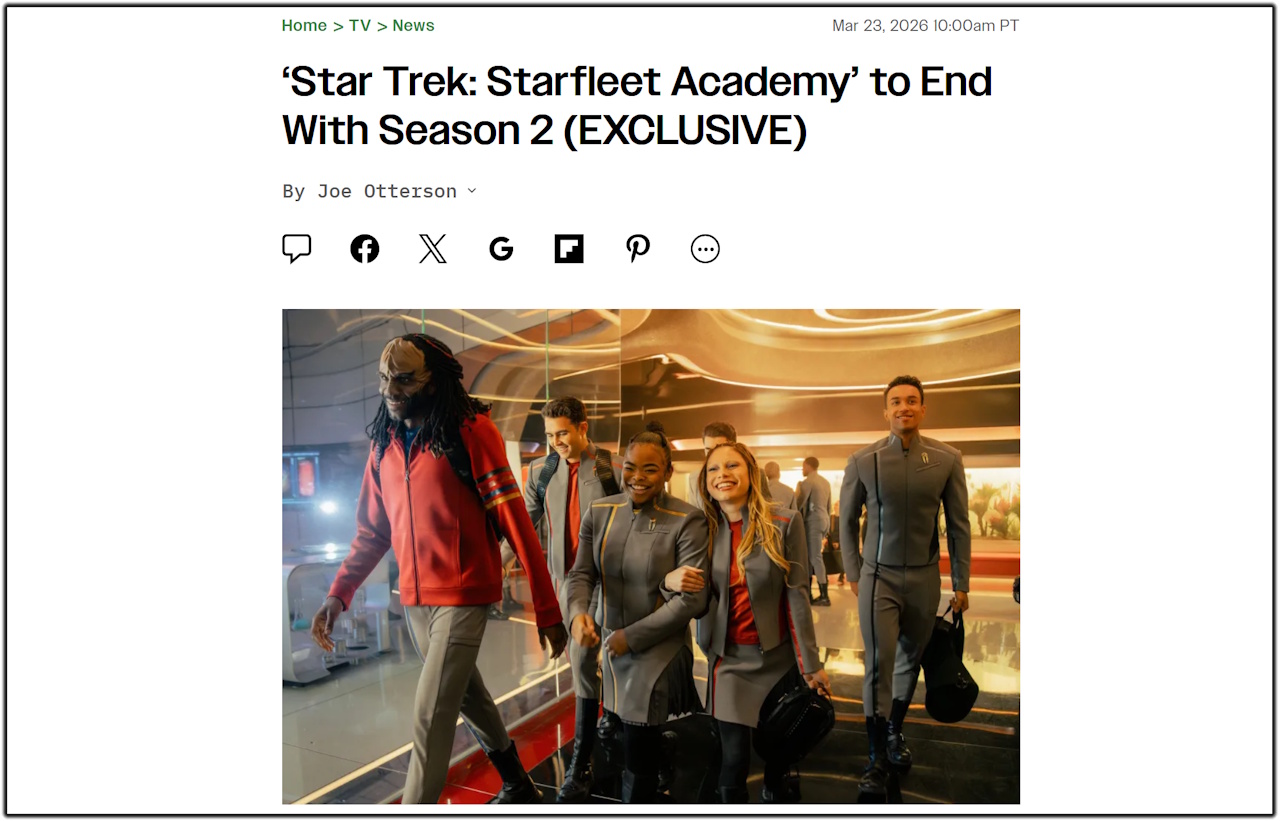
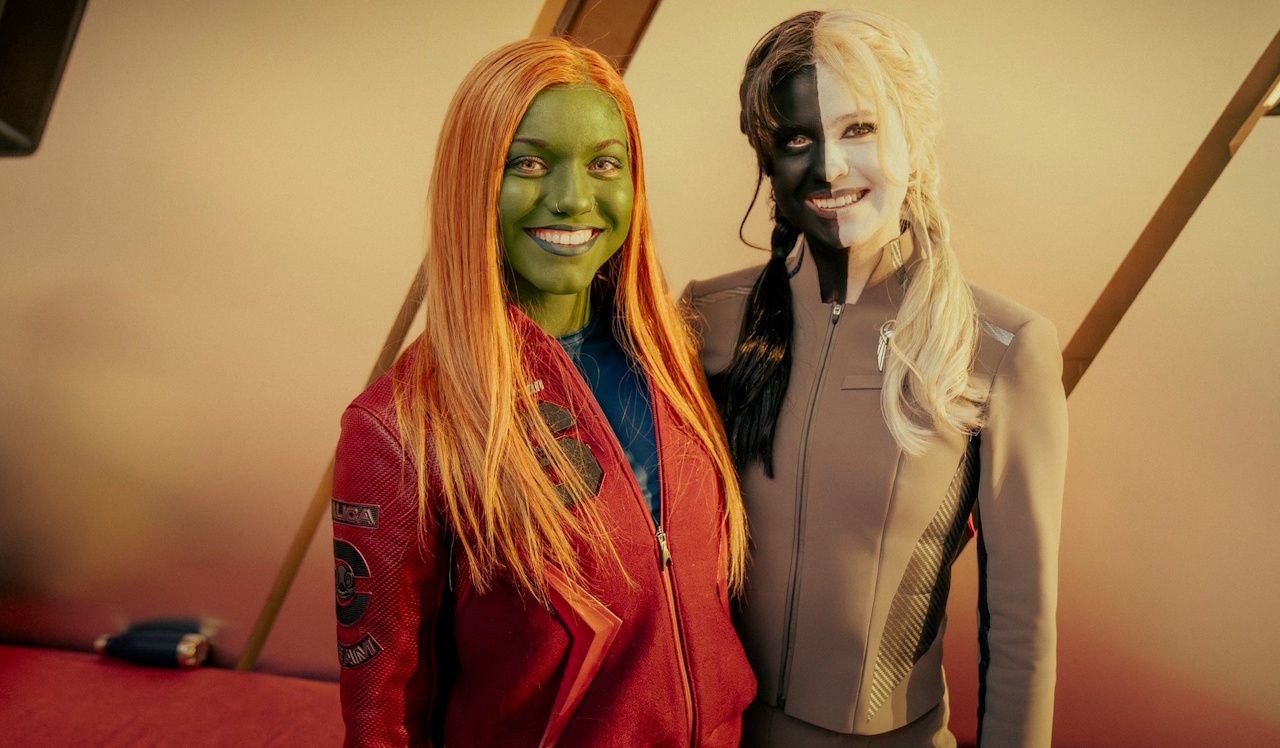

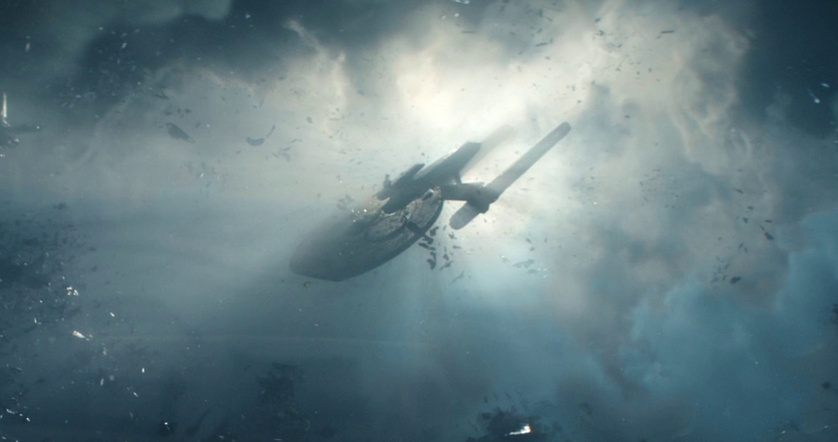
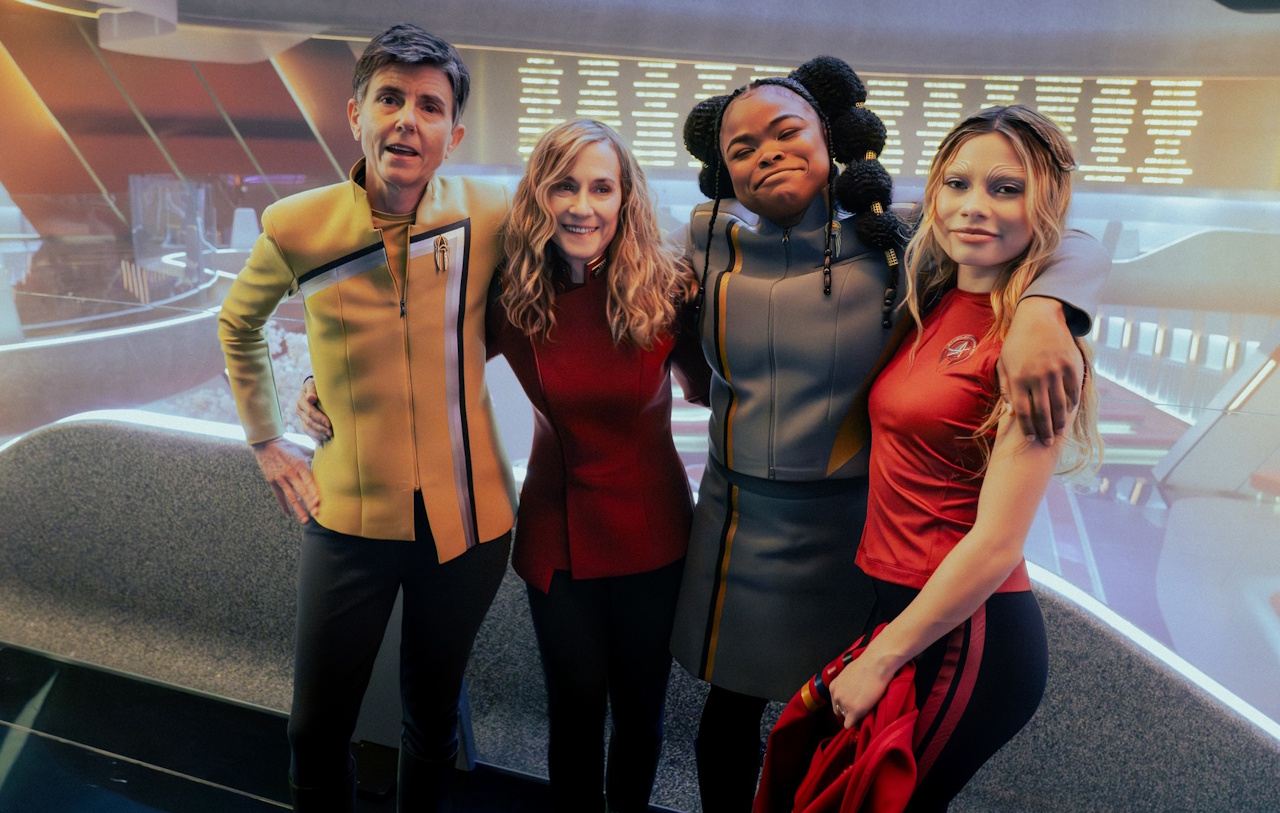
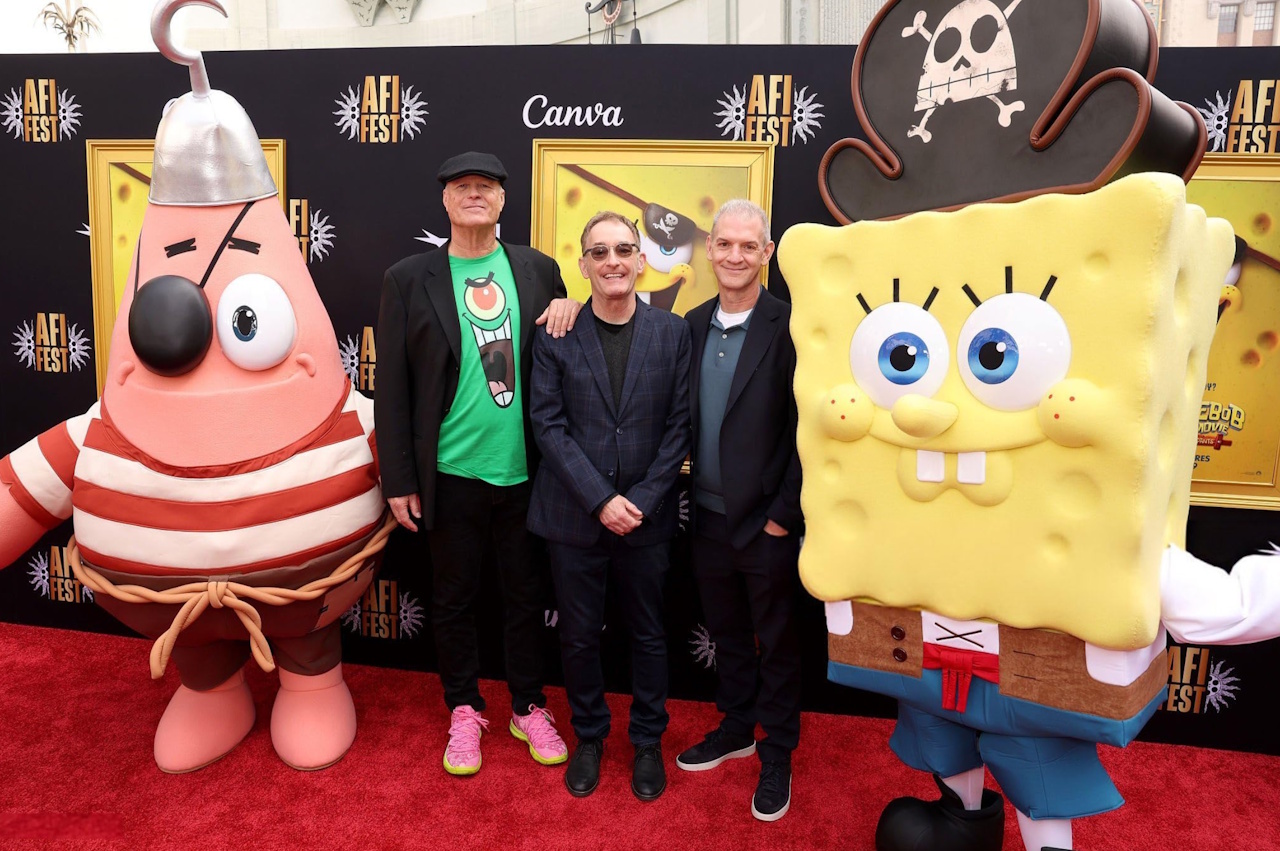
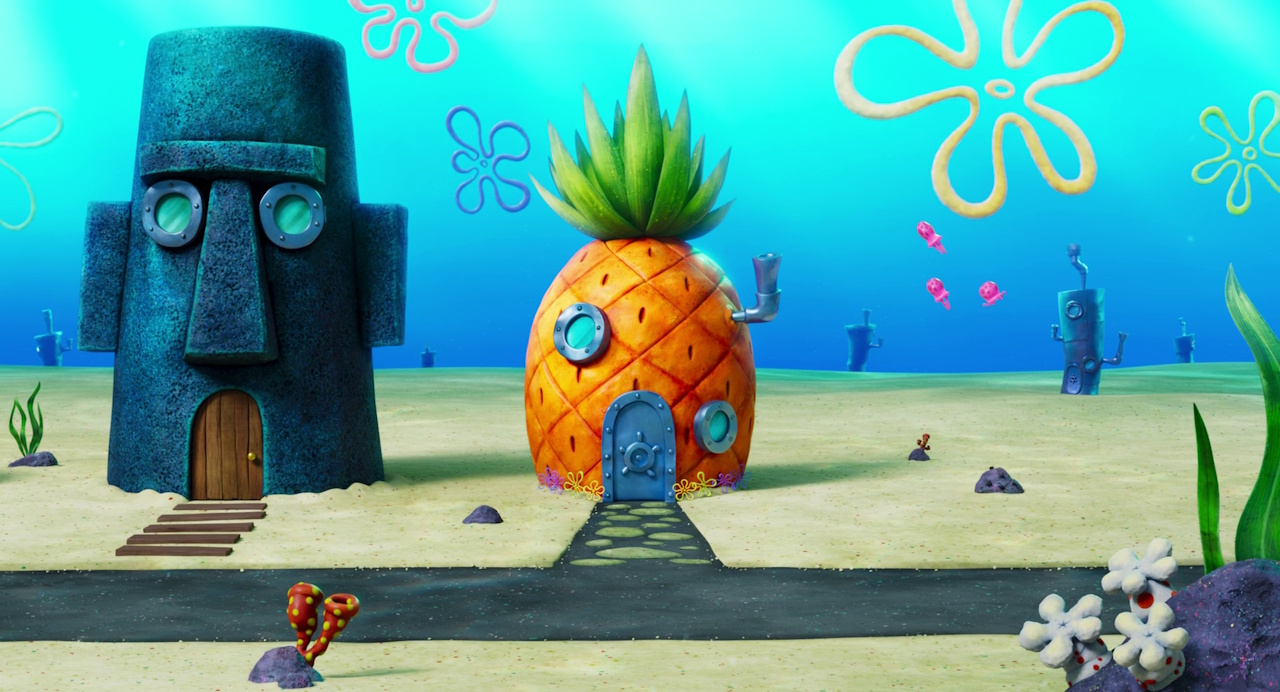
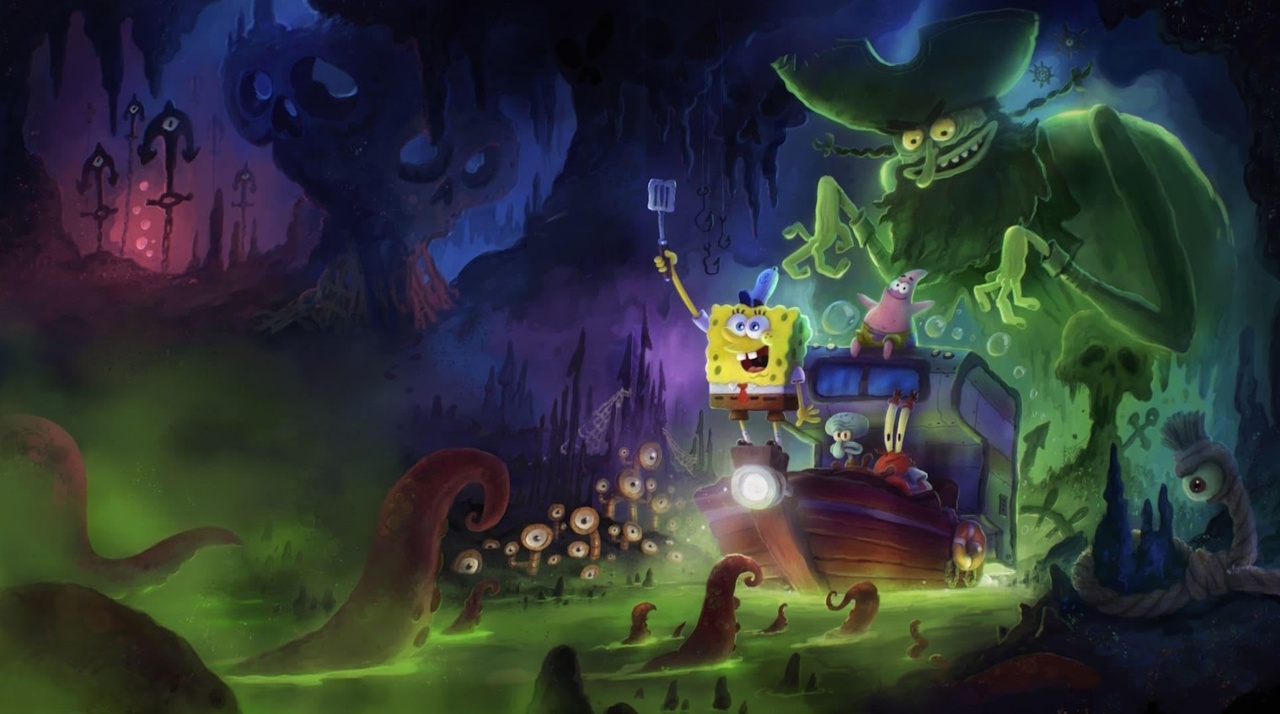
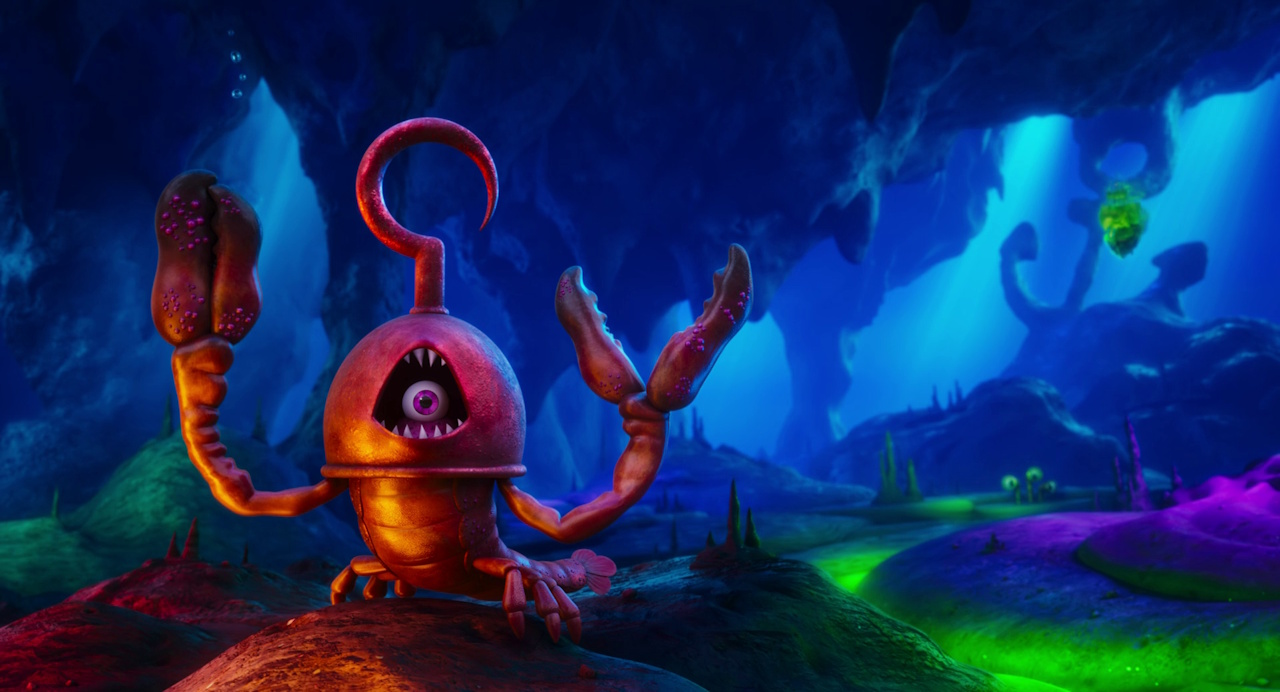
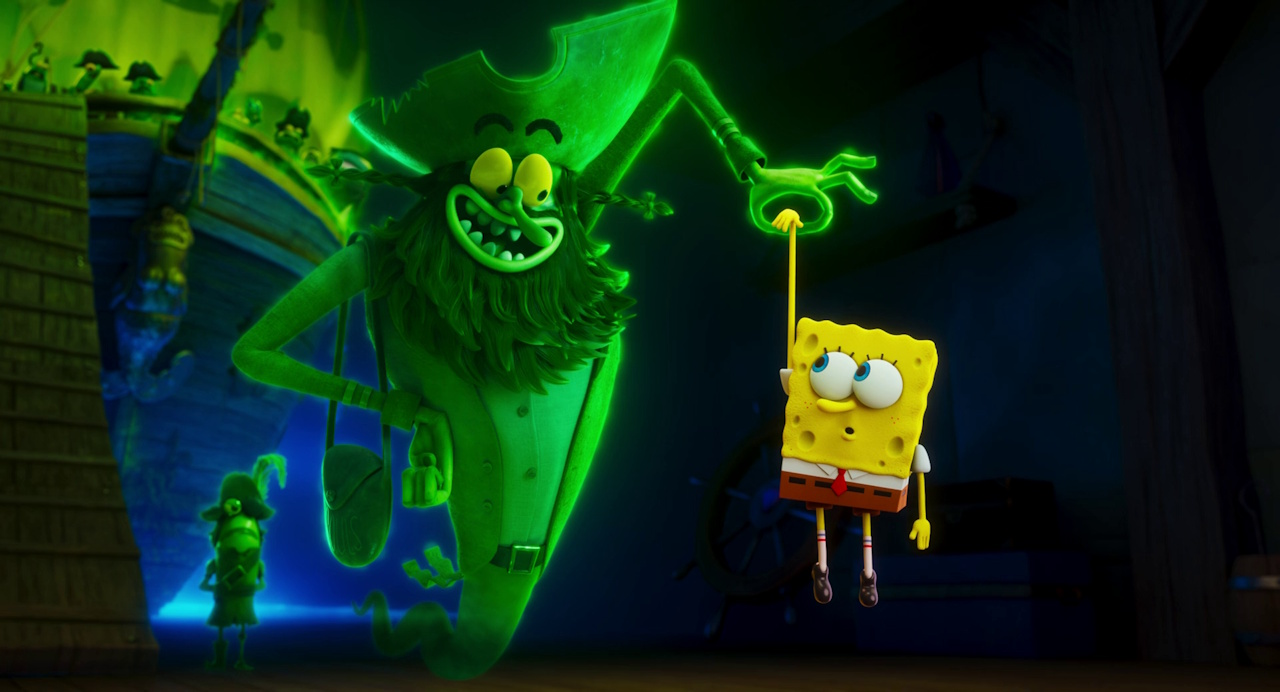
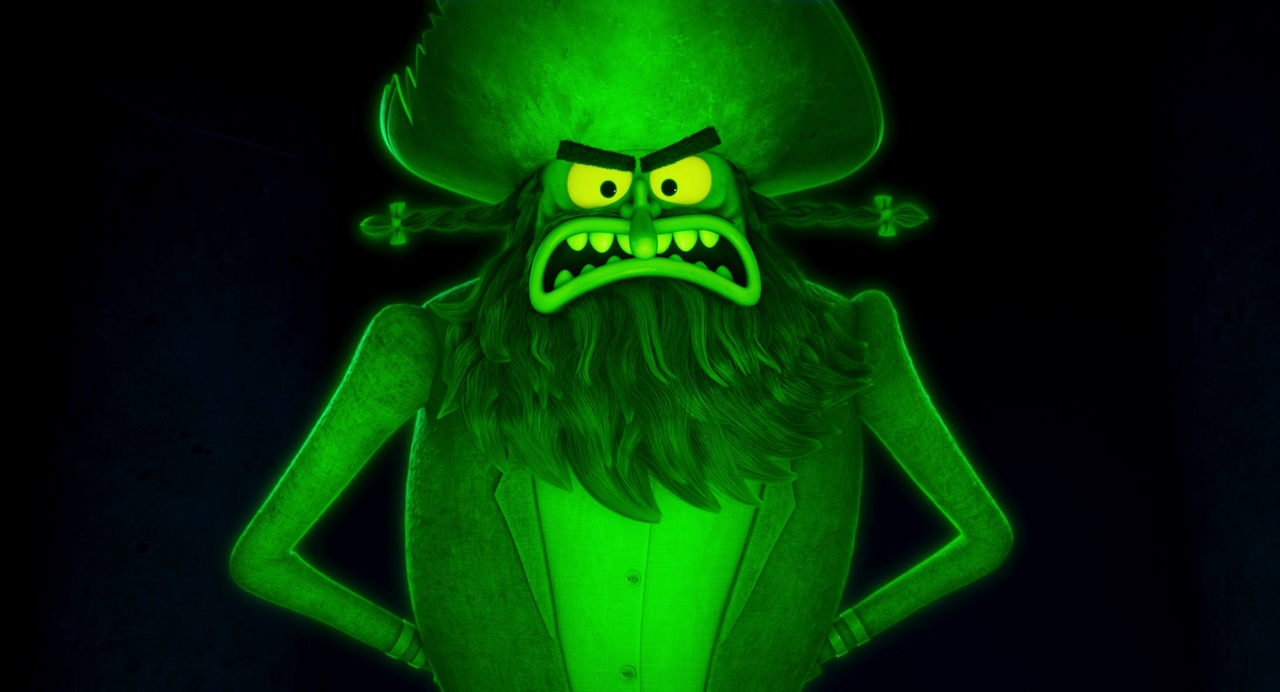
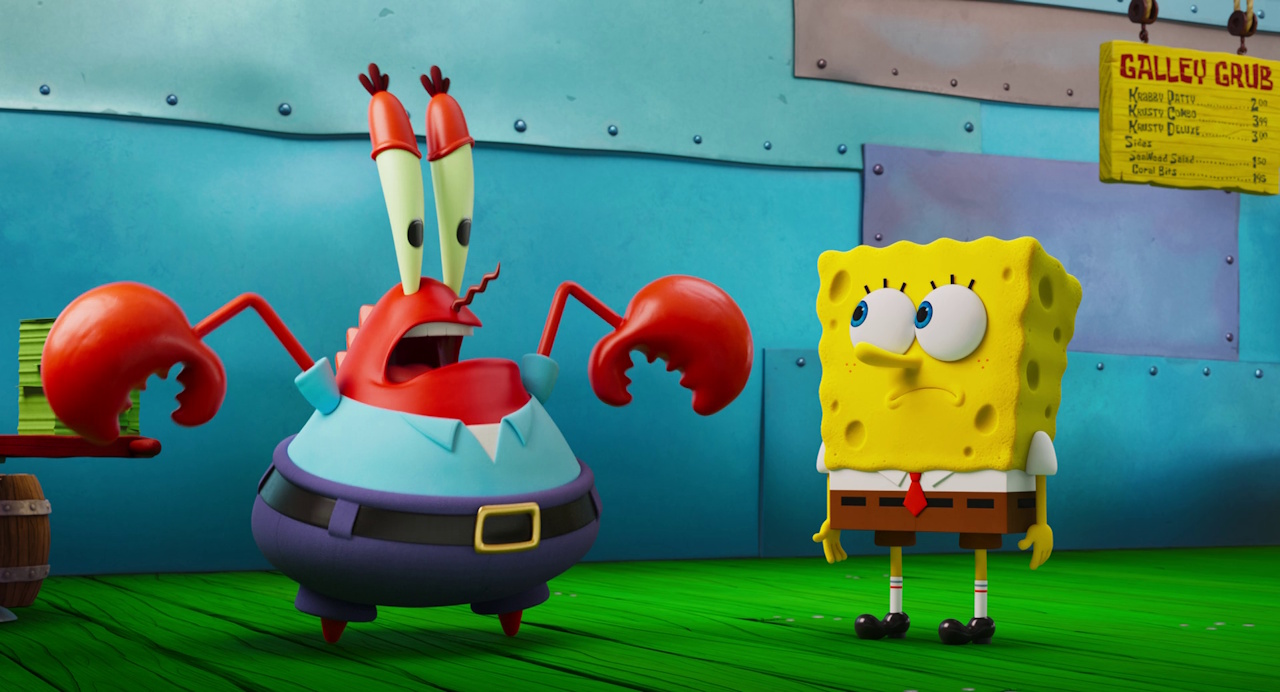
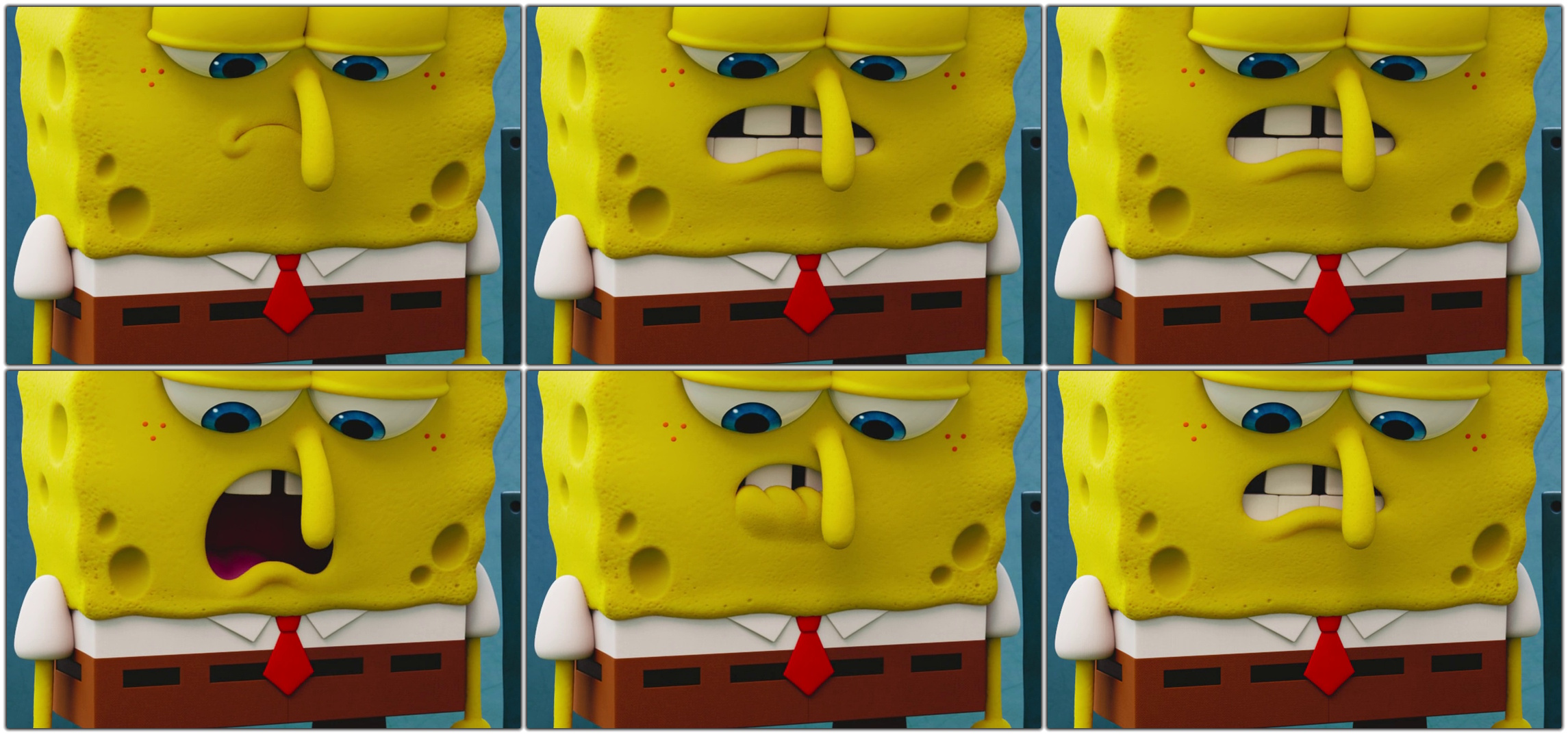
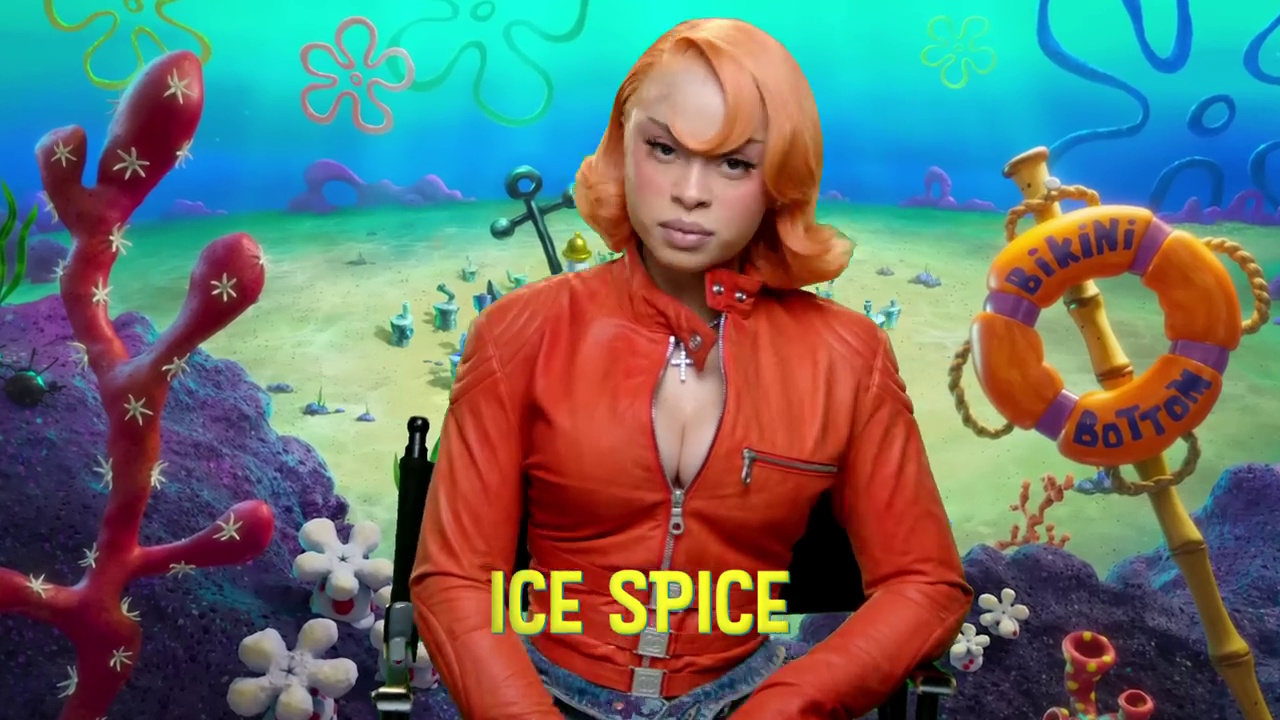
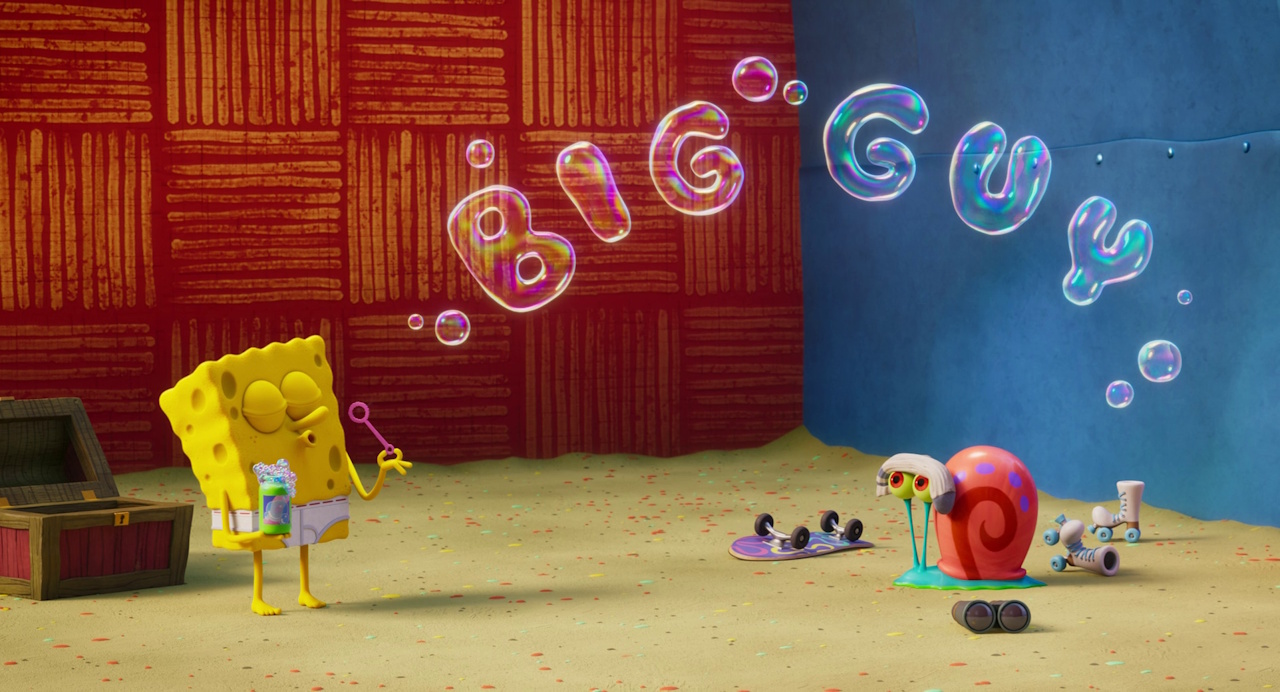
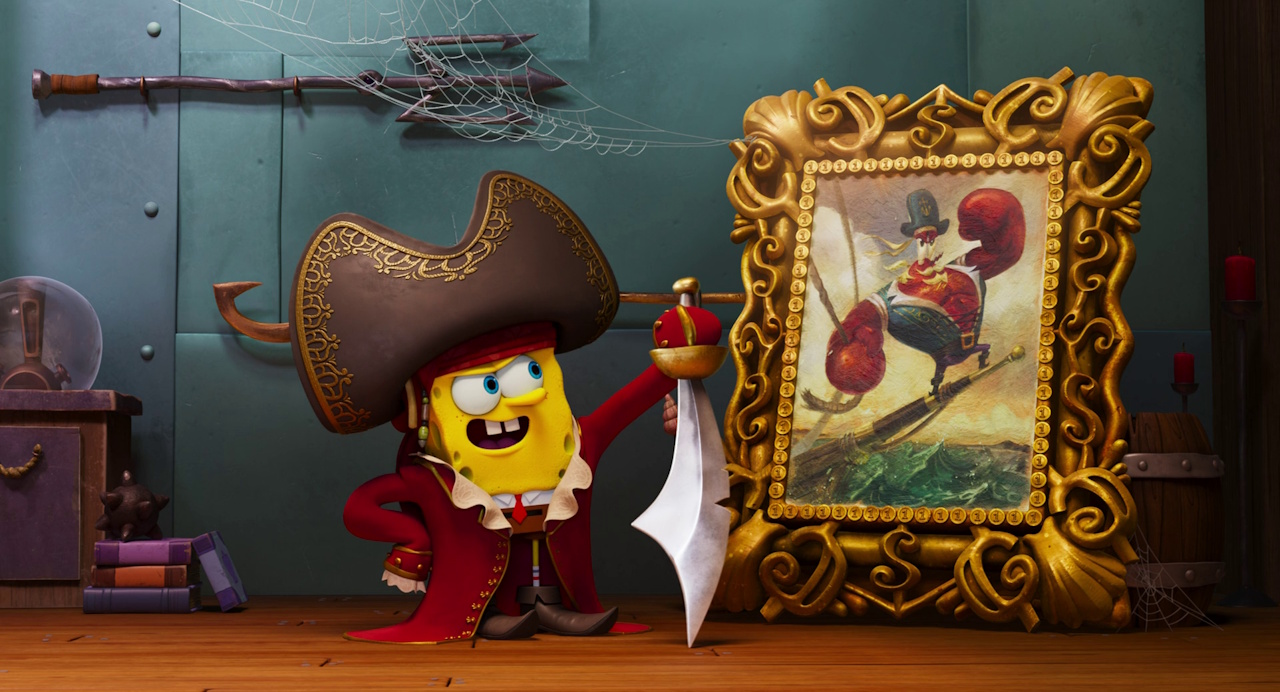
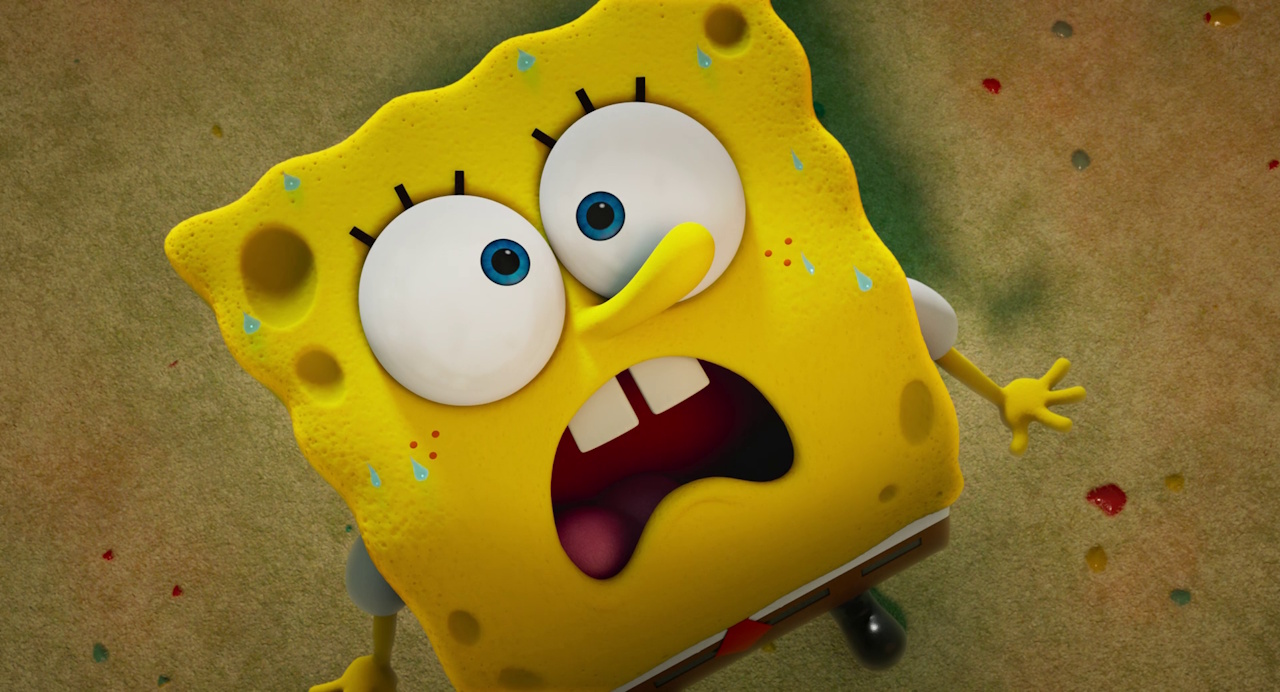
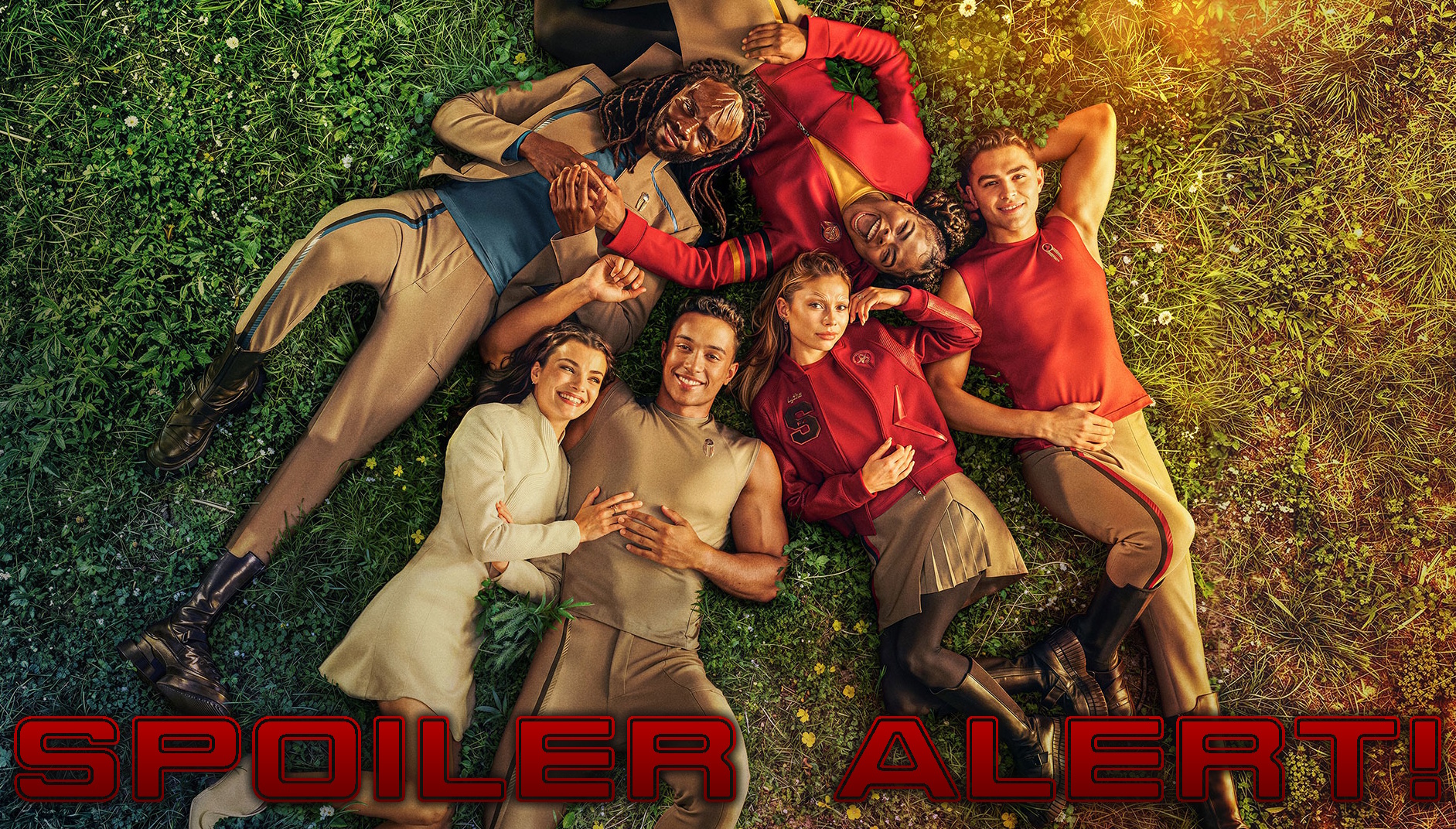
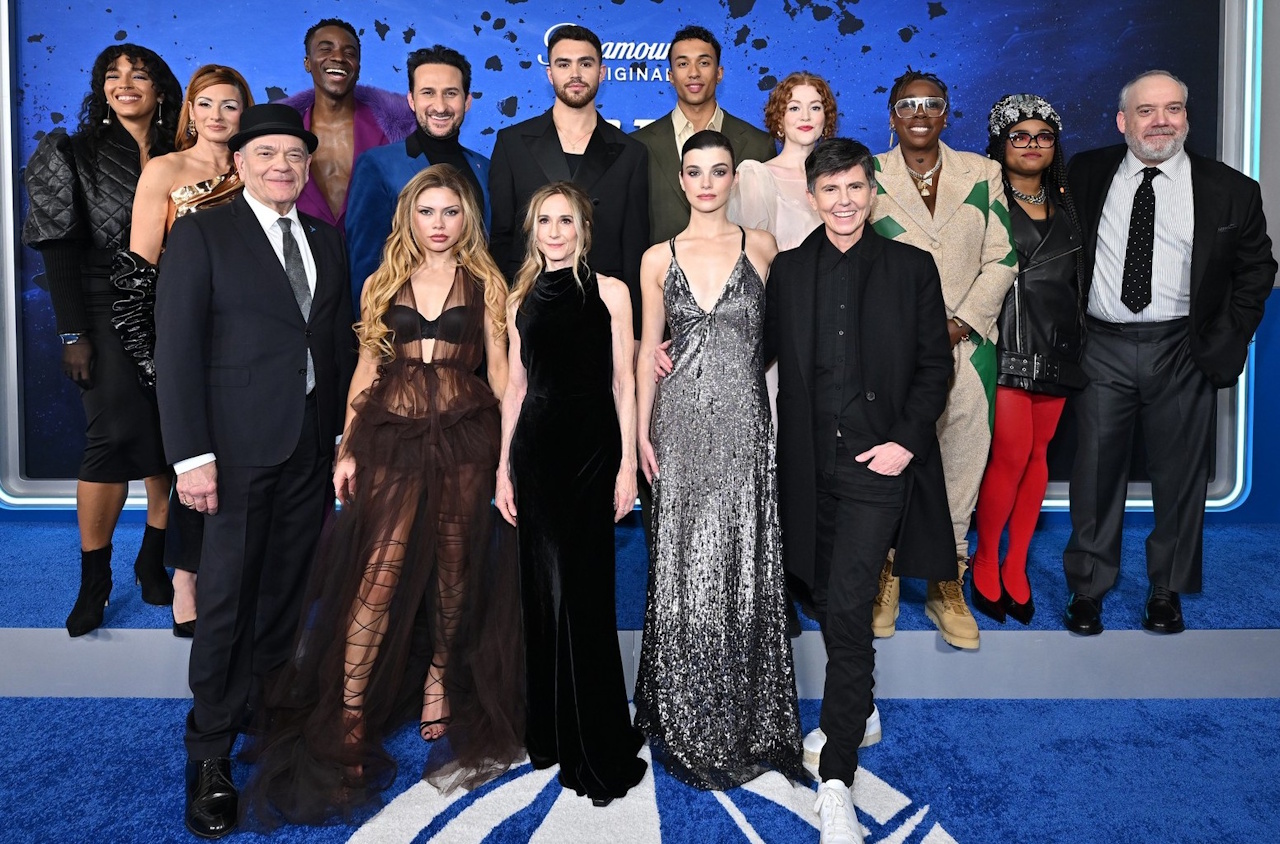
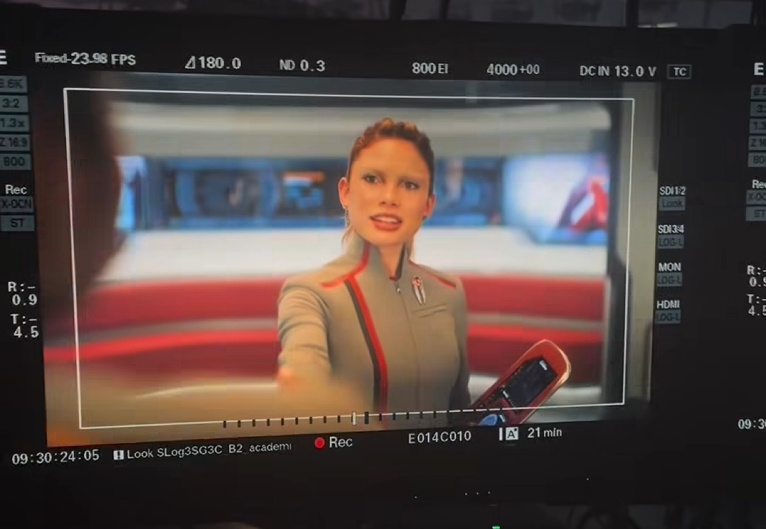
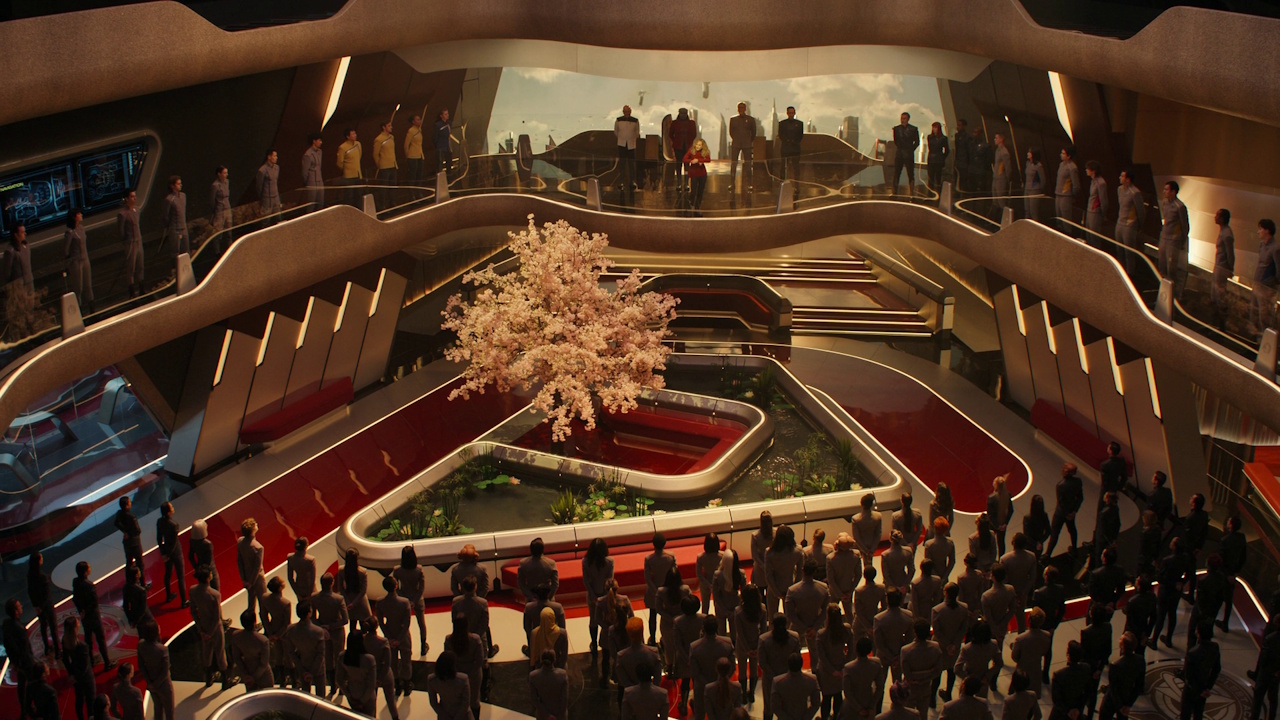
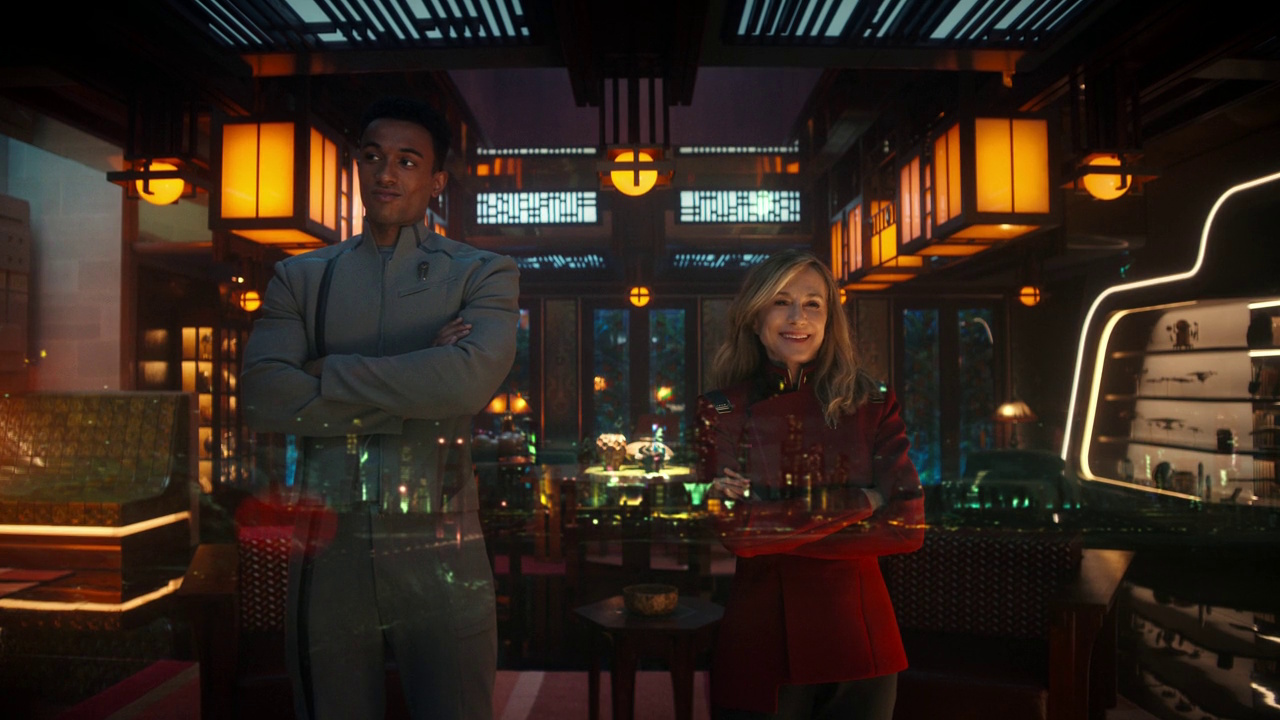
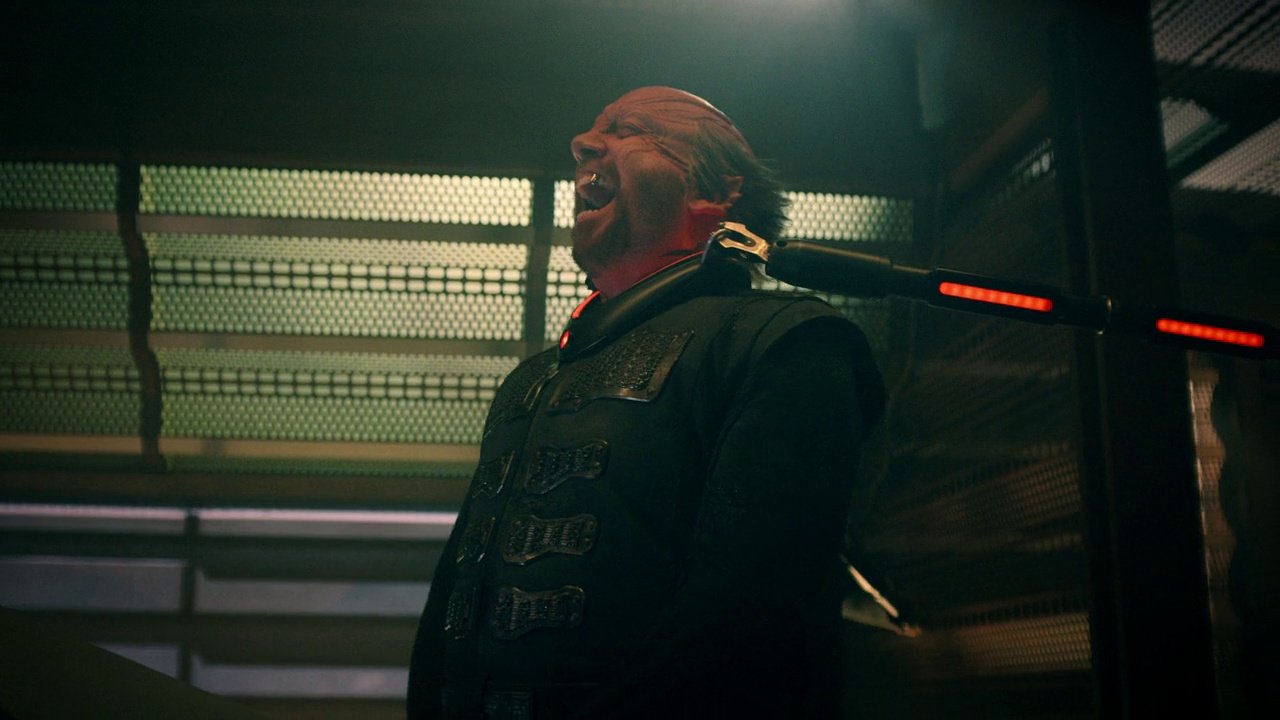
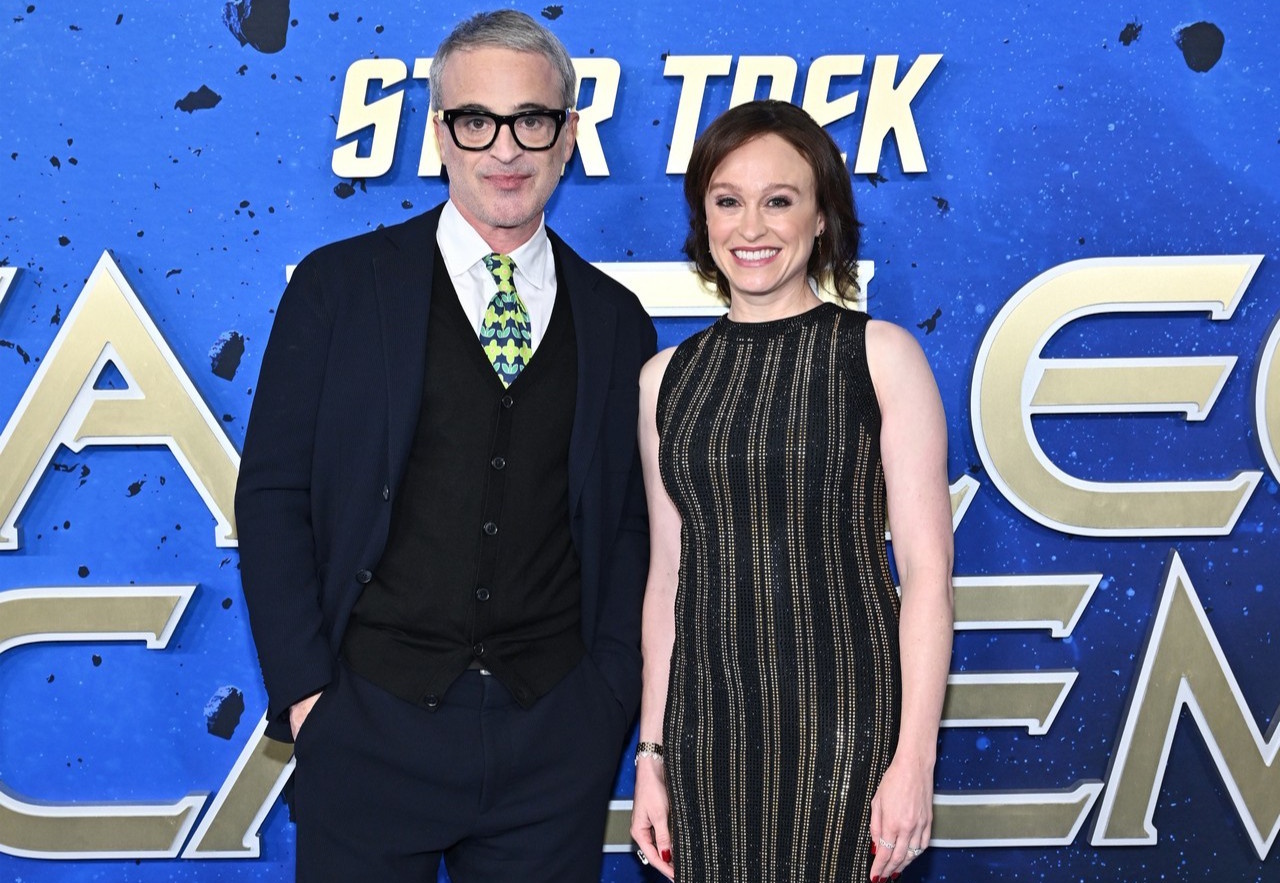
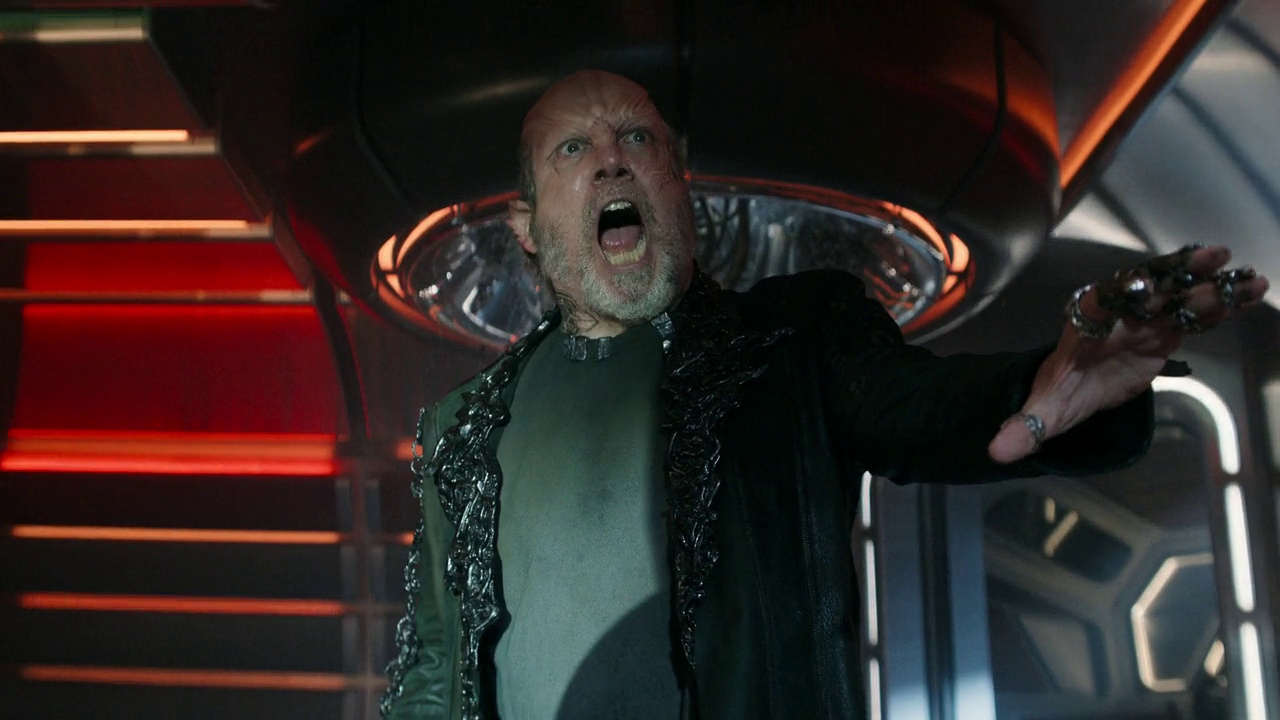
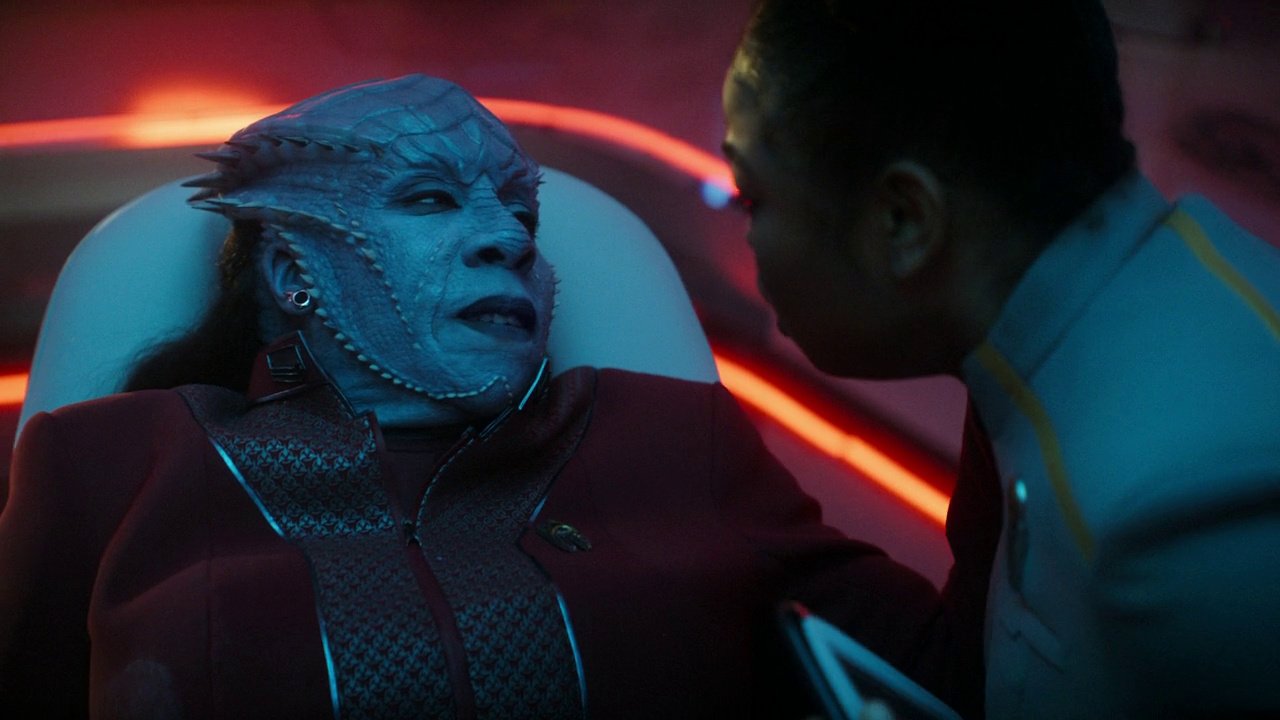

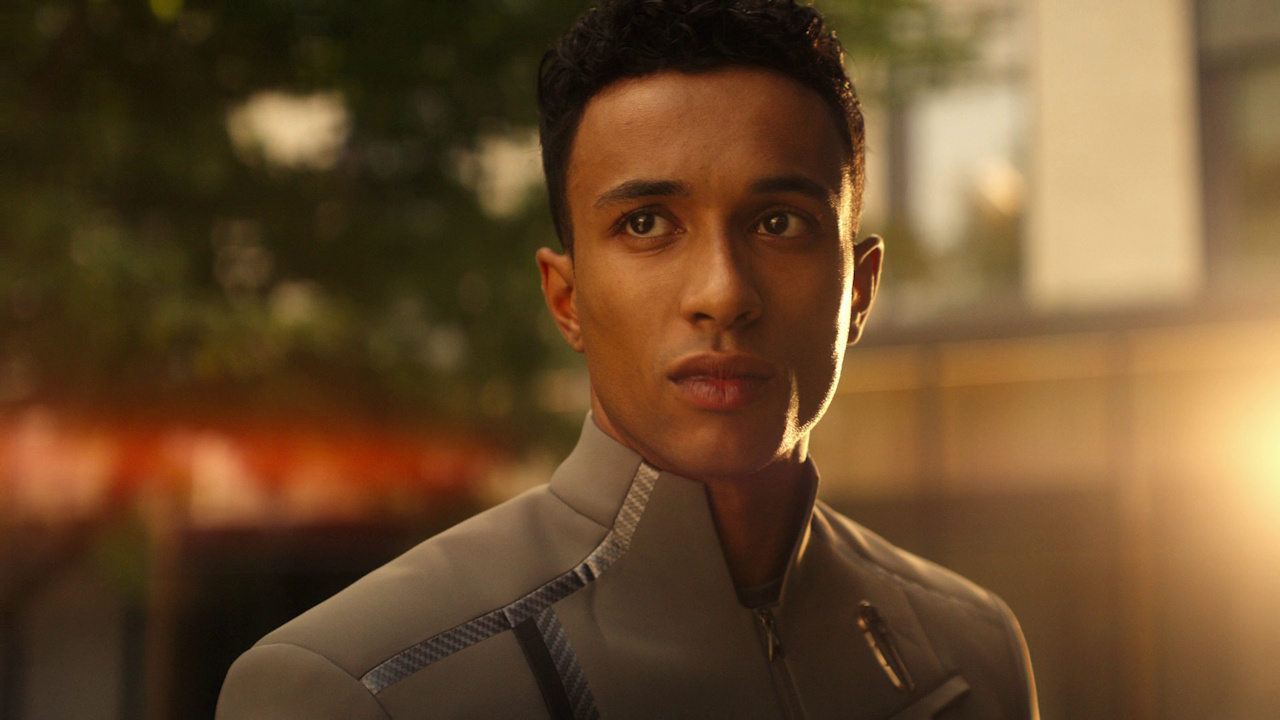
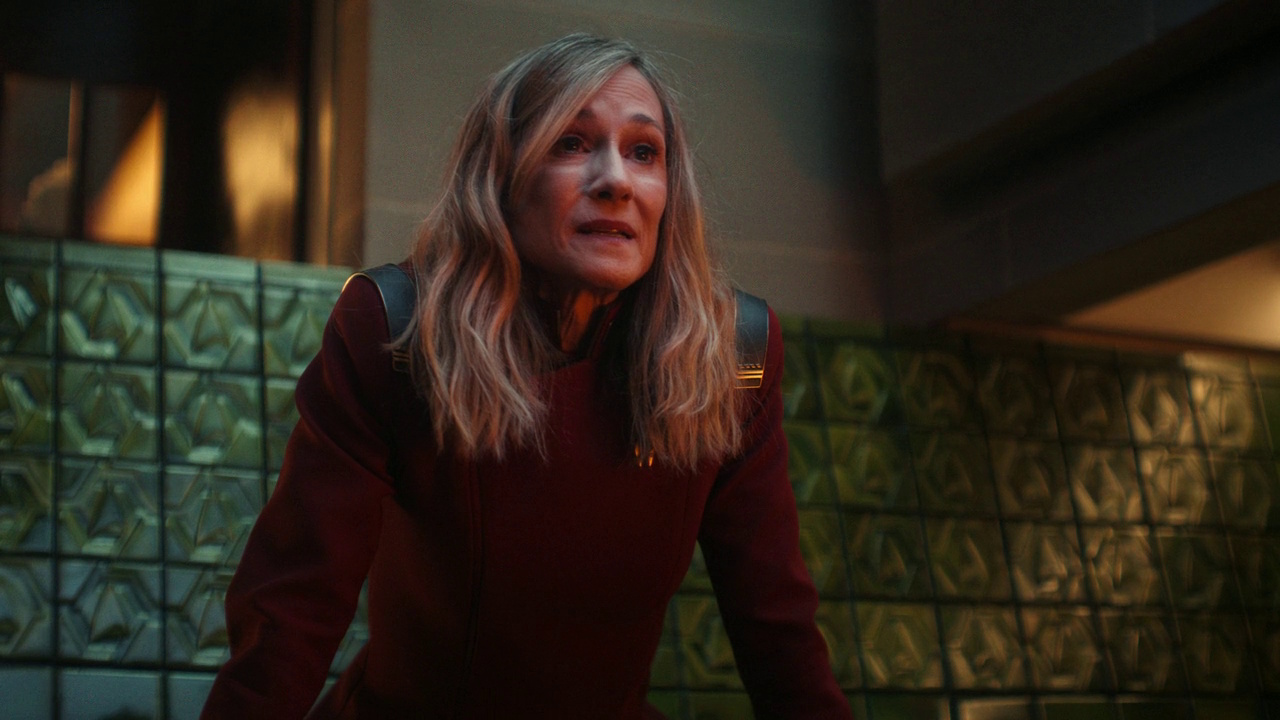
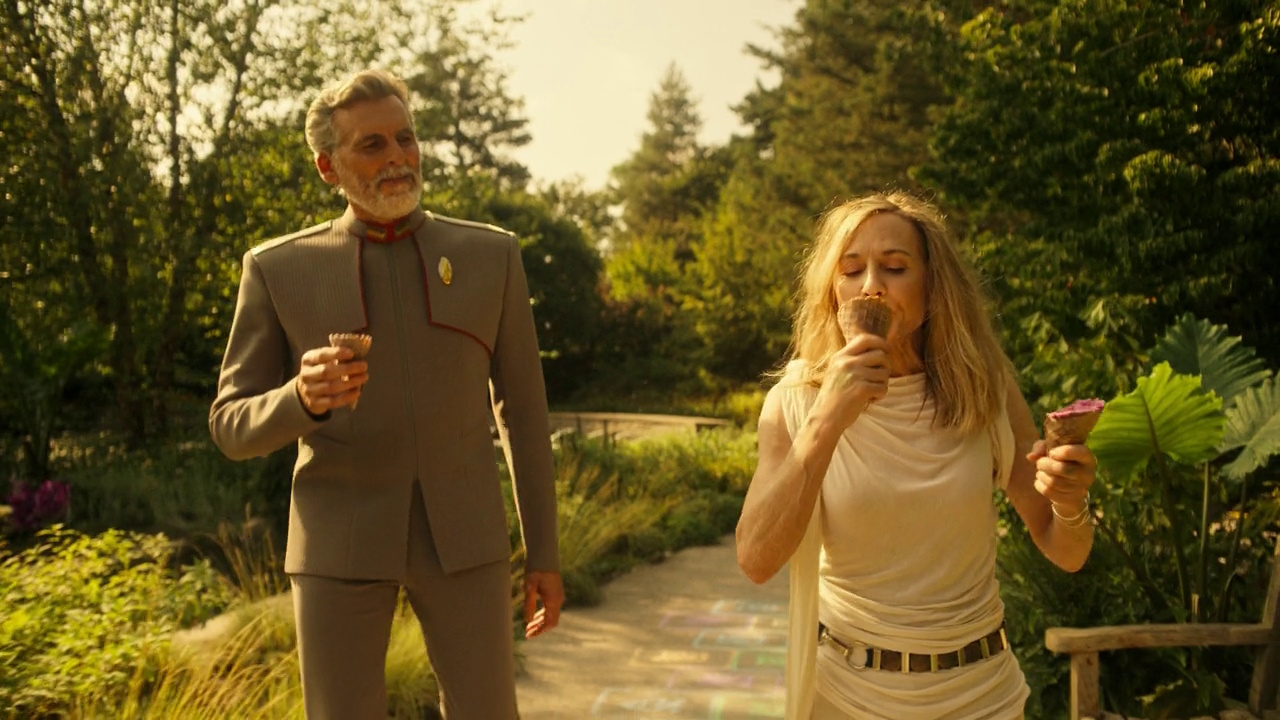
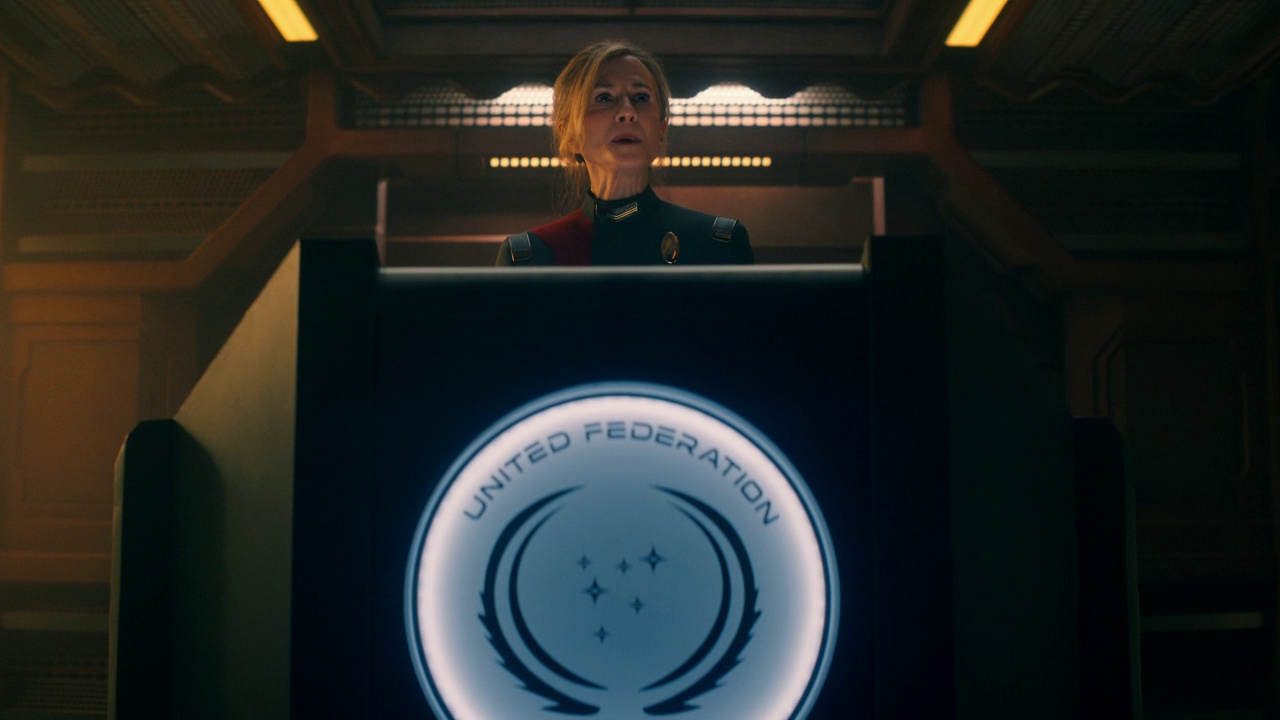

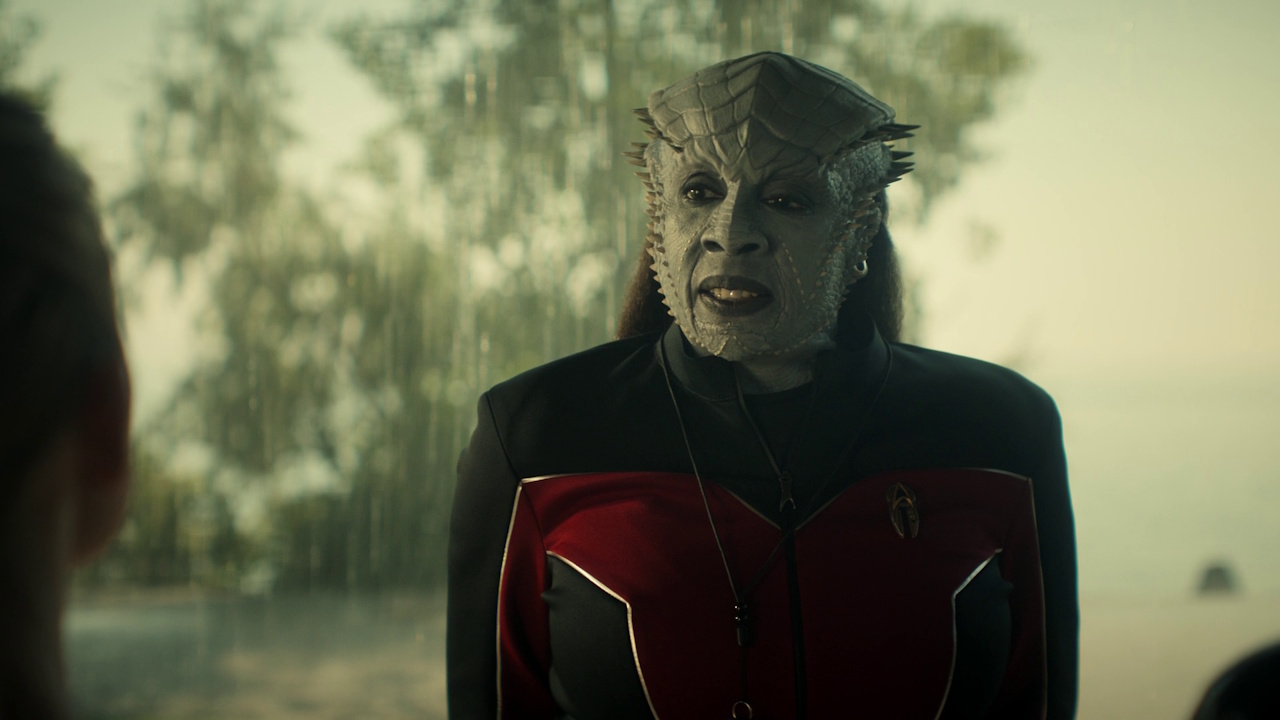


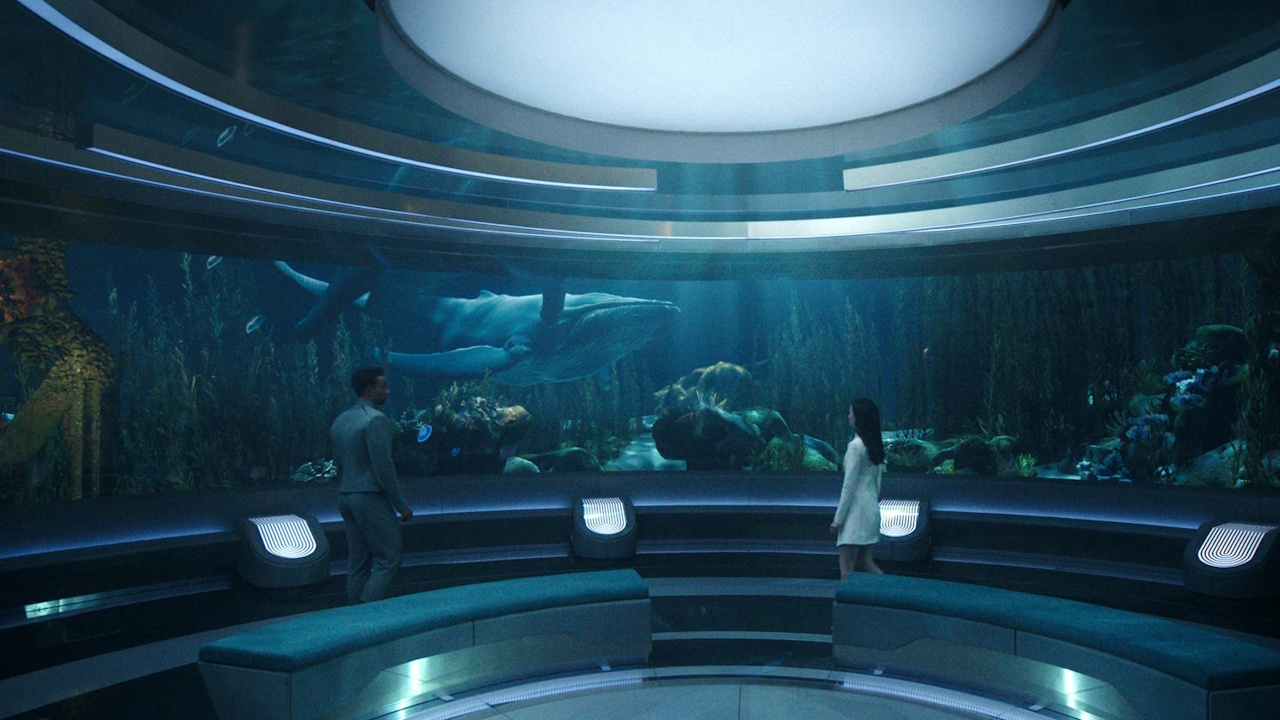

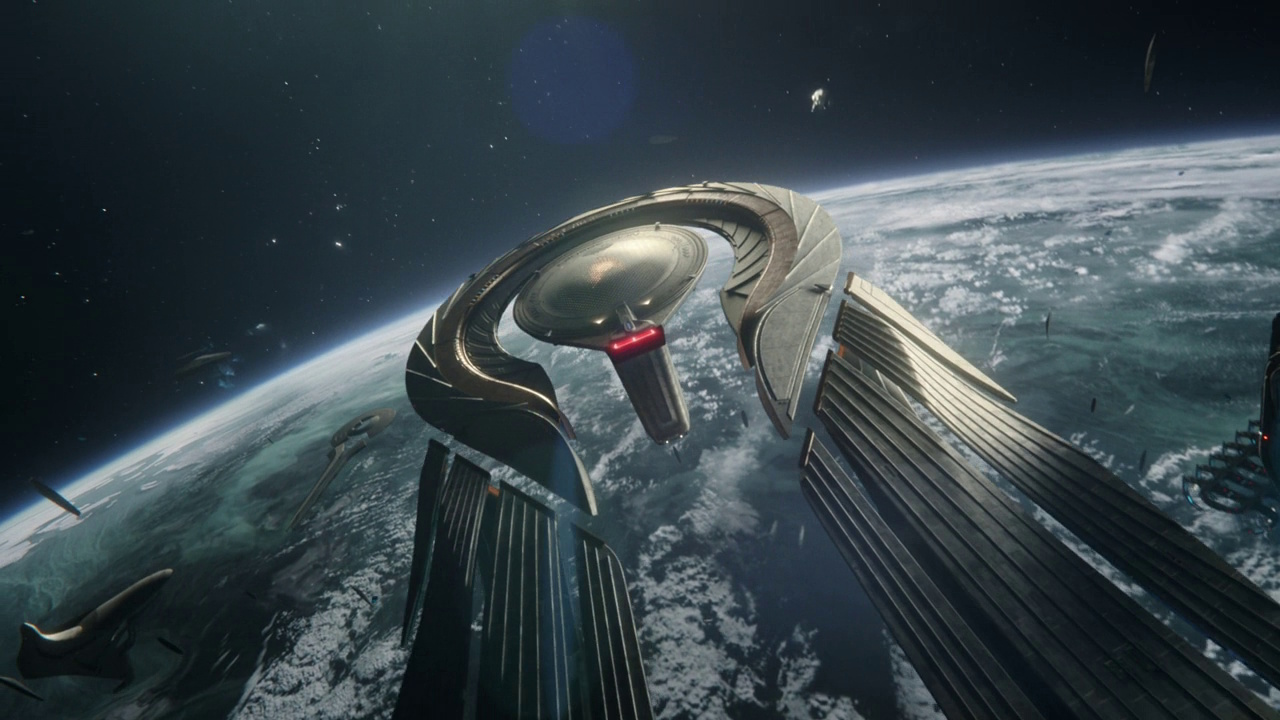
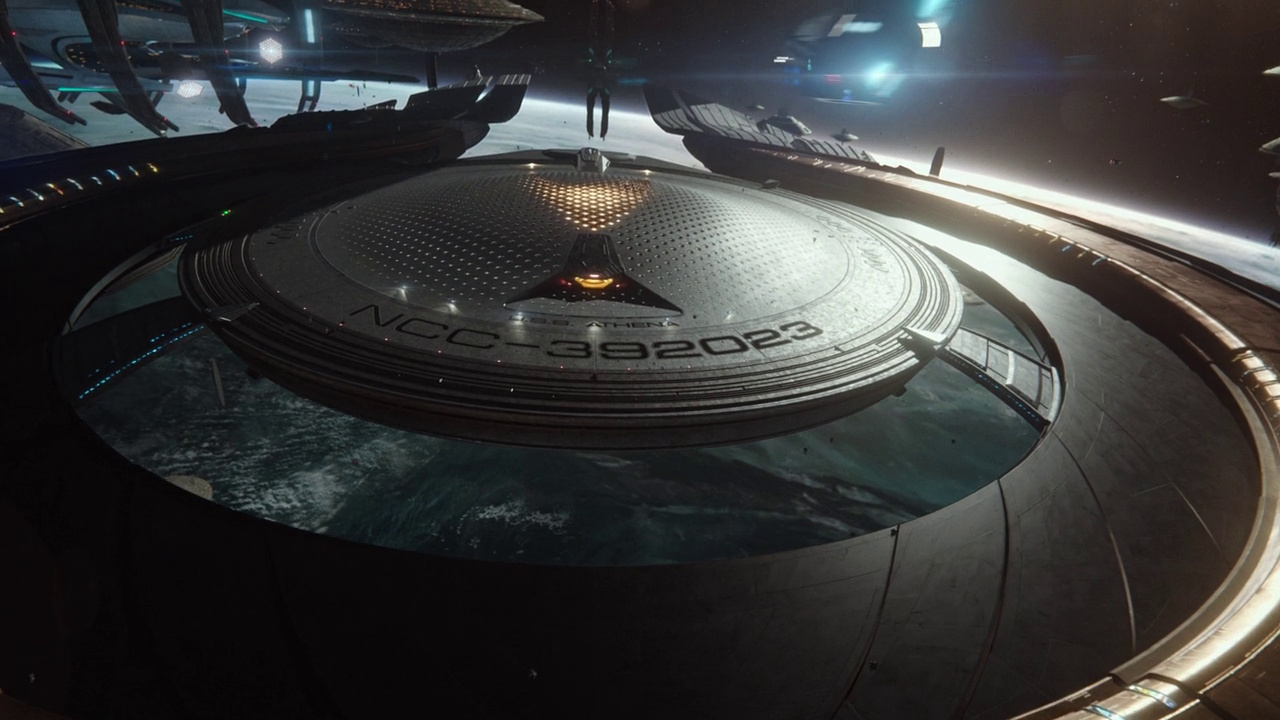
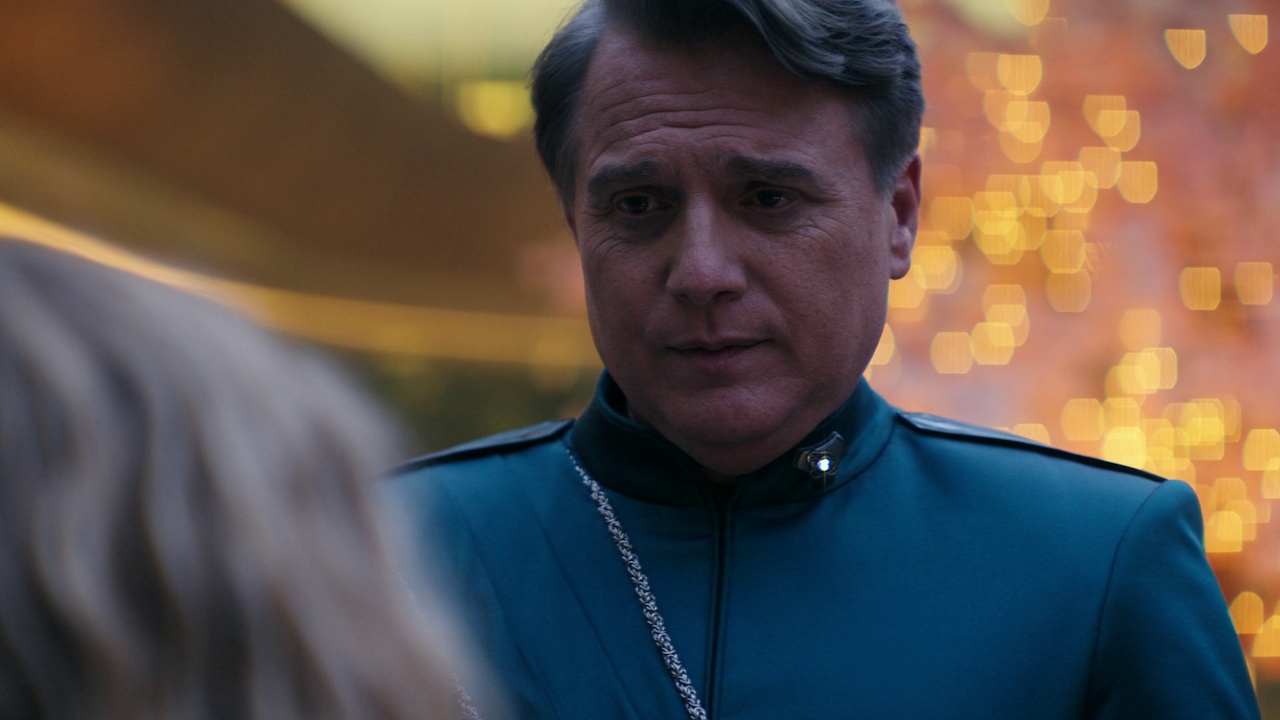
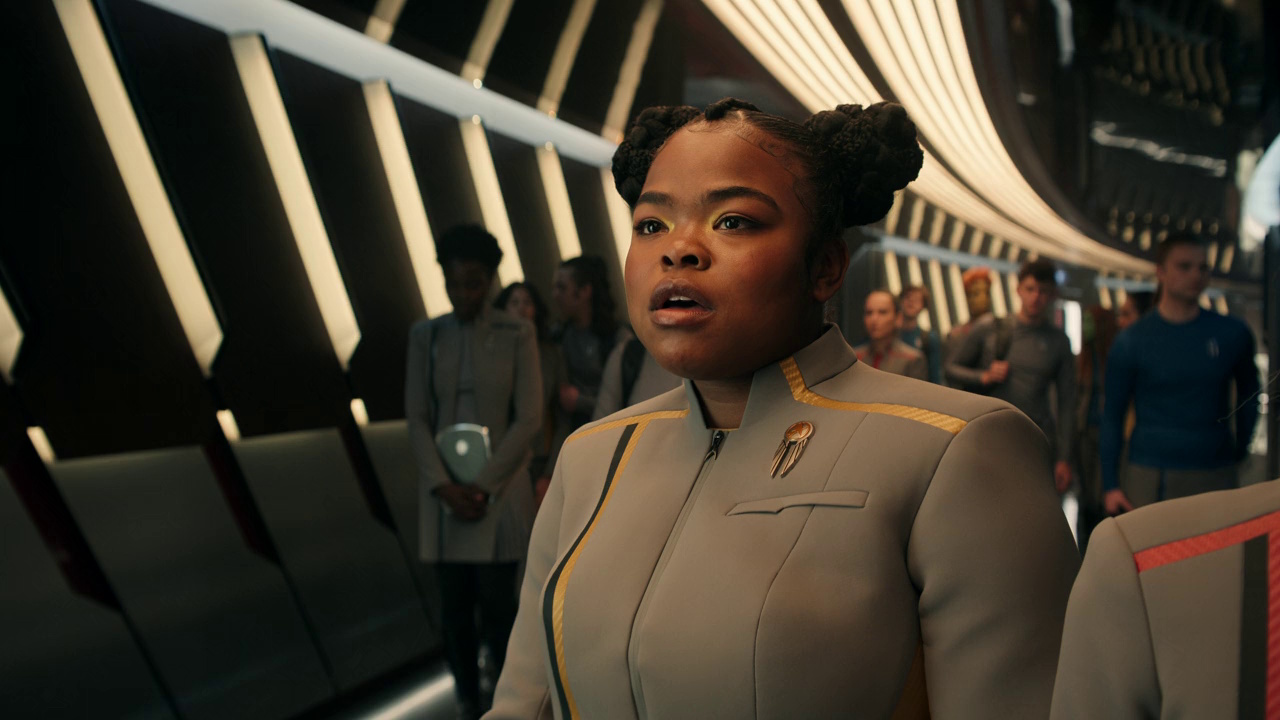
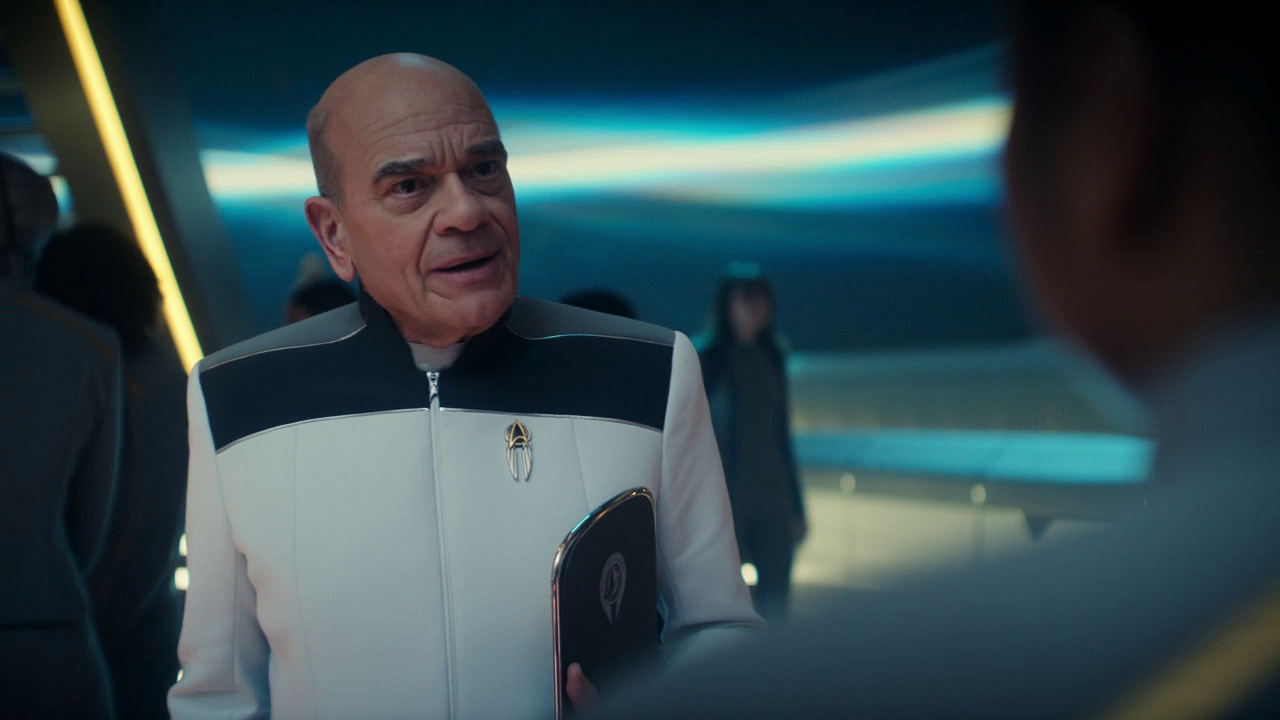
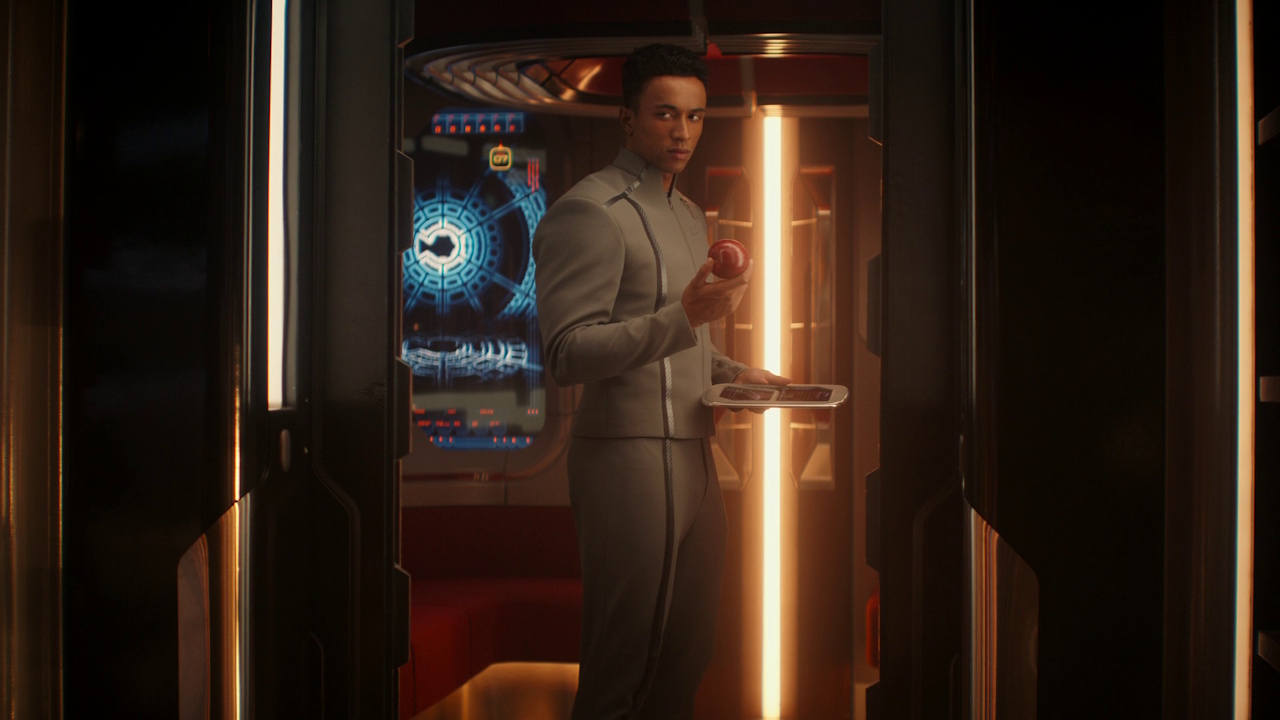

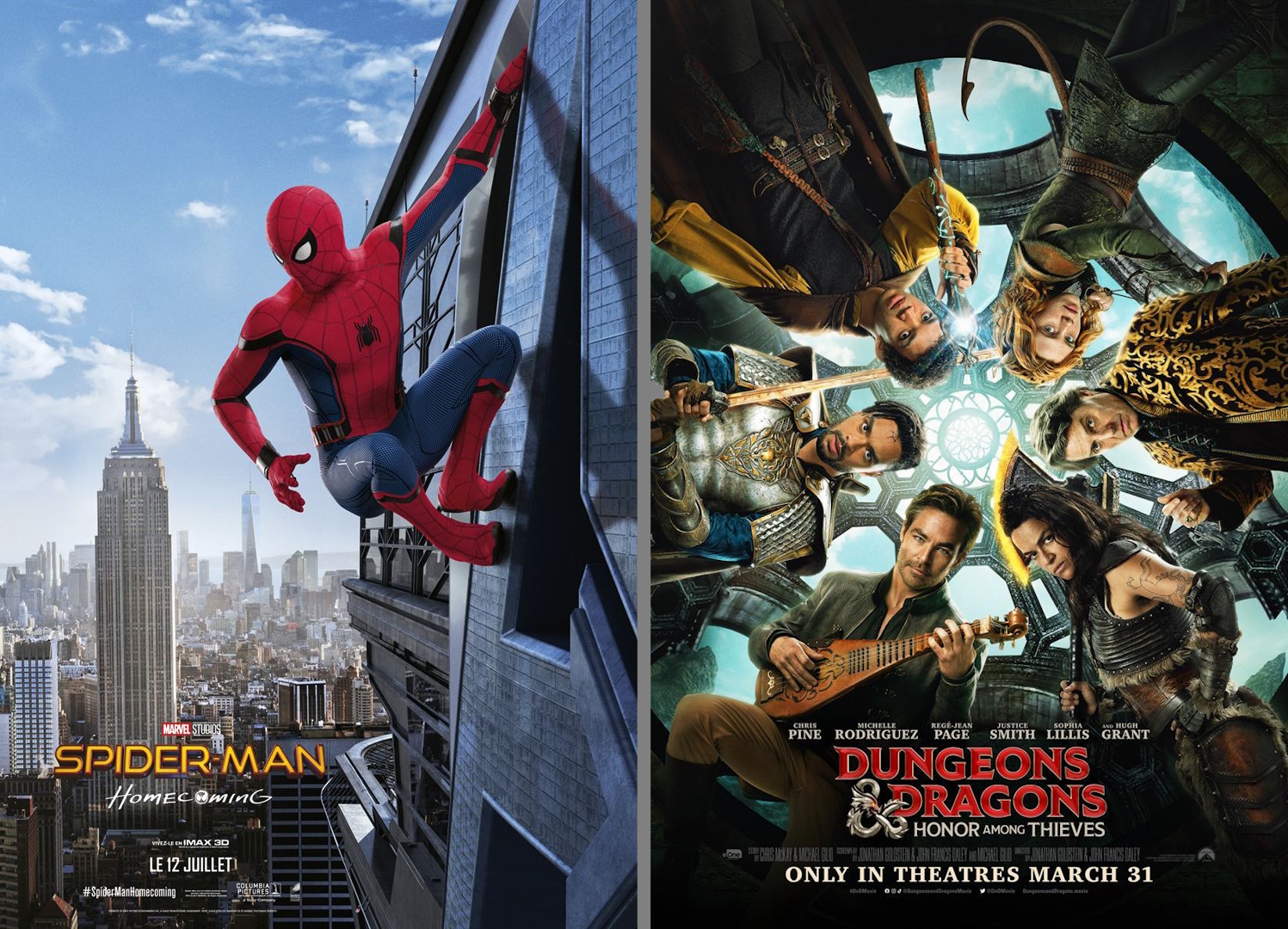
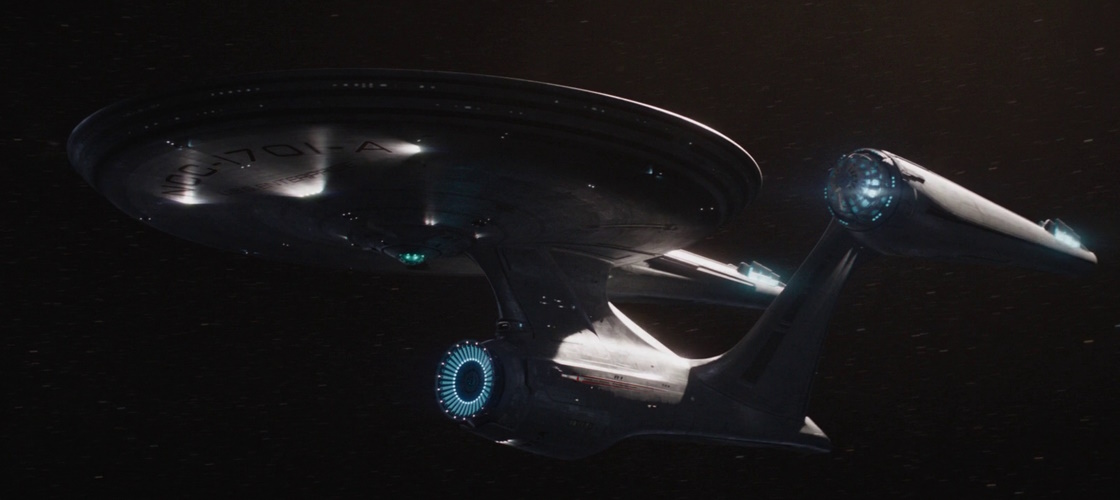
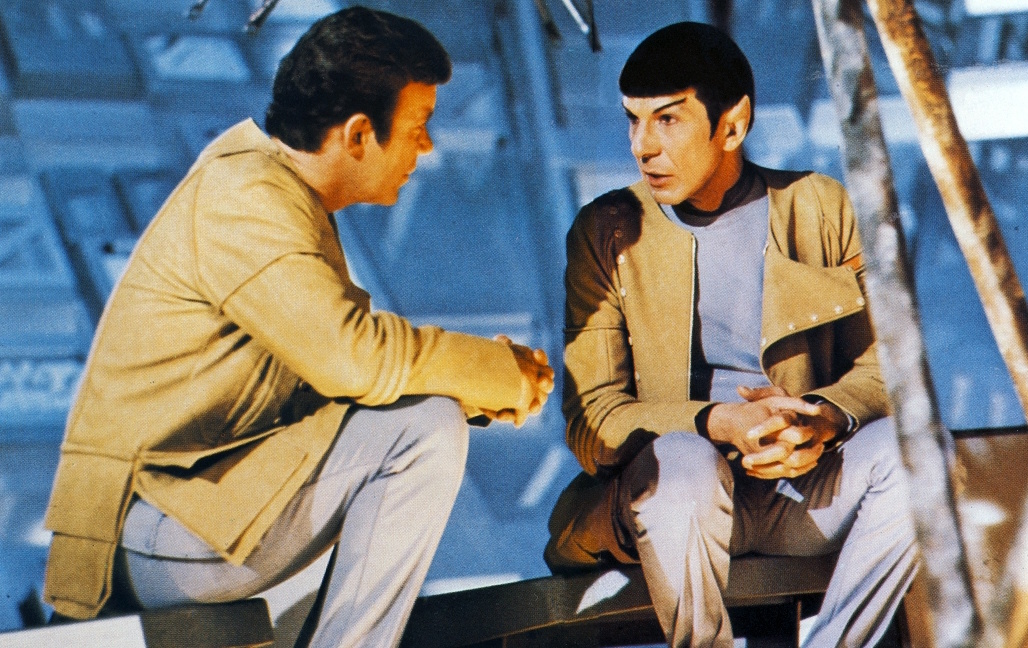
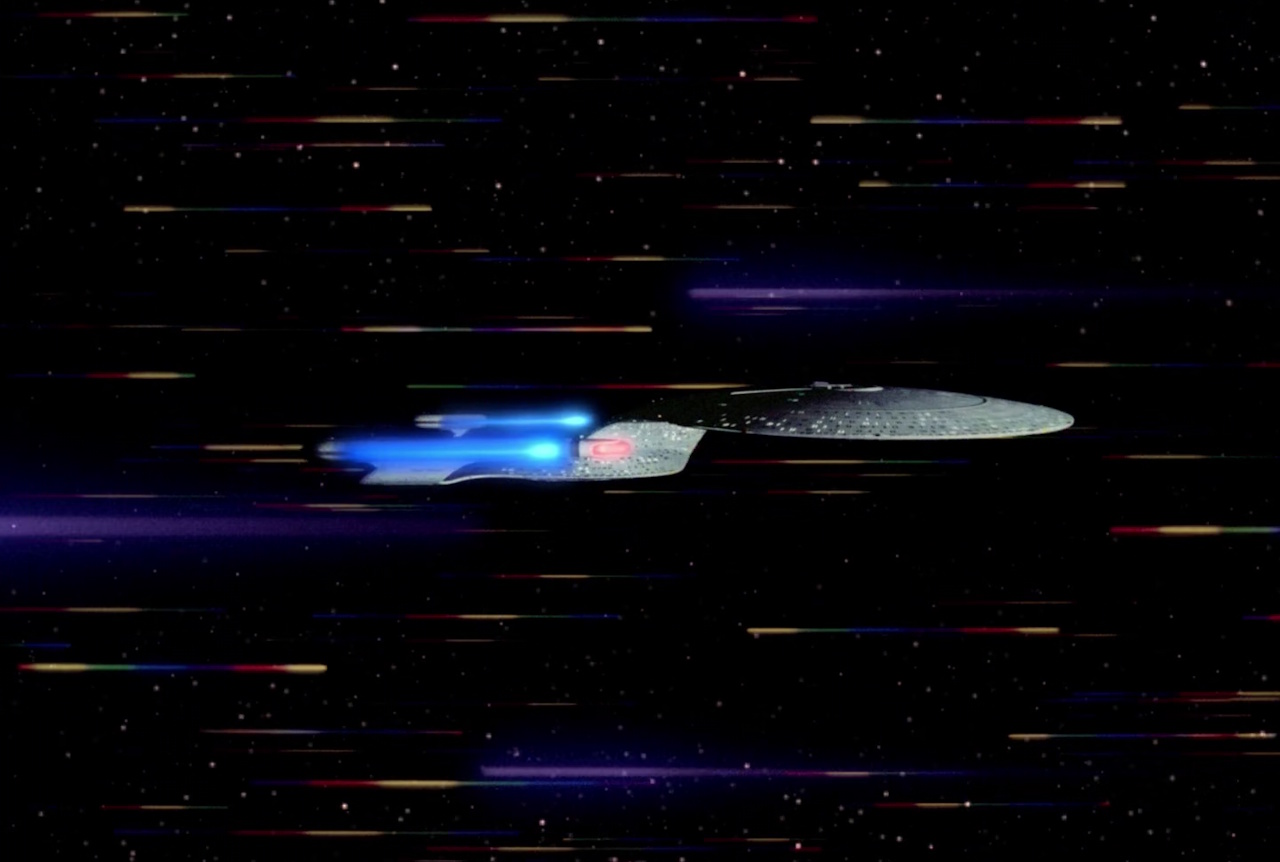
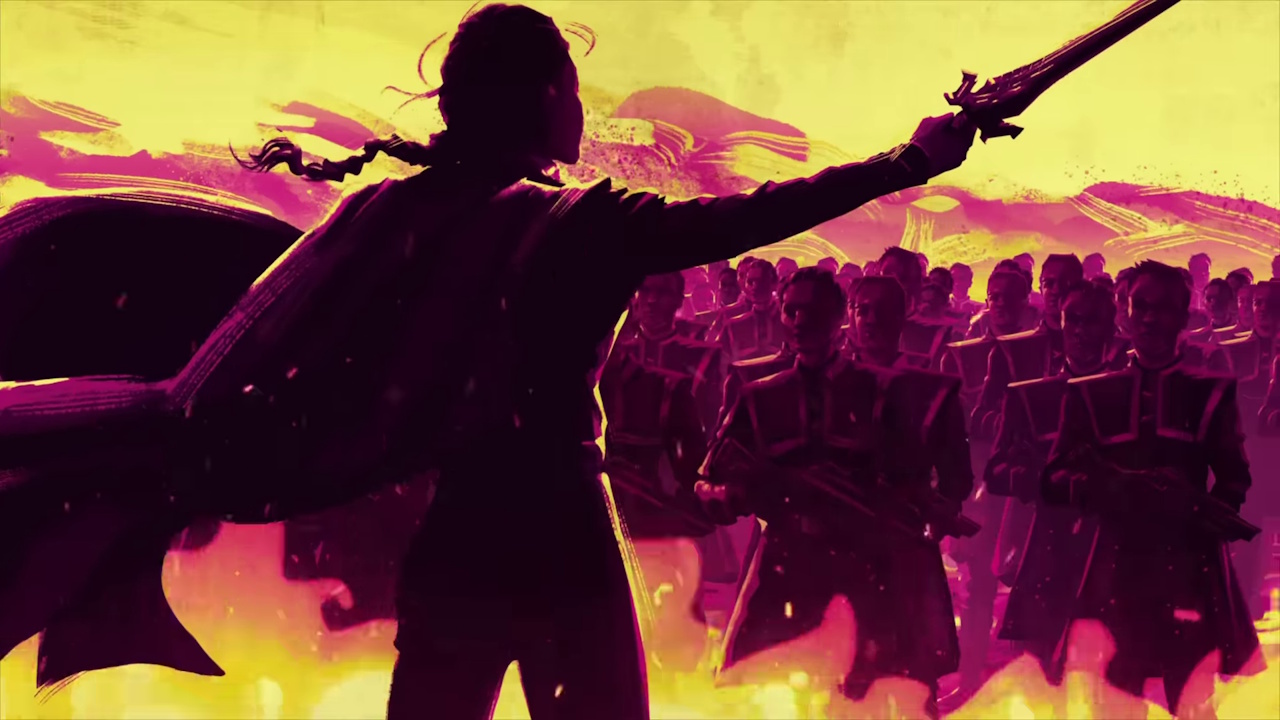
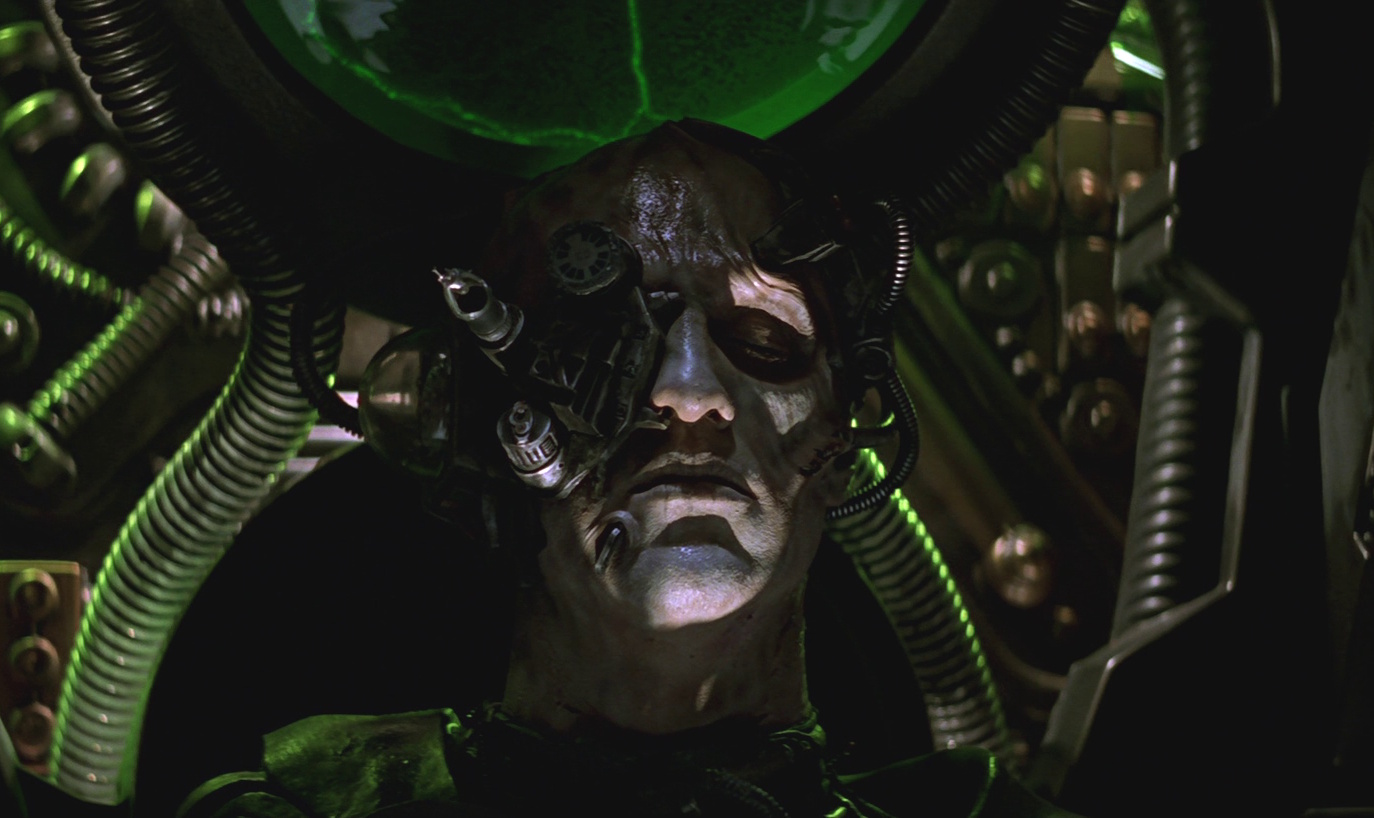
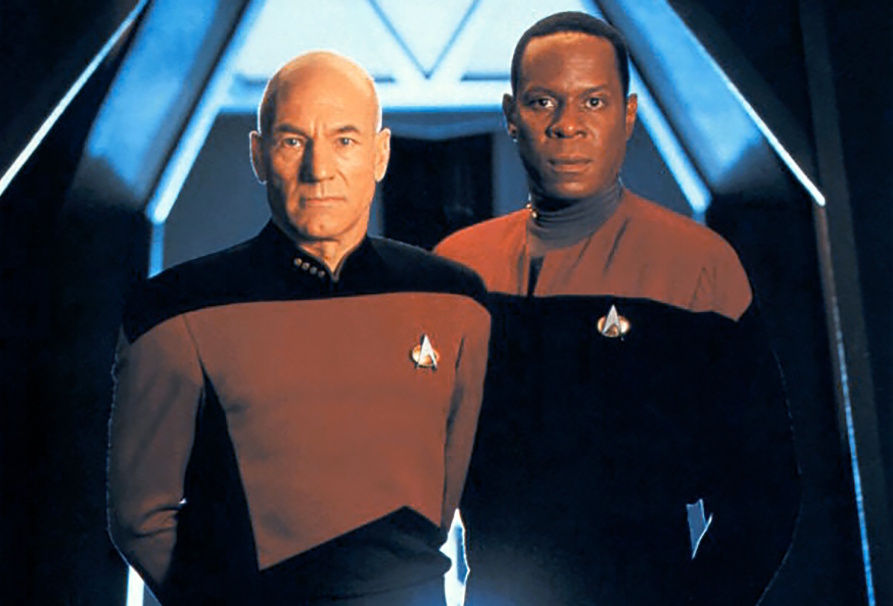

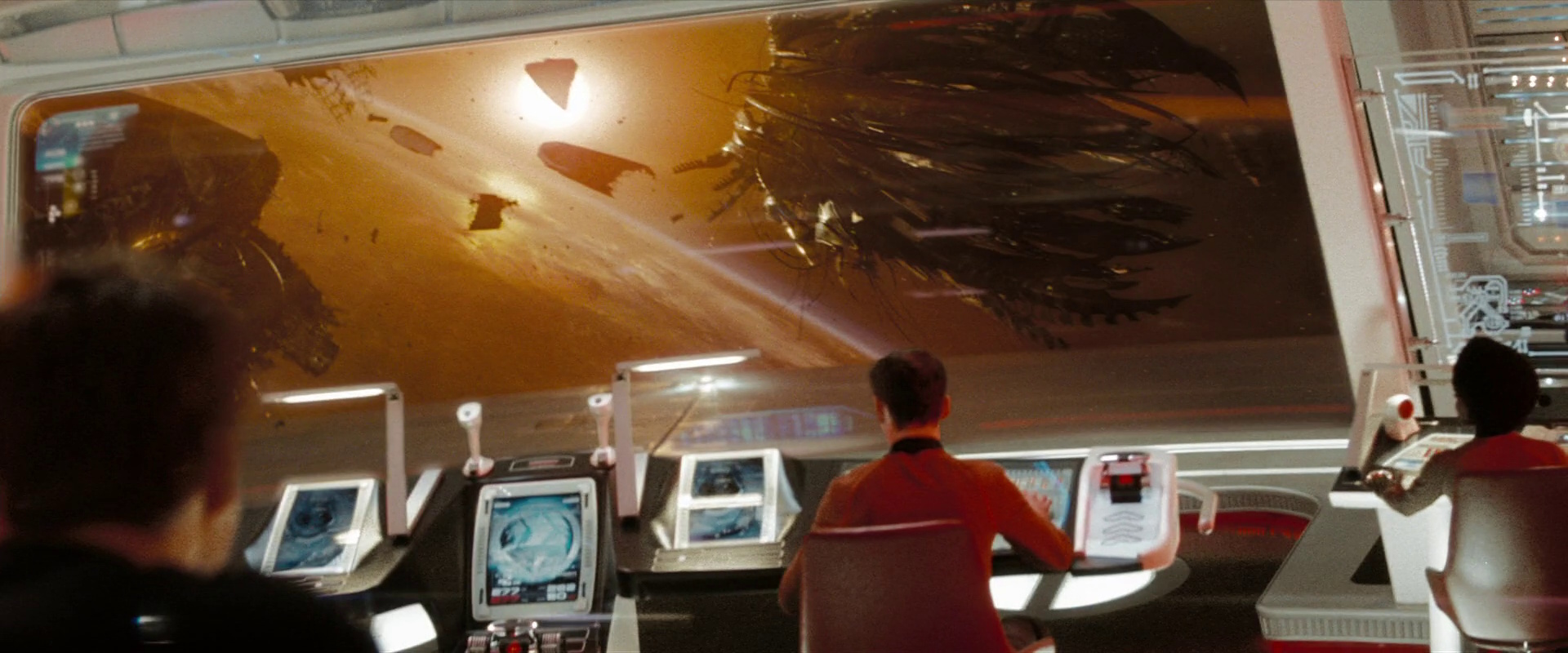
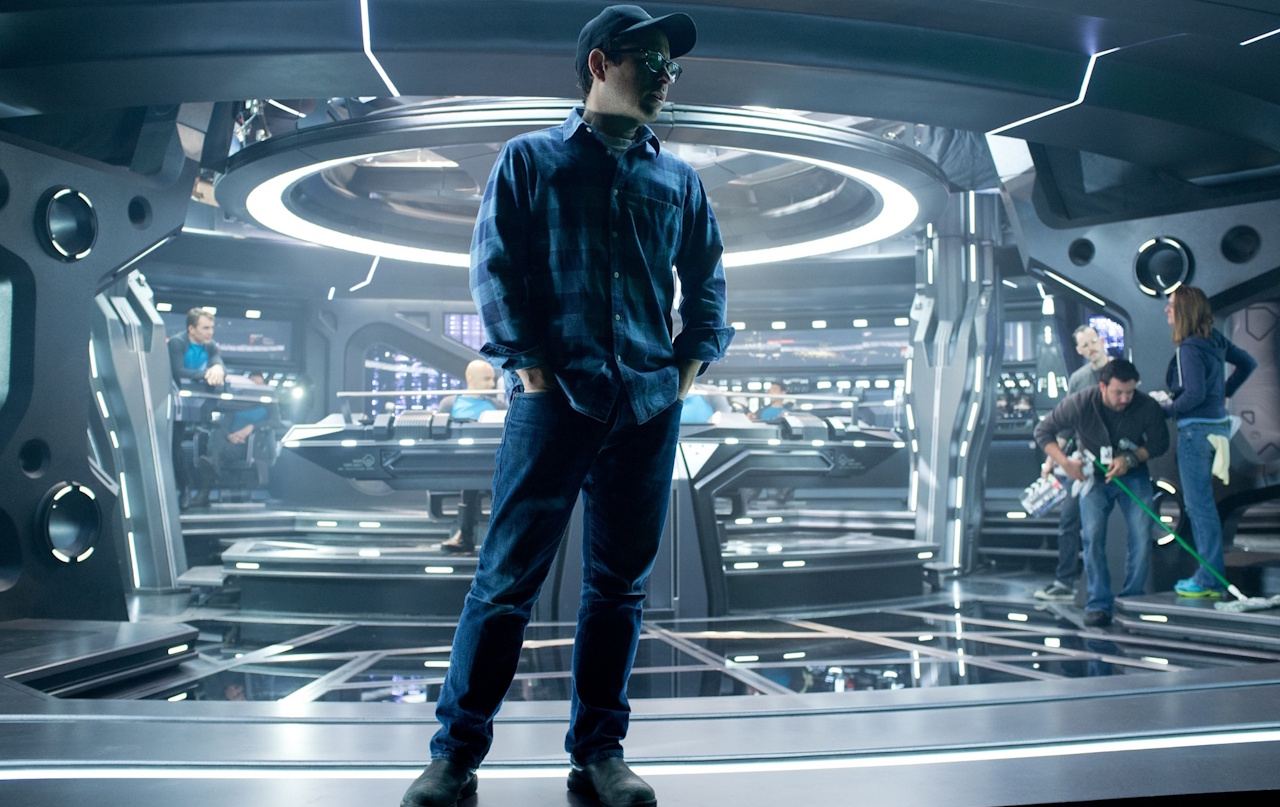
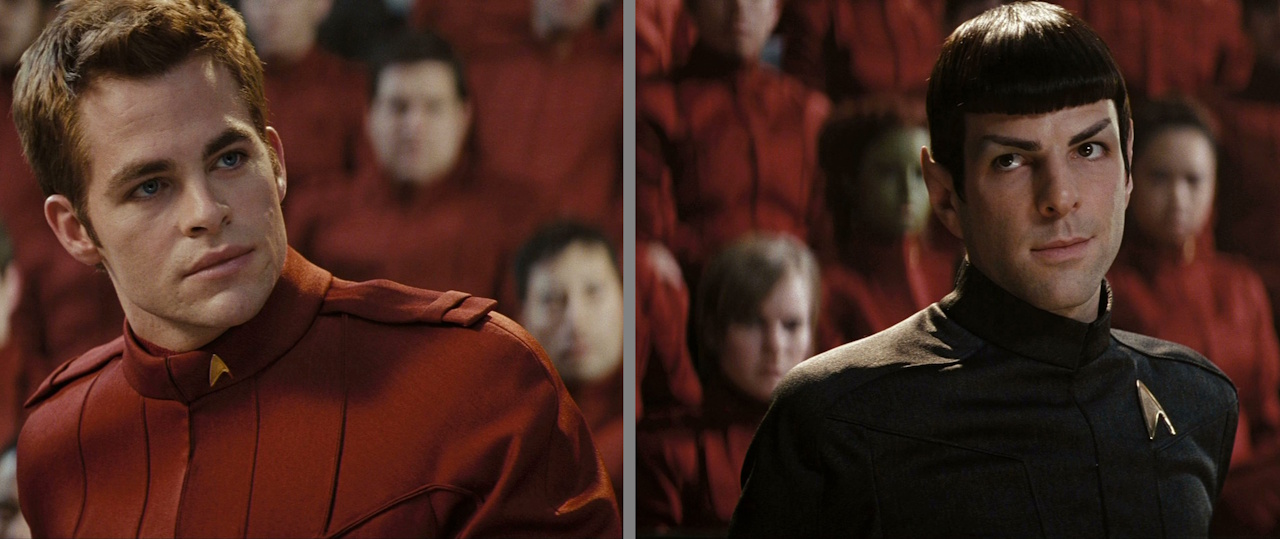
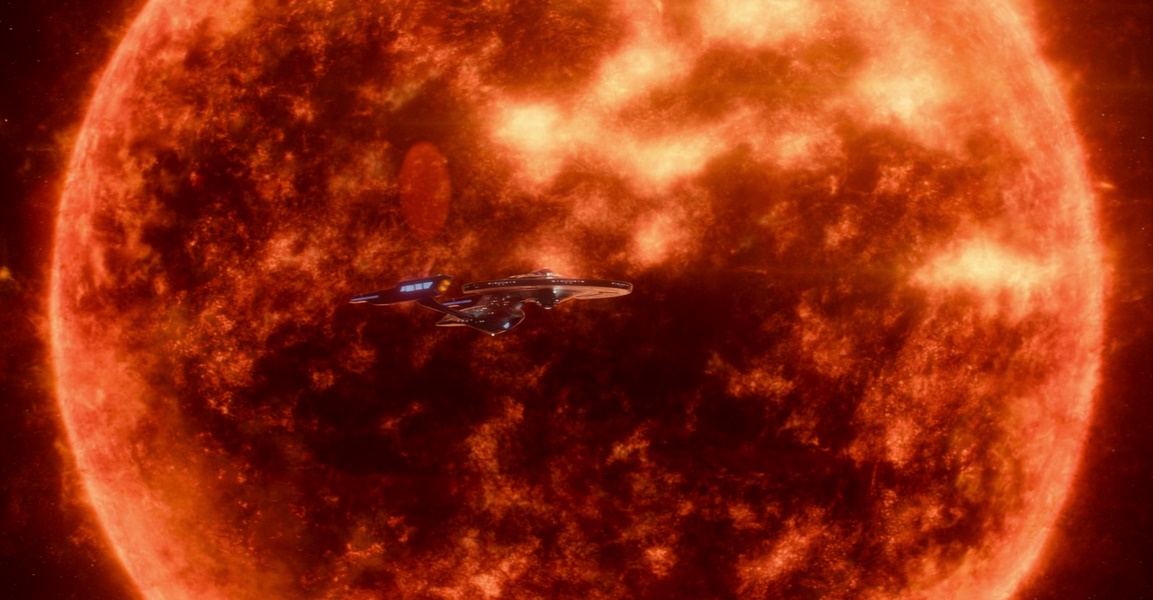
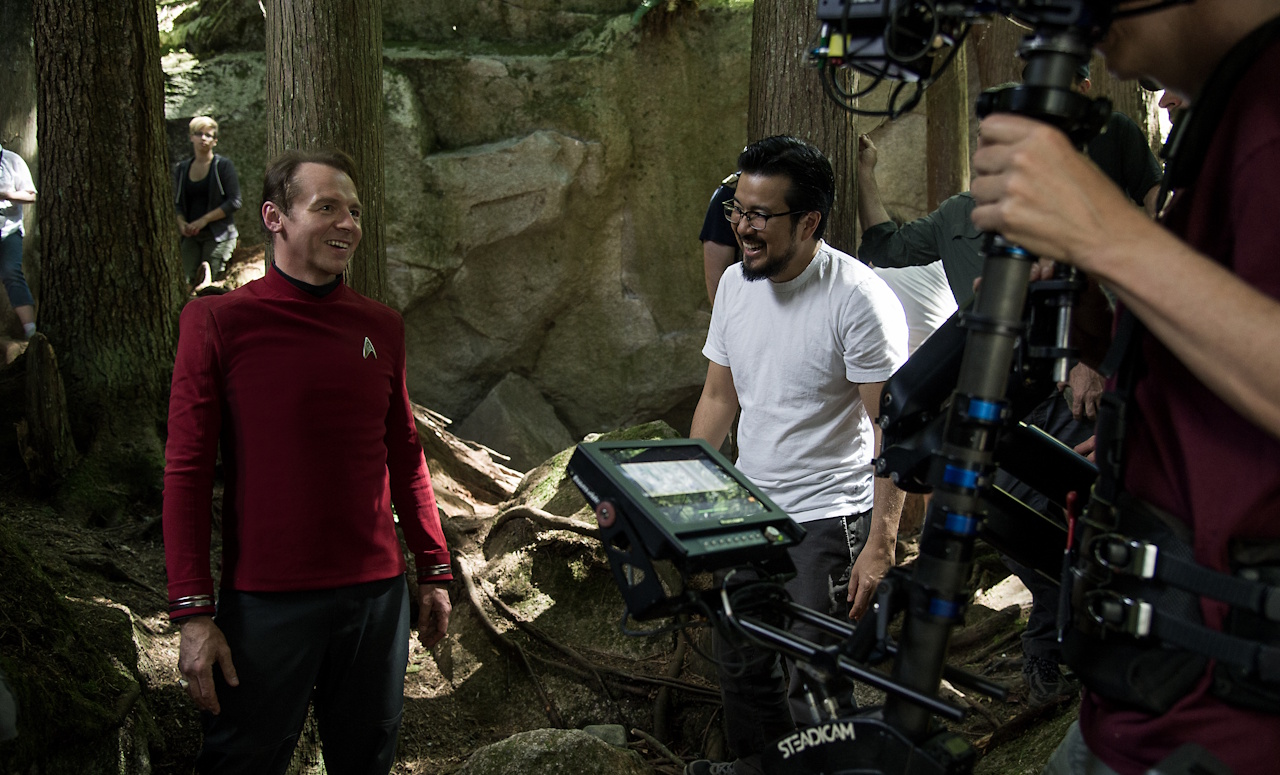

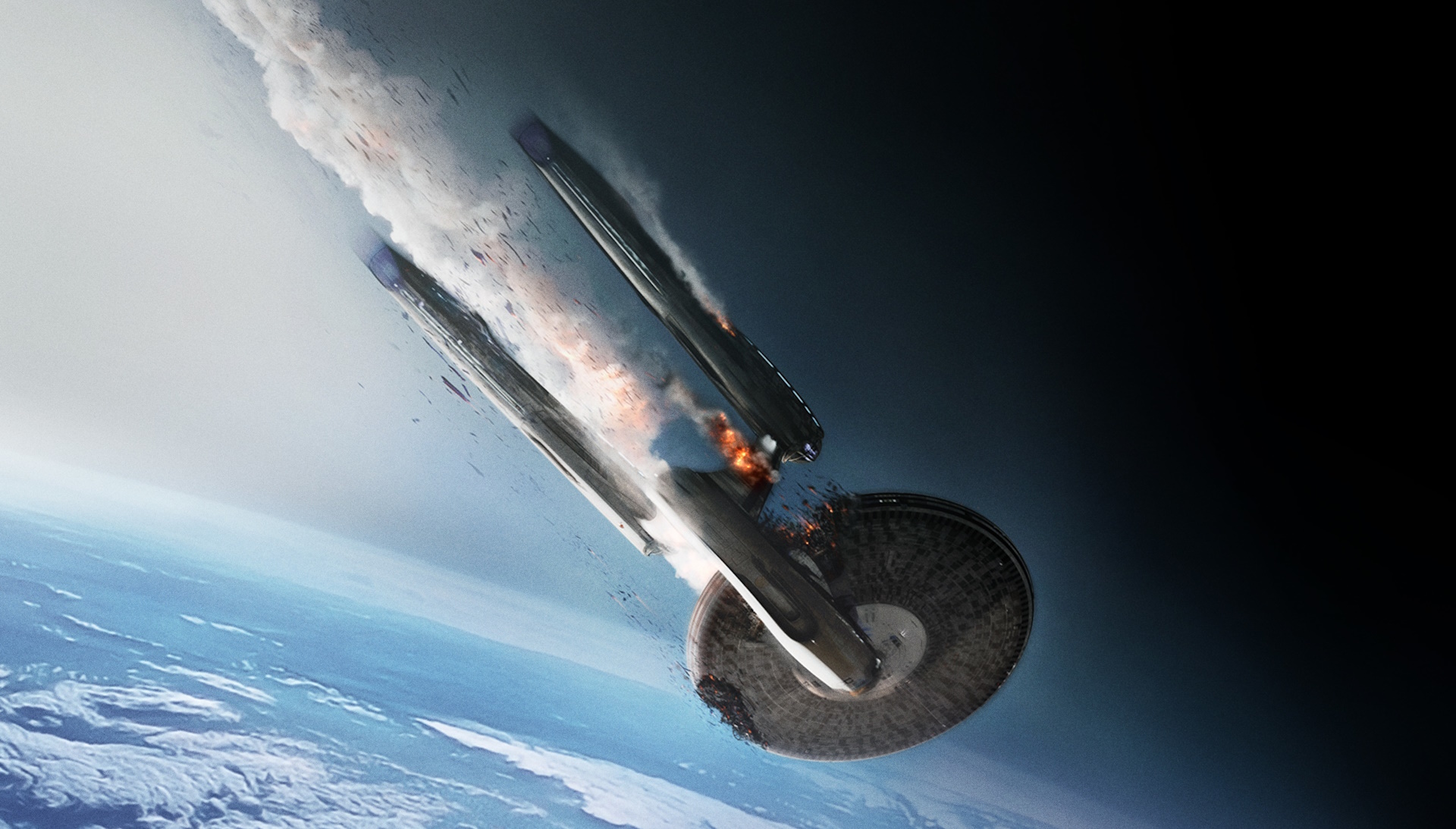
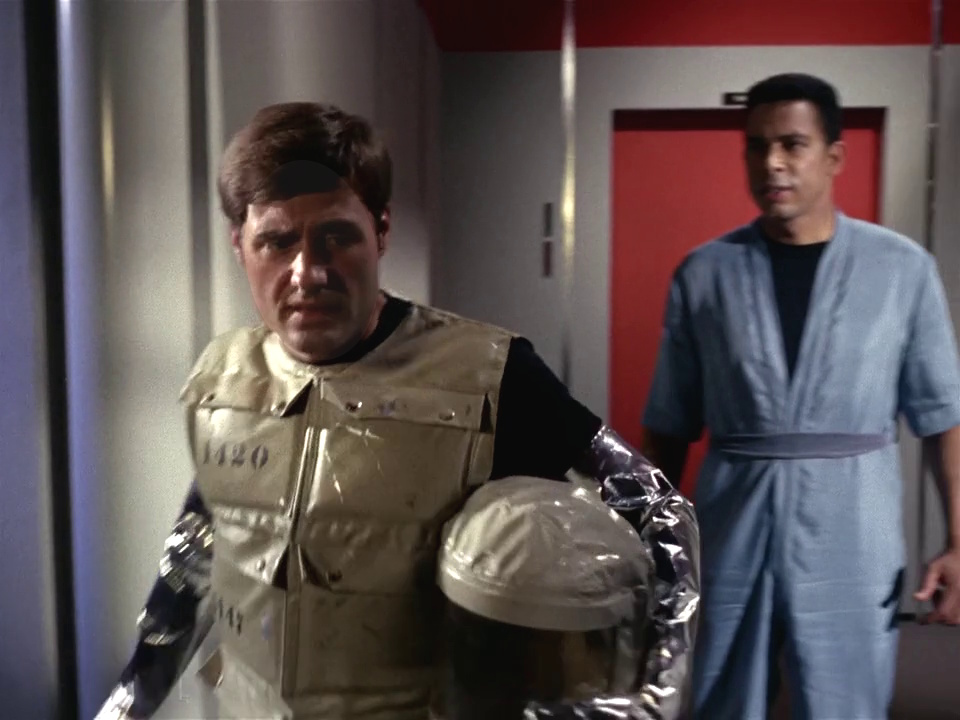
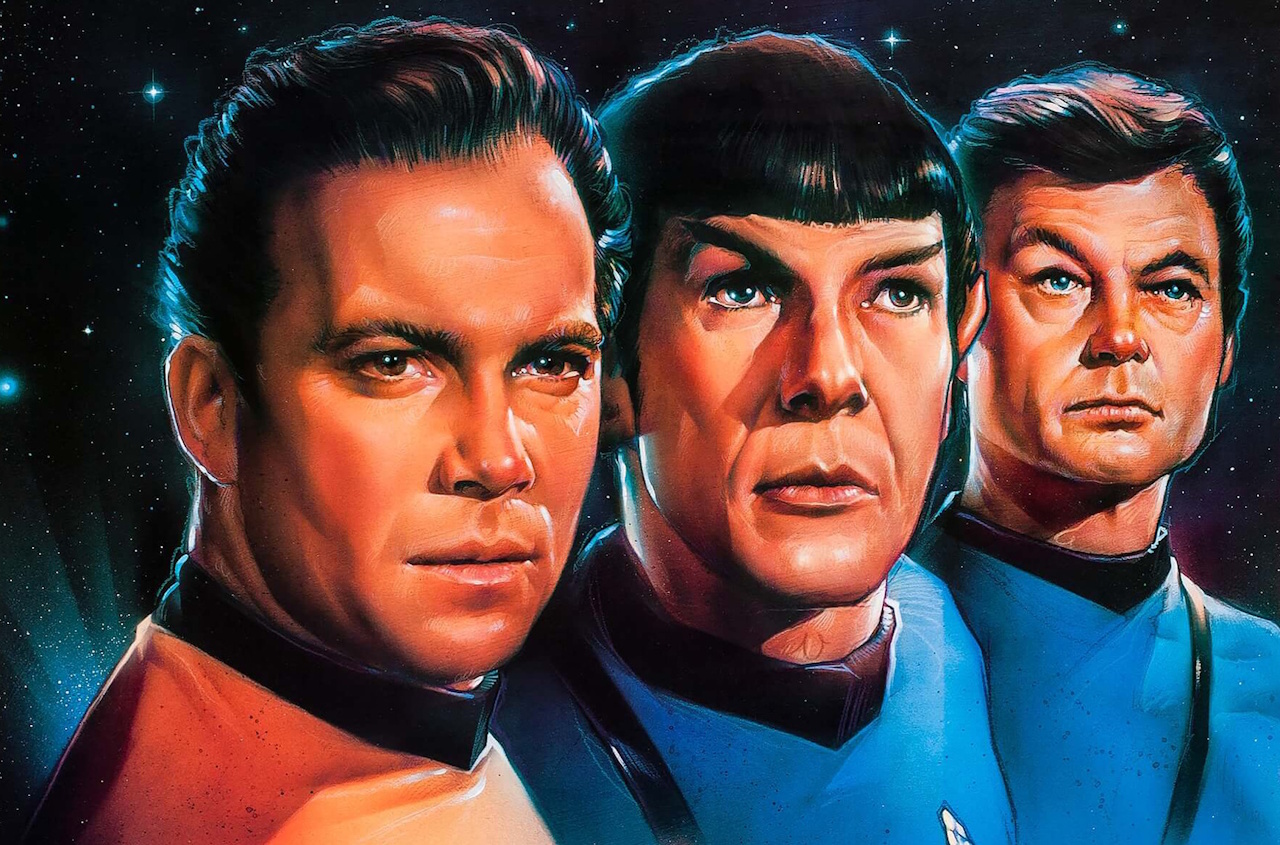
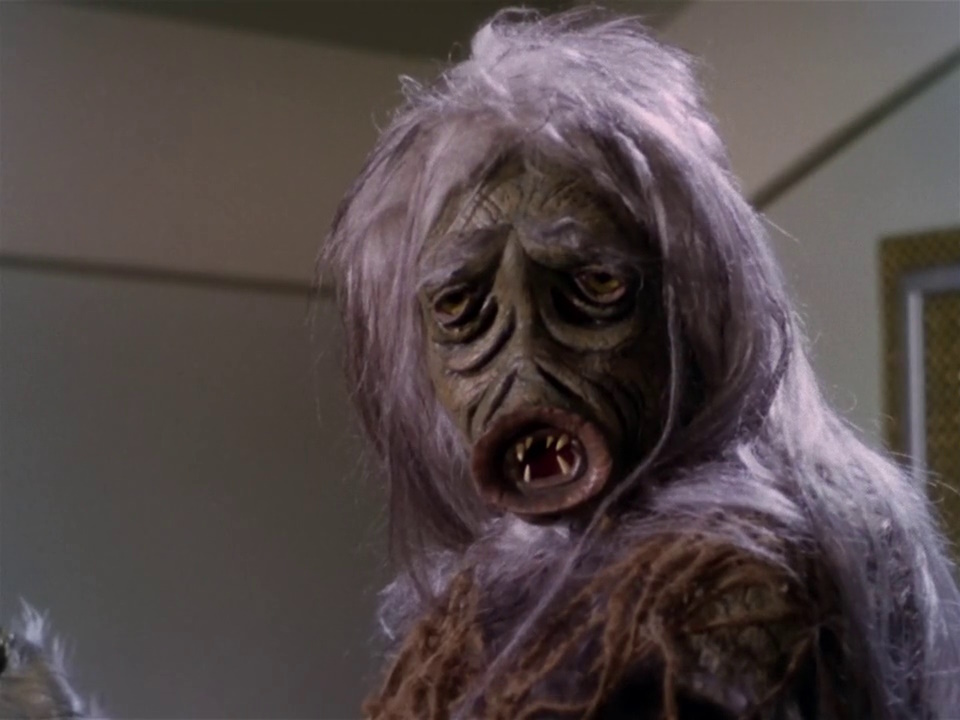
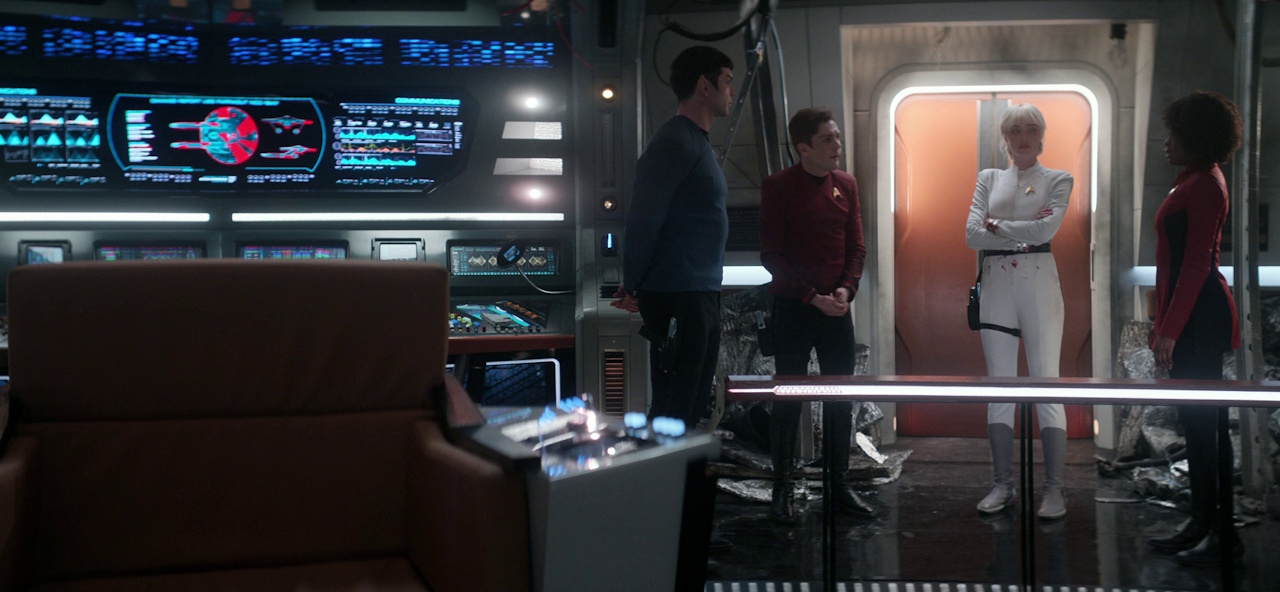


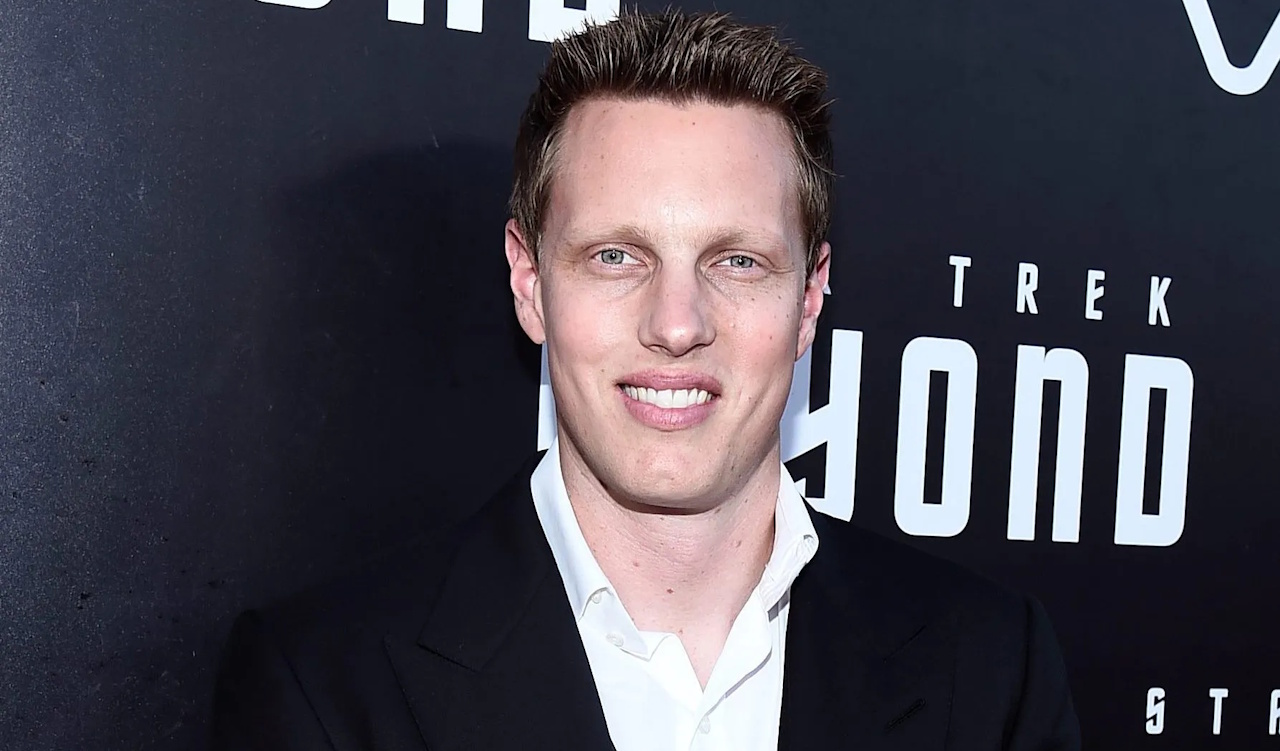
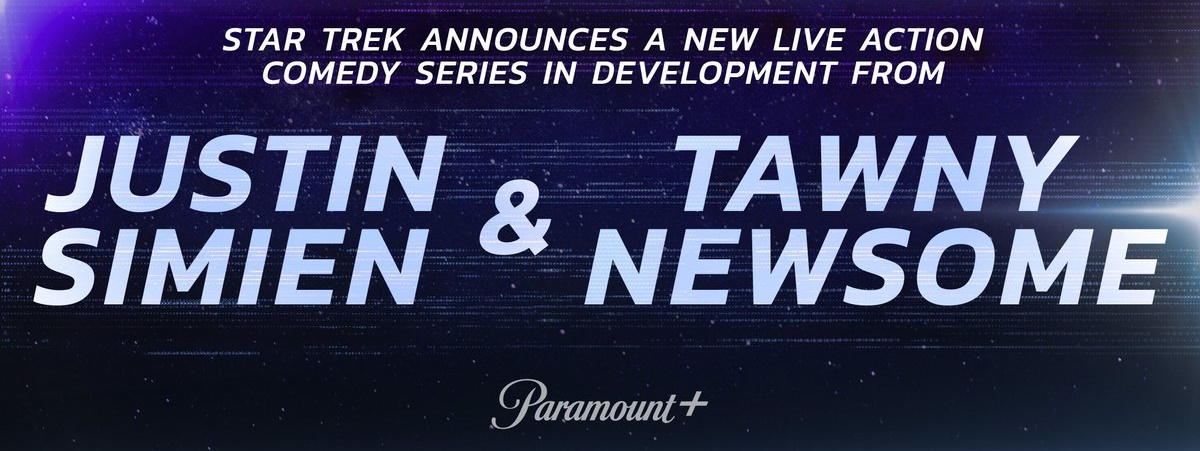
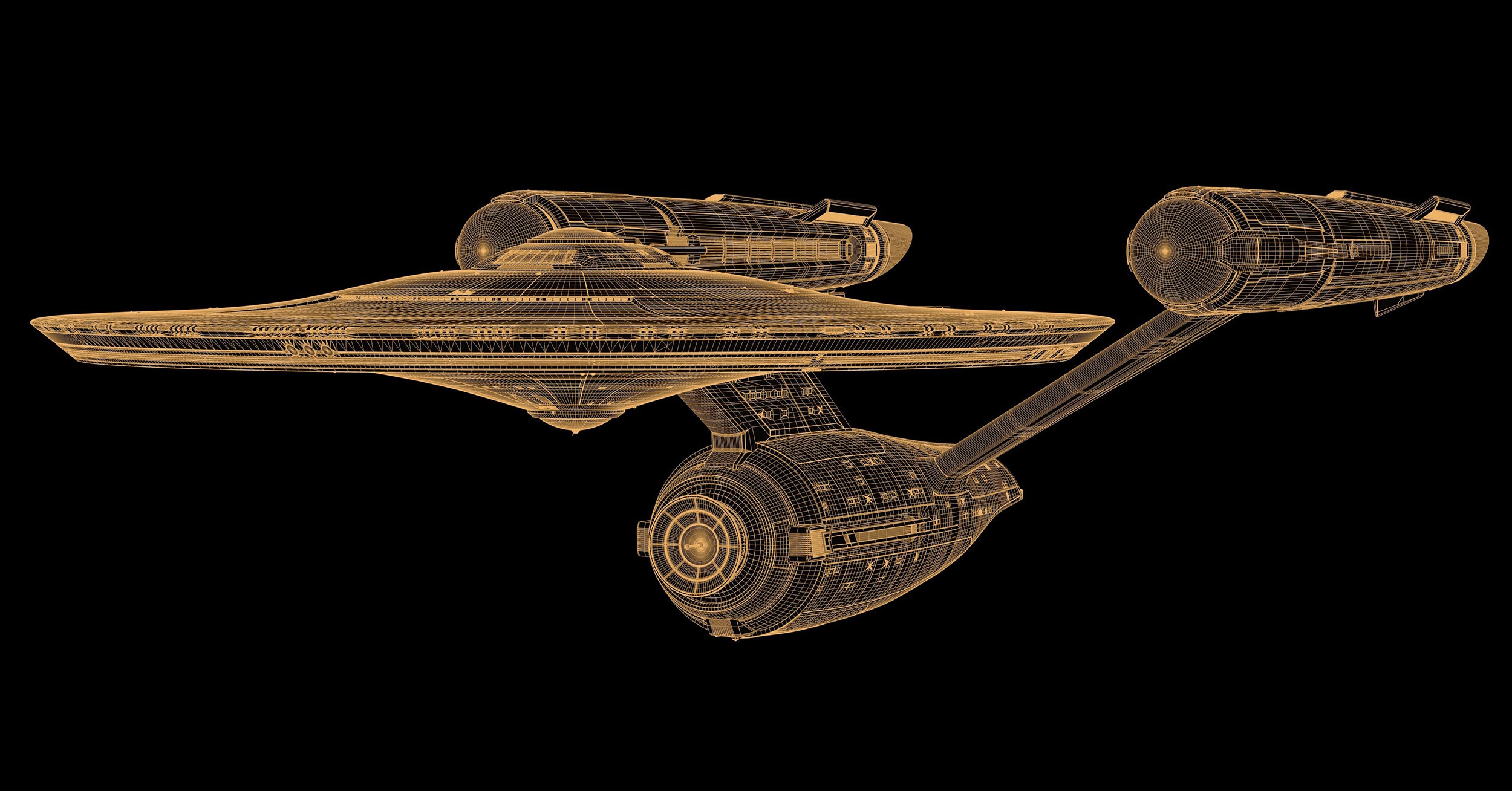
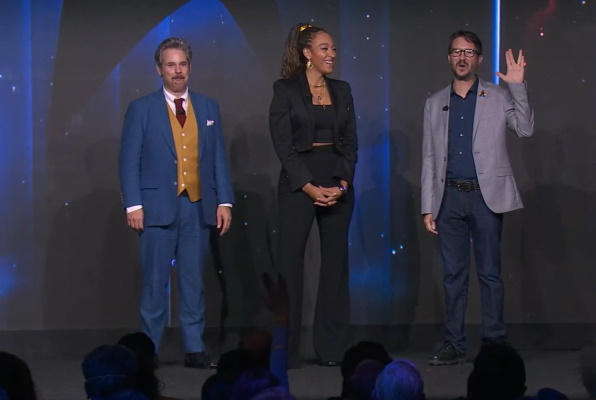





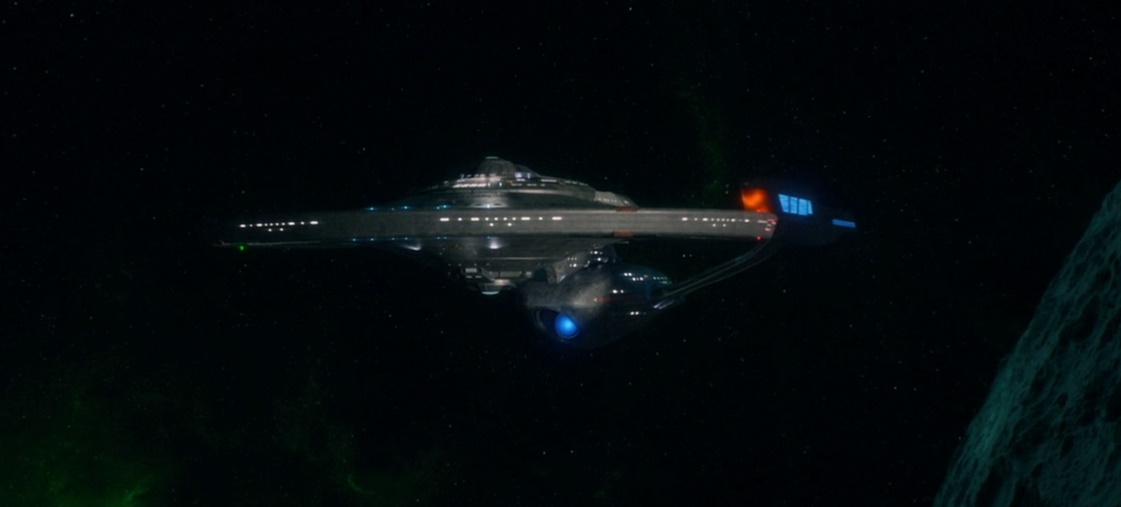
 Trekking with Dennis