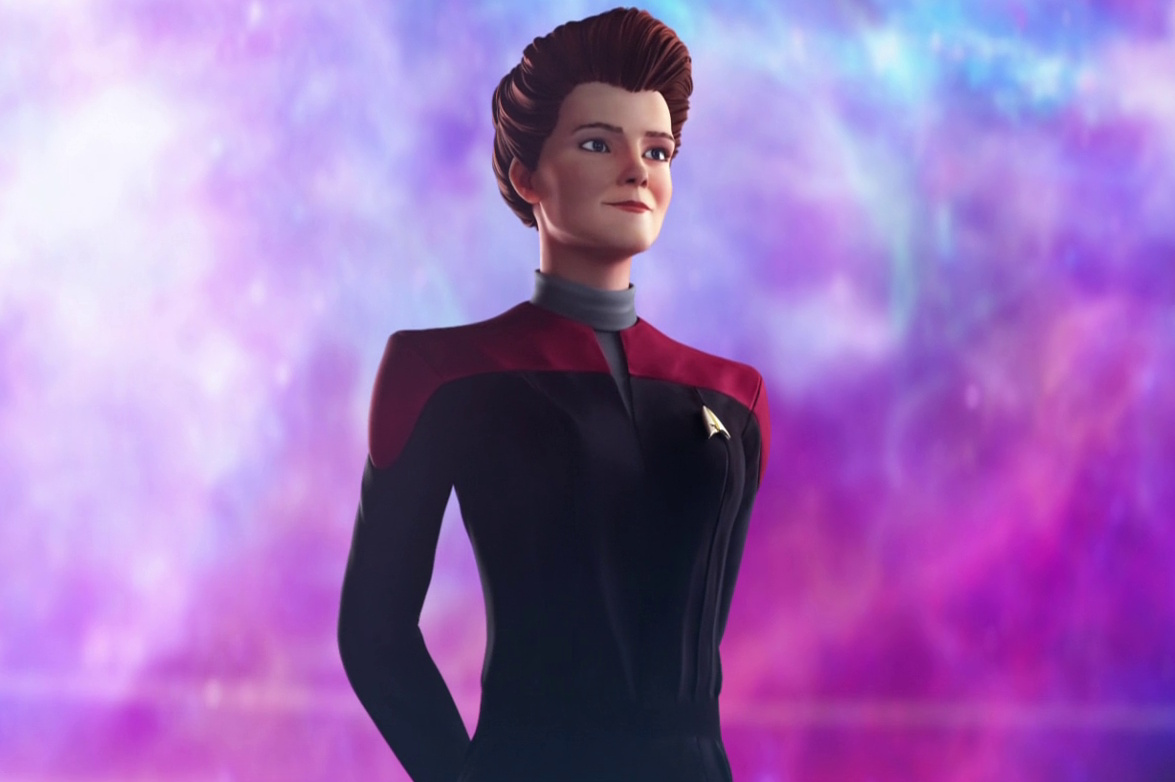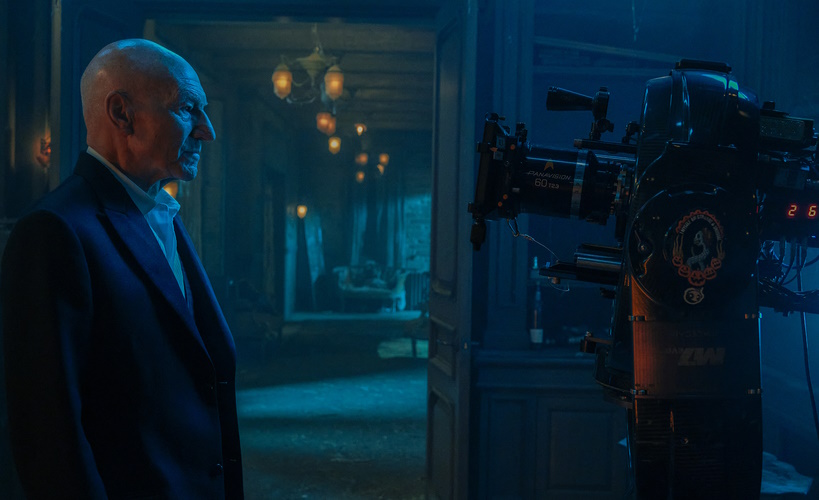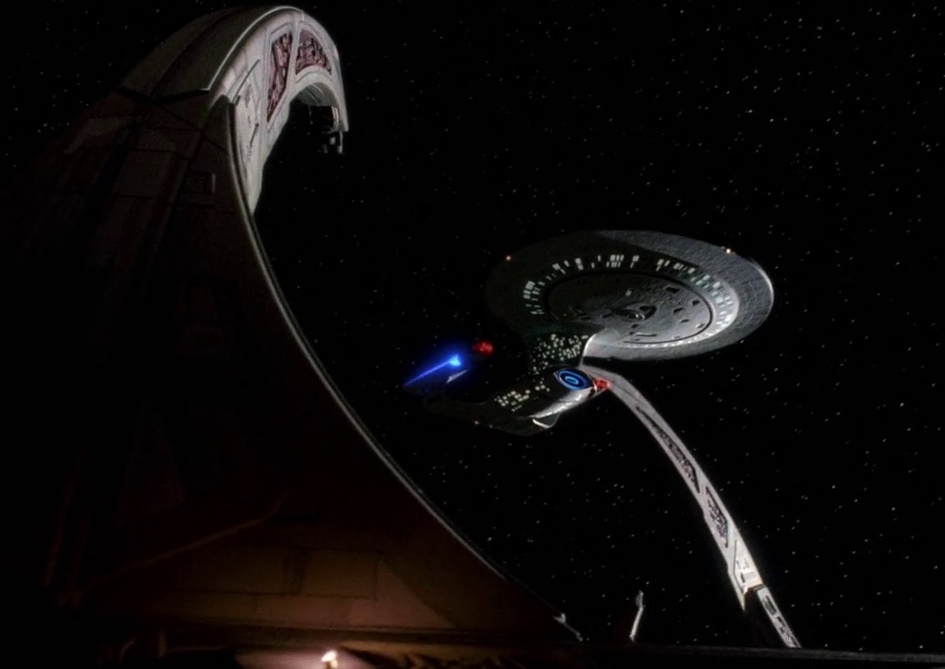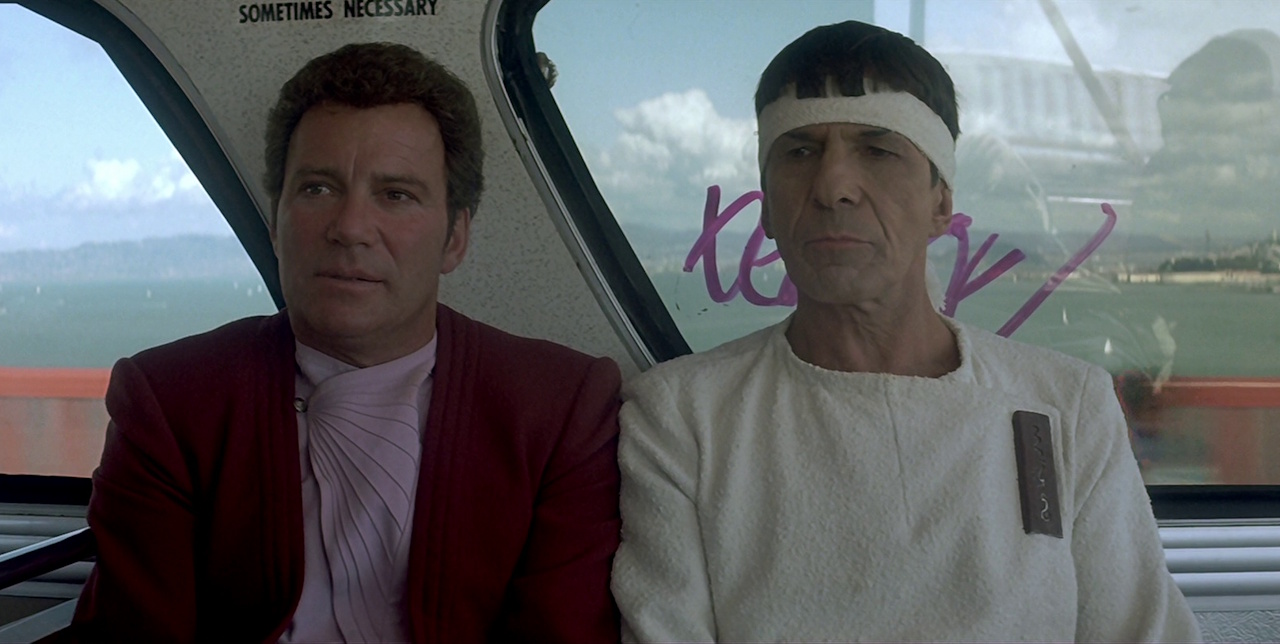
Spoiler Warning: Beware of spoilers for the Star Trek franchise.
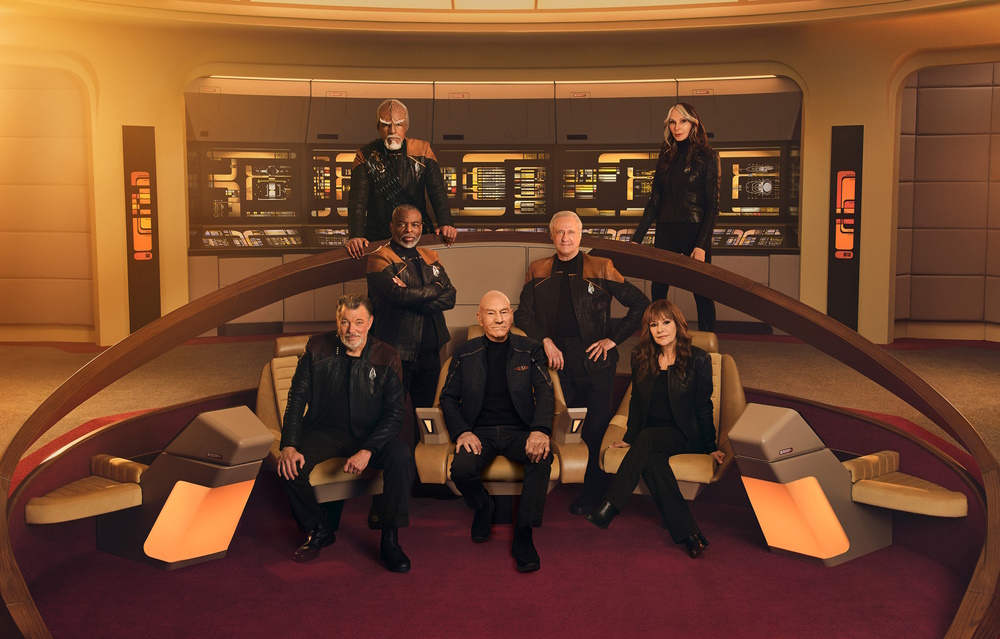
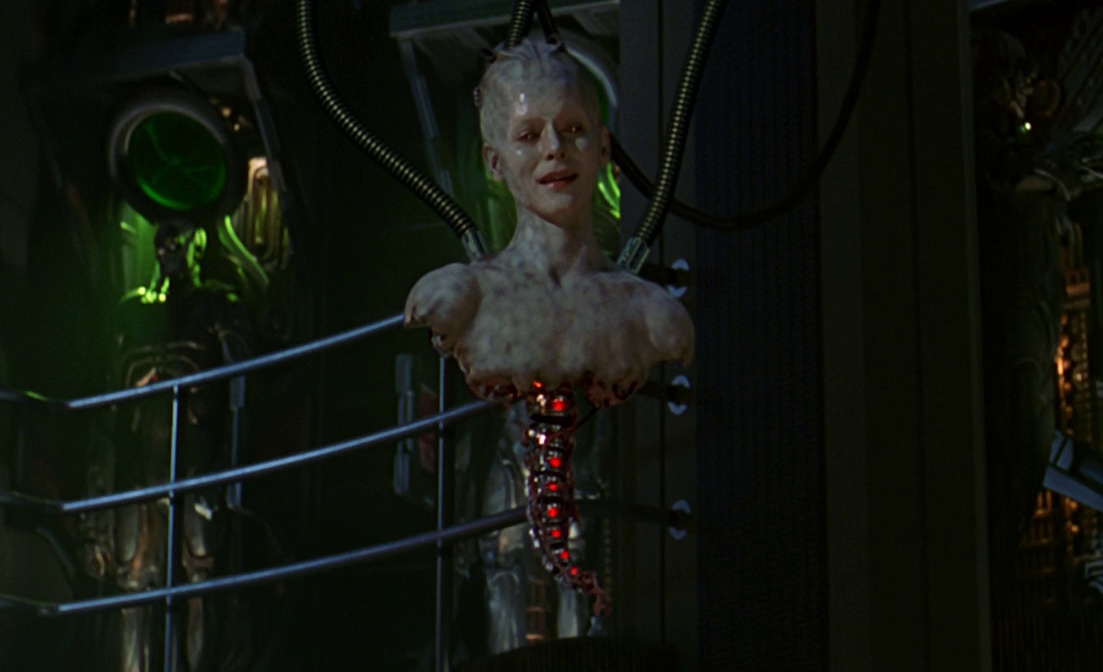
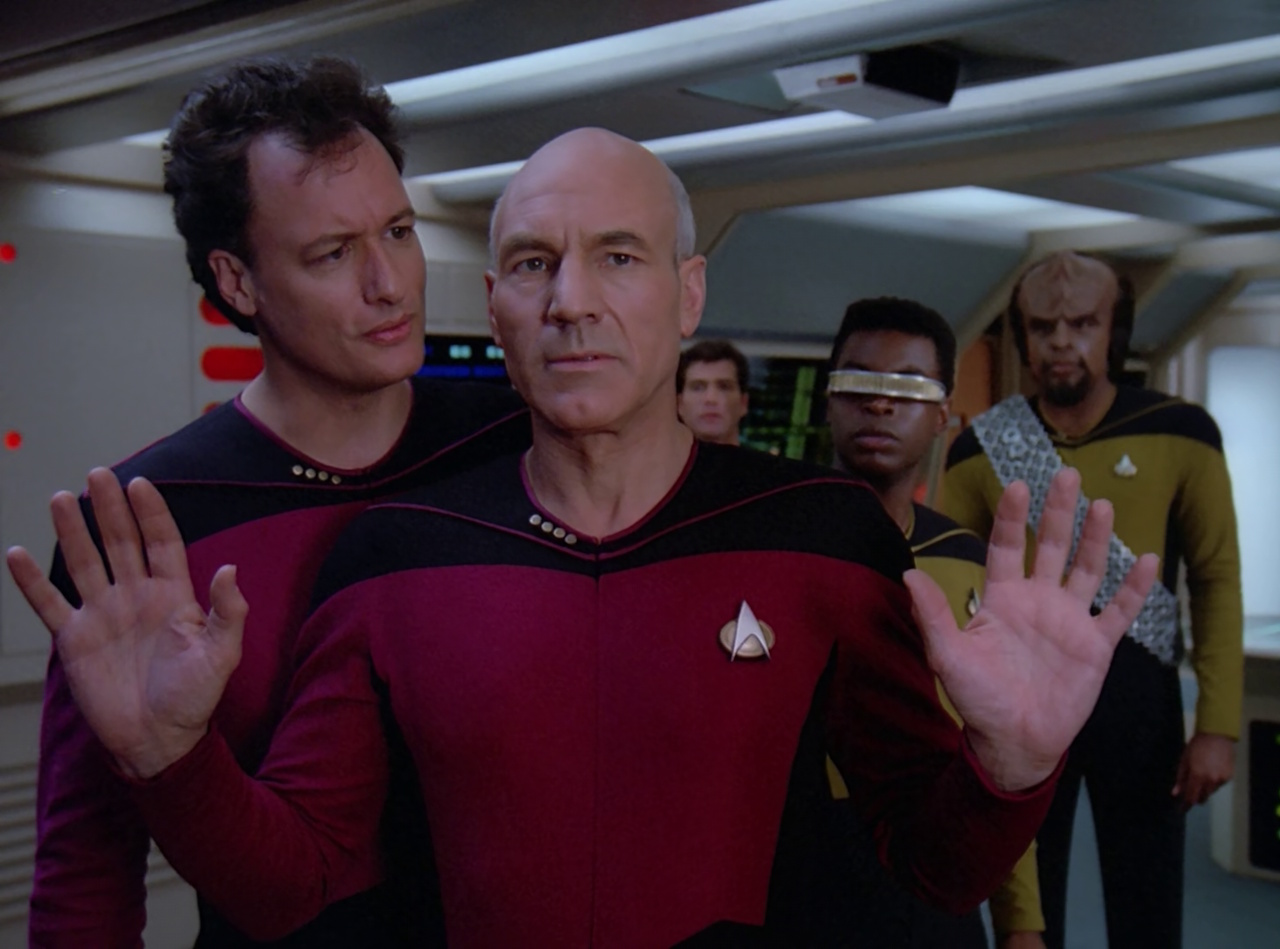
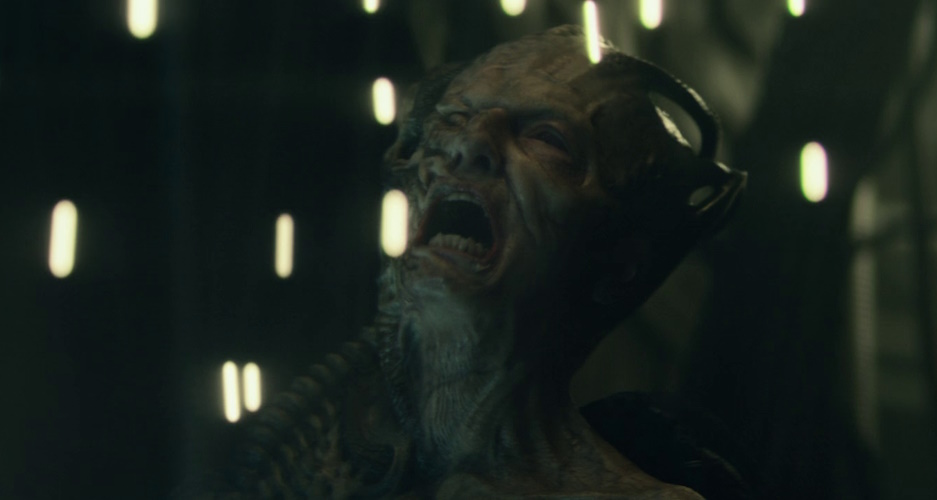
If you didn’t already know, 2026 marks the sixtieth anniversary of the Star Trek franchise! I wrote a piece to mark the occasion on the actual anniversary last month (click or tap here to check it out if you missed it!), but I’m still in a celebratory mood!
What I’m doing today is… well, exactly as the title of this piece implies! I’ve chosen one Star Trek story from every year of the franchise’s life – from the beginnings in 1966 all the way through to 2026! These aren’t necessarily my “top sixty” favourite Star Trek stories… some years are quite fallow without much going on, and the Star Trek franchise had two long-ish spells where there wasn’t much to choose from at all. But I thought it could be fun to examine some of the books, comics, and video games from Star Trek’s “lost years”, as well as talk about classic episodes and movies!
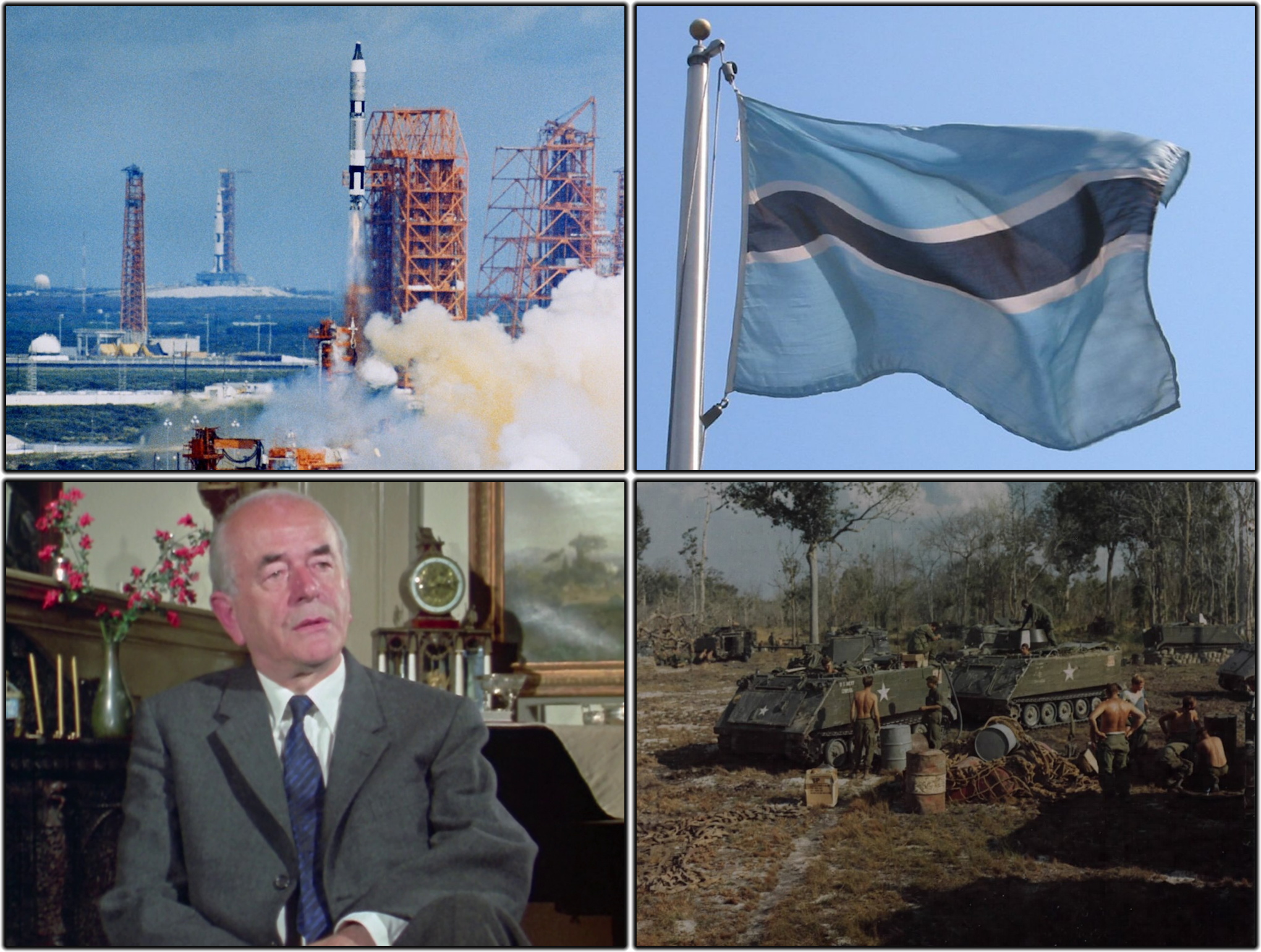
Clockwise from top left: Gemini 11 launches, Botswana becomes an independent country, Operation Sunset Beach takes place in the Vietnam War, and Nazi minister Albert Speer is released from prison.
If that sounds like fun, then you and I are on the same page! But before we get stuck in, I have a couple of important caveats.
Firstly, all of this is just one old Trekkie’s *subjective, not objective* opinion. If we disagree about what makes for a good or fun Star Trek story, that’s okay! There’s plenty of room within the fan community for differences of opinion and polite disagreement.
Secondly, I haven’t read all that many Star Trek books or comics, I haven’t played all of the games, and I can’t even say that I’ve watched every episode any more, either! Star Trek kinda got oversaturated in the 2020s, so I still need to get caught up on the latter parts of Lower Decks and Prodigy. Because of the aforementioned “lost years” in the 1970s and the 2000s/2010s, that might mean we have to pick a couple of stories that I’m less familiar with. But I’ll do my best with what’s available!
I’m only going to write one short paragraph for each story; there are sixty, after all, and I don’t want this piece to get too long to read comfortably. All dates/years referenced are based on the first airdate/publication date/release date for a given episode, film, book, etc. – which, in almost every case, is the *American* one! I’m based in the UK, and I know a lot of folks from all over the world are huge Trekkies (and visitors to my website – hi!), but we’re taking the first date that each production was available for this list.
Finally, my thanks go out to everyone at “Memory Alpha” and “Memory Beta” – the two Star Trek wiki projects – for how well-organised they’ve been with chronologing all of Star Trek’s various releases. That was such a big help to me over the course of writing this piece.
Now that all of that’s out of the way… let’s get started!
1966:
Balance of Terror
Of the fifteen TOS Season 1 episodes to air in 1966, I’m choosing Balance of Terror on this occasion. The episode introduces the Romulans – and Spock’s possible connection to them. It also harkens back to submarine films from World War II, with the cloaked Romulan Bird-of-Prey being difficult for Kirk and the crew to track down and stop. One character in the episode – Lieutenant Stiles – shows how even 23rd Century enlightened humans can have biases and xenophobic traits, something Captain Kirk would push back on in a key sequence. An iconic episode that introduced a faction that would be incredibly important to the wider franchise.
1967:
The Trouble with Tribbles
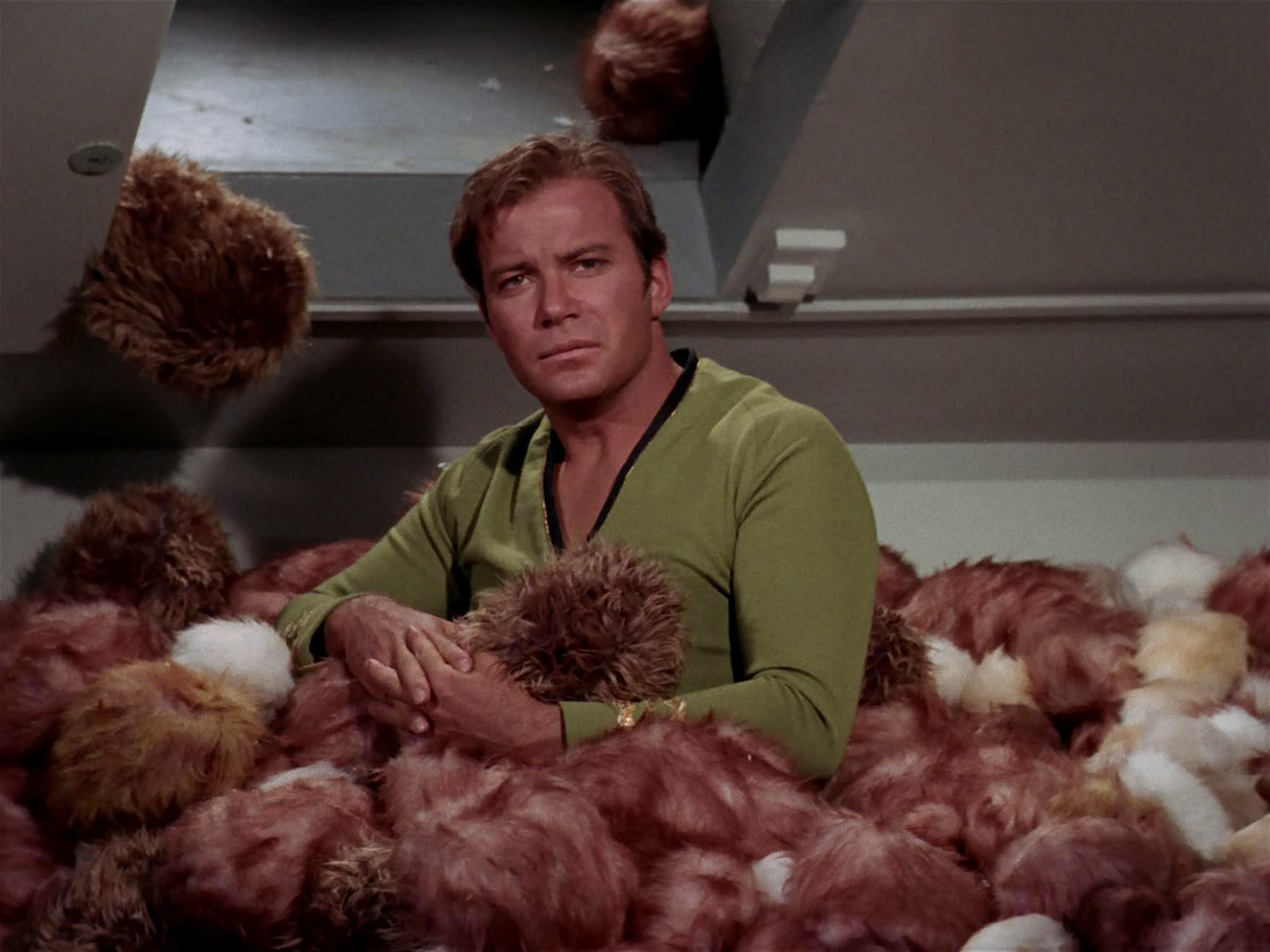
A lot of iconic episodes aired this year, but few are better-remembered than The Trouble with Tribbles, which aired in between Christmas and New Year. The story perfectly encapsulates The Original Series’ blend of serious sci-fi and humour – and the tribbles themselves, despite making just a handful of appearances, are inseparable from Star Trek in the minds of many. This is also a great episode for the ongoing Klingon-Federation conflict, which would grow in importance as Star Trek developed.
1968:
The Ultimate Computer
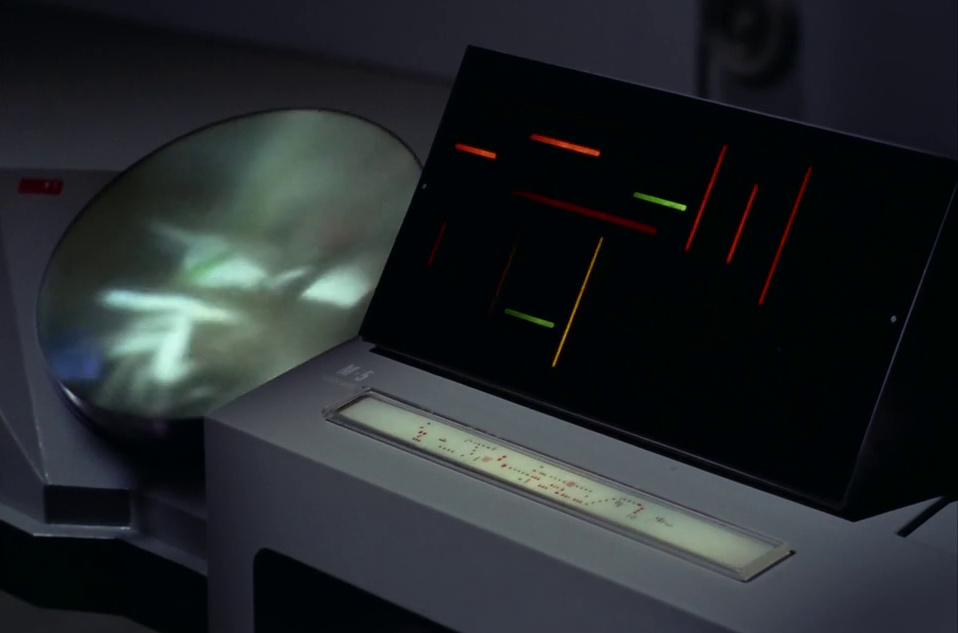
A story that feels *more* relevant today than it did when it aired, this fable warns of an overreliance on machines – and how machine intelligence may not understand or be properly aligned with the needs of its creators. Given what’s happening in the real world today, with the advance of A.I. systems… The Ultimate Computer feels timeless; a warning from the past. It’s also a fun episode in its own right!
1969:
Whom Gods Destroy
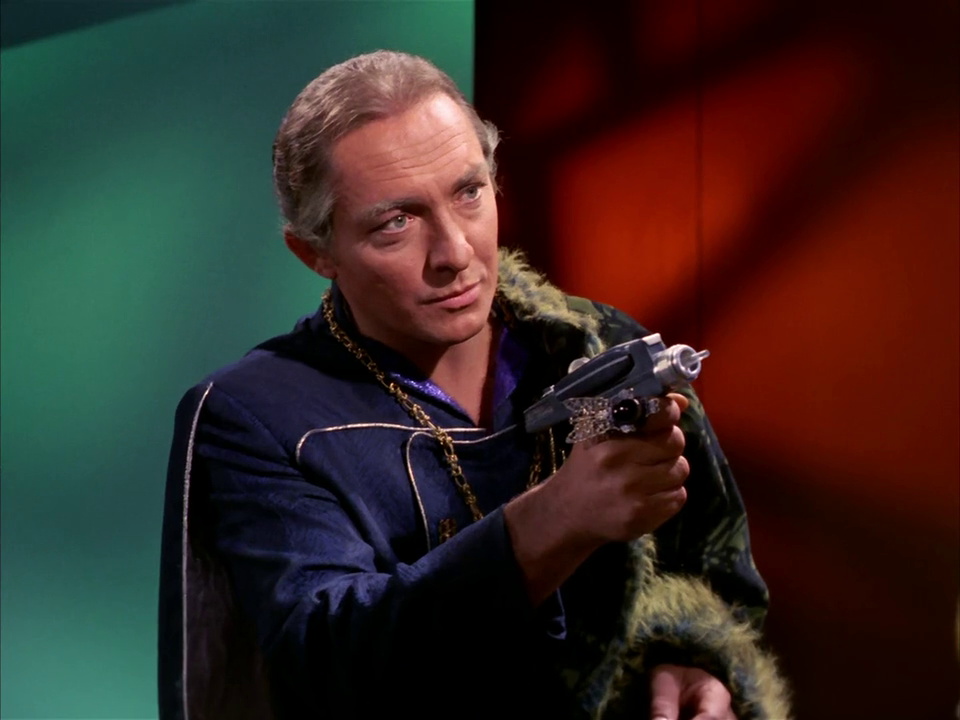
A famous episode in the fan community – and spawning an entire (long-running) fan production – Whom Gods Destroy is my pick for 1969. This was the year of TOS’s cancellation, bringing Star Trek’s first phase to an end. The episode is action-packed, of course, and leans on some tropes that audiences today might find a bit dated. But there’s an inspirational, hopeful tone to parts of the story, and the idea that even the most severe mental illnesses may, one day, be curable is a good message.
1970:
Spock Must Die!
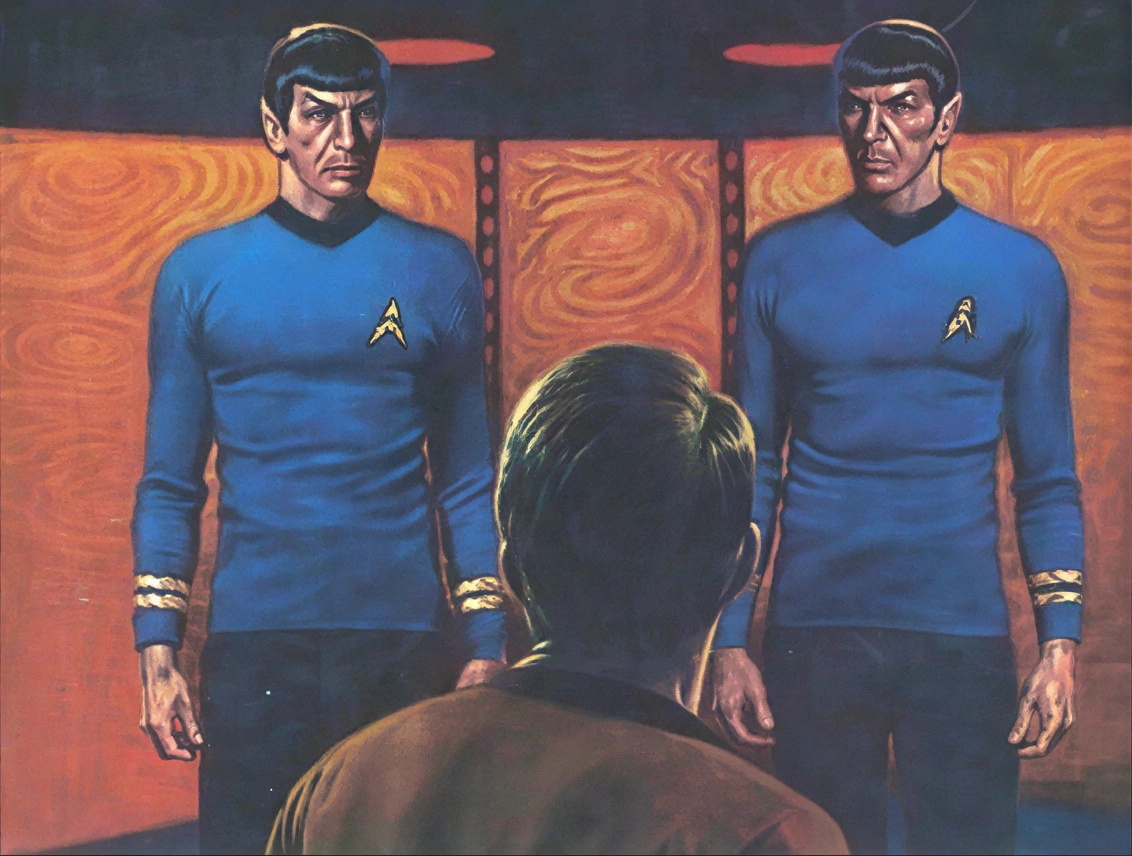
Full disclosure: I haven’t read this novel! Sorry. But it was the first Star Trek novel with an origial story, and having read a summary, I think it has a lot of potential as a fun and very “Star Trekky” adventure. It reminds me of both The Enemy Within and TNG’s Second Chances, with an evil transporter clone of Spock getting into mischief. As the first novel to keep Star Trek alive after cancellation, I think the book deserves some recognition, too.
1971:
Star Trek 4
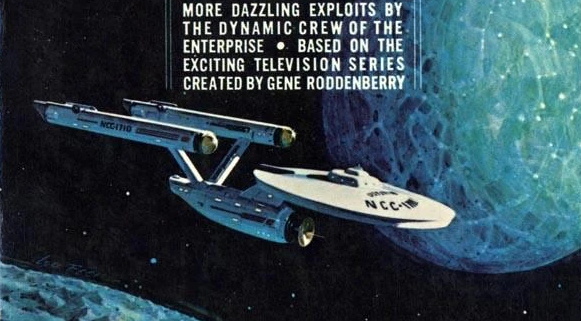
No, not The Voyage Home! This book is a collection of adaptations of six TOS episodes: All Our Yesterdays, The Devil in the Dark, Journey to Babel, The Menagerie, The Enterprise Incident, and A Piece of the Action. I’ll be honest: 1971 was probably the hardest year to find something from for this list! But these short 20-ish-page adaptations of classic TOS episodes fit the bill. And, again, as The Original Series was gaining traction in syndication, it probably helped some folks continue their burgeoning fandom.
1972:
Museum at the End of Time
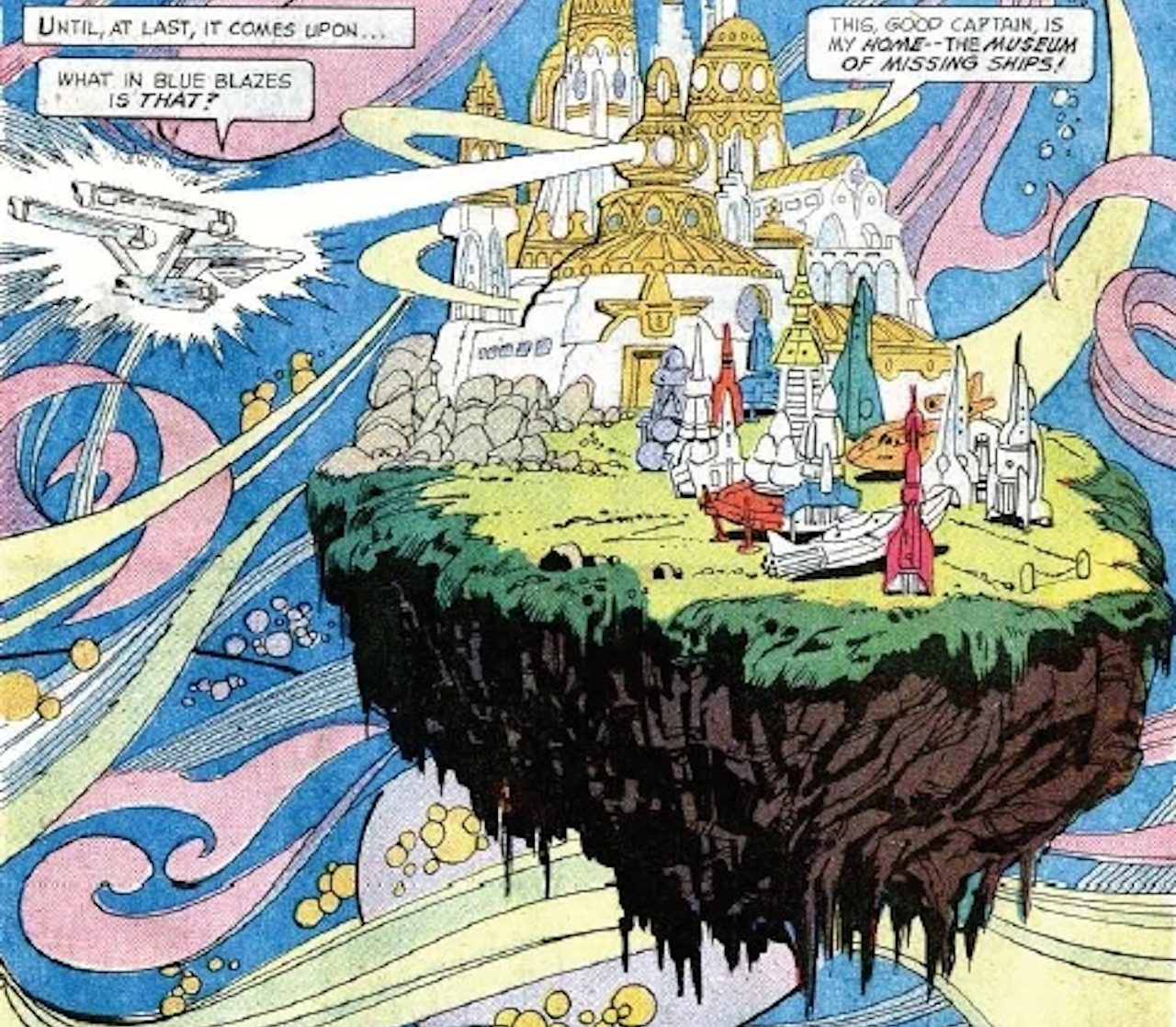
Our first comic book is remarkably similar to two stories I’m a bit more familiar with: The Time Trap from The Animated Series and the video game Star Trek: Voyager – Elite Force! This story sees the Enterprise trapped in an alternate dimension along with various other missing starships, and working with the Klingons to faciliate an escape. I haven’t read it myself, but I think the premise should work – and, again, comics and books were doing a good job for the growing Star Trek fan community in this time period.
1973:
The Magicks of Megas-Tu
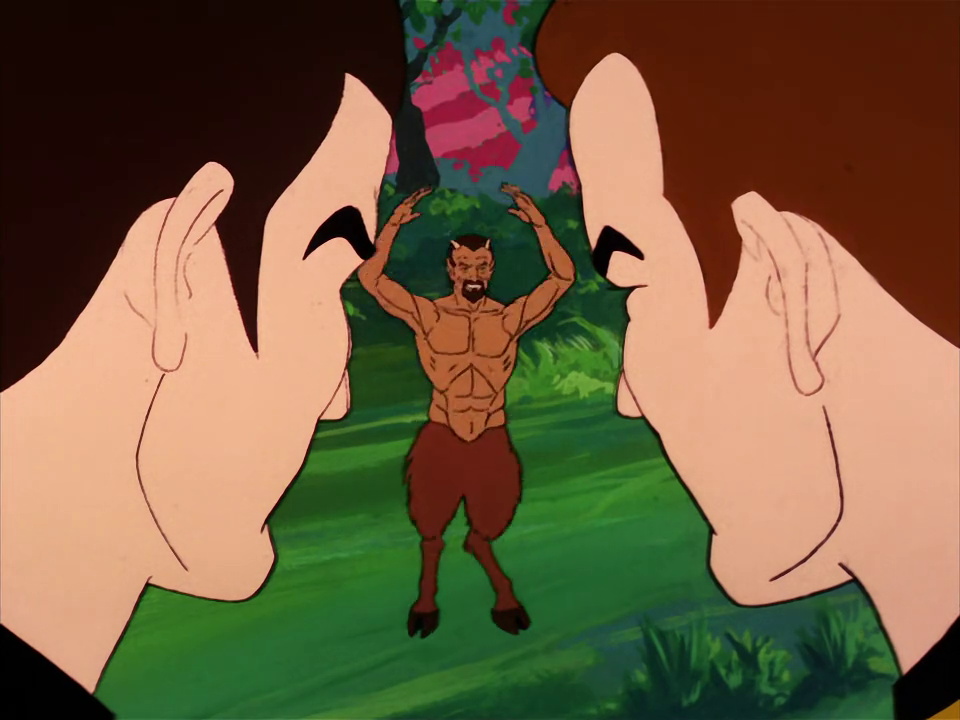
For a long time, The Animated Series was considered “officially non-canon” by Gene Roddenberry and the wider Star Trek production team. I can remember watching a few episodes when they must’ve been repeated on terrestrial TV, but I don’t think The Magicks of Megas-Tu was among them. However! I unashamedly love this episode for its silly, totally unscientific story. The Enterprise gets transported to an alternate reality where magic is real! I mean… how much fun is that? It’s a great episode, a really fun time, and the perfect blend of classic Star Trek storytelling with the “Saturday morning cartoon” style that parts of The Animated Series leaned into.
1974:
Albatross
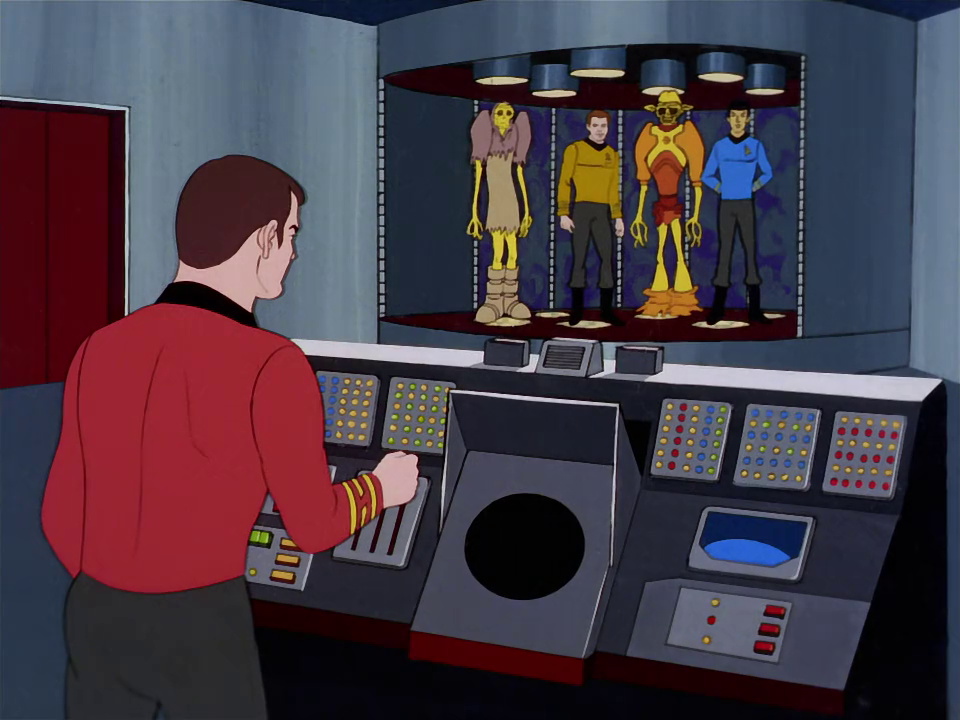
From a silly, cartoony story to one with a much more serious tone – proving that The Animated Series, like Star Trek as a whole, can do both. Dr McCoy is accused of killing almost the entire population of a planet, and is consequently arrested and put on trial. A fun Spock-McCoy team-up leads to the creation of a cure, and this is just a very classic-feeling Star Trek story that would’ve made for a wonderful live-action episode, too. It’s more serious in tone than quite a few other TAS stories… but it’s because of that that I enjoy it.
1975:
Star Fleet Technical Manual
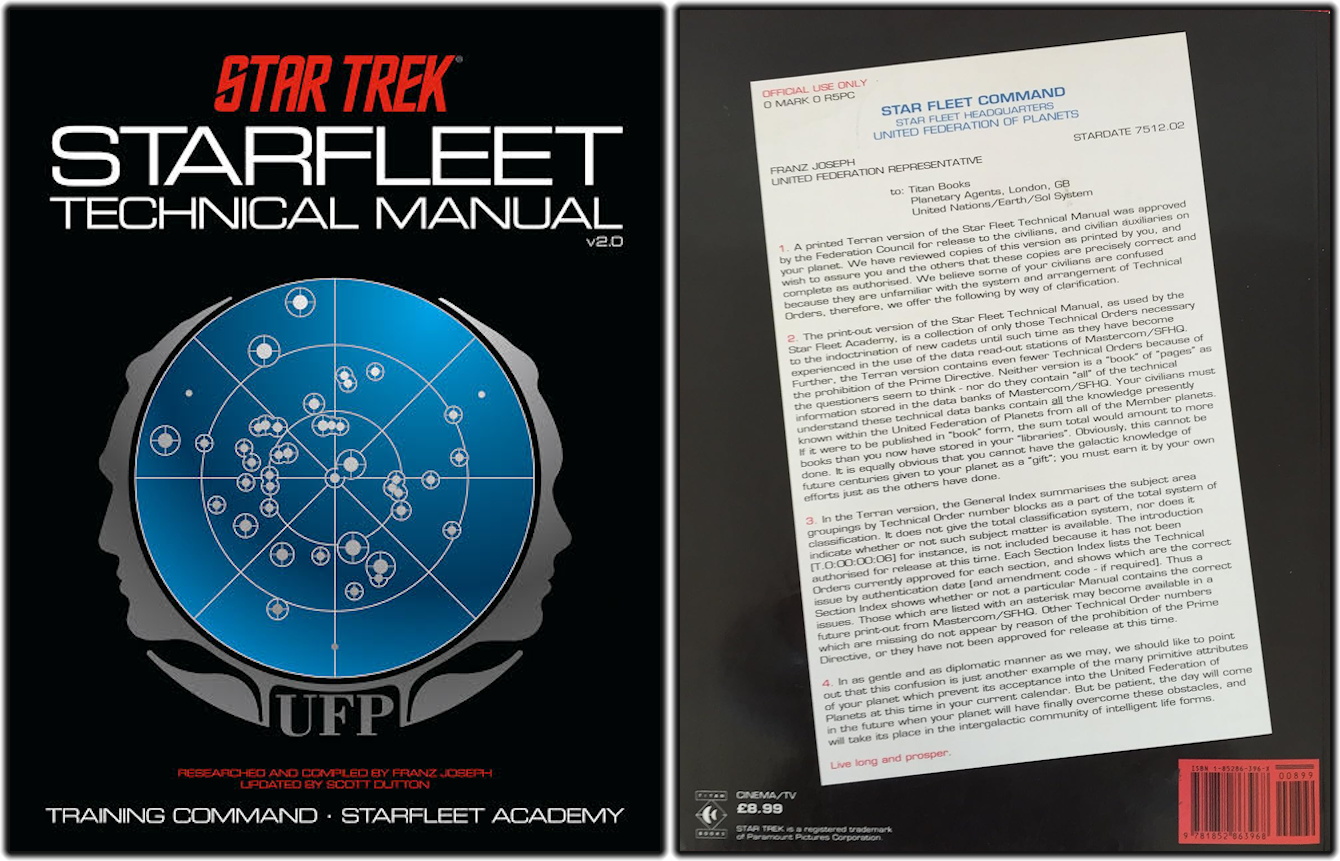
A reference guide that spawned a long-running tabletop series, the Star Fleet Technical Manual was, for a long time, the most detailed and intricate guide that the fan community had. It includes detailed designs of uniforms, starships, and pieces of tech, and even has costume patterns for fans to make replicas. It’s a very detailed, in-depth book for the nerdiest of Trekkies – and you can see why it went on to form the basis of the aforementioned tabletop game series. I guess this one isn’t a “story” per se, but I think it should still count for this list!
1976:
The New Voyages
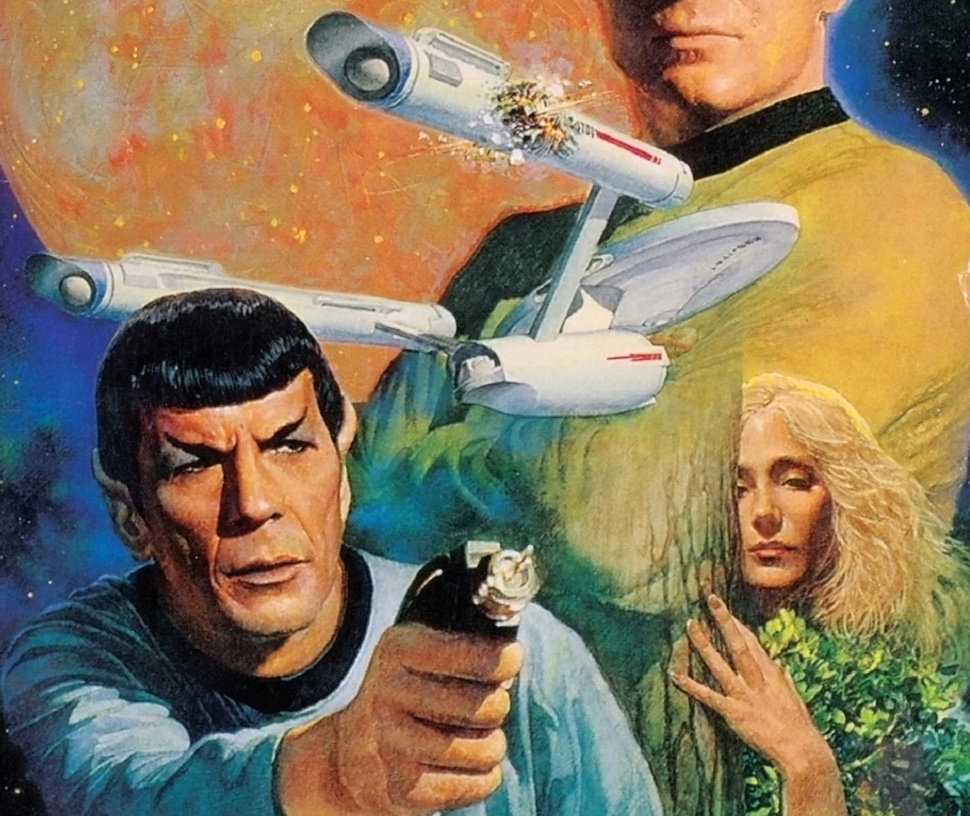
An anthology of fan-written stories, each of which gets an introduction by a member of the main cast; I think I’m right in saying that The New Voyages is the first example of Trekkie fan-fiction being officially published like this. I like this anthology as an example of the fan community coming together to collaborate on a project, and for the powers that be – including Gene Roddenberry – to take fan initiatives and turn them into something at least semi-official.
1977:
Phase II
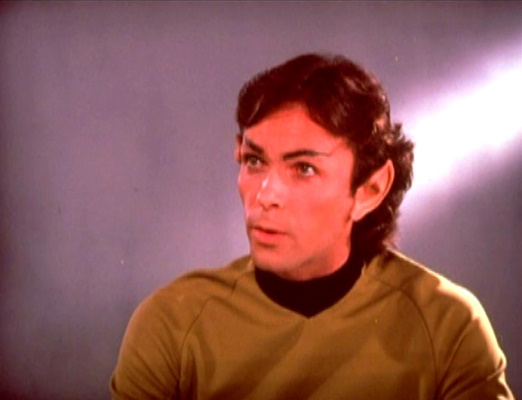
Okay, I admit it: this one’s a cop-out! Phase II never even entered full production, let alone aired any episodes; the project was later adapted into The Motion Picture. But this was the year when Star Trek’s successful re-runs and animated adaptation really paid off: Paramount Pictures began accepting pitches and ideas for a return to the world of Star Trek, and Phase II was conceived. Several of the scripts and pitches created for the series would appear in The Next Generation more than a decade later, and characters created for the show (as well as several actors hired for the project) would go on to have roles in The Motion Picture.
1978:
The Devil in the Dark (Fotonovel)
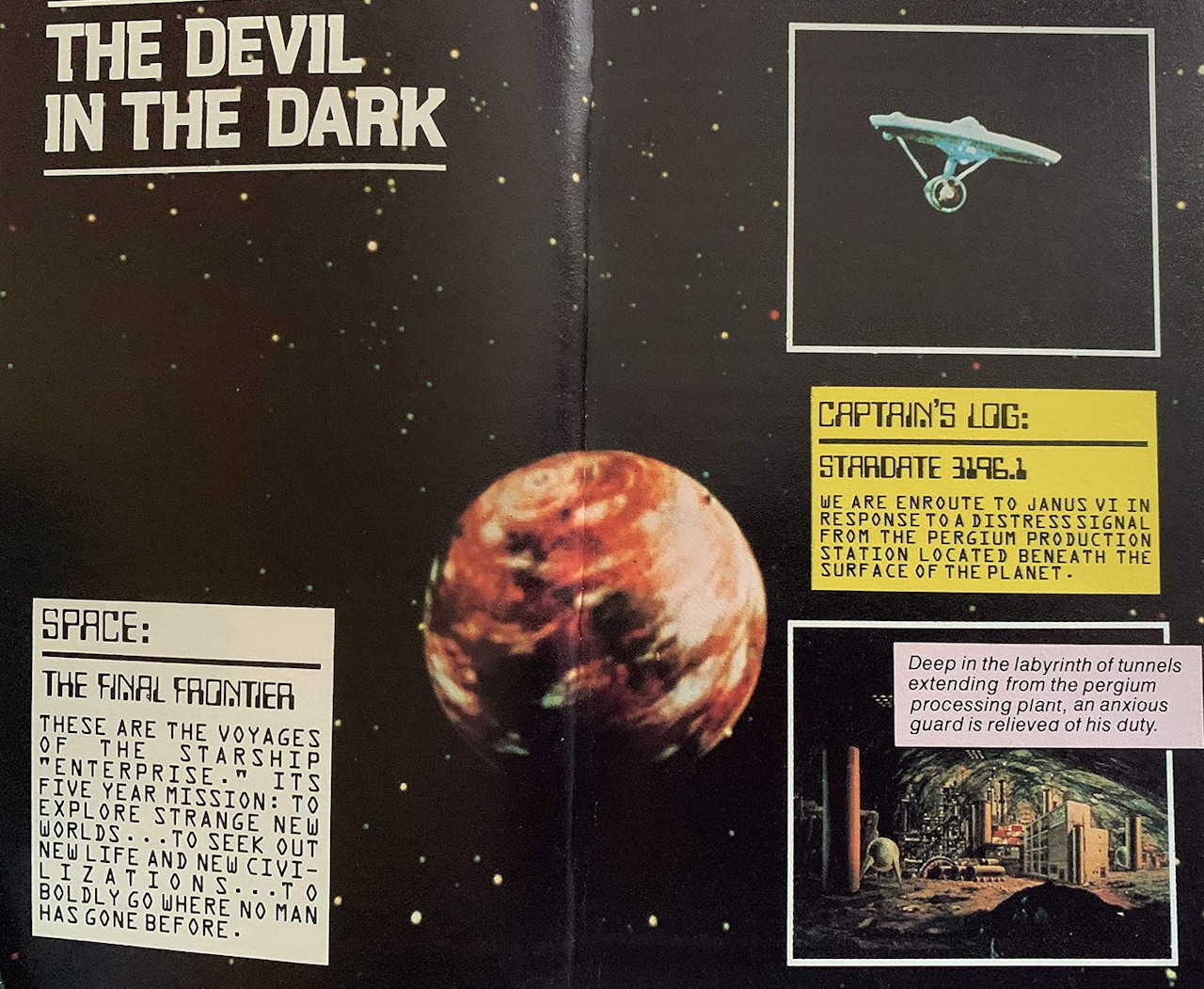
Truth be told, 1978 was one of the toughest years to find something for! So I’m picking this fotonovel adaptation of the classic TOS story The Devil in the Dark as kind of a cheat. You know the episode: this is the one with Spock and the Horta; an exploration of “life, Jim, but not as we know it” that TOS was so famous for! It’s presented in the style of a comic book or graphic novel, except with photographs and production stills in place of hand-drawn art.
1979:
The Motion Picture

After a decade in the wilderness, and several false starts, Star Trek returned to live-action with The Motion Picture! The film tells the story of Kirk’s return to the refitted USS Enterprise and the crew’s encounter with V’Ger – a lifeform of almost unimaginable size and power. I’ve long felt that The Motion Picture is underappreciated by some fans; it kind of gets lost amidst the overwhelming love Trekkies have for its immediate sequel. But it plays out like a high-budget, extended version of TOS, with an ethereal sci-fi story about connection and discovering a truly different form of life. Additionally, much of the visual language of Star Trek was born here; these sets and stages would remain in use until Enterprise’s cancellation a quarter of a century later.
1980:
The Galactic Whirlpool
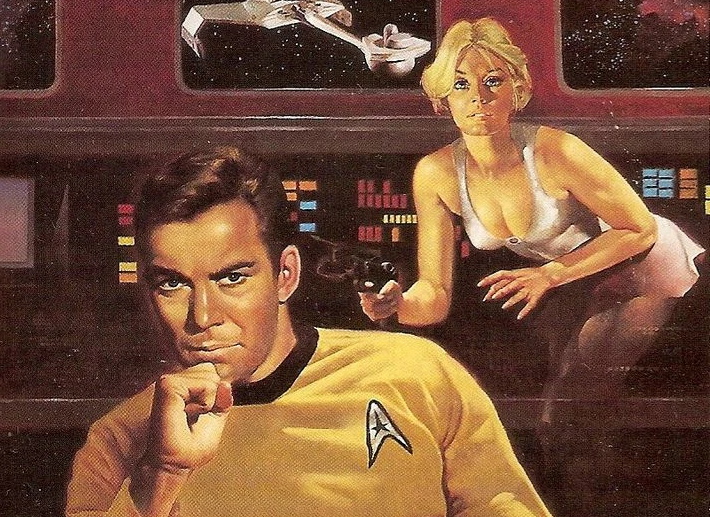
This novel was written by David Gerrold, who also wrote The Trouble with Tribbles. The story – which depicts the Enterprise’s encounter with a generation-ship caught in a maelstrom in space – has a bit of a weird publication history! It was first pitched as a TOS episode, then re-worked into a standalone novel, before Gerrold came back to the franchise and re-adapted the novel back to its Star Trek roots. In that sense, it feels like a truly classic TOS-style story – the kind of thing that would’ve made for a solid episode of the show, had there been space for it.
1981:
The Entropy Effect
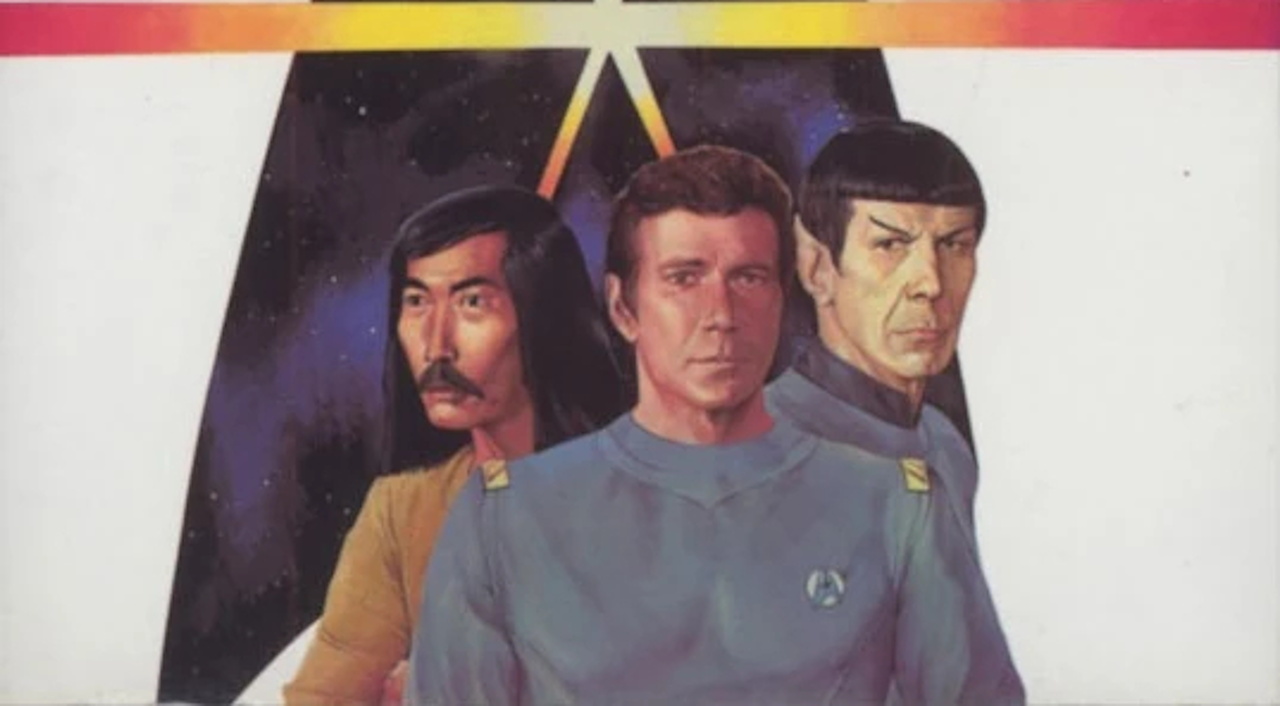
This novel might be best-known for giving us Mr Sulu’s first name: Hikaru! It’s a time-travel story focusing heavily on Spock; he’s forced to travel backwards in time to save Captain Kirk’s life. The plot spirals into a giant threat to the entire universe, before Spock is able to find a solution. Another story that, in a different world, could’ve been a perfectly fine addition to The Original Series – and noteworthy for establishing Sulu’s first name, too.
1982:
The Wrath of Khan
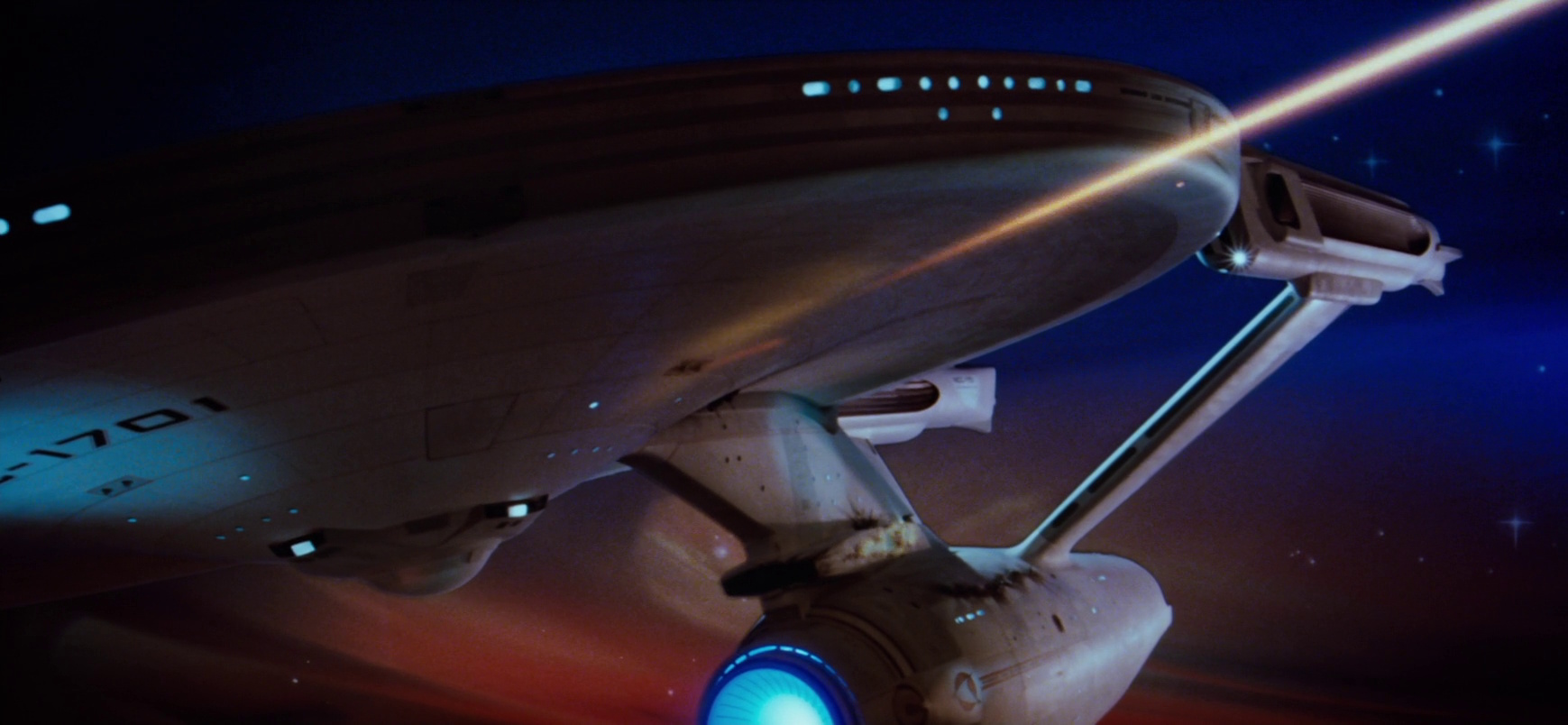
What else was it gonna be for this year? The Wrath of Khan is still heralded by many fans as the high-water mark of cinematic Trek, and one of the best stories in the entire franchise. It brought new eyes to Star Trek in a huge way, and set the table for Star Trek’s renaissance. An action-heavy film, The Wrath of Khan takes a few steps away from the franchise’s roots, but clearly that resonated with a wider audience. One of the most iconic villains not just in Star Trek, but arguably in all of cinema, serves as a dangerous antagonist for Captain Kirk and the crew – and the fight to stop Khan is brutal.
1983:
Mutiny on the Enterprise
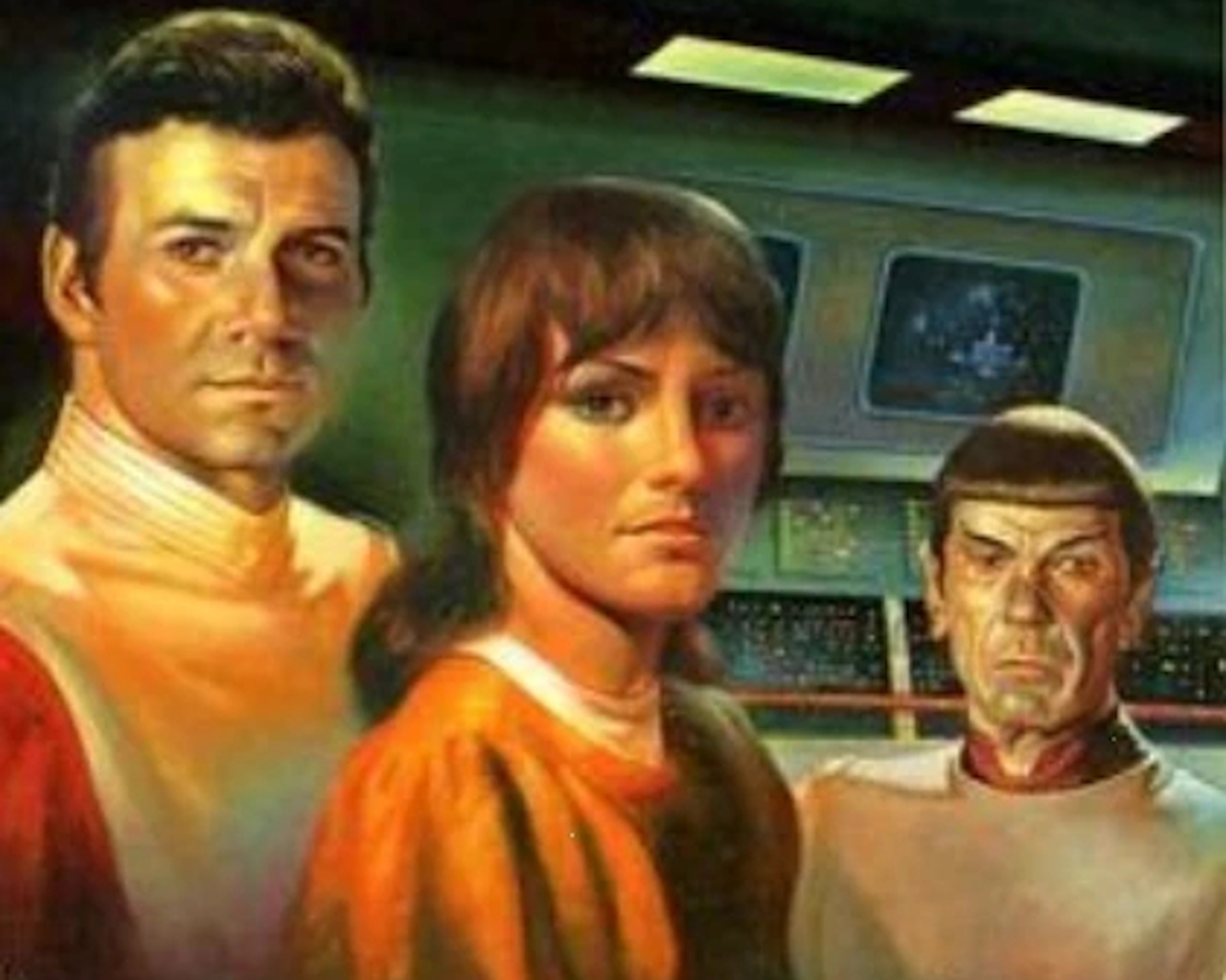
There’s a mutiny… and it happens on the Enterprise! That’s kind of a synopsis of this novel – though, of course, the mutiny is connected to alien shenanigans. Kirk and the crew rescue an alien woman, and she begins convincing members of the crew that the Enterprise will start the very war that the mission is meant to prevent. This mutiny could hardly come at a worse time – with an away team stuck on a planet and the ship damaged. 1983 is also the year I was born – though putting *myself* as an entry on this list would’ve seemed a tad self-centred!
1984:
The Search for Spock
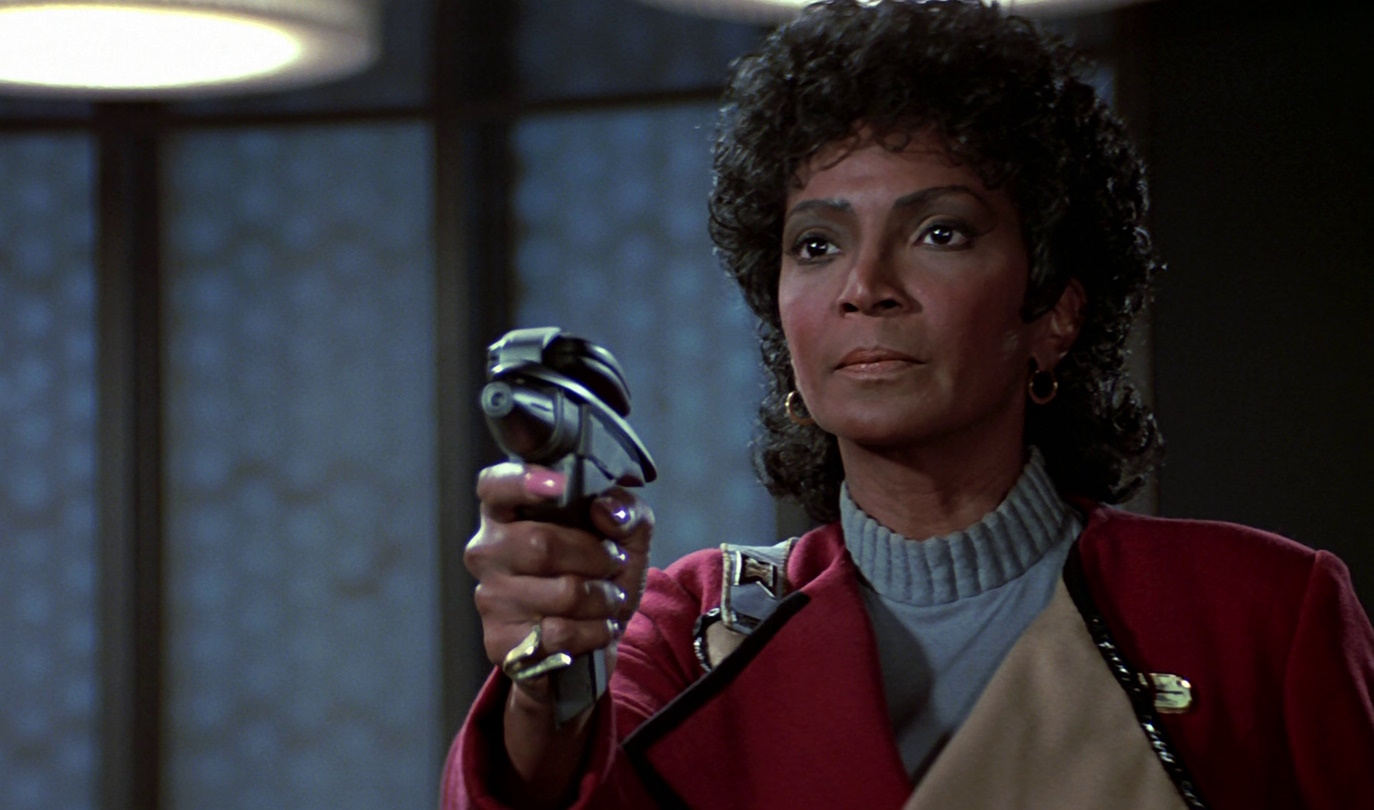
This is a weird one for me, because after I started getting into Star Trek in the early ’90s, I watched some re-runs of The Original Series whenever it was on the air. But The Search for Spock somehow ended up being the first film in the franchise that young Dennis ever saw! As the middle part of a trilogy, I guess that made it a bit of a weird place to start! This film depicts Kirk stealing the Enterprise and Spock’s re-birth on the Genesis Planet, as well as a climactic clash with the Klingons. It sets the stage for the final act of this three-film story; Star Trek’s first multi-part saga. And it was the final film to enter production before attention would turn to spin-offs. It’s a fantastic film with lots of practical special effects, props, puppets, and more – and a fun story to boot.
1985:
Uhura’s Song
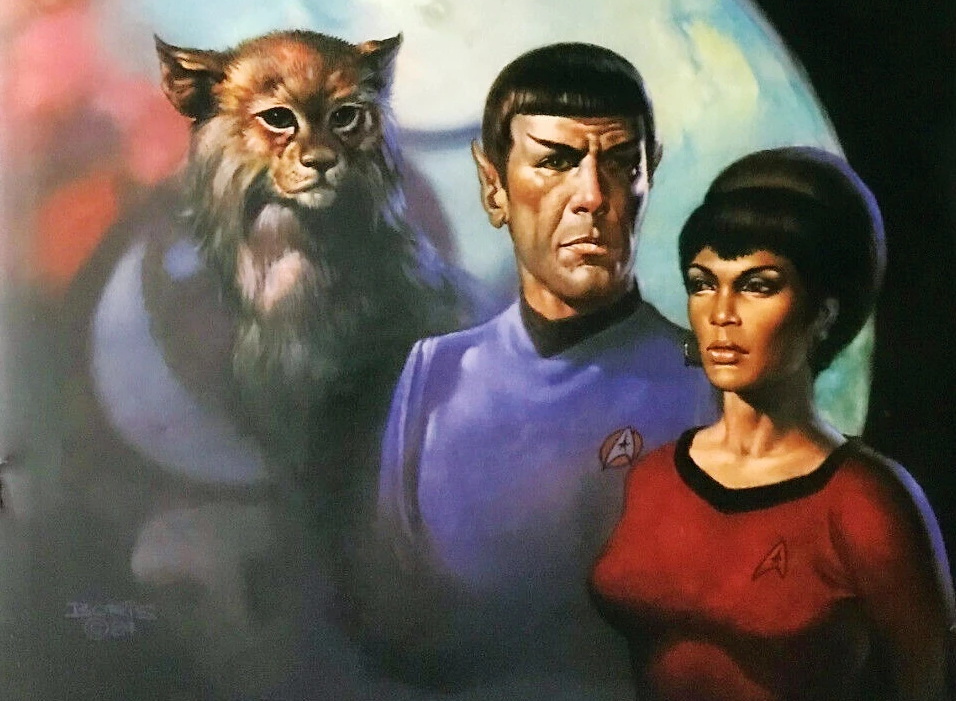
A race of cat-like aliens, forbidden music, and a race against time to stop a dangerous plague! That’s the premise of Uhura’s Song in a nutshell – and it feels almost like a story that we might’ve seen in Strange New Worlds. The disease, which had previously only been affecting the cat-like Eeiauoan people suddenly starts spreading to humans – including the crew – and the secret to a cure seems to be hidden in clues within music. The story re-establishes contact between sister races, and puts Uhura in the driver’s seat along with Captain Kirk.
1986:
The Voyage Home
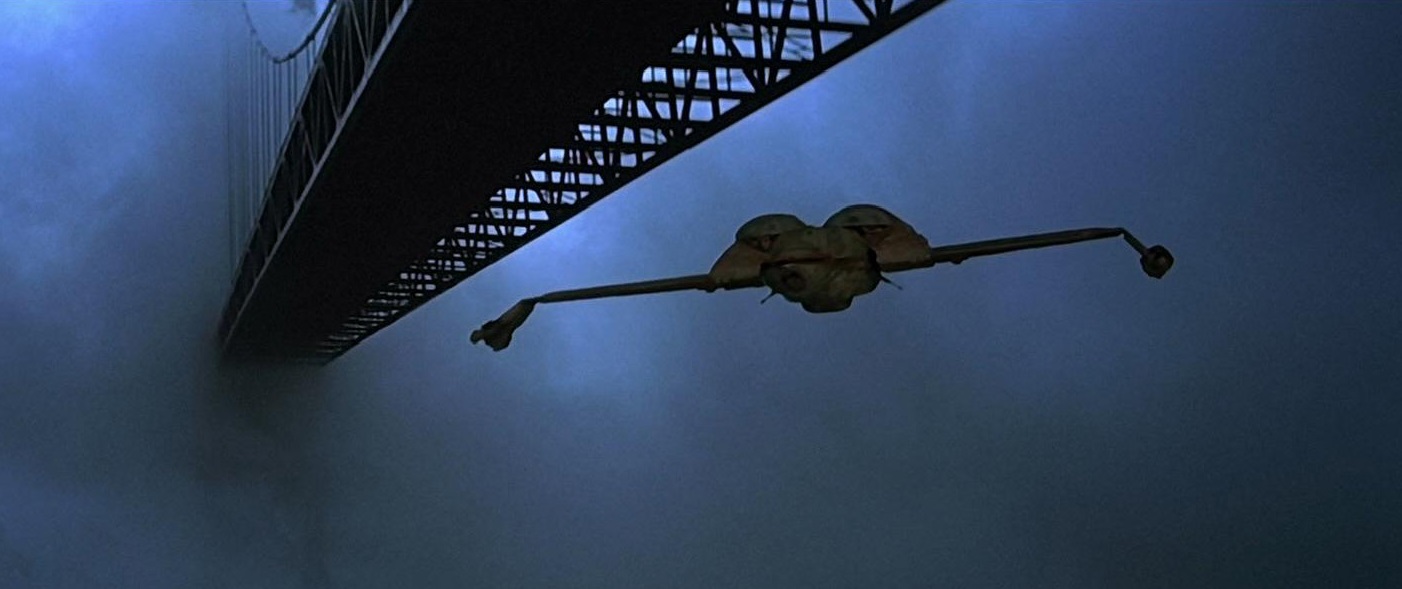
In my opinion, The Voyage Home hasn’t aged as well as most of the other Star Trek films thanks to its visit to contemporary Earth… and its overall ’80s comedy style. However, it’s still a film with plenty of fun and enjoyable moments, and I like the genuine danger posed by the whale probe. The film has a great message about the need to protect biodiversity – and the unknowable implications of even a single species going extinct. Seeing Kirk and the crew in command of a Klingon Bird-of-Prey is also a ton of fun!
1987:
Encounter at Farpoint
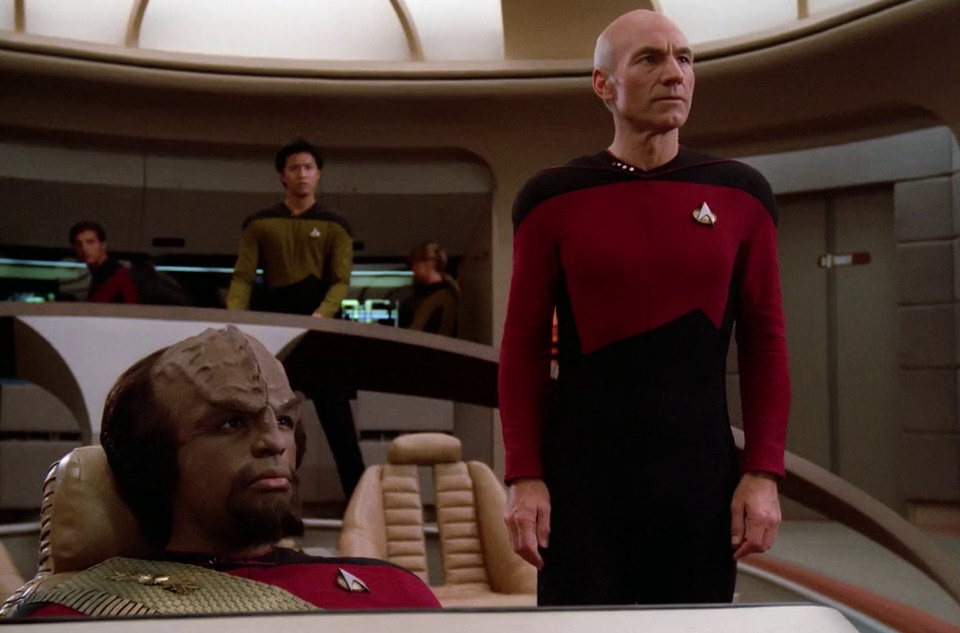
So we made it! Star Trek is back on television, where it will enjoy almost two decades of uninterrupted production. Encounter at Farpoint started The Next Generation with a bang; a mysterious god-like entity wants to put Captain Picard and the crew on trial for humanity being a so-called “savage race.” This kicks off not only the series, but a long-running role for Q, and it does a good job of establishing the Enterprise-D, most of the main characters, and a new century for Star Trek to explore.
1988:
Elementary, Dear Data
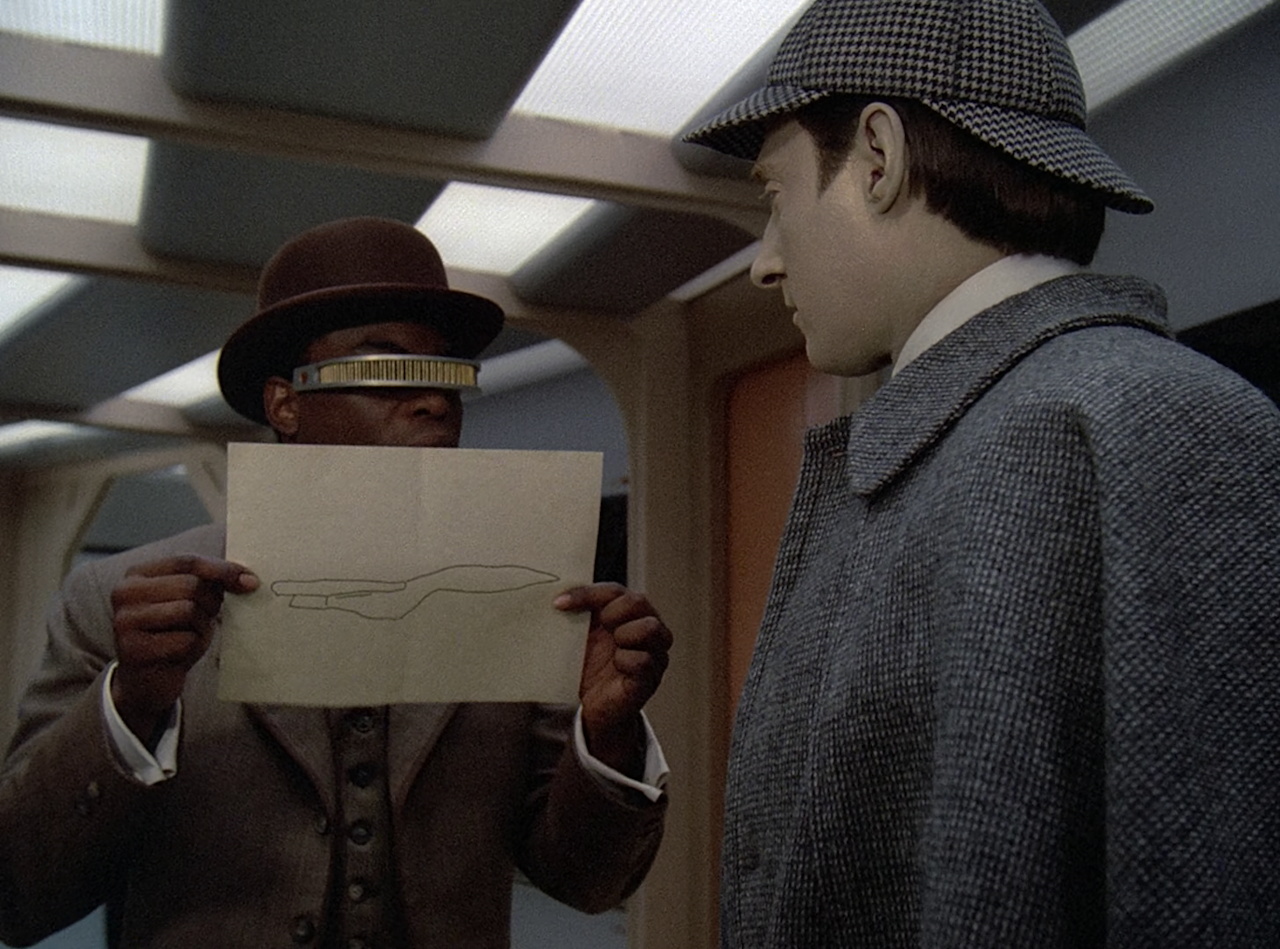
An accident on the holodeck creates Star Trek’s first sentient hologram – based on Sherlock Holmes’ nemesis, Professor Moriarty. I like Dr Pulaski, and her role in this episode was a fun one. Seeing Data and Geordi having to face off against a challenging foe in a different kind of setting was great, too. Moriarty would return later in the show’s run – and even had a cameo in Picard’s third season a few years ago. I think it’s fair to call this one an iconic and well-remembered episode.
1989:
The Royale
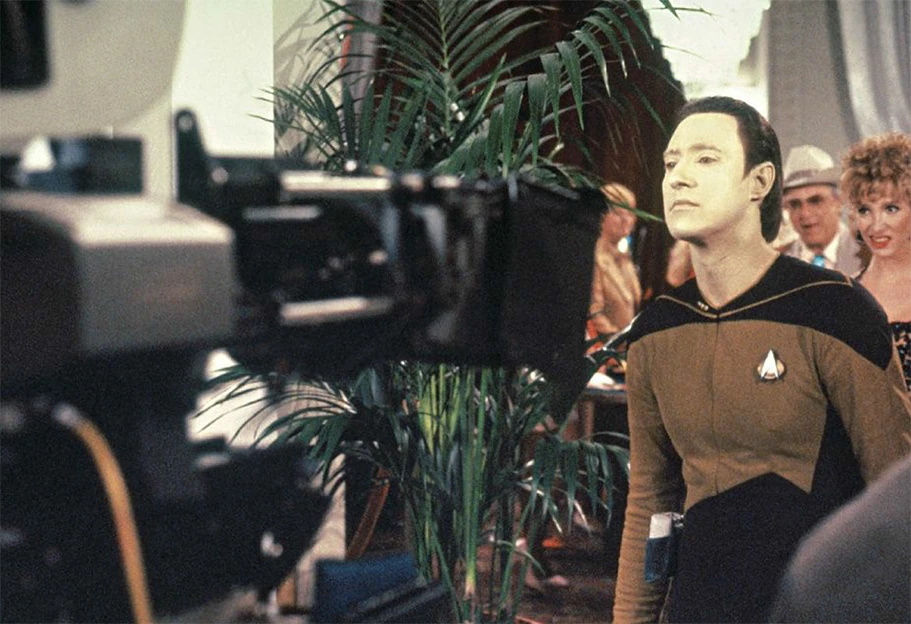
This is the first episode of Star Trek that I can ever remember watching (when it aired in the UK a couple of years later), so I admit that this is a bit biased on my part! However, I really adore The Royale for its fun, slightly weird kind of sci-fi story that most other franchises wouldn’t even attempt. A mysterious artefact in space leads the Enterprise-D to a violently inhospitable planet… where they discover a 20th Century hotel, the final resting place of a NASA astronaut. As the away team has to unravel the goings-on in the hotel, the crew back aboard the ship try to figure out how to bring them home safely. And this episode turned lil’ Dennis into a Trekkie all those years ago!
1990:
The Best of Both Worlds, Parts I-II
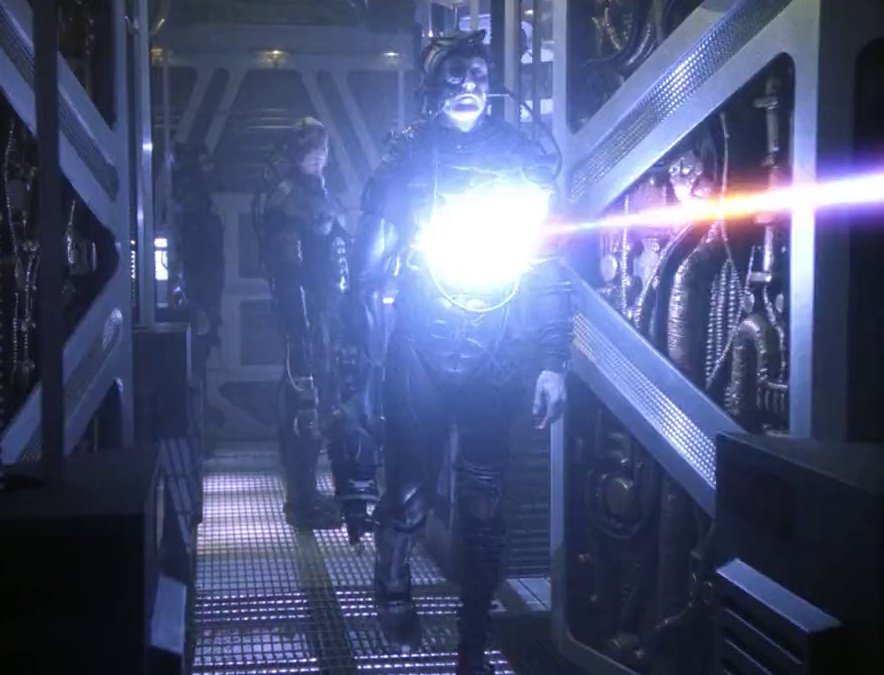
Both halves of The Best of Both Worlds aired this year, either side of TNG’s summer break. This pair of episodes brought back the Borg, introduced us to the concept of assimilation, and depicted a massively existential threat to humanity and the whole of the Federation. Seeing Captain Picard “Borg-ified” was a true *shock*, and Riker had to step up to lead the crew in his absence. The Battle of Wolf-359 – though largely taking place off-screen in this episode – has become an ingrained part of the franchise’s lore. The Borg have never felt more menacing or threatening than they did here.
1991:
The Wounded
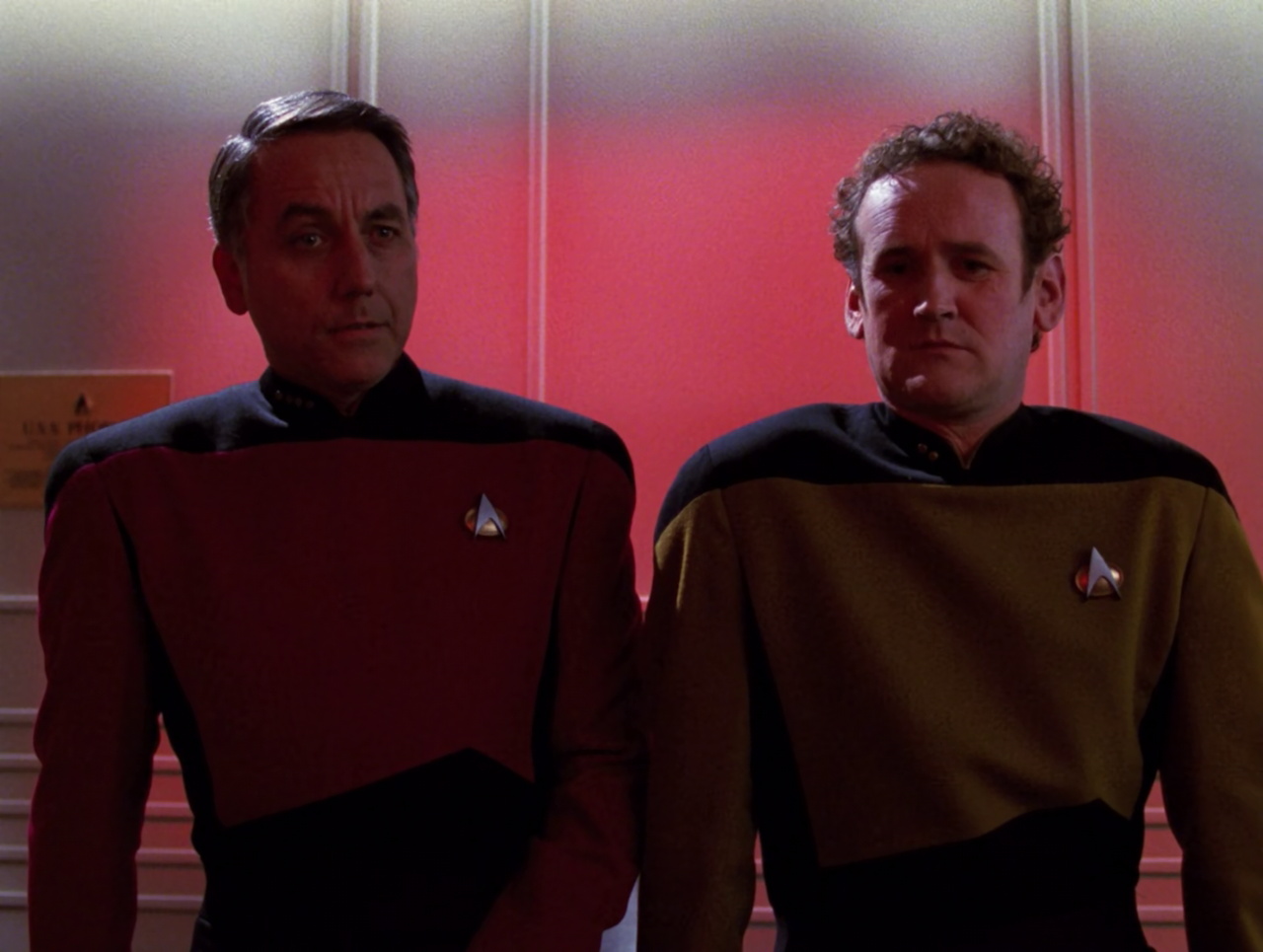
The Wounded began to set the table for Star Trek’s next spin-off: Deep Space Nine. The episode introduces the Cardassians for the first time, and gives Chief O’Brien – formerly a secondary recurring character – a major starring role ahead of his transfer to DS9. It’s an “Apocalypse Now” type of story, with the Enterprise-D tracking a rogue Starfleet captain who seems hell-bent on a personal anti-Cardassian vendetta. Picard and O’Brien are forced to work with the dislikable Cardassians, and must learn to put their differences aside. A fantastic character piece for O’Brien, a wonderful introduction to an iconic and hugely important alien race, and a tense story as well.
1992:
Relics
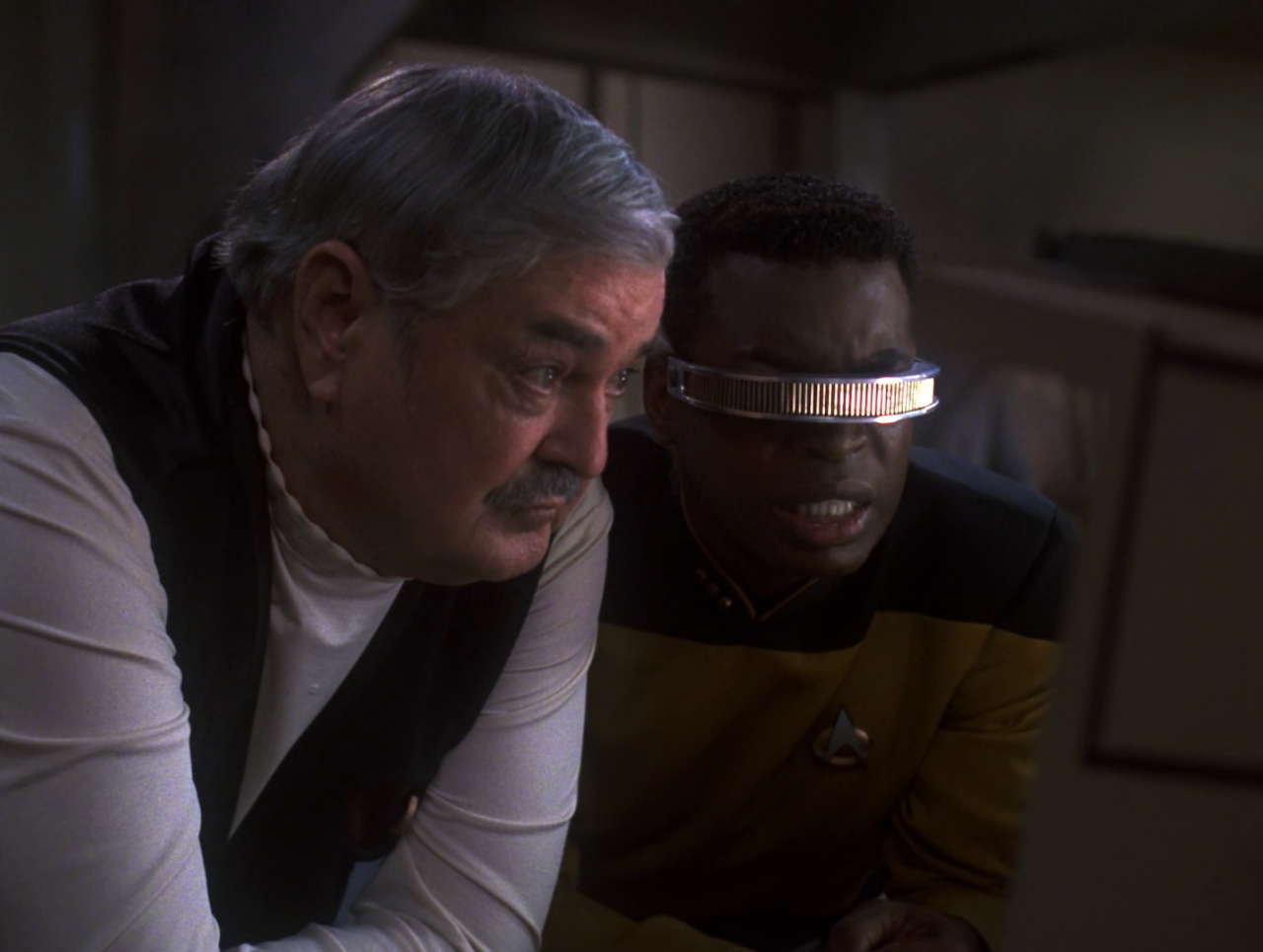
After Spock had appeared in Unification the previous year, it was now Scotty’s turn to team up with the crew of the Enterprise-D! This is where “transporter suspension” became a thing, as Scotty used the method to survive the crash-landing of the small USS Jenolan. The episode is a fun and occasionally awkward coming together of Star Trek’s first two engineers – Scotty and Geordi La Forge – and it’s also a story with a message about older people and how they can feel left behind as technology evolves.
1993:
Emissary
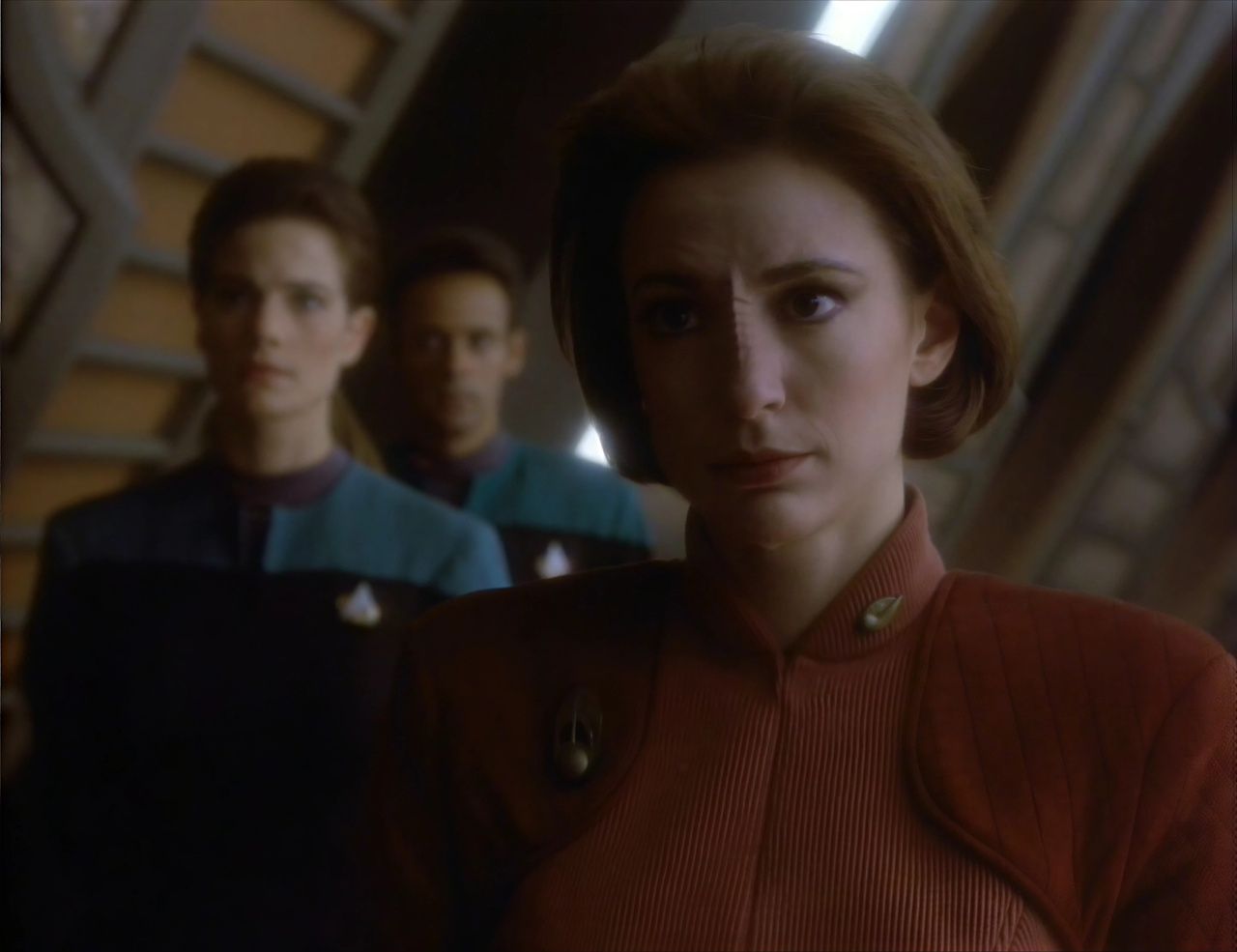
Kicking off DS9′s run is Emissary, widely regarded as the best Star Trek premiere episode. Commander Sisko – a veteran of the Battle of Wolf-359, and a single dad to his young son, Jake – is tapped to take command of Terok Nor, newly recommissioned as Deep Space Nine: Starfleet’s first outpost in the Bajoran system. Emissary does a great job at establishing the dynamic between Starfleet and the Bajorans, who have just come off a long fight for their independence against the Cardassians, and it also sets up the Bajoran Wormhole – a gateway to the Gamma Quadrant.
1994:
Generations

This is it: the crossover fans have waited and waited for! Captain Kirk and Captain Picard work together – thanks to the time-shifting effects of the Nexus – to stop Dr Soran from destroying whole planets and stars. The film seems to get a bit of a bad rap nowadays, but I genuinely adore almost every aspect of it. We get to see the launch of the Enterprise-B, filling in a bit of a gap in Star Trek’s “lost years,” we learn what happened to Captain Kirk, the Duras sisters return as fun secondary antagonists, and Data gets to experiment with emotions for the first time. There’s a lot to love in Generations.
1995:
Improbable Cause and The Die Is Cast
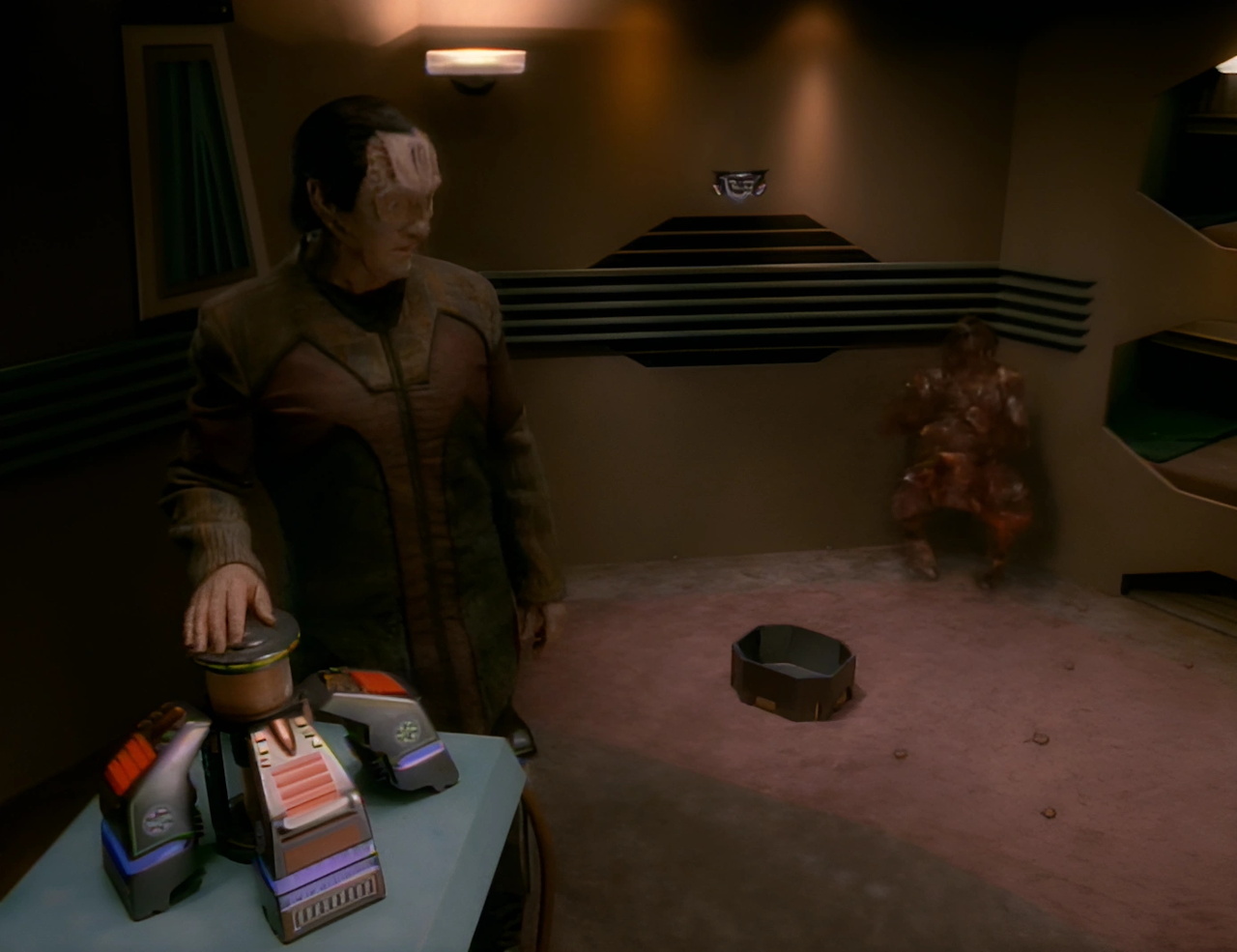
This two-part story picks up the idea of a conflict between the Dominion and the various Alpha Quadrant powers. Garak’s ex-mentor and friend, Enabran Tain, recruits him to join a plot to destroy the Founders’ homeworld, which the Obsidian Order is working on in conjunction with the Romulan Tal Shiar. It’s an intense story, and Garak makes for a wonderfully complex anti-hero, in places. It also paves the way for the Cardassian-Dominion alliance, which would in turn lead to the Dominion War.
1996:
Investigations
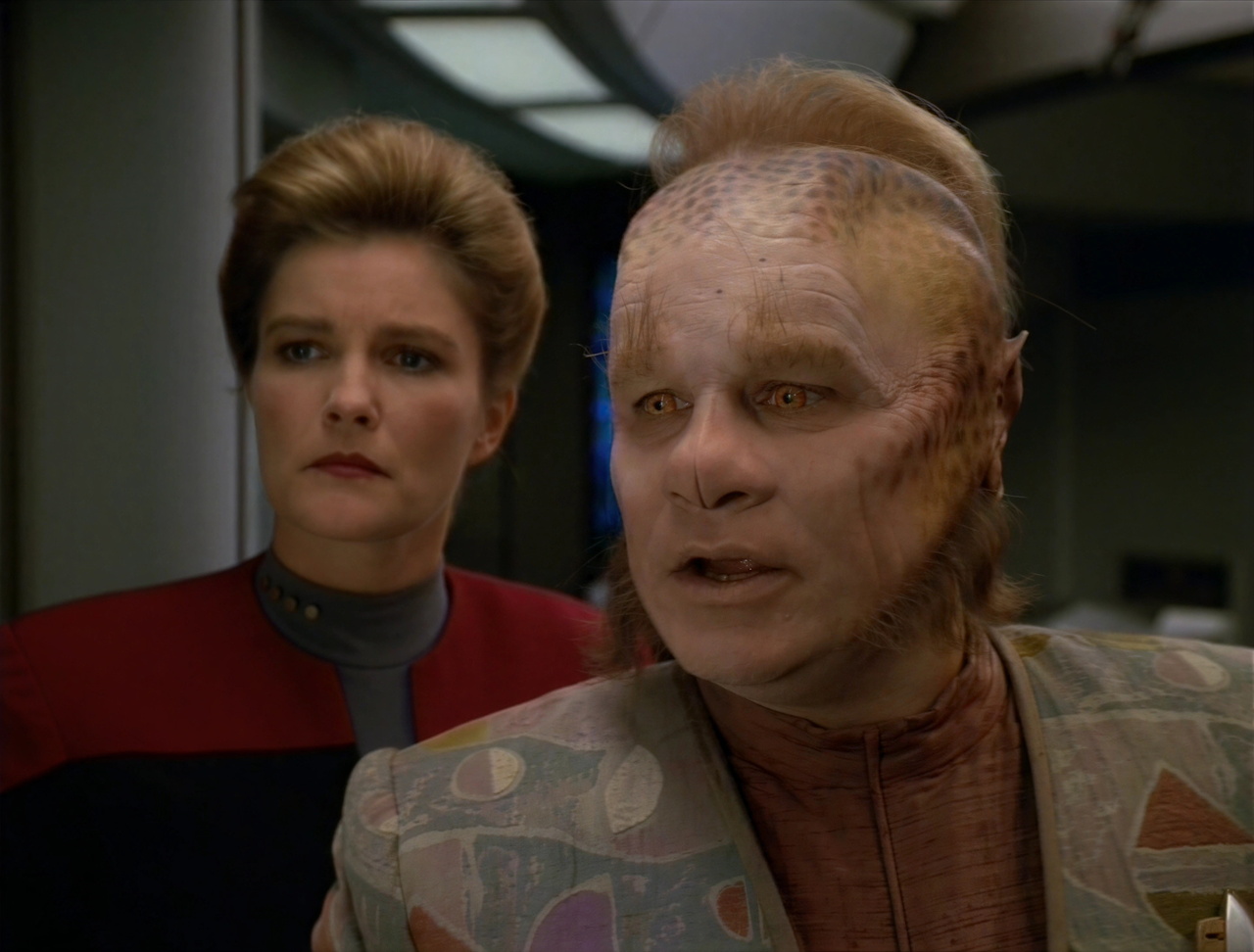
This episode furthers Voyager’s Kazon conflict arc, and it follows Neelix trying to figure out what’s happening aboard the ship – and whether someone might be betraying the crew. It sets the stage for Basics – the two-parter that would end Season 2 and kick off Season 3 later in the year. It’s a fun mystery story that has genuine stakes, and it’s great to see Neelix in a different setting for a change. This conflict with the Kazon had been brewing across the season – and, really, since the start of the show – and Investigations took it to a new level. 1996 also gave us First Contact and two episodes made for the 30th anniversary, all of which are great! But I think Investigations is just no less enjoyable.
1997:
Call to Arms
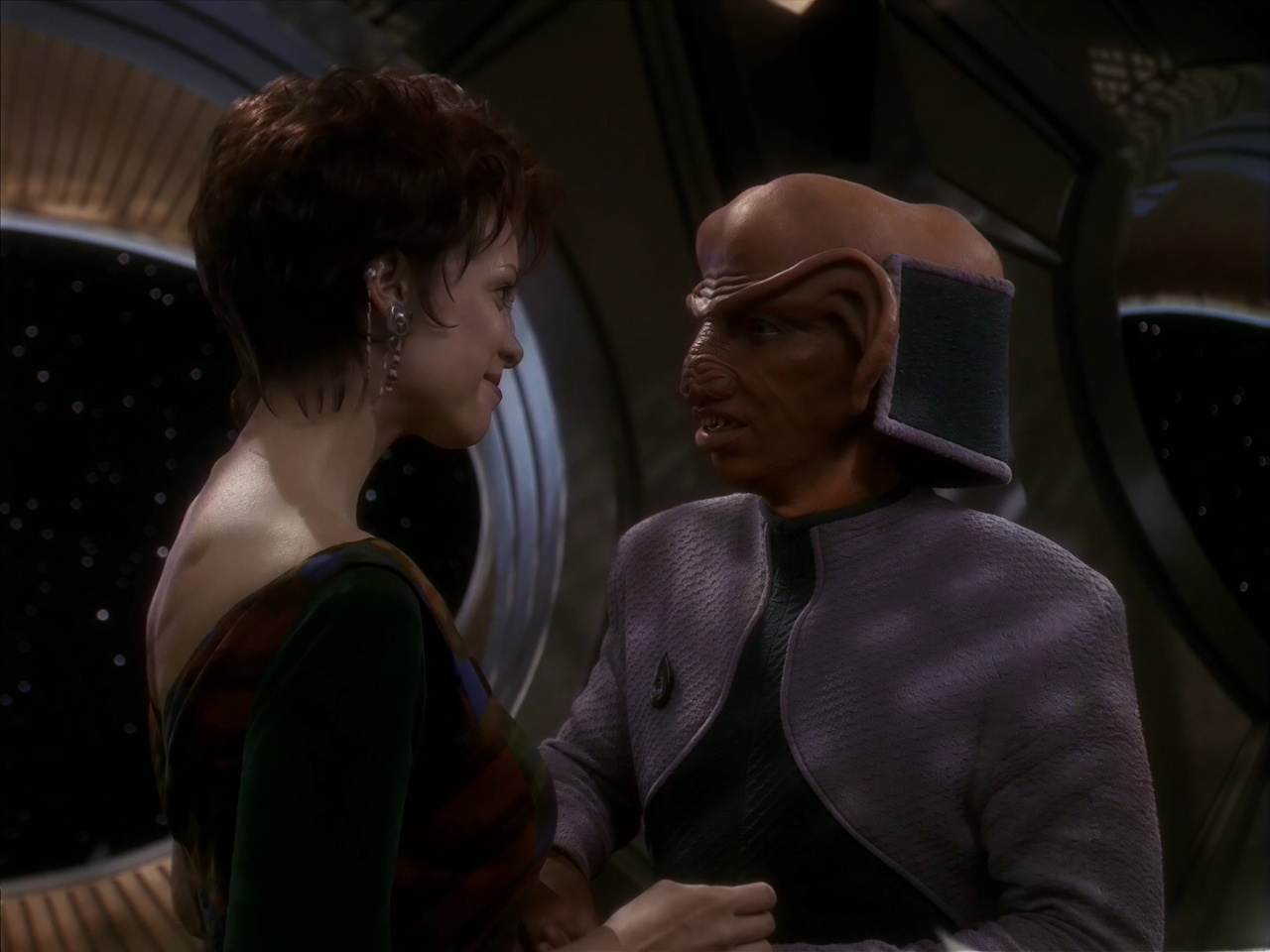
I love DS9′s Dominion War arc, which kicks off with the explosive episode Call to Arms. Sick of seeing Dominion reinforcements pouring through the wormhole, headed for Cardassia, Sisko and the crew concoct a scheme to deploy a minefield – knowing that doing so will likely turn the “cold war” into an all-out conflict. We get great moments with practically everyone – Rom plays a huge role in setting up the mines, Kira has a wonderful scene where she reports for duty, Sisko and Weyoun dance around each other while talking peace… it’s a fantastic episode, and a great way to start this incredible arc.
1998:
In The Pale Moonlight
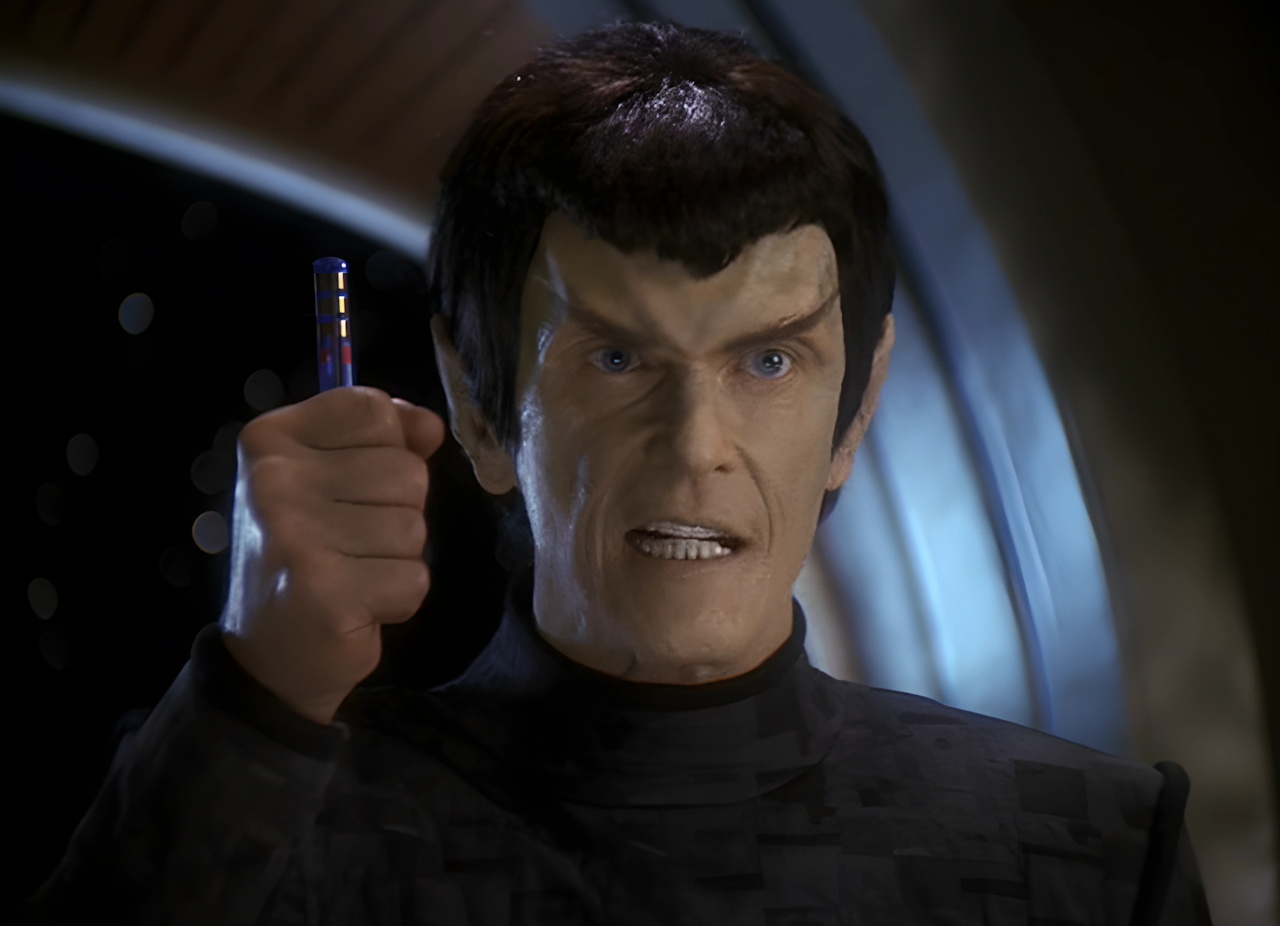
I think choosing an “all-time favourite Star Trek episode” would be way too difficult – but if I had to, In The Pale Moonlight would be a serious contender. Captain Sisko recounts a scheme to bring the Romulans into the Dominion War as allies, and the nefarious way he did it along with Garak. A fake holosuite recording, the assassination of a Romulan Senator, and Sisko’s grim assessment that he “can live with it,” because it was the only way to turn the tide in the war, make In The Pale Moonlight one of Star Trek’s darkest episodes. Avery Brooks’ performance is incredible, though, and the whole thing is just fantastic.
1999:
Equinox, Parts I-II
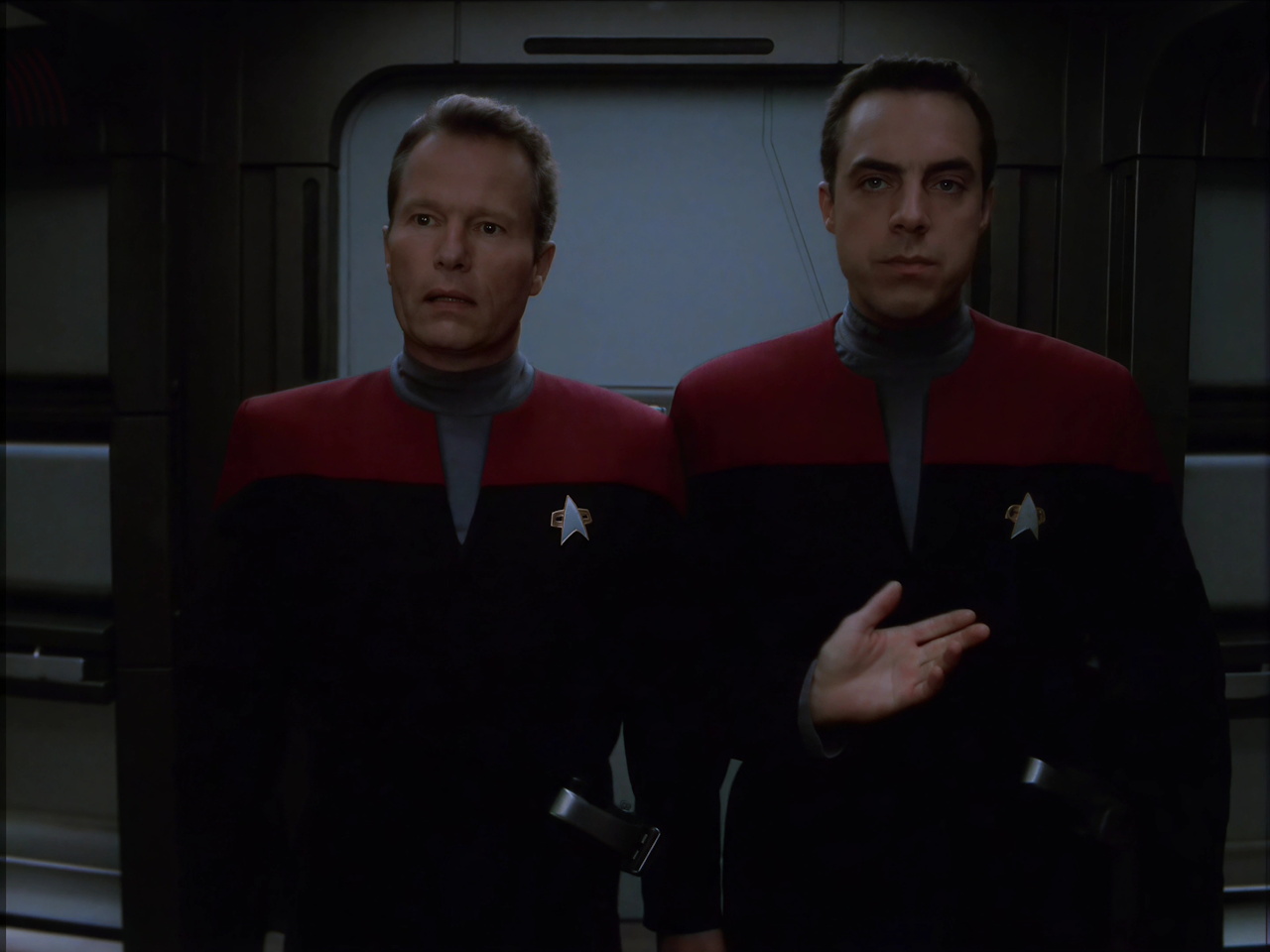
Compared to the crew of the titular USS Equinox, Voyager’s journey home seems like a walk in the park! Jokes aside, this episode really challenges viewers with a moral question: what would *you* have done in Captain Ransom’s place? Ransom isn’t a typical villain, and while his actions are appallingly horrific, we’re able to at least understand why he became so desperate and how the burden of commanding a smaller, less-powerful ship through the dangerous Delta Quadrant affected him. Janeway gets some good moments in this pair of episodes, too, which wrapped up Season 5 and kicked off Season 6.
2000:
Fair Haven and Spirit Folk
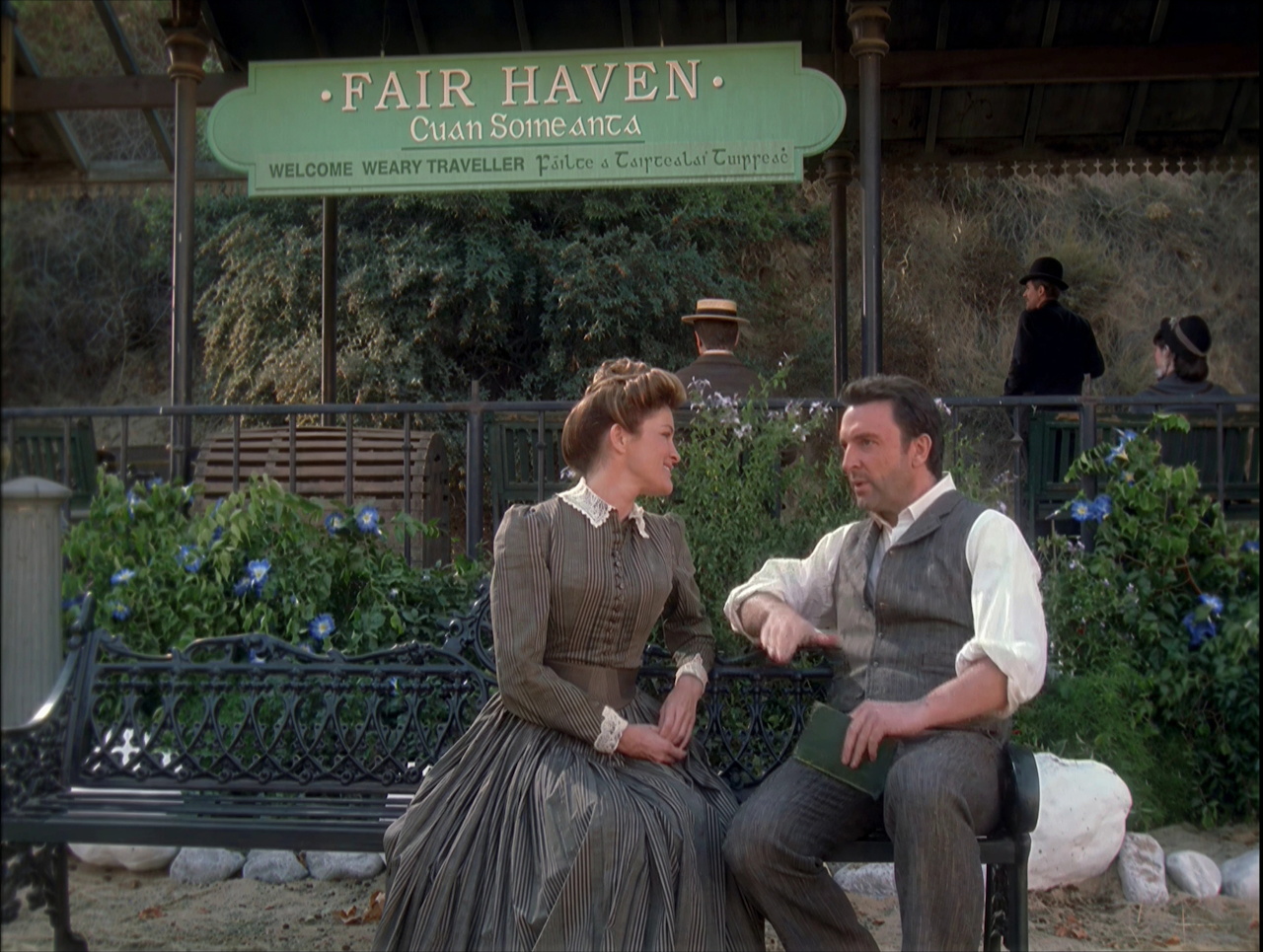
These two episodes from Voyager’s sixth season form two parts of a connected story, so I’m lumping them together this time. The crew of Voyager begin taking time away from their journey home to visit a recreation of an Irish village on the holodeck – and the expected hijinks ensue! Captain Janeway gets a rare romantic storyline, we see more of Tom Paris’ holonovel-writing skills, and later, the holographic villagers begin to realise that everything is not as it seems…
2001:
Endgame
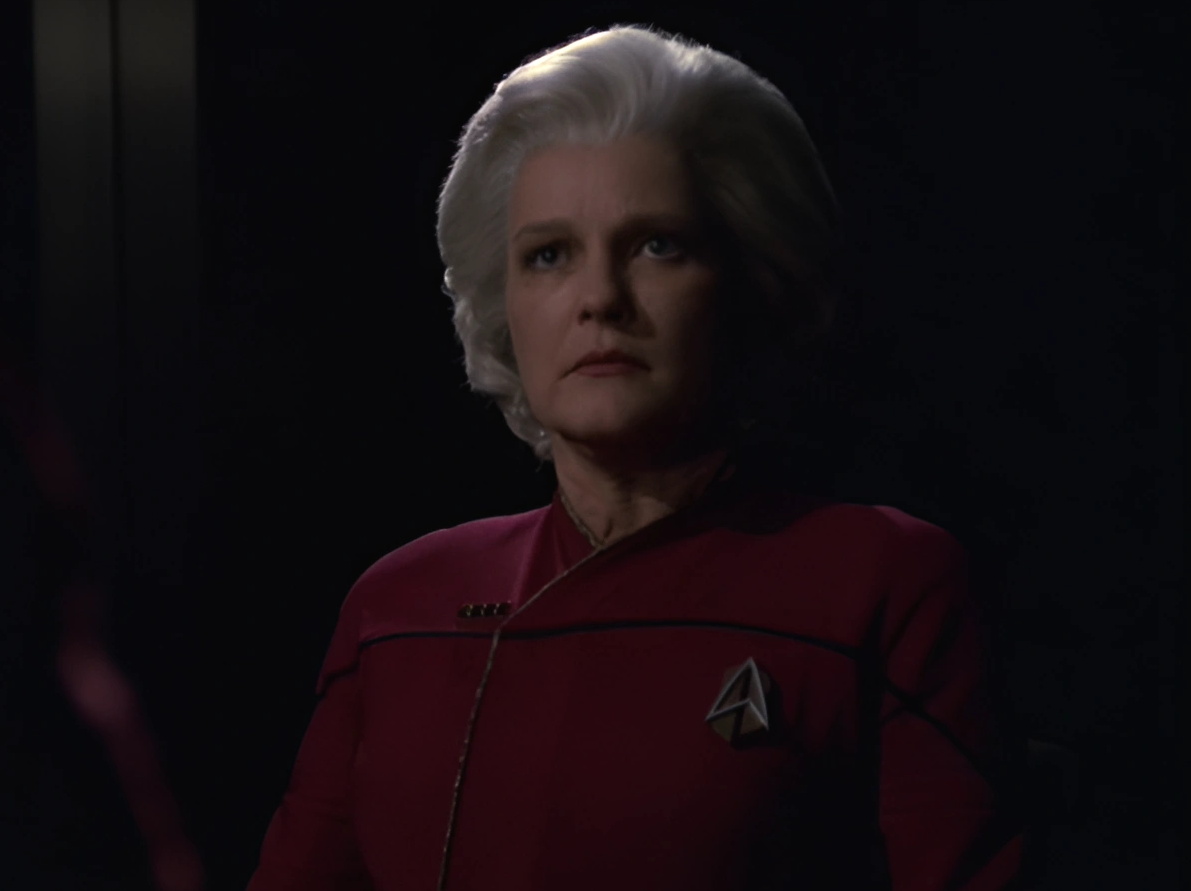
Voyager’s seven-year run comes to an end with a time-travelling Borg story – and one of the worst genocidal war crimes ever committed by a Starfleet officer! Click or tap here for more on that! This was the culmination of Voyager’s entire arc, the long-awaited return to the Alpha Quadrant and to Earth. The Borg, having been a thorn in the crew’s side on multiple occasions across the back half of the show’s run, were the only sensible choice for a story of this magnitude, and while I don’t agree with the actions taken by a time-travelling Admiral Janeway, the best thing about Star Trek is how it encourages its viewers to think and judge for themselves – and that, for me, is the core of this story.
2002:
Minefield
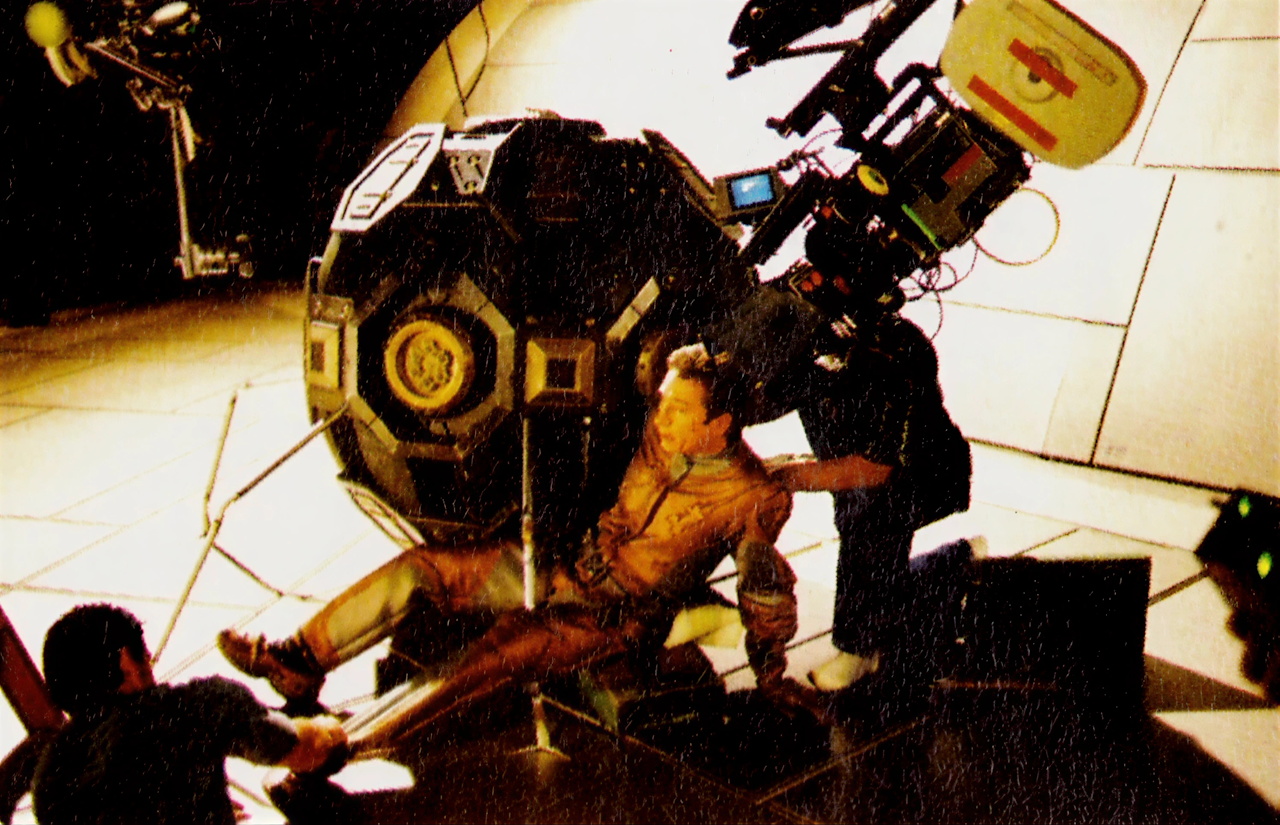
Enterprise arguably muddled the timeline just a little with Minefield – a “prequel problem” that a show set a hundred years before TOS was bound to create sooner or later! But the episode is solid, depicting the NX-01’s first encounter with the Romulans, and shows how humanity’s first contact with this secretive alien race did not go well! It’s also a great episode for Captain Archer and Reed, who get several moments together that explore their friendship in a bit more depth. And, hey, I have head-canon about cloaking devices that gets around the issue some folks had with the storyline!
2003:
Impulse
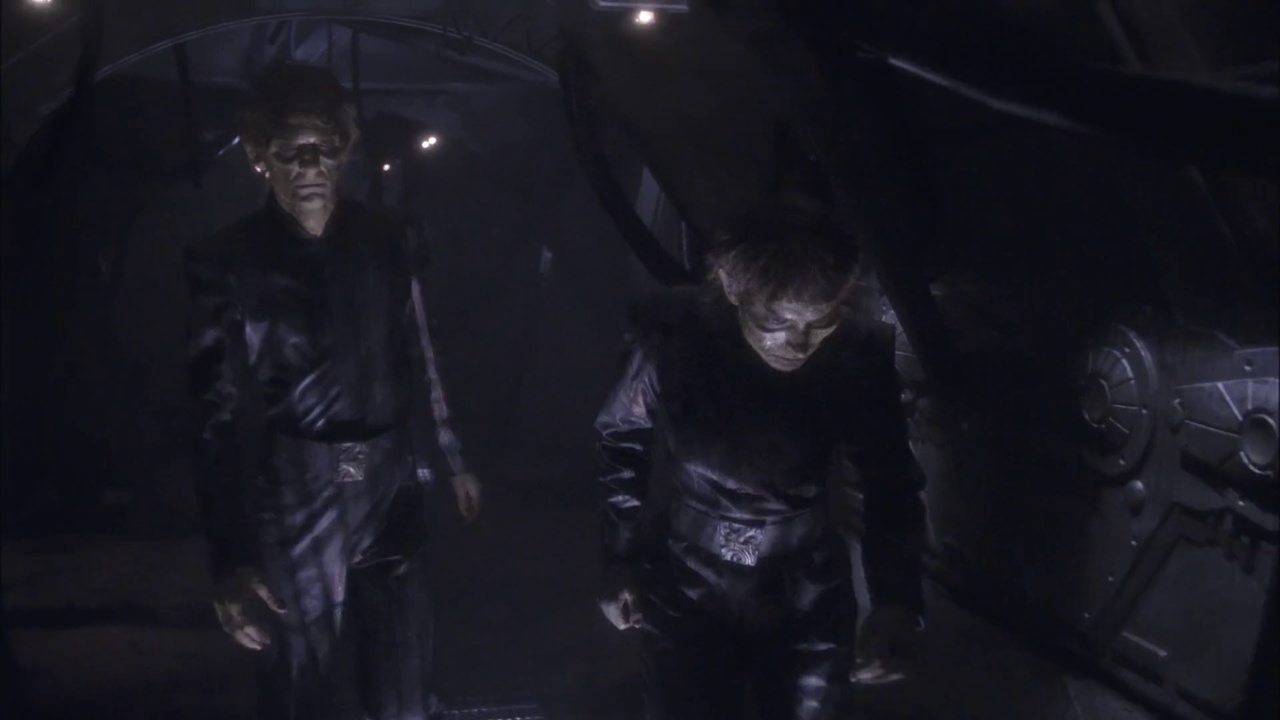
Impulse is the “Vulcan zombie” episode, featuring a horror tone and plenty of tension throughout! It’s also one part of a season-long serialised story, as the NX-01 is dispatched to the unexplored Delphic Expanse to track down the Xindi. The episode would become very important for T’Pol’s future character arc, as the whole “trellium” syndrome that the Vulcans in the episode contracted would be passed on to her, as well. It was a creative way to use the Vulcans; stripping away their emotional control and turning them into the episode’s antagonists/monsters.
2004:
E²
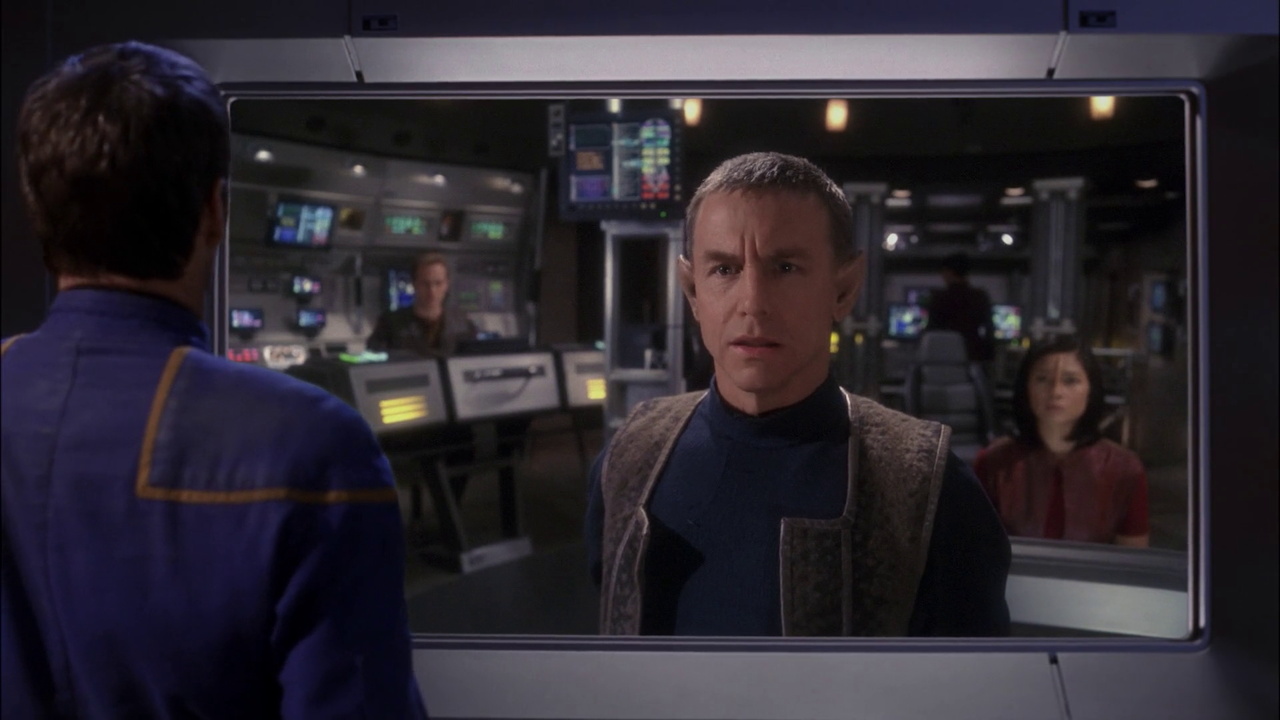
E² shows how badly wrong Enterprise’s journey in the Delphic Expanse could’ve gone – in one timeline, the ship got thrown backwards in time and had to become a generation-ship, waiting for the moment where the real Enterprise would return. An older T’Pol – who lived for more than a century – meets her younger counterpart, Trip gets to work with his half-Vulcan son, and other characters get moments in the spotlight, too. It’s a time-loop paradox, which usually annoy me, but the way it’s handled works pretty well in the episode itself.
2005:
In A Mirror, Darkly, Parts I-II
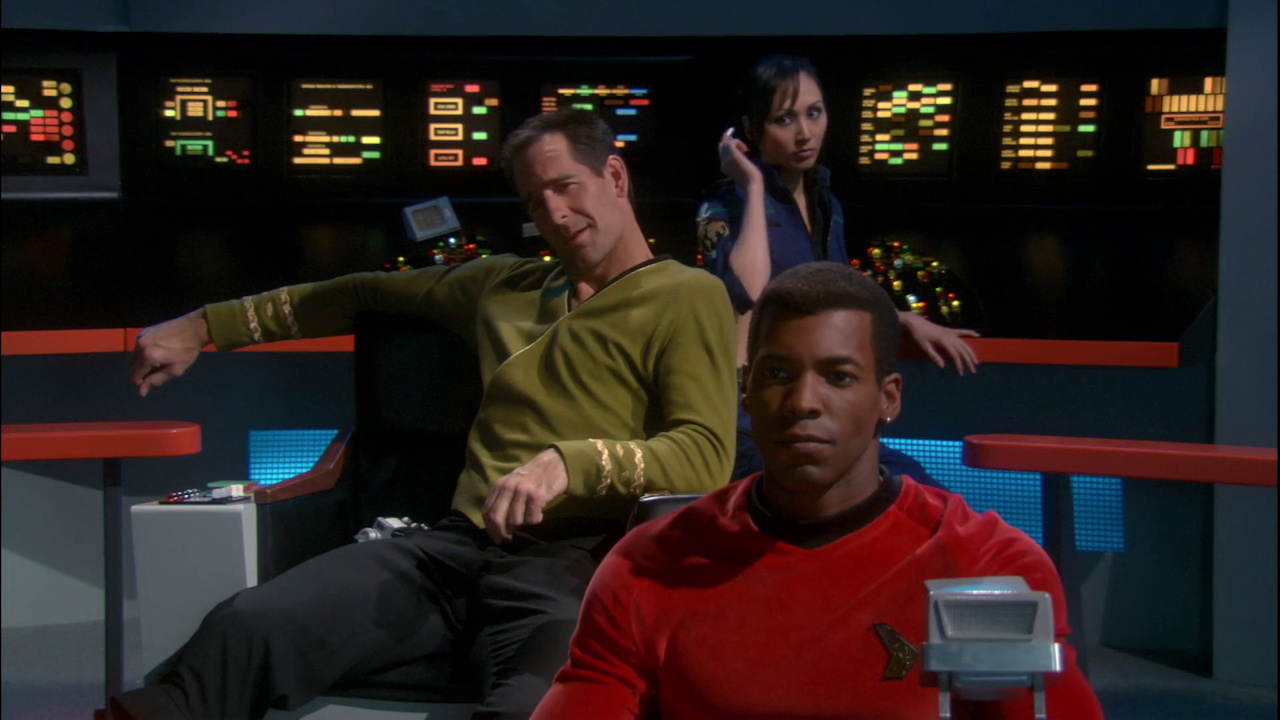
I wouldn’t usually choose a Mirror Universe episode… but In A Mirror, Darkly might just be the best of the bunch! The first episode to take place exclusively within the Mirror Universe, with only Terran characters in the spotlight, In A Mirror, Darkly works really well. We get a connection to The Original Series, which was unexpected but a ton of fun, and the return of two classic TOS villians with the Gorn and Tholians. A recreation of a Constitution-class ship – and TOS-era uniforms – makes for a fun visual presentation, too.
2006:
Legacy
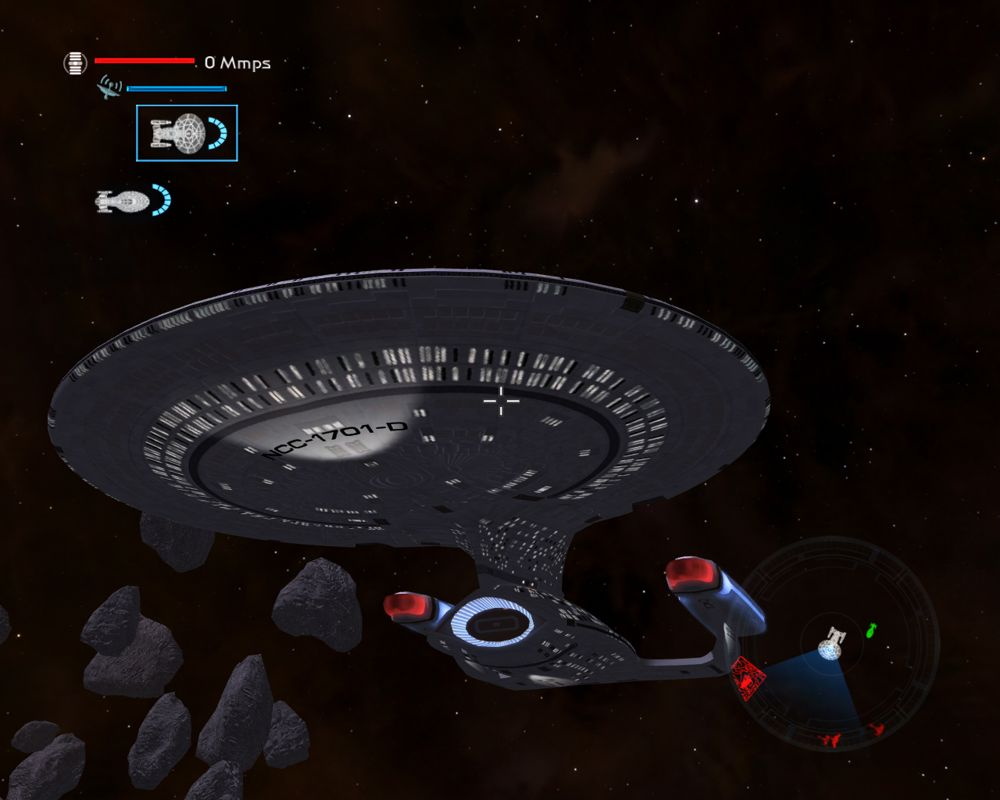
No, not the Picard successor series that was touted a couple of years ago! This is Legacy the video game – which was released on PC and Xbox 360 by Bethesda Softworks (yes, *that* Bethesda Softworks) and Mad Doc Software. The game is notable for bringing together all three Star Trek time periods – the 22nd, 23rd, and 24th Centuries – and bringing back all five captains as part of the voice cast. William Shatner, Patrick Stewart, Avery Brooks, Kate Mulgrew, and Scott Bakula all voiced their iconic characters – and that made this game feel like, well, Star Trek’s legacy. More than a year after we lost Enterprise, and with rumours of a new movie doing the rounds… it felt like things might be okay for Star Trek after all.
2007:
Excelsior: Forged In Fire
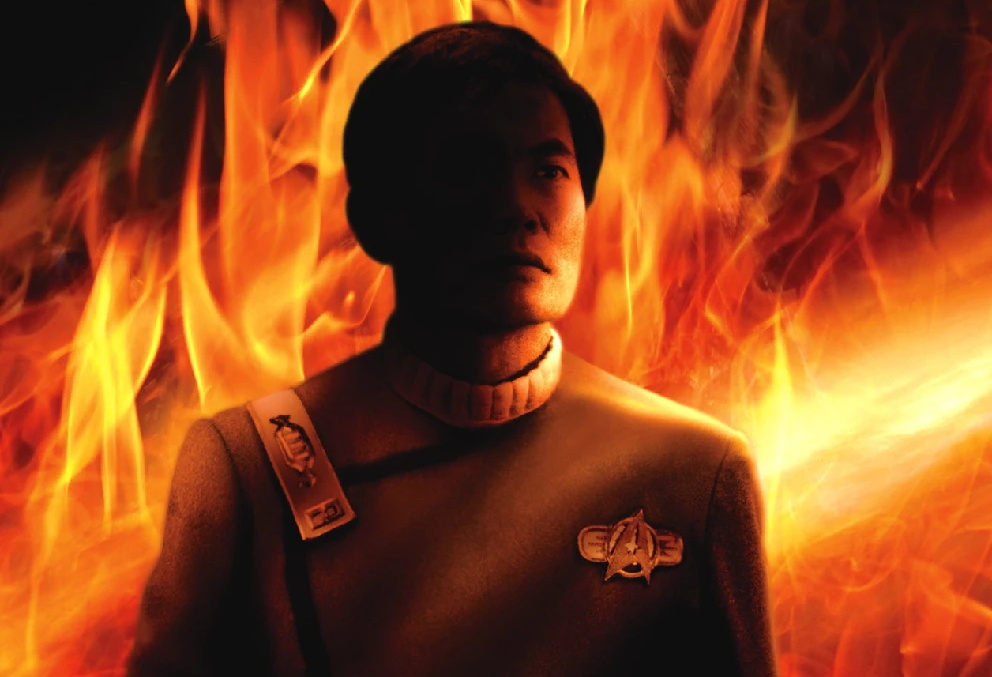
This novel brings together The Undiscovered Country, which first saw Sulu in command of the USS Excelsior, and a plotline from Deep Space Nine, which saw Dax team up with a Klingon to take down an old enemy. I like the way the crossover was handled, and a prequel story that weaves together different parts of the Star Trek franchise can be a ton of fun when done well.
2008:
Terok Nor Trilogy
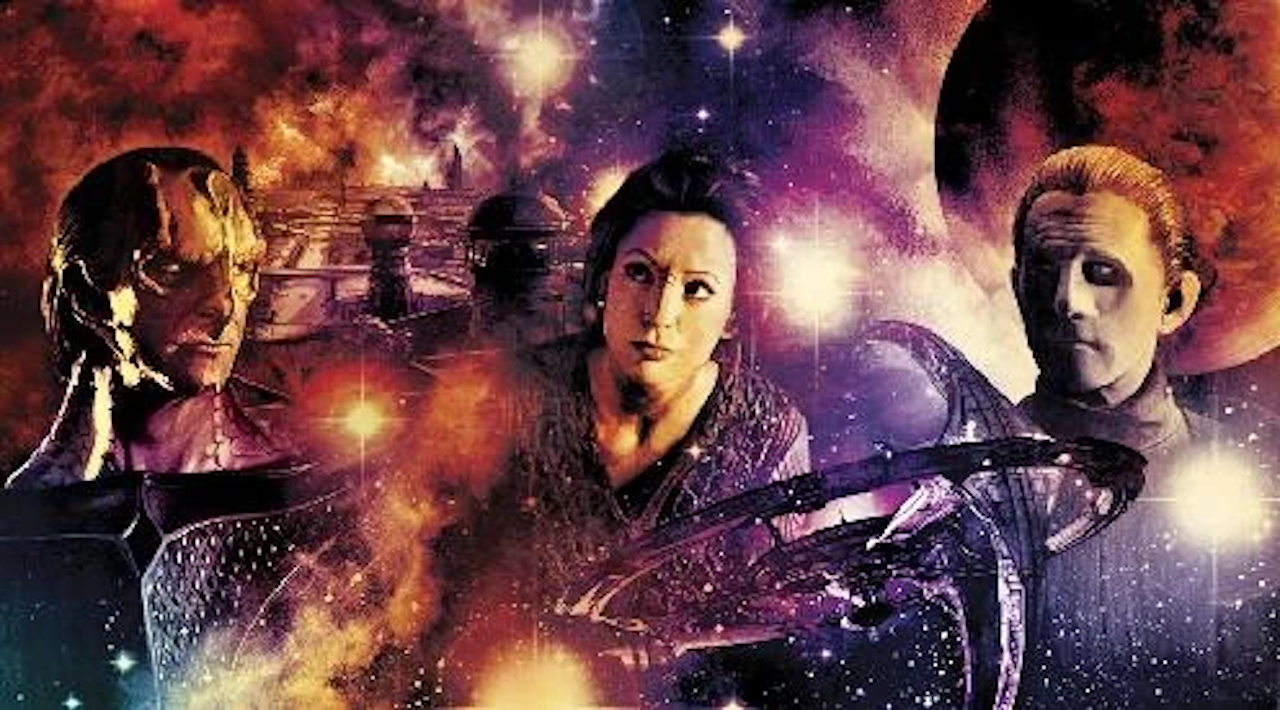
These three books – which all released in 2008 – document the Cardassian occupation of Bajor prior to the events of DS9. Familiar characters, like Kira and Dukat, are present, and the saga adds a lot of backstory in between the events we’ve seen in DS9. I’m not familiar with all three books in the series, but the first one – titled Day of the Vipers – explores the beginnings of the Cardassian occupation, and from what I can remember, it was a fun book.
2009:
Star Trek

The first reboot film premiered in 2009, and definitively proved that there was life in the Star Trek franchise – and more stories to be told. I did my best to support the film while it was in production, and I went to see it on the first day I could! I don’t think Star Trek ’09 is fantastic, but it’s a by-the-book reboot, it draws a definitive line under Star Trek’s earlier incarnation, and it succeeded at making this convoluted and nerdy franchise accessible to casual viewers and newcomers. Star Trek ’09 carried the flag for the franchise at a time when it was in danger of disappearing forever.
2010:
Star Trek Online
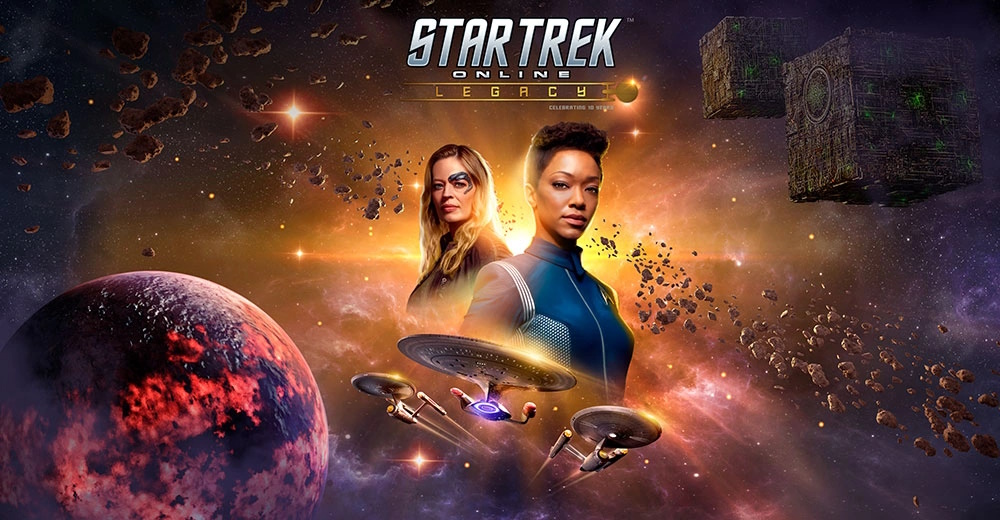
I tried Star Trek Online shortly after it launched… but the parts I really enjoyed – i.e. the “Star Trek” – were, sadly, overwhelmed by the parts I didn’t – namely the “Online!” I just can’t get on with massively-multiplayer games, because nothing rips me out of a story quicker than being told I’m the “one and only hero” when there’s a literal queue of other “one and only heroes” lined up behind me, waiting to speak to the same NPC. Or seeing cOcKwAnk69 of the USS YourMumsASlag griefing his way across my screen. However… Star Trek Online is still going, some sixteen years later, it’s successfully transitioned to a free-to-play model, and has even managed to recruit practically every ex-Star Trek actor you can think of for voice roles. A ton of folks love this game… and even if it was never my thing, I can respect it. Online kept a candle burning for the 24th/25th Centuries and the Prime Timeline at a time when the franchise was more interested in prequels and reboots, too.
2011:
Indistinguishable from Magic
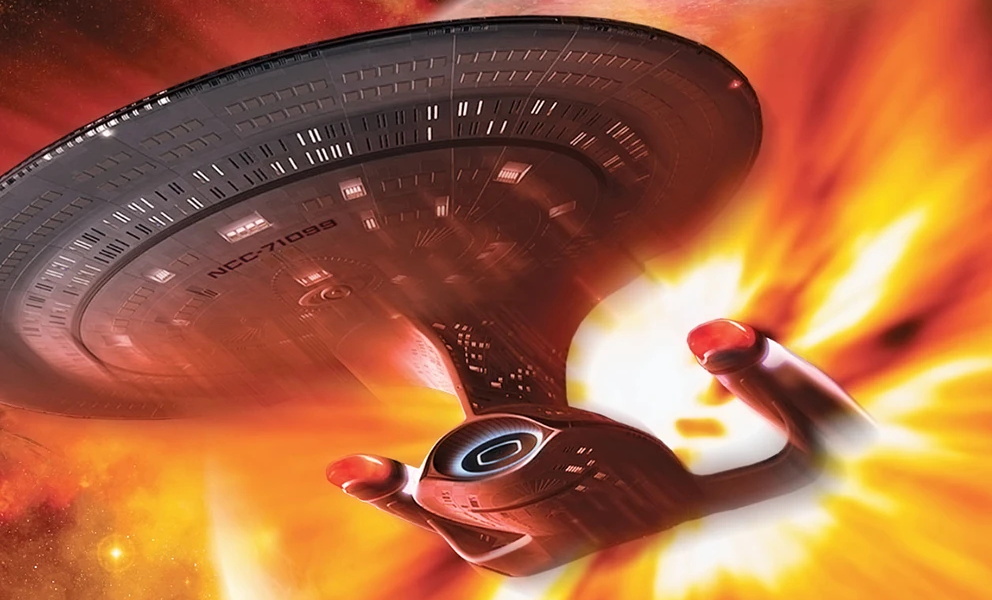
This book picks up the storyline from Relics, which we discussed above, and pairs up Geordi and Scotty for another adventure. The story features appearances from Nog, Guinan, Reg Barclay, and a pair of unexpected villains in DaiMon Bok and Berlinghoff Rasmussen, both of whom appeared in The Next Generation. The title is a reference to Isaac Asimov’s famous saying, and while the story feels a bit fan-servicey with all the cameos, characters, and references, it’s fun enough for what it is.
2012:
The Next Generation: The Next Level
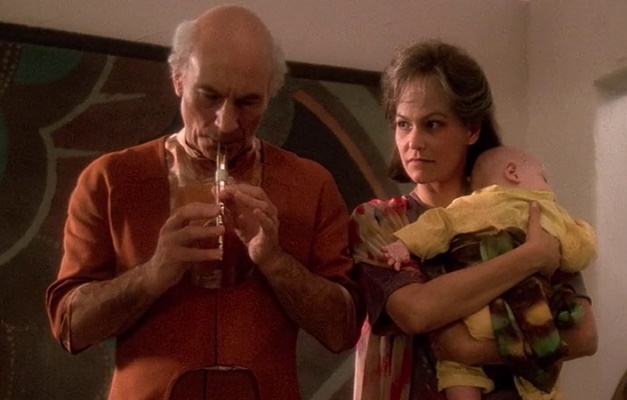
Are re-releases a cheat? In any case, this re-release of three TNG episodes – Encounter at Farpoint, Sins of the Father, and The Inner Light – was a tease, really, to advertise and show off the upcoming Blu-ray remasters of the entire series. The Original Series had already been remastered, but this was fans’ first glimpse at TNG in high-definition. Unfortunately, the move away from physical discs in favour of streaming meant that TNG underwhelmed on Blu-ray (in terms of sales and revenue), and that, in turn, has meant that DS9 and Voyager never made it to the remastering suite… which is something I really hope Star Trek’s new corporate overlords will address!
2013:
Into Darkness
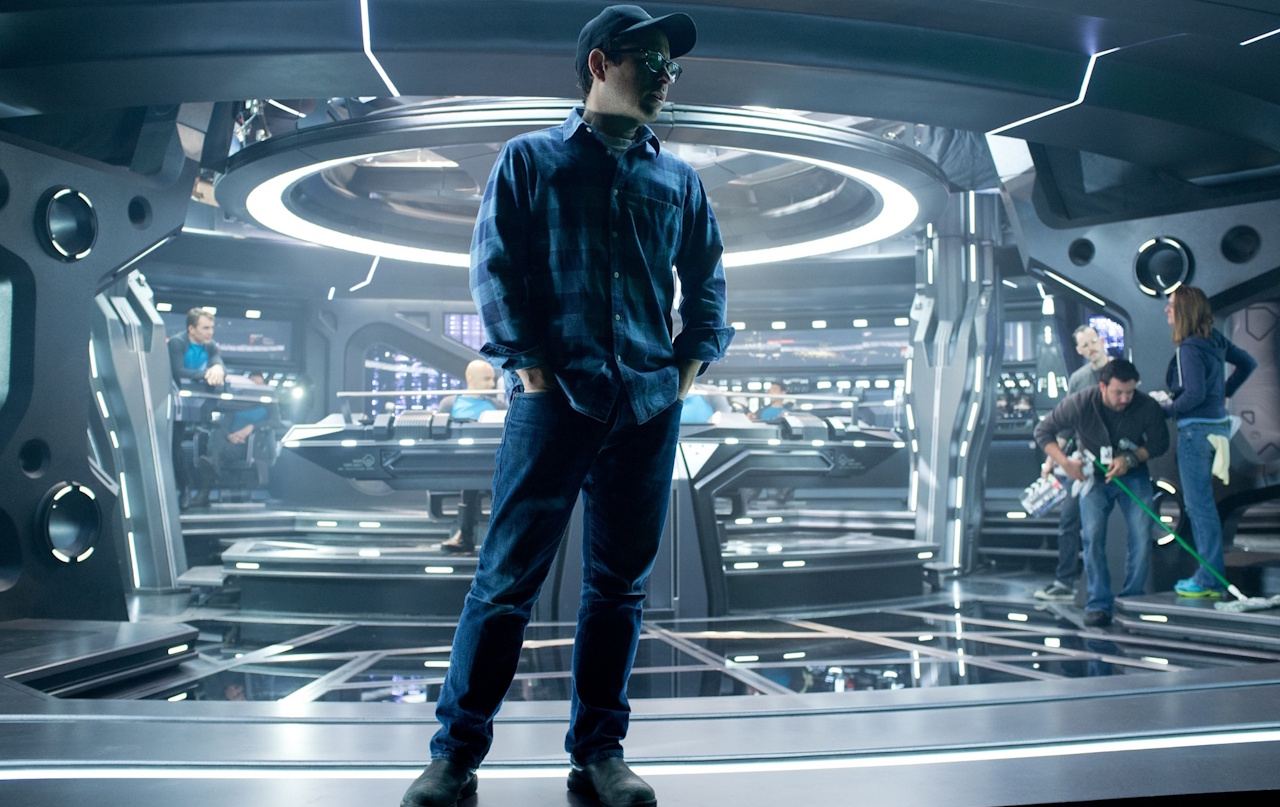
For me, this is still the high-water mark of the Kelvin trilogy – even though its big Khan reveal had been spoiled for me months in advance by investigative Trekkies online! The action-packed story is much more well-suited to J.J. Abrams’ style, there are some pretty shocking twists in the story, and we get to see an inversion of The Wrath of Khan, too. A fantastic “badmiral” makes for a wonderful secondary antagonist, and this universe’s versions of Kirk, Spock, and Khan have a really epic confrontation.
2014:
William Shatner Presents: Chaos on the Bridge
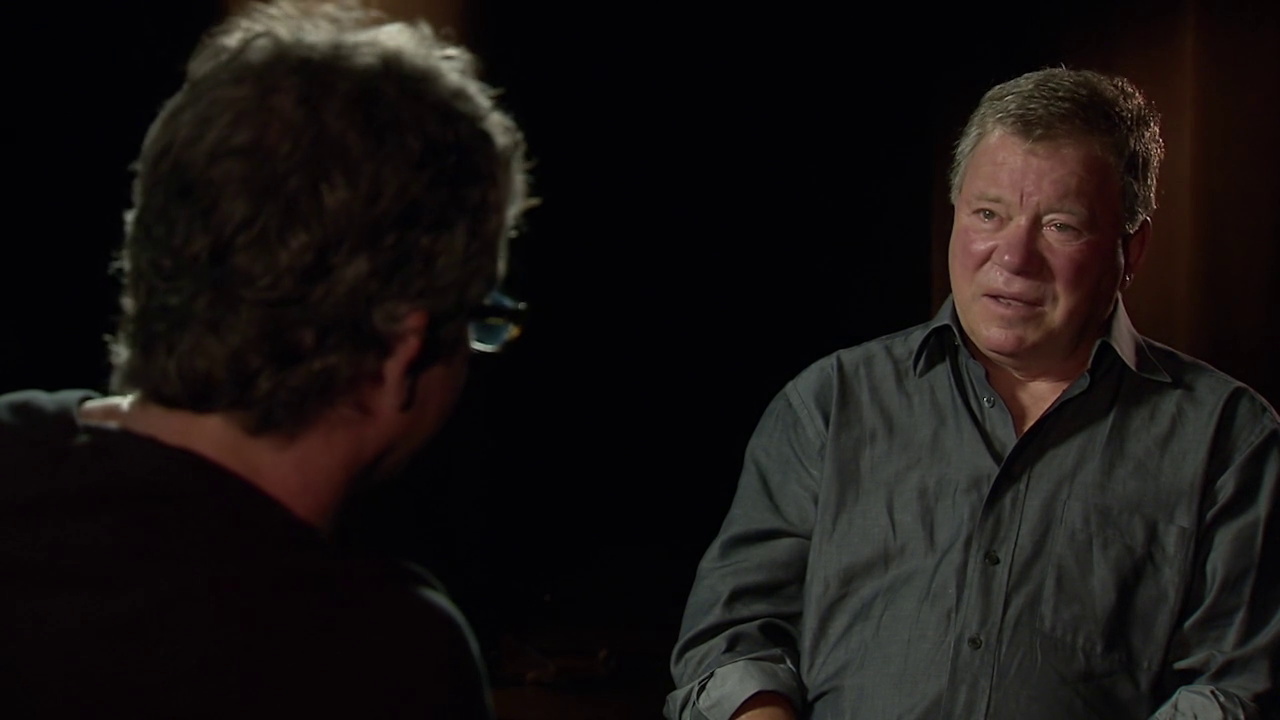
It’s up to you to decide how accurate or unbiased you think Chaos on the Bridge is… but it’s a very interesting recounting of the events around The Next Generation’s creation and its first couple of seasons. This documentary seems to take aim at a few individuals in particular, singling them out for criticism, but it’s presented by William Shatner in a fun and engaging way. Sometimes it can be fun to catch a glimpse behind the scenes… and sometimes you come away from a documentary glad to know what happened, but disappointed at how petty and rude some of the folks involved with your favourite franchise could be!
2015:
Planet of the Apes: The Primate Directive
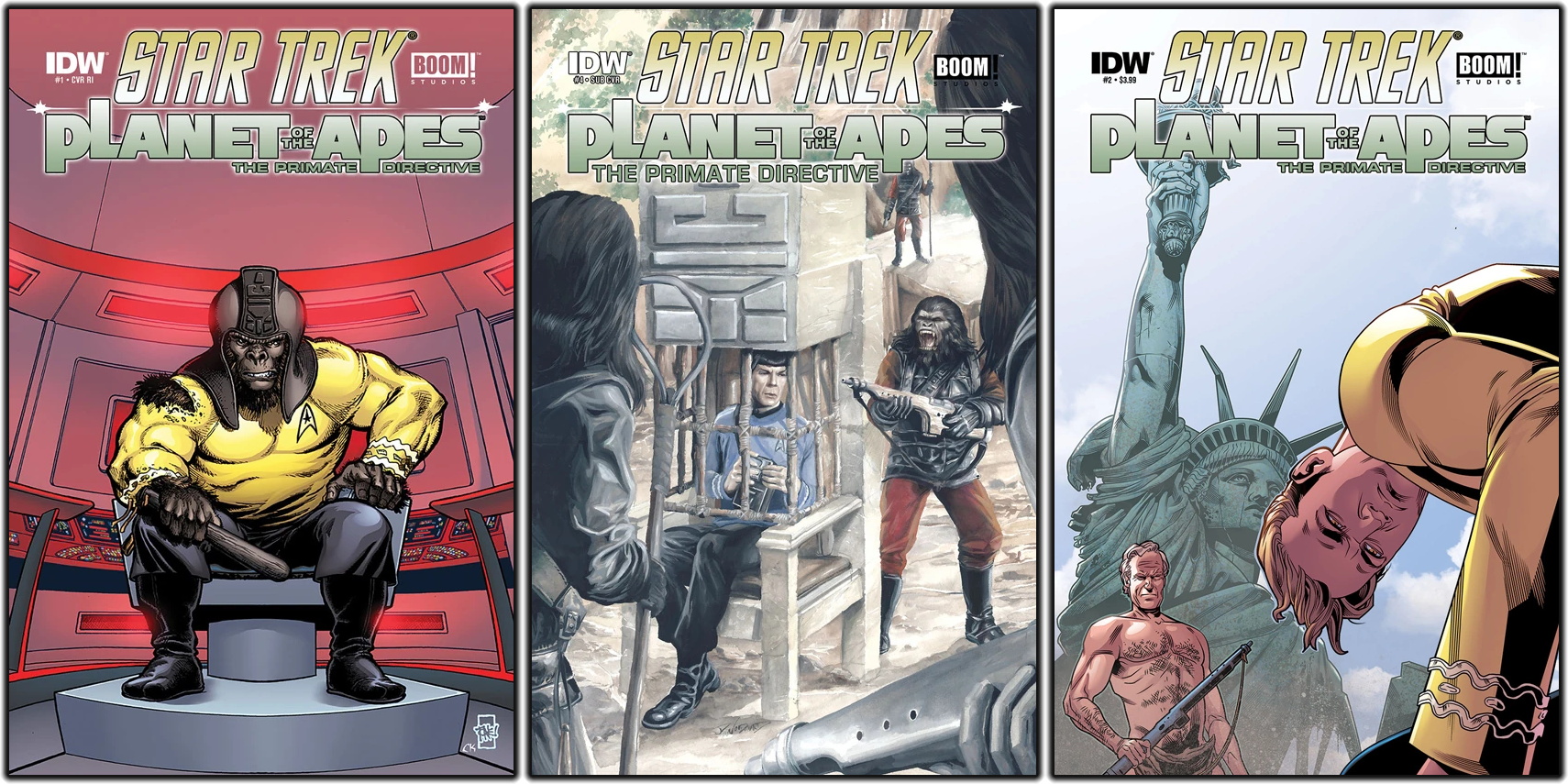
A crossover between Star Trek and Planet of the Apes sounds like it would be atrocious… but this comic series makes good on that silly concept! I’d never want to see Star Trek do something like this in live-action, but as a side project… I think it works well enough in comic book form. Kirk and co. cross over from the Star Trek universe to the Planet of the Apes timeline, discovering that the Klingons are secretly working with one faction of the titular apes.
2016:
Beyond

The third and final Kelvin timeline film, Beyond was a bit of a dip in quality after Into Darkness. However, I can respect writer Simon Pegg’s intention to take the Kelvin timeline away from mindless action and closer to The Original Series in terms of narrative, even if not everything in the film succeeded at that. I liked the connection to Enterprise, and the idea that someone from that era might struggle in the more enlightened and less violent 23rd Century. There’s a message at the heart of the story – and messaging is something that Star Trek has always done.
2017:
Context is for Kings
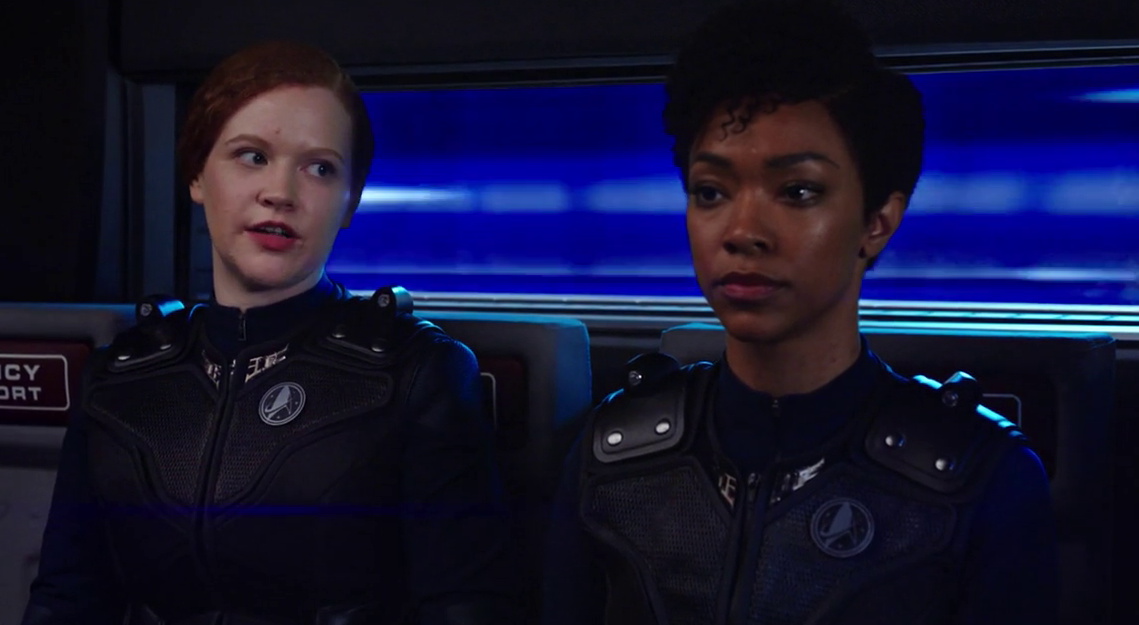
Discovery got off to a rocky start, and Context is for Kings had the tough task of starting to smooth things over with a fan community that was arguably less than impressed! It’s an action-packed episode, in places, featuring a monster loose aboard the wrecked USS Glenn, but it’s also noteworthy for introducing us to the USS Discovery itself, as well as regular characters like Stamets, Tilly, and Captain Lorca.
2018:
The Brightest Star
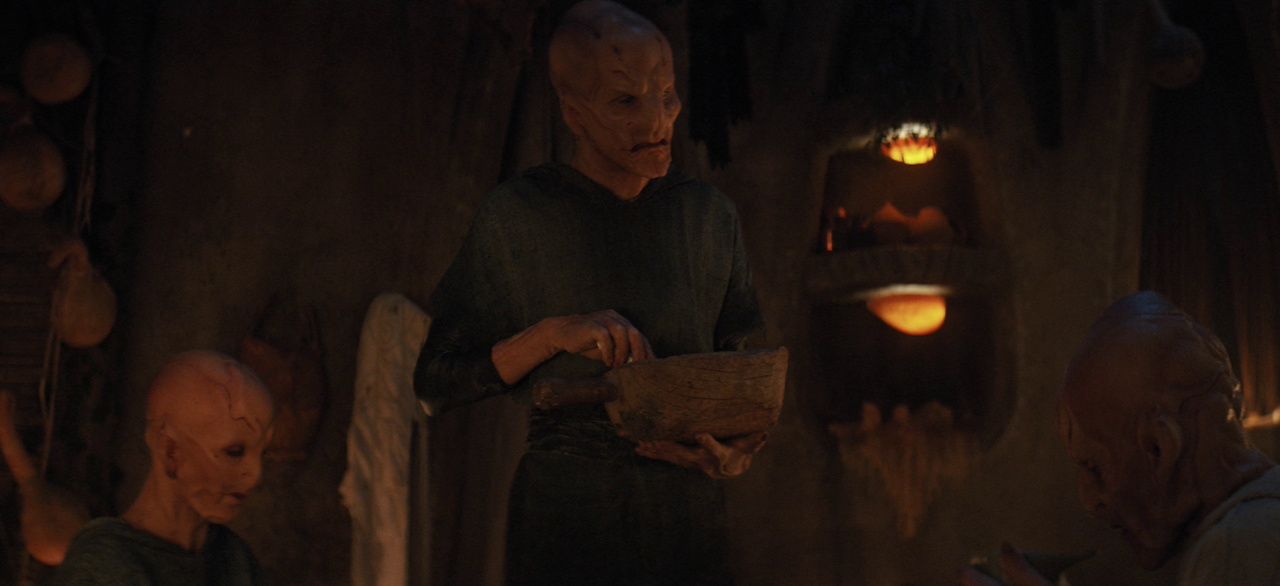
Short Treks was conceived for one reason and one reason only: to convince fans to remain subscribed to CBS All Access in between seasons of Star Trek! But that nakedly commercial purpose actually led to some fun stories – and a concept that, sadly, fell by the wayside way too soon. The Brightest Star gives us Saru’s origin story – how he came to escape his home planet, and the domination of the Ba’ul, to join Starfleet. Michelle Yeoh reprises her role as the Prime Timeline version of Georgiou, too. It’s a sweet little story – and one that proved Short Treks’ worth.
2019:
An Obol for Charon
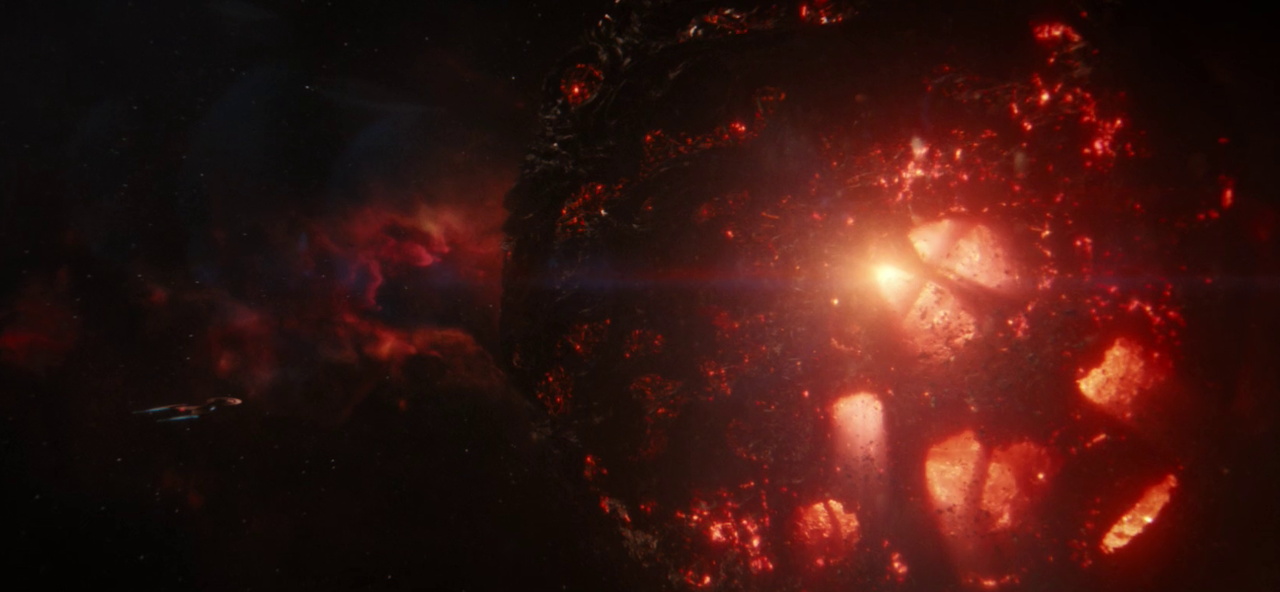
One of the few Discovery episodes that I feel works as a standalone piece, An Obol for Charon interrupts the show’s second season’s ongoing story arcs to introduce us to a brand-new – and very alien-feeling – life-form: the sphere. This would go on to have massive storytelling implications later on, but the episode itself works on its own. I love Captain Pike in this one, and after so many Discovery stories were all about action or soap opera levels of character drama, it was nice to get a classic-feeling episode about seeking out new life!
2020:
Nepenthe

Though it feels bittersweet to return to this episode, in light of how subsequent Picard stories landed… I can’t deny that Nepenthe seemed absolutely brilliant on that first viewing. Picard escapes the clutches of the Romulans and makes it to the planet of Nepenthe with Soji… the home of Riker and Troi. Their reunion after so many years was incredibly emotional for this old Trekkie, and I enjoyed seeing the series take a moment to step away from its mysteries and plots and ex-Borg to let us hang out with these characters. In hindsight… well, I think it was a mistake to do a story like this when other ongoing storylines needed the time and attention. And Riker and Troi would return for bigger roles in Season 3 anyway. But on its own, and without the benefit of hindsight, it would’ve been my favourite episode of Season 1.
2021:
First First Contact
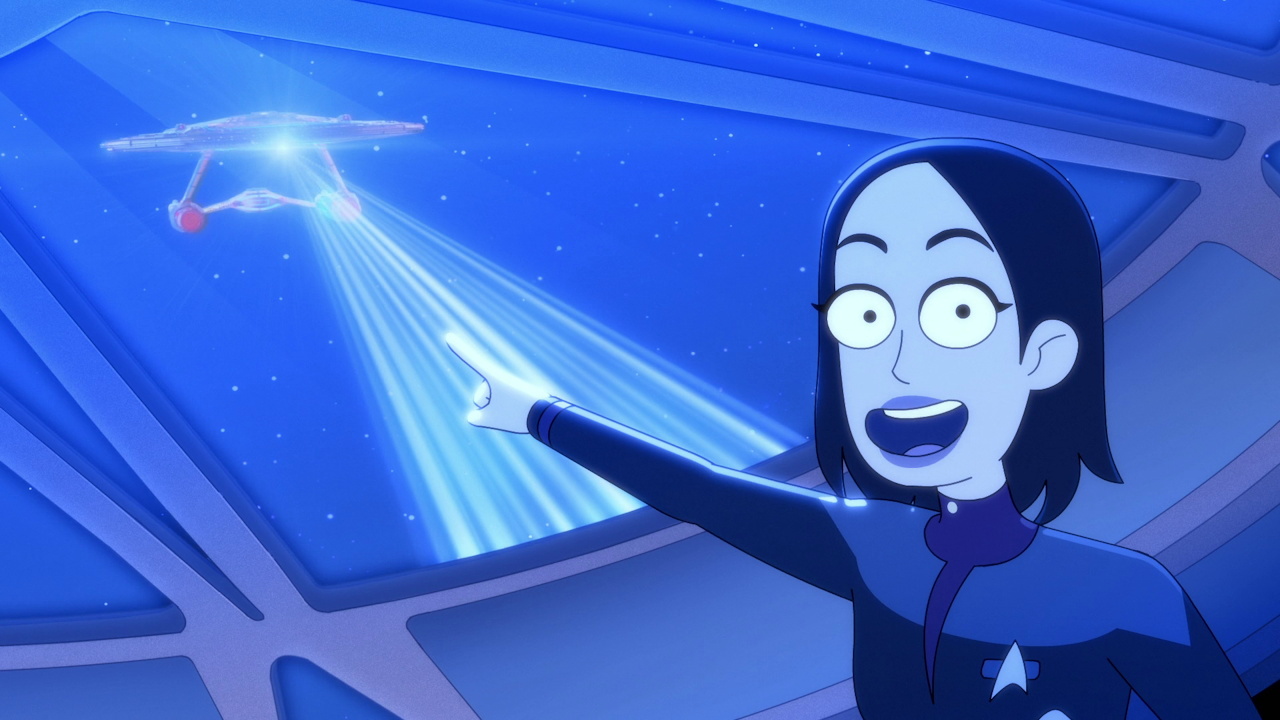
This episode feels like it perfectly caps off Lower Decks’ first phase or first narrative arc. The crew of the USS Cerritos gets to save the day, and everyone has to pull together in a single, connected story to save a stricken Starfleet vessel. The return of Sonya Gomez was fun, it was a nice little rarity to see everyone in a single storyline, instead of being split up into A- and B-stories, and there were some genuinely emotional and high-stakes moments. I liked that this was a scientific and engineering puzzle, not something that needed violence and phaser fights, too.
2022:
The Star Gazer

I’m caveating all of my Picard inclusions, aren’t I? This one comes with the caveat that, despite being a fantastic story and introducing a truly frightening new vision of the Borg… the subsequent nine episodes absolutely ruin The Star Gazer on a repeat viewing. Picard Season 2 was, on the whole, dog shit – but hey, it got off to a fun start, at least! I liked seeing Picard and Rios back in Starfleet, young Elnor joining the Academy as a cadet, and the new USS Stargazer, too. It was also fun to see a big, diverse Federation fleet after the disappointing copy-and-paste job back in Season 1.
2023:
Hegemony
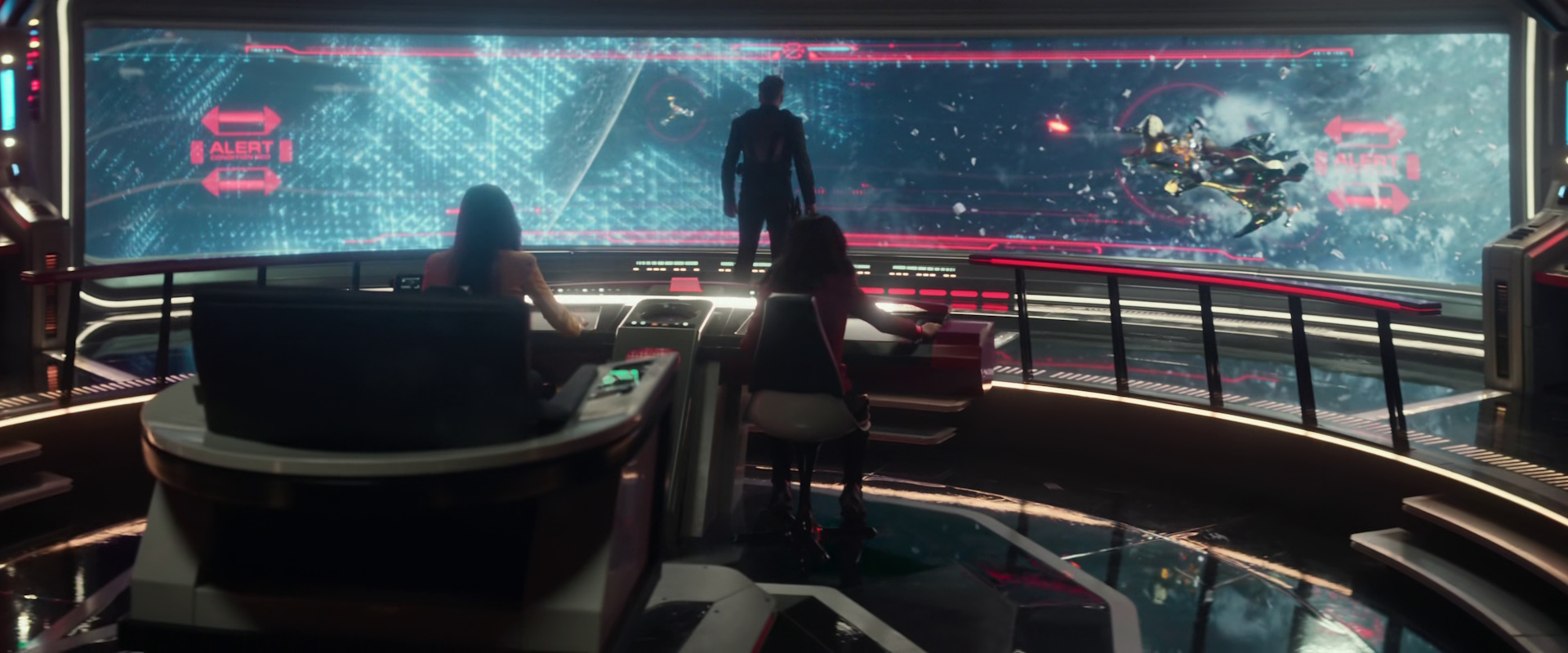
Strange New Worlds’ second season ended in spectacular fashion. The Gorn conflict, which had been part of the show since its first season, reached an explosive climax with an attack on a human colony. Several members of the Enterprise crew end up abducted, a young version of Montgomery Scott comes aboard for the first time, and Captain Pike has to figure out a way to come to the aid of the survivors of the USS Cayuga. The conclusion at the start of Season 3 was fantastic, too!
2024:
Face the Strange
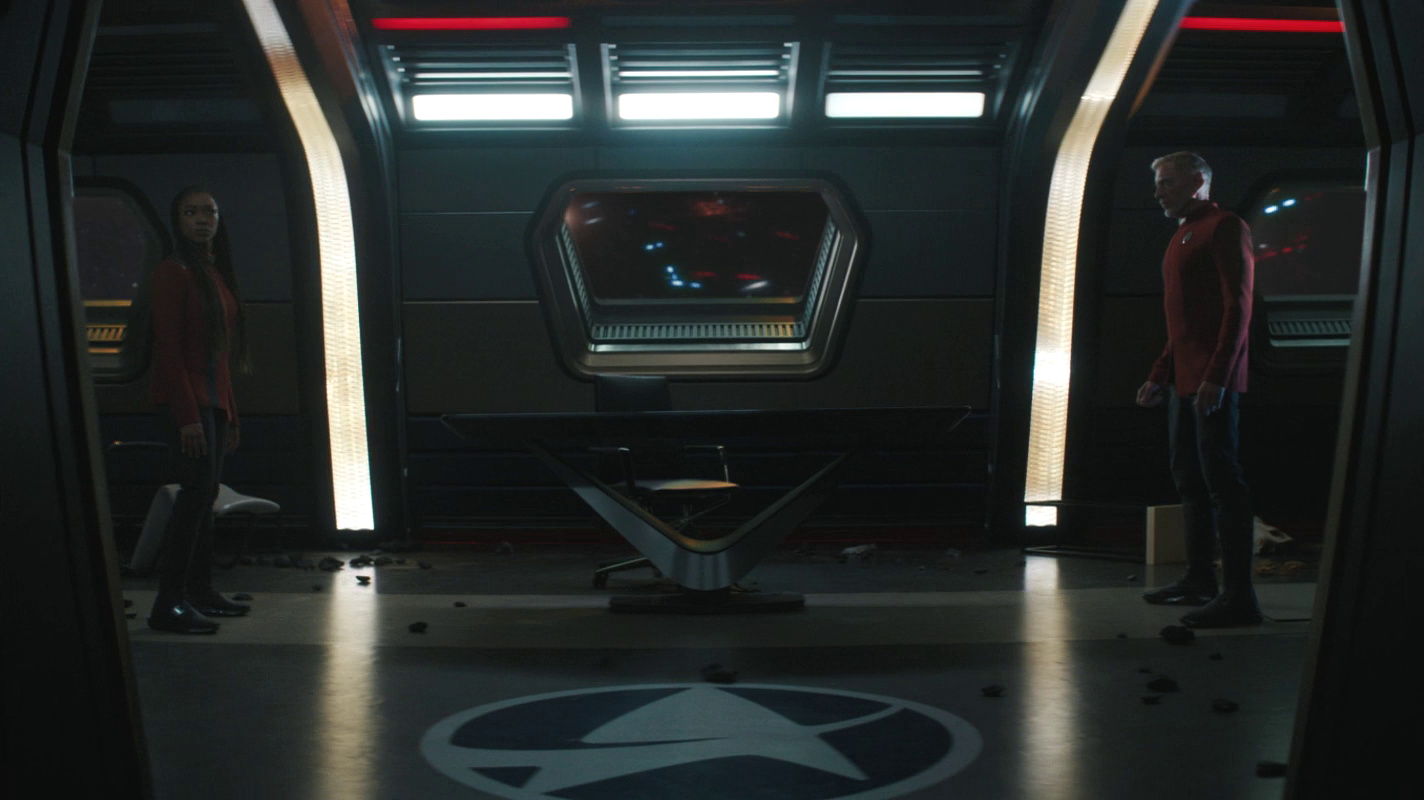
Two caveats this time! One: I haven’t seen the Lower Decks episodes that aired this year, and if I had… I might not have picked Face the Strange for this list. Two: Discovery’s fifth season was, on the whole, repetitive and just not very good. So… yeah. However, Face the Strange is a bit of a diamond in the rough; a rare gem of an episode that stands on its own two feet and works pretty well. It was creative with its time-skipping idea, Commander Rayner got some much-needed development, and seeing Burnham having to come face-to-face with a younger version of herself was, if nothing else, a fun visual.
2025:
Terrarium
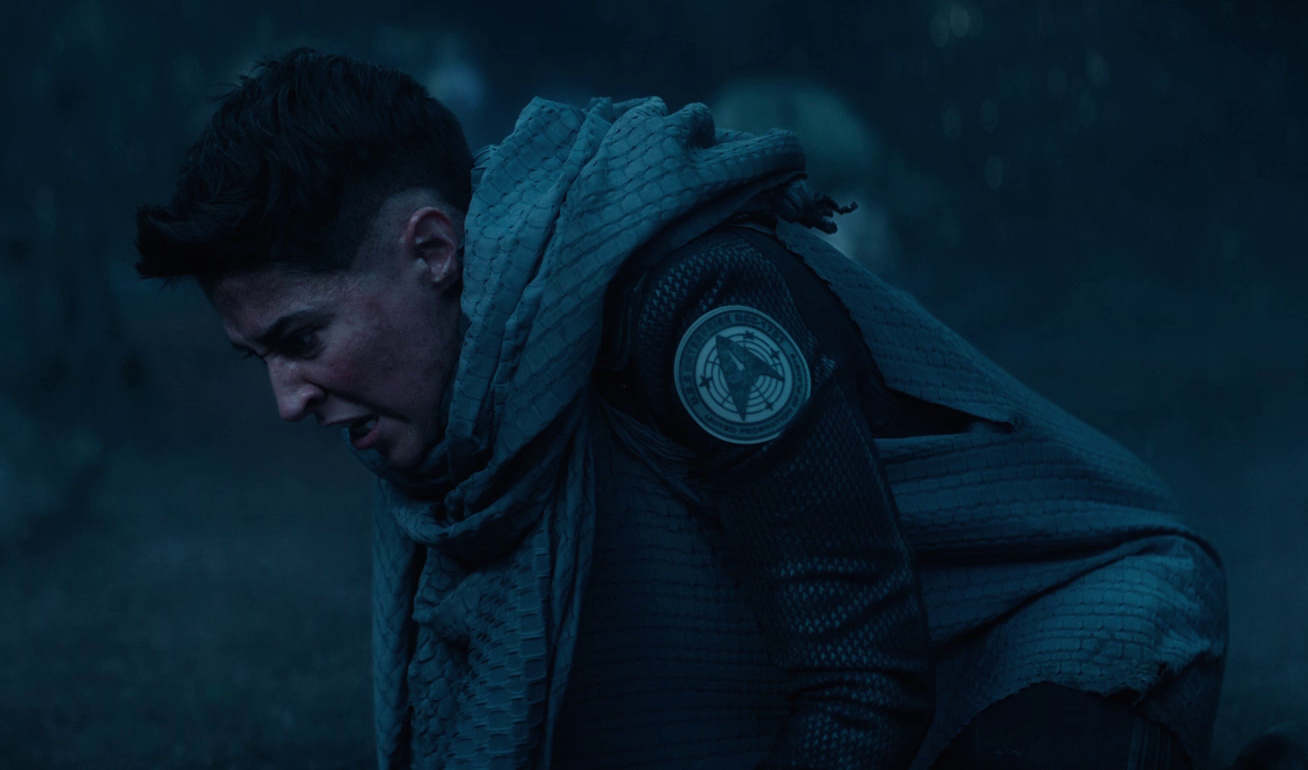
Far and away the best episode of Strange New Worlds Season 3 – and definitely a top ten or even top five for the series as a whole. Lieutenant Ortegas finally gets a belated turn in the spotlight, trapped with a Gorn on a desolate planet on the far side of a wormhole. After Ortegas had been abducted by the Gorn and injured, she was still dealing with the after-effects of that experience – and coming face-to-face with a Gorn was her own personal nightmare. The episode was perfectly paced, the setting was bleak, and there was an emotional sucker-punch right at the end, too.
2026:
Across The Unknown
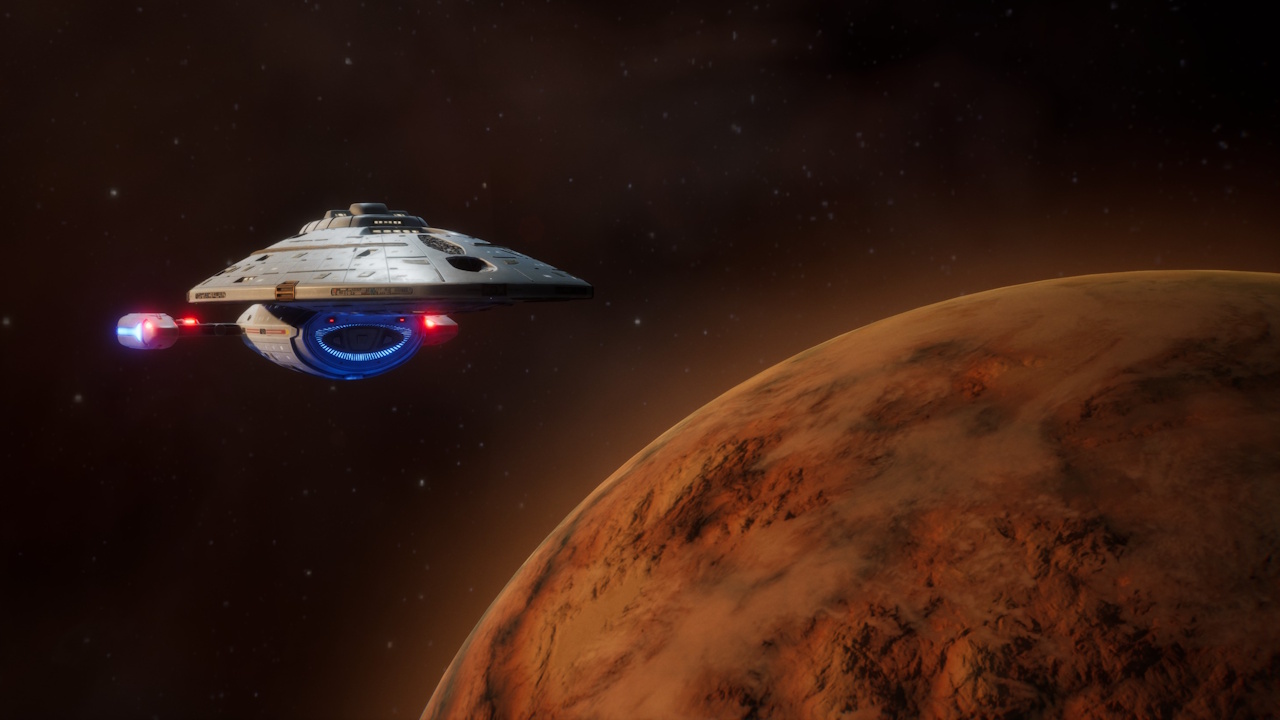
This video game is based on Voyager, and allows players to experience the entire seven-year journey across the Delta Quadrant, make different choices, and try to manage the ship and its systems. If you like these kinds of management-sim/base-builder types of games, and you’re a big Voyager fan, it’s an easy recommendation! It was a ton of fun for me to go back to Voyager in this new format, and there are some wonderful models and animated sequences created for the game, too. I returned to episodes I haven’t seen in a while thanks to this wonderful game… and I had an absolute blast with it! There’s new DLC to come, too, and I’m planning to jump back in when it’s all ready.
So that’s it!
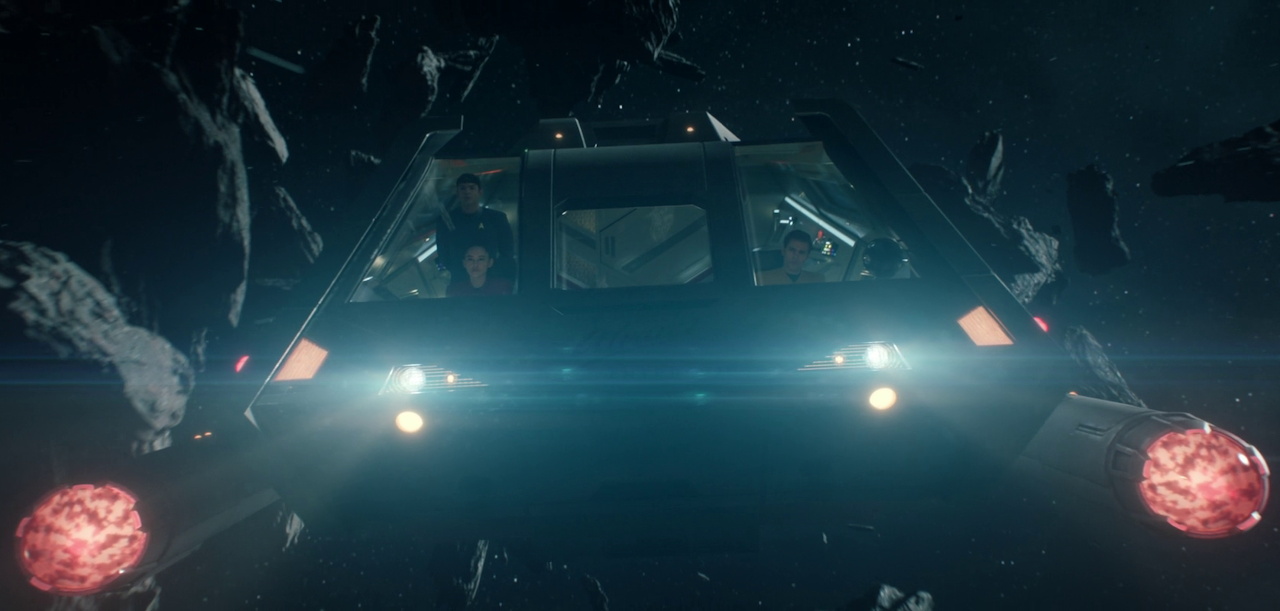
Phew, that was a *lot* of Star Trek, huh?
If you made it all the way to the end, thanks for reading! I hope this has been a bit of a fun way to celebrate this milestone anniversary. And I hope I maybe picked one or two stories you weren’t expecting!
Earlier this year, I wrote a few other pieces here on the website to mark the sixtieth anniversary. I talked about my encounter with William Shatner, shared a few more of my “hot takes,” talked about some of the “worst” things that Star Trek characters have ever done, wrote up some “what-if” scenarios, discussed the benefits of a potential hiatus for the franchise, looked at some “unpopular opinions” from across the fan community, considered what might’ve happened if Star Trek was never made, reviewed Starfleet Academy Season 1, reviewed every episode from Strange New Worlds Season 4, and re-watched Where No Man Has Gone Before. Click or tap any of those links to check out those pieces.
Thanks again, and as always… Live Long and Prosper, friends!
The Star Trek franchise (except for Prodigy) is available to stream now on Paramount+ in countries and territories where the platform is available, and is also available on DVD/Blu-ray. The Star Trek franchise – including all films, shows, games, and other properties discussed above – is the copyright of the Skydance Corporation. Some photos/still frames were upscaled using A.I. tools. This article contains the thoughts and opinions of one person only and is not intended to cause any offence.