Star Trek: Khan – Thoughts on the Trailer

A Star Trek-themed spoiler warning.

Spoiler Warning: Beware potential spoilers for the upcoming Star Trek: Khan audio drama. Spoilers are also present for Space Seed, The Wrath of Khan, Into Darkness, Lower Decks, and Picard.

For a franchise which could be just a couple of years away from total cancellation, Star Trek had a lot to say at this year’s Comic-Con event! We’ve already covered the big Starfleet Academy news, which included a trailer and introductions to the main cast, as well as Year One – a pitch for a Strange New Worlds successor series. This time, we’re finally getting around to talking about Star Trek: Khan – an audio drama which will be released next month.

This is Star Trek’s first ever official audio drama – billed, for some reason, as a “scripted podcast.” I’m calling it an audio drama (because that’s what seems to be the best fit) but you might also consider it akin to a radio play or even an audiobook. In any case, it’s audio only – which is something new for Star Trek. Obviously there have been Star Trek audiobooks before, and there are fan-made audio dramas, too. But this is the first time Paramount has really pushed a brand-new Star Trek story in this format, and it’s an interesting choice.
Still frame from the Star Trek: Khan trailer showing the audio drama's title.
Khan is coming soon!

Obviously the main factor here is money. Nicholas Meyer – who originally pitched this idea a few years ago – envisioned it as a miniseries, which is also a format Star Trek doesn’t have much experience with. Even if you aren’t sold on Star Trek: Khan as a concept, I still think there’s merit in the miniseries approach, and I’d hope it’s something Skydance/Paramount might consider in the future if and when a suitable story comes along. If Khan is a success, perhaps more audio dramas will be in the offing, too.

It’s been a while since we talked about this project, so let me bring you up to speed. Khan is set on the planet Ceti Alpha V in between the events of Space Seed – in which Khan awoke in the 23rd Century after years in suspended animation – and The Wrath of Khan. When the project was still little more than a rumour, I discussed it here on the website. This was in early 2021, and I said then that I felt this project – which was going by the working title Ceti Alpha V – looked set to tell the least-interesting chapter of Khan’s life. What could we learn from this story that we didn’t already know or couldn’t reasonably infer from Space Seed, The Wrath of Khan, and even Khan’s appearance in Into Darkness?
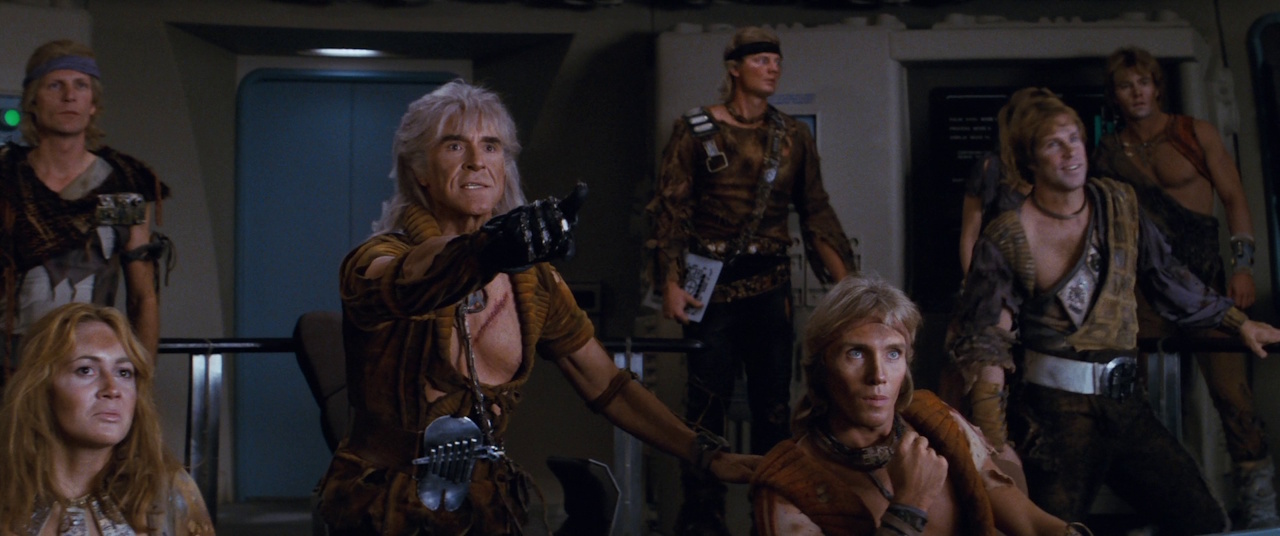
Still frame from Star Trek II: The Wrath of Khan showing Khan and his crew on the bridge of the USS Reliant.
Khan with his crew in The Wrath of Khan.

When Khan switched from being a televised miniseries to an audio drama… I felt that was probably for the best. At Paramount’s “Star Trek Day” event in 2022, Nicholas Meyer took to the stage to announce that his project had been reworked into an audio drama. And I noted at the time that he didn’t exactly seem thrilled about that! Maybe I’m reading too much into this, but I noted in the Khan trailer that Meyer is no longer credited as one of the podcast’s writers, instead simply getting a “based on a story by” credit. Maybe Meyer was disappointed that his Ceti Alpha V idea didn’t proceed on television as he’d hoped. Or maybe changes were made to his original idea – which I doubt would’ve included Sulu and Tuvok!

In any case, Nicholas Meyer’s core idea is going ahead, but not in the format he intended and not with a script he penned. Personally, I think that’s worth being aware of; Meyer is a Star Trek legend. He wrote The Wrath of Khan, The Undiscovered Country, and also worked on The Voyage Home – three of the films fans rate most highly. It’s quite possible that, without Meyer’s work on The Wrath of Khan in particular, Star Trek would have struggled in the 1980s – and the franchise as we know it could very well not exist today. So to know that he had a script written, but his work has been changed substantially enough that he’s no longer credited as a writer… it gives me pause, at least.

Still frame from Paramount's Star Trek Day 2022 broadcast showing Nicholas Meyer announcing Star Trek: Khan.
Nicholas Meyer in 2022.

Let’s be positive, though, and talk about some of the things from the Khan trailer that I actually found interesting!

Firstly, the idea of a frame narrative is a fun one – and it’s also something that, because of the characters involved, could really only work in this audio format. Well alright, I guess it would’ve worked in animation, too! But bringing back George Takei to voice Sulu and Tim Russ to play Spock, with the frame narrative presumably set aboard the Excelsior… that’s a really fun idea. Both Takei and Russ have been back in modern Star Trek; Takei reprised his role of Sulu in Lower Decks, and Russ played a significant role in Season 3 of Picard.

I often see fans lamenting that we don’t know much about Star Trek’s “lost era;” i.e. the years in between The Undiscovered Country and The Next Generation. While probably right at the beginning of that time period, it seems as if Khan’s frame narrative will be set in the “lost era,” which is something kind of neat. I doubt we’ll get much of an exploration of the wider state of the galaxy! But it’s still nice to see a project being potentially set after The Undiscovered Country.
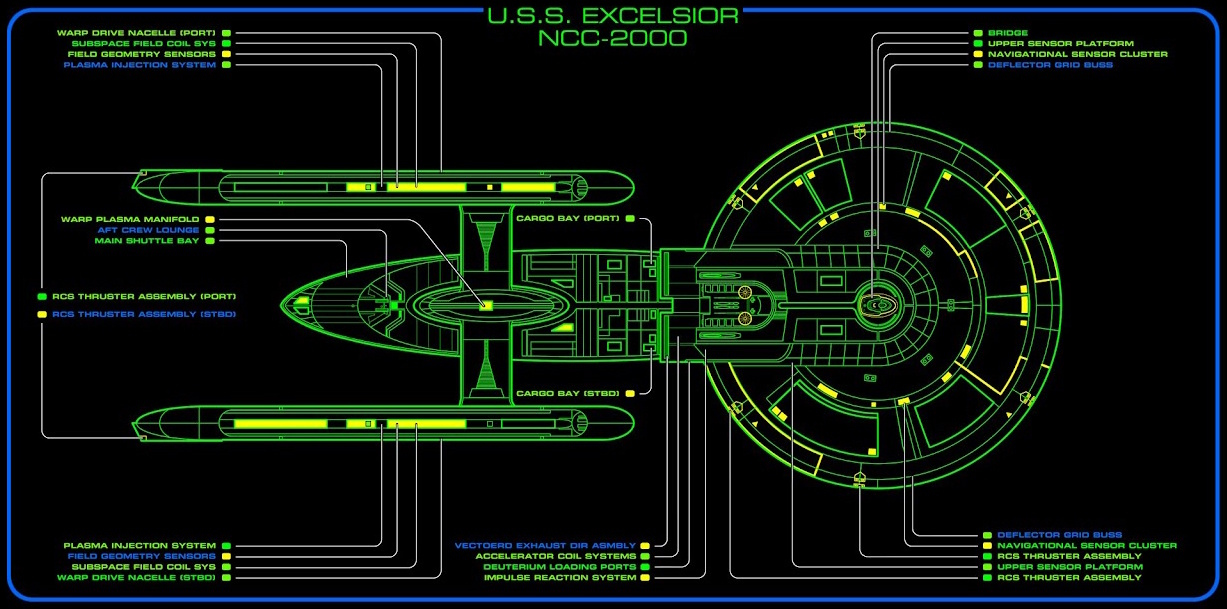
A graphic of the USS Excelsior's MSD.
Parts of Khan will be set aboard the Excelsior during Sulu’s time in the captain’s chair.

Tuvok’s inclusion is also a pretty deep cut to a single Star Trek episode! In 1996, Flashback was one of two stories created to celebrate Star Trek’s thirtieth anniversary. It delved into Tuvok’s backstory, depicting his time serving under Captain Sulu’s command aboard the USS Excelsior, and it was a pretty fun crossover. We got to see an expanded role for Janice Rand, picking up her story aboard the Excelsior, too, and another character from The Undiscovered Country – Dimitri Valtane. Though its “memory virus” storyline wasn’t the strongest, it’s still a fun episode, and we got to see some interaction between Tuvok and Sulu, as well as a brief moment with Janeway and Sulu, too.

It makes me feel so incredibly old to think that the 30th anniversary celebrations were almost 30 years ago! But I’m glad that Star Trek’s writers and creatives haven’t forgotten about Flashback; it’s a fun way to return to this era, an unexpected pair of legacy characters to include in a story like this one, and it might just give us a bit more information about Sulu’s time in the captain’s chair. I really like this part of Khan, even though it likely won’t be in focus all that much.
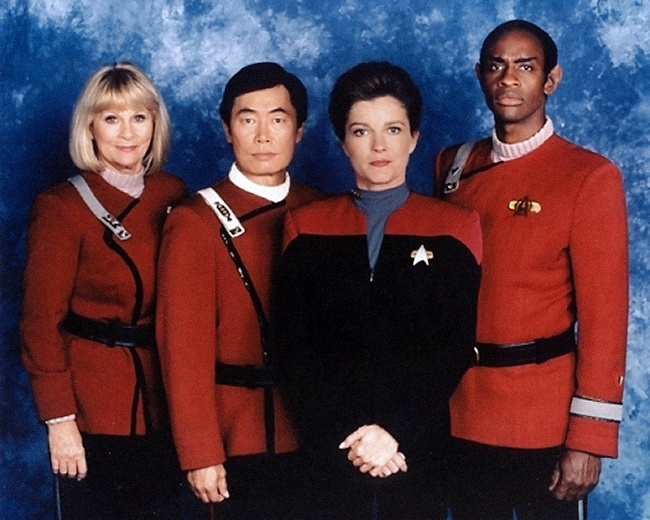
Promotional photo for Star Trek: Voyager Season 3, showing Rand, Sulu, Janeway, and Tuvok.
Promo photo released for Flashback in 1996.

Sulu was present, of course, during the events of Space Seed and The Wrath of Khan, which makes his inclusion here a neat little thread of continuity. Takei first played Sulu all the way back in 1966; to think he’s still involved with the character – and the Star Trek franchise – all these years later… it’s fun and also exceptionally sweet. Fans have been asking to see more of Captain Sulu for a long time; I remember on message boards and forums in the 1990s, a “Captain Sulu show” was often brought up as fans discussed fantasy Star Trek projects. Obviously Khan isn’t the same, but it’s not a million miles away, either, thanks to Takei’s involvement.

This is also potentially one of the last Star Trek projects to include a significant role for a performer from The Original Series, and I think we should acknowledge that. We’ve had Walter Koenig’s voice in Picard, archival recordings of a few characters in Short Treks and Prodigy, and Takei in Lower Decks as previously noted. But time moves ever onwards, and these opportunities are becoming scarce. Whether we ultimately like or dislike Khan, I think we can at least appreciate George Takei’s involvement and that we got one more adventure with Hikaru Sulu.
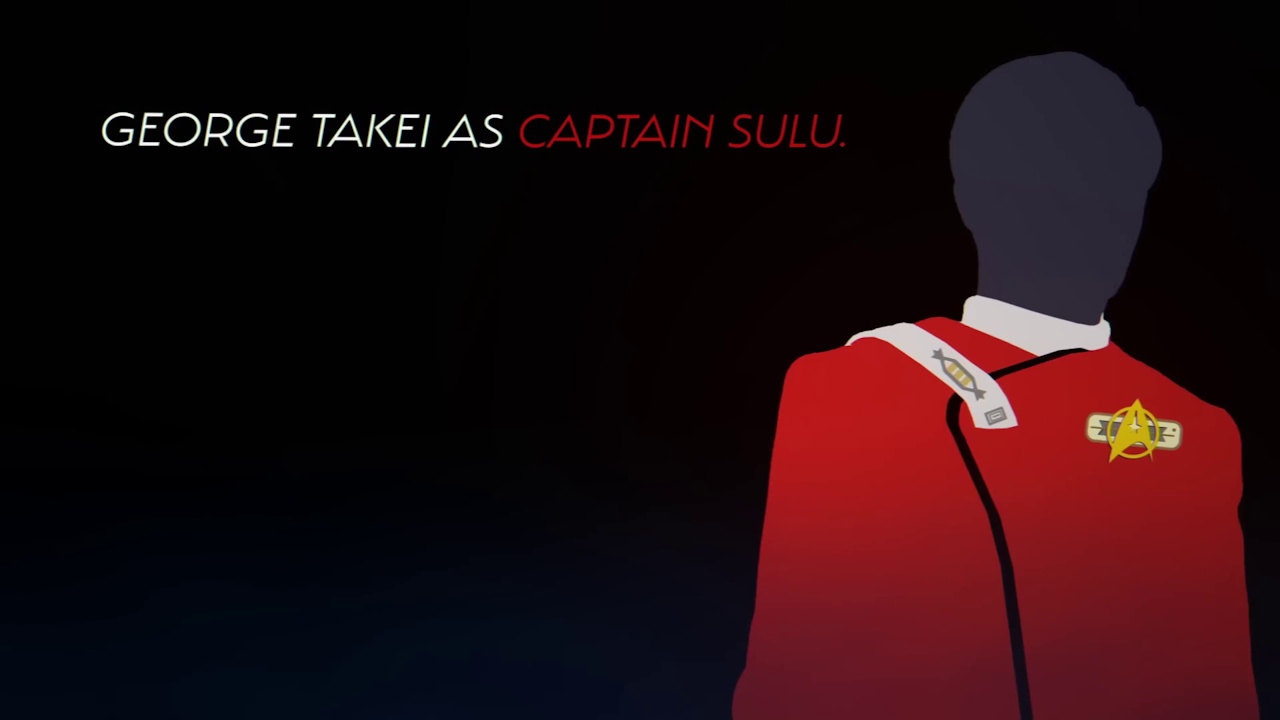
Still frame from the Star Trek: Khan trailer showing Sulu.
We’re getting one more adventure with Captain Sulu.

Naveen Andrews, best-known for his role on the TV series Lost, will take on the role of Khan. And this could be one of the best casting decisions in a long time! Andrews is a fantastic actor, and while we didn’t hear that much from him in the trailer, what little there was sounded fantastic. This feels like a truly inspired casting decision, and whatever the story may ultimately be, I’m certain that Naveen Andrews’ portrayal is going to be one of the highlights.

So there are positives as we look ahead to Khan’s release next month. Revisiting Sulu, entering the “lost era,” Tuvok’s return, and getting a new take on an iconic character by a fantastic actor… those are all points in the production’s favour. I also like the idea of Star Trek leaning into audio dramas and different kinds of projects as a way to potentially keep the franchise alive in the years ahead. If there isn’t the budget to commit to a full TV show or film, a radio play like this could be a great option to preserve Star Trek and ensure new stories are still able to be produced.
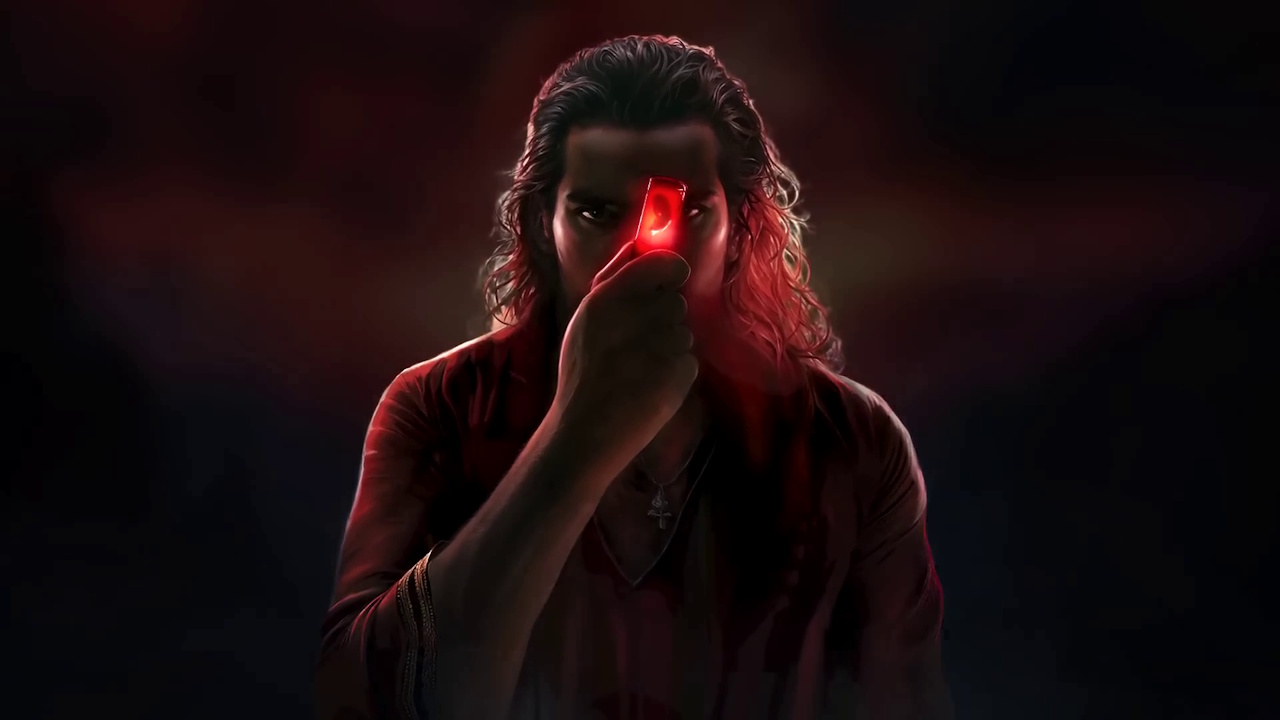
Still frame from the Star Trek: Khan trailer showing Khan holding a Ceti eel.
Khan with a Ceti Eel.

The main image shown off in the trailer – which looks like it could also be the “cover art” for the podcast – shows Khan holding a small vial. Inside that container is what looks like a small Ceti eel – the mind-controlling earwig-like creatures that Khan used on Chekov and Captain Terrell in The Wrath of Khan. The film made it clear that Khan already knew all about these creatures, so perhaps part of the audio drama will depict Khan and his crew studying them.

Not every alien in Star Trek requires a deep dive, and as with Khan himself, I think we know enough about the Ceti eels from the film to understand what they are, how they operate, and why Khan would be so fascinated by them! But I’m always up for an exploration of Star Trek’s alien life, and perhaps there could be a way to connect Khan’s time on Ceti Alpha V and/or the Ceti eels to other parts of Star Trek. Making those kinds of connections could be fun, and just exploring the anatomy of the Ceti eels could also be interesting if it’s handled well.
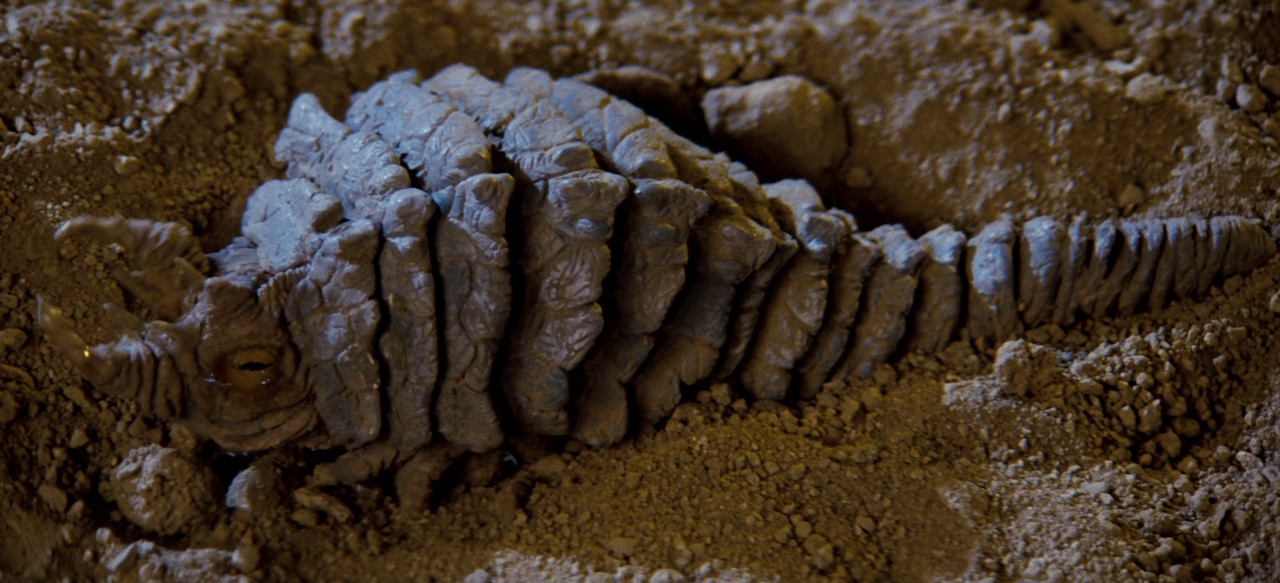
Still frame from Star Trek II: The Wrath of Khan showing a Ceti eel.
A Ceti eel as seen in The Wrath of Khan.

With all of that being said, nothing in the Khan trailer really convinced me that I was wrong in my earlier assessment: that this audio drama won’t be telling the least-interesting chapter of a story where we’ve already seen the beginning, the end, a prequel, a reimagining, and basically all of the good parts. There’s a real danger that what we’ll get will be akin to the Obi-Wan Kenobi miniseries over in the Star Wars franchise: the absolute worst kind of tacked-on story that feels like cheap fan-fiction. Khan could, perhaps, even prove harmful to Space Seed and The Wrath of Khan if – just as an example – we get some kind of storyline that sees Khan leave the planet, track down Kirk, and battle him in a one-on-one duel.

Furthermore, the trailer added another element which I hadn’t previously considered could be part of a Khan story, and it’s really making me concerned. In the trailer, the new character of Dr Lear says that “the logs I retrieved on Ceti Alpha V only confirm my belief that Khan was much more than a mad tyrant.” But… Khan *is* a mad tyrant; that’s who he is. He’s a narrative warning against eugenics and genetic engineering by showing how badly wrong it could go. And in 2025, when we’re seriously considering the possibilities of artificial intelligence and inventing a sentient life-form that could be intellectually superior to humanity… there’s a message in Khan’s story that’s still incredibly relevant.

Still frame from the Star Trek: Khan trailer showing a quote from Dr Lear.
This statement from Dr Lear has me concerned…

I’m worried that Khan will go out of its way to humanise this villainous character – and in doing so, rob him of what made him so powerful, so intimidating, and such a good character in the first place. We don’t need a story about how Khan was actually a misunderstood “nice guy” who just wanted what’s best for his friends. Maybe that’s how Khan saw himself, in part, but it isn’t how we as the audience need to see him. And we don’t need a story told partly from his perspective to understand who he is, how he thinks, or why he behaved the way he did. All of the necessary pieces to understand Khan were present in Space Seed and The Wrath of Khan, and were added to on somewhat in Into Darkness.

It can be fun, sometimes, to flip the script and look at things from the villain’s point-of-view. And some Star Trek stories are all about that – presenting the Federation as being in the wrong, showing why hostile aliens act the way they do, and so on. That’s been present going all the way back to The Original Series. But some villains are just villains – and trying to soften them, present their side of the story, or show them as being “in the right” ruins not only the character, but the story, too. And I am genuinely worried that this attempt to present Khan as a more complex, nuanced, and dare I suggest human individual won’t actually add much to Star Trek – and risks seriously undermining one of its best stories.
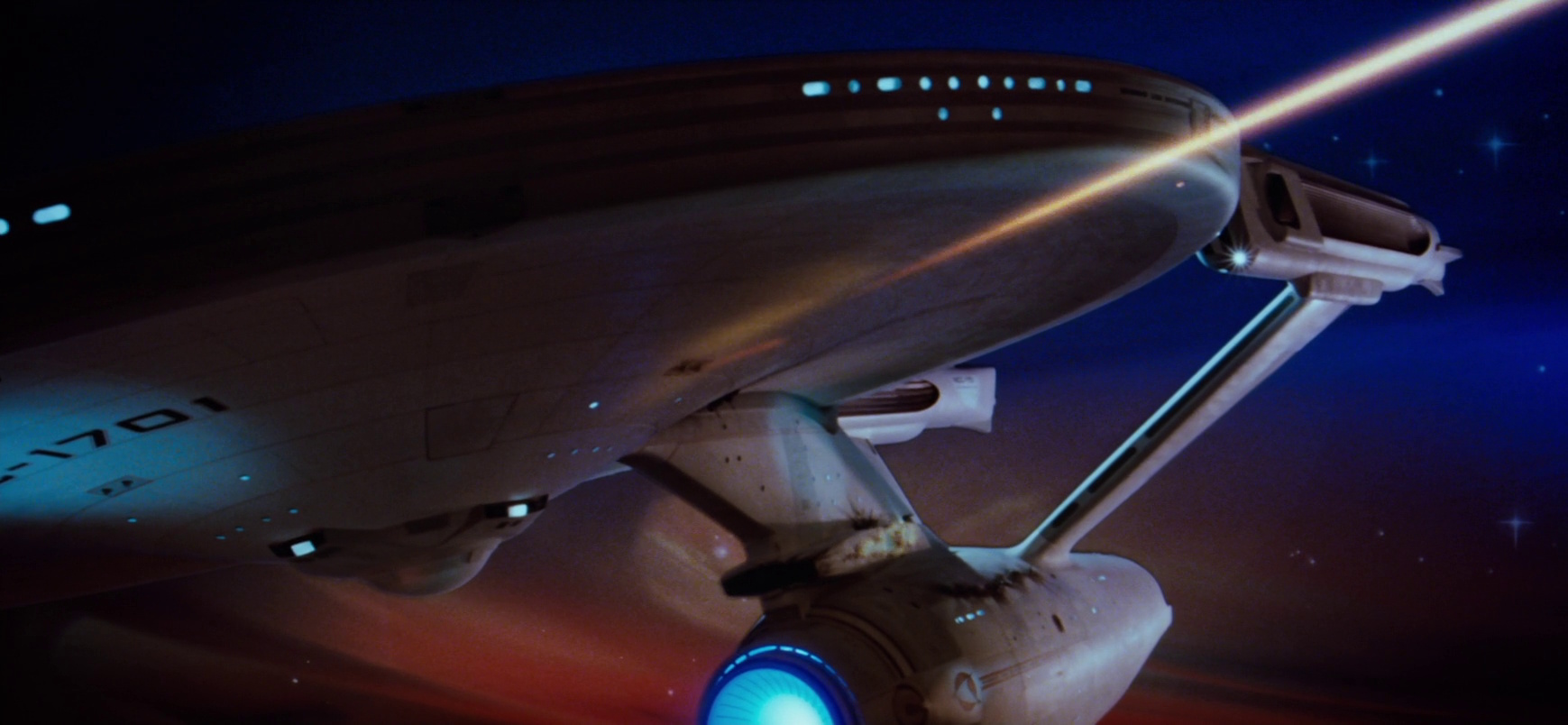
Still frame from Star Trek II: The Wrath of Khan showing the Enterprise during the battle in the nebula.
The Enterprise in The Wrath of Khan.

This was always going to be a potential pitfall – and it’s one of the reasons why I was never keen on the Khan idea when it was first pitched. But hearing this new character in the trailer talking about there being “more to the story,” and how Khan was “so much more” than what we’ve seen… it’s really making me nervous about the direction the audio drama is going to take. If Dr Lear ends up as a kind of villain – perhaps someone who’s fallen for Khan’s posthumous propaganda – then maybe we can look on this narrative thread more kindly. But if the story’s going to try to present Khan sympathetically, and Dr Lear as being right about him all along… where does that leave Tuvok and Sulu?

I doubt a lot of Trekkies would be thrilled if Sulu’s return is turned into some kind of story about how *he’s* the one in the wrong, how he and Tuvok unfairly judged Khan, and how Khan was really just a big misunderstood cuddle-buddy. That… that wouldn’t be great. And while I could be completely wrong, the tone of the trailer – and Dr Lear’s comments in particular – seem to be hinting at a story which could go in that kind of direction.
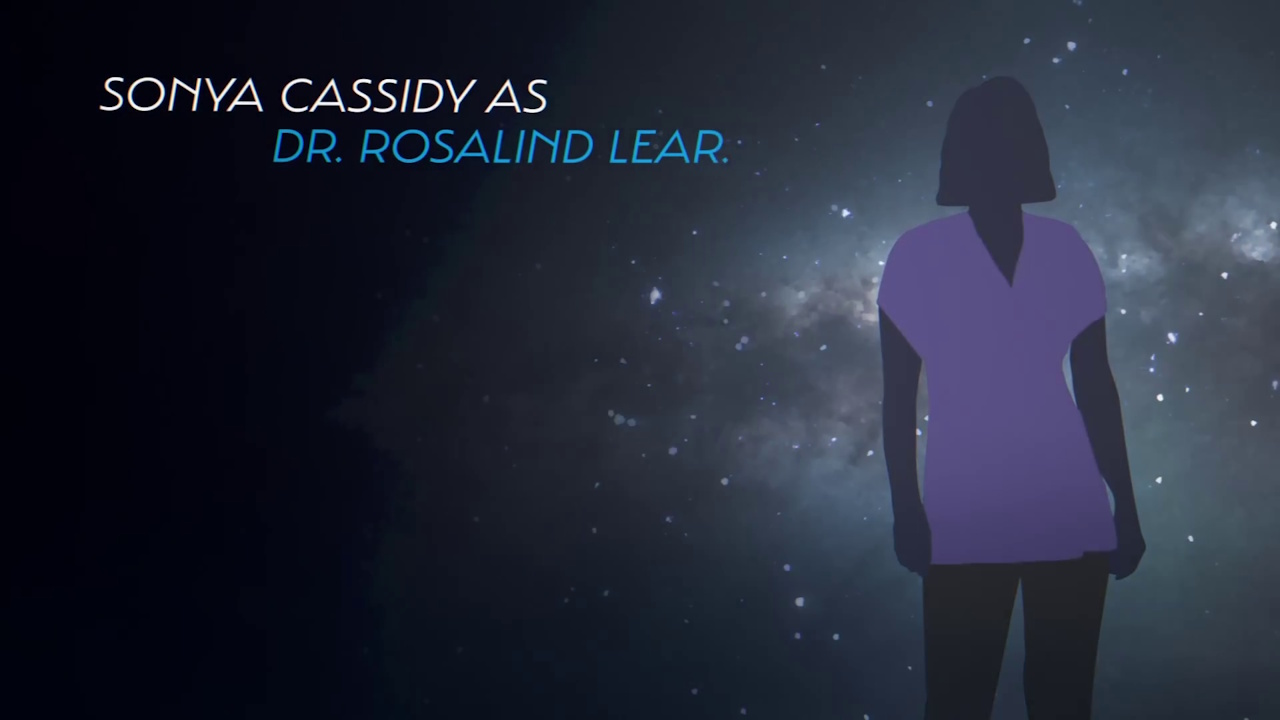
Still frame from the Star Trek: Khan trailer showing Dr Lear.
Dr Lear is a new character created for Khan.

What I will say on that side of things, though, is that Starfleet does bear some responsibility for what happened to Khan and the Botany Bay survivors. After marooning them on Ceti Alpha V, it seems as if Starfleet just abandoned them to their fate. Worse, Starfleet doesn’t even seem to have kept proper records of the Ceti Alpha system, despite the dangers Khan and his augments were known to pose. How else do we explain the crew of the USS Reliant being totally unaware of the Botany Bay until after beaming down to Ceti Alpha V? In the eighteen years Khan and his people were stranded, not one Starfleet vessel visited to check up on them.

If there’s any room for nuance in Khan’s story, it’s here. Starfleet was either incompetent or downright malicious in its treatment of Khan and his people, stranding them on a hostile planet – uninhabited by sentient life, yes, but with a complete ecological system of its own – and then abandoning them. No one cared enough to check in on them, even though surely the Ceti Alpha system was close enough to Federation space that something as major as the destruction of an entire planet would have been noticed.

(Speaking of which, why could no one aboard the USS Reliant count to six?)
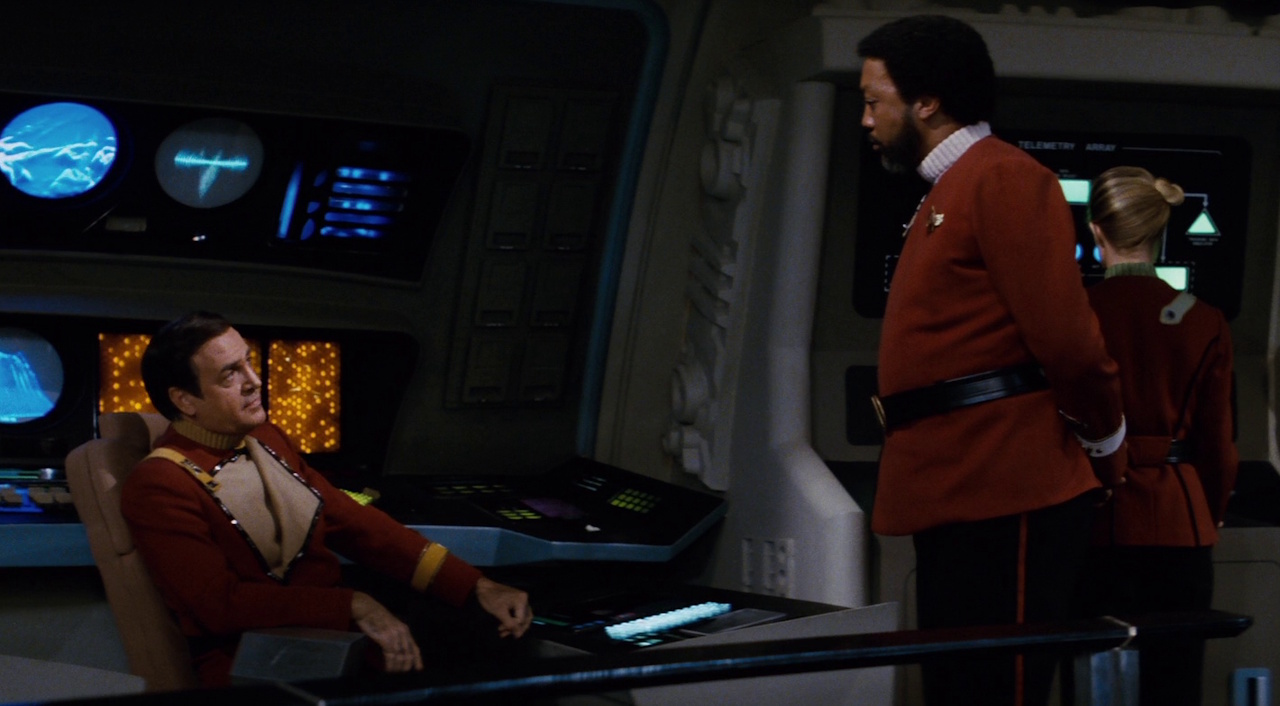
Still frame from Star Trek II: The Wrath of Khan showing two Starfleet officers on the bridge of their ship.
Captain Terrell with the USS Reliant’s science officer.

Then there’s Kirk’s role. The trailer mentioned Kirk by name – though he better not actually appear in the production; god help us if he does – and I guess we’re going to see more of Khan’s revenge obsession in the years before The Wrath of Khan. If we take our criticism of Starfleet and pin it on one person, could this audio drama focus in on Kirk’s role? Maybe Kirk neglected to tell Starfleet about Khan and what happened during Space Seed. Maybe no one except for the Enterprise crew ever knew that the augments were marooned there. If that’s the case, maybe Khan’s desire for revenge takes on a slightly different feel. If Kirk had logged what happened correctly, maybe someone would have swung by the Ceti Alpha system to check on Khan.

That’s just a theory, though I think it shows how difficult it may prove to thread the needle on this kind of “mid-quel” story. Anything we learn about Khan, Kirk, or anyone else has to fit with Space Seed and The Wrath of Khan, and mustn’t tread on their toes. That’s not an easy thing to do… and there are examples from other franchises – and from within Star Trek – showing just how badly things can go wrong when attempting this kind of story.
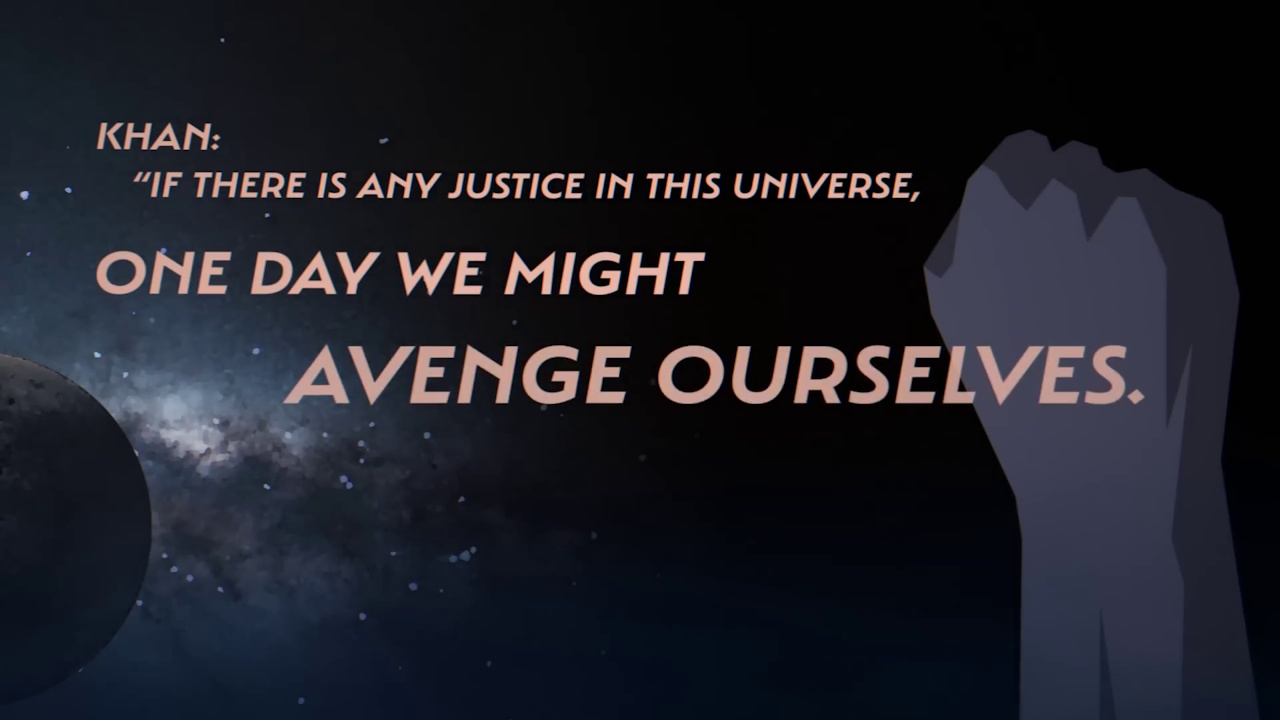
Still frame from the Star Trek: Khan trailer showing a quote from Khan and a raised fist.
Khan wants revenge on Captain Kirk. Who would’ve guessed?

Returning to Dr Lear, her statement that “monsters are made, not born” is another line I’m concerned about. This ties into what we were talking about; how the story could be an attempt to show Khan’s perspective and how Starfleet and Kirk were the ones in the wrong. Obviously Khan believes that – we knew that during The Wrath of Khan. But do we actually need a full audio drama dedicated to explaining that idea in more detail? And can it be done without detracting from Khan’s characterisation in those earlier stories? I’m afraid I’m still not convinced.

So let’s wrap things up.

Star Trek: Khan will premiere on the 8th of September – Star Trek Day. It’ll run for nine episodes, with the finale airing in early November. I plan to tune in, even though I’m not really sold on the premise, nor on some of what we saw in the trailer. At this stage, I don’t intend to review individual episodes, but I’ll hopefully be able to write up a review of the full audio drama once it’s aired. Check back in November for that!
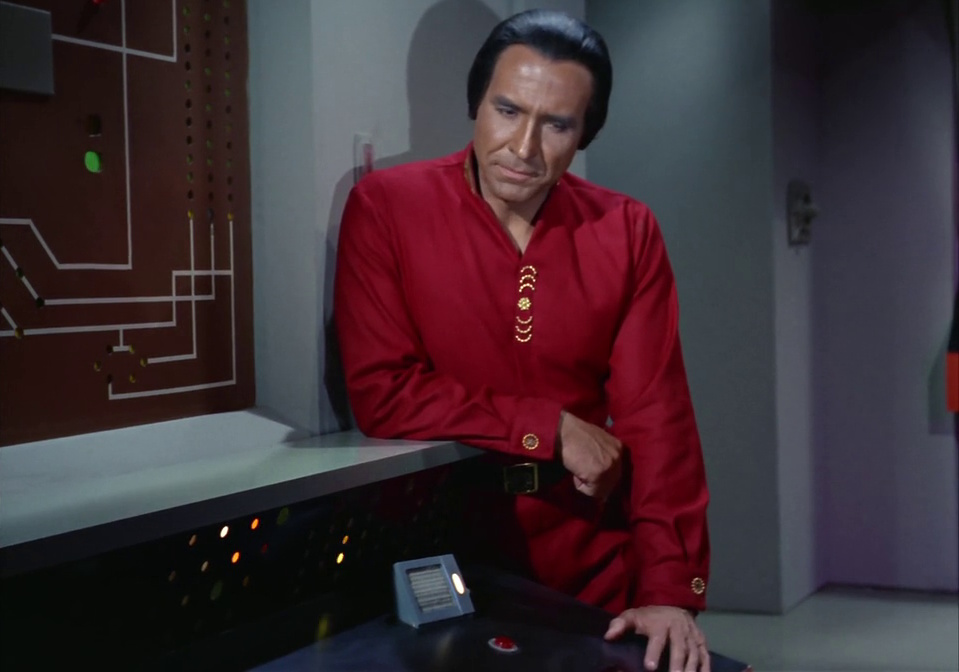
Still frame from Star Trek: TOS 1x22: Space Seed showing Khan in engineering.
Khan in Space Seed.

I wouldn’t have given the green light to this project, either in this audio form or as its original miniseries pitch. But I’m not writing it off just yet, and there are reasons to be hopeful… or at least a bit less pessimistic! I often say that “no one asked for this” is a terrible argument, and often the best productions are those that “no one” seemed to be interested in at first. It’s with that attitude that I plan to approach Star Trek: Khan, and I’ll do my best to give it a fair shake despite my misgivings.

I hope this has been interesting! I think we’ve finally covered all of the big Comic-Con news, now. If you haven’t checked in for a while, I’m back to writing weekly Strange New Worlds episode reviews – we’re almost halfway through Season 3 already, if you can believe that! And there’s more Star Trek content to come here on the website in the weeks ahead.

See you on Ceti Alpha V!


Star Trek: Khan will premiere as a scripted podcast/audio drama on multiple podcast platforms on the 8th of September 2025, with further episodes to follow weekly. Star Trek: Khan, and all other properties discussed above, are the copyright of CBS Studios, Paramount Global, and/or Skydance. This article contains the thoughts and opinions of one person only and is not intended to cause any offence.

Ten great Star Trek episodes – Part 1: The Original Series

Spoiler Warning: In addition to spoilers for the episodes listed below, there may be minor spoilers for other iterations of the Star Trek franchise, including both Star Trek: Discovery and Star Trek: Picard.

This is the first part of a new series of list-articles in which I’ll look at ten great episodes from each of the Star Trek shows (except for Star Trek: Picard, which only has ten episodes in total at this point!) I didn’t want to call it a “Top Ten List”; that comes with a lot of pressure to both choose my all-time favourites as well as how to rank them! Instead, this is a list of “ten great episodes”, and they’re in order of release.

Star Trek – retroactively titled The Original Series to prevent confusion – premiered on American television in 1966. It ran for two seasons, with a third being granted in 1968 following an extensive letter-writing campaign by fans who feared its perpetually low ratings would lead to cancellation. Its third season would be its last, however. It was only when the series was syndicated and rebroadcast in the 1970s that its fanbase grew, leading to both an animated series in 1973 and finally a feature film in 1979. Star Trek: The Motion Picture was actually the culmination of several years’ worth of attempts to bring the franchise back to the small screen, which seem to have kicked off around 1975.

This is the series that spawned all the others, but as the fanbase has grown over time, many self-proclaimed Trekkies aren’t as familiar with The Original Series as they are with the Star Trek shows of the 1990s. For me, The Next Generation was my first encounter with the franchise, and it wasn’t until some time later that I got to see The Original Series. While it is dated by modern standards almost across the board – acting, set design, effects, and even storytelling – it is still worth watching for anyone who wants to see where the franchise began. Given that you may find yourself with time on your hands at the moment, it could be a great time to check out this classic series.

So let’s dive into the list – and be aware that there may be spoilers. (Do spoilers for a fifty-year-old series still need to be flagged?)

Number 1: The Cage (Pilot)

The bridge of the USS Enterprise at the beginning of The Cage’s very first scene.

Star Trek had two pilot episodes, the second of which – Where No Man Has Gone Before – was successful and got picked up for a full season. But before we got to meet William Shatner’s Capt. Kirk and the rest of the crew, Star Trek’s first pilot was rejected by television network NBC. Practically all of the footage shot for The Cage would end up recycled into a two-part episode in Star Trek’s first season, titled The Menagerie, but the episode would not be seen in full on its own until after The Next Generation premiered over twenty years later. It’s rare in television for a rejected series to get a second chance, and there have been many rumours over the years as to exactly how things went down in 1965 leading to the decision to make a second pilot, including that Lucille Ball – famous for her role in the classic 1950s series I Love Lucy, and co-owner of Star Trek’s production company Desilu – intervened on the show’s behalf.

An actor by the name of Jeffrey Hunter took the lead in The Cage as Capt. Christopher Pike – a character most recently portrayed by Anson Mount in Star Trek: Discovery. The USS Enterprise is lured to the planet Talos IV by a faked distress call, and Pike ends up captured by the Talosians – a race capable of using their minds to create illusions indistinguishable from reality.

Even in its remastered form, The Cage is janky and dated by today’s standards. With the general exception of Jeffrey Hunter, most of the performances are very much of their time – which is to say not particularly convincing. Acting has come a long way since the mid-1960s, and there’s a lot to be said for how much better, in general, the quality of acting performances are today than they were back then. Many aspects of the episode’s visual design are also not what you’d expect from a show made today. The indoor sound stage which was used to represent the surface of Talos IV is obviously artificial, as are the papier-mâché and polystyrene “rocks” and “mountains” which form the landscape of the planet. There are also some outdated references – at one point, Capt. Pike says he can’t get used to the idea of “a woman on the bridge” of his starship. But this was the reality of storytelling at the time, and for all of its flaws by today’s standards, this is where Star Trek began.

I’d argue that very few television series begin with a pilot that ends up being one of the best episodes overall. Shows take time to find their feet, for cast members to get to know each other and develop chemistry, and for writers and production staff to get into a rhythm. The Cage is our first introduction to all of the Enterprise’s crew, and with the exception of Spock, we wouldn’t see any of them return in a meaningful way until the second season of Star Trek: Discovery just last year reintroduced Capt. Pike and Number One. Those recast characters are so far removed from their origins in The Cage that they’re halfway to being new characters altogether, but we’re getting off the subject. The Cage in some ways contradicts or at least undermines some elements that would come later in Star Trek as its first season rolled out. For example, Spock behaves in an altogether different way to his usual cold and logical self. The one consistent character in both The Cage and Star Trek’s first season is actually inconsistent in his characterisation. Seeing Spock showing such emotion and behaving in a manner that is so human can be a jolt – so be prepared!

Number 2: Court Martial (Season 1)

Lawyer Samuel T. Cogley meets with his client, Capt. Kirk, in Court Martial.

Of all the first-season episodes which deal with Kirk, I feel none are quite so influential as Court Martial. By this point in its run, Star Trek was finding its feet. The core trio of Kirk, Spock, and McCoy was developing, and the Enterprise had a handful of adventures under its belt that had set the tone for the show. Kirk had been established as a caring commander, someone who would bend the rules for the sake of his ship and crew, but never for himself. So when we see him accused of negligence, manslaughter, and ultimately murder, and trying to cover his tracks to save his own neck, we know enough about the Enterprise’s captain to know this can’t be true!

The Star Trek franchise has some great episodes featuring courtroom drama. There was The Measure of a Man and The Drumhead from the second and fifth seasons respectively of The Next Generation, Rules of Engagement from Deep Space Nine’s fourth season, Death Wish from Voyager’s second season, and even a sequence at the end of Battle at the Binary Stars, which was the second half of Discovery’s premiere. All of these episodes, and others not mentioned, owe a lot to Court Martial for establishing courtroom drama as one thing that Star Trek can do exceptionally well. As an aside, I recently re-watched The Measure of a Man during Star Trek: Picard’s first season, and you can see the resulting article by clicking or tapping here.

Court Martial also makes good on the original pitch of Star Trek as being a “wagon train to the stars” – i.e. a western-inspired series. Old country lawyer Samuel T. Cogley – based, undoubtedly, on famed American lawyer Clarence Darrow – steps up to defend Kirk in what seems to be an open-and-shut case against him. The roles of Cogley and Dr McCoy in Court Martial would be just as at home in one of the many westerns of the time which Star Trek was influenced by. While the concept of an old country lawyer can hardly be called unique to the Star Trek franchise, Cogley has become somewhat of a cult character, with homage and parody paid to him in shows like Futurama.

Number 3: Space Seed (Season 1)

Space Seed sees the crew of the USS Enterprise tangle with Khan for the first time.

Khan would later become far more famous – and arguably a cultural icon – from his appearance in Star Trek II: The Wrath of Khan in 1982. But Ricardo Montalbán’s character debuted in Space Seed during Star Trek’s first season. One of the great things about The Wrath of Khan as a story is that it doesn’t make this episode essential viewing in order to follow the plot; it was, after all, released years before home video was commonplace. However, if you’re a Wrath of Khan fan who hasn’t seen the episode, or if you simply haven’t seen it in a long time, it does provide great background to the film.

In the far future – by 1960s standards – of the 1990s, a tyrant by the name of Khan would arise on Earth. Precisely how seems to have been lost to history, but Khan and his followers were genetically engineered and considered themselves to be super-human. After a conflict known as the Eugenics Wars, Khan was defeated, but he and some of his followers secretly fled into space, where they remained in stasis… until Capt. Kirk and the Enterprise crew discovered them!

Our understanding of Khan as a villain is largely based on his second appearance in the franchise, which, as already mentioned, can be taken as a standalone story. However, many of the elements that would be developed further in The Wrath of Khan are on display here, and this is where Khan’s rivalry with Kirk began. One element from the film is that Khan had a wife – her death is part of the reason he’s so angry with Kirk. While it has never been confirmed on screen, Enterprise crewman Marla McGivers is a solid candidate for who it could be. She was set to be included in The Wrath of Khan, but sadly actress Madlyn Rhue was ill with multiple sclerosis by 1982 and her character was written out of the film and not recast.

Number 4: The Doomsday Machine (Season 2)

In The Doomsday Machine, Commodore Decker is the sole survivor aboard the USS Constellation.

Season 2 is where Star Trek really hit its stride. At least in my opinion, most of the best episodes come from this season, which improved on Season 1 and came before the reduction in the series’ budget which contributed to a generally lacklustre third season. Though it can be hard to name an “all-time favourite episode”, The Doomsday Machine is definitely a contender for that title.

A thinly-veiled analogy for the issue of nuclear proliferation during the Cold War – which spills over at the end of the episode into in-your-face social commentary – The Doomsday Machine is a fascinating piece of television history, and a great example of how the Star Trek franchise can use its science-fiction setting to draw attention to real-world issues. When the episode premiered in October 1967, it was almost exactly five years to the day since the Cuban Missile Crisis brought the world as close as it arguably ever came to nuclear armageddon. Thus any examination of the episode has to understand its place in time. The Cold War was still rumbling on, with the Vietnam War approaching its apex. Practically everyone watching in 1967 would have vivid memories of the Cuban Missile Crisis, and even younger viewers would be acutely aware of the threat of nuclear war, as civil defence was taught to all schoolchildren in this period. While we may look back at it now as something rather dated, in its time, The Doomsday Machine was relevant social commentary.

But analogy and commentary alone do not make for entertaining television – and can, in some cases, detract from it. So what makes The Doomsday Machine such a standout episode is that floating atop the deeper meaning is an engrossing story. Commodore Decker is introduced as a broken officer, who had commanded the USS Constellation, a sister-ship to the Enterprise, when it encountered a plant-killing superweapon. With the ship damaged, Decker evacuated his crew to a nearby planet, only for the planet-killer to destroy it and kill them all. Devastated and clearly suffering from post-traumatic stress, Decker becomes obsessed with revenge – channelling Capt. Ahab from Moby-Dick – and tries to take down the planet-killer, even if it means putting the Enterprise in danger.

William Windom, who plays Decker, carries large parts of the episode in a way most guest stars don’t, even in more modern shows. His performance was inspired and riveting, and the raw emotion Decker is feeling at the loss of his crew plays exceptionally well against Spock’s cool, logical persona in particular.

Number 5: Journey to Babel (Season 2)

Sarek arrives aboard the Enterprise in Journey to Babel, and is greeted by Kirk, Spock, and Dr McCoy.

Journey to Babel introduced Sarek, who would become a recurring character in the franchise. Meeting Spock’s father, and seeing the cool, logical tension between them is, in a curious way, relatable to many of us in the audience. Mark Lenard, who took on the role, had previously played the unnamed Romulan commander in the first season episode Balance of Terror, which didn’t make this list but is itself well worth a watch as it introduces the Romulans for the first time.

The episode gives some fascinating backstory to the Federation itself, which would be built up much more in Star Trek: Enterprise in particular. We meet the other core races who founded the Federation along with humans and Vulcans: the Tellaraites and Andorians. Both species have cropped up at various points in other iterations of the franchise.

There are two story elements at play – the aforementioned family drama between Spock and his father, and a murder mystery which threatens the peace between the Federation’s races, in which Sarek is a suspect. Both stories are intertwined perfectly, making Journey to Babel tense and dramatic throughout. While father and son don’t exactly resolve their differences, the intervention of Dr McCoy using Spock’s blood to save Sarek’s life does go some way to improving things between them, at least for a time.

Number 6: The Trouble With Tribbles (Season 2)

This scene from The Trouble With Tribbles is arguably one of the most famous in all of Star Trek!

When fans and non-fans alike think about The Original Series – and the Star Trek franchise in general – one of the episodes that often springs to mind is The Trouble With Tribbles. The episode has become synonymous with the series in our broader cultural imagination in some ways, and while many people would struggle to think of any other story from The Original Series, I bet most people could recall The Trouble With Tribbles.

The little furry creatures have themselves become an inseparable part of the franchise – up there, I would absolutely argue, with the Borg and the Klingons as something that people inherently associate with Star Trek. That’s probably helped by their cute appearance and gentle purring noise – they’re like round, faceless cats!

The Star Trek franchise has itself leaned into this cultural trope. For its 30th anniversary in 1996, Star Trek: Deep Space Nine released a groundbreaking episode – Trials and Tribble-ations – using footage from the original episode with the Deep Space Nine cast creatively worked in. This technology was pioneered in the film Forrest Gump a couple of years earlier, but it was the first time it had been used on television, and the budget for Trials and Tribble-ations was sky-high as a result. More recently, Tribbles have featured in the Short Treks episode The Trouble With Edward. If you can find a copy – Short Treks is currently unavailable outside of the United States – it’s absolutely hilarious and well worth a watch.

In The Trouble With Tribbles, Capt. Kirk and his crew visit a space station which is holding a vital shipment of grain destined for a planet that both the Federation and Klingons want to control. In the midst of it all, a rogue trader has arrived at the station with, among other things, Tribbles for sale. Several crew members are immediately taken with the cute critters, but with a mystery to unravel and Klingons to outwit, Kirk has his work cut out for him! This is Star Trek at its best, blending different genres together and with a healthy side of humour to boot. No wonder the episode has become so famous.

Number 7: The Ultimate Computer (Season 2)

Dr Richard Daystrom introduces Dr McCoy, Spock, and Kirk to the M-5 Multitronic Unit in The Ultimate Computer.

The Ultimate Computer was, in many ways, a story ahead of its time. The idea of rogue artificial intelligence has become more common in sci-fi since 1968, and of course is a real-world concern too, being discussed even by the likes of (Star Trek: The Next Generation guest star) Stephen Hawking. The Star Trek franchise has used this concept to great effect with the Borg in particular – you can see my thoughts on the Borg as a story element by clicking or tapping here. It’s also been explored in great detail in Star Trek: Discovery’s second season with the Control AI, and of course in Star Trek: Picard’s first season with the rogue synths.

Star Trek: Discovery came closest to channelling The Ultimate Computer at points in its second season storyline, and the fact that the concept is just as interesting and frightening today as it was in 1968 makes this episode a great watch. Unlike some episodes of The Original Series, which can feel very dated, in that sense it is oddly timeless. Our collective fear as a species of out-of-control AI is one that is still present, arguably even more so today than when The Ultimate Computer premiered.

The episode also features one of Star Trek’s best guest performances by actor William Marshall, who took on the role of computer scientist Dr Richard Daystrom. Marshall’s role is another great example from Season 2 of Star Trek using its futuristic setting to address real-world issues – in this case, the issue of race. While Uhura had been a constant presence on the show since its second pilot, and Star Trek had already been in many ways groundbreaking in the way it dealt with black Americans in particular, Dr Richard Daystrom is yet another middle finger to the newly-desegregated Southern states, showing an incredibly intelligent engineer working in the future – who happened to be black. There was nothing in-your-face about it, no monologues to the camera or wry remarks by Kirk and the crew, simply the presence of a black man in a senior position being treated as normal and commonplace. It absolutely is those things today – or at least it should be – but in the 1960s race relations in parts of America were still very complicated.

Dr Daystrom’s legacy lives on within the Star Trek franchise, as he’s the namesake of the Daystrom Institute. This organisation was first mentioned in The Next Generation, and has recently appeared in Star Trek: Picard.

One thing that many fans don’t realise is that James Doohan was an accomplished voice actor. In The Animated Series he would often be called upon to voice guest characters, and in fact his Scottish accent was not his normal speaking voice; Doohan was Canadian. In The Ultimate Computer, he lends his voice to the M-5 Multitronic Unit.

Number 8: Spock’s Brain (Season 3)

In Spock’s Brain, Dr McCoy must tend to a brainless Spock.

Let’s be frank for a moment – Spoack’s Brain could well be the worst episode of The Original Series. Both in terms of its premise and the way it was executed, the third season’s premiere was poor. But amongst the wreckage of the story are some unintentionally hilarious moments, and the episode is well worth watching for that alone. In that sense, it’s akin to a classic B-movie.

If all of Star Trek had been on the level of Spock’s Brain, it would never have lasted even one season, let alone been renewed for an animated series, films, and spin-offs which now span more than half a century! But despite that, it’s worth coming back to episodes like this to see what The Original Series was beyond the familiar elements like starships and Klingons. Aside from the first couple of seasons of The Next Generation, which followed a similar format to The Original Series in many respects, episodes like Spock’s Brain aren’t made any more, and haven’t been since the dawn of the 1990s.

The episode aims to be a kind of sci-fi concept, looking at both the potential for technological dependence and how advances in medical technology could lead to things like brain transplants. But neither of these story elements landed, and it’s not without reason that the Star Trek franchise has never revisited Sigma Draconis VI.

Number 9: The Tholian Web (Season 3)

Caught between parallel universes in The Tholian Web, the USS Defiant glows an eerie green on the Enterprise’s viewscreen.

Perhaps it’s because we’ve seen The Tholian Web’s USS Defiant crop up in both Star Trek: Enterprise and Star Trek: Discovery, but I feel that The Tholian Web is one of the third season’s high points. Many stories in The Original Series are unique to this show in the sense that they wouldn’t translate well to other iterations of the franchise, but The Tholian Web absolutely would be at home in any other Star Trek show.

The Tholian Web is a space story first and foremost, and it brings to bear some elements from the claustrophobic war films of the 1940s and 1950s, particularly those set at sea and on submarines. The USS Defiant – a sister-ship to the USS Enterprise – is adrift and caught between two parallel universes, and Kirk and the crew are called to investigate. The Tholians – a race who resemble insects – intervene, trying to claim both the USS Defiant and this region of space for themselves.

Despite being inspired by war films, The Tholian Web is pure space-based science fiction in a way that many episodes of Star Trek arguably are not, especially in the third season. The drama and tension come from an extraterrestrial race and the concept of an alternate dimension, both key elements in sci-fi. In that sense, and combined with its ties to more recent iterations of the franchise, The Tholian Web could be a great introduction for someone wholly new to The Original Series but familiar with other Star Trek series. As an episode which makes extensive use of sets normally used for the USS Enterprise, The Tholian Web is one of Star Trek’s famous “bottle shows”.

Number 10: Whom Gods Destroy (Season 3)

Having been locked up in the Elba II asylum, in Whom Gods Destroy Garth of Izar attempts to commandeer the Enterprise.

Depictions of mental health on television have, in some ways, changed over the years. The presentation of mentally ill people as being dangerous and criminal was commonplace in the 1960s and earlier, as our understanding of mental illness was poor. The Star Trek franchise still has issues in the way it presents mental health – look at my thoughts on the Star Trek: Picard episode The End is the Beginning for how stereotypes and tired clichés are still present, or the portrayal of the genetically-engineered characters in the Deep Space Nine duology of episodes Statistical Probabilities and Chrysalis – but overall, audiences today have a better understanding of mental illness and thus, the way it is presented has evolved.

Whom Gods Destroy is, in some ways, a product of its time. However, what it does is introduce hope – hope that in the future, mental illnesses can be cured even in the most extreme cases. This kind of hopeful narrative is exactly what Gene Roddenberry wanted to use Star Trek to explore. His vision of the 23rd Century was one where humanity was working hard to overcome all manner of problems, and Whom Gods Destroy looks at how there may yet be hope for curing severely ill patients, which I feel is a positive message, even if the portrayal of Garth of Izar and the other Elba II inmates is very much dated.

The character of Garth of Izar is interesting, and the episode teases fans with some hints at Starfleet’s history prior to Capt. Kirk’s five-year mission. Kirk himself says that Garth’s exploits were required reading during his time as a cadet. As of 2020, Garth has yet to make another appearance, despite the era of Star Trek: Discovery potentially crossing over with the time he was an active officer in the fleet. However, a fan project titled Star Trek Axanar will take its own look at the character and the decisive Battle of Axanar when it eventually premieres. This project has been controversial in some Star Trek fan circles, but the passion of those behind it is unquestionable, and it will bring back several actors from past iterations of the franchise.

So that’s it. Ten great episodes from The Original Series that are well worth a first or second look. Many of the episodes I’ve chosen are closer to other iterations of the Star Trek franchise, but The Original Series also featured many episodes which looked at settings and concepts that future Star Trek shows would generally not touch, simply because television storytelling and science fiction in general had moved on in the intervening years.

When we consider the incredibly large and broad question of “what is Star Trek?”, for many fans The Original Series is the answer. It’s episodic television, with influences from westerns, World War II films, and other mid-century dramas. It’s also quite different, both in the way it looks and the way it’s presented, from much of what would come later. Whether that’s something you like or dislike is something personal and subjective, of course, and I’m not passing a judgement either way. These aren’t episodes which I’m saying are “objectively the best”, nor even are these my top ten favourites. To reiterate what I said at the beginning, these are simply ten great episodes that, for various reasons, are worth your time.

Stay tuned for more in this series of articles over the next few weeks. I will take a look at The Next Generation, Deep Space Nine, Voyager, and Enterprise, and pick ten great episodes from each of those series as well. Hopefully it won’t be too long before we’ll hear a solid release date for the third season of Discovery, too, and when we do I’ll be taking a look at each of those episodes as they’re released. In short, there’s much more Star Trek content to come here on the blog!

Star Trek: The Original Series is available to stream now on CBS All Access in the United States, and on Netflix in the United Kingdom and other countries and territories. The series is also available on DVD and Blu-ray. The Star Trek franchise – including The Original Series and all other properties mentioned above – is the copyright of ViacomCBS. This article contains the thoughts and opinions of one person only and is not intended to cause any offence.