


Spoiler Warning: There are spoilers ahead for all fourteen Star Trek films, including Section 31.
Almost five years ago, I put all of the Star Trek films into a ranked list. I talked about what I liked and didn’t like about each, and tried to justify my choices! But since I wrote that list, a couple of things have happened. Firstly, I’ve gotten better at using images here on the website – that old piece looks pretty janky in comparison to some of my more recent articles. But secondly – and way more importantly – there’s been a new Star Trek film since then!
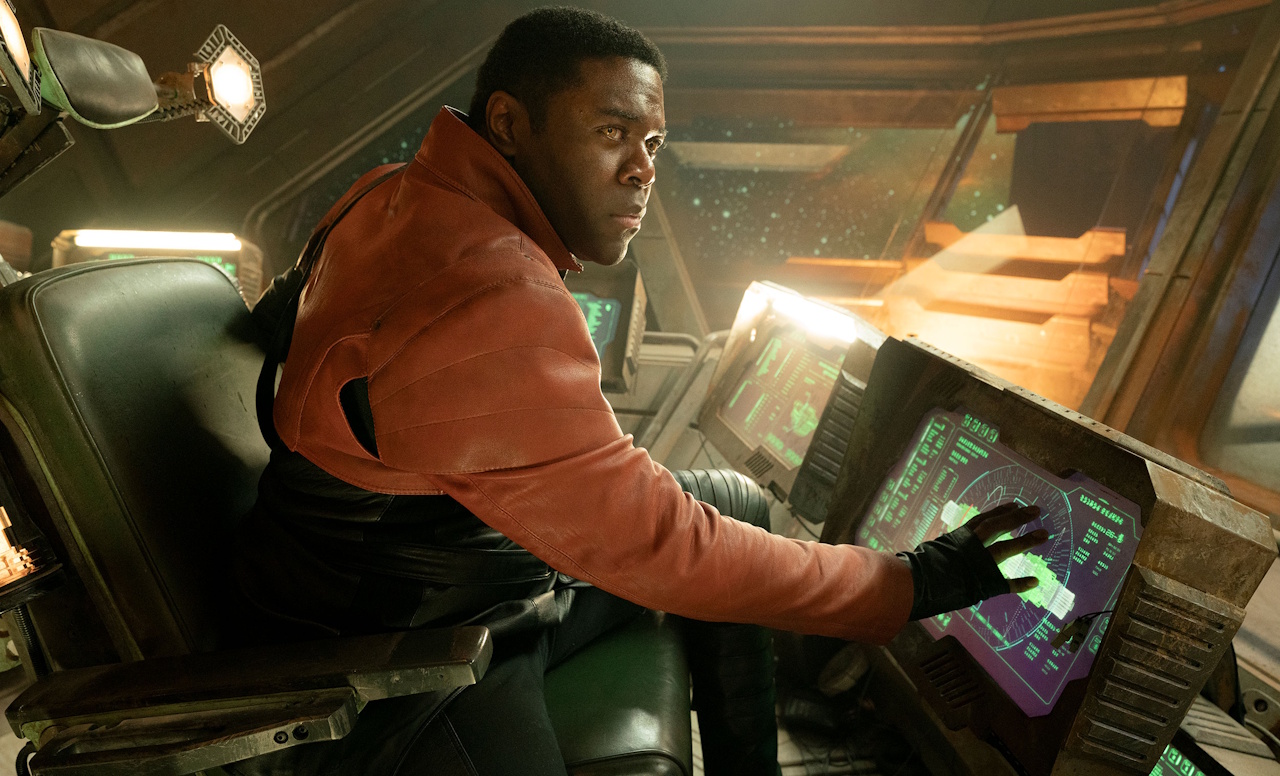
I think Trekkies are still a little divided on whether the made-for-streaming Section 31 should count as a Star Trek “film,” and I get that. But for me, Section 31 has the runtime of an (admittedly rather short) film, it’s not a series, miniseries, or anything like that, it has mostly original characters, and it was afforded a higher budget than any individual Star Trek episode would’ve been. For all intents and purposes, Section 31 counts as the newest Star Trek film – the fourteenth since 1979… and hopefully not the last!
So today, I’m going to revisit the Star Trek films, this time using the internet-friendly tier list format that you might’ve seen on a couple of other occasions here on the website! I think most folks have a vague idea about tier lists at this point – but if you don’t, I’ll happily explain how it works.
Instead of giving each film a number from 1-14, which would be hard, we’re going to assign each film one of five tiers: D, C, B, A, and S. D-tier films are the least-enjoyable with noticeable flaws, C-tier titles are average or “just okay,” B-tier films are a step up, being above average, A-tier titles are getting really good, and S-tier is reserved for the absolute cream of the crop! Why is S-tier the top instead of A or something like A-plus? The truth is… I don’t know! But that’s the way everyone else does it, so I’m sticking with it! Some tier lists also include an F-tier for absolute disasters, but since I don’t consider any of the fourteen Star Trek films to be that bad, I’ve opted not to include it on this occasion.

Now that the explanation of the format is out of the way, a handful of important caveats!
Firstly, all of this is subjective, not objective. There is no “objectively best” Star Trek film, and even within the fan community opinions vary wildly on which titles are better and what makes for a good Star Trek story. So if I rank a title you hate highly or speak ill of your favourite… that’s okay! There ought to be enough room in the fan community for civil conversations and polite disagreement.
Secondly, this piece supersedes my old film ranking list, and I have made a couple of changes to where films were ranked five years ago. I’ll be leaving the old piece as it is, though – it’s a part of the website and it would be silly to delete it! But going forward, this is the official Trekking with Dennis Star Trek films tier list!

Third, I’ll rank each production in order of release, beginning with The Motion Picture and finishing with Section 31. Then I’ll show you the final tier list at the end. I’ll do my best to explain what I liked and/or didn’t like about each title to justify my ranking – but please feel free to vehemently disagree if you like!
Finally, all of this is just for fun! I like writing, I like Star Trek, and finding an excuse to talk about some of the Star Trek films that I love – or that I haven’t seen in a while – is supposed to be a bit of escapism. Nothing about this should be taken too seriously, because the point of Star Trek for me has always been entertainment and escaping to a fun vision of the future.
With all of that out of the way, let’s begin.
Film #1:
The Motion Picture (1979)
Tier: S
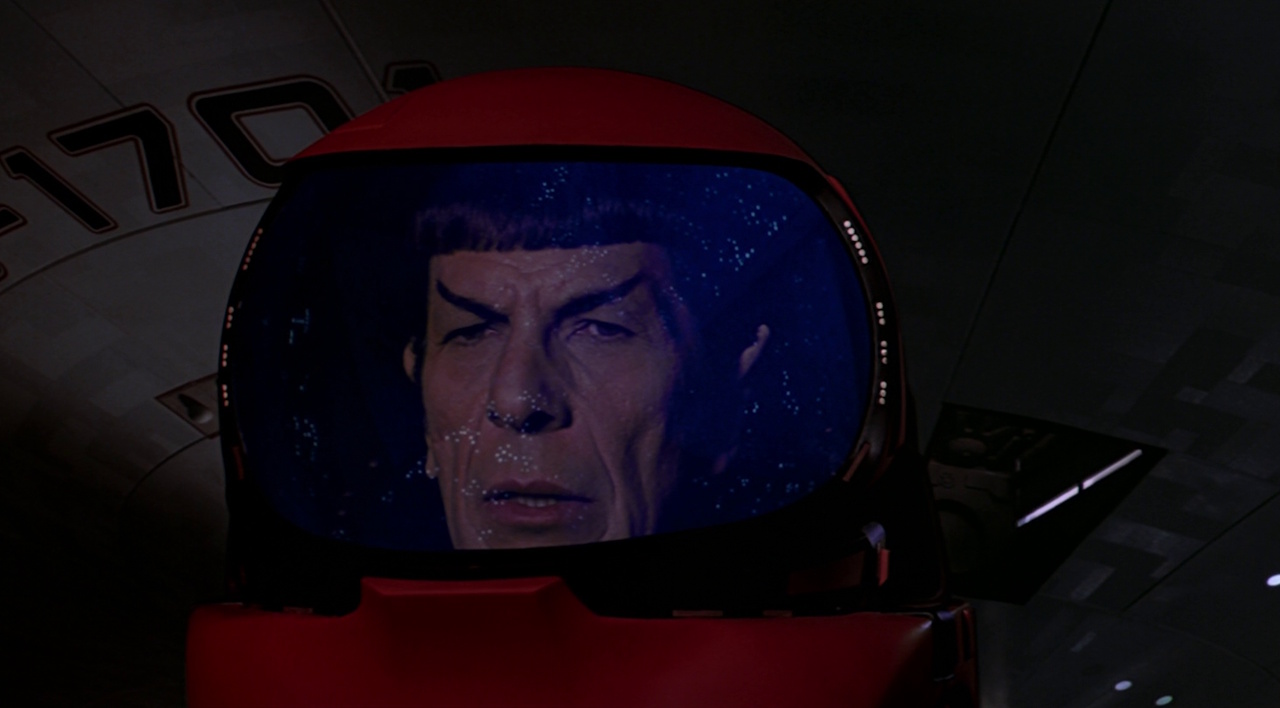
The Motion Picture had a complicated production history! It was originally envisioned as a television series, bringing Star Trek back as Phase II in the late 1970s after re-runs of The Original Series had been growing in popularity. Actors had been cast, sets were being designed, and scripts were written… but then, in 1977, another sci-fi film’s wild success led to Phase II being reimagined as a feature film. Star Trek as a cinematic franchise was born!
In my experience, Trekkies tend to underrate and underappreciate The Motion Picture. In a very literal sense, much of the visual language of Star Trek was born here, not in 1966: metal Starfleet badges, the warp core as an upright glowing tube, angled corridors, Starfleet Headquarters, the re-designed Klingons… and so much more. Sets built for The Motion Picture would remain in continuous use all the way through Enterprise’s cancellation in 2005, defining what makes Star Trek look like Star Trek for millions of viewers.

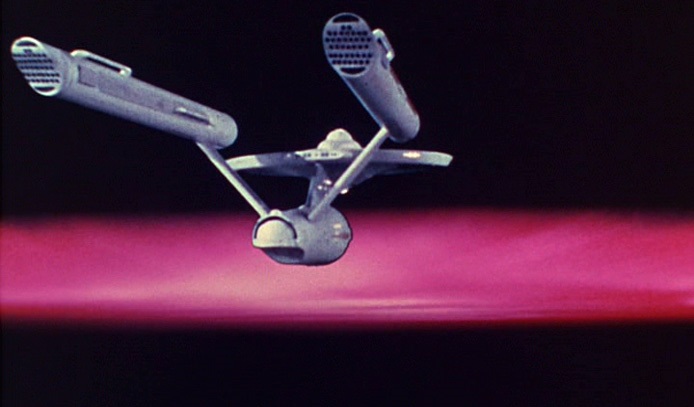
The Motion Picture also has one of what I consider to be the best starship introductions in the franchise – something that set the bar for other shows! Kirk and Scotty’s shuttlepod flight to the refit Enterprise – complete with Jerry Goldsmith’s Academy Award-nominated score – is beautiful, and I get teary-eyed every time I watch it. It’s one of the best moments in Star Trek for me, and everything about it is pitch-perfect.
I get that The Motion Picture’s main story isn’t for everyone. It was also a bit of a mess, with re-writes continuing even during filming, and that probably didn’t help. But for me, The Motion Picture plays out like an extended episode of The Original Series. It’s ethereal, thought-provoking, and not overladen with fast-paced action set-pieces. I think that’s to the film’s credit, even if many don’t agree.
I have a longer piece about The Motion Picture, written in 2019 to mark the film’s 40th anniversary. You can find it by clicking or tapping here.
Film #2:
The Wrath of Khan (1982)
Tier: S
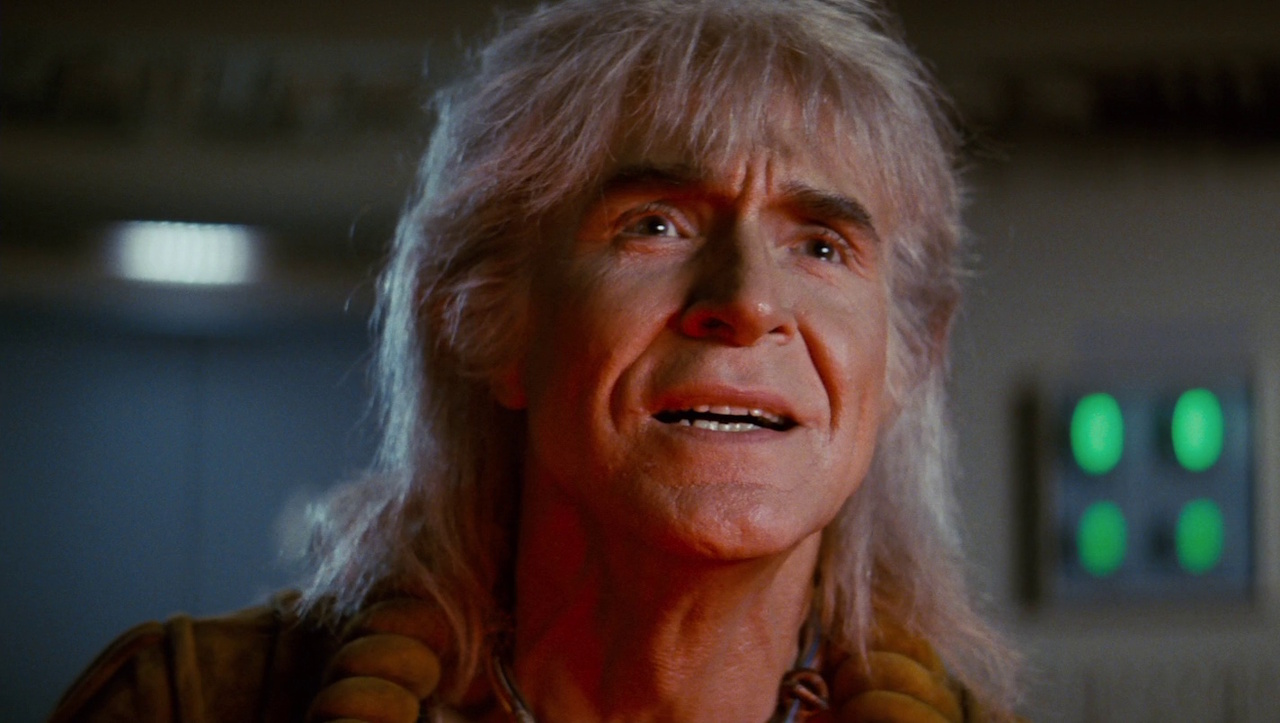
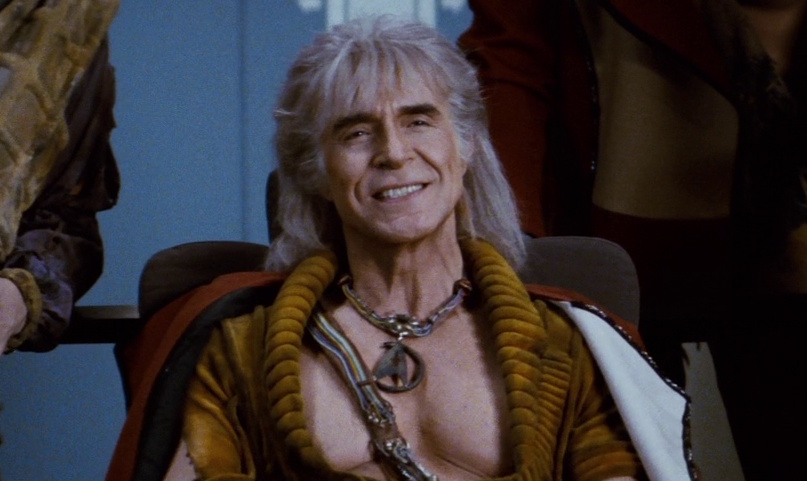
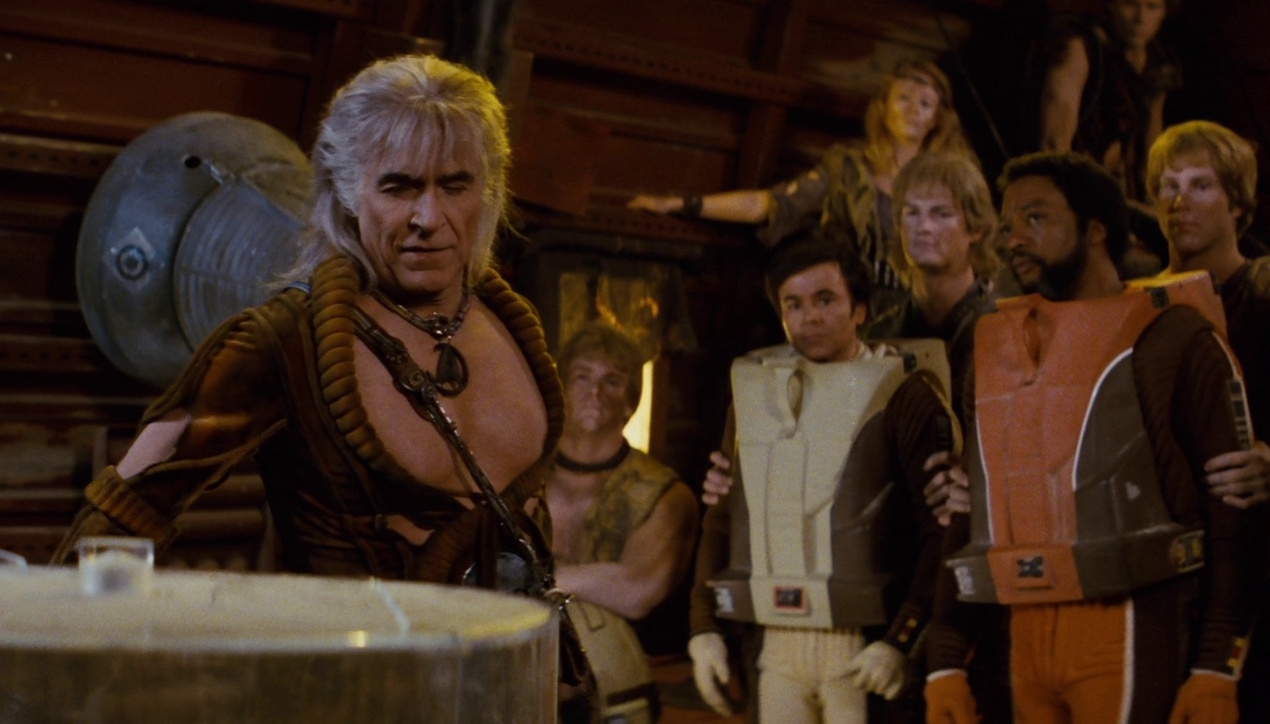
For many folks, The Wrath of Khan is still the Star Trek franchise’s high-water mark; a film that no other in the franchise has even come close to. I wouldn’t go that far personally – I think there are a couple of other equally brilliant films, as we’ll talk about in a moment – but The Wrath of Khan is definitely up there! The mix of sci-fi with high-octane action proved to be a perfect blend for Kirk and the crew, with a vengeance-obsessed Khan becoming one of the best villains not only in Star Trek, but in all of cinema.
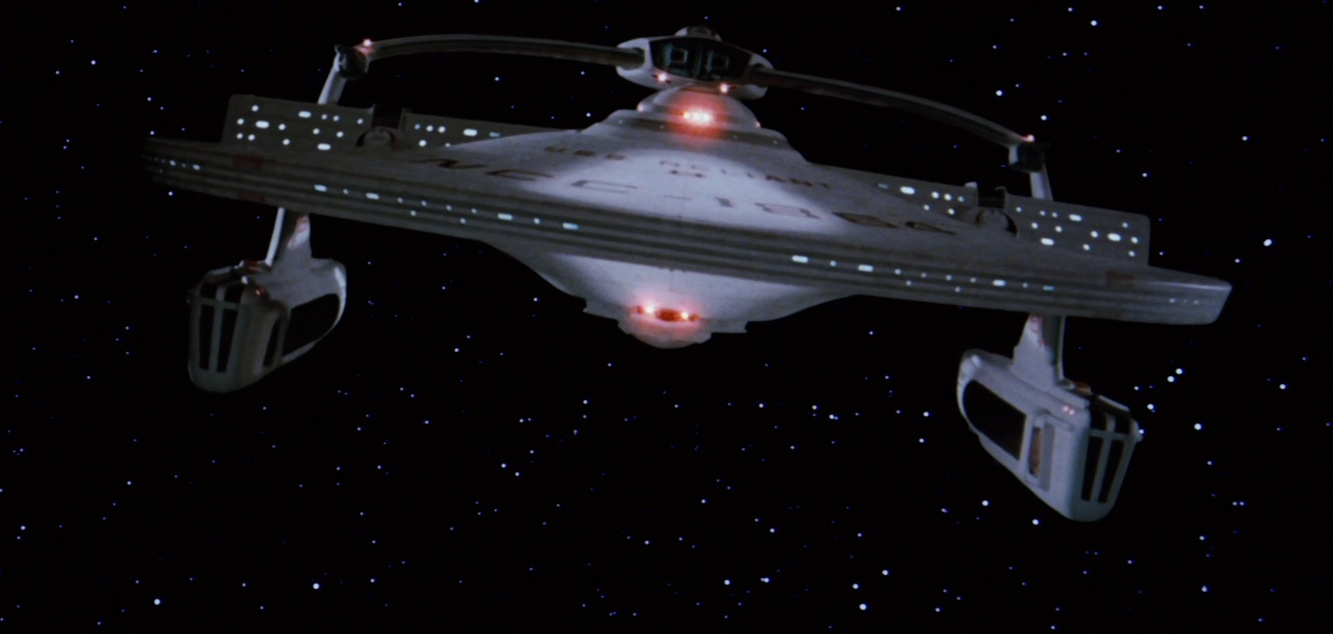
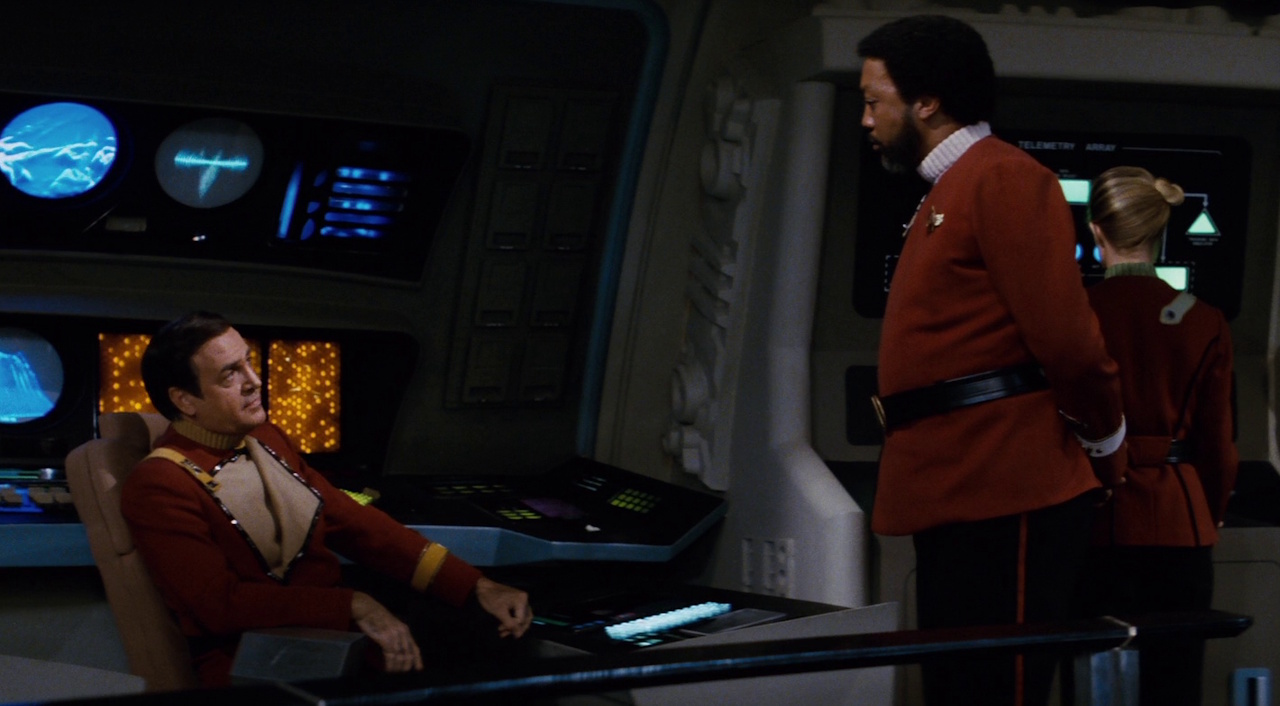
The Wrath of Khan has one of the best and most intense starship battles in the franchise. Drawing inspiration from submarine and naval battles in World War II films, the fight between the badly-damaged Enterprise and Khan’s USS Reliant is incredible. The sequence builds up tension masterfully – by showing the extent of the damage to the Enterprise, by robbing Kirk and Khan of their sensors in the nebula, and with Spock cleverly explaining Khan’s “two-dimensional thinking” as a way to convey the tactics of starship battles in a three-dimensional space.
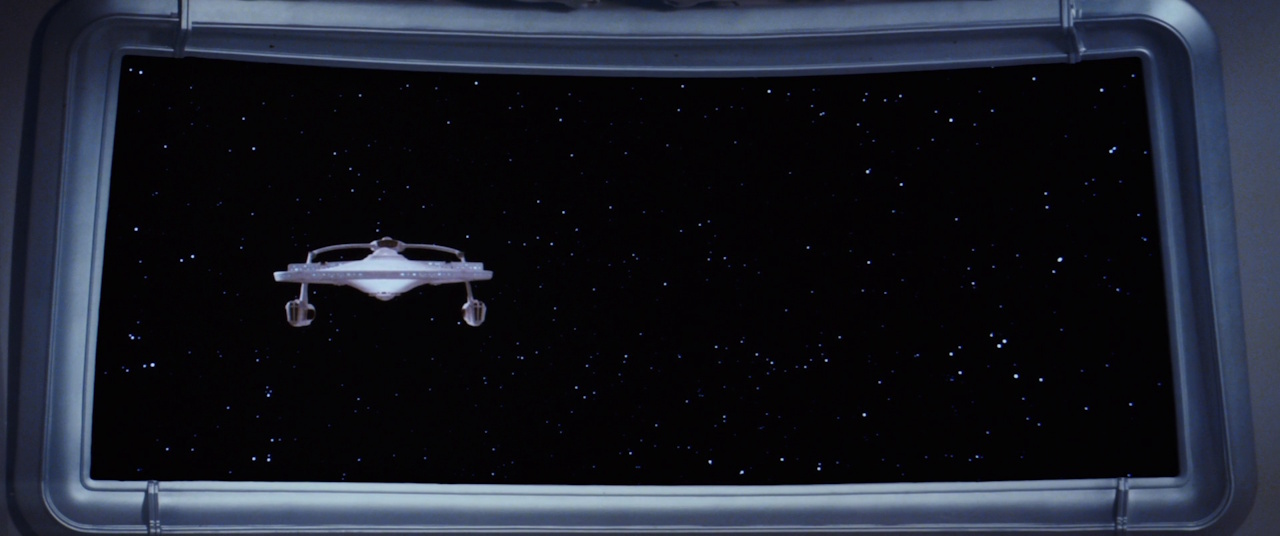
Toward the end of The Wrath of Khan, we also get one of the most poignant and emotional moments in any film in the franchise… or really anywhere in the entirety of Star Trek, come to that. Spock’s death – sacrificing himself to save the Enterprise and his friends – really hits hard. Even though on my first viewing of The Wrath of Khan I already knew that Spock would be resurrected, there’s still a real emotional weight to this moment. Star Trek has attempted to do similar things with other characters (we’ll look at a couple further down the list) but none came close to matching this moment.
Ultimately, The Wrath of Khan was the first film to wrest control of Star Trek away from its creator, Gene Roddenberry, and to try new and different things with this cast of characters. It’s very different in tone and style from The Original Series, but that turned out to be a net positive for many fans – and many new fans, too. The Wrath of Khan firmly established Star Trek as a cinematic franchise.
Film #3:
The Search for Spock (1984)
Tier: A

Sandwiched in between the ever-popular Wrath of Khan and the light-hearted Voyage Home, I think some folks can overlook The Search for Spock. As the middle part of a trilogy, the film has the difficult task of moving the story along but without being able to draw all of its story threads to a firm conclusion. For my money, though, it’s a great film – and it manages a complicated sci-fi story exceptionally well.
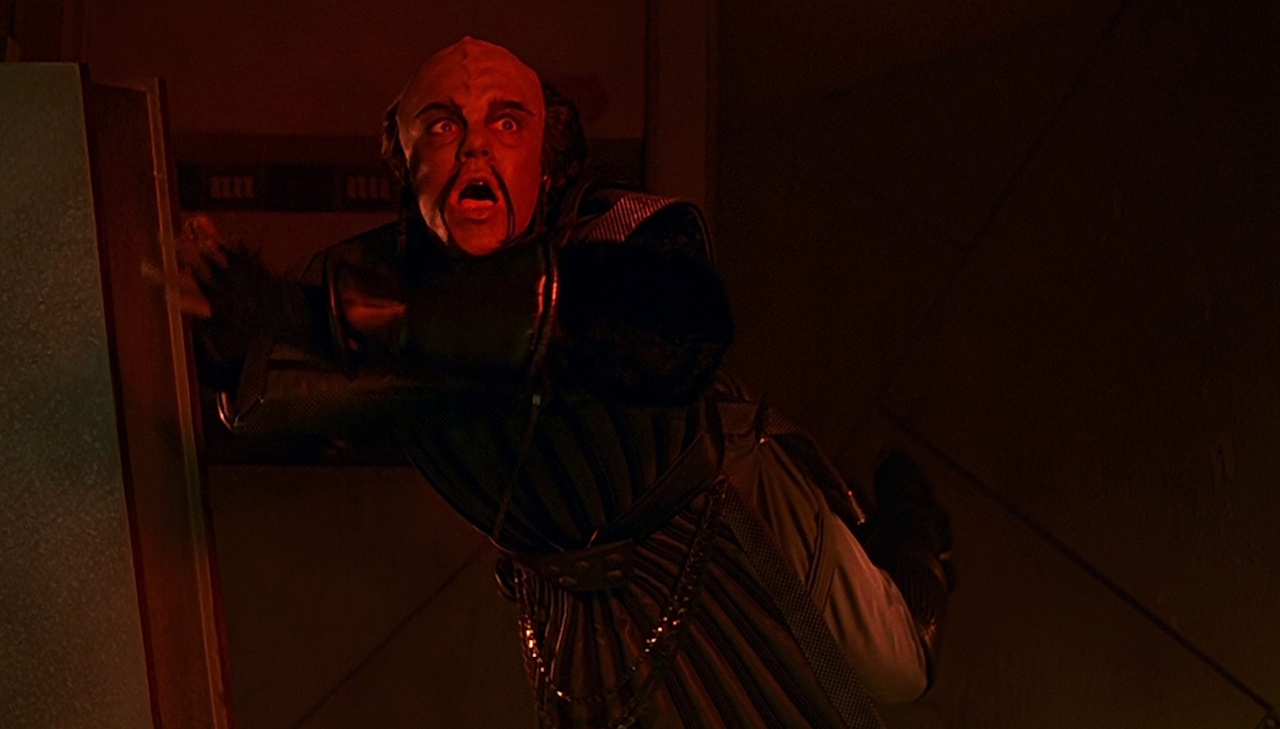
The Search for Spock gave us an extended look at the re-designed Klingons from The Motion Picture, and also introduced the Klingon Bird-of-Prey, arguably the faction’s most iconic spaceship. It’s the film which re-introduced the Klingons in a big way, expanded the Klingon language, and introduced starship and uniform designs that have become inseparable from the faction. The Klingon Empire as we know it would not be the same – and might not be a big part of Star Trek at all – without The Search for Spock and its main villain, Kruge.
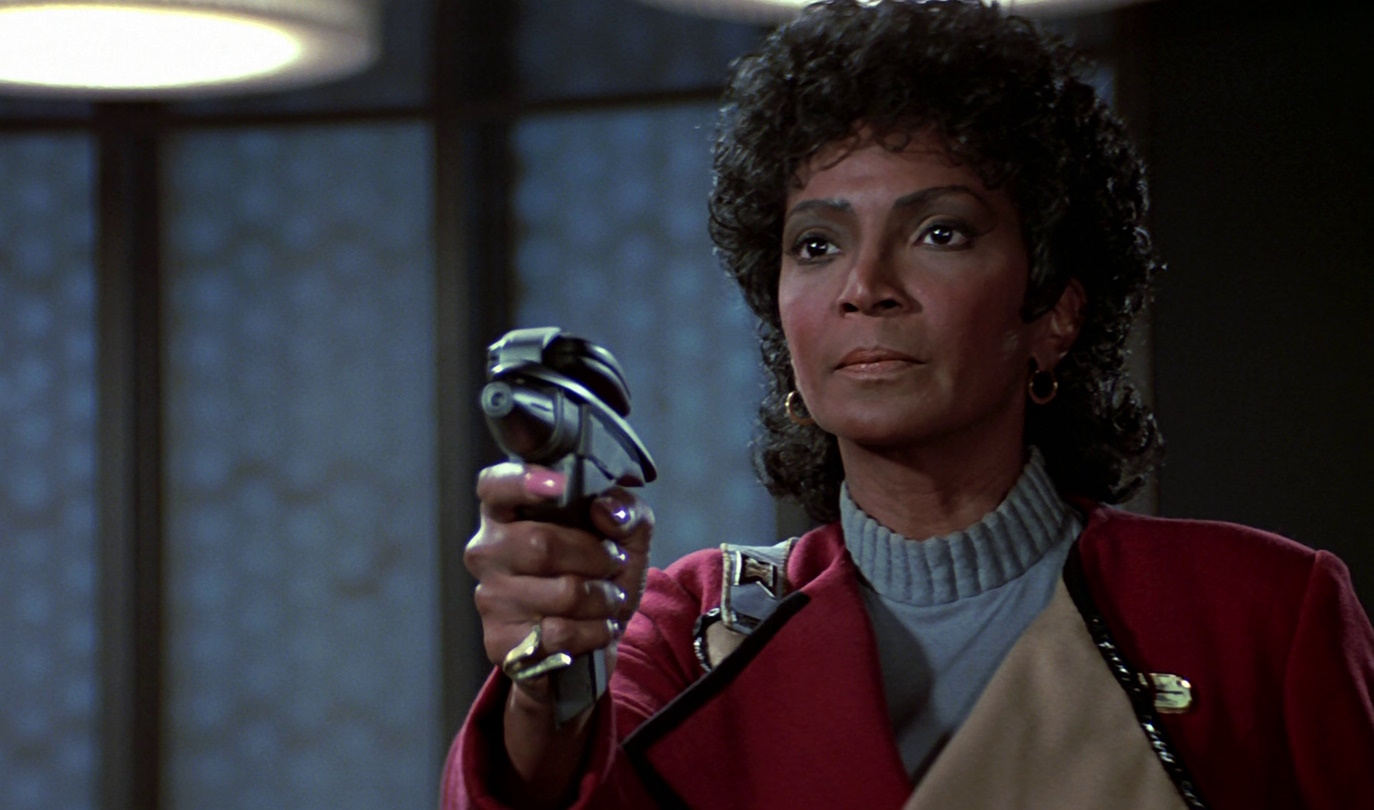
I’ve always appreciated the design of the Genesis Planet. The story of its creation is a bit “out there,” even by Star Trek standards, but the practical sets, props, and puppets created to represent the Genesis Planet all feel like ’80s sci-fi at its best. And yes, as a child of the ’80s I’m acutely aware of my biases here! But when I compare the way that The Search for Spock looks to modern Star Trek, with its CGI and AR wall… I can’t help it. I know what I like!
As the film that destroyed the original USS Enterprise, The Search for Spock was always going to court controversy. But I don’t agree with the take that “all of the odd-numbered Star Trek films are bad,” lumping The Search for Spock in with The Final Frontier. There are some wonderful moments of characterisation for David Marcus, Kirk, Dr McCoy, and others. And thanks to the insistence of director Leonard Nimoy, all of the main cast members got moments in the spotlight.
I have a longer piece about The Search for Spock – which was the first Star Trek film I watched – and you can find it by clicking or tapping here.
Film #4:
The Voyage Home (1986)
Tier: B
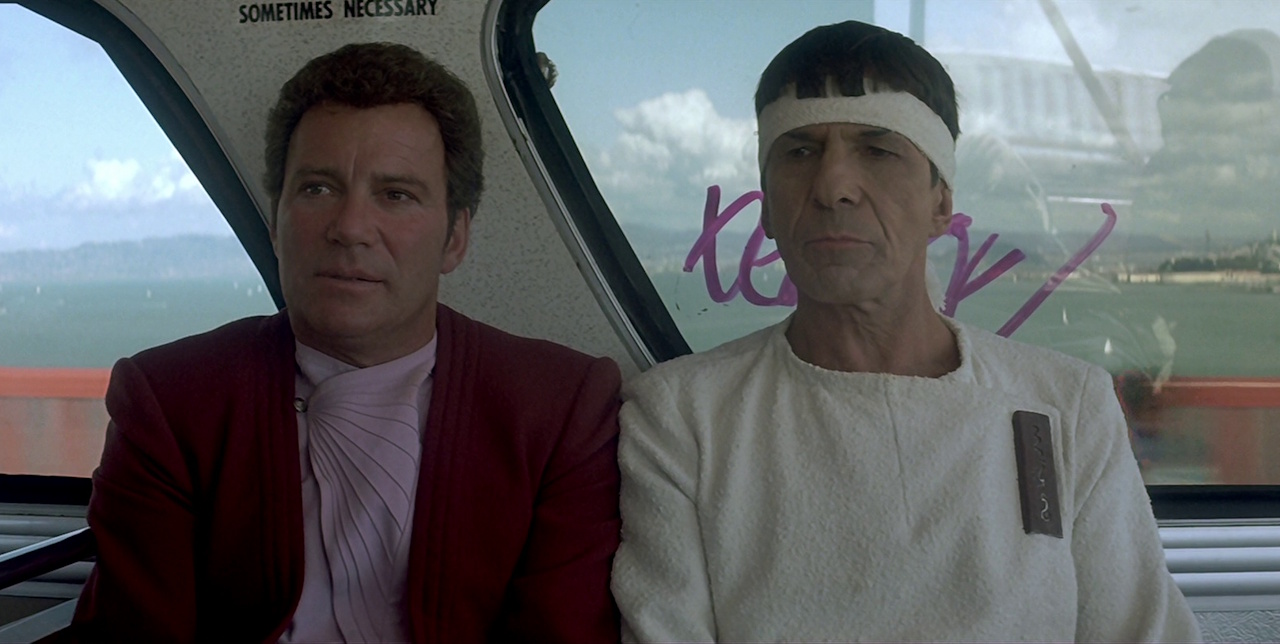
Maybe this is a “hot take,” but I’ve never been wild about The Voyage Home. As with similar Star Trek stories involving time travel to the modern day, its ’80s setting has left the film feeling so much more dated than any other in the cinematic franchise, and while I enjoy a good ’80s comedy as much as anyone else… it’s not necessarily what I want from a Star Trek film.
That being said, I don’t hate The Voyage Home by any stretch. It has some incredibly funny moments as Kirk and the crew attempt to navigate a time period that’s completely alien to them. Moments like Kirk asking if $100 is “a lot” of money, or Scotty trying to use a mouse to talk to a computer spring to mind as laugh-out-loud moments, and Spock having to cover his Vulcan ears to pass as a human is a fun look. Kirk and Spock’s confrontation with a punk on a city bus was also a hilarious moment.

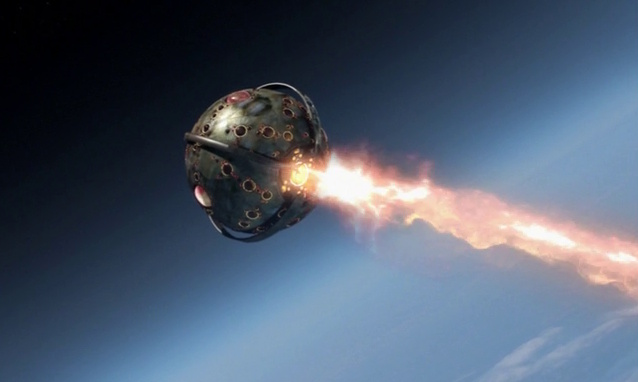
On the sci-fi side of things, I really like the design and power of the “whale probe.” I think it’s unintentionally one of the franchise’s most unnerving alien creations, too. Its design harkens back to The Doomsday Machine’s planet-killer, but its power is used completely differently. The idea that this machine could simply disable all of Starfleet – and Earth – without breaking a sweat is already frightening, but when it can’t be reasoned with or even communicated with… that’s outright terrifying. Sometimes the Star Trek franchise can lean too heavily on “nose and forehead” aliens, but the likes of the “whale probe” remind us that the galaxy is a dangerous and sometimes incomprehensible place.
The Voyage Home did something Star Trek has often done: used a sci-fi lens to examine real-world issues. In this case, the loss of biodiversity and humanity’s impact on the environment were in the spotlight. The message was simple: we can’t predict the consequences of even a single species going extinct, and we should do everything we can to preserve biodiversity on Earth. That’s a good message, and it’s presented in a fun, creative story.
Film #5:
The Final Frontier (1989)
Tier: D
I said at the beginning that I wasn’t giving any F-tier rankings, and The Final Frontier is kind of the reason why. I get why folks don’t like it, and I think it has some obvious narrative weaknesses, as well as a smattering of sub-par special effects that make it less visually impressive than other titles in the franchise. But it isn’t a complete cinematic failure on par with something like Baz Luhrmann’s Australia or The Rise of Skywalker, so I think we can safely say that even the least-impressive Star Trek films avoid that ignominious fate!
Star Trek has delved into religion and religious-adjacent subjects before, so the idea of an alien claiming to be the god figure from various cultures isn’t totally out of left-field. But the execution of this storyline leaves something to be desired, and I just don’t think The Final Frontier really knew what it wanted to say or where it wanted to take this heavy idea.
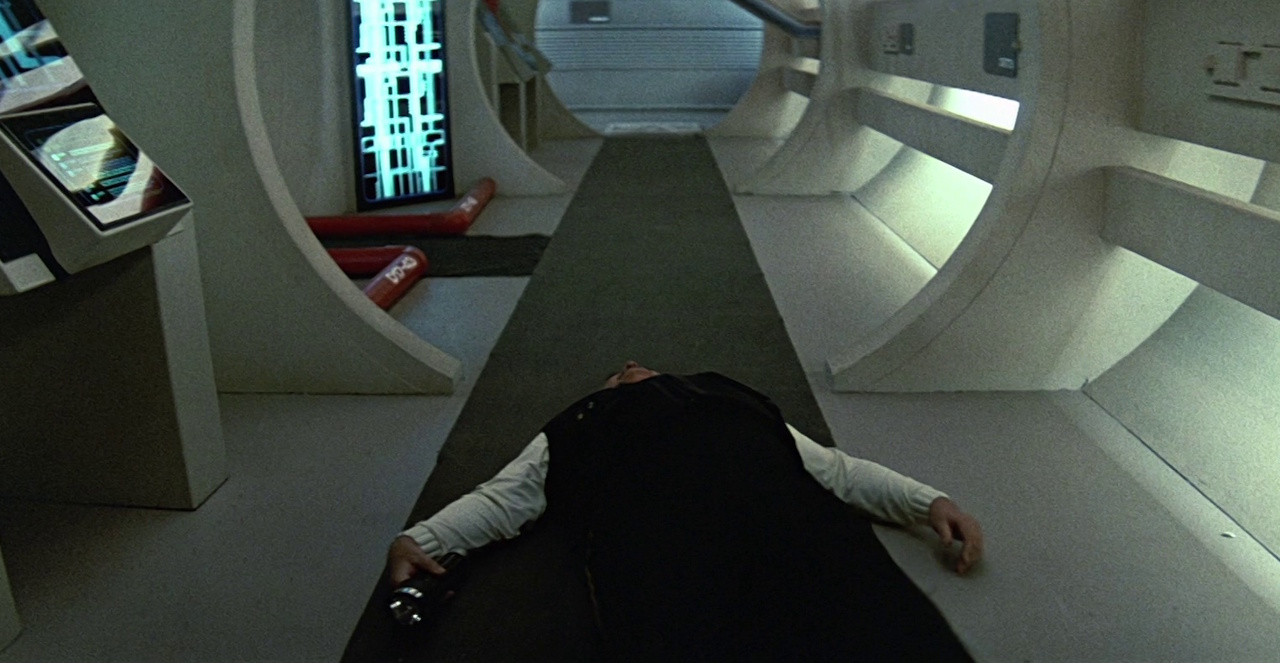
The film also suffers from a little too much interference from William Shatner, who exercised his contractual right to helm a Star Trek film after Leonard Nimoy had his turn in the director’s chair. Shatner wanted to tell a story that put Kirk – and Kirk alone – centre-stage, as the sole character who could stand up to Spock’s villainous half-brother. Changes were made to the first draft of that story, when Nimoy objected to Spock’s characterisation, but Shatner’s determination to put Kirk front-and-centre still comes across.
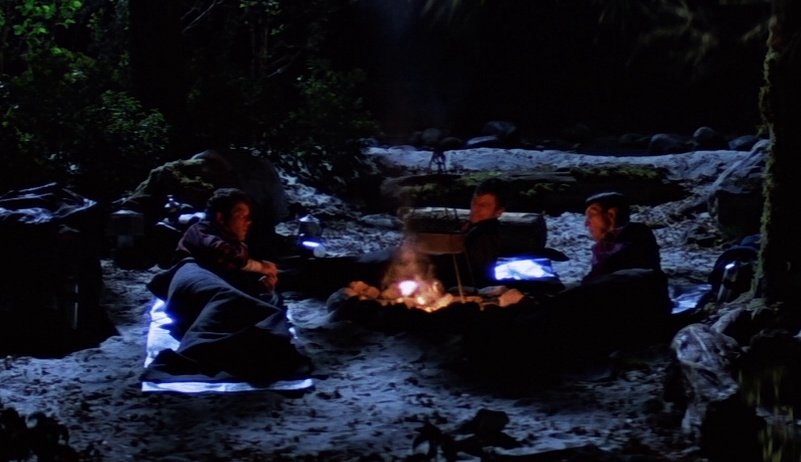
I don’t believe that The Final Frontier is irredeemably bad. There are some wonderful moments, too, like the campfire sequence with Kirk, Spock, and McCoy, Scotty’s line “I know this ship like the back of my hand,” and the away mission to Nimbus III. McCoy’s incredibly painful backstory is also one that hits close to home, and has to be one of DeForest Kelley’s best and most emotional scenes with the character. Kirk’s line to Sybok about “needing” his painful and traumatic moments – that they define who he is – is a powerful idea, too. I just feel that, taken as a whole, The Final Frontier misses the mark with some of its storylines and loftier concepts.
Film #6:
The Undiscovered Country (1991)
Tier: A
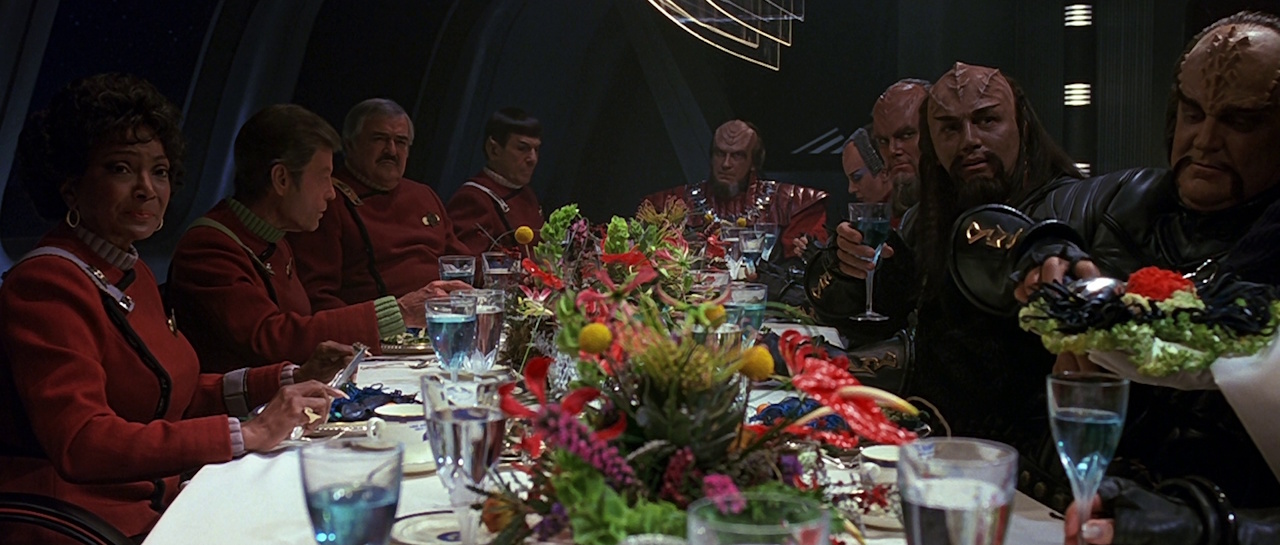
After the disappointment of The Final Frontier, it took some persuading for another Star Trek film to be greenlit. In 1991, with The Next Generation well underway and work progressing on spin-off ideas, there were some at Paramount Pictures who argued that Star Trek had moved on from The Original Series and its characters. A proposal to reboot Star Trek with a Starfleet Academy film was seriously considered, but ultimately Gene Roddenberry and others were able to convince the studio to allow the cast one final film to end on. The Undiscovered Country was thus given the green light.
The story here is great, and incredibly timely! The script uses the Federation and Klingons as a metaphor for the end of the Cold War; communists had been swept from power in 1989, and the Soviet Union was itself dissolved just days after the film’s premiere. The story of old rivals finding a path to peace, and old warriors with grudges finding a way to bury the hatchet, was an exceptionally powerful one – even if Gene Roddenberry hated the depictions of Kirk and Starfleet when he was shown an advance copy of the film.
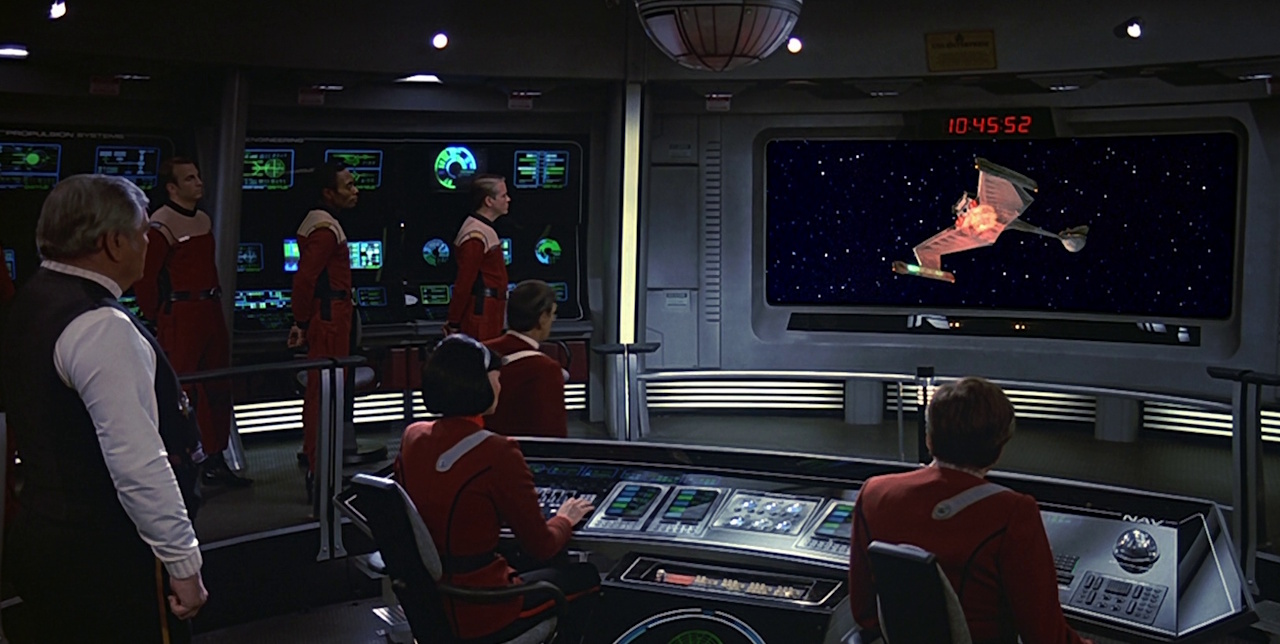
We get to see an exploration of the Klingon Empire, including one of its brutal prison colonies, and how the Klingons of the 23rd Century came to be neighbours and rivals rather than enemies by the time of The Next Generation’s 24th Century. There was even a role for TNG’s Michael Dorn, who played an ancestor of Worf. The Undiscovered Country did a lot to bring Star Trek’s two eras together, and as one crew departed the stage, work on the next expansion of the franchise began. Deep Space Nine would premiere just over a year after The Undiscovered Country had been in cinemas.
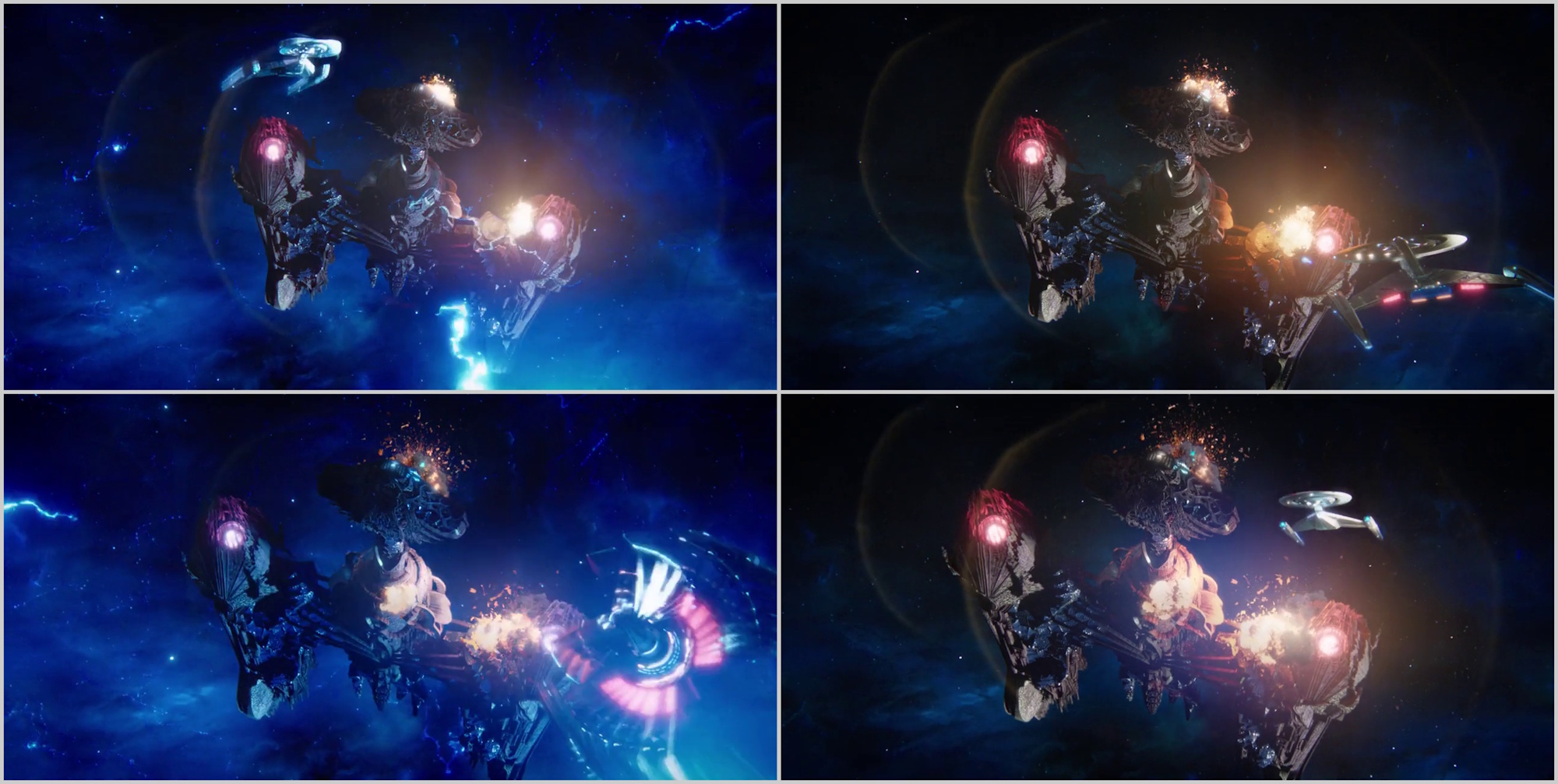
The “Praxis effect” – a two-dimensional circular shockwave created by a planet exploding – was named for the destruction of the Klingon moon seen in The Undiscovered Country! In a very real sense, the film’s legacy goes far beyond the Star Trek franchise, with similar visual effects still being used in sci-fi and fantasy to this day. Special effects were great across the board, and The Undiscovered Country also has a fantastic ship battle between the Enterprise, Sulu’s Excelsior, and a cloaked Bird-of-Prey.
Film #7:
Generations (1994)
Tier: S

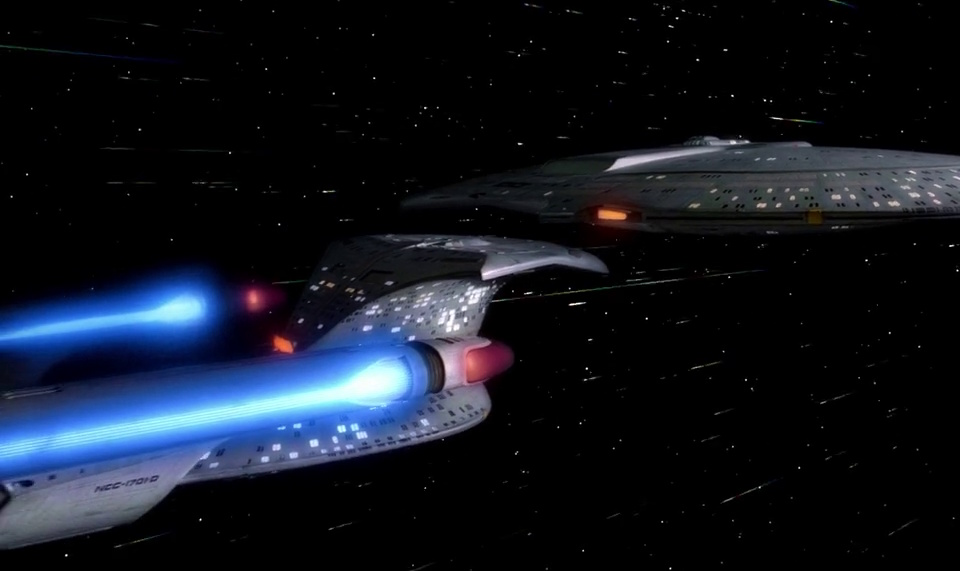
Is it controversial to say Generations is a good film? Because I honestly think it’s one of the franchise’s best. Bringing Kirk and Picard together was an absolute joy to watch, and I think it came at just the right moment, too – the film represents a handing of the torch from one crew to another. It didn’t come too soon, as this kind of story would’ve overshadowed The Next Generation’s characters before they’d found their feet. But by 1994, I really think the time was right for this kind of epic crossover.
I find Dr Tolian Soran to be an incredible villain, too. His motivations were easily understood, and while he absolutely needed to be stopped… part of me sympathises with him. The presentation of the Nexus as this heaven-like paradise realm, where time has no meaning and your heart’s desires can be made manifest, is the perfect motivation for someone like Soran – whose quest takes on a quasi-religious tone as a result.
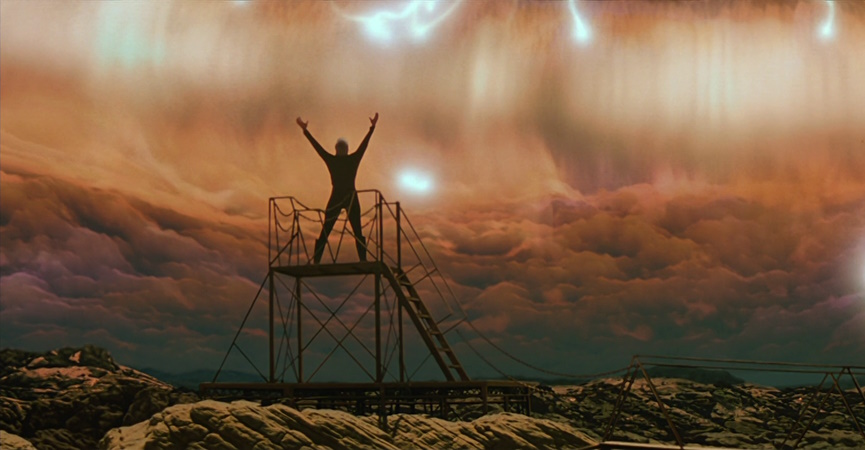
Generations killed off Captain Kirk, drawing a line under Star Trek’s original incarnation. Kirk would, of course, remain important to Star Trek, and it wouldn’t be the final time we’d see a member of his crew on screen. But in that moment it did feel very final – and Kirk’s act of sacrifice to save Picard’s crew and the population of a planet he didn’t even know… it was an intensely emotional sequence.
Generations does a lot to explore the connection between Picard and Guinan, which would go on to be important in Star Trek: Picard, too. It was also a great film for Geordi and Data – the latter receiving his emotion chip and really expanding his programming beyond what he’d been capable of before. All of the main characters got a turn in the spotlight, and there were moments of mystery, emotion, and action throughout this wonderful film.
I wrote a longer piece about this film’s villain, Dr Soran, and you can find it by clicking or tapping here.
Film #8:
First Contact (1996)
Tier: A

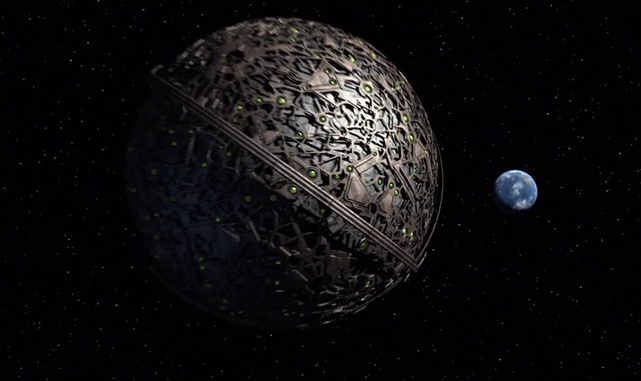
First Contact is a fantastic film. But I’m docking a couple of points because of one element it introduces that I feel complicates – and crucially, detracts from – one of the franchise’s best, most iconic, and most frightening villainous factions. I’ll have to elaborate on this one day in a standalone piece, because there’s too much to fit into a few sentences right now, but in short: the Borg Queen kind of ruins the Borg for me. Worse, her presence takes away a lot of the Collective’s fear factor – especially when we get to her later appearances. I get it: First Contact is a feature film and it needed to have a single villain for Picard and Data in particular to face off against. But on the whole, I’d say the Borg Queen was not a net positive for the Collective or Star Trek.
But enough about that for now! First Contact re-introduced the Borg in style, depicting a deadly battle in space, and a slow-paced assimilation of the brand-new Enterprise-E. The scenes aboard the Enterprise’s lower decks in particular are incredibly tense; the Borg are far more frightening here than they had been in any of their earlier appearances. And although I have gripes with the Borg Queen as a concept, her scenes with Data and Picard – and the latter’s trauma stemming from his earlier assimilation experience – are all played exceptionally well.
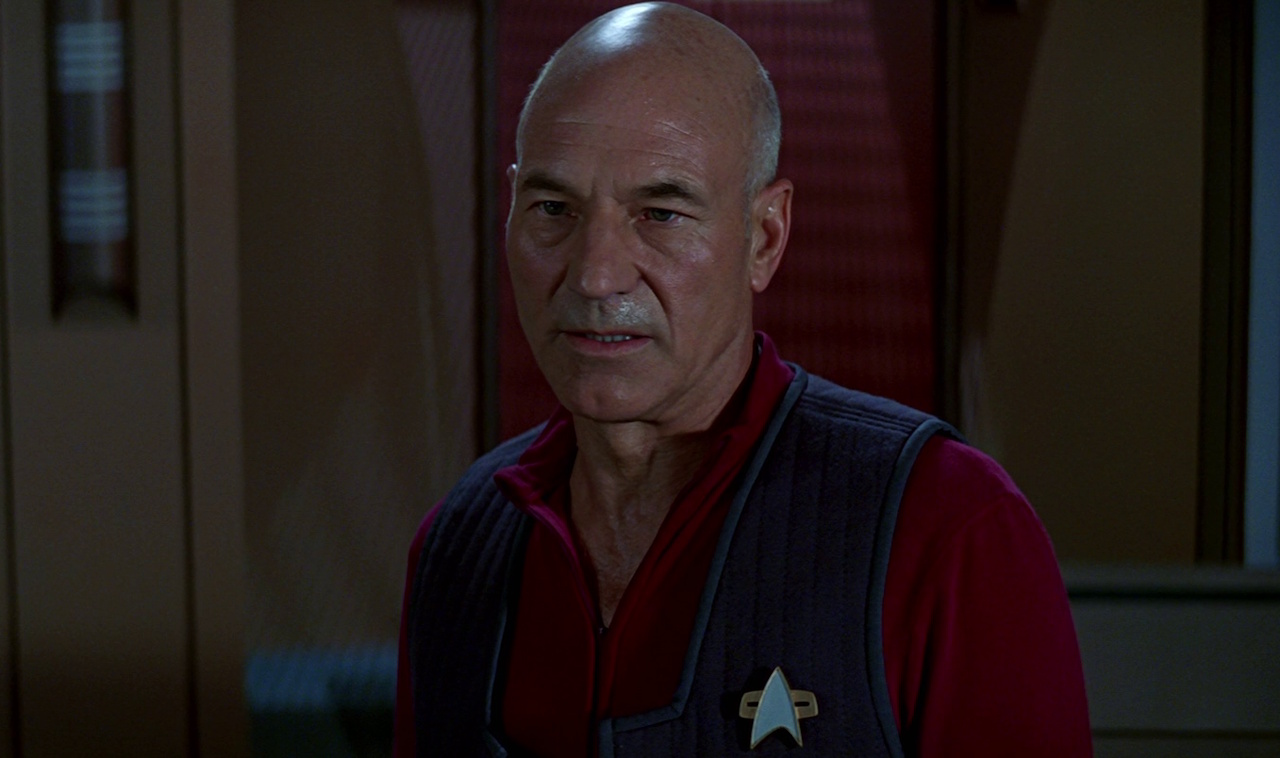
First Contact also did a lot to set the stage for Enterprise – though that wasn’t necessarily the intention at the time! Enterprise does, though, build on what First Contact did with its depiction of Earth and humanity’s first efforts to build a faster-than-light engine. James Cromwell, who played Zephram Cochrane, would even have a cameo in Enterprise’s premiere.
Picard is the real star of the show this time, as he lets his emotions overwhelm him when faced with the Borg’s return. After the episode Family, we didn’t really get much exploration of Picard’s mental state and how he was coping with having been assimilated by the Borg, but First Contact took that as a starting point to tell a story touching on things like post-traumatic stress. It was genuinely interesting – and also left a lot for Star Trek: Picard to build on a quarter of a century later.
Film #9:
Insurrection (1998)
Tier: B

Insurrection gets an unfairly bad rap, in my opinion. I like some of the connections in the film to the wider world of Star Trek – nowhere else will you hear Troi and Riker mention the Dominion War, for instance! The Briar Patch is a fun idea both narratively and visually, leading to the crew being cut off from Starfleet HQ. It also sets up a particularly creative starship battle, which as always is something I appreciate!
Star Trek has, on several occasions, had a “badmiral” (a portmanteau of ‘bad’ and ‘admiral’) as a villain, and the concept of a rogue or renegade senior officer is an interesting one. The best villains have some degree of nuance, and Anthony Zerbe does an excellent job conveying this with the character of Admiral Dougherty. Dougherty genuinely believed that he was doing something great for the Federation… even though, with the story being told from the perspective of the Enterprise crew and the Ba’ku, he was the villain.
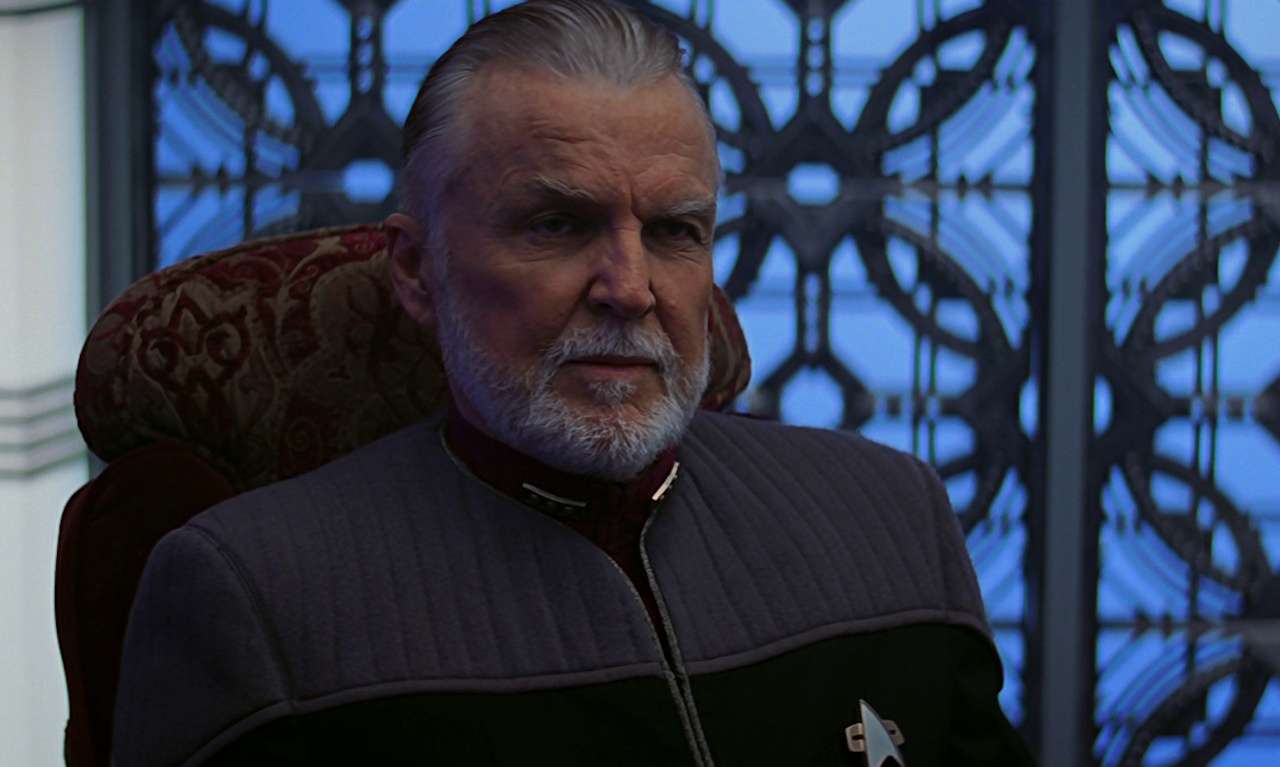
The Son’a were an interesting addition to Star Trek, and I’d love to explore a bit more of their culture one day – it’s a shame they’ve never returned. I would posit that the film’s twist – that the Son’a and Ba’ku are the same race – was imperfectly executed, but it was an interesting idea that achieved most of what it was aiming for. It’s also an idea that felt very “Star Trek,” harkening back to The Original Series episodes that had messages about war, race, and so on.
Insurrection has another great villain in Ru’afo, who doesn’t have that same nuance we were talking about, but was delicious to watch nevertheless thanks to an excellent performance from F Murray Abraham. It’s also a great film for Riker – who gets a turn in the captain’s chair during a tense battle, and also sees a starship manoeuvre named after him – and Data, whose “injury” and ethical reset kicks off the entire story. A story about a renegade crew who have to operate outside of the law to do the right thing? That’s something I love – and while I get there are criticisms of the main cast apparently acting “out-of-character,” that’s explained well enough in Insurrection itself.
Film #10:
Nemesis (2002)
Tier: D

Walking out of the cinema after the credits rolled, I remember feeling okay about Nemesis. But looking back, particularly after seeing Data being laid to rest in Star Trek: Picard’s first season, the deficiencies of the film are much more apparent. I would argue, with Brent Spiner ageing out of the role by 2002, that killing off Data made some degree of sense as a narrative point. But it wasn’t handled well in Nemesis, with the film rushing past Data’s death, pushing his friends to a “let’s all move on” type of ending that was just weirdly out-of-place and had completely the wrong tone.
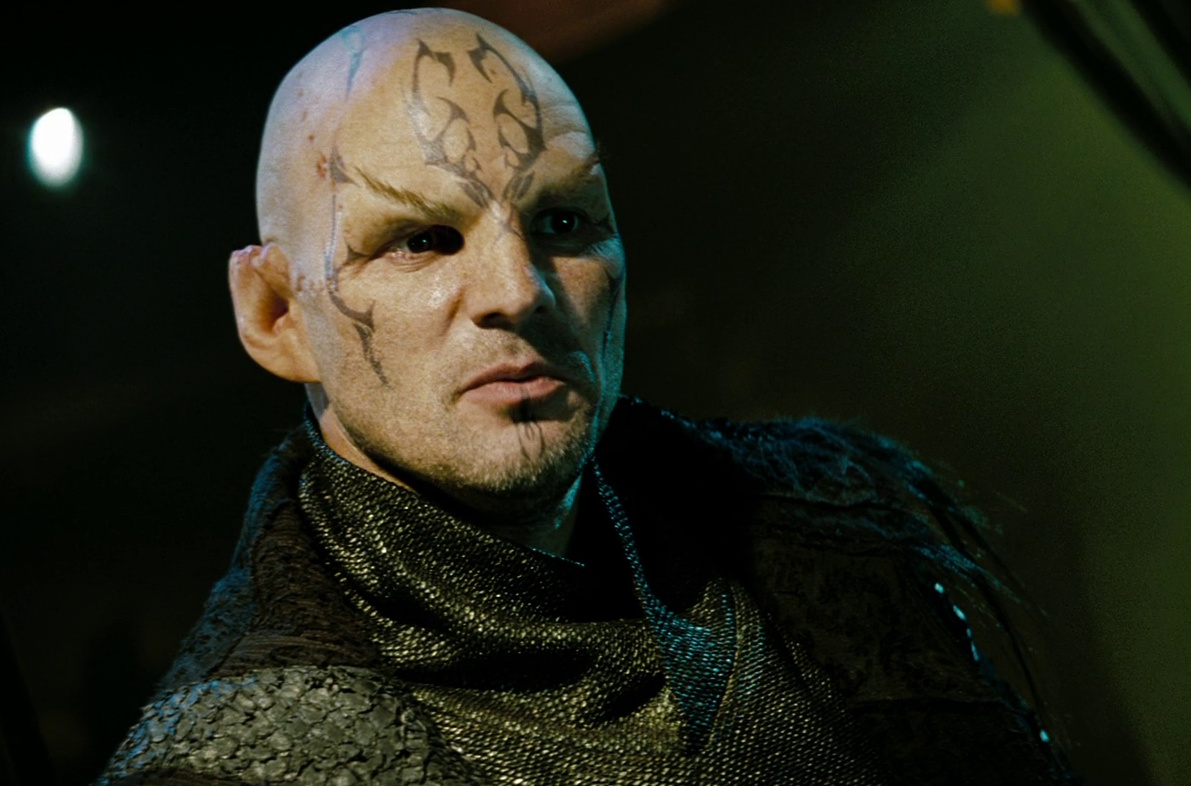
Sci-fi tropes and character archetypes will land differently for different folks, and what I’d say about Nemesis’ main villain – played by Tom Hardy in one of his first big-screen roles – is that the idea of a clone of Picard isn’t as silly as it sounds! There’s genuine lore and story here, expanding our understanding of the Romulans and the way they operate, and I really did enjoy that side of the story. Shinzon also makes for a complex character; a human raised by Reman slaves, who has Picard’s DNA but none of his humanity.
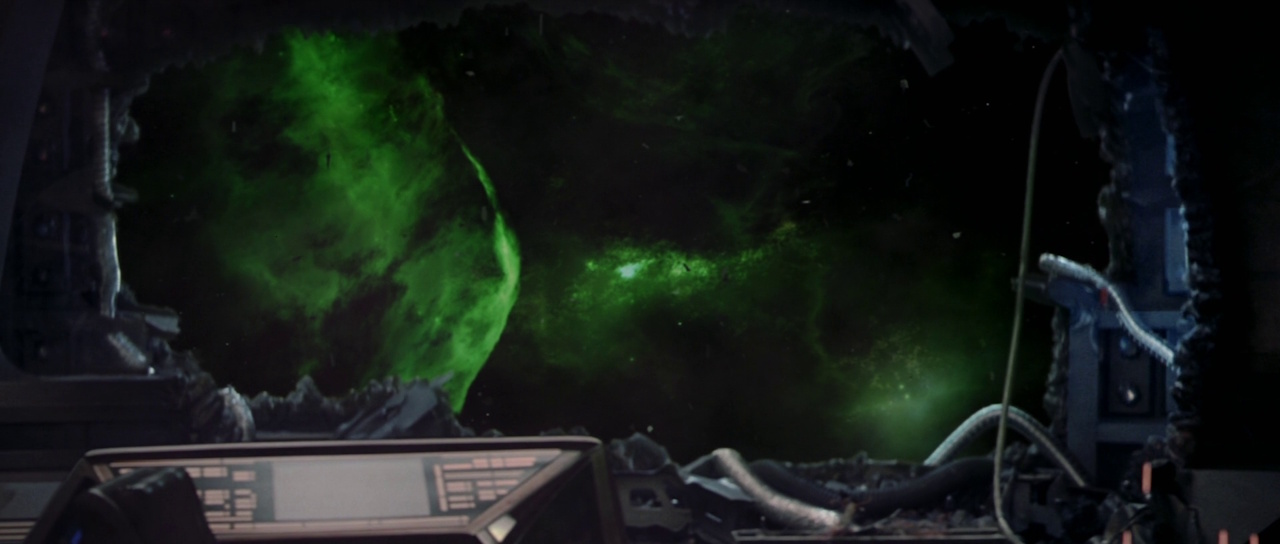
Shinzon quite quickly turns to “I’m evil for no reason and I love it” with his characterisation, though, despite some early promise, and by the time the film moves to his plot to attack Earth and the Federation, the plot kind of goes off the rails. Much has been made of director Stuart Baird’s lack of experience and knowledge of Star Trek at the time of the film’s production (he hadn’t so much as watched a single episode of The Next Generation) and I think that comes across in the way the film treats most of the main characters, too.
After Insurrection hadn’t been particularly well-received, and with Enterprise struggling to find an audience, Nemesis didn’t do the Star Trek franchise any favours in 2002. It also seemed – for close to twenty years, anyway – to be a weak and unimpressive ending for The Next Generation characters and Star Trek’s 24th Century setting. As in any Star Trek project, pretty much, there are moments in Nemesis that work, but not enough of them to make the film a success.
Film #11:
Star Trek (2009)
Tier: C
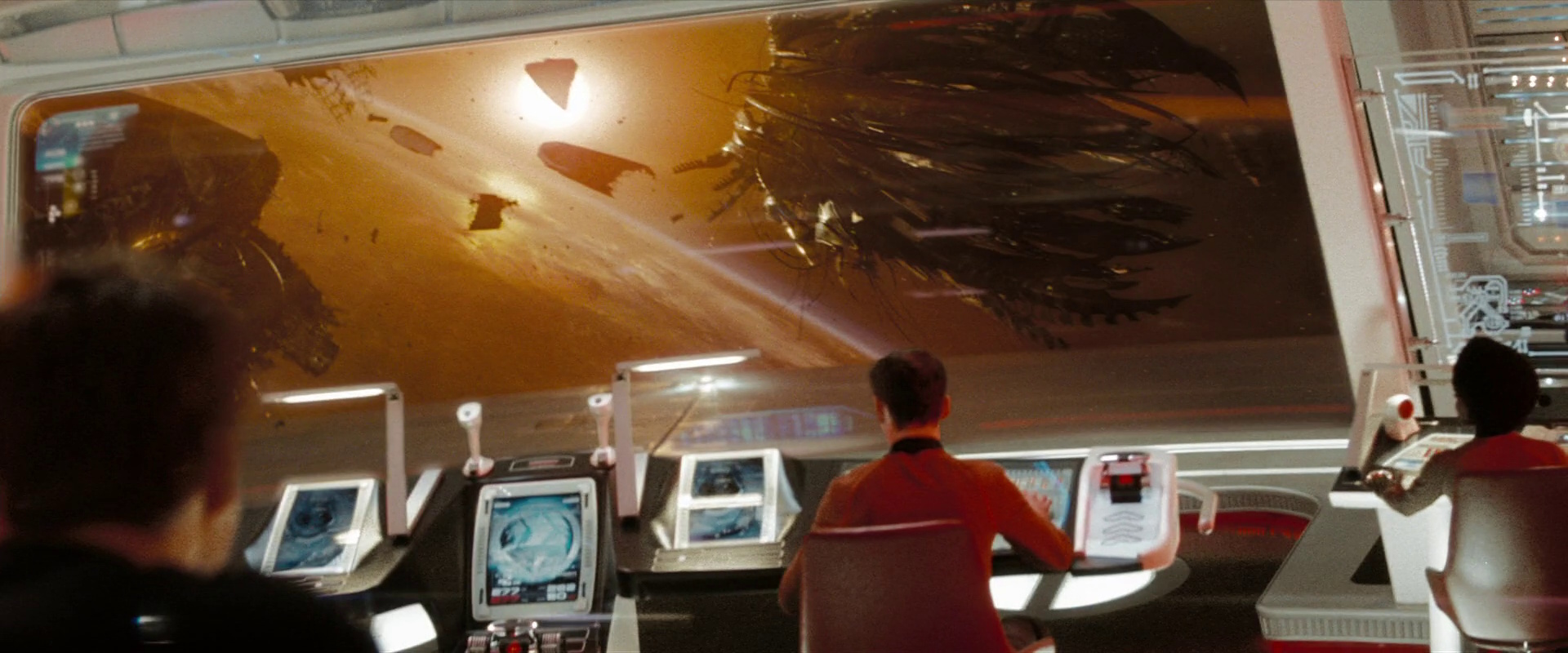
I have some conflicting thoughts about 2009’s Star Trek. On the one hand, I was absolutely thrilled to learn of the film’s existence after Enterprise’s cancellation seemed to signal the demise of the entire Star Trek franchise. I did my best from 2006 to support the film while it was in production, and raced to the cinema to see it on the first day it was available. And I would make the case to anyone that Star Trek ’09 is a solid action/sci-fi film, a great introduction to Star Trek for newbies, and a successful title that proved the franchise could still bring in audiences and money at the box office.
But on the other hand, the film’s action-heavy storyline, re-cast classic characters, and fairly basic villain just aren’t what I come to Star Trek for. The new actors were given an exceptionally difficult job and were brave to take it on; I know some Trekkies who, to this day, have refused to watch any of the Kelvin timeline films because of the decision to re-cast Kirk and the crew. Some of the new actors got a lot of criticism before the film had even premiered due to that. Personally, I generally feel they all did a solid job… but there’s always gonna be a sense that they aren’t the “real” Kirk, Spock, Uhura, and so on. Some decisions – like pitting Kirk and Spock against one another, even coming to blows at one stage – really hammers home how different these versions of the characters feel.
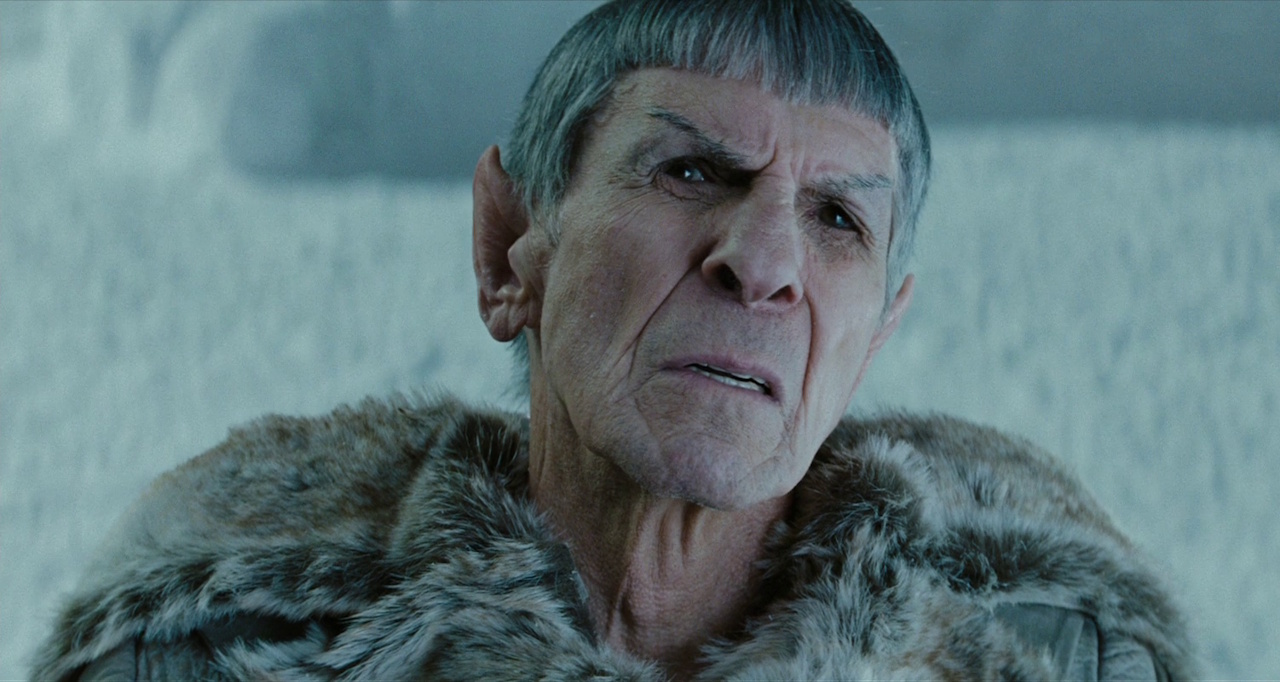
Star Trek ’09 is unashamedly a reboot, and if you meet it where it is and you’re able to accept that, I think there’s a good time to be had with at least parts of it. But as someone who’d been a Trekkie for close to twenty years when the film premiered, who’d been immersed in the world of The Next Generation era in particular… I wasn’t really interested in a reboot. After Enterprise, I wanted to see Star Trek move its timeline forward again, not stepping back to re-cast classic characters for a pretty basic action story.
All that being said, I appreciate what Star Trek ’09 did for the franchise. If this film hadn’t found an audience and proved to studio executives that there was still life in Star Trek and still stories to tell here, that would’ve almost certainly been the end of the franchise, and I doubt we’d have seen Lower Decks, Strange New Worlds, and the rest of modern Star Trek. Keeping the flag flying for the franchise after it had burned out on the small screen is the real legacy of Star Trek ’09 – at least for me.
Film #12:
Into Darkness (2013)
Tier: B

I would argue that Into Darkness is the high-water mark of the Kelvin timeline. There are still issues with the characters, some contrivances with the story, and so on… but the film’s script is generally much stronger than either of the other Kelvin films. Not only that, but this particular story – featuring notorious villain Khan and a “badmiral” scheming from within Starfleet itself – lends itself much more to the kind of action-packed film that JJ Abrams wanted to make.
Captain Pike’s death in Into Darkness genuinely hit me – it was unexpected in the moment, and Kirk’s reaction to the loss of someone he viewed as a surrogate father figure was truly heartbreaking. It’s definitely one of the most powerful moments for this version of the character, and the way it spurs on the plot was good, too. I also liked the callback to Star Trek ’09 with the “transwarp beaming” idea returning, this time as a problem to be overcome.
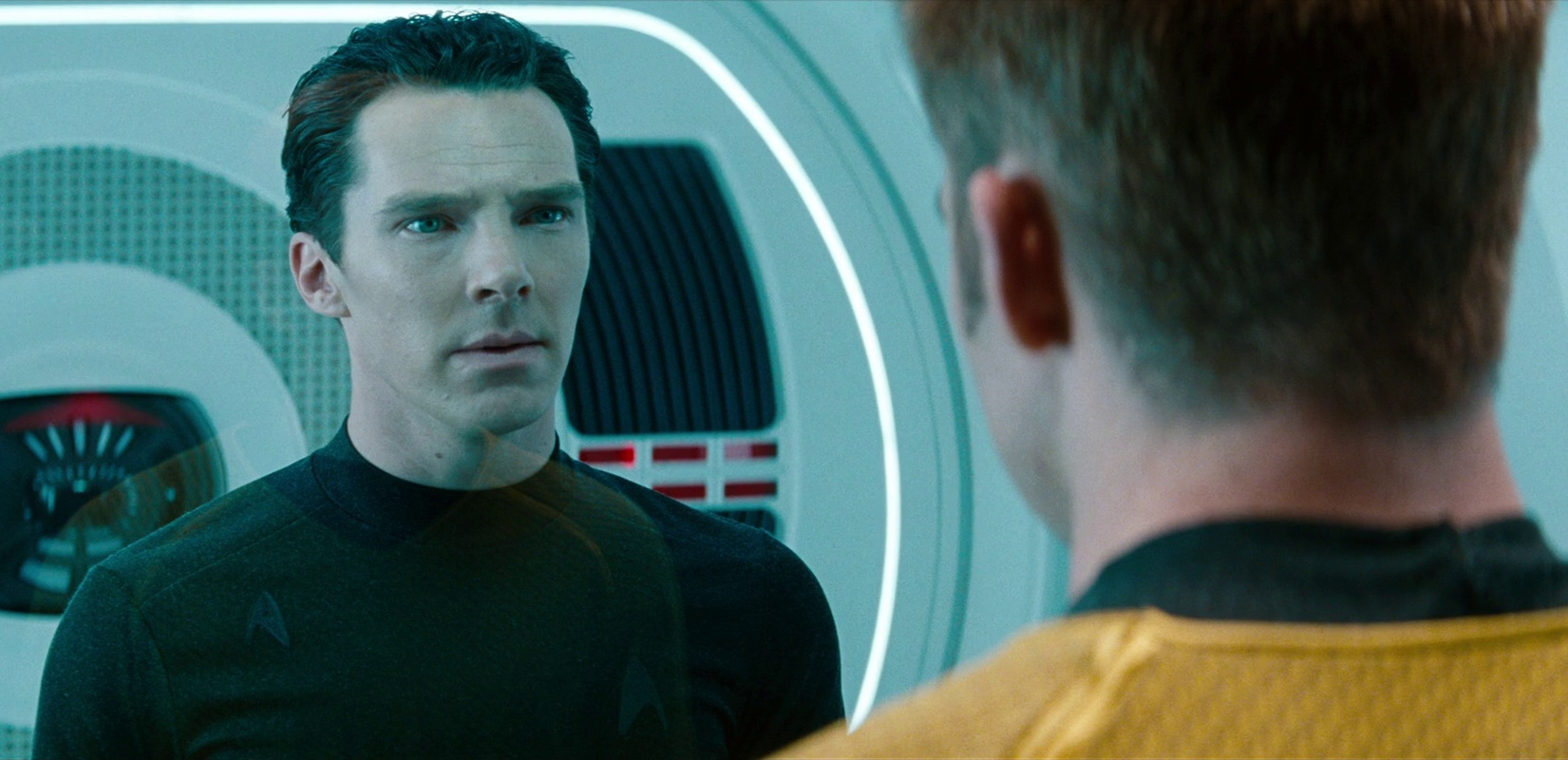
If you were online and involved in Star Trek discussion groups and forums circa 2011-2013, you would’ve almost certainly had Into Darkness’ big reveal spoiled for you ahead of time. Unfortunately, fans correctly guessed that Benedict Cumberbatch would be playing the legendary Khan – and going into the film with that expectation certainly put a downer on the scene where Kirk learns the truth. I always prefer to see films un-spoiled, but this rumour was everywhere at the time, so it was unavoidable.
For a variety of reasons, this story just feels stronger and, most importantly, better-suited to these characters and this style of film. Into Darkness is a better film as a result, with a consistent tone, understandable character motivations, and a pair of solidly entertaining villains. There are some contrived moments – and I don’t think Kirk’s sacrifice and “death” works anywhere near as well as Spock’s did in The Wrath of Khan, which Into Darkness tries to emulate in more ways than one – but on the whole, it’s not a bad film by any stretch.
Film #13:
Beyond (2016)
Tier: C
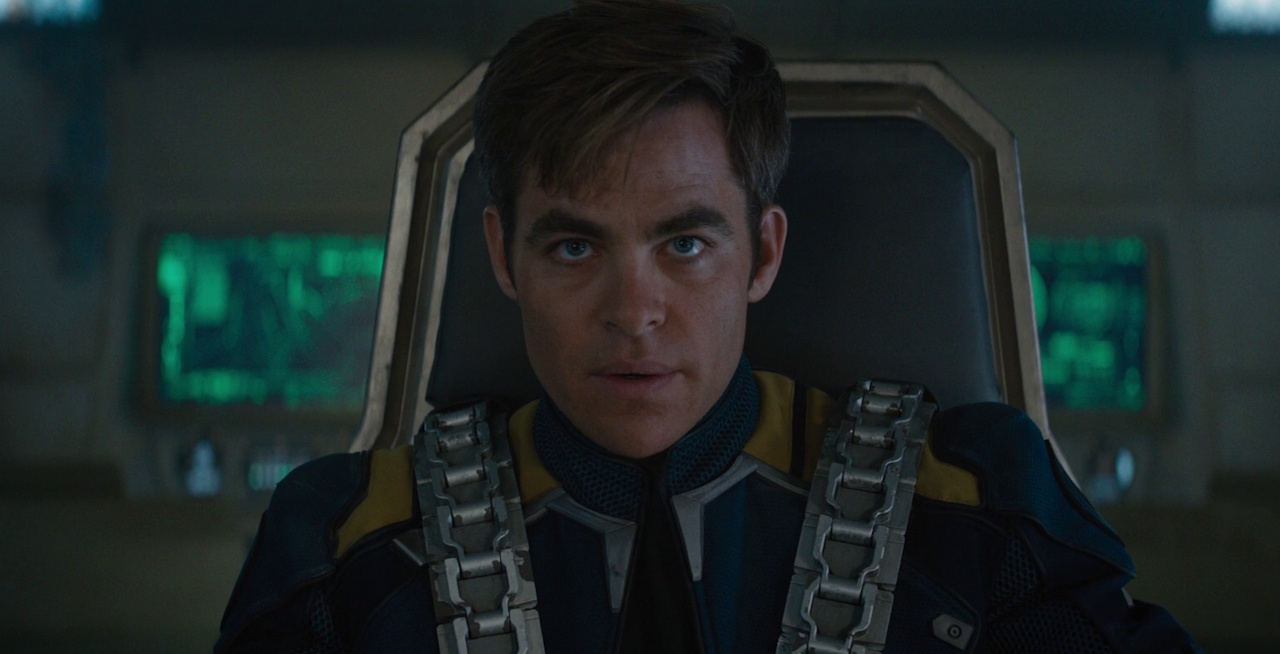
Penned by Scotty actor Simon Pegg, Beyond was a genuine, well-intentioned attempt to bring the Kelvin timeline films slightly closer to “classic Star Trek” in terms of tone and themes, and I really do admire the effort. There are moments that link up with Star Trek’s past – most notably Enterprise – and parts of the film, particularly its opening scenes, succeed at recreating at least some of that “mission of exploration” feeling that the other Kelvin timeline films didn’t spend even a second on.
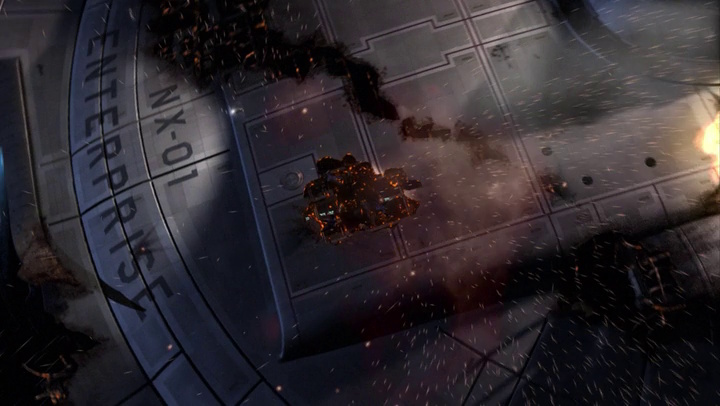
But there are some flaws and weaknesses, though. The destruction of the Enterprise is by far the weakest loss of a ship in the franchise, as we just don’t have anywhere near as much attachment to it as we did to the original Enterprise, the Enterprise-D, and other ships that have been destroyed. The sequence was tense, particularly as the crew rushed to their escape pods, but the emotional weight of the moment didn’t ring true for me.

I felt that an actor of Idris Elba’s calibre was also squandered on a pretty basic “I’m mean and I hate everyone” type of villain. Krall had potential – the “lost” captain who felt abandoned by Starfleet and the Federation, and whose xenophobic and war-like traits were a century or more out of date. But the film didn’t do enough with Krall, and the big reveal that this alien-looking alien was, in fact, a human didn’t really stick the landing. Again, it was interesting in theory but kind of wasted by the time it came to the screen.
I might be alone in this, but I detest the name “Jaylah” for the film’s new character. A homonym of “J-Law” – the tabloid nickname given to American actress Jennifer Lawrence, who was a big star at the time thanks to her role in The Hunger Games – this reference just felt cringeworthy and unnecessary. I’m happy for Star Trek to take inspiration from a wide range of other films, including the likes of The Hunger Games, but don’t stoop to this level when it comes to character naming. It’s just… well, it’s pretty pathetic, to be honest.
I couldn’t end this section without also noting that Beyond was rather overshadowed by the deaths of Leonard Nimoy and Anton Yelchin in the months leading up to its premiere.
Film #14:
Section 31 (2025)
Tier: C
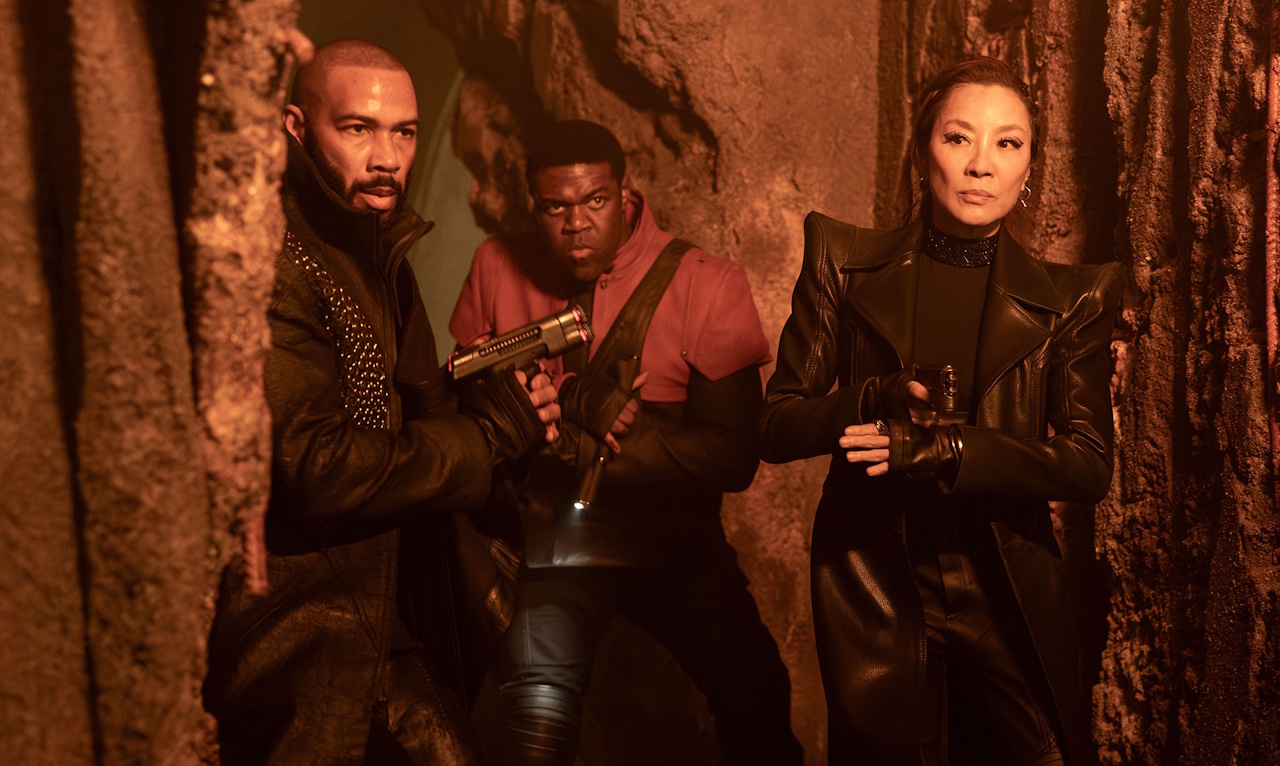
You have to try to meet Section 31 where it is. It’s a B-movie; the Star Trek equivalent of The Fast and the Furious or Transformers, complete with a cookie-cutter plot, some pretty mindless action, and plenty of tropes of both action flicks and spy movies. Once I realised that that’s what I was watching… I just kind of went with it. On those terms, I found Section 31 to be just fine.
Where my disappointment comes in is in the wasted potential. There was scope for Section 31 to be the kind of film that brings new eyes to Star Trek for the first time, genuinely expanding the fan community by making what can feel like a nerdy and overcomplicated franchise approachable. I don’t believe Section 31 came close to achieving that goal, unfortunately. And from my perspective, that felt like the biggest point in its favour and a key reason for making it.
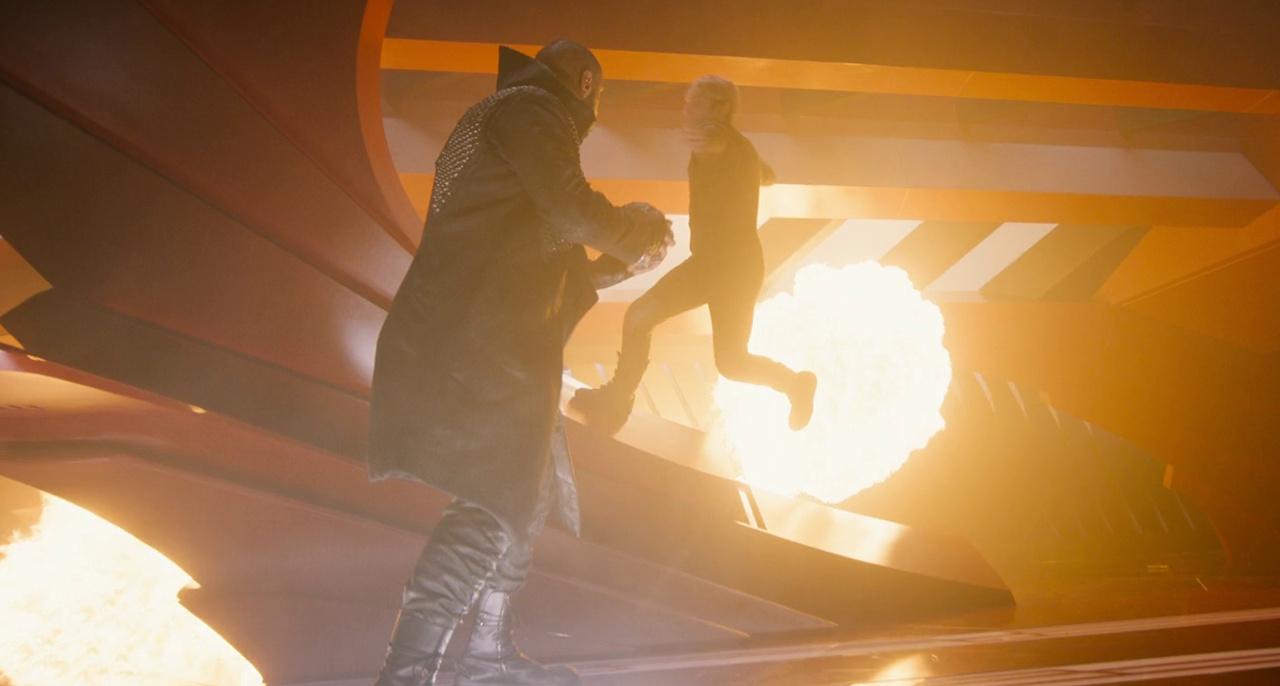
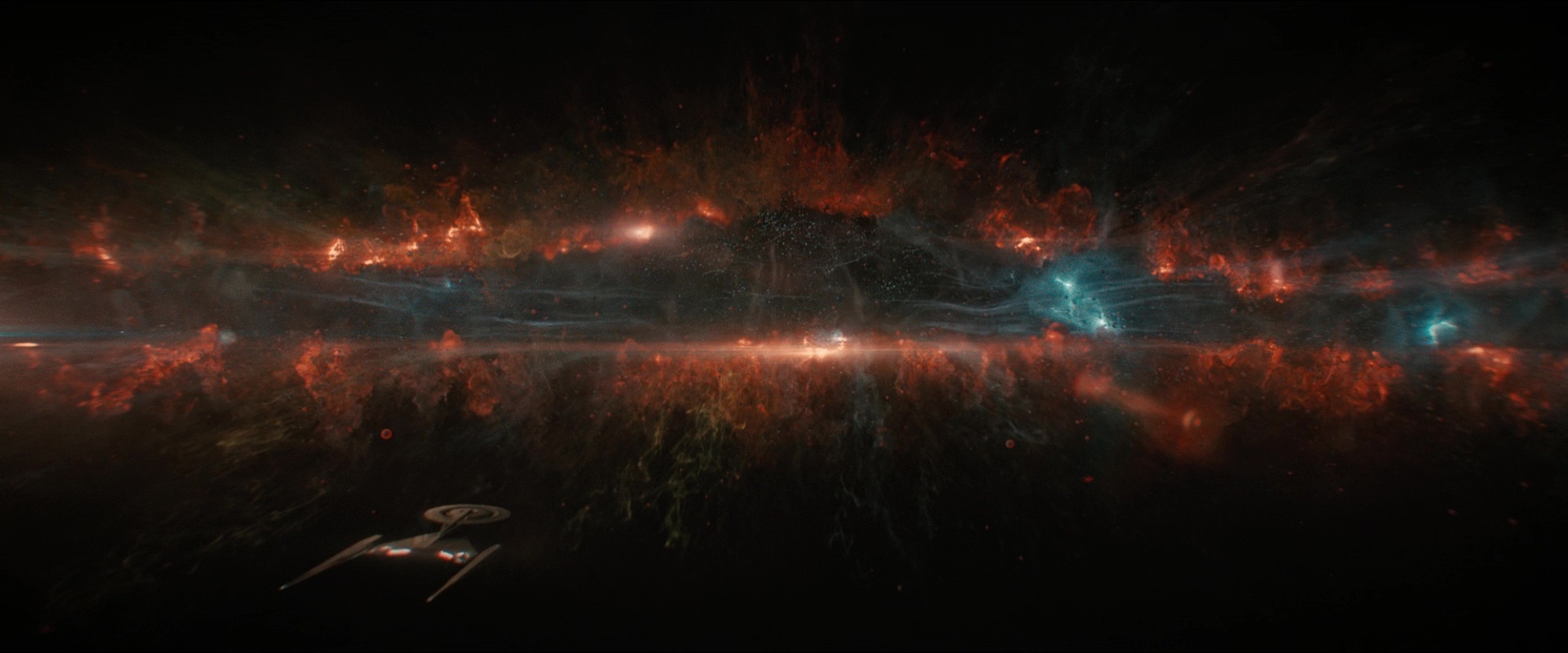
I would also argue that Georgiou’s arc in Section 31 was pretty repetitive, dragging up her Mirror Universe origin and forcing her through a story that we’d already seen a lot of in Discovery. Dragging her back from the more complex character we’d started to see so she could re-start that arc wasn’t great. And that’s before we get into the weeds on whether a redemption story for someone at least as evil and despotic as Star Wars’ Emperor Palpatine was even possible, let alone successfully executed in Section 31.
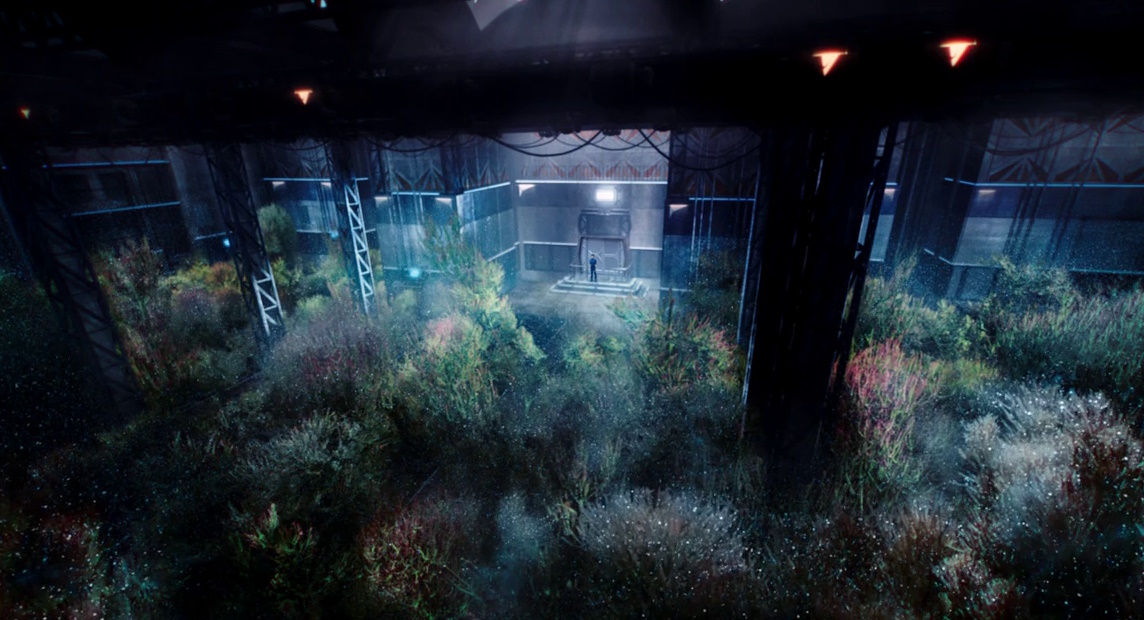
There are also gripes with how disconnected this film feels from the rest of Star Trek, with the barest of references and none of the franchise’s visual language present. If, however, you can set most of that aside… there are fun moments hiding under the surface. And as I said a moment ago, if you can meet Section 31 where it is, on its own terms, I think it’s a perfectly adequate B-movie.
I have a two-part review of Section 31. You can find the non-spoiler part by clicking or tapping here and the part containing story spoilers by clicking or tapping here.
So that’s it!
We’ve put all fourteen Star Trek films into a tier list. So let’s take a look and see how we did:
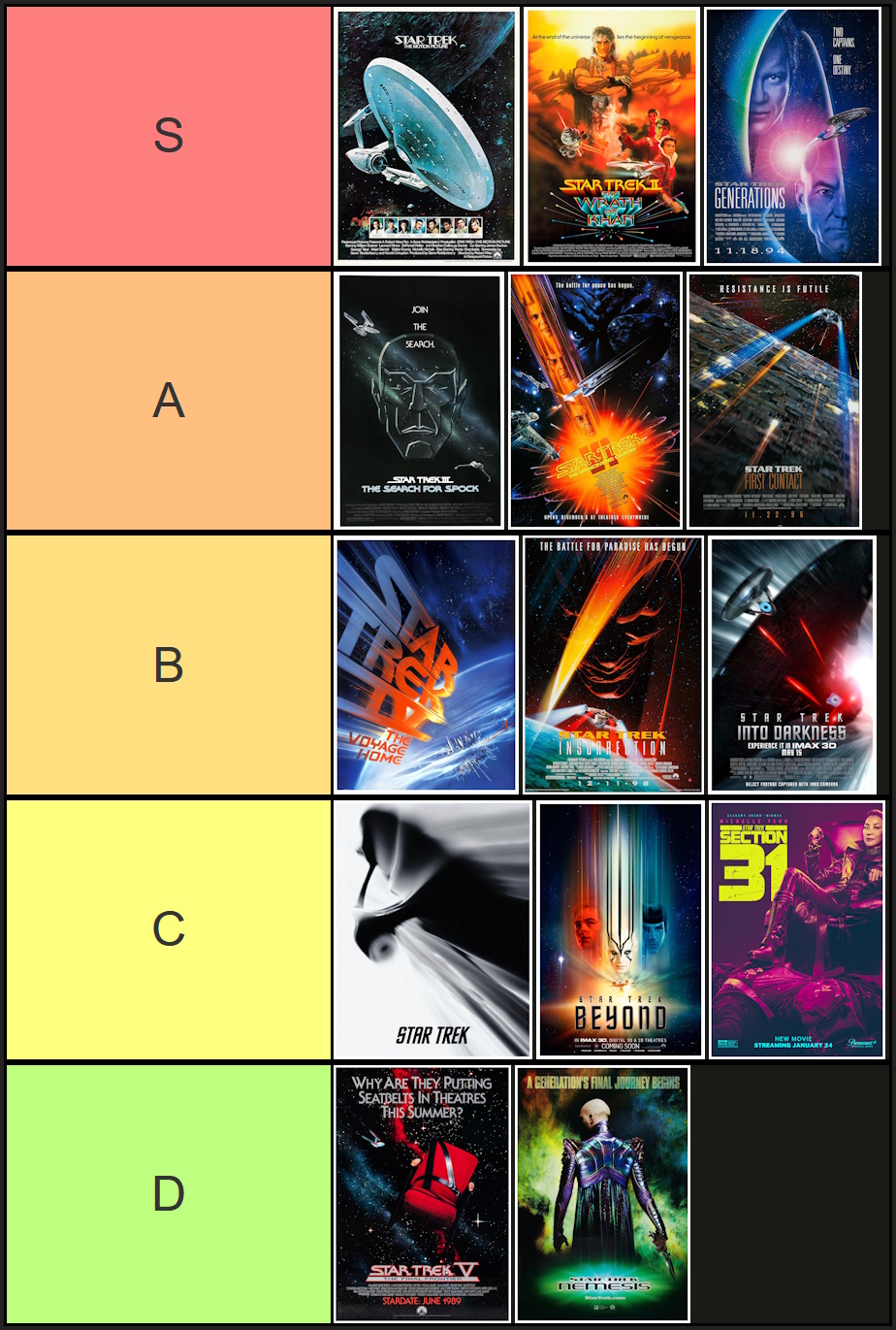
Well, I hope that was worth it! As you can see, we have more films in the upper tiers than the lower ones, and even the “worst” Star Trek films still have redeeming qualities – at least in my opinion.
I wanted to put this list together after Section 31 had premiered, updating my older list to include the new film. This piece almost certainly concludes my Section 31 coverage for the foreseeable future, as I really don’t have much more to say about the made-for-streaming movie at this point. If you’ve been following my coverage of Section 31, thank you! I hope you’ve found my take to be interesting.

At time of writing, there are supposedly two Star Trek films in pre-production or at least being worked on in some capacity. The first is a Beyond sequel, bringing back the Kelvin timeline cast for another outing. And the second is supposedly set in between Enterprise and Star Trek ’09, perhaps serving as a kind of Kelvin timeline prequel. You can read my thoughts on that idea by clicking or tapping here.
There have been other film proposals pitched over the years. Sir Patrick Stewart teased fans in early 2024 with news of a Picard movie idea, but I don’t think anything came of that. For my money, I’d like to see Paramount do more with the TV movie format, using it to tell one-off stories that wouldn’t necessarily fit anywhere else in the franchise. With new sets having been constructed, and the AR wall too, there are almost no limits on the kinds of stories that could be told as one-off specials – and the budget for such a production would be lower than a feature film, too! With Section 31 proving to be a disappointment, though, I’m not sure whether that’ll ever happen.

So I hope this has been a bit of fun! Beginning with Generations, I watched every Star Trek film at the cinema. Unfortunately, due to my health, I won’t be able to do that in future – which is why I enjoyed having Section 31 as a TV movie! But if there ever is another full-length Star Trek film, I’ll do my best to support it here on the website.
Until next time… Live Long and Prosper!
Most of the Star Trek films are available to stream on Paramount+ in countries and territories where the platform is available. The first thirteen films are also available on Blu-ray and DVD, and a Blu-ray release of Section 31 is planned. The Star Trek franchise – including all films and properties discussed above – is the copyright of Paramount Global. This article contains the thoughts and opinions of one person only and is not intended to cause any offence.




 Trekking with Dennis