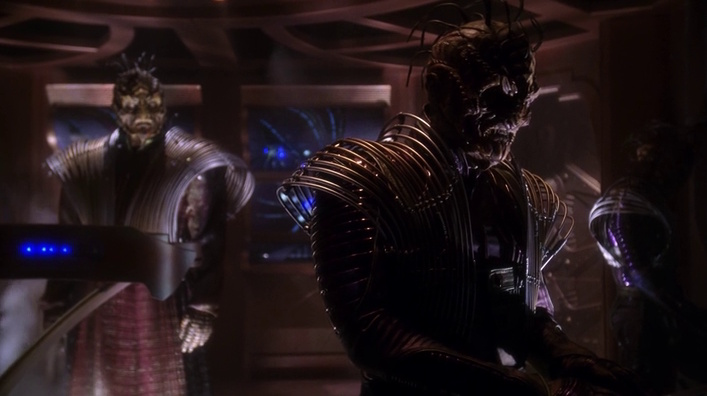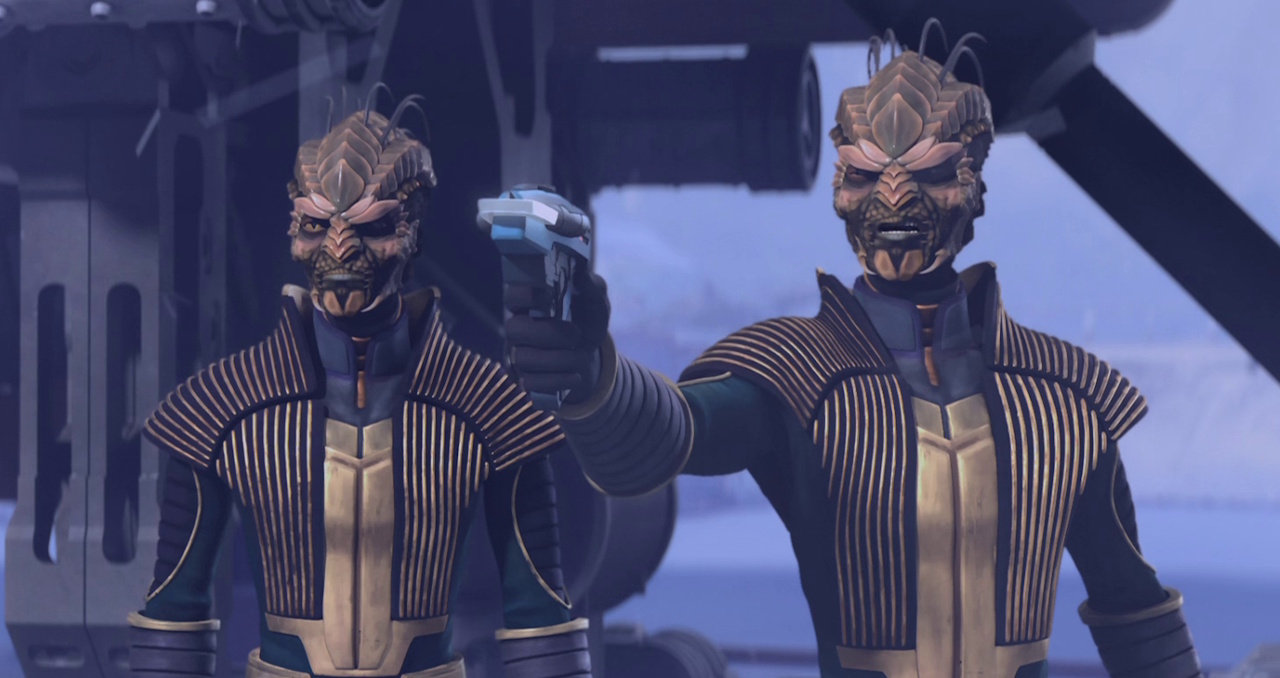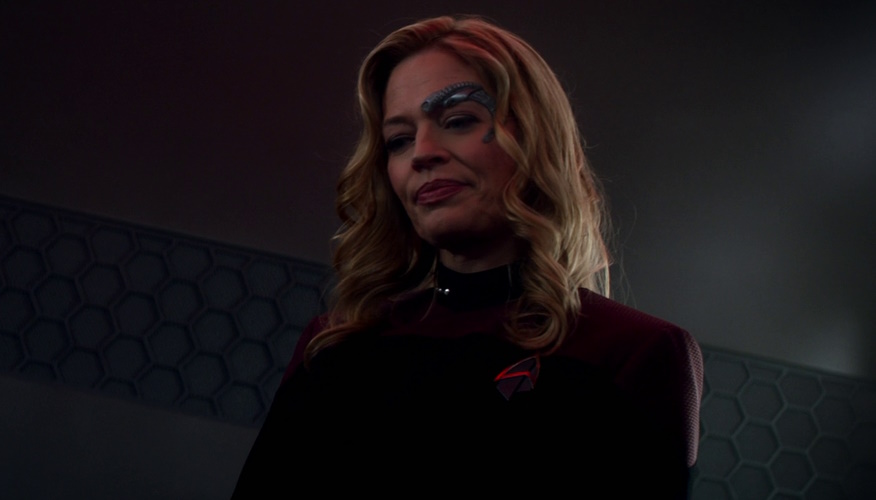
Star Trek: Picard’s Abandoned and Unfinished Storylines

Spoiler Warning: There are spoilers ahead for Star Trek: Picard Seasons 1, 2, and 3 – including the endings of key storylines and the final scenes and sequences of the series. Spoilers are also present for the following Star Trek productions: The Next Generation and Voyager.

Although the series only ran to a total of thirty episodes, it’s going to take a long time to properly deconstruct and assess Star Trek: Picard. It’s now been a couple of years since the series finale aired, and although there have been pitches for both a successor show and a potential movie, it seems at this stage that neither of those are moving ahead. It’ll take a while to fully dissect Picard and the show’s place in the Star Trek franchise – and I originally planned to write this piece shortly after the show’s finale – but what we’re going to do today is take a tentative step in that direction.

I’ve put together a list of the significant storylines that Picard either abandoned outright or left unfinished, and I thought it could be interesting to take a look at them. Each of the show’s three seasons was a relatively self-contained story, but as we know, serialised storytelling like this has its drawbacks. Seasons 1 and 2 in particular both ran out of road and failed to wrap up key storylines and character arcs by the time the credits rolled. Subsequent seasons also failed to pick up the baton and do anything with these incomplete narratives – something that feels particularly odd when considering that Seasons 2 and 3 went into production back-to-back.
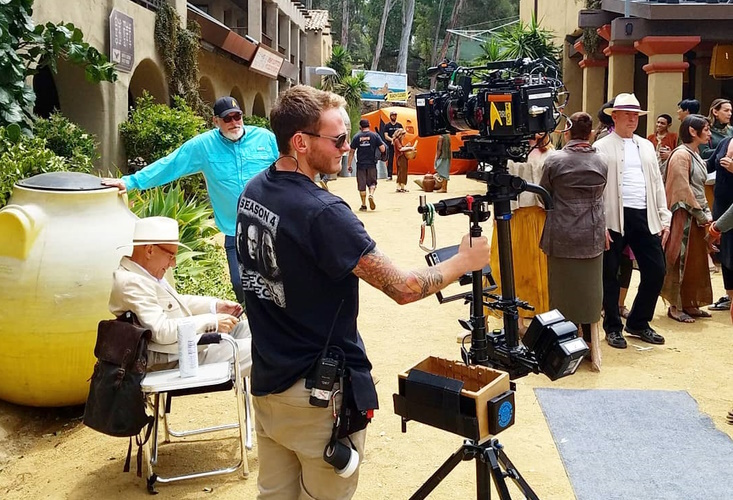
Sir Patrick Stewart taking a break during production on Picard’s first season.

There are a surprising number of abandoned and unfinished storylines to look at, and there’s almost certainly more to say about most of them than can fit on a list like this – so stay tuned in the future for longer looks at some of these subjects!

My usual caveats apply: everything we’re going to discuss today is entirely subjective! If you didn’t care for a particular story and see no need for it to be continued, that’s okay. Likewise, if you feel that the writers and producers did a great job with these stories, that’s okay too. There’s room for differences of opinion within the Star Trek fan community! I’m not even necessarily saying that the decision to abandon some of these storylines was the worst possible thing that could’ve happened; there are characters that weren’t popular and stories that were less interesting than others, and there are defences, justifications, or at least excuses we can make in some cases for why a storyline wasn’t continued.
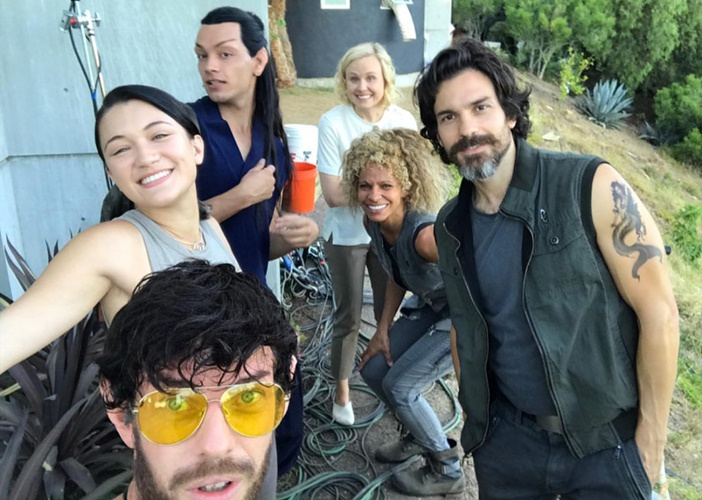
Harry Treadaway, Isa Briones, Evan Evagora, Alison Pill, Michelle Hurd, and Santiago Cabrera during production on Picard Season 1.

But there are also stories that I would’ve very much liked to see concluded – one way or another! Some of these could have been wrapped up by way of a line or two of dialogue, and the abandonment of certain characters and narrative threads feels inexcusably poor – especially from a flagship, high-budget television series.

There were clearly problems and issues behind-the-scenes on Star Trek: Picard… but that’s something we’ll have to discuss in more detail on another occasion.

Let’s jump into the list – which is in no particular order!

Abandoned Storyline #1:
What happened to the surviving ex-Borg?
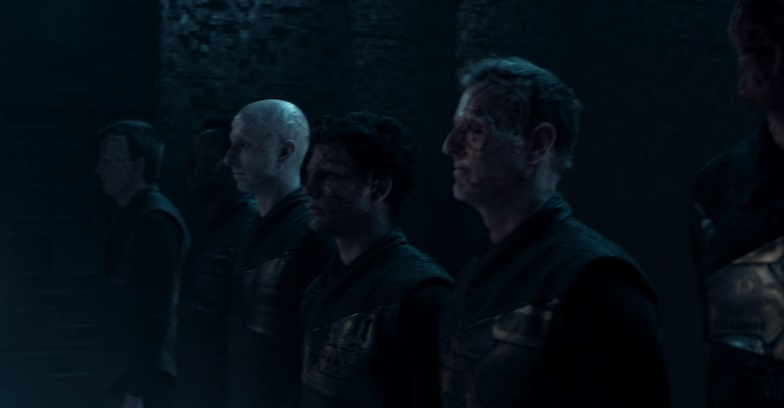
Ex-Borg aboard the Artifact.

Toward the end of Season 1, the Zhat Vash triggered a failsafe aboard the Artifact that killed hundreds or perhaps even thousands of ex-Borg by blowing them out into space. But as we saw in Et in Arcadia Ego, not all of the ex-Borg were killed. Some survived the journey to Coppelius and the rough landing as the Artifact was dragged to the planet’s surface… but they were dumped from the story shortly thereafter.

Part of Seven’s arc in Season 1 appeared to be setting her up to take on some kind of leadership role with the ex-Borg, possibly working alongside Elnor, who had pledged his sword to their hopeless cause. After the untimely death of Hugh, the remaining ex-Borg were without leadership – and perhaps more importantly, without anyone to advocate on their behalf.
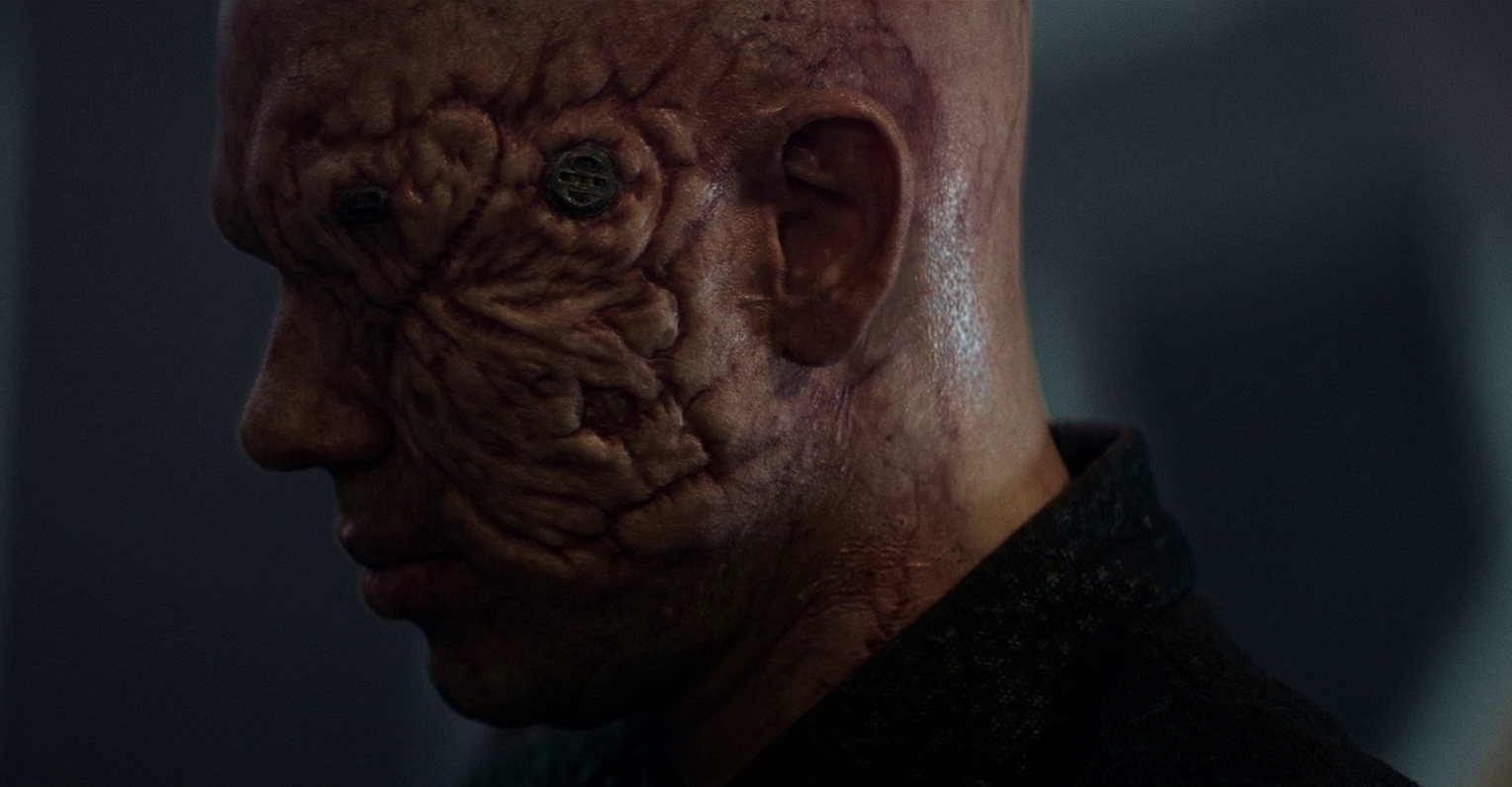
One of the Ex-Borg survivors on Coppelius.

I think it stands to reason that the Federation would have taken in the XBs as a matter of principle – but as we learned from Seven of Nine in Season 2, life wasn’t always fair to former members of the Collective. The ex-Borg aboard the Artifact seemed to be especially vulnerable, with some having only just been reawakened after years in stasis. Many may not know where they are – and some appeared to be from races not native to the Alpha and Beta Quadrants. There would be a lot of work to do to care for the ex-Borg and help them get settled in the Federation.

This was a storyline that Season 2 could have picked up, especially with a focus on Seven’s relationship with the Borg and with the introduction of a new Borg faction. Even a line or two of dialogue confirming that the Artifact and ex-Borg were under Starfleet’s care would have been something! This was a pretty significant storyline that ran throughout the entire season, and it feels incomplete at best.

Abandoned Storyline #2:
Why bother resurrecting Elnor?

Elnor at the end of Season 2.

Early in Season 2, killing off Elnor felt like a bold move. It wouldn’t have been my first choice, as there was a ton of potential in Elnor not only as a young character who could potentially have carried the Star Trek franchise forward, but as the first Romulan to serve in Starfleet. But when that decision had been taken, as the season wore on it appeared to be working. Despite all of the flaws and issues with Season 2, one of the storylines that was working well was Raffi’s. She had to come to terms with the death of someone she viewed as a surrogate son, and we saw her go through different stages of grief. It was harrowing, riveting, and exceptionally well-performed by Michelle Hurd.

At the last second, though, Elnor was resurrected by Q’s magical powers – massively and catastrophically undermining Raffi’s Season 2 arc, and rendering incredibly powerful sequences impotent and meaningless. As the curtain fell on Season 2 and we heard from actor Evan Evagora that he wouldn’t be returning for Season 3, this resurrection felt incredibly pointless. For the sake of one bad, overdone sight gag (in which Elnor’s disgust at a beverage made him the butt of a joke) an entire season’s worth of emotional storytelling had been undone.

Elnor.

Elnor was a wasted character in Picard. His role in Season 1 was minor, and he appeared to serve as comic relief half of the time. Aside from one spotlight episode, he seemed to be glossed over by the writers and ignored by other characters. The potential he could have had was already being squandered – so his death, while disappointing in more ways than one – at least achieved something insofar as it gave motivation to Raffi and allowed her Season 2 arc to unfold.

But Season 3 could’ve offered Elnor a potential reason to return from the grave. Most of the young characters, aside from Jack Crusher, were fairly bland and forgettable, so when they found themselves assimilated by the Borg toward the end of the season, some of the impact of that was lost. These were kids that we just didn’t know well enough to get truly invested in. But Elnor, after everything he’d been through, could have been different. If he’d been included in Season 3, perhaps replacing one of the La Forge sisters (of which there didn’t need to be two), then the whole Borg storyline could’ve been strengthened, the stakes raised, and a narrative reason found for Elnor’s unexpected resurrection.

As an addendum, it’s worth noting that the USS Excelsior, on which Elnor was serving at the end of Season 2, was destroyed in Season 3. So is he alive? Dead again? Who knows… and who cares? Clearly not the writers…

Abandoned Storyline #3:
Why did Q die? (And is he still dead?)

Q at the end of Season 2.

I have a longer theory post about this, which you can find by clicking or tapping here if you’re interested in some speculative ideas. What I didn’t say then, or at least not as strongly, is this: if you’re going to write a story that hinges on the imminent death of a character, with that character’s entire arc and motivation for their actions being derived from the knowledge of their impending death, then you really ought to explain why that character is dying! Especially, in this case, as we’re dealing with Q: a super-being who has always been presented as being functionally immortal.

But there was no explanation written for Q’s death. It’s possible that Q himself didn’t know, or that he was simply reaching the end of his natural life – a lifespan that may have been finite after all. We can read between the lines, perhaps, or use one of my theories as head-canon to explain that members of the Q Continuum aren’t entirely immortal after all.
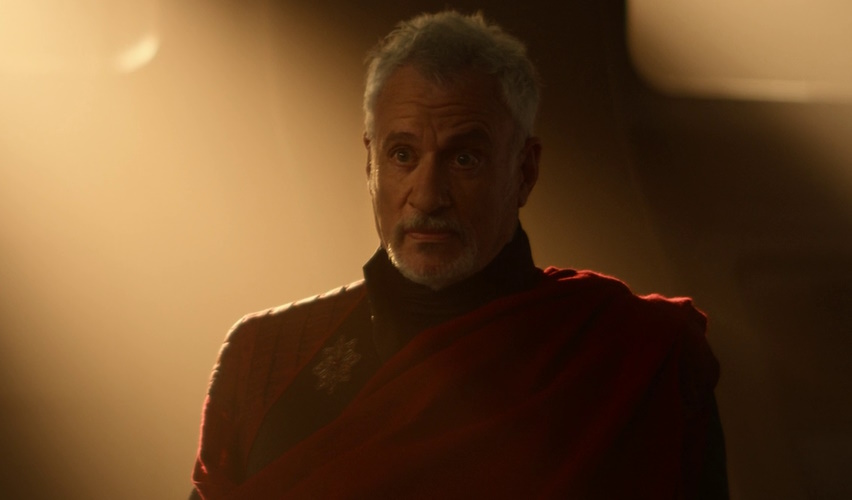
Is Q back?

Or we could have done that… if Q had stayed dead. In yet another profoundly odd and contradictory move for two seasons of television that were produced at the same time by the same showrunner and team, Q returned at the end of Season 3 in a post-credits scene. Forget the in-universe explanation. I know Q said that time isn’t linear for him, and if we assume that the Q seen at the end of Season 3 is younger than the Q at the end of Season 2 then it all works out in a mildly paradoxical way. Time travel is like that in fiction.

But from a production point of view… to hinge the entire plot of Season 2 on Q’s impending death, to make that the emotional core of what was an already incredibly weak and convoluted story, and then to undo that death a mere ten episodes later for the sake of a cameo so short it was barely even a clip? It’s mind-boggling how strange some of these narrative decisions are. Is Q dead? Is this the same Q? Why did Q die? Did he stay dead or was he revived? We don’t know – and even if Legacy had gone ahead, I doubt we’d have found out.

Abandoned Storyline #4:
Did the Coppelius synths have to relocate?
Synths on Coppelius.

One of the most badly-rushed parts of the Season 1 finale concerned the Romulans’ decision to withdraw from Coppelius when confronted by a Starfleet armada. The culmination of the Zhat Vash plot involved the destruction of the Coppelius synths, and having found out where they were located, Commodore Oh broke cover and led a Romulan fleet to the Ghulion system. But she almost immediately stood down and withdrew her forces.

I was never convinced by this, and I think it’s something that needed a lot more screen time in order to be convincing. As a fanatical zealot, Oh simply didn’t seem like the kind of person who would be convinced to change her plan because of one speech and the presence of a new obstacle. Although she did withdraw, it wasn’t clear why. Had she abandoned her crusade after seeing Soji close the portal? Or was she planning to come back later and blow up Coppelius Station?

The Romulans could return and annihilate the synths before Starfleet had time to do anything about it.

The Zhat Vash, and indeed the Coppelius synths, disappeared from the story at this point. We don’t know what became of Oh, of the Romulan fleet, or the Zhat Vash. And we don’t know whether the Coppelius synths were safe now that the Romulans knew of their location. It seemed plausible to me to think that they might have to be relocated for their own safety – but this was never shown on screen.

At the beginning of Season 2, Soji said that she had been “travelling” since the end of the ban on synthetic life, meeting with representatives of other races. But that doesn’t mean that all of the synths were doing the same thing! Despite their importance to the story of Season 1, the synths were dropped without a conclusion to their story being written.

Abandoned Storyline #5:
How did Vadic and the Borg Queen come to work together?
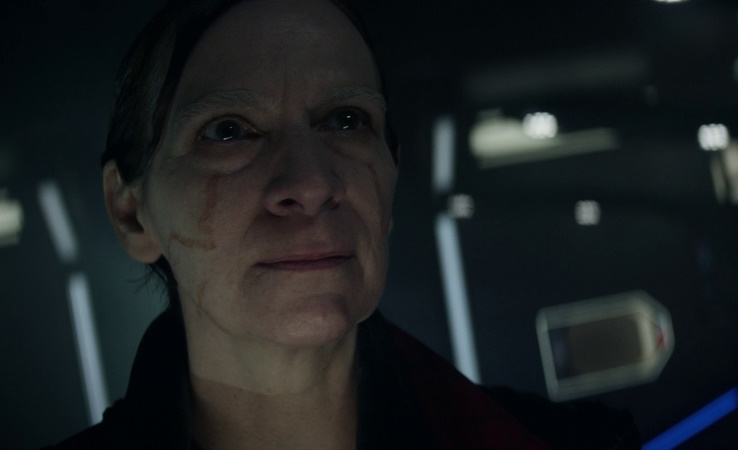
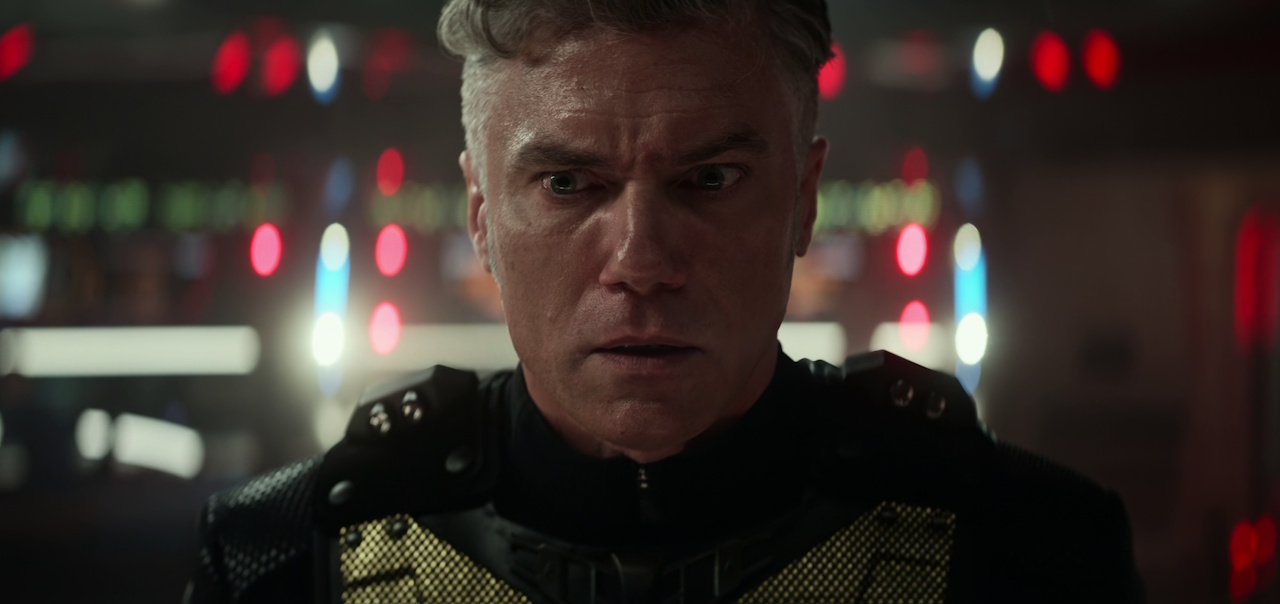
Vadic: Season 3’s villain.

I detest what Picard did with Vadic. It felt like such a thorough and underwhelming waste of a potentially interesting villain – all to bring back the Borg for the third season in a row. But setting that aside, while we learned that the Borg Queen and this splinter group of disaffected Founders were working together… we never learned how that came to happen. It might not be “essential” to the story in the same way as some of the other points on this list, but it would’ve been interesting.

“Just because” or “use your imagination” aren’t particularly good excuses, in my book, and I would’ve liked to see a flashback to the Borg Queen and Vadic meeting for the first time. Which of them devised this scheme? Did the Borg try to assimilate the changelings at first? How quickly did they come to realise they had a common enemy? And how did they even figure out Jack Crusher was Picard’s son, let alone that he could be used for the purpose of activating a “sleeper agent army” of Borg?
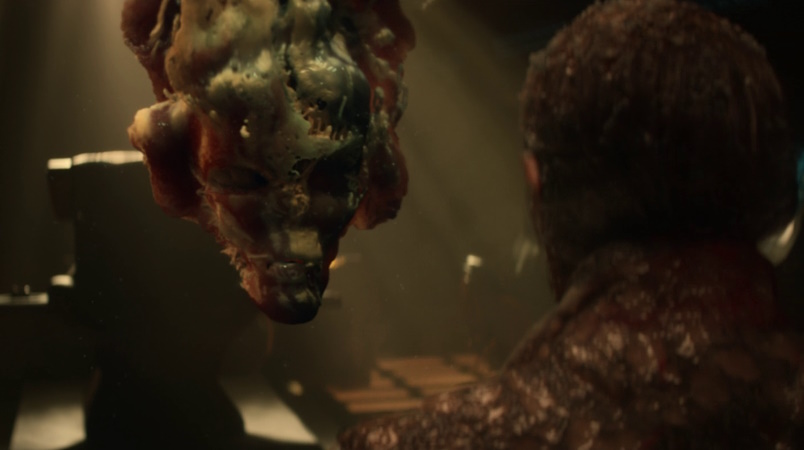
Floaty McFloatface…

All of those points would’ve added interesting background to the story of Season 3, and while I understand that the writers wanted to keep some of the mysteries going so as not to blow the big reveal, once the Borg’s presence was known, a flashback could’ve filled in a lot of the blanks. I don’t think this would’ve needed to take up an entire episode, and it would’ve been enough to simply show their first contact and the beginnings of their planning.

I like that Picard Season 3 slowed down, in places, to give us moments with the returning characters – but the trade-off for that is that some big narrative beats were left unexplained. Given that Vadic’s performance was over-the-top and could feel quite one-dimensional, seeing her devising this scheme and working with the Borg Queen – even just for a handful of flashback scenes – could’ve improved how I feel about her as a character.

Abandoned Storyline #6:
Where’s Narek?
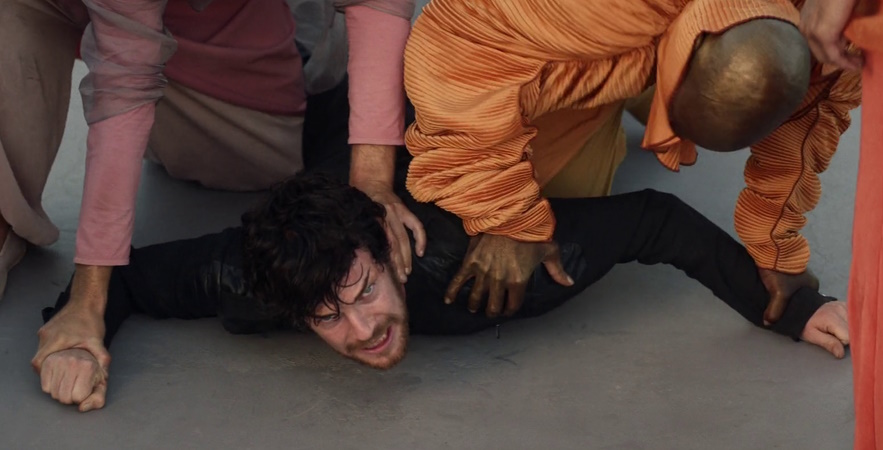
…and he was never seen again.

This truly fits the definition of “abandoned.” After the plot to stop Sutra and Soji from contacting the “super-synths” in the Season 1 finale, Narek was captured by the Coppelius synths. We last saw him lying on the ground, being apprehended. Narek then promptly disappeared from the story and the series… never being so much as mentioned again.

Narek’s disappearance is one consequence of Picard’s first season being so poorly-structured. The story simply ran out of time, leaving the final episode with way too much to cram in and nowhere near enough time to pay off everything that had been established. Narek simply ended up as one of several elements on the chopping block – but as a major character, someone whose story we’d been following for the preceding nine episodes, I kind of think we’re owed a conclusion. Apparently a scene involving Narek being taken into custody was scripted, but I don’t think it was even filmed given the narrative constraints placed upon the finale.
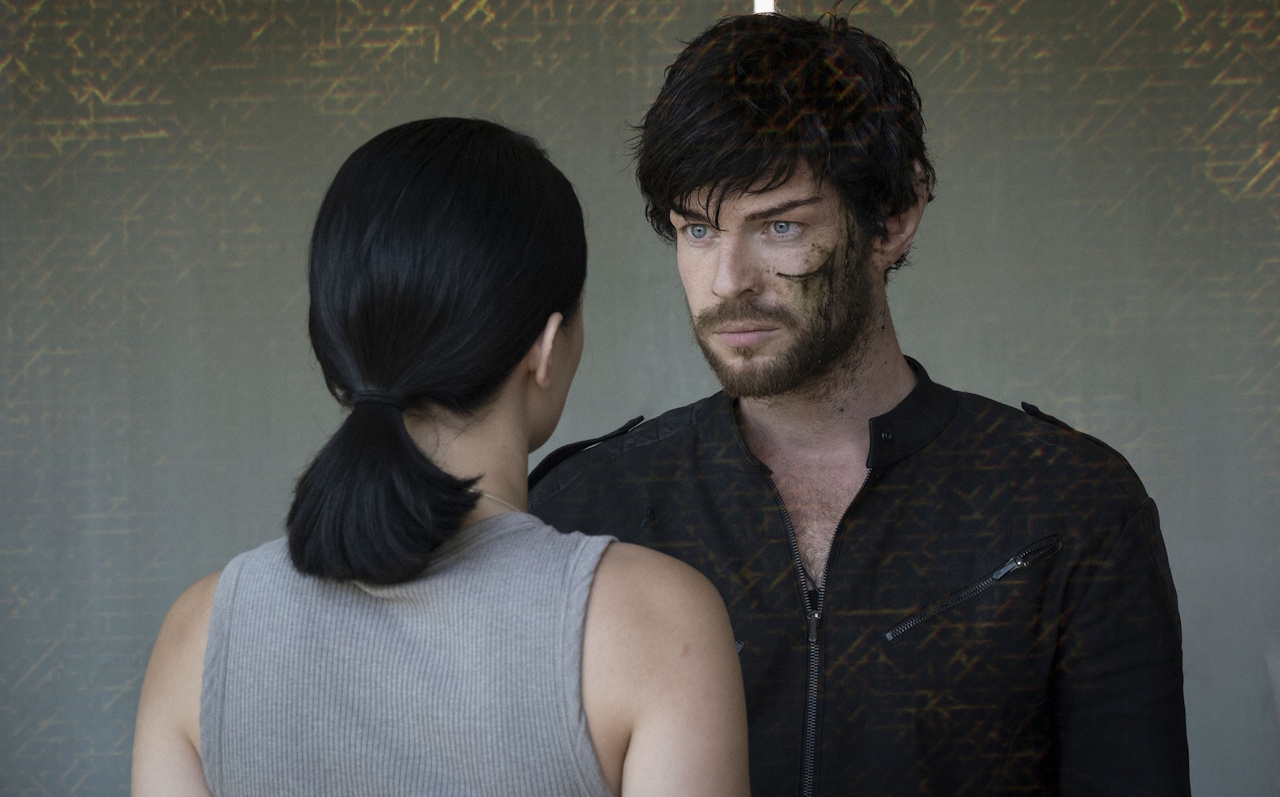
Narek with Soji.

Season 2 could’ve provided this. All it would’ve taken was a single line of dialogue in the premiere: Dr Jurati could say something to Soji along the lines of “how do you feel now that Narek’s been sentenced? I heard he won’t be getting out for years, and the Federation has refused all requests to return him to Romulan space.” It’s as simple as that, and the mystery would’ve been solved. Given how slowly Season 2 plodded along, and how uninteresting most of it was… we could’ve even gotten an entire “Narek on trial” episode right at the beginning!

We simply don’t know what happened to him, though. And while Federation custody is plausible, it’s not impossible that the synths kept him in custody, executed him, turned him over to the ex-Borg, or even that he managed to beam up to one of the Romulan vessels and escape. For a main character to just be dumped in this way… it’s pretty pathetic for a big-budget series supposedly being made by professionals. And even when we take into account that most of the rest of the Season 1 cast were dropped after Season 2, Narek’s disappearance still feels the most egregious.

Abandoned Storyline #7:
What happened to Dr Jurtati’s new Borg faction?
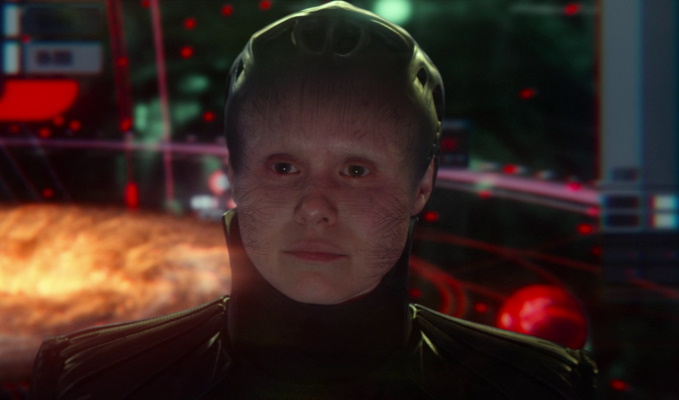
Dr Jurati/the Borg Queen.

When Starfleet came under attack by the Borg-Changelings, you know who could’ve been a metric fuckton of help? A literal Borg Queen. But even if Dr Jurati and her “Friendship is Magic” Collective were too busy taking care of the mysterious anomaly from the end of Season 2 (more on that in a moment), it would still have been nice to know that. As it is, she and her cuddlier, friendlier Borg Collective seem to have just… fucked off.

The Jurati-Borg represent something new for Star Trek: a different kind of Borg Collective, not based on violent and forced assimilation, but building some kind of community. Or… at least, I think that’s what they represent. Despite a painfully constipated buildup, we didn’t actually get much of a payoff to Jurati and the Borg Queen merging. As a result, this faction feels less like a proper, fully fleshed-out Borg splinter group and more like a hollow plot device: something with which to bookend the story.

Dr Jurati’s ship.

If Legacy had managed to get off the ground, I’d have desperately wanted to see the Jurati-Borg back for at least an episode or two. I think she could’ve been a particularly interesting foil for Seven of Nine; a Borg Queen, but a different kind of Queen, sharing some of the traits Seven would remember while being a fundamentally different kind of person.

This also ties in with the abandoned “mysterious anomaly.” After showing up to both kick off the plot of Season 2 and then reveal they were actually there to save the day in the season finale… we just never learned more about this faction or the anomaly. For a franchise all about exploring the unknown… I just think that’s pretty poor. And yes, Dr Jurati wasn’t the main focus of Picard, but she’s still a main character, and she spent close to 400 years off on her own, setting up a different kind of Borg Collective. Learning at least a little about that would have been interesting, and a nice way to conclude her story.

Abandoned Storyline #8:
Who was responsible for the transwarp anomaly?

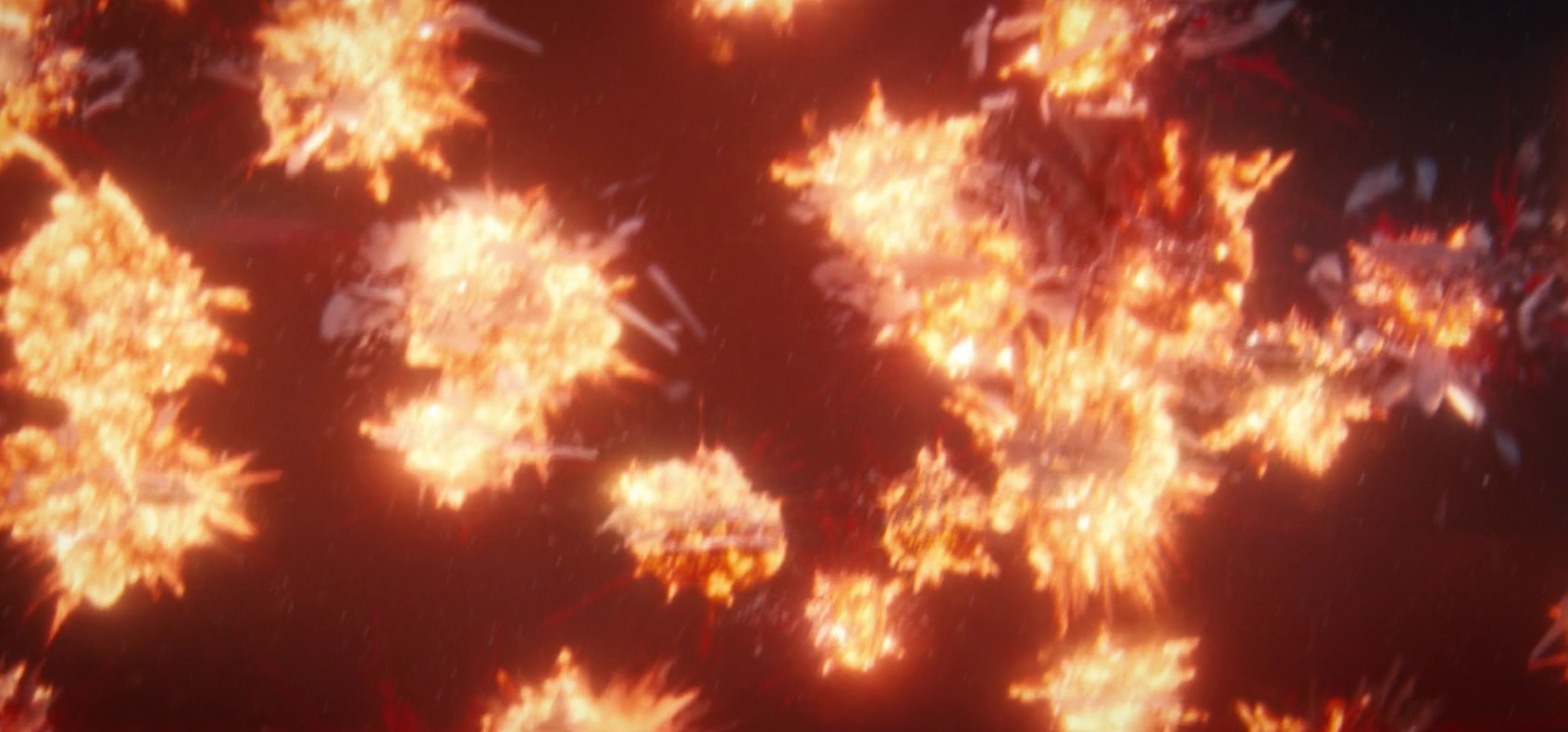
The transwarp anomaly in Farewell.

Bookending Season 2’s story was the mysterious anomaly. It threatened to unleash a huge amount of energy, devastating an entire sector of space and potentially destroying an entire fleet of ships… but we have no idea who caused it, what their aim may have been, or if it was simply a weird naturally-occurring phenomenon.

The Jurati-Borg certainly believed that this transwarp anomaly was a threat, and we can infer that it may have been an exceptionally powerful weapon. There are a few factions within Star Trek that could, in theory, be capable of that kind of attack. I think we can rule out the original Borg Collective for two reasons. Firstly, according to Season 3 of Picard, the Borg are in disarray and on the verge of collapse. And secondly, if it were a Borg attack, you’d think a centuries-old Borg Queen, with knowledge of the Collective and its technologies, would have recognised that.

The “guardian at the gates.”

To me, it feels profoundly odd that Seasons 2 and 3 went into production back-to-back, with mostly the same team at the helm, but this storyline didn’t carry over. It could’ve been set up, without much additional effort, as a prelude to Vadic’s scheme in Season 3; perhaps the transwarp anomaly was supposed to be a distraction, or perhaps it was her first attempt to attack the Federation, before realising she could ally with the Borg. It wouldn’t have taken a lot of effort to write the anomaly into the plot of Season 3.

In practically no other Star Trek story is a plot point like this left unresolved. If there’s an enemy, our heroes stop them. If there’s a mystery, we get answers. If a space phenomenon shows up, we get an explanation – even if it’s pure technobabble. The mysterious anomaly being abandoned like this is not only totally unprecedented… but it’s also incredibly unsatisfying. Everything Picard and the others went through built up to this moment… and we don’t know who’s responsible.

Abandoned Storyline #9:
So… who’s Picard married to these days?
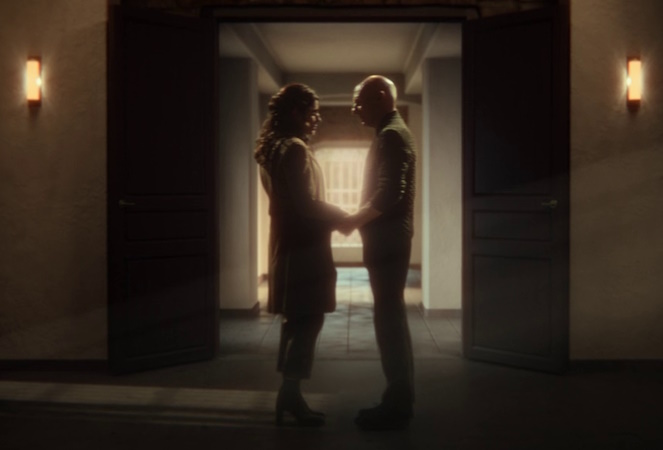
So did Picard stay married to Laris…

The entire plot of Season 2, according to Q, was that Picard had unresolved trauma from childhood that was keeping him isolated and preventing him from falling in love. Setting aside Picard’s romantic entanglements in The Next Generation, we’ll accept this explanation for now. By the end of Season 2, Picard returned to his vineyard where Laris was waiting for him. And he seemed finally ready to take the next step into a final frontier of his own.

Laris appeared very briefly at the beginning of Season 3, but promptly disappeared after Picard set out to find his ex… Dr Crusher. After that, we learned that Picard and Crusher had conceived a son some years earlier, and Laris was never mentioned again. After the Borg-Changeling scheme was defeated, Picard reunited with Dr Crusher to escort their son to his first Starfleet assignment. So… where’s Laris?
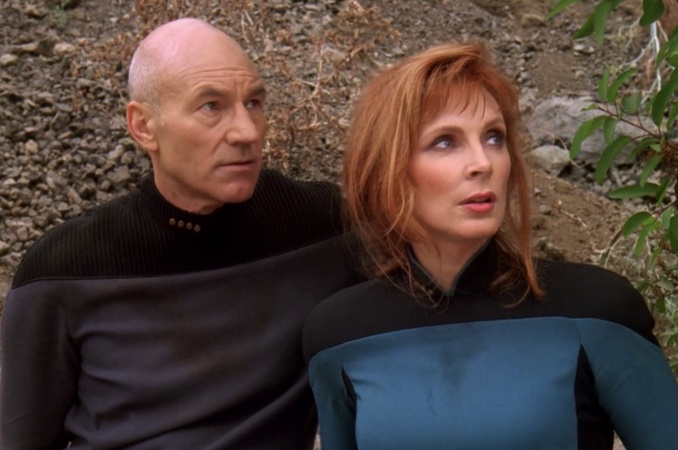
…or did he get back together with Dr Crusher?

I don’t necessarily think that the end of Season 3 suggests that Picard and Crusher rekindled their relationship. But now that Picard knows about Jack, he’s clearly planning to take more of an active role in his son’s life, meaning he and Dr Crusher will remain on speaking terms. Is Laris okay with that? Does Picard having a son change things for her? Could Picard be the one feeling conflicted, torn between two women, two families, and two potential lives? We didn’t get any exploration of what Picard’s past and Jack’s arrival in his life could mean for his new relationship – and again, to reemphasise a point from earlier, Seasons 2 and 3 were in production at the same time. The writers knew, when giving Picard and Laris their “happy ending” in Season 2, that his past relationship with Dr Crusher was about to be thrust into the spotlight.

There are multiple ways to interpret what we know. One is that, after the events of Season 3, Picard resumed his married life with Laris, even if things may have gotten a tad awkward. But the other is that Picard and Dr Crusher got back together, explaining why they were both with Jack when he arrived aboard the Enterprise.

Abandoned Storyline #10:
Who were the “alliance of synthetic life,” and what were their goals?
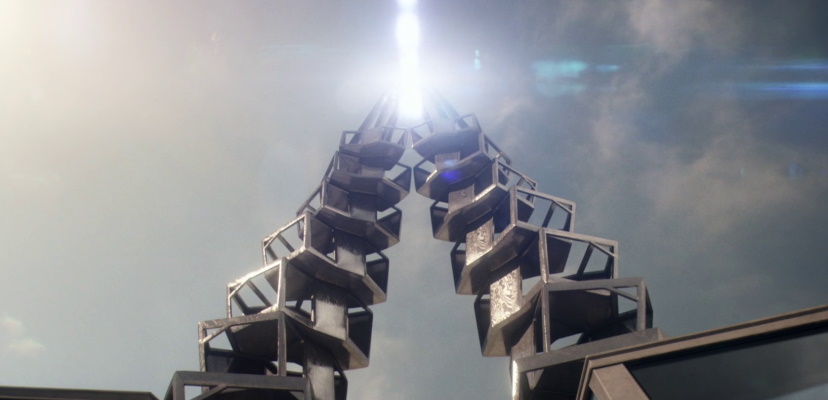
The Beacon.

The faction I nicknamed the “Mass Effect Reapers,” for their similarities to that video game antagonist, disappeared after Season 1 and weren’t mentioned again. But because of the aforementioned time crunch as Season 1 wrapped up, we really never learned much about them, who they were, what their objectives might’ve been… or what the consequences would’ve been if they’d shown up.

If Season 1 had been structured differently, an alternative ending could’ve shown the “super-synths” actually making it through the portal over Coppelius – and being confronted by the Federation and Romulans. It would’ve surely fallen to Picard, with his diplomatic talents, to defuse the situation, and we could’ve spent an episode or two with this faction, learning a little about where they came from, why they wanted to save their fellow synthetic life-forms, and perhaps if they’re connected to someone like the Borg.
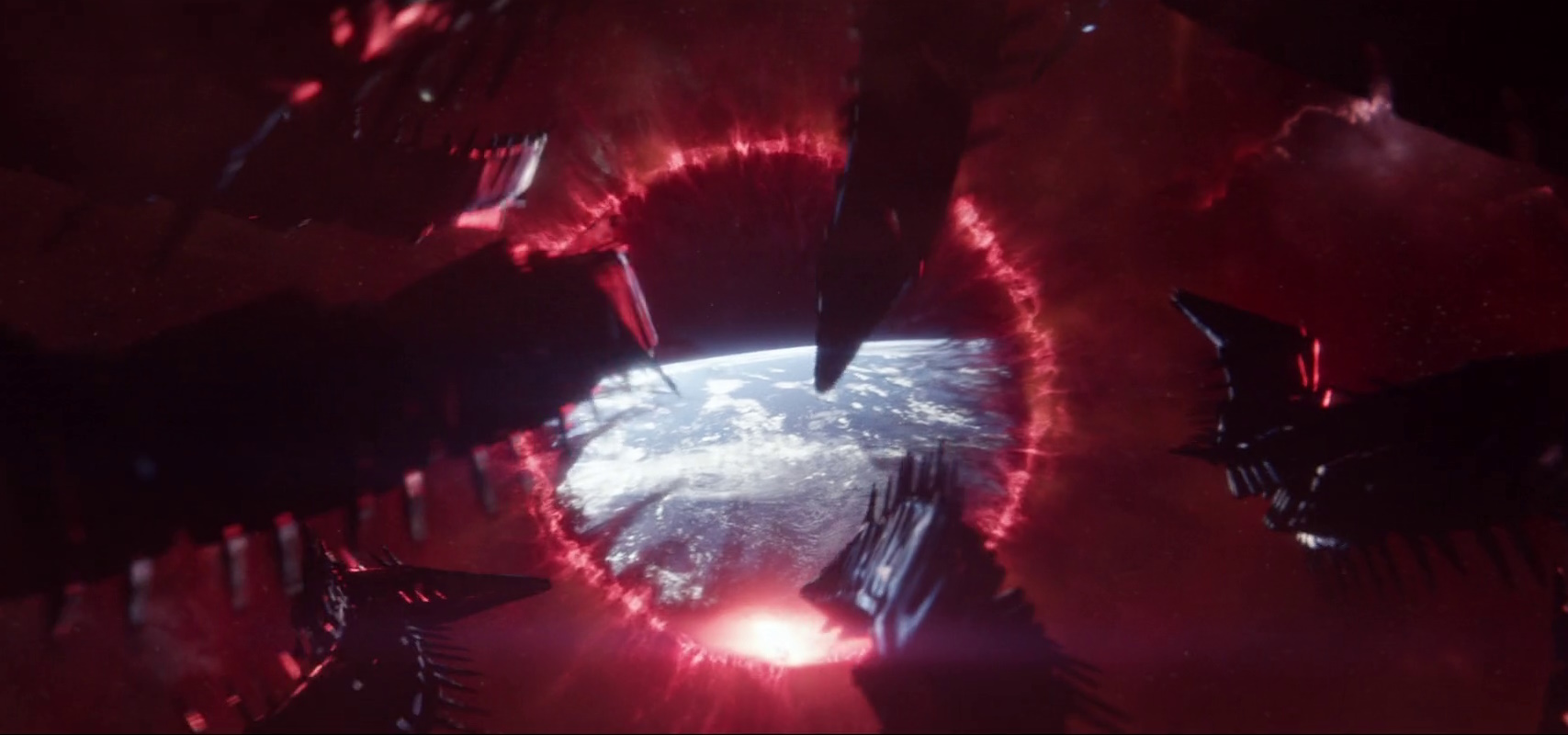
This was as much as we saw of the “super-synths.”

There are two competing theories, as I see it, for what these guys might’ve wanted. The first is that their offer to the synths – as depicted in their beacon on Aia – was genuine, and they truly wanted to help all artificial life-forms survive what they viewed as an inevitable attack by organics. The second, much more sinsiter explanation, is that the beacon was a trap. When a civilisation has advanced sufficiently to develop synths, those synths would trigger the beacon – allowing the “alliance of synthetic life” to show up, kill everyone, and harvest their resources.

Option B would be more interesting, in theory! But it would’ve also dominated at least one season’s worth of storylines, and given the way Season 1 landed for a lot of folks… I think it’s probably okay that we moved on from the super-synths. But it would still be interesting to learn more about them. As it is, they feel pretty one-dimensional; a powerful enemy with no face, no clear goals, and not even a proper name.

So that’s it.
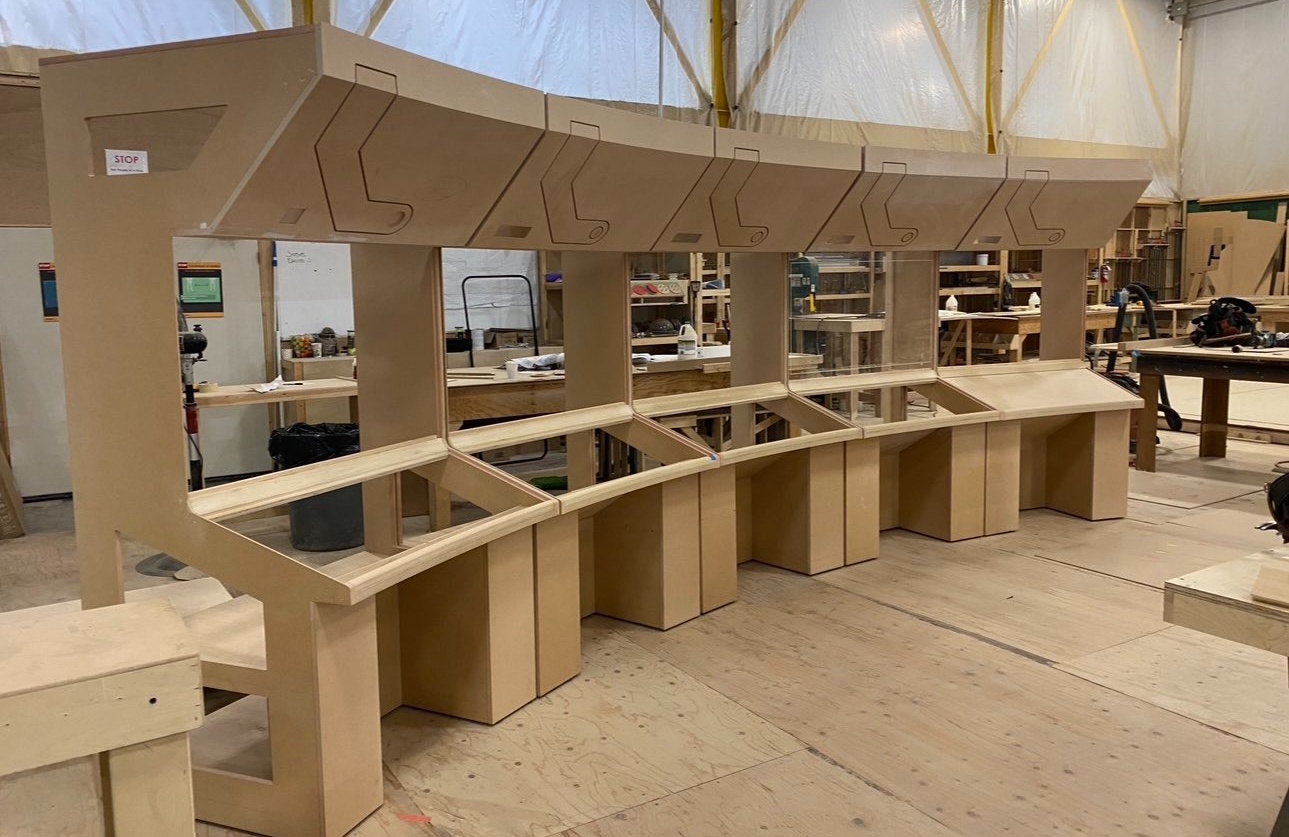
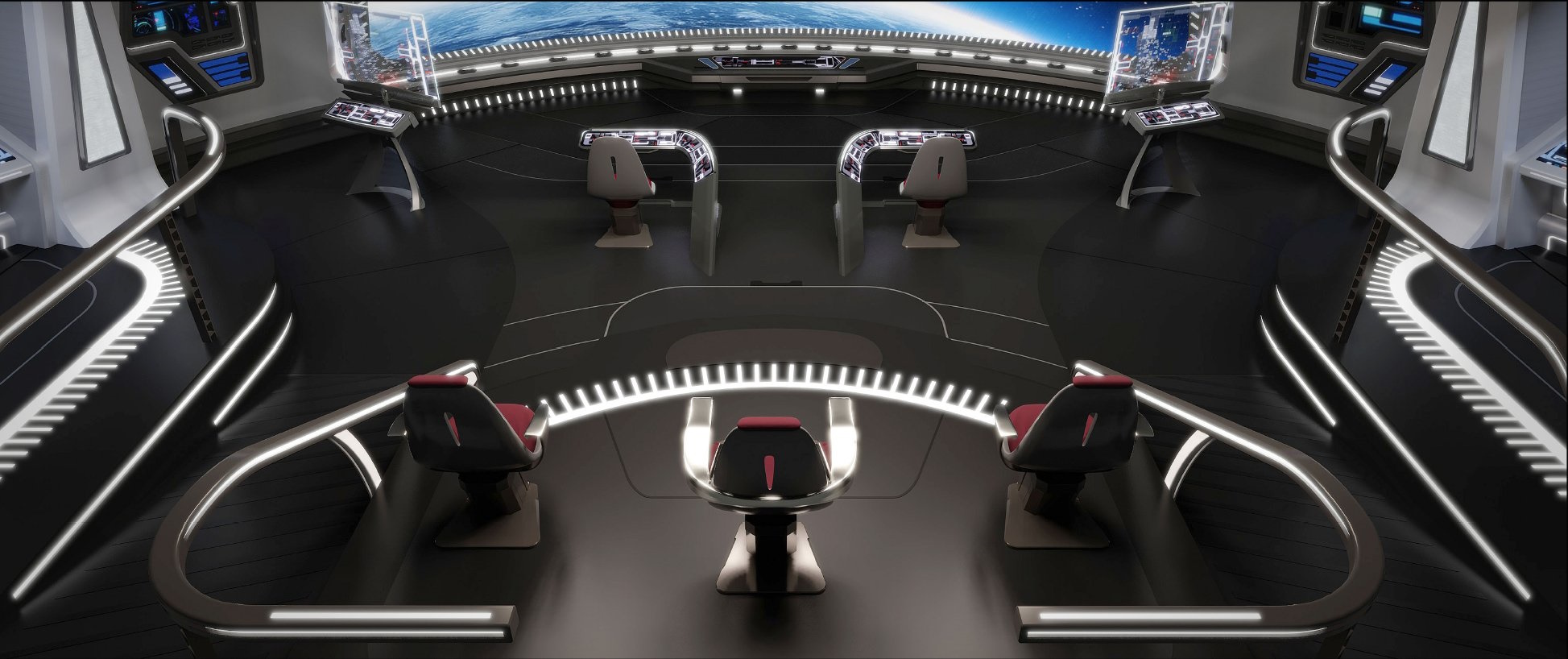
The rebuilt Enterprise-D bridge under construction ahead of Season 3.

We’ve talked about ten of Picard’s abandoned and unfinished storylines.

With the show over, and Legacy not being greenlit anytime soon, I suspect these narrative threads will be forever orphaned! They’re far from the only storylines in Star Trek to never get a proper resolution; the parasite-aliens from Conspiracy spring to mind, but I’m sure you can think of others. With Starfleet Academy soon to hit our screens, bringing Star Trek back to Discovery’s far future… maybe there’s an outside chance some of these events will be referenced – but I wouldn’t bet on it.

We’ll talk about this in more detail on another occasion, but two years on from Picard’s finale and I think my opinion of the show has worsened. There are some genuinely good episodes in the mix, some creative storytelling, and some wonderful moments of characterisation. But there’s a growing feeling that the show as a whole was a bit of a missed opportunity; that Star Trek’s return to one of its most popular characters and its most successful era should have done more to re-establish the franchise and set the stage for more. Legacy’s failure to get off the ground is, in a way, an indictment of the fact that Picard didn’t live up to Paramount’s expectations – and we have some questionable storytelling decisions to thank for that, in my view.
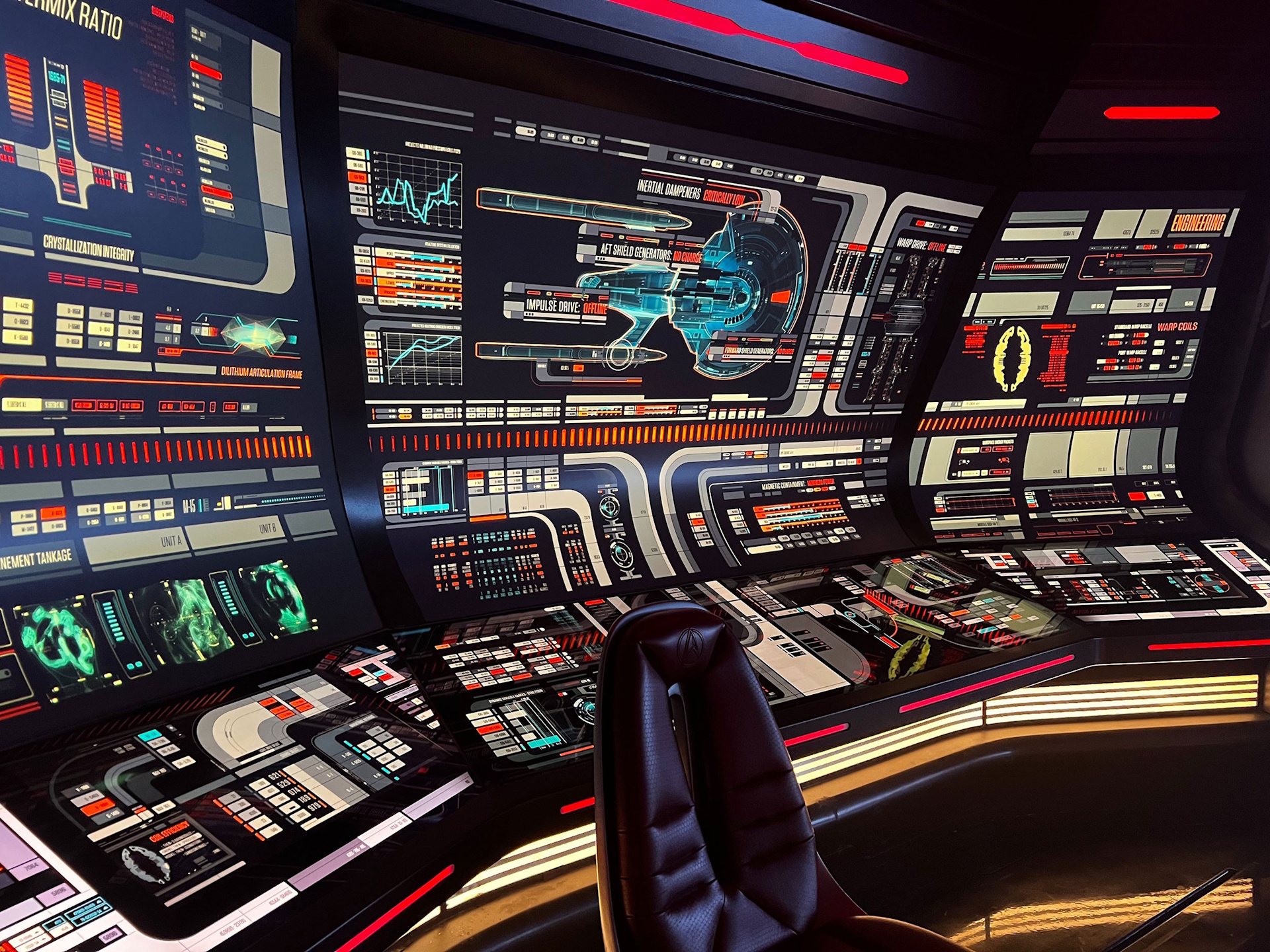
A console aboard the USS Titan.

It speaks to Paramount’s lack of care and unprofessionalism that a big-budget flagship series left so many characters and half-finished storylines behind. After running to a scant thirty episodes across three seasons, there really shouldn’t be this much abandoned content to talk about. One day, I’d love to get a Chaos on the Bridge-style documentary about what happened behind-the-scenes, because I bet there’s a lot we don’t know.

Although Picard has finished its run, there are still going to be things to say about the show from time to time! I’d love to do a longer retrospective piece about the series one day, because while I followed along and wrote reviews of all thirty episodes, I haven’t really been able to sit back and assess the series as a whole. With the benefit of hindsight – and with Picard potentially being the only 25th Century series we’re ever gonna see – I think there’s more to say that I may not have considered during the show’s original run.

So I hope you’ll stay tuned. There will be more Picard content to come in the months and years ahead.


Star Trek: Picard Seasons 1-3 are available to stream now on Paramount+ in the United States and other countries and territories where the service is available. The Star Trek franchise – including Picard and all other properties discussed above – is the copyright of Paramount Global. This article contains the thoughts and opinions of one person only and is not intended to cause any offence.

Stories To Tell Before It’s All Over…

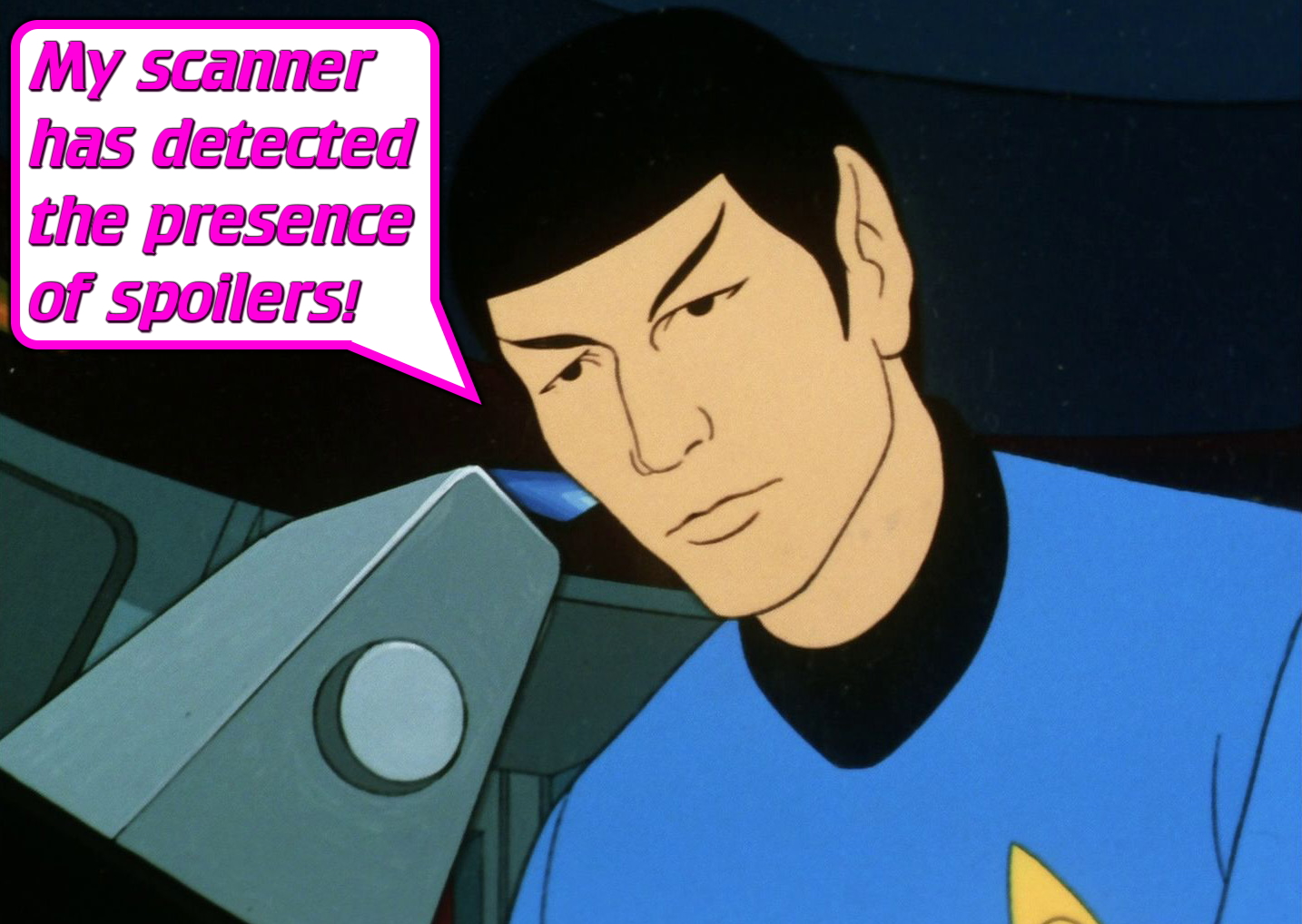
A Star Trek: The Animated Series-themed spoiler warning graphic.

Spoiler Warning: Beware of spoilers for the following Star Trek productions: Deep Space Nine Season 6, Enterprise Season 3, Discovery Seasons 1-5, Picard Seasons 1-3, Prodigy Season 1, Strange New Worlds Seasons 1-2, and Starfleet Academy.

Eight years ago, Star Trek returned to its small-screen home after over a decade in the wilderness. However, in 2025, thanks to a corporate merger, an under-performing, loss-making streaming platform, and some laughably idiotic decision-making by morons in suits, it feels like Star Trek might, once again, be coming to the end of the road. The cancellations of all but one series, failures to get a new feature film off the ground, and Paramount+ continuing to flail around in a competitive market all indicate to me that Paramount and Skydance are at the very least considering bringing production to a halt.

There will be time in the months and years ahead to talk about who’s to blame and what precisely went wrong. But that isn’t the purpose of today’s article. Instead, I want to take a look ahead. Beginning with the assumption that Skydance/Paramount aren’t interested in producing more Star Trek after the second half of the 2020s, what stories should the franchise’s writers and producers aim to tell over the next three or four years? Is there room to resolve dangling story threads, throw in a bit of fan service, and perhaps revisit characters and factions we haven’t seen in a while? Or… should Star Trek’s corporate overlords roll the dice again and chase trends in the hope of bringing in new viewers?

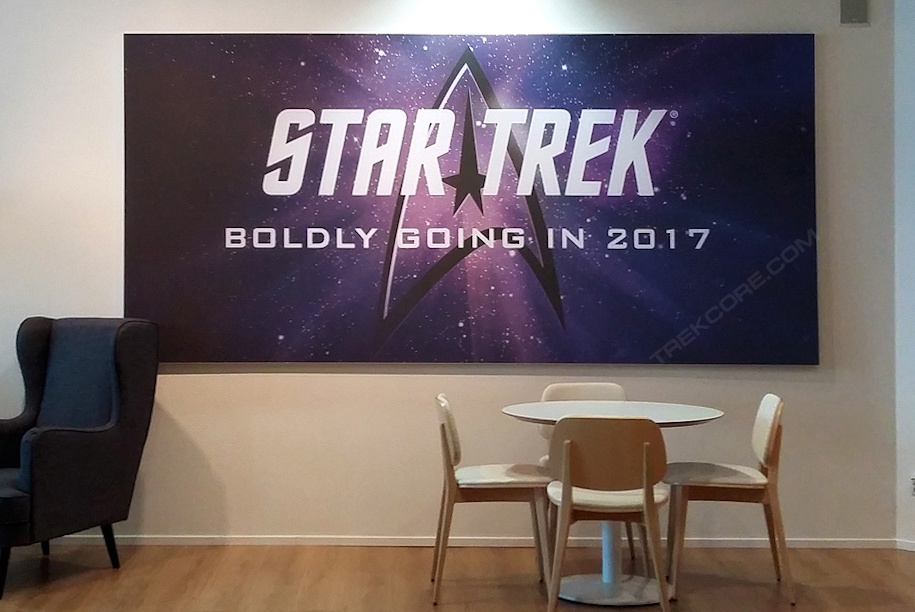
A room with a table and chairs and a banner on the wall that reads "Star Trek: Boldly Going in 2017."
An early tease of Star Trek’s small-screen return.
Photo Credit: TrekCore

2016 doesn’t feel like a particularly long time ago. But it’s been nine years since we got those early teases of what would go on to be Star Trek: Discovery, and since then, production has ramped up only to tail off again far more quickly than I’d expected. To go from the excitement of Star Trek’s return to the very real prospect of its total cancellation in the span of less than a decade is making my head spin! But realistically, after the cancellation of most of the main shows and with the corporate merger seeming to have put a stop to any new announcements… that’s where we’re at. If Star Trek isn’t bringing in viewers and helping Paramount+ on its long road to profitability… what did we expect? Corporations aren’t going to piss away money forever on something that isn’t making a profit… even if the reason why Star Trek, in its current incarnation, has struggled is, I would very strongly argue, entirely the fault of executive fuckwits making appalling decisions!

The cancellation announcement of Strange New Worlds kind of embodies that for me. Season 3 is literally days away, the cast and crew are about to start making the rounds on the interview circuit, hype for the new season is beginning to build… and that’s the moment that Paramount’s executives decide to announce that the show’s cancellation. This coming just a couple of years after they had to rapidly un-announce a new Star Trek film when it emerged that none of the cast had actually signed onto the project. After the merger is complete and these morons are all laid off… I hope not one of them ever works in the entertainment industry again.

But as I said, that’s not what we’re here to talk about on this occasion!

Former Paramount CEO Bob Bakish in an official portrait.
Former Paramount CEO Bob Bakish.

I’ve been thinking a lot about some of the Star Trek stories that I’d most like to see. If Star Trek does get fully cancelled later in the decade, and remains off the air for a good number of years as happened in the ’70s and the 2000s/2010s… this could be it for me. This could be the last new Star Trek I’m gonna see. Because of my health, sticking it out to the 2040s or beyond for a possible, hypothetical revival seems… well, it seems unlikely, to be blunt about it! So the next few years could bring me the final batch of Star Trek stories that I’m going to be able to watch. It’s with that mindset that I approach this piece.

So let’s clear a few things up before we go any further. These story ideas are pure fantasy, meaning I have no “insider information,” I’m not claiming any of them will actually be made, and it’s very likely that nothing we’re about to discuss will ever actually be seen on screen! This is a wishlist from a Trekkie, and should be taken in that spirit. Secondly, all of this is the wholly subjective take of just one person. If you hate all of my story concepts, or if I don’t mention a favourite of yours… that’s okay. There should be enough room in the Star Trek fan community for different ideas and the kind of polite discussion that doesn’t descend into argument and toxicity.

With all of that out of the way, let’s take a look at some of my story ideas.

Story #1:
Bring back the Xindi.

Still frame from Star Trek: Enterprise Season 3 showing the Xindi.
Xindi in Enterprise.

The Xindi have technically appeared in Discovery – albeit in a non-speaking, background role. And Xindi-Reptillians were also seen in a slightly bigger capacity in Prodigy’s first season. But we haven’t gotten a proper Xindi story since Enterprise – not one that examines the Federation’s relationship to the faction, at any rate. I’d love to see the Xindi revisited in a big way, catching up with them after the events of Enterprise and perhaps finding out a little more about what became of them after the disappearance of the Sphere-Builders.

Starfleet Academy could, for instance, introduce a Xindi cadet – perhaps one of the first Xindi to be a Starfleet officer in some time. Or Captain Pike could be sent on a diplomatic mission to the Xindi homeworld barely a century after the attempted attack on Earth. Either of these shows could incorporate a Xindi storyline, and it would be a lot of fun to either lay the groundwork for a future Federation-Xindi alliance or see what became of that in the far future.

Still frame from Star Trek: Prodigy Season 1 showing two Xindi characters.
Two Xindi from Prodigy’s first season.

A story set in the far future could also reference the Sphere Builders and perhaps expand upon something Discovery never really explained: the ban on time travel. It always struck me as an impossible thing to enforce, especially given the shattered state of the Federation, but perhaps a Xindi character in Starfleet Academy could lecture the cadets on the dangers of trying to interfere with the past.

If Pike and the Enterprise visit the Delphic Expanse, we could get a story about the Xindi’s first attempt to reconcile with Earth. They might’ve retreated back to their homeworld after their defeat, and this could be the first time they’ve reached out to the Federation in decades. There could even be a resurrection of the plot to attack Earth, perhaps some disaffected Xindi faction feels that it’s the only way to restore their world to greatness. If so, Captain Pike could have to follow in Archer’s footsteps and stop them!

Story #2:
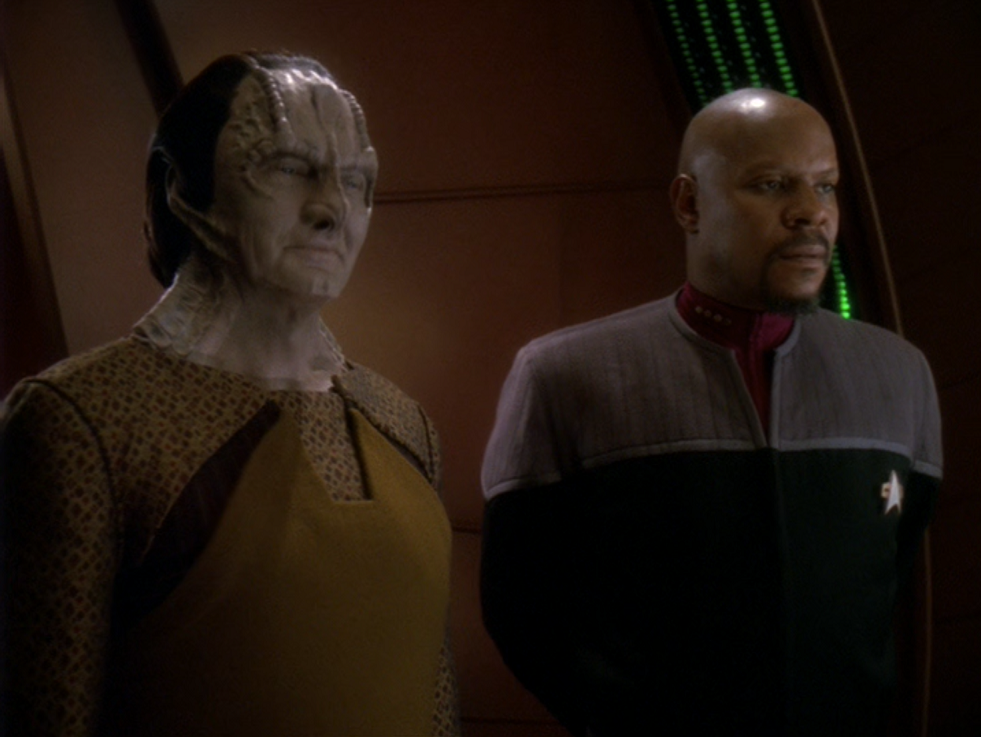
A sequel to In The Pale Moonlight.

Still frame from Star Trek: Deep Space Nine Season 6 showing Garak and Sisko.
Garak and Sisko.

Have you ever wondered what might’ve happened if the Romulans ever figured out what Garak and Sisko did during the Dominion War? I have! And it’s one of my all-time favourite fantasy storylines. I don’t think this would even need to include Sisko or Garak necessarily – though I’d love to bring back both Avery Brooks and Andrew Robinson to reprise their roles. But a story set sometime after the Dominion War could revisit this absolute cracker of an episode and address some of the lingering questions that it posed.

Though this could be another far future story, I guess, where I think it would work best would be in the Picard era. Perhaps the Romulans discover, in some of the documents and data that they saved from the supernova, the fake recording that Sisko and Garak created and revisit it, finally realising that it was fake. That could have massive implications for Romulan-Federation relations… or maybe the new Romulan government, relying on the Federation for aid and supplies after the cataclysm, would choose to cover it up. If Legacy had gotten off the ground, this would absolutely be a story I’d have wanted to see in that show.

Still frame from Star Trek: Picard Season 3 showing Seven of Nine.
This could’ve been a great episode of Star Trek: Legacy

I can picture it already: Starfleet contacts the Enterprise, ordering Seven, Raffi, Jack, and the rest of the crew to parley with the Romulans. Seven’s Romulan connections from Picard Season 1 could come into play here, justifying Starfleet tapping the Enterprise for the mission. Upon arriving at the new Romulan homeworld, several angry Romulans – leaders of the Senate and Tal Shiar, perhaps – confront her over the deception. Seven and the crew genuinely have no idea what’s going on; Sisko and Garak told no one. In desperation, Seven contacts DS9, potentially being received by a familiar face.

At this point, the story could go in lots of different directions – all with plenty of those shades of grey which made In The Pale Moonlight so compelling. There could be genuinely uncomfortable real-world parallels – the lies told in order to start wars, threats of aid being withheld from desperate survivors of the supernova, and good people forced into impossible situations by the actions of others a generation ago.

Story #3:
A 60th Anniversary Special.

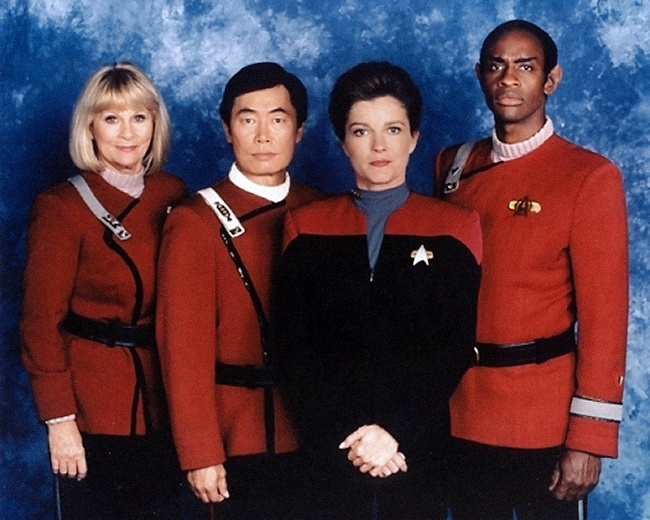
Promo image for Star Trek: Voyager showing Janeway and Tuvok with Rand and Sulu.
Janeway and Tuvok with Sulu and Rand from Voyager’s 30th anniversary episode, Flashback.

In 1996, two episodes were produced that really aimed to celebrate Star Trek’s thirtieth anniversary: Trials and Tribble-ations and Flashback. Both were, in my humble opinion, excellent – though fans have a clear preference for Trials and Tribble-ations! It’s been a frankly astonishing twenty-nine years since then… meaning Star Trek’s 60th is just around the corner.

A decade ago, Star Trek Beyond was the only production released during the 50th anniversary year, but Discovery was already filming. This time, I’d really love to see Paramount go all-out, using all of the resources at their disposal, to really celebrate all things Star Trek. Obviously this idea felt more likely before the recent cancellation announcements, and I would note that we’ve already had an excellent crossover between Lower Decks and Strange New Worlds that kind of occupies a similar space! But that wasn’t an anniversary special… so I think Star Trek and Paramount can do something, at least, to mark the occasion.

Still frame from Star Trek: Strange New Worlds Season 2 showing Mariner, Boimler, and Pike in the crossover episode.
Star Trek has recently done an ambitious crossover episode.

There are two shows in production that could – somehow – cross over. The best idea I can come up with at this stage would be the Starfleet Academy cadets running a simulation of Kirk’s Enterprise… which I realise sounds a lot like the maligned These Are The Voyages, but I think that same concept could’ve worked if it had been handled better and wasn’t intended to serve as Enterprise’s finale! So let’s say that, under the direction of Tilly and Vance, the cadets are aboard Kirk’s Enterprise, using the sets built for Strange New Worlds. What next?

Well, Strange New Worlds already has Kirk, Spock, Uhura, and Scotty – so we could use those characters and revisit a classic episode from The Original Series! Perhaps something like The Doomsday Machine, with the cadets observing Kirk’s actions for their assignment. This could mutate into a “the holodeck done goofed” type of story, perhaps, with the cadets having to genuinely fight for their lives alongside Captain Kirk and Spock. It wouldn’t be a pure crossover in the sense that Pike and some of the other Strange New Worlds characters would be missing… but I think it could be a huge amount of fun.

Story #4:
Save Captain Lorca!

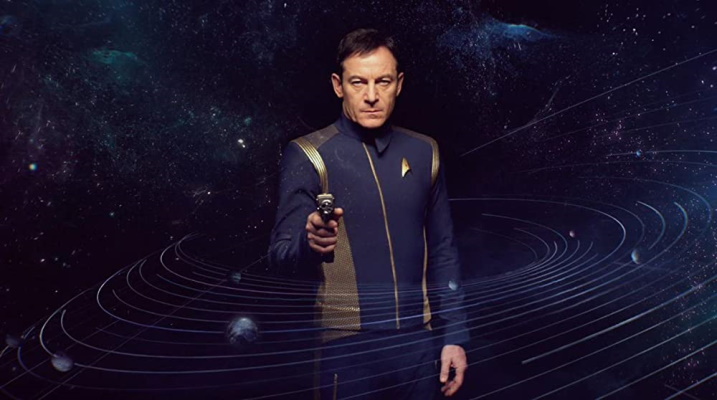
Promo still for Star Trek: Discovery Season 1 showing Captain Lorca with a phaser.
Captain Lorca.

This has been a theory/fantasy of mine going all the way back to the announcement of Section 31 in 2019! In short, the prime timeline version of Captain Gabriel Lorca, from Discovery’s first season, switched places with his Mirror Universe counterpart before the events of the show. Mirror Lorca is dead – but we never learned what became of our universe’s version of the character. Admiral Cornwell just assumed that he’s dead… but Lorca always struck me as a resilient, resourceful man. So maybe there’s a way that he managed to survive.

Section 31 obviously went on to be a completely different thing, but we still have a show set in the 23rd Century where this kind of rescue mission might be possible: Strange New Worlds! Captain Pike confirmed back in Discovery that he knows about the existence of the Mirror Universe, and while any crossover story would have to keep characters like Spock, Uhura, and Scotty out of it, I think it could be made to work. Furthermore, we could get a glimpse of Pike’s past; perhaps he served with Lorca before either of them assumed their commands, or maybe they became friends while working together as starship captains.

Still frame from Star Trek: Enterprise Season 4 showing the Terran Empire logo.
Captain Lorca is trapped in the Terran Empire.

In my fantasy version of the story, Admiral April would contact Captain Pike with a top-secret assignment. Starfleet has received a brief message from across the divide between universes, confirming that Captain Lorca is still alive. Based on what Starfleet learned from the USS Discovery’s time in the Mirror Universe, they’ve found a way to send a small ship through the looking-glass – and Pike, as one of the few officers aware of the Mirror Universe and because of his connection to Lorca, has been chosen to lead the mission. Pike would select Ortegas to be the shuttle’s pilot and another character – perhaps La’an for security or Pelia to keep the shuttle flying and maintain its systems – for a clandestine mission akin to the one Picard undertook in Chain of Command.

Once in the Mirror Universe, Pike and the others would have to trace the source of Lorca’s signal – it’s coming from a Terran Empire prison camp. They’d come up with a plan, break him out, engage in a shootout with a few Terrans, and possibly catch a glimpse of Mirror Spock before making it home safe and sound. I think this could be a really fun story – and a great way to bring Star Trek’s current crop of shows full-circle by returning to the events of Discovery’s first season.

Story #5:
Captain Pike vs. the Borg Collective!

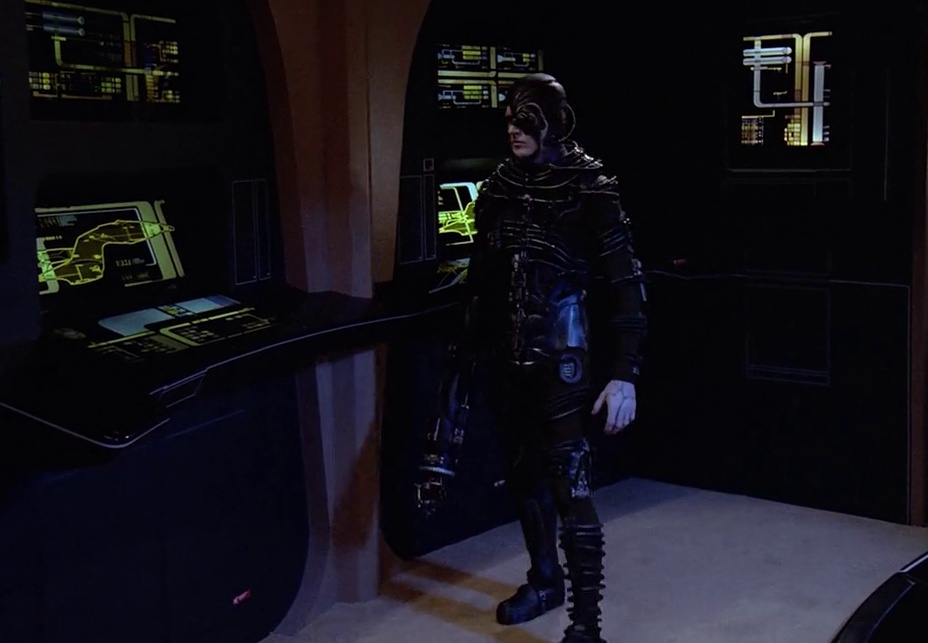
Still frame from Star Trek: The Next Generation Season 2 showing a Borg drone in main engineering.
The first Borg drone ever seen in Star Trek.

Okay, now we’re getting silly. But I still think that a Borg Strange New Worlds episode isn’t as far-fetched as it sounds! Let me explain why. Firstly, just like the Captain Lorca episode above, this one would have to take place in an alternate timeline. Somehow, someway, thanks to some technobabble interstellar phenomenon, the Enterprise is thrust into a parallel universe – one in which the Borg have come to dominate the entire galaxy. Pike and the crew would have to face off against a horde of cybernetic adversaries while struggling to make it home.

Characters like Spock and Una could suggest that this cybernetic race – the Borg – might not exist in the prime timeline, potentially explaining how Pike’s run-in with the Borg was never mentioned by anyone else! I think that clears up that particular issue much better than Enterprise did with its Borg episode! But I also like the idea of leaving just a little bit of ambiguity right at the end – perhaps Pike submits his report, and the camera hangs on Admiral April as he looks pensive and concerned.

Still frame from Star Trek: Strange New Worlds Season 2 showing Captain Pike in his away team armour.
How would Pike handle the Borg threat?

After Picard arguably overdid it with the Borg, I can appreciate why bringing them back so soon might not be to everyone’s taste. And when there are so many factions and races from past iterations of Star Trek still waiting to be revisited, I can entertain the argument that doing another Borg story might not be the way to go. But when I think about the most iconic villains in Star Trek, the toughest enemies to beat, and the most frightening… the Borg are absolutely up there in all three categories, and I think they’d pose a massive challenge for Pike and the crew.

The most important thing for me is setting a story like this in an alternate universe, not the prime timeline. There’d be enough wiggle-room to have an encounter like this without treading on the toes of fantastic episodes like Q Who and The Best of Both Worlds that way.

Story #6:
Push the Burn into an alternate timeline.

Still frame from Star Trek: Discovery Season 3 showing the Burn destroying starships in a flashback.
The Burn.

As a parting gift to potential future Star Trek storytellers, I can’t think of anything this current crop of shows could do that would be better than pushing the Burn and the far-future setting into an alternate reality. Don’t get me wrong: I don’t want to see Discovery and Starfleet Academy decreed to be “non-canon,” and the far-future setting had some interesting ideas that led to some genuinely great episodes. But… as the ultimate destination for the entire Star Trek galaxy, the Burn and the post-apocalyptic hellscape it created are incredibly depressing. Not only that, they risk constraining future stories, making them feel meaningless or unimportant.

Any new Star Trek project set prior to the 32nd Century becomes, by default, a Discovery prequel. And when we know how awful Discovery’s far future was for pretty much everyone… that’s not great. It completely changes how we view stories like Picard’s third season; we knew, even subconsciously in the backs of our minds, that even if Picard managed to save the day and defeat the Borg, the Burn was still going to happen. No other Star Trek project has done more to restrict and reframe subsequent productions than Discovery’s third season.

Still frame from Star Trek: Picard Season 3 showing Spacedock under attack.
Any Star Trek episode or film set in the 23rd, 24th, or 25th Centuries becomes, by default, a prequel to Discovery’s far future… and the Burn.

And I think, all things considered, “post-apocalyptic Star Trek” didn’t work as intended – at least not in Discovery with the kinds of stories the production team wanted to tell. So let’s assume Starfleet Academy will get two seasons before a cancellation in 2027 or 2028. The absolute best thing that show could do in its final episode is find some way to push this version of the future into a pocket universe or alternate timeline. You’d have to come up with some kind of technobabble and a reason why; maybe the Burn will have knock-on effects that ultimately lead to some additional disaster, and the only way to prevent it will be to travel back in time and stop the Burn from ever happening. I don’t know. But there’s gotta be someone who could write a story like that!

What this story would have to do is thread the needle. Discovery and Starfleet Academy could continue to exist for folks who enjoyed them – and I certainly hope to be among the people who enjoy Starfleet Academy! But the main storyline of the Burn could push those shows into some kind of parallel universe – paving the way for Star Trek projects in the future to not have that massively depressing destination.

Story #7:
Star Trek: Legacy.

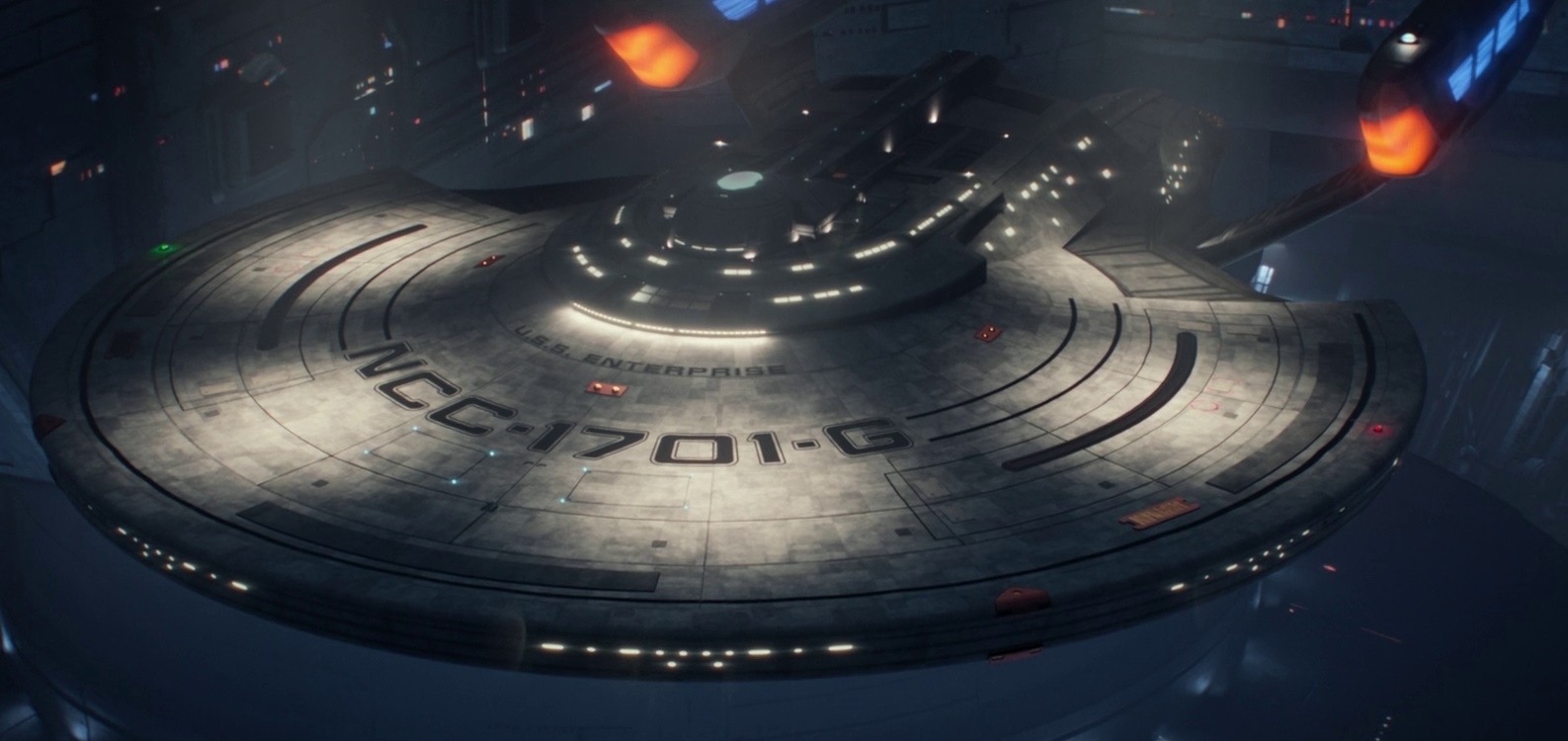
Still frame from Star Trek: Picard Season 3 showing the Enterprise-G.
The Enterprise-G.

This one isn’t a single “story” so much as an entire TV movie! In short, I’d love to see Terry Matalas’ Legacy pitch revisited, somehow. If we stick with our assumption that cancellation is coming, then it seems beyond unlikely that a brand-new big-budget series is going to get out of the starting gate. But maybe, just maybe, there’s room to turn Legacy into a Section 31-style TV movie. If it does well in that format, then who knows? Maybe Skydance/Paramount will want a continuation.

I really hope that the negative reception Section 31 received earlier in the year won’t dissuade Star Trek’s corporate overlords from revisiting the TV movie idea. There are so many stories that could work in that format – even if they couldn’t carry an entire series on their own. While I’d absolutely love to see Legacy in its originally-envisioned form as a full-blown series, a TV movie could be the next best thing… and a way to test the waters to see if the 25th Century could be Star Trek’s saviour.

Still frame from Star Trek: Picard Season 2 showing Seven and Raffi.
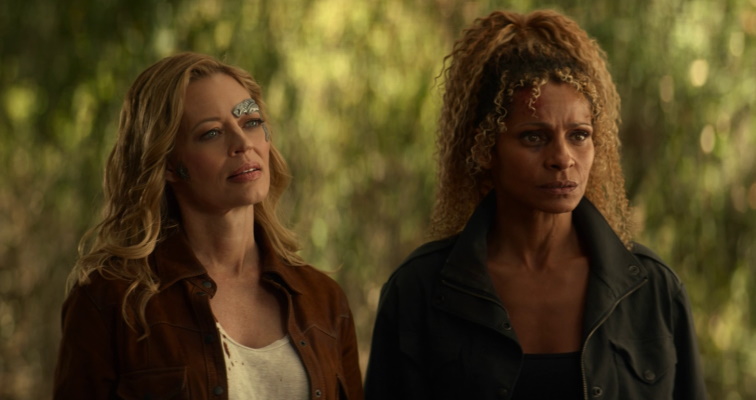
Seven and Raffi could return…

I’ve argued repeatedly that the Star Trek franchise can’t just coast on nostalgia and past successes, and needs to do more to bring new, younger fans on board. That’s something I hoped Section 31 could’ve done… but that doesn’t seem to have happened, unfortunately. A restructured Legacy, with just enough of a connection to Star Trek’s past without going overboard, could be the gateway into the franchise for new fans – connecting back to characters from The Next Generation era while setting the stage for new adventures in the 25th Century.

I’ll caveat all of this by saying that no one knows what was in the original Legacy pitch – it might’ve been absolute dog shite that we would’ve all despised! And there’s clearly a reason why Paramount didn’t go for it in 2022/23. But as with other missed opportunities in recent years – like Quentin Tarantino’s film idea – I can’t help but feel the decision not to move forward was the wrong one. Perhaps Legacy can still be revived, even if it has to be a one-off TV movie instead of a full series.

Story #8:
“Cardassia Prime.”

Still frame from Star Trek: The Original Series showing the USS Enterprise with the words "Cardassia Prime" in the style of an Original Series title card.

If you’re a regular reader, you might remember my fantasy “episode pitch” for Strange New Worlds from a few months back. I titled the story Cardassia Prime, and it would tell the story of first contact between the Federation and the Cardassians. But wait, there’s more! I’d also bring an elderly T’Pol into the story, serving as an ambassador and diplomat for the Federation in her later years.

The episode would start with Captain Pike receiving new orders – a Federation colony ship has been attacked by an unknown faction, and a special ambassador is coming aboard the Enterprise to help defuse the situation. The ambassador will be revealed as T’Pol – now well over a hundred years old, but still working for the Federation. I’d love to see some interaction between an elderly T’Pol and a younger Spock; perhaps she’d have some advice for him on working closely with humans and discovering personal connections with them that could foreshadow Spock’s deep bond with Kirk.

Still frame from Star Trek: Enterprise showing an elderly T'Pol.
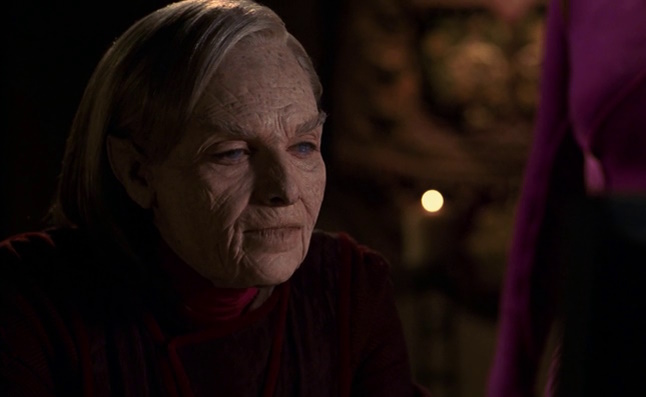
This episode would feature an older T’Pol.

We’ll also discover that the aggressive, territorial power T’Pol has been sent to negotiate with is the nascent Cardassian Empire – and they’ve laid claim to a system that a Federation colony ship inadvertently ventured into. This kind of hostile first contact, with an emphasis on competing claims for star systems along a shared border, could set be the precursor to the Carsassian Border Wars of the 24th Century, foreshadowing events referenced in The Next Generation and Deep Space Nine. I like the idea of a non-violent resolution; Captain Pike shouldn’t have to fire his phaser even once, despite Cardassian intransigence!

We’ve never seen how first contact between Starfleet and the Cardassians went, and I just adore the idea of an episode bringing together elements from all three of Star Trek’s main eras: the 22nd Century, represented by T’Pol, the 23rd, obviously represented by Pike, Spock, and the Enterprise, and the 24th, represented by the Cardassians, who were first introduced in that era and who were a major antagonist. If you want a longer look at my “Cardassia Prime” story outline, you can find it by clicking or tapping here.

Story #9:
32nd Century Klingons.

Still frame from Star Trek III: The Search for Spock showing a Klingon Bird-of-Prey up close.
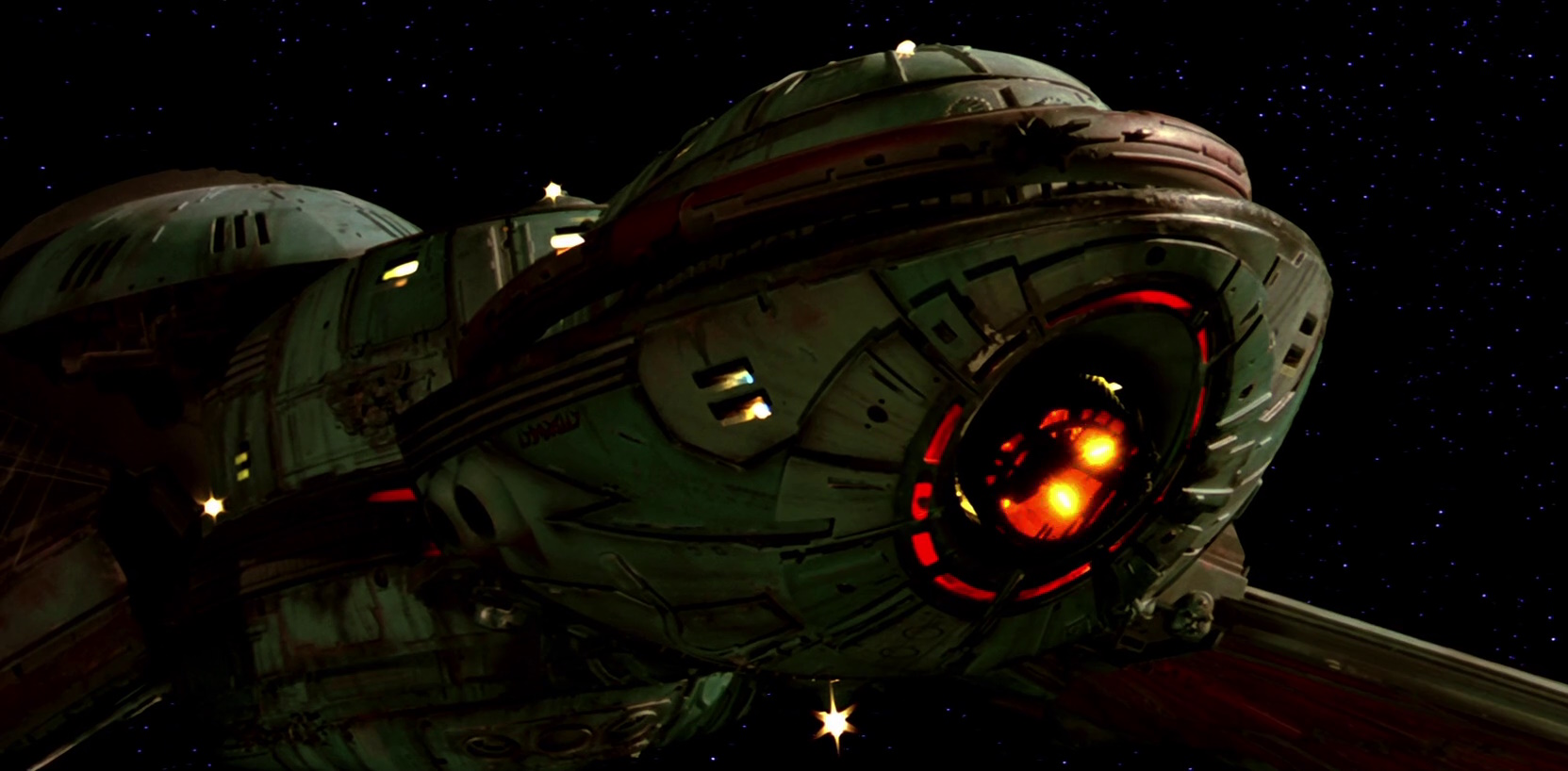
A Klingon Bird-of-Prey.

After shooting forwards in time far beyond anything we’ve seen in Star Trek before, Discovery disappointed me by showing us remarkably little of the galaxy in this era. With storylines focused on the next “massive galactic threat” and Burnham’s soap opera-like personal relationships, the show just didn’t even try to give us a bigger picture look at some of the factions and races we remember. A few were glimpsed – literally, just glimpsed in the background with a single character, like a Ferengi or Lurian. But we’ve seen hide nor hair of the Klingons.

Of all the races in Star Trek, the Klingons are perhaps the most iconic and narratively important. So it feels odd to have spent three full seasons in Discovery’s far future without so much as glimpsing a single solitary Klingon! There are so many ways this could’ve gone, too – the Klingons could’ve become fully-fledged Federation members by this time, returned to isolationism, or even broken their alliance to become an enemy once again.

Still frame from Star Trek: Deep Space Nine showing two Klingon leaders on DS9's viewscreen.
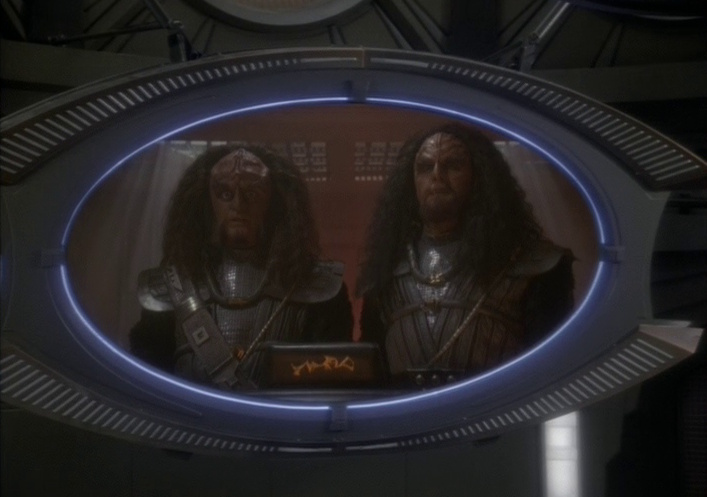
Gowron and Martok in Deep Space Nine.

And then there’s the Burn. The Burn was, in a roundabout way, caused by a Federation citizen aboard a Federation ship… so what would the Klingons make of that revelation? How did the Burn even impact their empire – or whatever was left of it by the 32nd Century? Is there still an extant Klingon state at all, or did their empire fall apart centuries ago, with surviving Klingons existing as second-class citizens under the jurisdiction of the likes of the Breen or Emerald Chain?

I’d love to see Starfleet Academy begin the process of answering these questions! Even though, as stated above, I think pushing this vision of the far future into a separate timeline would be for the best, I’m still curious to catch up with the Klingons in this era, finding out what happened to them in the centuries after we last saw them.

Story #10:
Tie up Picard’s loose ends… or some of them, at least.

Still frame from Star Trek: Picard Season 1 showing Narek's final on-screen moment.
Hi, Narek…

Who are the “alliance of synthetic life,” and what were their goals? Who created the mysterious transwarp anomaly/weapon? Could those two stories, from Seasons 1 and 2 of Picard, be related somehow? I’d love to get some closure on these two apparently-massive storylines that Picard’s writing team dropped without bothering to explain!

This is another storyline that could’ve emerged in Star Trek: Legacy… but I think there’s at least the potential for Starfleet Academy to tie up these loose ends. Even if all we get is a short scene, a few lines of dialogue, and confirmation that the super-synths tried to attack the Federation before being defeated by a renegade Borg ally… that would be something. Maybe we could learn that Starfleet established relations with the “alliance of synthetic life” and they maintain an embassy. If the writers really wanted to lean into this idea, we could even connect it to a synthetic character like the Doctor – who we know is coming back in Starfleet Academy’s first season.

Still frame from Star Trek: Picard Season 2 showing the assembled fleet and the mysterious anomaly.
The mysterious anomaly from Season 2.

As I’ve said before, Picard was a jumbled, contradictory mess of a show – one that dumped characters and storylines with no explanation, overwrote significant story beats from one episode to the next, and while it managed to pull out a satisfactory ending to its third season… there was a lot left on the cutting-room floor as the credits rolled. Getting some kind of closure to some of these points – even centuries later in a completely different context – would be fantastic.

As Trekkies, we like the world of Star Trek to make sense. And when whole storylines which appear to involve impossibly-powerful enemies and adversaries just disappear without a trace… well, that isn’t very satisfying. Even if Starfleet Academy could find time to include a couple of throwaway lines of dialogue referencing and providing some kind of closure to the super-synths and the mysterious anomaly… I think that would do a lot to improve how I feel about those storylines.

So that’s it… for now.

Concept art of the USS Excalibur from Star Trek Online.
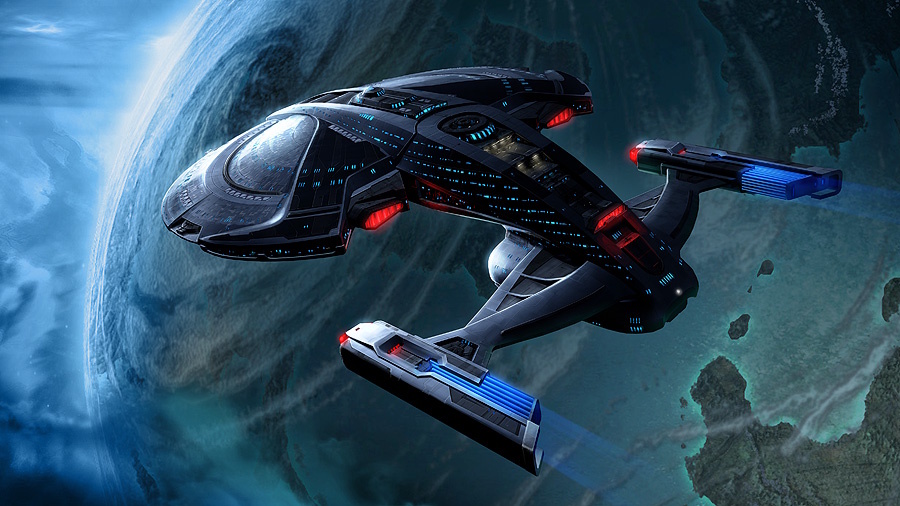
Star Trek Online’s USS Excalibur.

With Strange New Worlds not even halfway through its four-and-a-half season run, and Starfleet Academy having been announced but not so much as glimpsed yet… it feels strange to be thinking about Star Trek as a whole potentially being shut down in just a few years’ time. However, unless something massive changes – and quickly – that seems to be what we’re headed for. It’s a depressing thought, especially since cancellation in the late 2020s could very well mean that these upcoming episodes and stories will be the last brand-new Star Trek I’ll ever see. But what can you do, eh?

I hope this has been an interesting thought experiment, at least. There are some stories and episode ideas that I’d really love to see brought to the screen over the next few years, and if they’re to be among the last in this current incarnation of Star Trek… well, let’s just hope they’re good ones!

Thanks for tuning in, and as always… Live Long and Prosper!


Star Trek: Strange New Worlds Season 3 and Star Trek: Starfleet Academy Season 1 are in production and will be broadcast on Paramount+ in the months ahead. Other Star Trek shows and films are already on the platform now, and may also be available on DVD and/or Blu-ray. The Star Trek franchise – including all episodes, films, series, and other properties discussed above – is the copyright of Paramount Global. This article contains the thoughts and opinions of one person only and is not intended to cause any offence.
Star Trek Needs Sequels, Not Prequels

A spoiler warning graphic.

Spoiler Warning: There are spoilers present for Star Trek: Discovery and Star Trek: Picard.

Alright, let’s talk about some troubling Star Trek news, I guess.

First of all, I want to say that more Star Trek on our screens is a good thing. I always like to give that caveat before I say anything even remotely negative about announcements and rumours because I know I can be misinterpreted. Given Paramount’s dire financial situation, recent Star Trek cancellations on the small screen, and the repeated failures of big-screen Star Trek projects in recent years, the fact that we’re getting announcements about new Star Trek content at all is a positive development. The franchise isn’t dead and doesn’t seem to be going away in the immediate term – and that is good news.

But – and you knew there had to be a “but” after all of that – recent Star Trek film announcements are not only not what I’d hoped to see, but I think they really represent how out-of-touch Paramount is and how far removed its executives have become from the Star Trek fan community. The kinds of projects Paramount wants to greenlight seem to be poised to repeat recent and not-so-recent mistakes, and also appear to be based on a total misread of where Trekkies – and a more casual wider audience – are right now.

Paramount Global's logo.
Paramount Global is the corporation that owns and manages Star Trek.

Earlier in the year we talked about the announcement of a Kelvin timeline prequel film, as well as the prospects of a sequel to 2016’s Beyond. It’s recently been reported that the so-called “origin story” is moving ahead, with talks ongoing to sign Simon Kinberg – who previously worked on films like Deadpool, The Martian, and the X-Men series – as a producer. Kinberg may also have a role in guiding or producing future Star Trek films after that.

This prequel is not the kind of project I’d choose to make if I were in charge of the franchise over at Paramount – and it seems to me that Paramount is repeating and doubling-down on the same mistake that the Star Trek franchise has been making for almost a quarter of a century. Going all the way back to the announcement of Enterprise around the turn of the millennium, prequels are just not what most fans have wanted to see. You can see that from Enterprise’s lacklustre viewing figures during its original run, leading to its premature cancellation.

Promo photo for Star Trek: Enterprise (2001) showing several main cast members.
Enterprise – Star Trek’s first prequel – struggled with viewership throughout its four-season run.

Moreover, Discovery had the same problem when it was announced in 2016 – and that show’s place in the Star Trek timeline caused it a plethora of issues. As I said when I took a longer look at Discovery’s creation and its status as a prequel – which you can read for yourself by clicking or tapping here – the show’s writers taking Burnham and the crew out of the 23rd Century in the Season 2 finale seems to be a tacit admission of the fact that it should never have been set in that time period to begin with.

Most of Paramount’s executives and key investors are old. They’re of the baby boomer generation, and while I doubt whether any of them are or ever were Star Trek fans, when they think of the franchise their thoughts naturally turn to The Original Series – to Kirk, Spock, and Dr McCoy, and the adventures of the original Enterprise. When they consider pitches for new Star Trek projects and think about where to spend their money, that unconscious bias is present – and I would argue that it’s leading to them pushing the Star Trek franchise in very much the wrong direction.

Black-and-white promo photo for Star Trek (1966) showing Captain Kirk wielding a phaser rifle.
Too many senior people at Paramount Global still think of this when they hear the name “Star Trek.”

Discovery would have always been a controversial production, I suspect, but one of the biggest problems fans had with the show was its place in the timeline. Very little about Discovery in its first two seasons would’ve needed to change if the series had been set a decade after Nemesis instead of ten years before Kirk’s voyages aboard the Enterprise. Some character details would need to be different, but the fundamentals of the show would have worked the same – and it wouldn’t have picked up the controversy and bad feelings that came with being a prequel.

The biggest request from Star Trek fans over the past year-and-a-bit has been a Picard spin-off. Originally pitched by Terry Matalas, Picard’s showrunner during its second and third seasons, the series tentatively titled Star Trek: Legacy has proven incredibly enticing to Trekkies. However, with Matalas recently being tapped by Marvel and Disney to work on new projects for them, Legacy as originally envisioned seems not to be going ahead. That was always a possibility – and for all we know, the original pitch might’ve been crap. But the point remains: if Paramount was listening to Star Trek fans, a sequel, not a prequel, would surely be the next Star Trek project.

Still frame from Star Trek: Picard Season 3 (2023) showing a character at the helm of a shuttlecraft.
A sequel to Star Trek: Picard would be very popular with the Star Trek fan community.

Let’s assume that this “origin story” film goes ahead. A dangerous assumption given Paramount’s breathtaking incompetence, perhaps, but for the sake of argument we’ll entertain it for a moment. What would a film like that realistically do for Star Trek? It could connect with the Kelvin films, perhaps, and call back to Enterprise in some capacity. It could perhaps harken back to First Contact, which continues to be a pretty popular film, or maybe even scrape the barrel by making reference to some of the events in Picard’s awful second season. But beyond that? What could a film in this era explore that we don’t already know or can’t reasonably infer from other Star Trek projects?

There are events in Star Trek that we’ve never seen on screen but that shows or films have made reference to. Some of these might actually be interesting to explore in more detail one day – but not as a flagship big-screen project. These are the kinds of incidental stories that might work as one-off episodes in longer seasons, or perhaps as standalone episodes of Short Treks. Committing movie-level money to a prequel set in between Star Trek’s least successful series and most controversial series… it just feels idiotic. It’s indicative of a corporation and group of executives who are too far removed from the fan community.

Behind-the-scenes photo from Star Trek: Discovery Season 1 (2017) showing characters being filmed on location in a forest.
Behind-the-scenes during production on Season 1 of Discovery.

I can just about see the case for a Beyond sequel – a fourth Kelvin timeline film. I still don’t agree that it would be the best way for Paramount to spend money on Star Trek, but given the relative financial success of the Kelvin films and the alternate reality setting that’s a step away from the prime timeline, I can at least understand why a return to that cast and series would be appealing. But that doesn’t apply to a different prequel, one set before the events of 2009’s Star Trek and basically everything else in the franchise.

Since its inception in the ’60s – and even more so since The Next Generation premiered – Star Trek has been a franchise that looked forward and moved forward. The core of Star Trek is about the future, and representing a positive, optimistic vision of the 23rd and 24th Centuries that can be inspiring to people today. Creating a prequel that looks back at Star Trek’s own fictional history felt wrong when Enterprise did it, re-telling the stories of Kirk and co. felt strange when the Kelvin films did it, and creating yet another prequel didn’t go to plan when Discovery did it, either. Star Trek is not a franchise well-suited to prequels and it never has been. If there is to be more Star Trek in the months and years ahead – and I hope that there will be – it should continue to move the timeline forward.

Promo image for Star Trek: Discovery Season 1 (2017) showing the captain's chair.
One of the first promotional images revealed for Discovery in 2016.

I don’t know what might be in the script for this supposed “origin film” that sparked all of this discussion. But based on everything I’ve seen as a viewer from Enterprise through the Kelvin films to Discovery, Strange New Worlds, and beyond, I can’t imagine that it could only ever work as a prequel. With some tweaks and adaptations, I would bet the farm that this new story would work just as well – perhaps even better – if it was set in the Picard era or beyond. Making it a sequel, not a prequel, would not only give Trekkies what we’ve been asking for more of for a long time, but it would probably make for a better, more solid standalone film – and perhaps even create something that could serve as a launchpad for new films and TV shows.

If Paramount wants to set a Star Trek project in an era with few direct connections to the rest of the franchise, that option exists as well. Shooting beyond Discovery’s 32nd Century could be a possibility, but I would also advocate for a film or show set in the 26th or 27th Centuries – far removed from the events of The Next Generation era. If new characters aboard a new ship are going to have a new, disconnected adventure, why not go down that route? There would be far fewer pitfalls as there’d be basically no need to worry about the integrity of “canon” or having to avoid using certain storylines or factions.

Concept art of the Enterprise-J that was created for Star Trek: Enterprise Season 3 (2003) and included in the Star Trek: Evolutions mini-documentary.
We know practically nothing about Star Trek’s 26th Century.
Pictured: The USS Enterprise-J.

I really hope that Paramount’s executives will listen to feedback. I’m sure I won’t be the only one sighing dejectedly at the announcement of another prequel and trying to make the case for more Star Trek set further along the timeline instead. I’m not asking for everything to be a direct sequel to everything else – look at the problems that approach is causing for Marvel and, to a lesser extent, Star Wars. Not everything in Star Trek has to be connected. But if you gave me a choice between a film set fifty years before The Original Series or fifty years after Picard, I wouldn’t even hesitate. And I would argue that a plurality of the fan community, if not an outright majority, is also longing to see the next Star Trek project set somewhere in the 25th Century or beyond.

Now that I’ve had my say, I’ll return to something I mentioned at the beginning. More Star Trek is always a good thing, and if it’s a choice between cancellation and this “origin story” film, well… I’ll take the origin story. I won’t support it wholeheartedly – I simply can’t do that right now. But if this film does end up going ahead in its currently-envisioned form, I will watch it, review it, and do my best to be supportive of it as the next part of Star Trek. There’s precedent here, in a sense: while I wasn’t a big fan of Enterprise during its original run and wasn’t the biggest supporter of the Kelvin films, they all had standout moments. Perhaps more importantly, Enterprise, the Kelvin films, and Discovery all carried the flag for the Star Trek franchise and eventually led to the expansion that we’ve seen in the first half of the 2020s. Better things came out of all of those projects, and without their existence Star Trek would be in a very different place today.

Still frame from A Quality of Mercy (SNW Season 1) showing Pike and several of the crew on the bridge of the Enterprise.
Although I wasn’t wild about some of the Star Trek prequels, they did eventually lead to better things.
Pictured: Strange New Worlds Season 1.

Paramount continues to surprise me with some of these moves. I’m not sure that there’s much oversight or management of the Star Trek franchise at the moment, and there’s certainly no readily apparent picture of longer-term goals or ambitions emerging. Cinema and streaming projects remain totally disconnected from one another – despite Paramount’s reunification several years ago bringing them back together. I will keep my ear to the ground about this “origin story” idea, the Beyond sequel, and any other Star Trek projects… but I don’t have high hopes for any of them right now, and I remain disappointed that Legacy doesn’t seem to have been seriously considered.

Regardless, if there’s news, further announcements, or anything else about an upcoming Star Trek film, I’ll do my best to cover it and share my thoughts with you here on the website! And if any of these films ever actually enter production and end up being released – which I have my doubts about – I’ll certainly be previewing them and reviewing them as well. I hope this has been interesting – and not too depressing – as we look ahead to one possible vision of Star Trek’s future.


The Star Trek franchise – including all films, shows, and properties discussed above – is the copyright of Paramount Global. No release dates have been set for the sequel to Star Trek Beyond, the “origin story” film, or any other Star Trek film. This article contains the thoughts and opinions of one person only and is not intended to cause any offence.

C’mon Paramount, make Star Trek: Legacy!

Spoiler Warning: There are spoilers ahead for Star Trek: Picard Seasons 1-3. Spoilers are also present for the following Star Trek productions: Lower Decks, Discovery, Prodigy, and Starfleet Academy.

I’m adding my voice to the growing chorus asking Paramount to commission a brand-new Star Trek series!

It’s surprising to me that – not for the first time – this request appears to have caught Paramount off-guard. As happened with the “Captain Pike show” in the aftermath of Discovery’s second season, the corporation finds itself ill-prepared for the reaction from fans, and doesn’t appear to have made any moves to line up actors or a production team for the series tentatively titled Star Trek: Legacy.

Picard Season 3 was… well, a mixed bag, to be honest. But it ended in spectacular fashion, bringing the series to a close in style. The final episode also very clearly and deliberately set up a potential successor series; more than simply “leaving the door open,” The Last Generation went out of its way to actively set up at least one potential story that a new show could follow.
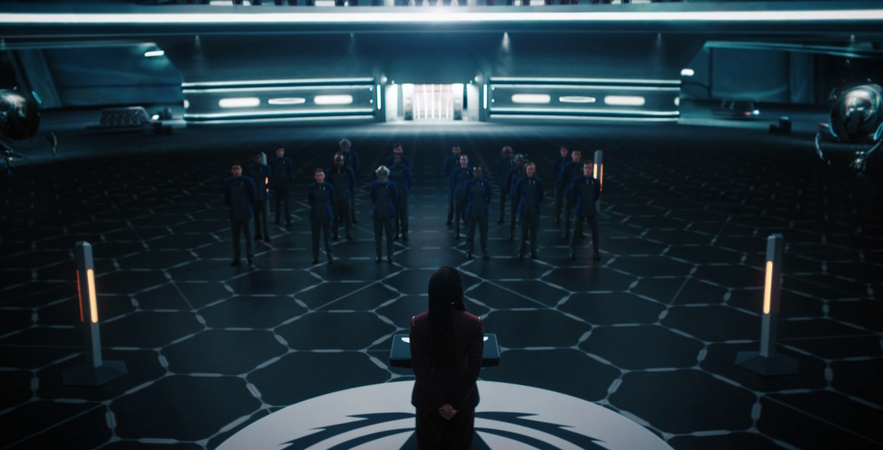
I hope you didn’t skip the post-credits scene…

Whether or not characters like Jack Crusher and Raffi Musiker return, though, in a broader sense I’m not ready to leave the early 25th Century behind. Even after three seasons, Picard has barely scratched the surface of this time period – and there’s so much potential here that abandoning it feels positively criminal! Although we have Lower Decks and Prodigy both in the late 24th Century, potentially able to pick up on storylines and characters from The Next Generation era, Picard’s finale marks the end of Star Trek’s live-action commitment to this time period.

As I’ve argued before, one of the mistakes that Paramount has made – in my subjective opinion, naturally – has been to underestimate fans’ love for The Next Generation and the other Star Trek shows of the 1990s. Sure, The Original Series got things started, but it was the ’80s and ’90s when the Star Trek franchise as a whole had its real heyday, and there are so many characters, factions, and incomplete storylines from this era that are crying out to be expanded upon.

Legacy could be set aboard the Enterprise-G.

Terry Matalas, who was the showrunner for Picard’s second and third seasons, has suggested that his Star Trek: Legacy concept would pick up right where The Last Generation ended, with Captain Seven, Raffi as her first officer, Jack Crusher, and some of the secondary characters that we were just starting to get to know aboard the newly rechristened Enterprise-G. If Paramount gets in quick, before the sets that had been built are mothballed and the actors have moved on, it could be relatively inexpensive to get production re-started.

I know, I know. There’s more to commissioning a brand-new series than just sets and actors, and there are 1,001 other things that will need to be organised. But that just means that time is of the essence, and that Paramount should seize the moment that has been presented right now. Fans are clamouring for Star Trek: Legacy with no less fervour than we were for Strange New Worlds back in 2019, and there’s a limited window of opportunity for the corporation to take advantage of that.

Legacy could take advantage of existing sets and other infrastructure.

It might even be worth reconsidering some of the productions that are currently lined up. If you asked 1,000 Star Trek fans whether they’d rather have Starfleet Academy as a Discovery spin-off or Legacy as a Picard spin-off… I bet you could predict which way that poll would go! As happened with Section 31 and Strange New Worlds… I fear that Paramount may have messed up its timing.

We’ve talked before about the Star Trek franchise becoming too busy and too complicated, and that there’s a need for Paramount to slim down and produce less content in the years ahead. Fewer shows that could potentially have at least slightly higher per-episode budgets instead of a glut of content would be my preference – and with the Picard time period being ripe for exploration, I’d absolutely urge Paramount to prioritise Star Trek: Legacy ahead of other projects… even those that may have already entered pre-production.

What about Starfleet Academy?

Picard, Lower Decks, and Prodigy have all demonstrated that actors from past iterations of Star Trek – both main cast members and guest stars – have been more than willing to reprise their roles, so there’s scope to bring on board a plethora of the 24th Century’s finest! Picard has told stories that expanded upon the lore and world of Star Trek in different ways, and there’s scope for Legacy to do something similar.

More significantly, perhaps, Legacy could ditch the fully-serialised approach that has been the hallmark of modern live-action Star Trek in favour of the model used by Strange New Worlds – a more episodic and varied style that is perfectly suited to the franchise. Although there’d have to be care taken to ensure two similar productions aren’t tripping over one another, my heart says that episodic Star Trek is where it’s at!

Raffi and Seven could come back!

Whatever the plan may be for Legacy, though, it’s a pitch that Paramount ought to give serious consideration to. Picard’s third season was well-received, both by fans and a wider audience, so it feels like the perfect launchpad for a new Star Trek series set in this time period. There’s a lot more to explore in the 25th Century, picking up themes, factions, characters, and even storylines that Picard didn’t get a chance to look at across its three-season run.

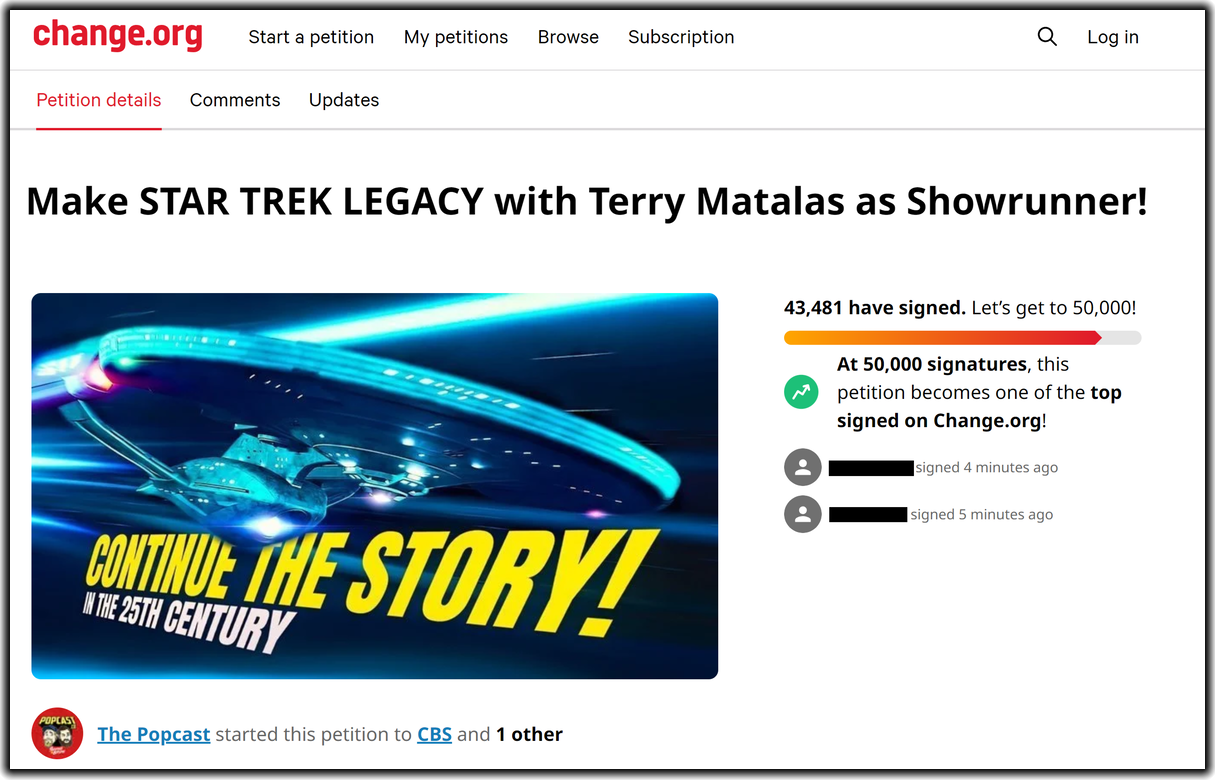
At time of writing, there’s a fan petition on change.org that’s rapidly approaching the 50,000 signatures mark. It’s already surpassed a similar petition that ultimately led to Strange New Worlds – so there’s clearly an appetite for this series, and it’s something that Paramount really needs to take seriously.

The petition at time of writing.

I don’t usually lend my support to this kind of thing, but with Star Trek making announcements that seem to take the franchise to different time periods, alternate timelines, and thematic places, I wanted to do what I can in my small corner of the internet to signal my support for Star Trek: Legacy – or another, similar project set in the Picard era.

The history of Star Trek is quite literally built on the strength of the fan community and fan-led campaigns. The Original Series was greenlit for a third season thanks to an extensive letter-writing campaign, fan support for The Original Series in syndication led to The Animated Series and later The Motion Picture, and fan campaigns also supported The Next Generation, Deep Space Nine, Voyager, and Enterprise. As recently as 2021, a fan campaign led to Discovery’s fourth season being broadcast outside of the United States. So when Trekkies come together, we have the power to influence the people in charge – and that’s what I hope will be the outcome this time!

Star Trek: Legacy feels like a pitch with a ton of potential. Fans are waiting – and the moment to act is now! I sincerely hope that Paramount is listening, and that conversations are happening behind closed doors that will eventually lead to an announcement. Stay tuned, watch this space, and take whatever opportunities are presented to advocate on behalf of this project!

If you want to sign the fan petition on change.org, you can find it by clicking or tapping here. (Leads to another website)

The Star Trek franchise – including Picard and all other properties discussed above – is the copyright of Paramount Global. This article contains the thoughts and opinions of one person only and is not intended to cause any offence.