Spoiler Warning: There are spoilers ahead for the following Star Trek productions: The Wrath of Khan, The Next Generation, First Contact, Into Darkness, Beyond, Discovery, Picard, Lower Decks, Prodigy, and Section 31.
Just the other day, we covered a rumour/leak from Skydance that the next Star Trek film would “move on” from the Kelvin timeline, and I shared my thoughts on that. Following on from that news is the announcement from Skydance/Paramount that the film they hinted at is officially going ahead. I thought we could get into the details today, as well as talk about what this announcement might mean for the Star Trek franchise overall.
So first of all, this is not the first time in recent years that Star Trek’s corporate overlords have announced a new film. It’s not the first time that a writer/director has been attached to a new film, either. There was a film supposedly on the schedule for 2023 penned by Short Treks and Discovery writer Kalinda Vazquez. There was Noah Hawley’s film. There was an absolute mess surrounding the Beyond sequel, which had to be rapidly un-announced after it became clear that Paramount didn’t have everything in place. There was an “origin story” which may have been connected to the Kelvin timeline. There have been other rumours and pitches, too, including from famed director Quentin Tarantino. Sir Patrick Stewart even teased that a Picard movie could be in the offing after that show wrapped up.
Look, it’s everyone who’s officially announced a Star Trek movie over the last few years.
I mention all of these for one simple reason: for almost a decade now, Viacom, Paramount, and the re-forged Paramount Global tried and *repeatedly* failed to get a new Star Trek film out of development hell for all manner of reasons. And just because new owners Skydance have announced this project and attached the filmmaking duo of Jonathan Goldstein and John Francis Daley to it… that doesn’t mean we’ll ever even hear about it again, let alone see the finished product in cinemas in the years ahead. Maybe you’ll say it’s unfair now that the Star Trek brand is under new management, but Skydance/Paramount have a lot to do to convince me that they have even the most basic filmmaking competence, at this point!
If you know me, you’ll know Marvel and comic book films aren’t really my thing, so I’m not familiar with Daley and Goldstein’s work on Spider-Man: Homecoming. I also haven’t seen their Dungeons and Dragons film, though I think it’s worth noting that both pictures got solid reviews, even if Honor Among Thieves was considered a bit of a disappointment in terms of the money it made at the box office. As far as I can tell, neither Daley nor Goldstein has worked with the Star Trek franchise before – which isn’t necessarily a bad thing, but it’s worth being aware of.
Daley and Goldstein previously worked on Spider-Man: Homecoming and Dungeons and Dragons: Honor Among Thieves.
As we discussed when the Skydance merger had gone through, this announcement seems to embody Skydance CEO David Ellison’s preference for film over TV. With a swath of cancellation announcements for every Star Trek series save Starfleet Academy, and now this new film getting an official announcement, I think we’re catching the first glimpse at what a new era for Star Trek is going to look like. Star Trek is being reimagined as a cinematic franchise first, and while I haven’t given up on the prospect of Star Trek remaining on the small screen… that looks less likely in the medium term, once the current crop of shows come to the end of their runs.
And I have to be honest: I’m pretty disappointed about that.
Look, I’ll be the first to concede that not every modern Star Trek project has gone well. Picard’s awful second season, Discovery’s increasingly repetitive storytelling, Prodigy struggling to find an audience… there have been many mistakes made by the former Paramount corporation and the folks in charge of creating new Star Trek stories. But for me, Star Trek’s home is and always will be on television, not at the cinema. That’s where Star Trek has the freedom to dip its toes into different genres and storytelling ideas, and it’s really the only way it can “seek out new life and new civilisations.” Being constrained to the cinema in the years ahead restricts the kinds of stories Star Trek will be able to tell.
The new film will be the first original Star Trek project for the new Skydance/Paramount corporate entity.
Additionally, it means we’re going to be seeing a lot less Star Trek! Now, I’ve taken Paramount to task in recent years for oversaturating the brand and for allowing the dreaded franchise fatigue to set in. But there’s a balance somewhere between broadcasting more than fifty new episodes in a single calendar year and releasing one film every few years. Even if we just had one Star Trek series at a time, running for truncated ten-episode seasons, that would be preferable – in my opinion – to Star Trek doing what it did in the Kelvin timeline era.
It makes sense to me, as I wrote last time, for Star Trek to move on from the Kelvin timeline, though, and I think that’s a net positive as we look at this announcement. The Kelvin films were fun for what they were, and the 2009 reboot in particular was arguably just what the franchise needed at that moment to avoid slipping away altogether. But almost a decade on from Beyond, and with so much else having been on our screens in that time, I think a new approach is warranted – and I’m happy to see Skydance going in a different direction.
The Enterprise-A at the end of Beyond.
It also makes a lot of sense from the new corporation’s perspective. Why go back to something that someone else made when you could tell your own story? The Star Trek universe is vast, and there are so many different time periods, alien factions, and planets to explore… being restricted to the same handful of re-cast characters over and over again begins to feel small and repetitive after a while. As we look ahead and try to be optimistic about Star Trek’s future prospects, building a new foundation instead of trying to revive one from almost twenty years ago is the smart move.
I just hope it pays off… because after what has been a clearly underwhelming performance (in financial terms) on streaming over the past few years, and with an ageing fan community that hasn’t significantly expanded in a long time, Star Trek doesn’t feel like it’s in a great place, to be honest with you. Not when considering the future, at any rate. If this film doesn’t impress Skydance’s leadership and investors… I could absolutely see Star Trek as a whole going on hiatus, if not being permanently brought to an end.
So no pressure, eh?
William Shatner and Leonard Nimoy during the production of The Motion Picture.
Next, I’d like to briefly talk about what I think this new film might look like… as well as what I’d *like* it to look like if I were in charge!
Firstly, if you’re hoping for some kind of in-depth TOS-style “morality play,” or something a bit more esoteric and weird, you’re going to be bang out of luck. We’re almost certainly going to get a picture which lands a lot closer to the “action” side of “action/sci-fi.” But that doesn’t have to be a bad thing. Ask most Trekkies – and a general audience – which Star Trek films are the best, and you’re almost certain to hear The Wrath of Khan and First Contact ahead of the likes of The Motion Picture or Insurrection. But just based on the writers/directors attached to the project, and their previous works, I’m almost certain this new Star Trek film will be going down that route.
Secondly, it sounds as if we’re going to get an all-new cast of characters this time, which could also mean we’re going to get a new setting and even a new time period. Unless the new film does something silly like trying to re-cast Picard and the TNG characters, it really sounds like it’ll be going in a totally new and fresh direction, which I think is a hugely positive thing. Think about it: basically everything we’ve gotten in this era of streaming Trek is either a direct prequel or sequel, and many characters have either been re-cast or simply brought back to the franchise. Getting something genuinely *new* is going to feel like a treat after so much recycling!
The Enterprise-D.
Finally, I expect this project will be somewhat comparable in terms of tone and audience appeal to Star Trek ’09. After a decade on streaming, this is Skydance brushing all of that aside and saying: “here’s a reboot.” Perhaps it won’t be as blatant as Star Trek ’09’s “alternate reality,” but make no mistake about it: this is another attempt to streamline and simplify Star Trek, and to reach out to a much wider audience. As a Trekkie, that might feel somewhat alarming; after all, don’t we all want Star Trek to be “made for the fans?” But I’m kind of taking the same approach as I did in the late 2000s, seeing this film – and any potential sequels – as a stepping-stone to something bigger and better. As I said in the run-up to Section 31′s launch at the start of the year: it doesn’t matter if the film isn’t for me if it succeeds in its objectives of expanding the fan community and shoring up the brand.
To me, that’s what this new film should be attempting to do. It needs to reach out to folks who may have watched First Contact and Into Darkness, but who haven’t subscribed to Paramount+, don’t know who Captain Pike is, and prefer to watch things like Spider-Man. And it needs to convince them that this weird, convoluted, nerdy franchise is something worth getting invested in. Section 31 was meant to do that, too, by the way, but I think the verdict there is that it failed.
This new film needs to succeed where Section 31 failed.
If I were in charge, I think I’d want a film set sometime after the Picard era – in a new, fresh, unexplored time period, but still within the prime timeline. There’d be scope, perhaps, for one familiar character to have a cameo, something akin to Leonard Nimoy’s role in Into Darkness, perhaps, just to tie things together but without overwhelming the story. And then? I’d set the new characters a challenge that might be connected to previous iterations of Star Trek, but which doesn’t depend on any pre-existing knowledge.
The Borg arguably fit the bill!
We want the new film to have a distinctly “Star Trek” identity, meaning it can be a gateway for new fans that isn’t totally disconnected from everything else that the franchise has done. But it mustn’t be *too* closely tied up with what came before, because that risks putting off the very casual audience that we’re trying to attract. It needs to be explosive and exciting while still being true to Star Trek. And I really can’t think of a better fit than the Borg, to be honest with you.
Should this new film feature the Borg as a major antagonist?
I know the Borg have been back a little too often in modern Star Trek, appearing in all three seasons of Picard as well as in Prodigy and Lower Decks. But the last time the Borg were seen *at the cinema* was in 1996 – and that came in what is still, to this day, one of the best-remembered and highest-rated Star Trek films. So… why not bring back the Borg for another round? Have a new cast of characters facing off against a familiar foe, but one that’s easy for non-fans to understand? You don’t need a lot of background about the Borg to realise they’re a horrible danger!
Furthermore, despite what I said about this new film not being a “morality play” type of story, we’re right in the middle of a potential A.I.-led transformation of at least some parts of society. What could be more timely than a film about the Borg: cybernetic beings, all hooked up to one hive mind? The Borg, since their inception, have been a warning of a reliance on technology gone awry, and I think there’s even more potential in that idea in 2025 than there was thirty-five years ago when the Borg debuted.
Picard and Sisko.
So that’s what I’d argue for if I were in the room!
But in any case, a new Star Trek film has been announced and seems to be going ahead. Skydance is now in full control, and it’s my hope that the new leadership team will be more competent than the previous crop of executive idiots who’ve mismanaged Star Trek over the past few years. Though I’m still disappointed to lose Strange New Worlds – and to see Star Trek potentially disappearing from the small screen in the years ahead – it does at least give me some room for optimism that Skydance has faith in the franchise. A new film wouldn’t have been my choice; I’d have commissioned a new TV show if I had the opportunity. But it’s better than nothing, and I will do my very best to support it as it develops.
If and when we get more news on this film, like story details, casting announcements, or a trailer, I hope you’ll join me as I daresay I’ll have plenty to add! And when it’s finally ready for release – perhaps in 2028, 2029, or 2030 – I’ll definitely check it out and write a review! Until then, though, there are still two more seasons of Strange New Worlds to come, as well as Starfleet Academy, and more. I’ll be talking about all of that in the weeks and months ahead, but until then… Live Long and Prosper!
The Star Trek franchise – including all films, TV programmes, and other properties discussed above – is the copyright of Skydance/Paramount. Most of the Star Trek franchise is available to stream now on Paramount+ in countries and territories where the platform is available, and is also available on DVD, Blu-ray, and video-on-demand platforms. This article contains the thoughts and opinions of one person only and is not intended to cause any offence.
Spoiler Warning: There are spoilers ahead for all fourteen Star Trek films, including Section 31.
Almost five years ago, I put all of the Star Trek films into a ranked list. I talked about what I liked and didn’t like about each, and tried to justify my choices! But since I wrote that list, a couple of things have happened. Firstly, I’ve gotten better at using images here on the website – that old piece looks pretty janky in comparison to some of my more recent articles. But secondly – and way more importantly – there’s been a new Star Trek film since then!
I think Trekkies are still a little divided on whether the made-for-streaming Section 31 should count as a Star Trek “film,” and I get that. But for me, Section 31 has the runtime of an (admittedly rather short) film, it’s not a series, miniseries, or anything like that, it has mostly original characters, and it was afforded a higher budget than any individual Star Trek episode would’ve been. For all intents and purposes, Section 31 counts as the newest Star Trek film – the fourteenth since 1979… and hopefully not the last!
Section 31 is the most recent Star Trek film, and it’s on this list!
So today, I’m going to revisit the Star Trek films, this time using the internet-friendly tier list format that you might’ve seen on a couple of other occasions here on the website! I think most folks have a vague idea about tier lists at this point – but if you don’t, I’ll happily explain how it works.
Instead of giving each film a number from 1-14, which would be hard, we’re going to assign each film one of five tiers: D, C, B, A, and S. D-tier films are the least-enjoyable with noticeable flaws, C-tier titles are average or “just okay,” B-tier films are a step up, being above average, A-tier titles are getting really good, and S-tier is reserved for the absolute cream of the crop! Why is S-tier the top instead of A or something like A-plus? The truth is… I don’t know! But that’s the way everyone else does it, so I’m sticking with it! Some tier lists also include an F-tier for absolute disasters, but since I don’t consider any of the fourteen Star Trek films to be that bad, I’ve opted not to include it on this occasion.
Let’s fill out this blank tier list together!
Now that the explanation of the format is out of the way, a handful of important caveats!
Firstly, all of this is subjective, not objective. There is no “objectively best” Star Trek film, and even within the fan community opinions vary wildly on which titles are better and what makes for a good Star Trek story. So if I rank a title you hate highly or speak ill of your favourite… that’s okay! There ought to be enough room in the fan community for civil conversations and polite disagreement.
Secondly, this piece supersedes my old film ranking list, and I have made a couple of changes to where films were ranked five years ago. I’ll be leaving the old piece as it is, though – it’s a part of the website and it would be silly to delete it! But going forward, this is the official Trekking with Dennis Star Trek films tier list!
Admiral Kirk addressing his crew in The Motion Picture.
Third, I’ll rank each production in order of release, beginning with The Motion Picture and finishing with Section 31. Then I’ll show you the final tier list at the end. I’ll do my best to explain what I liked and/or didn’t like about each title to justify my ranking – but please feel free to vehemently disagree if you like!
Finally, all of this is just for fun! I like writing, I like Star Trek, and finding an excuse to talk about some of the Star Trek films that I love – or that I haven’t seen in a while – is supposed to be a bit of escapism. Nothing about this should be taken too seriously, because the point of Star Trek for me has always been entertainment and escaping to a fun vision of the future.
With all of that out of the way, let’s begin.
Film #1: The Motion Picture (1979) Tier: S
The Motion Picture had a complicated production history! It was originally envisioned as a television series, bringing Star Trek back as Phase II in the late 1970s after re-runs of The Original Series had been growing in popularity. Actors had been cast, sets were being designed, and scripts were written… but then, in 1977, another sci-fi film’s wild success led to Phase II being reimagined as a feature film. Star Trek as a cinematic franchise was born!
In my experience, Trekkies tend to underrate and underappreciate The Motion Picture. In a very literal sense, much of the visual language of Star Trek was born here, not in 1966: metal Starfleet badges, the warp core as an upright glowing tube, angled corridors, Starfleet Headquarters, the re-designed Klingons… and so much more. Sets built for The Motion Picture would remain in continuous use all the way through Enterprise’s cancellation in 2005, defining what makes Star Trek look like Star Trek for millions of viewers.
The Motion Picture also has one of what I consider to be the best starship introductions in the franchise – something that set the bar for other shows! Kirk and Scotty’s shuttlepod flight to the refit Enterprise – complete with Jerry Goldsmith’s Academy Award-nominated score – is beautiful, and I get teary-eyed every time I watch it. It’s one of the best moments in Star Trek for me, and everything about it is pitch-perfect.
I get that The Motion Picture’s main story isn’t for everyone. It was also a bit of a mess, with re-writes continuing even during filming, and that probably didn’t help. But for me, The Motion Picture plays out like an extended episode of The Original Series. It’s ethereal, thought-provoking, and not overladen with fast-paced action set-pieces. I think that’s to the film’s credit, even if many don’t agree.
I have a longer piece about The Motion Picture, written in 2019 to mark the film’s 40th anniversary. You can find it by clicking or tapping here.
Film #2: The Wrath of Khan (1982) Tier: S
For many folks, The Wrath of Khan is still the Star Trek franchise’s high-water mark; a film that no other in the franchise has even come close to. I wouldn’t go that far personally – I think there are a couple of other equally brilliant films, as we’ll talk about in a moment – but The Wrath of Khan is definitely up there! The mix of sci-fi with high-octane action proved to be a perfect blend for Kirk and the crew, with a vengeance-obsessed Khan becoming one of the best villains not only in Star Trek, but in all of cinema.
The Wrath of Khan has one of the best and most intense starship battles in the franchise. Drawing inspiration from submarine and naval battles in World War II films, the fight between the badly-damaged Enterprise and Khan’s USS Reliant is incredible. The sequence builds up tension masterfully – by showing the extent of the damage to the Enterprise, by robbing Kirk and Khan of their sensors in the nebula, and with Spock cleverly explaining Khan’s “two-dimensional thinking” as a way to convey the tactics of starship battles in a three-dimensional space.
Toward the end of The Wrath of Khan, we also get one of the most poignant and emotional moments in any film in the franchise… or really anywhere in the entirety of Star Trek, come to that. Spock’s death – sacrificing himself to save the Enterprise and his friends – really hits hard. Even though on my first viewing of The Wrath of Khan I already knew that Spock would be resurrected, there’s still a real emotional weight to this moment. Star Trek has attempted to do similar things with other characters (we’ll look at a couple further down the list) but none came close to matching this moment.
Ultimately, The Wrath of Khan was the first film to wrest control of Star Trek away from its creator, Gene Roddenberry, and to try new and different things with this cast of characters. It’s very different in tone and style from The Original Series, but that turned out to be a net positive for many fans – and many new fans, too. The Wrath of Khan firmly established Star Trek as a cinematic franchise.
Film #3: The Search for Spock (1984) Tier: A
Sandwiched in between the ever-popular Wrath of Khan and the light-hearted Voyage Home, I think some folks can overlook The Search for Spock. As the middle part of a trilogy, the film has the difficult task of moving the story along but without being able to draw all of its story threads to a firm conclusion. For my money, though, it’s a great film – and it manages a complicated sci-fi story exceptionally well.
The Search for Spock gave us an extended look at the re-designed Klingons from The Motion Picture, and also introduced the Klingon Bird-of-Prey, arguably the faction’s most iconic spaceship. It’s the film which re-introduced the Klingons in a big way, expanded the Klingon language, and introduced starship and uniform designs that have become inseparable from the faction. The Klingon Empire as we know it would not be the same – and might not be a big part of Star Trek at all – without The Search for Spock and its main villain, Kruge.
I’ve always appreciated the design of the Genesis Planet. The story of its creation is a bit “out there,” even by Star Trek standards, but the practical sets, props, and puppets created to represent the Genesis Planet all feel like ’80s sci-fi at its best. And yes, as a child of the ’80s I’m acutely aware of my biases here! But when I compare the way that The Search for Spock looks to modern Star Trek, with its CGI and AR wall… I can’t help it. I know what I like!
As the film that destroyed the original USS Enterprise, The Search for Spock was always going to court controversy. But I don’t agree with the take that “all of the odd-numbered Star Trek films are bad,” lumping The Search for Spock in with The Final Frontier. There are some wonderful moments of characterisation for David Marcus, Kirk, Dr McCoy, and others. And thanks to the insistence of director Leonard Nimoy, all of the main cast members got moments in the spotlight.
I have a longer piece about The Search for Spock – which was the first Star Trek film I watched – and you can find it by clicking or tapping here.
Film #4: The Voyage Home (1986) Tier: B
Maybe this is a “hot take,” but I’ve never been wild about The Voyage Home. As with similar Star Trek stories involving time travel to the modern day, its ’80s setting has left the film feeling so much more dated than any other in the cinematic franchise, and while I enjoy a good ’80s comedy as much as anyone else… it’s not necessarily what I want from a Star Trek film.
That being said, I don’t hate The Voyage Home by any stretch. It has some incredibly funny moments as Kirk and the crew attempt to navigate a time period that’s completely alien to them. Moments like Kirk asking if $100 is “a lot” of money, or Scotty trying to use a mouse to talk to a computer spring to mind as laugh-out-loud moments, and Spock having to cover his Vulcan ears to pass as a human is a fun look. Kirk and Spock’s confrontation with a punk on a city bus was also a hilarious moment.
On the sci-fi side of things, I really like the design and power of the “whale probe.” I think it’s unintentionally one of the franchise’s most unnerving alien creations, too. Its design harkens back to The Doomsday Machine’s planet-killer, but its power is used completely differently. The idea that this machine could simply disable all of Starfleet – and Earth – without breaking a sweat is already frightening, but when it can’t be reasoned with or even communicated with… that’s outright terrifying. Sometimes the Star Trek franchise can lean too heavily on “nose and forehead” aliens, but the likes of the “whale probe” remind us that the galaxy is a dangerous and sometimes incomprehensible place.
The Voyage Home did something Star Trek has often done: used a sci-fi lens to examine real-world issues. In this case, the loss of biodiversity and humanity’s impact on the environment were in the spotlight. The message was simple: we can’t predict the consequences of even a single species going extinct, and we should do everything we can to preserve biodiversity on Earth. That’s a good message, and it’s presented in a fun, creative story.
Film #5: The Final Frontier (1989) Tier: D
I said at the beginning that I wasn’t giving any F-tier rankings, and The Final Frontier is kind of the reason why. I get why folks don’t like it, and I think it has some obvious narrative weaknesses, as well as a smattering of sub-par special effects that make it less visually impressive than other titles in the franchise. But it isn’t a complete cinematic failure on par with something like Baz Luhrmann’s Australia or The Rise of Skywalker, so I think we can safely say that even the least-impressive Star Trek films avoid that ignominious fate!
Star Trek has delved into religion and religious-adjacent subjects before, so the idea of an alien claiming to be the god figure from various cultures isn’t totally out of left-field. But the execution of this storyline leaves something to be desired, and I just don’t think The Final Frontier really knew what it wanted to say or where it wanted to take this heavy idea.
The film also suffers from a little too much interference from William Shatner, who exercised his contractual right to helm a Star Trek film after Leonard Nimoy had his turn in the director’s chair. Shatner wanted to tell a story that put Kirk – and Kirk alone – centre-stage, as the sole character who could stand up to Spock’s villainous half-brother. Changes were made to the first draft of that story, when Nimoy objected to Spock’s characterisation, but Shatner’s determination to put Kirk front-and-centre still comes across.
I don’t believe that The Final Frontier is irredeemably bad. There are some wonderful moments, too, like the campfire sequence with Kirk, Spock, and McCoy, Scotty’s line “I know this ship like the back of my hand,” and the away mission to Nimbus III. McCoy’s incredibly painful backstory is also one that hits close to home, and has to be one of DeForest Kelley’s best and most emotional scenes with the character. Kirk’s line to Sybok about “needing” his painful and traumatic moments – that they define who he is – is a powerful idea, too. I just feel that, taken as a whole, The Final Frontier misses the mark with some of its storylines and loftier concepts.
Film #6: The Undiscovered Country (1991) Tier: A
After the disappointment of The Final Frontier, it took some persuading for another Star Trek film to be greenlit. In 1991, with The Next Generation well underway and work progressing on spin-off ideas, there were some at Paramount Pictures who argued that Star Trek had moved on from The Original Series and its characters. A proposal to reboot Star Trek with a Starfleet Academy film was seriously considered, but ultimately Gene Roddenberry and others were able to convince the studio to allow the cast one final film to end on. The Undiscovered Country was thus given the green light.
The story here is great, and incredibly timely! The script uses the Federation and Klingons as a metaphor for the end of the Cold War; communists had been swept from power in 1989, and the Soviet Union was itself dissolved just days after the film’s premiere. The story of old rivals finding a path to peace, and old warriors with grudges finding a way to bury the hatchet, was an exceptionally powerful one – even if Gene Roddenberry hated the depictions of Kirk and Starfleet when he was shown an advance copy of the film.
We get to see an exploration of the Klingon Empire, including one of its brutal prison colonies, and how the Klingons of the 23rd Century came to be neighbours and rivals rather than enemies by the time of The Next Generation’s 24th Century. There was even a role for TNG’s Michael Dorn, who played an ancestor of Worf. The Undiscovered Country did a lot to bring Star Trek’s two eras together, and as one crew departed the stage, work on the next expansion of the franchise began. Deep Space Nine would premiere just over a year after The Undiscovered Country had been in cinemas.
The “Praxis effect” – a two-dimensional circular shockwave created by a planet exploding – was named for the destruction of the Klingon moon seen in The Undiscovered Country! In a very real sense, the film’s legacy goes far beyond the Star Trek franchise, with similar visual effects still being used in sci-fi and fantasy to this day. Special effects were great across the board, and The Undiscovered Country also has a fantastic ship battle between the Enterprise, Sulu’s Excelsior, and a cloaked Bird-of-Prey.
Film #7: Generations (1994) Tier: S
Is it controversial to say Generations is a good film? Because I honestly think it’s one of the franchise’s best. Bringing Kirk and Picard together was an absolute joy to watch, and I think it came at just the right moment, too – the film represents a handing of the torch from one crew to another. It didn’t come too soon, as this kind of story would’ve overshadowed The Next Generation’s characters before they’d found their feet. But by 1994, I really think the time was right for this kind of epic crossover.
I find Dr Tolian Soran to be an incredible villain, too. His motivations were easily understood, and while he absolutely needed to be stopped… part of me sympathises with him. The presentation of the Nexus as this heaven-like paradise realm, where time has no meaning and your heart’s desires can be made manifest, is the perfect motivation for someone like Soran – whose quest takes on a quasi-religious tone as a result.
Generations killed off Captain Kirk, drawing a line under Star Trek’s original incarnation. Kirk would, of course, remain important to Star Trek, and it wouldn’t be the final time we’d see a member of his crew on screen. But in that moment it did feel very final – and Kirk’s act of sacrifice to save Picard’s crew and the population of a planet he didn’t even know… it was an intensely emotional sequence.
Generations does a lot to explore the connection between Picard and Guinan, which would go on to be important in Star Trek: Picard, too. It was also a great film for Geordi and Data – the latter receiving his emotion chip and really expanding his programming beyond what he’d been capable of before. All of the main characters got a turn in the spotlight, and there were moments of mystery, emotion, and action throughout this wonderful film.
I wrote a longer piece about this film’s villain, Dr Soran, and you can find it by clicking or tapping here.
Film #8: First Contact (1996) Tier: A
First Contact is a fantastic film. But I’m docking a couple of points because of one element it introduces that I feel complicates – and crucially, detracts from – one of the franchise’s best, most iconic, and most frightening villainous factions. I’ll have to elaborate on this one day in a standalone piece, because there’s too much to fit into a few sentences right now, but in short: the Borg Queen kind of ruins the Borg for me. Worse, her presence takes away a lot of the Collective’s fear factor – especially when we get to her later appearances. I get it: First Contact is a feature film and it needed to have a single villain for Picard and Data in particular to face off against. But on the whole, I’d say the Borg Queen was not a net positive for the Collective or Star Trek.
But enough about that for now! First Contact re-introduced the Borg in style, depicting a deadly battle in space, and a slow-paced assimilation of the brand-new Enterprise-E. The scenes aboard the Enterprise’s lower decks in particular are incredibly tense; the Borg are far more frightening here than they had been in any of their earlier appearances. And although I have gripes with the Borg Queen as a concept, her scenes with Data and Picard – and the latter’s trauma stemming from his earlier assimilation experience – are all played exceptionally well.
First Contact also did a lot to set the stage for Enterprise – though that wasn’t necessarily the intention at the time! Enterprise does, though, build on what First Contact did with its depiction of Earth and humanity’s first efforts to build a faster-than-light engine. James Cromwell, who played Zephram Cochrane, would even have a cameo in Enterprise’s premiere.
Picard is the real star of the show this time, as he lets his emotions overwhelm him when faced with the Borg’s return. After the episode Family, we didn’t really get much exploration of Picard’s mental state and how he was coping with having been assimilated by the Borg, but First Contact took that as a starting point to tell a story touching on things like post-traumatic stress. It was genuinely interesting – and also left a lot for Star Trek: Picard to build on a quarter of a century later.
Film #9: Insurrection (1998) Tier: B
Insurrection gets an unfairly bad rap, in my opinion. I like some of the connections in the film to the wider world of Star Trek – nowhere else will you hear Troi and Riker mention the Dominion War, for instance! The Briar Patch is a fun idea both narratively and visually, leading to the crew being cut off from Starfleet HQ. It also sets up a particularly creative starship battle, which as always is something I appreciate!
Star Trek has, on several occasions, had a “badmiral” (a portmanteau of ‘bad’ and ‘admiral’) as a villain, and the concept of a rogue or renegade senior officer is an interesting one. The best villains have some degree of nuance, and Anthony Zerbe does an excellent job conveying this with the character of Admiral Dougherty. Dougherty genuinely believed that he was doing something great for the Federation… even though, with the story being told from the perspective of the Enterprise crew and the Ba’ku, he was the villain.
The Son’a were an interesting addition to Star Trek, and I’d love to explore a bit more of their culture one day – it’s a shame they’ve never returned. I would posit that the film’s twist – that the Son’a and Ba’ku are the same race – was imperfectly executed, but it was an interesting idea that achieved most of what it was aiming for. It’s also an idea that felt very “Star Trek,” harkening back to The Original Series episodes that had messages about war, race, and so on.
Insurrection has another great villain in Ru’afo, who doesn’t have that same nuance we were talking about, but was delicious to watch nevertheless thanks to an excellent performance from F Murray Abraham. It’s also a great film for Riker – who gets a turn in the captain’s chair during a tense battle, and also sees a starship manoeuvre named after him – and Data, whose “injury” and ethical reset kicks off the entire story. A story about a renegade crew who have to operate outside of the law to do the right thing? That’s something I love – and while I get there are criticisms of the main cast apparently acting “out-of-character,” that’s explained well enough in Insurrection itself.
Film #10: Nemesis (2002) Tier: D
Walking out of the cinema after the credits rolled, I remember feeling okay about Nemesis. But looking back, particularly after seeing Data being laid to rest in Star Trek: Picard’s first season, the deficiencies of the film are much more apparent. I would argue, with Brent Spiner ageing out of the role by 2002, that killing off Data made some degree of sense as a narrative point. But it wasn’t handled well in Nemesis, with the film rushing past Data’s death, pushing his friends to a “let’s all move on” type of ending that was just weirdly out-of-place and had completely the wrong tone.
Sci-fi tropes and character archetypes will land differently for different folks, and what I’d say about Nemesis’ main villain – played by Tom Hardy in one of his first big-screen roles – is that the idea of a clone of Picard isn’t as silly as it sounds! There’s genuine lore and story here, expanding our understanding of the Romulans and the way they operate, and I really did enjoy that side of the story. Shinzon also makes for a complex character; a human raised by Reman slaves, who has Picard’s DNA but none of his humanity.
Shinzon quite quickly turns to “I’m evil for no reason and I love it” with his characterisation, though, despite some early promise, and by the time the film moves to his plot to attack Earth and the Federation, the plot kind of goes off the rails. Much has been made of director Stuart Baird’s lack of experience and knowledge of Star Trek at the time of the film’s production (he hadn’t so much as watched a single episode of The Next Generation) and I think that comes across in the way the film treats most of the main characters, too.
After Insurrection hadn’t been particularly well-received, and with Enterprise struggling to find an audience, Nemesis didn’t do the Star Trek franchise any favours in 2002. It also seemed – for close to twenty years, anyway – to be a weak and unimpressive ending for The Next Generation characters and Star Trek’s 24th Century setting. As in any Star Trek project, pretty much, there are moments in Nemesis that work, but not enough of them to make the film a success.
Film #11: Star Trek (2009) Tier: C
I have some conflicting thoughts about 2009’s Star Trek. On the one hand, I was absolutely thrilled to learn of the film’s existence after Enterprise’s cancellation seemed to signal the demise of the entire Star Trek franchise. I did my best from 2006 to support the film while it was in production, and raced to the cinema to see it on the first day it was available. And I would make the case to anyone that Star Trek ’09 is a solid action/sci-fi film, a great introduction to Star Trek for newbies, and a successful title that proved the franchise could still bring in audiences and money at the box office.
But on the other hand, the film’s action-heavy storyline, re-cast classic characters, and fairly basic villain just aren’t what I come to Star Trek for. The new actors were given an exceptionally difficult job and were brave to take it on; I know some Trekkies who, to this day, have refused to watch any of the Kelvin timeline films because of the decision to re-cast Kirk and the crew. Some of the new actors got a lot of criticism before the film had even premiered due to that. Personally, I generally feel they all did a solid job… but there’s always gonna be a sense that they aren’t the “real” Kirk, Spock, Uhura, and so on. Some decisions – like pitting Kirk and Spock against one another, even coming to blows at one stage – really hammers home how different these versions of the characters feel.
Star Trek ’09 is unashamedly a reboot, and if you meet it where it is and you’re able to accept that, I think there’s a good time to be had with at least parts of it. But as someone who’d been a Trekkie for close to twenty years when the film premiered, who’d been immersed in the world of The Next Generation era in particular… I wasn’t really interested in a reboot. After Enterprise, I wanted to see Star Trek move its timeline forward again, not stepping back to re-cast classic characters for a pretty basic action story.
All that being said, I appreciate what Star Trek ’09 did for the franchise. If this film hadn’t found an audience and proved to studio executives that there was still life in Star Trek and still stories to tell here, that would’ve almost certainly been the end of the franchise, and I doubt we’d have seen Lower Decks, Strange New Worlds, and the rest of modern Star Trek. Keeping the flag flying for the franchise after it had burned out on the small screen is the real legacy of Star Trek ’09 – at least for me.
Film #12: Into Darkness (2013) Tier: B
I would argue that Into Darkness is the high-water mark of the Kelvin timeline. There are still issues with the characters, some contrivances with the story, and so on… but the film’s script is generally much stronger than either of the other Kelvin films. Not only that, but this particular story – featuring notorious villain Khan and a “badmiral” scheming from within Starfleet itself – lends itself much more to the kind of action-packed film that JJ Abrams wanted to make.
Captain Pike’s death in Into Darkness genuinely hit me – it was unexpected in the moment, and Kirk’s reaction to the loss of someone he viewed as a surrogate father figure was truly heartbreaking. It’s definitely one of the most powerful moments for this version of the character, and the way it spurs on the plot was good, too. I also liked the callback to Star Trek ’09 with the “transwarp beaming” idea returning, this time as a problem to be overcome.
If you were online and involved in Star Trek discussion groups and forums circa 2011-2013, you would’ve almost certainly had Into Darkness’ big reveal spoiled for you ahead of time. Unfortunately, fans correctly guessed that Benedict Cumberbatch would be playing the legendary Khan – and going into the film with that expectation certainly put a downer on the scene where Kirk learns the truth. I always prefer to see films un-spoiled, but this rumour was everywhere at the time, so it was unavoidable.
For a variety of reasons, this story just feels stronger and, most importantly, better-suited to these characters and this style of film. Into Darkness is a better film as a result, with a consistent tone, understandable character motivations, and a pair of solidly entertaining villains. There are some contrived moments – and I don’t think Kirk’s sacrifice and “death” works anywhere near as well as Spock’s did in The Wrath of Khan, which Into Darkness tries to emulate in more ways than one – but on the whole, it’s not a bad film by any stretch.
Film #13: Beyond (2016) Tier: C
Penned by Scotty actor Simon Pegg, Beyond was a genuine, well-intentioned attempt to bring the Kelvin timeline films slightly closer to “classic Star Trek” in terms of tone and themes, and I really do admire the effort. There are moments that link up with Star Trek’s past – most notably Enterprise – and parts of the film, particularly its opening scenes, succeed at recreating at least some of that “mission of exploration” feeling that the other Kelvin timeline films didn’t spend even a second on.
But there are some flaws and weaknesses, though. The destruction of the Enterprise is by far the weakest loss of a ship in the franchise, as we just don’t have anywhere near as much attachment to it as we did to the original Enterprise, the Enterprise-D, and other ships that have been destroyed. The sequence was tense, particularly as the crew rushed to their escape pods, but the emotional weight of the moment didn’t ring true for me.
I felt that an actor of Idris Elba’s calibre was also squandered on a pretty basic “I’m mean and I hate everyone” type of villain. Krall had potential – the “lost” captain who felt abandoned by Starfleet and the Federation, and whose xenophobic and war-like traits were a century or more out of date. But the film didn’t do enough with Krall, and the big reveal that this alien-looking alien was, in fact, a human didn’t really stick the landing. Again, it was interesting in theory but kind of wasted by the time it came to the screen.
I might be alone in this, but I detest the name “Jaylah” for the film’s new character. A homonym of “J-Law” – the tabloid nickname given to American actress Jennifer Lawrence, who was a big star at the time thanks to her role in The Hunger Games – this reference just felt cringeworthy and unnecessary. I’m happy for Star Trek to take inspiration from a wide range of other films, including the likes of The Hunger Games, but don’t stoop to this level when it comes to character naming. It’s just… well, it’s pretty pathetic, to be honest.
I couldn’t end this section without also noting that Beyond was rather overshadowed by the deaths of Leonard Nimoy and Anton Yelchin in the months leading up to its premiere.
Film #14: Section 31 (2025) Tier: C
You have to try to meet Section 31 where it is. It’s a B-movie; the Star Trek equivalent of The Fast and the Furious or Transformers, complete with a cookie-cutter plot, some pretty mindless action, and plenty of tropes of both action flicks and spy movies. Once I realised that that’s what I was watching… I just kind of went with it. On those terms, I found Section 31 to be just fine.
Where my disappointment comes in is in the wasted potential. There was scope for Section 31 to be the kind of film that brings new eyes to Star Trek for the first time, genuinely expanding the fan community by making what can feel like a nerdy and overcomplicated franchise approachable. I don’t believe Section 31 came close to achieving that goal, unfortunately. And from my perspective, that felt like the biggest point in its favour and a key reason for making it.
I would also argue that Georgiou’s arc in Section 31 was pretty repetitive, dragging up her Mirror Universe origin and forcing her through a story that we’d already seen a lot of in Discovery. Dragging her back from the more complex character we’d started to see so she could re-start that arc wasn’t great. And that’s before we get into the weeds on whether a redemption story for someone at least as evil and despotic as Star Wars’ Emperor Palpatine was even possible, let alone successfully executed in Section 31.
There are also gripes with how disconnected this film feels from the rest of Star Trek, with the barest of references and none of the franchise’s visual language present. If, however, you can set most of that aside… there are fun moments hiding under the surface. And as I said a moment ago, if you can meet Section 31 where it is, on its own terms, I think it’s a perfectly adequate B-movie.
We’ve put all fourteen Star Trek films into a tier list. So let’s take a look and see how we did:
Well, I hope that was worth it! As you can see, we have more films in the upper tiers than the lower ones, and even the “worst” Star Trek films still have redeeming qualities – at least in my opinion.
I wanted to put this list together after Section 31 had premiered, updating my older list to include the new film. This piece almost certainly concludes my Section 31 coverage for the foreseeable future, as I really don’t have much more to say about the made-for-streaming movie at this point. If you’ve been following my coverage of Section 31, thank you! I hope you’ve found my take to be interesting.
The USS Enterprise at warp.
At time of writing, there are supposedly two Star Trek films in pre-production or at least being worked on in some capacity. The first is a Beyond sequel, bringing back the Kelvin timeline cast for another outing. And the second is supposedly set in between Enterprise and Star Trek ’09, perhaps serving as a kind of Kelvin timeline prequel. You can read my thoughts on that idea by clicking or tapping here.
There have been other film proposals pitched over the years. Sir Patrick Stewart teased fans in early 2024 with news of a Picard movie idea, but I don’t think anything came of that. For my money, I’d like to see Paramount do more with the TV movie format, using it to tell one-off stories that wouldn’t necessarily fit anywhere else in the franchise. With new sets having been constructed, and the AR wall too, there are almost no limits on the kinds of stories that could be told as one-off specials – and the budget for such a production would be lower than a feature film, too! With Section 31 proving to be a disappointment, though, I’m not sure whether that’ll ever happen.
The Enterprise and the Excelsior in orbit over Khitomer.
So I hope this has been a bit of fun! Beginning with Generations, I watched every Star Trek film at the cinema. Unfortunately, due to my health, I won’t be able to do that in future – which is why I enjoyed having Section 31 as a TV movie! But if there ever is another full-length Star Trek film, I’ll do my best to support it here on the website.
Until next time… Live Long and Prosper!
Most of the Star Trek films are available to stream on Paramount+ in countries and territories where the platform is available. The first thirteen films are also available on Blu-ray and DVD, and a Blu-ray release of Section 31 is planned. The Star Trek franchise – including all films and properties discussed above – is the copyright of Paramount Global. This article contains the thoughts and opinions of one person only and is not intended to cause any offence.
If you’re reading this, I hope it’s because you enjoyed Star Trek: Section 31! My name is Dennis, and I’ve been a Star Trek fan (or a “Trekkie,” if you will) for close to thirty-five years. Star Trek consists of over 900 episodes and 14 films, spans multiple parallel universes and five distinct time periods… so I don’t blame you if you don’t know where to start! Just getting a foot in the door with this franchise can feel daunting, and I get that. What I’d like to do today is offer a few recommendations for someone brand new to Star Trek; a short selection of episodes and films to watch next for a brand-new Trekkie such as yourself!
At time of writing, Star Trek is comprised of eight live-action television shows, three animated television shows, fourteen films, and a series of television shorts to boot. I’m not going to look at or recommend all of them! But what I am going to do is pick out a handful of episodes and films that I think could make for a good starting point for anyone who enjoyed Section 31 and wants to explore the world of Star Trek.
A starship in Section 31.
What I love most about Star Trek is this: it’s an incredibly optimistic franchise. In an entertainment landscape dominated by post-apocalyptic settings, sci-fi dystopias, and depictions of the future that reflect the worst of humanity, Star Trek has always stood out. It shows a vision of the future where many diseases have been cured, where humanity has largely come together and leads a United Federation of Planets, and where greed and exploitation have largely been consigned to history. Star Trek is not, as some may claim, a “communist utopia!” Private property still exists in this world – but the development of new technologies, particularly spaceflight, power generation, and replicators, has freed most of the population from a dependence on employment in exchange for money. Exactly how it all works is deliberately kept vague, though, which I tend to think is for the best!
As always, a couple of caveats. I’m not saying that these are “objectively” the best Star Trek stories, or that they’re the only ones worth checking out. Other fans will almost certainly have made completely different suggestions, so definitely explore the fan community and see which episodes and films other people recommend. I’ve tried to pick a mix of different stories from across the franchise, with a focus on episodes and films that connect in some way to Section 31, or that I think are great starting points for their respective shows or for Star Trek as a whole. Finally, this isn’t a ranked list – the order is completely random.
Phew! With all of that out of the way, let’s get started!
Recommendation #1: All Those Who Wander Strange New Worlds Season 1
In my humble opinion, Strange New Worlds is the best Star Trek show currently on the air – and perhaps the best thing the franchise has done in a very long time! I’ve picked out the first season episode All Those Who Wander, partly because I wanted to highlight Strange New Worlds, but also because it’s an episode that I believe will challenge your perceptions of Star Trek.
Star Trek has a reputation as being a nerdy franchise – but this episode has an action-horror vibe inspired by films like Alien. I think it’s one of the best horror stories that Star Trek has ever attempted, with a claustrophobic setting, a frightening adversary, and some excellent character moments to bind it all together. It’s also a standalone story that you can jump into without having seen Strange New Worlds before.
Recommendation #2: Yesterday’s Enterprise The Next Generation Season 3
You may already know this, but the character of Rachel Garrett wasn’t created for Section 31. She first appeared in The Next Generation more than thirty years ago, with Section 31 exploring more of her history and background. It serves as a prequel of sorts to Yesterday’s Enterprise. If you want to see Garrett further along in her career, this could be an interesting way to go!
I’m not the biggest fan of time travel stories in Star Trek, but I’ve always admired what Yesterday’s Enterprise did with that premise. The episode brings together two different versions of the famous starship from two different points in time – and shows us a glimpse at an alternate timeline where things look very different for Starfleet and the Federation!
Recommendation #3: The Doomsday Machine The Original Series Season 2
If you want to go right back to the beginning and check out The Original Series, which aired in the 1960s, there aren’t many better places to start than The Doomsday Machine. I think this episode is a fantastic starting point for what can feel like a dated series by today’s standards – it has a pretty straightforward sci-fi story, a great guest star, and it’ll introduce you to Kirk, Spock, Scotty, and the rest of the crew.
The Doomsday Machine is also a great example of something Star Trek has always done: using its sci-fi setting to highlight real-world issues. In this case, the episode takes a look at the proliferation of weapons of mass destruction – a pressing issue at the time it was produced, coming just a few short years after the Cuban Missile Crisis brought the world as close as it’s ever come to nuclear war. Storytelling through allegory and metaphor was the name of the game – and it’s something Star Trek continues to do to this day!
Recommendation #4: Inquisition Deep Space Nine Season 6
Want to see Section 31’s first-ever appearance in Star Trek? Inquisition introduced the faction as a clandestine organisation buried deep within Starfleet. This version of Section 31 is top secret, seemingly unknown to even high-ranking captains and commanders – and accountable to no one but itself. It’s different from how the organisation is depicted in the recent film as well as in Discovery, but I think it could be worth returning to if you’re interested to learn more.
At the time of its broadcast, I remember Inquisition being incredibly controversial. Some Trekkies adamantly asserted that an organisation like Section 31 couldn’t or shouldn’t exist in Star Trek’s optimistic version of the future. It was certainly a departure from the way the Federation had usually been depicted up until that point. Inquisition felt like a dark episode at the time – and you may struggle to square this depiction of Section 31 with the one from the film!
Recommendation #5: Star Trek: Discovery Season 1
If you want to find out where Georgiou came from, Discovery’s first season is the place to start. The version of Georgiou you’re familiar with from Section 31 doesn’t appear straight away – and the season spins its wheels in places, dragging out the story. But when I thought about Georgiou’s pre-Section 31 appearances, it was difficult to pull out just a single episode as Discovery has always been a serialised show.
I’m not going to tell you that Discovery’s first season is the best that Star Trek has to offer – on the contrary, I think it’s a season of television with some noteworthy weaknesses and flaws. But if you want to experience Georgiou’s complete arc from the beginning, Season 1 of Discovery is the place to start.
Recommendation #6: Star Trek II: The Wrath of Khan
Don’t let this film’s numbering put you off: you don’t need to have watched The Motion Picture before starting The Wrath of Khan! Widely hailed as the best film in the franchise, The Wrath of Khan is a powerful story with a strong and compelling villain, some excellent moments of characterisation, and one of the best ship-to-ship battles anywhere in science-fiction. It’s a must-watch for any burgeoning Trekkie – something that was pointed out to me more than thirty years ago at my first-ever fan event!
The Wrath of Khan stars the cast of The Original Series, and came along before any of the spin-offs. It also marks one of the franchise’s first real forays into the action/sci-fi space. It’s a film that holds up remarkably well; even more than forty years later everything from the acting performances to visual effects feel great.
Recommendation #7: The Best of Both Worlds, Parts I & II The Next Generation Seasons 3-4
You might’ve heard of the Borg – they’re one of the Star Trek franchise’s most iconic villainous factions. The Best of Both Worlds is the story that really cemented that status for the Borg, and it’s also one of the absolute best episodes of The Next Generation, too. Taken together, the two parts of this story form a mini-movie, and are also a great introduction to the wonderful characters of The Next Generation.
In the early ’90s, The Next Generation was the first Star Trek show I watched. It’s the series that made me into a Trekkie, and one I don’t think I’ll ever stop recommending to new fans! There are plenty of other great episodes, but The Best of Both Worlds will be a fantastic place to start, with a dangerous enemy to defeat and some outstanding moments from all of the Enterprise-D’s crew.
Recommendation #8: Year of Hell, Parts I & II Voyager Season 4
Year of Hell puts the crew of the USS Voyager through a lot! But it’s also a story that gives almost the entire crew something to do, so it could be a fun introduction to all of them – and to Captain Janeway in particular. Voyagerhas just celebrated its thirtieth anniversary – its premiere episode aired in January 1995 – and the crew’s journey home from a faraway corner of the galaxy is well worth checking out.
I wanted to put at least one Voyager episode on this list, but there are so many good ones that I wasn’t really sure where to start! Year of Hell doesn’t really connect with anything in Section 31, but it’s a similarly action-packed story that I think fans of the new film could appreciate. With Voyager being a primarily episodic show, it’s relatively easy to dip in and out of – so feel free to get started anywhere!
Recommendation #9: Star Trek (2009 Reboot)
Despite what some die-hard Trekkies might think, 2009’s Star Trek is an example of a fairly successful reboot. It goes back to the drawing board with the franchise – but still retains a thread of continuity thanks to a parallel universe storyline and a main character crossing over. The film re-establishes Star Trek’s identity, stripping away a lot of the density of the franchise’s lore to tell a fairly straightforward action-packed story.
If that sounds familiar… well, it’s because that’s more or less what Section 31 has just done, too! Both films are attempts to modernise Star Trek and bring new, younger viewers to the franchise for the first time. They do so by stepping away from much of what came before, and in 2009, that worked. The jury’s still out on how well Section 31 may have done in that regard – but 2009’s Star Trek is a great next step if you’re someone who enjoyed it.
Recommendation #10: In A Mirror, Darkly, Parts I & II Enterprise Season 4
If Star Trek’s Mirror Universe fascinates you, look no further than Enterprise’s crossover to this twisted reality! Most Mirror Universe episodes in the franchise involved one or more characters stepping through the looking-glass; In A Mirror, Darkly is rare insofar as it’s set entirely in that reality. All of the familiar Mirror Universe tropes are present – and the episode is a surprising amount of fun.
I wanted to pick at least one Mirror Universe episode for obvious reasons – and I think In A Mirror, Darkly might be among the best of the bunch. It also ties in with The Original Series in a fun way, using sets, props, and even uniforms from that show. Personally, the Mirror Universe isn’t my favourite part of Star Trek, but I’ve always felt it was fine to visit for one-off stories like this one.
Recommendation #11: Where Pleasant Fountains Lie Lower Decks Season 2
Lower Decks feels like a “love letter to Star Trek” created by people who are big fans! As a result, some of its jokes and storylines work better if you’ve already seen a lot of Star Trek. So why am I recommending it at all? Well, first of all it is genuinely funny – and many of the jokes work in context, even if you aren’t a Trekkie already! And secondly, Where Pleasant Fountains Lie is a great example of a self-contained Star Trek story… something the franchise used to do a lot more of in years gone by.
Star Trek has often told stories with a message: modern-day fables about things like nuclear weapons or the stigma surrounding diseases. Where Pleasant Fountains Lie does this too, wrapping the message up in a story about a group of humans who’ve based their whole society around the idea of medieval chivalry. There are some laugh-out-loud moments, but it’s also a story with heart.
Recommendation #12: The Way of the Warrior, Parts I & II Deep Space Nine Season 4
We talked above about the Borg, one of Star Trek’s most iconic alien races, but are you ready for another? The Klingons have been part of Star Trek since The Original Series, and there are plenty of episodes and films in which they’re the focus. This two-parter, from the beginning of Deep Space Nine’s excellent fourth season, has a lot of Klingon action!
The Klingons are a race of warriors, emphasising honour and strength above all else. They’re also incredibly iconic for Trekkies – some fans even go so far as to learn the Klingon language! The Way of the Warrior brings the fan-favourite character of Worf to DS9, and he makes for a great point-of-view character as he meets the rest of the crew. A Klingon plot is centre-stage, and Worf has to deal with his status as Klingon and a Starfleet officer.
So that’s it for now!
Star Trek’s creator, Gene Roddenberry, with a model of the USS Enterprise.
I only intended to put ten episodes and films on this list, but once I got started I couldn’t help myself and added two more! There are plenty of others I could’ve chosen, but I didn’t want this list to feel too overwhelming for someone approaching Star Trek for the very first time. If that’s you, I hope I’ve given you a few ideas for where to go next and how to get started with this wonderful franchise.
When I was a kid, I remember the kindness shown to me at a Star Trek fan meetup. I was the youngest person there by at least a couple of decades, but everyone was incredibly welcoming, and folks were more than happy to share their favourite episodes and stories with me, giving me plenty of ideas for what to watch next and where to continue my interest in Star Trek. I wanted to carry on that spirit today.
The Next Generation star Denise Crosby with a group of Star Trek fans.
It’s my hope that Section 31 will have attracted plenty of new viewers to Star Trek! I love the franchise and I want to see it continue well into the future – which is something that can only happen if new fans come on board. You may encounter some Trekkies who get defensive or try to gatekeep the fandom, but most people that I’ve encountered in the fan community are kind and welcoming.
If Section 31 was your “first contact” with the Star Trek franchise, then let me be the first to welcome you on board! We’re thrilled to have you here. If you’re already signed up to Paramount+, almost all the Star Trek shows and films should be available to you. I hope I’ve given you an idea or two for how to get started and where to jump in.
The USS Enterprise-D.
My own “first contact,” all the way back in 1991, was The Next Generation Season 2 episode The Royale! I can’t recommend it as being one of the best starting-points, but it was the first episode I can remember watching all the way through, and it’s the episode that convinced me that Star Trek: The Next Generation was a show worth tuning in to watch every week. If Section 31 has done the same for you, that’s fantastic! Star Trek is a bit more complicated nowadays than it was in the early ’90s, though, so I don’t blame you if you haven’t been sure where to start!
If you’re new to my website, I have write-ups of quite a few Star Trek episodes, series, films, and the like. I hope you’ll stay tuned for more coverage of the Star Trek franchise in future, including new and upcoming shows, revisits to older episodes, theories, discussion, and so much more.
Welcome to the Star Trek fan community!
Star Trek: Section 31 is available to stream now on Paramount+ in countries and territories where the platform is available. The Star Trek franchise – including Section 31 and all other properties discussed above – is the copyright of Paramount Global. This article contains the thoughts and opinions of one person only and is not intended to cause any offence.
Spoiler Warning: There are spoilers ahead for Star Trek: Section 31 and the following Star Trek productions: The Next Generation Season 3, Discovery Seasons 1-3, and Prodigy Season 2.
A brand-new Star Trek film is always going to be an exciting occasion! It’s been almost a decade since Beyond was in cinemas, and in that time it’s fair to say that a lot has happened for the franchise. But at the same time, there are similarities between Star Trek’s most recent trip to the cinema and this made-for-TV movie – not least in terms of how I’d rate the quality of both films!
We are going to be talking about plot spoilers for Star Trek: Section 31 this time, so if you haven’t seen the film yet this is your final opportunity to jump ship. I’d encourage you to check out my spoiler-free review of Section 31 – you can find it by clicking or tapping here.
The film’s title card.
If you’ve already read my spoiler-free review, you’ll know that I thought Section 31 was okay for what it was. It’s a fairly average action/sci-fi film which has little to do with the rest of the franchise. I don’t think it achieves its objective of being a good “first contact” for new, younger viewers… but I didn’t dislike Section 31 on the whole. I’m considering writing up an updated version of my Star Trek films ranked list – and I guess if I had to give Section 31 a grade, it would get a C. Not great, not terrible; a film I don’t need to think too hard about that doesn’t demand much from me. Background viewing that I can dip in and out of with ease.
Those words may sound negative or even harsh, but I really don’t intend them to be. Taken on its own merits, Section 31 is a perfectly entertaining action film with some sci-fi trappings. It isn’t hard to separate it from the rest of Star Trek, as it has so few connections to anything else in the franchise outside of a few name-drops, so I don’t think Section 31 is in any way bad for Star Trek or the fan community. I don’t think it achieved its objective of expanding the fan community and bringing a new audience on board – which is definitely a mark against it.
Will Section 31 bring new eyes to Star Trek?
Alright, summary over! It’s time to get into the plot.
When is Section 31 set? Because I still genuinely don’t know. At the beginning of the film we see “Stardate 1292.4” prominently displayed – and if we assume lower-value stardates are earlier than higher-value ones, it would tentatively place Section 31 in between Discovery’s departure from the 23rd Century (approximately Stardate 1201.7) and The Original Series (the earliest Stardate given, in Where No Man Has Gone Before, was 1312.4). But is that correct? It seems to conflict with at least one other piece of information we have.
Rachel Garrett – who is a Lieutenant during the events of Section 31, and therefore isn’t a fresh-faced Academy graduate – is someone we’re familiar with from The Next Generation episode Yesterday’s Enterprise. In that episode, Garrett is in command of the Enterprise-C in the 2340s… but if Section 31 takes place in between Discovery and The Original Series and Garrett is already in her late twenties or early thirties, that would mean she’d have to be over 100 years old by the time we see her again in Yesterday’s Enterprise. The Federation has great medical and life-extension technology, but is that a good enough explanation? Or have we found our first issue with Section 31 already?
When is Section 31 supposed to be set?
I get it: this is a nitpick. But as I’ve said before: as Trekkies, we want the world of Star Trek to make sense and feel consistent, and that means that new projects have to at least try to fit in with what’s come before. There were two exceptionally easy fixes to this issue: firstly, the film could’ve been more obviously set later in time. It’s possible that this was the writers’ intention – but with no frame of reference (familiar uniform designs, starships, etc) it’s hard to tell. Secondly, the Rachel Garrett character could’ve been renamed either to another legacy character more suited to the era or to someone brand-new.
I genuinely enjoyed Kacey Rohl’s take on Rachel Garrett. But this character was pretty much a blank slate; if you haven’t seen Yesterday’s Enterprise in a while, could you even tell me much about Captain Garrett? It’s not like she had a particularly memorable catch-phrase or a unique design. She was an upstanding Starfleet officer, sure, but so are dozens of other single-appearance characters. Given the confusion this inclusion adds to the timeline, maybe other choices could’ve been made.
We’ll see Rachel Garrett again…
One final point on the timeline: if Section 31 is meant to be set after the events of The Original Series – as Rachel Garrett’s inclusion arguably hints at – then… isn’t the Terran Empire meant to be in decline or even defeated in this era? After the events of Mirror, Mirror, Spock ascended to a high rank in the Empire and attempted to reform it. Those reforms weakened the Empire, leading to its defeat by the early or mid-24th Century. So if we’re going to say Section 31 takes place in the late 23rd Century, that would coincide with a period of decline – which doesn’t line up with the film’s plot of stopping the Terran Empire breaking through the portal between universes and invading.
San’s survival also means that Section 31 can’t be set too long after the events of Discovery – he’s roughly the same age as Georgiou, and there didn’t seem to be a noticeable difference between them when they reunited.
Okay, okay. Enough timeline nitpicking for now!
San aboard his ship.
Let’s talk about the Terran Empire.
The Original Series wasn’t explicit about the Emperor or how one might ascend to that position – though it was certainly clear that advancement in the Imperial military was by assassination. However, Enterprise’s excellent Mirror Universe episode – In A Mirror, Darkly – strongly implied that the path to becoming Emperor was similar to how it is in many dictatorships and authoritarian powers: whoever has the most guns and can kill their rivals wins the “game of thrones.” That Emperor will hold power only until they can’t – I mean, this was basically Captain Lorca’s plan in Discovery’s first season. He wanted to overthrow and kill Empress Georgiou so he could rule the Terran Empire instead.
Having established the Terran Empire as being ruled by the strongest, most brutal dictators… does it really make sense that the Terrans would stage a Squid Game-style contest to decide who should be their next ruler? Technically nothing we saw of the Terran Empire in Section 31 explicitly contradicts what we know of the Empire from past iterations of Star Trek… but it doesn’t make a lot of sense to me that the Empire’s leader would be decided in this fashion. Most real-world monarchies are hereditary, and in most dictatorships, power is held by whomever can wield the most military force. This idea of a contest to anoint a new Emperor doesn’t sit right with me.
Young Georgiou with her family.
Then there were the depictions of San, Georgiou’s family, and Georgiou herself. Don’t get me wrong: I’m glad, in some ways, that Star Trek is moving away from incredibly one-dimensional Terrans who only care about murder, torture, and power. That’s great… but it’s also a pretty big reversal from the way Terrans are usually depicted. Showing Georgiou and San so emotional and loving made both characters feel distinctly un-Terran… which kind of got in the way of the Mirror Universe plot.
I wish I understood why modern Star Trek writers love the Mirror Universe so fucking much. Between Section 31, Discovery’s first and third seasons, Picard’s second season with its “Confederation of Earth,” and a recent episode of Prodigy, the Mirror Universe is everywhere in the franchise’s recent stories. It could be a fun setting to dip into for a single episode back when Star Trek was a wholly episodic franchise, but basing entire story arcs around Terrans and the Mirror Universe has been to the franchise’s detriment in recent years. I hope that Section 31 will be the final appearance of the Mirror Universe for a good long while.
I am thoroughly burned out on Mirror Universe stories for the foreseeable future.
I felt that seeing a young Georgiou with her family and San in the Mirror Universe also muddled her character arc – particularly the growth we saw in Discovery’s third season. Part of what made that story work for Georgiou was that she was discovering a new way of seeing the world. But we’ve just learned that she had a family, she cared about people, and she was even capable of falling in love… decades before Burnham and the crew of the USS Discovery helped her to discover that side of herself. I guess we could frame Georgiou’s softening as a “rediscovery” of those feelings… but it does seem to undermine her growth somewhat, finding out that she came from a caring family and had already known love.
While we’re talking about San, it seemed pretty obvious to me from the moment Georgiou betrayed and wounded him in the film’s prologue that he was going to survive and turn out to be one of the villains. His survival wasn’t the “shocking twist” that Section 31 wanted it to be, and while I guess that’s not necessarily a huge problem, I think it’s worth saying that this narrative element was pretty basic and the twist didn’t land for me. Georgiou’s reaction to it – wonderfully emoted by Michelle Yeoh – definitely gave San’s return some emotional weight. But I felt it was a pretty obvious outcome from almost the first moment.
San and Georgiou, reunited.
I could buy San and Georgiou’s emotional connection – both Michelle Yeoh and James Hiroyuki Liao sold me on that pretty well. But what I struggled with was San’s apparently convoluted and dumb “evil scheme.” He hated Georgiou for her betrayal and how she changed to become nasty and dictatorial after she beat him in Takeshi’s Castle or whatever that Terran competition was. So… to get back at her, he: stole a genocidal super-weapon, found a way to cross over to the prime timeline – where he had no idea Georgiou resided – and planned to detonate it, then return to the Terran Empire, tell them he’d found them a new galaxy to conquer, and… what? He’d be some kind of hero? Even though the weapon was so over-powered that Georgiou said whoever survived it would only have “ashes” left to rule over? Have I missed something? It just seems… I dunno. Overkill in one sense, convoluted and stupid in another.
And while we’re talking about convoluted and dumb schemes: why would Section 31 infiltrate Georgiou’s space station in such a stupid way? All they needed to do was distract Georgiou long enough to beam Dada Noe to their ship – but they had a massively complicated plot involving all of the Section 31 characters… that instantly failed anyway. There were some interesting ideas here – and I actually enjoyed the fantasy/flash-forward sequence, typical of heist/spy films, in which the plan succeeded. That was creative and cool. But as core narrative threads that we’re meant to take at least somewhat seriously, both Section 31’s plan and San’s evil scheme don’t really work for me.
The Section 31 team planned to infiltrate Georgiou’s nightclub in a particularly stupid and convoluted way.
Then we come to the sheer randomness of Georgiou’s role in the story. It was presented as pure coincidence that the one mission Section 31 chose to recruit Georgiou for – after apparently knowing about her return to the 23rd/24th Century for some time – just happened, by accident, to involve her ex-lover, her own super-weapon, and the Empire that she formerly led. There wasn’t even a last-second twist saying that Control or Section 31 knew it all along, this was just totally by accident.
There was an obvious route to making this part of the story feel less random and disconnected. The briefing from Control – which I generally liked, it was a creative framing device and it did actually feel pretty immersive – could’ve had a little bit more detail on Dada Noe’s weapon. If Control knew that this weapon originated in the Mirror Universe, that could’ve been a smooth narrative reason for Section 31 to turn to Georgiou. It wouldn’t have blown any big surprises further along the story, and Georgiou would’ve had a better, more solid, and more believable reason for joining Sahar’s team than “c’mon, man.”
If Section 31 had known the true origin of the macguffin, it could’ve made for an easier way to recruit Georgiou for the mission.
I was a little surprised to see that the Section 31 of this era uses something named “Control” to dish out information and orders, in light of the events of Discovery’s second season. Again, the lack of a definitive moment in time for the film’s setting could arguably cover this, but if we assume that Section 31 takes place after the events of Discovery Season 2 then the Control AI should’ve been defeated and shut down.
So how do you interpret the holographic “Control” figure that we saw at the end of the film? Is she a real person, an AI, or do her cybernetic implants perhaps imply she’s a mix of both? This scene already felt a bit weird; “Control’s” appearance was treated by the director as if it was some huge revelation… but actress Jamie Lee Curtis is brand-new to Star Trek, and doesn’t seem to be playing a familiar character or even a member of a species we’ve seen before. I guess the point of this big reveal was that Curtis is a big star, and she’d also worked with Michelle Yeoh on Everything Everywhere All At Once. But it didn’t really work for me in the moment, and showing off this version of “Control” leaves me with far more questions than answers. Perhaps a head-canon explanation will have to be that “Control” is simply a designation or title that Section 31 of the 23rd Century uses for its leaders?
After the events of Discovery Season 2… what exactly is this “Control”?
In my spoiler-free review I talked about the visual language of Star Trek – and how Section 31 basically ignores all of it. Rachel Garrett doesn’t wear a typical Starfleet uniform; the closest comparison to what she’s wearing would be Discovery’s away team armour that we saw in the first couple of seasons. There wasn’t a single character using a combadge or communicator, and the familiar Starfleet delta only showed up as a graphic during Control’s briefing. None of the starships – even those only briefly glimpsed in orbit of Georgiou’s space station – conformed to familiar Star Trek designs, either.
For me, this was a little disappointing. There has to have been a way for at least one starship to have had the familiar saucer section and nacelles design, or for a single character to use a Starfleet combadge or wear a familiar uniform – even if only for just one scene. Part of the point of Section 31 was to draw in new fans… but the lack of obvious visual connections to anything else in Star Trek makes the film feel especially disconnected.
Georgiou’s space station surrounded by a bunch of generic-looking spaceships.
Then we come to sets and props. I can’t be certain, but I felt that parts of both the Section 31 starship and San’s ship looked familiar – maybe recycling parts of the sets made for Picard’s La Sirena or Discovery’s 32nd Century vessel. This wasn’t necessarily a problem, but I thought it was worth pointing out. Generally, the sets used for the planet where most of the action took place, Georgiou’s station, and the garbage scow were pretty good – I liked how the planet and the scow gave off an “abandoned ruin” kind of vibe.
Props, though, left something to be desired in Section 31. The phaser pistols were mostly okay, though they didn’t look exceptional and didn’t seem to draw inspiration from phasers seen elsewhere in Star Trek. But the tricorder? I mean, you couldn’t have made it more obvious that it was a fucking iPhone if you tried. It was a pathetic visual effect that looked incredibly cheap; akin to something I’d expect to see in a low-budget fan film, not the Star Trek franchise’s flagship streaming project. How much extra work would it really have been to make a basic tricorder prop? You can literally buy prop replicas from the official Star Trek shop that would’ve done a better job than an iPhone in a chunky case.
It’s an iCorder… or a Triphone.
Here’s a philosophical question for you: are some people – and, by extension, some fictional characters – so far gone that they’re irredeemable? Because parts of Georgiou’s story in Section 31 (and Discovery’s third season, too) are effectively a redemption arc. Georgiou has to confront what she did to San, and also stop the super-weapon that she had commissioned – these two represent her past, and she has to demonstrate how far she’s come as she tries to defeat San.
Some Trekkies have taken to derisively using the term “space Hitler” to describe Georgiou. I don’t particularly care for that expression, so let’s pick another point of comparison from the world of fiction. Georgiou is comparable to Star Wars’ Emperor Palpatine in terms of how she ruled her Empire with an iron fist, and there are even echoes of Palpatine’s scorched-earth approach to his death – glimpsed briefly in canon – in Georgiou’s super-weapon. But would a Star Wars film shot from Palpatine’s point of view, in which he is “redeemed” and teams up with a rag-tag gang of rebels to stop a villain, work as intended? Or are characters like that too far gone to be turned into protagonists?
Georgiou was a murderous tyrant in the Mirror Universe.
As far as Section 31 itself is concerned, we don’t see many crimes or atrocities committed by Georgiou on screen. There’s the murder of her family during the Jim Davidson’s Generation Game part of the prologue, and the way she deliberately scars San with a red hot sword. But we don’t get much context outside of Control’s briefing for her more massive crimes: slavery, genocide, and the like.
But viewers of Discovery – particularly the show’s first season – have seen at least some of those things. In one particularly gruesome sequence, Georgiou ate Kelpien meat – Kelpiens are sentient humanoids in Star Trek’s galaxy. We also learned of how she defeated the Klingons of the Mirror Universe – by destroying their planet and committing genocide against them. Georgiou kept slaves, tortured people for fun, and we saw more than just glimpses of the extent of her tyranny. So… is a character like that possibly redeemable? Can we ignore that context and go on a fun, silly romp with Georgiou and her new crew?
Having seen Georgiou in the Mirror Universe, and the atrocities she committed, can we really support her in this new story?
This was always a hurdle that Section 31 had to find a way to surmount, but perhaps condensing the story – and Georgiou’s arc in particular – into a single film instead of playing out over the span of a dozen or more episodes kind of highlights it for me. If we take this version of Georgiou out of context, then yeah, as I said at the beginning: Section 31 is a big, dumb action film that makes for entertaining enough popcorn fare. But knowing what we know of Georgiou and having seen her at her worst… it raises the question of whether redemption for this character is something we should even want, let alone whether it’s possible.
And I don’t really know what the answer to that question is, to be honest with you. I can separate Section 31 from the rest of Star Trek pretty easily, and taken on its own, I think Georgiou’s story works well enough. She’s anchored more to San than to the crimes and genocides of the Terran Empire – which, while mentioned more than once, feel relatively distant. And her arc brings her back to San as she confronts the super-weapon she commissioned during her reign. But the more I think about it, and the more I reflect on Georgiou’s time as Emperor that we saw parts of in Discovery… the more uncomfortable I feel, and the less confident I am that a spin-off focusing on this character was the right call. It’s the Palpatine problem: could a Palpatine redemption movie, padded out with wacky side-characters, work in Star Wars? Or would fans feel his redemption was a bridge too far?
Was a redemption arc for Georgiou even a good idea for a story?
Speaking of wacky side-characters… I have some thoughts on Section 31′s roster!
Obviously we have to keep in mind that Section 31 was originally pitched as a TV series – one that could, in theory, have run for multiple seasons. Several of these characters had potential in that kind of format… potential that was, unfortunately, squandered in a single film. Melle stands out as perhaps the most obvious of these, though given modern Star Trek’s tendency to “Flanderise” characters and whole alien races, I wasn’t particularly wild about seeing what the writers might’ve done with the famously hyper-sexual Deltans. We caught a glimpse of that before Melle was unceremoniously killed off, and that was more than enough for me.
Zeph also feels like wasted potential, though at least he stuck around a little longer and found time to deliver a couple of funny lines. Robert Kazinsky, who played the role, did a great job, and in the pre-release interviews on the publicity circuit for the film he seemed to be genuine and passionate about Star Trek. Obviously Zeph won’t be returning, but I’d like to think Kazinsky could one day.
Zeph’s mechanical suit was interesting.
I would’ve liked to have learned a bit more about Zeph’s mechanical suit. The suit was really there to serve a narrative function: it enabled Fuzz to remain undetected as the “mole” for a little longer. But given that this kind of armour or tool is rare in Star Trek, learning a bit more about how it works and why someone would choose to use it would’ve been fun. Again, this is the kind of thing I’d expect a longer series to have found time for – but obviously there wasn’t that possibility in a single film.
Although I wasn’t expecting it, I held out a dim hope that we might’ve learned a little more about Quasi’s people – the Chameloids. Aside from a single appearance in The Undiscovered Country, this race of shape-shifters is completely unexplored. I liked the visual effect used when Quasi switched between forms, as well as the line about no one knowing a Chameloid’s true appearance. That differentiates the Chameloids from the likes of the Founders, whose liquid form has been seen many times across Deep Space Nine’s run.
The animation work for Quasi’s shape-shifting was neat.
Quasi himself, though, was a bit of a non-entity for me. Sam Richardson put in a stellar performance with the material he had to work with, but I just didn’t really feel much of anything for the character. Quasi’s scientific prowess was mentioned a few times, but never really came to the fore in a big way – that role ultimately fell to Garrett at the film’s climax. Quasi was just sort of… there. A presence, but not an especially memorable one.
One thing Star Trek hasn’t always been great at is depicting very “alien-feeling” alien races. Most Star Trek aliens are in the “forehead or nose” brigade; humanoids with prosthetic noses or foreheads to represent different races. With that in mind, the Nanokins – Fuzz’s race – felt like something new and genuinely unique. Sure, the Nanokins aren’t the first non-humanoid race we’ve ever seen, nor even the first microscopic race, either, but it was a fun and unexpected direction for the film to take.
Fuzz’s true form.
On the flip side, Fuzz’s small stature combined with his eccentric personality made him stand out – and, unfortunately, I don’t really mean that as a positive. Rather than coming across as wacky and funny, almost from the first moment he just felt… odd. When the group decided (a little too quickly and without considering any other options) that there was a traitor in their midst, Fuzz was the obvious candidate. In fact, he was pretty much the only candidate.
Think about it: the mole obviously isn’t Georgiou, and it wasn’t going to be Sahar, the team leader. Zeph is an adorable idiot, but he clearly didn’t have the intellect or the motivation to betray the group. It wouldn’t be Starfleet officer Garrett, either – if for no other reason than we know her career would continue for decades after this moment. That only left Quasi, the shapeshifter, and Fuzz. Quasi was a character that we hadn’t really gotten to know at this point in the story, outside of a barebones introduction, and what we had seen of him showed him to be passionate about his work and friendly. So there really was only one serious contender for the mole – or at least it seemed that way to me!
Fuzz turned out to be the mole in the team.
Section 31 already had a pretty basic story: rag-tag team of misfits have to stop the villain from using the magical macguffin or it’s going to destroy the galaxy. Not only is that the plot of countless sci-fi movies, it’s also pretty similar to the Star Trek franchise’s recent output – see Picard, Prodigy, and Discovery for that. So when the few opportunities for a plot twist or a subversive moment come along… they really ought to be handled a bit better and not telegraphed so far in advance. Fuzz’s villainous turn, as well as San’s survival and reappearance, were both treated in the story as if they were massive shocking twists… but they weren’t.
As above with San, part of what makes moments like this impactful is how the characters respond. And even though a plot point may seem obvious, a strong emotional reaction can make even the most impotent narrative beat feel better. We got some of that with San and Georgiou, but arguably less of it with Fuzz and Sahar.
Part of the fight between Sahar and Fuzz.
Again, I feel the ramifications of a full season or multi-episode arc being condensed and cut down. Had we met Fuzz earlier, or had a flashback to his first meeting with Sahar – like we got in the prologue with San and Georgiou – maybe there’d have been more of a foundation to build on, making the revelation of his betrayal feel more impactful. Without some of that context, and not having spent very much time with Sahar, Fuzz, or really any of the others, the betrayal didn’t feel as powerful as the film’s writers wanted it to. It’s simply one more slightly chaotic element in an already chaotic, fast-paced film. It wasn’t bad per se, it just didn’t have much weight to it.
The same is true of Melle’s death – though I’d argue this was at least a genuine shock in the moment. Melle had been introduced to us moments earlier and seemed like she was going to be a big part of the team… but she died relatively early in the film, having delivered only a couple of lines and without contributing to the story in any way. Perhaps this is because I’d been paying attention to the film’s marketing campaign – in which Melle’s actress, Humberly González, was featured – but I expected her to be a bigger part of the story. In that sense, her early death was certainly a shock.
Melle’s death early in Section 31 came as a surprise.
It’s worth noting, by the way, that this is the second film in which a Deltan has been a main character. It’s also the second film in which the Deltan character has been killed off at an early stage – and the second time where a television series pitch being condensed down to fit the runtime of a single film is the reason why! If you’re familiar with the early production history of The Motion Picture, you’ll know it was originally pitched as Phase II – a new Star Trek television series. Ilia, the first Deltan seen in Star Trek, was originally intended to be a main character on the show, but when the series was adapted into a feature film, Ilia was killed off.
Okay, random trivia over – let’s get back to the review!
Sahar was perhaps the most fleshed-out of the Section 31 characters. We got to learn a little of his backstory – he’s a veteran of the Eugenics Wars, and survived to the 23rd Century in stasis. This story obviously harkened back to Khan’s in Space Seed, and I’m a little surprised that Khan wasn’t name-dropped at this point. That’s not to say it would’ve improved the story – but given how little time we spent talking about Sahar’s past and his Augment tormentor, it wouldn’t have really changed much, either.
Sahar was an augmented human from the 20th Century.
Sahar is, yet again, a character who’s suffering as a result of Section 31 being crushed down from a full TV show to a film. I have to imagine that, if the original TV series had gone ahead, this revelation about his history would’ve come further into the story, and probably would’ve been the subject of a secondary storyline if not an entire episode. I found what we got to be interesting – enough to pique my curiosity and to give Sahar more than just a generic background. But at the same time, Section 31 didn’t really do a lot with the revelation of his augmentations or his 20th Century origin. With a sequel almost certainly not happening, I doubt Sahar will be revisited, leaving this interesting background feeling rather underdeveloped.
Having nitpicked Section 31 seemingly to the brink of death – from its confusing place in the timeline to the status of the Terran Empire, and whether Georgiou’s redemption arc was repetitive, possible, or neither – how can I sit here and say that I didn’t dislike it? That’s a fair question, right? Because the truth is that, for what it is, Section 31 is fine. It’s not gonna win any awards, and I can see some Trekkies absolutely despising it (particularly folks who didn’t like Discovery and the Kelvin films), but speaking for myself… I can’t say I didn’t enjoy Section 31 on its own terms as a standalone film.
Humberly González played Melle in Section 31. Photo Credit: IMDB
If the intention was to create a competitor to The Wrath of Khan or First Contact for the title of “best Star Trek film,” then obviously Section 31 doesn’t succeed. It’s narratively, structurally, and even visually weaker than those illustrious titles. And as a “first contact” – a new and easy way for viewers to get started with a complicated franchise – well, I don’t think it achieves that objective either.
But there is a place in entertainment – and, I would argue, in the Star Trek franchise, too – for the kind of action-heavy story that you don’t need to think too hard about. And that’s how I see the film, at the end of the day. It’s basically a B-movie, putting together a bog-standard story centred around a single familiar character, cropping out a lot of the visual and narrative hallmarks of Star Trek. I don’t think it’s really a Star Trek film in that sense; it’s an action film trying to dress itself up in a Star Trek outfit. But I don’t hate that, and with such a cookie-cutter plot and some over-the-top characters, it’s hard to really complain about Section 31 once you open your eyes to what it is.
It’s Empress Georgiou again!
That doesn’t mean that I don’t think Paramount can and should do more with Star Trek. There’s a version of Section 31 floating around out there, somewhere, that’s significantly better, has a stronger plot, and genuinely succeeds at bringing in new fans. This version is a cynical attempt to cash in on Michelle Yeoh’s name while she’s still a box office draw. It’s also a cheap way to recycle some of the work that had already been done on the original Section 31 TV series – which officially entered pre-production almost six years ago. Recouping some of that initial investment seems to have been a priority for Paramount, otherwise I have to believe that a story and a cast of characters better-suited to a single one-off film could have been written.
But I don’t hate action-heavy B-movies, and as soon as I realised that’s what I was watching, I just kind of… went with it. The film genuinely seemed to fly by, which is something that doesn’t happen for me if I’m not having at least somewhat of a nice time! I was actually quite surprised when I glanced down at the time and realised I was already halfway through. Section 31 kept my interest, kept me entertained, and as the credits rolled I can honestly say that I wasn’t disappointed in the film or the story I’d seen unfold. I didn’t love it, and I’m not in a mad rush to re-watch it. But there’s definitely a place for a project like this in an expanded Star Trek franchise.
San in the Mirror Universe.
There absolutely were weaknesses in the story that prevent Section 31 from being a top-tier film. And if I spend too long thinking about Georgiou, her pretty regressive and repetitive character arc, the film’s confusing time period, the status of the Terran Empire, and more… yeah. I can understand why a Trekkie would feel disappointed with some of those things. But Section 31 feels, to me, like the kind of film that you really shouldn’t spend too long thinking about. It’s Star Trek’s version of, say, Transformers or The Fast and Furious insofar as it has a basic plot, plenty of mindless action, some quirky characters, and a smattering of amusing dialogue. I don’t know about you, but I’m okay with a film like that.
The flip side, of course, is that Paramount spent a decent amount of money on Section 31 – so to churn out a film so “mid” after working on this project since 2018… that’s not great. And for the Star Trek franchise, a film that ultimately underwhelms and will probably not do great numbers for Paramount+ could ultimately prove damaging. There may be some in the Paramount or Skydance boardrooms who look at the reception to Section 31, and the numbers of subscribers it pulls in, and feel disappointed. That could prove detrimental to Star Trek’s future prospects, whether we’re talking about a new feature film, another made-for-TV movie, or a brand-new series. That isn’t what I hoped for heading into Section 31.
The official Section 31 poster.
As I said last time, it’s hard not to recommend the film to fans of Star Trek: Discovery and existing subscribers to Paramount+ in particular. But I don’t think it’s going to win the Star Trek franchise a lot of new fans, nor will it convert haters of “nu-Trek.” I’m also concerned that, if it does ultimately prove a disappointment for Paramount in financial and subscriber terms, there might be less willingness to commit to more one-off stories, made-for-TV movies, and streaming projects in the future.
But for my part, despite its issues and narrative flaws, I enjoyed Section 31 for what it was. Taken on its own terms, and trying not to think too hard about some of the broader implications of its story for the Star Trek universe… it’s fine. It’s an action film with the loosest of ties to Star Trek, existing off to one side in its own little box. There’s definitely a place for projects like that in the franchise, and I’m sure I’ll revisit Section 31 in the future.
The final shot of the film.
Stay tuned, because I have a couple of other pieces in the pipeline connected to Section 31! I’m planning to write up a few suggestions for potential new fans who are just getting started with Star Trek, offering some suggestions for episodes and films to turn to next. And I’m also planning to re-do my Star Trek films ranked list to add Section 31. I might even do it using the internet-friendly tier list format! So I hope you’ll join me for that – and plenty more coverage of the Star Trek franchise. I’ve still got a couple of episodes of Strange New Worlds to watch before Season 3 premieres!
Until then, I hope this has been interesting. I’m going to check out some other reviews of the film from professional critics and Star Trek fans to see if my impressions of Section 31 are shared more widely!
Live Long and Prosper!
Star Trek: Section 31 is available to stream now on Paramount+ in countries and territories where the platform is available. The Star Trek franchise – including Section 31, Discovery, and all other properties discussed above – is the copyright of Paramount Global. This article contains the thoughts and opinions of one person only and is not intended to cause any offence.
Thanks to Storm Éowyn knocking the power off, I’m a little late getting to Section 31! You can imagine my annoyance when the electricity went off mere minutes after the film was made available on Paramount+; it’s delayed this review by a couple of days. Although I could, I suppose, have logged into the app on my phone and watched it there… who really wants to watch a brand-new Star Trek film on a tiny screen? Not me, anyway – so I had to wait all weekend until the power came back!
Now that that issue has – touch wood – been resolved, it’s time to get into the review! This first piece isn’t going to contain any plot spoilers, but I have a longer review in the pipeline that will look at the narrative in more detail. I definitely have some thoughts on the finer points of Section 31′s plot! But this piece is intended to be a soft landing for anyone who hasn’t seen the film and wants to go into it un-spoiled.
Michelle Yeoh at the Section 31 premiere. Photo Credit: Star Trek on Facebook
For my part, I haven’t read any other reviews of Section 31. I’ve been keeping my head down and avoiding social media groups and my usual Trekkie websites and blogs; I wanted to give my thoughts on the film without fear of being influenced by other critics’ opinions. So that’s what you’re gonna get today: pure, uncorrupted thoughts from Trekking with Dennis!
If you’ve read my preview of Section 31, which I published on Wednesday, you’ll know that I was sceptical of the film on a personal level. The trailers and teasers seemed to hint at a project with a very modern tone, inspired by the likes of Suicide Squad and other popular superhero flicks. With a couple of specific concerns about the story and character arcs (that we’ll go over in more detail next time when we talk spoilers), I wasn’t convinced that Section 31 would really be my kind of film. Despite that negative first impression, though, I can put my hand on my heart and tell you that I gave Section 31 a fair shake, giving director Olatunde Osunsanmi, writer Craig Sweeney, and lead actress Michelle Yeoh a chance to impress me.
Actor Robert Kazinsky (left) and director Olatunde Osunsanmi on the set of Section 31.
I think I’ll start by making two somewhat conflicting observations.
Firstly, Section 31 was a very generic action/sci-fi film that – bar a couple of the barest of Star Trek references that mostly came in the form of blink-and-you’ll-miss-it name-drops – could’ve been set in a totally different franchise without much effort. There were a couple of moments where I caught the briefest glimpse of things that felt familiar from past iterations of Star Trek… but for the most part, this film left all of that behind. If you’re a Trekkie showing up for Section 31 because it has the Star Trek name attached… keep in mind that it’s only the name. Nothing else about this film felt like Star Trek.
Secondly… once I got started, Section 31 seemed to fly by. I was astonished to glance down and realise I was already halfway through. For what it was, I can’t say I didn’t enjoy Section 31. I would argue that it isn’t even close to anything the franchise has done before – with the possible exception of parts of the Kelvin timeline reboot films – but taken as a standalone title, one that almost certainly isn’t getting a sequel or spin-off… yeah. I didn’t dislike it. In fact, I’d say I enjoyed Section 31 more than I expected I would.
Empress Georgiou in promotional artwork.
In my preview of Section 31, I argued that Paramount was positioning this title as a “first contact” for potential new fans and viewers. Star Trek can’t remain the sole preserve of people who liked it decades ago; if it’s going to survive and remain in production, new folks need to be joining the fan community. On that mark – which is where I actually had the most hope for Section 31 – I’m not feeling so optimistic any more, unfortunately.
Long story short, I just don’t think this spin-off was the right choice to adapt as a “first contact” film, a soft reboot, or an attempt to bring in brand-new fans. Making a film with a more modern tone, leaning into popular cinema as a way to ease new viewers into what can be a complex franchise is a great idea, and there will have had to be compromises made along the way – as there were with the 2009 reboot, too. There were strong points in Section 31′s story that were definitely entertaining… but I’m not sure it would be the right introduction to Star Trek given how detached it is from the rest of the franchise both narratively and – more importantly – in terms of theme, style, and tone.
A starship in Section 31.
The visual language of Star Trek is quite distinctive and memorable. There are spaceships with saucer sections and nacelles, uniforms in bright primary colours, the familiar Starfleet delta… and Section 31 uses none of these. Its visual language is more akin to something from Marvel or Star Wars, and while those are both popular franchises that are absolutely fair game for drawing inspiration from… it breaks the film off from what came before a bit too abruptly, and sticks out as perhaps the most glaringly obvious example of how detached Section 31 feels from the rest of the franchise.
In that sense, what I felt could’ve been Section 31′s strongest suit and the biggest point in its favour feels in real danger of falling flat. I struggle to see the film converting many viewers into fully-fledged Trekkies – though I certainly hope I’m wrong on that front. With so few ties back to the rest of Star Trek, it’s hard to know where a viewer impressed by Section 31 could turn next. Stay tuned, though, because in the next few days I’m going to write up a short list of episodes that I think could make for a soft landing for fans of Section 31.
A trio of main characters.
I would’ve liked the film’s musical score to have had a few more familiar Star Trek elements – only once did I hear the classic sting from The Original Series. As above with Section 31′s visual language, there was definitely room to use music to tie the film in a more overt way to the rest of the franchise. That being said, the score itself wasn’t bad… it was more or less on par with what you’d expect to get elsewhere in modern Star Trek.
Michelle Yeoh – no, wait, I’m sorry… Academy-Award winner Michelle Yeoh, whose newfound fame and status Paramount wished to capitalise on by resurrecting Section 31 after years in development hell – was, naturally, the standout star of the film. Despite what I’d say was a confusing and somewhat repetitive storyline for her character (which we’ll get into in more detail next time), Yeoh dominated most of her scenes and did the absolute best she could with the material she had to work with. Section 31 isn’t going to win her another trophy cabinet full of awards – but that’s more a comment on the film itself rather than her performance.
A promotional photo of Michelle Yeoh as Philippa Georgiou.
I was familiar with Kacey Rohl from her work on Hannibal a few years ago, and I was impressed with her turn in Section 31. The character she played had more depth and complexity than I’d been expecting, and the expanded role she had on screen – including several key scenes without Michelle Yeoh that were important for the story – gave her plenty to work with. Paramount did well to land a performer of her calibre to take on the role of a legacy character, and the story threaded the needle quite well: expanding the character’s backstory without treading on the toes of anything we’re familiar with from past iterations of Star Trek.
I also want to credit Sven Ruygrok for his complex performance. Without getting into spoilers, Ruygrok’s character had layers, and while there must’ve been a temptation to ham it up in some scenes, I feel the right balance was struck. There were several scenes in which Ruygrok’s character was centre stage, and he rose to the occasion well. I wasn’t familiar with him prior to his appearance in Section 31, but I hope he can return to Star Trek one day.
The main cast on a promotional poster.
The final performer I’d like to highlight is Omari Hardwick. Hardwick’s character also had more complexity than I’d been expecting, and we got a decent explanation of his backstory, too. There was more emotion to this character than I thought there’d be, and Hardwick brought that to screen exceptionally well. There were limitations to this character – perhaps as a result of compressing a TV series into a sub-two-hour film – but separating criticisms of the character from the performance and I think we can say that Hardwick did a great job.
That statement above also applies to several of the other characters. I suspect if Section 31 had gone ahead in its originally-planned form in 2019, some of these characters would’ve been expanded upon, we’d have spent more time with them, and their backstories and arcs could’ve played out over multiple episodes or even multiple seasons. We got what we got with the film, though, and while I could certainly entertain the argument that cutting one or two of these characters might’ve given us a few extra seconds with the principals… I think each of them brought something to Section 31.
Sam Richardson as Quasi in Section 31.
I used to work in marketing (video game marketing specifically, which is part of the broader entertainment industry), and I like to think I still have a reasonable grasp on the subject! With that in mind… some of Paramount’s decisions when promoting Section 31 leave me scratching my head. Putting Michelle Yeoh front-and-centre was obviously the right call, but in terms of the film’s social media campaign… I really don’t think Paramount did a great job.
The two trailers generally presented a positive and accurate picture of the film, getting the tone more or less spot on. But why weren’t these trailers more readily available on YouTube and platforms like TikTok? If this film was targeting a younger audience, surely it makes sense to spend money on ad campaigns where younger folks are. Paramount also has a weird obsession with big, expensive stunts in New York City – Times Square billboards, for instance, or in Section 31′s case, lighting up the Empire State Building in vague shades of yellow, purple, and pink. For the amount of money that must’ve cost… did anyone notice? Or even make the association between random colours not typically associated with Star Trek and the upcoming film?
How much did Paramount pay for this weird marketing stunt? Photo Credit: Star Trek on Facebook
I came to Section 31 with high hopes for the Star Trek franchise, but low expectations on a personal level. It turns out I was wrong on both counts: the film seems unlikely, in my view, to serve as a good “first contact” for new viewers who are unfamiliar with Star Trek, at least insofar as converting them into fully-fledged Trekkies. But despite my misgivings and some criticisms of a rather formulaic action story, I had a much better time with Section 31 than I expected based on the trailers. I guess it’s true what they say: you can’t judge a book by its cover! Or a film by its trailers, in this case.
I think we’ve gone about as far as we can without getting into the meat of the story. If you’re a Trekkie and you’re already a Paramount+ subscriber, all you have to lose by watching Section 31 is an hour and a half of your time. If you already have Paramount+ and you’ve enjoyed modern Star Trek – Discovery in particular – I think you’ll find at least something to hold your attention. If you’re a fan of action/sci-fi films, I also think Section 31 is worth checking out.
Michelle Yeoh and Robert Kazinsky at a promotional event for Section 31. Photo Credit: IMDB
However, this isn’t going to be an award-winning film, and it won’t be the film to finally sway haters of “nu-Trek.” In fact, it’s barely a Star Trek film at all, lightly affixing some of the franchise’s aliens, factions, and names atop a very generic story. Section 31 wouldn’t feel out of place in Marvel, Star Wars, Alien, or any one of a dozen action/sci-fi properties. With very minor tweaks, you wouldn’t notice the difference.
I hoped that Section 31 could’ve been a big draw for the franchise, bringing in legions of new fans who would go on to discover other parts of Star Trek. And while I’m sure there will be some new viewers – as there are with every Star Trek project – I can’t help but feel the opportunity presented by Michelle Yeoh’s return hasn’t been properly taken advantage of.
Michelle Yeoh in Section 31.
That being said, I didn’t feel watching Section 31 was a hard slog. If anything, its basic, action-heavy story, generic villains, and simple macguffin made it incredibly straightforward to watch; the cinematic equivalent of easy listening. That isn’t a criticism exactly – there’s always gonna be room for made-for-TV movies that deliver a bog-standard narrative experience. Was making a film like that the right call for the Star Trek franchise at this delicate moment, though? I think the jury’s out on that; we’ll have to wait and see how well-received the film is and whether it succeeds at attracting the new, younger audience it’s seeking.
Next time I’ll dive into the story in more detail, and we’ll take a look at the main plot, individual character arcs, and so on. So I hope you’ll stay tuned for that and come back after you’ve watched Section 31. It’s hard for me to say I didn’t like it or there isn’t a place for it; it’s such a bland, middle-of-the-road film that it didn’t elicit particularly strong emotions either way. You can make a negative inference from that if you want, but I don’t really mean it in a negative way. Perhaps my expectations were so low that the film didn’t need to do much to leave a positive impression!
I’m in no rush to return to Section 31, but I won’t shun it or actively avoid it. I can see myself re-watching it in a couple of years’ time and having a decent time with it again. Or perhaps putting it on in the background while I do the vacuuming or clean the toilet. It’s that kind of film.
Star Trek: Section 31 is available to stream now on Paramount+ in countries and territories where the platform is available. The Star Trek franchise – including Section 31, Discovery, and all other properties discussed above – is the copyright of Paramount Global. This article contains the thoughts and opinions of one person only and is not intended to cause any offence.
Spoiler Warning: There are spoilers ahead for Star Trek: Discovery and the trailers and teasers for Section 31.
On the eve of Section 31′s premiere, I thought we could take one final look ahead to Star Trek’s first-ever TV movie.
Section 31 took a long and difficult road to get to this point, with the initial announcement of a full spin-off series being met with, at best, a lacklustre reception from Trekkies and viewers of Star Trek: Discovery. That project then spent several years in development hell, before Michelle Yeoh’s Oscar- and Golden Globe-winning performance in Everything Everywhere All At Once seemed to resurrect Paramount’s interest in the project. Section 31 was adapted from the original full series pitch to a TV movie – and that film will premiere on Friday.
A behind-the-scenes snap of director Olatunde Osunsanmi.
In 2019, when Section 31 was first announced, I gotta confess that I wasn’t really sold on the idea. There were issues with Mirror Georgiou as a character to say the least, coming before she got some desperately-needed development in Discovery’s third season. And this was only a few months after the announcement of Star Trek: Picard – the series that was about to bring back a fan-favourite character and also move Star Trek’s timeline forward for the first time in almost two decades.
Then, during Discovery’s second season, fans fell in love with Anson Mount’s portrayal of Captain Pike and Ethan Peck’s take on Spock. As I wrote a few years ago: if there was only room for one Discovery spin-off, it was obvious which one fans were clamouring for and which we weren’t. Strange New Worlds was announced in 2020, and seemed to be another factor in Section 31 failing to get off the ground in its original incarnation.
The latest Section 31 poster.
But Section 31 has been reborn, thanks in no small part to Michelle Yeoh. I don’t think it’s unfair or any kind of exaggeration to say that her status as an award-winner is a major factor – perhaps the ultimate factor – in resurrecting Section 31. Paramount’s executives saw her enthusiasm to return to the role and desperately wanted to be able to advertise the next Star Trek project as starring “Academy Award-winner Michelle Yeoh,” so Section 31 got a reprieve! The film is being directed by Olatunde Osunsanmi, who also directed several episodes of Star Trek: Discovery, including Such Sweet Sorrow and the series finale.
You will know, if you read my thoughts on the Section 31 trailers last month, that I’m sceptical about the film from a personal point of view. The “Star Trek does Suicide Squad” presentation turns me off, the depiction of Section 31 as a kind of haphazardly thrown together “gang of misfits” doesn’t seem to fit with what we’ve seen before, and Georgiou’s possible backsliding away from the more nuanced take on the character that we’d started to see in Discovery makes me fear the film will be regressive and/or repetitive. Those are my biggest points of concern on the eve of Section 31′s premiere.
Will Section 31 be “Star Trek does Suicide Squad?”
But, as I also said last time, none of that will matter if Section 31 brings in new viewers – and I think it has a ton of potential to do just that. Michelle Yeoh’s star has risen, meaning her name alone is an automatic draw for a lot of people – many of whom may not have been inclined to check out Star Trek. If the Star Trek franchise is to survive, it can’t remain the sole preserve of people who enjoyed it in the ’90s… it has to expand its audience and bring in new viewers. A modern cinematic style, at least partially inspired by the comic book films that have been dominant at the box office over the last few years, and an Oscar-winning star in the lead role give Star Trek a chance to do that… a chance that the franchise arguably hasn’t had in a long time.
Whether I personally enjoy Section 31 or not kind of pales into insignificance compared to that! Expanding Star Trek’s fan community and general audience is the key to keeping the franchise on our screens when the current crop of shows run their course, and anything that bolsters Paramount’s position and Paramount+ is going to be helpful in that regard. So Section 31 may not be “my thing,” but it could be hugely important for Star Trek as a whole.
Georgiou appears next to a mysterious mechanical man in this promotional photo.
All that being said, I don’t want to pre-judge Section 31. I know how I feel about the trailers, and I have concerns about Georgiou’s potential backsliding in particular, but I will still do my best to judge the film on its own merit. I’m not going into the premiere wanting to have a bad experience so I can write up all manner of complaints and criticisms! I want to judge it fairly and give the writers and performers a chance to impress me. I’m crossing my fingers and hoping that, despite my first impressions, I’ll have a good time with Section 31.
So I hope I haven’t given you too negative an impression already! I will be reviewing Section 31 over the weekend, so please swing by the website and check out my review if you can. I promise to give the film a fair shake.
Are Georgiou and Sahar… holding hands?
If Section 31 receives positive reviews and a lot of attention, driving new subscriptions to Paramount+ in the process, I hope it won’t be the only time Paramount greenlights this kind of TV movie. There are so many characters and stories in Star Trek that wouldn’t be able to carry a full series, but could be worth looking at in this kind of format. With new sets having been constructed for Discovery, Picard, Strange New Worlds, and Section 31, re-starting production using existing sets and costumes could even be a way to keep costs down, and the storytelling potential of these one-shot productions is off the charts. I really hope that Paramount’s executives are considering more ideas for one-off films and stories.
I’ve also talked before about the untapped potential of Short Treks for telling smaller standalone stories, and again I think Section 31′s success could highlight the possibilities of that format, potentially re-starting that series of mini-episodes. When we consider Section 31′s place in the history of the Star Trek franchise… maybe it’ll come to be seen as a bit of a turning-point, with Paramount seeing its success as a gateway to telling more stories outside of the main live-action shows. We can cross our fingers and hope, anyway!
Behind-the-scenes with director Olatunde Osunsanmi and actor Sam Richardson.
So we’ve talked about Section 31′s potential, as well as its complicated route through development hell. But what about the film itself? What can we glean about its story, its characters, and the direction it might take?
Let’s start with Georgiou. I’d like to go into a bit more detail about my biggest concern about her characterisation based on what we’ve seen and read. The official character blurb released ahead of Section 31 says that Georgiou will have to “face the sins of her past,” which also seems to tie in with flashbacks to a young Empress Georgiou that are presumably set in the Mirror Universe.
Is Georgiou wearing a Terran Empire outfit in this promotional photo?
By the time Georgiou left Discovery in the Season 3 two-parter Terra Firma, she’d finally grown as a character. She’d begun to realise how her time away from the Mirror Universe had impacted her, changing some of her attitudes to non-human races like the Kelpians, for example. She had been, for want of a better word, “softened” – with her one-dimensional Mirror Universe shell cracking to reveal a more nuanced, complex, and interesting character hiding inside. That was great – and as Georgiou stepped into the Guardian of Forever’s portal, I felt she was finally ready to take on the lead role in a spin-off project.
To be blunt, I saw absolutely none of that nuance or complexity in the trailers, and my worry is that the version of Georgiou we’ll get in Section 31 will have been regressed to that pre-Terra Firma presentation. As a result, she’ll be no more interesting than a typical Terran – worse, her arc of “learning to tolerate the Federation way of doing things” will feel incredibly repetitive. I hope I’m wrong – I truly, truly do. But “facing the sins of her past” was precisely what Terra Firma was all about – so why go back to that story?
I have concerns about Georgiou’s character arc this time around.
I’m worried that a boring, one-dimensional Terran who loves nothing more than murder, torture, and rule-breaking will be a waste of an excellent performer in Michelle Yeoh, too. Yeoh was at her best playing the prime timeline version of the character in Discovery’s premiere; disciplining a rogue officer who she also viewed as a surrogate daughter. She was also at her best in Terra Firma, as Mirror Georgiou grew, changed, and began exhibiting those nuances and complexities that we talked about earlier. That’s where the character is most interesting, and either dragging her backwards to make her a “badass girlboss” or re-telling the basic plot points from Terra Firma will not, in my opinion, lead to an interesting or entertaining arc across Section 31.
However, if some of Georgiou’s Terra Firma growth can be retained, and she can be a more complex character somewhat akin to Captain Lorca in Discovery’s first season, then I think there’s potential. A hardball commander who pushes their team to the limit – but ultimately still cares about them in their own way and wants them to survive as well as succeed – would be fantastic to watch, and Michelle Yeoh can play a character like that exceptionally well. I really hope we’re going to get something like this instead of a regression or a repetitive arc.
Empress Georgiou.
Rachel Garrett is perhaps the only other character that I have an opinion of at this early stage. We’ve seen Garrett in The Next Generation, when she was in command of the Enterprise-C in the 2340s. For me, Garrett’s inclusion raises a few questions about the possible timing of Section 31: is the film going to be set around the time of Strange New Worlds and The Original Series… or will it be further along the timeline, perhaps somewhere in between The Undiscovered Country and The Next Generation? If it’s the former, that would make Rachel Garrett almost 100 years old by the time of Yesterday’s Enterprise… which seems like quite a stretch. I’ll be curious to see if this gets addressed – and yes, I know it’s a relatively minor point that only an obsessive Trekkie would care about!
From what we saw in the trailers, Garrett appears to be Starfleet’s sole representative on Georgiou’s mission. She could be the one arguing for following the rules as the rest of the gang of misfits are running around causing chaos – and there’s potential in a character like that if she’s handled well. I hope that Garrett won’t be sidelined or used as comic relief, and that we’ll actually get to learn a bit about her in her early years. Kacey Rohl, who will play Garrett, is someone I’m familiar with from her work on Hannibal a few years ago, and I think Paramount lucked out to get an actress of her quality for the role. As above with Michelle Yeoh… I hope that potential isn’t squandered.
Does the inclusion of Rachel Garrett tell us something about when Section 31 might be set?
The rest of the main characters pretty much feel like blank slates, though there are a couple of familiar races in the equation. First we have Melle, the first Deltan to be a main character since Ilia in The Motion Picture. While there’s the potential to perhaps learn more about this famously hyper-sexual race, or even make a connection to the aforementioned Ilia… part of me thinks Melle will be mostly used for off-colour jokes, with the sexuality of the Deltans ramped up to eleven and very little else being shown. Again, I hope I’m wrong about that – but it just feels like the direction Section 31 is gonna go.
Quasi, who is a Chameloid, could be a very useful addition to any team of spies. I like the idea of revisiting a race of shape-shifters that we haven’t seen since The Undiscovered Country, as there’s potential there. While I doubt we’ll get any kind of in-depth look at the Chameloids as a race, it’s at least interesting to see a shape-shifter in Star Trek who isn’t a member of the Dominion/Founders!
Quasi the Chameloid.
Fuzz – given the descriptor “the maniac” – is a total enigma. I suspect he’s going to be a Romulan, not a Vulcan as some have posited, simply based on the short description of him that Paramount released. However, this potentially complicates the timeline if Section 31 takes place before the events of Balance of Terror, in which humanity learned of the Romulans’ connection with the Vulcans. Whenever Section 31 is set, there’s also the question of why a Romulan would be working with Starfleet’s off-the-books spy division. Could Fuzz have a connection to Sybok’s emotional Vulcans from The Final Frontier? That’s another guess. Or, Vulcan ears notwithstanding, he could be a member of another race entirely – such as the “proto-Vulcans” from Who Watches The Watchers or the Halanan from Second Sight.
Then we come to Zeph – one of several mechanically-enhanced humanoids seen in the Section 31 trailers. Although technological augmentation used to be the preserve of the Borg, Star Trek has brought in characters like Lower Decks’ Sam Rutherford who have been – for want of a better term – “modified” using technology. Zeph seems to be in that category, and I’ll be curious to see if there’s a reason given for why he uses a mechanical suit. I can see him serving as the group’s “tank;” the character who can use brute force to stomp the baddies.
Why does Zeph use a mechanical exoskeleton?
Alok Sahar appears to be the head of this Section 31 division – though, if we read between the lines, he may not be the head of the overall organisation in this era. Does that mean he works under Discovery’s Ash Tyler, who was installed as head of Section 31 at the end of Season 2? Will we hear any mention of Tyler or the rest of Section 31 at all? I doubt it – but you never know!
Regardless, any team needs a leader – though Sahar seems to be a pretty hands-off kind of leader, either unwilling to bring his team of misfits to heel or unable to do so. Perhaps that’s why he’ll have to turn to Georgiou? I’m speculating, of course. But it seems that Sahar will give us the best opportunity to learn more about Section 31 in this era, if nothing else.
Sahar (second from left) is the leader of this team of misfits!
One thing we don’t have a clear view of at this stage is the villain (or villains, plural) that Georgiou’s team may have to stop. I gotta confess that I’m a bit burned out on the whole “imminent existential threat to the entire Federation and/or the galaxy” premise after Picard and Discovery kind of did that to death. But, based on what we’ve heard from Paramount and seen in the trailers, it seems like it’ll be another high-stakes affair this time around. Section 31, as the Federation’s black ops division, is particularly well-suited to this kind of story… I just hope it won’t feel too repetitive coming after Star Trek’s recent output.
With a reference to Georgiou “confronting the sins of her past,” I wonder if the threat Section 31 is staring down could be connected to the Mirror Universe. I hope not, because as I’ve said on prior occasions, I’m not wild about the Mirror Universe as a setting – and especially not as the backbone that has to carry an entire film. Terrans are pretty boring and flat, and the Mirror Universe seems to trick even competent performers into hammy, over-acted, pantomime performances. If Section 31 does revisit the Terran Empire in a big way… I hope that won’t become a problem.
Is this “mechanical man” one of the film’s villainous characters?
That aside, your guess is as good as mine. With several mechanically-augmented characters, could we see the Borg brought in… somehow? I’m not convinced of that, but when I think about potential Federation-ending threats, the Borg are one of the few factions that have always had that potential. With Georgiou’s trip to the far future, she may have insights on the Borg that could prove useful.
And speaking of Georgiou visiting the far future… will that be addressed in any way? Could Georgiou leave behind information or instructions within Section 31 that could help Starfleet in the future? Or could her time in the future have some bearing on the mission at hand? I think this will have to be handled delicately, so that Section 31 doesn’t lean too heavily on a series viewers may not have seen for its main plot points… but it would be nice to see Georgiou’s time in the 32nd Century at least mentioned in some capacity.
A flashback showing Georgiou in her younger days.
Alright then! Let’s wrap things up.
Section 31 will premiere in about 48 hours’ time, and I have already signed up for Paramount+ to ensure I can watch it as soon as it’s available. I want to say I’m cautiously optimistic… but truth be told, I’m not. I want to give Section 31 a chance to impress me – and I will do my utmost to give it that chance – but, as I said last time, if I’d seen trailers like these for a film in literally any other franchise, I wouldn’t be tuning in. Section 31 just… doesn’t seem like it’s gonna be my thing.
That being said, I will give Section 31 a fair shake, and I’ll try not to let my scepticism and pre-judgement of the film ruin the experience. New Star Trek on our screens is always gonna be a good thing, and with a more modern tone and an Oscar-winning lead actress, Section 31 has a ton of potential to show off Star Trek to untold numbers of new fans, many of whom will hopefully stick around and join the fan community. I hope they’ll find it to be a welcoming place!
Are you ready for Section 31?
Stay tuned over the weekend (or early into next week) because I will be writing up a full review of Section 31. I’m not sure if I’ll do one piece or two; I might split the review into a non-spoiler article and one containing story spoilers, if possible.
All that’s left to say is this: I hope you’re excited for Section 31, and when it arrives I hope you enjoy it.
Live long and prosper!
Star Trek: Section 31 will premiere on Paramount+ on the 24th of January 2025 in countries and territories where the platform is available. The Star Trek franchise – including Section 31, Discovery, and all other properties discussed above – is the copyright of Paramount Global. This article contains the thoughts and opinions of one person only and is not intended to cause any offence.
Spoiler Warning: There are spoilers ahead for Star Trek: Section 31, Star Trek: Discovery Seasons 1-3, and Star Trek: Deep Space Nine.
It’s now just over a month until the Section 31 TV movie will premiere on Paramount+, and with a new trailer having dropped just a few days ago, I thought it could be a good time to look ahead! This will be the Star Trek franchise’s first-ever made-for-TV movie, and the first standalone story since Paramount gave up on Short Treks, so it really looks set to be a unique moment in the history of the franchise. If Section 31 succeeds, perhaps we’ll see more of these one-off streaming events!
I’ve taken a look at the trailers for Section 31, as well as the rest of the marketing material that Paramount has put out, and… I have some thoughts. I don’t want to start off by being overly negative, but suffice to say that there are things about both the concept of Section 31 and the way the trailers have presented it that just seem to be rubbing me the wrong way.
Georgiou and her team.
When Section 31 was first announced, I was already pretty sceptical of the idea. A spin-off from Discovery – and more importantly, a new Star Trek series – was great news, but I wasn’t sure about both the Section 31 organisation and most importantly, Michelle Yeoh’s character of Mirror Empress Georgiou. At the time the announcement was made – and remember, Section 31 was originally pitched as a full series, not a TV movie – I just wasn’t convinced that a pretty one-dimensional villain stereotype could take the lead role in a Star Trek series (or any series, for that matter).
All of this came before Georgiou got some desperately needed character development in Discovery’s third season. The two-part episode Terra Firma, in particular, took a pretty boring character who lacked any nuance and allowed us as the audience to see how much she’d grown, how far she’d come, and how the influence of Starfleet and the Federation had changed her – at least somewhat. By the time Georgiou departed Discovery at the end of the episode, I was much more on board with the Section 31 idea… though by that point the series was stuck in development hell and seemed to have been eclipsed by Strange New Worlds and Star Trek’s continued expansion.
Michelle Yeoh in a behind-the-scenes photograph.
I’ll be honest with you: I don’t see much if any of that nuance or development in Georgiou’s presentation in the Section 31 trailers. If anything, she seems to have been regressed as a character to her pre-Terra Firma self, and I’m genuinely worried that this decision will rob Section 31 of its protagonist. I’m all for an anti-hero, don’t get me wrong, and characters who have an “evil streak” can be absolutely delicious to watch. But Mirror Universe Terrans, who love murder, torture, murderous torture, and torturous murder all for no other reason than “just because…” that’s never appealed to me. While I can usually stomach the Mirror Universe for an episode or a two-parter, basing an entire movie around an unrepentant Terran just feels like a bridge too far.
It also feels like it could be a total waste of a brilliant performer in Michelle Yeoh. Let’s be completely frank for a moment: Section 31 only got a second chance because Yeoh won a Golden Globe and an Oscar, and Paramount desperately wanted to be able to bill the next Star Trek project as starring “Academy Award-winner Michelle Yeoh.” Her success in Everything Everywhere All At Once reinvigorated Paramount’s interest in the Section 31 idea after it had been brushed aside in 2019/2020.
Paramount is leaning heavily on Michelle Yeoh’s reputation to carry Section 31 to new audiences.
But to relegate an actress like Michelle Yeoh to playing an over-the-top pantomime villain… I don’t know. I hope it won’t be as bad as it looks from the trailers, because despite Yeoh’s best efforts and what I’m sure will be an excellent performance, Mirror Georgiou can just be a difficult character to get on board with. The whole “fish out of water” idea – having a Terran trying to blend in with Starfleet – is a fun one, but it’s also something we’ve seen before in more than one Star Trek story, and it works best when there’s some degree of subtlety and nuance on display. Captain Lorca worked pretty well for most of Discovery’s first season for this very reason.
I’m also concerned that, if Georgiou has indeed regressed, parts of her character arc in Section 31 could end up feeling repetitive and/or derivative. We’ve already seen Georgiou take steps away from her Terran nature to embrace a slightly less violent approach; that was basically the plot of Terra Firma, but we also caught glimpses of it in some Discovery episodes in Seasons 2 and 3. If her story across Section 31 is “learning to tolerate the Federation and do things the Starfleet way…” well, we’ve already seen that.
Is there a danger that Georgiou’s story will feel repetitive?
Section 31 was always pitched as a Georgiou-led spin-off, but part of me wonders if her prominence may have been increased when the switch was made to the TV movie format. Again… I’m struggling to see this as a win for Section 31 in spite of Michelle Yeoh’s pedigree. Even the best performers can struggle with Mirror Universe characters; Sonequa Martin-Green was appalling as the Mirror counterpart to Michael Burnham, and while Mirror Georgiou has never quite sunk to that level, I genuinely worry that a regression or unravelling of her Terra Firma characterisation and growth combined with a larger, more central role in the story could set the stage for Section 31′s undoing.
On the other hand, if Georgiou is written with more of that nuance to her character, making her less of an out-and-out “evil for the sake of it” Terran and more of a strict but ultimately caring leader of a team… there’s potential in that premise. The semi-reformed Terran that we saw toward the end of Terra Firma could make for a fun, interesting, and engaging protagonist while still allowing Section 31 to take Star Trek to new and different thematic places. It will all hinge on how well Georgiou has been written, how much of that development has been retained, and how much nuance is present in her characterisation.
The success or failure of Section 31 may very well depend on how nuanced Empress Georgiou turns out to be.
A couple of years ago, when talking about a very different Star Trek pitch by a famous director, I explained that not every Star Trek project can appeal to existing fans – and why that’s okay, especially for one-off productions. In short: you and I may not like the tone of Section 31, its focus, or even its main storylines. But there are benefits to Paramount greenlighting a project like this and taking Star Trek in different directions, even if many existing Trekkies don’t like what’s on offer. I’m not claiming to speak for anyone but myself, of course!
As I see it, Section 31 could be Star Trek’s best opportunity in several years to bring new eyes and potentially legions of new fans to the franchise. As a standalone TV movie with mostly new characters, and with a focus on a different side of the Star Trek universe that hasn’t really been explored before in much detail, there’s at least the possibility that Section 31 will appeal to a new audience, particularly a younger demographic raised on action-packed, quick-witted Marvel movies, fans of fast-paced action, and people who may have felt that Star Trek is too nerdy for them or too convoluted to get started with. All of that is a good thing – and serves as an important caveat for what we’re going to talk about next.
Spaceships and a mysterious anomaly… yup, that’s Star Trek alright!
I do not like the tone set by the Section 31 trailers. “Star Trek does Suicide Squad” just doesn’t appeal to me, and I would argue that this “team of criminals and misfits” idea that Paramount is pushing with the pre-release material also doesn’t fit with what we know about the Section 31 organisation from past iterations of Star Trek. When we take a look at the apparently dysfunctional organisation that Georgiou is recruited into, then compare it with the very streamlined, professional organisation that William Sadler’s character, Luther Sloan, led in Deep Space Nine… I mean, they’re worlds apart.
Even compared to the presentation of Section 31 in Discovery’s second season – which Mirror Georgiou was part of in that story – what we glimpsed in the trailers seems incredibly different. A “black ops” spy organisation needs to be… organised. This incredibly chaotic energy that the trailers projected seems fun in some ways – and I enjoy a good “team of misfits” story as much as the next person. But does it seem right for Section 31 based on everything we know about the organisation? Would Starfleet’s spies really be so disorganised, throwing criminals and rejects together and hoping for the best? It just doesn’t seem right to me.
Would Starfleet’s top spies really be so disorganised?
I’d like to touch on one line from the second trailer that’s also giving me pause: “We’re facing a threat unlike anything Starfleet’s ever seen.” Now doesn’t that sound like the setup for yet another “the entire Federation is in danger” storyline? The kind that has been over-used in Discovery and Picard? Particularly after Discovery’s underwhelming fifth season, I’m really burned out on that story premise, and while I’d certainly hope Section 31 could take it in a different direction… I still think Star Trek needs to give it a rest with storylines that put everyone in danger and turn the drama and threat levels up to eleven.
The only caveat to that is that Section 31 (the organisation) has always claimed that its existence is to fight existential threats to the Federation – in ways that Starfleet can’t. So I think there’s potential to see how this off-the-books organisation might react differently to Starfleet in dealing with an enemy on that scale. I just wish it hadn’t come after five seasons of Discovery and three of Picard basically doing the exact same thing. I guess that’s my worry with the plot: that it’ll be another “stop the bad guys from getting/using the magical universe-ending macguffin.”
Zeph – “The Machine.”
Marvel and DC movies aren’t really “my thing,” though I can tolerate superhero stuff in small doses. So I guess I have that bias already, and to see Star Trek embracing elements of that style of cinema wouldn’t be my preference. But… I have to admit that comic book movies have been incredibly successful with a blend of over-the-top characters, fast-paced action, and a sense of humour, so if Star Trek can tap into that to bring new eyes to the franchise, then my personal preferences won’t really matter. I’m still hopeful and crossing my fingers for Section 31, but even if it isn’t my thing it could still be great news for Star Trek.
And that’s basically where I’m at, having looked at the trailers and the little character bios that Paramount has released. Everything about Section 31 is screaming “not my thing!” but I’m still hopeful that it will be well-received and might bring new eyes to Star Trek, which is something the franchise needs if it’s going to survive. There’s always a chance that I’ll enjoy what’s on offer, especially if I can detach it from the rest of Star Trek and treat it as a standalone project. But that feels less likely right now, unfortunately.
Georgiou in the second trailer.
Let’s talk about Georgiou’s space station. Modern Star Trek has shown us some particularly elaborate space stations – from Starbase Yorktown in the Kelvin timeline to Discovery’s Federation HQ. This is purely an aesthetic thing, but for me, some of these designs can be a little too elaborate – and Georgiou’s falls into that category. Many of Star Trek’s most iconic designs don’t reach legendary status because they’re massive and elaborate, but rather because they’re futuristic yet relatively simple. “More” doesn’t necessarily mean “better” in these cases.
I spotted a Cheron (or Cheronian?) in the second trailer. This could be a total nitpick, and it’s also a deep cut to a single episode of The Original Series… but the entire point of the episode Let That Be Your Last Battlefield was that these two warring races went extinct because they couldn’t get over their divisions. There was a message in that story – and I really hope Section 31 isn’t gonna undo all of that for a cheap visual effect or just a random background character. Doing so would take something away from The Original Series.
Is this character from the planet Cheron?
I like the idea of including at least one legacy character in Section 31, and Rachel Garrett is an interesting choice. Kacey Rohl, who will play Garrett, is someone I’m familiar with from her work in Hannibal – and I think Paramount made an excellent choice there. Seeing a younger version of a character we’re familiar with from The Next Generation is a neat idea, and Garrett could play an interesting role as the sole Starfleet officer in the midst of a chaotic team of misfits. There’s both dramatic and comedic potential in that premise, at any rate.
Garrett’s presence is interesting – and it makes me wonder about the setting of Section 31. It was heavily implied in Terra Firma that Georgiou needed to return to roughly the time period of the USS Discovery’s departure to cure her sci-fi illness – which might see Section 31 set in the same time period as Strange New Worlds. But Garrett would go on to captain the Enterprise-C in the 2340s – more than eighty years later. Star Trek’s medical and life-extending technologies are good… but are they good enough that Captain Garrett could be 100 years old by the time of Yesterday’s Enterprise? Or could Section 31 be set decades after The Original Series – perhaps in the same era as, say, The Undiscovered Country? I guess we’ll have to see!
Rachel Garrett.
I think it’s worth complimenting Paramount for two trailers that – despite my personal feelings – were well composed. Neither trailer spoiled any massive plot point, and at this stage I’m not even sure who the villain or villains will be. Some modern trailers go too far, essentially showing all of the action moments, the best jokes, and even spoiling things. The Section 31 trailers showed just enough of a tease to get people excited (I hope) but without spoiling things, and that’s positive.
We didn’t see much from most of the other characters in the trailers, though I like the idea of a chameloid (a shape-shifter) being part of the team. I’m hopeful that at least some of them will survive Georgiou’s mission – perhaps leaving the door cracked open for a possible sequel if things go well.
So that’s it for now, I think.
Several of the main cast members at a preview event. Image Credit: IMDB
Section 31 is going to be an interesting project, and hopefully a successful one for the Star Trek franchise. I’d love to see it being talked about positively in the new year, and for it to serve as a gateway into the franchise for brand-new fans and folks who thought Star Trek might never be their thing. Star Trek needs a win like that – so if Section 31 is the project to deliver it, I’m on board with that!
As for me, though… I get the sense that this film just won’t be something I’ll enjoy. In fact, if I’d seen trailers like these for a project in a different franchise, I almost certainly wouldn’t be tuning in! It’s only because Section 31 is Star Trek that I’m going to get myself a month’s worth of Paramount+ and check it out. I’m crossing my fingers, don’t get me wrong. I don’t want to go into this being negative and expecting to be disappointed – though having low expectations can often be a good thing! I want to judge Section 31 fairly and on its own merits when it premieres. I just feel, from what I’ve seen in the trailers, that it’s not gonna be my cup of tea.
When Section 31 premieres next month, I hope you’ll join me for a review. Maybe I’m wrong and it’ll be the perfect blend of action and humour and I won’t be able to stop watching! In any case, I’ll be sure to put metaphorical pen to paper and share my thoughts here on the website sometime in early 2025.
Star Trek: Section 31 will premiere on Paramount+ on the 24th of January 2025 in countries and territories where the platform is available. The Star Trek franchise – including Section 31, Discovery, and all other properties discussed above – is the copyright of Paramount Global. This article contains the thoughts and opinions of one person only and is not intended to cause any offence.



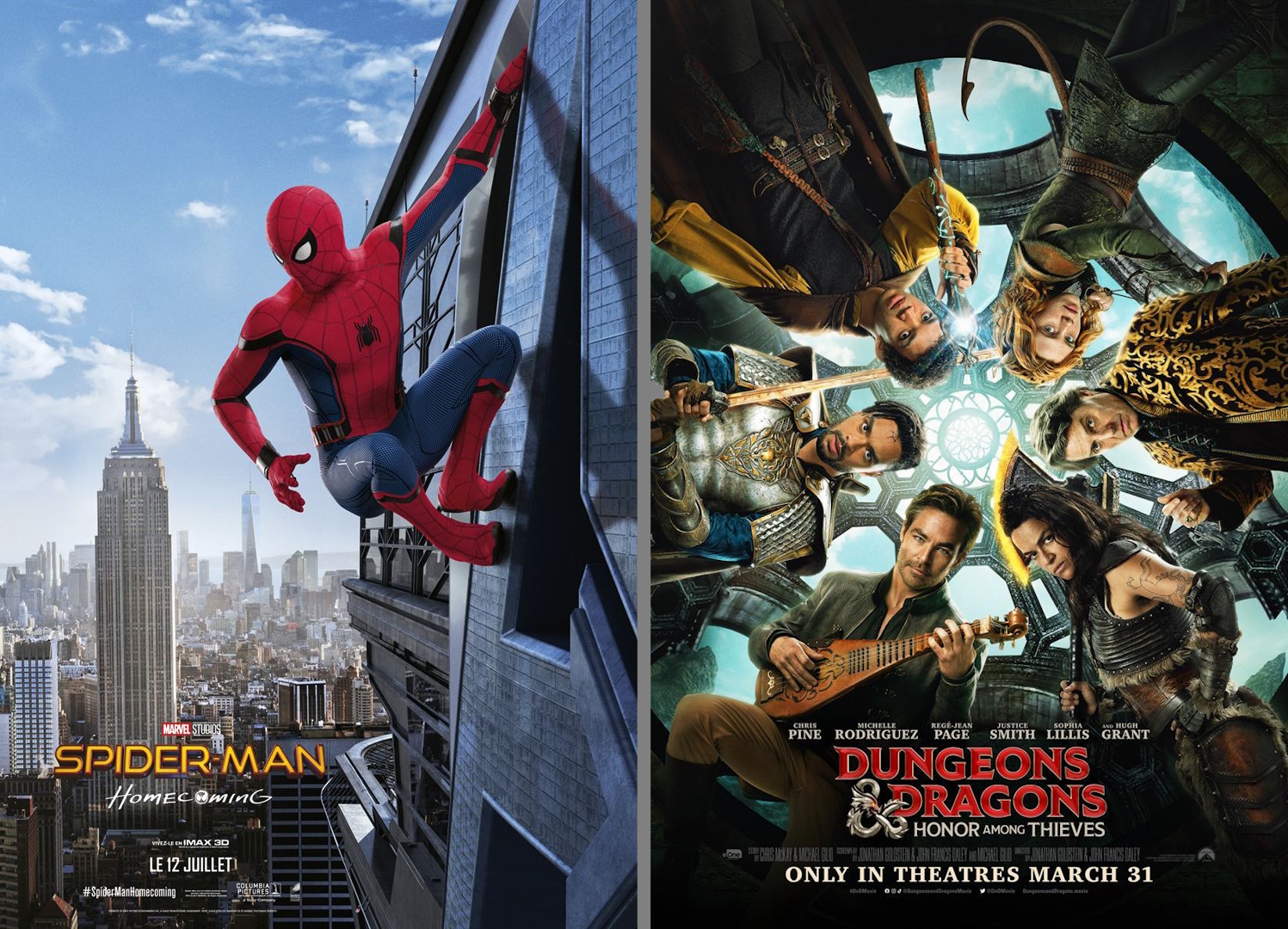
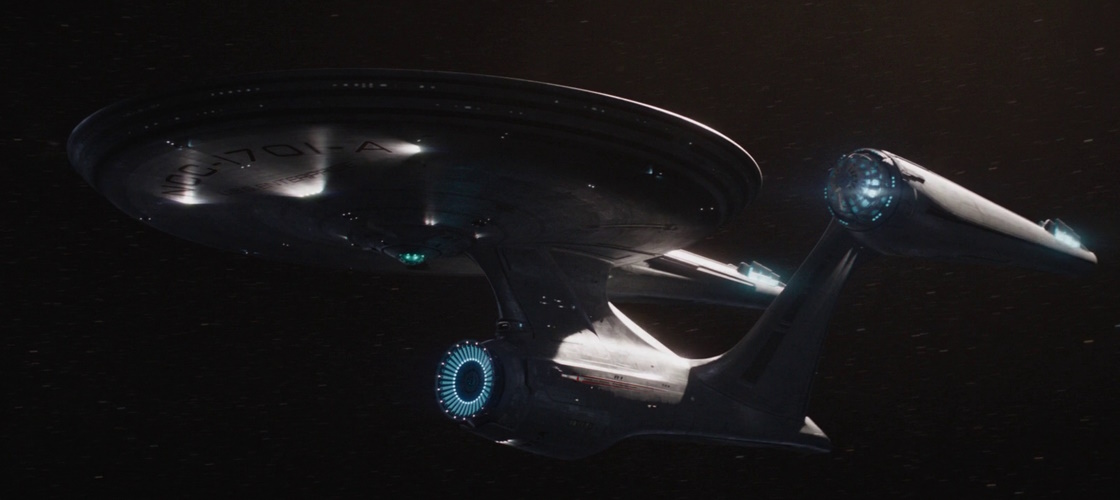
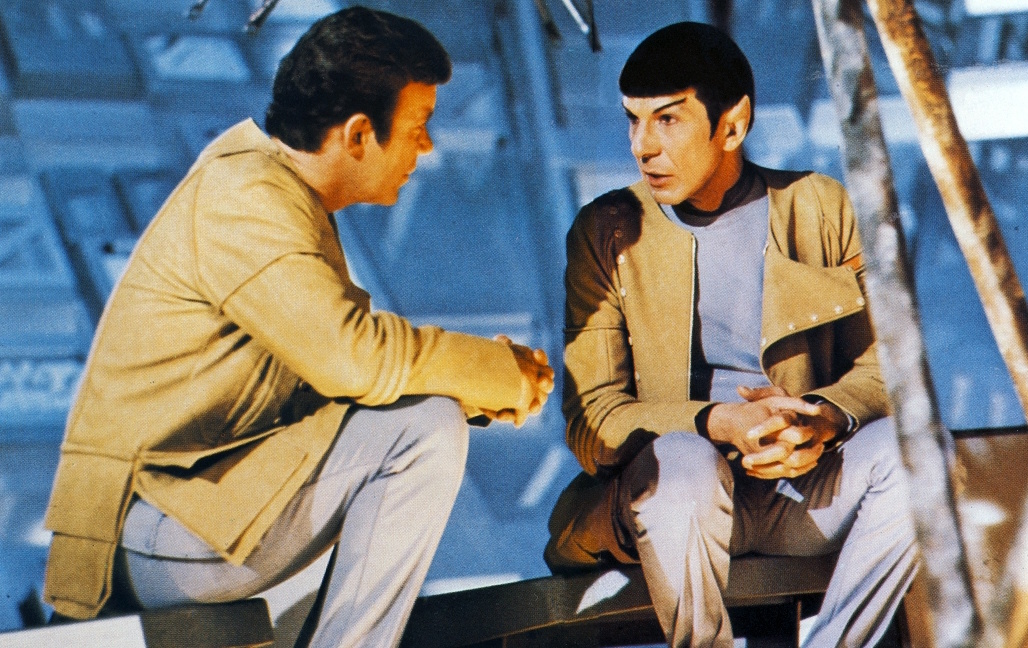
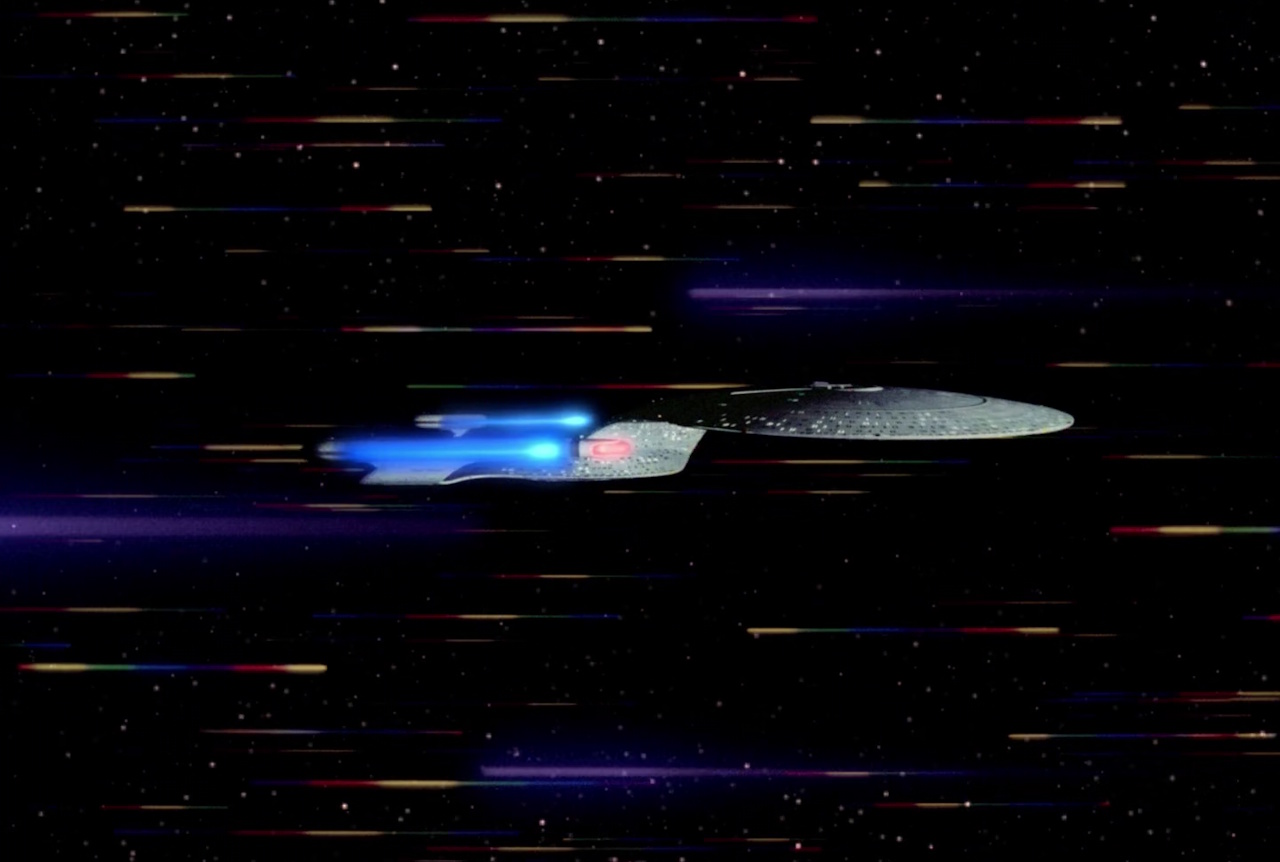
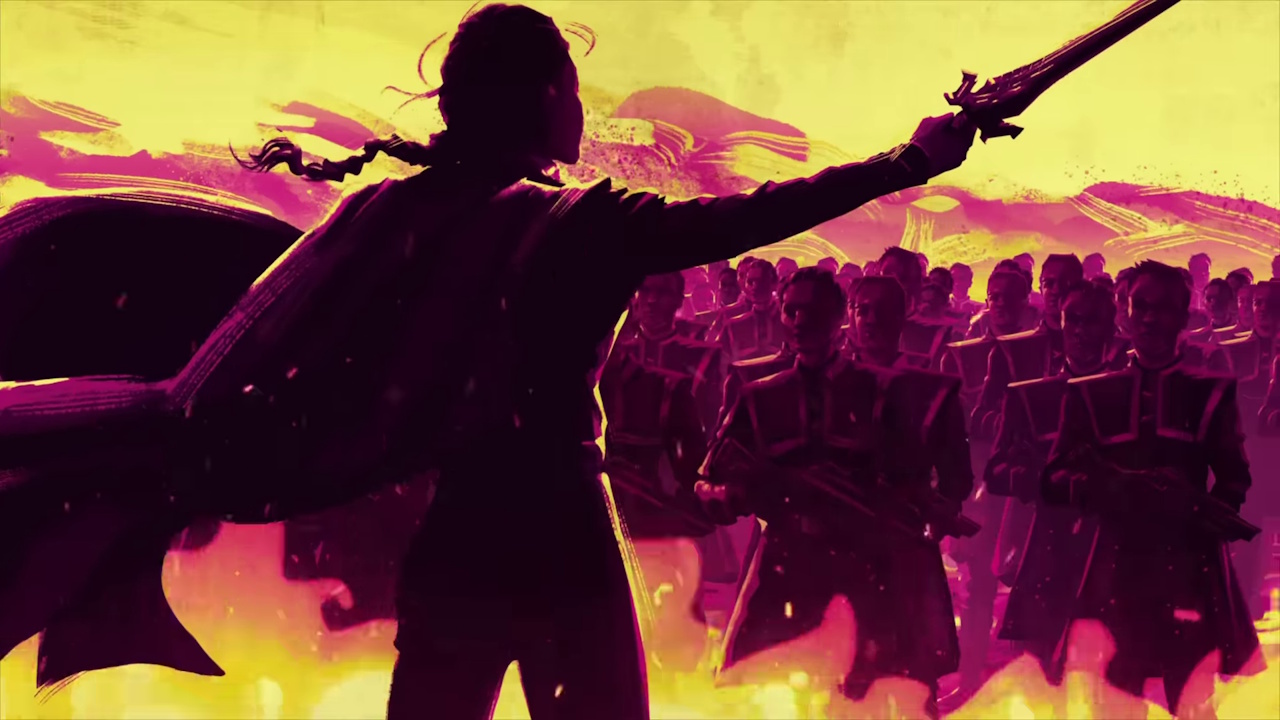
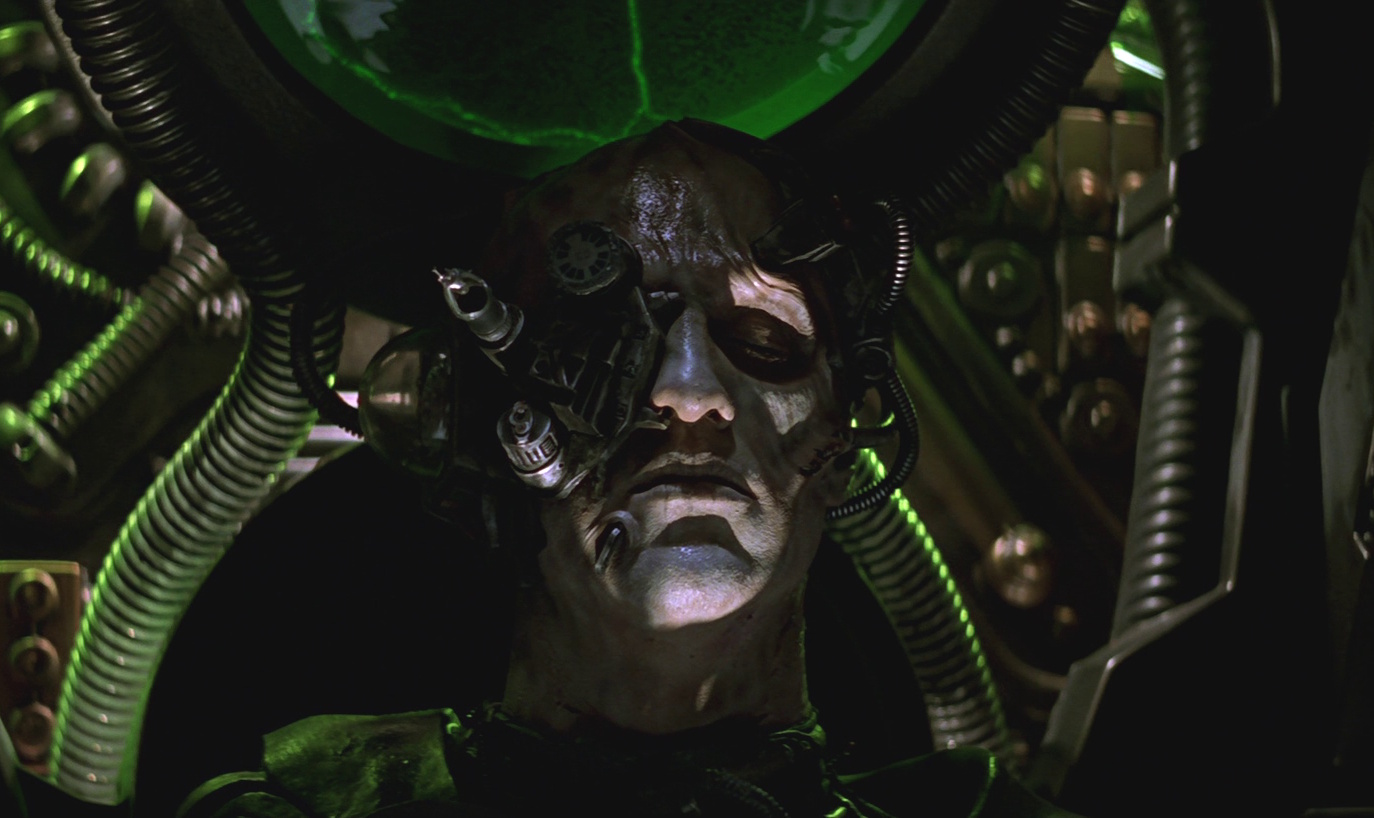
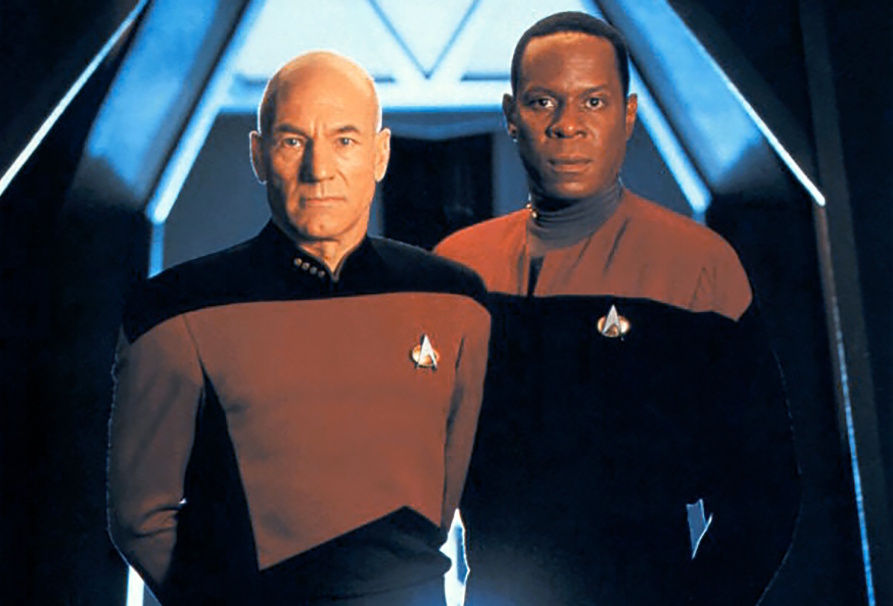
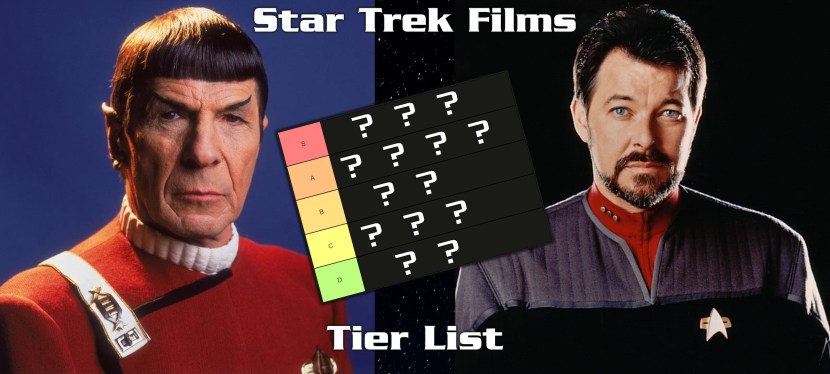

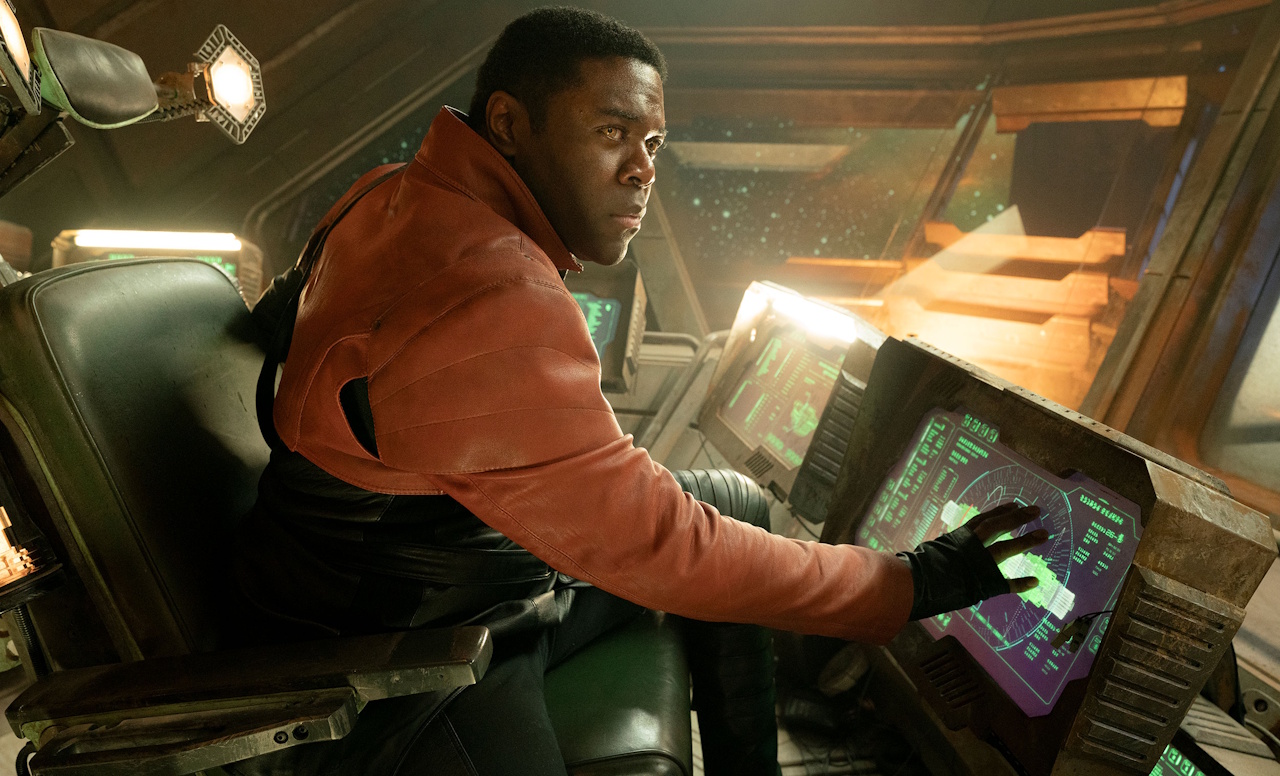

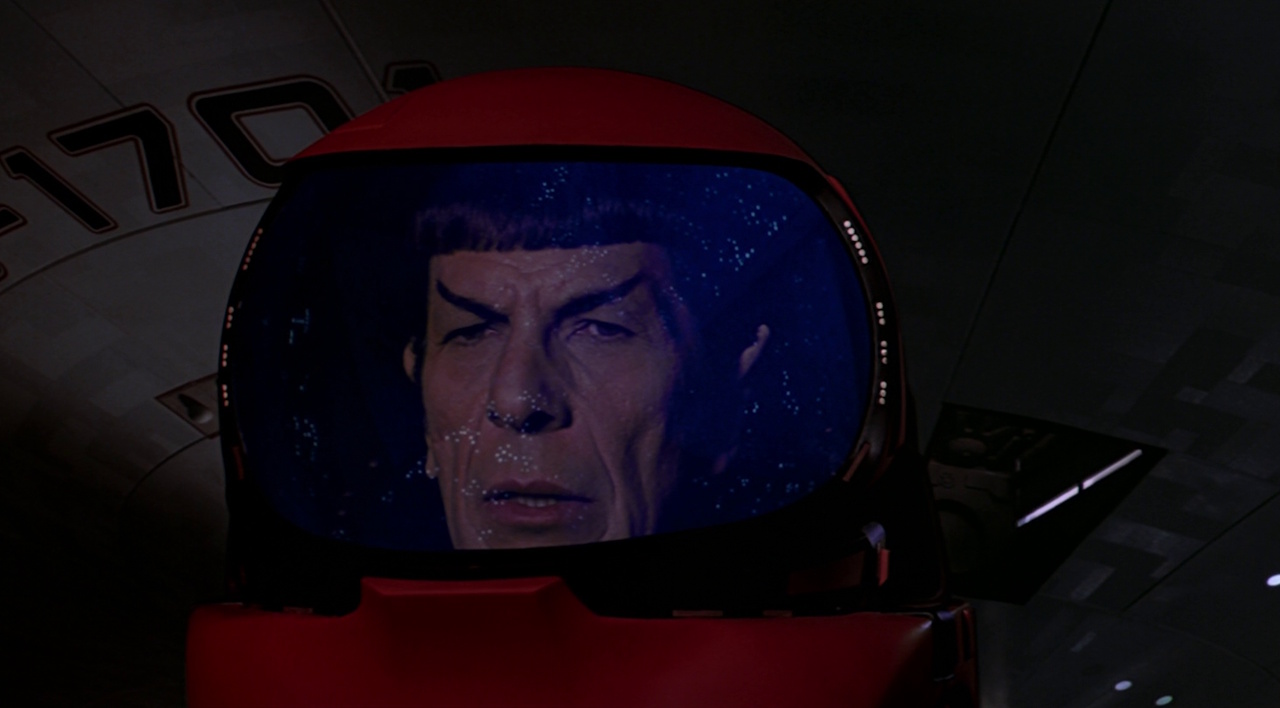

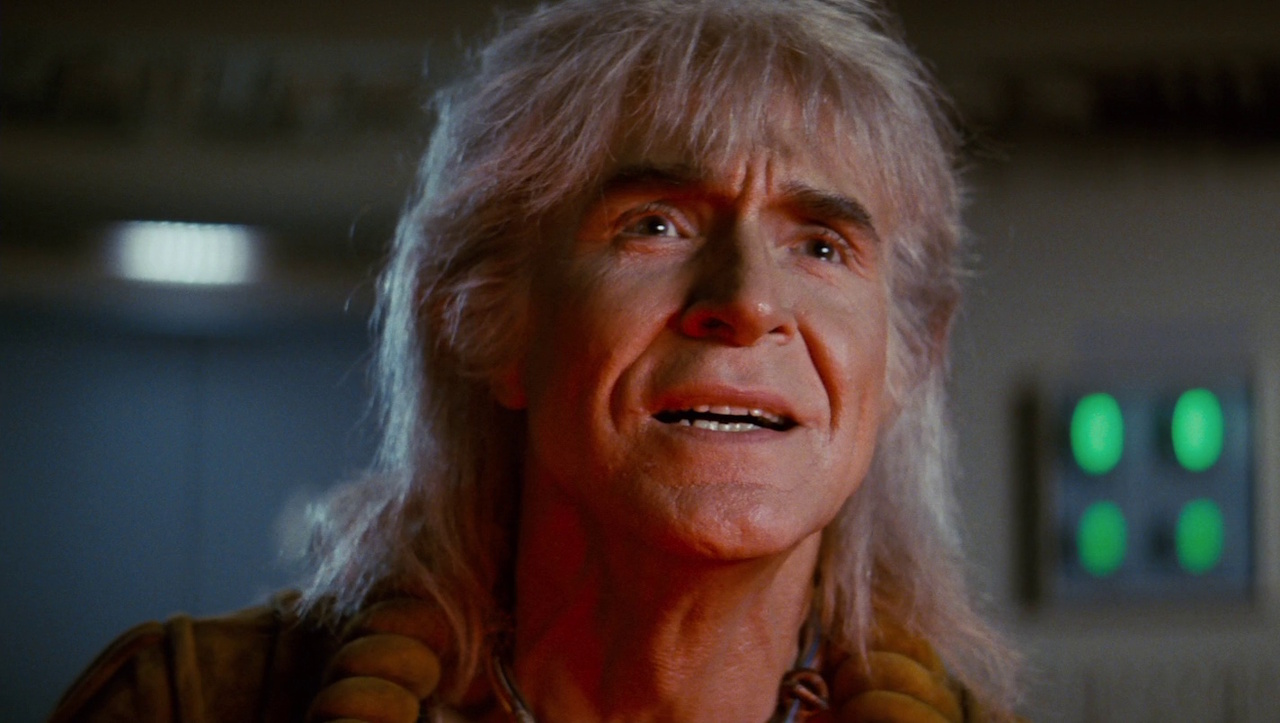
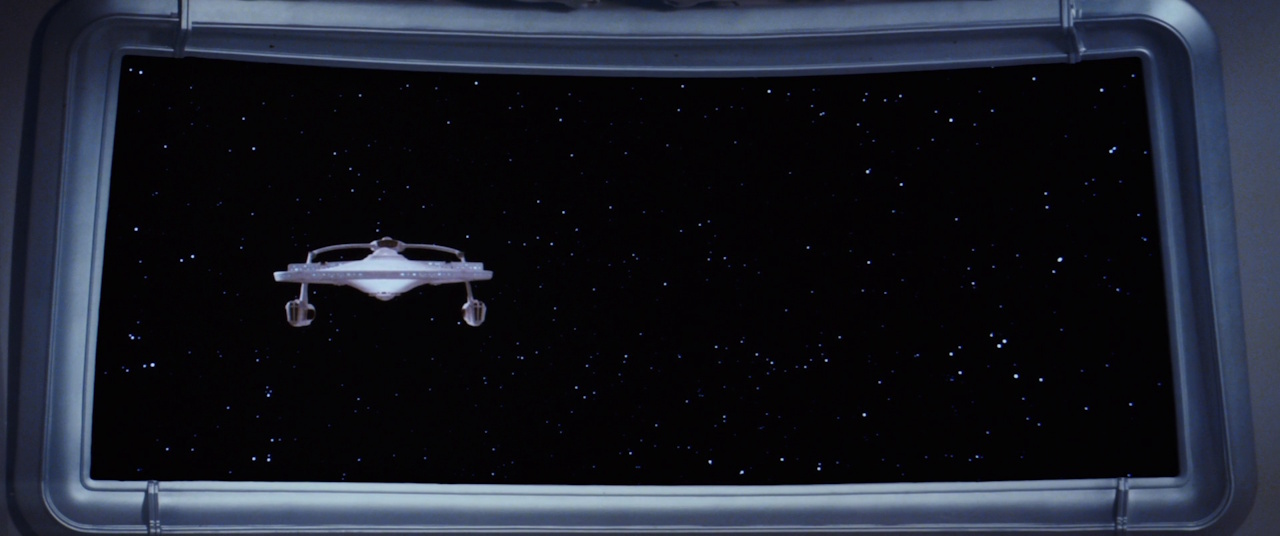

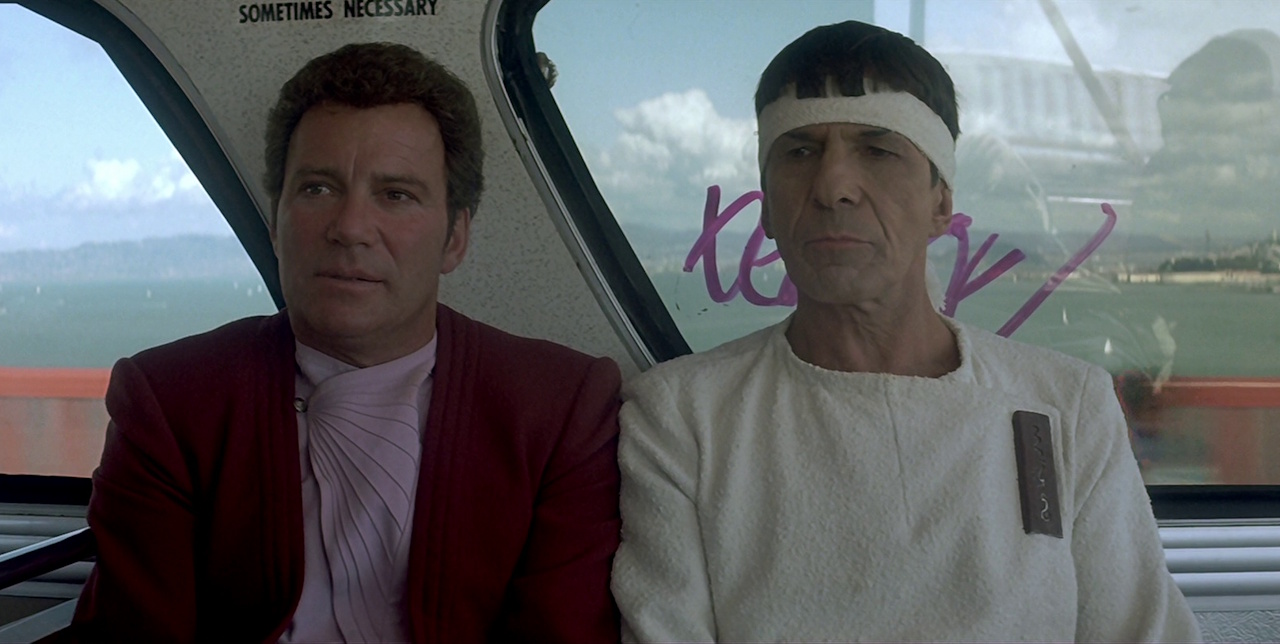
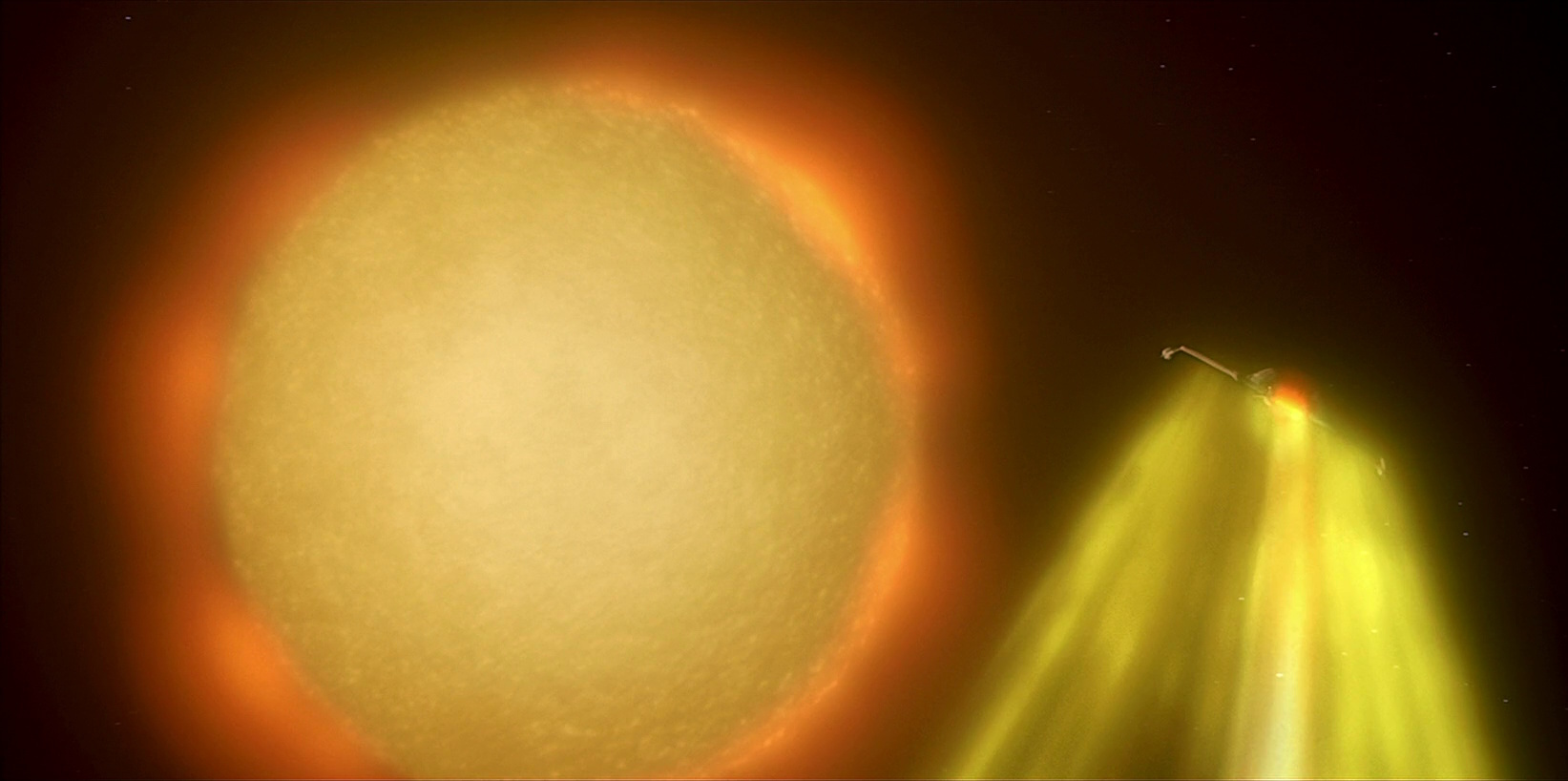
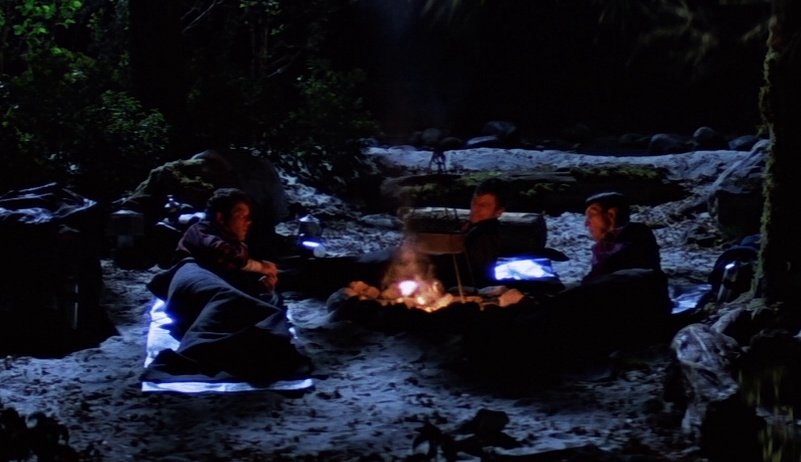
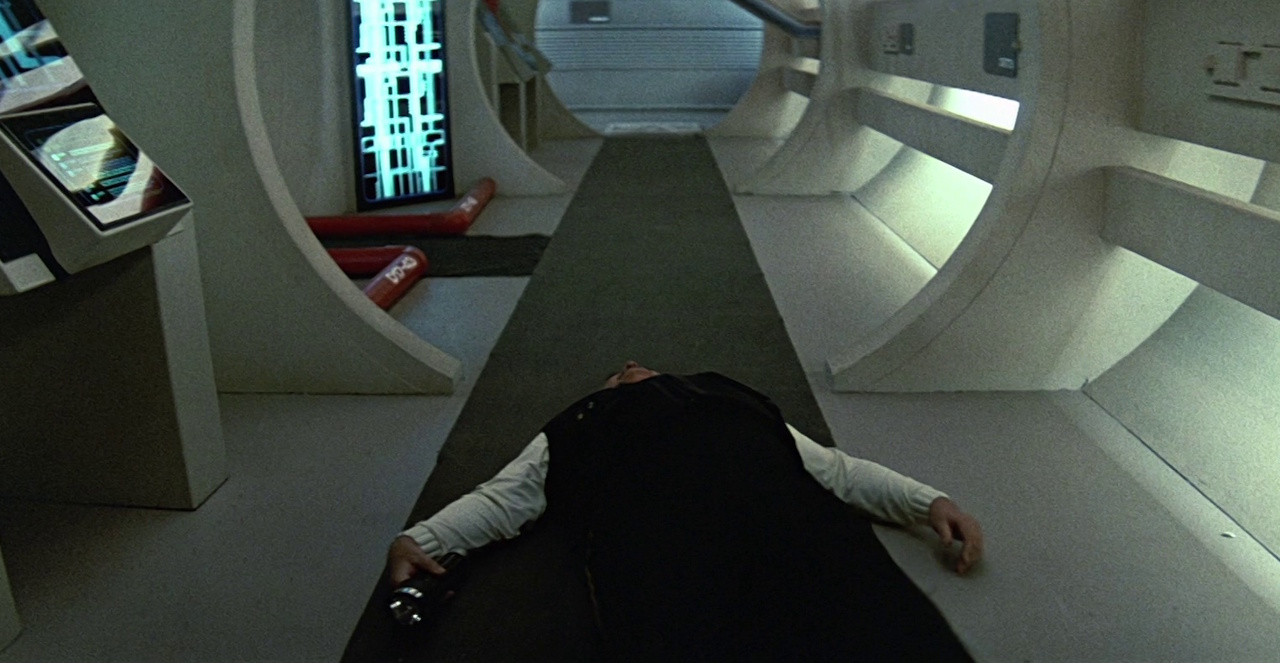
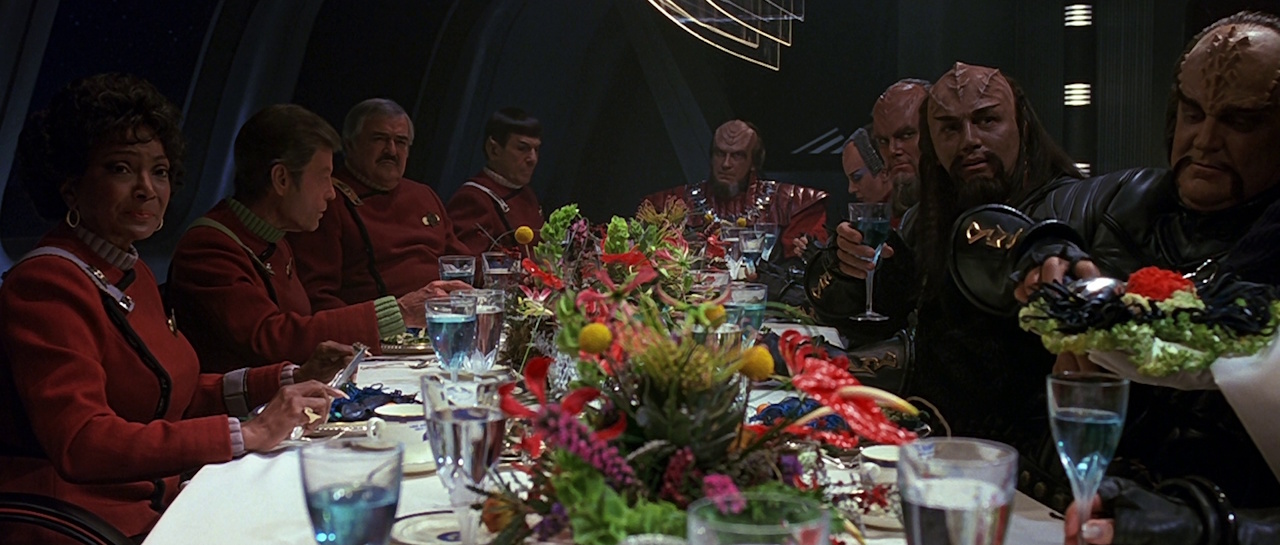
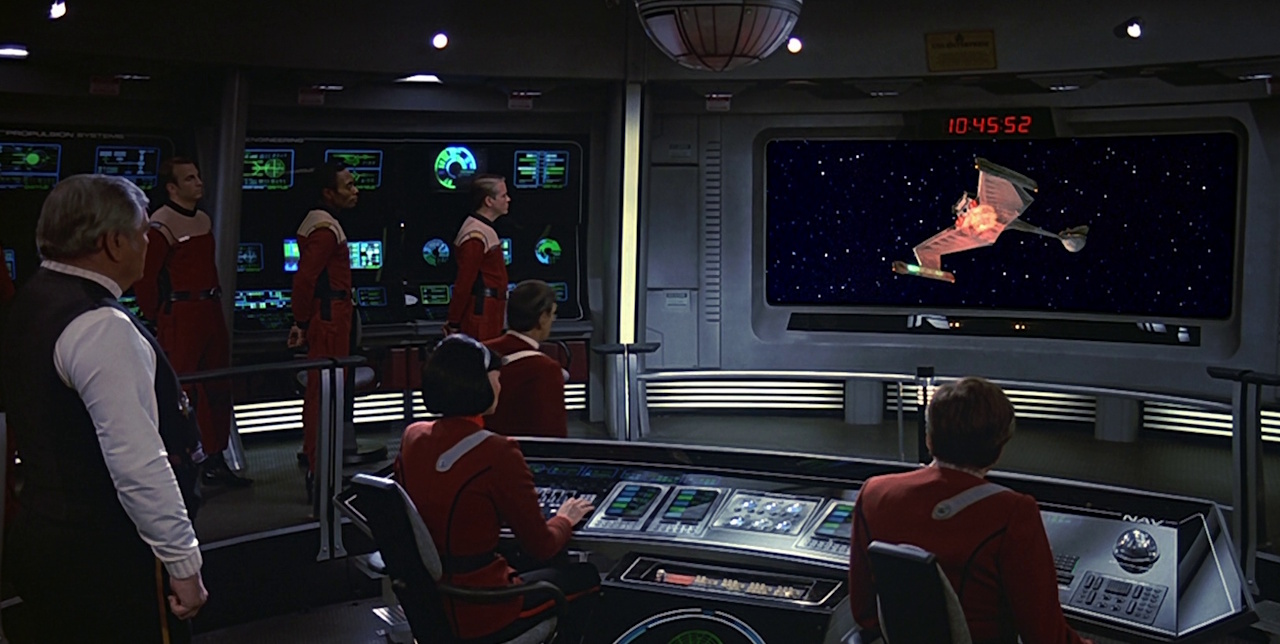

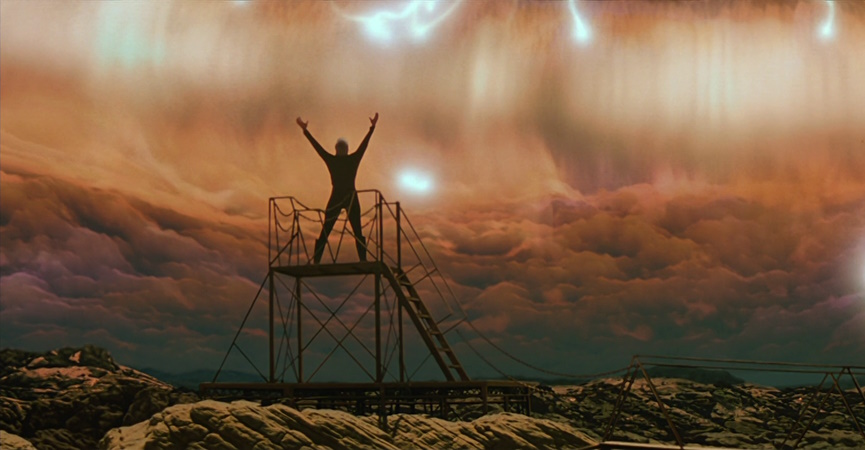

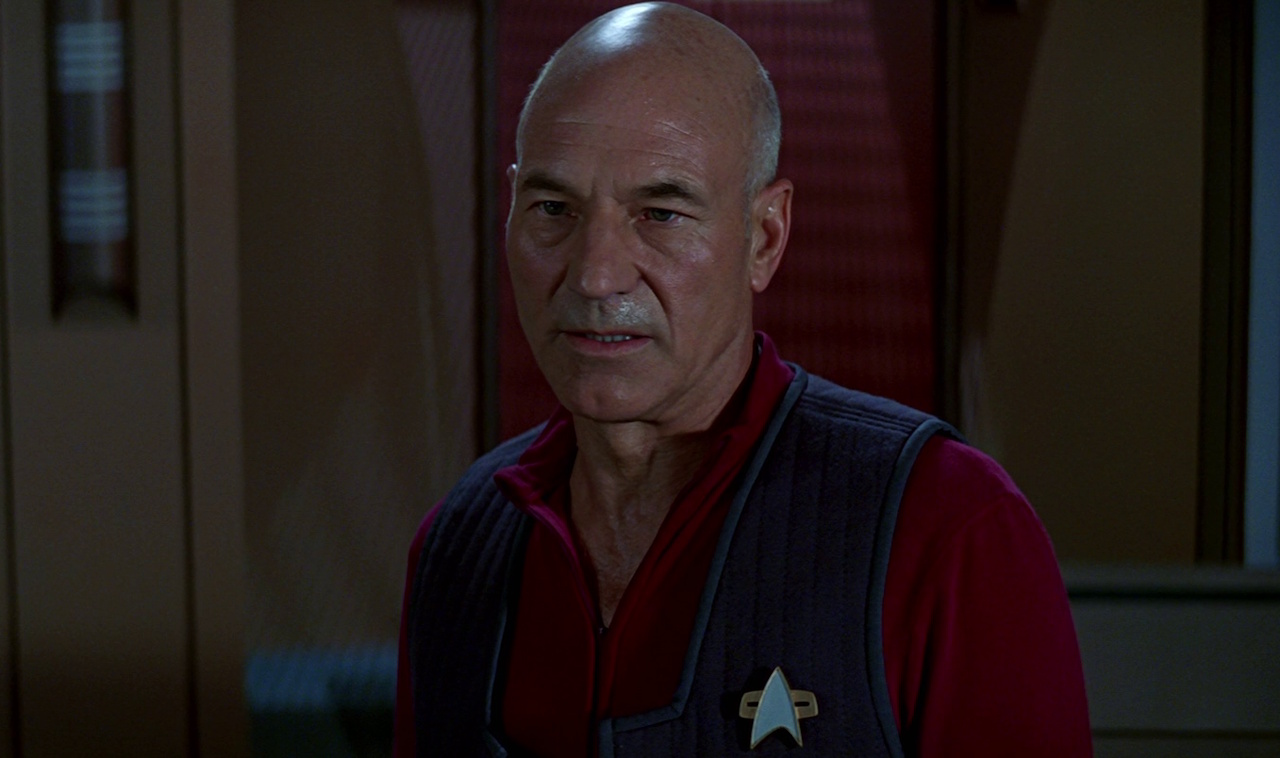

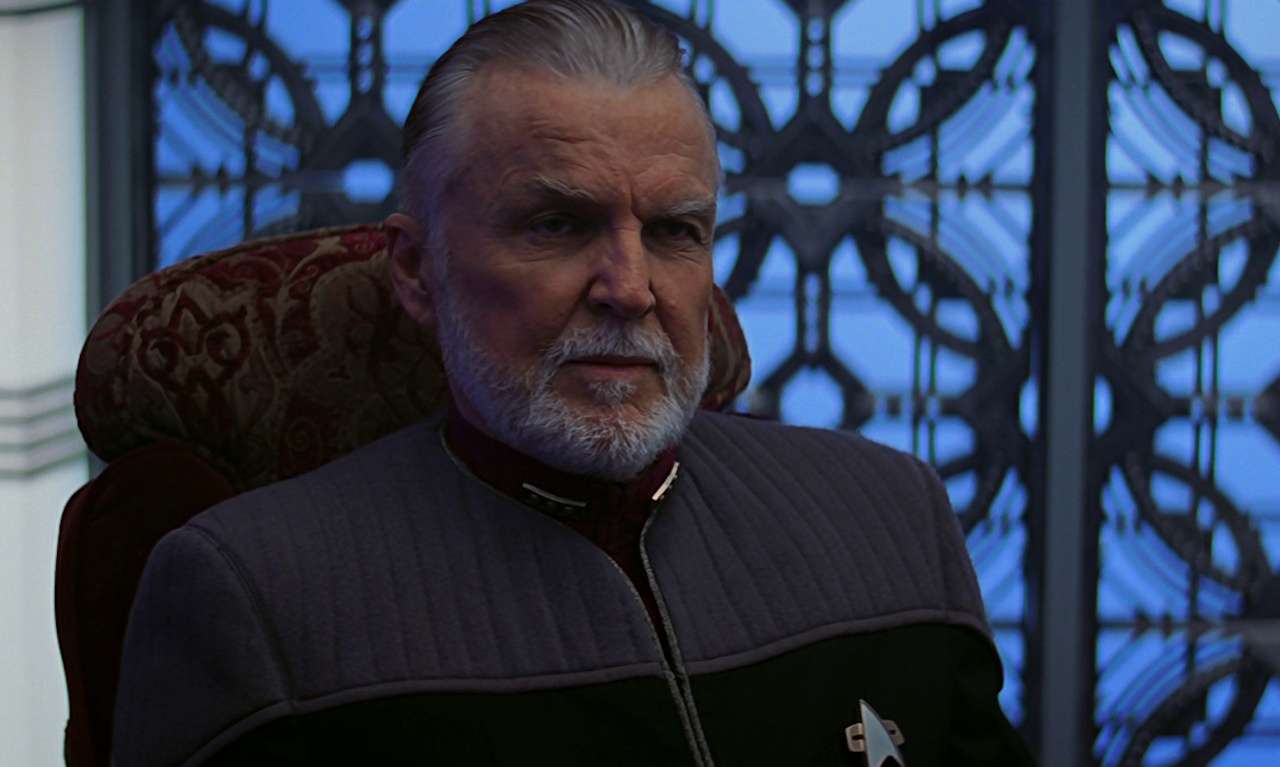

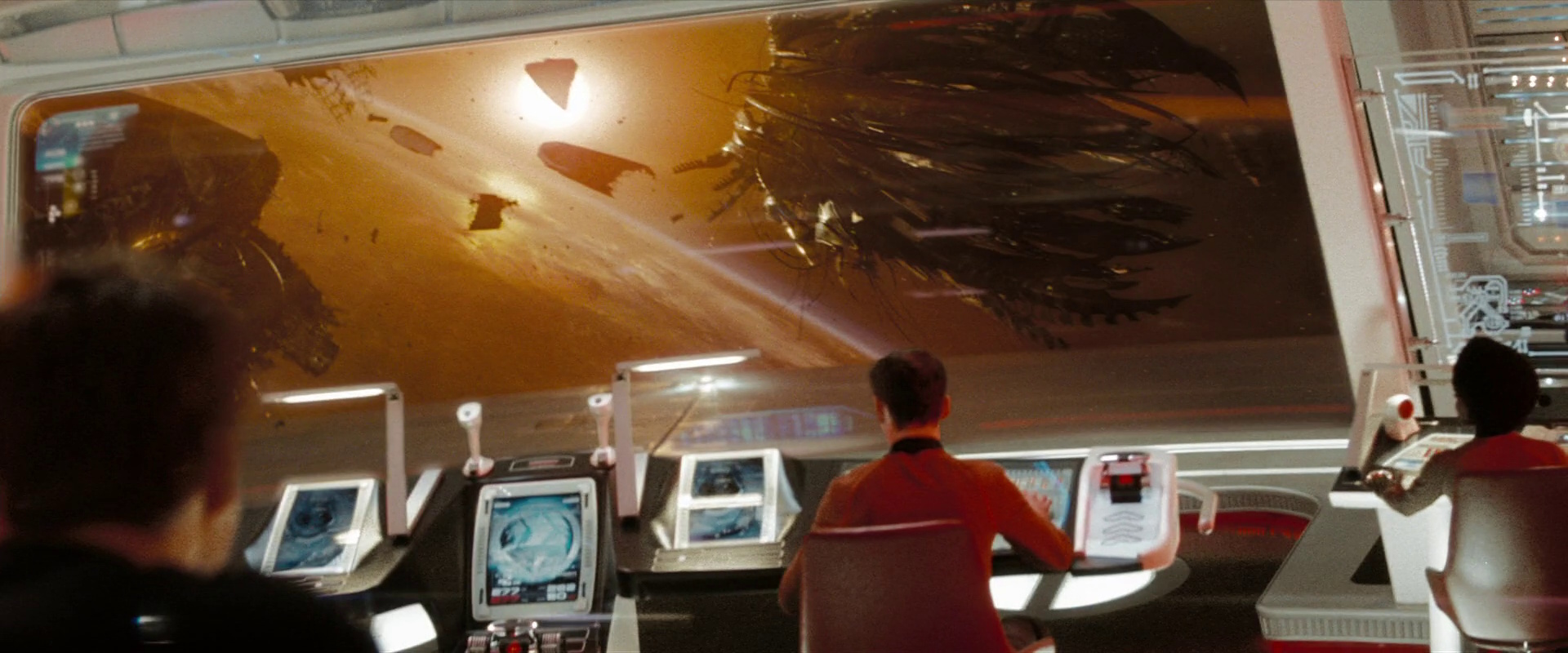
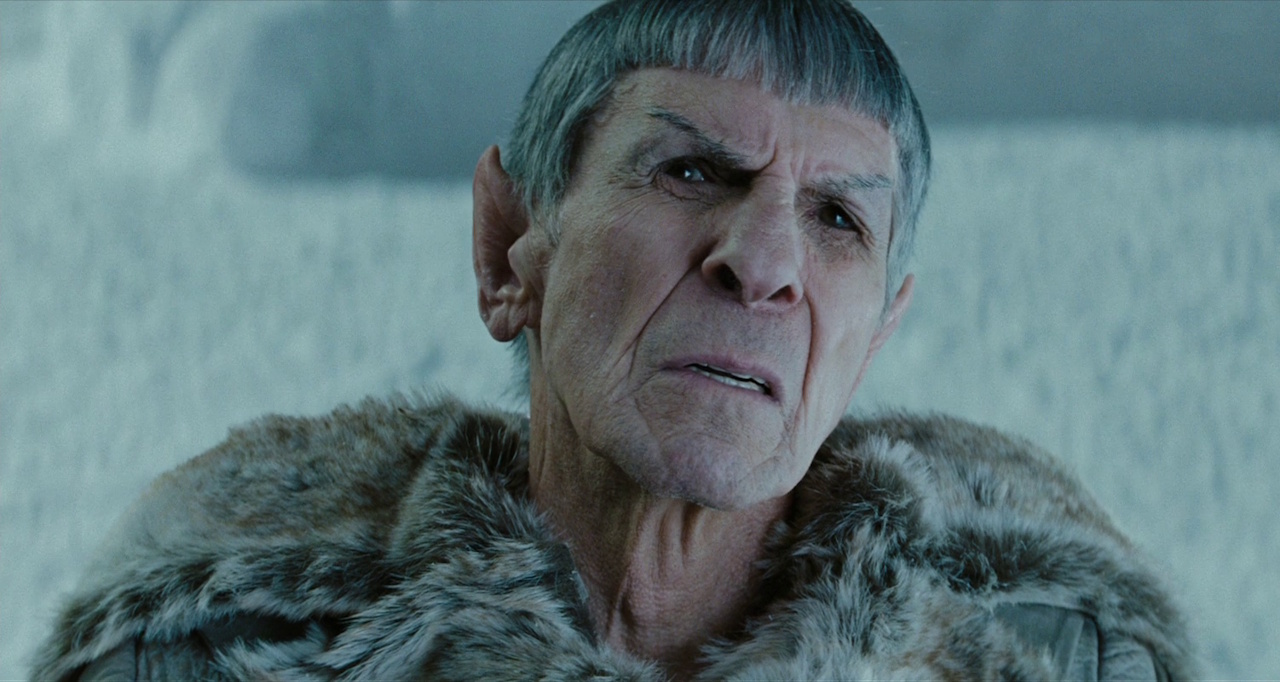

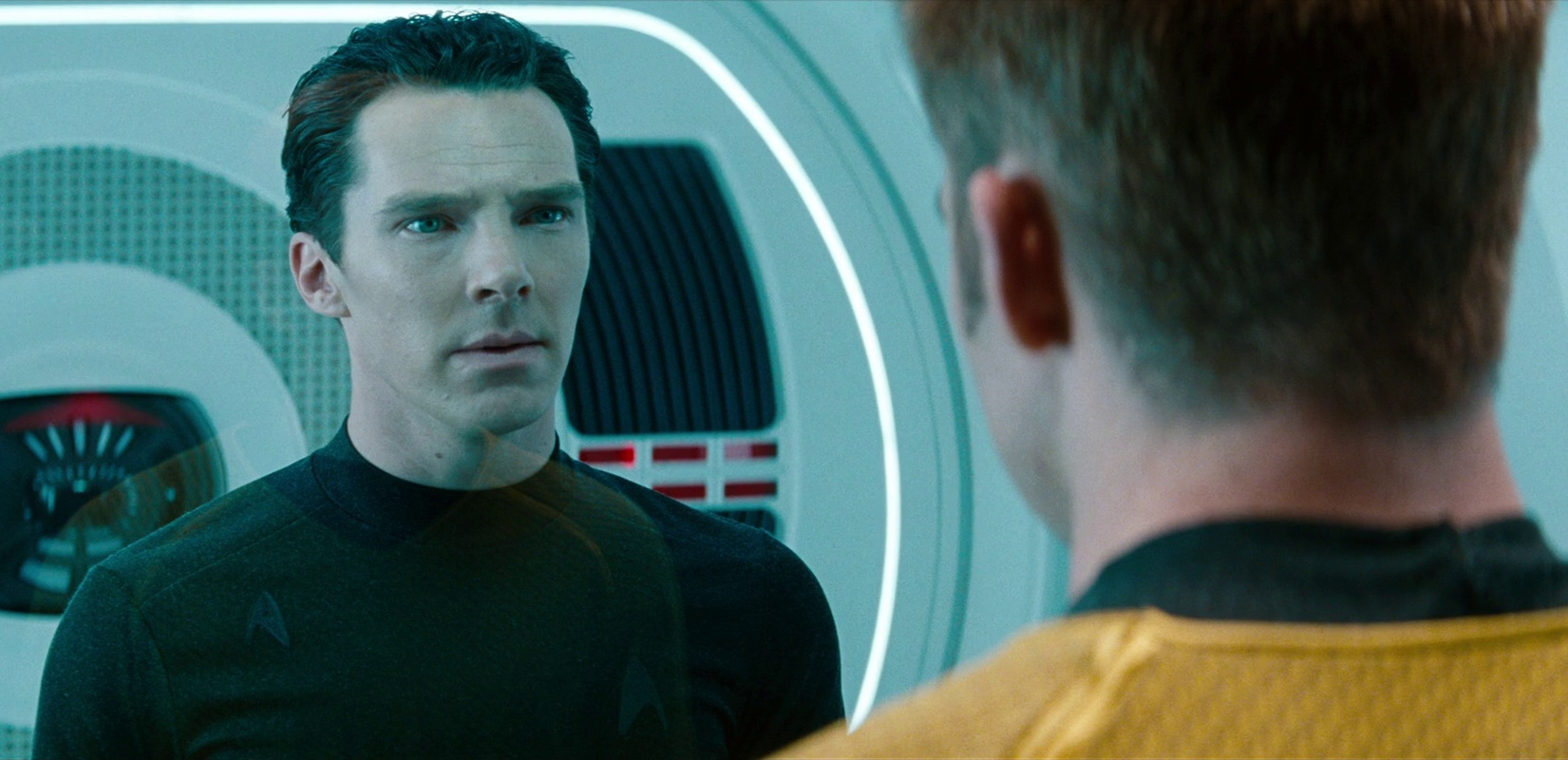
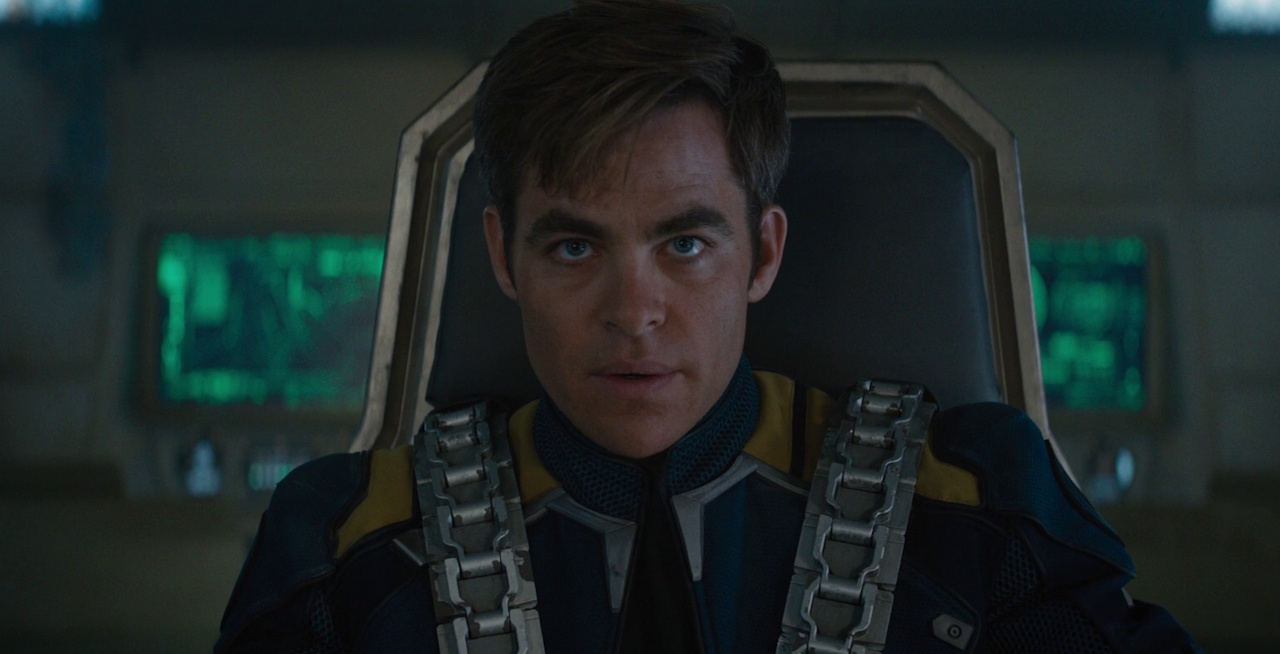

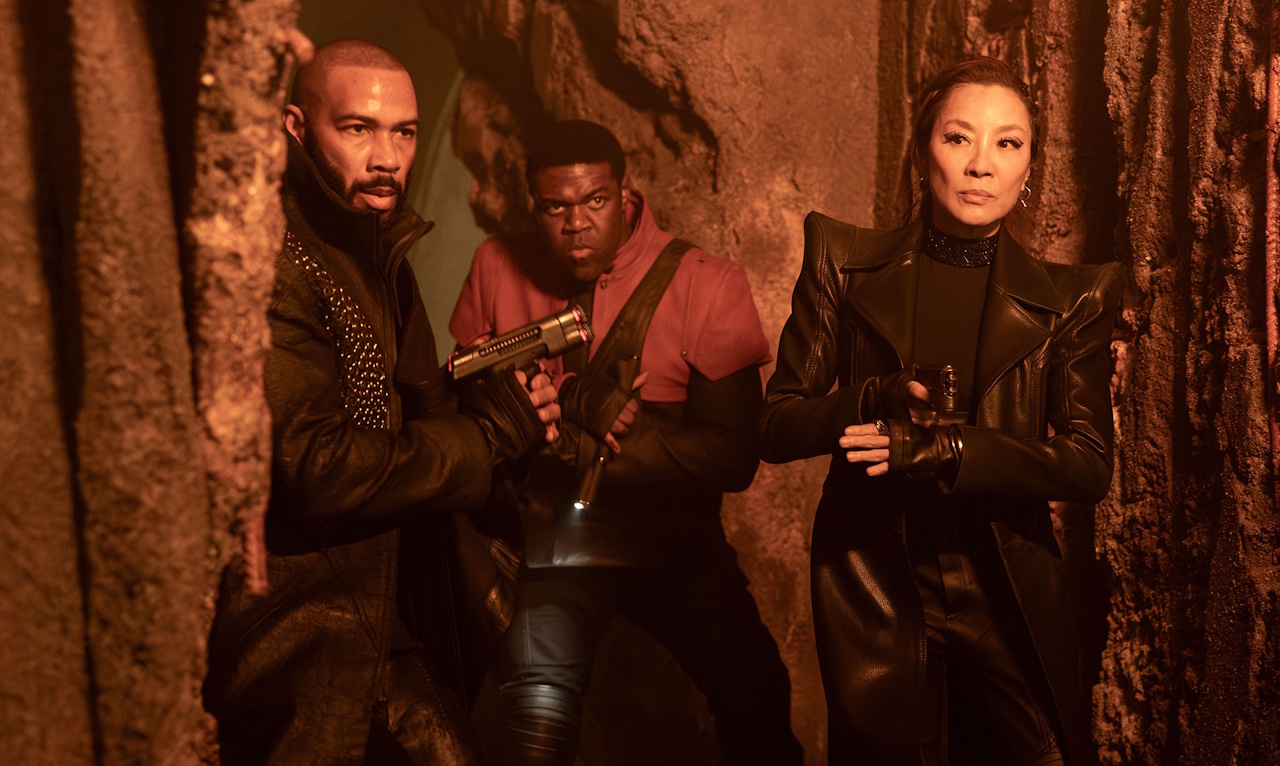
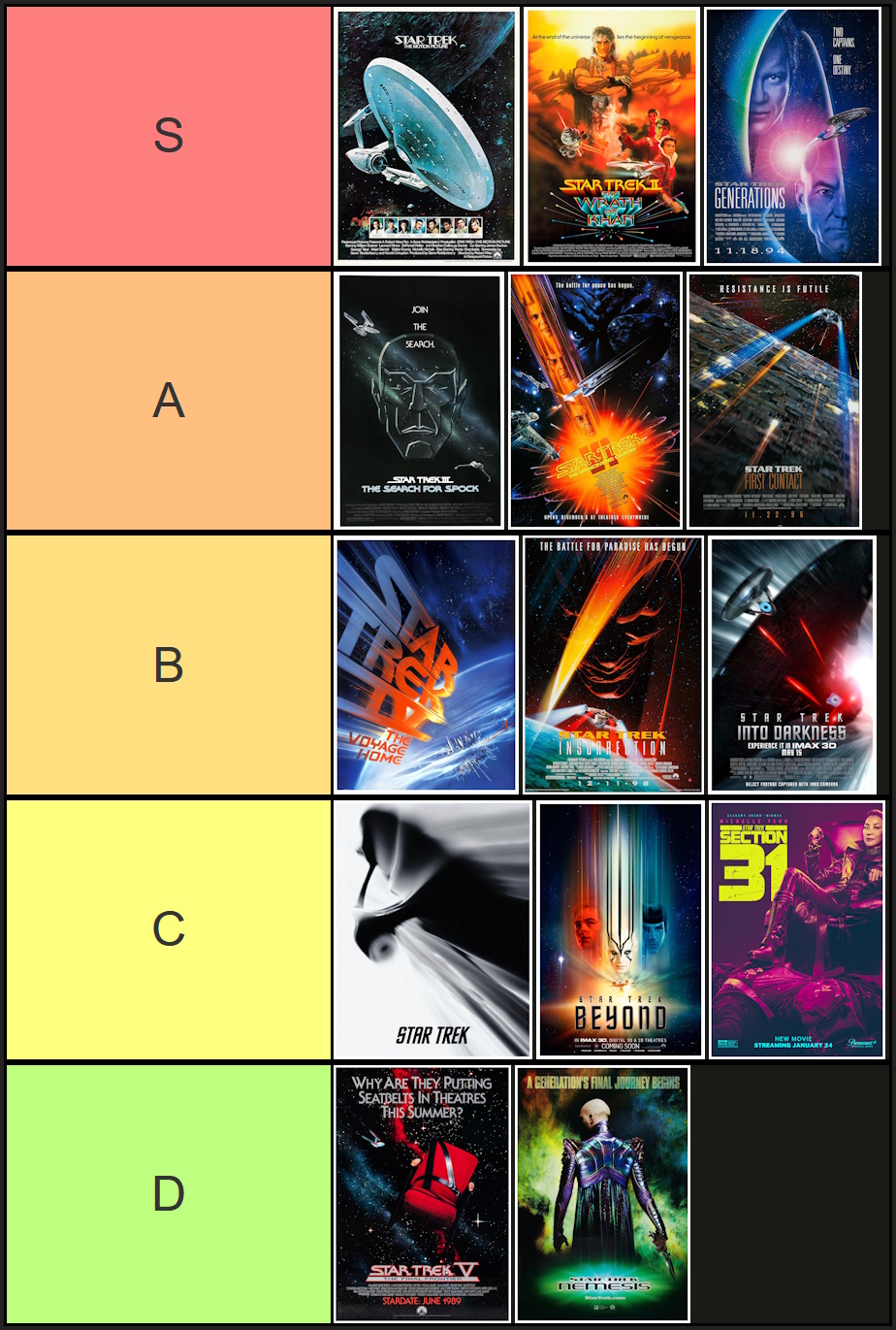


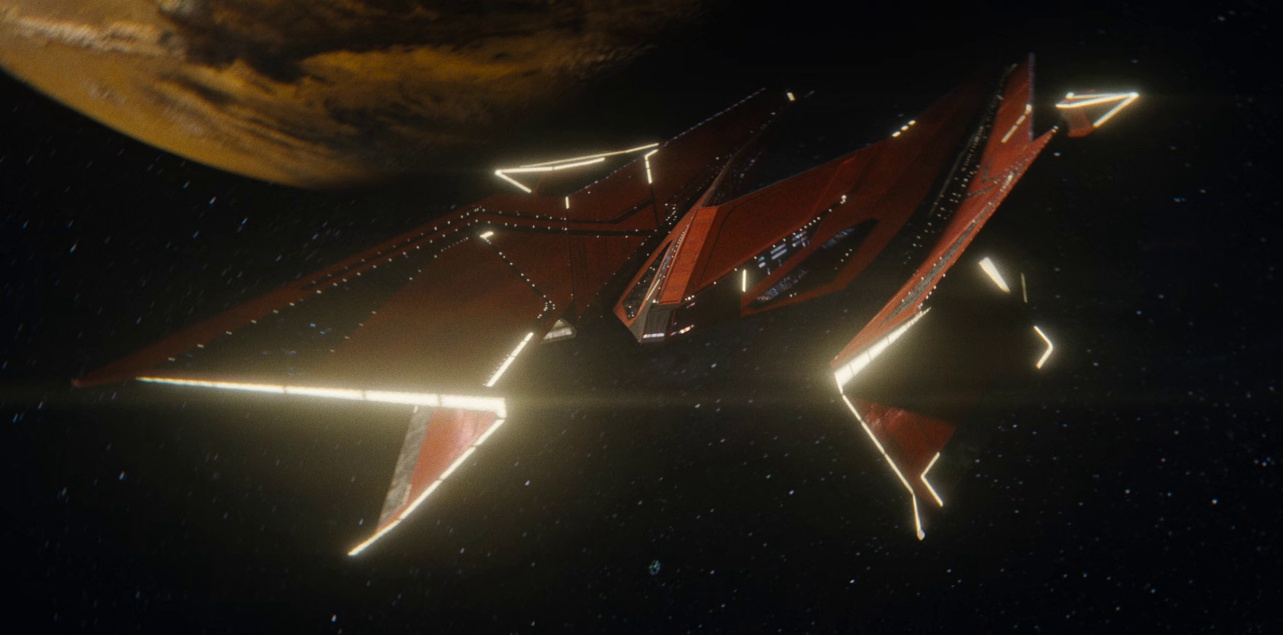
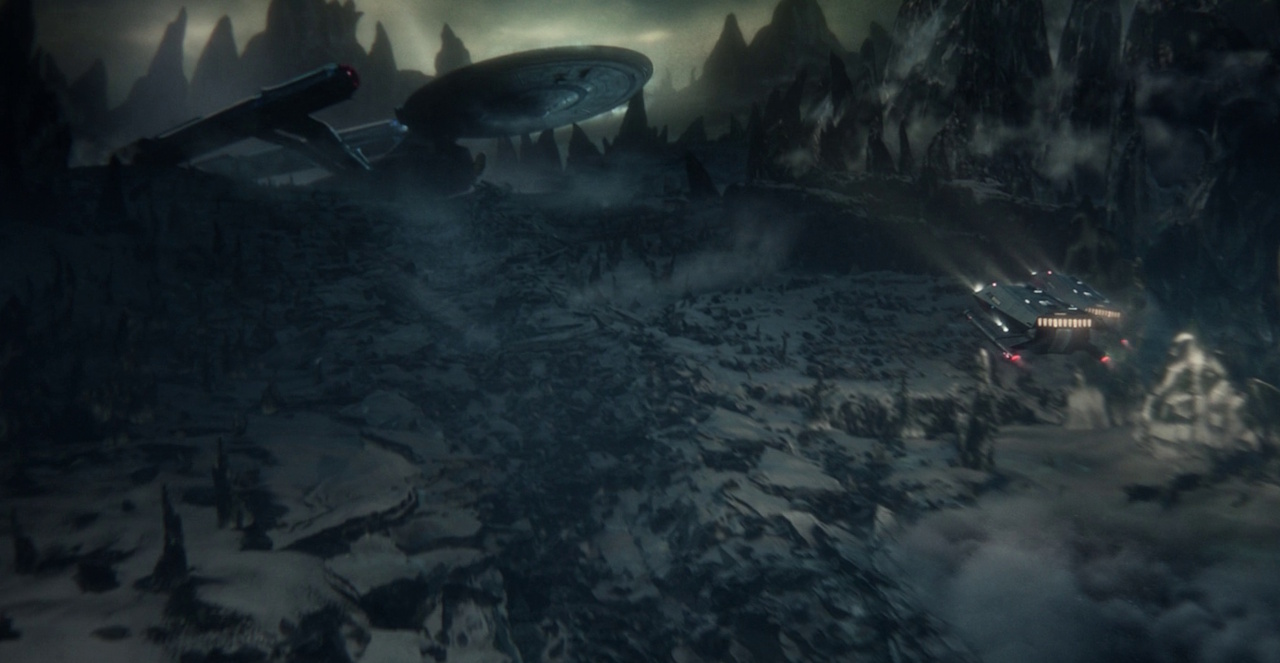
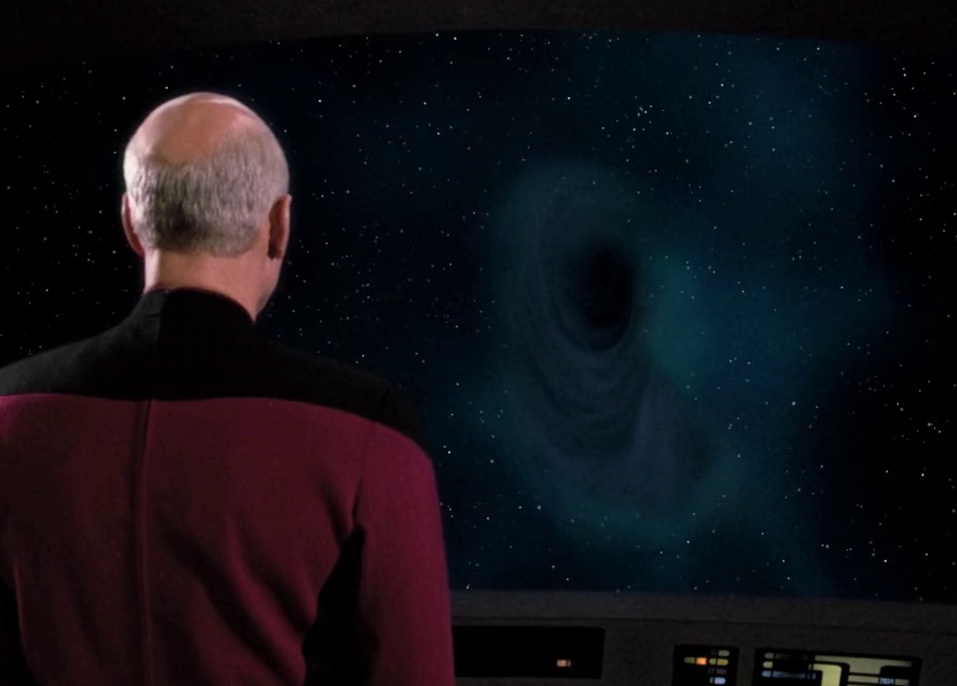
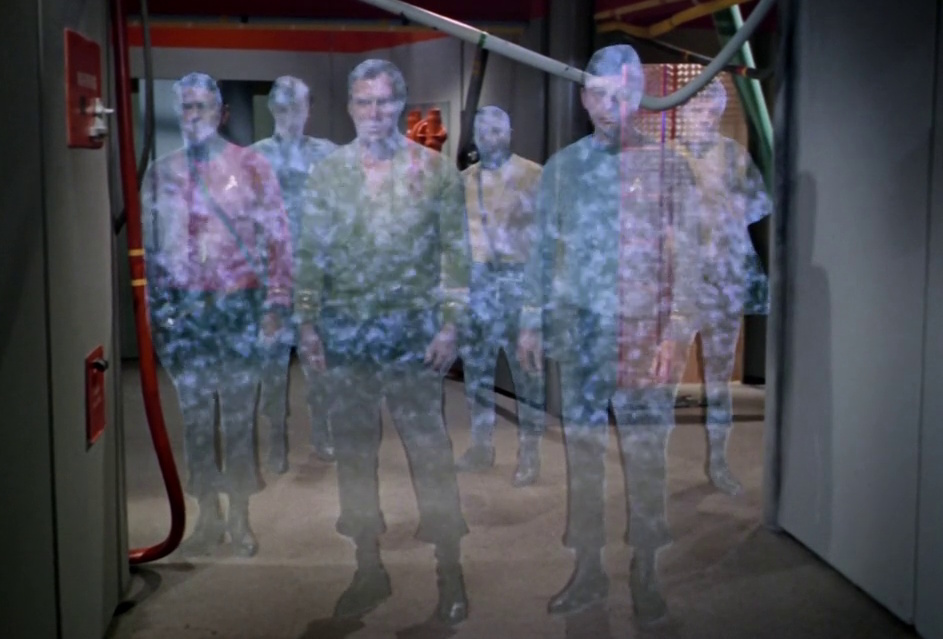
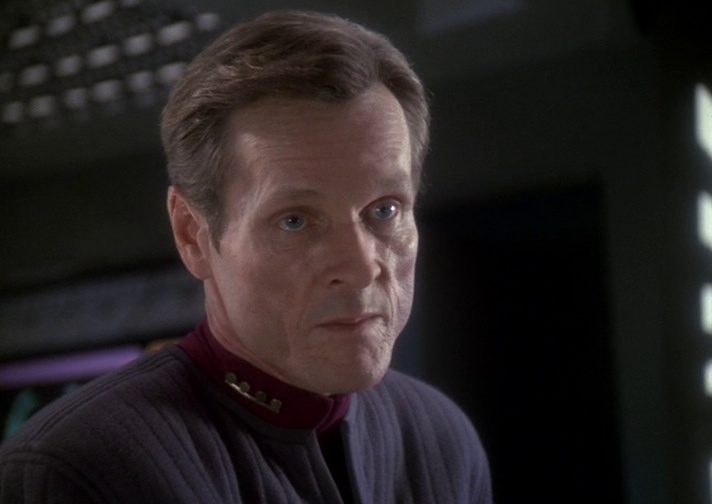
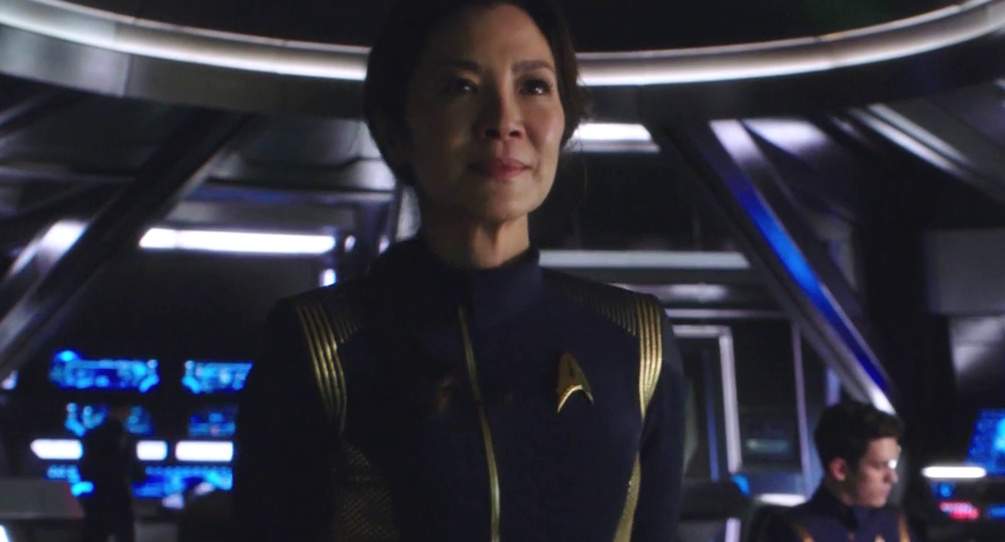
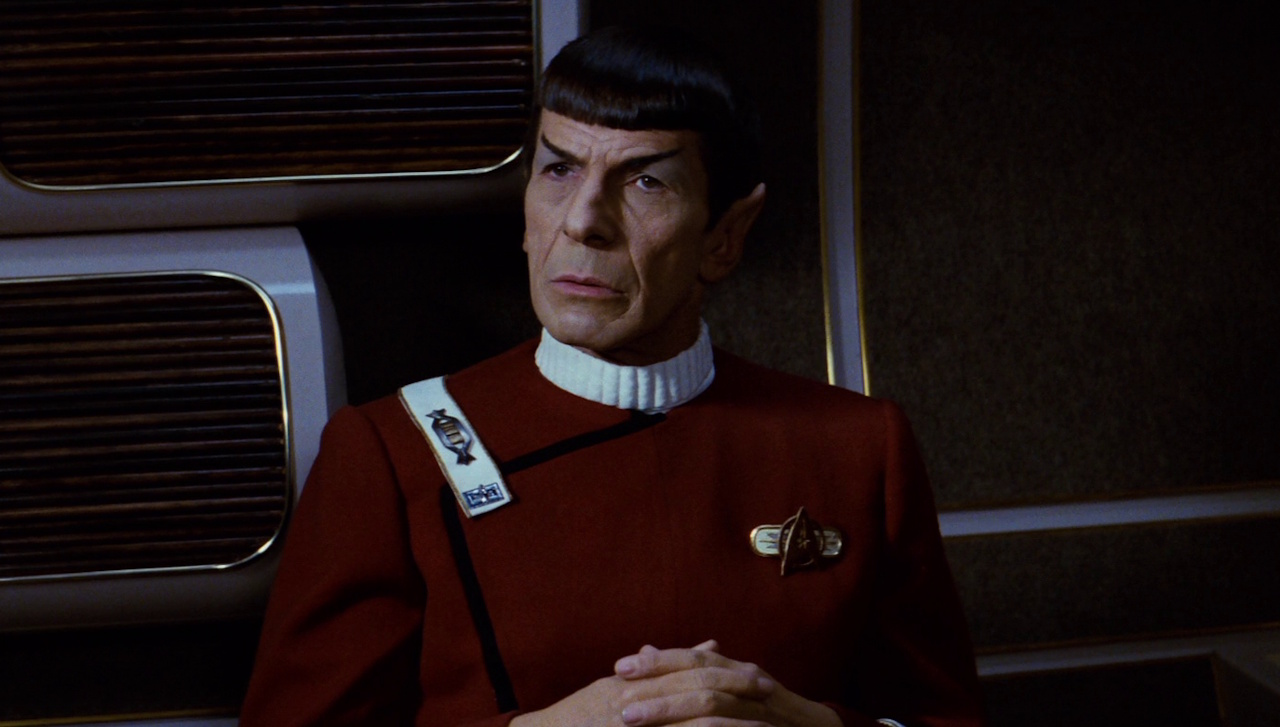
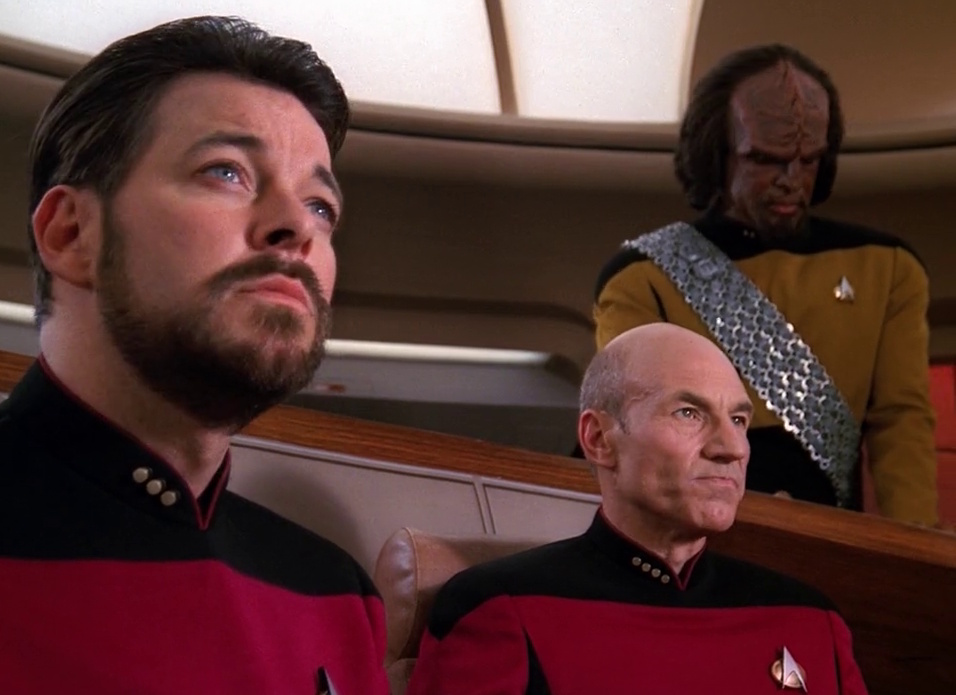
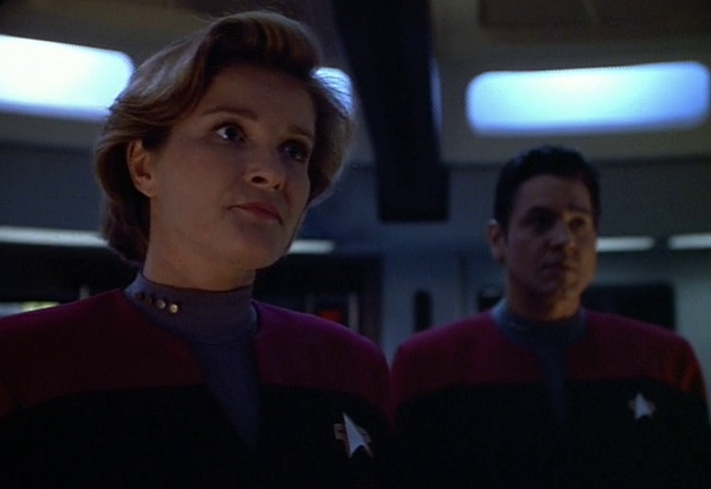
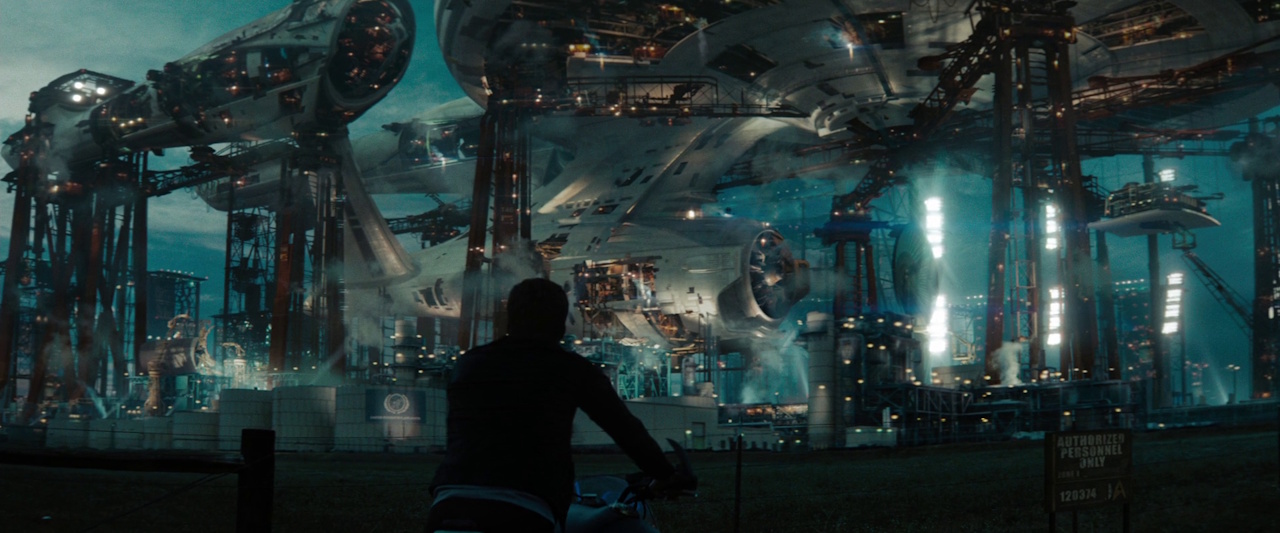

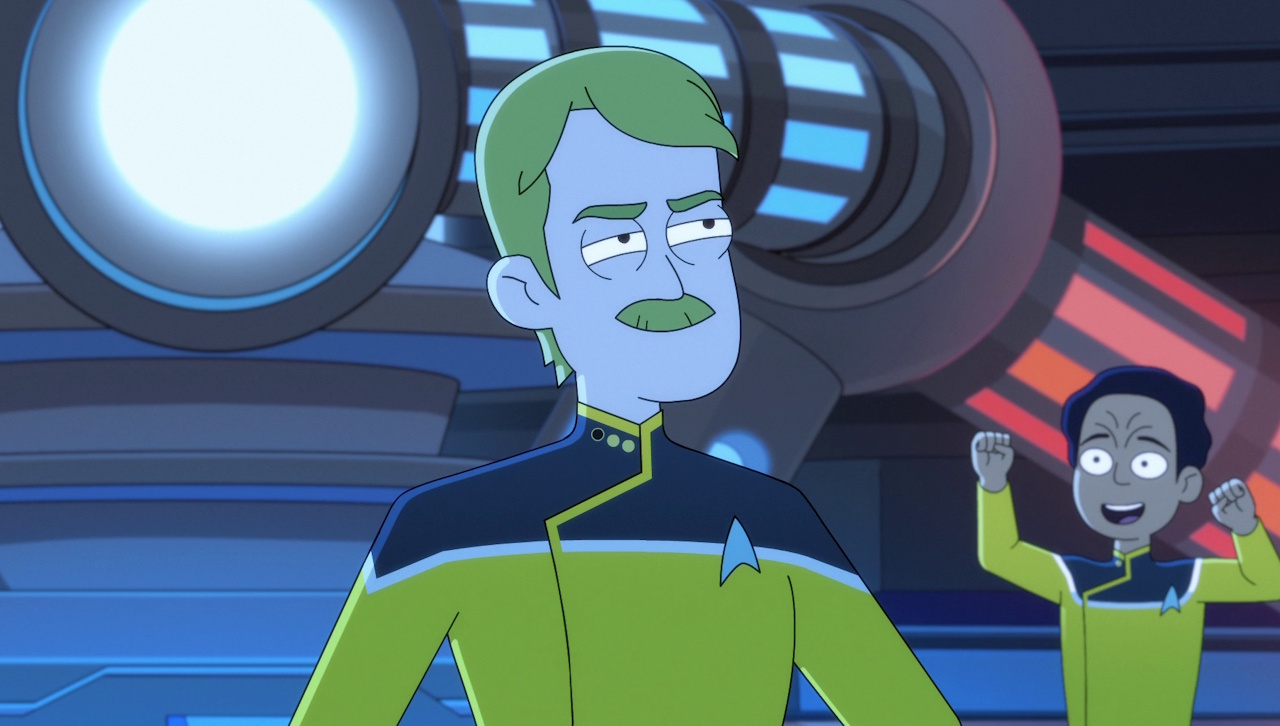
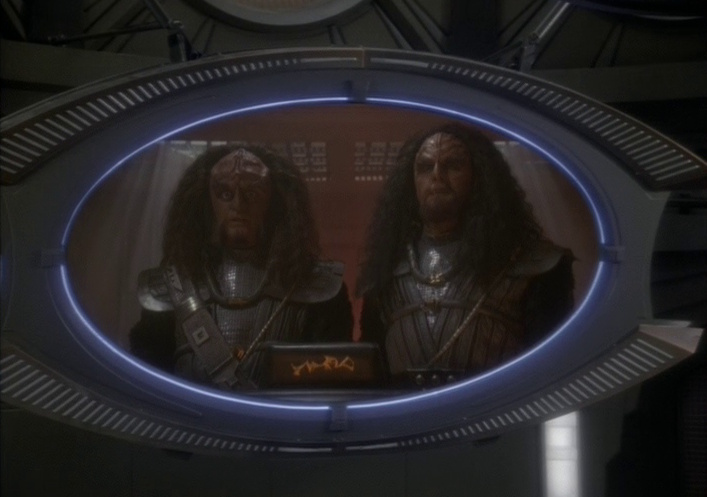
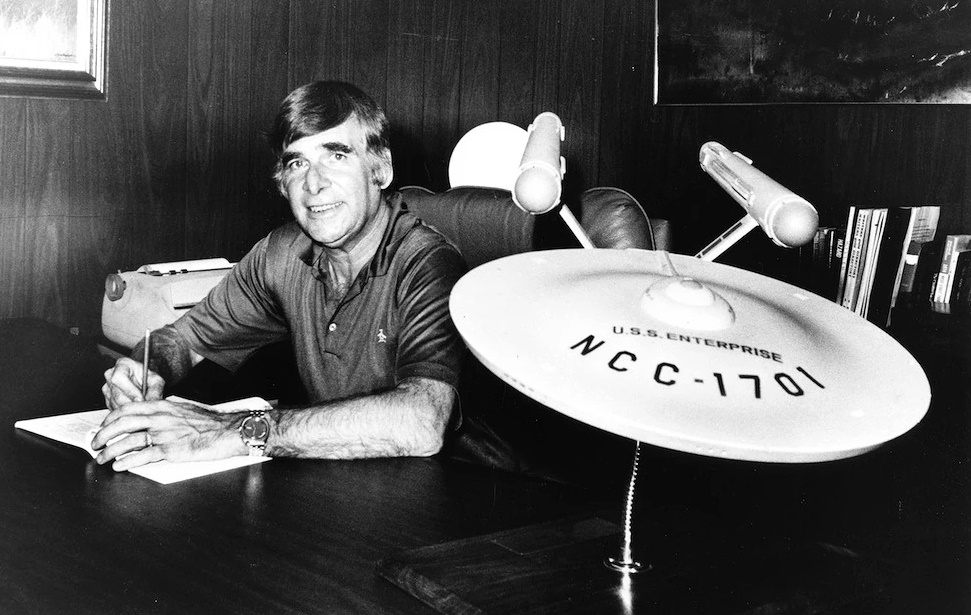
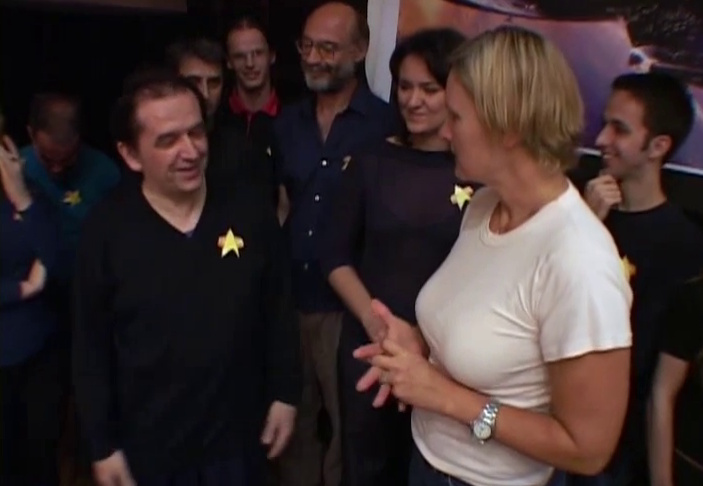
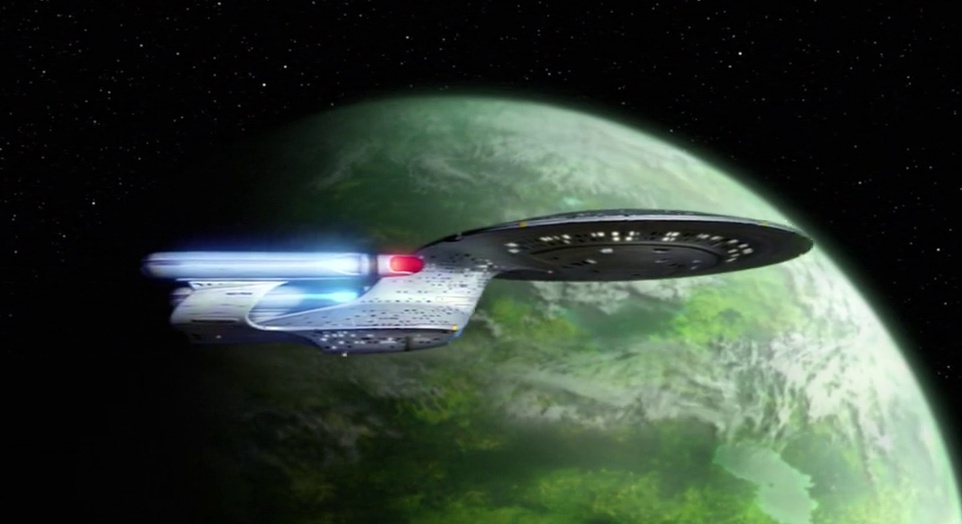
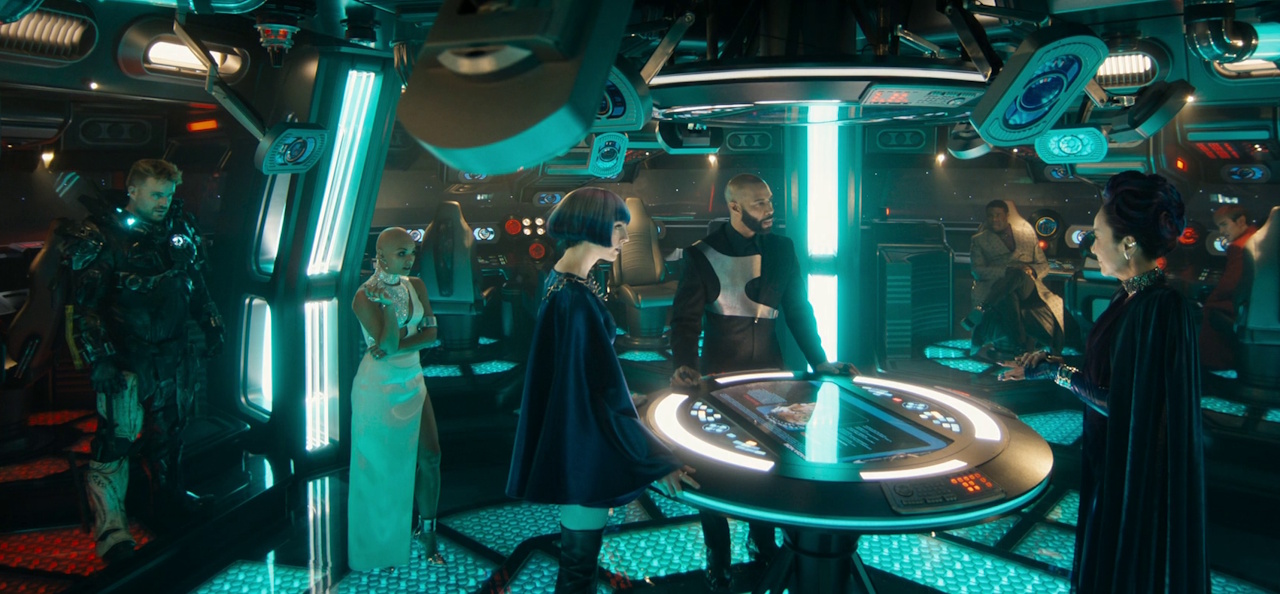
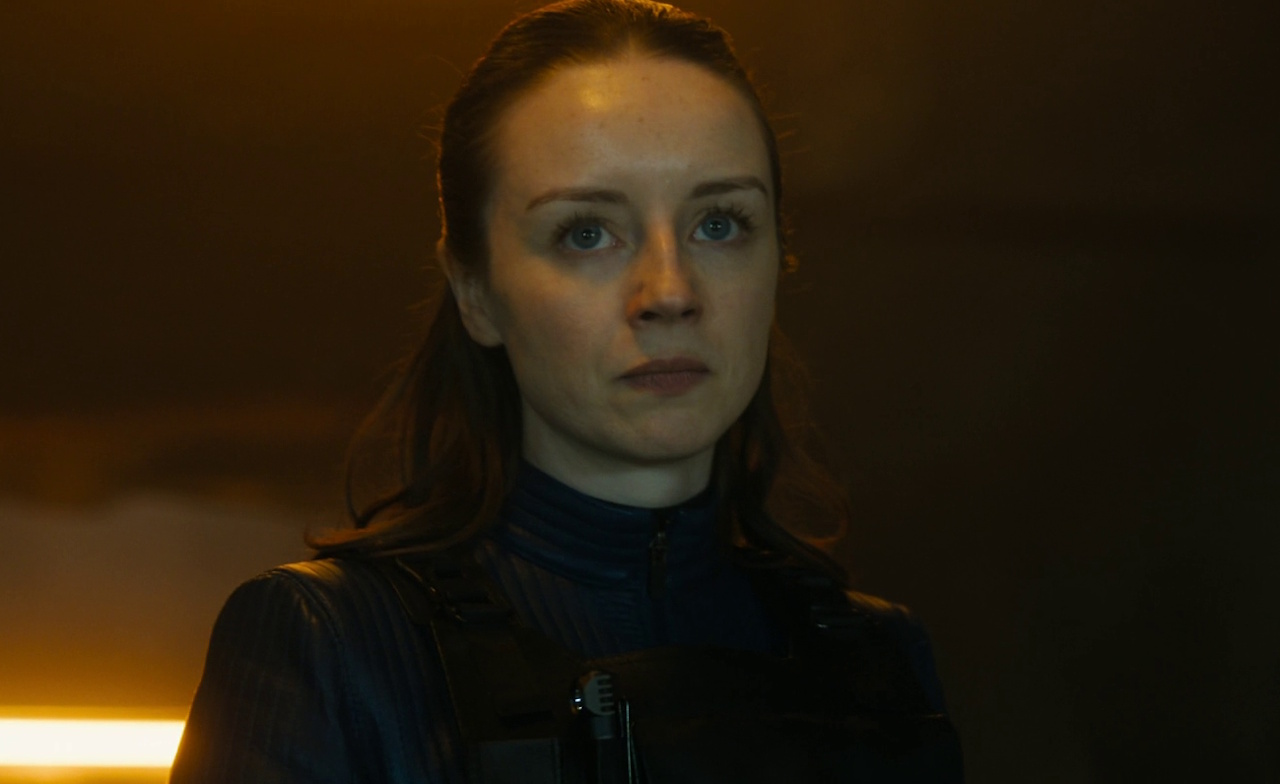
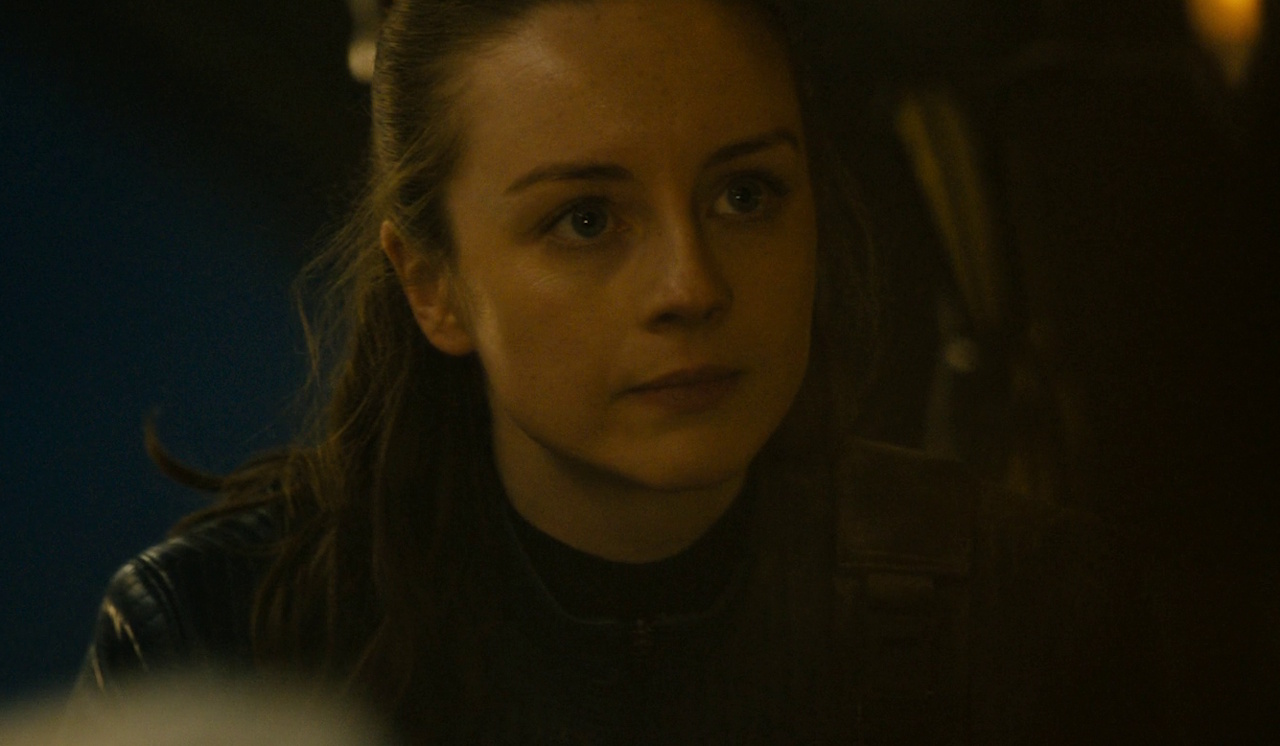
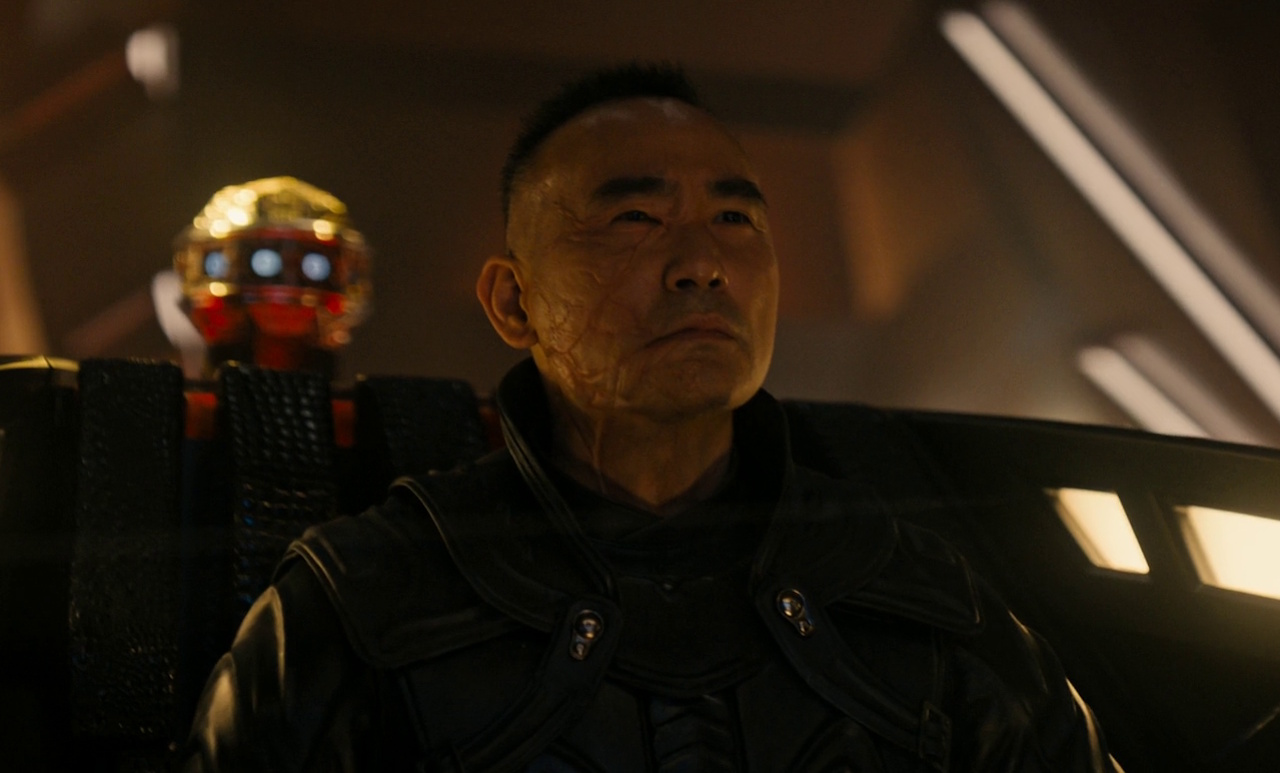
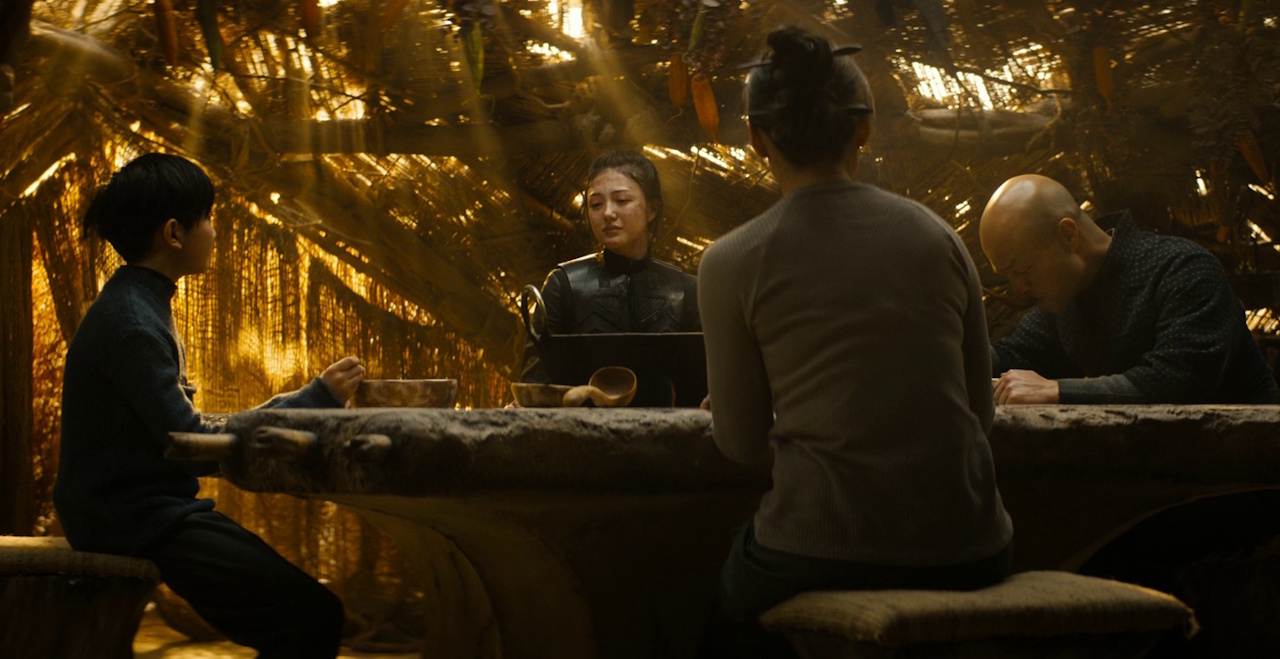
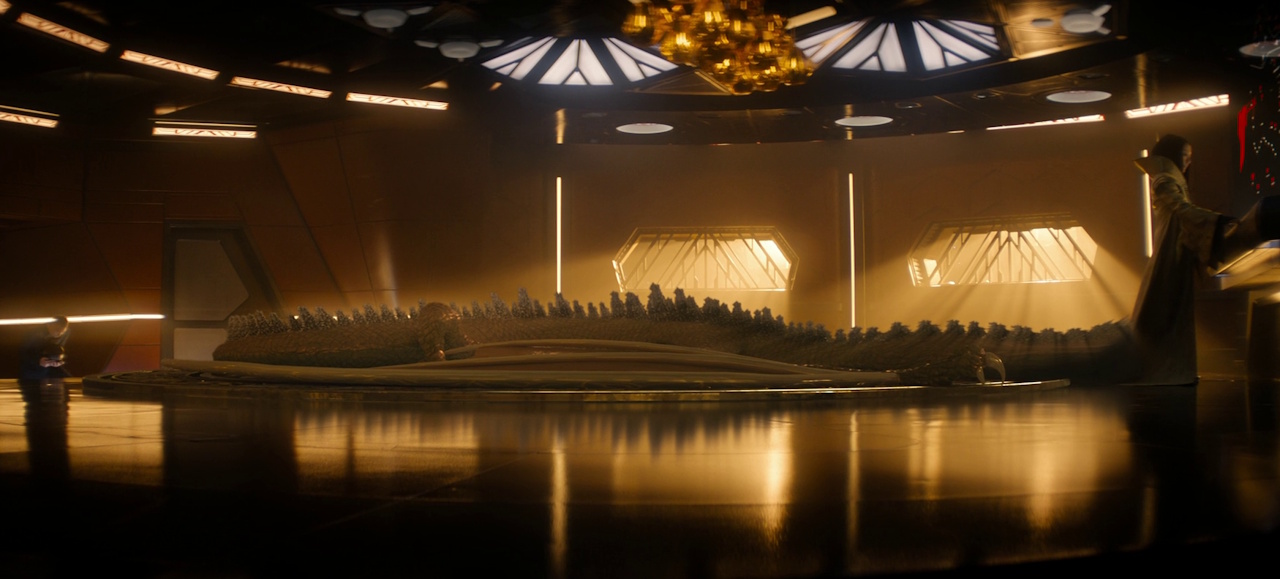
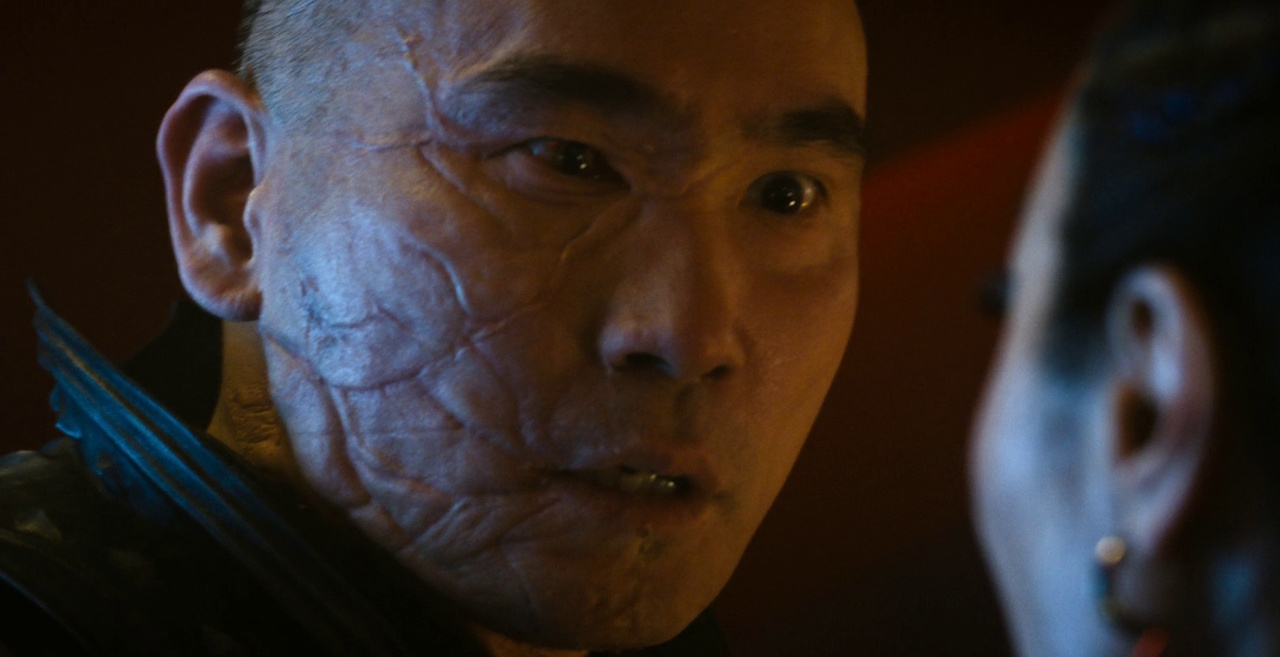
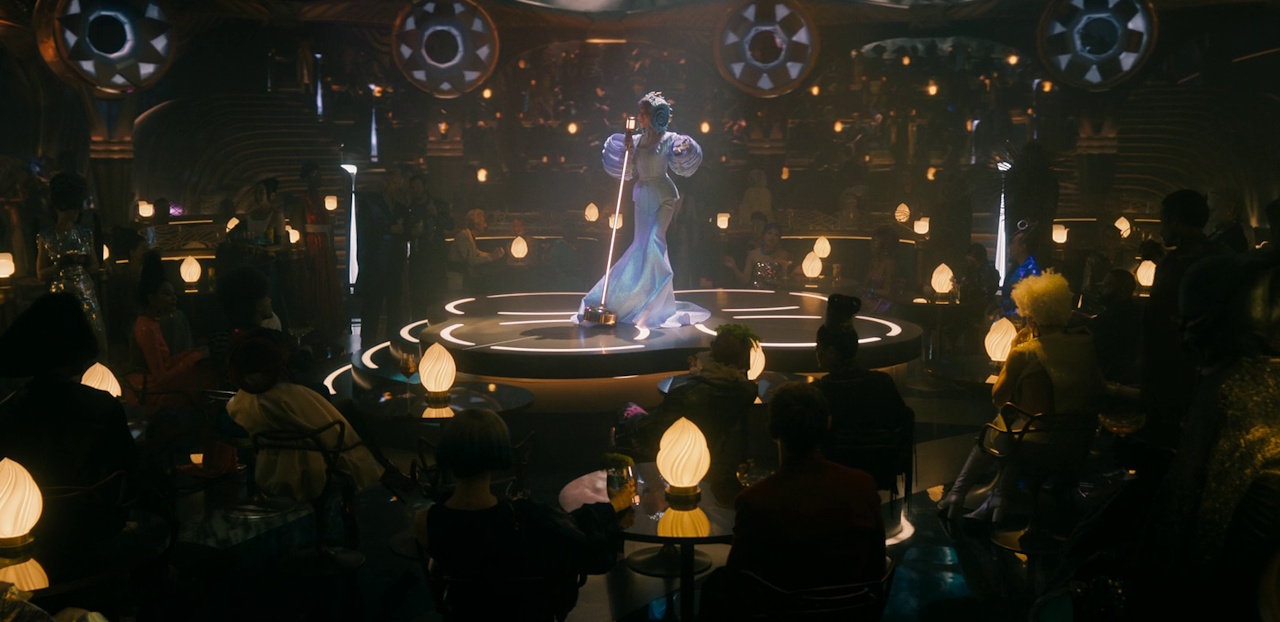
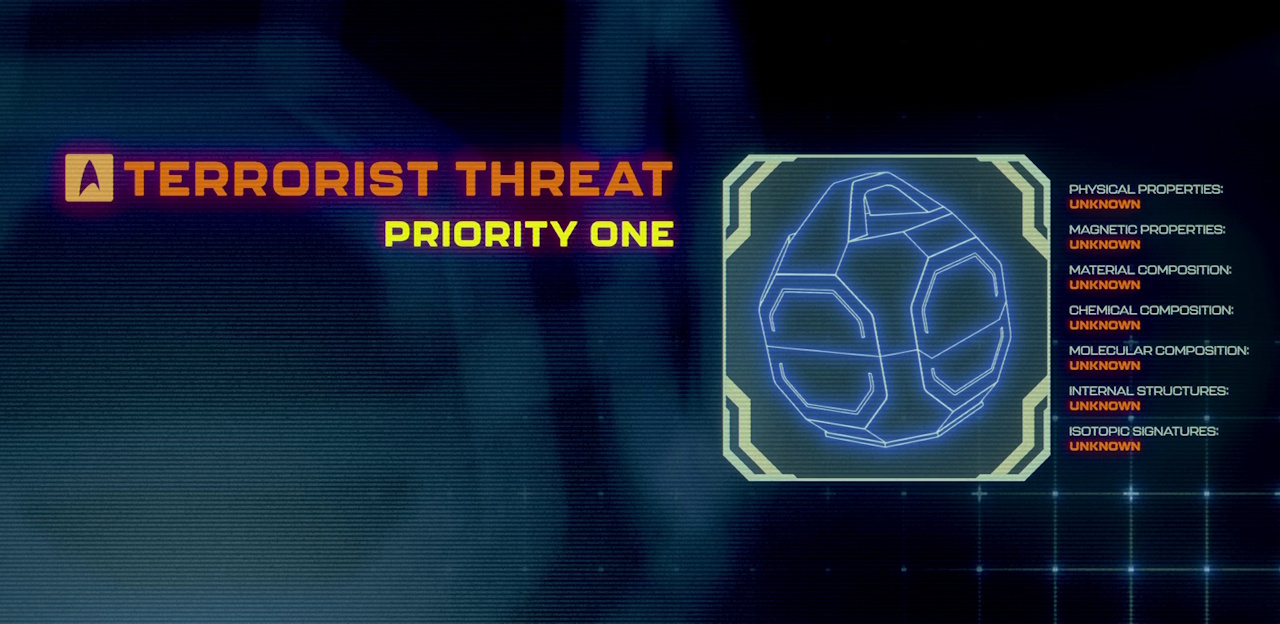

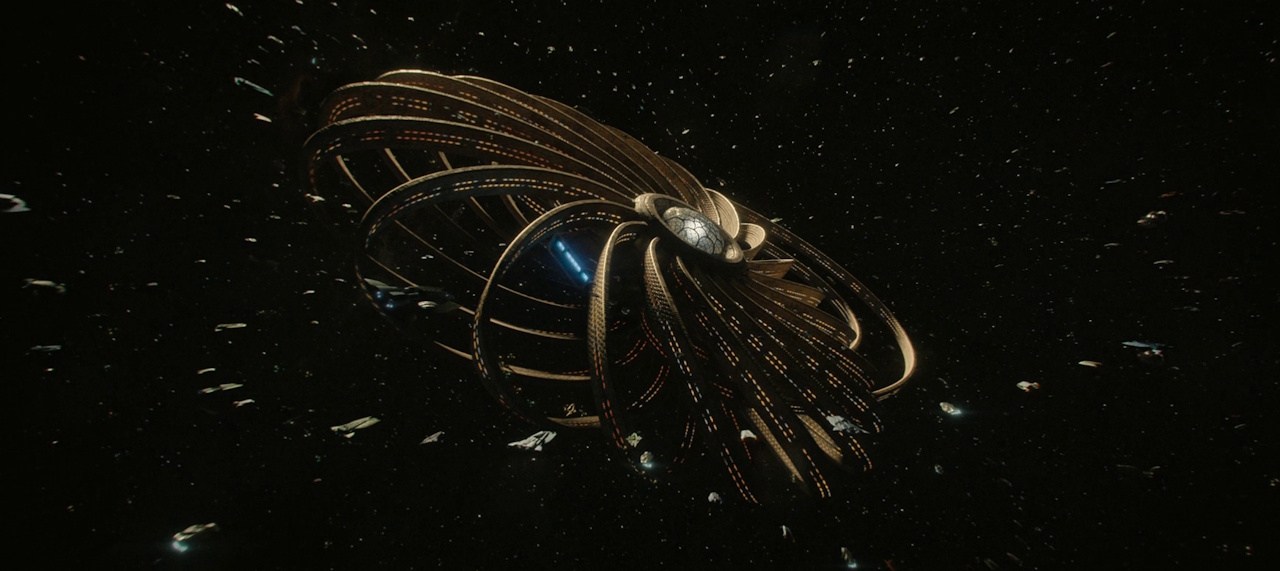
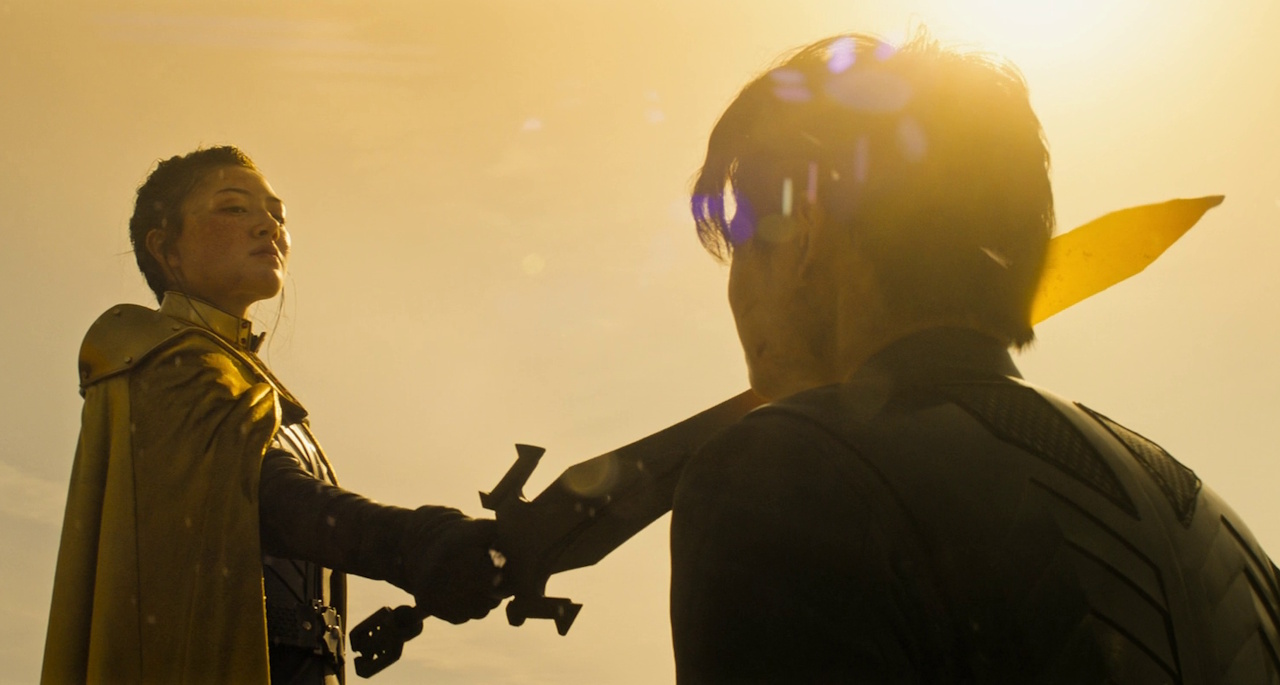
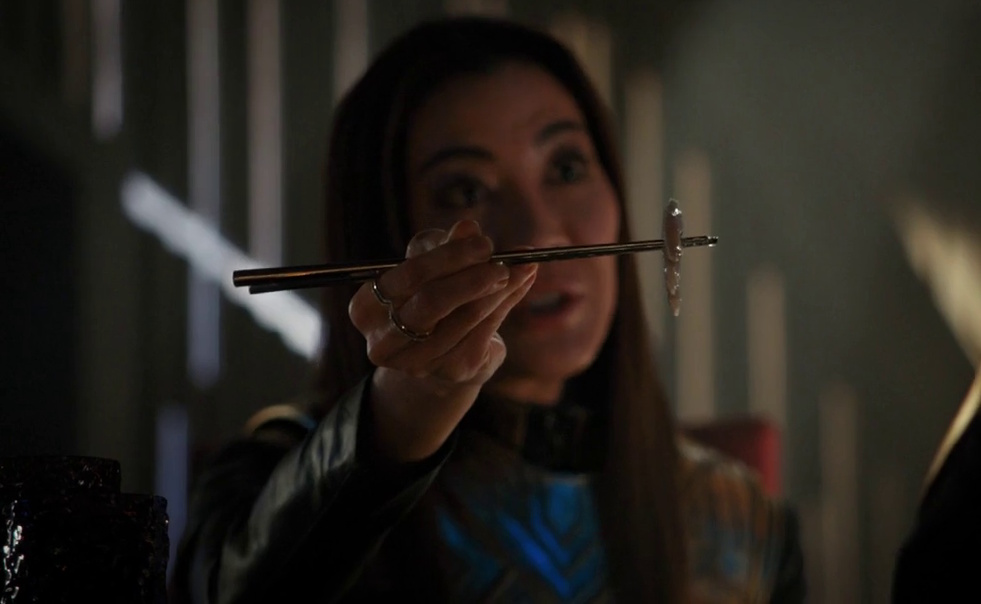
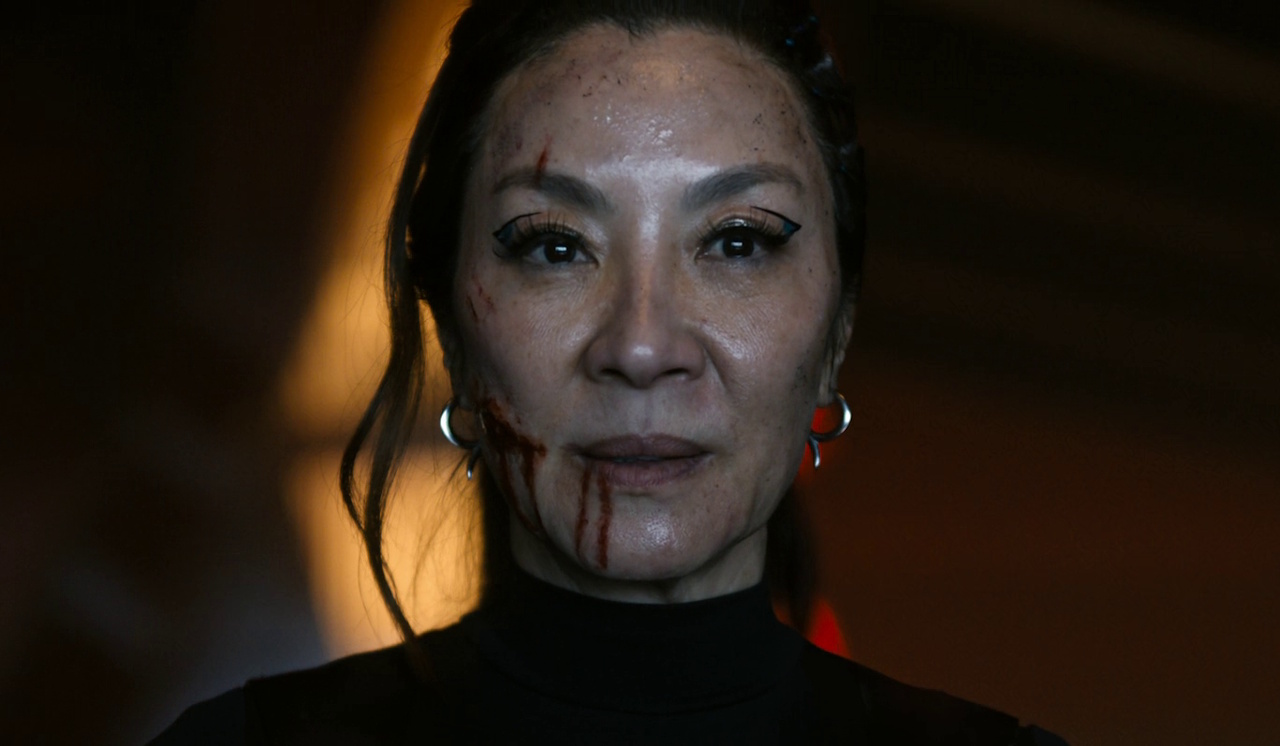
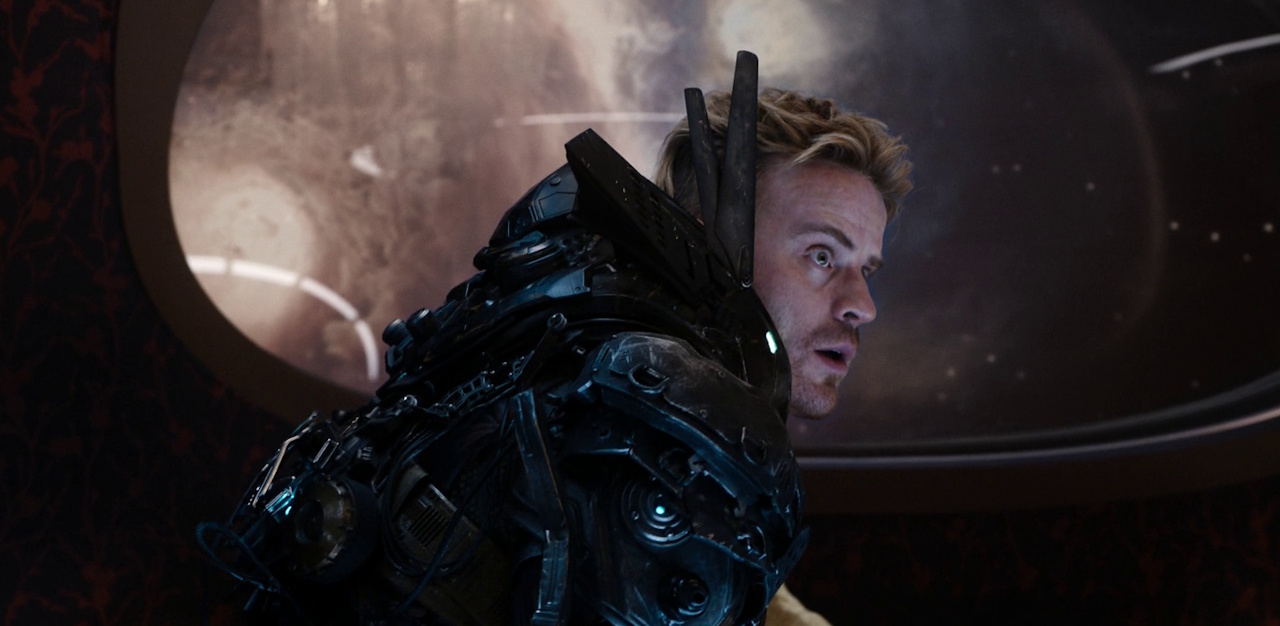
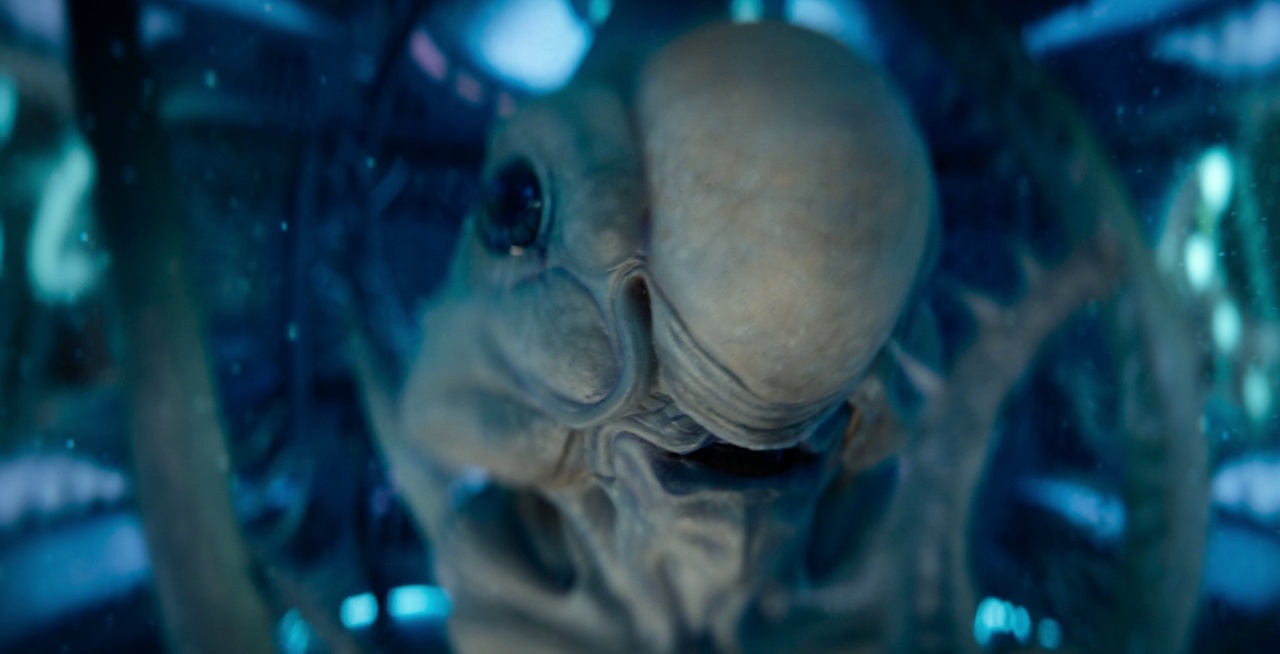
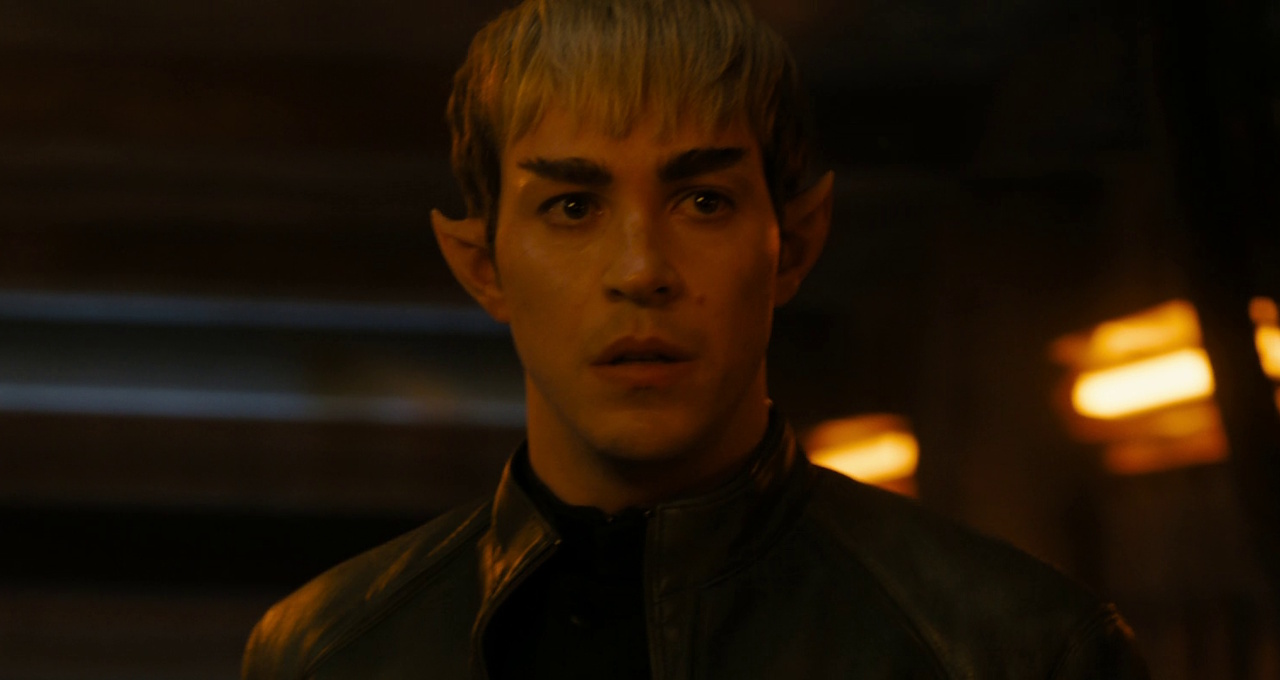
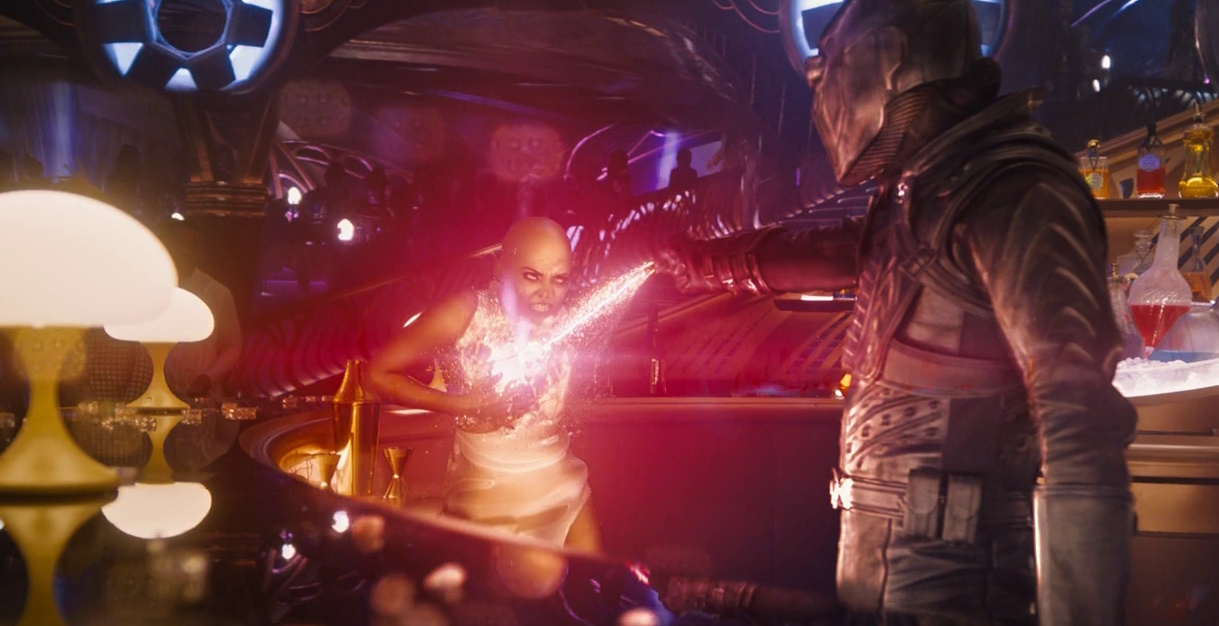
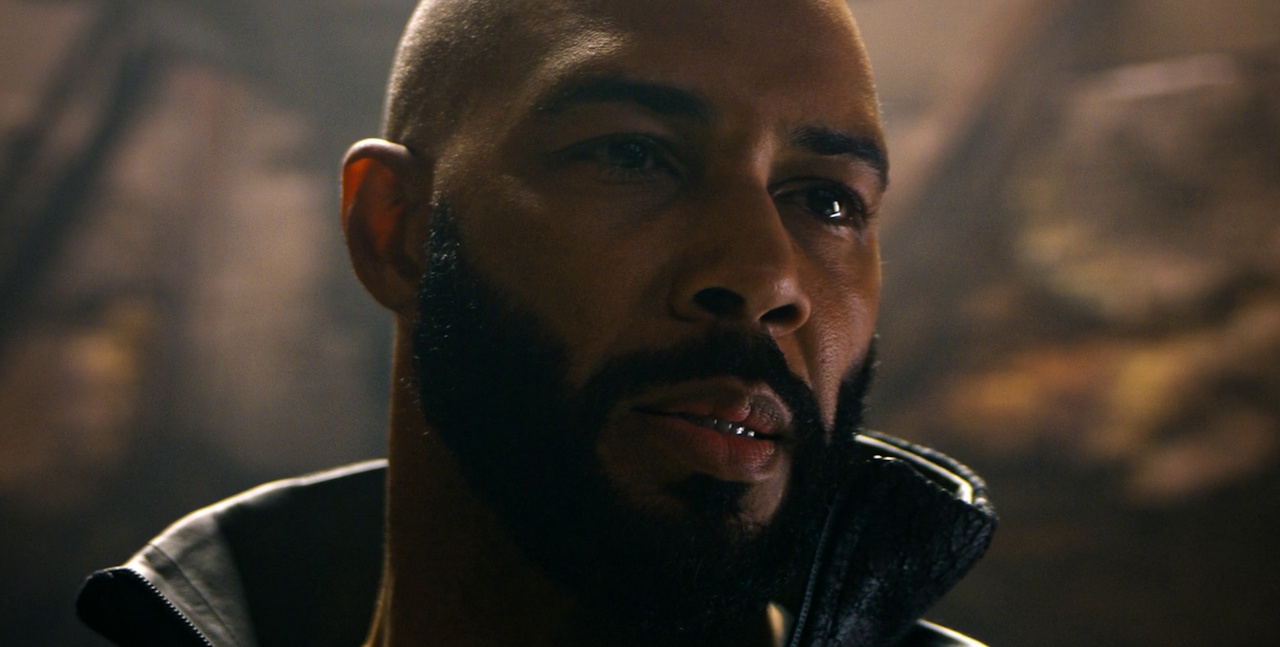

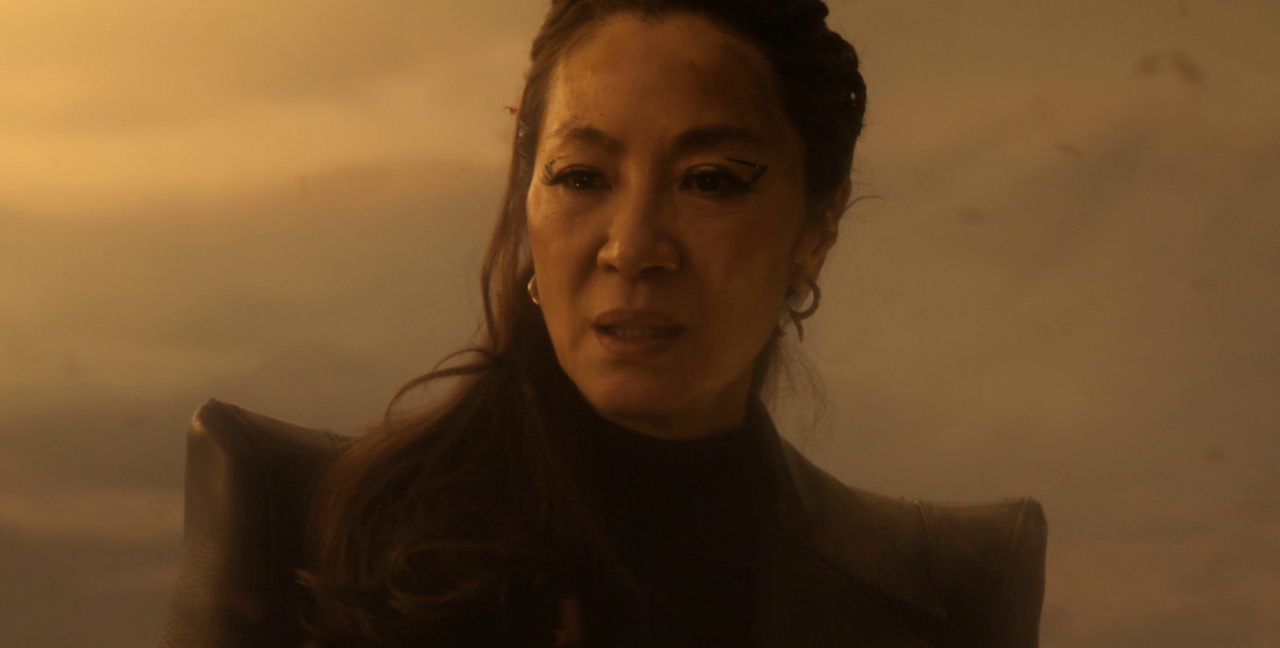
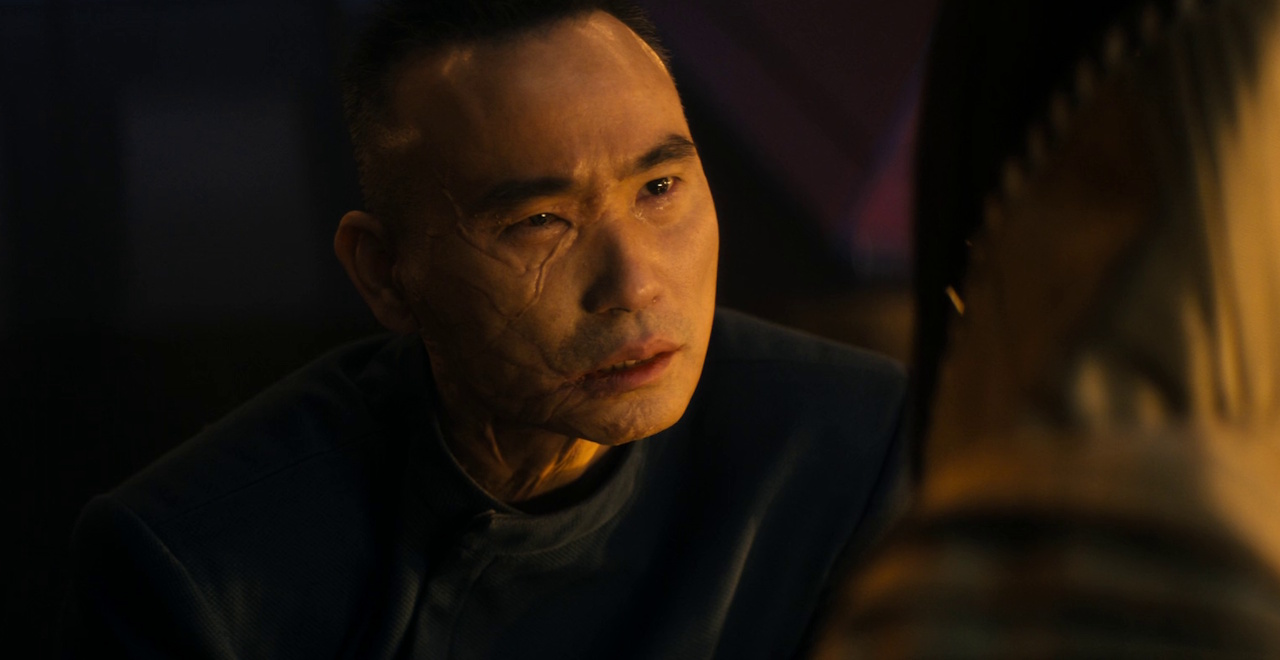
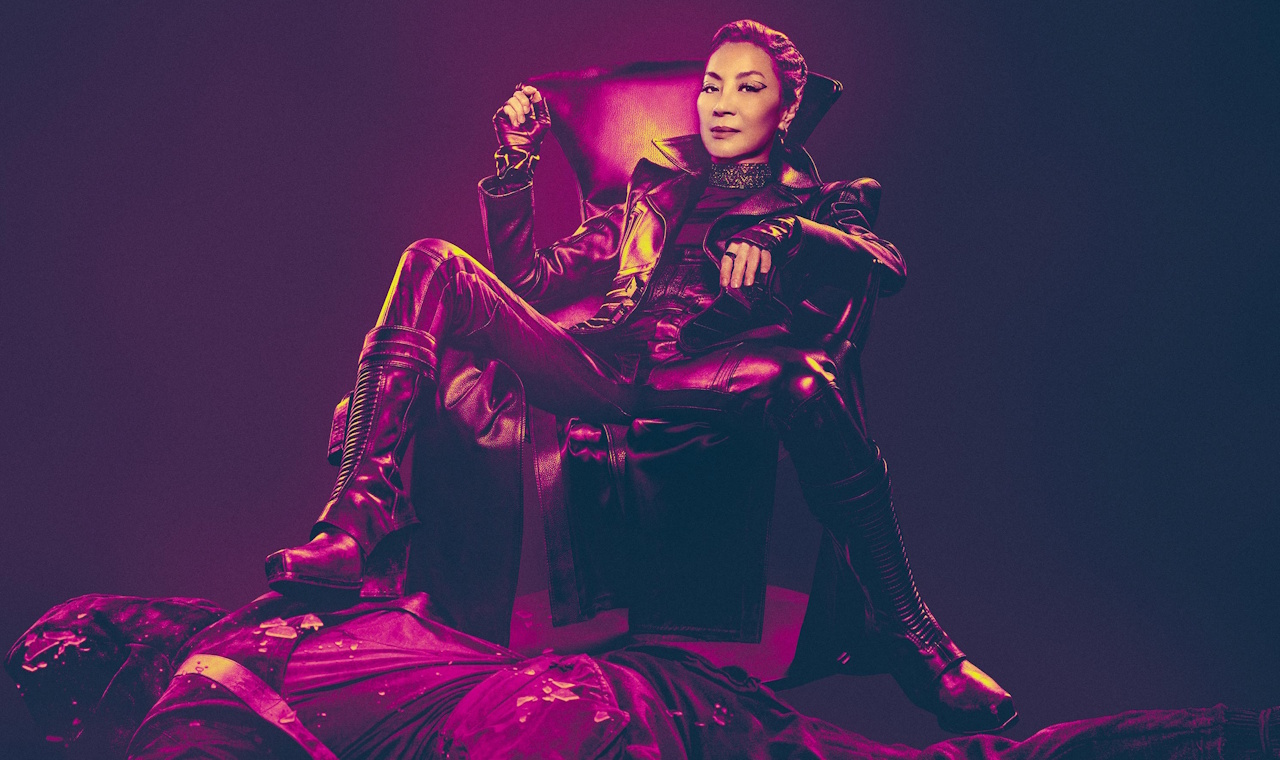
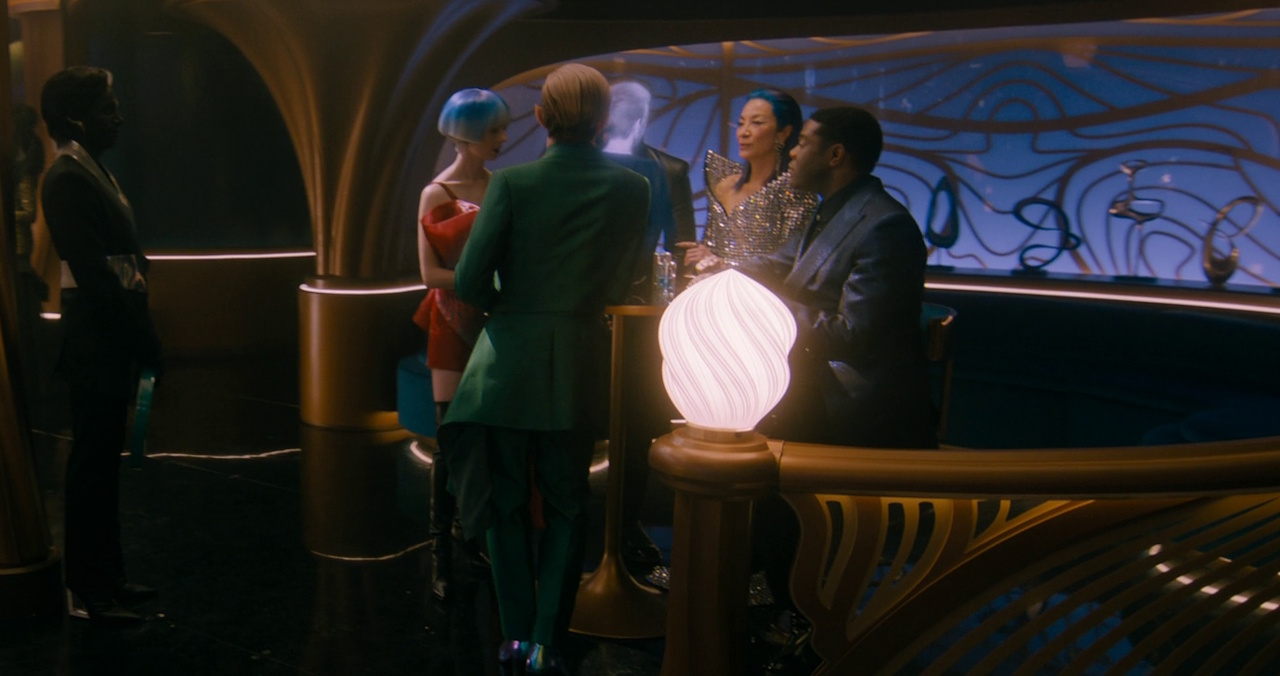

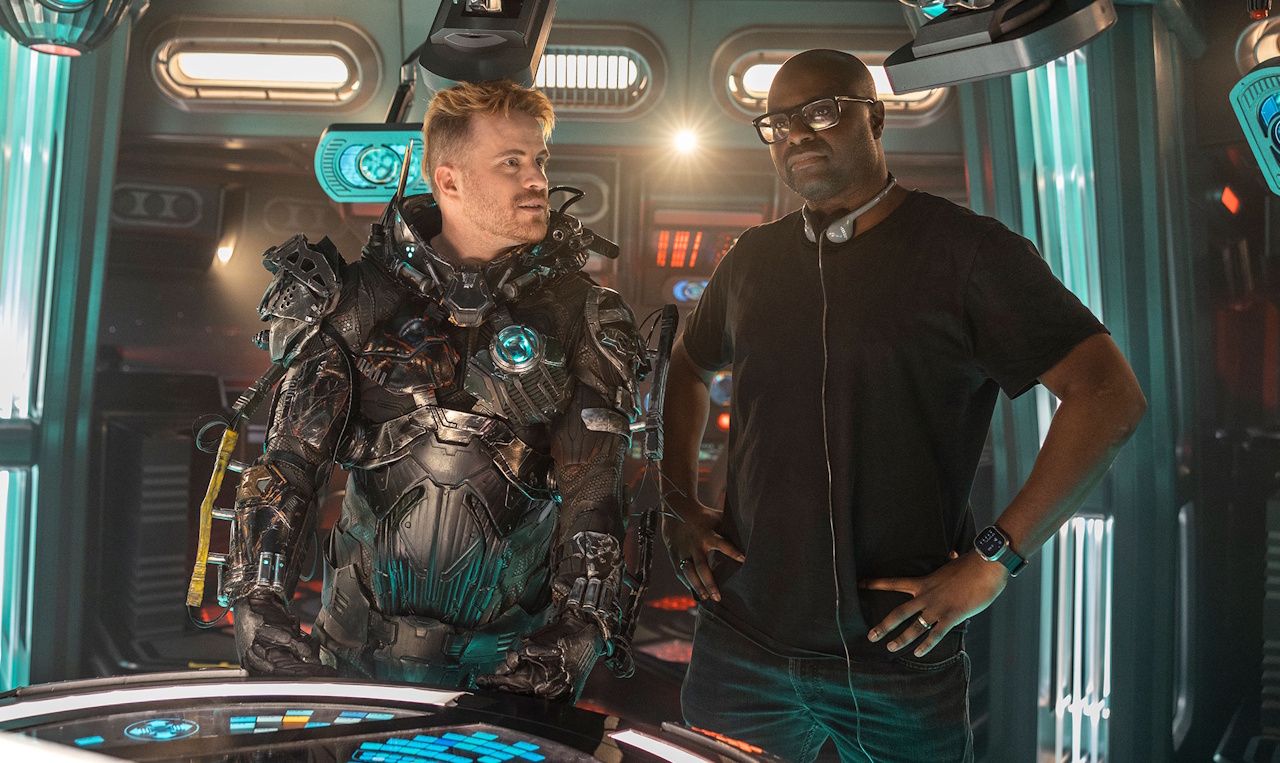
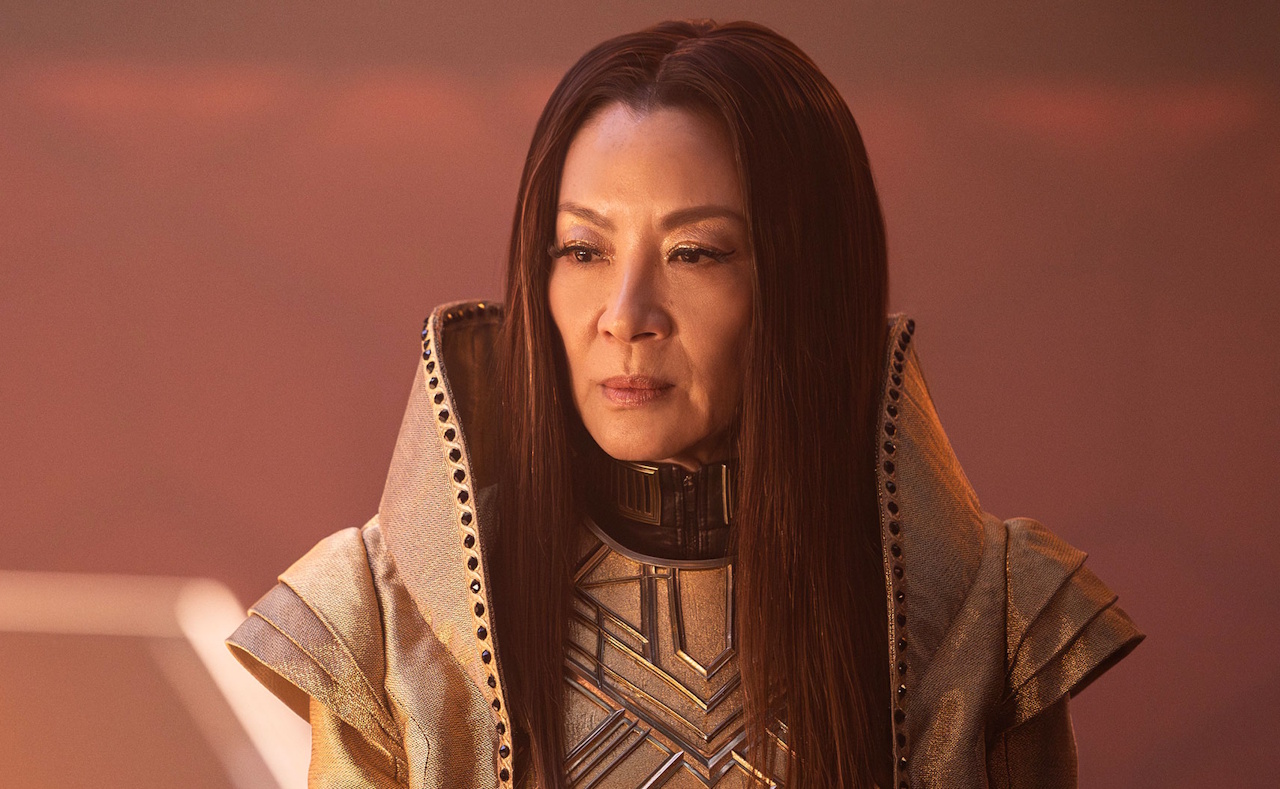

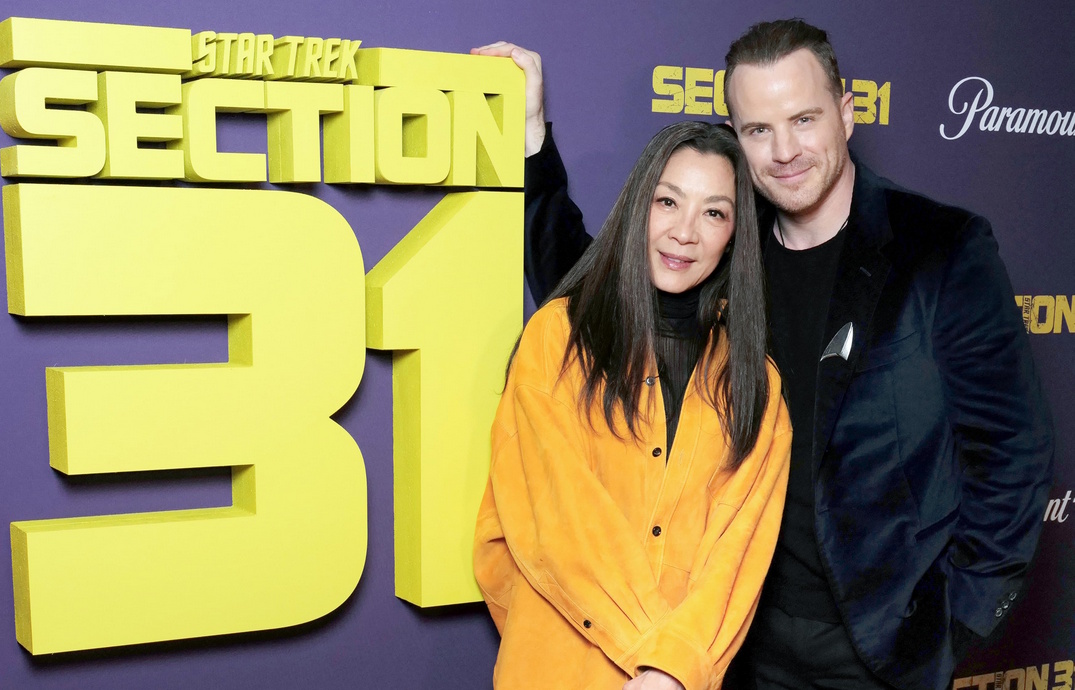
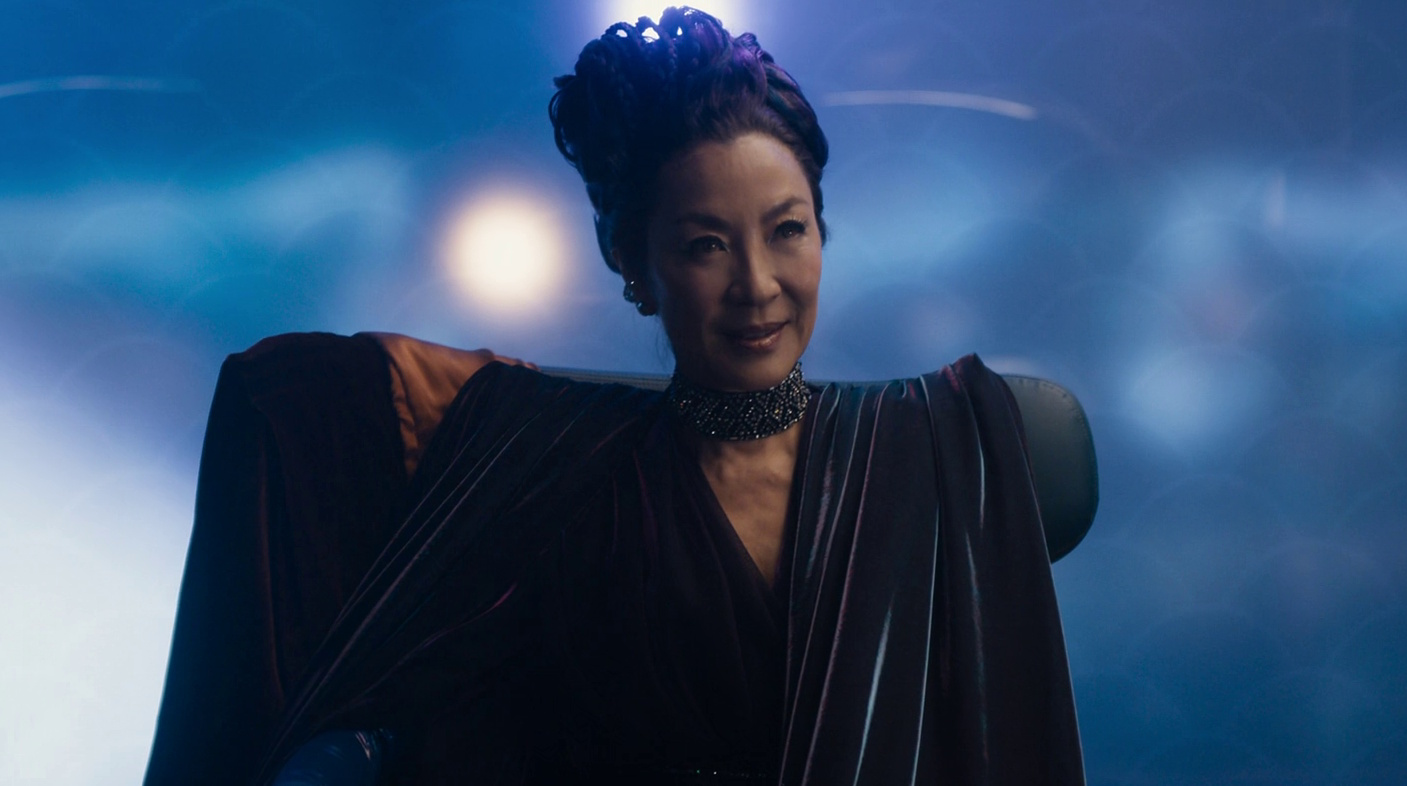
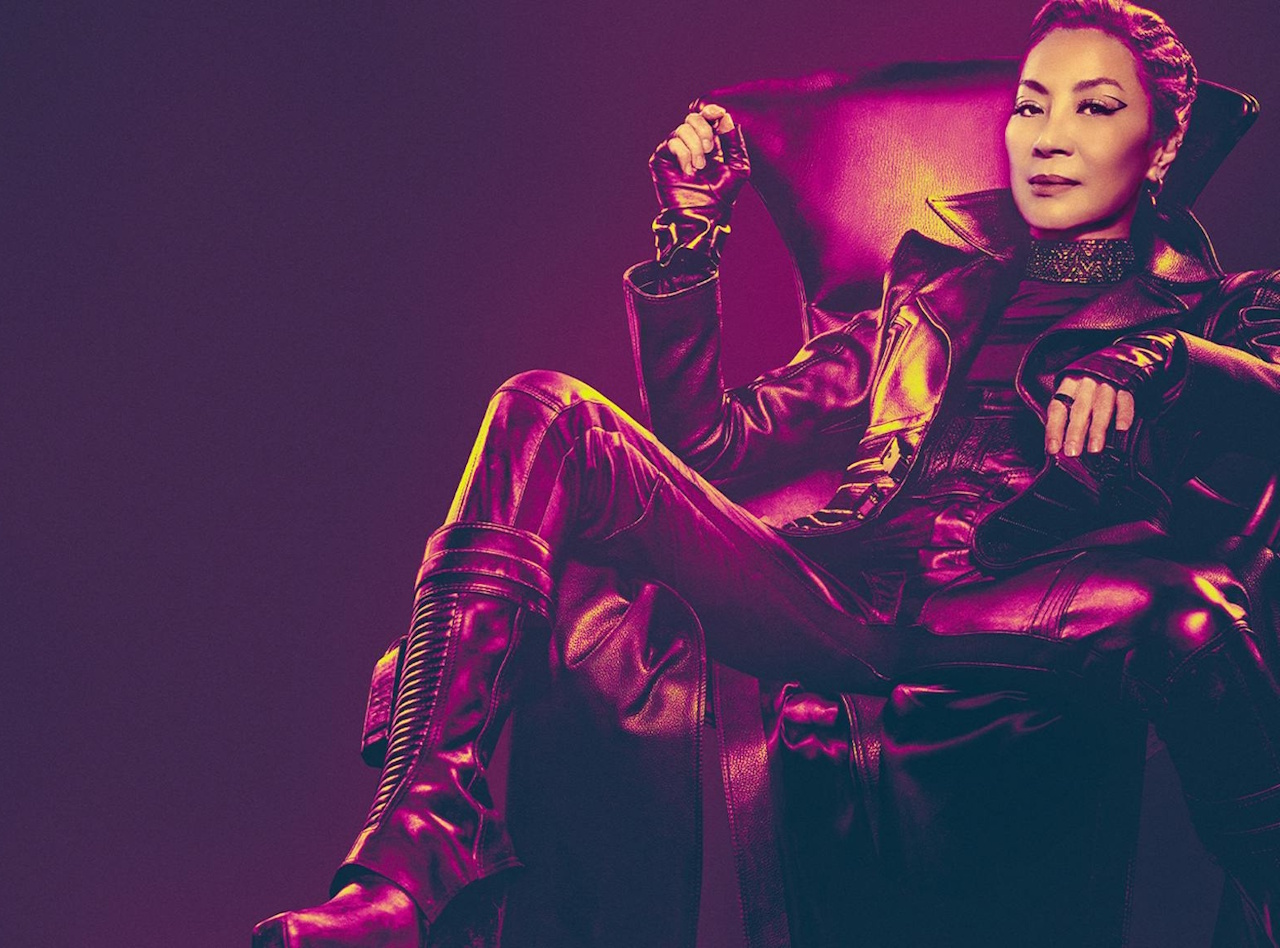
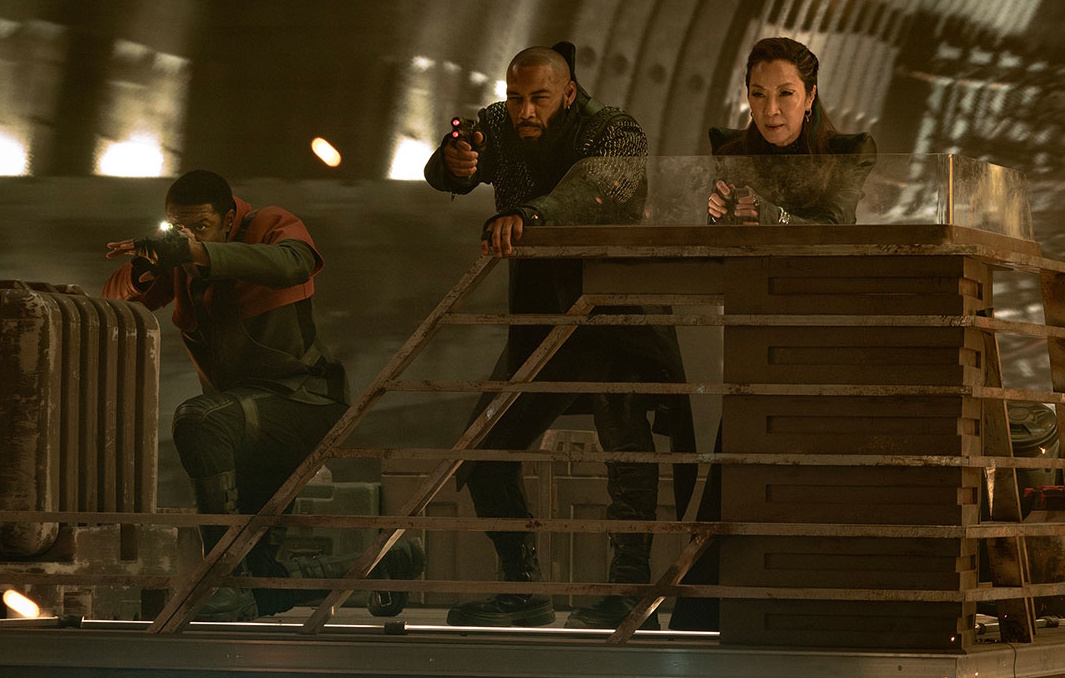
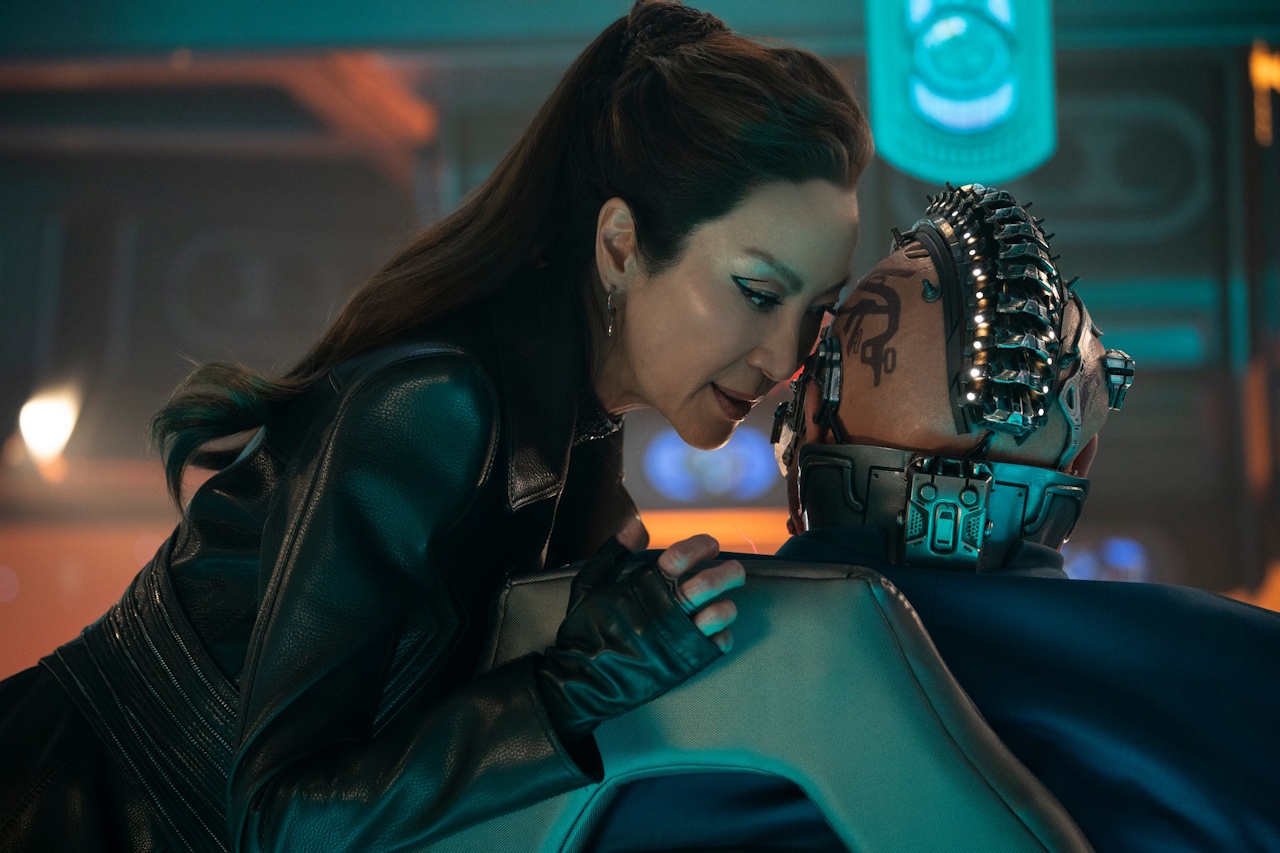
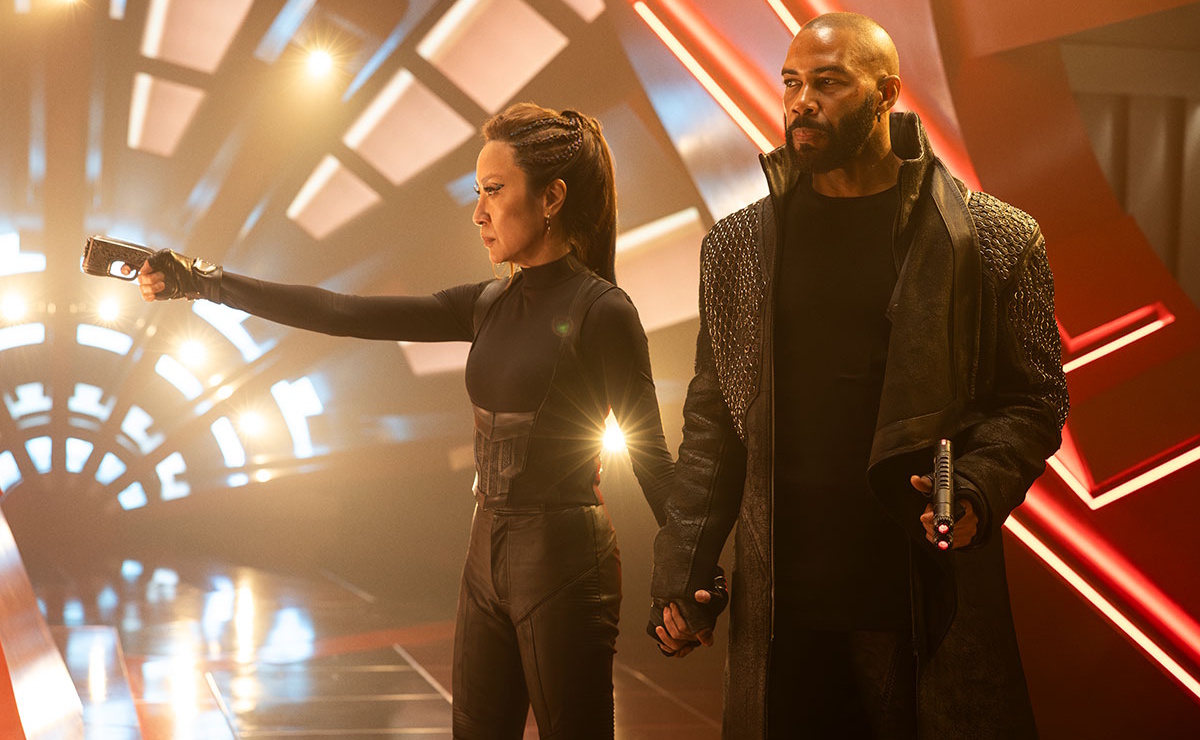
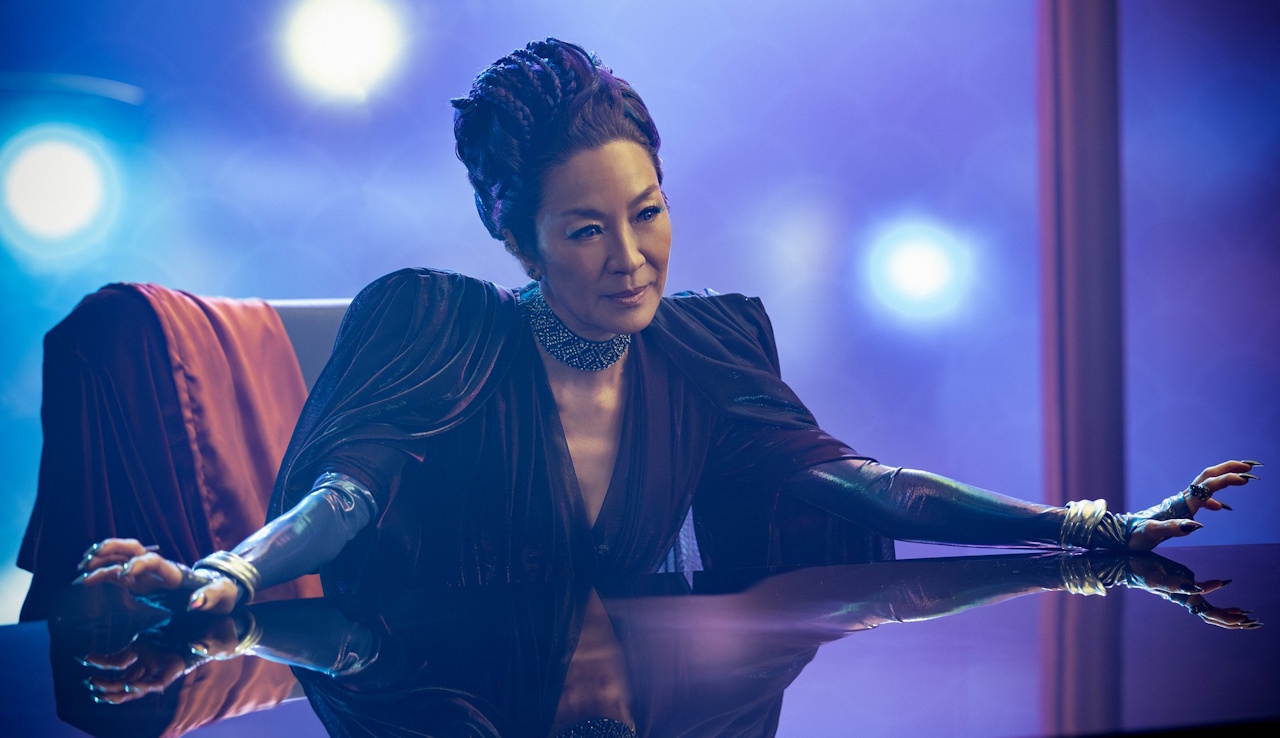
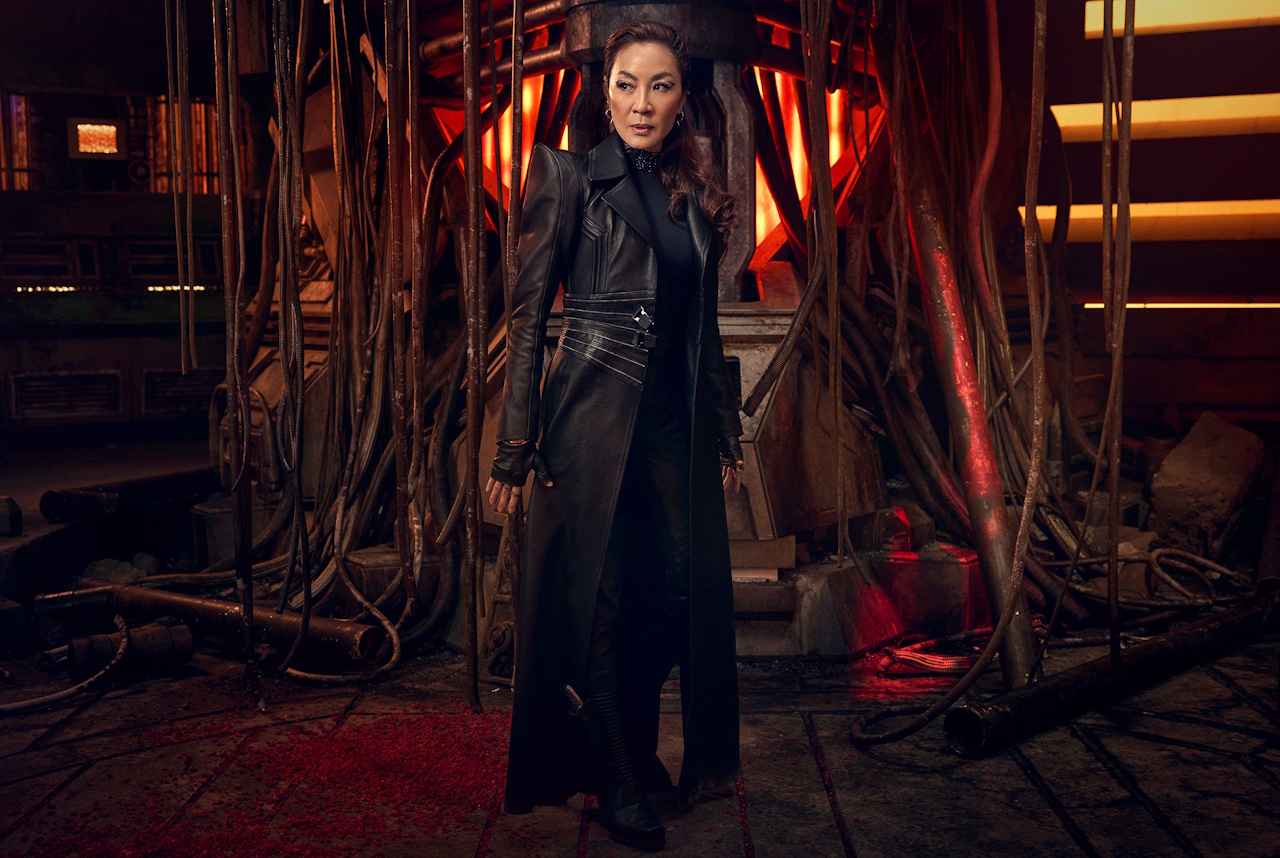
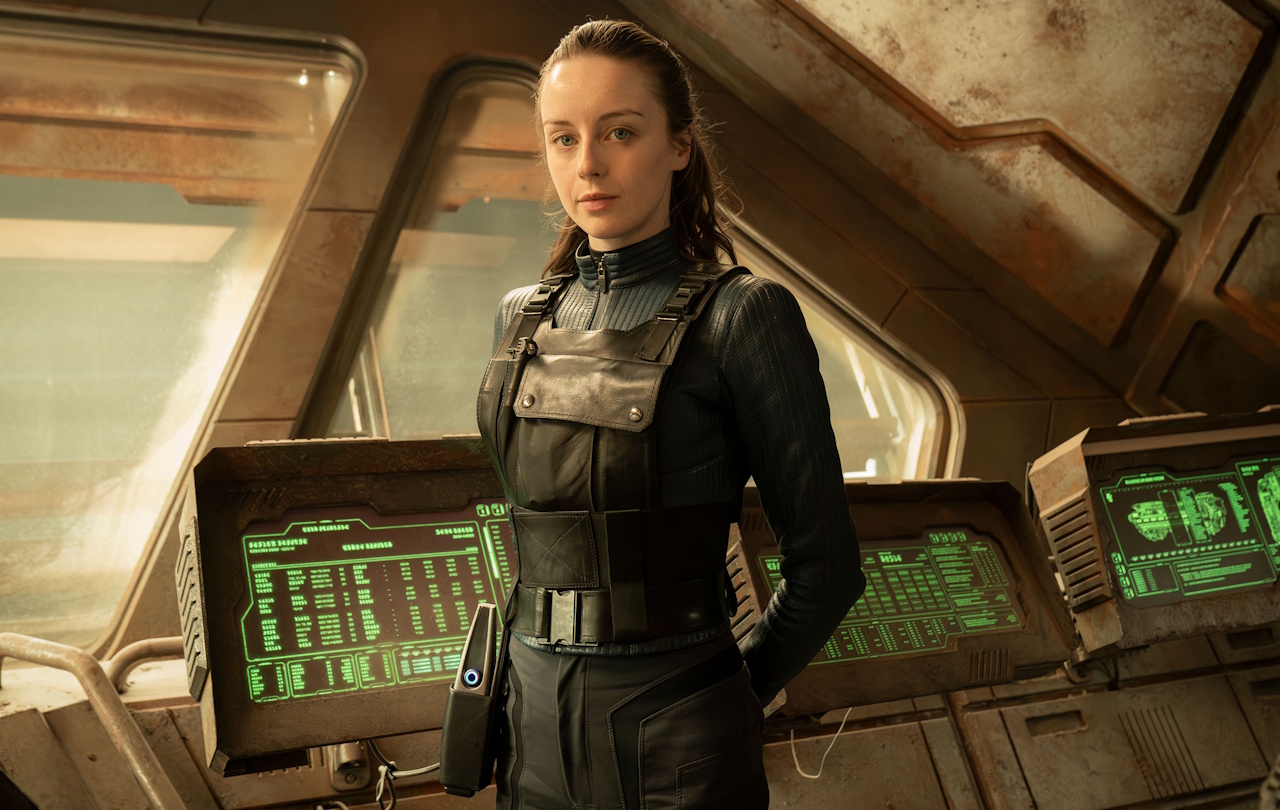
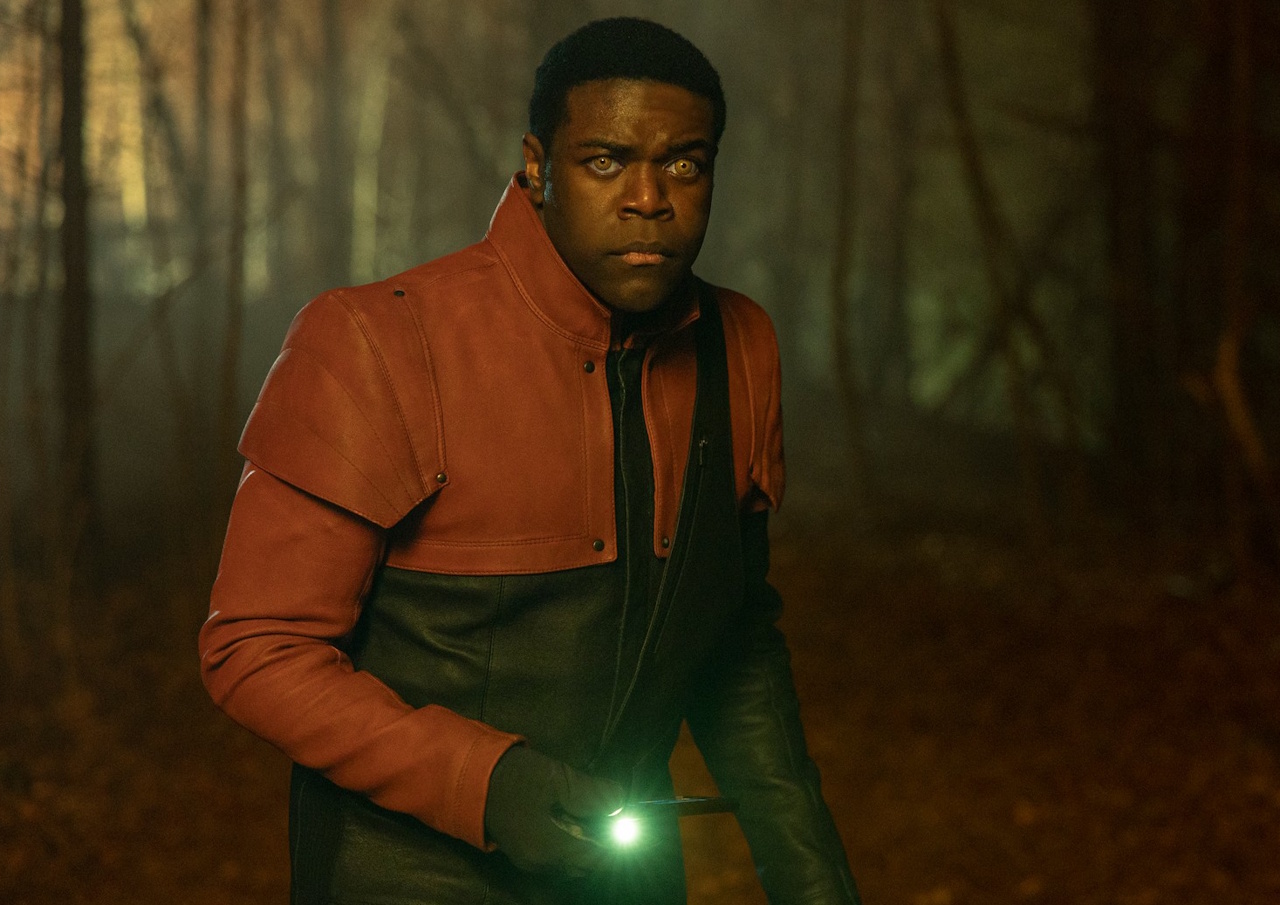
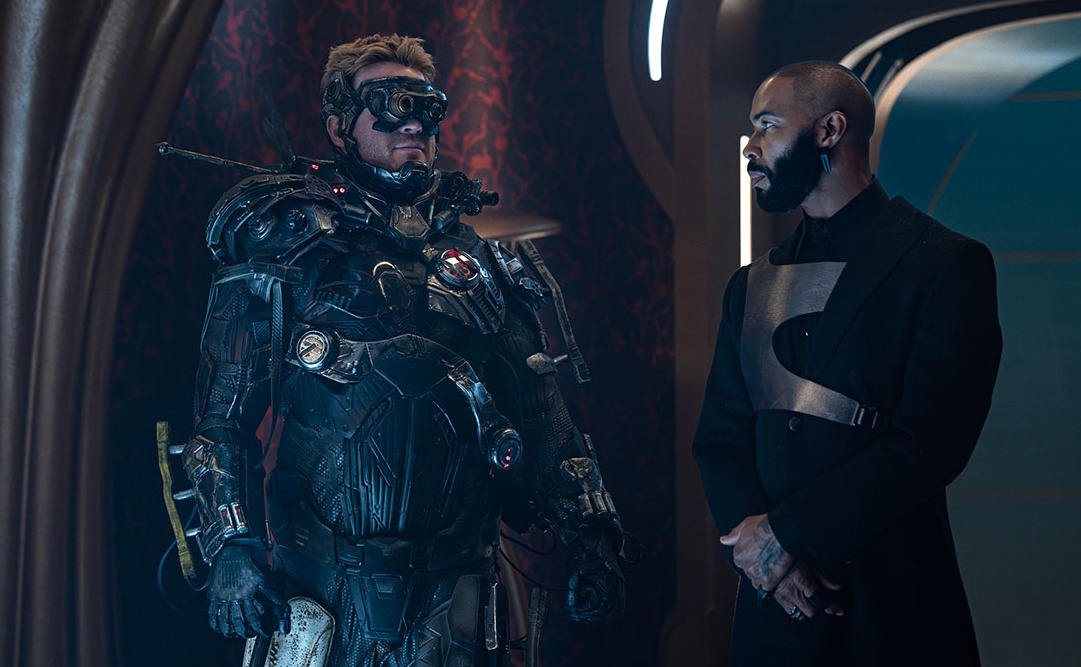
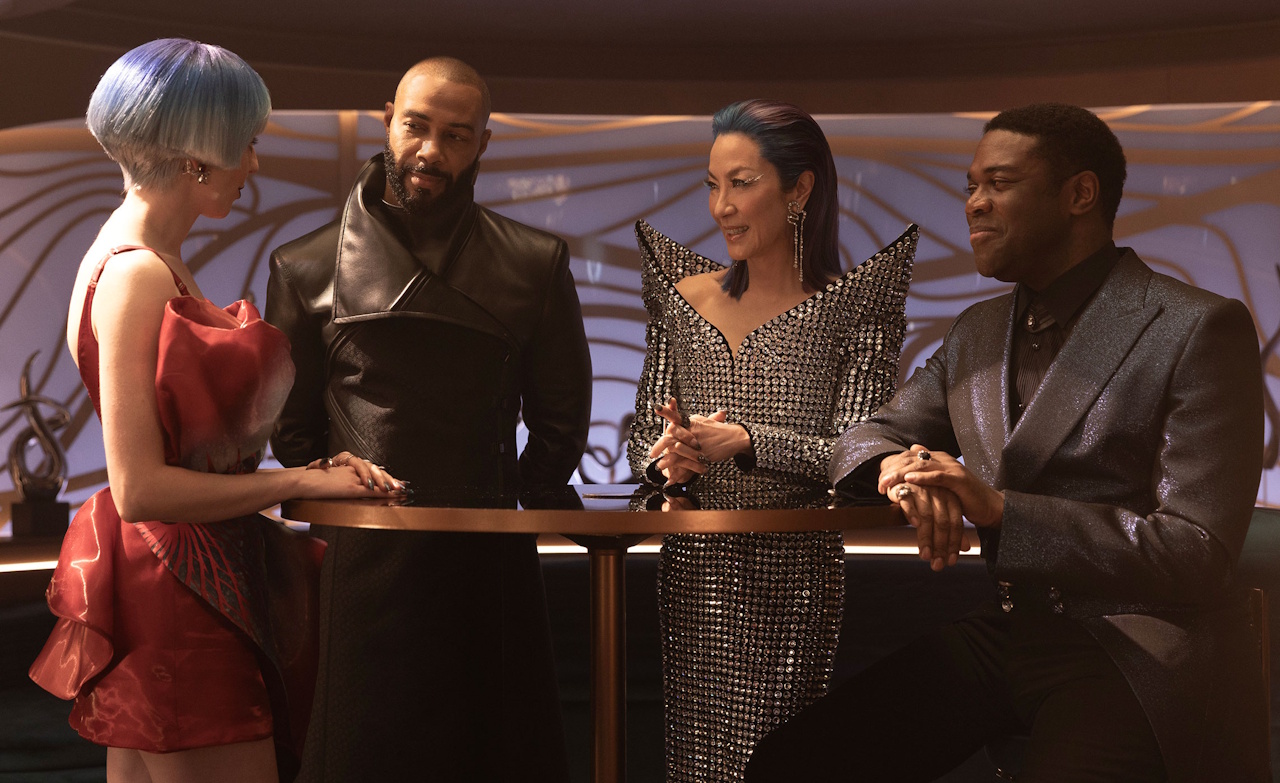
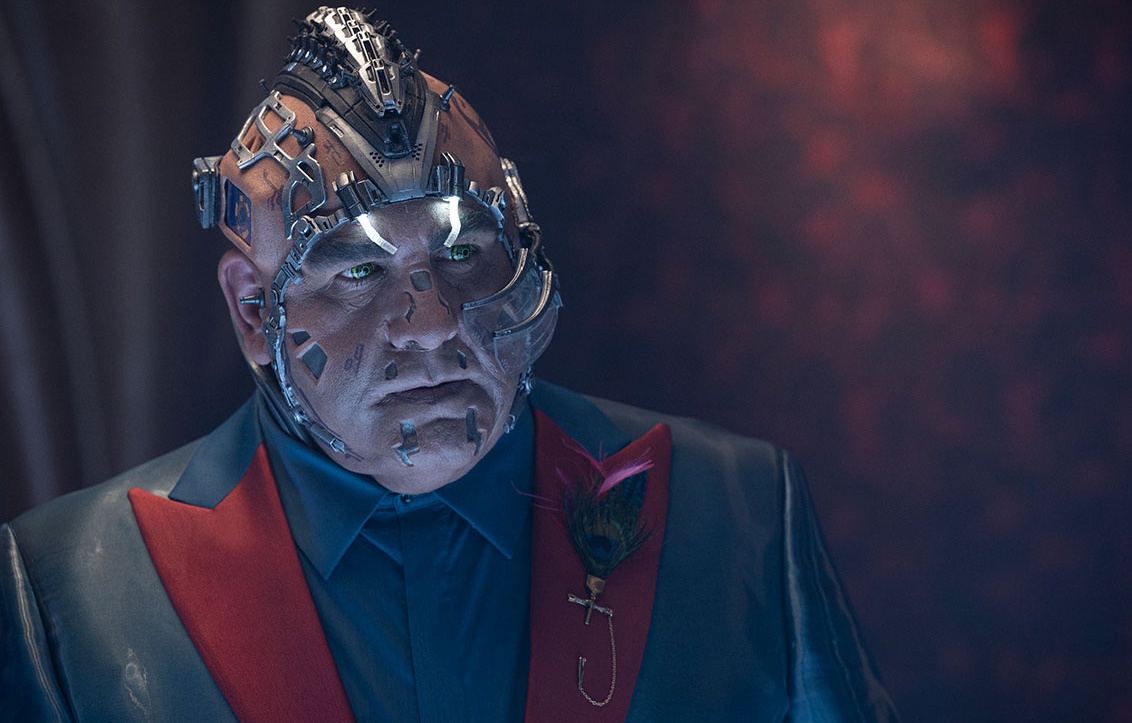
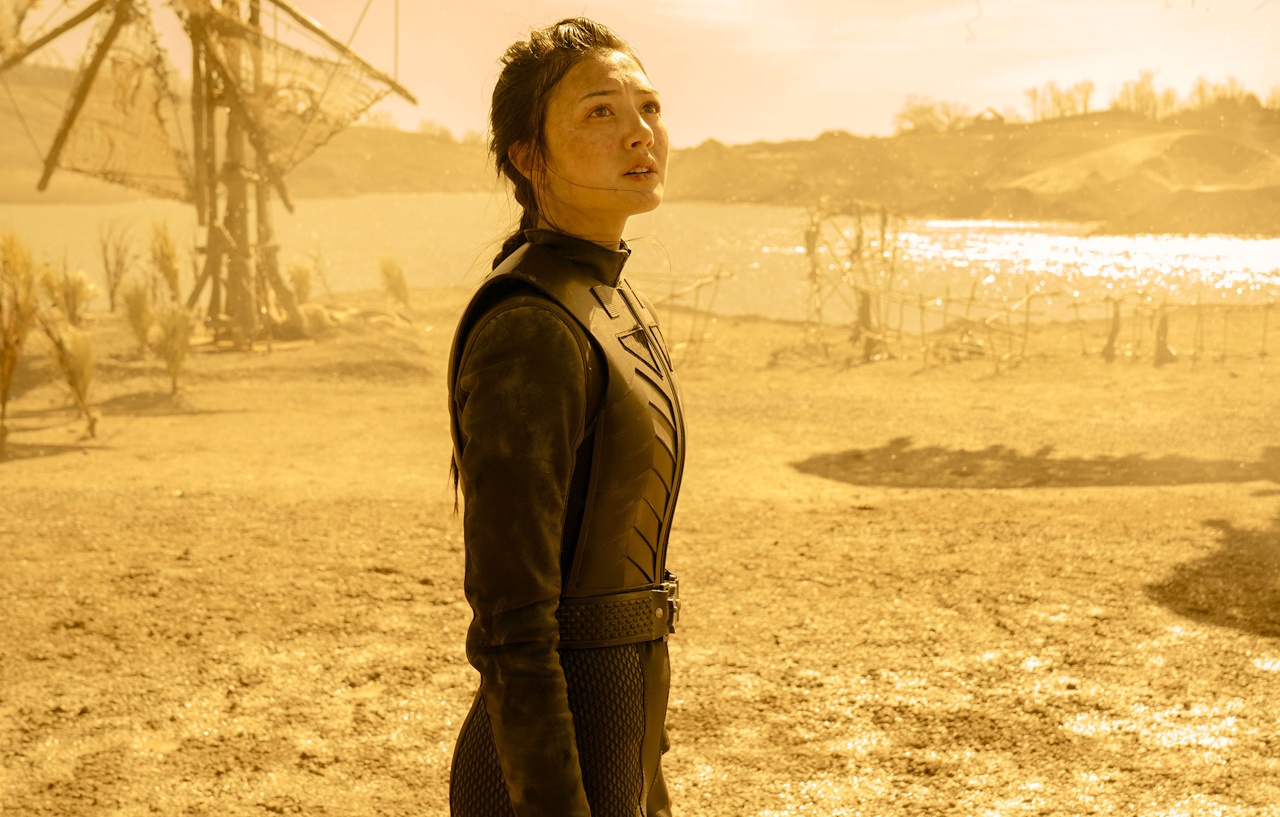
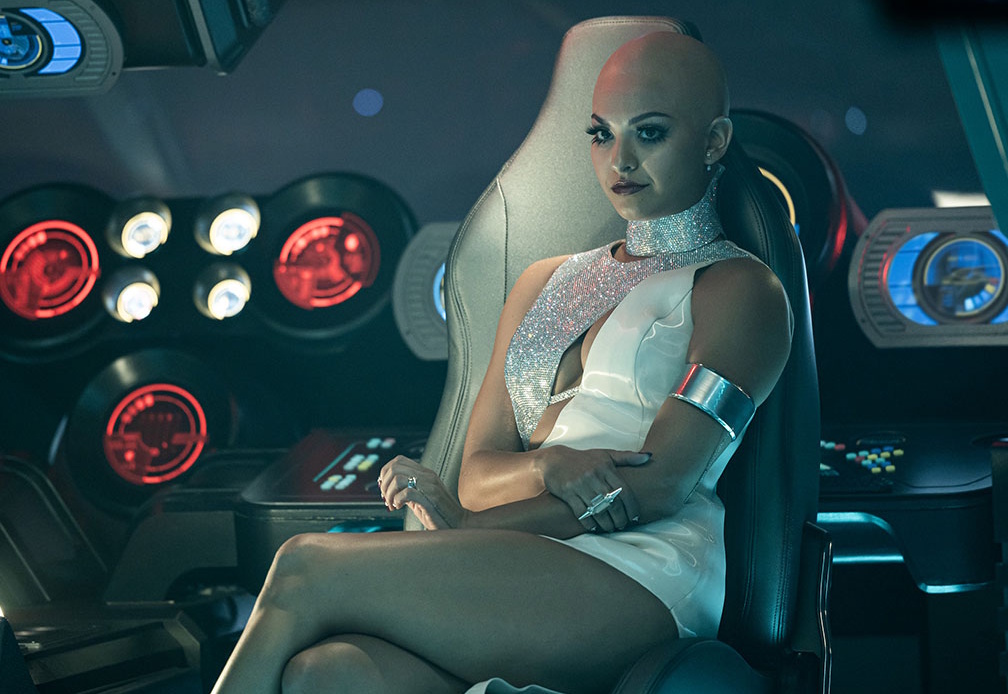

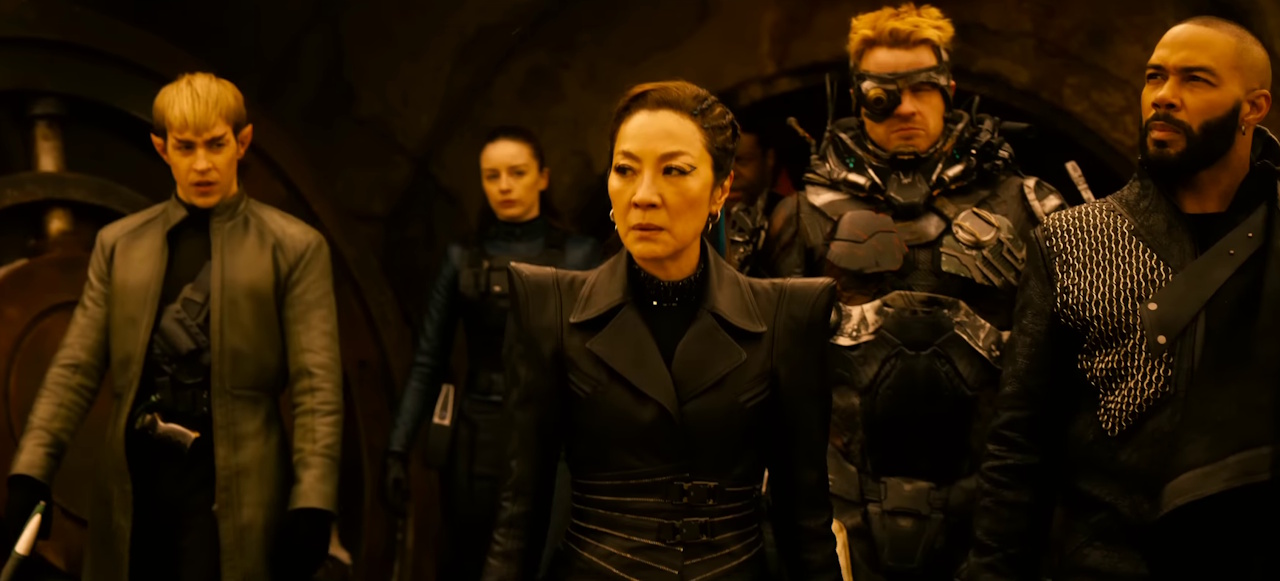

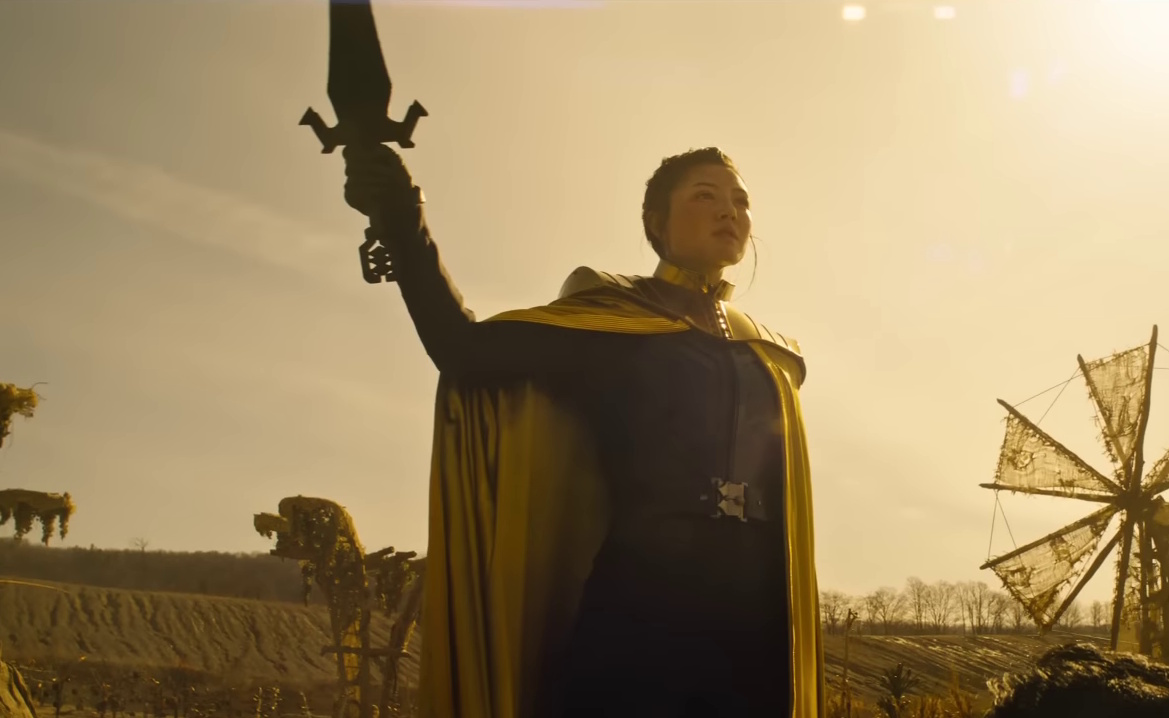
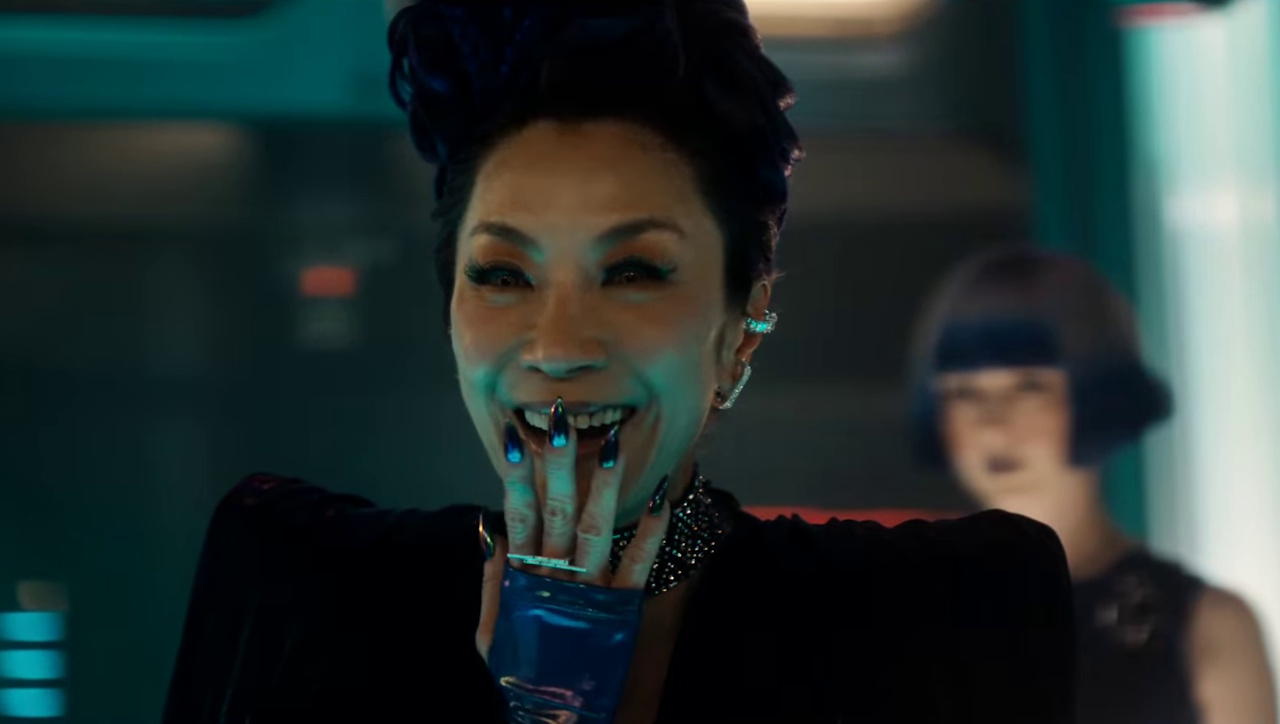
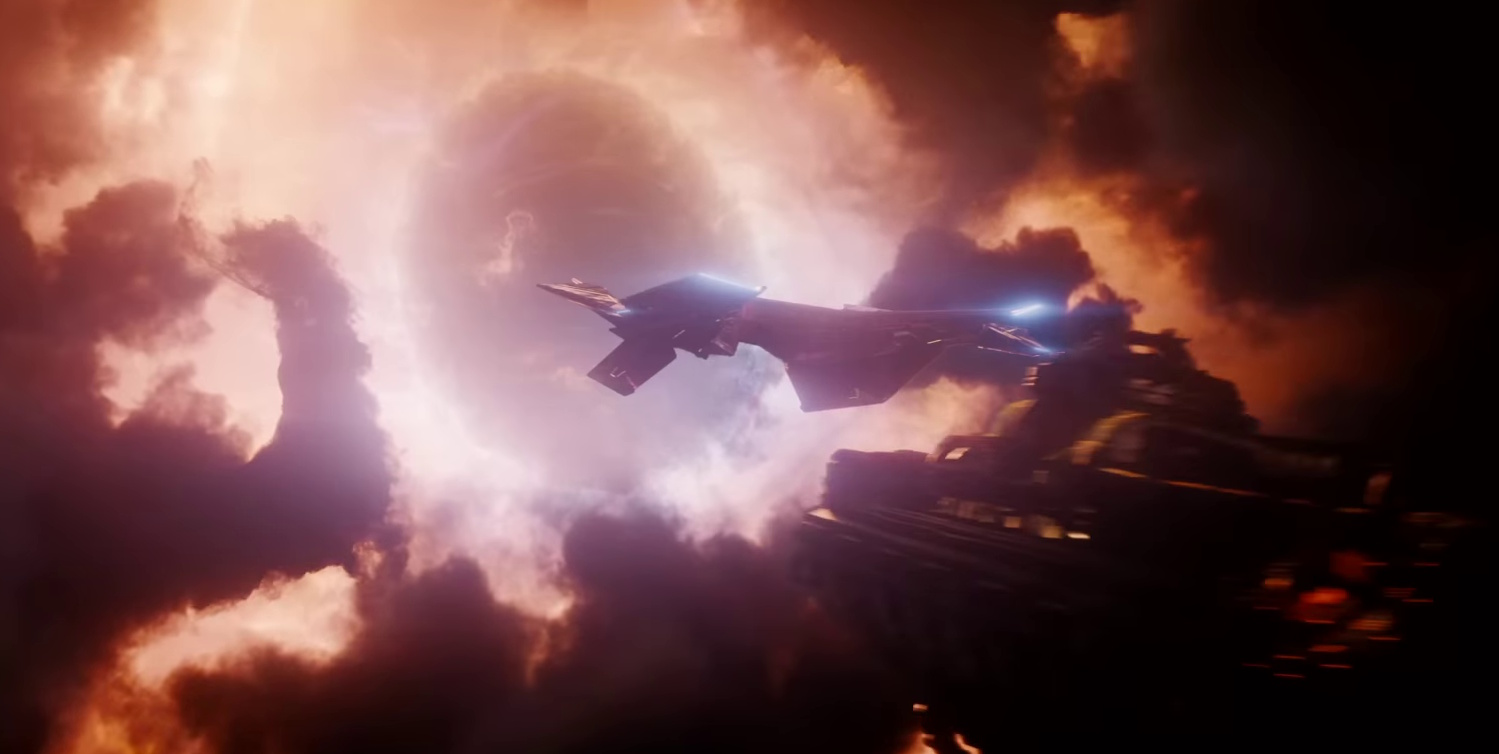
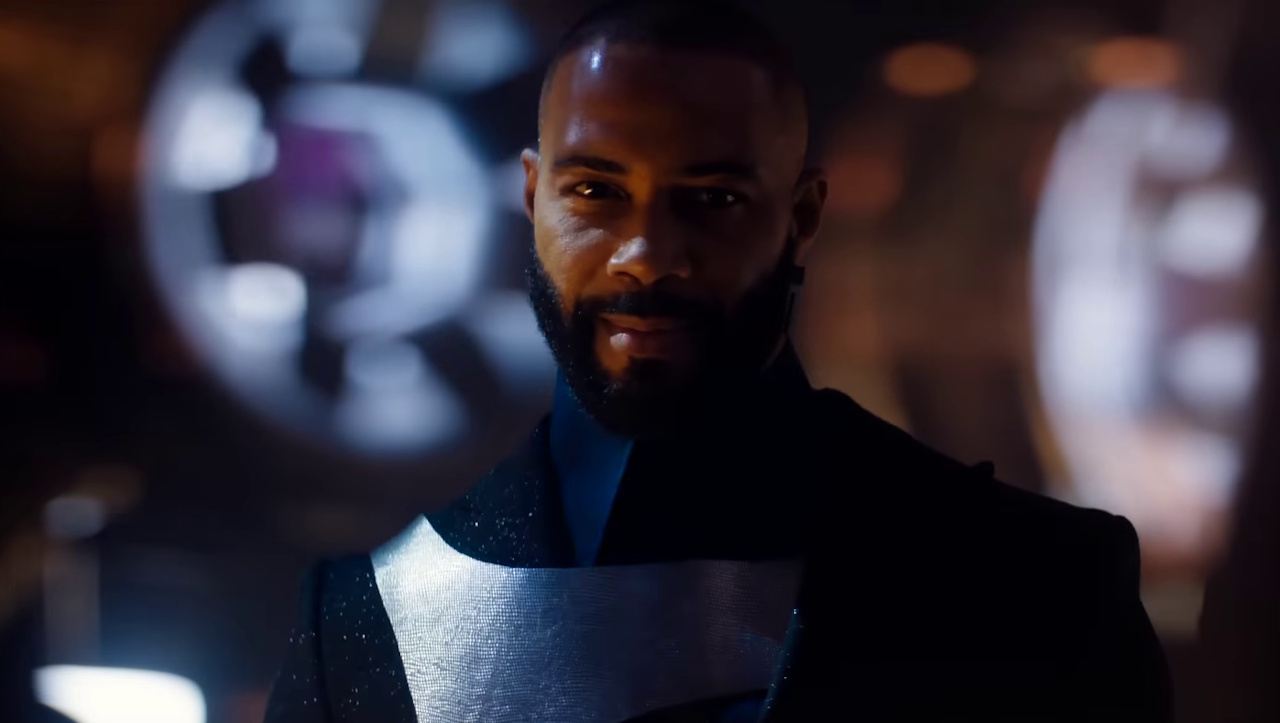
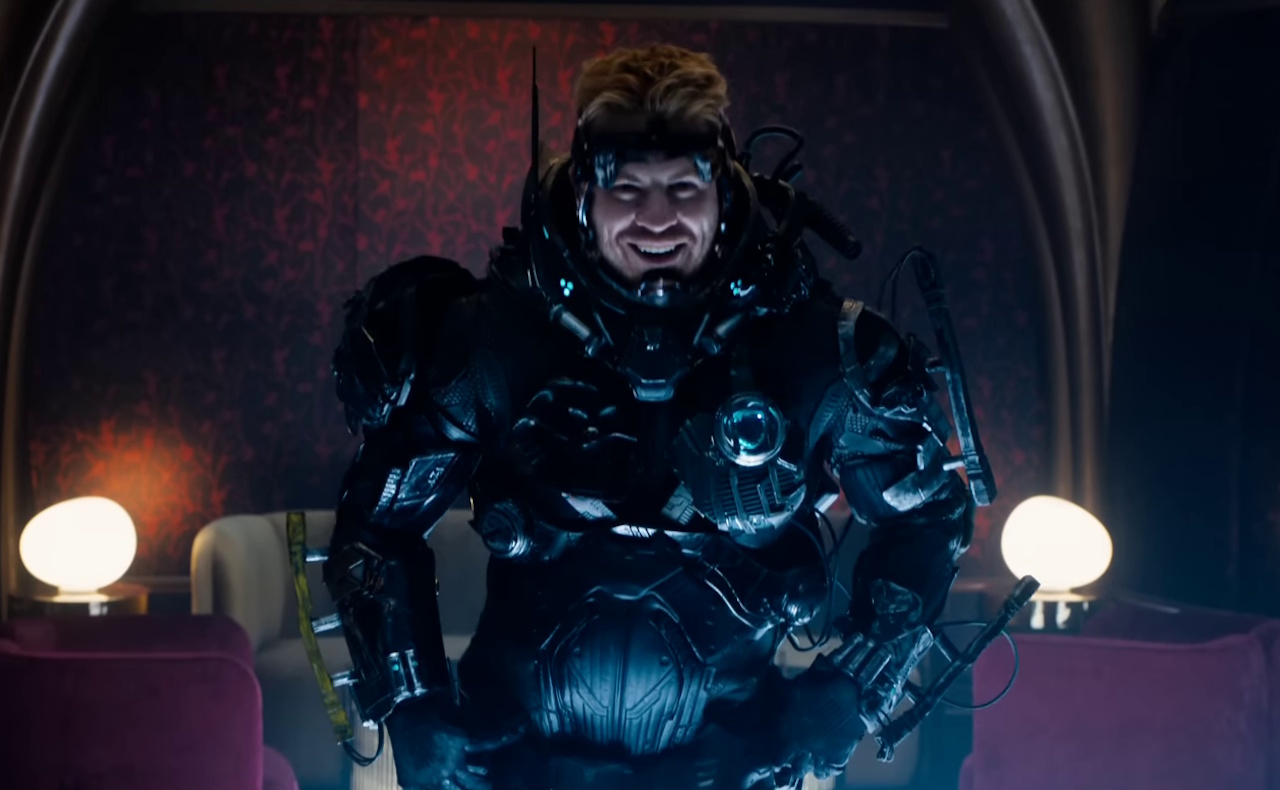
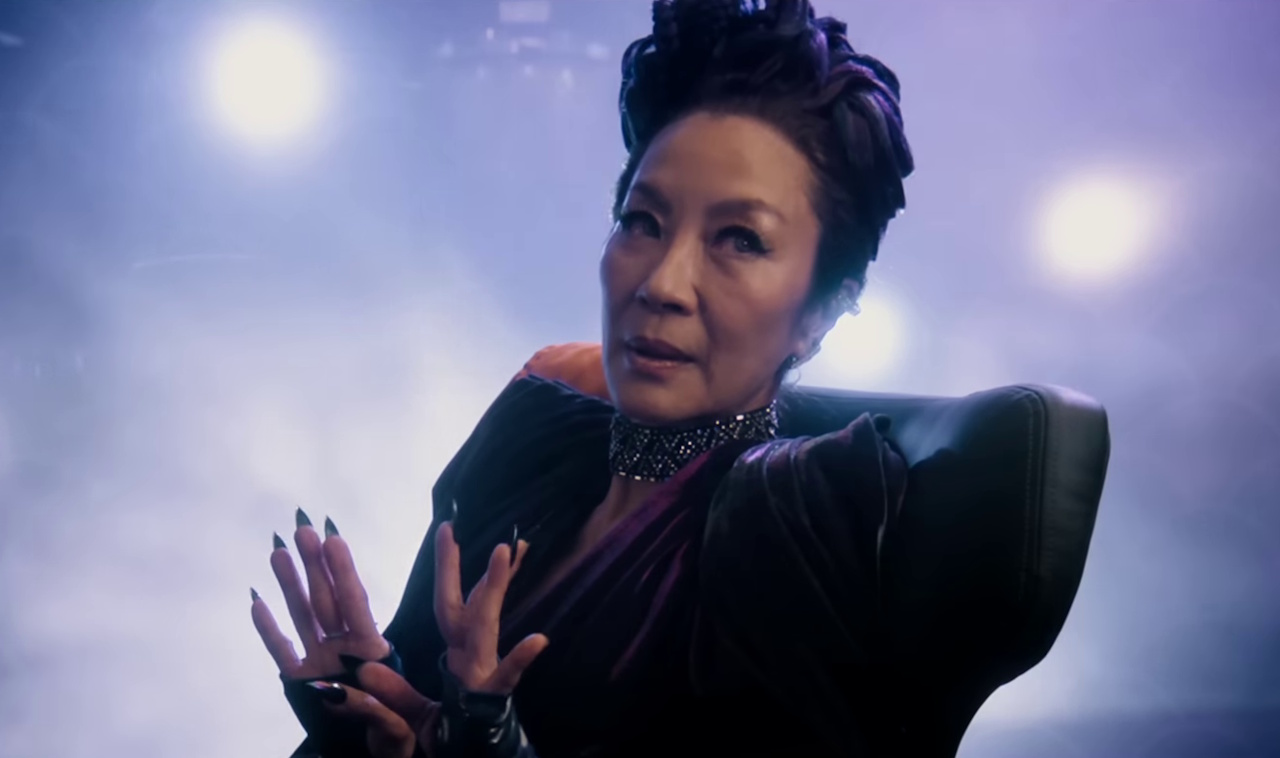
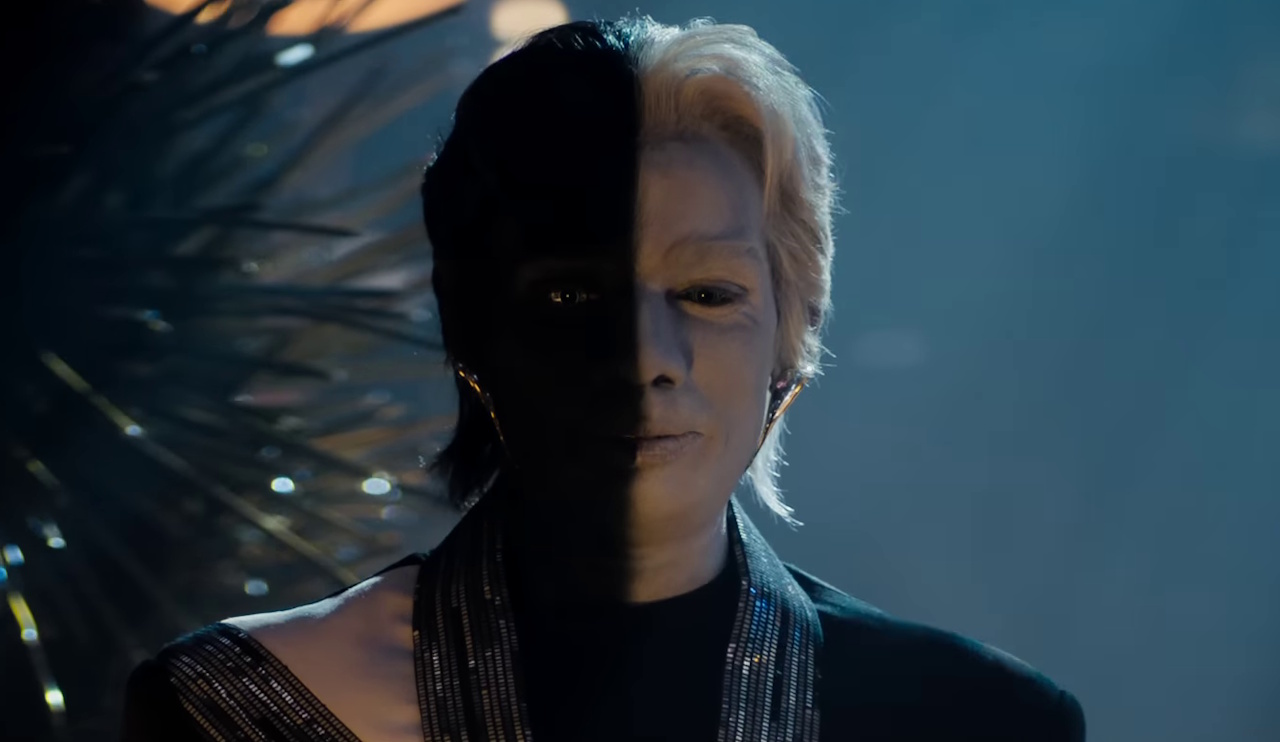
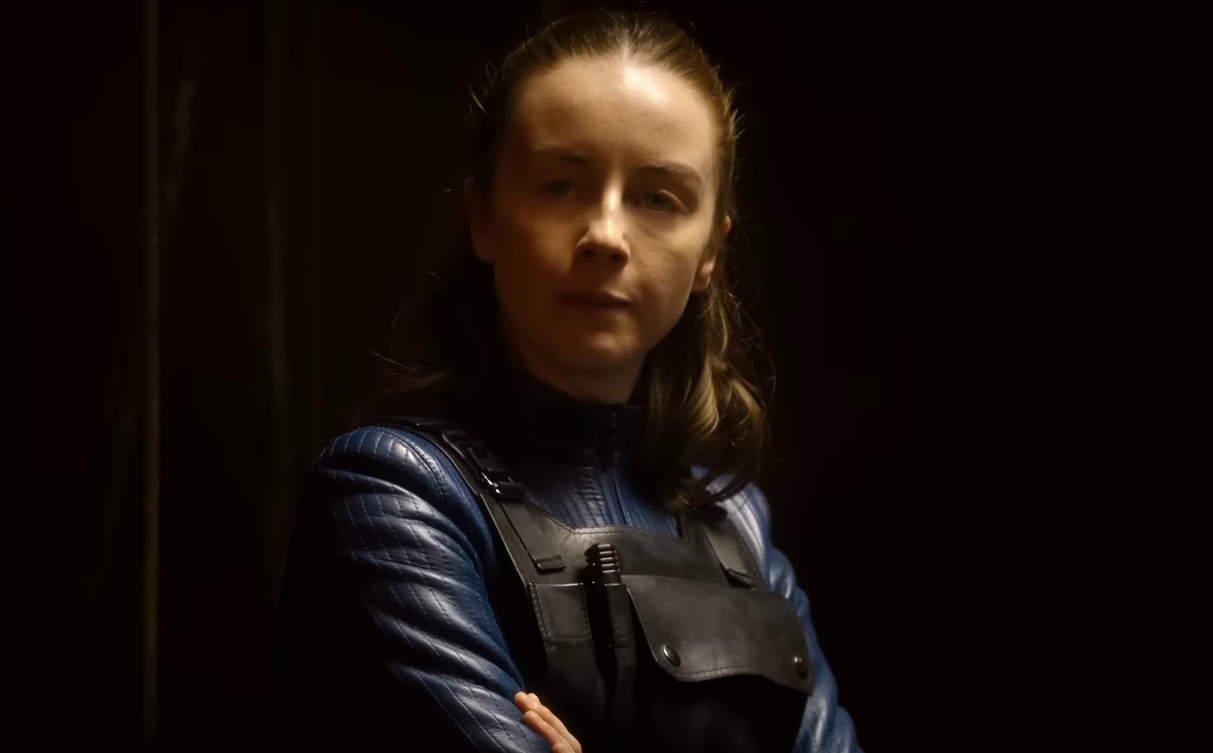

 Trekking with Dennis