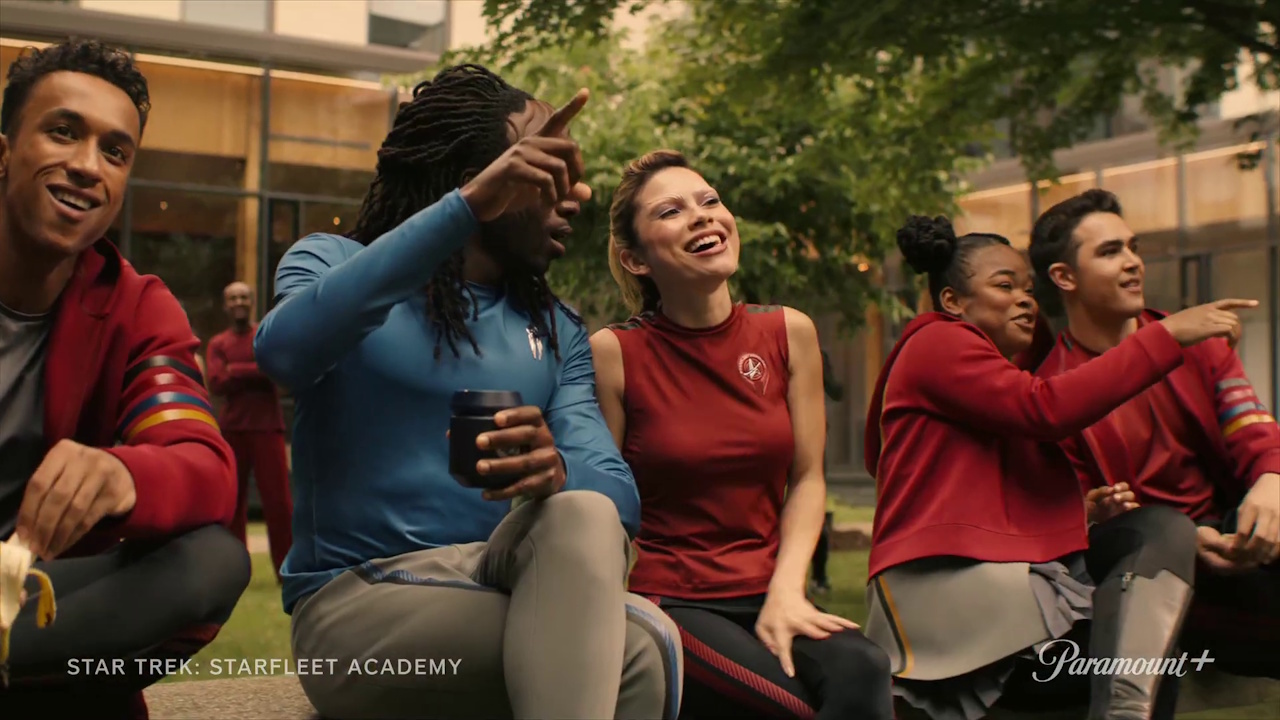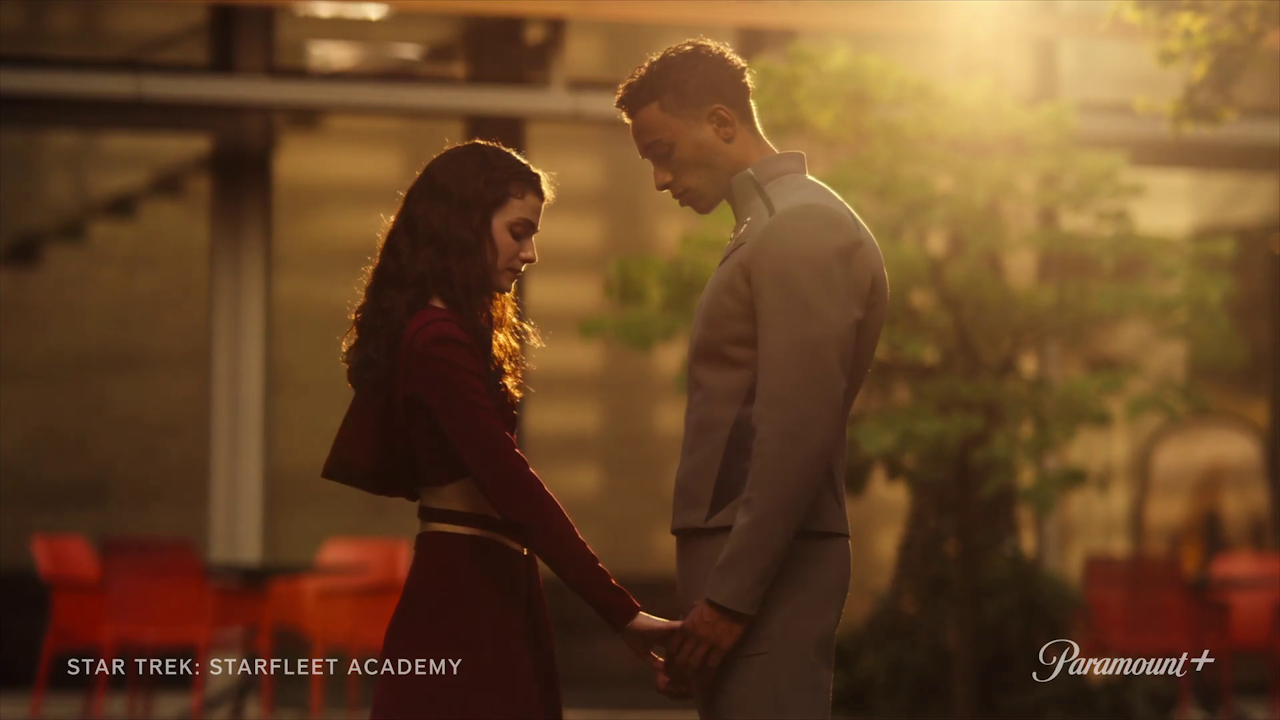
Thoughts on Sisko and Starfleet Academy

A Star Trek-themed spoiler warning.

Spoiler Warning: There are major spoilers ahead for Star Trek: Starfleet Academy Season 1. Spoilers are also present for Star Trek: Deep Space Nine, Star Trek: Strange New Worlds, and the comic series Star Trek: Godshock.

We’re going to get into serious spoiler territory for one of the recent episodes in Starfleet Academy’s first season, so if my little spoiler warning graphic didn’t put you off… just beware. I don’t want to ruin the show for anybody!

This isn’t going to be a “review” of the episode Series Acclimation Mil. I’m not doing individual episode reviews for Starfleet Academy this year, and in this piece, we’re really only going to get into one of the episode’s storylines. There will be a review of Season 1 as a whole in March, and I’m sure I’ll touch on the episode (and this storyline) again at that point. So check back for that if you want to get my thoughts on the entire season more broadly. And I have a review of the two-part premiere, which you can find by clicking or tapping here.
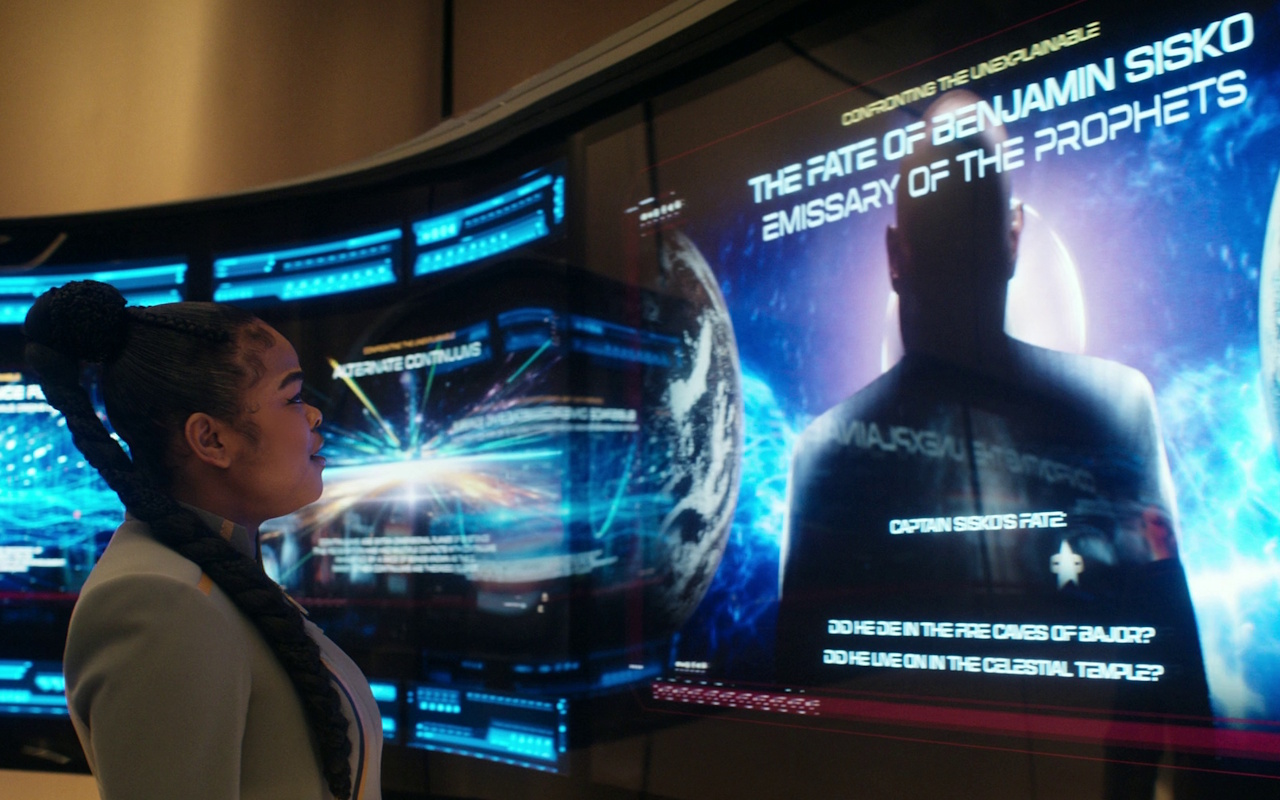
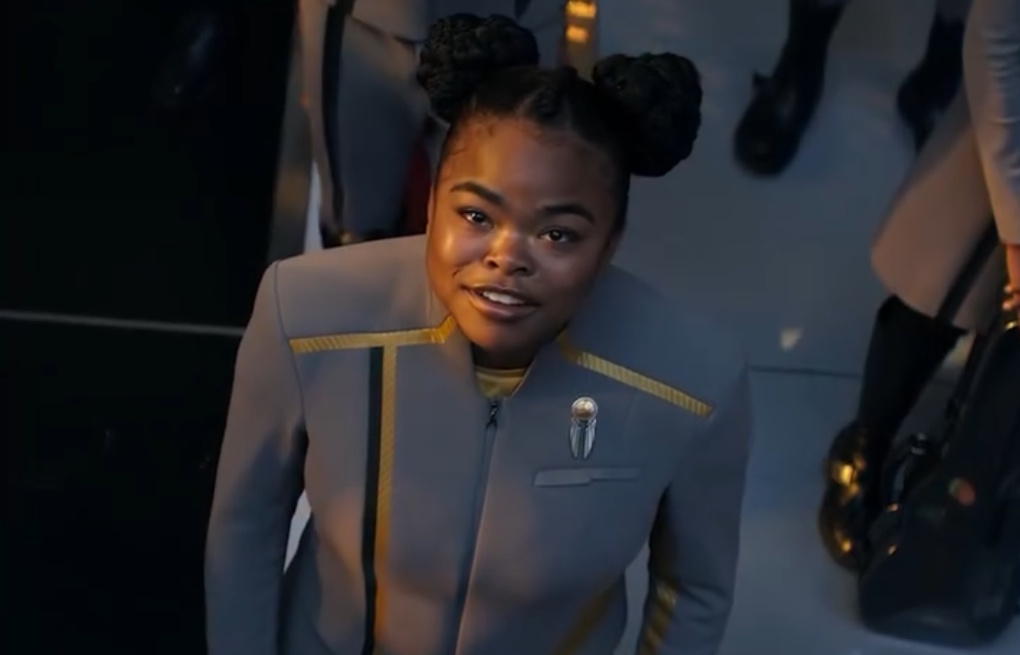
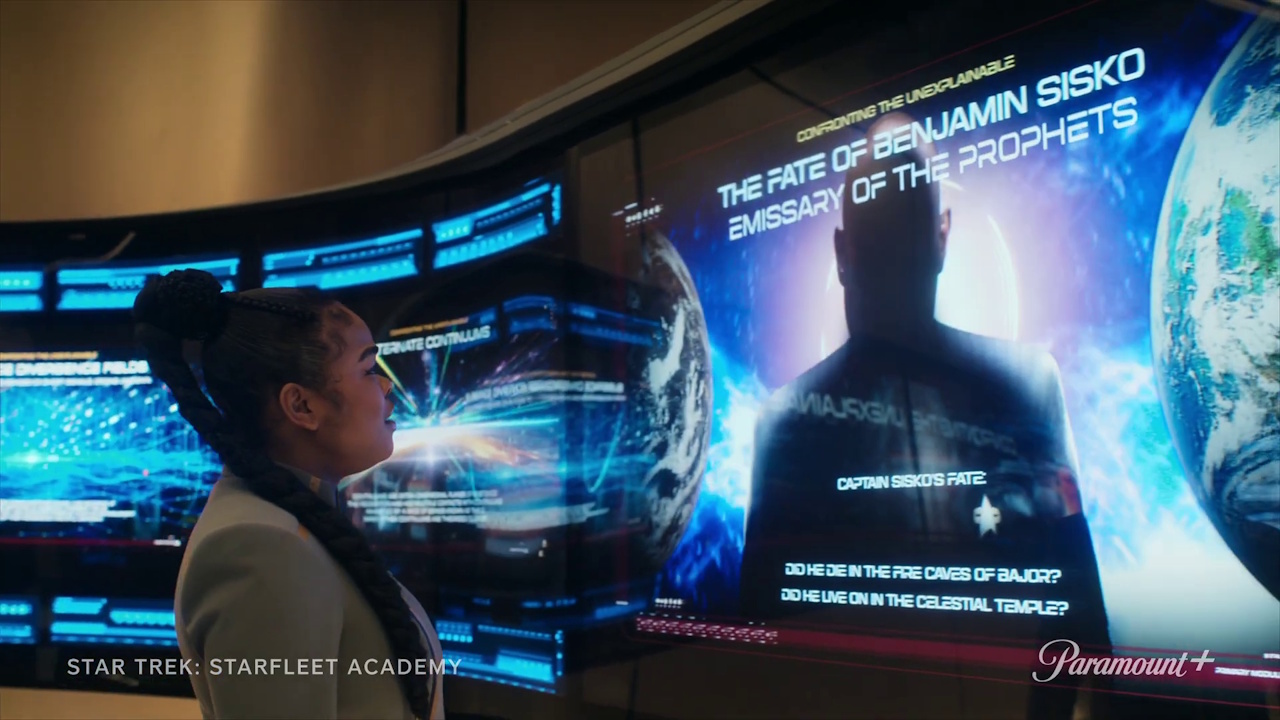
Still frame from Star Trek SFA S1 showing Sam and a Sisko poster.
Sam “confronts the unexplainable” in Starfleet Academy.

Series Acclimation Mil returned to Star Trek: Deep Space Nine in a pretty big way, and I wanted to talk about that element in a longer format, in a way that I don’t think I could do justice to in my season review piece. DS9 is a hugely important series for me, and this episode was clearly well-intentioned, with writer Tawny Newsome wanting to draft a “love letter” to the series and to Captain Sisko in particular.

But… is that how it came across?

Captain Sisko is, on balance, almost certainly my favourite Star Trek captain. And if you put my back against the wall and pushed a phaser to my head, forcing me to choose, I’d also name Deep Space Nine as my favourite Star Trek show. Out of all the Star Trek shows, DS9 got what is arguably the most definitive and complete series finale, but Captain Sisko’s story was deliberately left ambiguous. In Starfleet Academy, the episode Series Acclimation Mil picked up this narrative thread and aimed to tell a story about the intersection of religion and science, as well as one that really celebrated the legacy of Star Trek’s first African American captain and series lead. I admire the intention, and I don’t doubt that everyone involved, from the writers and producers to the performers, came into this story for the right reasons and genuinely intended for it to be a celebration of Sisko and DS9.
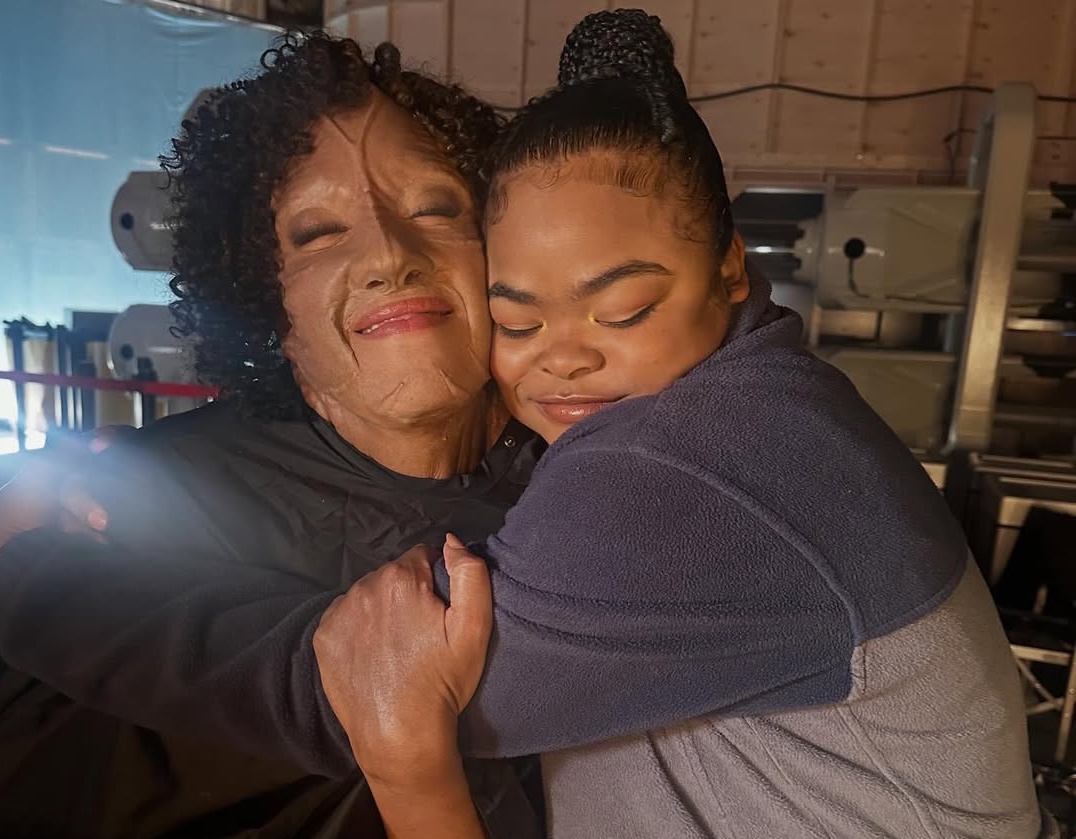
Behind-the-scenes photo from Star Trek SFA showing Newsome and Brooks.
Tawny Newsome (left) wrote and had a role in Series Acclimation Mil, along with series regular Kerrice Brooks (right).

Fundamentally, I think Starfleet Academy was the wrong choice of series for an episode like this for one simple reason: its place in the timeline. If this were a Picard-era series (as I argued it should be once upon a time), we might be having a different conversation. But because Starfleet Academy takes place in the 32nd Century, more than 800 years after the events of DS9′s finale… the story it was able to tell, far from celebrating Sisko and his legacy, arguably detracts from it.

When work on What You Leave Behind was ongoing, Sisko actor Avery Brooks insisted on a change to the script. The original version of DS9′s finale saw Sisko “ascending” to become a Prophet, permanently leaving the world behind as he moved to live in the Celestial Temple. But Brooks felt that the idea of a black man (Star Trek’s first African American captain, too) effectively “abandoning” his pregnant wife and son wasn’t the right message for Sisko’s story to end on. And so that ambiguity was written into What You Leave Behind, allowing Sisko to one day “return,” as he said to Kassidy in his final vision.
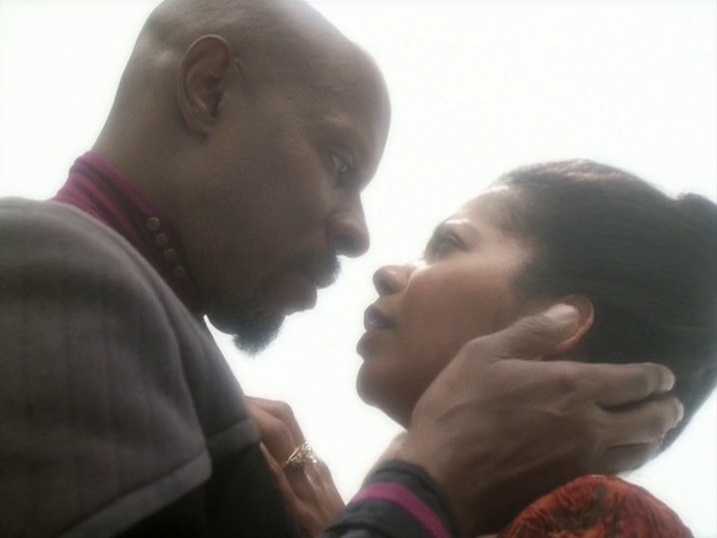
Still frame from Star Trek DS9 showing Sisko and Kassidy's vision.
Sisko’s final appearance to Kassidy.

For years, that was the end of it. DS9 was over, but fans could speculate about how and when Sisko would return. There was even a comic series – Star Trek: Godshock – in which Sisko returns from the Wormhole about three years after the events of DS9′s finale. I’m not a comic book fan myself, but this was an officially-licensed publication, and while comics aren’t strictly part of Star Trek’s canon, they can be a good format for telling stories involving legacy characters who can no longer be involved in Star Trek on the screen.

Avery Brooks, who played Sisko in all seven seasons of DS9, has effectively retired. His last on-screen credits came shortly after Deep Space Nine ended, and his final involvement with the Star Trek franchise came in the 2006 video game Star Trek: Legacy (not to be confused with the proposed Picard spin-off of the same name), in which he reprised his role in voiceover form. Following DS9, Brooks worked as a professor at Rutgers University, and was also involved with the Smithsonian Institution. As far as I know, an on-screen return to Star Trek or the role of Sisko was never officially proposed, but it seems, from what I can gather, that Brooks would have turned down such an approach. He may have done so if the writers of Starfleet Academy had asked.
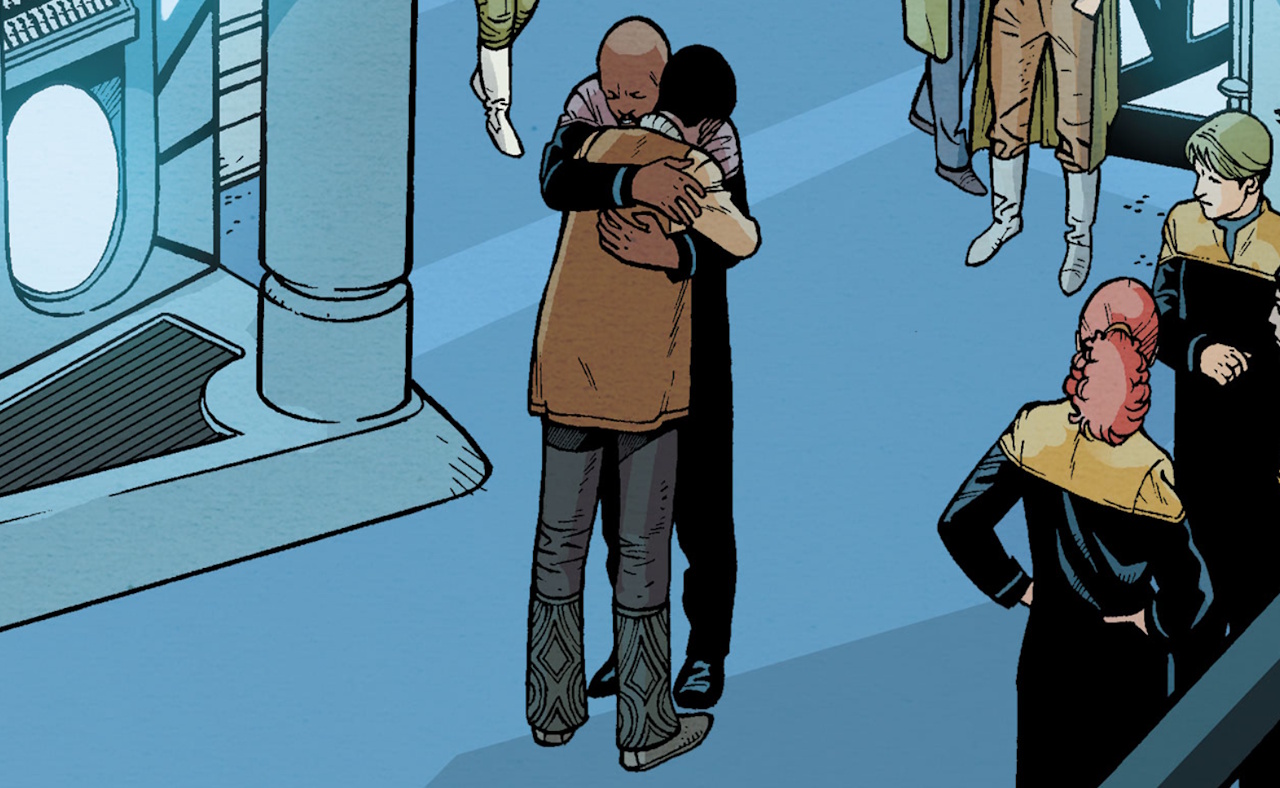
Crop from the comic Star Trek: Godshock showing Jake and Ben Sisko embracing.
Jake and Ben Sisko’s reunion in Godshock.

Recasting such an iconic and important character wouldn’t sit right with me – nor with a lot of other Trekkies, I suspect. So with Brooks effectively out of the picture, not wanting to return as Sisko… the idea of a Godshock type of story, in which Sisko very definitely kept his word and came back from the Celestial Temple, is off the table. Starfleet Academy was left without the most important element of any Sisko story – the man who portrayed the character – but tried to go there anyway.

I will concede that, given the restrictions and limitations placed on the story by Avery Brooks’ absence, the kind of story told in Series Acclimation Mil was probably about as good as it could get. But that’s not really the point. My argument is that, without Avery Brooks being involved, and without Sisko able to keep his word and return from the Wormhole during the lifetime of his wife, son, and other friends… this story shouldn’t have been attempted. If they asked Brooks to return and he said no, or if it was communicated to them clearly that Brooks was unavailable, this story should simply have been set aside, and something else written for the character of Sam.
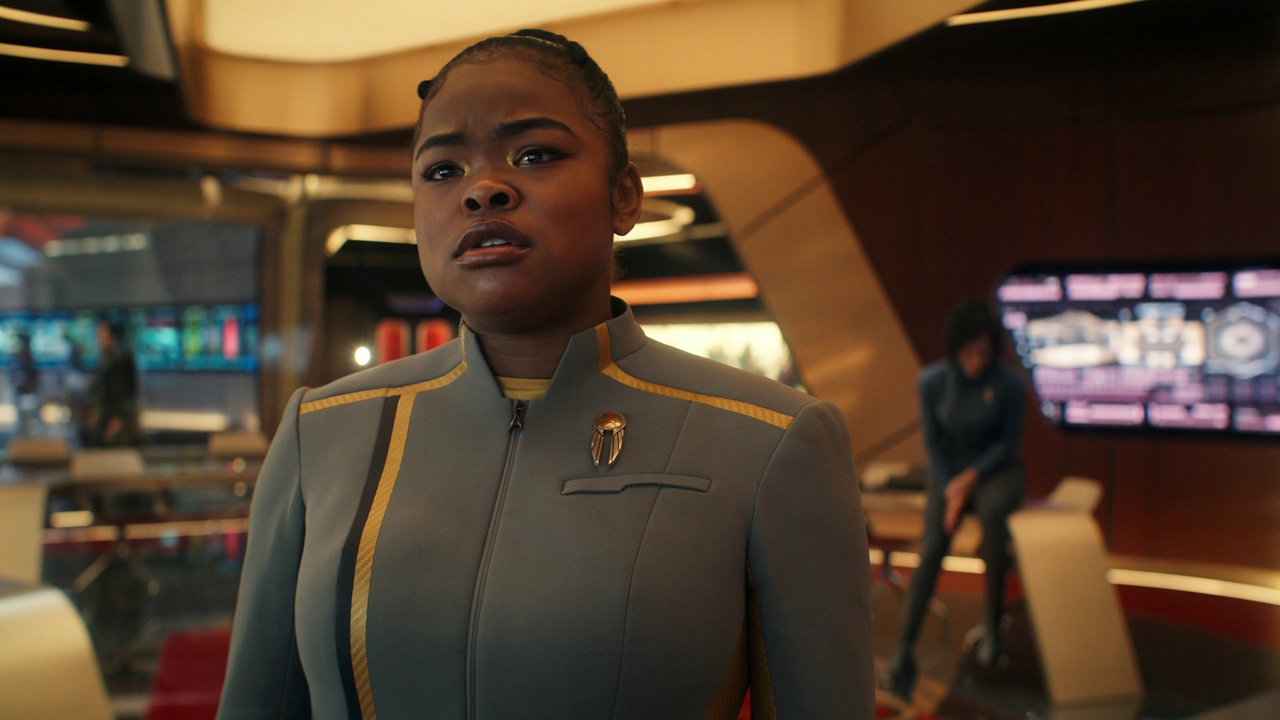
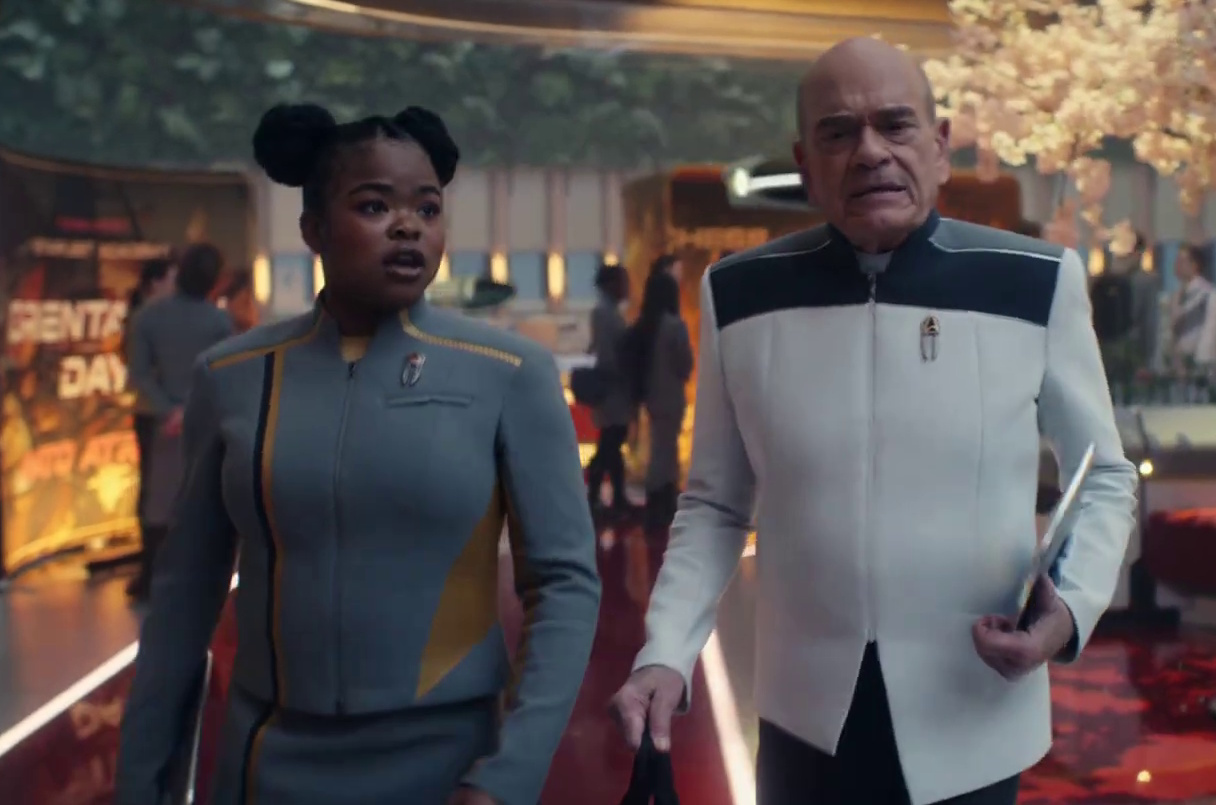
Still frame from Star Trek SFA 1x05 showing Sam.
Sam in Series Acclimation Mil.

There are other ways to celebrate DS9, and other characters from that series who could’ve been included. Series Acclimation Mil introduced us to a brand-new host for the Dax symbiont, for example – something I argued Discovery should’ve done during its various Trill episodes – but we spent very little time with her and learned practically nothing about her. Or Starfleet Academy could’ve picked up on Lower Decks’ idea that O’Brien was widely celebrated in the far future, doing something with that character’s legacy. The Klingon story could’ve revisited Worf and his ties to Starfleet, with Starfleet Academy having already visited Bajor there was scope to do something with Kira, or we could finally learn more about Cardassia, perhaps touching on the legacy of someone like Garak.

But really, DS9 wasn’t the point. This was an episode intended to celebrate the legacy of Star Trek’s first African American captain. So… what else could Starfleet Academy have done to acknowledge Star Trek’s African American connections? A great choice would be Uhura – the first African main character in Star Trek. I’d have loved to see a crossover, perhaps involving Cadet Sam meeting Strange New Worlds’ Uhura on the holodeck. Or the show could’ve called back to the legacy of Geordi La Forge, or Travis Mayweather – two characters brought to life by African American performers. Avery Brooks may have been the first to be a series lead, but there are other African American performers Starfleet Academy could’ve called on for this kind of celebratory story.
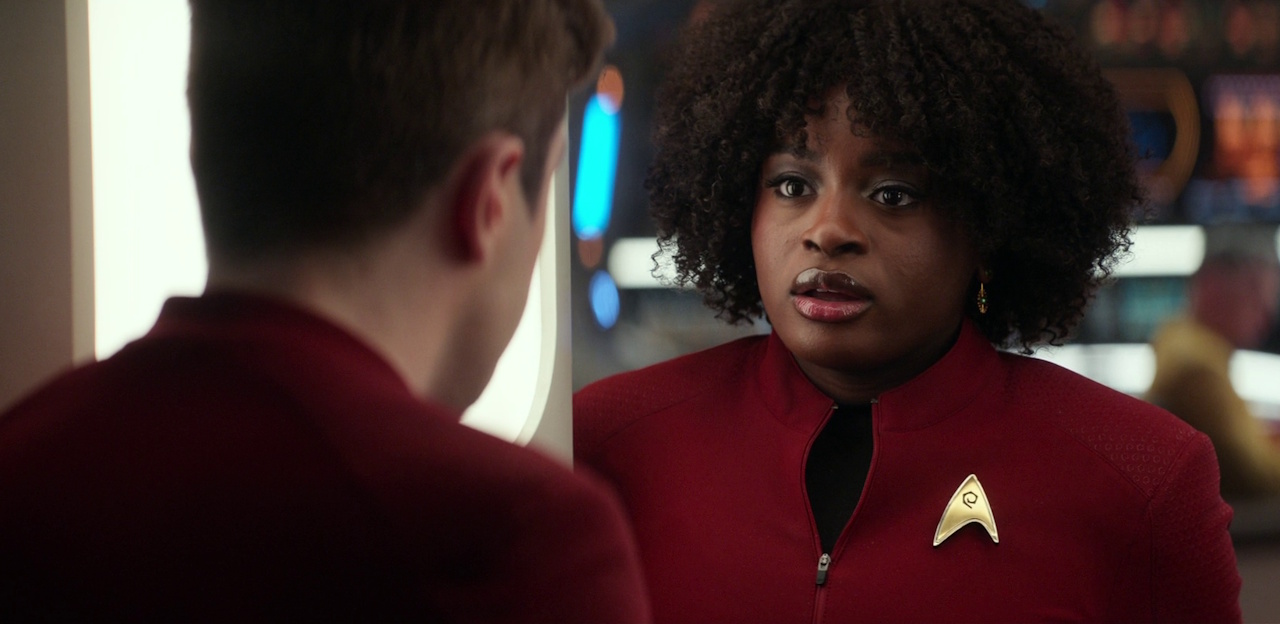
Still frame from Star Trek SNW showing Scotty and Uhura.
Uhura in Strange New Worlds Season 3.

And I am firmly in the camp that says “celebrate DS9″ and “celebrate Star Trek’s African American performers and heritage!” I think those are fantastic ideas, especially in this landmark 60th anniversary year. The Original Series was groundbreaking for African American representation on television, thanks to Nichelle Nichols’ main role, with even the venerable Martin Luther King saying so. There is a lot to celebrate on that front, and I don’t begrudge the writers of Starfleet Academy wanting to do so.

Unfortnately, though, the very celebratory episode that they set out to create has, I would argue, done a bit of damage to Sisko’s character – turning him into the very “delinquent dad” that Avery Brooks argued against almost three decades ago. By choosing Sisko over other characters, and because of the limitations placed on the story by both Starfleet Academy’s place in the timeline and Brooks’ retirement from acting, Series Acclimation Mil answered one of Star Trek’s “unanswerable” questions in pretty much the worst way possible.
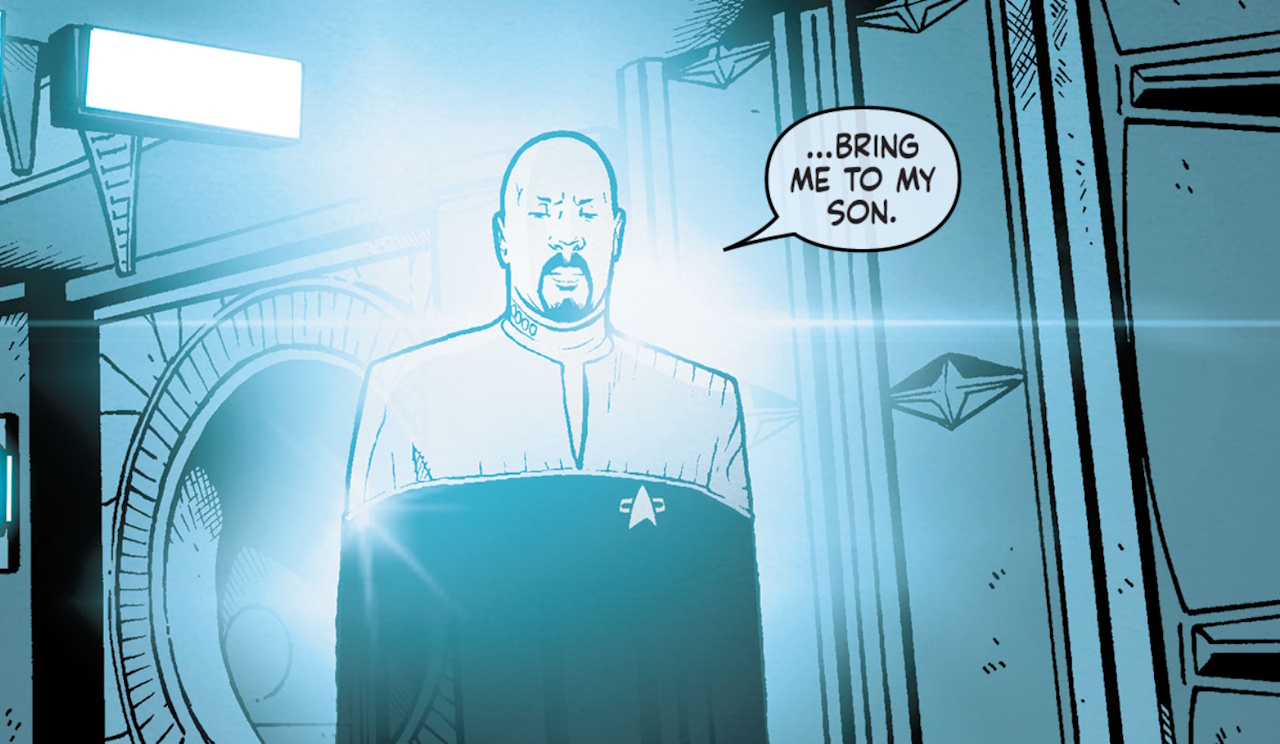
Crop from the comic Star Trek: Godshock showing Sisko's return.
Sisko’s first words after returning in the comic Godshock.

Regardless of where you stand on the episode’s crucial question of “did Sisko die or enter the Celestial Temple,” Series Acclimation Mil confirmed that, in Star Trek’s canonical prime timeline, Sisko never returned. He stayed away from the galaxy for more than eight centuries, breaking his promise to his wife, never seeing his son grow up, and never contacting Dax or any of his other friends.

And I would further argue that the episode’s central question, which Sam sets herself the task of answering, *was already answered a quarter of a century ago*!

Deep Space Nine’s finale didn’t end with Sisko falling into the Fire Caves. There was one final scene involving Sisko: his vision to Kassidy Yates. This was presented in the story as a vision from the Prophets, and the character was not a random Prophet impersonating Sisko, but Sisko himself. What You Leave Behind definitely and clearly stated that Sisko didn’t die and was taken by the Prophets to their Celestial Temple. And his final words to his wife? “But I *will* be back.”
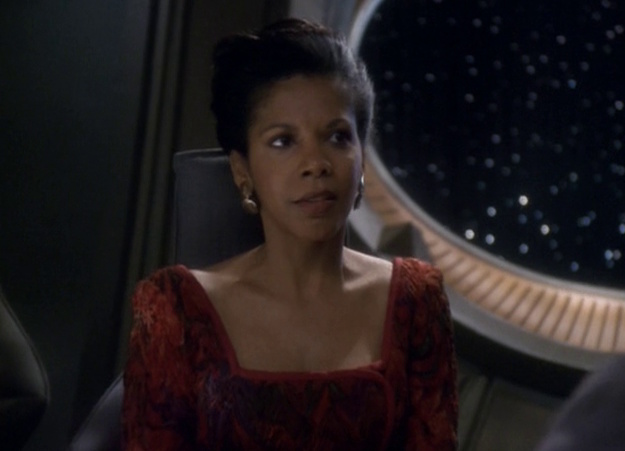
Still frame from Star Trek DS9 showing Kassidy.
Sisko promised Kassidy that he would return.

I never read that scene in What You Leave Behind as leaving any room for doubt or ambiguity. Sisko didn’t die – he was taken to the Wormhole by the Prophets. And he intended to stay with them only for as long as necessary to learn whatever they needed to teach him, but he absolutely, categorically planned to return.

So what does Series Acclimation Mil have to say about that? What does this episode now mean for Sisko, the Prophets, and DS9?

There are a couple of ways we can interpret things, I guess, if we go back to DS9′s finale. Firstly, we could say that Kassidy either didn’t receive a vision from the Prophets at all, and hallucinated a reunion with Sisko out of grief, or that she received a vision from a different Prophet who pretended to be Sisko to give her a bit of hope to tide her over. That kinda sucks.

HD still frame from What We Left Behind showing Sisko.
Captain Sisko.

Alternatively, we could say that Sisko wanted to leave the Wormhole… but was unable to do so in time. Maybe his lessons with the Prophets went on longer than he thought. Maybe he “lost track of time” in a dimension that exists… outside the normal flow of time? Maybe the Prophets kept him prisoner and prevented him from leaving, even though he really wanted to. Or maybe only Sisko’s “soul” still exists, and with his physical body having been destroyed, he had no way to come back.

Again, none of those ideas hold *any* appeal whatsoever, at least not for me.

So we’re back to some fundamental questions: was this the right moment for an episode like this? Was Starfleet Academy the right series – or the right *kind* of series? Without Sisko himself, and without recasting the character, was it wise to attempt this kind of story? Could other ways have been found to celebrate Star Trek’s African American performers, Deep Space Nine as a series, or both?

Photo from the Star Trek SFA premiere of Kerrice Brooks.
Kerrice Brooks, who plays Sam in Starfleet Academy.

I wouldn’t have given the green light to this episode, if I had the opportunity over at Paramount. Not because I don’t want to pick up the dangling thread of Sisko’s story, and not because I don’t want Star Trek to do more with DS9, but because of what this story does to Sisko’s character. Despite what Newsome, Cirroc Lofton, and others have said on behalf of Avery Brooks – that he gave the episode “his blessing,” and that that was important to them – Series Acclimation Mil, in my view, harms Sisko’s characterisation, it harms Star Trek as a whole, and it gives a fundamentally unsatisfying answer to a question that didn’t really need to be asked.

We already knew that Sisko was alive in the Celestial Temple; Starfleet Academy didn’t even need to ask that question. And we already knew that he planned to return. What We Left Behind – Looking Back at Star Trek: Deep Space Nine even saw the show’s original creators and writers putting together their own idea of what Sisko’s return might’ve looked like. Combine that with the comic book, fan theories, and more… and I think us Trekkies have had more than enough ways to envision Sisko’s return, even if none of that could ever be “officially canon.”
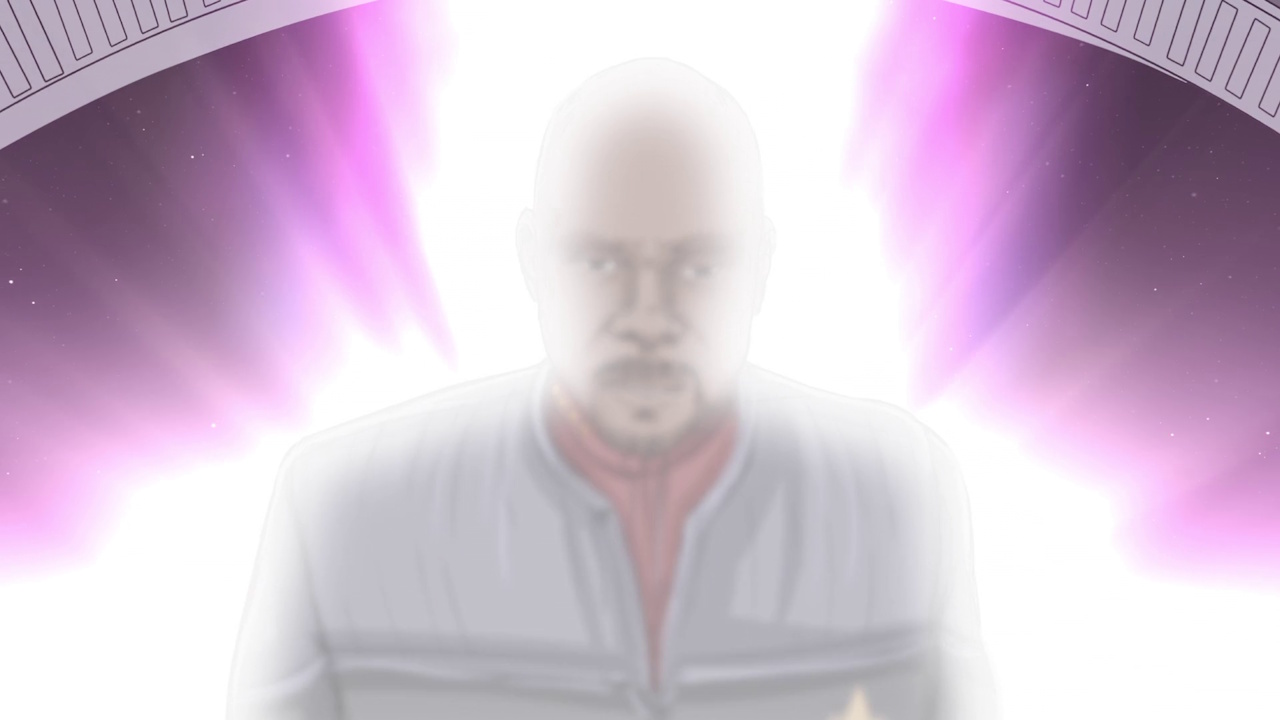
Still frame from What We Left Behind (DS9 documentary) showing Sisko's return.
Sisko’s return as imagined in What We Left Behind.

By sidelining all of that, Starfleet Academy’s writers set out to answer the question of what happened to Sisko using their own ideas – but also being severely hampered by the unavailability of Avery Brooks, and the show’s place in Star Trek’s timeline. The result was an episode that betrayed Brooks’ final intervention on Sisko’s behalf at the end of DS9′s run, turning the character into the “absent black father” trope that has been so harmful on TV and in movies. Whatever in-universe reasons we might try to concoct to excuse Sisko, or whatever successes Series Acclimation Mil may have had elsewhere – and there absolutely were highlights and successes – that point is so basic, so existential, and so fundamentally awful that it would warrant scrapping the entire thing and writing it off.

In defence of the episode, I will say that Cirroc Lofton’s appearance hit all of the right emotional notes for me, and especially towards the end, I felt myself tearing up. Jake Sisko’s return to Star Trek – in holographic and visionary forms – made the best of a bad situation, and I don’t want to take away from Lofton’s masterful performance in Series Acclimation Mil. Nor from the work of Kerrice Brooks, who stepped up to take on a spotlight episode for the first time and really nailed it. Both performances were exceptional, and I can tell that Lofton, in particular, really wanted to celebrate the legacy of his on-screen dad and the series he’d been a part of.

It’s just such a shame that, to tell a story about Sisko at this moment and in this series… it had to be *this* story.
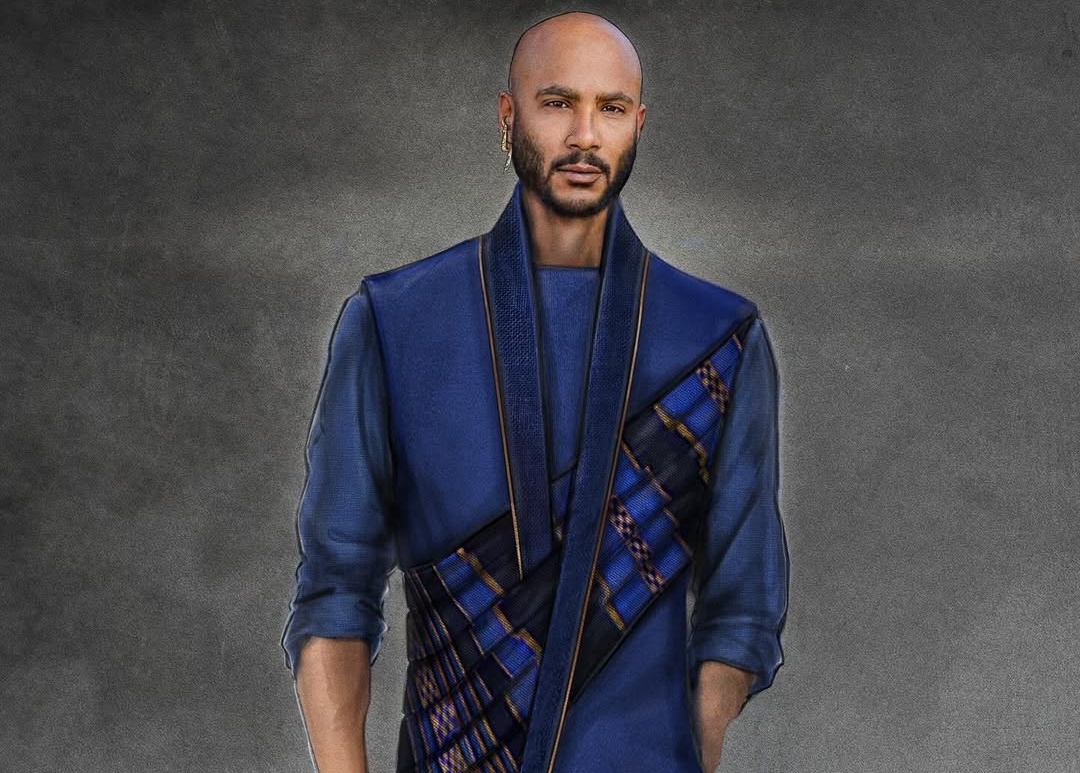
Star Trek SFA concept art: Jake Sisko.
Concept art of Jake Sisko, created for Starfleet Academy.

Series Acclimation Mil conflicts with, or changes how we have to interpret, other Star Trek episodes, too. What was the message of The Visitor? Widely considered to be one of DS9′s finest episodes, The Visitor depicted an older Jake Sisko trying to figure out a way to rescue his father from a temporal anomaly. The older Jake argues passionately that his younger self needed his father, and it also seems as if Sisko’s absence from the timeline ultimately proved harmful to the Federation – DS9 had fallen into disrepair, and Starfleet needed to get permission from the Klingons to even enter the Bajoran system.

That timeline’s Jake Sisko gave his life to send his father back to the Defiant, so that his younger self would have the dad he needed. Now we know that Jake’s sacrifice bought Ben… what? A couple of extra years? And that Kassidy had to raise their child alone, while Jake’s writing career seems to have unfolded similarly to how it did in The Visitor, with only a couple of books being published. I just… I just don’t like what it says about Sisko, his promise to return, and how he ultimately ended up abandoning the family he seemed willing to do anything for.
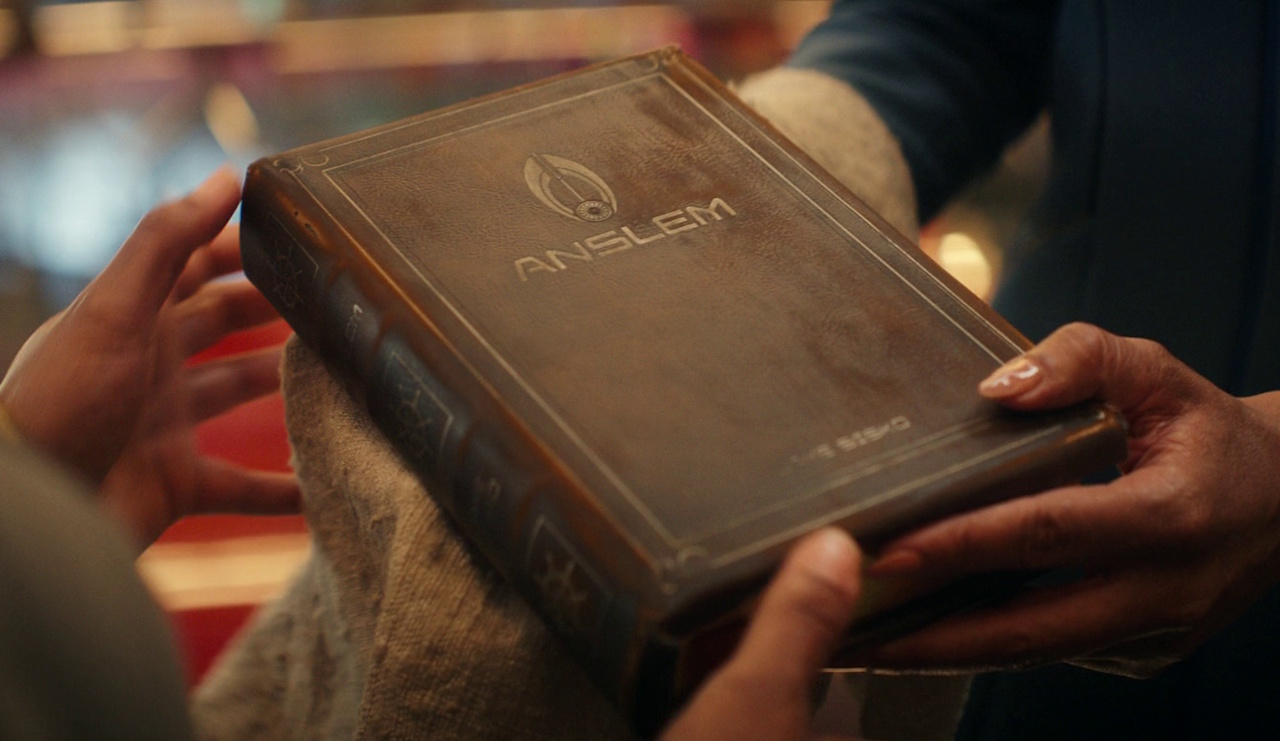
Still frame from Star Trek SFA S1 showing Jake's book Anslem.
Anslem, Jake Sisko’s finished book.

I respect the good intentions behind Series Acclimation Mil, both as an episode that aimed to celebrate Deep Space Nine and Star Trek’s first African American captain. And Jake Sisko’s appearance, in particular, did a lot to elevate the story, connect it back to DS9, and lean into the legacy of Benjamin Sisko. This wasn’t an episode concocted thoughtlessly, nor purely as a business decision to play the nostalgia card and make money. There was genuine artistry behind it, and it was a well-intentioned effort.

Which makes it all the more disappointing, in a way, that the final cut of the story does so much harm to Sisko’s character. If Series Acclimation Mil had been just a cheap overplaying of the nostalgia card by a corporation running out of ideas… maybe I’d feel less bad or less guilty at tearing into it so much. Because this isn’t an easy essay to write, to be blunt about it. I don’t take any pleasure in writing these words, nor in crapping all over the hard work and good intentions that went into the story’s creation. But I have to be honest with you at how the episode made me feel, and how I feel it harms the last words of the man who is still my favourite Star Trek captain.
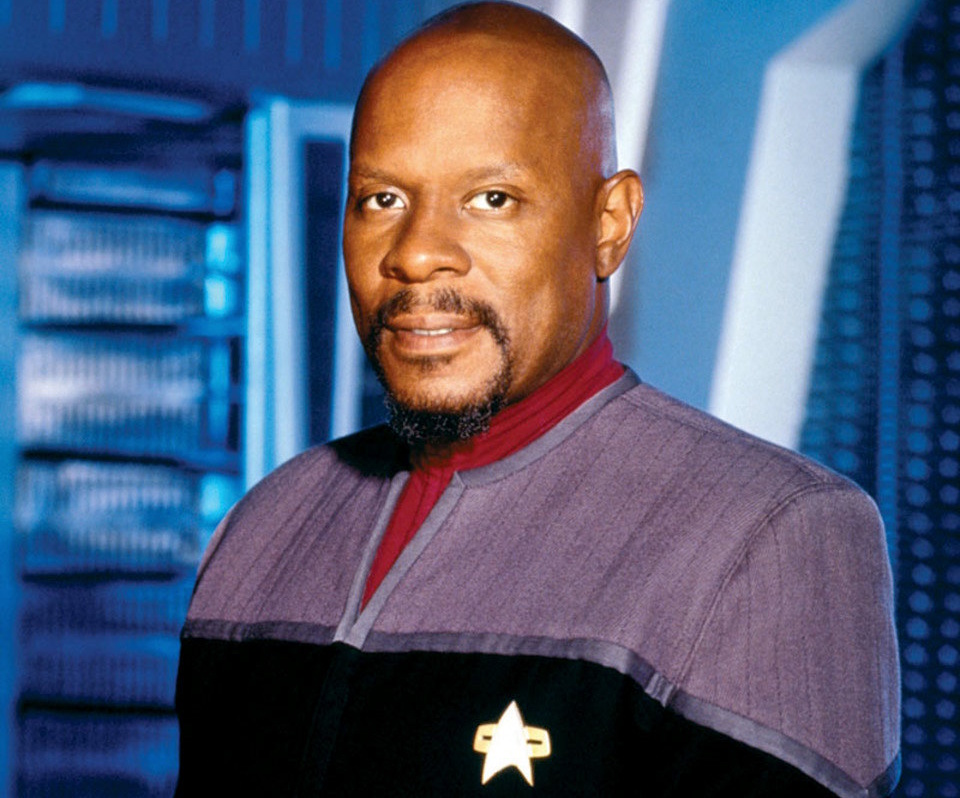
Publicity photo of Avery Brooks as Captain Sisko.
Captain Sisko.

When Picard went off the air, and Lower Decks came to the end of its run… that was realistically the last chance to do a Sisko story that could’ve worked, and that might’ve felt right. I would have thoroughly enjoyed a story about cadets learning about Captain Sisko and his legacy in that era, too, had Starfleet Academy been a different show. But because of its place in the timeline, and because of the kind of episode it had to be in the absence of Avery Brooks… I’m firmly of the opinion that no episode at all would have been better than this.

I’ve said this before, and I’ll probably have to say it again before too long: stories end. Every story eventually reaches a natural end point. While, as fans, we might like to imagine what came next for our favourite characters… when the credits roll, the curtain falls, or we reach the last page, that should be it. Too often in the modern entertainment industry, characters or stories are unnaturally resurrected for unnecessary epilogues, telling us more than we needed or wanted to know about what came next. And for me… Series Acclimation Mil falls into that category, even if there were genuine reasons for its creation beyond a mere corporate nostalgia play.
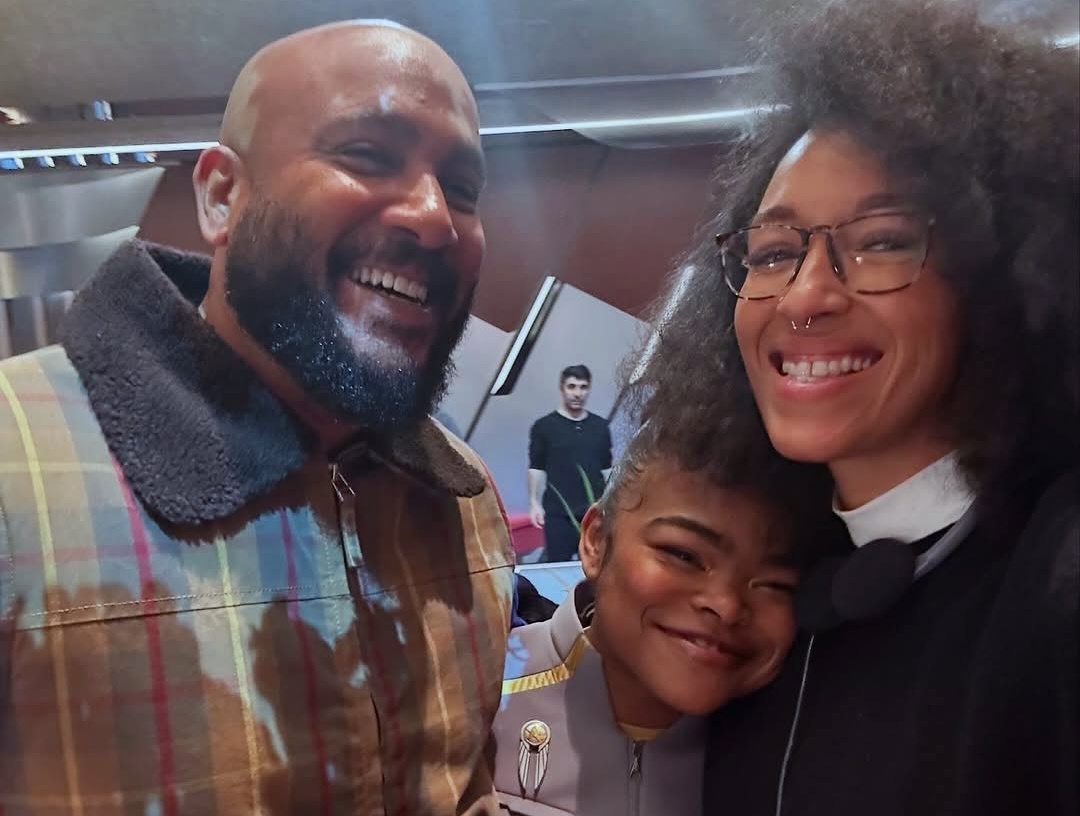
Behind-the-scenes photo from Star Trek SFA S1 of Cirroc Lofton, Kerrice Brooks, and Tawny Newsome.
DS9′s Cirroc Lofton (left) with Kerrice Brooks (centre) and Tawny Newsome.

It’s no exaggeration to say that I’d rather have seen no continuation of Sisko’s story than this one. And even with Avery Brooks’ “blessing,” and his willingness to allow the Starfleet Academy team to use one of his spoken-word recordings to close out the episode… I’d rather Sisko had remained in What You Leave Behind, his fate confirmed, his return scheduled… and for Star Trek to never acknowledge it again. That would have been better, and more respectful, than the story this episode told.

So that’s my take on how Sisko was handled in Series Acclimation Mil.

This is a delicate subject, as it touches on themes of race, and modern Star Trek’s handling of the franchise’s first African American captain. As you may know, I’m British, not American, so I don’t have the same connection to Sisko as perhaps some folks out there might. But he’s a character I love and I’ve always respected, and I really do mean it when I say that a better end to Sisko’s story would have been his ambiguous promise to return at the end of What You Leave Behind. I can’t *hate* the episode Series Acclimation Mil, because seeing Jake again was a treat, it’s nice to know Dax is still around, and the cadets got into some interesting scrapes while Sam was chasing down Sisko’s legacy. But, damn… what a horrible fate for Sisko in canon, just to disappear and never be heard from again.
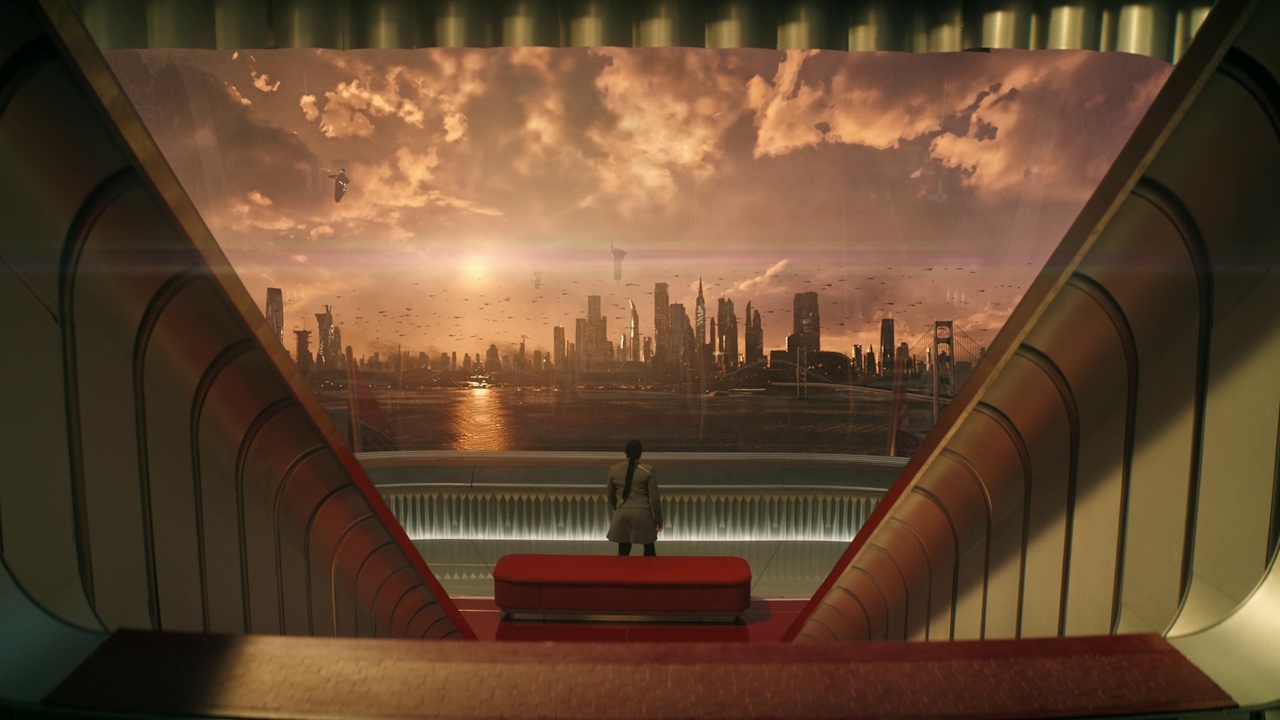
Still frame from Star Trek SFA showing Sam and San Francisco.
The final shot of the episode.

If you made it this far, thank you for reading. I tried to approach the subject as sensitively as possible, and despite my feelings about Series Acclimation Mil, this piece shouldn’t be interpreted as an “attack” on the writers, producers, performers, or behind-the-scenes folks. I genuinely respect and appreciate the intentions behind the story, even if the end result isn’t something I enjoyed or wanted to see.

Next month, when Starfleet Academy’s first season wraps up, I’ll write up a full review, which may touch on other elements of Series Acclimation Mil that I didn’t discuss this time. I wanted this piece to be laser-focused on Sisko and what the episode said about him, rather than a broader review of the episode. So I hope you’ll join me for that.

Thanks again for reading… and Live Long and Prosper.


Star Trek: Starfleet Academy Season 1 is streaming now on Paramount+ in countries and territories where the service is available. The Star Trek franchise – including Starfleet Academy, Deep Space Nine, and other properties discussed above – is the copyright of the Paramount-Skydance Corporation. This article contains the thoughts and opinions of one person only and is not intended to cause any offence.
Starfleet Academy: Meet the Cadets

A Star Trek-themed spoiler warning.

Spoiler Warning: There are spoilers ahead for Star Trek: Starfleet Academy Season 1. Spoilers are also present for the following Star Trek productions: The Next Generation, Discovery, and Section 31.

I promised you last time that I was sharing my “final” preview of Starfleet Academy ahead of its premiere, which is now just a couple of weeks away. But since then, we’ve learned a little more about some of the cadets thanks to Skydance/Paramount’s marketing campaign. I have to say that, on the whole, Starfleet Academy hasn’t gotten a particularly impressive marketing push so far, but there’s still a little time left for that to change. I certainly hope that, even if the show isn’t “my thing,” it’ll manage to reach its teen/young adult target audience in a big way. Star Trek definitely needs new viewers, and Starfleet Academy could be the last show of the current streaming era.

But that’s enough about that for now! I wanted to look at the main cadet characters in turn, and share my thoughts on how they seem and what could lie in store for them across the show’s first few episodes. I’m basing all of this on the trailers, interviews and comments from the actors and producers, and the show’s general marketing material. I do not have any “insider information,” and anything I say about these characters or where their storylines could go is speculation, and nothing more!

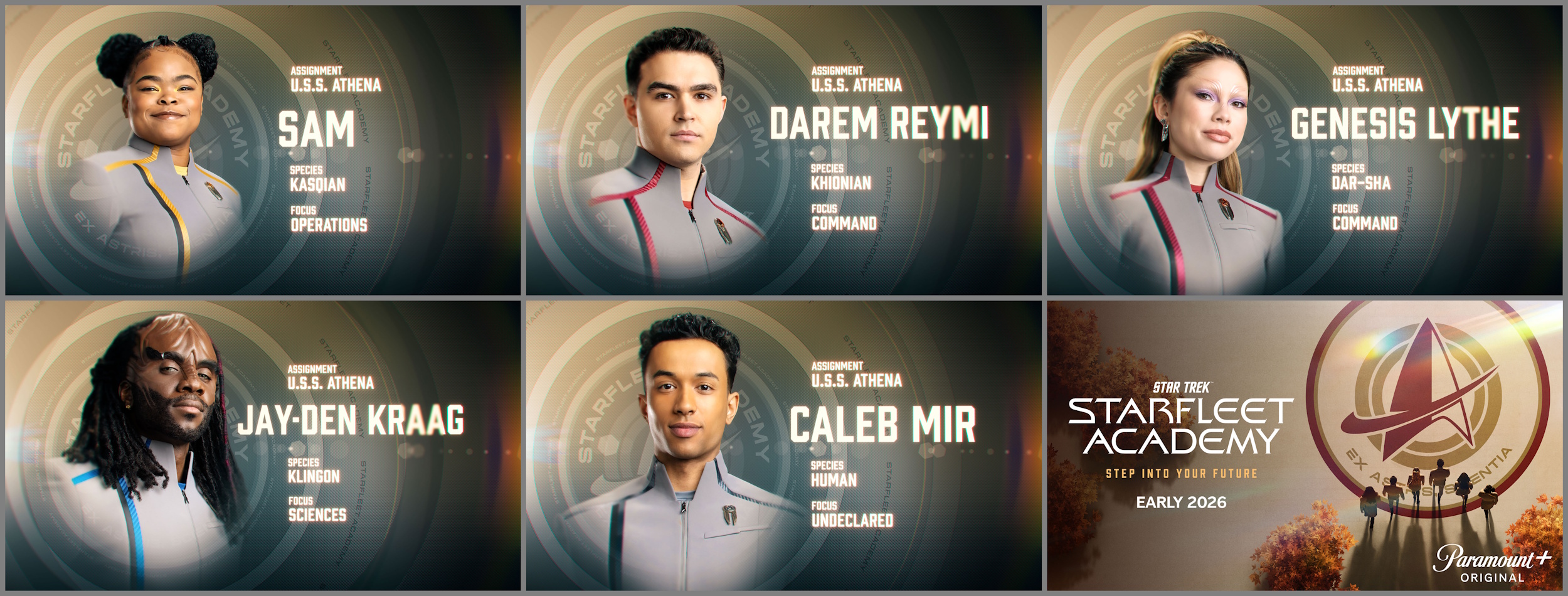
Promo images highlighting the main Star Trek: Starfleet Academy cadet characters; compilation.
Let’s take a look at the cadets.

It also goes without saying that all of this is *subjective, not objective,* so if you think I’ve missed the point, got it all wrong, or you just hate my take… that’s okay! There’s plenty of room in the Star Trek fan community for polite discussion and differences of opinion, and all I’m doing is offering my take on these characters at this very early stage. I could be wide of the mark or completely wrong, but I hope it’ll be interesting and perhaps a bit of fun to talk about Starfleet Academy once more before the series hits our screens.

I’ll be looking at the cadet characters only, not the senior officers, villains, or supporting cast. We know several of those already, and I don’t really have a lot to say about the likes of Captain Ake or Nus Braka that I haven’t already said across my other preview articles.

So with all of that out of the way, let’s get started!

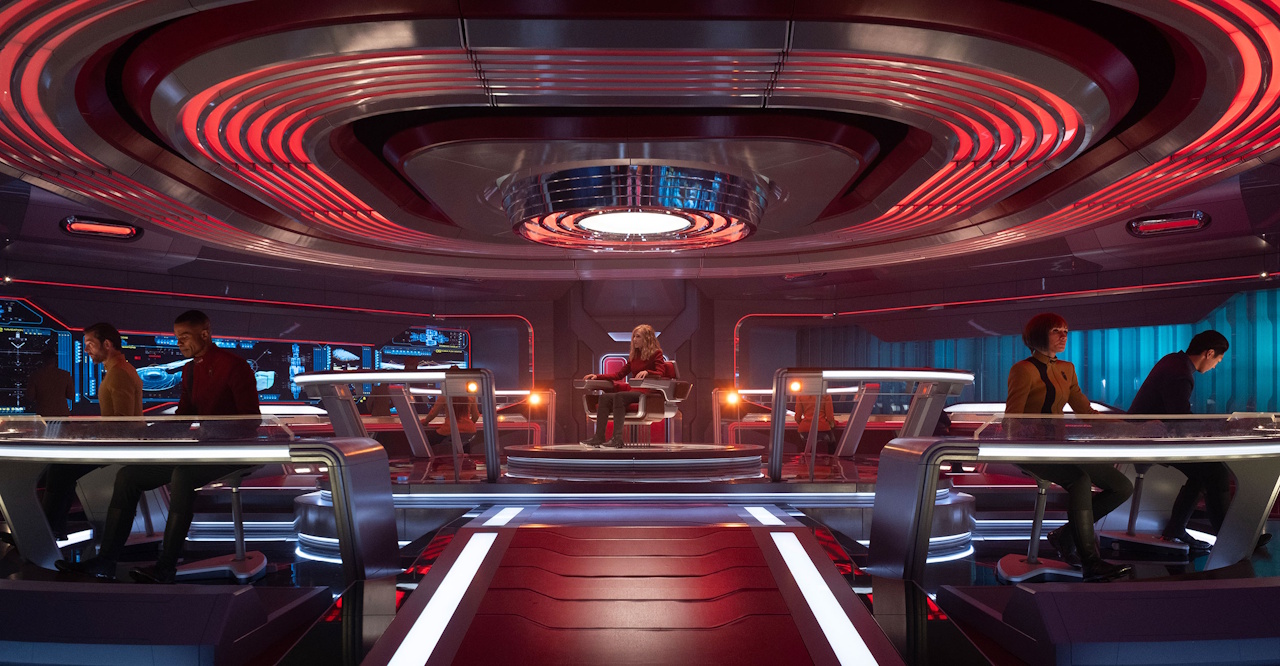
Promo image of the Star Trek: Starfleet Academy bridge.
The bridge of the USS Athena.

First, a general point. This is something I hadn’t considered until I started writing this piece, but I can’t shake the feeling at this preliminary stage that one of these characters is destined to be killed off – perhaps as early as the first or second episode. We saw this in Section 31, where the Deltan character Melle was a big part of the film’s marketing campaign, but only lasted a couple of minutes and got a grand total of one or two lines before being vaporised.

It can be a good ploy for a series that plans to go all-in on action, mystery, and tension. By setting up a group of characters, only to kill off one of them at an early stage, it raises the stakes in a pretty big way. And with these characters all being brand-new, it leaves us as the audience with the impression that *no one* is safe; that Nus Braka and his band of pirates(?) could attack at any moment, and our favourite cadet could be next on the chopping-block.

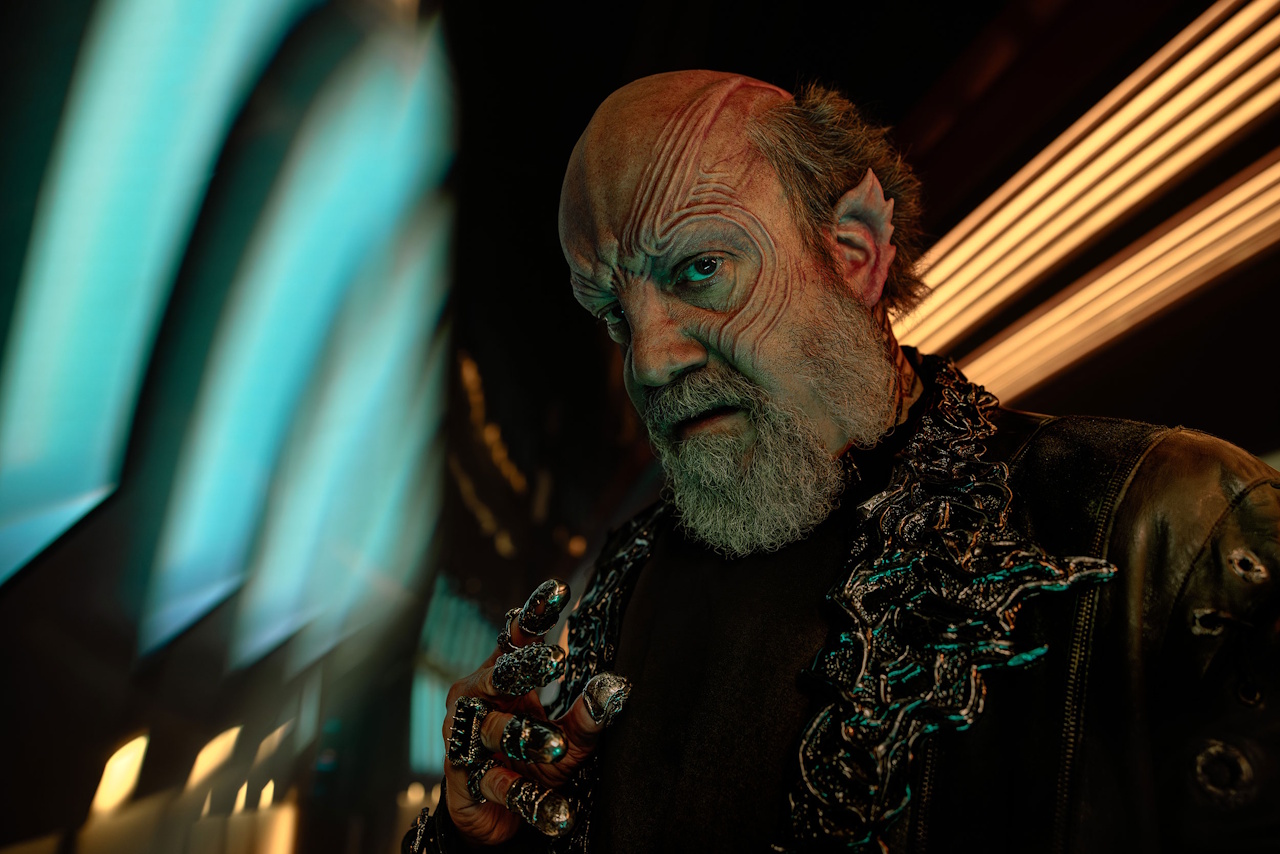
Paul Giamatti as Nus Braka in a still from the second Star Trek: Starfleet Academy promo clip.
Nus Braka.

Another reason why I feel this could be possible is that there are a couple of cadets who feel kinda… samey. Genesis and Darem are both on the command track, both want to be captain, and both seem to come from a demanding family background. Then Darem and Caleb almost seem interchangeable to such an extent that I forgot who was who when watching the trailers and reading their bios. They are, obviously, distinct characters… but Darem in particular just doesn’t seem to have as much to say as some of the others.

So could an early death be on the agenda? And if so, will it succeed at raising the stakes? For what it’s worth, I think that basic idea wasn’t the worst part of Section 31, and there was shock value in seeing a hyped-up main character killed off within the first few minutes. Whether it would work as well in Starfleet Academy is unclear, and if I’m already potentially expecting something like that… maybe it won’t land as hard. But I’ll be curious, at least, to see if I’m even close to being right!

Still frame from the Star Trek: Starfleet Academy trailer showing the main cadets.
Will everyone survive the opening few episodes?

Caleb, to me, seems like he’s being set up as kind of a deuteragonist, along with Captain Ake. He certainly seems to be the most-developed of the cadets narratively, and the character who seems to have the biggest connection to the show’s overarching story – barring any surprises from the others, that is. Caleb seems to be being positioned as the “main” cadet, perhaps even taking on a role not dissimilar to Michael Burnham in Discovery. Burnham was that show’s principal character, and it was her development, relationships, and story that was in focus a lot of the time. Starfleet Academy could be doing something similar with Caleb.

Of all the cadets, Caleb seems like the one most impacted by the aftermath of the Burn, too, and that’s something I hope Starfleet Academy will be able to make more of than Discovery ever did. I wrote a while ago that Discovery’s “post-apocalyptic” setting didn’t really stick the landing for me, and a big part of why is because of how quickly the Burn, its impact, and its aftermath were ignored after Season 3. Most characters we met and most storylines we saw either made the barest of references to the Burn or sidelined it entirely, and that just wasn’t very satisfying.

Still frame from the Star trek: Starfleet Academy trailer showing Caleb being rescued.
How was Caleb’s life influenced by the Burn and its aftermath?

Caleb, coming from a difficult background outside of the rump Federation, seems to have experienced the worst of the post-Burn galaxy firsthand, presumably prior to the discovery of the dilithium nebula and the restoration of much of Starfleet. That backstory is genuinely interesting, and through Caleb’s eyes we might get to see a bit more of what the galaxy looked like before Burnham and the USS Discovery began to put things right.

This could also tie into Caleb’s “undeclared” speciality at the Academy. I picked up on this a while ago, when all of the other cadets had their specialities (or majors, if you prefer) mentioned when we were introduced to them. “Undeclared” doesn’t necessarily mean that Caleb hasn’t yet chosen a speciality – command, science, medical, engineering, and so on. It *could* mean that he knows what track he’s on, but for some reason he can’t make it public. That could indicate he’s on some kind of security or intelligence course, which could be interesting.

Still frame from a Star Trek: Starfleet Academy promo clip showing Caleb.
Caleb.

If so, would that connect to his backstory as an orphan with a difficult upbringing? Could Caleb have an agenda for enrolling at the Academy – perhaps hoping to use his new Starfleet security and military skills to help the people he left behind? That could be interesting – all of the other cadets are there by choice, but maybe Caleb, who seemed to have his arm twisted into enrolling by Captain Ake, has a hidden agenda. Given modern Star Trek’s love for Section 31, Caleb’s “undeclared” major could also connect with that.

Romantically, Caleb seems to be linked with Tarima, a character we know very little about and who may not be as big a part of the show. A romantic entanglement definitely fits the whole “teen drama” thing that Starfleet Academy is going for, and if anyone was going to get a (presumably) rocky or complex romantic relationship, it makes sense that it would be the main cadet! I expect we’ll see something comparable to Burnham’s relationship with Booker in Discovery, but with more of a young adult/teen flavour.

Still frame from the Star trek: Starfleet Academy trailer showing Tarima and Caleb holding hands.
A romantic entanglement…

Tarima, who isn’t included as one of the “main” cadets in most of the show’s pre-release marketing, is described as being a “daughter of the president of Betazed,” which opens up a few interesting possibilities. There’s a remote chance, perhaps, that we’ll get a link back to Lwaxana and Deanna Troi, or just a reference to those characters. We could learn more about the Betazoids – I never knew, until now, that Betazed was a republic. Lwaxana’s very regal-sounding titles (Daughter of the Fifth House, Holder of the Sacred Chalice of Rixx, Heir to the Holy Rings of Betazed) always felt like they implied, to me, some kind of aristocracy at the very least, if not a theocratic or monarchical system.

Having a Betazoid character also opens up telepathy and empathic storylines, with Tarima perhaps able to “read” people the way Deanna Troi did in The Next Generation. She might be able to sense Nus Braka’s approach, for instance, or help guide Caleb (and others) with their own fears and feelings. Tarima says at one point that she’s “not like other Betazoids,” which is interesting, and I also noted that she isn’t wearing a typical cadet’s uniform in any images or clips we’ve seen of her so far, so she may not be a full cadet. A Betazoid character is also a nice callback to The Next Generation era, and even if Tarima isn’t a major player in the series, her inclusion is one of those threads of continuity that helps keep Star Trek together.

Still frame from a Starfleet Academy promo clip showing Tarima.
Tarima says she’s “not like other Betazoids.”

Sam (or SAM, in all caps?) confuses me. Why go to all the trouble of creating a sentient hologram – an A.I. – only to make them… go to school? I hope we’ll learn what the point of that was; previous holograms, from the Doctor to Professor Moriarty, emerge fully-formed, or at least equipped with the knowledge and skills they need to perform the roles they’re assigned. The Doctor, in Voyager, wasn’t created as a kid and forced to go to medical school; the whole point of making an A.I. (in Star Trek as well as in the real world) is that they can perform tasks humans can’t or supplement human skills. So… why create a holographic teenager and send her to school?

Also from Sam’s backstory we learned something a bit… I dunno. Disappointing, I guess. Sam will be the first-ever hologram to attend Starfleet Academy. But this is coming more than eight centuries after the Doctor first began to establish the idea of holograms having rights, and after Picard and the crew of La Sirena overturned a ban on synthetic life-forms. For so much time to have passed with no holograms being admitted to the Academy feels like it’s something that requires an explanation.

Still frame from a Starfleet Academy promo clip showing Sam.
Sam… or SAM.

One thing that interests me about Sam – and this could also apply to the Doctor, too – is how there’s the possibility to look at the development of artificial intelligence through Star Trek’s sci-fi lens. As far back as The Original Series, with episodes like The Ultimate Computer, the Star Trek franchise tackled the growth of automation, of A.I. “misalignment,” and through characters like Data and the Doctor, the idea of synthetic life as being akin to organic life. Sam’s inclusion in the series could set up similar storylines.

With A.I. being such a big deal at the moment – generating a ton of money, a ton of interest, and a ton of backlash – you could have hardly picked a better time to tell a story about a young, “newborn” A.I. system coming online, and having to learn how to interact with humans and other organic beings. There’s the potential, at least, for some very interesting allegorical storytelling through this character. And, as I said before when we first learned that Sam is a hologram, her interactions with the Doctor will be of particular interest.

Still frame from the Starfleet Academy trailer showing SAM and the Doctor.
Sam with the Doctor.

Jay-Den is an interesting name for a Klingon, isn’t it? Is that meant to be a joke; a silly reference to the name of someone on the production team? Or could there be more to the idea of a Klingon having a human-inspired first name? As far as I know, Jay-Den is a full Klingon – not like Nus Braka or Lura Thok, who are partial Klingons with other ancestry. And he’s also attending Starfleet Academy – a traditionally human-centric school based on the human homeworld. Is his name a clue to some kind of human ancestry or human-supporting Klingon faction, perhaps?

One thing that disappointed me after Discovery shot forwards in time was the lack of attention paid to the state of the galaxy at large. There are several major factions that we met across Star Trek’s history who were never even mentioned, leaving it totally unclear whether they even still existed as independent powers. The Klingon Empire was first amongst them. It seems, thanks to Jay-Den’s role in Starfleet Academy, that there’s the potential to learn a lot more about the Klingons in this era, and that can only be a good thing. It’s also interesting to note, in a time period populated by a lot of hybrid characters who are half-one species, half-another, that Jay-Den appears to be a full Klingon.

Still frame from the Starfleet Academy trailer showing Jay-Den Kraag sitting in a window.
Jay-Den aboard the USS Athena.

My two biggest questions would be whether the Klingon Empire eventually joined or merged into the Federation, or whether it remained an independent power. And secondly, what happened to the Klingons – independent or Federation members – during and after the Burn? One storyline that could have been interesting in Discovery, that the show never even attempted to tackle, would have been the reaction of other interstellar powers to the Federation being the source – and arguably the *cause* – of the Burn. It was a Federation member’s ship, operating under Starfleet orders, that was the epicentre of the Burn, and a Federation citizen who (unknowingly) instigated it. How would the Klingon Empire react to that information?

And more broadly, what happened to the Klingons after the Burn? Given that we didn’t see a single Klingon in Discovery, we could assume that they weren’t full Federation members, right? But then… how is Jay-Den a Starfleet cadet? Would Starfleet really give priority to a non-Federation citizen right as the Academy re-opens, when surely there would be millions of Federation citizens who’d want to apply? Those are interesting ideas that this character could explore. At the very least, the status of the Klingons, their Empire, and their possible Federation membership will all be points that Jay-Den’s storylines could touch on.

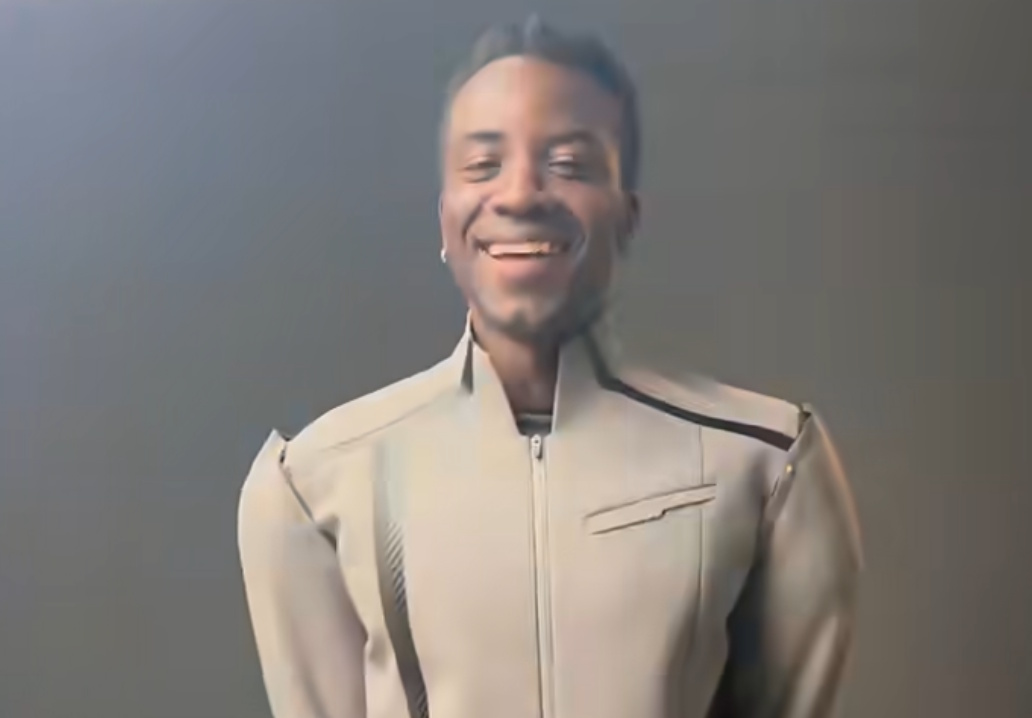
Still from a behind-the-scenes promo clip for Star Trek: Starfleet Academy showing Karim Diané's uniform test.
Actor Karim Diané during a costume test.

Genesis is the cadet who left the least significant impression on me. The only thing I put in my notes about her is that she’s the daughter of a Starfleet admiral, and she’s on the command track, which seems to lead her to butt heads with Darem at one point. The only Starfleet admiral we’ve met and who we know has a role in the series is Vance – and we know, from Discovery, that he has a wife and daughter. Those characters looked human when we caught a glimpse of them, so unless there’s a retcon, I doubt Genesis is meant to be connected to Admiral Vance… but it’s not impossible, I guess.

Through Genesis, we could get a story about living in the shadow of an illustrious parent – something a *lot* of Hollywood writers, producers, and performers have experience with! We could get a story about overcoming those connections, perhaps with Genesis trying to make a name for herself on her own terms, or having to combat the idea that she is, for want of another term, a “nepo baby.” Maybe we’ll even learn that her admiral parent pulled some strings to get her into the Academy ahead of other candidates… that could be interesting. A kind of “Operation Varsity Blues,” Star Trek edition.

Still frame from a Starfleet Academy promo clip showing Genesis.
Genesis.

Honestly, though, I don’t really have a lot to add about Genesis. Her species, the Dar-Sha, appear to be new to the franchise, and despite some apparent visual similarities, don’t appear to be connected to the villainous Nus Braka, who’s described as part-Klingon, part-Tellarite. Maybe it’ll be interesting to learn about her people; if one of her parents is a Starfleet admiral, the Dar-Sha could be longstanding Federation members, perhaps.

Darem, as mentioned, seems to be a character who has some traits similar to Genesis and Caleb. He’s the second command track cadet, along with Genesis, and aside from potentially pitting them against each other, I’m not really sure what that will add to the series. If I had to pick one cadet for my “killed off early to raise the stakes” theory, I think it’s gotta be Darem.

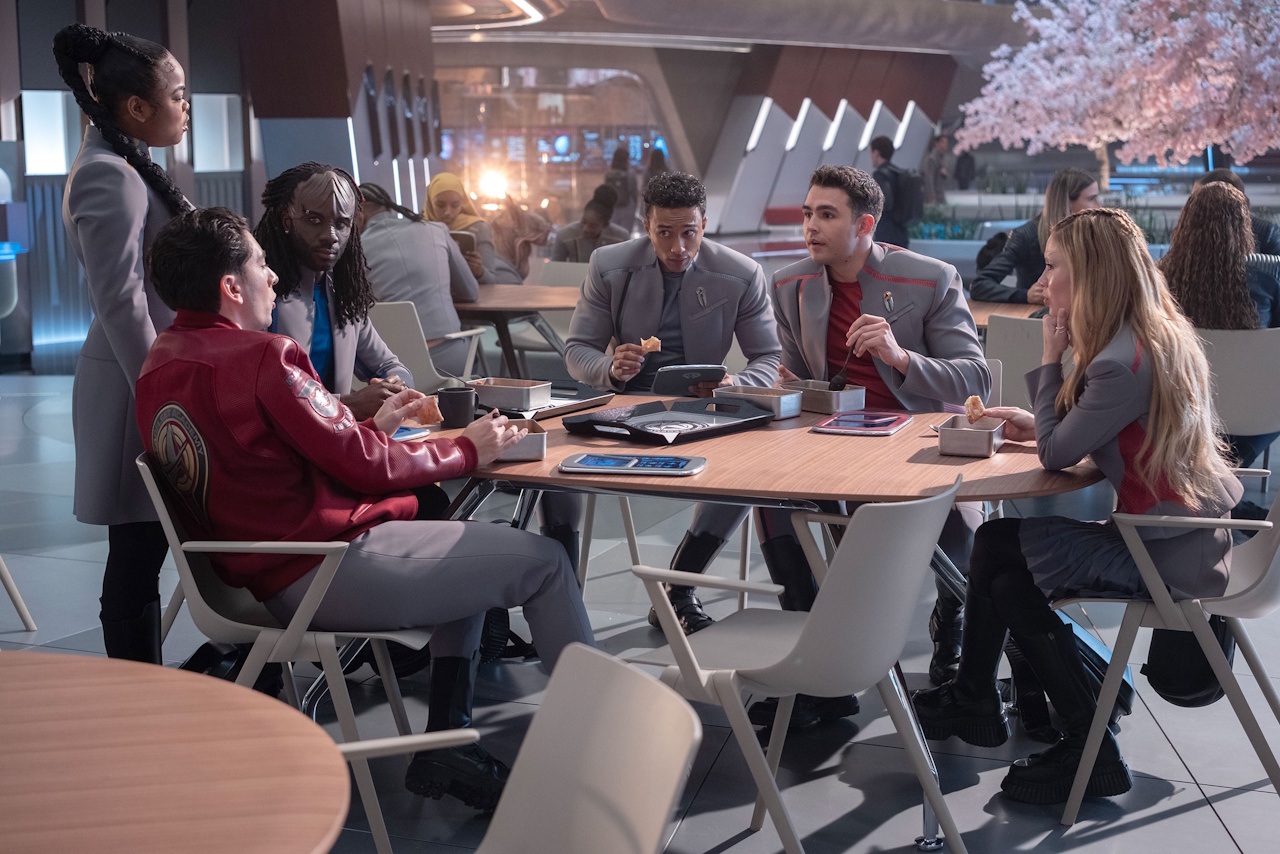
Promo photo for Star Trek: Starfleet Academy showing cadets in the cafeteria.
Darem with the other cadets.

At one point, we seemed to hear other cadets chanting his name, which could mean he’s popular among his peers – another point in favour, perhaps, of my “kill him off” theory! And Darem, supposedly from a wealthy background, could have something to say, perhaps, about wealth inequality in the university admissions process. Darem isn’t human, he’s a Khionian, which seems to be another new species created for the show. Though there are two similarly-named species – one extinct and one made of pure energy – that we’ve seen in Star Trek before.

One question I’d have about Darem, or rather his family, is where their wealth comes from. If they’re Federation members, surely they conform to the “no money” idea that’s been present in Star Trek since the beginning. But in the post-Burn galaxy, it seems like the way to get rich probably isn’t by behaving ethically. So there’s that – and there’s the same kind of question I had with Genesis: did wealth have any bearing on the admissions process when Darem wanted to attend the Academy?

Still frame from a Starfleet Academy promo clip showing Darem.
Am I right about Darem?

So I think that’s all I have for today.

Starfleet Academy is only a couple of weeks away from its premiere, and I will certainly be reviewing the two-part start to the season. I still haven’t decided whether I’ll do individual episode reviews after that, or whether I’ll review the entire season in a single piece. I think it’ll depend on whether I feel there’s a lot to say, whether I have theories I want to write, and so on! But at the very least, you can expect a review of the premiere in a couple of weeks’ time, and a review of the season as a whole after it wraps.

I hope this has been interesting. After Skydance-Paramount produced those little vignettes about the cadets, and teased a little more information about them, I wanted to talk about what we learned, speculate, and preview where some of their character arcs might go. I could be totally wrong with all of it… but it’s still a bit of fun to spend a bit more time in the Star Trek galaxy! Be sure to join me for that review of the premiere, and until then… Live Long and Prosper, everyone!


Star Trek: Starfleet Academy will premiere on the 15th of January 2026 on Paramount+ in countries and territories where the service is available. The Star Trek franchise – including Starfleet Academy and all other properties discussed above – is the copyright of Skydance/Paramount. This article contains the thoughts and opinions of one person only and is not intended to cause any offence.
Starfleet Academy: The Final Preview

A Star Trek-themed spoiler warning

Spoiler Warning: There are spoilers ahead for Star Trek: Starfleet Academy. Spoilers are also present for the following Star Trek productions: Discovery, Picard, and Prodigy.

At time of writing, we’re just over five weeks away from the premiere of Star Trek: Starfleet Academy! Paramount/Skydance has begun ramping up the show’s marketing, with interviews, a new poster, and most recently, a new clip from the show. I thought we could take a look at those today, as well as look back at earlier trailers and teasers, and just talk a little about my thoughts, fears, and hopes for the Star Trek franchise’s newest series.

First of all… I still feel, based on what we’ve seen and heard since the Skydance takeover, that Starfleet Academy will be the final Star Trek series, at least for the foreseeable future. And unless it were to truly explode in popularity, storming the streaming charts to genuinely compete with the likes of Wednesday, Squid Game, and Stranger Things, I also feel increasingly confident that the two already-announced seasons will be all the show will get. This is not one of Skydance’s pet projects, and I get the impression that – as with Strange New Worlds – Star Trek’s new corporate overlords will fulfil their contractual obligations, but won’t pursue any kind of continuation for the series beyond what had already been lined up. I could be wrong – and I hope Starfleet Academy will prove such an overwhelming hit that it prompts a rethink in the Paramount-Skydance boardroom! But that’s where I feel the show, and the wider franchise, are at right now.

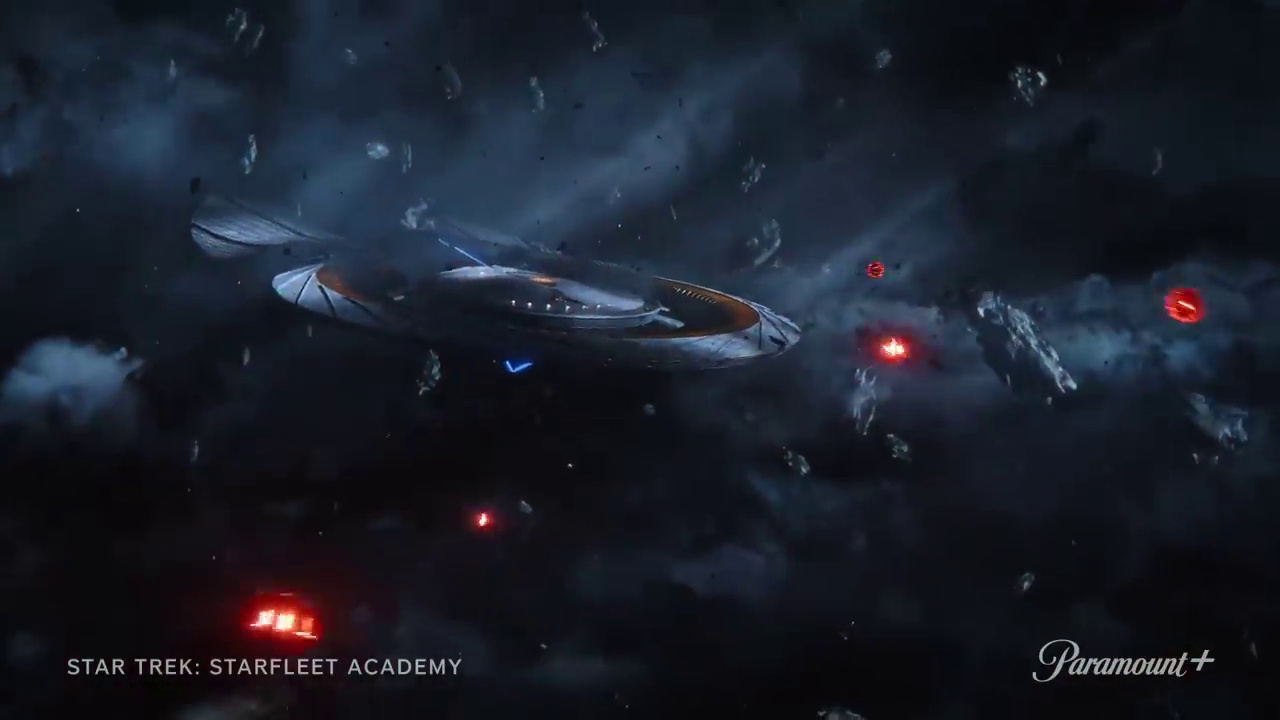
Still frame from the Star Trek: Starfleet Academy promotional clip showing the USS Athena.
The USS Athena.

And from that negativity to… some more negativity. Sorry.

I… did not think very much of the new clip, to be blunt. Don’t get me wrong: there are some interesting things and some great acting performances, and it was wonderful to see the Doctor back in live-action for the first time. But there are also some pretty disappointing things to see, one of which ties into something I’ve been saying about Starfleet Academy since before the show was even officially announced: this didn’t need to be a serialised story with another galaxy-threatening, over-the-top villain.

Paul Giamatti is *fantastic.* I loved him in the miniseries John Adams a few years ago, and this is a man who’s won three Golden Globes, an Emmy, and been nominated for two Academy Awards. Giamatti was talking about Starfleet Academy at a recent promotional event, and he seems genuinely enthusiastic about Star Trek, recalling watching the show as a kid, and even talked positively about Deep Space Nine. Which makes it such a shame that, from everything I’ve seen of his performance in the previous trailer and now in the new clip, he seems flat, one-note, over-the-top to a totally unnecessary degree, and just… boring.

Still frame from the Star Trek: Starfleet Academy promotional clip showing Nus Braka laughing.
Do you see what I mean?

Star Trek *can* do great things with bad guys who get under your skin and really chew the scenery. Khan was like that, if you think about it, and yet fans adore both Space Seed and The Wrath of Khan to this day. But in this modern era, after we’ve had Discovery’s Klingons, the Control AI, the Zhat Vash, Osyraa and the Emerald Chain, various Borg Queens, the Diviner Vadic, Moll, and… whoever else I can’t call to mind right now, do we need *yet another* villain in that mould? After we’ve had so many “villain with a mysterious connection to a main character,” and “villain seeking revenge against Starfleet/a main character” storylines across the past decade… do we need to go down that road again?

To me, Starfleet Academy seemed like the perfect vehicle to do something different. The show would benefit, in my opinion, from following the Strange New Worlds style – leaning much more heavily on episodic storytelling, and leaving things like a main villain and galaxy-ending threats behind. Star Trek, in its prime, was the best kind of episodic television, and while there’s always been room for sequels, character growth, and ongoing story and character arcs… a show like Starfleet Academy, with its focus on a new generation of up-and-coming officers, just seems like it should be perfectly placed to bring back that style of storytelling.

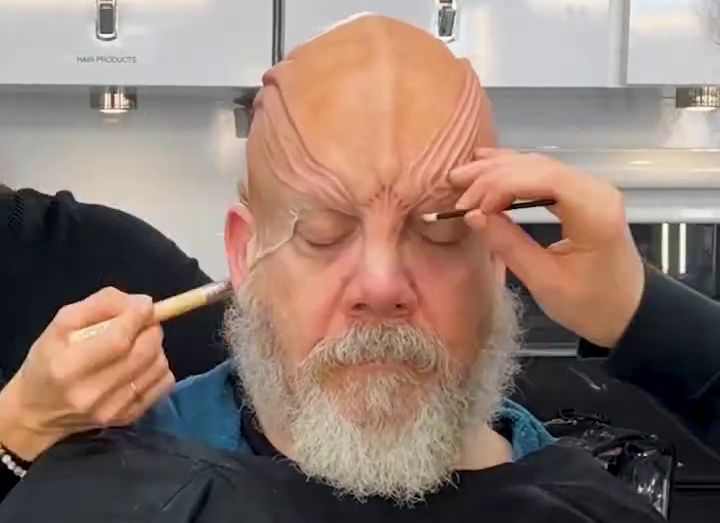
Still frame from a Star Trek: Starfleet Academy promo video showing Paul Giamatti in the makeup chair.
Paul Giamatti in the makeup chair.

Maybe, if Nus Braka didn’t seem so cartoonishly over-the-top, I’d be a bit less critical. And despite what I’ve said, I really will try to give the character – and Starfleet Academy – a fair shake in January. I’m not going to turn up for the show wanting to have a bad time, just so I can say “I knew it” later on. But when one of the things that had excited me the most about Starfleet Academy, before we knew anything else about the show, had been the casting of Paul Giamatti… I’m decidedly unimpressed with what I’ve seen from him so far.

If there’s more subtlety and nuance to the character of Nus Braka in Starfleet Academy, I will happily take back everything I’ve had to say about the character and the performance. And I’ve been wrong before – going into projects with low or no expectations only to be left genuinely impressed. Heck, I was not on board with the idea of re-casting Pike, Spock, and Number One for Discovery’s second season… and look how that turned out! So if I’m wrong, I’ll gladly hold up my hands and admit it. But… if I *am* wrong, and this character isn’t the one-note, scenery-chewing villain stereotype that he seems to be, it’ll leave me wondering why the clips and trailers were cut in such a way as to leave me with that impression!

Promotional photo of Paul Giamatti as Nus Braka in Star Trek: Starfleet Academy.
Nus Braka.

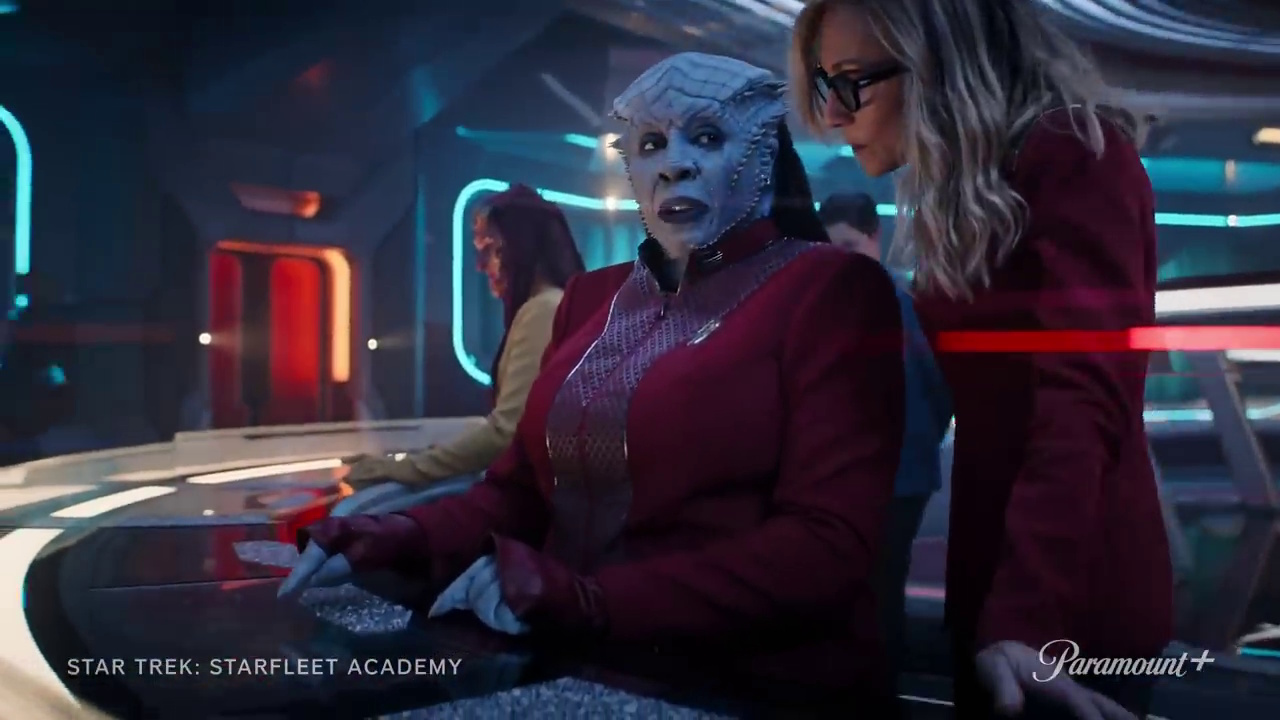
The second performance from the recent clip that’s giving me pause is Gina Yashere’s. Yashere plays the role of Lura Throk – an interesting character on paper, as she’s half-Jem’Hadar, half-Klingon. But the way she delivered the couple of lines she had in the clip really just felt amateurish to me. I’m only familiar with Yashere’s work as a comedian; several of her stand-up specials were televised here in the UK, and she also appeared a few times on a comedy panel show called Mock the Week.

Lura Thok *looks* great – there’s some fantastic prosthetic makeup that’s really brought the character to life. And I’m genuinely intrigued at the possibility of learning more about the Jem’Hadar – and by extension the Dominion, perhaps – in this new 32nd Century era. But the way she delivered her lines left me incredibly wary and unconvinced; it felt like I was watching a fan film, when Lura Thok was in focus. Again, these are short moments, and the performance may come across way better in the finished product. But… this is Starfleet Academy’s big push, and the show should be putting its best foot forward to attract as wide of an audience as possible. Performances like that are not the way to do it.

Still frame from the Star Trek: Starfleet Academy promotional clip showing Lura Thok and Captain Ake.
Lura Thok with Captain Ake.

After criticising those two performances, I find myself wrangling with Starfleet Academy’s status and its place in the franchise. When I’ve spoken about two other Star Trek projects in the past – Prodigy a few years ago and Scouts earlier in 2025 – I went out of my way to note that they’re productions aimed at a younger audience. That, by definition, changes how we approach them and where we might choose to be critical. In short, Prodigy and especially Scouts aren’t really being made for the likes of you and I – adult fans who’ve been Trekkies for a long time. They’re aimed at children, with a view to expanding the Star Trek franchise beyond its usual niche.

Is Starfleet Academy in the same camp? Or, to put it another way, am I being too harsh on the show already under the mistaken impression that, because it’s in live-action not animation, it should be held to the same standards as the likes of Strange New Worlds?

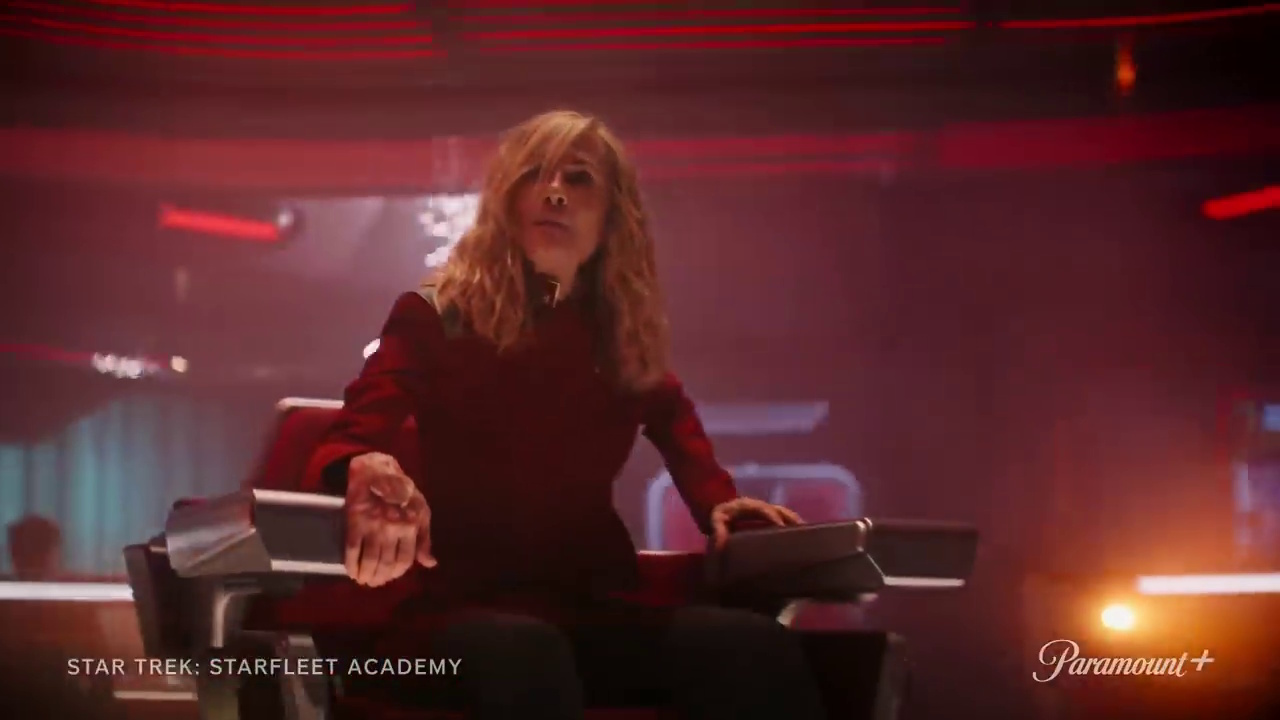
Still frame from the Star Trek: Starfleet Academy promotional clip showing Captain Ake in the captain's chair.
Nahla Ake in the captain’s chair.

This gets to a deeper question, I guess. What’s the purpose of Starfleet Academy? Is it to give Trekkies and sometime fans of the Star Trek franchise another show to enjoy? Or is it aiming to attract a younger audience – tweens, teens, and young adults, the kinds of folks who’ve shown up in droves for the aforementioned Wednesday and Stranger Things? And if it’s the latter… should we be a bit more forgiving about some of the things we don’t like?

Some entertainment products which are supposedly made for kids or aimed at a younger audience end up going way beyond their target demographics. I have a neighbour who’s in his 80s, and in a random conversation with him he brought up that he’d watched and enjoyed Wednesday, having been a fan of The Addams Family decades earlier. And speaking for myself, I greatly enjoy some films and TV shows aimed at a younger audience: just this year I’ve watched and enjoyed Phineas and Ferb, for instance, and the film KPop Demon Hunters. So I don’t necessarily think that the argument “it’s for kids, dumbass” can or should be used to cover any and all flaws; there’s good and bad kids’ entertainment, just as there’s good and bad entertainment made for adults. But, at the same time, Starfleet Academy’s marketing material has shown me pretty clearly that, as someone in their 40s, I’m not really the target audience for a show about young adults at their equivalent of university. And I’m okay with that!

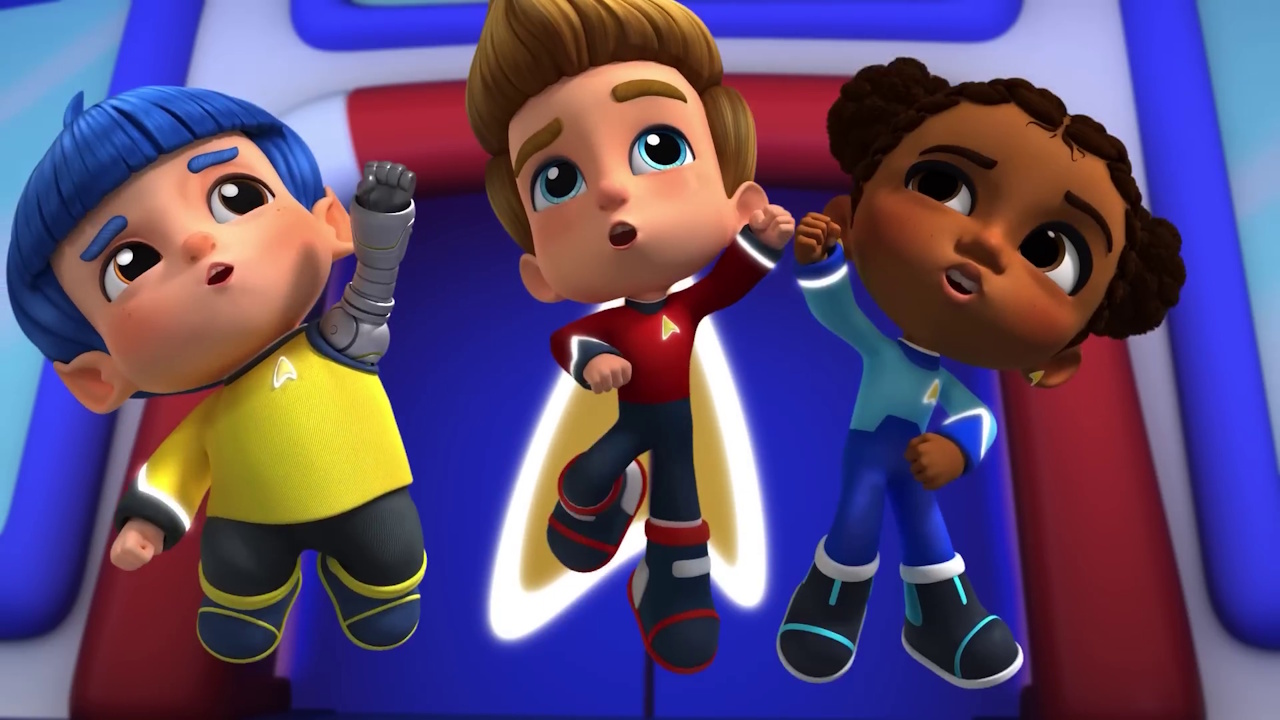
Still frame from Star Trek: Scouts showing the three main characters.
Star Trek: Scouts is a new web series aimed at a preschool audience.

I want to judge Starfleet Academy as fairly as possible, and meet it where it is, on its own terms. This is something I’ve said before on multiple occasions – earlier this year, for instance, I wrote that Star Trek: Section 31 felt, to me, like a perfectly adequate B-movie; not great, not terrible, the kind of mindless action flick that’s the television equivalent of “easy listening” and that doesn’t demand much thought or attention. When I realised that I was watching a B-movie, I kind of went with it. While I get that there was a lot of disappointment in the fan community around Section 31, on its own terms, it was okay. Not the best thing I’ve ever seen the franchise put out… but in context, it was fine.

So… shouldn’t I try to be consistent and hold Starfleet Academy to that same standard?

Rather than judging Starfleet Academy by the standards of Picard and Strange New Worlds, I think – based on what I’ve seen so far – we need to compare it to something like… Dawson’s Creek or The O.C. It’s clearly being pitched to younger folks as a “teen drama” set in the Star Trek universe, not a Star Trek show which just happens to have young adult characters. And maybe that means we’ll get storylines about first loves, skipping class, overly-strict teachers, and all of the tropes that come with that kind of television. That isn’t usually my cup of tea… but I will try to keep that in mind when I talk about Starfleet Academy and the stories it aims to tell.

Still frame from the Star Trek: Starfleet Academy trailer showing the cadets.
The main cadet characters, as seen in the first trailer.

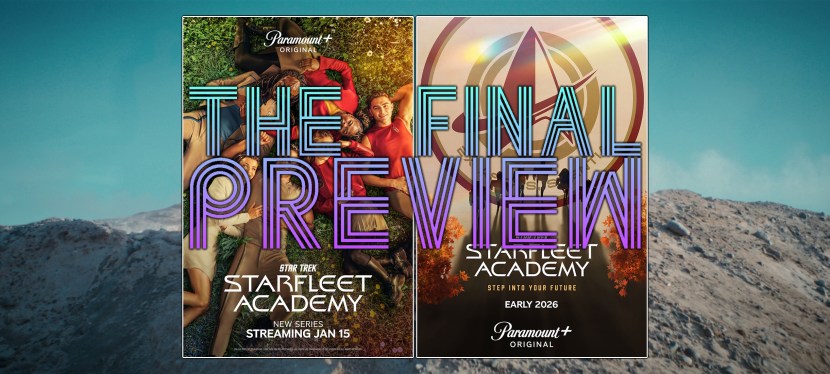
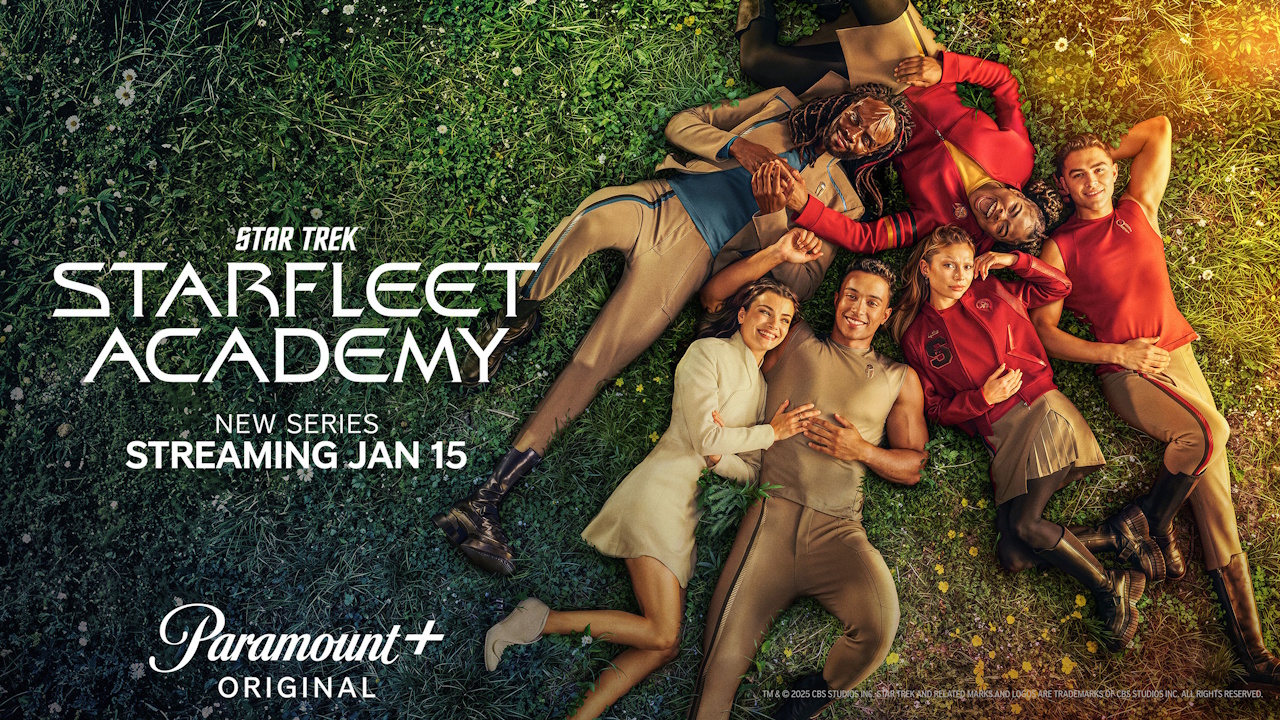
The recently-released poster also leaves that impression. I’ve seen some Trekkies online complaining about or criticising the poster – which depicts the cadets in a casual pose, lying on the grass, presumably in between classes! It evokes a kind of carefree schooldays feel, as if the characters are taking a break from their lessons and whatever personal conflicts or drama may be brewing.

Again, trying to keep in mind who Paramount-Skydance is trying to appeal to… I think that’s probably a good way to go. If the objective is for Starfleet Academy to be a teen drama first and a Star Trek show second, this kind of promo is *exactly* what I’d have suggested. It doesn’t mean we’ll get to see the poster recreated in the show itself, but rather the sensation or feeling that the designers and marketers wanted to create is one of carefree youth. Hopefully it’ll reach the right eyes and convince some new folks to tune in.

Promo poster for Star Trek: Starfleet Academy (landscape version).
The new promotional poster.

To get back to the latest clip, I’m glad we got to see the Doctor in action. Robert Picardo seems to have slid effortlessly back into the role, and I’m really keen to see what this new take on the character will look like. We’re catching up with the Doctor centuries after we last saw him, though I got the impression from a recent interview that *maybe* the Doctor’s holo-programme hasn’t been running continuously for all of that time. Don’t quote me on that, it’s as much a guess as a “theory,” at this stage!

Although the Doctor will clearly have some kind of role as an educator, the clip showed him back in action, tending to and potentially treating wounded cadets and Starfleet personnel after the attack on the USS Athena. Even if that’s the only time the Doctor plays that kind of role… I’m still glad to see it! As an artificial life-form, the Doctor should retain all of his knowledge and skills, even after all this time. I hope the Doctor’s role won’t just be a succession of short cameos, though. There are only ten episodes in the new season, and we’ve got a whole new cast of characters to meet and new storylines to follow. But if Star Trek is gonna do this – bring back another legacy character – they have to be handled with care, and given enough time in the spotlight to feel like they’re there for a purpose. Otherwise… it’s just a nostalgia play to get grumpy old gits to tune in for this new kids’ show!

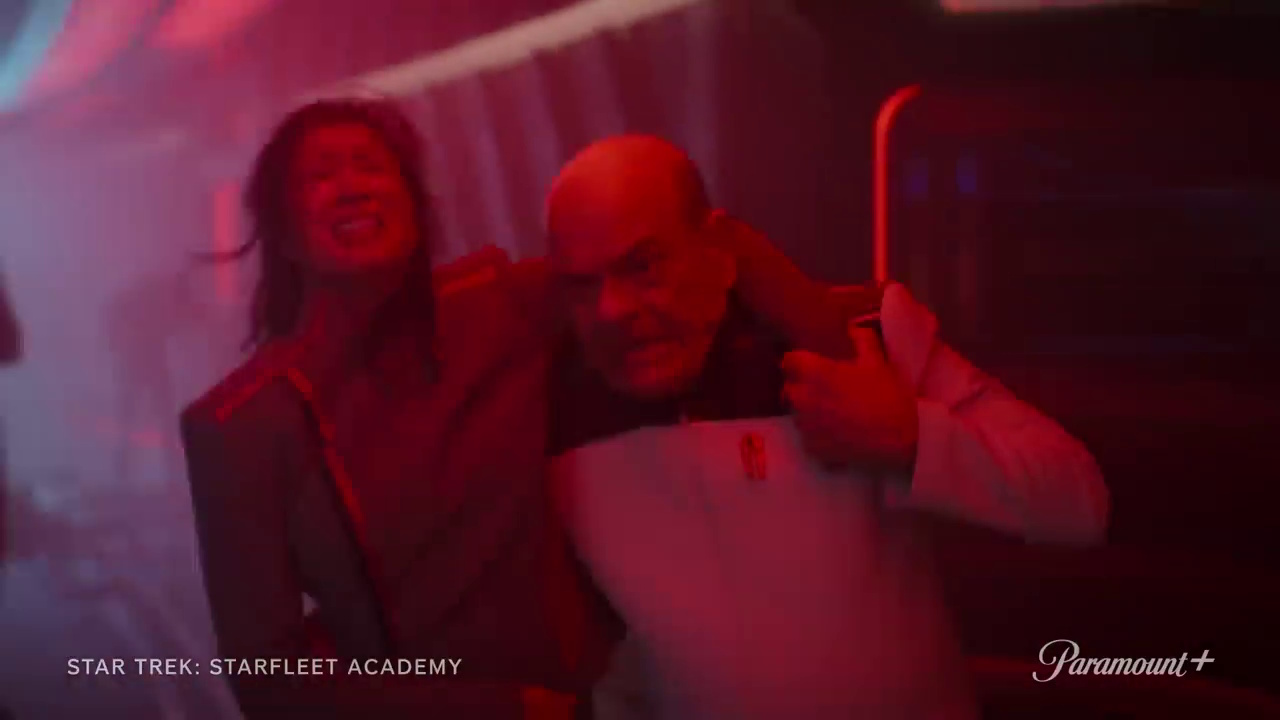
Still frame from the Star Trek: Starfleet Academy promotional clip showing the Doctor assisting an injured colleage.
The Doctor… and the patient.

We didn’t see very much of the cadets in the recent clip. A scene on the bridge with Captain Ake was interesting – and we’ve learned fairly recently that she’s a Lanthanite. The Lanthanites are a long-lived humanoid species, of which Pelia, from Strange New Worlds, is the only member we’ve met so far. I wonder if there’ll be a connection between them, or some kind of reference to Pelia in the new series.

Holly Hunter, the Academy Award-winner who plays Captain Ake, was far and away the standout performer in the recent clip. She seems to have perfectly brought to life this character who’s both a captain and a teacher, ancient and wise yet constantly surrounded by children. There wasn’t much of Pelia’s light-heartedness in Captain Ake’s characterisation, but that’s fine. I don’t think that, just because one member of a species acts a certain way, every subsequent character must do the same! I’m not sure how I feel about her choosing to wear glasses, though – but perhaps it’ll be explained that that’s a quirk she’s retained after centuries of life? I dunno.

Still frame from the Star Trek: Starfleet Academy promotional clip showing Nahla Ake.
Captain Nahla Ake.

I’m not *wild* about the design of the USS Athena. To be fair, I don’t think what I’ve seen of the exterior of the ship is atrocious, and it’s probably in line with other 32nd Century Starfleet designs that we saw in Discovery… but I wasn’t especially keen on those, either. Inside, the bridge still feels to me like a redress of the USS Discovery bridge set, rather than a totally original creation. Combined with an exterior that doesn’t feel all that special, the USS Athena just doesn’t strike me as being particularly memorable. When I think about some of the best starship designs, my mind goes to iconic vessels like the Excelsior-class, Galaxy-class, or Intrepid-class. All I can say is that I hope the Athena will grow on me over the course of the show.

One thing I did like, though, was the design of Braka’s ship. Three separate pieces seem able to break apart and come together. It reminded me of a cross between Booker’s ship, which we saw in Discovery, and the USS Prometheus from Voyager, which also had a three-part separation sequence. Perhaps there was also a dash of the Shrike – Vadic’s ship from Picard – thrown in there, too. Certainly a more memorable design than the Athena!

Still frame from the Star Trek: Starfleet Academy promotional clip showing a villain's spaceship.
Nus Braka’s three-part ship.

The callback to Discovery’s programmable matter was interesting – but I hope this will be developed a bit more in the new series. In Discovery, programmable matter was basically a glorified macguffin, used to fill holes in a few storylines but without ever really being explained. Star Trek’s technobabble has always been like that, but if programmable matter is as important to Starfleet in this era as it appeared in Discovery, and is going to be used by the villain of this story, I hope we get to look at it in a little more detail this time.

One thing I noted in the clip was that Caleb – the cadet we saw being rescued by Captain Ake, and who seems to have a mysterious connection to Nus Braka – didn’t know what this programmable matter attack was. Does that tell us something, perhaps, about his life prior to enlisting in Starfleet? I thought it was potentially interesting that, of all the cadets who could’ve filled that role, it was Caleb who was the one to get the “what is that?!” line. It could be nothing of consequence, though, if Starfleet Academy ends up following Caleb’s story more closely than those of the other cadets.

Still frame from the Star Trek: Starfleet Academy promotional clip showing Caleb and Kraag.
Does this moment mean… anything?

I think that’s everything I had in my notes for today.

This time last year, I said that I was sceptical about the Section 31 TV movie. I felt that it was targeting a younger audience, raised on action and superhero flicks, and that that kind of film might not be to my taste. But I tried to set appropriate expectations and gave the film as fair a shake as I could. I will endeavour to do the same for Starfleet Academy, which likewise feels like a project that may not be “my thing.”

I hope this has been interesting, and I hope I didn’t come across as too harsh, unfair, or overly negative. I really will try to be fair to Starfleet Academy when it premieres next month, and to go into the show with an open mind. Even if it is the kind of teen drama that I’m assuming, based on its marketing material, that doesn’t, by default, mean it will be unenjoyable! The clip may not have impressed me, and I do have some concerns about the show’s villain and a potential return to serialised storytelling. But I’m also crossing my fingers and hoping that – finally, belatedly – *this* will be the project to bring a new generation of fans to the Star Trek franchise.

Still frame from the Star Trek: Starfleet Academy promotional clip showing the programmable matter attack.
The programmable matter attack…

In January, I plan to review Starfleet Academy’s premiere, which I think I’m right in saying will be two episodes. After that, I will make a decision about whether or not to review individual episodes or the season as a whole – that’s not something I want to commit to until I’ve got more of a feel for the show. But regardless, I will review Starfleet Academy in some form in the new year, so I really hope you’ll join me again for that.

And until then, I’ve still got a couple of other reviews from 2025 that I’m working on, and later in the month there’ll be my annual End-of-Year Awards, in which I’ll hand out some imaginary trophies and made-up statuettes to some of my favourite entertainment experiences of the year. Hope to see you for some of those!

Live Long and Propser, friends!


Star Trek: Starfleet Academy will premiere on the 15th of January 2026 on Paramount+ in countries and territories where the platform is available. Star Trek: Starfleet Academy is the copyright of the Skydance-Paramount corporation. This preview contains the thoughts and opinions of one person only and is not intended to cause any offence.
Starfleet Academy: The First Trailer (And More!)

A Star Trek-themed spoiler warning.

Spoiler Warning: Beware of spoilers for Season 1 of Star Trek: Starfleet Academy. We will be discussing casting, photos, posters, the trailer, and comments from the team behind the series. Spoilers are also present for the following Star Trek productions: Section 31, Picard, Discovery, and Voyager.

It’s Comic-Con season, which means Paramount has rented some very expensive auditoriums to preview some of its upcoming projects! Among those are several new seasons of Star Trek. This time, we’re going to take a look at some of the photos, news, and of course, the first trailer released for Starfleet Academy.

Star Trek needs to demonstrate that it can grow; it needs to be more than just the preserve of people my age, reminiscing about the shows we enjoyed in the 1990s. If there’s going to be a future for Star Trek beyond the second half of the 2020s – which, with all of these cancellations, and a corporate merger to boot, is categorically not guaranteed – new fans and especially younger fans need to get on board. Star Trek needs these people to show up in droves, and ideally stick around and watch other shows, too. We can’t afford to be gatekeepers or try to push people out – it’s up to us to ensure that the Star Trek fan community is a welcoming place for newcomers.

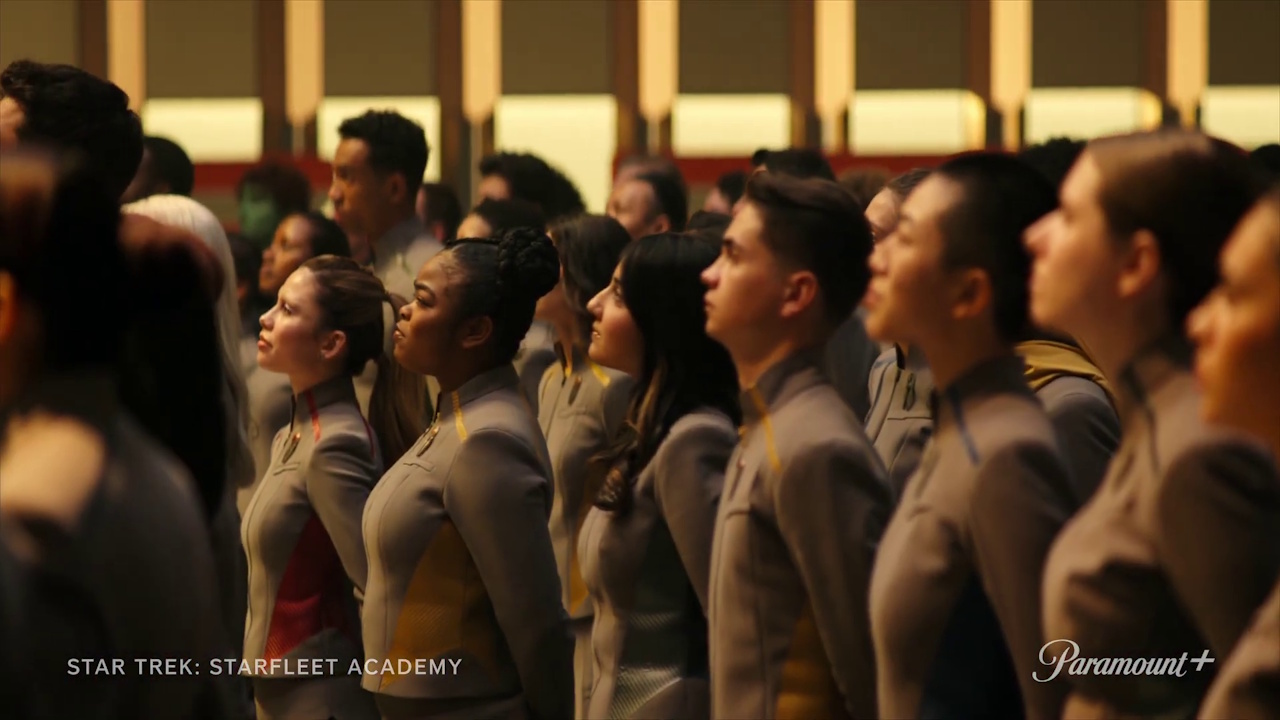
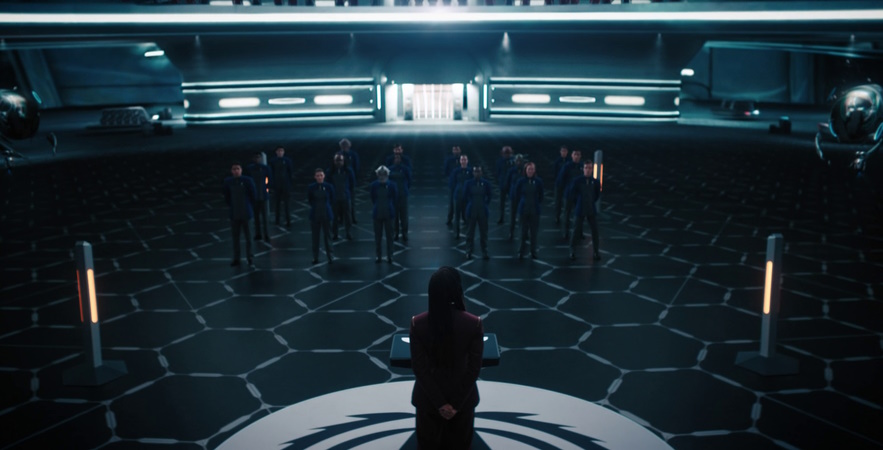
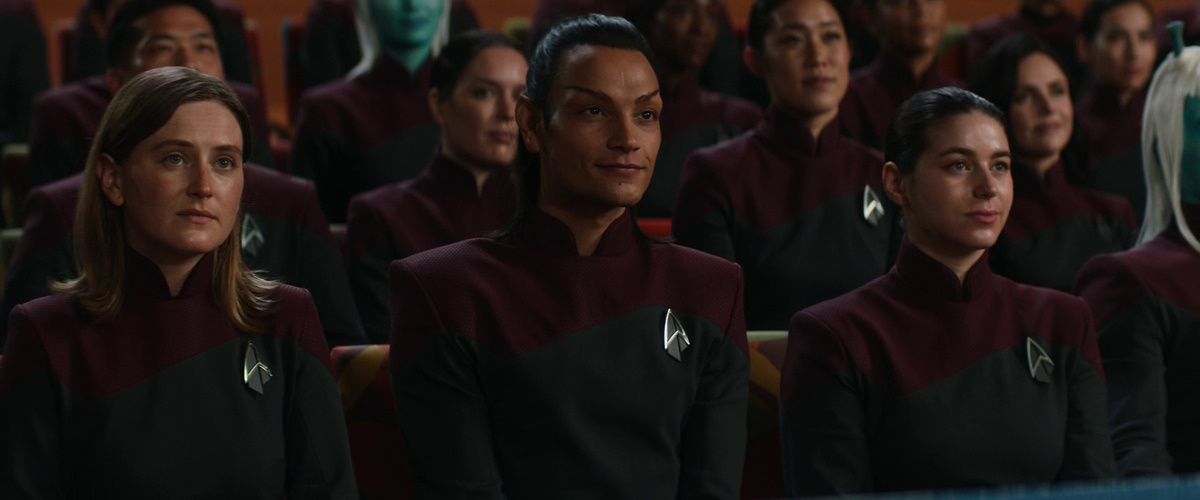
Still frame from the Star Trek: Starfleet Academy trailer showing a large group of cadets listening to a speech.
Here’s hoping Starfleet Academy will bring in new viewers and new fans!

Paramount has made attempts to do this already. We saw it with Prodigy and we saw it with Section 31. Prodigy didn’t succeed because of corporate decisions on the Paramount side – absolutely moronic decisions, to be blunt about it. And Section 31 was a perfectly adequate action-heavy B-movie, but probably not the kind of film that could bring in legions of new fans. Again, corporate idiocy is partially to blame; forcing the Section 31 folks to condense a story written for a full TV series into the runtime of a single film instead of commissioning an all-new script being the most obvious example.

After these failures to grow the Star Trek brand and fan community, Paramount’s hopes now lie with Starfleet Academy. And while the Skydance merger could present a new opportunity for Star Trek on the cinematic side of things, on television/streaming… this feels like the last chance saloon for the franchise, I’ll be honest with you. If Starfleet Academy doesn’t prove that Star Trek still has room to grow and can appeal to a younger generation of television viewers, I don’t see how Skymount or Paradance (or whatever the new corporate entity will be called) could reasonably justify spending more money on the franchise. As we’ve discussed before, the next few years could bring the final seasons and episodes – certainly the last ones I’ll get to see.

Sorry if that’s a bit of a depressing note to start on, but I wanted to be up-front about the challenges Star Trek is facing right now – and the hopes riding on Starfleet Academy to potentially turn things around.

Still frame from the Star Trek: Starfleet Academy trailer showing Captain Ake in the captain's chair.
Captain Nahla Ake.

With all of that out of the way… what did I think of the trailer? And of the other announcements and comments? Well… it’s early days, but I’d say it looks reasonably good at this stage. The visual language of Star Trek is present – even though, in this 32nd Century setting, some of that is diminished or just a bit different. But Starfleet Academy feels closer to past iterations of the franchise than the Section 31 movie did earlier this year. I noted with some disappointment that Section 31 basically erased all of the aesthetic features and common design elements of Star Trek in what was apparently a mad rush to tell a generic, comic book-style action flick. Starfleet Academy isn’t doing that – which is something I can appreciate.

There need to be these threads of commonality in a long-running franchise – particularly if your objective is to convert sometime viewers of a single series into fully-fledged fans. It’s difficult to go from Section 31 to even some of the episodes in DS9 or Discovery which prominently featured the organisation, simply because of how little those stories have in common visually – never mind in terms of narrative or tone. Visual language sets the scene; it’s the first thing a viewer encounters. And there’s enough in what I saw of Starfleet Academy to firmly place the series in the Star Trek universe. That’s a positive thing in my book.

Promo photo for Star Trek: Starfleet Academy showing a Klingon cadet.
Jay-Den Kraag, one of the new cadets.

We can also see this in the new choice of font. The new typeface was shown off on the promotional posters released for the series as well as at the end of the trailer. I don’t know if this is going to be the show’s new logo, but it’s basically using the same font as the one used in The Motion Picture, several subsequent films, and two of the shows from Star Trek’s ’90s heyday. This is an interesting choice – not least because Starfleet Academy already had a logo that used a kind of rounded version of the typeface used on starship hulls! I happened to like that one, but I was impressed to see this older font brought back.

Starfleet Academy’s uniforms are, naturally, based on those seen in Discovery. We get a mix of colourful uniforms on some of the senior officers, which seem pretty close to those seen in Discovery’s fourth and fifth seasons, with a toned-down grey look for the cadets, which is similar to what we saw in Discovery’s third season. While I think I might’ve liked to see a bit more colour on the cadets, there’s also gotta be a way to distinguish, at a glance, between the cadets and other Starfleet personnel – so this feels like a pretty good compromise.

Promo photo for Star Trek: Starfleet Academy showing cadets in the cafeteria.
The cadets in the cafeteria.

Then we have combadges! The oval design from Discovery seems to have been changed – at least for the cadets and Academy personnel. The familiar Starfleet delta is still present, of course, but it’s surrounded by a circle with two extended “wings” at the bottom. I’d like to see the badges up close – I assume they’ll be similar in function to Discovery’s tri-com badges, which incorporated transporters, tricorders, padds, and communicators all in one.

The design is creative, though, and I assume at this stage that the new combadges are primarily going to be used by Academy cadets and instructors. The cadet badges seem to look a little different to those on other Starfleet officers, too, which is interesting – and another way to help tell people apart! I think I saw Admiral Vance – who’s returning from Discovery – wearing the more familiar oval tri-com badge, which is why I think these ones could be exclusive to the Academy. Still, the “wings” give the badges a unique design, and I’m glad the familiar Starfleet delta is still prominently featured.

Compilation of four combadges seen in the promo photos and trailer for Star Trek: Starfleet Academy.
Close-ups of several combadges.

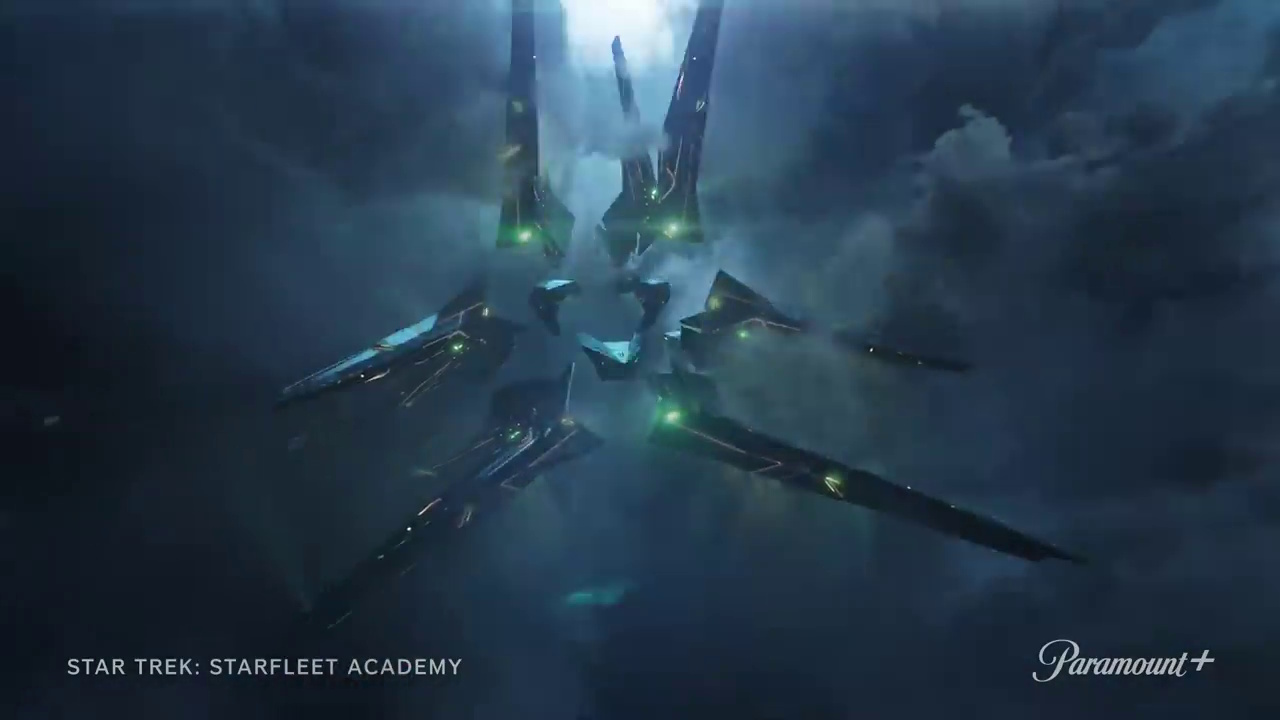
Though it may not be the main focus – and we only caught a couple of glimpses in the trailer – the USS Athena is described by Paramount’s official blurb as “an integral part of the Starfleet Academy campus.” If we assume that the ship we saw in the trailer is the Athena, then the design deviates a little from the usual saucer-neck-body-nacelles of past hero ships. The ship we glimpsed in the trailer seemed to have a movable C-shaped section, with a circular saucer above it. I’d like to get a better look at the ship from all angles before rendering judgement – and this might not even be the USS Athena.

First impressions, though, are positive. I think I’d have preferred something with a bit more of that visual language we were talking about – a ship with a saucer and two nacelles. But this is the 32nd Century, and Starfleet is doing things differently! We’ve already seen several very different Starfleet vessels of this era in Discovery, and the ship from the trailer is at least closer to previous Federation craft than some of those! It’s also possible that this ship, in fact, doesn’t belong to Starfleet at all, but to the season’s villain.

Still frame from the Star Trek: Starfleet Academy trailer showing the USS Athena (or another ship) hovering over the Academy.
The spaceship from the trailer.

Inside, I felt that the bridge of the USS Athena looked awfully similar to Discovery’s bridge – so much so that I’d call it a redress of the same set rather than an all-new creation. If you think about it from the in-universe side, this doesn’t make a ton of sense. The USS Discovery is a retrofitted 900-year-old ship by this point in the timeline, and we shouldn’t really be seeing much of its design, lighting, and overall aesthetic being repeated. I don’t think it looks “bad,” but rather that some aspects of the design just feel a little too familiar. And while we’ve admittedly only seen the bridge while apparently at red alert, it’s awfully dimly lit. This was a criticism some folks had of Discovery’s sets, too.

On the more positive side, I liked that the bridge was wide and expansive, and seemingly has room for multiple different cadets – and possibly teachers, too – at every post. The chairs having Starfleet delta-shaped bases was cute, too. The design also incorporates a large ramp, and several different levels radiating out from the elevated captain’s chair in the middle. Those are all fun features, too, and I daresay I’ll get used to this design in time – just as I did with the USS Discovery and Strange New Worlds’ redesigned Enterprise.

Promo photo for Star Trek: Starfleet Academy showing the bridge.
The new bridge.

We saw small teases of the Academy itself, and the sets which have been constructed to depict it. There’s some kind of assembly area, a cafeteria that reminded me of one I used to have lunch at when I was at university, an observation deck or a room with a view over San Francisco, and a bench in an outdoor space. I don’t know how much time we’ll spend at any of these locations, but they all looked solid.

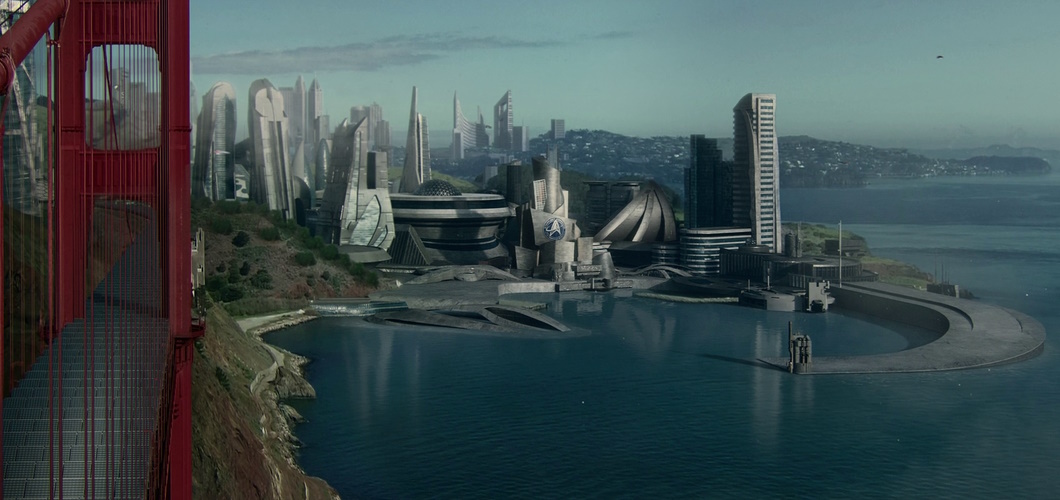
The CGI used to depict the Academy was on form. I liked seeing the opening shot of the Golden Gate Bridge, the wider shot of a futuristic San Francisco, and obviously the Academy buildings themselves. Paramount’s VFX has improved a lot in recent years, and Starfleet Academy is reaping the rewards. There’s enough continuity with previous iterations of Star Trek for long-time viewers to feel that the Academy is in the same place – and especially if you compare some of the shots in the trailer with the Academy’s most recent appearance in Star Trek: Picard, I think you can see the similarities.

Still frame from the Star Trek: Starfleet Academy trailer showing the USS Athena and Starfleet Academy.
The USS Athena approaching Starfleet Academy.

Alright, let’s talk about the characters!

The trailer seems to have shown clips of most of the main and secondary cast, and in addition we got photos for each of them – which you can see below. There are five main cadets, who will presumably be the show’s protagonists across Season 1, three returning characters – two from Discovery and one from Voyager – the Chancellor of Starfleet Academy, and the season’s main villain. If you’ve followed my coverage of Starfleet Academy since the series was announced back in 2023, you might remember me saying that I’m a tad sceptical about a serialised story with a villain; Star Trek has done the whole “existential threat to the galaxy” thing over and over again in recent years, and not always successfully!

Compilation of the five cadet photos and the first promotional poster for Star Trek: Starfleet Academy.
The main cadets (and the poster).

I’m still hopeful, though, that Starfleet Academy will be closer in structure, tone, and style to Strange New Worlds than to the likes of Picard and Discovery – more episodic in nature, retaining character arcs and some serialised trappings, but throwing the cadets into a variety of different situations. Such a story could work with a main villain; the villain’s plan could run parallel to the cadets’ adventures, or he could only appear to bookend the story, for instance.

I’m still not convinced that a series like this needs to have one overarching villain, especially not one with a connection to a main character and who apparently poses a threat to the entire galaxy, as has been previously teased. That basic story outline has, for me, worn out its welcome after being recycled in every season of Discovery and Picard.

Promo photo for Star Trek: Starfleet Academy showing Nus Braka, the main villain of the story.
Nus Braka: the season’s main villain.

One thing you can’t criticise Starfleet Academy for is its casting. Paul Giamatti will play the aforementioned villain – described as a half-Tellarite, half-Klingon who has a connection to one of the cadets. Given that we have a Klingon cadet… that seems like a possible point of connection! Holly Hunter, who won the Academy Award for Best Actress for her role in 1993’s The Piano, is playing the Academy Chancellor/Captain of the USS Athena. So we have an Oscar winner and an Oscar-nominated star occupying those two roles!

Additionally, I’d suggest that Starfleet Academy was clever in its choices of who to include from past iterations of Star Trek. Oded Fehr has been brilliant as Admiral Vance; one of the highlights of Discovery’s later seasons for sure. Tig Notaro has been a blast as Reno, too. And Robert Picardo… coming back as the Doctor in live-action after his role in Prodigy! That’s fantastic, absolutely fantastic! I half-theorised, half-hoped that we might’ve seen the Doctor in Discovery after the series shot forwards in time, so having him here is going to be wonderful.

Still frame from the Star Trek: Starfleet Academy trailer showing Captain Ake, Admiral Vance, the Doctor, an an unnamed character.
Captain Ake flanked by the Doctor and Admiral Vance.

My only teeny tiny concern at this stage with the returning characters is this: will the series strike the right balance between the young cadets, the new Academy personnel, the villain and his crew, and the returning characters? The Doctor has been billed as a recurring character, so I’m expecting we won’t just get a series premiere cameo, like we did with Dr McCoy in Encounter at Farpoint. But if it was me in the writers’ room, I’d be sorely tempted to spend a lot of time catching up with the Doctor, and I think there has to be a balance there!

Firstly, we should establish whether this is the original Doctor or his Living Witness backup copy! But then, will the Doctor just be a kind of advisor or even just an instructor for some of the cadets, or will he play a larger role in their mission? I know the Doctor has been featured in Prodigy, but this is going to be his first live-action appearance since Voyager, and catching up with even a tiny fraction of the things he’s been up to in the hundreds of years since we last saw him would be a priority for me. But… this is a new series, and with presumably ten episodes in Season 1 and an unknown number in Season 2, we really have to give the new characters a chance to shine on their own.

Still frame from the Star Trek: Starfleet Academy trailer showing the Doctor emerging from a turbolift.
The Doctor.

One other interesting-looking character is the half-Jem’Hadar, half-Klingon first officer of the USS Athena. I hope we get to learn a bit more about the Dominion in this era through her eyes, and that she isn’t just present as an “easter egg” for fans. Discovery dropped the barest of mentions of the Dominion War in either Season 3 or 4 (I forgot which; oops) but we didn’t really get an exploration of what the road to peace looked like. Given the actions of the renegade changeling faction in Picard’s third season, there were clearly complications after the war. But how was peace ultimately achieved, and did it last? Those are still open questions.

Also… aren’t Jem’Hadar artificially created? I always imaged that the Dominion churned them out fully-formed as adults, so how does one get a Jem’Hadar hybrid of any kind? Do… do Jem’Hadar have genitals? I never thought about that before, but now… this character’s inclusion seems to raise some questions. Joking aside, I hope this character won’t just be present in a background role, and that we’ll get to spend a bit of time with them, considering the implications of a half-Jem’Hadar Starfleet officer, and what that could mean for diplomatic relations between the Federation and Dominion in this era. For all we know, a renegade band of Jem’Hadar defected centuries ago, and she’s one of their descendants. But in any case, I’ll be very interested to find out.

Still frame from the Star Trek: Starfleet Academy trailer showing the first officer.
Lura Thok: the half-Klingon, half-Jem’Hadar first officer.

Four of the five cadets have a speciality, and one was listed as “undeclared.” Within those specialities, we have two commanders, one science – who Paramount later clarified wants to be a medical officer – and one operations. If you think of the typical Starfleet crew from past shows, we’e missing a couple of key positions! Most notably an engineer, though that could cross over with operations, I guess. And the two command cadets could both be competing for the same spot, or one could be aiming for a role like helm officer, where personnel typically wear the command colours.

As for our “undeclared” cadet… that’s an interesting word choice, isn’t it? This character was described as an “orphan with a troubled past,” potentially teeing up a connection with the season’s villain, and also as an “unlikely” Starfleet cadet. But that word – “undeclared” – keeps coming back for me. It’s not a synonym for “don’t know” or “hasn’t chosen yet;” instead it’s a word that could mean “I know but I haven’t told you.” So… could this be some kind of Starfleet Intelligence career path, or maybe even something connected with Section 31? The other cadets have red, gold, or blue trim on their uniforms; this character’s is dark grey or black. That could suggest some kind of Section 31 connection… couldn’t it?

Still frame from the Star Trek: Starfleet Academy trailer showing a close-up of one of the cadets.
Is this cadet possibly in Section 31?

There were several interesting name-drops, references, and “easter eggs” in the trailer, with a “James T. Kirk Pavilion” and a wall of names which included not only several familiar characters but a handful of producers and writers, too! But the one I want to focus in on the most is something the trailer lingered on for only a couple of seconds: Benjamin Sisko, Emissary of the Prophets. Was this just another callback, like Kirk’s pavilion? Or… might we finally get to learn what became of Sisko after he disappeared in the Fire Caves?

To be clear: I’m pretty confident that Avery Brooks won’t be reprising his role. As much as I’d love nothing more than to see Sisko return, I just don’t think it’s gonna happen. Brooks has been quoted as saying he didn’t want to return to the character, and as fans we have to respect and accept that. But with this moment in the trailer… I can’t help but wonder. Is it just a reference? Or are we going to get a storyline which might finally answer the question of what happened to Sisko? Sisko did promise to return one day, and it makes sense that he’d have done so while his friends and family were still alive, right? So maybe – maybe – we’ll get some kind of confirmation that Sisko did return from the realm of the Prophets sometime in the late 24th or early 25th Centuries.

Still frame from the Star Trek: Starfleet Academy trailer showing a cadet with a poster of Captain Sisko.
Captain Sisko’s appearance…

So I think that’s all of the specific points I wanted to delve into. The trailer overall was solid. I liked the soundtrack, I liked Captain Ake’s inspirational speech, and I think we got a glimpse of the series without really spoiling any key story points – which is important! I am getting a teenagery/young adult vibe from some of the clips featuring the cadets; there could be at least one blossoming romance, they seem to visit a club of some kind, and the way they interact together just feels like a secondary school or university group of friends – which is what they are, at the end of the day.

Does that mean that Starfleet Academy won’t be “my thing,” though? I suppose it could, if the show really leans into teenage storylines about fitting in, first loves, and rebelliously sneaking off-campus to visit a bar! But I’m okay with that – even if it means I don’t personally vibe with everything the series has to offer. In my opinion, its most important objective is to win over younger viewers, appealing to a new audience and turning some of those folks into Trekkies for the first time. I hope that Starfleet Academy can be the “first contact” for a legion of new fans, in the same way as The Next Generation was for me in 1991. Realistically… this could be Star Trek’s last chance to do that.

Still frame from the Star Trek: Starfleet Academy trailer showing the main cadets laughing together.
I hope a new generation of fans will fall in love with Starfleet Academy – and Star Trek.

That’s all for now. I think there are some really interesting ideas, characters, and designs in the Starfleet Academy trailer and photos, and I’m glad to see Paramount making a start with the show’s advertising push. We won’t be seeing Starfleet Academy until 2026 – as I think most of us were expecting. So there’s plenty of time over the next six-plus months for Paramount to tease us with a few more clips, trailers, and details! If that happens, be sure to check back here on Trekking with Dennis – because I’ll be doing my best to cover all of it.

Comic-Con also included a tease of a very unusual Strange New Worlds episode from Season 4, as well as our first look (or should that be “first listen?”) at Star Trek: Khan – the scripted podcast/radio play set on Ceti Alpha V. I’ll be taking a look at that in the days ahead, if you’re interested. And later this week we’ve got A Space Adventure Hour – the next instalment of Strange New Worlds’ third season.

Until then… Live Long and Prosper!


Star Trek: Starfleet Academy will premiere on Paramount+ in countries and territories where the platform is available in 2026. The Star Trek franchise – including Starfleet Academy and all other properties discussed above – is the copyright of Paramount Global. This article contains the thoughts and opinions of one person only and is not intended to cause any offence.
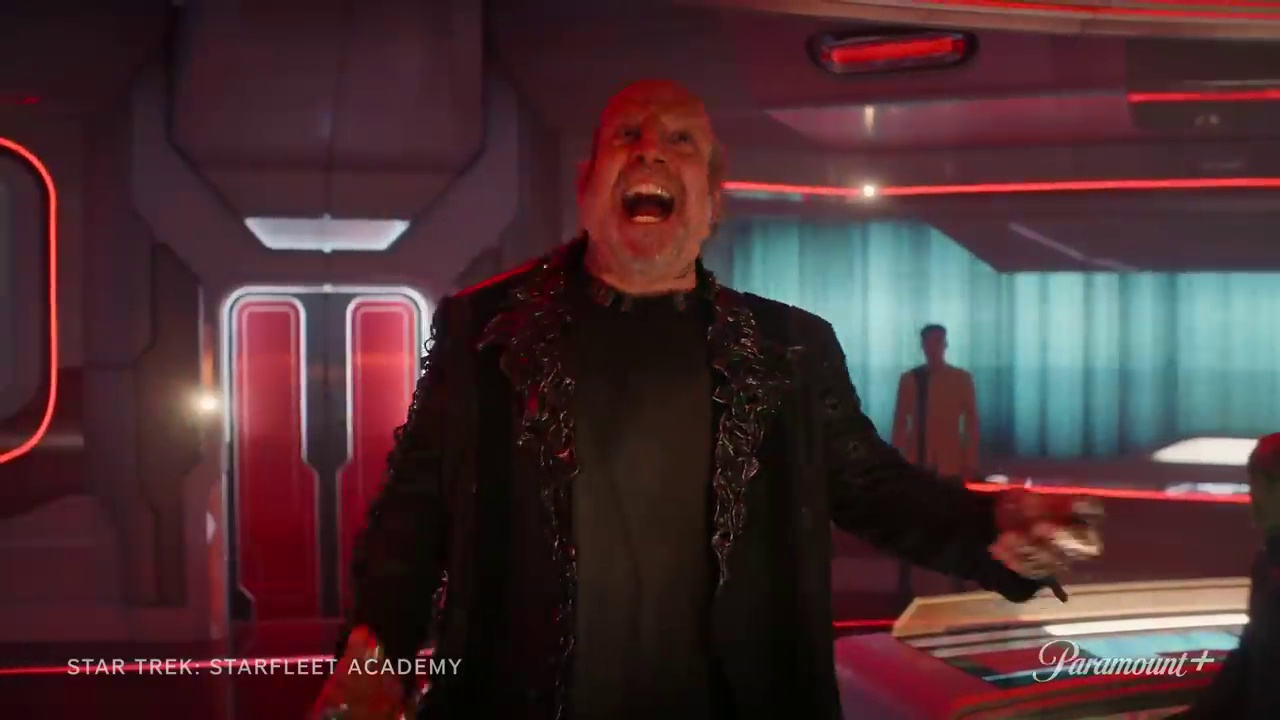
Star Trek: Starfleet Academy has been announced!

Spoiler Warning: There are spoilers ahead for Star Trek: Discovery and Star Trek: Picard.

Well, this is an interesting development! The long-rumoured Starfleet Academy series has just been officially announced by Paramount, with production due to begin next year. As I said the last time we talked about the series, I think it’s an idea that has a lot of potential.

In typical Paramount style, this announcement was low on detail and badly-timed, arriving a couple of weeks after news broke that Discovery has been cancelled. Rolling these two announcements into one would have made a lot of sense, shoring up Star Trek and reaffirming Paramount’s commitment to it instead of seeming to blow hot and cold on the franchise’s future and prospects. The announcement of Starfleet Academy seemed to suggest that it may be set in Discovery’s 32nd Century – perhaps existing as a spin-off from that series. While I don’t think that would be my personal preference in terms of setting, it’s definitely another good reason for combining these two announcements.

The series’ official announcement graphic.
Image Credit: StarTrek.com

I’m not 100% sure if this new series is live-action or animated, as the official announcement didn’t actually state that outright, being surprisingly threadbare. I guess Paramount would have explicitly said if it was an animated production, though, and I’ve seen a few other outlets make the assumption that this will be a live-action series. If so, that’s good! With Picard and Discovery both ending within the next twelve months, Starfleet Academy can join Strange New Worlds and keep the flag flying in live-action.

The line in the official announcement about the Academy re-opening “for the first time in over a century” is where the 32nd Century setting seems to be referenced, as it was noted in Discovery’s third and fourth seasons that the Academy had been shut down sometime after the Burn. And I’m in two minds about this, if I’m being honest.

Starfleet cadets in the 32nd Century.

On the one hand, Discovery’s 32nd Century has been an interesting experiment, and an opportunity to do what Star Trek has always done: move the timeline forward. But on the other, it’s disconnected from the rest of the franchise by a span of centuries – making it much harder for characters, factions, or even themes to cross over from one part of the Star Trek franchise to another. With other projects set in the more familiar 23rd and 24th Centuries still ongoing, it’s also a decision that keeps Star Trek as a complicated, convoluted franchise that can be difficult to get started with for newcomers or for folks who haven’t watched for a long time.

A reorganisation of Star Trek is sorely needed – and the announcement of Starfleet Academy was an opportunity to do so. Bringing all of the current and upcoming shows into a single time period makes so much sense, and I fear we may look back on this decision as a missed opportunity. As much as I enjoy what Discovery has done with its far-future setting, and as much potential as that setting has, it would not have been my first choice for a new series at this juncture.

Starfleet Academy as it appeared in the early 25th Century.

If Starfleet Academy is to be set in the 32nd Century, it’s odd that Paramount isn’t explicitly touting the series as a Discovery spin-off. The fourth season episode All Is Possible felt like a backdoor pilot for Starfleet Academy – and I wasn’t alone in saying so at the time of its broadcast. This announcement didn’t mention All Is Possible, nor did it mention Lieutenant Tilly or any of the cadets from that episode. I wonder if the reception to All Is Possible shook up pre-production on Starfleet Academy – and with Tilly seemingly involved in some capacity in Discovery’s fifth and final season, perhaps she won’t be included in this spin-off series.

If that’s the case, it would throw the setting of the series into question even more – and I come back to what I said a moment ago about the 32nd Century not being the best choice. But I suppose we’re getting ahead of ourselves! Paramount’s lack of clarity on some of these points is leading to unhelpful guesswork!

The second announcement graphic.
Image Credit: StarTrek.com

One of the big advantages to Starfleet Academy should be the show’s youthful focus – and with that, an ability to reach out to a new generation of viewers. Kids who’ve cut their teeth on the likes of Prodigy could view Starfleet Academy as the next step in their burgeoning fandom, and the series could also appeal to teen viewers who are looking for something a bit different. The announcement made it sound as if youthful cadets will be a big part of the show’s focus – and that can and should lead to the series appealing to precisely the kinds of viewers that Paramount needs more of.

If the series stands somewhat apart, without being tied too closely to past iterations of Star Trek, it could be a soft landing for new viewers – and the 32nd Century might actually prove advantageous here. There’d be scope to perhaps harken back to the events of classic episodes and films through the lectures and classes that the cadets attend – and that could allow Starfleet Academy to drop exposition and re-tell classic stories in a way that feels natural.

25th Century Academy cadets.

One thing in the announcement has caused a little concern, though, and I fear that Paramount hasn’t learned the right lessons from some of Star Trek’s recent successes and failures. The announcement promised “a new enemy that threatens both the Academy and the Federation itself” – and doesn’t that sound just like the setup for another fully-serialised story?

Since returning to the small screen in 2017, serialised storytelling has been – at best – a double-edged sword for Star Trek. On the one hand, the franchise has tried to move in a more modern direction, adopting a model used by successful titles like Lost and Game of Thrones. But on the other… well, it isn’t exactly controversial to say that not all of Star Trek’s serialised stories have been successful. Don’t get me wrong, they’ve all had their moments, but taken as a whole, Star Trek and serialised storytelling hasn’t always been a good combination.

The USS Discovery at warp.

In 2022, there’s no debate that the best-received and most successful Star Trek series was Strange New Worlds. The franchise took a step back toward episodic storytelling while retaining many of the trappings of more modern shows. Strange New Worlds was the perfect blend of “monsters-of-the-week” with season-long character arcs – and it was beautiful, riveting television that quickly became the high-water mark of modern Star Trek.

In contrast, Discovery’s fourth season and Picard’s second didn’t do so well. Discovery Season 4 pulled out a creditable ending – but I’m not alone in feeling that it spent a lot of time treading water before it reached that point. And well… the less said about Picard Season 2 the better, quite frankly. It was awful.

Yup.

When Discovery’s cancellation was announced, I said that it might prove to be a net positive for the franchise – if Paramount could use it as an opportunity to refine and refocus Star Trek. Look at what’s worked and what hasn’t since Discovery’s premiere, and pick the best and most successful elements from five different productions. There’s a place for serialised storytelling in Star Trek, sure… and there has been going way back to Deep Space Nine’s Dominion War arc. But just because other made-for-streaming shows are going down the serialised road… that doesn’t mean that every Star Trek show has to as well.

A kid-friendly series – as Starfleet Academy should aim to be – is particularly well-suited to a more episodic kind of storytelling. There can be ongoing character arcs and storylines within that framework, as Strange New Worlds has demonstrated. But if the main thrust of the series is episodic it would feel accessible to a more youthful, casual audience – and it could open up a much wider range of potential storylines.

Starfleet Academy could bring in a younger audience.
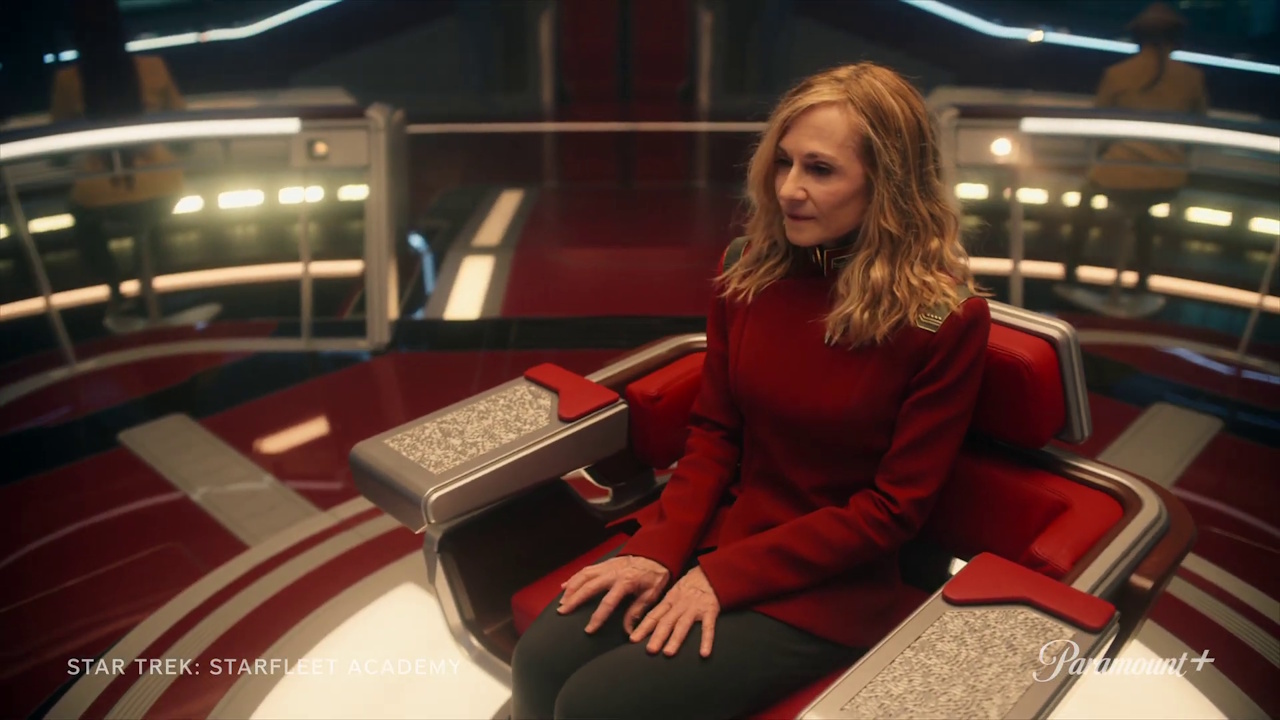
If there’s time between now and Starfleet Academy entering production next year to make this case, I hope someone at Paramount will listen! Look at what Strange New Worlds achieved in its first season and try to emulate that model instead of making another fully-serialised show in the mould of Picard or Discovery. That would be my single biggest wish – and my single biggest piece of advice to Paramount and the producers of Starfleet Academy.

The announcement of any new Star Trek show should be a time of great excitement – and I do feel excited! After Discovery’s cancellation, the catastrophic failure of a proposed new Kelvin timeline film last year, and poor financial news from Paramount, there was no guarantee that Starfleet Academy – or any other new project, for that matter – would get off the ground at all. So I’m relieved that Paramount remains committed to making new Star Trek shows. With Picard and Discovery both coming to an end, there will certainly be room in the lineup!

This is good news for Star Trek.

There are concerns, though. Does the announcement of Starfleet Academy mean that a Picard spin-off is now off the table for the foreseeable future? What of the Section 31 series, which has been languishing in development hell for more than four years? Is the 32nd Century the right time period for a brand-new series? Is another serialised show in the Discovery mould really the right move in light of how well Strange New Worlds worked? Is this Alex Kurtzman’s last hurrah? I have a thousand questions like this right now!

A series that could appeal to a younger audience has a ton of potential, and I will watch Starfleet Academy’s progress with enthusiasm and as much hope as I can muster! When the show is ready I’ll do my best to review each and every episode – and between now and then, I’ll cover any big developments such as casting announcements, teaser trailers, and more. So I hope you’ll stay tuned here on Trekking with Dennis!
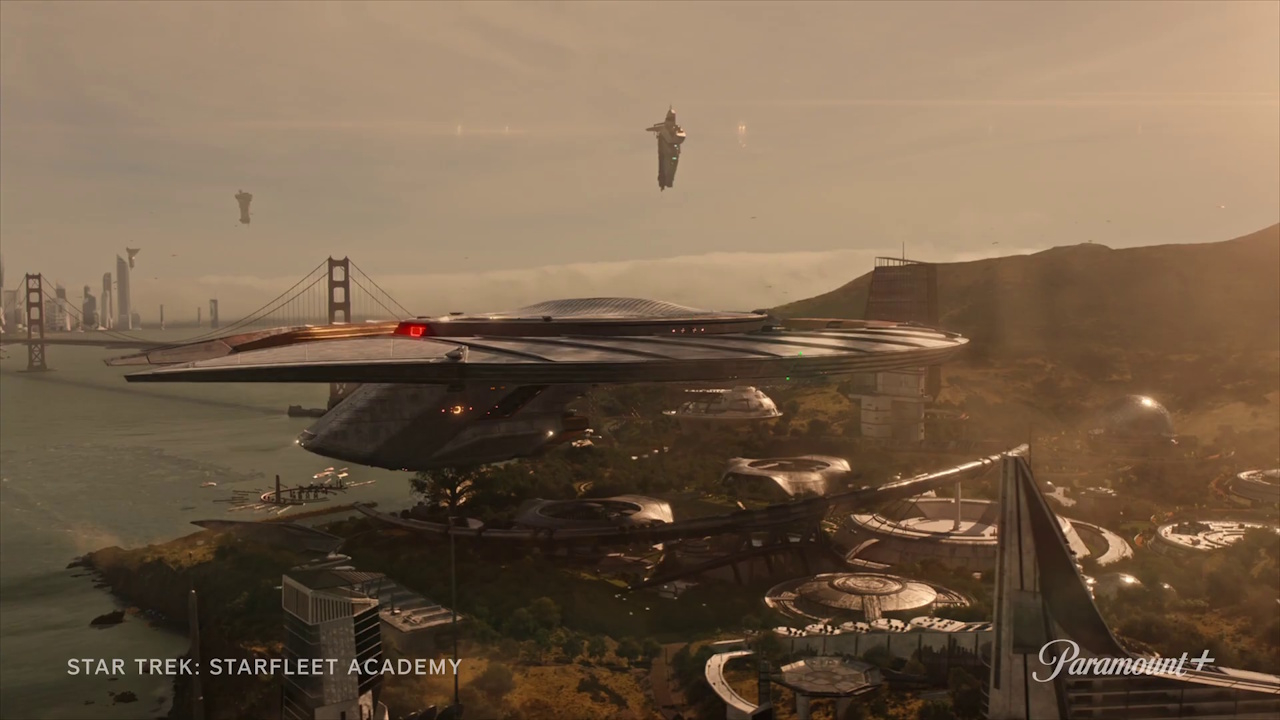
This was a surprising announcement in some ways, but one that has been a long time coming in others. I’m glad that Star Trek has a future beyond Discovery and Picard’s final seasons, and I’m genuinely excited to see what Starfleet Academy has to offer.
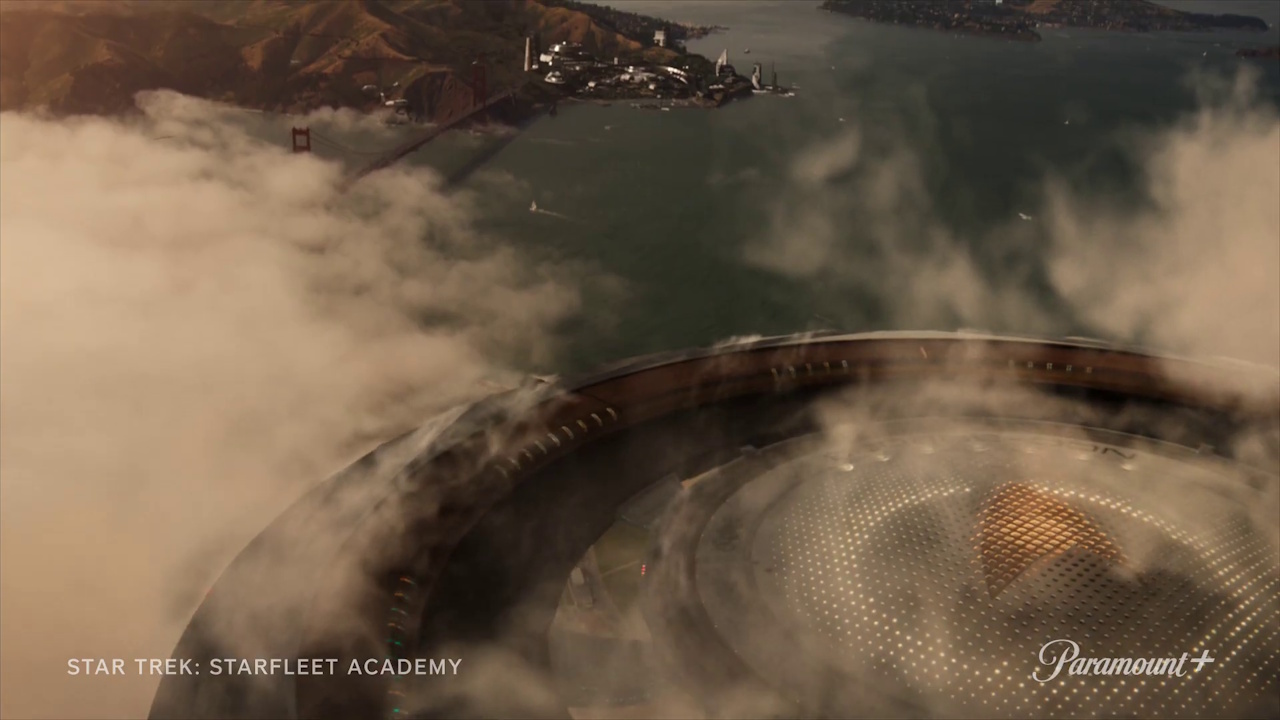
Live long and prosper!

Star Trek: Starfleet Academy has just been announced and won’t enter production until at least 2024. The series will premiere on Paramount+ in countries and territories where the service is available sometime in 2025, 2026, or beyond. Further international distribution has not been announced. The Star Trek franchise – including Starfleet Academy and all other properties discussed above – is the copyright of CBS Studios and Paramount Global. This article contains the thoughts and opinions of one person only and is not intended to cause any offence.