Trying To Be Positive About The Rise of Skywalker

A Star Wars-themed spoiler warning graphic.

Spoiler Warning: There are spoilers ahead for the Star Wars sequel trilogy.

Y’know, the more I think about it, the more convinced I become that this particular article would’ve been a better fit for April Fool’s Day rather than Star Wars Day. But I’m committed now… so here we go!

Happy Star Wars Day, friends! May the Fourth be with you… and all that. This year, I thought it could be a bit of fun to mark the occasion by revisiting one of my least-favourite Star Wars films – and probably one of the worst films I’ve ever seen – 2019’s The Rise of Skywalker.
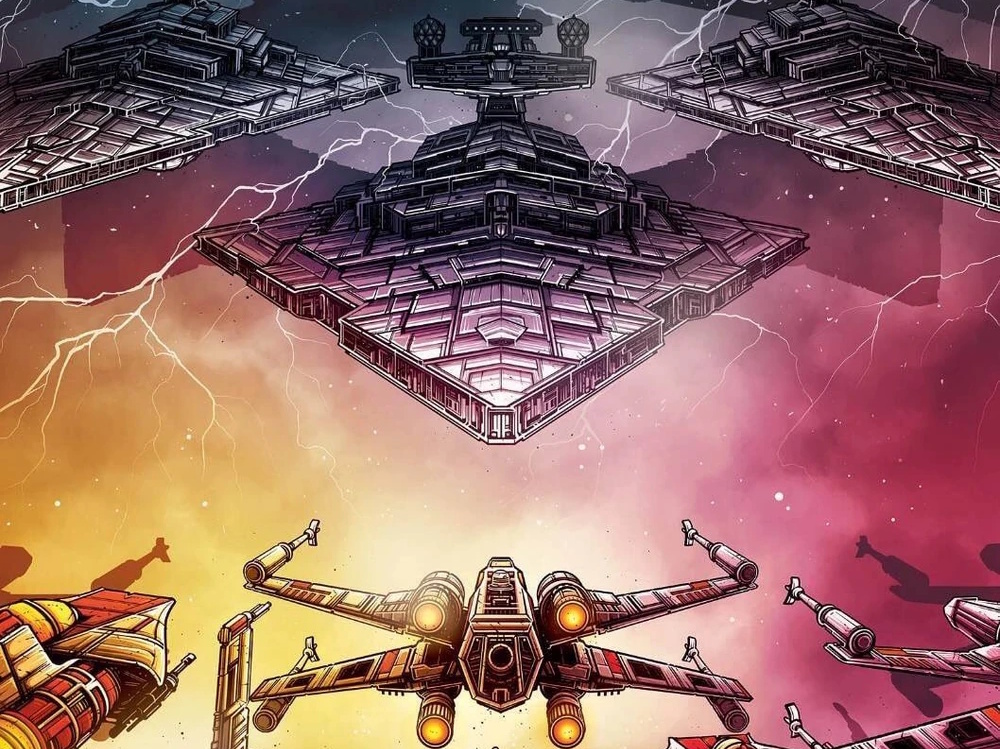
Cropped promo poster for the IMAX version of Star Wars: The Rise of Skywalker (2019) featuring rebel and imperial spaceships.
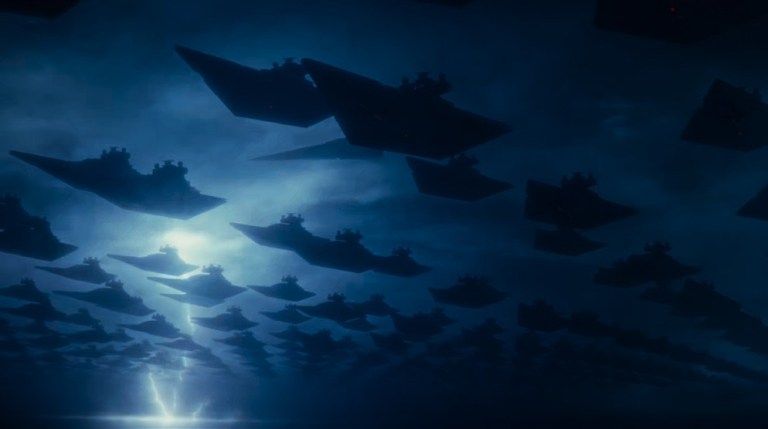
X-Wings and Star Destroyers on a promotional poster.

It was in late 2019 that I embarked on the project that eventually became this website, and for a sometime Star Wars fan, that was a bit of a strange period. The Last Jedi had proven to be massively controversial within the fan community, and the discourse around that film had become incredibly toxic. Solo: A Star Wars Story had flopped, I really wasn’t keen on the first season of The Mandalorian, and it seemed as if the only bright spark in the franchise was Jedi: Fallen Order. I desperately hoped that The Rise of Skywalker could do the impossible by bringing the fan community back together and ending the sequel trilogy on a high.

It did not do those things, and that’s putting it mildly.

Though I consider the Obi-Wan Kenobi miniseries to be the worst piece of Star Wars media that I’ve seen, The Rise of Skywalker isn’t far behind. It was an atrocious film, one that I’d seriously consider putting on a list of “the worst films I’ve ever seen.” But re-hashing what I didn’t enjoy about the film isn’t the purpose of today’s exercise!
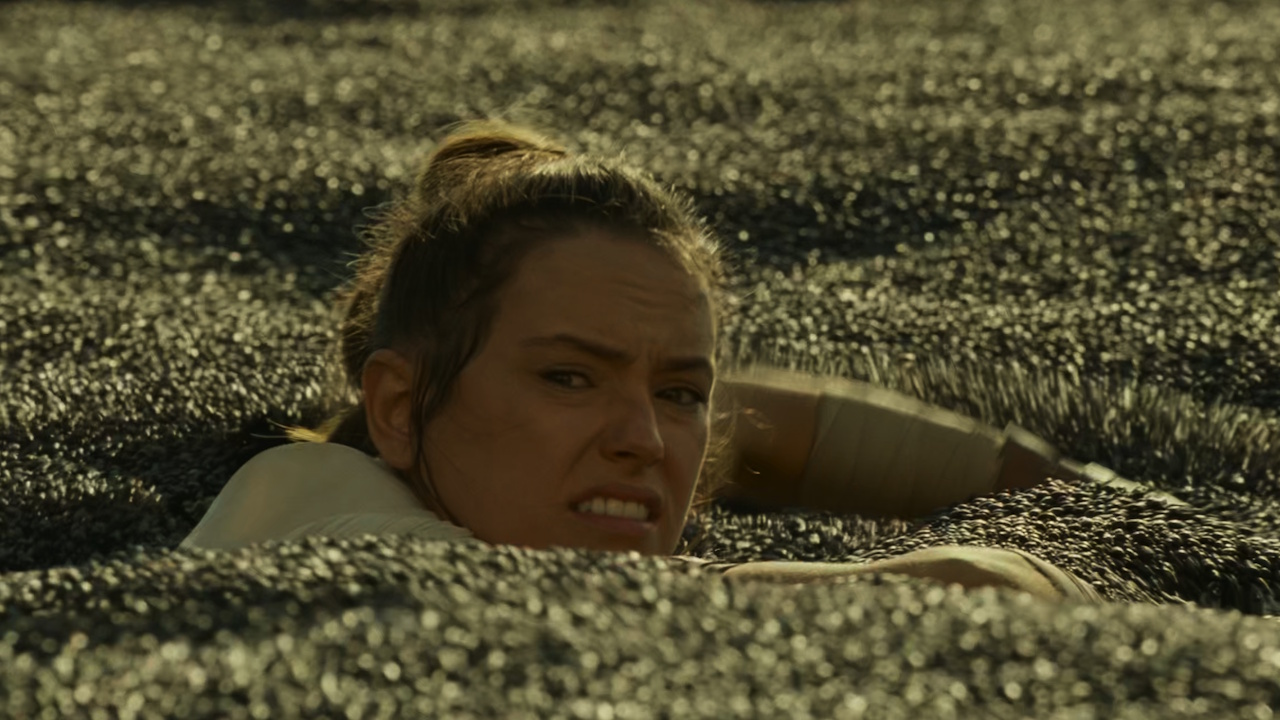
Still frame from Star Wars: The Rise of Skywalker (2019) showing Rey sinking in quicksand.
Surely this can’t be a visual metaphor…

Because it’s Star Wars Day, and in the spirit of positivity, I want to talk about some of the things The Rise of Skywalker got right – or at least got less wrong. Despite my overall feelings about the film, its story, the thought process that went into creating it, and more… there are some highlights worth mentioning. You might remember some of these if you read my two separate articles about the film in 2020 and 2021, but I’ve also added a couple of points that I didn’t mention in those earlier pieces.

In my essay titled In Defence of Luke Skywalker, I talked about how the depiction of Luke’s depression in The Last Jedi was generally well-written and conveyed an important message. It may not have been what fans wanted or expected from Luke Skywalker – particularly folks who’d bought into the old Expanded Universe stories, which depicted him as a flawless all-conquering superhero – but it was powerful and it resonated with me. The idea that anyone, even someone heroic, can fall victim to the “black dog” of depression is an important message, and it was well-told in The Last Jedi.
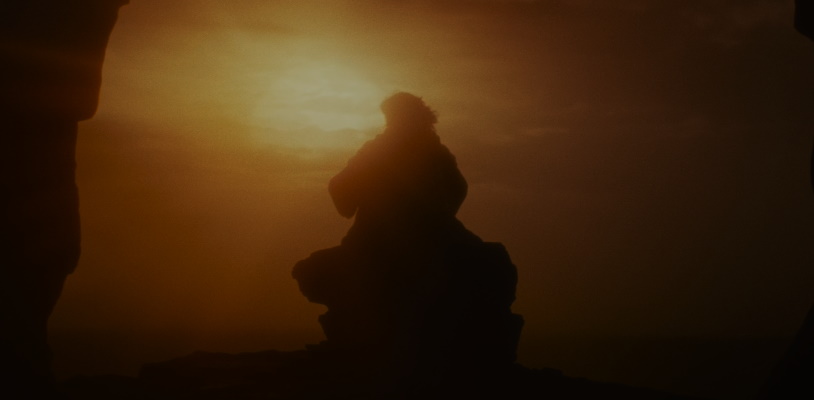
Still frame from Star Wars: The Last Jedi (2017) showing Luke's final moments.
Luke’s depiction and death were controversial aspects of The Last Jedi.

The Rise of Skywalker undid most of that, unfortunately. But it couldn’t entirely erase what had come before. If you take Luke’s story across the sequel trilogy, you can read it as recovering from depression – and that is a positive, hopeful, and uplifting message. The Force Awakens and The Last Jedi show Luke at his lowest: suffering a catastrophic defeat, almost giving in to a dark impulse, grieving the loss of his students, failing at his life’s mission to restore the Jedi Order, and succumbing to depression. He retreated to Ahch-To to die.

But after the events of The Last Jedi, Luke found a reason to believe again. And The Rise of Skywalker takes that concept and expands upon it, showing us Luke – in ghostly form – happier, more connected to the Force, and more willing to lend a hand when the galaxy needed him. To drag out the depression metaphor from The Last Jedi, this is the recovery phase. Not everyone who suffers with depression gets to that point, but seeing it depicted on screen like this can give hope and inspiration to people in that situation.
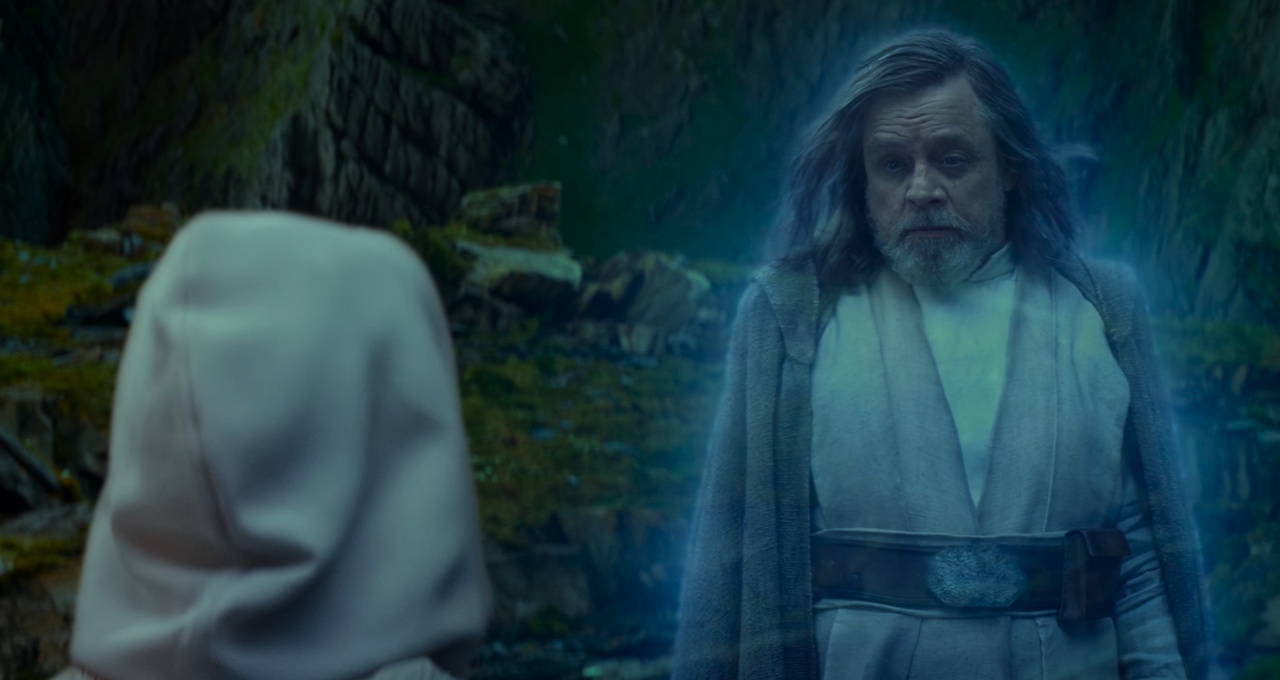
Still frame from Star Wars: The Rise of Skywalker (2019) showing Luke Skywalker's Force ghost.
Rey with Luke’s ghost.

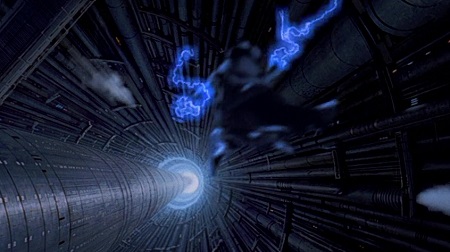
Sticking with deceased characters, Han Solo got more of a send-off in The Rise of Skywalker than he did in The Force Awakens. Han’s death was shocking in that film, but its suddenness was immediately followed up by action set-pieces and the “trench run” over Starkiller Base – meaning we didn’t get to sit with the impact of it for very long. Bringing Han back – albeit for a role that was clearly intended for Leia – was somewhat cathartic, and getting to spend a little more time with him was a net positive for the film.

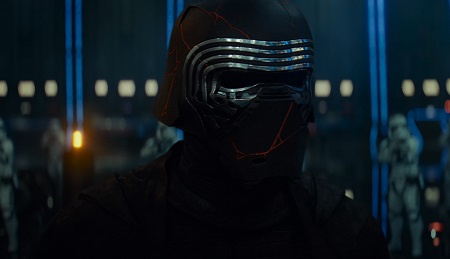
Because this sequence was told from Kylo’s perspective, we got to experience some of the feelings of grief, loss, and regret that he felt at killing his father. We can debate whether such an action is ever forgivable or redeemable, but The Rise of Skywalker wanted to give Kylo a redemption arc akin to that of Darth Vader in Return of the Jedi. Seeing this vision of Han Solo helped with that, or at least didn’t detract from it. And Adam Driver put in a stellar performance in these sequences – as he did across the entire film, really.
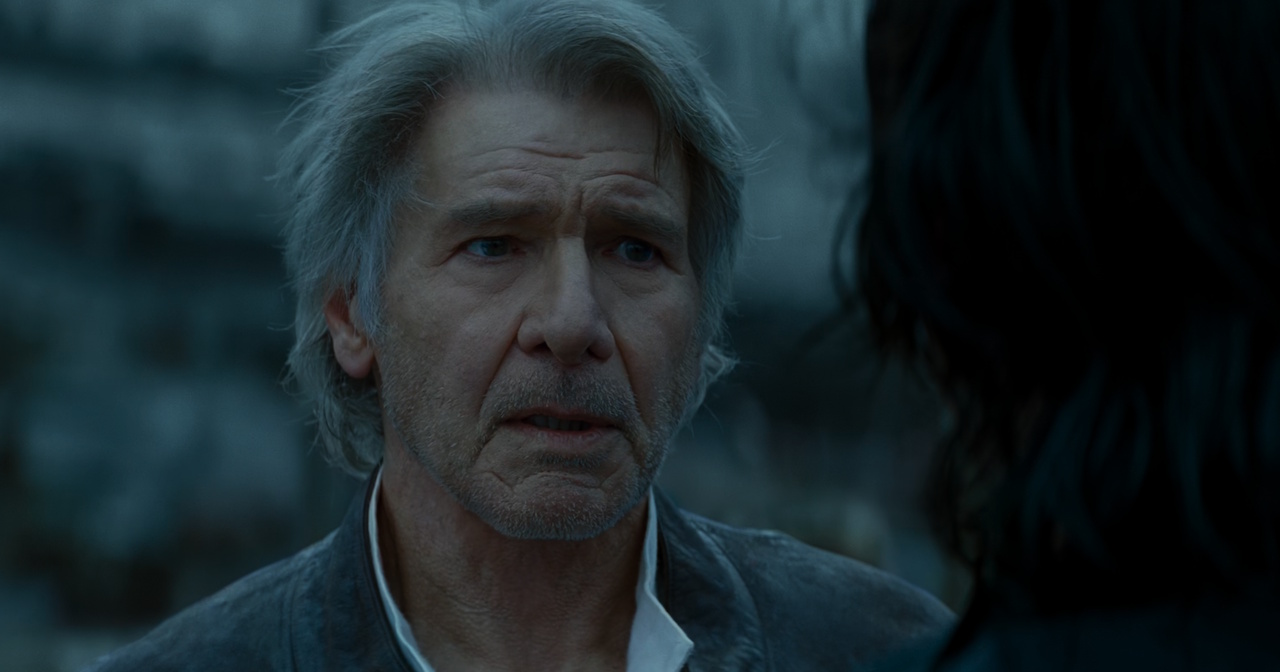
Still frame from Star Wars: The Rise of Skywalker (2019) showing a close-up of Han Solo.
The Rise of Skywalker gave us a bit more closure on Han’s death.

I know we’re trying to be positive about The Rise of Skywalker and this next point is very much a backhanded compliment (at best), but it’s my article so I’m gonna include it! The line “somehow Palpatine returned” has become one of those “so bad it’s good” moments for me. It wasn’t when I first watched the film, but the more I’ve sat with that line the funnier I find it to be. I still think everyone involved with writing, approving, and directing this line should be blacklisted from the entertainment industry for life… but on days when I don’t want to take Star Wars too seriously, or where I’m so depressed I need a good laugh, “somehow Palpatine returned” is there for me.

The line has also become one of my go-to examples of poorly-written dialogue, as well as an example of Star Wars’ overreliance on other works of media to set up important narrative beats in mainline films. Not only that, I think there’s something encouraging and even inspirational about this line. “Somehow Palpatine returned” reminds me that I’d have to do an exceptionally poor job to write something worse, and that there’s apparently a very low bar for pitching scripts for big-budget films. So maybe my Hollywood dreams haven’t entirely evaporated, eh? Jokes aside, this line is awful, and it’s become emblematic of the failures of The Rise of Skywalker and the sequel trilogy as a whole. But it’s also unintentionally hilarious as the film’s writers and Disney’s executives tell on themselves; no one could be bothered to write an explanation for Palpatine’s stupid resurrection, and this storyline was set up as part of a merchandising tie-in deal with the video game Fortnite. For all those reasons and more, it’s an excellent example of what not to do in filmmaking.

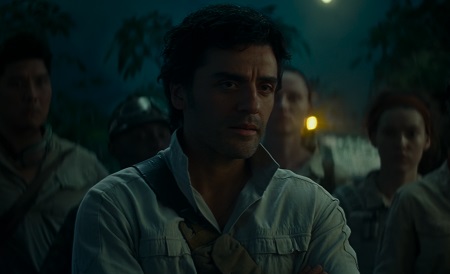
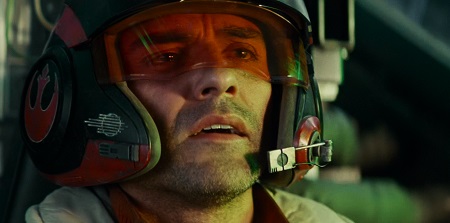
Still frame from Star Wars: The Rise of Skywalker (2019) showing Poe at the rebel base.
“Somehow Palpatine returned.”

To get back to something a bit more genuinely positive and inspiring, I’d like to highlight Lando Calrissian’s role in The Rise of Skywalker. I don’t know why Lando was absent in The Force Awakens and The Last Jedi, but Billy Dee Williams made the most of his return to the role in the third instalment of the sequel trilogy! In fact, I could’ve happily spent a lot more time with Lando; watching him heading out across the galaxy, rallying the citizens to the cause would’ve been quite something to see.

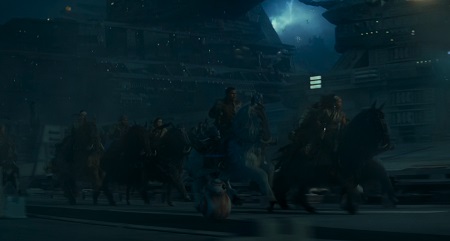
Lando’s last-second arrival at the head of a massive fleet was pretty much the only moment in The Rise of Skywalker where I felt a twinge of emotion. I’m a sucker for a “desperate last stand” kind of story, and seeing the ordinary citizens of the galaxy rising up in unison against Palpatine and the Sith felt good in the moment. As Poe, Finn, and the rest of the Resistance seemed to be on the cusp of defeat, Lando raced in to save the day, leading the galaxy in a unified last stand against autocracy and fascism. The scene where he and his fleet dropped out of hyperspace was powerful, and was probably one of the best individual moments in The Rise of Skywalker.
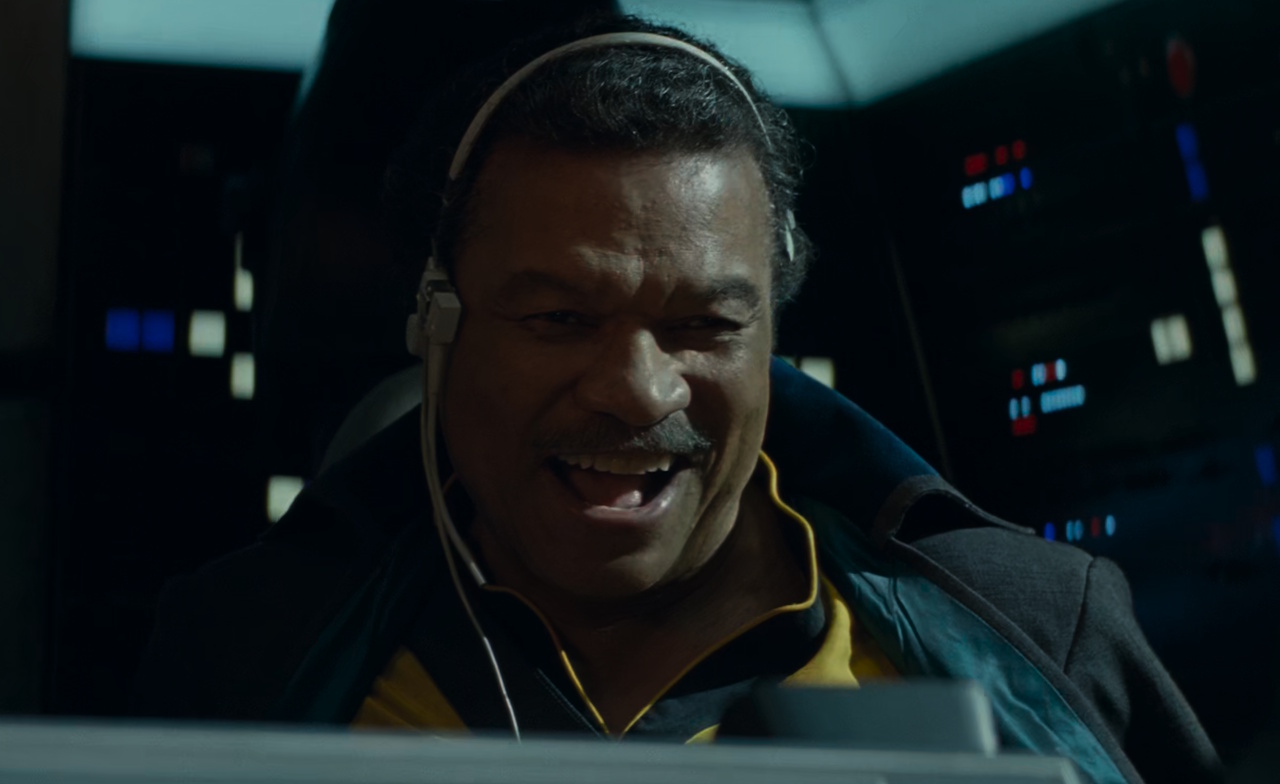
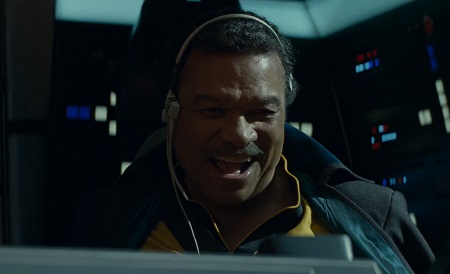
Still frame from Star Wars: The Rise of Skywalker (2019) showing Lando grinning aboard the Millennium Falcon.
Lando arrives to save the day!

Although I wish the sequel trilogy as a whole had done more with the idea of a Force dyad, some of the moments between Rey and Kylo were at least interesting. There was also some creative cinematography employed as Rey and Kylo had visions of one another despite being far apart. The scene where Rey was in Kylo’s room was one such moment, and I think the way the film transitioned between two different locations was creative.

I would’ve liked to have gotten more of an explanation of the Force dyad; how it came to be and what else Rey and Kylo could’ve done with it would have been fun to see. The idea of two characters with totally opposing points of view and objectives having this unintended bond – one they couldn’t rid themselves of – was also an interesting concept in theory, and I think we saw at least some of that potential in The Rise of Skywalker.
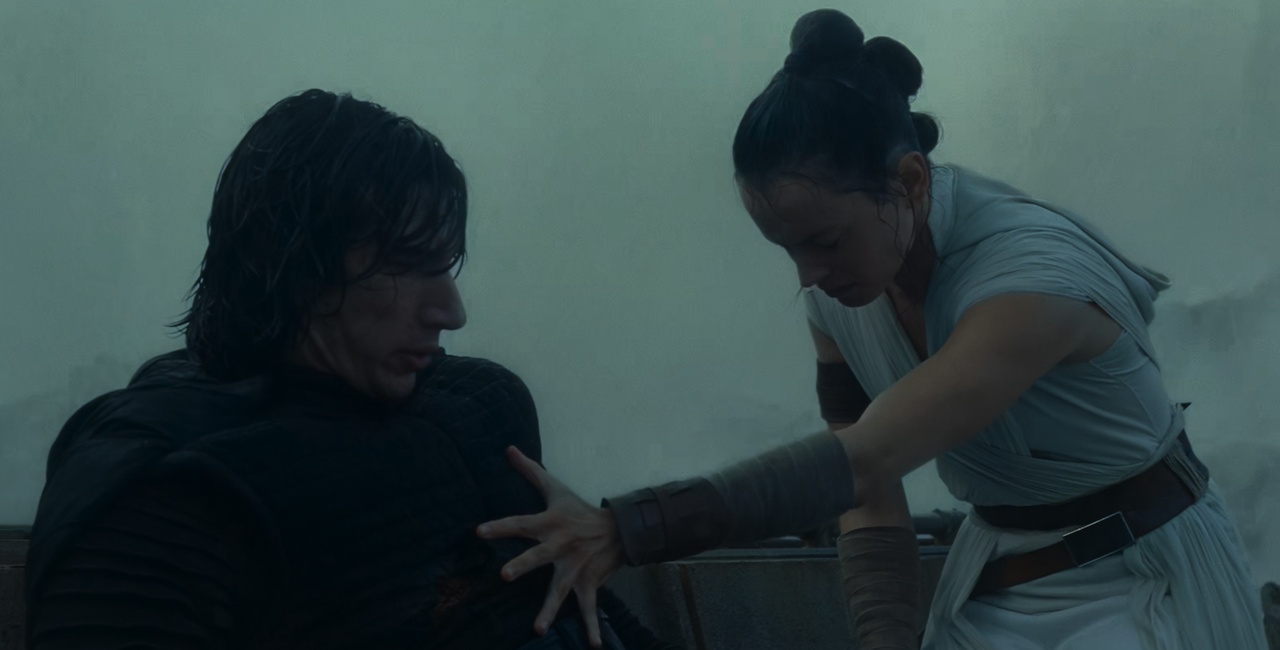
Still frame from Star Wars: The Rise of Skywalker (2019) showing Rey attempting to heal Kylo.
Kylo and Rey formed a rare Force dyad.

Finn’s story was not great in The Rise of Skywalker – or really across the sequel trilogy as a whole. But as a concept, the idea of a rogue stormtrooper breaking free of his indoctrination was interesting. And The Rise of Skywalker made at least a bit of an effort to expand upon that with the new character of Jannah – another defector that Finn encountered during the mission to Endor.

If Luke Skywalker’s story was an analogy for depression and mental health, Finn and Jannah’s can be seen as deprogramming from a cult or escaping an autocratic society. There are real-world parallels that are interesting – and open to interpretation. I don’t think The Rise of Skywalker was perfect in its execution of this idea, but I will give the film credit for trying, and for expanding our knowledge of ex-stormtroopers and the reasons why some might defect or abandon their posts.
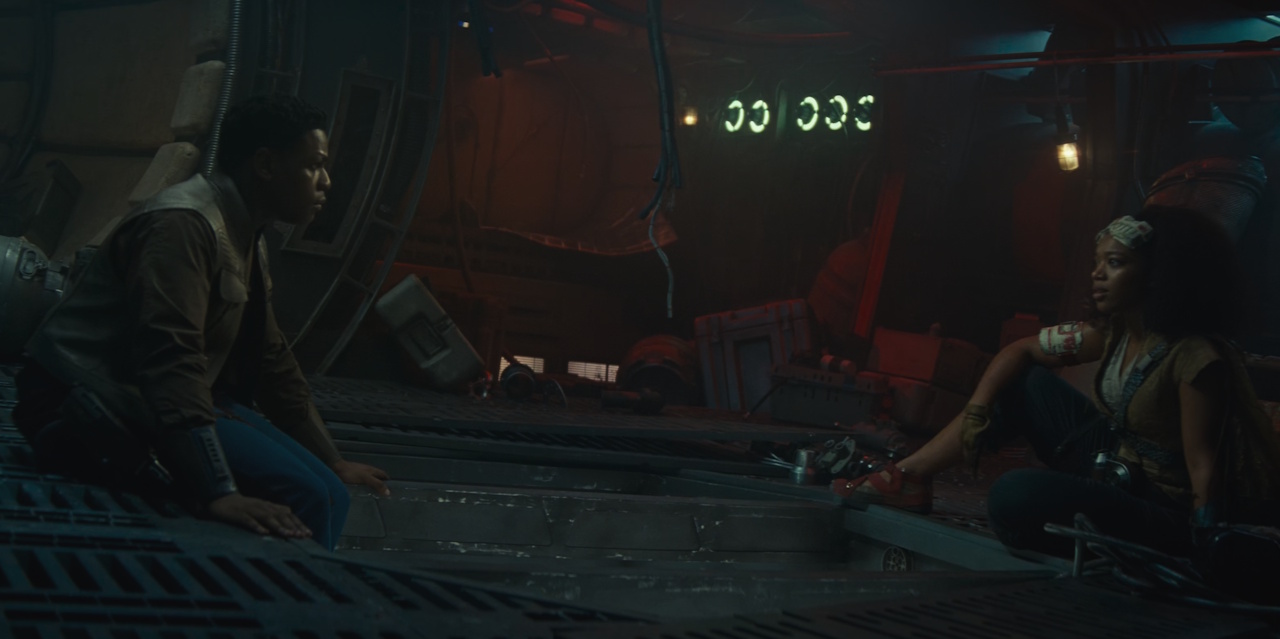
Still frame from Star Wars: The Rise of Skywalker (2019) showing Finn and Jannah. Brightness adjusted.
Finn with fellow ex-stormtrooper Jannah.

Sticking with Finn, his “bromance” with Poe was certainly an enjoyable part of his story and characterisation, and one which was in focus in The Rise of Skywalker more than it had been in The Last Jedi. The two worked well together, and although I felt Oscar Isaac was rather phoning it in with his performance, the same can’t be said of John Boyega. Boyega did his best to carry this character relationship, and I could’ve happily spent longer with Finn and Poe.

There are a few other acting performances that stand out to me. I think being able to separate one’s thoughts about a performance from how we might feel about the script or narrative decisions is important – so it’s worth crediting actors and actresses who give it their all, even when they’re part of a train wreck! I mentioned Adam Driver above, and he’s literally never been anything less than outstanding in any film I’ve seen him in. One day he’s going to win one of the big awards – mark my words.
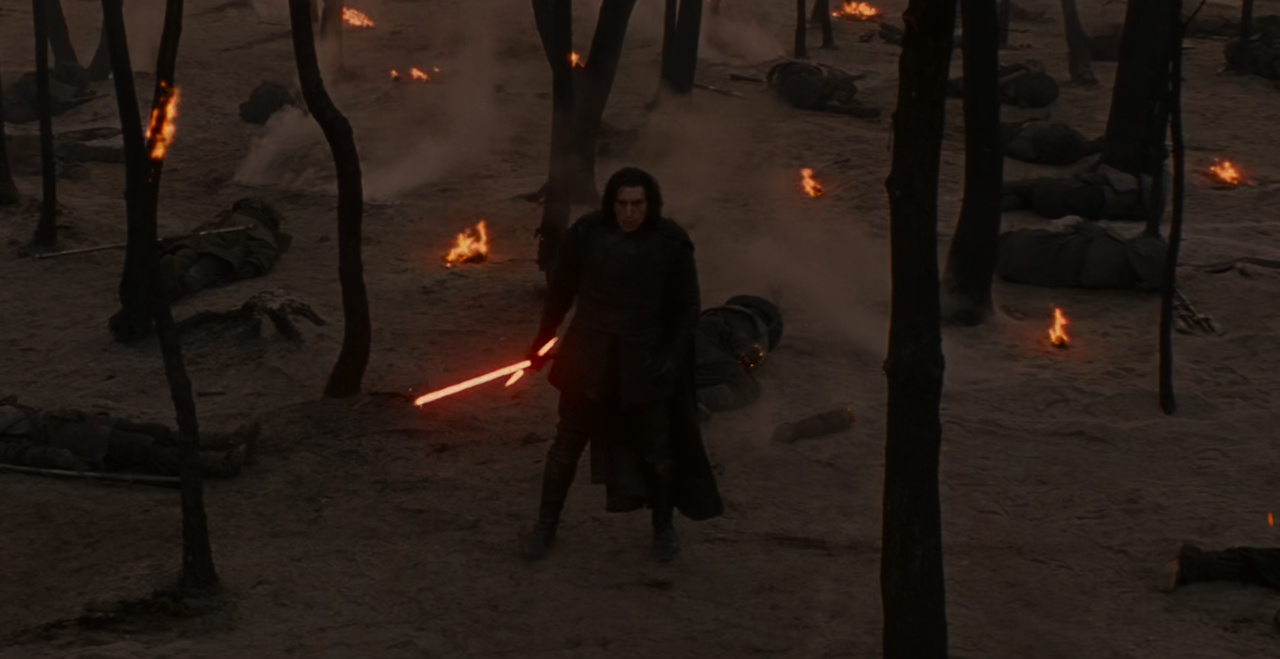
Still frame from Star Wars: The Rise of Skywalker (2019) showing Kylo holding his lightsaber, surrounded by trees and corpses.
Kylo on the battlefield.

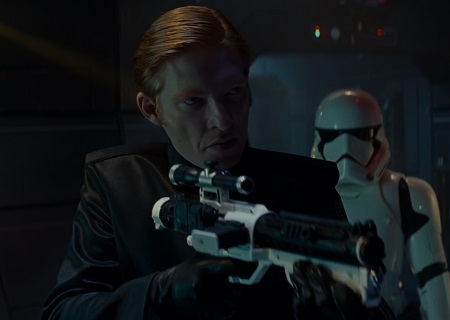
Though the sequel trilogy was never meant to be Palpatine’s story, Ian McDiarmid clearly relished reprising his role, and threw himself into it. Palpatine dripped with malice every time he appeared on screen. I may loathe what the film did with General Hux, but I’d be remiss not to include Domhnall Gleeson’s performance as being praise-worthy. Hux’s pure hatred for Kylo really came through thanks to Gleeson’s work, and even though the storyline was a tough sell, he clearly gave it his all. Kelly Marie Tran, though only on screen for a couple of minutes, did well with the material she had, and I think it’s a shame we didn’t get to spend more time with Rose.

So I think that’s about it.

I wish I could tell you that it was fun to revisit The Rise of Skywalker. But at the very least, I think we managed to find a few notes of optimism amidst the wreckage; small things here and there that achieved some measure of success, struck the right emotional or narrative chord, or just didn’t fail as comprehensively as the film around them. Maybe you enjoyed The Rise of Skywalker more than I did – and that’s great. The Star Wars franchise should be big and diverse, and there’s plenty of room for differences of opinion when it comes to the best and worst parts. Nothing about this is “objective,” at the end of the day!
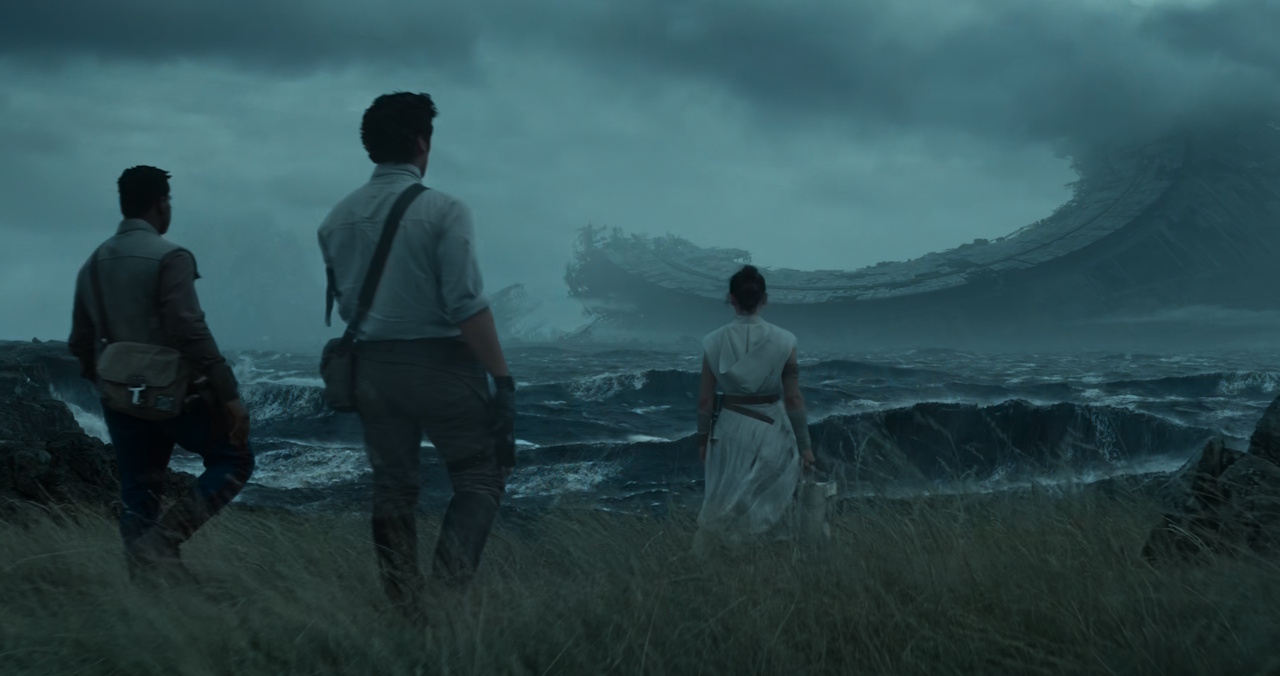
Still frame from Star Wars: The Rise of Skywalker (2019) showing Finn, Poe, and Rey with the wreck of the Death Star.
Looking at a wreck. Seems fitting, eh?

There’s more Star Wars to come – which is genuinely good news! Andor’s second season is currently airing, a second season of Ahsoka is planned, and there are several upcoming films on the schedule, too. Upcoming films include pictures based on Rey and Lando, a spin-off from The Mandalorian, a new trilogy, and the intriguing-sounding Star Wars: Starfighter. So despite the controversial reception the film got, The Rise of Skywalker didn’t doom Star Wars’ future prospects!

I hope this has been a bit of fun to mark Star Wars Day – or at least something a little different. I wanted to try to take one of the worst films in the franchise and talk about some of its better aspects, partly as a challenge to myself and partly because it’s Star Wars Day. Thanks for reading, and May The Force Be With You!


Star Wars Episode IX: The Rise of Skywalker is available to stream now on Disney+ and is also available on DVD and Blu-ray. The Star Wars franchise – including The Rise of Skywalker and all other films and properties discussed above – is the copyright of Lucasfilm and The Walt Disney Company. This article contains the thoughts and opinions of one person only and is not intended to cause any offence.
A year later, have I softened my tone on The Rise of Skywalker?

Spoiler Warning: There are spoilers ahead for Star Wars Episode IX: The Rise of Skywalker, and for the entire Star Wars franchise.

You can find my original review of The Rise of Skywalker by clicking or tapping here.

Star Wars Episode IX: The Rise of Skywalker premiered in December 2019, but it wasn’t until the spring of 2020 that I was able to see it. As I’ve explained on a few occasions, my health now prevents me from taking trips to the cinema, so I had to wait until it was available to watch digitally. It’s now been a year since I published my review (or should that be tear-down?) of the film, so I thought I’d revisit it and see what, if anything, has changed in that time.

Attitudes can soften with the passage of time, and a film or series that was once considered dire can find a new audience later on. The Star Wars franchise itself contains great examples of this: not only can we point to the growing popularity of the prequel trilogy, especially among fans who first saw those films when they were children, but even Return of the Jedi, which was once considered the weak link in the trilogy, is now held up alongside the original film and The Empire Strikes Back, with most fans not differentiating between any parts of the Original Trilogy.

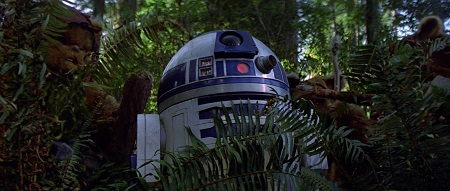
Remember when everyone hated and derided the Ewoks?

Part of this is to do with age and when fans first encountered Star Wars, of course. And one year isn’t a lot of time to allow passions to settle, so perhaps I’m entering this with too high hopes! But despite that, I hadn’t re-watched The Rise of Skywalker since I first reviewed it until a couple of days ago, and if nothing else I was curious to see if I still found the film to be as bad as I did then.

Here’s my basic summary from last time: The Rise of Skywalker has problems with pacing and editing, with the film rushing from story beat to story beat never allowing the audience to catch a breath and process anything that’s happened. That makes it feel like nothing more than a mindless action film on par with the worst parts of series like Transformers or Sharknado. Then the film went out of its way to overwrite basically everything that happened in The Last Jedi.

Promo art for The Rise of Skywalker.

Whether you like The Last Jedi or not – and I do respect that there are strong feelings on this – you have to accept that, in a three-part trilogy, the third film simply cannot waste time doing this. By trying to overwrite The Last Jedi, The Rise of Skywalker ended up having to condense two films’ worth of story into one title – something which goes some way to explaining the awful pacing issue noted above.

Then there were story beats left unexplained or unseen. Palpatine’s message to the galaxy informing them of his (incredibly dumb) plan. Where was it? Surely we needed to see that on screen for ourselves instead of just seeing the reactions of other characters or reading it in the opening crawl. Oh, that’s right: Palpatine’s incredibly important message that set up the entire story of The Rise of Skywalker was only available to players of battle royale video game Fortnite. You read that right – Palpatine’s message was recorded, but thanks to a marketing tie-in with Fortnite it could only be heard in that game.

You could hear Palpatine’s message – the driving force behind the entire plot of the film – but only if you played Fortnite.

How did Lando Calrissian, making his return to the franchise two films too late, manage to recruit literally the entire galaxy for a mission to attack Palpatine? He just turns up at the end with the biggest fleet the film franchise has ever seen at his back, with no explanation given and not even a single frame dedicated to how he managed to convince everyone to join him. That might be a film worth watching.

The decision to get rid of the backstory established for Rey in The Last Jedi was fan-servicey and dumb. It was as if writer/director JJ Abrams spent twenty minutes looking at fan-fiction online and said “that’ll do,” then ham-fistedly inserted it into the script. Palpatine’s plan to launch a huge fleet of starships from his hidden base might make sense… but announcing it to the galaxy before the ships are in position and while they’re still vulnerable to attack doesn’t survive any degree of scrutiny.

Rey’s backstory was overwritten in The Rise of Skywalker.

I could go on, but this summary is already too long. In short, I considered The Rise of Skywalker to be an irredeemably bad film, the worst film I saw in all of 2020. So have I changed my mind now I’ve seen it again? Spoiler alert: no.

I won’t be all cliché and tell you it was worse this time around, but as I re-watched the film that was supposed to conclude the “Skywalker Saga,” the disappointment I felt a year ago is still there. The passage of time has not magically made bad storytelling good.

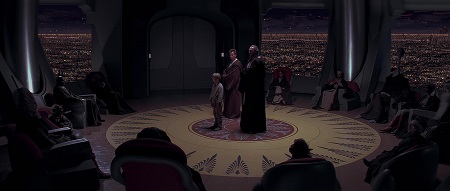
To provide some context, I also put myself through the torrid chore of re-watching The Phantom Menace, the film I considered Star Wars’ worst prior to The Rise of Skywalker. It’s been a while since I saw The Phantom Menace, and I likewise wondered if my attitude had shifted any. Both films are unenjoyable, but they fail for fundamentally different reasons. The Phantom Menace has a story that was carefully designed from the ground up. The problem was that story was disappointing and unnecessary fluff. The Rise of Skywalker has no real story, with the plot being made up of a cobbled-together mix of side-quests, failed twists, and fan-fiction.

I re-watched The Phantom Menace as well. It’s been a shit few days for films, to be honest.

Having re-watched both films, the one thing I would say has probably changed since last time is this: as much as I don’t enjoy The Phantom Menace, and indeed the prequel trilogy overall, The Rise of Skywalker is probably worse.

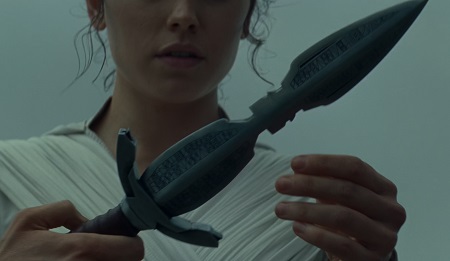
One thing I commented on last time that I definitely want to bring up again is the Sith dagger maguffin. This one prop is arguably the most important in the entire film, being the driving force behind a significant portion of what we’ll generously call the “plot.” But it just looks awful. The blade looks nothing like metal at all, not even old rusted metal. It’s made of some kind of plastic or foam rubber, and that’s incredibly obvious every time it’s shown on screen. In a film which otherwise manages to nail the visual effects, this prop should have been done better. And when it became apparent to the producers how bad it looked, some digital effects could have been added in post-production to smarten it up, at least in frames where it’s clearly visible on screen.

I have a second monitor which is a different make to my primary display, and I tried looking at the dagger there to see if it looked any better; perhaps it looked uniquely bad on my screen for some reason. I also tracked down still images and photos of the dagger to see if the Disney+ version of the film had some kind of weird visual quirk. But having investigated as much as I can (or can be bothered for a film this crap) I have to conclude that the Sith dagger, a maguffin integral to the story of the film, for whatever reason looks bad on screen. Other weapons in Star Wars look fine, and even in The Rise of Skywalker practically all of the other props were inoffensive. But this one, the most important one, manages to look like a cheap child’s toy; something you’d pick up in the bargain bin of a discount supermarket to keep a kid entertained for a few minutes.

For such an important prop, the Sith dagger looked awful.

Finn and Rose were both unceremoniously dumped by The Rise of Skywalker as its focus shifted to trying to mimic Luke and Vader using Rey and Kylo Ren. Both characters had potential in their first appearances, yet nothing ever came of that. Rose was the mechanic who lost her sister to the war and wanted nothing more than to do her bit to fight for freedom, yet she was insultingly given a few seconds’ worth of screen time and chose not to accompany Finn and Rey on their series of side-quests.

Finn was the first Stormtrooper we’ve spent much time with in Star Wars’ main canon. There was scope for his story of overcoming indoctrination and fighting back to turn into something genuinely inspirational, but he was relegated to a minor role that seemed to mostly consist of shouting at Rey – so much so that it became a meme. Finn was one of the “big three” – the three main characters of the trilogy, or so we were told. Yet while Poe and Rey got some attention in The Rise of Skywalker, Finn was essentially sidelined for the entire film. He played third fiddle to Rey and Poe, never really able to come into his own. It was a waste of a character – but that could be said of many characters across the sequel trilogy, really.

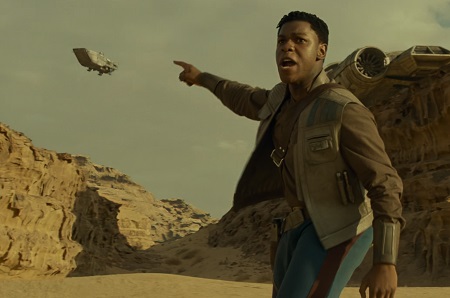
“Rey!” shouted Finn, repeatedly. For two-and-a-half hours.

John Boyega, who plays Finn, has been vocal about this, suggesting that Star Wars wasn’t sure what to do with his character. And I sympathise with that, because while Finn had some degree of character development, it all happened in the first few minutes of The Force Awakens, much of it wordlessly, and after that he just felt like a spare part.

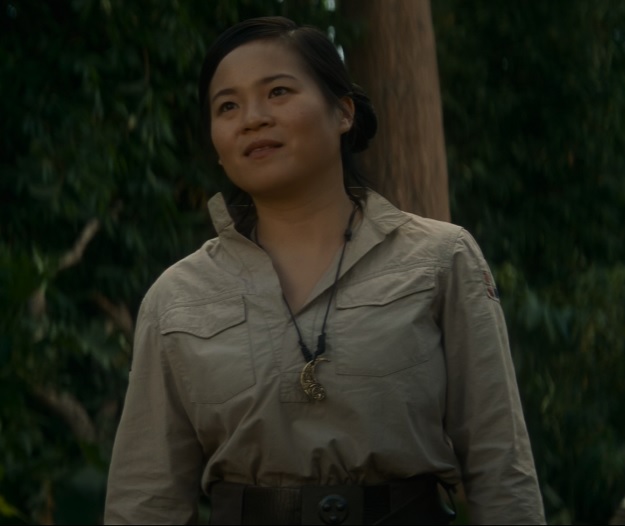
The treatment of Rose was frankly just offensive, though, and it’s this decision that deserves the most criticism. Kelly Marie Tran, who plays the character, had been subjected to an absolutely vile torrent of abuse online in the weeks after The Last Jedi premiered, all of which came from complete morons who are incapable of separating their feelings about a fictional character from the actress who plays her. Though director Rian Johnson stuck up for Tran, as did some of her co-stars, Star Wars as a whole was largely silent. The decision to give Rose such a minor role was clearly the franchise pandering to those sexists and racists who went after the actress, and honestly that’s just appalling. Almost everything else wrong with The Rise of Skywalker concerns plot, characterisation, and so on. But this is something that actually affected a real person, and whatever you may think of Rose’s character in The Last Jedi, the decent thing for Star Wars and its producers to do would have been to take a stand in support of their actress. Cutting her from The Rise of Skywalker is nothing more than pandering.

Rose was entirely sidelined.

For some reason, The Rise of Skywalker needed to have a “shocking twist.” And this played out in perhaps the dumbest, most obvious way possible. General Hux was the First Order zealot we met in The Force Awakens. He works alongside new character General Pryde, and the film clumsily sets up that there’s a spy in the First Order. Naturally, the audience are supposed to think it’s Pryde. But no! In a truly stunning turn of events, Hux is the mole, feeding information to the Resistance because of his hatred of Kylo Ren.

Not only was the setup for this poorly handled in a jam-packed film that simply didn’t have enough time to set up a “mystery” of this nature, but the absolute stupidity of Hux being the traitor leaves me at a genuine loss for words. Seriously – ever since I first saw the film I’ve had a piece in my writing pile tentatively titled “General Hux,” with a vague plan to talk about how truly bizarre and stupid this character betrayal was. But every time I start it I genuinely cannot get more than a few lines in. The decision to go down this route is staggeringly dumb in a film that’s already overflowing with ridiculous character and storytelling decisions. I don’t even know where to start or how to unpack this utter nonsense.

Hux’s character betrayal was awful and didn’t even achieve its purpose as a “shocking twist.”

Hux, more than any other character in the Star Wars sequel trilogy, was steadfastly loyal to his cause. Even if we can accept the premise that his personal dispute with Kylo Ren had soured him, surely the arrival on the scene of Palpatine offered a better way out for Hux than betraying the entire First Order. And betraying the organisation to which he had dedicated his life when it was on the brink of victory makes no sense. It’s a “lesser of two evils” situation, from his perspective. Kylo might be someone he viscerally hates, but the First Order is more than just one man, and Hux’s desire to impose “order” on a chaotic galaxy is his driving force.

And so we come, inevitably, to Palpatine.

Even if everything else that was wrong with The Rise of Skywalker went away – and that would be no mean feat considering how much of an abject failure practically every aspect of the story was – Palpatine’s insertion into a story that was clearly never meant to have anything to do with him would ruin whatever remained. There’s no getting away from that.

Palpatine ruined the film.

Palpatine was not part of The Force Awakens or The Last Jedi, and the sole reference to him in the latter film was a throwaway line. JJ Abrams and others involved with the production of The Rise of Skywalker absurdly tried to claim that Palpatine’s return was “always the plan,” but that simply is not true. If it was the case, it was set up so badly across the previous two titles that everyone involved with writing, directing, and managing Star Wars should resign in shame and never try to tell another story again. But it wasn’t true. JJ Abrams arrived on the scene after The Last Jedi, and with Snoke dead and Kylo at the head of the First Order he clearly had no idea what to do or where to take the narrative.

Abrams was obviously in love with the idea of re-telling the basic story of Return of the Jedi, just as he’d re-told A New Hope four years previously. Rey was substituted in for Luke, Kylo Ren for Vader, but there needed to be a “big bad,” another villain at the top to make Kylo’s redemption and return to the light possible. In Abrams’ original vision for the trilogy – if such a vision existed, which is debatable – that villain was Snoke. But with Snoke dead and Kylo having assumed the mantle of Supreme Leader, the sequel trilogy’s story had already gone in a radically different direction. This was not something that could be halted or renegotiated; it had already happened.

Snoke’s death and Kylo’s elevation to the role of Supreme Leader could’ve led to The Rise of Skywalker going in a very different direction.

Instead of trying to tell a new story, or adapting the existing one to make it work with new or existing characters, the disastrous decision was made to bring back Palpatine. I can’t emphasise enough how utterly stupid this is. The one thing any fictional universe needs to have is internal consistency. It’s fine to have the Force, a magical power to move objects, perform mind tricks, etc., but when it’s been established roughly what’s possible, internal consistency kicks in and future stories have to be constrained by what’s already been established. This is a basic tenet of storytelling and of fiction in general.

Palpatine died. At the end of Return of the Jedi he was absolutely 100% dead. Not only that, but his absence in The Force Awakens and The Last Jedi, coupled with the rise of Snoke and the First Order instead of some continuation of the Empire, emphatically and solidly confirmed that Palpatine was dead. Say it with me folks: “Palpatine was dead.”

This moment in Return of the Jedi clearly and unambiguously showed Palpatine’s death.

Not only does The Rise of Skywalker bring him back, his return is not explained. Did he survive the Death Star’s explosion? Was he reborn? Is he a clone? All we got is an ambiguous line that isn’t even new for The Rise of Skywalker – it’s a word-for-word copy of a line spoken by Palpatine in Revenge of the Sith: “the dark side of the Force is a pathway to many abilities some consider to be unnatural.” The Rise of Skywalker can’t even be original with its shitty dialogue.

The worst line in relation to the Palpatine clusterfuck was spoken by Poe: “Somehow, Palpatine returned.” That line encapsulates how The Rise of Skywalker doesn’t care one bit about the detail of its story, and how the film is content to treat its audience like idiots. Rather than lingering over this point, the film skips ahead and then races through the rest of the plot. Perhaps the writers and producers knew that no explanation for Palpatine’s return could ever make even the tiniest modicum of sense, so they just opted not to add one. I would say that’s bold, but actually it just compounds how dumb the original decision was. If even the writers can’t find a way to explain or defend this awful story point, then it’s an awful story point.

“Somehow, Palpatine returned.” A contender for the title of worst-written line of dialogue in the franchise.

As I mentioned earlier, Rey’s backstory had been established in The Last Jedi. It wasn’t to everyone’s liking, perhaps, but considering the other sources of controversy that film generated, I think most fans were at least tolerant of it as the first stage of explaining her power and origin. The idea of the Force trying to balance itself by elevating Rey to match the growing power of Kylo was a theme present in both prior parts of the trilogy, and when Kylo explained Rey’s parents were “nobody” in The Last Jedi, that settled things.

That explanation worked very well, and it meant that Rey was in a unique position in Star Wars. Though we’ve known many Jedi characters, the main ones we met were Anakin and Luke, and the familial relationship between them demonstrated that the Force can be passed down from parent to child. But not every Jedi has to be the offspring of another Jedi, and there was something powerful in “Rey the nobody” that The Rise of Skywalker trampled in its mad rush to fetishise and copy the Original Trilogy.

Kylo Ren delivered the shocking(ly awful) news to Rey – and to us as the audience.

Rey’s background as the daughter of nobody special meant her rise and her skills were her own. She achieved the position she was in – and her status as a Jedi – on merit. By removing this key part of her character, The Rise of Skywalker throws away something incredibly valuable: the message that anyone can be a hero. For young people – and especially young girls – sitting down to watch the film, the idea of Rey as a heroine to aspire to, someone who came from nowhere and saved the galaxy, was stripped away, replaced with the laziest and most clichéd of all fantasy tropes: destiny.

Rey’s inheritance as a descendant of Palpatine explained her power. That was it. The Force in Star Wars’ cinematic canon functions like an aristocracy, with power passed from Anakin to Luke and Leia, then from Leia to Ben Solo, and from Palpatine to Rey. Gone is the concept, embodied in the “broom boy” scene at the end of The Last Jedi, that the Force can be present in even the most lowly individuals. What replaced it was fate, destiny, and the power of bloodlines – an amazing and powerful message cast aside for a cheap fan-fiction theory.

Rey learns her true origin… for the second time.

The climactic battle involving Palpatine’s fleet and Finn and Poe’s Resistance forces is incredibly dumb and makes no sense. Not only was the idea of fighting on the exterior hull of a starship so phenomenally stupid, but the very concept of a fleet that doesn’t “know which way is up” and has such a patently obvious weakness was ridiculously poorly handled.

Star Wars has previously introduced us to forces and machines that seem overwhelming, only to offer a “million-to-one shot” way to destroy them; at this point it’s almost a trope of the franchise, being present in two of the three original films and The Force Awakens. But in all prior cases – even with The Force Awakens’ Starkiller Base, which was a patent rip-off of the Death Star – it was handled so much better and made more sense in-universe.

A moment of brainless action designed for the trailer and pre-release marketing material.

Palpatine’s fleet is the only fleet ever seen in Star Wars to require some kind of external navigation aid; this concept is just plain dumb for a technological civilisation. Not only that, but the idea that without this maguffin the ships will be trapped and unable to move is awful. Really, irredeemably awful.

What this all means is that Palpatine’s fleet looked superficially large and intimidating, especially in the film’s trailer and other marketing material, but was ultimately incredibly easy to defeat; cardboard cut-out opposition for our heroes. What could have been a satisfying victory over seemingly overwhelming odds felt incredibly cheap and hollow as a result.

The Sith fleet was clearly designed to be easily defeated.

As mentioned above, Lando’s last-second arrival with half the ships in the galaxy at his back was designed to be a feel-good moment; “we the people” rising up against tyranny. But because we didn’t get to see any of Lando’s recruitment efforts, nor understand why the galaxy would turn out to help him when they ignored Leia at the end of The Last Jedi, it was nothing but an incredibly hollow moment that felt more like a deus ex machina than a rousing victory.

Given the lukewarm reaction to the sequel trilogy, Disney’s roadmap for upcoming Star Wars projects seems to be putting this era on hold. But if they ever do choose to revisit the sequel era in future, one story I think would be absolutely worth exploring is Lando’s mad rush to bring the galaxy together and lead them to Exegol – of all the things in The Rise of Skywalker, that might be the one story worth digging into.

How did Lando manage to get so many people to back him? Might’ve been worth showing a bit of that on screen, no?

I’ve already written far more than I intended to for what was supposed to be a short revisit to a crap film, so I think we’ll wrap things up. I didn’t even touch on the ridiculous Force healing power that Rey developed, nor how the plot seemed to take our heroes precisely where they needed to go by completely random chance. We also could talk about the dumb limitation imposed on C3PO and how he couldn’t translate the dagger, Palpatine growing Snoke-clones in a tank, and the fake-outs of Chewbacca’s death and C3PO’s memory wipe. There are so many ridiculously poor elements of The Rise of Skywalker that they don’t all fit in a single essay.

In summary, then, the film is still just as bad as it was first time around. Though visually impressive most of the time, especially when compared to the shoddy CGI of the prequel trilogy, and with a couple of successful moments of comedy, the film is a complete and total narrative failure. It was an appalling and disappointing end to the so-called “Skywalker Saga” – which should really be called the “Palpatine Saga,” apparently, since he’s been manipulating everything from behind the scenes and is thus the only character who has been able to act of his own volition.

Despite some adequate performances from its lead actors, The Rise of Skywalker remains a truly dire film and an unenjoyable watch from beginning to end.

In 2017-18, when some Star Wars fans were vocal about their hatred of The Last Jedi, I was pleased that I was still enjoying Star Wars. But The Rise of Skywalker threw a wrench into the whole sequel trilogy, and was so bad in the way some of its storylines unfolded and concluded that it makes both of its predecessors – and to an extent the Original Trilogy as well – significantly worse and less enjoyable to go back and watch.

Even though I’m not a big fan of The Mandalorian, there are some Star Wars projects on the horizon that seem to have potential, despite the fact that the franchise is still very much living in the shadow of its Original Trilogy. I’ve expressed on a number of occasions my wish to see Star Wars break away from that and try something new, and I remain hopeful that it will happen one day. Even though The Rise of Skywalker was a disappointment and a complete narrative failure, there’s still life in Star Wars as a franchise. I recently enjoyed Jedi: Fallen Order, for example, and I’m very much looking forward to its sequel. And at Christmas last year, The Lego Star Wars Holiday Special was good fun on Disney+.

Despite the failure of The Rise of Skywalker and my disappointment in the film, I remain a Star Wars fan. Having returned to the film to give it a second look, I’m now content to put it back on the shelf and concentrate on what comes next for the franchise. There’s no need to revisit this film again, and this will probably be the last time I ever watch it.

Star Wars Episode IX: The Rise of Skywalker is available to stream now on Disney+. The film is also available on Blu-ray and DVD. The Star Wars franchise – including The Rise of Skywalker and all other titles listed above – is the copyright of LucasFilm and The Walt Disney Company. This article contains the thoughts and opinions of one person only and is not intended to cause any offence.