Over the past couple of months, leading up to and in the immediate aftermath of the big Xbox Games Showcase presentation, I’ve been hearing rumours about Bethesda Game Studios. Today, I wanted to get into some of what I’ve heard – and debunk a couple of commonly-repeated rumours, too!
Bethesda was notably absent from Xbox’s big summer presentation, with no mention of either Starfield or the upcoming Elder Scrolls VI. To be blunt with you: I’m not surprised that either of those games were absent. In fact, I’d probably have been more surprised if Todd Howard had toddled out onto the stage to make a big pitch! The Elder Scrolls VI is – as we’ll get into in more detail in a moment – still multiple years away from release, and Bethesda has already been burned by its way-too-early announcement. And Starfield? Well, let’s talk about that.
What – if anything – is next for Starfield?
When Starfield wasn’t so much as mentioned at the Xbox Games Showcase, I saw a lot of folks overreacting. “Starfield is being abandoned!” said one. “Bethesda is ignoring it and moving on!” cried another. While I agree with the overall sentiment that Starfield underwhelmed in terms of both critical reception and sales, and is certainly in trouble, I don’t believe that we need to write its obituary quite yet. Let me explain why.
Starfield is, according to solid insider information, getting a PlayStation 5 port in the not-too-distant future. I wouldn’t be shocked to hear talk of a potential Switch 2 port, too, but that’s much more speculative on my part. But Microsoft and Xbox wouldn’t want to announce this news at their event; it’s like saying “you might as well just buy a PS5!” Instead, it seems much more likely to me that Starfield will be announced for PlayStation 5 later in the year – almost certainly in time for Christmas. Alongside that announcement may well be another piece of DLC.
Starfield may be landing on PS5 soon…
Starfield hasn’t yet had a standalone expansion pack that Microsoft can really use to measure its future prospects. By that I mean that Shattered Space was sold as part of Starfield’s premium edition bundle, which players needed to buy if they wanted to play the game on its real release date in 2023 instead of a week later. Many folks who may have switched off from Starfield already paid for Shattered Space, even if they didn’t play it, and the expansion’s standalone sales in 2024 will be impacted by that. I feel absolutely convinced that Bethesda has enough in the tank for one last Starfield push – and a second expansion pack is certainly gonna be a part of that.
If Bethesda and Xbox have good sense, they’ll announce a PlayStation 5 “deluxe edition” port of Starfield, including not only Shattered Space but also the new DLC, as well as a similar release of the bundle for Xbox and PC. I’d imagine this DLC will be later this year; Shattered Space was in the autumn, so expect anywhere from September to November for this DLC. Some have pointed to Bethesda tradmarking the name “Starborn;” that could be the next DLC’s title.
“You cannot go that way.”
So Starfield should be getting a second piece of DLC and a PS5 launch – with a potential Switch 2 port if things go well. But things are not going well right now, and Starfield is really in the last chance saloon. Failure to light up the board on PS5, and/or another poorly-received expansion pack will almost certainly lead to the game being quietly abandoned. There might still be occasional patches to fix major bugs and issues, but if Starfield doesn’t get its redemption arc soon, there really won’t be any point in Microsoft greenlighting even more money on the game’s continued support.
So Starfield isn’t dead… yet. We’ll have to see whether the next DLC addresses the game’s many issues, and whether it’s as big and transformative as it needs to be. Starfield needs something on the scale of Cyberpunk 2077′s Phantom Liberty, as I’ve said before. Whether Bethesda can even do something like that, though… well, we’ll find out later in the year, perhaps.
Reviews for Starfield on Steam have been mixed, and the game’s former players didn’t show up in big numbers for Shattered Space.
Up next is The Elder Scrolls VI. I’ll level with you: I’m astonished that anyone thought they’d see this game at the Xbox Games Showcase this year. Some super-fans are still clinging to the desperate “cope” that The Elder Scrolls VI is coming out next year. It isn’t. It simply is not. It’s way too early in its development cycle – a cycle that has only lengthened over time. No, The Elder Scrolls VI might – if Bethesda pushes and Microsoft is okay with a buggy mess – make a late 2027 release date. But realistically, I still think 2028 or even 2029 are more likely.
Starfield took five full years of work. There were changes to Bethesda’s creaking, zombified, thirty-year-old game engine which took up some of that time, sure, but the game still took five years to make and polish. Microsoft insisted on a year-long delay which was largely spent on bug fixing; I shudder to think what Starfield might’ve looked like if it had been pushed out on its original release date! But why, then, have some folks convinced themselves that The Elder Scrolls VI will be ready in half the time? Bethesda hasn’t been working on the game since 2018; development only started in earnest after Starfield’s release in late 2023, and realistically, a significant portion of Bethesda’s team was still assigned to Starfield for several months after, working on hotfixes, patches, and DLC.
Todd Howard announced The Elder Scrolls VI seven years ago.
So let’s be bold and make a prediction: you will not see The Elder Scrolls VI this year. Not a teaser, not a trailer, not concept art… nothing. You probably won’t see any of that stuff next year, either, unless Microsoft has supreme confidence in the game and its ability to make a 2027 release date. The Elder Scrolls VI is still a ways off and it needs time in the oven. And there’s another potential wrinkle in this equation, too: the Oblivion remaster that was released earlier this year.
This is a little technical, but bear with me. Oblivion was remastered using a process that combined two different game engines. Oblivion’s original code is still there, running on Gamebryo/the Creation Engine. But layered on top of that is Unreal Engine 5, which renders the game’s graphics. This process has led to Oblivion looking absolutely fantastic, by the way… so might Bethesda want to implement the same technology into The Elder Scrolls VI? I mean, it would be pretty awkward if the game launches and people begin comparing it unfavourably to the Oblivion remaster! If Bethesda does choose to go down that route, that could add to the game’s development time – and it’s something Bethesda may not have even considered until recently.
The Oblivion remaster adds Unreal Engine 5 graphics to the game’s original code.
There is one additional consideration here, one that could bump up The Elder Scrolls VI’s release date a little. It seems that Microsoft may be intending to launch new hardware in 2027 – and you could hardly get a better-sounding launch title than the sequel to Skyrim! Microsoft might want The Elder Scrolls VI to be the new Xbox console’s “killer app;” a system-seller that could potentially outmanoeuvre PlayStation. If that’s the case, maybe the 2027 holiday season could be a targetted release window.
Finally, there’s talk of a remaster of Fallout 3 using the same process as Oblivion. With a new season of the Fallout TV series officially on the schedule for December this year – a mere six months from now – could we see that remaster sooner than we think? Timing it to coincide with the new season would be perfect, if Bethesda and partner Virtuos could manage it. It might be a tall order to release the Fallout 3 remaster so soon after the Oblivion remaster, though! Still, there could be news of that game sometime around the holidays, as hype for the show’s second season builds.
Could a potential Fallout 3 remaster be released in time for the show’s second season?
So that’s it for now. Those are the Bethesda rumours I keep hearing – and my response to them!
I’ve been a Bethesda fan since I played Morrowind on the original Xbox back in 2002. I still consider that game to be one of the best I’ve ever played, and I’ve enjoyed other Bethesda titles in the Elder Scrolls and Fallout franchises, too. But I’ll be honest with you… I’m not excited about anything the studio has on the slate right now. Starfield’s absolutely appalling microtransaction marketplace – which feels like something from a shitty free-to-play mobile game – speaks volumes about the company’s current direction and how they view their audience. Even if The Elder Scrolls VI looks great, and even if Starfield were to get a miraculous new update and expansion that completely transformed the game… I just don’t want to support that kind of behaviour in the single-player space.
Look around at other single-player role-playing games. Baldur’s Gate 3, Cyberpunk 2077, Kingdom Come: Deliverance… none of them have the kind of egregious in-game marketplace and paid mods that come baked-in with Starfield. If you think The Elder Scrolls VI will be spared the same fate, well… I wouldn’t bet on it. Bethesda has been trying to implement these kinds of paid mods and microtransactions for years, and I don’t see the company being persuaded to stop now.
Words cannot express how much I hate this.
Whether you’re okay with that… that’s up to you. For me, at the very least it’s reined in my potential hype or excitement for The Elder Scrolls VI. And even if Starfield were to get that Phantom Liberty-sized DLC that it desperately needs, if the microtransactions and paid mods remain in place, I’m still not inclined to play it or support it. It’s sad, because Bethesda used to be one of my favourite developers and, as I said, they created one of my favourite games of all-time. But this greed… it’s just sickening, to be honest with you.
Anyway, we got a little off-topic there at the end, but I think I said everything I wanted to about The Elder Scrolls VI and Starfield based on the rumours I keep hearing! I hope this has been interesting, at any rate. A lot of this is speculative, but I’m fairly confident about most of my predictions and my analysis!
Until next time!
Starfield and The Elder Scrolls IV: Oblivion Remastered are out now for PC and Xbox Series consoles. All titles discussed above are the copyright of Bethesda Game Studios, Xbox Game Studios, and Microsoft. This article contains the thoughts and opinions of one person only and is not intended to cause any offence.
Remember Starfield? That space game we got all excited about in 2023? I wouldn’t blame you if you’d forgotten all about it by now; I haven’t touched the game in months myself and I have no real plans to go back to it. Any lingering feelings of positivity I might’ve had toward the game – and developer Bethesda Game Studios in a more general sense – evaporated pretty quickly when microtransactions and paid mods were added to this single-player title, so I’ve pretty much moved on.
But the launch of Shattered Space – the first of several larger pieces of DLC that are planned for the game – has dragged up the shambling corpse of Starfield for me once again, and I couldn’t let it pass by without sharing my thoughts on what I’ve seen… and offering some unsolicited advice to Bethesda and parent company Microsoft. There are things to consider for both Starfield’s future as well as any potential new games that Bethesda may be lucky enough to make. Let’s get into all of that today.
So far at least, Shattered Space doesn’t appear to have saved (or even really helped) Starfield.
The reaction to Shattered Space has been mediocre at best outside of Bethesda and Starfield mega-fans. The expansion is currently sitting at a “mixed” rating on Steam… but far more worrying for Microsoft and Bethesda should be the real lack of engagement that Shattered Space is driving. There are, at time of writing, fewer than 1,000 reviews of Shattered Space on Steam – a number that seems pitifully small for the first major expansion pack for the newest Bethesda role-playing game. And the release of Shattered Space didn’t give the game much of a boost in terms of player numbers, either; Starfield was beaten by both Fallout 4 and Skyrim on the day the expansion launched and every day since.
This is even more alarming when you consider that many players will have already pre-purchased Shattered Space last year. In order to pick up the “deluxe” version of Starfield (or whatever it was called), which gave players access to the game on its real release date instead of almost a week later, players had to fork over an additional £35 on Xbox, Steam, and even Game Pass. Included in that price was Shattered Space, so even players left underwhelmed by the base game should have still had access to this DLC. The fact that so few of them could be bothered to even download it or check it out should be ringing alarm bells at Bethesda HQ and for Xbox, too.
Shattered Space’s launch (date highlighted) didn’t bring in a lot of players. Image Credit: SteamDB (above) and Steam (below).
The mixed reception to Shattered Space from those who did bother to fire it up is something that I think could’ve been avoided – and could at least be mitigated in the future. But it would require a change in approach from Bethesda. I’ll try to explain what I mean.
Over the last few weeks and months, Bethesda has been rolling out updates to Starfield. Among the biggest of these have been the rover/buggy, which allows players to traverse the game’s maps more quickly, and also the ability to decorate the interior of spaceships. Both of these were highly-requested by players, and the fact that Bethesda added them is a positive thing.
But part of the disappointment some players and critics are noting with Shattered Space is that it’s “only” a story expansion. The DLC doesn’t add anything of substance to Starfield beyond one new planet and some quests, and that’s leaving some people feeling underwhelmed yet again.
A scene from the Shattered Space trailer.
A few months ago, I wrote a piece here on the website in which I argued that Starfield’s first piece of DLC needed to be comparable in how transformative it is to Cyberpunk 2077′s Phantom Liberty, which was released last year. That expansion came with a new area of the map and new quests – just like Shattered Space. But it also came with a major update that overhauled whole in-game systems, completely fixed some of the biggest disappointments with the game, and significantly improved the experience. That’s what Starfield needed… and that’s what it still needs.
The conversation around Shattered Space might’ve been different if things like detailed city maps, interior ship decorating, and the rover vehicle had all arrived along with it. It wouldn’t have fundamentally “fixed” Starfield, but it might’ve given the game more of a boost and gotten more players talking about the game in a positive light for a change. Instead, this opportunity was missed.
Starfield has a rover now.
So here’s my advice for Microsoft and Bethesda: stop the trickle of minor updates. Obviously you’ve gotta keep working on fixing bugs, so there can’t be a total lack of patches, but from now on, everything should be saved up for the next DLC. The next and final DLC.
Take two years – or three, if that’s what you need. Use that time to craft a larger expansion to Starfield’s world and story – perhaps one with an actual ending to the game’s main quest. But save up all of the smaller things that might’ve been added along the way, and add them all at once. Instead of trying to wring as much money as possible out of a disappointed and shrinking player base, focus on transforming the game into something that more people might actually want to buy. For me, that also means stripping out the entire microtransaction marketplace… but since that doesn’t seem realistic, at the very least focus on making one significantly larger expansion that can launch alongside overhauls to in-game systems. In a word, make Phantom Liberty… but for Starfield.
Starfield’s executive producer Todd Howard.
Starfield feels like a very greedy game right now, and £35 for a single expansion pack that only really adds one new location and questline isn’t doing anything to change the narrative. A “single-player live service” type of game – which is clearly what Bethesda wanted to create – is absolutely not my thing and never will be, and for that reason I’m almost certainly never going to play Starfield again. But even knowing that, and knowing what kind of penny-pinching game this is… Shattered Space still seems pretty unexceptional.
There should be a way around this, but only if Bethesda and Microsoft are willing to listen to feedback. Right now, Starfield is on its last legs. It’s been surpassed in so many ways by its contemporaries, and most players have just moved on already. Shattered Space, because of how it was designed and launched, was never going to bring them back en masse. And part of that is because of the way the DLC was structured and how these other free updates have been drip-fed to players over the months since Starfield launched. At a time when the game needed a win, decisions taken earlier in the year tripped up Shattered Space’s launch… and the end result seems to be that most players just aren’t paying attention any more.
Microtransactions and paid mods have been added to Starfield since the game was released last year.
For me, Starfield would only become playable again if the microtransactions and paid mods were removed and all of that content added either totally for free or as part of the next expansion. Given the lack of things like costumes, skins, and other cosmetic items in both the base game and Shattered Space, I’d argue that all of those should be added for free. But rather than doing so bit by bit in small updates over the span of months, what Starfield really needs is one big update and one big expansion that can get players talking about the game once again. Phantom Liberty for Cyberpunk 2077 is my go-to point of comparison, but I’m sure you can think of other similarly large and similarly transformative expansion packs that have been released over the years.
As to the content of Shattered Space itself… I have to say that, based on what I remember of the game, this House Va’Ruun stuff seems like it should’ve been part of the base game from day one. I mean, you literally have a companion character who’s an ex-member of this faction, and they’re mentioned multiple times across the main quest. Shattered Space, having been planned and developed alongside Starfield, basically feels like cut content to me.
I’m over Starfield at this point.
I’m not surprised that Shattered Space hasn’t turned things around for Starfield based on what I’ve seen. And as someone who was genuinely looking forward to this game once upon a time, my concern now is that Bethesda is running out of chances to make Starfield into the game that I thought it should’ve been. Without a serious re-think and complete change in approach, I don’t see that happening. And given how brutal Microsoft can be when games and studios aren’t performing to their high expectations… well, let’s just say it probably isn’t a great time to be a Bethesda executive right now.
Despite how I feel, I will be keeping up with the latest Starfield news to see if there are going to be changes or improvements in the future. I sincerely hope that Bethesda takes its time with the next update and expansion, because that feels like the game’s best chance to come back strong and re-capture at least some of its lapsed players.
But I have to be honest: the microtransaction marketplace has killed any residual support I had for the game, and it will be a weight around its neck for as long as it continues to exist. Charging £10 for a single mission, £7 or £8 for a tiny pack of cosmetic items, and selling in-game currency at the usual awkward exchange rate are all truly scummy, shitty things for a massive company to try to get away with. I loathe Starfield’s microtransactions, and seeing the way Bethesda has behaved not only with this game but with Skyrim’s “creation club” and Fallout 76 too… it’s really put me off The Elder Scrolls VI. I can’t root for Starfield’s redemption as long as this stupid live service marketplace remains in a single-player game.
Starfield and the Shattered Space DLC are out now for PC and Xbox Series consoles. Starfield, Shattered Space, and all other properties discussed above are the copyright of Bethesda Softworks, Bethesda Game Studios, Xbox Game Studios, and/or Microsoft. This article contains the thoughts and opinions of one person only and is not intended to cause any offence.
As part of Xbox’s Summer Showcase event last month, we got some big news about Bethesda’s failing space game Starfield… and it isn’t good. In fact, I’m beyond disappointed in the latest updates about the game, and I now feel incredibly sceptical about Bethesda’s longer-term future and its upcoming titles in the Elder Scrolls and Fallout franchises. Today, I’d like to talk about what it is that I don’t like – and why it should matter to fans of Starfield, haters of Starfield, and even folks who’ve never played a single Bethesda Game Studios title.
Last year, I had pretty high hopes for Starfield. But as you may already know if you’ve read my first impressions of the game – and my other post-launch articles – I didn’t enjoy what was on offer. The world-building and setting just didn’t grab me in any way, and I progressed through some pretty boring missions and bland environments not really giving a shit about the galaxy that Bethesda had created or the characters who inhabited it. After spending as much time with the game as I reasonably could, I put Starfield down and haven’t returned to it – save for taking a few screenshots here and there to use on the website.
Screenshots like this one!
But what we’re going to talk about today doesn’t come from a place of “hate.” I’m not blindly attacking these decisions from Bethesda and Xbox because Starfield left me disappointed and I want to twist the knife even more. On the contrary: it’s precisely because I’ve enjoyed other Bethesda titles and because I had hoped to enjoy new ones in the future that I feel compelled to share my criticisms.
In short, Starfield is being catastrophically over-monetised. Bethesda and Microsoft seem desperate to wring every last penny out of the game, no matter what. Not content with making a lot of money from sales and subscriptions to Game Pass, Xbox and Bethesda are greedily grabbing every penny they can using every dirty trick from the games industry playbook. Having already charged £35 extra to players who wanted to play the game on its real release date, Bethesda and Xbox have now set up an in-game marketplace that wouldn’t look out of place in a crappy free-to-play mobile game, one that charges players for basic items and even fan-made mods.
What the fuck is this shit?
Shattered Space is going to be one of several larger pieces of DLC, and I’ve always given big expansion packs a lot of leeway when it comes to criticisms like this. But the fact that Shattered Space was planned during development of the base game – and appears to contain a faction that I would argue should have been part of the main game given its prominence and relevance to the plot and to major characters – even that starts to feel shady. The fact that Bethesda and Xbox were selling pre-orders for Shattered Space before Starfield even launched last year is just more proof of that. This is basically cut content: storylines and missions developed alongside the game’s main content that were carved out to be sold separately later on.
Whether you love or loathe Starfield, you have to admit that this is a poor way to run a single-player game. Look around at some of Starfield’s biggest competitors in the single-player action-RPG space. Baldur’s Gate 3 was complete at launch, with no major DLC and only one small content pack being sold separately. Cyberpunk 2077 comes with a single piece of DLC – and it’s a massive, game-changing one. Elden Ring likewise only has the one piece of DLC, too. None of these games paywall their fan-made mods, either.
Comparable games – like Elden Ring – aren’t subject to this ridiculous level of monetisation.
If this is the route Bethesda wants to go down – and it clearly is, as we’ve already seen with Fallout 76′s microtransactions and expensive add-ons – then I don’t think I want them to make The Elder Scrolls VI any more. Or Fallout 5. The Elder Scrolls III: Morrowind is one of my favourite games of all-time, and even though it’s been a while since I last played Skyrim or Oblivion, I still felt a sense of excitement knowing that a return to the world of Tamriel was on the cards. But now? Fuck it, I’m out.
Gamers have become desensitised to this kind of over-monetisation, but for a single-player title Starfield’s in-game marketplace is one of the worst and most egregious I’ve ever seen. We’re looking at a single mission that costs $10, item packs containing a scant handful of items for £10 or more, and much more besides. Players also need to buy an in-game currency – at the usual awkward exchange rate – before they can buy any of these microtransactions. More games industry bullshit from Bethesda there.
The in-game currency packs at time of writing.
I get that developers need to be paid for their time and work. But this isn’t the way to do it. If Larian Studios and FromSoftware can release profitable games that don’t need to rely on this kind of shocking in-game marketplace, surely Bethesda can too. And if CD Projekt Red can recover from Cyberpunk 2077′s shockingly poor launch (and even the game’s removal from an entire platform for months) to turn a huge profit from a game that only has a single piece of DLC, why can’t Bethesda? I don’t buy the excuse that Starfield wouldn’t be profitable without this microtransaction storefront – especially given that many of the offerings are fan-made mods that didn’t cost Bethesda a penny to create.
Maybe I’m too old and times have changed, but I’ve always believed that fan-made mods should be free. They’re a passion project, something players do for a bit of fun or to tweak a game they enjoy to be more to their liking. The idea of paying for mods has never sat right with me, and while I love the idea of up-and-coming or budding developers viewing modding as a way into the industry… they shouldn’t be expecting to make modding someone else’s game their full-time job. So paid mods are already a no-no for me, but knowing that Bethesda and Xbox are taking a cut of the proceeds for something they didn’t even make? It’s sickening.
Another expensive cosmetic add-on.
I said months ago that, with Shattered Space just being the first of several pieces of planned DLC, the total cost of Starfield could soar well past the £200 mark – but I didn’t expect that warning to come true so quickly. At time of writing, just to pick up the microtransactions in the “featured” category you’ll need to spend over £50 – on top of buying the base game for £60 and Shattered Space for £35. With more microtransactions being added all the time, it won’t be long before Starfield will be asking for north of £500 or even £1,000 for the complete package. That’s completely unacceptable to me for a single-player title.
It’s not wrong to want good, high-quality, complete games from studios. Other developers are capable of turning a profit by making and releasing games, so there’s no justification for this cash-grab from Bethesda and Xbox. And if this is how the company plans to make and monetise its games, then quite frankly I hope Bethesda Game Studios goes the way of Tango Gameworks and Arkane Austin. Given the abject failure of Starfield already, and the controversy that these microtransactions are bound to cause, maybe Microsoft ought to consider taking The Elder Scrolls VI and the Fallout license away from Bethesda. The corporation has enough other studios under its umbrella at this point that it would be quite feasible to pass these titles to someone else.
Maybe someone else should make The Elder Scrolls VI.
I’ve lost all interest in The Elder Scrolls VI now, anyway. And unless Microsoft were to announce a massive change in that game’s development, I doubt I’ll pick it up. It’s clear to me now how Bethesda sees its games – less as complete experiences than as platforms for monetisation, microtransactions, and expensive in-game purchases. Rather than creating games to be published and sold, Bethesda is going all-in on live services and “recurring revenue,” hoping to monetise its titles for years after release. If the company was making multiplayer games, where this business model has worked, I’d leave them to it. But in the single-player space I find it objectionable… actually no, I find it disgusting.
This time last year, coming out of Bethesda’s big Starfield presentation, I could hardly have been more excited about the game and its prospects. A friend of mine said to me that they genuinely felt Starfield “could be the best game either of us will ever play” – such was the level of hype and excitement that Bethesda and Xbox had successfully built up. But it wasn’t meant to be.
Pre-release concept art for Starfield.
Instead, Starfield was a game that was mediocre at best; a title comprised entirely of systems and mechanics that other titles have been doing better for years. As I wrote once, Bethesda should have been less focused on turning Starfield into a “ten-year experience” and instead ought to have been spending time catching up on a decade’s worth of improvements in game design and development. The company’s executives were entirely focused on the wrong ten years!
At the end of the day, I could have overlooked bland gameplay, uninspired mission design, and even a lack of decorative and cosmetic options if the world-building and narratives present in Starfield had been up to scratch. But they weren’t – and all of this lacklustre gameplay was taking place in a boring, small-scale world that I couldn’t find a way to get invested in or care about.
Starfield’s world-building was disappointing.
All of this leads to one question: why on earth is Starfield – with its bland, uninteresting, small world and outdated, mediocre, often-buggy gameplay – worth spending more money on? The kinds of things that these microtransactions are adding should be free – and given the crap state that the game remains in almost a year after its underwhelming launch, Bethesda should be continually adding new features, new missions, new cosmetic items and the like. And if there are going to be paid-for expansion packs like Shattered Space, then realistically they need to be as big and as transformative for Starfieldas Phantom Liberty was for Cyberpunk 2077.
Without that kind of large-scale change to the game, I don’t see Starfield surviving. Many of the players who picked it up on launch day or in the latter part of 2023 have already drifted away and are finding new gaming experiences to get stuck into. It’s already a tough sell to win back disappointed ex-players, and adding microtransactions – including a single mission for $10 – is categorically not the way to do it. It would be bad enough if Starfield was a popular title with a large playerbase… but it isn’t. And this kind of egregious in-game shop isn’t going to do anything to bring players back.
Starfield’s first $10 mission. Expect to see more like it.
So I guess I really am done with Starfield. I held out hope for a while that there might be an update or DLC pack that would genuinely transform the game, bringing it closer to the original promises that Bethesda made and making it a title I might actually enjoy playing. But with the company seemingly wedded to this microtransaction and paid mods approach that wouldn’t feel out of place in a free-to-play mobile game… I’m out. This game isn’t worth it, and even if it had been a title with a fun story and great world-building, I think I’d still be so turned off by the over-monetisation that I’d walk away.
On the one hand I get it: I’m a dinosaur in a gaming marketplace that’s changed. Morrowind, with its two expansion packs, was more than twenty years ago, and many developers nowadays go down the route of microtransactions, “gold editions,” paid early access, and so on. But there are still games that don’t, especially in the single-player space, and I don’t think it’s unreasonable to ask for a game that I play alone and offline to be basically feature-complete and not try to grab every penny out of my wallet every time I want to change my character’s outfit or decorate their living space.
I’ll finish this piece with a warning for Xbox and Bethesda: players will remember what you tried to pull with Starfield when the next Fallout game or The Elder Scrolls VI are being readied for launch.
Starfield is out now for PC and Xbox Series S/X consoles. The Shattered Space DLC pack will be released in autumn 2024. Starfield is the copyright of Bethesda Game Studios, Xbox Game Studios, and Microsoft. This article contains the thoughts and opinions of one person only and is not intended to cause any offence.
Spoiler Warning: There are spoilers ahead for several main story missions in Starfield.
I was excited about Starfield last year. By the time the game’s big showcase had wrapped up in June, Starfield had rocket-boosted its way to the very top of my most-anticipated games list, and it held onto that position even as Baldur’s Gate 3 diverted my attention. But despite doing my best to give the title a fair shake, sinking more than twenty-five hours into it, and really wanting to love it… I didn’t. Starfield just didn’t have that “Bethesda magic;” the “je ne sais quoi” that has made some of the studio’s previous games into all-time classics.
And I’m far from the only person who feels that way. Despite launching to generally positive reviews from both players and professional critics, the longer folks have spent with Starfield, the further the game’s ratings have slipped. Although there are multiple areas of criticism from writing and dialogue through to the game’s outdated underlying technology, the general consensus is that Starfield is disappointing, shallow, and lacking in the replayability that Bethesda desperately tried to build into it.
An NPC aboard a spaceship in Starfield.
But it’s 2024, and if there’s one thing the games industry knows it’s this: you can launch half a game today and promise to patch out all of its issues later! The dreaded business model that I’ve dubbed “release now, fix later” has firmly embedded itself in the games industry – and Bethesda is no stranger to utilising it. The company’s most recent title before Starfield – Fallout 76 – has received years’ worth of patches and updates, and even though it endured an appalling launch, it’s in a much better state today than it was five years ago. In fact, Fallout 76 is now sitting just ahead of Starfield in terms of average reviews on Steam.
There are some areas of Starfield that patches, updates, and DLC have the potential to improve or fix. In a game all about exploration, being forced to re-play the same handful of copy-and-paste structures filled with nameless, mindless enemies got old fast – so how about quadrupling the number of these structures, creating some unique ones that only appear once per playthrough, and adding new and different types of enemies and loot to fill them. Or how about making at least some of the game’s 1,000 planets genuinely empty, with no pre-built structures at all. That sense of exploration, of being the first person to set foot in a “strange, new world” is what I wanted from a game like Starfield… and it seems like something that could be implemented into the game without too much effort.
It’s hard to convey how disappointing it was to land on a “deserted planet” only to find buildings and bases full of nameless, meaningless NPCs.
Then there’s the game’s main story. It was left deliberately open-ended to push players into New Game Plus – and I firmly believe this was one of the first and most important ideas conceived for Starfield during its creation – but it’s led to a fundamentally unsatisfying end to the game’s main quest. So Bethesda could write a better ending – and a more conclusive one. Who created the artefacts? What was their intention? Could the player character interact with these “Creators” somehow? Again, that seems like something that should be achievable.
Adding in new and varied paths through certain quests is also something that should be doable. A notorious mission in the main quest sees the player character travel to the “pleasure city” of Neon to acquire another artefact, but this quest is about as on-rails as it’s possible to be. No matter what choices the player makes, there’s only one way to get the artefact and complete the mission. It should be possible to tackle a quest like this in more than one way – and adding that in wouldn’t break the rest of the story or other parts of the game. For example, being able to kill the character who has the artefact, or finding another way to escape Neon after the deal goes down are things that would only impact that one quest – and being forced to play it in one specific way isn’t what a lot of folks wanted or expected from a game like Starfield.
This mission offers the illusion of choice, but ultimately forces players down one very specific route.
There are, of course, some things that can’t be fixed in Starfield, no matter how much of an annoyance they seem to be! I wasn’t personally all that bothered by the game’s loading screens when opening an airlock or entering a building – but I know that the loading screens have been an area of complaint for a lot of folks. Starfield is built on the creaking, zombified remains of a twenty-five-year-old game engine, though… so I don’t see a way to remove them. Nor could the game’s fundamental spaceflight problem be fixed; Starfield is built on the player and their ship fast-travelling between locations, so any opportunity for actual piloting or flying is basically gone at this point.
So we need to be realistic about what we could reasonably see from updates and future DLC; Starfield won’t change fundamentally in terms of either gameplay mechanics or narrative. But that doesn’t mean there can’t be significant improvements that could mean the game will be worth re-installing and giving a second chance. And yes, in case you were wondering: I’ve already uninstalled Starfield.
Things like adding better in-game maps for towns and other locations should be achievable.
But here’s the thing: Bethesda basically has one chance to do this.
Many players who tried out Starfield are already moving on. Games like Baldur’s Gate 3 and Cyberpunk 2077′s Phantom Liberty DLC emerged around the same time and have, by comparison, highlighted many of the fundamental weaknesses in Starfield – as well as how far behind Bethesda has fallen in terms of game design and development. Bringing back players like myself who tried and gave up on Starfield – or convincing sceptics to try it for the first time in light of mediocre reviews – is not an easy task.
Phantom Liberty has done the impossible for Cyberpunk 2077, completely changing the way whole mechanics work, adding a massive new area of the map, new missions, and much more. Starfield needs its first piece of DLC to be at least as substantial and as transformative as Phantom Liberty given its shortcomings, and it needs this DLC to be well-received. If not… a lot of those players we’ve been talking about will be forever lost, with Starfield being brushed aside in favour of newer, better gaming experiences.
Phantom Liberty quite literally transformed Cyberpunk 2077.
Starfield is basically a “single-player live service” game. That’s the model Bethesda and Xbox chose to adopt, and we can see inside Starfield just where the paid skins and cosmetic items will appear when they’re ready to be pushed out. But like any live service, Starfield has to be basically good enough to build up a playerbase before anyone should be thinking about microtransactions, cosmetic loot, or paid mods. If Starfield’s first big expansion isn’t good enough, I don’t see the game retaining enough players to make that kind of “ten-year experience” anywhere close to viable.
Look at other games in the live-service space. Whether it’s Anthem, Marvel’s Avengers, or Ghost Recon: Breakpoint, it’s incredibly easy for even massive publishers with huge brands to fail. And there are relatively few titles that launch to such a mixed reception that go on to make a recovery. The jury’s still out on the likes of Halo Infinite and Suicide Squad: Kill the Justice League, but to say they’re limping along wouldn’t be unfair. Asking for a single patch or update to transform the fortunes of titles like that seems like a big ask… but it’s where they’re at. Just like Starfield, they’re in the last chance saloon.
We’ll see how much of this promised content for Suicide Squad: Kill the Justice League actually gets released…
Gaming is a marketplace – and a very competitive one at that. New titles are being released all the time, and while once-in-a-generation masterpieces like Red Dead Redemption II or Baldur’s Gate 3 are comparatively rare, there are enough good games out there – even in the single-player and role-playing spaces – for players to very quickly move on from a disappointing or underwhelming experience. Most games don’t even get a second chance; by the time developers have been able to address issues and roll out updates, the damage has been done and players have left, never to return.
Starfield is lucky in that Bethesda’s pedigree and Xbox’s sky-high marketing budget will almost certainly grant it a second chance and a second look from a decent number of players. But that second look had better be substantially different and a massive improvement – with changes and fixes across the board. Because there damn well won’t be a third.
Starfield has already had a chance to impress me.
Xbox won’t willingly burn money on Starfield if things don’t improve, just like Electronic Arts didn’t with Anthem or Square Enix didn’t with Marvel’s Avengers. Publishers pretty quickly hit their limit when it comes to supporting a failing game – so Starfield’s life-support can’t last forever. The game sold a decent number of copies at launch, and drove at least some new subscribers to Game Pass, so it’s probably bought Bethesda some time. But that time is finite, and if, at the end of it, the DLC or update isn’t good enough… I can see that being the end of the road for Starfield.
One interesting example here is No Man’s Sky. After that game was poorly-received by a lot of players upon release, Hello Games knuckled down and got back to work. Over the span of years, No Man’s Sky received dozens of updates that brought it much closer to its original vision. But those updates were all free, and players who stuck with the game were rewarded for their support and patience. Hello Games didn’t have the audacity to charge extra for completing the work that should have been done ahead of release… so perhaps there’s a lesson there for Bethesda and Xbox, too.
Some big free updates wouldn’t go amiss!
At the end of the day, despite whatever positive spin the PR departments at Microsoft and Bethesda might try to put on it, Starfield is in trouble. I gave up on the game after giving it more than enough time to impress me, but what should be even more concerning for Bethesda are the reports from folks who stuck with the game to the end – only to say it isn’t worth re-playing. The game’s launch did not go to plan, and the purported “ten-year experience” seems to be disintegrating before our very eyes.
We can discuss how all of this happened, where Bethesda went wrong, or what the worst aspects of the game are. There are already plenty of articles and essays about all of those subjects – and many different answers to those questions. But there is still a glimmer of hope for Starfield, that updates and improvements could bring it closer to the game we were all hoping for. But time’s a-ticking, and there’s one last chance to get it right.
Let’s cross our fingers and hope that Xbox and Bethesda seize the opportunity.
Starfield is out now for Xbox Series S and X consoles and PC, and is also available on Game Pass. Starfield is the copyright of Bethesda Game Studios, ZeniMax Media, Xbox Game Studios, and Microsoft. This article contains the thoughts and opinions of one person only and is not intended to cause any offence.
Spoiler Warning: There are spoilers ahead for Starfield’s main quest, including its ending.
I have to confess that I haven’t played a lot more of Starfield since I last shared my thoughts on the game, its flaws, and how Bethesda might want to respond to some of the biggest points of criticism. But as I’ve sat with the game in the month since it released, I’ve found a few more things to say that I didn’t get to mention in either of my two big post-launch pieces about Starfield. It’s these points that we’re going to talk about today – and if you ignored the spoiler warning above, please know that we’re going to discuss the ending of the main quest and Starfield’s New Game Plus mode.
I feel that Skyrim’s unprecedented success changed something at Bethesda. The company ceased viewing its games as individual stories to be created, completed, and published, and instead began seeing all of its projects as ongoing, long-running experiences. Because Skyrim remained popular for years after its release, Bethesda seems to have internalised that and expected it to become the “new normal,” deliberately taking steps to build all future games with that goal in mind. We saw that most obviously with Fallout 76, but I’d argue very strongly that it happened with Starfield as well.
Starfield has landed…
In a recent interview with Insomniac Games (creators of Marvel’s Spider-Man, among other successful projects), Bethesda executive producer Todd Howard said that Starfield was “a good base of a game to build upon,” referencing the company’s plans for future DLC and additional development for years to come. This isn’t the first time we’ve heard of talk of years-long plans for Starfield. In fact, it seems that building a kind of single-player live-service title was one of Bethesda’s main objectives when developing the game.
My question is this: was Starfield screwed over by this idea?
Find me a recent game that billed itself as having a “ten-year plan” or a “five-year roadmap” that actually went the distance. Whether we’re talking about the likes of Anthem, Marvel’s Avengers, or Halo Infinite, many titles have come along promising something like this – only to fail to deliver. Games that genuinely last a decade or more are seldom planned that way; titles like Fortnite, Grand Theft Auto V, or Skyrim are lightning in a bottle. These one-off games succeed for almost unquantifiable reasons – and a massive amount of luck. Corporate planning to replicate that kind of once-in-a-generation level of success has almost never worked. Massive developers like Rockstar have faltered, and even some of the biggest brands and properties on the planet, like Marvel, have been unable to make a “five-year experience” work.
Anthem’s “roadmap” of content that was supposed to be added to the game.
And I can’t help but feel echoes of the likes of Anthem in Starfield. Parts of the game feel barebones and incomplete, as if waiting for future “content drops” and updates to round things out. There are plenty of missions and quests to get stuck into in Starfield, for example, but where are the cosmetics and skins? Why are there so few weapon styles, outfits, skins, and the like? I said when I wrote up my first impressions of Starfield that I was pleased to see the game wasn’t being excessively monetised… but looking at the lack of cosmetic variety and skins, it seems pretty clear that Bethesda plans to add these as paid-for DLC.
The corporation is no stranger to this. In fact, I’d argue that Bethesda is actually one of the guiltiest parties in the entire games industry when it comes to microtransactions – especially in the single-player space. Oblivion’s infamous horse armour DLC in 2006 was one of the most notorious examples of bad value cosmetic DLC in a single-player game, and one of the first to attract mainstream attention. Other companies saw Bethesda essentially getting away with it, and a truly unfortunate trend accelerated.
Oblivion’s horse armour DLC was released in 2006.
At time of writing in October 2023, the only skins available in the game come from expensive pre-order or premium editions of Starfield. That’s already a red flag, in my opinion, and it seems all but certain that future skins will also only be available as paid add-ons.
Starfield could look very different in six months or a year from now, with in-game purchases that could easily push the cost of the complete game closer to £200. Remember that in order to get the currently available skins, and pre-order Shattered Space, players are already having to fork over £100 to Bethesda for Starfield’s premium edition, so £200 when additional skins and cosmetics have been released doesn’t even seem like a stretch. By the time Bethesda finally stops working on Starfield altogether in the years ahead, the full price of the game plus all of its DLC and additional content could run to far more than that.
Skins are currently available as pre-order and special edition bonuses only.
So I’m rescinding my “doesn’t feel excessively monetised” statement from my earlier piece. Starfield feels like a game that’s being primed for additional monetisation – and rumours of paid mods have not escaped my notice, either. Paid mods will have to be the subject of a longer piece one day – but suffice to say for now that I’m not a supporter of them in any way, shape, or form.
Bethesda took a risk by turning Starfield into a single-player live-service title, and while I will say that the “base” version of the game still has a lot on offer – for people who are still interested in Bethesda games and the way they design their quests – I’m not sure it was the right decision. Building a good game with fun gameplay and an engaging story should have been priority number one – but it feels like both of these things took a back seat. Planning for a decade’s worth of add-ons and extra content became Bethesda’s main ambition. I’m not convinced all of these planned pieces of DLC will see the light of day.
This is where skins will appear – when Bethesda is ready to begin selling them.
When I really dig down, Starfield’s biggest issue for me personally isn’t actually that its gameplay feels outdated and uninspired. It’s that the game’s story just didn’t grab me and the worldbuilding was so bland and uninteresting that I didn’t care to spend any more time in it. The world of Starfield feels small, flat, and boring – and when the gameplay backing it up was lacklustre too, I couldn’t find a way to make progress. I’m someone who’ll happily play through some absolutely bog-standard gameplay if I’m enjoying a story or getting lost in a fictional world, but with Starfield offering neither an entertaining story nor an engaging world… sticking with the game lost its appeal.
I looked up spoilers online to see what happens further along Starfield’s main quest. I was bored to tears playing it, but if it picked up later on I thought I might be able to push through to get to the promised moment where the game would finally “get good.” But what I read actually surprised me – and I ended up feeling glad that I didn’t waste any more hours of my life playing through the story.
One of the artefacts at the heart of the game’s story.
What is one of the most basic pillars of storytelling? Any narrative needs a beginning, a middle, and an end. If a story revolves around a big mystery, solving that mystery is absolutely key to making it feel complete. Starfield’s writers chose to ignore this absolutely fundamental rule of narrative construction, and the result is that the game’s main story seems like it comes to a deeply unsatisfying “end.”
Starfield began by setting up a mystery: what is this artefact? What does it do? And who made it? Then the game introduces us to a team of people dedicated to figuring it all out. There are major structural weaknesses on this side of the story – like what anyone involved in Constellation actually does or has been doing for the past thirty years prior to the player character showing up – but that’s somewhat beside the point. After a series of glorified fetch quests that see us chasing different artefacts across the galaxy, Starfield introduces two antagonists and magical powers that we can learn… but then the story ends without explaining anything about what the artefacts were or who created them.
Starfield’s main story has a deeply unsatisfying ending – and the journey to get there isn’t much fun either.
Failing to solve the key mystery at the heart of the narrative, and refusing to even answer the most basic of questions about that mystery, ignores one of the fundamental tenets of storytelling. It makes the whole story – which then begins again in a weird kind of cyclical manner – feel incomplete and frustrating.
It seems to me that this aspect of the game – starting over by “travelling to an alternate reality” – is nothing more than a narrative gimmick to allow Bethesda to put a New Game Plus mode into Starfield.
And why would Bethesda want to add such a feature? None of the company’s previous titles included New Game Plus, after all. Oh, that’s right: because Starfield was built to be a “ten-year experience” rather than a complete game, and New Game Plus feels like an easy way to keep players engaged for longer.
I couldn’t even get through the game once…
So we come full-circle, and I think we can reasonably make the case that Starfield has been harmed in more ways than one by Bethesda’s insistence on planning for the long-term at the expense of the short-term. Maybe Shattered Space, or some additional piece of DLC in the future, will resolve Starfield’s big mystery. And maybe, if that happens, the main story of the game will feel complete and worth experiencing. But if the best possible spin I can put on Starfield is that it’s an incomplete experience that needs additional content to actually feel like its story has a proper ending… that’s not great. It makes it feel no different from dozens of other incomplete live-service games.
I usually avoid live-service titles, and I do so for one basic reason: I don’t like to play an incomplete game. If a film or season of TV ends on a cliffhanger, with promises of a resolution to come next time, that’s one thing. But Starfield isn’t a film or a TV show, it’s a single-player game that shouldn’t depend on future DLC or updates to actually complete its main story.
Ready for boarding?
The longer I’ve sat with Starfield, the further the game has slipped down in my estimation. There are unfavourable comparisons with other recent releases that can’t be avoided, but at its core we’re stuck with a game that feels fundamentally incomplete. As Todd Howard himself admitted, Bethesda made a “base experience” that they intend to build on over the next few years – and that they also expect modders to help with. That might’ve been okay were it not for the outdated and buggy gameplay combined with an uninteresting and bland setting.
So like with other live-service titles, maybe Starfield will be worth revisiting after those promised updates, content drops, and DLC packs have been created. Maybe the “ultra deluxe anniversary edition” will be worth playing in 2030 – so if I live that long, maybe I’ll check it out. But I’ve been wasting my time on a game that, for all of its lofty promises, just isn’t what I’d been expecting. As I said last time: part of that is on me for internalising too much of the hype and excitement that built up in the months before Starfield’s launch. But a lot of the blame lies with Bethesda for creating an uninspiring setting, a bland, incomplete story, and for building a game that feels a decade out of date.
You cannot go that way.
Forget about Starfield becoming a “ten-year experience.” Bethesda needed to catch up on at least ten years worth of improvements and changes in game design and development. Those are the ten years that Bethesda should have been focused on. The company should have been looking at what comparable games in the open-world, action-adventure, and role-playing spaces have been doing since Skyrim launched and worked to incorporate some of those elements into Starfield. Instead, Bethesda took the Skyrim formula, cut out content to introduce later by way of paid DLC and add-ons, and planned for a decade’s worth of content for a game that already feels at least ten years out of date.
I wanted to love Starfield. The game’s overall aesthetic and many of its creative choices looked to create exactly the kind of sci-fi setting that appeals most to me. Blending real-world design elements with some of the sci-fi properties that I remember fondly from years past should have been exactly what I was looking for. I was worried that I was too harsh on Starfield and that I’d been treating the game unfairly or unkindly… but the longer I’ve sat with it the more I’ve seen its “ten-year plan” laid bare. I don’t care for live-services, for incomplete experiences, or for badly-written stories with cheap endings. I think I’m done with Starfield for now – though I will give the caveat that the game could be worth picking up again once its planned add-ons have been released.
Starfield is out now for PC and Xbox Series S & X consoles. Starfield is the copyright of Bethesda Game Studios, Bethesda Softworks, Xbox Game Studios, and/or Microsoft. Some promo images and screenshots used above courtesy of Bethesda. This article contains the thoughts and opinions of one person only and is not intended to cause any offence.
Spoiler Warning: There are no major story spoilers for Starfield, but there may be spoilers for the game and its features and systems. This article also uses screenshots and promotional images.
Well it turns out that my last post about Starfield wasn’t enough, and that there are still more questions about the game! Starfield is my most-anticipated game right now, and along with my excitement for Bethesda’s upcoming open-galaxy sci-fi role-playing shooter, I have some concerns and some general questions about the game and how it will work. A few days ago I posed ten questions about Starfield – so click or tap here to check out those questions if you haven’t already – but I’ve already come up with ten more!
What I’m trying to do with these questions is not say “here’s a feature that I think must be part of the game,” because I don’t want to make the mistake of getting over-hyped nor building up an inaccurate picture of Starfield. Instead, what I want to do is fill in some of the gaps in our knowledge of the game, because there are things that Bethesda hasn’t clarified. There are features that seemed to be hinted at by the Starfield showcase that haven’t been confirmed, there are questions raised by statements Bethesda and Xbox made, and then there are systems and mechanics that have been included in past Bethesda or Xbox titles that may make their way to Starfield – we just don’t know yet! That’s my mindset when I pose these questions, anyway. As I said when I wrote up my Starfield “wishlist,” I have high hopes that the game will be fun regardless of whether or not it does everything that I think I want from it at this early stage!
A handgun.
I have a couple of caveats that I always give when I put together a list like this one. The first is that I have no “insider information,” nor any connection with Bethesda, Xbox, or Microsoft. I’m not claiming that anything we’re going to talk about will, won’t, or must be part of Starfield – this is a list put together by someone who’s interested in the game, based on the showcase, interviews, and other marketing material. Secondly, all of this is the subjective opinion of one person – so if you hate all of my questions and ideas, that’s totally okay!
Finally, as I said last time, I haven’t seen every single interview that Starfield’s developers and producers have given. Nor have I read every single press release, comment, or social media post – so it’s possible that I’ve missed something, or that one of the questions on this list will have already been answered. My ageing brain may not have retained everything, too!
With all of that out of the way, then, let’s jump into my list of questions!
Question #1: Is the main quest fully complete? Or: will DLC be required to complete the main story?
Starfield’s premium edition includes access to the first piece of planned DLC.
As you can see from the image above, pre-ordering the “premium edition” of Starfield grants players access to the first piece of planned DLC. I’ve already expressed my scepticism about this; it seems far too early to be considering DLC when the game isn’t even out. But the subtitle of this piece of DLC is what I’m curious about today, because Shattered Space is described as the “first story expansion” for Starfield.
This raises the unpleasant spectre of an incomplete game; a “release now, fix later” title with promises of a “roadmap” to more content. This is the model often adopted by “live service” games, and it seldom works as intended. I’m all for an expansion pack, don’t get me wrong, but the way this one has been advertised has me at least a little worried.
How’s that roadmap working out for you, Anthem?
Bethesda has two points in its favour here, as I see it. The first is that, despite a very poor launch, the company has continued to support Fallout 76 with updates and expansions. Even if Starfield is released to poor critical reception, that gives me hope that support for the game will continue, and that at the very least that first planned expansion will still arrive. Secondly, and perhaps more importantly, Bethesda’s single-player titles have been well-supported by expansion packs. Morrowind got massive expansions in Tribunal and Bloodmoon, and as much as we like to mock Oblivion’s horse armour DLC, that game also received the major Shivering Isles expansion pack. So the company has a solid track record here.
That being said, I’m still a little concerned about Starfield’s story potentially not being complete at launch. Given that the base game is already priced at £60 or $70, it would be nigh-on exploitative to force players to pay an additional fee of at least £25 or $30 to buy the next chapter of the story. Even more so considering that Shattered Space has been in development alongside the base game.
Question #2: Is Starfield capped at 30fps on PC? Or: is it possible to push Starfield to 60fps and beyond on higher-end PCs?
A fancy-pants gaming PC. (No, it’s not mine!)
Although it wasn’t discussed at the showcase, Starfield’s director Todd Howard subsequently confirmed in an interview that the game will be capped at 30 frames-per-second on Xbox Series S and X consoles, with the less-powerful machine also running the game at 1440p resolution. In the same interview, Howard seemed to indicate that the game can run at 60fps on PC, at least in Bethesda’s internal tests.
But what hasn’t been made clear is whether that will be an option for players on PC. Many modern PC games have frame-rate options as standard, and offer features like Vsync, where the game will match a monitor’s refresh rate. I recently upgraded to an RTX 3070 Ti – a fairly powerful GPU. I’d expect to hit at least 60fps in most titles – or at least in games that are well-optimised and have proper PC ports!
Todd Howard, Starfield’s director.
Thats being said, I’m not a stickler for frame-rate in the way some folks are. I’m not even sure I could tell much of a difference between frame-rates in a lot of cases. But 60fps isn’t even the gold standard, it’s a fairly low bar that most PC games in 2023 should be able to clear. If Starfield is so massive and so detailed that its console version needs to be frame-capped, then I guess that makes sense. But many folks have PCs with specs that far exceed the Xbox Series X.
If this isn’t an official feature, don’t despair. I wouldn’t be shocked at all to see a mod pop up in the days after Starfield’s launch that uncaps the game’s frame rate!
Question #3: What impact (if any) do different levels of gravity have on exploration and combat?
Firing a weapon in zero-G.
At the showcase we saw a zero-G section of gameplay featured prominently. Whether this is a recurring feature, or whether zero-G sections are part of scripted missions only wasn’t clear – but it was still something cool to see. We also saw that planets could have different levels of gravity, which makes sense!
But what wasn’t entirely clear from the gameplay that was shown off is what impact – if any – this will have. If I land on a high-gravity planet, for instance, does that mean I move slower, or can carry fewer items? On a low-gravity world can I jump tens of metres into the air without a jetpack? And what about firing a weapon – do projectiles have less range in high gravity than in low?
Will exploring in low gravity differ from exploring in high gravity?
I’m not banking on any of those things being true, because it seems like it would be complicated and time-consuming to create features like that. But at the same time, it would be neat if gravity was a consideration. There are so many different ways in which this could manifest, potentially impacting everything from combat to resource-gathering.
Although I’m not necessarily expecting a massive and deep gravity levels system, what I will say is this: if a planet designated as a high-gravity world and a planet designated as a low-gravity world are functionally the same, with gravity not seeming to have much of an impact on exploration or gameplay, it will raise the question of why it was even mentioned or included!
Question #4: Will DLC eventually come to Game Pass?
Game Pass is building up quite the library of titles!
As noted above, there’s already DLC planned for Starfield. But it doesn’t seem like that DLC will come to Game Pass – at least, not at first. The base game is available on Game Pass, but it’s also possible to pre-order the premium edition of Starfield, complete with the DLC. This kind of feels like a rough deal for Game Pass players – especially if the first piece of DLC won’t be ready for months or even years.
To be fair to Starfield, other games work a similar way. DLC for the likes of Age of Empires II is also something that has to be bought separately – but that doesn’t really excuse it. This is something Microsoft will have to figure out as Game Pass continues to grow, and while some optional content and DLC might still be okay to sell separately, things like Shattered Space might not be – especially if it’s vital to complete the main quest.
Game Pass players get access to one of the pre-order bonuses.
With Skyrim, the current Game Pass version includes the game’s major expansion packs. So I wonder if, at some point in the future, Starfield will be updated in a similar way. Microsoft is raking in the money from Game Pass every single month, and I’m sure that Starfield’s launch will bring an influx of new subscribers to the platform. But when Shattered Space is ready, some of those folks will be disappointed to learn that they have to pay an additional charge on top of their Game Pass subscription.
The subscription model is still new in the gaming realm, and there are questions like this that need to be sorted out! But if Game Pass is to achieve Microsoft’s aim of being “the Netflix of video games,” then it can’t get away with continuing to charge for add-ons and expansion packs, surely. Netflix doesn’t do that; you don’t get access to the first season of The Witcher then have to pay an additional fee to watch Season 2. So I’d love to see Shattered Space and any further DLC expansion packs come to Game Pass on day one.
Question #5: How important is crafting? And: can weapons and items break?
A weapon in the inventory menu.
I’m biased here: I detest weapon and item durability in practically every game. Very few titles manage to get this feature right, and more often than not it just turns into a frustrating experience. Weapons breaking partway through combat and items needing to be replaced every ten minutes may seem “realistic” in some ways… but it’s not exactly fun.
There are better ways to deal with weapons and items, such as cosmetic wear and tear, upgrades, or simply offering an abundance of choice. Rather than forcing players to a workbench or crafting station to keep re-creating or repairing tools, it’s far better – in my opinion, of course – to figure out other ways to make gameplay interesting.
This may be an in-game crafting station.
This also speaks to a potentially much larger point: what kind of role will there be for crafting in Starfield? We know that there can be a crafting station aboard a player’s spaceship, but how often will we be required to use it? What kind of items will we need to craft or upgrade? And crucially: how necessary will crafting be?
Bethesda role-playing games have always offered customisation options, even for things like weapons. Swords could be enchanted in Morrowind, for instance, and guns could be upgraded in Fallout 4. The latter also introduced settlement building, with resources needing to be collected. I feel there’s scope for a detailed and in-depth crafting system in Starfield, but I also think it’s something that may be optional for players who want a more action-forward experience.
Question #6: Can we give names to outposts and planets?
“Jemison Outpost 1” doesn’t feel like the most inspired name…
I’m fairly sure that re-naming spaceships is possible in Starfield; it certainly seems that way based on footage from the showcase. And of course the player character’s name can be freely chosen. But what about outposts and planets? We saw at the showcase several locations that were simply called “civilian outpost” or “industrial outpost,” so I’m not sure whether or not this will be possible.
It would be nice to be able to give a name to an outpost, though! Instead of making my home at the rather clinical and official-sounding “mining outpost,” it would be neat if I could give it a more personal name that reflects my character, their style, or even simply geographic features present at the base.
The moon Tau Ceti VIII-b.
While I have some hope for outpost names being possible, I’m far less convinced that re-naming planets will be part of Starfield. But again, I’d quite like this to be included in the game. Obviously we won’t be re-naming Mars or Jemison, nor any of the other named worlds that already have settlements. But if I stumble upon an uninhabited rock called something like Kepler-295 B, and decide to build the first-ever human outpost on its surface, I’d like to be able to give that world a more personal name!
Maybe this seems like something minor, and it is in a way. But these kinds of personal touches can go a long way to making the role-playing experience feel immersive; coming home to Fort Dennis on the planet Dentopia would be a lot more fun than returning to Outpost #7 on Kepler-259 B.
Question #7: How do factions work? Or: does joining one faction permanently cut off another?
The Freestar Collective is one of the main factions in Starfield.
In past Bethesda games, choosing to associate with one faction over another could permanently cut off that second faction, making it impossible to complete every available quest in a single playthrough. The example that leaps to mind are Morrowind’s Great Houses: joining one would mean the other two would be permanently unavailable.
This adds a lot of replay value to a game, especially if those factions have well-developed characters and long, detailed questlines of their own. Indeed, one of the appeals of a Bethesda role-playing game is that some of these factions and their missions can be at least as in-depth as the main quest and just as worthwhile to play.
Joining one Great House in Morrowind would permanently close off the other two in that playthrough.
We’ve seen at least a hint at something similar in Starfield via the traits menu in the character creator. Choosing to have a United Colonies background means that players can’t also choose to have a Freestar Collective background, and there are three religious affiliations which are also mutually exclusive. Whether and to what extent those traits will impact gameplay is still not known, but it’s interesting, at any rate.
Starfield will contain joinable factions in addition to the Constellation organisation, and it seems logical to assume that being a member of the Freestar Rangers might permanently cut off membership in the United Colonies’ space force. That’s just one example. If these factions are as deep and well-developed as we’d hope they would be in a Bethesda game, this feature would add a ton of replayability to Starfield.
Question #8: Are there invisible walls? Or: are landing zones limited in size?
Will we see a message like this in Starfield?
This kind of ties into a point that I raised last time: how much of the surface of an individual planet can be explored? There was mention at the showcase and in subsequent interviews about selecting a “landing zone” on a planet’s surface – with players seemingly given a completely free choice of where to land. But do those zones have limits, or is it truly going to be possible to circumnavigate a planet on foot?
If there are limits to landing zones, I hope that invisible walls won’t be the way it’s handled. Something like that would absolutely break the immersion, even if landing zones are massive in size. A game that encourages exploration will surely push players to roam far away from their spaceships.
A spaceship on the surface of a planet.
I’m not really sure how Starfield should deal with this. The best-case scenario is that exploration is completely unlimited, and players who want to will be able to go on long-distance expeditions far away from where they landed. Look at games like Minecraft, for example, and how some players will go on huge treks across vast swathes of the procedurally-generated map.
That being said, there are ways in sci-fi to generate a technobabble explanation or reason for just about anything! If it were explained at an early stage that, for example, communicators had a limited range, then maybe that could be an excuse for why roaming too far beyond where a spaceship landed isn’t possible. I think running into a random invisible wall with no explanation won’t cut it, but some kind of “turn back” message, perhaps with multiple warnings preceding it, could work.
Question #9: Are gas giants among the promised 1,000 explorable planets? Or: what role will gas giants play in Starfield?
This appears to be a moon orbiting a gas giant.
Plenty of images and clips of Starfield prominently feature gas giants – massive planets like Saturn and Jupiter that are mostly comprised of hydrogen, helium, and other gaseous material. Because of the nature of gas giants, there isn’t a “surface” to speak of that can be visited; gas giants are comprised of various layers of gases and liquids, with the “boundaries” between different densities often being very gradual.
So it doesn’t seem likely that we’ll be able to land on gas giants – but can we fly near them? Can we fly into their cloudy atmospheres at all? What about gathering resources? In real life, gas giants are known to harbour vast quantities of helium – and helium-3 is confirmed to be the material used for spaceship fuel in Starfield. So gas giants could conceivably have resources to collect… somehow.
Jupiter and its moon Io, as photographed by NASA’s Cassini probe.
But how would this work? You can’t build an outpost on a gas giant like you would on the surface of a planet, and unless spaceships can be outfitted with equipment to harvest resources – something we also haven’t seen – then I’m just not sure how we’d go about extracting anything from a gas giant in the game.
Finally, Starfield’s marketing has promised 1,000 planets to explore. In real life, the majority of planets that have been discovered so far are gas giants or ice giants; will that be true of the majority of Starfield’s 1,000 planets, too? If so, it could cut down the number of planets we can actually land on by a considerable margin.
Question #10: Are there procedurally-generated quests and missions?
Will some NPCs be randomly generated or dish out random quests?
We know that Starfield will use procedural generation for some of its planets and environments. There’s still a degree of confusion over how exactly this will function, but today I’m asking a different question! Are all of Starfield’s missions and quests hand-crafted? Or will there be procedurally-generated quests and missions?
Some games have random encounters and/or missions with set parameters but where the specific details are procedurally-generated. This could include, for example, a quest involving killing a monster – but where the quest-giver is a procedurally-generated NPC, the monster type is chosen at random, and so on.
Discovering a hand-crafted location in a random place!
Another example would be the patented “nemesis” system used in Middle-earth: Shadow of Mordor and its sequel. Random NPCs in the enemy army would be promoted, depending on the actions of the player, and defeating these levelled-up enemies was an integral part of both titles. I’m not expecting anything like this in Starfield, it’s just an example of how this kind of randomness can work!
So will Starfield have anything comparable? Or have all of the game’s missions and quests been constructed by human developers from the ground up? The way Bethesda has talked about the game seems to suggest that at least some quests may take place in randomly-assigned locations.
So that’s it!
Is that a crashed spaceship?
I managed to find another ten questions that I’d love Bethesda and Xbox to answer before Starfield’s release.
As I’ve said before, the point here is not to pre-emptively criticise the game, nor to deliberately seek out things to pick on. Instead, I’m concerned that Bethesda and Microsoft ought to do more to rein in speculation when it gets out-of-hand. If a feature isn’t going to be included in the game, or won’t behave in the way players are expecting, it’s infinitely better to say so now, months before release. The alternative is that the hype train ends up going down the wrong track – before ultimately derailing when players finally get their hands on Starfield.
A good marketing team knows how to say “no” in a way that isn’t offputting, and how to redirect the conversation in a positive direction. If the interiors of spaceships can’t be customised, for example, then tell us and be up-front about that – but also shine a light on outpost building or the variety of costumes and cosmetic options elsewhere in the game. That’s just one example. But covering things up or saying “pass” when asked a basic question about an in-game system or feature that would in no way be a spoiler… well, it isn’t always a good look.
Dogfighting in space!
There are reasons why Starfield should sit in the “wait for the reviews” category. But at the same time, it’s absolutely my most-anticipated game and I can feel the hype train leaving the station. I really can’t wait to get my hands on Starfield, and even if the game doesn’t do absolutely everything that I think I want it to right now, I still think we’re in for a fun time.
There are quests in practically all of Bethesda’s older games that I still haven’t played – or even started! These games tend to be overstuffed with things to do, such that even years later I still haven’t seen or done it all. But I greatly enjoyed all of them in different ways, and the chance to take to the stars in a sci-fi role-playing game like this… it has the potential to be incredible. I haven’t felt this much excitement for a new game since Bethesda’s own Morrowind more than two decades ago!
Starfield will be released on the 6th of September 2023 for PC and Xbox Series S/X consoles. Starfield is the copyright of Bethesda Game Studios, Bethesda Softworks, Xbox Game Studios, and/or Microsoft. Some promo images and screenshots used above courtesy of Bethesda. This article contains the thoughts and opinions of one person only and is not intended to cause any offence.


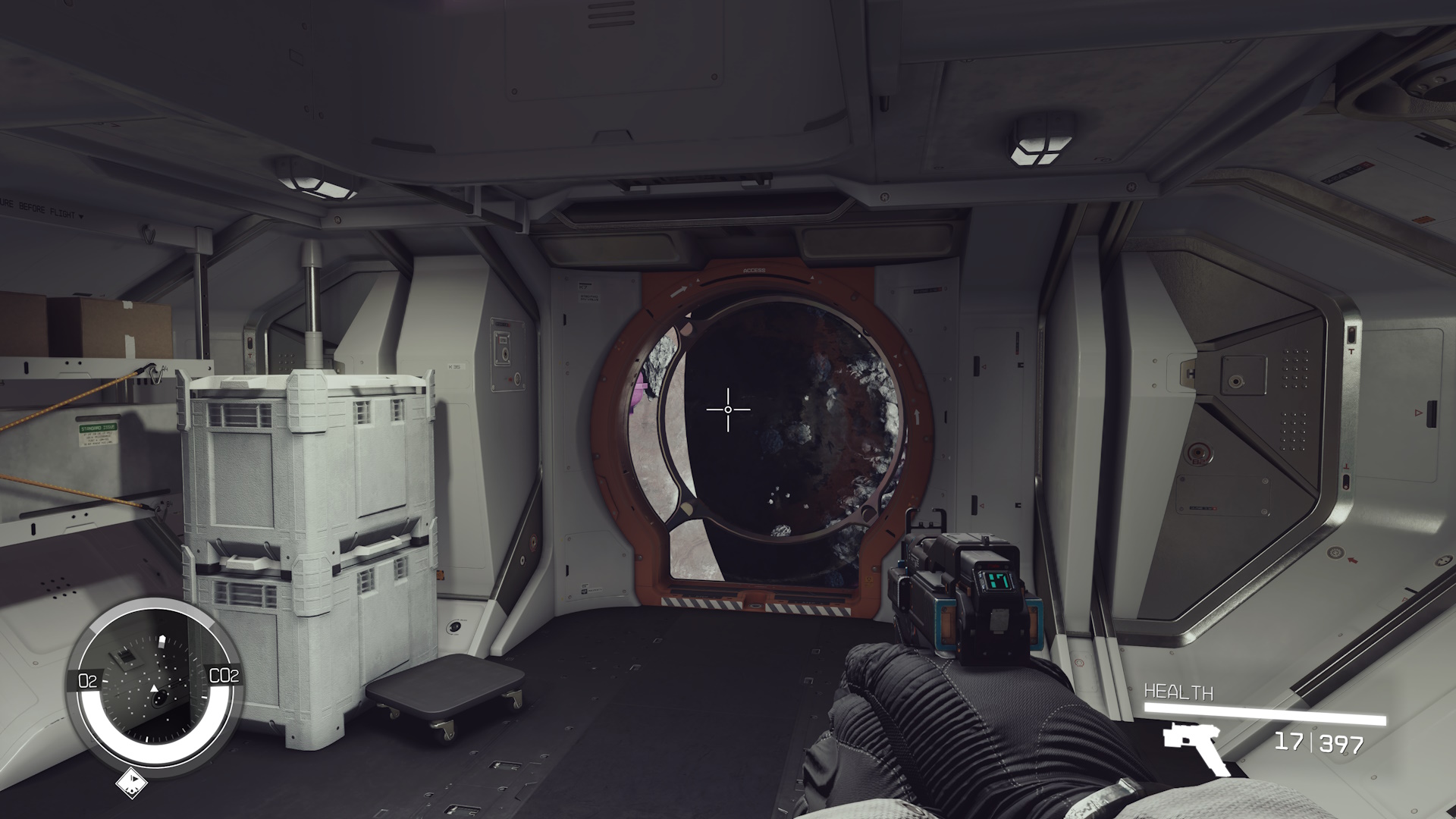

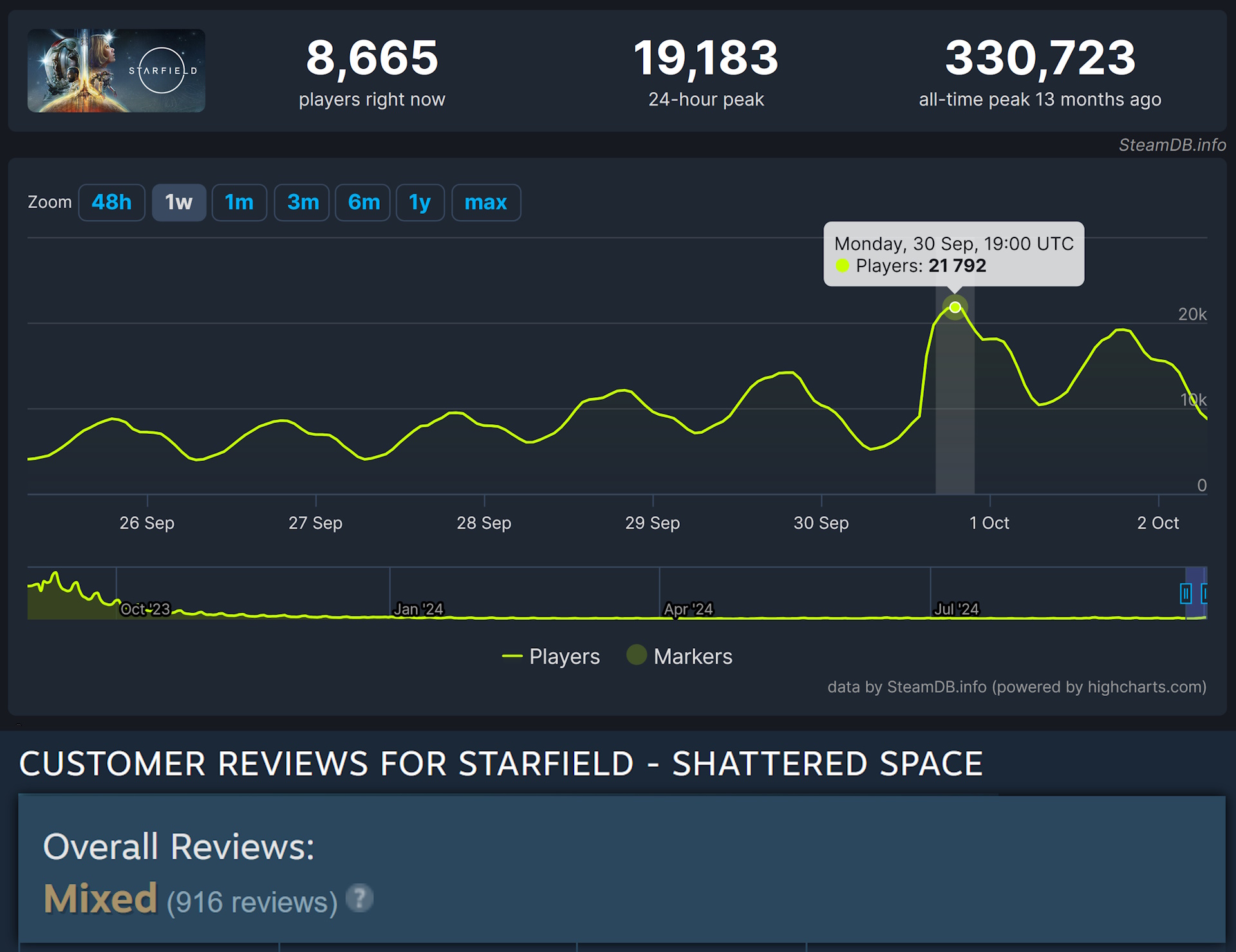
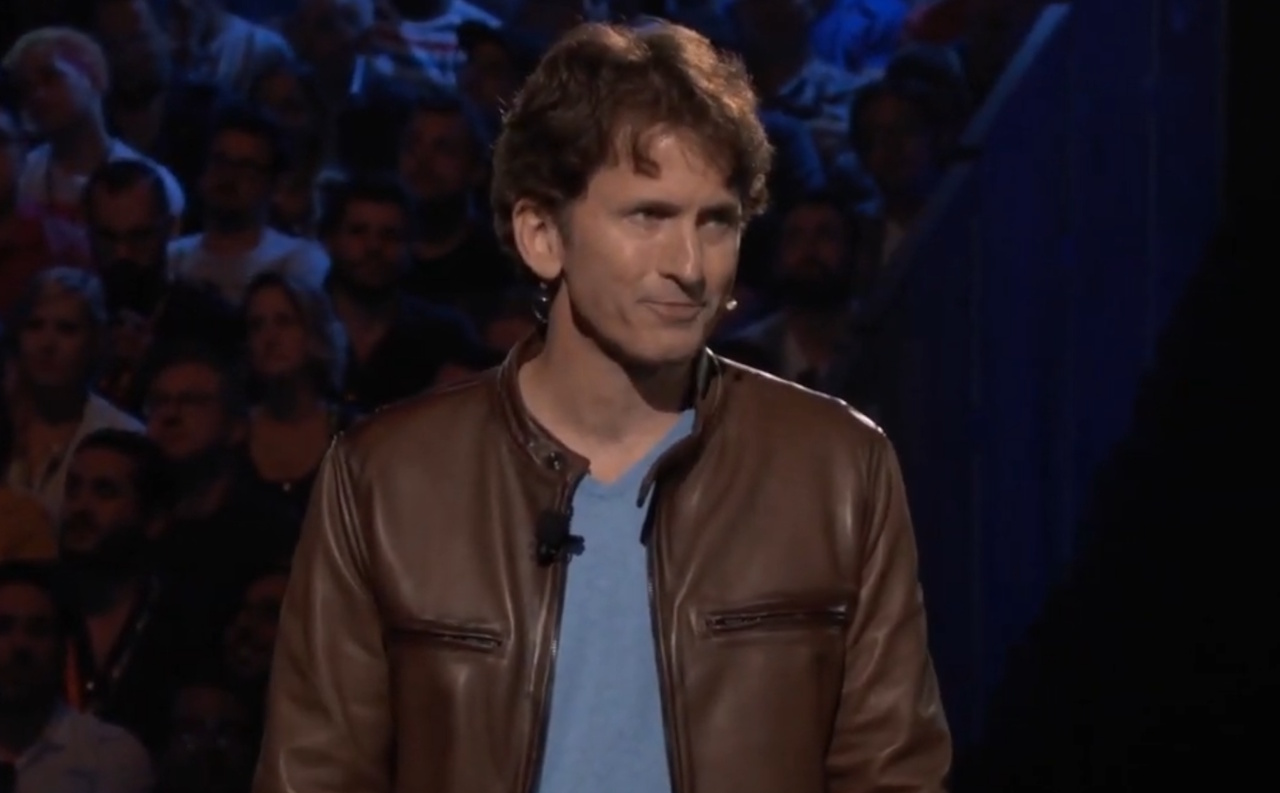
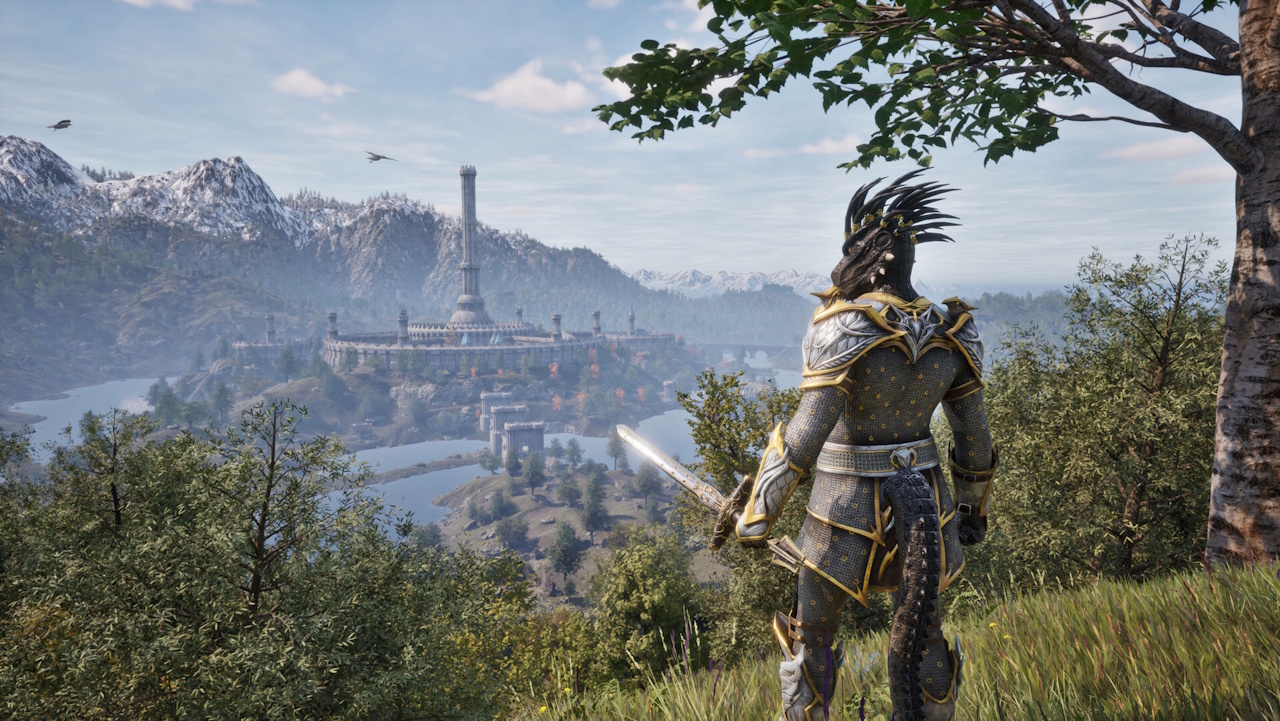

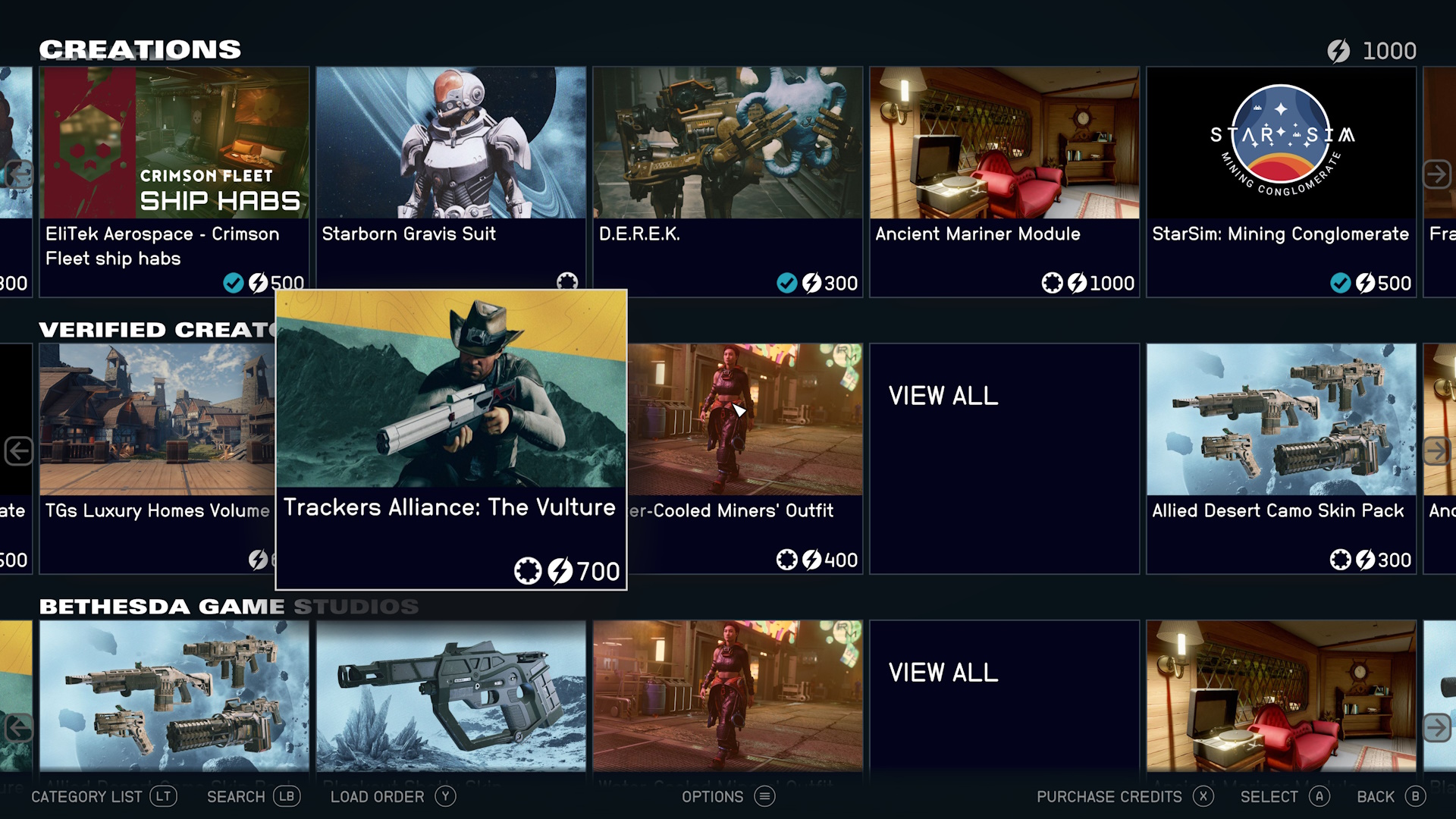

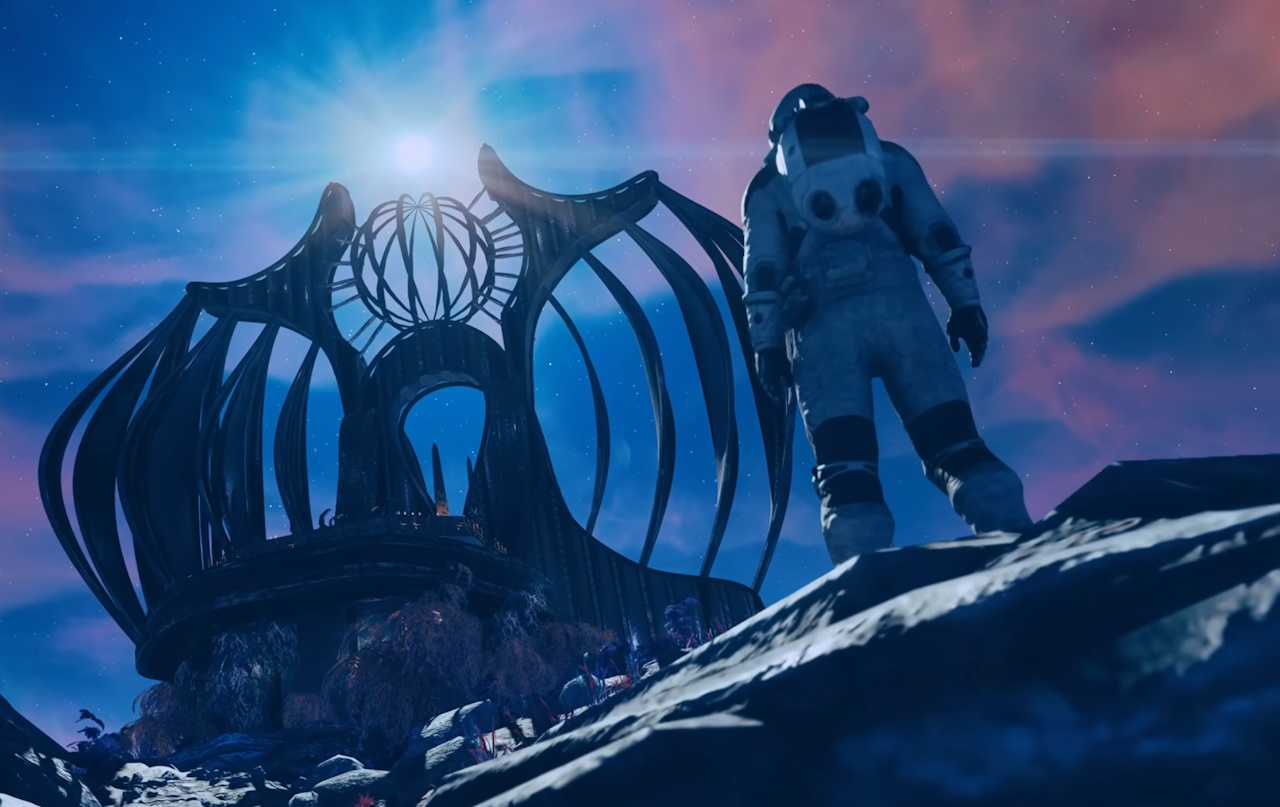
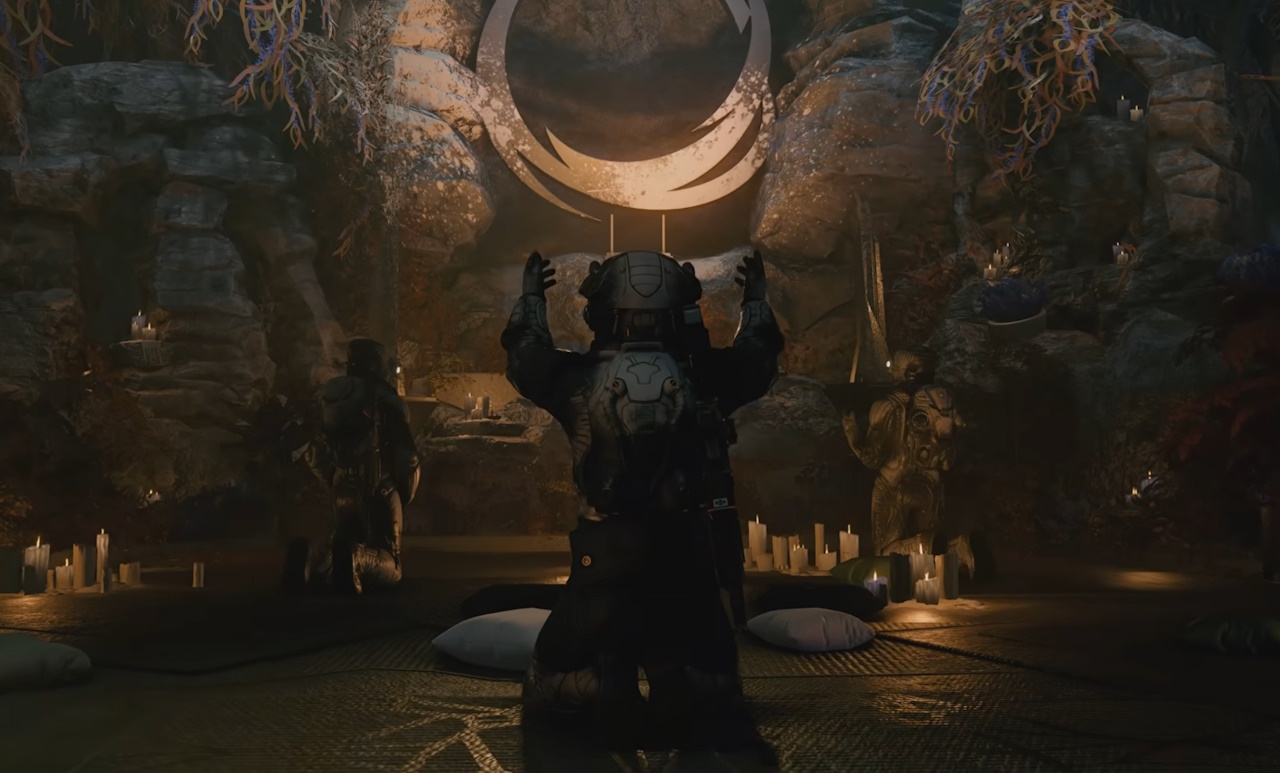
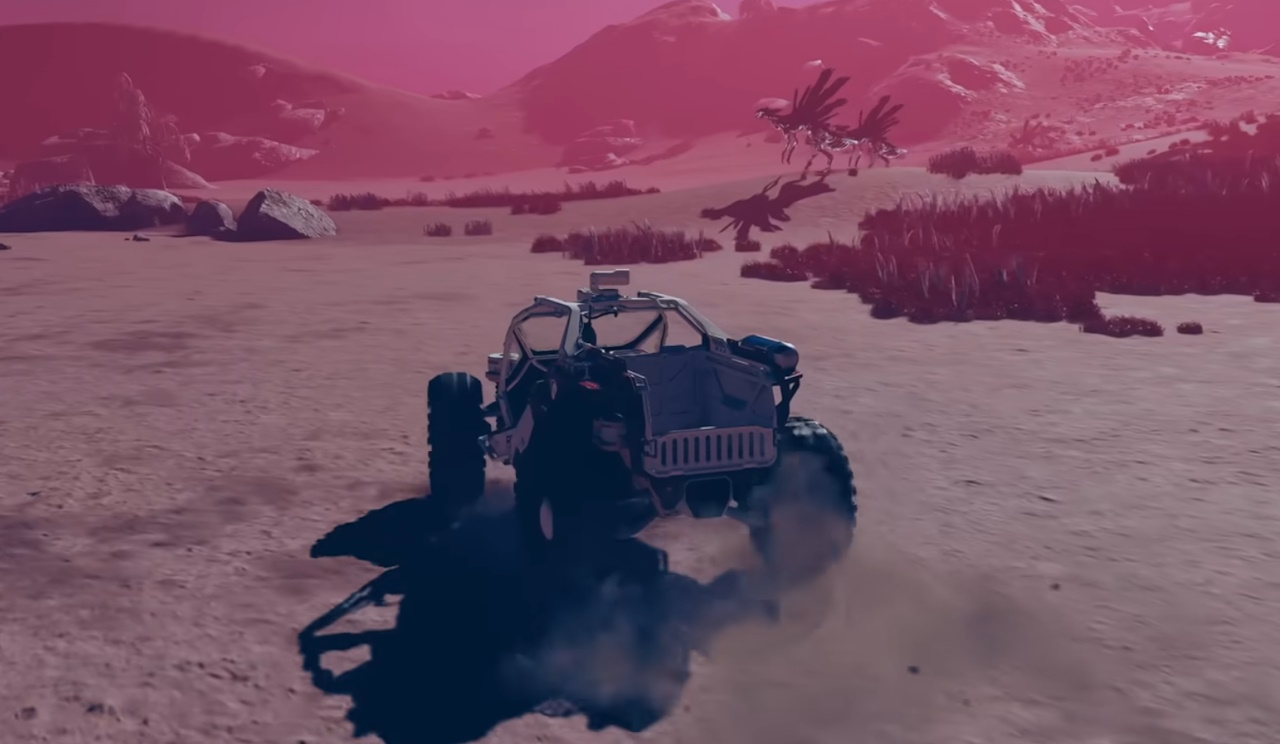
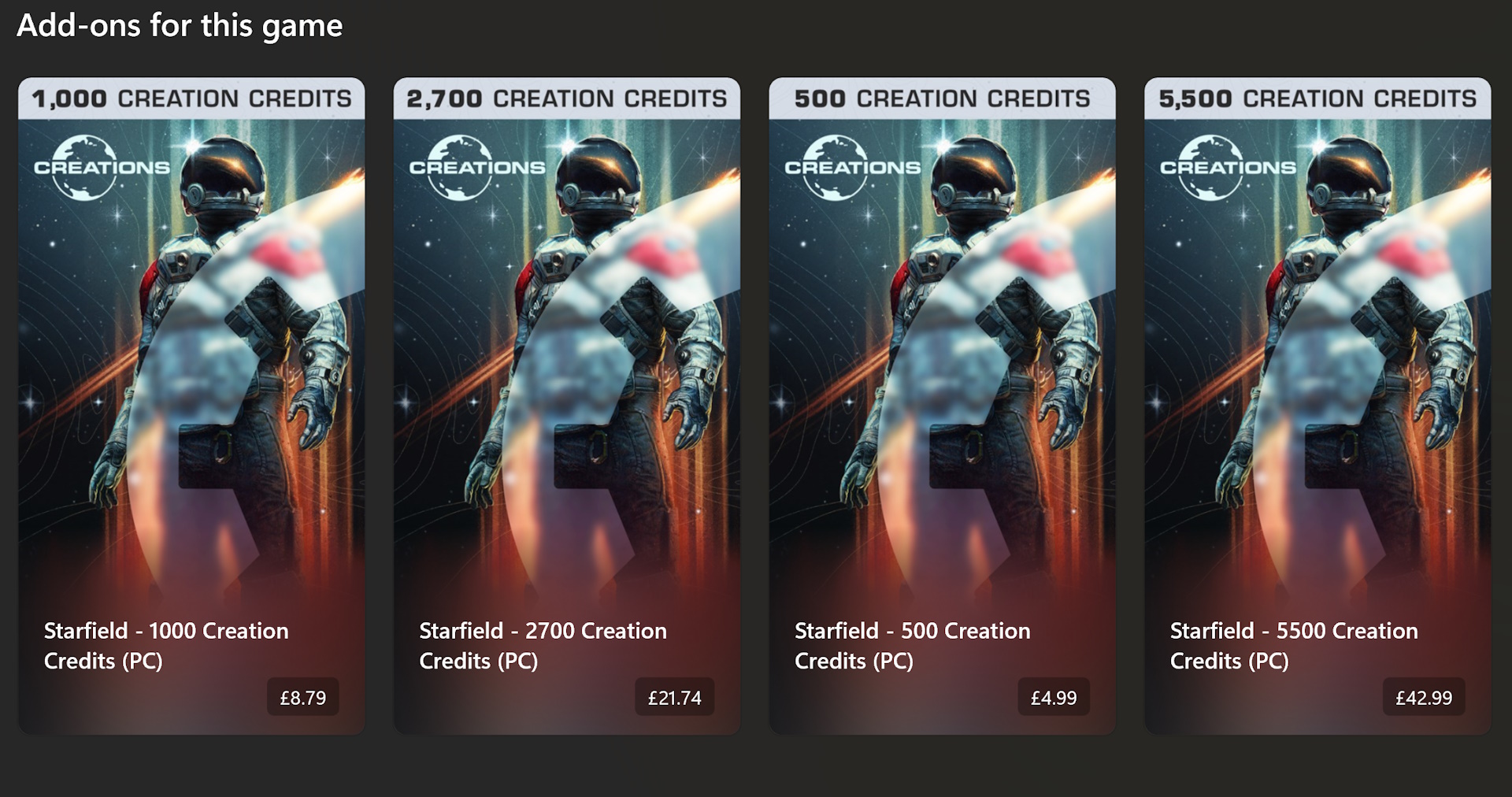
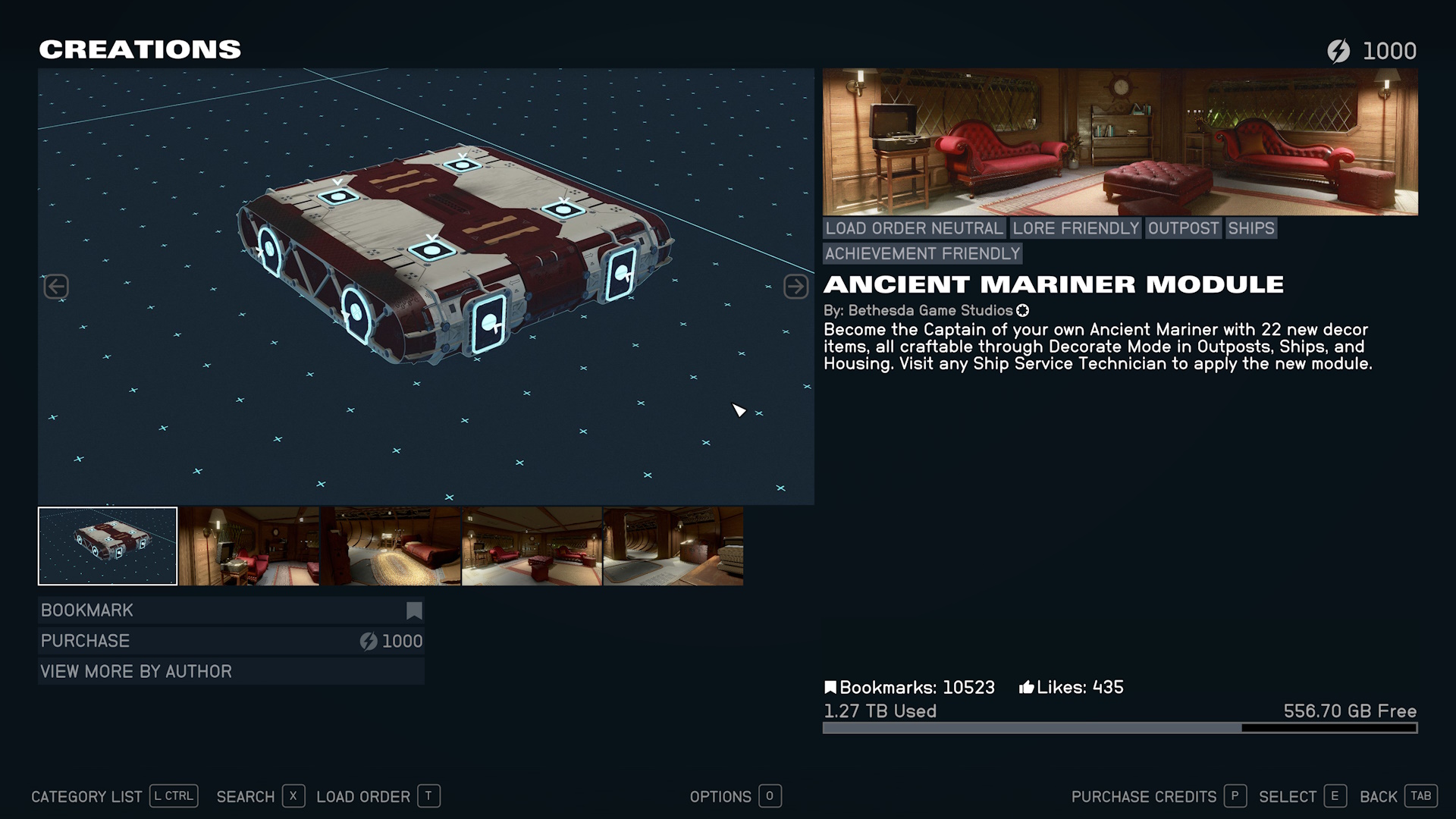
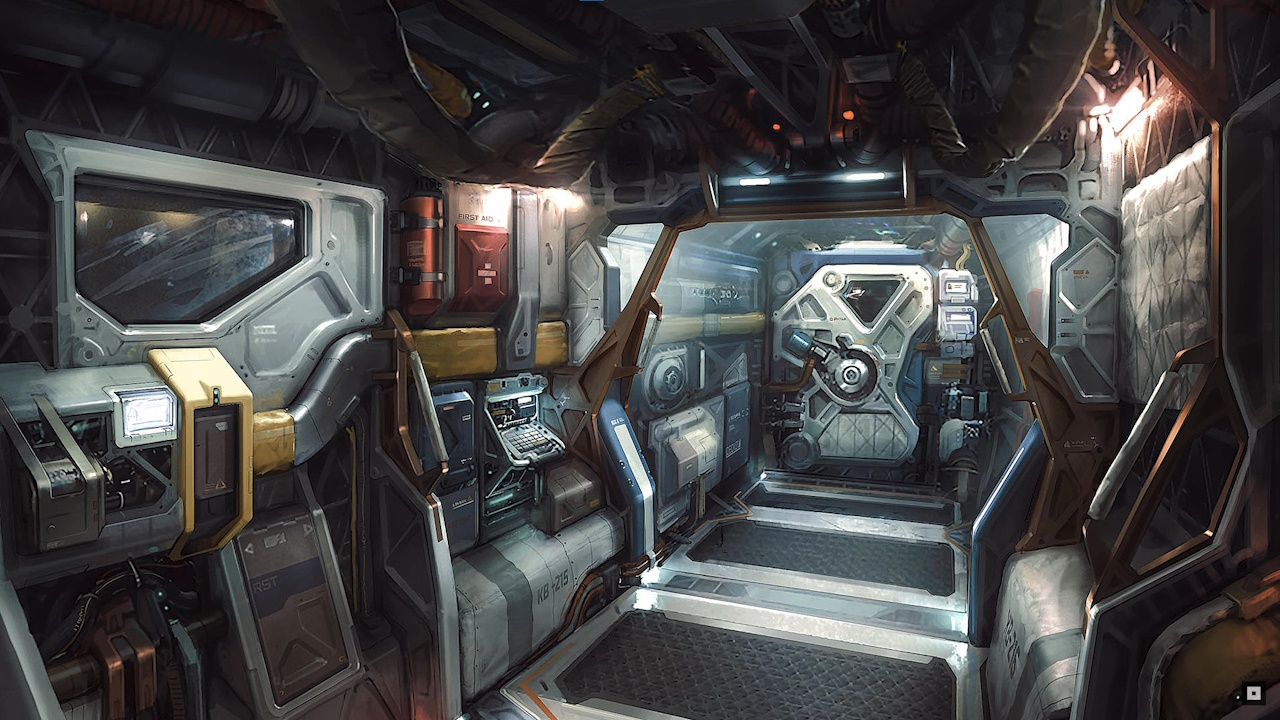
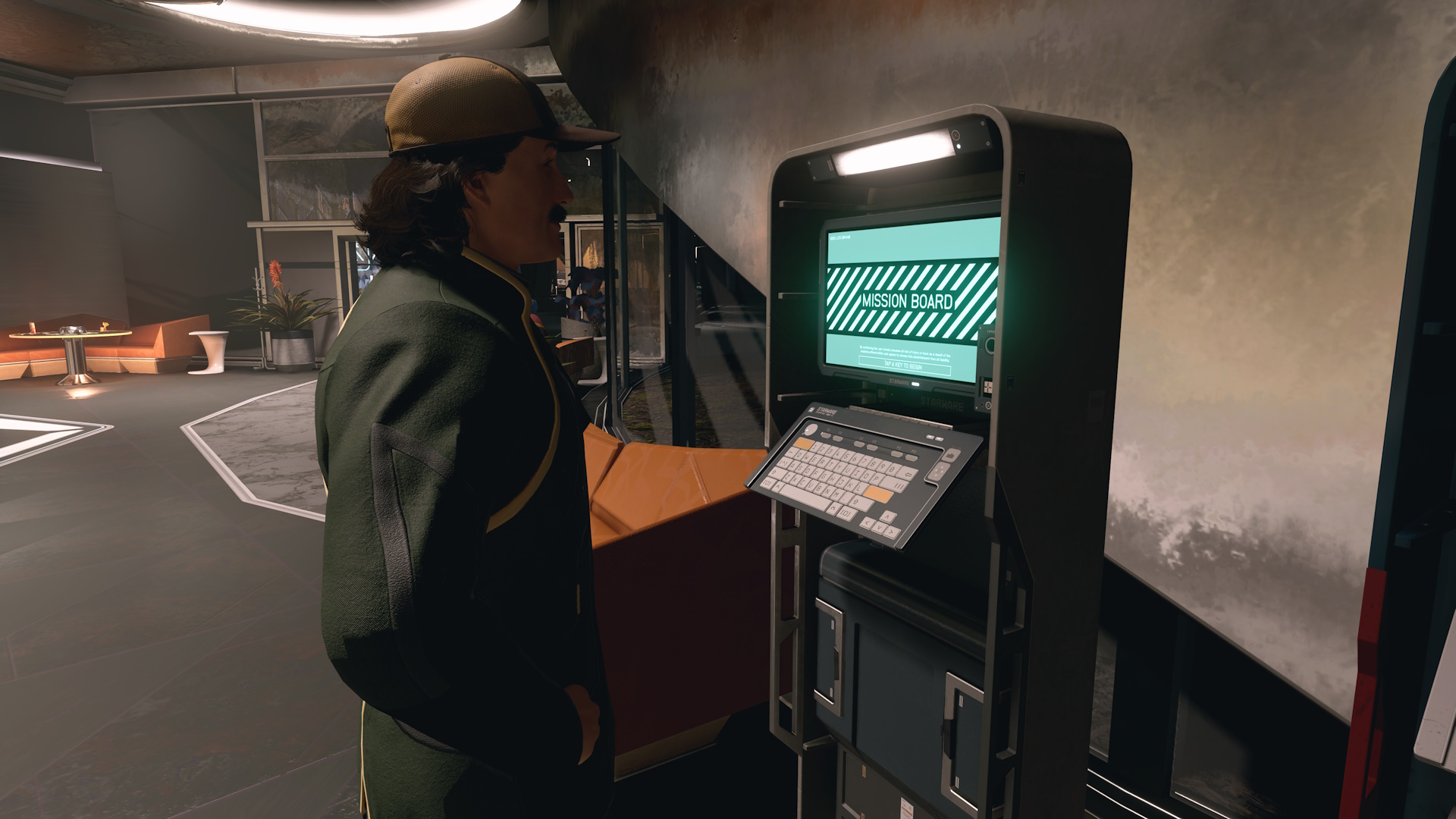
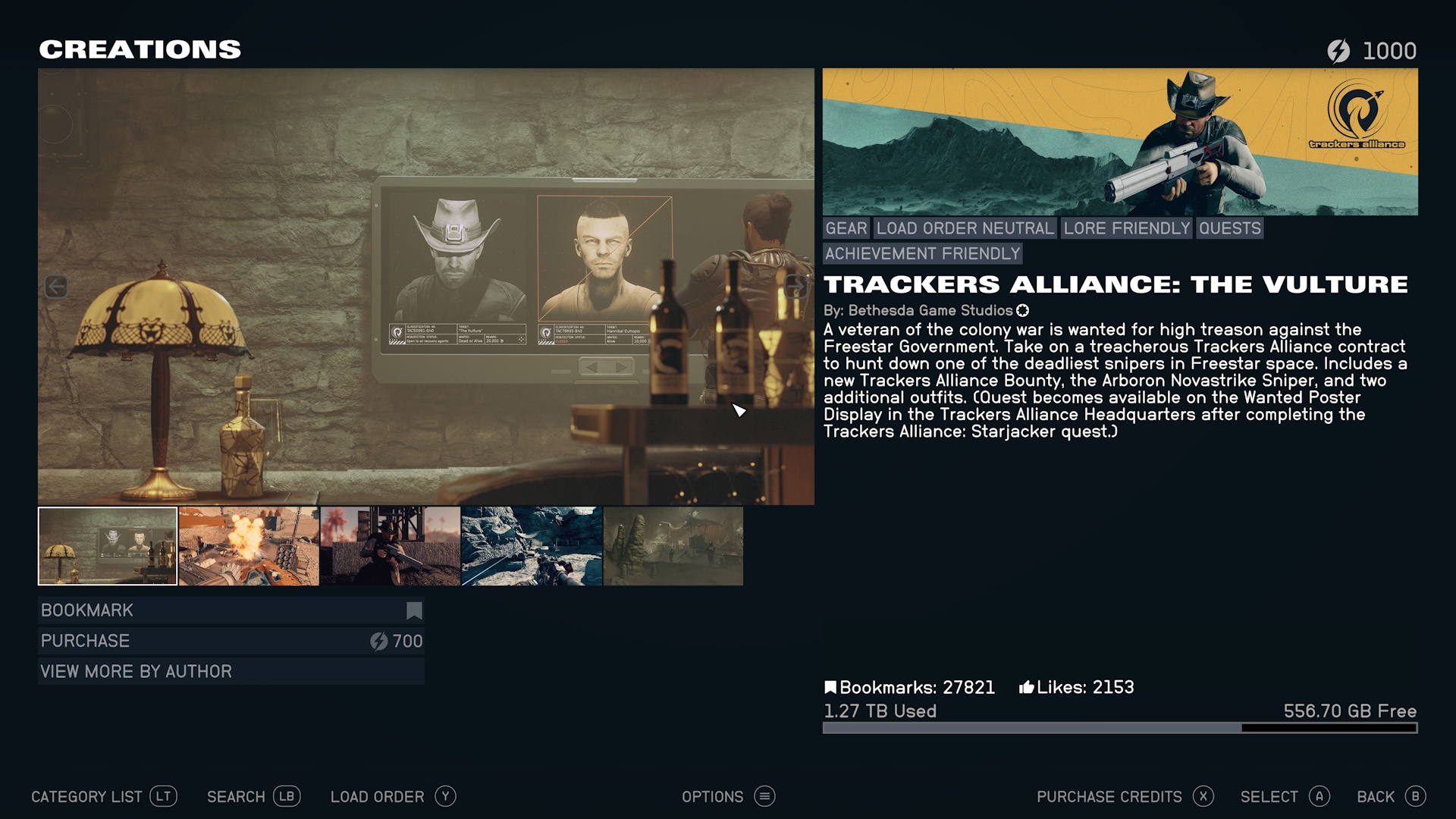
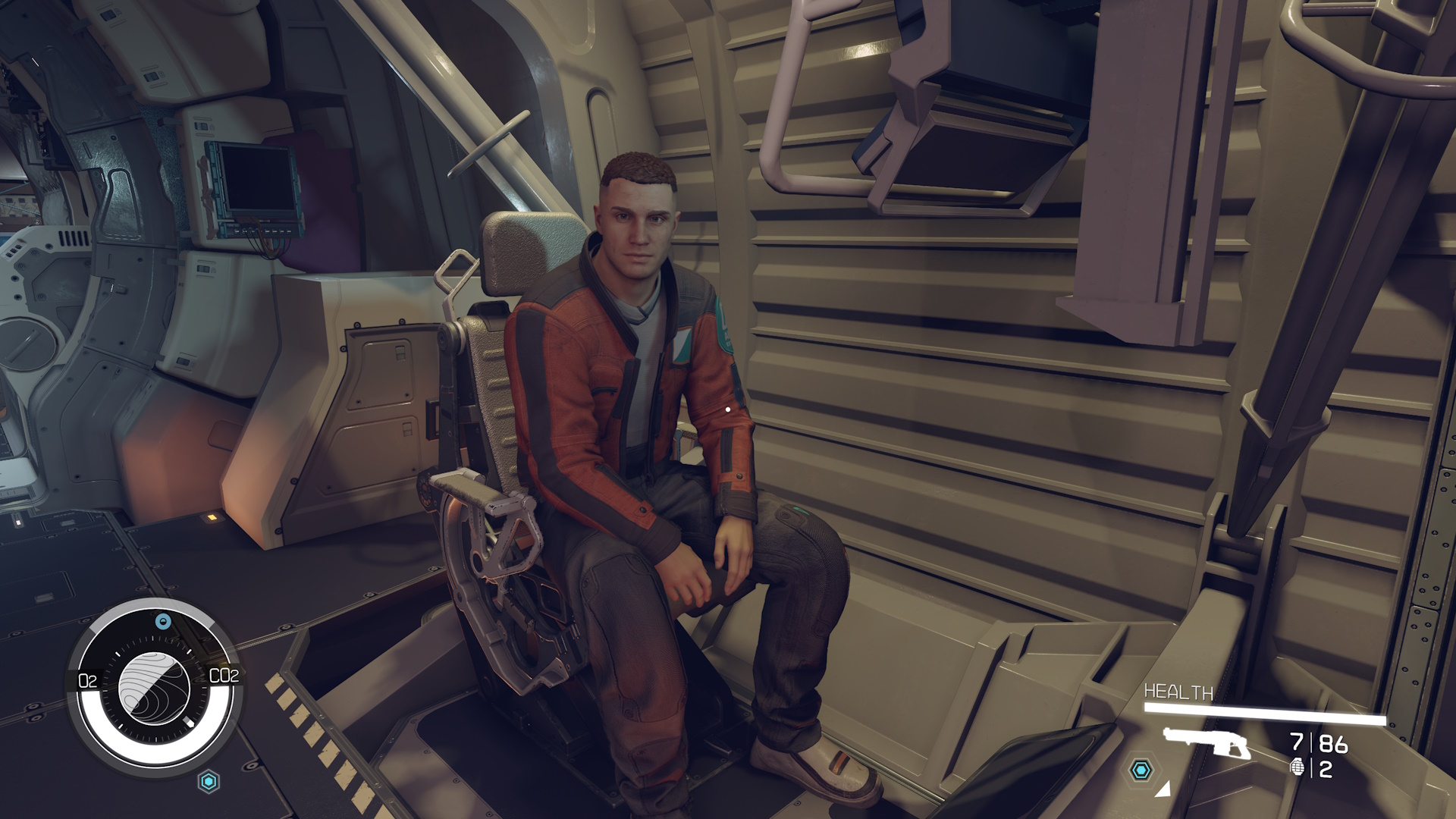
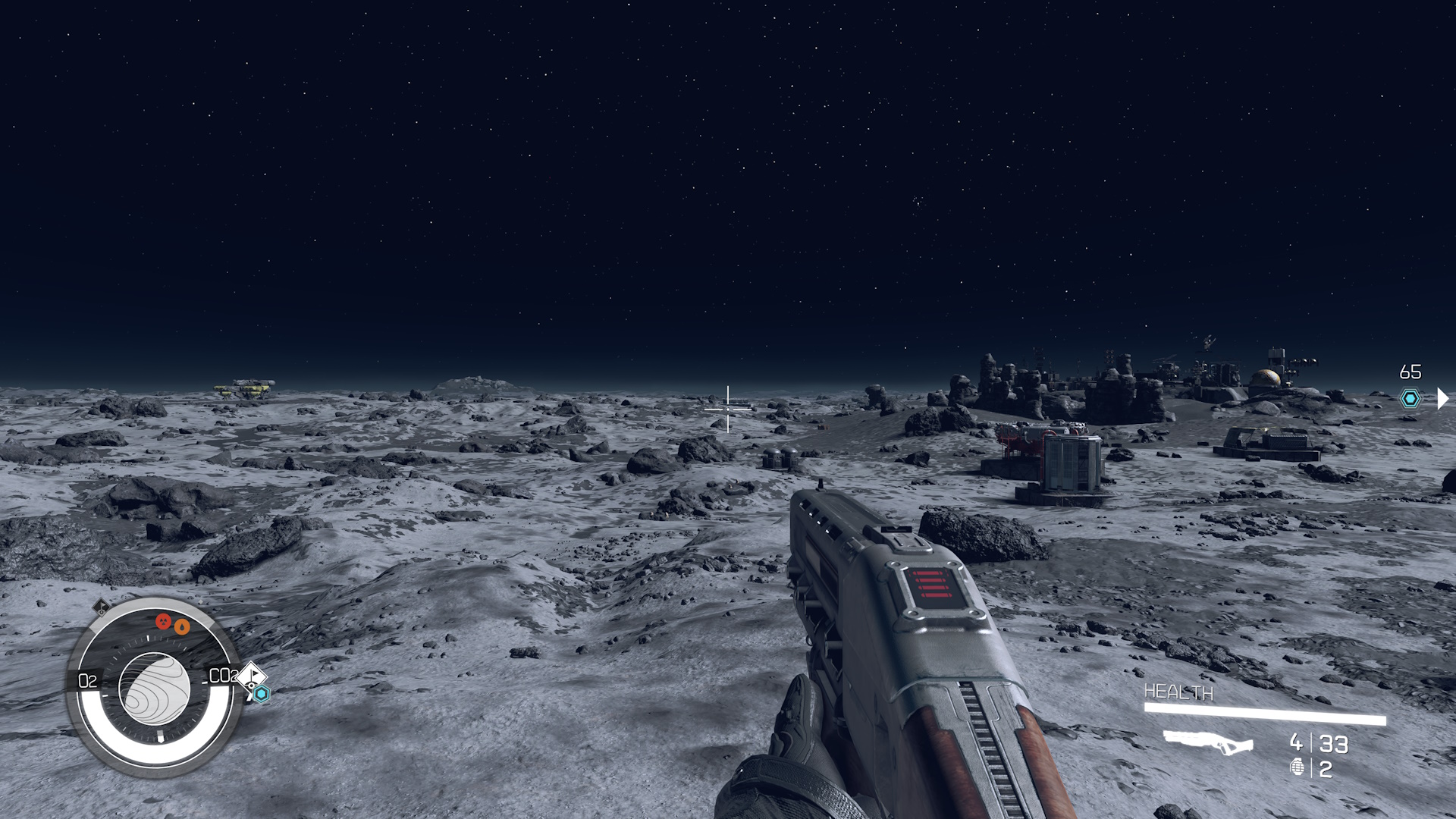
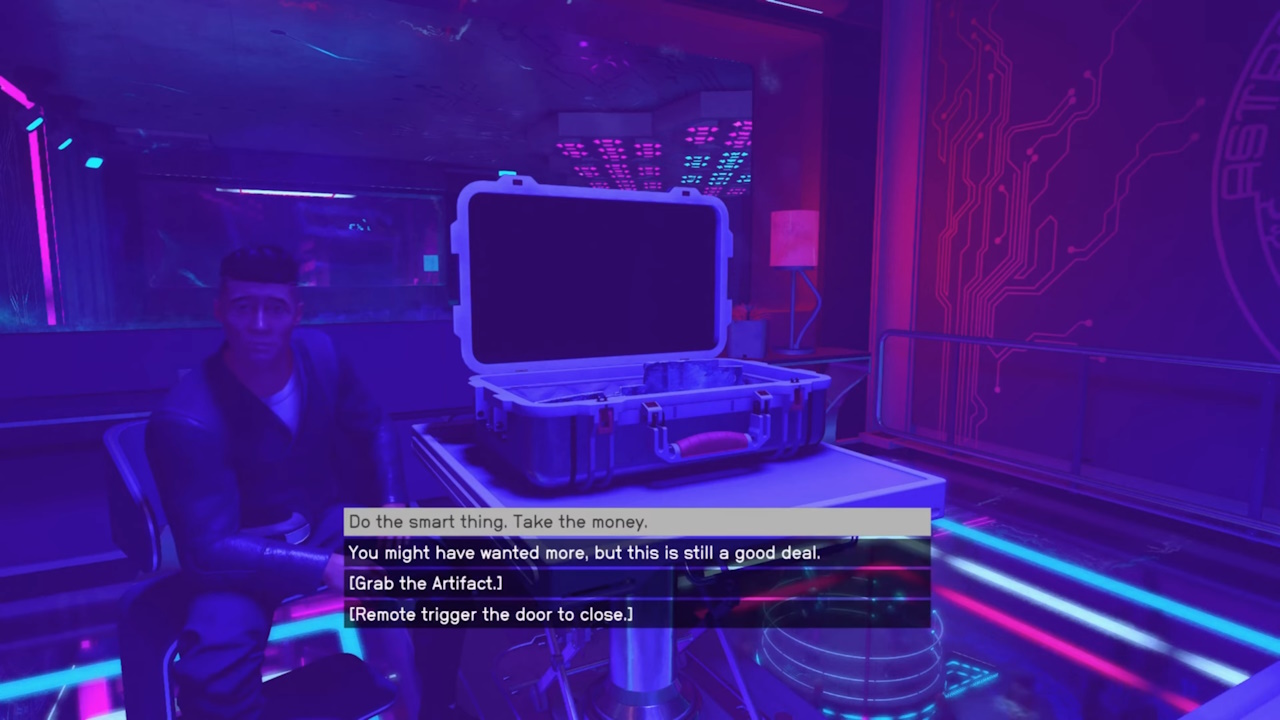
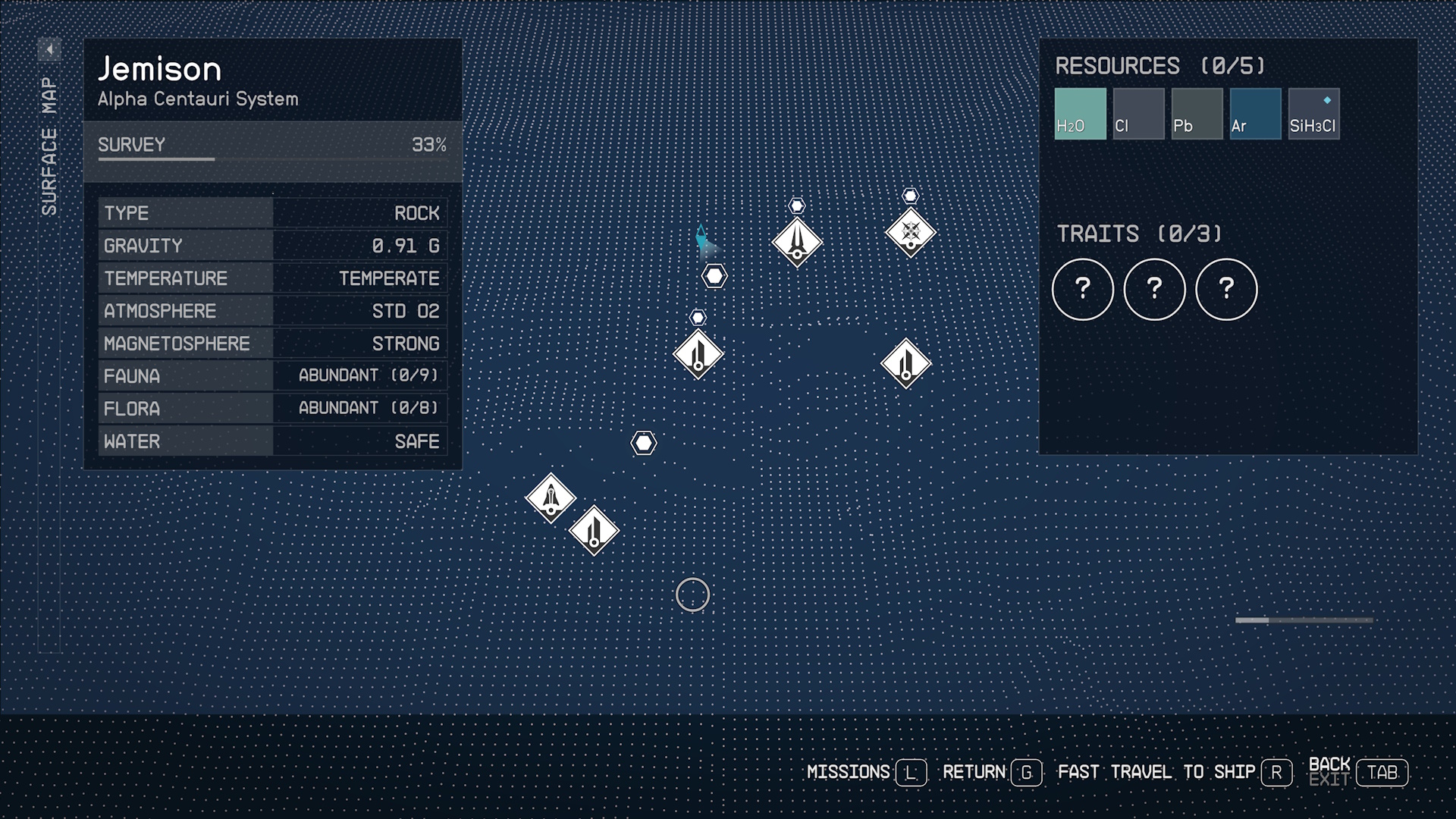
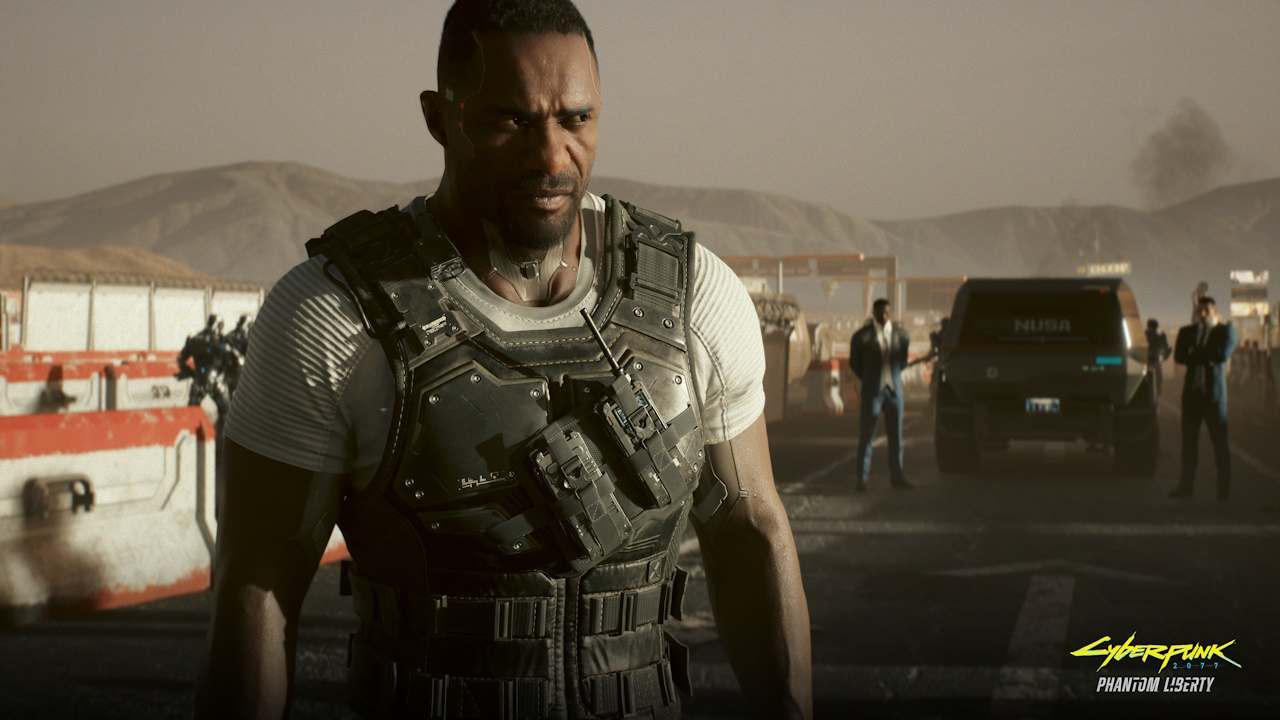

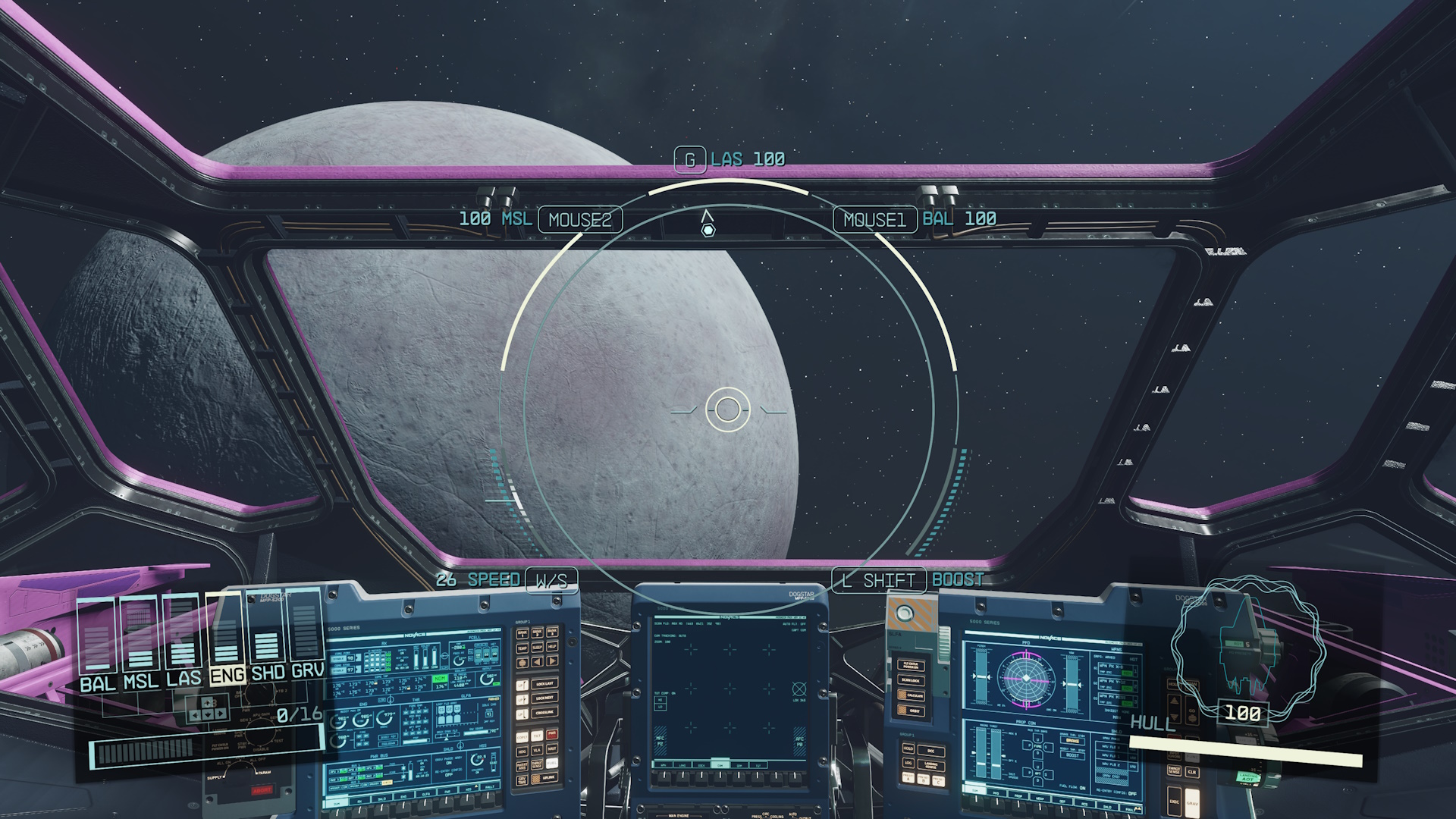
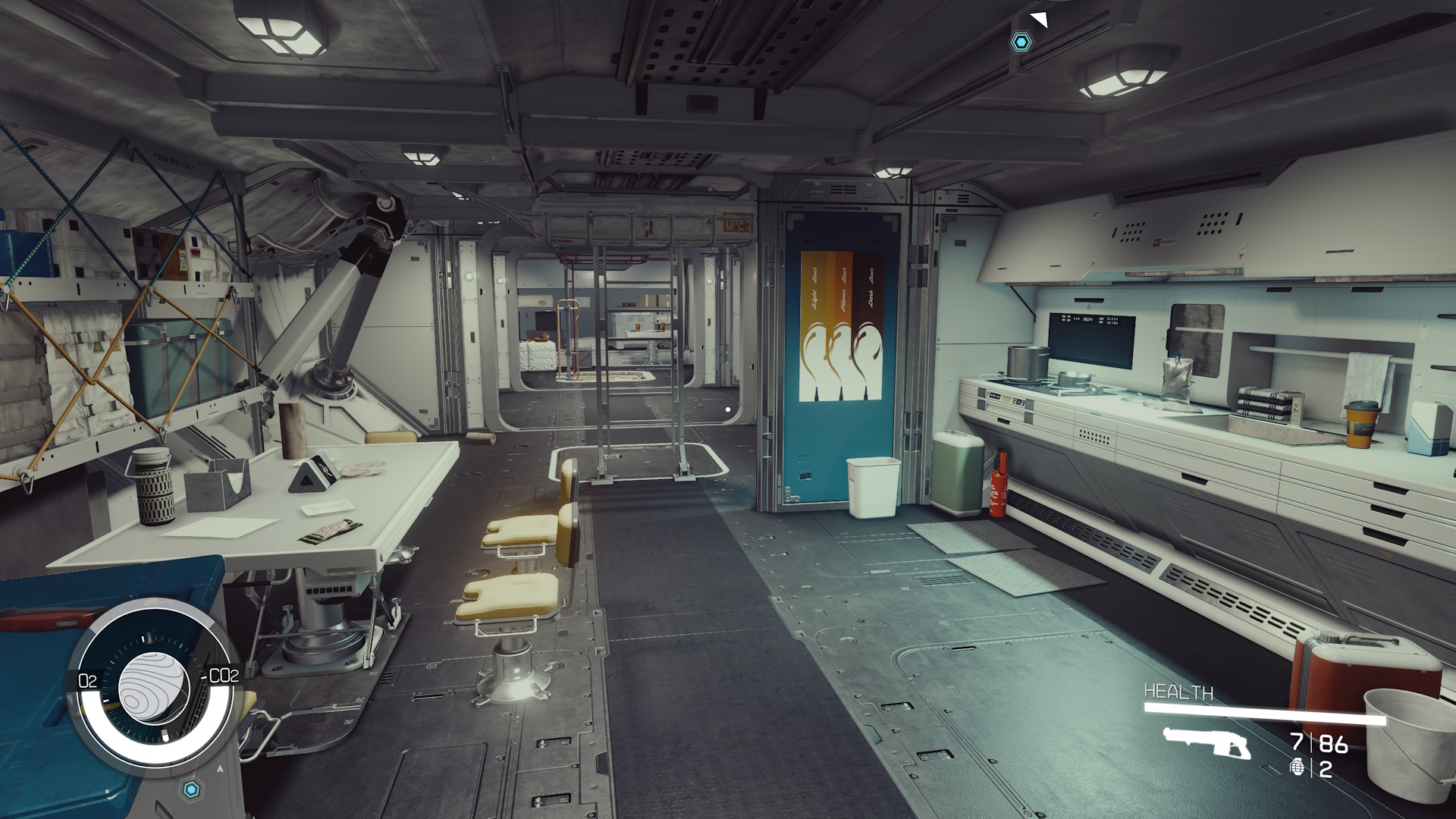

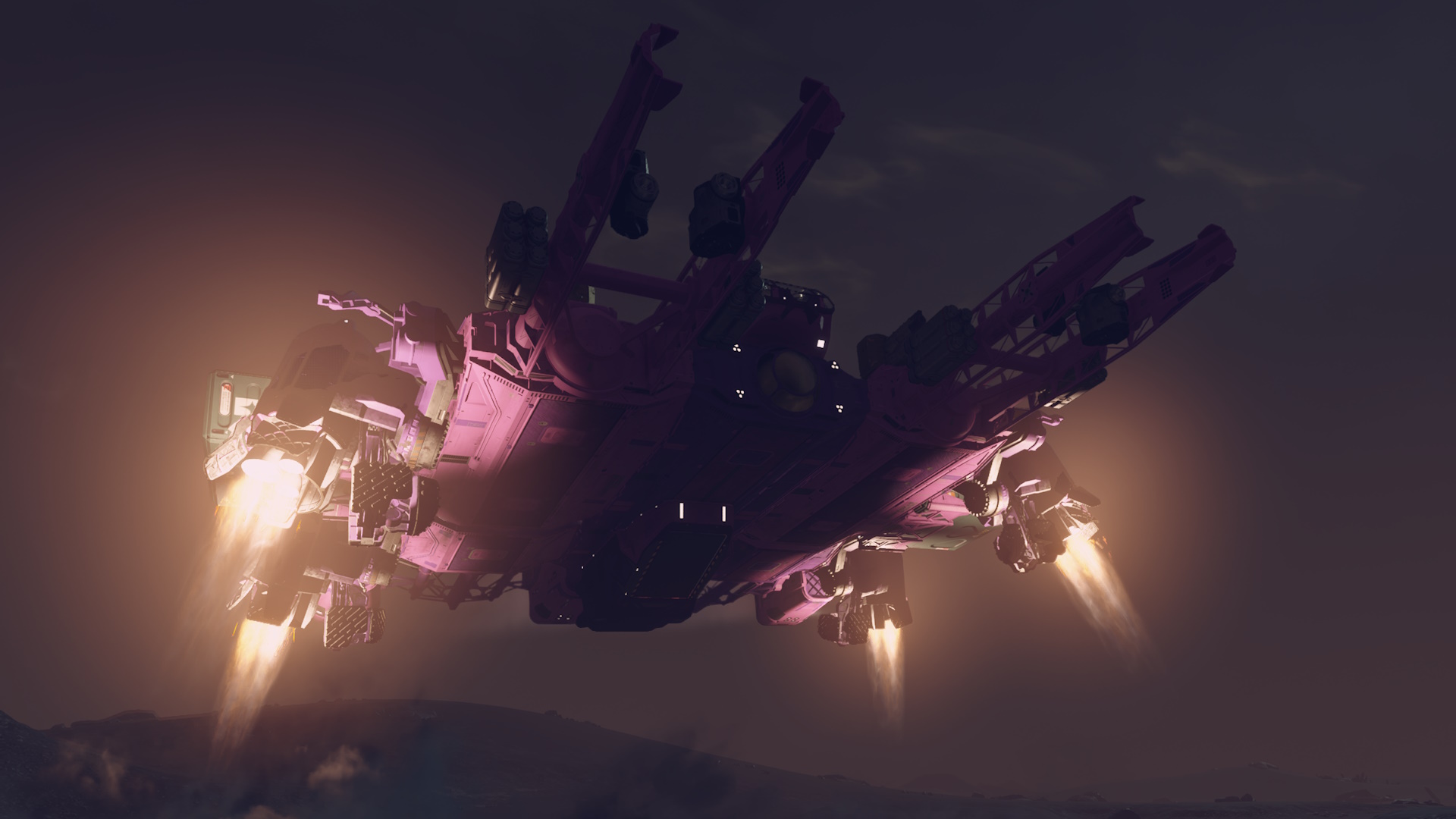
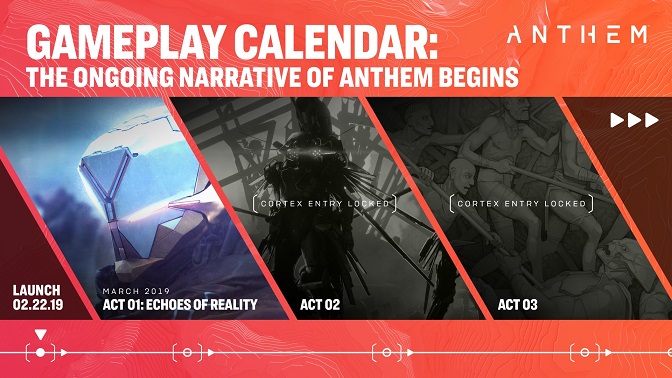
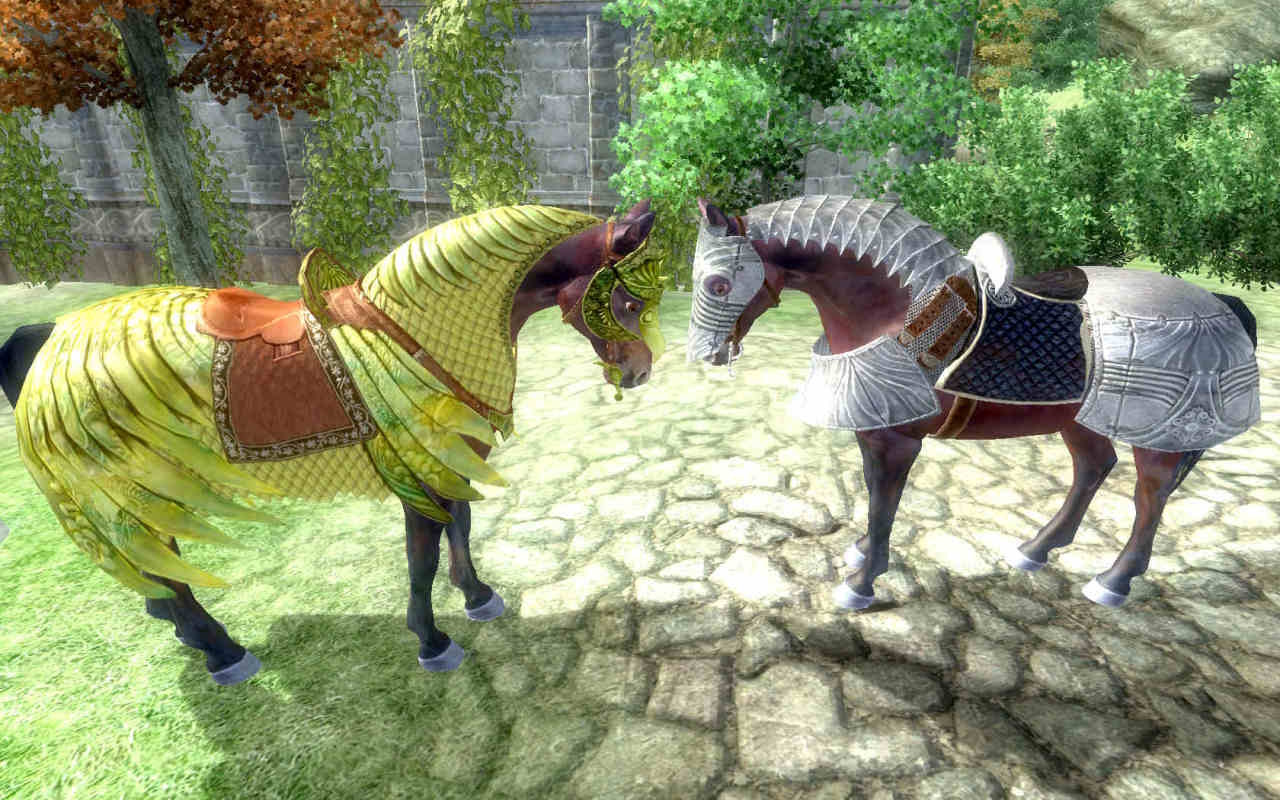
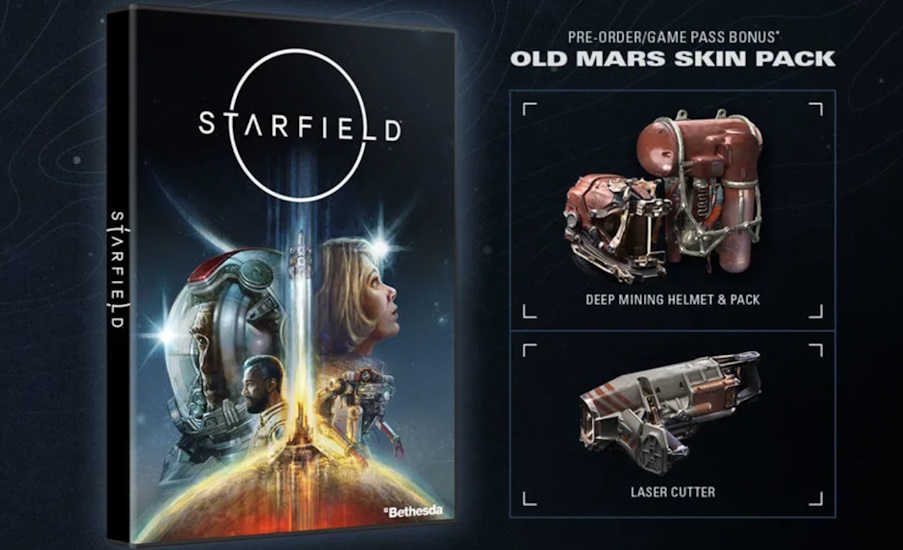



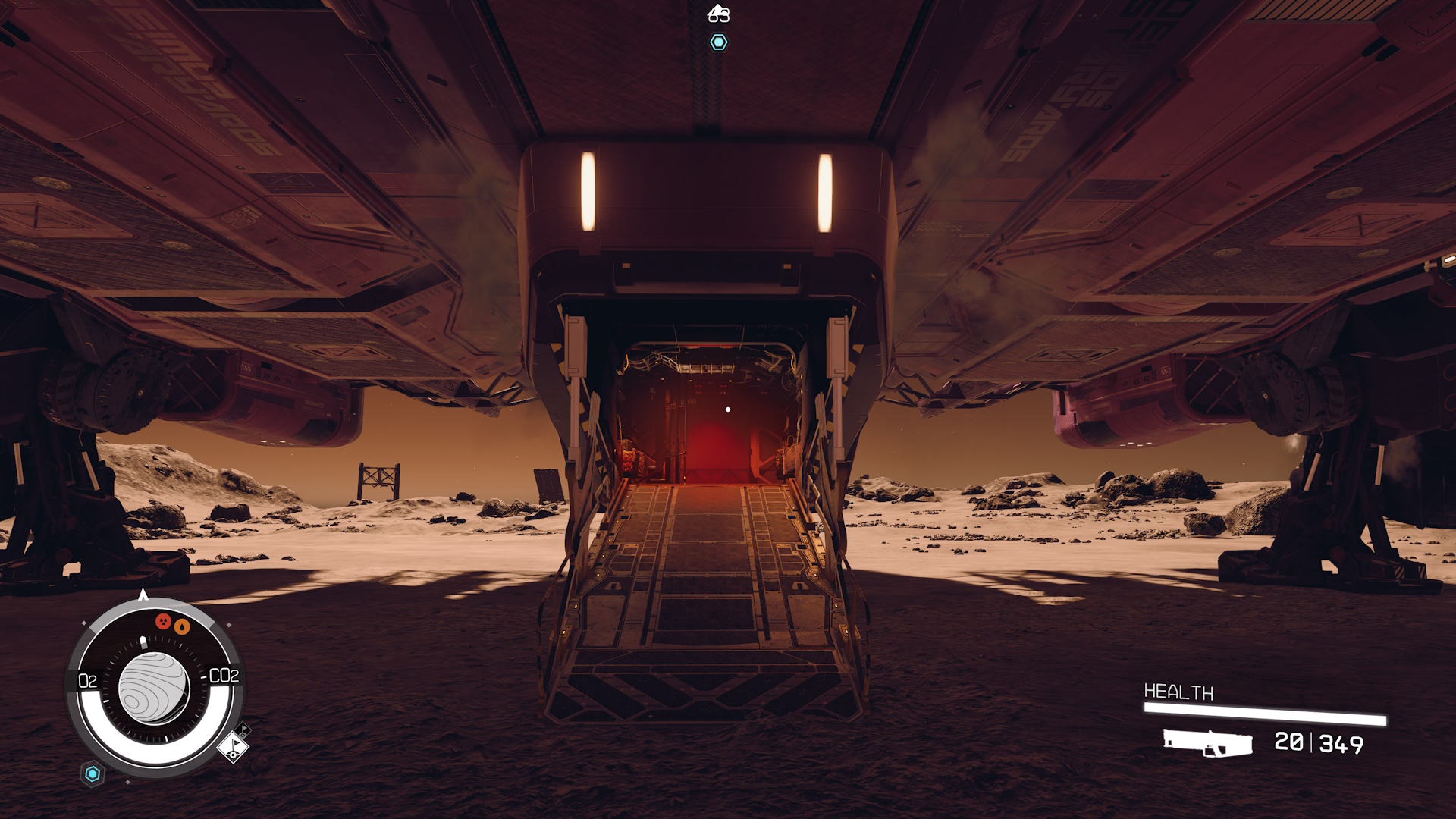
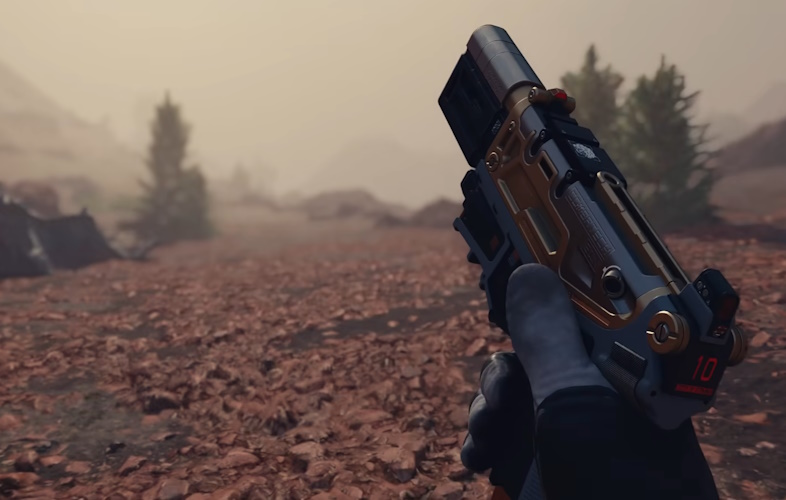
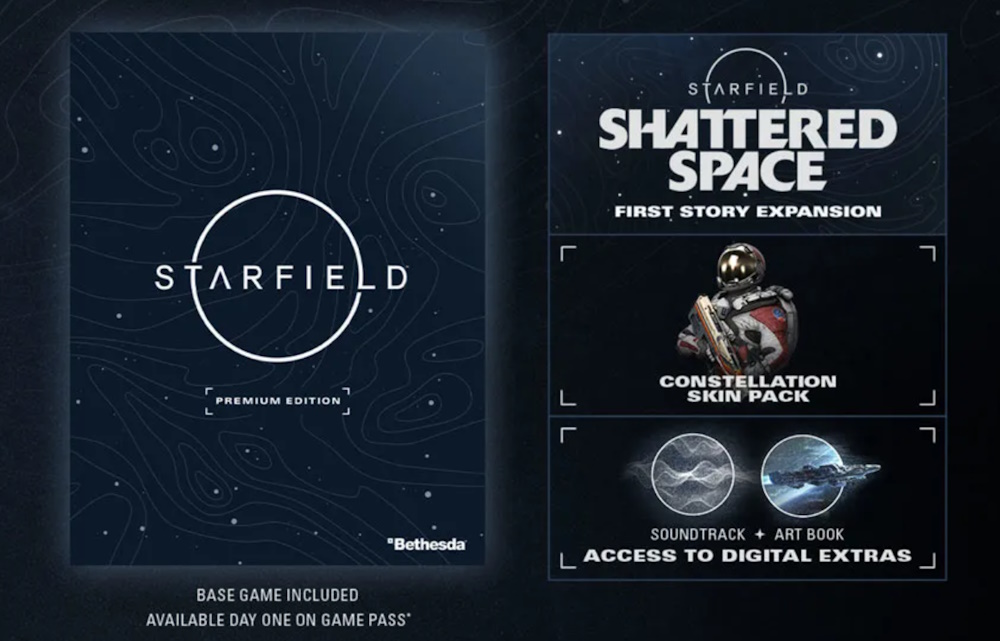
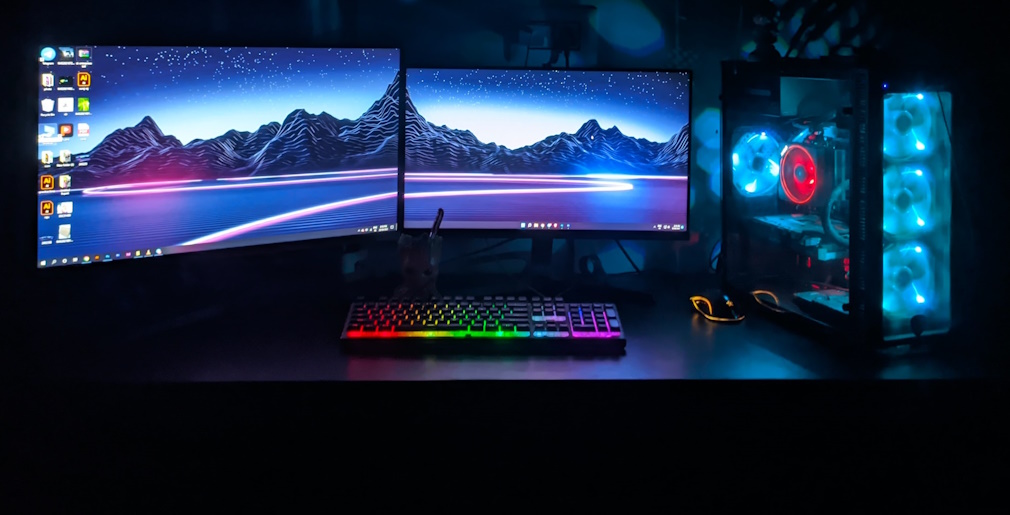
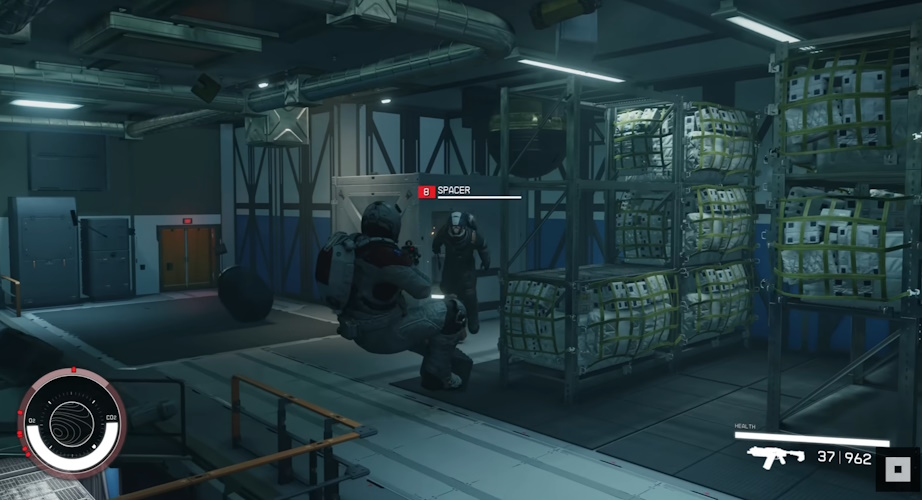
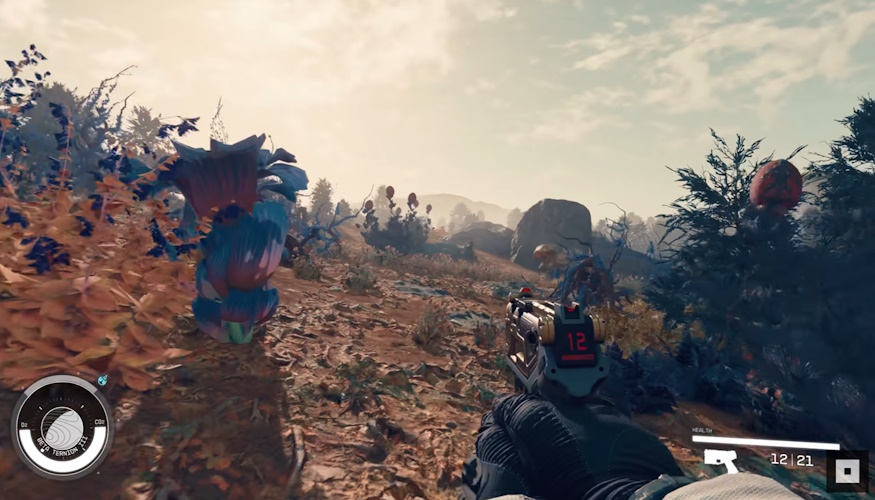

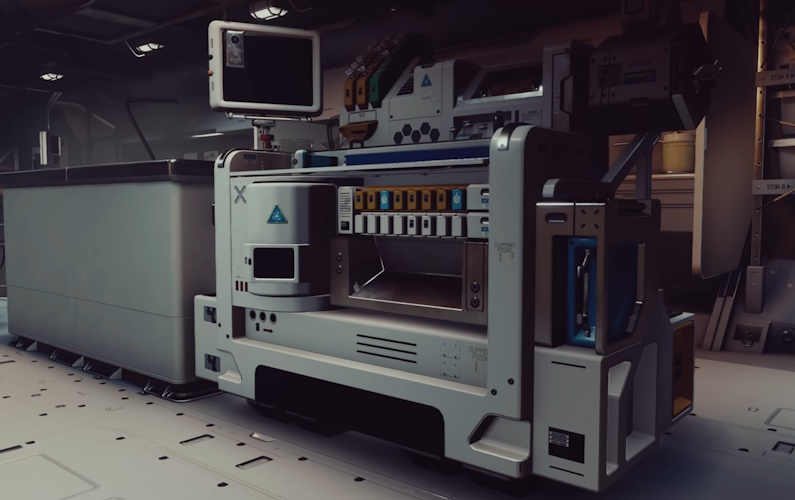
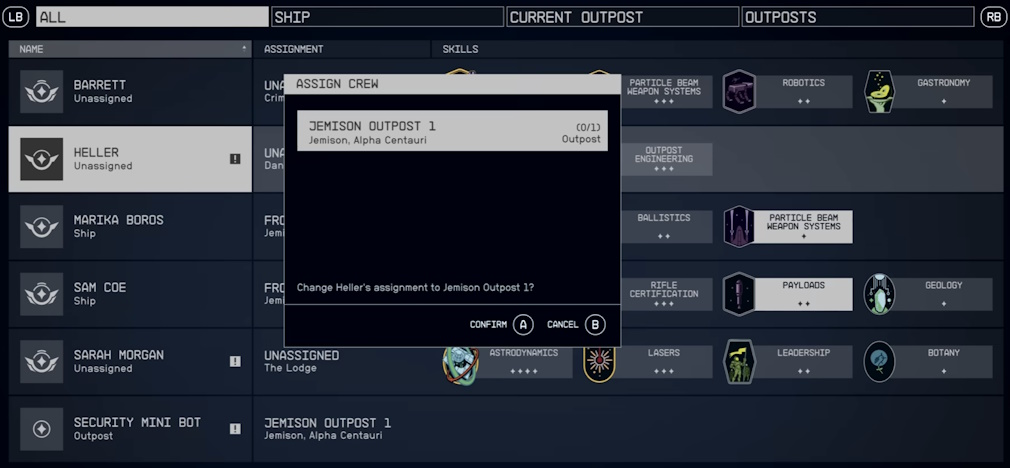
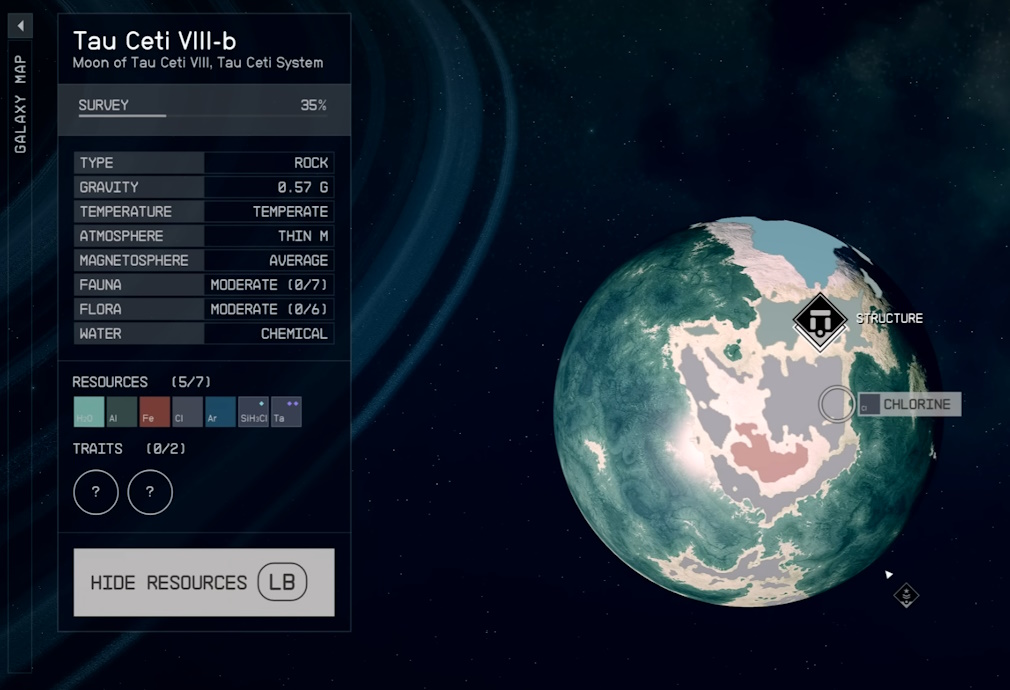
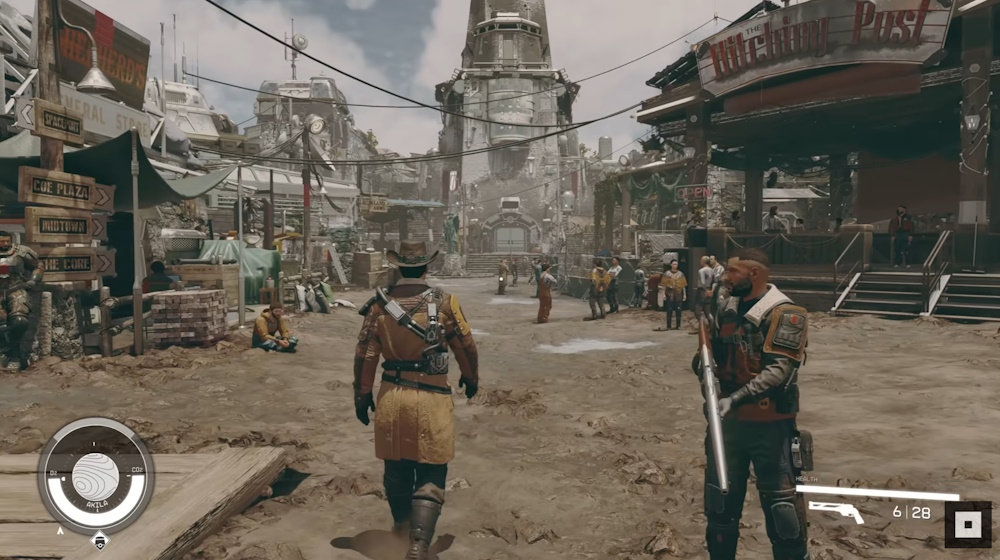
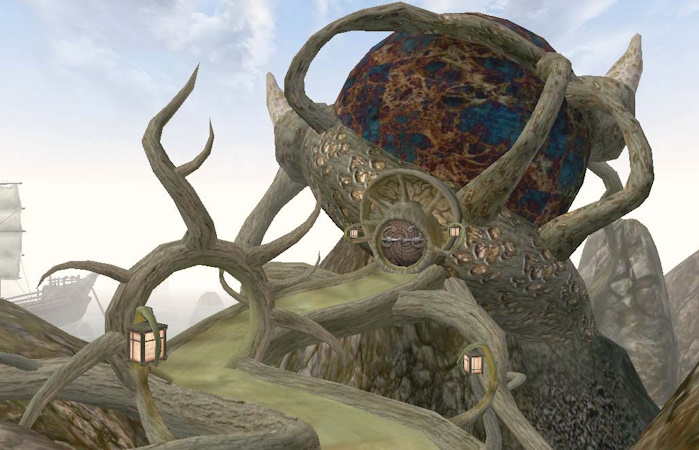

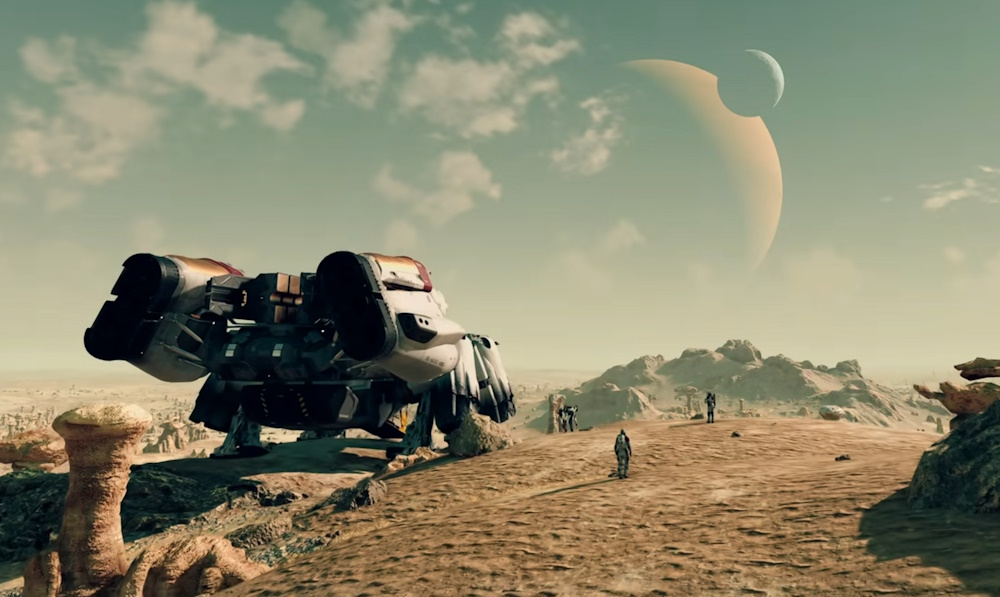
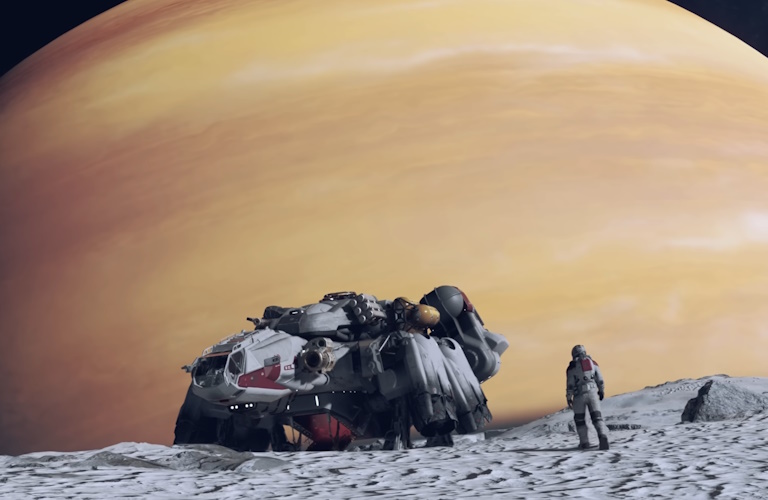

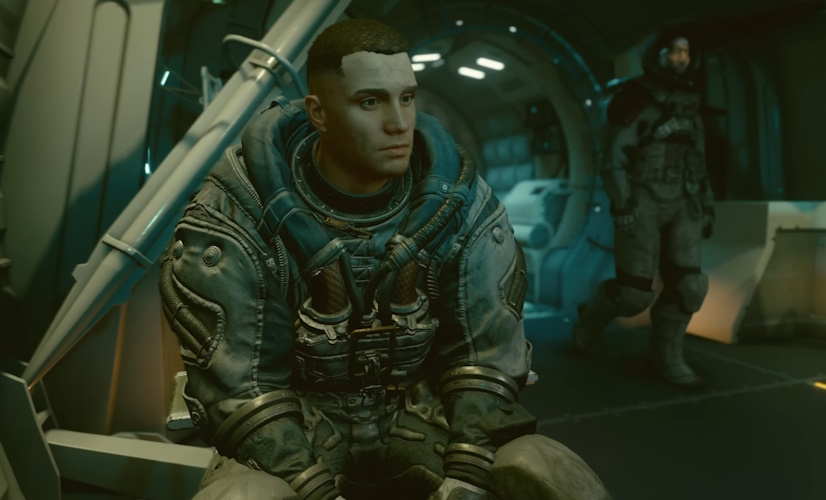
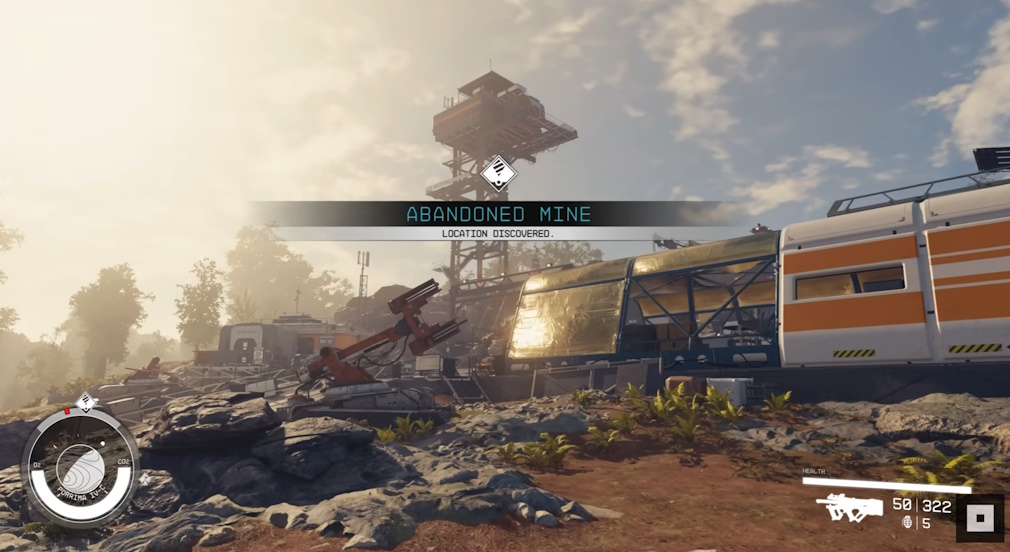
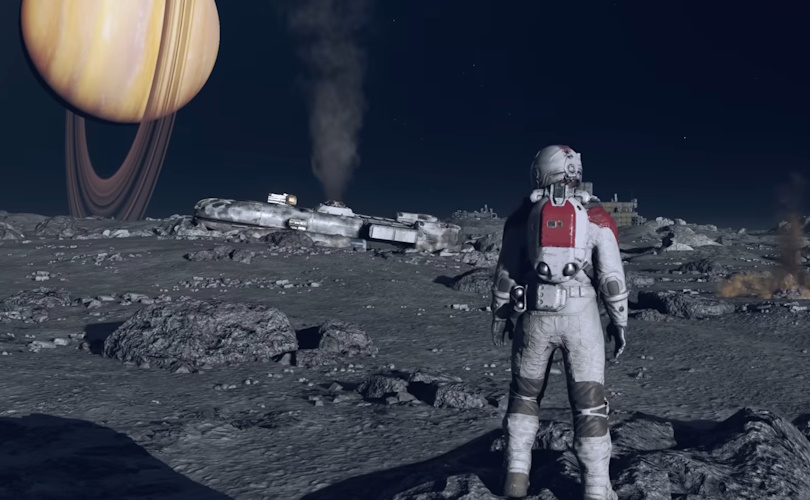
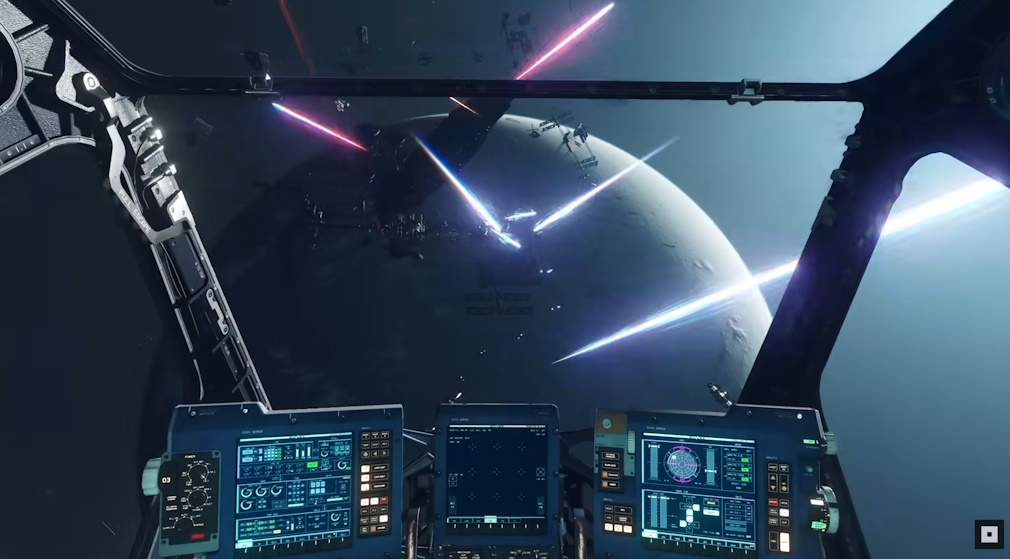
 Trekking with Dennis