The Fallout… Fallout

A TLOU-themed spoiler warning graphic

Spoiler Warning: Beware minor spoilers for Fallout 4, Fallout 76, and the Fallout TV adaptation.

One story to come out of the latest mess at Xbox is one that I predicted back in January: the next Fallout video game is being taken away from Bethesda. I thought it would be interesting to talk about that today, as well as consider what a new title in the storied – but arguably sullied – post-apocalyptic franchise could have to offer.

As always, everything we’re discussing today is the *subjective, not objective* opinion of just one person. If I highlight a part of the Fallout franchise you despise, or criticise something you adore… that’s okay. There ought to be enough room in the fan community for differences of opinion and respectful conversations that don’t descend into toxicity. I will also say, for the record, that I haven’t played every game in the Fallout series (I didn’t play Fallout 1 or 2 back in the ’90s, and I still haven’t played New Vegas), and that I’m not the world’s biggest fan of the Fallout TV adaptaion. I don’t hate the show, but the best thing I can say about it is that it’s “solid, but not spectacular.” If you think any or all of that renders my take on the next Fallout video game invalid… well, here’s your chance to click off and read something else, I guess!

Concept art for Fallout 4 showing a Pip-Boy
A Pip-Boy.

It’s also worth noting that what we’re going to get into today has not been officially confirmed by Bethesda, Xbox, or Microsoft at time of writing. Rumours abound in the games industry, and while what I’ve heard about Fallout seems credible to me based on the sources that have stated it, until it’s official it should be taken with a healthy pinch of salt. It isn’t my intention to stir the pot (too much), or add to unsubstantiated rumours, but this topic is of interest, and I think the sources are reliable enough to warrant an article like this.

I think the first and most important thing to say is this: Bethesda losing the right to make the next Fallout video game is *entirely* the fault of Todd Howard and the other executives at the studio. I have precisely zero sympathy for any of them, and frankly, this situation should be neither a shock nor a disappointment to the senior folks at Bethesda. Their own actions and policies directly caused this, and the only surprising thing, for me, is that it’s taken this long for Xbox and Microsoft to act.

Photo of Todd Howard at the Fallout S2 premiere.
Todd Howard, head of Bethesda, at the premiere of Fallout Season 2.

In the ’90s and into the 2000s, when Bethesda was a smaller outfit and when games didn’t take quite so long to make, it was totally okay to only work on one game at a time. But the gaming landscape has shifted – both for Bethesda itself and the industry at large – and for years, I’ve been struck by the absolute bone-headed, stubborn idiocy of Bethesda Game Studios to continue to insist on only developing one project at a time.

Backed up by the almost limitless resources of Xbox and Microsoft, and with several subsidiaries under its own umbrella, Bethesda has had years to build up or adapt a second team capable of developing one of its big open-world role-playing titles. And… the execs chose not to do so. The result of that is that it’s going to be near enough two decades in between The Elder Scrolls V and The Elder Scrolls VI – and, left to their own devices, Bethesda would’ve allowed a similar span of time to elapse in between Fallout titles, too. Fallout 4 launched in 2015, and with The Elder Scrolls VI (Bethesda’s next project) not launching until 2028 at the earliest, it would be 2033 or beyond before another Fallout game could be ready. And that’s under the best circumstances, assuming that game development cycles don’t lengthen any further in the years ahead.

Photo of Xbox CEO Asha Sharma
Asha Sharma, the new CEO of Xbox, has wasted no time in pushing for a new Fallout game.
Photo: Microsoft/Xbox

For obvious reasons – or, at least, reasons that *should* be obvious – two-decade-long waits in between entries in a series are beyond unacceptable. Fans want games sooner than that, of course, but from a business perspective, I mean… it’s just idiotic. Given the resources available to Bethesda, and the amount of time they’ve been working with Microsoft and Xbox, there’s been more than enough time to create a second development team. That would’ve allowed Bethesda to keep their IP in-house while also getting more games ready more quickly. But Bethesda was unwilling to do that – for some reason – so it’s now fallen to Xbox’s new leadership to step in.

Good.

There’s a happy medium somewhere in between the annual releases of something like Call of Duty or EA Sports titles and the insane waits for new entries in series like Fallout and Grand Theft Auto. Too many titles in the same series coming along too quickly often means releases are lower quality (something Bethesda *definitely* can’t afford!) or that franchise fatigue will eventually set in. Look at the likes of Assassin’s Creed for an example of that. But there’s got to be a balance – twenty-year waits for new titles absolutely takes the piss, and worse, it risks making new entries in dormant franchises less interesting to audiences.
Fallout 4 Anniversary Edition banner
It’s been over a decade since the last single-player Fallout game.

Since Fallout 4 was launched more than a decade ago, gamers have been treated to open-world adventures like Red Dead Redemption II and Ghost of Tsushima, and role-playing epics like Baldur’s Gate 3 and Cyberpunk 2077. Not only are those games giving players new and fun experiences, but in many ways, they surpass what Bethesda has shown itself to be capable of so far. Fallout 76 may have appealed to fans of multiplayer experiences, but for a lot of fans of the series, that title hasn’t filled the void left behind by a new single-player title. And with other games coming along and doing many of the same things as Bethesda did – only better – well, there’s a case to be made that Bethesda has been waiting too long, leaving too much time in between releases, and prioritising the wrong things.

All of which is to say that I totally understand Xbox and Microsoft’s decision here. If Bethesda isn’t capable of making a new Fallout game anytime soon, because their sole development team is currently dedicated to The Elder Scrolls VI… well, why should the parent company wait another three or four years (at minimum) before development can even *start?* This was not only self-inflicted by Todd Howard and other senior figures, but it was so predictable you could’ve seen it from space.
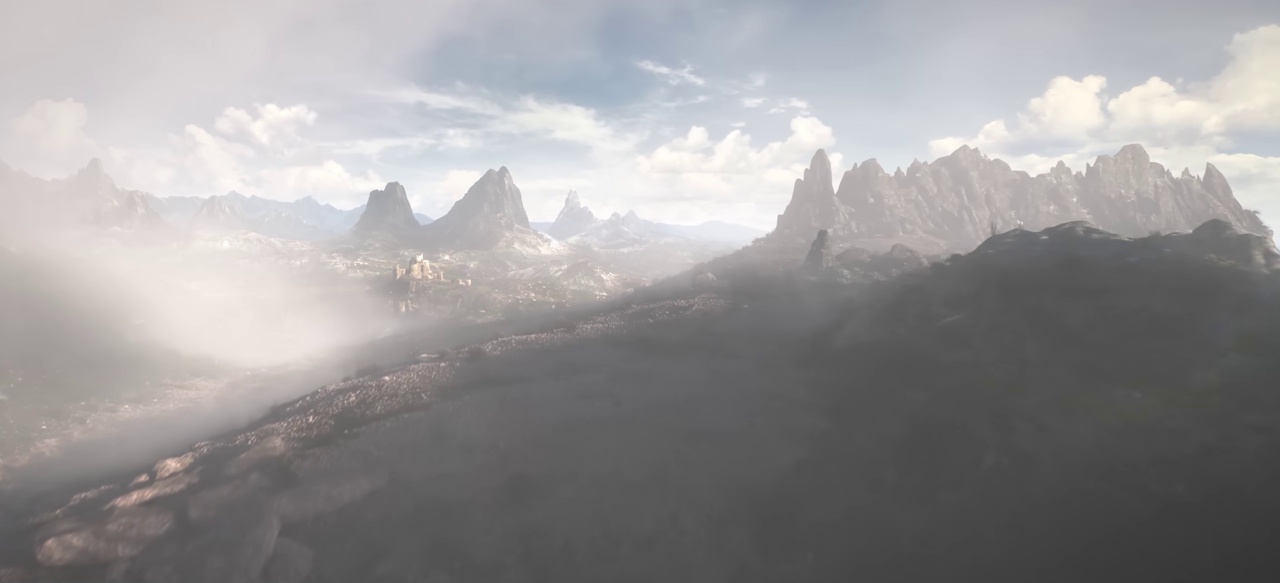
Still frame from The Elder Scrolls VI announcement trailer
Bethesda’s only development team is currently hard at work on The Elder Scrolls VI. Hopefully.

However, as is often the case… that isn’t all there is to say.

The studio that Microsoft and Xbox seem to be tapping to lead this new Fallout project is Obsidian. That name should be familiar to Fallout fans; Obsidian developed Fallout: New Vegas in 2010, and that title is widely hailed as the best modern Fallout game, eclipsing both Fallout 3 and Fallout 4 in terms of narrative, characters, setting, and world-building. Obsidian also developed one of my favourite-ever games: Star Wars: Knights of the Old Republic II. So… good, right?

Well, not so fast. Obsidian’s recent titles haven’t been quite so hot, to be blunt about it. I tried out Avowed last year, but bounced off it after a few hours, feeling that its world, characters, and core narrative hadn’t really gripped me the way I’d hoped. And The Outer Worlds 2, while arguably overshadowed by conversations around its price, underperformed. Obsidian is also a different studio in 2026 than it had been in 2010, with many of the New Vegas development team no longer working there.
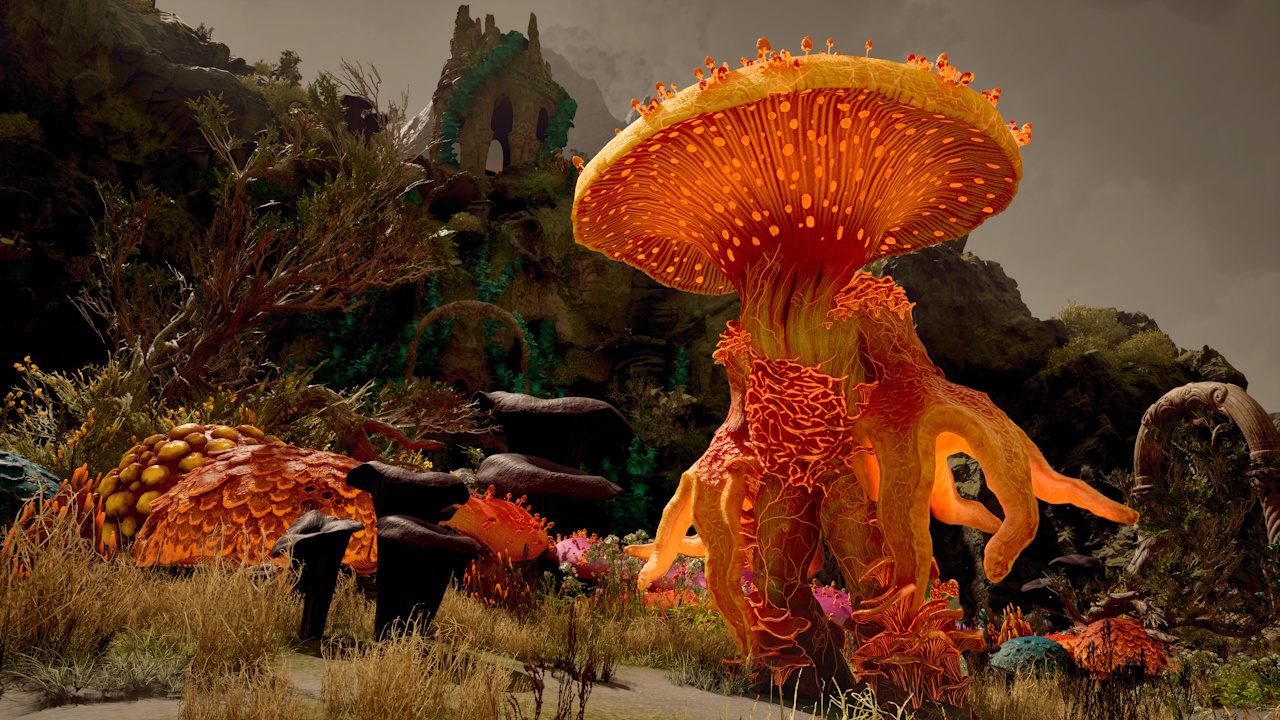
Promo screen for Avowed
I didn’t stick with Avowed when I tried it.

Then we come to a pretty disturbing rumour. This part of the story, more so than anything else we’ve been discussing, should be treated as unconfirmed – I will give that caveat straight away. But it’s been suggested that Obsidian had already been working on its own post-apocalyptic title prior to being tapped by Xbox and Microsoft to develop a Fallout game, and that this game – which was never meant to have anything to do with Fallout – will be adapted and revised to work in the Fallout universe. In short, a non-Fallout game may be “reskinned” to have more of a Fallout flavour.

That’s a double-edged sword – at best. On the one hand, I can see there being an advantage to converting an already-in-progress project like this; it would mean the new game could be ready for release more quickly. However, it could also be *painfully* obvious that the new game was never meant to be set in the Fallout universe if this transformation isn’t handled perfectly, and there could be all kinds of issues that arise. The game’s world and characters could feel inconsistent with what’s come before, or there could be questlines or factions that just don’t seem to fit. If Obsidian takes its time – and, crucially, Xbox and Microsoft are willing to allow sufficient time to be taken – I think a lot of that can be mitigated. But if, as I suspect is the case, the entire reason for handing Obsidian the Fallout license is because Xbox’s new leaders are panicking, there’s going to be a rush to get this game out as soon as possible. And if, as has been suggested, it’s going to be built atop an existing game that wasn’t originally set in that world? I think fans are gonna pick up on that.

Screenshot of Fallout 3 showing a first-person view
Fallout 3.

A proper Fallout game, in the current gaming landscape, is gonna take four-plus years to make. And even if Microsoft and Xbox throw everything they have at the project, we’re realistically looking at a game that won’t launch before 2030, and will almost certainly be a next-generation title for Xbox’s new hardware. So even this move, panicky and rushed as it seems, still won’t result in a new Fallout game immediately. However, four years is better than fourteen, so fans should be able to look forward to a return to the post-apocalyptic wasteland far sooner than they might’ve been expecting.

With the third season of the TV adaptation already in production, it’s still unclear to me whether a new Fallout game will be ready before the series concludes its run. It would obviously be very useful for both projects if the game could be released before the show’s finale, but I’m not convinced, yet, that that’ll be possible. Games this size take time to develop, and even if Obsidian throws all of its people onto this one project, it’s still not going to be a rapid process. And if it is… well, the game’s gonna be shit, isn’t it? As I said above, there’s a balance to be struck when it comes to game development; take things too slow and you end up with an irrelevant brand that fewer people are interested in, but rushing and crunching almost always result in an inferior, broken title. Microsoft and Xbox clearly want this game ready ASAP, but my advice would be not to set an arbitrary deadline and don’t try to rush it.
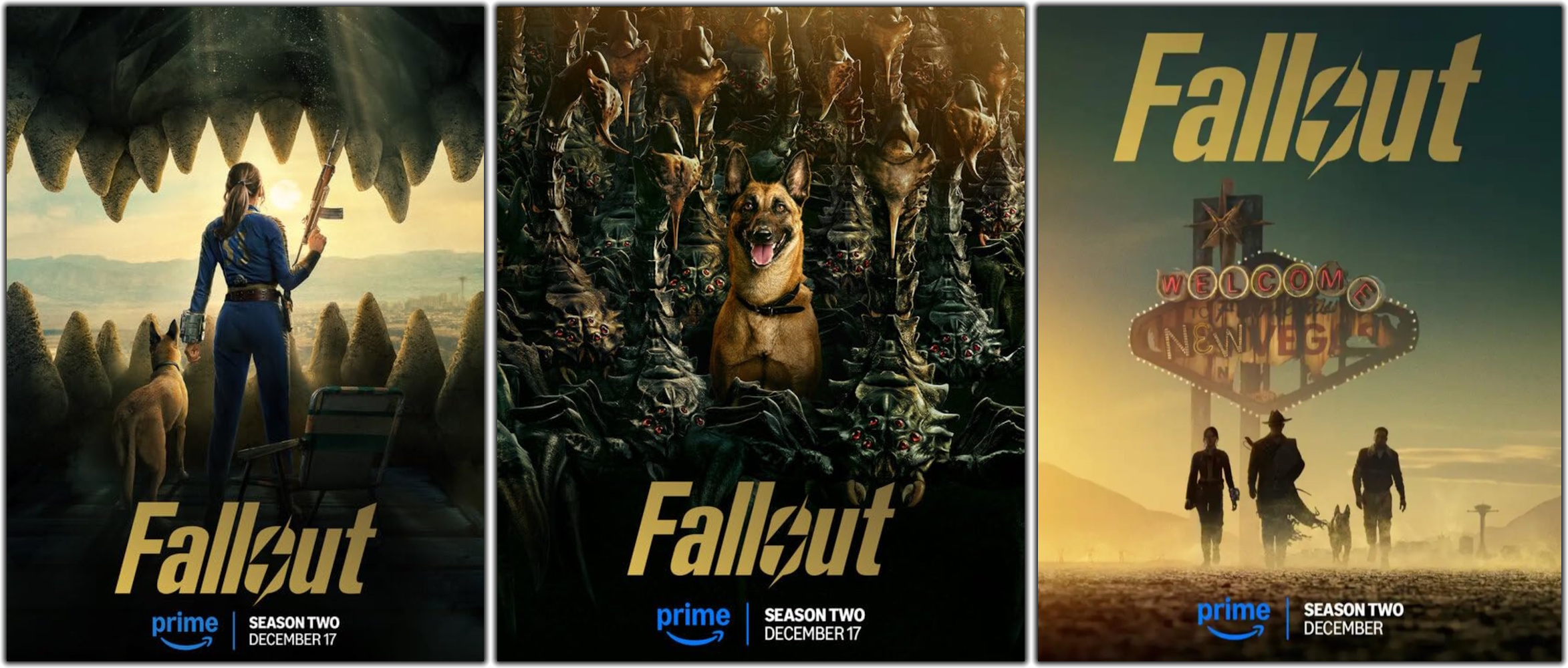
Three Fallout S2 promo posters.
A third season of Fallout is currently filming.

From my point of view, I don’t have any particular expectations or wishes for a new Fallout game – but there are a few basic things that I think Obsidian needs to keep in mind. A new Fallout title would need to be true to the formula of Fallout 3 and 4, so it will have to be fully open-world – which isn’t something Obsidian has done with The Outer Worlds 2 or Avowed. The game will also, realistically, need to be bigger than both of those games, even if it’s technically a spin-off rather than the official “Fallout 5.” In fact, I doubt very much whether this game would be titled “Fallout 5!” And I think, in terms of setting, the game would need to be based in the remains of the United States; as popular as some fan mods have been, Fallout is a distinctively American thing with its aesthetic, its alt-history, and its Americana.

I would imagine that a new game would connect, in some way, to stories, themes, characters, or settings from the Fallout TV show. That would be the best way to get “brand synergy” going, after all – something a corporation like Microsoft adores! So that probably means the new game would be set sometime after the events of the TV show, and any characters who survive to the end of the show could, in theory, make a cameo in the new game. We’ve already seen the Ghoul appear in Fallout 76, and that’s the kind of thing I’m talking about. As much fun as it could be to set the new game in a different era – perhaps in between the events of Fallout 76 and Fallout 3 – I suspect that won’t happen.

Promo screen for Fallout 76 showing the Ghoul
The Ghoul (from the Fallout TV series) appeared in Fallout 76.

Location-wise, aside from Vegas, Washington, and Boston… the game could really be set anywhere. If rumoured remasters of Fallout 3 and New Vegas are true, then I highly doubt a new, original game would want to re-use the same setting, but I could see a New Vegas 2 potentially being greenlit, given the studio involved. I still don’t think it’s necessarily the most likely, but you never know! Some fans have suggested that a new game developed by someone other than Bethesda might be set away from the East Coast; Bethesda’s games have all been set in that region, with earlier titles and New Vegas, which weren’t developed by Bethesda, being set in the western U.S. That may just be coincidence, though, and I wouldn’t read too much into it!

I think pretty much any major American city that hasn’t already been explored is fair game for an adaptation. So you could see New York City, perhaps, Chicago (though that might draw unfavourable comparisons with Cyberpunk 2077′s sequel), or somewhere like Seattle or Detroit. Having said all that, I got it completely wrong when I said that Grand Theft Auto VI would (and should) be set in a new city that the series hadn’t explored before… so I could be wrong here, too!

Concept art for Fallout 4 showing Sanctuary Hills
Where (and when) will the new game be set?

That’s all for today. I wanted to share my thoughts on the news that the next Fallout game is to be stripped away from Bethesda. If a company sits on a license and does effectively nothing with it for a decade, and has no plans to for at least the next four years… I mean, what did we expect? The reason I predicted that this would happen is because it seemed so obvious, and I really don’t feel bad for Todd Howard or any of the Bethesda higher-ups whose intransigence and refusal to move with the times caused this.

Despite not being the world’s biggest Fallout fan, I’m pretty sure I’ll check out the new game when it’s ready (assuming I’m able to do so, anyway). Obsidian is about as good a studio as Microsoft and Xbox could’ve picked for a project like this, in spite of recent titles not being quite at the same level as New Vegas or KotOR II. There are reasons to be optimistic… unless you’re Todd Howard, I guess.


The Fallout franchise is the copyright of Bethesda, Xbox, and Microsoft. A new Fallout game has not been officially announced, but may be in early pre-production. This article contains the thoughts and opinions of one person only and is not intended to cause any offence.
$tarfield

As part of Xbox’s Summer Showcase event last month, we got some big news about Bethesda’s failing space game Starfield… and it isn’t good. In fact, I’m beyond disappointed in the latest updates about the game, and I now feel incredibly sceptical about Bethesda’s longer-term future and its upcoming titles in the Elder Scrolls and Fallout franchises. Today, I’d like to talk about what it is that I don’t like – and why it should matter to fans of Starfield, haters of Starfield, and even folks who’ve never played a single Bethesda Game Studios title.

Last year, I had pretty high hopes for Starfield. But as you may already know if you’ve read my first impressions of the game – and my other post-launch articles – I didn’t enjoy what was on offer. The world-building and setting just didn’t grab me in any way, and I progressed through some pretty boring missions and bland environments not really giving a shit about the galaxy that Bethesda had created or the characters who inhabited it. After spending as much time with the game as I reasonably could, I put Starfield down and haven’t returned to it – save for taking a few screenshots here and there to use on the website.

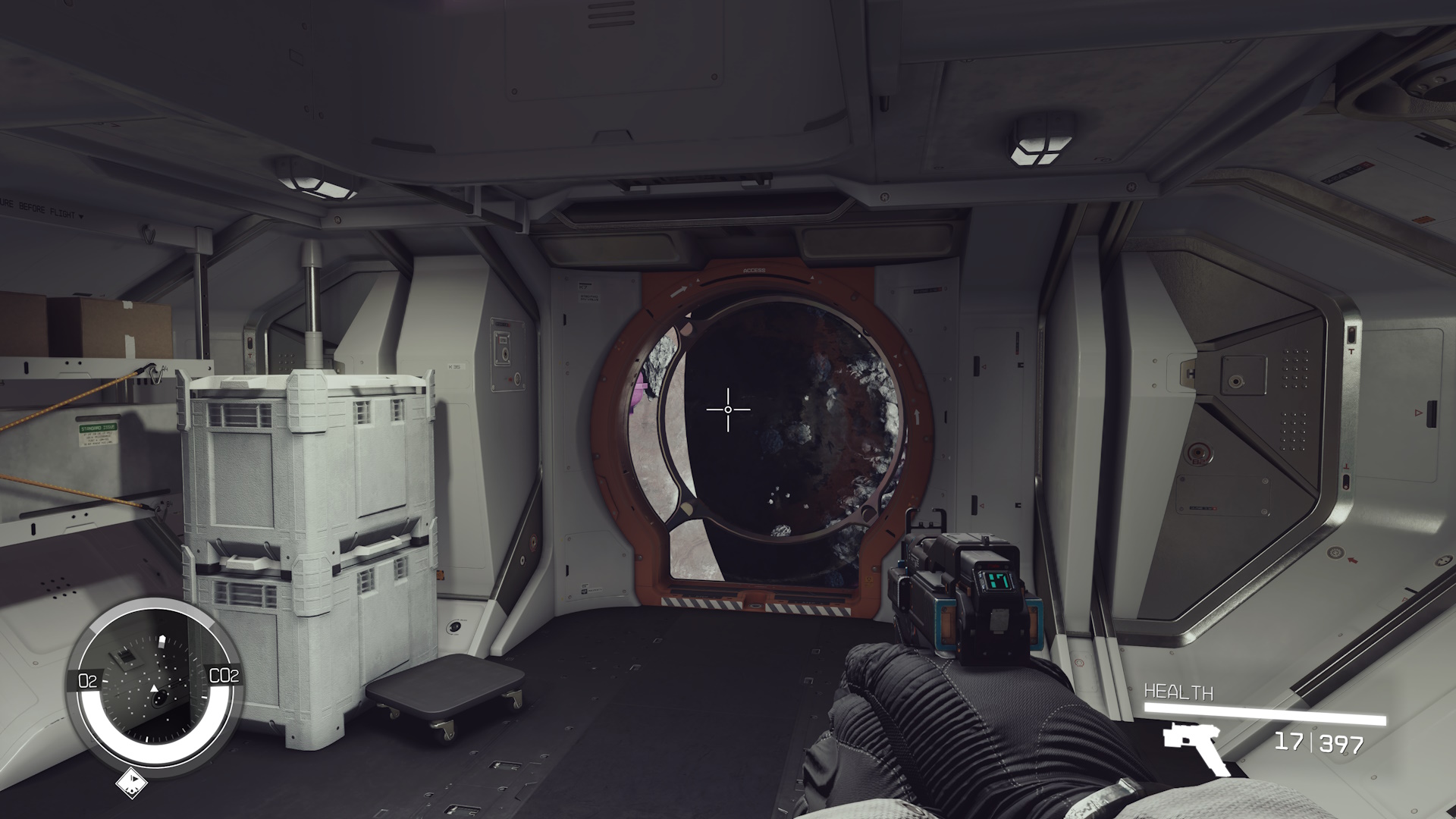
Screenshot of Starfield showing a first-person viewpoint.
Screenshots like this one!

But what we’re going to talk about today doesn’t come from a place of “hate.” I’m not blindly attacking these decisions from Bethesda and Xbox because Starfield left me disappointed and I want to twist the knife even more. On the contrary: it’s precisely because I’ve enjoyed other Bethesda titles and because I had hoped to enjoy new ones in the future that I feel compelled to share my criticisms.

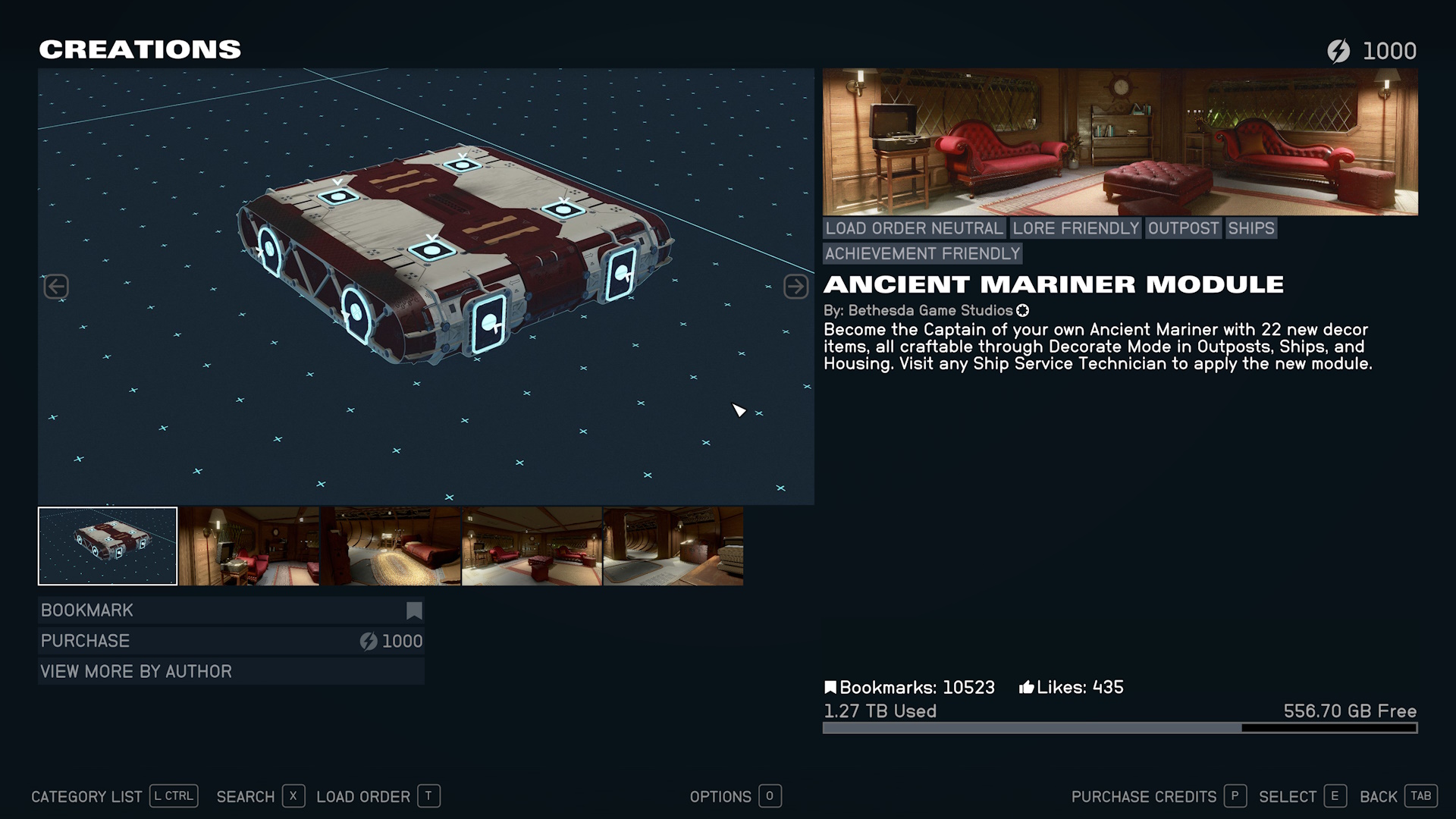
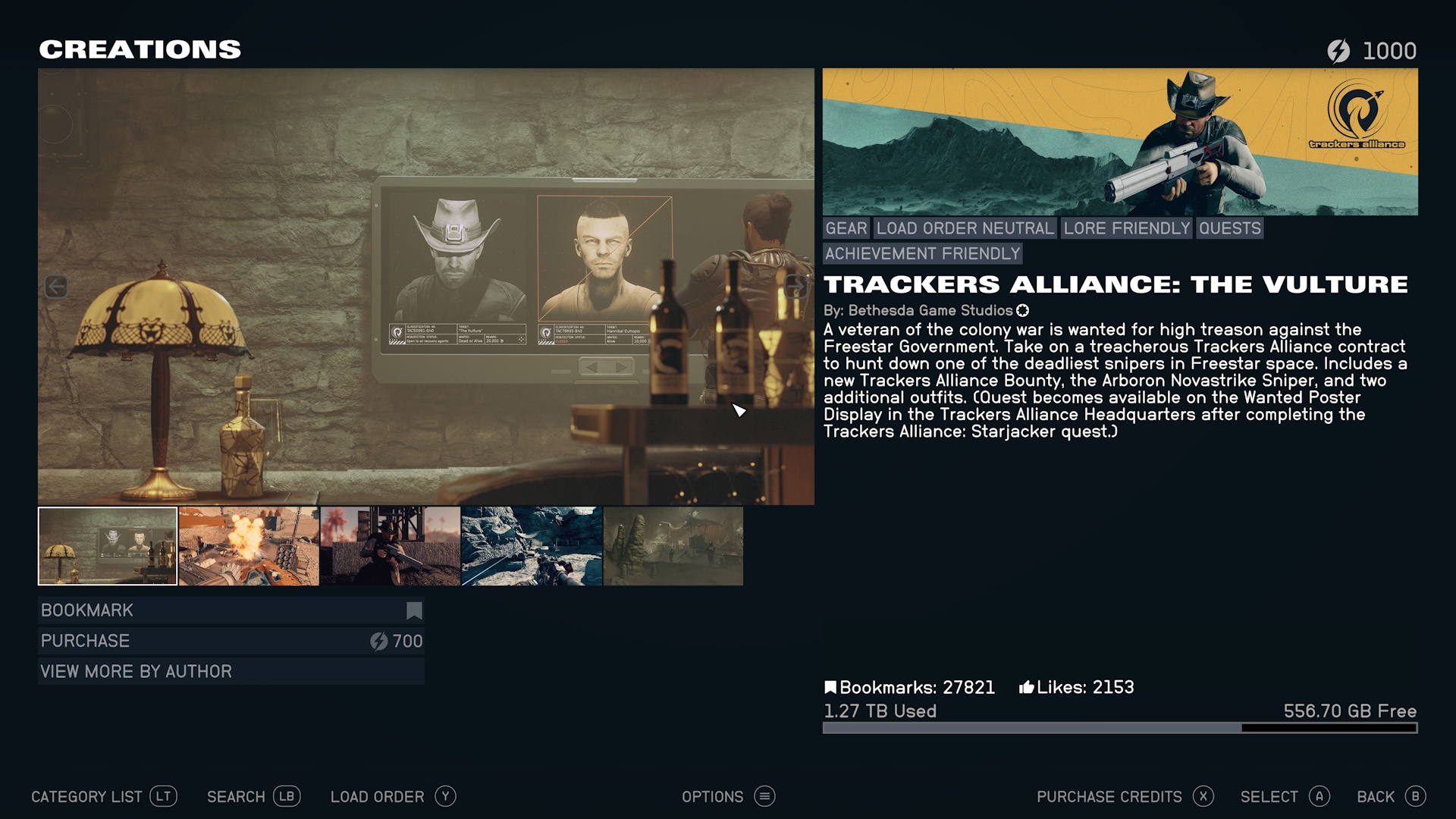
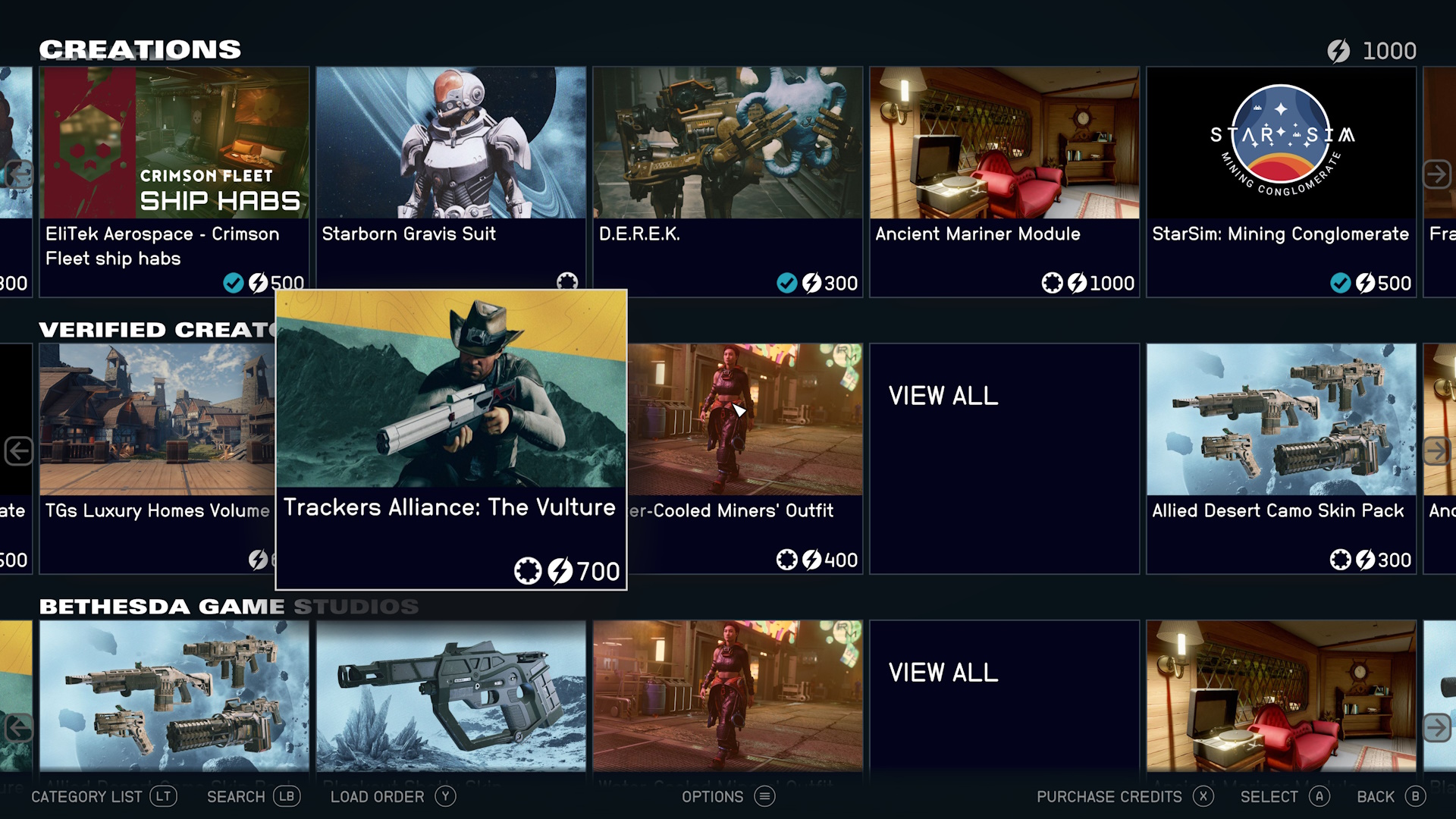
In short, Starfield is being catastrophically over-monetised. Bethesda and Microsoft seem desperate to wring every last penny out of the game, no matter what. Not content with making a lot of money from sales and subscriptions to Game Pass, Xbox and Bethesda are greedily grabbing every penny they can using every dirty trick from the games industry playbook. Having already charged £35 extra to players who wanted to play the game on its real release date, Bethesda and Xbox have now set up an in-game marketplace that wouldn’t look out of place in a crappy free-to-play mobile game, one that charges players for basic items and even fan-made mods.

Screenshot of Starfield's microtransaction marketplace.
What the fuck is this shit?

Shattered Space is going to be one of several larger pieces of DLC, and I’ve always given big expansion packs a lot of leeway when it comes to criticisms like this. But the fact that Shattered Space was planned during development of the base game – and appears to contain a faction that I would argue should have been part of the main game given its prominence and relevance to the plot and to major characters – even that starts to feel shady. The fact that Bethesda and Xbox were selling pre-orders for Shattered Space before Starfield even launched last year is just more proof of that. This is basically cut content: storylines and missions developed alongside the game’s main content that were carved out to be sold separately later on.

Whether you love or loathe Starfield, you have to admit that this is a poor way to run a single-player game. Look around at some of Starfield’s biggest competitors in the single-player action-RPG space. Baldur’s Gate 3 was complete at launch, with no major DLC and only one small content pack being sold separately. Cyberpunk 2077 comes with a single piece of DLC – and it’s a massive, game-changing one. Elden Ring likewise only has the one piece of DLC, too. None of these games paywall their fan-made mods, either.

Concept art/logo for Elden Ring - Shadow of the Erdtree.
Comparable games – like Elden Ring – aren’t subject to this ridiculous level of monetisation.

If this is the route Bethesda wants to go down – and it clearly is, as we’ve already seen with Fallout 76′s microtransactions and expensive add-ons – then I don’t think I want them to make The Elder Scrolls VI any more. Or Fallout 5. The Elder Scrolls III: Morrowind is one of my favourite games of all-time, and even though it’s been a while since I last played Skyrim or Oblivion, I still felt a sense of excitement knowing that a return to the world of Tamriel was on the cards. But now? Fuck it, I’m out.

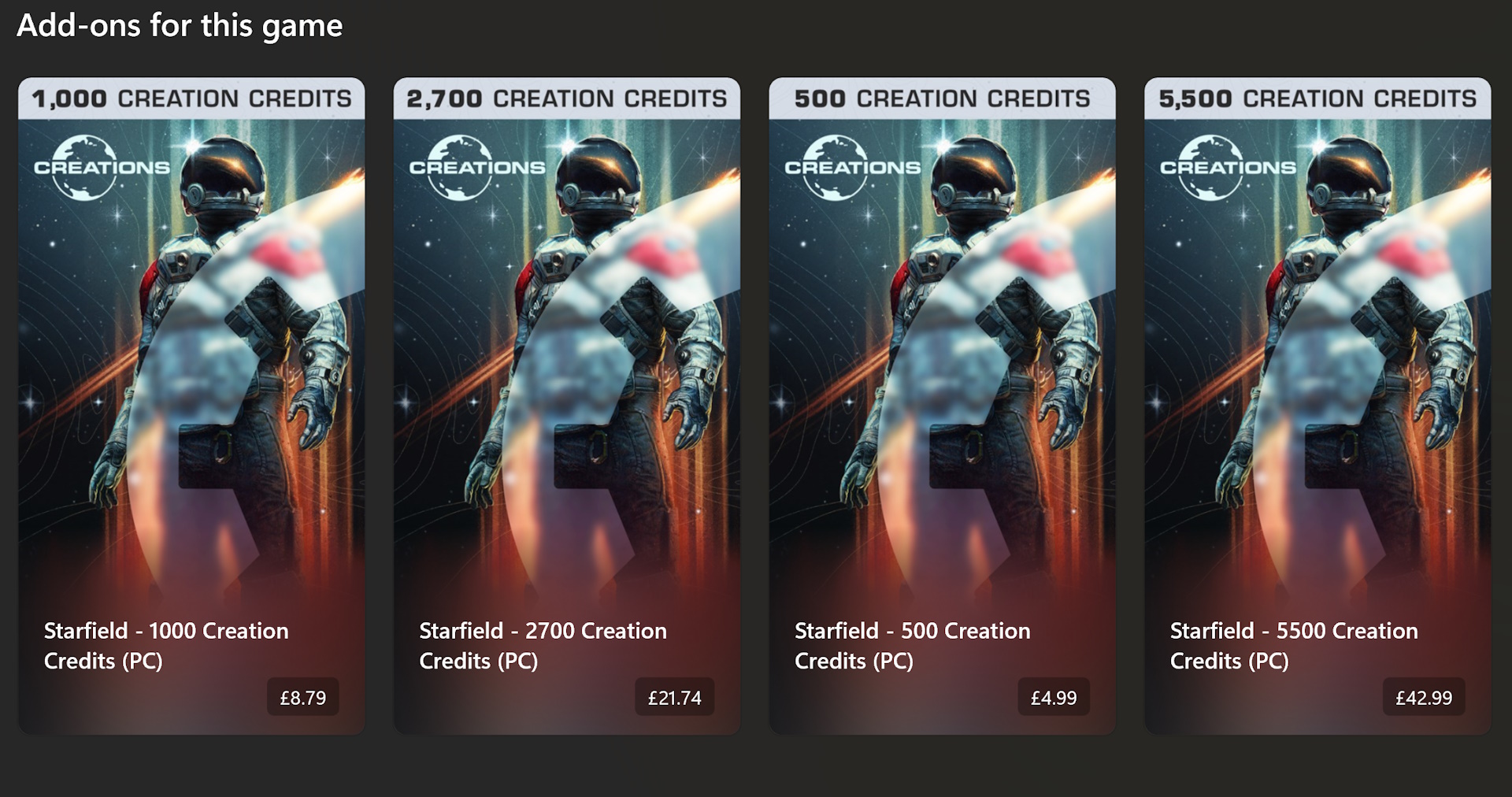
Gamers have become desensitised to this kind of over-monetisation, but for a single-player title Starfield’s in-game marketplace is one of the worst and most egregious I’ve ever seen. We’re looking at a single mission that costs $10, item packs containing a scant handful of items for £10 or more, and much more besides. Players also need to buy an in-game currency – at the usual awkward exchange rate – before they can buy any of these microtransactions. More games industry bullshit from Bethesda there.

Screenshot of Starfield's microtransaction marketplace.
The in-game currency packs at time of writing.

I get that developers need to be paid for their time and work. But this isn’t the way to do it. If Larian Studios and FromSoftware can release profitable games that don’t need to rely on this kind of shocking in-game marketplace, surely Bethesda can too. And if CD Projekt Red can recover from Cyberpunk 2077′s shockingly poor launch (and even the game’s removal from an entire platform for months) to turn a huge profit from a game that only has a single piece of DLC, why can’t Bethesda? I don’t buy the excuse that Starfield wouldn’t be profitable without this microtransaction storefront – especially given that many of the offerings are fan-made mods that didn’t cost Bethesda a penny to create.

Maybe I’m too old and times have changed, but I’ve always believed that fan-made mods should be free. They’re a passion project, something players do for a bit of fun or to tweak a game they enjoy to be more to their liking. The idea of paying for mods has never sat right with me, and while I love the idea of up-and-coming or budding developers viewing modding as a way into the industry… they shouldn’t be expecting to make modding someone else’s game their full-time job. So paid mods are already a no-no for me, but knowing that Bethesda and Xbox are taking a cut of the proceeds for something they didn’t even make? It’s sickening.

Screenshot of Starfield's microtransaction marketplace.
Another expensive cosmetic add-on.

I said months ago that, with Shattered Space just being the first of several pieces of planned DLC, the total cost of Starfield could soar well past the £200 mark – but I didn’t expect that warning to come true so quickly. At time of writing, just to pick up the microtransactions in the “featured” category you’ll need to spend over £50 – on top of buying the base game for £60 and Shattered Space for £35. With more microtransactions being added all the time, it won’t be long before Starfield will be asking for north of £500 or even £1,000 for the complete package. That’s completely unacceptable to me for a single-player title.

It’s not wrong to want good, high-quality, complete games from studios. Other developers are capable of turning a profit by making and releasing games, so there’s no justification for this cash-grab from Bethesda and Xbox. And if this is how the company plans to make and monetise its games, then quite frankly I hope Bethesda Game Studios goes the way of Tango Gameworks and Arkane Austin. Given the abject failure of Starfield already, and the controversy that these microtransactions are bound to cause, maybe Microsoft ought to consider taking The Elder Scrolls VI and the Fallout license away from Bethesda. The corporation has enough other studios under its umbrella at this point that it would be quite feasible to pass these titles to someone else.

Logo for The Elder Scrolls VI.
Maybe someone else should make The Elder Scrolls VI.

I’ve lost all interest in The Elder Scrolls VI now, anyway. And unless Microsoft were to announce a massive change in that game’s development, I doubt I’ll pick it up. It’s clear to me now how Bethesda sees its games – less as complete experiences than as platforms for monetisation, microtransactions, and expensive in-game purchases. Rather than creating games to be published and sold, Bethesda is going all-in on live services and “recurring revenue,” hoping to monetise its titles for years after release. If the company was making multiplayer games, where this business model has worked, I’d leave them to it. But in the single-player space I find it objectionable… actually no, I find it disgusting.

This time last year, coming out of Bethesda’s big Starfield presentation, I could hardly have been more excited about the game and its prospects. A friend of mine said to me that they genuinely felt Starfield “could be the best game either of us will ever play” – such was the level of hype and excitement that Bethesda and Xbox had successfully built up. But it wasn’t meant to be.

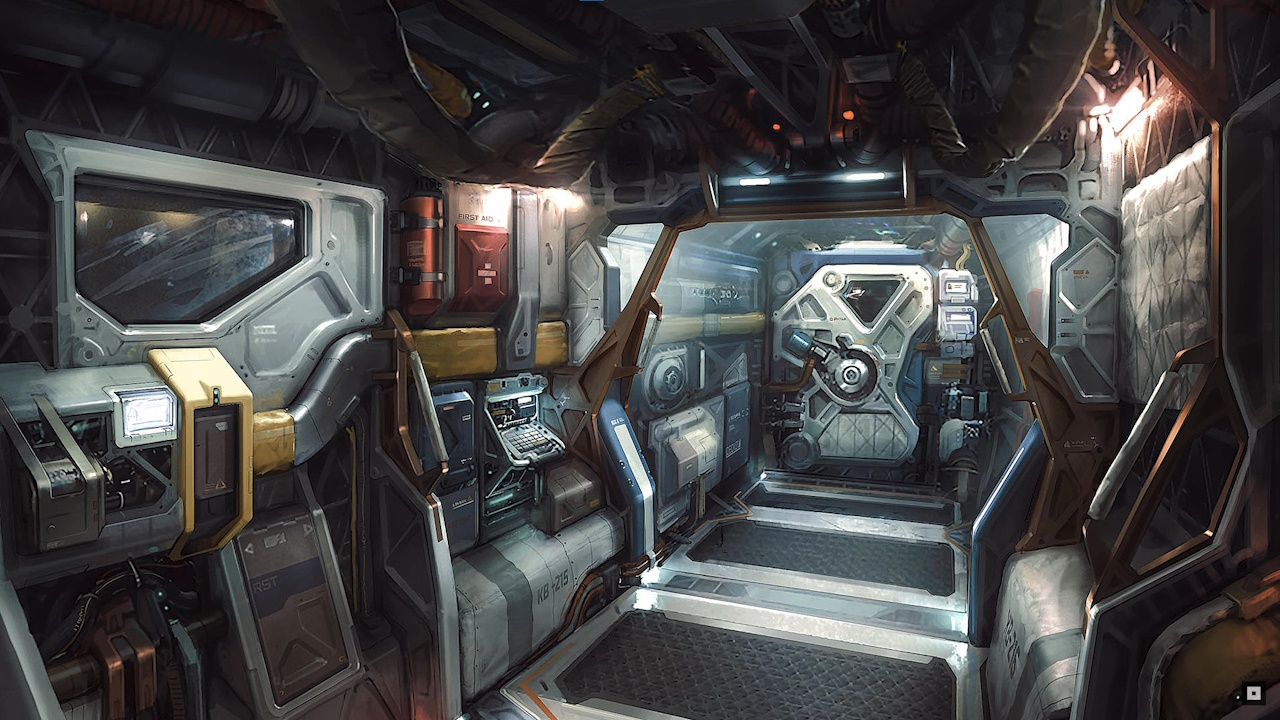
Pre-release concept art for Starfield showing a space station corridor.
Pre-release concept art for Starfield.

Instead, Starfield was a game that was mediocre at best; a title comprised entirely of systems and mechanics that other titles have been doing better for years. As I wrote once, Bethesda should have been less focused on turning Starfield into a “ten-year experience” and instead ought to have been spending time catching up on a decade’s worth of improvements in game design and development. The company’s executives were entirely focused on the wrong ten years!

At the end of the day, I could have overlooked bland gameplay, uninspired mission design, and even a lack of decorative and cosmetic options if the world-building and narratives present in Starfield had been up to scratch. But they weren’t – and all of this lacklustre gameplay was taking place in a boring, small-scale world that I couldn’t find a way to get invested in or care about.

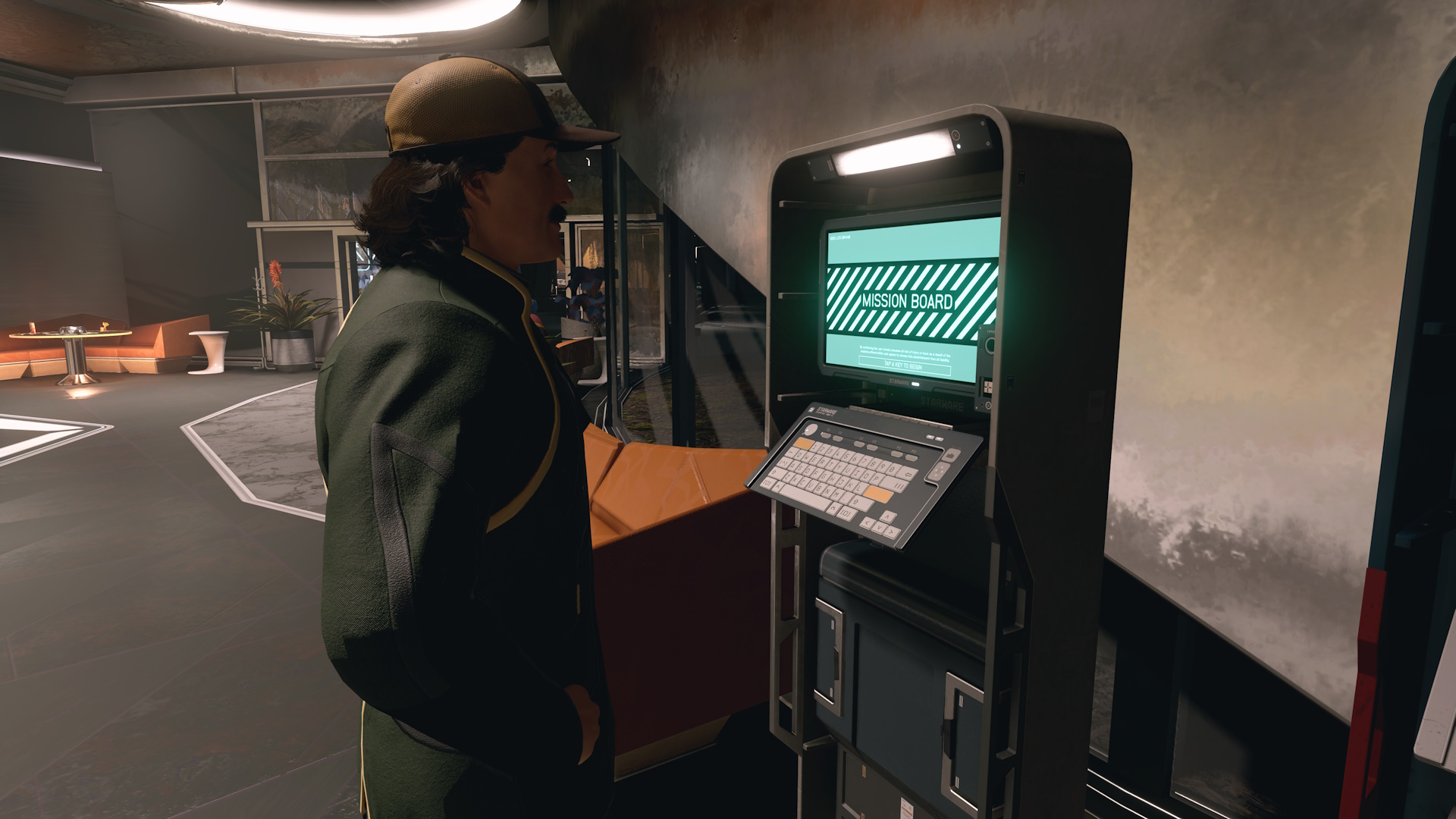
Screenshot of Starfield showing a player character at a mission board.
Starfield’s world-building was disappointing.

All of this leads to one question: why on earth is Starfield – with its bland, uninteresting, small world and outdated, mediocre, often-buggy gameplay – worth spending more money on? The kinds of things that these microtransactions are adding should be free – and given the crap state that the game remains in almost a year after its underwhelming launch, Bethesda should be continually adding new features, new missions, new cosmetic items and the like. And if there are going to be paid-for expansion packs like Shattered Space, then realistically they need to be as big and as transformative for Starfield as Phantom Liberty was for Cyberpunk 2077.

Without that kind of large-scale change to the game, I don’t see Starfield surviving. Many of the players who picked it up on launch day or in the latter part of 2023 have already drifted away and are finding new gaming experiences to get stuck into. It’s already a tough sell to win back disappointed ex-players, and adding microtransactions – including a single mission for $10 – is categorically not the way to do it. It would be bad enough if Starfield was a popular title with a large playerbase… but it isn’t. And this kind of egregious in-game shop isn’t going to do anything to bring players back.

Screenshot of Starfield's microtransaction marketplace.
Starfield’s first $10 mission. Expect to see more like it.

So I guess I really am done with Starfield. I held out hope for a while that there might be an update or DLC pack that would genuinely transform the game, bringing it closer to the original promises that Bethesda made and making it a title I might actually enjoy playing. But with the company seemingly wedded to this microtransaction and paid mods approach that wouldn’t feel out of place in a free-to-play mobile game… I’m out. This game isn’t worth it, and even if it had been a title with a fun story and great world-building, I think I’d still be so turned off by the over-monetisation that I’d walk away.

On the one hand I get it: I’m a dinosaur in a gaming marketplace that’s changed. Morrowind, with its two expansion packs, was more than twenty years ago, and many developers nowadays go down the route of microtransactions, “gold editions,” paid early access, and so on. But there are still games that don’t, especially in the single-player space, and I don’t think it’s unreasonable to ask for a game that I play alone and offline to be basically feature-complete and not try to grab every penny out of my wallet every time I want to change my character’s outfit or decorate their living space.

I’ll finish this piece with a warning for Xbox and Bethesda: players will remember what you tried to pull with Starfield when the next Fallout game or The Elder Scrolls VI are being readied for launch.


Starfield is out now for PC and Xbox Series S/X consoles. The Shattered Space DLC pack will be released in autumn 2024. Starfield is the copyright of Bethesda Game Studios, Xbox Game Studios, and Microsoft. This article contains the thoughts and opinions of one person only and is not intended to cause any offence.
Why “announce” Fallout 5?

Xbox recently hosted its Games Showcase event – an addendum to Summer Games Fest, which has effectively replaced this year’s E3 industry event. The Showcase was generally pretty decent, with a focus being on games that will be released over the next twelve months. Some big games like Valheim and Redfall took centre stage, and there was news or updates about the likes of Grounded, Microsoft Flight Simulator, and even Fall Guys – the latter of which is belatedly launching on Xbox (and Nintendo Switch) in just a few days’ time.

Having recently been gobbled up by Microsoft’s expanding gaming division, Bethesda had a lot to say about Starfield. Though the game has recently been delayed until the first half of 2023, the Xbox Games Showcase event provided a massive update on the game and showed players a first look at gameplay. That’s what we should be talking about; that should be the headline for Bethesda coming out of their big summer presentation. But it isn’t, at least not in a lot of publications.

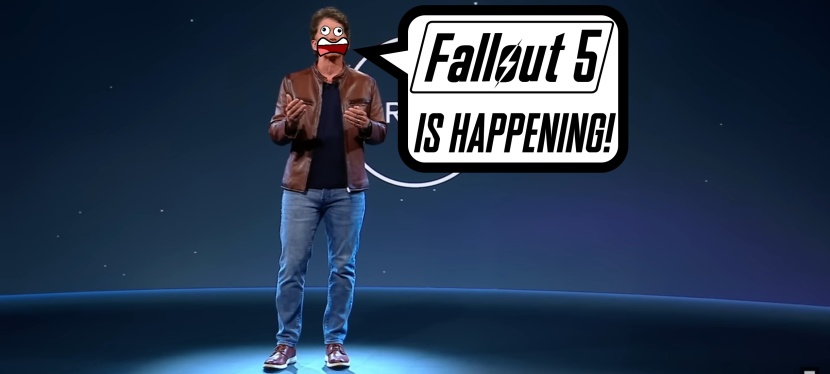
Bethesda chief Todd Howard chose to drop the “announcement” – if we can even call it that – that Fallout 5 will be the studio’s next-but-one big project, and that news has grabbed headlines and stolen attention away from Starfield right at the moment when you’d think its marketing campaign should be beginning in earnest. I just don’t really understand why it was necessary to make this so-called “announcement” and confirm what most players and fans had already been assuming.

Firstly, if Starfield brings in rave reviews, massive player numbers, and goes on to be the success that Bethesda and Microsoft must be hoping for, then surely a sequel should enter the conversation. By stating now, before Starfield has even launched, that Fallout 5 will follow The Elder Scrolls VI as Bethesda’s next-but-one project, that seems to push any kind of Starfield sequel even further away. If decisions need to be made in future to change that around for whatever reason, some people are going to be left upset. There’s literally no upside to talking about Fallout 5 at this juncture.

The same could have been said, arguably, about The Elder Scrolls VI when that was similarly “announced” at E3 in 2018. With the game so far off, talking about it so soon seemed premature at best. In that case, though, there was a case to be made that the constant stream of re-releases for Skyrim, the fact that there had never been such a long gap in between Elder Scrolls games, the releases of not one but two Fallout titles, and Starfield being in active development all combined to make it worthwhile to make a commitment to Elder Scrolls fans that their series hadn’t been forgotten.

With Fallout, there just isn’t any need. Fallout 4 was released in November 2015, and that was followed up by the (disastrous and unplayable) Fallout 76 just three years later. Fallout 76 continues to receive attention and updates, some of which have been pretty substantial, so there isn’t that same feeling of abandonment that some Elder Scrolls fans had been feeling in the wake of a lack of follow-up to Skyrim. Though I’d still suggest that announcing The Elder Scrolls VI in 2018 was premature, at least there was a kind of logic to it – a logic that this “announcement” of Fallout 5 lacks.

The Elder Scrolls VI was also announced with a slick teaser – obviously no gameplay, but at least a look at a pretty landscape and a logo. Fallout 5 got no such fanfare, with the news of its planned existence seemingly being an off-the-cuff remark dropped haphazardly in an interview with IGN. Perhaps someone at Microsoft or Bethesda needs to help Todd Howard with his interviews so this kind of thing doesn’t happen again!

Starfield has been Bethesda’s biggest and longest project to date, having been worked on for at least a decade. Production officially began following the release of Fallout 4 in 2015 and ramped up in the wake of Fallout 76′s launch in 2018, so this has been a massive undertaking. The Elder Scrolls VI will be comparable in scale, and if it follows a similar timeline to Starfield it may not be ready until 2027 or 2028. If Fallout 5 likewise takes five-plus years in active development, we’re potentially talking about a release window sometime in the early/mid-2030s. So why on earth should we be talking about this game now?!

One of the reasons why video game corporations like sequels is that there’s a built-in fanbase. Fans of Fallout 3 turned up for Fallout 4; fans of Oblivion turned up for Skyrim… and so on. Starfield represents much more of a risk compared with the likes of a new Elder Scrolls or Fallout title, and as a result it needs to be handled carefully, marketed cleverly, and not overshadowed by the bigger and more illustrious franchises that its parent company owns.

The mere act of mentioning Fallout 5 – which had not been discussed by anyone senior at Bethesda or Microsoft prior to this – has completely stolen Starfield’s thunder coming out of the Xbox Games Showcase, and that shouldn’t have been allowed to happen. Bethesda’s mistakes and stumbles – some of which go back several years – have already meant that there’s a bit of a caveat in the minds of some players when they think about Starfield, so the game needs every boost it can possibly get. Being overshadowed by a new title, especially one that’s probably ten years away from being released, doesn’t help and has actually hurt Starfield at the moment players should be beginning to pay attention and, from Bethesda’s point of view at least, get excited for its launch next year.

Maybe this was just a mistake; a throwaway remark that Todd Howard didn’t really intend to make. If so, I guess it’s fair to say that we all make mistakes, these things happen, and to try to move on from it and refocus on Starfield. But it won’t be easy to do. There are already a ton of articles about Fallout 5 being “announced,” and that will lead to questions from fans and the gaming press drawing attention away from Starfield at what was supposed to be its first moment in the spotlight.

We could have spent today talking about the gameplay that was shown off, how things like jumping and jetpacking look like fun, and how incredibly excited I am to design and build my own spaceship! But instead we’re talking about a marketing screw-up and a game that, to be blunt, I’m not sure I’m going to live long enough to see! It was a mistake to even mention Fallout 5 this early, and if Starfield exceeds expectations and becomes Bethesda and Microsoft’s “next big thing,” I wouldn’t be at all surprised to see a sequel planned sooner than expected. That could push back work on Fallout 5, upsetting fans. There was literally no upside to this at all, and the resultant reaction to Todd Howard’s statement has drawn attention away from Starfield at the precise moment when fans should have been excitedly talking about its gameplay reveal, new features, and the scale of the galaxy that Bethesda has created. What a mess!

Starfield will be released in the first half of 2023 for Xbox Series S/X and PC and will also be available via Xbox Game Pass. Fallout 5 has no release date scheduled. Starfield, the Fallout franchise, the Elder Scrolls franchise, and other titles and properties mentioned above are the copyright of Microsoft and Bethesda Softworks. Some promotional images courtesy of IGDB. This article contains the thoughts and opinions of one person only and is not intended to cause any offence.