$tarfield

As part of Xbox’s Summer Showcase event last month, we got some big news about Bethesda’s failing space game Starfield… and it isn’t good. In fact, I’m beyond disappointed in the latest updates about the game, and I now feel incredibly sceptical about Bethesda’s longer-term future and its upcoming titles in the Elder Scrolls and Fallout franchises. Today, I’d like to talk about what it is that I don’t like – and why it should matter to fans of Starfield, haters of Starfield, and even folks who’ve never played a single Bethesda Game Studios title.

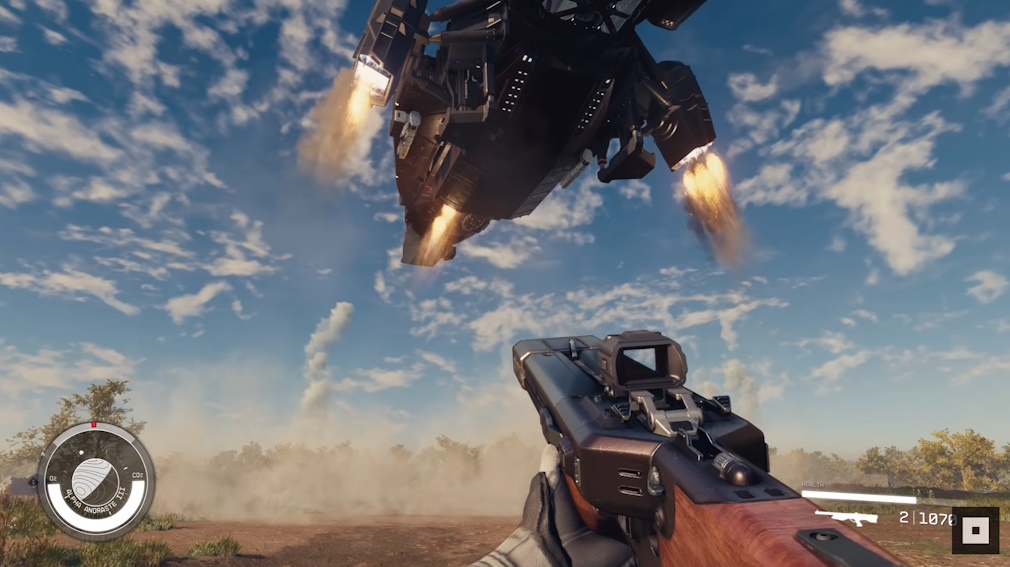
Last year, I had pretty high hopes for Starfield. But as you may already know if you’ve read my first impressions of the game – and my other post-launch articles – I didn’t enjoy what was on offer. The world-building and setting just didn’t grab me in any way, and I progressed through some pretty boring missions and bland environments not really giving a shit about the galaxy that Bethesda had created or the characters who inhabited it. After spending as much time with the game as I reasonably could, I put Starfield down and haven’t returned to it – save for taking a few screenshots here and there to use on the website.
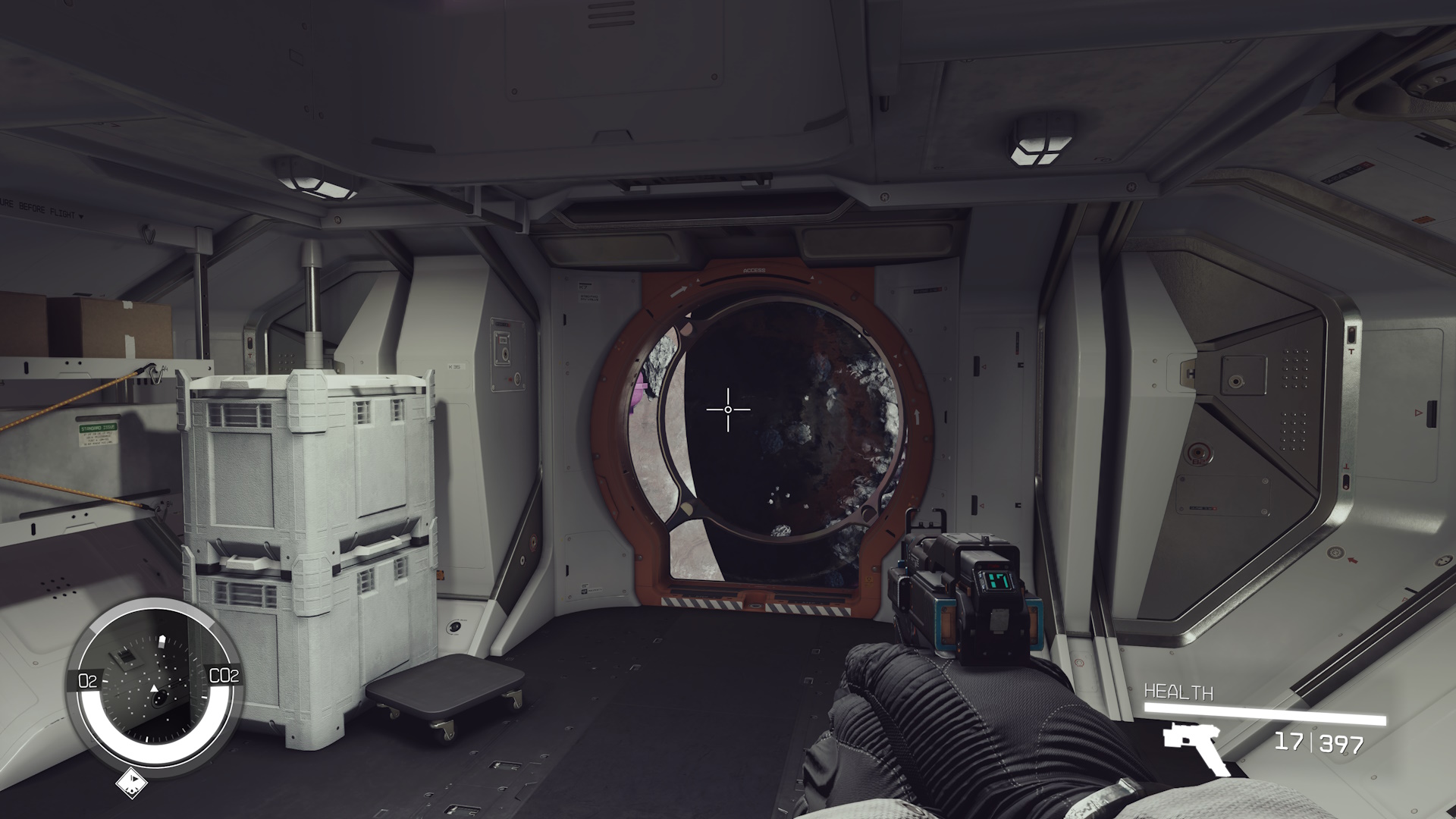
Screenshot of Starfield showing a first-person viewpoint.
Screenshots like this one!

But what we’re going to talk about today doesn’t come from a place of “hate.” I’m not blindly attacking these decisions from Bethesda and Xbox because Starfield left me disappointed and I want to twist the knife even more. On the contrary: it’s precisely because I’ve enjoyed other Bethesda titles and because I had hoped to enjoy new ones in the future that I feel compelled to share my criticisms.

In short, Starfield is being catastrophically over-monetised. Bethesda and Microsoft seem desperate to wring every last penny out of the game, no matter what. Not content with making a lot of money from sales and subscriptions to Game Pass, Xbox and Bethesda are greedily grabbing every penny they can using every dirty trick from the games industry playbook. Having already charged £35 extra to players who wanted to play the game on its real release date, Bethesda and Xbox have now set up an in-game marketplace that wouldn’t look out of place in a crappy free-to-play mobile game, one that charges players for basic items and even fan-made mods.
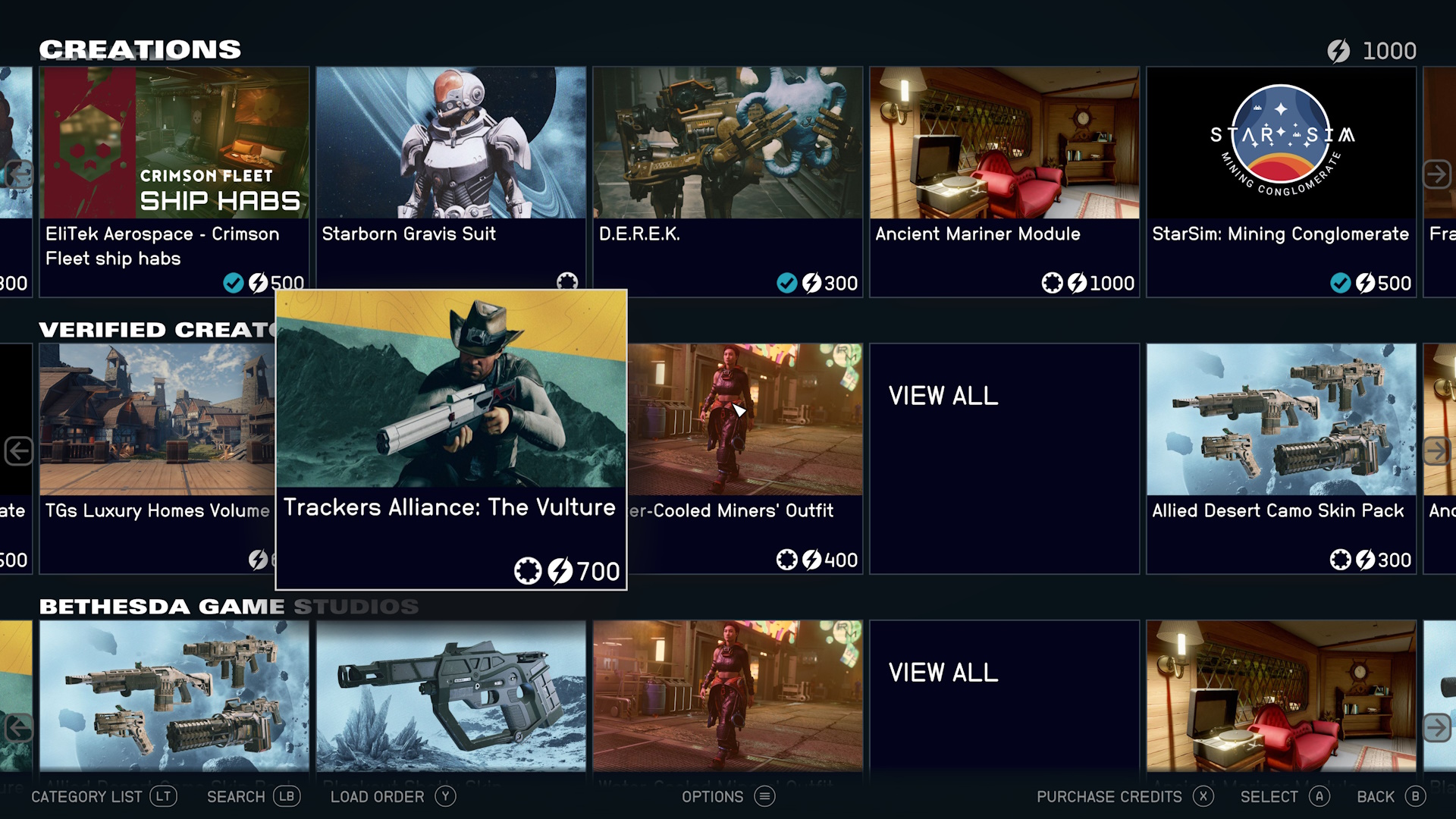
Screenshot of Starfield's microtransaction marketplace.
What the fuck is this shit?

Shattered Space is going to be one of several larger pieces of DLC, and I’ve always given big expansion packs a lot of leeway when it comes to criticisms like this. But the fact that Shattered Space was planned during development of the base game – and appears to contain a faction that I would argue should have been part of the main game given its prominence and relevance to the plot and to major characters – even that starts to feel shady. The fact that Bethesda and Xbox were selling pre-orders for Shattered Space before Starfield even launched last year is just more proof of that. This is basically cut content: storylines and missions developed alongside the game’s main content that were carved out to be sold separately later on.

Whether you love or loathe Starfield, you have to admit that this is a poor way to run a single-player game. Look around at some of Starfield’s biggest competitors in the single-player action-RPG space. Baldur’s Gate 3 was complete at launch, with no major DLC and only one small content pack being sold separately. Cyberpunk 2077 comes with a single piece of DLC – and it’s a massive, game-changing one. Elden Ring likewise only has the one piece of DLC, too. None of these games paywall their fan-made mods, either.
Concept art/logo for Elden Ring - Shadow of the Erdtree.
Comparable games – like Elden Ring – aren’t subject to this ridiculous level of monetisation.

If this is the route Bethesda wants to go down – and it clearly is, as we’ve already seen with Fallout 76′s microtransactions and expensive add-ons – then I don’t think I want them to make The Elder Scrolls VI any more. Or Fallout 5. The Elder Scrolls III: Morrowind is one of my favourite games of all-time, and even though it’s been a while since I last played Skyrim or Oblivion, I still felt a sense of excitement knowing that a return to the world of Tamriel was on the cards. But now? Fuck it, I’m out.

Gamers have become desensitised to this kind of over-monetisation, but for a single-player title Starfield’s in-game marketplace is one of the worst and most egregious I’ve ever seen. We’re looking at a single mission that costs $10, item packs containing a scant handful of items for £10 or more, and much more besides. Players also need to buy an in-game currency – at the usual awkward exchange rate – before they can buy any of these microtransactions. More games industry bullshit from Bethesda there.
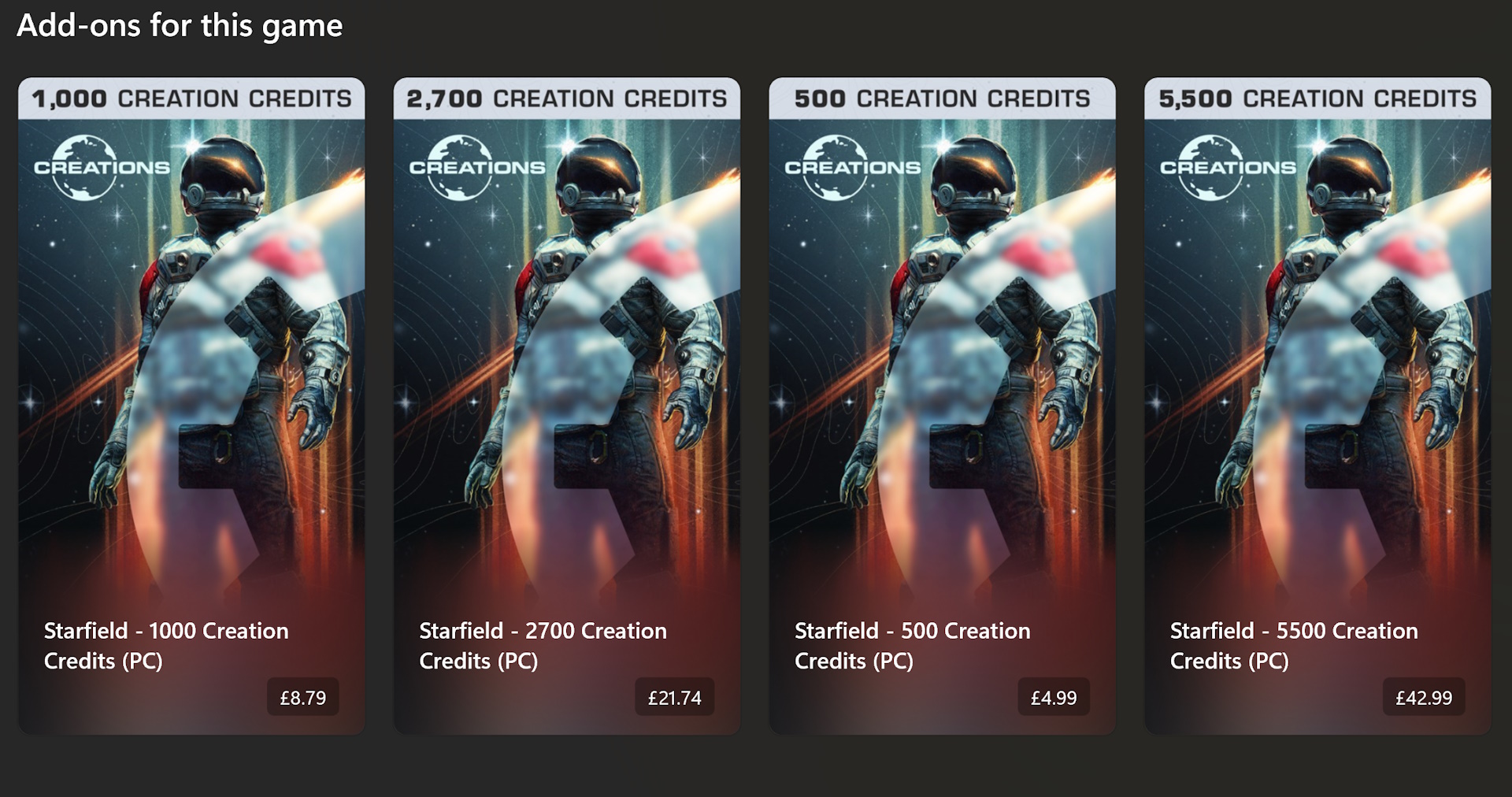
Screenshot of Starfield's microtransaction marketplace.
The in-game currency packs at time of writing.

I get that developers need to be paid for their time and work. But this isn’t the way to do it. If Larian Studios and FromSoftware can release profitable games that don’t need to rely on this kind of shocking in-game marketplace, surely Bethesda can too. And if CD Projekt Red can recover from Cyberpunk 2077′s shockingly poor launch (and even the game’s removal from an entire platform for months) to turn a huge profit from a game that only has a single piece of DLC, why can’t Bethesda? I don’t buy the excuse that Starfield wouldn’t be profitable without this microtransaction storefront – especially given that many of the offerings are fan-made mods that didn’t cost Bethesda a penny to create.

Maybe I’m too old and times have changed, but I’ve always believed that fan-made mods should be free. They’re a passion project, something players do for a bit of fun or to tweak a game they enjoy to be more to their liking. The idea of paying for mods has never sat right with me, and while I love the idea of up-and-coming or budding developers viewing modding as a way into the industry… they shouldn’t be expecting to make modding someone else’s game their full-time job. So paid mods are already a no-no for me, but knowing that Bethesda and Xbox are taking a cut of the proceeds for something they didn’t even make? It’s sickening.
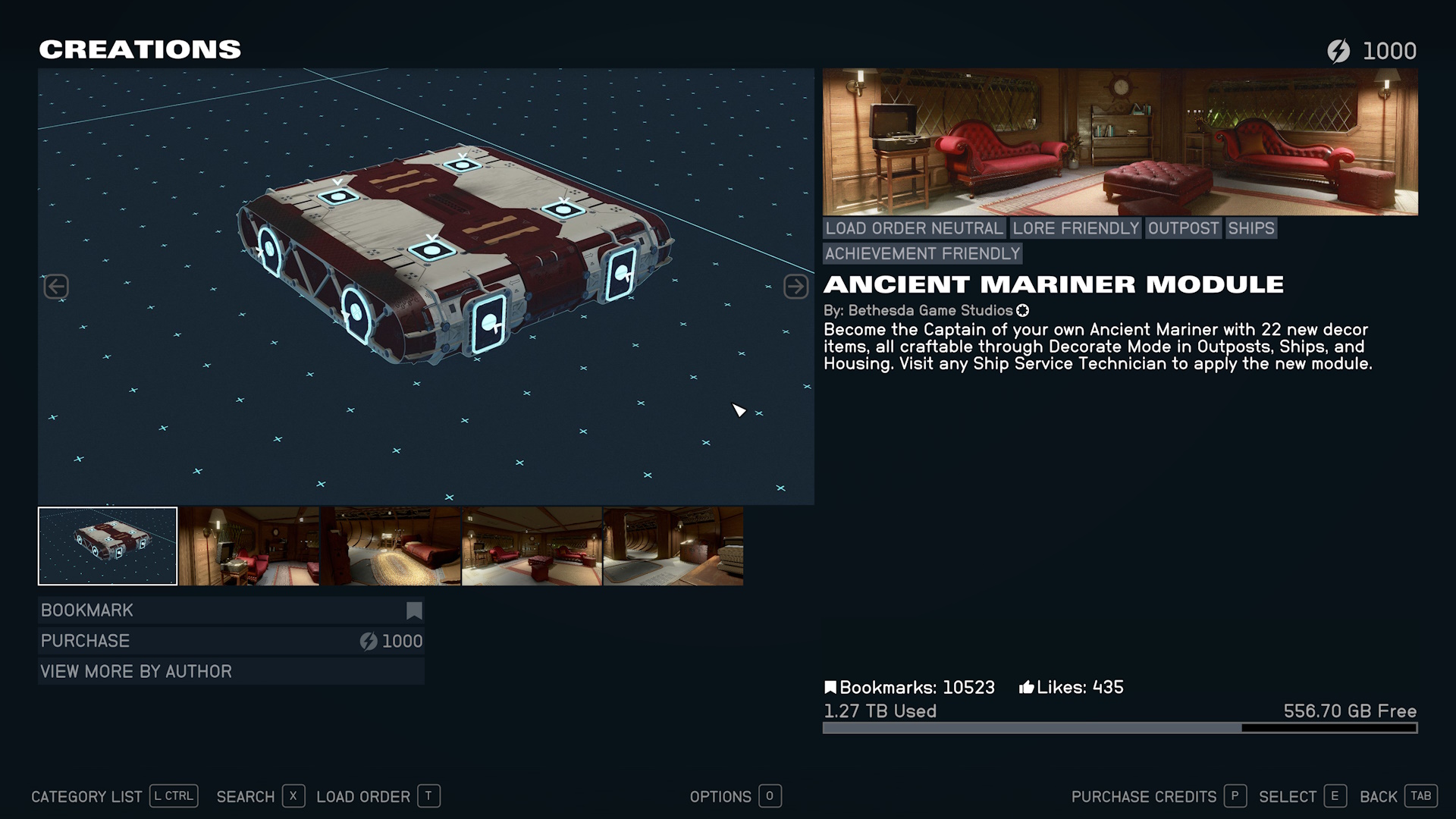
Screenshot of Starfield's microtransaction marketplace.
Another expensive cosmetic add-on.

I said months ago that, with Shattered Space just being the first of several pieces of planned DLC, the total cost of Starfield could soar well past the £200 mark – but I didn’t expect that warning to come true so quickly. At time of writing, just to pick up the microtransactions in the “featured” category you’ll need to spend over £50 – on top of buying the base game for £60 and Shattered Space for £35. With more microtransactions being added all the time, it won’t be long before Starfield will be asking for north of £500 or even £1,000 for the complete package. That’s completely unacceptable to me for a single-player title.

It’s not wrong to want good, high-quality, complete games from studios. Other developers are capable of turning a profit by making and releasing games, so there’s no justification for this cash-grab from Bethesda and Xbox. And if this is how the company plans to make and monetise its games, then quite frankly I hope Bethesda Game Studios goes the way of Tango Gameworks and Arkane Austin. Given the abject failure of Starfield already, and the controversy that these microtransactions are bound to cause, maybe Microsoft ought to consider taking The Elder Scrolls VI and the Fallout license away from Bethesda. The corporation has enough other studios under its umbrella at this point that it would be quite feasible to pass these titles to someone else.
Logo for The Elder Scrolls VI.
Maybe someone else should make The Elder Scrolls VI.

I’ve lost all interest in The Elder Scrolls VI now, anyway. And unless Microsoft were to announce a massive change in that game’s development, I doubt I’ll pick it up. It’s clear to me now how Bethesda sees its games – less as complete experiences than as platforms for monetisation, microtransactions, and expensive in-game purchases. Rather than creating games to be published and sold, Bethesda is going all-in on live services and “recurring revenue,” hoping to monetise its titles for years after release. If the company was making multiplayer games, where this business model has worked, I’d leave them to it. But in the single-player space I find it objectionable… actually no, I find it disgusting.

This time last year, coming out of Bethesda’s big Starfield presentation, I could hardly have been more excited about the game and its prospects. A friend of mine said to me that they genuinely felt Starfield “could be the best game either of us will ever play” – such was the level of hype and excitement that Bethesda and Xbox had successfully built up. But it wasn’t meant to be.
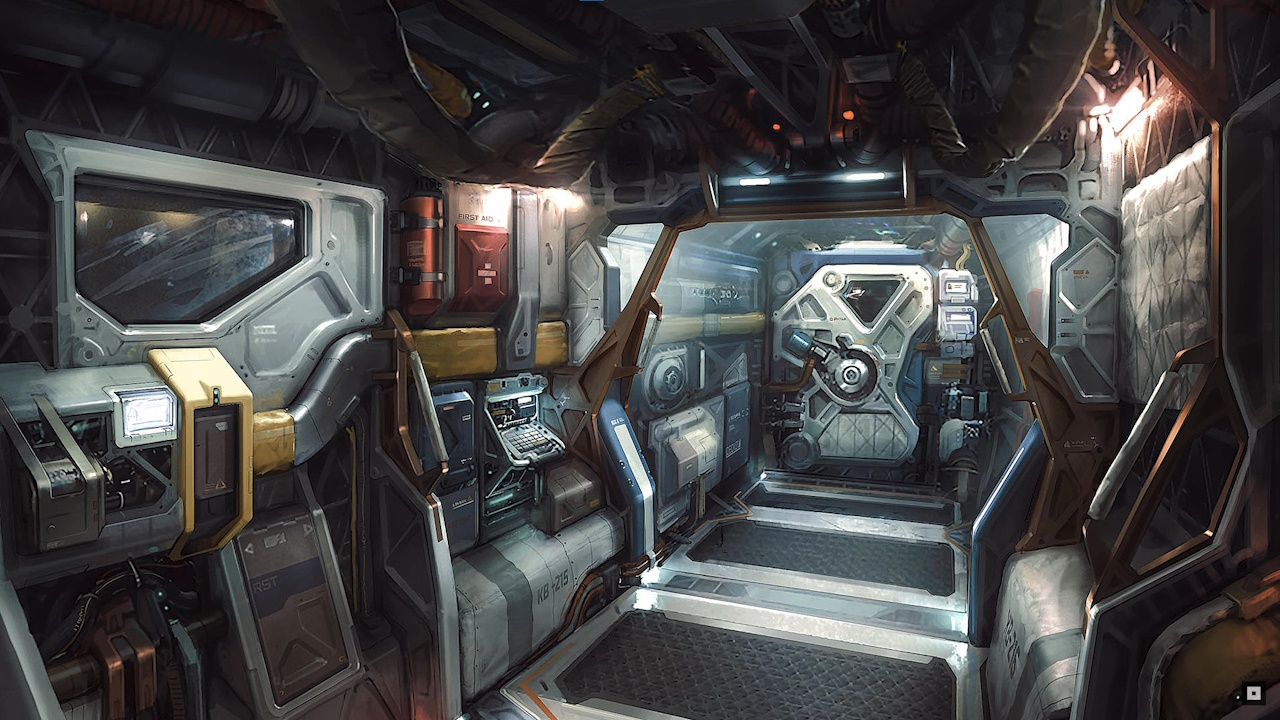
Pre-release concept art for Starfield showing a space station corridor.
Pre-release concept art for Starfield.

Instead, Starfield was a game that was mediocre at best; a title comprised entirely of systems and mechanics that other titles have been doing better for years. As I wrote once, Bethesda should have been less focused on turning Starfield into a “ten-year experience” and instead ought to have been spending time catching up on a decade’s worth of improvements in game design and development. The company’s executives were entirely focused on the wrong ten years!

At the end of the day, I could have overlooked bland gameplay, uninspired mission design, and even a lack of decorative and cosmetic options if the world-building and narratives present in Starfield had been up to scratch. But they weren’t – and all of this lacklustre gameplay was taking place in a boring, small-scale world that I couldn’t find a way to get invested in or care about.
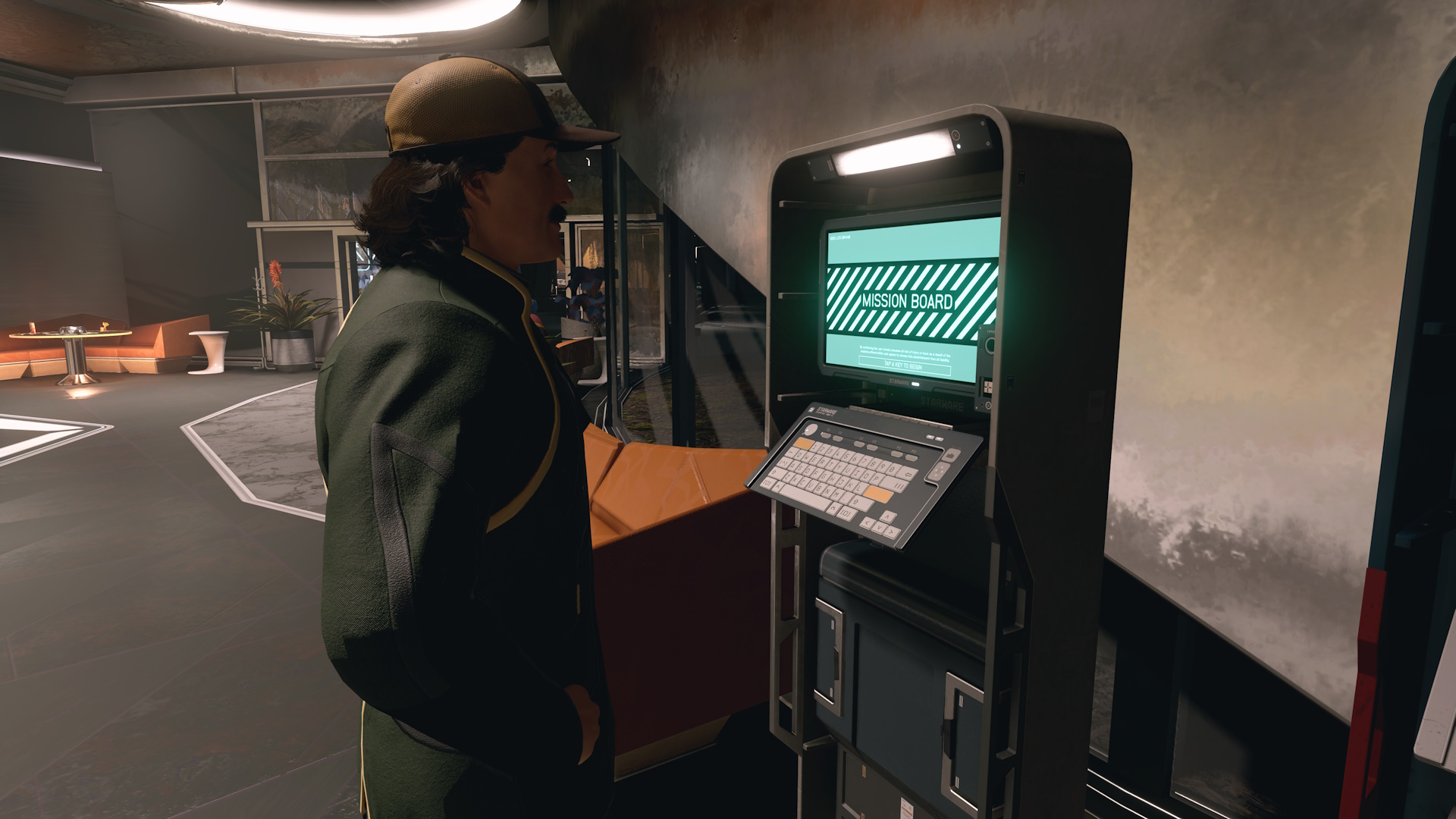
Screenshot of Starfield showing a player character at a mission board.
Starfield’s world-building was disappointing.

All of this leads to one question: why on earth is Starfield – with its bland, uninteresting, small world and outdated, mediocre, often-buggy gameplay – worth spending more money on? The kinds of things that these microtransactions are adding should be free – and given the crap state that the game remains in almost a year after its underwhelming launch, Bethesda should be continually adding new features, new missions, new cosmetic items and the like. And if there are going to be paid-for expansion packs like Shattered Space, then realistically they need to be as big and as transformative for Starfield as Phantom Liberty was for Cyberpunk 2077.

Without that kind of large-scale change to the game, I don’t see Starfield surviving. Many of the players who picked it up on launch day or in the latter part of 2023 have already drifted away and are finding new gaming experiences to get stuck into. It’s already a tough sell to win back disappointed ex-players, and adding microtransactions – including a single mission for $10 – is categorically not the way to do it. It would be bad enough if Starfield was a popular title with a large playerbase… but it isn’t. And this kind of egregious in-game shop isn’t going to do anything to bring players back.
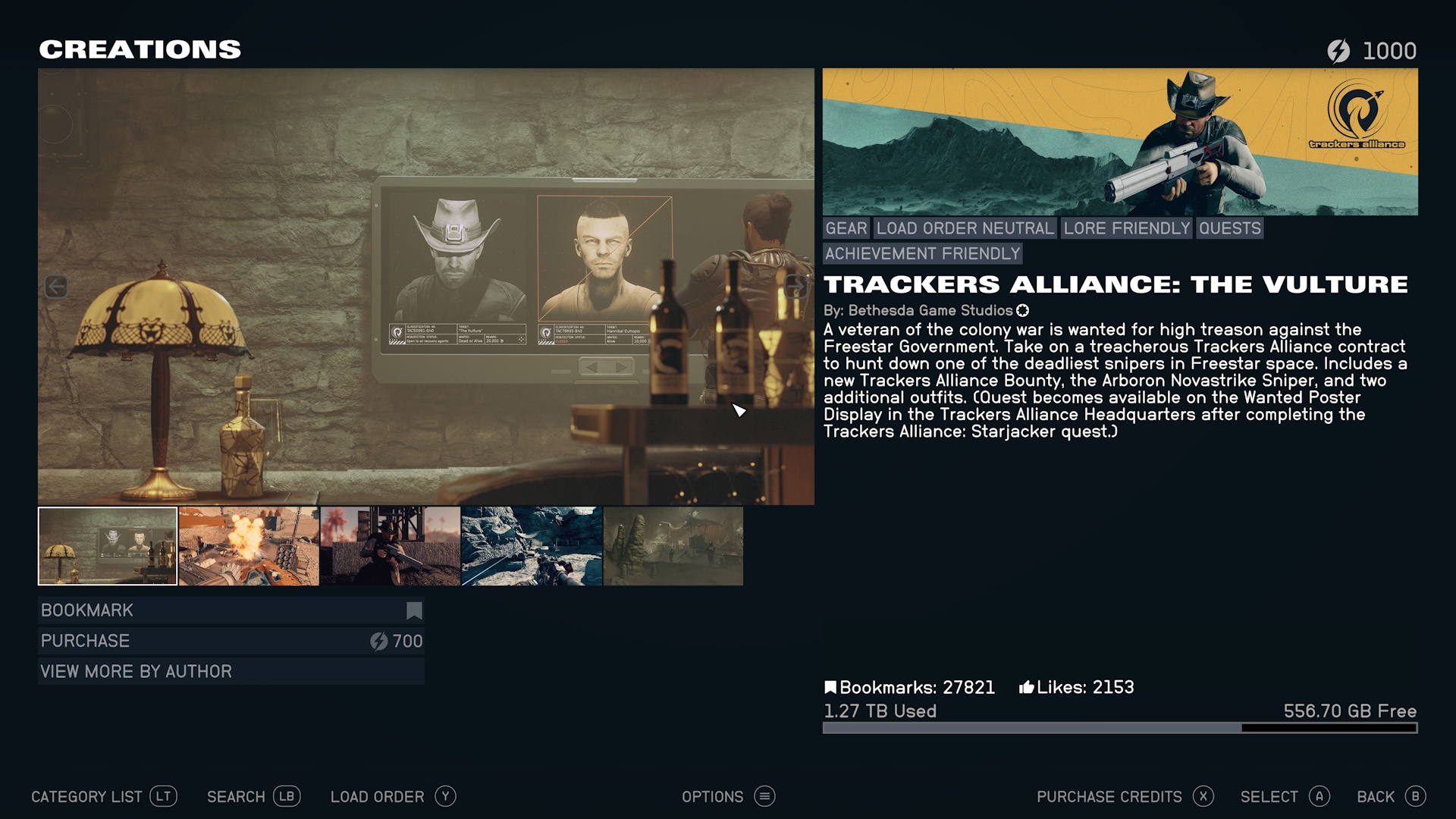
Screenshot of Starfield's microtransaction marketplace.
Starfield’s first $10 mission. Expect to see more like it.

So I guess I really am done with Starfield. I held out hope for a while that there might be an update or DLC pack that would genuinely transform the game, bringing it closer to the original promises that Bethesda made and making it a title I might actually enjoy playing. But with the company seemingly wedded to this microtransaction and paid mods approach that wouldn’t feel out of place in a free-to-play mobile game… I’m out. This game isn’t worth it, and even if it had been a title with a fun story and great world-building, I think I’d still be so turned off by the over-monetisation that I’d walk away.

On the one hand I get it: I’m a dinosaur in a gaming marketplace that’s changed. Morrowind, with its two expansion packs, was more than twenty years ago, and many developers nowadays go down the route of microtransactions, “gold editions,” paid early access, and so on. But there are still games that don’t, especially in the single-player space, and I don’t think it’s unreasonable to ask for a game that I play alone and offline to be basically feature-complete and not try to grab every penny out of my wallet every time I want to change my character’s outfit or decorate their living space.

I’ll finish this piece with a warning for Xbox and Bethesda: players will remember what you tried to pull with Starfield when the next Fallout game or The Elder Scrolls VI are being readied for launch.


Starfield is out now for PC and Xbox Series S/X consoles. The Shattered Space DLC pack will be released in autumn 2024. Starfield is the copyright of Bethesda Game Studios, Xbox Game Studios, and Microsoft. This article contains the thoughts and opinions of one person only and is not intended to cause any offence.
Starfield: Further Thoughts

Spoiler Warning: There are spoilers ahead for Starfield’s main quest, including its ending.

I have to confess that I haven’t played a lot more of Starfield since I last shared my thoughts on the game, its flaws, and how Bethesda might want to respond to some of the biggest points of criticism. But as I’ve sat with the game in the month since it released, I’ve found a few more things to say that I didn’t get to mention in either of my two big post-launch pieces about Starfield. It’s these points that we’re going to talk about today – and if you ignored the spoiler warning above, please know that we’re going to discuss the ending of the main quest and Starfield’s New Game Plus mode.

I feel that Skyrim’s unprecedented success changed something at Bethesda. The company ceased viewing its games as individual stories to be created, completed, and published, and instead began seeing all of its projects as ongoing, long-running experiences. Because Skyrim remained popular for years after its release, Bethesda seems to have internalised that and expected it to become the “new normal,” deliberately taking steps to build all future games with that goal in mind. We saw that most obviously with Fallout 76, but I’d argue very strongly that it happened with Starfield as well.

Starfield has landed…

In a recent interview with Insomniac Games (creators of Marvel’s Spider-Man, among other successful projects), Bethesda executive producer Todd Howard said that Starfield was “a good base of a game to build upon,” referencing the company’s plans for future DLC and additional development for years to come. This isn’t the first time we’ve heard of talk of years-long plans for Starfield. In fact, it seems that building a kind of single-player live-service title was one of Bethesda’s main objectives when developing the game.

My question is this: was Starfield screwed over by this idea?

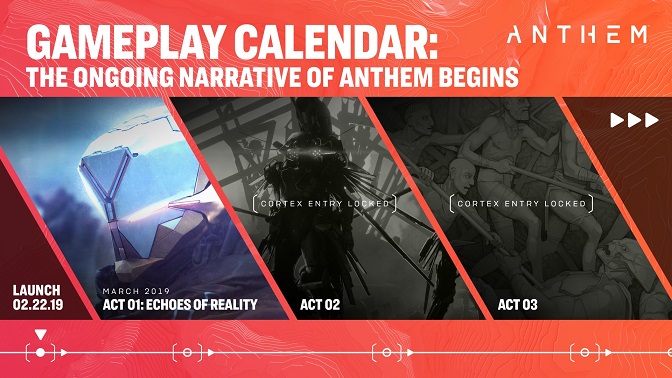
Find me a recent game that billed itself as having a “ten-year plan” or a “five-year roadmap” that actually went the distance. Whether we’re talking about the likes of Anthem, Marvel’s Avengers, or Halo Infinite, many titles have come along promising something like this – only to fail to deliver. Games that genuinely last a decade or more are seldom planned that way; titles like Fortnite, Grand Theft Auto V, or Skyrim are lightning in a bottle. These one-off games succeed for almost unquantifiable reasons – and a massive amount of luck. Corporate planning to replicate that kind of once-in-a-generation level of success has almost never worked. Massive developers like Rockstar have faltered, and even some of the biggest brands and properties on the planet, like Marvel, have been unable to make a “five-year experience” work.

Anthem’s “roadmap” of content that was supposed to be added to the game.

And I can’t help but feel echoes of the likes of Anthem in Starfield. Parts of the game feel barebones and incomplete, as if waiting for future “content drops” and updates to round things out. There are plenty of missions and quests to get stuck into in Starfield, for example, but where are the cosmetics and skins? Why are there so few weapon styles, outfits, skins, and the like? I said when I wrote up my first impressions of Starfield that I was pleased to see the game wasn’t being excessively monetised… but looking at the lack of cosmetic variety and skins, it seems pretty clear that Bethesda plans to add these as paid-for DLC.

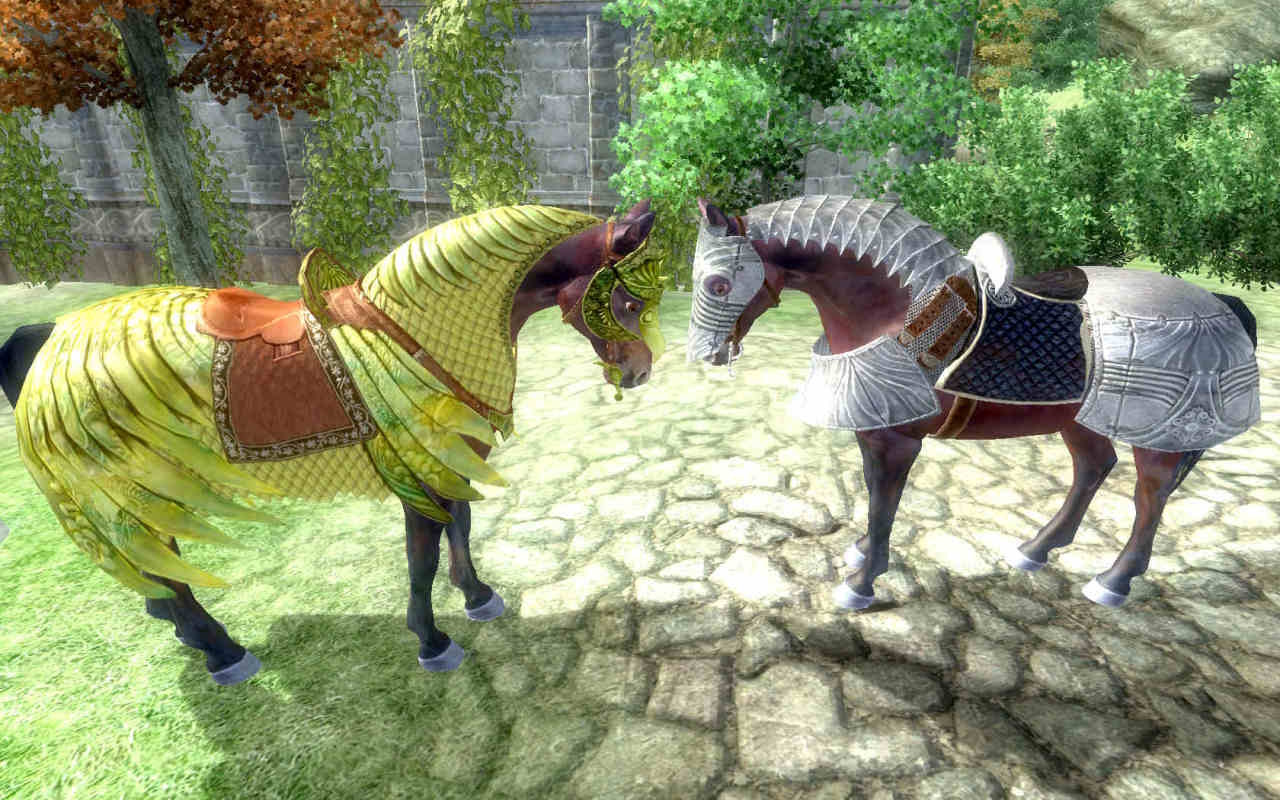
The corporation is no stranger to this. In fact, I’d argue that Bethesda is actually one of the guiltiest parties in the entire games industry when it comes to microtransactions – especially in the single-player space. Oblivion’s infamous horse armour DLC in 2006 was one of the most notorious examples of bad value cosmetic DLC in a single-player game, and one of the first to attract mainstream attention. Other companies saw Bethesda essentially getting away with it, and a truly unfortunate trend accelerated.

Oblivion’s horse armour DLC was released in 2006.

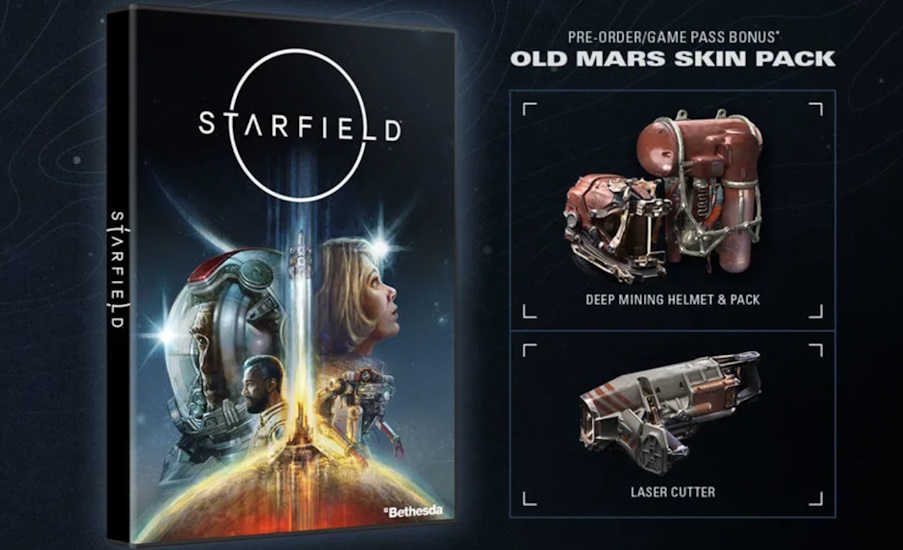
At time of writing in October 2023, the only skins available in the game come from expensive pre-order or premium editions of Starfield. That’s already a red flag, in my opinion, and it seems all but certain that future skins will also only be available as paid add-ons.

Starfield could look very different in six months or a year from now, with in-game purchases that could easily push the cost of the complete game closer to £200. Remember that in order to get the currently available skins, and pre-order Shattered Space, players are already having to fork over £100 to Bethesda for Starfield’s premium edition, so £200 when additional skins and cosmetics have been released doesn’t even seem like a stretch. By the time Bethesda finally stops working on Starfield altogether in the years ahead, the full price of the game plus all of its DLC and additional content could run to far more than that.

Skins are currently available as pre-order and special edition bonuses only.

So I’m rescinding my “doesn’t feel excessively monetised” statement from my earlier piece. Starfield feels like a game that’s being primed for additional monetisation – and rumours of paid mods have not escaped my notice, either. Paid mods will have to be the subject of a longer piece one day – but suffice to say for now that I’m not a supporter of them in any way, shape, or form.

Bethesda took a risk by turning Starfield into a single-player live-service title, and while I will say that the “base” version of the game still has a lot on offer – for people who are still interested in Bethesda games and the way they design their quests – I’m not sure it was the right decision. Building a good game with fun gameplay and an engaging story should have been priority number one – but it feels like both of these things took a back seat. Planning for a decade’s worth of add-ons and extra content became Bethesda’s main ambition. I’m not convinced all of these planned pieces of DLC will see the light of day.

This is where skins will appear – when Bethesda is ready to begin selling them.

When I really dig down, Starfield’s biggest issue for me personally isn’t actually that its gameplay feels outdated and uninspired. It’s that the game’s story just didn’t grab me and the worldbuilding was so bland and uninteresting that I didn’t care to spend any more time in it. The world of Starfield feels small, flat, and boring – and when the gameplay backing it up was lacklustre too, I couldn’t find a way to make progress. I’m someone who’ll happily play through some absolutely bog-standard gameplay if I’m enjoying a story or getting lost in a fictional world, but with Starfield offering neither an entertaining story nor an engaging world… sticking with the game lost its appeal.

I looked up spoilers online to see what happens further along Starfield’s main quest. I was bored to tears playing it, but if it picked up later on I thought I might be able to push through to get to the promised moment where the game would finally “get good.” But what I read actually surprised me – and I ended up feeling glad that I didn’t waste any more hours of my life playing through the story.

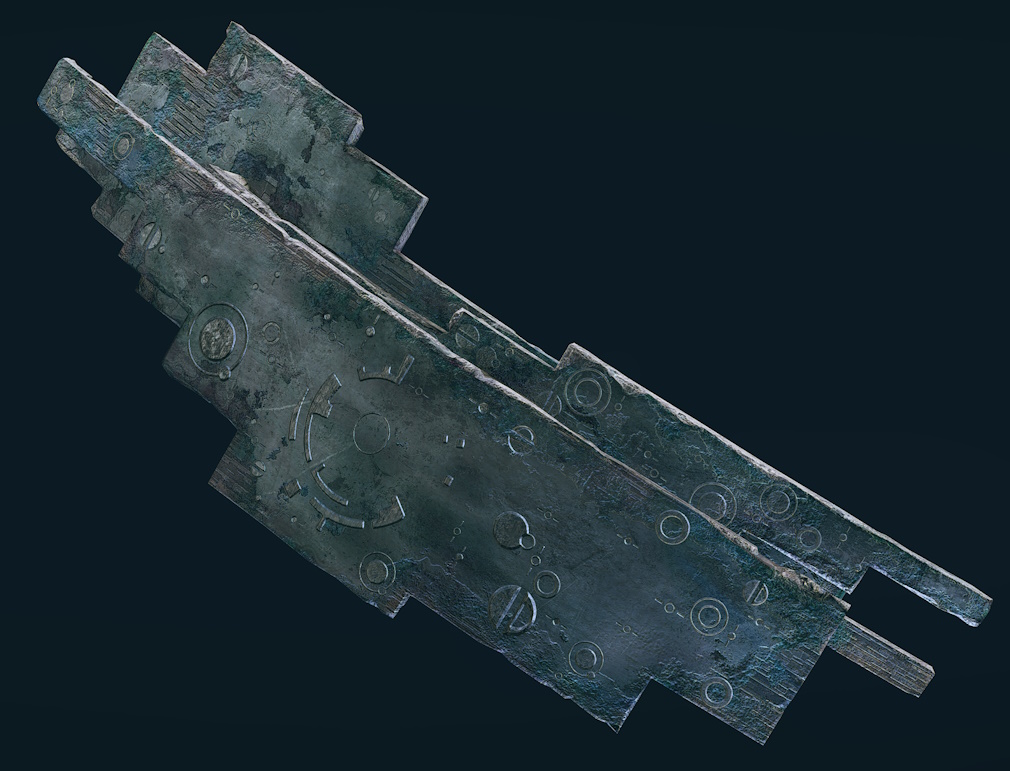
One of the artefacts at the heart of the game’s story.

What is one of the most basic pillars of storytelling? Any narrative needs a beginning, a middle, and an end. If a story revolves around a big mystery, solving that mystery is absolutely key to making it feel complete. Starfield’s writers chose to ignore this absolutely fundamental rule of narrative construction, and the result is that the game’s main story seems like it comes to a deeply unsatisfying “end.”

Starfield began by setting up a mystery: what is this artefact? What does it do? And who made it? Then the game introduces us to a team of people dedicated to figuring it all out. There are major structural weaknesses on this side of the story – like what anyone involved in Constellation actually does or has been doing for the past thirty years prior to the player character showing up – but that’s somewhat beside the point. After a series of glorified fetch quests that see us chasing different artefacts across the galaxy, Starfield introduces two antagonists and magical powers that we can learn… but then the story ends without explaining anything about what the artefacts were or who created them.

Starfield’s main story has a deeply unsatisfying ending – and the journey to get there isn’t much fun either.

Failing to solve the key mystery at the heart of the narrative, and refusing to even answer the most basic of questions about that mystery, ignores one of the fundamental tenets of storytelling. It makes the whole story – which then begins again in a weird kind of cyclical manner – feel incomplete and frustrating.

It seems to me that this aspect of the game – starting over by “travelling to an alternate reality” – is nothing more than a narrative gimmick to allow Bethesda to put a New Game Plus mode into Starfield.

And why would Bethesda want to add such a feature? None of the company’s previous titles included New Game Plus, after all. Oh, that’s right: because Starfield was built to be a “ten-year experience” rather than a complete game, and New Game Plus feels like an easy way to keep players engaged for longer.

I couldn’t even get through the game once

So we come full-circle, and I think we can reasonably make the case that Starfield has been harmed in more ways than one by Bethesda’s insistence on planning for the long-term at the expense of the short-term. Maybe Shattered Space, or some additional piece of DLC in the future, will resolve Starfield’s big mystery. And maybe, if that happens, the main story of the game will feel complete and worth experiencing. But if the best possible spin I can put on Starfield is that it’s an incomplete experience that needs additional content to actually feel like its story has a proper ending… that’s not great. It makes it feel no different from dozens of other incomplete live-service games.

I usually avoid live-service titles, and I do so for one basic reason: I don’t like to play an incomplete game. If a film or season of TV ends on a cliffhanger, with promises of a resolution to come next time, that’s one thing. But Starfield isn’t a film or a TV show, it’s a single-player game that shouldn’t depend on future DLC or updates to actually complete its main story.

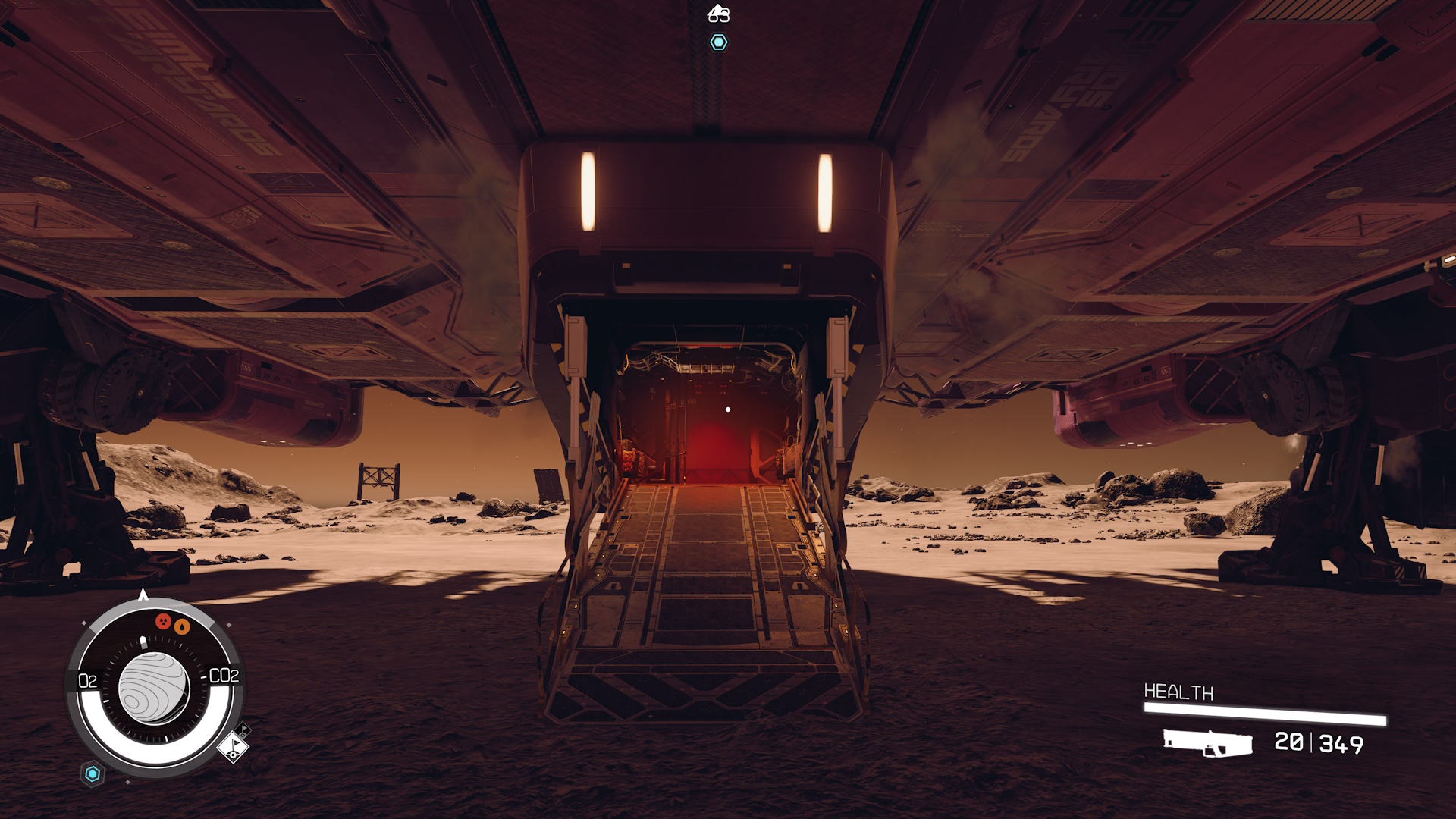
Ready for boarding?

The longer I’ve sat with Starfield, the further the game has slipped down in my estimation. There are unfavourable comparisons with other recent releases that can’t be avoided, but at its core we’re stuck with a game that feels fundamentally incomplete. As Todd Howard himself admitted, Bethesda made a “base experience” that they intend to build on over the next few years – and that they also expect modders to help with. That might’ve been okay were it not for the outdated and buggy gameplay combined with an uninteresting and bland setting.

So like with other live-service titles, maybe Starfield will be worth revisiting after those promised updates, content drops, and DLC packs have been created. Maybe the “ultra deluxe anniversary edition” will be worth playing in 2030 – so if I live that long, maybe I’ll check it out. But I’ve been wasting my time on a game that, for all of its lofty promises, just isn’t what I’d been expecting. As I said last time: part of that is on me for internalising too much of the hype and excitement that built up in the months before Starfield’s launch. But a lot of the blame lies with Bethesda for creating an uninspiring setting, a bland, incomplete story, and for building a game that feels a decade out of date.

You cannot go that way.

Forget about Starfield becoming a “ten-year experience.” Bethesda needed to catch up on at least ten years worth of improvements and changes in game design and development. Those are the ten years that Bethesda should have been focused on. The company should have been looking at what comparable games in the open-world, action-adventure, and role-playing spaces have been doing since Skyrim launched and worked to incorporate some of those elements into Starfield. Instead, Bethesda took the Skyrim formula, cut out content to introduce later by way of paid DLC and add-ons, and planned for a decade’s worth of content for a game that already feels at least ten years out of date.

I wanted to love Starfield. The game’s overall aesthetic and many of its creative choices looked to create exactly the kind of sci-fi setting that appeals most to me. Blending real-world design elements with some of the sci-fi properties that I remember fondly from years past should have been exactly what I was looking for. I was worried that I was too harsh on Starfield and that I’d been treating the game unfairly or unkindly… but the longer I’ve sat with it the more I’ve seen its “ten-year plan” laid bare. I don’t care for live-services, for incomplete experiences, or for badly-written stories with cheap endings. I think I’m done with Starfield for now – though I will give the caveat that the game could be worth picking up again once its planned add-ons have been released.

Starfield is out now for PC and Xbox Series S & X consoles. Starfield is the copyright of Bethesda Game Studios, Bethesda Softworks, Xbox Game Studios, and/or Microsoft. Some promo images and screenshots used above courtesy of Bethesda. This article contains the thoughts and opinions of one person only and is not intended to cause any offence.
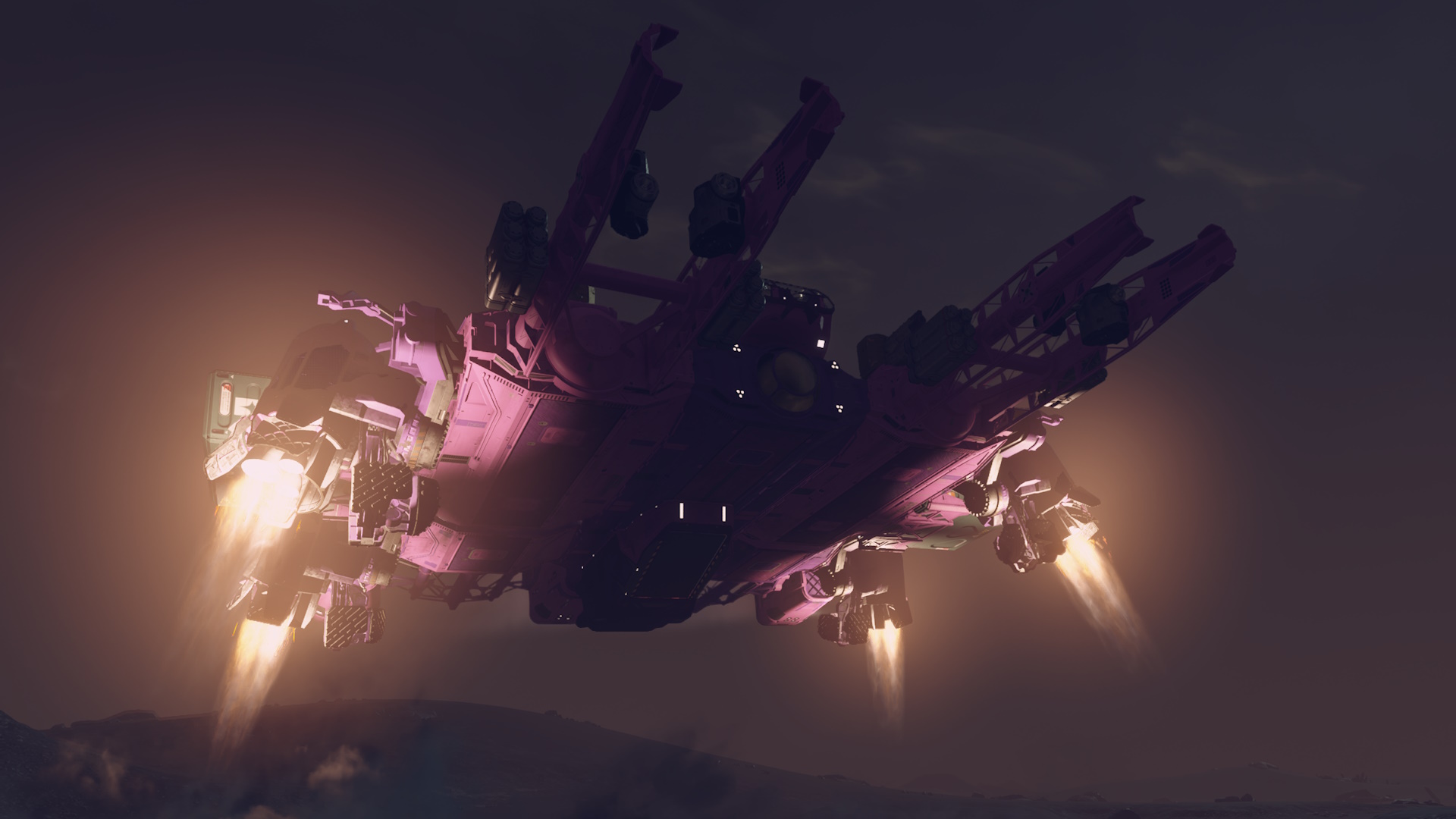
Starfield: Ten Questions

Spoiler Warning: Although there are no major story spoilers, minor spoilers may be present for Starfield and its in-game systems. This article also uses screenshots and images from the showcase and trailers.

The Starfield showcase has told us a lot about the upcoming sci-fi role-playing game and what we can expect from it. Bethesda has followed this up by putting out game director Todd Howard to participate in a number of interviews, including one in which he was strangely asked about fishing. But there are still some question-marks hanging over Starfield, at least from my perspective.

I’m not in a position to interview anyone or put these questions to Bethesda and Xbox directly. So instead I thought it could be fun to write them out here – as well as share my thoughts on what the answer may be, and what I’d want the answer to be! As I said when I wrote my Starfield wishlist, I have high hopes that the game will be enjoyable to play regardless of whether or not it does everything that I think I want right now. It’s also possible that updates and DLC will add certain features and mechanics in the months and years after the game launches – so if something seems to be “missing” that a lot of players would like to see, don’t bet against Bethesda adding it somewhere down the line.

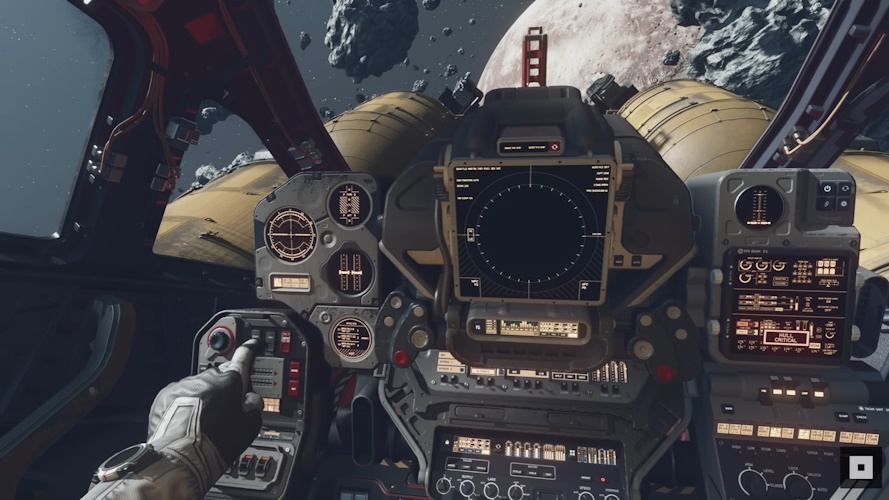
Piloting a spaceship.

As always, I have a couple of caveats! Firstly, I have no “insider information,” and I’m not trying to claim that anything we’re going to talk about today definitely will or won’t be part of Starfield. These are questions I have about the game based on pre-release footage, the showcase, and interviews I’ve seen with Bethesda and Xbox folks. Secondly, all of this is the subjective opinion of one person; if you hate all of my questions or if I don’t ask something that seems blindingly obvious to you, that’s okay! There should be enough room in the gaming community and the Starfield fandom for different perspectives and points of view.

Finally, I haven’t seen every interview, nor read every single comment by Bethesda and Microsoft. It’s possible that I’ve missed something, or that something I’m uncertain about has been clarified already. My ageing brain may not have retained everything, too!

With all of that out of the way, let’s jump into my list of questions!

Question #1:
Do planets rotate?
Or: do planets have a day-night cycle?

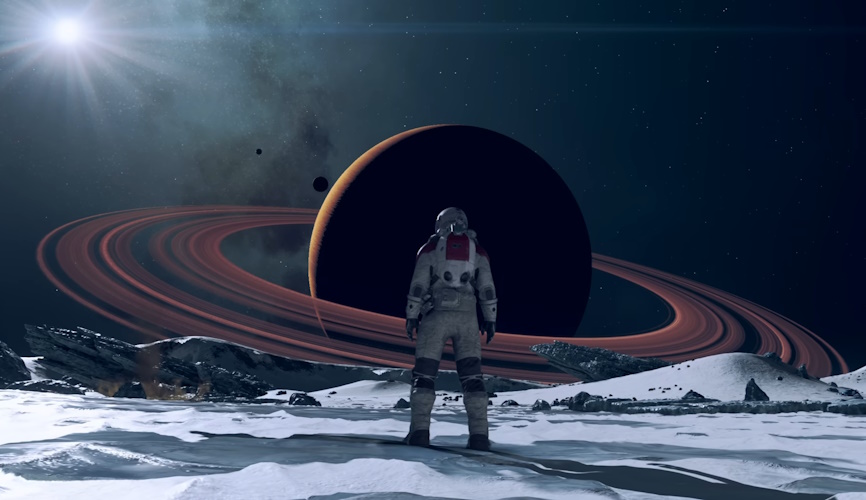
An astronaut and a star.

We’ve seen some clips that seem to take place in the full light of day, and others that take place in darkness. So it’s obvious that night and day plays a role in Starfield, at least to an extent. But what I haven’t been able to gauge so far is whether there are day-night cycles on every planet – and if there are, would every planet behave the same way?

Past Bethesda games have had day-night cycles, with different monsters appearing at night, for example. In some games, sleeping is only permitted between certain hours, and some quests might even be time-specific in some cases. But if we’re heading out into space, planetary rotation can mean a lot more than just whether the sun is in the sky or not!

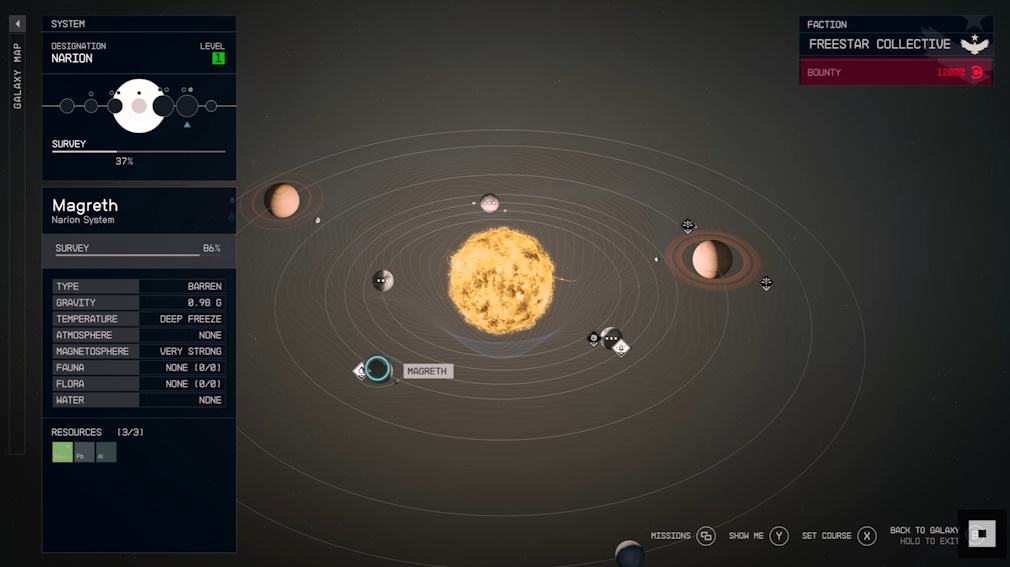
A solar system.

Some planets that lack atmospheres have extremes of temperature depending on whether they’re facing their star or not. Mercury, for instance, varies wildly between -170°C at “night” to over 400°C during its “daytime.” If we’re exploring planets comparable to Mercury in Starfield, when and where we land could determine what kind of environmental protection we’d need, for example.

The Starfield showcase seemed to suggest that planetary temperature was one factor that could affect the player character, with the HUD keeping track of temperature. But whether that changes, or whether each planet or landing site has a fixed, unchanging temperature is unclear. I’d love to know whether planets rotate, whether there are varying day-night cycles for the main cities and locations, and whether or to what extent these things could impact exploration.

Question #2:
Is the entire surface of a planet explorable?

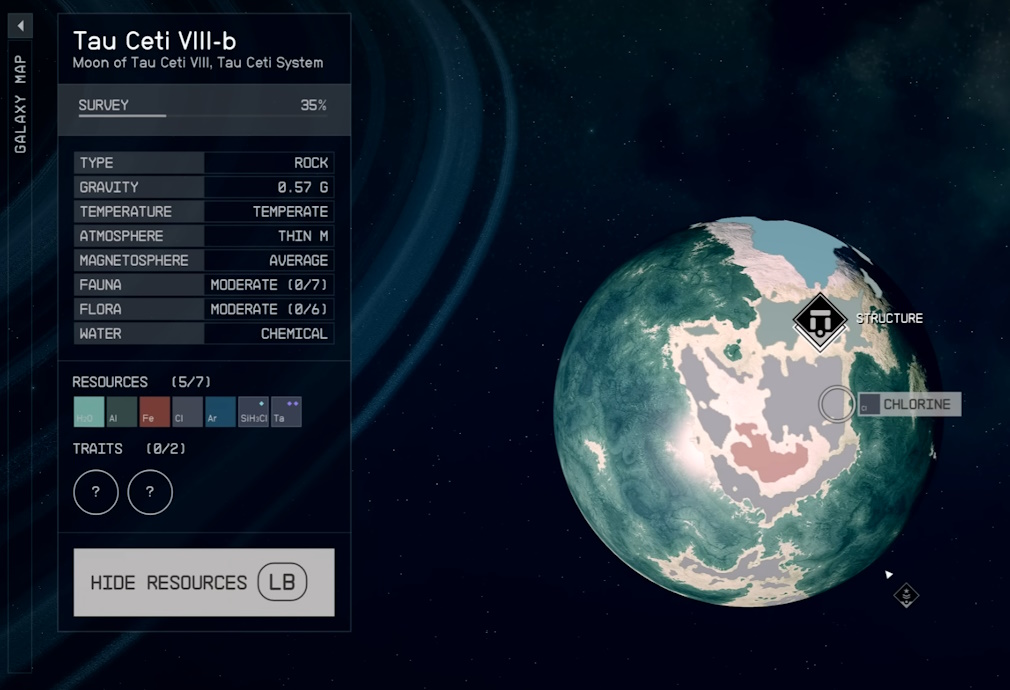
A close-up view of a planet.

If I disembark from my spaceship and head in one direction in a straight line, will I be able to keep walking, walking, and walking all the way around the circumference of a procedurally-generated planet? If I stay in that straight line without deviating, will I eventually walk all the way back to my spaceship?

There was a lot of talk at the showcase about “if you can see it, you can go there,” with a moon in the sky of a planet being pointed out. But there was also talk of players choosing a “landing zone” on each planet or moon that we’ll visit – and the implication of that could be that each “zone” has limits.

A spaceship blasts off.

I’m not sure how many people would want to walk all the way around a planet. Exploring the entire surface of even the smallest planet or moon in the solar system would be an arduous task… but gamers love to take on challenges! Walking hundreds or thousands of miles to fully circumnavigate a planet might be something that some folks will want to do.

Regardless, if there are limits to how far players can explore, or how much of the surface of a planetary body is explorable at one time, those limits will have to be handled carefully. Invisible walls might not cut it here… and could certainly impact the sense of immersion. But at the same time, it’s hard to see how this could be avoided, even given the game’s size and ambitious scope.

Question #3:
Will there be microtransactions, an in-game shop, purchasable currencies, and the like?

The game is launching with pre-order bonus items.

If the answer to this question is anything but a solid, definitive “no” then I will be deeply concerned and very disappointed. Already we’ve seen that not all Starfields are created equal: there are pre-order bonus outfits and deluxe edition-exclusive outfits already. Pre-order bonuses are nothing new, of course, but I’d still rather that every Starfield player could have access to all in-game cosmetic items.

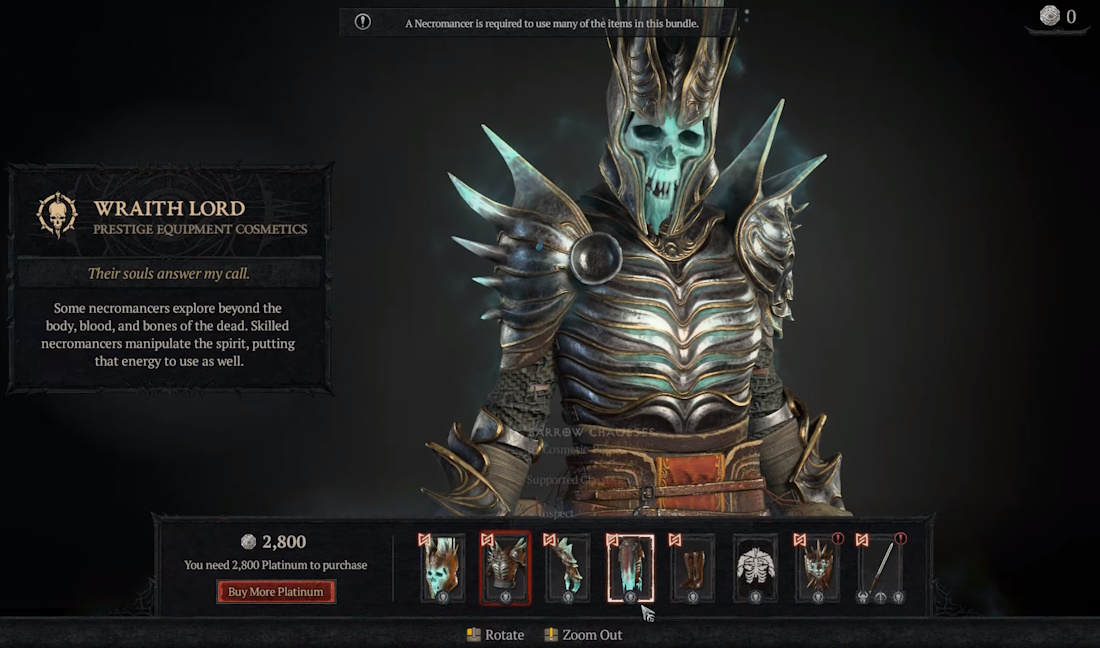
But the existence of these in-game skins has me worried. Are Bethesda and Microsoft planning an in-game microtransaction marketplace? If so, will there be some kind of “premium currency” to go along with it? Some titles can feel downright exploitative with their in-app purchases, with cosmetic items in Diablo IV retailing for £20/$25 in some cases.

In-game currency packs in Fall Guys.

In some ways, we can blame Bethesda for being one of the pioneers of monetisation in single-player games. Oblivion’s horse armour DLC became infamous in 2006 as an exemplar of this kind of cheap cash-grab – and Bethesda has even tried to monetise mods with its “Creation Club” in Skyrim and Fallout 4.

In free-to-play games, in-game purchases can be fine – though they must still be reasonably priced and not unfair. But in a single-player, fully-priced title like Starfield, in-game purchases will be hard to justify – if not outright impossible. Bethesda needs to be honest about this, too – and not send out one version of the game to reviewers, then sneakily add in an in-app storefront after launch. We’ve seen similar things happen with other games. It’s a concern at this point that no one at Microsoft or Bethesda has ruled out in-game monetisation.

Question #4:
Will custom backgrounds be available?
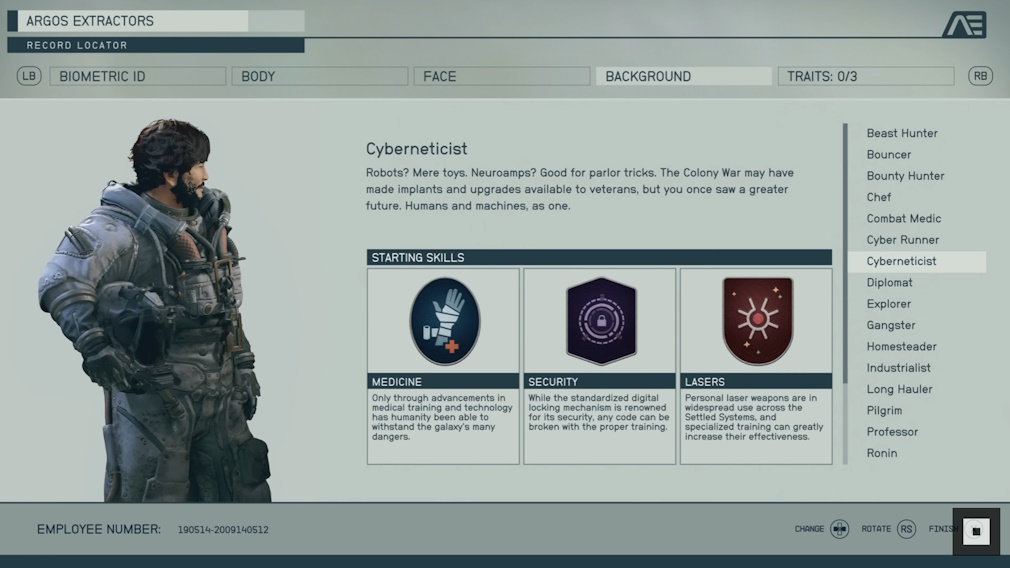
(A background with a customisable name and a free choice of skills.)

An example of one of the backgrounds.

The Starfield showcase showed off about sixteen different potential character backgrounds, with a handful of sci-fi staples like “bounty hunter” being joined by less common ones such as “chef!” These look like fun – but their inclusion raises a question: can we make our own custom background?

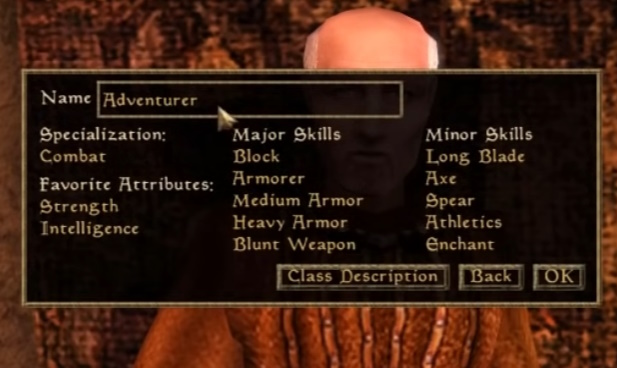
In Morrowind and Oblivion, it was possible to create a custom class. If players didn’t want to pick one of the pre-made options it was possible to become… well, anything. These custom classes also came with a free choice of starting skills. The pre-made backgrounds in Starfield each seem to come with three starter skills, so that raises the question of whether custom backgrounds exist, and if they do, whether it would be possible to have a free choice of skills to include.

Creating a custom class in Morrowind.

At the showcase, it was clear that the choice of background could lead to some unique dialogue options and possibly even unique quests within Starfield. If that’s the case, Bethesda may not want players creating their own custom backgrounds. But it was a lot of fun in Morrowind and Oblivion to become a “dark knight” or “chocolatier,” and to choose which skills to give a boost to at the beginning of the game. This might not be something everyone wants to try – and I think in my first playthrough I’ll probably pick one of the pre-made options to see how much unique content is on offer. But it could be a ton of fun!

This is something that feels like it could be relatively easy to mod, and I wouldn’t be shocked to see a “custom background” mod created fairly soon after the game’s launch if it isn’t an official feature.

Question #5:
How abundant will resources be?

This cargo ship looks like it could carry a lot of resources.

We know that there will be resources to collect in Starfield, with some of these being able to be sold for cash and others perhaps being used to craft items or even in the construction of outposts and bases. But how abundant will these resources be? If you think about it, every single item ever used in the entire history of humankind has come from a single planet. All the lead, all the iron, all the uranium we’ve ever used across all of human history came from Earth. With that in mind, it might feel strange to visit a planet and find, say, 40kg of iron, half a brick of lead… and nothing else.

One of my concerns with Starfield is that a deliberate policy of forced scarcity might be used to push players to keep exploring and to keep visiting new planets and locations – or even to pay real-world money to “skip the grind.” Depending on what resources are needed for crafting, and how necessary in-game crafting will be to Starfield, this could become frustrating.

Firing a mining laser.

Not all planets and moons will have every available resource – nor should they. But there has to be a balance found that makes collecting resources feel fun and not like a chore. I would also hope that resources will be purchasable, at least in limited quantities. If I need, for example, 100kg of iron to craft something and I only have 98kg, there are going to be times where I’d rather spend a few credits than have to hop in my spaceship and seek out a planet to collect a paltry amount of a single resource!

So again, this is about balance. Exploring has to feel natural, resource collecting and crafting have to feel fun. If I want to become a miner or if I want to use resources to generate the majority of my income, that’s a different story. But for basic gameplay, it’s imperative that Starfield strikes the right balance between scarcity and abundance.

Question #6:
Can spaceship interiors be customised?

Exterior spaceship customisation is part of the game.

At the showcase, a Bethesda developer was prominently shown dropping a pilfered sandwich onto a pile aboard her ship. So we can infer from that that it’s possible to place individual items aboard a spaceship and have them remain there. But is that as far as we can go when it comes to personalising the inside of our flying homes?

I’d like to think it would be possible to do things like change colours, for instance. Changing the colours of the floors, walls, consoles, or furniture would be a step in the right direction, and would go some way to making a spaceship feel personal. There’s a danger, I fear, that no matter how great a ship might look on the outside, the inside might end up feeling like little more than a collection of snapped-together pieces.

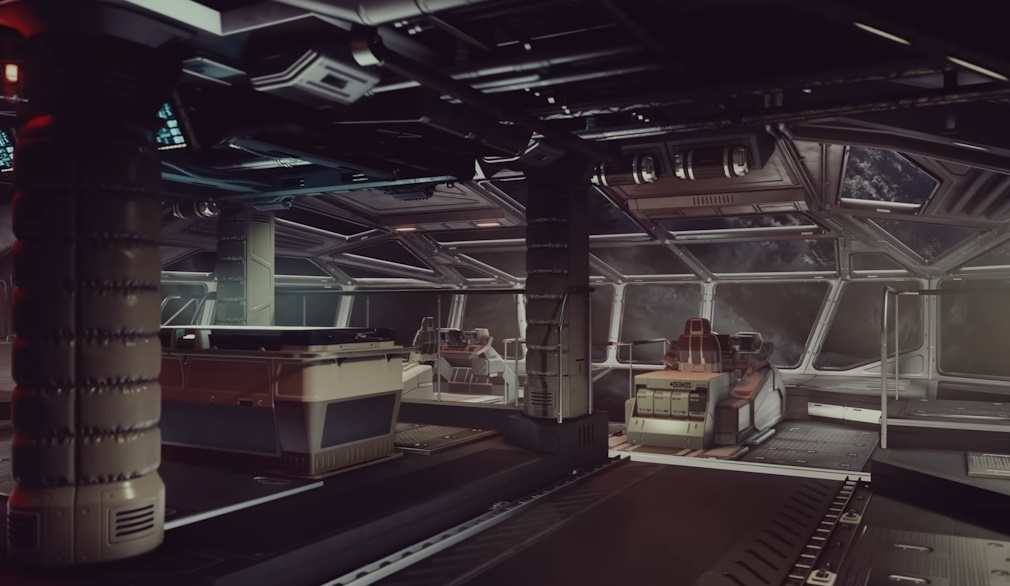
Is this a bridge or a large cockpit module?

I’d love to think that we’d have choices over things like furniture. Do we want to pick this style of chair or that one? Do we want to put extra seats in the living area? How about a bigger kitchen? These are the kinds of decisions that I’d love to be making about my spaceship!

Bethesda has suggested that outposts may have a degree of customisation, with furniture and the like able to be positioned. Again, we don’t know how much customisation is available, how many items are available, and to what extent it will be possible to rearrange a room – but that sounds positive, at least. Even though I’d have expected to have heard something about this by now if it was possible for spaceships, I’m still crossing my fingers.

Question #7:
Do tiles and points of interest repeat?

Discovering a new location.

At the showcase, Bethesda developers talked about how procedurally-generated planets will work. Todd Howard confirmed that there are hand-crafted “points of interest” to visit, and these will be randomly allocated to planets through this procedural generation system. While we don’t know how many of these pre-made locations there might be, if you think about how many individual tombs, ruins, and settlements there were in a game like Morrowind, it seems fair to think that there could be at least 100 – and possibly a lot more than that.

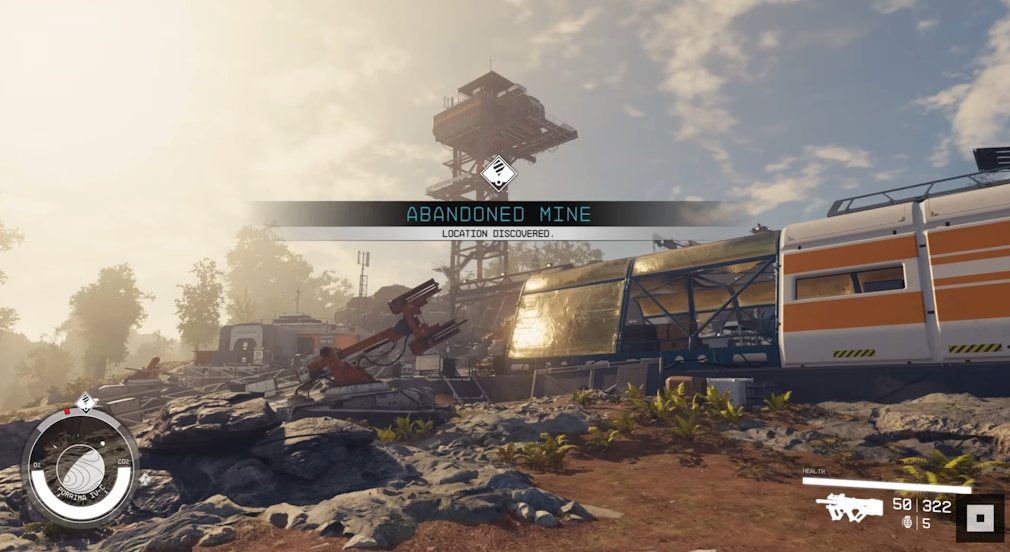
But here’s an interesting question: if Starfield’s procedural generation allocates these at random, does that mean we could encounter the same location twice? Will two “abandoned mine” locations be identical on different planets – or different parts of the same planet, come to that? And what about the tiles that make up a planet’s surface? Will they repeat, too?

How much of a planet’s surface will be made up of repeated tiles?

If a player visits a dozen or more planets in the same category – say frozen, icy worlds like Pluto – will we eventually see the same hills, the same mountains, the same lakes, and so on? After all, there can only be a fixed number of pre-made “puzzle pieces” for each type of planet or each biome, surely. There could be hundreds and hundreds of each – but in a game that encourages long-term play, it doesn’t seem impossible that we’d eventually run out of these tiles. What happens then?

If there are hundreds, thousands, or even more of these tiles and locales, the chances of encountering two identical ones in quick succession are going to be slim. But it could be immersion-breaking to land on a planet and encounter the exact same mountain or ruin as we’d already seen and explored somewhere else.

Question #8:
Are there civilian outposts, colonies, and small settlements beyond the main cities?

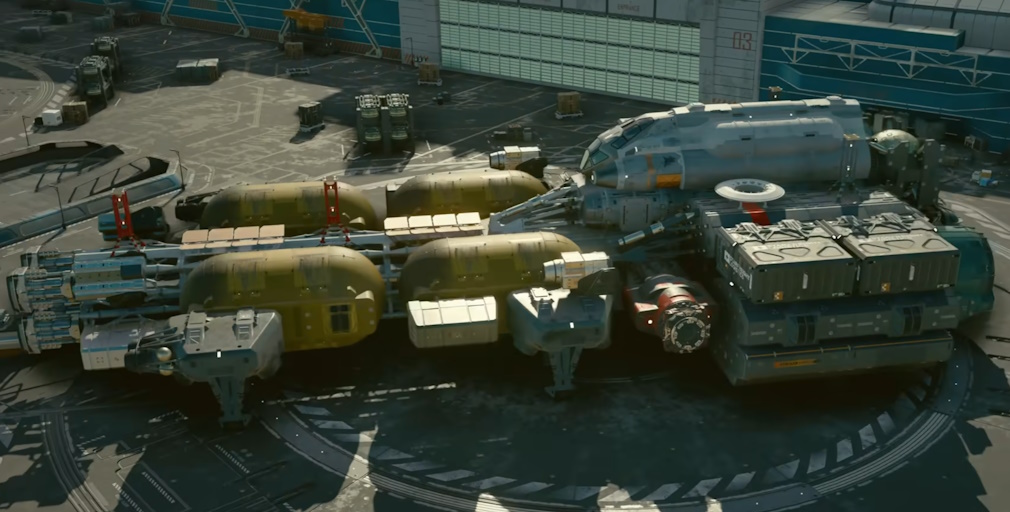
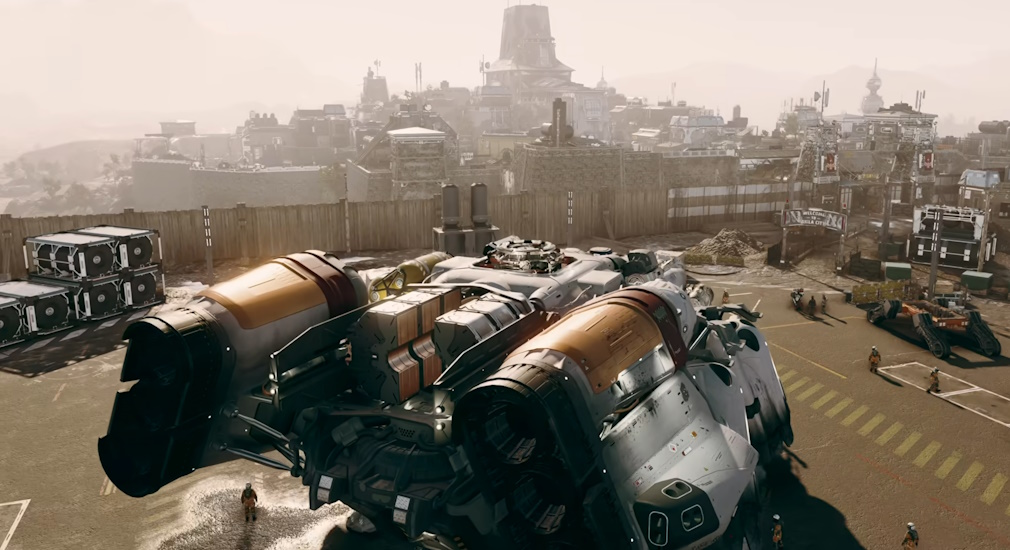
A spaceship at a spaceport in the Freestar Collective.

One thing that makes Bethesda’s worlds feel lived-in are the smaller towns and off-the-beaten-track settlements. Look at places like Hla Oad in Morrowind or Breakheart Banks in Fallout 4. These are small settlements with no connection to the main quests of their respective games. The player has no reason to visit them except for exploration and “to see what’s there.”

Starfield needs places like this, in my opinion. It’s great that New Atlantis will be Bethesda’s biggest-ever city, or that Neon will feel like a cyberpunk dystopia – but if there aren’t smaller places to randomly encounter in between those few big locations, Starfield’s galaxy will feel small. The population relative to the size of the map will feel unbalanced.

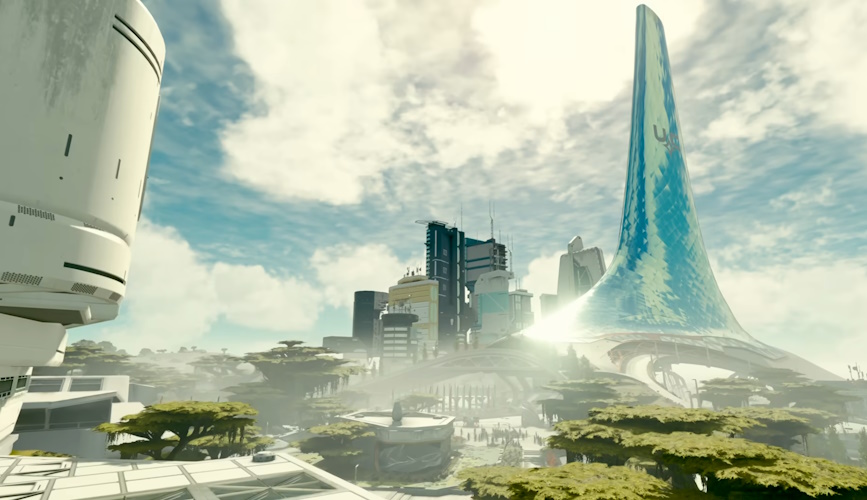
New Atlantis, capital of the United Colonies.

In other Bethesda games – and other open-world games by other developers, too – smaller settlements can have quests of their own. They often have unique NPCs, shops, taverns, and more. Some may be connected to a faction questline, too. So there should still be things to do in at least some of these smaller settlements!

It will feel strange, I fear, if the so-called “United Colonies” only has two cities under its banner, or if the Freestar Collective is a “collective” of no more than two settlements on two planets. Partly this is for that sense of immersion, to ensure that Starfield’s galaxy truly feels like a living, breathing, perpetual world that will exist whether or not the player character is part of it. But also it’s a question of balancing the game, and ensuring that its open world doesn’t feel too empty outside of a handful of cities.

Question #9:
Is it possible to build more than one outpost on a single planet?
And: is it possible to build an outpost on Earth?

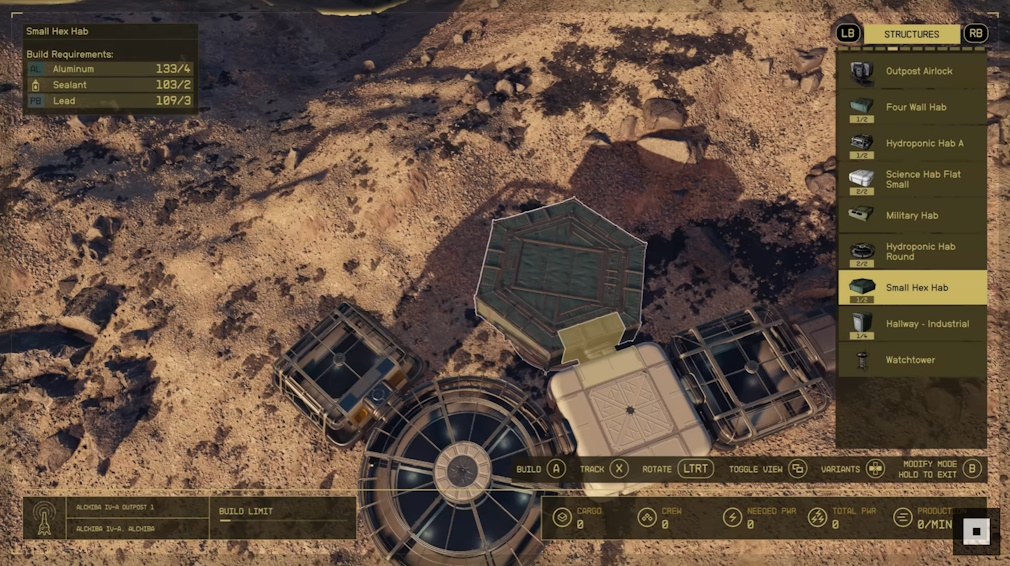
Constructing an outpost.

Todd Howard has suggested that it may not be possible to build an outpost on every single one of Starfield’s planets – and that makes sense. Building an outpost right next to a major city might not be a good idea, for instance. Or planets owned by certain factions could be off-limits. But with Earth confirmed to be present in the game – and perhaps in a devastated or otherwise uninhabited state – I can’t be the only one who’s considering building an outpost there… can I?

If it’s truly possible to pick any location on a planet to land and construct an outpost, maybe some folks will want to find their home town and build an Earth outpost! I think that could be fun – even though it seems silly, in a way, to build on Earth in a game all about exploring space!

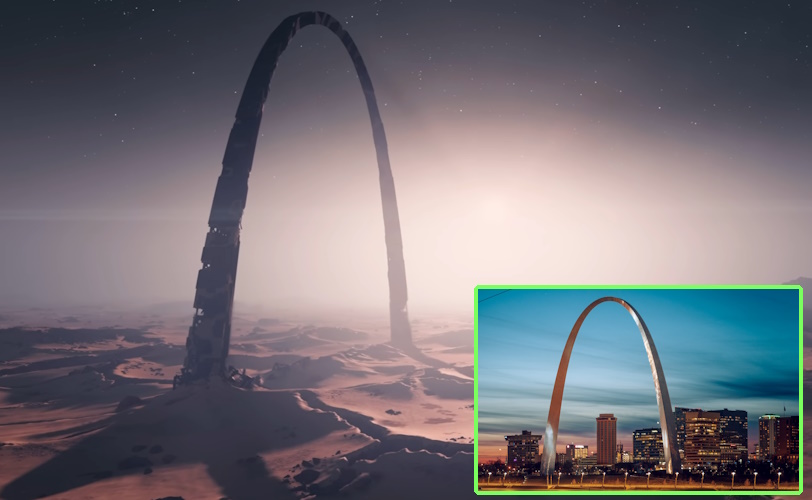
Is this structure the St. Louis Gateway Arch on Earth, as some have suggested?
Insert: The St. Louis Gateway Arch as it appears today.

Then there’s the idea of building multiple outposts on a single planet. If I come across a great planet with abundant resources, I might want to set up a mining camp there to generate resources and/or income. But would I want to build my dream home on top of a busy mine? Probably not!

So it would be neat if it would be possible to build different outposts on a single planet, perhaps with different functions for each one. An automated mining outpost could be chugging away in the background while my house is hundreds of miles away. That’s just one example – but there could be other reasons for wanting to do this, such as different resources being present in different locations.

Question #10:
Has Bethesda over-promised?
Or: is Starfield being over-hyped?

Todd Howard, Bethesda Game Studios executive producer and Starfield’s director.

Too much hype can be toxic to any game, especially if players are allowed to build up an inaccurate picture of what the game could be before it’s launched. This happened in different ways to games like No Man’s Sky and Cyberpunk 2077, as players came to believe that they were going to get a once-in-a-lifetime, genre-busting experience. Sound familiar?

A good marketing campaign knows how to set appropriate limits and how to say “no” in a way that isn’t offputting. So far, I don’t think we’ve seen enough of this from Bethesda and Xbox, and there’s a danger that some players are getting the wrong idea about the scope of Starfield or about what may be possible in the game. This is something that has to be addressed as quickly as possible!

Phil Spencer and Matt Booty of Xbox Game Studios.

It’s totally understandable that Microsoft and Bethesda want to paint Starfield in the best possible light, showing the game at its best and making the most of key features. But that kind of positive approach has to be both truthful and balanced; it mustn’t oversell in-game systems nor promise features that won’t be present. It’s also important to quash speculation if it gets out-of-hand.

There are going to be limits to Starfield. There will be places that we can’t go, things we can’t do when building spaceships and outposts, and limits to both exploration and customisation. It’s also distinctly possible that the game will launch with some bugs and glitches, or even missing features that may be promised to be coming as part of an update. At the end of the day, Starfield is still a video game – one that is naturally limited by the technology available to its developers.

So that’s it.

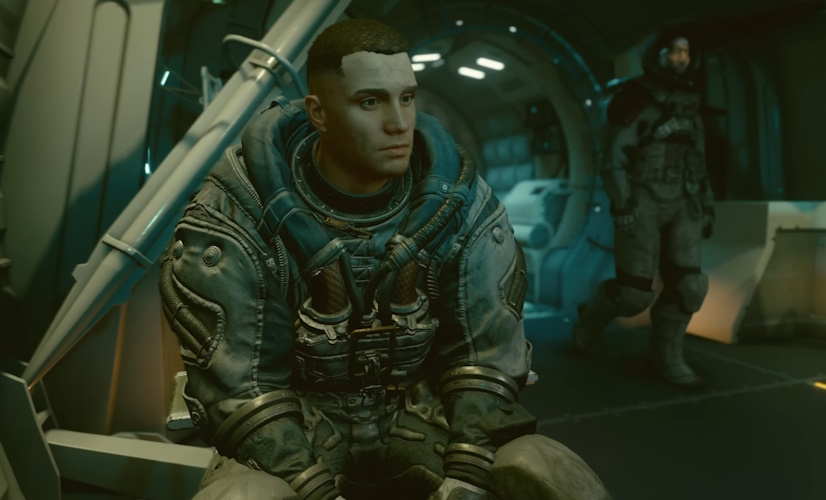
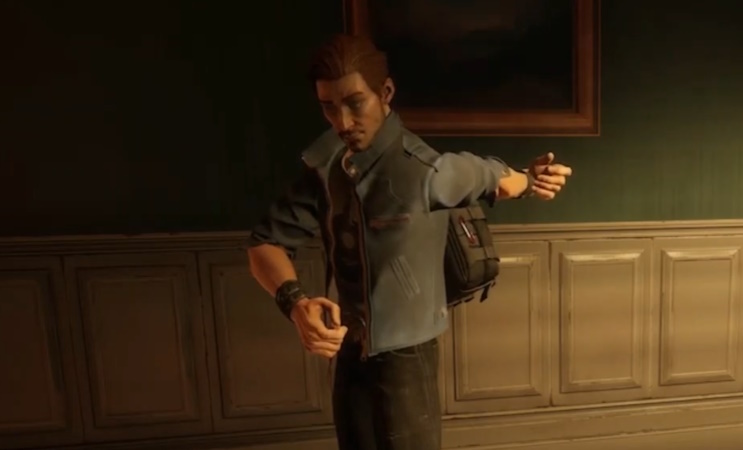
An unknown character.

Those are ten questions that I have about Starfield.

As I’ve said on other occasions, I’m trying to rein in the excitement and hype that I have for this game! There are solid reasons to put Starfield in the “wait for the reviews” category – such as Bethesda’s reputation, the shocking state of many recent PC releases, the Fallout 76 mess, and more. And I will be checking out reviews before I commit to Starfield in September – especially if the game appears to be poorly-optimised or not running well on PC. I don’t need another Jedi: Survivor debacle!

I’d love to see Bethesda address all of these questions head-on, and to provide answers before Starfield is released. I’ve done my part on my small corner of the internet – but it will be up to bigger publications who have the access and the opportunity to hold Bethesda and Xbox leaders to account.

The Freestar Collective.

Some of the questions that have been asked of Bethesda and Microsoft have been missed opportunities, in my opinion. The question about fishing leaps to mind as the stupidest example of a nonsense question, but there have been plenty of others. If I were able, these ten questions would be the ones I’d pose to the senior folks at Bethesda and Xbox.

So that’s all for today! I know we’ve talked about Starfield a lot on the website over the past couple of weeks – but that’s because it’s my most-anticipated game at the moment. And every time I think I’ve said enough, something else comes to mind, or I read another article or watch another interview! There may be even more to say in the days and weeks ahead… so stay tuned! When Starfield is released I’ll also do my best to share my first impressions of the game, as well as talk about some of its systems and features.

Until next time!

Starfield will be released on the 6th of September 2023 for PC and Xbox Series S/X consoles. Starfield is the copyright of Bethesda Game Studios, Bethesda Softworks, Xbox Game Studios, and/or Microsoft. Some promo images and screenshots used above courtesy of Bethesda. This article contains the thoughts and opinions of one person only and is not intended to cause any offence.
My Starfield wishlist

Spoiler Warning: Although there are no major story spoilers for Starfield, spoilers are still present for the game and some of its systems.

Yes, we’re talking Starfield again! Bethesda’s upcoming open-galaxy sci-fi role-playing game is absolutely my most-anticipated game right now, and there’s a lot to look forward to. There are also a few points of concern! I’ve covered both here on the website already, but today I thought it could be fun to put together a “wishlist.” We’re going to talk about some of my biggest concerns for Starfield as well as some possible inclusions that haven’t been announced. We’re also going to look at some of the game’s announced features and mechanics and consider how I’d like them to be used.

The major caveat I always give when putting together a wishlist is this: I have no “insider information.” I’m not trying to claim that anything listed below *is* going to be part of Starfield – no matter how much I might want it to be! I’m crossing my fingers and hoping that the game Bethesda has developed will be plenty of fun to play regardless of whether my “wishes” end up being granted!

A custom spaceship.

And as always, all of this is the wholly subjective opinion of one person. If I miss something that seems obvious to you, or if you disagree with all of my ideas, that’s totally okay! There’s enough room in the gaming community and the Starfield fandom for differences of opinion and respectful disagreement.

Now that that’s out of the way, there are a few points from the recent Starfield presentation that were left unclear, with features I’d like to see included in the game that weren’t announced or discussed in detail. There are also some concerns about the game – from its marketing and hype bubble to Bethesda’s reputation. Let’s jump into the list and look at each of my wishes in turn.

Wish #1:
No microtransactions and especially no paid mods.

Starfield will launch with pre-order bonuses.

I was alarmed to see that the special edition of Starfield comes with a handful of character costumes that aren’t going to be part of the main game. Pre-order bonuses are nothing new, of course… but I fear that this is just the canary in the coal mine; a harbinger of some potentially aggressive in-game monetisation.

In a free-to-play game, I’m much more forgiving when it comes to microtransactions. They mustn’t be exploitative, of course, and prices still need to be measured and reasonable, but a game that doesn’t charge its players anything up-front has to make its money back somehow. Starfield will be a fully-priced game, retailing for £60 here in the UK or $70 in the United States, and that means microtransactions are absolutely unacceptable.

An in-game shop in Diablo IV.

I was astonished by the scale of Diablo IV’s in-game marketplace. That game has online features, but it can be a wholly single-player experience – and it’s charging players £20/$25 in some cases for character skins and other cosmetic items. To me, that’s so far beyond the pale that it almost feels laughable.

Bethesda is one of the pioneers of this kind of nonsense, too, with Oblivion’s notorious horse armour DLC in 2006 paving the way for this kind of in-game monetisation in single-player titles. Bethesda has also tried to monetise mods, with multiple attempts to get the “Creation Club” off the ground in both Skyrim and Fallout 4. Paid mods could (and should) be the subject of an entire article one day – but for now, suffice to say it’s something I want to be kept as far away from Starfield as possible.

Wish #2:
Customisable spaceship interiors.

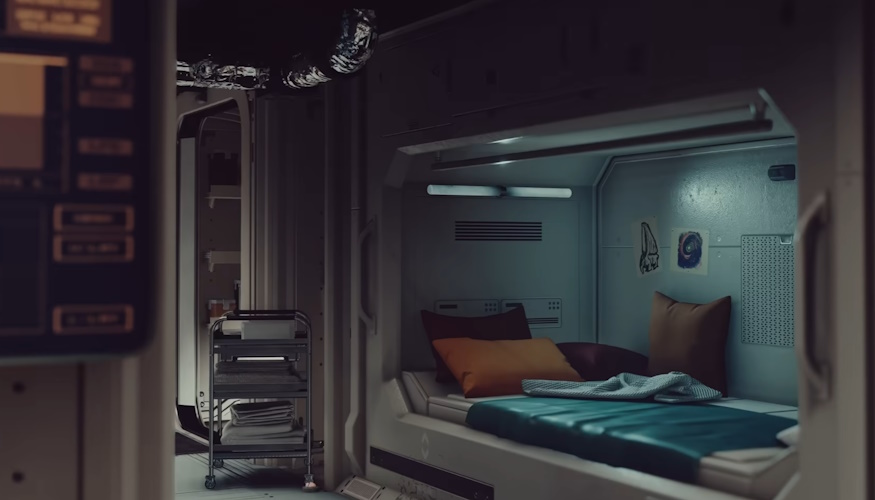
A bed – I hope there will be options to customise it!

Bethesda showed off spaceship customisation extensively at the showcase – and the feature looks amazing. But what wasn’t shown was to what extent the interior of spaceships can be modified and customised… or if that’s even going to be possible at all. Part of me thinks that, if it were possible to make any sort of modification to a vessel’s interior, Bethesda would have shown it off and talked about it. So I suspect this particular wish may not be granted.

We saw a Bethesda developer depositing a large number of sandwiches that she’d pilfered onto a table aboard her ship – so it’s obviously possible to place some in-game items aboard a spaceship and have them remain there. But whether that extends to things like furniture is unclear.

Customising a spaceship’s exterior has been shown off…

At the very least, I’d like to see basic options for things like colours being included. If I want a hot pink spaceship for my gay-as-hell pirate – and if you know me, you know that’s exactly what I want – then it would feel a bit disappointing if the inside of that ship was just a boring white or grey colour.

As far back as Morrowind it was fun to put items on shelves and tables, to decorate a home or cave and make it feel a bit more personalised. If Starfield only gives us pre-made pieces to snap together, with no possibility for further customisation, part of the role-playing experience will be lost. We know that the interior of outposts on planets can be customised – at least to an extent – so I hope spaceships can be too. If not, this should be a priority for the game’s first free update!

Wish #3:
A polished, bug-free launch – or a delay if that won’t be possible.

A visual bug in Fallout 76.

In 2022, I praised the decision to delay Starfield. If the game wasn’t going to be ready for prime-time in November of last year, a delay was the only thing Microsoft and Bethesda could have done. But Starfield’s hype bubble has inflated massively since the showcase, and with a release date at the beginning of September seemingly set in stone, there’s going to be a lot of pressure to launch the game whether it’s ready or not.

This year alone we’ve seen far too many bug-riddled, broken, unfinished games pushed out too early by greedy publishers. Microsoft and Bethesda are not immune from this, either, with Redfall being an absolute abomination only a few weeks ago. Given the state of other Bethesda titles when they were released – Fallout 76 most notably – there are reasons to be concerned. Starfield is, for me, a game firmly in the “wait for the reviews” column.

A broken character model in Redfall.

Xbox Game Studios head Matt Booty was recently quoted as saying that Starfield would have “the fewest bugs of any Bethesda game ever shipped” if it were released today… and that’s a bold claim that he will be held accountable for. It’s easy for any developer worth their salt to put together a “vertical slice” of gameplay that runs well and is polished, and even the worst and most incomplete, broken games can look decent in their own marketing material. All that we’ve seen of Starfield so far has been promotional bumf released by Bethesda, so until the game is actually in the hands of real players, we can’t be sure of its condition.

There is a lot riding on Starfield for Bethesda; the company is looking to recover its reputation after Fallout 76. But there’s a lot riding on the game’s success for Xbox and Microsoft, too. If Starfield goes the way of Anthem or even Cyberpunk 2077, the situation may not be salvageable… and that could lead to serious long-term problems for Bethesda and its parent company. If Starfield isn’t good enough by September, then for god’s sake delay it!

Wish #4:
Small towns and settlements to visit beyond the main cities.

The city of New Atlantis.

At time of writing we know of four major settlements in Starfield: Akila City in the Freestar Collective, the pleasure city of Neon, New Atlantis in the United Colonies, and Cydonia on Mars. We also caught a glimpse of a space station that looked quite large, as well as a location called “Red Mile” that we don’t know much about yet. But that’s all.

In Skyrim there were nine cities, five smaller towns, and a number of settlements and farmsteads scattered across the map. Fallout 4 likewise had several larger and smaller towns, and even Morrowind had a number of smaller places to visit outside of the main settlements. I hope that some of Starfield’s planets will have colonies or small towns to encounter, especially if they aren’t tied to the main quest. I hope that both the United Colonies and the Freestar Collective will have other settlements outside of their capital cities. And I hope that these locations will be visually interesting and fun to visit!

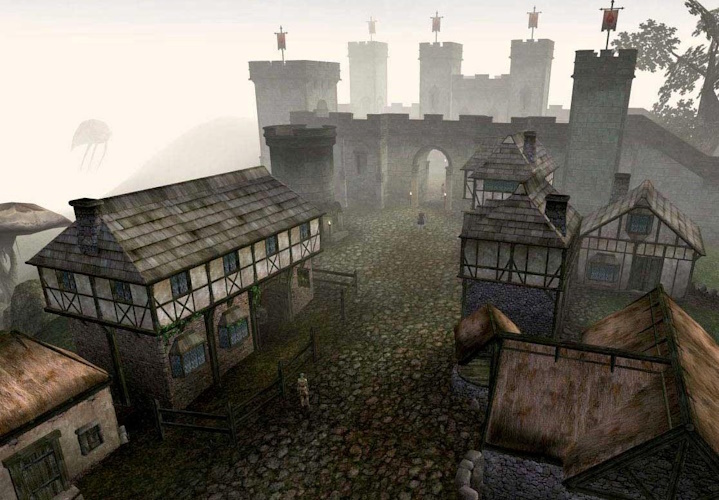
The town of Pelagiad from Morrowind is an example of the kind of place I’m thinking of.

This really speaks to a bigger concern that I have about Starfield – namely that the game’s massive open-galaxy map could feel incredibly empty. Without these smaller settlements and the people that live there, Starfield risks feeling very under-populated. If the galaxy only contains four cities and a couple of thousand people… the population relative to the size of the map will be completely out-of-balance.
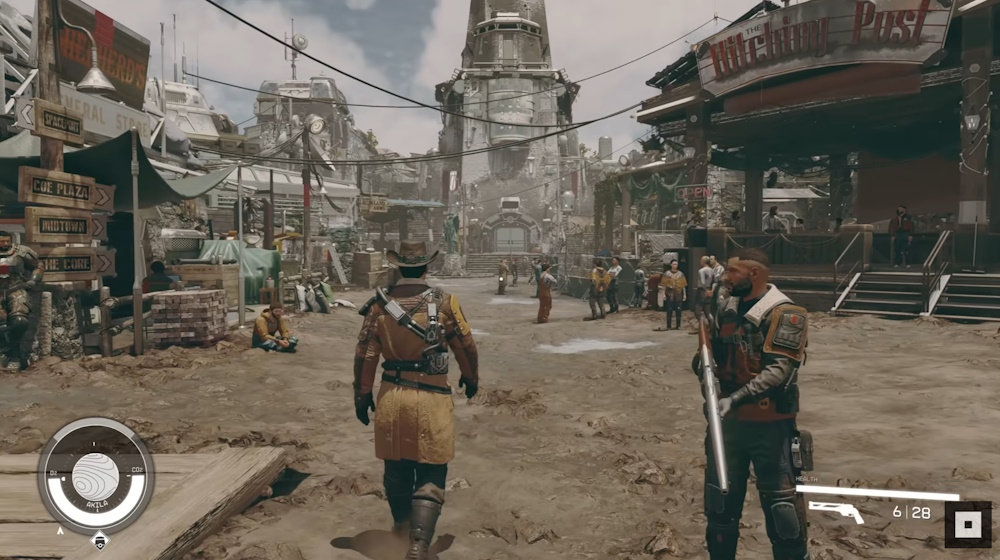
Bethesda has shown off a handful of locations, like an abandoned mine populated by hostile NPCs, but I’m looking for settlements akin to Morrowind’s Pelagiad or Fallout 3′s Grayditch – small towns with a few characters to encounter that go a long way to making their respective worlds feel lived-in and complete.

Wish #5:
Heads-up display options.

The HUD during spaceflight.

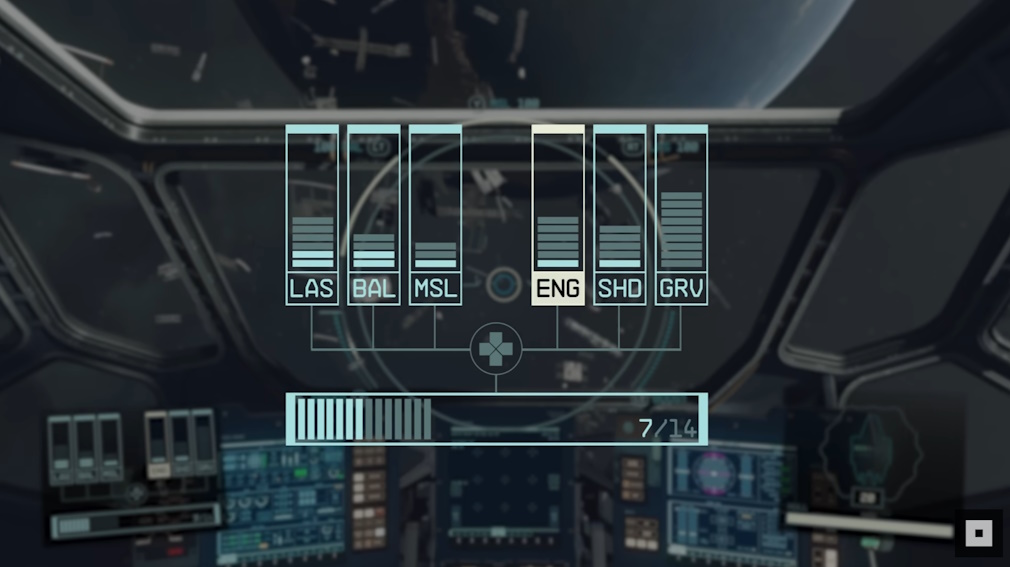
One visual choice that I wasn’t wild about came during some of the first-person spaceflight sections shown off in the Starfield showcase. A well-designed cockpit could be seen, complete with buttons, screens, and readouts… but clumsily slapped on top of that was the game’s HUD in transparent boxes.

For me, this detracted from the way those spaceflight sections looked. I’d love to be able to move things like power management to those screens directly, and to see my character pushing buttons that correspond with the actions I’m taking. Failing that, I hope there’s at least an option to minimise or hide the HUD so it doesn’t get in the way.

Transferring energy between systems.

This is less of an issue on the ground, at least from what we saw at the showcase. And a good heads-up display is important; the HUD contains vital information like the amount of ammo you have left, the state of your health, a mini-map, and more. But during those spaceflight sections in particular, I felt that the HUD was clunky and got in the way.

The best-case scenario would be to move the HUD options directly to one or two of the screens in the cockpit. That would be fantastic to see! But at the very least if there could be options to hide this during first-person spaceflight, that would go a long way to helping with that sense of immersion that Starfield is going for.

Wish #6:
Difficulty and accessibility options.

Difficulty options in Skyrim.

Say it with me, folks: difficulty options are an accessibility feature! Many modern games offer things like large text, colour-blindness settings, motion sickness settings, and more. One of the best games I’ve played in terms of the sheer number of accessibility features was Control, but other titles like Grounded have been pioneers, with options to dial back the fear factor in some of its bugs and arachnids.

Accessibility extends to difficulty, too, and while I certainly hope that Starfield will pose a challenge for folks who need or want that, I hope there will be options to dial back the difficulty to allow those of us who don’t want to die every six seconds to have an enjoyable time! There’s hope in that regard: Skyrim and Fallout 4 both had decent difficulty options. The addition of a “hard-core” mode with permadeath could be fun for some players, too… but it definitely won’t be something I choose to activate!

I hope I won’t be seeing this very often!

A role-playing game needs to be adaptable, allowing players with different ability levels to participate. Bethesda has usually made an effort, at least, to get this right – but modern games allow for many more options in that regard. It should be possible to dial down the difficulty of combat, for instance, while maintaining a higher difficulty level for something like lockpicking or puzzle-solving.

There’s been a trend in some modern games, pioneered by the likes of the Dark Souls series, toward a punishing level of difficulty. That’s fine for some players – but it would deny Starfield to millions more, myself included. There are games I’ve genuinely wanted to play that were denied to me because they were totally inaccessible – I hope Starfield won’t be among them.

Wish #7:
Pets!

An alien life-form!

It’s already been confirmed that we won’t be able to “mount” any of the wild animals we encounter in Starfield. That’s fine by me, as mounts and vehicles weren’t things I was expecting. But it would be really sweet and cute if we could get pets for our spaceships and outposts!

These could either be purchasable from in-game vendors, perhaps with Earth animals like cats or dogs being available. Or, as an alternative, tamed alien animals that we encounter out in the game’s open world. We’ve already seen that players can choose an ability to pacify aggressive animals – it’s not much of a leap from that to having a tamed, domesticated pet!

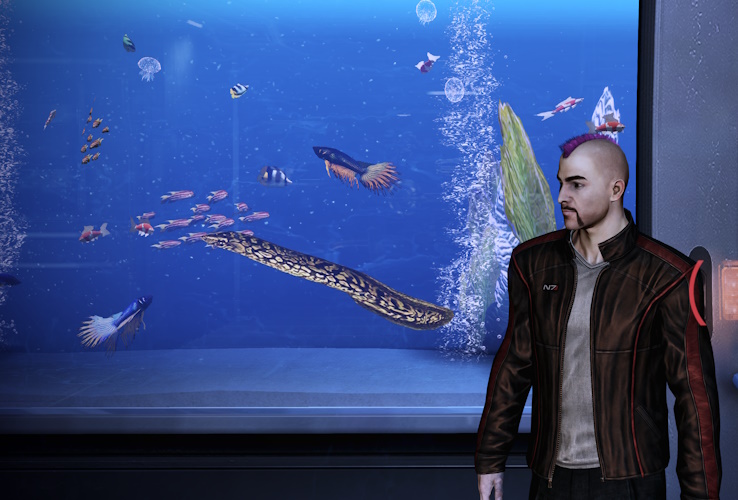
Commander Shepard with their fish tank in Mass Effect 3.

If this isn’t something included in the base game, it’s absolutely something that Bethesda should consider for an update or even as a standalone piece of DLC. Other games have done this: from Commander Shepard’s hamster and fish tank in Mass Effect 2 through to horses in Red Dead Redemption II and the mini-games required to properly care for them. It’s possible to pet cats and dogs in games like Ghostwire Tokyo, and Bethesda’s own Fallout 4 gave players a pet dog to accompany them!

This is pure fantasy, of course, as it’s a feature that hasn’t been announced or even teased. But the ability to acquire a pet would add a lot to the pure role-playing immersion of a game like Starfield.

Wish #8:
Make those traits and backgrounds matter.

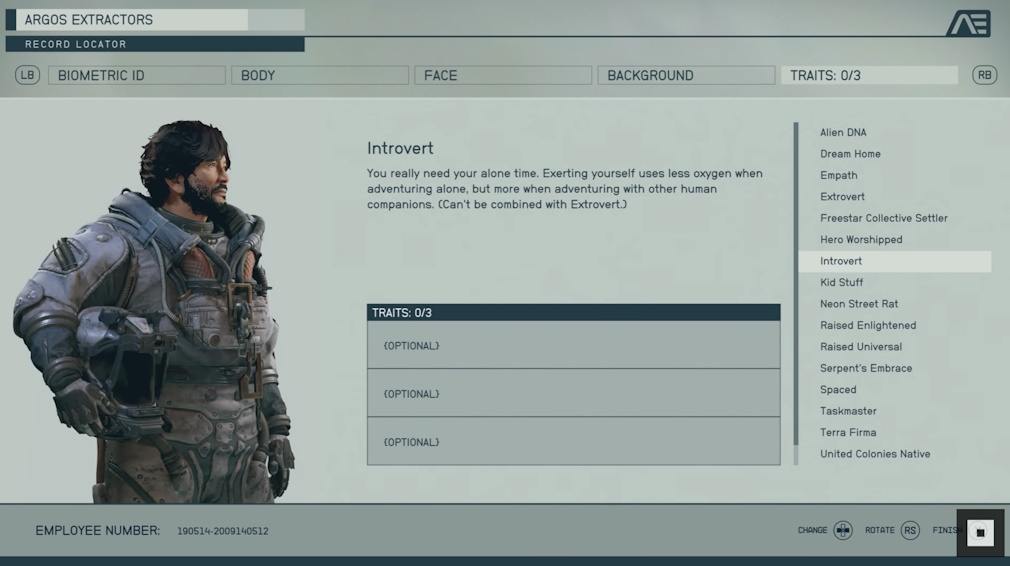
The traits menu in the character creator.

The Starfield showcase highlighted both character backgrounds and optional traits – all of which seem like they have the potential to really shake up the way Starfield plays. Some traits add wholly new characters or change the way different factions will react to the player character, and that’s great… I just hope that it matters in a meaningful way.

In Cyberpunk 2077, the much-vaunted “life paths” that a player could choose ultimately had very little impact on gameplay. Outside of a short prologue, which was different for each, there was one solitary quest – and a short one at that – midway through the game, and a couple of places where different dialogue options could appear. That was it. There really wasn’t much to Cyberpunk’s life paths, certainly not enough to add much by way of replayability.

One of the available backgrounds.

Starfield needs to get this right. If I can choose to be a chef who frequently goes home to visit their parents, then playing the game with those options needs to feel substantially different from choosing to be a gangster with a bounty on their head. If these things will only have a superficial impact on gameplay, then they won’t really matter – and that will damage the sense of immersion and make starting a second save file feel less than worthwhile.

If these traits and backgrounds in their various combinations don’t matter as much as Bethesda’s marketing has suggested, then they may as well be scrapped and Starfield could have a Skyrim-style class system instead. It’s hard to see how all of the fifteen or more different backgrounds could each be given their own unique questlines and extensive dialogue options… but an effort has to be made!

Wish #9:
A reason to explore – and to keep exploring.

A star system.

Recent interviews by Starfield’s director Todd Howard have confirmed that approximately 10% of the game’s 1,000 planets will have life on them. That leaves 900+ planets being lifeless, but with resources to collect and possibly a handful of ruins or abandoned outposts to discover.

Starfield needs to ensure that players have a reason to explore these worlds. Forced scarcity of resources won’t cut it – and could easily become frustrating. If the game’s Constellation organisation is focused on exploration, then there has to be a reason why they’re pushing the player to explore these planets. Seeking out ancient artefacts could be part of that – but again, there will be a lot of planets that don’t have any. What reason will players have to visit these worlds?

What reason do I have to visit these planets?

I think it’s possible that DLC will add new locations, crashed spaceships, ruined colonies, and much more to some of these empty planets… assuming that Bethesda will be in a position to continue to support Starfield post-release. That’s a longer-term solution, though, and doesn’t really get away from the immediate problem of what could be a map that’s simply too large for the amount of content that will be contained in it.

This is one of my biggest worries, to be honest. I have no doubt that Bethesda will have created some wonderful characters, some fun quests, and some engaging storylines… but will that content be too thinly spread? Or will most of it be concentrated in a handful of big cities and populated planets? Fallout 76 felt big and empty; an open-world with nothing to do and no reason to explore it beyond admiring the scenery. I hope that Starfield hasn’t fallen into the same trap.

Wish #10:
Exciting and enjoyable combat.

An example of melee combat from the showcase.

I’ve usually enjoyed combat encounters in The Elder Scrolls games, particularly melee combat with swords, axes, spears, and the like. But Bethesda’s Fallout duology hasn’t always gotten its gunplay right. In Bethesda’s single-player Fallout titles, the VATS system paused the game to allow for targeting, and that went a long way to covering up what was pretty mediocre shooting and gunplay.

When VATS couldn’t be implemented in Fallout 76 – because of the game’s multiplayer nature – Bethesda’s sub-par shooting was laid bare. What we’ve seen of Starfield’s gunplay looks impressive so far, but again that comes with the caveat that everything we’ve been shown is carefully-edited marketing material that may not ultimately prove to be representative of the finished game.

Firing a pistol/handgun in Starfield.

Todd Howard confirmed that Bethesda has worked with fellow ZeniMax studio id Software on elements of Starfield, and the famed developer of the Doom series – including the recent highly-praised titles Doom and Doom Eternal – would definitely have a lot to offer. Some of Starfield’s shooting looked to draw inspiration from those recent Doom games.

At the end of the day, all we really need is for shooting to be competent. It won’t be the main focus of Starfield for the most part, but when combat encounters arise, they need to be basically fun to play and not frustrating! In a role-playing game with different playstyles and options, different kinds of weapons need to behave differently from one another, too.

So that’s it!

Using a mining laser.

Those are ten of my Starfield wishes!

In an ideal world, the game would do everything I want! But even if none of the things we’ve talked about today come to pass, I’m still hoping for a fun and enjoyable game. Maybe Starfield won’t be the best game of all-time… but as long as it has some of that Bethesda magic, and some decent systems and mechanics that don’t get in the way, I daresay it’ll be good enough to keep my attention and focus for a time this autumn.

I really am trying not to get too carried away. It’s hard, though, because I don’t think I’ve been this excited about a game since Bethesda’s own Morrowind more than twenty years ago. If you asked me to describe my idea of an “ideal game,” many of the things I’d choose to include have already been confirmed to be part of Starfield.

One of the available companions.

In a broader sense, Starfield feels like the game I’ve been waiting decades to play, ever since I first played games like Star Trek: Starship Creator, Star Fox on the Super Nintendo, and first-person shooters like the original Doom, System Shock, and Elite Force. I’m trying not to place too high a bar on Starfield… but I can’t deny how excited I am!
Every time I think I’ve ran out of things to say about Starfield, I find at least one more thing to comment on! So I hope you’ll stay tuned here on the website, because I may have something else to say about the game before too long. When Starfield is released, I’ll also do my best to share my first impressions and my thoughts about the game and its various systems and gameplay mechanics, so definitely check back for all of that later in the year.

Until then, I hope this wishlist was a bit of fun!

Starfield will be released on the 6th of September 2023 for PC and Xbox Series S/X consoles. Starfield is the copyright of Bethesda Game Studios, Bethesda Softworks, Xbox Game Studios, and/or Microsoft. Some promo images and screenshots used above courtesy of Bethesda. This article contains the thoughts and opinions of one person only and is not intended to cause any offence.