Steam Machine: Where’s The Price?

I was surprised to see Valve – the owners and operators of Steam and makers of the popular Steam Deck handheld PC – recently announcing new hardware. I’ve actually put the new Steam controller on my wishlist; I’m in the market for a new controller, and Valve’s might be the way to go. As you may know if you’re a regular reader, I’m also a *big* supporter of innovation and change in the games industry, so a company of Valve’s standing launching a console-esque device, like the new Steam Machine purports to be, could be a big deal.

The games industry can feel pretty stagnant, sometimes. Since Sega’s unceremonious exit from the hardware market almost a quarter of a century ago, there have basically been three names in the console space if you’re looking for something to plug into your TV: Nintendo, Sony, and Microsoft. But it’s even narrower than that, because Nintendo, for the better part of two decades, has been off to one side, doing its own thing, prioritising different ways to play over graphical fidelity and performance. If you want a home console capable of playing the newest games with the best graphics, your choice has been an Xbox or a PlayStation.
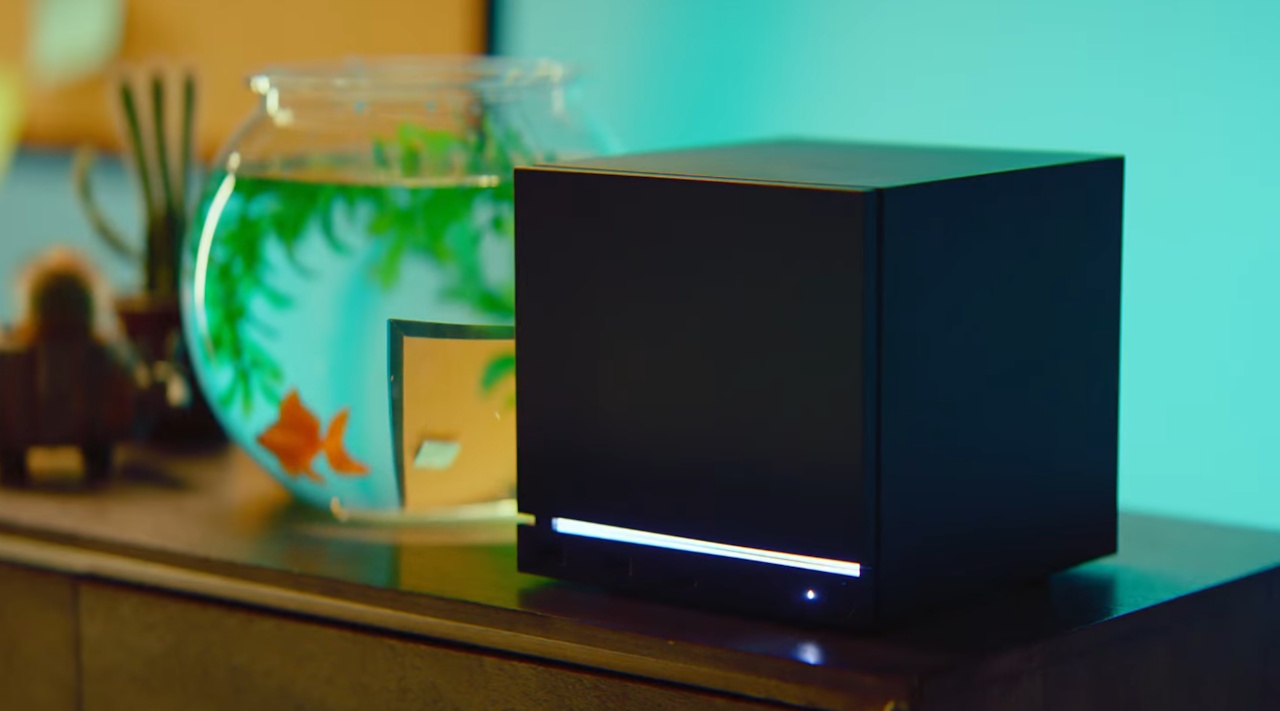
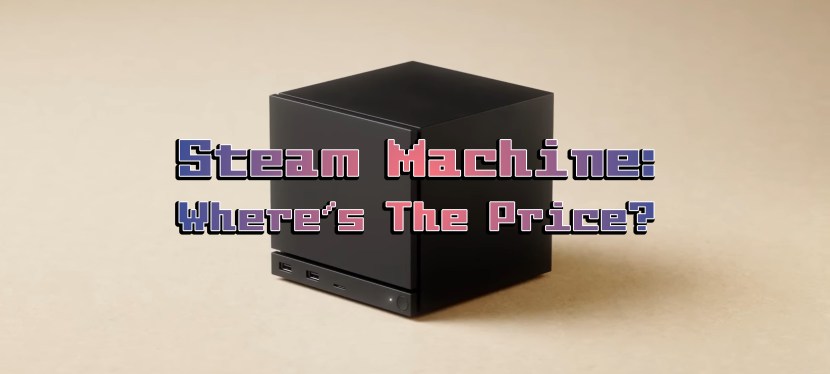
Promo image of the Steam Machine on a desk next to a fishtank.
The new Steam Machine (with a goldfish bowl for scale).

When Google announced Stadia a few years ago, I was supportive of the idea. Not only was Stadia a new entrant into a stagnant marketplace, backed up by a massive corporation, but its game streaming idea left it well-positioned to be a cheap and potentially easier route into gaming for new players, younger players, and folks on a budget. Stadia didn’t stick the landing for all manner of reasons, so Google did what Google often does – and killed it. But the idea that someone – *anyone* – could step into this marketplace and shake things up was tantalising!

It’s through that lens that I view Valve’s new Steam Machine. The device is not a PC, but it’s fair to say that it isn’t *entirely* a console, either, existing in a kind of nebulous in-between space. That could mean it’s the best of both worlds… or that it’ll struggle to attract an audience. I know that I don’t personally have a place in my life for a Steam Machine (I play on PC these days, and I’m not in the market for a console or console-like device). But given the issues in the games industry, and the home console market in particular… I wish the Steam Machine well and will be following its progress when it launches next year.

Promo image of the Steam Machine focusing on the Valve logo.
The Valve logo on a Steam Machine.

But something is giving me pause.

Valve spent a lot of money on a flashy announcement, talking about the Steam Machine and its capabilities. But something pretty big was missing: the price. If the price was good and low… surely Valve would’ve announced it at the same time, no? The way this particular teaser was structured, drumming up hype and excitement for the device *without* revealing its price, leads me to believe that it’s not going to be anywhere near as inexpensive as people are hoping. It could even feel overpriced, coming in at a higher price point than even the PlayStation 5 Pro and Xbox Series X.

And if that happens… I think it’s going to go the way of the first Steam Machine from a few years ago.
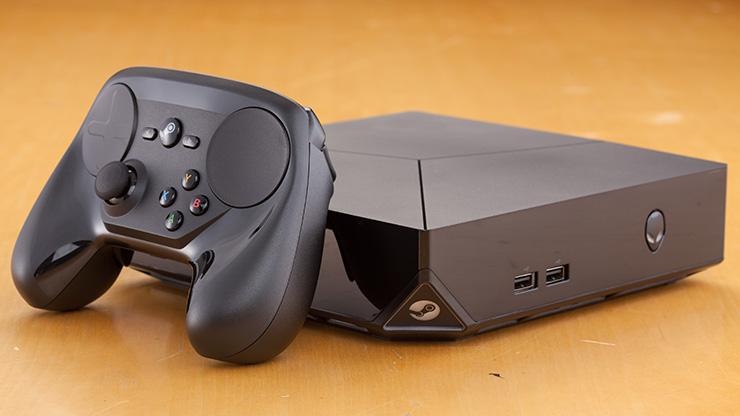
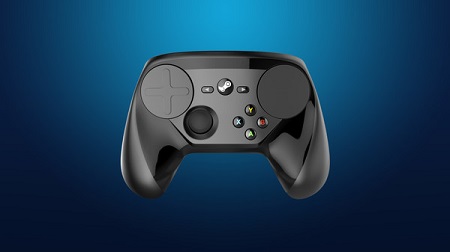
Promo image of the original (2015) Steam Machine and Controller.
This was the original Steam Machine, back in 2015.

Among the biggest stories in gaming in 2025 have been the price of the Nintendo Switch 2, the $10 hike in the “basic” price of some video games from $70 to $80, the price hikes of both the Xbox Series and PlayStation 5 consoles, and the significant rise in the cost of Xbox Game Pass. There is clearly a limit to how far companies can push their prices, even for hyped and highly-anticipated hardware, and I’m just concerned that Valve might not have read the room on this one.

The Steam Machine isn’t an exceptionally powerful device, based on the specs Valve have released. It’s more powerful than an Xbox Series S, but it’s basically on a par with the PS5 and Series X – consoles which are almost five years old already. The PC I built three years ago will easily outperform the Steam Machine. So… it’s gotta be priced fairly.
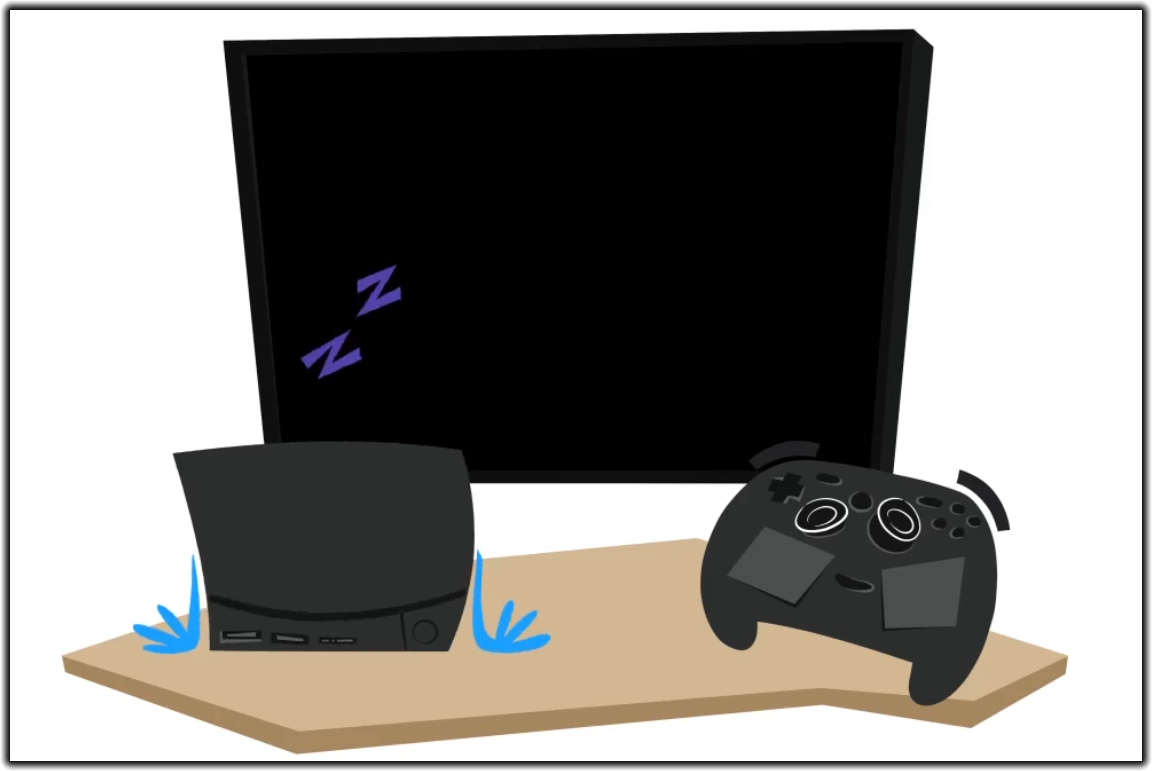
Promo graphic of the Steam Machine and Steam Controller in a cartoon style.
A cartoon of the Steam Machine and Steam Controller. Cute.

Here in the UK, Nintendo’s Switch 2 retails for £400 – though you can pick it up for a slight discount at time of writing. Xbox Series X consoles, after Microsoft’s recent price hikes, retail for £500, which is within £20 of the PlayStation 5, which retails for £480. In the United States, the Switch 2 retails for $450, the Xbox Series X retails for $600, and the PS5 goes for $550. Those are the Steam Machine’s main competitors.

In my view, as someone who used to work in the games industry, if Valve tries to sell the Steam Machine for more than about $500 in the USA or £425 in the UK, it’ll turn people away. The not-quite-a-console already exists in a bit of a weird space, trying to appeal to existing Steam users who want to play some games on their TVs. A good price – even if that means selling the device at a small loss – could bring in huge sales numbers, because if it undercuts the competition *and* can play more games than any of them… well, that’s a pretty good deal no matter who you are! But if it’s priced too high, not only does it lose any potential new players, but it also becomes a tough sell for existing Steam players who use either a PC or a Steam Deck. If it’s going to retail for more than an Xbox Series X, PS5, or Switch 2… who’s it really for?
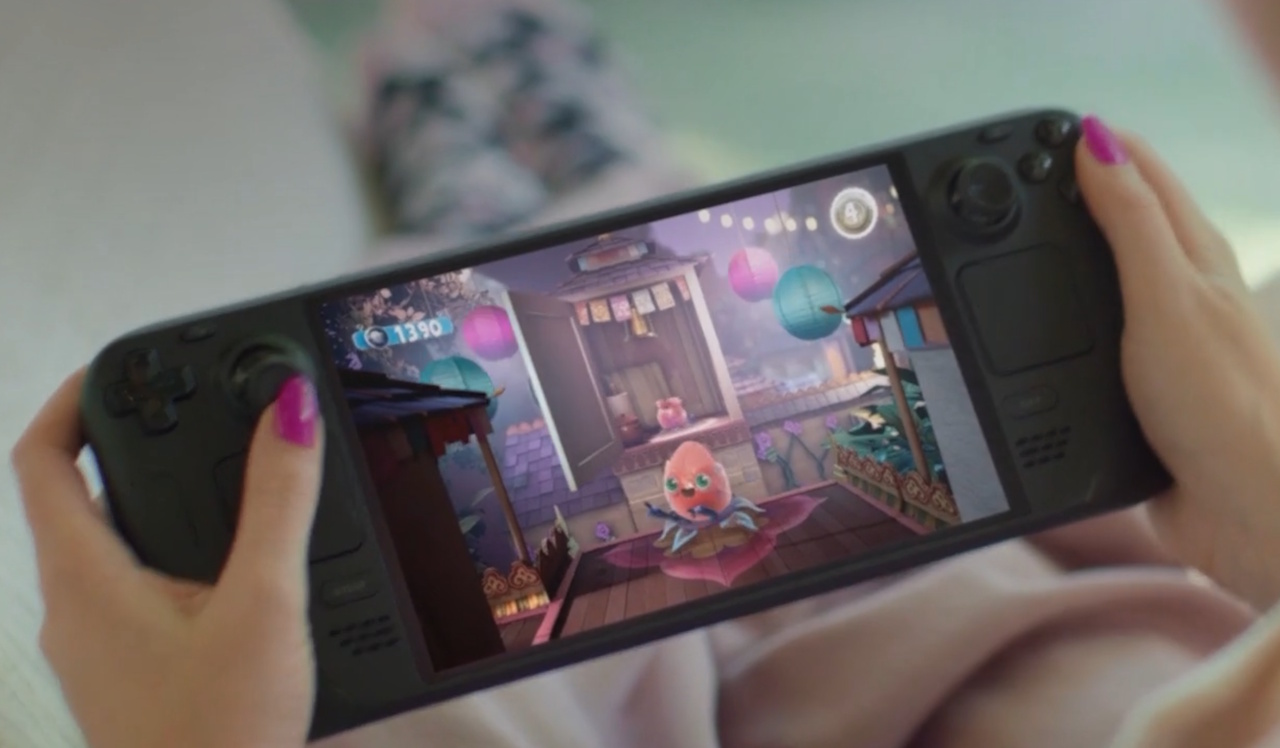
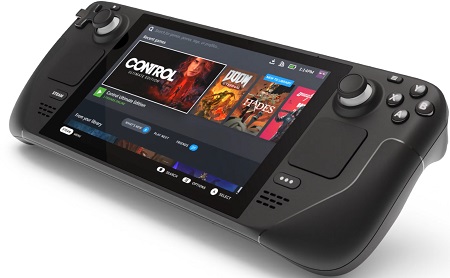
Promo image of the Steam Deck.
Valve’s Steam Deck is competitively-priced.

Valve has been here before. The original Steam Machines, a decade ago, didn’t make much of an impact in the gaming world, nor did the Steam Controller. Again, price was *part* of that. And that’s another concern I’d have if I were considering picking up a Steam Machine: how long can I expect this device to be supported and updated? Valve bailed on the original Steam Machines pretty quickly, so if these new ones are expensive, and therefore less likely to sell a lot of units in their first year or two… how long is Valve gonna stick with them?

I could be completely wrong, and Valve could have an ace in the hole, ready to announce a low price of $350 in the United States and £300 in the UK! But I suspect that, if they had anything even *close* to that, they’d have put it front-and-centre in their big announcement. Why wouldn’t they, if the price is going to be part of the selling-point? This, to me, feels like a company trying to drum up hype and excitement while keeping the price hidden, so that by the time they reveal it… players have already committed. They’re already going to *want* a Steam Machine, so they’ll be willing to pay.

Still frame/meme from Futurama showing Fry saying "shut up and take my money" with a fistful of dollar bills.
How much will the Steam Machine retail for?

I hope I’m wrong, because the games industry *needs* a shake-up on the hardware side, and a company like Valve is basically one of the only players who could even conceivably achieve something like that. A decent, fair price could see the Steam Machine outpace the beleaguered Xbox Series X, for example, positioning Valve as a real player in the home console market. But a high price, making it an enthusiast-only device, appealing only to players who already have gaming PCs and extensive Steam libraries? How many people like that, realistically, would even want a console-like device?

Between HDMI cables, casting, and streaming, it isn’t exactly rocket surgery to play your PC games on a television screen. I used to do it all the time simply by running a long HDMI cable from my PC to the TV in my living room. If the choice is a $800 “GabeCube” or a $15 HDMI cable… how can you compete with that? Valve long ago realised that the way to beat piracy is to offer players a better service at a reasonable price. That philosophy would serve the company well on this new endeavour, too.

So… watch this space, I guess. Valve will have to announce the price sooner or later. I’m crossing my fingers, but the announcement definitely left me more concerned than excited.


The Steam Machine, Steam Controller, and Steam Frame will be released in 2026. Prices TBC. Steam, the Steam Machine, and other properties discussed above are the trademarks/copyright of Valve. This article contains the thoughts and opinions of one person only and is not intended to cause any offence.
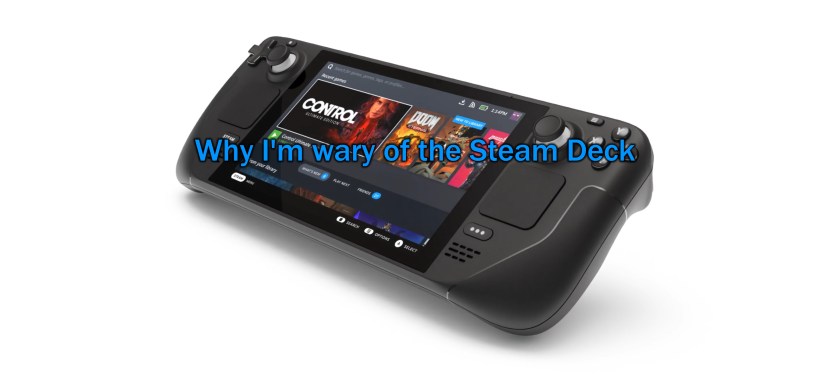

Why I’m wary of the Steam Deck

The newly-announced Steam Deck seems like a dream come true for a lot of gamers: a cross between the portable Nintendo Switch and a powerful gaming PC that can run modern titles. And on the surface it seems like a great idea; the Switch proved definitively that there’s a market for a handheld console that can play more than just Pokémon and Mario Kart. Lots of folks have enjoyed playing titles like The Witcher 3, Skyrim, and Doom on the go.

This marriage of a portable format with the power of a gaming PC seems like a match made in heaven then! Surely it’s just a matter of time until the reasonably-priced device becomes the next big thing in gaming, right?

Logo for the newly-announced Steam Deck.

Well let’s slow down for a minute and think about this. Firstly it’s worth pointing out that no reviewer has yet got their hands on the Steam Deck, so its claim to being a powerful handheld that can run most of the games in Steam’s library is untested, as is its screen and other hardware. But secondly, the most important reason why I’m wary of the Steam Deck is Valve’s poor track record when it comes to hardware.

Remember the Steam Controller? Valve’s big foray into the controller market aimed to create a device that could play not only games designed for a gamepad, but also games designed to be played with mouse and keyboard. The controller lasted a scant four years before Valve discontinued it following poor sales.

The Steam Controller is one of many Valve hardware products that have been unceremoniously discontinued.

The Steam Controller was originally created alongside the Steam Machine – a lineup of prebuilt gaming PCs co-created by Valve. These computers didn’t even last as long as the controller – being discontinued within three years.

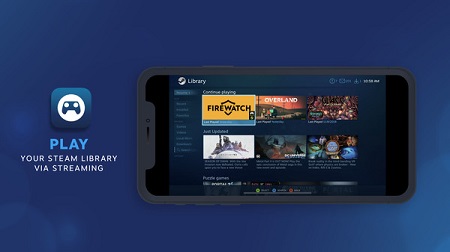
There’s also been the Steam Link – a device which was designed to allow players to stream their Steam games to another device (like a television or mobile phone). That lasted a scant three years before being discontinued. Valve has also struggled to make a success of the HTC Vive – a virtual reality setup that it purchased – and its own Valve Index VR device.

The Steam Link has also been discontinued.

Then there’s SteamOS. This was Valve’s attempt to create a Linux-based operating system – and is the OS which will come preinstalled with the Steam Deck. But SteamOS hasn’t been widely adopted, and is only natively compatible with a handful of games – others can only be played via a Windows emulator which naturally impacts performance. SteamOS has been overlooked by practically everyone, and until the announcement of the Steam Deck I considered it dead and buried – the last version was released two years ago and it hasn’t been updated since.

Are you seeing a pattern yet? Valve has an appalling track record when it comes to hardware, and early adopters of practically all of the machines and devices the company has produced to date have been screwed over when Valve discontinued them and stopped providing support and updates. It’s possible that the Steam Deck will be different; an exception to the rule, so to speak. But I wouldn’t bet on that right now, and I would be very wary of picking up such a device until it’s definitively established itself as a viable platform.

Valve tried hard to make Steam Machines the “next big thing” only to dump them a few years later when it didn’t happen.

It’s not only Valve that has struggled to break into the video game hardware market. Who could forget the Google Stadia? Everyone, apparently, because Stadia is basically discontinued already, having lasted less than a year. This market is not easy to crack, and even a company like Google – with practically unlimited resources – has failed to make significant inroads.

The Steam Deck is trying to offer players a way to play higher-end PC games on a portable device. Stadia tried to offer players a way to play higher-end games without the need for an expensive PC or console. The comparison is significant, because practically nobody took up Google on that offer. Steam does have a large library of titles at its back – something Stadia definitely lacked – and though it may appeal to tech enthusiasts and other early adopters, most players already have a PC or console that can play those games. And most players interested in portable devices already have a Nintendo Switch.

The Steam Deck has a big competitor in the Nintendo Switch.

All of this overlooks a significant fact about portable PC gaming – the existence of gaming laptops! Players who want a portable PC capable of playing their games already have that option via a gaming laptop. This further erodes the market that the Steam Deck is trying to appeal to.

I’m just not sure where the Steam Deck will fit in, and who it’s trying to appeal to aside from the aforementioned enthusiasts and early adopters. And my concern with that is that when it inevitably fails to achieve the kind of sales figures in its first year that Valve is hoping for, will they simply stop marketing it and then quietly kill it off, as they’ve done on many occasions in the past? A company’s track record is well worth paying attention to before sinking your money into their latest project. Some companies doggedly support their products for years, even when things don’t seem to be going well. Valve is categorically not that kind of company.

Promotional image of the Steam Deck.

First-gen tech products are often janky, with issues that later revisions and newer models fix later on. The Steam Deck may fall into that category, though as mentioned there are still no units in reviewers’ hands to check that either way. But as a general rule, second- or third-generation iterations of a product tend to be better all-round experiences, with problems and issues encountered in early models being fixed. That’s also a concern when it comes to the Steam Deck.

Despite all of this, I can understand why people are hyped for the Steam Deck. It looks like a beefier, more powerful Nintendo Switch. And after the disappointment some fans felt at Nintendo not launching a “Switch Pro,” perhaps they’re looking at this machine as an alternative way to play games in a handheld format. The Steam Deck is a device with potential, and if some folks see it as a more affordable way into gaming than buying or building a full PC, I’m on board with that. I definitely want as many folks as possible to be able to access gaming as a hobby. But for your £349/$399 (the Steam Deck’s RRP) you could buy a PlayStation 5 (the discless version). Or you could get an Xbox Series S with enough money left over for a full year of Game Pass. Or, of course, a Nintendo Switch – a console which is already well-established and has a huge library of games, many of which are exclusive to the system.

As you can see, I’m sceptical of the Steam Deck. There are reasons to look at it with excitement, and it represents a potential new type of PC that may become more popular in future. But for a number of reasons – not least of which is Valve’s awful track record when it comes to hardware – I shan’t be picking one up on this occasion. If the device survives and thrives, it’s possible I’d consider it in future. But I have no desire to get burned by Valve as so many early adopters have been in the past.

The Steam Deck will launch in select markets in December 2021. The Steam Deck, Steam, and other properties and products mentioned above are the copyright of Valve. This article contains the thoughts and opinions of one person only and is not intended to cause any offence.