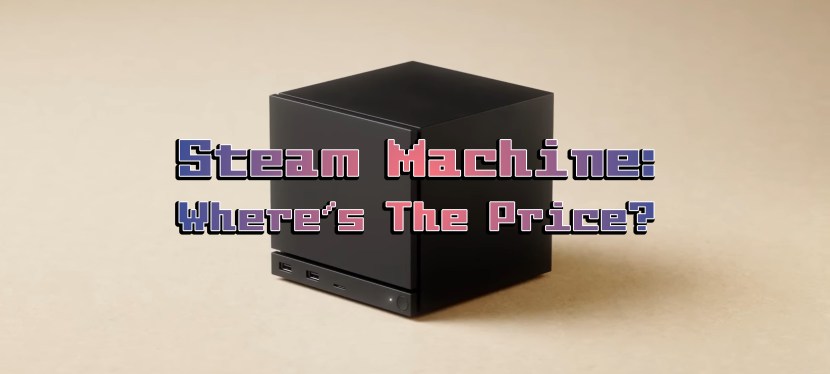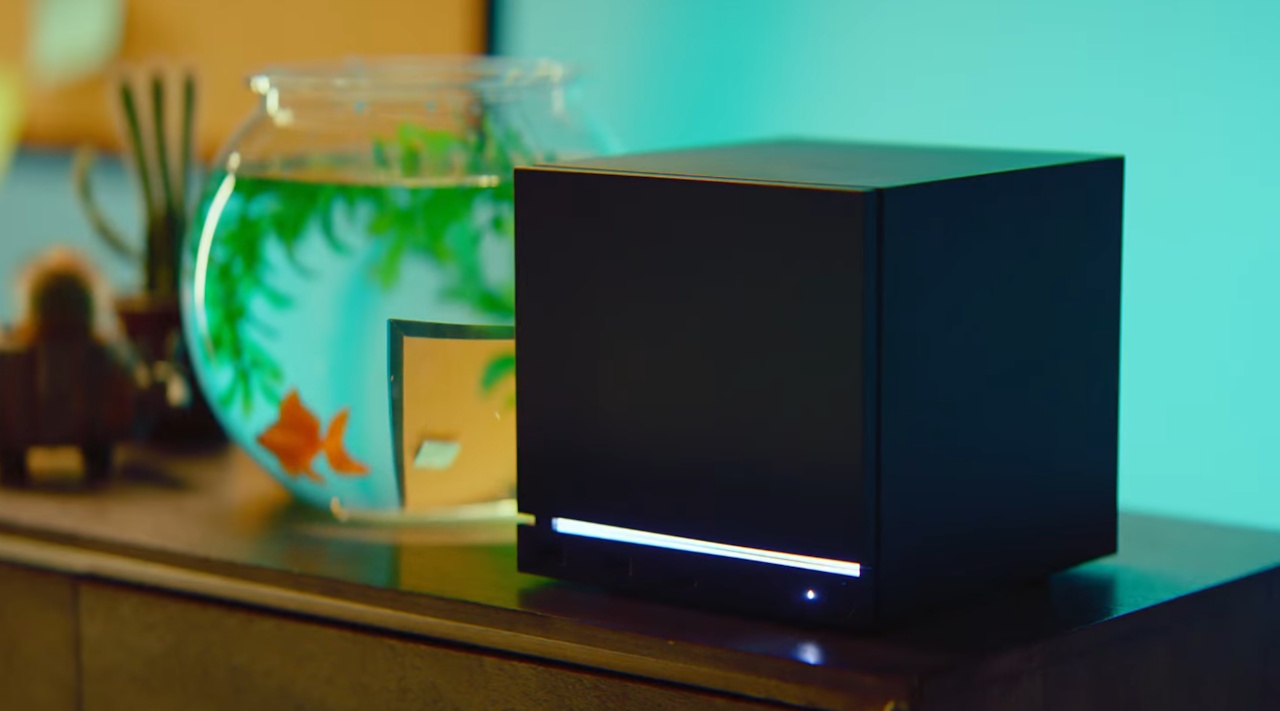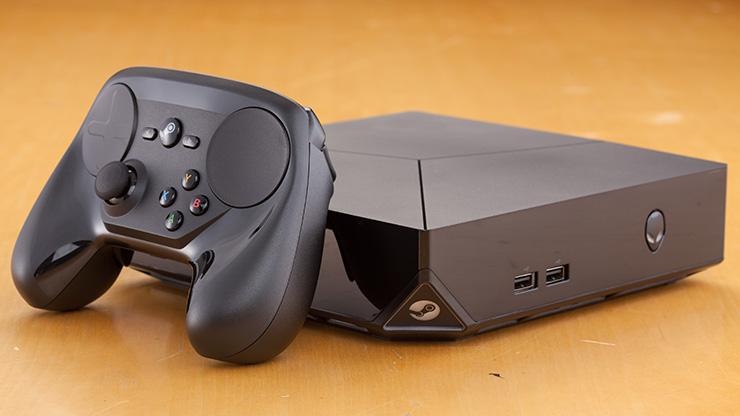
The Steam Machine is gonna be close to $1,500. Xbox just announced yet another price hike for its hardware. Nintendo’s Switch 2, which already launched at an inflated price, has also just had its RRP raised. So if you’re a gamer, and especially if you *want* to get into gaming… what should you do?
That’s the question I want to wrangle with today.
First of all, a couple of quick caveats. I’m going to talk about a few pieces of hardware, hardware categories, and specific brands – but none of this is sponsored or endorsed. All of this is just one person’s opinion, and I wasn’t paid in any way for making these recommendations. Secondly, everything we’re going to discuss is *subjective, not objective* – these are my thoughts and ideas, but I’m not trying to claim that this is somehow “the only correct way” to approach video games in 2026. Other people can and will have completely different opinions… and that’s okay. There ought to be enough room in the gaming community for differences of opinion and polite disagreement.
Two things to say, right off the bat.
One: I don’t believe the video games industry is going through “a crash” akin to what happened in 1983. Back then, as I’ve said before, gaming was brand-new, and the market for home consoles in particular was minuscule. It was genuinely possible that video games themselves would’ve been a flash in the pan; a fad that didn’t catch on. Gaming could literally have disappeared altogether before it really got going – and we aren’t there in 2026. Not at all.
But this clearly *is* a contraction in the video games market, and it looks like – in the short-to-medium term, at least – we’re going to see the industry shrink. That has already manifested in layoffs and studio closures, and more of both are certainly still to come. There could be industry-shaking earthquakes, like a hardware manufacturer quitting altogether, or a huge powerhouse of the industry filing for bankruptcy. Watch this space… but I’m afraid the short-term future of gaming isn’t looking too hot.

Two: a lot of what we’re seeing is a direct result of corporate greed. And I don’t see how we can separate price hikes and the insane cost of video games and gaming hardware from that. Anyone who tries to claim that “the market” is to blame either doesn’t understand that a few mega-corporations dominate the industry, or is being deliberately disingenuous.
The biggest factors on the corporate side that I can see are as follows: corporations raked in unprecedented profits during lockdown, and blindly assumed those revenue levels would continue. They didn’t – and companies that staffed up and invested on that basis are now having to cut back. Many of the same companies involved with the current A.I. and datacentre investment boom are also players in the video games space (i.e. Microsoft, Nvidia, and Sony), so they’re trying to argue on the one hand that component prices are out of control… while *causing* those same prices to spiral out of control on the other. Corporations have also been greedily chasing every trend going – especially live-service, always-online multiplayer titles. There was only ever room for a few games like that to turn a huge profit, but companies like Sony over-invested in those kinds of games, burning *tons* of cash in the process.
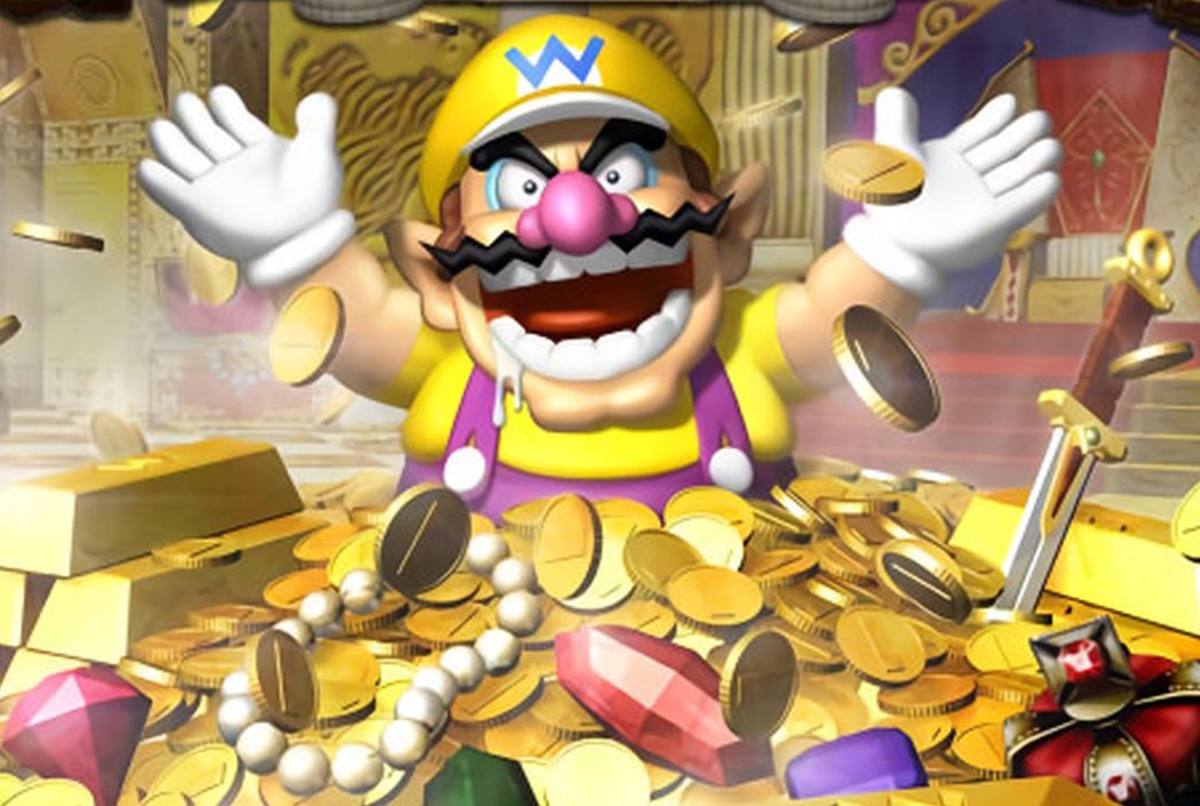
And, of course, there’s plain and simple *greed*. “Economic headwinds,” “tariffs,” “inflation,” and “supply chain issues” are all excuses that corporations have used over the last few years to attempt to justify jacking up prices. But these same corporations – as I have pointed out here on the website – have literally never been more profitable in their entire existences. Both Sony *and* Microsoft had the gall to boast to investors about record-breaking profits… only to turn around within a matter of weeks, if not days, and tell gamers that prices were going to have to rise.
Greedy corporations are nothing new, of course. But I don’t believe we can separate the issue of corporate greed from the increasing unaffordability of gaming. If you want someone to blame… start there. Because these corporations have been pushing and pushing for years, if not decades, and we’re finally seeing the consequences of that greed in the form of an industry-wide slowdown.

But this isn’t meant to just be a forum to whine about corporate decision-making! So let’s try to find some less-expensive routes into gaming for newbies. And for older folks like myself, let’s look for ways to keep gaming, even if the industry continues this slide into unaffordability.
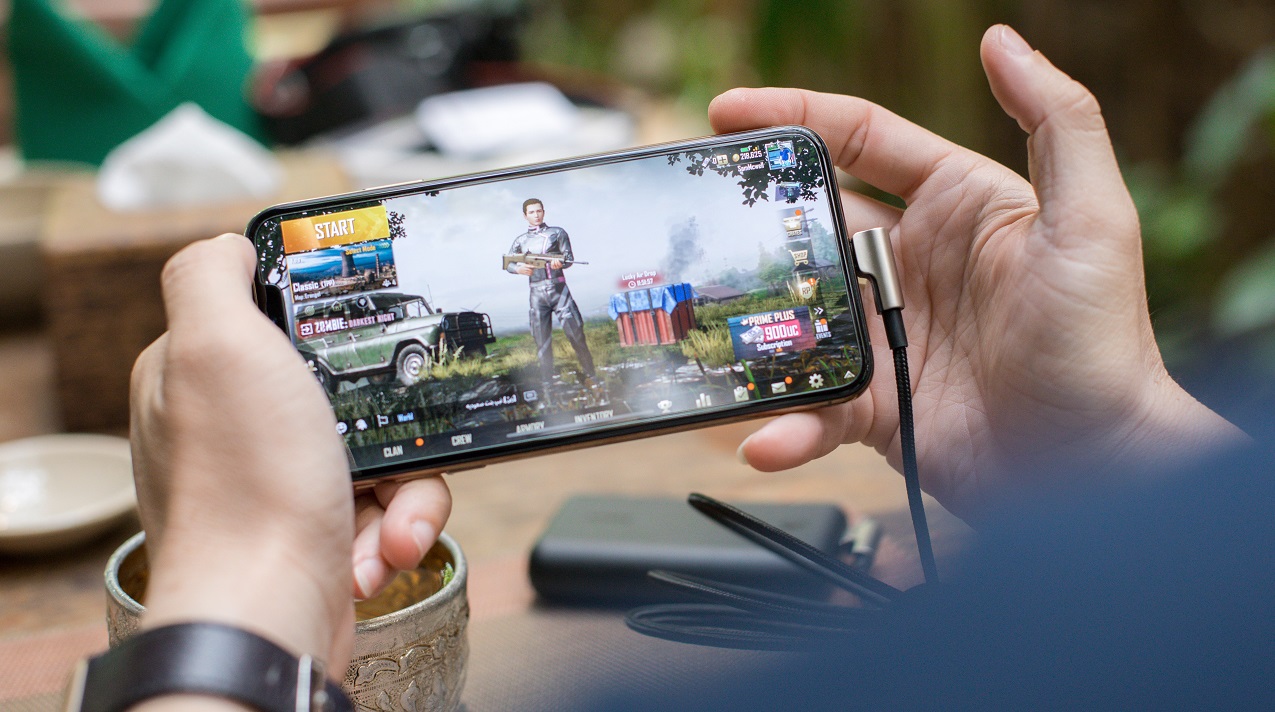
What device are you using to read this article? Whether it’s a phone, a tablet, a laptop, or a desktop PC, chances are it’ll be able to run *some* games. I think you might be surprised at how even a pretty basic, low-end smartphone can run pretty good games. To pick just one example (for now) – you can play Grand Theft Auto: Vice City on Apple and Android devices, including budget-friendly models. Vice City was originally launched in the PS2/Xbox era – and plenty of titles from that generation (and earlier) have received official iOS and Android ports in recent years. Not every single game will work on every device, so you’ll have to check your spec. But you’d be surprised at the kinds of titles your phone or tablet can run.
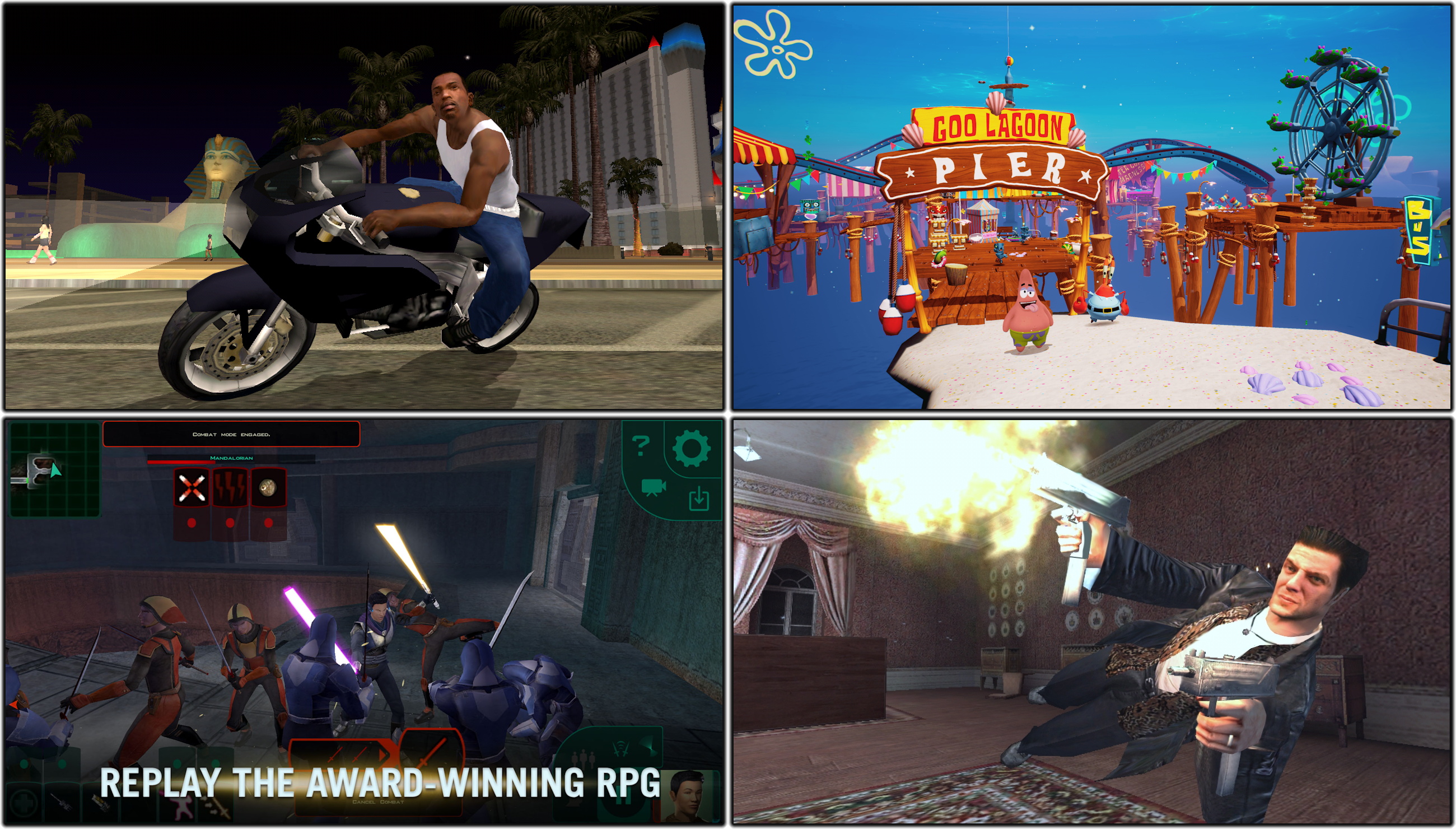
Clockwise from top-left: GTA: San Andreas, SpongeBob Squarepants: Battle for Bikini Bottom, Max Payne, and Star Wars: Knights of the Old Republic II.
And if you have a laptop or even a mini PC, you’ll be able to run titles like The Elder Scrolls III: Morrowind – another classic of the Xbox generation. I recently got Morrowind working on my laptop, and that was part of what inspired me to put this piece together. I was surprised that a budget laptop (I think I paid about £125 for it) could run an open-world game, even one that’s twenty-something years old.
Games are better today than they were back then. But I think it’s fair to say that there have been smaller and more iterative improvements with each generation since really the PlayStation 2/Xbox era, and many games from twenty or even twenty-five years ago are still just as much fun as brand-new titles. If you have a better laptop or PC, and you’re able to run a few graphics mods, you can even improve the way some of these titles look, too.
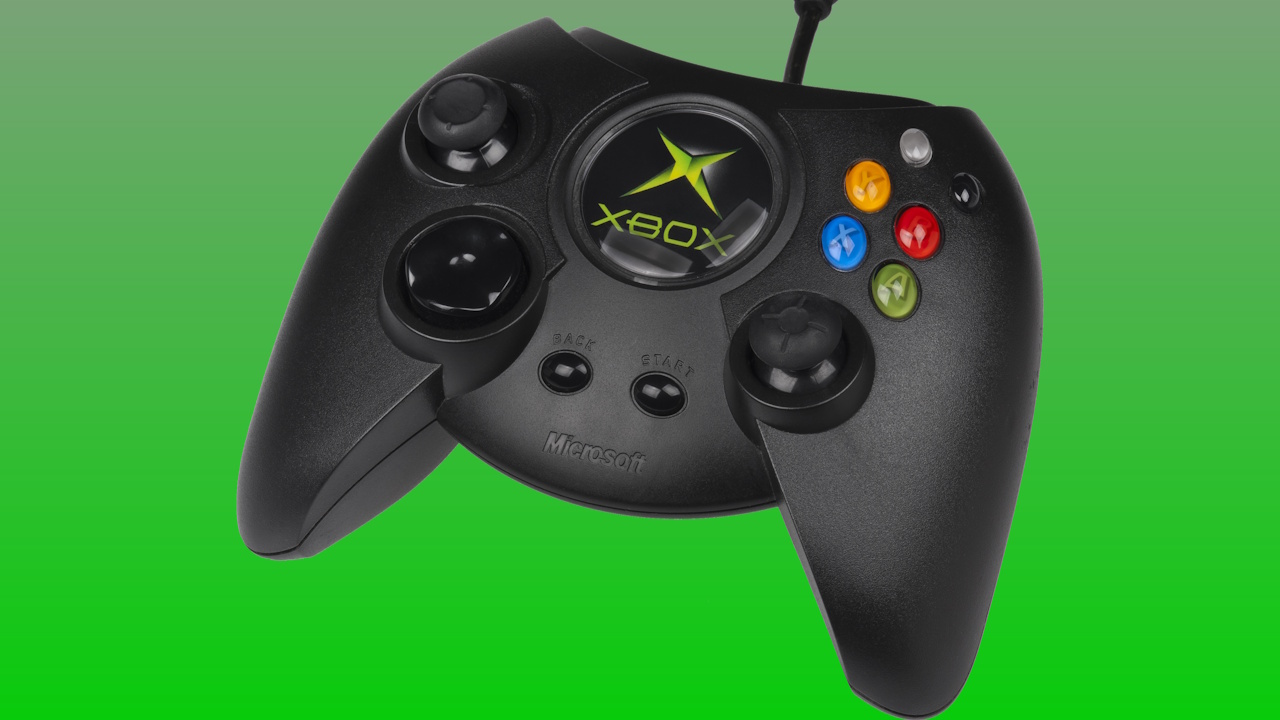
Speaking of “retro gaming,” don’t snooze on emulation. Emulation can be a controversial topic, and you should *always* make sure you stay on the right side of the law, and only emulate games that you definitely own a copy of! But emulators exist for most older consoles, and you can get emulators that run on most phones, tablets, and computers. You’ll have to check your system spec to see what emulators you can work with and thus which titles you’ll be able to play, but as a general rule of thumb, most modern phones, tablets, and laptops ought to be capable of running any pre-2000 game via an emulator, and probably quite a few Xbox/PS2/GameCube-era titles, too.
Emulation can be a lot of fun. If you missed a title when it was new, or if you want to return to a classic but your old hardware isn’t cooperating… emulation is the way to go. Many emulators are free and open-source, too, so you don’t necessarily have to spend a lot of money to get started. As long as you’re careful and you follow the rules, emulation opens up a whole new world. Or… a whole *old* world, I guess.
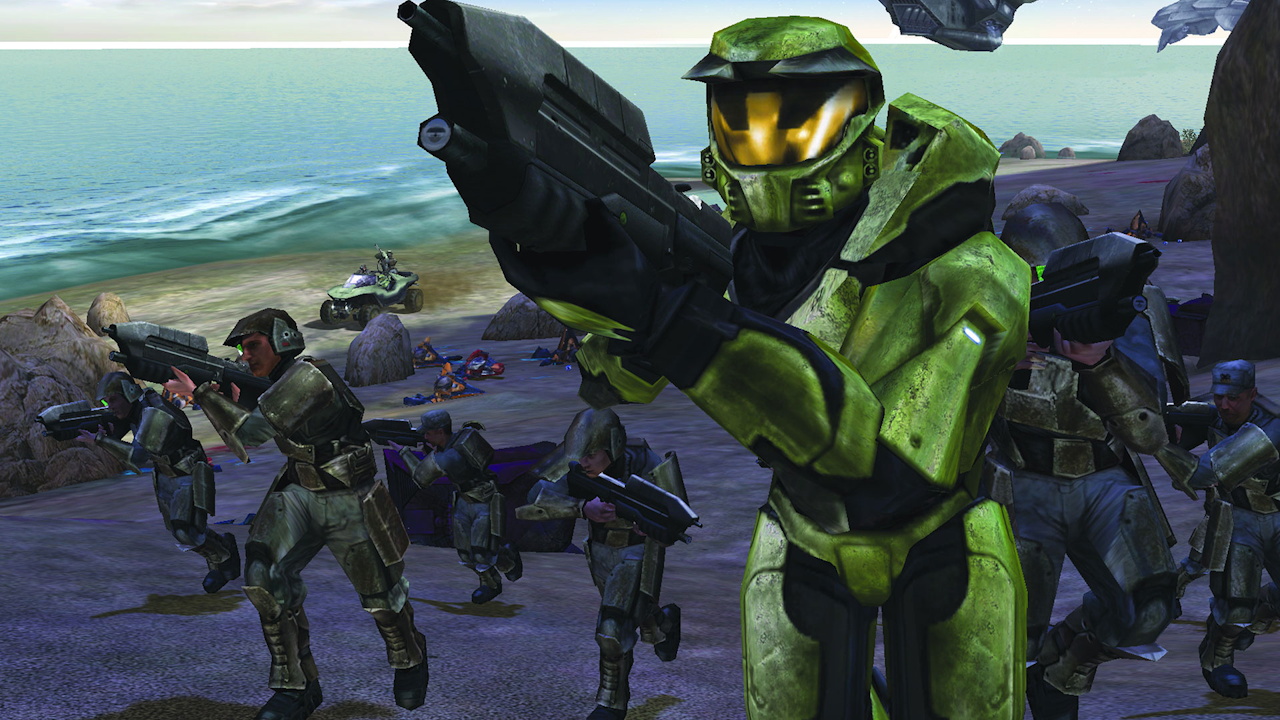
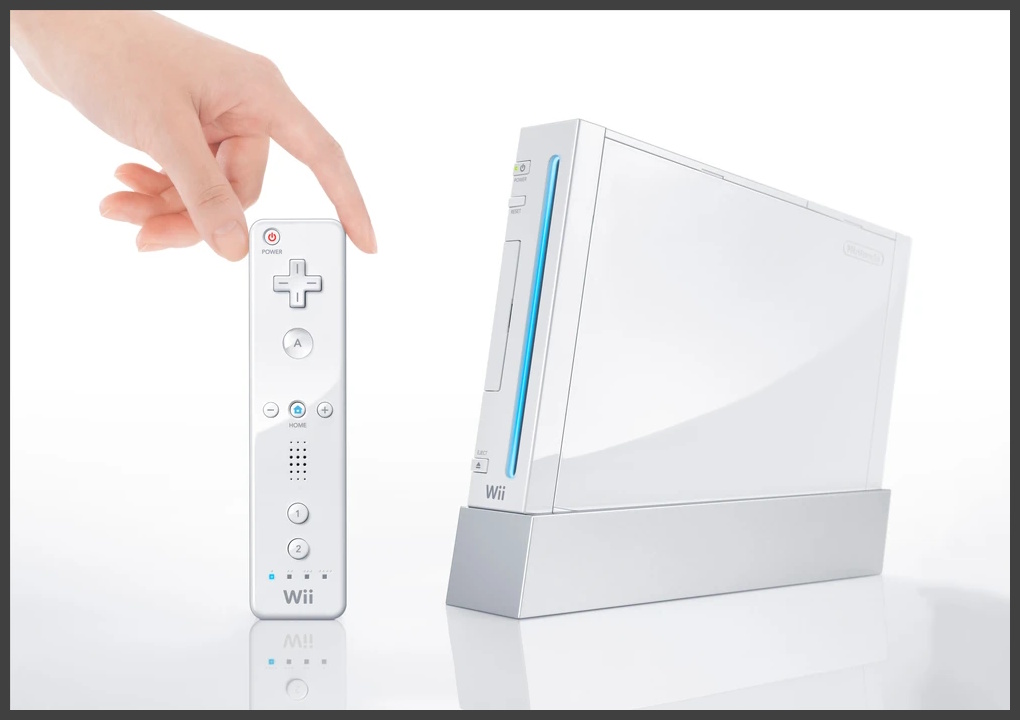
We mentioned older hardware there, which is a great segue into my next point! Instead of spending silly money on a brand-new console, look to second-hand shops, pawn shops, places like CeX – if you’re in the UK – online auctions like eBay, and private sales on places like Facebook Marketplace. You can easily find a working PlayStation 3 console for a fraction of the cost of a PS5, and there are some absolutely fantastic, graphically beautiful games from that generation that are well worth playing.
Here in the UK, I’ve seen second-hand GameCubes and PlayStation 2 consoles for well under £100, and PS3s, Wiis, and Xbox 360s in the £80-100 range, too. It can be worth visiting local auction houses – a few years ago, I bought a box that contained a PS2, a television set, and a bunch of games and DVDs for around £15. Even if that price has doubled by now… it’s still gonna be worth it! I gave the TV to a friend, and it still works, and I still own the PS2.
If you want to buy new, though, you have options there, too.
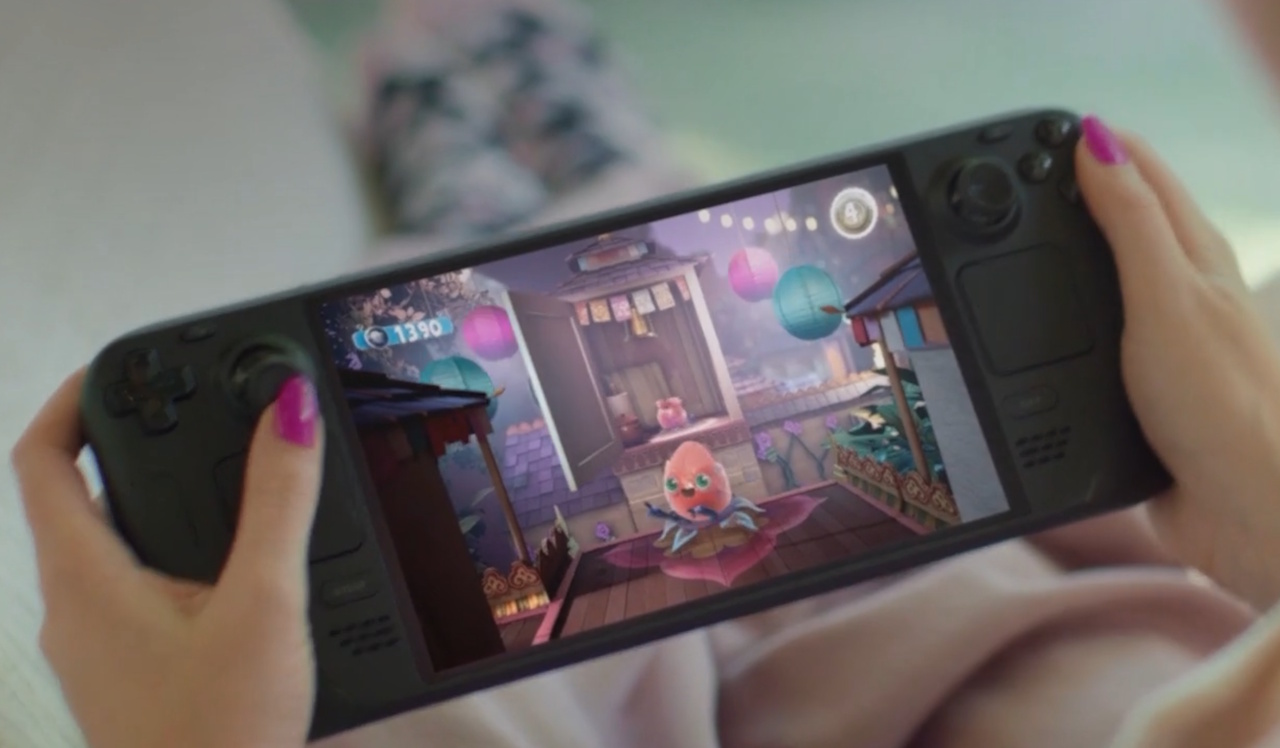
There are dedicated “gaming handheld” devices in the £70-100 range, and these machines can easily emulate games from before the millennium. One that I’ve heard good things about (and is actually on my wishlist) is the G350. This Game Boy-inspired device runs a version of Linux, and I think there are quite a few other handhelds in the same category. Obviously you can spend more money on a handheld device – the Steam Deck, for instance, or a Nintendo Switch Lite – and those will give you more options. In fact, the Steam Deck is currently (as of June 2026) relatively reasonably priced compared to current-gen consoles and the Nintendo Switch 2.
Then we have laptops, tablets, and mini PCs. For my money, a mini PC or laptop probably offers more versatility, and many of these devices, even at the lower end, can run older games pretty well. I don’t want to get into the weeds with specific PC recommendations, but if you can find one with reasonably good VRAM (that’s your graphics memory), then you should be set to run at least some games.

PC is, generally speaking, more expensive to get started with. But the advantage to playing on PC is that, in my experience, anyway, there are way more discounts and sales. Steam and Epic Games – two of the biggest digital shops on PC – regularly run sales, and Epic even offers free games once a week. Some titles can be 80% or 90% off during big summer and holiday sales events, so this is absolutely a factor if money’s tight. Spending more up front to get even a low-end PC can pay dividends if you end up paying less for your games.
Another advantage to PC is the abundance of controllers and peripherals you can use. If you’re looking to replace a PlayStation or Xbox console that’s stopped working, don’t throw out your old control pads! They’re all compatible with PC. Anything with a USB cord (pretty much) will work on PC, even if you have to track down drivers online, so those old controllers from previous consoles can even find a new lease on life. There are USB adapters for many older wired control pads, too.
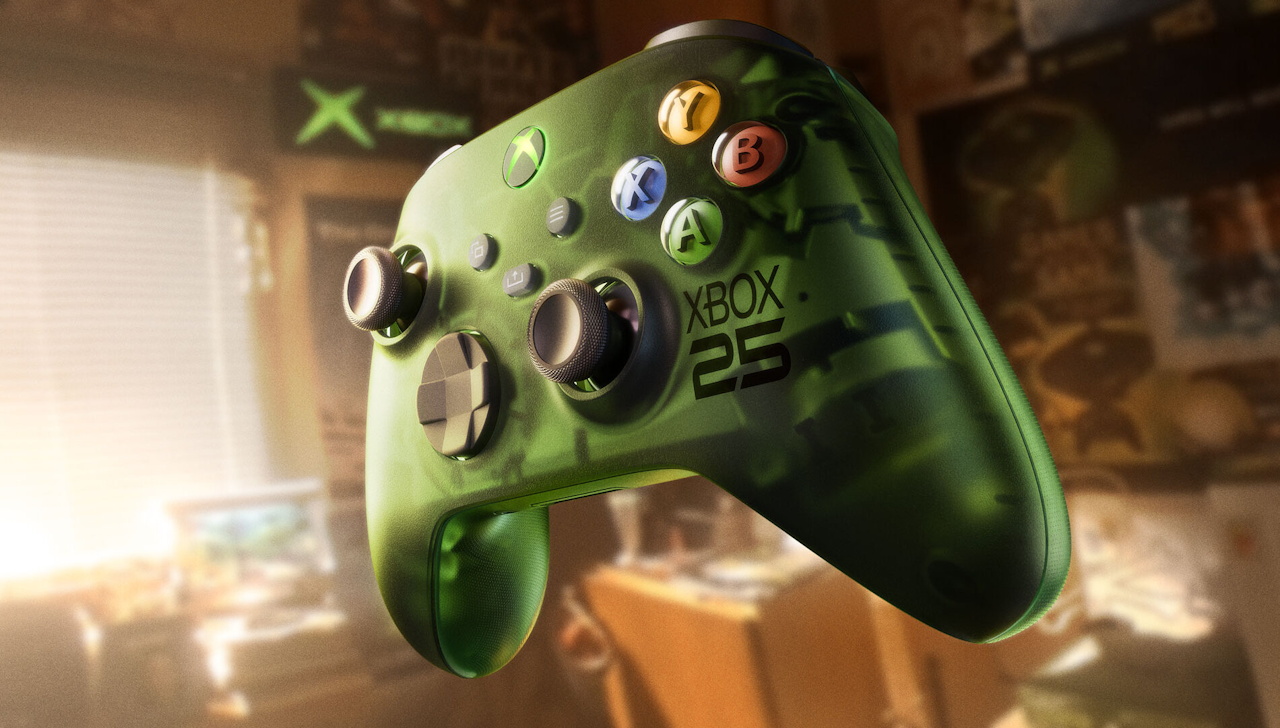
Then there are new controllers. I recently picked up an 8BitDo control pad for less than £25. This model – the SN30 Pro – is modelled after old SNES controllers – but with analogue sticks and all the modern buttons. It’s a blast to use a device like that… and it’s cheaper than most official peripherals from the big manufacturers. Considering the Steam Controller will be £85 (if you can even manage to get one), that’s not bad!
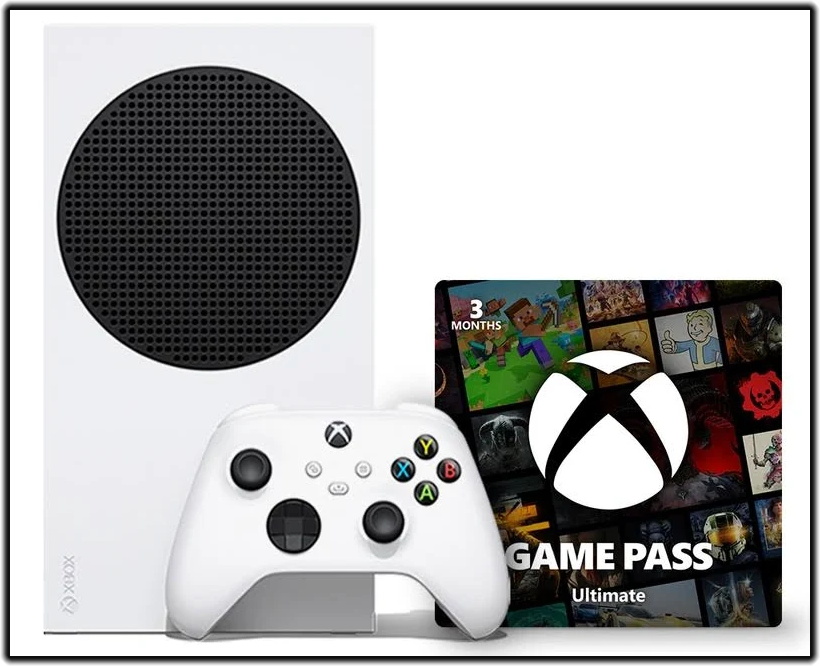
Despite Xbox’s recent price hikes, an Xbox Series S console – the brand’s lower-end, digital-only model – might be an option. If you pick up a Series S, you’ve basically got access to every current-gen title (except PlayStation and Nintendo exclusives, obviously). And with the Game Pass subscription service recently being given a rare price cut… that’s definitely the least-expensive route into current-gen gaming. At time of writing, a Series S is under £300 here in the UK, and a full year’s worth of Game Pass Ultimate will set you back £17 per month – more than Netflix, sure, but that’s £204 per year. The base price of most AAA games nowadays is £60-70, so if you’re gonna play more than four of those games per year on your Series S… you’re still coming out ahead.
Then there’s Nintendo. The Switch 2 is – I would argue – overpriced. But you can pick up a preowned Switch 1 here in the UK for around £120-130. And there are some fantastic Switch games, as well as ports of great games from other studios, including The Witcher 3 and Alien: Isolation. The Switch is still being supported by Nintendo, at least in the short term, with occasional updates – Animal Crossing: New Horizons recently got a free update, for example. So that could make it worthwhile, too. And with 150 million Switches out there, there may well be new games still to come on that console.
So I hope this has been helpful in some way to… someone!
I’ve been a fan of gaming since I first picked up a joystick at a kids’ club in the ’80s, and the idea that gaming is going to become this “elites only” hobby that everyday folks are getting priced out of… that hurts. I was fortunate to have built my PC a couple of years ago, before prices started to get silly, but I gotta admit… I’m looking at the state of the industry with increasing despair these days. And god forbid my PC (or one of its vital components) should pack up!
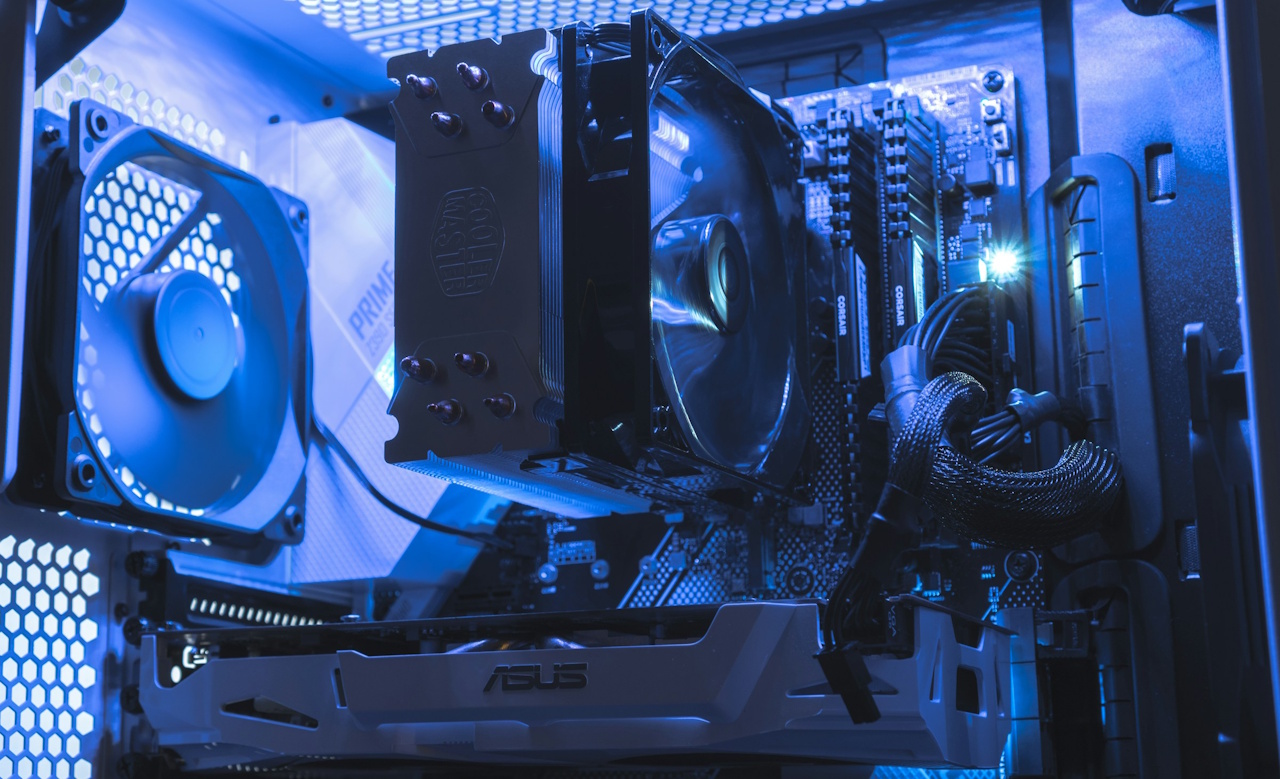
In a way, this is a market “correction.” The games industry’s big corporations overspent after lockdown, or chased the wrong trends years too late, and they’re now seeing the results. But it’s coinciding with a huge boom in A.I. and datacentre construction, which has hoovered up insane amounts of components – RAM in particular. It’s kind of a double-whammy, in that sense, with the industry being hit on both the hardware and software fronts simultaneously.
I used to work in the video games industry. I spent close to a decade on the inside, and I really feel for the developers who are suffering and being laid off. It absolutely sucks. And I feel bad for the folks who want to get started with gaming – perhaps by buying their very first home console – and now feel they’re priced out of the hobby. That cannot be allowed to continue, or gaming as a whole risks losing vast numbers of potential players.
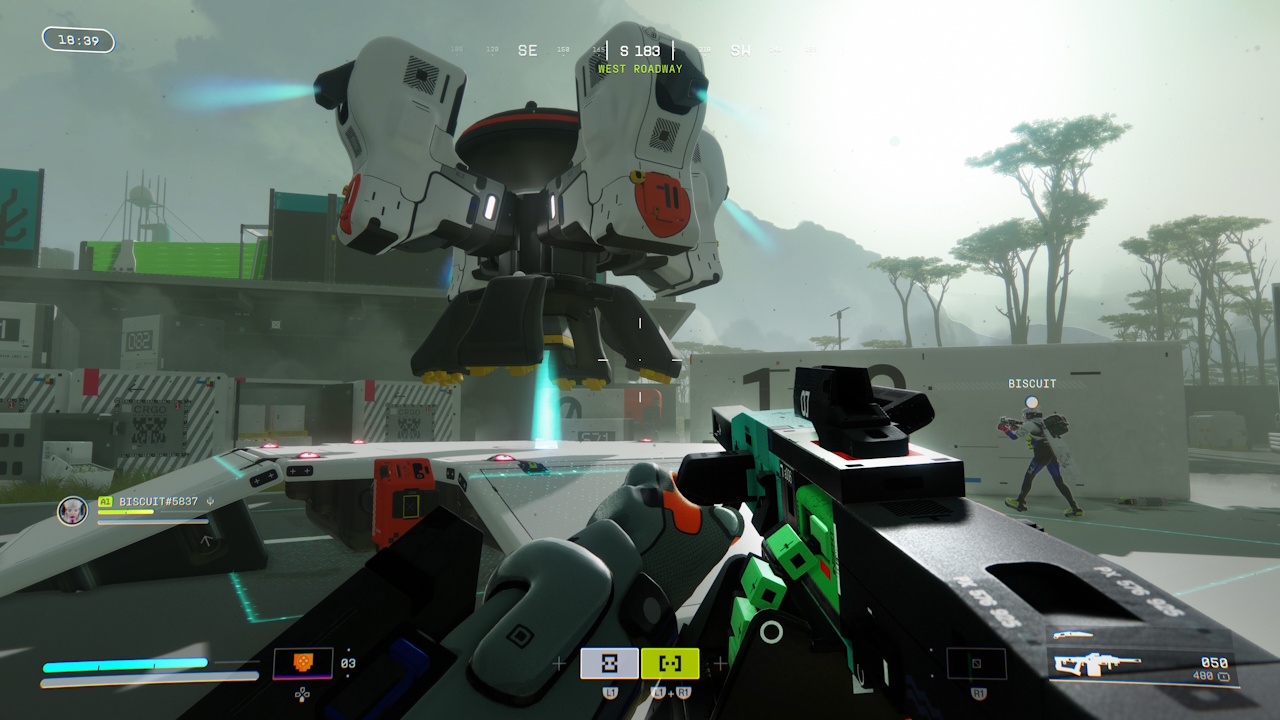
On a more positive note, it’s at least *plausible* to me that this current trend will only last a few short years. If the A.I. and datacentre rollout slows down – for any reason – then there should be more components available for less money. There could even be a glut of cheap components hitting the market in just a year or two’s time if things change on that front. Even if that doesn’t happen, manufacturers will scale up to meet demand, and the current spike in prices could ease. It won’t go back to where it was, but it certainly could drop from where it is today.
Games corporations want to make as much money as possible. It’s in their interests to make sure gaming remains as accessible as possible to as many players as possible, and I don’t believe that the industry’s big players – Nintendo, Xbox, and PlayStation – see a future where gaming is a luxury that only the wealthiest in society can afford. If you can sell a million consoles for £400 apiece, you’re gonna make more money than if you can only sell 50,000 consoles for £2,400 apiece. So it’s in everyone’s interests for the price of hardware to come down – and soon, because Microsoft and Sony both have plans afoot for new consoles within a couple of years.
That doesn’t help if you need to get a console today, but… well, if there’s literally nothing you can do but wait, waiting could actually mean that prices will become more affordable.
My intention here was to try to stay positive. I wanted to lay out a range of options, from devices many people already own through cheaper hardware to pre-owned consoles, trying to show that gaming doesn’t have to be totally unaffordable to everyone. The headlines sound scary: $1,500 for a Steam Machine, a PlayStation 5 for $800, and so on. But there *are* cheaper options, less-expensive routes into the hobby for people who want to get started, or who want to know where to turn. I hope at least some of these suggestions were relevant, informative, or sparked your interest.
I encourage you to take a look around the web for other articles like this one. I’m by no means an expert, and there are bound to be things I’ve missed. Depending on where you are in the world, some hardware could be a lot more expensive… or it could be a lot cheaper. So check your local listings, your local second-hand shops, and so on. Whether you’re just getting started, looking for something new to play, or feeling dejected about the price of something you hoped to buy… I hope this piece has been of some use.
Have fun out there, and whatever platform you play on… happy gaming!
All titles and hardware discussed above are the copyrights of their respective developers, publishers, studios, companies, etc. This article contains the thoughts and opinions of one person only and is not intended to cause any offence.