

Spoiler Warning: There are spoilers ahead for the following Star Trek productions: The Original Series, Discovery, Picard, Strange New Worlds, and Starfleet Academy.
You might’ve missed it in the din of other Comic-Con news, but we’ve recently learned that a pitch for a new Star Trek series is in the offing. Spearheaded by Strange New Worlds showrunners Akiva Goldsman and Henry Alonso Myers, the project would be a continuation of sorts – picking up after the end of Pike’s tenure in the captain’s chair of the Enterprise and showing the first missions under Kirk’s command. I wanted to get into the pitch today and share my thoughts.
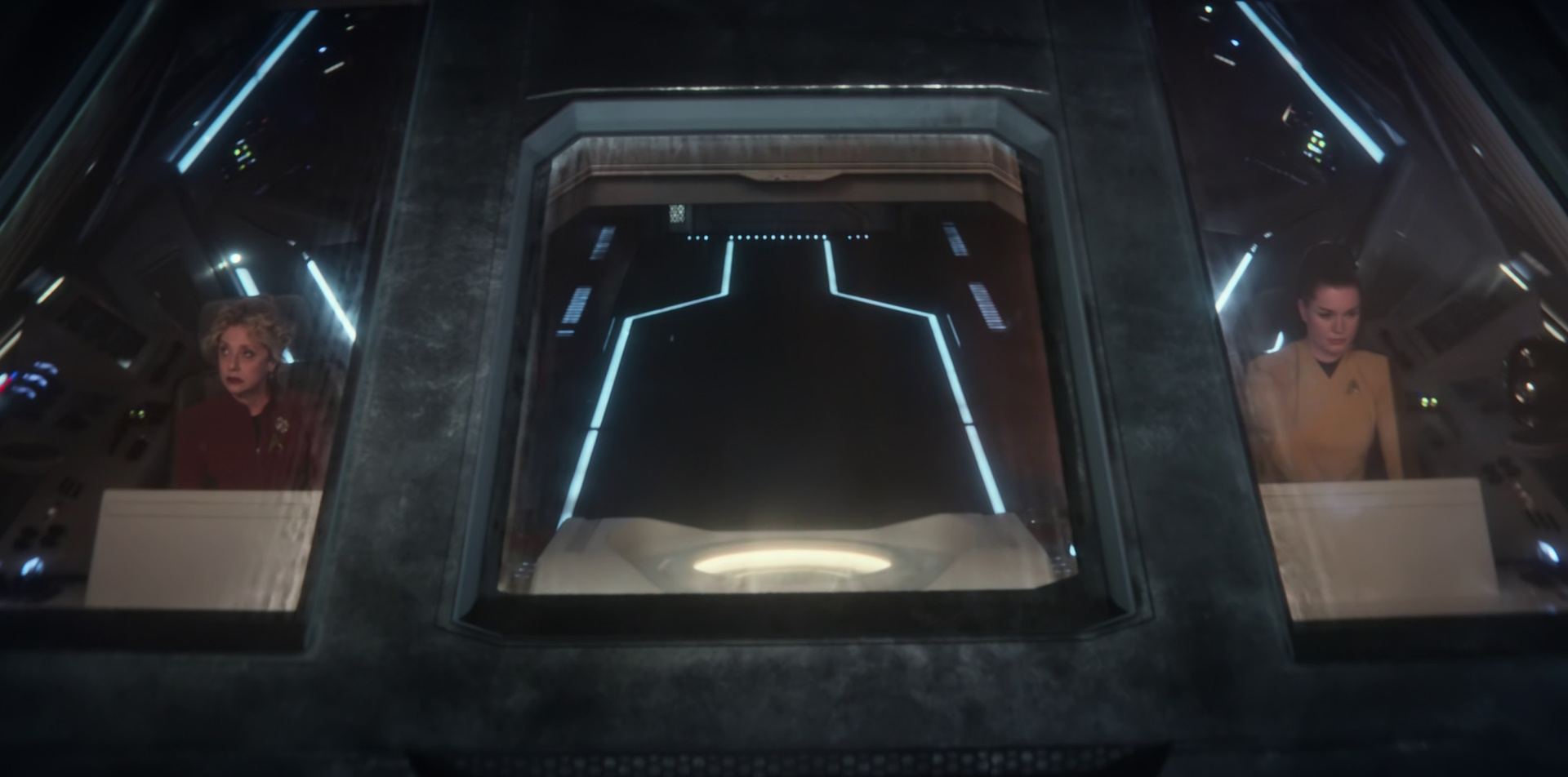
Akiva Goldsman is all over modern Star Trek – he’s worked on Discovery, Short Treks, and Picard, as well as serving as showrunner for Strange New Worlds. And Henry Alonso Myers has been Strange New Worlds’ executive producer and showrunner since Season 1. The duo are currently preparing a formal pitch for their successor series, presumably to the newly-merged Skydance/Paramount corporate entity. At Comic-Con, Goldsman encouraged fans to get in touch with Star Trek’s corporate overlords to support the pitch.
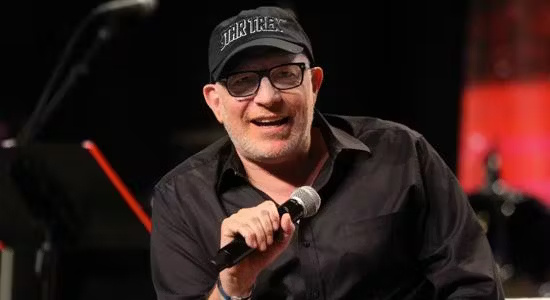
Photo Credit: StarTrek.com
So… is this a good idea?
If you’re a regular reader, you’ll have heard me say this a thousand times: more Star Trek on our screens is always going to be a good thing, and it’s always going to be something I’ll do my best to support. Then there’s the whole “no one’s asking for this” argument. Many shows that “no one” asked for turned out to be fantastic, and in today’s insular fan communities, often the kinds of things people are asking for would either be flat-out terrible or would be so niche that they’d never attract a mainstream audience. I often point to Star Trek: Enterprise as an example of a series that “no one” was asking for around the turn of the millennium, but it actually ended up telling some wonderful Star Trek stories.
Those are my caveats! And I mention them before we go any further because, to be blunt about it, I’m not sold on this Year One pitch.
There are several factors to consider, and we’ll run through them in turn.
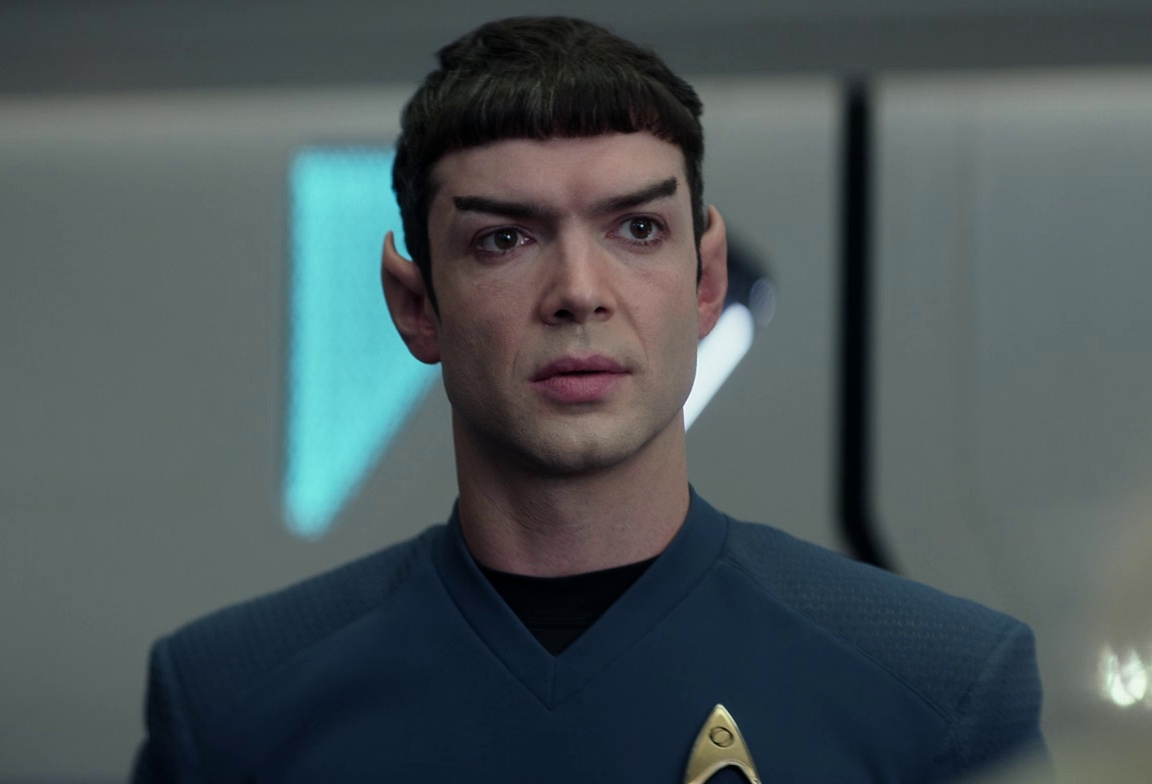
First of all, let’s think about what appealed to fans about Strange New Worlds in the first place – why was this show even made? The short answer is Anson Mount and his portrayal of Captain Pike. During Discovery’s second season, Mount joined the series alongside Ethan Peck as Spock and with a smaller role for Rebecca Romijn as Una. Mount’s commanding portrayal of Pike led to calls for a “Captain Pike show,” with the fan campaign seeming to catch ViacomCBS off-guard.
Ethan Peck’s take on a younger version of Spock was interesting, and Rebecca Romijn was fantastic in her scenes as Number One, too, but when we step back in time to early 2019 and Discovery’s second season… it was Captain Pike that really appealed to fans. Anson Mount showed us a wonderfully complex man; an upstanding Starfleet officer willing to make whatever sacrifices were necessary to save the galaxy and complete his mission. And we lapped it up.
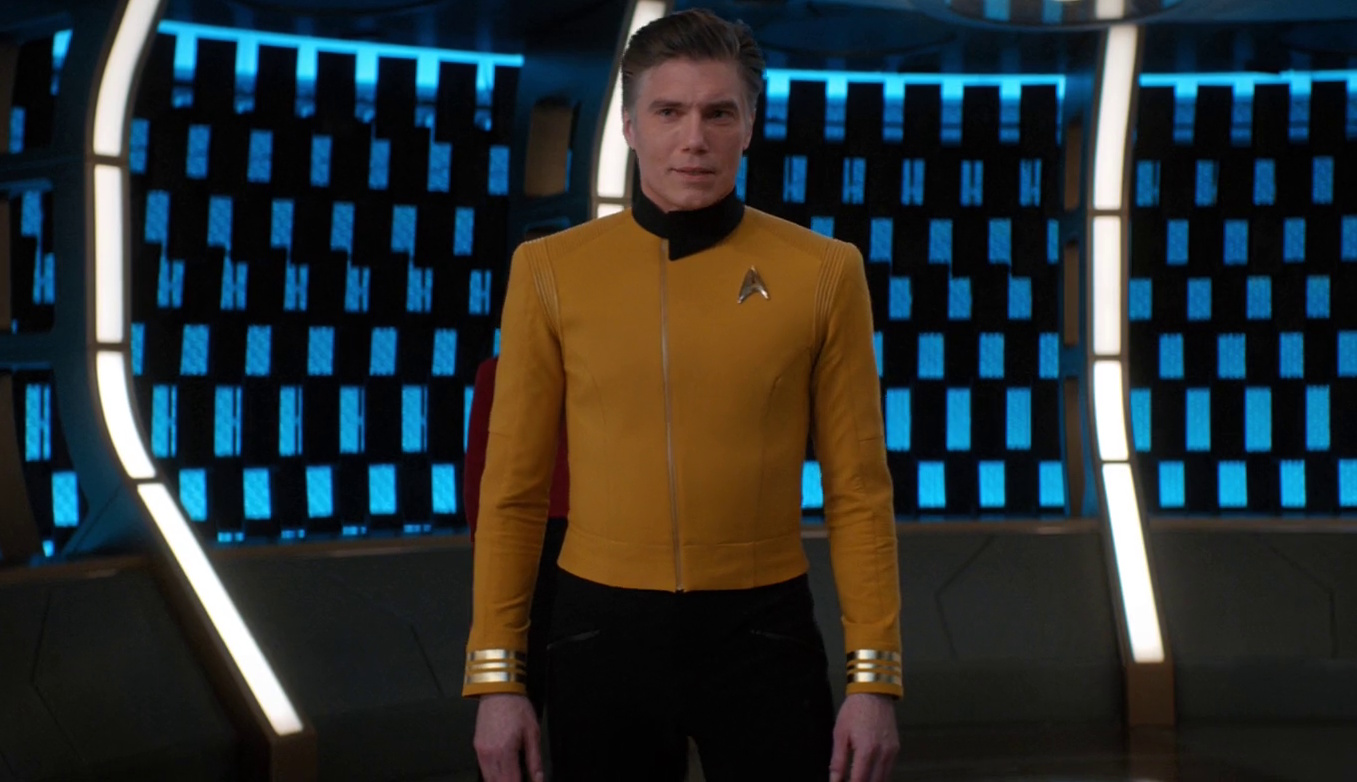
What is the “Captain Pike show” without Captain Pike? Because, if you boil it down, that’s what this Year One idea sounds like. Replace Pike with Kirk, but keep the sets and some of the other cast. Presumably they’d also shuffle off characters like Ortegas, Pelia, and La’an, too – replacing them with familiar faces from The Original Series. In an interview shortly after the Comic-Con panel, Myers mentioned Sulu, Dr McCoy, and even potentially bringing Chekov into the Year One show.
But without Captain Pike… would the show still work? I mean, on a basic level I suppose it would; sticking with the same semi-episodic formula would at least keep the same fundamental tone. Pike, though, has been such an important factor in Strange New Worlds’ success that I really don’t think it would be a good idea to ditch him, of all people, and try to carry on. In fact, I’d go so far as to say the inverse of this pitch would be a better idea – Fleet Captain Pike’s adventures in the year or two before his accident, with Anson Mount carrying on and potentially bringing some of his Enterprise colleagues with him, would be the show I’d rather see!
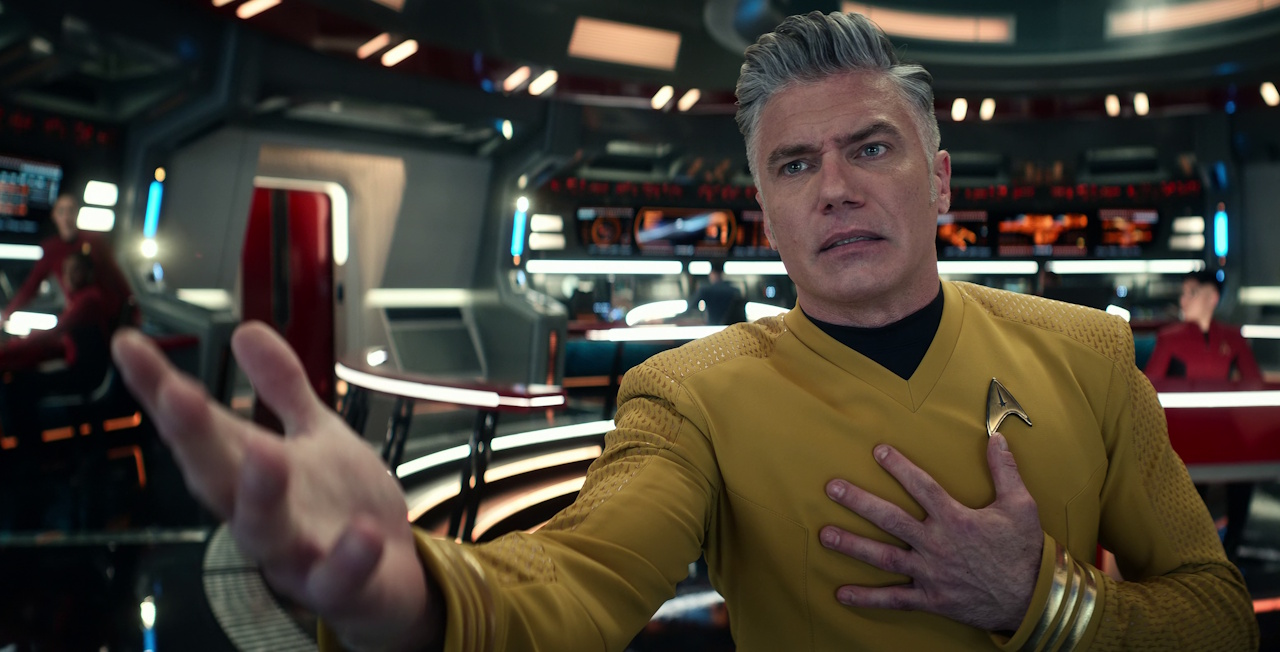
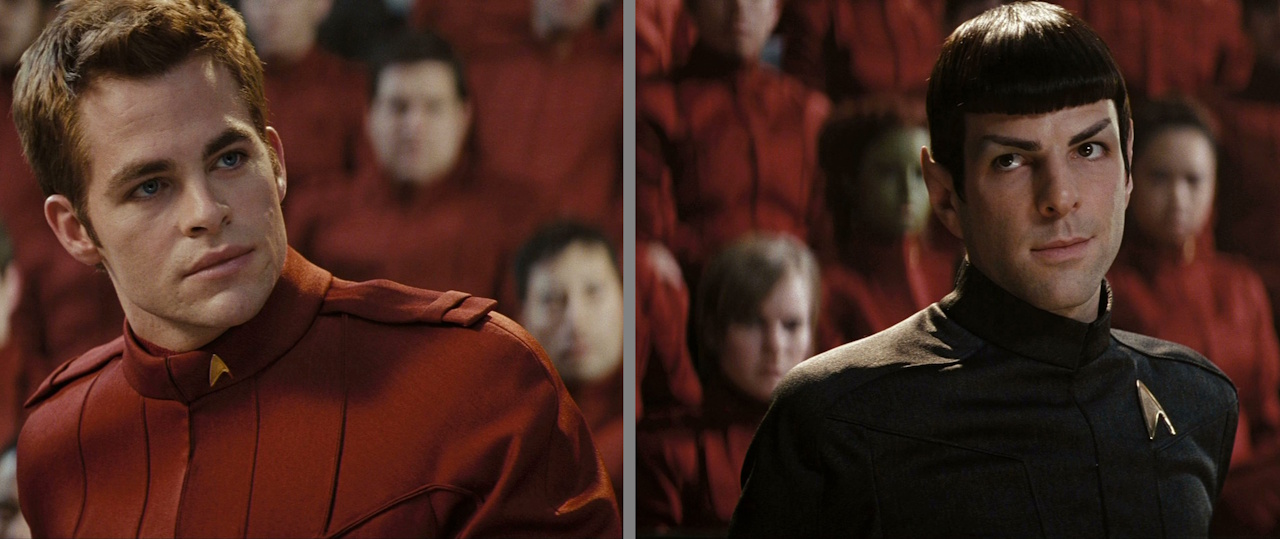
There’s a problem of repetitiveness, too. In short, we’ve seen Kirk’s five-year mission already. Not only that, but we’ve seen it twice thanks to the Kelvin timeline films. Star Trek ’09 and Into Darkness both looked at how Kirk came to sit in the captain’s chair, as well as his early adventures as captain of the Enterprise. And, of course, we have The Original Series. While we didn’t see Kirk’s first day on the job in The Original Series… did we need to?
The Original Series took us through eighty adventures with Kirk and co. aboard the Enterprise. And while it’s been interesting to see Kirk meeting people like Uhura and Spock for the first time in Strange New Worlds, setting the stage for some of those future storylines, I don’t think it’s something we need an entire new series to do. What could we learn about Kirk, and his relationships with other members of the crew, that Strange New Worlds and the Kelvin films haven’t already shown us?
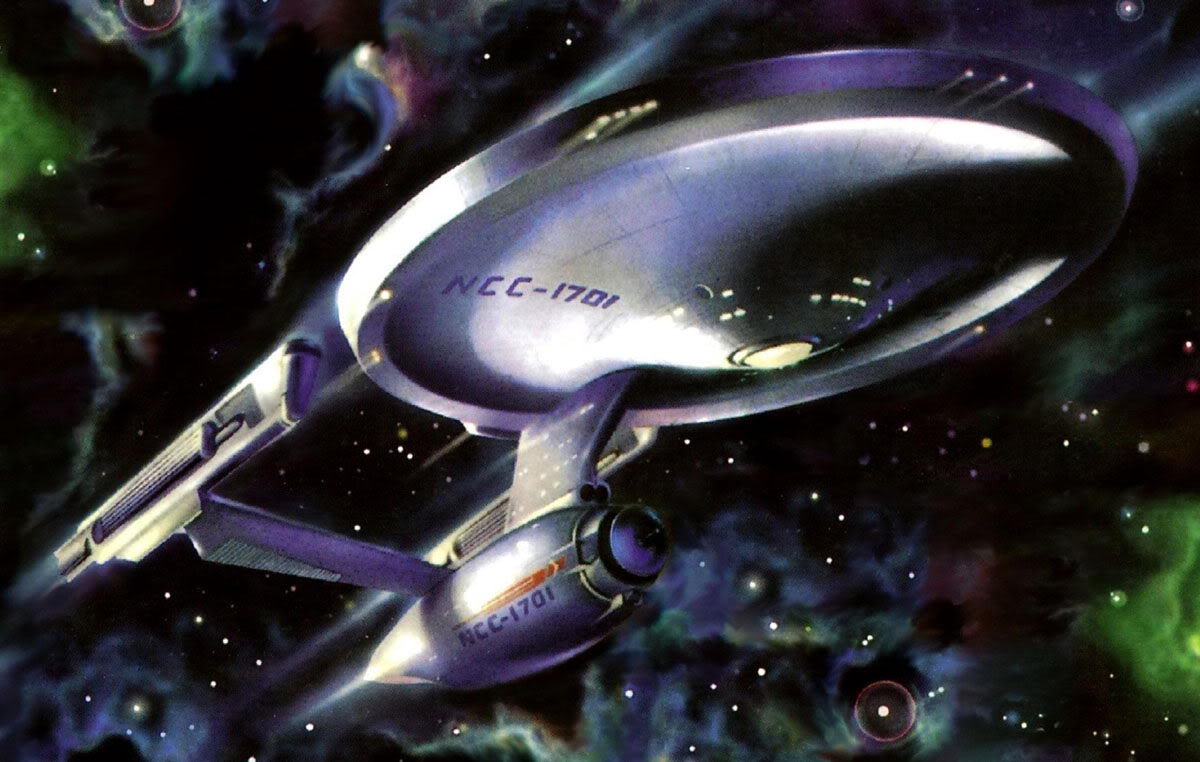
To me, this Year One idea feels like the least-interesting chapter of a story where we’ve already seen the beginning and the end. We’ve seen two different versions of Kirk meeting Spock, Kirk meeting Uhura, and Kirk coming aboard Pike’s Enterprise. We’ve seen where Kirk and his crew would end up decades later – and plenty of adventures in between. What do we gain from Year One that we haven’t already seen from Strange New Worlds, the Kelvin films, and The Original Series? Where’s the hook – what’s different about these stories?
If Strange New Worlds’ writers and producers had kept Kirk – and other TOS characters – away from the show, maybe there’d be more of a compelling argument. I suggested way back when Strange New Worlds was first announced that the show could end with Kirk boarding the Enterprise for the first time, meeting Spock, and setting the stage for The Original Series – but that would’ve been the series finale. Instead, they wanted to bring in Kirk, Uhura, Scotty, and other familiar characters from the beginning – which has been fun to see, don’t get me wrong, but it also works against this new pitch. It’s kind of a “pick one or the other” type of situation, and with Strange New Worlds having included these characters, introduced them to one another, and shown the beginnings of those relationships, it’s kind of stolen the thunder of this Year One pitch before it was even made.
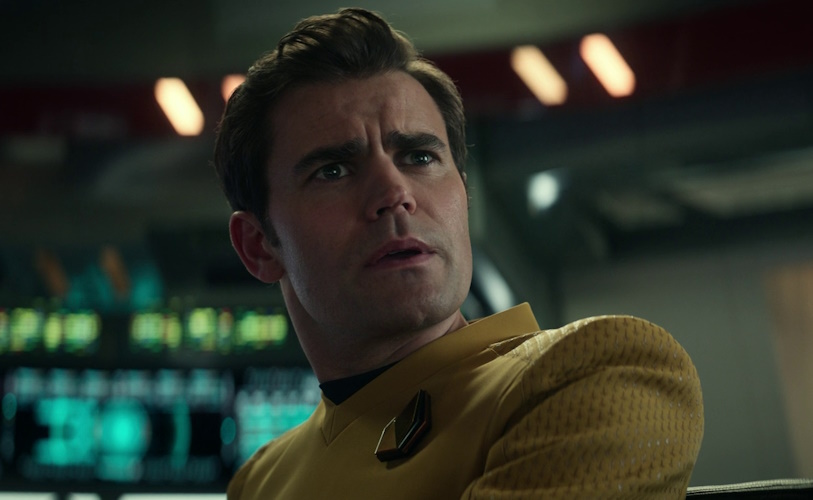
Since Nemesis was in cinemas all the way back in 2002, Star Trek has spent a lot of time on prequels. Enterprise, the Kelvin films, Discovery’s first two seasons, and Strange New Worlds have all been set in the years before The Original Series – meaning there have been fewer opportunities to advance the overall timeline of the franchise. I don’t think I’m the only Trekkie to say that maybe it’s time to give the prequel idea a break for a while, and if there is to be more Star Trek in the years ahead, to focus instead on moving the timeline forwards.
Starfleet Academy will do that, and that’s a positive thing. But look at the reaction to Picard’s third season – fans have been clamouring for some kind of successor show set in that same time period. Even though the original Legacy idea didn’t get off the ground, there’s still a ton of support within the fan community for a new show set after Picard, one which could potentially connect with characters, factions, and storylines of The Next Generation era – Star Trek’s real “golden age.”
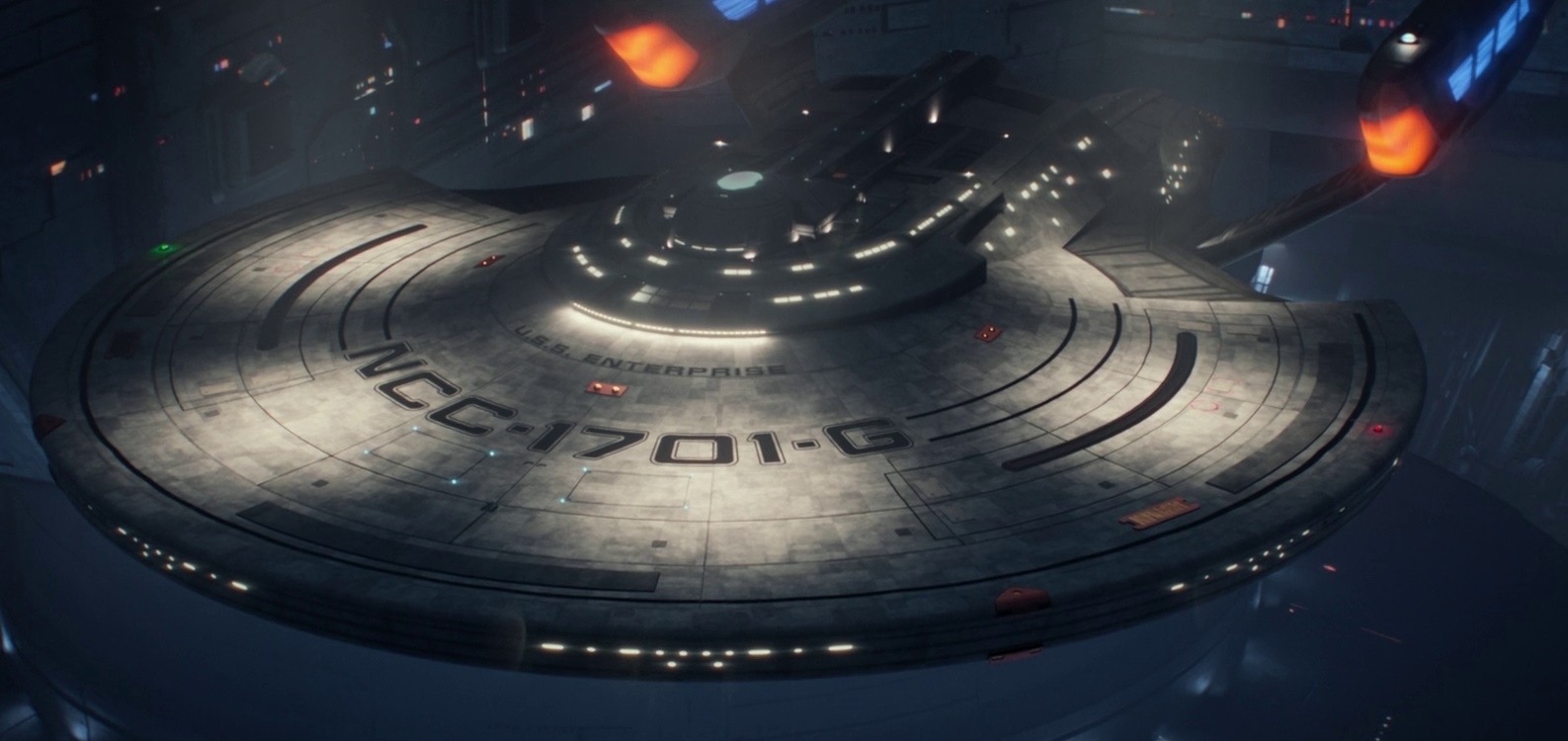
I don’t want to come across as mean or nasty, but I think there’s a bit of a generational disconnect here. Akiva Goldsman is in his 60s, and Henry Alonso Myers is in his 50s. When people say “Star Trek” to folks of that age, their thoughts turn first and foremost to The Original Series – Captain Kirk, the rubber-suited Gorn, papier-mâché boulders, and wacky adventures that took the Enterprise to a planet where everyone dressed like 1920s Chicago. I’m not insulting anyone’s age – I’m the wrong side of forty myself! But if you ask fans of my age or younger what Star Trek looks like… you get more answers about The Next Generation and shows of that era than you do The Original Series.
My point? That’s where at least a plurality of the fan community is at right now. Yes, Starfleet Academy has potential as a young adult show in the far future setting. And yes, Strange New Worlds has been absolutely fantastic as a prequel. But if we’re talking about commissioning a new series… please, please pick the 24th or 25th Century! That’s the message you’re gonna hear from many fans my age, at least.

If there was infinite money for Star Trek, and the franchise was riding high, bringing in millions upon millions of dollars and turning Paramount+ into a must-have subscription, then I’d say go for it. But we don’t live in that world. I seriously doubt whether there will be any more Star Trek seasons commissioned after Starfleet Academy unless something almost miraculous were to happen, but if there’s room to add another series to the lineup… I just don’t want it to be another prequel.
Star Trek should have almost limitless room to grow – there’s an entire galaxy of alien races, subspace phenomena, and strange new worlds to explore. But returning to the same handful of characters over and over again is incredibly narrow-minded and narratively limited. We’ve seen the adventures of Captain Kirk already, and thanks to his inclusion in Strange New Worlds, we’ve also seen the very prologue to those stories that this Year One pitch seems to be focused on. If Kirk and The Original Series characters had been kept out of Strange New Worlds, maybe this idea would feel a bit stronger. But as it is… I’m not convinced at this stage that Year One would be the Star Trek project I’d give the green light to if I were in the Skydance boardroom.
I suspect, though, that all of this will be a moot point. Skydance may be interested in Star Trek as a cinematic franchise, but I’m not so sure they’re going to commit to any new television or streaming projects. With talk of merging Paramount+ with another streaming platform to try to revive its fortunes, and the current deal with Secret Hideout and Alex Kurtzman due to expire next year, Skydance will almost certainly want to bring new folks on board. Maybe someone will see the potential in a new Star Trek series in the second half of the 2020s after the merger is complete… but will it be Goldsman and Myers’ Year One pitch? I’m sceptical.
That was a lot of negativity and dumping on Year One. So let’s flip the script and try to look at things from the other side. What are the points in favour of this idea?
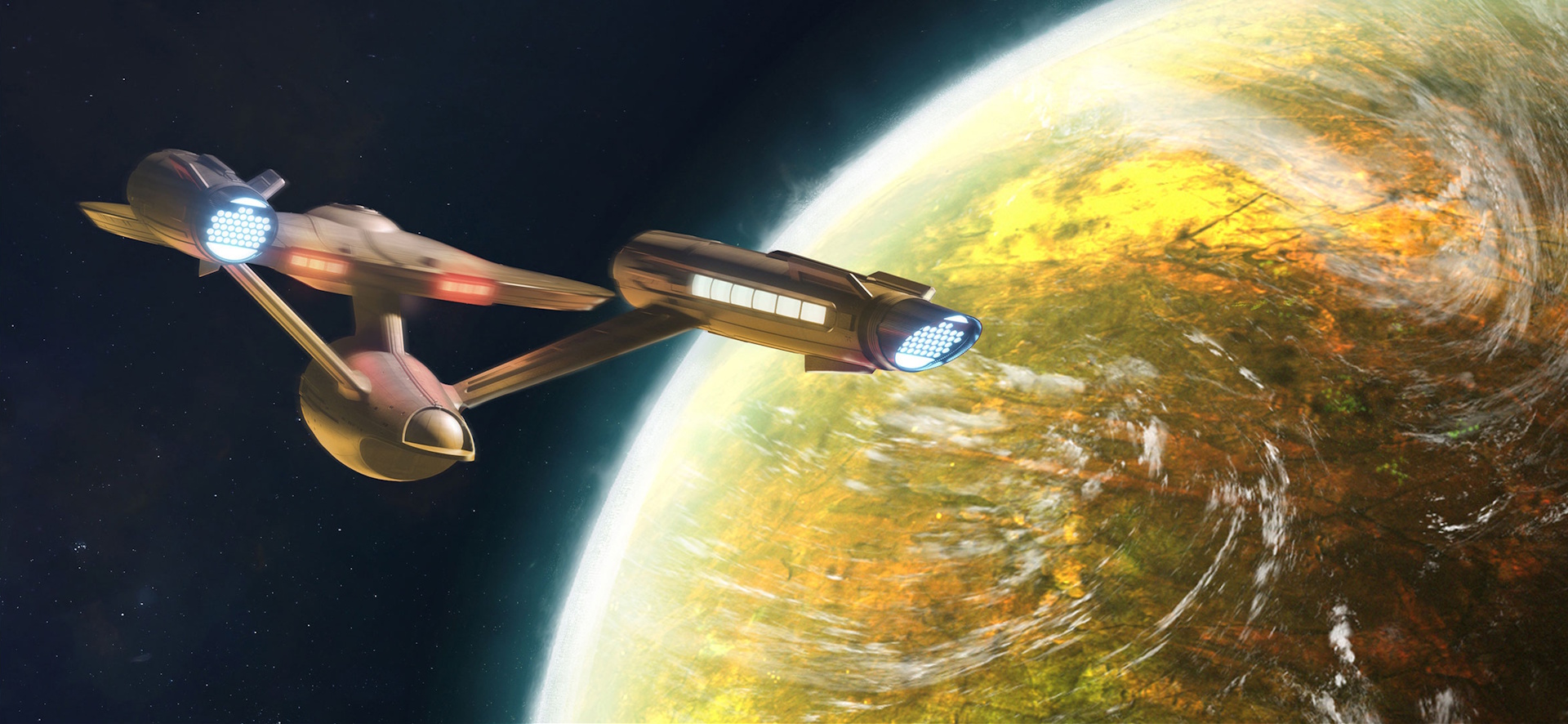
Firstly: continuity. Continuing Strange New Worlds, in some form, with at least half of its characters sticking around represents a thread of continuity between Star Trek projects. You could look at it in the same way as the expansion of Star Trek in the 1990s, with Deep Space Nine and Voyager following on from The Next Generation. There’d be at least one character – Spock – who appeared in Discovery, stuck with Strange New Worlds, and then joined Year One. This ties together the modern Star Trek franchise and gives more casual viewers a reason to stick with Paramount+ and check out some of the other shows. This is how you convert sometime viewers into fully-fledged Trekkies!
I know there are a lot of folks who enjoyed Picard – especially Season 3. And Lower Decks has its fans, too. But for me – and plenty of other Trekkies – Strange New Worlds has been the highlight of modern Star Trek. It’s taken the franchise back to its roots with its episodic tone, focus on exploration, and willingness to dip its toes in different genres. There have been some outlandish storylines, too – just like we got in The Original Series and other classic shows. So if any part of modern Star Trek has earned the right to a successor series… shouldn’t it be Strange New Worlds?
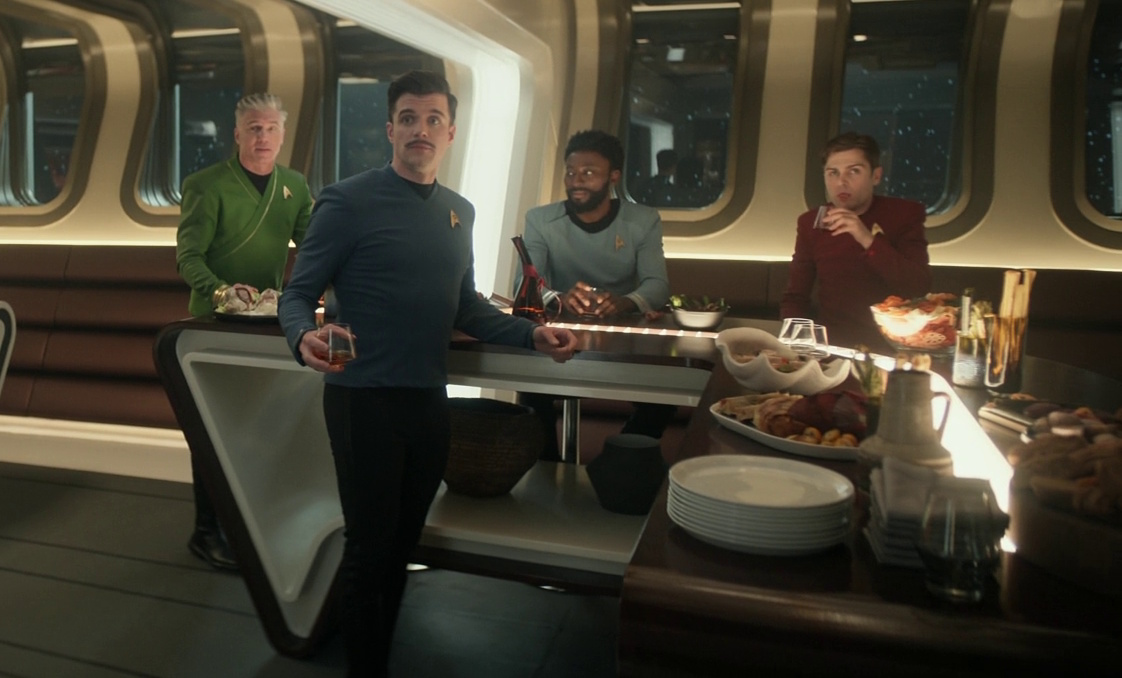
The counter-argument I’d make to that last point, though, is that if the producers and executives want more Strange New Worlds… then just commission a sixth season. Instead of cancelling the project (with truly awful timing, right as the marketing push for Season 3 was starting), why not just keep it going? Practically any storyline you could think of for Year One aboard Kirk’s Enterprise could work more or less the same as a Strange New Worlds episode. If Kirk is integral to the story, well… would you look at that? We’ve already got Kirk in Strange New Worlds!
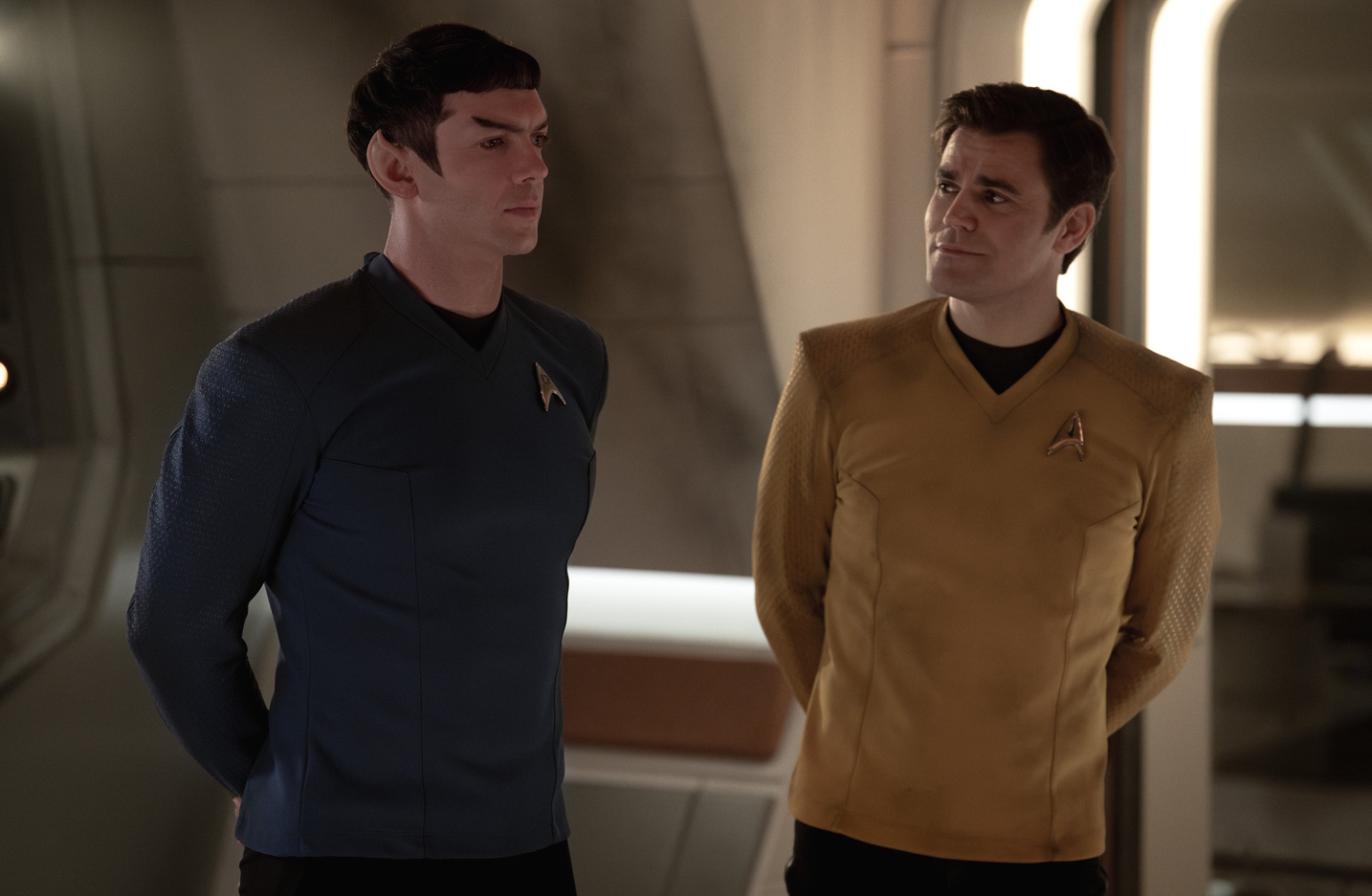
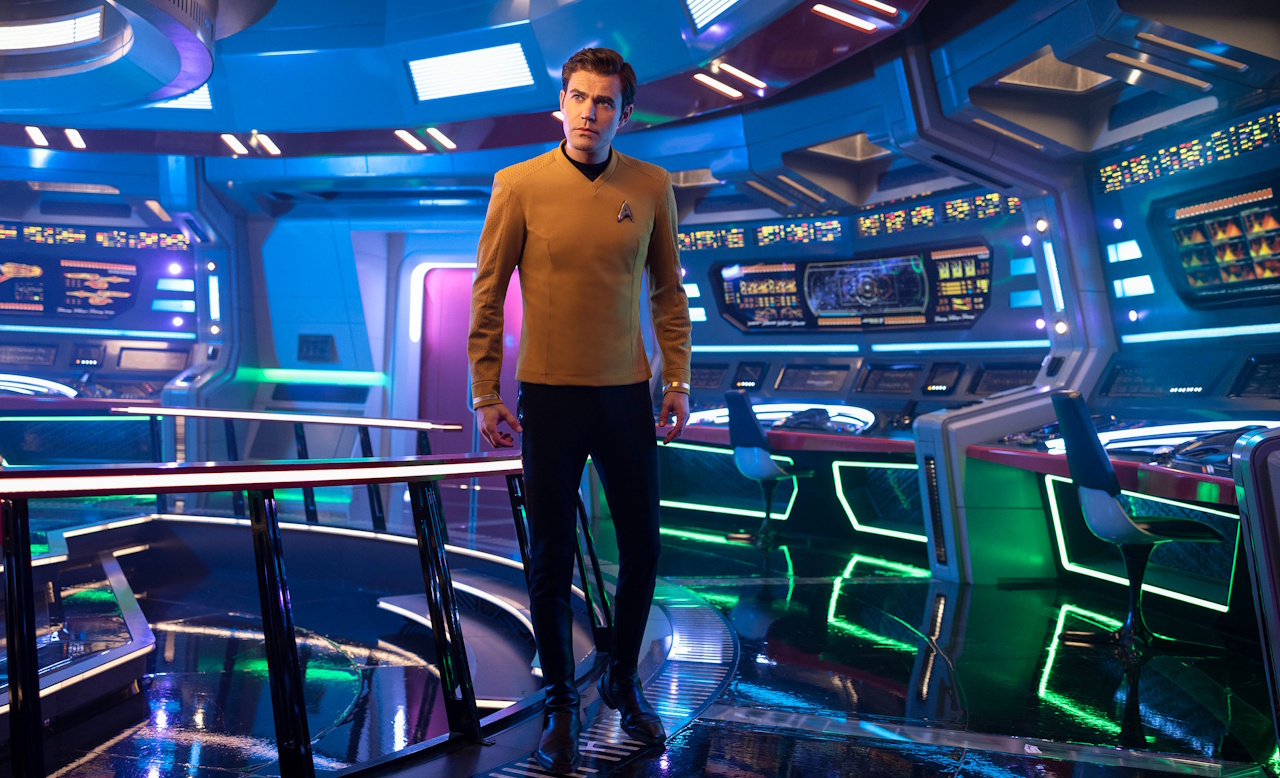
But Kirk is actually the next point in favour of this successor show. Paul Wesley has been great in the role since he first appeared at the end of Season 1, and I can absolutely see him carrying a new series as this younger version of the character. Wesley has embodied the role, showing us a nuanced performance that fits somewhere in between Chris Pine’s rough-and-ready action hero and William Shatner’s classic portrayal. We’ve seen a softer side to Kirk, particularly in some of his storylines involving La’an, but also the captain we remember from The Original Series in the fantastic Season 1 finale.
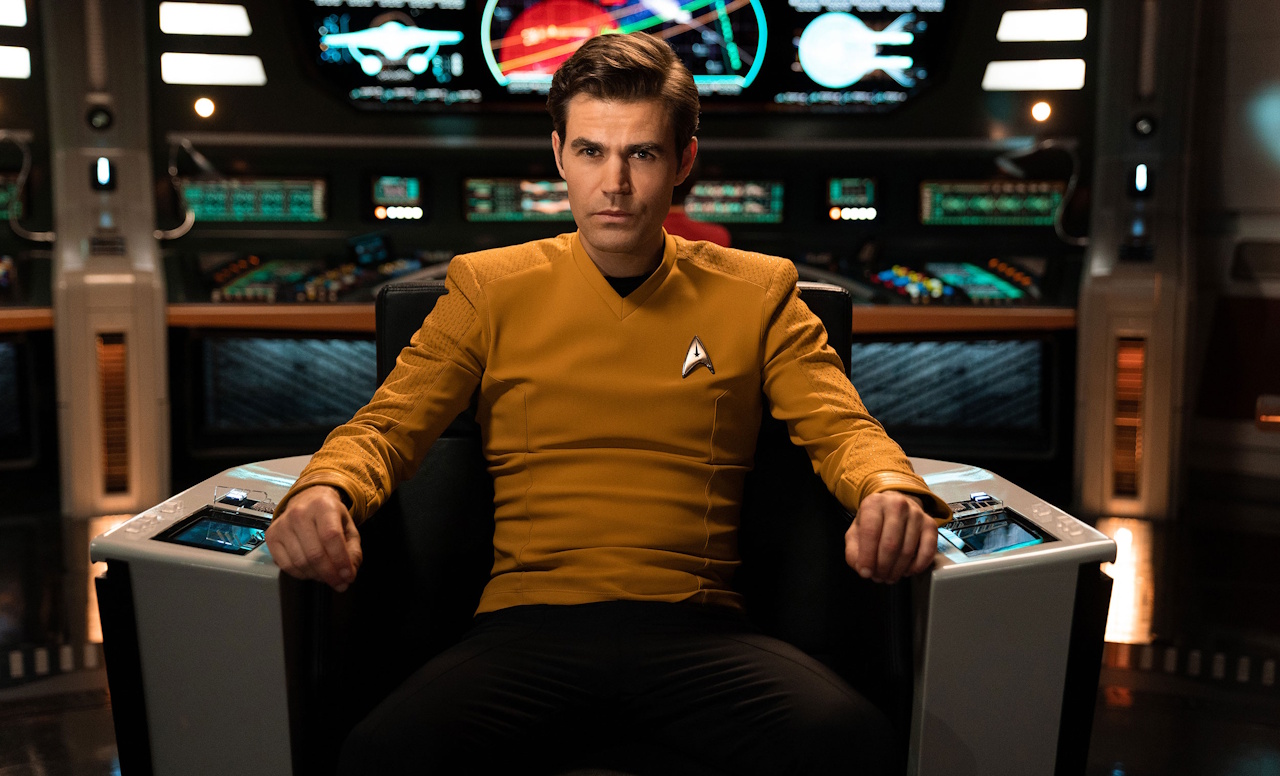
And there is scope to tell stories with this version of Captain Kirk. One thing I’ve hoped to see in Strange New Worlds is the burgeoning friendship between Kirk and Spock – something we got a tantalising glimpse of in Season 2. Year One could certainly explore that – and explain, perhaps, why science officer Spock became Kirk’s second-in-command. Then there’s another Kirk that Strange New Worlds included: Sam. We could get a deeper exploration of the Kirk brothers’ relationship in the years before Sam’s untimely death. How would Kirk react to his brother serving under his command, or having to order his brother to undertake dangerous missions? That could be an interesting idea.
I think we saw in the disappointed reaction to Strange New Worlds’ cancellation that there are passionate fans of this series, its characters, and its episodic style. It’s the only live-action series of this new era that has really tried to lean into what Star Trek used to be; the esoteric and outlandish sci-fi ideas, an aesthetic that borrows a lot from The Original Series’ mid-century designs, and a spirit of exploration that other shows with serialised stories, existential threats, and scenery-chewing villains just didn’t have. Strange New Worlds has appealed to a lot of Star Trek fans in a way that Picard and Discovery didn’t, and with Starfleet Academy apparently borrowing some of those serialised ideas with its young adult cast, there’s definitely room for a show like Year One to pick up the “classic Trek” baton.
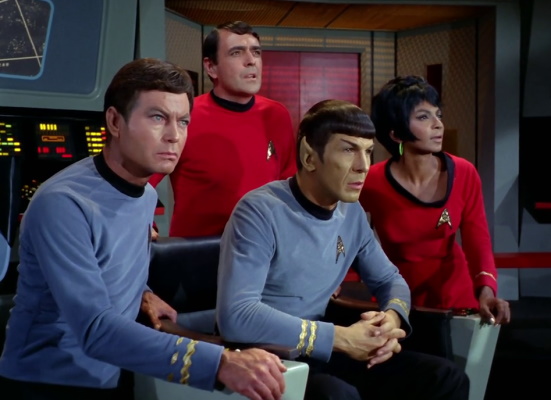
Without that kind of show, leaning on the legacy of past iterations of Star Trek, Trekkies like myself don’t really have a home any more. Discovery and Picard had their moments, but for me, Strange New Worlds has been the best of the bunch by far. If that kind of episodic, exploration-focused Star Trek were to just shut down… even if Starfleet Academy continues and a new Kelvin film enters production, there’ll be a hole in the franchise for myself and a lot of other fans.
Then there are practical matters. Starting production on a new series is an expensive business – but Year One would be comparatively cheap. Most of the main characters are already in place, so there’d be less of a need for a prolonged casting process. And – as Goldsman pointed out at Comic-Con – the sets for Pike’s Enterprise still exist right now. With the new series being set on the same ship, there’d be no need to build anything new; production could end on Strange New Worlds one day and begin on Year One the next.
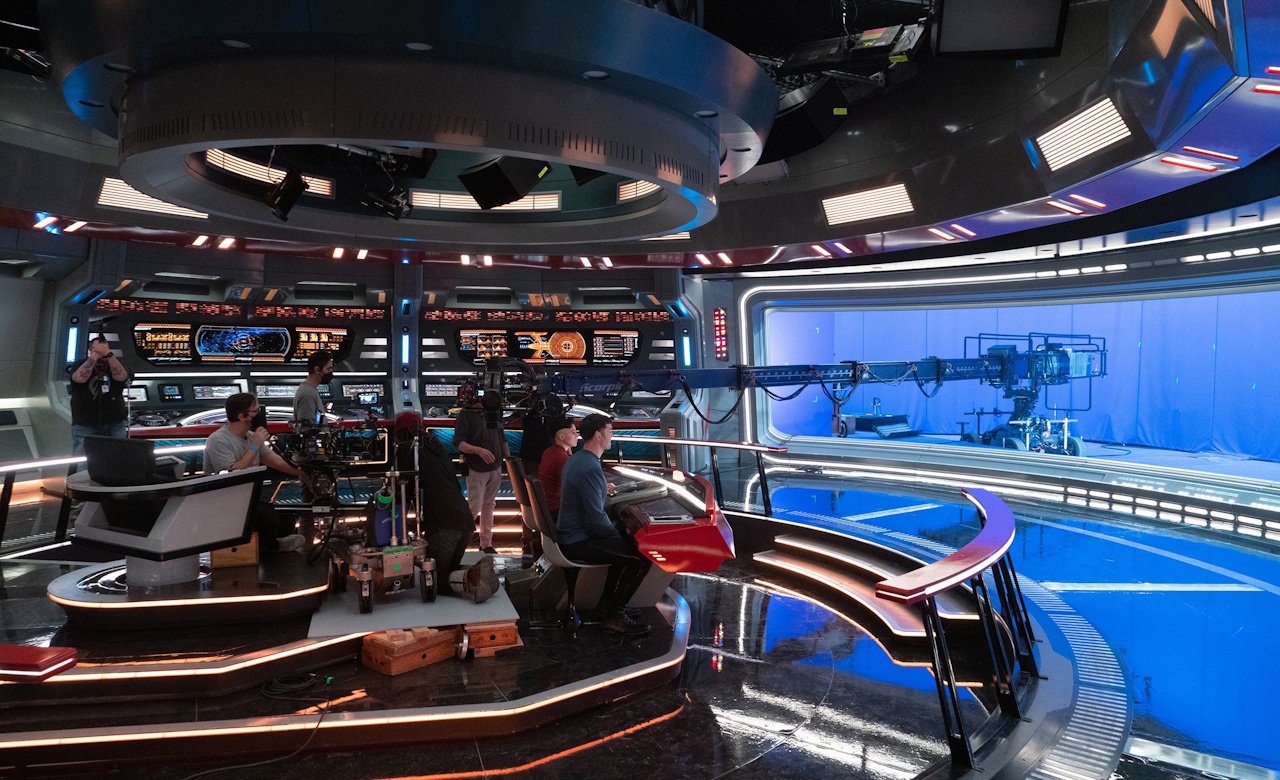
That might seem trivial compared with everything else we’ve been discussing – but to a newly-established corporation which is looking to finally turn a profit on a loss-making streaming service? Keeping costs down is a good thing, and certainly a point that the higher-ups would take into consideration. There’d still be contracts to address, but if production could transition from one series to the other with the same cast and the same behind-the-scenes team in place… that could save a lot of money in contrast to commissioning something brand new.
A “young Kirk and Spock” idea was considered by Gene Roddenberry in the late 1960s, when The Original Series was struggling. So in that sense, this kind of idea has pedigree and has been looked at before. Trekkies had plenty of conversations about that in the run-up to Star Trek ’09, when Kirk and Spock would finally be shown meeting for the first time at Starfleet Academy! But the same principle applies here: it’s not a million miles away from spin-off ideas that have been kicking around for decades.
With all that being said… this would not be my first choice for a new Star Trek series. The biggest point in its favour is arguably how easy it would be to set up. But if Skydance and Paramount are so financially messed up that saving money on building sets is a major consideration, then to be blunt about it, Star Trek has already failed and would only be living on borrowed time.
I have thoroughly enjoyed Strange New Worlds. But if Year One’s pitch is basically “let’s do more Strange New Worlds!” then… why not just go for Season 6? Why risk ditching Captain Pike from “the Captain Pike show” that Trekkies were so passionate about asking for in 2019 and 2020? If I felt like Pike had worn out his welcome or that we were coming to the end of the line somehow… then sure, I guess it would make sense. But Pike is still one of the best things about Strange New Worlds, and if there was one character to preserve for a successor show… it’s gotta be him.
I like Paul Wesley’s take on Kirk, and I’ve enjoyed having him in Strange New Worlds as a recurring character. I think there’s scope to do more with this incarnation of Kirk, too – and I hope we’ll see that in Seasons 3, 4, and 5. And I don’t doubt Wesley’s ability to carry a spin-off, either. I just question how necessary Year One would be in light of Kirk’s role in Strange New Worlds. Given that he’s going to appear a few more times before the end of the series, and we’ve already seen him with Spock, Uhura, and others… what could Year One realistically do with him and his relationships with his crew that we haven’t already seen or can’t reasonably infer?
More Star Trek on our screens is great – and I welcome any pitch from creative folks who have already worked with Paramount and thus have the necessary connections to get the ball rolling. If Year One were to get the green light – which is at least possible, surely – then I would watch it, I’d do my best to support it, and I’d be rooting for its success.
If it was up to me, though… I don’t think this is the pitch I’d give the green light to.
What I want more than anything is a Strange New Worlds-style episodic adventure series set somewhere beyond the Picard era. Such a show could pick up dangling narrative threads left over from The Next Generation and the other 1990s shows, potentially visiting the Gamma and Delta Quadrants, and just pushing the timeline forwards again. Starfleet Academy’s 32nd Century can do some of that – at least in theory – but because it’s that much further forwards in time, its opportunities to make those connections are more limited.
However, I can see why this pitch would hold some appeal, both to fans and to the executives that Goldsman and Myers will need to win over! A successor to what is arguably the best and most successful live-action Star Trek show of this modern era is not, in theory, a bad idea by any means. And with the cast largely in place, sets already built, and apparently some stories already being considered… maybe the time is right. Maybe this Strange New Worlds sequel/Original Series prequel is what Star Trek needs at the current moment. There’s something to be said for going back to the franchise’s roots to shore things up, and with major corporate changes inbound, keeping some threads of continuity is also a point in the pitch’s favour.
So that’s my take. I wouldn’t necessarily choose Year One if I had something like Legacy on the table… but I don’t loathe the concept and I could see it being enjoyable. I have my suspicions at this stage, though, that Skydance’s new leadership may not be interested in the idea. After all, is it just a coincidence that Strange New Worlds was cancelled right as the corporate merger was happening? If Skydance’s folks were interested in the show, they could’ve said so during the process and kept it on the air in its current form.
If Year One goes ahead, though, I’m sure I’ll have more to say. Coming out of this year’s Comic-Con we also got news about the audio drama/scripted podcast Star Trek: Khan, which I’ll be taking a look at in the days ahead. And if you missed it, I’ve recently taken a look at the first trailer, photos, and details released about the upcoming Starfleet Academy series. Click or tap here to take a look at that.
Later this week we’ve got A Space Adventure Hour as Strange New Worlds’ third season rolls along. We’re past the show’s halfway point now, which is a bit of a sad thought. But who knows? Maybe Year One will pick up the story in the years ahead.
The Star Trek franchise – including all shows and properties discussed above – is the copyright of Paramount Global (soon to be Skydance). Some images courtesy of Forgotten Trek and/or the Frogland Set Blueprint Archive. This article contains the thoughts and opinions of one person only and is not intended to cause any offence.
 Trekking with Dennis