

Spoiler Warning: Beware spoilers for the following Star Trek productions: The Wrath of Khan, The Next Generation, Deep Space Nine, Voyager, Into Darkness, Discovery, Picard, Prodigy, Strange New Worlds, and Section 31.
I hope you all had a lovely Halloween! October was a busy month for me, but I did manage to put out a few Halloween-y posts, so I hope you’ll scroll back and check out some of those; they were a lot of fun to write!
Onward to the subject of today’s piece, then.
I was scrolling Facebook when I noticed a Star Trek fan page had posted a screenshot of a Tumblr poll (because that’s all social media is these days: screenshots of the same handful of pages being endlessly recycled!) But the original post, first shared on Tumblr by user “quasi-normalcy,” was one that I thought could be very interesting to address. In short, it asked the question “which clichés do you most wish you could remove from Star Trek?” followed by eleven options that form the basis of a number of Star Trek episodes.
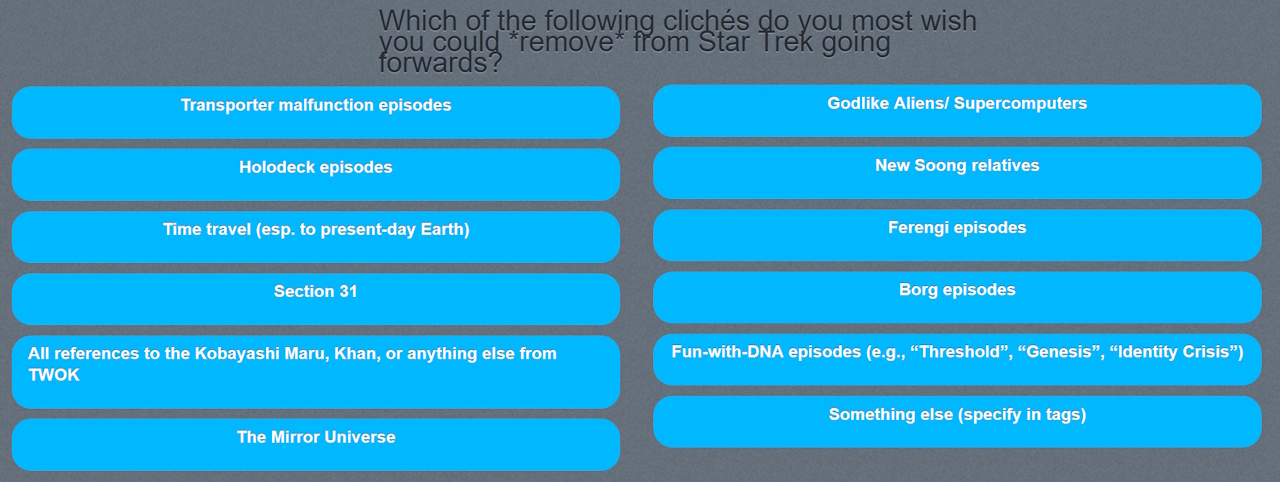

The original Tumblr poll has now concluded, but I’ll drop a link to the post below in case you want to see it or check out the original poster’s page – this is not a unique idea and I am not claiming to have come up with it! But I am going to do something a little different than just clicking or tapping on a poll! I’m going to address all eleven of “quasi-normalcy’s” Star Trek narrative clichés, explain what I like or dislike about them, and perhaps add one or two of my own, too!
So thank you “quasi-normalcy” on Tumblr, and random Star Trek fan page on Facebook, for introducing me to this idea. I think it’ll be interesting to talk about some of the narrative frameworks that Star Trek has used, in some form, on multiple occasions – and maybe a little controversial, too! My usual caveat applies: everything we’re going to discuss is the subjective, not objective, opinion of just one Trekkie. If you hate everything I have to say about these episodes, think I’ve totally misunderstood something, or if we just disagree on what makes for a fun episode of Star Trek… that’s okay! Star Trek is a big tent, and there’s room for all kinds of opinions. I share mine with the Star Trek fan community in that spirit.
That being said, if you don’t want to read some potentially controversial Star Trek thoughts, this is your opportunity to beam out! I’ll address each potential cliché in the order they were listed in the original poll, then give my verdict on whether it should be “removed from Star Trek” going forward!
Cliché #1:
Transporter Malfunction Episodes

This feels like too broad of a category to want to see removed, in my opinion. A “transporter malfunction” can be handled in so many different ways, with so many different outcomes. We can bring Scotty forwards in time by eighty years in Relics, then cross over to a parallel universe in Mirror, Mirror – with completely different results. The transporter is a key part of Star Trek, and when it goes wrong, it can lead to all kinds of stories which vary in tone, structure, and genre. With that in mind, I really don’t see this one as a problem. It can feel like a cliché sometimes, sure… I will concede that point. But because transporter malfunctions vary so much in terms of outcome, I don’t see them as an issue and I’m happy to have more “the transporter done goofed” stories going forward.
That being said, there are some places where more common transporter problems could be shaken up – or the frequency of these instances lessened. For example, the way transporters work or don’t work floats around at the behest of the plot, and it’s a pretty common trope for the transporter to break or not be able to work just at the moment when it’s needed. Think about it: how many episodes would’ve been completely different if the transporter didn’t stop working just when a character needed to be rescued? Generally, these episodes work well enough. But I’m certainly open to the “broken transporter” or “the transporter won’t work because of technobabble” kinds of story beat being reduced in frequency.
My Verdict: Keep It!
Cliché #2:
Holodeck Episodes
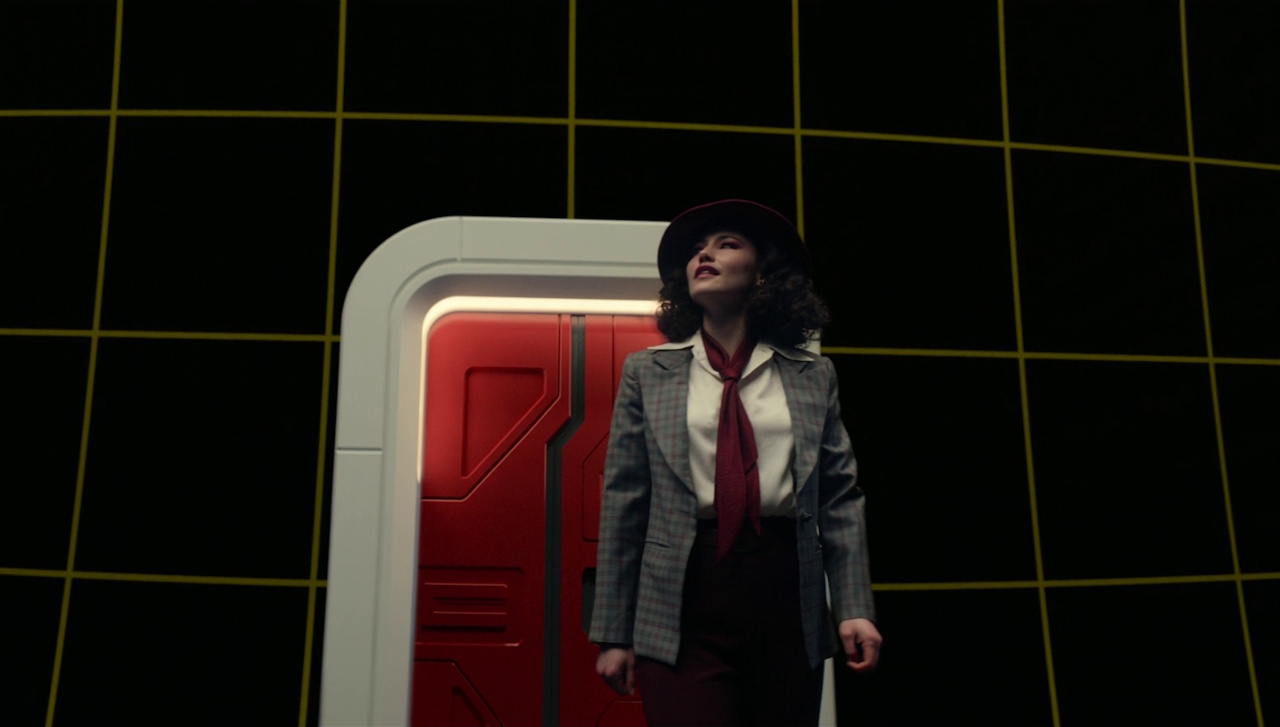
As above, there are so many different ways to take holodeck stories, and the ones we’ve seen have varied so much, that I don’t really consider this to be a “cliché” as such – they’re just one more type of Star Trek episode. As with any sub-genre, there are some holodeck stories that I enjoy more than others, and some I’m happy not to see repeated. But as a concept? I think holodeck stories can open things up, give the cast a chance to step out of their usual roles, and it can be a lot of fun to see them interacting in more of a social setting.
That being said, *modern* Star Trek shows, which tend to have fewer seasons as well as fewer episodes per season, don’t need nearly as many opportunities to do something like this. I noted in one of my Strange New Worlds Season 3 episode reviews that, out of fewer than thirty episodes at that point in the show’s run, characters like Pike and Spock had appeared out-of-character on at least four or five occasions apiece. Not all of those were holodeck stories, but the basic point remains. However, I think there’s still a place for stories set on the holodeck on occasion, as they can be fun ways to explore new characters, new locales, and just different themes than would be possible in a more straightforward episode set aboard a starship or planet.
My Verdict: Keep It!
Cliché #3:
Time Travel (Especially to Present-Day Earth)
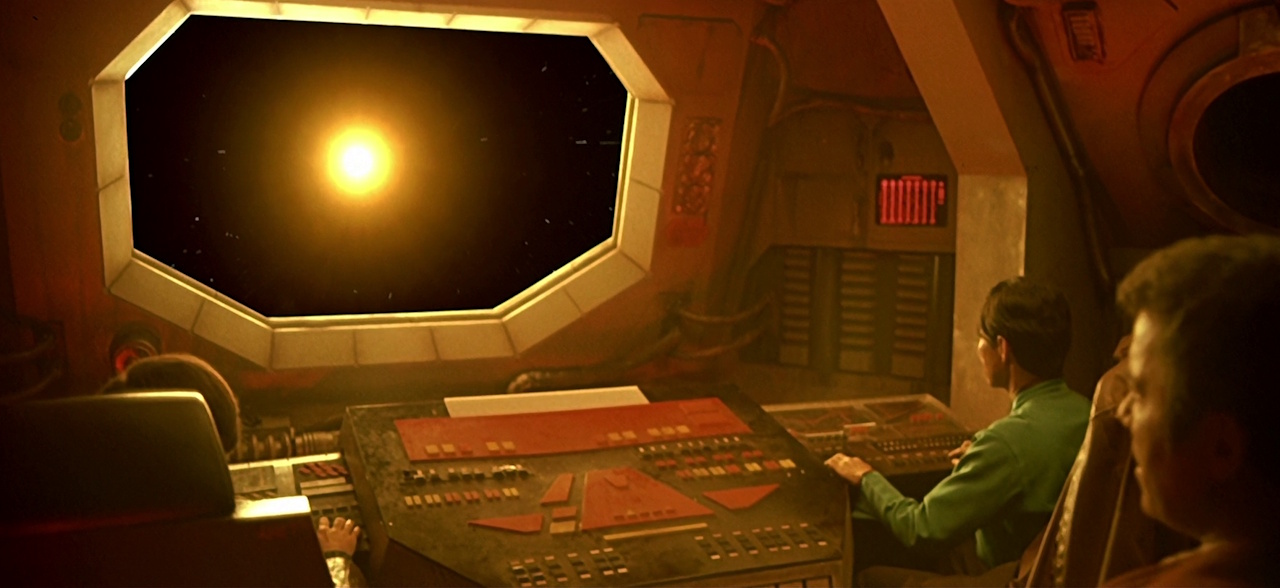
Can I break this one into two pieces?
Pretty please?!
Cliché #3-A:
General Time Travel
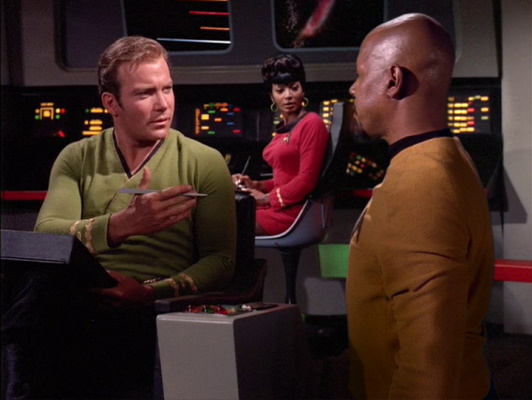
Okay, thank you for allowing me to split this one up! Time travel within Star Trek’s timeline – backwards and forwards – can be a blast. Viewers rank The City on the Edge of Forever as *the* best of The Original Series, and I adore episodes like Trials and Tribble-Ations, All Good Things, and Shattered. Time travel has been a key plot point in episodes like Time Squared, Twilight, Tapestry, Eye of the Needle, and many more. All of these are fantastic, and show what the franchise can do with time travel within the confines of its universe.
Discovery shooting forwards in time at the end of Season 2 arguably improved that series, with many interesting episodes coming after the leap to the 32nd Century. Strange New Worlds’ fantastic first-season finale leaned on time travel in a unique way, too. Face the Strange was especially creative, probably one of the highlights of Discovery’s fifth season. So modern Star Trek has utilised time travel phenomenally well. I wouldn’t want to see these kinds of stories erased from Star Trek.
My Verdict: Keep It!
Cliché #3-B:
Time Travel to Modern-Day Earth.

This is why we had to split time travel into two separate pieces! Time travel within Star Trek’s fictional timeline can be a blast – even to Earth. But time travel to the modern day? Those stories tend to feel out-of-date pretty quickly. Look at The Voyage Home and Future’s End – not to mention Picard’s entire second season. Sometimes, stories like this work well, and use a modern-day setting in creative ways. But too often they lose too much of what makes Star Trek… feel like Star Trek.
Star Trek is about the future. And sometimes, figuring out how that future came to be can be interesting. But in a lot of cases, time travel episodes that visit contemporary Earth don’t have enough to say – or what they try to say is pedestrian and bland, like “climate change is bad.” Again, if we assume modern Star Trek shows will continue to have ten-episode seasons and four or five seasons max, I think the less time spent on modern-day Earth the better. As I said once: I can barely re-watch Picard’s second season – a full one-third of that show – because of how unenjoyable it is, a significant part of which is due to its modern Earth setting. So… yeah. Let’s give modern Earth a break, eh?
My Verdict: Vaporise It With A Disruptor!
Cliché #4:
Section 31
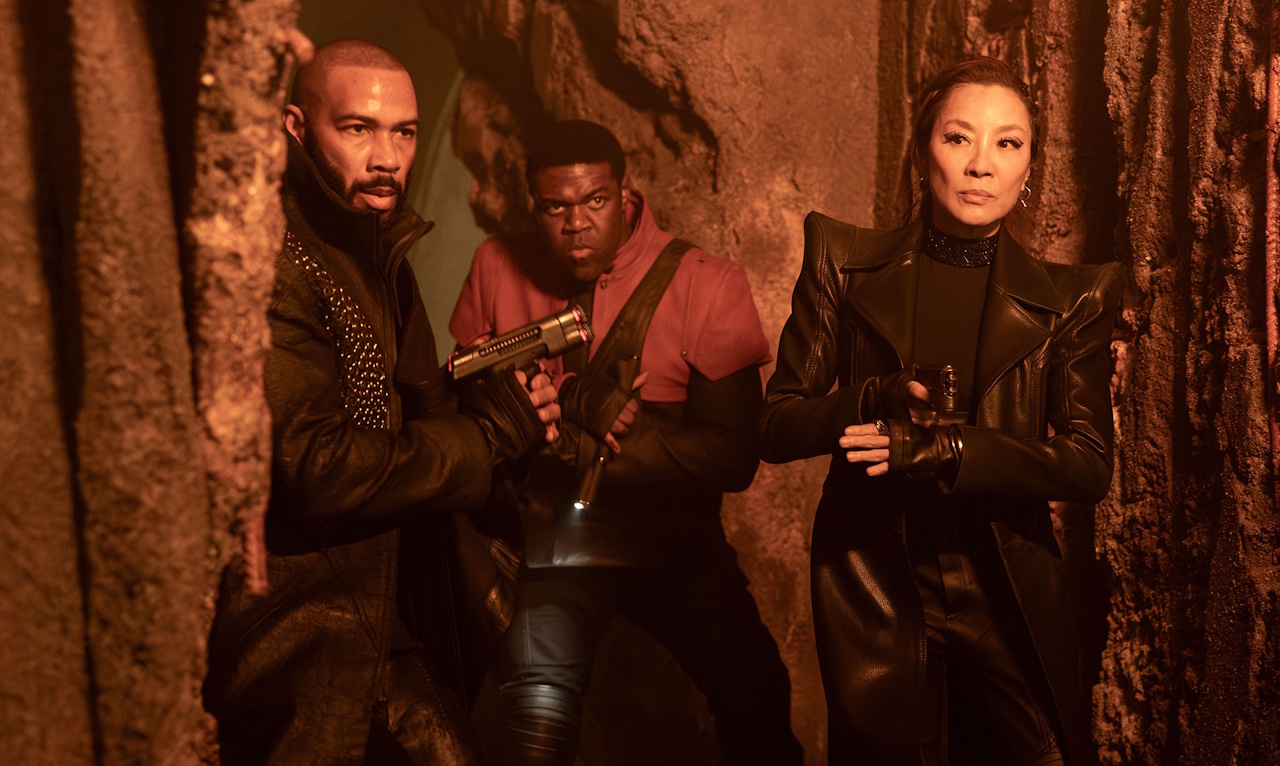
I believe the original Tumblr poll was written before this year’s Section 31 movie, so the author couldn’t have known what the reaction to that would be. Given the apparent disappointment of Section 31 to Paramount (and new owner Skydance), I have to assume that any more Michelle Yeoh-led Section 31 sequels or spin-offs won’t be going ahead. So in that sense, we already have part of an answer to this point!
Section 31 was incredibly controversial when Deep Space Nine introduced it. I remember furious debates on Star Trek message boards around the turn of the millennium about “Gene’s vision” and how Section 31 shouldn’t exist in the Star Trek universe. I gotta admit that I found the original idea and the original presentation of Section 31 to be interesting – and it seemed logical, to me, that an organisation as massive as the Federation would run this kind of off-the-books organisation. However, Section 31 as it was depicted in Discovery and the Section 31 film strayed a long way from that, and arguably trod all over the toes of canon by showing the organisation as being so out in the open more than a century before DS9. It would’ve been possible, perhaps, to show how Section 31 disappeared and went underground in the intervening years, but that idea was never picked up. I still think there’s potential in the idea of a “black ops” Federation organisation, but it has to be handled a lot better.
My Verdict: Keep It!
Cliché #5:
All References to the Kobayashi Maru, Khan, and The Wrath of Khan.
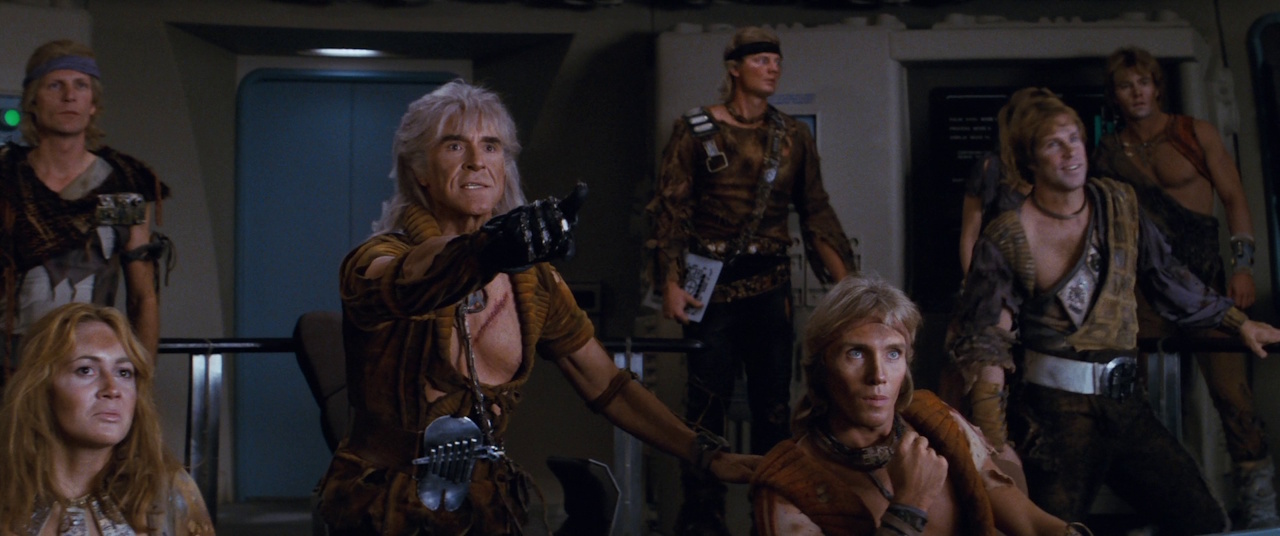
I think saying *all* references to The Wrath of Khan might be a bridge too far, but I get where this is coming from. I noted in one of my Strange New Worlds Season 3 episode reviews that making La’an a direct descendant of Khan has been a complete waste, and that basically nothing would’ve changed for her character if she’d been given a different last name. So in that sense, that kind of direct reference to Khan himself – particularly as SNW is a prequel – is something I’d happily live without. I’m not caught up on the Khan audio drama yet, but my initial reaction to a Khan-focused series wasn’t especially positive, either, as I felt we’ve already seen everything we need to see of Khan.
However, I think some things from The Wrath of Khan – like the Kobayashi Maru – can and have been used well elsewhere. Prodigy’s first season episode Kobayashi is a case in point: a great episode that built on those foundations. So while I think references to Khan himself can definitely be scaled back, if not dropped entirely for a while, this entry’s “all or nothing” attitude gives me pause. The Wrath of Khan is a great film, and some of the elements it introduced have gone on to be widely celebrated parts of Star Trek. There are new ways to approach things like the Kobayashi Maru scenario and human augments, and I wouldn’t want to rob future Star Trek writers of those.
My Verdict: Keep It!
Cliché #6:
The Mirror Universe
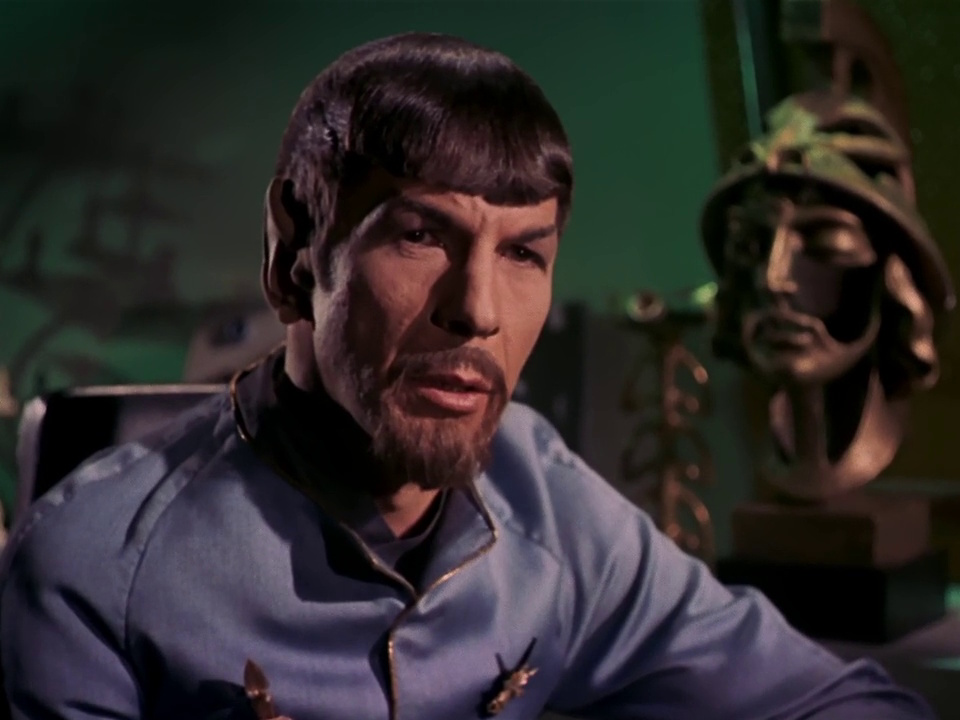
If the Mirror Universe had been a one-off, I’d probably say it was worth re-visiting. But even as far back as Deep Space Nine, the Mirror Universe was played out. This is a setting where violence, murder, and torture are the norm, and it’s so boring and one-dimensional that it tricks even the best Star Trek actors into putting out hammy, over-the-top, ridiculous performances that are, in some cases, genuinely so bad that they’re unwatchable for me. The Mirror Universe *can* be interesting to visit for a single episode, on rare occasions, but where it’s failed has been repeat visits, recurring or main Terran characters, and just its general over-use.
Discovery did not benefit from any of its Mirror Universe storylines, and I don’t think Georgiou’s Terran Empire origin did wonders for Section 31, either. I don’t really understand why modern Star Trek writers have developed an obsession with the Mirror Universe (or Mirror Universe-inspired settings, like Picard’s Confederation of Earth), but I think we’ve seen more than enough of this parallel universe. The *only* Mirror Universe story I’d have even potentially been interested in was one involving the rescue of the Prime Timeline version of Captain Lorca – but I suspect that ship has sailed. The Mirror Universe can sail into the sunset with it!
My Verdict: Vaporise It With A Disruptor!
Cliché #7:
Godlike Aliens/Supercomputers
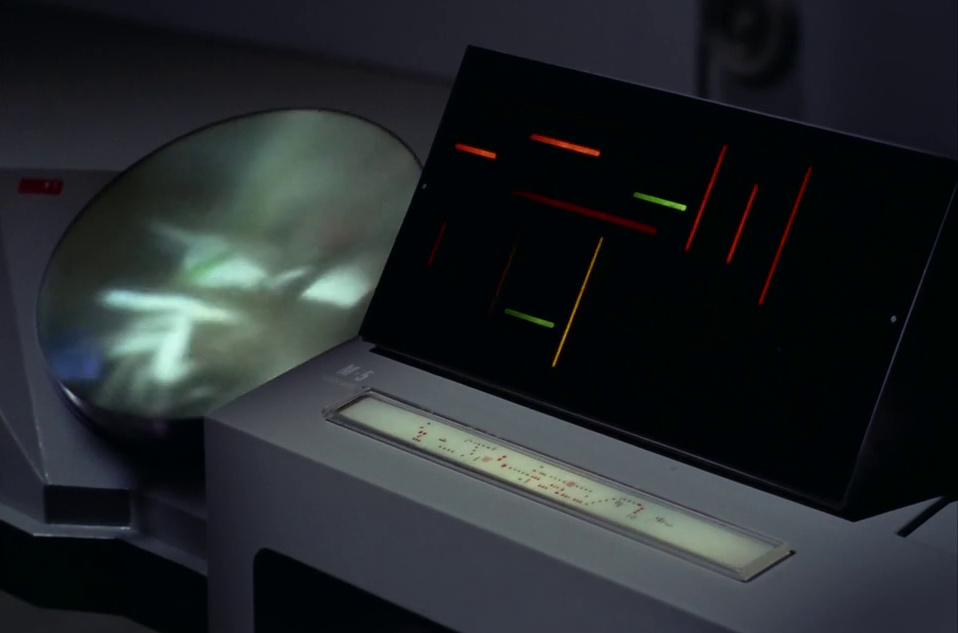
Not only does this one feel way too broad, but I think Star Trek has demonstrated that there’s huge value in exploring how we might interact with an alien or entity possessing “god-like” powers. There’s also the current trajectory of artificial intelligence here in the real world, and how some people feel we’re only a few years away from superintelligent A.I. systems. Star Trek has been an early pioneer of showing the dangers of A.I., as well as potential benefits.
I suppose, though, too many of these stories could feel samey. As with any sub-genre, it needs to be handled well, not over-exposed, and kept to a reasonable level. But I definitely think the positives outweigh the negatives, and in the near future, there could be a ton of value in exploring supercomputers and “god-like” A.I. systems in particular.
My Verdict: Keep It!
Cliché #8:
New Soong Relatives
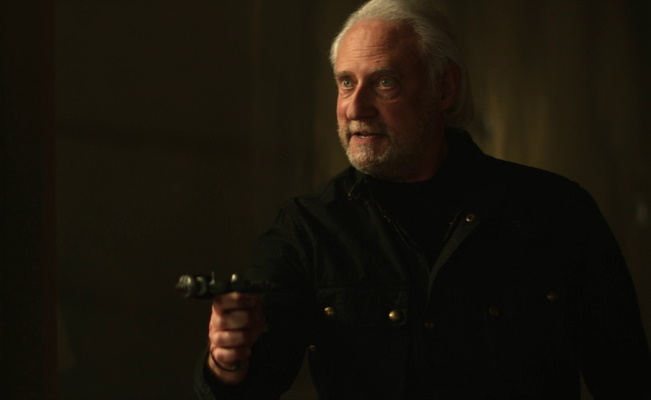
Noonien Soong, Arik Soong, Altan Soong, Adam Soong, and a couple of illusory Noonien Soongs. Then we have Lore, B-4, and the new Data android. Not to mention Kore Soong, and other Soong-type androids. Yeah… I think this is getting pretty silly now! I really didn’t like what Picard did with Data in Season 3: resurrecting him after he’d been so beautifully and fittingly laid to rest in Season 1 just felt wrong. And the inclusion of *two* new Soongs in Picard was definitely a bit too much. Brent Spiner is great, don’t get me wrong, and he can play villains and devious characters exceptionally well. But I think we’ve taken the family of Data’s creator as far as it can reasonably stretch – too far already, some might say!
With Legacy seemingly not going ahead, I don’t know what the future holds for the renewed Data. But with Altan Soong dead, that could be the last descendant of the Soong family – at least as of the dawn of the 25th Century. I don’t think we need to go back in time to see Adam Soong’s work on the augments, nor revisit Noonien Soong’s creation of Lore and Data. Some storylines just have a natural end point. Adding more Brent Spiners to the Soong family wouldn’t really add anything new to Star Trek at this point, either.
My Verdict: Vaporise It With A Disruptor!
Cliché #9:
Ferengi Episodes
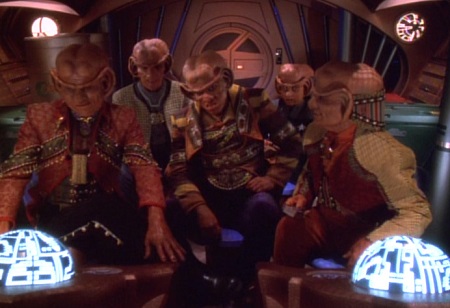
Though we spent a lot of time with the Ferengi in Deep Space Nine, the faction hasn’t been seen very much this side of the millennium. With that in mind, I’m definitely down for more Ferengi stories! I’d love to see, for instance, how the Ferengi are coping in the 32nd Century. Did they ever join the Federation? Are they still obsessed with latinum and profit? And in the Picard era, too, were a new series ever to be commissioned, it would be lovely to catch up with Grand Nagus Rom in live-action.
In DS9, Ferengi episodes often took on a comedic tone, and I think I’d happily entertain less of that; a more straight-laced and serious Ferengi story could be an interesting change of pace. Though we know a lot about the Ferengi thanks to Quark, Rom, and Nog in particular, there’s still a lot that can be done with the Ferengi, and there are certainly more stories to tell where Ferengi characters are in focus.
My Verdict: Keep It!
Cliché #10:
Borg Episodes
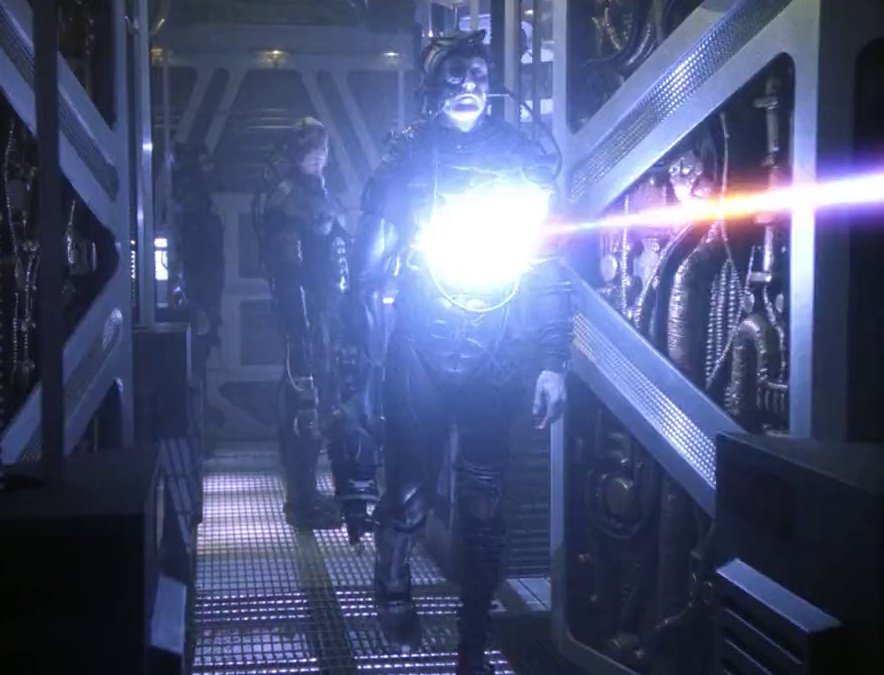
This one… I’m torn, to be honest with you. Picard over-used the Borg, and that came after Voyager had already done a lot to lessen the Borg’s fear factor and imposing nature. There are also issues with the timeline thanks to Voyager and Enterprise, and I still think that the introduction of a Borg Queen in First Contact was a mistake! However, I still like the idea of a Star Trek series I’ve provisionally dubbed the “Borg Invasion” show, in which a war against the Borg is the main focus of the series.
This show would take on a much darker tone, with themes of horror and war being prevalent. If done well, with a clear three- or four-season plan from the get-go and a sufficiently high budget, I really believe it could work exceptionally well. However, I won’t deny that the Borg have been over-exposed, not only in modern Star Trek, but really going as far back as Voyager. And I wouldn’t blame any Trekkie who wants to give the faction a break, especially after Picard brought them back three seasons in a row.
My Verdict: Keep It!
Cliché #11:
Fun-With-DNA Episodes (i.e. Genesis, Threshold, etc)
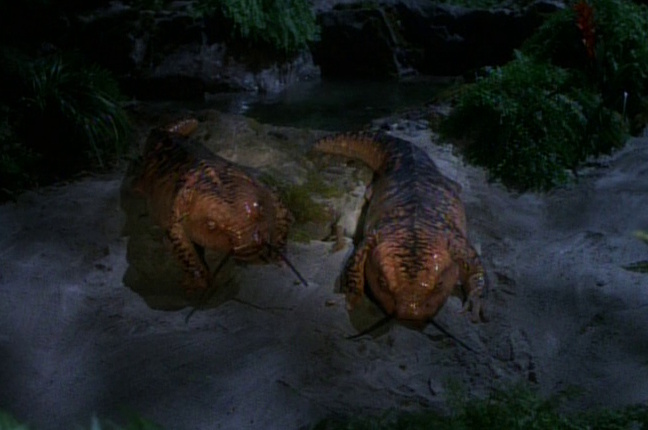
As I’ve said several times now, this feels like quite a broad concept that could go in many different directions. As such, I don’t think I’d be willing to say there should “never” be another episode in which the DNA of some of our heroes gets muddled up! That being said, episodes like Threshold, Extinction, Favorite Son, Unnatural Selection, and Four-and-a-Half Vulcans aren’t necessarily shining examples of the best of Star Trek. So this one, I suppose, can feel a bit hit-and-miss.
I still think I come down on the side of saying “do more with this idea,” though. Shuttle to Kenfori, with its “zombies,” and Discovery’s Tyler-Voq storyline, both did interesting things with DNA, and I think there’s potential to take the basic idea in different directions. So while it’s true that not every “fun with DNA” idea has stuck the landing, I’m up for trying it again if the script is right!
My Verdict: Keep It!
So that’s all from the poll… but there’s more!
The original poll also contained one final option: Something Else!
So… I thought we could go through a handful of my own “Star Trek clichés” and talk about them before we wrap this up.
Cliché #12:
Redshirts
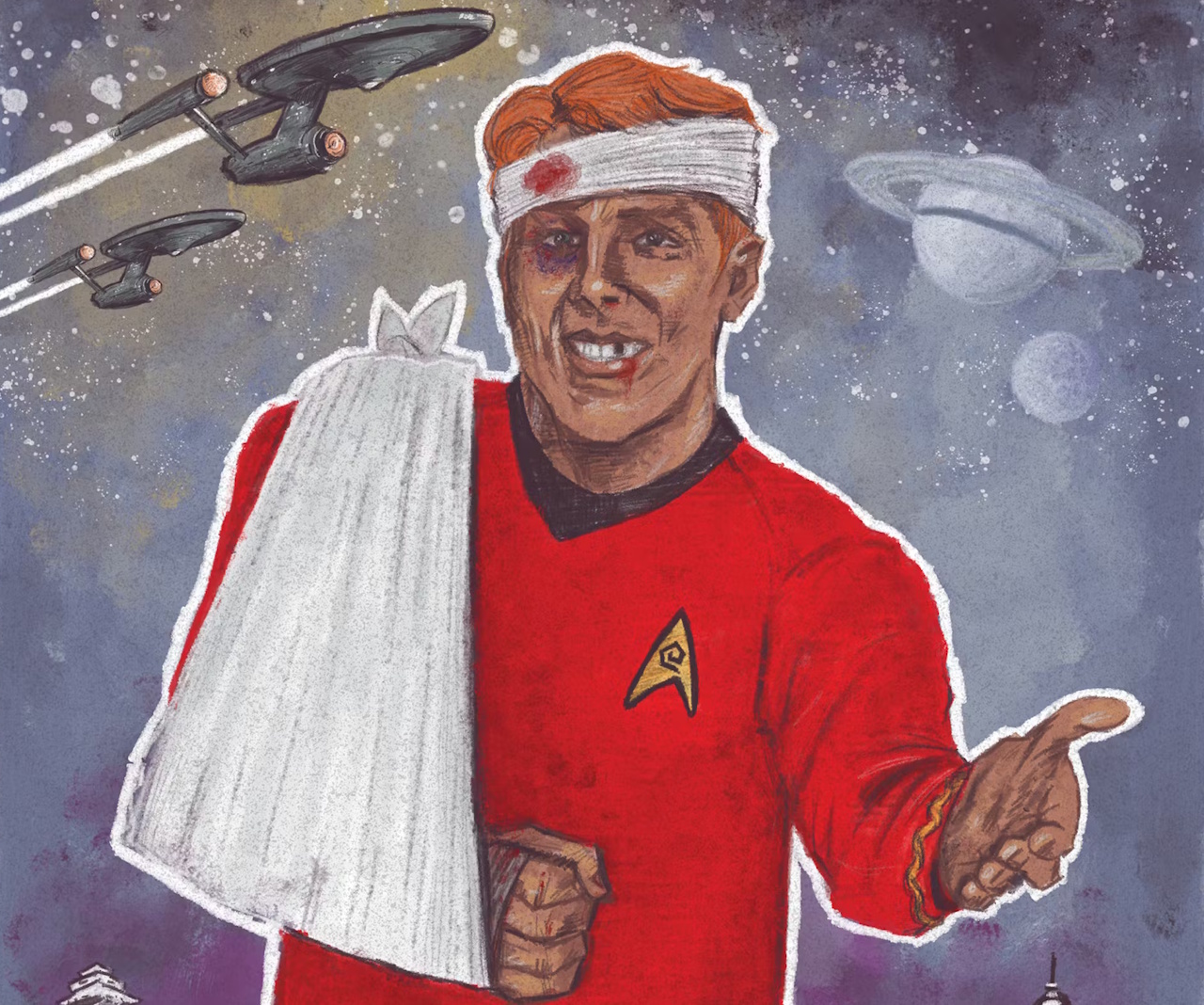
I’m surprised the original poll didn’t include what is arguably one of Star Trek’s biggest clichés: the redshirt! These characters, named for the red uniform shirts they wore in The Original Series, were junior officers who usually made one appearance – only to be killed off pretty early in the story. After The Original Series, we saw fewer redshirts, but the trope has stuck around, even into Star Trek’s modern era.
Sometimes you need to kill off a character to communicate the dangers of a situation or the stakes to our heroes. Redshirts – these “disposable” one-off characters – arguably serve that purpose pretty well, and I wouldn’t want to see Star Trek limited by removing them. I also think that redshirts have become, in some ways, an inseparable part of Star Trek itself, and while we’ve seen fewer bona fide redshirts really since The Next Generation premiered, I wouldn’t want the franchise to lose them entirely.
My Verdict: Keep It!
Cliché #13:
The “Half-Arsed Mental Health Storyline”
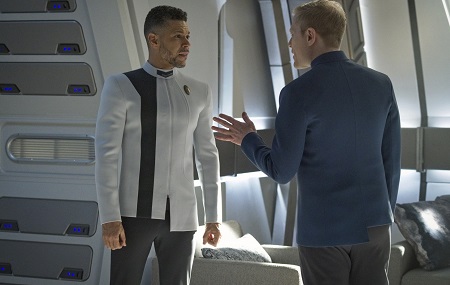
Discovery was, in my opinion, absolutely atrocious in most of its attempted mental health storylines, but this problem has also plagued other Star Trek productions – notably Picard. And in the bygone days of episodic TV, characters would suffer a traumatic event that would have a massive impact on them… for all of a single episode, before the show moved on to new adventures a week later. There are some absolutely fantastic explorations of mental health on television… but Star Trek, even in the modern era, has slipped up way too often.
I’ve said this before multiple times here on the website, especially when discussing Discovery, but here we go: if there isn’t time to do justice to a complex mental health storyline, skip it. Don’t half-arse it, don’t give ten minutes to a complicated topic that needs way longer, and just… pick something else. Literally *anything* else. Star Trek has been bold in approaching some of these topics, and that’s great, but the execution has left a lot to be desired in too many cases. If Star Trek’s writers want to keep returning to mental health as a topic for storylines, then we need to see significantly better results.
My Verdict: Vaporise It With A Disruptor!
Cliché #14:
Klingon Episodes
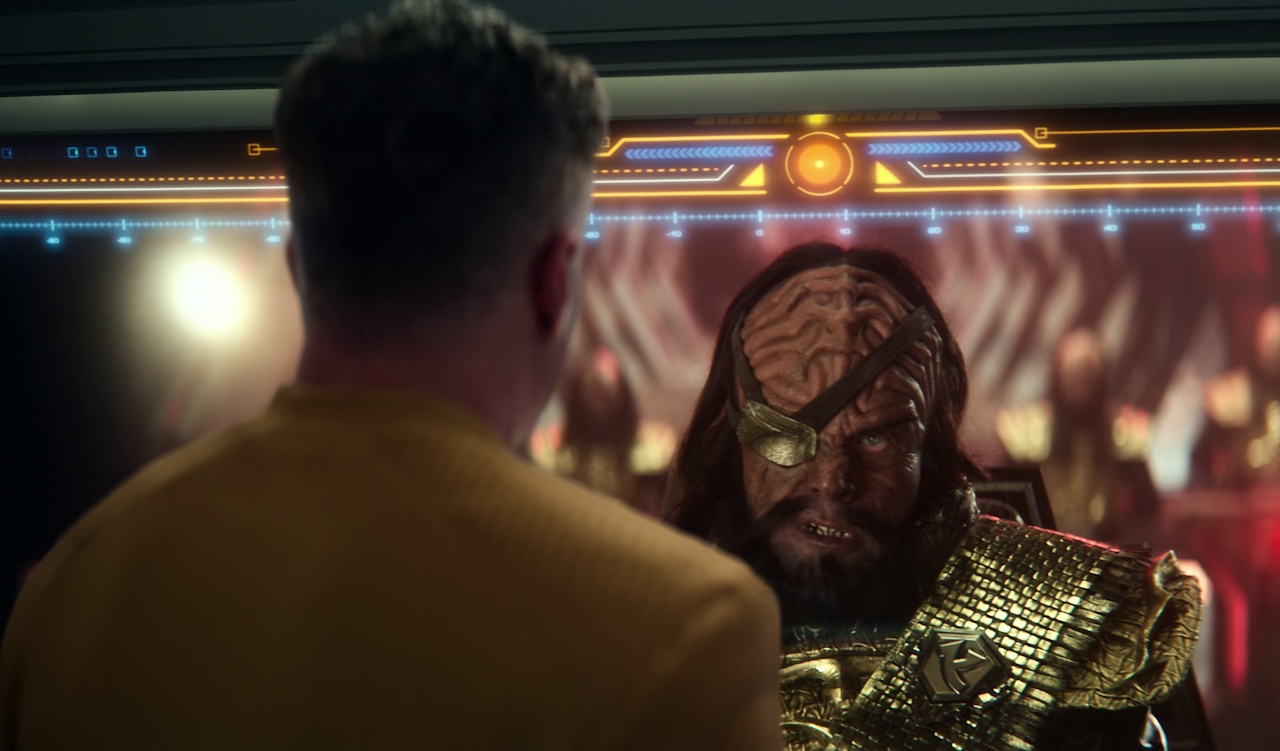
When discussing the Ferengi above, I said that there are surely ways to tell new stories featuring them, especially after such a long absence. That’s gotta be true of the Klingons, too… right? The more I think about it, the less sure I am, to be honest. Thanks to Worf and B’Elanna, and Discovery’s focus on the Klingons in Seasons 1 and 2 with the war and characters like Tyler and L’Rell, we’ve seen *a lot* of the Klingons over the years. And when many Klingon characters can feel a bit flat and lacking in depth, maybe it actually is time to give the faction a rest.
Klingons are inseparable from Star Trek, that’s true. But after almost six decades of exploring the Klingons, their Empire, and many individual Klingon characters… do we need more? Recent attempts to reimagine the Klingons – both in the Kelvin films and Discovery – proved controversial or just outright unpopular with Trekkies, and recent productions seem to have “reset” the Klingons to their TNG-era visual style, at least. Given that changes seem to be off the table, do we really need more of the same from the Klingons, after they’ve featured in a big way in literally hundreds of stories already?
My Verdict: Vaporise It With A Disruptor!
Cliché #15:
“Glorified Redshirts” (i.e. minor characters who get one or two scenes’ worth of “development” before being killed off)
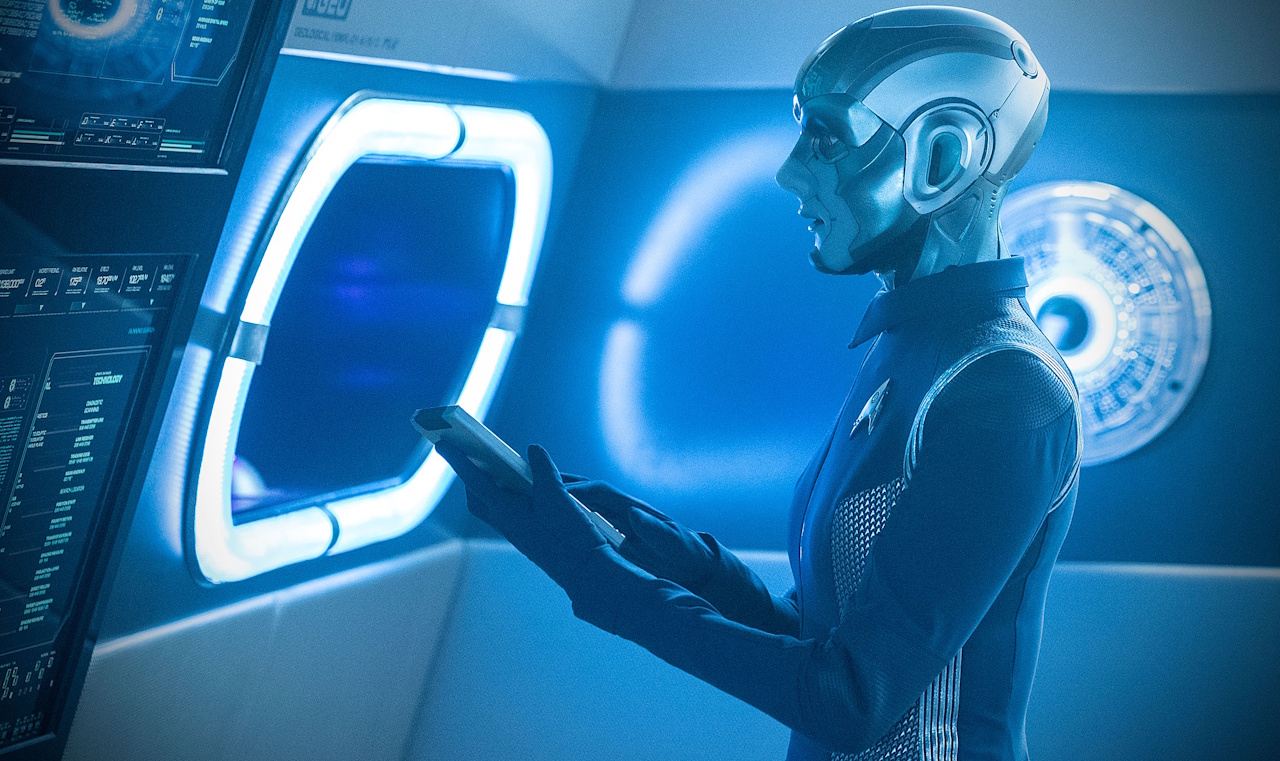
In TOS, if Captain Kirk picked Spock, Scotty, and Ensign Timmy for an away mission, you’d know right away who wasn’t coming back! Recent Star Trek projects have tried, at least, to make some minor character deaths a bit more impactful… but the way this has been handled has, all too often, not worked. Giving a minor character a scene or two of attempted development, in order to foster more of an emotional connection with us as the audience, is not a bad idea in theory. But modern Star Trek writers haven’t been great at this, leaving these moments feeling as nakedly obvious as when the doomed Ensign Timmy stepped onto the transporter pad.
Airiam, in Discovery, and Gamble, in Strange New Worlds, stand out as examples of this trend. Gamble was handled at least somewhat better, but even so, as I noted in my review, his death seemed immediately obvious when he was given the “glorified redshirt” treatment shortly before being killed off on an away mission. Is this approach better than the original treatment of redshirts? You could make that argument. But I still think it needs to be handled more carefully – and in a show with shorter, better-planned seasons, why not sprinkle that development across multiple episodes instead of cramming it all in in a couple of sequences before the minor character is killed off? Same amount of screen time, but a significantly better result.
My Verdict: Vaporise It With A Disruptor!
Cliché #16:
Bringing Back Legacy Characters In Main Roles
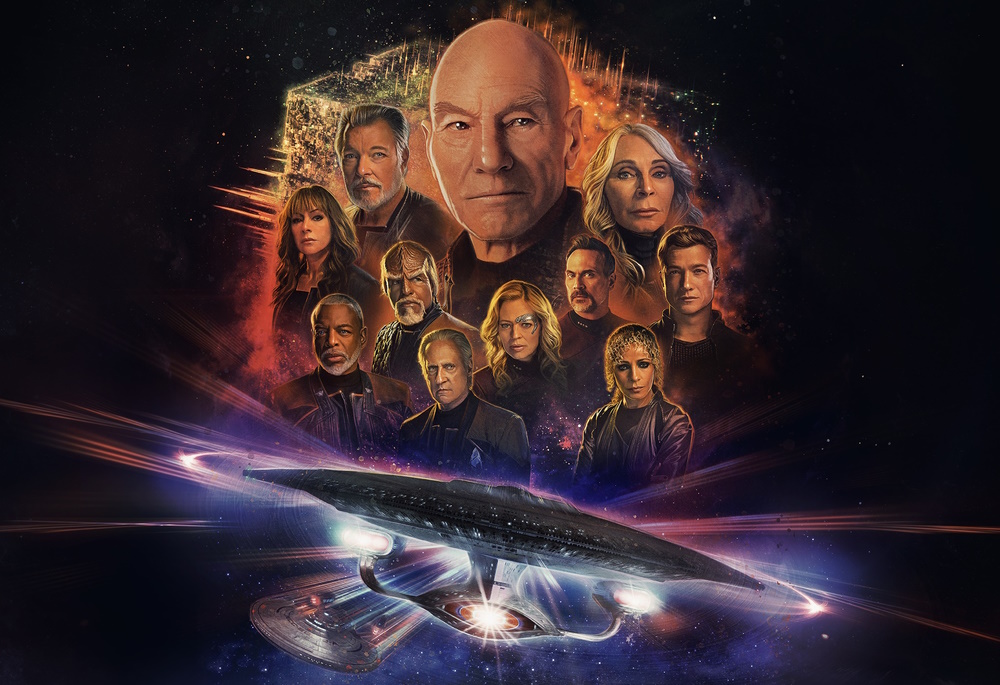
Spock in Discovery’s second season. Voyager’s Doctor in Starfleet Academy. Worf in Deep Space Nine. And Picard’s entire new cast – sans one character – being dumped to make way for the return of the whole TNG crew in Season 3. Does Star Trek need to do this so often? Or can we give new shows, new crews, and new characters the space to stand on their own two feet? Look at Star Wars, which has failed, for almost half a century, to break away from the same handful of original characters and one single story. Is that what fans want? Is that kind of approach the one Star Trek should take?
I get it: nostalgia is a big deal, fans want to see more from some of their favourite characters, and – at least in some cases – there are new stories to be told, or epilogues to add to existing stories. I’d be thrilled, for instance, to see a DS9 sequel involving Captain Sisko’s return from the realm of the Prophets. But to me, this over-emphasis on legacy characters makes Star Trek feel… small. And if Star Trek had behaved this way in the ’80s and ’90s, we’d never have gotten to meet wonderful new characters who carried the franchise forward. There’s room to balance things out more, with new *and* legacy characters sharing the limelight. But, as we’ve started to see in Strange New Worlds, and as we definitely saw in Picard’s third season, legacy characters can easily overwhelm a project as writers and fans want to see more from them and less from the newbies. That risks leaving Star Trek with nowhere to go creatively in the future.
My Verdict: Vaporise It With A Disruptor!
So that’s it!
This poll was really interesting to dissect, and not every point went the way I’d have necessarily expected if I’d just seen the poll, clicked on it, and moved on. Actually taking the time to think about these answers yielded some results that were – as Mr Spock might say – fascinating!
The results of the original poll make for interesting reading, too, after more than 2,000 people voted. The top clichés Trekkies want to get rid of are, in reverse order: the Mirror Universe with 8.2% of the vote, time travel (especially to modern-day Earth) with 11%, new Soong relatives at 22.2%, and finally, Section 31 with 24.7% – almost a quarter of those who responded to the poll.
I think I could’ve predicted some of those, but new Soong relatives being so thoroughly despised is one that caught me off-guard, I must admit!
I hope my own additions of some Star Trek “clichés” fit the tone of the poll, too. I spent a little while thinking about some of the tropes and arguably overdone story concepts that Star Trek could do with fewer of! Though truth be told, very few of these are really all that problematic for me, as I think Star Trek – even after recycling some of these ideas time and again – can still churn out some great storylines.
So I hope this has been a bit of fun, and an interesting way to dissect this poll. My thanks to Tumblr user “quasi-normalcy” for the original idea – and if you want to see the poll and its results, as well as their Tumblr page, you can find it by clicking or tapping here. And thanks to the Star Trek fan page on Facebook for bringing it into my feed!
Now that Halloween is out of the way (and I’m closer to getting back to normal at home), there’s more Star Trek content to come here on the website. I’d like to get caught up with the Khan audio drama before too long, there may be more previews for Starfleet Academy coming up now that we know the series will debut in January, and I still have a couple of episode re-watches that I want to write up involving actors I met at a recent Star Trek convention.
I hope you’ll join me in the days and weeks ahead for some of those pieces. Until then… Live Long and Prosper, friends!
Most of the Star Trek franchise – including films and television series discussed above – is available to stream on Paramount+ in countries and territories where the platform is available, and is also available on DVD and/or Blu-ray. The Star Trek franchise – including all properties discussed above – is the copyright of Skydance/Paramount. This article contains the thoughts and opinions of one person only and is not intended to cause any offence.








 Trekking with Dennis