Bad news, guys: Anthem is gone. After today, you can never play it again.
What do you mean “WTF is Anthem?” You know: that BioWare game from 2019? With the flying “Iron Man” suits? BioWare’s genre-busting epic? The “ten-year experience” that defined a generation? The “Bob Dylan of video games?” Anthem!
Okay, all jokes aside, today – the 12th of January 2026 – is the final day that Anthem’s servers are going to be online. The game has already been removed from digital shops on all platforms in anticipation of this, and when the plug is pulled on those servers later today, that’s it. No more Anthem… ever.
Anthem was supposed to be the video game equivalent of Bob Dylan… Photo: Jean-Luc, CC BY-SA 2.0 , via Wikimedia Commons
Let’s not beat around the bush: Anthem was dog shit. It was a decade too late, developed by a studio that had no experience with online multiplayer titles, it suffered from weak world-building, and the entire game was rebuilt from scratch in the eighteen months before it launched because the version(s) shown to the higher-ups at EA were even worse. It relied on a totally fake CGI trailer to generate hype, players felt swindled and let down when they finally got to try the game, and it even seemed, for a hot minute, that Anthem’s failure would condemn BioWare to the ever-growing Electronic Arts graveyard.
So… why should we care that Anthem is finally being put out of its misery?
There are some pretty bad or poorly-received games that I think we *all* have enjoyed over the years. And there are plenty of so-bad-it’s-good titles that can be fun to boot up for a challenge… or just to have a laugh. The weird Home Improvement tie-in game for the SNES, Carmageddon 64, Blue Stinger on the Dreamcast… I’m sure you have your own examples. But the point is this: we can still play those games if we want to.
There are plenty of less-than-great games that are still around and playable.
Anthem may have sucked, but it shouldn’t be up to EA and BioWare to tell us we can’t play it. That’s the bottom line here, and loathe as we may be to defend a monotonous, boring slog of a game like Anthem… it should still be accessible. Converting the game to be playable offline isn’t beyond EA and BioWare’s capabilities, and while I absolutely concede that keeping dedicated server space online for a dead game is a waste of resources… that doesn’t excuse killing the game entirely and rendering it unplayable.
A lot of players (okay, not *a lot*, because it’s Anthem, but you know what I mean) played Anthem solo. Despite being intended to be a multiplayer experience, it was possible to go through the game on your own, if you wanted to. And games like this have bots all the time – how hard would it have been to tone down some of the more difficult moments, add bots to replace human teammates, and keep the game playable for solo players? Or how hard would it be to turn off the dedicated servers but keep the game playable for local multiplayer, or even for peer-to-peer multiplayer? These things *are* achievable.
Bad news for Anthem’s remaining fan.
Another notorious flop in the live service space is Suicide Squad: Kill the Justice League. That game is also dead, and cost its parent company well over $100 million. But last year, Suicide Squad was updated to give the game an offline mode for solo players. Even when its servers are inevitably shut down, the game will remain playable for the folks who enjoyed it. See how easy that was? Yes, Kill the Justice League isn’t a fun game, and you can see why people who tried it bounced off it. But some people did gel with it and did enjoy it for its gameplay, its story, and so on. The same is true of Anthem. Don’t both sets of players deserve to be able to continue to play the games they enjoy? Games that, lest we forget, *they paid for*.
Anthem was never free-to-play. If you picked it up on launch day, you paid £50/$60 for the privilege. That’s less than seven years ago, and now that money – and any additional money spent at the in-game shop – is just… gone. The product that folks bought is now useless; Anthem discs might as well be coasters or frisbees. That… well, it just isn’t right. Is it?
A promotional screenshot.
This is a much more fundamental, philosophical point, but I believe all works of art and media should be preserved. This is human creativity, free expression… Anthem is the culmination of the work of hundreds of people over several years. And like any other work of art, it should be preserved for posterity. If we allow games like Anthem to be deleted, we not only deprive players today of a game they might’ve actually enjoyed or at least wanted to try out, but we also deprive people in the future the chance to see what gaming looked like at that moment in time.
Anthem wasn’t the only big-budget live service title to fail hard in the late 2010s or early 2020s. But in a way, it’s become emblematic of a period in the games industry where corporate publishers went all-in on the live service model. And being able to see what that looked like is important. We shouldn’t allow Electronic Arts and BioWare to get away with scrubbing the internet of Anthem; their shameful failure *should* be on display for all to see. It needs to be seen to be understood, and it needs to be understood because it says a lot about the state of the games industry in the late 2010s. Future media historians are being deprived of the opportunity to study Anthem… and learn what went wrong.
Electronic Arts (EA) is responsible for shutting down Anthem.
I made a similar argument in relation to the original Star Wars film from 1977. Most folks have never seen Star Wars. Sure, they’ve seen A New Hope – the modified version of the film with crappy CGI additions that George Lucas forced into it in the late ’90s. But the original version of Star Wars – the film that started it all – was deliberately being erased and overwritten by Lucasfilm and the Walt Disney Company. That is, until fans took the task of digitally preserving it into their own hands, and created something called “Project 4K77.” You can read more about that by clicking or tapping here.
The point is this: all works of art and pieces of media are important and worth preserving. No film, TV series, painting, novel, or video game deserves to be erased. They simply should not be made inaccessible to folks who want to engage with them, either for entertainment and enjoyment or for academic purposes. And we shouldn’t permit corporations to just arbitrarily decide which works of art and media us plebs are permitted to view. Once something has been created and released, it should remain accessible to everyone. There’s no justification for killing Anthem.
Anthem’s “roadmap” of content – most of which was never added.
Even if Anthem’s online servers needed to be shut down, there were still a plethora of options for preserving the game itself. And that’s what’s so disappointing about this move: Anthem could have been preserved as a single-player, offline experience, or even with local or peer-to-peer multiplayer. There simply are no technical limitations to prevent this from being possible, which means it was a conscious choice on the part of Electronic Arts to kill the game. It was EA cheaping out, refusing to spend the minuscule amount of money that would’ve been required to preserve the game.
So that task? Now it falls to fans, players, and game preservation groups.
Video games have always been a bit of an odd case when it comes to preservation for one simple reason: hardware. If you don’t own a functional SNES, playing games from Alien 3 to Zero the Kamikaze Squirrel becomes impossible. But that’s where players stepped in: emulation keeps those older games playable long after their original hardware is out of stock, and far beyond the moment where they went out of print. The same could happen for Anthem, though it’ll be a tougher task.
Games that originally released on older hardware, like the SNES, have been preserved thanks to emulation.
Anthem will need to be modified to be playable offline. I’m not even going to *pretend* that I understand what will need to be done to make that happen; “cracking” the game and modifying parts of its code are just way above my pay grade as a mere critic! But, if past experience has taught us anything, it’s that there are folks out there who are dedicated to video game preservation, and plenty of clever people who know just how to modify even the most complex of code. A playable offline version of Anthem is possible – and it may already be underway.
But it’s unfortunate that a version of this game that folks will be able to play offline wasn’t created officially by EA. And it’s a timely reminder of the importance of the “Stop Killing Games” initiative, which has launched petitions in various countries and territories. A change in the law would be needed, but it isn’t impossible to think that, one day, the kind of thing EA has just done to Anthem will be illegal; that future developers and publishers will be required to preserve their titles and keep a version of them playable indefinitely. For all of the reasons we’ve discussed, I think that’s vitally important.
It’s the end of the line for Anthem… at least, officially.
While I personally don’t give a shit about the utterly dire Anthem, I think its erasure by Electronic Arts is not something to celebrate – nor something to tolerate. And I encourage you to check out “Stop Killing Games” and see how the movement is progressing, whether there are active petitions in your region, and encourage local lawmakers and politicians to get on board. Anthem may not seem like it’s worth preserving, but who are any of us to decide what’s “good enough” for future players and academics to have access to? Even the very worst games you can think of – E.T., Superman 64, Sonic ’06, or Ride to Hell: Retribution – don’t deserve the ignominious fate of being *erased* entirely.
It’s important to preserve as many works of art and media as possible. And at a fundamental level, it’s important not to allow corporations to dictate to us which games we can play, which films we can watch, and so on. That choice should be ours.
Even if that choice is to play a truly awful game like Anthem.
Anthem was released by BioWare and Electronic Arts in 2019 for PC, PlayStation 4, and Xbox One consoles. The game is no longer available for purchase. This article contains the thoughts and opinions of one person only and is not intended to cause any offence.
Spoiler Warning: Beware spoilers for the following games: Batman: Arkham Knight, Mass Effect 3, Halo Infinite, and The Last of Us Part II.
Microsoft’s latest round of layoffs has really hammered home how shaky some parts of the games industry feel as the 2020s roll along. Big games – like the remake of Perfect Dark, Rare’s long-awaited Everwild, and an unnamed title from ZeniMax Online – have all been canned as Microsoft “restructures” its gaming division… despite making literally more money than it ever has in its corporate existence. And all of this comes after some ridiculous studio closures barely twelve months ago. But the Xbox situation got me thinking… which other games and studios could be in danger?
So that rather depressing topic is what we’re going to tackle today. To be clear: I don’t think the entire games industry is heading for some kind of repeat of the 1983 “crash.” Gaming is too big nowadays, and there are so many people playing games, that the idea of gaming as a whole ever disappearing or experiencing that kind of huge slowdown just doesn’t seem feasible anymore. So to reiterate that last point: I am not predicting an industry-wide “crash.” But there are multiple publishers and developers that I believe are in danger – and one badly-received game could, in some cases, lead to their exit from the industry altogether.
This piece was prompted by the Microsoft and Xbox news, but it’s not only Microsoft-owned studios that could be on the chopping block. There are issues at outfits owned by Sony, too, as well as third-party publishers and developers.
Xbox just announced another round of layoffs.
A few caveats before we go any further. Firstly, if you or someone you know works at one of these companies, please know that I don’t mean this as any kind of attack or slight against you or the quality of your work. This industry can be brutal, and as a commentator/critic, what I’m doing is sharing my view on the situation. What I’m categorically *not* doing is saying any of these companies “should” be shut down. I really don’t want to see more people in the industry put out of work. I spent a decade working in the games industry, and I worked for companies that went through tough times. I know what it’s like to feel like your job is on the line… and the last thing I want to do is rub salt in the wound or make things worse.
Secondly, I have no “insider information” from any of these developers or publishers. I’m looking in from the outside as someone who hasn’t worked in the industry for more than a decade at this point. Finally, all of this is the entirely subjective, not objective, opinion of just one person. If you disagree with my take, think I’ve got it wrong, or you’re just convinced that a company’s next game is sure to be an absolute banger… that’s totally okay. Gamers can be an argumentative lot sometimes, but I like to believe there’s enough room in the wider community for polite discussion and differences of opinion.
With all of that out of the way, let’s get started.
Endangered Studio #1: Halo Studios
Is the long-running Halo series in trouble?
Halo Studios, formerly known as 343 Industries, is Microsoft’s in-house development team working on the Halo franchise. But… well, it wouldn’t be a stretch to say that 343/Halo Studios has never released a *big* hit. The closest they’ve come, in more than a decade, was remastering the original Halo games… and even then, we have to give the huge caveat of the bugs and performance issues that plagued early versions of the remasters.
Whether we look at Halo 4, Halo 5, Halo Infinite, the Halo Wars spin-off, or the mobile games… Halo Studios hasn’t exactly taken the gaming world by storm. Infinite was supposed to be the Xbox Series X’s “killer app;” a launch title to really sell people on the new console and make it a must-buy, just as the original Halo: Combat Evolved had done some twenty years earlier. That didn’t happen, and the reception to that game – including from yours truly – was pretty mixed.
The cancellation of the TV adaptation won’t help.
Although Halo Studios has been hit by Microsoft’s layoffs in recent weeks, and a recent leak suggested that “no one at the studio is happy” with the state of their next title right now, I still think Xbox will give them another chance. The Halo series and Xbox are inseparable, at least in the minds of some players, and the name recognition and series reputation still count for something. But I don’t think those things will count indefinitely, so if the next Halo game isn’t a smash hit, Halo Studios will be in trouble.
This also comes after the failure of the Halo TV series. I happened to think the show was decent for what it was, but I understand where a lot of the criticism was coming from. That hasn’t helped Halo Studios’ case, though, and one of the best opportunities to grow the brand was squandered.
As a final note: every story has a natural end. I would suggest, perhaps, that Halo – or at least the Master Chief’s story – has pushed past that point. Recent narratives felt overly complicated, and I felt that Halo Studios was having to invent increasingly silly reasons for why the Master Chief was still fighting the Covenant and the Flood. Maybe the franchise just needs a break?
Endangered Studio #2: Ubisoft
Ubisoft publishes the Assassin’s Creed series, among others.
Ubisoft hasn’t been in great shape for quite some time. I think it’s fair to say that Ubisoft’s open world level design has stagnated, and a lot of players have kind of hit the wall when it comes to that style of game. But because the studio has doubled-down on that formula and that way of making games… it might be hard to find a way back.
Ubisoft has slapped its open world style on franchises like Assassin’s Creed, Far Cry, Avatar, and even Star Wars… but many recent games have felt pretty repetitive; the same thing every time, just with a different coat of paint. I’m on the record saying that the open world formula doesn’t work for a lot of games, and although I don’t play a ton of Ubisoft titles… I think the repetitiveness of their games is a contributing factor, at least. Open worlds can be fun, but they can also be bloated and uninspired.
Star Wars: Outlaws wasn’t particularly well-received.
Earlier in 2025, a lot of folks seemed to be saying that Ubisoft’s financial situation basically meant that Assassin’s Creed: Shadows was the company’s “last chance.” I’m not sure I’d have gone that far myself; there are clearly other projects in the pipeline that at least have some potential. But Shadows seems to have been a modest success, at least, which has probably bought the company some time. A remake of the popular Assassin’s Creed: Black Flag could be a much-needed boost, too, if it succeeds at grabbing a new audience.
But in the longer-term, Ubisoft needs to try new things. Its open world formula worked for a while, but repetitiveness and stagnation seem to have crept in. There are only so many open world “collect-a-thons” that anyone can be bothered to play, and if it feels like the same game is just being given a new skin every time… that’s not a lot of fun, in the end. Just Dance can’t keep the company afloat forever, so something’s gotta change, and soon.
I’m still crossing my fingers for that Splinter Cell remake, though!
Endangered Studio #3: Nintendo
Nintendo recently launched the Switch 2 console.
Bear with me on this. Nintendo is a titan of the games industry… but it’s also a more vulnerable company than folks realise. I don’t think people fully appreciate how big of a risk the Switch 2 has been with its high price, sole exclusive launch title, and repetitive design and branding. The console may have sold well in its first couple of weeks on sale – though, as I noted, it didn’t seem to have sold out everywhere – but that’s to be expected from a company with a well-trained legion of super-fans! The real question is still whether casual players, families, and people less connected to the gaming world will be willing to shell out for a console that’s now competing with the PlayStation 5 and Xbox Series X in terms of price.
I don’t know anyone – not one single person – who only owned a Nintendo Switch as their sole gaming device. I’m sure some people do, but most folks I spoke to bought a Switch for one of three reasons: to play a handful of Nintendo exclusives, like Mario Kart 8 and Animal Crossing: New Horizons, to play some of their favourite games in a handheld format, or for their children to play some kid-friendly titles. The Switch was well-positioned for any of those use cases… the Switch 2, at its higher price point, is less so.
The Switch 2 and its games are expensive.
In 2013/14, when the Wii U was clearly faltering, Nintendo still had the 3DS to turn a profit and keep its corporate head above water. But now, the company is all-in on the Switch 2… meaning there’s less room for manoeuvre if things don’t go to plan. Because of Nintendo’s unique position in the industry, if its hardware falters it’s gonna be in big trouble, and the Switch 2 represents a departure from a successful business model. The Wii, the Switch, and Nintendo’s handhelds have all been well-positioned and well-priced to attract casual players… I’m not so sure the Switch 2 is. The company has some cash in reserve to keep going for a short while… but not indefinitely.
For those of you screaming that “it’ll never happen!!1!” I would remind you of Sega’s unceremonious exit from the console market just after the turn of the millennium. If you’d asked any gamer in the late ’90s what the future held for Sega, no one would’ve predicted that the Dreamcast’s failure would lead to the company shutting down its hardware division altogether. Nintendo is at the tippy-top of the games industry, and the Switch has been a phenomenally successful console. But its position is more precarious than people realise, and it would only take one console failure to throw the company into chaos. To be clear: I don’t necessarily think that Nintendo would just shut down and that would be that… but a Sega-style exit from the hardware market, and far fewer Nintendo games being produced, could happen. Never say never.
Endangered Studio #4: Naughty Dog
A gaming “Easter egg” in Uncharted 4.
Naughty Dog developed Crash Bandicoot for the first PlayStation, the Jak and Daxter games, the Uncharted series, and The Last of Us. Although The Last of Us Part II proved controversial (I once said a 3/10 seemed like a fair score for that game), it seems to have sold pretty well, and the first title has been remastered… twice. But when Naughty Dog premiered a trailer for Intergalactic: The Heretic Prophet, the reception was less than glowing.
That game seems like it’s still a way off, too, and it might realistically launch as one of the final titles of the PlayStation 5 generation. But with the Uncharted series seemingly on the back burner, and after the controversy surrounding The Last of Us Part II… can the studio survive if Intergalactic underwhelms? I think there’s a very real possibility that Sony would be swift and brutal in that event.
Will Intergalactic be well-receieved by players when it’s ready?
It’s silly to pre-judge any title based on a single trailer that didn’t show so much as a frame of actual gameplay. Intergalactic: The Heretic Prophet might have a silly, clunky name… but we really don’t know much about its story or what it’ll feel like to play. Naughty Dog has pedigree (get it?) so I think there are reasons to be optimistic about their next game. But I can also see a world in which Intergalactic doesn’t succeed in the way Sony is surely demanding.
There are some upcoming games that are generating a ton of buzz and excitement. So far, Intergalactic isn’t amongst them. Maybe that will change as we get closer to the game’s launch and the marketing campaign kicks off. But maybe it’ll always be one of those games that just… didn’t do much for a lot of people. If that’s the case, Naughty Dog could be in trouble.
Endangered Studio #5: Turn 10
It’s already the end of the road for Forza Motorsport.
Turn 10 are the folks behind Forza Motorsport. Or they were. As of July 2025, the Motorsport series seems to be going on hiatus, with Turn 10 suffering significant layoffs. The spin-off Forza Horizon series had been developed by another Microsoft subsidiary: Playground Games. But with Playground working on the new Fable title, it seems as if Turn 10 might be working on Forza Horizon 6 in the months ahead.
The Forza Horizon games are a ton of fun… but they’re also more arcadey, and the open world design isn’t Turn 10’s style. I can’t help but feel the studio only still exists after Forza Motorsport’s disappointment because Microsoft needs someone to take over the Horizon brief now that Playground Games is busy with Fable. After Forza Horizon 6 launches, if the main Motorsport brand is still on the back burner… what could Turn 10 realistically do?
Forza Horizon 5 was great, though…
If Xbox is going to persevere with its home consoles in the future – and I suspect that it will – then those consoles will need at least one proper racing game. Turn 10 had been providing that for the brand since 2005, back when the first Forza Motorsport launched on the original Xbox. There are third-party racing games, of course, and Microsoft has several on Game Pass, including rally titles, Formula 1 games, and more. But Forza should be a genuine competitor to Sony’s Gran Turismo series, and again, it should be giving players an incentive to consider picking up an Xbox console.
With Turn 10’s main series seemingly shut down, at least for the foreseeable future, and after having already suffered with layoffs, I’m not sure where the studio finds a successful future. Maybe if Forza Horizon 6 knocks it out of the park… but even then, I could see Microsoft returning that series to Playground Games.
Endangered Studio #6: Bethesda Game Studios
Hi, Todd…
To be clear: we’re talking about Bethesda the developer, not all of the studios under Bethesda’s publishing umbrella. There are several factors here, so let’s go over all of them. Starfield was a disappointment and its DLC didn’t salvage the project. Fallout 4 and Fallout 76, despite achieving success in recent years, launched to controversy. The Elder Scrolls VI is still a ways off, which has pushed a potential Fallout 5 to the mid-2030s or beyond. Fallout 4 and Fallout 76 are thus the only Fallout titles that Microsoft can push to players enamoured with the Fallout TV series.
For me, this boils down to the success or failure of The Elder Scrolls VI. If that game truly lives up to the hype and reaches the high bar set by Skyrim, then Bethesda will be okay and will continue developing games for years to come. If it doesn’t, and it ends up closer in reputation and sales to Starfield… that could be it. Curtains. Microsoft will retain the studio’s various IP, but could conceivably distribute the ones that still have potential to other development teams. Speaking of which…
Can The Elder Scrolls VI save Bethesda?
With the Fallout TV show proving to be a hit, it’s pretty clear that Microsoft is hankering for a new game. There have been all kinds of rumours, with a Fallout 3 remaster seemingly the only one that’s guaranteed at this stage. But could Microsoft tap one of its other developers to make another Fallout spin-off, or perhaps something like a New Vegas remaster? If that were to happen, and if that hypothetical game were to eclipse Bethesda’s entries in the long-running series, that could be another nail in Bethesda’s coffin. Bethesda only has two well-known franchises under its belt, so if one of those were taken away – even on an alleged “temporary” basis – that could be hugely symbolic.
Here’s my take: Bethesda made some great games in the 2000s, but has shown absolutely no ability to move with the times in the almost fifteen years since Skyrim. The studio’s leaders seem to have bought into their own hype, believing that every game they develop will automatically be as well-received as Skyrim… and can be heavily-monetised without repercussions. There is still merit in the original Bethesda formula; an open-world game that turns players loose and opens up factions, questlines, and exploration. But other studios are doing similar things… and doing them way better. Bethesda feels like a bit of an outdated dinosaur, still clinging to Skyrim’s success more than a decade later. One more poorly-received game could be the end of the line.
Endangered Studio #7: Bungie
Promo art for Bungie’s Destiny 2.
We talked about the Halo series a moment ago, but that franchise’s new developer isn’t the only one in trouble. The originators of the Halo franchise, Bungie, are in dire straits right now, and could be only a year or so away from closure. The Destiny games may have sold reasonably well, but I don’t think it’s unfair to say that the whole “live service” thing didn’t exactly go to plan for Bungie. Then came the development of Marathon… something I talked about a few weeks ago.
Marathon was in a world of trouble after a seriously underwhelming closed playtest left critics and fans feeling like the game needed a lot of work. Then came the news that Bungie had – not for the first time – plagiarised a whole bunch of art assets for the game without payment or credit to the artist. These pieces quite literally define Marathon’s “quirky” visual style… which was pretty much the only thing the game had going for it.
Marathon is in a huge amount of trouble.
Sony recently acquired Bungie for what many have argued was an overly inflated price. A delay to Marathon has recently been announced, but any goodwill or positive buzz that the game could’ve had has entirely evaporated at this point. It’s at a point where even a total overhaul won’t be enough; Marathon is pretty much dead on arrival, even after the delay. So… what happens to Bungie if that’s the case?
Sony can be just as brutal as everyone else when it comes to killing off underperforming studios. Just ask Firewalk, Pixelopus, Bigbig Studios, or London Studio. Bungie should not consider itself safe simply by virtue of its name or its high price tag… if Marathon fails, which it inevitably will, there are gonna be some tough questions asked by Sony. If Bungie can’t prove that they have something big lined up… that could be it.
Endangered Studio #8: BioWare
Taash from Dragon Age: The Veilguard.
Mass Effect: Andromeda. Anthem. Dragon Age: The Veilguard. BioWare has endured basically a decade of failures since the launch of Dragon Age: Inquisition, and it’s difficult to see Electronic Arts being willing to put up with another title that doesn’t live up to expectations. And I’m afraid there are serious questions about the studio’s next project: a sequel to the beloved Mass Effect trilogy.
I have a longer piece in the pipeline that I’ve been working on for a while about the importance of endings – and how, in the modern entertainment industry, very few stories are allowed to come to a dignified, natural end. The Mass Effect trilogy, with its buildup to the defeat of the Reapers, is an example of that… and it’s hard to see how telling another story in that universe won’t feel tacked-on, repetitive, or underwhelming in comparison to what’s come before. That was a big part of the Andromeda problem, in my opinion: after literally saving the galaxy, there’s basically nowhere for Mass Effect to go.
Where does Mass Effect go after literally saving the galaxy?
I don’t buy the criticisms of Dragon Age: The Veilguard failing because it was “too woke.” I think a lot of armchair critics seized on a single line from one character and tried to make the game all about that. But there were clearly issues with The Veilguard, not least its stop-start development, multiple changes in focus, and deviation from the art style of the earlier games. I hope BioWare has learned something from that experience… but, to be blunt, they should’ve learned those lessons already from Andromeda and Anthem.
I will almost certainly play Mass Effect 4. So BioWare can take comfort in the fact that they have at least one guaranteed sale right here! But… am I optimistic? I’m curious, sure, and I want the game to be good. But I also can’t shake the feeling that it’s going to be a story that’s just going to struggle to make the case for itself. Why, after Shepard beat the Reapers, do I need to see this new story? What’s going to be the hook? And without that… will it be worth playing? This is surely BioWare’s absolutely final chance, and with EA notorious for shutting down underperforming studios, everything is now riding on Mass Effect.
Endangered Studio #9: Firaxis Games
Are the barbarians at the gates?
Like BioWare above, Firaxis is on a bit of a weak run right now. XCOM: Chimera Squad underperformed on PC, leading to its console port being cancelled. And Marvel’s Midnight Suns was also considered a disappointment by parent company Take-Two Interactive. Then we come to this year’s Civilization VII, which is struggling right now. Civ VII is currently underperforming, with players seemingly preferring to stick with Civ VI or even Civ V, and there’s criticism of various aspects of the game – not least its three-era structure.
I believe Civilization VII has potential, but there’s clearly a limited window of time to really showcase that potential before panic sets in. At time of writing, there have only been a couple of significant updates to the base game, which launched almost six months ago. Players are still calling on Firaxis to patch bugs, rebalance key features, and add more to the game… and many of those players seem to have drifted back to Civ VI while they wait.
A lot of players tried Civ VII but have already drifted back to Civ VI.
Other “digital board games” inspired by the venerable Civilization series have been eating Firaxis’ lunch, too. They don’t have the genre all to themselves any more, and I think we’re seeing the limitations of releasing a partial game, then hoping to sell expensive DLC to patch the holes. Civ VI did that, too, but there was arguably a stronger foundation to build upon and a fun base game to get players interested in the DLC in the first place.
I suspect Firaxis will get another chance. Even if work on Civilization VII were to end sooner than expected, 2K still recognises the strength of the series and its name recognition. But if a hypothetical Civ VIII or some other sequel or spin-off were to flop, too? That’s when Firaxis could be in real trouble.
Endangered Studio #10: Rocksteady Studios
Batman and a villain in Arkham Asylum.
No, not Grand Theft Auto developers Rockstar, we’re talking about Rocksteady – the team behind the Batman: Arkham series and last year’s critically panned Suicide Squad: Kill the Justice League. In 2015, Arkham Knight suffered horribly with a ridicululously poor PC port, but the Arkham series has been otherwise popular and well-received, especially by Batman fans. But in 2024, Suicide Squad: Kill the Justice League was not, and left many players wondering how such a bad game could’ve taken Rocksteady such a long time to craft.
The bottom line is this: Kill the Justice League has lost parent company Warner Bros. Games more than $200 million. That’s… well, that’s not exactly great news when you’re trying to keep the lights on! These live service types of games are notorious for being expensive flops in a lot of cases, and what often follows an expensive, poorly-reviewed title is a studio closure.
Suicide Squad: Killed Its Studio…
There are rumours that Rocksteady has already been laying off staff, first in the QA department, and later in other technical fields, too. The studio also has no new game on its schedule at time of writing; it seems some staff are still working on Kill the Justice League in supporting roles, while others may be working to assist Portkey Games with a new version of Hogwarts Legacy. Again, that doesn’t bode well for the studio.
Practically all of the studios we’ve talked about today were once well-regarded and had at least some popular and successful titles in their back catalogues. But with the Arkham series having wrapped up a decade ago, I don’t think its lingering goodwill will be enough to save Rocksteady. Kill the Justice League was a game outside of the studio’s area of expertise, seemingly forced on them by Warner Bros. Games, and it sucks that they couldn’t stick to making the kinds of single-player titles at which they excelled.
So that’s it.
Xbox prompted me to think about this topic…
We’ve talked about a few developers and publishers that *could* be in danger in the months and years ahead.
As I said at the beginning: I’m never rooting for anyone to fail. Well, except really low-quality shovelware or games with abusive gambling baked in! But those obvious exceptions aside, I don’t want to see games fail or studios closed down, and I especially don’t want to see hard-working developers and other industry insiders losing their jobs. There’s more than enough of that going around without adding to it.
But as a critic and commentator who talks about gaming, I wanted to share my opinion on these studios in light of what’s been going on in the games industry. There are plenty of examples of high-profile failures, collapses, and shutdowns. Whether we’re talking about Atari, Interplay, most of Maxis, Sega, THQ, Lionhead, Acclaim, or Neversoft, one thing is clear: being a well-known brand with a good reputation isn’t enough. The games industry is cutthroat, and not all companies – not even those that seem to have scaled the heights and reached the very top of the gaming realm – can be considered safe.
Maybe I’m wrong about some or all of these companies – and in a way, I hope that I am. But at the same time, gaming is like any other industry and it needs innovation. If the same companies dominate the gaming landscape forever, things will quickly stagnate. What gives me hope is that there are plenty of smaller studios producing new and innovative titles, and some of them will go on to be the “big beasts” of tomorrow.
So I hope this has been… well, not “fun,” but interesting, at any rate. And please check back here on Trekking with Dennis, because there’s more gaming content and coverage to come!
All titles discussed above are the copyright of their respective developer, studio, and/or publisher. Some screenshots and promotional artwork courtesy of IGDB. This article contains the thoughts and opinions of one person only and is not intended to cause any offence.
Spoiler Warning: Beware of spoilers for the Mass Effect trilogy.
I think it was back in 2020 or 2021 when I first covered the news that Amazon’s television studio had picked up the rights to Mass Effect. Since then we’ve heard next to nothing about the project, even as the triolgy’s Legendary Edition came and went, and I kind of assumed that it was either stuck in development hell or that Amazon’s executives had passed on whatever had been pitched. Not so, it seems!
Although details are still pretty sparse, we’ve recently heard from Amazon and game developer BioWare that the Mass Effect TV series is still happening, so today I wanted to talk a little about it and consider what the show might eventually look like. We’re going to talk spoilers for all three mainline Mass Effect games, so if you haven’t played the trilogy and want to go into it un-spoiled, this is your last chance to jump ship!
Jumping ship… get it?
A couple of caveats before we get started. Firstly, I have no “insider information” from BioWare, Amazon, or any of the other studios that may or may not be attached to this project. I’m speculating based on publicly available information and sharing my own thoughts and opinions on the potential series – which may never even see the light of day given how early in its pre-production it seems to be!
Secondly, this is just the subjective opinion of one Mass Effect fan. If you don’t agree with my take on where the TV series could or might go, or if I ignore some aspect of the games that seems important to you… that’s okay! There ought to be enough room in the Mass Effect fan community for differences of opinion and polite discussion. Nothing we’re going to talk about today is in any way official or confirmed in any case.
With all of that out of the way, let’s talk about what a Mass Effect television series could look like.
Concept art of the main characters from Mass Effect 1.
The first thing to say is this: Amazon has a crap ton of money! And as we’ve seen from the corporation’s investment in titles like The Expanse, Fallout, The Boys, and The Rings of Power… Amazon doesn’t mind splashing the cash when it comes to making scripted TV shows. On the surface, this bodes well for a Mass Effect series, as Amazon has the resources to give the show a decently high budget.
This matters because creating a sci-fi galaxy from scratch is going to be expensive. Sets will have to be built for spaceships, location shoots will be necessary to capture the look and feel of visiting wildly different planets, and the combination of practical and digital effects necessary to create some of Mass Effect’s non-humanoid aliens will take a lot of time and money.
Part of the Citadel – the capital of the Mass Effect galaxy.
On that last point, one of the things I like about the Mass Effect games is how they introduce several very “alien-feeling” alien races. The likes of the Krogan, Hanar, and Volus all feel much less human and much more extraterrestrial than many races from comparable sci-fi stories. BioWare was initially able to create these non-humanoid aliens because the world of Mass Effect was created for a video game; there were no constraints in terms of prosthetics or make-up that have forced the likes of Star Trek and Star Wars to rely primarily on humanoid life-forms.
Transitioning some of these races to the small screen will be a challenge, but it’s one that should be surmountable. I’d love to see a combination of practical special effects and prosthetic makeup with CGI, instead of relying entirely on animation to breathe life into the likes of the Krogan and Turians. In recent years we’ve seen this from other sci-fi franchises like Star Trek, so I really think it’s achievable to use a combination of puppets, prosthetics, and practical special effects alongside CGI.
Bringing non-humanoid races like the Hanar to the small screen may prove challenging!
I don’t want to get into the minutia of things like filming locations or casting; there’s plenty of time to think about who should play some of the franchise’s iconic roles! It would be great if the likes of Jennifer Hale and Mark Meer could be involved in some way – the duo voiced the female and male versions of Commander Shepard respectively, and could at the very least be offered cameo roles in the show.
But that leads into my next point: is this (and should this be) a direct adaptation of the story of the Mass Effect games?
Concept art for Mass Effect 1.
My inclination at this stage is that re-telling the Mass Effect story in a new format is a great idea, so I’d be happy to see the trilogy’s story adapted as a TV show. I think it’s a strong story with a great cast of characters, and while it would be an adjustment to get used to some different portrayals in those key roles… I think the story of the Mass Effect trilogy offers the show the best chance of success when compared to trying to tell a brand-new story set in the same world.
We have a couple of examples to point to. The TV adaptation of The Last of Us was a more or less straight adaptation of the video game it was based on. The Halo TV series took the barest bones of the Halo story but made significant changes. One was critically and commercially successful, the other was recently cancelled after just two seasons. There are counter-examples: Amazon’s own Fallout adaptation is a new story set in the same world, for example. But for my money, the story of the Mass Effect trilogy was so strong, so powerful, and such a singular event in its setting that trying to re-make it from the ground up or stepping away from it to do something completely different just doesn’t seem like a good idea. Why go to all the trouble of licensing a successful story if you aren’t going to adapt that story, after all?
The Fall of Reach played out very differently in the Halo TV series compared to the games.
Is it possible that a Mass Effect TV show will start somewhere else, like humanity’s first encounter with a Mass Relay or the war between humans and Turians? Sure. It’s possible. But would that be the strongest foundation to take this rich and wonderful sci-fi universe to a new audience and a new medium? I’m not convinced – and I think the struggles of the likes of not only the Halo series but also Amazon’s The Rings of Power (which has diverged from its source material in a way that has upset some fans of Tolkien’s Middle-earth) show the pitfalls in that approach.
Every writer and producer wants to put their own unique stamp on the projects they work on – and I get that. But when you’re taking a successful, much-loved story and adapting it, fans have certain expectations for what they want to see. I’m sure there are some Mass Effect fans who’d love to see a story about humanity’s first forays into space or how humans came to be accepted by the other Citadel races. But I’m not sure that such a story would be strong enough to carry Mass Effect to a wider audience – and when there’s a fantastic, deep, and emotional story populated by a stellar cast of characters just sitting there, it almost seems like malpractice to ignore it or make radical changes to it.
Commander Shepard with Javik in Mass Effect 3.
If we assume, then, that the Mass Effect TV series will be a straight adaptation of the original Mass Effect trilogy, that raises some questions of its own! Firstly, a big part of the Mass Effect games – the first two, anyway – was that players had a lot of freedom to make narrative-altering choices. In the first game, for example, whole companions could be ignored and never recruited, and in Mass Effect 2 practically everyone on Shepard’s squad could die in the game’s climactic final act. Mass Effect 3 arguably failed to do enough to give many of these choices the impact they should’ve had, but even in that game there were hugely consequential choices that players could make.
So if the Mass Effect TV show is going to adapt the story of the Mass Effect trilogy, here’s my question: which story, exactly? There are dozens of inflection points in the games, places where the story can branch in different directions. Helping one character could lead to conflict with another, main characters can die, new characters can appear to take over their roles, and even Shepard can be a radically different person depending on the choices players make. No TV show could reasonably take into account all of these choices – producers would have to pick one route through the story and follow it to its conclusion.
All three games have moments where players have to make decisions.
It seems pretty obvious to me that for the TV series to be entertaining, Shepard will have to mostly fall on the paragon side of things. Nuanced and complex characters are great, and there’s still scope for a paragon Shepard to make renegade-leaning decisions from time to time. But setting up the character to be quick to anger, rude, and excessively violent… it would make Shepard into a difficult protagonist to root for. So a paragon Shepard who occasionally makes renegade decisions seems like the least-bad option here.
But would Commander Shepard be a man or woman? When writing about Mass Effect I usually use “they/them” when referring to Shepard; the character can be male or female depending on the player’s choice. Given that a Mass Effect TV series would only have room for one Commander Shepard, a decision will have to be taken as to which option to go with. And no, I don’t think a non-binary or genderfluid Shepard is on the cards… as much as some people might want that!
Should the Mass Effect TV show cast a male or female performer as Commander Shepard?
I genuinely don’t know which way the show’s writers and producers would go. There are pros and cons whichever way you look at it, and I can see the casting choice for Commander Shepard being controversial no matter how it’s handled. I don’t think it would really be possible to split the role in two, either – having twin Shepards (like the Ryder twins from Andromeda) or even giving Shepard a second-in-command. A huge part of what made Mass Effect work was Commander Shepard, so if the TV show adapts this story, getting the right performer in the lead role will be incredibly important.
Unfortunately, I see this as a likely point of contention. If Commander Shepard is cast as a woman or person of colour, I can see the “anti-woke” crowd attacking the series and trying to get it cancelled before a single episode has aired. Look at the reaction to “black dwarves” in The Rings of Power or the triggering power the mere presence of a non-binary character had in Dragon Age: The Veilguard. It’s a shame that discussion of media and entertainment online so quickly descends into these dark places… but it’s something that the producers of the Mass Effect TV show will have to contend with one way or another. The original games featured a pretty diverse cast, but cries of race- or gender-bending will be hurled at the series if any of these characters’ fundamentals are altered.
Commander Shepard on the bridge of her ship.
I think most fans would accept a female Commander Shepard. Female-led shows and films from Alien and Star Trek: Voyager to Fallout and Everything Everywhere All At Once have been well-received, and with “femShep” having been a part of Mass Effect since the beginning, critics would really have very little to complain about. Adding a new female-led sci-fi show to the lineup would, in my view, be a positive thing. The casting needs to be right first and foremost, and I’m not saying Mass Effect needs a woman in its lead role. But why not? It could be great to see a female Commander Shepard taking the fight to the Reapers!
Let’s try to set that aside for now! I hope that whoever is cast in the lead role will do a great job, and will end up making any criticisms from the “anti-woke” crowd seem even sillier than usual.
A male Commander Shepard taking cover.
I’d like to talk next about the potential structure of a Mass Effect television series – because there really are interesting ways to adapt the games’ side-missions and secondary storylines.
One thing I love about television compared to film is how much more time there is to spend with characters, and how much richer and deeper their stories can be as a result. The same is true of video games, and the Mass Effect trilogy is a fantastic example of interactive storytelling. Characters grow and change over the course of their adventures, and the bonds between them strengthen as they get to know and trust each other. There are themes of bridging racial and social divides that could be incredibly relevant, and character arcs and pairings that are just beautiful to watch unfold. All of these things could – and should – be part of a Mass Effect TV series, as its the characters that make the story into something special.
Most of the main companions from Mass Effect 2.
As someone who loved shows like Star Trek: The Next Generation, Space Precinct, and Buffy the Vampire Slayer in the ’90s, believe me when I say that I love episodic storytelling. Any Mass Effect TV series would be a wholly serialised affair, in the mold of recent hits like Game of Thrones. But that doesn’t mean there isn’t room for some degree of episodic storytelling – and that’s where the aforementioned side-missions and quests come in.
Again, for the purposes of this argument we’re assuming that the TV show will be based on the original Mass Effect trilogy. Those games all had side-quests, lower-priority missions, and storylines focusing on individual companion characters. It would be tempting for a serialised show to skip all of that and focus on Shepard and the Reapers… but I think that would be a mistake. Not only do these missions have some of the best storytelling and most emotional moments in the entire series, but they add so much to the world of Mass Effect and to Shepard as a leader.
The Normandy.
There are ways to mix episodic storytelling with multi-season narrative arcs. Look at Star Trek: Strange New Worlds as a great example of this; the show follows its characters as they take part in a wide range of missions and stories, but they retain their growth and development from one episode to the next, even when those episodes are completely different in story, structure, and tone. There are season-long storylines running in the background, too, even when the focus of one episode is mostly elsewhere.
In short, a Mass Effect TV show wouldn’t need to skip over the likes of the Rogue VI mission from Mass Effect 1, or the character loyalty missions from Mass Effect 2 – these could be integral parts of the show, while also breaking up the main plot to take Shepard and their companions to different places. Some of the side-missions cement Shepard’s relationships with characters who will be among their closest friends for the entire story, and without including missions like “Find Dr Saleon” or “Family Armor” from Mass Effect 1 Shepard’s relationships with Garrus and Wrex might feel… less impactful.
Garrus Vakarian: Shepard’s BFF.
I’m not saying that the Mass Effect TV show should recreate every single side-mission. But there’s something to be said for a series that doesn’t always do the same thing, and changes in style, tone, and which characters are in focus can break things up and make for a more interesting presentation. Not only that, but some of the missions that are nominally optional in the games can have a big impact on other storylines.
Take the “Rogue VI” mission from Mass Effect 1 as an example. I hated playing through this; it’s a boring slog of a mission which involves using the Mako (barf) to visit four identical outposts at which Shepard and co. have to fight through generic enemies and push a button to shut down an advanced computer that’s gotten out of control. But you later learn, in Mass Effect 3, that the out-of-control VI was the source of EDI’s programming and personality – completely reframing the mission and tying it into one of the game’s main characters. It was a great bit of storytelling that made re-playing an otherwise bland side-mission feel a lot better on repeat playthroughs.
The “Rogue VI” mission.
There are also some great moments of characterisation in the Mass Effect 2 loyalty missions. Jack uncovers the truth behind her shocking childhood at the facility she escaped from. Jacob reunites with his estranged father – but in the worst possible way. And Shepard ends up in serious danger while helping Samara track down her daugher… who’s a serial killer. These missions vary in terms of location, but they also vary wildly in tone, with some being light-hearted and even fun while others are intense and violent. There’s a lot to be said for finding ways to include as many as possible.
According to the website HowLongToBeat, playthroughs of the Mass Effect trilogy can take anywhere from 60-140 hours. This varies a lot depending on things like the difficulty setting and how much of the side-content players engage with. My own estimate would be somewhere around 90 hours; that’s how long my most recent playthrough of the trilogy took. So this is a long story – and one that’s going to take multiple seasons of television in order to tell.
The Citadel Council.
There are things from the games that can be cut out. Some levels are deliberately padded out with generic enemies to stomp just to give the player something to do; a mission that might’ve taken an hour to play doesn’t necessarily need to be an entire episode of TV on its own. But we’re still talking about a show that would need to be at least five seasons – assuming eight to ten episodes per season, as is common nowadays. I don’t think three seasons (one per game) would be enough to really get to grips with how deep the world of Mass Effect really is, especially when you consider that a new audience is going to need an introduction to this brand-new universe.
In 2012, Mass Effect 3 came in for a lot of criticism, particularly of its ending. I wasn’t wild about the “pick a colour” ending, but I felt that wasn’t actually the worst part. Where I felt most let down by the game was how different choices – or combinations of multiple choices across the trilogy – just didn’t seem to matter and weren’t even mentioned as the story reached its crescendo. The example I’ve given before is this: through careful choices across all three games, it’s possible at a crucial moment in Mass Effect 3 to save the Quarians and Geth when it looks like it should only be possible to save one. This is not easy to pull off… but after the mission is over, there’s basically no impact at all apart from a few static images in the war assets menu.
The final third of Mass Effect 3 needed work.
Long story short, I think a Mass Effect television series could do more with some of these storylines than the games did – and by choosing a single outcome to include in the series, there’d be more freedom to tailor the story to fit. If the TV show kills off Wrex, for instance, there’d be no need to have Urdnot Wreav behave quite the same as he does in the games where he’s basically a stand-in for the missing Wrex; he could be his own character. And much more could be made of the Quarians and Geth coming together to achieve peace. By cutting out different narrative outcomes, we could get a much more detailed look at some of the choices that I felt weren’t properly acknowledged in the original games.
Finally, there’s the elephant in the room: Mass Effect 4… or whatever we’re calling the next game in the series. At time of writing, BioWare is working on a new Mass Effect game, and based on the very brief tease that was shown off a couple of years ago, it will feature at least one main character from the original trilogy. Would BioWare, EA, and Amazon want to create a TV show that’s based on or directly connected to the new game? Given how early in development both projects are, could there be an attempt to get them to release at more or less the same time?
Will the TV show tie in with Mass Effect 4 in some way?
If so, does that mean that a re-telling of the original trilogy is off the cards? While I can understand the temptation of making a game and TV show that are connected, I wonder if that’s the right approach. If Mass Effect 4 is going to be a direct sequel to the original trilogy, not a spin-off or prequel, having the TV show re-tell that story could actually work really well. It could give fans who might be turned off by playing older games an easy route into the story just in time to pick up the newest entry in the series.
Of course, that might not be the route BioWare and Amazon want to go down. And there are points in favour of setting the TV series in the same timeline as the new game. Doing so could draw a line under the original Mass Effect story, setting the stage for something brand-new. The concern I’ll have, if that’s the way things go, is whether the new story will be as good as the original one, or whether this iteration of Mass Effect can live up to what came before.
Hacking a locked door.
So I think that’s everything I had in my notes. It goes without saying that the Mass Effect television series is several years away at least – and that it could be delayed again or even cancelled outright. The show seems to be in a very early stage of development, and while I welcome Amazon’s re-commitment to it, until we get more concrete information, part of me will remain sceptical about whether I’ll ever get to see it! I’m not getting any younger (or healthier) after all!
The Mass Effect games built up a rich, detailed, lived-in world that feels ripe for exploration in a different way. As much fun as it was to play through those games, I’m genuinely thrilled at the prospect of being able to enjoy the story all over again in a different way. It won’t be the same – and it will be an adjustment getting used to different performers in key roles and perhaps slightly different designs and aesthetic choices. But I don’t think it’s an exaggeration to call Mass Effect one of my favourite sci-fi stories… ever. If and when it makes it to the small screen, I’m really hopeful that it will be an exciting and enjoyable ride.
Here’s hoping we’ll get an excellent adaptaion!
I hope this has been interesting. I know we got into wildly speculative territory, but there was a surprising amount to say about a TV series that’s still in early production! I could be wrong about re-telling the story of the original games, and I’ll try not to be too disappointed if the show ultimately tells a story that ties in with Mass Effect 4 or shoots off to the Andromeda galaxy!
I haven’t played Mass Effect in a while, so maybe it’s time to re-install Legendary Edition and go round again!
The Mass Effect video games – including Legendary Edition – are the copyright of BioWare and Electronic Arts. The Mass Effect television series (currently untitled) may be the copyright of Amazon Studios, Amazon Prime Video, and/or Electronic Arts. This article contains the thoughts and opinions of one person only and is not intended to cause any offence.
Spoiler Warning: There are spoilers ahead for the ending of the Mass Effect trilogy, including Mass Effect: Legendary Edition.
Mass Effect 4 has a choice to make – at least it does if, as we’re all assuming, the game is planned as a sequel to the Mass Effect trilogy. The choice the developers will have to make will have knock-on effects for the entire plot of the game, and unfortunately will impact some players more than others. In short, BioWare will need to choose one of Mass Effect 3′s ending options as the foundation on which to build their new story.
We talked a little while ago about the ending options from a narrative point of view, and I came to the cop-out conclusion that all three have points in their favour as well as drawbacks. Though the “destroy” ending is seemingly favoured by a majority of players, there are still sizeable minorities who chose either “synthesis” or “control” at the climax of the story.
Which ending did you choose?
Each of the three endings are very different from one another, and each would leave the Mass Effect galaxy in a very different place. I don’t see how it would be possible for BioWare to make one game that allowed players to choose which ending to canonise; the narrative consequences are simply too different in each case to allow a single story, even a very adaptable one, to be created. Unless BioWare is prepared to essentially make three games, trying to incorporate all three endings seems like a non-starter.
There’s also the question of Commander Shepard’s fate. The teaser trailer for the next Mass Effect game that was shown off earlier in the year appeared to show Liara on a quest to either find Shepard or find their remains, and if we can infer from that that Commander Shepard will have some role to play in the game’s story – whether that’s as a playable character or not – then there needs to be some realistic way that Shepard could’ve survived the events of Mass Effect 3. As far as we know based on what we saw in the game, the only way Shepard even possibly survives is to choose the “destroy” ending.
Shepard’s possible survival was teased in Mass Effect 3.
Mass Effect 3′s ending – and really the final third of the game – was undeniably rushed, and as a result we only got a very brief epilogue showing off some of the possible consequences for each scenario. But even just in those few minutes of voiceover atop static images, we can tell that the Mass Effect galaxy ends up in a very different place depending on Shepard’s choice.
I’ve always felt that Mass Effect 3 wanted to push players toward the “synthesis” ending. That’s the one that was most difficult to unlock, and if EDI’s epilogue is to be believed it seems to lead to a technological utopia of sorts, with the rebuilding of the galaxy happening much more quickly and easily, and with the possibility of life extension for organic beings.
Turians in the aftermath of the “synthesis” ending.
But paradise doesn’t really make for an interesting story! Not only that, but synthesis was never Shepard’s goal; it was only introduced as an option right at the very end of the game with limited explanation courtesy of the Catalyst. The Catalyst would claim that synthesis – i.e. fusion of organic and synthetic life – had been its end goal since the beginning, which in effect makes it the Reapers’ objective too, as the Catalyst was the force controlling the Reapers. Shepard didn’t get the opportunity to hear anyone else’s perspective on synthesis before making their choice.
Setting aside that making such a monumental decision for every living being is not Shepard’s choice to make, “synthesis” also has some pretty disturbing implications. The way in which newly-synthesised denizens of the galaxy appear to go along with everything that’s happened, combined with the Reapers’ survival and the Catalyst’s comments about this being its own endgame, could be taken to mean that this isn’t really a victory at all for Shepard and their allies.
Did the Reapers win if Shepard chose “synthesis?”
“Control” is likewise not a strong basis for building a new story. With Shepard seizing control of the Reapers and simply directing them to leave the galaxy, the Reaper threat has not ended. Shepard may be in control for now – but how long will that control last? Can Shepard keep the Reapers under their sway indefinitely, or will millennia of isolation drive them mad?
In order for Mass Effect 4 to put the Reaper War in the rear-view mirror and move on to a new story, a decision has to be taken as to which ending is the “official” one. The popularity of “destroy”, combined with the negative consequences present in the “synthesis” and “control” options, seem to make it the only practical choice.
What will the state of the galaxy be by the time of Mass Effect 4?
My concern is that Mass Effect 4 might try to tell the same story in all three settings with a few cosmetic differences to pay lip-service to the ending choices but without really exploring in any detail what the consequences of those endings might be. Take, for example, my theory regarding the Leviathans. If BioWare wanted to make the Leviathans the main villain for Mass Effect 4, that only really works with the “destroy” ending. Consider that the Leviathans have remained hidden for millions of years following the Reapers’ first harvest. If a new force (Shepard) seized the Reapers in the “control” ending, from their point of view the Reaper threat still exists. Would they emerge from hiding? And in the case of “synthesis,” the Leviathans would be affected too. It was strongly implied in the “synthesis” epilogue that every species was now working together, so in such a case they couldn’t be villains.
That’s just one hypothetical example of how one story couldn’t be forced into three very different moulds for a new game in the series. We’ve seen smaller-scale examples of this within the Mass Effect trilogy itself, and Mass Effect 3 in particular seemed to have difficulty respecting players’ choices in previous games. To give two examples: regardless of what players did in Mass Effect 1 and Mass Effect 2, Liara will always be the Shadow Broker in Mass Effect 3, and Udina will always be Earth’s Councillor.
Udina is always the Councillor by Mass Effect 3, no matter what players choose.
These stories were relatively minor, though, at least in comparison to the things we’re considering today! Mass Effect 2 and Mass Effect 3 did respect players’ choices and the consequences of those choices in some ways, though, making each playthrough unique. In fact it’s this aspect of the trilogy that makes it so appealing to me and to many other players – Commander Shepard feels like a different person on each playthrough and the story is tweaked to recognise that.
But the differences in Mass Effect 2 and Mass Effect 3 were minor. Certain characters would be missing if they’d died in previous games, for example, but there was usually someone else to take their place. Urdnot Wreav (voiced by Star Trek: The Next Generation’s Michael Dorn) would take Wrex’s place as the clan leader if Wrex died. Ashley and Kaidan were basically interchangeable in Mass Effect 2 and Mass Effect 3. And even characters like Thane, who played an important role in Mass Effect 3 when it came to the Cerberus attack on the Citadel, were replaced by a like-for-like stand-in if they’d died during the suicide mission.
If Wrex died, Wreav takes his place and the story proceeds in a very similar way.
It would be impossible, though, for BioWare to successfully repeat this on a larger scale. The three ending options for Mass Effect 3 simply can’t lead to the same story because of how radically different everything about the galaxy necessarily must be in each scenario. Add into the mix that Mass Effect 4 may be picking up a story some years or even decades after the end of Mass Effect 3 and there’s been time for those changes to multiply. In short: one single story cannot be made to work in all three scenarios, and trying to do so will all but guarantee a disappointing experience for players.
Mass Effect 4 has a difficult task. Whatever BioWare chooses to do with the game’s story, some players who were very attached to the way they played the original trilogy are bound to be left upset. Because those games offered players different routes leading to different endings, there really isn’t any escaping that. The only glimmer of hope is that one ending choice is substantially more popular than others – and BioWare has been keeping tabs on that! The fact that the “synthesis” ending was not a big part of the game at all, only appearing right at the very end, and that “control” had been the preference of Mass Effect 3′s villains also seems to set up a situation in which the choice should be acceptable to a majority of fans of the Mass Effect trilogy. I’d wager that most players chose “destroy” on at least one of their playthroughs anyway.
So that’s it for today. Mass Effect 4 has a choice to make – and it’s a big one. As I see it, any sequel has to choose one ending over the others simply because the state of the galaxy is so radically different in each case that one single story couldn’t possibly fit all three scenarios. Despite my feelings about Mass Effect: Legendary Edition, I’m curious to see what BioWare has in store for the next part of the franchise – even though it’s still a few years away!
The next Mass Effect game is in early development and most likely won’t be released for several years. Mass Effect: Legendary Edition is out now for PC, PlayStation 4, PlayStation 5, Xbox One, and Xbox Series S/X. The Mass Effect series – including all properties mentioned above – is the copyright of BioWare and Electronic Arts. This article contains the thoughts and opinions of one person only and is not intended to cause any offence.
Spoiler Warning: There are spoilers ahead for Mass Effect: Legendary Edition and its ending.
Though the release of the underwhelming Mass Effect: Legendary Edition earlier this year was partly a money-making ploy on the part of BioWare and Electronic Arts, there is another significant factor in the development of what we’ll generously call a “remaster.” Legendary Edition had the task of rehabilitating the series’ reputation following the disappointment of Mass Effect: Andromeda, and was also tasked with bringing in new fans – as well as getting existing fans hyped up – in time for the upcoming release of Mass Effect 4. In that sense, Legendary Edition does seem to have largely succeeded, as excitement for the next entry in the series is higher than it’s ever been.
No details have yet been announced for Mass Effect 4, and we’ve only had the tiniest of teases in the form of a CGI teaser trailer, so any details of the game’s story are complete unknowns. But based on what we know about the Mass Effect galaxy, perhaps it isn’t too early to speculate about what might come next for Commander Shepard and their crew… assuming Shepard is coming back, of course!
Mass Effect 4 is coming!
One of the key things Mass Effect 4 will have to balance is the scale of its story. Whether we get to play as Shepard or not, Mass Effect 4 will almost certainly be picking up the story in the aftermath of the Reaper War. This conflict saw the whole galaxy – led by Shepard – fighting for its very survival against a seemingly unstoppable foe, so from a narrative point of view that kind of epic tale can be hard to top.
This was the fundamental problem that befell Mass Effect: Andromeda. Even if that game had been launched in a better condition, without the bugs and visual glitches that would go on to define it for many players, the underlying story still felt anticlimactic. I’ve described Andromeda in the past as a game that feels like an overblown side-quest, and partly this is because of the story that came immediately before it. Andromeda was an attempt to branch out, to take Mass Effect away from Commander Shepard and spin it out into a larger franchise. But it failed not because of its bugs and other technical issues – though those were catastrophic in their own right – but because it told a story that many players simply weren’t interested in.
My face is tired.
Coming on the heels of the Reaper War, Mass Effect 4 has to avoid feeling anticlimactic in the way Andromeda did. But it has to balance that against telling a story that’s too derivative or repetitive; another galactic-scale threat caused by invaders from beyond the galaxy would feel like a cheap knock-off of what came before. Look to Star Wars’ old Expanded Universe for countless examples of this, as fan-fiction versions of Luke Skywalker, Han Solo, and Princess Leia battled clone after clone of Palpatine and fought dozens of bland, derivative Sith Lords and Imperial wannabes.
What comes next for the Mass Effect galaxy has to feel consistent, too, with what we already know about the setting. After Shepard succeeded at uniting the forces of practically every major faction in the galaxy, having one of them turn on the others and become an antagonist wouldn’t only be difficult to pull off narratively, it would risk upsetting fans and coming across as annoying.
The next Mass Effect game has to tell a story that follows on from the Reaper War.
So I think we can rule out stories like a krogan or turian uprising, or the sudden return of the long-dead Protheans looking to conquer the galaxy! Those kinds of stories might seem interesting – and perhaps the game will ultimately try to go down a similar path – but for the reasons mentioned I think they’d be too difficult to execute in a satisfying way.
Instead I want to focus on a faction from Mass Effect 3′s DLC – the Leviathans. The Leviathan DLC is integrated into Mass Effect: Legendary Edition (albeit not especially well; there are some issues which arise from the timing of its insertion into the story) so I think we can safely assume that it’s fully canon and that most Mass Effect fans will have played it. Leviathan introduced Commander Shepard to the titular Leviathans – ancient lifeforms with the power to control minds.
Commander Shepard meets with one of the surviving Leviathans in Mass Effect 3.
The Leviathans revealed to Commander Shepard that their species created the Reapers; much like the way the quarians created the geth, the Reapers were artificial intelligences designed to aid the Leviathans. Of course, they soon betrayed their masters, having interpreted their directive to “preserve” all life in an apocalyptic manner.
Commander Shepard encountered a handful of Leviathans hiding deep below the surface of an uncharted ocean world. These were the survivors – or more likely the descendants of survivors – of a race whose empire once spanned the entire galaxy. The Leviathans were unapologetic for their dominance of other “lesser” races, who they forced to worship them as gods. The survivor who spoke with Commander Shepard had little regard for humans or other races, and seemed only willing to act in the Reaper War out of self-interest.
The Leviathans wanted other races to worship them and pay tribute to them.
Despite being in hiding for millions of years – perhaps longer – the Leviathans’ sense of self-importance was undimmed. They regard themselves as the galaxy’s “apex race,” and used their mind control powers to attack or kill anyone they perceived as even a minor threat.
The Leviathans seem to regard the entire Milky Way galaxy as their own personal fiefdom; their domain. Sharing power or joining a broader galactic community is simply not on their agenda, and with the destruction or removal of the Reapers, it seems at least plausible that they might seize the opportunity to emerge from hiding to reclaim the empire they had lost in the distant past.
The planet 2181 Despoina was the Leviathans’ hiding place.
On a much smaller scale, this was the Protheans’ idea. At least two Prothean facilities – on Eden Prime and Ilos – were designed to host hundreds of thousands of Protheans in hibernation, to emerge after the Reaper threat had passed. The Protheans failed in their goal – though a single individual did survive – but the Leviathans didn’t. They managed to sustain a viable population at the bottom of the ocean on an uncharted world, and although we only saw a few individuals it’s possible that there are hundreds, thousands, or even more Leviathans. They may even have populations on other worlds.
Of the three endings offered to the player at the conclusion of Mass Effect 3, a Leviathan return works best with the “destroy” ending. If Shepard opted to take control of the Reapers, it stands to reason that the Leviathans would still consider them to be a threat, whereas if Shepard chose the “synthesis” ending then presumably the fusing of organic and synthetic DNA across the galaxy would also have affected the Leviathans.
The “synthesis” ending would surely have affected the Leviathans as well as everyone else.
But if the Reapers were destroyed – the most popular ending choice – suddenly the Leviathans could find themselves in a galaxy where their biggest foe has been vanquished. Not only that, but with the Mass Relay network critically damaged and the combined fleets and forces of the galaxy all massed around Earth (and feeling a lot worse for wear after months of conflict, no doubt), the Milky Way might appear to them to be practically undefended – and ripe for the taking.
Striking out from their hidden undersea base, the Leviathans could use similar tactics to the Reapers to gain control of key worlds – using their mind control abilities to sway military and political leaders and bring them into the fold. From there, Leviathans could abandon their base, taking up residence at key locations around the galaxy before the survivors of the battle for Earth even realise what’s happened.
Amidst the wreckage of the Citadel and the ruins of Earth, it might be a long time before anyone realised the Leviathans were attacking.
Repairing the Mass Relays will take time – if the assembled scientific minds can even figure out how to do so – and with communications and travel disrupted across the galaxy on account of the long war, the Leviathans could establish a commanding position even if they didn’t make their move immediately.
A power vacuum on this scale is chaotic – and many war-weary citizens and refugees might even welcome Leviathan rule if it were accompanied by stability, and if the Leviathans could provide them with basic supplies like food and shelter. By the time the Council races realise what’s happened, large swathes of the galaxy could already be under Leviathan control – perhaps even including three of the four Council homeworlds.
The Leviathans could be the next threat for Commander Shepard and the rest of the galaxy.
Fighting the Leviathans would be similar, in some ways, to fighting the Reapers – their armies would largely consist of enthralled mind controlled victims of the galaxy’s races. The difference might be that taking on an actual Leviathan would be comparatively rare – unlike the Reapers, the Leviathans don’t seem like they’d want to get involved on the front lines, preferring instead to sit back (or hide) and let their enthralled victims do their dirty work.
So that’s the extent of this theory, really. To summarise it in a single sentence: with the Reapers defeated, the Leviathans finally emerge from hiding, intent on reclaiming a galaxy they’ve always considered to be “theirs.” Commander Shepard may be pressed back into action to save the galaxy all over again, or maybe we’ll take on the role of a new character when Mass Effect 4 is ready. Please keep in mind that, as always, I don’t have any “insider information.” This is nothing more than a fan theory – and it may very well be completely wrong!
Despite how I felt about Legendary Edition, I do like the Mass Effect series. In fact, the reason I was upset at BioWare for the sloppy work and unimpressive upgrades that Legendary Edition offered was because the games are so enjoyable – the series has the potential to be so much more than Legendary Edition made of it. I’m hopeful that Mass Effect 4 will be a game worth getting excited about – but there’s no rush. If BioWare and Electronic Arts have learned anything from recent releases, it should be to take their time!
Mass Effect: Legendary Edition is out now for PC, PlayStation 4, PlayStation 5, Xbox One, and Xbox Series S/X. A new Mass Effect game – referred to above as Mass Effect 4 – is currently in development, but no release date has been announced. The Mass Effect series – including all properties mentioned above – is the copyright of BioWare and Electronic Arts. This article contains the thoughts and opinions of one person only and is not intended to cause any offence.
After months of speculation, Electronic Arts and BioWare finally confirmed what every gamer and games industry watcher has known for ages: Anthem is dead. Rather than spend even more money on this failure, EA have opted to cancel any remaining plans that they had in the pipeline in order to focus on other projects. And while it may be disappointing to Anthem’s five or six remaining loyal players, it’s unquestionably the right decision.
What was clearly the wrong decision, though, was releasing this mediocre title in the first place. And stepping back even further than Anthem’s troubled 2019 launch, we can argue that it was the wrong decision to push a studio like BioWare – renowned for their single-player role-playing games – to create a “live service” multiplayer action-shooter in the first place.
Anthem was developed by Canadian EA subsidiary BioWare.
Game developers and studios have to be allowed to innovate; without trying new things there would never be any progress in video game development, and that wouldn’t be a good thing. But when a studio has a proven track record at making a certain style of game, their publisher or the company who owns that studio pushing them to do something entirely outside that wheelhouse can lead to difficulties and problems.
The developers at BioWare simply did not have the multiplayer experience, the action-shooter experience, or the necessary knowledge of EA’s Frostbite game engine to put together an ambitious title like Anthem. And while senior BioWare managers may have felt, in 2012 when Anthem was first conceived, that they had a new and unique idea, the “live service” concept had been done and done again by the time the game finally stumbled out the door.
Anthem promo art.
Anthem was boring. It was an uninspired shooter whose every in-game system and mechanic had been done before by someone else – and done better. BioWare’s final saving grace when dealing with lacklustre gameplay was the studio’s ability to craft great stories and bring wonderful characters to life – but they failed at that too, and Anthem ended up offering little more than a decently pretty environment. That just isn’t good enough, and players quickly put down this disappointing experience, never to pick it up again.
When Anthem’s “roadmap” of additional content was scrapped in late 2019, that was it. No one who follows the games industry was seriously expecting EA and BioWare to successfully revive the game – and if anyone did, I’ve got a bridge to sell them! All this talk of “Anthem Next” was a cynical attempt by these companies to convince the few remaining Anthem players to stick around and keep spending money in the game with promises of more features and updates. I seriously doubt that EA ever intended to make good on the promise of an overhaul and update of the game; that was nothing more than meaningless empty words designed to exploit those few remaining fans.
A javelin seen in promo artwork.
After more than a year of living through the coronavirus pandemic I am sick to the back teeth of companies using it as an excuse for whatever the problem of the day is. In their curt blog post announcing the end of Anthem, BioWare attempted to shift the blame onto the pandemic, suggesting that it played a role in this decision. I call bullshit on that. This was a business decision, plain and simple, and it was one that was almost certainly taken a very long time ago.
The reality is that Anthem, like Mass Effect: Andromeda before it, was dead on arrival. The game has been kept on life support for two years, with players fed a steady diet of lies and promises that EA and BioWare had no plans to make good on. Such is the reality of a “release now, fix later” game. So much for being the “Bob Dylan of video games” – a statement so stupid, by the way, that I can scarcely believe anyone at BioWare actually said it.
Anthem was supposed to be the video game equivalent of Bob Dylan. Photo Credit: The White House from Washington, DC, Public domain, via Wikimedia Commons
Anthem needs to be a lesson, not just for BioWare and Electronic Arts but for the games industry in general. You can’t release a mediocre game and convince people to stick around in case it gets good later. “Release now, fix later” categorically does not work. The legacy of Anthem needs to be that better games are released in the wake of its failure.
If a game is not in a good enough state, it should be delayed and not forced into a release window to meet some arbitrary deadline. Big companies like Electronic Arts can absorb the costs of prolonging development if it means that the game will eventually launch to critical acclaim and commercial success. By forcing Anthem to be released when it was simply not ready, Electronic Arts snatched defeat from the jaws of victory and pissed away a huge amount of money.
Another piece of promotional artwork.
Anthem was never financially viable. No multiplayer game that loses 90% of its playerbase in a matter of weeks can possibly be sustainable, which is another reason why I’m convinced that all this talk of a “renewal” or update to Anthem was never serious on the part of EA and BioWare. The sad thing is that there was potential in Anthem. Had it been a project that was handled differently its flying “Iron Man” suits and brand-new sci-fi world could have gone on to be held up alongside franchises like Mass Effect or Halo. But a series of poor decisions across its development meant that wasn’t possible, and it seems unlikely at this stage that Anthem’s world will ever be revisited.
What this means for Anthem’s remaining players is that it’s over. It’s time to jump ship and not spend another penny on any in-game microtransactions. While BioWare have promised to keep the servers running for now, in reality it’s only a matter of time before they’re shut down and the game is gone forever. There are other, better games out there to play, so if you’re one of those few remaining players, have a look for something else to play instead.
A javelin underwater.
For BioWare this is a double-edged sword. On the one hand it potentially frees up a handful of developers to work on the next Dragon Age game, Mass Effect 4, and whatever else may be in the pipeline. On the other hand it confirms what we’ve all known for a while – the studio has released two failures in a row. Electronic Arts, rather like Google, has a reputation for shutting down unsuccessful studios and killing projects that aren’t bringing in enough money. There was already a lot of pressure on BioWare to get their next project right – and that pressure has just increased.
I don’t think we should celebrate the demise of Anthem – but I don’t lament it either. The game was a waste of potential, it damaged the reputation of a studio previously held in high esteem, and serves as yet another example of why this “release now, fix later” trend is such a mistake. Hopefully the lessons of Anthem will be learned so that better games will be made in future. That’s its only shot at a legacy.
Anthem is the copyright of Electronic Arts and BioWare. This article contains the thoughts and opinions of one person only and is not intended to cause any offence.
Spoiler Warning: There are spoilers ahead for the Mass Effect series.
Rumours swirled for much of 2020 that the Mass Effect trilogy was to be remastered. The project was confirmed a couple of months ago – Mass Effect: Legendary Edition will be coming to PC, Xbox, and PlayStation in May. I didn’t cover the initial announcement, though, because there really wasn’t much to say. Electronic Arts and BioWare saw fit to publish only a brief teaser, and from that there was very little to gleam.
After a couple of months of waiting, however, we now finally have some details about Mass Effect: Legendary Edition, so I wanted to take a look at some of them and give my thoughts. Some games journalists were invited to a digital event for Mass Effect: Legendary Edition in which they were able to speak with developers and managers at BioWare, so in addition to the official trailer and announcement we also have some more details to look at. My invitation to that event must’ve got lost in the post!
The logo for Legendary Edition.
Prior to the official announcement of Mass Effect: Legendary Edition, I wrote up a wishlist of things I’d like a remaster of the trilogy to include. Obviously not everything I hoped to see has been included, but some key things will be. I would reiterate a point I made in that article, though: it’s only been a few years since the trilogy wrapped up. The Mass Effect trilogy was released during the Xbox 360/PlayStation 3 era, and, like many games from that generation, they still look pretty good today. I questioned the need for a remaster so soon, given that there hasn’t been that much of an increase in computing power and graphics technology in the intervening nine years.
And on that point, which is arguably the single biggest reason to remaster any game, I have to say that I’m not especially impressed with what I’ve seen of Mass Effect: Legendary Edition so far. There are some improvements, of course, and it can be hard to properly convey the scale of the changes made when dealing with compressed digital video on platforms like YouTube. But I have a decent 4K monitor, and when I looked at a number of scenes from the official trailer as well as high-resolution screenshots provided by BioWare, it was hard to see a significant improvement, especially when looking at scenes from Mass Effect 2 and Mass Effect 3.
When Capcom remastered Resident Evil 2 and Resident Evil 3 over the last couple of years, both games saw a colossal improvement from a visual standpoint. In fact I think it’s arguable that the remade versions of those games told their stories in a much better and more immersive way – except, of course, for the cut content from Resident Evil 3. Both titles were beloved by gamers of a certain age, but bringing them up-to-date allowed a whole new generation of players to experience the horror and excitement of Raccoon City. That won’t be the case with Mass Effect: Legendary Edition. Aside from the fact that the games have all been available on Xbox One, PlayStation 4, and even the Wii U, there just isn’t such a noticeable change in the way the games look, and while there have been tweaks and adjustments to gameplay, none of the games have seen a huge overhaul in the way the Resident Evil titles did.
Resident Evil 2 was in need of an update. The Mass Effect series? Not so much.
So I come back to my original question from my first piece on the subject: is now the right time to remaster the Mass Effect trilogy? Although it seems mad to think ahead to the PlayStation 6 when we’ve literally just had the PlayStation 5’s launch, I would argue that waiting another five to ten years and another console generation would have allowed the Mass Effect trilogy to see much more of an improvement. The original games are good enough – especially the second and third titles – to stand on their own two feet. A re-release or a repackaging of all three titles would have been sufficient, and I don’t really see a significant advantage to what EA and BioWare are billing as a “remaster.”
This is not, by the way, a problem unique to the Mass Effect series. Call of Duty 4: Modern Warfare was remastered in 2016, less than a decade after its release, and was similarly underwhelming. Partly this is psychological – we have a tendency to remember games looking better than they actually did. But in the case of many modern titles it’s also due to the fact that visuals and graphics have not improved in a huge way over the last decade when compared to earlier decades. So while Mass Effect: Legendary Edition looks decent, it’s not always easy to see – at least from the footage shown so far – that it’s substantially better than the original versions of its three constituent games.
Debatable.
The second point of criticism I have is that no action has been taken to change the story. As I wrote last time, I didn’t expect the ending of Mass Effect 3 to fundamentally change. That would require far too much effort for a project of this nature. The “pick-a-colour” ending of Mass Effect 3 is arguably the weakest part of the entire trilogy, and while it would be great to have seen that changed I knew it wouldn’t happen. So that isn’t what’s disappointing!
What is disappointing, though, is that the final third of Mass Effect 3 appears to be left unchanged. For me, the “pick-a-colour” ending was only one part of what let the game down; countless smaller decisions taken across the whole trilogy that should have mattered were either entirely ignored or only given the barest lip service in the story’s climactic final act. The most egregious example is that of the Quarians and Geth. To make a long story short, if players follow a specific path across all three games, it’s possible to save both the Geth and Quarians at a decisive moment where it looks as though it should only be possible to save one. This choice should matter; having both powerful fleets on side should be hugely impactful in the final battle against the Reapers. Yet it isn’t. Aside from a couple of seconds of cut-scene where both fleets warp in, and one line of dialogue, this massive choice fails to make any impact.
That may be the worst example; it’s certainly the one which stuck with me. But there are dozens of others, and the final third or so of Mass Effect 3 was undeniably rushed. Revisiting the project should have been an opportunity to right some of these wrongs, and to at the very least make a conscious effort to pay off, in a meaningful way, more of the player’s choices and efforts as the story reaches its conclusion.
The Quarian-Geth conflict can be peacefully resolved… but that never really felt like it mattered as the game entered its final act.
The lack of payoff to some of these choices will be even more noticeable in Mass Effect: Legendary Edition than it was when we played Mass Effect 3 back in 2012. This is for the simple reason that Legendary Edition is actively inviting players to play all three titles back-to-back as one continuous story – a story whose lacklustre ending and underwhelming acknowledgement of significant moments will be all the more recognisable for it.
I do understand the argument that there wasn’t enough material left on the cutting room floor to reincorporate into the game. But unlike in cinema, video games use voice acting and with practically all of the principal voice actors from across the trilogy still alive, there’s no reason I can see why bringing some of them back into the studio to record new dialogue should have been impossible. The final act of Mass Effect 3 would be massively improved by as little as fifteen minutes’ worth of extra dialogue and cut-scenes, and while the Extended Edition DLC will be included in Legendary Edition, even that could stand to be improved.
Omega as seen in the trailer.
So I think that covers my main criticisms of the project based on what I’ve seen and read. Now let’s get into the good points!
We’ll look at specific overhauls and changes in a moment, but first I wanted to acknowledge that, despite their reputation as a money-grubbing company, Electronic Arts is releasing Mass Effect: Legendary Edition as a single package. All three games, plus all of their DLC, are included. It doesn’t look like there are any pre-order exclusives, special editions, or anything of the sort, and while some critics will say that such behaviour should be the bare minimum, the reality is in this industry that it isn’t – so it is worthy of praise when companies do behave themselves! EA could have easily tried to split the project up and sell different parts of it, so the fact that the entire trilogy and all its DLC are part of one package for one price is great. I would argue that perhaps full price (£55 here in the UK, at least on PC) is a bit steep for games from 2007, 2010, and 2012, but I guess for the remastered version of all three I can’t really complain about that too much.
If you recall, Mass Effect 2 and Mass Effect 3 were early pioneers of cut-content DLC. Mass Effect 2 had a couple of its characters peeled off to be sold separately, and Mass Effect 3 had Javik, the series’ only Prothean character, sold as day-one DLC. So the series is no stranger to courting controversy with the way its games are sold, which is another reason to heap praise upon the decision not to do so with this version!
Javik was originally only available to players who paid extra.
Now into some specifics. The character creator has been overhauled, and while we don’t know exactly what’s changed, BioWare have promised new hairstyles, faces, and customisation options for Commander Shepard. Even by Mass Effect 2, the limitations of the original character creator were becoming apparent, so this is one area that needed work. I’m glad to hear that changes have been made in this area, as a role-playing game needs a decent amount of customisation. Making Commander Shepard feel like a unique and personal character is part of the appeal of games like the Mass Effect series.
Mass Effect 1 is seeing a number of gameplay changes and tweaks in order to bring the experience more in line with the second and third entries. Of the three games, Mass Effect 1 is the only one which felt even close to being “outdated” in 2021, and considering the substantial gameplay improvements which debuted in Mass Effect 2, I’m glad to see EA and BioWare updating it.
The Normandy approaches the Citadel.
Specifically BioWare mentioned changes to the heads-up display, the way the Mako vehicle handled, the hacking/slicing mini-games, the removal of class-based weapon loadouts (i.e. players will be allowed to use any of the game’s guns regardless of their character’s stats), changes to aiming to make lock-on better, the ability to skip the lift (elevator) scenes, as these were only in the game to begin with to hide loading times when transitioning between areas, and a higher level cap.
All of these sound good, and will update Mass Effect 1. However, BioWare has not mentioned weapon overheating, which was a difficult mechanic to get the hang of in the first game. Overheating was dropped in Mass Effect 2 in favour of “thermal clips,” which was just technobabble for ammo, and I’m surprised in a way that ammo isn’t coming to Mass Effect 1. Also unchanged is the game’s inventory system, which could be complicated and would quickly fill up with dozens of different tiers and categories of weapon upgrades and ammo options.
There will be other tweaks and rebalances across the three games, including to enemy and boss AI. The games will all run in 4K at 60fps, which is really the bare minimum that we should have expected from any AAA remaster in 2021! Finally, there are some PC-specific changes, including keyboard and mouse options and support for ultrawide monitors.
The Reapers are coming!
So that’s it. Mass Effect: Legendary Edition will bring some aesthetic changes to the table and some gameplay tweaks that will hopefully make the experience smoother and more enjoyable… but I’m still left with a sense best summed up thus: “what’s the point?” The second and third games are perfectly playable in their current form without being upgraded, and the offered upgrades seem minor, even from a visual standpoint.
Packaging all three titles together, along with their DLC, is admirable, but it would have been just as easy to re-release the trilogy with its DLC and spare the effort of “remastering” some of these already-decent looking scenes. It isn’t like any of the three Mass Effect games looked bad by today’s standards, and I can think of a lot of recent games that have been less impressive.
There was an opportunity to expand Mass Effect: Legendary Edition. By bringing back some of the original voice actors and adding a few extra scenes, particularly toward the end of Mass Effect 3, the remaster could have taken the story to new heights and genuinely improved the worst part of all three games. Even without a major rewrite of the ending, by adding more context and better paying off more choices and combinations of choices, Legendary Edition would have at least felt worthwhile. At the moment, it kind of doesn’t.
This fire effect from the remaster doesn’t look like it’s been improved much.
Bringing games from 2007-12 “up to date” is unnecessary. Maybe in another ten years we could argue that enough time had passed and enough technological improvements had been made that the games would feel new again, but everything I saw in the trailers has left me with the belief that they won’t feel new. A shiny coat of paint and throwing the entire story together in one package is really all you’ll get.
If you’ve never played the Mass Effect trilogy, go for it. Wait for Legendary Edition, which is due out in three months or so, and give it a try. The games are great, and while the ending is a bit of a let-down, if you go into the games with your expectations set you will at least know what you’re letting yourself in for. But if you’ve already played all three games, I feel like this is a hard sell. I was genuinely interested in Legendary Edition when it was announced, but having heard what’s included and seen the minor changes for myself, I’m probably going to give it a pass, especially for £55. Maybe if it goes on sale in a couple of years I’ll pick it up then.
Mass Effect: Legendary Edition will be released in May for PC, Xbox One, Xbox Series S/X, PlayStation 4, and PlayStation 5. The Mass Effect series is the copyright of Electronic Arts and BioWare. This article contains the thoughts and opinions of one person only and is not intended to cause any offence.
Spoiler Warning: There are spoilers ahead for Star Wars: Knights of the Old Republic and Star Wars: Knights of the Old Republic II.
I don’t usually cover rumours here on the website. There are always unsubstantiated rumours flying around every corner of the entertainment industry, and many are either completely wrong or entirely made-up. Sometimes covering a rumour and getting all worked up about it can make you look rather foolish! But the rumour of a new Star Wars: Knights of the Old Republic game feels like it has some weight to it, with multiple news outlets all picking it up.
I adored Knights of the Old Republic and its sequel. The two games were released in 2003 and 2004 for PC and Xbox, and if you’re unfamiliar with them they’re single-player role-playing games. At a time when the Star Wars franchise had released two pretty crap films, Knights of the Old Republic did a lot for rehabilitating the franchise’s reputation in my mind.
The two games told connected but separate stories focusing on two Jedi Knights – Revan and the Exile. They were set millennia before the main Star Wars films, and while they did borrow some aesthetic elements and themes from the films, they stood alone and apart from Star Wars’ cinematic output. At the time, with Star Wars being dragged through the mud by The Phantom Menace and Attack of the Clones, that was precisely what I needed!
A screenshot from Knights of the Old Republic.
Bioware developed the first Knights of the Old Republic, and in many ways you can see the legacy of that game in their subsequent Mass Effect trilogy. In fact, the first time I sat down to play Mass Effect I considered it to be little more than a generic Star Wars knock-off! The sequel was developed by Obsidian Entertainment, and though it didn’t sell quite as well, and had some issues due to being rushed, it was still a fantastic title.
Both games told genuinely engaging stories with fleshed-out characters who felt real. They allowed a great degree of player choice – which at the time was still a novelty – and in addition to expanding the Star Wars map, visited just enough familiar locations and themes as to clearly be part of the franchise. If someone asked me to describe the “perfect Star Wars game,” it would be one of these two titles. The story, the freedom of choice, the excellent characters… they’re absolutely outstanding.
Other Star Wars games had previously allowed players to fight for the Empire or wield Sith weapons, so being a bad guy was nothing new. But Knights of the Old Republic and its sequel had a Light Side-Dark Side system which allowed players not only to choose which path to follow, but sometimes forced difficult decisions. Sometimes you’d encounter a puzzle or situation where the preferred option would result in pushing your character toward the Dark Side – and if you wanted to do a 100% Light Side playthrough that was difficult! Many smaller moments like this across both games made each playthrough unique.
A screenshot from Knights of the Old Republic II.
In the second game, the characters you would recruit for your party would differ not only by your Light or Dark inclination but also by gender. Male characters recruited one ally, females another. And the characters would have a big impact on your playthrough, with whole side-missions and cut-scenes featuring them. I must’ve played both games half a dozen times by now, even revisiting them as recently as 2017 when I bought them on Steam. Speaking of which: you can pick up both games for less than £15, and they’re usually discounted at sale time. Well worth a buy!
But we’re not here to advertise the first two games! Let’s consider what a third entry in the series could be.
There has already been a sequel of sorts: Star Wars: The Old Republic, a massively-multiplayer online game which is still running almost a decade after its initial release. I only played it for a short while – I don’t enjoy MMO titles as you may recall if you’re a regular around here – so I’m not 100% up to speed on everything that came out of The Old Republic. However, I do remember that it was set a few hundred years later, but managed to bring back some locations, themes, and story points from the original two titles.
Promo art for Knights of the Old Republic II.
A new entry in the series must surely be a single-player title. Though this is unconfirmed right now (as with everything else to do with this game) reusing the Knights of the Old Republic name for a multiplayer title or “live service” would not endear whichever company is developing it to Star Wars fans! And that’s another good point: no developer or publisher has been confirmed for this title yet.
Knights of the Old Republic II ended with some unanswered questions. Where had Revan gone? What would he find beyond the Galactic Rim? Would the Jedi Exile (i.e. the second game’s protagonist) be able to find him? These questions were never addressed, though they may have been touched on in The Old Republic, and thus could be answered by a new title.
One thing we’ve been assured of by this rumour is that the new Knights of the Old Republic will not be a remake or reimagining of either of the first games. That strongly suggests we’re looking at a sequel or prequel, and raises the prospect of bringing back some of the original characters. There could be copyright and/or licensing issues there, as studios have changed hands since the original games were made. But it seems at least possible that we could see the return of characters like Carth, Bastilla, and HK-47.
HK-47 in Knights of the Old Republic.
A direct sequel would certainly be popular with fans of the first two games. I’d be truly happy with that, and being able to pick up where the second game ended and carry on the story would be something absolutely wonderful. But would that have widespread appeal? How many gamers and Star Wars fans have played Knights of the Old Republic? PC or Xbox gamers in the early 2000s had access to these titles, and they were subsequently re-released on Steam and even iOS/Android. But there are undoubtedly a lot of gamers and fans who have never touched either title. The games are both approaching their 20th anniversaries, after all.
In that sense, perhaps a direct sequel is less likely, and what will follow will be a new game with new characters occupying a similar position in the galaxy and timeline. There may be references and even a degree of overlap, but not a straight continuation of Revan and the Exile’s stories. While that may disappoint some hardcore fans, it would arguably offer the broadest possible appeal.
It’s possible that this new game could connect in some way to the ongoing High Republic setting that Star Wars has been pushing recently. The High Republic era is set around 300 years before the main films, during the Republic but millennia after Knights of the Old Republic. Though cinematic Star Wars and Disney+ shows seem focused on prequels and spin-offs at the moment, the High Republic era is the setting for a number of apocryphal works like novels – and perhaps games. So while we’re calling this game Knights of the Old Republic, perhaps what it’ll actually be is Knights of the High Republic!
The High Republic is currently a focus for non-filmed Star Wars stories.
We’ll have to wait and see what a new Knights of the Old Republic will bring. It certainly seems as though the game is a long way off; with no official announcement to go on it could be a long while before we see any gameplay or even a trailer. However, the reinvigorated LucasFilm Games has certainly got off to a flying start in 2021. First came the announcement of an Indiana Jones game, then the new Ubisoft-published Star Wars game, and now this Knights of the Old Republic rumour. It seems that there will be plenty of new games on the horizon to get stuck into in the years ahead – and that’s wonderful.
The opportunity to revisit Knights of the Old Republic would be fantastic, and one of the things I enjoyed about Jedi: Fallen Order when I played it last year was that the game took me back to the planet of Kashyyyk – the homeworld of the Wookies that I first explored in Knights of the Old Republic. Whether it ultimately ends up being a true sequel or just a related story, I think there’s a lot of potential to have a truly amazing time back in the Star Wars galaxy.
Star Wars: Knights of the Old Republic was released in 2003 by Bioware and Electronic Arts. Knights of the Old Republic II was released in 2004 by Obsidian Entertainment – now owned by Microsoft. The Star Wars franchise – including all titles mentioned above – is the copyright of Disney and LucasFilm. Some screenshots and/or promo artwork courtesy of IGDB. This article contains the thoughts and opinions of one person only and is not intended to cause any offence.
Spoiler Warning: There are spoilers ahead for the Mass Effect series.
It’s been eight-and-a-half years since Mass Effect 3 was released, rounding out the original trilogy of Mass Effect games. Since then, the franchise has put out a single new title – Mass Effect: Andromeda – which was underwhelming to say the least. For the last six months or more, rumours have been floating around of an impending Mass Effect remaster, and while I was disappointed not to hear any official mention of it at June’s EA Play event, the rumours haven’t subsided. Is something going on with the Mass Effect series?
I have absolutely no idea. But that doesn’t make it any less fun to speculate and fantasise!
Promo artwork for Mass Effect 2.
After Andromeda’s weak launch led to mediocre reviews, memes, and poor sales, EA put the franchise “on hiatus” and Bioware moved on, focusing on the ultimately unsuccessful Anthem. To many of us that sounded ominous – especially given EA’s history of shutting down game studios and killing brands – but if it’s true that a remaster really is in the works, I have a wishlist of things I’d like to see included.
For the record, because I know people like to get excited: I have no idea if a Mass Effect remaster is even being worked on, let alone if any of these ideas or concepts will be included. This is a wishlist from a fan, not “insider information”. If anyone tells you they know something for sure about an unannounced or unreleased project, take it with a grain of salt. With that caveat out of the way, let’s look at my wishlist, which is in no particular order.
Number 1: Delay the project if necessary.
“My face is tired…”
This may seem like an odd one – why talk about a delay to a game that hasn’t even been announced? Well there are two reasons: Anthem and Mass Effect: Andromeda. Bioware’s two most recent titles launched before they were properly finished and polished, resulting in lacklustre sales, mediocre review scores, and online mockery. I’ve said it before, but the memes hurt Mass Effect: Andromeda’s sales far more than review scores. It’s a shame, because the most egregious visual bugs and glitches were fixed in a patch within days, but by then it was too late – the damage had been done.
Andomeda’s development was difficult, and the final build of the game was – at least according to reports – put together in mere months, despite the game having been in development for five years. The reason why I’m saying to EA and Bioware that one of the things I want from any potential Mass Effect remaster is a delay, if necessary, is because I want them to learn from that mistake. The “release now, fix later” concept doesn’t work, and if the game launches to mockery, memes, and mediocrity as Andromeda did, there’ll be no salvaging it – or the franchise, quite frankly.
Number 2: 4K resolution and 60 frames-per-second.
The whole point of remastering a game is to improve its graphics and the way it looks using newer and better technology than was available to the original development team. But the second and third Mass Effect titles in particular still look decent today, and as I keep saying, graphical improvements get smaller and smaller with each new generation.
One thing that has improved in the last few years, however, is the frame rate games can run at. 30fps was commonplace in the Xbox 360 era, when Mass Effect debuted, but now we have 60fps as standard, and on higher-end machines we can push frame rates way further. The bare minimum for a big-budget game in 2020 is 4K resolution at 60fps. If the Mass Effect remaster can’t manage that, a lot of people will wonder what the point of it is.
Number 3: Rework Mass Effect 1 to use Mass Effect 2 and 3′s gameplay.
Mass Effect 2 offered massive gameplay improvements over its predecessor. Gunplay was faster and more fluid, the complicated inventory system was streamlined, and many more quality-of-life improvements made the second game way better than the first. If a Mass Effect remaster is going back to the drawing board to rebuild the games from the ground up, it would be a great opportunity to update the first game to be in line with the second and third.
Aside from making the first game more enjoyable to play, this would also standardise the remastered trilogy, making it an easier experience to go from one game to the next, especially for new players. Mass Effect 2 and 3 don’t really need much improving from a gameplay point of view, but the first title could do with an update.
Number 4: Include all three games – plus all of their DLC – in one package.
No special editions. No deluxe editions. No console exclusive characters or missions. No paid DLC for a thirteen-year-old game. All of the content for all three games should be available in one package. While I’d prefer to see the full trilogy released all at once, one possible option is to follow the trail blazed by Halo: The Master Chief Collection on PC and release the first game, then the second, then the third. But regardless, one price should get players all three games plus all of the DLC.
The Mass Effect series has been poor in this regard. Both Mass Effect 2 and Mass Effect 3 had day-one DLC – which is industry slang for cut content that they could sell separately for more money. Some of the expansions were great, but others added what felt like content that should have been part of the main game, or felt like small additions for the asking price – like adding a single character. Javik, the series’ first Prothean character, was only available as DLC – despite the fact that he played a pivotal role in Mass Effect 3. It’s a good opportunity for the series to put all of that behind it and release the entire story in one package.
Number 5: If the game needs microtransactions, save them for multiplayer.
Mass Effect 3 and Mass Effect: Andromeda had multiplayer modes. I only knew about Mass Effect 3′s multiplayer because failure to participate had an impact on your “war score” or “galactic readiness” during the single-player campaign, which was incredibly annoying. But both games enjoyed moderate success with their multiplayer modes, so I wouldn’t be surprised if EA crams multiplayer in to a Mass Effect remaster too.
If there is a multiplayer mode, this is the place to dump DLC and microtransactions, not in the already-complete single-player story. As someone who doesn’t play a lot of multiplayer, having DLC and microtransactions here will have no impact on my enjoyment of the campaign. If EA has to include in-game monetisation, the least they could do is keep it away from the story.
Number 6: Tweak Mass Effect 3 to at least pay lip service to more player choices.
This was a huge moment in Mass Effect 3 that seemed to go unrecognised afterwards.
I’m not asking for Mass Effect 3′s ending to be fundamentally rewritten; that will never happen. What I think could be done to massively improve the final third of that game is to add in some more cut-scenes, animations, and lines of dialogue recognising the choices players made across all three titles. One of the most disappointing things about Mass Effect 3 for me was that during the climactic final act, many accomplishments from earlier in the game and in the series went completely unacknowledged.
To give an example I’ve used before: if players followed a specific path across all three titles, it’s possible to save both the Geth and Quarian species when it looks like it would only be possible to save one or the other. Having both powerful fleets instead of just one feels like it should have a huge impact on the war against the Reapers… but it didn’t. A few extra “war score points” and two words of dialogue confirming that both fleets had arrived for the final battle was literally all you got for all that effort, and it just felt so hollow and disappointing. That was almost worse than the actual pick-a-colour ending.
Bringing back a few of the voice actors to record a few extra lines, creating some new animations to represent different combinations of fleets, soldiers, and survivors, and overall just tweaking and adjusting the final portion of Mass Effect 3 would go a long way to negating this issue, and if the game is being massively overhauled anyway, why not put in the extra effort? Fans may still be disappointed in the ultimate finale, but if the journey there were improved, it would be a better experience as a whole.
Number 7: Set the stage for a potential Mass Effect 4?
One of the possible endings to the trilogy.
I don’t know if this is really something I want – hence the question mark. But I can only assume that a Mass Effect remaster would be seen by EA and Bioware as a stepping stone to a potential new entry in the franchise, and after the disappointment of Andromeda, surely the only way that could happen would be a fourth mainline entry in the series.
Andromeda’s fundamental problem, beyond the animations and glitches and bland characters, was that it felt like an overblown side-quest. The entire game felt like the B-plot of a better story, and I think that feeling would have persisted regardless of how well-built it might have been. So how could a fourth Mass Effect game work? That’s a huge question, because the ending of Mass Effect 3 was simultaneously so final yet so transformative.
An idea I’ve been kicking around for a while is this: in the aftermath of the Reapers being defeated, a past race that had survived a Reaper harvest re-emerges or returns to the galaxy, looking to reclaim what they see as “theirs”. Shepard comes out of retirement, perhaps fifteen or twenty years after the end of Mass Effect 3 (which would allow time for the galaxy to have rebuilt). The new enemy would be tough and would be just as much an existential threat as the Reapers had been – keeping the stakes high and avoiding the sense of the new fight being anticlimactic.
The Leviathans featured in DLC for Mass Effect 3 and are exactly the kind of faction I’m thinking about with this concept.
But that’s just one fan concept, and there are myriad ideas for how a fourth mainline game could work. However it may happen, the Mass Effect remaster will have to set the stage for a potential fourth game – perhaps by adding an epilogue.
As we’ve recently seen with The Last of Us Part II, some stories don’t need sequels, and when a decision is made to make one anyway, what results can be disappointing to fans. There’s definitely an argument to be made that the Mass Effect trilogy was so special and unique that a sequel is unnecessary – or even unwanted.
Number 8: More customisation options and a better character creator.
The character creation screen in Mass Effect 1.
For a game that released in 2007, Mass Effect’s character creator was okay. But even by the time Mass Effect 2 and 3 were released, the limitations of the original game’s character creator were apparent. Games today can offer so much more in terms of building a unique face for a player character – from hairstyles to tattoos to beards and so much more. The Mass Effect trilogy is jam-packed with cut-scenes which show off Shepard, so making him or her look good is important! The default faces are fine, but a roleplaying game needs some degree of customisation, and the outdated character creator definitely needs an overhaul.
And while we’re at it, let’s have more cosmetic options for armour and weapons. The first game was noticeably lacking in this department, but the second and third titles did have pretty solid armour and weapon customisation. I’d like to see this expanded with a variety of cosmetic options for customising Shepard’s appearance and outfits, including his uniform when not in armour as well as individual weapons. While it may be tempting to turn this feature into a microtransaction marketplace, as mentioned above let’s try to keep that just for multiplayer!
So that’s it. A few things I’d like to see from a potential – but still unconfirmed – Mass Effect remaster.
Fans of Star Trek: Picard who haven’t played through this fun sci-fi game series will note some similarities in the broad strokes of the plot: an ancient race left behind a beacon, warning of the dangers of a race of synthetics who will come to wipe out all sentient life in the galaxy. Sounds familiar, right? While Star Trek: Picard took a very different approach to this story outline, the similarity in premise is something I thought at the time was noteworthy – I even referred to the unnamed faction of super-synths in that show as the “Mass Effect Reapers”.
Remember this faction from Star Trek: Picard?
Is it the right time for a Mass Effect remaster? That’s a good question. The stink of Andromeda is still pretty fresh for a lot of gamers, and the trilogy only ended in 2012. I could absolutely entertain the argument that it’s something best saved for five or ten years’ time rather than something the gaming world needs in 2020 – but I’m not the one making those decisions! If there is a remaster this year or next, I have no doubt I’ll take a look to see what it has to offer. I’ll be curious to stack up a remastered version of Mass Effect 2 or Mass Effect 3 against the original to see how much better it could really look. As I’ve said before, in a lot of ways I’d be happy with a game that has Mass Effect 2′s visual effects even if it were released today, so any remaster will have to go above and beyond to wow me with the way it looks.
Still, I’ll take any excuse to revisit a beloved series. In December I put Mass Effect 3′s ending on my list of entertainment disappointments of the decade, and I stand by that. It was a let-down then. But time is a great healer! Although I’ve replayed the trilogy several times I haven’t touched it in five or six years, so it will definitely be nice to jump back in – assuming the rumours are true and there really is a remaster in the works!
I hope you’ll check back soon for more sci-fi and gaming articles!
The Mass Effect series – including all titles discussed above, as well as potential new titles – is the copyright of Electronic Arts and Bioware. Some screenshots and promotional artwork courtesy of press kits on IGDB. This article contains the thoughts and opinions of one person only and is not intended to cause any offence.



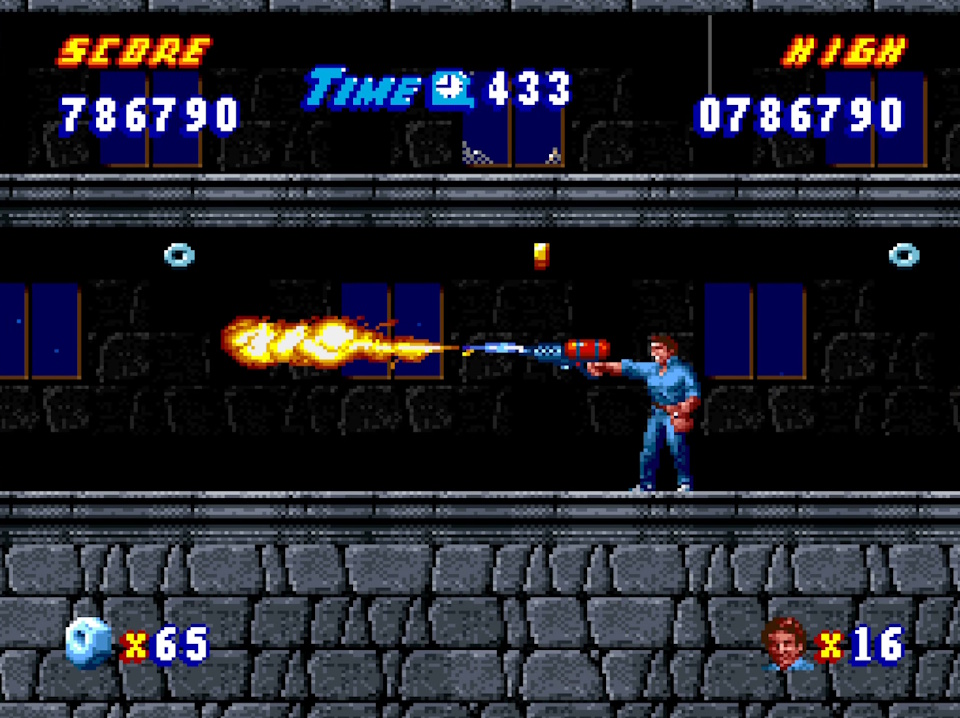

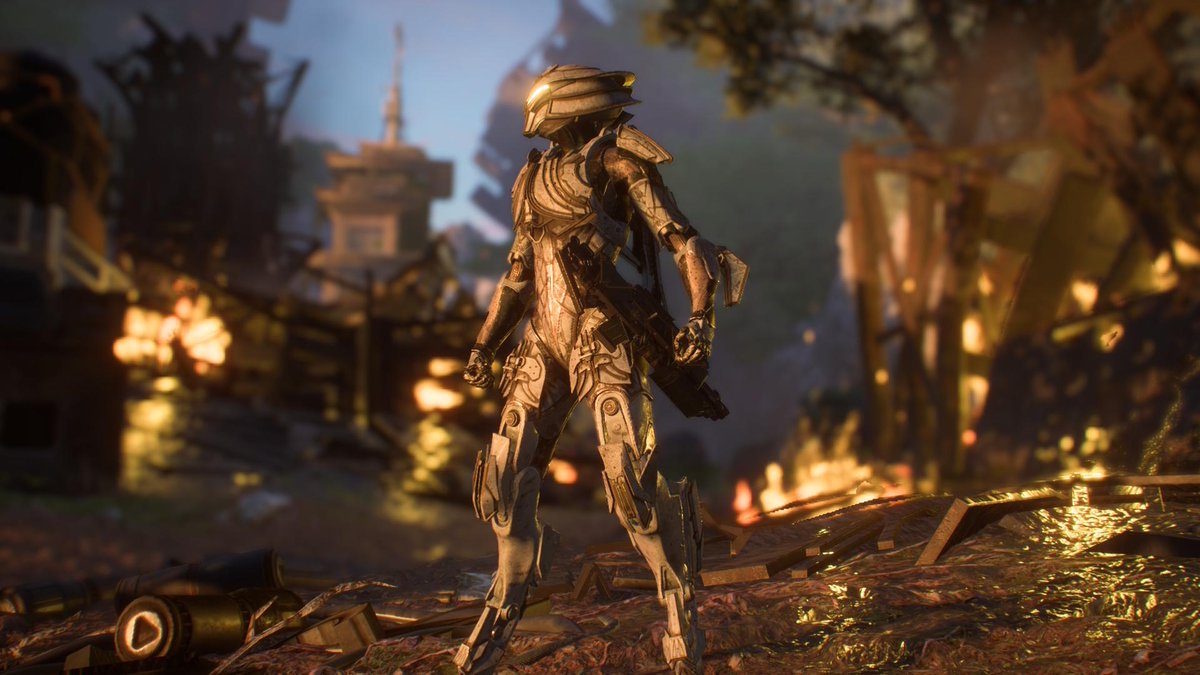

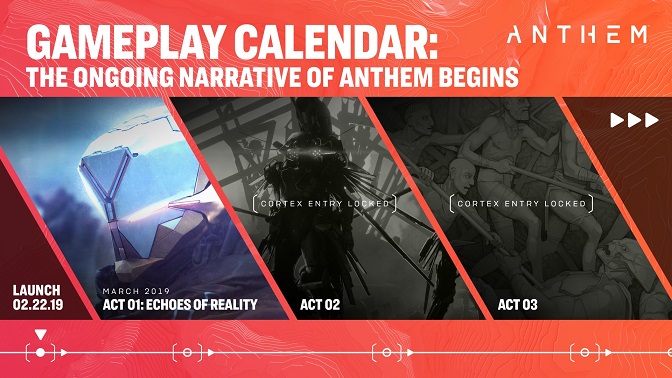

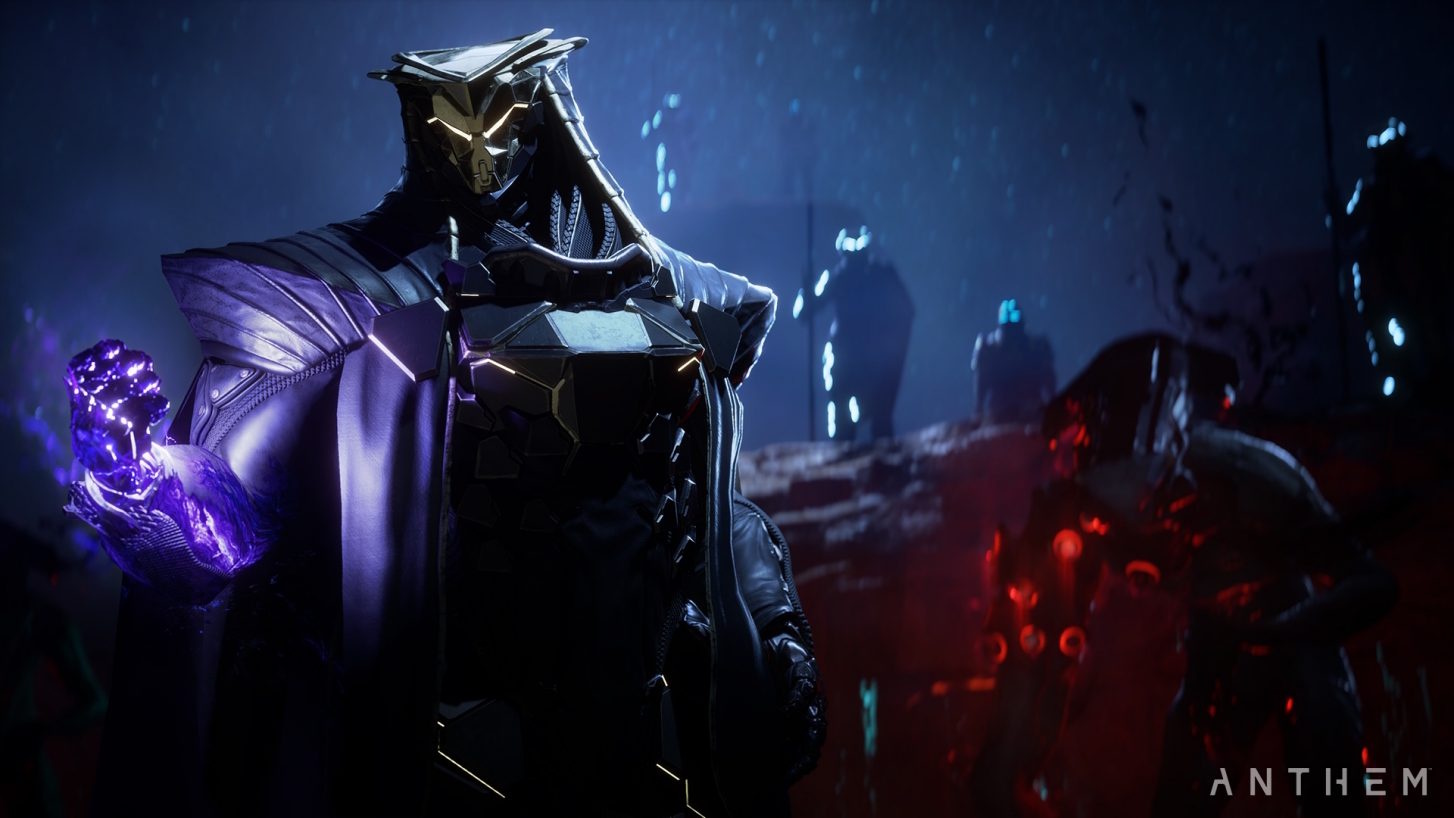
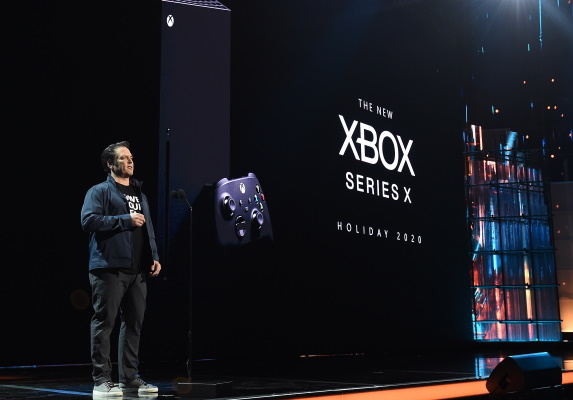
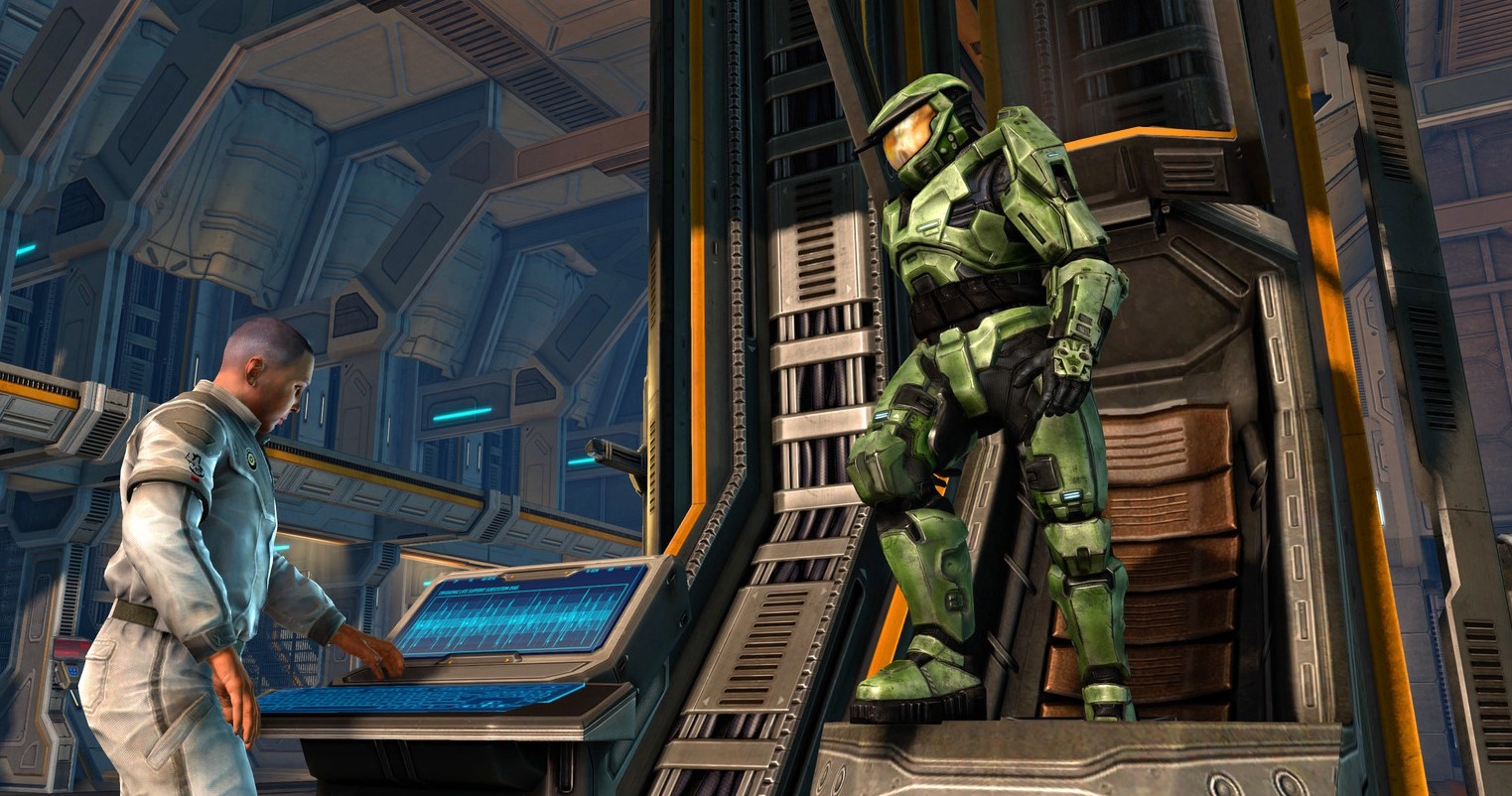
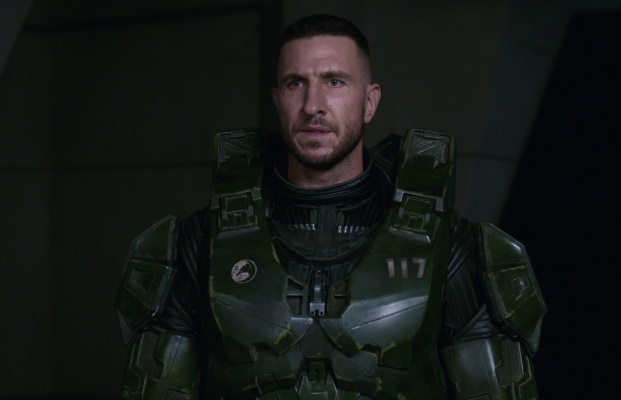
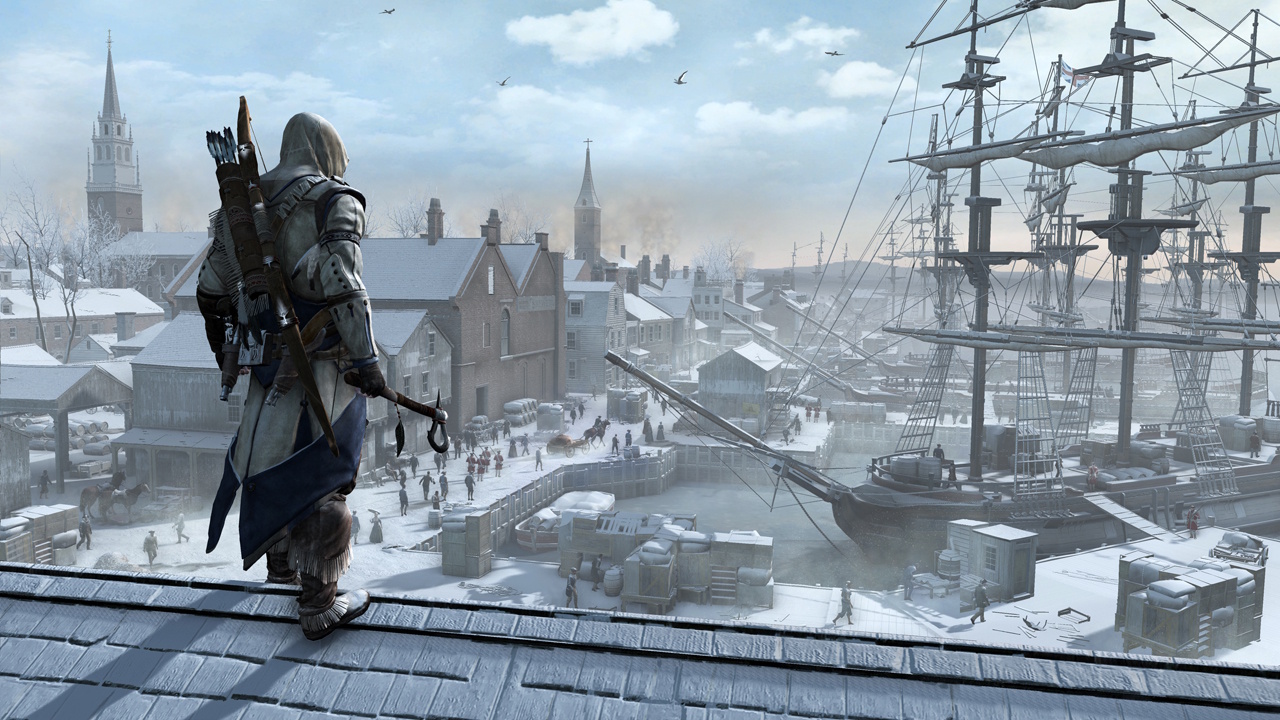
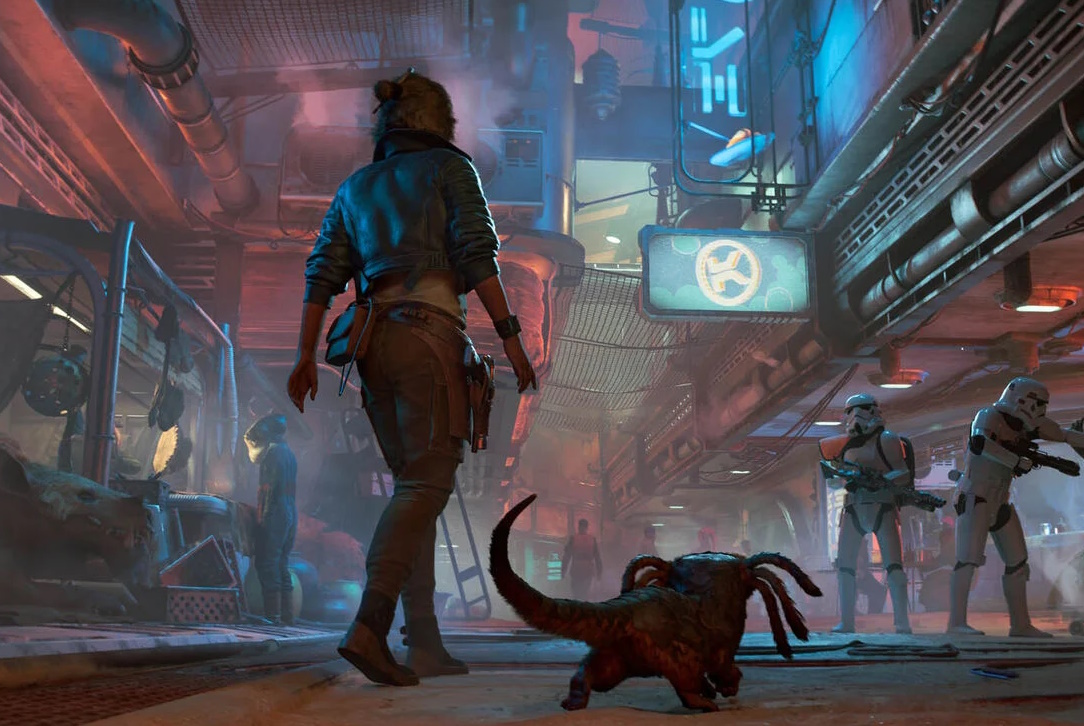

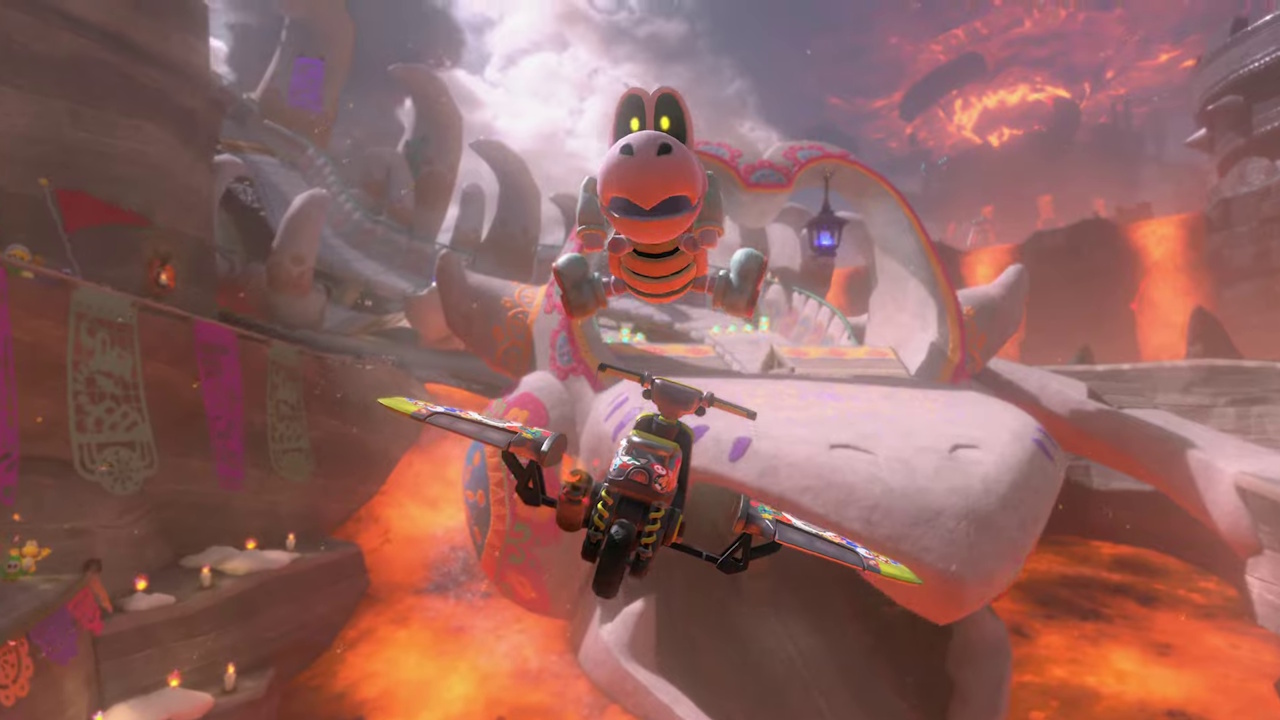
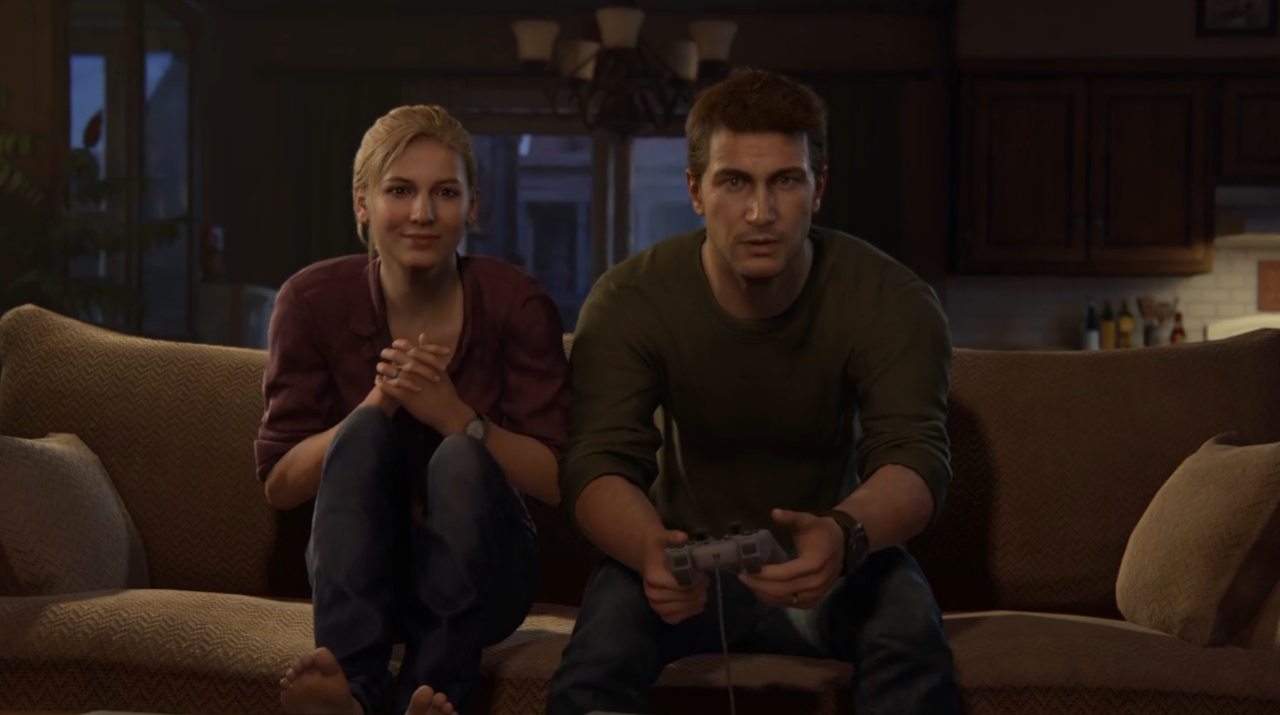



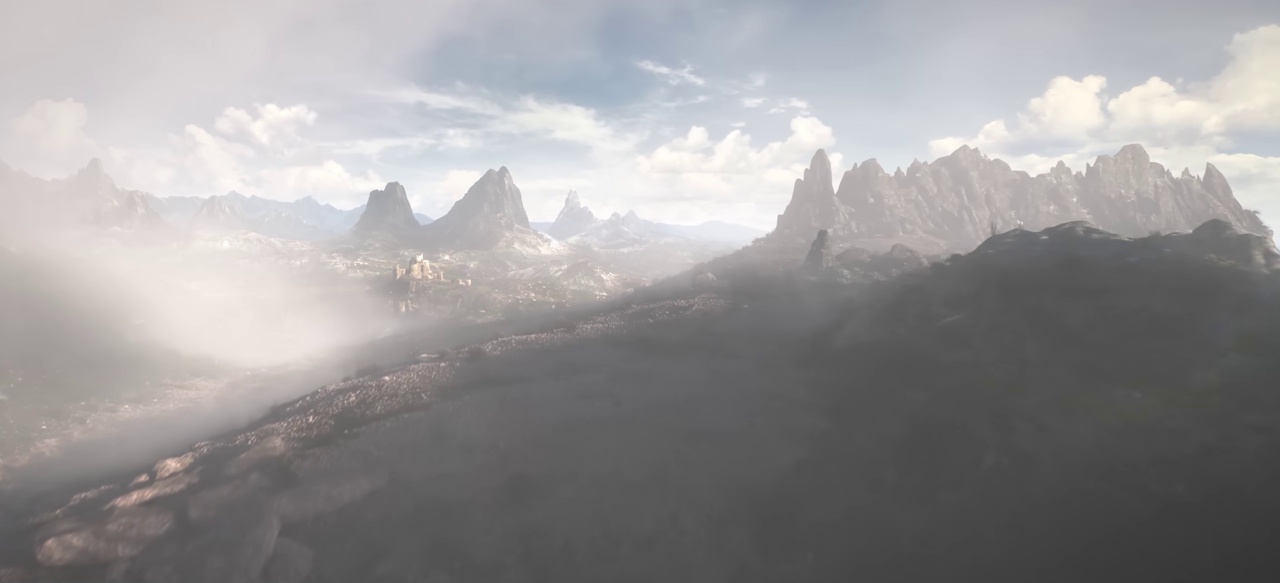
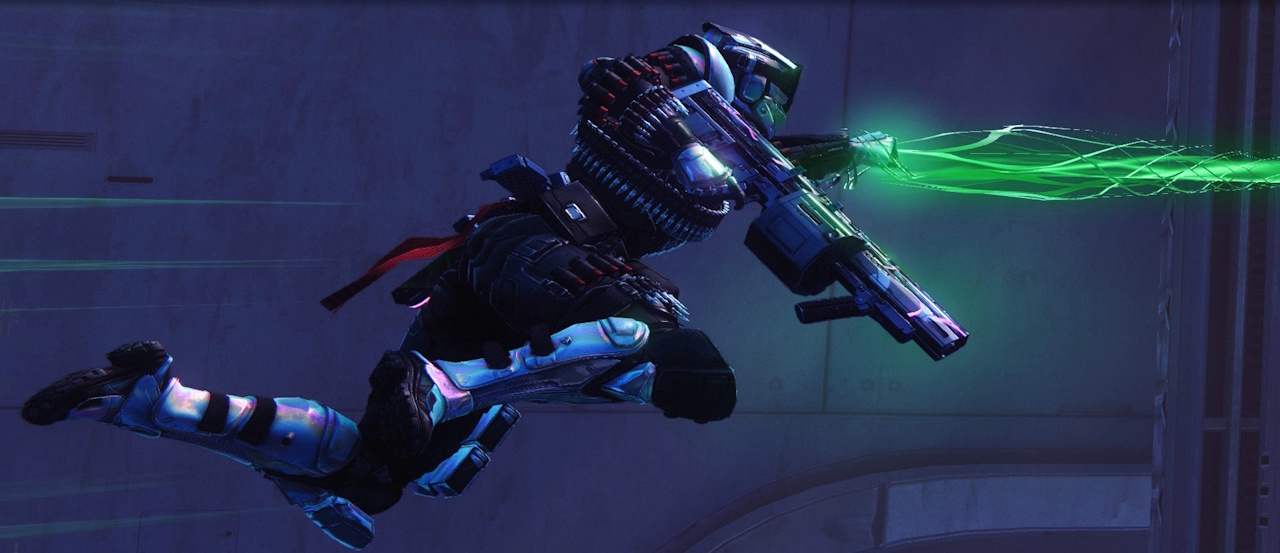
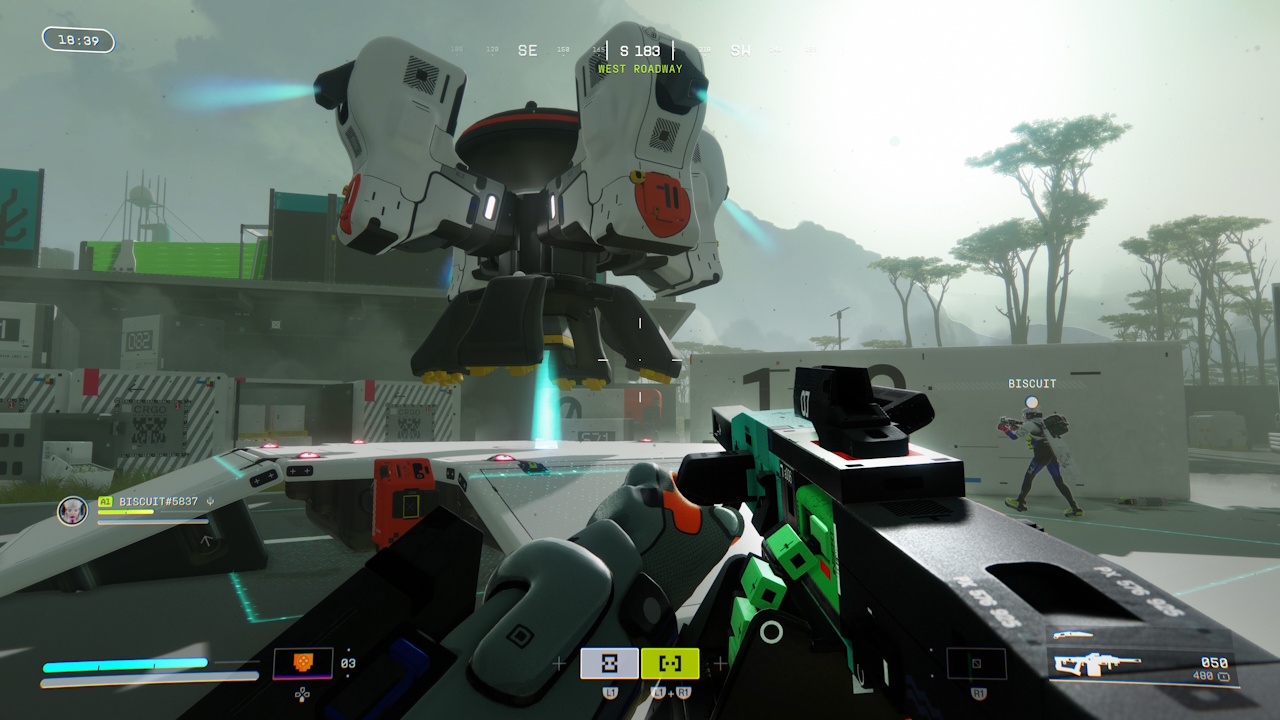
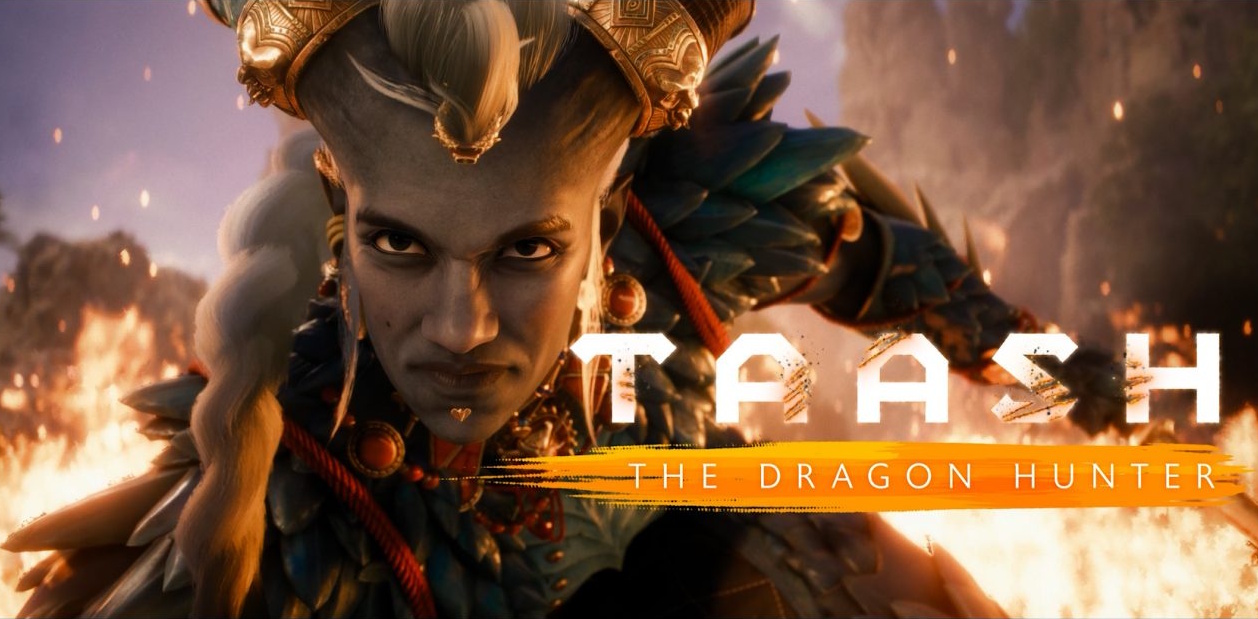
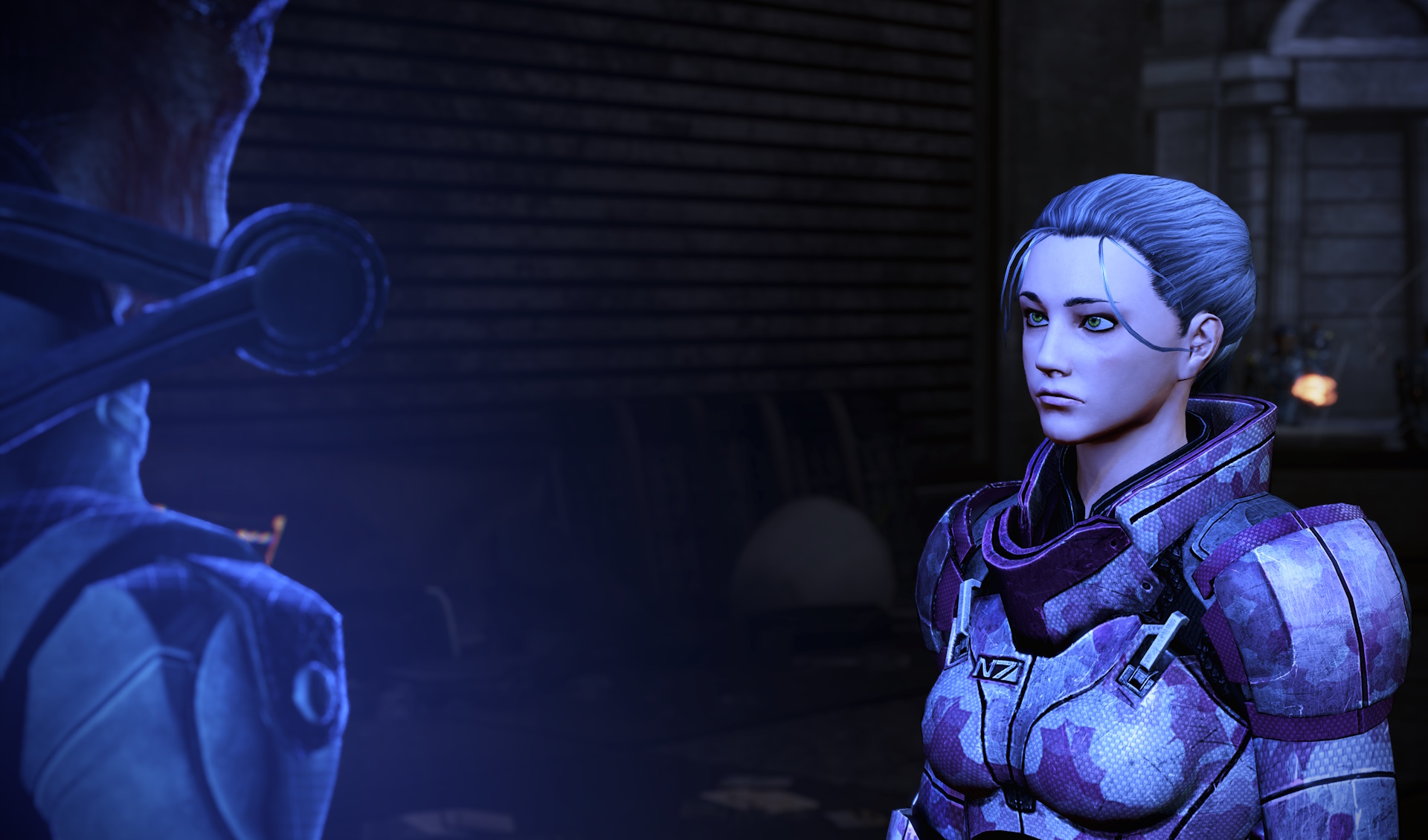
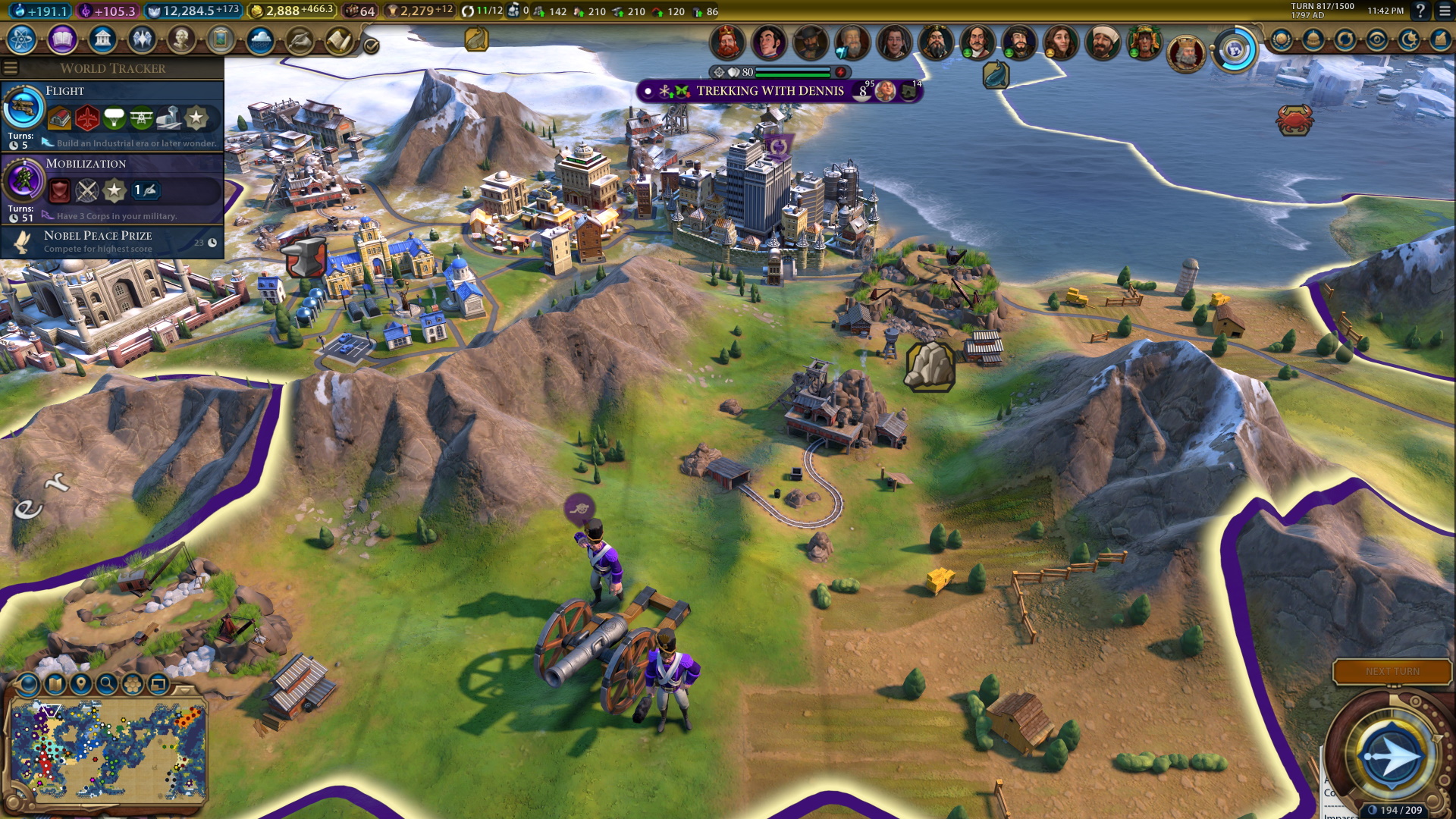
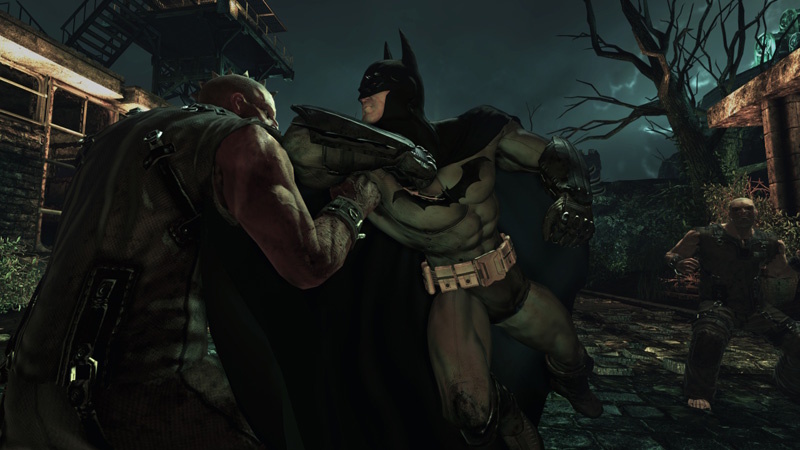
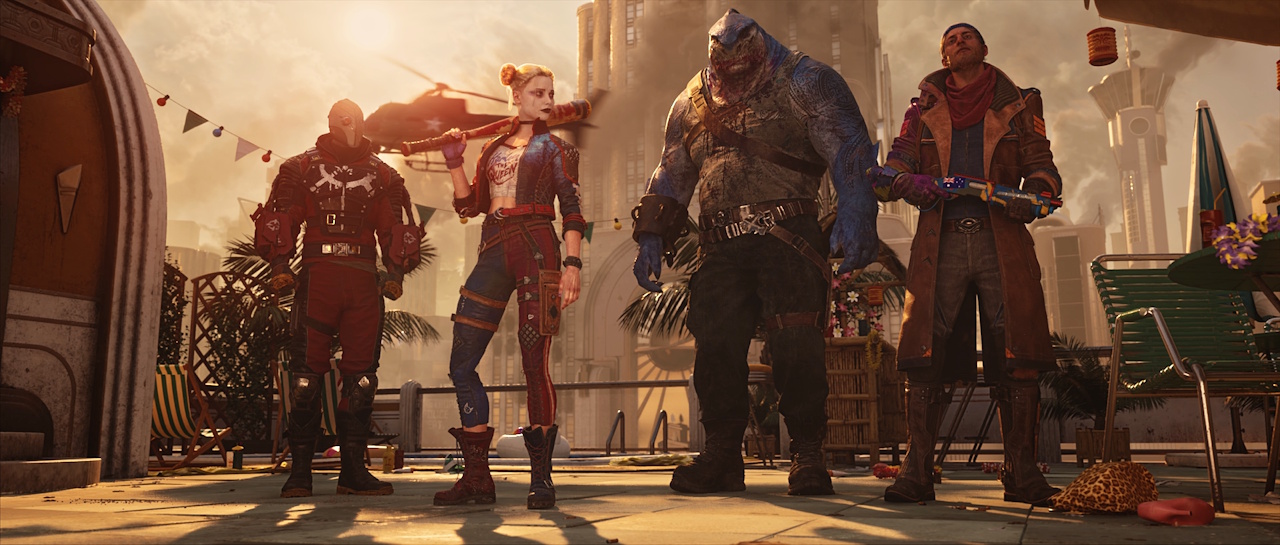
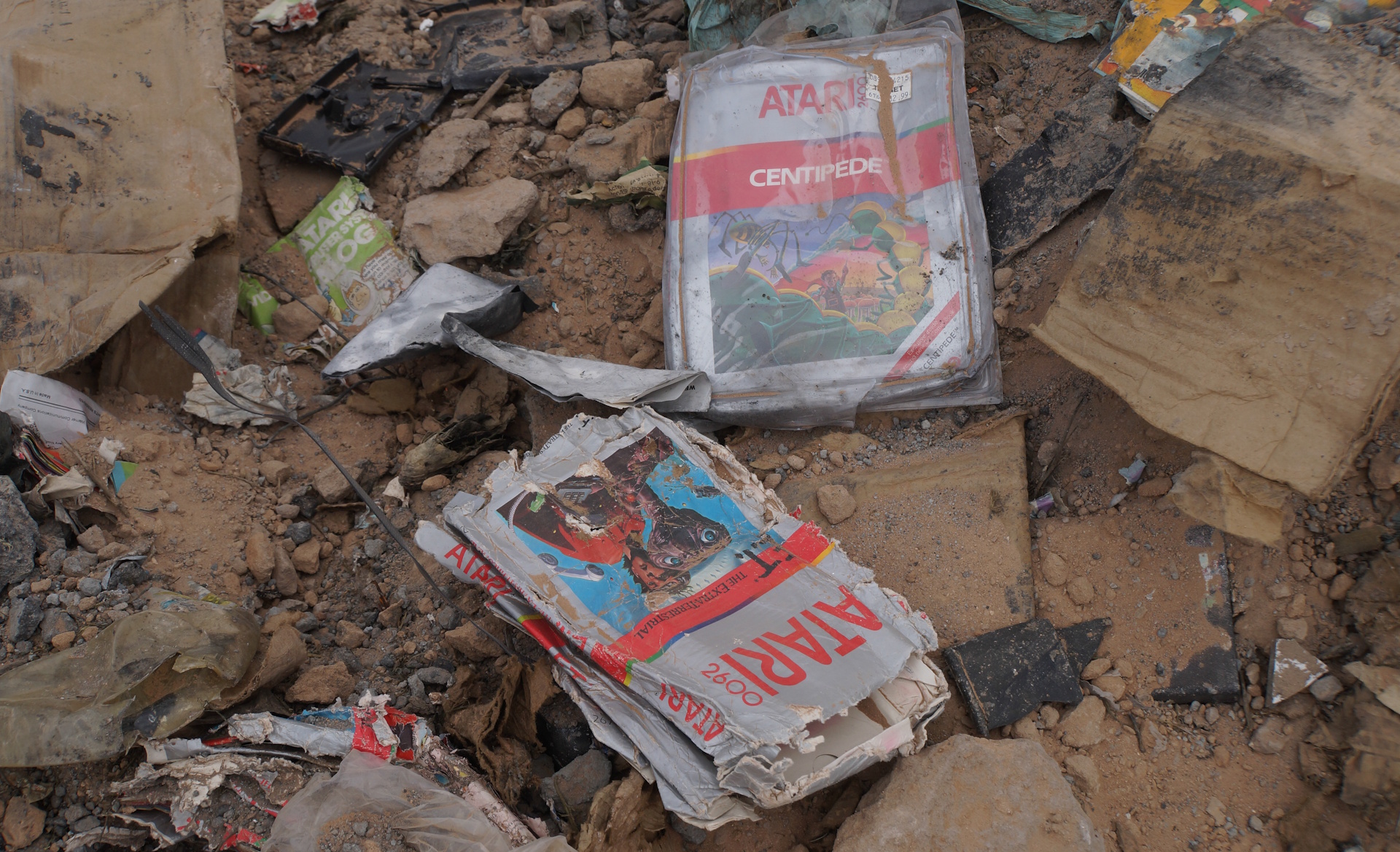
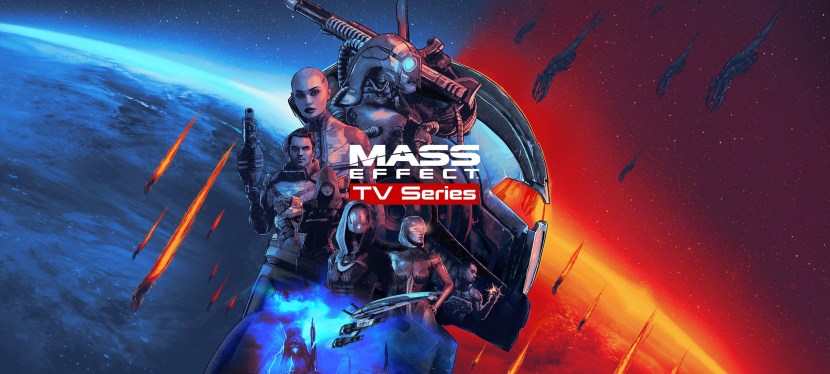

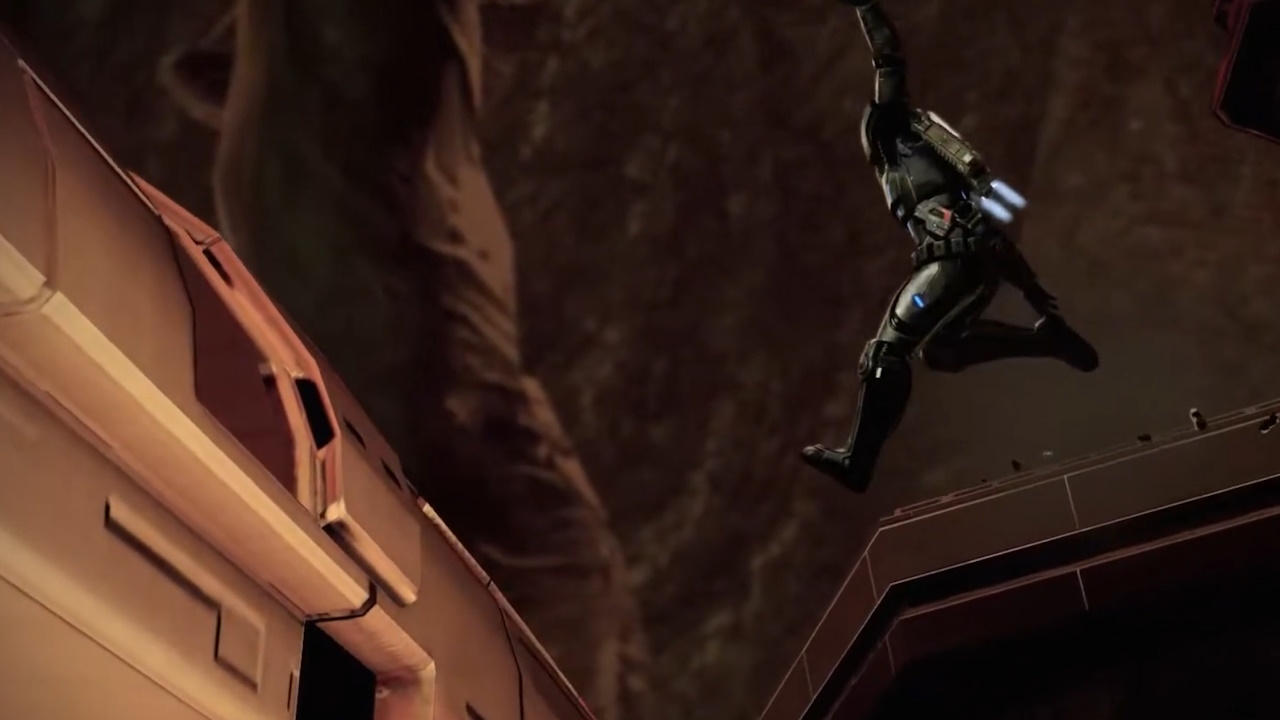
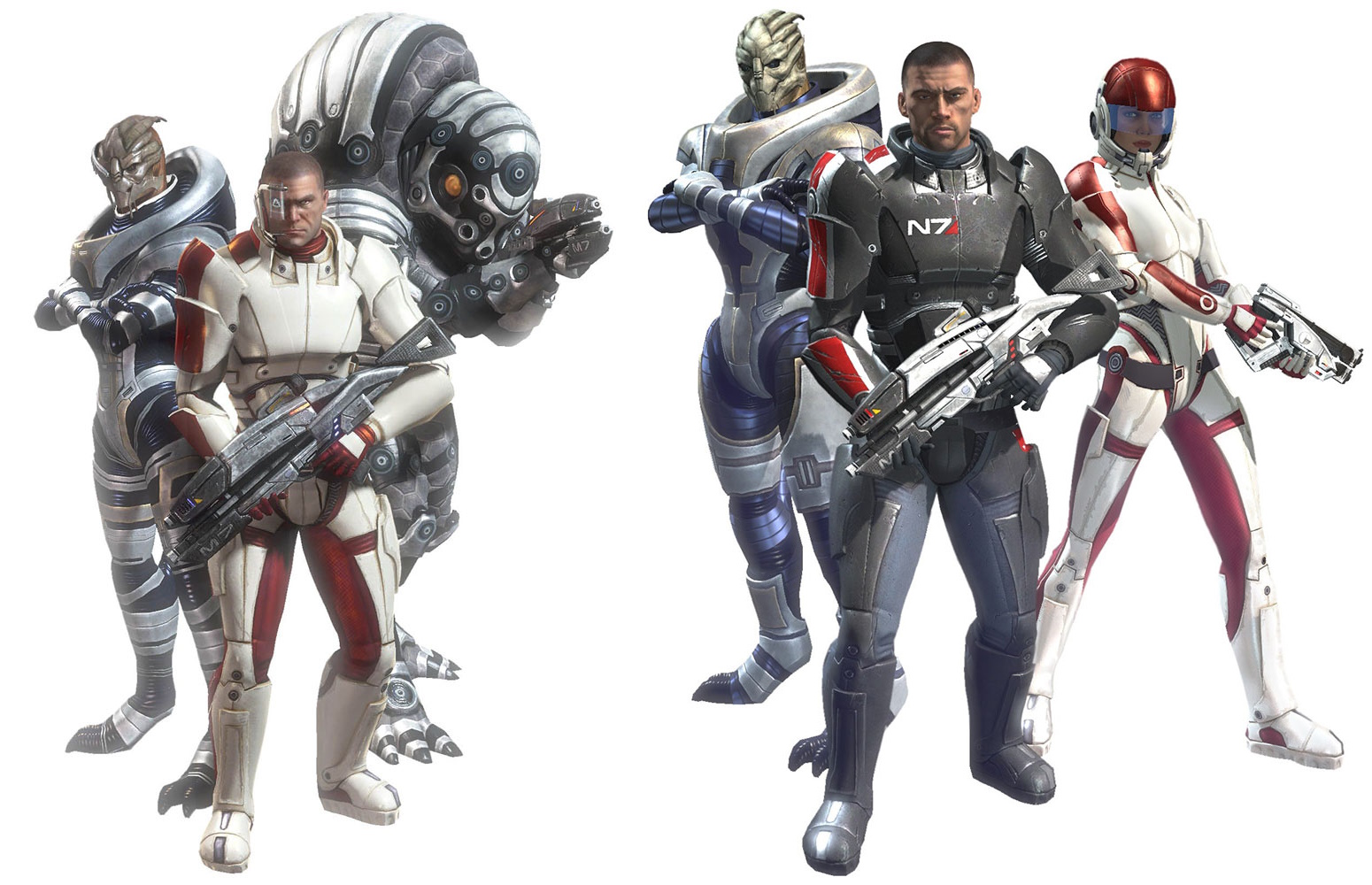
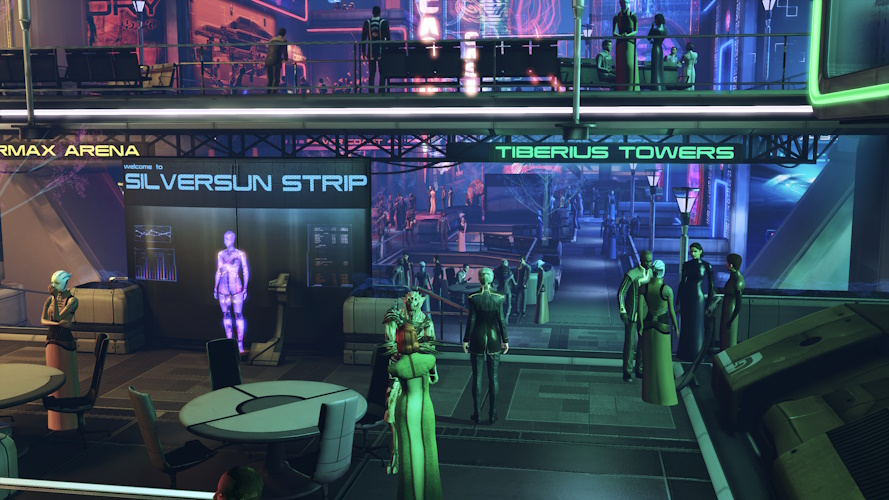
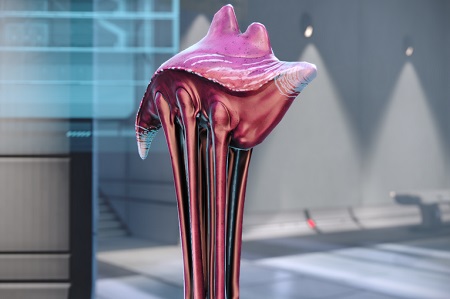
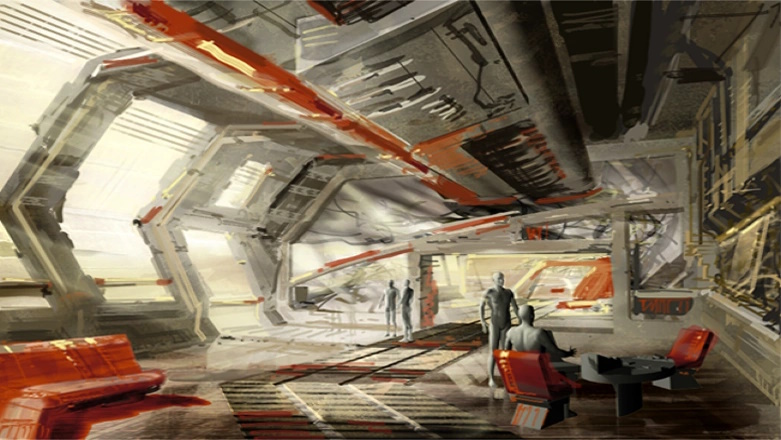
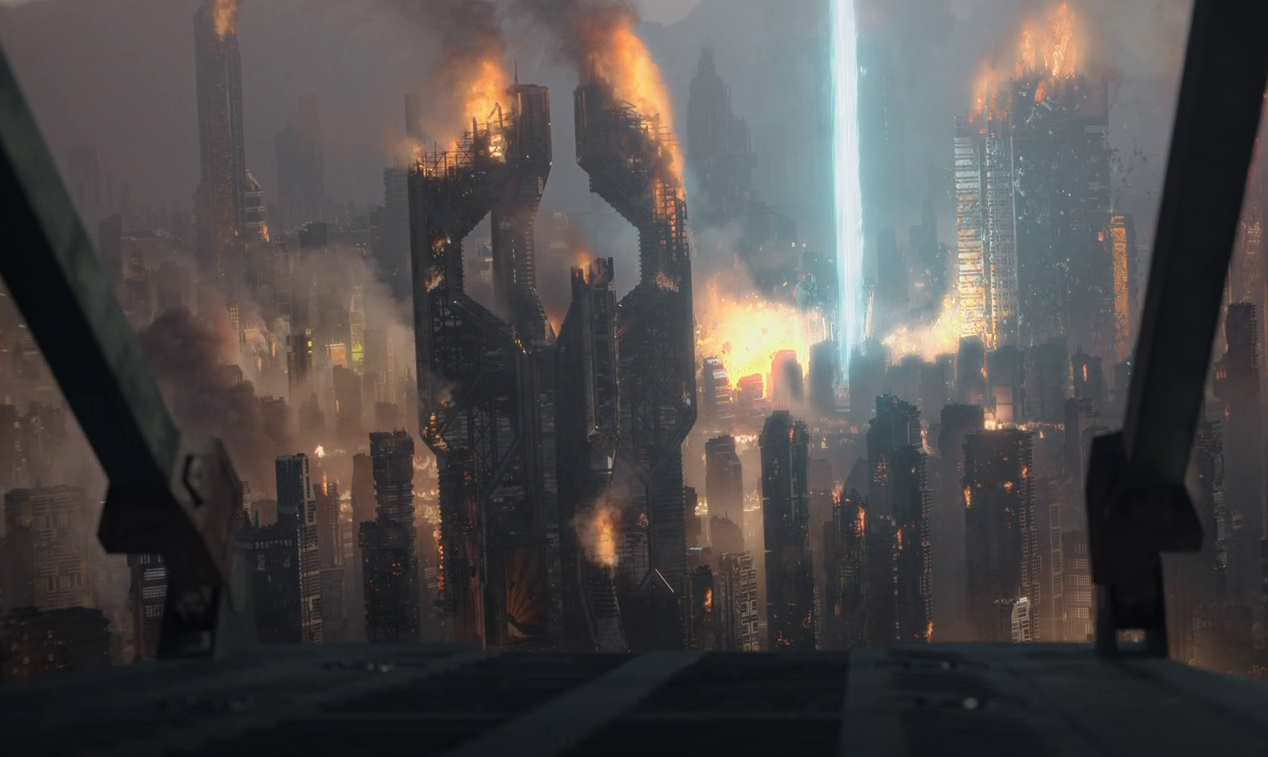
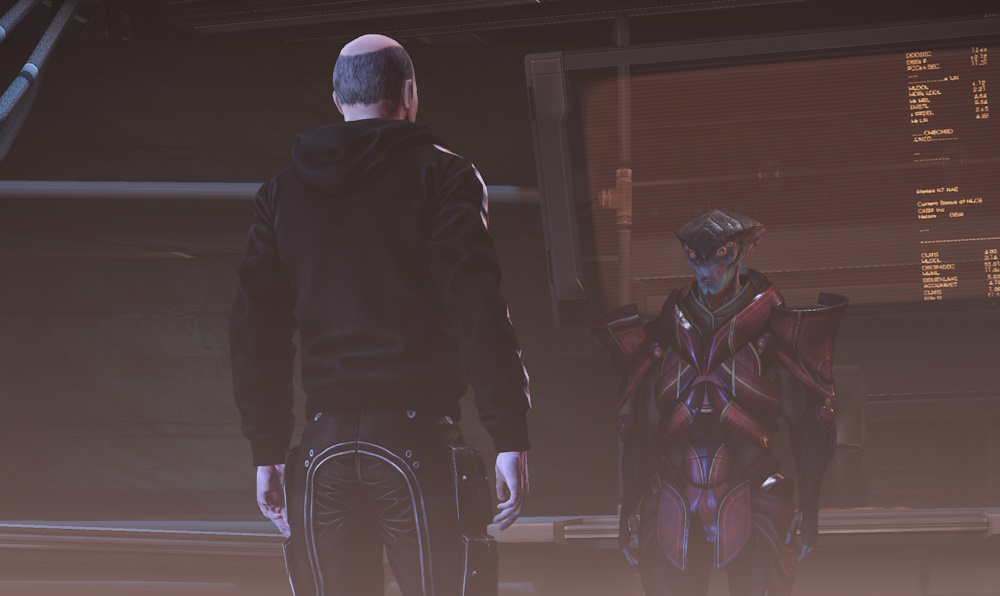
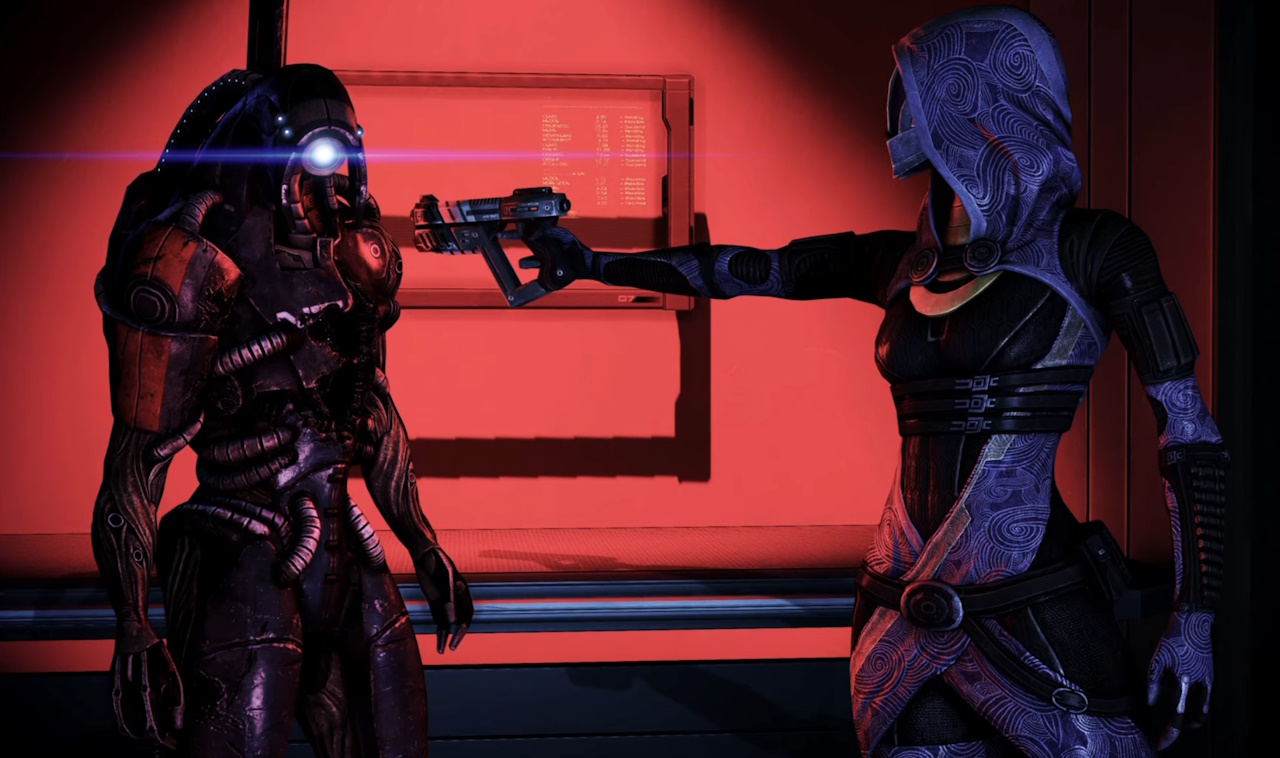
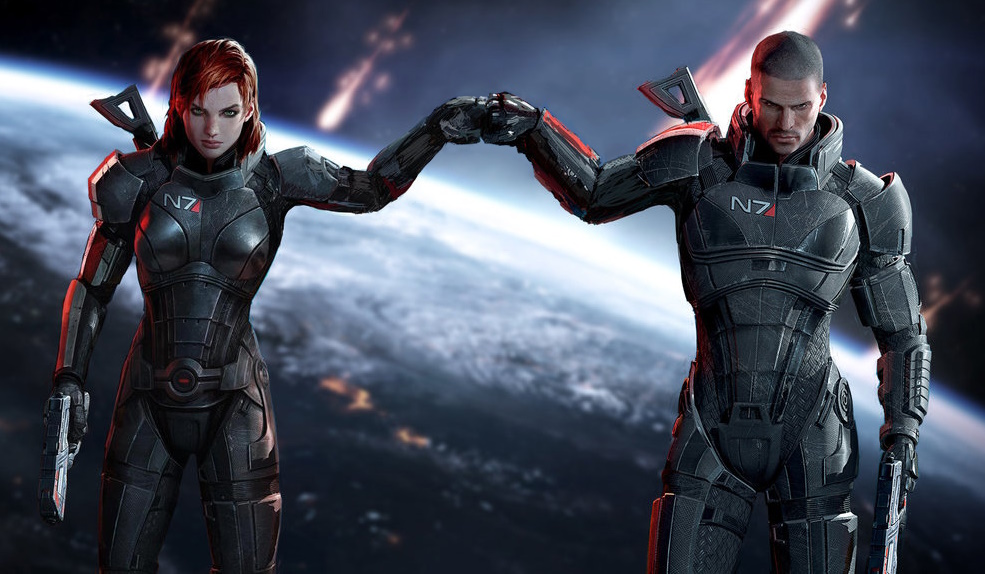
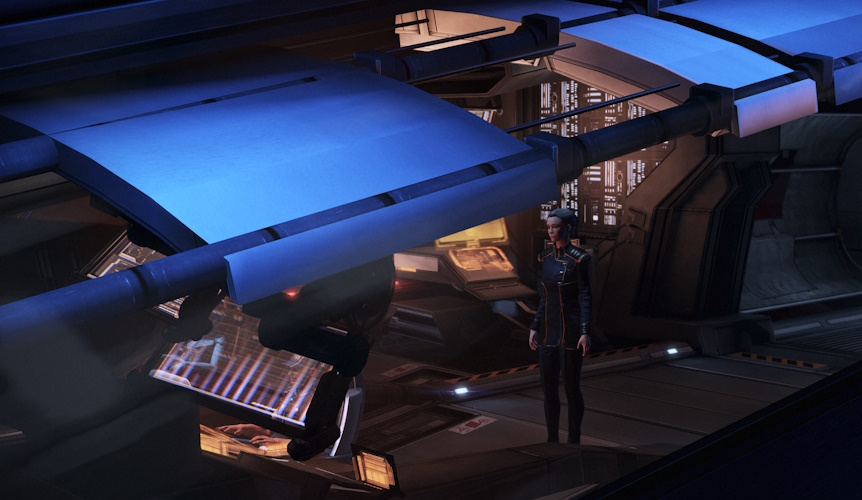
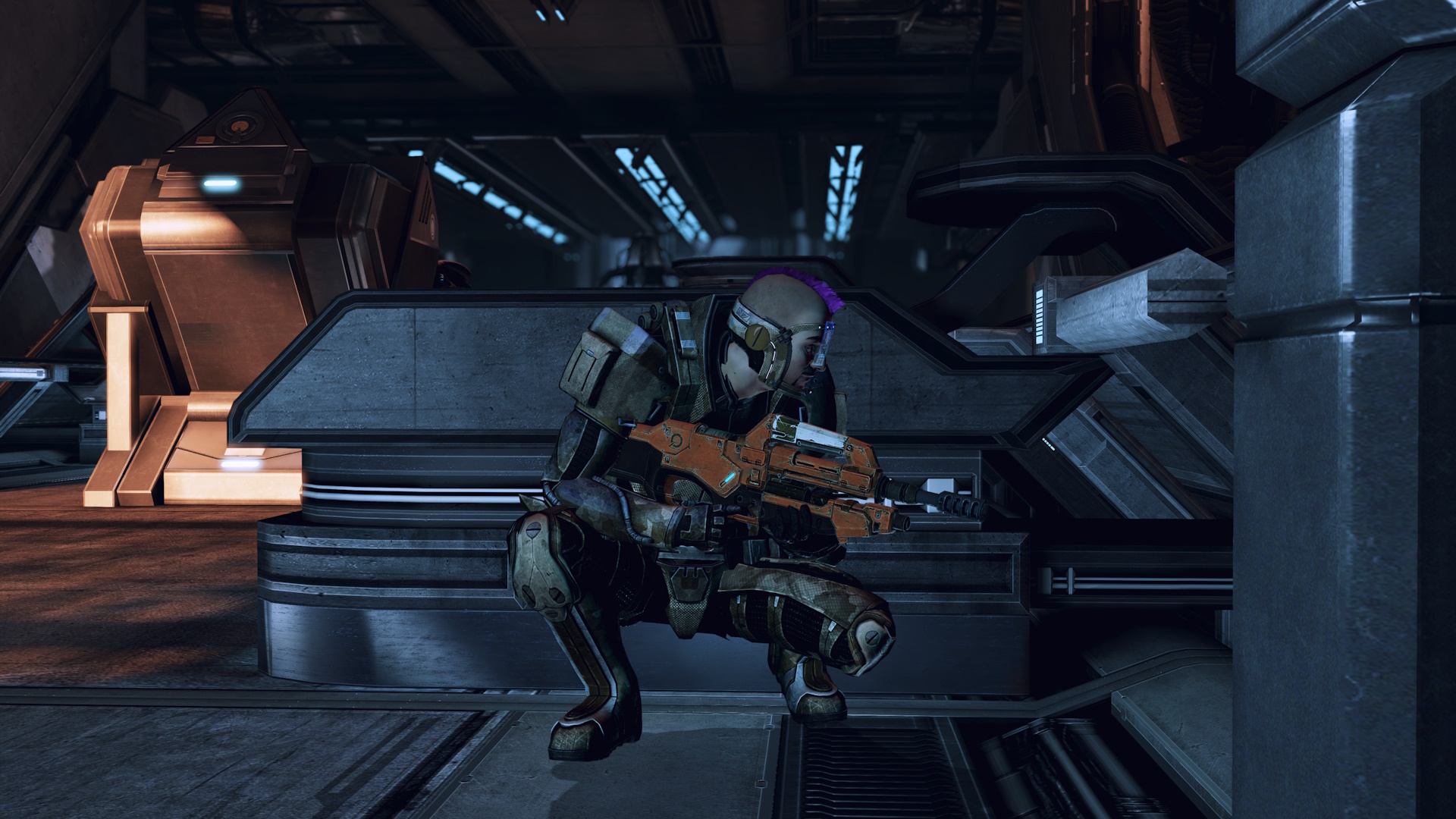
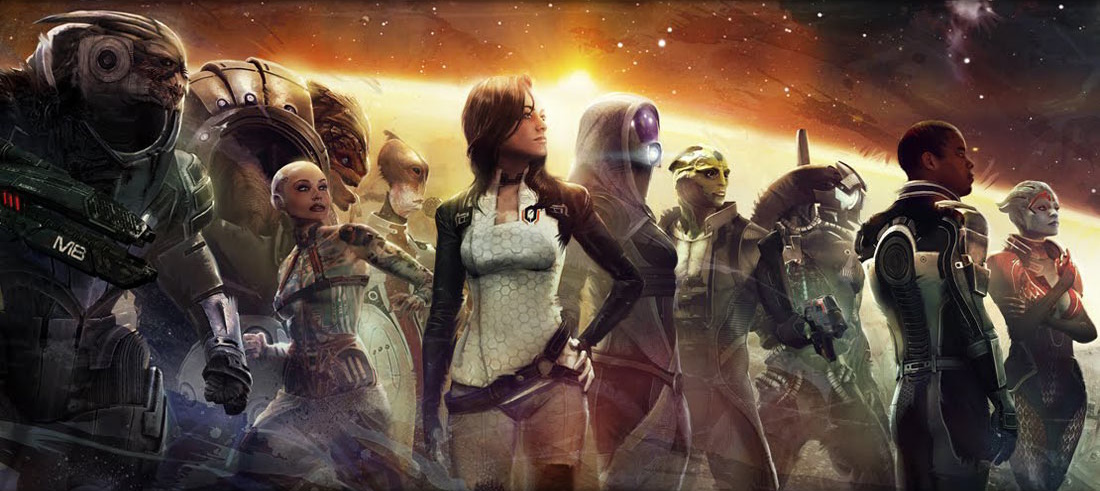
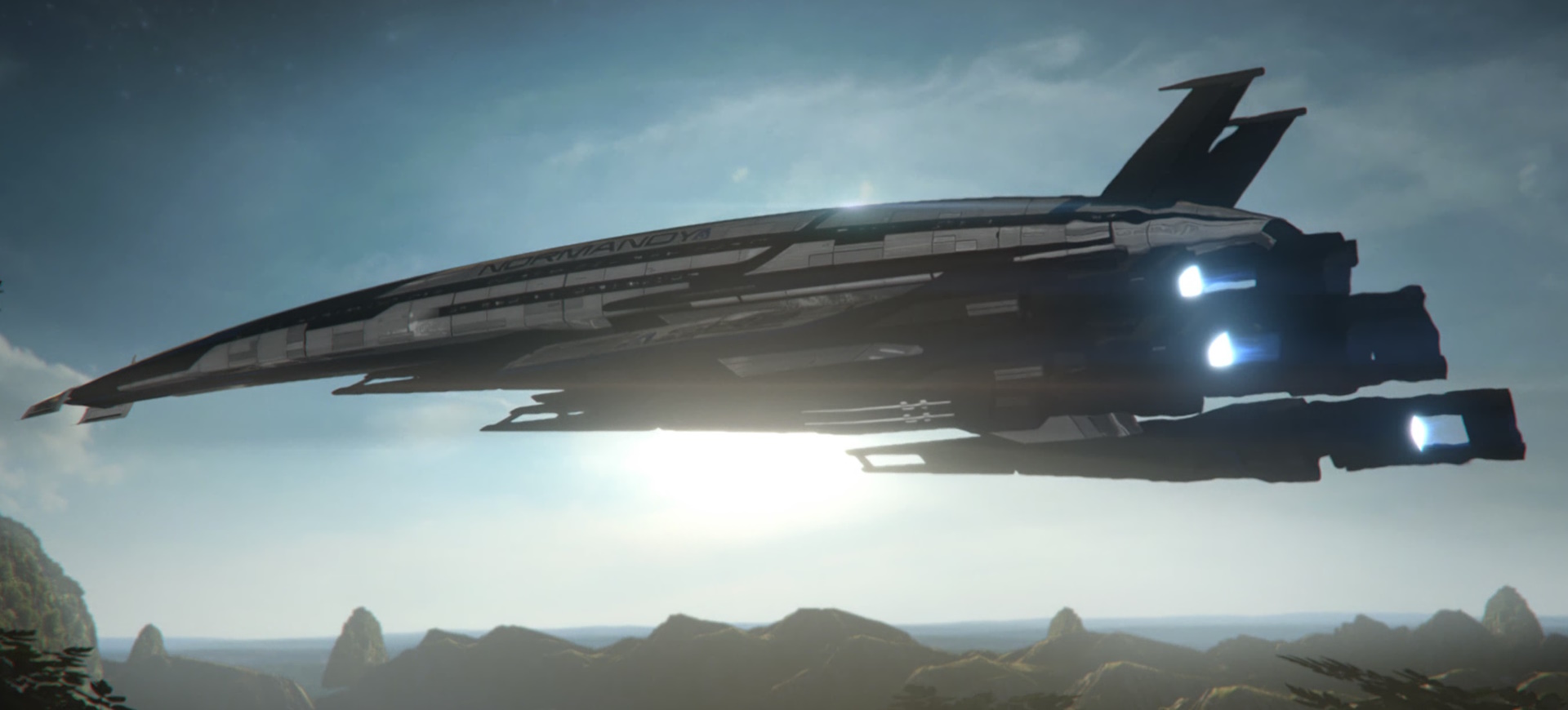
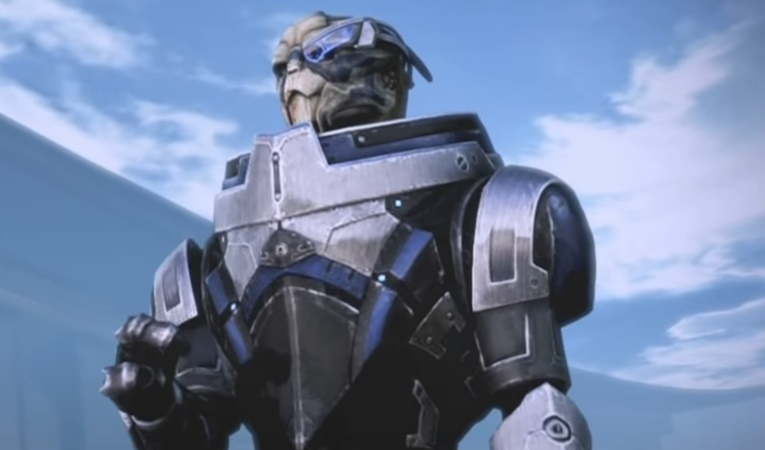
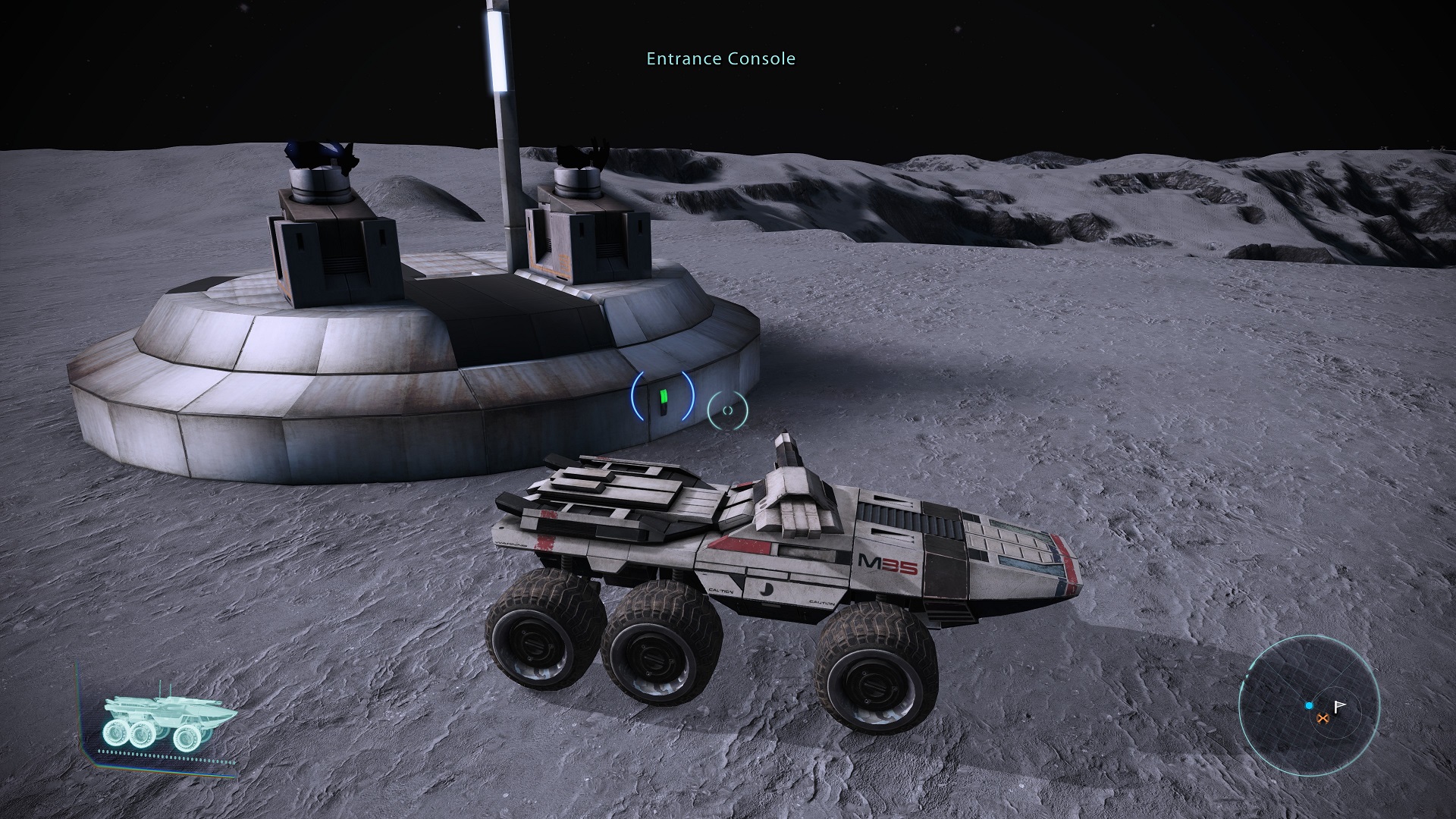
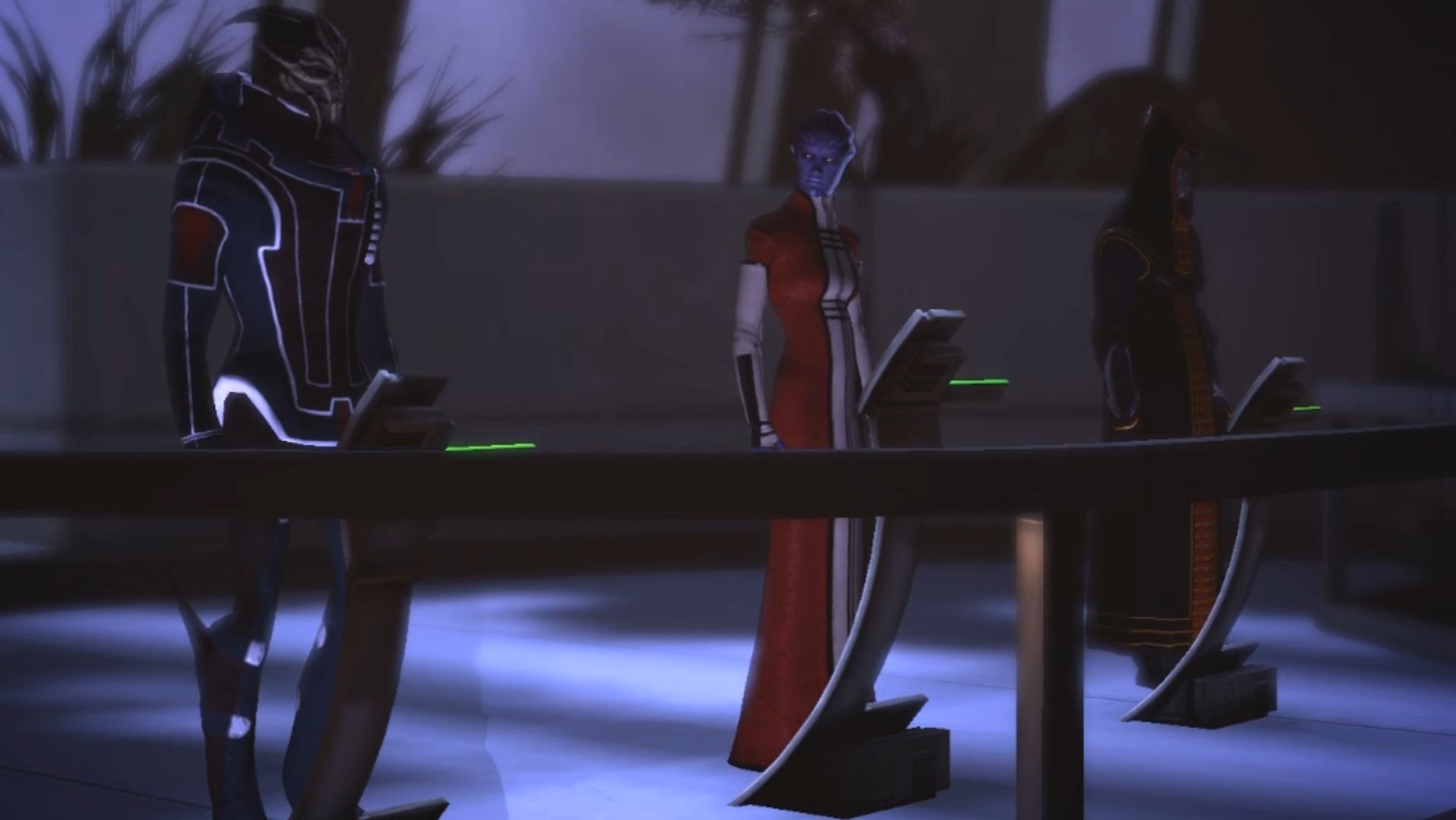
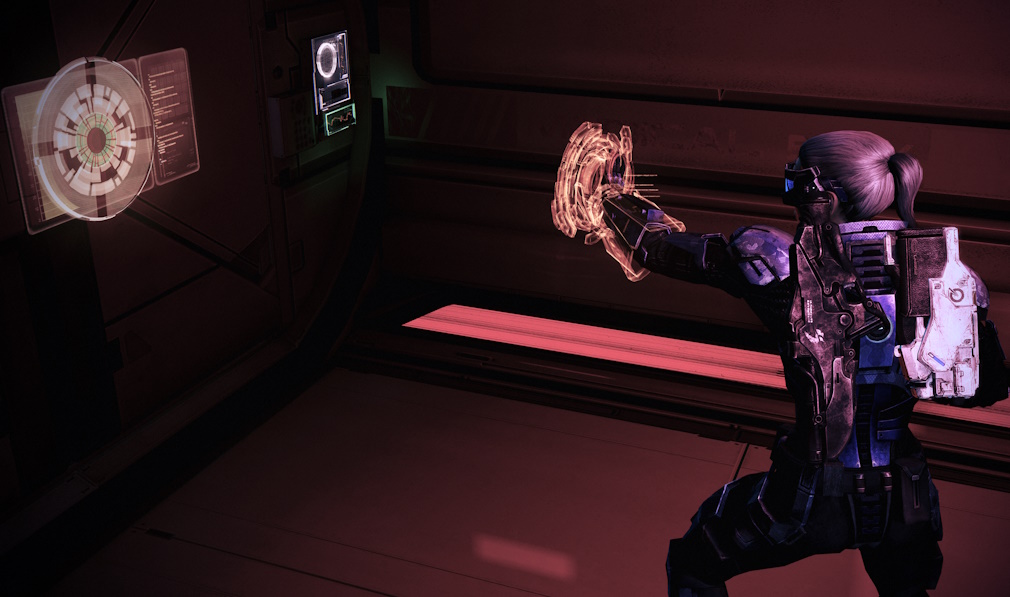
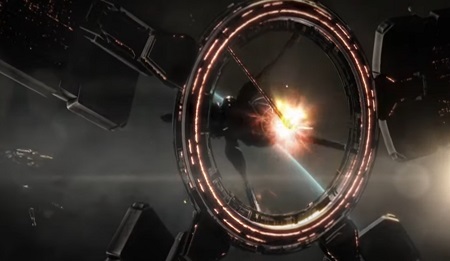
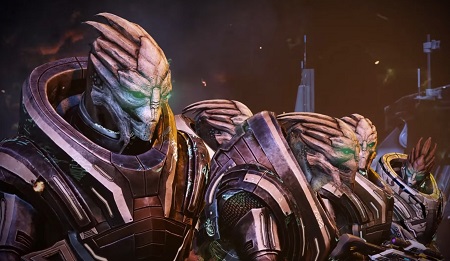
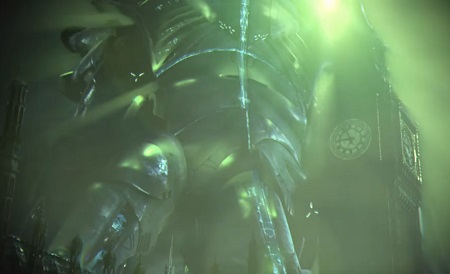
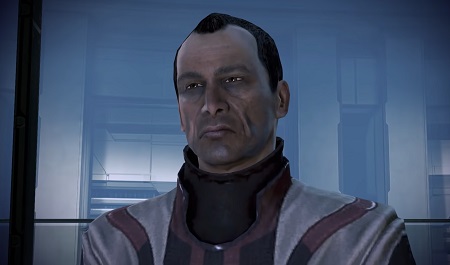
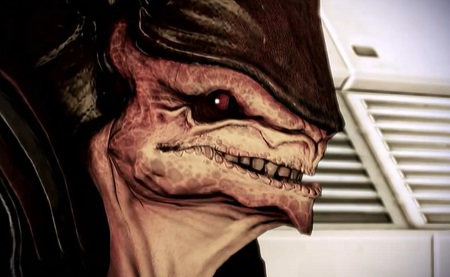
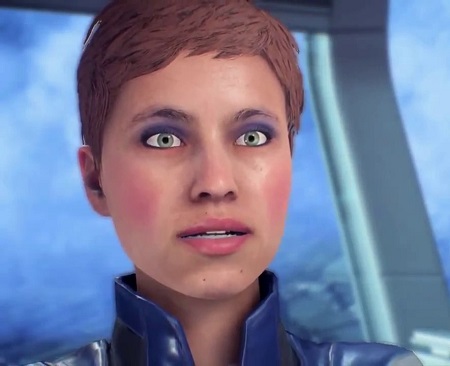
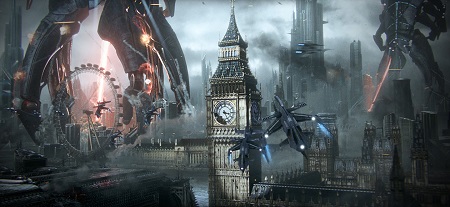
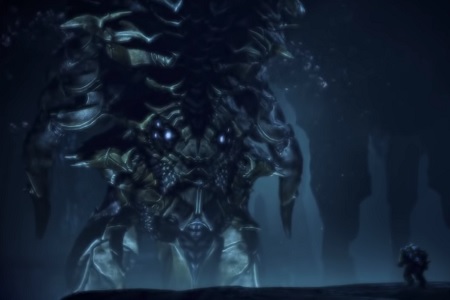
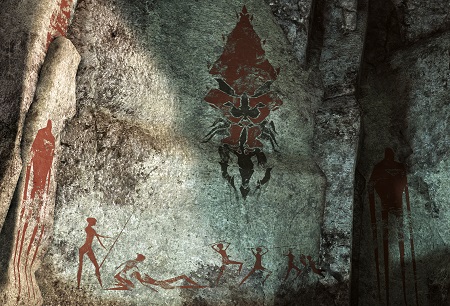
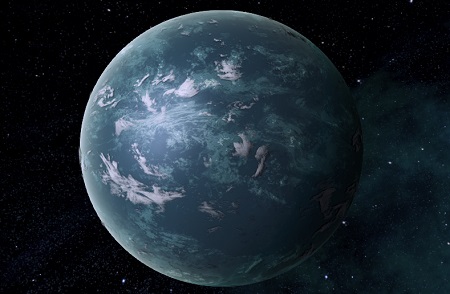
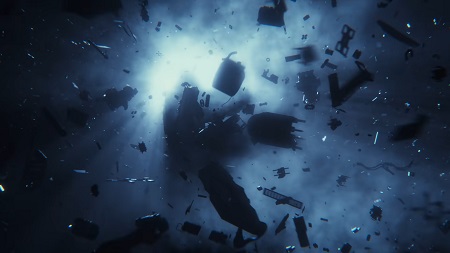
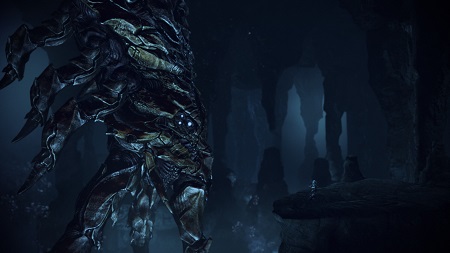
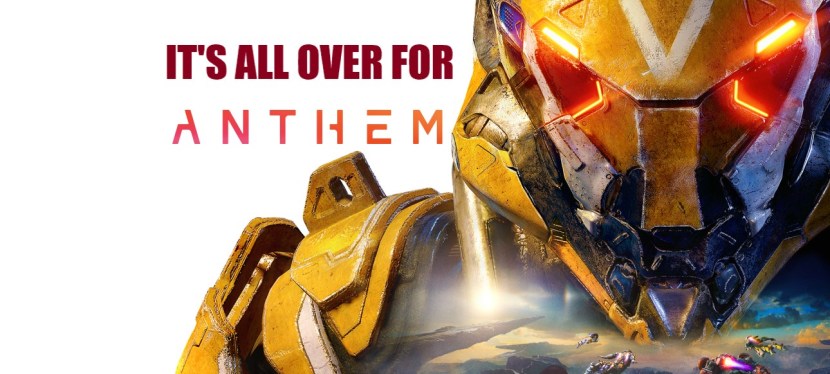




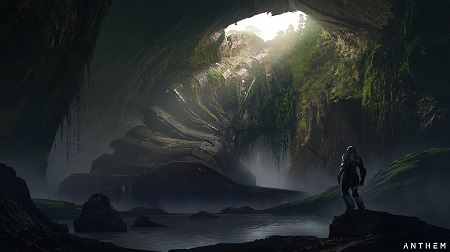
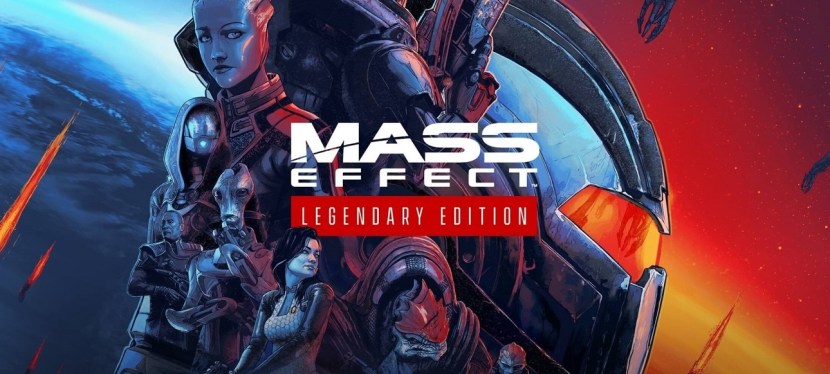

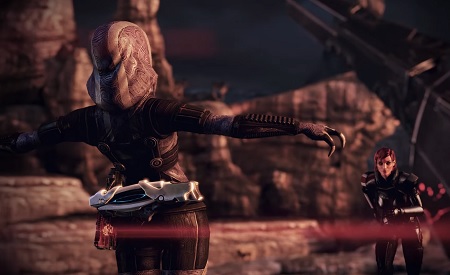
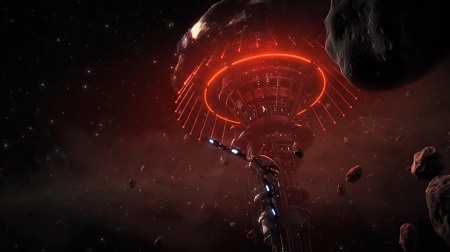
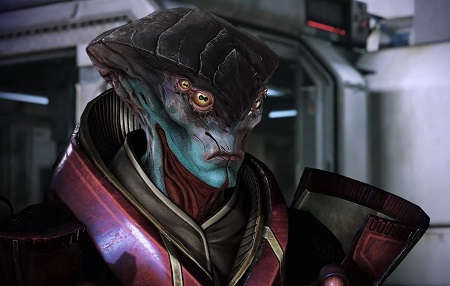
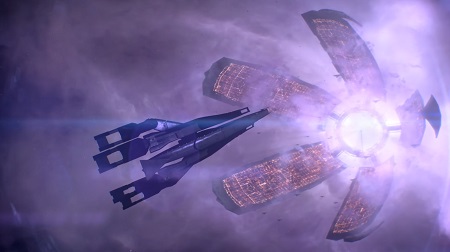
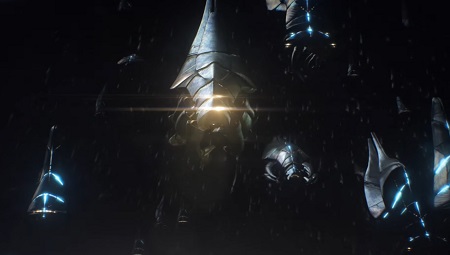
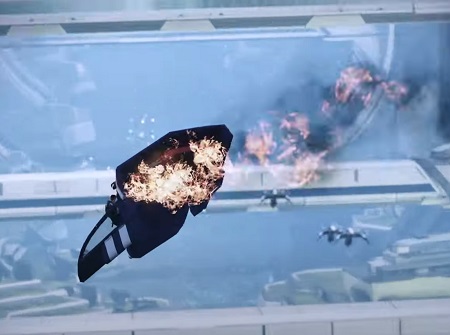





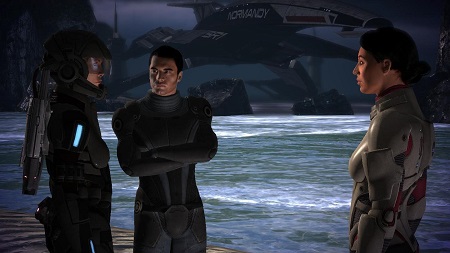

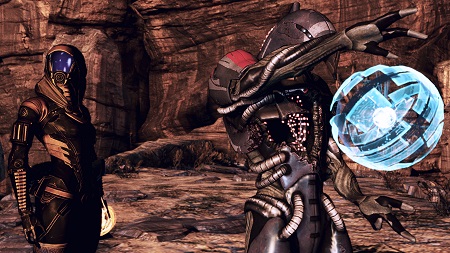
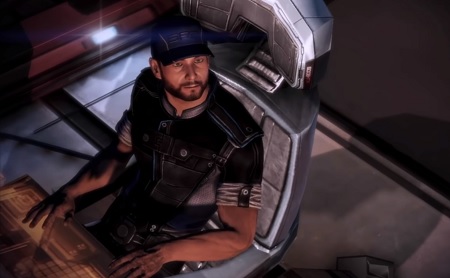
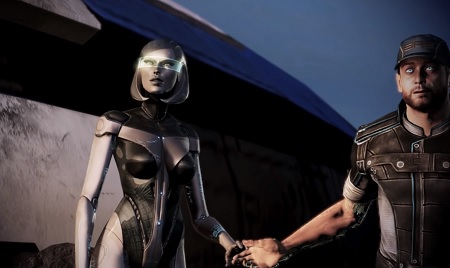
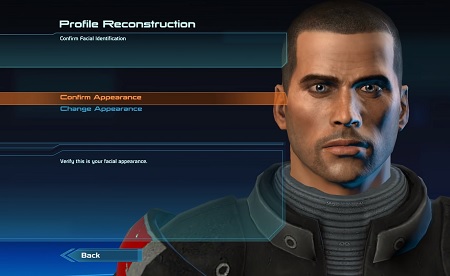

 Trekking with Dennis