Five Spooky Films To Get Spooky With This Spooktober!

A spoiler warning image.

Spoiler Warning: Minor spoilers may be present for some of the titles on this list.

Happy Spooktober!

It’s officially the spookiest, scariest, most horrifying month of the year, and that can only mean one thing: it’s time to watch some horror films! Horror is not my favourite genre most of the time, but when October rolls around I’m happy to dip my toes in the dark waters of the scary side of cinema.

There have been some exceptional horror films made over the years, and the genre is currently in vogue. Some of the biggest films of the last decade have been in the horror genre; titles like Stephen King’s It, A Quiet Place, and The Conjuring all come to mind. These blockbusters broke out of the horror niche to attract huge audiences – and that’s great!

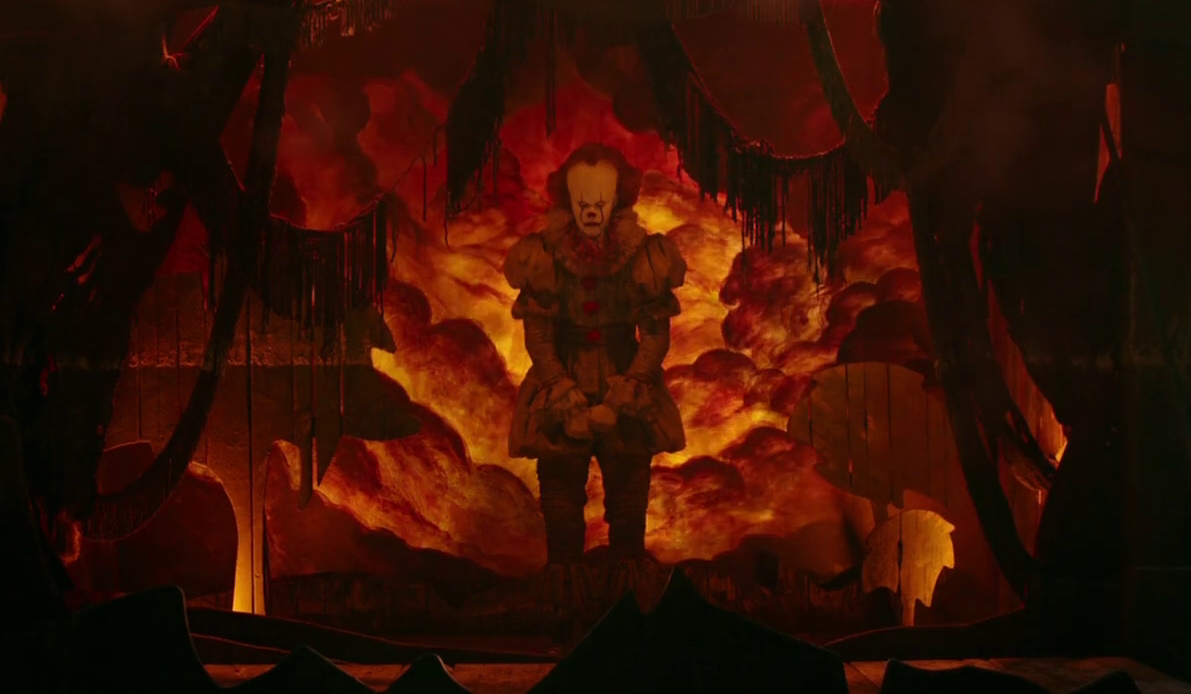
Still frame from It (2017) showing Pennywise.
Pennywise the clown from Stephen King’s It.

When I was a kid, I moved in nerdy friendship groups where watching horror films was almost a rite of passage. Being able to brag that you’d watched a particularly scary film at the cinema (or rented it on VHS from the shop) was a big deal – though I’m sure most of us were just putting on a brave face in those days! As mentioned, though, I’m not the world’s biggest horror fan these days, and when I do choose something spooky for Halloween, it tends to be a lighter, more kid-friendly title! I guess I’m just a big old scaredy-cat.

So to mark the arrival of Spooky Season, let’s pick five horror films that I think are worth watching. I’ve had fun with all of these films over the years, and I recommend each of them.

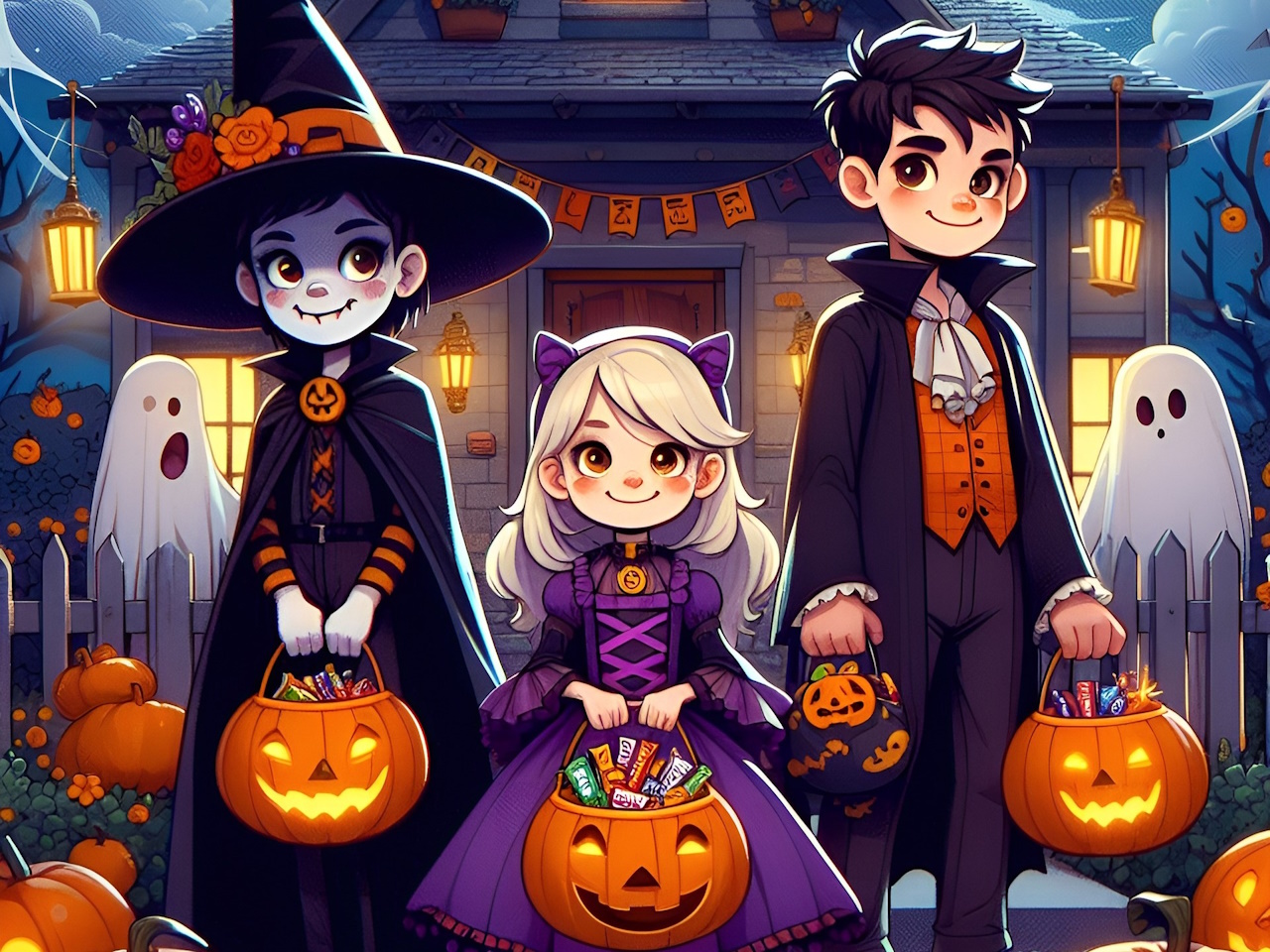
Artwork of three trick-or-treaters at Halloween.
Ready to go trick-or-treating?

As always, my usual caveats apply: this is by no means an exhaustive list! There are literally thousands of horror films out there, and I’m only picking a few on this occasion. And all of this is simply the subjective opinion of one person – a person who isn’t a big horror fan! So if I pick a film you loathe or skip a film you think should be included… that’s okay! There’s plenty of room for differences of opinion when talking about cinema.

With all of that out of the way, let’s jump into the spookiest list I’ve ever put together!

Film #1:
Nosferatu: A Symphony of Horror
1922

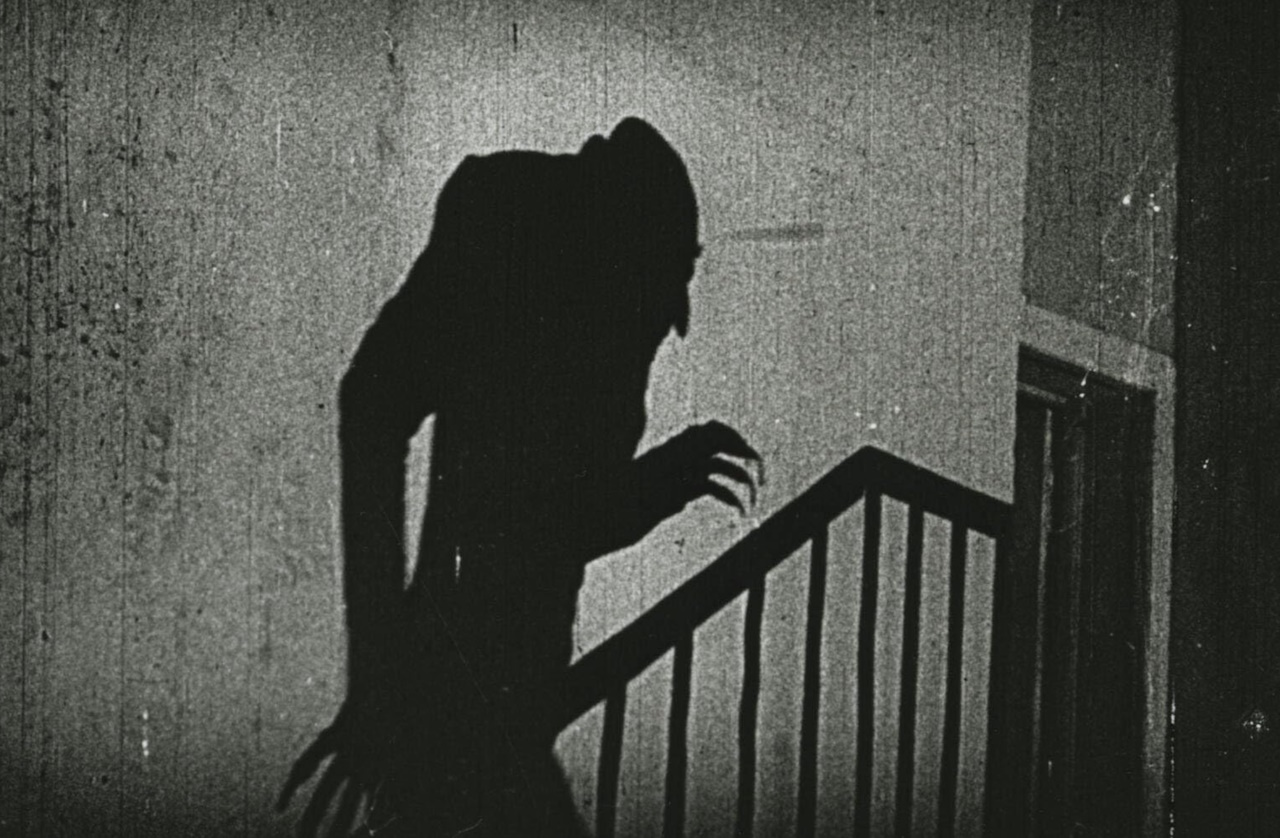
Still frame from Nosferatu (1922) showing Orlok's shadow.

Let’s step back in time to the earliest days of cinema and watch a bona fide classic! I watched Nosferatu for the very first time this year, and while silent films are usually not my thing at all… I have to say that I found a surprisingly coherent film. The story behind Nosferatu is almost as compelling as the film itself: it was produced in Germany just after the end of the First World War, and ended up being sued by the estate of author Bram Stoker as a shameless rip-off of his Dracula novel. The film’s producers lost the case and were ordered to destroy all copies and prints of Nosferatu – but thankfully some survived!

You know the classic vampire story by now: Count Orlok (no, his name isn’t Nosferatu!) lives in a castle in Transylvania, feeding on the blood of innocent humans. He moves to Germany to continue his reign of terror, after enlisting a man to buy a house for him there. But can he be stopped in time? One of the all-time classics of cinema, and a film that did more than most to establish the foundations of the horror genre, Nosferatu is worth a watch for any horror fan. With the film being out of copyright, you can find high-quality copies online with ease.

Film #2:
The Hole
2001

Still frame from The Hole (2001) showing a character entering the bunker.

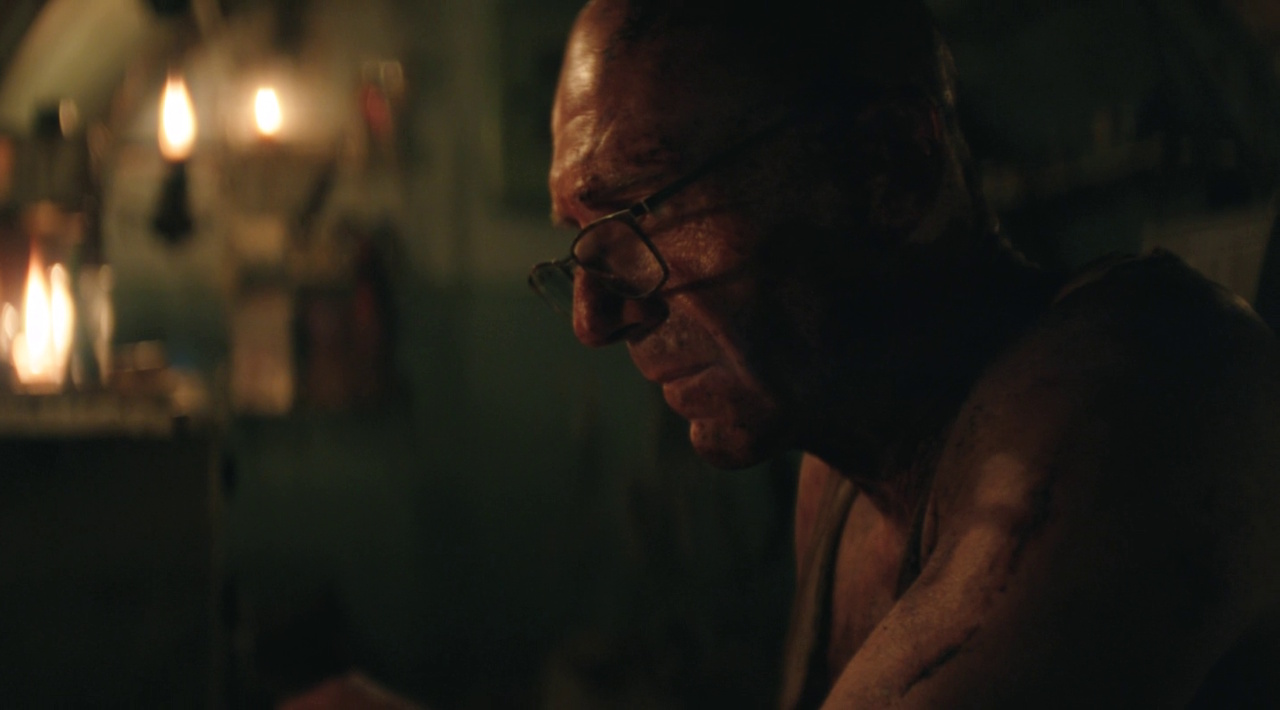
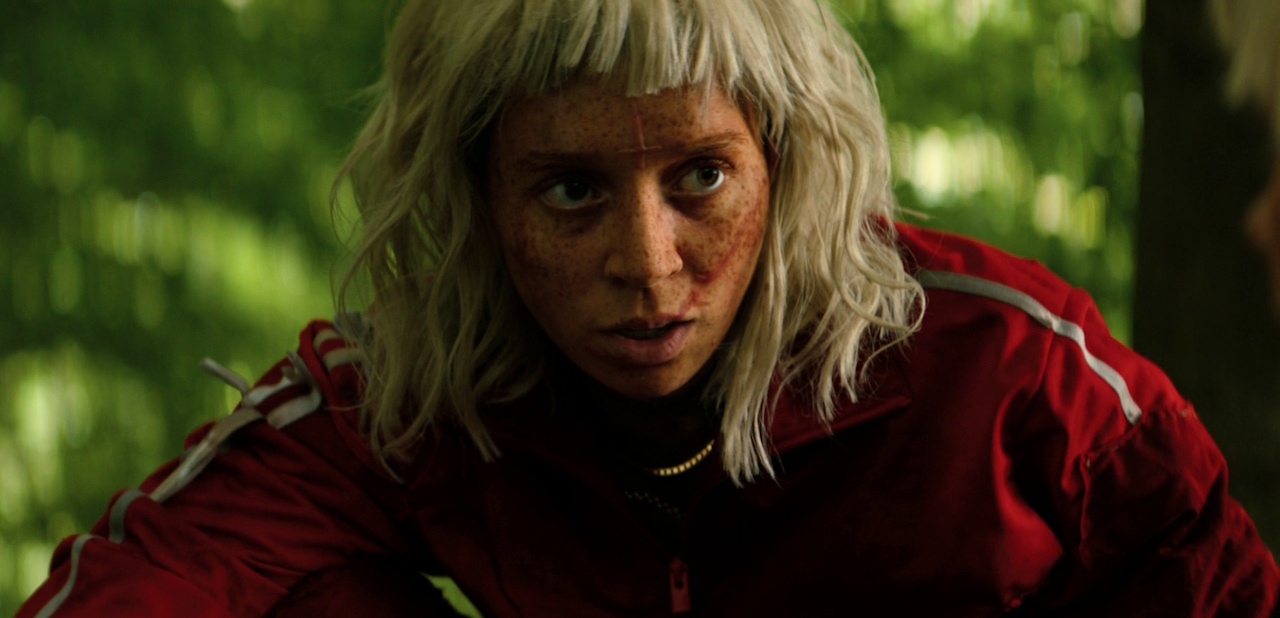
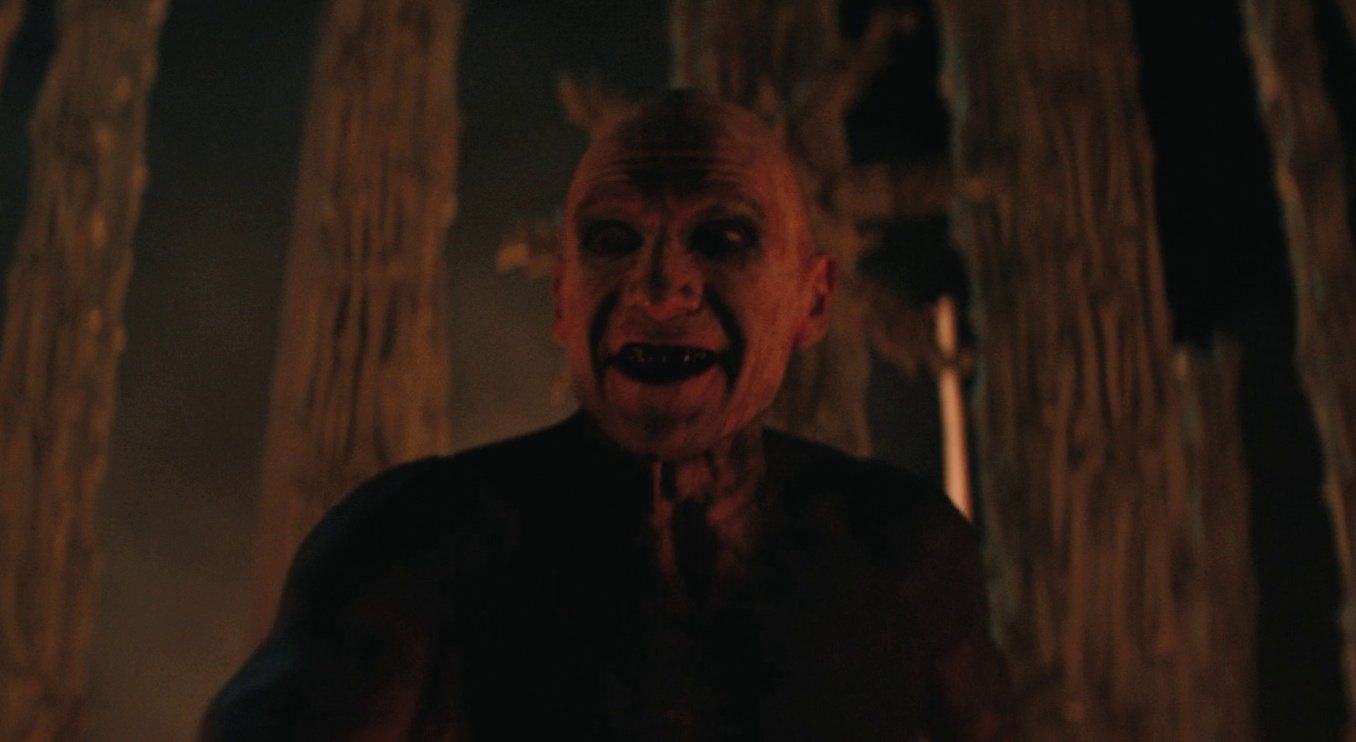
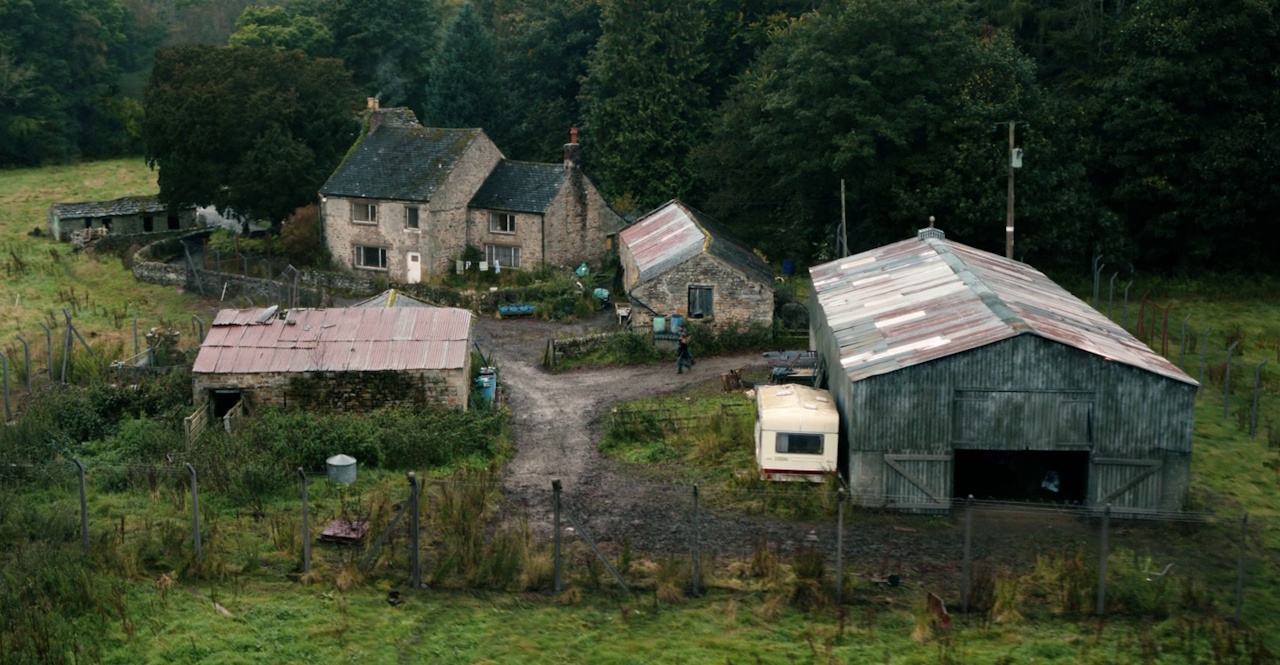
This film really creeped me out when I first watched it! The Hole recounts the story of a group of teenagers who become trapped in an underground bunker having sneaked inside to throw a party. As the situation becomes increasingly desperate, some of them are killed in pretty gruesome ways. The film documents the descent into madness of its main characters, and touches on some pretty dark themes along the way.

The Hole was an early project for Keira Knightley, who later went on to star in films like Pirates of the Caribbean and 2005’s Pride & Prejudice. Thora Birch takes the lead role, and The Hole tells a really disturbing tale of teenage love gone horribly wrong. There are twists and turns along the way, and I was on the edge of my seat most of the time.

Film #3:
Annihilation
2018

Still frame from Annihilation (2018) showing characters examining a mutated corpse.

Annihilation seems to be overlooked, but it’s a surprisingly strong sci-fi/horror title that’s well worth your time. There are some genuinely shocking “mutated” animals, and moments of body horror as the mysterious Shimmer begins to affect the humans sent to find out what’s happening inside it. There are relatively few out-and-out jump-scares, which is something I appreciated, but there are plenty of moments in the film that linger long after the credits have rolled.

There’s some technobabble about how the alien Shimmer is distorting the DNA of the plants and creatures within its boundary, and the scientific focus of the expedition is something relatively uncommon in the horror field. Alex Garland, who directed Annihilation, also directed 2024’s Civil War – a review of which you can find by clicking or tapping here, if you’re interested.

Film #4:
Pan’s Labyrinth (El Laberinto del Fauno)
2006

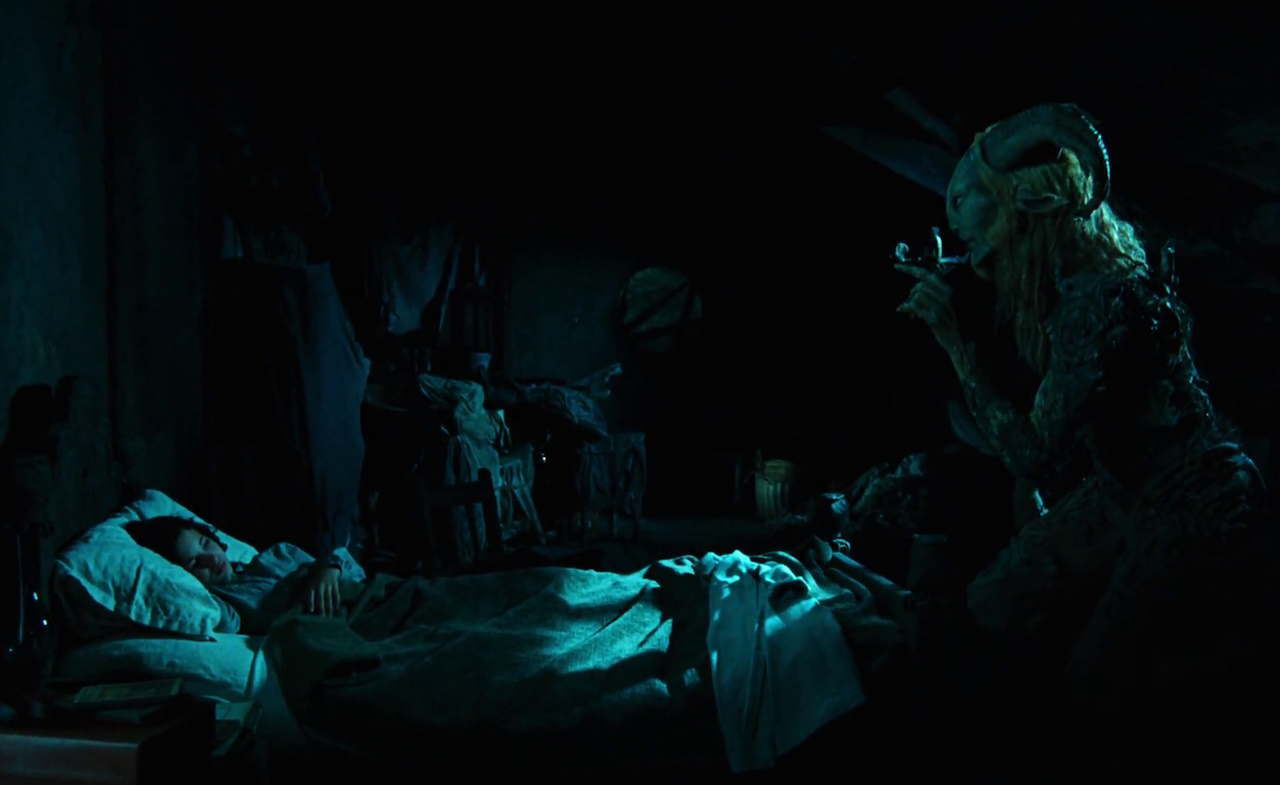
Still frame from Pan's Labyrinth (2006) showing Ofelia in bed and the Faun.

I think there are enough disturbing and scary moments in Guillermo del Toro’s Pan’s Labyrinth to earn it a place on a list like this one! It’s actually been a while since I watched it, but some scenes and moments are still etched in my mind eighteen years later. Young Ofelia is tasked with completing three trials to prove her worth as the reincarnation of a princess from a fairy-tale realm.

Some of the puppets and prosthetics created for Pan’s Labyrinth are truly outstanding – and grotesque. And the film’s twin storylines set in the dark underworld and Francoist Spain are both deeply engaging. The young performer who took on the incredibly challenging role of Ofelia really excelled, and del Toro’s direction is fantastic as well. A disturbing film in many ways… and well worth a watch.

Film #5:
Hotel Transylvania
2012

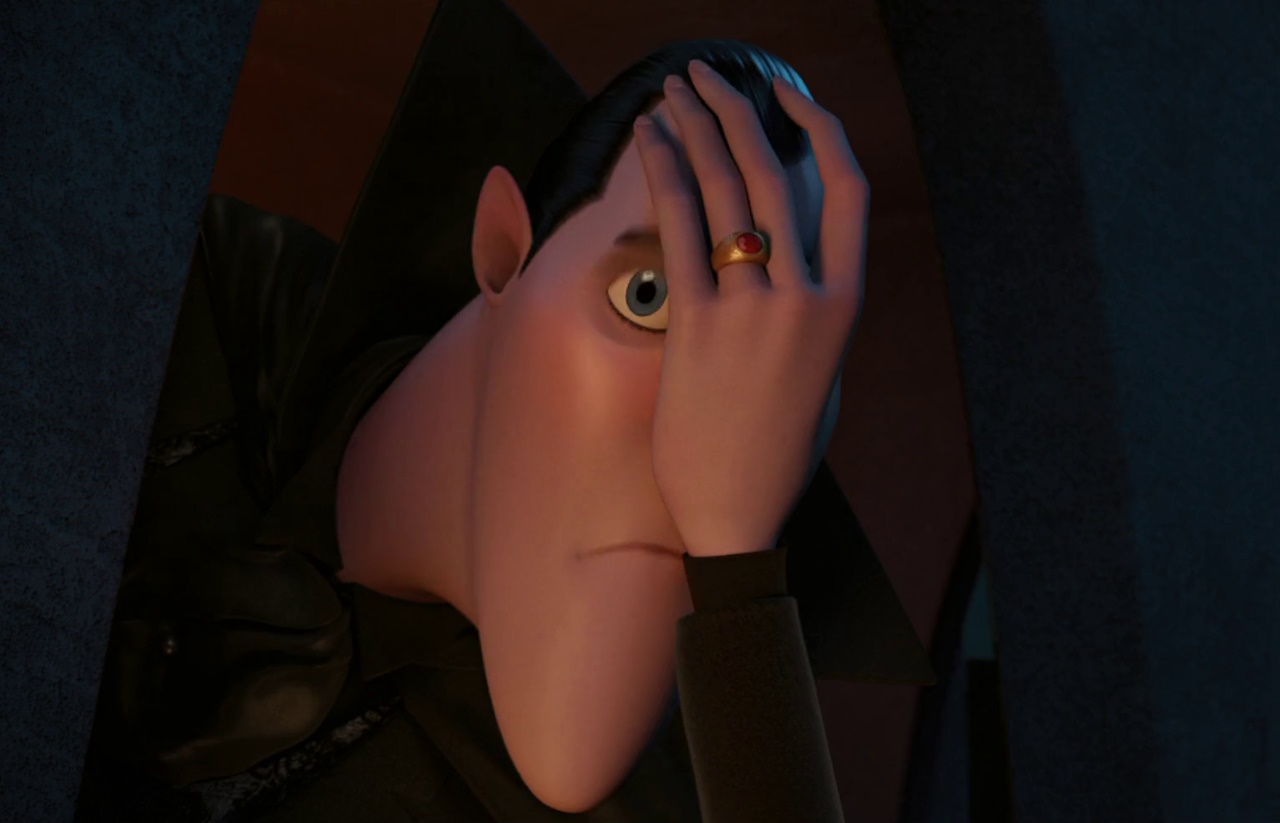
Still frame from Hotel Transylvania (2012) showing Dracula face-palming.

Despite its themes of death and horror, Halloween is still a holiday for the little ones! So I’ve chosen to include a kid-friendly entry on the list, and this year it’s the turn of Hotel Transylvania. The original film was a blast, as an unexpected human guest shows up at Dracula’s hotel – which is supposed to be a refuge for monsters, vampires, ghouls, and other horror movie staples.

What ensues is a classic comedy with a romantic sub-plot, one set against the backdrop of a haunted hotel/castle populated by Dracula and his clan. There’s a ton of fun to be had here, especially at Halloween, and Adam Sandler puts in what might just be my favourite performance of his as this version of Count Dracula. Hotel Transylvania has since been spun into a franchise – because of course it has – but for me, the first film is still the best of the bunch.

Bonus TV Series:
The Terror Season 1
(2018)

Still frame from The Terror Season 1 (2018) showing a sailing ship at sea.

In addition to the films listed above, I thought it could be fun to highlight one of my favourite horror TV shows of the last few years. The Terror takes Franklin’s lost expedition to the Arctic as its starting point, and weaves a tale of explorers trapped on the ice while being hunted by a soul-eating monster. The crew of the expedition grow increasingly desperate as they’re snowbound and trapped in ice, leading to a desperate bid to reach civilisation.

The monster in The Terror is largely unseen (in the style of films like Jaws), and I think it works incredibly well. There are excellent performances from Jared Harris, Tobias Menzies, and Adam Nagaitis, among others, and the world of The Terror’s first season really grabbed me and pulled me into the world of the mid-19th Century. At time of writing, a third season of this anthology series has just been greenlit, so maybe we’ll watch that together next Halloween. Is that the first time you’ve seen someone mention Halloween 2025?

So that’s it!

Stock photo of two jack-o-lanterns.
Happy Spooktober!

We’ve picked five spooky films – and one bonus spooky TV programme – to watch this October.

I hope this has been a bit of fun. I like to branch out and explore some horror films at this time of year – even though I wouldn’t usually devote much time to the genre. There are a couple of films and series on the horizon that I’d like to take a look at this month, too, and I have a couple of other Halloweeny ideas that may (or may not) make their way onto the website before the 31st. So I hope you’ll stay tuned here on Trekking with Dead-nnis… if you dare!

All that’s left is for me to wish you a happy and spooky October. This really is my favourite time of year!


All films and TV shows discussed above are the copyright of their respective studio, broadcaster, distributor, or company. Some stock images courtesy of Unsplash and Pixabay. This article contains the thoughts and opinions of one person only and is not intended to cause any offence.

Civil War: Film Review

The first part of this review is free from major story spoilers. The end of the spoiler-free section is clearly marked.

Civil War is a film I’d been looking forward to in 2024. It seemed like a picture that had the potential to be serious and timely – and perhaps the kind of film that could’ve ended up as a dark horse when awards season rolls around! While I’m not sure that Alex Garland’s tale of a fractured America quite reached that level, it was an interesting watch nevertheless.

War films can often be brutal in their depictions of violence, as can post-apocalyptic fiction. Civil War leaned into both of these genres at different times, using established tropes of both – while occasionally putting its own spin on some of them. By presenting the violent nature of a dystopian world and the harsh realities of war through the lenses of unarmed journalists, Civil War could feel tense, frightening, and dark. Its four principal characters could often feel vulnerable; caught in an environment where survival was the most important thing – but without any kind of weapon save their press badges.

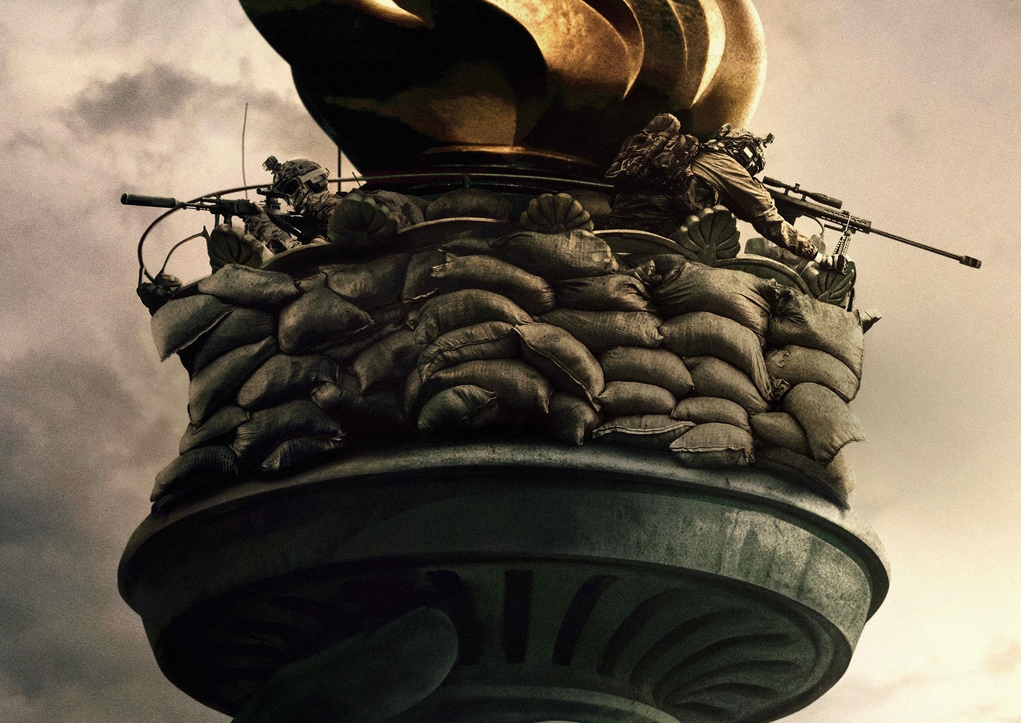
Promotional poster for Civil War (2024).
A cropped poster for Civil War.

Civil War was also a film that didn’t have the political edge that I was expecting. Given the events of the past few years in the United States – deepening political polarisation, the January 6th insurrection, and so on – I was worried that Civil War might come across as preachy; arguing in favour of one party or candidate over another. Instead, the film basically ignored the president, the causes of the war, and even the soldiers fighting in it for the most part, keeping a tight focus on its journalist protagonists. I can see both sides of this argument, and when we get into spoilers we’ll talk a bit more about politics and possible analogies to current events. But for now, suffice to say that the film was far more interested in the journeys of individual characters rather than taking a wider look at societal divisions and the potential causes of a civil war in the United States.

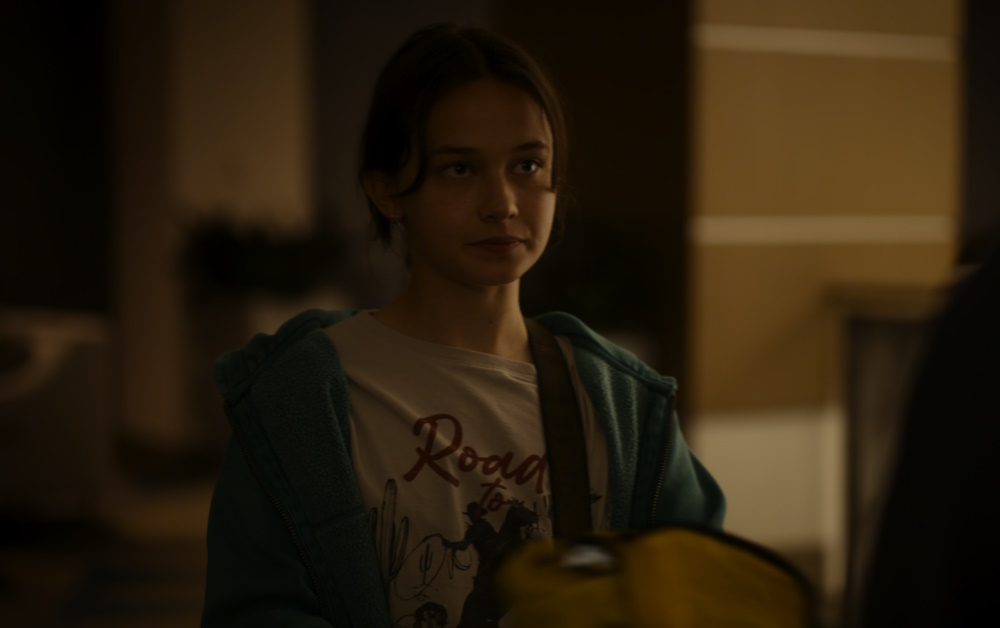
In fact, one character in particular was front-and-centre, even when the story wasn’t being told from her perspective. Golden Globe-nominated actress Cailee Spaeny took on the role of Jessie, a young photographer who tags along with the more experienced journalists in the group. And to me, Civil War feels like her story – a tale of a young person experiencing the brutal realities of a world torn apart by war, losing her naivety or innocence as she journeys deeper into the warzone. The concept of a character’s growth and changes being reflected in a real-world journey from one place to another is something war films like Apocalypse Now have used to great effect. Civil War does something similar as Jessie’s transformation from fresh-faced wannabe to battle-hardened veteran journalist plays out.

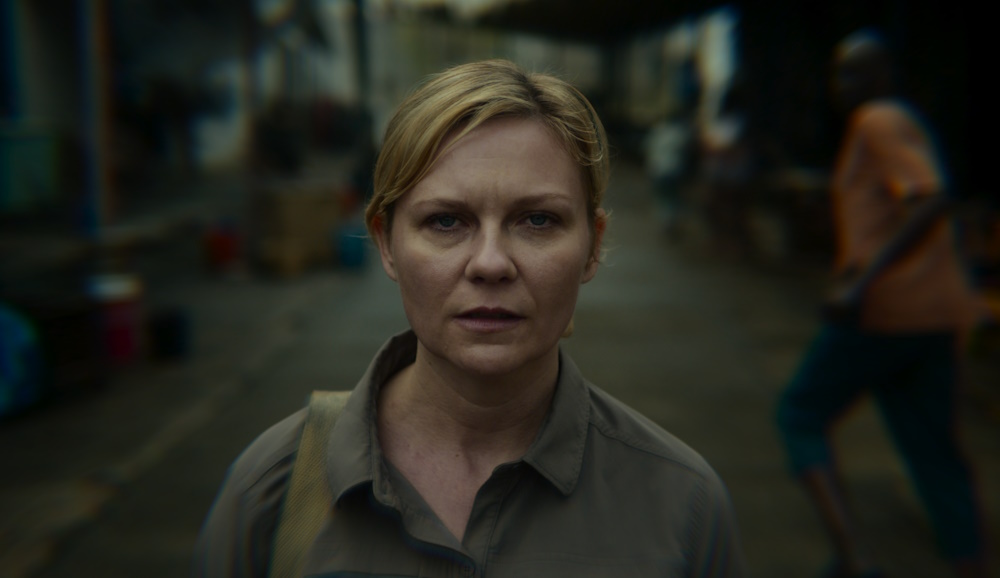
Still frame from Civil War (2024) showing the character of Jessie.
Civil War is really Jessie’s story.

Civil War feels like a modern film thanks in part to its soundtrack. Silence is used to great effect at a couple of key moments, but the juxtaposition of upbeat pop tracks with some of the imagery of war – or the eeriness of locales unaffected by the conflict – is something we’ve seen other modern titles do. There’s something unsettling about hearing some of these tracks playing as the film is rolling on – and that was exactly the director’s intention.

So I think that’s all I can say for now without getting into story spoilers. If you haven’t seen the film and don’t want to know what happens – including at the very end – then this is your chance to jump ship! If you’re ready to get into narrative spoilers, though, stick with me and we’ll dissect Civil War in more depth.

A spoiler warning graphic.

This is the end of the spoiler-free section of the review. There are story spoilers from here on out!

First of all, I’m surprised at how little attention Civil War paid to the conflict at its core. Perhaps this is a result of the film’s marketing emphasising the secession of certain states and the fictional backdrop to the war, but I really expected to get a lot more about the different factions involved, some indication of the root cause or causes of these apparently separate breakaway states, and what led to all-out war being declared. There was very little about this in the film itself, yet that side of it was definitely hyped up in pre-release marketing material.

Such a storyline could easily descend into arguments about modern politics, and from that point of view I can see why writer and director Alex Garland may have chosen to side-step the issue. Civil War is ambiguous enough that both sides of the aisle in American politics could project themselves onto the rebels and their opponents onto the seemingly corrupt and unpopular president – and that may have been the intention. However, it also opens up the film to a different kind of criticism – that it isn’t political enough. If there’s a message about the danger of corrupt politicians, or a politician attempting to usurp democracy for their own ends, why not be bold and call them out – if not by name then with a more obvious analogy?

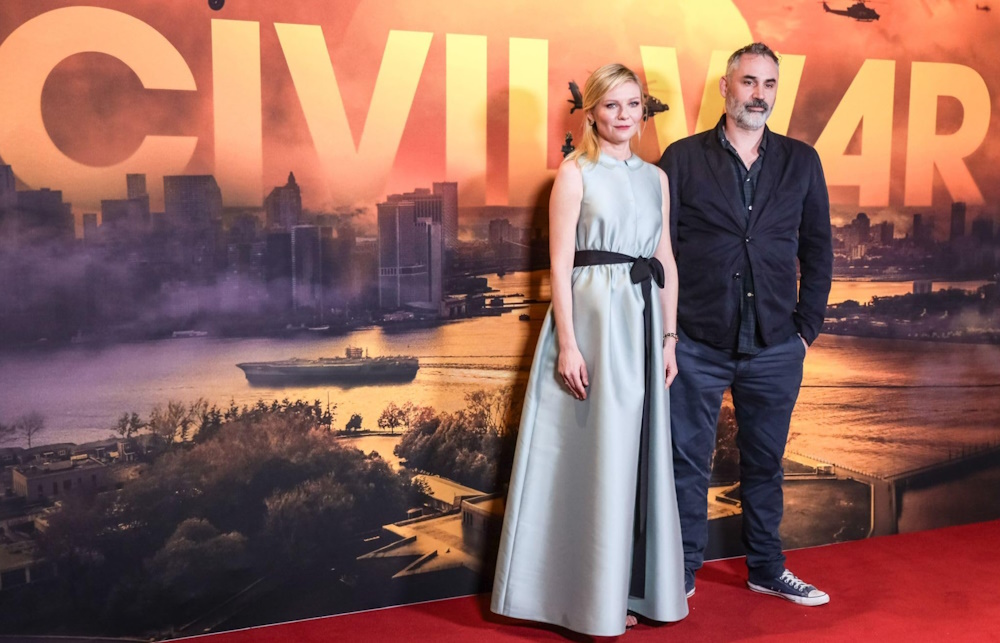
Photo from the premiere of Civil War (2024) showing star Kirsten Dunst and director Alex Garland.
Kirsten Dunst and director Alex Garland at the film’s premiere.
Image Credit: IMDB

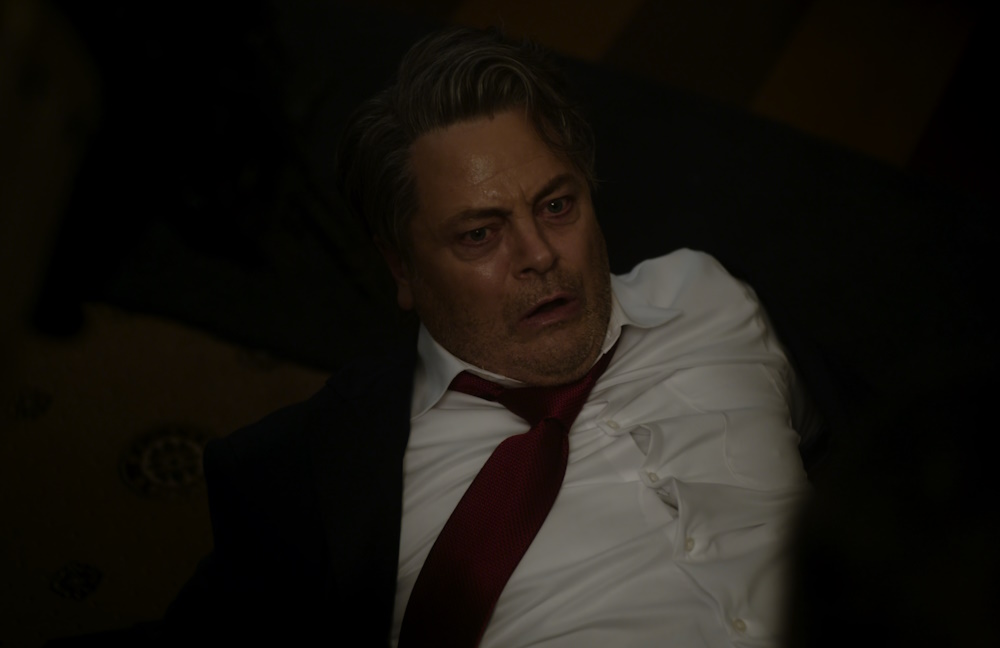
That being said, I personally read Civil War’s president as being based on or inspired by Donald Trump. The brief mention of the president having sought a third term, the way in which he was made up to look – for want of a better term – more orange and with more fake tan, the way he spoke in such exaggerated terms at the beginning of the film, and actor Nick Offerman’s mannerisms all led me to that conclusion. The president was not a major figure in the film, appearing briefly at the beginning and the end only, but he was an important character and seemingly the main cause or at least a major contributor to what had gone wrong in America.

Despite the president’s death at the end of the film not being presented as a particularly heroic moment – from our protagonists’ perspective, at any rate – I can’t help but wonder if there’s a degree of fantasising or wish-casting in the way those final moments unfolded. Some politicians – Trump in particular – evoke incredibly strong feelings, and I daresay that Alex Garland wouldn’t be the first person to fantasise about storming the White House and having him killed.

Still frame from Civil War (2024) showing the deposed President of the United States.
Civil War’s unnamed president at the end of the film.

Let’s stick with this idea of the film as a “fantasy,” because I think the backstory of Civil War speaks to a curiously American kind of narrative. The idea of a “rag-tag” group of rebels being able to take on and defeat the incumbent government is a trope of American filmmaking and American storytelling in general. And it’s easy to see why: the United States was founded in such circumstances, when a group of colonists fought against the biggest and most powerful empire of their time to win their independence. Ever since, this notion of the virtuous rebel fighting against the corrupt establishment has been a core foundation of storytelling in America.

We see this theme in cinema – from the earliest films like 1916’s The Crisis through Star Wars’ Rebel Alliance and beyond, continuing into the present day. The conflict in the background of Civil War is very much in this American tradition of rebellion, and underdogs taking the fight to the powers that be. In the 18th Century that might’ve worked… but it’s a total fantasy in today’s world, where UAVs can drop bombs on even the most well-organised militia at a second’s notice. Civil War tried to sidestep what is a pretty glaring narrative flaw for any story that wishes to appear realistic. It does so by ignoring the buildup to the conflict and its early days, showing only the final, climactic battle as rebel forces storm Washington DC. Does that work? Does that contrivance overcome the inherent impossibility of the film’s premise? I’m not convinced – but I’m also not convinced that it matters all that much in a story that’s primarily about a handful of characters and their response to the war. The war itself is the catalyst, not the focus – if it were, this premise would trip up the story a whole lot more.

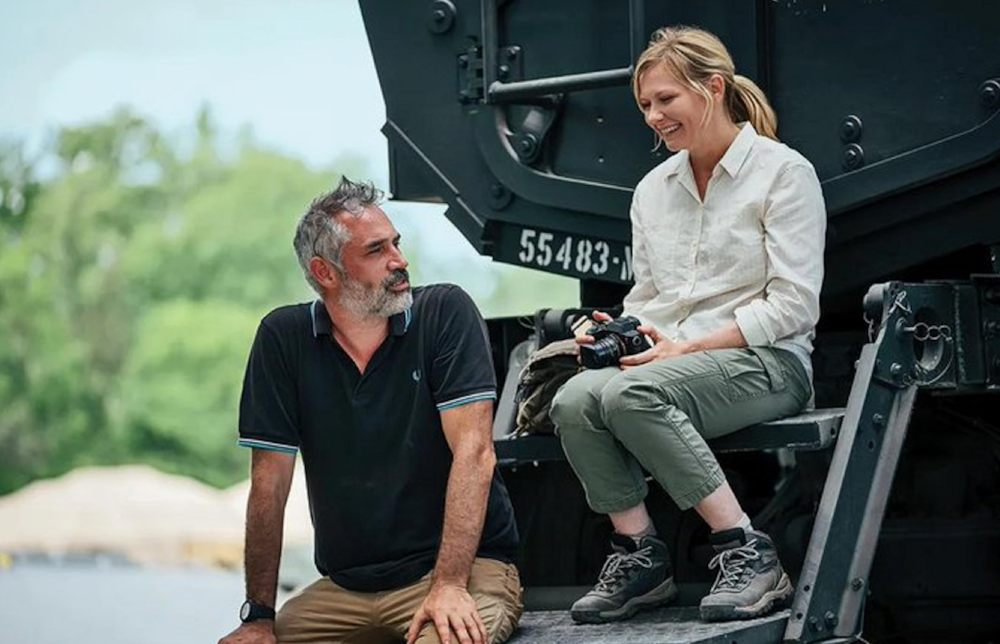
Behind-the-scenes photo from Civil War (2024) showing director Alex Garland and star Kirsten Dunst.
Director Alex Garland with Kirsten Dunst in a behind-the-scenes photo.

We talked about Jessie’s journey in the spoiler-free section, and how she changed over the course of the film. Even though Civil War wasn’t always shot from her point of view, I see it as really being her story. The other journalists in the group were more or less fixed characters – they saw horrible things, including the death of their friends – but they didn’t undergo the same transformation as Jessie did. In that sense, Civil War is her story more than anyone else’s.

The character of Lee was interesting – but I would argue that Civil War didn’t give her the in-depth look that it really needed to. Lee’s story seemed to be one of post-traumatic stress, and how a character that everyone thought was emotionless and detached was actually suffering on the inside, but struggling to tell anyone. Her interactions with Jessie came closest to hinting at that, but no one else really picked up on what was going on inside Lee’s mind. As the audience, we got to see it – literally, through the use of some creative camera work and sound design that pulled Lee out of the action at a few key moments, and that used stretched-out colours to symbolise the damage that trauma was doing to her. But the film didn’t really expand upon this; we saw it, but Lee’s travelling companions never did. Right up to the moment of her death, Lee was left alone with her struggle.

Still frame from Civil War (2024) showing the character of Lee during a flashback.
The topic of Lee’s mental health was raised but never really addressed by other characters in the film.

And perhaps that’s part of the point: Lee represents the kind of person Jessie is becoming. Through her, we catch a glimpse of Jessie’s future – one of trauma and silent struggle. She wanted to be a war photographer no matter what, and Lee shows us what Jessie will become at the end of that road.

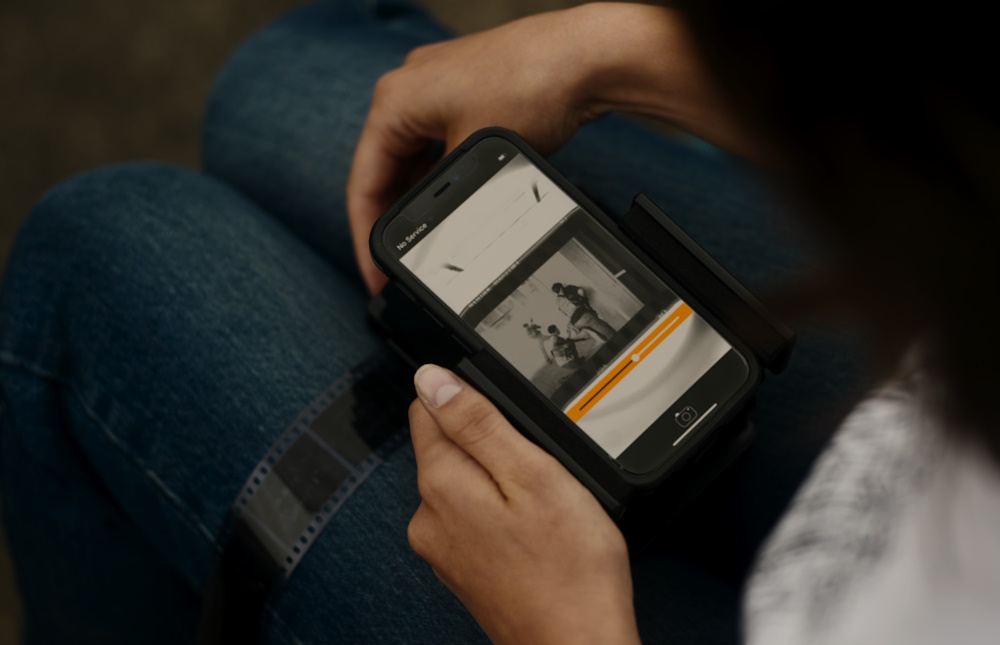
One thing I didn’t like, speaking of photography, was how Jessie used an old film camera. Film might be the preference of a few hipsters and artists, but in a fast-paced medium like journalism, it really doesn’t have much of a place any more. As Lee remarks to Jessie at one point in Civil War, only one photo out of every few dozen is a keeper – and when a roll of film might let Jessie take 32 photographs… that’s one usable picture per roll. There’s also the process of developing the negatives and so on… and it just felt like an unrealistic and unnecessary inclusion. Civil War itself was shot on digital cameras, which I think is worth noting. If the director had a preference for film or wanted to make a point about film being somehow “better” than digital… well, it starts to look a bit silly. It doesn’t make a lot of sense in-universe for a character intent on becoming a war photographer to rely on film in a world where digital cameras exist, and the story didn’t have much to say about it, either. It’s not like the film-versus-digital debate even really came up, nor served as a metaphor for something else.

Still frame from Civil War (2024) showing Jessie developing photographs.
Jessie used a film camera for seemingly no real reason.

Parts of Civil War felt like a road trip – and indeed the film’s working title was “Road Trip” when it first entered production. We caught little glimpses of the film’s post-apocalyptic-inspired world as our characters drove from place to place, with things like random fires, furniture dragged outdoors, and abandoned vehicles on the highway all having become tropes of post-apocalyptic fiction. Civil War leaned into this with some of its secondary characters – the group at the gas station and the racist soldiers in particular. There was a lawlessness to the world that these characters successfully embodied, and the occasional moments of light-heartedness that Civil War gave to its main characters were ripped away in brutal fashion as the reality of the world they now inhabited hit them.

Even when there were moments of joy, playfulness, or a visit to a town that the war seemed to have passed by, there was still a distinct eerie sensation in the air that things weren’t right and our characters were in danger. Civil War used this quite well, meaning that even when the main characters let their hair down or found themselves relaxed, the feeling of danger was never very far away. Even the moments where nothing bad happened – such as at the refugee encampment or in the quaint little town – that sensation was always present. In a way, parts of Civil War almost developed a psychological horror tone, where the sense of danger never fully let up. Any background character, shopkeeper, driver, soldier, or whoever felt like they could be a potential risk.

Still frame from Civil War (2024) showing a suburban house.
Visiting this town, untouched by the conflict, still felt tense and even a little creepy.

It’s relatively unusual for a film to make photographers and journalists into its protagonists. All four main characters expressed different degrees of detachment from the conflict they were documenting, as if they had no real political leanings or views on the war. There was some initial criticism of the president – particularly from Sammy at the beginning of the film – but the others mostly avoided sharing their thoughts or opinions. We tend to see journalists in this way, as being impartial observers – even though many of them aren’t! But it made for an interesting viewpoint for a war film to take – particularly for a film that, as mentioned above, didn’t really go into much detail about what had happened or why this conflict was raging.

Civil War had some creative cinematography and camera work that leaned into quite an artistic style. Shots would linger over things like a sprinkler spraying water or an empty road, as well as use exaggerated or faded-out colours to depict Lee’s mental state. The camera would also fade to a grainy black-and-white at times, representing the way Jessie’s photographs would look. I liked most of these, and they felt tasteful and creative without being overused. The long shot of Jessie falling into the mass grave was also particularly well done.

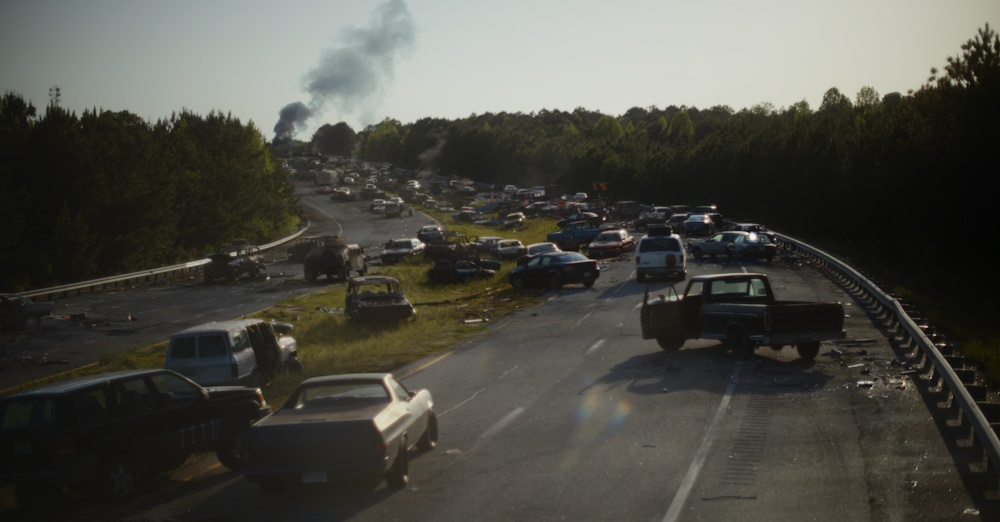
Still frame from Civil War (2024) showing abandoned cars on a road.
Abandoned vehicles on the highway.

So that was Civil War. It was an intense, brutal film – but one that didn’t have the political edge I’d been expecting. That made it more interesting in some ways as a work of characterisation and a road trip movie through an interesting series of war-torn environments, but it rendered much of the potential social commentary rather impotent. However, by leaving the causes of its war ambiguous, Civil War allows its audience to reflect on the consequences of such a conflict regardless of who may have been “right,” which is arguably a more important message given the political polarisation that has been present for years in the United States.

For my part, I enjoyed Civil War. It’s rare these days for a film to stick in my mind for hours and days after I’ve watched it, but I found a few of Civil War’s most intense sequences playing in my head on repeat after only watching it a single time.

There were some great acting performances from the entire main cast, special effects that hit the mark and didn’t get in the way, creative cinematography and sound design, and all in all, an interesting narrative that hooked me in and kept me engaged throughout. Definitely one to watch if you haven’t seen it already!


Civil War is available now on video-on-demand on Apple TV and Amazon Prime. Civil War will be available for streaming on Max in September 2024 and may also be released on DVD/Blu-ray at a later date. This review contains the thoughts and opinions of one person only and is not intended to cause any offence.
Five “Christmas” Films To Watch In December… Or Any Time Of Year, Really

Spoiler Warning: Beware of minor spoilers for some of the films on this list.

I love Christmas – it’s the most wonderful time of the year, don’t you know! And there are some absolutely phenomenal Christmas films that are on everyone’s must-watch list every single year. You know the ones: films that we’ve watched at this time of year for almost as long as we can remember; films that have come to define every aspect of the word “Christmas.”

And I thought it could be fun to take a look at five of them and explain why they’re not really Christmas films!

That’s right, it’s time for a little bit of festive controversy as I pick out five “Christmas” films that aren’t really Christmas films! Instead, I would argue that these films are in other genres entirely, or are only tangentially related to Christmas either by being set at that time of year or even just by association.

Father Christmas is indisputably a Christmas film – which is why it won’t be on the list below!

Before we get into the list, an important caveat: this is just for fun! I don’t think the debate around what is or isn’t a “Christmas” film is something that needs to be taken seriously at all, and I’m making this list with tongue firmly embedded in cheek. It’s also one person’s entirely subjective opinion – so please try not to get too upset if I call out your favourite Christmas film!

I enjoy all of the films on this list, and regularly watch them at this time of year. But for reasons I’ll try my best to explain, I don’t necessarily consider them to be true “Christmas” films in every sense of the phrase. Definitions of what constitutes a Christmas film may vary – and it might be enough to say that a film set at Christmas, released at Christmas, or that has developed an association with Christmas over the years counts. But I’m going to argue that those reasons are not enough – for a film to truly be a Christmas film its plot has to be directly tied up with Christmas!

So let’s jump into the list, shall we?

Film #1:
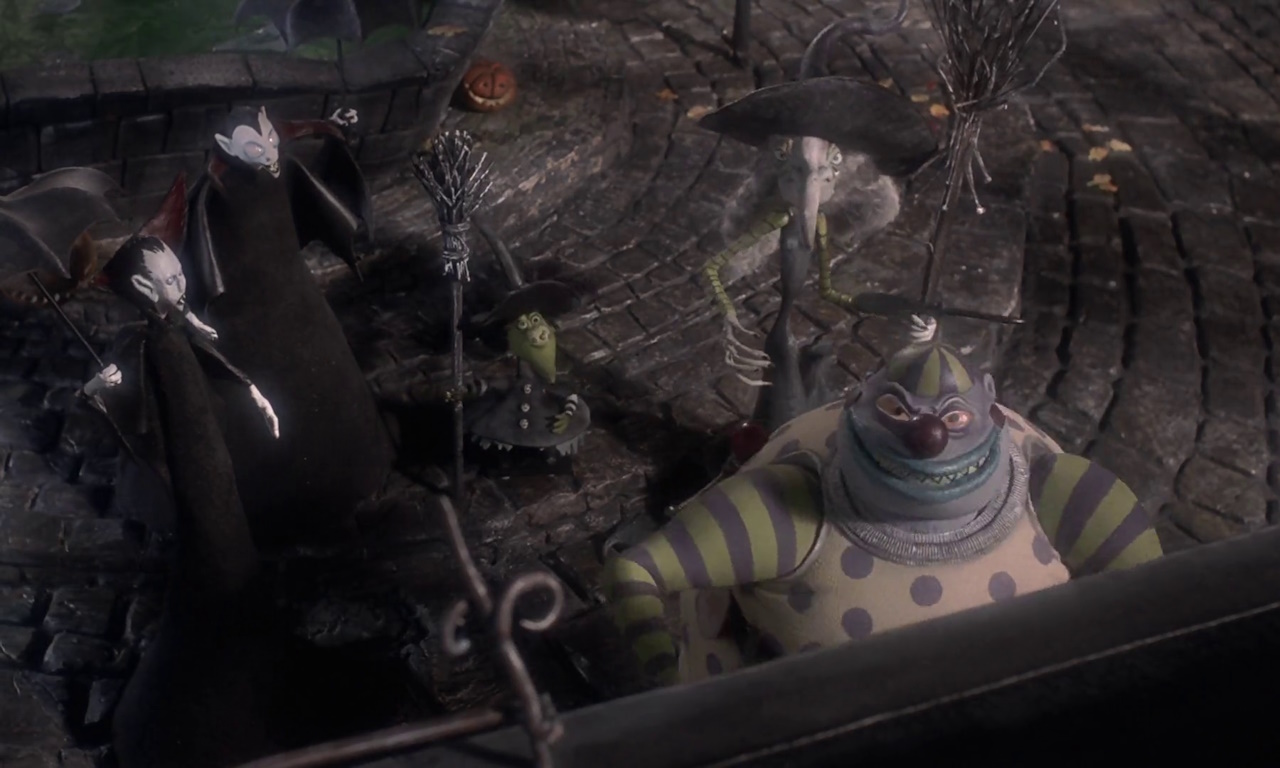
The Nightmare Before Christmas (1993)

Jack Skellington.

Wait, this film literally has the word “Christmas” in its name! Not only that, but it sees protagonist Jack Skellington take the reins of Santa’s sleigh on Christmas Eve… so how can it possibly not be a Christmas film? Well, that’s simple: it’s a Halloween film best enjoyed in the autumn.

Most of the action in The Nightmare Before Christmas takes place in Halloween Town, and practically all of the principal characters are Halloween Town residents who are inspired by the monsters and ghouls of horror fiction and folklore. Although the plot touches on Christmas and sees characters visit Christmas Town, those scenes and sequences are told from the point of view of the denizens of Halloween Town – and their take on Christmas is very much a spooky one!

The film is largely told from the perspective of Halloween Town residents.

For that reason, The Nightmare Before Christmas is a great film to watch in between Halloween and Christmas – say, in the middle of November! But as Christmas gets closer, we should really be leaving Halloween behind to focus on what lies ahead. For me, The Nightmare Before Christmas is too strongly rooted in Halloween, and decked out with the trappings of that holiday, to truly be considered a Christmas film.

That being said, I love how the film shows Halloween Town characters discovering Christmas for the first time, and how they work to save Christmas – after putting it in danger! There are some fun moments amidst the frights and scares… but it’s still very much a film that’s best enjoyed before Christmas time fully arrives!

Film #2:
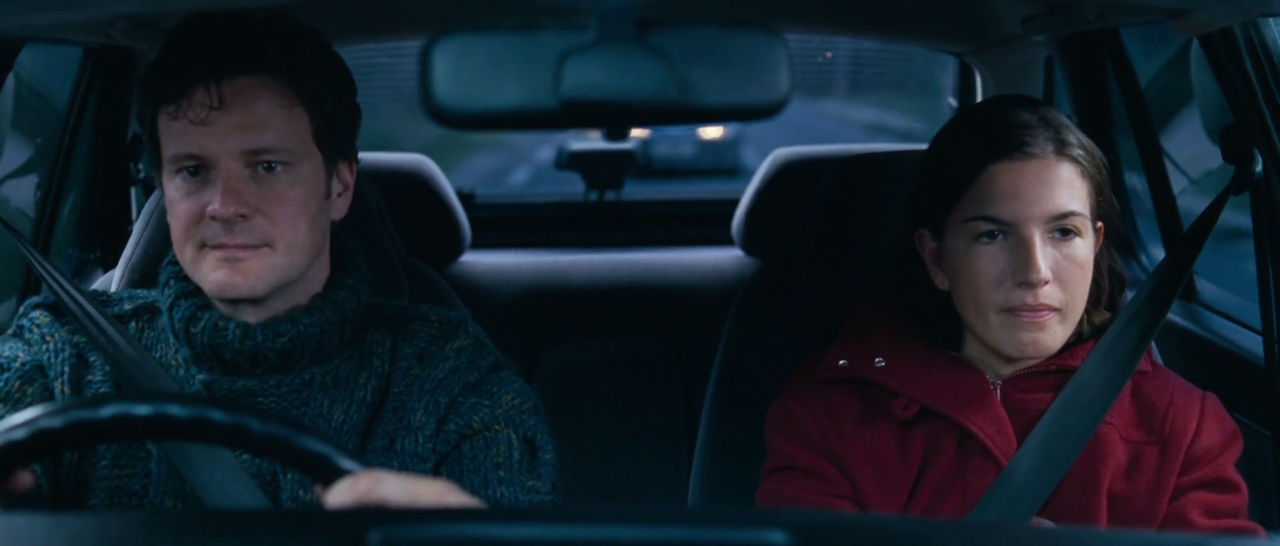
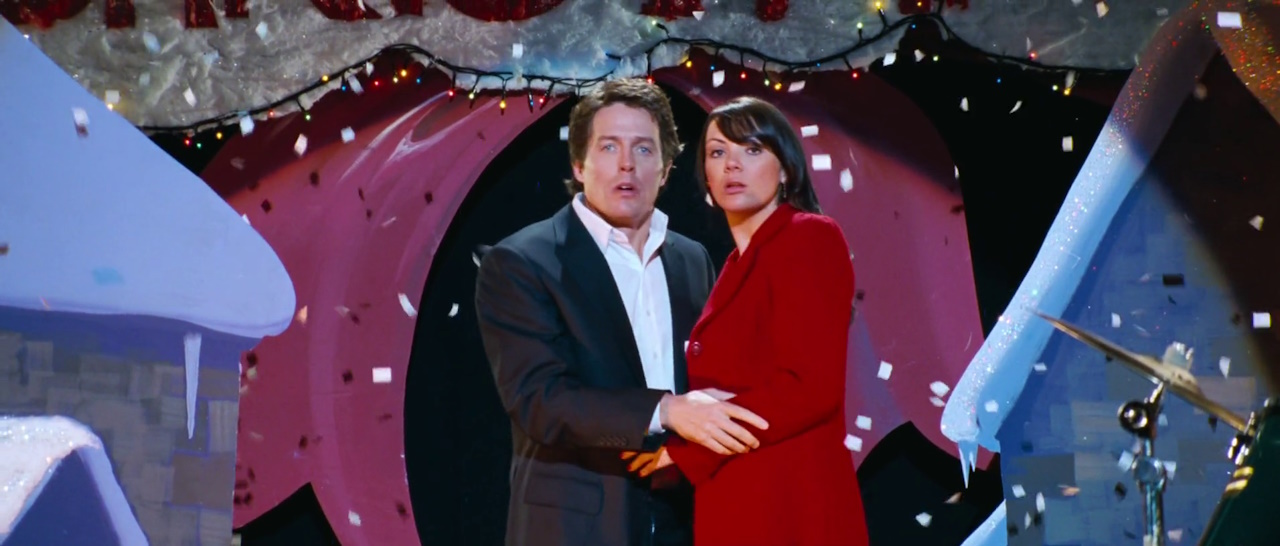
Love Actually (2003)

Lost in translation lovebirds!

This is simple: Love Actually is a film set at Christmas, not a Christmas film. Are we clear on that? Good! Wait, what do you mean I have to fill three-and-a-half more paragraphs? D’oh!

As stated, Love Actually may be set at Christmas, but setting alone does not – in my view – make for a Christmas film! Many of this romantic comedy’s storylines have nothing whatsoever to do with Christmas, and the simple fact that they play out in front of an occasionally festive backdrop doesn’t magically make the entire film a Christmas film!

It’s the Prime Minister!

Because of Love Actually’s narrative structure, some of its storylines and characters arguably have more to do with Christmas than others. Billy Mack, for instance, is desperately chasing the Christmas number one single, and the kids are taking part in a school’s nativity play. But other characters really don’t do anything Christmassy at all during their time on screen, with their stories taking them in different directions.

I enjoyed Love Actually when it was released – and to think it’s celebrating its twentieth anniversary this year makes me feel old! But I must confess that I was surprised to see it hailed as a “Christmas” film in the years after its release. To me, it has much more in common with writer Richard Curtis’ other rom-coms like Four Weddings and a Funeral and Notting Hill than it does with bona fide Christmas films.

Film #3:
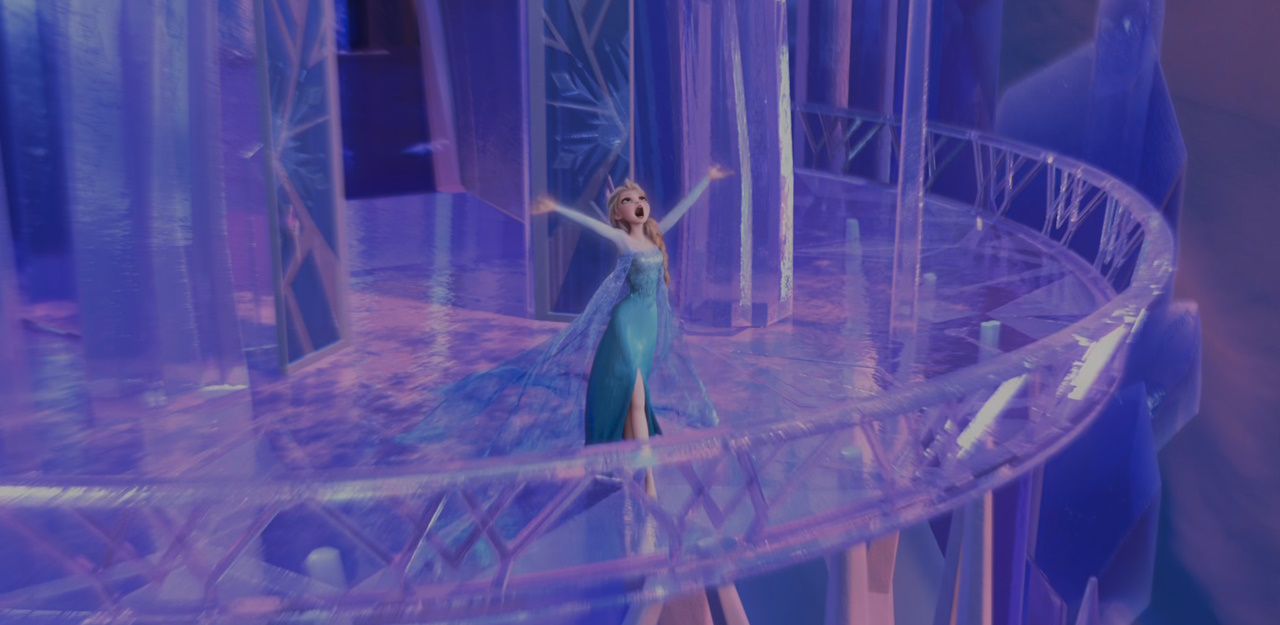
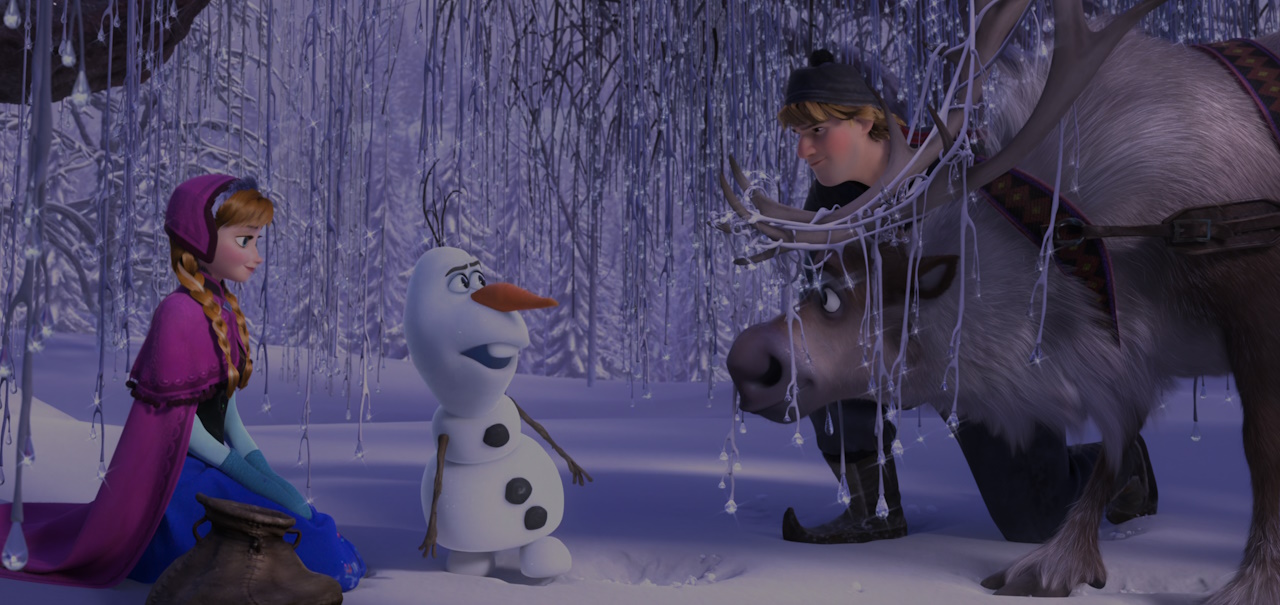
Frozen (2013)

Let It Go!

Frozen just isn’t a Christmas film, okay? It’s set in the middle of summer! And the princesses of the magical kingdom of Arendelle may not even celebrate Christmas for all we know; the holiday isn’t mentioned once!

A lot of people seem to associate Frozen with Christmas for two reasons: it was originally released shortly before Christmas, and it’s full of ice and snow thanks to Elsa’s magical powers. But there’s more to a Christmas film than a magical blizzard – and while Frozen may have a cute winter aesthetic going for it, as well as some well-animated snow, that’s not enough to make me believe it’s truly a Christmas film. And I say that with sincere apologies to everyone under the age of ten!

Snow and ice do not automatically make a film Christmassy.

The story of Frozen is set in the summer time; it’s only Elsa’s magic that causes Arendelle to freeze over. And the snow and ice is presented as a genuine danger to the kingdom’s inhabitants – hardly the carefree presentation of a white Christmas that we’d expect to see in a proper Christmas film! Many films use ice, snow, and blizzards to great effect – but we don’t call all of them “Christmas” films, and with good reason!

As more of the kids who grew up watching Frozen come of age, I expect its status as a “Christmas” film will only be further cemented. We’ve already seen songs like Do You Want To Build A Snowman showing up on Christmas compilation albums and playlists… so this idea of Frozen as a Christmas film clearly isn’t going away any time soon.

Film #4:
Die Hard (1988)

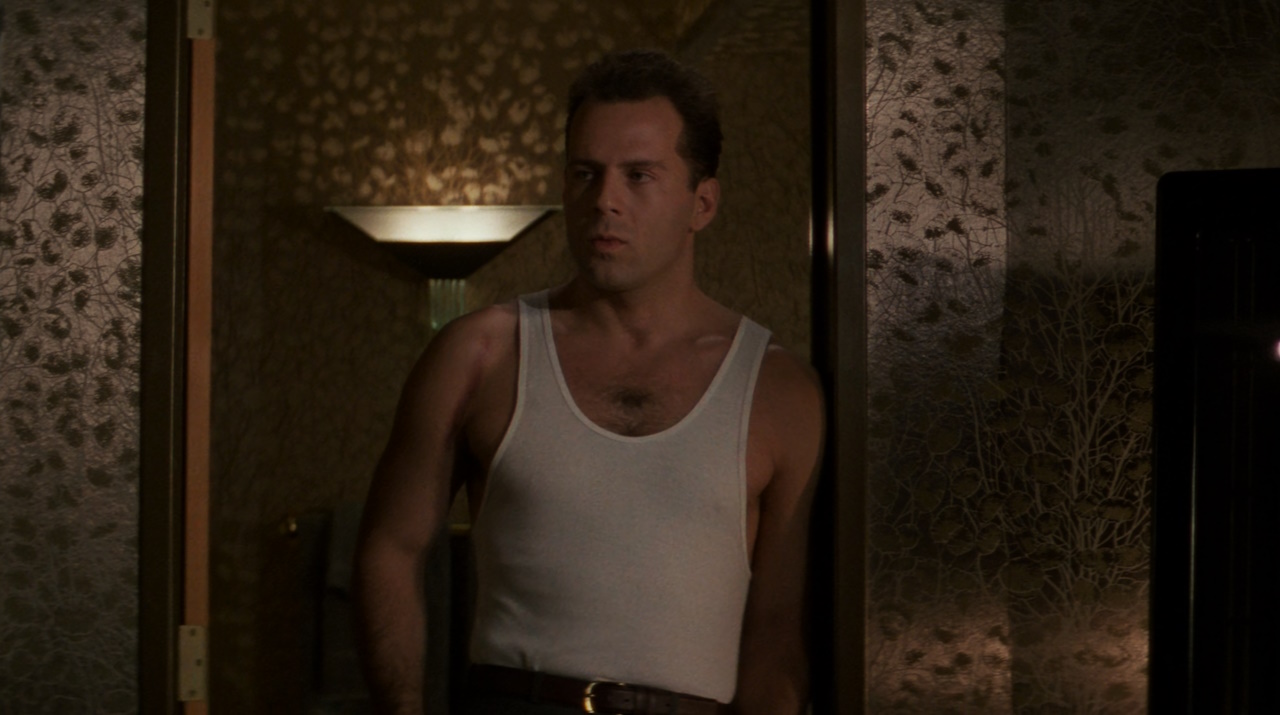
John McClane is fed up with this debate!

Uh oh, now we’re really getting into some controversial territory! Look, here’s the way I see it: I don’t dispute that Die Hard is set at Christmas and has some of the visual and musical trappings of the holiday season. That’s indisputable. But Die Hard is an action film set at Christmas time – not a Christmas film.

A couple of years ago, I saw somewhere online a homemade Christmas ornament featuring protagonist John McClane crawling through the ventilation ducts at Nakatomi Plaza. That was creative and cute – but the action movie trope of sneaking around in a crawlspace isn’t exactly something that screams “Christmas” to me!

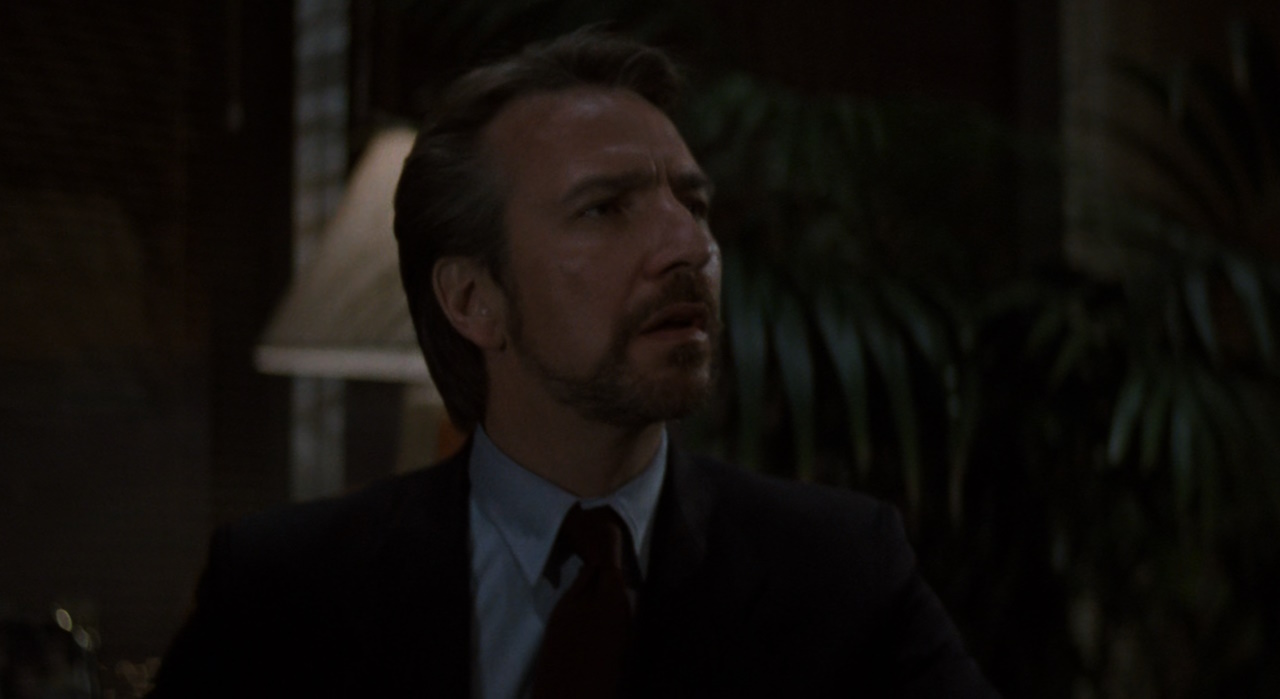
Alan Rickman as terrorist leader Hans Gruber.

One of the best tests of whether something can truly be considered a Christmas film is this: can you comfortably watch it outside of the Christmas season? I’d have no issue watching Die Hard in the middle of summer – because its plot doesn’t hinge on Christmas, its characters aren’t interested in Christmas, and fundamentally, nothing about the film would change if its office Christmas party was instead a birthday party or a Fourth of July celebration.

And that’s the key to understanding Die Hard’s place on this list. It’s an action film with a few incidental Christmas trappings, and it’s been hyped up by fans as a “Christmas” film on the internet in recent years – but it isn’t. Being set at Christmas does not automatically make for a Christmas film!

Film #5:
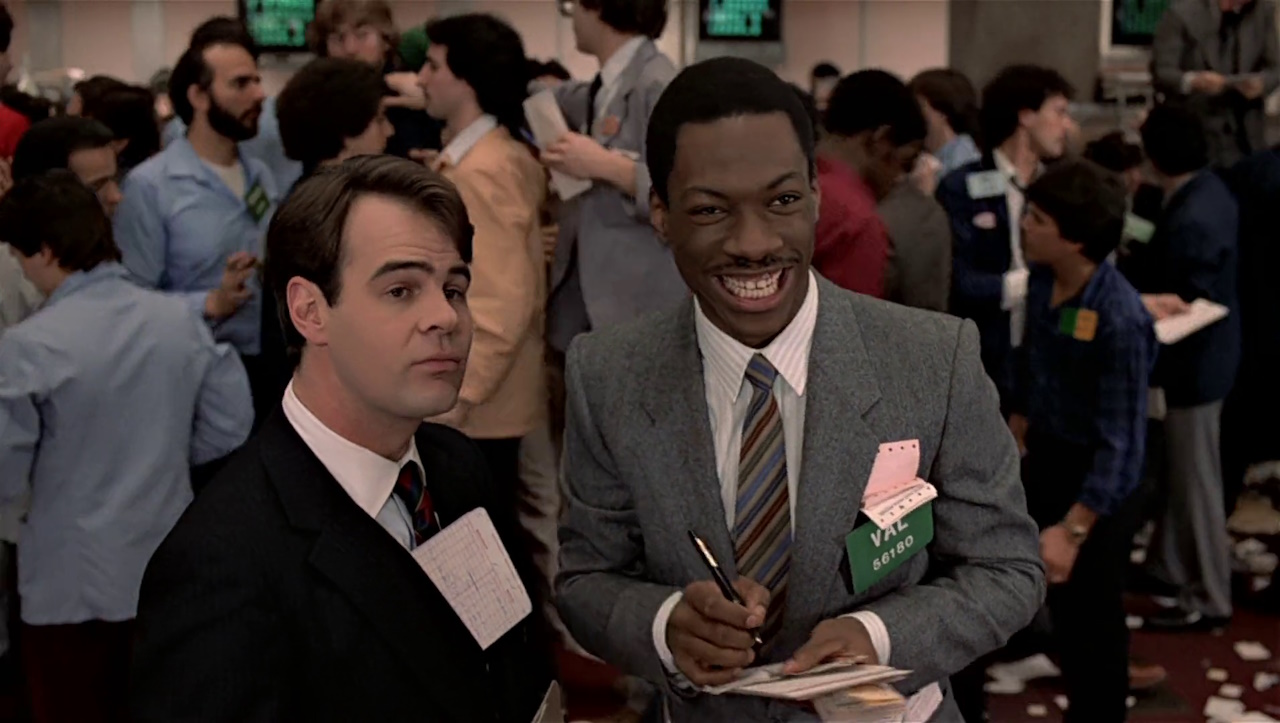
Trading Places (1983)

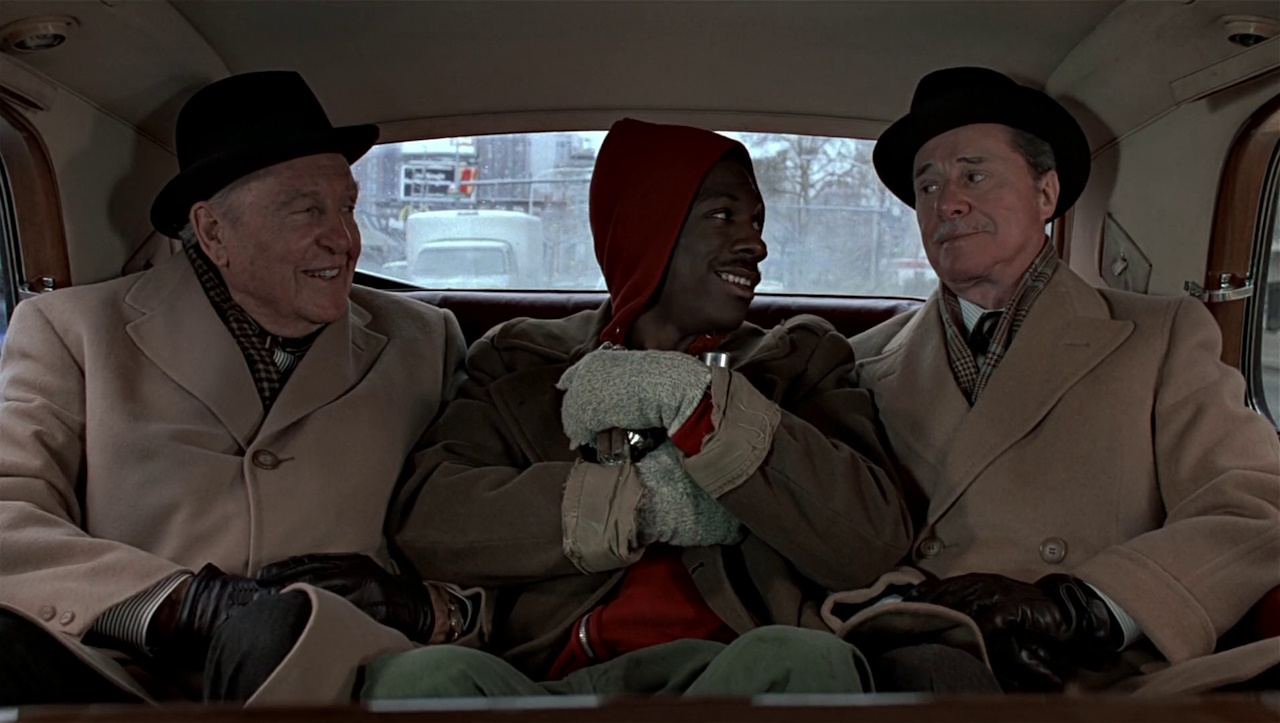
An ’80s Christmas classic – but rightly so?

I’ve only seen the comedy film Trading Places a couple of times; I think it’s more popular in the United States than it is over here. But it’s a film that’s often discussed in a Christmas context – and seems to be on many people’s list of Christmas favourites!

As with Die Hard above, though, Trading Places is definitely a film set at Christmas time… but that doesn’t necessarily make it a true Christmas film. It’s a comedy, it’s a wacky adventure, and it’s a film that calls out and criticises racism as well as the weird excesses of wealth and capitalism. And those are all good things; Trading Places is funny! But again, that doesn’t make it a Christmas film.

A happy ending!

The Christmas setting and the film’s annual airings on television in December have combined to make it a film that a lot of folks associate with the holidays. If you grew up watching Trading Places every year, there’s no doubt it’s become a part of your household’s festive tradition! We all have our own little Christmas traditions that we stick to – and that’s totally okay.

But for me, Trading Places is another film that can really be watched and enjoyed at any time of year. Nothing in its story is exclusive to the festive period – and that’s actually a good thing! It means Trading Places is a film that can be enjoyed on its own merit year-round.

So that’s it!

A festive cat!

We’ve picked out five not-really-Christmas films! But I can already think of several more… so come back next December to see which other so-called “Christmas” films are going to be targeted!

As I said at the beginning, I hope you’ve taken this list in the spirit of festive fun. It’s meant to be a bit of silliness as the big day approaches – and while I will make the case for all five of these films not really being 100% Christmassy, I’m not about to die on that hill – or get into a massive argument about it!

So I hope this has brought you a bit of light-hearted festive cheer as Christmas draws nearer. The big day will be upon us before we realise it! I have a couple of other festive ideas that may (or may not) make their way onto the website before then, so please stay tuned! And Merry Christmas!

All of the films discussed above are the copyright of their respective studio, distributor, company, etc. This article contains the thoughts and opinions of one person only and is not intended to cause any offence.

Oops, I forgot that Avatar 2 existed…

So, uh… yeah. Avatar 2. Or to give it its proper title Avatar: The Way of Water. It’s a film. It was released almost a year ago. I was planning to write a review of it. And I completely forgot that it existed until a couple of days ago.

The growing Avatar series – which will soon include a big-budget video game adaptation along with two films – has all of the elements of what should be a successful multimedia franchise. The original film was a Best Picture nominee at the Academy Awards, director James Cameron has incredible pedigree as a filmmaker, the world of Avatar is visually gorgeous, a lot of effort has gone into constructing things like a full-blown Na’vi language, and it’s backed up by the almost limitless budget of the Walt Disney Company. So… why is Avatar still so incredibly forgettable?

A promotional poster for Avatar: The Way of Water showing the film's main characters.
I forgot all about Avatar until now…

I didn’t hate or even dislike The Way of Water. For the three-plus hours that it lasted, I had a decent time with the film. It was a swashbuckling sci-fi adventure; a blockbuster worthy of the title that transported me to a faraway planet and a sci-fi future that was entertaining to see. But as the credits rolled I just… switched off. The Way of Water, like its predecessor before it, didn’t leave a lasting impression.

And for a series backed up by Disney’s money, turning a massive profit at the box office, with a new video game adaptation and an expensive theme park attraction… I just don’t get it. Why is Avatar – to use some Gen Z lingo – so “mid?” Why do I find myself caring so little about The Way of Water that I literally forgot it existed? And why isn’t the series making an impact on our collective cultural conversation?

A section of the themed Avatar land at Walt Disney World.
Image Credit: Avatar/Walt Disney World

Although I’m not the most active person online or on social media, I follow a bunch of websites, blogs, and channels that talk about the same kind of things I enjoy discussing here on my website: sci-fi, pop culture, cinema, and geeky entertainment topics. But since The Way of Water was in cinemas, none of them have so much as mentioned the series. If anyone had been talking about it, perhaps I wouldn’t have completely forgotten about Avatar this year.

For a film that made so much money – The Way of Water is currently the third-highest-grossing film of all time, behind only the first Avatar and Avengers Endgame – it’s so strange to be talking about it in this way. A huge audience clearly turned up for The Way of Water… but within weeks it was all but forgotten. I don’t expect to see it winning any of the big awards, which isn’t a slight against it; there’s a lot of competition. But for a film that aims to really kick-start a wider connected universe, I’m just not sure how successful The Way of Water can have been when it’s dropped off the face of the earth so readily.

Director James Cameron with the stars of Avatar: The Way of Water at the film's premiere.
Director James Cameron with the stars of Avatar: The Way of Water at the film’s premiere.

There is absolutely room for a new sci-fi franchise, especially under the Disney umbrella. Marvel and Star Wars are both seeming to stumble and falter, and the MCU is perhaps coming to the end of its life in its current iteration. There’s definitely space for another multimedia “shared universe” to come along. Avatar should be in prime position to occupy that kind of slot… but if it can’t offer something memorable, something for fans and audiences to retain and keep in mind after the credits have rolled, then it won’t even come close. Realistically, Avatar should be challenging Star Wars, Star Trek, DC Comics, and even Marvel in the upper tiers of sci-fi cinema. But right now, it doesn’t feel anywhere close.

Although we can lay part of the blame for this, in theory, on the long gap between the original Avatar and this new sequel – twelve years is a long time to wait, after all – I don’t think that’s a fair explanation. The original Avatar, as I’ve noted in the past, was not an especially memorable film either, and the universe that it attempted to create felt limited to the characters and story that unfolded on screen. I’ve never really gotten the sense from Avatar that there was more to the world of Pandora or to this futuristic depiction of Earth and humanity that I needed to see explored. In fact, I could’ve lived a happy life without ever seeing a single sequel to Avatar – let alone four.

A Na'vi and human character sharing a boat in a still frame from Avatar: The Way of Water.
Boating across Pandora…

So is The Way of Water “unnecessary,” then? That seems a bit harsh! The ending of the first film left the door open to a sequel or spin-off, and it’s worth acknowledging that. But the story was also one that we could’ve considered complete; I never felt that Avatar was crying out for either a direct sequel or for more stories set in this world. “Unnecessary” might be overstating it… but I’d certainly say that I wasn’t champing at the bit for The Way of Water.

All of that could’ve been irrelevant if The Way of Water had been more memorable. I may not have been desperate to see a sequel, but I’m always up for watching a good film, so the “necessity” or otherwise of The Way of Water wouldn’t have mattered if the film itself had something to say. For all of the money invested in it, though, and for all of the technical achievements that James Cameron and his team brought to the table in terms of the way it was created, The Way of Water just didn’t leave a lasting impression. In fact, I don’t feel that the Avatar series or franchise has really made much progress with this instalment – at least in terms of cultural relevance and its potential place in the upper echelons of sci-fi.

A futuristic "rotorwing" helicopter as seen in Avatar: The Way of Water.
A rotorwing aircraft.

And because of that, The Way of Water can feel… forced. If there was no organic groundswell of public opinion craving a sequel – no letter-writing campaign like there had been for Star Trek, no “expanded universe” of comics and novels like Star Wars created, and no real Avatar fan community in general – why was it even made? The very existence of the film – and the upcoming video game adaptation, too – feels very “corporate,” as if a group of executives have decreed that “Avatar is to be the next big thing,” without really understanding what makes a series popular and beloved to begin with – let alone failing to acknowledge that such things can never be manufactured.

For me, The Way of Water sits somewhere alongside films like the original Pirates of the Caribbean or the Indiana Jones trilogy. It was perfectly entertaining popcorn blockbuster fare… but nothing more than that. Unlike with Star Trek, Star Wars, or other top-tier franchises, I don’t have a desire to see more, to explore the universe that the film created, or to really spend much more time in its world. And if that was the ambition behind the Avatar series – to create a succession of one-and-done popcorn action flicks – then I’d say it was doing just fine. But when there’s clearly a corporate aim to push Avatar to something greater… I can’t help but feel that it isn’t meeting its goals, at least not in its current form.

Promotional artwork for Avatar: The Way of Water showing three Na'vi flying over the ocean.
Promo art for The Way of Water.
Image Credit: Avatar on Facebook

Part of the problem is originality. The world of Avatar doesn’t really have anything unique to help it stand out. The blue-skinned Na’vi are the closest it gets, but even then, the CGI-heavy aliens easily blend into a lineup of other humanoid races from other sci-fi properties. The rest of the aesthetic of Avatar is pretty generic, with spaceships, weapons, costumes, and technology that doesn’t really stand out when compared to more successful sci-fi properties.

A lot of Avatar just gets lost in the sci-fi milieu, leaving the franchise unable to differentiate itself from films, TV shows, and even video games in an expanding genre. The time should be right for a new sci-fi series to make a serious push to break into the upper echelons of the genre, thanks to a combination of a renewed interest from big corporations and the fact that some of the biggest names in sci-fi seem to be foundering – if not stalling outright. But the bland, forgettable Avatar isn’t able to make that leap.

A Na'vi character from Avatar: The Way of Water.
The blue-skinned Na’vi are the Avatar series’ most unique creation.

The original Avatar was criticised in 2009 for telling a story that was unoriginal at best, and the sequel falls into the same narrative traps. Themes of environmentalism and colonialism are presented – but these have been examined before, and examined better, in other pictures and other series that have had more to say. Unoriginality doesn’t have to mean “bad,” not by any means. But if the aesthetic, setting, and narrative premise are all things that audiences have seen before, there’s got to be something more to help it stand out or communicate a message. The Way of Water just doesn’t succeed on that front.

When I first sat down to watch The Way of Water, I expected the film to really make the case for Avatar as a series. I expected a strong narrative, compelling characters, and plenty of adventure… but more than that, I needed to see the film take the world-building from its predecessor and expand upon it, creating something that I’d want to lose myself in. With three more Avatar films and a big-budget video game in production, I needed The Way of Water to not only give me a reason to keep them on my list, but to want to get my hands on them. This film was an opportunity not only to remind me that Avatar exists, but to do what the original wasn’t able to and set the stage for something greater.

Kate Winslet and Sigourney Weaver in a pool during filming on Avatar: The Way of Water.
The Way of Water pioneered underwater motion capture.

Star Wars still has fans turning up for its films and streaming shows even though – let’s be realistic – it hasn’t done anything truly outstanding since 1980. But because Star Wars had that strong beginning, and created an alternate reality that fans wanted to experience more of, audiences still show up forty-five years later. They still go to conventions, dress up like Darth Vader, and pay their subs to Disney+ to watch the latest offerings. For all the money that’s being pumped into it, Avatar still doesn’t feel like a series or a franchise that can attract anything like that kind of support.

So that’s it, I guess. I didn’t dislike The Way of Water; it was a competent film with some clever behind-the-scenes technologies and filmmaking techniques that ended up being a perfectly watchable popcorn adventure flick. But I just can’t reconcile the fact that this franchise has now produced two of the three highest-grossing films of all-time… yet it’s still so utterly forgettable that I literally forgot it even existed for months. And even after returning to The Way of Water to take notes and grab some still frames… nothing about it jumps out at me, nothing about it sticks in my mind, and I genuinely don’t see how Avatar as a series will ever break into the top tier of sci-fi franchises if it keeps this up.

Avatar: The Way of Water is available to stream now on Disney+ and is also available on DVD/Blu-ray. The Avatar series is the copyright of 20th Century Studios and/or the Walt Disney Company. This article contains the thoughts and opinions of one person only and is not intended to cause any offence.

Film review: The Super Mario Bros. Movie

The first part of this review is free from major spoilers. The end of the spoiler-free section is clearly marked.

Let’s-a go!

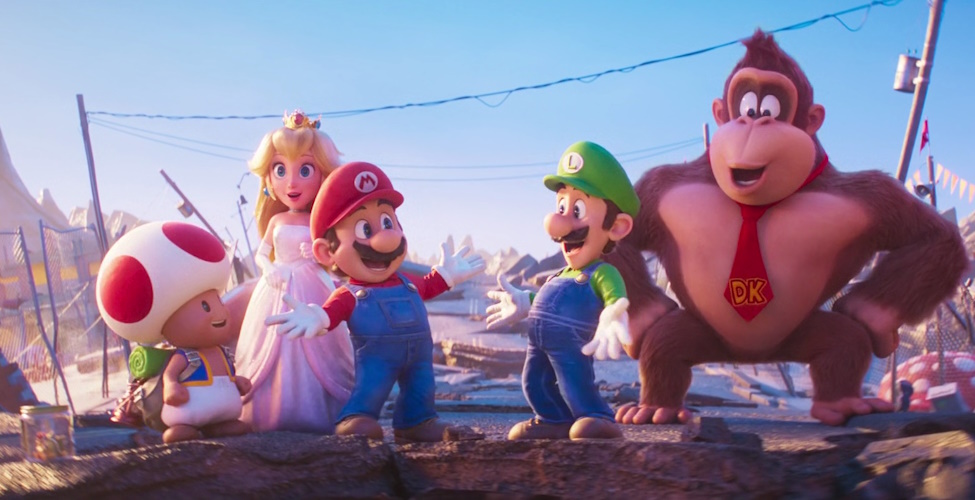
It’s time to review The Super Mario Bros. Movie, which has finally made its way to on-demand streaming after wrapping up its exclusive theatrical run. And straight away I can tell you this: I had an absolute blast with Mario, Peach, Luigi, and the rest of the Nintendo gang! The Super Mario Bros. Movie is definitely one of the best non-Disney animated films that I’ve seen in a long time, and it absolutely has to be a contender for the title of best animated picture of the year.

The film puts a twist on the typical story of the Super Mario series, but brings all of the familiar faces that fans of Nintendo’s games would expect. There are so many references, callbacks, and cameos that it’s impossible to count, and speaking as someone who’s followed Nintendo’s games for more than thirty years, I appreciated every single one of them!

I’ve followed Mario for quite some time…

But this isn’t just fan service that only the hardest of hardcore Nintendo lovers can enjoy. The film is accessible to newcomers, too, with a pretty barebones, easy-to-follow story that doesn’t get bogged down. In fact, the story progresses from chapter to chapter with a real light-footedness, with no scene or sequence lingering too long. For kids, and especially for a generation raised on short-form videos and TikToks, I suspect the timing and pacing of the film will be pitch-perfect!

For me… well, I could’ve entertained a story that was at least slightly denser, one that didn’t hop so readily from point to point. There were some moments that felt unearned, perhaps, as Mario seemed to very easily and readily accept his fate in the Mushroom Kingdom, and friendships that appeared to form very quickly. But this is a film for kids – and with a story with such strength and heart, picking on any of these things feels gratuitous and unnecessary.

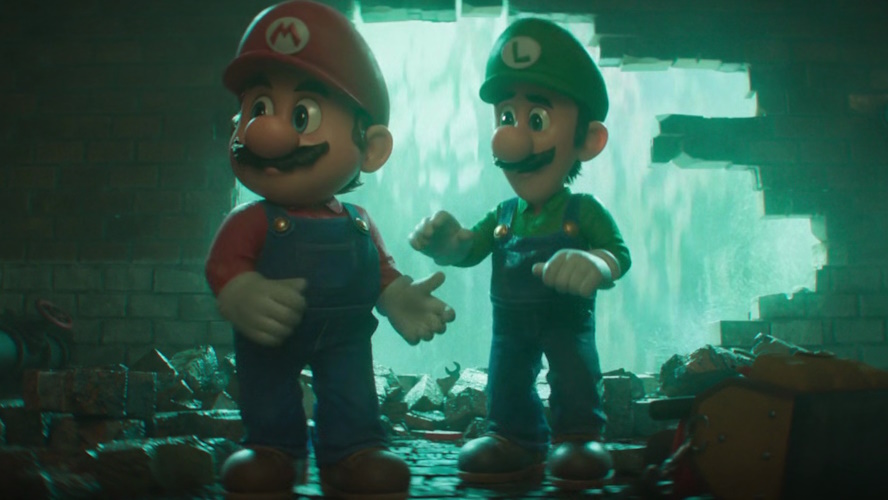
Mario and Luigi.

The Super Mario Bros. Movie accomplished the difficult task of taking elements from the games and making them into something truly worthy of a place on the big screen. The music of the Mario series was reimagined in a style I can only describe as “epic,” with the familiar tunes from the video game series transformed into an heroic score. Visually, the film leaned heavily into the aesthetic of the games – but used its budget to make Mario, Peach, and the Mushroom Kingdom look better than ever.

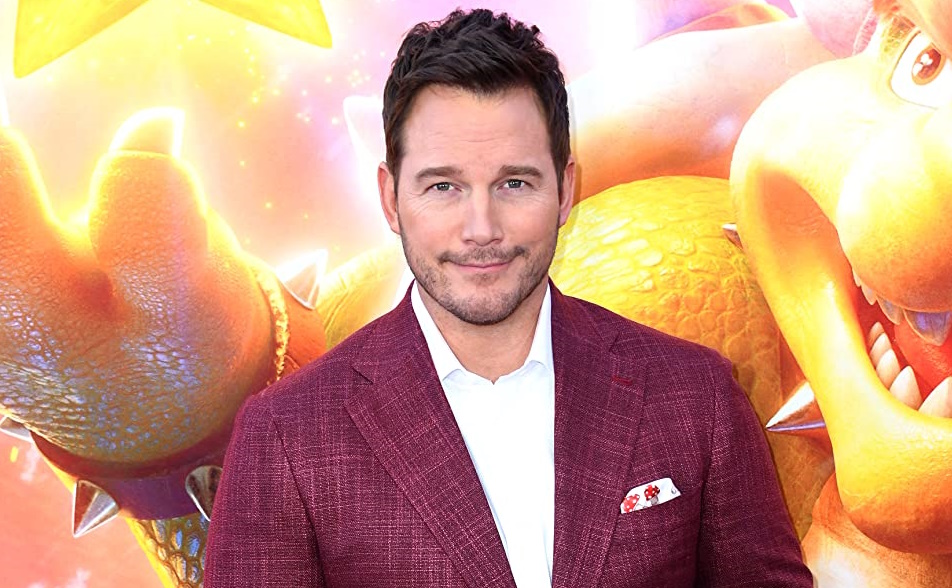
There had been some criticism of the decision to cast Chris Pratt as Mario, but I felt he did a perfectly creditable job in the role. Mario has never needed to be voiced this extensively before, so bringing in an experienced actor – while not necessarily everyone’s first choice – was the right call. The rest of the voice cast likewise put in excellent performances, and their characters came to life as a result.

Mario was voiced by Chris Pratt – pictured here at the film’s premiere.
Image Credit: IMDB

There were a couple of sequences in the first few minutes of the film that I felt might be too scary for very young children – and it’s worth being aware of this if you have very young kids or children who are especially sensitive. These sequences didn’t linger for very long nor have much of an impact on the story overall, but I suspect they may have gone a little too far for at least some children in the audience.

Overall, The Super Mario Bros. Movie is an absolute blast, and one I highly recommend. If you don’t mind spoilers for the admittedly rather formulaic and predictable story, stick around, because we’re going to talk about a few story details up next.

This is the end of the spoiler-free portion of the review! Expect spoilers for The Super Mario Bros. Movie from here on out!

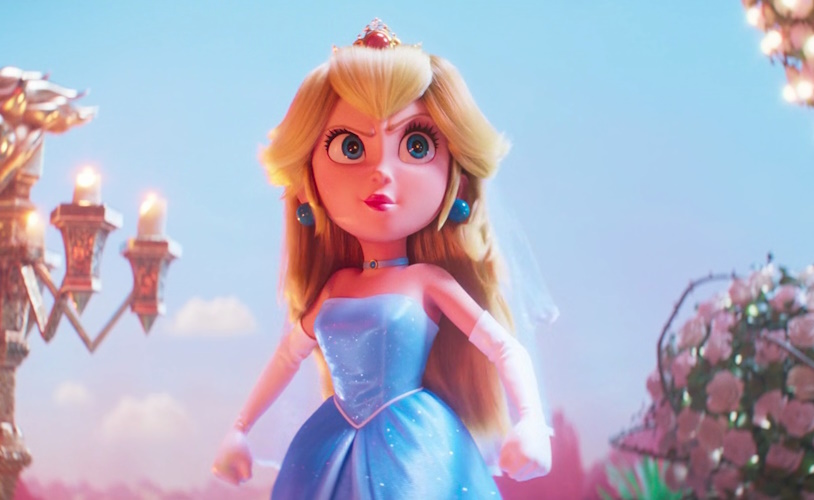
Up first, let’s talk about how The Super Mario Bros. Movie puts a twist on the typical “save the princess” trope. Peach is presented as someone familiar with the world of the Mushroom Kingdom, and thus she has the upper hand over Mario, the newcomer. Through a pretty quick montage, Mario is the one who has to learn the ropes; Peach already knows how the power-ups work and how battles in this universe are fought.

But that means Mario needs someone to save; a reason to set out on this adventure and face off against Bowser. Luigi, who’s the easily-frightened younger brother, is perfect for this role. Mario sets out on a quest not to save a random princess – but to save his brother. It’s a perfectly-executed twist on what is a pretty tired and outdated formula, and it works perfectly.

Princess Peach is so much more than just a damsel in distress this time!

The karting sequence was perhaps my favourite in the entire film! I’ve been a Mario fan for years, sure, but Mario Kart is definitely one of my all-time favourite series. The way it was incorporated into the film was hilarious, and it was a surprisingly tense sequence as Bowser’s troops dropped in uninvited. Many of the items from the Mario Kart games were present – banana skins, shells, bullet bills, and even the dreaded blue shell! It was a fantastic sequence, and Rainbow Road has never looked better or more beautiful!

Although the designs of many of the vehicles were based on the Mario Kart games, there’s potential for a future Mario Kart release to take advantage of some of the new designs created for the film. In fact, the time to cash in on that is now, so Nintendo really ought to consider updating Mario Kart 8 Deluxe with things like Toad’s off-road kart and the Koopas’ combat vehicles. It would even be possible to include one or two of the prominently-featured characters from the film as new characters for the game.

The kart sequence was fantastic!

The world of the Mushroom Kingdom was brought to life through some excellent animation work, and Illumination is to be commended. The cartoony aesthetic of the Mario games was familiar on the big screen – but it looked better than ever. Peach’s castle, first seen in the iconic Super Mario 64, looked fantastic, and the bright, happily-lit Mushroom Kingdom stood in stark contrast to the “dark lands” and Bowser’s castle.

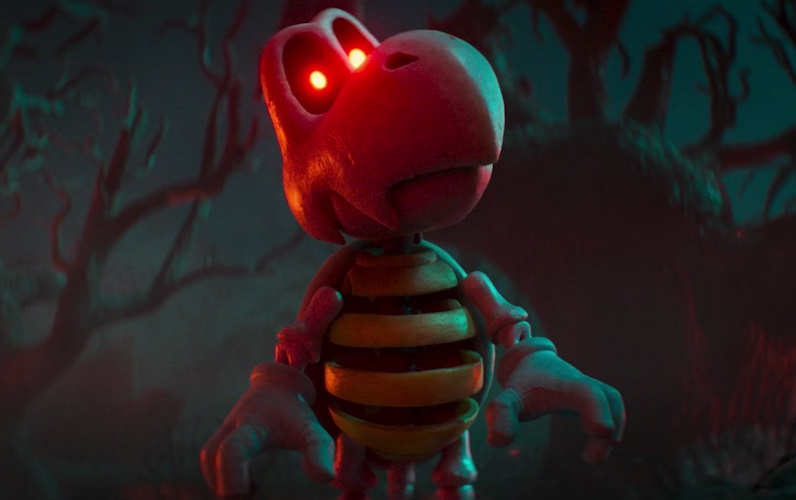
It’s also fair to say that these classic Nintendo characters have literally never looked better, too! There was previously-unseen detail not only in the main characters, but in every minor background character, too. Whether we were looking at Dry Bones, Shy Guys, Toads, Koopa Troopas, Kongs, or anyone else, the animation was fabulous and consistent. There wasn’t a single moment where I felt that the animation work was sub-par or out-of-place.

It’s Dry Bones!

To return to the film’s story, one thing I admired was a willingness on the part of Nintendo – a company that hasn’t always shown itself to have a sense of humour about its properties – to recognise the inherent silliness in Bowser’s scheme. Bowser wanted to force Peach to marry him, yet the specifics of how he possibly expected that to work had never been elaborated upon until now. Of course it makes sense that Peach would reject him – and the way in which this was played, with a nod and wink to the audience, was great.

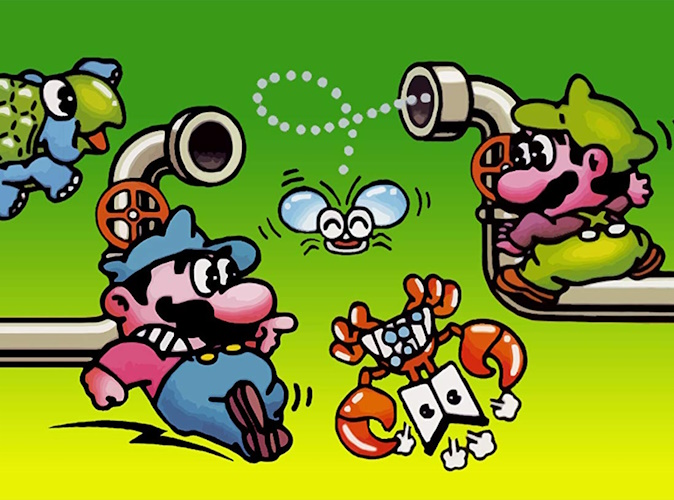
I don’t think it had ever been canonically established where Mario and Luigi hailed from, nor how Peach and the others came to exist in the Mushroom Kingdom. So The Super Mario Bros. Movie had free rein to decide on its characters’ origin stories. Now, I could be wrong about this, as I’m no expert on the minutiae of Nintendo lore, but I’ve always assumed that Mario was Italian – not Italian-American. The decision to give him an Italian-American origin, and in the New York borough of Brooklyn, no less, feels like an oblique homage to 1993’s Super Mario Bros. – the live-action film that did so much to dissuade Nintendo from ever again taking its brands and franchises to the cinema!

The main characters at the end of the film.

So let’s wrap things up. Who is this film for? While I’d say that Nintendo fans and players will absolutely get more out of The Super Mario Bros. Movie than those unfamiliar with its source material, the easy-to-follow story and fairly basic characters should make it accessible to almost anyone – including the youngest kids. There’s a lot to enjoy here!

That being said, there are a handful of faults that keep The Super Mario Bros. Movie from being the greatest kids’ film I’ve ever seen. Some of its plot points – like the friendship between Mario and Toad, or Peach’s plan to defeat Bowser – were raced past incredibly quickly in a film that didn’t spend more than a couple of minutes on any scene or sequence. I could have happily spent a bit longer watching some of these things play out.

All in all, though, The Super Mario Bros. Movie is one of the better animated releases of recent years. It was a treat to see Mario and the gang taking part in a new kind of adventure, and while I have to hold up my hands and say that 1993’s Super Mario Bros. is one of those “so bad it’s good” films that I consider somewhat of a guilty pleasure, this new animated outing surpasses it in practically every way. If you’re looking for a fun way to spend an hour-and-a-half, and especially if you’ve spent some time with Nintendo and Mario already, it’s very easy to recommend The Super Mario Bros. Movie.

The Super Mario Bros. Movie is available to stream now and will be released on DVD and Blu-ray later in the year. The Super Mario Bros. Movie is the copyright of Nintendo and Illumination. This review contains the thoughts and opinions of one person only and is not intended to cause any offence.
The Amazon buyout of MGM is another blow to cinemas

We’ve recently talked about how the pandemic may have a long-term impact on cinema attendance and the box office, with many folks getting used to the convenience and practicality of streaming big blockbusters at home. But it seems cinemas just can’t catch a break, because it was recently announced that Amazon will be buying legendary Hollywood studio MGM.

Make no mistake, this is all about streaming. Amazon Prime Video looks set to benefit greatly from this acquisition, helping the service compete with the likes of Netflix and Paramount+ in terms of films. Though Amazon does have its own film studio, and has had a hand in titles like the Academy Award-winning Manchester By The Sea, most films available to stream via Amazon Prime Video were licensed from other companies. As more and more companies try to launch their own streaming platforms, these licensing deals are increasingly difficult (and expensive) for the likes of Netflix and Amazon, so finding ways to get their own in-house content is hugely important.

Buying MGM will enable Amazon to add a huge library of titles to its Prime Video streaming service.

Netflix has branched out into making more and more of its own original films – for better or worse! But Amazon is one of the world’s largest and most successful companies, having grown massively during the last year, and can throw its money around to buy up studios – and the rights to properties like The Lord of the Rings. We’ve recently seen Microsoft do something similar in the gaming realm, buying up Bethesda and adding that studio’s games to Xbox Game Pass. Amazon is doing the same thing with MGM.

I’ve seen some outlets trying to make the case that this is Amazon further diversifying its business model. What began as an online bookseller in the mid-1990s has grown to sell practically everything and has involvements and holdings in industries as far apart as space technology and baby nappies. But this MGM acquisition is not about diversification. Amazon doesn’t want to break into the film distribution market any more than they’re already involved; they want films, both old and new, to add to Amazon Prime Video for the sole purpose of driving more subscriptions. It’s that simple.

Amazon announced a deal to buy famed American film studio MGM for $8.45 billion.

This is a hammer blow for cinemas and cinema chains already reeling from the pandemic and associated closures and cancellations. We’ve already seen many films that would otherwise have received a theatrical release go direct-to-streaming, and Amazon’s acquisition of MGM comes with the real threat of all future MGM titles following suit. There aren’t many studios the size of MGM, releasing multiple high-budget titles per year, so this is a coup for Amazon.

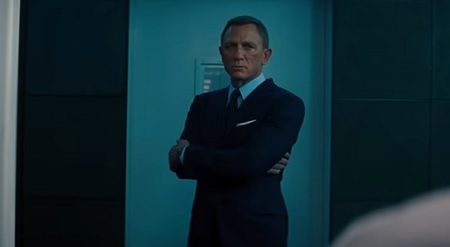
Upcoming titles like the sequel to Tomb Raider, Legally Blonde III, Soggy Bottom, and House of Gucci would have all been draws at reopened cinemas around the world, but their theatrical releases are now in doubt. And that’s before we even consider one of the biggest upcoming MGM titles (at least from a UK perspective!) No Time To Die, the latest instalment in the James Bond series.

No Time To Die may still manage a theatrical release… or it may not.

It’s not unfair in the slightest to say that British cinemas have been desperately waiting for No Time To Die’s release, as no other upcoming film has quite as much potential to bring audiences back after well over a year of closures, lockdowns, and cancelled titles. Even the mere threat of No Time To Die going direct to streaming is enough to make a lot of people involved in the UK cinema industry very nervous, and I’m not sure we can rely on promises that the film will still meet its planned theatrical release in September – especially if the pandemic causes further disruption in the months ahead.

As I said when Microsoft acquired Bethesda, companies don’t spend these vast sums of money and expect nothing in return. With Amazon making this move to shore up and expand its library of streaming titles, any future MGM release now has the potential to end up on Amazon Prime Video either exclusively or alongside a release in cinemas. Even if imminent titles like No Time To Die meet their theatrical obligations – which will almost certainly be due to pre-existing contracts if it happens – future titles, both announced and unannounced, are almost certain to join Amazon’s streaming line-up. In short, cinemas may get a temporary reprieve from the fallout of this acquisition, but it won’t last much beyond the end of 2021.

Amazon will be expecting a serious return on such an expensive investment – and that’s all focused on streaming.

The way people consume media has been changing for years. The pandemic may have accelerated some of those changes to light-speed, but it isn’t the fundamental cause of a shift in audiences away from cinemas and broadcast television to online on-demand streaming. Just like the pandemic isn’t the root cause of problems with many high street shops, it can’t be blamed for people moving en masse toward an all-digital streaming future. The future of companies like MGM is in the digital space, and unfortunately for cinemas that means fewer films, smaller audiences, and growing irrelevance as bigger titles bypass a theatrical release altogether. Even in the pre-pandemic years, going to the cinema had become, for many folks, an occasional treat rather than a regular outing, and this move is simply a reflection of the changing way in which people choose to watch films.

Amazon’s acquisition of MGM is a big deal, but it’s unlikely to be the last such move as the so-called “streaming wars” look for new battlefields. It isn’t yet clear how many streaming services people are willing to put up with, nor which will ultimately survive, so it seems inevitable that more big studios and distributors will eventually team up with – or be bought out by – other big players in the streaming landscape. None of which is particularly pro-consumer, it has to be said, but then again I’d rather see MGM films go to Amazon Prime Video – a streaming service I already have access to – than wait for MGM to set up their own “MGM Plus” or whatever they would’ve called it!

It’s a serious blow to cinemas in the medium-to-long-term, even if some titles scheduled for this year will still get a full theatrical release. But will audiences really care? As I said last time, the shift away from the cinema had already set in long before the pandemic struck, and with film studios and audiences alike having discovered the many advantages of at-home streaming, it seems like we’ll be seeing a lot more of this type of acquisition or merger in the months and years ahead, with many more films going direct-to-streaming in the very near future. MGM may be one of the biggest so far, but it won’t be the last. Cinema chains and owners are already feeling the effects.

All titles mentioned above are the copyright and/or trademark of their respective owner, studio, company, distributor, etc. This article contains the thoughts and opinions of one person only and is not intended to cause any offence.
Have we seen an unstoppable shift away from the cinema?

One of the consequences of the pandemic has been the long-term closure of many cinemas (movie theaters for my American readers). Aside from a short respite last July and August, most cinemas here in the UK have been shut since March 2020 – for well over a year now. Some, like a local independent cinema near me, have had no choice but to close permanently, even with the end of lockdown seemingly in sight. Even when cinemas are able to reopen, limits on capacity due to social distancing, the general unease among many people about sitting in a room with dozens of strangers with the pandemic still ongoing, and most significantly, the lack of major film releases in the near term will – in my opinion, at least – most likely mean it will be a long time before things are able to get back to normal.

But will things ever get back to normal? That’s the question I want to ask today.

Will empty cinemas be full again one day?

In the early days of the pandemic, most films scheduled for release in spring or summer 2020 were simply postponed; their release dates pushed back by a few months so that they could be released to full crowds when lockdowns were lifted in their key markets. But as the pandemic has dragged on and on, film studios have begun to switch the way they release many big titles – opting to send them to streaming platforms rather than wait.

Without Remorse was originally supposed to get a theatrical release, but premiered on Amazon Prime Video instead. Raya and the Last Dragon went directly to Disney+. Then there are titles like Zack Snyder’s Justice League, Mulan, The Little Things, Godzilla vs. Kong, Bill & Ted Face The Music, News of the World, and Tom & Jerry. Upcoming titles such as Jungle Cruise, Space Jam: A New Legacy, Black Widow, Malignant, and A Quiet Place II are all going to either be released directly on streaming or with a limited theatrical run at the same time as going straight to streaming.

Animated film Raya and the Last Dragon went straight to Disney+ earlier in the year.

Is this a one-time thing, purely caused by the pandemic? And if it is, will audiences be happy to return to cinemas once the pandemic has cleared and they can fully reopen? If you’d asked me in March or April last year, I’d have said yes to both questions without hesitation. But now I’m not so sure.

There are a lot of advantages to streaming compared to going to the cinema, and as more and more people come to see those advantages, the cinema becomes a less-attractive option in contrast. This trend is not new – cinema attendance has declined a lot from where it was a few decades ago, and with the rise of high-quality television series which can rival and even surpass films in many cases, this is a reckoning that cinemas have had coming for a while. The pandemic has accelerated that to light-speed, but the trend has been going in this direction for a while.

Paramount+ is one of many competing streaming platforms that have arguably benefited from the forced closure of cinemas during the pandemic.

So what are the supposed advantages of at-home streaming? The first has to be convenience. Viewers can watch what they want on their own schedule, with the ability to pause a film to take a phone call or go to the bathroom, watching before or after work, or even late at night. It’s possible to watch with subtitles, audio description, director commentaries, and even watch in other languages. Most folks are more comfortable in their own homes than they are in a cinema chair – even the nicest cinema seats aren’t as pleasant as a comfy armchair or couch. There are no distractions from (other people’s) noisy kids, people munching popcorn, or idiots on their phones. You don’t have to sit through half an hour of adverts and trailers to get to the film. If you’re using a phone or tablet it’s possible to watch on the go, or literally anywhere. And some of the things we might’ve considered to be disadvantages a few years ago – such as screen size, resolution, and audio quality – are all easily surmountable even for folks on a limited budget.

Obviously not all of these points apply in every single case, but as a general rule, as screens get bigger and better, the need to watch something in the cinema is dropping. The old adage that a particular film was “better in the cinema” or “made for cinemas” no longer applies in many cases.

Amazon Prime Video have snapped up a number of films that couldn’t get a theatrical release this year – including Without Remorse.

I have a relatively inexpensive 4K television that doesn’t have OLED or HDR or any of those higher-end features, just a bog-standard LED set. But this model, even when I was buying it a few years ago, only started at a 40-inch screen size, with sizes going all the way up to 60″ or 65″. Nowadays, 85″ and 90″ sets are on the market and within reach of many consumers. Sound bars and speakers that put out fantastic quality audio are equally affordable, with prices dropping massively from where they had been when 4K and large screens were new. Even on my cheap and cheerful set, films look great. And if you sit reasonably close, it really does feel akin to being in the cinema – in the comfort of my own home.

It’s difficult, in my opinion, for cinemas to compete on price or quality. Even the more expensive streaming platforms, like Netflix, cost around £10-12 per month. It’s been a while since I was able to go to the cinema – health issues prevent me from doing so – but the last time I was able to go, £10 wouldn’t even stretch to two tickets. For that money you get one month’s worth of access to a massive library of titles – including many brand-new ones and Netflix originals made specially for the platform.

Large, good-quality television screens are increasingly affordable and offer a cinema-like experience at home.

In the late ’40s and ’50s, when my parents were young, going to the cinema was a frequent outing. You’d see an A- and B-movie, as well as perhaps a newsreel or something else, and it would feel like good value. Since the early 20th Century, going to the cinema on at least a weekly basis was a big part of many peoples’ lives – but things have been changing, slowly, for quite a while.

For at least the last couple of decades, going to the cinema is something most folks have viewed as an occasional treat rather than a regular outing. The price and value of a cinema ticket – and the additional extras like drinks and snacks – have shot up in relation to earnings, while at the same time the number of advertisements and trailers have also increased. Though the cinema still has a place in many folks’ lives, that place had been slipping long before the pandemic arrived. In the ’90s and 2000s, the blame for that lay with cable and satellite television channels, including many dedicated film channels. Nowadays, the blame has shifted to streaming.

Netflix has picked up a lot of subscribers in the past year.

Many film studios are keen to play their part in this trend, too. Sharing a big chunk of their profits with cinema chains and operators was never something they were wild about, which is why we’re seeing more and more studios and production companies either partnering with big streaming platforms or else trying to launch their own. Paramount+ exists for this reason, as do Disney+, HBO Max, and many others. These companies don’t care in the slightest about the fate of cinemas – except insofar as they can use them to turn a profit. When the pandemic meant that wasn’t possible, many companies happily jumped ship and released their films digitally instead.

Though I know a lot of people who have told me they’re keen to get back to the cinema as soon as possible, when I probed most of them further and asked how often they would go to the cinema pre-pandemic, or what films they were most excited to see at the cinema next, all of the answers I got back up everything I’ve been saying. Most folks go to the cinema infrequently at best, and while they’ve missed some of the social aspects of the “cinema experience,” they certainly haven’t missed the adverts, loud seat neighbours, and hassle. Streaming, while not as glamorous or exciting in some ways, is a more enjoyable experience in others.

Some people have missed every aspect of being at the cinema… but many haven’t!

I know I have to acknowledge my own bias here. As someone whose disability prevents them going to the cinema, I’d be quite happy if every film I want to watch from now on comes directly to streaming! On a purely selfish level, that’s something I’m fine with. And while I stand by the fact that the trend away from the cinema in a general sense is real and demonstrable, the pandemic probably hasn’t killed the entire concept of the cinema stone-dead. Nor would that be a good thing. Many cinemas offer more than just the latest blockbusters, with classic films, recorded theatre plays and ballet performances, and other such events. In the rural area where I live, the idea of being able to see something like the Royal Ballet is beyond a lot of people due to the distances involved. But local cinemas occasionally show things like ballets, operas, and Shakespeare plays, bringing a different kind of culture and entertainment to the region. Cinemas are also big local employers, and it’s nothing to celebrate when a local business is forced to close.

So most cinemas will eventually re-open. But the question I asked is still pertinent, because I don’t know whether they’ll see pre-pandemic numbers of visitors for a very long time – if at all. The pandemic has forced the hand of film studios and distributors, and the result has been an uptick in the number of subscribers to streaming platforms. Many folks have tried streaming for the first time, and while there will always be holdouts, people who proclaim that it really is “better in the cinema,” I think a lot of people have been surprised at how enjoyable streaming a film at home can be, and how favourably it can compare to the cinema experience.

Many people haven’t missed the “cinema experience” as much as they expected.

A big home theatre setup is no longer necessary. With a relatively inexpensive – but still large – television set and maybe a sound bar or pair of satellite speakers, many people can have a truly cinema-like experience in their own living rooms. And a lot of people who’ve tried it for the first time, prompted by lockdown, may have no plans to return to the cinema any time soon – or if they do, they’ll be making fewer trips.

In my opinion, this is something that has the potential to continue to build over time. As screens continue to improve, and as more people eschew the cinema in favour of staying in, more films will go direct to streaming because companies will see more success and more money in it. Fewer films will end up in cinemas exclusively, so fewer people will go. And the cycle will continue!

Even if I’m wrong on that final point, I do believe that we’ve already seen a slow move away from cinemas in the pre-pandemic years. The pandemic came along and blew the lid off that, and while there will be a return once things settle down, at-home streaming is here to stay. It benefits viewers and companies – the only folks who are going to lose out are the cinema chains themselves. I’m not saying it’s a positive thing necessarily, although it does stand to benefit me in some respects, nor am I advocating for it. But when I look at the way things have been going over the past few years, and add the pandemic’s disruption into the mix, I really do feel that we’re seeing a big move away from the cinema in favour of at-home streaming.

All titles mentioned above are the copyright of their respective studio, distributor, production company, etc. This article contains the thoughts and opinions of one person only and is not intended to cause any offence.
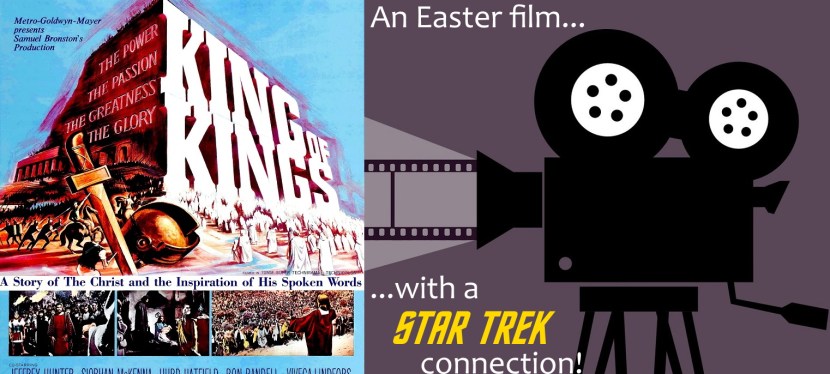
King of Kings (1961) – an Easter film with a Star Trek connection

I’m not a religious person, and thus Easter has never been an especially important time of year for me. As a kid, Easter meant two weeks off school and chocolate eggs. And as an adult, Easter means a long weekend… and chocolate eggs. That’s about all. But as someone who grew up in England and was frog-marched into church with other schoolkids – back in the days when every school was bound to the local church – I gained a passing familiarity with the holiday. Because I don’t enjoy hot weather, late spring and summer are my least-favourite times of year! Easter, as the event which signals the beginning of that time of year, has always felt at least a little unwelcome as a result, even if the abundance of chocolate serves as a suitable bribe.

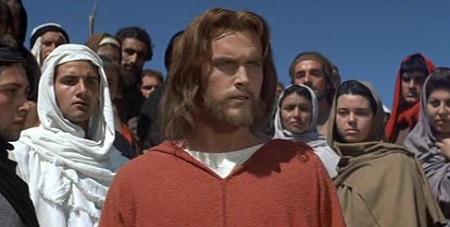
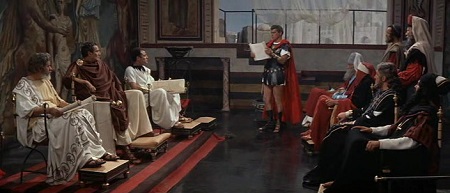
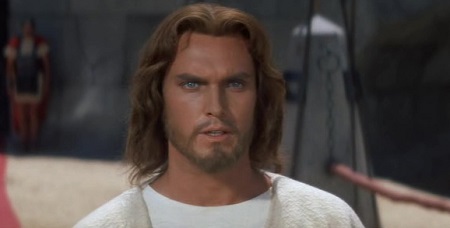
But enough about my weather preferences! It’s Easter, and aside from chocolate, Easter means one thing: Jesus. Jesus of Nazareth was crucified, of this even non-Christians widely agree. Sometime between AD 30 and AD 40, Jesus was executed by Roman authorities in the province of Judea, and his resurrection three days later is what Christians celebrate at Easter. Jesus’ life and death have been depicted countless times in art and entertainment, and this time I thought it could be interesting to briefly look at a mid-century example: the 1961 film King of Kings.

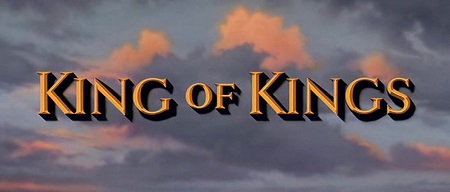
The film’s opening title.

The title of this article promised you a Star Trek connection – since the Star Trek franchise is one of my biggest fandoms and a subject I write about often here on the website! The lead role in King of Kings is, naturally, the character of Jesus. In this case, Jesus is played by Jeffrey Hunter – better-known to Trekkies as Captain Christopher Pike, the original captain of the USS Enterprise.

Hunter’s life was tragically cut short, and he died aged only 42 following a fall that may have been caused by a stroke. Though he’s well-remembered today for his single Star Trek appearance – even more so since footage of him was incorporated into Season 2 of Star Trek: Discovery – he was a prolific actor in the 1950s and ’60s, appearing in films like Fourteen Hours alongside Grace Kelly, and The Searchers with John Wayne. He also appeared in a number of television roles, including in big ’60s shows like The FBI and Daniel Boone.

Jeffrey Hunter (1926-1969)
Photo Credit: jeffreyhunter.net

If you’re familiar with Star Trek’s early production history, you’ll recall that Hunter declined to reprise his role as Pike for the show’s second pilot, opting to focus on cinema instead. By the time The Menagerie was made – the two-part episode which reused most of the footage from the show’s first pilot – Hunter was unavailable, leading to the character of Pike being recast and creating the iconic disfigured, wheelchair-bound look.

But all of that is incidental! King of Kings was released in 1961, four years before Hunter would meet Gene Roddenberry and agree to work on Star Trek. The film received mediocre reviews, but was considered a box office success for film studio MGM. And having seen it for myself a few years ago, it was certainly an interesting experience!

Jeffrey Hunter as Jesus in King of Kings.

This was my first time seeing Jeffrey Hunter outside of The Cage – at least, that I’m aware of. Though he’s slightly younger and sports both Jesus’ typical long hair and beard he is recognisable in the role, and that was certainly something neat to see.

The film itself is typical mid-century fare. As I think I’ve explained on more than one occasion, the early 1960s is about as far back as I’m willing to go for most films and television shows, simply because the quality of practically every aspect of production declines more and more the further back in time a film or series was made. Early cinema holds an interest from an academic point of view – the way techniques were developed, how different genres came into being, how technologies were first pioneered, and so on – but I find that actual entertainment value, and my ability to get lost in a production really cannot survive the wooden sets – and wooden acting – of early cinema!

A Roman scene in King of Kings.

King of Kings falls into this trap at points, with some sets and backdrops being pretty obviously fake, and the general acting style being in line with other projects of its era. But it’s perfectly watchable despite those shortcomings.

The film aimed to be an “epic,” recreating the magic of earlier Biblical epic films like 1956’s The Ten Commandments, and of course Ben-Hur, which was released in 1959. Even the film’s poster imitates Ben-Hur’s visual style. I don’t know if I’m the right person to compare these films for you; all are roughly equal in terms of being watchable for me, with similar drawbacks that I find with films from this time period. What we can say, though, is that King of Kings is probably less well-remembered than the other two, with Ben-Hur in particular being widely considered a classic.

Hunter as Jesus of Nazareth at the film’s climax.

The story of Jesus’ life and death has been recreated in cinema on a number of occasions. The 1912 film From the Manger to the Cross is the earliest one I could find, and in the century since there have been countless others. One of the best-known in recent years is Mel Gibson’s epic The Passion of the Christ, which is a pretty gory and harrowing watch in parts – deliberately so. And who could forget Monty Python’s Life of Brian, a parody of the Bible story?

King of Kings fits somewhere in the middle, the kind of film I’d never choose to watch but for the combination of its Star Trek connection and the holiday we’re celebrating today. It’s a curiosity rather than something I could recommend for pure enjoyment, but if you’ve seen other, better-known depictions of the life and times of Jesus, King of Kings might’ve slipped under the radar. It’s worth a look if that’s the case!

Even for non-Christians, the basic message Jesus of Nazareth preached is worth listening to. Being kind and treating others with respect is something we can all aspire to, especially in today’s politically divided, pandemic-riddled world. King of Kings, like many Bible films, hammers that message home in what is, at times, a ham-fisted way. But the message itself is still worth paying attention to, and for one day a year, we can take a moment to appreciate that.

King of Kings is out now on DVD and Blu-ray, and may also be available to stream depending on location. King of Kings was directed by Nicholas Ray and may be the copyright of Metro-Goldwin-Mayer and/or MGM Holdings. This article contains the thoughts and opinions of one person only and is not intended to cause any offence.
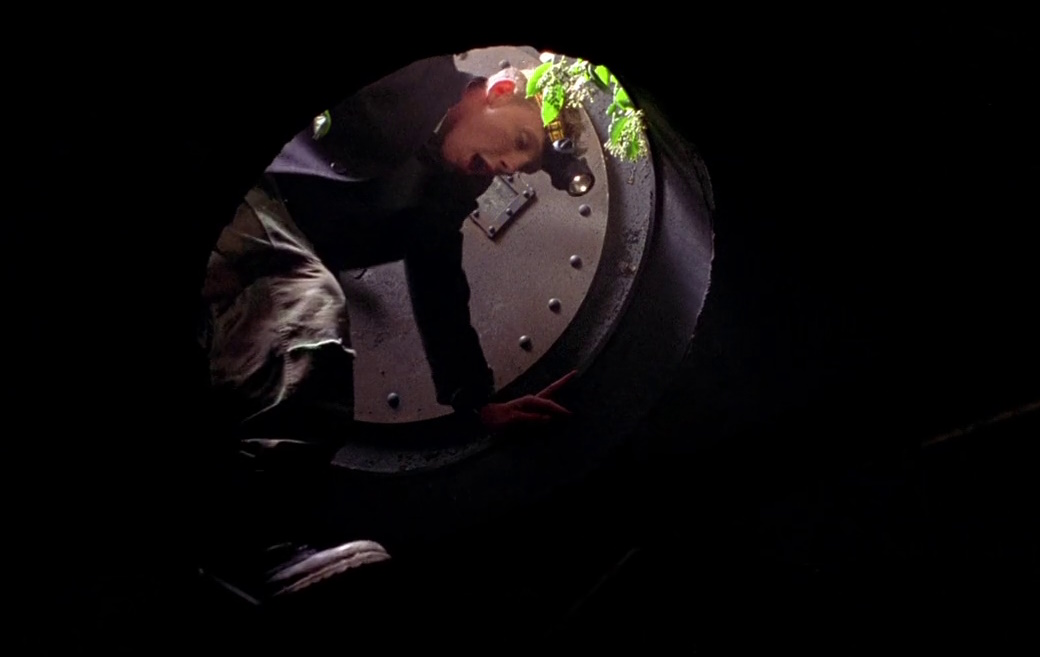
A new Star Trek film is in the works

I’m a bit late to the party on this one, so you’ve probably already heard the news that a new Star Trek film is being worked on over at ViacomCBS/Paramount Pictures. It’s still interesting, though, so let’s take a moment to consider what it could be and what its inception may mean for the rest of the franchise.

Firstly, it now seems certain that the other Star Trek film projects that had been announced or discussed publicly are not happening. We should never say “never,” of course, and it’s not impossible that they may be revived in future, but for now it seems that the unified Star Trek team (working together since the 2019 merger that created ViacomCBS and reunited Star Trek’s film and television licenses) has decided to drop those projects and go in a different direction.

The new film is being created under the supervision of ViacomCBS.

The three films we knew about were: a fourth Kelvin-timeline film, a project that had been pitched by Quentin Tarantino, and a project by Fargo television series co-creator Noah Hawley that was supposedly ready-to-go. From what I can tell at this stage, none of these are happening now. To me, the continuation of the Kelvin timeline was perhaps the lesser of the three, but I was certainly interested to see what renowned director Quentin Tarantino would have brought to Star Trek, so the cancellation or shelving of his project is a little disappointing. Having been rejected once, I doubt Tarantino would be tempted to come back, especially if he’s moved on to other projects, and that’s a shame. Though we don’t have any confirmed details of his script or what the story would have entailed, I wonder if, as time goes by and we learn more about that project, it will come to be seen as a missed opportunity.

But enough about the Star Trek films we aren’t going to see! What about this new one?

All we know at this stage is that it’s being penned by Star Trek: Discovery writer Kalinda Vazquez. Vazquez wrote the Short Treks episode Ask Not, which brought back Anson Mount as Captain Pike, as well as introduced Cadet Sidhu – a character who may end up appearing in the upcoming series Strange New Worlds. She also wrote Terra Firma, Part II from Discovery’s third season, and served as a producer during that season as well.

Cadet Sidhu in Ask Not.

All in all, I think that’s a pretty good track record! Terra Firma as a whole was one of Star Trek’s best Mirror Universe stories – and that’s saying a lot, because the Mirror Universe is a setting I don’t generally enjoy. Ask Not was good fun too; a tense and dramatic short story that ended in a very uplifting way. Just based on those two stories – the sum total of Vazquez’s Star Trek output – the project would seem to be in good hands. Add into the mix that she’s worked on Fear the Walking Dead and it seems like the team over at ViacomCBS have made a solid pick. I’m already excited about the proposed film!

But not too excited yet. This is the fourth Star Trek film that has been publicly discussed in recent years, and as mentioned above, none of the other three were greenlit or entered production. So as interesting as this sounds, I think it’s best to try to keep the hype to a minimum and not get over-excited – at least not until filming has definitely begun.

Quentin Tarantino couldn’t get his Star Trek project off the ground. Will this new film succeed where his didn’t?
Photo Credit: Georges Biard, CC BY-SA 3.0 https://creativecommons.org/licenses/by-sa/3.0, via Wikimedia Commons

The film is said to be a new take on Star Trek, and I infer from that that we won’t be following an established crew. Despite Vazquez’s earlier work, this isn’t Star Trek: Discovery – The Movie! This concept – to bring in an entirely new crew for a feature film – is actually new to Star Trek. While the Kelvin films brought in a new cast that hadn’t previously been part of any Star Trek production, the characters they played were based on those from The Original Series. The other Star Trek feature films starred the casts of The Original Series and The Next Generation respectively, so starting entirely from scratch is a new model for a Star Trek film. It means attention must be paid to establishing who the characters are early in the story, as well as setting up where and when the action is taking place. It perhaps limits the main cast to a smaller number – three or four principal characters instead of a larger bridge crew – simply to allow us as the audience to get to know them better and follow their stories.

Starting afresh opens up the film to take almost any era, setting, and narrative that the creative team chooses. The Star Trek galaxy has at least 1,000 years of history to explore now that Discovery has firmly established itself in the 32nd Century, and there are whole areas of the galaxy that are unexplored. This means that there’s great potential for the new film to take a half-step away from familiar alien races and look at something new. That’s exciting, and I’m left at this stage with a sense that the project is very open in terms of what kind of story it could tell.

The galaxy is a big place!

It’s been suggested by some commentators that ViacomCBS would like to see a full theatrical release for this new film, but I couldn’t confirm that anywhere online; it seems to be opinion interjected by commentators. So I’d like to suggest for the record that this film could just as easily go straight to Paramount+. With ViacomCBS investing heavily in their new streaming service, as well as being keen to emphasise that it will be the new home for Star Trek going forward, it would make sense to bring new projects directly to their streaming service.

Disney+ has trialled the “premiere access” approach – asking subscribers to pay an additional fee to watch Mulan late last year and Raya and the Last Dragon this month. Time will tell how successful such an approach has been for Disney, but it’s something that Paramount+ could consider as well in lieu of a full release in cinemas. Obviously I have a bit of an agenda in this case – as you may recall if you’re a regular reader, my health makes it impossible for me to go to the cinema these days. But even though I’m biased, I still think we could see this project come to Paramount+ as an exclusive title!

So that’s really about all I have to say. The new film has potential, and I shall watch its progress with cautious interest. For me, while Star Trek has primarily been a television franchise, I’ve greatly enjoyed its feature films as well, so there’s definitely reason to be intrigued by the open-ended possibilities of a new project of this nature. Good luck to Kalinda Vazquez and the rest of the creative team!

The Star Trek franchise – including all projects mentioned above – is the copyright of ViacomCBS. This article contains the thoughts and opinions of one person only and is not intended to cause any offence.
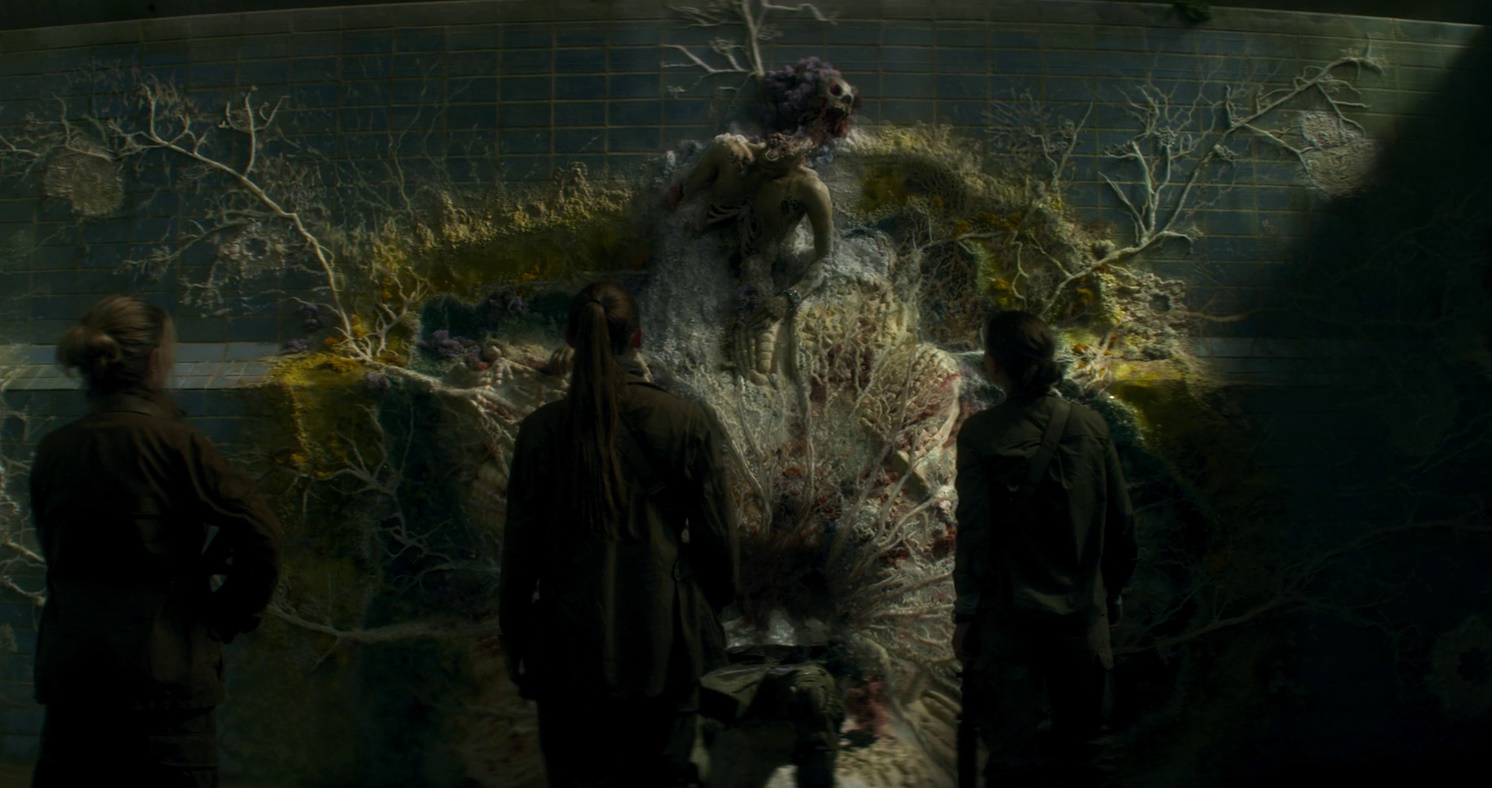
There’s no easy answer for film studios and cinemas right now

To perhaps nobody’s real surprise, three big films have recently announced delays: No Time to Die, Dune, and The Batman. With the coronavirus pandemic clearly not dying down any time soon – at least in the west – studios quite rightly feel that releasing their titles this year or even early next year won’t bring in audiences and won’t make enough money. They’re not wrong in that assessment; many people I know here in the UK would be uncomfortable visiting a cinema in person, even if the law or guidelines say that doing so is allowed. It’s going to take time – and, perhaps, a widely-available vaccine – for that mindset to change.

Over the summer, the UK government ran a scheme called “eat out to help out.” If you’re unfamiliar with it, the programme offered diners a 50% discount (up to a maximum of £10 per head) at participating restaurants. The goal was to encourage people anxious about the ongoing pandemic to get back into restaurants and, frankly, save the industry from collapse. It was successful, at least partially, with participating restaurants reporting increased takeup. However, such schemes are temporary, and there’s no way the government could run something like that for every impacted industry.

Cinema bosses have denounced decisions to delay releases – or, in the case of titles like Mulan – send titles directly to streaming platforms. Without big blockbuster releases, there’s no way to entice cinema-goers back, and the entire industry is on the brink. Cineworld, one of the world’s largest cinema chains, has announced it will close all of its US and UK sites until further notice – putting 45,000 people out of work. This is the real impact of the pandemic, and the longer it goes on, the worse it’s going to get.

Dune (2020) has been delayed.

There’s no “eat out to help out” equivalent coming to cinemas. The industry is on its own to handle the fallout from the pandemic – as are so many others – and there’s no easy fix. Until the public at large have confidence that it’s safe to go out, that it’s safe to sit in a big room with a couple of hundred strangers, there’s nothing that can be done. Even the release of Tenet in August failed to bring in sufficient numbers of viewers to make running a cinema financially viable. At this rate, the highest-grossing film of 2020 will remain Bad Boys for Life. Nobody would have predicted that in January!

I can understand from the cinemas’ perspective that film studios aren’t behaving appropriately. Cinemas and film studios are two parts of a greater whole, yet the studios have unilaterally acted to pull their films, either delaying them or sending them directly to streaming. And I can understand why that’s going to sting. Where there could have been a coming together, it feels like the bigger companies are acting selfishly; it’s everyone for themselves instead of a sense of community and togetherness.

And ultimately that’s going to make things more difficult. We’ve already seen Odeon, another large cinema chain, pledge to stop showing films from Universal Pictures in retaliation for Universal making Trolls World Tour a streaming-only title. As I wrote when looking at Mulan’s release on Disney+, if every cinema chain were to come together and announce a boycott of companies that acted this way, they could effectively prevent the release of any film they chose. There’s power in working together, but ultimately the question will be: who has that power?

Mulan (2020) went straight to Disney+, upsetting cinema chains worldwide.

Film studios clearly see streaming as a viable option. As television screen technology continues to improve – and as screens get larger – the adage that a particular film was “better in the cinema” doesn’t ring true for a lot of people any more. In some ways, the move towards streaming is something we can absolutely argue was coming anyway; like with many things, the pandemic may have accelerated the move, but it didn’t fundamentally cause it. Titles like Annihilation and the critically-acclaimed The Irishman began production with the intention of a theatrical release, but circumstances changed and they ended up going to Netflix instead.

Streaming titles have also been nominated for top awards, and when a film is released digitally nowadays, it’s become so commonplace that it scarcely gets a mention in reviews. When people of my parents’ generation were young, going to the cinema was at least a weekly outing, and not only was there an A- and B-movie but you’d probably also get a newsreel too. Those days have gone, and for increasing numbers of people pre-pandemic, the cinema was an occasional treat rather than a regular one. Attendance has been steady, but the likes of Netflix, Amazon, Disney+, and big-budget television series like Game of Thrones have slowly been eroding the need for cinemas. In short, if cinemas try to pick a fight with film studios over digital releases, I think they’ll likely lose.

But for film studios it’s not as clear-cut. Selling an already-made film to the likes of Netflix is a complicated undertaking. Netflix wants to make sure any purchase is going to be worth its while, and the gold standard is whether a title will bring in new subscribers. As a result, I think it’s not unfair to say that a lot of films would likely make more money at the box office than on a streaming platform. That’s why Mulan costs $30 instead of being available to anyone with a Disney+ account; Disney wants to make as much of the film’s budget back as possible.

Bringing a film to Netflix – or any streaming platform – is not straightforward and will not make as much money, in most cases, as a theatrical release.

Making a film is an expensive project, and the vast majority of any title’s money is made at the box office, not through streaming or sales. If film studios were to move to streaming-only releases, a lot of things would have to change. Budgets may have to fall in some cases, which would not only be to the detriment of the quality of films, but would also put more people in the industry out of work.

As I said at the beginning, there is no easy answer. Streaming is a short-term solution that may be viable for some projects, but certainly can’t replace the revenue of a full theatrical release for most titles. Mulan was a test case, but as a film that has received mixed reviews at best, it perhaps isn’t the best example for studios to look to. And besides, most film studios don’t have their own streaming platforms, meaning they have to negotiate with the likes of Amazon or Netflix to put their titles out.

One thing that history teaches us about the longer-term effects of a disaster on any industry is that things do eventually get back to normal. If one big cinema chain were to go out of business this year, within five years or so most of its empty cinemas will have been bought up and reopened by some other company. The desire for going to the cinema may not be present right now, but it will largely return when the pandemic is brought under control. At least, that’s the way I see it. Streaming has already been disruptive, but there’s still a sense of enjoyment in going to the cinema, and from the point of view of studios, streaming is far less profitable. That means that as soon as they can, film studios will want to encourage people to get back to the cinema.

How long the pandemic will continue to drag on, and how long studios and cinema owners can hang in there are the big questions right now. And unfortunately those are the same questions people are asking across many different sectors of the economy. When the pandemic is brought under control – and it will be, sooner or later – how many businesses will have survived? And how long will it take to rebuild? From the point of view of films, are we about to enter a “dark age” where budgets and quality drop? I don’t have a good answer to any of these questions. Only time will tell.

All titles mentioned above are the copyright of their respective studio and/or distributor. This article contains the thoughts and opinions of one person only and is not intended to cause any offence.