I was never interested in Star Citizen. I’m not an online multiplayer gamer, I don’t like “persistent worlds,” and I can honestly think of nothing more immersion-breaking, when I’m trying to get invested in a story and a fictional setting, than seeing “cOcKwAnK_1979” griefing his way across my screen, ruining the fun. So Star Citizen was never gonna be for me.
I also think – and I’ve said this before – that Star Citizen’s development has been a shitshow; feature creep on an unprecedented scale, incredibly poor oversight and management, and increasingly shady business practices. Selling add-ons, in-game content, and DLC for a game that’s essentially still in alpha, if not pre-alpha, is just awful – and some of the in-game items available for Star Citizen literally cost thousands of dollars. That’s thousands of dollars for what essentially amounts to an I.O.U. from the developer; a promise that – maybe one day, if the game’s ever ready – they’ll make you the ridiculously expensive in-game ship you paid $7,000 for.
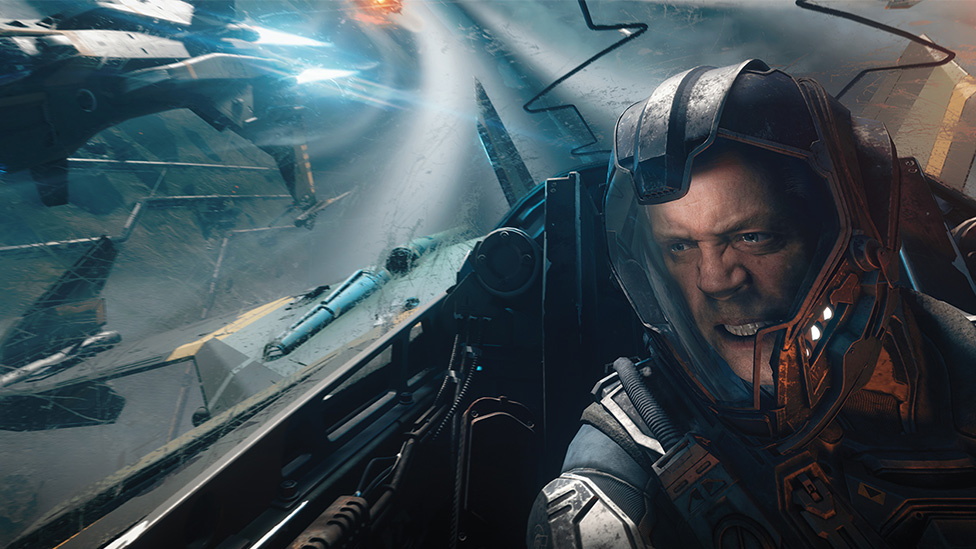
But we aren’t here to dissect Star Citizen today! There are countless folks all over the internet who’ve assessed Star Citizen’s dodgy dealings, its lengthy development, its feature creep, and the current state of the game, and they go into way more detail than I have time for in this piece. Instead, I want to look ahead to the one part of Cloud Imperium Games’ project that I *am* interested in: the single-player title Squadron 42. Because I gotta be honest… at time of writing in late 2026, Squadron 42 finally seems to be showing promise.
As I alluded to, Star Citizen and Squadron 42 have had multiple controversies and issues throughout their fourteen-plus years in development. Squadron 42 was, according to the initial crowd-funding pitch in 2012, originally planned to launch all the way back in 2014, before being delayed, delayed, and delayed again. Assuming it actually makes it to release next year (it didn’t release in 2026, as we were promised last year, so that’s not impossible to contemplate), it’ll be thirteen years behind schedule. That’s gotta be some kind of record, right?!

But, issues and controversies aside, I’m always going to be interested in a good, fun, immersive single-player game – and that’s what Squadron 42 promises to be.
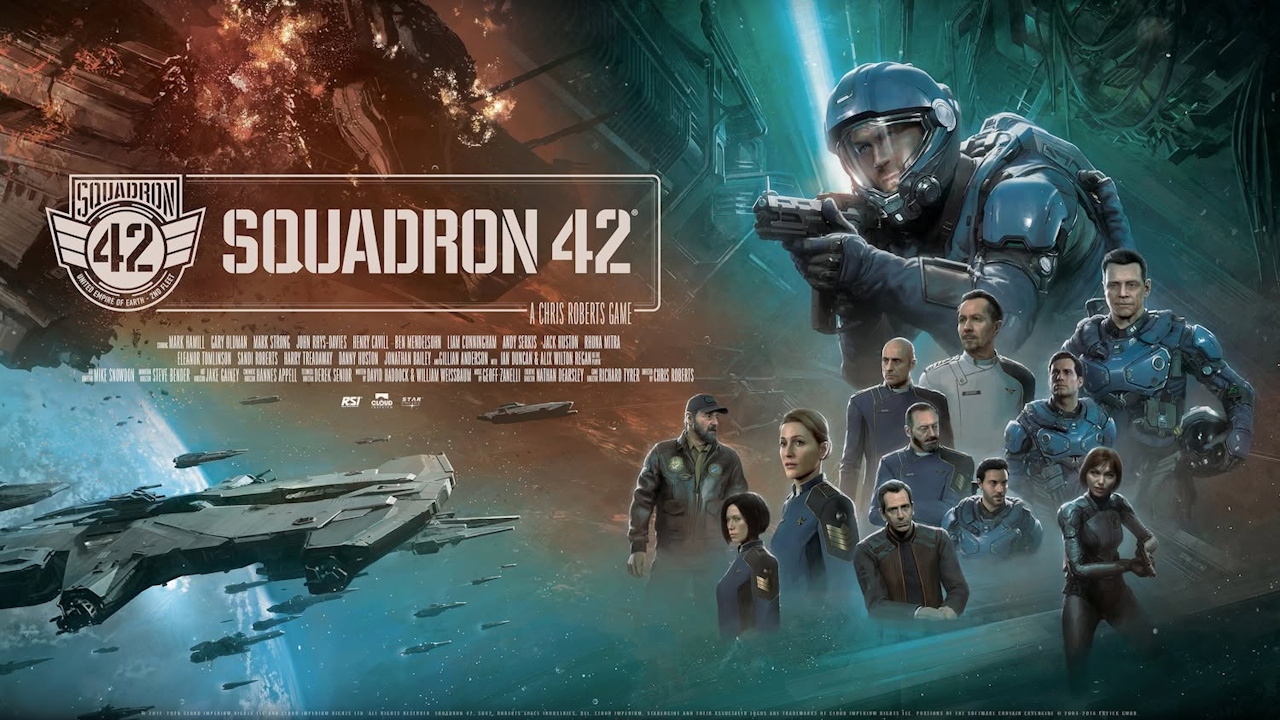
Squadron 42 recently got a new trailer, as well as confirmation that the game will launch on Steam – which is great news for me, as Steam is my go-to shop for PC gaming most of the time nowadays. But more than that, Squadron 42 also got a closed playtest, and while there are some concerns that have come out of that… the news is sounding more positive than negative. This is certainly the biggest win for Squadron 42 – and probably for anything Star Citizen-related – in quite a long time, so I wanted to look ahead to Squadron 42 and share my thoughts.
I don’t give money to crowd-funding projects… ever. I didn’t invest in Squadron 42 or Star Citizen, and while I’ve been aware of the game because of its high-profile developer (Chris Roberts) and its seemingly ever-declining reputation as “a scam” and “vaporware,” that’s really the extent of what I know. Given that the marketing campaign for Squadron 42 seems to be kicking off in earnest, I think there’s more room than ever for this kind of outsider’s perspective – because a lot of Star Citizen news and reporting seems to come from people who are already heavily-invested in the game’s success… or its failure. I’m not in either camp; not at all. So I hope my thoughts will prove interesting, useful, or will just be a breath of fresh air given where the discourse around Star Citizen and Squadron 42 has been.
I’m a sci-fi fan. Star Trek is one of my biggest loves, but I also enjoy plenty of other sci-fi properties both in the realm of video games and beyond. A big-budget, high-quality, single-player sci-fi adventure is right up my alley, and if Squadron 42 is able to make good on that promise, I think there could be a lot to love in this game. I would put it on my *very* early preliminary list of “Game-of-the-Year” candidates for 2027 – again, assuming it actually makes it to release this time. I had Squadron 42 on my radar this year, where I felt it was potentially going to be in a similar space.
So… what does that mean? Well, it means that expectations are high! This game will feature voice and motion-capture performances from a number of high-profile actors: Mark Hamill, Gillian Anderson, Gary Oldman, Liam Cunningham, Andy Serkis, John Rhys-Davies, Henry Cavill, Ben Mendelsohn, Sophie Wu, and even Star Trek: Picard’s Harry Treadaway. The total amount of money raised for Star Citizen and Squadron 42 is over $1 billion, and while that is split between the two games, it still means Squadron 42 is easily one of the most-expensive games ever developed. Even if it “only” received 10% of that billion dollars, it’d still be in the top twenty.
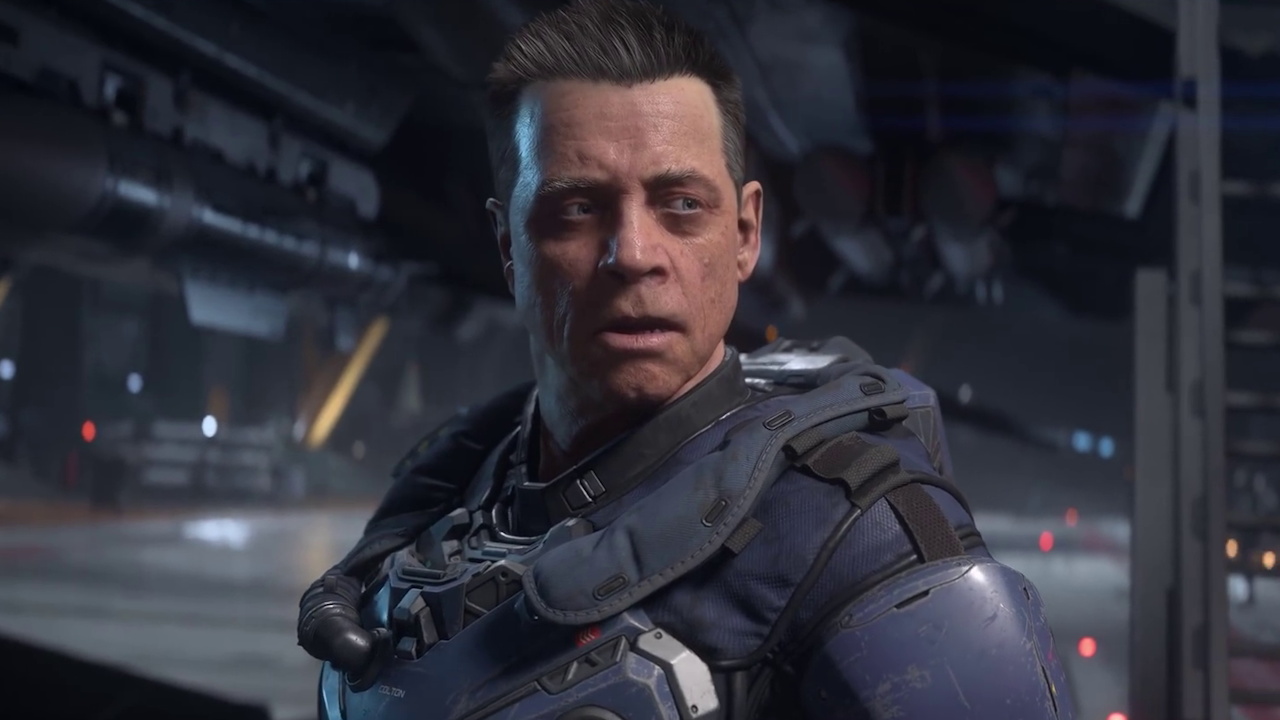
Such a high budget – and a stellar cast of well-known performers – sets high expectations, and while I’m usually someone who forgives a lot of indie game jankiness, I’m not so sure that applies in this case! Yes, Squadron 42 is still, in purely *technical* terms, a crowd-funded “indie” project, insofar as it exists outside of the games industry’s big corporate publishers. But when so much money has been raised, when development budgets are so high, when the developer is hosting huge conventions, when they’ve hired Mark frickin’ Hamill to voice a character, and when Cloud Imperium Games has become such a big company that it employs almost 1,000 people… it doesn’t get that same free pass.
Assuming I’m able to review Squadron 42 next year, as I hope to, I will not give the game a lot of leeway when it comes to things like bugs and glitches. In my opinion, after so much money has been spent and so much time has been taken, this really ought to be a professional, polished release on day one. And given that Squadron 42′s launch could prove incredibly important to Cloud Imperium Games and Star Citizen’s future, too… they can’t afford to fuck this up, either.
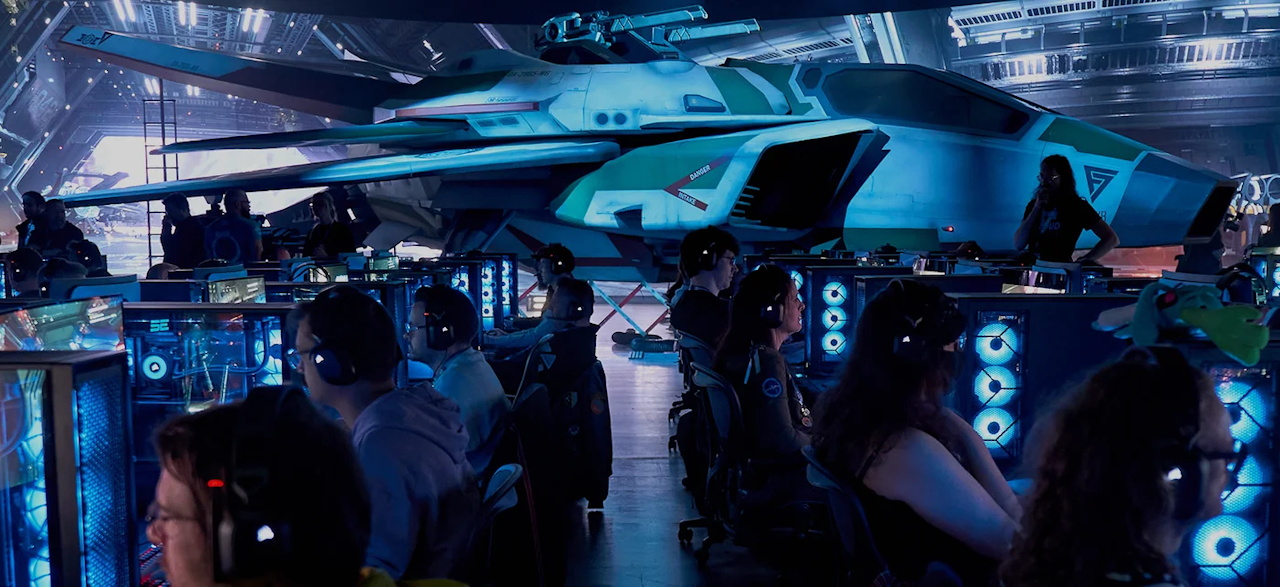
In short, if the launch version is akin to where Cyberpunk 2077 was when it released in 2020… not only will that not be good enough, but I genuinely think Cloud Imperium Games will struggle to turn things around. Some of the folks who took part in the closed playtest – who, lest we forget, are some of Star Citizen’s biggest fans, cheerleaders, and content creators – reported that the game is not yet fully polished, and that bugs and issues are present. Now, I’m glad that Cloud Imperium Games isn’t forcing its staff through the abusive “crunch” process – which might’ve happened if the game launched this year. But I am a tad concerned that a game that should’ve been ready to go within just a few weeks is still suffering from such egregious issues that even its biggest supporters and fans couldn’t hide them completely.
That being said, I’m usually a “wait for the reviews” type of player. *Especially* for a game like Squadron 42, with all of its development issues, I think it’s more important than ever to let independent reviewers get their hands on the game and deliver a fair assessment before jumping in. Star Citizen’s biggest fans were invited to this closed playtest – so, naturally, opinions will be trending in a positive direction. But next year, when the game launches (or when review codes are sent out, if that’s something Cloud Imperium Games is willing to do), then that’s gonna be the moment where I’ll make a purchase decision.
If Squadron 42 looks close enough to being ready, I’ll wait a couple of weeks to see if patches and updates improve the experience. If it seems awful, buggy, broken, and borderline-unplayable, perhaps I’ll just… move on and find other things to play! However, if things look good from the jump, and Squadron 42 reviews well from a technical standpoint with independent reviewers – i.e. folks who aren’t invested in the Star Citizen project – then I will certainly be jumping in within a few days of launch… time and money permitting, of course!
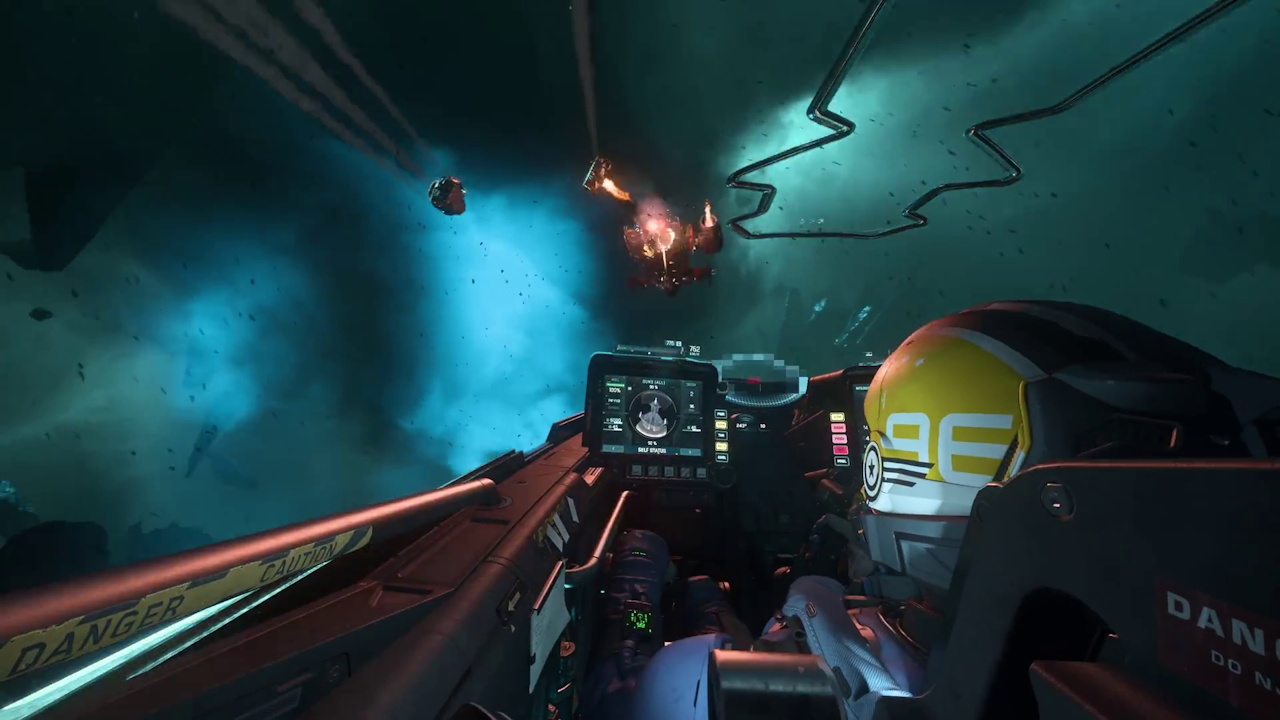
And that’s for a simple reason: I really, *really* liked what I saw in the Squadron 42 trailer.
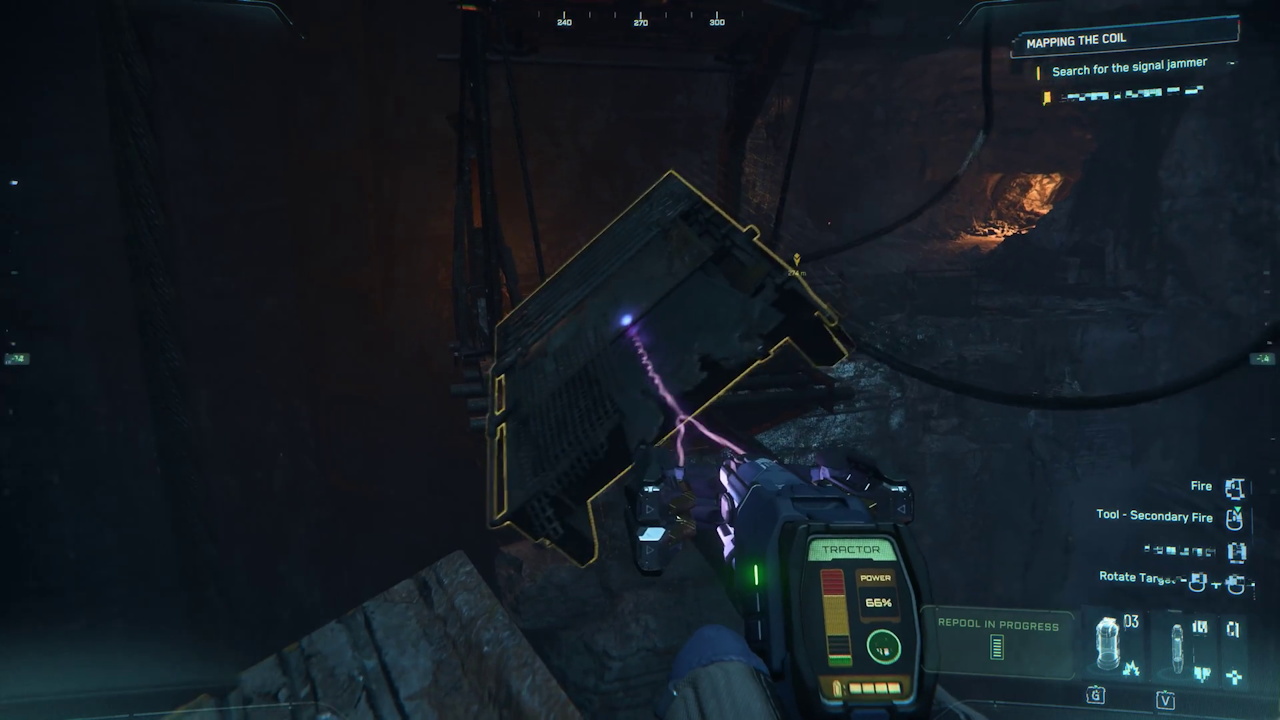
The game seems to be a mix of space combat and first-person shooter, but there are also some really creative-looking puzzles that reminded me a lot of Half-Life 2. The big capital ships in Squadron 42′s space armadas reminded me a lot of Battlestar Galactica – and so did the naval uniforms worn by some of the characters, too. Obviously, Squadron 42 has long been pitched as a spiritual successor to Strike Commander, Wing Commander, and Freelancer – studio head Chris Roberts’ previous works. But there’s definitely a Battlestar Galactica influence in some of these designs, I felt.
One thing that impressed me about Squadron 42 was the sheer sense of *scale* that the trailer managed to convey. Scale is something that matters in a space game – something I discussed when Bethesda’s Starfield failed to impress me. In short, Starfield’s world felt limited and small; I could visit every point of interest in the so-called “city” that was, in reality, no bigger than a small town, the whole galaxy consisted of fast-travel menus, “missions” would auto-complete with minimal interactivity… the list goes on. All of that came together to mean that I felt no investment in the game’s small, flat little world.
Now contrast that to what I’ve glimpsed of Squadron 42. Space battles involving flotillas of giant capital ships, a city that actually *looked* like a city, two competing factions or empires that – from this admittedly small first look – genuinely felt large enough and powerful enough to dominate whole sectors of space. Some solid-looking customisation. And interactivity with NPCs and the environment that added much-needed depth to the world.
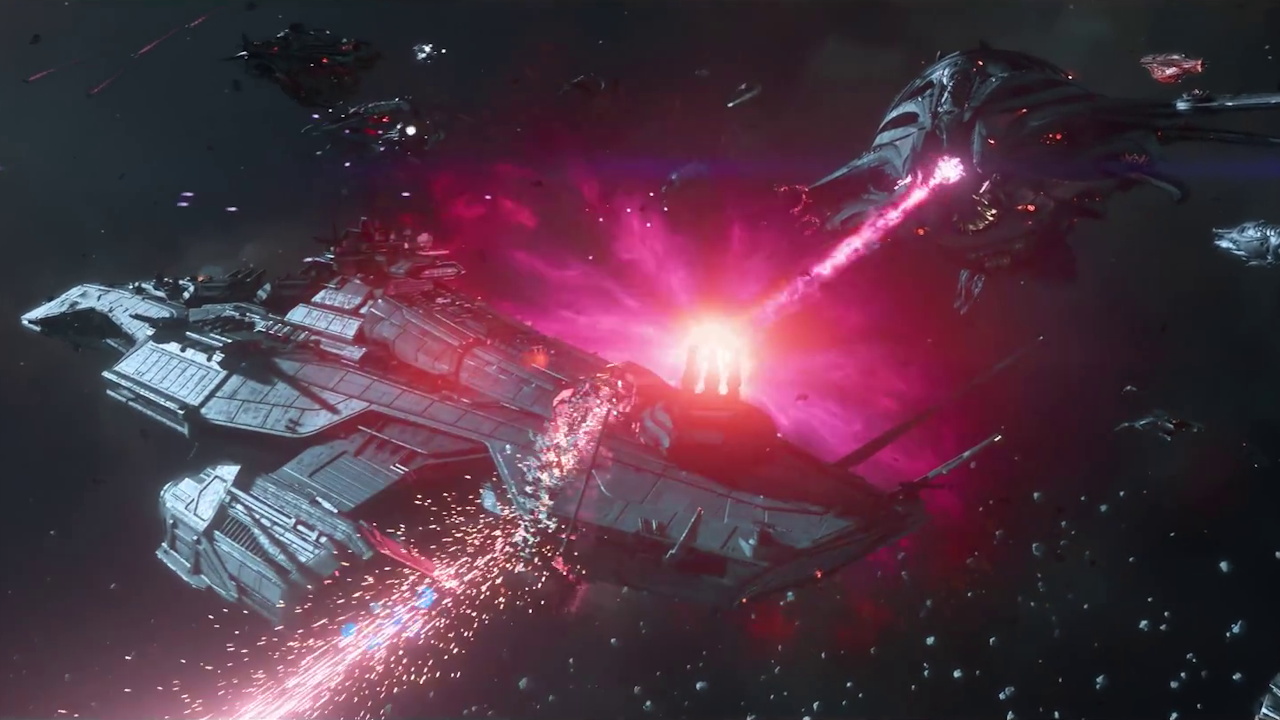
I know that Squadron 42 is more of a linear thing that Starfield aimed to be. They aren’t even in the same genre, really. But my point isn’t that the games are direct competitors, but rather that the world-building – even from just this short tease – felt so much better from Squadron 42, and really succeeded at building up that sense of scale; that feeling that my character (“Gill,” is it?) is going to be just one person who’s part of a world that persists beyond the confines of the game map. Starfield never convinced me of that. But games like Mass Effect and Cyberpunk 2077 did. It’s the difference between good and bad world-building – and I have high hopes for Squadron 42 based on what I’ve seen so far.
Then there’s the three gameplay components: ship combat/spaceflight, first-person shooting, and puzzle-solving. All of these looked solid.
Jumping into a fighter ship and blasting away at enemy spacecraft has been fun for me since I played the Star Wars TIE Fighter game in the mid-’90s, and I really enjoyed Star Wars Squadrons, too, just a few years ago. First-person action games can be fantastic – like Cyberpunk 2077 – and Squadron 42 seems to have “gravity gun” environmental puzzles that reminded me a lot of Half-Life 2. Even if these individual elements aren’t as good as they might’ve been in some of the titles I mentioned, bringing them all together in a single experience could still be a blast.
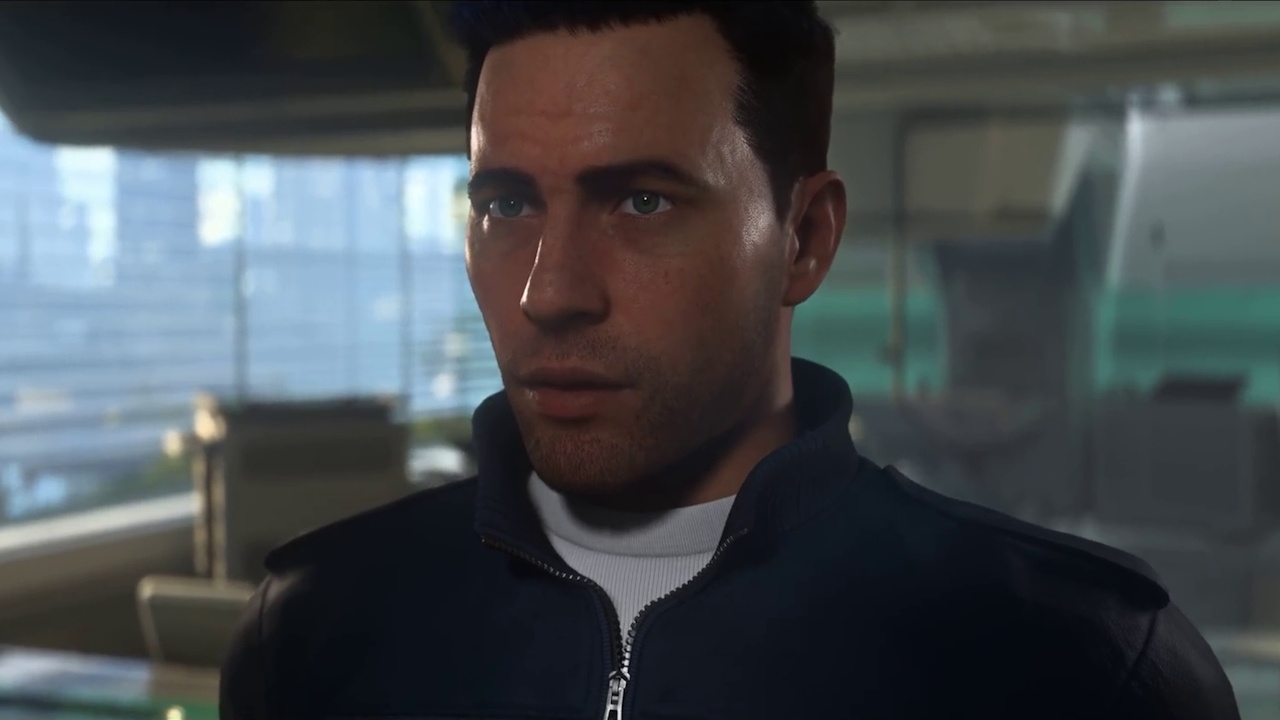
However, a single-player title like Squadron 42 lives or dies on the strength of its narrative! And at this stage, the game’s world is brand-new to me. As I said, I haven’t followed Star Citizen, so I know basically nothing about this world, its factions, or its alien empire. Battlestar Galactica may be present in some of the designs and theming, but I’m not even sure whether *that* is a good starting point to understand the kind of story Squadron 42 aims to tell.
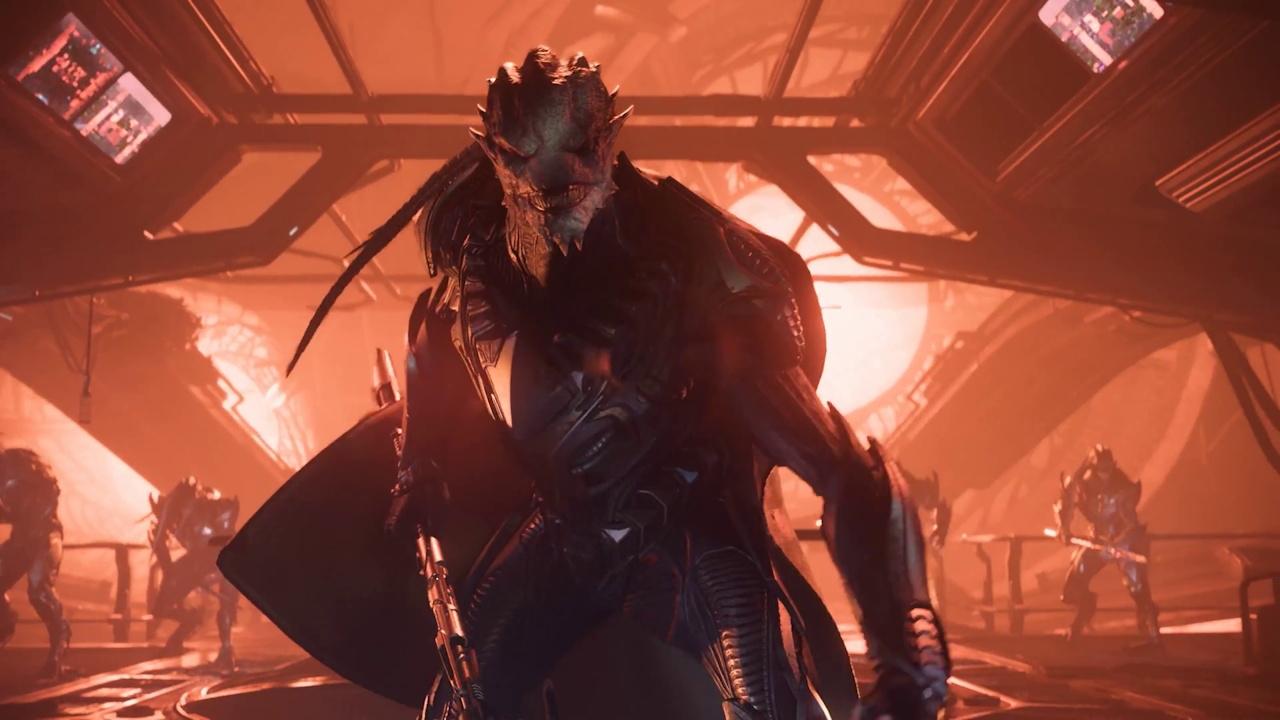
Chris Roberts has said on the record that the game’s story will be a “good guys versus bad guys” kind of thing: the Empire of Earth being the goodies, the Vanduul aliens being the baddies. And there’s definitely a place for this kind of black-and-white storytelling in fiction when it’s done well. There’s also a place, to be honest, for games that don’t demand a ton of thought or emotional effort; games that just point you at waves of enemies and say “shoot them.” Whether either of those things will be part of Squadron 42, though, is unclear to me. And if they are… maybe it’ll work just fine. Or maybe it’ll feel a bit narratively underwhelming. It’s hard to say at this stage.
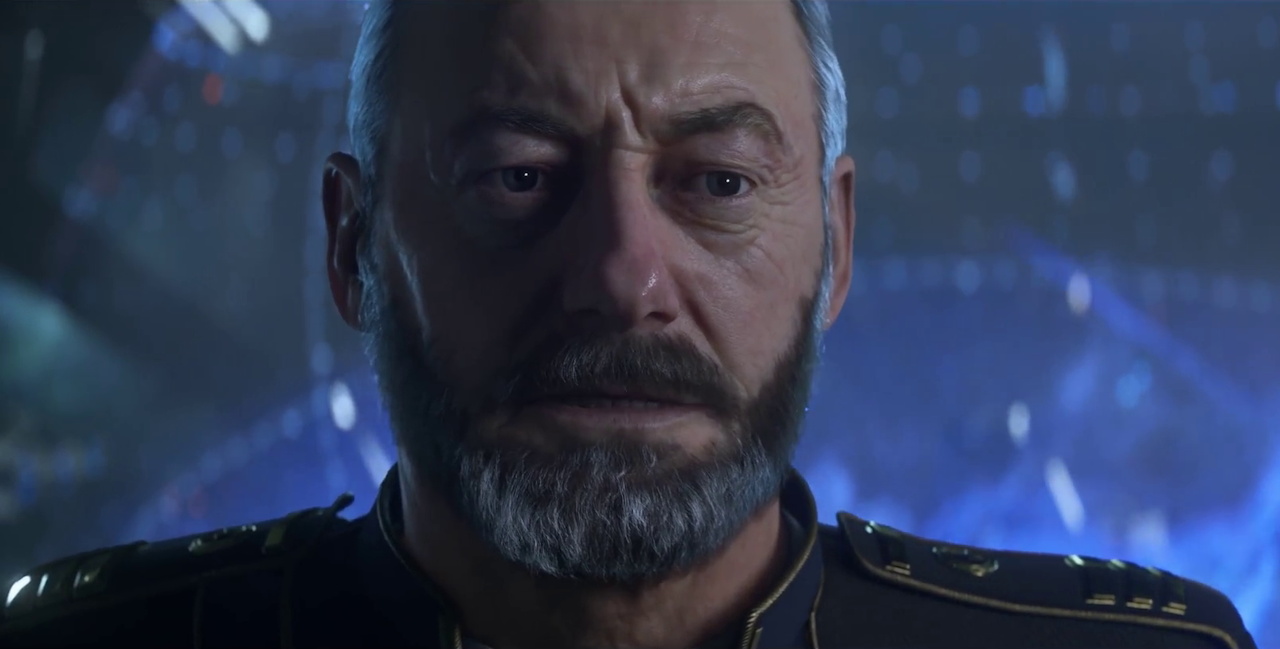
I mentioned that Squadron 42 has an all-star cast of well-known actors from the sci-fi space and beyond. Voice lines that I heard in the trailer seemed great, so I’m optimistic on that front. Some projects can struggle, even with great performers, to really make characters feel fully fleshed-out and real, though – the way voice acting is directed, as well as twists and turns in the narrative itself, can lead even some genuinely fantastic performers to either fall flat or for their characters to just not stick the landing. Because expectations are so high, and because this is the kind of all-star cast most video games could only dream of, I’m really hoping to meet a fun and engaging cast of characters!
But at the same time, I’m also trying to keep any potential hype in check. It’s a little odd to me that Squadron 42 is so heavily emphasising its cast rather than showing off the characters they’re meant to be playing; I saw a lot of digitally-recreated famous faces in the trailer, but I don’t think I could tell you, even having watched it a dozen or so times, what any of their characters’ names are. Gary Oldman’s the admiral, Mark Hamill’s some kind of squadron leader, maybe Gillian Anderson and Liam Cunningham are starship captains? The game will have to do a better job than that of building up these people – having them look and sound like famous celebrities can only take a project so far.
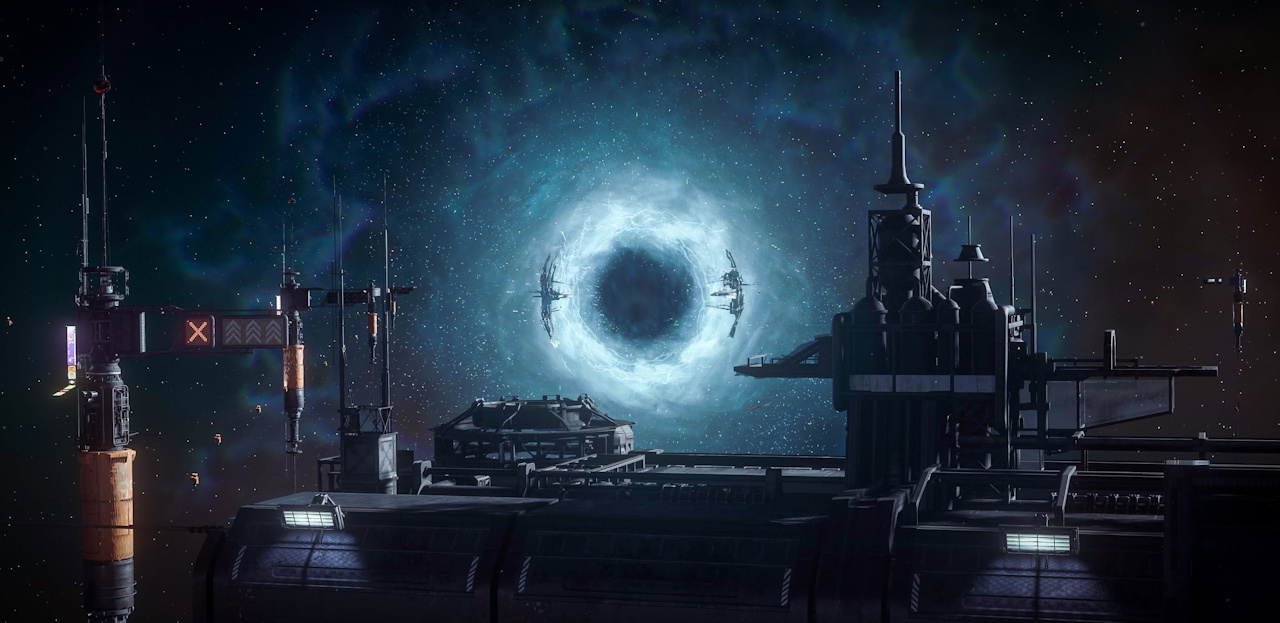
It’s also news to me – though it won’t be to Star Citizen and Squadron 42 followers – that the game is effectively “part one” of what’s planned to be a three-part story. That always raises concerns for me when we’re talking about a brand-new, untested project – and that goes double or even *triple* for Cloud Imperium Games, given how long it’s taken them to get just one part of this story ready to go! In short, I hope that the Squadron 42 story will feel complete enough; that it won’t just end on a cliffhanger that either may never be resolved or that I may not live long enough to see the conclusion of!
There’s a lot to be said for a carefully-planned story – for not just trying to “wing it,” or to tack on sequels to stories that already feel functionally complete. Squadron 42, if indeed it’s planned as a three-game or three-episode arc, could very well succeed in that ambition. But if “part one” took fifteen years to be ready… well, all I can say is that I hope the final chapters will be developed a damn sight quicker! There’s a non-zero chance that I don’t have another five years in me, let alone fifteen, and with arthritis already affecting my hands and impacting my ability to play games… I’d hate to miss out on the continuation of this story – if it’s as fun and engaging as I hope it’ll be – simply because Cloud Imperium Games couldn’t get it ready in time.
So that’s where Squadron 42 sits right now, at least in my estimations.
There are reasons to be concerned, if not downright sceptical, about this game. Cloud Imperium Games has not covered itself in glory since its Kickstarter project began a decade-and-a-half ago – and that’s the understatement of the week. This is also a brand-new and untested fictional setting that might not have what it takes to really get players immersed and interested in its story, its characters, and its world. The game is also ambitious, seeming to blend elements of well-known and beloved first-person, puzzle, and space-sim titles into one cohesive package. Ambition is to be commended – but it can go awry.
However, I’d be lying if I said that I wasn’t impressed and even excited by what I saw in the trailer and what I’ve heard from some of the folks who participated in the playtest. If Cloud Imperium Games can use these remaining months to squash bugs, polish the experience, and really get Squadron 42 ready to launch on day one… as I said, I think it could be in contention for a “Game-of-the-Year” award, if all goes to plan.
So… join me for my annual End-of-Year Awards in 2027 to see if it makes the cut, I guess!
I hope to play and review Squadron 42 next year, so I hope you’ll consider checking back after the game releases to get my thoughts on the story, the world-building, the characters, the various gameplay elements, and more. I think every gamer has been burned by hype before, and I’m acutely aware of the fact that, no matter how good the game may look in its own promos and marketing material, it could still end up being a dud… or a disaster. There are plenty of examples we can point to for things like that, and Cloud Imperium Games doesn’t exactly have a stellar reputation when it comes to honesty and transparency.
But it’d be dishonest of me to say that I’m not at least slightly excited for Squadron 42 right now!
Thanks for joining me for this preview. I hope my take on this upcoming space adventure has been interesting and informative. Happy gaming, friends, and I’ll see you… out in space!
Squadron 42 will be released in Q2 2027 for PC. Squadron 42, Star Citizen and other related properties discussed above are the copyright of Cloud Imperium Games and/or Roberts Space Industries. This article contains the thoughts and opinions of one person only and is not intended to cause any offence.