

Spoiler Warning: There are spoilers ahead for the Star Wars sequel trilogy.
Today (the 17th of December 2025) marks the tenth anniversary of the release of Star Wars Episode VII: The Force Awakens here in the UK. With it came a brand-new era for the franchise. I thought the occasion would be a great opportunity to talk about the film, its legacy, what it got right… and where it went wrong. So that’s what we’re gonna do today!
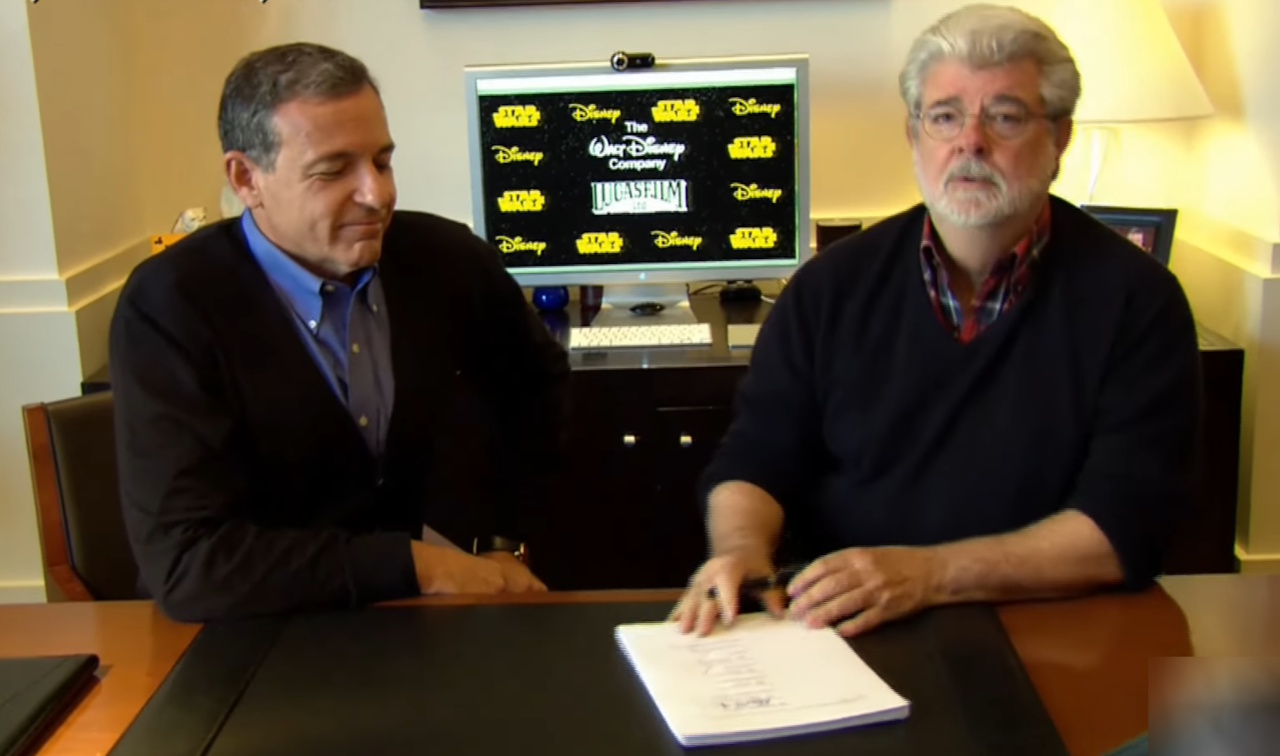
Three years earlier, the Walt Disney Company had purchased Lucasfilm, and with it, the rights to the Star Wars franchise. Ever since that moment in 2012, fans had been wondering what might lie in store – and when it was confirmed that 1983’s Return of the Jedi would be getting a sequel… I think it’s fair to say that the fan community was *beyond* excited! As Star Wars prepared to turn the page on its controversial prequels, and with a new creative team in charge, there was plenty of room for positivity in the months leading up to the release of The Force Awakens.
I think I’ll start by talking briefly about my personal history with the Star Wars franchise, and how I found my way to the fan community – or, at least, to its periphery! In the early ’90s, at the insistence of a schoolfriend, I watched the original trilogy on VHS. By this point, I was already a huge Trekkie, and I remember being a bit underwhelmed on that first viewing. Perhaps I was comparing Star Wars to “my” fandom, and getting a bit tribal with it… I dunno! But I soon came to appreciate the original trilogy and the story it told, and quickly branched out to play the Super Star Wars games on the SNES, TIE Fighter on PC, and later, games like Shadows of the Empire and Rogue Squadron on the N64.
The prequel trilogy was another story, however, and I was left decidedly underwhelmed by both The Phantom Menace and Attack of the Clones. In this era, it was really only Knights of the Old Republic that kept me engaged with my Star Wars fandom. Revenge of the Sith was better, in some ways, but the prequel trilogy as a whole was a disappointment. If you’d asked me about Star Wars in 2012, that’s what I’d have told you. I was sceptical of a new film at first, but I was also encouraged when George Lucas stepped away and passed the torch to a new generation of filmmakers. When Disney promised to expunge the old Expanded Universe – much of which, from what I’ve seen, reads like low-quality fan fiction – I felt that was the right call. Disney was setting up a totally fresh setting for their new trilogy that wasn’t going to be constrained by decades’ worth of other stories, nor by being a prequel that had to tie in with what’s already been established. That was a hugely positive thing for me.
By the time details of the film were being announced, I was cautiously optimistic! I remember feeling a little conflicted about J.J. Abrams’ involvement; he’d done such a great job rebooting the Star Trek franchise at the cinema that seeing him “jump ship” to Star Wars felt like a bit of a blow. Remember, this was before CBS had announced that Star Trek would be returning to the small screen, and with the franchise’s fiftieth anniversary approaching… I wasn’t thrilled to lose a filmmaker of Abrams’ calibre. But Star Trek’s loss seemed to be Star Wars’ gain, with Abrams being able to take the same approach and “reboot,” for want of a better word, the franchise for a new generation.
Above all, I hoped that The Force Awakens could put the disappointment of the prequel trilogy behind us, and tell a more interesting and engaging story than those films ever had.
So… did it do those things?
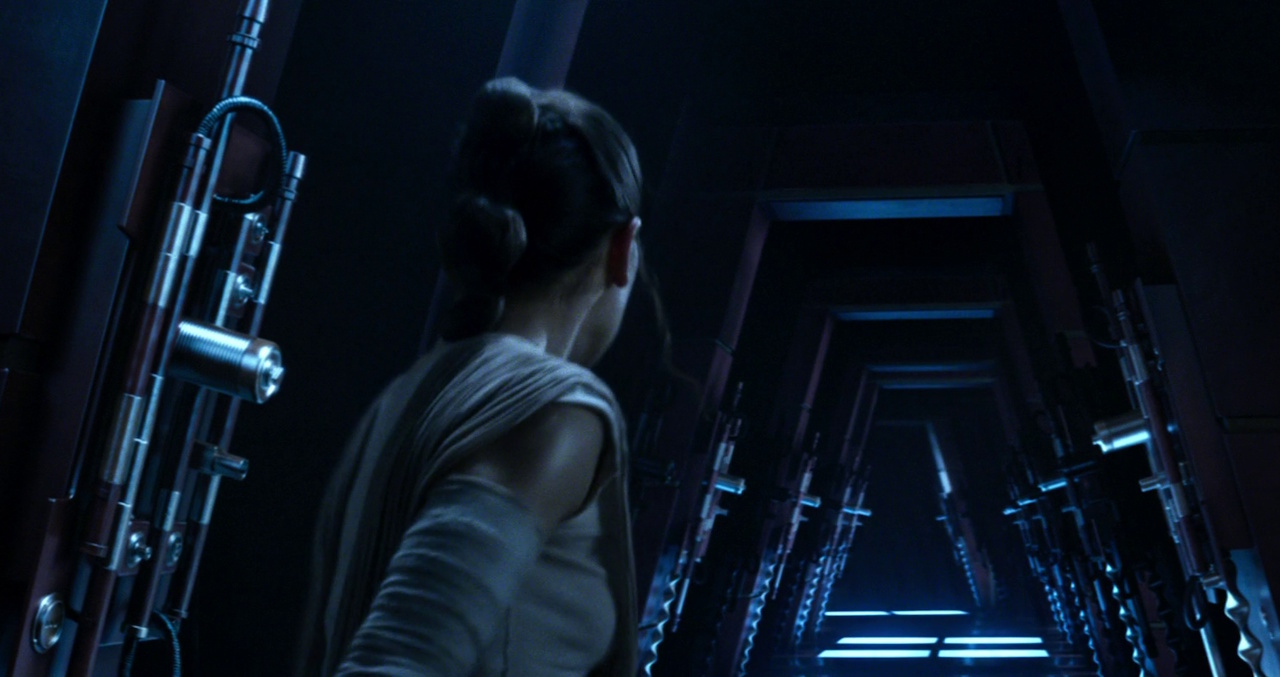
The Force Awakens is a film that we absolutely cannot judge fairly without placing it in context. As a result of that context – i.e. the last ten years’ worth of Star Wars projects since it premiered – The Force Awakens is probably the only film I can think of where my opinion has shifted so dramatically since that first viewing in December 2015.
Because I’ll be honest: I walked out of the cinema ten years ago with a great big smile on my face! After the disappointment of the prequel trilogy, a film that re-played Star Wars’ “greatest hits” felt like just what the doctor ordered, and I remember feeling that, while the film obviously *was* derivative and harkened back to 1977’s Star Wars in a huge way… that didn’t seem like a terrible idea. Re-establishing the core of what Star Wars is, and showing that to a new audience as well as to returning fans, is what a reboot is supposed to do. And The Force Awakens felt like a solid foundation for Disney to build a new era of Star Wars on.
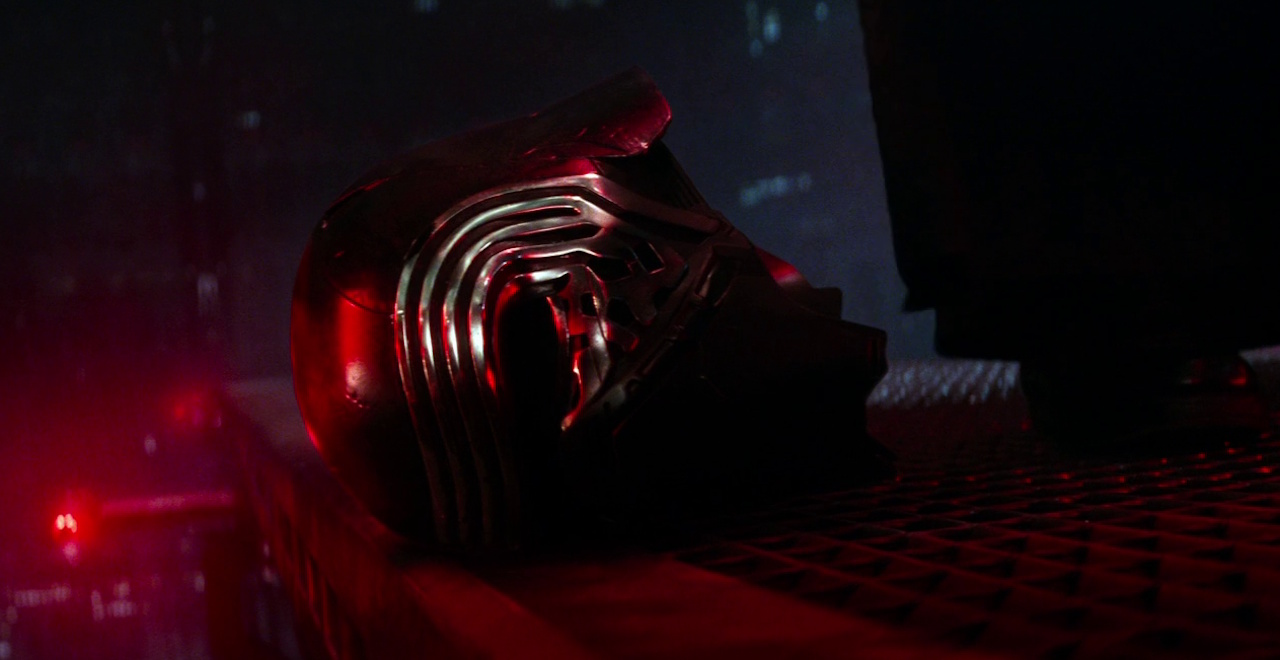
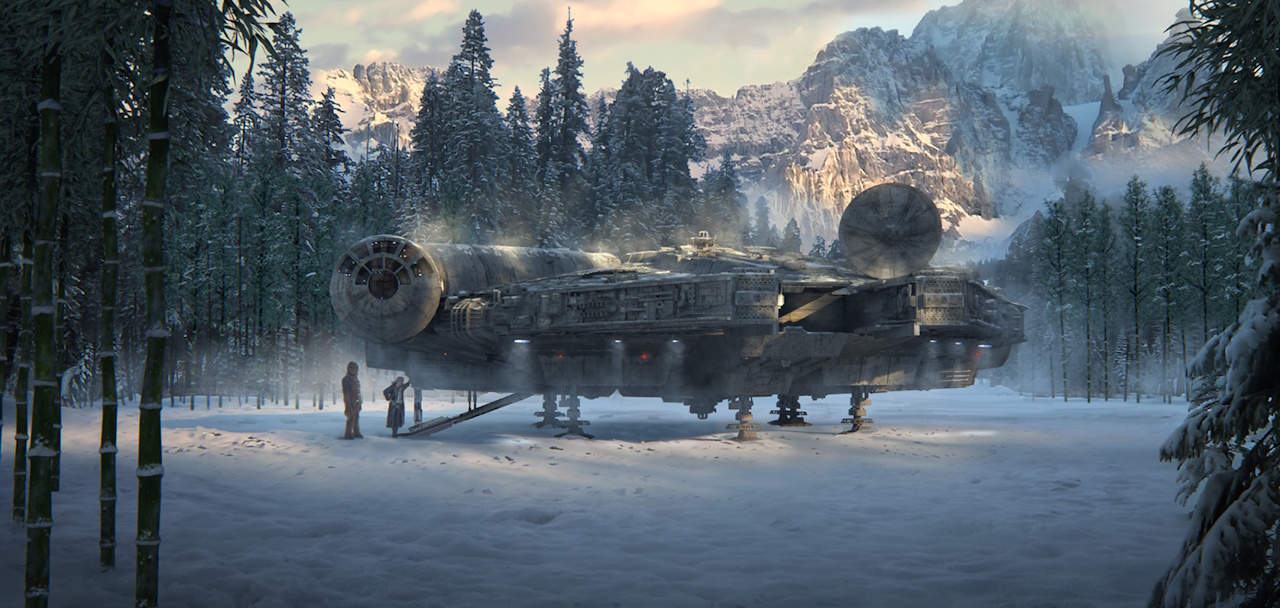
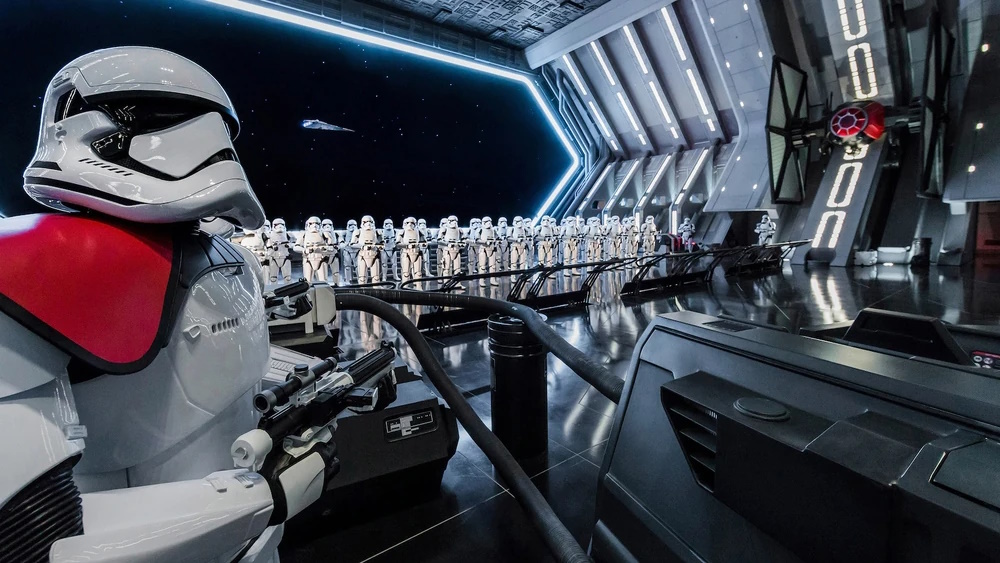
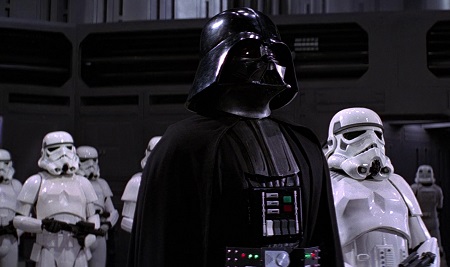
There were stormtroopers. There was an “evil empire” ruled by an enigmatic, scarred leader. There was a helmet-wearing Dark Side user who was the scion of a powerful family. The Jedi were nowhere to be found. There was an orphan from a desert planet who got swept up in a rebellion. There was a “trench run” against a planet-killing superweapon. Han Solo and Chewie were back in the Millennium Falcon. And Princess Leia was still leading the rebellion. Everything that Star Wars had been in its original form was here, reimagined and repainted, ready for that new generation of fans to fall in love with.
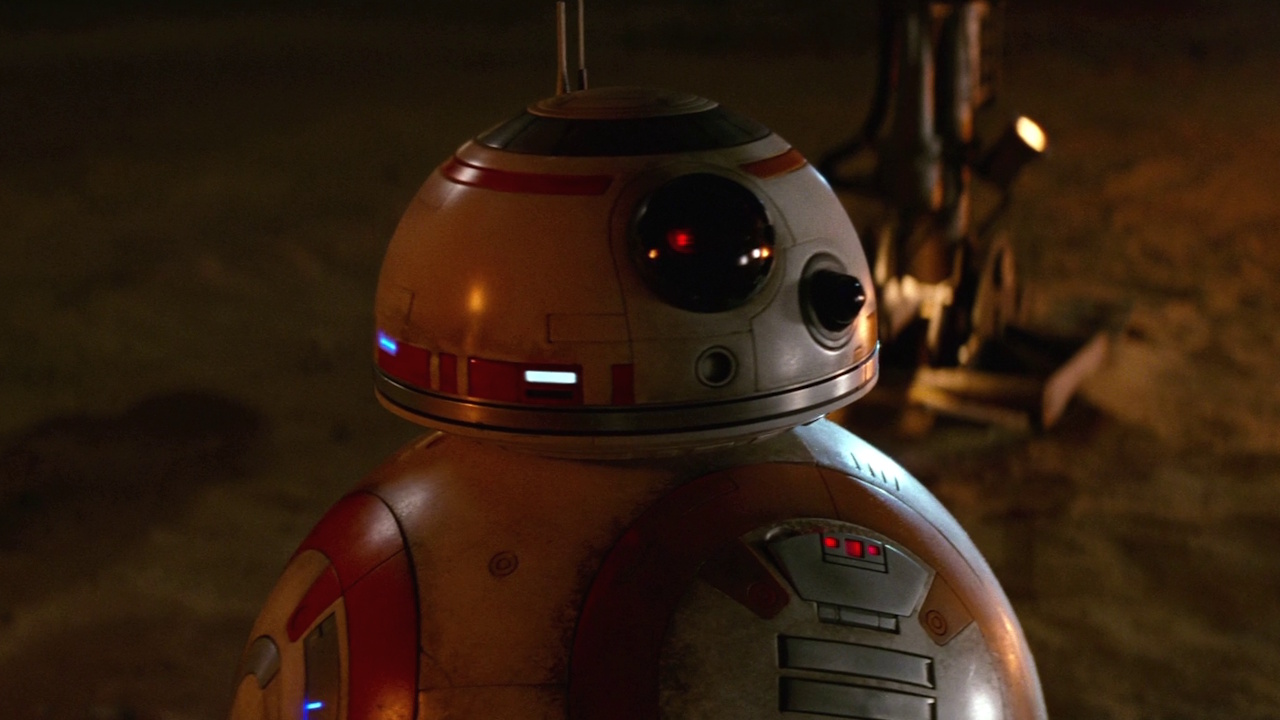
What’s more, The Force Awakens’ director and producers seemed to be going out of their way to recapture the way Star Wars looked prior to the prequels and George Lucas’ awful “special editions.” Gone was the janky, not-ready-for-prime-time early 2000s CGI. And to replace it, Disney had commissioned physical props, puppets, and even robots. BB-8, the cute little spherical droid, *actually works!* That’s an actual, physical droid, not a video-gamey CGI monstrosity. As a child of the ’80s, who grew up on films like The Neverending Story and Flight of the Navigator, which had excellent puppets, props, and prosthetics… I absolutely *adored* the way The Force Awakens looked, and I still have a huge respect for J.J. Abrams, Kathleen Kennedy, and the rest of the folks at Disney and Lucasfilm for leaning much more heavily on physical creations over CGI.
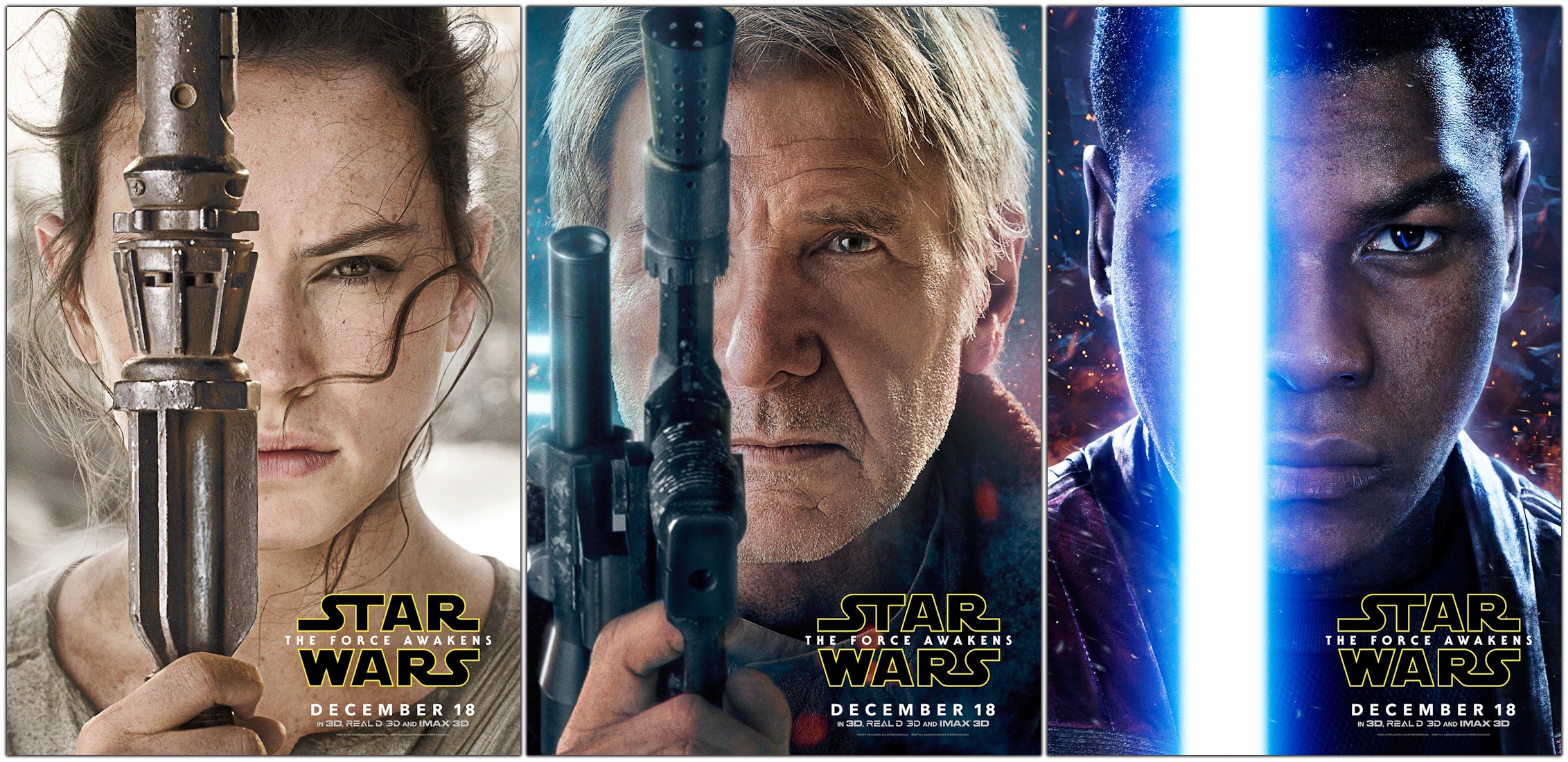
If The Force Awakens had been a one-and-done film, that’s where this essay would end. The film recaptured the magic of Star Wars in a way that the prequels had failed to do, the new owners of Star Wars had successfully killed off the fan-fiction-y Expanded Universe, and put to bed the idea that *everything* with the Star Wars name attached should be considered canonical, and the original look and feel of the franchise, from its ’70s and ’80s heyday, had been successfully recreated. Add into the mix some fun new characters – a rebelling Stormtrooper, whose humanity wouldn’t let him take part in atrocities, a young, clearly powerful Force-wielder, a phenomenal pilot, and the son of Han Solo and Leia, now fallen to the Dark Side – and you had all of the pieces in place for an entertaining story.
Unfortunately for The Force Awakens and its legacy, though, this isn’t where things end.
J.J. Abrams, who penned and directed the film, is a big believer in the “mystery box” style of storytelling: set up an intriguing mystery, then let it unfold. But while Abrams is great at *starting* these kinds of stories… he doesn’t usually seem to have an ending in mind. And because of the way Disney and Lucasfilm set about making the Star Wars sequel trilogy, Abrams and his “mystery box” were simply the wrong choice for the first part of the story. And even as I stepped out of the cinema wearing that silly grin ten years ago, the cracks in the foundation of this story were already beginning to grow – cracks that would eventually lead to the complete and utter ruination of Disney’s sequel trilogy. The Force Awakens was a fundamentally flawed story – but the damage those flaws would do wouldn’t become obvious for a few more years.
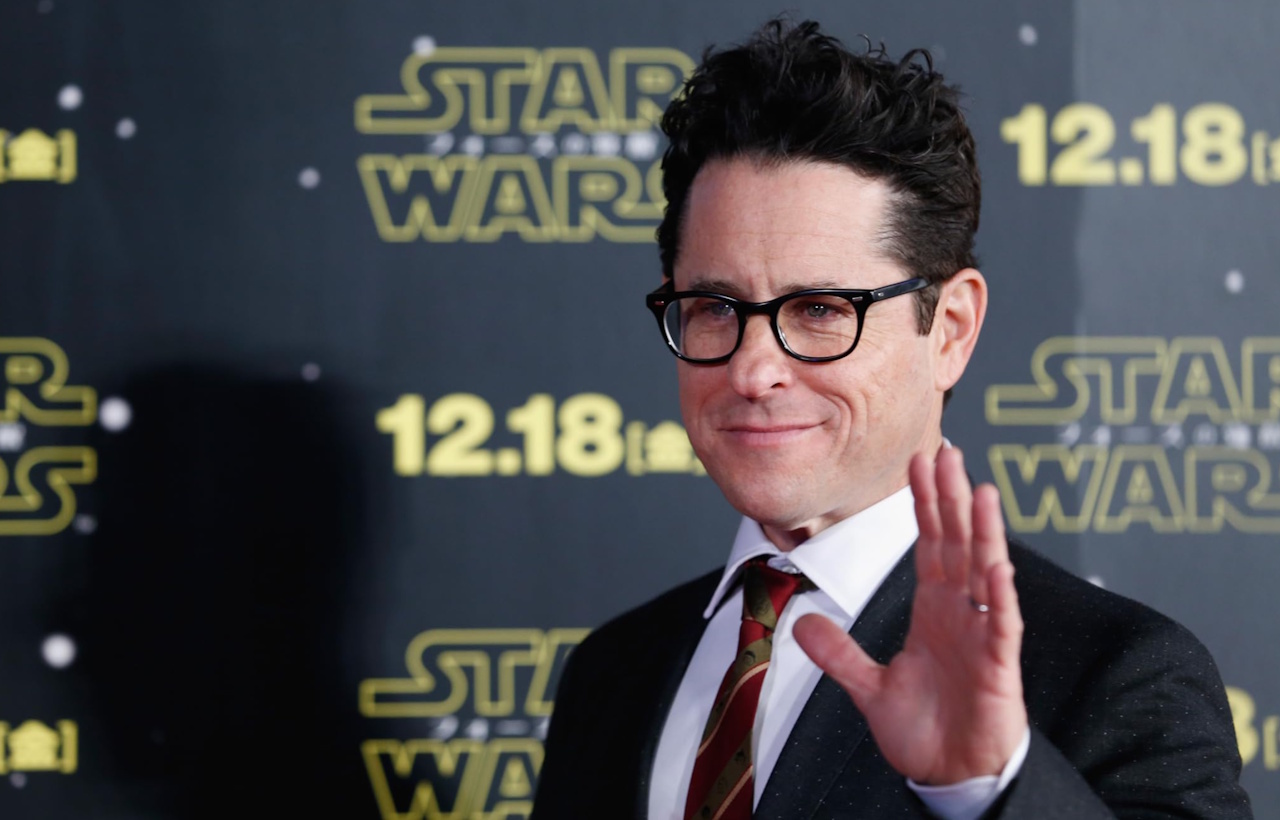
J.J. Abrams had written questions into his script that he did not have answers for. In fact, not only had he not written a solution to his “mystery box,” but there really wasn’t a way for this story to unfold – when the baton was inevitably passed to Rian Johnson and Colin Trevorrow – that even made sense. Abrams screwed over Johnson and Trevorrow (who would later leave the project that became The Rise of Skywalker) by writing the beginning of a story that had no plan, no middle, no ending, and that was, in a word, inept. It is the “original sin” of the sequel trilogy, and while fans may dislike The Last Jedi or The Rise of Skywalker far more than The Force Awakens, it was here, in 2015, that the sequels’ undoing had already been set in stone.
“Luke Skywalker is missing!” announced the film’s opening crawl. But without establishing *why* Luke had disappeared – nor even really explaining the extent of his legend and legacy in the galaxy at large – The Force Awakens set up a mystery that had no explanation. And by leaving the choice for why Luke had squirrelled himself away on a hidden planet to the next film and the next writer/director, Abrams abdicated the tremendous responsibility that Disney, Lucasfilm, and generations of Star Wars fans had placed on his shoulders.
I wrote several years ago that it boggles my mind how an accomplished group of filmmakers – people who created and worked on titles like the Indiana Jones trilogy, Lost, Jurassic Park, E.T., and many more – could have made such a genuinely bone-headed, idiotic, stupid decision when approaching the sequel trilogy. The Force Awakens was never envisioned as a standalone film, it was always meant to be the first instalment of a trilogy. And a trilogy that plans to tell a single story *needs* someone in overall creative control. J.J. Abrams, with his penchant for starting stories he has no intention of finishing and doesn’t know how to finish, was the wrong choice for that role. But Kathleen Kennedy, president of Lucasfilm, and Disney CEO Bob Iger should have known better – and should have taken a more structured, planned approach.
The decision to split up the writing and directing of the three sequel films was taken before work got underway on The Force Awakens – and even at that early stage, the damage was done. Splitting up the trilogy in this way was *always* going to be the wrong decision, and the predictable result is a trio of films that jump around in terms of tone, story, and even characterisation, as each of the subsequent instalments tries to undo something from its predecessor. And I do not exempt The Force Awakens from that criticism – it is the foundation upon which the trilogy should have been built, but because it was so weak and derivative, and because the decision was taken to split up the filmmaking process, it would be firmly tarred with the same brush even if it had been a perfect standalone title.
Which it wasn’t.
What I felt had been the film’s biggest strength on that first viewing a decade ago, now, in retrospect, feels like one of its most egregious faults and its most significant weakness. By choosing to replay, almost beat-for-beat, 1977’s Star Wars, the film fails to do what any sequel can and should aim to do. Questions that fans had all the way back in 1983 about what the galaxy would look like after the Empire’s defeat not only didn’t get answered, they were totally ignored; sidelined, as Abrams and co. tried to re-tell the same story as before, just with a different coat of paint.
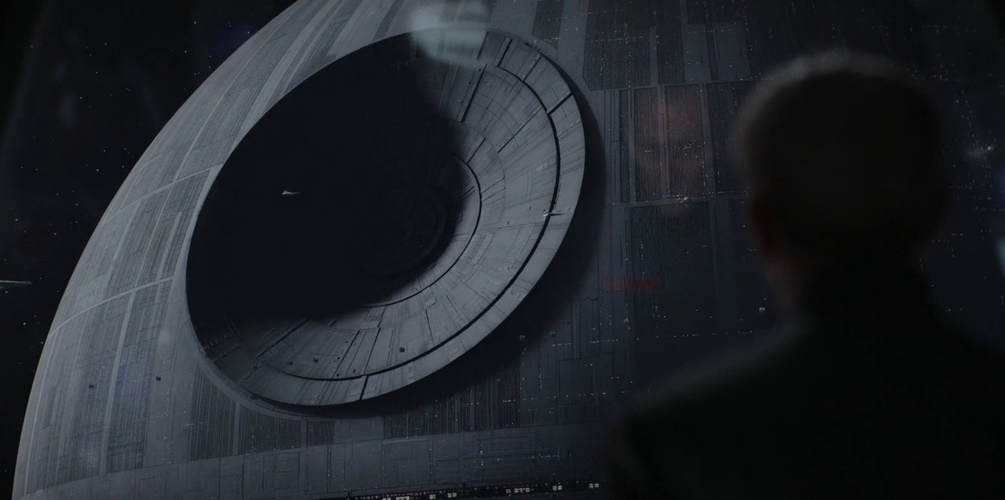
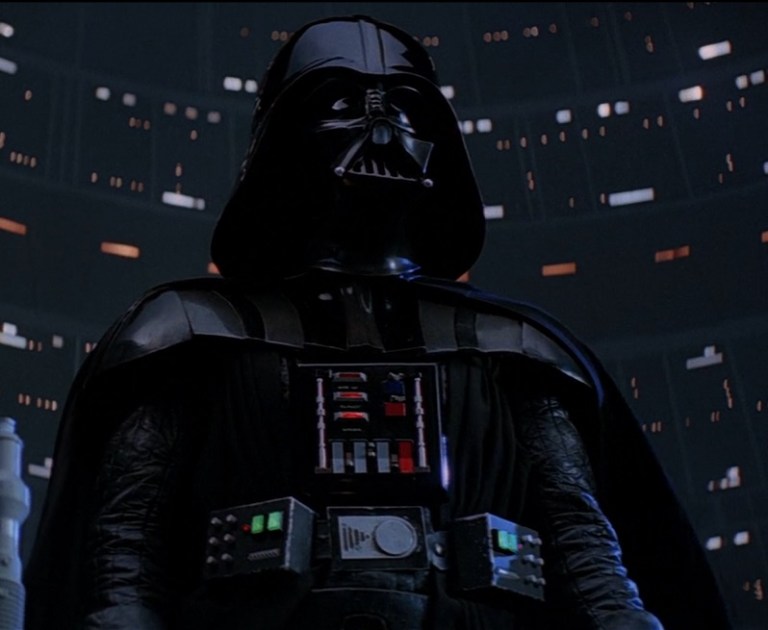
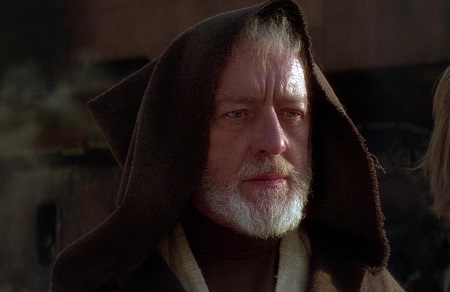
Think about where Return of the Jedi had ended: the Emperor and Vader were dead, theoretically ending the Sith once and for all. The Death Star had been destroyed, and the Rebellion had won the Battle of Endor… but the Empire still existed in much of the rest of the galaxy, and there was no guarantee that the Emperor’s death would mean there could be a return to democracy. And with the deaths of Obi-Wan and Yoda, only Luke could carry on the legacy of the Jedi Order.
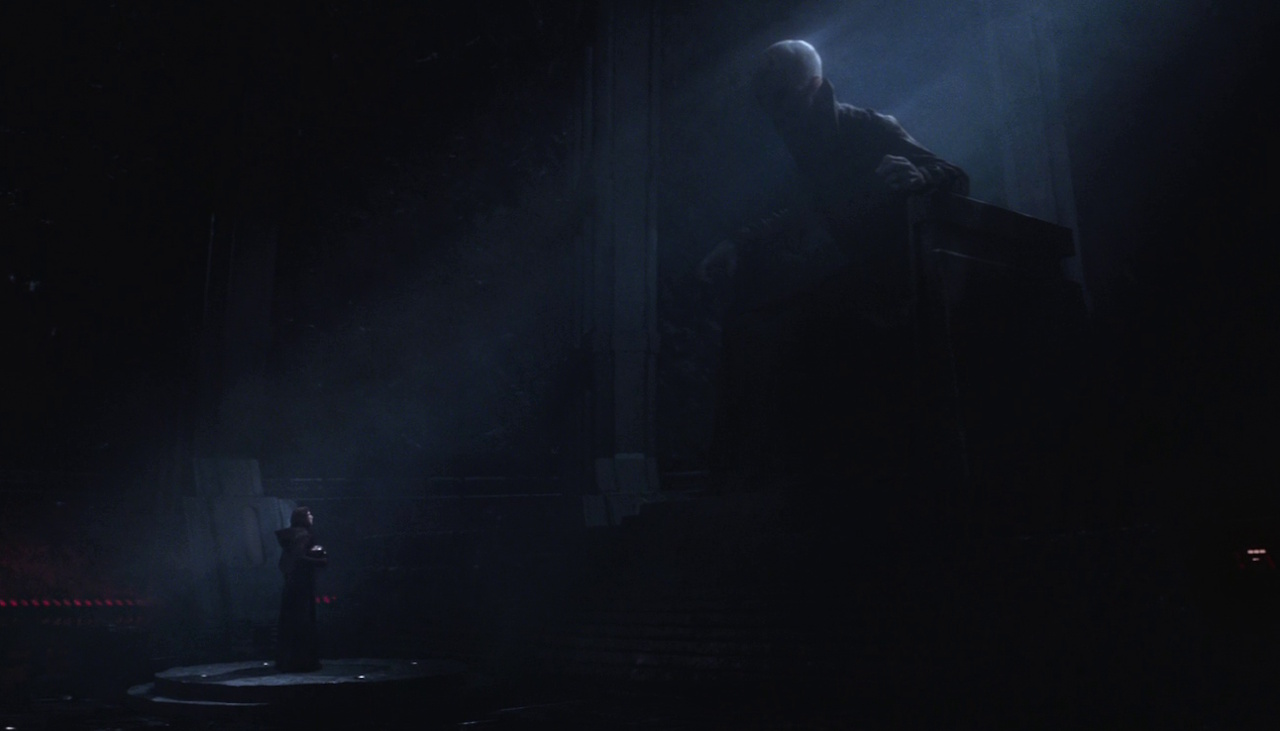
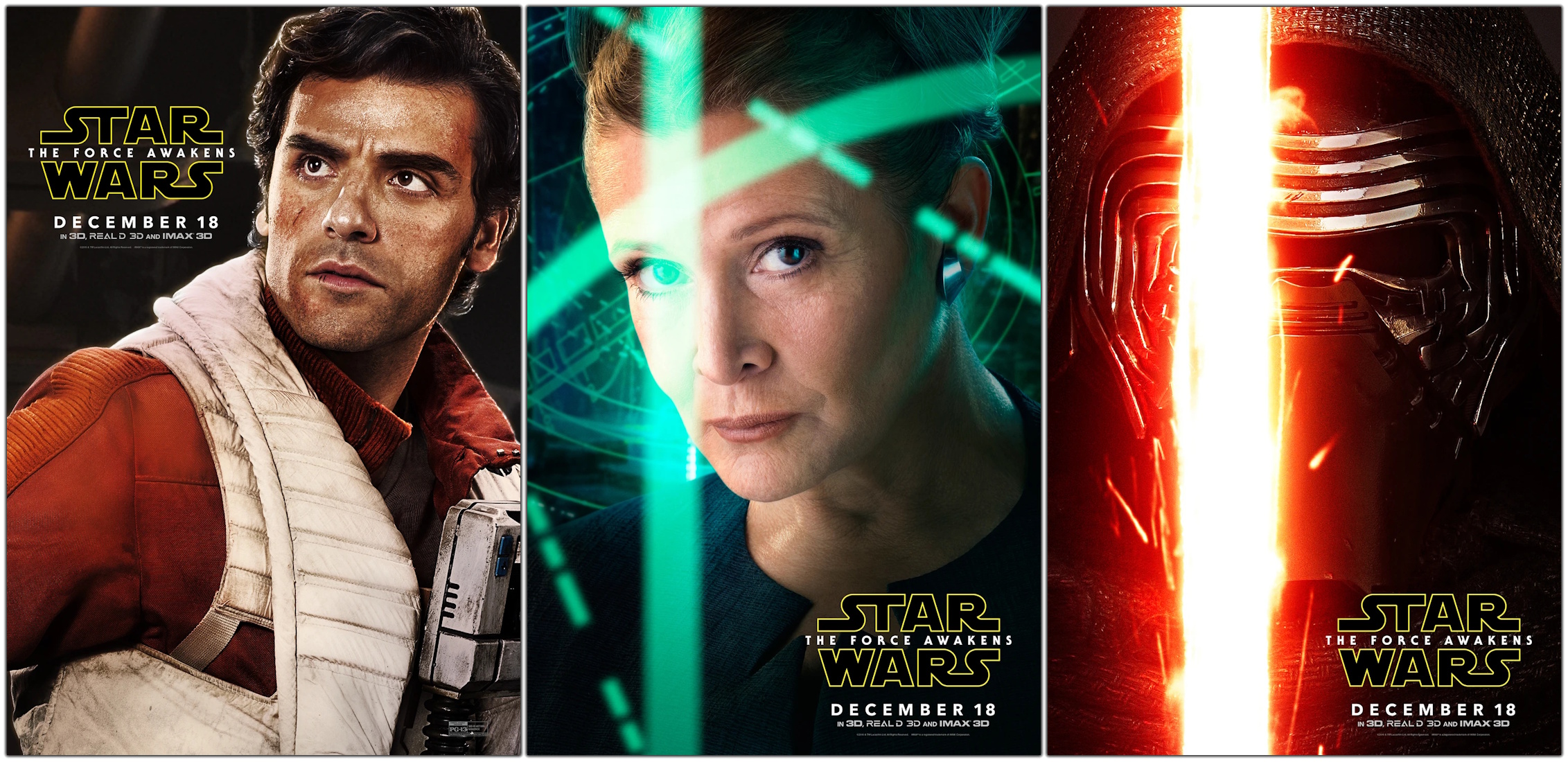
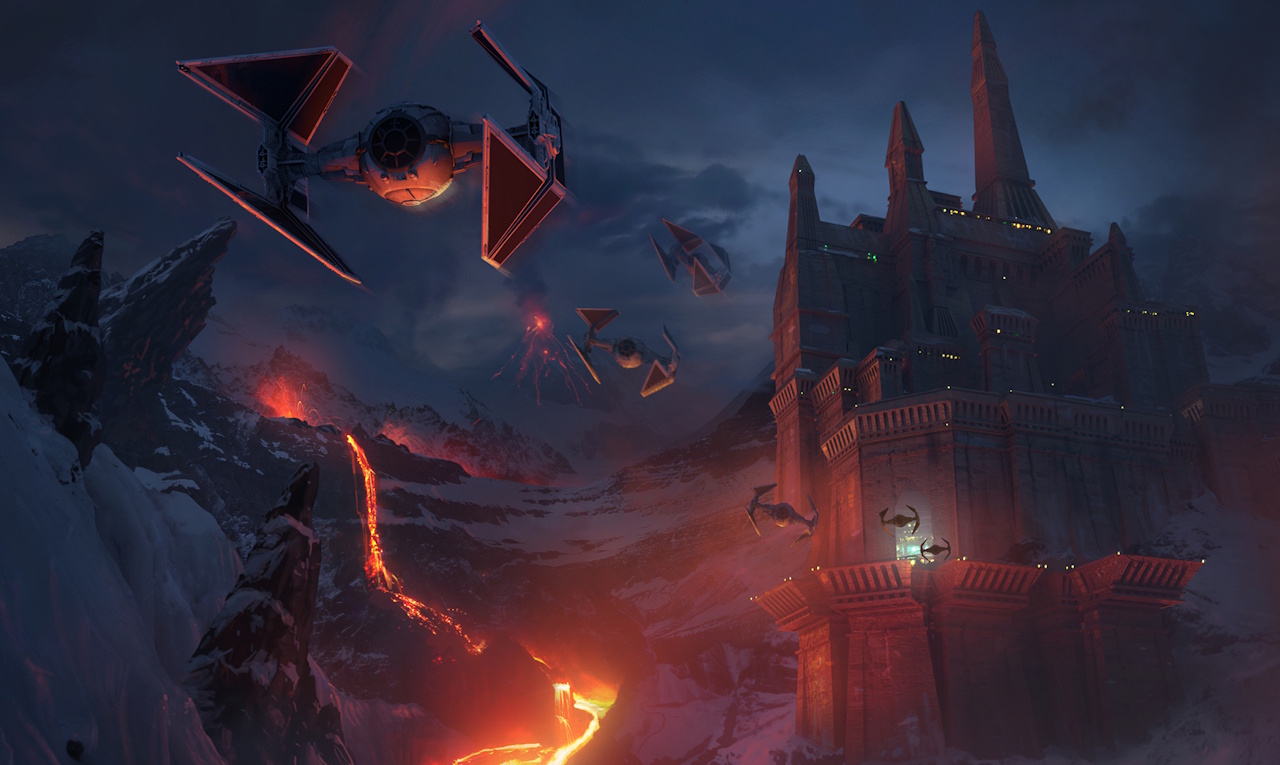
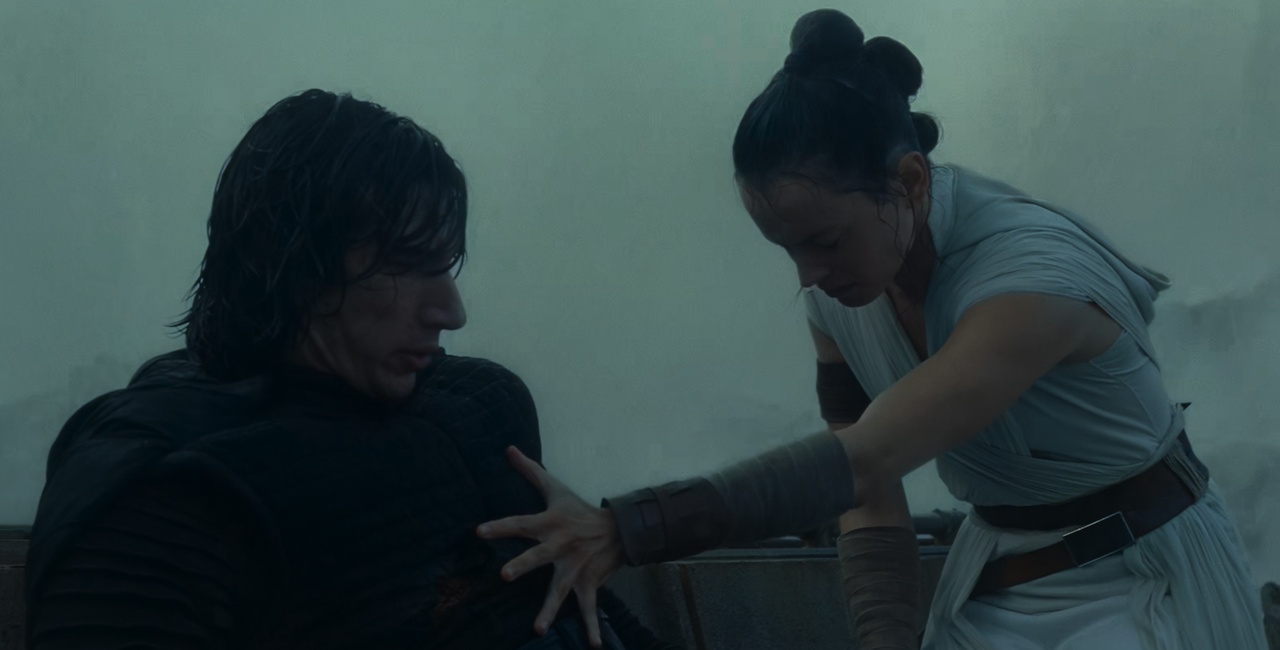
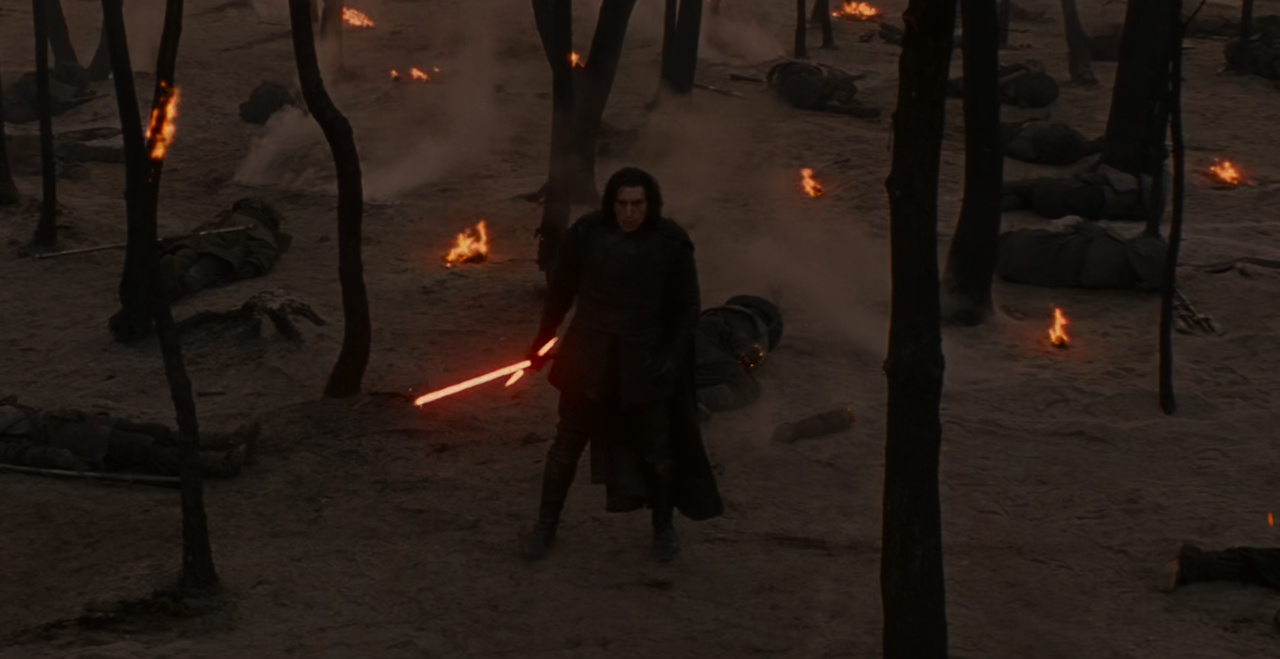
The Force Awakens basically ignored all of that. In the aftermath of the Emperor’s death, the remaining Imperial factions basically gave up, and the New Republic took control of much of the galaxy. But then, in secret, some Imperial survivors founded the First Order – ruled over by Snoke, a mysterious Dark Sider. Snoke’s apprentice was the helmet-wearing Kylo Ren, the grandson of Vader. And Luke’s Jedi were nowhere to be seen, with his first attempt to train students ending in disaster. This set up a remarkably familiar story about a Dark Side power on the march, a rag-tag group of rebels (sorry, “the resistance”) trying to stop them, a planet-killing superweapon, and a youngster from a desert planet who gets swept up in all of it thanks to a droid carrying an important document.
Is that all Star Wars is? And… is that all Star Wars ever can be? J.J. Abrams and Kathleen Kennedy seemed to think so a decade ago.
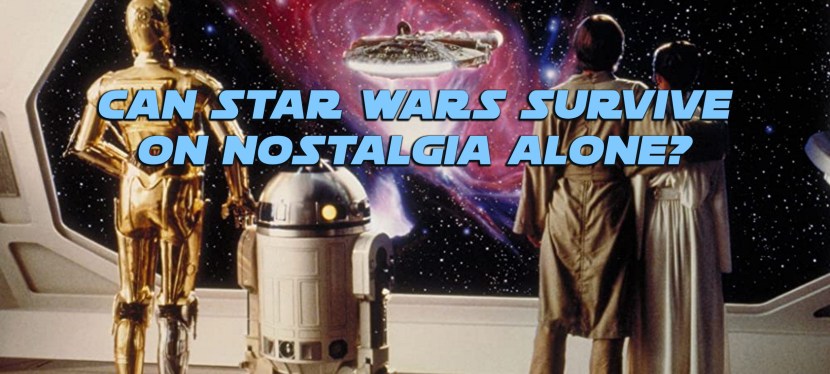
And their attitude remains in the franchise to this day. The Book of Boba Fett, Obi-Wan Kenobi, Ahsoka, Rogue One, Solo, Andor and The Bad Batch, all of which have been created since 2015, rely on increasingly minor characters and smaller and smaller pieces of the *only* real story that the Star Wars franchise has ever told: the so-called “Skywalker Saga,” which should really be called the “Palpatine Saga,” since he’s the only character who seems to have acted of his own volition and who had any control over events. That’s the legacy of The Force Awakens ten years later: a franchise that has doubled- and tripled-down so hard on nostalgia plays and copying what came before that it’s become narratively exhausted and just plain *boring*.
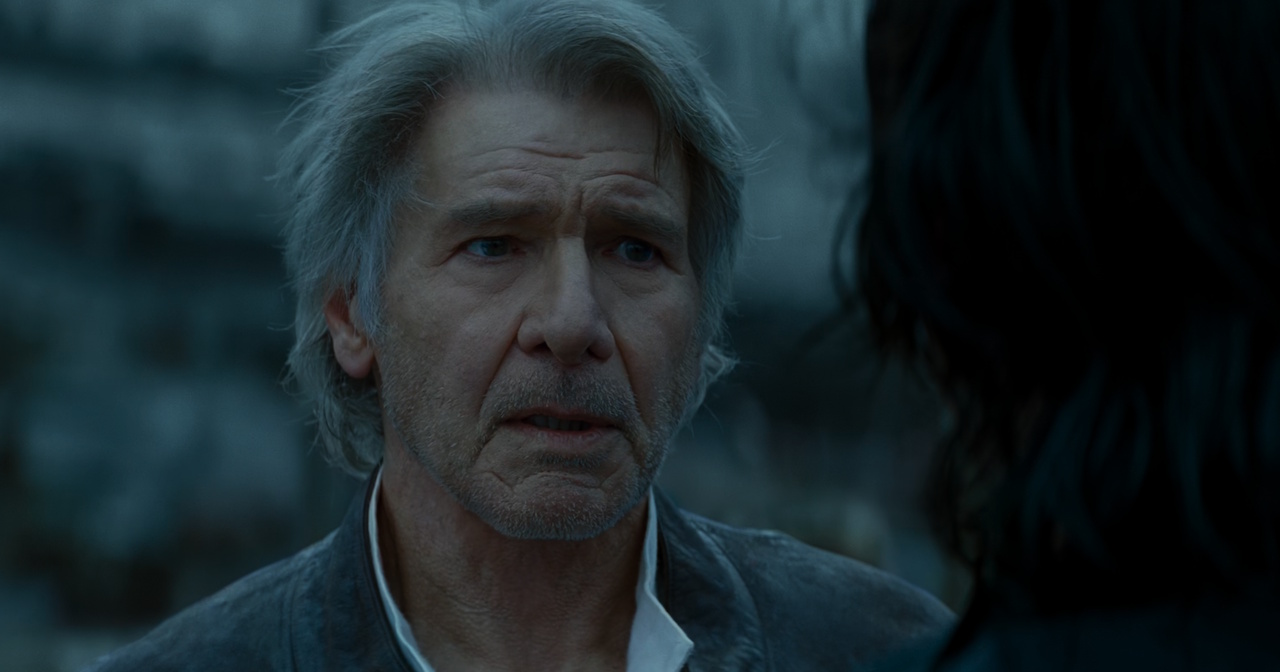
Thanks to the decision to have Kylo kill Han Solo at the climax of the story – a genuinely shocking moment at the cinema – The Force Awakens robbed Star Wars fans of the opportunity to get *any* on-screen interaction between the three heroes of the original trilogy: Luke, Han, and Leia. Han and Leia got some scenes together, and Luke and Leia had a moment in The Last Jedi. But we never got to see Han and Luke together, nor the trio reunited. And that’s really quite sad, if you think about it.
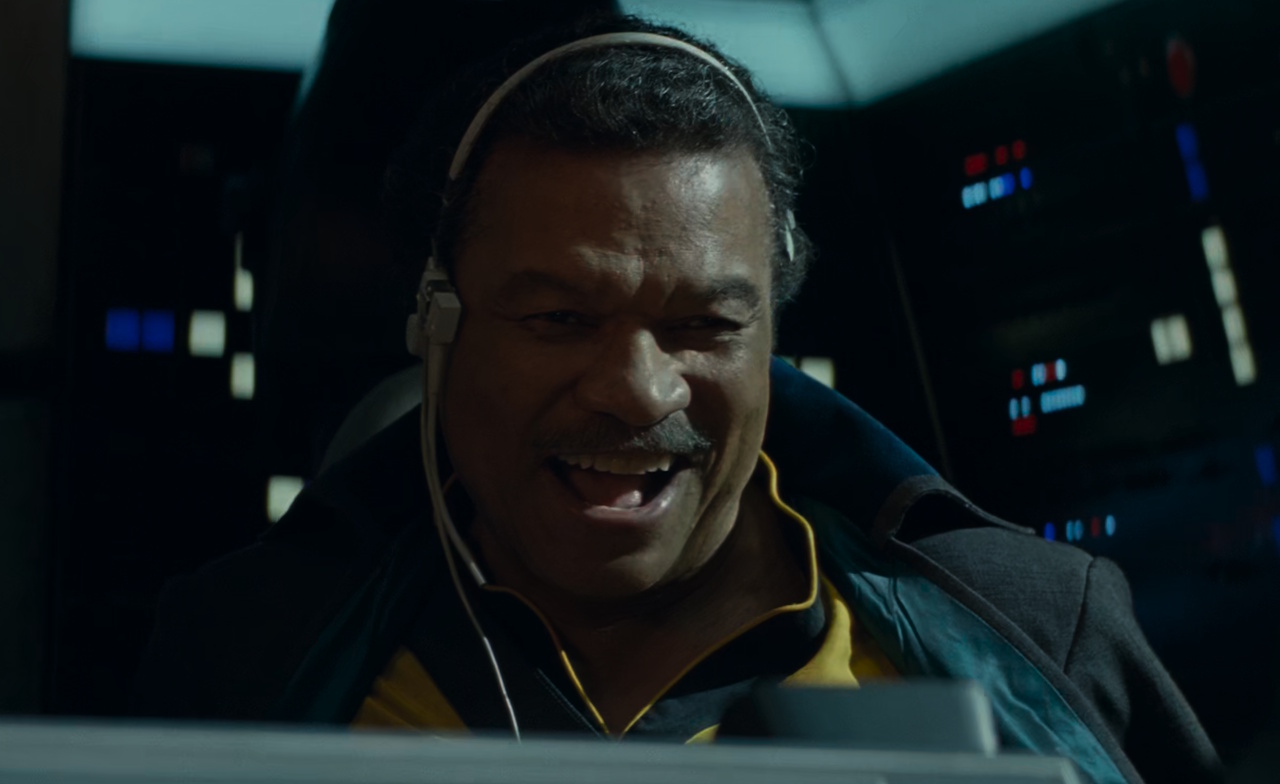
Obviously no one could’ve known, when The Force Awakens entered production, that Carrie Fisher would pass away before the sequel trilogy was complete. But it seems to me that Abrams, Kennedy, and the rest… didn’t really think about how the new trilogy could or should use its legacy characters. There was no Lando Calrissian until The Rise of Skywalker, nor any acknowledgement of his existence. And while The Force Awakens made it clear that Leia and the Resistance believed Luke Skywalker needed to be brought back into the fold… we never really got a good explanation as to *why*.
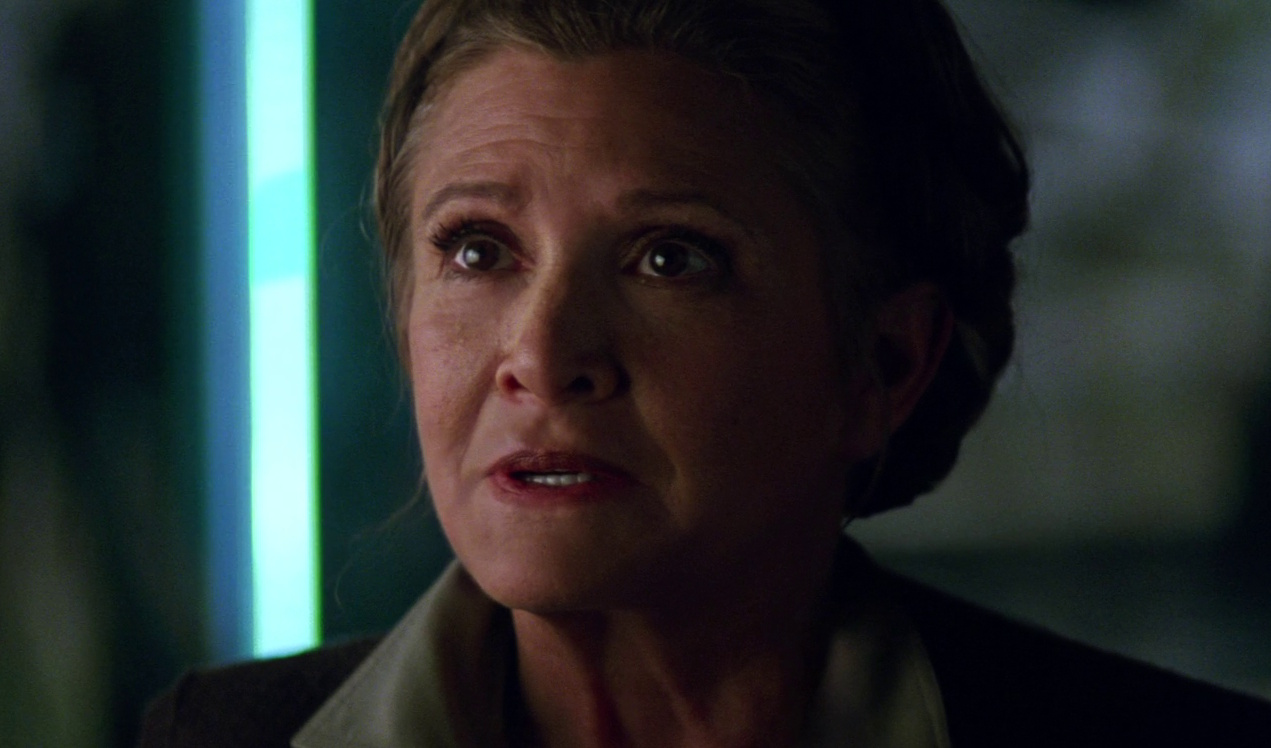
So as we mark the film’s tenth anniversary… I don’t think there’s all that much to celebrate, to be blunt about it.
The story that The Force Awakens began was supposed to expunge what Star Wars had got wrong, and lay the foundations for a better future. But if you look at the state of the fan community today, the sequel trilogy is disliked, on the whole, *at least* as much as the prequels had been a decade ago, if not more. By playing it too safe, copying too much of what had come before, and failing to really answer any of the questions that a sequel should have been able to, The Force Awakens ended up being a poor film, a weak start, and a major contributing factor to Star Wars’ undeniable decline in the 2010s and 2020s.
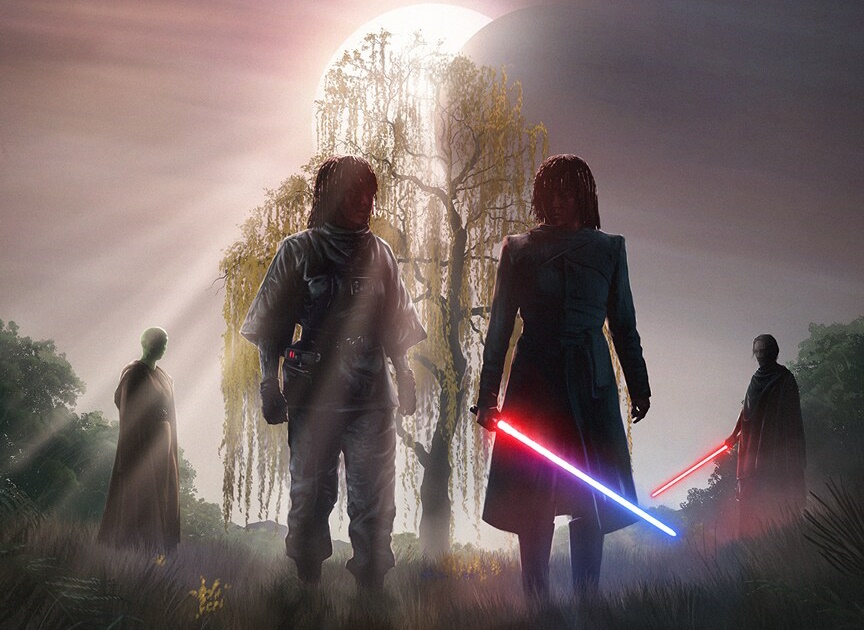
We’re at a point now where practically no new Star Wars projects elicit the kind of excitement as The Force Awakens had done a decade ago. Oversaturation is part of that, sure – I haven’t even watched all of the various Disney+ Star Wars shows, because there’s just too many of them at this point. But a big part of it is also that this franchise feels rudderless. By doubling- and tripling-down on repetition, The Force Awakens set the tone for Star Wars’ current direction, and after the controversy of projects like The Last Jedi and The Acolyte, the temptation must be for Disney and Lucasfilm to do more of the same – which feels wrong for a franchise with such a well-constructed and interesting setting.
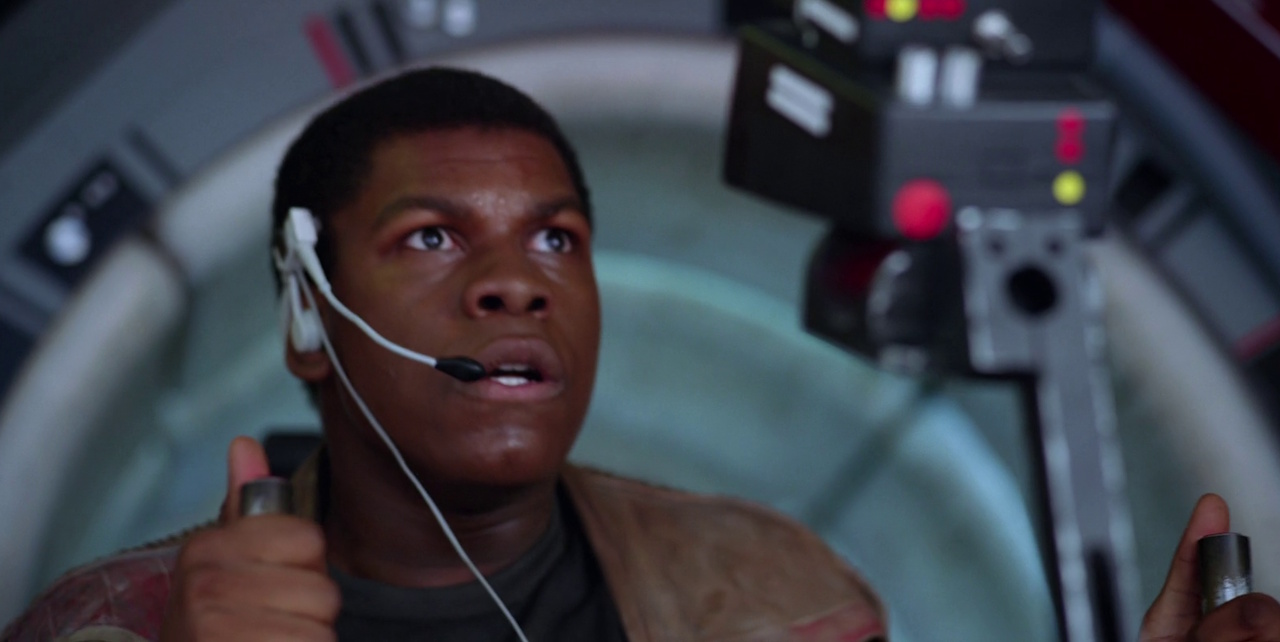
“Fundamentally flawed.” That’s my two-word summary of The Force Awakens a decade later. It was, I do not deny, a well-intentioned film, and there was merit in the idea of “resetting” some of Star Wars after the prequel trilogy. But by playing things *so* safe, and by basically copying many of the plot points from the original trilogy and A New Hope in particular, Star Wars was left with nowhere to go.
Most stories… end. And they should be allowed to end. In-universe, obviously there was work to do for Luke, Han, Lando, and Leia after the Battle of Endor. But given everything we’ve seen since – both the fan-fiction mess of the Expanded Universe, depicting a flawless, all-conquering hero in Luke Skywalker, and now the sequel trilogy with its repetition of the original story – I’m increasingly of the opinion that there shouldn’t have been a Star Wars sequel. Return of the Jedi wasn’t a perfect film, but it killed off Palpatine and Vader, gave the Rebellion a huge win, and saw Luke embrace the legacy of the Jedi. That’s where the story needed to end.
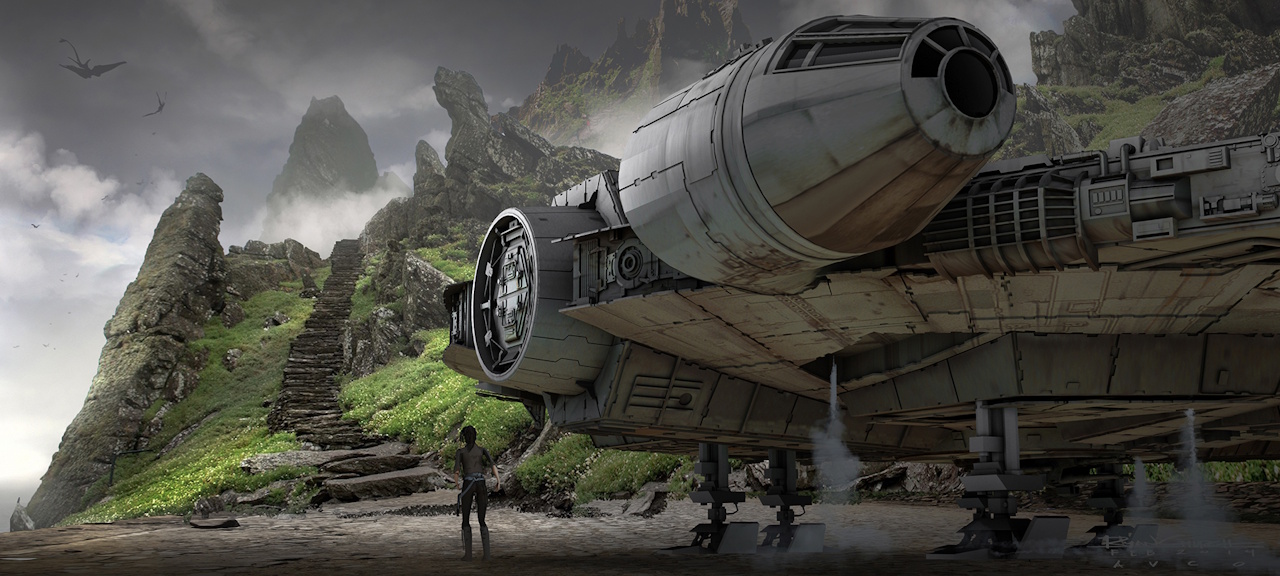
In the 21st Century, though, it seems as if no story is allowed to come to a dignified end. And that kind of explains why The Force Awakens came to be in the first place. Rather than create something new, Disney wanted to buy something successful – something that, they believed, would print them endless amounts of cash. It worked with Marvel, so why not Star Wars, too? We’re seeing the limitations of that approach now, and The Force Awakens is really just the first chapter in a sad decline – not only for Star Wars, but for Marvel, Disney’s animated films, and more. Disney’s attitude at the moment is one of franchises, sequels, and remakes. Originality has left the building. And that isn’t *all* the fault of The Force Awakens by any stretch. But the film is symbolic of a moment in time, a moment where things began to change – and not for the better.
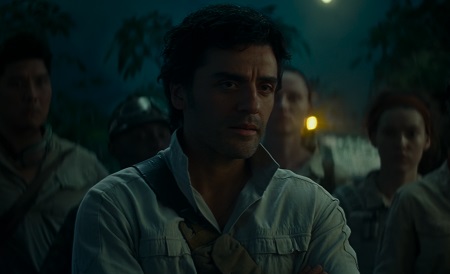
So, yeah: ten years ago, I had a great time with this film. Rey, Finn, and Poe were all fun characters that I felt we were just beginning to get to know, and I was curious to see where this story would go and how the First Order would be defeated. But the flaws in that story were already on display, and now that we know how badly off the rails the sequels went, and how poorly-planned the entire project was… it adds a lot of context to The Force Awakens. And it makes it pretty hard to go back and watch the film at all, in all honesty.
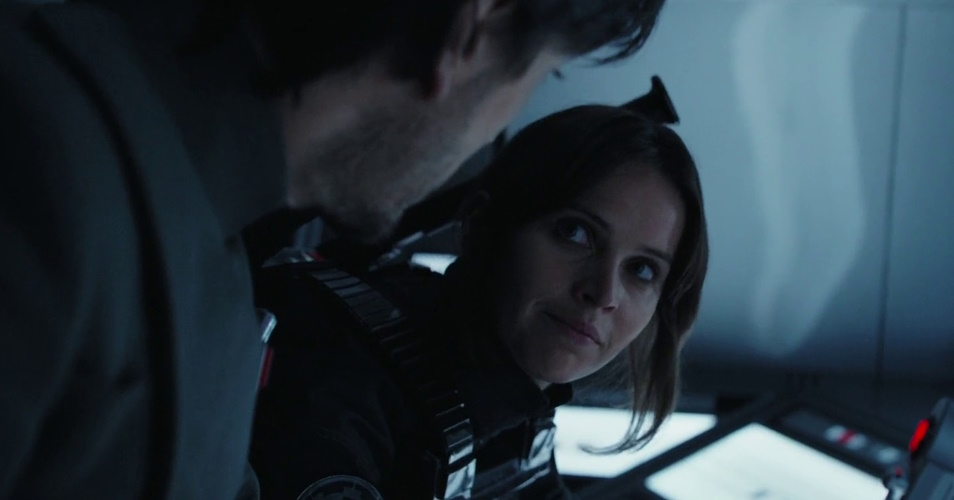
I continue to hope for better things from the Star Wars franchise. And there have been some projects over the last decade that worked: Rogue One, for example. But as we mark the tenth anniversary of this landmark film… I can’t help but feel there are way more negatives than positives. Star Wars will continue, of course – there are new projects on the horizon in 2026 and beyond. But are you as excited about *any* of them as you were ten years ago for The Force Awakens? I’m not. And that’s part of this film’s legacy.
Star Wars: Episode VII – The Force Awakens is available to stream now on Disney+. The film is also available on DVD and Blu-ray. The Star Wars franchise – including The Force Awakens and all other properties discussed above – is the copyright of Lucasfilm and The Walt Disney Company. This article contains the thoughts and opinions of one person only and is not intended to cause any offence.
































 Trekking with Dennis