

Spoiler Warning: There are spoilers ahead for Strange New Worlds Seasons 1-3. Spoilers are also present for the following Star Trek productions: The Original Series Season 1, The Search for Spock, The Next Generation Season 3, Discovery Season 2, and Picard.
Of all the main characters on Strange New Worlds, we’ve spent the least amount of time with Erica Ortegas. She’s been a presence on the show and has had some memorable scenes, but she hasn’t gotten a major storyline or a spotlight episode… until now. There are reasons for that, of course, and we don’t have to go over all of it again. But I know that a lot of Trekkies – myself included – have been waiting for an episode in which Ortegas would get her moment to shine.
And what an episode it was!
Terrarium was intense, dramatic, emotional, and just fantastic. It’s rare for me to sit down to write a review having taken no notes, but I was so absorbed in the story that I genuinely didn’t have a second’s pause to write anything. The only negatives I can find from Terrarium are total nitpicks; the kinds of silly things only the most detail-obsessed Trekkies might ever care about. The episode really was exceptional. One of the best from all three seasons of the show without a doubt.
Because Strange New Worlds is a prequel, and because we know that several of the characters it includes will go on to have careers in Starfleet during The Original Series era, it isn’t always easy for the show to create a genuine sense of danger. We know Pike’s fate, we know where Spock will end up, and we know Uhura, Scotty, Chapel, Dr M’Benga, and others all have futures beyond the series. In the modern entertainment landscape, that can change how we perceive stories which put these people in the firing line.
In the aftermath of shows like The Walking Dead and Game of Thrones – shows which use what I’ve termed the “disposable cast,” where any main character can be killed off at almost any moment – television storytelling has shifted. Being a main character is no longer a guarantee of safety. Star Trek has struggled to keep pace, with characters in Picard and Discovery almost all surviving even the most apocalyptic dangers (or being resurrected afterwards!) But Strange New Worlds has already been different – Season 1 saw the untimely demise of the brand-new character of Hemmer. Terrarium got me to feel like Ortegas was genuinely in danger of losing her life and being written out of the show in a way that stories like Shuttle to Kenfori simply couldn’t for Pike and M’Benga. And I think that shows the advantages, in this new media environment, of using brand-new characters as opposed to relying too heavily on legacy characters whose fates and futures are set in stone.
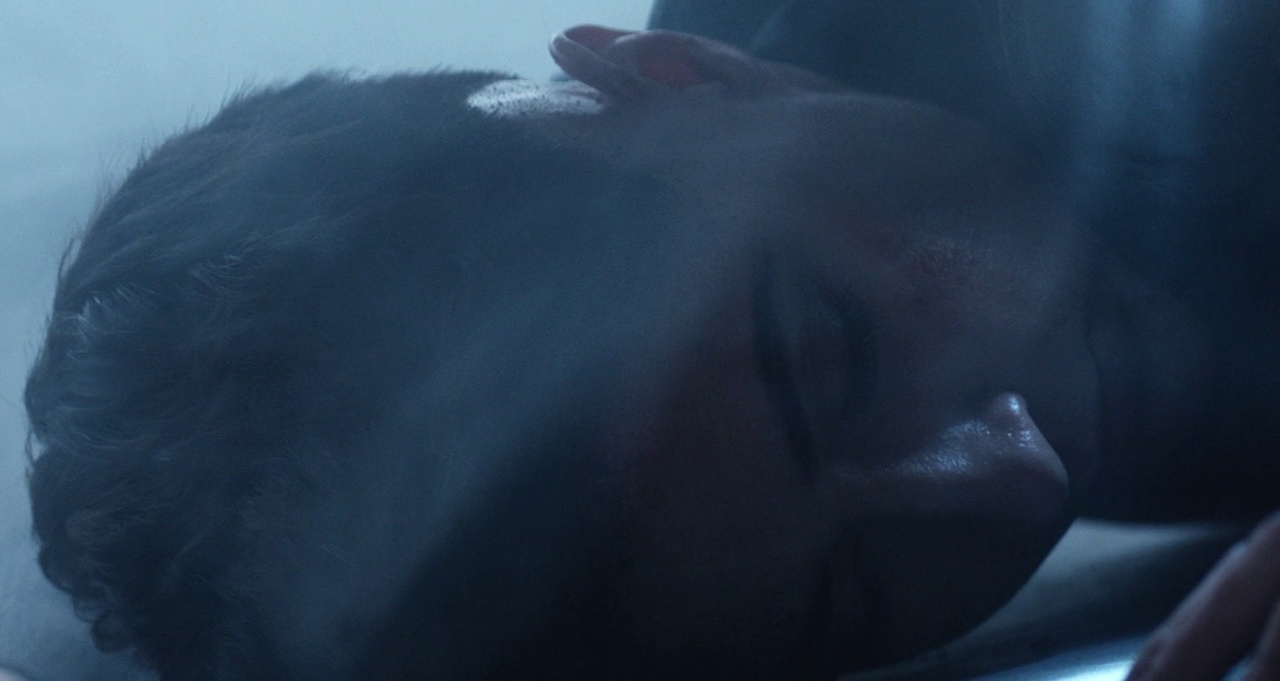
I said recently that I don’t like when Star Trek stories blatantly rip off what’s come before, but I appreciate it when they “rhyme.” And for me, Terrarium reminded me of The Next Generation Season 3 episode The Enemy, in which Geordi La Forge and Bochra, a Romulan, are similarly trapped together on the desolate planet of Galorndon Core. The barren, stormy world, the pairing up of a Federation officer with a member of an enemy faction… Terrarium uses these same elements in a similar way, but still feels like a totally distinct story. That isn’t easy to pull off, and the differences between the stories – the shuttle crash, the wormhole, the difficulty of communicating with the Gorn, and Ortegas’ hostility toward the Gorn as she still processes her trauma – are a big part of what makes Terrarium work.
If I might make one criticism that falls outside of nitpick territory, it would be the editing and pacing of a few of the scenes. In short, Ortgeas seemed desperate for food and water immediately after crash-landing, and the passage of time was not particularly well-communicated at first. Pike said, at one point, that they’d been searching for her for over two days, and by the time she was eventually rescued, even more time seemed to have passed. Ortegas might’ve spent a couple of days on the moon before encountering the Gorn. Or a week. Or a few hours. Or maybe she and the Gorn lived together for a couple of weeks before the rescue? Some of those scenes just felt a little… choppy, if that makes sense – particularly the sequence after Ortegas crash-landed, and the scenes in the run-up to her first meeting with the Gorn. I can’t help but feel adding a card or some text saying “48 hours later…” or something like that might’ve helped at a couple of points.
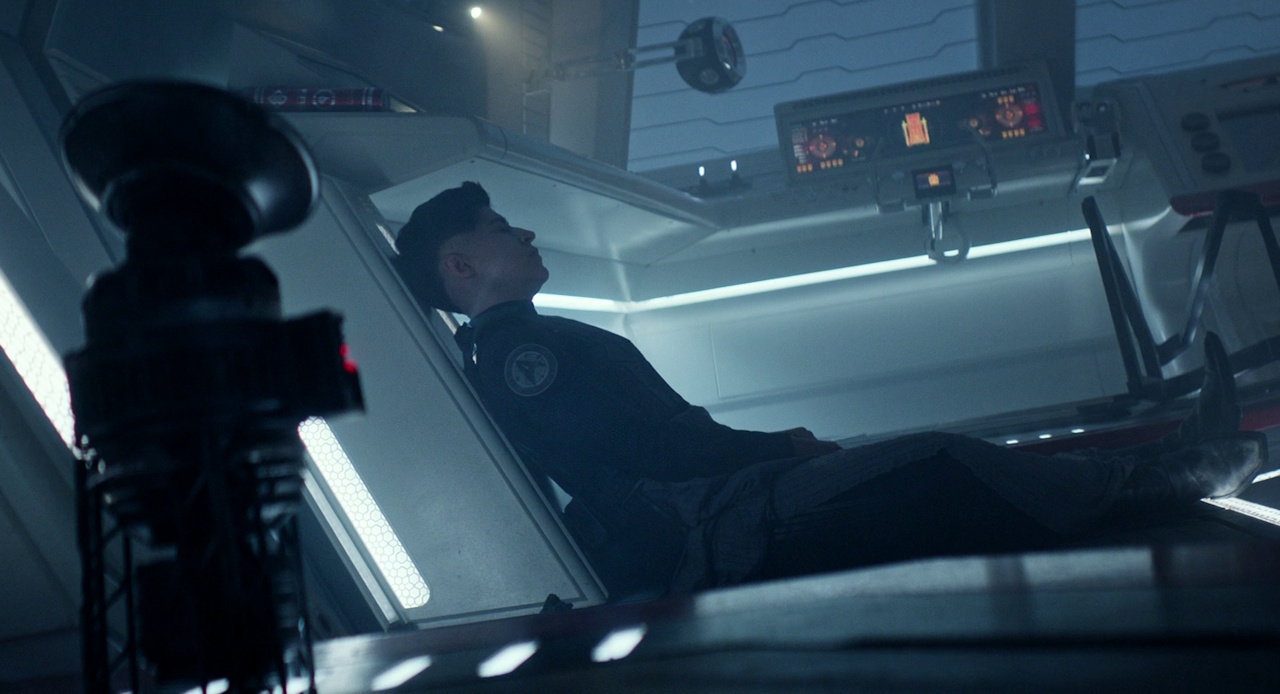
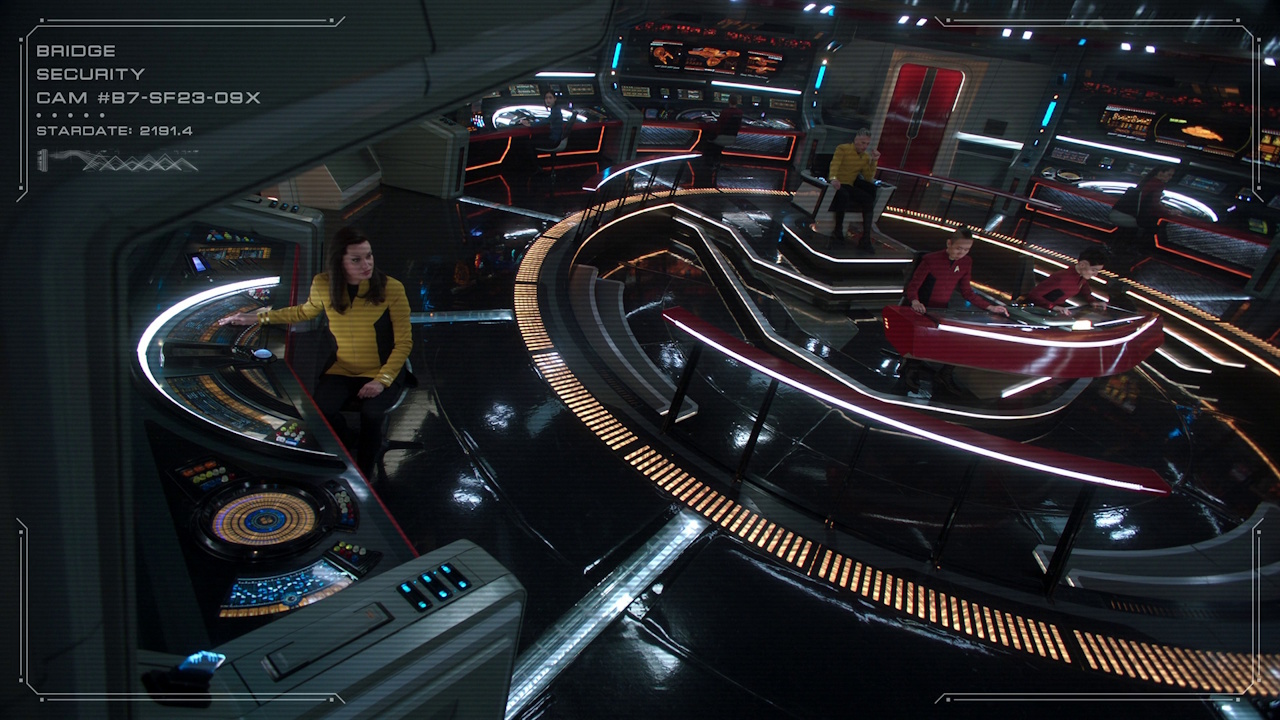
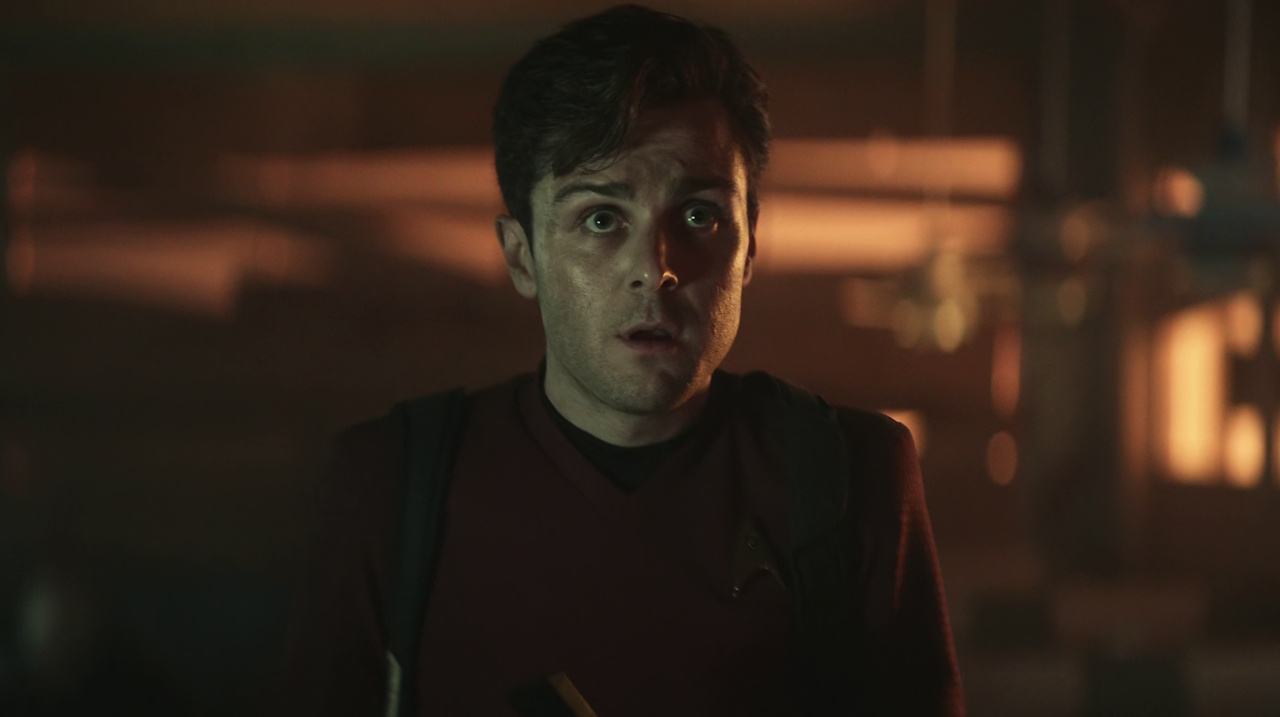
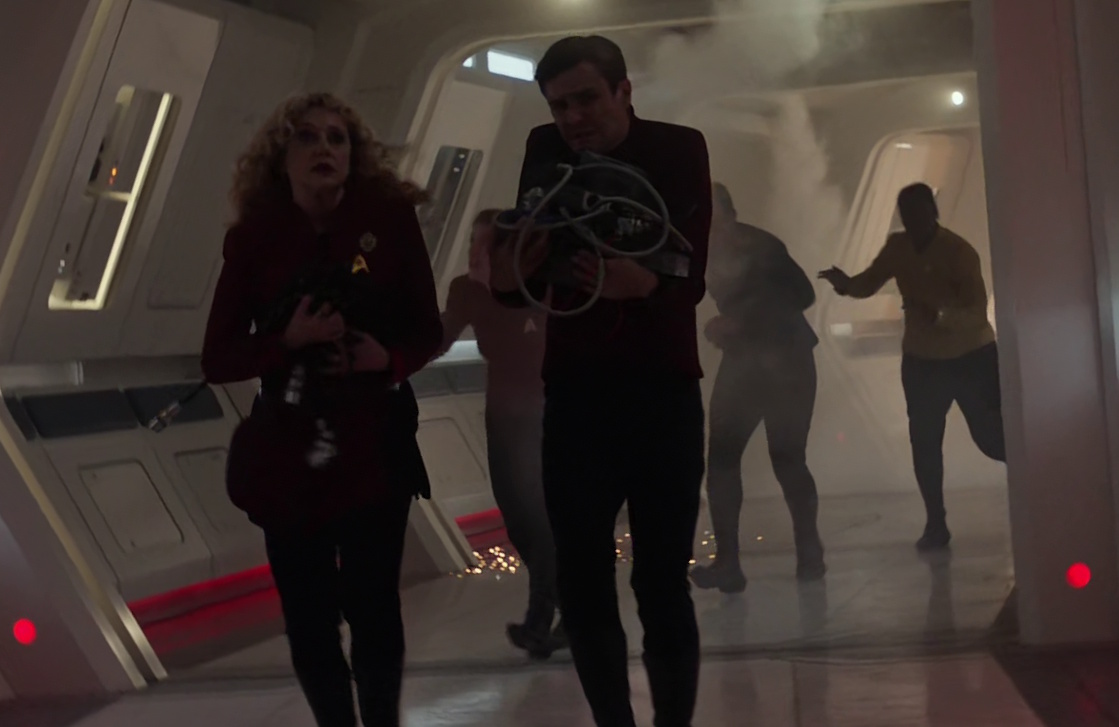
Can I skip to the end and talk about that? Because the end of Terrarium was brutal. After working together, surviving together, and planning out an escape together… for Ortegas’ Gorn friend to just be gunned down by La’an and the redshirts was harrowing. Star Trek stories almost always present our heroes as being in the right – even if they do something bad or against the rules, it’s almost always for a noble reason. La’an and the security team just opened fire without warning against an unarmed opponent, killing her in cold blood. I was shocked – and I’m genuinely struggling to call to mind a similar moment anywhere in Star Trek, in which the death of a friendly character was handled with such ruthlessness by Starfleet personnel.
The writers took a narrative necessity – that the Federation couldn’t have a Gorn just hanging out aboard the flagship years before the events of Arena – and turned it into a truly shocking twist ending for this kind of “let’s all learn to live together in peace” storyline. Ortegas is probably the second character, after La’an, to have held such genuine fear and hatred for the Gorn, and it seemed as if Terrarium was trying to echo Arena and similar Star Trek “morality plays” with a story all about overcoming hatred, finding common ground, and learning to work together. All of that was ripped away with seconds to spare – after Ortegas and the Gorn had risked everything to achieve rescue. It was… well, it was brutal. There’s no other word for it.
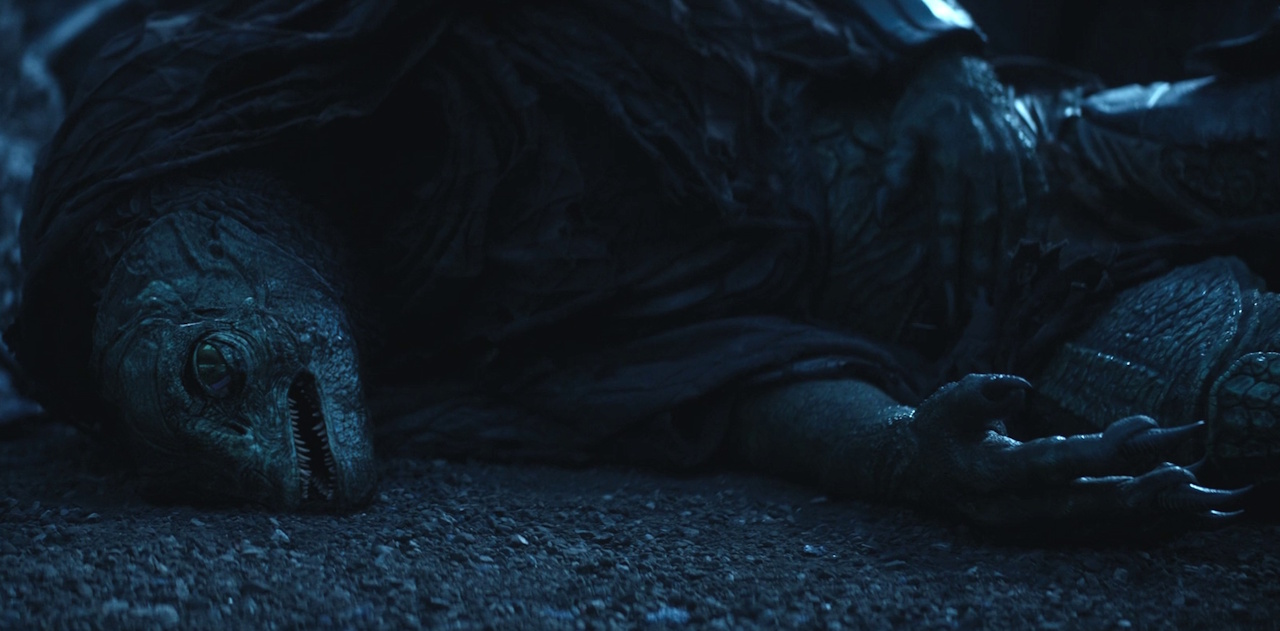
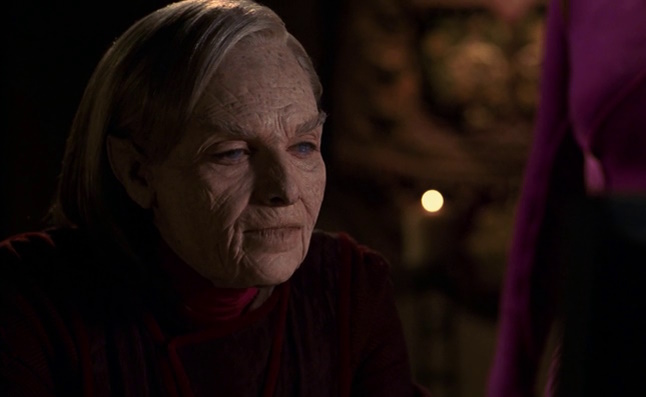
Ortegas still learned a lot, of course. She overcame her fear and hatred for the Gorn, and as the Metron told her at the end of the episode, that was real and she’ll be able to retain all of that knowledge and those feelings. She’ll also be able to convey to Starfleet that the Gorn can, under the right circumstances, be dealt with, reasoned with, and communicated with – which, hopefully, are things that could set the stage for dialogue in the future. So those “morality play” ideas are still present, they still matter, and they’re still a big part of the episode’s story. It feels very “Star Trek” in a way that not every modern episode has done!
But the ending is straight out of the modern entertainment playbook! Arena ended with Kirk injuring the Gorn, but refusing to kill him. The Enemy ended with La Forge and his Romulan counterpart being rescued. But Terrarium went for the twist ending, the shock of seeing Ortegas’ new friend gunned down right at the moment of victory. Betrayed by Starfleet – unintentionally, perhaps, and even arguably understandably – but that doesn’t make it feel better.
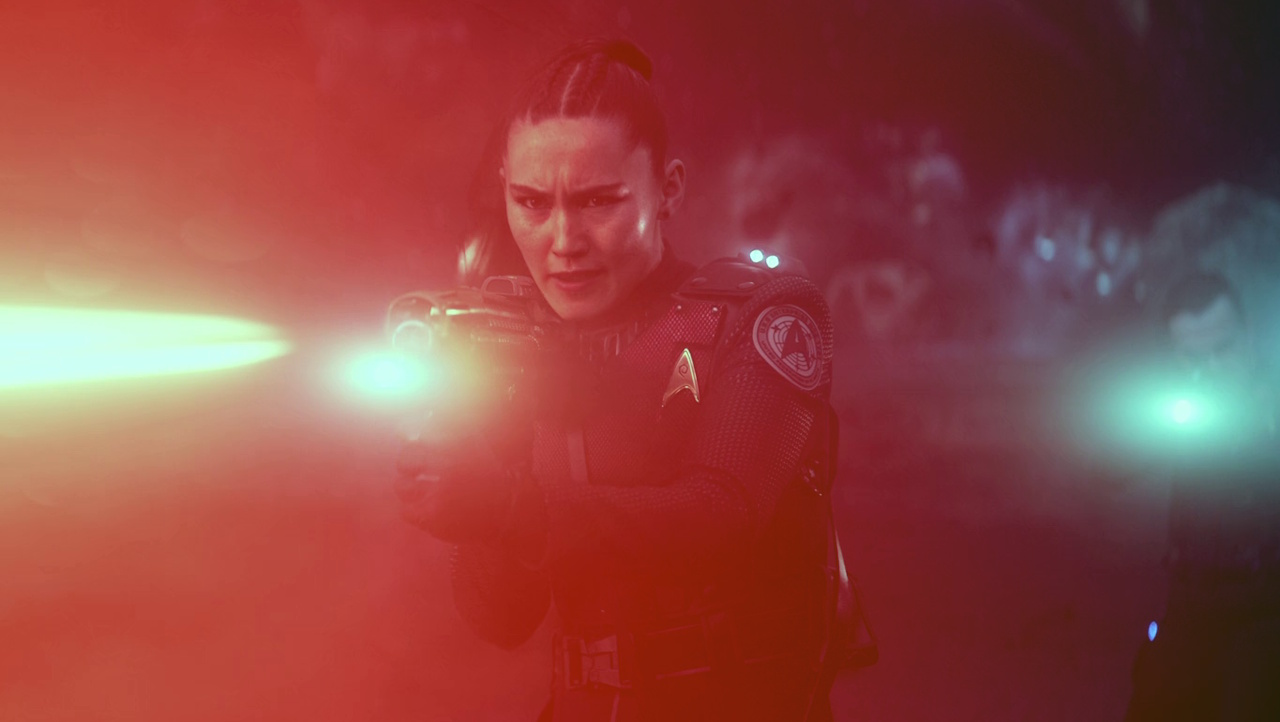
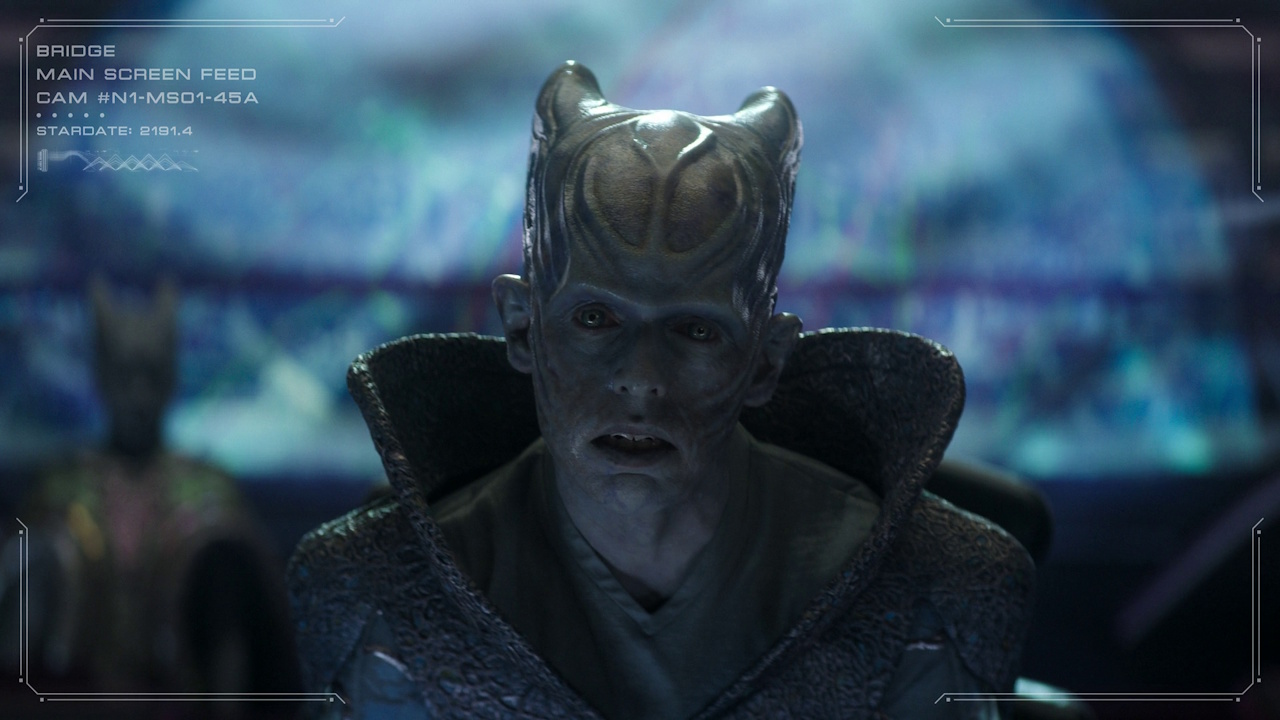
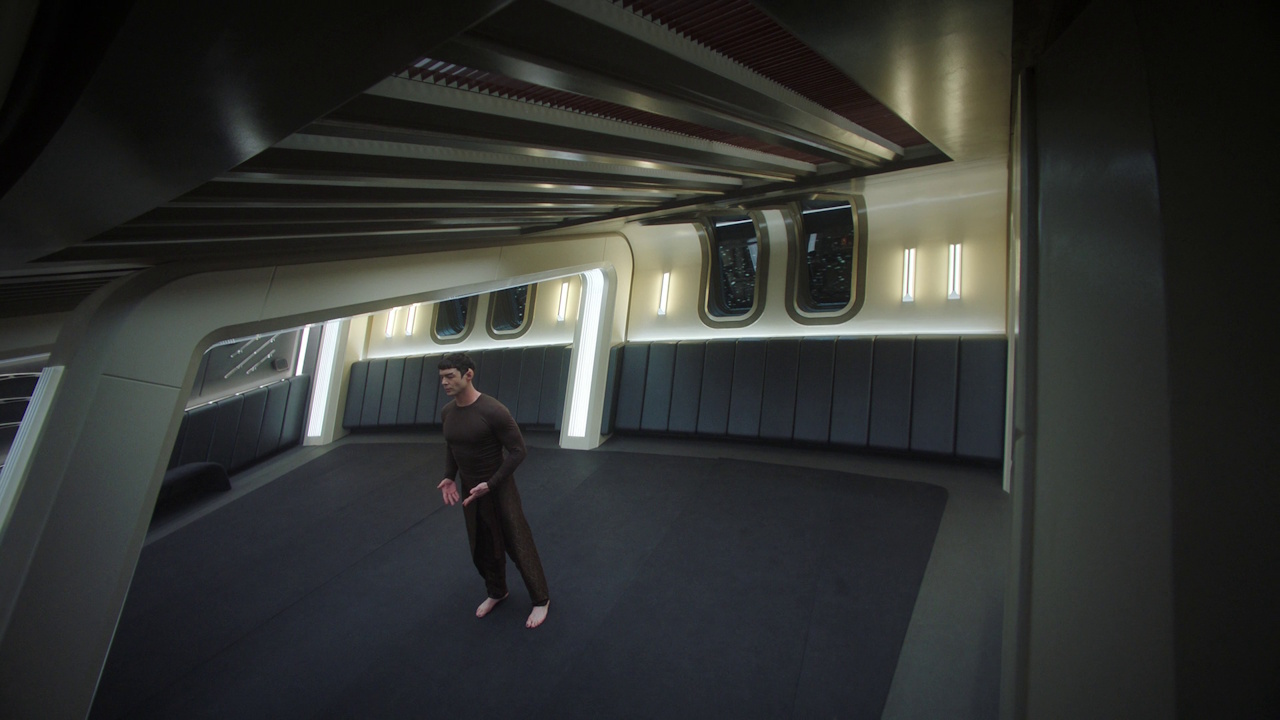
(Colour/brightness tweaked for clarity)
If anything, I’d say this kind of ending ramps up the “morality play” angle. Terrarium is different from the likes of Arena and The Enemy, which got happier, or at least more positive endings. But the final act of Terrarium hammers home its message about bridging cultural divides, working with someone from a different race, and finding comradeship with an enemy. Ripping that away so coldly, and for no good reason, shows us how far Starfleet and the Federation still have to go – and how the “good guys” can still make mistakes or be too quick to anger.
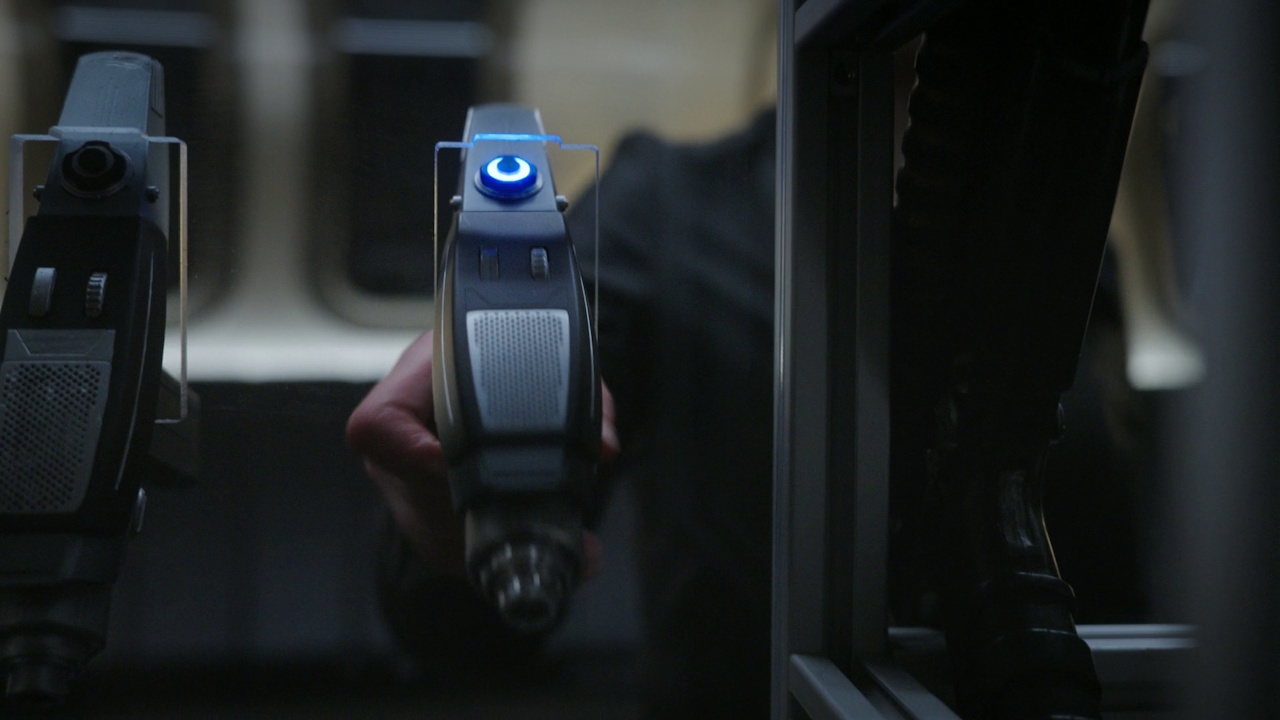
This is what Star Trek has always been about – just updated with a more modern style. What was the point of The Enemy, if not learning to see an enemy as an equal? Or Arena – that “the other” is not a monster, but a person? Kirk starts his battle with the Gorn by talking of the revulsion he feels for the reptilian monster, but stops short of killing him at the end. Terrarium builds from the same narrative foundation, but twists the knife right at the end. Ortegas may have learned to let go of her fear and her hate… but Starfleet is still too quick to reach for the phaser.
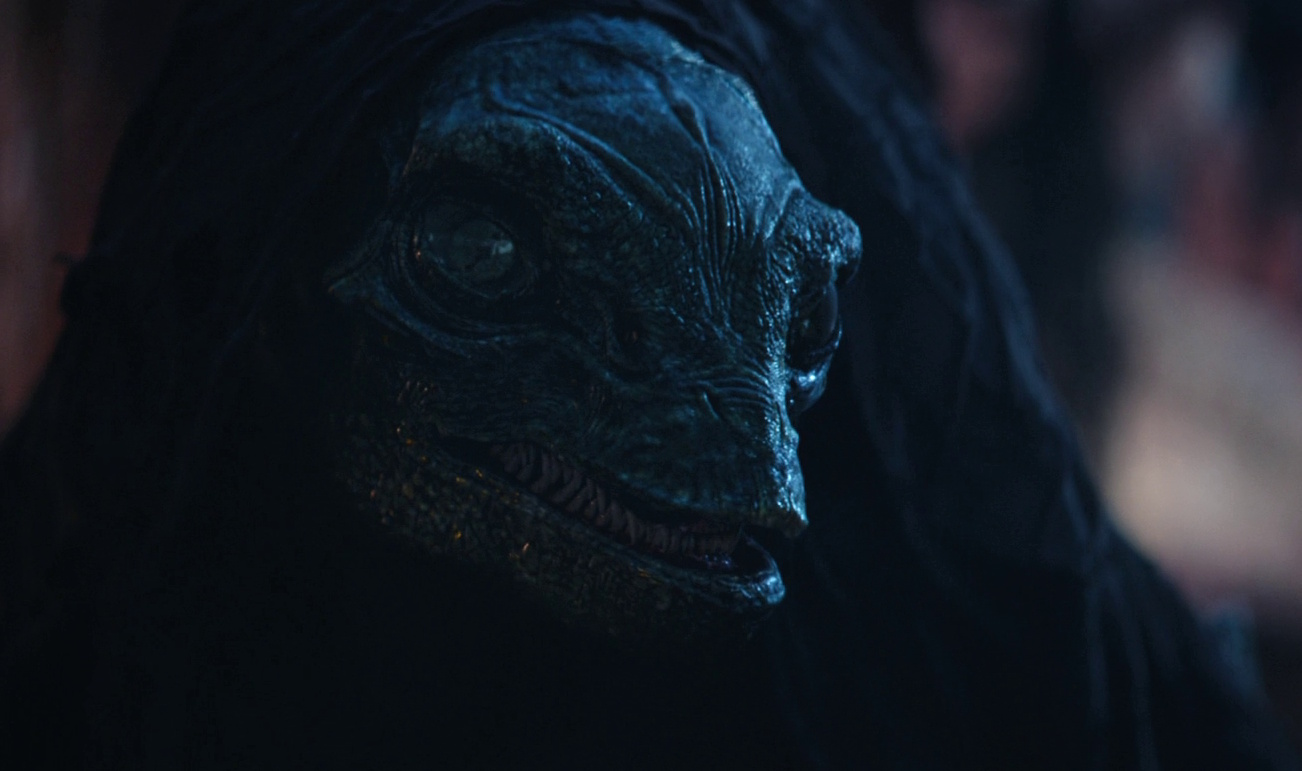
Despite feeling like she was genuinely in danger the entire time, I’m glad Ortegas lives to fight another day. The opening act of Terrarium, which showed Ortegas with Spock and Uhura, felt comparable in tone to how Discovery set up Airiam’s death, or how, earlier this season, Ensign Gamble was sent on the away mission that claimed his life. That kind of setup, knowing what we know of modern Star Trek, has an almost eerie feel, so when Ortegas’ mission went wrong and she crash-landed, I really did feel like she was in danger.
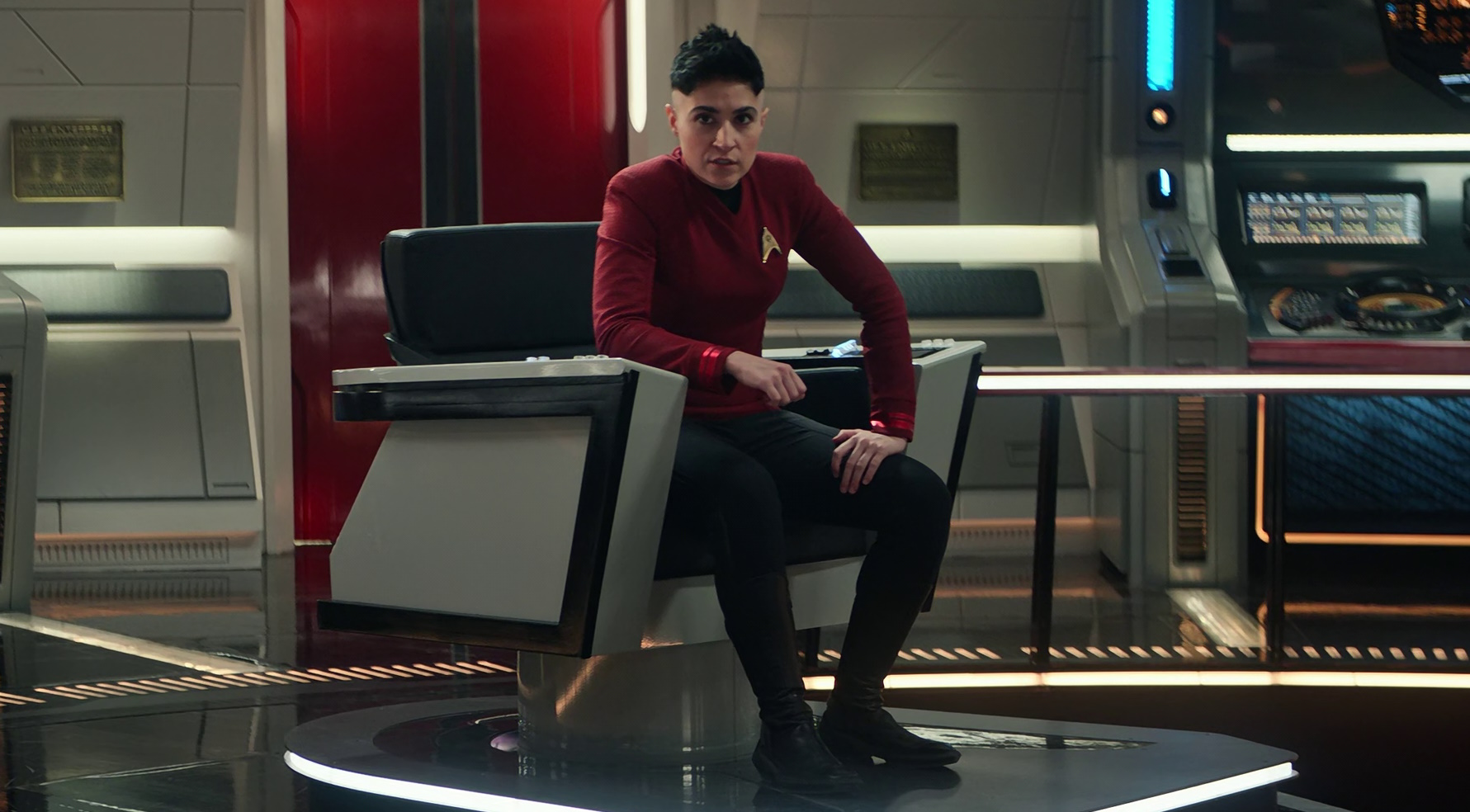
Given that Strange New Worlds has been adding to its roster of legacy characters, fleshing them out, and even trying to set up a “Year One” spin-off focusing on the likes of Kirk, Spock, and Scotty… I wondered if Ortegas might be about to be brushed aside to bring someone like Sulu on board. But I’m very glad that didn’t happen (or at least, it hasn’t happened yet) because she’s someone we’re still getting to know – and she’s such a fun character. Ortegas is cut from the same cloth as Voyager’s Tom Paris insofar as she’s a genuinely passionate pilot, not just a helmsman. Having that kind of person in the pilot’s seat – both of the Enterprise and in shuttlecraft – is a ton of fun, and I can feel her passion for the role every time she takes the helm. Shuffling her out of the way to make way for Sulu (or another legacy character) wouldn’t sit right with me.
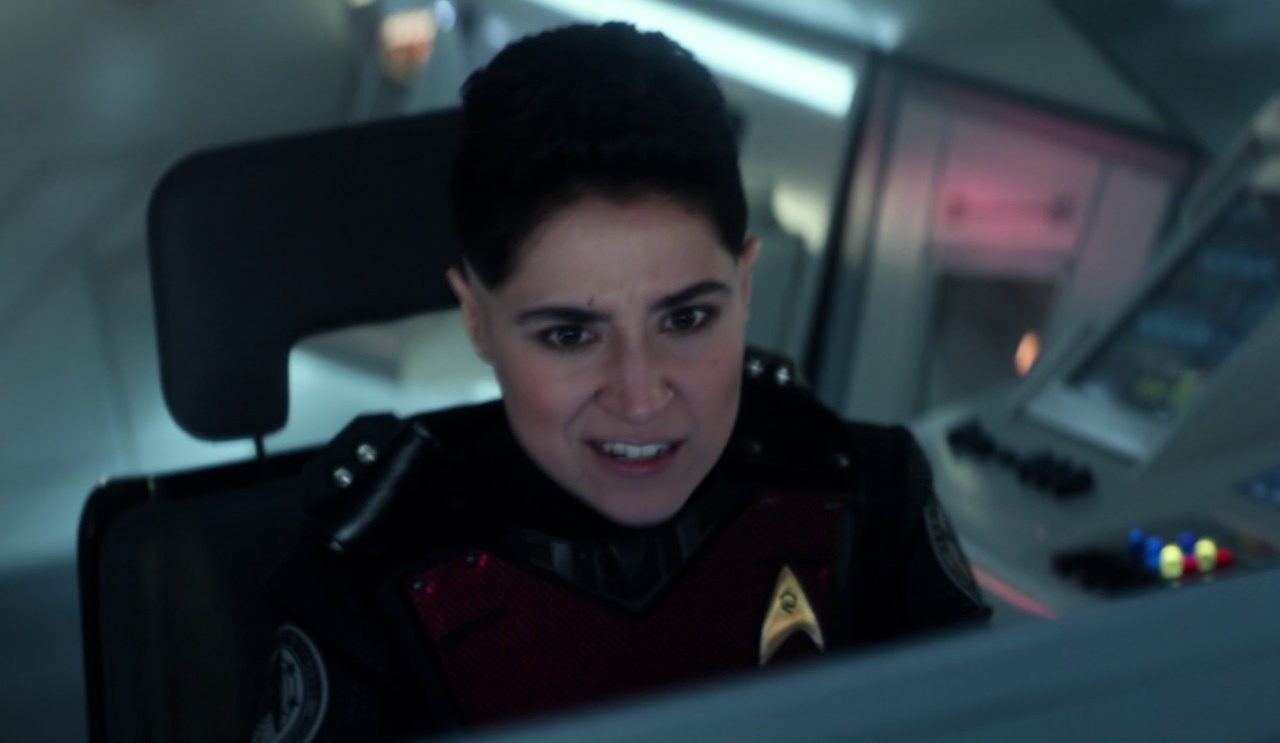
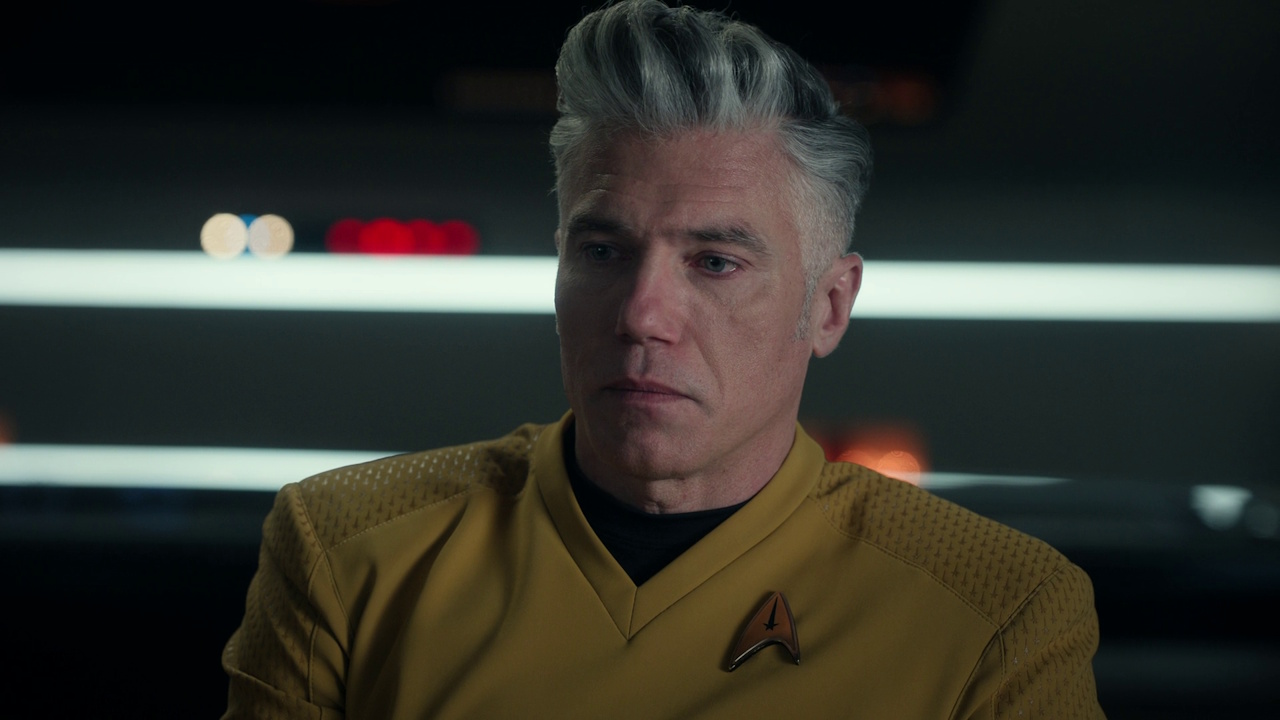
Speaking of piloting… what do we make of Captain Pike taking the helm? I absolutely loved it – and I think Terrarium is a great episode for Pike, despite him not being the centre of attention. I wrote last week that, across the three seasons of Strange New Worlds that we’ve had so far, several episodes saw Pike transformed into a different person, recreated as a hologram, or just… behaving out-of-character. It’s gotten to the point where I feel like it’s almost a refreshing change of pace to see Pike as the upstanding, decent, honourable Starfleet captain that we remember – the character who, as Trekkies, we were so desperate to see given his own show.
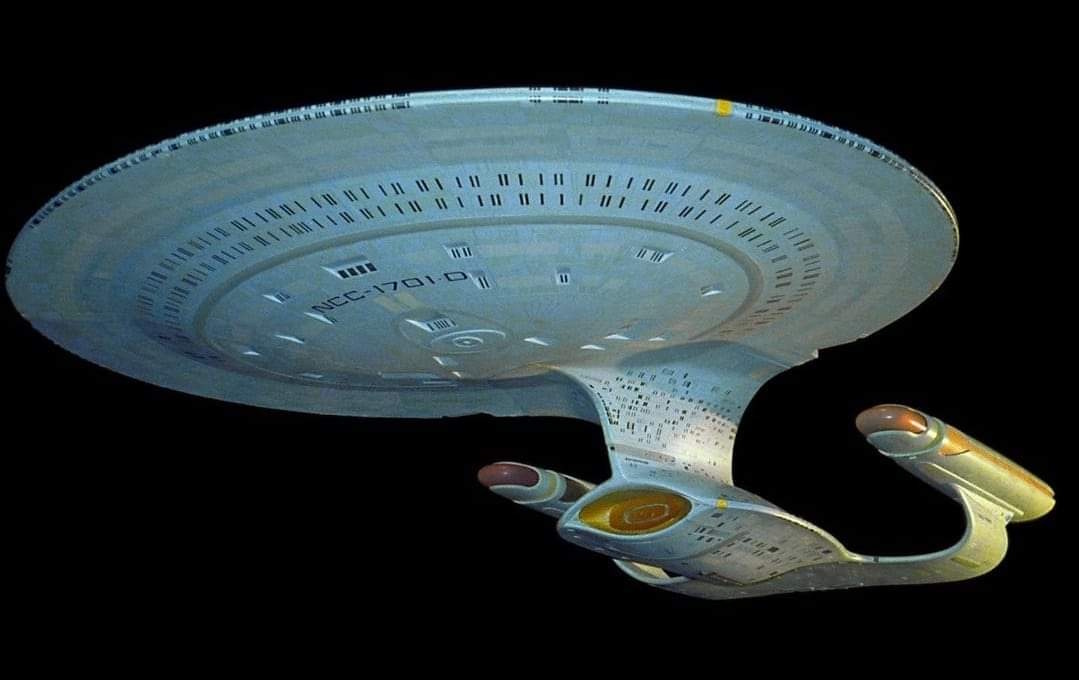
Pike taking the helm also reminded me of another Next Generation Season 3 episode: Booby Trap. That episode sees Picard – to the shock of everyone on the bridge – take the helm to guide the Enterprise-D out of a sticky situation, and Pike’s turn at the helm definitely brought up echoes of that story for me. I would’ve liked to see Pike take his seat, perhaps… but maybe that would’ve been too similar, I don’t know. Either way, it was a really great moment, and it drew on Pike’s history as a Starfleet test pilot, which Strange New Worlds has brought up on a few occasions. I like that this is an ongoing aspect of his character and wasn’t newly-invented for Terrarium; these consistent story threads make a series and a setting feel so much more real.
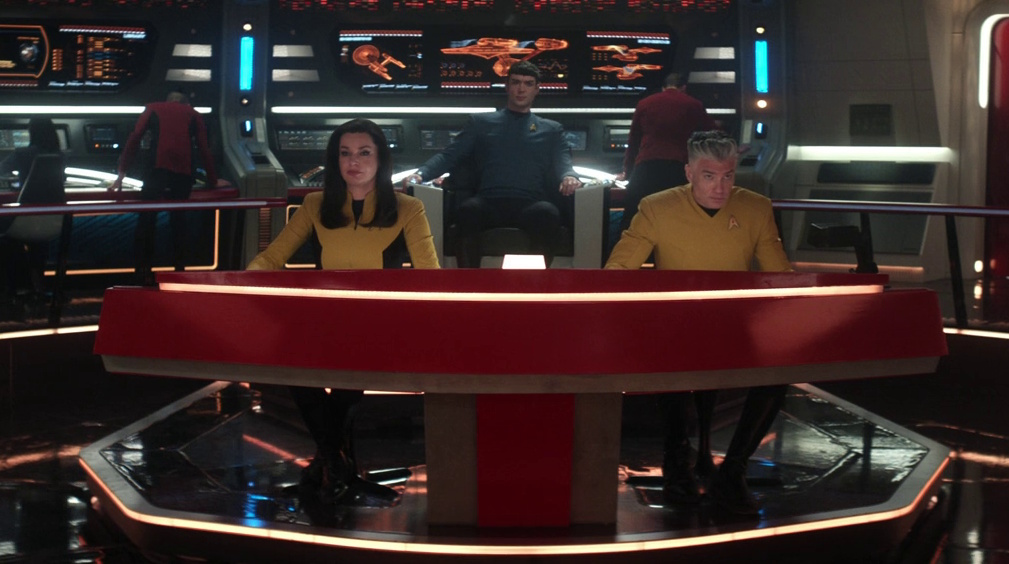
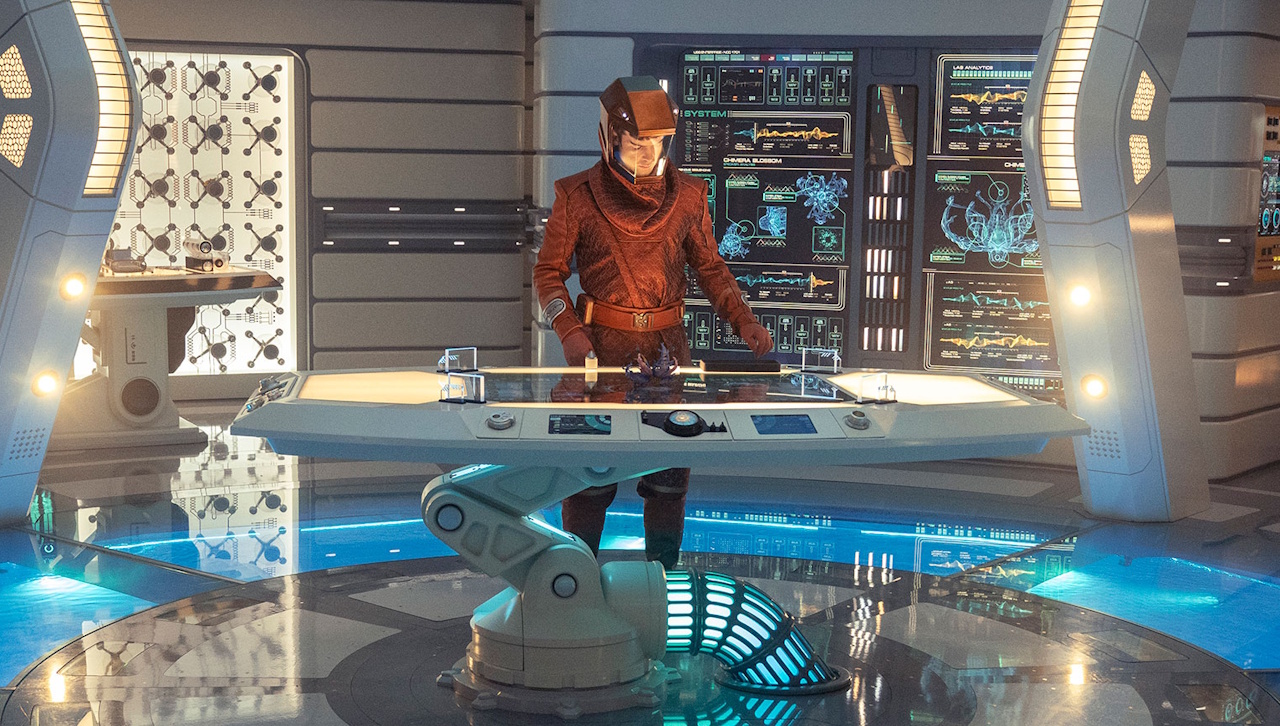
Pike’s side of the story also brought up the weight of command and the difficulties of making command decisions. This is something we know weighs on the captain – in The Cage (and The Menagerie) Pike spoke about how he felt the burden of command and how being responsible for the ship and crew was taking a toll on him. In Terrarium, Pike had to balance the needs of the many with the needs of the one (to quote a future Mr Spock), wanting to do everything in his power to search for and save the wayward Ortegas – but having a time limit to deliver vaccines to a colony world.
I loved Pike’s line to Uhura that he knew she “fudged the numbers,” and he would’ve undertaken the rescue mission regardless. I think that says a lot about the kind of captain he is, and the way he handles his ship and crew. Pike was confronted with a genuinely impossible situation, but he stayed calm, he did everything he could to buy his crew as much time as possible to look for Ortegas, and his role this week reminded me exactly why I was so keen on “the Captain Pike show” back in 2019!
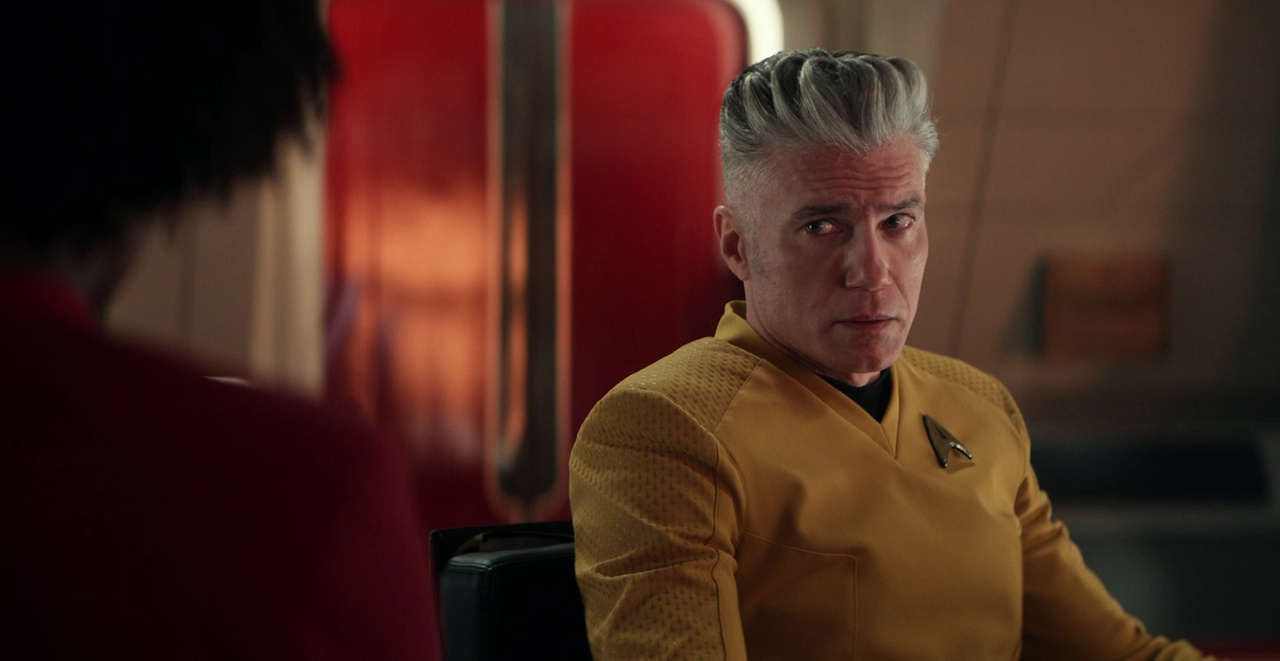
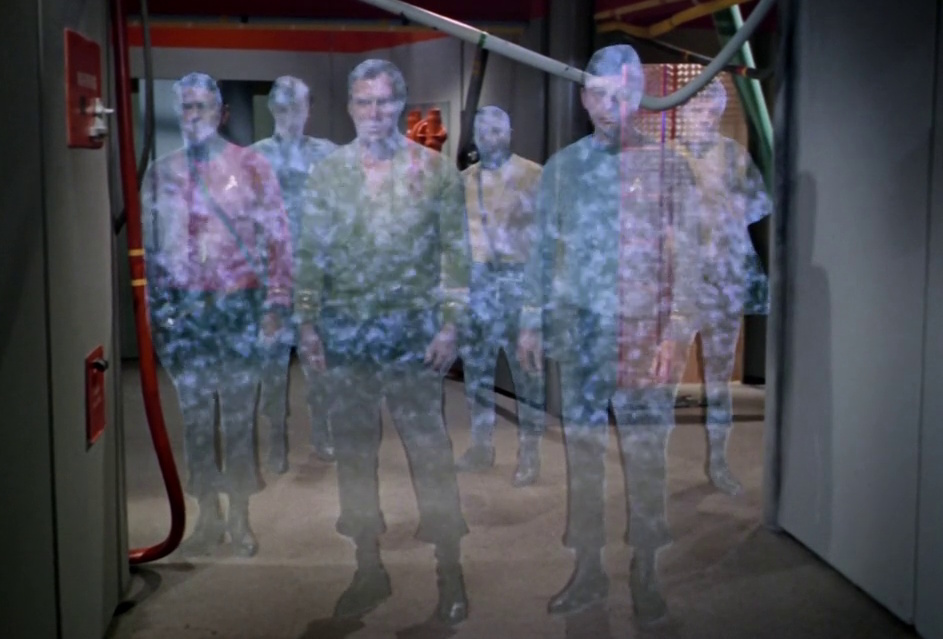
Did you spot a reference to The Doomsday Machine? Decker – a commodore by the time of The Original Series – was in command of the USS Constellation, the ship Pike and the Enterprise were set to rendezvous with in Terrarium. I just thought that was a neat little reference. It doesn’t need to be expanded into something massive, with the Constellation and Commodore Decker being shown on screen next week, but it was a cute little nod and wink to Trekkies – and another reminder that all of these stories are taking place in a shared setting. It wasn’t a big thing, but it was neat that the writers went the extra mile, instead of saying that the vaccines were to be delivered to Captain Bob of the USS Whatsisname.
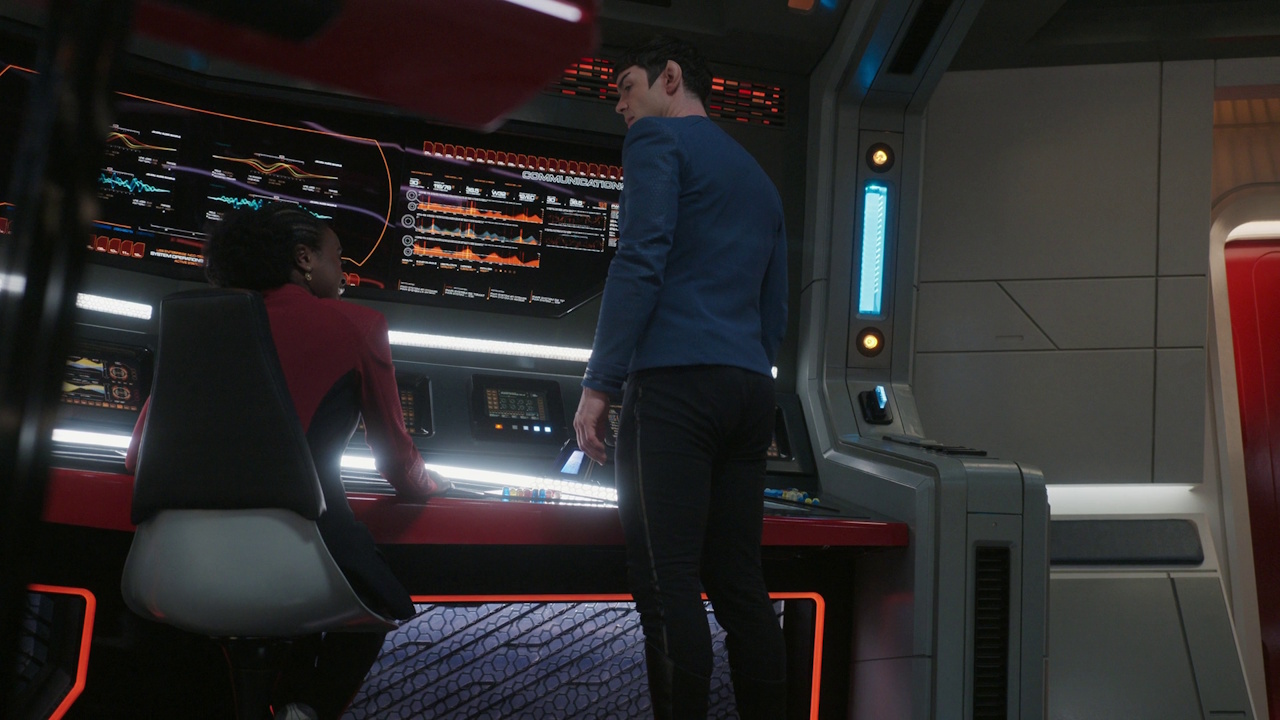
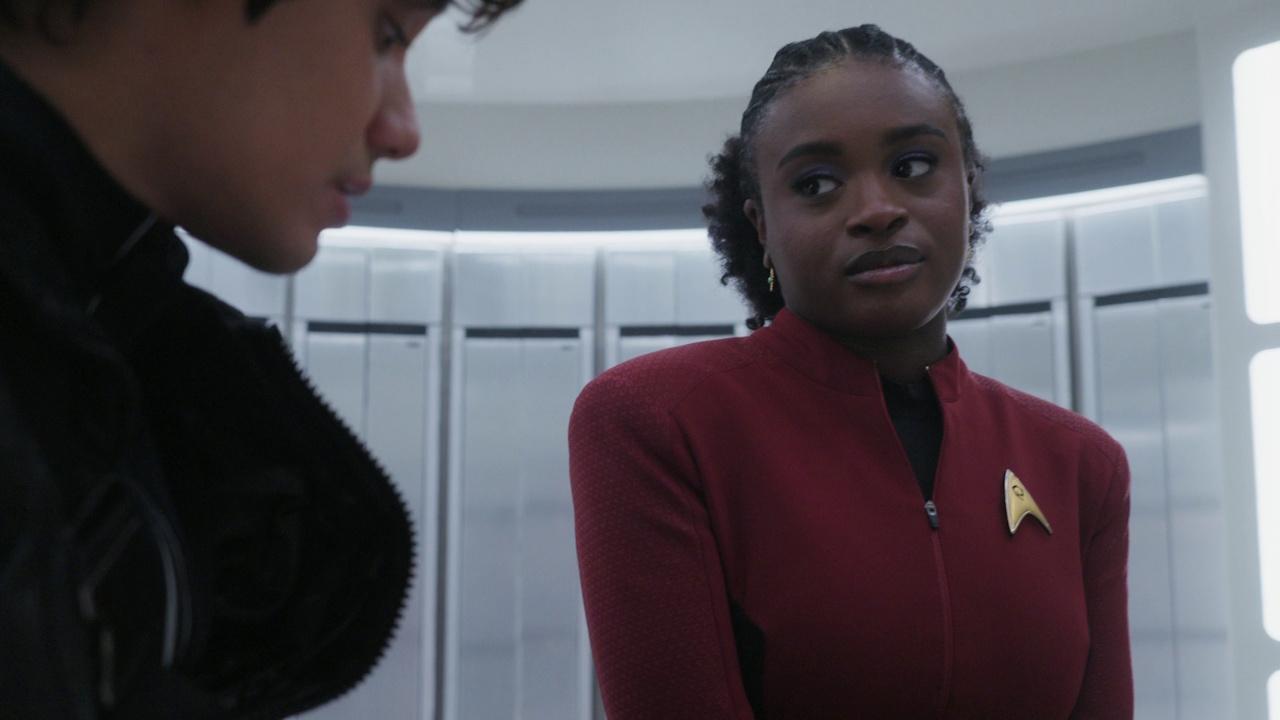
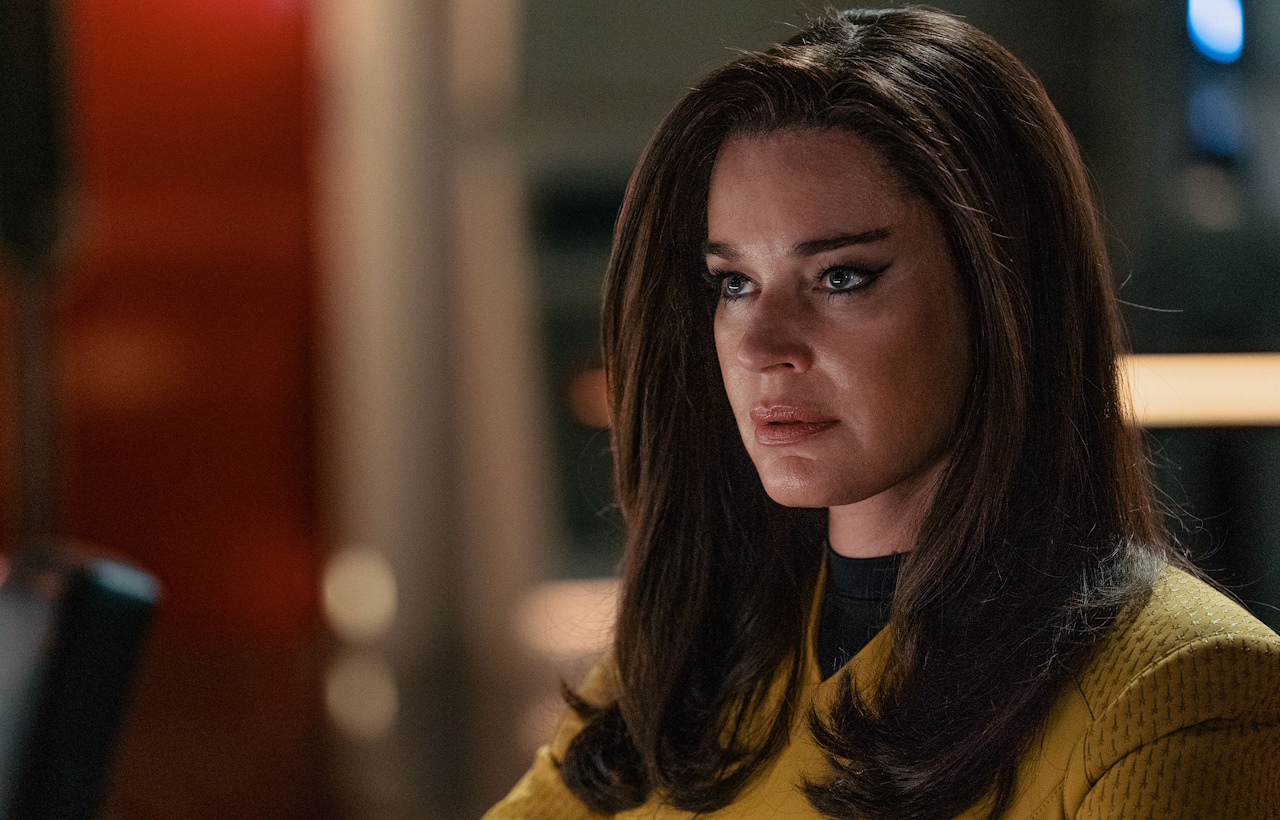
Terrarium was also a fantastic episode for Uhura. Her empathy and love were on full display as she supported Ortegas ahead of her first solo mission in months, then became the strongest advocate for searching for her, even when Spock seemed (perhaps a little too keen) to throw cold water on her plans. We’ve seen Uhura grow in confidence across Strange New Worlds so far, and as Pike remarked, bending the rules is a new frontier for her! But it came from an understandable place, and had been set up incredibly well earlier in the episode.
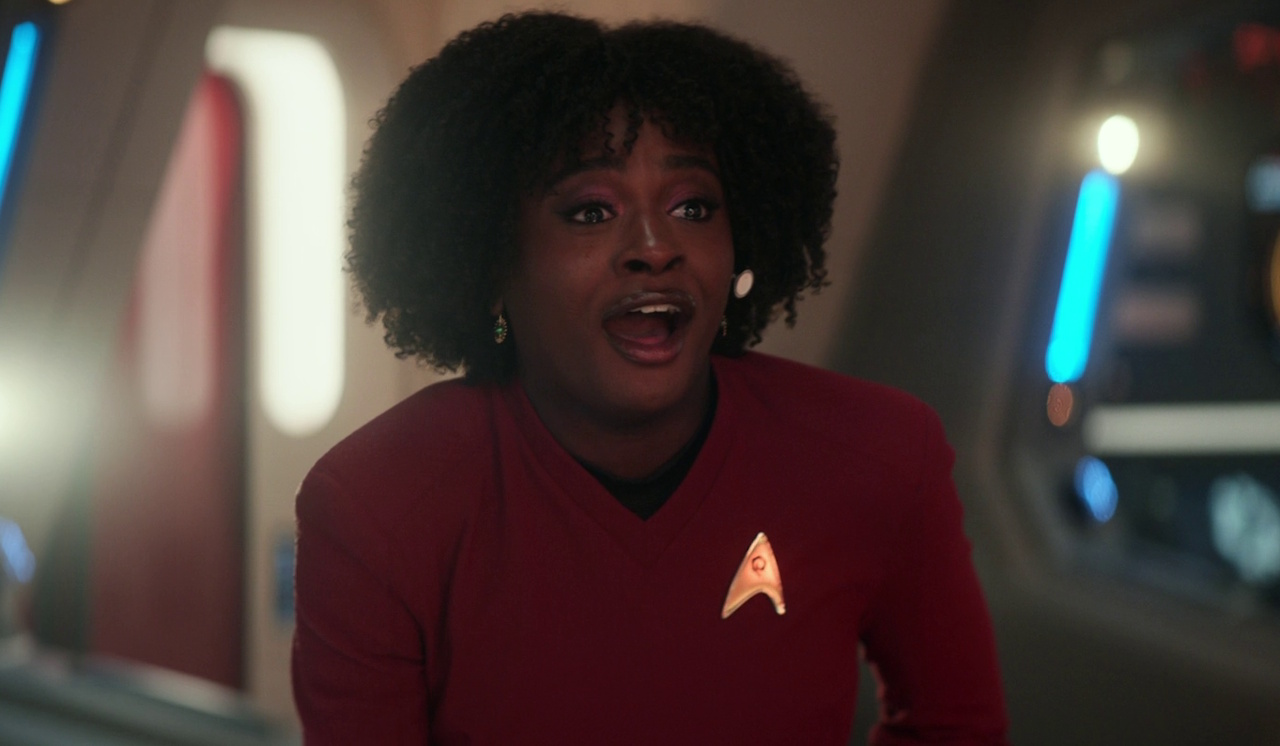
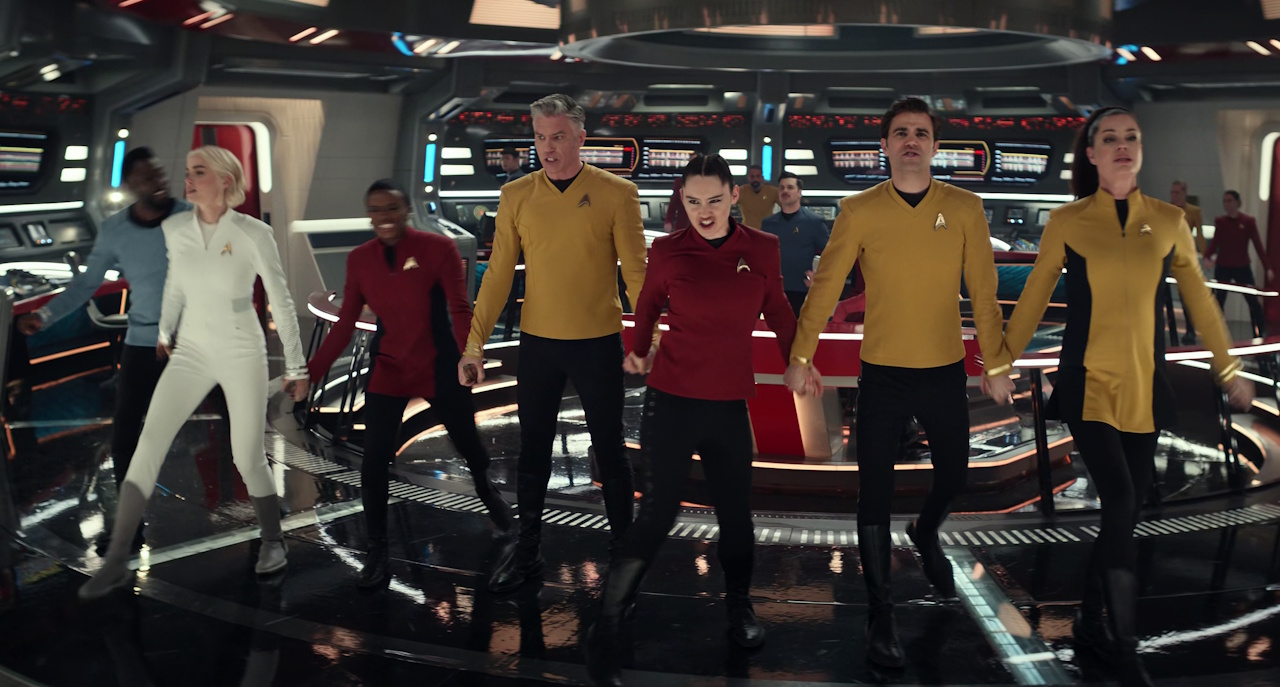
Uhura has had several “moments” across the first three seasons of Strange New Worlds in which she becomes more confident, solidifies her relationship with Starfleet, or just grows in some way. And Terrarium was another great example, building on storylines like visiting the comet, bonding with Hemmer, and inspiring the crew to sing their way out of trouble. The notion that Uhura would do anything to help a friend in need… that’s a core part of the character we remember, and seeing her bend the rules, thinking that was the only way to help Ortegas? It sets up Uhura joining Kirk’s mission to steal the Enterprise in Star Trek III, as well as countless other examples of her going out of her way to help her friends.
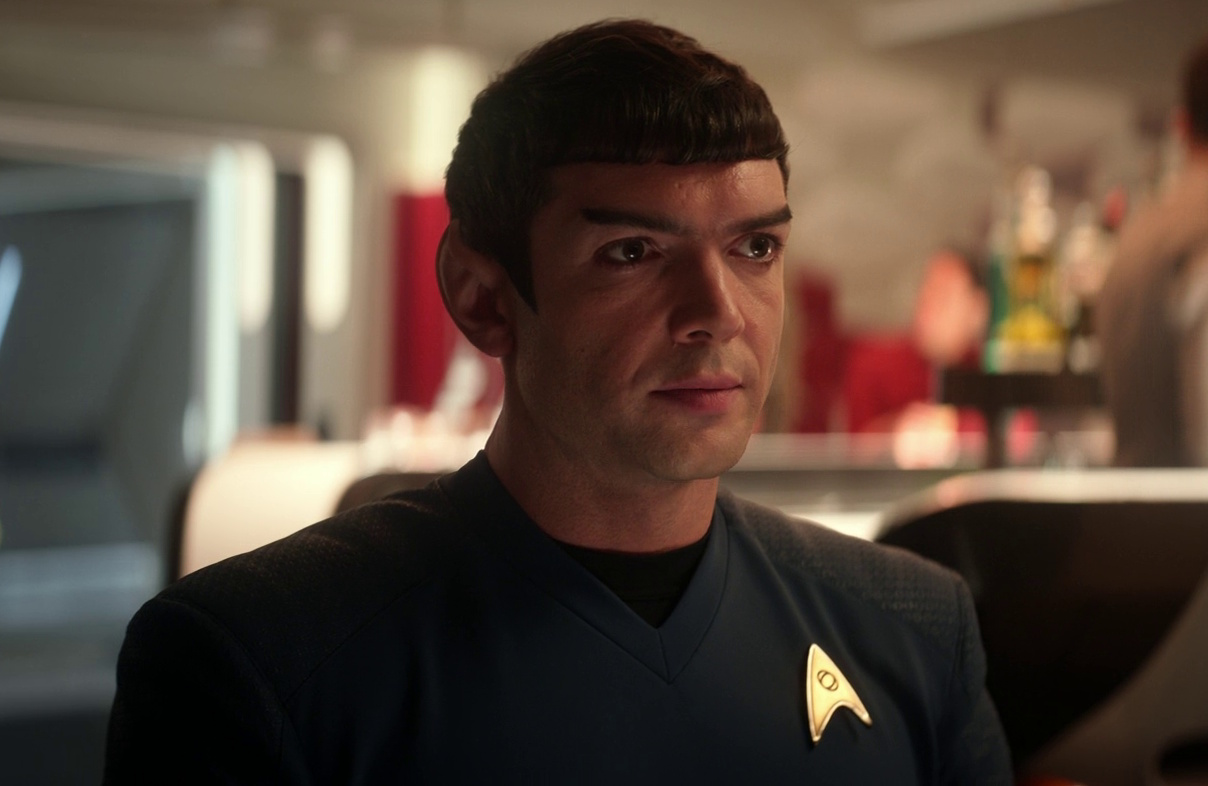
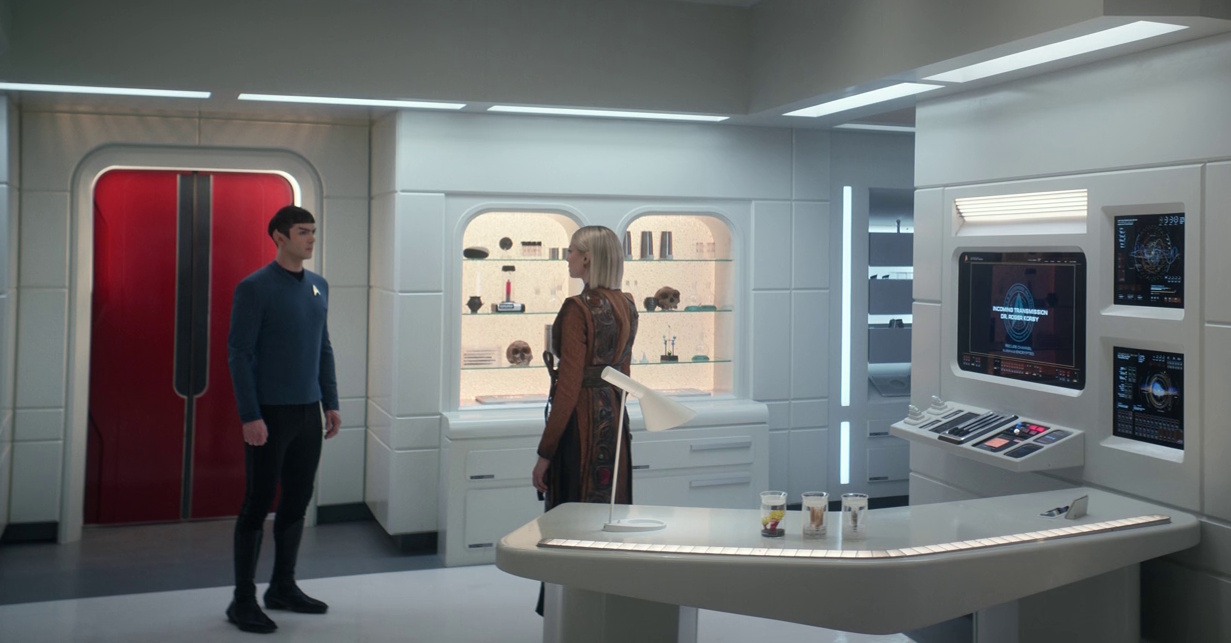
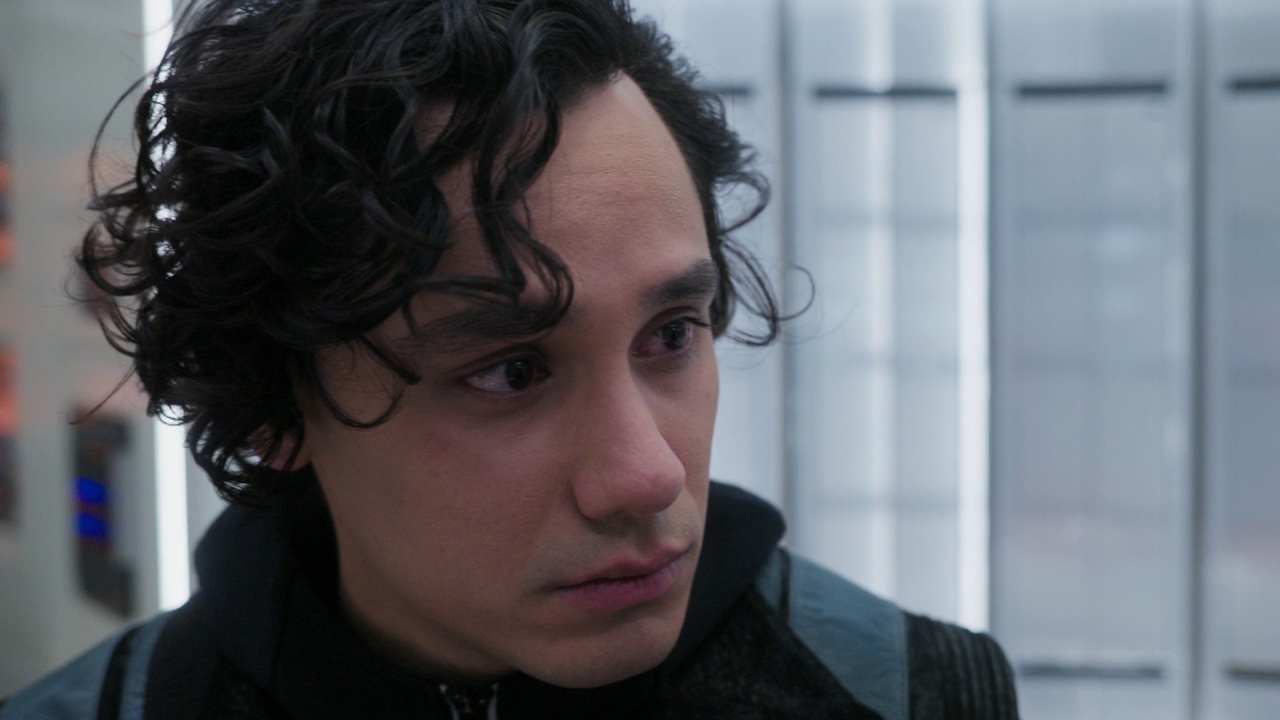
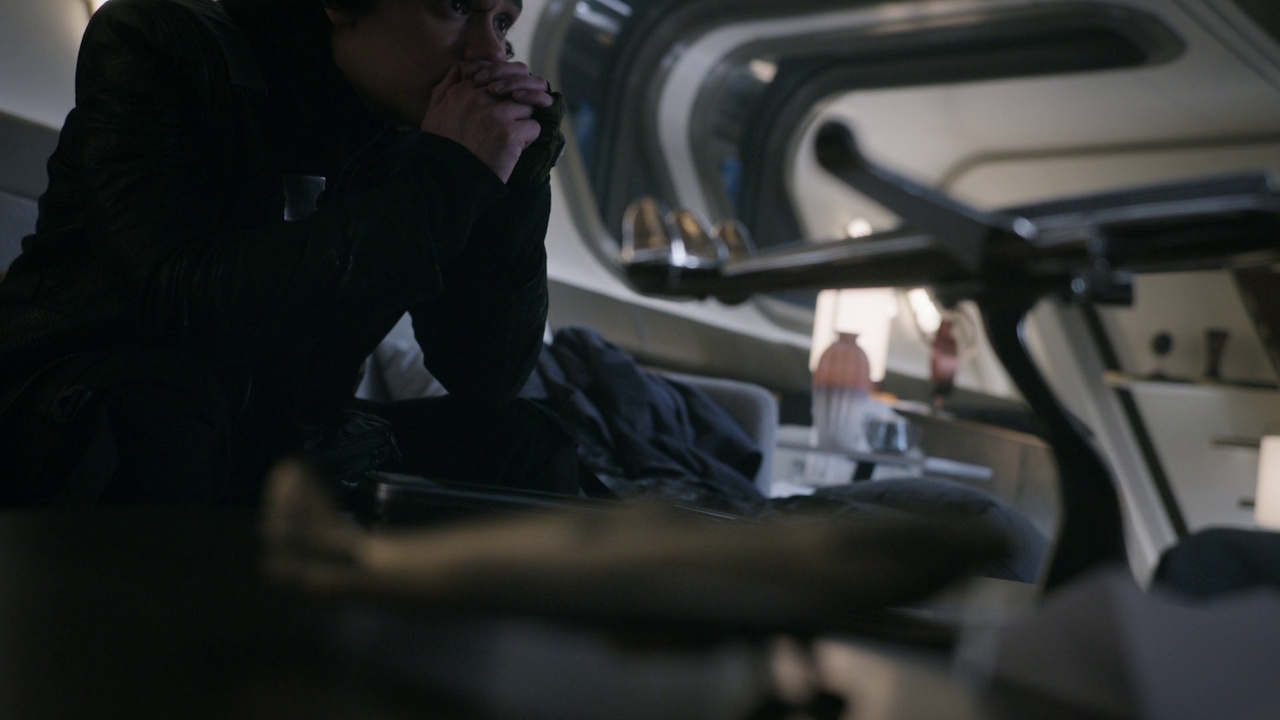
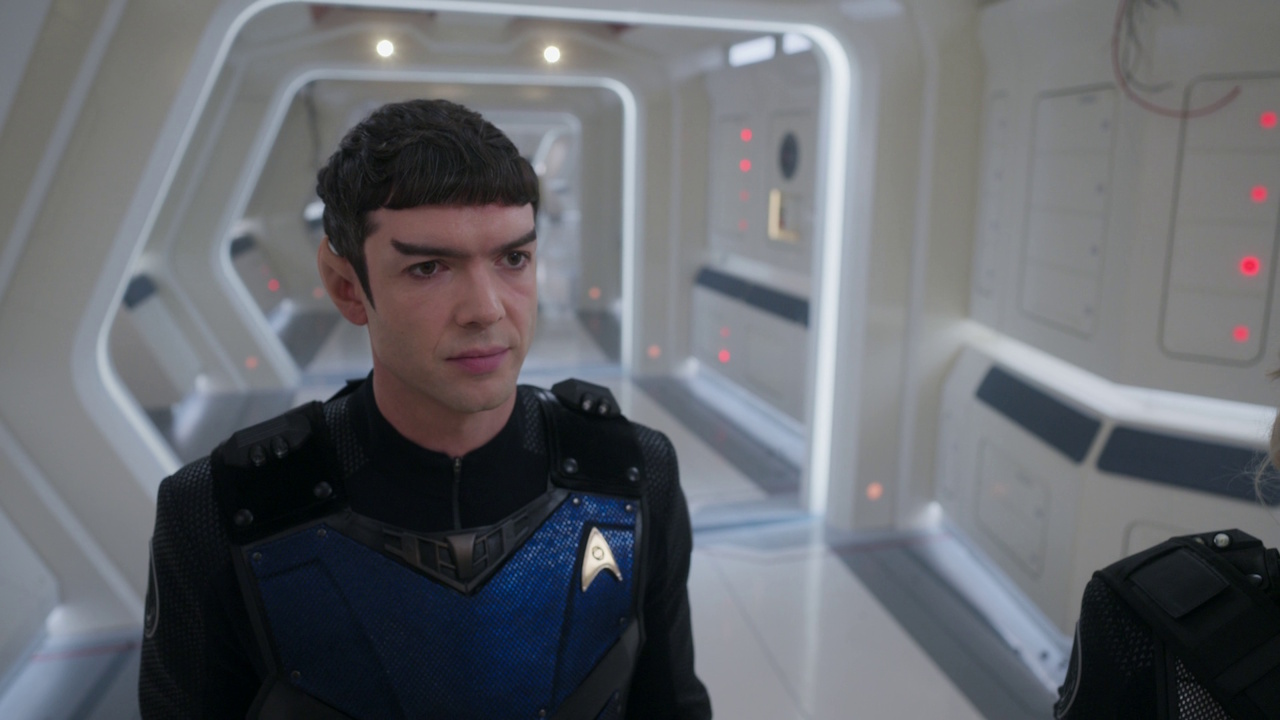
Spock was, perhaps, a little too quick to dismiss some of Uhura’s ideas – but this was never really presented as a conflict; more so a hurdle for Uhura to overcome. And Spock, despite his initial predictions of failure, didn’t come across as being a jerk for the sake of it. He even stayed with Uhura, continuing to help her work on her simulations, which I think also says a lot about how far he’s come across the show so far. After so many “Spock comedy” storylines – something I talked about at length last week – it’s nice to see Spock in a more familiar and straight-laced role. It’s also nice to see Spock contributing, but taking a back seat to other characters. This side of the story mostly looked at Uhura and, to a lesser extent, Pike. Spock played a role, but he doesn’t always have to be centre-stage.
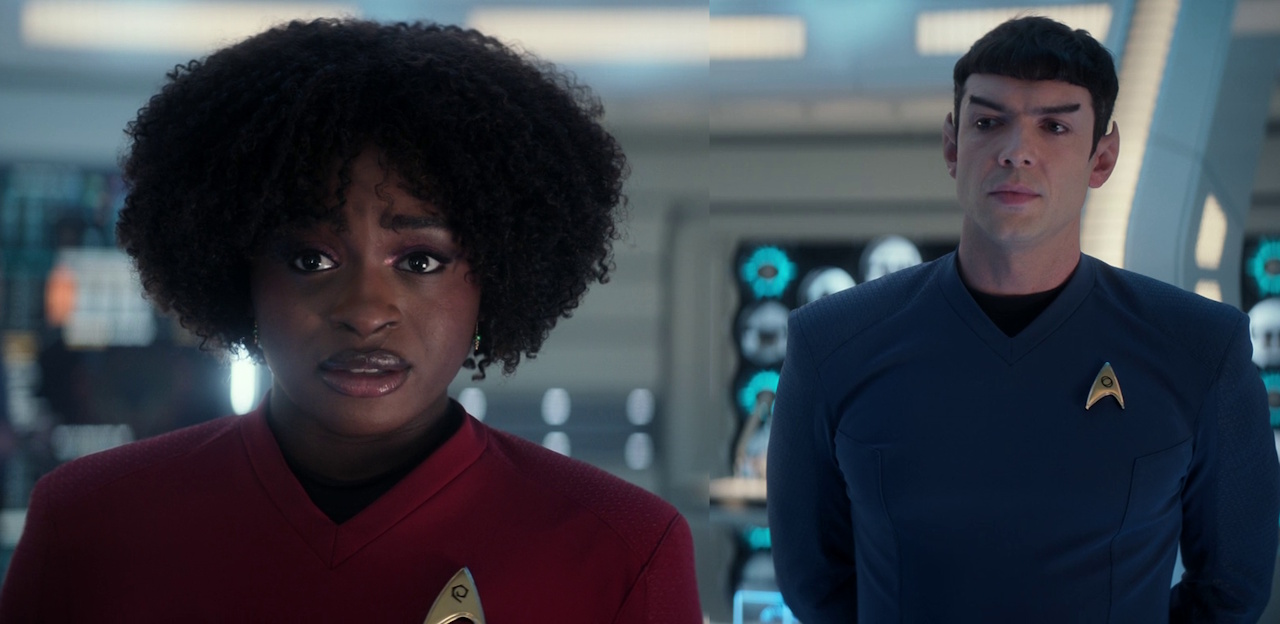
So let’s return to the main part of the story: Ortegas and the Gorn.
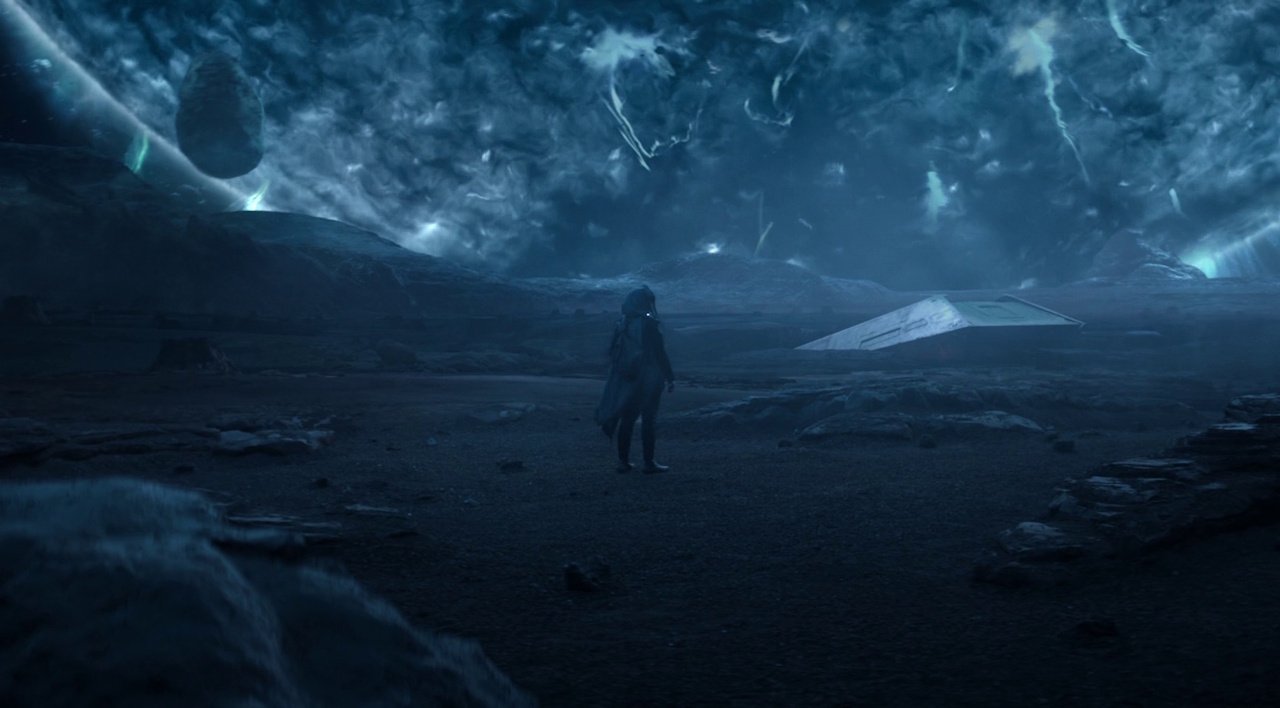
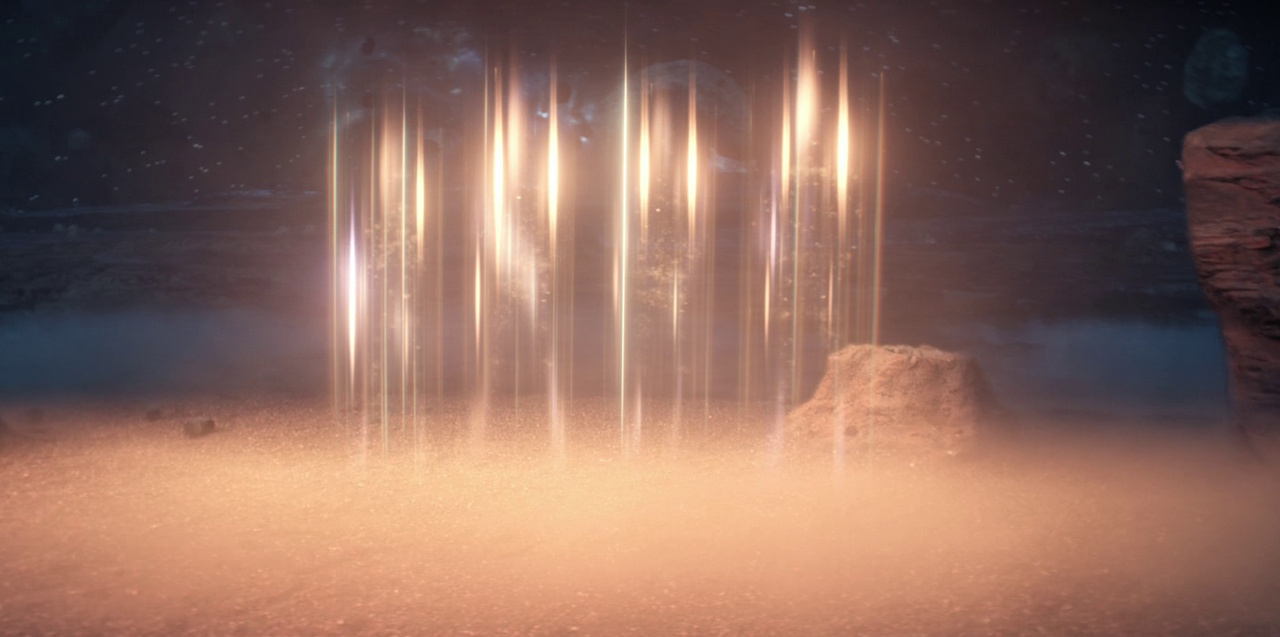
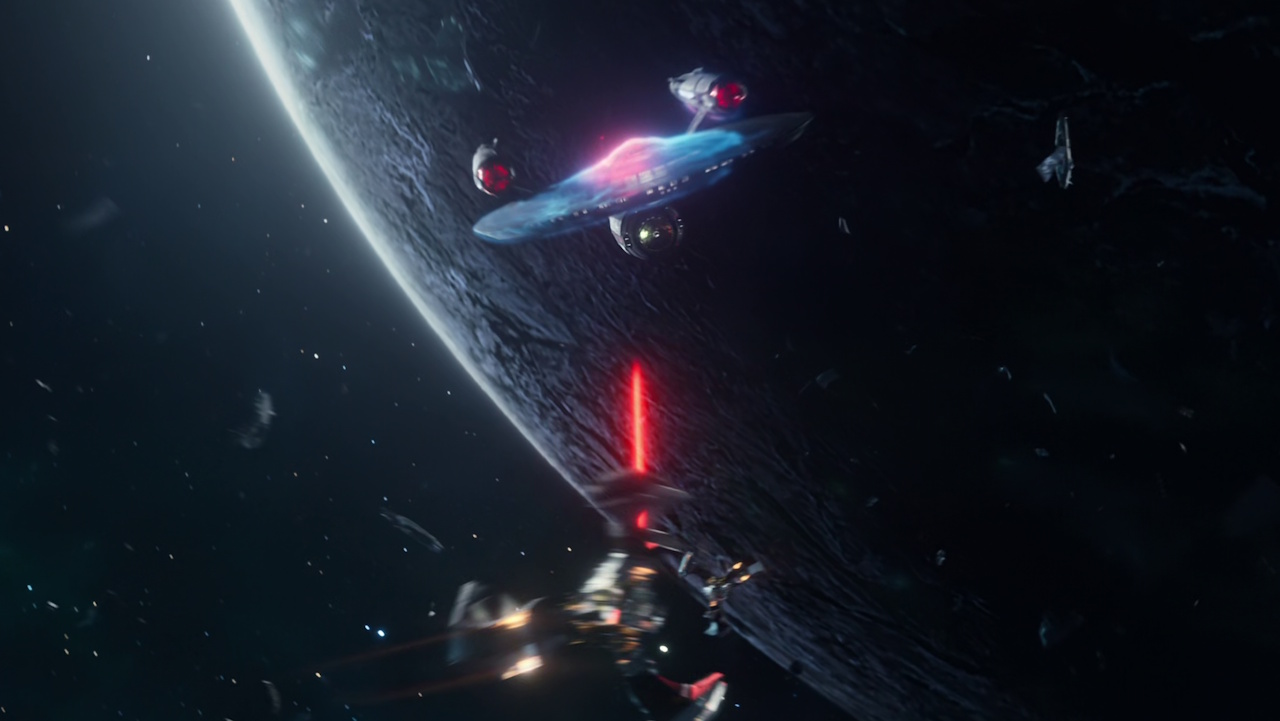
I really liked the moon that Ortegas crashed on. It made fantastic use of the AR wall, and just felt like such a barren and desolate place. Seeing the wind sweeping across the surface of the moon, with nothing but dust and rocks in sight, with occasional quakes and rumbles shaking the ground… it made for a very unnerving place to have crash-landed; very lonely, very bleak. The addition of the flaming blue gas giant in the sky obviously added a huge sense of impending danger, which was intimidating. The camera work on the surface of the moon, combined with the AR wall, actually led to a really great effect – something Paramount hasn’t always been competent at if you look back at some other recent Star Trek projects, like Discovery’s fifth season.
And this sense of being lost, alone, and trapped in a desolate, barren wasteland was really hammered home by the presence of the wormhole. I don’t think we ever learned exactly how far away the wormhole’s terminus was from where the Enterprise was situated – but, as Spock said, it could be basically anywhere in the universe. That added so much to the sense of isolation and abandonment compared to, say, an episode like The Enemy, in which the Enterprise-D was still in orbit, even if for technobabble reasons it wasn’t possible to beam out Geordi right away. Again, that sense of genuine danger – that we might be about to lose Ortegas from the series entirely – was ramped up by just how badly wrong this mission was going.
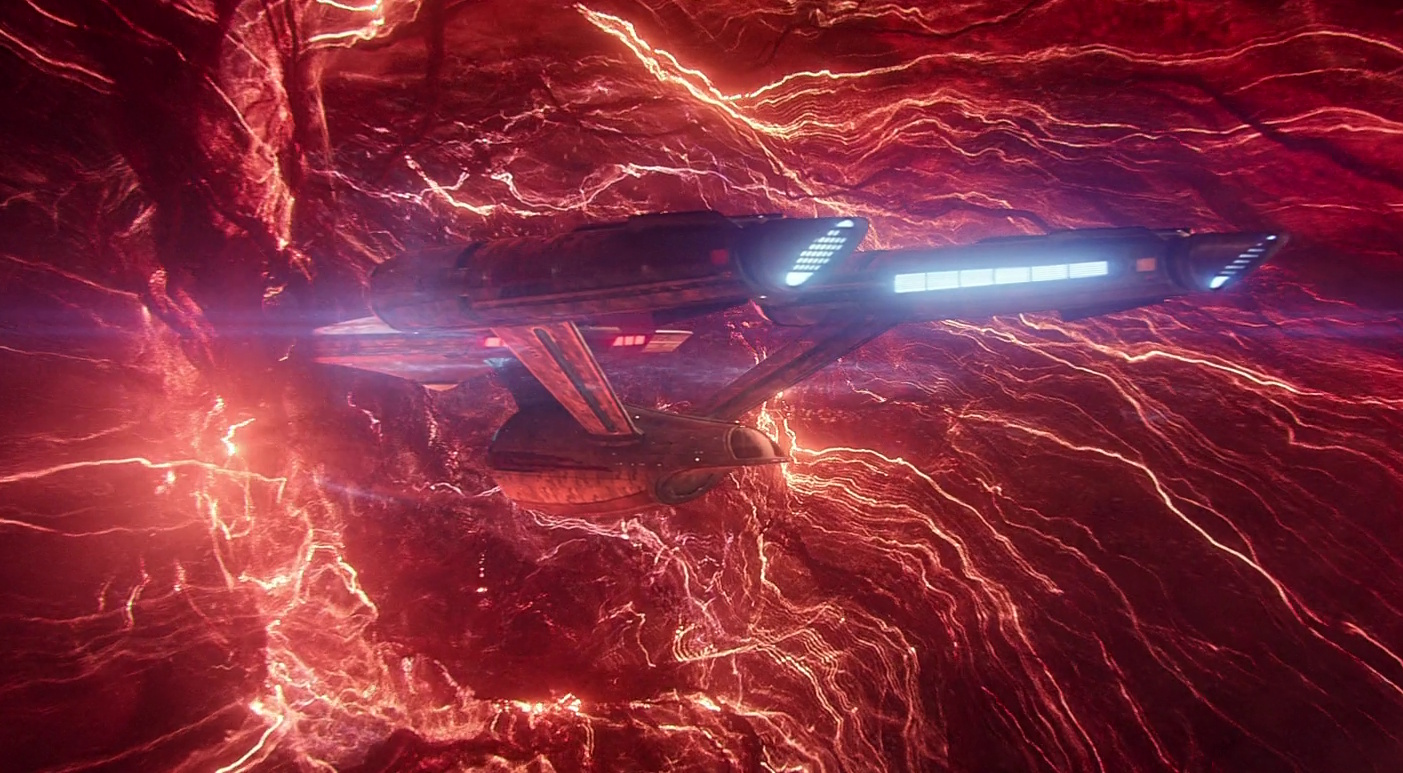
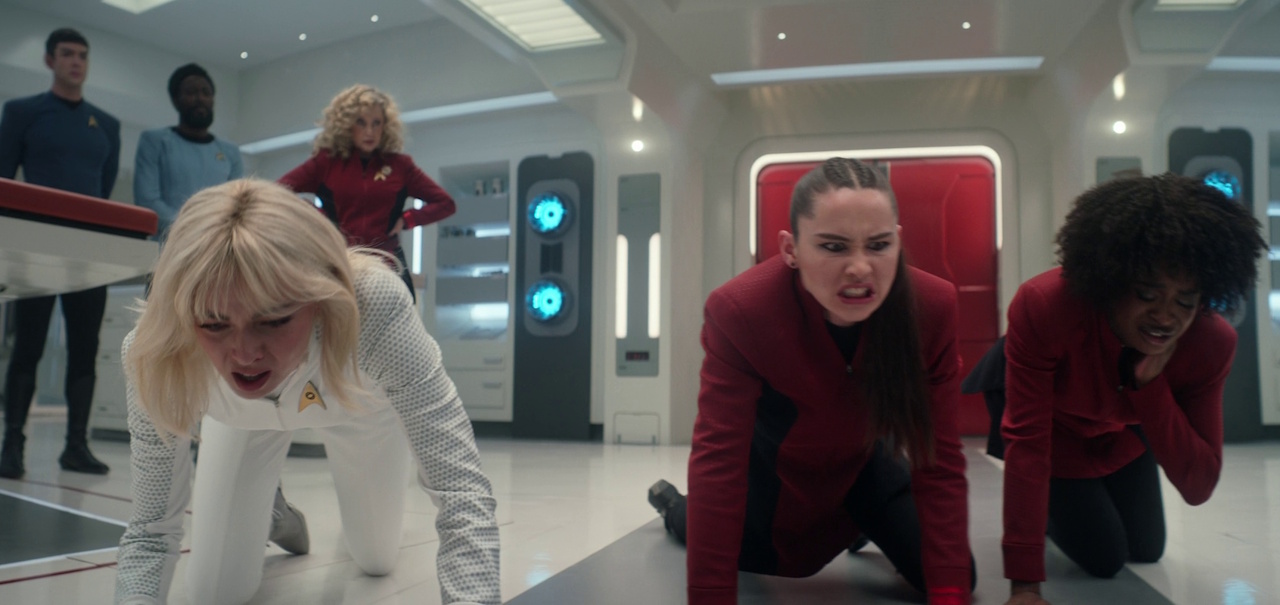
A couple of weeks ago, I said that I was worried that Ortegas’ injury and trauma from the beginning of the season hadn’t been picked up in a big way, and that if it did come back, it would be harder to pull off effectively after having seen her “back to normal.” And I stand by that to an extent – I think if, instead of Terrarium, we’d gotten a Discovery-style “let’s all talk about our feelings” story, it would have been difficult to put Ortegas into that after several episodes had passed in between her injury, her insubordination, and her apparent recovery. But because of the way Terrarium approached it – putting her face-to-face with a Gorn for the first time since the end of Hegemony, Part II – it actually worked incredibly well.
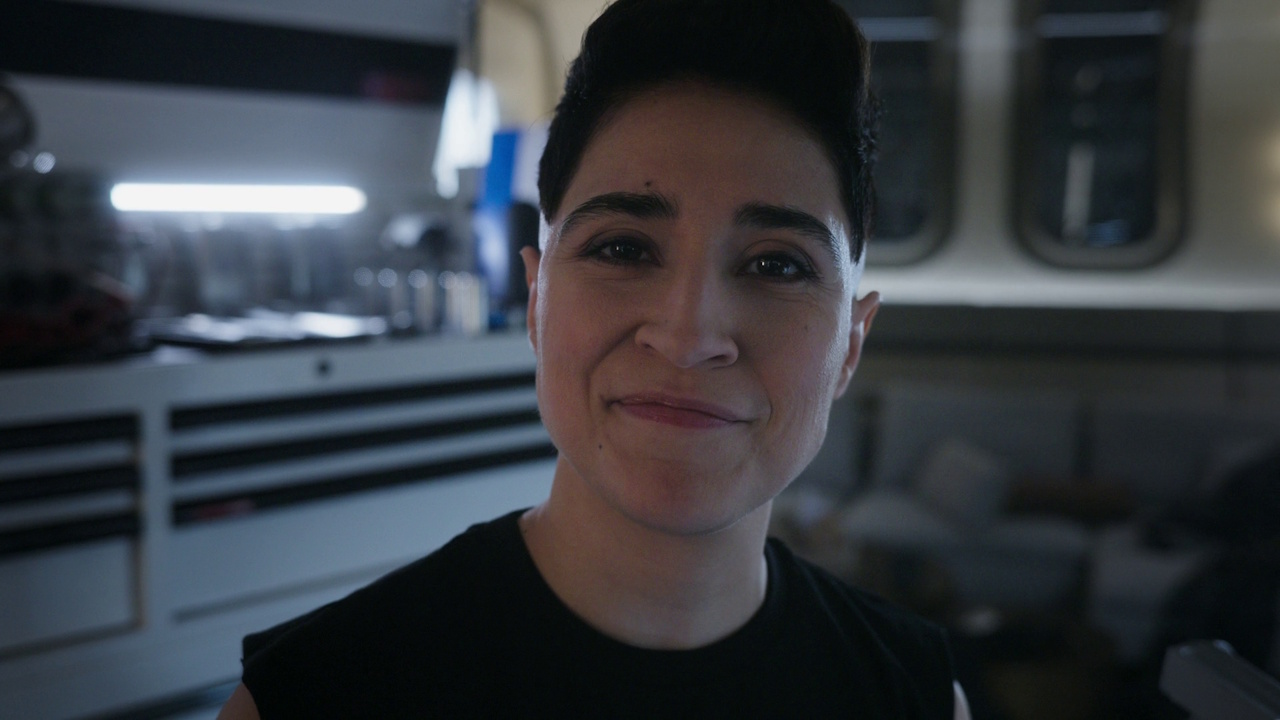
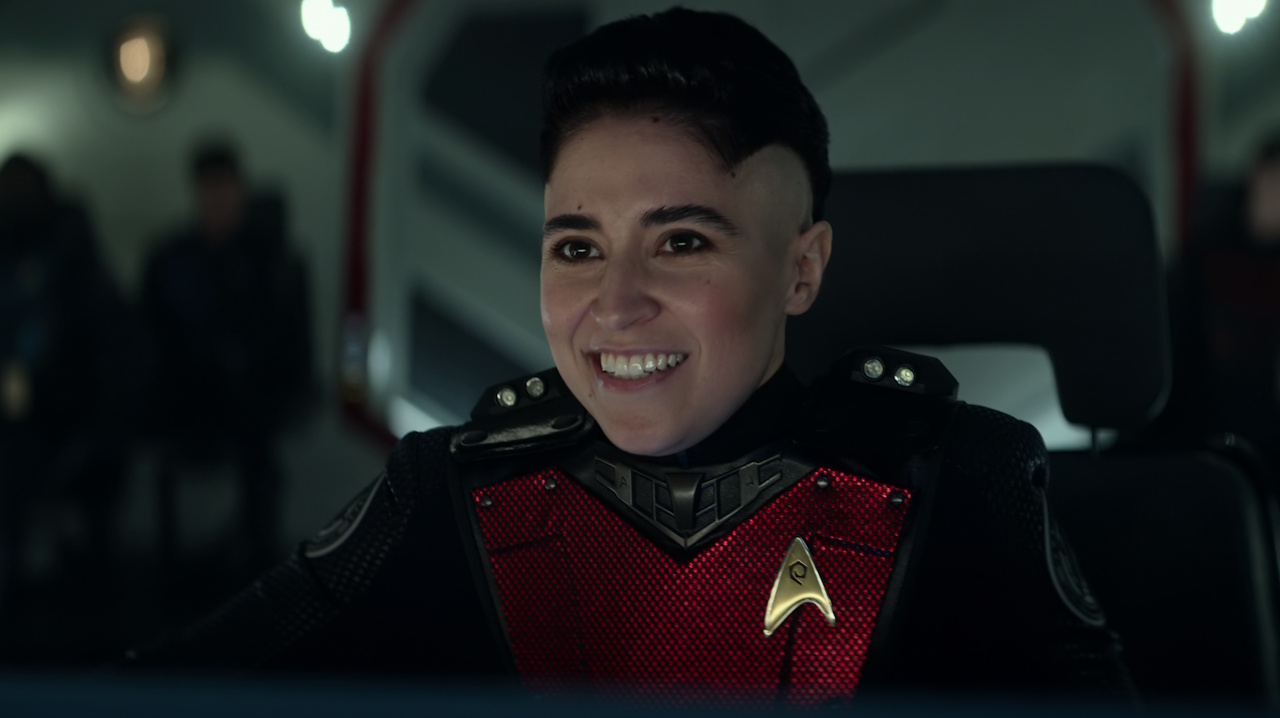
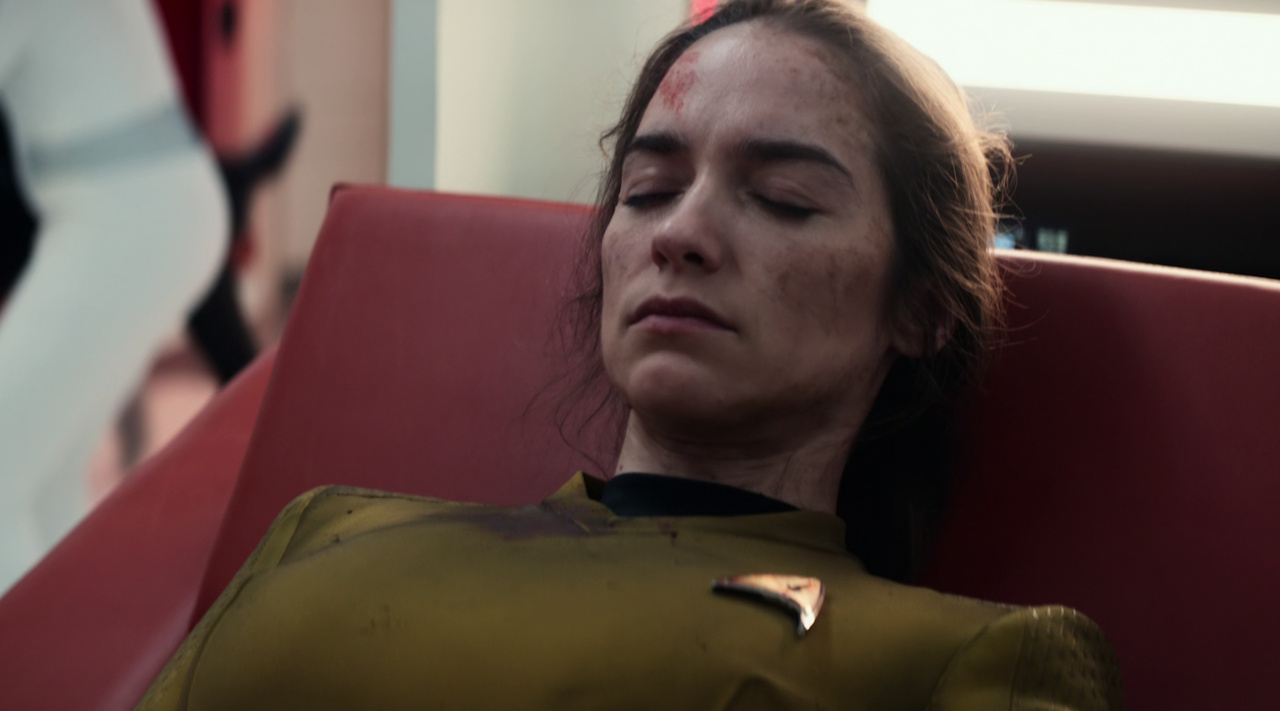
Ortegas’ character arc built on her earlier encounter with the Gorn and the lingering trauma it caused her without feeling like we’d missed a step. By throwing her into this tense survival situation, we got to see her going from “just kill me already you alien monster,” to “okay, we can be friends.” And Terrarium built this up slowly and carefully, taking us from Ortegas’ shock at spotting the Gorn, trying to hide, fearing for her life, and eventually coming to terms with the fact that they’d have to work together to have any chance of escape. It was incredibly well written – and given that Melissa Navia was the only one to actually have any dialogue on this side of the story, incredibly well performed and emoted. Having to act out an incredibly intense and emotional storyline against a person in a Gorn suit can’t have been easy – but she made it look easy! This is why, for almost three full seasons, a lot of us have been champing at the bit for a proper Ortegas episode!
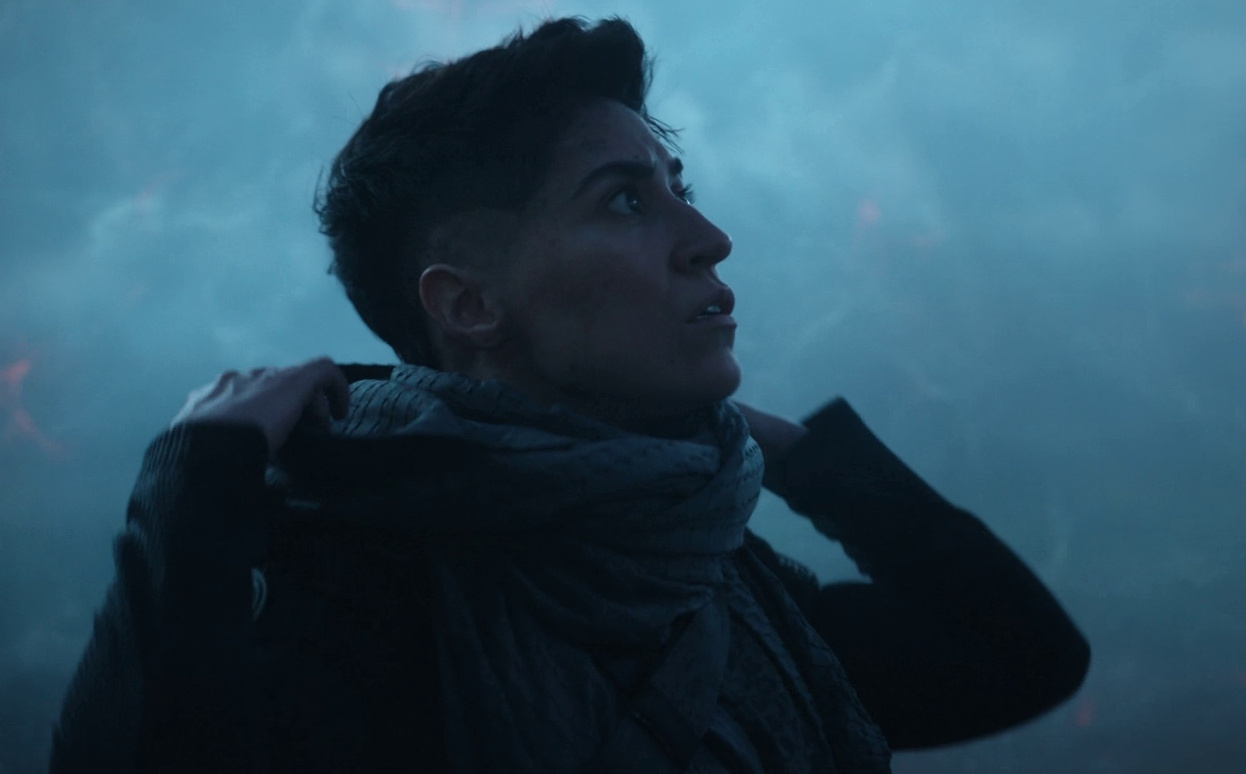
We got to see Ortegas run the gamut of emotions. The elation of her mission and the piloting challenge, the anxiety and loneliness after the crash-landing, the sheer terror of her first Gorn encounter, a slowly-developing friendship which culmintaed in board games, and the abject grief at her new friend’s utterly brutal execution. And Melissa Navia had to do all of that (well, almost all of it) on her own, with no other actor to bounce her lines off of. It’s an incredible solo acting performance, one which really encompasses a huge range of different emotional states across a dangerous and nearly fatal away mission.
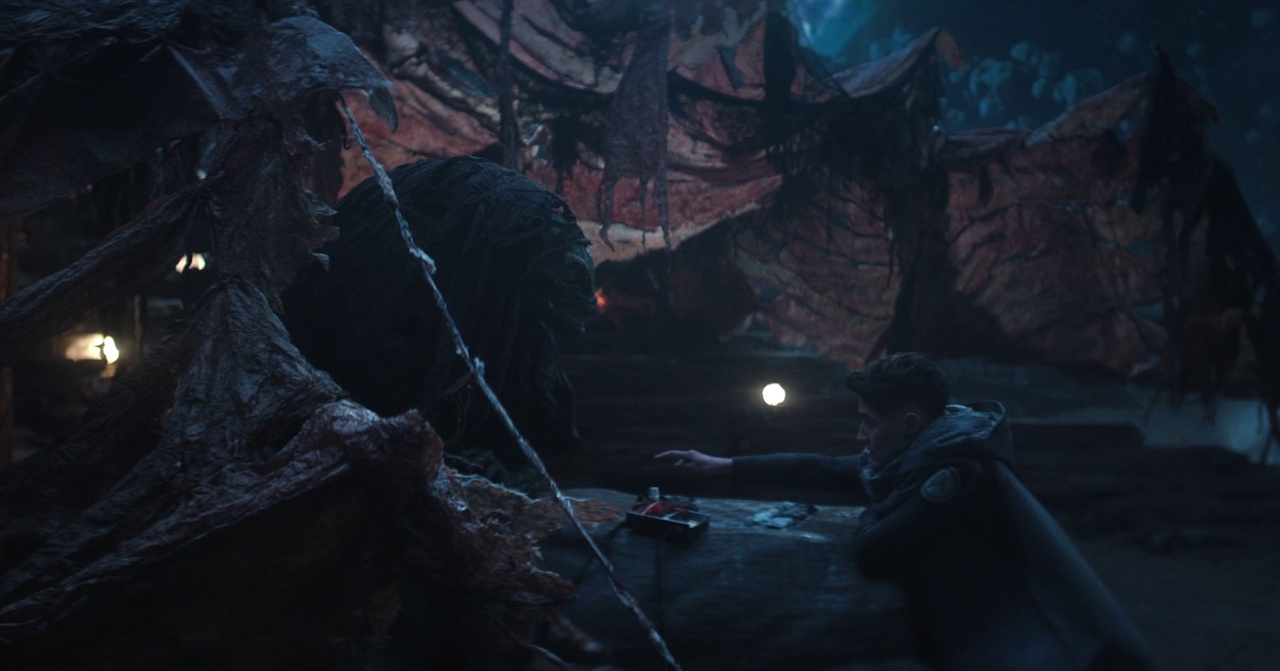
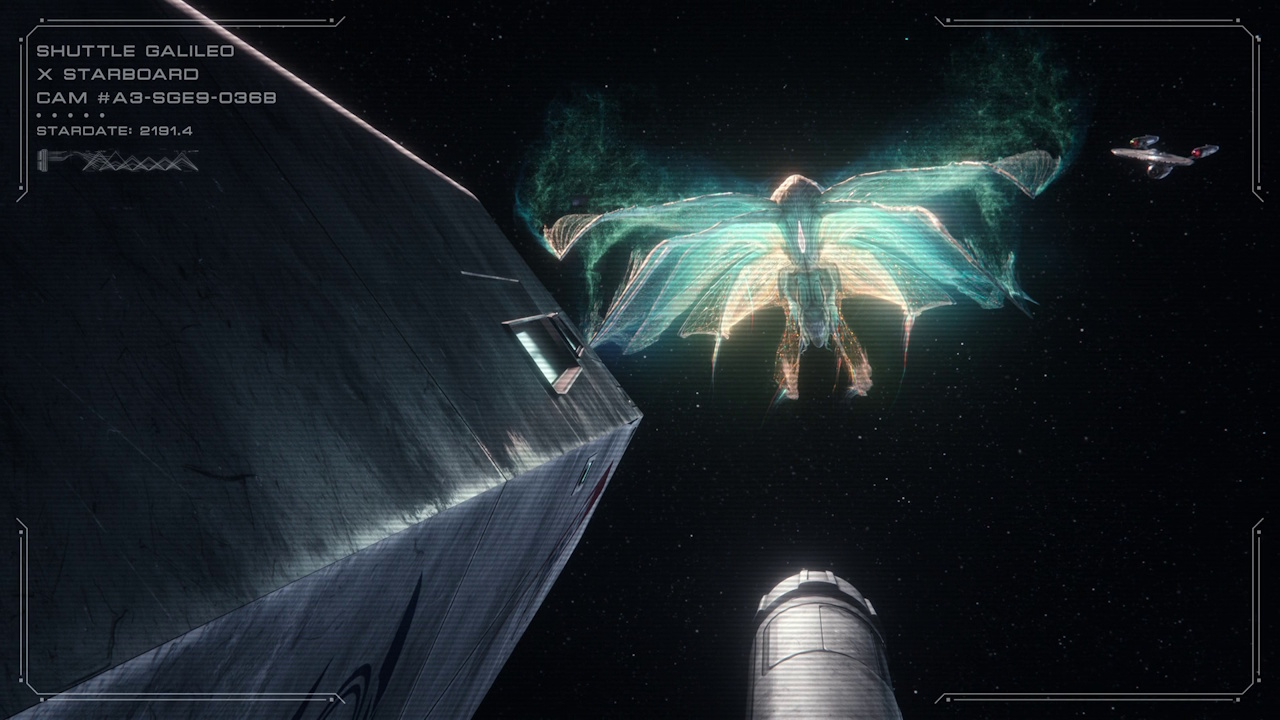
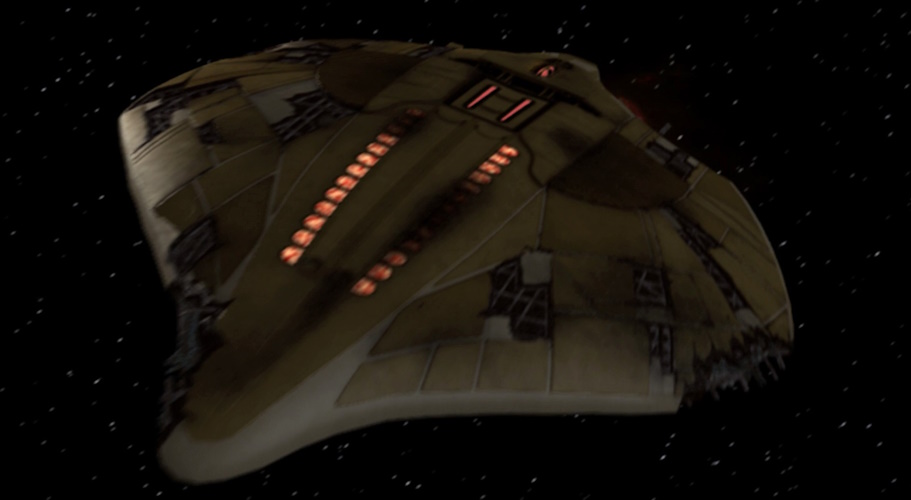
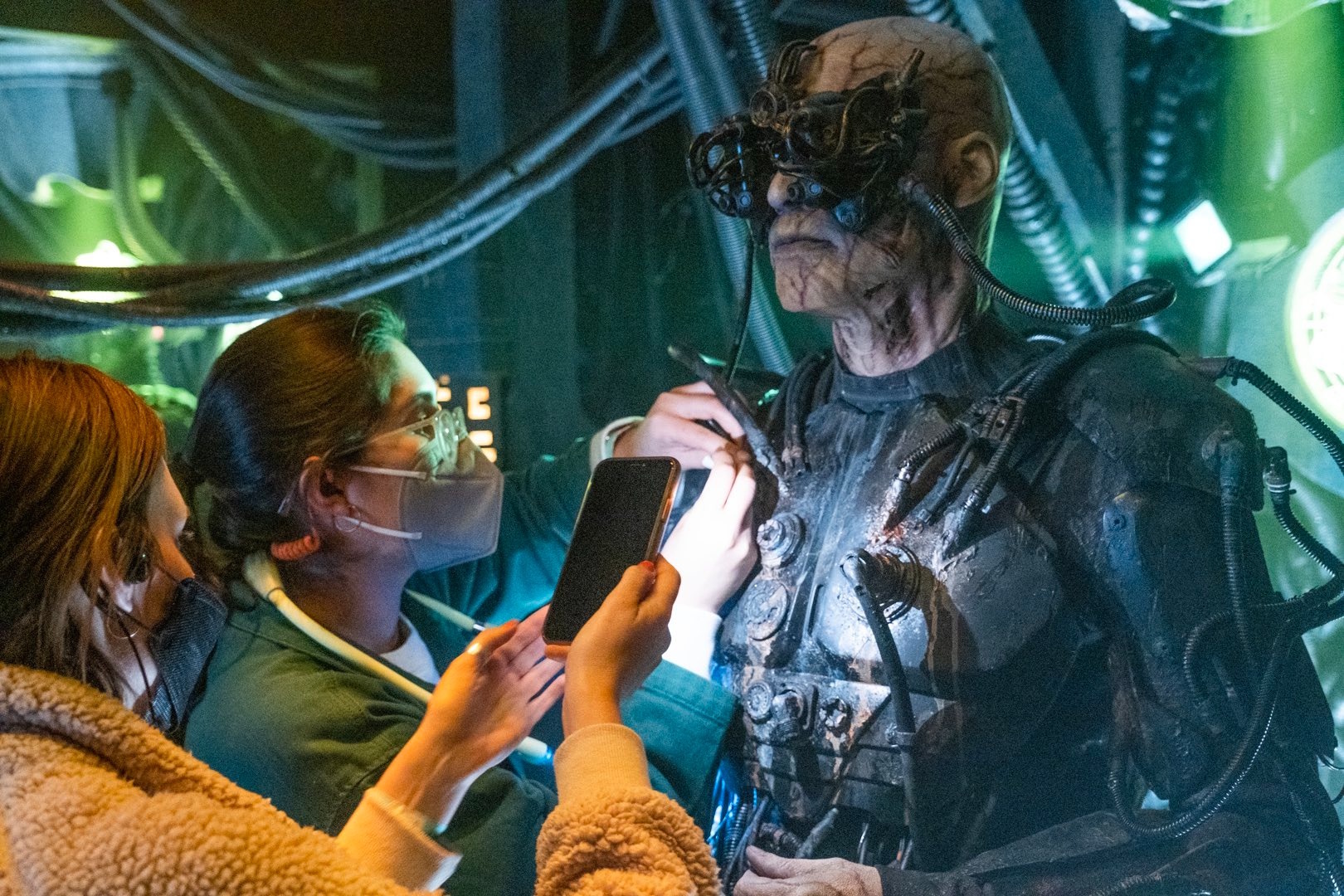
After Strange New Worlds has reimagined the Gorn to be closer to Alien’s Xenomorphs or other horror movie monsters, it was incredibly refreshing to see a different and softer take this time. We got to see a Gorn – for the first time in the entire series, really – not as “the other,” or a monster, but as a person. This Gorn showed Ortegas – and by extension, us as the audience – that the Gorn are more than just mindless killing machines who see humans as food. They have a complex language, a culture, they enjoy playing games, they can get sick and injured… again, to tie into the theme of Star Trek stories as “morality plays,” we’re seeing the Gorn – through Ortegas’ eyes – as people… basically for the first time since they were re-worked for Strange New Worlds. This only makes the brutal killing of the Gorn at the end of the story hit so much harder and feel so much worse.
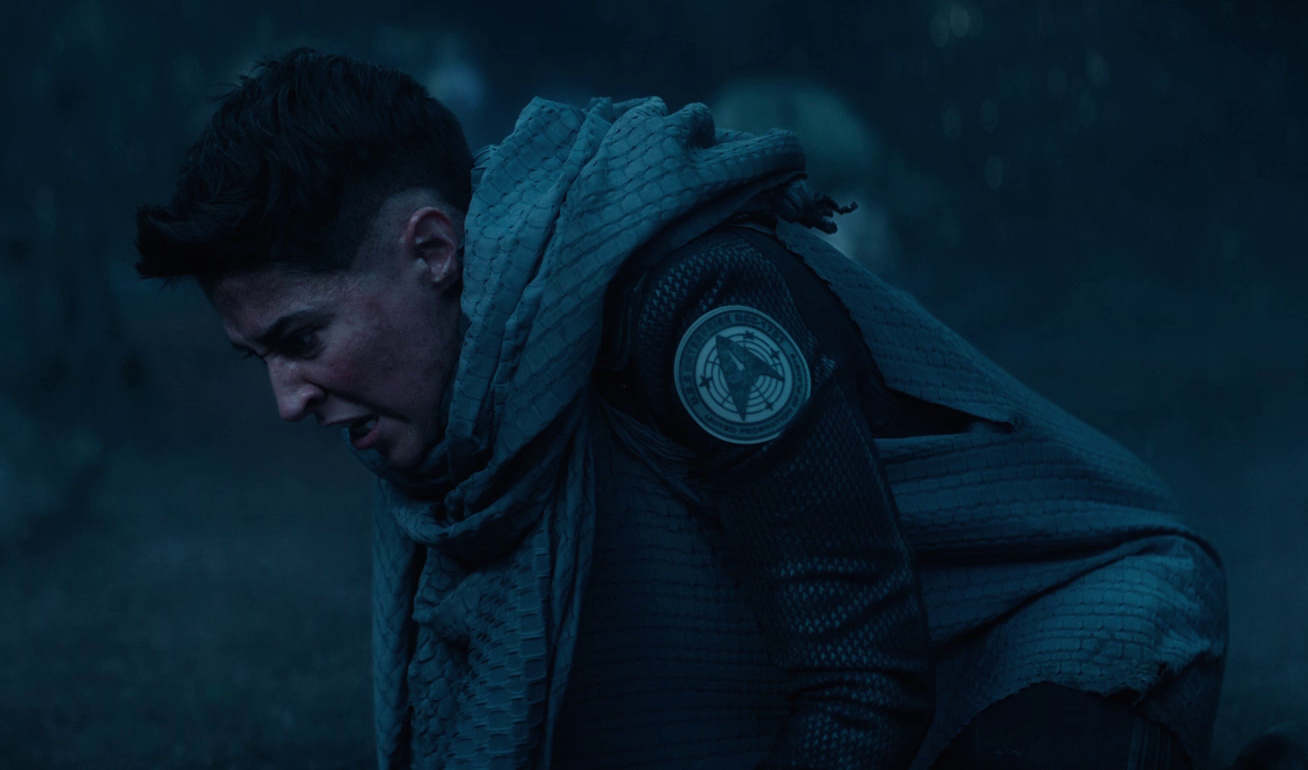
May I nitpick? If you know me… you know I must!
If you can transport down to a moon, it stands to reason that you can also transport up from a moon, right? So why did La’an have to beam down to search for Ortegas? And why did La’an beam down with a squad of redshirt tactical officers for a rescue mission, instead of – oh, I dunno – a doctor? The “we have to deliver these vaccines on time” added an extra source of tension to the episode, but it felt a bit exposition-y – mostly because of the timing of its introduction. If the episode had begun with Pike saying, “we’re en route to deliver these vaccines, but we stopped off briefly to study this unusual phenomenon,” I think it would’ve worked a lot better than Una springing it on us after Ortegas had already gone missing. The “scanning ability” percentage wasn’t really explained, and I could’ve entertained a brief line of technobabble discussing it, especially given its importance to Uhura and Pike’s storyline.
But, as I said, all of those are incredibly minor points, and none of them detracted from the finished product. I include them here because, well, I’m a Trekkie – and as Trekkies, we love nothing more than to pick at the tiniest little details in Star Trek, sometimes!
Terrarium joins Shuttle to Kenfori and Through the Lens of Time as one of my favourites from Season 3. It was fantastic all around, with great moments for Pike and Uhura, as well as an incredibly intense story for Ortegas.
I loved this completely different way to include the Gorn. Don’t get me wrong – I’ve enjoyed Strange New Worlds’ reinterpretation of the Gorn, by and large. But I also think we were beginning to come up against the limits of the “alien monster” idea, so to show a softer, more personable side to the Gorn – and to put Ortegas, who had suffered so severely at their hands, right in the middle of it – was a fantastic storytelling decision, and one that was executed incredibly well. Melissa Navia got her first major spotlight episode – and rose to the occasion, overcoming a difficult acting challenge.
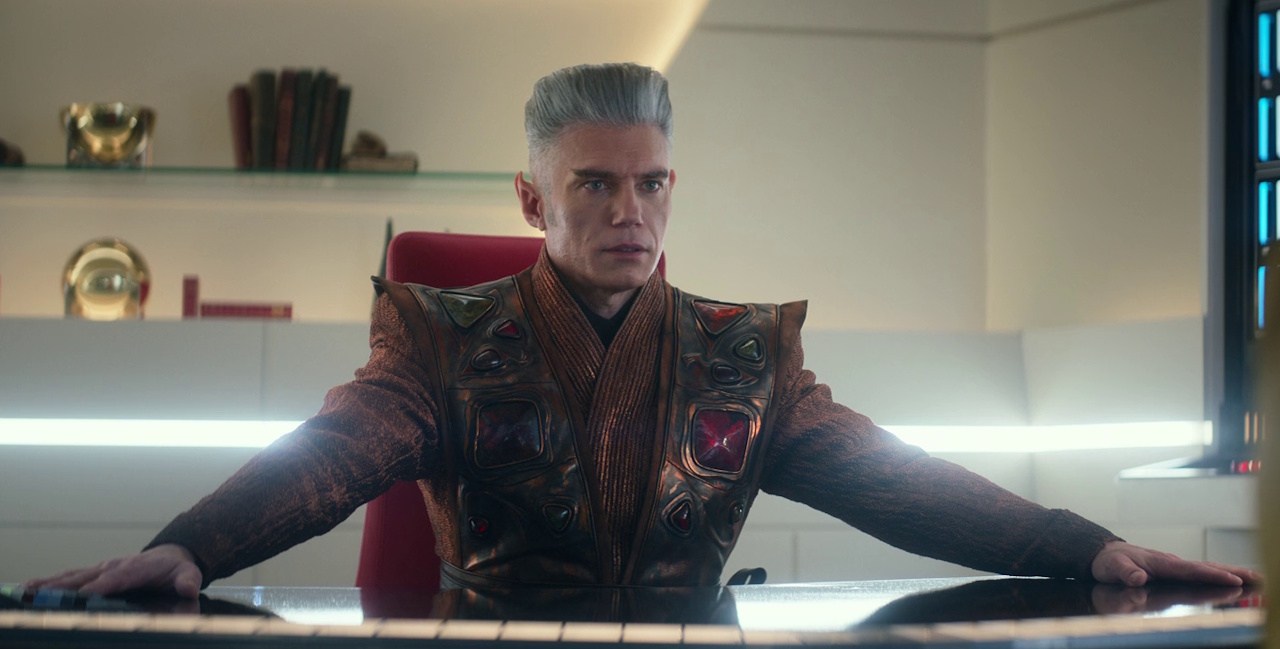
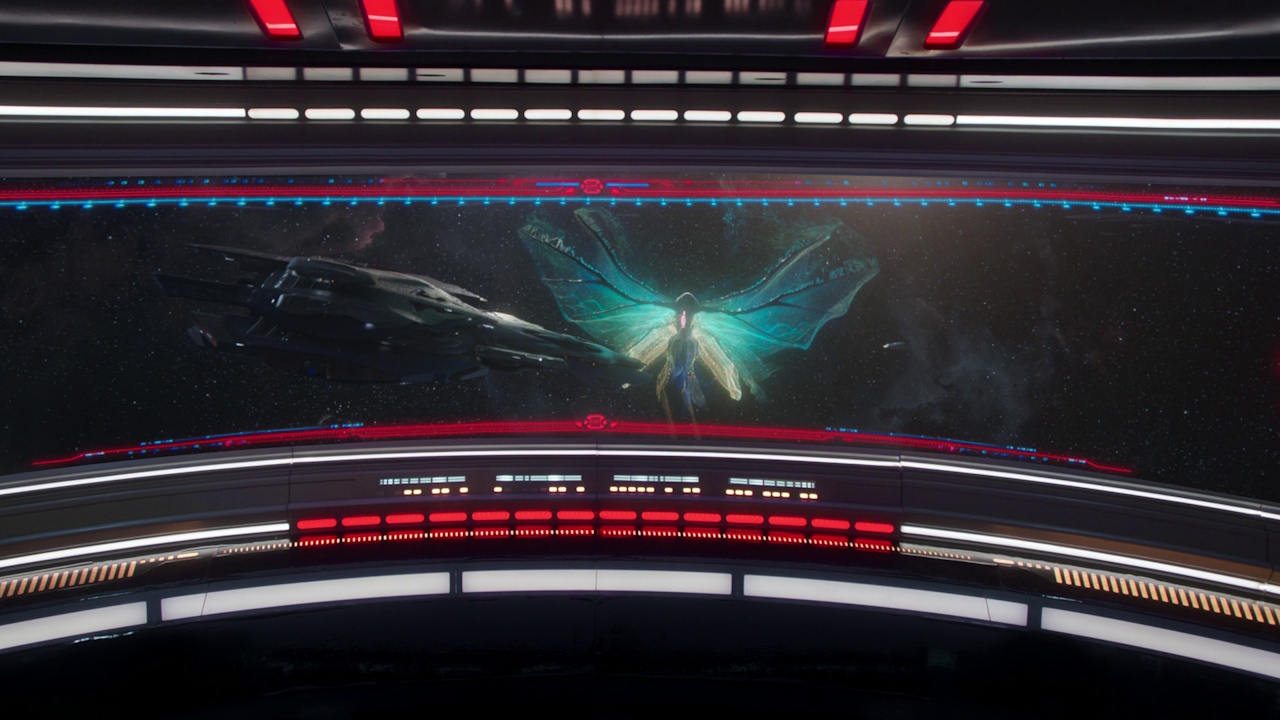
I really can’t heap enough praise on Terrarium, as you can probably tell! It truly is an outstanding episode, one that harkens back to the likes of Arena and The Enemy from those older shows, but puts a completely different spin on a familiar setup thanks to a brutal ending. I’m not sure I’d have chosen to include Arena’s Metrons; I’m just not convinced that brief scene at the end added an awful lot or that the story really needed it. But doing so helps to square a circle, perhaps, while hinting at a “different” take on the Gorn by the time of Kirk’s encounter in Arena.
So that was Terrarium. Absolutely fantastic. No notes – literally, in my case!
Season 3 has been pretty good, overall. Strong episodes like Terrarium are a nice balance after a weaker offering like Four-and-a-Half Vulcans last week, and I’m rooting for an excellent season finale to close things out with a bang! Can you believe Season 3 is almost over, already? I’m actually feeling pretty sad about that.
The final episode of the season will be titled New Life and New Civilizations. So far, there’s been nothing released – no promo photos, no blurb, no trailer. Something big could be hiding under the surface, then! Check out my latest theory about Captain Pike and Captain Batel, if you’re interested – you can find it by clicking or tapping here. And join me next week for the final episode review of the season. Oh, and if you missed it, I met Martin Quinn (Scotty) over the weekend at a Star Trek convention here in the UK. Click or tap here to check out my write-up of the events of the day. Live Long and Prosper, friends!
Star Trek: Strange New Worlds Seasons 1-3 are available to stream now on Paramount+ in countries and territories where the platform exists. The first two seasons are also available on DVD/Blu-ray. The Star Trek franchise – including Strange New Worlds and all other properties discussed above – is the copyright of Skydance and/or Paramount. This review contains the thoughts and opinions of one person only and is not intended to cause any offence.






 Trekking with Dennis