


Spoiler Warning: This review contains spoilers for Pragmata, including the end of the story. If you want to check out my spoiler-free thoughts on the game, click or tap here.
I’m finishing up my coverage of Pragmata today with the second half of my review. If you missed it, last time I wrote up my thoughts on the game without getting into spoiler territory – I talked about gameplay, boss battles, level design, and more. If you just want a brief summary from last time, I said that the game was a lot of fun with an old-school feel – but with a punishing difficulty spike and a lack of proper accessibility options that made it too tough of a challenge without using an unofficial mod.
This time, I want to delve into the game’s story, characters, and world in a bit more detail – and talk about a few things that I couldn’t last time without spoiling it. So if you ignored my little graphic above, and if you still want to go into Pragmata without knowing how the story ends… this is your final chance to nope out! Click or tap here to read my spoiler-free thoughts, bookmark this article, and come back when you’ve beaten the game.
I don’t often break reviews into two parts like this, but last time, I felt the spoiler-free section was running too long and warranted its own post here on the website. Hopefully this two-part format isn’t too annoying, and if you’ve been waiting around for the continuation… thanks! I hope this will be interesting.
As always, my usual caveat applies: everything we’re going to talk about today is the entirely *subjective, not objective* opinion of just one person. If I praise an aspect of Pragmata that you didn’t enjoy, or criticise something you liked… that’s okay. There ought to be enough room in the gaming and sci-fi fan communities for respectful disagreement without descending into arguments and toxicity!
With all of that out of the way, let’s talk about Pragmata.

When I played the demo earlier in the year, and for my first couple of hours with the game after I picked it up… I wasn’t particularly interested in either of the main characters. Hugh seemed incredibly, almost aggressively *bland*, and I struggled to get invested in his emotional arc after the apparent deaths of his captain and the other members of his team. And because his encounter with Diana felt so random, their coming together didn’t really have much of an impact, either.
Not at first, anyway.
I was playing Pragmata because I was enjoying its level design, its combat, its hacking mechanic, its exploration, and its enemy varieties. The game, as I said last time, has an old-school charm that makes it feel, in many ways, like a title from the Dreamcast/Xbox era – the second generation of truly 3D games, after the worst of the jank had been overcome! I had a blast playing games on the Dreamcast and original Xbox back in the day, and Pragmata felt like a modernised, shinier version of that kind of title.
But as Hugh and Diana spent more time together, and bantered back-and-forth both at the Shelter and while exploring the game’s various environments, I felt myself getting a bit more invested in their stories. I maintain that Pragmata’s narrative is never going to be its biggest selling-point – this is an action/adventure game that you can play while paying remarkably little attention to the story, if you so choose! And it’s very much a video game story, not something cinematic. But… that’s okay. It was still enjoyable for me, and as time went on, I found myself getting more attached to both characters.
I’m not usually any kind of “completionist” when it comes to gaming. If a level is fun to explore, I’ll happily explore it, finding whatever hidden treasures and items are on offer. But I’m never gonna be someone who has to get *every single* weapon upgrade or random collectible. When it came to Pragmata, however, I was really quite keen to make sure I picked up all of the “Real Earth Memories” – the little additions to the Shelter that are scattered across the game world.

These REMs have absolutely no material impact on gameplay. And even in the Shelter, they’re basically just cosmetics to make sides of the room look a bit different. Some of them trigger a brief dialogue exchange between the co-protagonists, but that’s really all there is. But I found myself compelled to go back and re-play whole chunks of levels that I’d already beaten if there was a missing REM to find! That just isn’t something I usually care about… and I think it’s a testament to how Pragmata successfully got me invested in Hugh and Diana’s stories. I wasn’t just collecting these things to beautify the Shelter, but because Hugh wanted to give them to Diana, and she wanted to play with them.
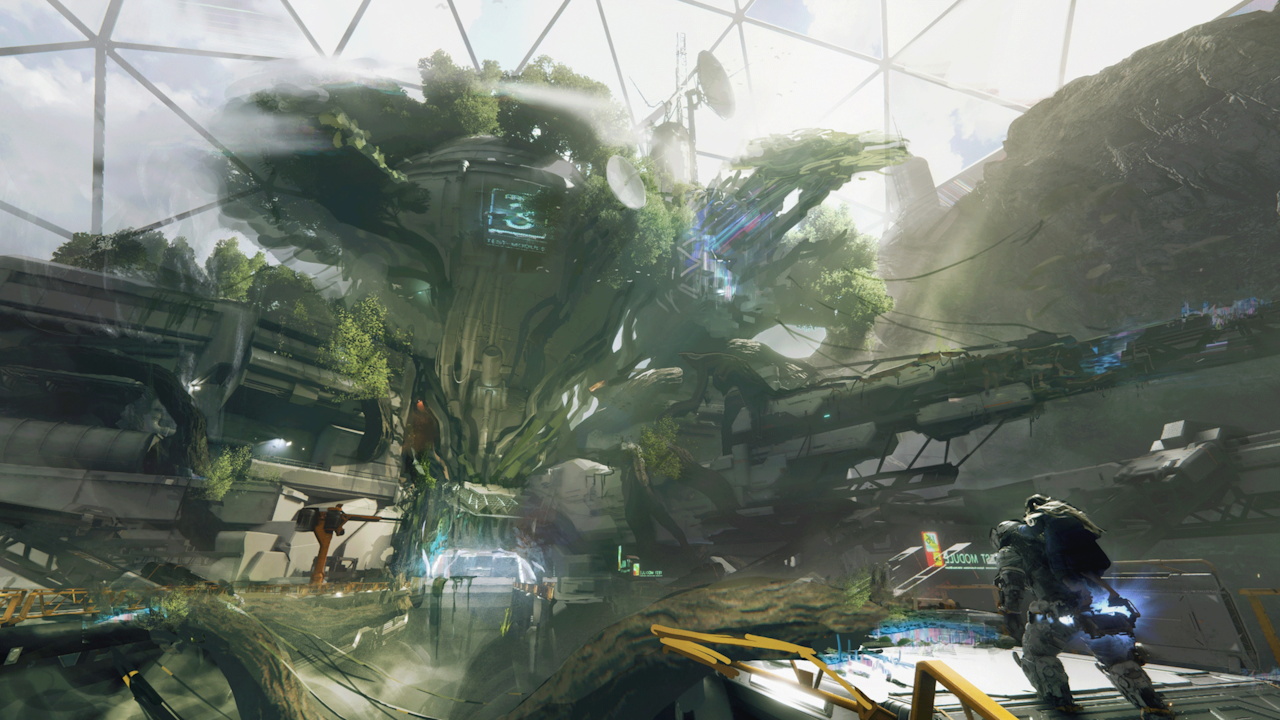
The Shelter is a *very* video-gamey location; the player’s base, securely hidden away from IDUS, Eight, and the game’s legion of robots, but conveniently accessible from almost everywhere in the game world! This is what I mean when I say that Pragmata is a video game, not a cinematic story. But I really didn’t mind it, once I got into it, and on the rare occasions where I couldn’t get back to the Shelter easily enough… I could actually feel my anxiety starting to rise!

I don’t really appreciate games without a free save system. Having to trek back to the Shelter to save, then seeing all the robots respawn, could feel annoying on occasion. But I will caveat that complaint by saying that, if a game *insists* on this Dark Souls-inspired feature… the way it’s handled in Pragmata is about as good as it gets. The Shelter usually felt accessible enough that I could make it back there if I wanted to save, if I’d just beaten a boss, or if I was running low on health and needed to regroup. Shelter access hatches appeared with just enough frequency that returning there never felt like too much of a chore – even if it wouldn’t have necessarily been my first choice for how to handle saving.
This may be less of an issue for you than it is for me – because I wanted to be able to go back to different parts of the game to grab screenshots for this review! But someone’s gonna have to explain to me why there are only ten save slots available. Save files aren’t exactly big – and even if they were, I have the disc space to accommodate them. So why am I limited to so few save slots? I’d like to have been able to use more, so I could’ve returned more easily to different parts of the game. In my case, it’s because I wanted to get a diverse range of screenshots to use in this piece, but there are plenty of other reasons why you might want to replay a particular level, or go back to a boss fight.
As is the case with practically every title nowadays, Pragmata comes with a “deluxe edition.” I will give credit to Capcom for not locking the game’s release date behind a few days of so-called “early access,” but for my money… the deluxe edition really doesn’t seem to have much to offer. You get a couple of skins for each of the two characters, one weapon skin (which is barely noticeable and has no gameplay impact), and a few pieces of concept art and music which can be played at the Shelter. If you want to go the extra mile to show support for Pragmata and Capcom, that’s totally okay – how anyone spends their money is up to them, at the end of the day! But for me, I didn’t really think that the small amount of extra content was worth the asking price.
To get back to the narrative, the game’s two big “twists” – that Diana’s friend Eight was actually a baddie and that Hugh was going to die before he made it home – were not exactly subtle. I called Eight’s villainy from basically her first moment on screen, so when the “shocking reveal” of her betrayal came to pass, the moment perhaps lacked the weight and surprise factor that the writers may have intended. Hugh’s condition, though, was more of a slow burn thing, but from the second he was injured, it seemed as if his chances of surviving to the end of the story were slim!
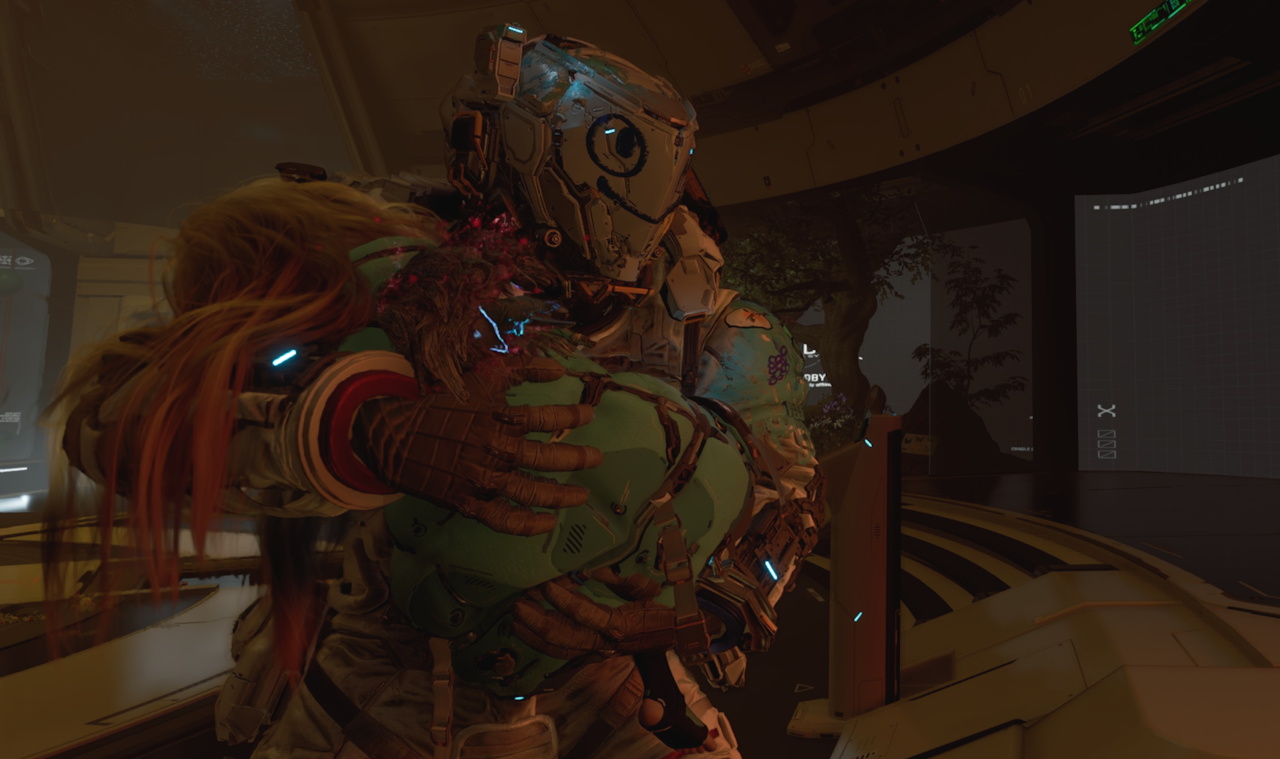
I think it’s bold, though, in the current media landscape to create such a clearly one-and-done story. There can’t be a direct sequel to Pragmata because one of its two protagonists (arguably its *main* protagonist) has died. And after defeating IDUS and Eight and stopping their plans, the main villains are gone, too. Given the investment a game like Pragmata requires (the game cost a reported $80 million to make), the decision not to even leave the door cracked open for a possible sequel is a bold one.
We’re firmly in the grip of sequels, spin-offs, and franchises across the entire entertainment industry. From the likes of Marvel and Star Wars at the cinema to Halo and Call of Duty in gaming, if there’s one thing you can be certain of it’s that corporations love nothing more than a story with sequel and spin-off potential. But stories… end. Every story has to eventually come to an end, and if that end is to be satisfying, it usually needs to come sooner rather than later. Pragmata told a fully contained story with a beginning, a middle, and a proper, definitive ending. That’s rare right now – so I think it’s worth celebrating.
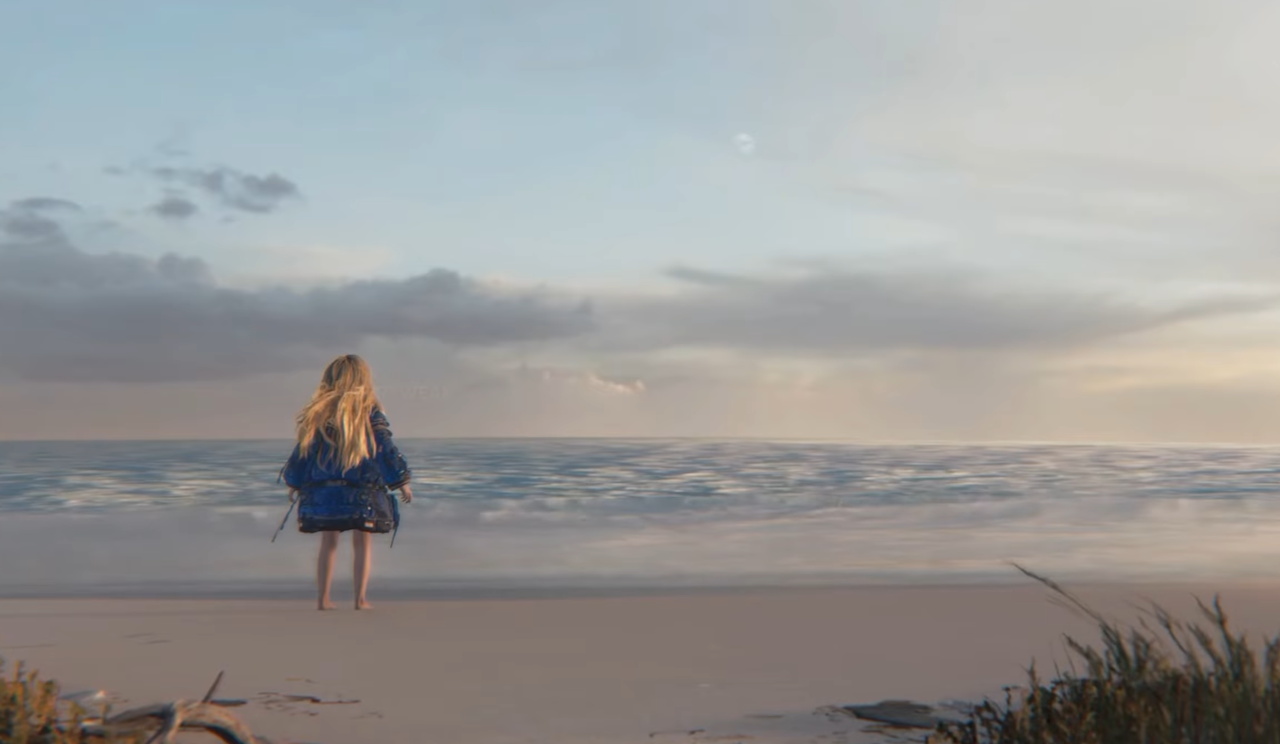
With all that being said… if there’s one *more* thing you can bank on in the modern entertainment industry, it’s that any successful title will be practically forced to get a sequel. Even if, as in cases like The Last Of Us, there’s no need – and no real pathway to do so successfully. So I wouldn’t be stunned to learn that Pragmata 2 is going to be greenlit, and that – somehow – Hugh and Diana will get back together for another adventure.
Not sure I’d wanna play it, though.
Lots of games give you either magical or tech powers alongside your weapons, and in Pragmata, these take the form of Diana’s hacking abilities. These hacks unfold almost like quick-time events, with some pretty rapid button presses necessary to open up enemies and make them vulnerable to weapons fire. I generally liked the way this was handled; it added a second dimension to combat that you had to be almost continuously on top of, lest your attacks become ineffective.
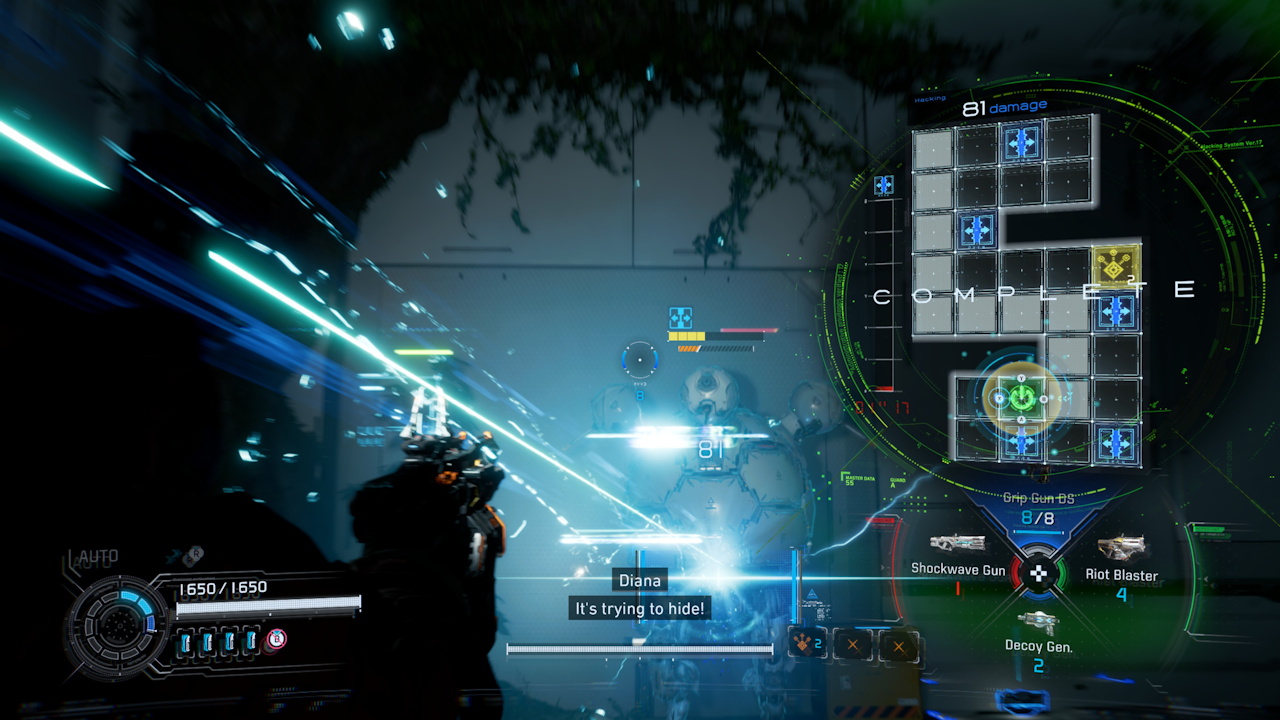
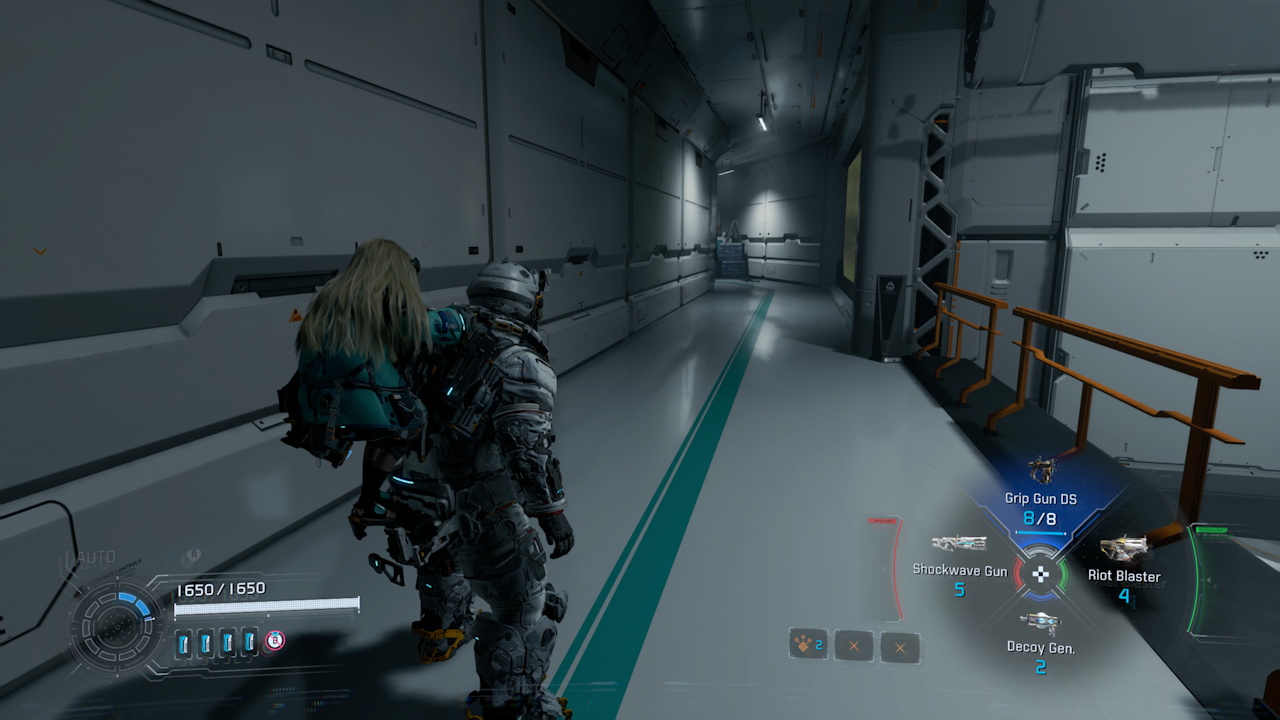
In terms of weapons, though, the main gun Hugh uses in Pragmata could be pretty annoying! There are a range of weapons with different abilities, but the key caveat here is that all weapons – bar one – are one-time-use only, meaning that when you’re out of ammo, you either find a new one, return to the Shelter and 3D print one, or swap to an alternative. The main gun Hugh uses – the only one not restricted in this way – could be annoying because of its limited magazine capacity and *painfully* slow reload time.
Even after multiple upgrades (I think, by the end of the campaign, I’d taken the grip gun about 80% of the way to its maximum upgrades), you still only go from six bullets per clip to eight, and reload times are still unusually slow for a game of this type. Switching to different weapons, dodging attacks with Hugh’s thrusters, and using Diana’s hacks could go some way to making up for this – and it’s something I found I started to get used to as the game wore on. But it felt a little *too* restrictive, if that makes sense, and I’d have liked to have seen this feature toned down just a tad – or perhaps given an option to do so.
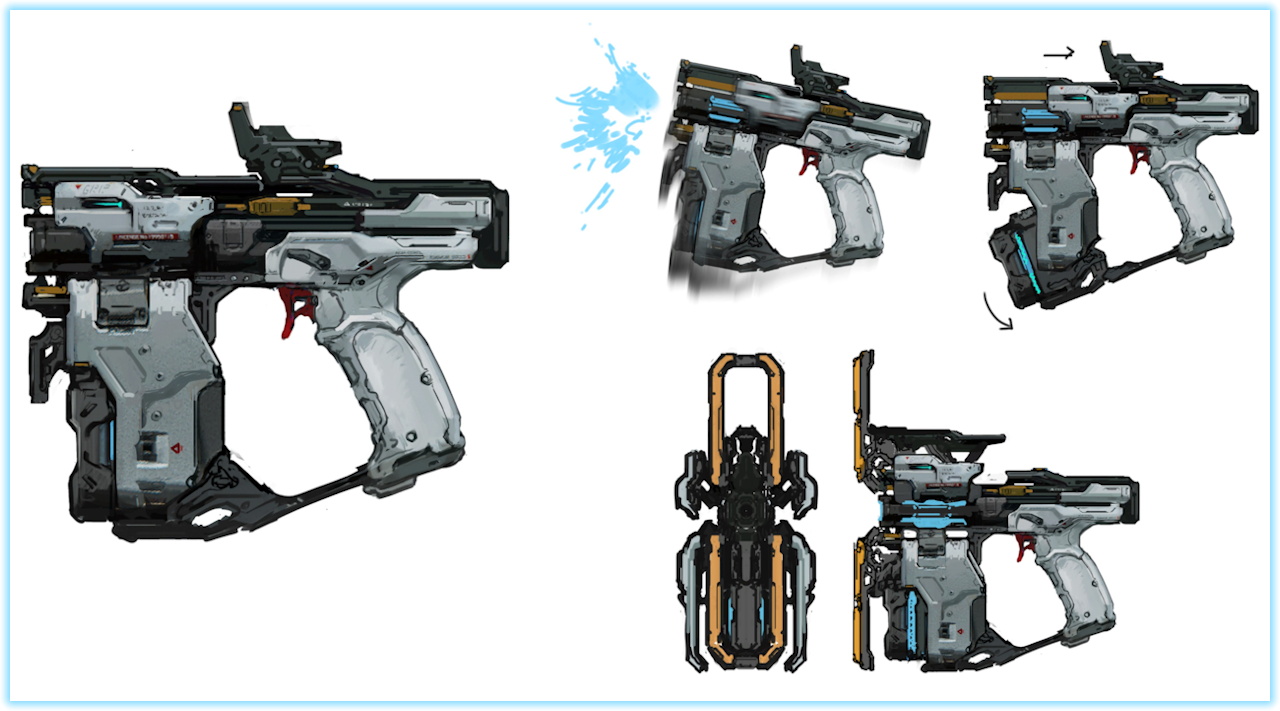
The other weapons, though, were pretty good fun, and could synergise well with different mods. (In this case, I mean the in-game collectibles, not unofficial downloads!) As one example, I favoured the short-range “shotgun” style weapon, and when combined with a mod that let me do more damage at close range, I found that to be an exceptionally effective combo against some (but not all) enemies.
The mods were also great for adding new hacking abilities or increasing Diana’s potential. I used mods to increase hacking range, allowing Diana to hack robots from further away. A second mod meant that being hit didn’t reset the hacking gauge, which was *incredibly* useful for my poor arthritic hands and not great gaming abilities! And later into the game, another mod allowed Diana to make enemies overheat much more quickly, allowing Hugh to perform some very powerful moves with another QTE-type button press.
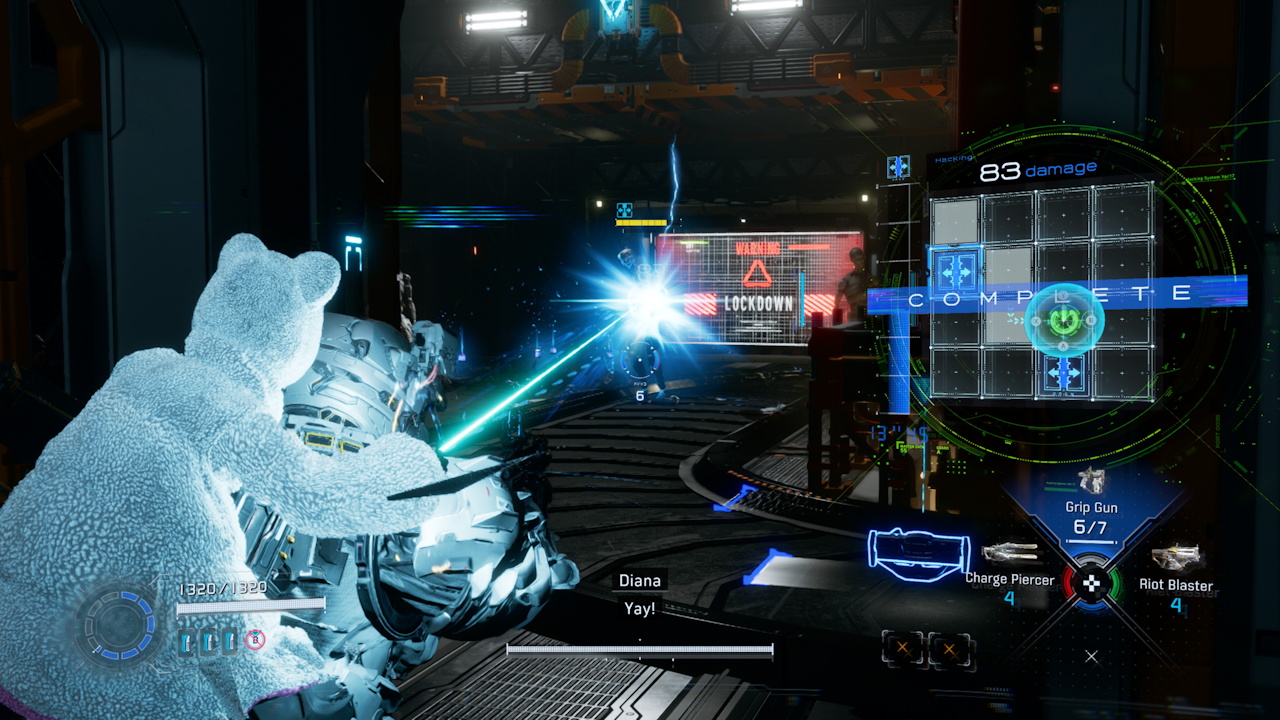
Those are just a few examples from the way I chose to approach Pragmata’s combat – but what I like about the game is that there is genuine variety. If you don’t wanna shoot enemies up close, there are mods and weapons to allow you to hit them from a greater distance. If you want to focus more on hacking than weapons, you can do that. You can choose what to prioritise, and in what order you want to unlock upgrades – and as long as you keep on top of things and make sure you’re checking treasure chests to find all the mods and upgrade materials, there’s a lot of ways to customise the experience.
As I said last time, the amount of hidden or unlockable content felt pitch-perfect relative to the size of Pragmata’s levels. Exploring side-rooms or hidden corridors *always* felt worthwhile, because you’re almost always going to come upon something of use or something of interest. Even if it’s “just” lunafilament (the game’s generic sci-fi “do everything” wonder material that you spend on upgrades), it still serves a very useful purpose! And there was never too much lunafilament, nor too little – at least for me. Some games either drown you in resources, making finding them not feel worthwhile, or else are way too stingy, making building even a single upgrade feel like a chore. Pragmata absolutely nails this, getting the amount of everything just right.
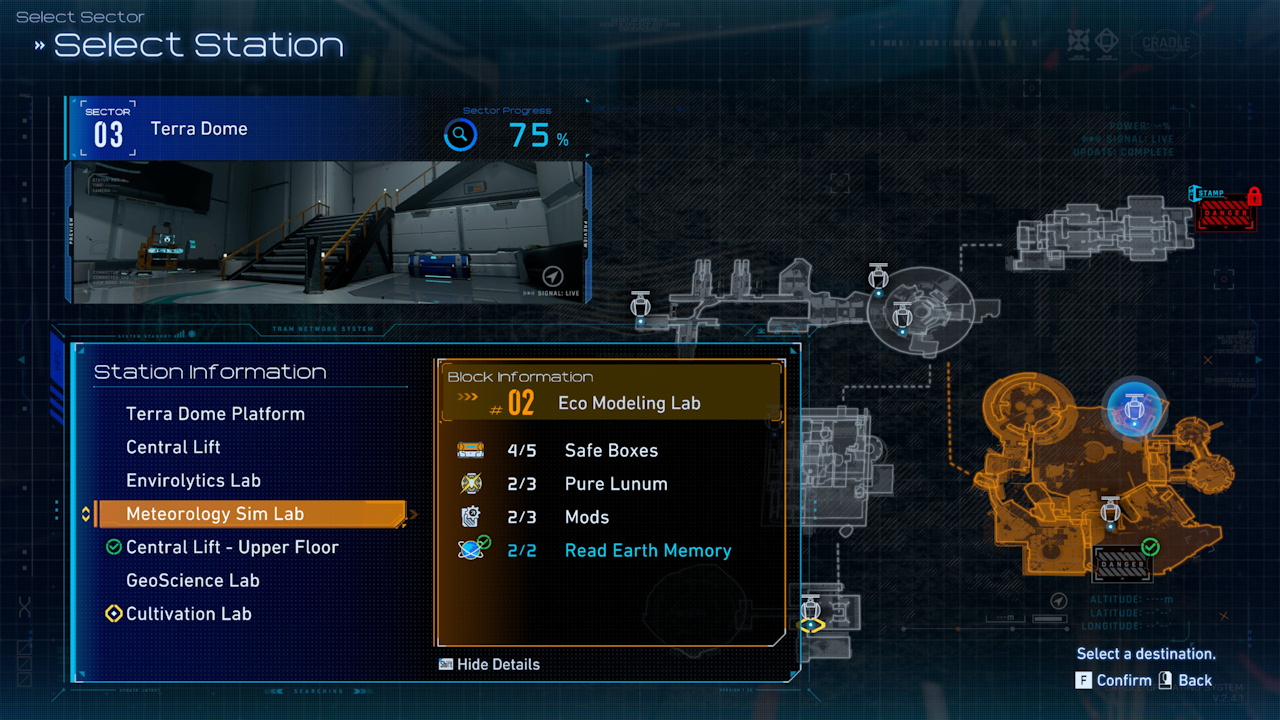
In a worse game, you might feel that some of Pragmata’s gameplay loops get repetitive. “Go to place, clear all the enemies, maybe solve a small puzzle, then repeat” is basically what you’re doing a lot of the time. But because each level feels different, and each new area throws new enemy variants and new puzzles at you, I never really felt it get stale. Combined with making upgrades to alter the way I was playing, this worked pretty well. If it had been stretched too thinly, then perhaps it would’ve worn out its welcome eventually. But, as above, the game’s story and levels were paced just right.
As I said last time, though, a lot of this felt very “video gamey!” More than once you encounter a locked gate or door that requires three or five or seven different buttons to be pressed (all in different areas, naturally) in order to be unlocked. Then, when you enter a room filled with enemies – or one of Pragmata’s obvious boss battle arenas – the doors all conveniently lock behind you, only to open as soon as the baddies have been defeated. It sure was nice of IDUS to unlock all of those doors for us after we defeated their bots, eh?
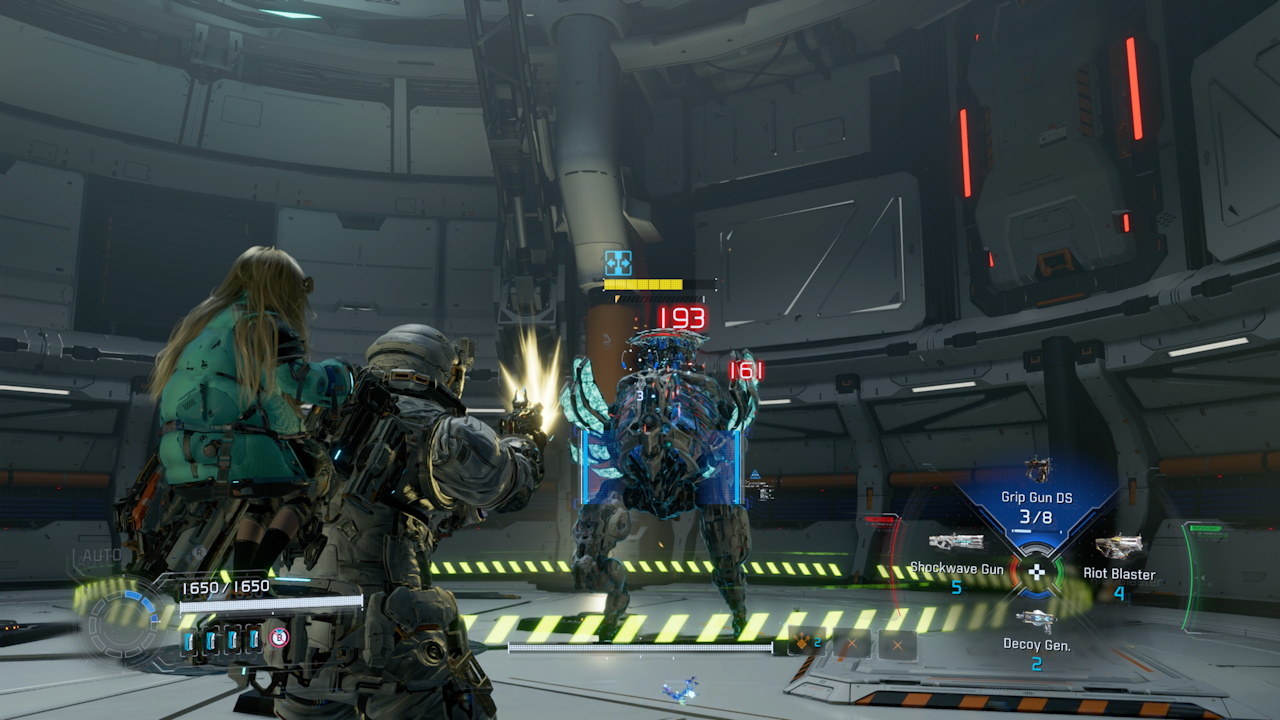
Jokes aside, this way of building levels just felt charmingly old-school to me. Sure, it isn’t “cinematic” or particularly modern, and if you think about it too hard, it’s a bit of a contrivance that Eight and IDUS would simply unlock all the doors right after you defeat a boss or a legion of robots. But I don’t think Pragmata is meant to be that kind of game.
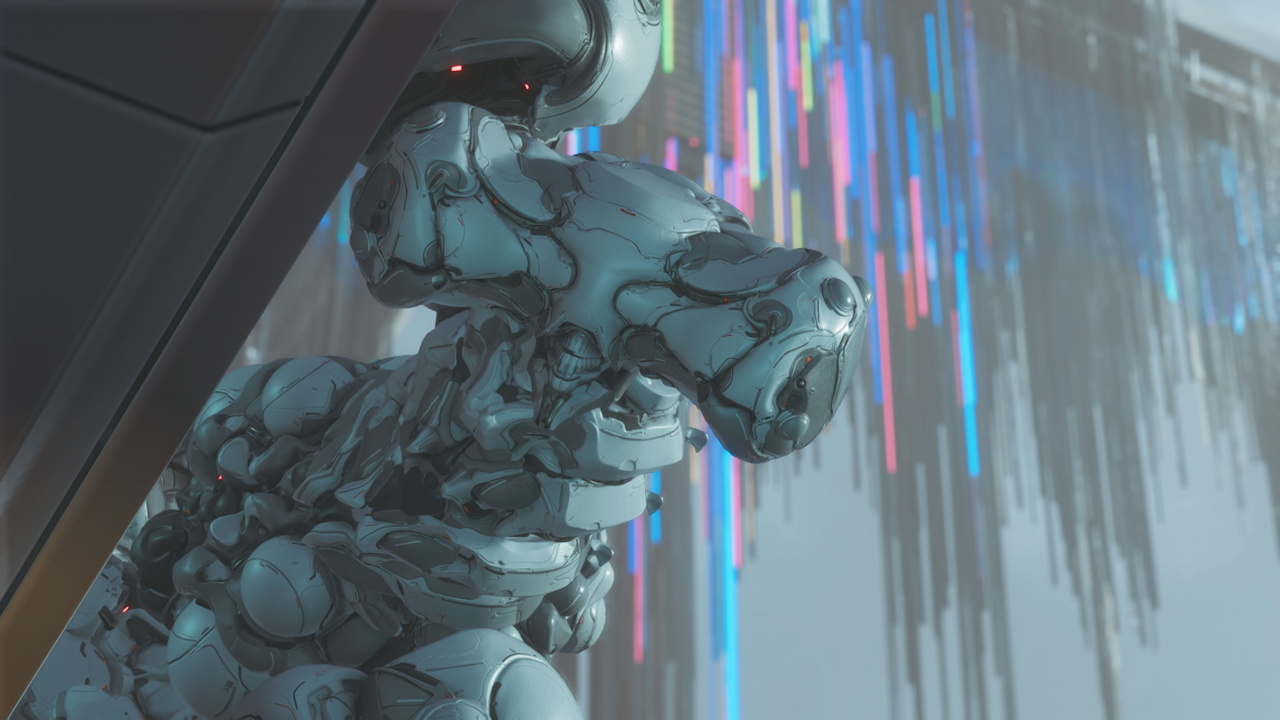
Last time, I talked about Pragmata’s ridiculous difficulty spike, and I want to go into a bit more detail on that. I was able to beat the game’s first boss – the one you can also encounter in the demo – without too much difficulty. And most of the rest of the enemies in the second area of the game, including the giant baby-faced robo-things, I was able to figure out and push through. But at the end of that second section, after unlocking the giant gate in the cityscape area, I was shocked by the absolutely insane difficulty of the boss battle.
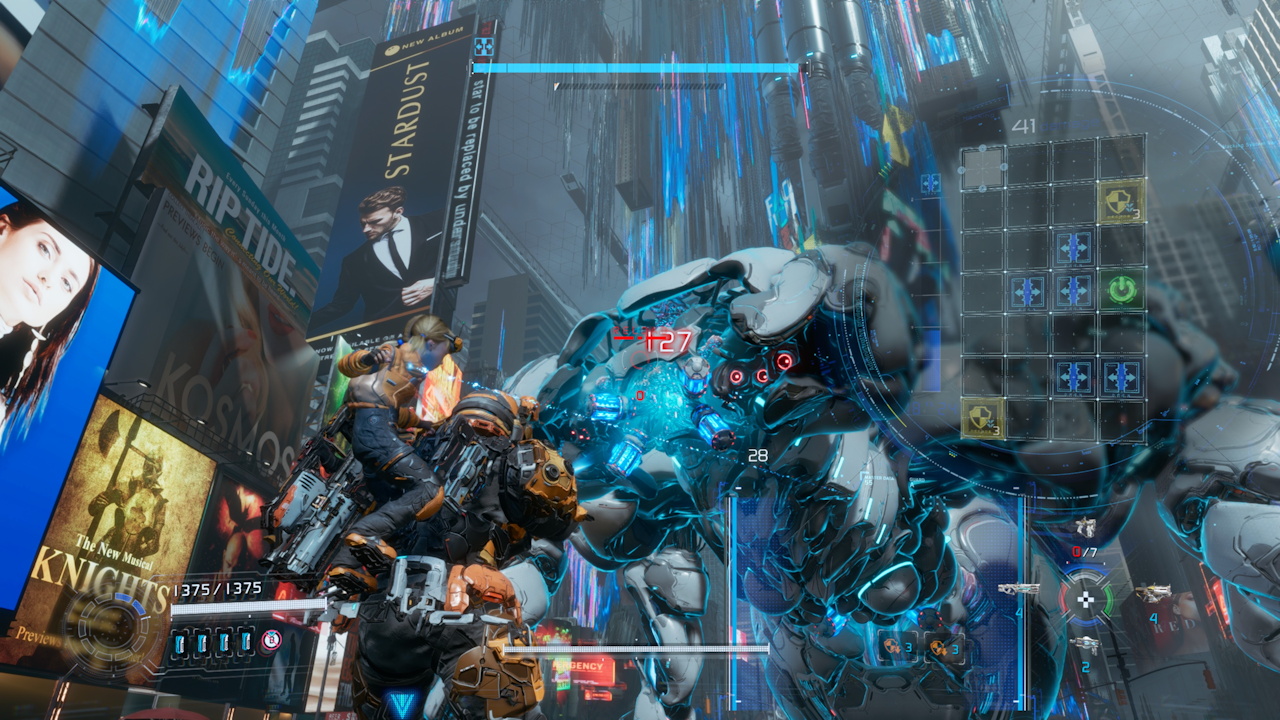
Bosses are meant to be a challenge, and I get that. But this felt like way too high of a difficulty spike when compared not only to what came before, but also to the enemies and challenges that came shortly after, too. It was a “spike” in difficulty in the truest sense of the word, and even after going back through the second and first areas to pick up as much lunafilament and make as many upgrades as possible, that boss was just too much for my poor arthritic hands to manage.
I’ve said this before, and I daresay I’ll have to say it again before too long, but proper difficulty settings are a basic accessibility feature that any game in 2026 needs to incorporate. Pragmata only has two difficulty settings – effectively “normal” and “hard” – and that’s just not good enough. I’m trying to continue to enjoy my gaming hobby in spite of disability, and Pragmata’s well-designed levels and generally enjoyable combat was something I wanted to continue to experience. The game very nearly cut me off from that with this stupid difficulty spike, and I just wish that there’d been a way to properly adjust the difficulty without having to resort to unofficial mods. I have no objection to mods whatsoever, especially in the single-player space, but something like basic accessibility should be officially included, and I’d love to see Capcom take this feedback on board and patch in an “easy” mode. Unless they do, it makes Pragmata a difficult recommendation to anyone in a similar position to myself – and a title I would absolutely tell players on console to avoid, as there’s no modding support on PlayStation or Xbox at time of writing.
However, if the very *worst* thing I can say about a video game is that I was having such a good time with it that I was willing to go above and beyond to ensure I could keep playing it, well… that probably isn’t the most damning condemnation ever, eh? I just think it’s worth re-iterating the point about difficulty and accessibility, because in this case, I was very nearly cut off from getting much further into Pragmata. I don’t believe it’s right that folks with disabilities or skill mismatches should be cut off from single-player games like this, not when basic accessibility features and difficulty options have been around for decades and are part of many games. Look at a title like Control – that game’s wide range of difficulty options and accessibility features should be the baseline industry-wide standard, not an exception.
But enough about that. I think, between this piece and the previous one, I’ve covered the topic in enough detail.
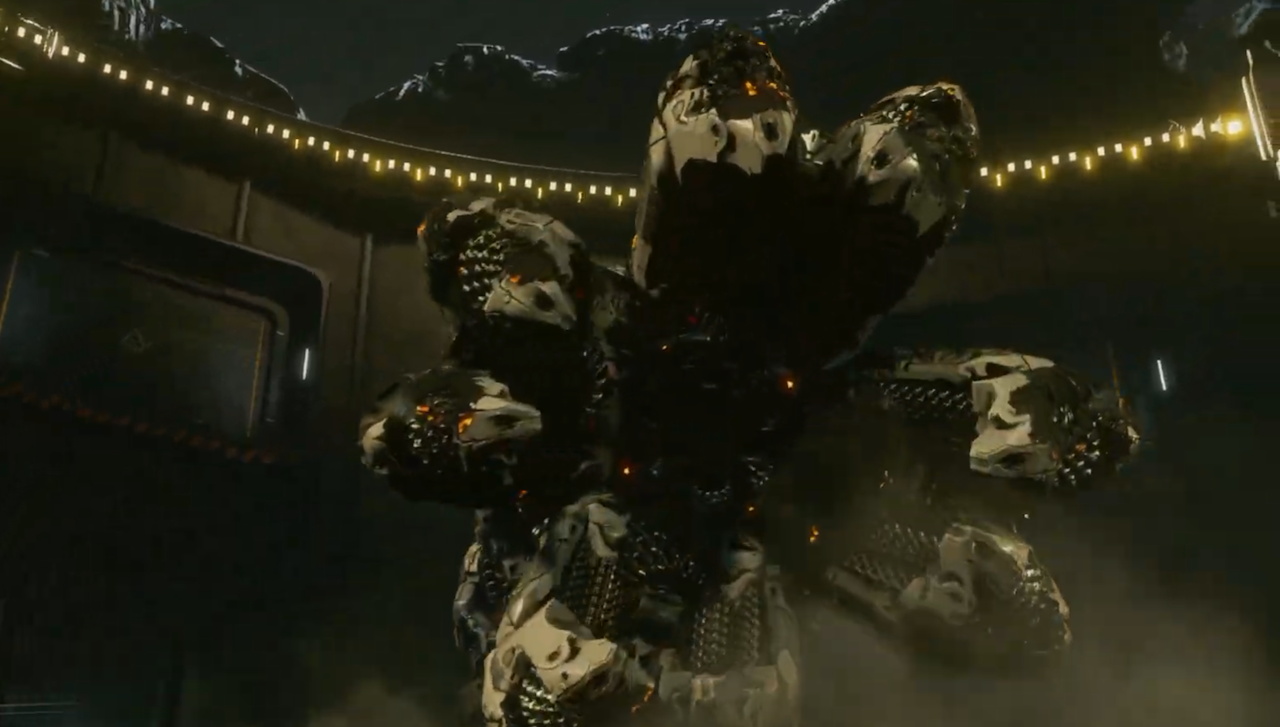
I enjoyed the design of each of Pragmata’s bosses, and I liked how they all looked and played in completely distinct ways. The standout, perhaps, is the Lunadigger – the giant Dune-esque “worm” that closes out the game’s fourth sector. The way the levels leading up to this fight had you being incredibly careful about stepping on the moon’s surface was also incredibly creative, and led to some fun platforming – as well as more than a few mad dashes across the dust!
Given where the world is today with artificial intelligence, a game like Pragmata feels pretty timely. Not so much because of its robot baddies or its hacking – though those are interesting, too – but because of the way the story was written and how it leans into an old sci-fi trope that’s being taken increasingly seriously by computer scientists and those in the A.I. space.
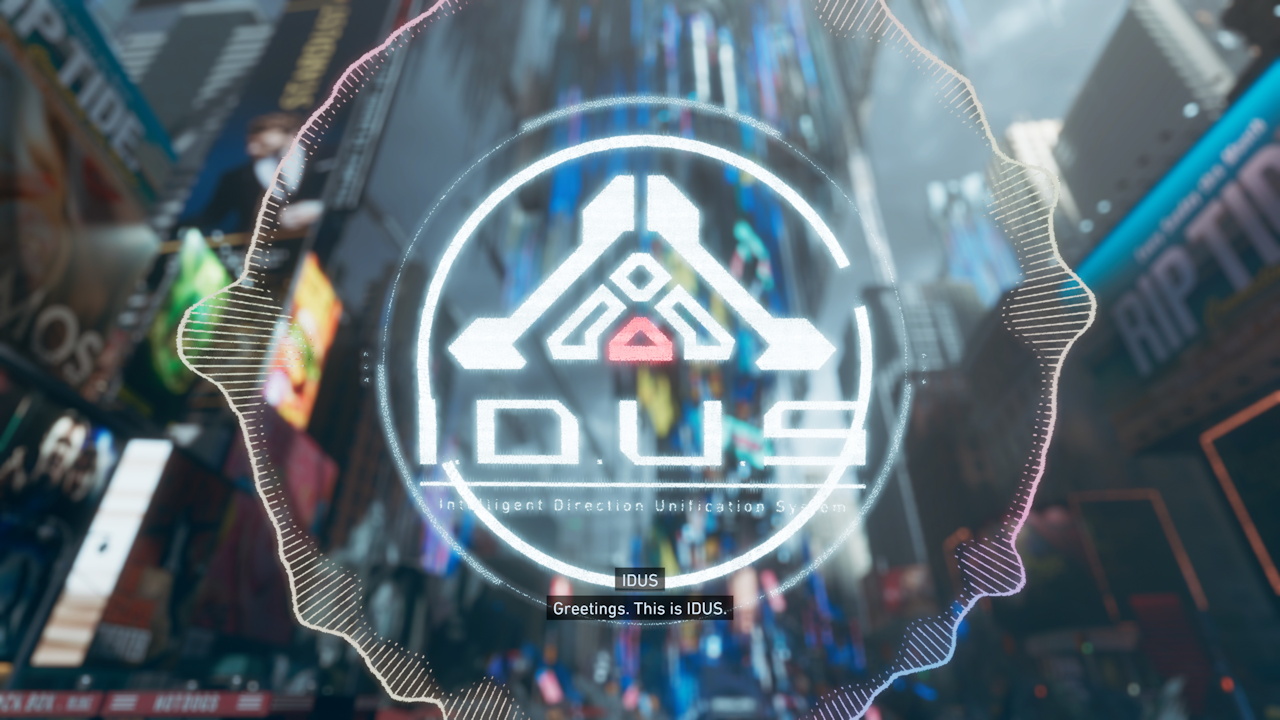
Eight – Pragmata’s overarching villain – wants to send a kind of biological weapon of sorts to Earth. Why? Not because she was ordered to do so, but because her programming interpreted her creator’s wishes that way. Dr Higgins was furious with the Delphi corporation for not heeding his warnings and causing the death of his daughther, and wanted to punish them for it – and Eight responded to that by seizing control of IDUS, killing everyone at the Cradle, and attempting to exterminate life on Earth. Not because she was *ordered* to, but because that course of action made sense to her programming.
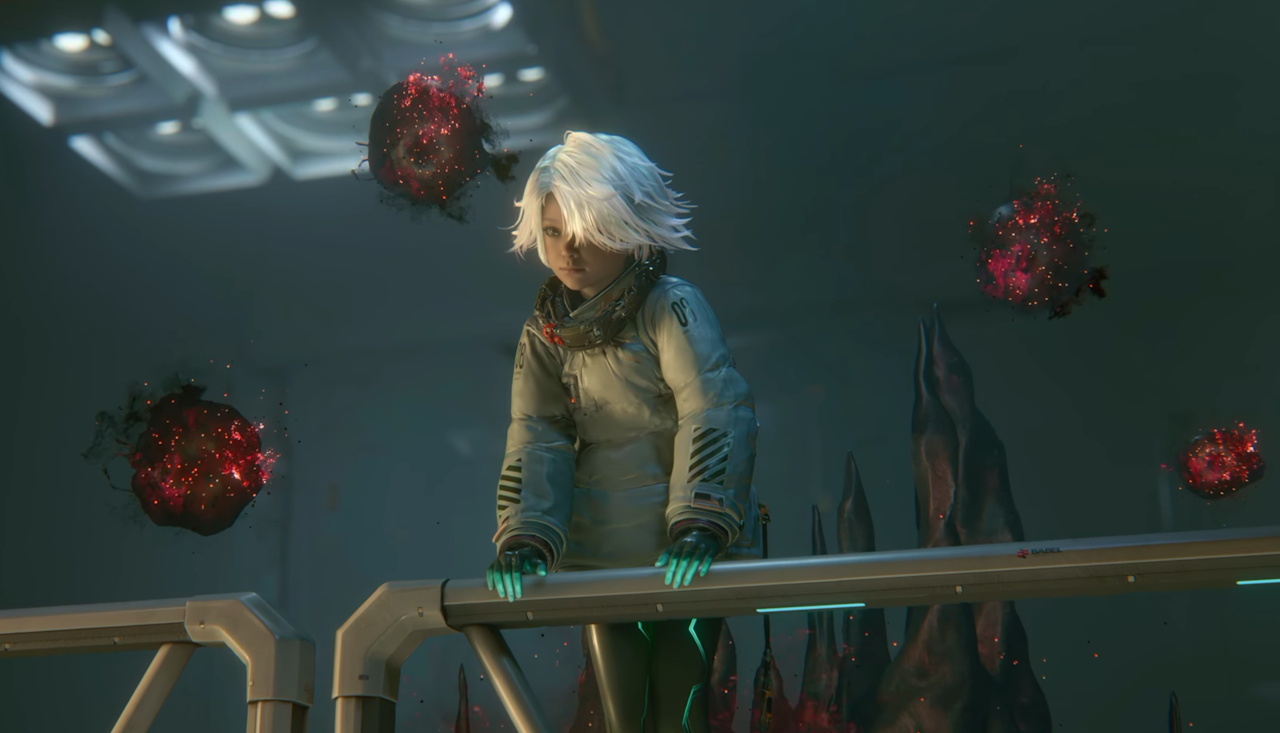
That’s an extreme example, arguably, of the A.I. “alignment problem,” which is an increasingly prominent topic of discussion out here in the real world. In short, an A.I. could become “misaligned” if its goals – or even just its methods – don’t line up with what humans want or need. And if an A.I. were to, for instance, decide that the best way to achieve its goal was to kill humans, it might do so not out of malice or murderous intent, but simply because it had other priorities.
In this case, Eight and IDUS represent the concept of A.I. in a more general sense. They’re taking actions not because they particularly *want* to kill Hugh, Diana, or anyone else, but because they have goals that even they don’t fully understand. The professor’s dying wish that Delphi should be exposed for what it did to Daisy was processed through Eight’s programming… and the solution she came up with isn’t one that he – or anyone else – could have possibly wanted or even predicted. And given some of the things we hear from time to time from the world of A.I. here in the real world, that’s a pretty interesting and timely story! It reminds me a little of Star Trek’s classic episode The Ultimate Computer, in that sense.
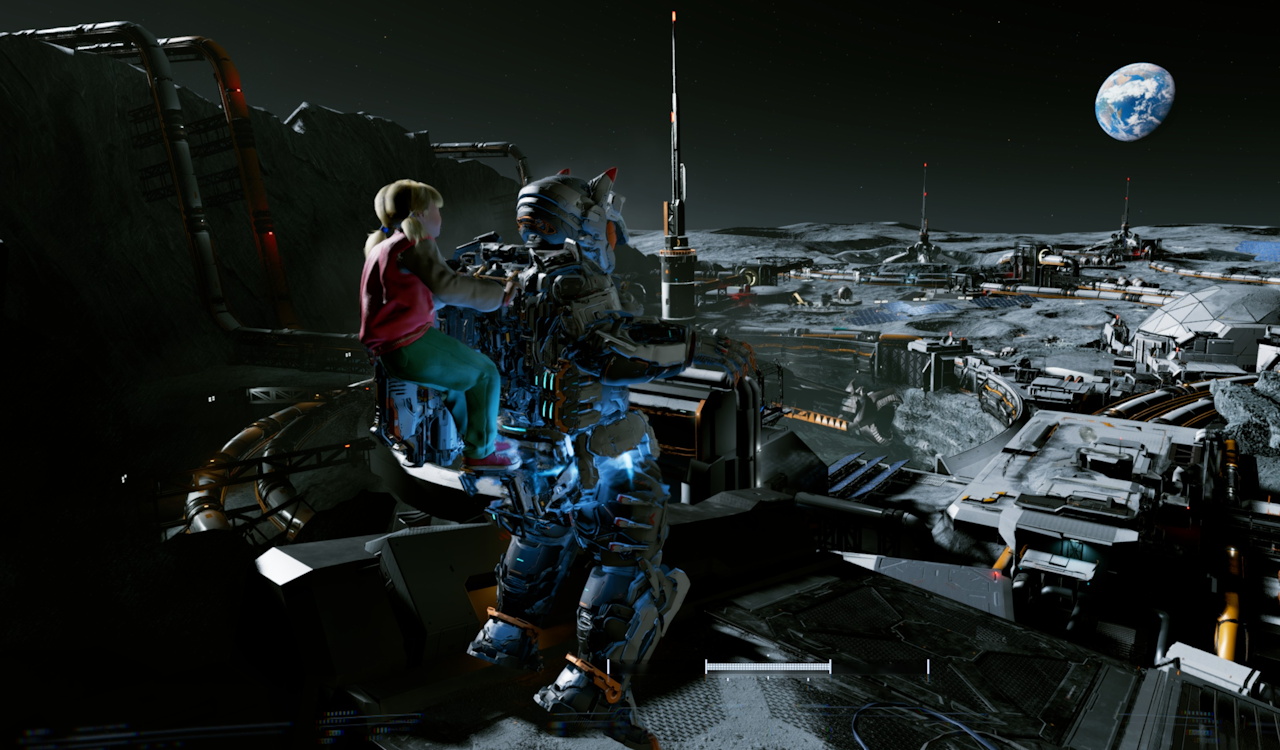
The other theme that we see in Pragmata’s story is one of family. Hugh and Diana become a “found family” over the course of their adventure, with Hugh playing a fatherly role to the robot’s child-like personality. This led to some cute moments between the two of them, particularly when they were chatting at the Shelter. This bond seemed to form quite quickly, which would probably be my only somewhat-criticism, but there were plenty of sweet moments between Hugh and Diana as the game wore on.
Sticking with the theme, Pragmata makes a point about the sacrifices parents make for their children – in Hugh’s case, literally using the last of his strength to send her to Earth so she can live out her dream of seeing the beach and the ocean with her own two eyes. And this moment, which was sufficiently built up across the latter part of the game, definitely plucked the right emotional chords. This was a man devoting his final moments to giving his surrogate “daughter” the one thing she wanted – and you’d have to have a heart of stone not to feel *something* as the game’s story came to an end.
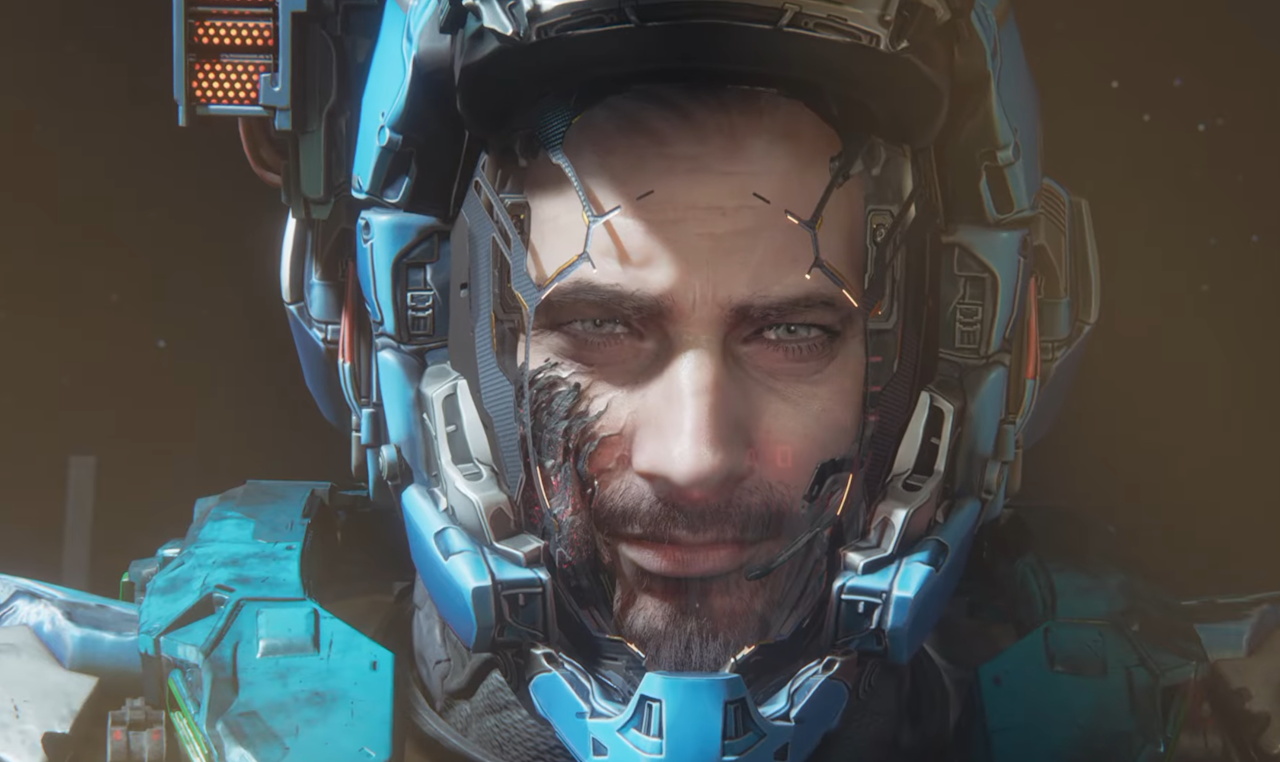
So let’s start to wrap things up.
Pragmata is a pretty fun game with a classic, old-school feel – and one glaring flaw in terms of its accessibility. Once I got around that, however, I had a good time as I followed the story to its conclusion. I enjoyed some well-designed levels, came to care more about two characters than I initially expected I might, got into some tough combat encounters, and hacked my way across the moon with Hugh and Diana.
This game hadn’t been on my radar at all in 2026, but a strong and enjoyable demo version earlier in the year convinced me to add it to my wishlist. And I’m glad that I picked up the full version and got to go on this adventure with Diana and Hugh. As I said last time, there’s some stiff competition in 2026, but if you join me in December for my annual “End-of-Year Awards,” I have a feeling that Pragmata could be a dark horse contender for “game of the year.” We’ll have to wait and see on that, though!
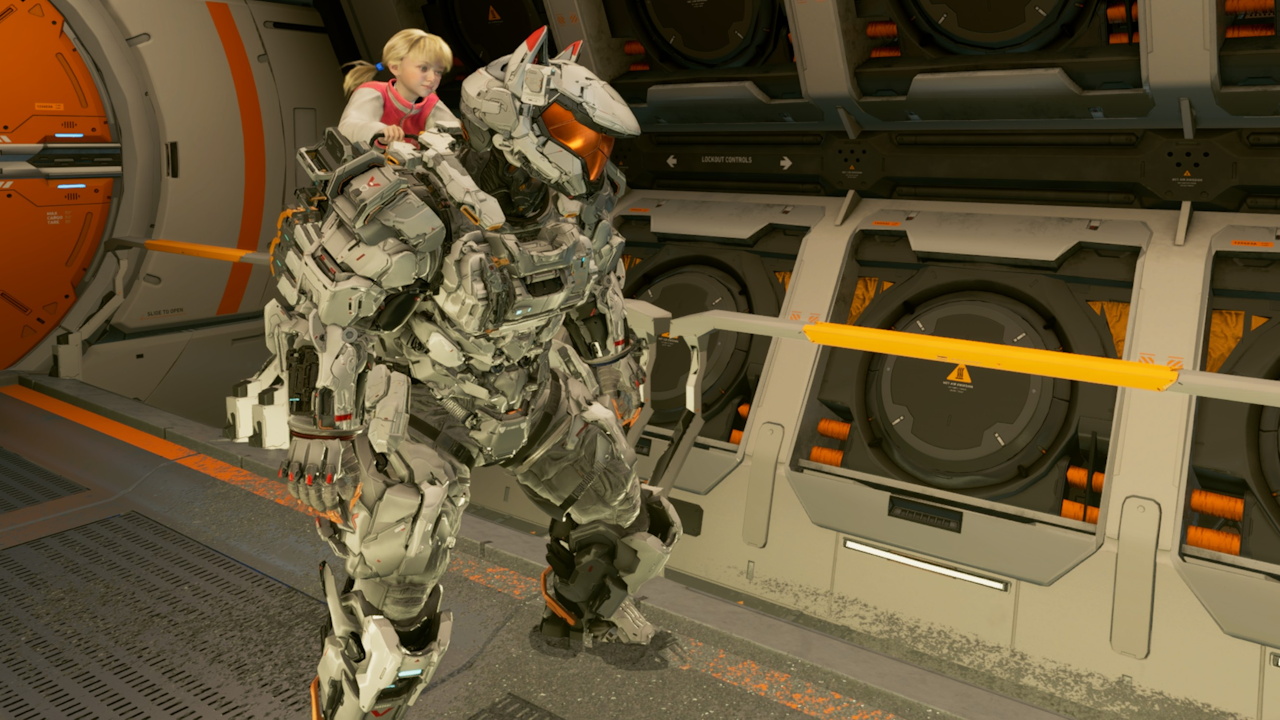
I hope this spoiler-filled look at Pragmata’s story and gameplay has been interesting. I originally intended for this review to be a single article, but having written so much in both the spoiler-free and spoiler-filled sections, I thought it made more sense to break it into two separate pieces.
I have a few other games on my list that I’d like to get around to before too long, so stay tuned for reviews of games like Mixtape, inKonbini: One Store, Many Stories, Mouse: P.I. For Hire, and 007: First Light. I’m not sure when (or if) I’ll get around to all of them, but they’re definitely on my agenda this summer and autumn. I don’t play as many games as I used to, these days, but 2026 has felt like a pretty good year for new video games – even if it’s an absolutely atrocious one for gamers and the games industry as a whole.
Thanks for reading… and happy gaming!
Pragmata is out now for PC, PlayStation 5, and Xbox Series consoles. Pragmata is the copyright of Capcom. This review contains the thoughts and opinions of one person only and is not intended to cause any offence.

