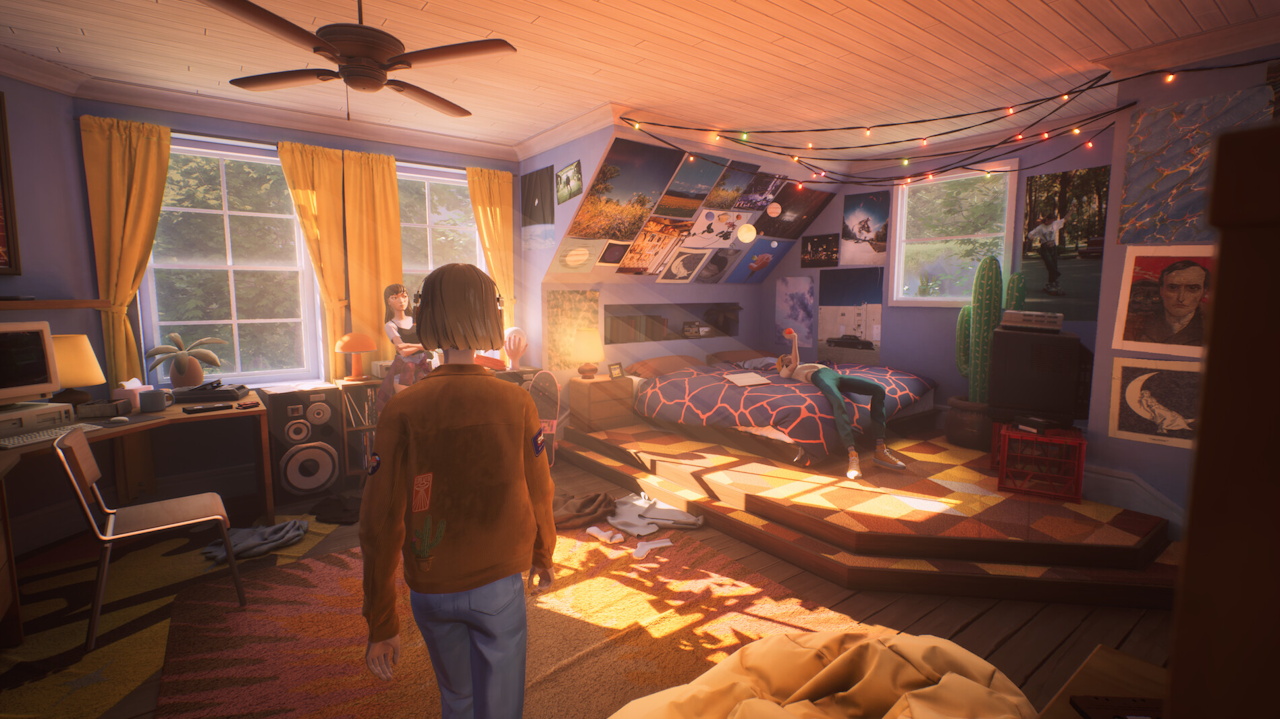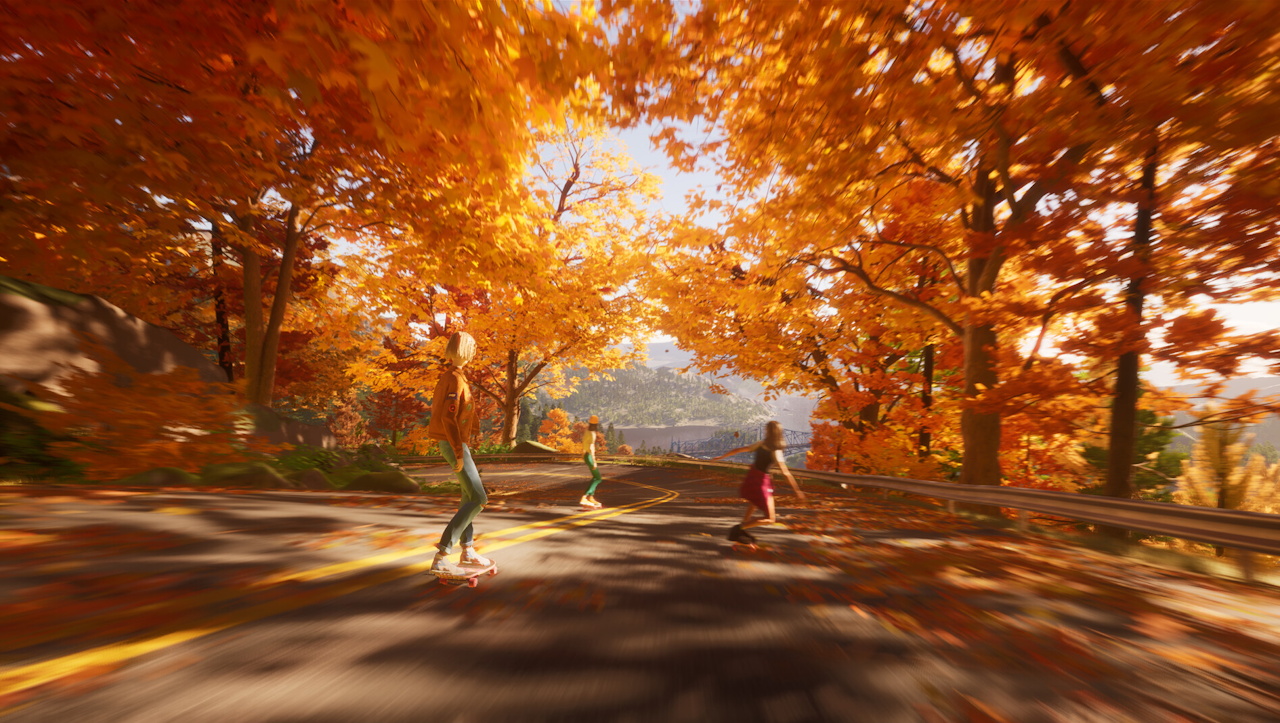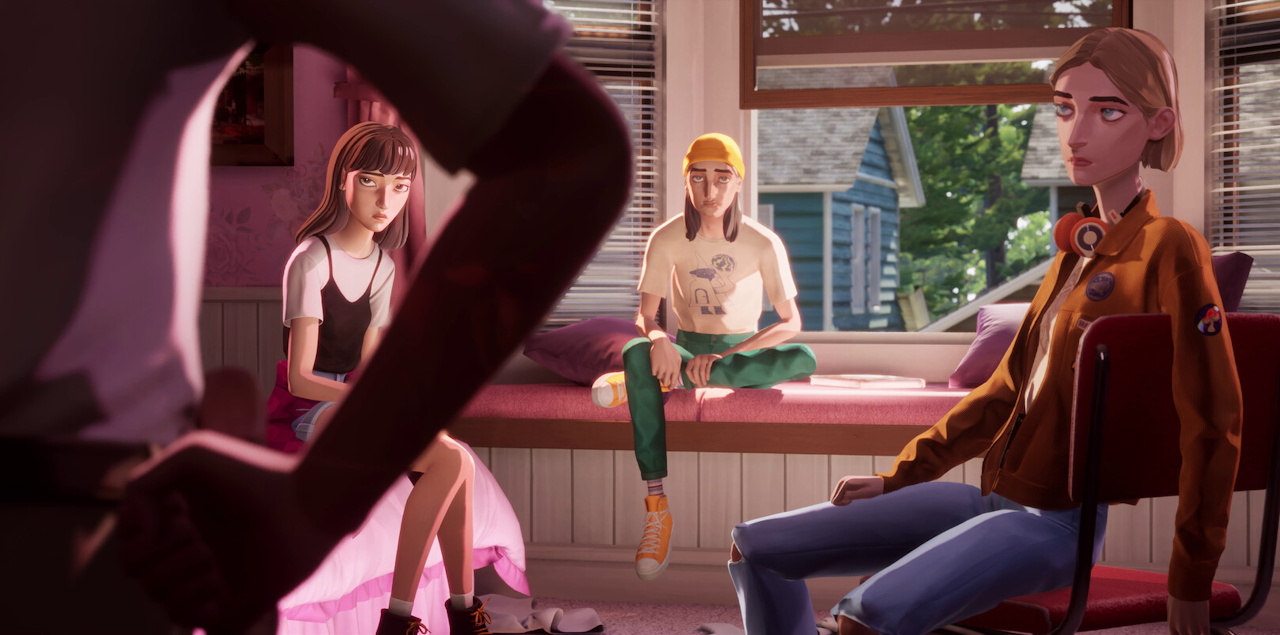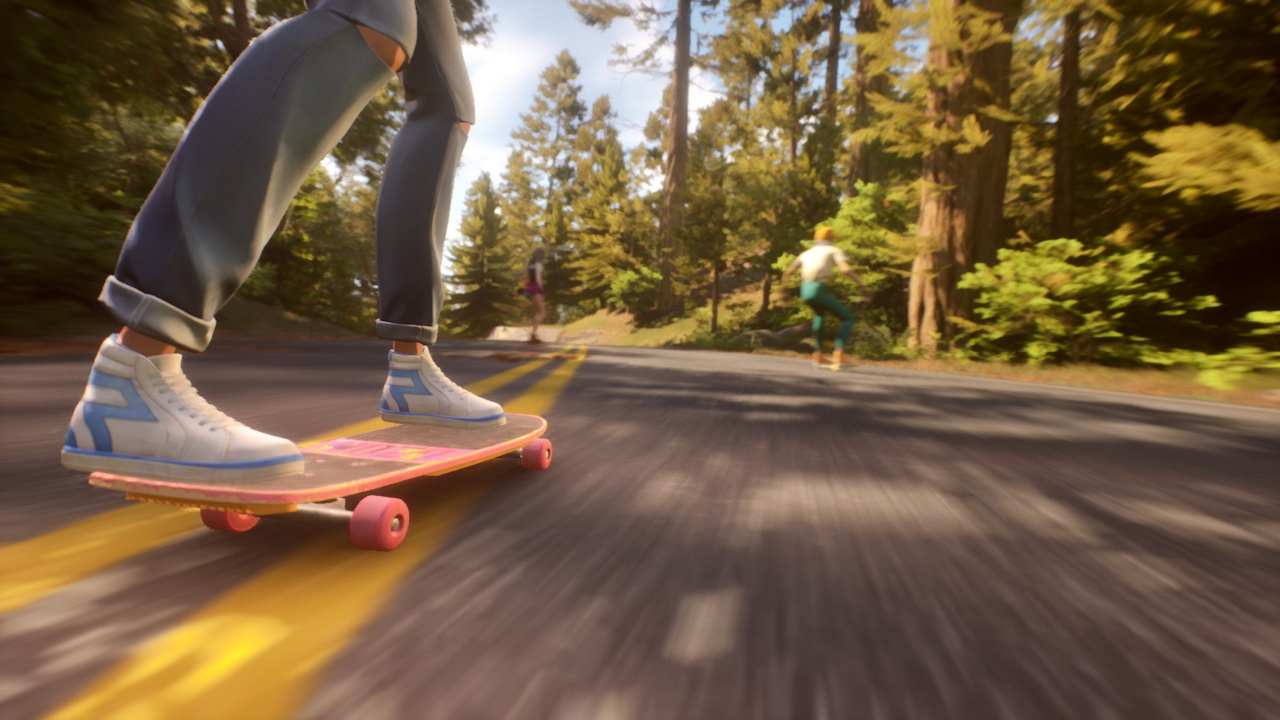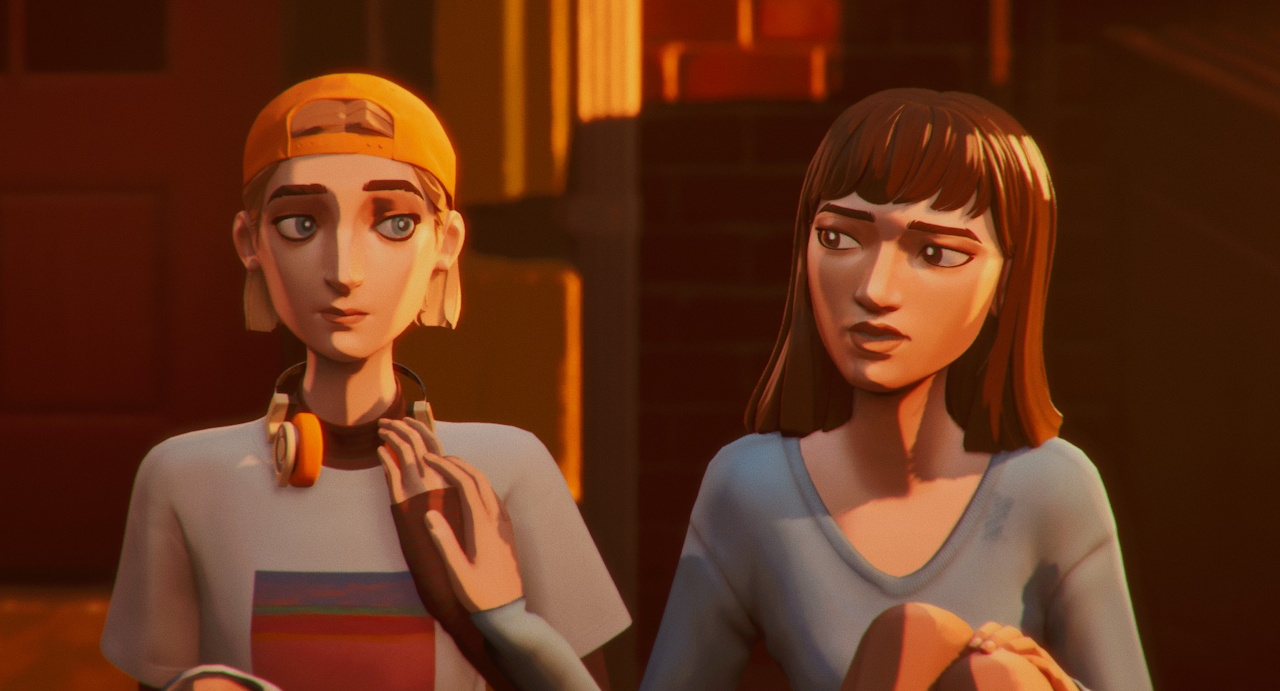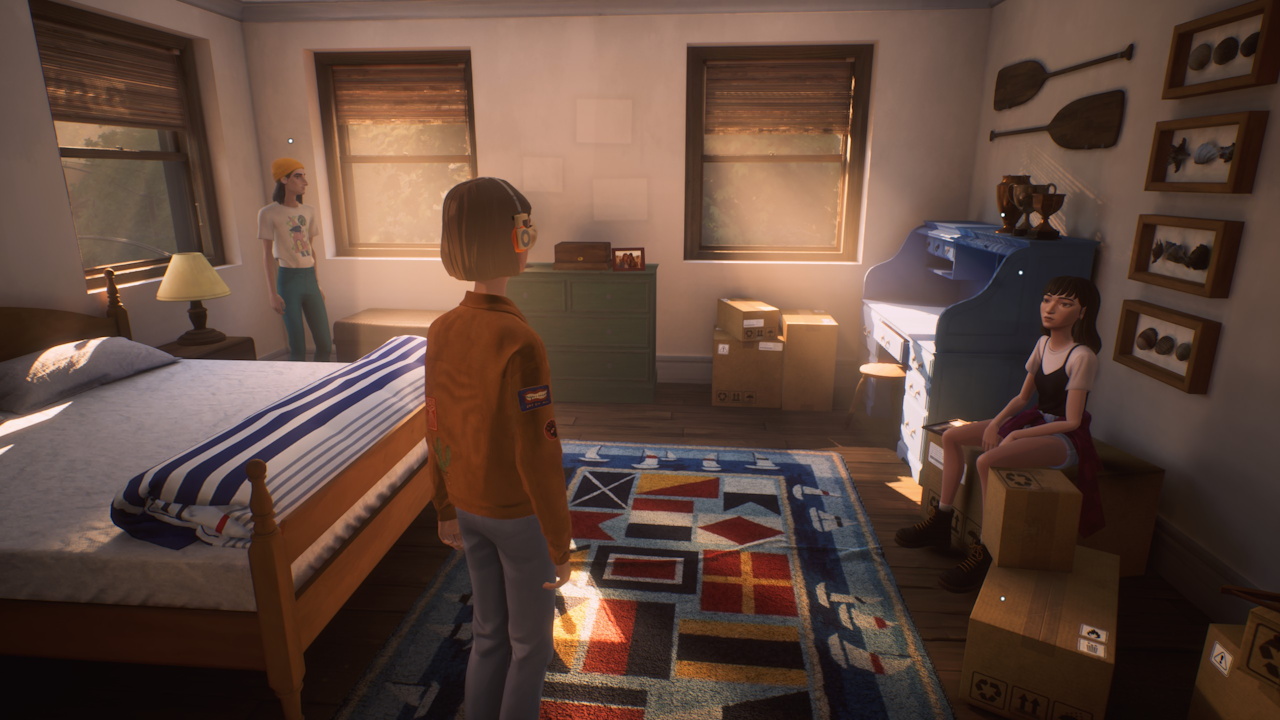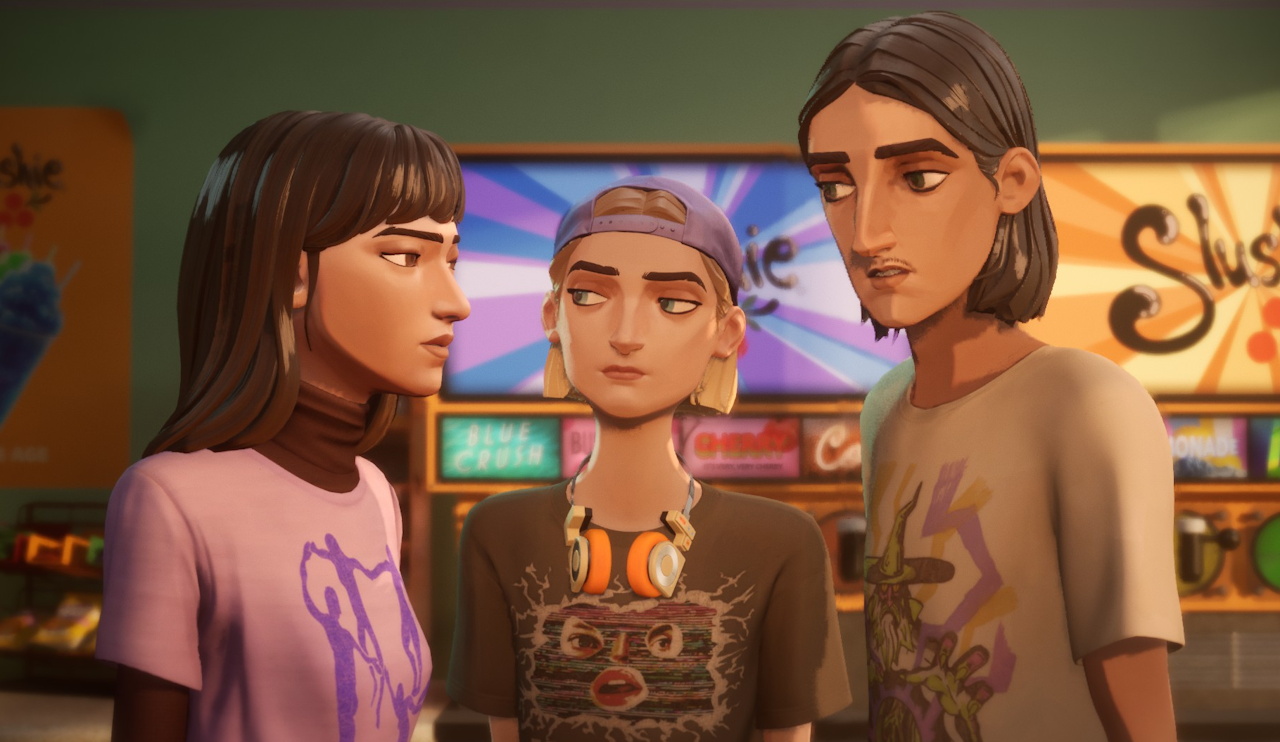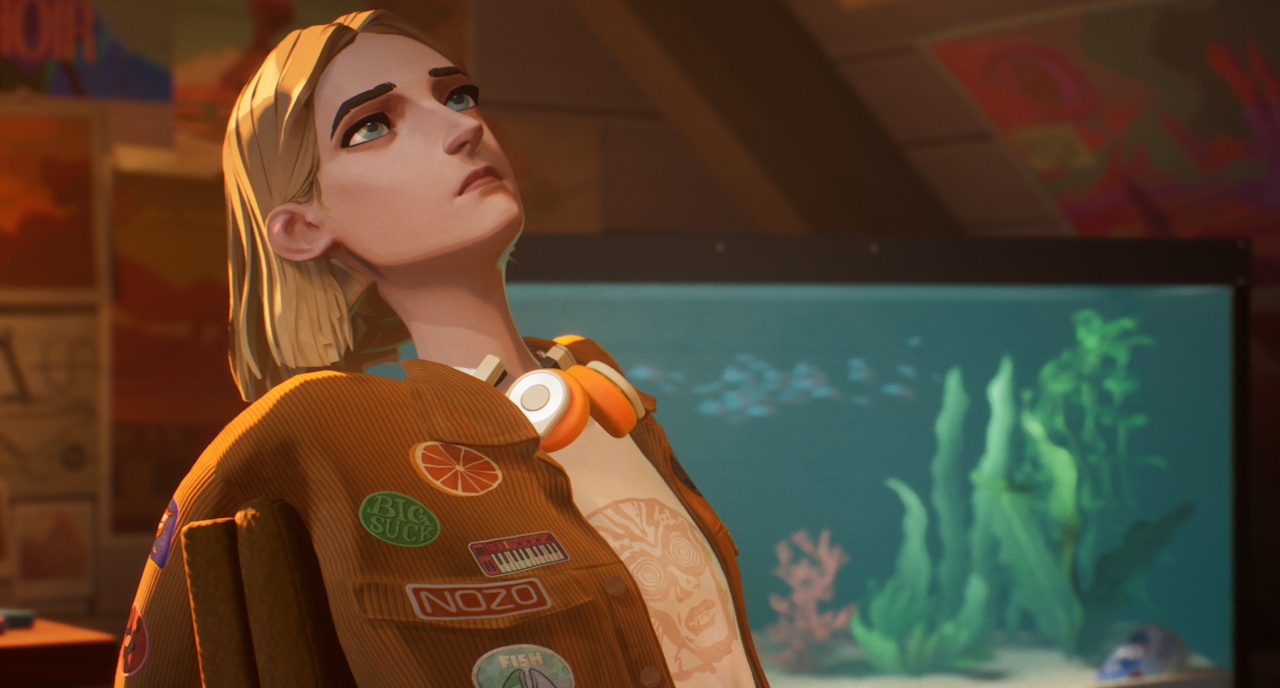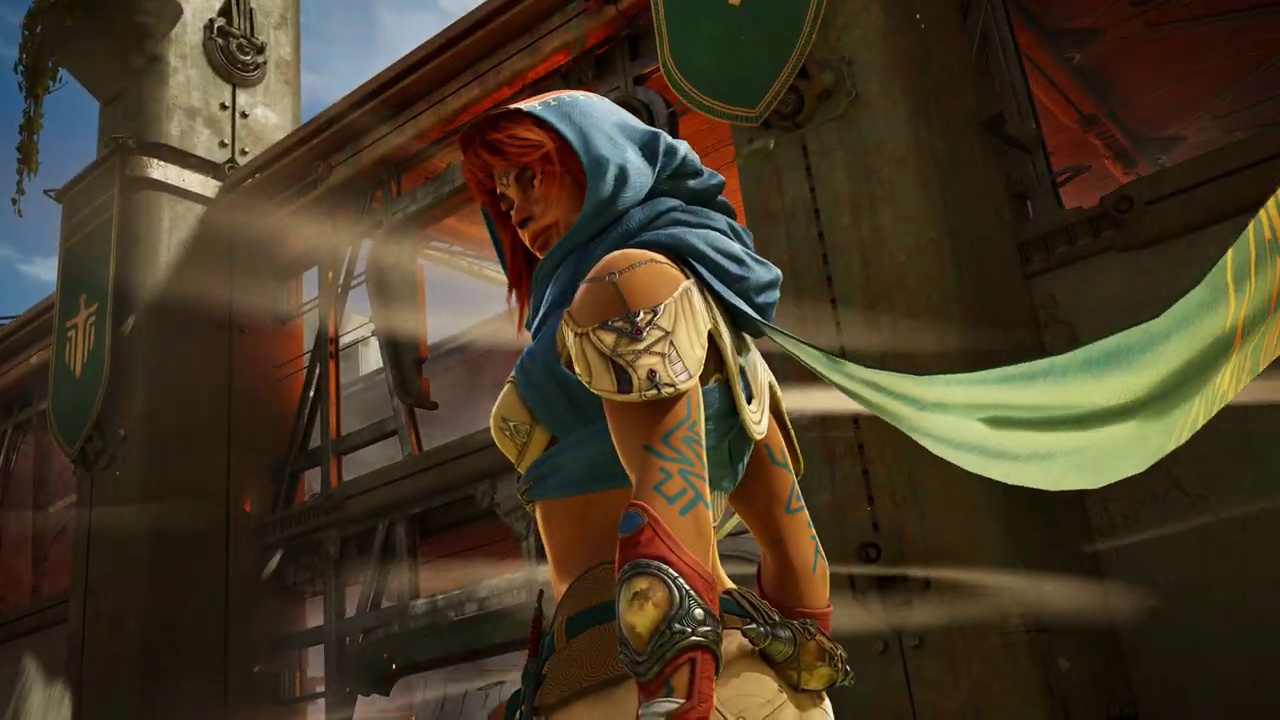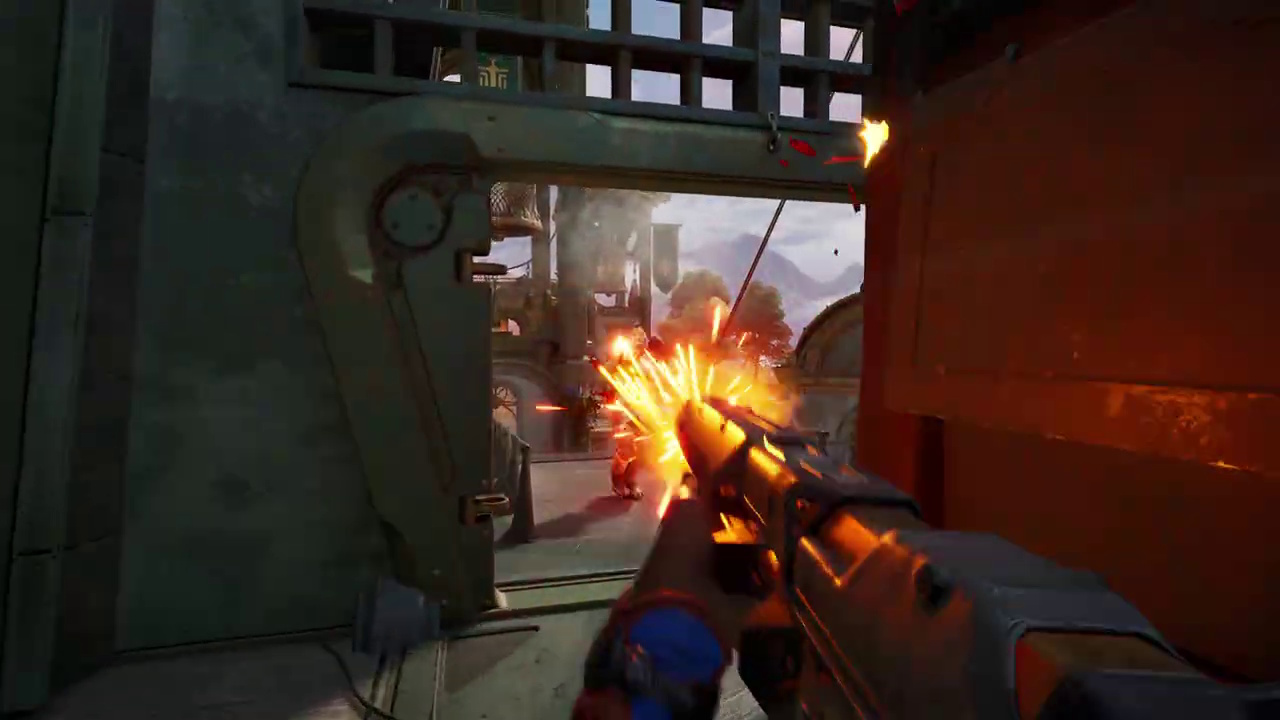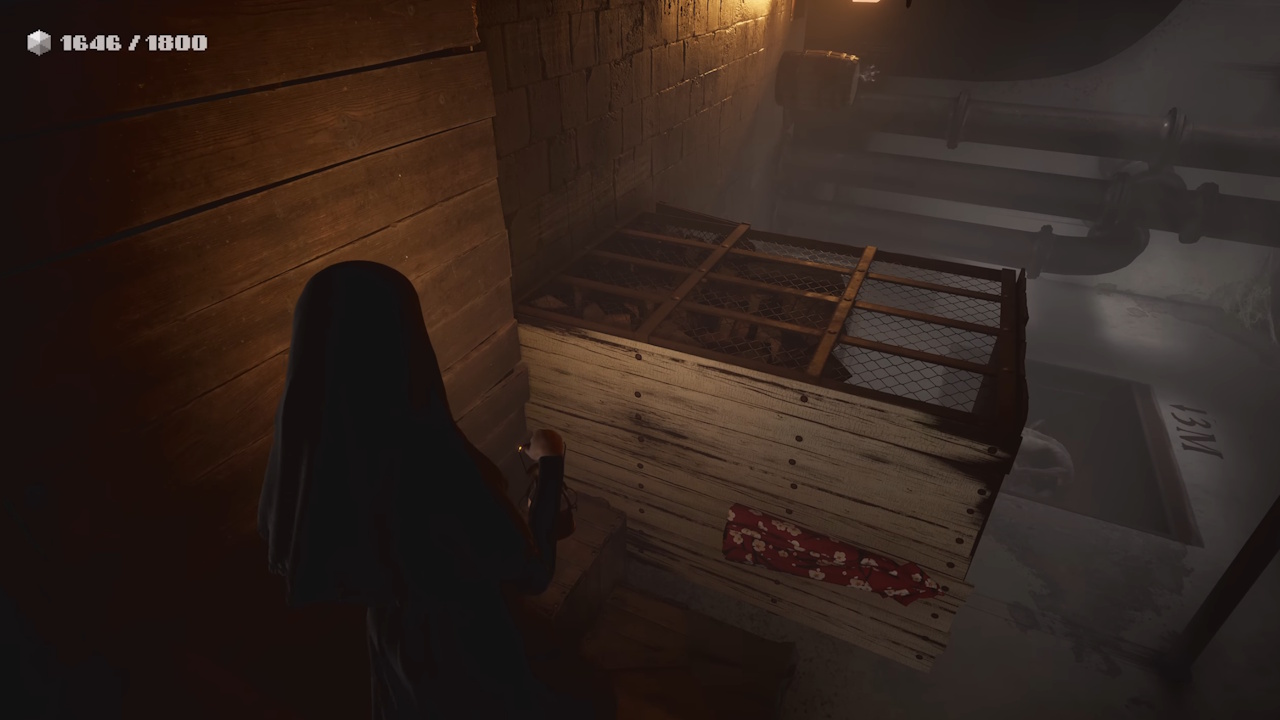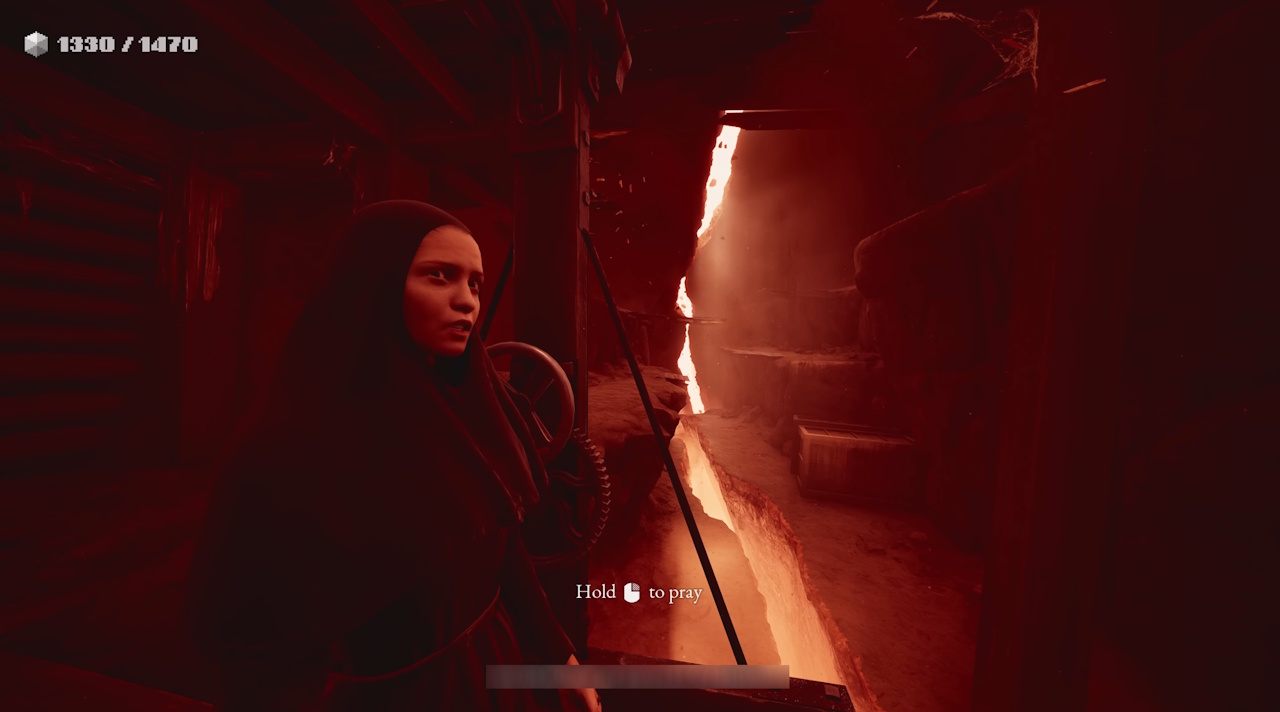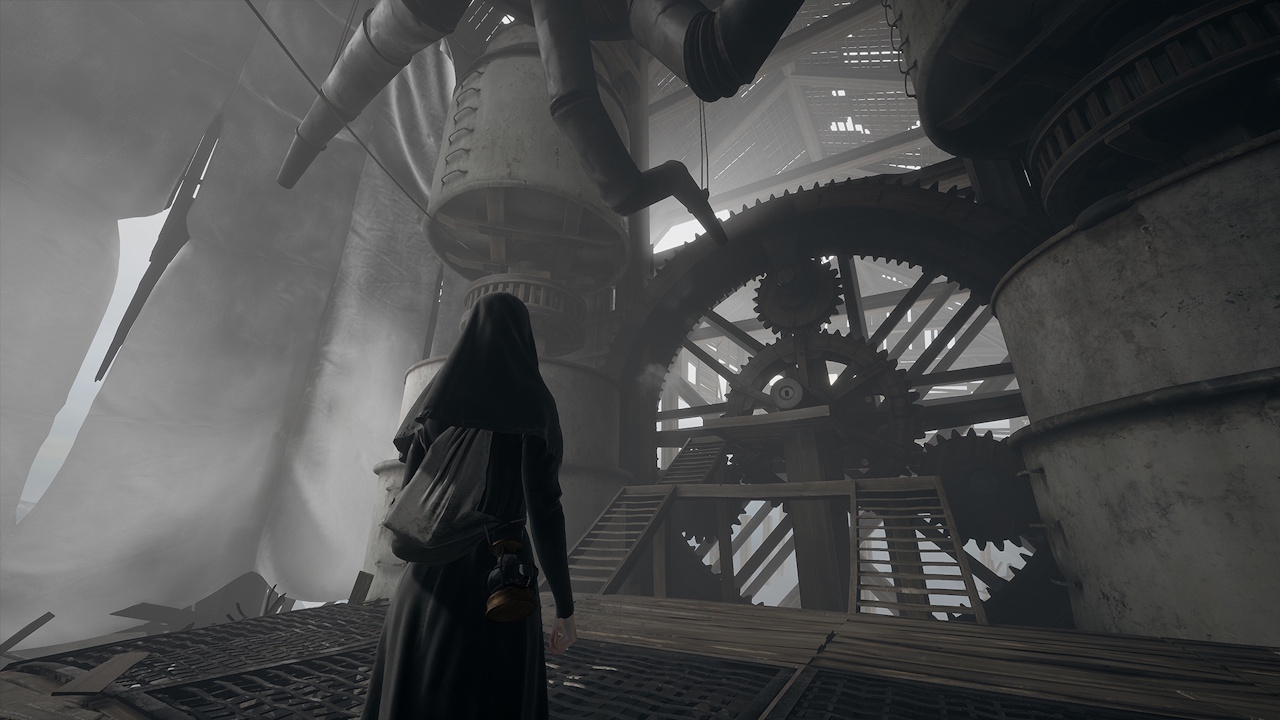
Pragmata: Video Game Review

A spoiler warning graphic

Spoiler Warning: This review contains spoilers for Pragmata, including the end of the story. If you want to check out my spoiler-free thoughts on the game, click or tap here.

I’m finishing up my coverage of Pragmata today with the second half of my review. If you missed it, last time I wrote up my thoughts on the game without getting into spoiler territory – I talked about gameplay, boss battles, level design, and more. If you just want a brief summary from last time, I said that the game was a lot of fun with an old-school feel – but with a punishing difficulty spike and a lack of proper accessibility options that made it too tough of a challenge without using an unofficial mod.

This time, I want to delve into the game’s story, characters, and world in a bit more detail – and talk about a few things that I couldn’t last time without spoiling it. So if you ignored my little graphic above, and if you still want to go into Pragmata without knowing how the story ends… this is your final chance to nope out! Click or tap here to read my spoiler-free thoughts, bookmark this article, and come back when you’ve beaten the game.

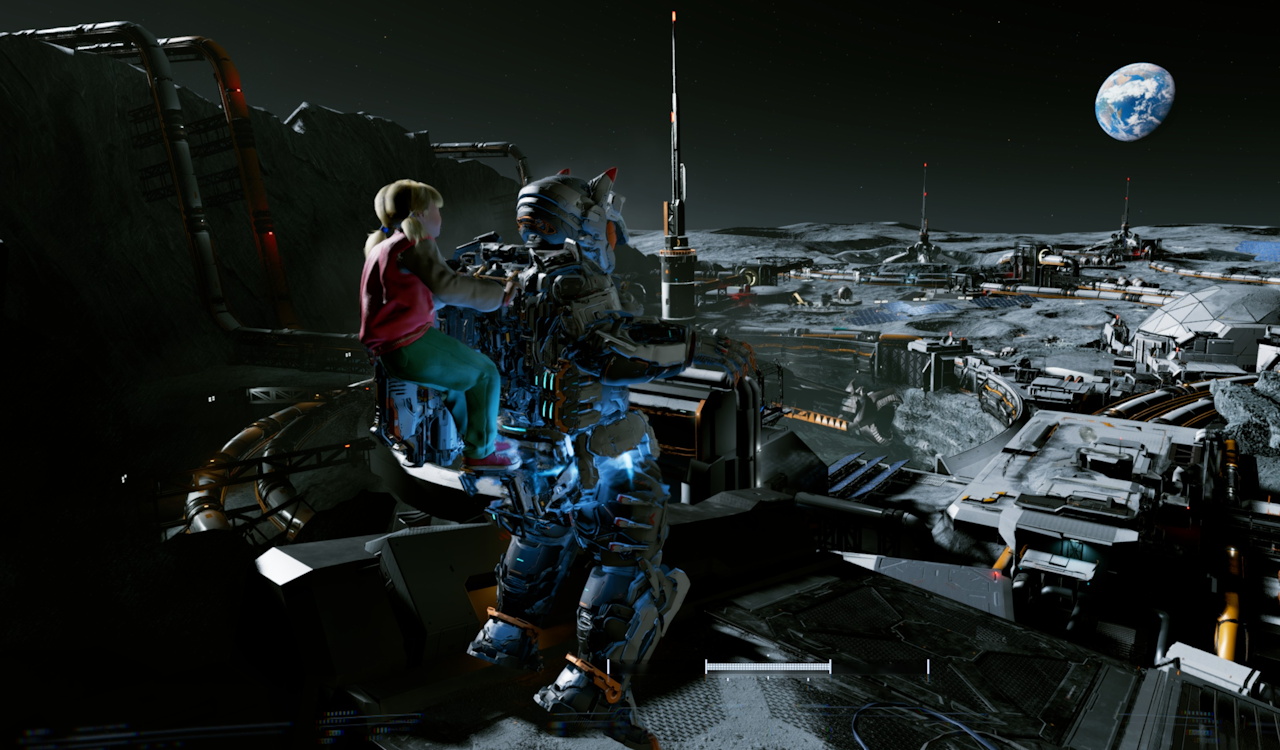
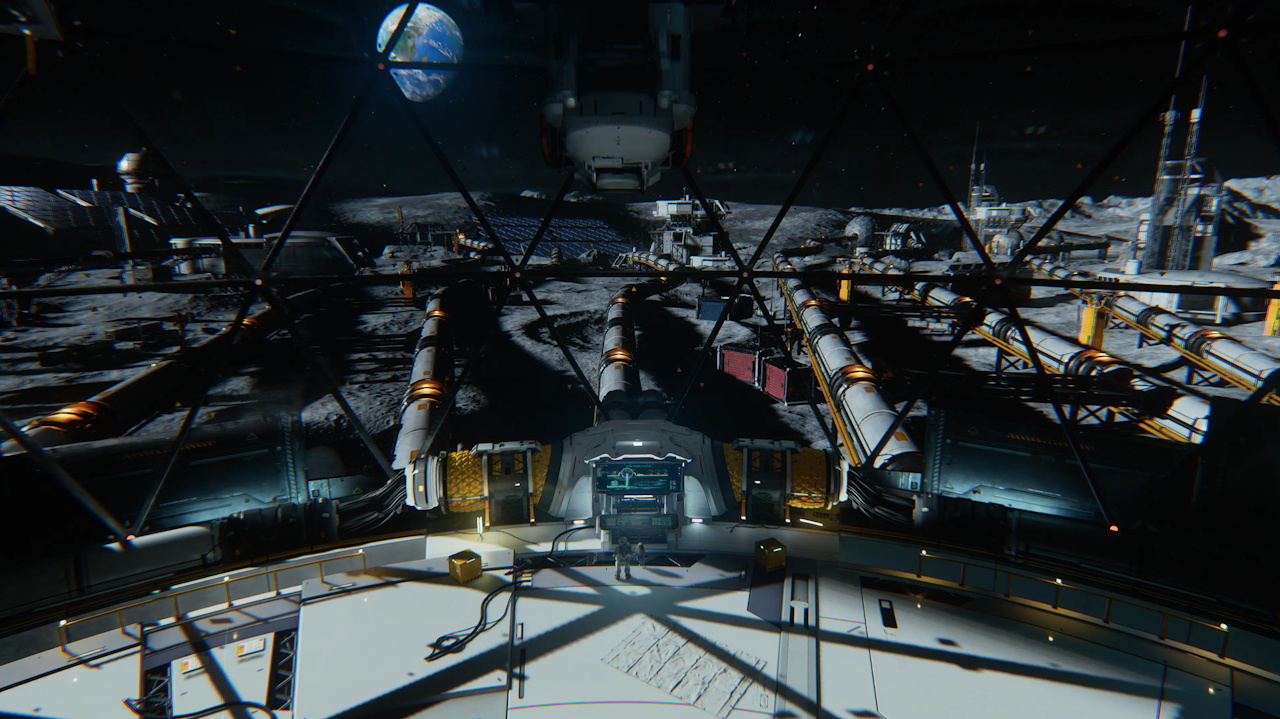
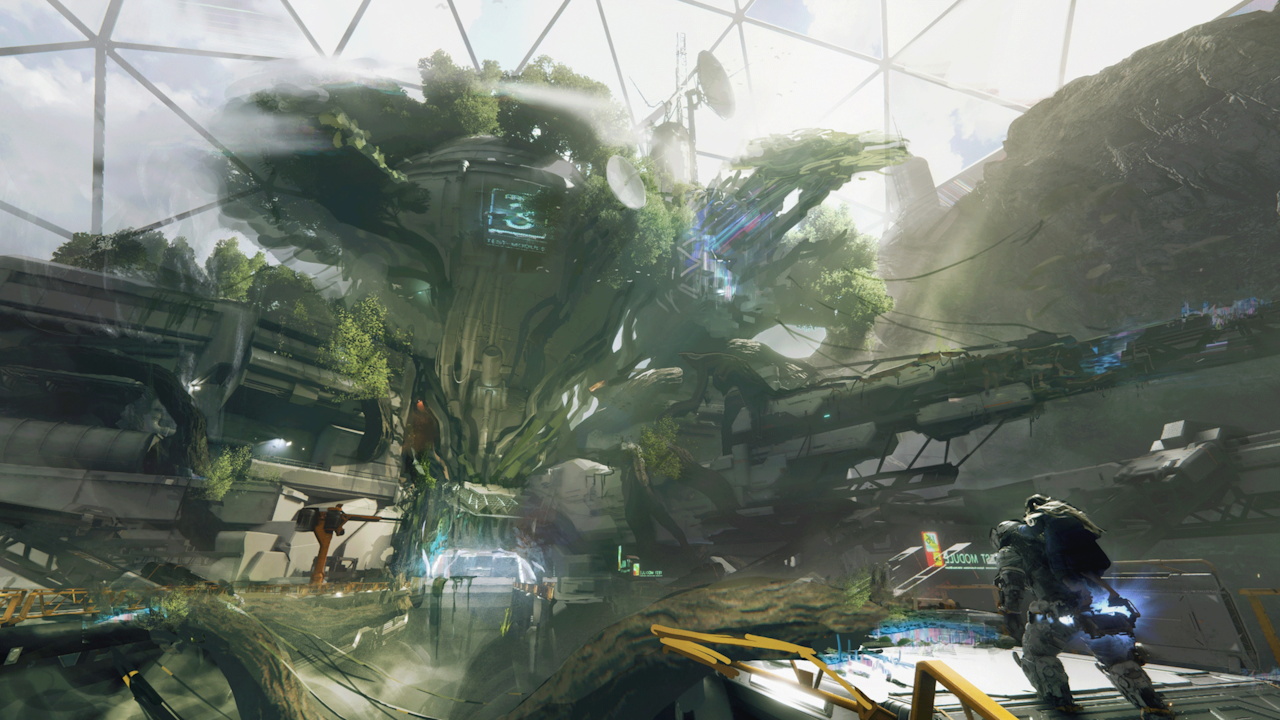
Concept art of Pragmata showing the Terra Dome
Concept art.

I don’t often break reviews into two parts like this, but last time, I felt the spoiler-free section was running too long and warranted its own post here on the website. Hopefully this two-part format isn’t too annoying, and if you’ve been waiting around for the continuation… thanks! I hope this will be interesting.

As always, my usual caveat applies: everything we’re going to talk about today is the entirely *subjective, not objective* opinion of just one person. If I praise an aspect of Pragmata that you didn’t enjoy, or criticise something you liked… that’s okay. There ought to be enough room in the gaming and sci-fi fan communities for respectful disagreement without descending into arguments and toxicity!

With all of that out of the way, let’s talk about Pragmata.

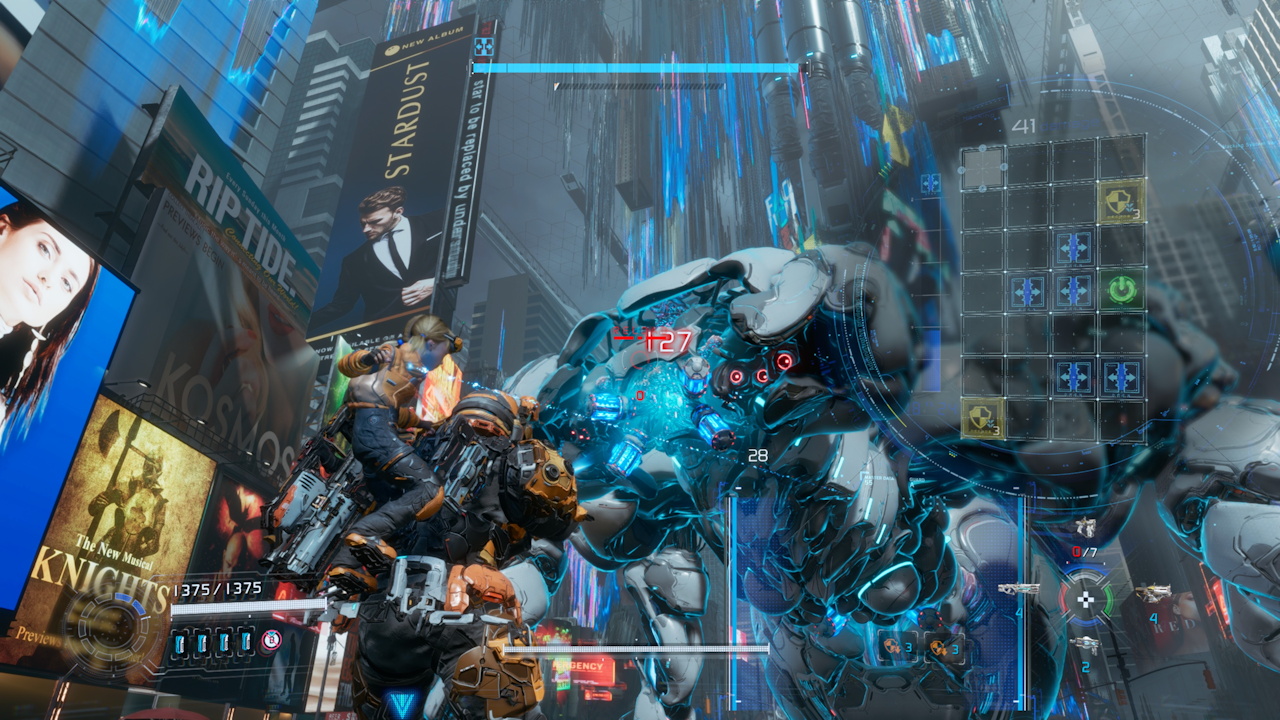
Screenshot of Pragmata showing a combat encounter
An early combat encounter.

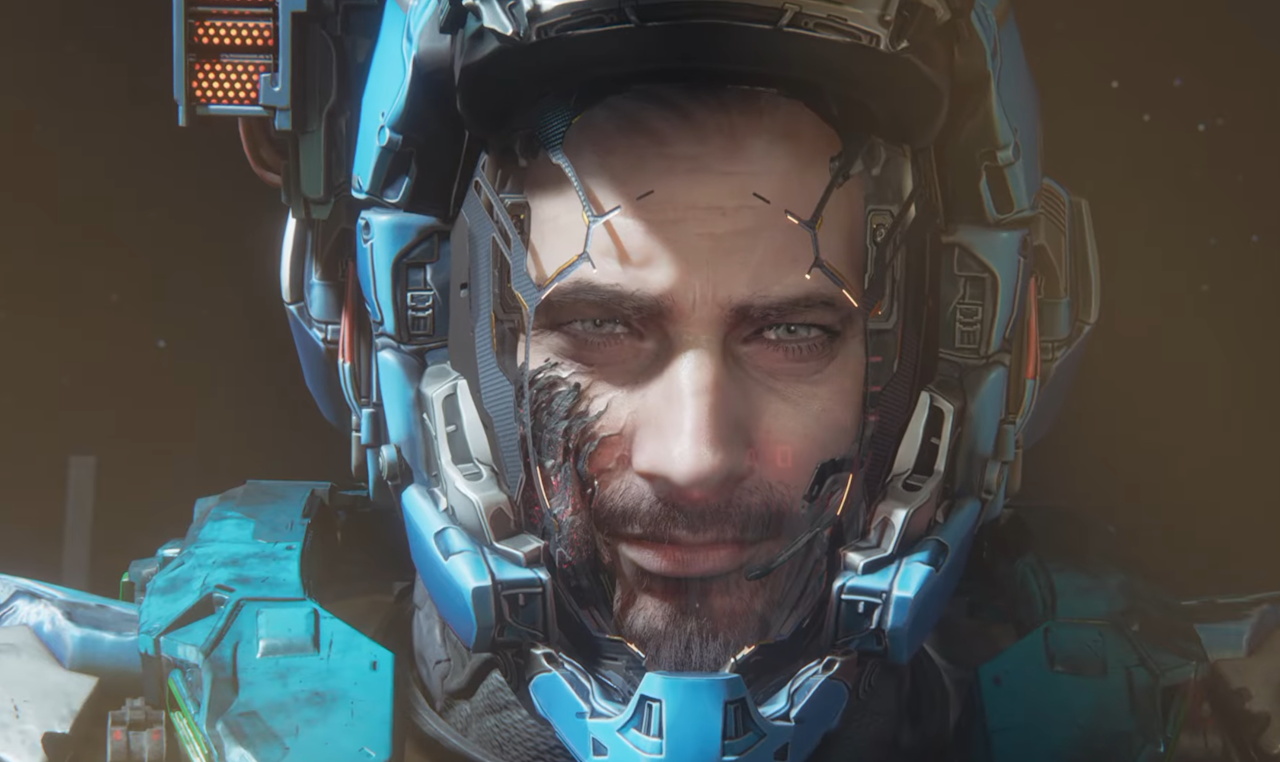
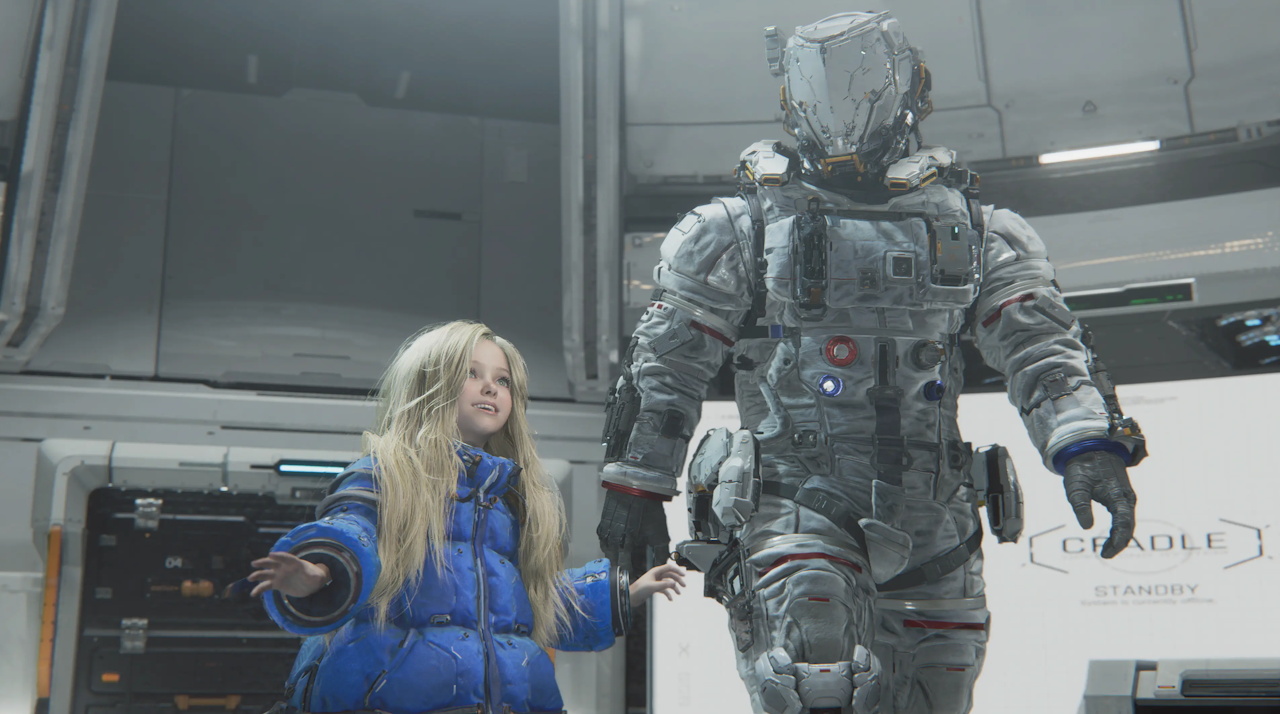
When I played the demo earlier in the year, and for my first couple of hours with the game after I picked it up… I wasn’t particularly interested in either of the main characters. Hugh seemed incredibly, almost aggressively *bland*, and I struggled to get invested in his emotional arc after the apparent deaths of his captain and the other members of his team. And because his encounter with Diana felt so random, their coming together didn’t really have much of an impact, either.

Not at first, anyway.

I was playing Pragmata because I was enjoying its level design, its combat, its hacking mechanic, its exploration, and its enemy varieties. The game, as I said last time, has an old-school charm that makes it feel, in many ways, like a title from the Dreamcast/Xbox era – the second generation of truly 3D games, after the worst of the jank had been overcome! I had a blast playing games on the Dreamcast and original Xbox back in the day, and Pragmata felt like a modernised, shinier version of that kind of title.

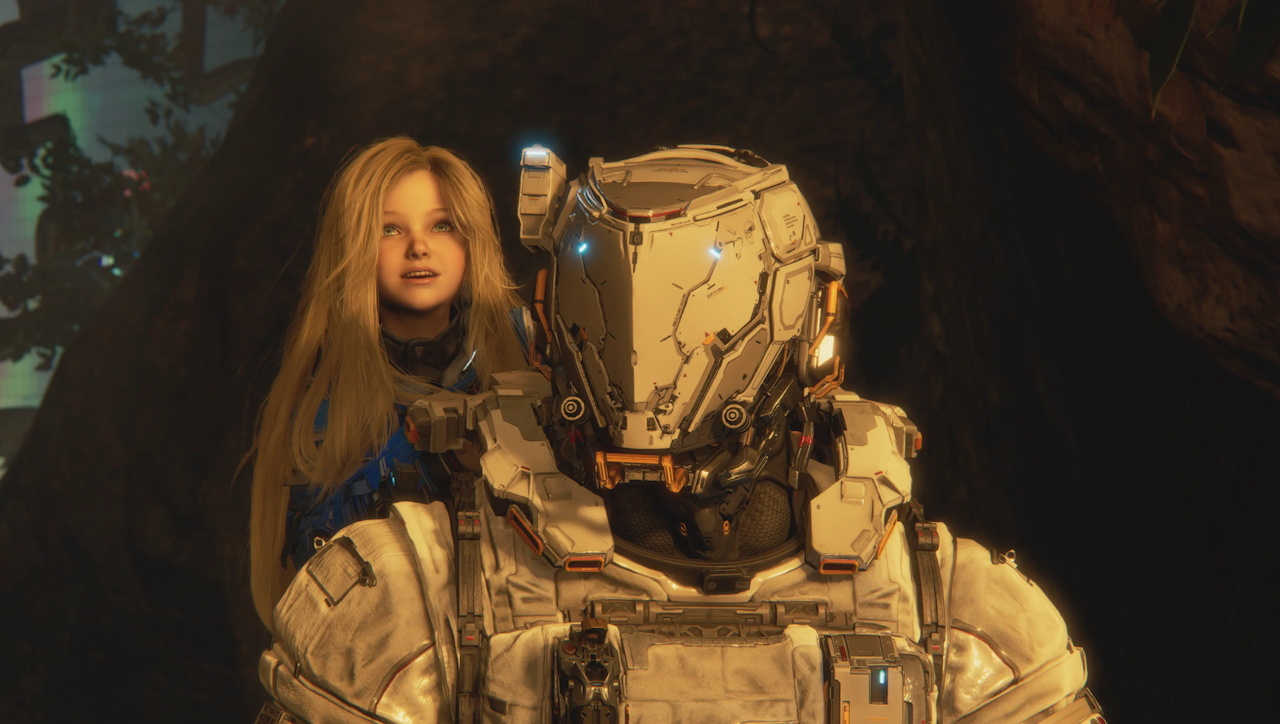
Screenshot of Pragmata showing Hugh and Diana
Pragmata feels like a bit of a throwback, gameplay-wise.

But as Hugh and Diana spent more time together, and bantered back-and-forth both at the Shelter and while exploring the game’s various environments, I felt myself getting a bit more invested in their stories. I maintain that Pragmata’s narrative is never going to be its biggest selling-point – this is an action/adventure game that you can play while paying remarkably little attention to the story, if you so choose! And it’s very much a video game story, not something cinematic. But… that’s okay. It was still enjoyable for me, and as time went on, I found myself getting more attached to both characters.

I’m not usually any kind of “completionist” when it comes to gaming. If a level is fun to explore, I’ll happily explore it, finding whatever hidden treasures and items are on offer. But I’m never gonna be someone who has to get *every single* weapon upgrade or random collectible. When it came to Pragmata, however, I was really quite keen to make sure I picked up all of the “Real Earth Memories” – the little additions to the Shelter that are scattered across the game world.

Screenshot of Pragmata showing the REM area
One complete and one incomplete REM area in the Shelter.

These REMs have absolutely no material impact on gameplay. And even in the Shelter, they’re basically just cosmetics to make sides of the room look a bit different. Some of them trigger a brief dialogue exchange between the co-protagonists, but that’s really all there is. But I found myself compelled to go back and re-play whole chunks of levels that I’d already beaten if there was a missing REM to find! That just isn’t something I usually care about… and I think it’s a testament to how Pragmata successfully got me invested in Hugh and Diana’s stories. I wasn’t just collecting these things to beautify the Shelter, but because Hugh wanted to give them to Diana, and she wanted to play with them.

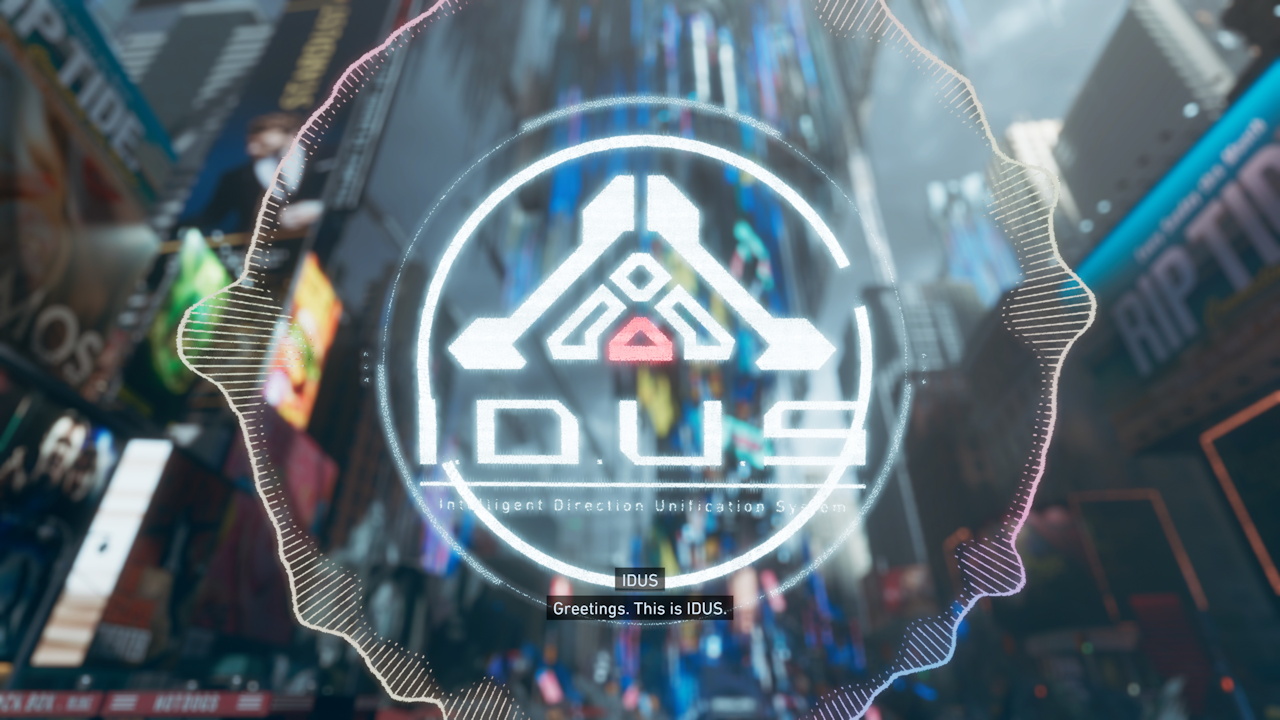
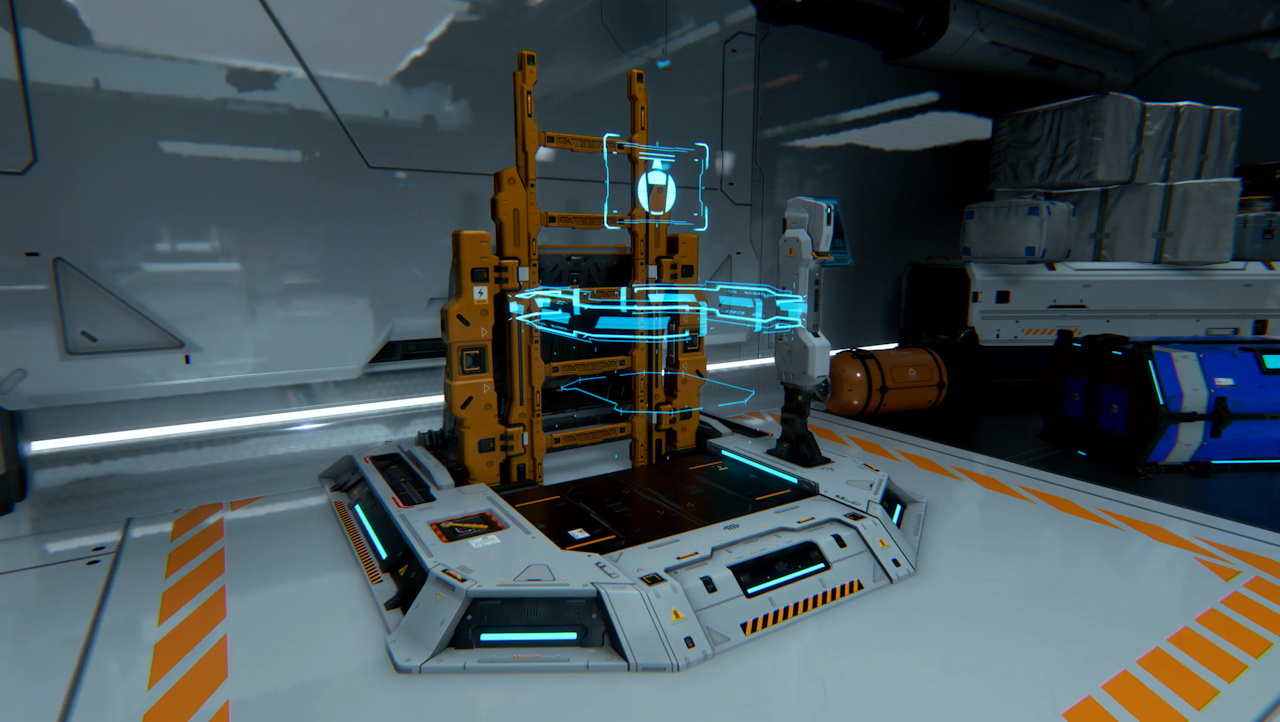
The Shelter is a *very* video-gamey location; the player’s base, securely hidden away from IDUS, Eight, and the game’s legion of robots, but conveniently accessible from almost everywhere in the game world! This is what I mean when I say that Pragmata is a video game, not a cinematic story. But I really didn’t mind it, once I got into it, and on the rare occasions where I couldn’t get back to the Shelter easily enough… I could actually feel my anxiety starting to rise!

Screenshot of Pragmata showing Hugh in the Shelter
The Shelter.

I don’t really appreciate games without a free save system. Having to trek back to the Shelter to save, then seeing all the robots respawn, could feel annoying on occasion. But I will caveat that complaint by saying that, if a game *insists* on this Dark Souls-inspired feature… the way it’s handled in Pragmata is about as good as it gets. The Shelter usually felt accessible enough that I could make it back there if I wanted to save, if I’d just beaten a boss, or if I was running low on health and needed to regroup. Shelter access hatches appeared with just enough frequency that returning there never felt like too much of a chore – even if it wouldn’t have necessarily been my first choice for how to handle saving.

This may be less of an issue for you than it is for me – because I wanted to be able to go back to different parts of the game to grab screenshots for this review! But someone’s gonna have to explain to me why there are only ten save slots available. Save files aren’t exactly big – and even if they were, I have the disc space to accommodate them. So why am I limited to so few save slots? I’d like to have been able to use more, so I could’ve returned more easily to different parts of the game. In my case, it’s because I wanted to get a diverse range of screenshots to use in this piece, but there are plenty of other reasons why you might want to replay a particular level, or go back to a boss fight.

Screenshot of Pragmata showing Hugh's thrusters
I’d have liked more than ten save slots.

As is the case with practically every title nowadays, Pragmata comes with a “deluxe edition.” I will give credit to Capcom for not locking the game’s release date behind a few days of so-called “early access,” but for my money… the deluxe edition really doesn’t seem to have much to offer. You get a couple of skins for each of the two characters, one weapon skin (which is barely noticeable and has no gameplay impact), and a few pieces of concept art and music which can be played at the Shelter. If you want to go the extra mile to show support for Pragmata and Capcom, that’s totally okay – how anyone spends their money is up to them, at the end of the day! But for me, I didn’t really think that the small amount of extra content was worth the asking price.

To get back to the narrative, the game’s two big “twists” – that Diana’s friend Eight was actually a baddie and that Hugh was going to die before he made it home – were not exactly subtle. I called Eight’s villainy from basically her first moment on screen, so when the “shocking reveal” of her betrayal came to pass, the moment perhaps lacked the weight and surprise factor that the writers may have intended. Hugh’s condition, though, was more of a slow burn thing, but from the second he was injured, it seemed as if his chances of surviving to the end of the story were slim!

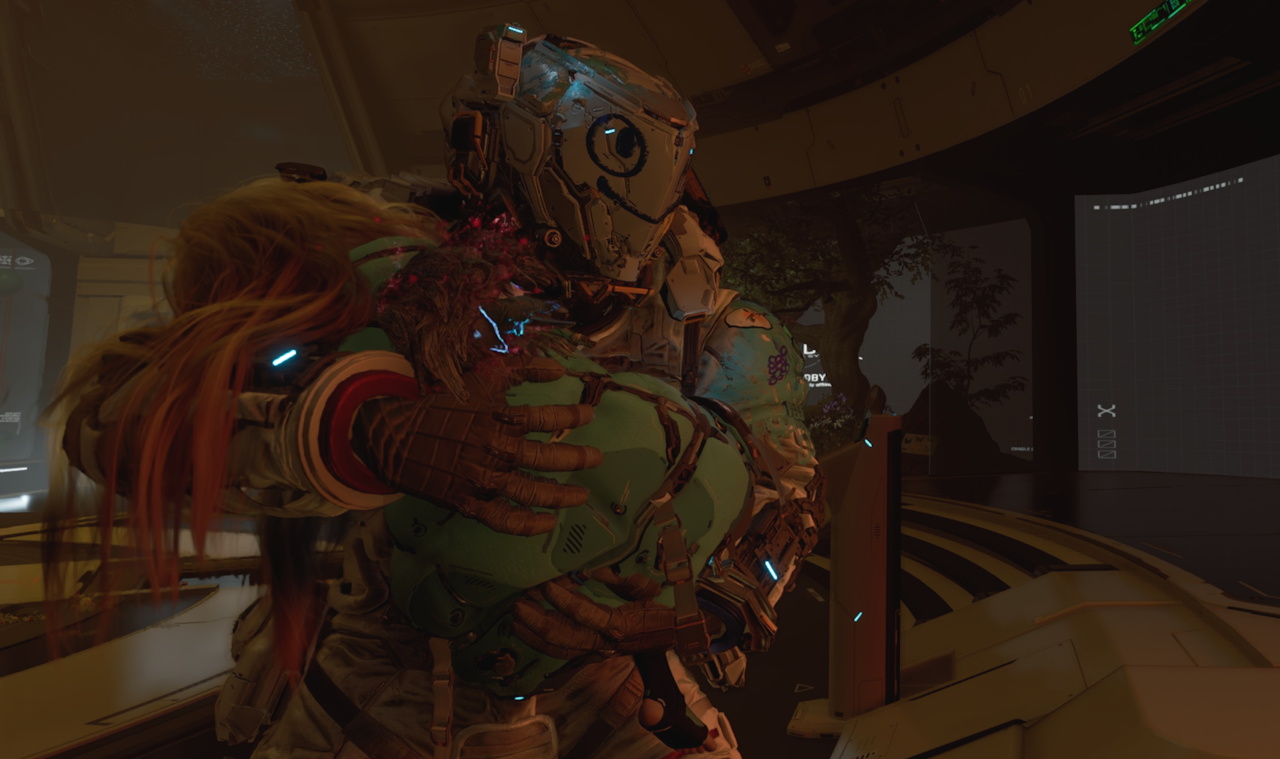
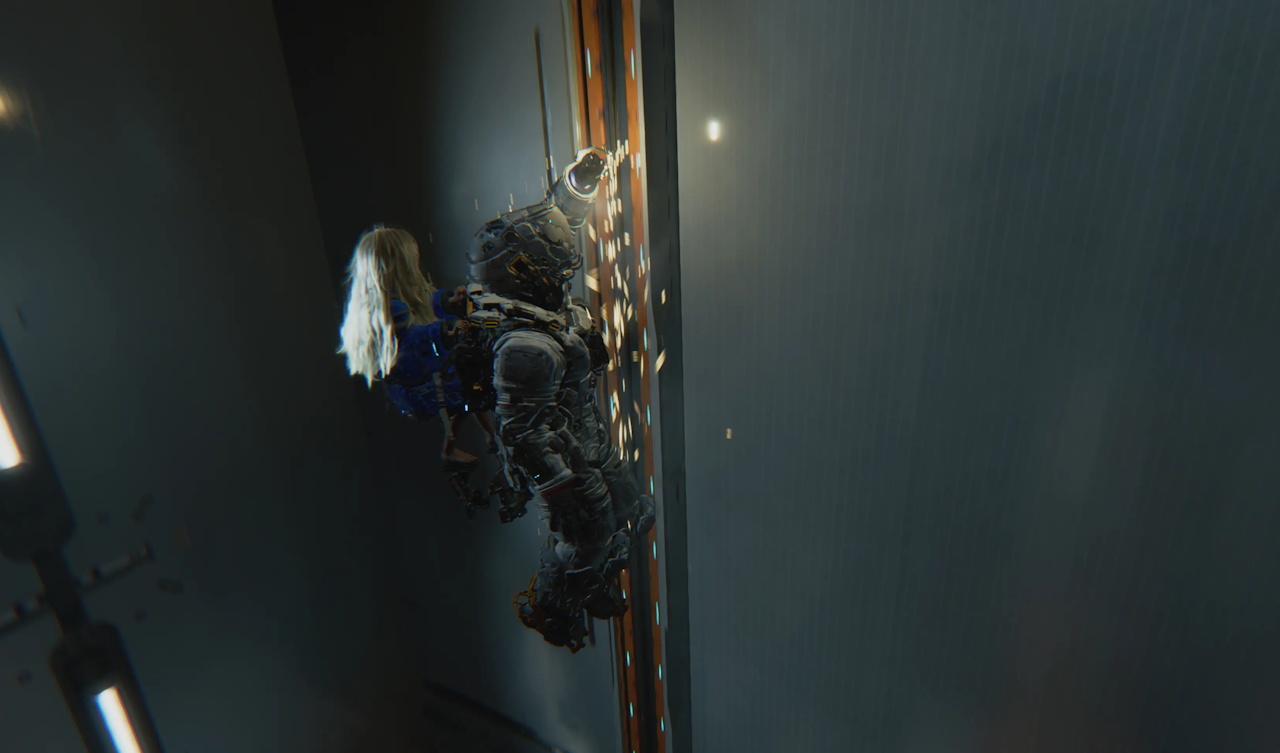
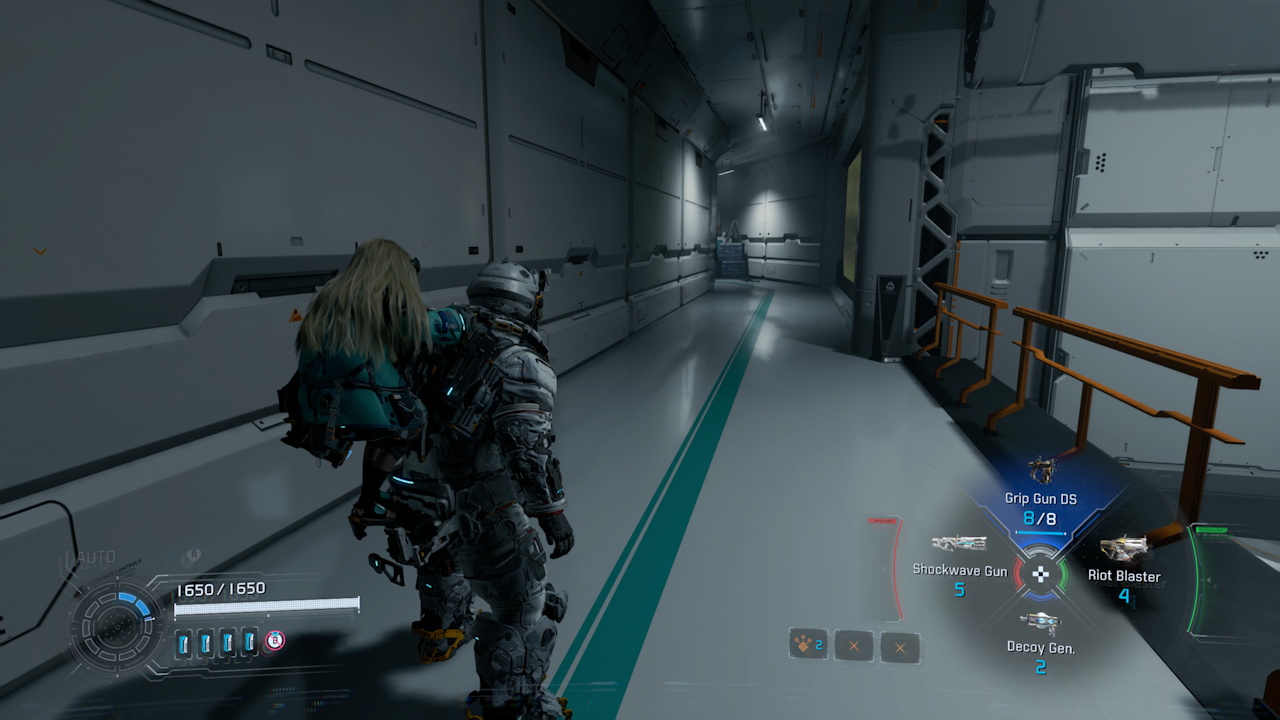
Screenshot of Pragmata showing Hugh carrying Diana
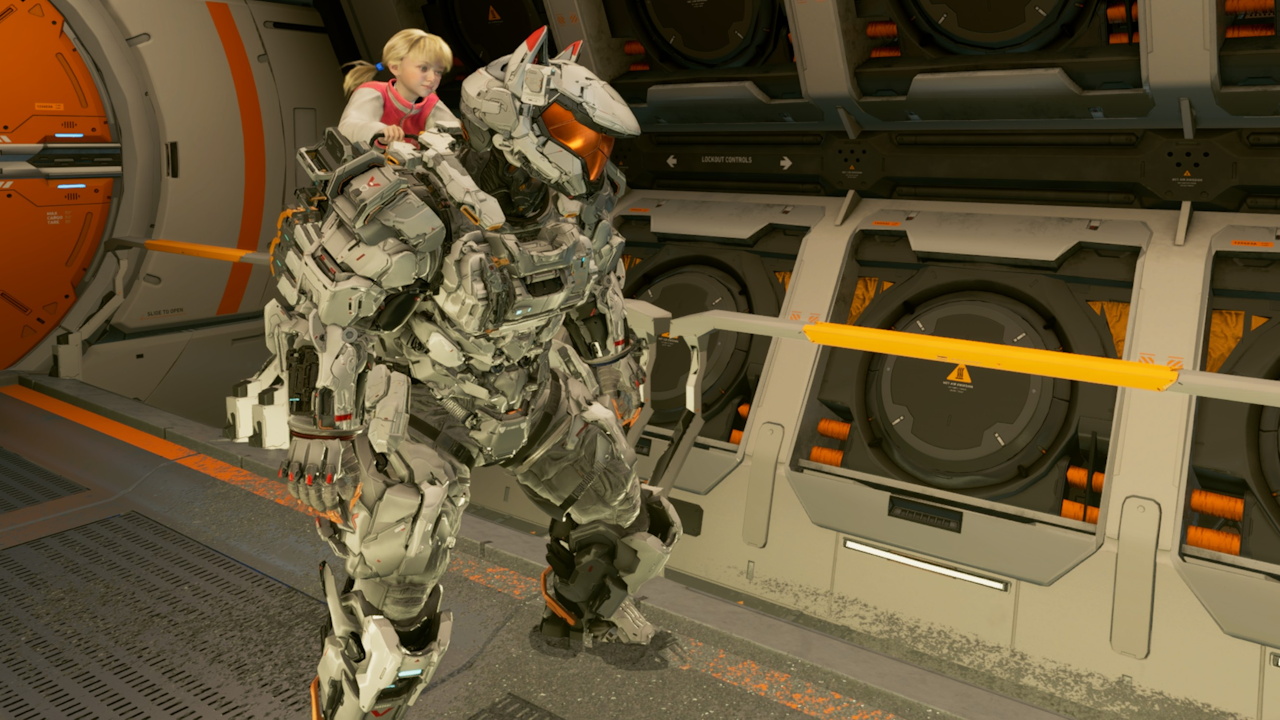
Hugh cradles an injured Diana.

I think it’s bold, though, in the current media landscape to create such a clearly one-and-done story. There can’t be a direct sequel to Pragmata because one of its two protagonists (arguably its *main* protagonist) has died. And after defeating IDUS and Eight and stopping their plans, the main villains are gone, too. Given the investment a game like Pragmata requires (the game cost a reported $80 million to make), the decision not to even leave the door cracked open for a possible sequel is a bold one.

We’re firmly in the grip of sequels, spin-offs, and franchises across the entire entertainment industry. From the likes of Marvel and Star Wars at the cinema to Halo and Call of Duty in gaming, if there’s one thing you can be certain of it’s that corporations love nothing more than a story with sequel and spin-off potential. But stories… end. Every story has to eventually come to an end, and if that end is to be satisfying, it usually needs to come sooner rather than later. Pragmata told a fully contained story with a beginning, a middle, and a proper, definitive ending. That’s rare right now – so I think it’s worth celebrating.

Screenshot of Pragmata showing the ending
Pragmata got a definitive ending.

With all that being said… if there’s one *more* thing you can bank on in the modern entertainment industry, it’s that any successful title will be practically forced to get a sequel. Even if, as in cases like The Last Of Us, there’s no need – and no real pathway to do so successfully. So I wouldn’t be stunned to learn that Pragmata 2 is going to be greenlit, and that – somehow – Hugh and Diana will get back together for another adventure.

Not sure I’d wanna play it, though.

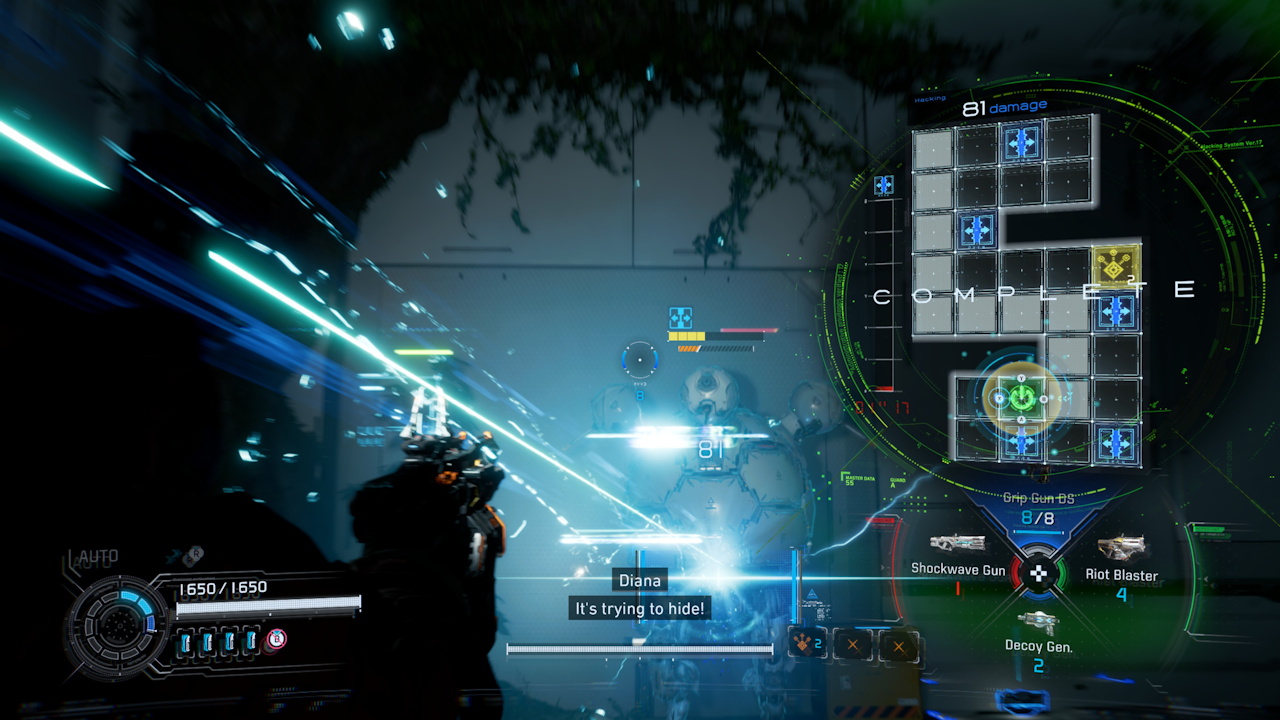
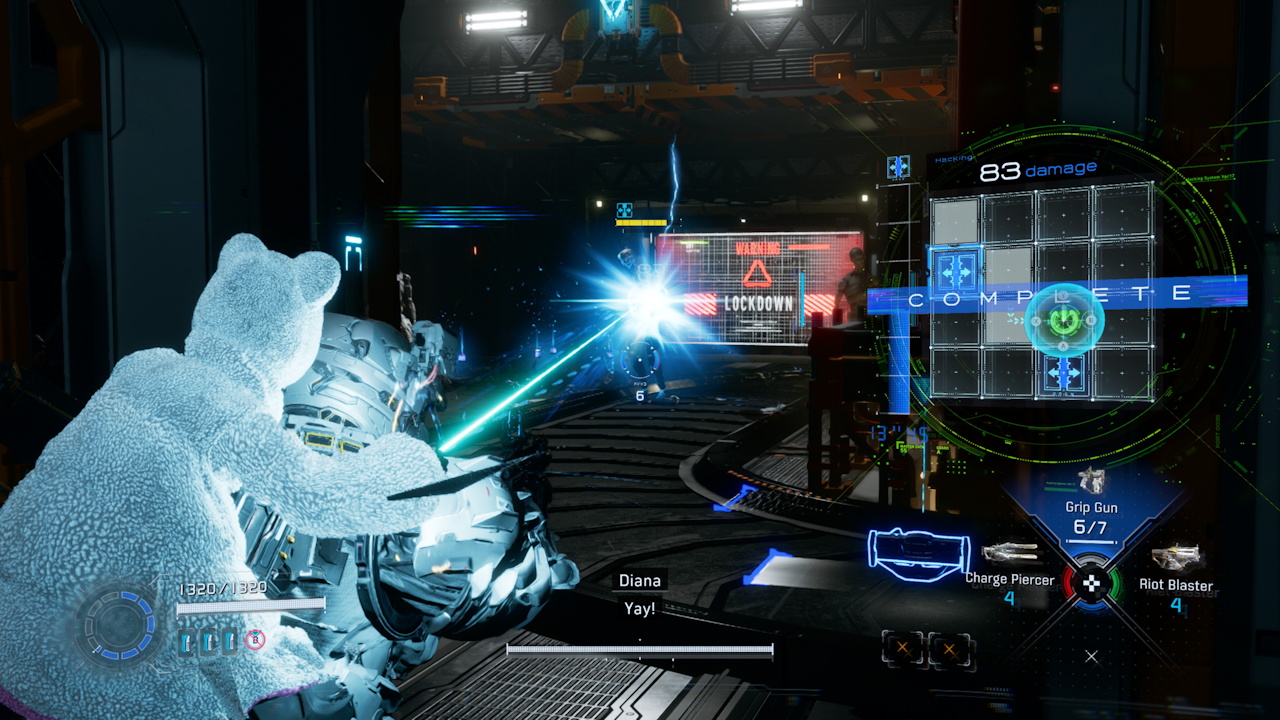
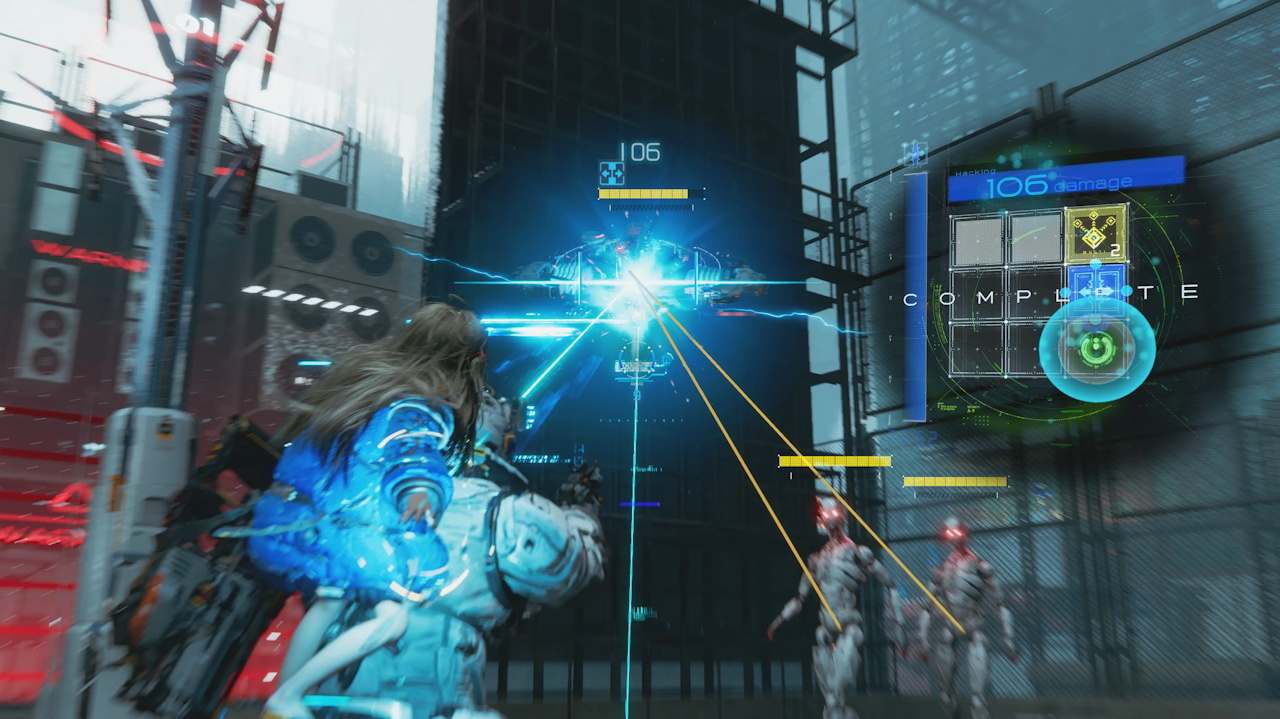
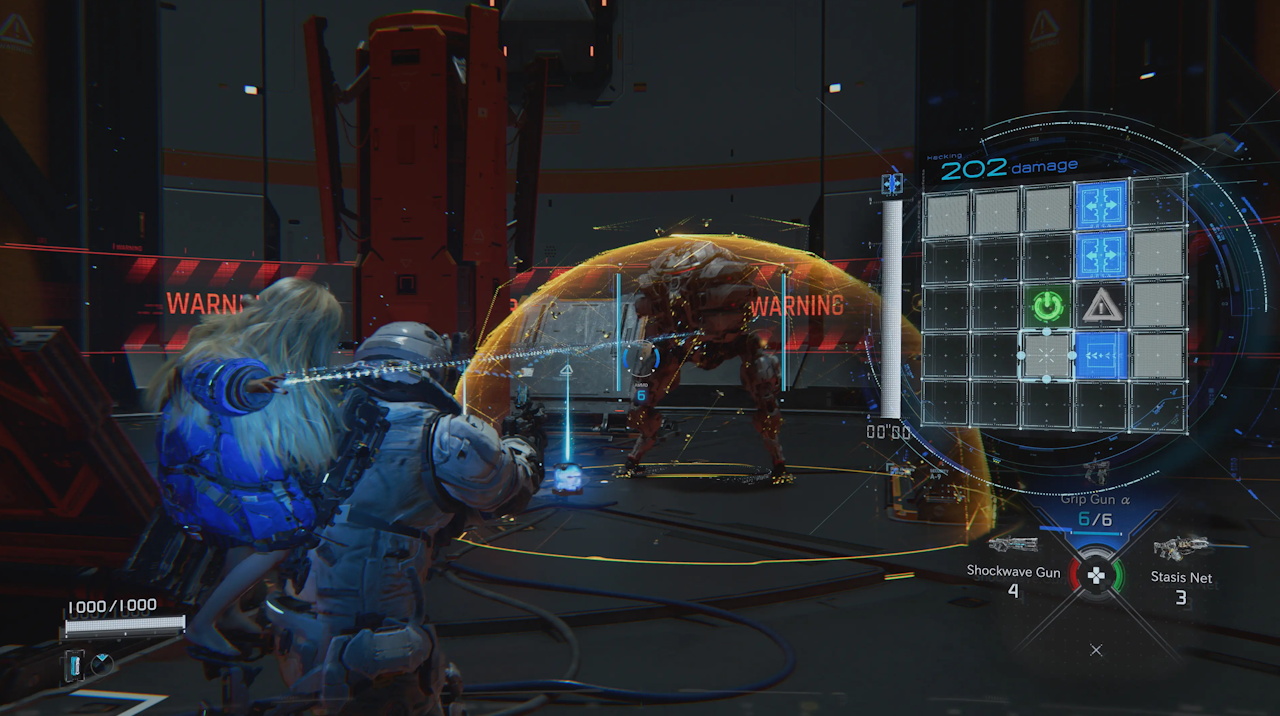
Lots of games give you either magical or tech powers alongside your weapons, and in Pragmata, these take the form of Diana’s hacking abilities. These hacks unfold almost like quick-time events, with some pretty rapid button presses necessary to open up enemies and make them vulnerable to weapons fire. I generally liked the way this was handled; it added a second dimension to combat that you had to be almost continuously on top of, lest your attacks become ineffective.

Screenshot of Pragmata showing a completed hack
A completed hack.

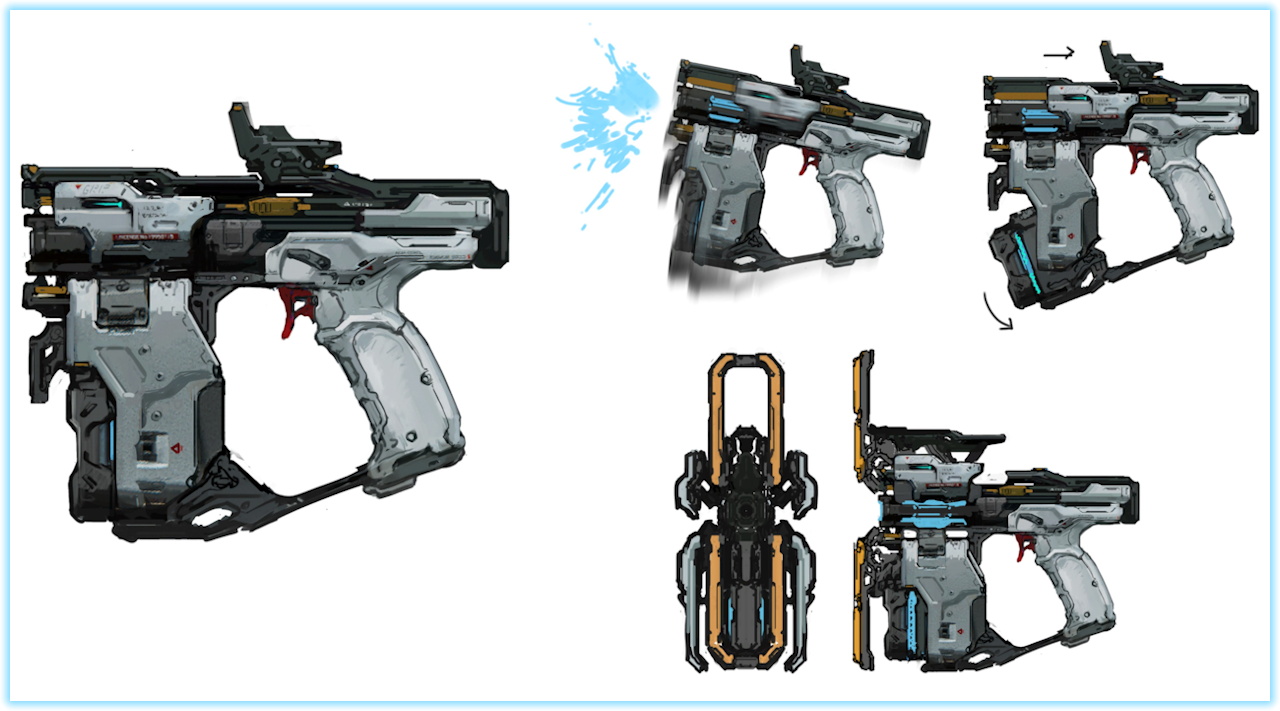
In terms of weapons, though, the main gun Hugh uses in Pragmata could be pretty annoying! There are a range of weapons with different abilities, but the key caveat here is that all weapons – bar one – are one-time-use only, meaning that when you’re out of ammo, you either find a new one, return to the Shelter and 3D print one, or swap to an alternative. The main gun Hugh uses – the only one not restricted in this way – could be annoying because of its limited magazine capacity and *painfully* slow reload time.

Even after multiple upgrades (I think, by the end of the campaign, I’d taken the grip gun about 80% of the way to its maximum upgrades), you still only go from six bullets per clip to eight, and reload times are still unusually slow for a game of this type. Switching to different weapons, dodging attacks with Hugh’s thrusters, and using Diana’s hacks could go some way to making up for this – and it’s something I found I started to get used to as the game wore on. But it felt a little *too* restrictive, if that makes sense, and I’d have liked to have seen this feature toned down just a tad – or perhaps given an option to do so.

Concept art of Pragmata showing the main gun
The grip gun’s limitations felt a bit restrictive.

The other weapons, though, were pretty good fun, and could synergise well with different mods. (In this case, I mean the in-game collectibles, not unofficial downloads!) As one example, I favoured the short-range “shotgun” style weapon, and when combined with a mod that let me do more damage at close range, I found that to be an exceptionally effective combo against some (but not all) enemies.

The mods were also great for adding new hacking abilities or increasing Diana’s potential. I used mods to increase hacking range, allowing Diana to hack robots from further away. A second mod meant that being hit didn’t reset the hacking gauge, which was *incredibly* useful for my poor arthritic hands and not great gaming abilities! And later into the game, another mod allowed Diana to make enemies overheat much more quickly, allowing Hugh to perform some very powerful moves with another QTE-type button press.

Screenshot of Pragmata showing a hack
Hacking from long range.

Those are just a few examples from the way I chose to approach Pragmata’s combat – but what I like about the game is that there is genuine variety. If you don’t wanna shoot enemies up close, there are mods and weapons to allow you to hit them from a greater distance. If you want to focus more on hacking than weapons, you can do that. You can choose what to prioritise, and in what order you want to unlock upgrades – and as long as you keep on top of things and make sure you’re checking treasure chests to find all the mods and upgrade materials, there’s a lot of ways to customise the experience.

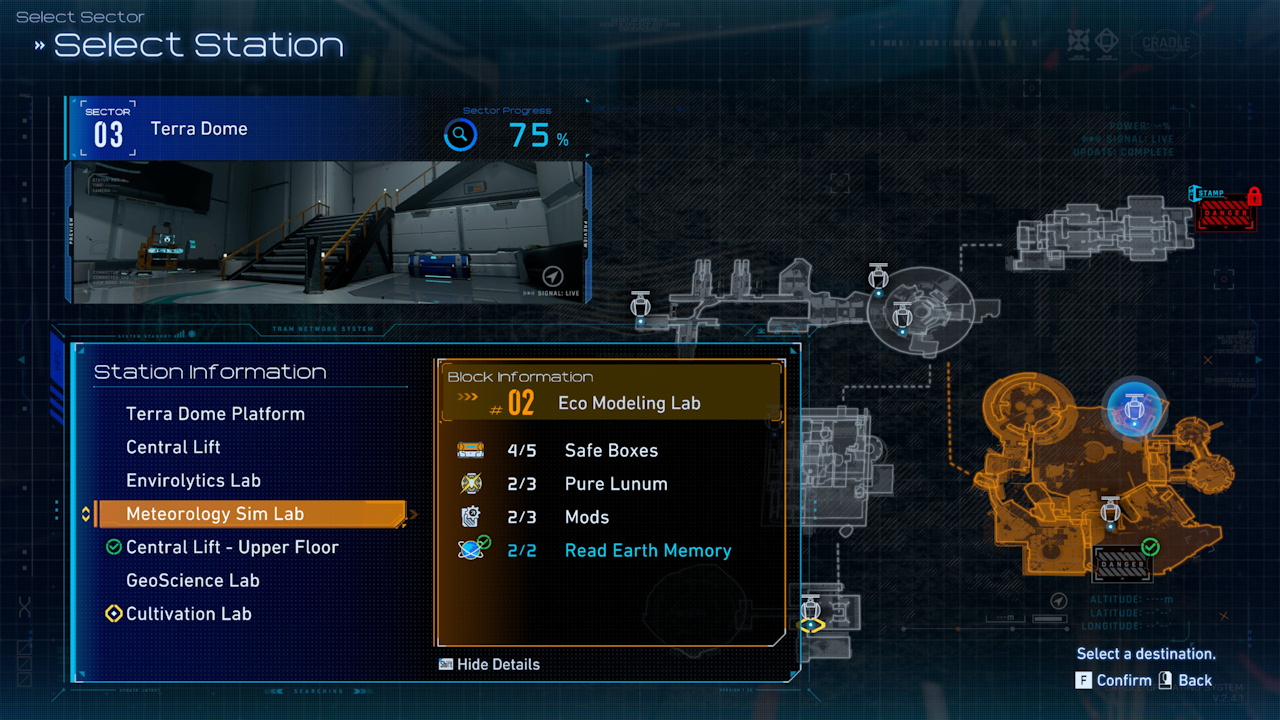
As I said last time, the amount of hidden or unlockable content felt pitch-perfect relative to the size of Pragmata’s levels. Exploring side-rooms or hidden corridors *always* felt worthwhile, because you’re almost always going to come upon something of use or something of interest. Even if it’s “just” lunafilament (the game’s generic sci-fi “do everything” wonder material that you spend on upgrades), it still serves a very useful purpose! And there was never too much lunafilament, nor too little – at least for me. Some games either drown you in resources, making finding them not feel worthwhile, or else are way too stingy, making building even a single upgrade feel like a chore. Pragmata absolutely nails this, getting the amount of everything just right.

Screenshot of Pragmata showing the tram map
Exploring every nook and cranny always felt worthwhile.

In a worse game, you might feel that some of Pragmata’s gameplay loops get repetitive. “Go to place, clear all the enemies, maybe solve a small puzzle, then repeat” is basically what you’re doing a lot of the time. But because each level feels different, and each new area throws new enemy variants and new puzzles at you, I never really felt it get stale. Combined with making upgrades to alter the way I was playing, this worked pretty well. If it had been stretched too thinly, then perhaps it would’ve worn out its welcome eventually. But, as above, the game’s story and levels were paced just right.

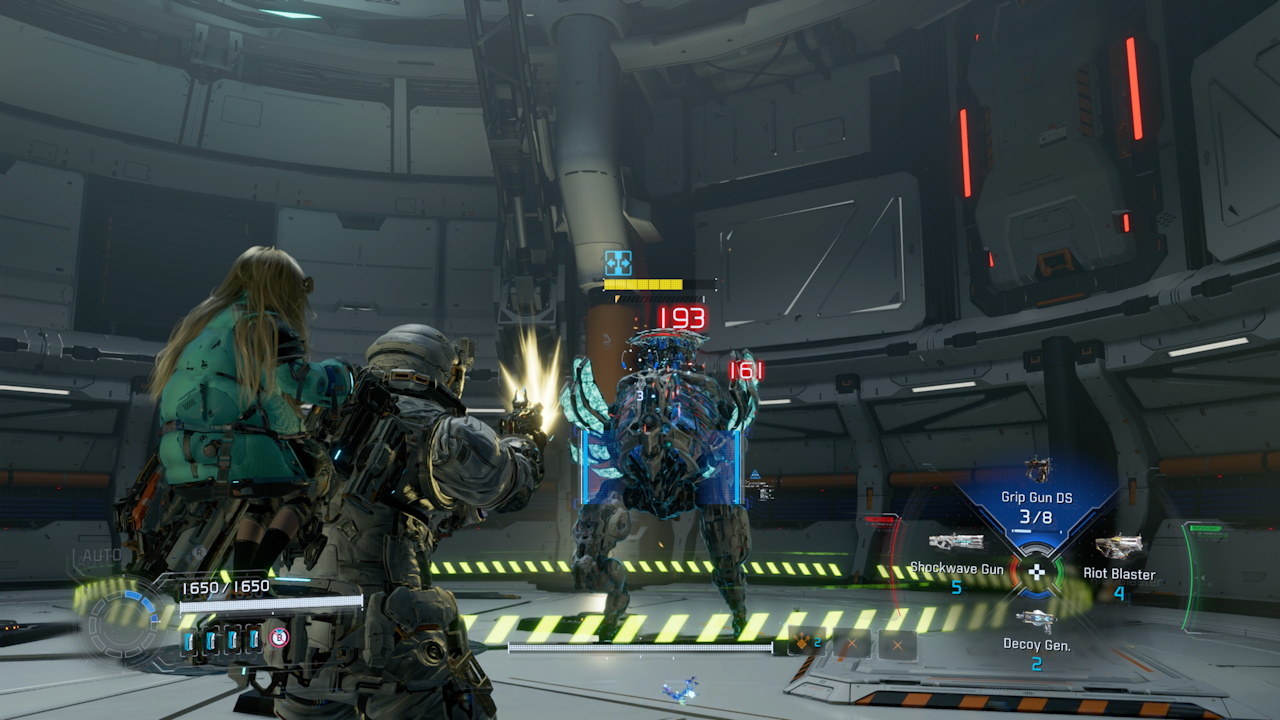
As I said last time, though, a lot of this felt very “video gamey!” More than once you encounter a locked gate or door that requires three or five or seven different buttons to be pressed (all in different areas, naturally) in order to be unlocked. Then, when you enter a room filled with enemies – or one of Pragmata’s obvious boss battle arenas – the doors all conveniently lock behind you, only to open as soon as the baddies have been defeated. It sure was nice of IDUS to unlock all of those doors for us after we defeated their bots, eh?

Screenshot of Pragmata showing a combat event
Battling a big bot.

Jokes aside, this way of building levels just felt charmingly old-school to me. Sure, it isn’t “cinematic” or particularly modern, and if you think about it too hard, it’s a bit of a contrivance that Eight and IDUS would simply unlock all the doors right after you defeat a boss or a legion of robots. But I don’t think Pragmata is meant to be that kind of game.

Last time, I talked about Pragmata’s ridiculous difficulty spike, and I want to go into a bit more detail on that. I was able to beat the game’s first boss – the one you can also encounter in the demo – without too much difficulty. And most of the rest of the enemies in the second area of the game, including the giant baby-faced robo-things, I was able to figure out and push through. But at the end of that second section, after unlocking the giant gate in the cityscape area, I was shocked by the absolutely insane difficulty of the boss battle.

Screenshot of Pragmata showing a boss battle
This boss fight was impossible for me.

Bosses are meant to be a challenge, and I get that. But this felt like way too high of a difficulty spike when compared not only to what came before, but also to the enemies and challenges that came shortly after, too. It was a “spike” in difficulty in the truest sense of the word, and even after going back through the second and first areas to pick up as much lunafilament and make as many upgrades as possible, that boss was just too much for my poor arthritic hands to manage.

I’ve said this before, and I daresay I’ll have to say it again before too long, but proper difficulty settings are a basic accessibility feature that any game in 2026 needs to incorporate. Pragmata only has two difficulty settings – effectively “normal” and “hard” – and that’s just not good enough. I’m trying to continue to enjoy my gaming hobby in spite of disability, and Pragmata’s well-designed levels and generally enjoyable combat was something I wanted to continue to experience. The game very nearly cut me off from that with this stupid difficulty spike, and I just wish that there’d been a way to properly adjust the difficulty without having to resort to unofficial mods. I have no objection to mods whatsoever, especially in the single-player space, but something like basic accessibility should be officially included, and I’d love to see Capcom take this feedback on board and patch in an “easy” mode. Unless they do, it makes Pragmata a difficult recommendation to anyone in a similar position to myself – and a title I would absolutely tell players on console to avoid, as there’s no modding support on PlayStation or Xbox at time of writing.

Screenshot of Pragmata showing the big bot boss
The game needs better difficulty and accessibility options.

However, if the very *worst* thing I can say about a video game is that I was having such a good time with it that I was willing to go above and beyond to ensure I could keep playing it, well… that probably isn’t the most damning condemnation ever, eh? I just think it’s worth re-iterating the point about difficulty and accessibility, because in this case, I was very nearly cut off from getting much further into Pragmata. I don’t believe it’s right that folks with disabilities or skill mismatches should be cut off from single-player games like this, not when basic accessibility features and difficulty options have been around for decades and are part of many games. Look at a title like Control – that game’s wide range of difficulty options and accessibility features should be the baseline industry-wide standard, not an exception.

But enough about that. I think, between this piece and the previous one, I’ve covered the topic in enough detail.

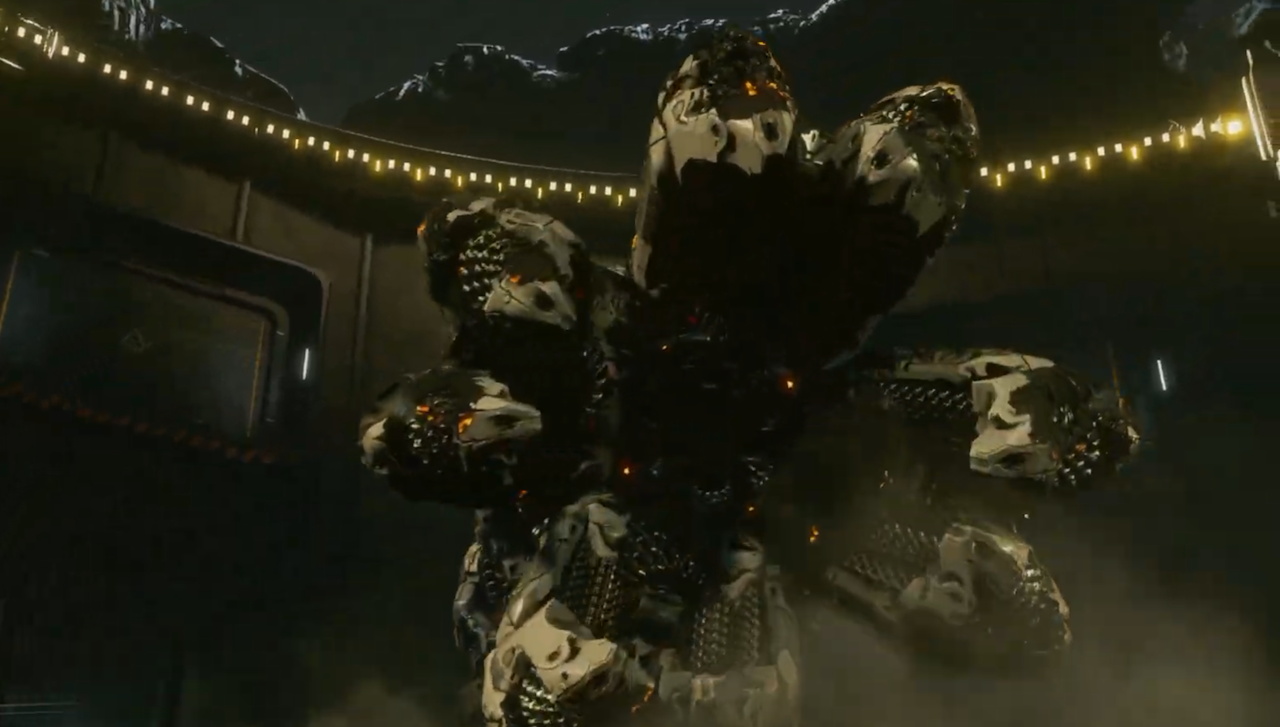
I enjoyed the design of each of Pragmata’s bosses, and I liked how they all looked and played in completely distinct ways. The standout, perhaps, is the Lunadigger – the giant Dune-esque “worm” that closes out the game’s fourth sector. The way the levels leading up to this fight had you being incredibly careful about stepping on the moon’s surface was also incredibly creative, and led to some fun platforming – as well as more than a few mad dashes across the dust!

Screenshot of Pragmata showing the Lunadigger
The Lunadigger was a tough but fun boss.

Given where the world is today with artificial intelligence, a game like Pragmata feels pretty timely. Not so much because of its robot baddies or its hacking – though those are interesting, too – but because of the way the story was written and how it leans into an old sci-fi trope that’s being taken increasingly seriously by computer scientists and those in the A.I. space.

Eight – Pragmata’s overarching villain – wants to send a kind of biological weapon of sorts to Earth. Why? Not because she was ordered to do so, but because her programming interpreted her creator’s wishes that way. Dr Higgins was furious with the Delphi corporation for not heeding his warnings and causing the death of his daughther, and wanted to punish them for it – and Eight responded to that by seizing control of IDUS, killing everyone at the Cradle, and attempting to exterminate life on Earth. Not because she was *ordered* to, but because that course of action made sense to her programming.

Screenshot of Pragmata showing Eight
Eight was revealed as the game’s overarching villain.

That’s an extreme example, arguably, of the A.I. “alignment problem,” which is an increasingly prominent topic of discussion out here in the real world. In short, an A.I. could become “misaligned” if its goals – or even just its methods – don’t line up with what humans want or need. And if an A.I. were to, for instance, decide that the best way to achieve its goal was to kill humans, it might do so not out of malice or murderous intent, but simply because it had other priorities.

In this case, Eight and IDUS represent the concept of A.I. in a more general sense. They’re taking actions not because they particularly *want* to kill Hugh, Diana, or anyone else, but because they have goals that even they don’t fully understand. The professor’s dying wish that Delphi should be exposed for what it did to Daisy was processed through Eight’s programming… and the solution she came up with isn’t one that he – or anyone else – could have possibly wanted or even predicted. And given some of the things we hear from time to time from the world of A.I. here in the real world, that’s a pretty interesting and timely story! It reminds me a little of Star Trek’s classic episode The Ultimate Computer, in that sense.

Screenshot of Pragmata showing IDUS
IDUS is a depiction of A.I. gone wrong.

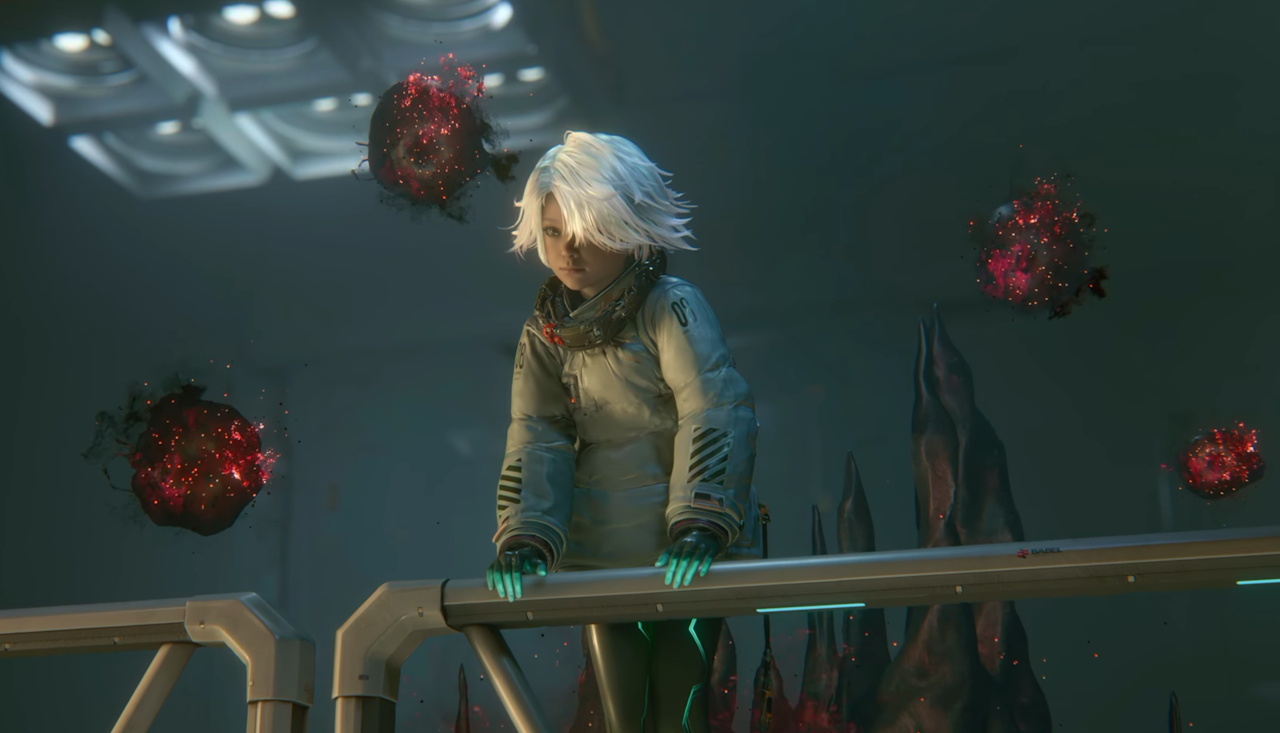
The other theme that we see in Pragmata’s story is one of family. Hugh and Diana become a “found family” over the course of their adventure, with Hugh playing a fatherly role to the robot’s child-like personality. This led to some cute moments between the two of them, particularly when they were chatting at the Shelter. This bond seemed to form quite quickly, which would probably be my only somewhat-criticism, but there were plenty of sweet moments between Hugh and Diana as the game wore on.

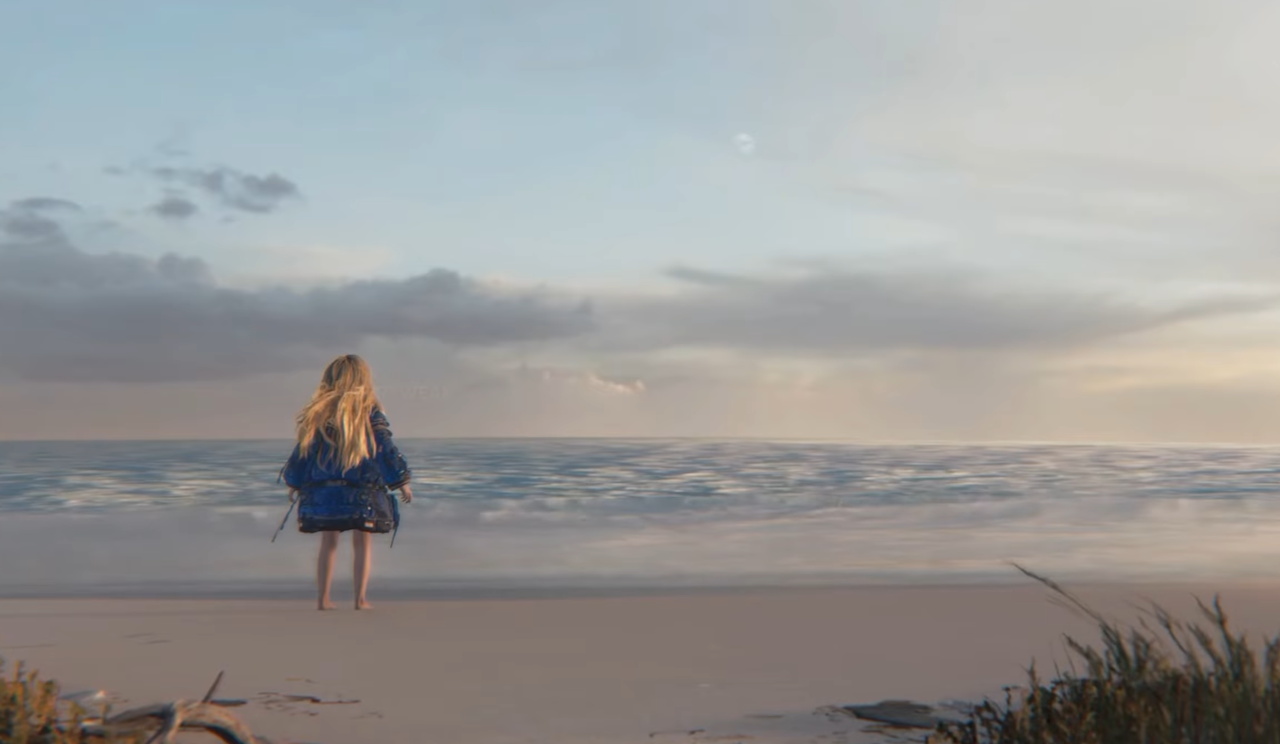
Sticking with the theme, Pragmata makes a point about the sacrifices parents make for their children – in Hugh’s case, literally using the last of his strength to send her to Earth so she can live out her dream of seeing the beach and the ocean with her own two eyes. And this moment, which was sufficiently built up across the latter part of the game, definitely plucked the right emotional chords. This was a man devoting his final moments to giving his surrogate “daughter” the one thing she wanted – and you’d have to have a heart of stone not to feel *something* as the game’s story came to an end.

Screenshot of Pragmata showing Hugh infected
Hugh’s sacrifice came at the end of the story.

So let’s start to wrap things up.

Pragmata is a pretty fun game with a classic, old-school feel – and one glaring flaw in terms of its accessibility. Once I got around that, however, I had a good time as I followed the story to its conclusion. I enjoyed some well-designed levels, came to care more about two characters than I initially expected I might, got into some tough combat encounters, and hacked my way across the moon with Hugh and Diana.

This game hadn’t been on my radar at all in 2026, but a strong and enjoyable demo version earlier in the year convinced me to add it to my wishlist. And I’m glad that I picked up the full version and got to go on this adventure with Diana and Hugh. As I said last time, there’s some stiff competition in 2026, but if you join me in December for my annual “End-of-Year Awards,” I have a feeling that Pragmata could be a dark horse contender for “game of the year.” We’ll have to wait and see on that, though!

Screenshot of Pragmata showing Hugh and Diana
Hugh and Diana near the end of the game.

I hope this spoiler-filled look at Pragmata’s story and gameplay has been interesting. I originally intended for this review to be a single article, but having written so much in both the spoiler-free and spoiler-filled sections, I thought it made more sense to break it into two separate pieces.

I have a few other games on my list that I’d like to get around to before too long, so stay tuned for reviews of games like Mixtape, inKonbini: One Store, Many Stories, Mouse: P.I. For Hire, and 007: First Light. I’m not sure when (or if) I’ll get around to all of them, but they’re definitely on my agenda this summer and autumn. I don’t play as many games as I used to, these days, but 2026 has felt like a pretty good year for new video games – even if it’s an absolutely atrocious one for gamers and the games industry as a whole.

Thanks for reading… and happy gaming!


Pragmata is out now for PC, PlayStation 5, and Xbox Series consoles. Pragmata is the copyright of Capcom. This review contains the thoughts and opinions of one person only and is not intended to cause any offence.


Pragmata: Spoiler-Free Review

This review is free from major narrative spoilers for Pragmata.

I recently completed Pragmata – Capcom’s sci-fi adventure – so it’s time for a review!

Pragmata hadn’t been on my radar this year, but I picked up the demo version back in February – and if you know me, you’ll know I’m a sucker for a good free demo! The demo version only lasted about half an hour, if I recall correctly, but it was interesting enough for me to put the game on my wishlist. I don’t usually like to pay full-price for video games, so I waited to see if Pragmata was gonna go on sale this summer. It didn’t… but I picked it up anyway!

There will be no major narrative spoilers in this article, so nothing’s gonna ruin the story for you. I’m only including official screenshots from Capcom this time, too, and none will show anything that could spoil the game. If you just want my take on Pragmata prior to picking it up for yourself, feel free to only read this article! But if you also want to get my thoughts on the game’s narrative and main characters in a bit more detail, as well as a couple of mechanics that you gain access to later in the campaign… I hope you’ll join me next time. I’ll get into the game’s story, world, and characters in more detail. When the spoiler-filled review is ready, click or tap here to read it, or follow the link above.

Promo screenshot for Pragmata showing the main characters
No spoilers today… but check back soon for my thoughts on the game’s story.

It goes without saying that everything we’re going to talk about today is the *subjective, not objective* opinion of just one critic. If I highlight something in the game that you think sounds awful, or if I offer criticism for something you enjoyed… please keep that in mind! There ought to be enough room in the sci-fi and gaming communities for polite discussion and differences of opinion without getting into toxic negativity.

Alright, with all of that out of the way, here comes the two-sentence summary!

I liked Pragmata for its old-school charm, its “double-A” story, and a pair of characters who grew on me over the course of their adventure. But I didn’t like Pragmata for its ridiculous difficulty spikes and lack of proper accessibility options.

Promo screenshot for Pragmata showing the first boss battle arena
There’s a lot to love in Pragmata, and one big point of criticism.

Let’s go into a bit more detail about each of those points.

Pragmata is unapologetically a video game. It doesn’t try to go for a “cinematic” presentation, it isn’t aiming for realism, and it embraces things like boss fights, locked doors, and a player base that’s always accessible. Its story, while it does throw up a few twists and turns, is fairly straightforward, and there are really only three characters to speak of. Enemies come in different flavours, and each takes a slightly different combination of weapons and powers – presented here as “hacking” – to defeat. If you dialed back the graphics (and toned down some of the bright white hallways and offices), you’d easily believe that this was a video game from, say, 2006 – not 2026. And in this case, I mean that as a compliment!

Sometimes you just want to switch off and blast through waves of enemies – and Pragmata offers that. There are puzzles to solve along the way, as well as some elements of platforming, and that’s basically the gameplay loop. Go to an area, kill all the bad robots inside, solve whatever puzzle is required to move on to the next stage, and repeat.

Promo screenshot for Pragmata showing Hugh and Diana ascending a lift
Going up?

But within that structure, there are some very creative levels. Pragmata has you wandering through a variety of different simulated environments – including a cityscape, a beach, and a jungle, as well as the futuristic sci-fi base which serves as the game’s main setting. Each level is well laid out, and while they aren’t vast and expansive, there are enough unlockables and secrets to make exploration and checking out side-rooms and secret areas feel genuinely worthwhile.

If you’ve been a reader for a long time, you might recall one of my criticisms of Star Wars Jedi: Survivor being that there just wasn’t enough content to find when exploring that game’s vast, semi-open levels. Pragmata absolutely does not have that problem. If you’ve found a room, a chamber, a corridor, a hidden area… you’re gonna find something worth your while. Maybe it’s a “log,” documenting the problems at the company and its sci-fi base. Maybe it’s an unlockable – something to improve your health, weapons, or tech powers. Or maybe it’ll be one of the cute collectibles to add to your home-away-from-home. I spent more time in Pragmata than I expected… in part because I wanted to collect all of the additions to my character’s home base. That’s something I don’t often do when playing games – and I think it’s testament to how Pragmata roped me in in ways I wasn’t expecting.

Promo screenshot for Pragmata showing the Shelter entrance
The way into the player’s base.

I described Pragmata’s story as “double-A,” so let me elaborate on that (without getting into narrative spoilers!)

Many of today’s “triple-A” video games go for these big, cinematic stories with characters who are meant to feel incredibly realistic. Think of games like The Last Of Us or Red Dead Redemption II – every aspect of the narrative in a title like those is designed to feel like something out of a Hollywood blockbuster. Pragmata, to me, feels like a video game story. And that is not a criticism! Some stories are well-suited to one medium or another, and for my money Pragmata’s story is fine. It isn’t gonna be a big-budget streaming series or a movie, and that’s okay. It works *because* it’s a video game.

I guess that might sound like a backhanded compliment; like I’m calling the story “simplistic,” or something. But that isn’t really what I mean. The parts of the story that are there are genuinely interesting, and I found myself getting more invested in it as the game unfolded. I just mean that there’s a difference between a story like Pragmata’s and one you might get in some other modern titles. For me, the story and gameplay generally worked pretty well together, and the narrative added to that old-school charm rather than detracted from it.

Promo screenshot for Pragmata showing combat and hacking
Hugh and Diana encountering bots.

Where Pragmata really succeeded, though, was in its characterisation. If you’ve only got *two* characters in your story 90% of the time, you have to absolutely nail both of them – and Pragmata really did. At first, I felt Hugh was a pretty bland “everyman” type; but he very quickly grew on me as the story unfolded. And his sidekick Diana, while she could be annoying on occasion, certainly did, too.

We’ll go into more detail about Diana and Hugh in the spoiler-filled article in the days ahead, so stay tuned for that. But both characters were interesting and engaging. I also felt the way that you controlled both characters in gameplay was something a bit different. It’s certainly a twist on the old “escort mission” idea! Both characters had things to say, ways to contribute to the fight, and their own emotional moments, too. I could see there being some criticism of how quickly their bond seemed to build, but for me, I think the game’s story was paced just right, and it’s not a criticism I’d personally agree with.

Diana and Hugh: the game’s co-protagonists.

Okay, let’s be negative for a moment.

Pragmata is not a particularly accessible game. I suffer from arthritis, which affects my hands and fingers – and, to be blunt about it, I was never the best gamer in the world even before that became an issue! But because Pragmata doesn’t offer adequate ways to tone down the difficulty… well, it made the game too difficult and borderline inaccessible for me.

One relatively early section of the game builds up to a boss battle. And though groups of enemies could occasionally pose a challenge, I got through the game up to that point without too much difficulty. But then came one of the worst difficulty spikes I’ve enountered in a game in a good long while. And look, I get it: bosses are supposed to be tough. But this one, compared to the game around it, was exceptionally difficult, and for someone with limited dexterity… I couldn’t do it. And this was on the easiest of Pragmata’s two difficulty options. You read that right: the game only has *two* difficulty options – with a third, much harder one being unlocked after beating the campaign.

Because of that… I can’t recommend Pragmata to someone in a similar position to myself, unfortunately.

Promo screenshot for Pragmata showing combat
A combat encounter.

“But Dennis,” I hear you ask, “didn’t you say you completed the game?” And that’s right – I did. But I was only able to do so by downloading and installing an unofficial mod.

To me, that kind of game design is not acceptable. I praised Pragmata for its old-school feel, its classic level design, and its creative enemy types. But I cannot stand for a modern game, in 2026, launching without proper accessibility features. And, say it with me, folks: “difficulty options are an accessibility feature!”

I turned the mod off after beating that one impossible boss, and I hoped I could get through the rest of the game without it. And I tried, believe me! But I did end up having to use the mod a couple more times before the end of my run, again because either a boss or a swarm of enemies was just too much for my decrepit body to handle. I’m disappointed by this, and I would encourage Capcom to seriously look into including more difficulty and accessibility options in future titles.

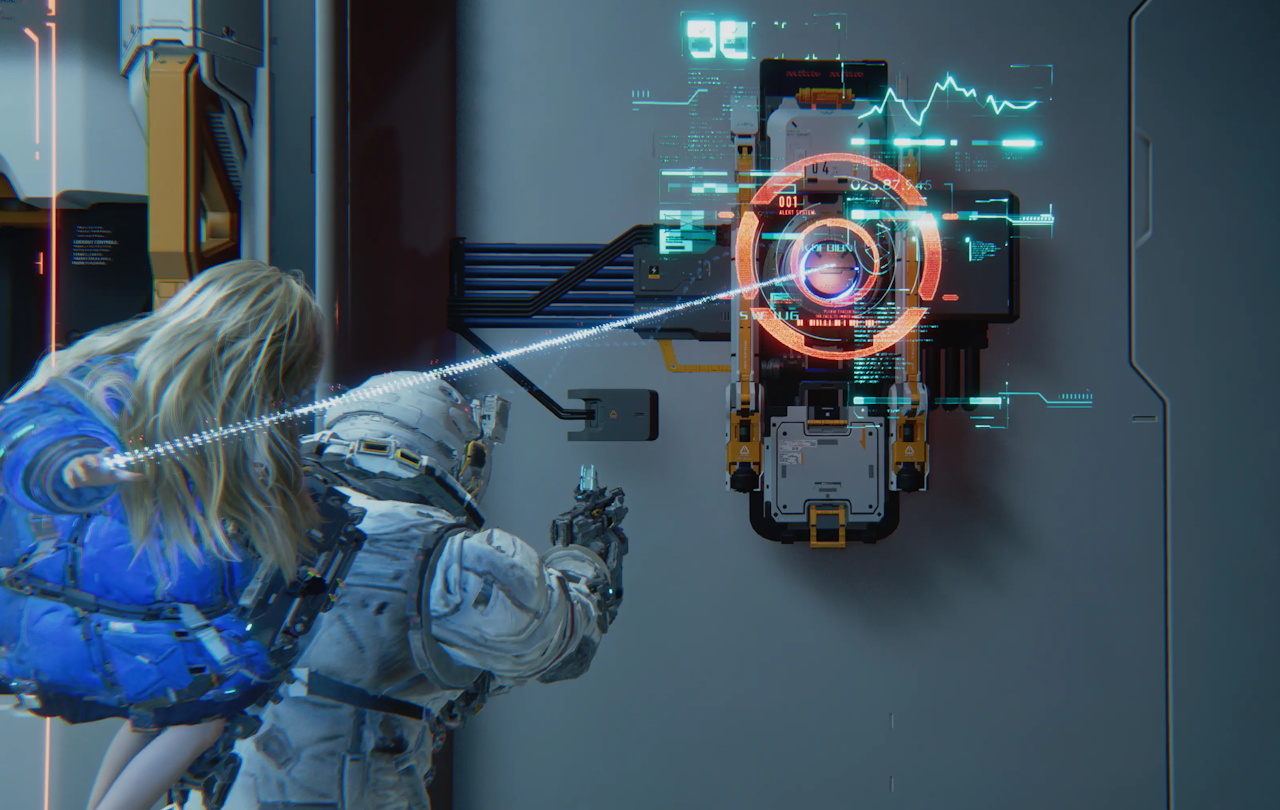
Promo screenshot for Pragmata showing hacking a door
Ironically, for a game about hacking, I had to “hack” my copy to make it playable!

That’s the end of the worst of my criticisms of the game!

Sound design and music can go unnoticed in games, sometimes. For my money, Pragmata did a good job here. Beeps and boops felt sufficiently futuristic and sci-fi – if that makes sense – and each of the game’s weapons had sound effects that seemed to fit with the design. Music could be intense during combat, gentle during quiet story moments with the two characters, and melancholic at key moments in the story, too. I haven’t set the game down humming its theme tune, or anything, but sound and music were solid throughout.

Visually, I have to say that nothing in Pragmata really jumped out at me as being uniquely interesting – but I didn’t hate any of the designs, really. Robots (the main cadre of enemies you’ll encounter) all felt sufficiently futuristic, and some could feel either creepy or intimidating, with designs that leaned into those ideas. Bosses always managed to feel genuinely imposing, too.

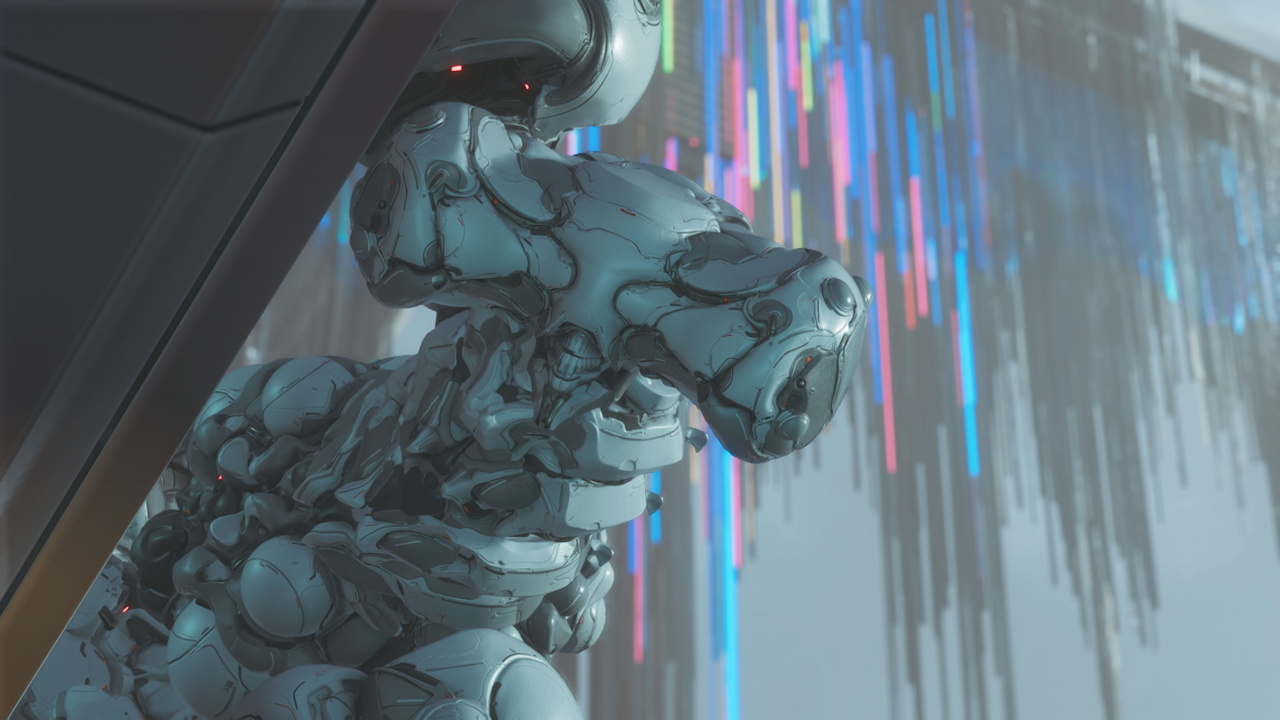
Concept art for Pragmata showing a walker robot
Detail of one of the game’s robotic enemies.

There were some cute collectibles for the player’s base, and I went out of my way to make sure I got the entire set. Most of these also triggered a small cut-scene or moment of dialogue between the main characters, which added to the fun. I’ve never been someone who needs to get 100% of all collectibles in a game, and I missed my share of weapon mods and upgrade materials across my adventure! But it was always worth backtracking to get those other pieces, and I’m glad that I was able to gather and install all of them before beating the final boss.

So I think that’s all I can say for now without getting into spoiler territory.

If you want to know if Pragmata is right for you… first answer this question: are you reasonably good at third-person action/adventure games? If you are, and if you aren’t suffering from arthritis or a similar issue to me, then I absolutely recommend it. It was a fun experience, a bit of a throwback in some respects, and a generally fun time. But if you’re someone, like myself, who prefers to play on easy mode – or if you just want to experience a story without needing to worry too much about dying over and over in a game that *doesn’t have a free save system* – then you might want to think twice. If you play on PC, you can do what I did and mod the game. But if you’re on Xbox or PlayStation, that option’s not available to you… so it’s absolutely worth being aware that there aren’t proper difficulty or accessibility options before you part with your money.

Promo screenshot for Pragmata showing Hugh
I recommend Pragmata… with a major caveat.

Once I got around that issue, I did enjoy the rest of the game. And I wouldn’t have wanted to miss out on playing the remainder of Pragmata simply because of Capcom’s refusal to cater to gamers of different ability levels. For me, this is an absolutely valid point of criticism, and by far the worst thing about Pragmata. The only reason it didn’t ruin the game for me – and the only reason I was able to keep playing – was thanks not to Capcom, but to the efforts of the modding community. Another great reason for playing on PC, eh?

If that’s not an issue for you, though (or if you’re okay with modding the game), then I’ll absolutely say “go for it!” I had fun on this sci-fi adventure with Hugh and Diana, and over the course of my seventeen-and-a-half hours with Pragmata, I was enjoying myself far more often than not. I think Pragmata faces stiff competition when it comes to deciding on my personal “game of the year,” but it might be a dark horse contender come December.

I hope you’ll check back at the end of the year for that! And if you’re okay with story spoilers, join me next time. I’ll break down Pragmata’s narrative in a bit more detail, as well as touch on a few things that I wasn’t able to this time. Thanks for reading… and happy gaming!


Pragmata is out now for PC, PlayStation 5, and Xbox Series consoles. Pragmata is the copyright of Capcom. This review contains the thoughts and opinions of one person only and is not intended to cause any offence.
1666: Amsterdam – My Thoughts on the Prologue

A spoiler warning graphic

Spoiler Warning: Beware of spoilers for the prologue to 1666: Amsterdam.

Isn’t it great that free demos are coming back in such a big way? Demo versions of games used to be ubiquitous; you’d even get free demo discs with certain gaming magazines back in the 1990s and 2000s! Having recently tried the demo version of Star Trek: Outposts Unknown, I’ve just finished playing my way through the “prologue” to the upcoming horror-fantasy game 1666: Amsterdam.

And you know what? I had fun.

Horror isn’t usually “my thing,” which is something I’ve said many times here on the website! But horror and horror-adjacent titles can still be enjoyable for me if they’re done well (and they aren’t overly reliant on cheap jumpscares or excessive gore). Despite mages and wizards being stock fantasy characters – especially in the realm of video games – witches haven’t been quite so common, if you stop to think about it. So a game that dips its toes in the world of European witchcraft seemed… interesting.

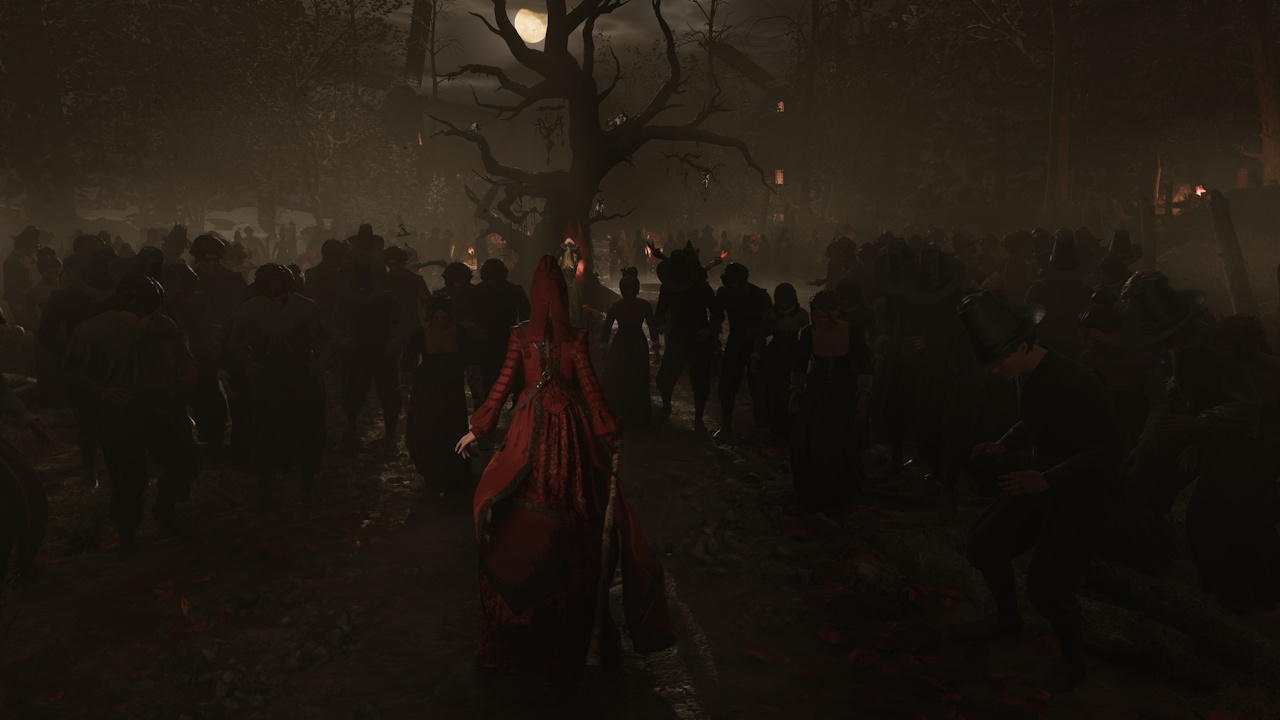
Screenshot from the demo version of 1666: Amsterdam showing the player arriving at a coven
Arriving at a witches’ coven.

I’m always going to have my curiosity piqued by titles that look to offer some kind of different experience; something I haven’t necessarily played before. And while, in strict gameplay terms, 1666: Amsterdam didn’t feel all that special, its narrative – and its time-bending story involving a secret witchy cult – definitely fits the bill!

Obviously, gameplay matters in a video game. And we’ll get into a couple of specific gameplay gripes in a moment – because 1666: Amsterdam’s prologue has definitely highlighted a couple of areas where improvement is needed! But, broadly speaking, I come to a title like this to be engaged by a strong narrative, and the fact that, even after barely half an hour of gameplay, I feel compelled to return to this world and uncover the next chapters of the story? That’s a good sign!

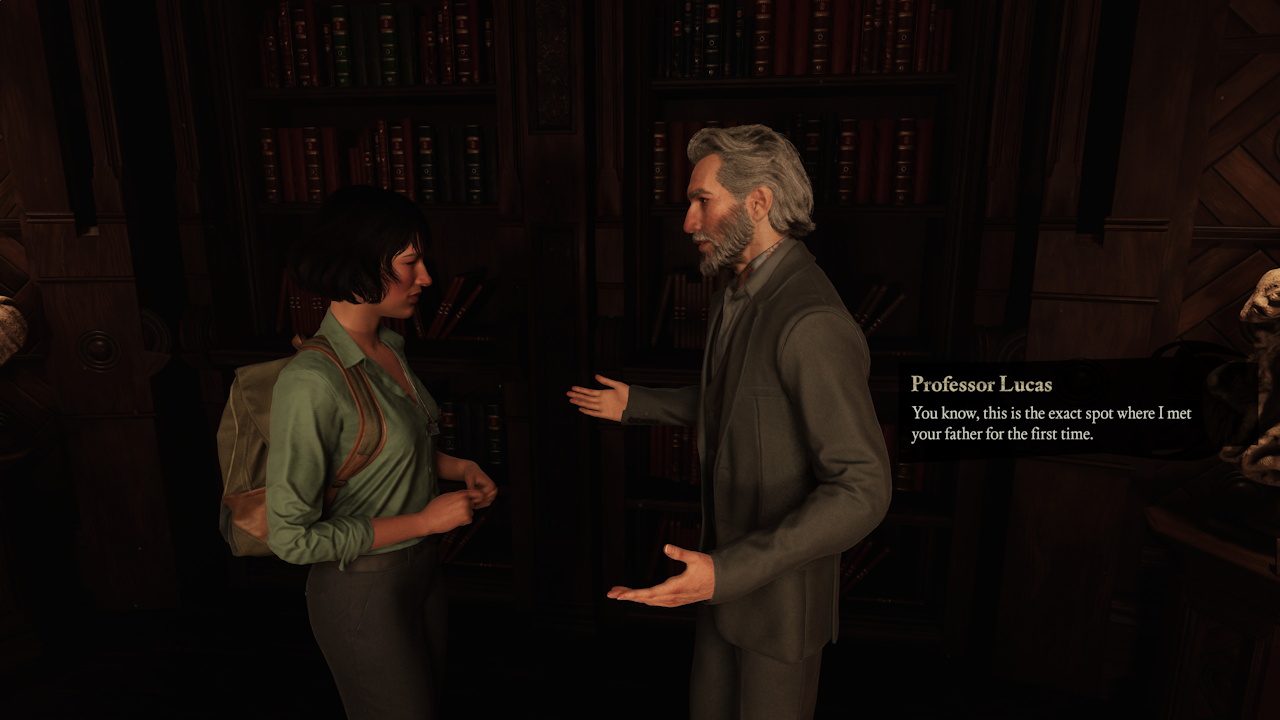
Screenshot from the demo version of 1666: Amsterdam showing Clio and the professor
Cilo and the professor.

Let’s get the negatives out of the way first.

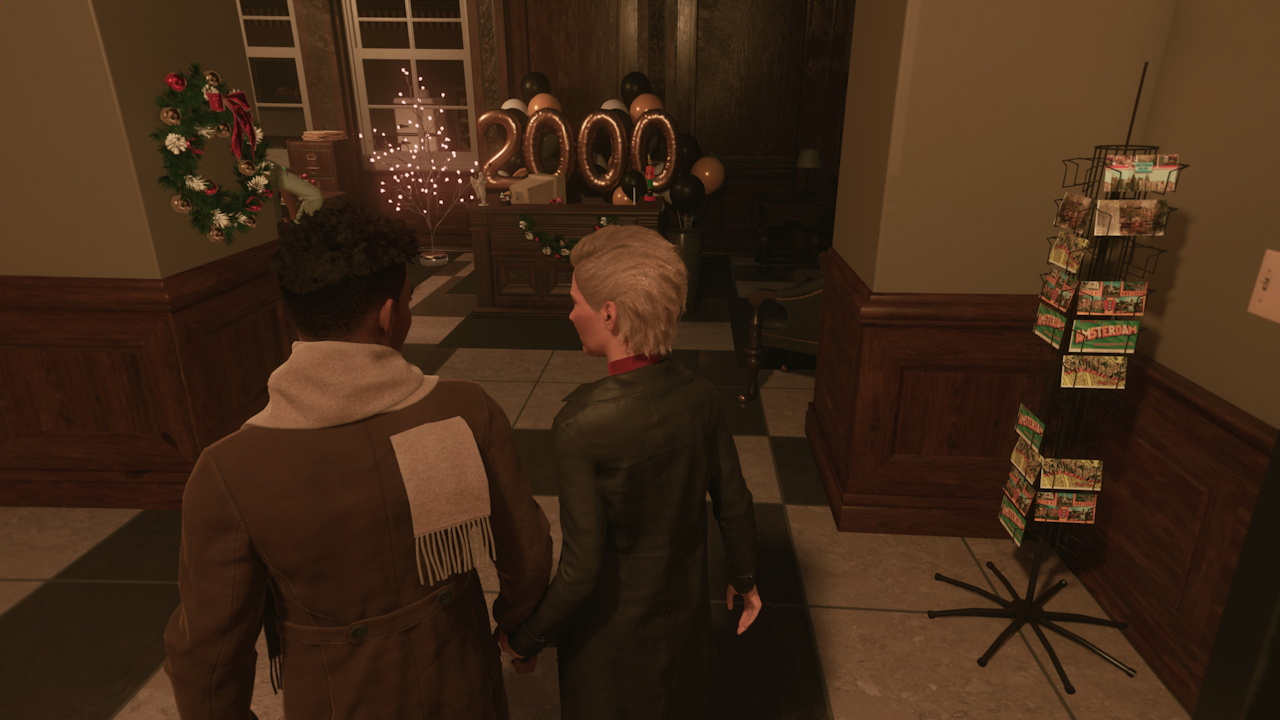
There were a couple of moments in the prologue where I felt some refinement to the controls was needed. On a couple of occasions, you’re steering two people at once – one supposedly following another, and then later, a couple holding hands. Although an interesting riff on the “follow the NPC” idea *in theory*, I just wasn’t wild about how this worked in practice. Having to steer two characters through some occasionally narrow doorways or staircases using just one control stick just… I dunno. If it’s a small part of the game, I guess I could overlook it. But it felt clumsy, and I wasn’t sold on this method of circumventing the old “follow this important character” cliché.

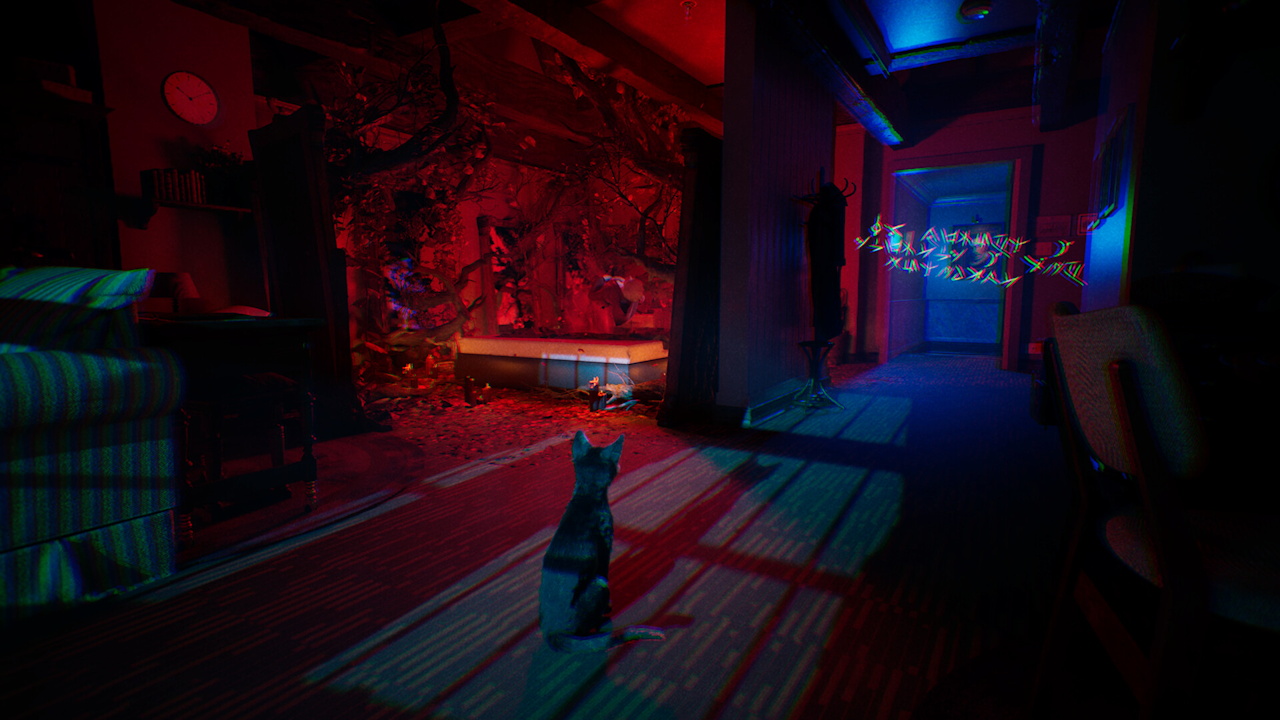
Secondly, there were two moments where button-prompts either didn’t appear at all or didn’t appear in time. The first “puzzle” – if we can call it that – in the prologue involved finding a specific book on a specific shelf, but even after locating the correct shelf, the prompt to search for the book didn’t appear at first, leaving me wandering aimlessly around the library wondering what I’d done wrong. Secondly, in the section where you play as a cat, my cat-character got stuck on a log, unable to jump down for a minute, because the button prompted me to jump onto a log… but the prompt to jump down again didn’t appear.

Screenshot from the demo version of 1666: Amsterdam showing a button prompt
One of the places where a button prompt went missing.

As I said in my last look at a demo version, this is a game’s chance to make a *good* first impression! Bugs are to be expected in a game which is still being developed, and I understand that game development isn’t easy. Feedback from players can also be important. But a demo version should be polished… and the level of polish, at a couple of points, was imperfect.

That being said, nothing I encountered prevented me from progressing to the end of the prologue, for which I’m glad!

There was no combat in the demo, so I can’t say whether 1666: Amsterdam’s combat encounters will be fun, but from what I’ve managed to glean from the short teaser at the end of the prologue, it looks comparable to something like last year’s South of Midnight – third-person combat with some magical witchy powers in the mix. Combat may not be the biggest part of the game, with puzzles, exploration, and advancing the story clearly having big roles to play, too, but as long as combat is competent, I’ll be satisfied.

Four stills from the 1666: Amsterdam trailer showing combat
Combat, as glimpsed in the trailer.

I love games where you get to play as a cute kitty cat – two of my favourite titles of the last few years have been Stray and Little Kitty, Big City! And black cats are absolutely adorable; my own cat has black fur. Despite what people say about bad luck or evil spirits or whatever nonsense… black cats are cute! So any game that gives me a black cat – either as a companion or, as in this case, as a playable secondary character – I’m gonna be happy.

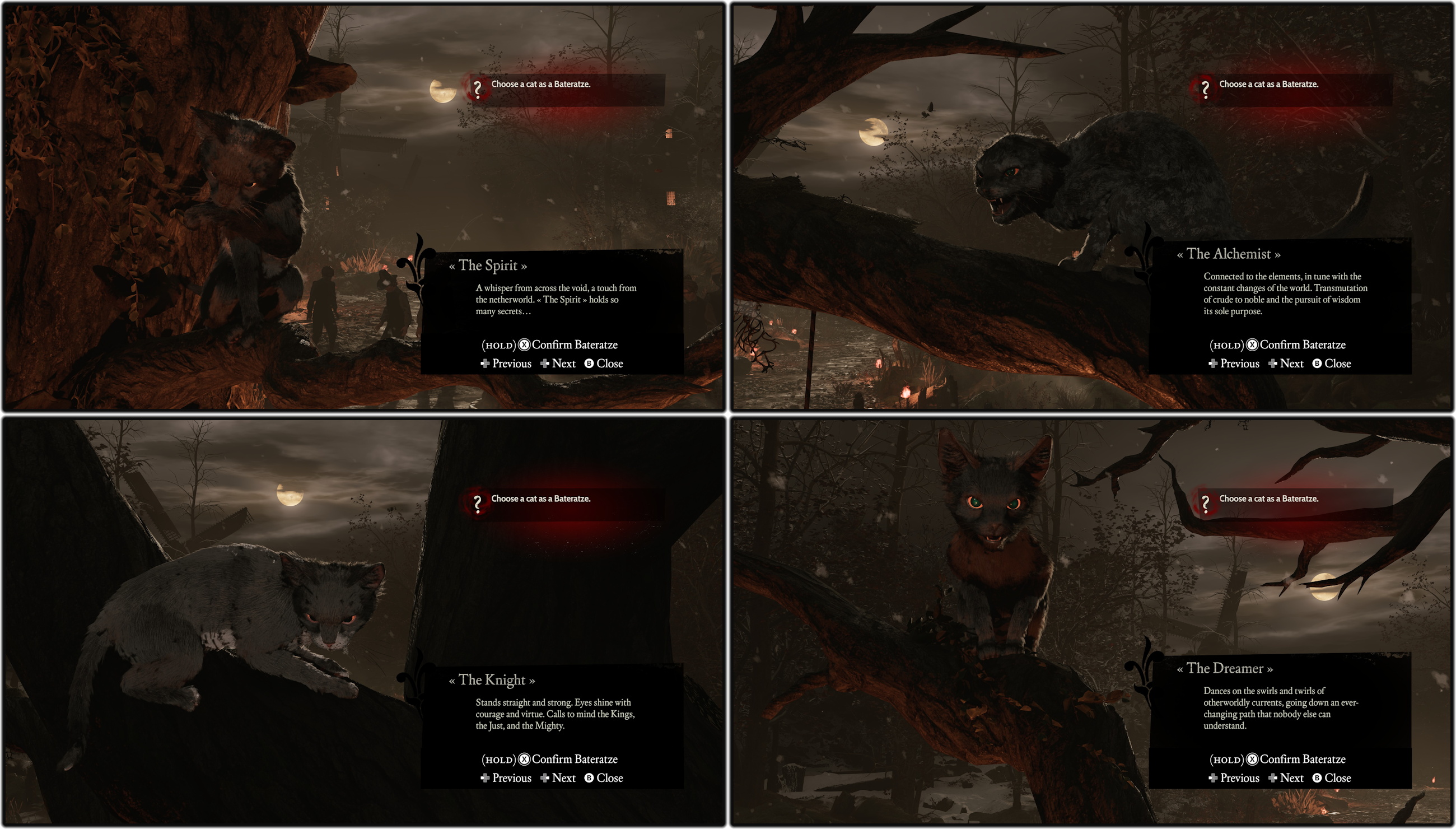
Choosing which “personality” the cat will have was also an interesting element to the game, and while it didn’t mean much in terms of the demo, I expect it’ll matter a lot more in the full version of 1666: Amsterdam. There seemed to be half a dozen or so cats to choose from, and the little descriptions they were given hinted at different abilities. There might be some different lines of dialogue, or even completely different side-missions, as a result of these choices.

Four screenshots from the 1666: Amsterdam demo showing cat choices
Choose your furry feline friend!

I don’t know, at this stage, whether a game like 1666: Amsterdam will have a lot of replayability. Some games offer branching narratives, or gamplay that’s so varied that coming back to it can feel like a completely new experience. Others are much more linear. If I had to guess, I’d say 1666: Amsterdam will probably have quite a linear narrative, but that there may be ways to shake up the combat or puzzle-solving, depending on certain choices. I don’t object to that at all – I love a good linear title. Indika, which doesn’t feel a million miles away from 1666: Amsterdam, as they’re both third-person, horror-adjacent historical titles with female protagonists, is one of my favourite games of 2024, for instance.

Time travel can be difficult to get right in any work of fiction, and having two (or perhaps three) time periods on the go simultaneously can feel confusing. For my money, though, the prologue to 1666: Amsterdam seems to have done this side of its story quite well. It was actually quite nostalgic to step back to Millennium Eve and see all the decorations; I’m not sure if that moment has ever been recreated in a video game like this. Certainly not one I’ve ever played! But it did make me feel oh so old to see one of the game’s playable characters – a woman in her mid-twenties – who was presumably born *after* the turn of the millennium!

It was weirdly nostalgic to go back to Millennium Eve…

The story of a “Collector” intrigues me. And I think it’s a testament to the strong storytelling present in the prologue that I really want to learn more about this world and unfold this story. That’s what a demo version for a game like this is supposed to do, I suppose! But it definitely roped me in, and I can feel my interest for the game starting to build. When it releases in full – potentially sometime next year – I’ll definitely be checking it out.

The studio behind 1666: Amsterdam is Panache Digital Games, who you might be familiar with from 2020’s Ancestors: The Humankind Odyssey. I didn’t play that game, which received mixed reviews upon release, but it was another game with a unique concept, I guess. Patrice Désilets, who was the creative director behind Prince of Persia: The Sands of Time and the first two games in the Assassin’s Creed series, is the head of Panache Digital Games. With Assassin’s Creed supposedly also working on a witch-themed title (Hexe), comparisons may be inevitable when the two games launch!

Promo screenshot for 1666: Amsterdam
Aaron, the kitty cat.

1666: Amsterdam seems to be getting an “early access” launch later this year. But that’s not something that I usually dabble with, so I expect I’ll be waiting for the game’s full release before I jump in. Still, the prologue was interesting – and from the point of view of getting me hyped up for the title, a definite success!

I hope this has been interesting.

I like to check out demo versions when they become available, and a title like 1666: Amsterdam definitely feels like something a bit different right now. There are a couple of places where some additional polish is needed, but the game’s story feels genuinely compelling, and I really can’t wait to see it unfold. When 1666: Amsterdam gets a full release – which may be next year – I hope you’ll join me for a review.


1666: Amsterdam will launch in early access on PC in late 2026. A full release date and console launches have not yet been announced. A demo version, titled 1666: Amsterdam (Prologue) is available now on PC. 1666: Amsterdam is the copyright of Panache Digital Games. This article contains the thoughts and opinions of one person only and is not intended to cause any offence.

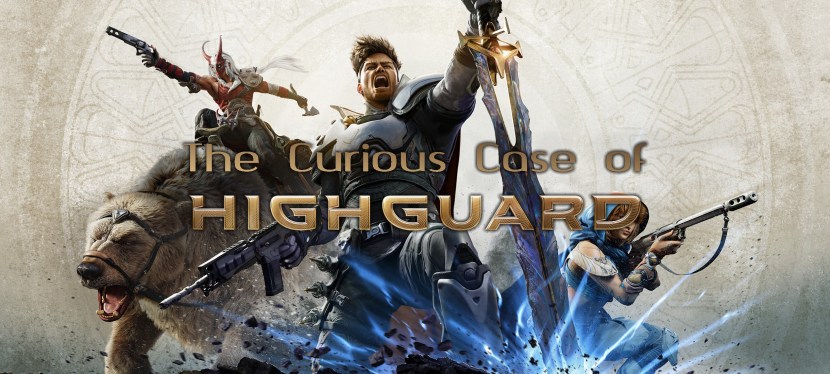
The Curious Case of Highguard

Highguard is the kind of game I’d never have been interested in. Online multiplayer shooters – even the best exemplars of their various sub-genres – just aren’t my thing, and never really have been. But the discussion around Highguard – the free-to-play hero shooter that launched just yesterday – has been inescapable over the last few weeks, and I wanted to share my thoughts. Because, despite my feelings (and my better judgement), I did actually fire up the game and play a few rounds.

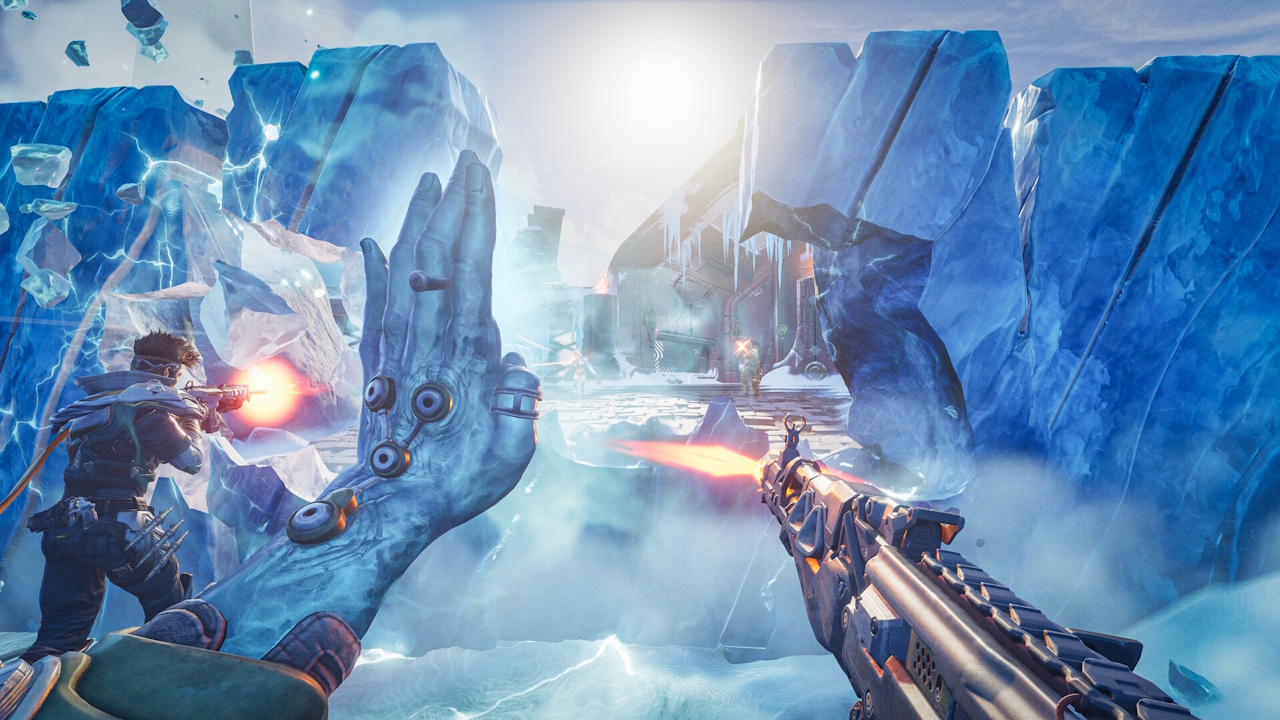
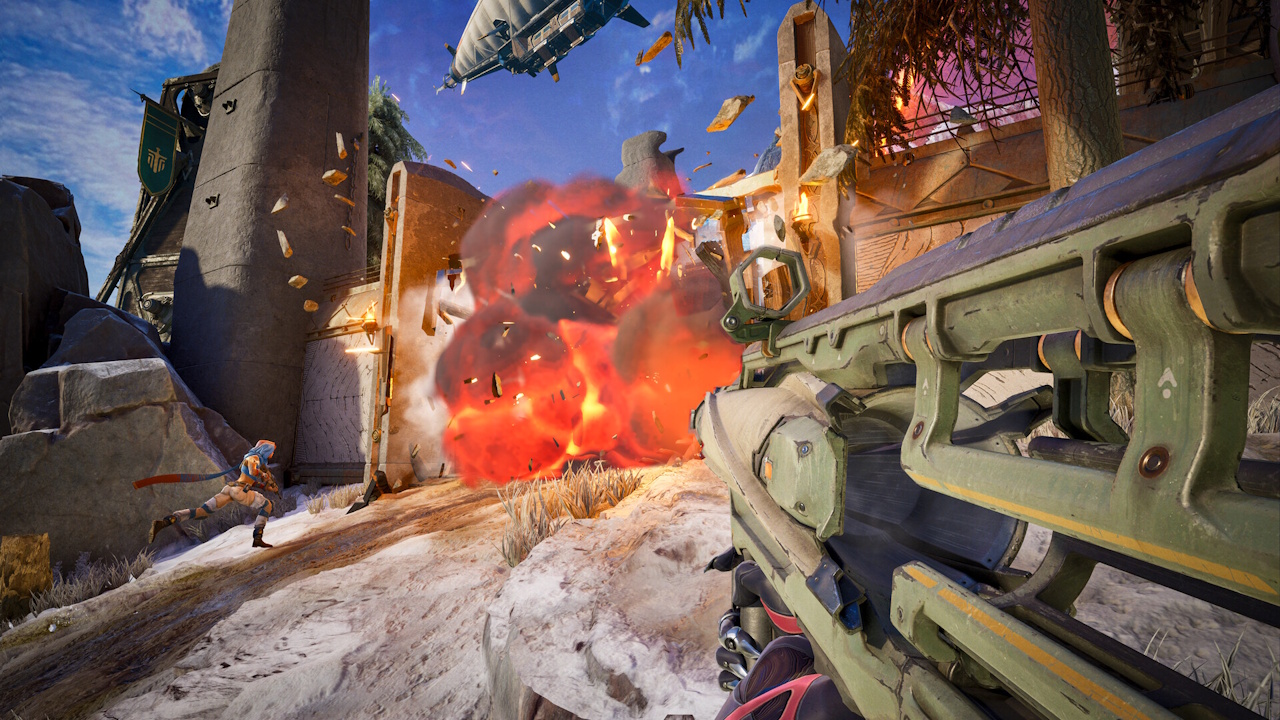
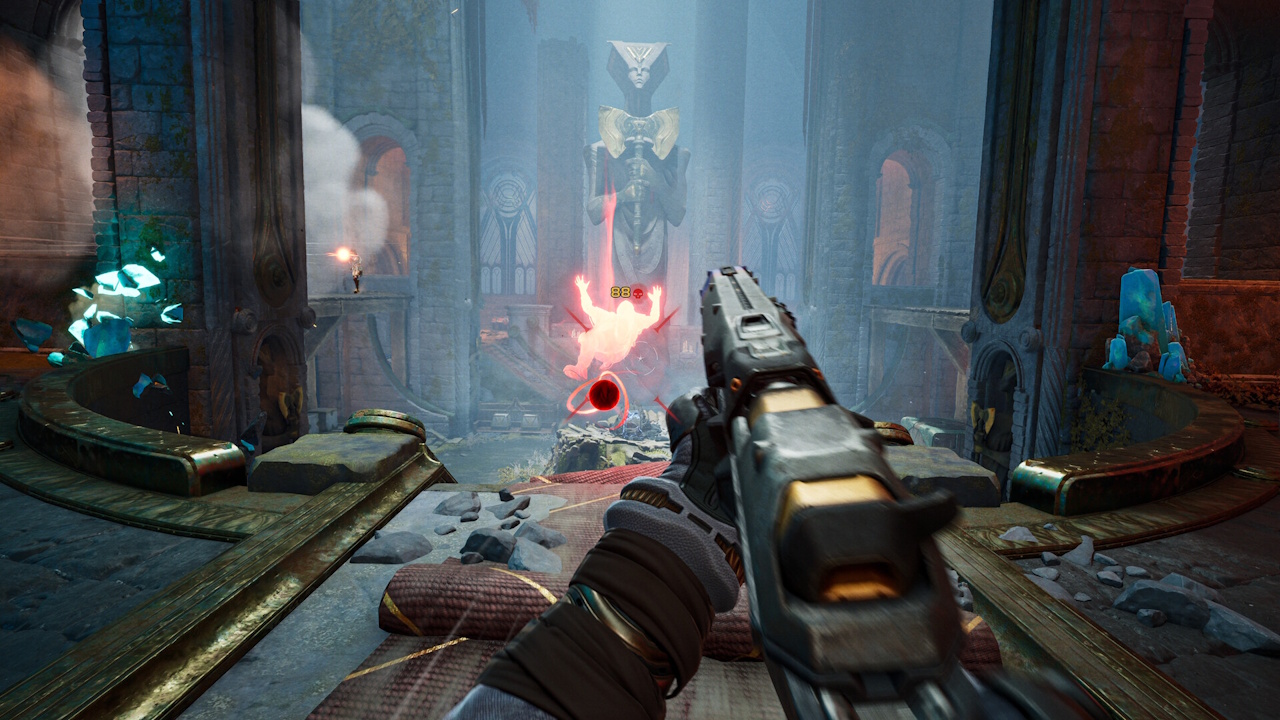
Let’s start with the game itself. On launch day, Highguard had issues. I couldn’t get into matches half the time, and often when the game did work, I’d get disconnected before a round could actually begin. Not a great first impression! But, from what I can tell from the few rounds I managed to play, Highguard is about what I’d have expected from a free-to-play shooter. It’s graphically solid, the music and sound design is fine, and its core shooting mechanic feels… decent. Overall, I wouldn’t say anything about Highguard feels exceptional – not its mounts, not its guns, and not its level design. But I am admittedly not the target audience, and for people who are interested in a new free-to-play 3 vs. 3 shooter, I can see it holding some appeal.

Highguard was released yesterday.

At a mere 20 GB, Highguard wasn’t an excessive size to download. And being free, I didn’t mind booting it up to test it out – even if my main purpose for doing so was to have something to write about here on the website! I wouldn’t have wanted to pay money for a game like this… but I didn’t have to, so that worked out okay!

The truth is, though, that the intense backlash Highguard attracted after its reveal last month is a big part of why I wanted to try it out for myself, and why I felt compelled to share my thoughts.

I used to work in video games marketing a long time ago. And Highguard’s marketing campaign – if we can even call it that – is one of the strangest I’ve ever encountered. Because of my background, I really found the whole situation to be both fascinating and thoroughly bizarre, which is another big reason why I needed to comment on the situation.

Stock photo of people in a meeting room at an office.
I used to work in games marketing.
Stock photo: Unsplash.

If you’d offered me the chance – back when I worked in the industry – to have a game I was trying to promote shown off at the most-viewed moment of what has become the most important marketing event in the gaming calendar, I’d have jumped all over it. One of the issues a lot of games face, even if they’re backed up by a big publisher, is just getting their name out there and getting any amount of attention whatsoever. So the opportunity to be featured at the games industry’s equivalent of the Super Bowl halftime show… that’s something special.

And, according to reporting, Highguard was offered that spot for no extra cost.

Highguard’s developer/publisher, Wildlight Entertainment, paid for an advertisement at the Game Awards, as all studios do if they have a trailer they want to premiere. But it was the event’s organisers who chose to offer the game the highly-coveted “one more thing” slot; the final trailer of the night, which is usually the moment of maximum attention as the “Game of the Year” award is being handed out. If that’s true, and I believe it to be based on what I’ve read, then Wildlight’s marketing team must’ve felt they’d been given a real gift; a “golden ticket” to success.

Corporate logo for Wildlight Entertainment, developer/publisher of Highguard.
Highguard was developed and published by Wildlight Entertainment.

Unfortunately, it didn’t pan out that way.

Immediately after last year’s show ended, a pretty vitriolic hate campaign began against Highguard, and it must’ve taken the team – and the organisers of the Game Awards – by surprise. Wildlight went radio-silent after the trailer was broadcast, and made literally no further comments on the game until yesterday, when it officially launched.

That is *bizarre* in the extreme. The weeks and days leading up to a game’s launch are when a marketing team would usually be doing its most intense work; social media pushes, buying up ad slots targeting particular demographics, showing off as many of the core features of the game in as positive a light as possible… that’s the moment to do everything in your power to generate hype and to get people talking – *especially* if you’re launching a brand-new title in a new I.P.

Promo screenshot for Highguard (2026).
Wildlight went radio-silent after the Game Awards trailer blew up.

I can only assume that one of two things happened. Either the backlash to the Game Awards trailer was *so* intense that the team at Wildlight felt they needed a mental health break. And if that’s the case… fair enough. No shame in that. Or, as an alternate suggestion, perhaps someone at the company believed wholeheartedly in the “there’s no such thing as bad publicity” slogan, figuring that, as long as people were talking about Highguard – be that in a positive or negative way – it would translate into downloads, a big launch, and ultimately, sales of the game’s microtransactions.

In my time in games marketing, I was never in the latter camp!

There really is such a thing as bad publicity, I’m sorry to say, and the job Wildlight needed to focus on over the last month or so was steering the conversation in a more positive direction. They could’ve done that in a number of ways, but if I’d been advising them (or running the campaign), I’d have strongly advocated for grasping the nettle. Acknowledge the backlash, engage with the jokes and the memes, and use that as a springboard to turn the conversation around. Worst case? Your game still flops and you make a bit of a tit of yourself in the process. But in the best case, there was a possibility for Highguard’s team to have shown that they have a sense of humour about the whole situation, and that can, in turn, lead to positive engagements with what they must’ve hoped would become the game’s community of players.

Promo screenshot for Highguard (2026).
There were better ways to market this game, surely.

Very few companies can get away with dumping a trailer onto the internet for a new game and then saying… nothing. Prospective players have genuine questions that need to be addressed. Journalists and reviewers want to get their hands on the game early. People who started out critical have a chance to be converted. Ignoring all of that – even if it was for understandable reasons – left a vacuum in which Highguard’s critics were able to shout and scream unopposed. The conversation around the game started negatively… and then it got worse. Folks were proclaiming it a failure on the scale of 2024’s Concord.

By the way, I don’t believe in the tired argument that “you can’t judge something until you’ve played/watched it for yourself!” The whole point of marketing material – like a trailer – is to generate interest and excitement. If a trailer is poor, people are going to be turned off, and that’s a totally valid response. Folks clearly felt that Highguard looked generic and uninteresting based on the trailer they saw at the Game Awards, and that’s not their fault – that’s Wildlight’s fault for putting together a pretty bland and uninspired piece of marketing material.

Still from the Highguard launch trailer showing the character of Scarlet.
Scarlet, one of the playable characters.

But after that misstep, there was almost a month in which to course-correct. Re-doing whole chunks of the game is clearly off the table, but from a marketing standpoint, there absolutely were ways that Highguard’s team could’ve at least *tried* to regain control of the situation. I don’t know Wildlight’s situation, so I can’t speak to the kind of marketing budget they may have been working with, but a closed play-test of the game was offered to a number of influencers – and that kind of thing doesn’t come cheap. Inviting some of the more critical influencers, and trying to – for want of a better term – “wine and dine” them, while extolling the virtues of the game would have been a great idea.

And online, on social media, simply disappearing and going completely silent ceded the stage to the critics. Folks who felt the game was generic and bland had free rein to say so, with not even a scintilla of pushback from Wildlight. I can understand, on a personal level, why stepping into the social media fray, when toxicity is swirling like this, isn’t going to be hugely appealing or a lot of fun. But that’s the job, sometimes, isn’t it? You can’t always be blessed to work on universally beloved games that get absolutely zero criticism – and if you want to reframe the narrative, sometimes you have to demonstrate the ability to be self-deprecating and take things in good fun.

Still frame from the Highguard launch trailer showing a tagline.
The lack of a proper marketing campaign has, in my view, harmed the game’s reputation.

But hey, maybe Wildlight’s “say nothing” approach… kinda worked? I mean, I played the game. A game I would never have played were it not for the attention and the backlash! So maybe the way I’d have tried to handle the marketing is outdated in the days of TikTok and memes. Who knows! It’s been a hot minute since I worked in the industry, after all.

One final thing I wanted to comment on was the *scale* of the backlash that this game received.

There are bad games that release all the time. And there are bland, uninspired games, too. The whole point of media criticism is to point this out, and one thing I genuinely appreciate about social media (and the internet in general), is how media criticism has become democratised, with all kinds of people free to share their thoughts on… everything. Reviews are no longer limited to a handful of English and journalism majors from the top universities, and that is genuinely a positive thing. I say that as someone who runs a small website where media criticism is the name of the game. I’d never have got a job as a critic at a newspaper in decades past, so the very existence of my website is testament to the power of the internet to open up reviews and critiques to all kinds of different voices.

Still frame from the Highguard launch trailer showing a shotgun being fired.
Firing a gun in Highguard.

But the flip side to that is that not all criticism is of the same quality… or even relevant. Highguard suffered from a “pile-on” effect, where folks who wouldn’t have been interested in the game, or wouldn’t have cared about it one way or another, saw hate comment after hate comment on social media, and decided to join in. The snowball started rolling (if I can mix my metaphors), and Highguard quickly became one of the most-criticised and most-memed games of the last few months – all before it even launched.

And yes, there are valid reasons for some of the criticism. The game is, at best, an Overwatch clone; a free-to-play hero shooter in an already-saturated marketplace. Visually, it neither excels nor stands apart; nothing about the way the game looks – which is the main thing audiences take away from a trailer – gives it a strong visual identity. And, of course, previous “one more thing” trailers at the Game Awards have been for bigger titles, either in well-known I.P. or from established studios. Most have also been announcements or teases of *single-player* titles, too. So the choice of slot, which I’d have been overjoyed about if I’d been on the marketing team, may have contributed to the disappointment and ultimately the backlash.

Still frame from the Highguard launch trailer showing the game's logo.
The game’s logo.

But I admit that I was somewhat taken aback by the scale of the criticism – and how quickly some of it descended into hate, name-calling, and general toxicity. And I think some folks ought to take a look in the mirror. It’s totally okay not to like a game, or not to want to play an upcoming game based on its marketing material – but it’s not okay to be toxic, to send death threats to developers, or to cross the invisible line between a shared joke with friends and something more… sinister. Some of the conversation around Highguard did cross that line, and you don’t have to look far to see examples of that.

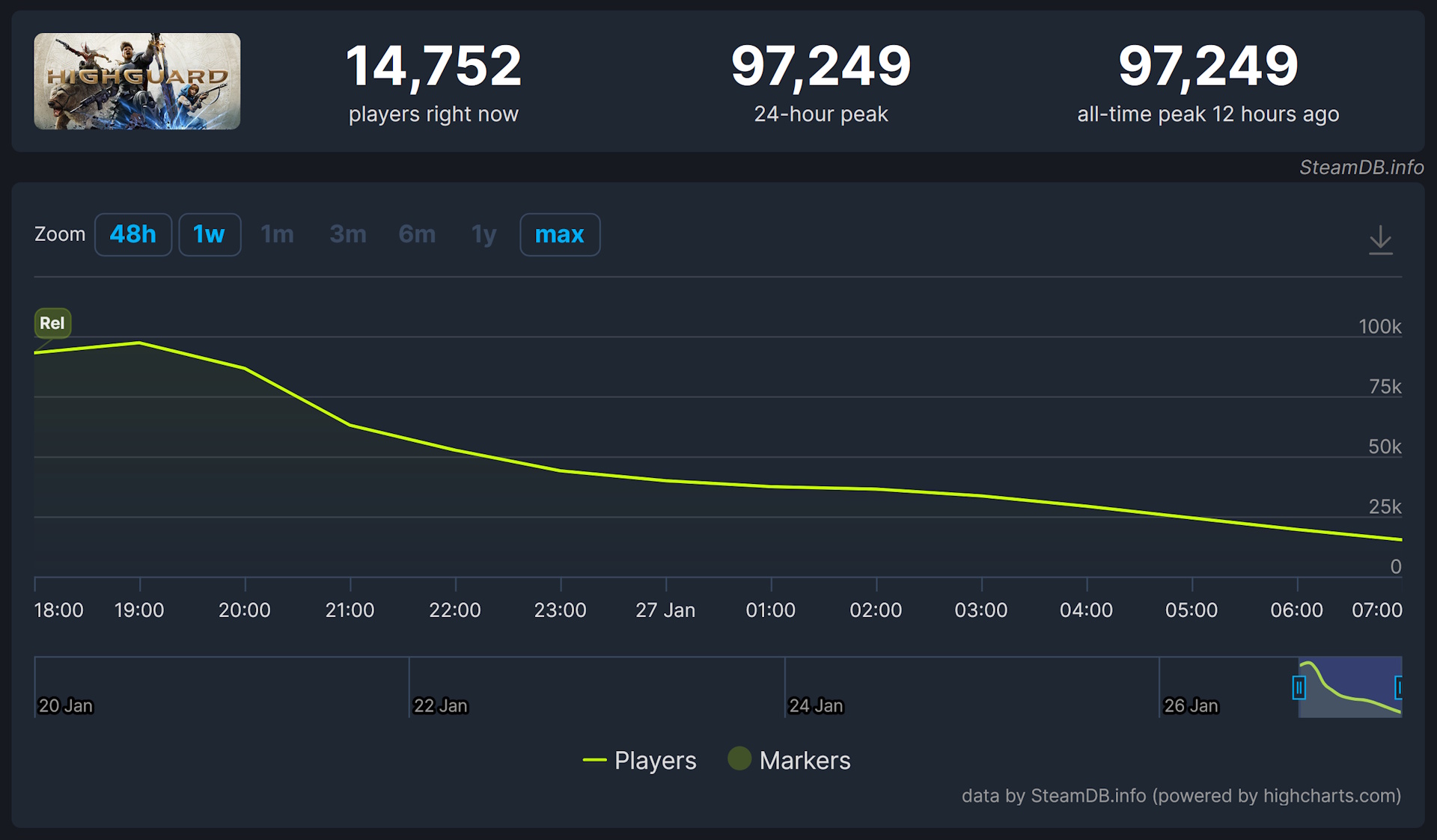
As to the game’s future… it’s hard to say. Highguard managed a creditable 97,000 concurrent players on Steam, according to tracking website SteamDB, which puts it light-years ahead of the likes of Concord. But it also saw a significant drop-off in those players basically immediately; time will tell how many of those initial players will stick around, especially if server and matchmaking issues persist.

Highguard's Steam DB stats in January 2026.
Highguard did solid numbers on launch day, at least on Steam.
Graph: SteamDB.info

For my part… I can say I’m glad I tried Highguard. But, as I could’ve told you ahead of time, it didn’t exactly convert me into a full-time multiplayer gamer! And to the teammates I was placed with during the rounds I played… sorry. You got stuck with an arthritic forty-something who basically never plays competitive games. I know I didn’t exactly excel or help us win!

So I know this has been an unusual subject for me. Online multiplayer titles aren’t my thing. But Highguard, with its rather odd marketing campaign and all of the backlash… it was a subject I felt that I needed to cover. Thanks for reading, and if you decide to check out Highguard, I genuinely hope you have a great time with the game. Just because it’s not my thing doesn’t mean it won’t find its niche.

Have fun out there… and happy gaming.


Highguard is out now for PC, PlayStation 5, and Xbox Series consoles. Highguard is the copyright of Wildlight Entertainment. Stats courtesy of SteamDB, and some promo art courtesy of IGDB. This article contains the thoughts and opinions of one person only and is not intended to cause any offence.
Indika: Video Game Review

A spoiler warning graphic.

Spoiler Warning: Beware minor spoilers for Indika’s story – and major spoilers for the game’s world and mechanics.

I love seeking out games that feel unique – and if there’s one word I’d use to describe Indika, that would be it. This game is a mix of third-person puzzling, some platforming elements, a “walking simulator,” and some fun 2D platforming levels inspired by titles from years gone by. It’s a short but eclectic experience; a memorable game that I thoroughly enjoyed.

I beat Indika in a single play session – something I don’t think I’ve done with a game for quite a long time! So this is not an epic experience that’s going to last dozens upon dozens of hours… and that’s something to be aware of heading into it. However, unlike some recent titles, Indika is priced fairly. At £20 here in the UK (though I got it at a slight discount via the Epic Games Store) its price feels more than fair for the runtime it provides, and I will always credit publishers for recognising this!

Screenshot of Indika (2024) showing Indika.
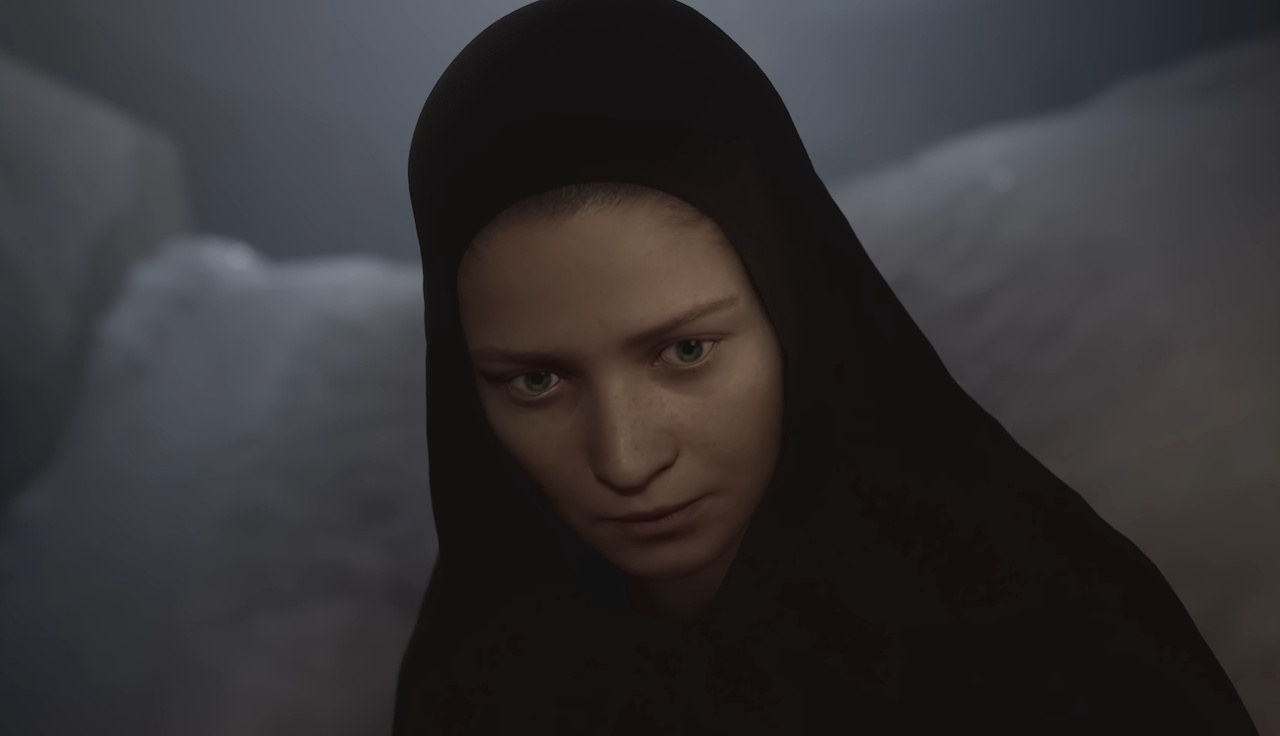
The title character.

During my playthrough I did encounter a bug – just one, though. At one point, Indika got stuck in the environment partway through climbing onto a platform, and the only way around it was to restart the level. This highlighted something I don’t really appreciate: the lack of a free save system. Indika is generous with its checkpoints, sure, and the only other time I died I didn’t have to go all the way back to the beginning or anything. But… being able to freely save is a pretty basic feature, and even in a game as short as Indika there’s really no reason not to incorporate it.

But that’s basically all of the negatives out of the way!

Indika is a narrative experience as much as a “game” – there are entire sections where the only thing you’re required to do is walk from point to point. There are side-rooms to explore and a few collectables to pick up – which are worth finding, if for no other reason than to appreciate the design work that went into making them – but much of the game unfolds like this. I can see some people finding that “boring,” and while such things are subjective, for me I enjoyed this slower pace.

Promotional screenshot of Indika (2024) showing Indika walking on a snowy path.
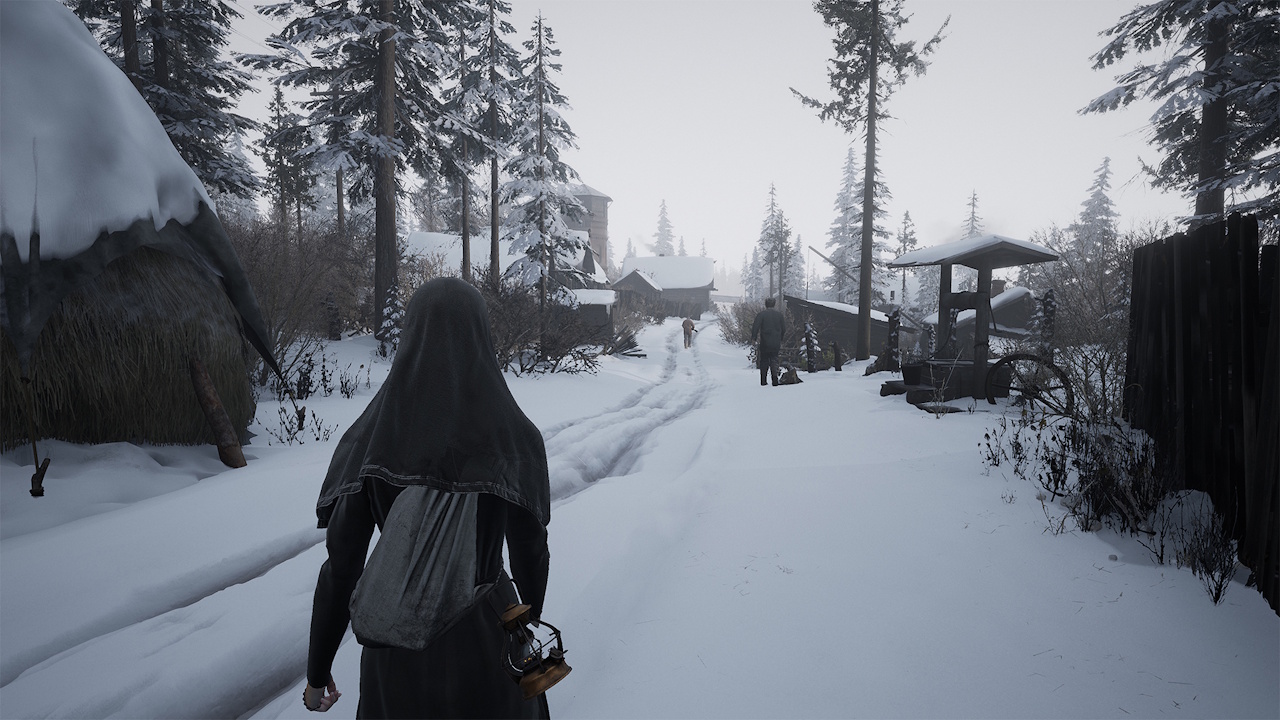
There’s quite a bit of walking in this game.

Despite the way the game seems to present itself at first, this isn’t a “horror” title – not by my definition, at any rate. There are some creepy and unsettling elements for sure; a game where the player character speaks to a demonic entity is gonna have that! But in terms of frightening moments or jump-scares… there really weren’t any. And that’s coming from a total scaredy-cat who’s easily frightened!

What you get with Indika’s narrative is a lot of philosophy – the age-old debate about God’s existence. And maybe you’ll say I’m projecting my own biases here, but I felt Indika came down firmly on the side of atheism. Despite being a nun, the protagonist is clearly struggling with questions of faith, and her mental illness – which is how I’d interpret her hallucinations – is preventing her from fitting in with her fellow nuns at the convent. Having encountered a runaway convict, Indika bounces her ideas about God and the problems of omnipotence and evil off of him. These conversations were genuinely interesting.

Promotional screenshot of Indika (2024) showing Ilya and Indika.
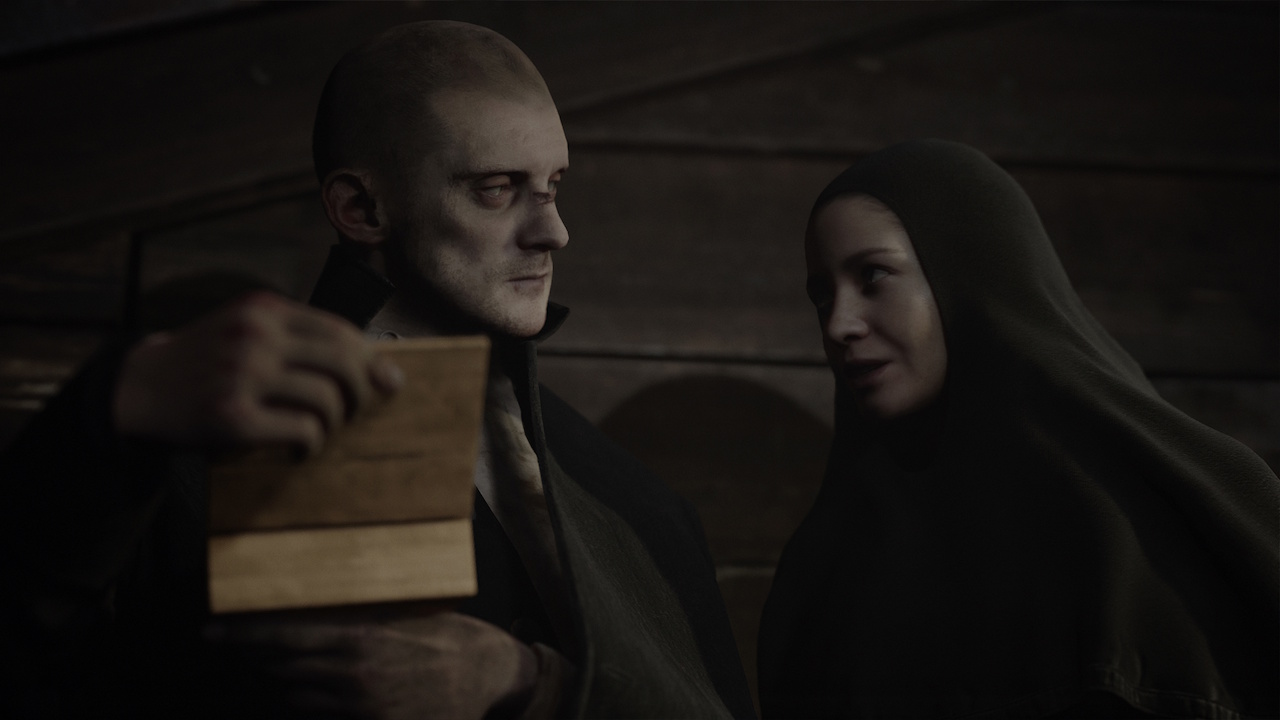
Ilya and Indika had some interesting philosophical conversations.

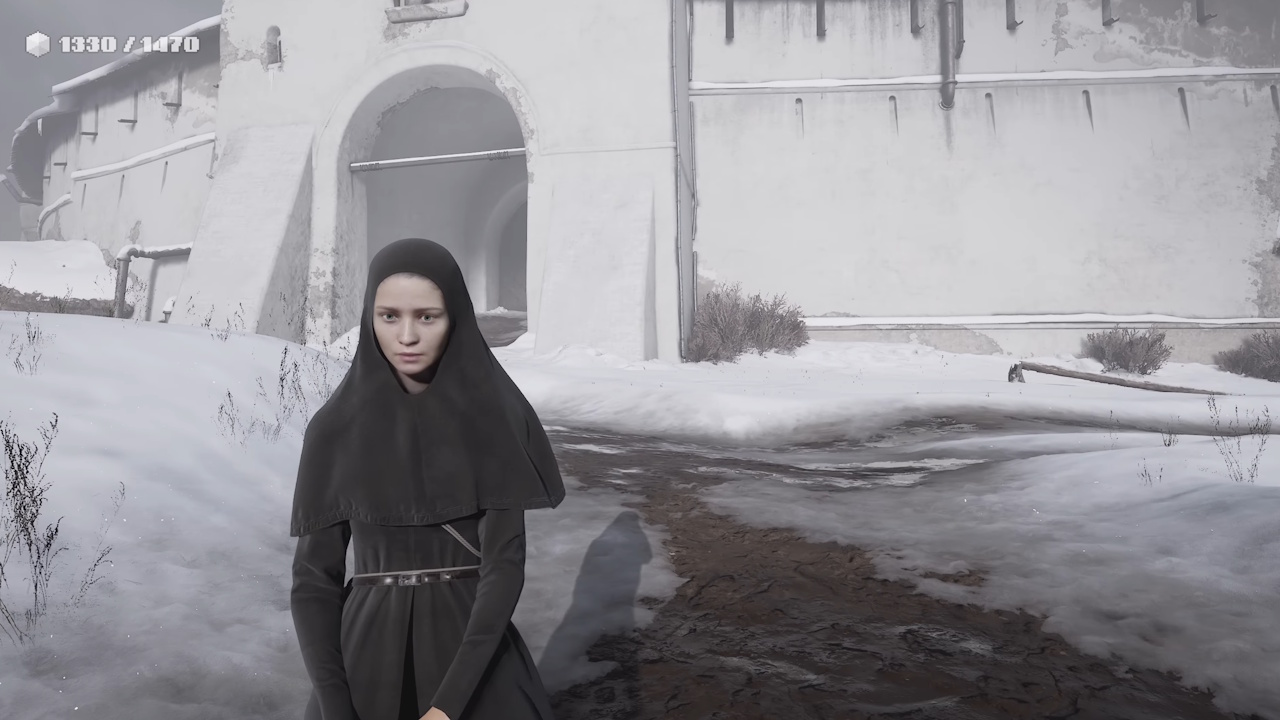
Both of the main characters – and Indika’s companion, too – felt fleshed-out, and they seemed to fit the world they inhabited. We got to see really interesting glimpses of pre-First World War Russia, a country struggling with industrialisation and the challenges that it brought. Indika’s convent felt like a place unchanged by the passage of time, but the world she stepped into was one of steam trains, factories, and industrial danger. The world could feel bleak – its wintery setting definitely adding to that tone – but never empty. I loved crunching through the snow during the outdoor sections!

There’s something about snow in video games that I just really enjoy. Seeing Indika and Ilya leave footprints was a nice touch, too. While the snow isn’t at the same level as a title like Red Dead Redemption II, it isn’t a million miles away. And considering this game was made by a much smaller team with a lower budget… I think it’s pretty fantastic the way it’s turned out. In the west, we tend to associate Russia with freezing winter conditions – even though, of course, the country has three other seasons – so in that sense, the snow also felt on theme!

Screenshot of Indika (2024) showing the title character.
Indika outside of the convent.

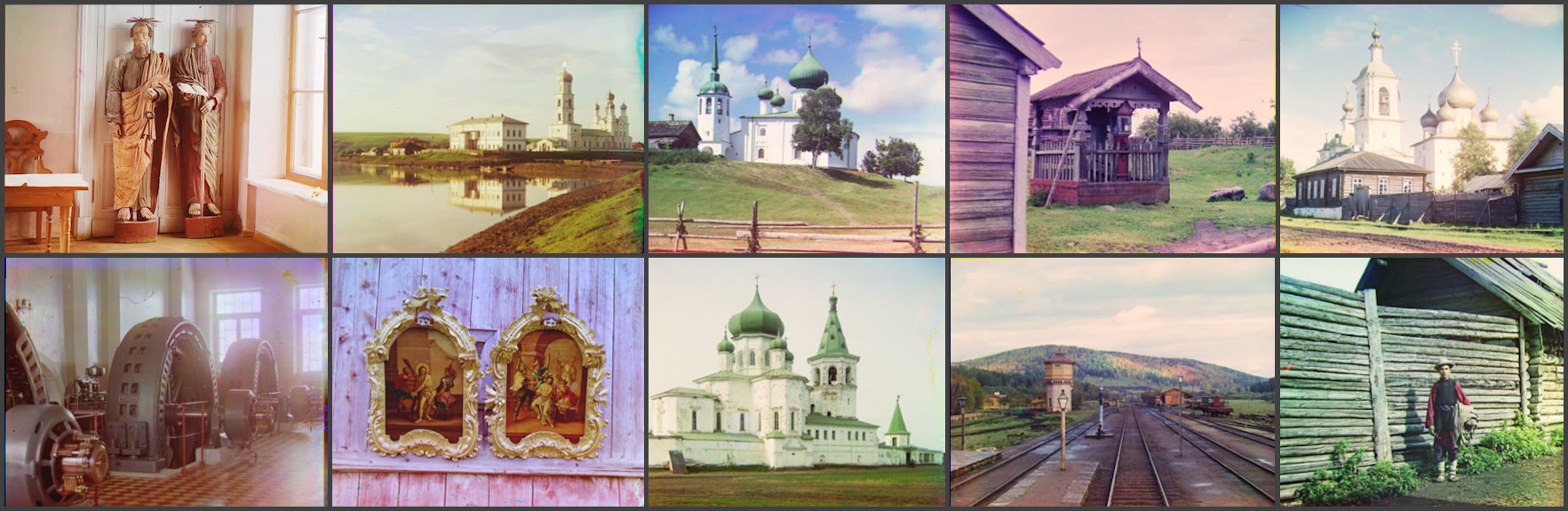
One of the projects I chose when I was studying history at university was the history of colour photography. Among the earliest surviving colour photographs were taken in the late 1900s and 1910s by Sergey Prokudin-Gorskii – a Russian photographer who was commissioned by the Tsar to take colour photographs across Russia. I immersed myself in Prokudin-Gorskii’s photographs while working on my project, and I was fascinated by this glimpse into pre-Communist Russia. I know folks say black-and-white photographs feel atmospheric, but there’s something about colour that’s just so much more real!

I bring this up because I felt echoes of Prokudin-Gorskii’s photographs in Indika. The convent, some of the wooden houses and buildings, the dirt roads… I remember seeing all of those things in those photographs. The juxtaposition between massive imposing religious buildings made of stone and adorned with gold and bright colours with small, wooden houses in which everyone else lived… it’s striking. And you can see why, in years gone by, people would be drawn to churches and cathedrals. For my money, developers Odd-Meter did a great job recreating this bygone era in video game form, and it brought back memories for me of working on that university project and exploring the forgotten world depicted in those photographs.

Collage of ten Prokudin-Gorskii colour photographs, depicting a variety of scenes in Russia in the 1910s.
A selection of Prokudin-Gorskii’s photographs of Russia, circa 1909-1915.

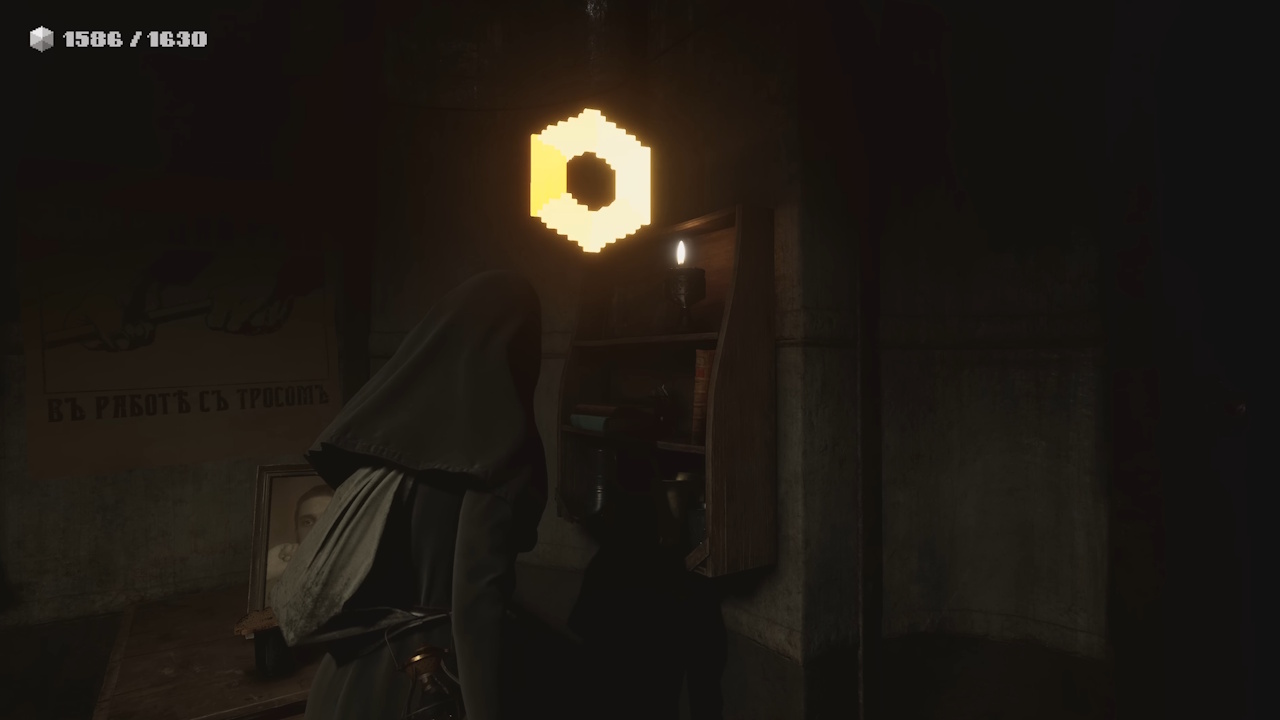
For a game that was – mostly – an intense, philosophical narrative experience set in a realistic historical setting… Indika blended in some very “video-gamey” elements! Its pixel art font – used in menus and the levelling screen – was a real throwback, as were the way points were collected in-game. Points appear in front of Indika when collecting items in the game world or lighting candles – but they appear as big, glowing, pixellated blocks. They reminded me of something out of the 8-bit era, and that was clearly a deliberate choice. It added to the surreal nature of the game, and I think it worked exceptionally well.

Then there’s the game’s soundtrack and… well, sound-scape might be a better term. There were some beautiful and haunting melodies created for Indika, but there were also some retro throwbacks that felt like something you’d have heard on an arcade machine in the ’80s! Again, it’s the surreal blending of the game’s detailed world with these modern/retro game elements that just… worked. It shouldn’t, and I think in a worse game it wouldn’t have worked. But here, the total clash between the world around Indika and these retro gaming visuals and sounds actually felt great. If the story is partially about Indika’s mental health, I kind of read the gaming elements as part of that. Part of her hallucinations – both visual and auditory.

Screenshot of Indika (2024) showing Indika recieving points.
Receiving points.

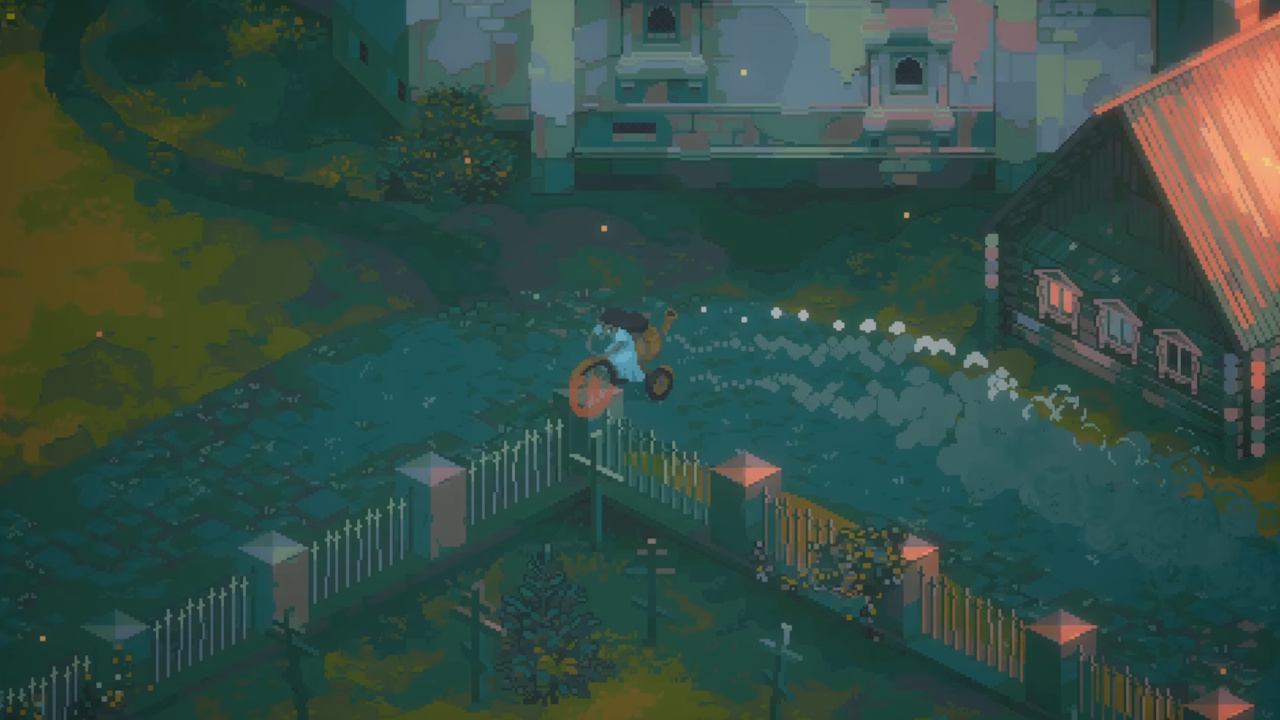
These tied in with some wonderful 2D platforming sections. Indika presented its flashback sequences in this retro pixel art style, which is something I found incredibly creative. It felt kind of like if a film or TV show depicted its flashbacks in black-and-white or sepia. It’s the game saying “these events happened in the past.” And what better way for a video game to depict the past than with older visual and gameplay styles?

These sections also provided a clear boundary between the present and the flashbacks, making them feel completely distinct. Although I described them as “2D platformers,” there was more to it than that. We got a Pac-Man-inspired section, running around a maze-like level, a multi-lap bike race, and two very different platforming sections. These all felt unique, with no single play style being repeated throughout the flashbacks. They were also some of the most technically challenging parts of the game – or perhaps my 2D gaming skills are just rusty! My arthritic hands don’t help, either, with sections requiring near-perfect timing of jumps! But I struggled through and got there in the end.

Screenshot of Indika (2024) showing the flashback bike race.
One of Indika’s 2D levels.

Depicting such intense sequences in this way was kind of an odd choice. Indika’s flashbacks tell a tale of the protagonist’s first romantic encounter – with a boy from a different culture, and it doesn’t end well. There were some light-hearted moments in these 2D levels, particularly near the beginning, but the story took a dark turn later on. And the pixel art, upbeat 8-bit music, and fun retro level design… it clashed with that. But as above, I think the clash is the point.

The 2D levels weren’t the only creative ones, though. Indika did some clever things with some of its 3D environments, too – including a series of rooms which rotated, having you walking on walls and having to move objects ways that don’t conform to the laws of physics! Some games have tried to show mental illness and fractured minds before, but there’s something so unsettling about walking into a room with absolutely no explanation, and no expectation that it’s going to be something different… only to realise it’s upside down, walking on walls… and with some kind of strange multi-limbed demon just out of sight.

Screenshot of Indika (2024) showing a 3D level.
This level felt especially creative.

Other 3D puzzles were more basic, akin to something you’d see in games like Uncharted. “Basic” is not a synonym for “bad,” and these puzzles – involving things like moving objects on a crane or using a ladder to bypass a locked door – were entertaining enough. None of them were especially difficult to solve, though I would point out that the game doesn’t hold your hand and just kind of drops you in the puzzles, leaving you to figure it out. As another hallmark of what we might call “old-school” game design – in a modern gaming landscape dominated by in-depth tutorials and the dreaded quest marker – I think I like this even more!

Then there were sections of levels that used different or interesting mechanics. Repeatedly rotating the control stick to wind a winch was interesting – and reminded me of some Nintendo 64 titles from back when the analogue stick was a brand-new invention! Then there was a moment where Indika had to balance on a narrow beam that gave me flashbacks to Shenmue II! If you remember that level… does it haunt you, too? Indika also gives you control over a couple of different vehicles, as well as some pieces of machinery, and there’s a couple of tense chase sequences, too. There’s a surprising diversity of gameplay styles on show given the game’s runtime.

Screenshot of Indika (2024) showing Indika balancing on a board.
Reminds me of Shenmue II

I’d also be remiss not to mention Indika’s incredibly creative use of the protagonist’s hallucinations. Without giving too much away, at a couple of points in the game, Indika experiences a vivid hallucination, but can keep it at bay through prayer. Alternating between the hallucination and the “real” state of the world changes the level, and opens up different pathways to get from one end to the other. It’s a really creative mechanic that wasn’t over-used, and it worked exceptionally well.

So Indika was not the kind of game I would’ve ordinarily chosen. It’s a short experience (my playthrough clocked in at just under four-and-a-half hours, including the credits, a couple of deaths, and one 2D level that took a few attempts). But it was really interesting – a philosophical video game with a message about faith, God, and the way the world works. It was wrapped up in an interesting narrative about a renegade nun with a mental illness, and touched on how mentally ill folks can be treated and shunned by society. As someone with a mental health condition myself, I appreciated the message, the depiction, and how the game handled that side of things.

Screenshot of Indika (2024) showing one of Indika's hallucinations.
One of Indika’s hallucinations.

Russian developers Odd-Meter actually left the country during work on Indika due to the political situation there. But almost the whole team is Russian – there are Russian-language voice options available if you want to get more of an immersive experience.

I would absolutely recommend Indika. I had a blast with it, and I really can’t think of another game quite like it. As I said at the beginning, this was a completely unique experience, both narratively and mechanically. Maybe you think four-plus hours is “too short,” but again I would point to the game being – in my view, at least – fairly-priced for its runtime. We aren’t talking about a £75 title, here.

Promotional screenshot of Indika (2024) showing Indika in a factory.
Indika is a game I’ll happily recommend.

So I hope this has been interesting! I thought Indika had only just been released, but it actually came out over a year ago. I guess I’m a bit late to the party, but never mind! The game was on sale recently, at least on PC if you use the Epic Games Store. It could also be one to wishlist ahead of the big Christmas sales, because it might drop in price again.

This could’ve absolutely not been my cup of tea! The idea of a mentally ill protagonist with a horrifying demon whispering in their ear, a clash of visual and musical styles, the philosophical conversations, lack of combat, and short runtime… they could all be offputting, I guess. But I really liked this game. It’s the kind of title I think we can point to when highlighting the work of smaller, independent development teams, and it’s also a fine example of video games as a narrative art form.


Indika is out now for PC, PlayStation 5, and Xbox Series S/X. Indika is the copyright of Odd-Meter and/or 11 Bit Studios. This review contains the thoughts and opinions of one person only and is not intended to cause any offence.

Jungle Cruise – film review

Spoiler Warning: There are spoilers ahead for Jungle Cruise.
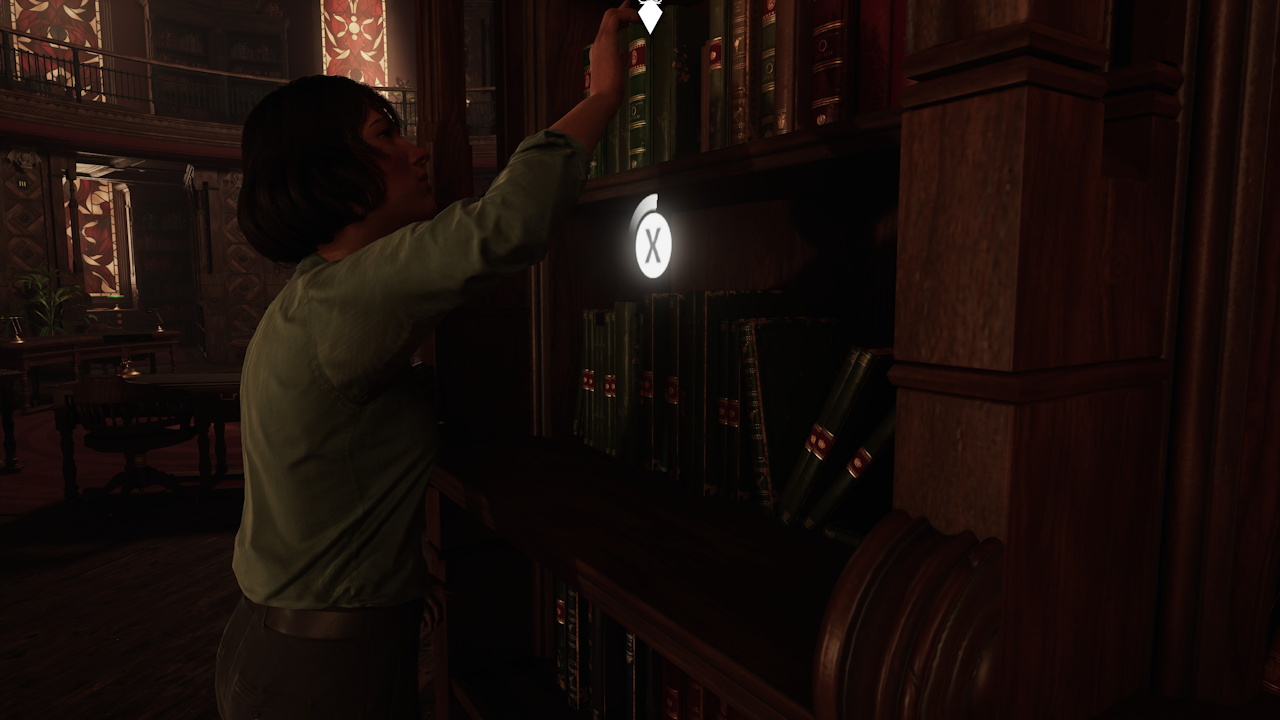
Any review of Jungle Cruise on Disney+ needs to take into account the film’s price tag. Right now Jungle Cruise costs £20 in the UK or $30 in the United States to “unlock,” and thus the film’s value will vary from viewer to viewer. For my two cents, unless you’re a huge fan of the original Jungle Cruise ride at the Disney theme parks or a particular fan of either Dwayne Johnson or Emily Blunt, this is probably a film to wait for. In a matter of months, and certainly by Christmas, the film will be added to the regular Disney+ lineup, and though I had a decent enough time with Jungle Cruise, I’m not sure that I necessarily got £20 worth of enjoyment from it. If you’re on the fence, trying to decide whether to pay up or wait, I think this is one you can safely wait for.
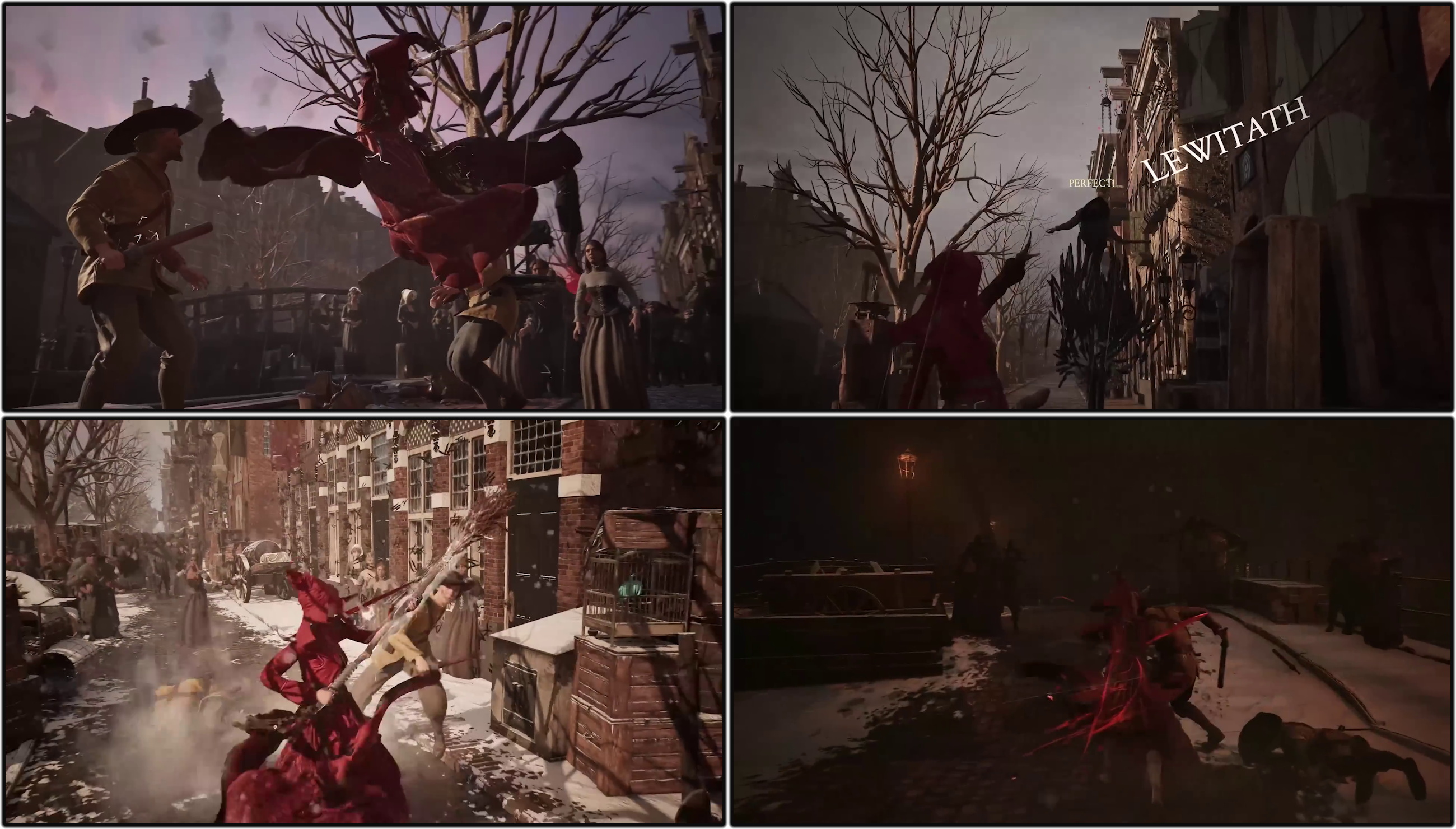
That being said, Jungle Cruise was enjoyable. I’ve said this before, but in 2002-03 when Disney was talking about adapting Pirates of the Caribbean into a film, I thought it sounded like an atrocious idea! How could a theme park ride possibly translate to the screen, I wondered? I was wrong about Pirates of the Caribbean: The Curse of the Black Pearl then, and if I had similar doubts about Jungle Cruise eighteen years later then I was wrong again! The film was decent, and paid homage to a classic ride which has been part of Disneyland since the very beginning.

Jungle Cruise poster.

If you’re fortunate enough to have ridden Jungle Cruise, you’ll recall that there is a “story” of sorts to the ride itself. Obviously the film takes liberties with this, chopping and changing things to make the story more suited to the screen rather than a semi-interactive theme park attraction. But I was surprised at just how well Jungle Cruise captured the feel of the original ride, with Dwayne Johnson’s character of Frank taking the role of the Disneyland boat captain from the attraction.

There were nods to other aspects of the ride as well, particularly in the film’s opening act with Frank’s literal jungle cruise entertaining the tourists with the same mixture of dad jokes and props as the ride itself. As the story went on, the film naturally stepped away from being true to the ride to focus on a story that was not dissimilar to the aforementioned Pirates of the Caribbean film, complete with cursed undead sailors, a magical macguffin, and lashings of aquatic adventure.

Quila hits the rapids!

There were several surprisingly poignant and emotional moments in Jungle Cruise which I wasn’t expecting. Aside from the typical Disney happily ever after ending (complete with a fake-out sad ending which preceded it) the tastefully handled moment where Jack Whitehall’s character of MacGregor came out to Frank was a very sweet inclusion. Not only did it add personality and dimension to both characters – MacGregor gained a backstory of rejection and further reason to follow Lily, and Frank came across as accepting and kind – but it was a huge step for representation and inclusion. Seeing MacGregor experience rejection yet find acceptance in the most unlikely of places is a powerful message, and the mere act of LGBT+ representation in a blockbuster film is always fantastic to see. Such a message is especially important for younger viewers.

While we’re discussing some of Jungle Cruise’s deeper themes, the film took a dim view of wealth, aristocracy, and closed societies – despite practically all of its main characters being drawn from the upper classes of their day. MacGregor’s unease at having to experience life away from his home comforts was initially played for laughs – though he did become more comfortable with it as the film reached its end. The villain of the piece being a German aristocrat was also a continuation of this theme, as was the initial depiction of Frank as the last independent river boat captain – and the poorest.

Dwayne Johnson as Frank, the riverboat captain.

Having seen a number of films with British villains over the last few years, the decision to make the German Prince Joachim the main adversary to Frank and Lily was actually a bit of a change. There was a time a few years ago where villains in cinema were often German – or of German extraction. But enough time has passed and enough other villains have come and gone that the return to a German villain didn’t feel like stereotyping or a trope in the way it might’ve done had Jungle Cruise been made in the recent past.

The story itself took a couple of unexpected twists. The revelation that Frank wasn’t who he seemed to be definitely came as a shock – but in a good way! Sometimes twists of this nature can feel rushed or like they jolt the story in an unwanted direction, but learning Frank’s true origin managed to avoid that pitfall. It made his character feel more rounded and gave him motivation. We learn why he wanted to take Lily upriver – and why he was so convinced she wouldn’t succeed in her quest to find the Tears of the Moon.

Lily was seeking the Tears of the Moon.

Frank’s “betrayal” of Lily and MacGregor – which he apparently set up off-screen with Trader Sam and her tribe – was perhaps the weakest moment in the story. It did nothing to endear us to Frank, and while it was arguably in character for him it robbed what was initially set up as a tense moment of practically all of its drama. Though the threat and peril were restored after a brief respite, the way the film handled this moment was poor overall.

Representation of native peoples and their relationship to colonists has come a long way in recent years, and when looking back at past Disney depictions of indigenous peoples – such as in Peter Pan or even the original incarnation of the Jungle Cruise attraction – the way the “headhunter” tribe was presented was an improvement. Considering the tribe played a relatively minor role in the film, what we saw worked well. The depiction retained some of the mystery that westerners have of indigenous peoples – something that the original ride drew on for part of its threat – yet at the same time made at least one key character relatable.

The tribal chief.

Jungle Cruise also didn’t shy away from depicting the brutality of colonisation, showing Conquistadors savagely attacking a tribe of native people even after being offered shelter, food, and medicine. However, the film then immediately strayed into once again mystifying the tribespeople by giving them magical powers seemingly connected to the Tree of Life. Overall, the way Jungle Cruise handled its characters’ interactions with indigenous people was better than in some Disney titles, particularly older ones, but arguably imperfect and verging into some of the tropes commonly associated with such tribes in fiction.

Aside from the opening act, which was set in London, and a few other scenes near the beginning of the piece, Jungle Cruise broadly stayed true to its premise as a film about a voyage on a riverboat. The boat itself had character, being old and beaten-up, and was memorable for the way it looked while again retaining some of the charm of the original Disneyland attraction. Quila (Frank’s boat) was not only the characters’ home and method of transportation, but also played a key role toward the end of the story by blocking the river water and saving Lily and MacGregor. Giving the boat more to do in the story than simply be an ever-present stage for the characters made a huge difference to the film, and made its setting feel meaningful.

Quila – the boat – was almost like an extra character in the film.

Though the Conquistadors wanted to kill Frank – and later Prince Joachim – they seem to have had similar objectives when it comes to acquiring and using the Tears of the Moon, and as a result some of the moments toward the film’s climax felt rather forced. Obviously Lily and MacGregor had an incentive to stop the Prince and his gang of German submariners, as they clearly had nefarious intentions for the magical macguffin. But the Conquistadors had basically the same objective as Frank – to lift their curse – and it felt like there could have been a moment near the end of the film where they had all realised that they didn’t need to fight. In fact I initially wondered if Prince Joachim’s betrayal of the Conquistadors was going to set up precisely that kind of storyline. It feels like a miss that it didn’t, as the film basically ended with the heroes defeating two parties of villains.

There’s always room in fiction for that kind of narrative; not every story has to depict an emotional coming together and teaming up to defeat a worse villain. But the disturbing implication to the way Frank’s story ended is that he simply left the Conquistadors to endure endless torture; they’re unable to die and it didn’t seem as though he took action to lift their curse. Perhaps this is Disney leaving the door open to a sequel?

Did Frank and Lily condemn the Conquistadors to eternal torture?

Speaking of the way the film ended, with Frank and Lily only able to pluck a single petal from the tree, all Lily really got to do was write up her adventure and land herself a job. In the male-dominated world that the film depicted that is unquestionably a victory for her – but her original ambition had been to use the Tears of the Moon to “revolutionise medicine” and save countless lives, not least in the ongoing First World War. It seems as though this ambition was thwarted, yet the film skips over this point.

Jack Whitehall is not someone I would have expected to see in a film like Jungle Cruise, but he put in a creditable performance as MacGregor. His stand-up act often draws on his self-styled “posh” image, and his character felt like an exaggerated version of that in some respects. Emily Blunt was outstanding in the role of Lily, bringing real personality to the character and crafting a heroine that we as the audience wanted to get behind. Dwayne Johnson seemed at first to be playing a fairly typical “Dwayne Johnson” role, but the addition of an unexpected backstory for his character of Frank took the character to a different place and forced him to step out of his comfort zone and play things differently as the film passed the two-thirds mark. Though perhaps it wasn’t an Oscar-worthy performance, I found Frank to be a believable protagonist and someone I wanted to see succeed.

MacGregor and Frank shared a genuinely touching moment in Jungle Cruise that I wasn’t expecting.

Jungle Cruise relied heavily on CGI almost throughout, and not all of the animation work was as realistic as it could’ve been. Recent productions, even on television, have seen some truly outstanding CGI work, and while nothing in Jungle Cruise was awful or even immersion-breaking, there were quite a few elements that didn’t look quite right. At a number of points I felt that some of the CGI had that “too shiny,” plastic look that plagued CGI a few years ago, and I really thought that animation – especially cinematic animation – had begun to move past that particular issue.

I would’ve liked to have seen more physical props and practical effects, and the fact that a large portion of Jungle Cruise was filmed with green screens and other modern tricks wasn’t as well-concealed as it might’ve been. And perhaps this final point on visuals is a bit of a nitpick, but the fact that a number of the so-called “jungle” sequences were filmed not in South America but in Hawai’i was apparent to anyone who knows their flora! Different biomes do look different from one another, and a few scenes in particular which supposedly took place on the banks of the Amazon were very clearly filmed elsewhere. I know that’s a minor point that won’t have bugged many people, but I found it worth noting.

Happily ever after for the main characters!

So that’s about all I have to say, I think. Jungle Cruise certainly compares to the likes of Pirates of the Caribbean and other fantasy-adventure titles. It was fun, emotional at points, and set up its trio of main characters for a story that was easy enough to follow for kids while still having plenty to offer for adults as well. It stands up well against many adventure films, including classics of the genre like Indiana Jones – which Jungle Cruise was clearly channelling at points!

I had an enjoyable time with Jungle Cruise, and it was a fun way to spend a couple of hours. Whether it will be worth the cost of admission on Disney+ is something everyone will have to decide for themselves, but I think it’ll still be an enjoyable watch in a couple of months’ time. Jungle Cruise presented a fun story that drew inspiration from the likes of Pirates of the Caribbean, yet stayed true to its origins as a theme park attraction. It was a fun ride down the river with Frank, Lily, and MacGregor, and I’m sure I’ll have fun watching the film for a second and third time in the future; it’s definitely one to return to when I’m in the mood for adventure!

Jungle Cruise is available to stream now on Disney+ Premier Access (for a fee). Jungle Cruise is the copyright of Walt Disney Pictures and The Walt Disney Company. Some promotional images courtesy of The Walt Disney Company. This article contains the thoughts and opinions of one person only and is not intended to cause any offence.