
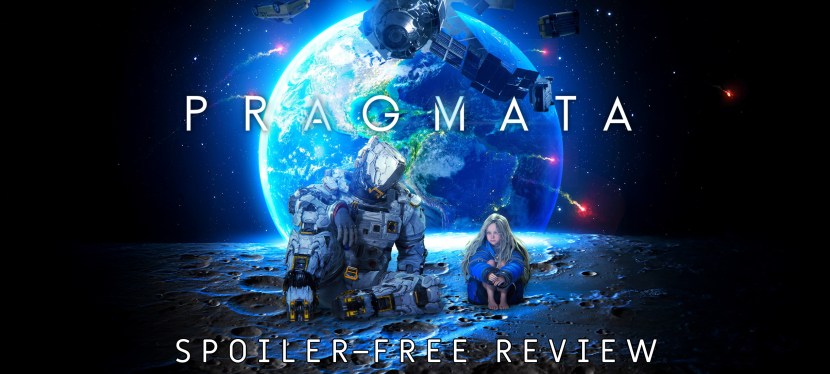
This review is free from major narrative spoilers for Pragmata.
I recently completed Pragmata – Capcom’s sci-fi adventure – so it’s time for a review!
Pragmata hadn’t been on my radar this year, but I picked up the demo version back in February – and if you know me, you’ll know I’m a sucker for a good free demo! The demo version only lasted about half an hour, if I recall correctly, but it was interesting enough for me to put the game on my wishlist. I don’t usually like to pay full-price for video games, so I waited to see if Pragmata was gonna go on sale this summer. It didn’t… but I picked it up anyway!
There will be no major narrative spoilers in this article, so nothing’s gonna ruin the story for you. I’m only including official screenshots from Capcom this time, too, and none will show anything that could spoil the game. If you just want my take on Pragmata prior to picking it up for yourself, feel free to only read this article! But if you also want to get my thoughts on the game’s narrative and main characters in a bit more detail, as well as a couple of mechanics that you gain access to later in the campaign… I hope you’ll join me next time. I’ll get into the game’s story, world, and characters in more detail. When the spoiler-filled review is ready, click or tap here to read it, or follow the link above.
It goes without saying that everything we’re going to talk about today is the *subjective, not objective* opinion of just one critic. If I highlight something in the game that you think sounds awful, or if I offer criticism for something you enjoyed… please keep that in mind! There ought to be enough room in the sci-fi and gaming communities for polite discussion and differences of opinion without getting into toxic negativity.
Alright, with all of that out of the way, here comes the two-sentence summary!
I liked Pragmata for its old-school charm, its “double-A” story, and a pair of characters who grew on me over the course of their adventure. But I didn’t like Pragmata for its ridiculous difficulty spikes and lack of proper accessibility options.
Let’s go into a bit more detail about each of those points.
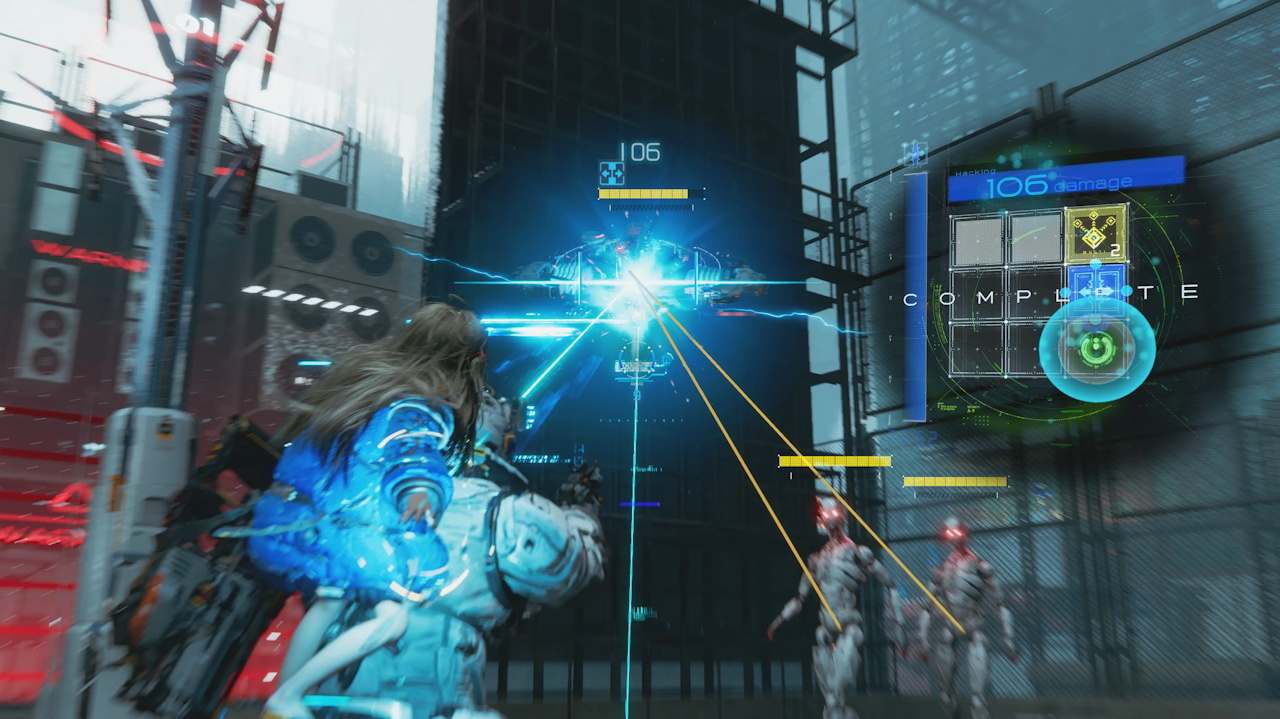
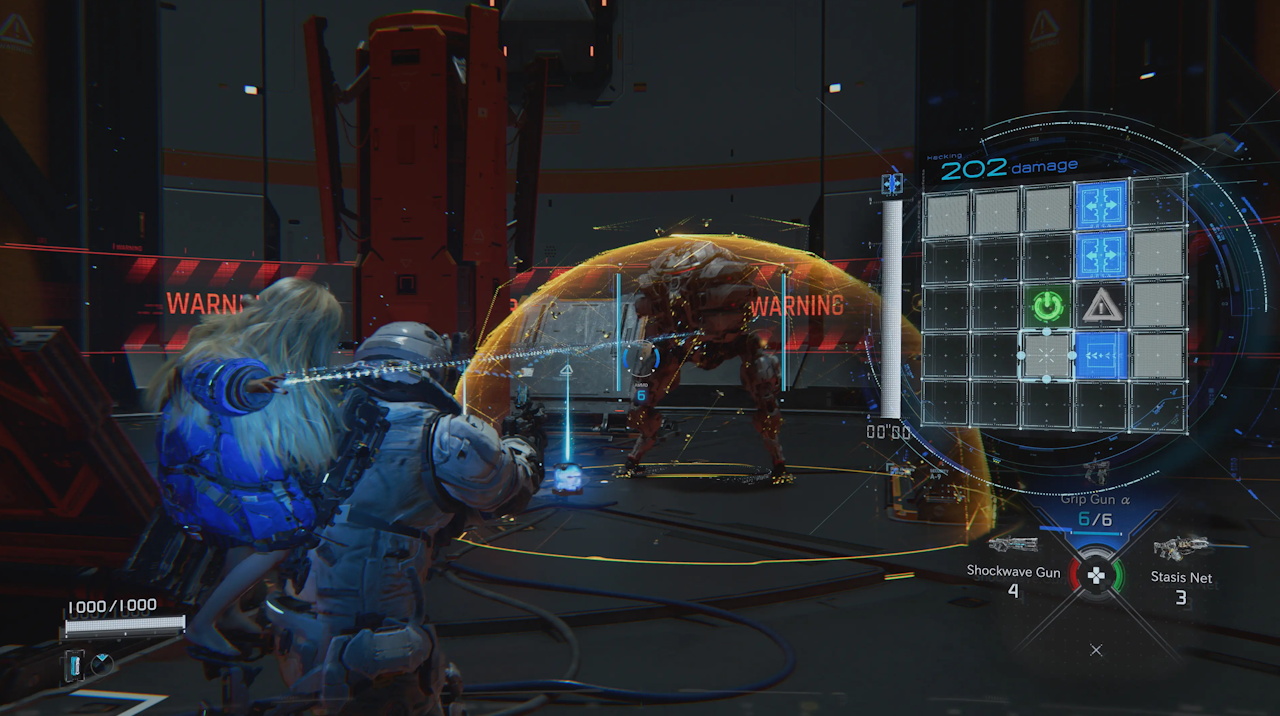
Pragmata is unapologetically a video game. It doesn’t try to go for a “cinematic” presentation, it isn’t aiming for realism, and it embraces things like boss fights, locked doors, and a player base that’s always accessible. Its story, while it does throw up a few twists and turns, is fairly straightforward, and there are really only three characters to speak of. Enemies come in different flavours, and each takes a slightly different combination of weapons and powers – presented here as “hacking” – to defeat. If you dialed back the graphics (and toned down some of the bright white hallways and offices), you’d easily believe that this was a video game from, say, 2006 – not 2026. And in this case, I mean that as a compliment!
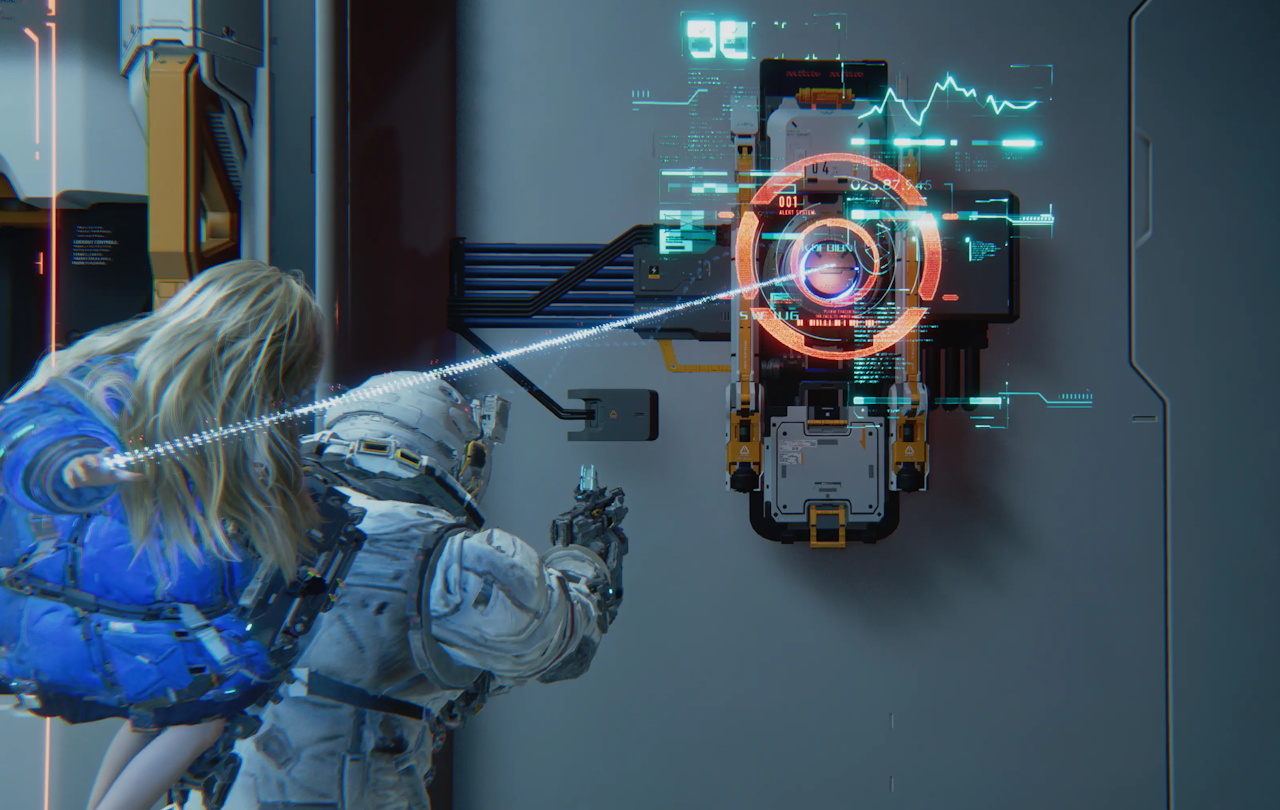
Sometimes you just want to switch off and blast through waves of enemies – and Pragmata offers that. There are puzzles to solve along the way, as well as some elements of platforming, and that’s basically the gameplay loop. Go to an area, kill all the bad robots inside, solve whatever puzzle is required to move on to the next stage, and repeat.
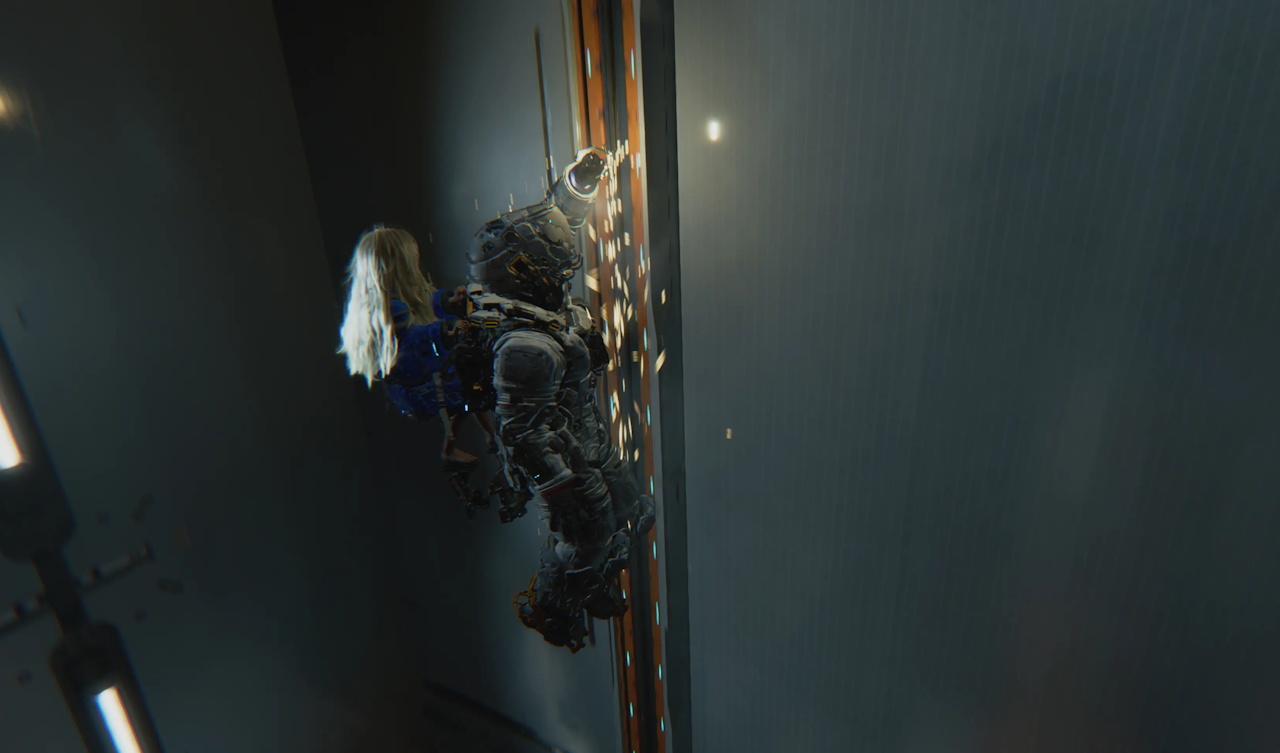
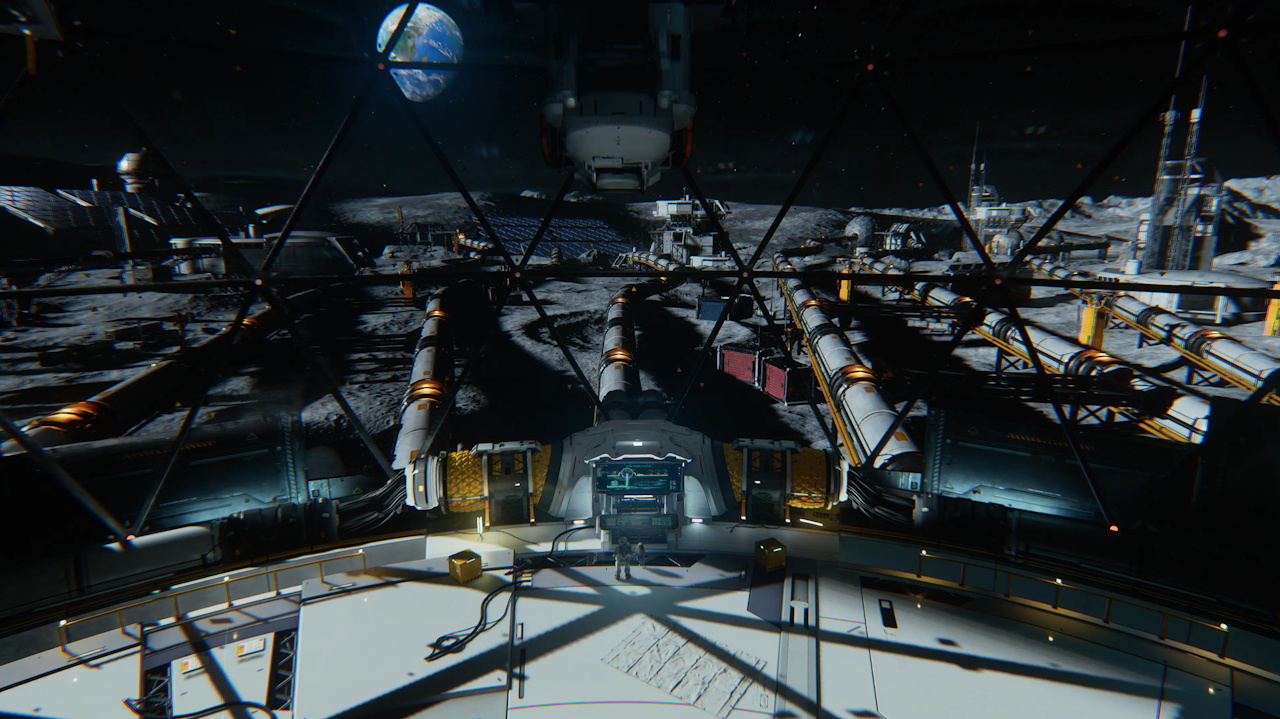
But within that structure, there are some very creative levels. Pragmata has you wandering through a variety of different simulated environments – including a cityscape, a beach, and a jungle, as well as the futuristic sci-fi base which serves as the game’s main setting. Each level is well laid out, and while they aren’t vast and expansive, there are enough unlockables and secrets to make exploration and checking out side-rooms and secret areas feel genuinely worthwhile.
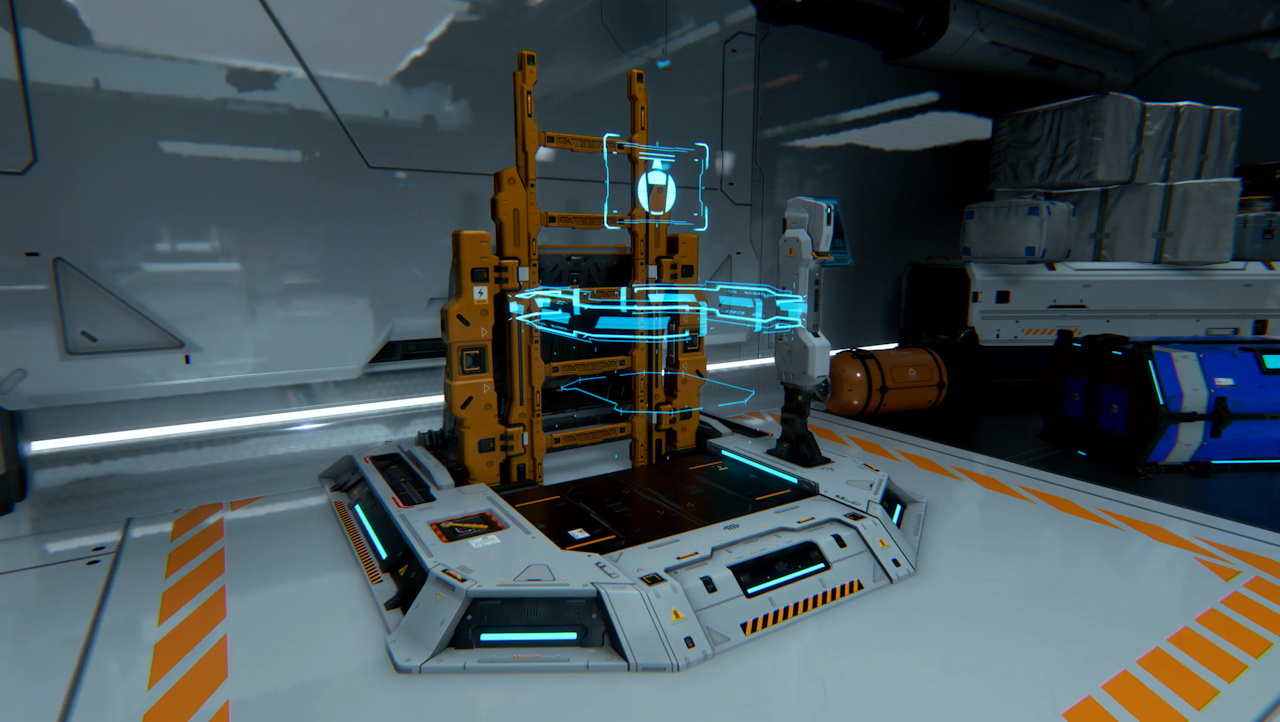
If you’ve been a reader for a long time, you might recall one of my criticisms of Star Wars Jedi: Survivor being that there just wasn’t enough content to find when exploring that game’s vast, semi-open levels. Pragmata absolutely does not have that problem. If you’ve found a room, a chamber, a corridor, a hidden area… you’re gonna find something worth your while. Maybe it’s a “log,” documenting the problems at the company and its sci-fi base. Maybe it’s an unlockable – something to improve your health, weapons, or tech powers. Or maybe it’ll be one of the cute collectibles to add to your home-away-from-home. I spent more time in Pragmata than I expected… in part because I wanted to collect all of the additions to my character’s home base. That’s something I don’t often do when playing games – and I think it’s testament to how Pragmata roped me in in ways I wasn’t expecting.
I described Pragmata’s story as “double-A,” so let me elaborate on that (without getting into narrative spoilers!)
Many of today’s “triple-A” video games go for these big, cinematic stories with characters who are meant to feel incredibly realistic. Think of games like The Last Of Us or Red Dead Redemption II – every aspect of the narrative in a title like those is designed to feel like something out of a Hollywood blockbuster. Pragmata, to me, feels like a video game story. And that is not a criticism! Some stories are well-suited to one medium or another, and for my money Pragmata’s story is fine. It isn’t gonna be a big-budget streaming series or a movie, and that’s okay. It works *because* it’s a video game.
I guess that might sound like a backhanded compliment; like I’m calling the story “simplistic,” or something. But that isn’t really what I mean. The parts of the story that are there are genuinely interesting, and I found myself getting more invested in it as the game unfolded. I just mean that there’s a difference between a story like Pragmata’s and one you might get in some other modern titles. For me, the story and gameplay generally worked pretty well together, and the narrative added to that old-school charm rather than detracted from it.
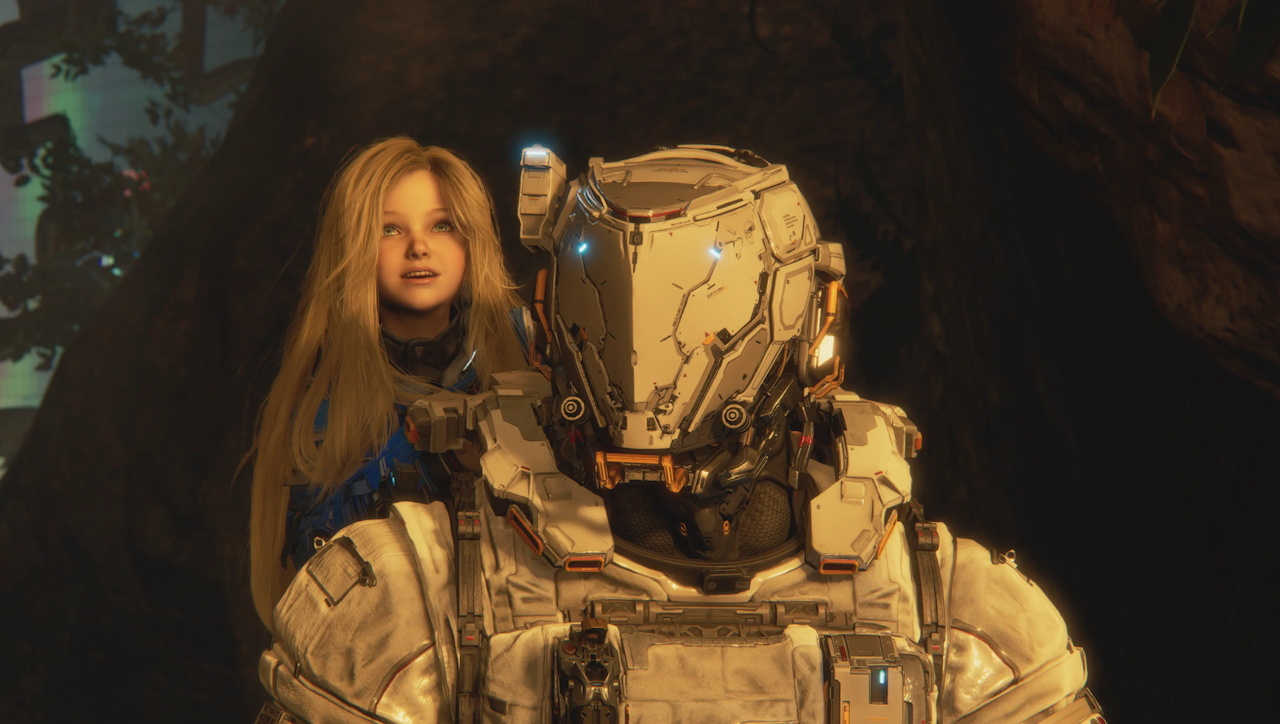
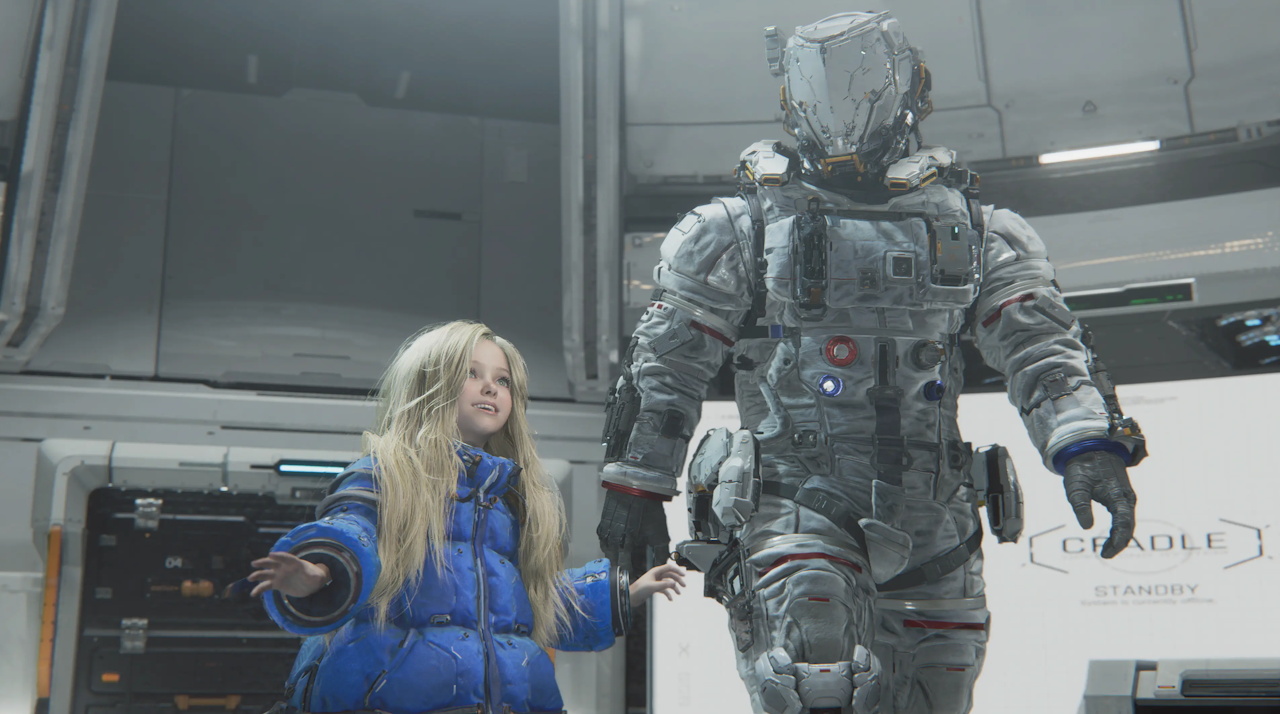
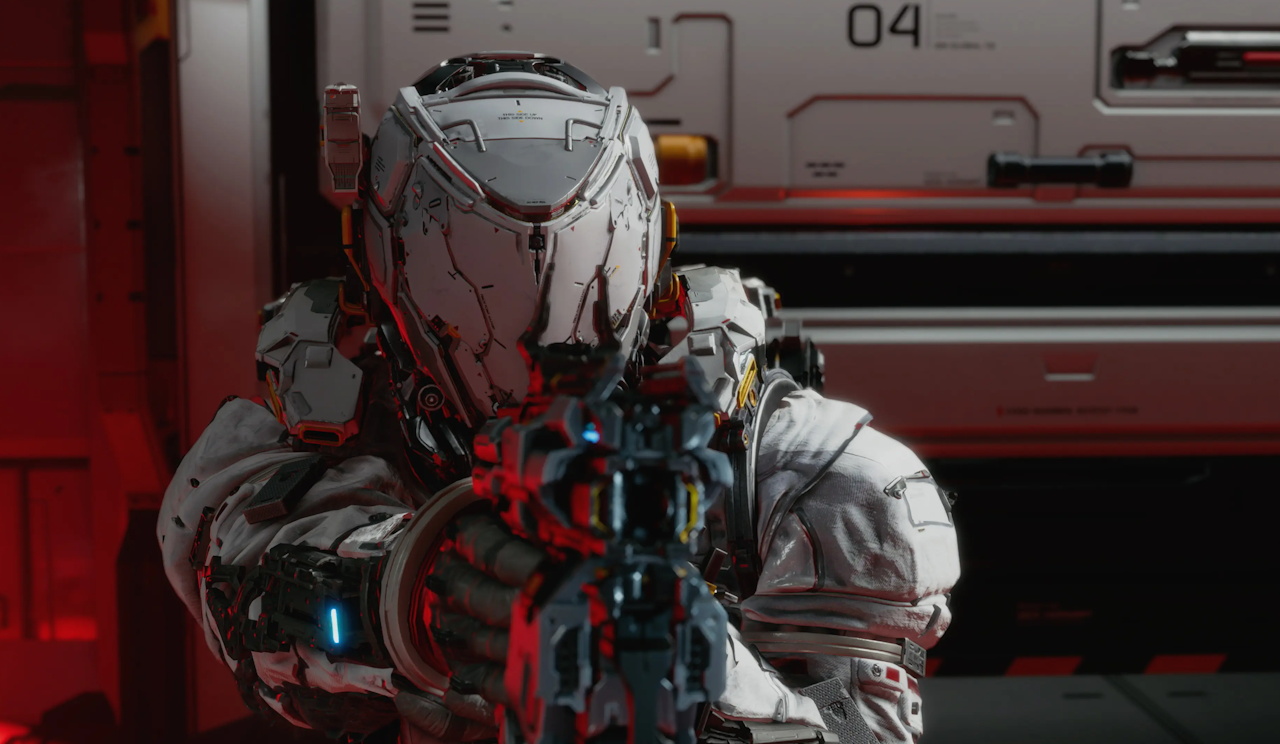
Where Pragmata really succeeded, though, was in its characterisation. If you’ve only got *two* characters in your story 90% of the time, you have to absolutely nail both of them – and Pragmata really did. At first, I felt Hugh was a pretty bland “everyman” type; but he very quickly grew on me as the story unfolded. And his sidekick Diana, while she could be annoying on occasion, certainly did, too.
We’ll go into more detail about Diana and Hugh in the spoiler-filled article in the days ahead, so stay tuned for that. But both characters were interesting and engaging. I also felt the way that you controlled both characters in gameplay was something a bit different. It’s certainly a twist on the old “escort mission” idea! Both characters had things to say, ways to contribute to the fight, and their own emotional moments, too. I could see there being some criticism of how quickly their bond seemed to build, but for me, I think the game’s story was paced just right, and it’s not a criticism I’d personally agree with.
Okay, let’s be negative for a moment.
Pragmata is not a particularly accessible game. I suffer from arthritis, which affects my hands and fingers – and, to be blunt about it, I was never the best gamer in the world even before that became an issue! But because Pragmata doesn’t offer adequate ways to tone down the difficulty… well, it made the game too difficult and borderline inaccessible for me.
One relatively early section of the game builds up to a boss battle. And though groups of enemies could occasionally pose a challenge, I got through the game up to that point without too much difficulty. But then came one of the worst difficulty spikes I’ve enountered in a game in a good long while. And look, I get it: bosses are supposed to be tough. But this one, compared to the game around it, was exceptionally difficult, and for someone with limited dexterity… I couldn’t do it. And this was on the easiest of Pragmata’s two difficulty options. You read that right: the game only has *two* difficulty options – with a third, much harder one being unlocked after beating the campaign.
Because of that… I can’t recommend Pragmata to someone in a similar position to myself, unfortunately.
“But Dennis,” I hear you ask, “didn’t you say you completed the game?” And that’s right – I did. But I was only able to do so by downloading and installing an unofficial mod.
To me, that kind of game design is not acceptable. I praised Pragmata for its old-school feel, its classic level design, and its creative enemy types. But I cannot stand for a modern game, in 2026, launching without proper accessibility features. And, say it with me, folks: “difficulty options are an accessibility feature!”
I turned the mod off after beating that one impossible boss, and I hoped I could get through the rest of the game without it. And I tried, believe me! But I did end up having to use the mod a couple more times before the end of my run, again because either a boss or a swarm of enemies was just too much for my decrepit body to handle. I’m disappointed by this, and I would encourage Capcom to seriously look into including more difficulty and accessibility options in future titles.
That’s the end of the worst of my criticisms of the game!
Sound design and music can go unnoticed in games, sometimes. For my money, Pragmata did a good job here. Beeps and boops felt sufficiently futuristic and sci-fi – if that makes sense – and each of the game’s weapons had sound effects that seemed to fit with the design. Music could be intense during combat, gentle during quiet story moments with the two characters, and melancholic at key moments in the story, too. I haven’t set the game down humming its theme tune, or anything, but sound and music were solid throughout.
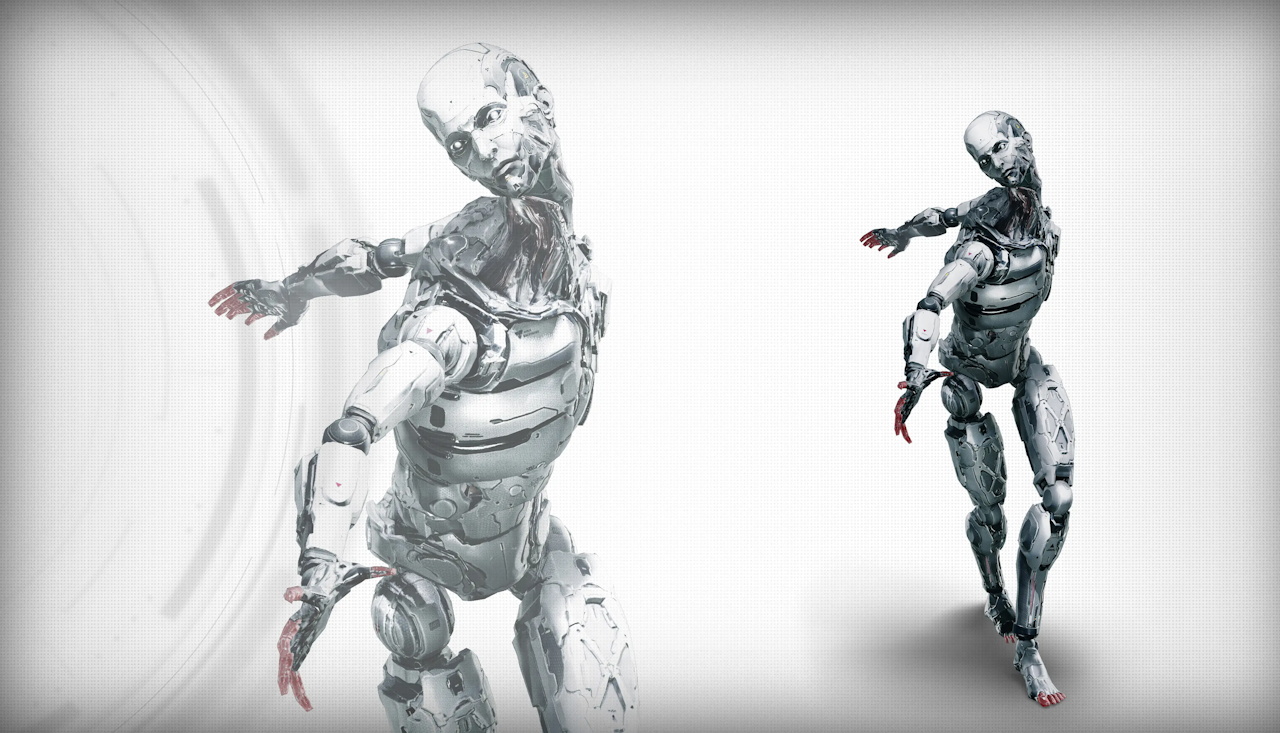
Visually, I have to say that nothing in Pragmata really jumped out at me as being uniquely interesting – but I didn’t hate any of the designs, really. Robots (the main cadre of enemies you’ll encounter) all felt sufficiently futuristic, and some could feel either creepy or intimidating, with designs that leaned into those ideas. Bosses always managed to feel genuinely imposing, too.
There were some cute collectibles for the player’s base, and I went out of my way to make sure I got the entire set. Most of these also triggered a small cut-scene or moment of dialogue between the main characters, which added to the fun. I’ve never been someone who needs to get 100% of all collectibles in a game, and I missed my share of weapon mods and upgrade materials across my adventure! But it was always worth backtracking to get those other pieces, and I’m glad that I was able to gather and install all of them before beating the final boss.
So I think that’s all I can say for now without getting into spoiler territory.
If you want to know if Pragmata is right for you… first answer this question: are you reasonably good at third-person action/adventure games? If you are, and if you aren’t suffering from arthritis or a similar issue to me, then I absolutely recommend it. It was a fun experience, a bit of a throwback in some respects, and a generally fun time. But if you’re someone, like myself, who prefers to play on easy mode – or if you just want to experience a story without needing to worry too much about dying over and over in a game that *doesn’t have a free save system* – then you might want to think twice. If you play on PC, you can do what I did and mod the game. But if you’re on Xbox or PlayStation, that option’s not available to you… so it’s absolutely worth being aware that there aren’t proper difficulty or accessibility options before you part with your money.
Once I got around that issue, I did enjoy the rest of the game. And I wouldn’t have wanted to miss out on playing the remainder of Pragmata simply because of Capcom’s refusal to cater to gamers of different ability levels. For me, this is an absolutely valid point of criticism, and by far the worst thing about Pragmata. The only reason it didn’t ruin the game for me – and the only reason I was able to keep playing – was thanks not to Capcom, but to the efforts of the modding community. Another great reason for playing on PC, eh?
If that’s not an issue for you, though (or if you’re okay with modding the game), then I’ll absolutely say “go for it!” I had fun on this sci-fi adventure with Hugh and Diana, and over the course of my seventeen-and-a-half hours with Pragmata, I was enjoying myself far more often than not. I think Pragmata faces stiff competition when it comes to deciding on my personal “game of the year,” but it might be a dark horse contender come December.
I hope you’ll check back at the end of the year for that! And if you’re okay with story spoilers, join me next time. I’ll break down Pragmata’s narrative in a bit more detail, as well as touch on a few things that I wasn’t able to this time. Thanks for reading… and happy gaming!
Pragmata is out now for PC, PlayStation 5, and Xbox Series consoles. Pragmata is the copyright of Capcom. This review contains the thoughts and opinions of one person only and is not intended to cause any offence.

