Indika: Video Game Review

A spoiler warning graphic.

Spoiler Warning: Beware minor spoilers for Indika’s story – and major spoilers for the game’s world and mechanics.

I love seeking out games that feel unique – and if there’s one word I’d use to describe Indika, that would be it. This game is a mix of third-person puzzling, some platforming elements, a “walking simulator,” and some fun 2D platforming levels inspired by titles from years gone by. It’s a short but eclectic experience; a memorable game that I thoroughly enjoyed.

I beat Indika in a single play session – something I don’t think I’ve done with a game for quite a long time! So this is not an epic experience that’s going to last dozens upon dozens of hours… and that’s something to be aware of heading into it. However, unlike some recent titles, Indika is priced fairly. At £20 here in the UK (though I got it at a slight discount via the Epic Games Store) its price feels more than fair for the runtime it provides, and I will always credit publishers for recognising this!

Screenshot of Indika (2024) showing Indika.
The title character.

During my playthrough I did encounter a bug – just one, though. At one point, Indika got stuck in the environment partway through climbing onto a platform, and the only way around it was to restart the level. This highlighted something I don’t really appreciate: the lack of a free save system. Indika is generous with its checkpoints, sure, and the only other time I died I didn’t have to go all the way back to the beginning or anything. But… being able to freely save is a pretty basic feature, and even in a game as short as Indika there’s really no reason not to incorporate it.

But that’s basically all of the negatives out of the way!

Indika is a narrative experience as much as a “game” – there are entire sections where the only thing you’re required to do is walk from point to point. There are side-rooms to explore and a few collectables to pick up – which are worth finding, if for no other reason than to appreciate the design work that went into making them – but much of the game unfolds like this. I can see some people finding that “boring,” and while such things are subjective, for me I enjoyed this slower pace.

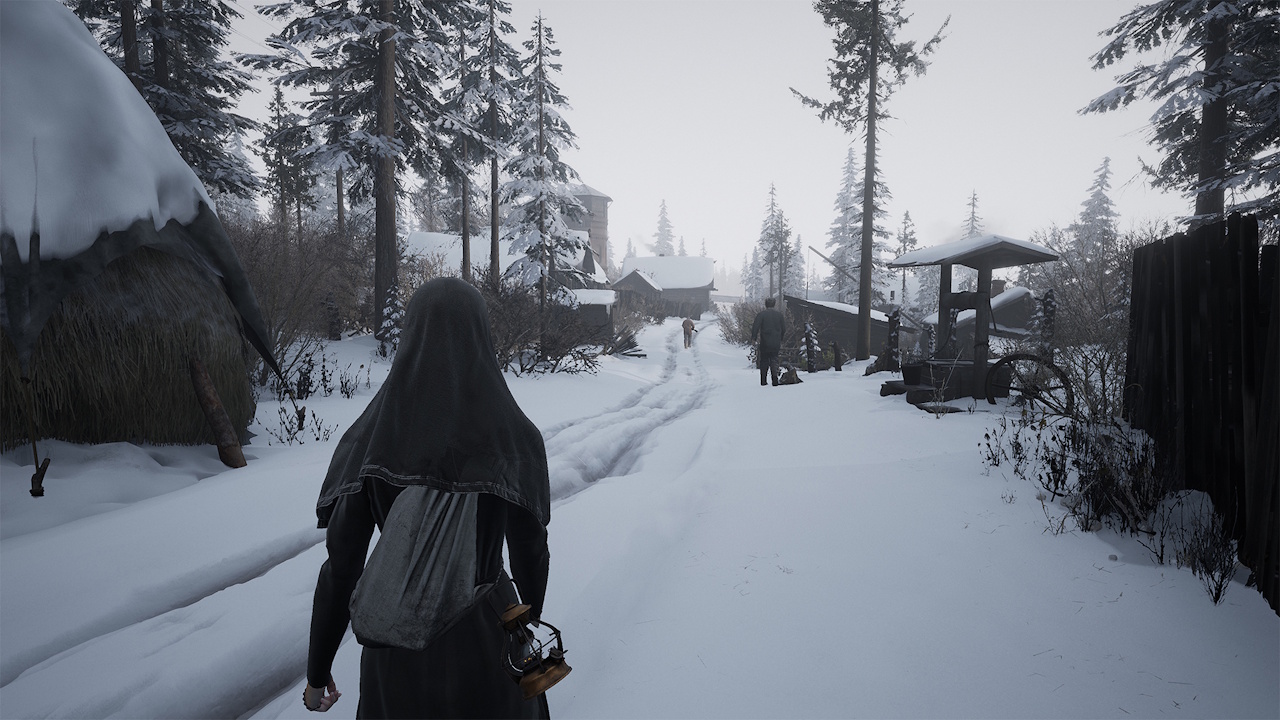
Promotional screenshot of Indika (2024) showing Indika walking on a snowy path.
There’s quite a bit of walking in this game.

Despite the way the game seems to present itself at first, this isn’t a “horror” title – not by my definition, at any rate. There are some creepy and unsettling elements for sure; a game where the player character speaks to a demonic entity is gonna have that! But in terms of frightening moments or jump-scares… there really weren’t any. And that’s coming from a total scaredy-cat who’s easily frightened!

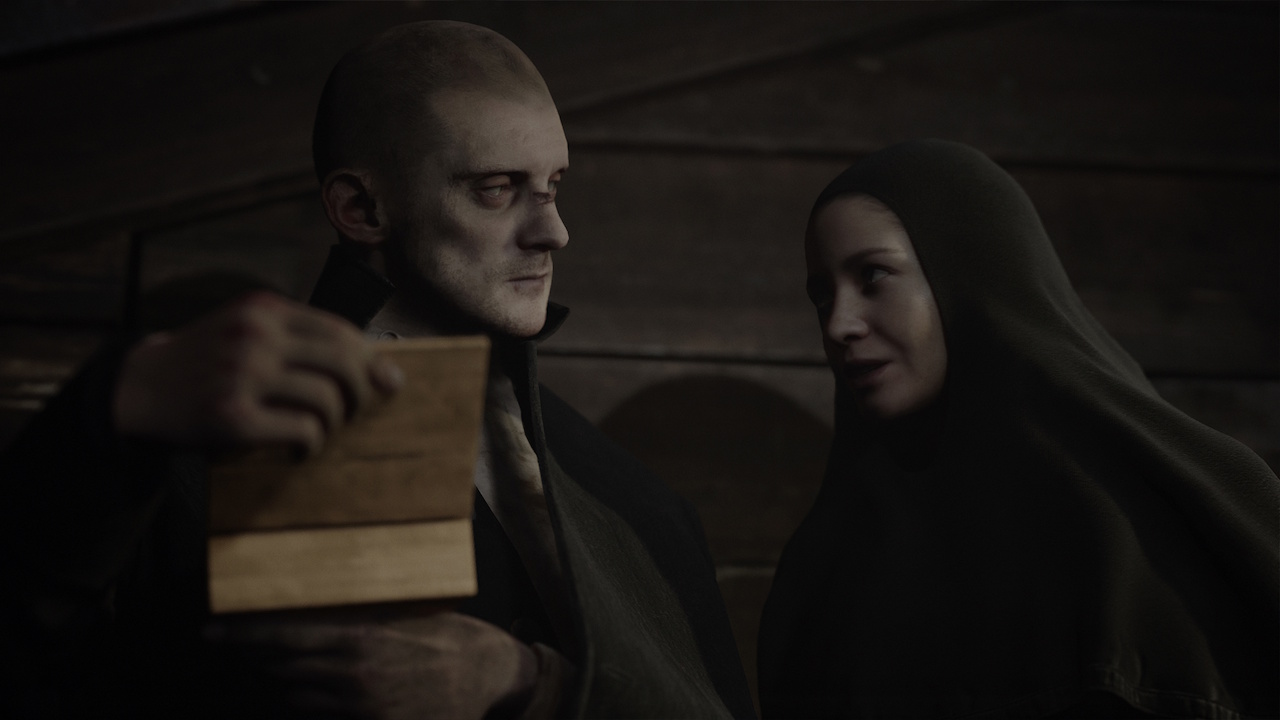
What you get with Indika’s narrative is a lot of philosophy – the age-old debate about God’s existence. And maybe you’ll say I’m projecting my own biases here, but I felt Indika came down firmly on the side of atheism. Despite being a nun, the protagonist is clearly struggling with questions of faith, and her mental illness – which is how I’d interpret her hallucinations – is preventing her from fitting in with her fellow nuns at the convent. Having encountered a runaway convict, Indika bounces her ideas about God and the problems of omnipotence and evil off of him. These conversations were genuinely interesting.

Promotional screenshot of Indika (2024) showing Ilya and Indika.
Ilya and Indika had some interesting philosophical conversations.

Both of the main characters – and Indika’s companion, too – felt fleshed-out, and they seemed to fit the world they inhabited. We got to see really interesting glimpses of pre-First World War Russia, a country struggling with industrialisation and the challenges that it brought. Indika’s convent felt like a place unchanged by the passage of time, but the world she stepped into was one of steam trains, factories, and industrial danger. The world could feel bleak – its wintery setting definitely adding to that tone – but never empty. I loved crunching through the snow during the outdoor sections!

There’s something about snow in video games that I just really enjoy. Seeing Indika and Ilya leave footprints was a nice touch, too. While the snow isn’t at the same level as a title like Red Dead Redemption II, it isn’t a million miles away. And considering this game was made by a much smaller team with a lower budget… I think it’s pretty fantastic the way it’s turned out. In the west, we tend to associate Russia with freezing winter conditions – even though, of course, the country has three other seasons – so in that sense, the snow also felt on theme!

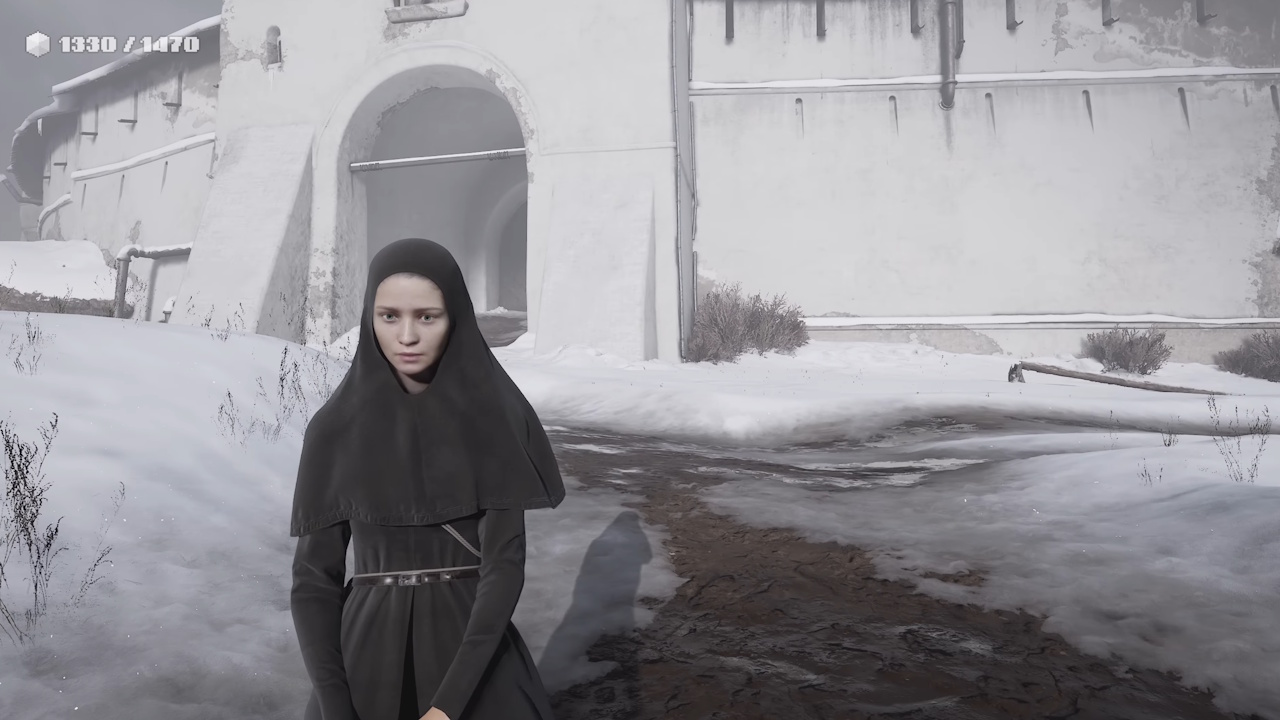
Screenshot of Indika (2024) showing the title character.
Indika outside of the convent.

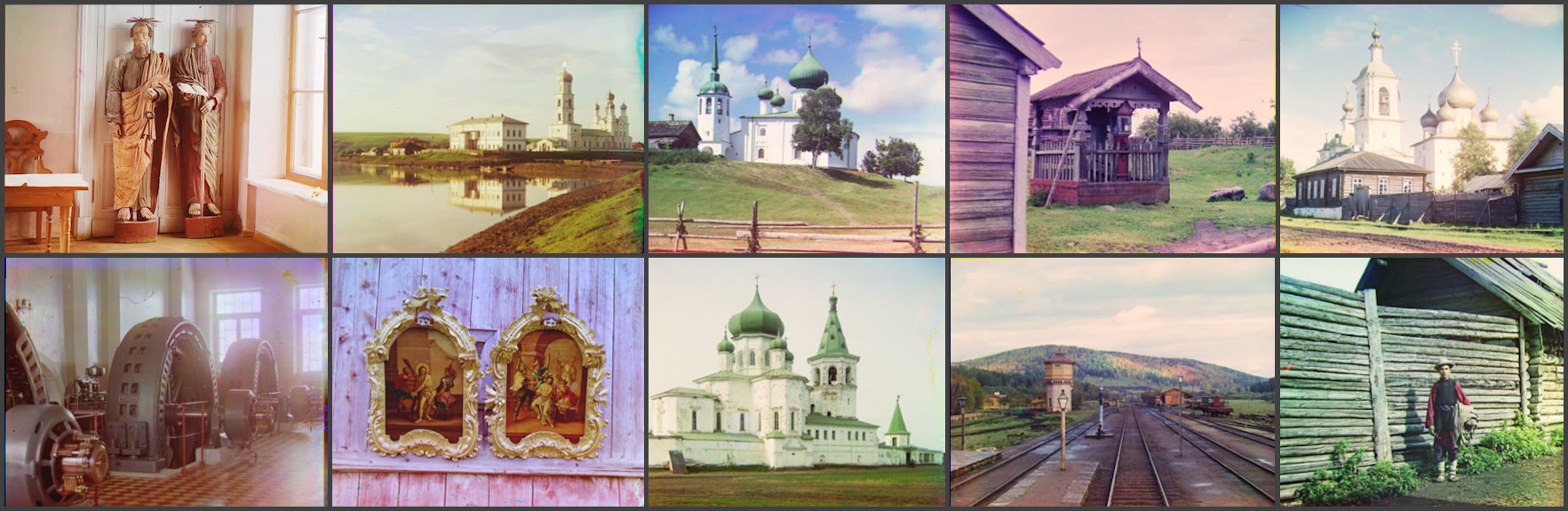
One of the projects I chose when I was studying history at university was the history of colour photography. Among the earliest surviving colour photographs were taken in the late 1900s and 1910s by Sergey Prokudin-Gorskii – a Russian photographer who was commissioned by the Tsar to take colour photographs across Russia. I immersed myself in Prokudin-Gorskii’s photographs while working on my project, and I was fascinated by this glimpse into pre-Communist Russia. I know folks say black-and-white photographs feel atmospheric, but there’s something about colour that’s just so much more real!

I bring this up because I felt echoes of Prokudin-Gorskii’s photographs in Indika. The convent, some of the wooden houses and buildings, the dirt roads… I remember seeing all of those things in those photographs. The juxtaposition between massive imposing religious buildings made of stone and adorned with gold and bright colours with small, wooden houses in which everyone else lived… it’s striking. And you can see why, in years gone by, people would be drawn to churches and cathedrals. For my money, developers Odd-Meter did a great job recreating this bygone era in video game form, and it brought back memories for me of working on that university project and exploring the forgotten world depicted in those photographs.

Collage of ten Prokudin-Gorskii colour photographs, depicting a variety of scenes in Russia in the 1910s.
A selection of Prokudin-Gorskii’s photographs of Russia, circa 1909-1915.

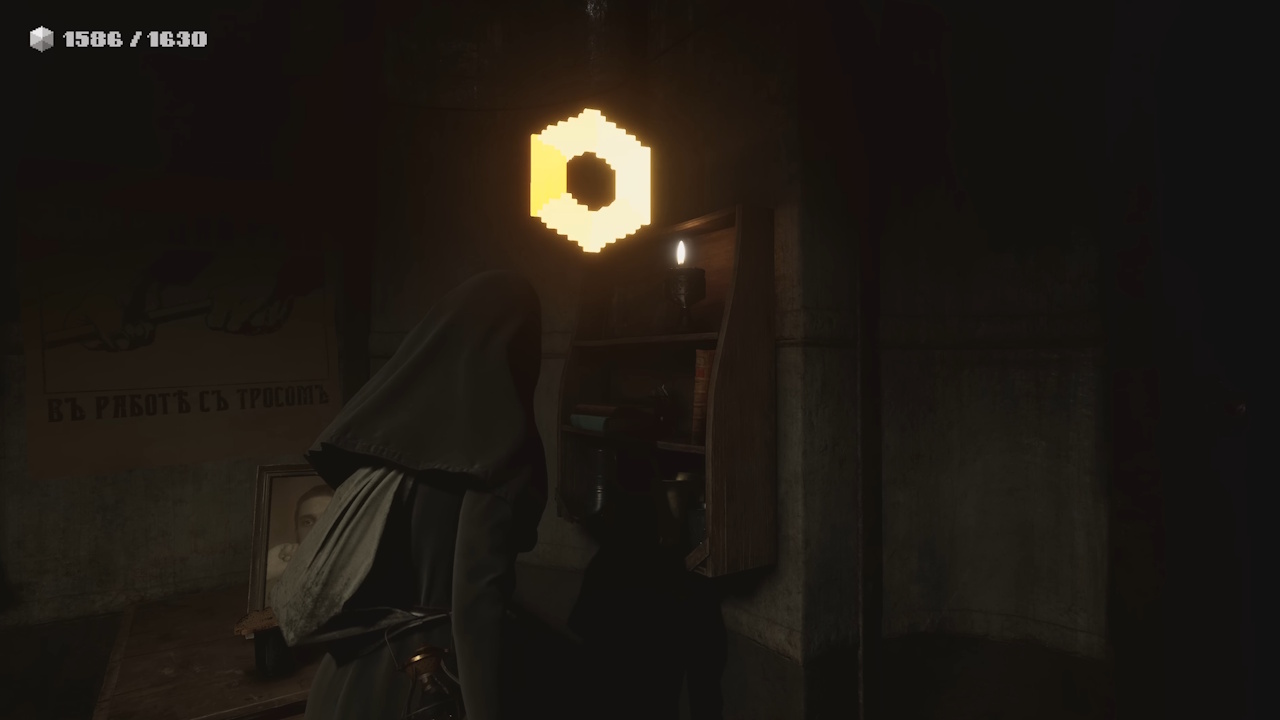
For a game that was – mostly – an intense, philosophical narrative experience set in a realistic historical setting… Indika blended in some very “video-gamey” elements! Its pixel art font – used in menus and the levelling screen – was a real throwback, as were the way points were collected in-game. Points appear in front of Indika when collecting items in the game world or lighting candles – but they appear as big, glowing, pixellated blocks. They reminded me of something out of the 8-bit era, and that was clearly a deliberate choice. It added to the surreal nature of the game, and I think it worked exceptionally well.

Then there’s the game’s soundtrack and… well, sound-scape might be a better term. There were some beautiful and haunting melodies created for Indika, but there were also some retro throwbacks that felt like something you’d have heard on an arcade machine in the ’80s! Again, it’s the surreal blending of the game’s detailed world with these modern/retro game elements that just… worked. It shouldn’t, and I think in a worse game it wouldn’t have worked. But here, the total clash between the world around Indika and these retro gaming visuals and sounds actually felt great. If the story is partially about Indika’s mental health, I kind of read the gaming elements as part of that. Part of her hallucinations – both visual and auditory.

Screenshot of Indika (2024) showing Indika recieving points.
Receiving points.

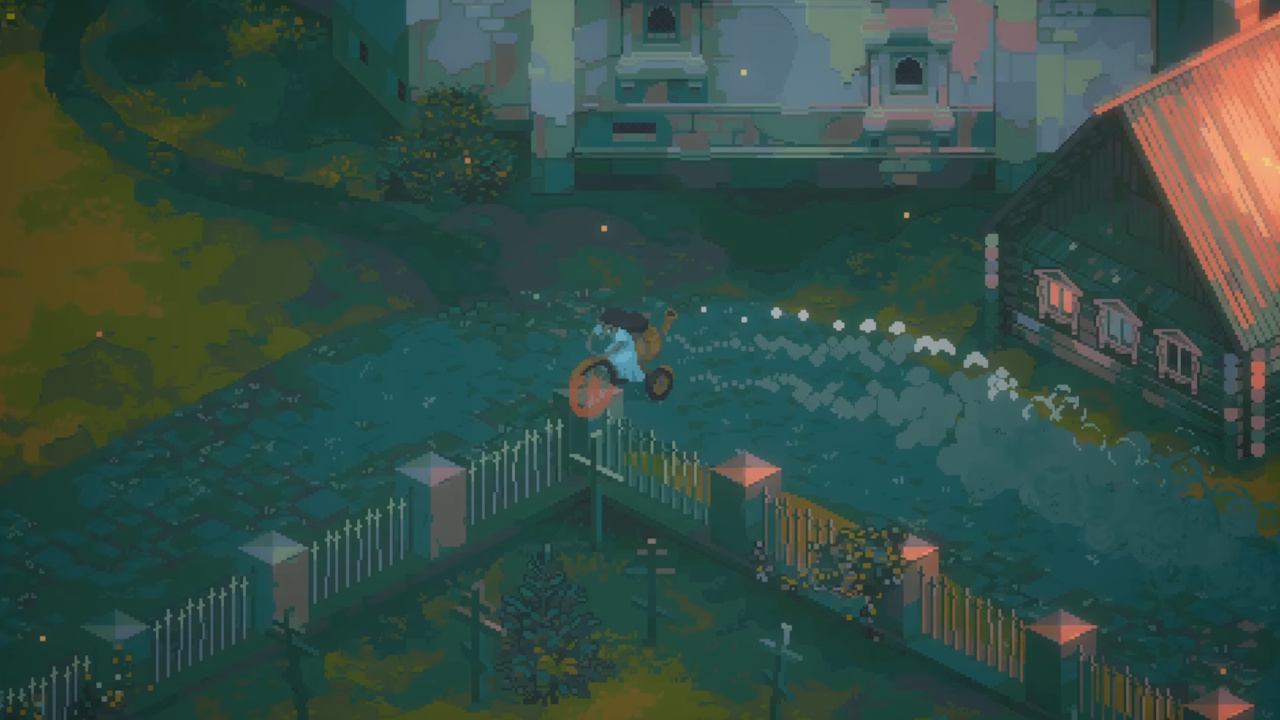
These tied in with some wonderful 2D platforming sections. Indika presented its flashback sequences in this retro pixel art style, which is something I found incredibly creative. It felt kind of like if a film or TV show depicted its flashbacks in black-and-white or sepia. It’s the game saying “these events happened in the past.” And what better way for a video game to depict the past than with older visual and gameplay styles?

These sections also provided a clear boundary between the present and the flashbacks, making them feel completely distinct. Although I described them as “2D platformers,” there was more to it than that. We got a Pac-Man-inspired section, running around a maze-like level, a multi-lap bike race, and two very different platforming sections. These all felt unique, with no single play style being repeated throughout the flashbacks. They were also some of the most technically challenging parts of the game – or perhaps my 2D gaming skills are just rusty! My arthritic hands don’t help, either, with sections requiring near-perfect timing of jumps! But I struggled through and got there in the end.

Screenshot of Indika (2024) showing the flashback bike race.
One of Indika’s 2D levels.

Depicting such intense sequences in this way was kind of an odd choice. Indika’s flashbacks tell a tale of the protagonist’s first romantic encounter – with a boy from a different culture, and it doesn’t end well. There were some light-hearted moments in these 2D levels, particularly near the beginning, but the story took a dark turn later on. And the pixel art, upbeat 8-bit music, and fun retro level design… it clashed with that. But as above, I think the clash is the point.

The 2D levels weren’t the only creative ones, though. Indika did some clever things with some of its 3D environments, too – including a series of rooms which rotated, having you walking on walls and having to move objects ways that don’t conform to the laws of physics! Some games have tried to show mental illness and fractured minds before, but there’s something so unsettling about walking into a room with absolutely no explanation, and no expectation that it’s going to be something different… only to realise it’s upside down, walking on walls… and with some kind of strange multi-limbed demon just out of sight.

Screenshot of Indika (2024) showing a 3D level.
This level felt especially creative.

Other 3D puzzles were more basic, akin to something you’d see in games like Uncharted. “Basic” is not a synonym for “bad,” and these puzzles – involving things like moving objects on a crane or using a ladder to bypass a locked door – were entertaining enough. None of them were especially difficult to solve, though I would point out that the game doesn’t hold your hand and just kind of drops you in the puzzles, leaving you to figure it out. As another hallmark of what we might call “old-school” game design – in a modern gaming landscape dominated by in-depth tutorials and the dreaded quest marker – I think I like this even more!

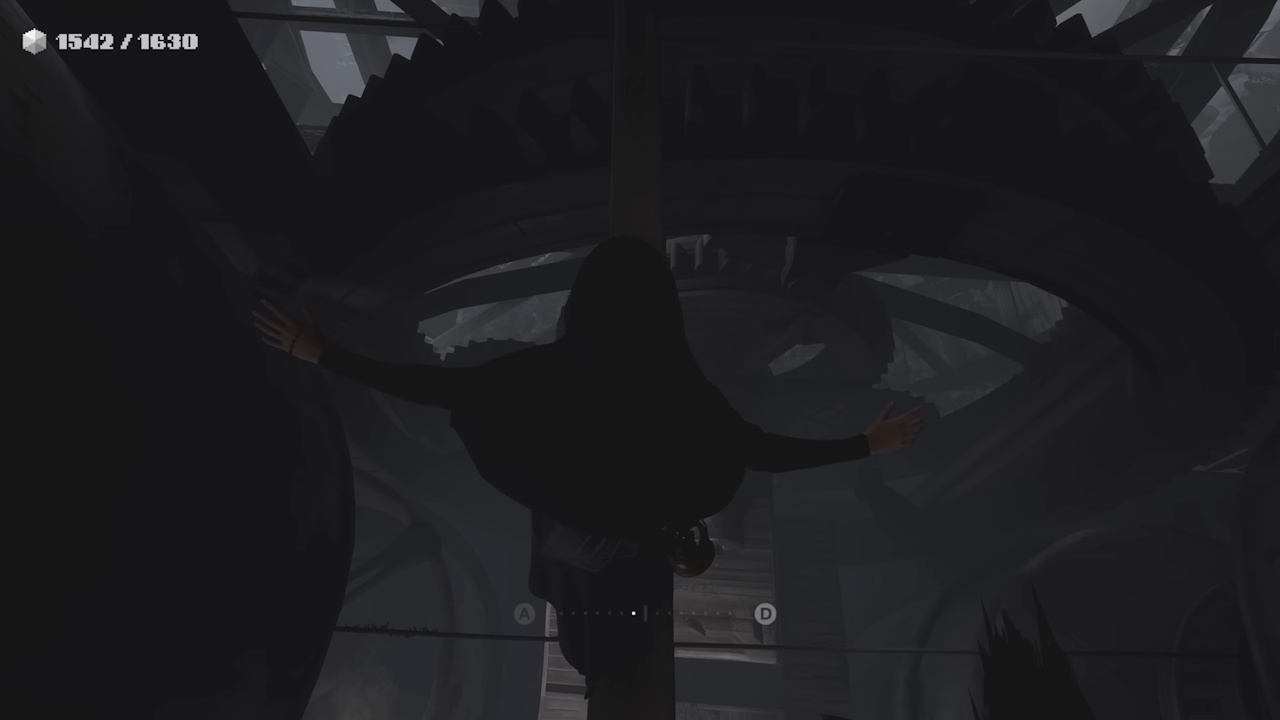
Then there were sections of levels that used different or interesting mechanics. Repeatedly rotating the control stick to wind a winch was interesting – and reminded me of some Nintendo 64 titles from back when the analogue stick was a brand-new invention! Then there was a moment where Indika had to balance on a narrow beam that gave me flashbacks to Shenmue II! If you remember that level… does it haunt you, too? Indika also gives you control over a couple of different vehicles, as well as some pieces of machinery, and there’s a couple of tense chase sequences, too. There’s a surprising diversity of gameplay styles on show given the game’s runtime.

Screenshot of Indika (2024) showing Indika balancing on a board.
Reminds me of Shenmue II

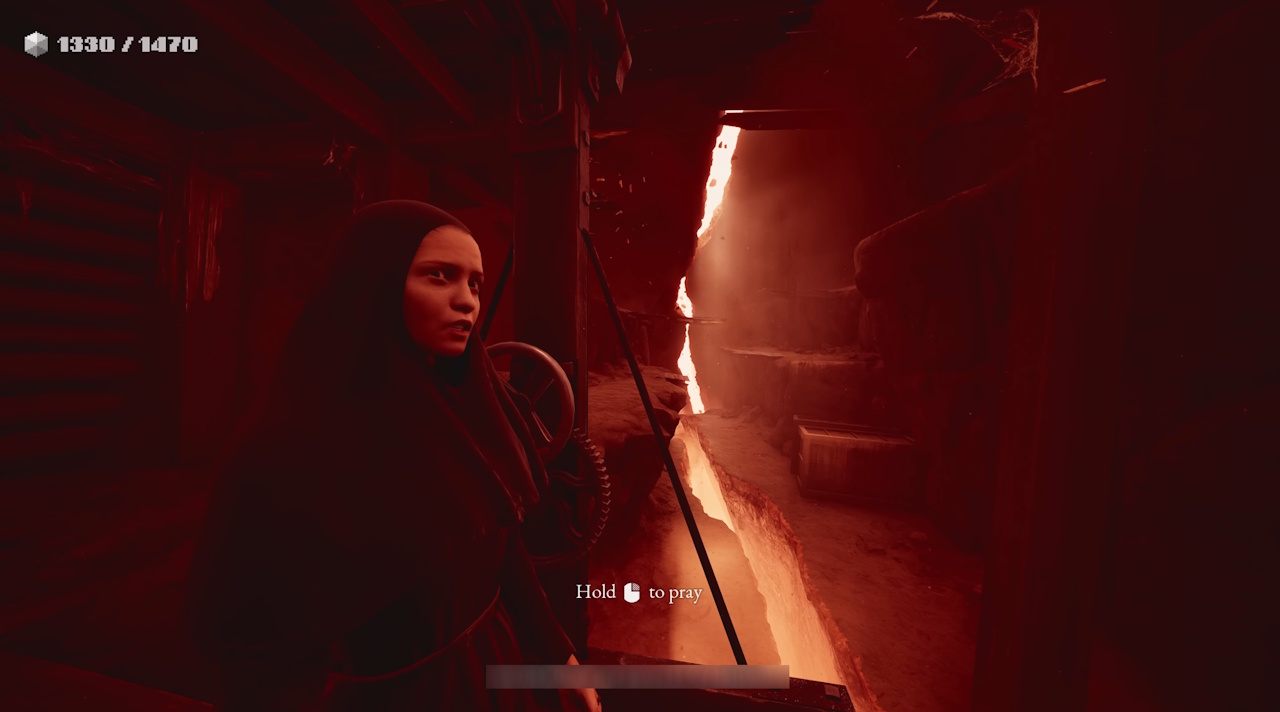
I’d also be remiss not to mention Indika’s incredibly creative use of the protagonist’s hallucinations. Without giving too much away, at a couple of points in the game, Indika experiences a vivid hallucination, but can keep it at bay through prayer. Alternating between the hallucination and the “real” state of the world changes the level, and opens up different pathways to get from one end to the other. It’s a really creative mechanic that wasn’t over-used, and it worked exceptionally well.

So Indika was not the kind of game I would’ve ordinarily chosen. It’s a short experience (my playthrough clocked in at just under four-and-a-half hours, including the credits, a couple of deaths, and one 2D level that took a few attempts). But it was really interesting – a philosophical video game with a message about faith, God, and the way the world works. It was wrapped up in an interesting narrative about a renegade nun with a mental illness, and touched on how mentally ill folks can be treated and shunned by society. As someone with a mental health condition myself, I appreciated the message, the depiction, and how the game handled that side of things.

Screenshot of Indika (2024) showing one of Indika's hallucinations.
One of Indika’s hallucinations.

Russian developers Odd-Meter actually left the country during work on Indika due to the political situation there. But almost the whole team is Russian – there are Russian-language voice options available if you want to get more of an immersive experience.

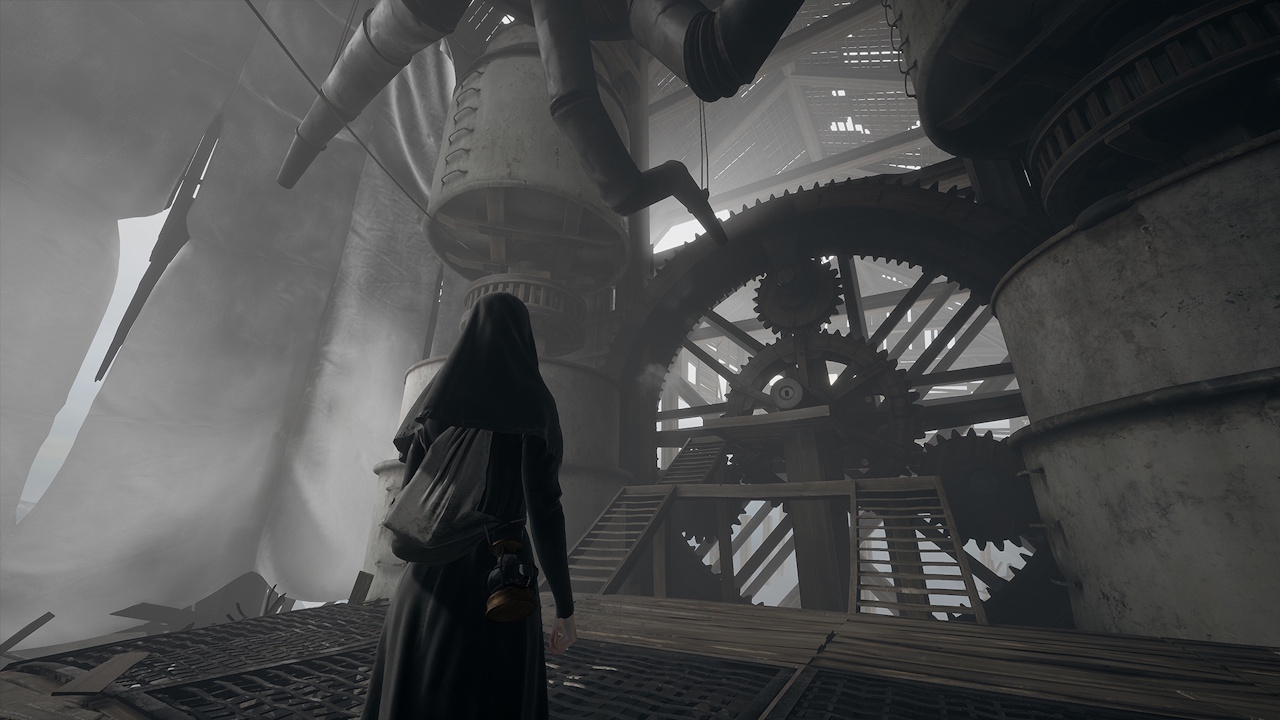
I would absolutely recommend Indika. I had a blast with it, and I really can’t think of another game quite like it. As I said at the beginning, this was a completely unique experience, both narratively and mechanically. Maybe you think four-plus hours is “too short,” but again I would point to the game being – in my view, at least – fairly-priced for its runtime. We aren’t talking about a £75 title, here.

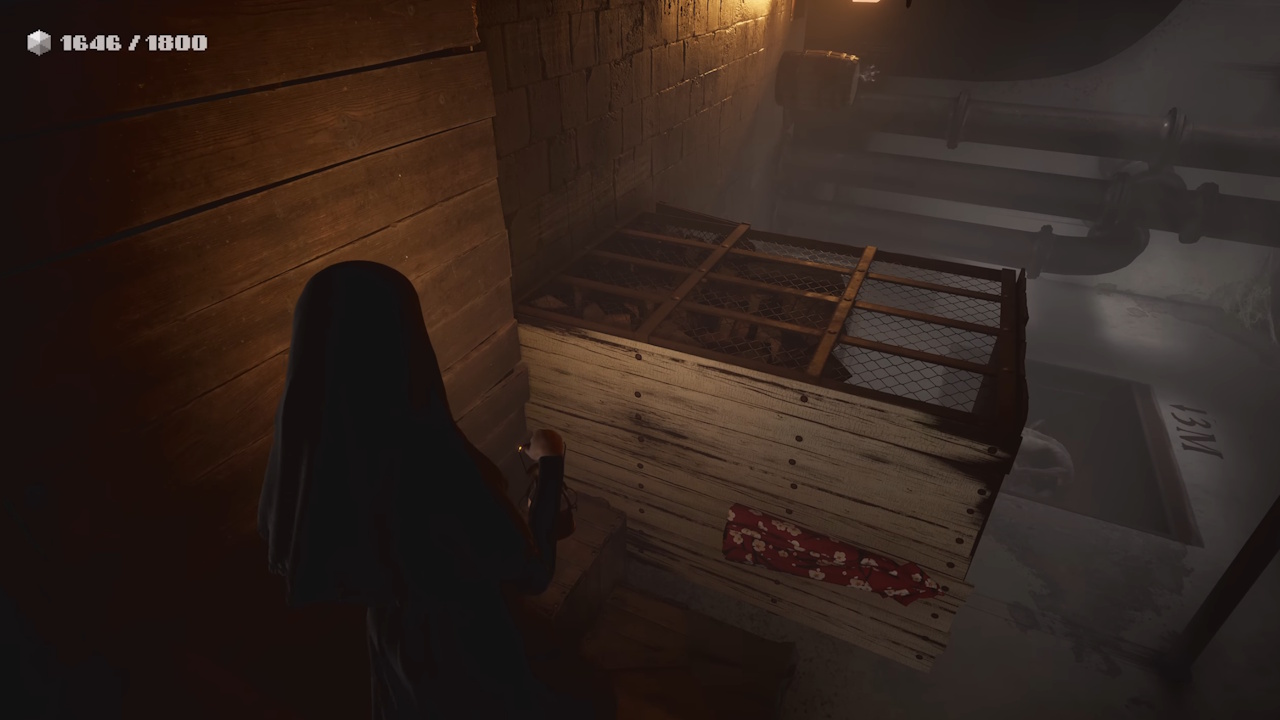
Promotional screenshot of Indika (2024) showing Indika in a factory.
Indika is a game I’ll happily recommend.

So I hope this has been interesting! I thought Indika had only just been released, but it actually came out over a year ago. I guess I’m a bit late to the party, but never mind! The game was on sale recently, at least on PC if you use the Epic Games Store. It could also be one to wishlist ahead of the big Christmas sales, because it might drop in price again.

This could’ve absolutely not been my cup of tea! The idea of a mentally ill protagonist with a horrifying demon whispering in their ear, a clash of visual and musical styles, the philosophical conversations, lack of combat, and short runtime… they could all be offputting, I guess. But I really liked this game. It’s the kind of title I think we can point to when highlighting the work of smaller, independent development teams, and it’s also a fine example of video games as a narrative art form.


Indika is out now for PC, PlayStation 5, and Xbox Series S/X. Indika is the copyright of Odd-Meter and/or 11 Bit Studios. This review contains the thoughts and opinions of one person only and is not intended to cause any offence.

Jungle Cruise – film review

Spoiler Warning: There are spoilers ahead for Jungle Cruise.

Any review of Jungle Cruise on Disney+ needs to take into account the film’s price tag. Right now Jungle Cruise costs £20 in the UK or $30 in the United States to “unlock,” and thus the film’s value will vary from viewer to viewer. For my two cents, unless you’re a huge fan of the original Jungle Cruise ride at the Disney theme parks or a particular fan of either Dwayne Johnson or Emily Blunt, this is probably a film to wait for. In a matter of months, and certainly by Christmas, the film will be added to the regular Disney+ lineup, and though I had a decent enough time with Jungle Cruise, I’m not sure that I necessarily got £20 worth of enjoyment from it. If you’re on the fence, trying to decide whether to pay up or wait, I think this is one you can safely wait for.

That being said, Jungle Cruise was enjoyable. I’ve said this before, but in 2002-03 when Disney was talking about adapting Pirates of the Caribbean into a film, I thought it sounded like an atrocious idea! How could a theme park ride possibly translate to the screen, I wondered? I was wrong about Pirates of the Caribbean: The Curse of the Black Pearl then, and if I had similar doubts about Jungle Cruise eighteen years later then I was wrong again! The film was decent, and paid homage to a classic ride which has been part of Disneyland since the very beginning.

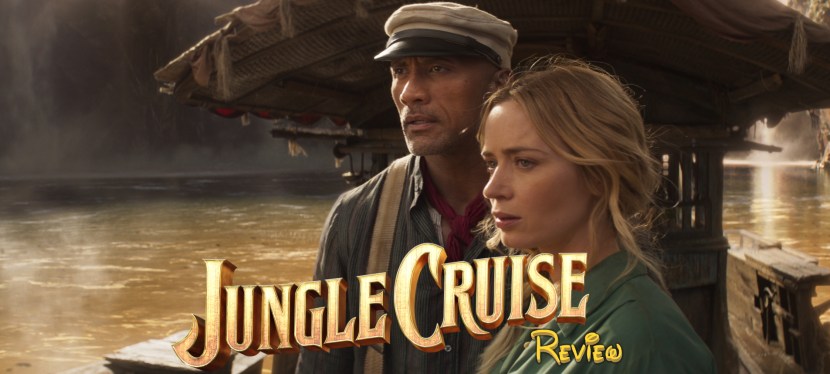
Jungle Cruise poster.

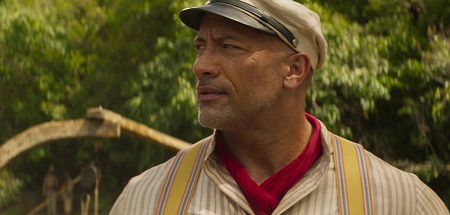
If you’re fortunate enough to have ridden Jungle Cruise, you’ll recall that there is a “story” of sorts to the ride itself. Obviously the film takes liberties with this, chopping and changing things to make the story more suited to the screen rather than a semi-interactive theme park attraction. But I was surprised at just how well Jungle Cruise captured the feel of the original ride, with Dwayne Johnson’s character of Frank taking the role of the Disneyland boat captain from the attraction.

There were nods to other aspects of the ride as well, particularly in the film’s opening act with Frank’s literal jungle cruise entertaining the tourists with the same mixture of dad jokes and props as the ride itself. As the story went on, the film naturally stepped away from being true to the ride to focus on a story that was not dissimilar to the aforementioned Pirates of the Caribbean film, complete with cursed undead sailors, a magical macguffin, and lashings of aquatic adventure.

Quila hits the rapids!

There were several surprisingly poignant and emotional moments in Jungle Cruise which I wasn’t expecting. Aside from the typical Disney happily ever after ending (complete with a fake-out sad ending which preceded it) the tastefully handled moment where Jack Whitehall’s character of MacGregor came out to Frank was a very sweet inclusion. Not only did it add personality and dimension to both characters – MacGregor gained a backstory of rejection and further reason to follow Lily, and Frank came across as accepting and kind – but it was a huge step for representation and inclusion. Seeing MacGregor experience rejection yet find acceptance in the most unlikely of places is a powerful message, and the mere act of LGBT+ representation in a blockbuster film is always fantastic to see. Such a message is especially important for younger viewers.

While we’re discussing some of Jungle Cruise’s deeper themes, the film took a dim view of wealth, aristocracy, and closed societies – despite practically all of its main characters being drawn from the upper classes of their day. MacGregor’s unease at having to experience life away from his home comforts was initially played for laughs – though he did become more comfortable with it as the film reached its end. The villain of the piece being a German aristocrat was also a continuation of this theme, as was the initial depiction of Frank as the last independent river boat captain – and the poorest.

Dwayne Johnson as Frank, the riverboat captain.

Having seen a number of films with British villains over the last few years, the decision to make the German Prince Joachim the main adversary to Frank and Lily was actually a bit of a change. There was a time a few years ago where villains in cinema were often German – or of German extraction. But enough time has passed and enough other villains have come and gone that the return to a German villain didn’t feel like stereotyping or a trope in the way it might’ve done had Jungle Cruise been made in the recent past.

The story itself took a couple of unexpected twists. The revelation that Frank wasn’t who he seemed to be definitely came as a shock – but in a good way! Sometimes twists of this nature can feel rushed or like they jolt the story in an unwanted direction, but learning Frank’s true origin managed to avoid that pitfall. It made his character feel more rounded and gave him motivation. We learn why he wanted to take Lily upriver – and why he was so convinced she wouldn’t succeed in her quest to find the Tears of the Moon.

Lily was seeking the Tears of the Moon.

Frank’s “betrayal” of Lily and MacGregor – which he apparently set up off-screen with Trader Sam and her tribe – was perhaps the weakest moment in the story. It did nothing to endear us to Frank, and while it was arguably in character for him it robbed what was initially set up as a tense moment of practically all of its drama. Though the threat and peril were restored after a brief respite, the way the film handled this moment was poor overall.

Representation of native peoples and their relationship to colonists has come a long way in recent years, and when looking back at past Disney depictions of indigenous peoples – such as in Peter Pan or even the original incarnation of the Jungle Cruise attraction – the way the “headhunter” tribe was presented was an improvement. Considering the tribe played a relatively minor role in the film, what we saw worked well. The depiction retained some of the mystery that westerners have of indigenous peoples – something that the original ride drew on for part of its threat – yet at the same time made at least one key character relatable.

The tribal chief.

Jungle Cruise also didn’t shy away from depicting the brutality of colonisation, showing Conquistadors savagely attacking a tribe of native people even after being offered shelter, food, and medicine. However, the film then immediately strayed into once again mystifying the tribespeople by giving them magical powers seemingly connected to the Tree of Life. Overall, the way Jungle Cruise handled its characters’ interactions with indigenous people was better than in some Disney titles, particularly older ones, but arguably imperfect and verging into some of the tropes commonly associated with such tribes in fiction.

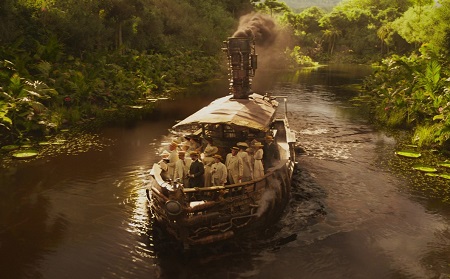
Aside from the opening act, which was set in London, and a few other scenes near the beginning of the piece, Jungle Cruise broadly stayed true to its premise as a film about a voyage on a riverboat. The boat itself had character, being old and beaten-up, and was memorable for the way it looked while again retaining some of the charm of the original Disneyland attraction. Quila (Frank’s boat) was not only the characters’ home and method of transportation, but also played a key role toward the end of the story by blocking the river water and saving Lily and MacGregor. Giving the boat more to do in the story than simply be an ever-present stage for the characters made a huge difference to the film, and made its setting feel meaningful.

Quila – the boat – was almost like an extra character in the film.

Though the Conquistadors wanted to kill Frank – and later Prince Joachim – they seem to have had similar objectives when it comes to acquiring and using the Tears of the Moon, and as a result some of the moments toward the film’s climax felt rather forced. Obviously Lily and MacGregor had an incentive to stop the Prince and his gang of German submariners, as they clearly had nefarious intentions for the magical macguffin. But the Conquistadors had basically the same objective as Frank – to lift their curse – and it felt like there could have been a moment near the end of the film where they had all realised that they didn’t need to fight. In fact I initially wondered if Prince Joachim’s betrayal of the Conquistadors was going to set up precisely that kind of storyline. It feels like a miss that it didn’t, as the film basically ended with the heroes defeating two parties of villains.

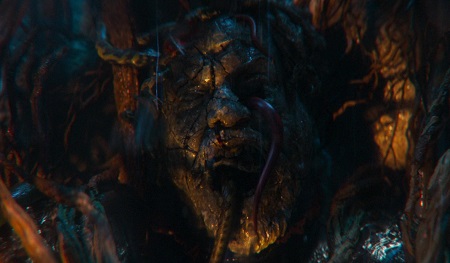
There’s always room in fiction for that kind of narrative; not every story has to depict an emotional coming together and teaming up to defeat a worse villain. But the disturbing implication to the way Frank’s story ended is that he simply left the Conquistadors to endure endless torture; they’re unable to die and it didn’t seem as though he took action to lift their curse. Perhaps this is Disney leaving the door open to a sequel?

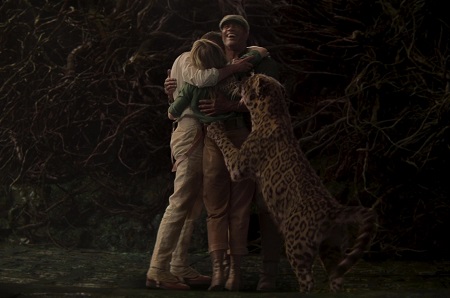
Did Frank and Lily condemn the Conquistadors to eternal torture?

Speaking of the way the film ended, with Frank and Lily only able to pluck a single petal from the tree, all Lily really got to do was write up her adventure and land herself a job. In the male-dominated world that the film depicted that is unquestionably a victory for her – but her original ambition had been to use the Tears of the Moon to “revolutionise medicine” and save countless lives, not least in the ongoing First World War. It seems as though this ambition was thwarted, yet the film skips over this point.

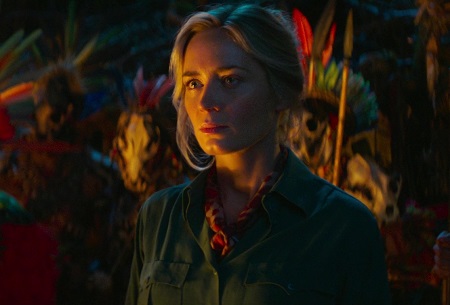
Jack Whitehall is not someone I would have expected to see in a film like Jungle Cruise, but he put in a creditable performance as MacGregor. His stand-up act often draws on his self-styled “posh” image, and his character felt like an exaggerated version of that in some respects. Emily Blunt was outstanding in the role of Lily, bringing real personality to the character and crafting a heroine that we as the audience wanted to get behind. Dwayne Johnson seemed at first to be playing a fairly typical “Dwayne Johnson” role, but the addition of an unexpected backstory for his character of Frank took the character to a different place and forced him to step out of his comfort zone and play things differently as the film passed the two-thirds mark. Though perhaps it wasn’t an Oscar-worthy performance, I found Frank to be a believable protagonist and someone I wanted to see succeed.

MacGregor and Frank shared a genuinely touching moment in Jungle Cruise that I wasn’t expecting.

Jungle Cruise relied heavily on CGI almost throughout, and not all of the animation work was as realistic as it could’ve been. Recent productions, even on television, have seen some truly outstanding CGI work, and while nothing in Jungle Cruise was awful or even immersion-breaking, there were quite a few elements that didn’t look quite right. At a number of points I felt that some of the CGI had that “too shiny,” plastic look that plagued CGI a few years ago, and I really thought that animation – especially cinematic animation – had begun to move past that particular issue.

I would’ve liked to have seen more physical props and practical effects, and the fact that a large portion of Jungle Cruise was filmed with green screens and other modern tricks wasn’t as well-concealed as it might’ve been. And perhaps this final point on visuals is a bit of a nitpick, but the fact that a number of the so-called “jungle” sequences were filmed not in South America but in Hawai’i was apparent to anyone who knows their flora! Different biomes do look different from one another, and a few scenes in particular which supposedly took place on the banks of the Amazon were very clearly filmed elsewhere. I know that’s a minor point that won’t have bugged many people, but I found it worth noting.

Happily ever after for the main characters!

So that’s about all I have to say, I think. Jungle Cruise certainly compares to the likes of Pirates of the Caribbean and other fantasy-adventure titles. It was fun, emotional at points, and set up its trio of main characters for a story that was easy enough to follow for kids while still having plenty to offer for adults as well. It stands up well against many adventure films, including classics of the genre like Indiana Jones – which Jungle Cruise was clearly channelling at points!

I had an enjoyable time with Jungle Cruise, and it was a fun way to spend a couple of hours. Whether it will be worth the cost of admission on Disney+ is something everyone will have to decide for themselves, but I think it’ll still be an enjoyable watch in a couple of months’ time. Jungle Cruise presented a fun story that drew inspiration from the likes of Pirates of the Caribbean, yet stayed true to its origins as a theme park attraction. It was a fun ride down the river with Frank, Lily, and MacGregor, and I’m sure I’ll have fun watching the film for a second and third time in the future; it’s definitely one to return to when I’m in the mood for adventure!

Jungle Cruise is available to stream now on Disney+ Premier Access (for a fee). Jungle Cruise is the copyright of Walt Disney Pictures and The Walt Disney Company. Some promotional images courtesy of The Walt Disney Company. This article contains the thoughts and opinions of one person only and is not intended to cause any offence.