

Spoiler Warning: Beware spoilers for the following Star Trek productions: Discovery, Picard, Prodigy, Strange New Worlds, and Starfleet Academy.
Although it was predictable, unfortunately, that a third season renewal would be a bridge too far for Starfleet Academy, the timing of that announcement still felt pretty brutal. It came just days after the Season 1 finale, perhaps a year or eighteen months away from Season 2’s arrival, and in the middle of a fairly muted 60th anniversary year to boot. But the news did get me thinking about what Star Trek might look like in the future, now that all of the CBS All Access/Paramount+ shows are being wound down. And also… it got me thinking about what I’d like Star Trek to look like, too.
I said a couple of weeks ago that Starfleet Academy was the “final pillar of streaming Trek;” i.e. the last surviving show of the franchise’s modern incarnation. That pillar is now set to fall, so it means we have to look to the future.

As an aside, a fan petition or campaign, however creditable its numbers may be, will undoubtedly not save Starfleet Academy. Star Trek has a long, well-established history of fan campaigns, with the most famous still being the one that got The Original Series renewed for its third season. But the new Skydance-Paramount corporate entity is a completely different beast, and I’m increasingly of the opinion that Starfleet Academy had been “de facto cancelled” before it had even premiered. The new leadership team came in, intent on taking Star Trek in a different direction, but still committed to the shows currently in production. Starfleet Academy was too far along to officially cancel – and announcing a cancellation before the show’s premiere would’ve been idiotic, even by the standards of the old Paramount corporation. So Season 1 went ahead as planned.
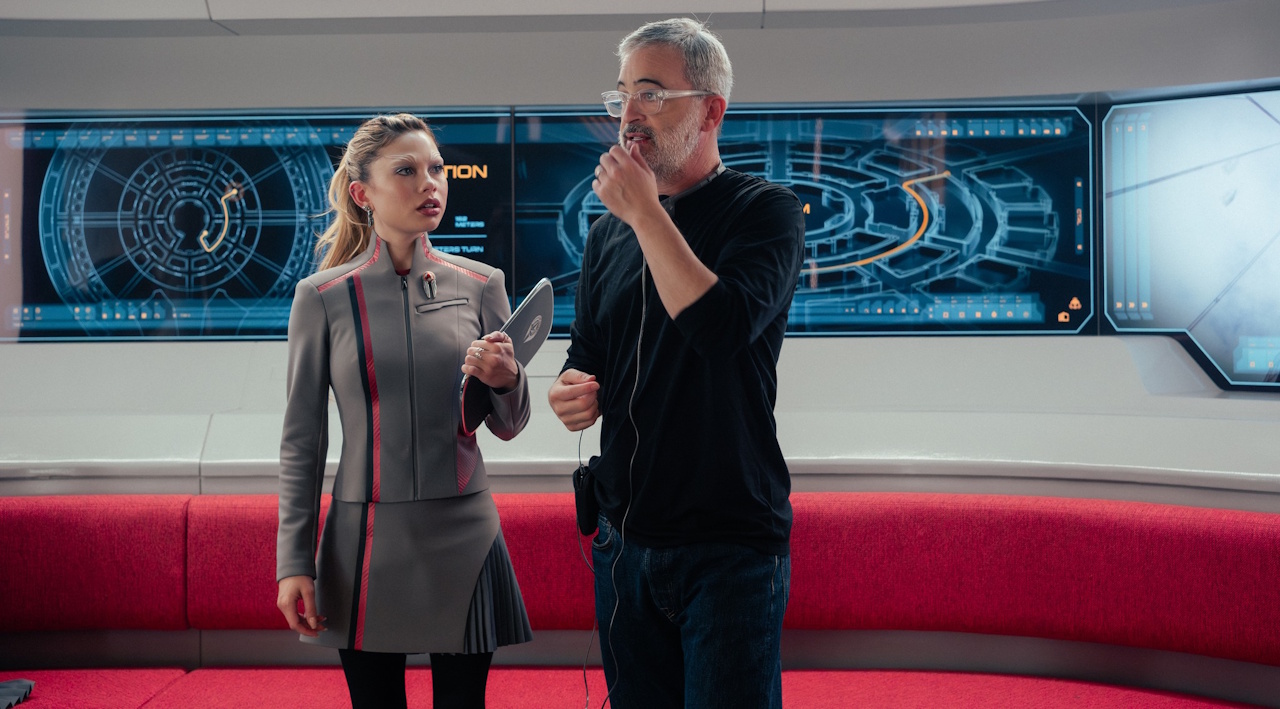
I also feel ever more sure that Alex Kurtzman – who’s been in charge of the franchise for eight years – is on the way out. Whatever other ideas he and his team may have had – like Tawny Newsome’s “workplace comedy” show, for instance – seem unlikely to see the light of day.
So that leaves us with two questions: what does this new Skydance-Paramount intend to do with Star Trek? And in an ideal world, what would I like to see happen to this storied franchise?
The first question’s the easy one, at least right now: they’re going to make at least one feature film. That’s, uh, it. At least as far as we know right now, when Strange New Worlds and Starfleet Academy wrap up, there’ll be at least one new film hitting the big screen. And if it makes waves and picks up a lot of traction, maybe there’ll be a sequel or a spin-off. But it certainly seems, as of mid-2026 anyway, that Skydance plans to make Star Trek a cinematic franchise – and an occasional one at that.
There is an additional complication, though – one which could, perhaps, see Star Trek on the small screen granted a reprieve sooner than we might expect. After buying out Paramount just last year (and incurring a ton of debt in the process), Skydance is now set on doing the same thing again. This time, their target is Warner Bros./Discovery, which owns the likes of CNN, HBO, Cartoon Network, and more. Brands and franchises like Game of Thrones, DC Comics, and the cinematic adaptation of The Lord of The Rings all come under that corporate umbrella.
This new buyout – assuming it will be completed (which is a big assumption at this stage!) – will leave the new Skydance-Paramount-Warner Bros. corporation in a mountain of debt. And yes, films at the cinema will be part of the new entity’s strategy to pay back its investors. But so will streaming and TV. And if there’s any hope for Star Trek coming back to the small screen in the years ahead, I think it’s gotta be there. At least, that’s how it feels right now.
Star Trek has told some fun stories at the cinema. I enjoy basically all of the Star Trek films on some level – even so-called “lesser” offerings like The Final Frontier or Insurrection. But, for me, Star Trek has always been more at home on the small screen, which is why Discovery’s premiere nine years ago felt like a true homecoming.
One of the lessons that I *hope* the new Skydance-Paramount team has learned is that Star Trek can’t just be blended up and poured into a typical streaming TV mould. This franchise – arguably more than any other, at least in the sci-fi space – *needs* the freedom that episodic storytelling brings, and trying to chop and change Star Trek to fit in with other modern streaming shows simply hasn’t allowed it to shine. That isn’t to say there haven’t been some wonderful stories over the past nine years, because there absolutely have been. But at its core, Star Trek is about exploring, right? It’s about seeking out new life and new civilisations… and that means that the crews of your starships have to be free to warp away to a new planet, a new star system, and a new adventure pretty much every week.
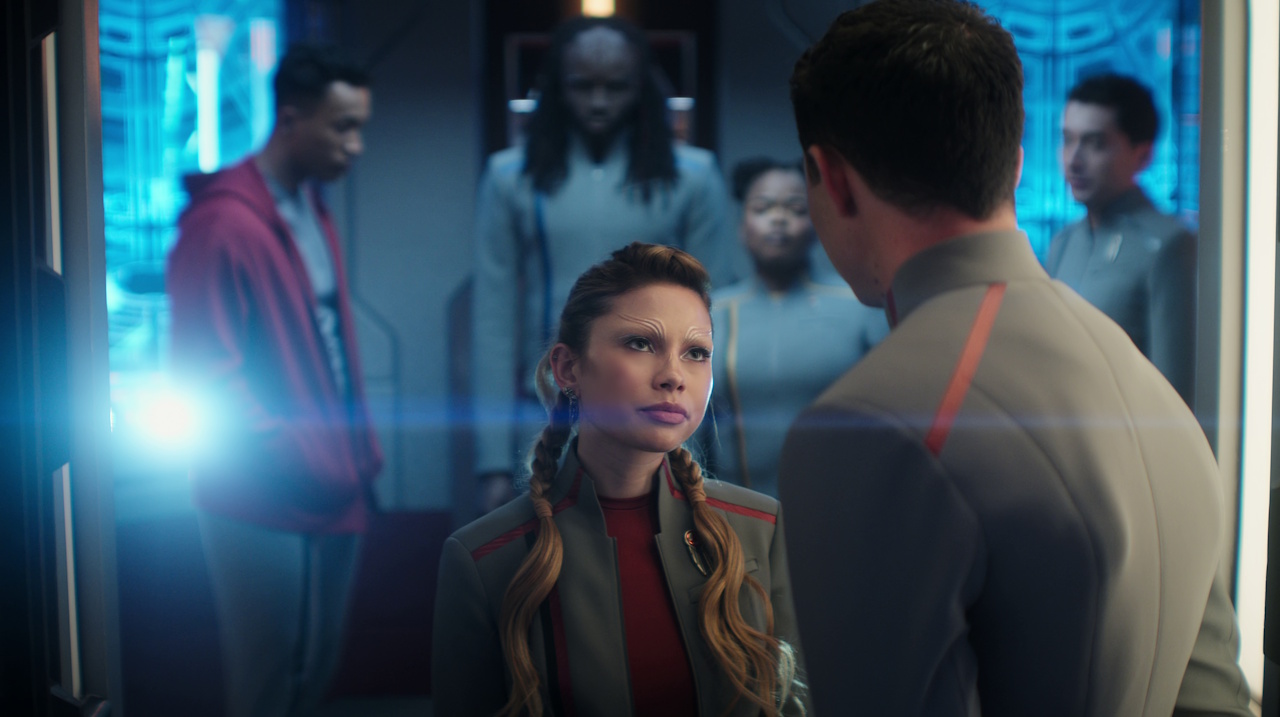
That, for me, is what modern Star Trek has been missing more often than not. Discovery, Picard, and, to an extent, Prodigy and Starfleet Academy, too, went for season-long serialised arcs, with big villains, unfolding mysteries, and characters who grow and evolve over the course of a single story. But that isn’t really what Star Trek ever was, if you look back. There were serialised seasons, especially in DS9 and Enterprise, sure. But even those seasons still had those episodic elements, or else took diversions along the way to visit different places and keep Star Trek’s core theme of exploration in the picture.
I’ve said multiple times here on the website that Star Trek, like any long-running project, has to be adaptable and must be able to change with the times. Doubling-down on what used to work thirty or sixty years ago is not necessarily going to cut it in a transformed media landscape. And I stand by that; as much as some of us fans might want to see it, a return to the exact style of The Next Generation era is off the table.
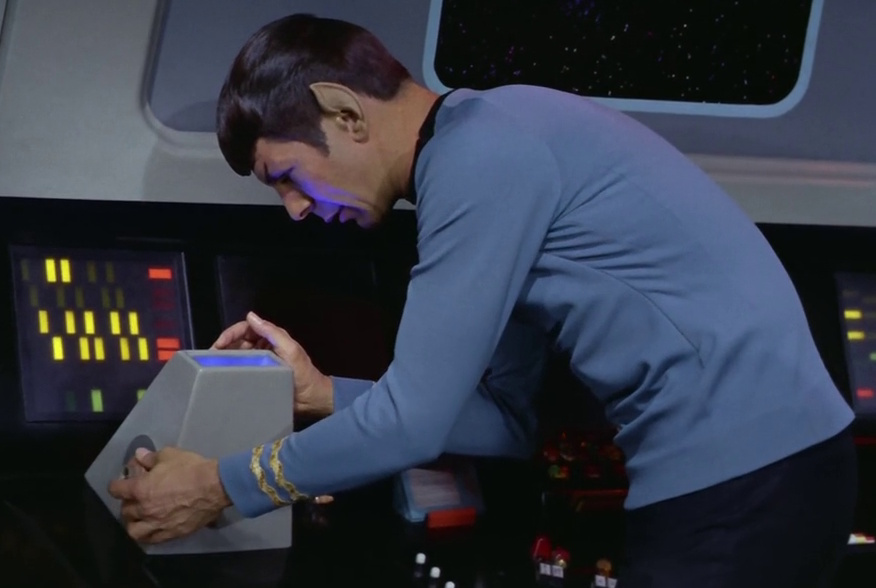
But I find myself also being of the opinion that there can be too much change, too much attempted modernisation, and too much of an emphasis on copying what’s working for someone else. That’s led to multiple seasons of live-action Star Trek over the past few years that not only feel samey and repetitive when compared to each other, but which have also failed to establish a firm identity for the franchise. What *is* Star Trek to a new viewer? What does Star Trek look like to someone who’s tuning in for the first time? If all you’ve seen of Star Trek is Discovery or Starfleet Academy, you’d be forgiven for thinking that this franchise is just… more of the same. It’s no different from the Star Wars shows on Disney+, or countless other modern sci-fi and fantasy offerings from other networks. There’s nothing unique about Star Trek any more… nothing to make it stand out in a crowded marketplace.
And that’s what Star Trek will need to do in the future: stand out. If the streaming landscape continues to be dominated by short, six- or eight-episode fully-serialised seasons, let’s make Star Trek shows longer and more episodic. If big, over-the-top baddies are still the name of the game, step away from those kinds of characters. In fact, use violence sparingly, and focus on stories with scientific and engineering puzzles rather than mindless action and phaser fights. That kind of thing, I believe, is what could give a future Star Trek show enough of a unique hook to appeal to viewers. As audiences begin to tire of some of these streaming programmes, things will undoubtedly change – and Star Trek could, with the right timing, be on the crest of the wave, or even *lead* a trend away from TV shows that are akin to “ten-hour movies.”
That doesn’t mean a new Star Trek show can’t have *any* modern features. I think retaining character growth or even giving characters season-long arcs which play out across multiple stories can work exceptionally well. And I’m also not advocating for a return to low-budget “bottle shows” every other episode. Quite a bit of so-called “classic Star Trek” is filler, if you think about it; unremarkable episodes which exist solely to pad out a season and make the mandatory twenty-two or twenty-six episode limit. We don’t need more Shades of Gray, thank you very much!
If you’re already thinking of three words, then you and I are on the same page, because the kind of show I’m describing is… Strange New Worlds. That show, for me, is the model that any and all future Star Trek pitches should be based around. You’ve got an episodic adventure set on a moving starship. You warp away to a new planet and a new story every week. But within that framework, you have characters who develop, grow, and change, and who retain things that happened to them last week in this week’s adventure.
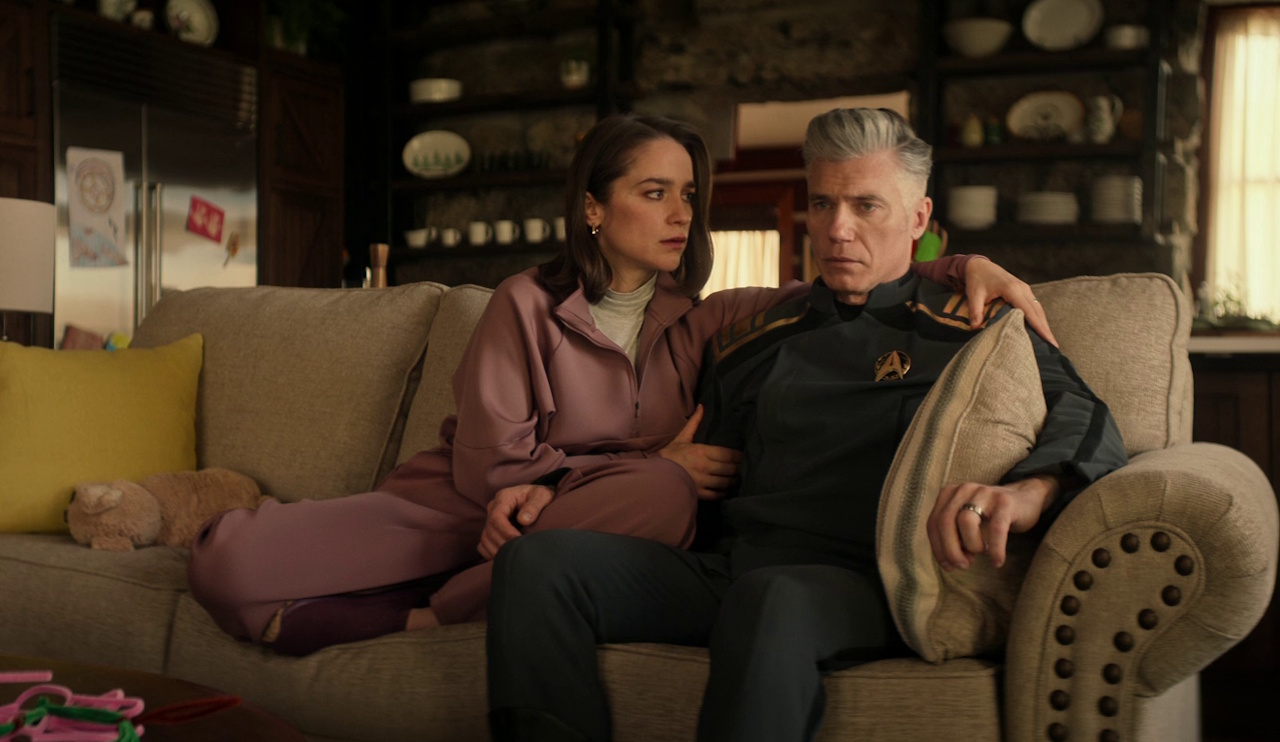
For me, Strange New Worlds has been the absolute highlight of modern Star Trek for this exact reason. By reverting to an older, more episodic style, the show has been able to explore more aliens, more planets, and more of the Star Trek galaxy as a whole than any of its contemporaries. And it’s also been a beautifully diverse series, with episodes in a variety of genres: the horror and war tones of the Gorn conflict, comedy and drama with Spock and Chapel, a zombie episode… and even a musical. Strange New Worlds really has tried to do it all! Not every story worked or was to my taste, sure… but I appreciate the commitment to trying new things and keeping that episodic style throughout.
That doesn’t mean, by the way, that I’m asking for “more Strange New Worlds,” or the “Year One” idea that’s been floated around. Strange New Worlds has been cancelled, and for my money, Year One isn’t the direction I’d go. But what I *am* saying is that the show’s core model – episodic storytelling with character growth – is what any future Star Trek show should look to adopt.

Whether it will happen, though… who’s to say? Star Trek has been cancelled before and found a way back, so I don’t think Starfleet Academy’s finale will be the last we’ll ever see of it. And with corporate shenanigans afoot, it may not be long before Sky-Mount-Bros.-Max decides it *needs* a new Star Trek show to win subscribers or viewers and pay down its debt. But whether Star Trek will take the kind of form I’m advocating for here… I’m not so sure, unfortunately. I’d love to see it happen; I’d love nothing more than to get the kind of exploration-focused, episodic adventure that used to be the franchise’s bread and butter. But in 2026, the entertainment landscape has definitely moved away from TV shows like that. And I have to accept that there may not be a way back.
If you made it to the end, thanks for reading. I hope this has been interesting. As I said, Starfleet Academy’s cancellation prompted this conversation and got me thinking about what Star Trek could or should look like in the future.
All I can really say is this: I hope we aren’t coming to the end of the line, and that Skydance’s warm words about Star Trek over the past months and years are genuine. We are heading into uncharted waters, in a way, with takeovers, mergers, and the streaming wars. Star Trek’s future is unclear right now… but it’s my sincere hope that there will be a future beyond the announced feature film and the end of the 2020s.
Most Star Trek films and TV shows discussed above can be streamed now on Paramount+ in countries and territories where the service is available. The Star Trek franchise – including all films, TV programmes, and other properties discussed above – is the copyright of Skydance/Paramount. This article contains the thoughts and opinions of one person only and is not intended to cause any offence.
 Trekking with Dennis