Happy Star Trek Day, everybody! And a very happy *sixtieth* anniversary to the Star Trek franchise, which first aired on this very day in 1966.
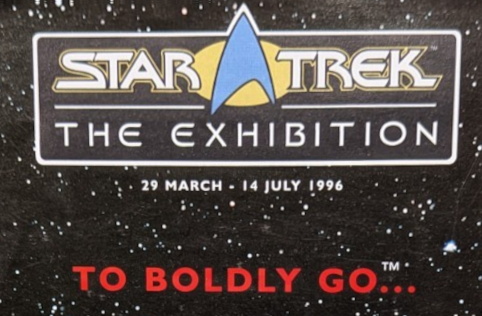
I wanna start today’s celebrations by talking not about the sixtieth anniversary, but rather the thirtieth! In 1996, a young Dennis made the long trek by rail to Manchester. Why? Because Manchester’s Museum of Science and Industry was playing host to Star Trek: The Exhibition, which was a travelling collection of screen-used props, model ships, a replica of the Enterprise bridge, and more. The Exhibition had stays around the UK, Ireland, and Germany from 1995 through to 1998, and some of its props and exhibits later re-appeared in Blackpool, in time for the 50th anniversary in 2016.
But that visit to Manchester… I remember it being magical! It was one of my first major outings on my own, taking two separate trains, and I remember being amazed at the full-size replicas, the props that had actually been seen on screen, and everything else that was on display. It was a truly wonderful way to celebrate the franchise’s thirtieth anniversary, and I remember it being just an incredible experience.
But the thirtieth anniversary was far from over! I bought a special edition of the Star Trek Magazine, which celebrated the milestone, and then there was the BBC’s Star Trek Night! That broadcast had quizzes, interviews with famous fans, and concluded with the UK premiere of Caretaker – Voyager’s first episode. If you’re an American, that might seem a little late, but remember that in the ’90s, the UK (and much of the rest of the world) was running at least a full season – if not two – behind the United States in terms of broadcasts.
There were two special episodes produced for Star Trek’s thirtieth: Deep Space Nine’s Trials and Tribble-ations and Voyager’s Flashback. Both are great episodes that are a ton of fun to revisit, even though I didn’t get to see them until a bit later! And lest we forget, 1996 was also the year of First Contact! Widely hailed as the best TNG film (though I might be tempted to disagree!) First Contact hit cinemas in November that year.
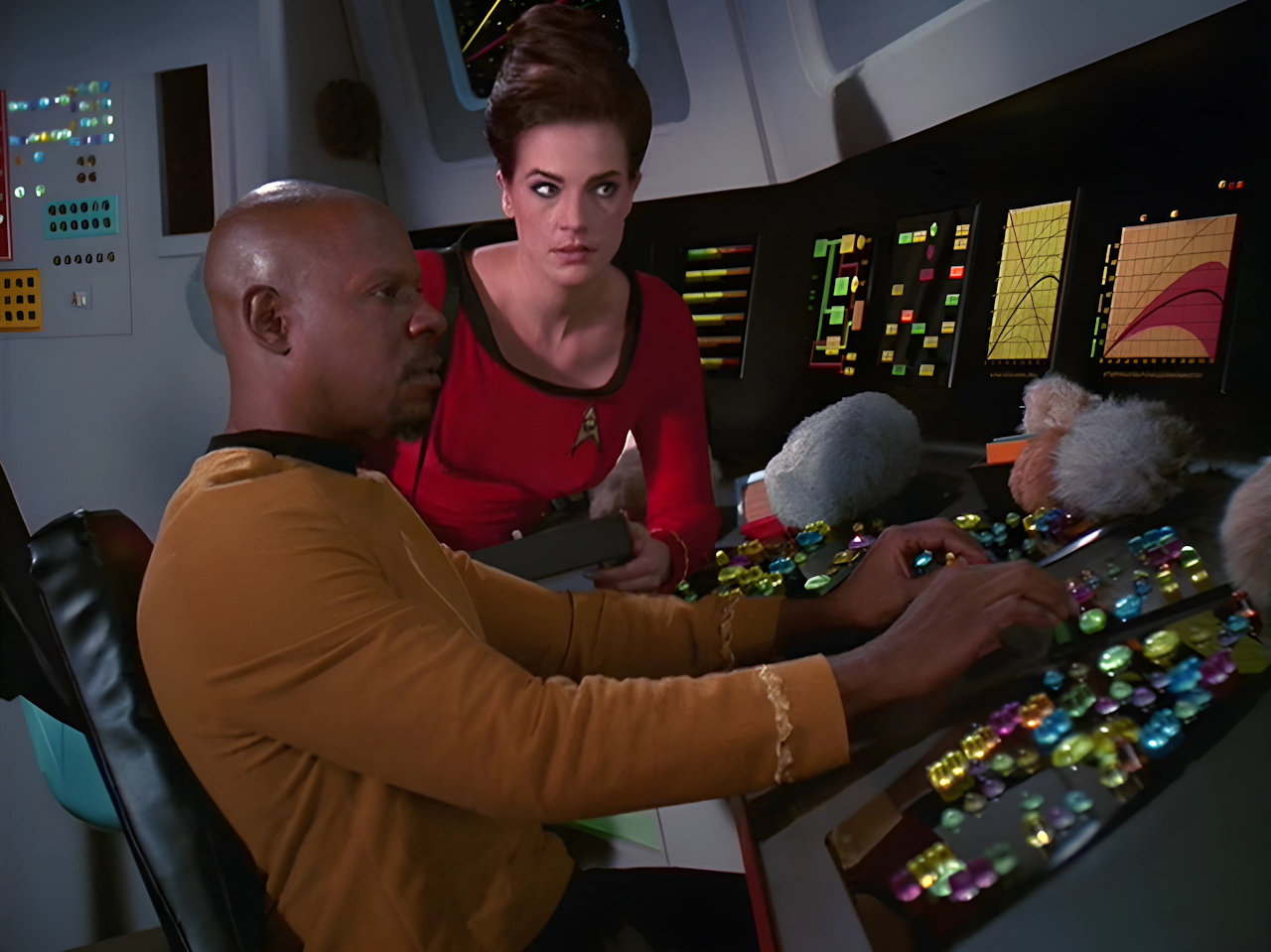
The thirtieth is, for me, Star Trek’s best and biggest anniversary; it was a real blow-out. By the time of the fortieth in 2006, we were kinda down in the dumps as Trekkies, sadly. Enterprise’s cancellation meant that no new Star Trek was being broadcast or even in official production, so there was no chance to repeat crossover specials or anything of that nature. And by the fiftieth in 2016, Discovery was still in early production, and we just got the one Kelvin timeline film – Beyond – in cinemas. Beyond’s premiere was rather bittersweet, coming after the deaths of Leonard Nimoy and the young Anton Yelchin. So the fiftieth – a half-decade of Star Trek – came at a time of optimism in some ways, but with only the one film premiering.
So where does Star Trek stand today, as the sixtieth anniversary lands?
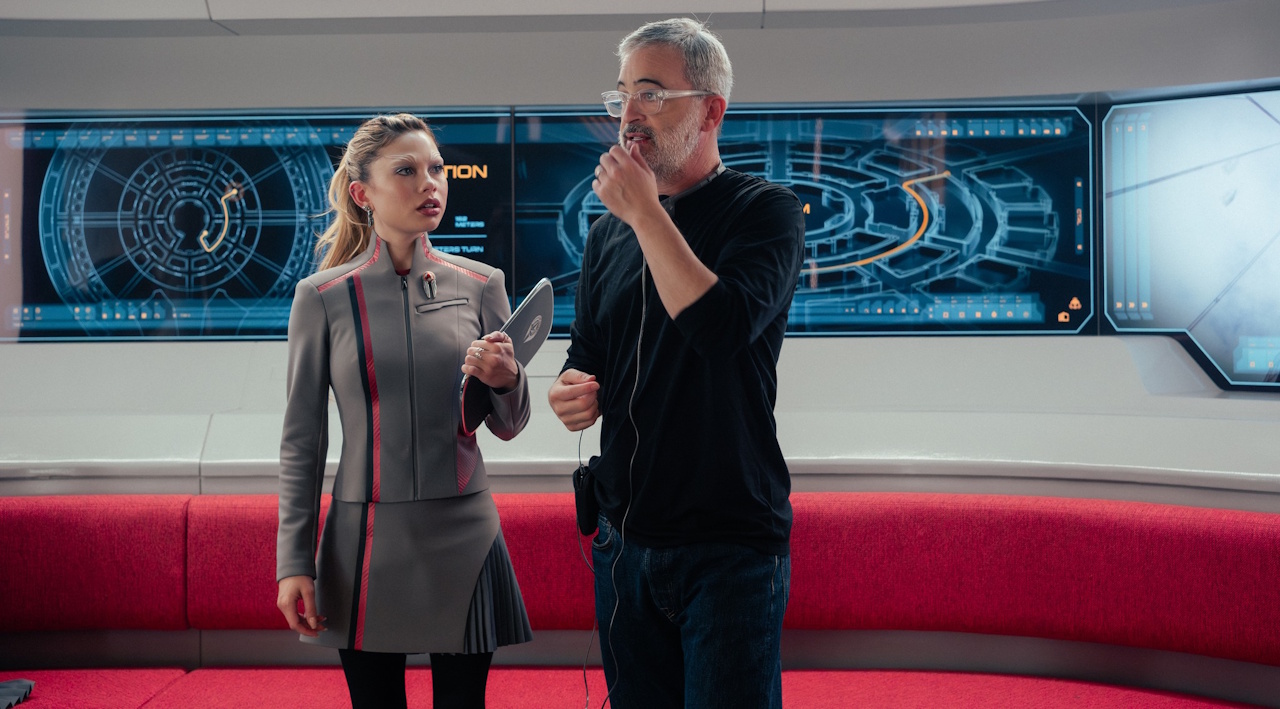
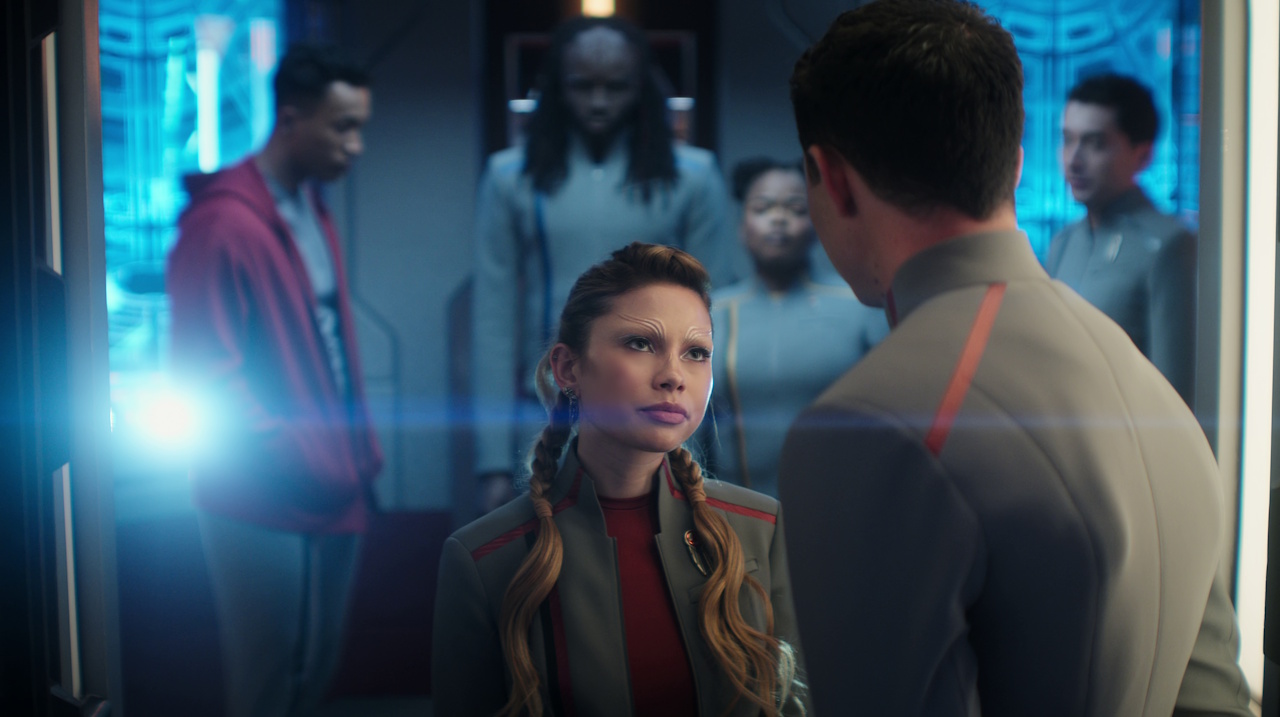
Well, Strange New Worlds is currently on the air, with Season 4 more than halfway over. We’ve also had Starfleet Academy’s first season, a pretty solid video game called Across The Unknown, and the announcement of another interesting-looking game called Shadow Frontier. Not bad, for sure… but perhaps not as big or spectacular as I might’ve hoped for three or four years ago!
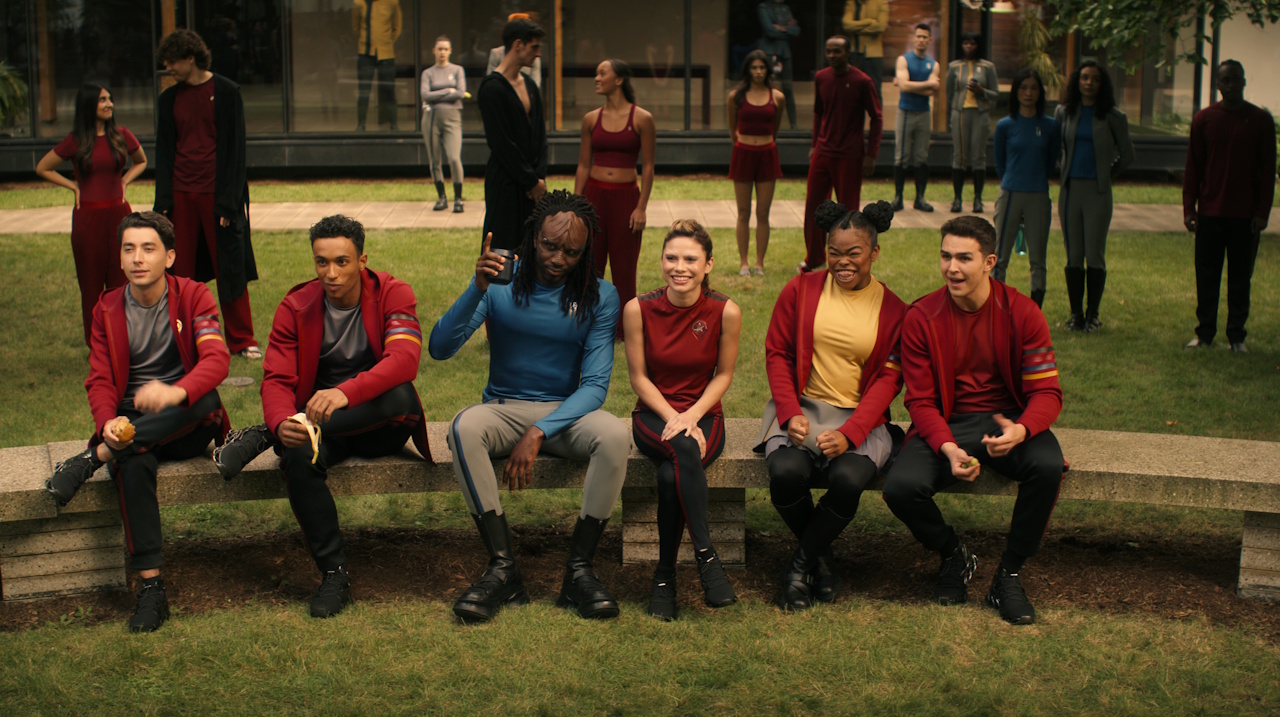
I would’ve liked to see more of an effort made to get some kind of crossover going – like we got for the thirtieth. Perhaps Pike’s crew could’ve linked up (somehow) with characters from The Next Generation era, or the Starfleet Academy kids might’ve been able to revisit the events of a fan-favourite story. There was potential to do something a bit bigger than we ultimately got from this new Skydance-Paramount corporation, and given Star Trek’s short-to-medium-term future… I’m a bit disappointed, to tell you the truth.
Every Star Trek show which had been in production at the time of the Skydance merger has since been cancelled, and I think we have to accept the disappointing reality that this modern incarnation of Star Trek did not do as well as the TNG era in terms of bringing in a wider audience. Streaming numbers aren’t always easy to come by, but neither Starfleet Academy’s first nor Strange New Worlds’ fourth seasons have cracked the top-ten most-streamed shows in the United States this year. And that’s a bit of a shame.
At the same time, though, I see reasons for optimism in Star Trek’s longer-term future. As I said, there’s at least one new, interesting-looking video game from a known developer in the works, and that has the potential to be bigger and more successful than any Trek game since 2000’s Elite Force. And there’s at least one new film idea being worked on; whether it’ll make it to full production is another matter, of course!
But after the previous Paramount corporation arguably mishandled Star Trek, I think there’s value in giving a new team time and space to go through a bit of a reset. I’d have preferred if at least one show could’ve kept the flag flying, of course, but given where we are right now… maybe a break is needed. If Star Trek can come back stronger – perhaps in time for the seventieth anniversary! – we might not consider the impending hiatus to be a bad thing at all.
Star Trek is still a unique offering in the sci-fi realm. Much of the genre in the modern day focuses on dystopias – civilisations where technology has gone awry, or where corporations and autocrats are in control. Star Trek’s vision of an enlightened future, where humanity has overcome many of its worst impulses and flaws, and where technology solves more problems than it causes, still makes the franchise stand out – even though some recent offerings have challenged that idea.
And there’s still a place for a franchise that looks ahead with hope and optimism. Not only is that something I’d argue many of us want and *need* to see in the entertainment space, but it’s also something that makes Star Trek different. In a growing, crowded genre, Star Trek still has something that helps it stand out from the pack. It’s going to fall on the shoulders of new producers, writers, and directors to take advantage of that properly – and in a way that, arguably, those of the recent streaming era failed to do – but I still believe that it’s not only possible, but desirable, too.
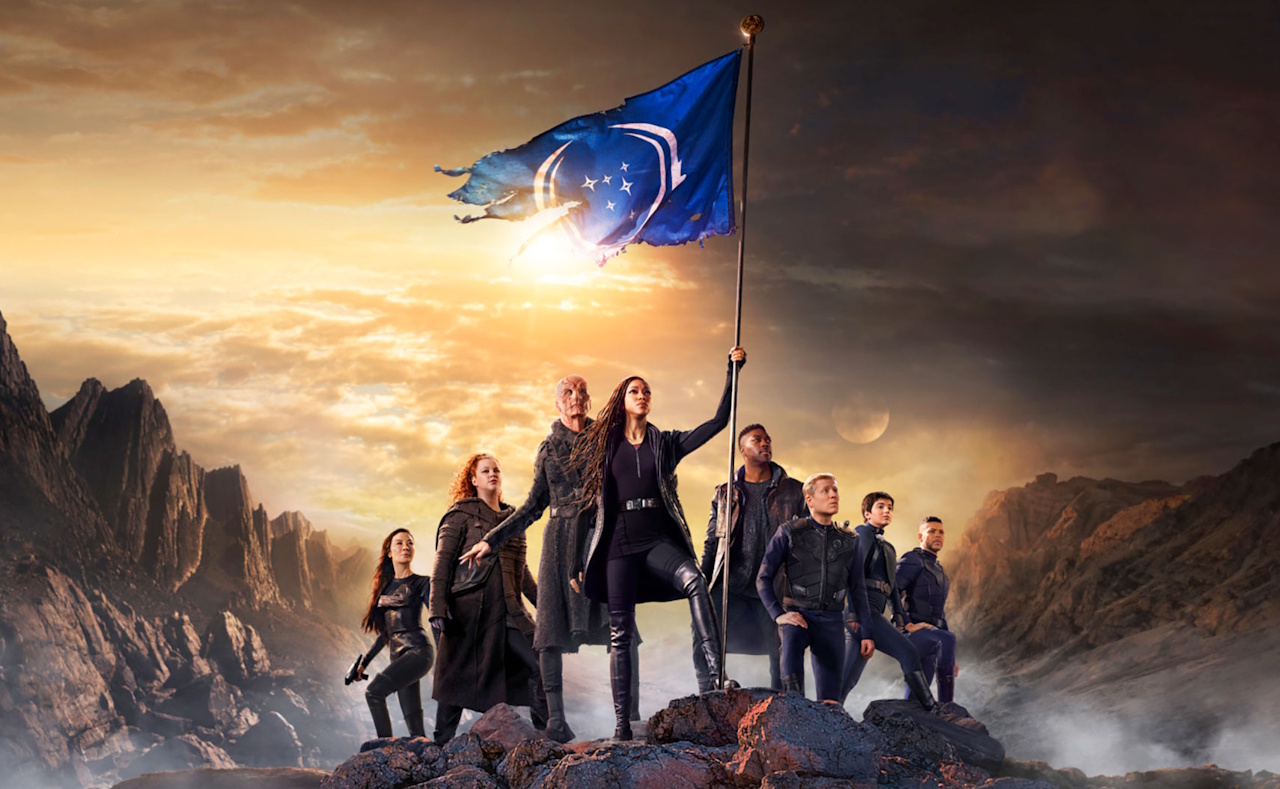
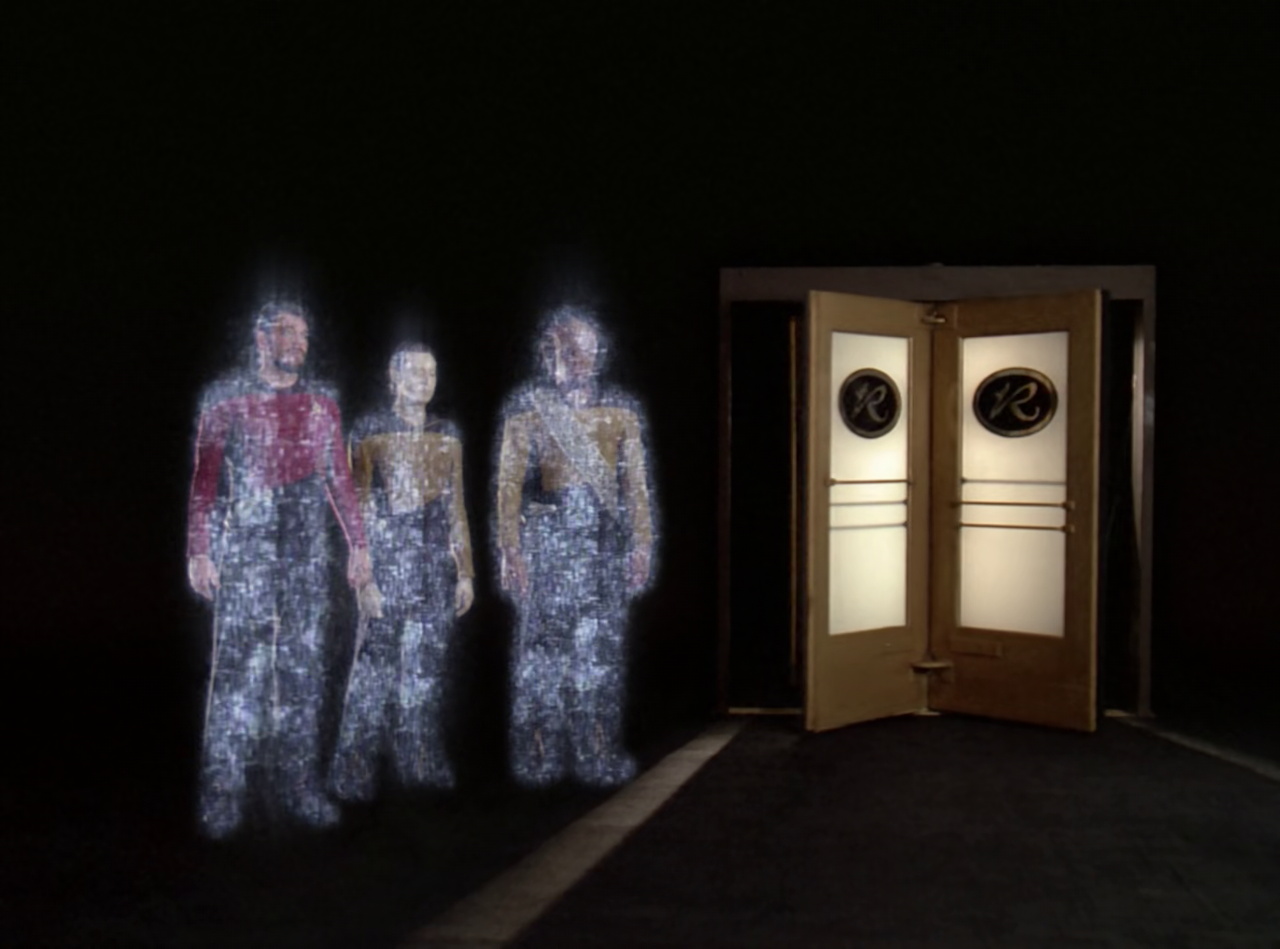
I first became a Trekkie in 1991. I wrote up a re-watch of the very first episode I can ever remember watching – The Next Generation’s second season episode The Royale – earlier this year. And I’ve spoken before about how Star Trek was a source of help, comfort, escape, and companionship to an awkward, nerdy, and lonely kid through the ’90s and beyond. Star Trek helped me navigate school, social life, adolescence, and more – and the franchise has been a near-constant companion to me for more than thirty-five years at this point.
I went back to watch The Original Series and its films as I began my journey as a Trekkie – culminating in meeting William Shatner at a fan event just this year. And, as The Next Generation’s spin-offs and films made their way to the UK from the mid-90s on, I religiously watched every episode and film that I could! I even began collecting The Next Generation on VHS, before making the move to DVD box sets in the new millennium. I’ve owned action figures, model ships, prop replicas, posters, kitchenware, clothing… the works. I’m a Star Trek fan through-and-through, and I always will be.
This franchise means a lot to me. I’ve supported Star Trek for most of my life, since before I turned ten years old, and for more than thirty-five of its sixty years of existence to boot. I’d love nothing more than to learn a new series is in early production, and that the new Skydance-led team has a concrete plan for where to take the franchise next. Films can be great and all… but for me, at least, Star Trek has always felt much more at home on the small screen.
Which is why, a decade ago, I was so excited for Star Trek: Discovery’s announcement and impending premiere!
Since Beyond was in cinemas ten years ago, we’ve had more than 200 episodes of new Star Trek across six-and-a-bit different shows, as well as a TV movie. Star Trek has tried some very different things in this era – new genres, new styles of storytelling, and attempts to reach out to different audiences and demographic groups. Not all of those experiments have been successful, thanks in no small part to poor decision-making on the corporate side, but if nothing else, I can say that I respect the efforts that were made, and the attempts to take Star Trek to new places while retaining what’s made the franchise so special to me for all these years.
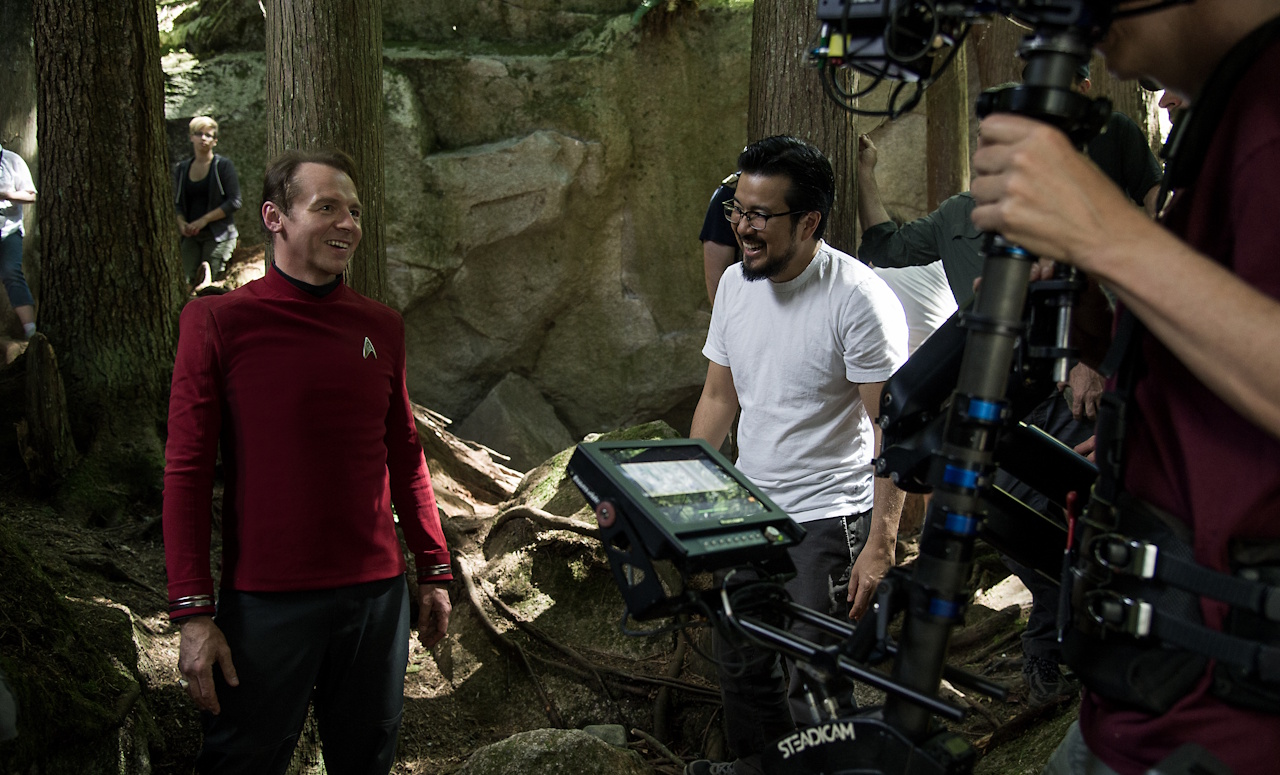
Over six decades, Star Trek has introduced us to some wonderful characters, wacky aliens, and incredibly cool technologies. The franchise arguably “predicted” the likes of cell phones, tablets, wireless tech, digital record-keeping, real-time translation, and many more things years or even decades before the real world caught up! That’s pretty cool, if you think about it. And many designs for things like starships, communicators, weapons, and uniforms have become iconic; instantly-recognisable pieces of our shared pop culture.
Star Trek memes still circulate on social media, even if the shows that spawned them have been off the air for decades! The “Picard facepalming” and “it’s a faaake!” memes have gone on to have lives of their own, far beyond the Trekkie community, and I daresay most people would recognise at least one or two things from the Star Trek franchise wherever you go in the world, from Okinawa to Harare and Port Stanley to Tromsø. Star Trek is just… that big.
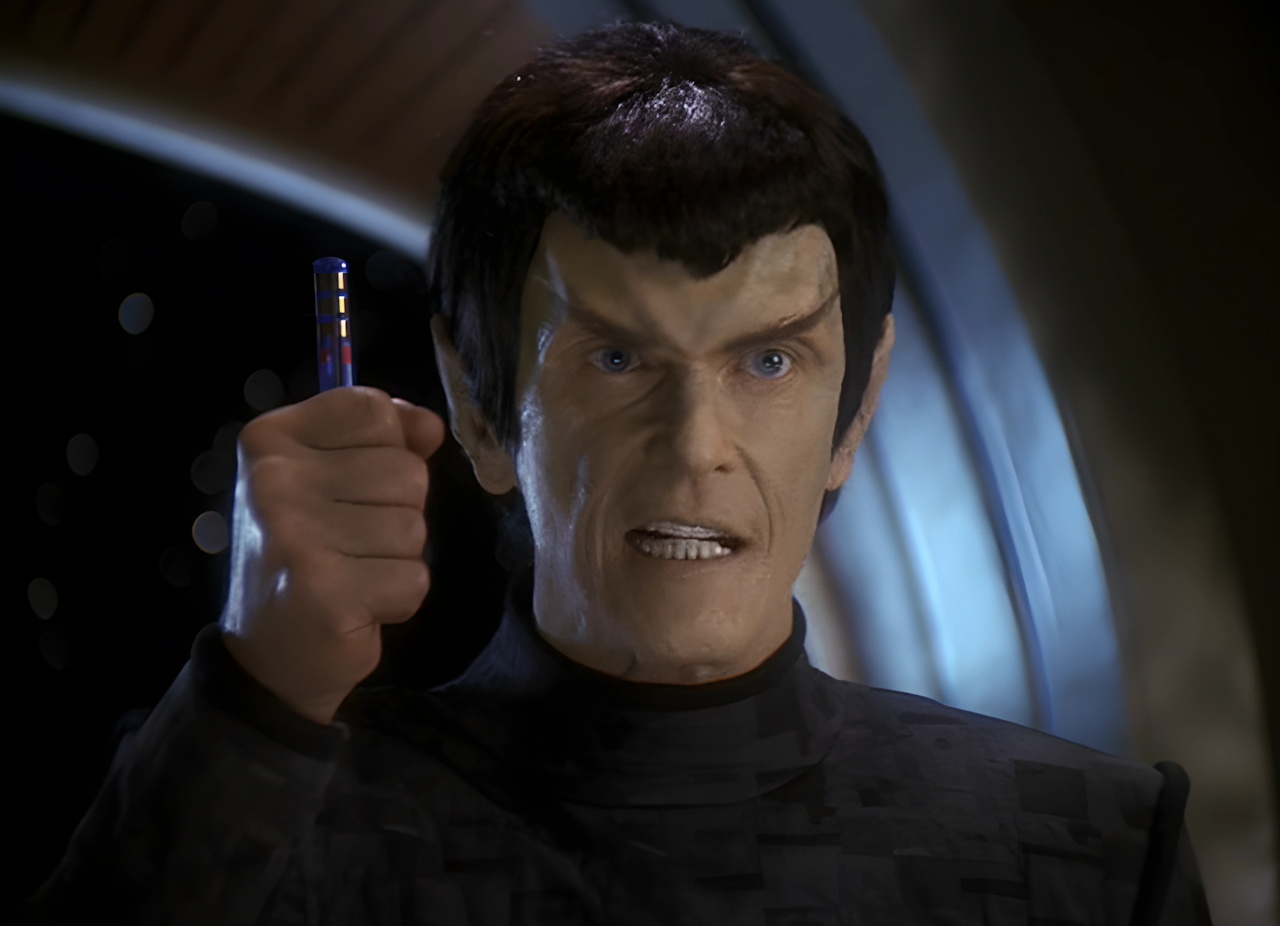
As we look to the future, I think it’s understandable, for us as fans, to feel a little anxious, a little concerned, and even a little disappointed. Some shows seem to have ended too soon, without being given a proper chance to connect with their intended audiences, and with only one feature film allegedly in early pre-production, Star Trek could be about to enter a bit of a fallow period. But the franchise has taken breaks before, only to come back stronger, and with a new corporate team now in charge… I think it’s at least possible that conversations are going on about what to do with this iconic brand and where to take it next. A bit of a break might give everyone time to let those discussions play out – and to get some new faces into the room for the first time in a decade.
I will always do my best to support Star Trek – and that means hyping it up where I can, but also calling out and criticising failures or disappointments where I see them. When I used to do Twitter a few years ago, I remember one fan had words in their bio to the effect of “I never want to say anything negative about Star Trek ever!”, and for me… that’s just silly. If we give a brand unflinching, unquestioning loyalty, that isn’t actually helpful. Sometimes it takes a franchise’s biggest fans to hold producers and corporate leaders to account – to let them know that some decisions, whatever they may be, have gone too far in the wrong direction. And that philosophy is a core tenet of my website.
So yeah, I’ll continue to support Star Trek! But I won’t hold back from criticising it, either, if and when mistakes are made. It’s easier, in some ways, to criticise an episode or two of a series when you know there are more episodes – and different shows – still in the pipeline. But if we’re back to only getting one film every few years, as happened with the Kelvin era and Star Trek’s last fallow period… it’ll suck ten times more if the *only* Star Trek content we get isn’t very enjoyable! But we all have to make decisions, as fans, about how best to support the franchise.
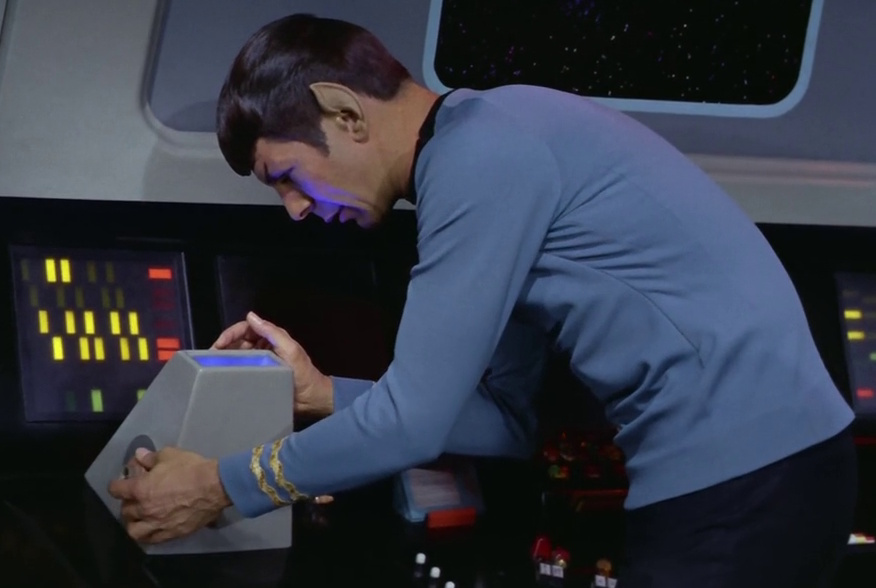
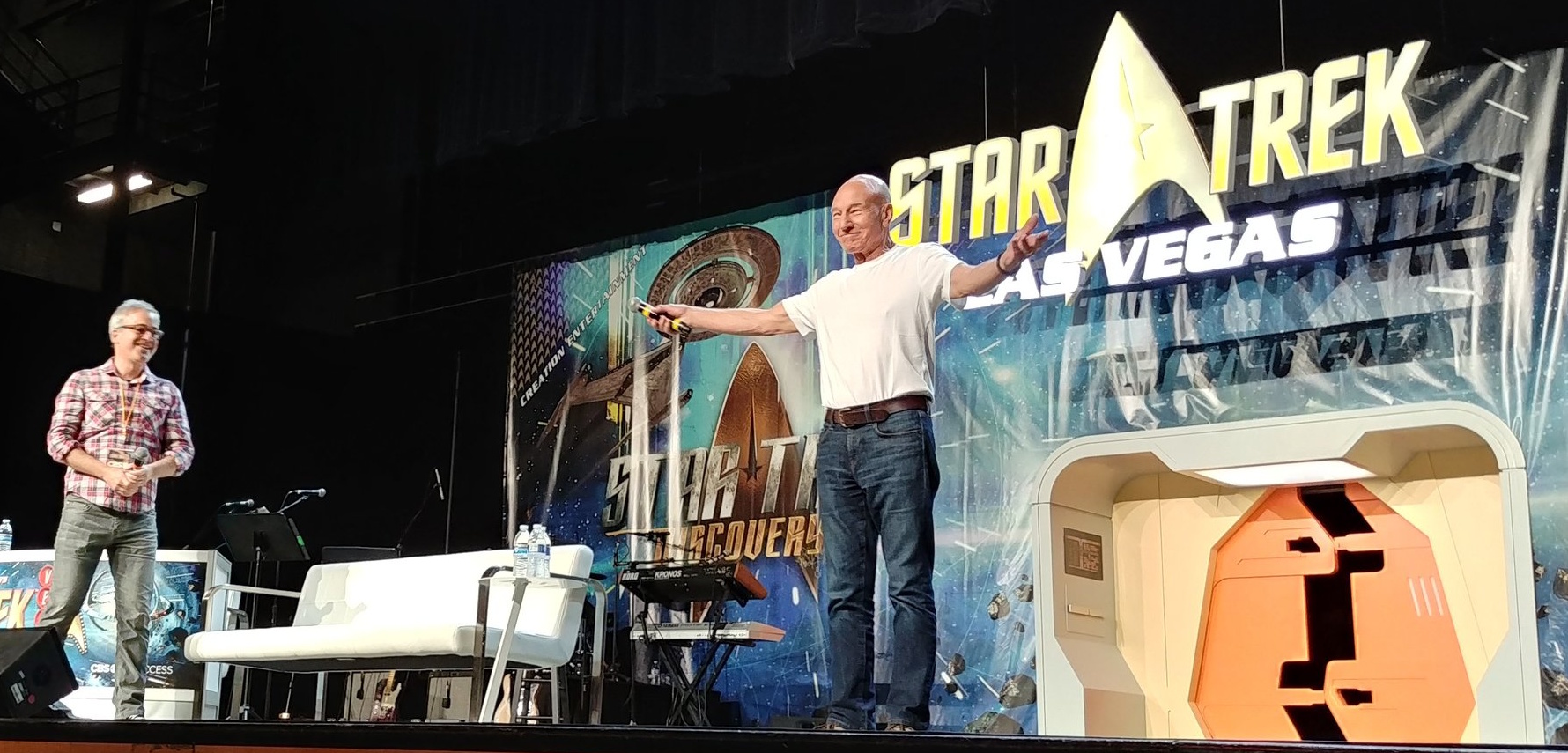
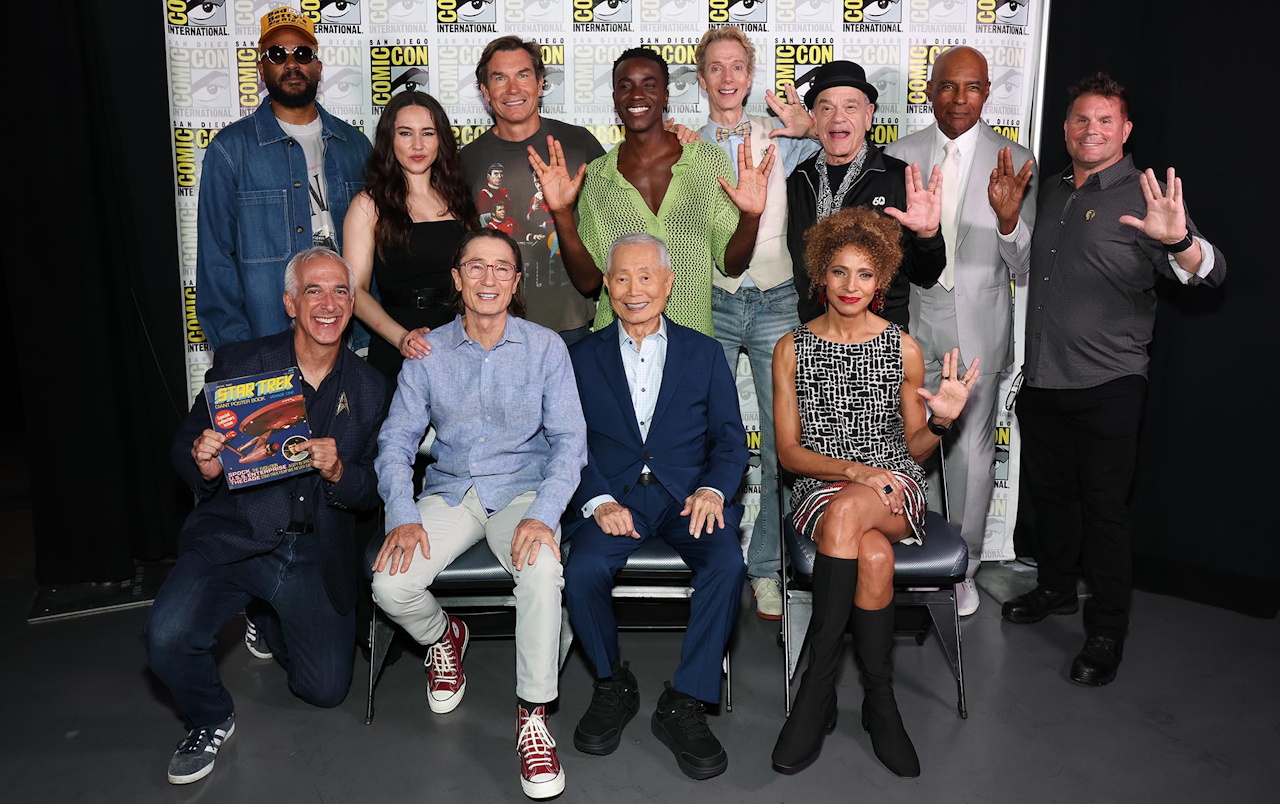
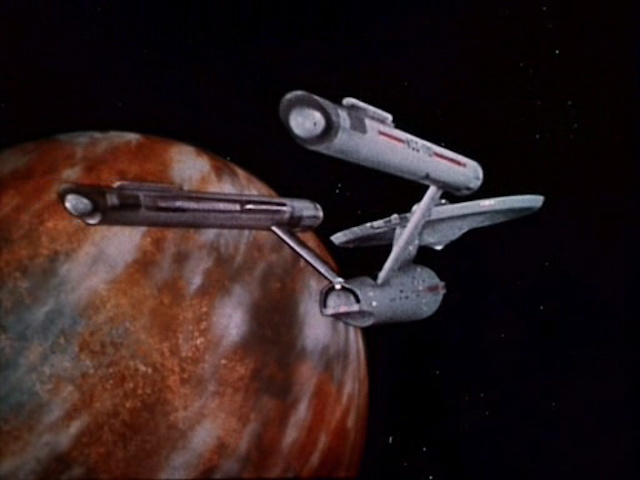
Six decades ago, The Man Trap graced American television screens, and introduced audiences to Captain Kirk, Spock, Dr McCoy, Sulu, Uhura, and Scotty. And all these years later, here we are, gathered together to celebrate a franchise that now extends to almost 1,000 stories across eleven mainline shows, a cinematic franchise, and more. Spin-offs have taken Star Trek to books, comics, board games, and video games – which didn’t even exist back in 1966! The fan community is still just as vibrant, passionate, and wonderful as ever – something I can attest after visiting two Star Trek conventions in the past couple of years! And even if cancellation is looming, and Star Trek might be less of a feature on our screens for a while, we still have that extensive back catalogue to revisit.
Thanks for joining me for this celebration of Star Trek’s sixtieth anniversary.
If you missed them, across 2026 I’ve been writing articles here on the website to mark this milestone anniversary. I talked about my run-in with William Shatner back in May, I shared more of my infamous “hot takes” on the franchise, another batch of my “what-if” scenarios, and I checked out some of the “worst” theories from across the fandom. Then I rated some “unpopular” Star Trek opinions, pulled out some “hidden gems” from across the franchise, and previewed an upcoming base-building game *and* an upcoming survival horror game. I’ve reviewed Starfleet Academy’s first season, and talked in depth about two of its storylines: one involving a surprise callback to DS9 and one involving the Doctor. I’ve also reviewed the new Voyager game Across The Unknown – then updated my review, and finally reviewed the first part of its planned DLC. I’ve written up episode re-watches of: Where No Man Has Gone Before, Arena, The First Duty, The Royale, Skin of Evil, and The Andorian Incident. And, of course, I’ve been reviewing Strange New Worlds’ fourth season episode by episode.
Click or tap any of those links to check out those pieces.
All that’s left to say is this: Happy Sixtieth Anniversary, Star Trek! Here’s to many, many more milestones and celebrations. And, as always, Live Long and Prosper, friends!
Most episodes and films discussed above can be streamed on Paramount+ in countries and territories where the platform is available, and are also available on DVD and/or Blu-ray. The Star Trek franchise – including all series, films, and properties discussed above – is the copyright of the Skydance-Paramount Corporation. Still frames from Star Trek: Deep Space Nine, Star Trek: Voyager, and an old TV commercial were upscaled using A.I. tools. This article contains the thoughts and opinions of one person only and is not intended to cause any offence.