The Official* Star Wars Tier List

A spoiler warning graphic.

Spoiler Warning: There are spoilers ahead for practically the entire Star Wars franchise.

I don’t know who first came up with the format, but I really like the way tier lists work. Instead of trying to rank every film or episode in a series in perfect order, we can just give them a grade – which is a nice and easy way of expressing how we feel! So today, I thought it could be fun to make The Official* Star Wars Tier List… of all the shows and films that I’ve seen, at any rate.

I first came to Star Wars in the early 1990s, when I watched the original trilogy at the insistence of a schoolfriend. He had just bought the films on VHS, and even though I’d been getting into sci-fi with TV shows Star Trek: The Next Generation, Space 1999, Captain Scarlet and the Mysterons, and films like Flight of the Navigator, E.T., and Back to the Future, somehow Star Wars had completely passed me by. I might’ve seen a few toys in the shops, but that was all. I grew up in a rural part of England in the ’80s and ’90s – but I was too young to have seen any of the Star Wars films at the cinema, so I just hadn’t engaged with the franchise at all.
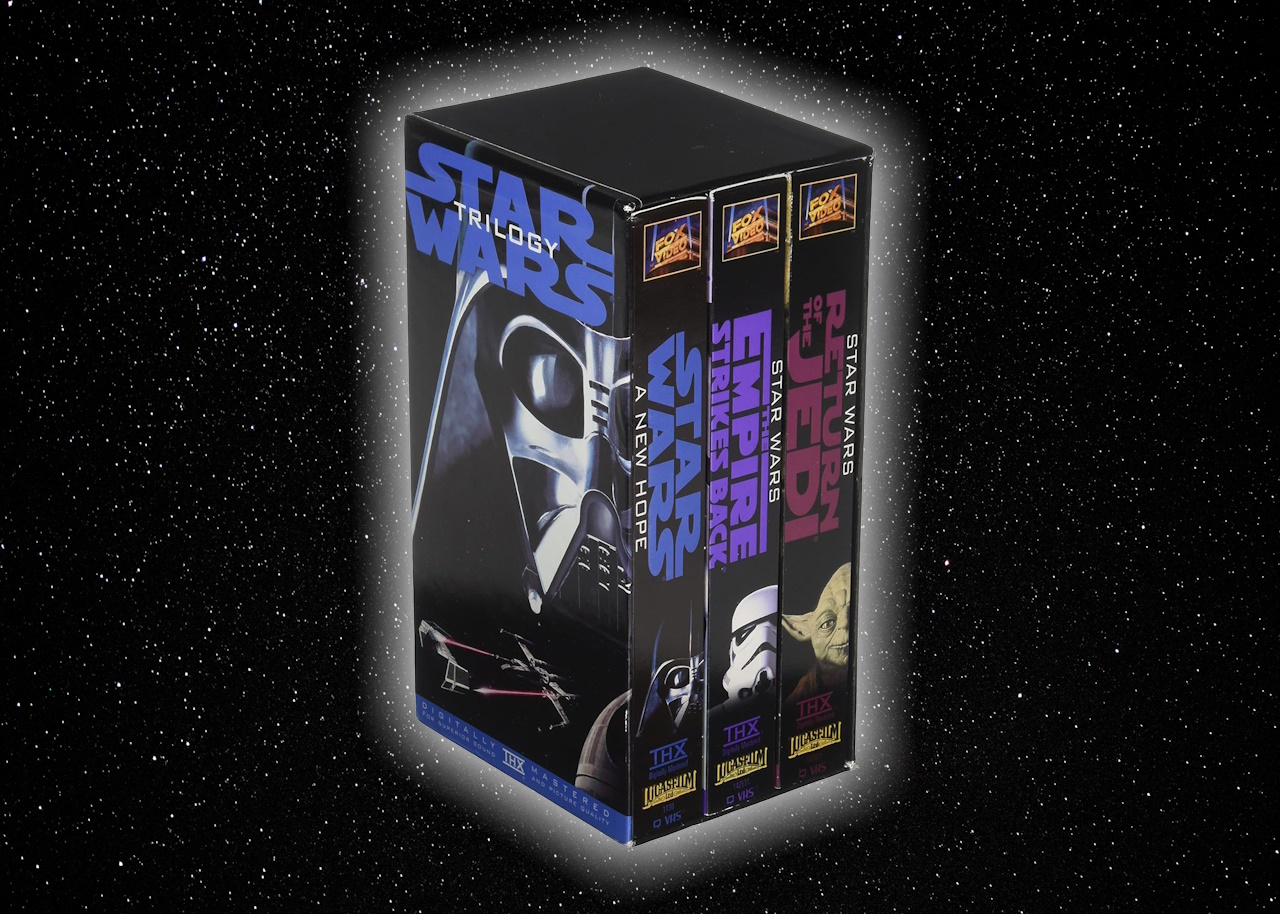
The Star Wars trilogy on VHS on a starry background.
I first watched the Star Wars trilogy on VHS in the early ’90s.

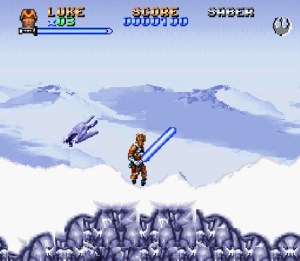
I was aware of the Star Trek-versus-Star Wars rivalry that fans at the time were still battling out, and as such I recall being unimpressed with Star Wars on that very first viewing. I felt it was somehow in opposition to “my” fandom – Star Trek: The Next Generation – and that some of its storylines were pretty basic and violent compared to what I guess I considered to be the more sophisticated and “grown-up” Star Trek. But that attitude didn’t last long – and after watching the films a couple more times and playing Super Star Wars on the SNES, as well as spending more time with my Star Wars-loving chum, I was officially a convert! I was a Star Wars fan!

And a Star Wars fan I remain to this day – even if I haven’t loved everything that the franchise has put out in the thirty-plus years I’ve been following it. But that’s a brief summary of my history with Star Wars to give you a bit of background as we put this tier list together.

A blank tier list.
Let’s fill out this tier list together!

Before we jump into the list, a couple of important caveats. As I always say, all of this is the entirely subjective opinion of just one fan. If you hate all of my rankings, if I put a film you hate way too high, or a series you adore way too low… that’s okay! Nothing about this is in any way “objective,” and while I will try to justify my rankings and explain why I placed each production in its tier, you are free to disagree vehemently. There should be enough room in the Star Wars fan community for civil discussion and polite disagreement.

Secondly, I will be ranking a number of Star Wars films, television shows, and – perhaps somewhat controversially – video games. I don’t know about you, but speaking for myself some of the best Star Wars stories have come from interactive media, and there are a couple of Star Wars games that I genuinely believe surpass the films and TV shows in terms of the quality of their storytelling, characterisation, and so on. It wouldn’t feel right to exclude those stories from this tier list… so I’m not!
Lego Star Wars minifigures.
We won’t be including every single Star Wars production this time!

Finally, I won’t be including any production that I haven’t seen for myself. What would be the point in pretending to rank a series or film I haven’t seen, after all? At the end I’ll make a note of these, but for reasons that I hope are obvious they aren’t going on the list.

I will be giving each Star Wars production one of the following grades: S, A, B, C, D, and F. These work like grades you might remember from school: F-tier is reserved for the worst of the worst, D-tier is pretty bad but a step up, C-tier is mediocre but not terrible, B-tier is generally good, A-tier is pretty great, and S-tier is the absolute cream of the crop! I will rank each production that I’ve seen/played in release order, beginning with the original Star Wars in 1977 and going through to 2024’s The Acolyte – which is the most recent Star Wars production at time of writing.

Phew! With all of that out of the way, let’s jump into the list.

Star Wars
(Episode IV: A New Hope)
1977
Tier: A

Still frame from Star Wars (1977) showing the main characters aboard the Millennium Falcon.

I think we have to rank the original Star Wars pretty highly, right? This is the film that created the entire franchise; without it, Star Wars wouldn’t exist. It introduced us to some great characters, established a setting that was crying out to be expanded upon, and above all told a really engaging story about the Rebel Alliance, the evil Empire, and a young man caught in the middle of it all. Luke Skywalker is a wonderful protagonist, point-of-view character, and introduction to this world.

The Death Star trench run has become iconic, as have the designs of ships like the X-Wing and Millennium Falcon. The characters of Ben Kenobi, Princess Leia, and Han Solo all felt like they had their own personalities and motivations, seeming to be real people inhabiting this fictional setting. The villainous duo of Darth Vader and Grand Moff Tarkin had weight, meaning our heroes felt like they were in constant danger. All in all, a wonderful start to the franchise and a film I’m always happy to revisit.

Episode V: The Empire Strikes Back
1980
Tier: S
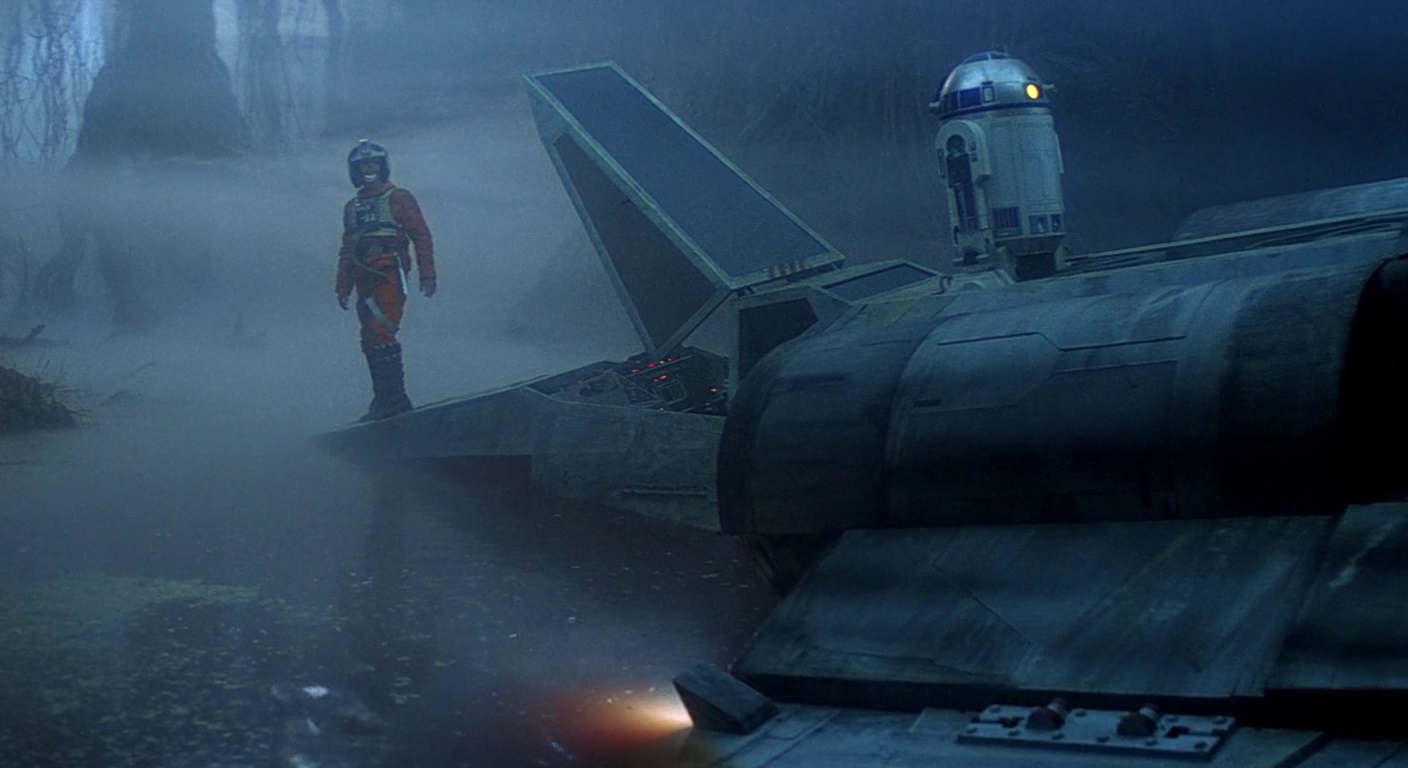
Still frame from The Empire Strikes Back (1980) showing Luke Skywalker's crashed X-Wing.

I’m not alone in considering The Empire Strikes Back to be Star Wars’ high-water mark, and I think you’ll see it right at the top of many folks’ ranked lists! And it’s easy to see why: this is a fantastic film. The opening scenes on Hoth set the tone for a story where the villains are on the march, and everything our heroes accomplished last time is at risk of being undone. Luke is able to follow in his father’s footsteps and pick up his Jedi training with the absolutely iconic Yoda, while Han and Leia are betrayed on Cloud City.

The Empire Strikes Back also contains one of the most iconic scenes in all of cinema: when Luke finds out that Darth Vader is his father. This was a pretty shocking twist, and one that reframed much of the story. Lightsaber duelling stepped up about ten notches in this film, and we were also introduced – albeit briefly – to Darth Vader’s master: the Emperor. Iconic designs like the AT-AT and Snowspeeder debuted here, and the Battle of Hoth is still one of the most tense and exciting that the franchise has ever produced. No doubt that The Empire Strikes Back is a top-tier Star Wars production.

Episode VI: Return of the Jedi
1983
Tier: C
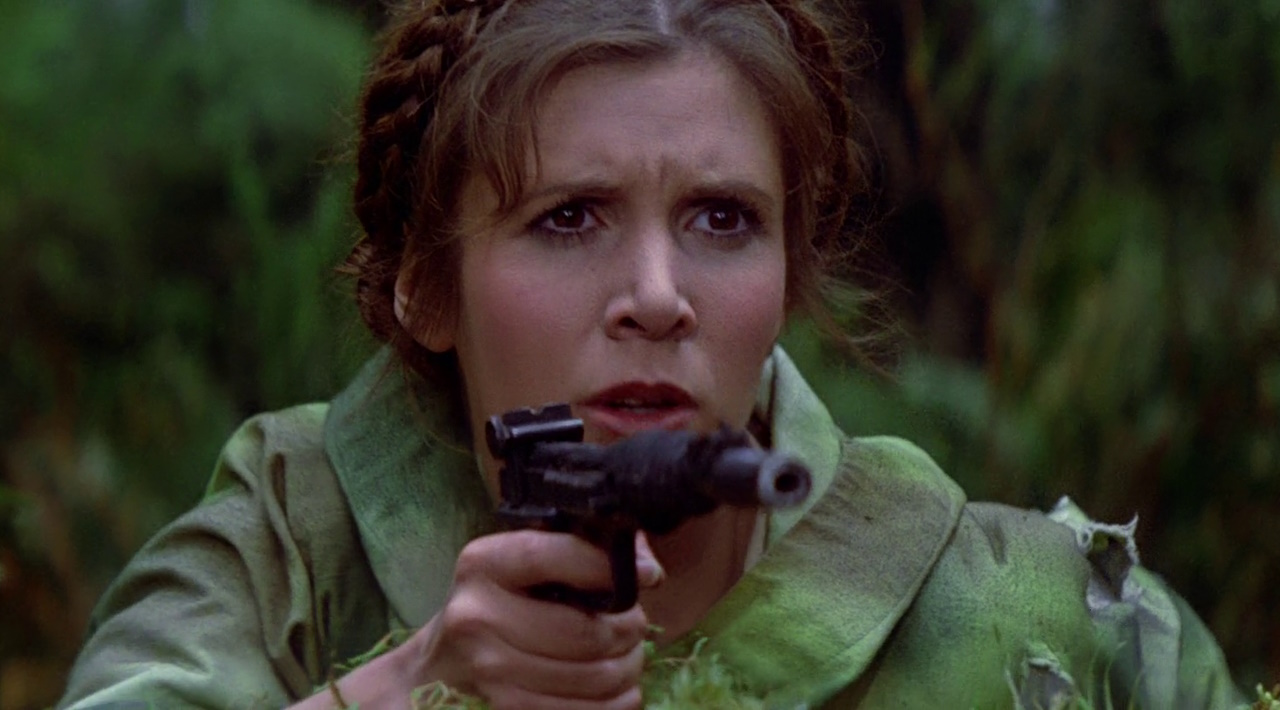
Still frame from Return of the Jedi (1983) showing Princess Leia holding a blaster.

On that first viewing of the Star Wars films that I told you about, my friend’s father insisted that Return of the Jedi was a crap film and a poor way for the trilogy to end. And this was not an uncommon view at the time: a second Death Star already feels pretty derivative, the conflict at Jabba’s palace drags on too long, and the Ewoks were an army of teddy bears that disrupted the Emperor’s carefully-laid plans! I wouldn’t say Return of the Jedi is “bad,” but I would say it’s nowhere near as good as its predecessors.

Return of the Jedi also retconned the relationship between Luke and Leia. I maintain that this decision was a mistake, one that’s been compounded by subsequent productions. Having Luke be Vader’s son was a shocking twist that worked; having Leia be Luke’s sister was an attempt to replicate that… but it didn’t live up to what had come before and doesn’t make a ton of sense, either. Return of the Jedi is also the film that introduced “from a certain point of view;” an overly complicated work of semantic gymnastics to justify the retcon in The Empire Strikes Back – and something that was not only entirely unnecessary, but that has also proven damaging to other stories as the franchise has doubled-down.

The Super Star Wars trilogy
1992-1994
Tier: B
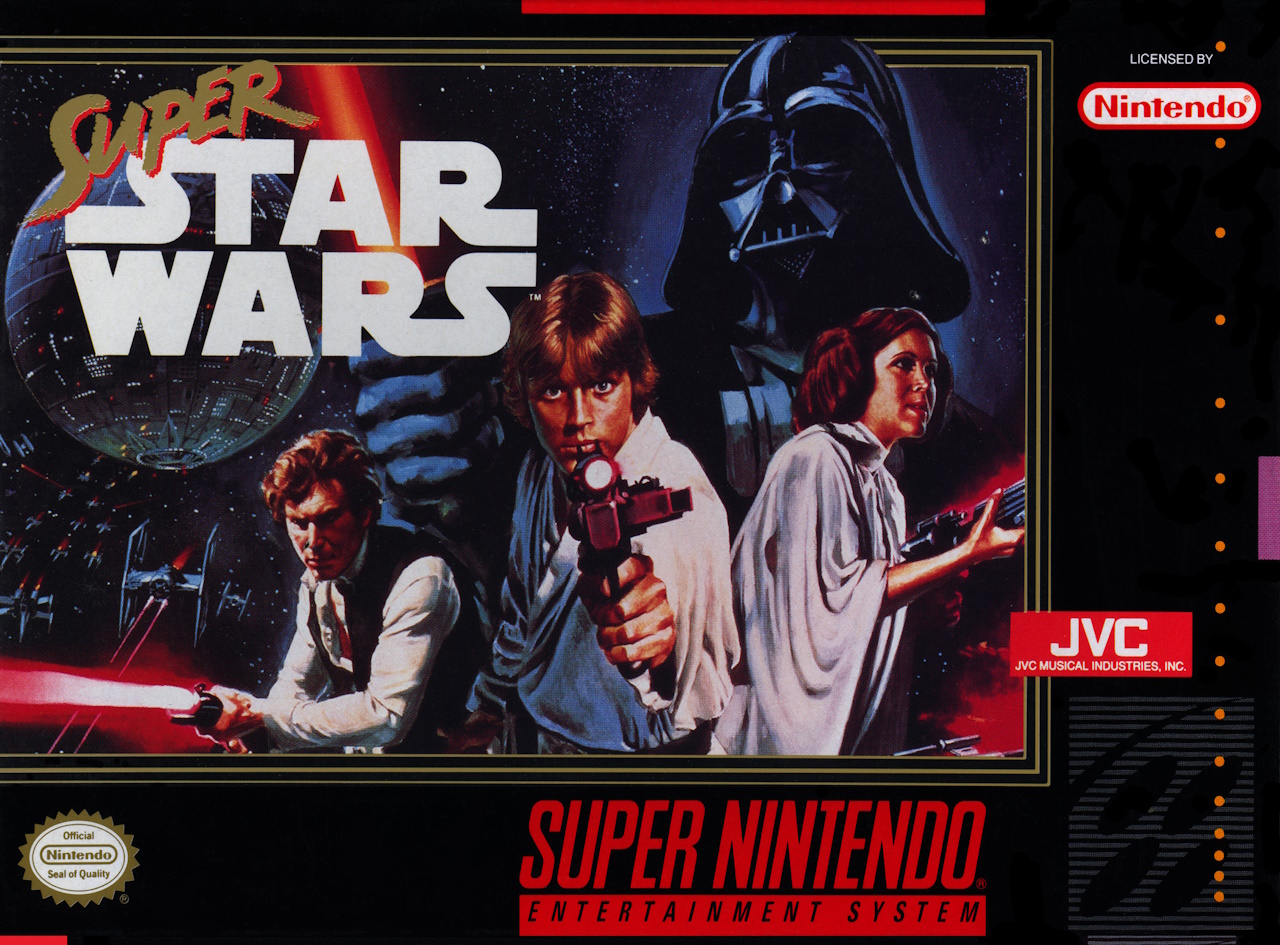
Box art for the SNES game Super Star Wars.

The first part of this trio of SNES games was my first introduction to Star Wars in the video game realm – and it was a lot of fun. These games are challenging 2D platformers, and they don’t always succeed at faithfully adapting the story of the films! In order to make some Star Wars scenes and settings fit the 2D platforming mould, some pretty big liberties were taken and the games diverge from those stories in a significant way. However, there’s plenty of enjoyment to be had jumping and blasting your way across a variety of Star Wars environments… or at least there was in the early ’90s!

X-Wing and TIE Fighter
1993/1994
Tier: B
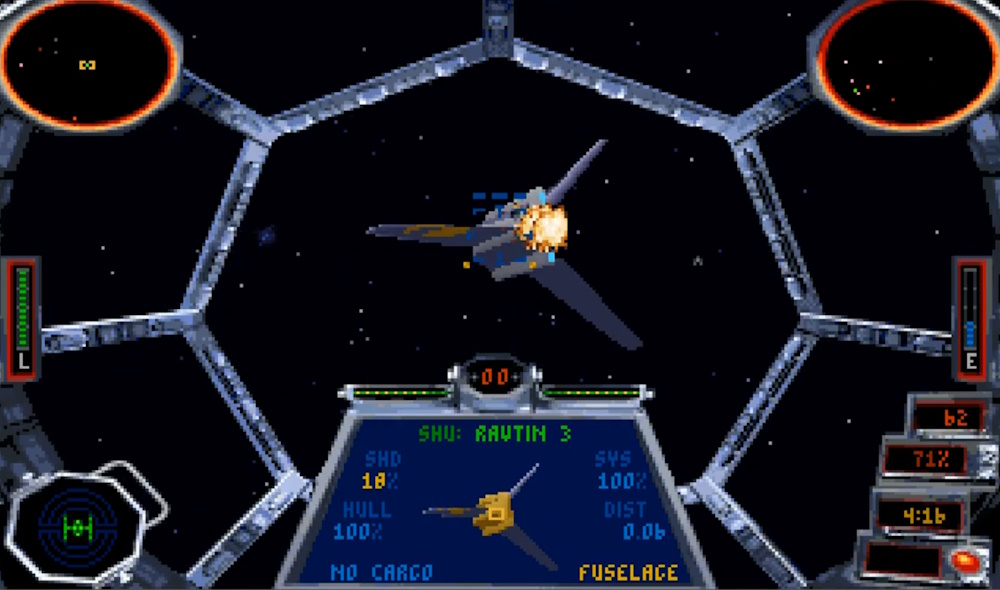
Screenshot of TIE Fighter (1994) showing a space battle.

Although undeniably dated by today’s standards, I loved playing TIE Fighter in the mid-90s. I didn’t go back to play X-Wing for several years (I didn’t own a copy at the time), but when I did I enjoyed that game, too. Both of these titles really let players feel like they were genuine starfighter pilots in a galaxy far away – even more so if you played with a joystick! These games were tremendous fun… but also pretty difficult! I imagine returning to them nowadays would be pretty hard, and I admit that I’m definitely cruising on my gamer nostalgia here!

Shadows of the Empire
1996
Tier: A

Box art for Shadows of the Empire (1996).

Shadows of the Empire was one of the first games I bought after getting a Nintendo 64 for Christmas in 1997, and I had a blast going on my very own Star Wars adventure. Shadows of the Empire introduced a brand-new character – Dash Rendar – and dropped him into the story of The Empire Strikes Back. After playing through the Battle of Hoth, Dash has his own adjacent adventure that sees him team up with all of the heroes of the original trilogy while battling against the likes of Boba Fett and IG-88.

This was the first game to really give me the sense of being part of the Star Wars galaxy on my own terms, and I think that’s because of how well-written Dash is as a protagonist. He feels like a real character with his own story to tell, and unlike in games like Super Star Wars, where you’d play as Luke and other characters, introducing someone brand-new really expanded the story. It was a ton of fun to go on this adventure through some wonderfully diverse levels – and the combination of gameplay in space and on the ground was neat, too.

Rogue Squadron
1998
Tier: B
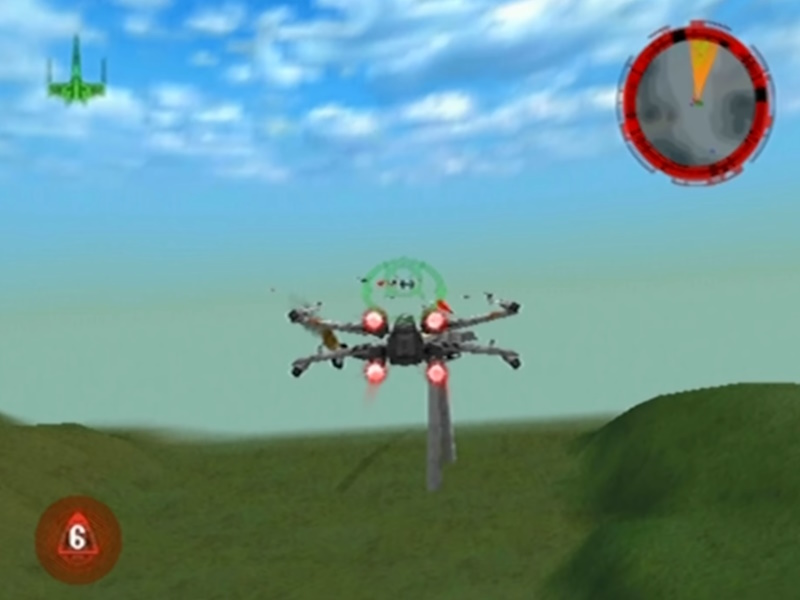
Screenshot from Rogue Squadron (1998) showing an X-Wing.

Another classic from the Nintendo 64, Rogue Squadron felt like a huge step up from TIE Fighter thanks to its 3D models and more diverse levels. It was also a lot easier than those other titles, with a better control scheme and more forgiving gameplay. There were also different spaceships to pilot: the X-Wing, of course, but also the A-Wing, Y-Wing, and Snowspeeder, each of which had different weapons that could be useful in different missions.

Episode I: The Phantom Menace
1999
Tier: F
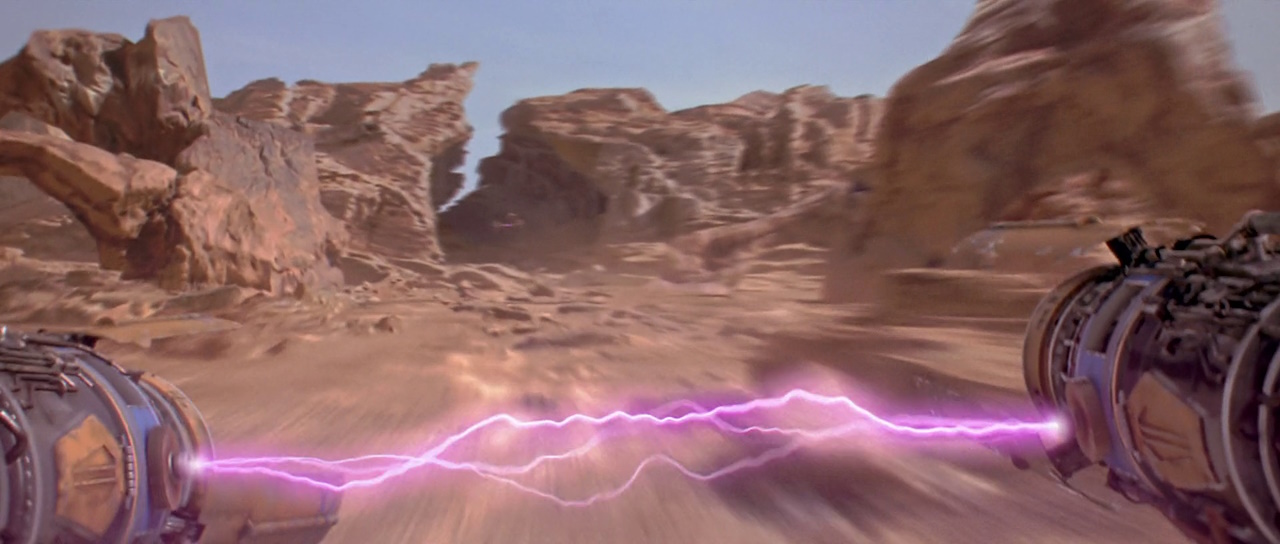
Still frame from The Phantom Menace (1999) showing the pod race.

I went back and forth on this, trying to decide if The Phantom Menace does enough to scrape its way into D-tier. But unfortunately it doesn’t, and the film remains one of the low points of the Star Wars franchise for me. I remember the buzz and excitement The Phantom Menace generated on its release in cinemas… and I also remember the controversy and disappointment it caused.

I’ve addressed this before, but the short version is that The Phantom Menace kick-started a story that just didn’t need to be told. We knew everything we needed to know about Anakin, Palpatine, and Obi-Wan Kenobi from the original trilogy, and seeing the rise and fall of Anakin Skywalker just wasn’t necessary. The Phantom Menace also contained some poorly-written dialogue, a convoluted storyline, some questionable character inclusions, and more. However, I will give the film credit for successfully bringing a whole new generation of Star Wars fans on board – and that, more so than anything else, was its objective.

Episode I: Jedi Power Battles
2000
Tier: B
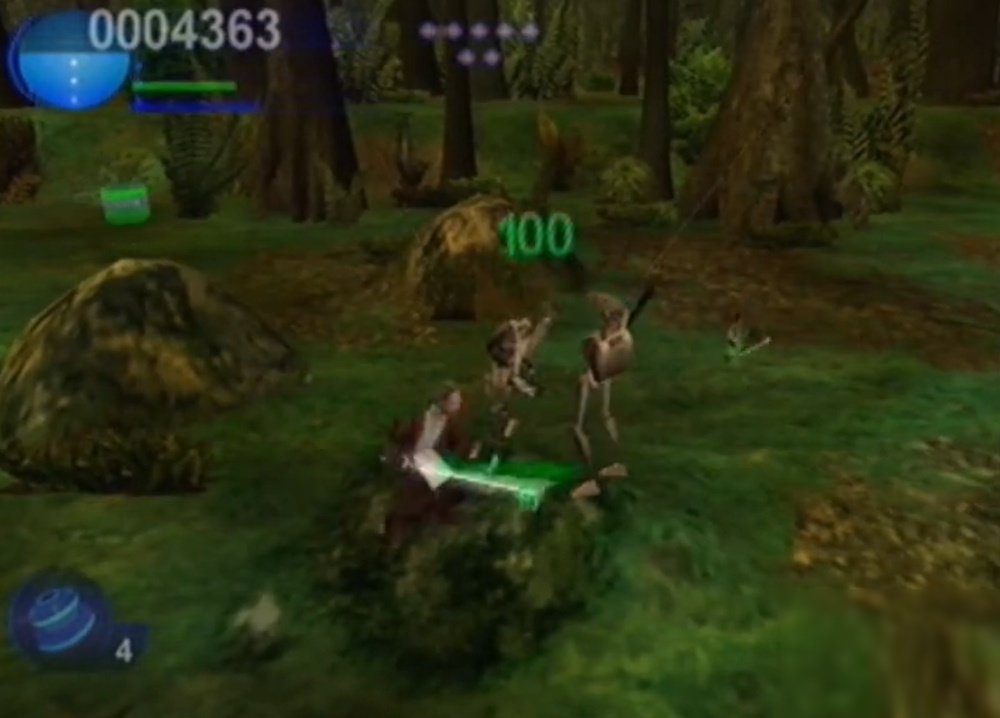
Screenshot of Jedi Power Battles (2000) showing a Jedi fighting battle droids.

Although less well-remembered than Episode I: Racer these days, Jedi Power Battles was a surprisingly fun action-platformer. The film it was based on may have been a disappointment, but Jedi Power Battles turned out to be a genuinely good time. I picked it up on the Dreamcast, and playing it co-op with a friend on the couch was a lot of fun (especially after a few drinks!)

Jedi Power Battles expanded the roster of characters, with some minor and background Jedi from the film becoming playable. As with Shadows of the Empire above, taking on different roles and playing as new and unknown characters felt pretty good, and the additional characters played well with the game’s expanded story. All in all, a fun romp – albeit held back by the source material’s weak story.

Episode II: Attack of the Clones
2002
Tier: D
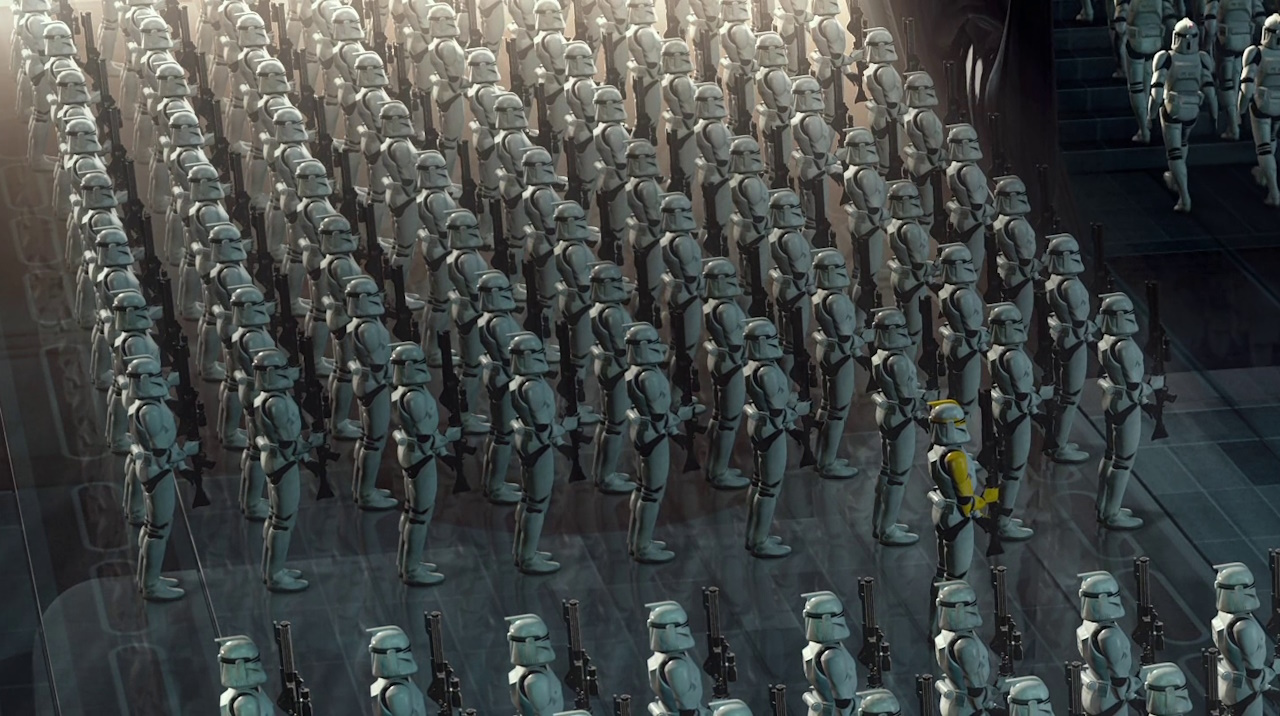
Still frame from Attack of the Clones (2002) showing the CGI clone army.

Attack of the Clones was Star Wars’ chance to redeem itself after The Phantom Menace… and if that was its objective, the film failed miserably. The writing and dialogue could be shockingly bad (“I don’t like sand,” anyone?) and the film’s overreliance on green screens and CGI that just wasn’t at the level it needed to be has meant it’s aged incredibly poorly. Seriously: the original trilogy, made more than two decades earlier, looks a heck of a lot better than Attack of the Clones, which looks like a Dreamcast-era cut-scene in places.

Attack of the Clones also continued Star Wars’ annoying trend of making every major and minor character related to someone else. In this case we meet Jango Fett – father of Boba Fett and the “template” for the Kaminoans’ clone army. I like watching Palpatine’s scheme unfold, and Count Dooku – played by the late great Christopher Lee – is a fine addition as a villain. But overall, the film still struggles. Attack of the Clones also has characters and story beats that were either set up or expanded upon in comics or other spin-off media, and this left it feeling somewhat incomplete when the credits rolled.

Knights of the Old Republic
2003
Tier: A
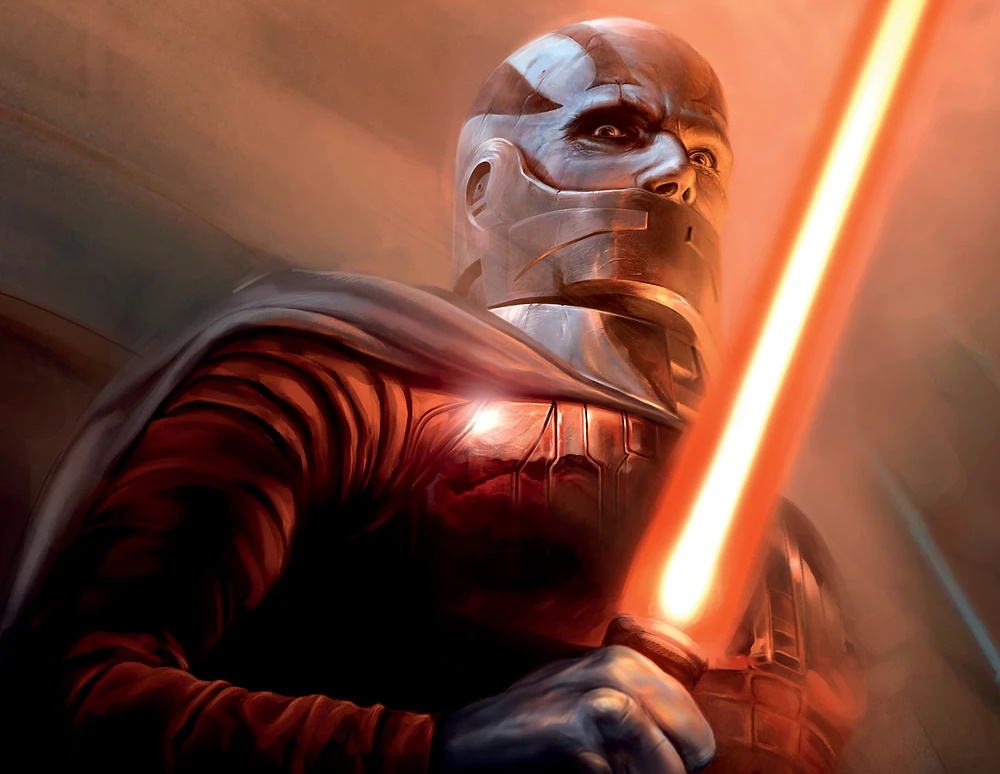
Concept art for Knights of the Old Republic showing Darth Malak.

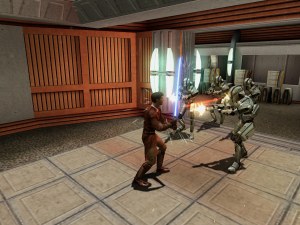
Now we’re getting somewhere! Knights of the Old Republic helped me to fall in love with Star Wars all over again and put the disappointment of the first two prequel films to bed. There are prequel-era references throughout, of course, but KOtoR told a story that stood on its own two feet, fully separate from the characters of both the original films and prequels for the very first time. I absolutely adored this adventure, and creating my own character and taking them across the galaxy was just fantastic.

KOtoR’s innovative light side-dark side system was a blast, giving the game more replayability. The companion characters and villains were all absolutely incredible, and the variety of levels and missions on offer was outstanding, too. And the twist! I genuinely did not see the game’s big revelation coming until almost the last second, and when it was revealed I can vividly remember sitting on my couch, holding my Xbox control pad with my mouth just hanging open in shock. After the Vader-Luke reveal in The Empire Strikes Back, KOtoR’s twist is the best the franchise has ever pulled off.

Knights of the Old Republic II: The Sith Lords
2004
Tier: S
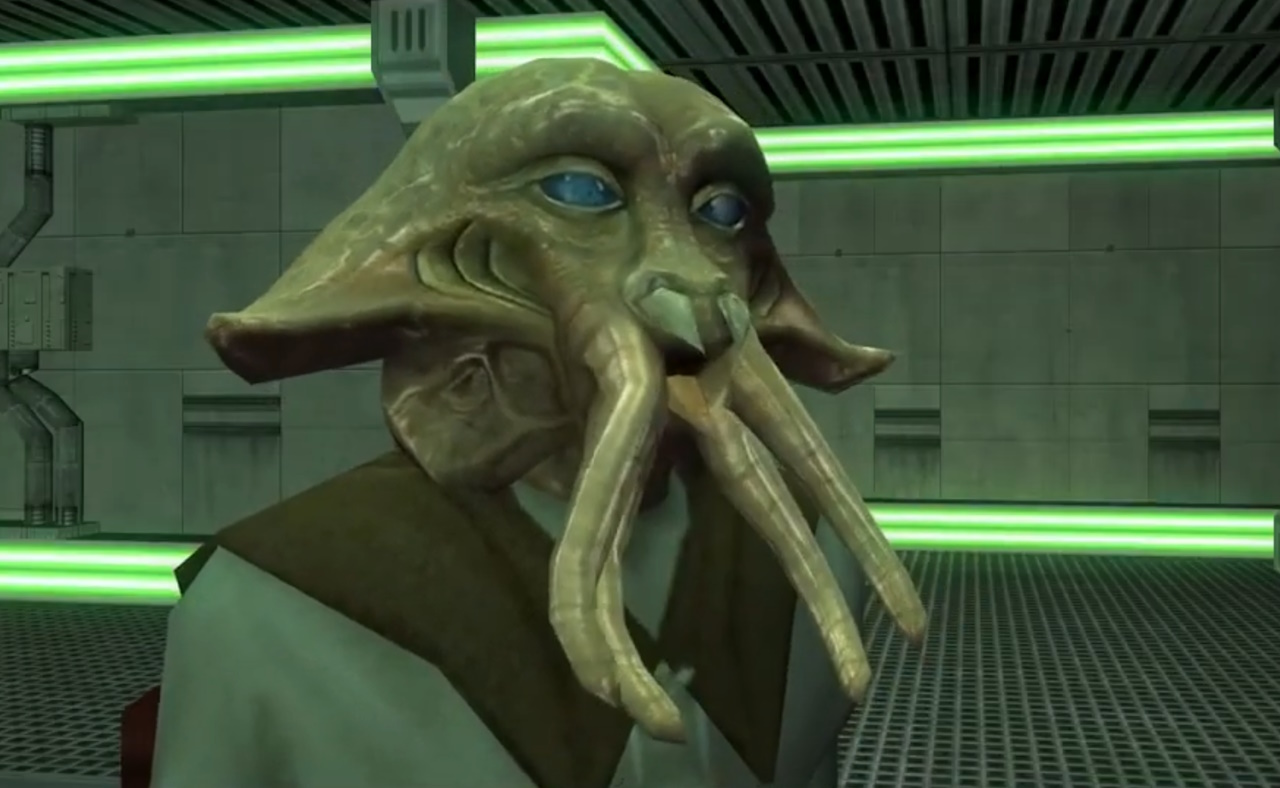
Screenshot from Knights of the Old Republic II showing a Quarren character.

As great as the first KOtoR had been, its sequel was even better. Despite being a rushed game with some content having to be cut, the story is just absolutely phenomenal, with stunning planets to visit, a war-torn protagonist still suffering the effects of their service and choices they made, and a stellar cast of secondary characters who all feel like real people. My Star Wars love is Visas Marr, by the way, and her arc from Sith assassin to Jedi apprentice is one of the best and most touching in any Star Wars production to date.

There are some wonderful set-pieces in KOtoR II, as the Jedi Exile travels the galaxy in search of the few remaining Jedi Knights and the Sith Lords who had been hunting them. Boss fights against these Sith – and the final climactic fight against Darth Traya – are tense and a ton of fun, and the game’s story is gripping from start to finish. Twenty years later and I’d still love nothing more than to get a proper sequel to this game.

Battlefront and Battlefront II
2004-2005
Tier: B
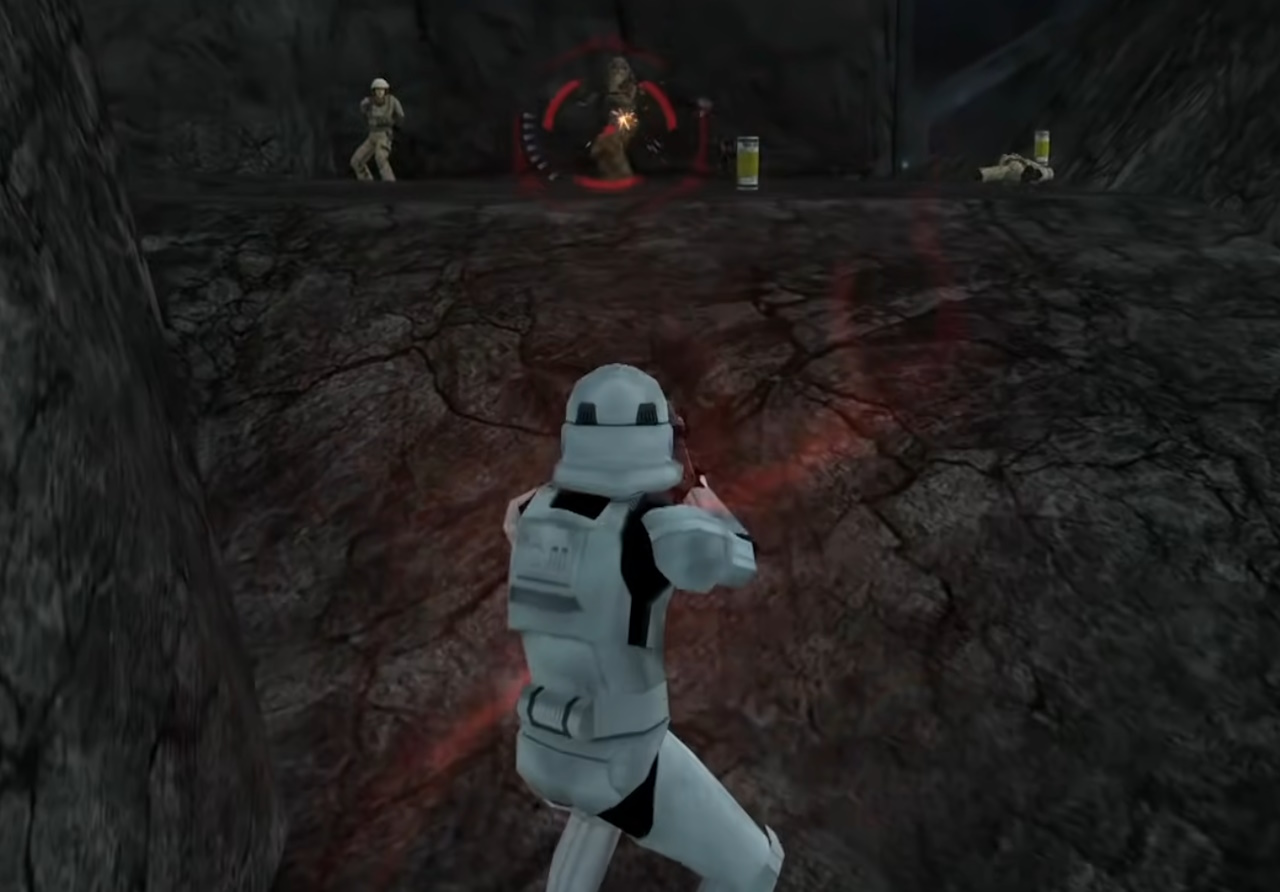
Screenshot from Battlefront II (2005) showing a Stormtrooper engaging Rebel soldiers.

The original Battlefront games – before EA sunk its money-tainted claws into the series – were great fun. I’m not really a multiplayer gamer, and I like games with strong narratives first and foremost, but there was a lot of enjoyment to get from both of these games. Even the levels focused on the prequel trilogy were solid, and fighting wave after wave of enemy soldiers was something that most games at the time didn’t offer – not like this, at any rate.

In multiplayer was where Battlefront and Battlefront II really excelled, though, and if you could find three friends to play with on the couch, you were definitely in for a fun night!

Episode III: Revenge of the Sith
2005
Tier: C
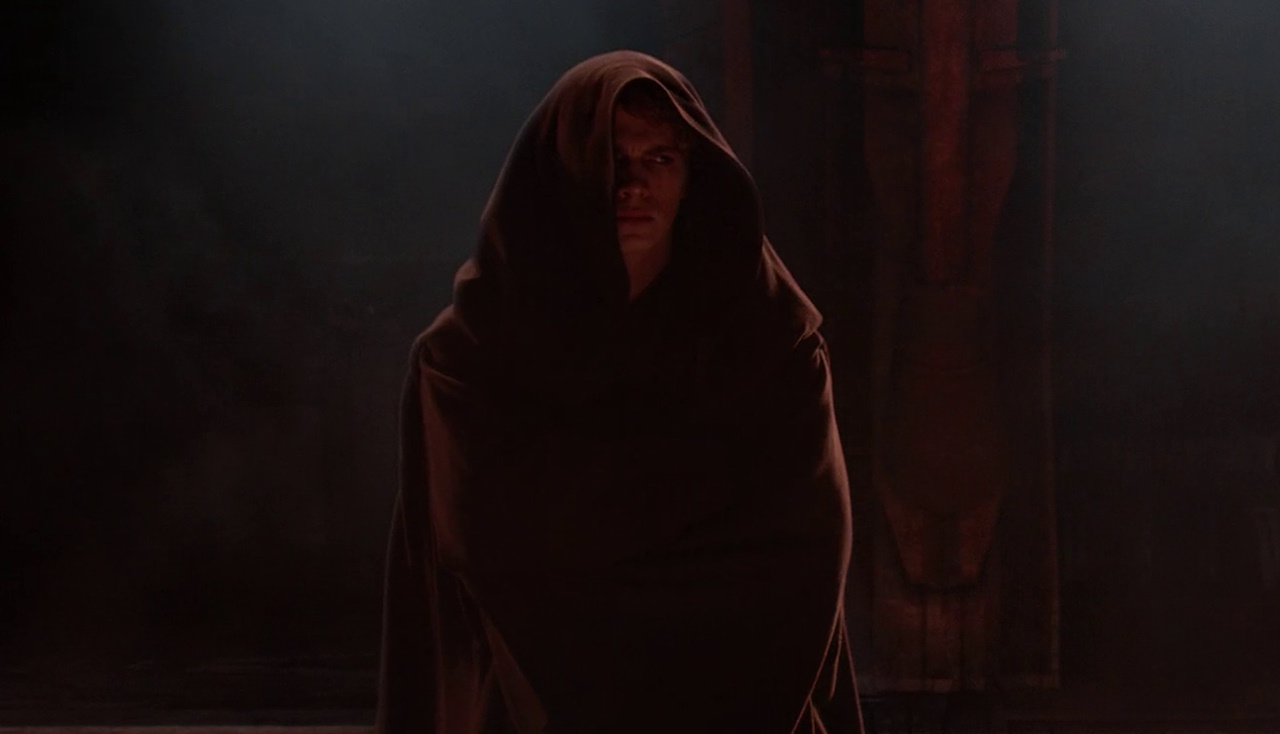
Still frame from Revenge of the Sith (2005) showing Anakin Skywalker in a hooded robe.

The final part of the prequel trilogy went some way to redeeming the story, and was certainly a cut above what had come before. There are still issues with visuals and CGI as well as some clumsily-written dialogue, but there are also some tense and exciting moments as the Jedi Order falls and Anakin loses himself to the dark side. The main lightsaber duel between Anakin and Obi-Wan runs way too long for me, but other fights earlier in the film – including against Grievous and Count Dooku – were pretty great.

A critic far smarter than I am once suggested that an extended Revenge of the Sith could have replaced the prequel trilogy, and I don’t think that’s a bad idea on the whole. There would’ve been more time for Anakin’s premonitions and slide to darkness to be shown, and for Palpatine’s manipulation of the situation to play out. All in all, though, Revenge of the Sith may not be perfect, but it’s by far the best part of the prequel trilogy.

Lego Star Wars: The Complete Saga
2007
Tier: A
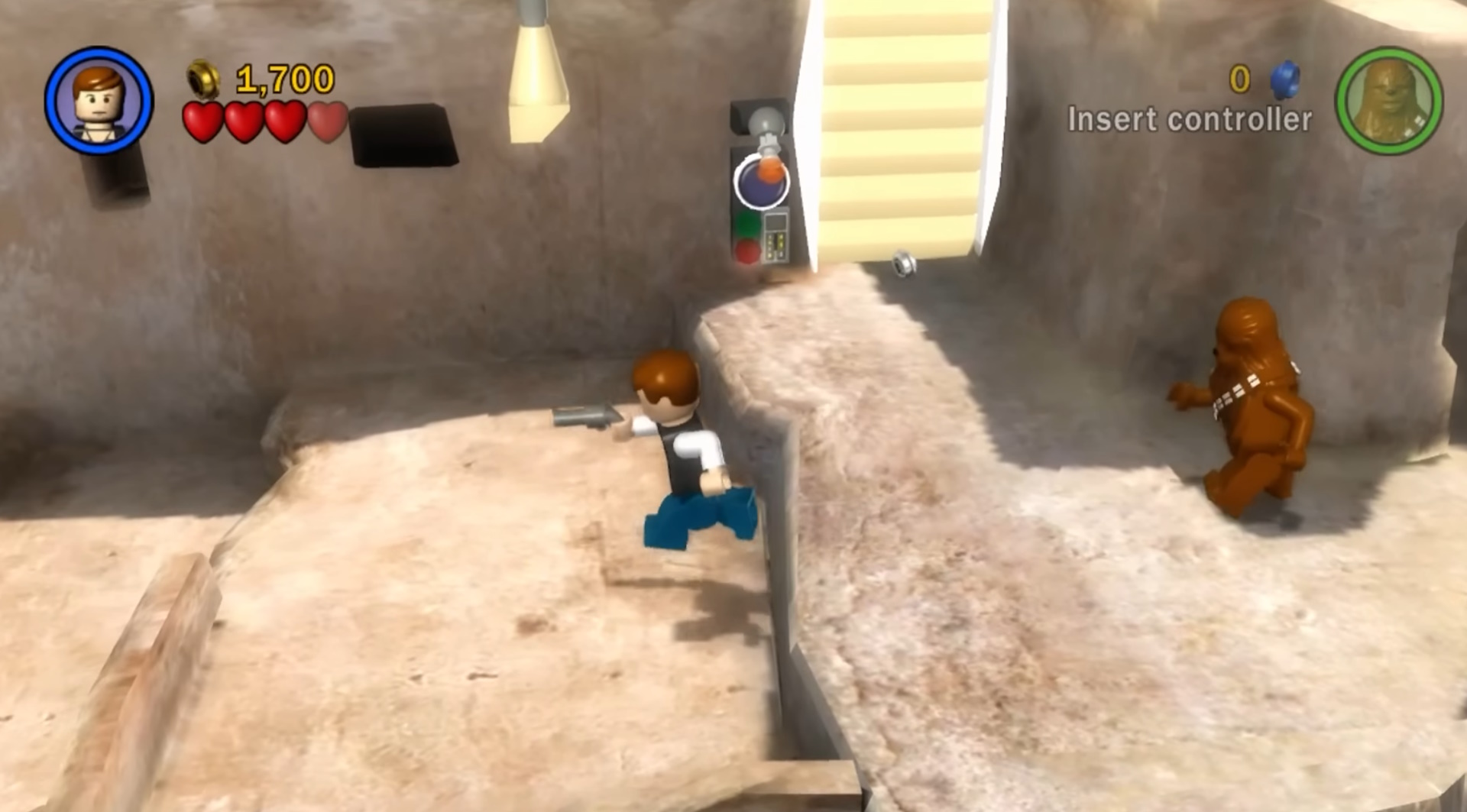
Screenshot of Lego Star Wars: The Complete Saga (2007) showing two characters on Tatooine.

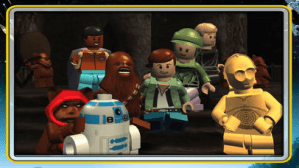
I wasn’t sure whether to include this game, but it’s a ton of fun so why not? This compilation brought together the two earlier Lego Star Wars titles into one package – and with Star Wars apparently complete as a six-film series, it took a comedic romp through the entire story. Lego Star Wars: The Complete Saga was just overstuffed with content – so many characters to unlock, things to collect, and areas of levels that weren’t accessible on a first run. The lack of dialogue and mumbling also made the game feel light-hearted and funny – and after the relative disappointment of the prequel trilogy, putting a different spin on Star Wars to make it fun and entertaining again was just what I needed!

Episode VII: The Force Awakens
2015
Tier: D
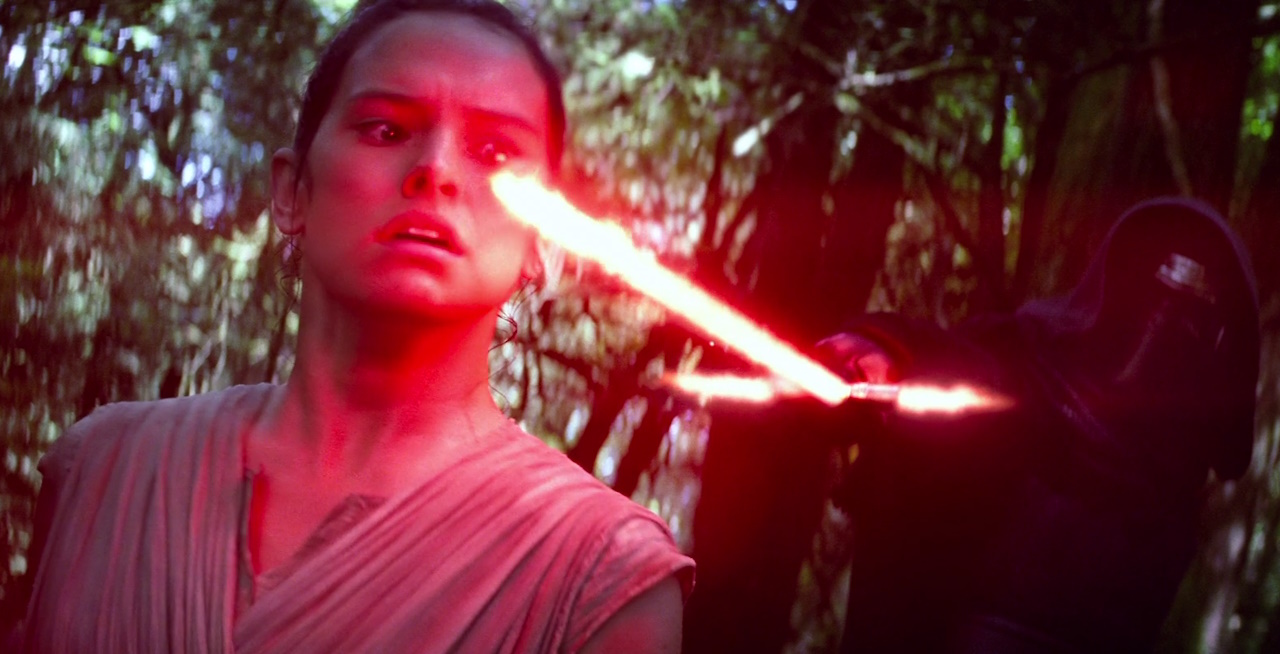
Still frame from The Force Awakens (2015) showing Kylo Ren holding a lightsaber to Rey's neck.

In 2015, I adored The Force Awakens. Returning to Star Wars’ “greatest hits” seemed to be just what the doctor ordered as a new era for the franchise got underway. However, with the benefit of hindsight the film’s weaknesses come into full view. The decision to have Luke Skywalker go missing – with no reason for why he’d disappeared being written – was a mistake, and with the death of Han Solo, any chance of reuniting the trio of heroes from the original trilogy was gone. The film is also incredibly derivative to the point of outright copying: a young Force-sensitive person from a desert planet joins a rebellion against a faction of space fascists and helps them blow up a planet-destroying super-weapon. There’s even a “trench run,” for goodness’ sake.

Unfortunately, The Force Awakens was a weak foundation upon which to build the rest of the sequel trilogy, and the decision to allow each writer/director free rein to do whatever they wanted led to a jumbled narrative mess. There were positives in The Force Awakens – the character of Finn, for instance, and his story of defecting from the First Order and overcoming his indoctrination, as well as a story that involved an older Han and Leia reuniting to try to save their son. But there were too many missteps and mistakes – and I just can’t forgive that the film squandered so many of the opportunities that a Star Wars sequel should have had.

Rogue One: A Star Wars Story
2016
Tier: S

Still frame from Rogue One (2016) showing the Death Star being assembled.

I didn’t really have high expectations for Rogue One when I heard about it. A prequel all about stealing the Death Star plans just didn’t sound all that exciting – but I was wrong about that! Jyn Erso made for a wonderful protagonist, and her story took her from being apathetic and sitting on the sidelines to leading the mission that inspired the Rebellion. Cassian Andor was such a great character that he ended up getting his own spin-off. The decision to kill off practically all of the main characters was also incredibly bold for this franchise.

There are so many great moments and sequences in Rogue One that we’d run out of time trying to list them all! The mission to Jedha was incredible, characters like Krennic and Saw Gerrera have become iconic, and while I never felt that the destruction of the Death Star needed an in-universe explanation, learning how it came to be sabotaged was genuinely interesting. An unexpected story that expanded upon the lore of Star Wars in a really fun way.

Episode VIII: The Last Jedi
2017
Tier: A

Still frame from The Force Awakens (2017) showing the Holdo manoeuvre.

The Last Jedi is a great film. It isn’t as great as it wants to be, and there are places where it misses the mark or where its storytelling gets too in-your-face. But it represents a brave attempt to take the franchise in a different direction, far away from the copycat narrative of its predecessor. Some of the things introduced here really work well and expand our understanding of the Star Wars galaxy. I really like the Holdo manoeuvre, for example, and how the film took a look at the galaxy’s mega-rich citizens who are content to sit out the war, knowing that whichever side wins they’ll still come out on top.

Moreover, the film puts two big twists on the story of the sequels. First, Rey turned out not to be descended from a known character. For me, this made her far more interesting and set her up as a protagonist in her own right. Secondly, Kylo rejected any pull to the light side and tried to seize power for himself, setting himself up as the ruler of the First Order. Both of these twists worked exceptionally well… before they were immediately undone in the final instalment of the trilogy.

Solo: A Star Wars Story
2018
Tier: C
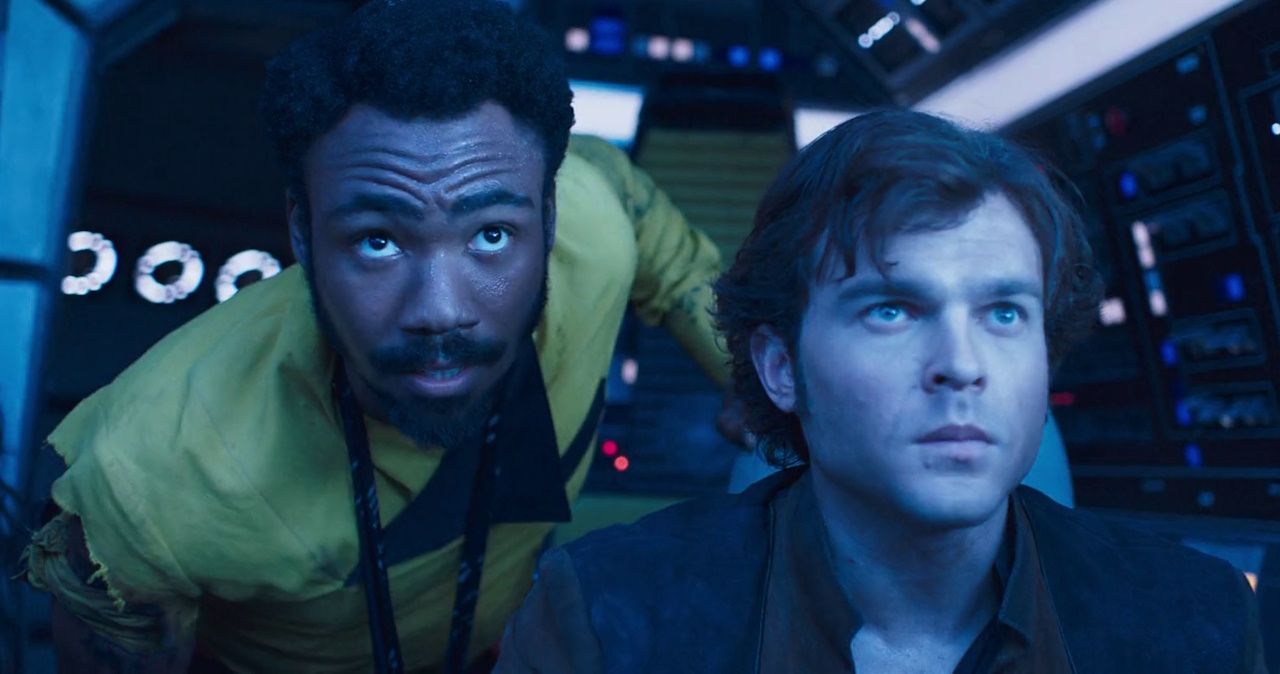
Still frame from Solo: A Star Wars Story (2018) showing Lando and Han in the cockpit.

There’s nothing wrong with the main thrust of the plot in Solo: A Star Wars Story… but nothing about the film feels all that special or interesting, either. The story basically doubles down on Star Wars’ prequel problem; we just didn’t need to see this chapter of Han Solo’s life to understand who he is or what his priorities are. We’d already been able to infer all of that from his earlier appearances, and while we learned a bit more about Han in a strictly factual sense… none of that really mattered.

I also loathe the resurrection of the obviously-dead Darth Maul and his insertion into Disney-era canon. Star Wars has continually struggled to let go of characters – even relatively minor and unsuccessful ones – and to see Maul popping up as a “crime lord” of all things was just… ugh. I hated it. The central heist at the film’s core was good enough and there were some solid moments of characterisation. But the film was let down by its fundamental premise.

The Mandalorian
2019-Present
Tier: C
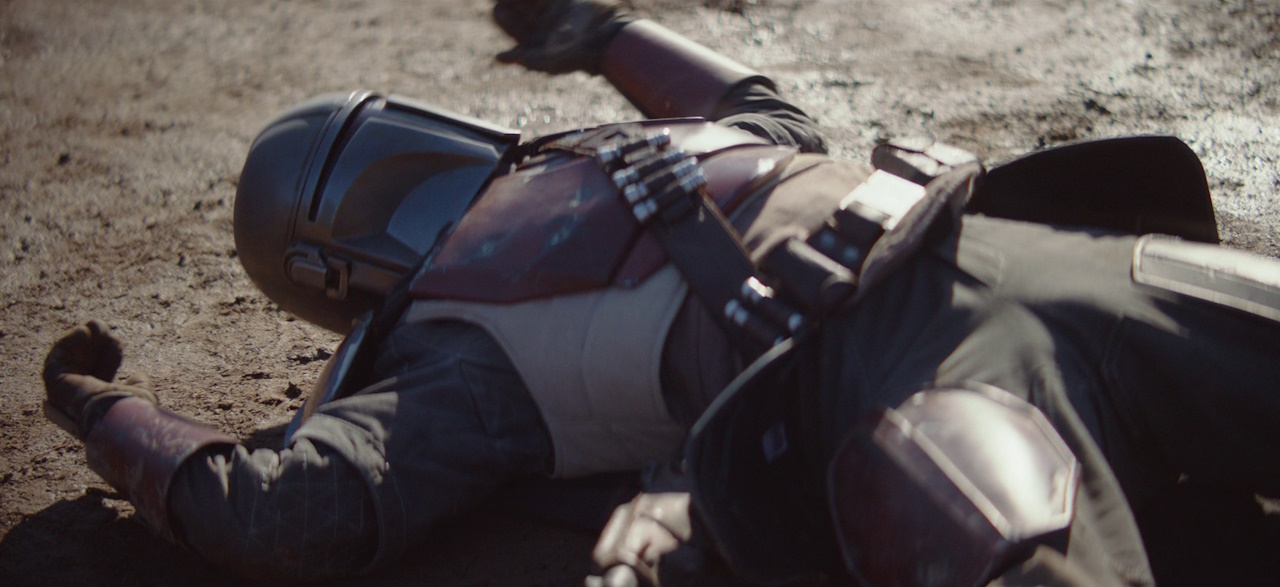
Still frame from The Mandalorian Season 1 (2019) showing the title character knocked down on the ground.

The Mandalorian has some fun scenes and great design elements, introduces some creative new characters, takes us to new worlds, and tells a story that dives deeply into a little-known faction. But for me, The Mandalorian didn’t really hit the mark. Its premise of following “the adventures of a gunslinger beyond the reach of the New Republic” sounded spectacular… but within two episodes the show brought the Force back into play. Things only got worse from there, with Luke Skywalker eventually showing up in person to hammer home that this series can’t escape the clutches of nostalgia.

Worse, though, was the protagonist himself – who seemed, for the first season-and-a-half at least, to have no understandable motivation for doing… anything. Mandy seemed to act at the behest of a room full of TV writers, and it showed, with massive story points like betraying his client to save Baby Yoda coming from nowhere. The series is also too short, with Seasons 1 and 2 barely amounting to the runtime of just one season of television – and sharing two halves of a story that would’ve been a lot better if it had played out in a single season instead of two. Things have improved and the series has grown on me, but I can’t escape the feeling that there’s some wasted potential here.

Jedi: Fallen Order
2019
Tier: A
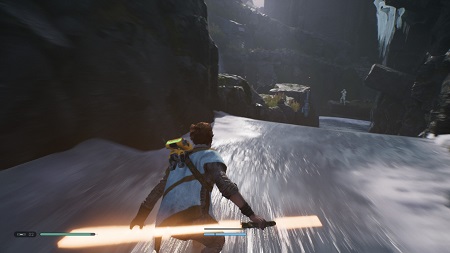
Screenshot of Jedi: Fallen Order showing the player character sliding down an icy canyon.

I had a great time with Jedi: Fallen Order. After the disappointments of both The Mandalorian and The Rise of Skywalker (which I watched before playing the game), I was glad to see that I hadn’t entirely fallen out of love with Star Wars. Cal’s story of re-establishing his connection to the Force, rediscovering his Jedi side, and going on a rip-roaring adventure across the galaxy was great, and I felt like I was right there with him thanks to some outstanding voice acting and animation work.

Jedi: Fallen Order also gave me what is probably my favourite Star Wars video game moment: piloting an AT-AT! This sequence is one of the best in the game and is just perfectly-paced. There are a few points that come together to deny Fallen Order S-tier status, though: overuse of Super Mario 64′s sliding mechanic, having to both re-play levels and backtrack through them after finishing an objective, and a confusing false choice early in the game all took some of the shine off of what was an otherwise fantastic experience.

Episode IX: The Rise of Skywalker
2019
Tier: F
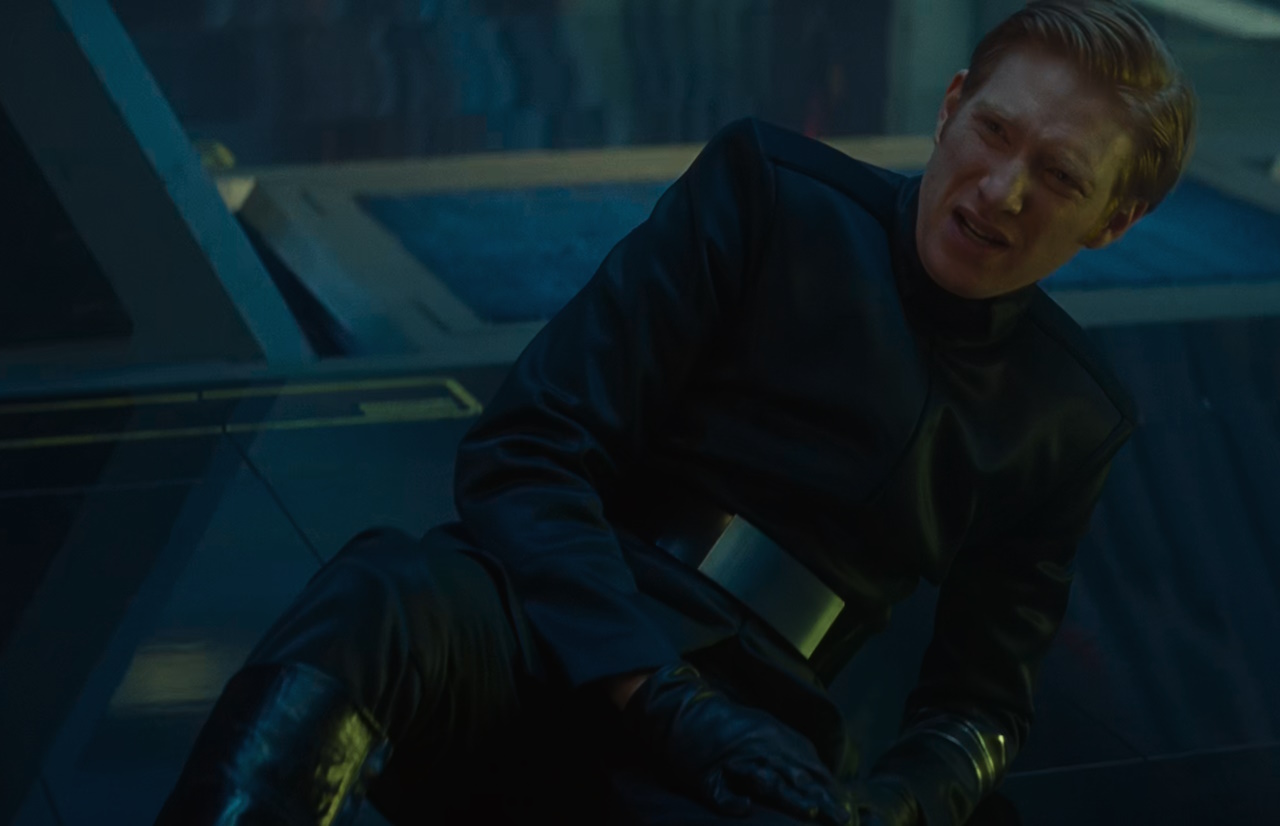
Still frame from The Rise of Skywalker (2019) showing General Hux wounded.

What an atrocious film. The Rise of Skywalker jumps around, barely spending more than a few seconds per scene, desperately trying to undo the big story points from The Last Jedi. It basically tries to cram two films’ worth of plot into the runtime of a single title, and so many of the storylines it tries to include just fall flat on their face. The clumsy insertion of Palpatine into a story that was never meant to be his not only ruins this film, but manages to make the rest of the sequel trilogy and even the original trilogy feel worse in retrospect.

The Rise of Skywalker betrays or completely misunderstands most of the characters it includes, like Kylo, Rey, and General Hux, undoing key parts of their stories and characterisations. It ignores altogether major characters like Rose and Finn, relegating them to the sidelines and having no idea how to use them. And finally, it contains probably the single worst line of dialogue in the entire Star Wars franchise: “Somehow Palpatine returned.” I don’t like to single out individual writers or creatives for criticism, but I genuinely hope that the people who wrote that line, approved it, and got it into the film never work in the entertainment industry again.

Star Wars Squadrons
2020
Tier: B
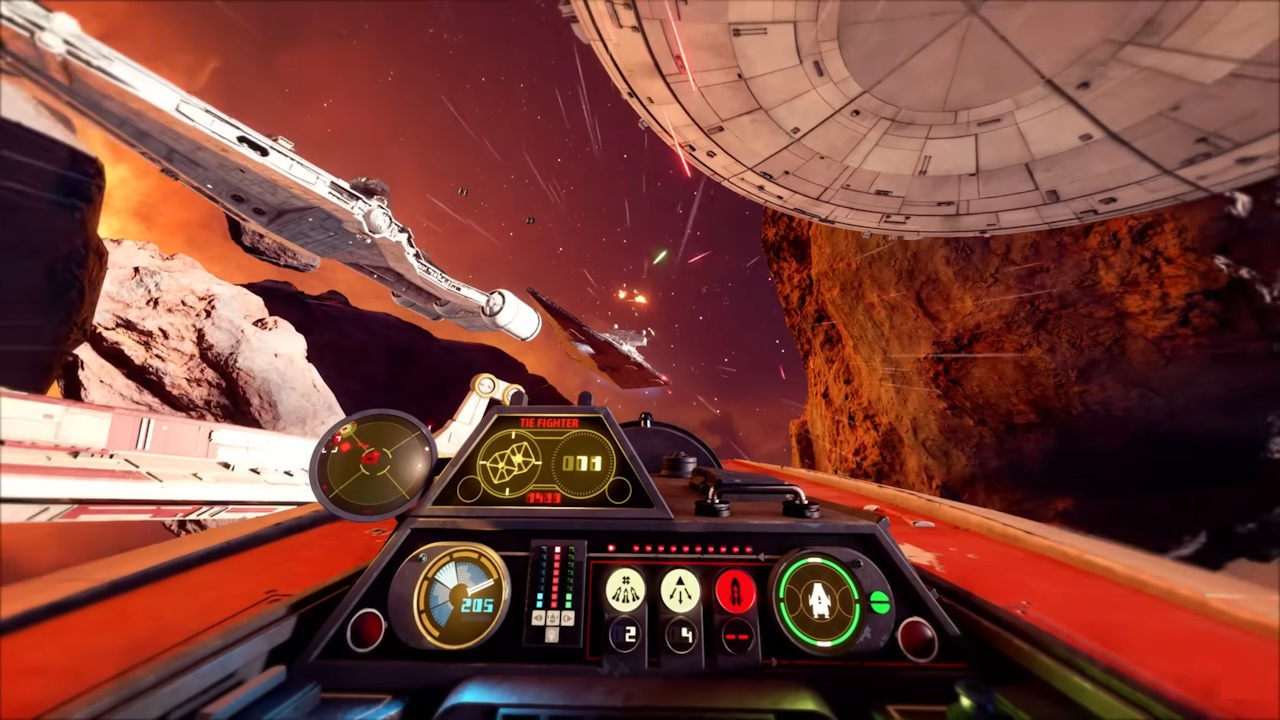
Screenshot from the Star Wars Squadrons trailer showing a starfighter cockpit.

Squadrons feels like an updated TIE Fighter or Rogue Squadron – and yes, those are compliments! Thanks to major advances in graphics, sitting in the pilot seat of a starfighter has never looked more beautiful, and the game really succeeds at capturing that sensation in a way few titles ever have. Narratively there wasn’t a lot to say, but the story was worth following to its conclusion, and the side characters were solid in their own ways. I haven’t fired up Squadrons for a while, but I really should jump back in and have another go – it really is the best Star Wars simulator out there right now.

The Disney+ Lego Star Wars Specials
2020-Present
Tier: A

Still frame from The Lego Star Wars Holiday Special showing the main characters and a Christmas tree.

There have been three Lego Star Wars specials made for Disney+ at time of writing – though a fourth is arriving imminently. And all of them have been great fun! I like the less serious tone of these specials, and how each one so far has had a seasonal theme. Terrifying Tales also did more to give backstory to Ben Solo and the Knights of Ren than the entire sequel trilogy had done, and it was quite cathartic to see that!

Star Wars shouldn’t be taken too seriously all the time, and these Lego specials really lean into the more fun, light-hearted, and casual side of the franchise. At the end of the day, Star Wars is supposed to be entertaining – and if there’s one thing I can say about the Lego Star Wars specials it’s that they absolutely entertained me!

The Book of Boba Fett
2021
Tier: A

Still frame from The Book of Boba Fett showing the famous "like a bantha" scene.

I really did not expect to like The Book of Boba Fett. Boba himself always felt like a non-entity to me; a minor character elevated, somehow, through high sales of his action figure, but who did nothing of consequence in the original films and who died incredibly easily in his only big fight! The series also had a huge hurdle to overcome: how did Boba survive dying in Return of the Jedi? I wouldn’t have chosen to greenlight The Book of Boba Fett if I’d been in charge!

But I was wrong, and I found a surprisingly entertaining series with heart. Boba’s adventure on Tatooine was just plain fun in a way that I really hadn’t been expecting, and this miniseries about a character I’d always been underwhelmed by was much, much better than I could have expected. It wasn’t perfect, of course, and in some ways it felt closer to The Mandalorian Season 3 than a standalone project. But I had fun with The Book of Boba Fett for what it was, and I enjoyed its contribution to the Star Wars galaxy.

Obi-Wan Kenobi
2022
Tier: F
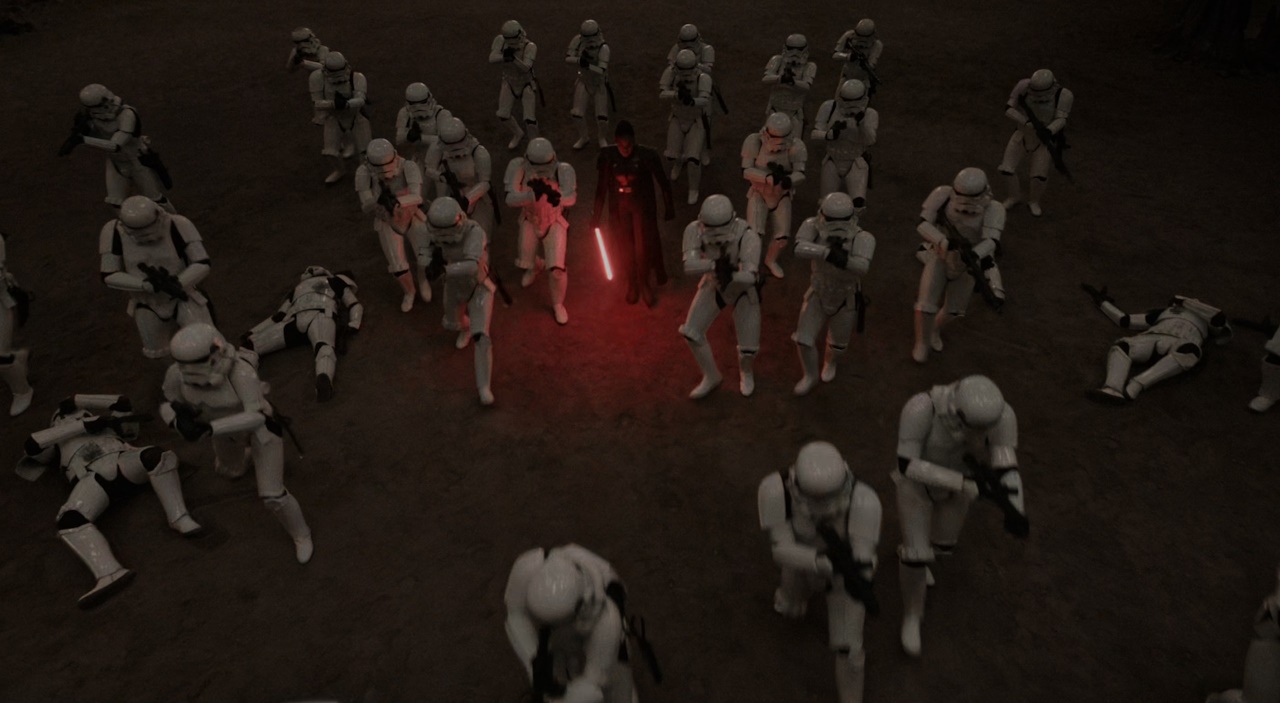
Still frame from Obi-Wan Kenobi showing an Inquisitor and a large group of Stormtroopers.

Obi-Wan Kenobi has done the impossible: it has eclipsed both The Phantom Menace and The Rise of Skywalker to become my least-favourite Star Wars project of all time. The series was already going to tell the least-interesting chapter in Obi-Wan’s life, but it ended up completely ruining his character and undermining one of the most powerful moments in A New Hope. It’s the textbook example of why prequels and mid-quels have to be handled with care, and honestly I could write a book about all the things this series got wrong.

In principle, the idea of Obi-Wan leaving Tatooine to rescue Leia could have worked, but it would’ve needed to be a completely different story, one that kept Darth Vader completely out of it. Bringing back Vader for yet more lightsaber duelling with Obi-Wan just felt desperate and tacky, and the entire series fell apart. It was unnecessary in the first place, poorly-written, and with a central premise that completely undermines Ben Kenobi’s role in A New Hope.

Jedi: Survivor
2023
Tier: D
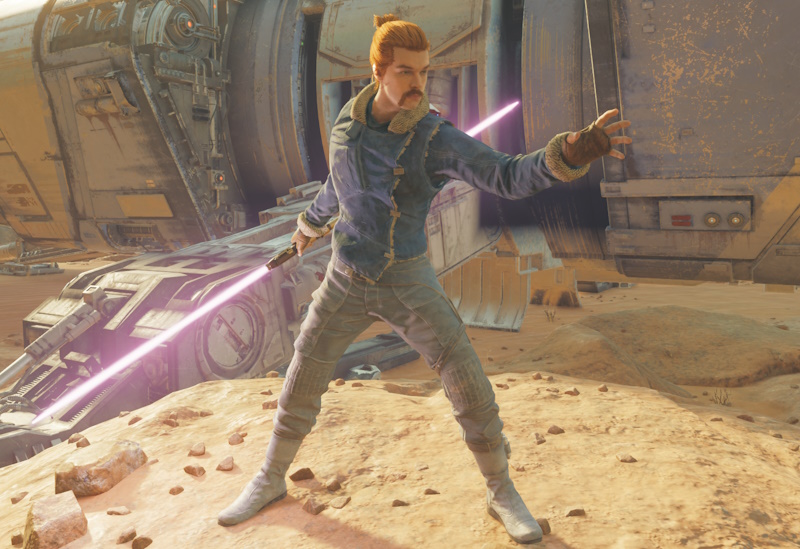
Screenshot from Jedi: Survivor showing a customised Cal Kestis.

I was properly excited to get a sequel to Fallen Order and to get back out in the Star Wars galaxy with Cal and the crew of the Stinger Mantis. But the story Jedi: Survivor told was pretty weak and convoluted by comparison. The sheer randomness of parts of the story – like Greez just accidentally building his cantina atop ancient Jedi ruins – went a long way to undermining it, the surprise return of Master Cordova completely fell flat, an ancient Jedi sealed in a bacta tank for centuries was kind of silly, and a “lost” planet that no one could reach just felt like a boring macguffin. Fallen Order gave Cal a quest that I could follow and that seemed to flow naturally from point to point. Survivor felt much more artificial and constructed.

The game was also let down, in my view, by a reliance on open-world level design that just didn’t fit the story. The supposedly hidden, off-the-beaten-path settlement of Ramblers Reach was located a stone’s throw from two huge Imperial bases and the headquarters of a pirate warlord, and the Jedi outpost on Jedha was walking distance from two massively important areas, too. And of course, there was a traitor in Cal’s group who was so incredibly obvious from his first second on screen that he might as well have had the words “secret bad guy” tattooed across his forehead. The game being released way too early while unfinished and full of glitches didn’t help matters, either.

The Acolyte
2024
Tier: B
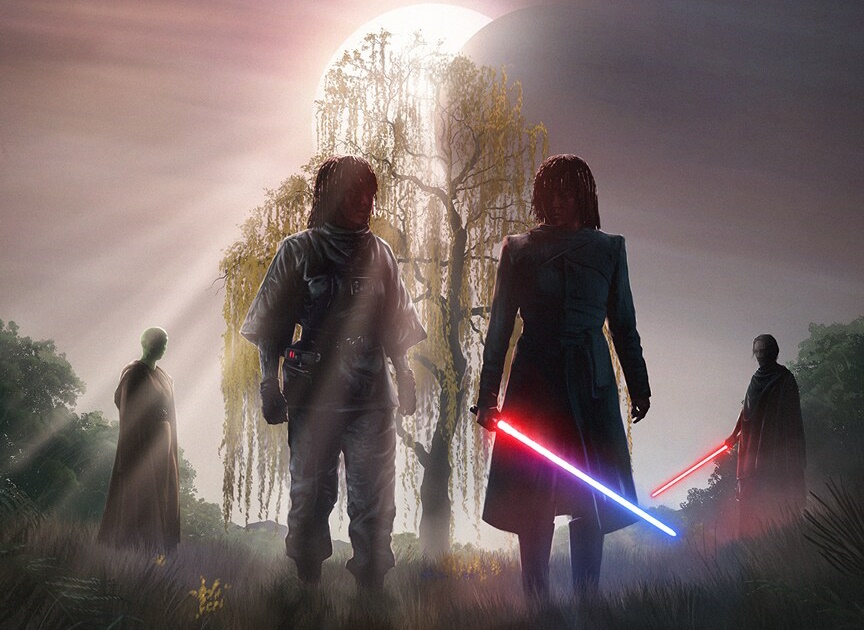
Cropped promo poster for The Acolyte.

So we come to The Acolyte – the latest Star Wars series at time of writing! Although it proved to be controversial, I generally liked what I saw in this one-and-done series. Stepping away from the “Skywalker saga” to tell a story in a different time period is something I’d been wanting to see on the big or small screen for a long time, and a focus on the Sith was also something interesting. I don’t think The Acolyte hit all of the high notes it was aiming for, but it was decent nevertheless.

If Star Wars is going to survive long-term, stepping away from familiar characters and the time period of the Empire will be necessary, and The Acolyte is the franchise’s first real attempt to do so. That is admirable, even if it comes a bit late in the day! The story also framed the Jedi Order in somewhat of a negative way, showing how it can fall prey to internal politicking, emotion, and disagreement – all of which were themes that were present in the prequel and sequel trilogies.

So that’s it!
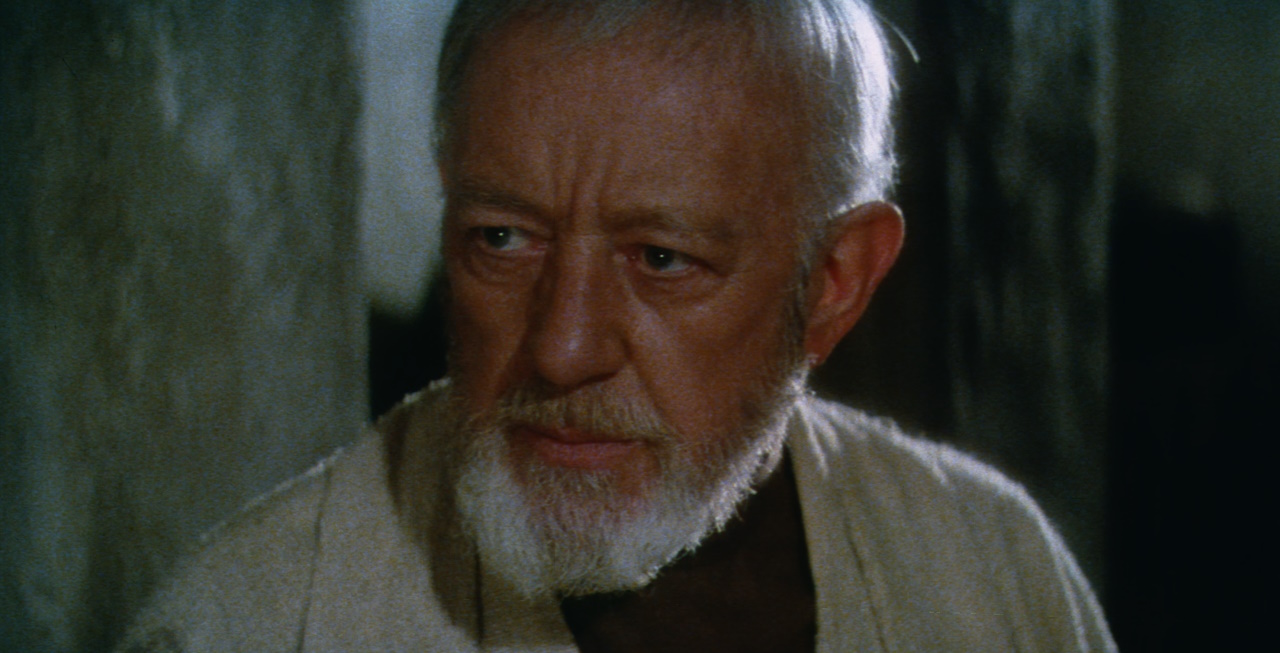
Still frame from Star Wars (1977) showing Old Ben Kenobi.
It’s Old Ben Kenobi!

I’m pretty sure that those are all of the Star Wars films, games, and TV shows that I’ve spent enough time with to place on this list. You’ll note some absences: the animated Star Wars shows of the 2000s/2010s, as well as Andor, Ahsoka, and the Force Unleashed games, to name but a few. I haven’t watched or played everything in the Star Wars franchise – and I probably won’t get around to all of them. That’s why they’re not part of this list.

Let’s take a look at how the final tier list looks:
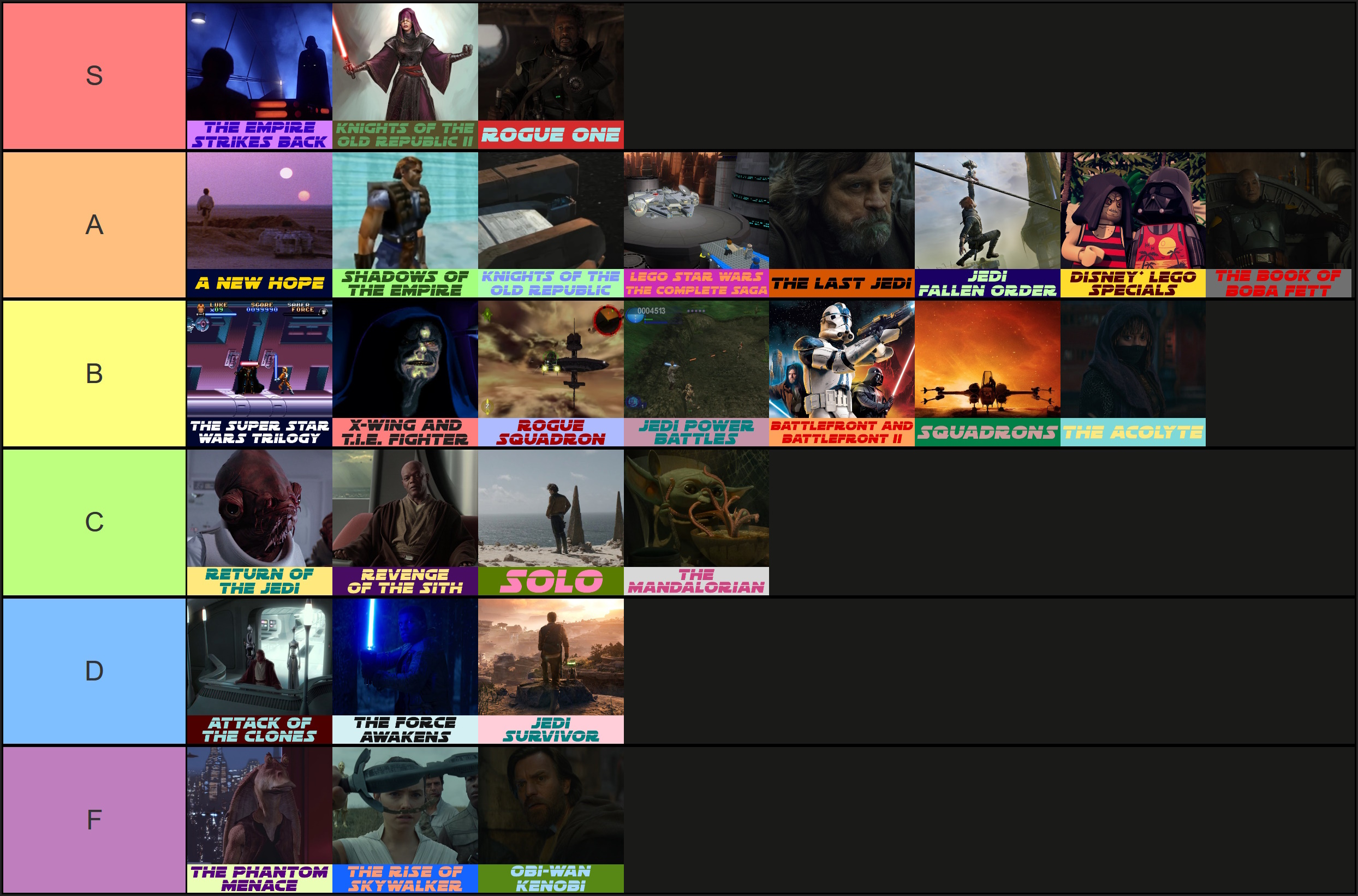
A tier list showing various Star Wars productions.
You can open this image in a new tab if you want a closer look!

Putting this tier list together has been great fun, and it’s been interesting to revisit some of these Star Wars projects. It’s been a long time since I so much as thought about the TIE Fighter game, and I haven’t re-watched the likes of The Mandalorian Season 1 since it premiered, so going back to them has certainly been something different.

I hope none of these opinions proved to be too controversial! At the end of the day, I’m a Star Wars fan – but I don’t enjoy every single thing that has been produced for the franchise. Still, whether we agree or disagree on what the highlights are, I think you can see that there are more positives than negatives in this wonderful space epic!

All that remains to say is this: May the Force be with you! And I hope you’ll check back soon for more Star Wars discussion here on Trekking with Dennis.


*Obviously this list is not official in any way. The title is a joke!

Most films and TV shows in the Star Wars franchise can be streamed on Disney+ or purchased on DVD, Blu-ray, or digitally. Some games discussed above are out-of-print, others may be available on PC, Xbox, PlayStation, and/or Nintendo consoles. The Star Wars franchise – including all films, games, and television shows discussed above – is the copyright of Lucasfilm and The Walt Disney Company. This article contains the thoughts and opinions of one person only and is not intended to cause any offence.
If Star Trek had behaved like Star Wars…

Spoiler Warning: There are spoilers ahead for the Star Wars franchise – including recent projects such as The Rise of Skywalker and The Mandalorian. There are also minor spoilers for the Star Trek franchise too.

Let’s step through the looking-glass, across the divide between universes, into a strange new world. This world is very much like our own, but with one major difference: Star Trek behaved like Star Wars. The Original Series ran from 1966 to 1969, just as it did in our reality, but then… things started to change.

Join me on a weird and wonderful journey through what Star Trek might have been… if it had acted like Star Wars. Don’t worry, I promise we’ll make it home safe and sound.

Are you ready to go through the looking-glass?

We begin our journey in the 1970s. Star Trek is being rebroadcast in syndication, and its fanbase is growing. Some of these fans begin to organise and ask for more Star Trek on their screens, and the company that owns Star Trek in this alternate reality – let’s call them CiacomVBS – thinks long and hard about what to do. They have a popular series on their hands… what should they do with it?

Eventually the people in charge of Star Trek hit upon a brilliant idea: a Star Trek prequel, looking at Kirk, Spock, McCoy, and other familiar characters in their Starfleet Academy days and before their five-year mission. The main roles were re-cast, and the first new Star Trek project in almost twenty years was finally greenlit in 1988. Called the “Kelvin films” for the involvement of a starship called the USS Kelvin, this prequel trilogy was popular with some Trekkies, but wildly disliked by others. When the third film finished its theatrical run, CiacomVBS decided to shelve Star Trek and proclaimed that the franchise was complete.

Fans were split on Star Trek by this point. Some proclaimed that The Original Series was the only good part, whereas other (primarily younger) fans were thrilled with the Kelvin films. As time passed, Star Trek appeared to be complete. Its stars moved on to other projects, or faded into obscurity. But the fanbase remained, and with the passage of time those younger fans grew up, leading to a minor resurgence in the popularity of the Kelvin films.

In the 1990s, a massive media empire called the Dalt Wisney Company approached CiacomVBS about a buyout. When the multi-billion dollar deal went through, Wisney announced a plan to bring Star Trek back – this time for a sequel. Star Trek: The Next Generation premiered a few years later, and starred a younger cast of characters – alongside the return of The Original Series’ crew. Their first adventure was to find Captain Kirk, who had gone missing.

Kirk eventually agreed to train the new crew of Starfleet officers, along with help from Spock, Dr McCoy, Scotty, Uhura, Chekov, and Sulu. The returning characters took up a lot of the new show’s screen time, leaving many Trekkies to say that the new crew were undeveloped and underused. To make matters worse, a lack of overall direction by the Dalt Wisney Company meant that each of the three seasons of The Next Generation was helmed by a totally different team of writers. The consequence of this was a jarring change in tone between each of the three seasons.

The Next Generation’s third and final season was its worst by far, with a confused mess of a story that seemed to be trying to overwrite much of what happened in Season 2 – including the backstory of Captain Picard, the major character introduced in Season 1. By far its most egregious fault, though, was bringing back Khan as a villain – Khan had been killed off decades earlier, and his return was called “the worst kind of deus ex machina” by critics.

There were also two “standalone” projects produced during this time. The first saw a team of renegade Starfleet officers go on a secret mission to steal the plans to the Klingon D7 battle cruiser, and ended with them transmitting the plans to Kirk aboard the Enterprise. The second was titled Chekov: A Star Trek Story, and it told the tale of the young Pavel Chekov before he joined Starfleet.

Despite the lacklustre response to The Next Generation and Chekov, Wisney had invested a lot of money into Star Trek, and putting their expensive acquisition on hiatus was not possible. They announced another spin-off: Deep Space Nine. This promised to finally take a look at the Star Trek galaxy away from Captain Kirk and Starfleet for the first time, being set on a space station in a new region that had never been seen before.

Fans seemed to respond well to Deep Space Nine at first, but its short runtime, bland main character, and overreliance on the aesthetic of The Original Series were all points of criticism of the show. By Season 2 it seemed to be doing better and was beginning to stand on its own two feet – but for some inexplicable reason Season 2 of Deep Space Nine brought back the character of Sulu – who had been killed off in The Next Generation. Fans were confused as to how he had survived being eaten by an alien monster, but this was never addressed.

The Season 2 finale was perhaps the most egregious example of Wisney forcing fan-service into Deep Space Nine, though. As Sisko and his crew were cornered, staring down a seemingly-unstoppable villain, the shuttlecraft Galileo was spotted approaching DS9. The shuttle door opened, and there, in all his glory, stood Captain Kirk. Kirk dispatched the villain’s henchmen with ease, and gave Sisko – and the show’s stunned audience – a nod and a wink.

In the aftermath of Deep Space Nine Season 2, the Dalt Wisney Company put together a presentation where they announced what’s coming next for Star Trek – and to no one’s surprise, it was more of the same. Nostalgia, throwbacks, and not much else.

The actor who played Scotty in the Kelvin series was given his own spin-off. Next was Star Trek: Nurse Chapel, which promised a look at the franchise’s second-most famous medical officer. Then there was The Harry Mudd Show, looking at lovable rogue Harry Mudd, and Star Trek: Balok, which promised a deep dive into the backstory of the character fans first met in The Corbomite Maneuver. There was a miniseries looking at Kor, the Klingon captain, and finally there was Star Trek: That Guy Who Flew The Shuttle In That One Episode – which was immediately given a three-season order. Some fans were thrilled with these offerings… but a lone voice spoke out.

On a website called Dennising with Trek, an independent critic wrote that it was time for Star Trek to move on. The Original Series had become a weight around the neck of the franchise, holding it back and stopping it from properly moving on to new adventures. The Star Trek galaxy offered such an interesting and exciting setting, they wrote, that it was positively criminal to only look at such a tiny sliver of it over and over and over again. Star Trek can be better than this.

Apparently this website is incredibly popular in the alternate reality.

So that, my friends, is where we end our journey through this strange mirror universe. We step back across the divide, and find ourselves firmly back in our own reality. I promised I’d get you home safe and sound!

What was the point of our little interdimensional sojurn? As I’ve said many times already, Star Wars is stuck. It has never been able to move beyond its original trilogy, and it’s gotten to a point where those films are now holding it back from making any meaningful progress.

You might look at some of the Star Trek projects that exist in the alternate reality we visited and say that they sound like fun – but they represent an incredibly narrow vision of what Star Trek could be. If Star Trek had behaved like Star Wars, with a total and unshakable reliance on The Original Series and its characters, we’d never have got to see some absolutely incredible characters and stories. We’d have missed out on Picard’s transformation into Locutus of Borg in The Best of Both Worlds, or on Sisko’s painful decision in In The Pale Moonlight. We’d never have met Captain Janeway and her crew at all, nor Captain Archer and his.

Avery Brooks put in one of his best performances as Sisko in the Season 6 episode In The Pale Moonlight.

There is a place for prequels, for looking back, and for nostalgia. The very reason franchises like Star Trek and Star Wars were revived is because the companies behind them see nostalgia as a way to attract audiences. But in my opinion – my subjective opinion – Star Wars goes too far and overplays the nostalgia card. The Star Wars galaxy is a sandbox of almost infinite proportions, with not only trillions of inhabitants, countless alien races, and millions of planets to explore, but also tens of thousands of years of history. We could look at events and characters that are entirely disconnected from Luke, Han, and Leia – but Star Wars has never even tried to do that.

The Mandalorian brought back Boba Fett and Luke Skywalker in what was pure fan-service. Fans lapped it up, and I’m happy for the people who enjoyed the way that story went. But for my money I think Star Wars can do better. I think it can be broader and deeper, and can step away from relying on those old characters. Star Wars is a fantastic franchise, and its setting is so vast and interesting that it doesn’t need the crutch of those old characters… but for some reason Disney can’t see it.

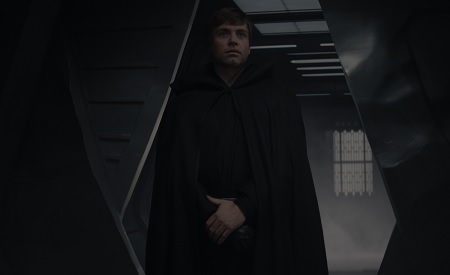
Luke Skywalker returned in The Mandalorian.

Star Trek moved away from its original incarnation decades ago, and in the years since we’ve had a heck of a lot of exciting, memorable shows and films that have become iconic parts of the franchise in their own right. And that innovation and willingness to try new things continues today, with Star Trek recently branching out into animated comedy and with a kids’ show on the horizon. Star Wars could do that too.

Star Trek realised a long time ago that the galaxy Gene Roddenberry and others had created was crying out to be explored. New characters and new ships came along and have had some incredible adventures. Star Wars hasn’t been brave enough to try anything genuinely different yet. I hope one day that will change.

Some names, titles, and properties above have been used in a satirical manner for the sake of parody and criticism. The Star Wars franchise and all related properties are the copyright of the Walt Disney Company and LucasFilm. The Star Trek franchise and all related properties are the copyright of ViacomCBS. Stock photos courtesy of Unsplash. This article contains the thoughts and opinions of one person only and is not intended to cause any offence.
Star Wars doubles down HARD

Spoiler Warning: There are spoilers ahead for the Star Wars franchise, including The Rise of Skywalker, The Mandalorian, and announcements for upcoming productions.

A few months ago I wrote an article titled “Star Wars needs to move on.” In that piece I looked at how the Star Wars franchise has only ever told one real story since it debuted in 1977. Prequels, sequels, and spin-offs all played into or expanded the only real story the franchise has ever told – that of Palpatine and minor characters like Anakin, Luke, and Rey who apparently don’t get to act of their own volition. I argued that, just like Star Trek had done with The Next Generation in 1987, Star Wars needed to put the Skywalker Saga behind it and genuinely move on, telling new stories with new characters.

The Mandalorian should have done this, but hasn’t. The inclusion of Baby Yoda, the Force, Boba Fett, and so many elements copied from the Original Trilogy overwhelmed that series and left me disappointed. I was desperately hoping that, after the reaction to The Rise of Skywalker, the team at Disney and Lucasfilm would think hard about what to do next.

The inclusion of Palpatine ruined The Rise of Skywalker.

Instead they’ve once again retreated back to the Original Trilogy, its spin-offs, and familiar characters. I would have hoped that the failure of Palpatine’s ham-fisted insertion into The Rise of Skywalker would have served as a warning, and that with the only story the franchise has ever told now at a seemingly-final end, the franchise could genuinely move on.

The Star Wars galaxy is up there with Tolkien’s Middle-earth as one of the finest fantasy worlds ever brought to life, yet the creative team at Disney and Lucasfilm seem intent on never exploring the wonderful sandbox they paid $4 billion for. They’re instead going to show us the same tiny sliver over and over again, bringing to life ever more ridiculous spin-offs looking at characters of decreasing importance. What a disappointment.

Star Wars: Andor is a spin-off from a spin-off and a prequel to a prequel.

Let’s look at these disappointing announcements. A Droid Story will focus on R2-D2 and C-3PO. The Bad Batch is a spin-off to The Clone Wars, which was itself a spin-off to Attack of the Clones. Andor is the previously-announced series based around Rogue One’s Cassian Andor. Lando is bringing back Donald Glover, who took on the role of the smuggler in Solo: A Star Wars Story. Rangers of the New Republic is a spin-off from The Mandalorian. Ahsoka is another spin-off from The Mandalorian. And in the previously-announced Obi-Wan Kenobi series, we have the return of Darth Vader.

The only announcements which seem to have any potential to tell new stories are 2023’s Rogue Squadron, a project called Acolyte about which no information was revealed, and an as-yet-untitled film helmed by Taika Waititi. Everything else falls into the same trap that the franchise has fallen into repeatedly since the prequel era: overtreading the same ground, forcing fans to look back, and overplaying the nostalgia card. There’s nothing bold or innovative in any of these announcements. They represent a backwards-looking cowardly corporation, desperate to rekindle the magic of the Original Trilogy but without any clue of how to do so.

Do we really need a Star Wars film about these two droids?

Spin-offs to spin-offs and the increasingly minor characters given starring roles is indicative of a franchise out of ideas. There’s absolutely no creativity in any of these projects that I can see. At a fundamental level they’re all trying to do the same thing – use nostalgia as a hook to bring fans back. If the Star Wars galaxy looked bland and uninteresting, perhaps that would be a necessity. But it’s always been presented as such a vast, interesting setting that it’s positively criminal to only ever look at a tiny portion of it. There are tens of thousands of years of galactic history to dive into, as well as an uncertain future in the years after the war against the First Order. Could we see some of that, maybe?

And how about new characters? The idea of a show based on the two droids is patently ridiculous, as are those focusing on minor characters from spin-off projects. Donald Glover’s portrayal of Lando was certainly one of the better elements of Solo, but does that mean he needs an entire project of his own? What will Disney and Lucasfilm do when these projects run their course? Are we going to see Star Wars: Snowtrooper #7 and Star Wars: That Two-Headed Podrace Announcer? At this rate that’s what’ll happen.

Is this guy getting his own spin-off too?

The sequel trilogy got two things wrong when considering the fundamentals of its storytelling. Firstly was the inexplicable decision to split up the writing, leaving it with no direction and no overarching story. But secondly, and perhaps most importantly, was the decision to re-tell the Original Trilogy, drag Star Wars full-circle back to where it started, and spend too much time looking backwards. The sequel trilogy was an opportunity for Star Wars to lay the groundwork for future success, but instead it’s dragged the franchise backwards.

The Original Trilogy is a weight around Star Wars’ neck. The popularity of those three films compared to any others means that cowards in a corporate boardroom can’t see beyond it. Instead of looking at ways to take Star Wars forward to new adventures, all they know how to do is look backwards at the only successful films the entire franchise has ever produced.

Star Wars is being run by a corporate boardroom that clearly has no idea what to do with the franchise.

The end of the Skywalker Saga saw Luke, Han, and Leia killed off. It saw the final demise of Palpatine. And despite the story of Star Wars having been dragged through the mud, there was an opportunity that hasn’t really existed before – an opportunity to move on to greener pastures. With the only story Star Wars has ever told brought to a conclusion, it was hardly an unrealistic expectation to think we might get something new.

I’m disappointed, as you can tell. The lack of vision and the lack of boldness on the part of Disney and Lucasfilm means that we’re once again looking at the same miniscule fraction of the Star Wars galaxy that we’ve always been shown. There’s nothing interesting about that, and even though I have no doubt that, on an individual level, many of these projects will be at least decent and watchable, I just feel Star Wars could do better. These shows and films are a franchise aiming for a grade C. They’re middle-of-the-road attempts to scrape by, coasting on past success.

If the franchise ever wants to do more than get a basic pass, they’ll have to be bold and aim higher. Do something genuinely different. Step out of the ever-growing shadow of the Original Trilogy and do what Star Trek has been doing for thirty years – tell new stories.

The Star Wars franchise, including all films, series, and upcoming projects listed above, is the copyright of Disney and Lucasfilm. This article contains the thoughts and opinions of one person only and is not intended to cause any offence.

Star Wars needs to move on

Spoiler Warning: There are spoilers ahead for the Star Wars franchise, including casting information for The Mandalorian Season 2,The Rise of Skywalker, and other recent projects.

One of my favourite parts of the Star Wars franchise isn’t a film, it’s the two Knights of the Old Republic games from 2003-04. While I generally found the Expanded Universe – now re-branded as Star Wars Legends and no longer in production – to be unenjoyable, Knights of the Old Republic was an exception. It took a setting and a story that was thousands of years distant from the Original Trilogy, and while it’s certainly true that some elements were derivative, especially in the first game, as a whole it was something different that took Star Wars fans to different places and a different era. It expanded on the overall lore of Star Wars without overwriting anything, and it was a great look at the Star Wars galaxy away from Luke, Anakin, and Palpatine.

When it was announced in 2012 that Disney would be acquiring Lucasfilm I was excited. Ever since 1999, when Star Wars expanded to be more than just a trilogy of films, the vague prospect of a sequel to Return of the Jedi had been appealing to me. Learning what came next for Luke, Han, Leia, and others was something I was interested in, as I also was interested to learn what came next for the galaxy as a whole following the Emperor’s death. It’s easy to forget, but Return of the Jedi didn’t end with a full-scale victory for the Rebel Alliance. The Death Star was gone and the Emperor was dead, but practically the whole galaxy was still under Imperial control. I was fascinated to see how the Rebels turned victory in a battle into victory in the overall war.

The destruction of the Second Death Star. The sequel trilogy was supposed to tell us what became of the galaxy after this moment.

The Expanded Universe attempted to tell this story, but it was a convoluted, poor-quality tale hampered by having different writers with different ideas – seemingly Lucasfilm’s policy when it came to the Expanded Universe was that anyone could write anything. Many of these stories came across as fan-fiction, pitting a seemingly invincible Luke, Han, and Leia against all manner of obstacles. Over the years, the Expanded Universe grew to such an extent that it was convoluted and incredibly offputting for newcomers – several hundred books, several hundred more comics and graphic novels, over a hundred video and board games, two kids’ television shows, and myriad others, all of which required roadmaps, suggested reading lists, and of course a number of encyclopaedias and reference works to keep up with it all. All of this meant that the Expanded Universe was impossible to get to grips with without making it a full-time commitment. I was pleased when it was announced that Disney would be overwriting it.

By wiping the slate clean, not only would Disney not be constrained by some of the Expanded Universe’s poor storytelling, but the canon of Star Wars post-Return of the Jedi could be restarted, hopefully in a more concise way that would be easier to follow. That seemed to succeed at first, but now – a mere six years on from the cancellation of the old Expanded Universe – Star Wars is once again pretty convoluted with books, games, comics, and even a theme park attraction all officially canon. While I don’t want to spend too much time making a comparison with Star Trek, in that case the issue of canon has always been incredibly simple: television episodes and films are canon, everything else is not.

With so many books, comics, games, and other media, the old Expanded Universe was convoluted and offputting.

But we’re drifting off-topic. The Expanded Universe being dumped was a good thing, because I hoped what would replace it would be superior. And for the most part that’s been the case, though The Rise of Skywalker certainly dragged the overall story of the sequels down a long way.

Star Wars has a truly interesting setting: there’s a whole galaxy with countless worlds, trillions of inhabitants, and thousands of different species. But for the most part, the franchise has spent decades focusing on an absolutely minuscule fraction of this vast, potentially interesting setting it’s created.

The Expanded Universe spent a lot of time with Luke, Han, and Leia, as well as later with characters like Anakin, and by far the majority of its stories are set between The Phantom Menace and the couple of decades after Return of the Jedi. Where Knights of the Old Republic succeeded was in taking its audience away from that overtrodden ground and showing us a glimpse of the Star Wars galaxy without those familiar characters.

Knights of the Old Republic II was a great game that told a story far removed from Star Wars’ original trilogy.

The prequels dedicated three films to overexplaining the background of Darth Vader – a story I’d absolutely argue was unnecessary and didn’t really do anything to improve or inform the Original Trilogy in any substantial way. That was part of why I found those films so disappointing. While the third entry, Revenge of the Sith, was better than the first two, all three films didn’t really bring anything new or interesting to the table. As I sat down to watch The Force Awakens a decade later, I hoped that we’d start to see something different.

The five films made since Disney acquired Lucasfilm in 2012 have been a disappointment in that regard. We’ve had The Force Awakens and The Rise of Skywalker, which essentially remade A New Hope and Return of the Jedi only worse, Solo: A Star Wars Story which made the same mistake of unnecessarily overexplaining Han Solo that the prequels did with Darth Vader, and Rogue One, which was a great standalone story but was a prequel feeding straight into the plot of A New Hope. The Last Jedi tried to take things in a different direction, but was still a story primarily about Luke – and is now effectively non-canon after being overwritten by its sequel.

The Last Jedi was the most recent Star Wars film to even try to do something differently – but was still constrained by being a sequel using familiar characters.

I know I said I wouldn’t make too many comparisons with Star Trek, but there’s one that’s too important not to mention. In 1987, Star Trek: The Next Generation premiered. And aside from a cameo appearance, that show basically did its own thing and didn’t worry about The Original Series. The Star Trek franchise thus established that it could be so much more than its original incarnation. Star Wars has never done that – in its cinematic canon it hasn’t even tried, despite existing for over forty years. Where Star Trek consists of three time periods, an alternate reality, and nine distinct sets of main characters, Star Wars has been unable to move beyond the story of its original trilogy. The prequels lent backstory to the originals. The sequels and spin-offs expanded that same story. Even The Mandalorian brought in themes, concepts, and characters that weren’t as far-removed from the original films as they should’ve been – a decision compounded by the silly decision to bring in Boba Fett in Season 2.

Star Was could be so much more than it is. But at every opportunity, decisions have been taken to narrow its focus and dive deeper into unimportant parts of its only actual story; after more than forty years, the Star Wars franchise has still only told one real story. The decision to shoehorn Palpatine into The Rise of Skywalker makes this infinitely worse, as apparently he’s been manipulating everything and everyone from behind the scenes for the entire saga of films. As I wrote once, this transforms the Skywalker Saga into what is really the “Palpatine Saga”, as he’s the only character who seems to act of his own volition. But this isn’t supposed to be (another) critique of that incredibly poor narrative decision!

The deus ex machina of Palpatine ruined The Rise of Skywalker… and really the entire sequel trilogy.

The decision to bring Palpatine back is indicative of a franchise that has no new ideas. It was categorically not “always the plan” to bring him back in the sequels, or this would have been established in The Force Awakens. Instead, Palpatine became a deus ex machina because Star Wars as a whole has been unable to move out of the shadow of its first three films. Those films could have laid the groundwork for an expanded franchise – as The Original Series did for Star Trek – but instead they’ve almost become a ball and chain; a weight around the neck of the franchise, keeping it locked in place and unable to move on.

It shouldn’t be because of a lack of ideas. The Star Wars galaxy is a massive sandbox for any writer or director to play in, with almost unlimited potential to tell genuinely new and interesting stories. Instead it’s a lack of vision and a lack of boldness on the part of a large corporation; Disney wants to play the nostalgia card over and over again, and because Star Wars had never previously tried to escape its Original Trilogy, doing so now seems – from a corporate point of view – too big of a risk. How else does one explain the decision to allow The Rise of Skywalker to overwrite The Last Jedi? Corporate-mandated cowardice, retreating to nostalgia and safe, comfortable ground. Trying something even slightly different requires a boldness that simply isn’t present in most boardrooms.

Star Wars is being run by a corporate boardroom unwilling to take risks or do things differently.

Two-thirds of the sequel trilogy re-told the original trilogy. The prequels were glorified backstory, and the two spin-off films were also prequels to the originals. Star Wars has only ever made three original films – everything else either overexplained that story or tried to re-tell it. The Star Wars “saga” is thus nothing more than one story. One main character – Palpatine – controls and manipulates it, and only a handful of characters get any significant screen time and development.

I wrote recently that the overall story of Star Wars has been dragged full-circle, with the questions fans had about the state of the galaxy and the Jedi Order after Return of the Jedi simply not being answered in any meaningful way. The galaxy is once again in a position where Palpatine is dead, there’s one remaining young Jedi, an autocratic state controls much of the galaxy but has suffered a major defeat, and the survivors will have to finish the war and try to rebuild. That’s where both Return of the Jedi and The Rise of Skywalker left things. Far from answering the questions posed by the original films, the sequels just asked the same questions again with a different coat of paint.

By re-telling the same story – albeit in a worse way – the sequel trilogy as a whole has entirely failed to accomplish anything.

The end of the sequel trilogy left the Star Wars galaxy in exactly the same state it was in almost forty years ago.

The announcement of The Mandalorian came with what I thought was an exciting premise: the adventures of a gunslinger far beyond the reach of the New Republic. Wow! Finally, something genuinely different in Star Wars. It didn’t last, of course, as the second episode of the show brought the Force back into things. While in some respects The Mandalorian tried to be different, in too many ways it was samey. The aesthetic, the reuse of elements from the original trilogy like Boba Fett’s armour, the Jawas and their Sandcrawler, and of course the return of the Force made what was already a boring show with episodes that were too short even less interesting. I found the whole experience a disappointment.

The two upcoming Disney+ shows – based around Obi-Wan Kenobi and Rogue One’s Cassian Andor – look set to repeat the same mistakes. Ewan McGregor’s portrayal of Kenobi was definitely one of the prequels’ better elements, but do we need yet another prequel? In-universe, Kenobi went into exile on Tatooine after the rise of the Empire. Anything he does in the show would either be constrained by taking place within a few miles of his desert hut or else feel awfully tacked-on. And the Cassian Andor show is a prequel to a prequel. Rogue One was a great film, but does it need its own prequel show?

Cassian Andor was a great character in his sole appearance. Not sure he needs a prequel series of his own, though.

Can’t the investment being made in these properties be reallocated to something genuinely different? There’s so much potential in the Star Wars galaxy, yet Disney and Lucasfilm seem intent on showing us the same tiny sliver over and over and over again. When people talk of franchise fatigue and the feeling that Disney is milking Star Wars dry it’s because of this! When every Star Wars project feels samey and repetitive, it’s much easier to get burnt out on the franchise.

There are some exceptions – I recently played through Jedi: Fallen Order, and despite that game using a familiar time period, it was a mostly-original story with only one returning character from the films playing a role. It was different enough to feel like a half-step away from what had come before.

Jedi: Fallen Order told a decent standalone Star Wars story.

For the franchise to survive long-term and remain viable, it needs to step away from the original trilogy for the first time. New films and shows, whenever they may come, should look at wholly new characters in a setting and even time period that’s distinct from what came before. There also needs to be a plan – the rudderless sequel trilogy can’t be repeated. Any new project needs to have someone at the helm to guide its story. Questions need to be asked at the beginning about where the characters are going and what the endgame of the story is, so that the franchise doesn’t just keep making the same mistakes.

Not every recent Star Trek project has been to everyone’s taste. But since the 2005 cancellation of Enterprise – and in some respects even before then – Star Trek hasn’t been afraid to try completely new things. Action films, a serialised drama show, and now an animated comedy have all joined the lineup. Some of these have brought in new fans, and at the very least, no one in 2020 can accuse Star Trek of being stale. Star Wars, in contrast, has absolutely become stale. The one story it’s been telling for forty years has finally ended, so now is the moment for Star Wars to properly move on.

The Star Wars franchise – including all films and other media mentioned above – is the copyright of Lucasfilm and Disney. Stock photos courtesy of Unsplash, Knights of the Old Republic II screenshot courtesy of the press kit on IGDB. This article contains the thoughts and opinions of one person only and is not intended to cause any offence.

Happy (day after) Star Wars Day!

Spoiler Warning: There will be spoilers ahead for various Star Wars films, games, and other media.

Over the last few months, I’ve taken a few shots at the Star Wars franchise. Much of this was motivated by my intense dislike of The Rise of Skywalker, which is second only to The Phantom Menace in terms of how I’d rank the worst entries in the series. But it’s Star Wars Day today (well, it’s actually the day after… oops) so I thought it would be a great time to take a look at some of the franchise’s high points from my perspective. This will be a personal take on Star Wars, looking at my own history with the franchise and the things I’ve most enjoyed, and I’ll set aside most of the controversies and dislikes so we can just focus on the good stuff!

Yep… should’ve posted this yesterday.

So let’s start at the beginning. In the mid-1970s, a man called George Lucas… oh wait, that’s too far back. Let’s start at my beginning as a Star Wars fan. By the early ’90s I was a big Trekkie. Star Trek: The Next Generation was on the air, and I’d fallen in love with the world the series created, which spurred an interest in both science fiction in general and outer space in particular. I was dimly aware of the Star Wars franchise’s existence, but I’d never seen the trilogy of films. One of my schoolfriends at the time was a huge Star Wars fan, though, and for his birthday one year he received the three films on VHS. He invited me over and we watched all three over a weekend. The division that existed between Star Trek and Star Wars fans was prominent, however, and I remember thinking that “my” fandom of Star Trek was superior, even as I sat down to watch the films for the first time.

I don’t want to say that I was completely blown away by Star Wars the first time I saw it. It was exciting, sure, but at the time I was still comparing it in my head to Star Trek, and Star Wars’ action-heavy story compared to the often peaceful exploration seen in Star Trek, as well as Star Wars’ fantasy elements like the Force compared to Star Trek’s supposedly “real future” were drawbacks. This was really just tribalism, though, and I can recognise looking back that, with part of my young identity being tied to being a “Trekkie”, I was less keen on Star Wars than I should’ve been!

Subsequent viewings of the trilogy in the months and years after definitely improved my opinion of the franchise, and I began to collect a small number of Star Wars toys, books, and model kits (I was a big model-builder in my youth). My friend and I grew up in a small community, and him and his dad were the only two Star Wars fans I knew at that point. I borrowed those video tapes and re-watched them more times than I can remember, finding something new to appreciate with almost every viewing.

Luke Skywalker, Han Solo, and Princess Leia became the archetypal heroes for me going forward. Their steadfast loyalty to their cause – even when it seemed like everything was going wrong in The Empire Strikes Back – was inspirational, and I’ve never forgotten that aspect of the films.

It was in the mid-90s that I got to play some Star Wars video games for the first time. On the SNES, which was the first home console I owned, I got the Super Star Wars trilogy of games – 2D action-platformers which were made for that console. They were difficult (and still are, if you’re tempted to track down copies today) but great fun nevertheless. After upgrading to a Nintendo 64 in 1998 I picked up a further two Star Wars games: Shadows of the Empire and Rogue Squadron, both of which are absolutely fantastic, if somewhat dated by today’s standards. By this point in the late ’90s, helped in no small part by the video games I’d played as I was a big gamer at the time, I had definitely become a Star Wars fan – just in time for the prequel trilogy to kick off with The Phantom Menace in 1999.

Super Star Wars: The Empire Strikes Back was released on the SNES in 1993.

While I wasn’t impressed by The Phantom Menace itself, it did generate a lot of buzz around the franchise, as well as churn out a couple of surprisingly good games. I first played the Nintendo 64 version of Star Wars Episode I: Racer, which I enjoyed. That title is still celebrated by fans of both Star Wars and the racing genre today as being good fun, and despite the podracing sequence in the film not being my favourite, the game surprised me by being great fun, especially with friends. The second title I greatly enjoyed that shared The Phantom Menace’s setting was Star Wars Episode I: Jedi Power Battles, which I picked up on the Dreamcast. This action-fighting title was another great one to play with friends, and both of these games went some way to redeeming The Phantom Menace and helping me get over the disappointment I felt at the film itself.

Up next in the prequel trilogy came Attack of the Clones, which, despite what many people at the time and since have said, was scarcely any better than The Phantom Menace had been three years earlier. Once again, however, the aftermath of the film led to three great games – which I’d still hold up as being among my all-time favourites. First was 2003’s Knights of the Old Republic, which I picked up on the original Xbox. The Dreamcast had died by this point, and with no new games on the horizon I traded it in for an Xbox. The second game was the original Battlefront, which was absolutely amazing, especially with another player. And finally, there was Knights of the Old Republic II: The Sith Lords.

The two Knights of the Old Republic games must be my favourite entries in the Star Wars franchise – far exceeding several of the films in terms of creating an exciting and engaging story. These two titles are basically the only part of Star Wars’ former Expanded Universe that I’d consider worth reviving – the story of Darth Revan and the Jedi Exile are outstanding, and showed off what story-driven, cinematic role-playing games of the time were capable of. Fully voice-acted with a great art style and genuine player choice that affected the way the games unfolded, they stand up even today as being better than many of the current generation’s offerings. The twist in the first game that the player was Darth Revan was stunning – at least on a par with the revelation of Darth Vader being Luke’s father in The Empire Strikes Back. At that moment I put down the control pad and just sat for a moment in awe.

2003’s Star Wars: Knights of the Old Republic remains one of my favourite video games to this day.

Revenge of the Sith came out in 2005 and was the high-water mark of the prequel trilogy. While it was still an imperfect film, and as I’ve previously written I feel that we didn’t need to see Anakin Skywalker’s fall play out in such detail, because the original trilogy told us everything we needed to know, it was an alright film nevertheless. I might even be convinced to say it was a good film.

I read in an article or review some time ago (it may even have been in 2005 when the film was released) that Revenge of the Sith could – and perhaps should – have been the whole trilogy; that there was enough material in the final part to spin out into three parts, and that it was the only part of the story worth telling. I’m not sure I agree on that last part, because as I said I don’t necessarily feel that anything in the prequels was a “necessary” story, but on the first part I agree. Revenge of the Sith thus laid the groundwork for the original films, and the prequel trilogy was complete.

After picking up Battlefront II in 2005, which was far better than the original game and another great title to play with friends, the only other games I picked up were 2007’s Lego Star Wars: The Complete Saga and Empire at War, a Star Wars strategy game for PC that I couldn’t coax my ageing machine to run correctly at the time! Lego Star Wars was amazing though, and incredibly funny. It’s a great title to play on the couch with a friend, and it has a great sense of humour. A new Lego Star Wars game is coming out in the near future, and I’m sure I’ll give that one a try too!

Lego Star Wars is a ton of fun.

The Star Wars series seemed complete after the prequels were released. I even bought a DVD box-set called something like “the complete saga”, so it seemed for years that Star Wars was done and dusted: two amazing films, two okay films, and two crap ones, with a bunch of video games and toys to go along with them. So when rumours began swirling in 2012 that Disney was planning to purchase Lucasfilm, and with it the rights to Star Wars… suffice to say it piqued my interest!

JJ Abrams had led 2009’s Star Trek reboot, and Star Trek Into Darkness was due to be released. While Star Trek was different in many respects to what had come before, and I knew several Trekkie friends at the time who refused to watch it (some still haven’t, as far as I know), I felt that Abrams had done what he set out to. The franchise had been rebooted, and the film had succeeded in bringing new people to Star Trek for the first time in a long time – something that was necessary if we were ever to see anything more. So there was great optimism on my part that he could do something similar for Star Wars, optimism which peaked after Star Trek Into Darkness came out and was much better than the first film. George Lucas had been given too much free rein with the prequels, in my opinion, thanks to his legendary status as the franchise’s creator. With someone tried and tested at the helm in JJ Abrams, and with a big studio behind him to keep things in line, the sequel trilogy was lining up to be amazing.

The Force Awakens is the last Star Wars film I was able to see at the cinema. Despite being in pain and finding the experience difficult, I did manage to get there despite my worsening health – I couldn’t see myself waiting another six months! I’d do something similar for Star Trek Beyond in 2016, but after that I finally had to call it quits on going to the cinema in person, sadly. But to get back on topic, The Force Awakens was amazing. After the disappointment of the prequels a decade earlier, JJ Abrams put together a film which re-told Star Wars’ greatest hits for a new generation of fans. I was in love with Finn, Rey, and Poe – they felt different to the characters we’d seen before, but similar in some ways too. And Kylo Ren was an amazing villain, not despite his somewhat whiny and childish behaviour, but because of it. On display with Kylo was an aspect of the dark side we’d never really seen – Vader and especially Palpatine were so composed, and that was intimidating. But Kylo was conflicted and his emotions were right at the surface. Adam Driver played the role perfectly.
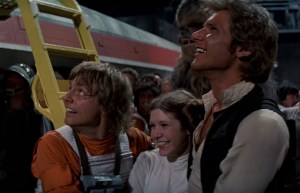
Adam Driver as Kylo Ren in The Last Jedi.

2016 brought us Rogue One, which I didn’t get to see until a little later. I would go on to name it as my favourite film of the 2010s when I wrote a list back in December, and with good reason. For the first time, Star Wars stepped away from the Skywalkers and largely left the Force alone. While I’d argue the scenes with Darth Vader were unnecessary and perhaps a little too much fan-service, the rest of the film was astonishingly good. Sticking with a single story – the race to capture the Death Star plans before the station could be unleashed – basically the whole cast are killed by the end, which was a major change in direction for a Star Wars title.

Jyn Erso is such a well-written protagonist, as is Cassian Andor – who will be the lead in a new series coming to Disney+ in the future. Jyn’s arc, from the jaded, apathetic criminal to the inspiring leader of a suicidal mission was beautiful to witness, and the death of each of the film’s heroes was tragic, with all of them given their own moment of heroism. Rogue One is a great reminder that every war leaves behind scores of dead heroes, and that the amazing deeds of the survivors are never the only stories worth remembering. The sacrifice of the crew of Rogue One paved the way for Luke being able to destroy the Death Star – setting up the fall of the Empire.

A Star Destroyer hangs over Jedha City in Rogue One.

I know that The Last Jedi was controversial, and that controversy didn’t feel great heading into 2018. Many Star Wars fans had come to detest the franchise, and some would even start making money cashing in that hate for advertising revenue on social media platforms like YouTube. I had low expectations for The Last Jedi as a result of all the controversy, and again this was a film I didn’t get to see until months after its release. I knew the outline of the story heading in, and because so many people had been so vocal and genuinely angry about the way the film played out I lowered my expectations – and came out pleasantly surprised.

What I admire most in The Last Jedi is the way the story explains what happened to Luke. This single storyline shows how anyone – even someone we want to put on a pedestal as a hero – can fall into depression. Mental health is incredibly complicated, as anyone who deals with it or cares for someone dealing with it can attest. Luke made a mistake – again, something which can happen to anyone – and as a result of his one mistake he fell into a deep depression that left him “waiting to die” on Ahch-To. To me this was a powerful message, one that I related to. To anyone who says “but my hero could never ever become depressed!”, I will always say that mental health can affect even those we think should be the strongest, and that mistakes, flaws, and failures are all part of being human. Anyone who can’t understand that has been very lucky in life to never have to deal with mental health or see a loved one go through it, and perhaps that’s why they had a hard time with the concept.

The characterisation of Luke Skywalker in The Last Jedi may have been controversial, but it resonated with me.

The Last Jedi also threw a curveball in how Rey’s lineage unfolded. By saying she had no connection to Star Wars’ “great families”, the film showed how heroes truly can come from anywhere. Any of the young girls watching the film could be as great and powerful as Rey – again, that was a powerful message, one which finally steered the franchise away from the concept of inherited power, chosen ones, and destiny.

In 2018, I picked up the most recent Star Wars game I’ve played – the much-maligned Battlefront II. I got the title on sale at a deep discount, and as someone who isn’t much of a multiplayer gamer, I just played through the campaign. I enjoyed my time with the single-player story, and felt that for the discounted price, Battlefront II was worth it. However, the controversy surrounding the game’s incredibly poor in-game monetisation is legitimate, even if Electronic Arts has since restructured some aspects of that.

I also had the opportunity to watch Solo: A Star Wars Story in late 2018, and I found it to be an enjoyable heist-crime film with some Star Wars trappings. It doesn’t fundamentally “ruin” Han Solo’s character, but nor does it really add much to his story. I saw the Mandalorian in November/December last year – it was actually the first subject I wrote about here on the website – and finally, of course, I have recently watched The Rise of Skywalker.

So that recaps my personal history with Star Wars – but already there’s more on the horizon. A couple of weeks ago I picked up Star Wars Jedi: Fallen Order on PC, and I’m going to be playing that very soon (assuming my PC can handle it!) There are of course more projects in the pipeline for Disney+, including the aforementioned Cassian Andor series, as well as an Obi-Wan Kenobi series which will see Ewan McGreogor reprise his role. It’s definitely a great time to be a Star Wars fan right now, with so much going on and the franchise very much alive.

Star Wars began with a story about this trio, but grew to be much bigger than any of them.

When I think back to what Star Wars was when I first encountered it – a geeky trilogy of films that you’d be bullied at school for being associated with – and compare it to where it is today, the change is astonishing. Star Wars has fully entered the mainstream in a way science fiction and fantasy stories usually don’t. Along with the Lord of the Rings trilogy of films and Game of Thrones, Star Wars has not just crossed over successfully, it’s been a trailblazer for many other sci fi and fantasy projects to become a success. More than that, it’s popularised both genres in a way that they never had been, and transformed what was once a fairly small niche into something that big companies are happy to invest vast sums of money in. The entire world of sci fi and fantasy owes a lot to Star Wars’ success, and it’s hard to envision how many great shows, films, and games we’d have missed out on were it not for the franchise.

Star Wars also has an aesthetic all its own, inspired by earlier science fiction in some regards, but putting its own spin on them. The ships, weapons, and even costumes of the Star Wars galaxy are instantly recognisable. A Star Destroyer or a lightsaber couldn’t possibly come from any other franchise, and this visual style has carried through every iteration to date.

Speaking for myself, Star Wars has had hits and misses, but there were definitely more of the former than the latter. I’ll always be excited to see what the franchise has to offer next, and I’ll always be ready to tune in to the latest film or series or try the latest game if at all possible. The setting Star Wars created, with Sith and Jedi and the Force, and with hyperspace, blasters, and droids, remains a genuinely fascinating and enthralling fictional galaxy to escape to, and I’m happy to go back and re-watch my favourite films and re-play my favourite games time and again.

May the fourth (or fifth) be with you!

The Star Wars franchise – including all films, series, and games mentioned above – is the copyright of Lucasfilm and Disney. This article contains the thoughts and opinions of one person only and is not intended to cause any offence.