


Spoiler Warning: There are spoilers ahead for Star Wars – The Acolyte. Minor spoilers are also present for other Star Wars productions.
I recently got around to watching The Acolyte – the latest made-for-streaming series in the Star Wars franchise – so it’s time for a review! Before The Acolyte premiered, I had the show on my radar as one of the more interesting-sounding Star Wars projects. For the first time on the big or small screen, here was a project that promised to step away from the familiar characters and time period that have anchored every other Star Wars project to date. With a focus on the Sith, too, I felt that The Acolyte had a lot of potential.
Because I came late to The Acolyte, I’m aware that the series has proven to be controversial in some quarters of the Star Wars fan community. I always like to review a film or show without having been exposed to other people’s thoughts and opinions, but the volume of criticism that has been flung in the direction of The Acolyte has proven to be inescapable over the last few weeks. To be honest, that’s part of why I decided to watch it and review it for myself; a sense of “surely it can’t be that bad” ended up combining with my earlier interest in the show’s setting and time period!
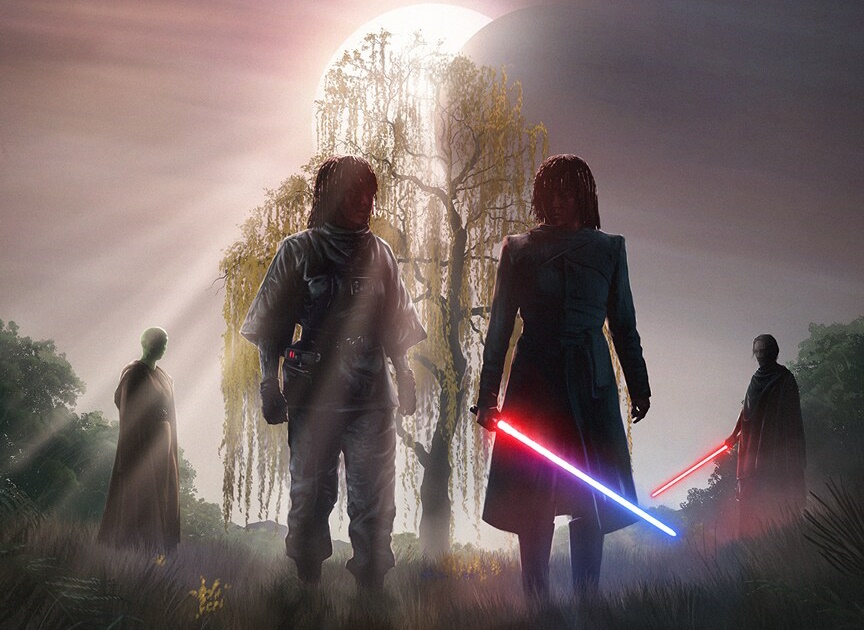
As you might expect when the criticism and hatred reaches that kind of fever-pitch: no, The Acolyte was nowhere near as bad as some fans and “influencers” were trying to paint it as being. That’s not to say it was a perfect production by any stretch – there were a couple of pretty in-your-face narrative flaws, some underdeveloped secondary characters, and despite the show’s promise of accessibility to new viewers, a lot of the density of “lore” that can make a franchise like Star Wars offputting to folks who are unfamiliar with its galaxy, factions, and technologies.
I will let you know right off the bat that I am not a stickler for the minutiae of “canon,” nor someone who insists that stories within a franchise must be constrained by every little detail that came before. It’s fine if you feel that way, but this review isn’t going to pick on the very minor appearances of a couple of prequel-era characters and dive into their fictional backstories! Some of the nitpicking I’ve seen online about The Acolyte felt just plain silly to me, and I think the series did a good enough job of avoiding stepping on the toes of the mainline Star Wars films in a big way. The biggest secret to keep in that regard was the existence of the Sith in this time period – and when the series ended with every Jedi who’d seen the Sith assassin dead, and the only survivors believing him to be a “fallen Jedi,” I think we can say that that particular “plot hole” simply isn’t a thing. As the credits rolled on what I assume will be the only season that The Acolyte will get, its story’s loosest ends were tied up.
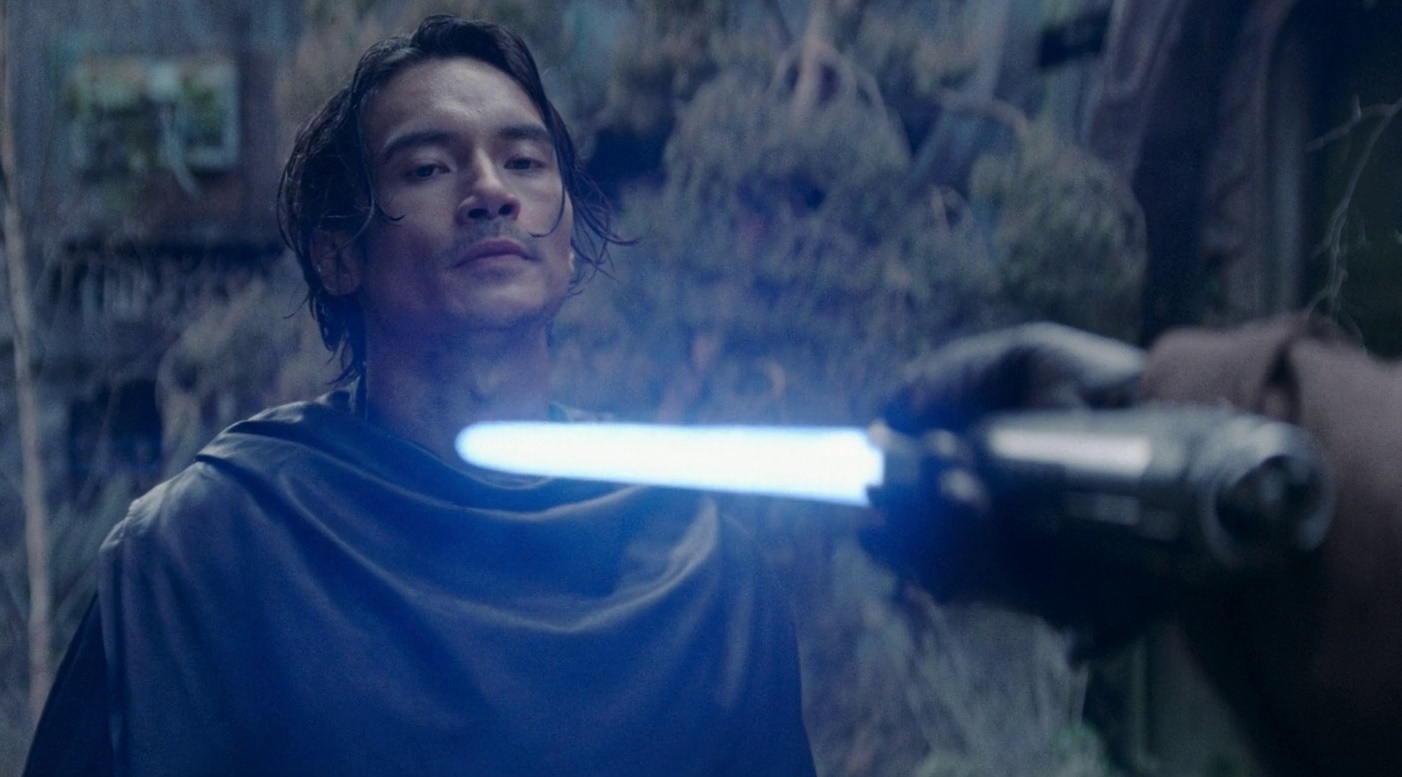
At time of writing, Disney and Lucasfilm haven’t confirmed or denied that The Acolyte will be cancelled, but given the fan reaction and the show’s relatively low viewership – according to reports, The Acolyte was doing a lot worse than The Mandalorian, Obi-Wan Kenobi, and even the maligned Book of Boba Fett – it’s hard to see it being renewed as things stand. Although Disney is keen on this High Republic time period in some spin-off media, I’m not sure that alone will save The Acolyte. Disney’s biggest event of the year – the D23 expo – has just come and gone at time of writing, as has the year’s biggest Comic-Con event, and no announcement of a renewal was made. The first season’s story left things deliberately open, but also wrapped up the main events we’d been following – so it’s not like there’s a cliffhanger desperately waiting to be resolved. All things considered, I’d say cancellation feels likely.
So let’s talk about the series itself. On the whole, I had a pretty good time with The Acolyte – and even though that may be a minority position, I’ll do my best to explain what I enjoyed, as well as criticise what I didn’t.
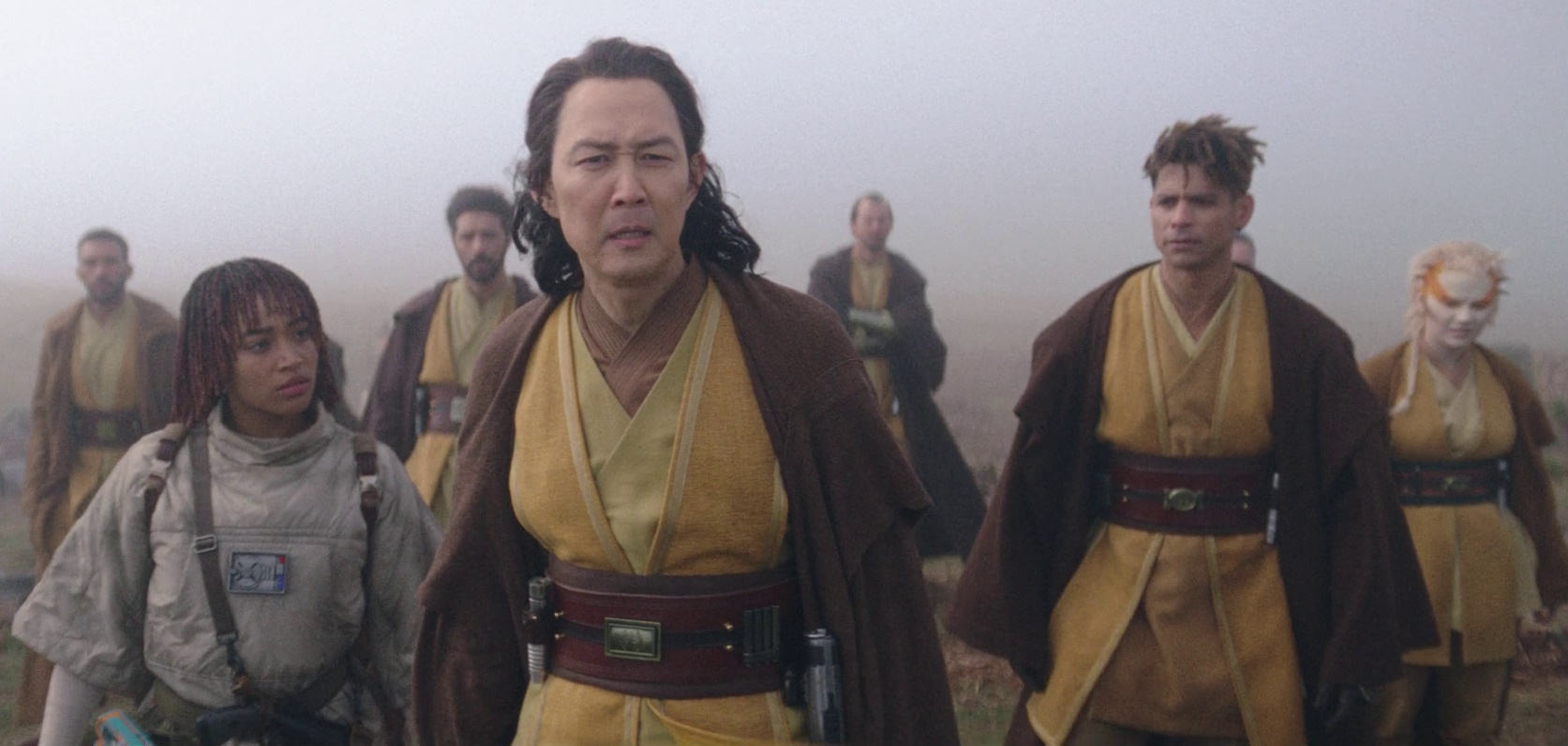
Stepping away from the “Skywalker Saga” is something I’ve argued that the Star Wars franchise has needed to do for a long time, and while some recent productions have taken steps in that direction, The Acolyte is the first time we’ve seen Star Wars move so far away from that story on the small screen. There were a couple of crossover characters – but their appearances were so minor as to barely even count as cameos. Speaking for myself, I was pleased that The Acolyte went down this road, and that after relying on the crutch of nostalgia and familiar characters for such a long time, Disney and Lucasfilm have finally been bold enough to try something a little different.
That being said, there’s still a lot of familiarity in The Acolyte. For brand-new viewers, a group that The Acolyte’s producers claimed to be targeting, I think there was still quite a lot of fairly dense lore and background to wade through in order to fully understand what was going on, which faction was which, and so on. There was an admirable attempt to open up Star Wars to new fans – which is something the franchise was going to have to do sooner or later – but for me, at least some of that seemed not to stick the landing. My impression is that this was a series that new fans could approach a bit more easily than, say, Obi-Wan Kenobi or The Book of Boba Fett, but still not the softest of landings for someone totally unfamiliar with Star Wars. The first couple of episodes in particular throw a lot at the audience with the Jedi Order, droids, hyperspace, and other elements that weren’t really explained.

And this is actually a trend that continued across all eight episodes – and extended to other plot points, too. The Acolyte didn’t always take the time to fully lay out what was going on in an easy-to-follow way, leaving some scenes and sequences feeling cut short. More time was needed in some of these moments to either add context or an explanation of what was going on. Occasionally the series would revisit events through a flashback that added to something we’d seen earlier – but not always.
This is a problem I’ve had with many made-for-streaming shows over the last few years: they’re too short. The Acolyte, for instance, across its eight episodes runs to a scant five hours, and when several plot-crucial scenes and sequences felt curtailed or in need of additional framing and context, I can’t help but feel that Disney and Lucasfilm have repeated a mistake they’ve already made with other Star Wars shows. Streaming isn’t like broadcast television – there’s no need to stick to rigid schedules. Episode runtimes can be expanded, and even whole new episodes can be added to a season if necessary. Sure, there are budgetary constraints – but when we’re talking about moments that can make the difference between a scene being easily understood and just plain confusing… it’s gotta be worth it, right?

To give one example from The Acolyte: at one moment in the second episode, Osha draws her blaster pistol to shoot at Mae – her twin – while she’s trying to make her escape. Osha misses, and the way the scene was framed left it totally unclear as to whether she missed on purpose or by accident. The difference that makes to the tone of the rest of the episode – and to how we are meant to perceive Osha as a character as she deals with Master Sol and other Jedi – is massive. Not knowing how to read that moment made subsequent scenes and sequences feel muddled and confused – and it’s all because The Acolyte’s director, editors, and producers failed to add the necessary context to make that moment easy to follow.
While we’re talking about confusing moments, I felt that it wasn’t always easy to tell which twin was Osha and which was Mae during some of the flashback scenes. Identical twins dressed in identical costumes made it difficult to keep track of who was who – something not helped by the editing and camera angles. Perhaps this was deliberate… but if that’s the case, I struggle to see why. Knowing that Mae was the one who wanted to stay with her coven and learn Force magic while Osha was the one who wanted to leave was essential to both of their character journeys.
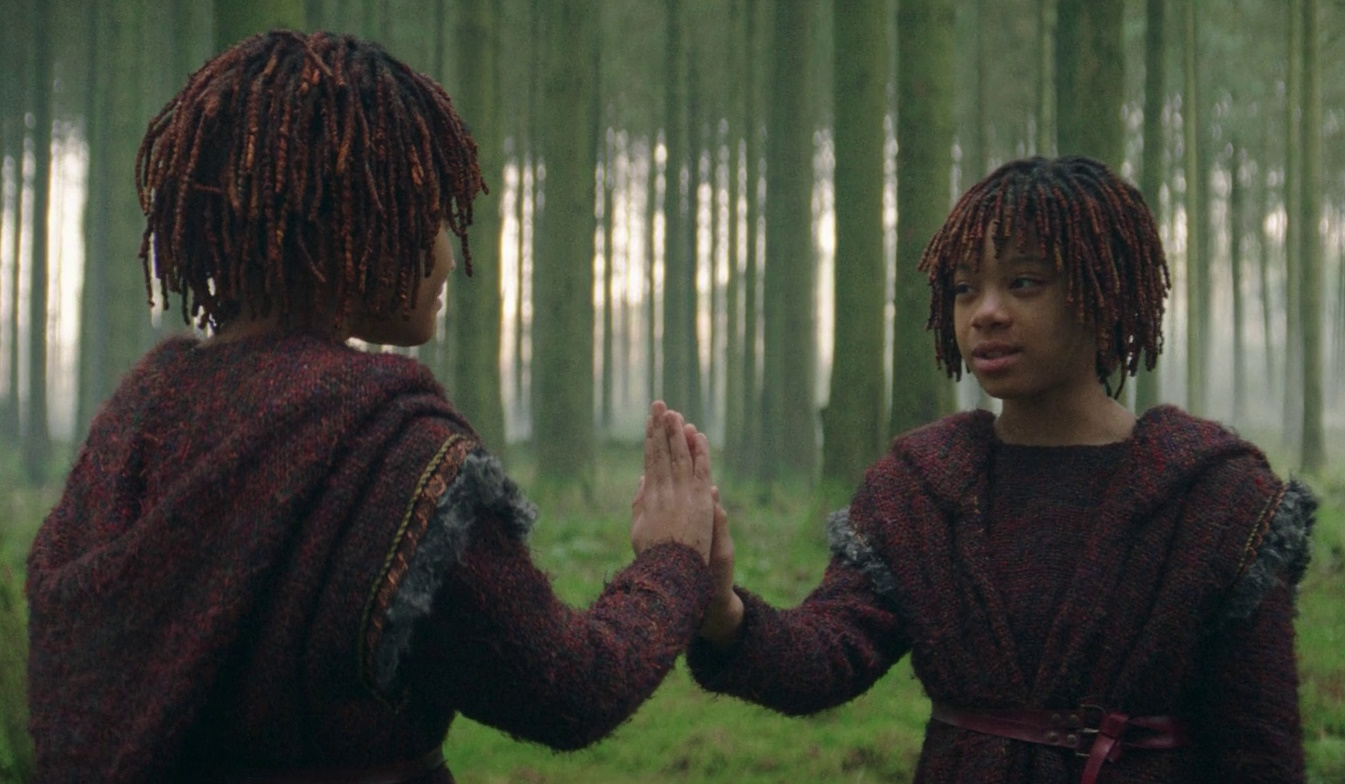
Since we’re talking about the twins, I find it odd that The Acolyte’s production team didn’t cast a real set of identical twins in the lead role. The younger versions of Osha and Mae were played by twins, but the adult characters were both played by the same actress. This isn’t to criticise Amandla Stenberg’s performance, by the way, as I felt she did a solid job with both Osha and Mae. But rather that it’s worth pointing out that there are relatively few high-profile roles for twins, and just like how casting an able-bodied person to play someone with a disability (or worse, having someone made up to appear to be from a different race) is something most mainstream productions now try to avoid, it’s a bit of an oddity – and one I haven’t really seen mentioned in the conversations surrounding the show.
The Acolyte’s story portrayed the Jedi Order in arguably the most negative way we’ve ever seen on screen – showing how the organisation and its members easily fell prey to internal politicking, arrogance, and self-righteousness. This is a narrative thread that links up with the prequel trilogy – though the prequels were arguably less extreme and still painted the Jedi as the “good guys” in a relatively black-and-white story. It also connects with something Luke Skywalker said in The Last Jedi about the hubris of the Jedi Order.
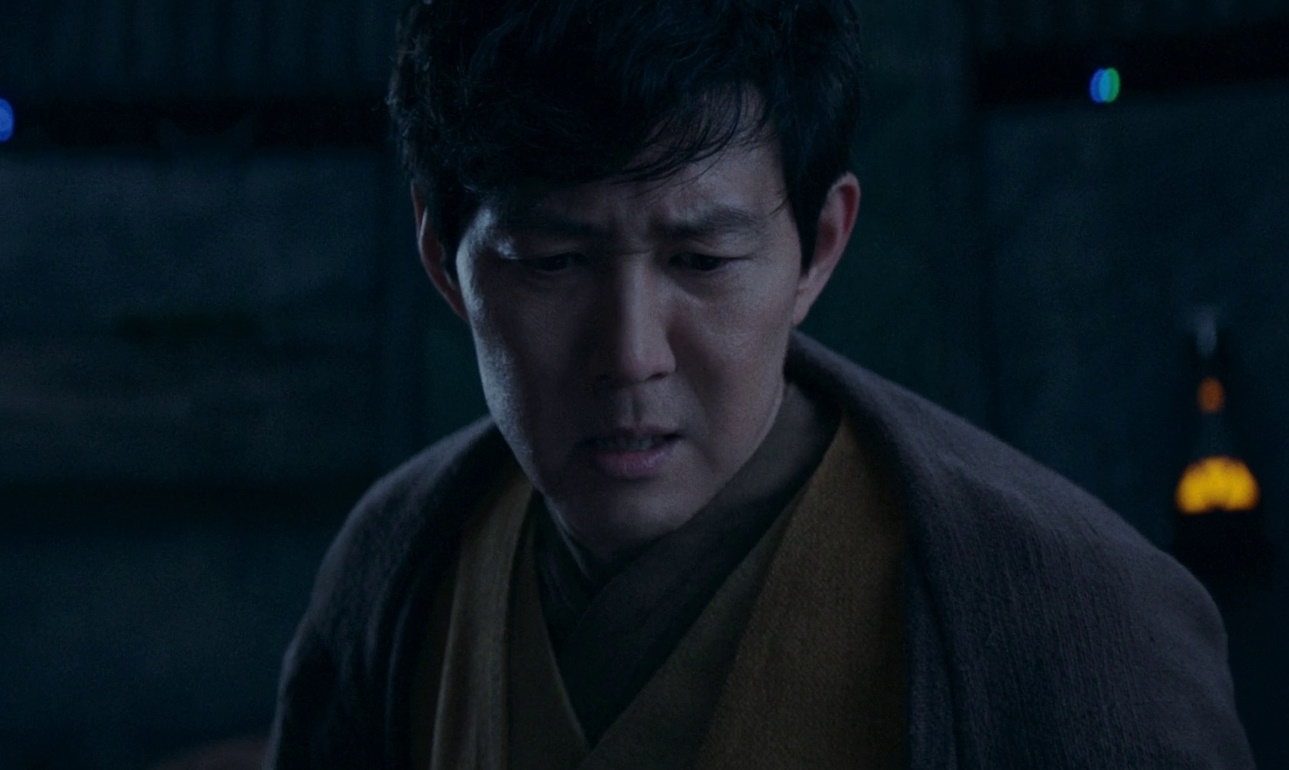
Moreover, there was a distinct creepiness to some of the Jedi – Master Sol in particular. Think about it: he spied on two eight-year-old girls from the bushes, followed them back to their home, formed an instant, one-sided “emotional connection” with one of them, and then insisted on taking her away from her family to be his apprentice. That has undertones that are genuinely uncomfortable, and contributes to the sense of the Jedi Order as being a strange, almost corrupt organisation. I mean, we’ve known for a long time that the Jedi would “recruit” children at a very young age – and we caught a glimpse of how this worked with Anakin Skywalker in The Phantom Menace – but there was something about seeing Sol so… interested in Osha that made the hairs on the back of my neck stand up.
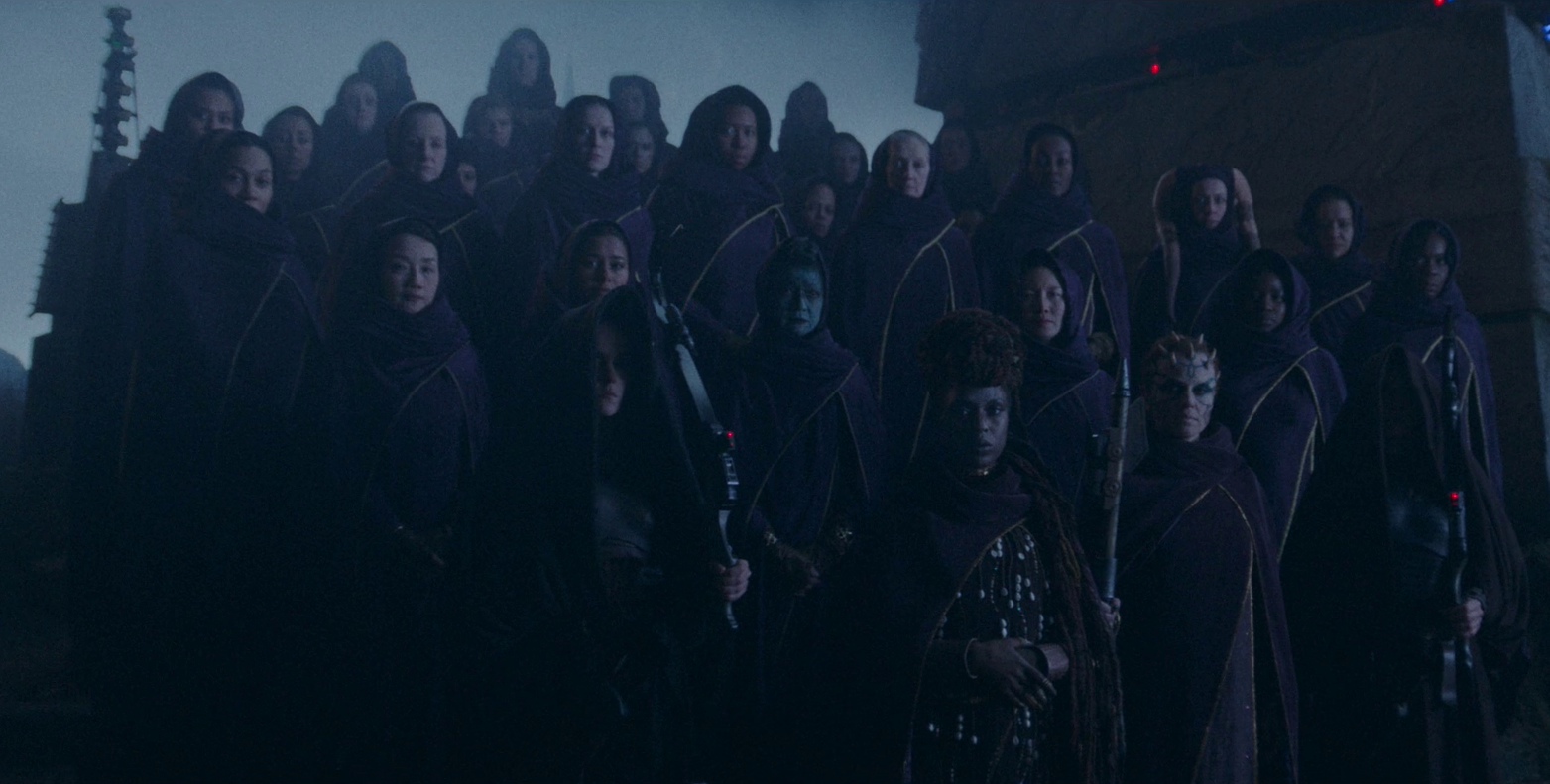
That’s to say nothing of the Jedi’s attack on the Force-witches. Does that organisation/coven have a name in canon, by the way? Perhaps I missed it in The Acolyte, but either way, I felt it was really interesting to see how other Force-sensitive people and groups might behave and how they exist outside of the Jedi/Sith dynamic. These witches clearly used the Force, but they weren’t Jedi or Sith, and that gives us a look at a part of the Star Wars galaxy that we really hadn’t seen much of before. Other Force-sensitive groups have been glimpsed in spin-off media, of course, but this was a deeper dive into an unknown organisation and I appreciated the attempt to expand the Star Wars galaxy beyond what we’ve already seen on screen.
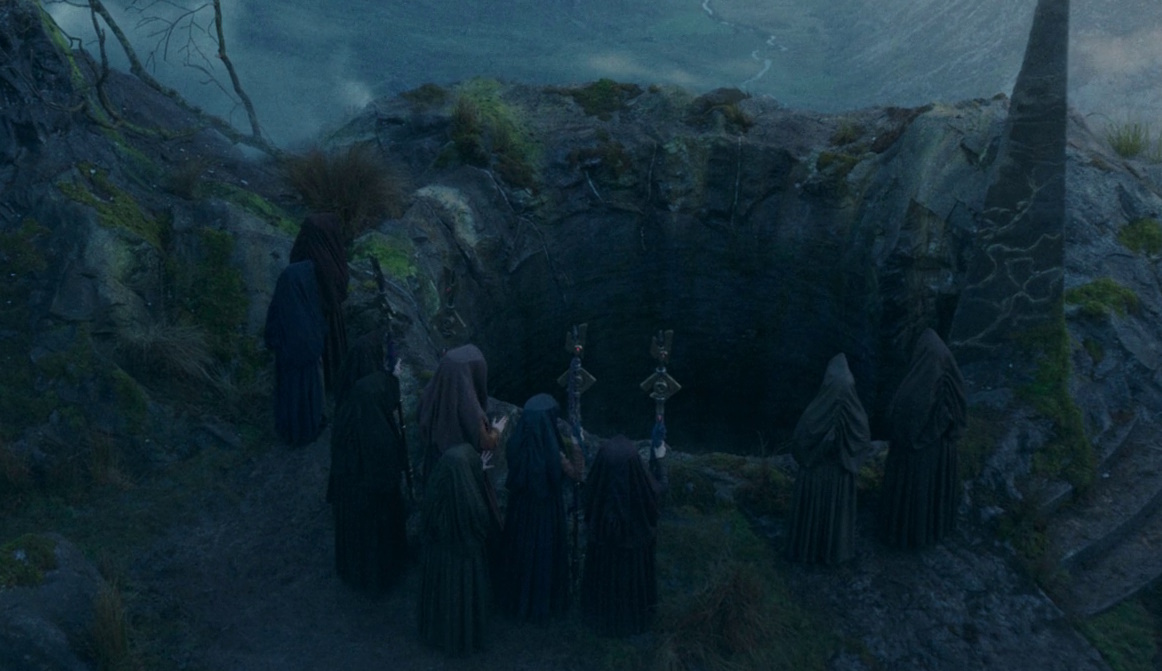
During the flashback depicting the Jedi’s attack on the Force-witches’ compound, The Acolyte gave us perhaps its weakest narrative moment. Torbin, the youngest Jedi padawan in the group, fell completely flat for me. His one-note “I hate it here and I wanna go home” was so unbelievable and childish that it seriously put a downer on the entire sequence, as this was such a pathetically weak way to set up his involvement. The concept of individual Jedi making bad decisions when confronted with the witches is a good one, and I think other elements worked as intended. But the series clearly didn’t have enough time to properly develop Torbin or give him a proper reason for his actions. When the actions he and Sol took are key to the entire rest of the plot… that’s an issue.
The idea of a “vergence” in the Force is something that Star Wars has delved into before. Most significantly, The Phantom Menace set up the idea of Anakin as being either a vergence himself or perhaps having been conceived by one. Mae and Osha seem to follow suit in The Acolyte, with the witches’ coven having somehow created them through the Force. While I’m not concerned about matters of “canon” all that much, and I don’t feel The Acolyte really overwrites or invalidates what we know of Anakin from the earlier films, I would’ve liked to see more explanation of both the vergence and the twins’ conception. Both were left pretty open-ended – which could be great if the show gets picked up for more episodes, but as already discussed, I doubt that’s gonna happen. It could be that this part of the story is never resolved, and that would be a bit of a shame because it seemed interesting.
The decision to include cameos from the prequel trilogy has been a source of some controversy. Speaking for myself, I think these cameos were handled quite well – and there’s more than enough wiggle-room for both the minor character of Ki-Adi-Mundi and the more significant character of Yoda to have been present at the Jedi Temple without being too involved in the events we saw unfolding on screen. For me, it doesn’t tread on the toes of what we knew about either character, and what they have to say in the prequel films and beyond doesn’t seem to be contradicted by their very brief appearances in The Acolyte. The same is true of a character many are assuming to be Darth Plageius – glimpsed toward the end of the series at the Sith base.
As fans, I think all of us can fall prey to nitpicking and to prioritising minor things – throwaway lines of dialogue, secondary characters, or non-canon resources like books or comics – over and above everything else. And from what I’ve seen based on my admittedly limited engagement with the discourse around The Acolyte, I think that’s what’s been happening in some cases. Having heard of the drama before watching the series, I seriously expected Ki-Adi-Mundi in particular to have a massive role – but he was on screen in one episode for a matter of seconds, had no noticeable impact on the plot, and as far as I can tell wasn’t necessarily aware of what transpired. The controversy that some fans have tried to stir up (perhaps because their social media income has become increasingly dependent on the “anti-Star Wars” crowd) feels overblown at best. A storm in a teacup!
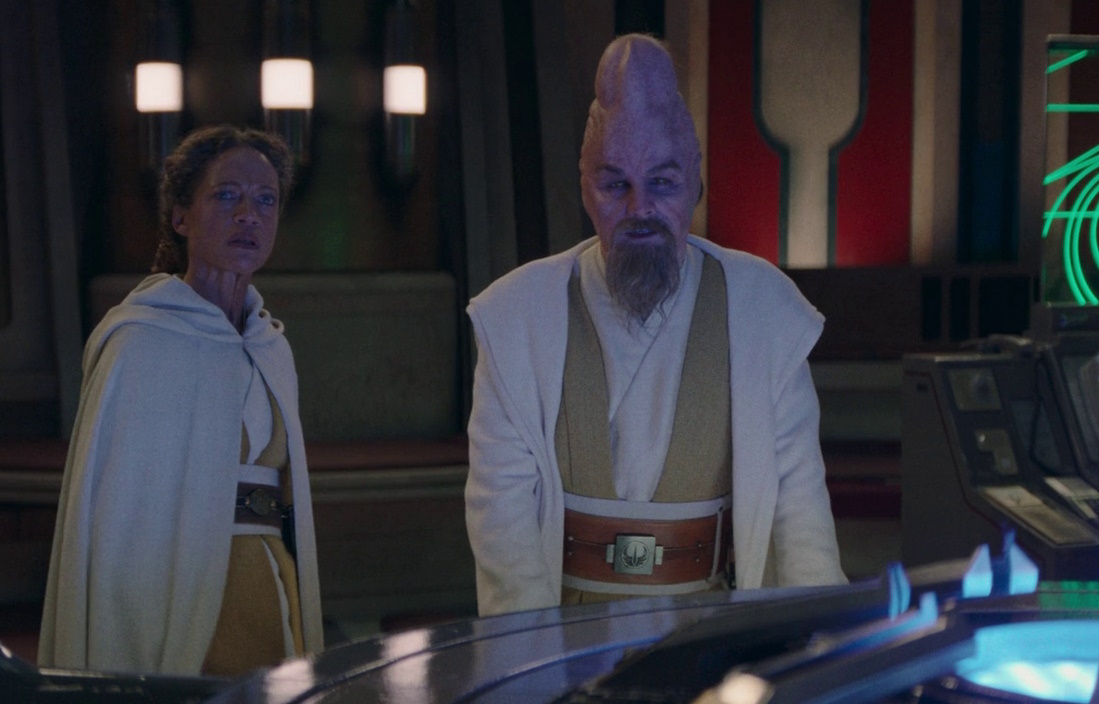
In terms of production values, I thought that The Acolyte was decent – but there were a couple of missteps. On a couple of occasions the way real actors interacted with fully-CGI environments was sub-par and strayed into the dreaded uncanny valley. Musically, the series was fine – in line with other Star Wars projects, perhaps, but by no means exceptional. My rule of thumb for any film or TV show is that the music shouldn’t be a distraction, and in that sense The Acolyte did okay. But nothing from its soundtrack was particularly original or memorable, and if you played it for me right now, I’d struggle to remember what production it was from or even whether I’d heard it before.
Acting performances were generally pretty good. I particularly enjoyed Lee Jung-Jae’s take on the conflicted Master Sol, and Dafne Keen gave a solid performance as the young Jedi Padawan Jecki Lon. Amandla Stenberg had the challenge of playing two very different characters – but rose to the occasion. The only performance I felt didn’t reach the heights it should’ve was Harry Trevaldwyn’s – he played the role of Mog, a junior Jedi aide-de-camp to Master Vernestra. Playing Jedi roles can be tricky; they have deliberately stifled emotions, making it difficult for some performers to really know what to do. Mog was, thankfully, a minor character who wasn’t on screen all that much. Still, there are far better Jedi performances out there!
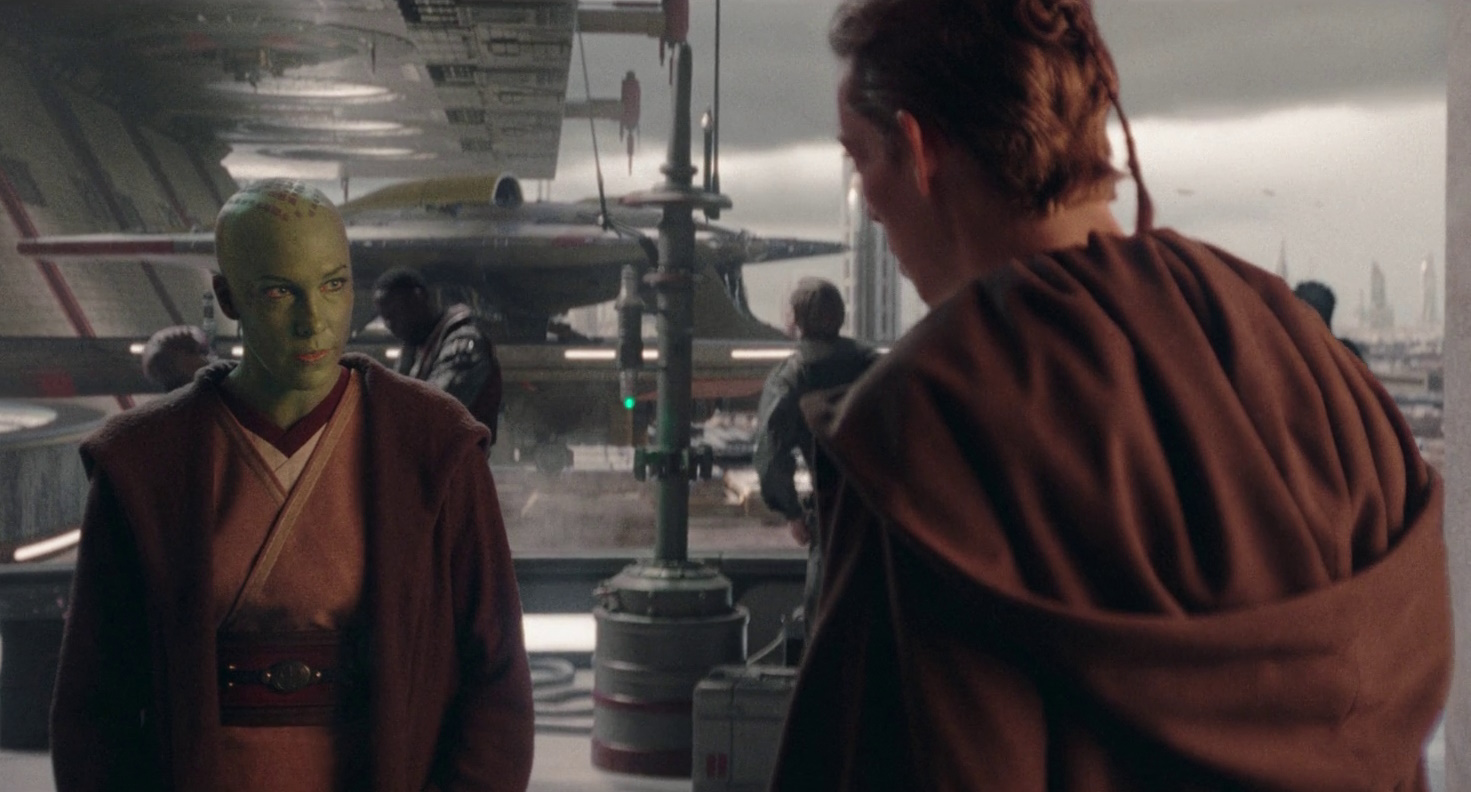
Speaking of performers, I felt that Carrie-Ann Moss was almost wasted in the role of Master Indara. Moss’ role in the series played a big part in The Acolyte’s early marketing material, yet she was only present in a big way in a couple of episodes, with her character having been killed off right at the beginning of the story. I could’ve happily spent more time with Master Indara; compared with the broken Torbin, emotional Sol, and politicking Vernestra, she was the closest the series got to having a Jedi Master in the more heroic style we’ve come to expect.
Stepping away from the rise and fall of the Empire to look at a different era in the Star Wars galaxy is something that the franchise has needed to do for a long time. I’m happy that we finally got to see some of this High Republic era on screen, and I liked some of the subtle changes made to things like Jedi robes. Setting the scene in a different – but still familiar enough – way helped The Acolyte stand out, even if its basic Jedi-versus-Sith idea didn’t feel all that fresh.
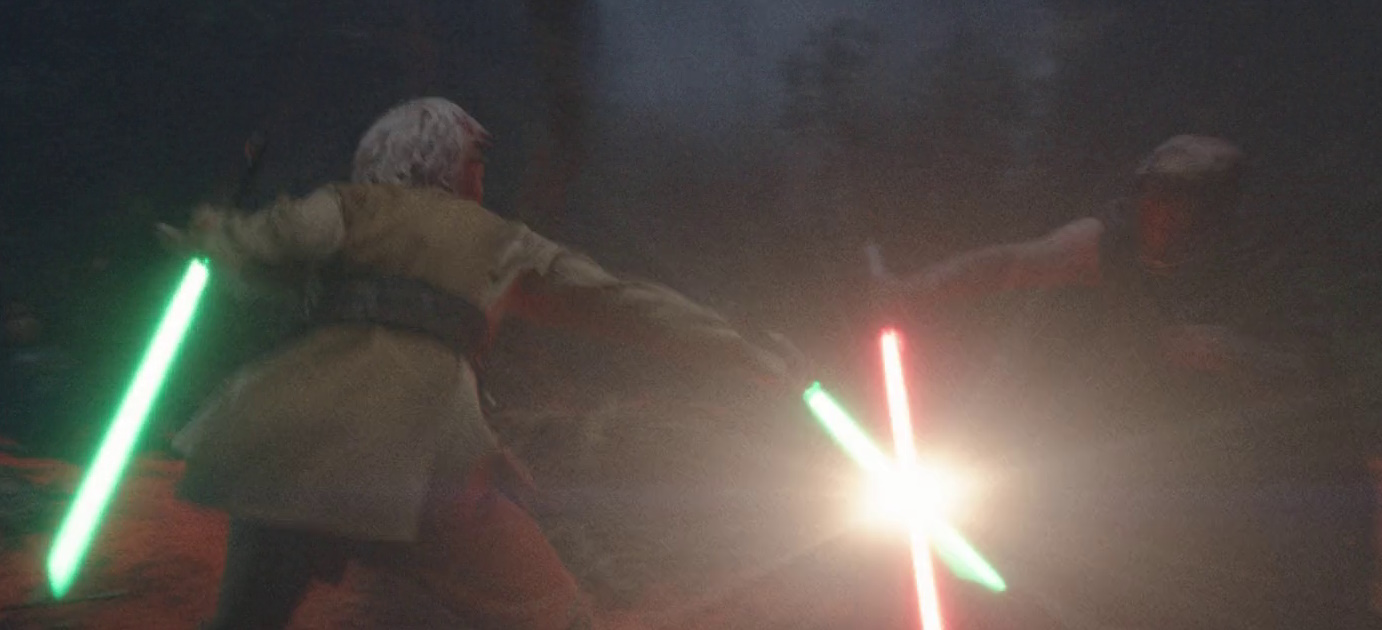
There were standout moments in the series, and I feel the criticism it’s received in some quarters has been unnecessarily harsh. Personally, I’d like to see Disney and Lucasfilm greenlight more projects set in different locales and different time periods, and I hope that the backlash to parts of The Acolyte won’t dissuade them from doing so. There’s only so many times I can see Luke Skywalker, Han Solo, or their descendants saving the day – and if Star Wars is to survive long-term, we’ll need to see more projects like this one. That’s not to say The Acolyte was perfect – it wasn’t. But it was a step in the right direction for a franchise that has felt increasingly stale.
Despite claims made in the run-up to its broadcast, I didn’t feel that The Acolyte would be the easiest and smoothest way into Star Wars for someone brand-new to the franchise. It has the advantage of not relying on familiar characters, but it’s still got some deep cuts to parts of the Star Wars franchise that, I would argue, weren’t particularly well-explained within the series itself. That’s nothing new for Star Wars, of course!
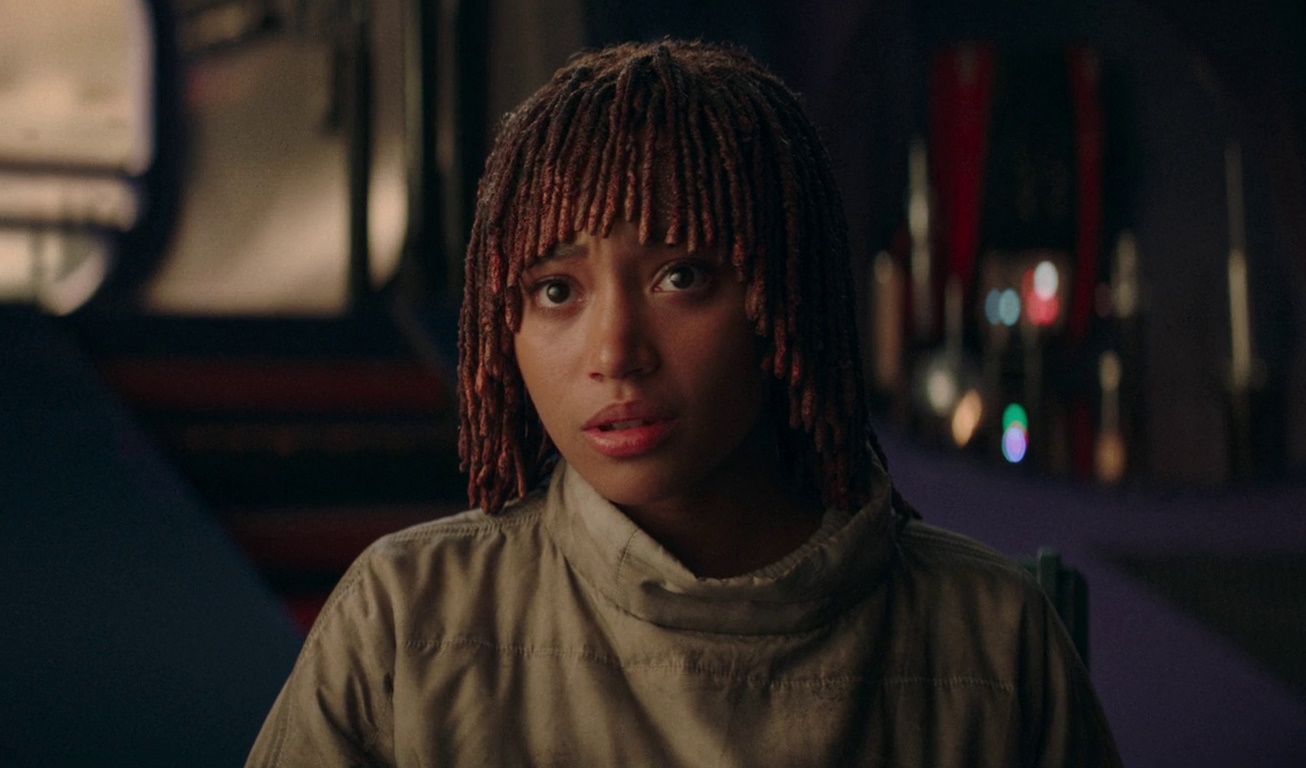
The Acolyte held my attention and got me invested in its main characters and storyline. Some of the secondary characters and sub-plots felt under-developed, and I think the series as a whole might’ve benefitted from being ten episodes long instead of eight. This would’ve allowed for scenes and sequences to be extended, for some additional character development, and for some of the show’s B-plots to be expanded upon. This isn’t an issue unique to The Acolyte by any means – but some producers and directors are clearly better at making the most out of eight episodes than others!
At the end of the day, though, I can’t say I didn’t enjoy The Acolyte. Its focus on a Sith assassin was intriguing, its portrayal of the Jedi Order as out-of-touch and arrogant lined up with both the prequels and sequels, and its core story of human characters making decidedly human mistakes was one that was, in a way, relatable. The Acolyte may have done more than any other Star Wars project to date to really humanise the Jedi Order and make some of its members feel like real people. Whether that’s something every fan wanted to see from Star Wars, or whether they prefer to think of Jedi Knights as flawless paragons of virtue… well, I think the backlash in some parts of the fan community answers that particular question!
Of the Disney+ Star Wars shows I’ve seen so far, I’d put The Acolyte in second place – behind The Book of Boba Fett but ahead of The Mandalorian. And light-years away from the awful Obi-Wan Kenobi series!
Star Wars: The Acolyte is available to stream now on Disney+. The series will also be released on DVD/Blu-ray at a later date. The Star Wars franchise – including The Acolyte and all other properties discussed above – is the copyright of Lucasfilm and The Walt Disney Company. This article contains the thoughts and opinions of one person only and is not intended to cause any offence.
 Trekking with Dennis