Spoiler Warning: Beware of spoilers for the Mass Effect series.
I adored BioWare’s Knights of the Old Republic and Jade Empire back on the original Xbox. I often credit KotOR as being the story that “saved Star Wars” for me, after the major disappointment of the prequel trilogy! And later, I played the Mass Effect trilogy and fell in love with the new sci-fi universe that BioWare had created. Although most of the people at BioWare who were responsible for the creation and direction of those fantastic games have long ago departed the studio, learning that BioWare is being shut down – and will join the ever-growing Electronic Arts graveyard – was still a sad piece of news. Inevitable, perhaps, given BioWare’s recent form and the EA buyout that we discussed last year… but still sad.
Cards on the table: the situation at Electronic Arts meant that I wasn’t going to buy or play Mass Effect 4 even if it had made it to release. So in that sense, I guess I already felt that BioWare and Mass Effect were over – at least on a personal level. But I thought the news of Mass Effect 4′s cancellation could provide an opportunity to talk about a topic that needs to be aired more than ever in gaming, and in the entertainment industry at large: the need for stories to end.
Every story ends. When you reach the final page of a book, watch the credits roll at the end of a film, or beat the final boss in a video game… that’s it. That’s the end. The best stories and fictional worlds leave us with the sense that the people we met, and the worlds they inhabited, are going to persist beyond that last page or final boss, but that’s just a hallmark of good storytelling. However, in the modern, highly-commercialised entertainment industry, stories that should have been allowed to end… aren’t. Character arcs may be complete, the “big bad” may have been finally defeated, and peace restored to the land… but then, inevitably, a room full of executives decrees that such a financially lucrative property can’t just be allowed to end with dignity! We need sequels, damn it! Sequels, prequels, spin-offs… the works.
And for me, Mass Effect has been in that position for a while.
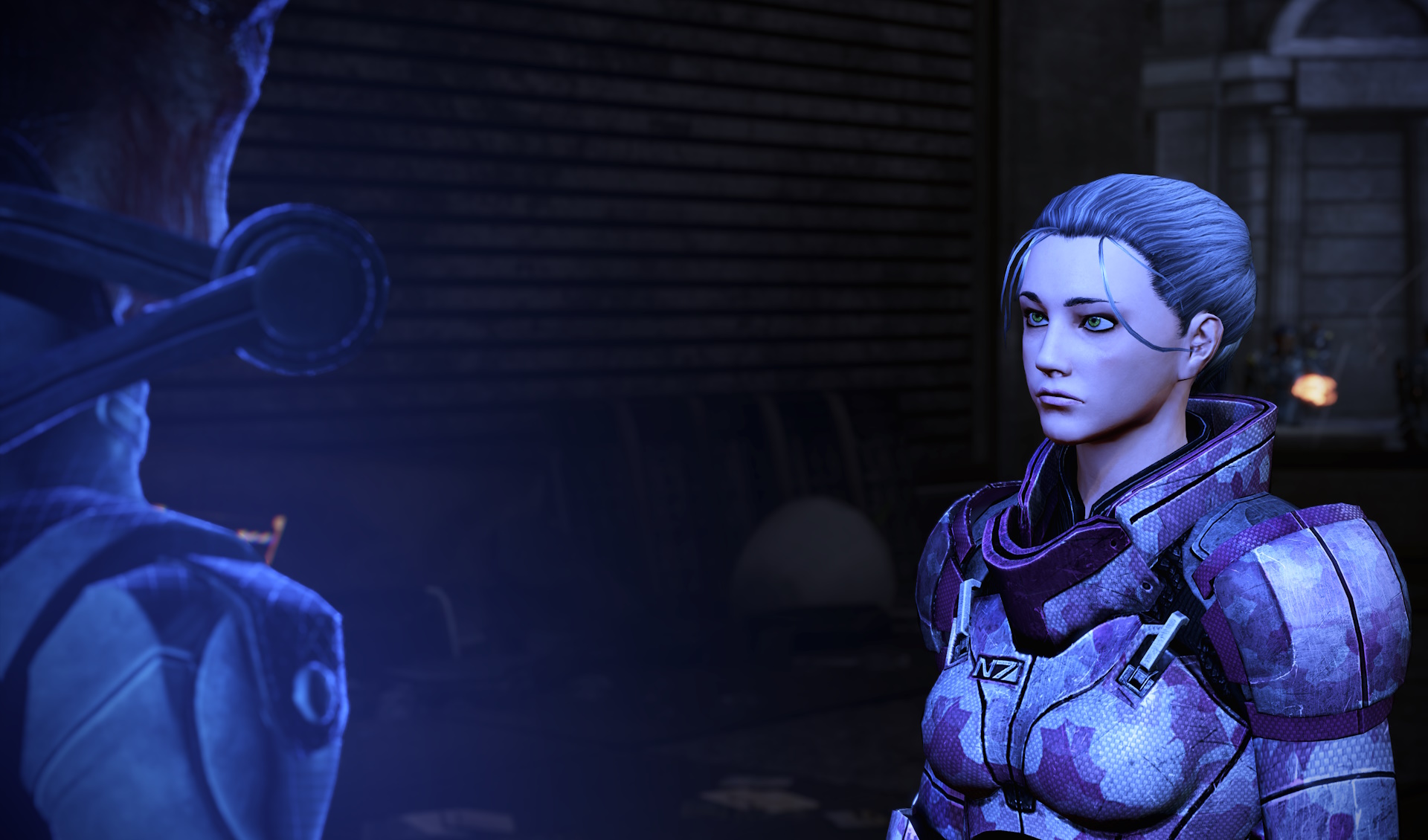
The Mass Effect trilogy told one connected story: that of Commander Shepard and the war against the Reapers. Shepard began to unravel the Reaper conspiracy in the first game, encountered and defeated a Reaper ally or subordinate in the second, and finally took on the entire Reaper fleet in the third – bringing the conflict, and their own character arc, to a conclusion. We can debate how well the ending of Mass Effect 3 was structured, of course; the whole “pick a colour” thing became notorious for a while. But, for better or worse, that was the end of the story.
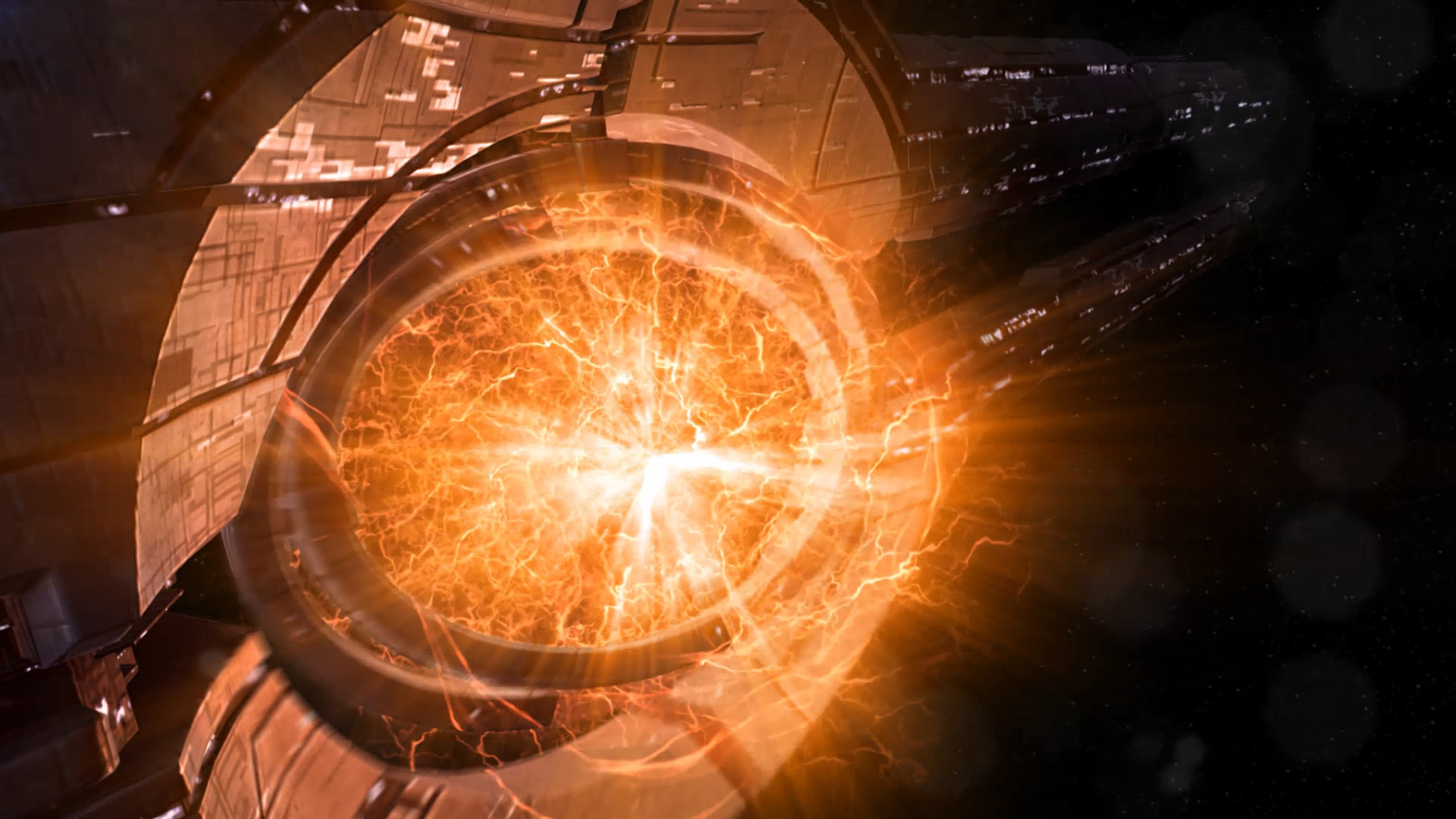
And to be honest with you, I’ve never been able to see a pathway to writing a new chapter for Mass Effect that wouldn’t have felt some combination of tacked-on, derivative, repetitive, underwhelming, fan-servicey, or just all-around disappointing.
This is a phenomenon that I’ve termed the “Disney sequel problem” – i.e. what comes *after* the “happily ever after” that most Disney movies end on? Very, very few stories get this right, because one of the basic, most fundamental building blocks of fiction is that stories have a beginning, a middle, and an end. Hack away at any one of those pillars and you risk the entire thing collapsing. That was the position Mass Effect found itself in after the end of the Reaper War, in my opinion; there really was no way to tell another story in this world that would’ve been anywhere close to the epic stakes of the first trilogy… but Electronic Arts demanded that BioWare do it anyway.
The result was Andromeda – a spin-off that aimed to take Mass Effect to a new setting, but with familiar alien races. The game was a disappointment, so BioWare was pushed back to making a direct sequel to Mass Effect 3.
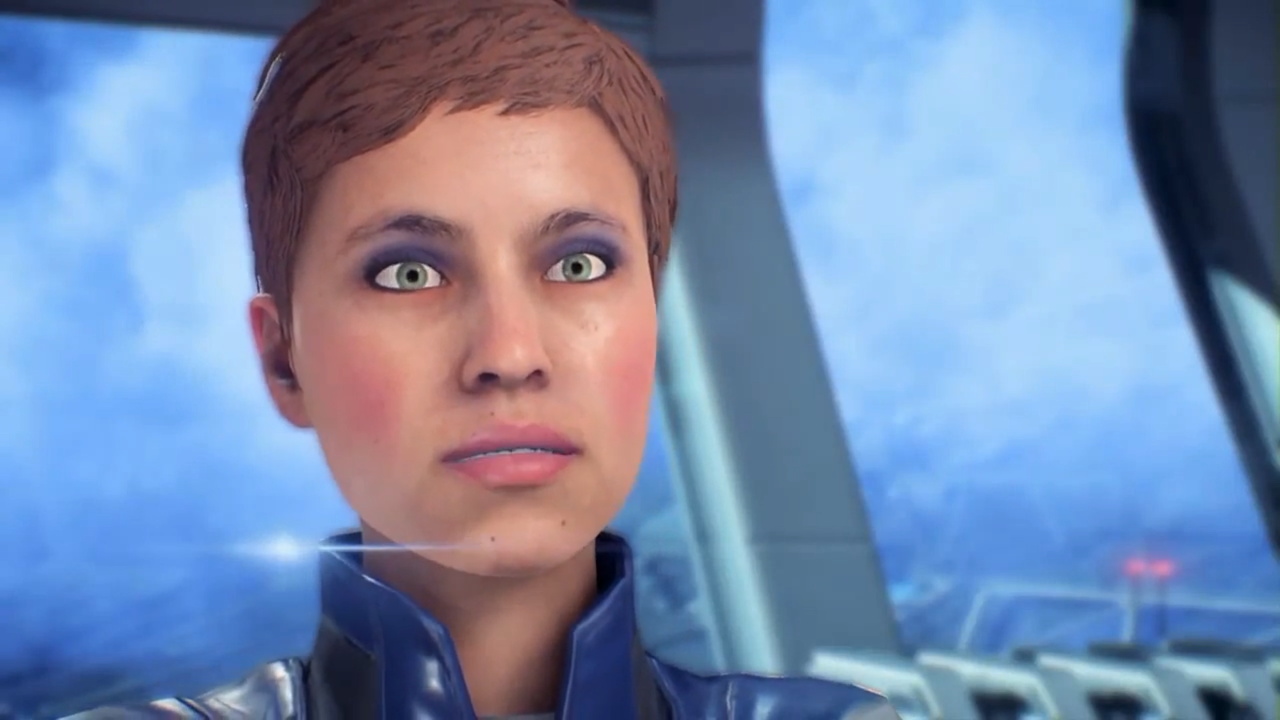
Mass Effect is hardly the only popular entertainment series to find itself in this position, though.
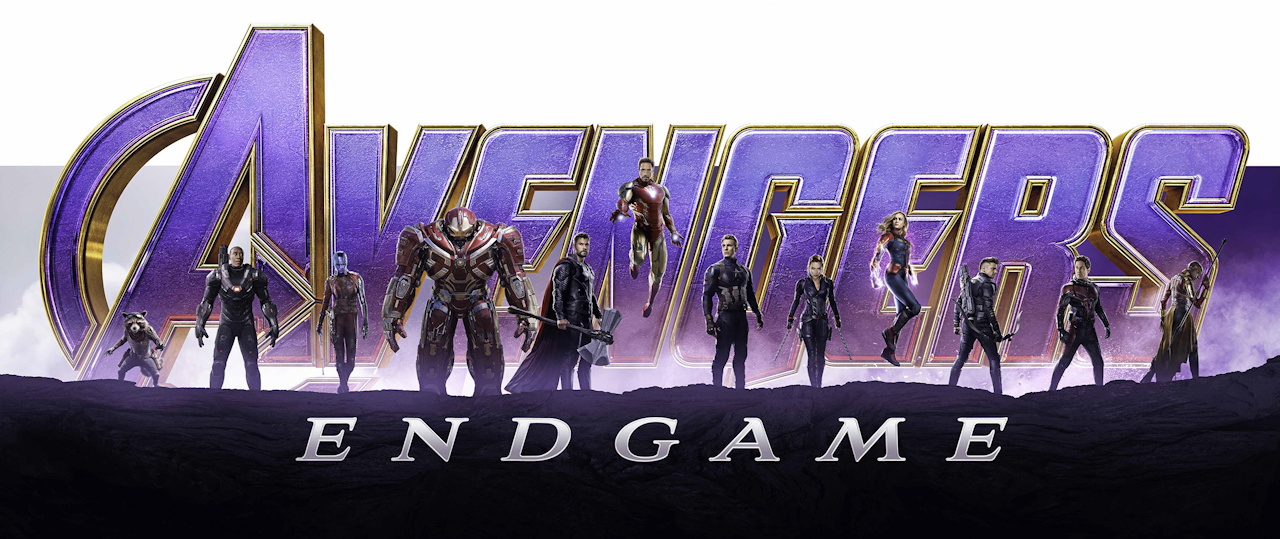
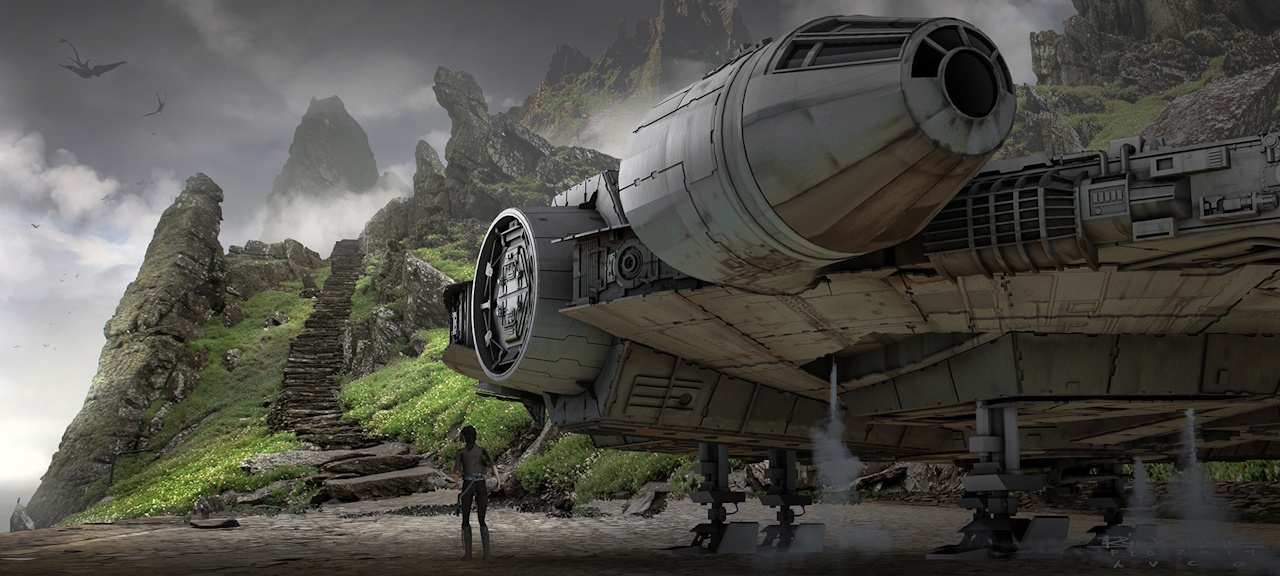
Look at Star Wars and Marvel – two of the biggest brands in the entire entertainment space. Star Wars’ sequel trilogy underwhelmed for various reasons, but a core part of the reason why those stories were never going to be as well-regarded as what came before is that the original story of Star Wars *should* have been over. The same with Marvel, which is now desperately bringing back former stars and resurrecting dead characters… all because no film since Avengers: Endgame has come close to living up to the stories that came before. With Marvel, it felt, for a long time, like Endgame was what every other story was slowly building towards; the ultimate coming-together of all the franchise’s heroes. And that, realistically, *should* have been the final part of the cinematic saga.
There are ways to tell new stories – or re-tell familiar stories – in a big fictional setting after the main event has concluded. But it depends on the nature of the setting and how closely connected it is to that first big story. The best way is probably to take the Andromeda approach – to tell a side-story that’s totally disconnected from the main event. But we saw how well that worked, eh?
Sometimes, an author, filmmaker, or game developer might create a sequel story like this for genuinely good reasons – i.e. they truly felt there was another story in that world or with those characters that was worth telling or that needed to be told. Some of those stories work, some don’t – for the reasons we’ve already elaborated on – but at least there’s some artistic merit to them, in cases like that.
But then we come to the nakedly commercial sequels – the corporate-mandated stories that are conceived not because of any artistry or narrative vision, but because a corporation and its cowardly investors want to put their money into what feels like more of a sure thing and less of a risk. Established franchises have built-in audiences, at least some of whom will show up for the latest iteration. Try doing something new – even if it’s way better – and you miss out on those supposed guaranteed sales. That’s why a return to Mass Effect was coming, that’s why the Star Wars sequels were made, and that’s why Marvel is trying to recapture the magic of Endgame with the latest Avengers crossover film(s).
And you know what? *Audiences can tell the difference!*
As the entertainment industry at large continues to consolidate more and more brands into the hands of fewer and fewer corporate owners, this is going to keep happening. Why would a mega-corporation greenlight a new story set in a brand-new universe when they could return to one that already has a fanbase? Worst case? You make a crap film or game that gets absolutely roasted by critics… but the fan community still shows up for it in droves. There are some exceptions to that – see The Mandalorian and Grogu over in the Star Wars franchise, for instance – but by and large, that’s the corporate approach.
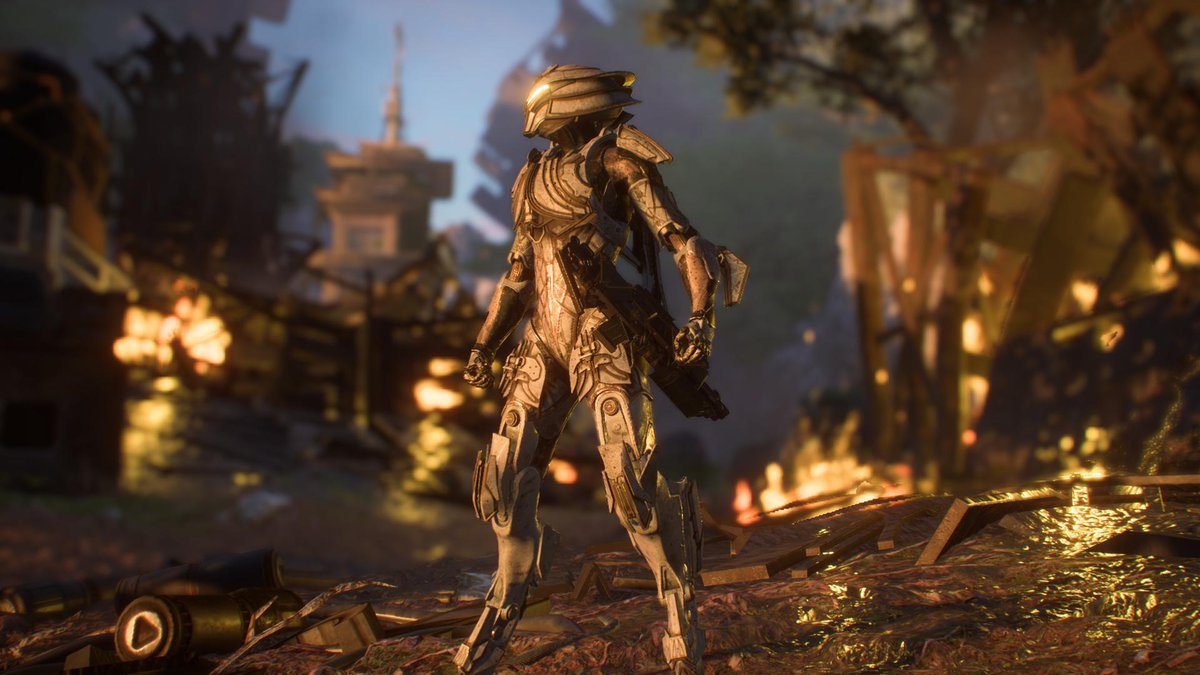
That’s why BioWare was tapped to return to its two successful series – Dragon Age and Mass Effect – after the failure that was Anthem. Sure, EA could’ve trusted BioWare to try something new again, but those two properties felt… safe. Andromeda, despite its poor reception from critics and fans, more than made its money back for EA… which is more than can be said for Anthem.
We are firmly in an era of corporate-mandated sequels, prequels, spin-offs, and reboots, and I really don’t see it ending any time soon. Some franchises may be better-suited to it than others, and there clearly are fictional worlds that are deep enough, rich enough, and with enough lore and backstories to sustain multiple projects, even after the “main” story arc has concluded. But in too many cases, these nakedly commercial returns to long-finished stories are just painfully obvious… and not very good.
As with many things in life, it’s not about being black-and-white, saying “sequels are universally bad,” or insisting that no story ever gets a follow-up or a return to its world. There’s a balance to be struck between wrapping up a story successfully and finding those rare properties that can sustain more stories and sequels. Too often, corporations get this wrong – and they get it wrong because they aren’t interested in art, or in any narrative value a project might have. They’re out to make as much money as possible *immediately* – and what happens next to a beloved franchise or to a completed story is entirely irrelevant.
It’s short-term thinking at its very worst.
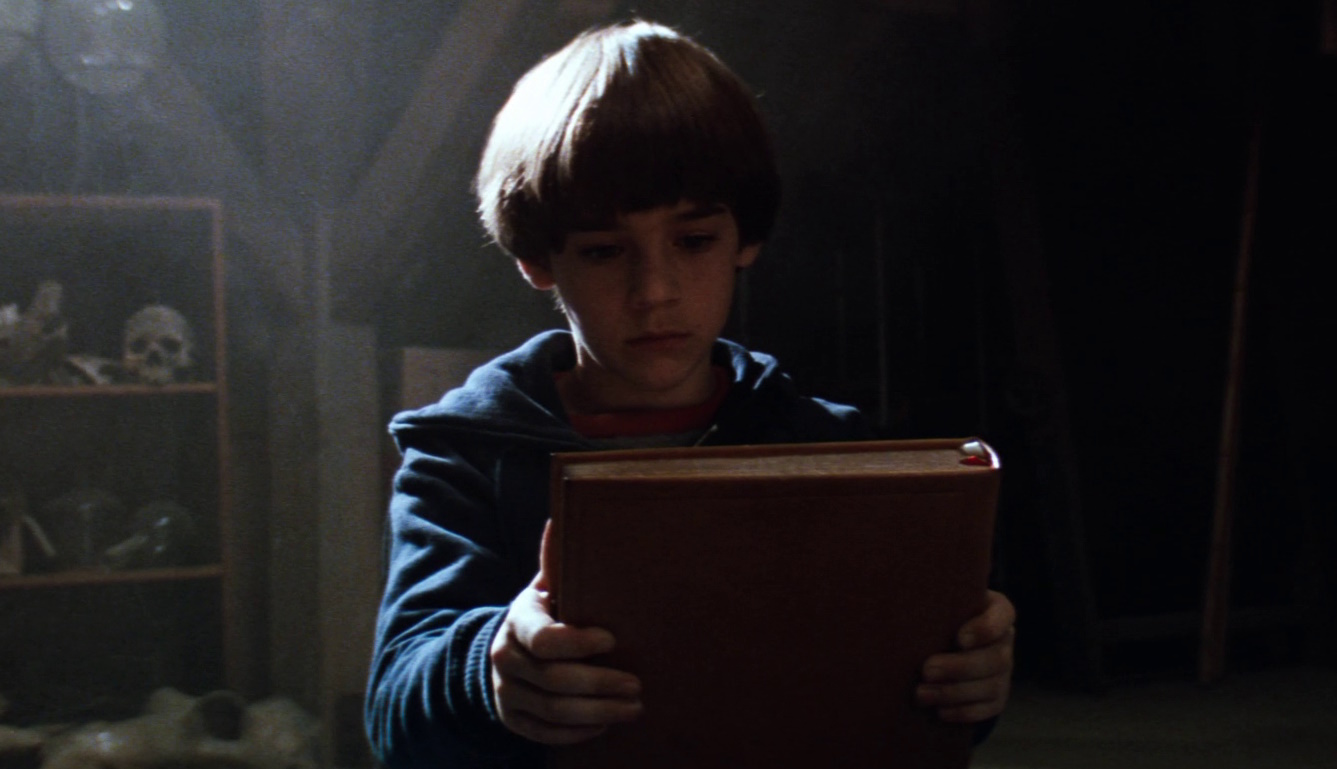
Moreover, this push to turn *every story* into a “forever franchise” which can be monetised indefinitely means that we’re losing the value in well-written endings. When every movie or game has a corporate requirement to leave the door ajar for a future spin-off or sequel, we lose the inherent value in one of the best parts of fiction itself: the ending. A well-written, well-timed, well-paced ending is the culmination of a story. It rewards readers, viewers, or players for the time they’ve invested in a fictional setting, concluding character arcs and narratives in a satisfying way. Endings matter… and trying to get rid of them to turn art into an infinite money-maker has already soiled multiple stories and franchises.
A good, well-written, and *conclusive* ending can be the very best part of a story. After everything our protagonist(s) went through over their adventures, getting to the end and beating the villain or uncovering the truth behind a mystery just feels inherently satisfying. But too often, we’re being deprived of that in order to tell tacked-on, wholly unnecessary follow-ups that have basically the same amount of artistic vision and merit as one of those direct-to-video Disney sequels.
I would like to see genuine *boldness* back in the entertainment industry; a real willingness to let old stories come to their natural ends, and new ones created to take their place. Not every movie, TV show, book, or game can tolerate being turned into a franchise… and *that’s okay!* New stories can come along, and plenty of folks – myself included – still enjoy jumping from one story to another. Sure, I’m a big Star Trek fan… but Star Trek isn’t and has never been the *only* fictional world I care about. And many, many people are in the same position.
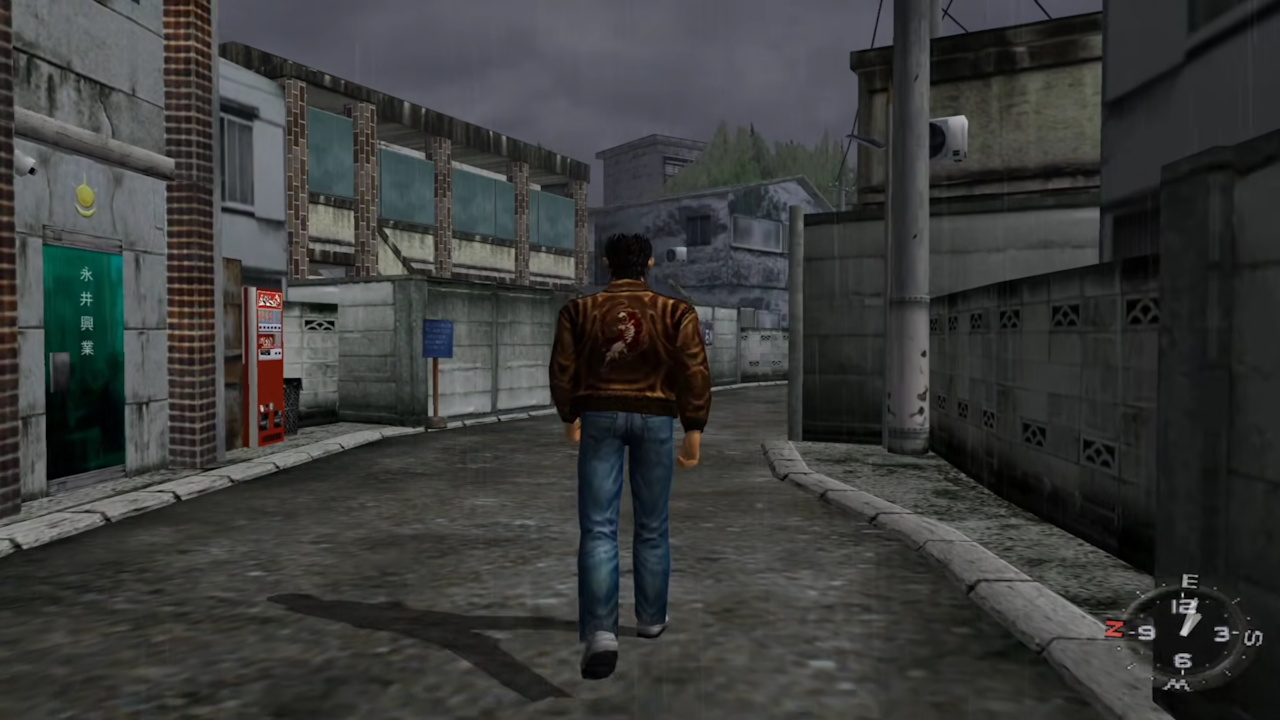
That doesn’t mean that every new story can or will succeed. We discussed BioWare’s Anthem a moment ago, but you could also point to films like Cutthroat Island and Rebel Moon, TV shows like Supertrain and Terra Nova, or games like Concord and even another of my beloved titles: Shenmue. But failures and flops happen… and with today’s mega-corporations having so much money and so many investors, they can sustain a miss or two here and there. Isn’t trying something new – and potentially establishing the “next big thing” in the process – a better use of time and money than trying to squeeze every last penny out of a story that’s already come to its natural end?
I’d argue that it is.
Titles that are deliberately more episodic in nature can last longer than those with a single, connected story. Star Trek is a great example: as long as you can invent new aliens, new planets, and new space weirdness to encounter, you can make an exploration-focused Star Trek show (or franchise) that persists for a long time. But things like Star Wars and Mass Effect don’t work that way; there’s one story, one villain or set of villains, and when it’s over… it’s over. Returning to a setting like that for different kinds of projects might be possible if there’s enough support for it – and it’s also possible to reimagine the story for a different medium, as Mass Effect aimed to do with its TV adaptation. But a direct sequel just… I don’t see how it was ever going to work.
The Star Wars sequel trilogy is a case in point. There *were* questions that fans had about what would come next for Luke, Han, and Leia after the events of Return of the Jedi. But, having seen both the low-quality fan-fiction of the old Expanded Universe *and* Disney’s sequel trilogy… it’s pretty clear that tacking on a new story after the events of the original films was impossible to do in a way that felt natural. The Sith were gone, the Rebels were victorious… where do you go after that?

I think we all have an innate understanding of where a story should end. That’s why you often hear criticisms of films that were too long, or TV shows that outstayed their welcomes by producing one season too many. Some super-fans might *never* want their favourite franchise to end, but even within fan communities, we see plenty of people willing and able to criticise unnecessary sequels, continuations, or epilogues that don’t fit with what came before. That’s why franchises like Star Wars, Marvel, and others we’ve mentioned have struggled to hit the heights of their earlier incarnations, both critically and commercially.
I’d always rather a story ended leaving me wanting more than dragged on too long and left me thinking “god, I wish this ended ages ago.” Whether it’s a film, a book, a game, or a TV show, every story will eventually reach a natural end – and it should be allowed to. Endings aren’t a flaw, they’re a normal part of storytelling. And when handled properly, they can be the very best part of a good story. Some super-fans who wish they could live inside a fictional universe might never be satisfied with that, and might want nothing more than to see their favourite franchise continue indefinitely… but most people aren’t in that category.
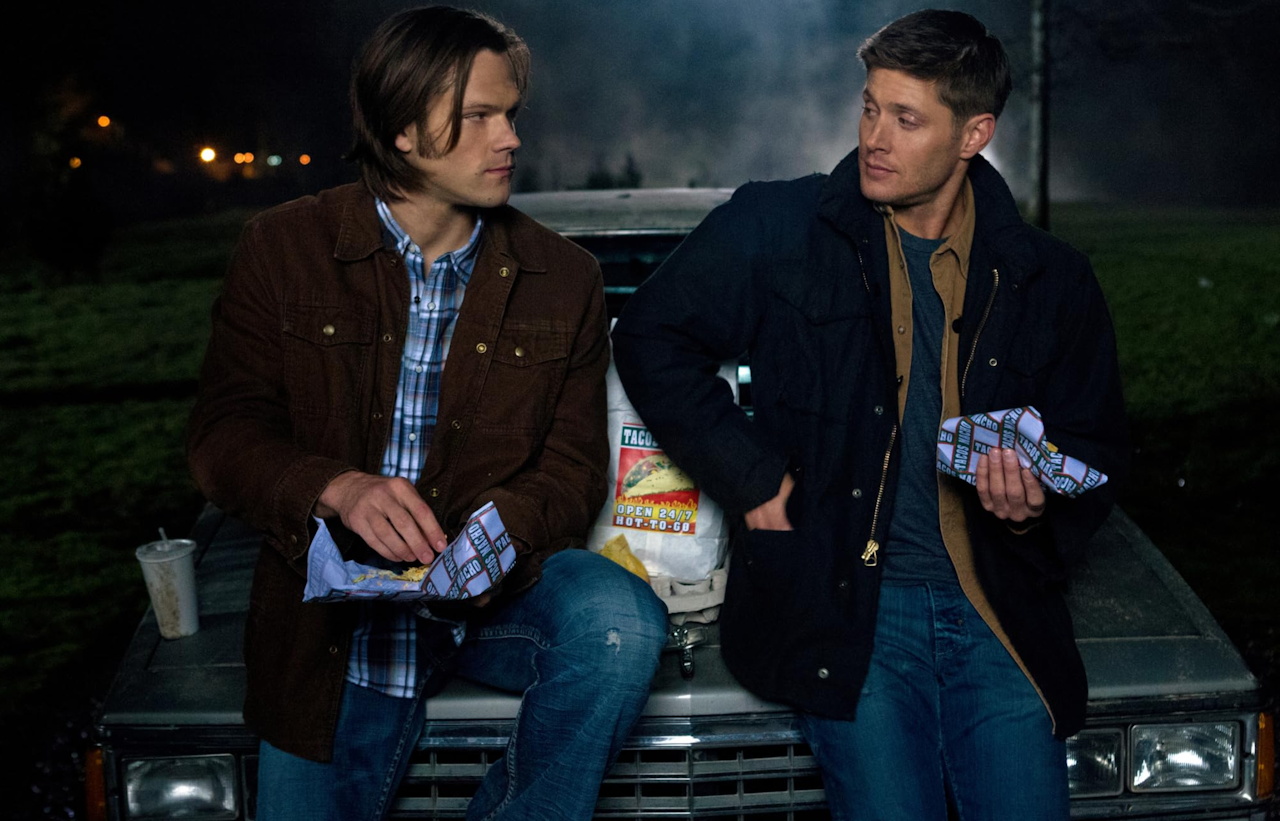
As a final point, corporations insisting that every story must be written in such a way as to allow for spin-offs and sequels, and tacking on totally unnecessary sequels to stories that are already complete, doesn’t just rob us of good, enjoyable endings… it robs us of new experiences, too. How many new films, games, books, and TV shows might’ve been created over the last twenty-plus years if this doubling- and tripling-down on existing IP hadn’t happened? If Halo had been allowed to end after Halo 3 or Halo: Reach, what other sci-fi franchises or shooters could’ve taken its place? If Disney hadn’t tried to buy itself an infinite money printer with Star Wars, might someone there have invented a new sci-fi universe?
I can’t even conceive of the potentially wonderful stories being created by passionate, talented folks that aren’t even getting a moment’s consideration because of this insistence on sequels and “forever franchises,” and it’s really, truly sad. I’m a big Trekkie, sure, but I’m always going to be open to new sci-fi, fantasy, and other kinds of stories… if anyone could be brave enough to give the green light to that kind of project. Some of those stories might go on to be my next big fandom, and could spawn fan communities that will persist for years. But no one at any of the fewer and fewer entertainment industry mega-corps is willing to take a slightly risky bet. Even though they all have the money to do so safely and securely.
It’s through that lens that I always saw Mass Effect 4′s existence… and that’s why I can put my hand on my heart and say I’m not upset by its cancellation. Maybe someone at the now-defunct BioWare did have a genuinely good idea for where to take the story… but it’s way more likely, in my opinion, that this was little more than a corporate-mandated sequel, one that would’ve been painfully obvious in how commercial it was, and one that simply wouldn’t have been able to add *anything* meaningful to the world of Mass Effect or to the legacy of its original trilogy. We can be sad for the developers at BioWare who are losing their jobs, and we should *never* applaud a corporation (especially one like Electronic Arts) closing down a studio. But in terms of the cancelled game that we now won’t get to see? Honestly… I doubt we’re missing much.
So that’s all for today.
This piece wasn’t really about Mass Effect, and I’ve been meaning, for a long time, to talk about the importance of narratives coming to a natural end and the way in which “forever franchises” can end up soiling a good ending. The cancellation of Mass Effect 4 just provided me with an opportunity to get stuck into this topic.
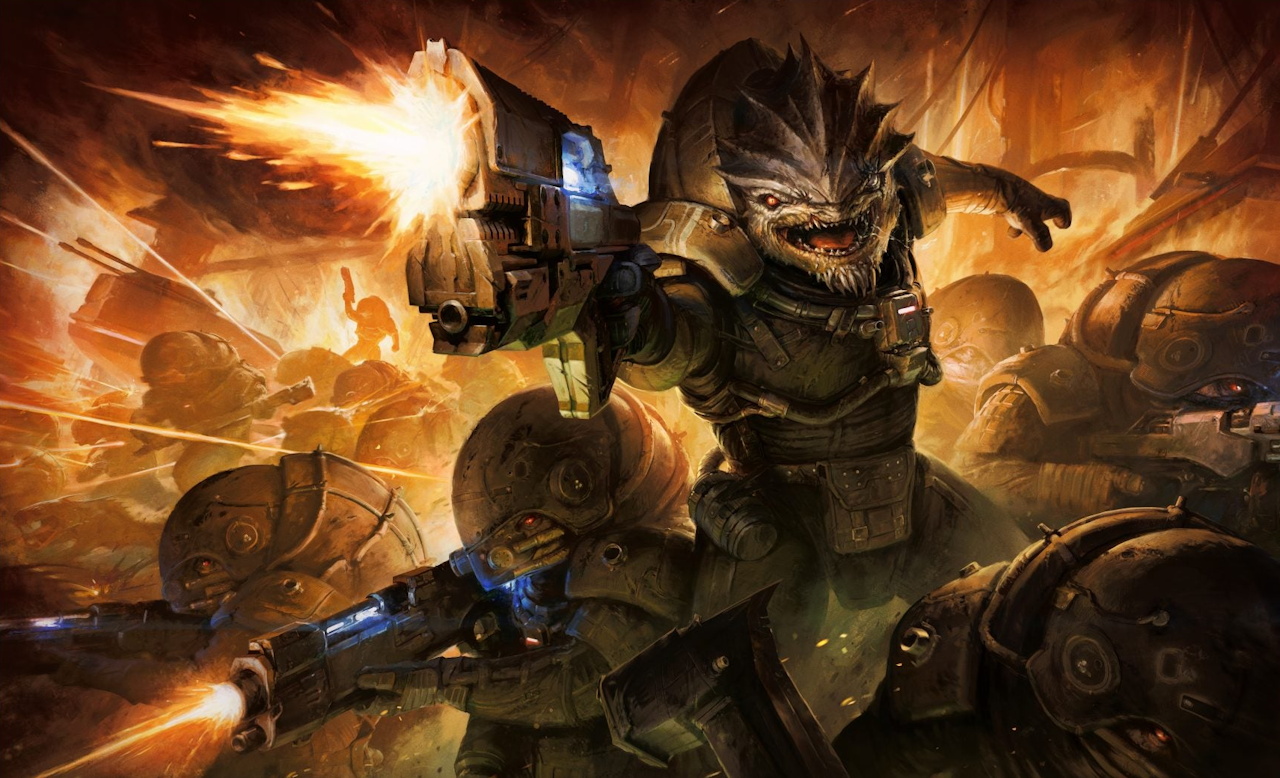
On the subject of Mass Effect, though, here’s what I’d say: I doubt that Electronic Arts will sit on the IP forever and do nothing with it. The next console generation could be an opportunity to do another Legendary Edition-type of remaster, though I hope it would be a more *substantial* remaster this time around! I haven’t heard whether the TV spin-off/adaptation has been similarly cancelled, so that could be a way for Mass Effect to continue in some form. At its peak, Mass Effect was a lot of fun… but it was also a story with a very definitive conclusion. Tacking on an unnecessary sequel never seemed right – so I do not lament this project’s cancellation in the slightest.
Thanks for joining me today. I know that a game’s cancellation is never going to be a *fun* subject, and I hope I didn’t come across as being too negative. But I thought this moment made for an interesting opportunity to discuss the failures of these kinds of unnecessary sequels, and why every story deserves a good, conclusive ending.
All titles and properties discussed above are the copyright of their respective developers, broadcasters, distributors, publishers, etc. This article contains the thoughts and opinions of one person only and is not intended to cause any offence.