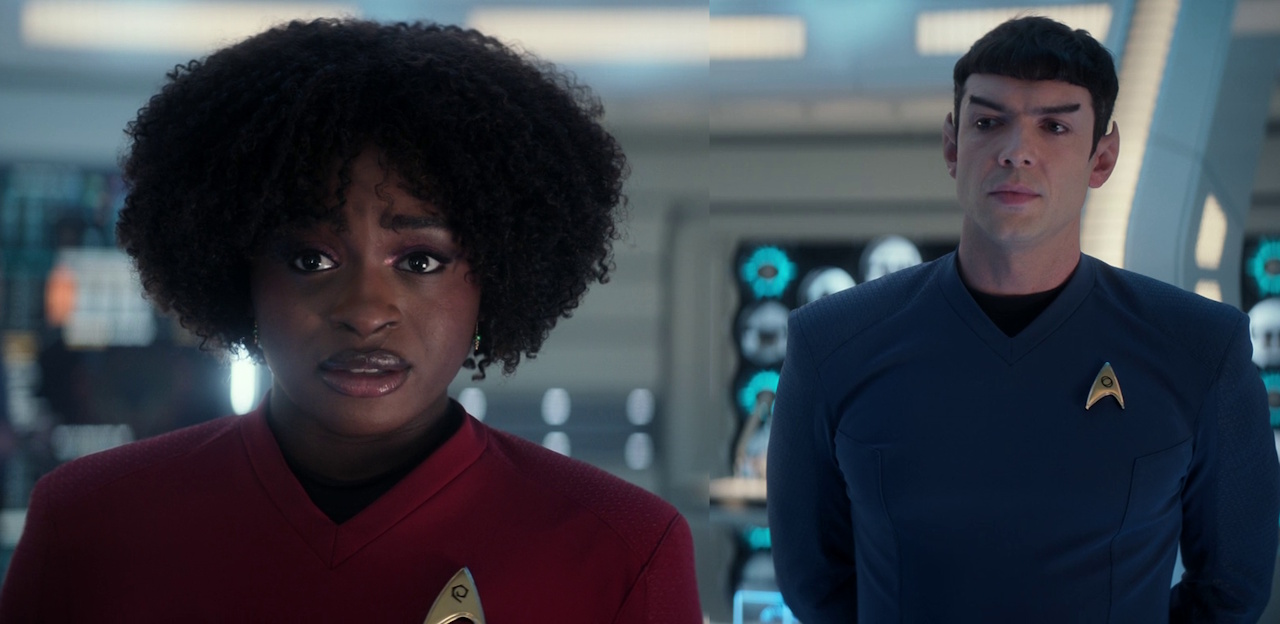
Star Trek: Strange New Worlds Episode Review – Season 3, Episode 10: New Life and New Civilizations

A Star Trek-themed spoiler warning.

Spoiler Warning: There are spoilers ahead for Star Trek: Strange New Worlds Seasons 1-3. Spoilers are also present for the following Star Trek series: The Original Series, The Next Generation, Deep Space Nine, Voyager, Enterprise, Discovery, and Picard.

So this is it, then! Strange New Worlds Season 3 draws to a close after nine weeks. Perhaps in the days ahead we’ll take stock of the season overall, because there have been some fantastic episodes… and a couple that I was a lot less keen on! Season 4 has already wrapped, with production now underway on what will be Strange New Worlds’ fifth and final season, so there’s more to come – even though we are now, sadly, past the halfway point of the show’s run.

But all of that is yet to come! Today, we’re talking about New Life and New Civilizations – the dramatic and emotional final episode of Season 3. I’ll give you the lowdown, but first comes my usual caveat. This review is the subjective, not objective opinion of one old Trekkie. If you enjoyed the episode more than I did, completely hated it, or just don’t like my take on things… that’s okay. There’s plenty of room in the Star Trek fan community for differences of opinion and polite disagreement, and I share this review with my fellow Trekkies in that spirit.

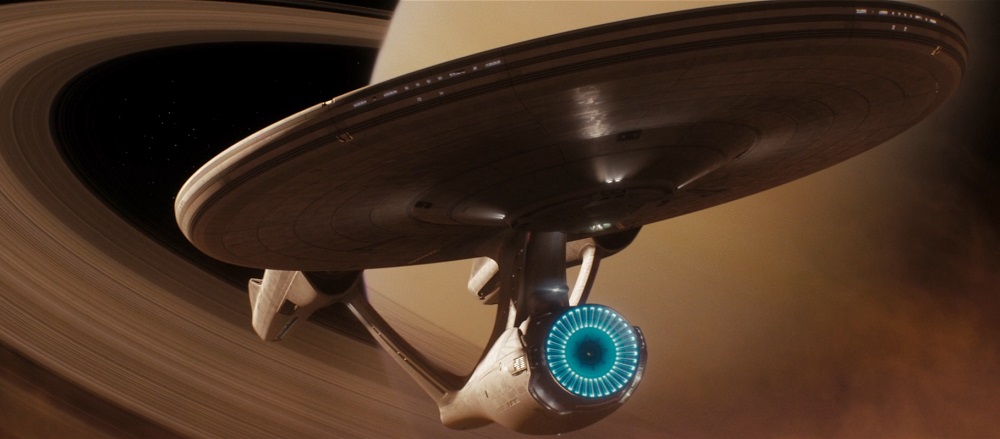
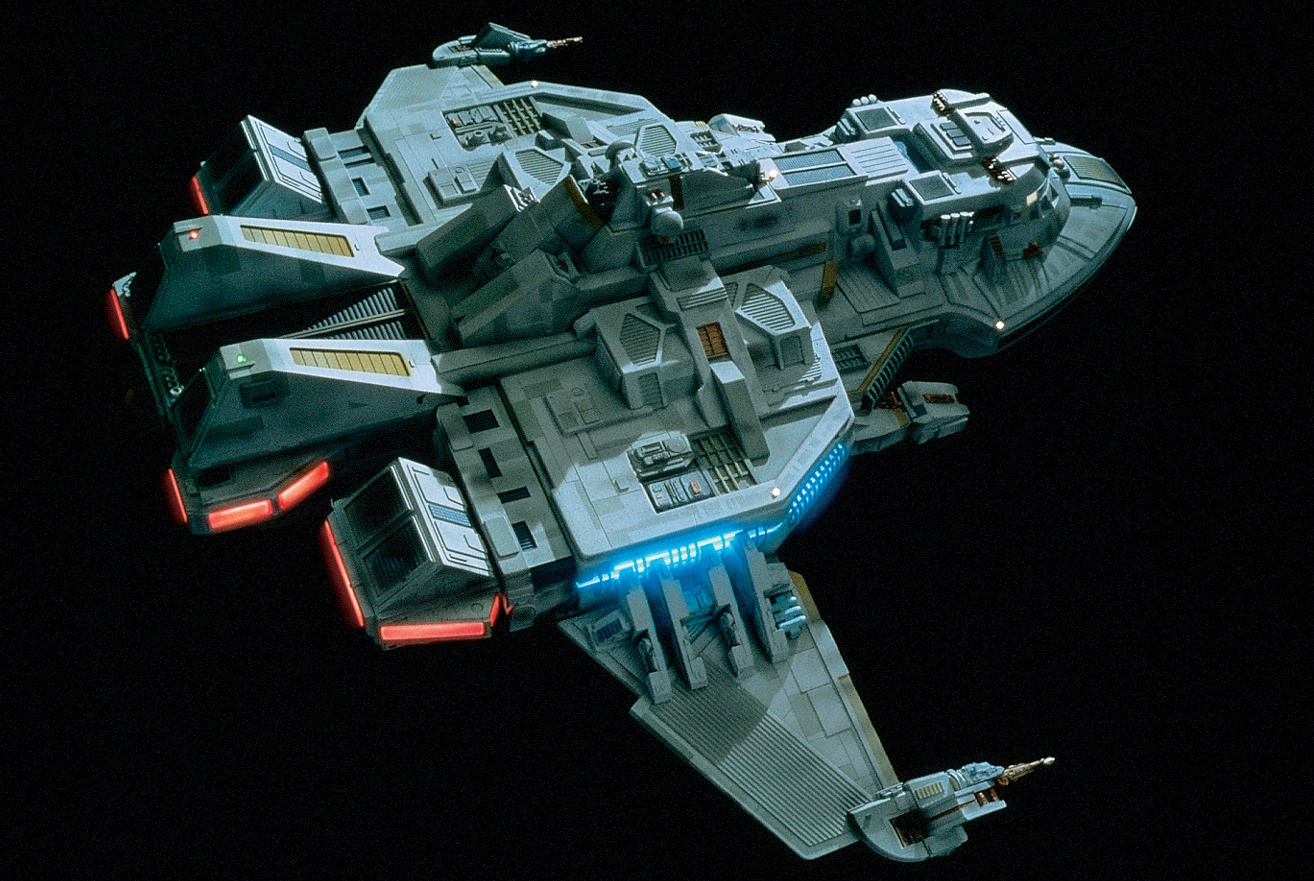
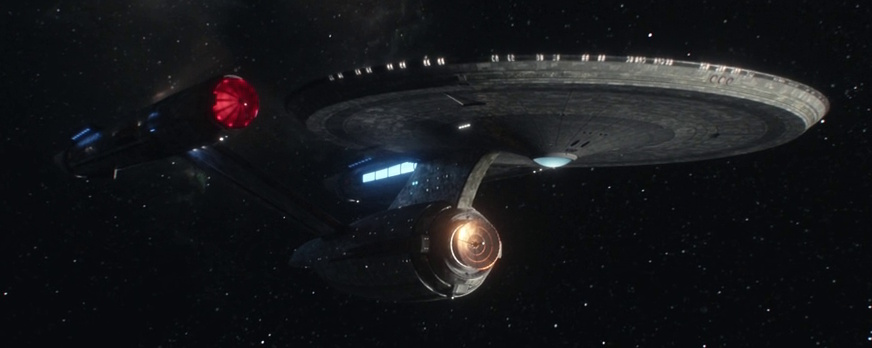
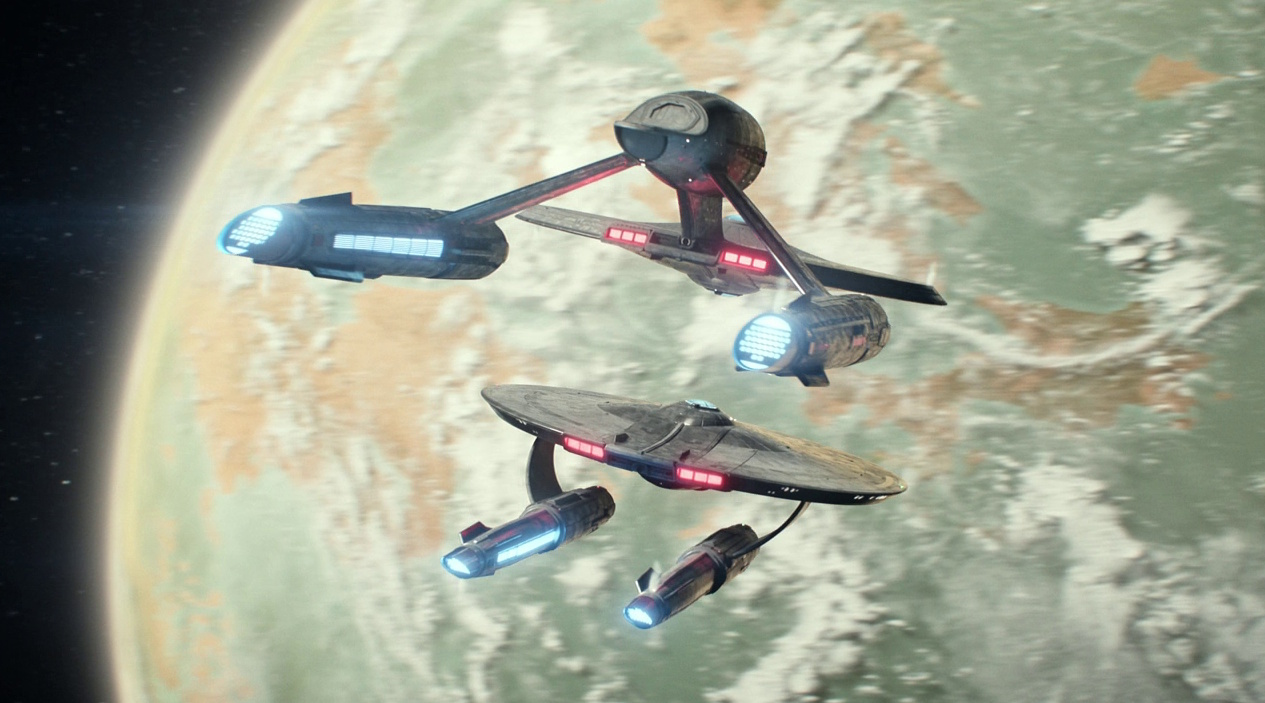
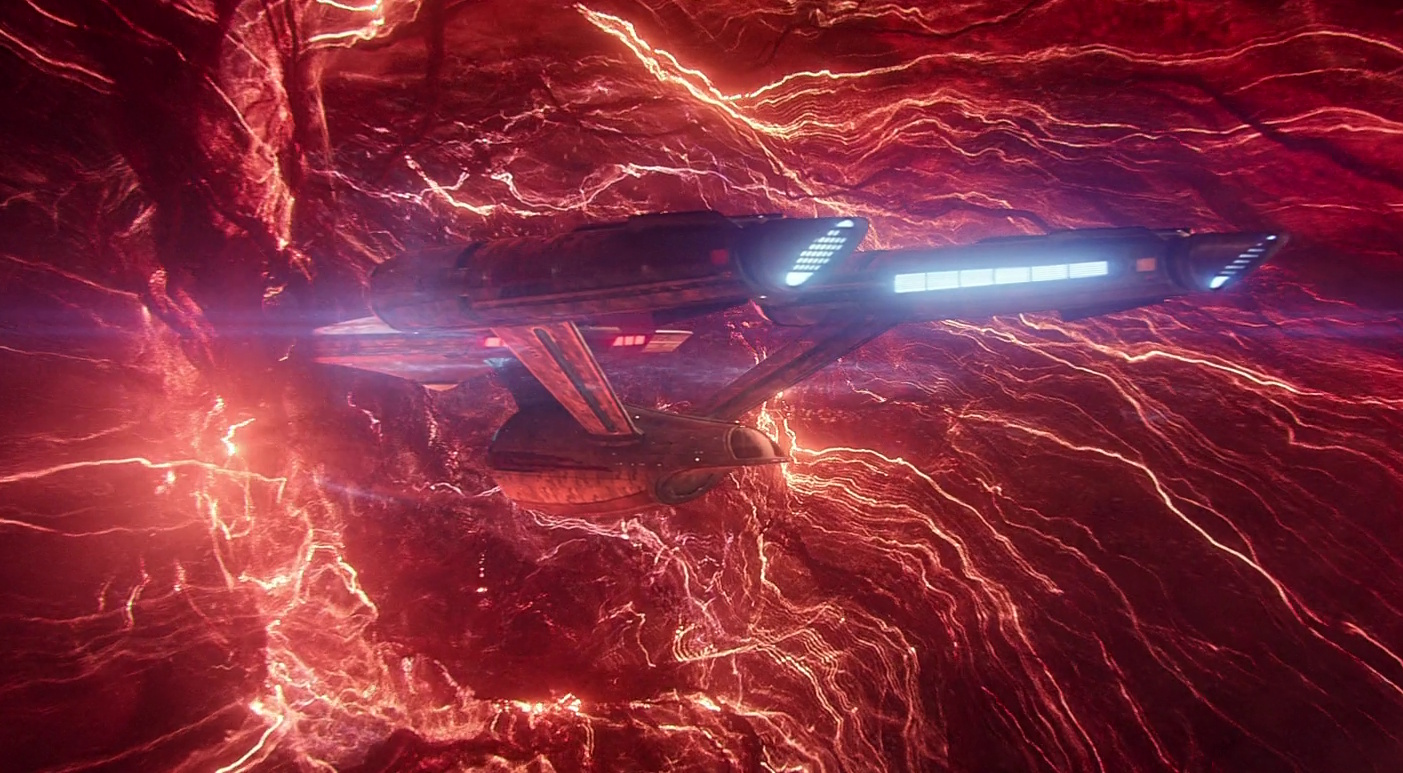
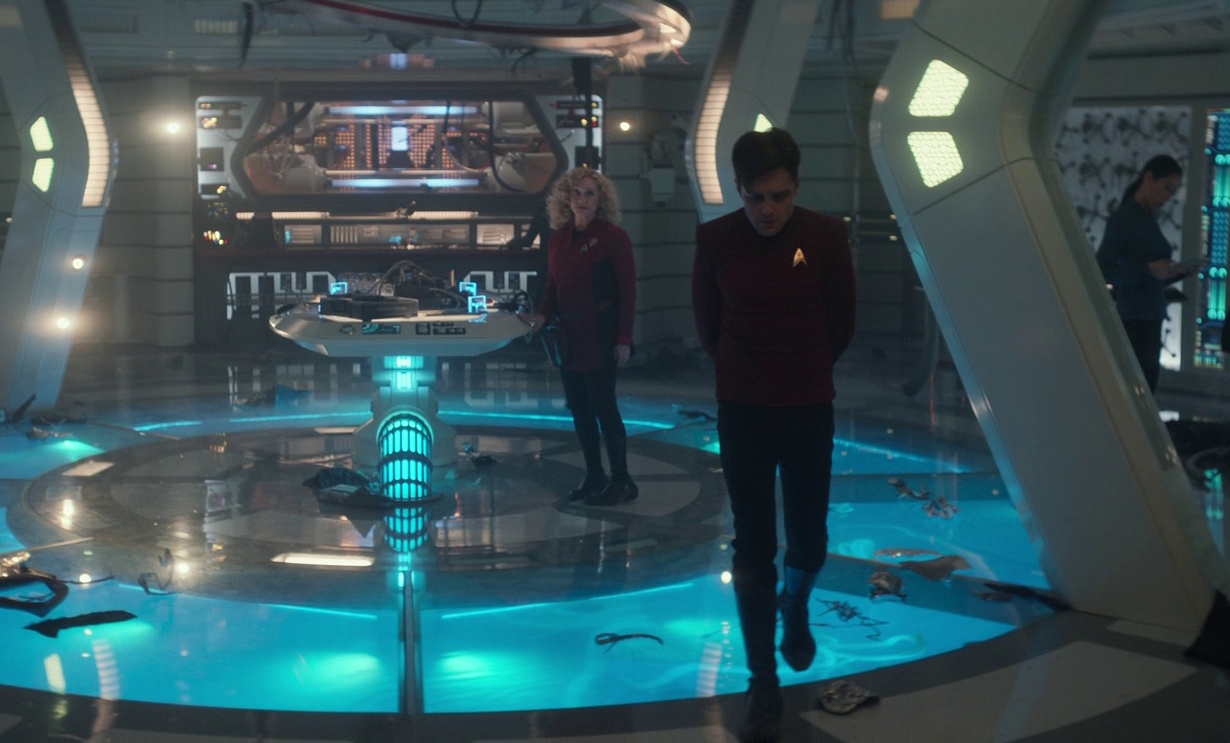
Still frame from Star Trek: Strange New Worlds 3x10 (New Life and New Civilizations) showing the USS Enterprise.
The Enterprise at the beginning of the episode.

Was New Life and New Civilizations a good episode? I would say yes. Was it a perfect episode? That’s a much higher bar to clear, and I’m afraid I have to say no. I think the episode got a lot of things right, building on story threads from across Season 3 in a way that made sense – while also having time for a genuinely unexpected twist. However, there were issues with the way large parts of the episode were paced, resulting in moments that were too short or where more debate and conversation were needed, as well as quite a bit of jumping around. I also felt that, of all the ways Kirk was brought into stories this season, the excuse here was the flimsiest – even though at least part of the result was positive.

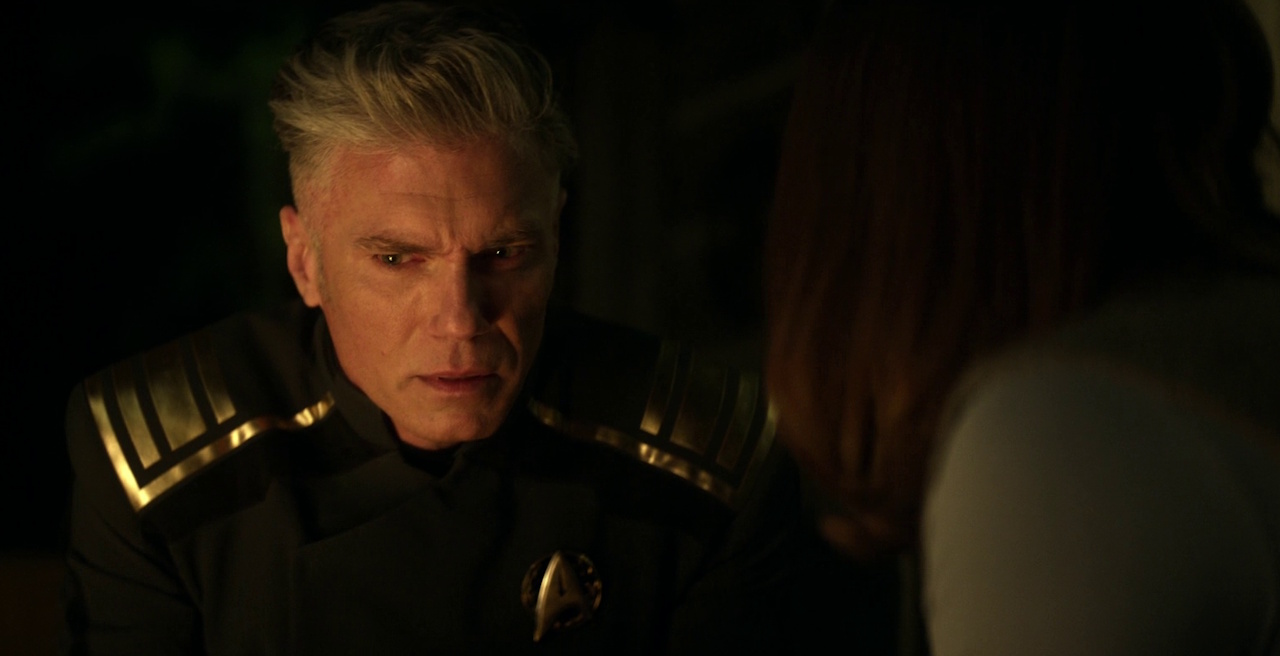
While there were some imperfections, some of which admittedly straddle the line between legitimate criticism and nitpicks, New Life and New Civilizations had heart, and managed to successfully build to an emotional climax – particularly for Captain Pike. This was once known to fans as “the Captain Pike show,” and I’ve noted more than once in recent episodes that Pike himself seems to have taken a back seat. So it was good to get a story that brought him in in a big way, while connecting to the themes of destiny and inevitability which have arguably defined this incarnation of the character.

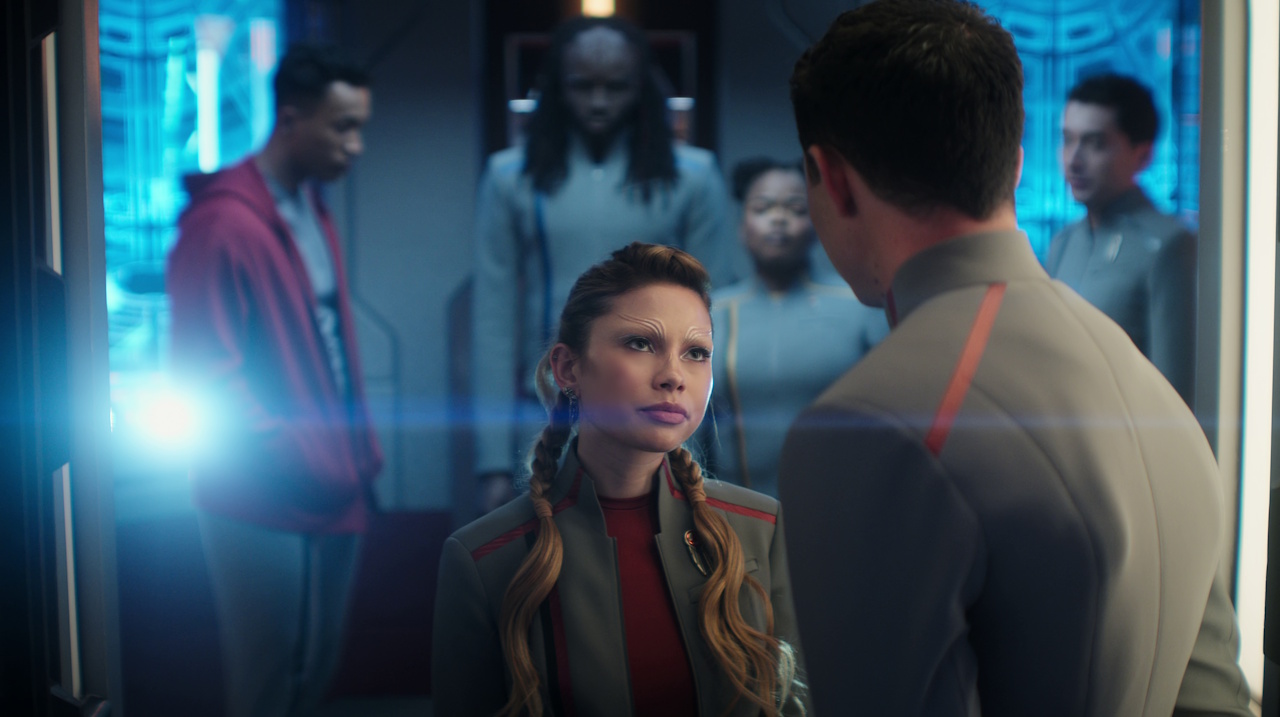
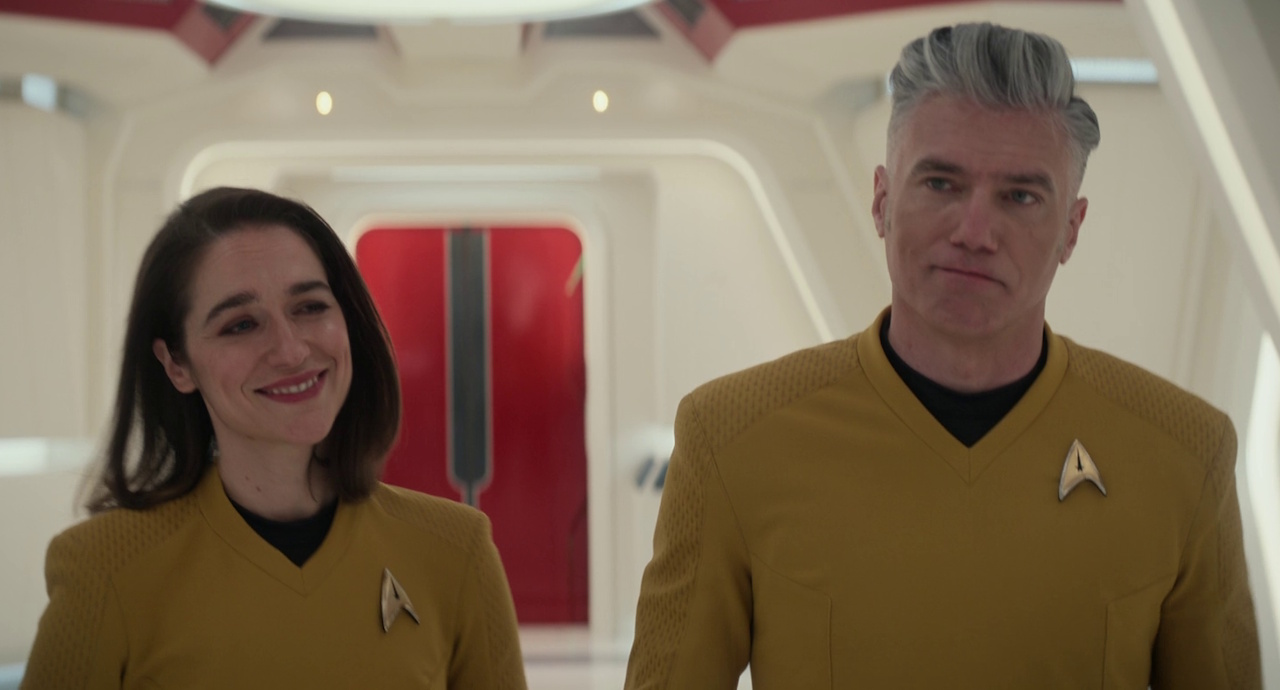
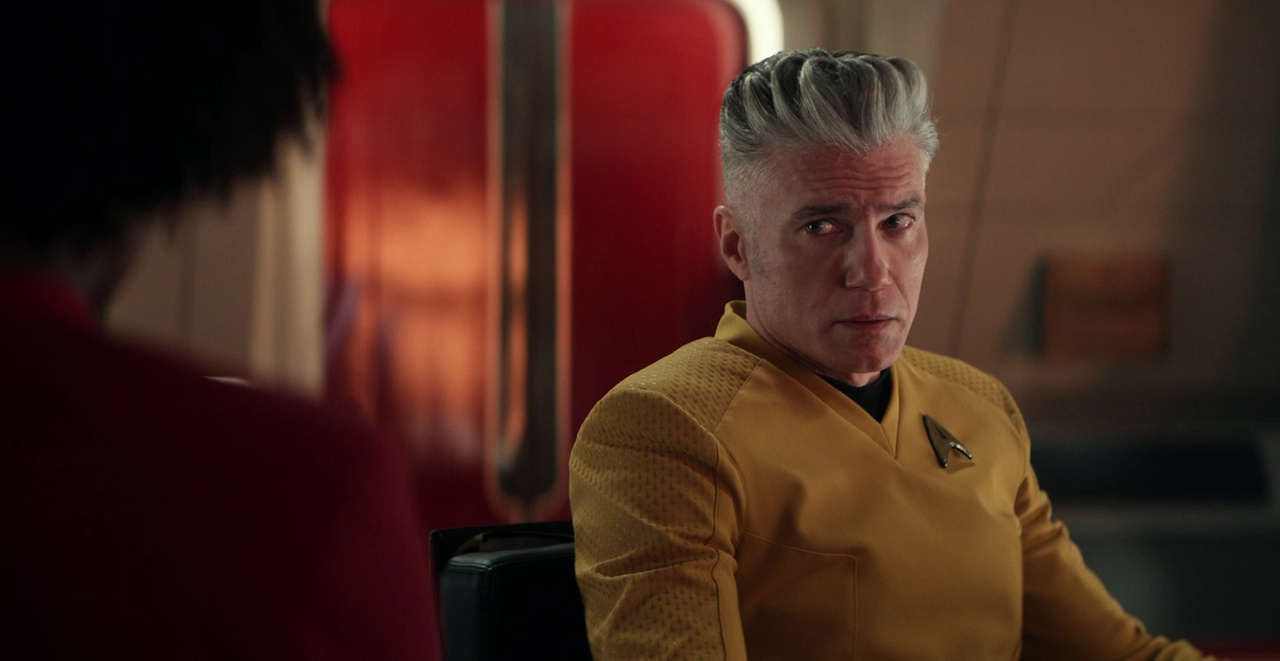
Still frame from Star Trek: Strange New Worlds 3x10 (New Life and New Civilizations) showing Captains Batel and Pike.
Captains Batel and Pike.

The first thing I wrote in my notes after the credits had rolled was that New Life and New Civilizations felt like a series finale. The final sequence on the bridge with Pike and the crew reminded me of Kirk at the end of The Undiscovered Country, Picard after All Good Things, and even Burnham in Discovery’s final episode. After the main story had wrapped up, and we’d been treated to one of the most emotional moments in the entire series so far with Pike and Una, that closing scene felt almost eerie. I wonder if, behind the scenes, there was no guarantee of a fourth season, so the decision was taken to wrap everything up and write an ending that could’ve – if necessary – served as a series finale. If that was the objective, I think it worked! Though I’m glad it doesn’t have to be the finale; I’m not ready to lose Strange New Worlds just yet!

Deep Space Nine and Voyager probably got the most comprehensive finales in the franchise, with DS9’s crew going their separate ways and the USS Voyager finally making it back to Earth. But the way this closing scene was scripted and shot was definitely giving me a “series finale” feel. Compared to last season’s cliffhanger, it’s a noticeable change of pace. It was neat, after almost every other Star Trek show of the last few years had told single-season stories, to get that kind of continuing story last time. I could certainly entertain the argument that a two-part version of New Life and New Civilizations might’ve had more room to breathe! But I think it’s noticeable, at least, that this episode seems to have been deliberately crafted in such a way that it could’ve wrapped up the entire show if it had been called upon to do so.

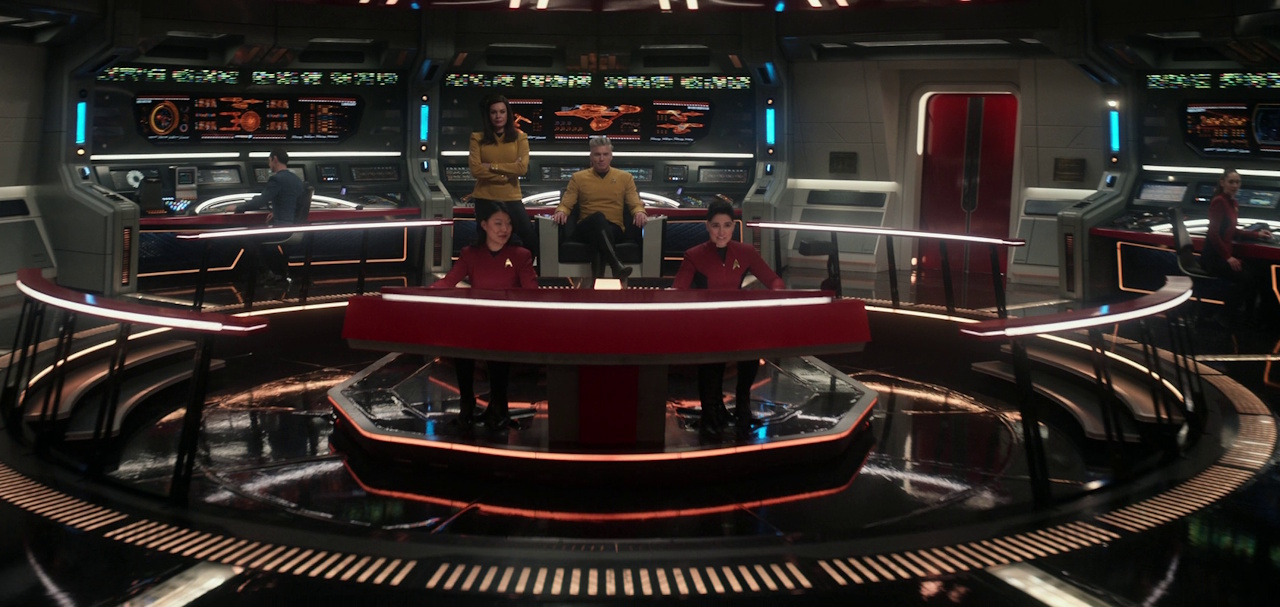
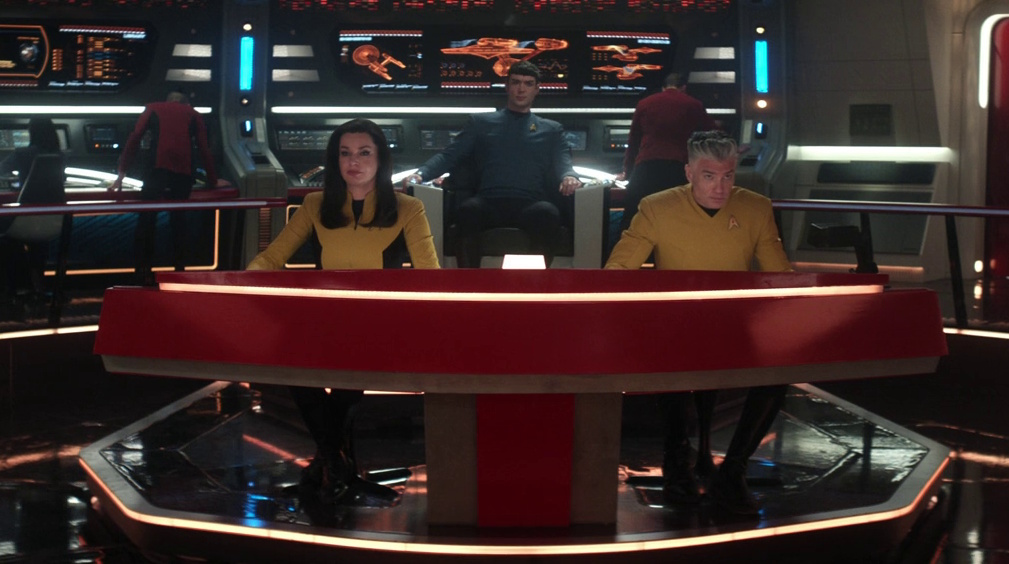
Still frame from Star Trek: Strange New Worlds 3x10 (New Life and New Civilizations) showing Pike and the crew on the bridge at the end of the episode.
This could’ve been the series finale.

In the run-up to this week’s episode, it felt pretty likely that the Vezda – who appeared in the thoroughly excellent Through the Lens of Time earlier this season – would be making a return, if for no other reason than to tie up that dangling narrative thread. And I saw some fans speculating online about the Vezda’s “true identity” – as I’ve done here on the website with other new additions to Star Trek, like Picard’s super-synths and Discovery’s Species 10-C. But you know what? I’m glad that the Vezda are new to Star Trek, and given the way the franchise has often tried to tie in new storylines to pre-existing alien races and factions – even when they don’t exactly fit the bill – I think it was the right call.

Imagine if, in The Next Generation, we never got to meet the Borg or the Cardassians, because the Romulans and Klingons kept coming back to fill those roles. And instead of meeting, say, the Sheliak or Ux-Mal, we’d gotten episodes with the Tholians or Metrons. Star Trek would feel… smaller. The franchise needs to introduce new alien races, sometimes, in order to grow, and while it can be fun to speculate and theorise about who or what a new faction might be connected to… in this case, I think making the Vezda a brand-new race was the right call.

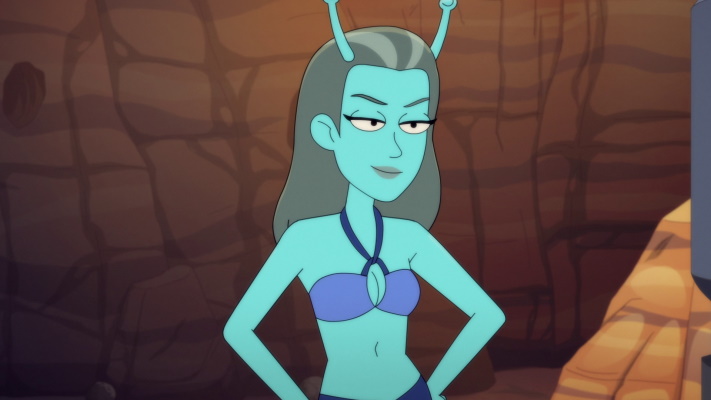
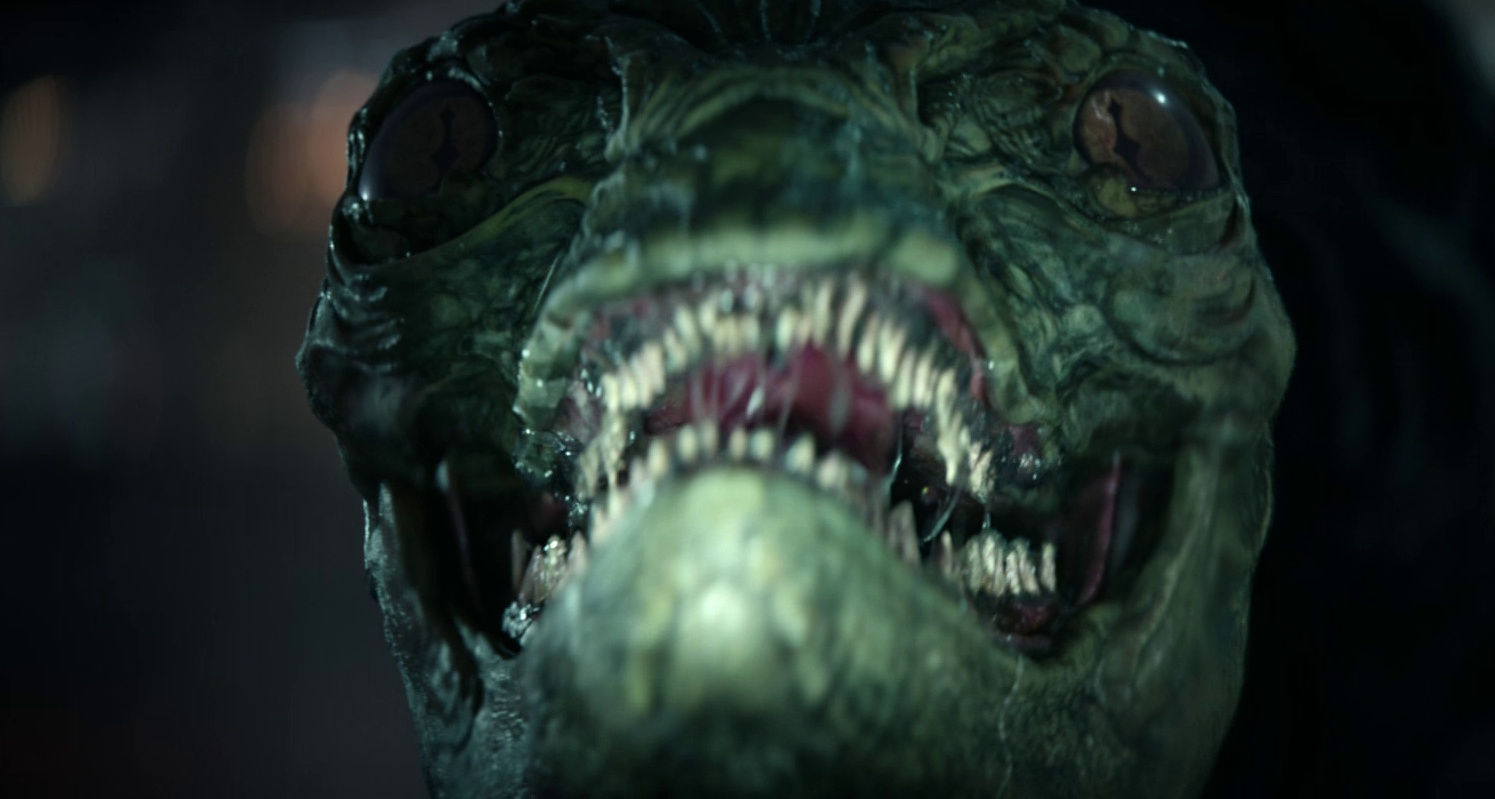
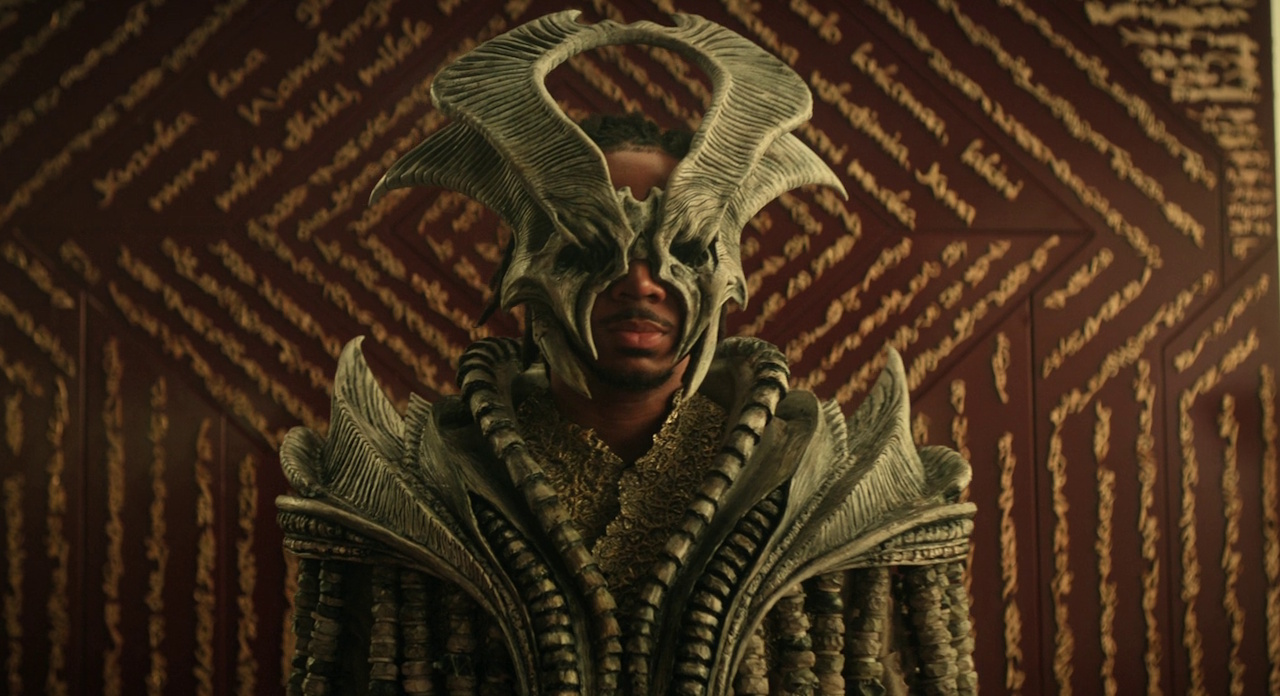
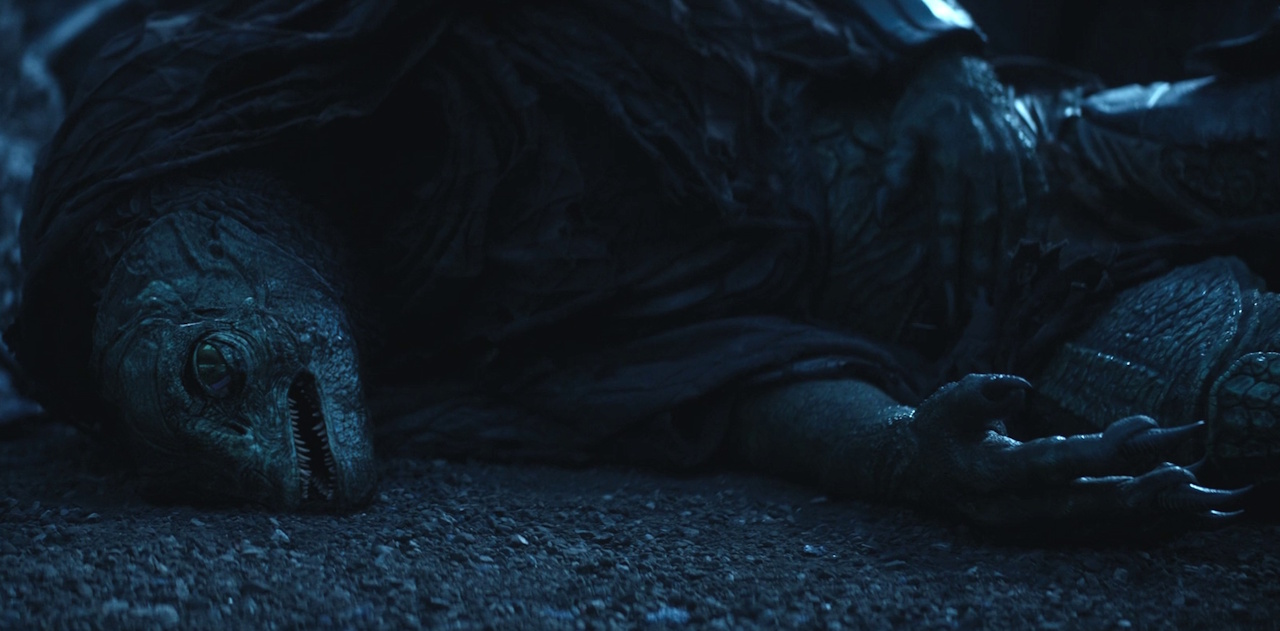
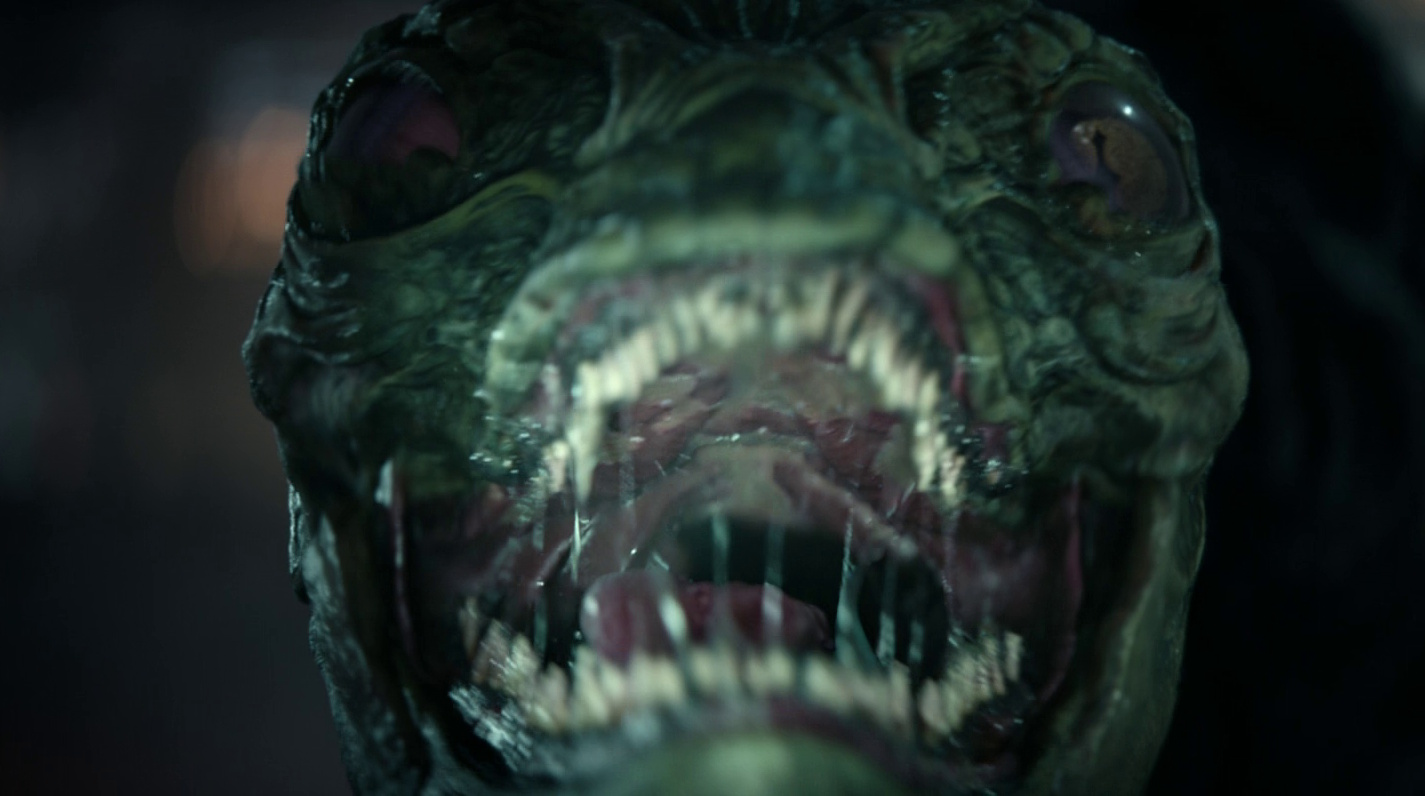
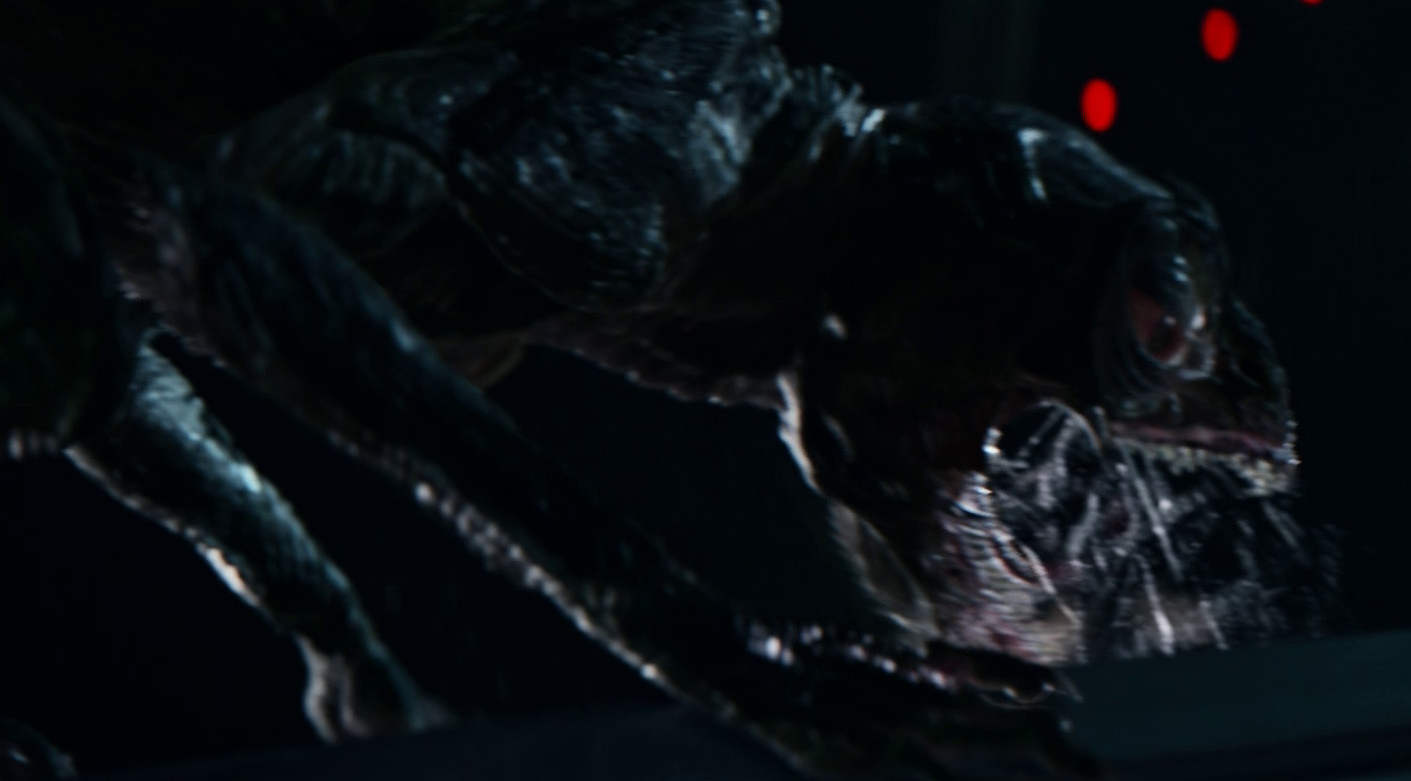
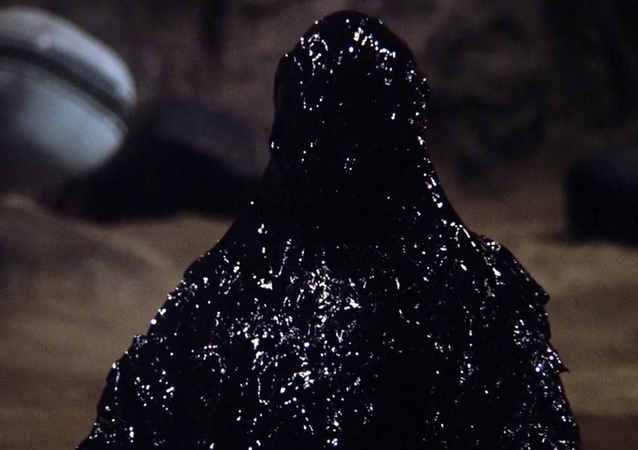
Still frame from Star Trek: Strange New Worlds 3x10 (New Life and New Civilizations) showing the Vezda aliens.
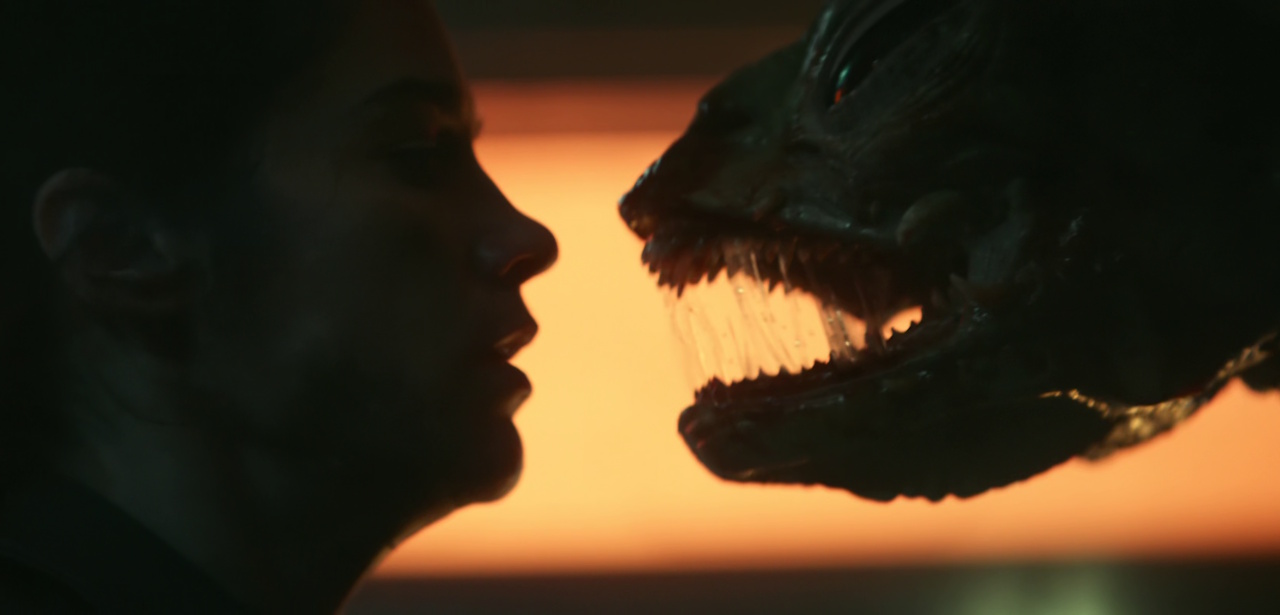
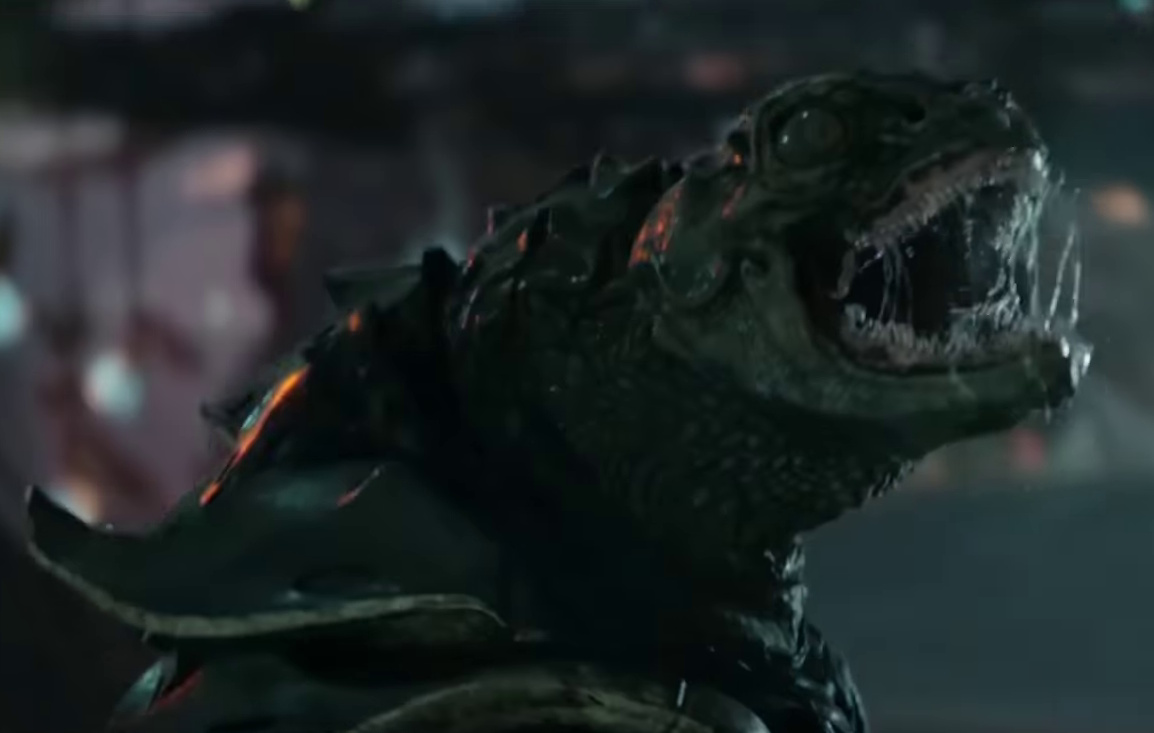
The Vezda.

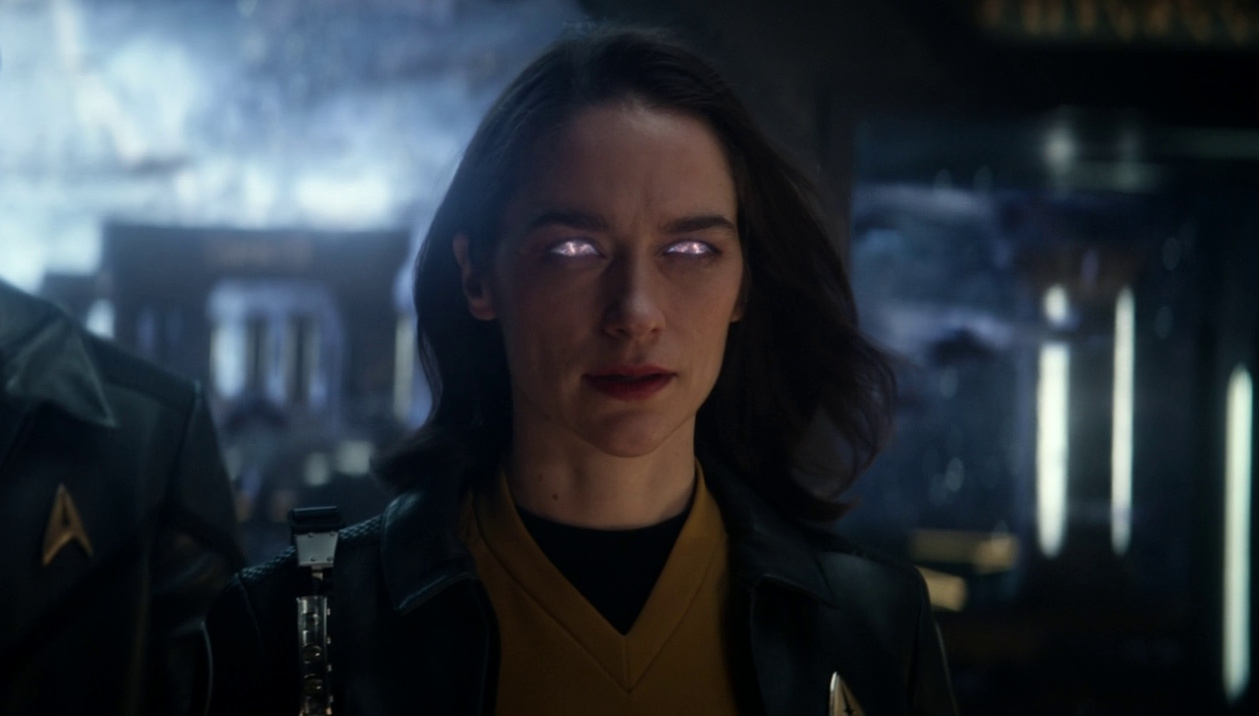
It was also a huge shock to see Chris Myers again – reprising his role as the Vezda-possessed Ensign Gamble. Or perhaps we should say the Vezda who assembled a Frankensteinian-transporter-clone of Gamble? I genuinely wasn’t expecting this, even though the Vezda being seen again seemed likely. It was properly hidden ahead of the episode’s premiere, and Myers did an exceptional job in the role – as he had in Through the Lens of Time.

And I think an episode like New Life and New Civilizations needed someone familiar in that villainous role. This is a story we’ve been building to, in different and not-so-obvious ways, perhaps, all season long. It didn’t have to be Gamble from a narrative point of view; the Vezda could’ve cloned someone else, or beamed itself off the Enterprise and possessed a random alien’s body. But having Gamble there, with that extra link to Dr M’Benga and the others – as well as being a familiar face for us as the audience – it added a lot and made this side of the story feel more complete.

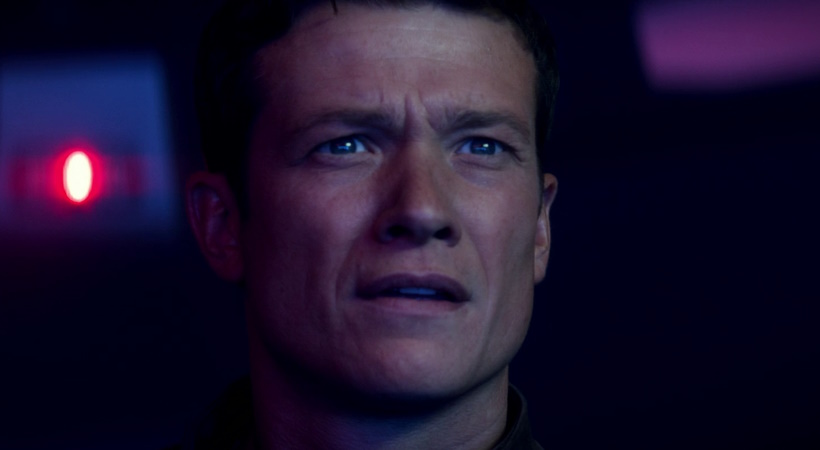
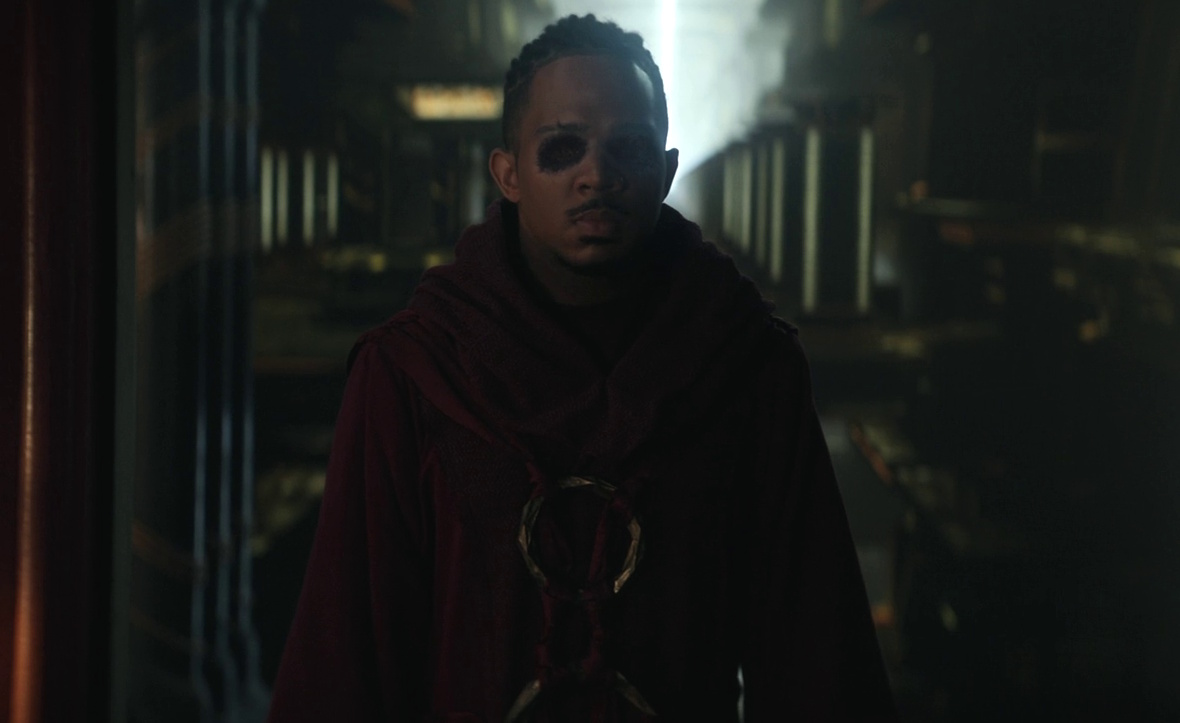
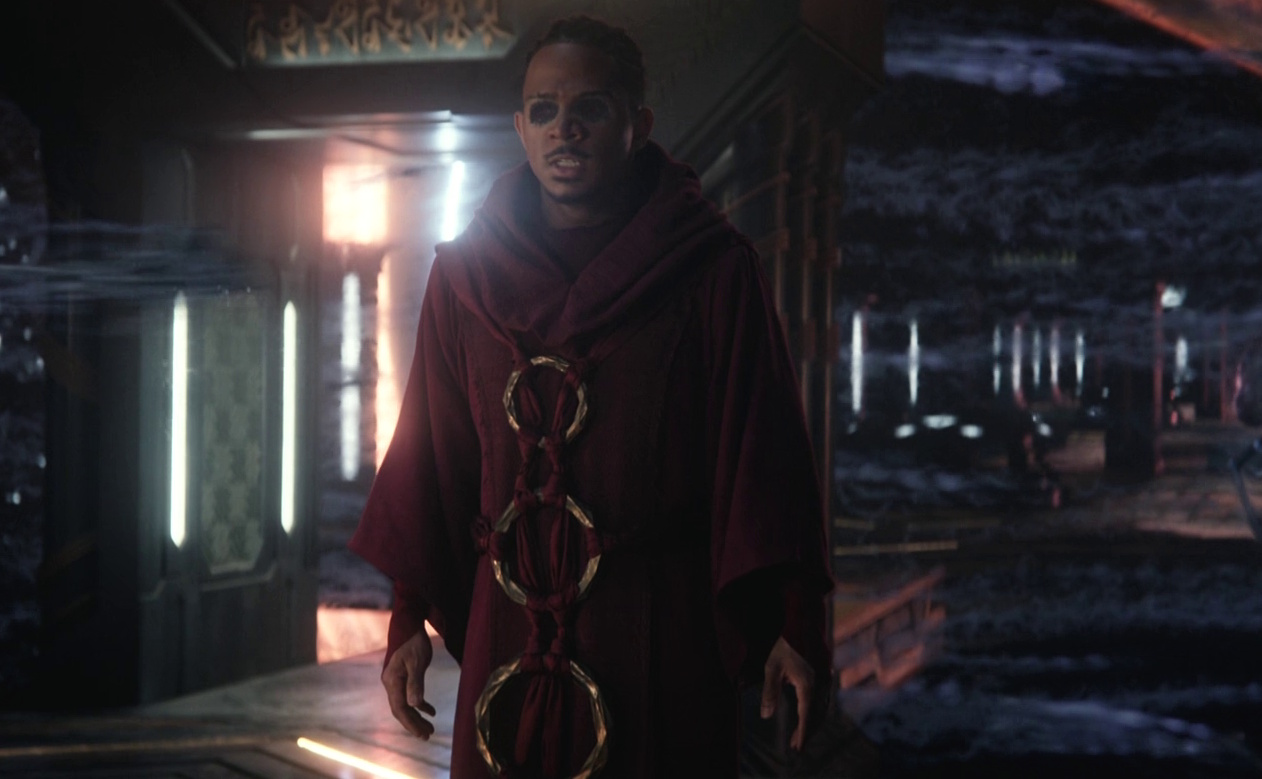
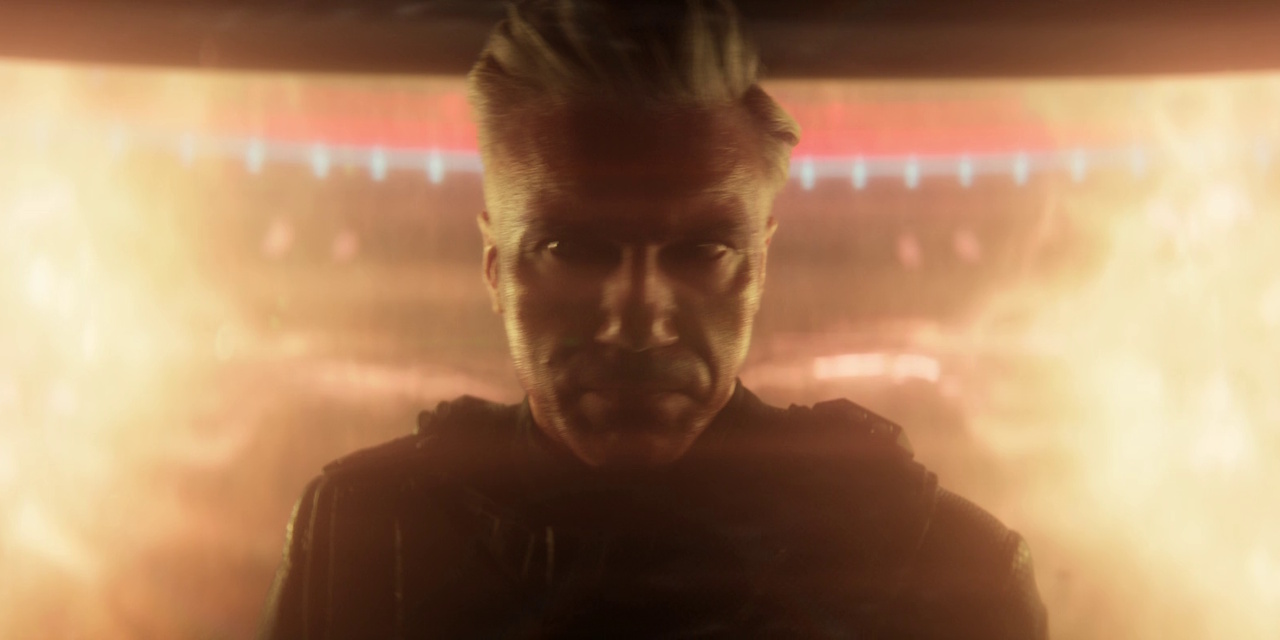
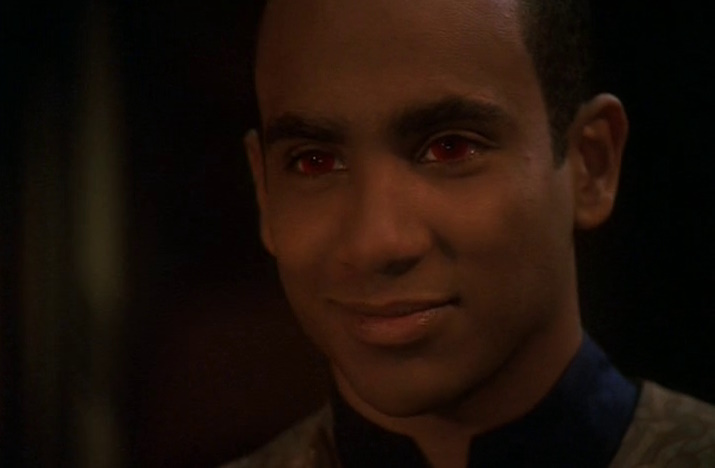
Still frame from Star Trek: Strange New Worlds 3x10 (New Life and New Civilizations) showing Ensign Gamble possessed by the Vezda.
This reveal was fantastic.

Let’s talk about the main issue I have with New Life and New Civilizations – its pacing.

In short… this feels like a two-part episode that’s been torn and crumpled to fit into the runtime of a single story. And the result of that is that some scenes were too short, characters seem to jump to wild conclusions incredibly rapidly, Pike and Batel’s fantasy life was raced through, and perhaps most crucially, Batel’s climactic showdown with the Vezda was over far too quickly. We’ll address each of these points in turn, but suffice to say that I don’t think this episode needed another ten minutes – it really needed another forty-five to truly reach its potential.

Two points stand out where characters appeared to make completely wild and almost nonsensical leaps in logic without enough information or buildup. The first was when Dr M’Benga, having read one line above the doorway, decided that this pretty vague and ambiguous statement just had to be all about him and his life. (Even though it referenced an event we’d never heard about before, let alone seen on screen). The second was Captain Batel, when talking with Pike and the others in the science lab, immediately deciding that it was her destiny to defeat and imprison the Vezda for all eternity – while claiming she had all the knowledge she needed to do so.

Still frame from Star Trek: Strange New Worlds 3x10 (New Life and New Civilizations) showing Batel's end.
Did this have to be Captain Batel’s fate?

To be clear: I think both of these story ideas can be made to work. But the pacing is throwing me off. Captain Batel went from “I’m ready for a new assignment as head of Starfleet’s legal division,” to “well obviously I’m the guardian/prison warden who saves the universe from these monsters” in one short conversation, and there just wasn’t enough time dedicated to exploring this idea, what it really means for her, for her relationship with Pike, and the kind of sacrifice it entails. There also wasn’t nearly enough time to explain how or why she feels capable of doing this.

Batel declared, partway through the meeting in the science lab, that she possesses “all” of the knowledge of every species to ever fight the Vezda. But that’s bullshit. She possesses at best the genetic information of two-and-a-bit species – human, Gorn, and, at a stretch, Illyrian. But part of the conversation framed the Vezda as a kind of “ancient evil” that every race and culture in the galaxy had faced in the distant past. So how can having the knowledge of three of them mean she’s qualified to stand up to them? That wasn’t explored at all, and it seems to be at least a worthwhile counterpoint that a longer conversation here could’ve considered.

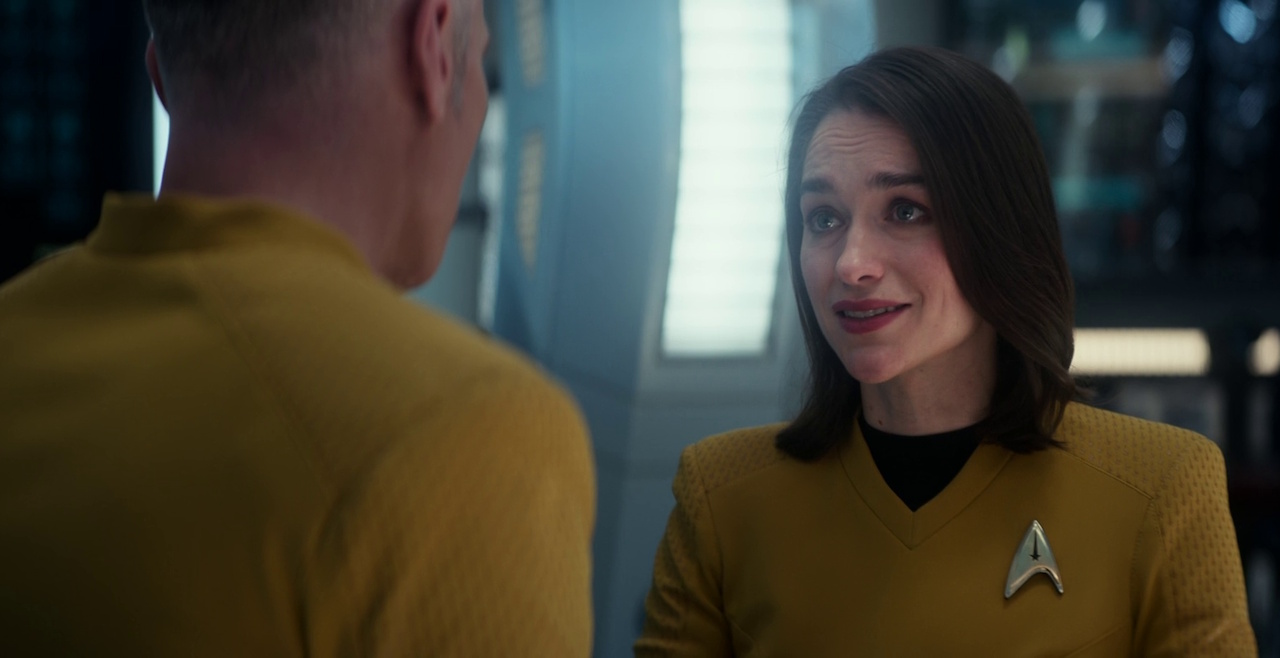
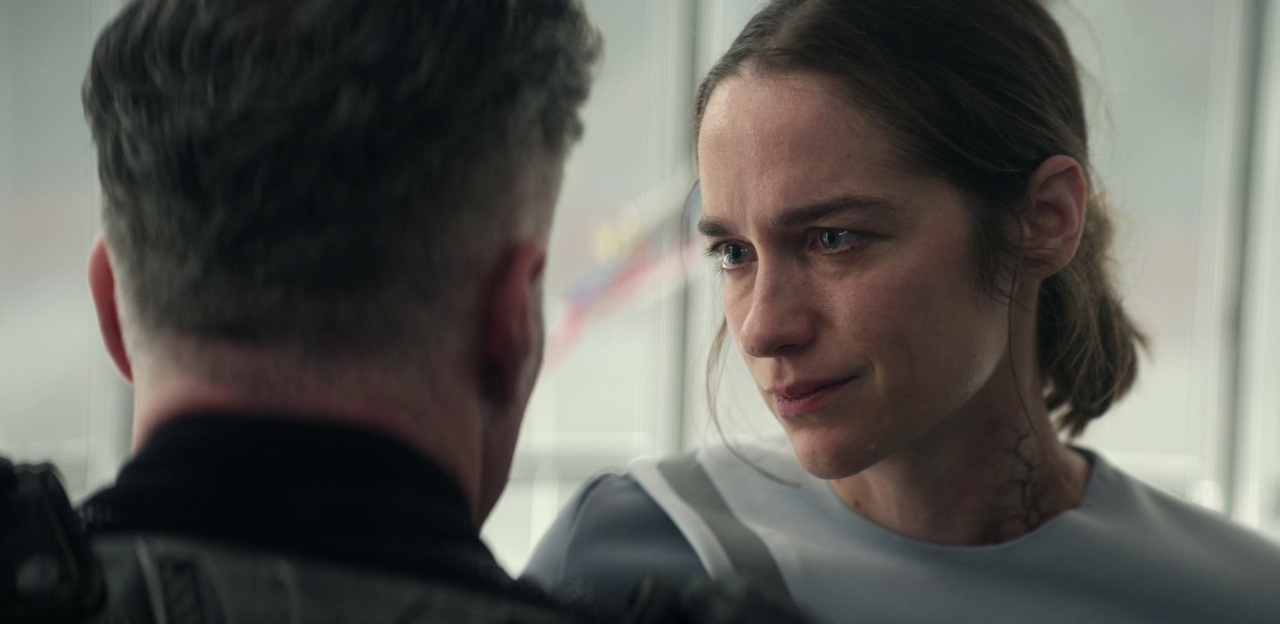
Still frame from Star Trek: Strange New Worlds 3x10 (New Life and New Civilizations) showing Captain Pike and Captain Batel.
Batel makes her case to Pike.

This whole preamble just seemed to race by. Scotty realised the transporter had been used to clone Gamble. That took all of about a minute. Then from Pike being summoned to sickbay through the entire science lab conversation? Five minutes. It’s just not enough time on a setup that effectively “kills off” a major recurring character and the love interest of the series’ protagonist. We needed these scenes to last longer, particularly the conversation in the science lab. Other possibilities needed to be considered, and a more solid foundation built for Captain Batel’s sacrifice.

I also feel that the old “show, don’t tell” adage is a bit of a problem on this side of the story. The Vezda, since showing up in Through the Lens of Time, have killed precisely one named character: Ensign Gamble. Pelia made an elaborate speech about how evil they are, and this week even the logical Spock leaned into this idea of the Vezda as an unstoppably powerful “prehistoric evil.” But, for all the talk, we didn’t really see the Vezda do a lot of damage – and thus we don’t fully grasp the stakes involved. Sure, if the Vezda break out of prison, it won’t be great for the pre-warp citizens of Skygowan. But… so what? What, precisely, are the Vezda going to do to them? And what are they going to do to Starfleet and our heroes?

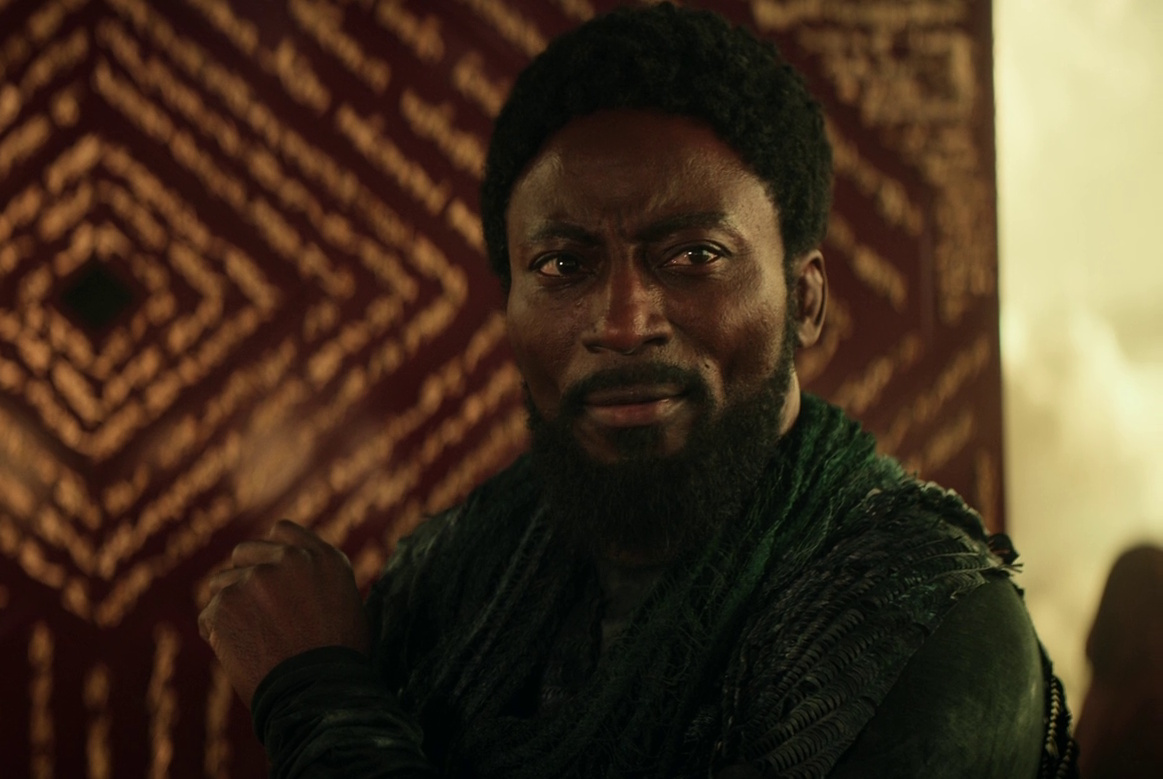
Still frame from Star Trek: Strange New Worlds 3x10 (New Life and New Civilizations) showing Gamble possessed by the Vezda.
What were the Vezda planning… and why was I meant to care?

The Vezda are not akin to the Gorn – or to invading aliens from other iterations of Star Trek, like the Dominion or Borg. They don’t even possess spaceships, and if the ones we saw in the prison are all the Vezda that exist… I mean, one photon torpedo from orbit would be all it would take to end their entire civilisation. They’re talked up as being hugely powerful, unstoppable, and evil – but we don’t actually see a ton of that on screen. We’ve only met one Vezda – the one who possessed Gamble. And for all we know, he could be an outlier.

My point is this: this moment needed more time on screen. Captain Batel makes a life-changing decision based on the very un-Starfleet ideas of fate and destiny in way too short a span of time, without really listening to or considering alternatives. And the reason why she makes this decision – to stop the Vezda and keep them contained in a prison – is based on information which is incomplete at best. Surely Starfleet – an organisation dedicated to, y’know, seeking out “New Life and New Civilizations” – would want to study the Vezda, learn more about them, and then come to a conclusion about whether to pursue this kind of conflict. Instead, Batel and the others simply declare them to be “pure evil” based on one interaction with a single individual.

Still frame from Star Trek: Strange New Worlds 3x10 (New Life and New Civilizations) showing Gamble possessed by the Vezda.
“Ensign Gamble.”

Then, during the away mission, we have Dr M’Benga deciding that a random inscription – which was pretty vaguely-worded – can only be about himself. No time was taken to consider alternatives, or to come to this realisation at a more reasonable pace. This part of Dr M’Benga’s backstory was also, as far as I can recall, not even known to us as the audience ahead of time. Why not, for example, use Dr M’Benga’s murder of the Klingon defector from last season’s Under the Cloak of War to set up this story point? It would’ve at least been a callback to something we’ve seen for ourselves.

I liked the idea that Gamble needed Dr M’Benga to open the doorway; that there was a narrative reason for the inscription and for Gamble to have to wait. I just felt, as above with Captain Batel, that the pacing of the way M’Benga arrived at the realisation was simply too fast, and that it doesn’t make sense in-universe. If it had used his name, for example, or even if it was just worded less ambiguously, I think it could’ve been stronger. But several factors came together to make it feel rushed and less impactful than it should’ve been.

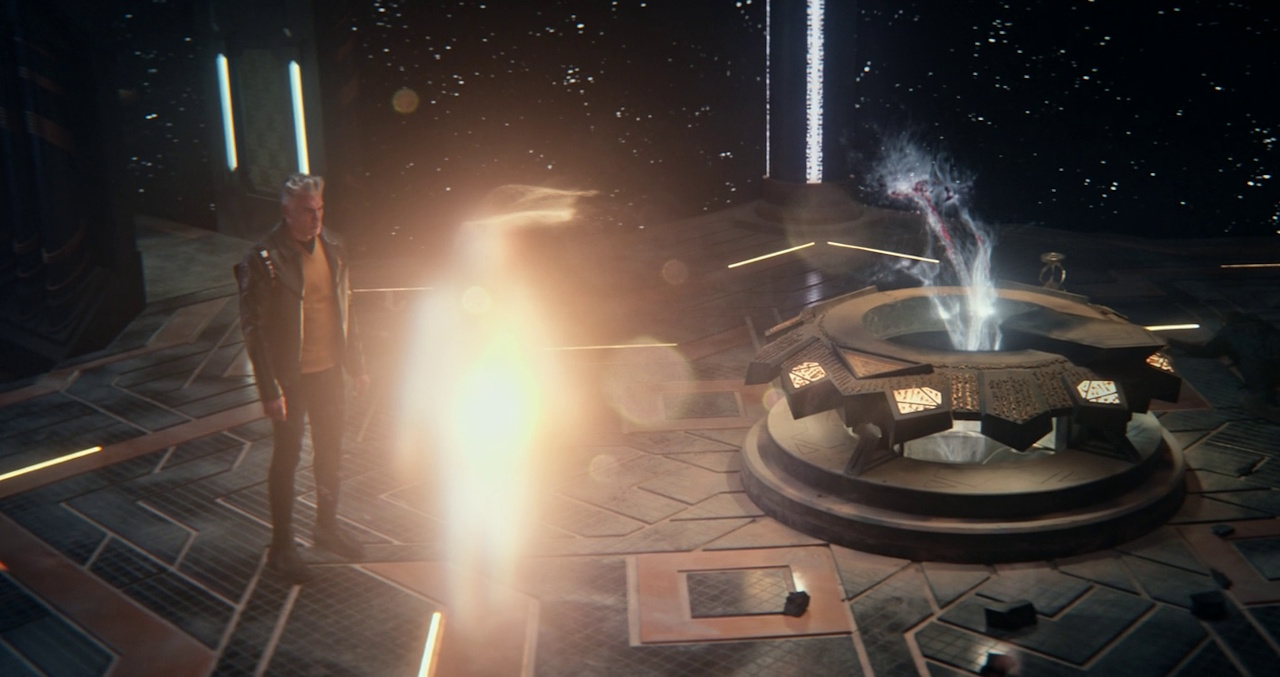
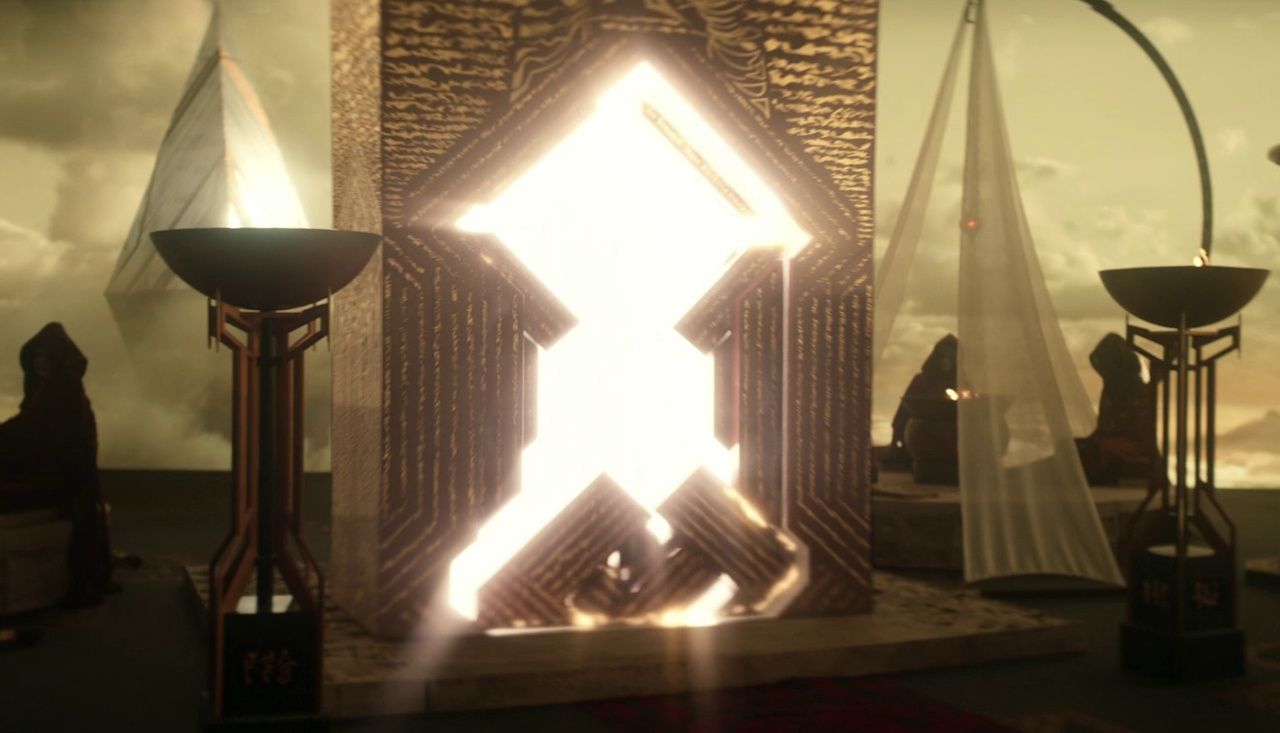
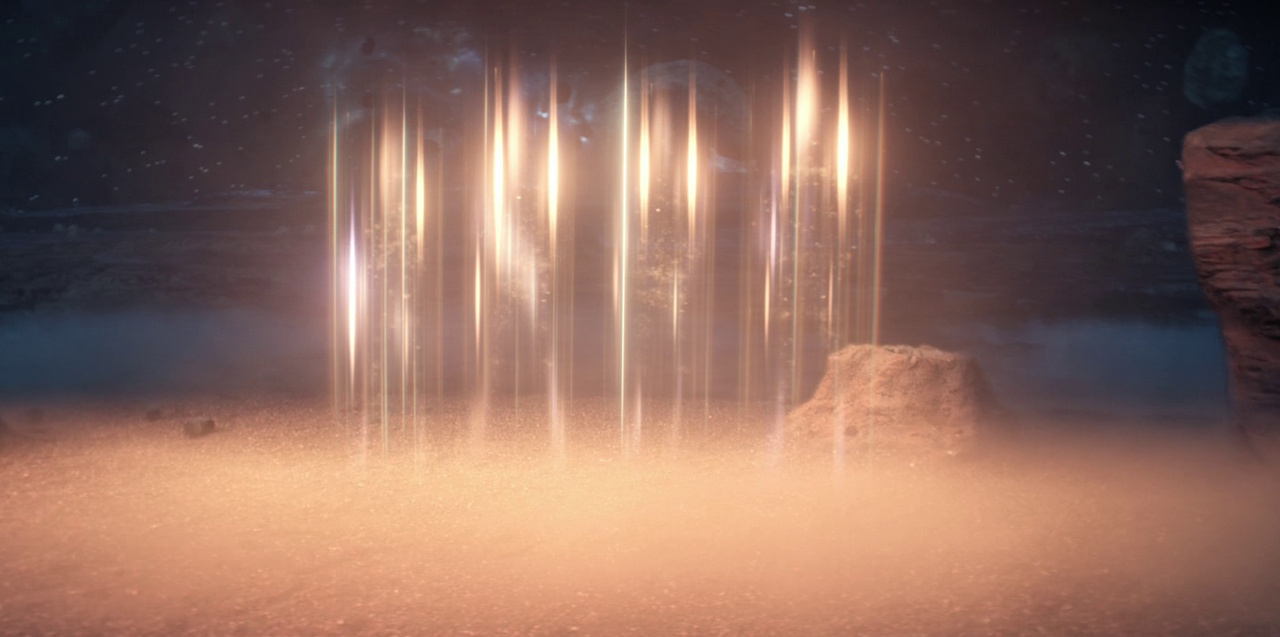
Still frame from Star Trek: Strange New Worlds 3x10 (New Life and New Civilizations) showing the portal.
The door to the prison.

“A young boy was not yet a man, but his time had come, to kill or be killed; a knife in his hands.” That’s the full line that Dr M’Benga read before deciding that this vaguely-worded and poetic line could only be referring to himself. And no one else stepped in to say “uh, hang on a minute there, Dr Self-Centred, it’s a pretty ambiguous statement, don’t ya think?” Taking just an extra couple of minutes on this sequence, with the other members of the away team considering possible interpretations before Dr M’Benga interjected with that fact about himself would’ve done a lot to sell me on it. And if we’d known already about Dr M’Benga’s childhood, or connected this line to something we’ve already seen on screen, such as his Klingon War service, that would’ve improved things a lot.

This is what I mean about pacing: we can use the same words and get to the same conclusion… but if the route is too quick, it undermines what the story wants to say. Dr M’Benga finding a statement carved in stone on an alien world that’s all about him is, in theory, an interesting idea that ties into the episode’s story about time and linearity, and contributes to the idea of the Vezda as being significantly more powerful than the Federation. But if you rush it, you botch it. When this fact about Dr M’Benga’s past was brand-new, and the wording that led him to that conclusion was so vague… we needed to spend more time here. Or the reference needed to be more overt: “The portal only opens for the one you call… M’Benga.” There. Fixed it.

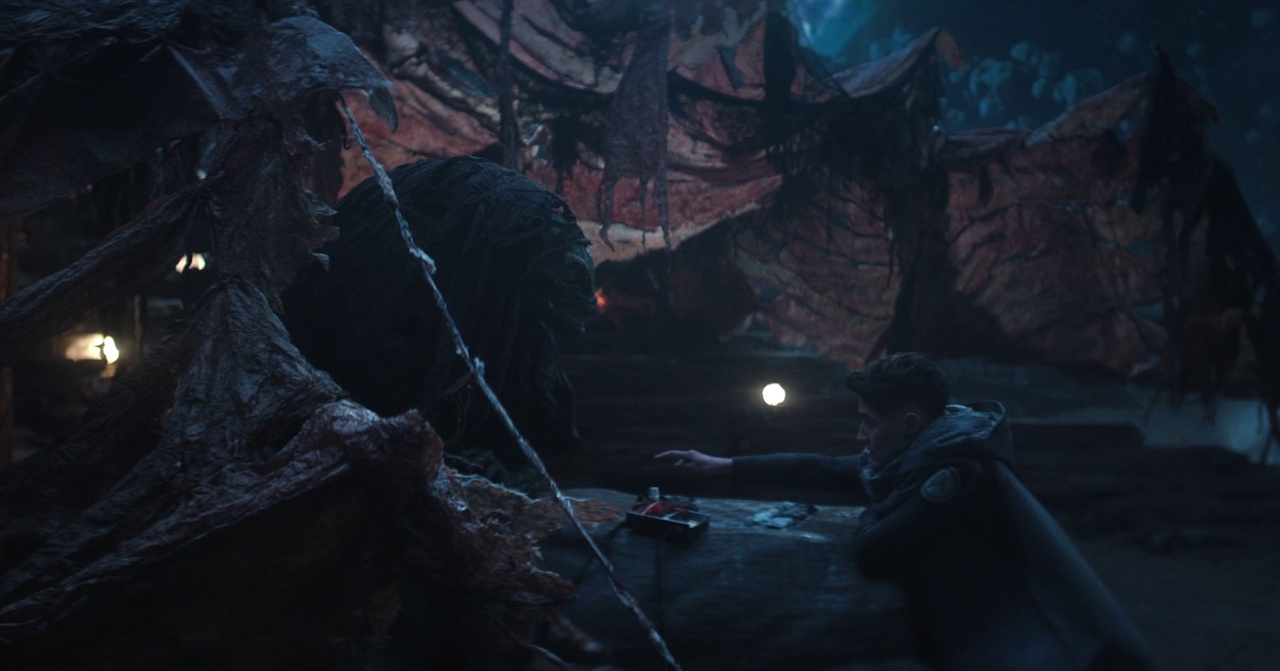
Still frame from Star Trek: Strange New Worlds 3x10 (New Life and New Civilizations) showing Dr M'Benga on the away mission.
This moment was horribly rushed.

I have enjoyed Paul Wesley’s take on Kirk since he first appeared in the Season 1 finale. Most of Kirk’s appearances have made sense in context… but of all the excuses to bring Kirk into Strange New Worlds, the one this week felt the weakest. I’ll try to explain what I mean. Firstly, Captain Pike reached out to the Farragut… but didn’t speak directly with Captain Whatshername (the Vulcan). Instead, for some reason, he speaks with the first officer. That was already a bit… odd.

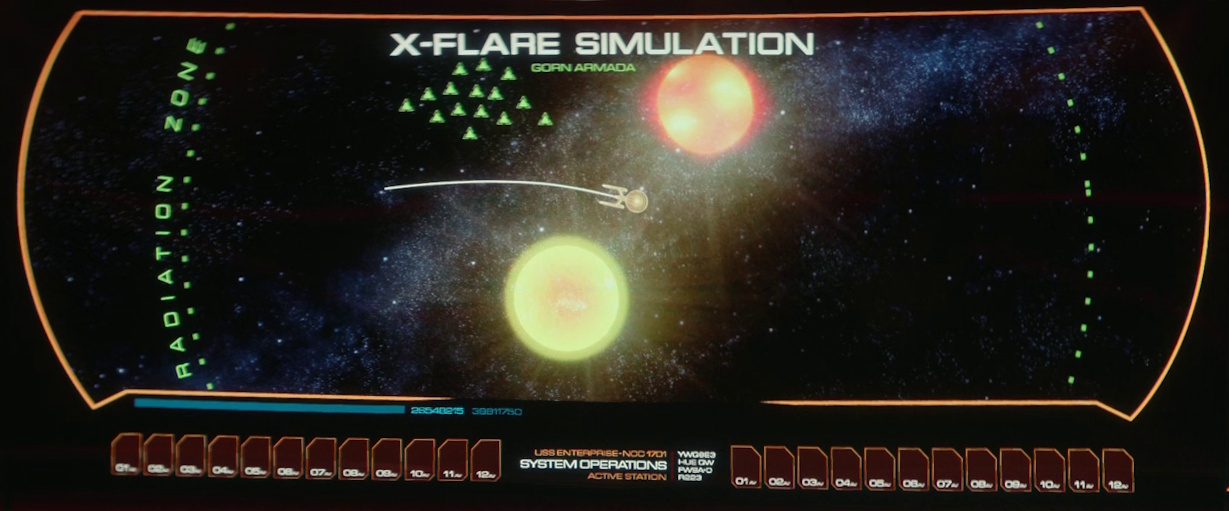
But then, later, Spock decides he needs to mind-meld with someone in order to coordinate this “two ships firing phasers at the same time” idea. But… why? The crew could reasonably infer Gamble’s intention: that he wanted to go to Vadia IX and free his fellow prisoners. And Pelia, in another disappointingly weak and underdeveloped scene, confirmed that one of the “interdimensional ley lines” from Skygowan led directly to Vadia IX. So… why did Pike and Batel need to open the portal when they could’ve just warped there in the Enterprise? It’s not like getting into the Vadia IX prison was complicated; all it needed was a pinprick, and Captain Batel is dead set on staying there anyway. So all of this mind-melding and phaser coordination just felt like a totally unnecessary narrative diversion. In a stronger, better-paced episode, perhaps it would’ve been less noticeable. But in an episode where the main story was desperate for more time on screen, it’s a particularly egregious waste of time.

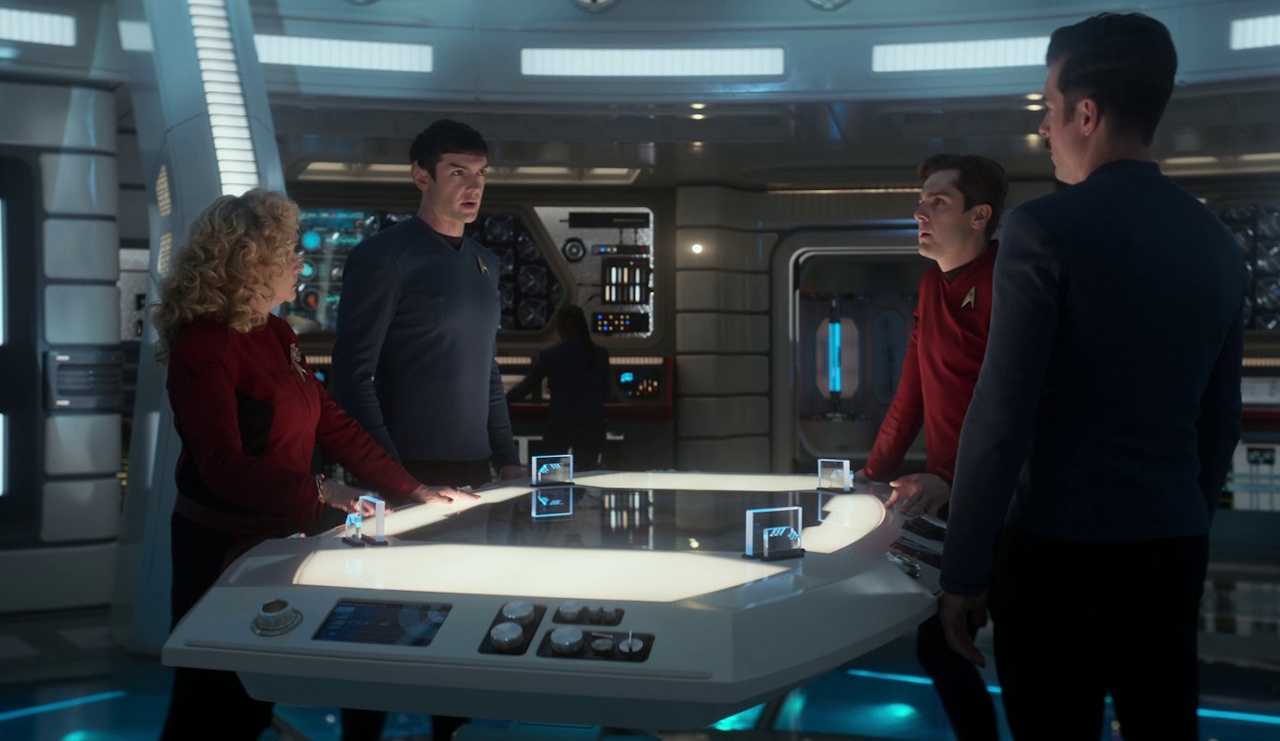
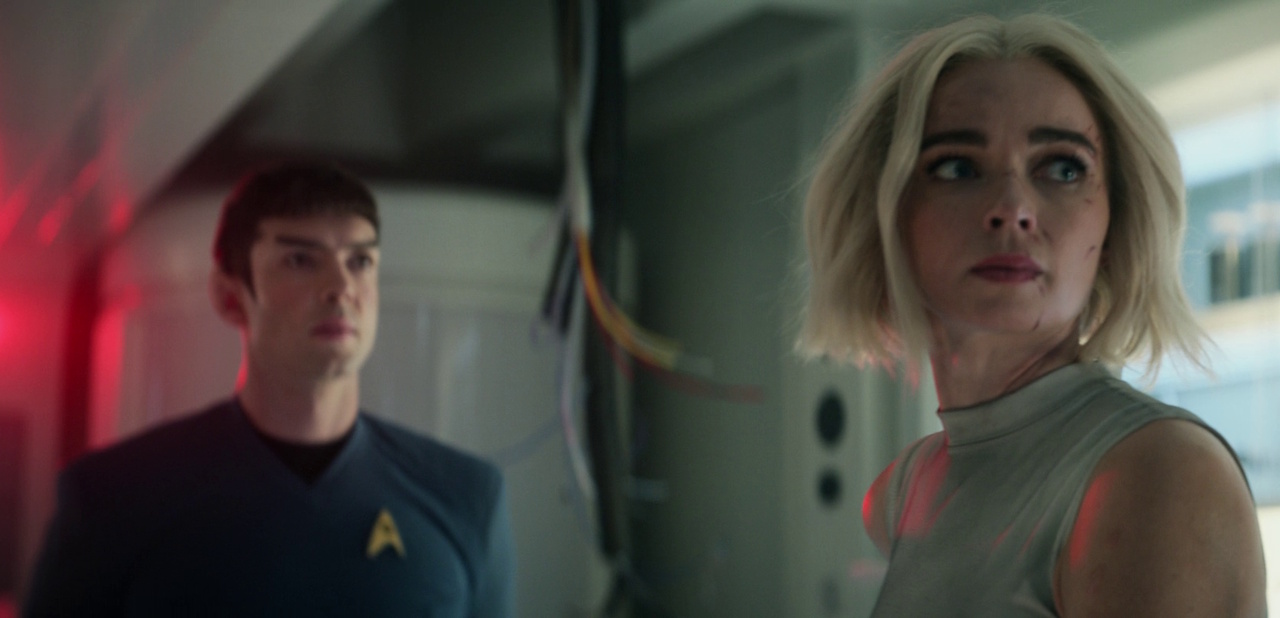
Still frame from Star Trek: Strange New Worlds 3x10 (New Life and New Civilizations) showing Pelia, Spock, Scotty, and Sam Kirk in the lab.
The crew already knew the Vezda’s destination… so why not warp there?

In The Sehlat Who Ate Its Tail, I said that I really liked seeing Kirk and Spock’s burgeoning bromance. After Uhura had been the one to introduce them, their friendship seemed to be growing and developing really well. But… does New Life and New Civilizations at least imply that the reason they’d become such good friends is because they shared a mind-meld? If so… how do we feel about that? I said earlier in the season that Kirk serving under a Vulcan captain – especially when she’s such a nonentity that I’ve forgotten her name – comes a bit close to treading on the toes of his friendship with Spock, and how the two of them worked to overcome the cultural differences between humans and Vulcans in The Original Series. But now… is this episode not saying that at least part of why they’re such good friends by the time of TOS is connected to the mind-meld? If so, I’d argue very strongly that it detracts from their friendship and from one of Star Trek’s most important and iconic character duos.

Any prequel needs to tread carefully. And speaking for myself, I don’t really like the implication in New Life and New Civilizations that Kirk and Spock’s friendship was, at the very least, accelerated or enhanced by a mind-meld. To me, it seems to take something away from the organic and natural chemistry they’ve always had. As I’ve said more than once when discussing Star Trek’s various prequels: not everything demands an on-screen explanation down to the finest detail. Kirk and Spock are friends – perhaps more than friends. There doesn’t have to be a reason; people can just like each other and develop strong bonds.

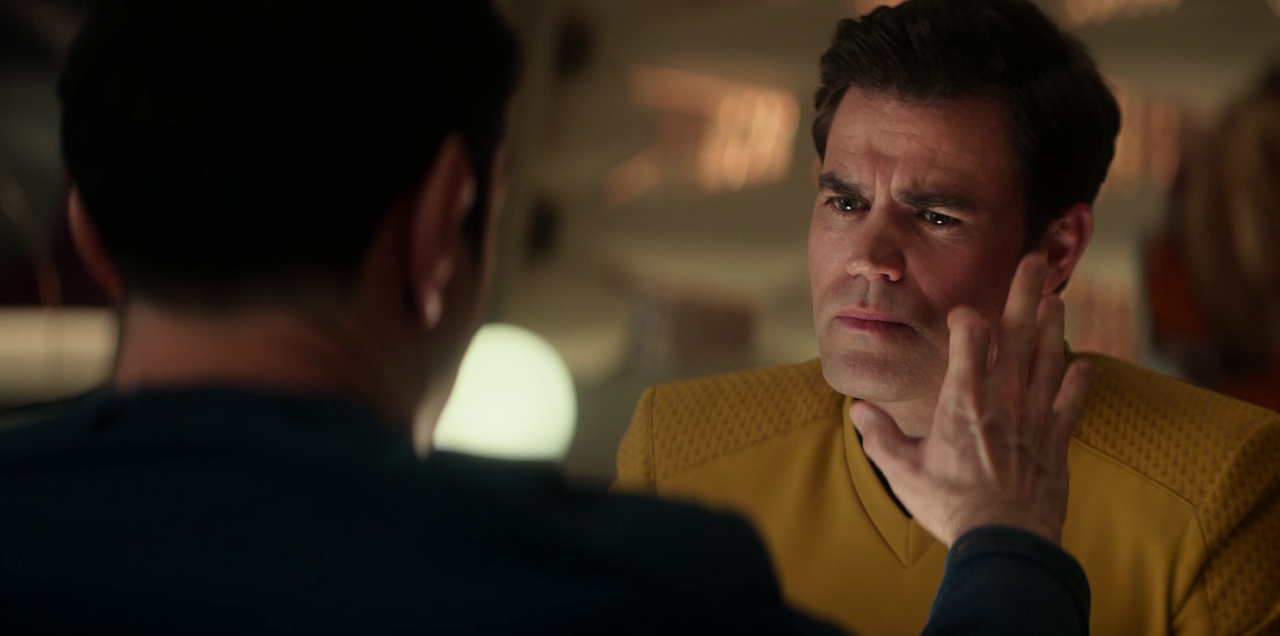
Still frame from Star Trek: Strange New Worlds 3x10 (New Life and New Civilizations) showing Spock about to mind-meld with Kirk.
Spock and Kirk’s mind-meld.

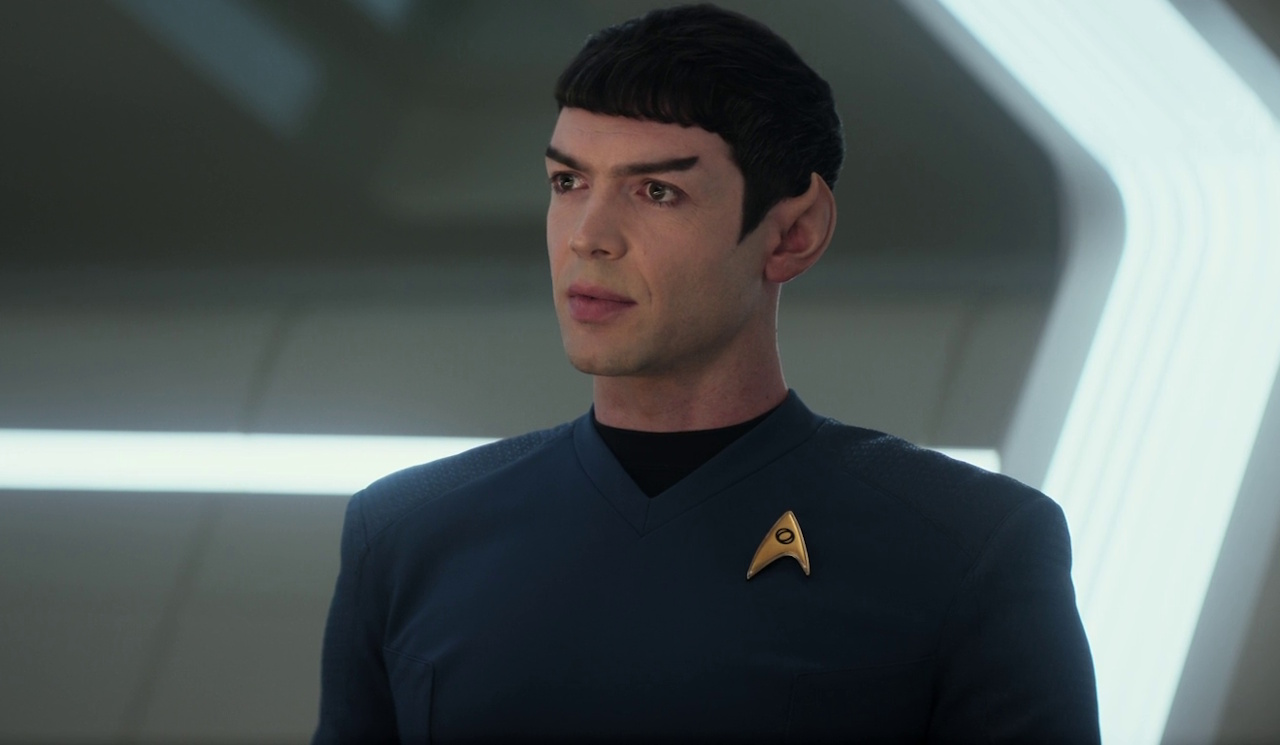
Given that this setup felt pretty flimsy, and that I don’t like the implication of the mind-meld for Kirk and Spock’s friendship… I actually felt their scenes together were pretty great. Set aside whether the story actually needed them to fire phasers exactly in sync, and whether Pike should’ve talked to Kirk’s captain first. The Spock and Kirk scenes themselves were a lot of fun. I particularly liked Kirk calling their meeting a “date,” or at least implying that it could be – whether jokingly or not. I noted a few weeks ago that, with Strange New Worlds’ writers apparently set on making Spock sleep his way through all of the female members of the Enterprise’s crew, they seemed to be going out of their way to erase any possibility of “Spirk” in canon. (“Spirk” referring to the fan theory/fan-fic that Kirk and Spock were romantically involved). This “date” line definitely puts that back on the table for folks who want to see or believe in that – and I was pleased to see it.

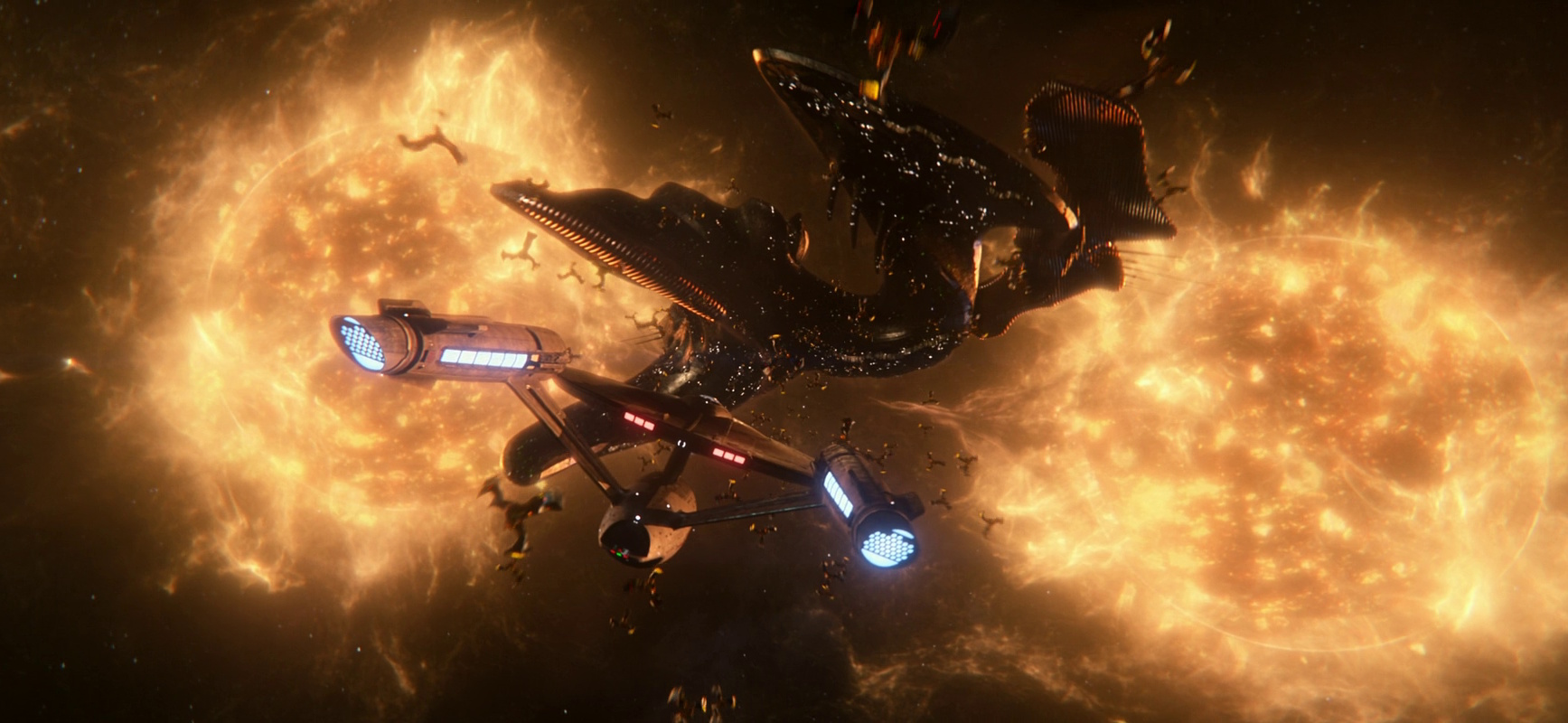
It was also undeniably cool to see Spock and Kirk making those perfectly in sync movements. And the CGI on this side of the story – putting the Farragut and Enterprise together in a kind of “ballet in space,” was a really cool visual effect. It reminded me of both Picard’s linked-up fleet in the 25th Century and the Klingon ships during last season’s musical episode, which also seemed to be “dancing” with the Enterprise.

Still frame from Star Trek: Strange New Worlds 3x10 (New Life and New Civilizations) showing the Enterprise and the Farragut.
This was a really cool visual.

With Captain Pike and Captain Batel, the writers of New Life and New Civilizations clearly had a lot they wanted to do. Unfortunately, because this story really needed to be a two-parter, I don’t think either of the main ideas worked as well as they should’ve done.

Captain Batel’s climactic fight against the Vezda was over in… what? Less than two minutes. That’s all the time it took her, after the end of the fantasty-life/alternate timeline sequence, to use her magic Gorn-Illyrian powers to defeat and imprison them, then turn herself into a statue. It didn’t feel like the war of good versus evil that it was set up to be… because it was over in a flash. If you stepped away from the screen to grab a glass of water, you’d have missed the whole thing.

Then we have the fantasy sequence itself. Obviously something like this is going to be jumpy – you can’t condense a lifetime into a short runtime without skipping over years or decades. But really, if what the writing team wanted to go for was something comparable to The Inner Light from The Next Generation, this needed to be basically an entire episode all by itself. This is where I’d have made the biggest change to New Life and New Civilizations. Half of “Part One” would’ve been taken up reaching this point, then the second half and the entire first half of “Part Two” would’ve been just the fantasy sequence. It needed room to breathe and, because it had to be packed in with everything else in the story… it didn’t get it.

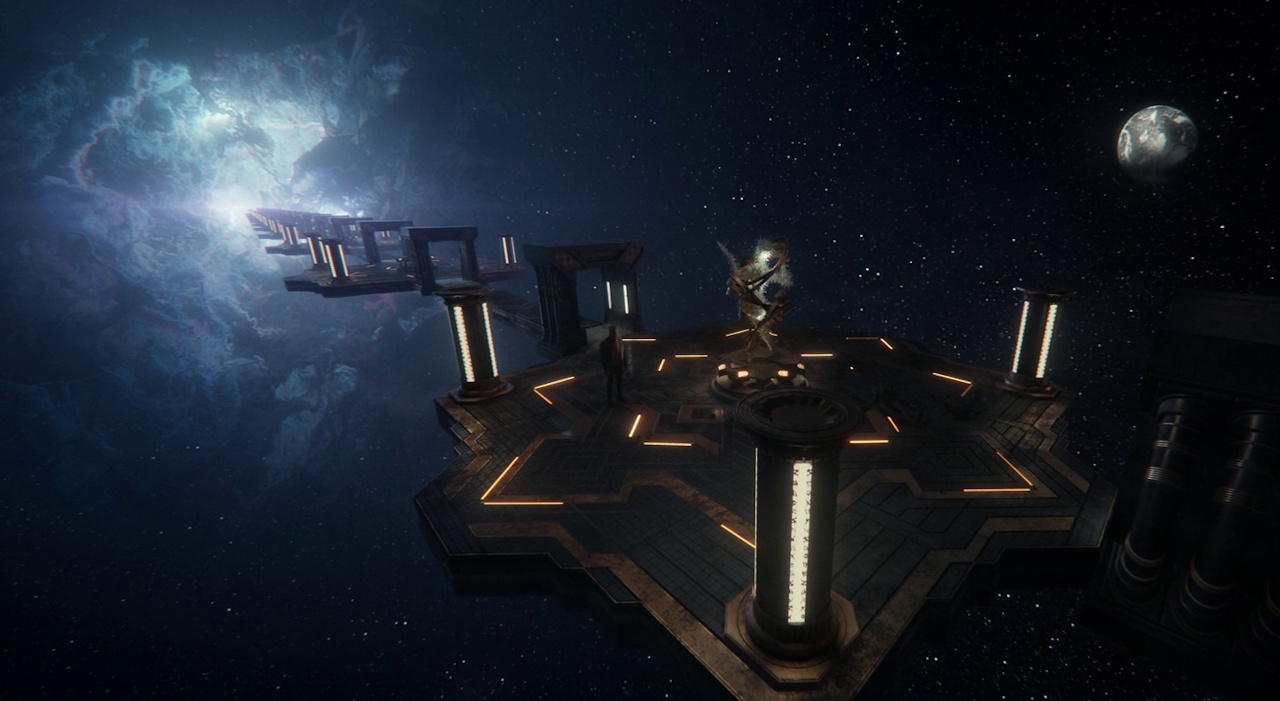
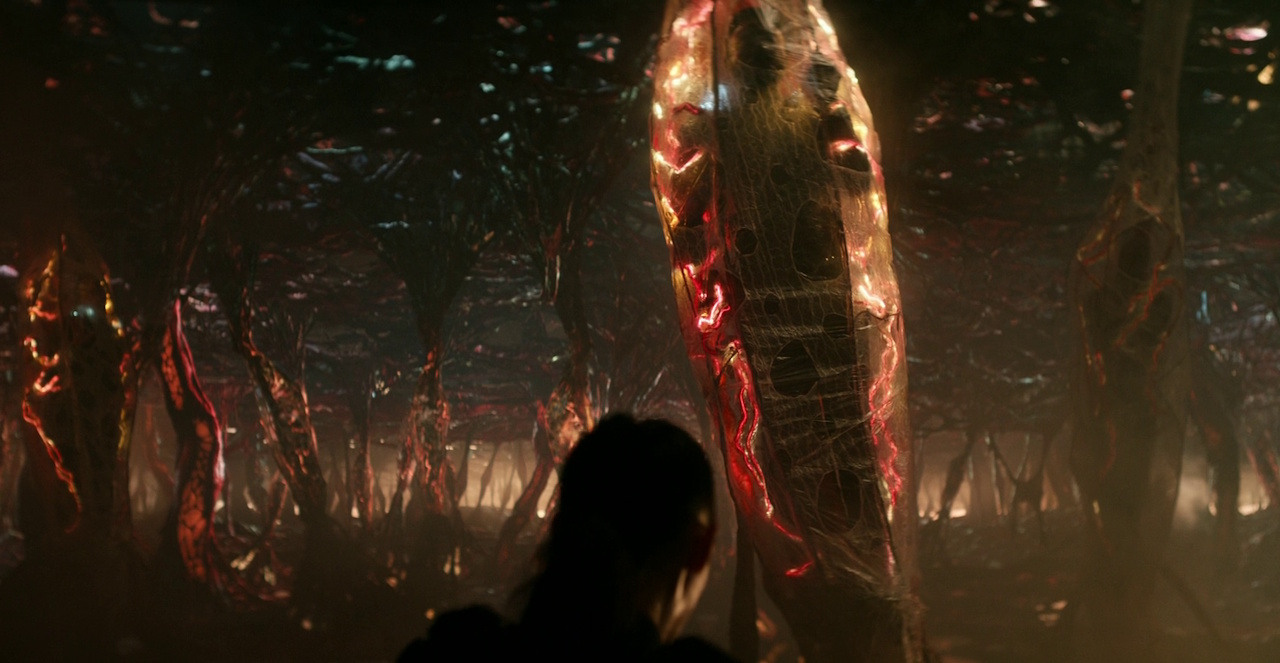
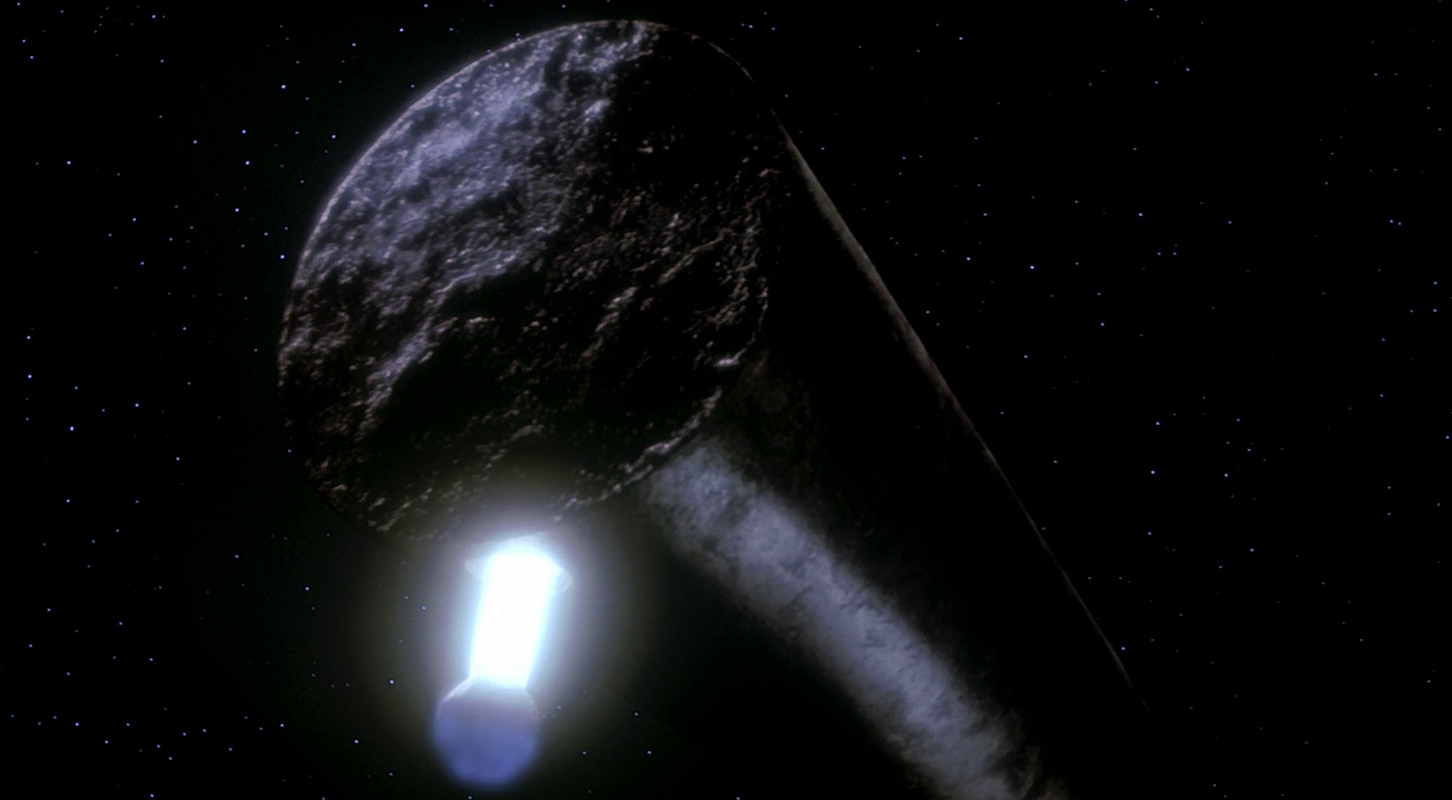
Still frame from Star Trek: Strange New Worlds 3x10 (New Life and New Civilizations) showing the Vezda prison.
The Vezda’s prison.

I’ve said before that I’m not a particularly big fan of The Inner Light. But compared with that story, this premise actually feels a lot stronger. We’re seeing Pike and Batel living their lives – a fantasy version, at least. A world in which Pike doesn’t get injured, in which he and Captain Batel get married, have a daughter, and grow old together. Compared with the disconnected story of The Inner Light, which took place centuries in the past and didn’t involve anyone from The Next Generation save for a version of Picard, that’s a really strong and incredibly emotional idea.

And to be clear: we got a lot of that emotion in New Life and New Civilizations. I just don’t think we got all that we could’ve. If we’d spent more time with these versions of the characters, perhaps seeing Pike’s relief at not becoming disabled, spending more time with the younger version of Juliet, watching her grow up… there were a lot of opportunities that were missed to really ramp up the emotional side of things because this entire sequence could only last ten minutes. Again, when you compare it with The Inner Light – or just consider what a forty-plus-minute cut could have looked like – it doesn’t have the same impact. It comes up short, which is a real shame, because the bare bones of the idea work so well and there’s so much potential here.

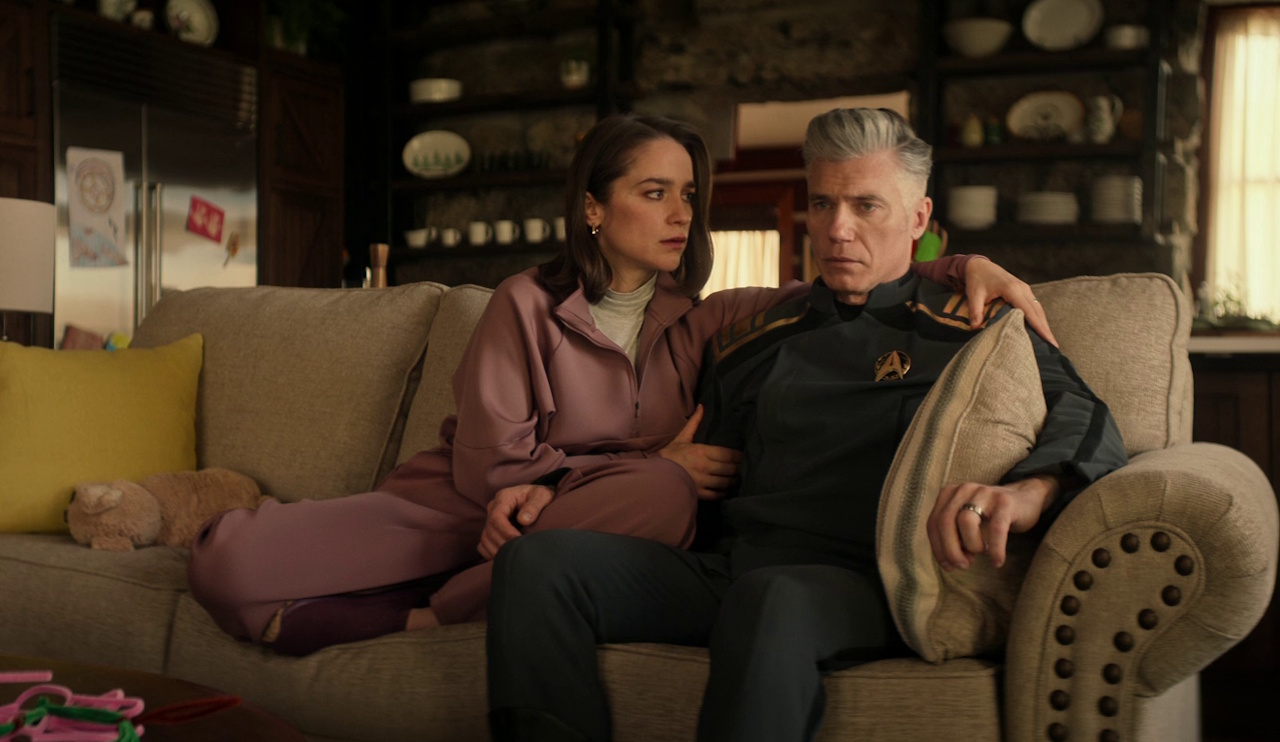
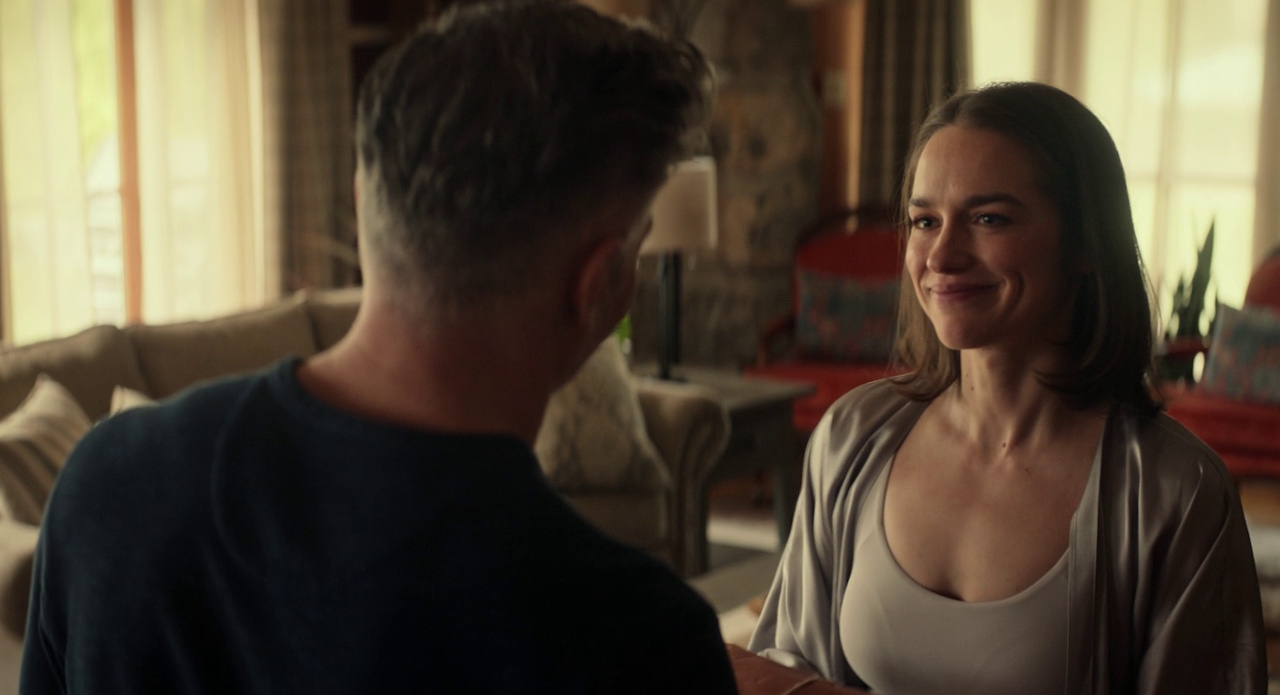
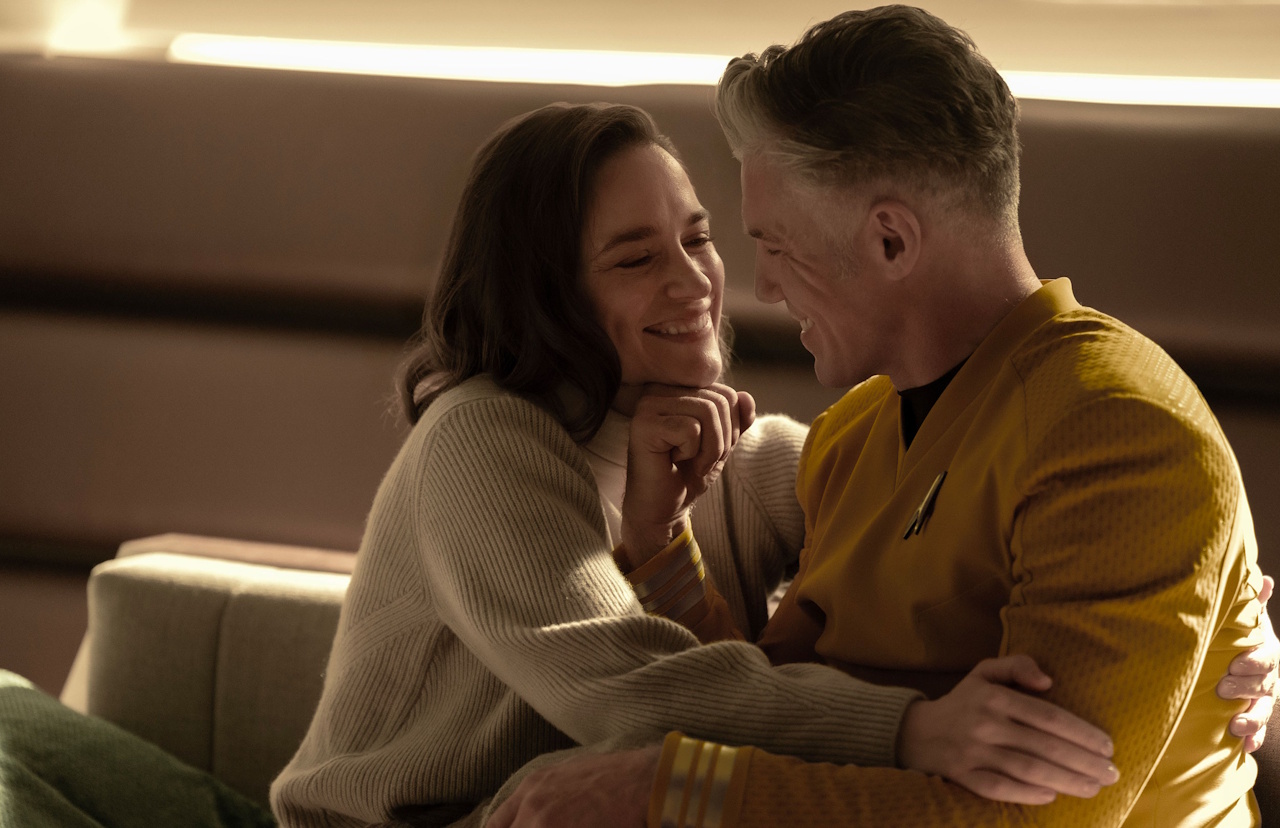
Still frame from Star Trek: Strange New Worlds 3x10 (New Life and New Civilizations) showing Batel and Pike on the couch in their fantasy life.
Batel and Pike in their fantasy life.

The point of the fantasy sequence was for Batel to show the sacrifice she was making, but also for Captain Pike to catch a glimpse of the life he could have led. Given Pike’s impending fate – which, again, is set in concrete and cannot be altered – that’s such a cruel tease. He got to see the daughter he’ll never have, marry the love of his life, go through the elation of avoiding a debilitating condition that he thought was guaranteed to happen… then it was all ripped away from him. As we saw with Picard after The Inner Light, I expect we’ll see at least some kind of follow-up to this story next season. But… that follow-up isn’t going to be as impactful as it might’ve been if this sequence had been longer and stronger.

Did Pike experience his entire fantasy life in real-time… or did he only see the moments that we as the audience also got to see? That was left totally up in the air by the time the credits rolled, and I think Strange New Worlds had an opportunity to take the basic concept behind not only The Inner Light but also stories like Deep Space Nine’s Hard Time and really expand upon it. The idea of someone living a full life in this kind of fantasy world, then being dragged back – unwillingly – to the real world and having to face the consequences of that… it’s an interesting story idea that past iterations of Star Trek, being wholly episodic, could only take so far. And I really do look forward to seeing how Pike handles this experience in Season 4, and to what extent it will have an impact on him. I just wish the sequence itself had been longer and more fleshed out in this week’s episode.

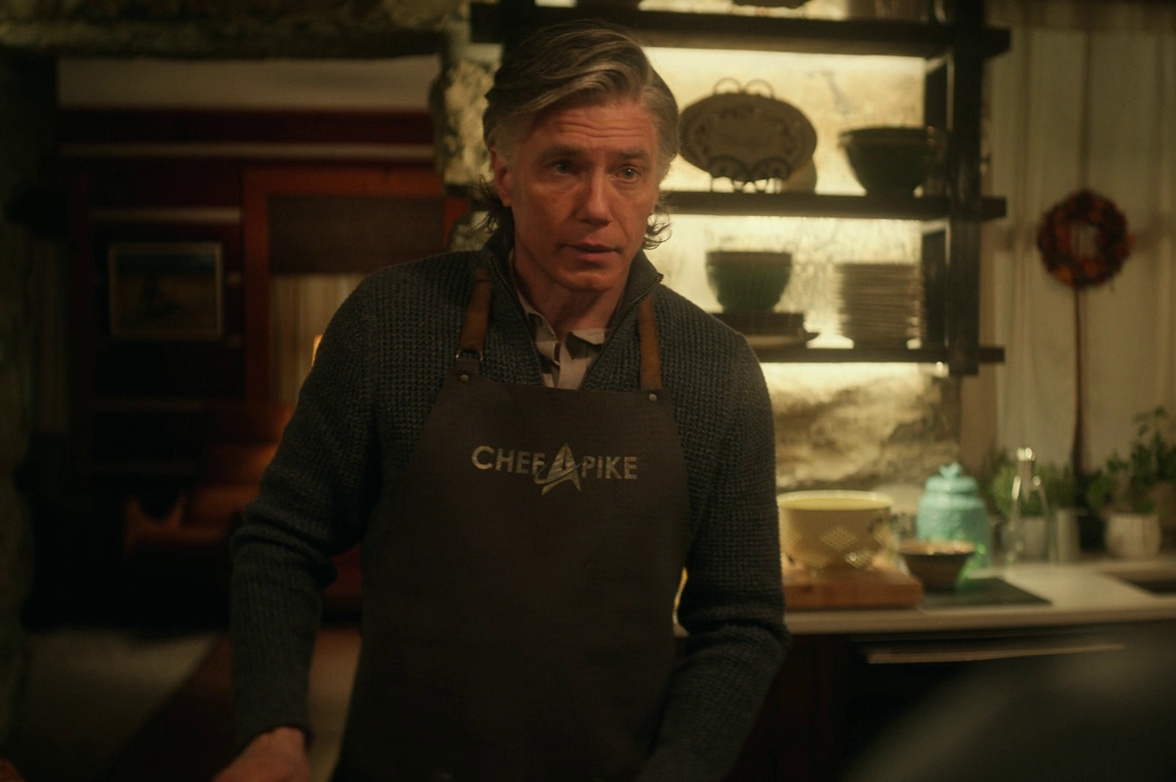
Still frame from Star Trek: Strange New Worlds 3x10 (New Life and New Civilizations) showing an older Pike in the fantasy life.
Did Captain Pike live an entire lifetime… or just experience parts of it?

There’s a lot to love in the fantasy-life sequence. And I think it achieved at least some of what it was supposed to in terms of ramping up the emotional nature of Batel’s sacrifice, and keeping the focus grounded on two characters and their lives, rather than straying too far into lofty ideas about “pure evil” and “saving the galaxy.” Given the weaknesses on that side of the story… New Life and New Civilizations benefited from this change in focus.

And for Captain Pike, whose future is still predetermined, it’s such a rug-pull that it feels cruel. Pike got to see what his life might’ve been like under different circumstances – having a wife, a daughter, and remaining in good health – and then it was taken away from him again. Depending on your outlook, having had a taste of something, only to lose it, can be worse than never having experienced it at all – and so it may be for Captain Pike. Obviously we aren’t going to spend Season 4 with Pike sulking in his quarters, and I think the end of New Life and New Civilizations at least tried to set up that Pike is back in the captain’s chair and ready to resume his mission. But… dealing with the lingering emotional consequences could be an engaging storyline next time, if handled well.

Still frame from Star Trek: Strange New Worlds 3x10 (New Life and New Civilizations) showing Pike after avoiding his accident in the fantasy life.
Captain Pike got to see what life could be like if he and Batel escaped their fates.

Taking all of the above into account, particularly the problems with pacing, the overstuffed story, and the need for this particular episode to have really been split into two parts… where do we stand?

In my opinion, New Life and New Civilizations has a lot going for it. It’s a lot better than, for example, Four-and-a-Half Vulcans or Subspace Rhapsody. But it’s also the weakest of the three season finales that we’ve seen so far – A Quality of Mercy and Hegemony are significantly better, more tightly-focused, and a lot more enjoyable.

But there are things to appreciate, and having talked about what I didn’t like, I think it’s only fair to move on to what worked well in New Life and New Civilizations.

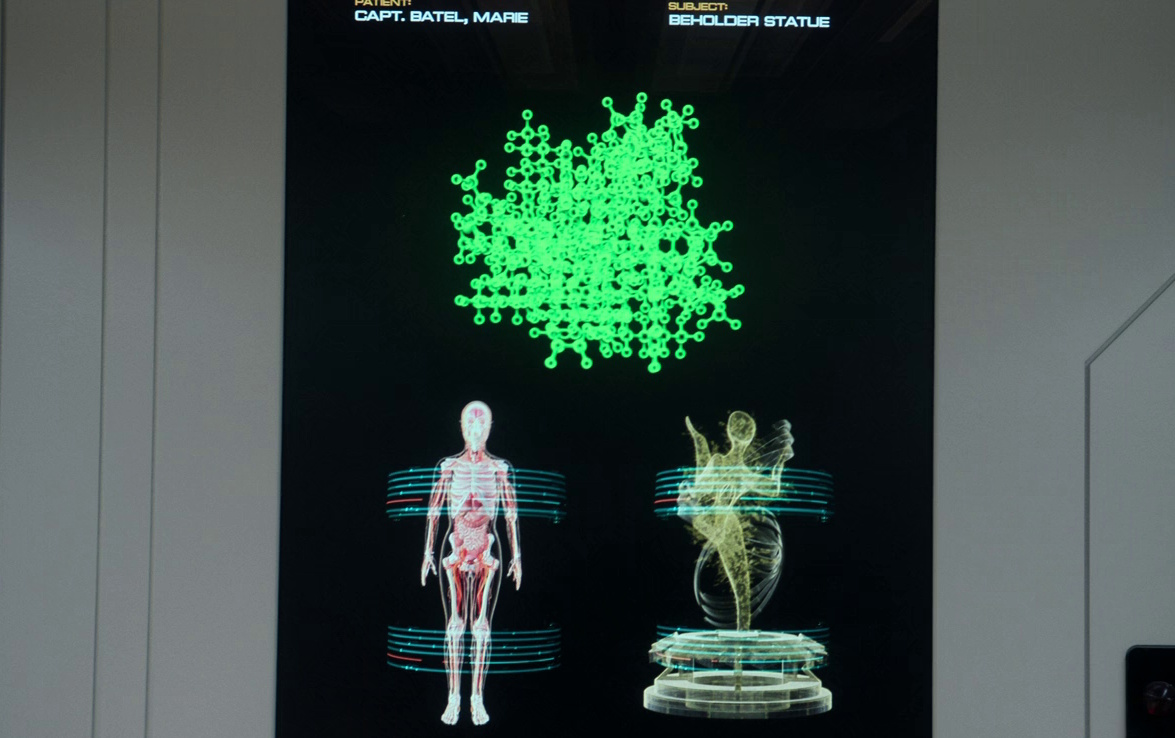
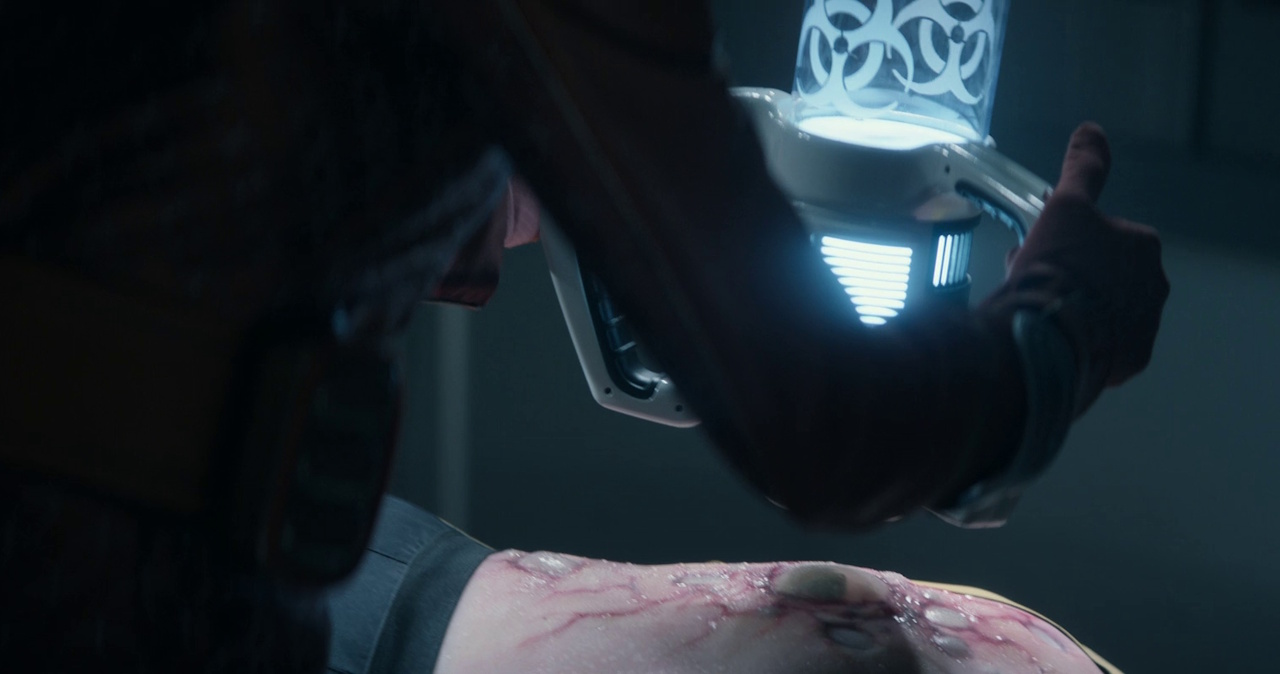
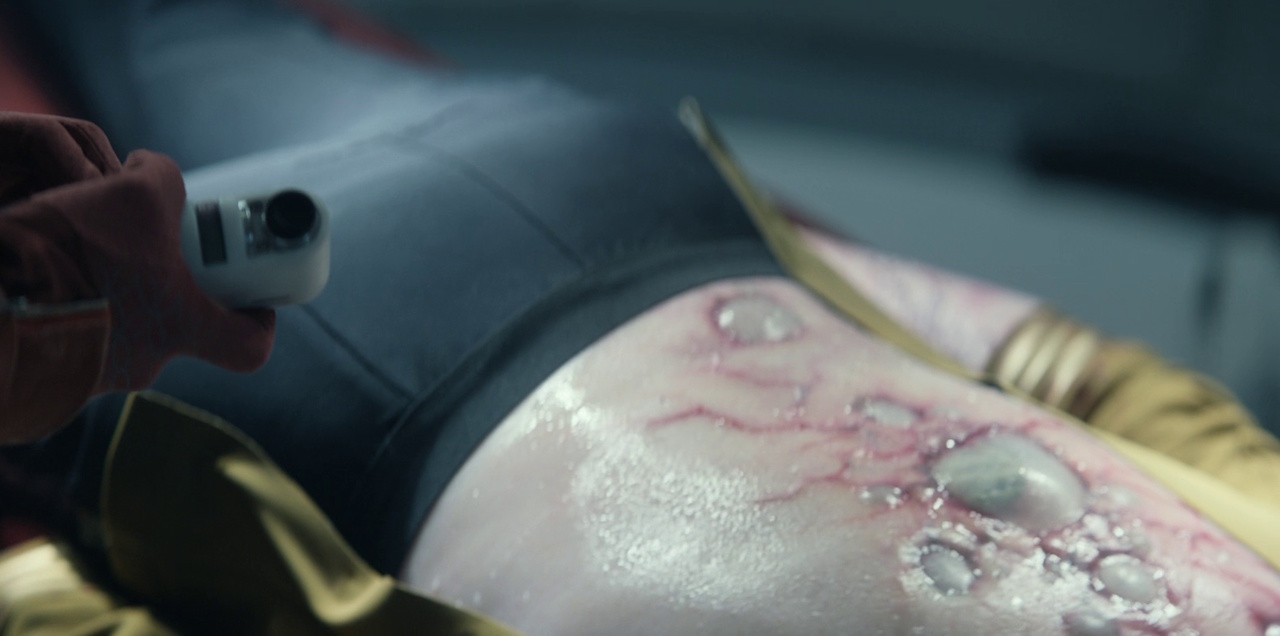
Still frame from Star Trek: Strange New Worlds 3x10 (New Life and New Civilizations) showing the sickbay monitor and a scan of Captain Batel.
Scans of Captain Batel and the statue.

Although not as strong or as well-developed as I’d have liked, the fantasy-life sequence was genuinely interesting and emotional. It challenged our perceptions of Pike, and what kind of life he and Batel could have led if things were different, but both characters stayed true to themselves throughout. I’m not convinced that Pike, being aware of what lay in store for him, would have chosen to get married – let alone have a child – but having a rock-solid family life definitely upped the stakes and ramped up the emotional storytelling. I’m working with the head canon explanation that this fantasy-life was created entirely by Captain Batel based on her ideas of what an ideal life would’ve been like, and I think that’s more than enough to explain any apparent discrepancies. It’s also why I’m calling it a “fantasy” as opposed to something like an “alternate timeline.”

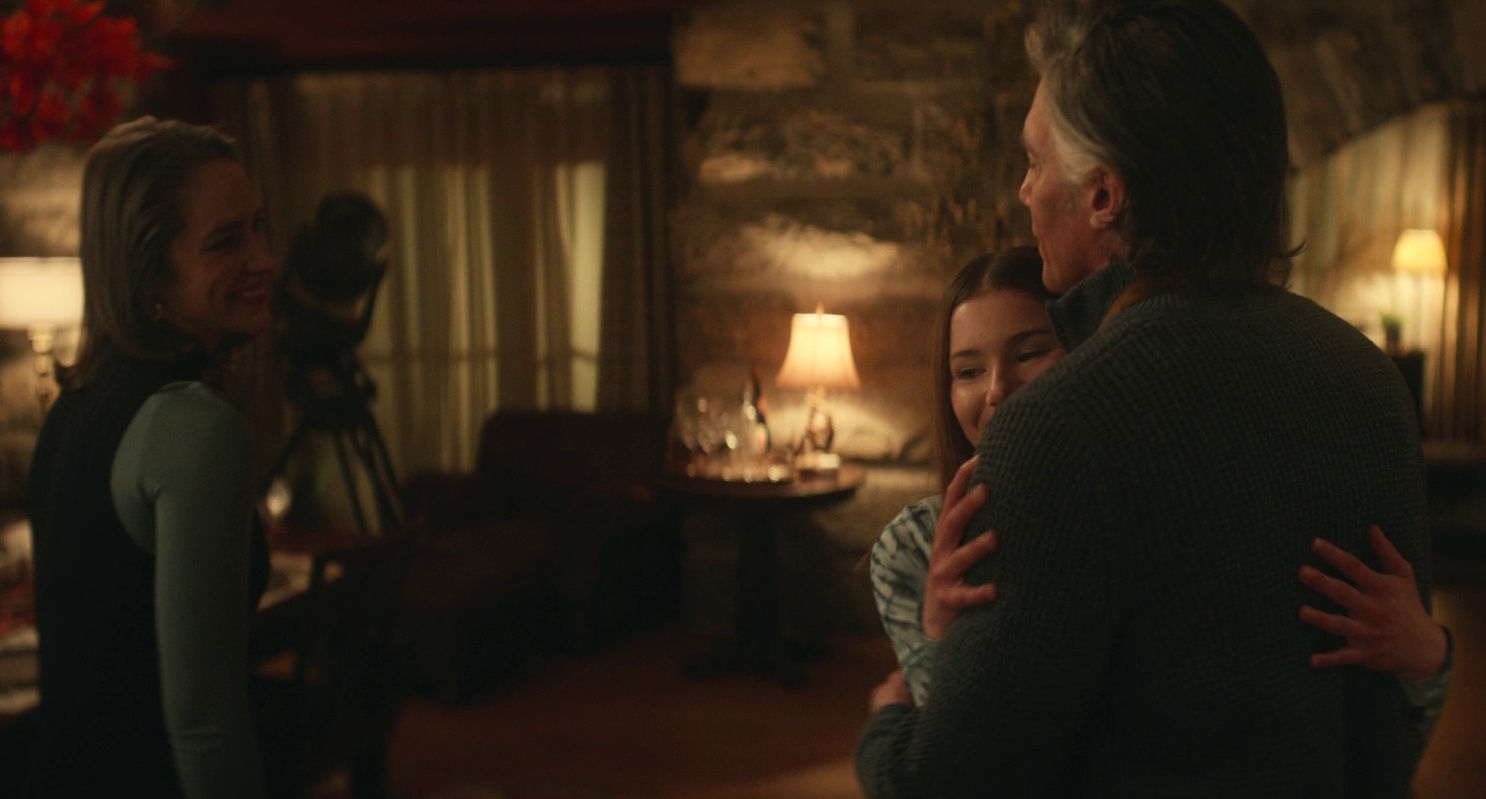
We don’t get to see Pike as a nurturing family man very often, and I really liked catching a glimpse of what that could look like. It was bittersweet in the best possible way (if that even makes sense), as we saw Pike living in a beautiful house, with Batel by his side, a daughter, and even a pet dog. If the worst thing I can say about that is “I wish we’d spent longer here and seen more of it,” well… that’s not exactly a damning criticism, is it?

Still frame from Star Trek: Strange New Worlds 3x10 (New Life and New Civilizations) showing Pike with his family in the fantasy life.
Pike with Batel and their daughter, Juliet.

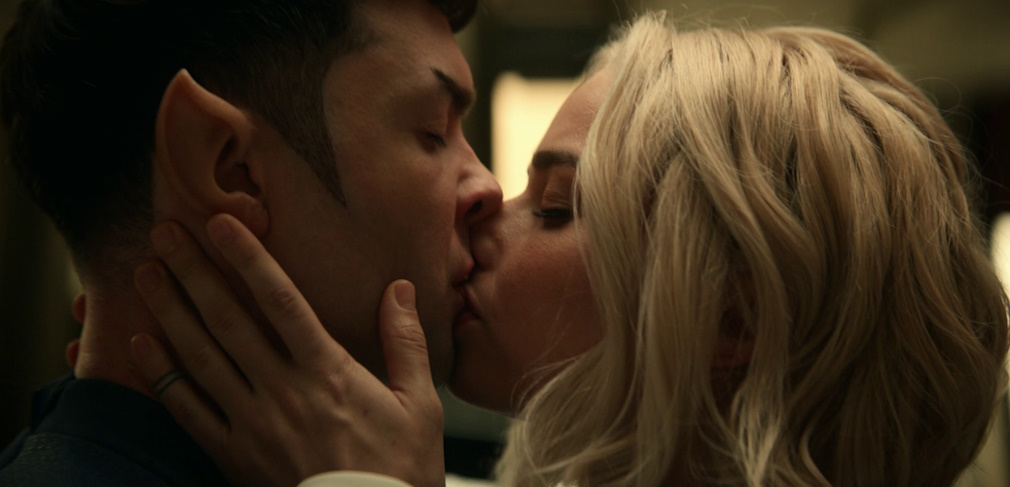
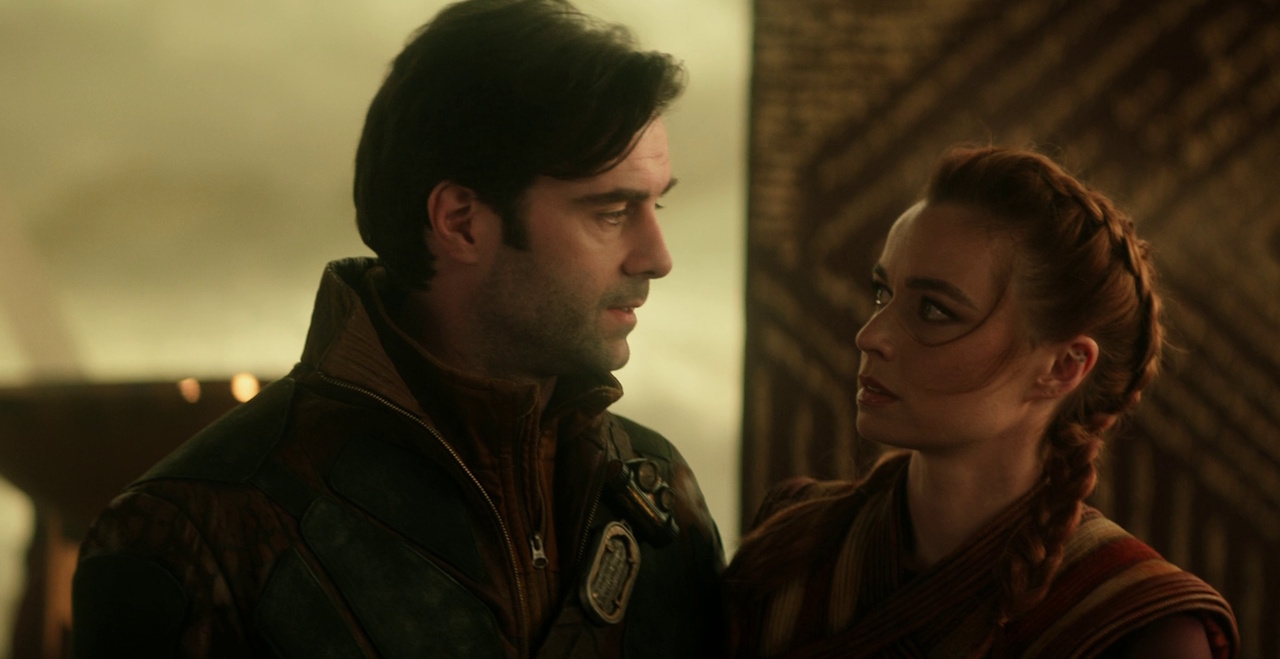
I also liked the idea of Pike and his daughter, Juliet, having such a strong bond that he’d be the first to know about her engagement. I’m not sure making her fiancé Admiral April’s son was necessary, but we got a cute connection between Pike’s family and “Uncle Spock,” which was just really sweet. Pike having perhaps retired from Starfleet is an interesting direction for his character in this fantasy sequence; I like to think that he’d have been worried about making changes to the timeline after the events of A Quality of Mercy.

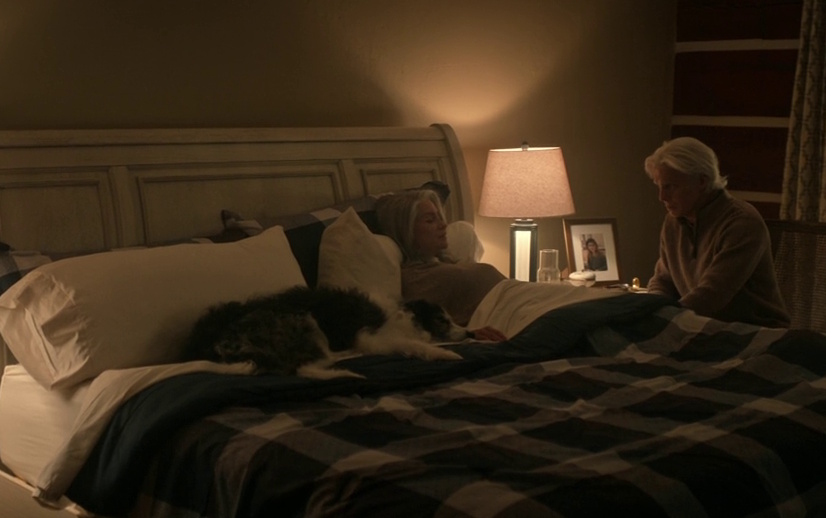
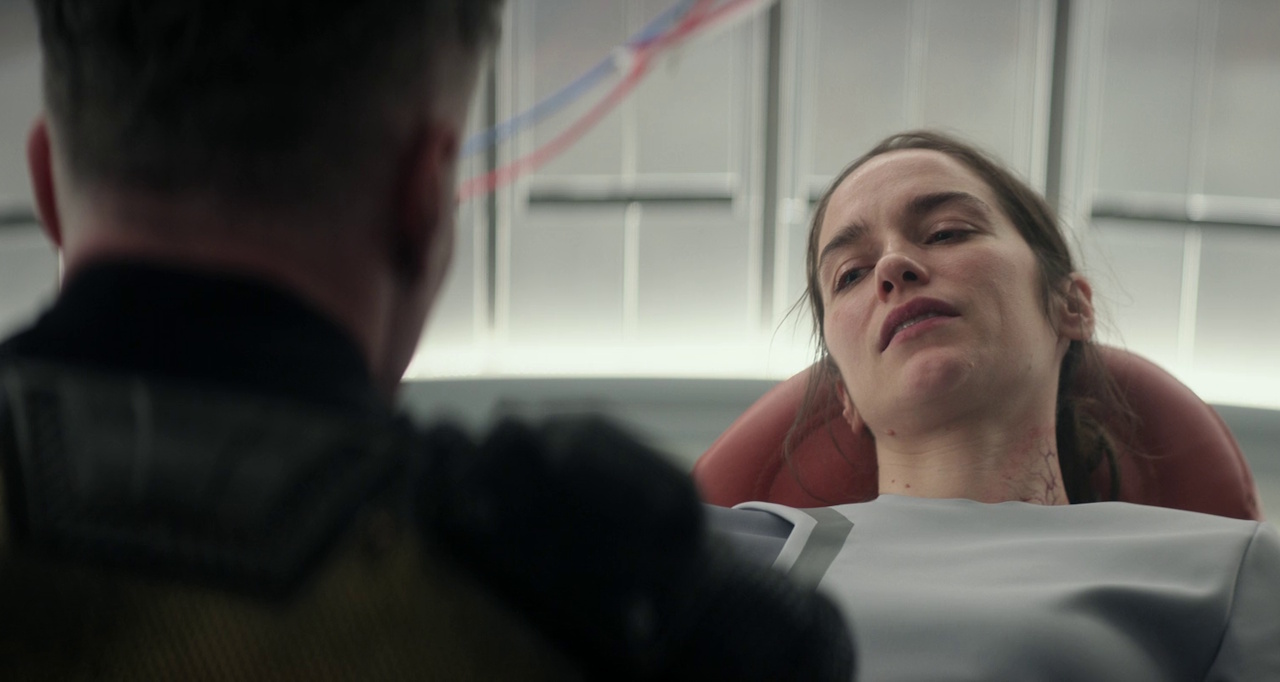
And for Captain Batel, who I guess knew all along that this was just a fantasy… again, that’s heartbreaking. It was performed incredibly well by Melanie Scrofano, who’s been a wonderful recurring star on Strange New Worlds. I said ages ago that her relationship with Captain Pike had a “time limit,” but for it to have ended this way – prematurely, even, from Pike’s point of view – is tragic. Her final act was one of sacrifice, and even though there were narrative weaknesses with the Vezda that I would argue kept us from fully understanding the nature and necessity of that sacrifice, as a grounded and emotional storyline, it worked incredibly well.

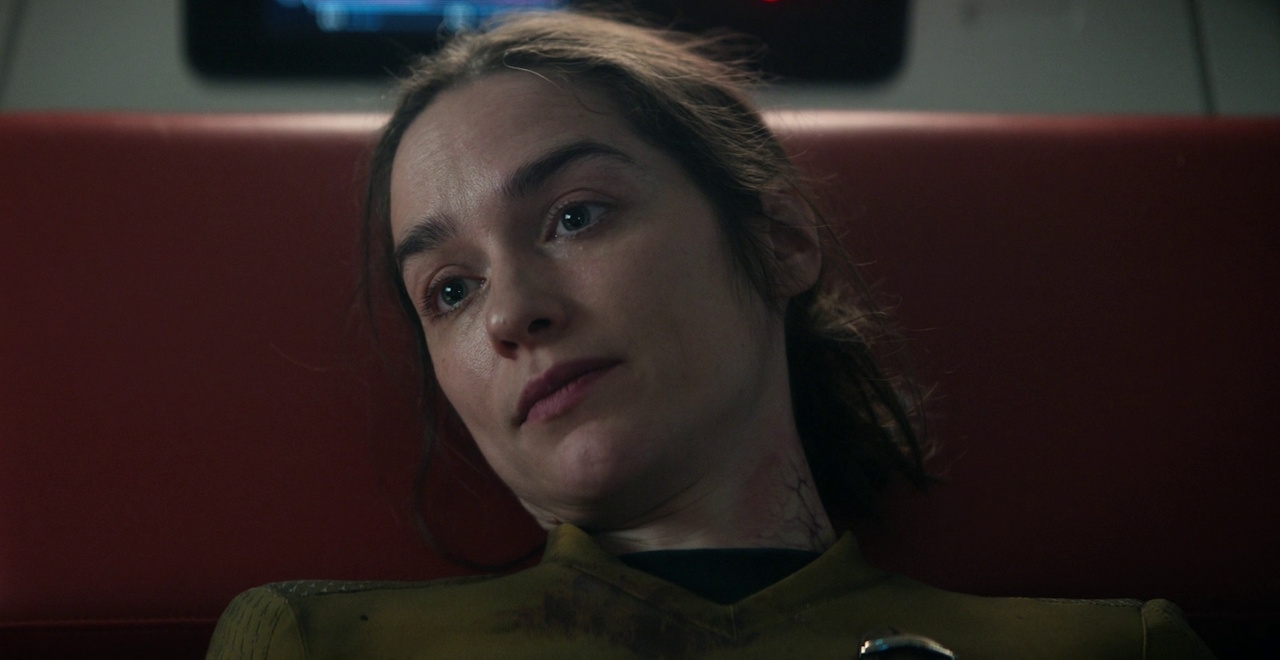
Still frame from Star Trek: Strange New Worlds 3x10 (New Life and New Civilizations) showing Captain Batel on her "deathbed" in her fantasy life.
Captain Batel and Captain Pike at the end of their fantasy life.

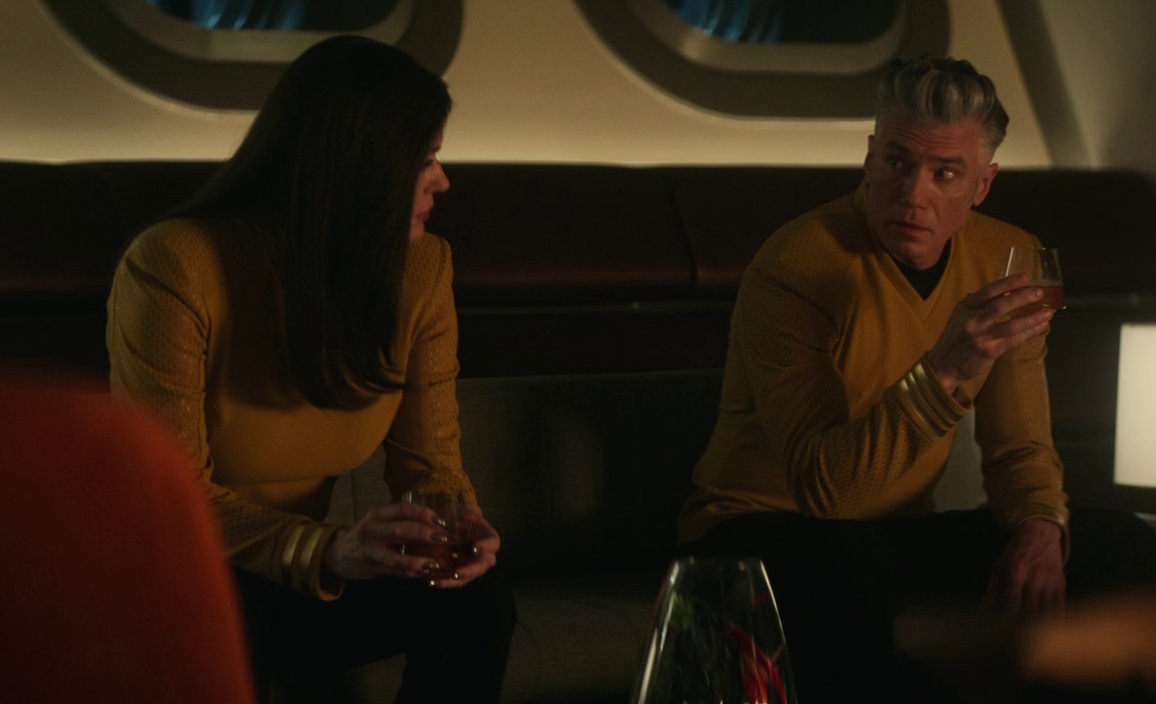
Toward the end of the episode, Pike and Una shared a moment together as he recovered from the loss of Captain Batel. Since Pike went out on a limb for Una back at the beginning of Season 2, we haven’t seen them spend that much time together, so this was a sweet moment. For Una to be the one he’d turn to when at such a low ebb said a lot about the nature of their friendship, I felt.

This closing montage also showed us Sam and Jim Kirk sitting down together, Pelia and Scotty working on something together in the science lab, Ortegas, Uhura, and Una sharing a drink, Spock and La’an meditating, and Dr M’Benga reuniting with Chapel in sickbay. These small clips were cute, and they added a lot to the ending of the story. Again, there’s that “series finale” vibe to this montage, but the individual clips – and the voiceover tying them together – were great.

Still frame from Star Trek: Strange New Worlds 3x10 (New Life and New Civilizations) showing Una and Pike drinking together.
Una and Pike sharing a drink.

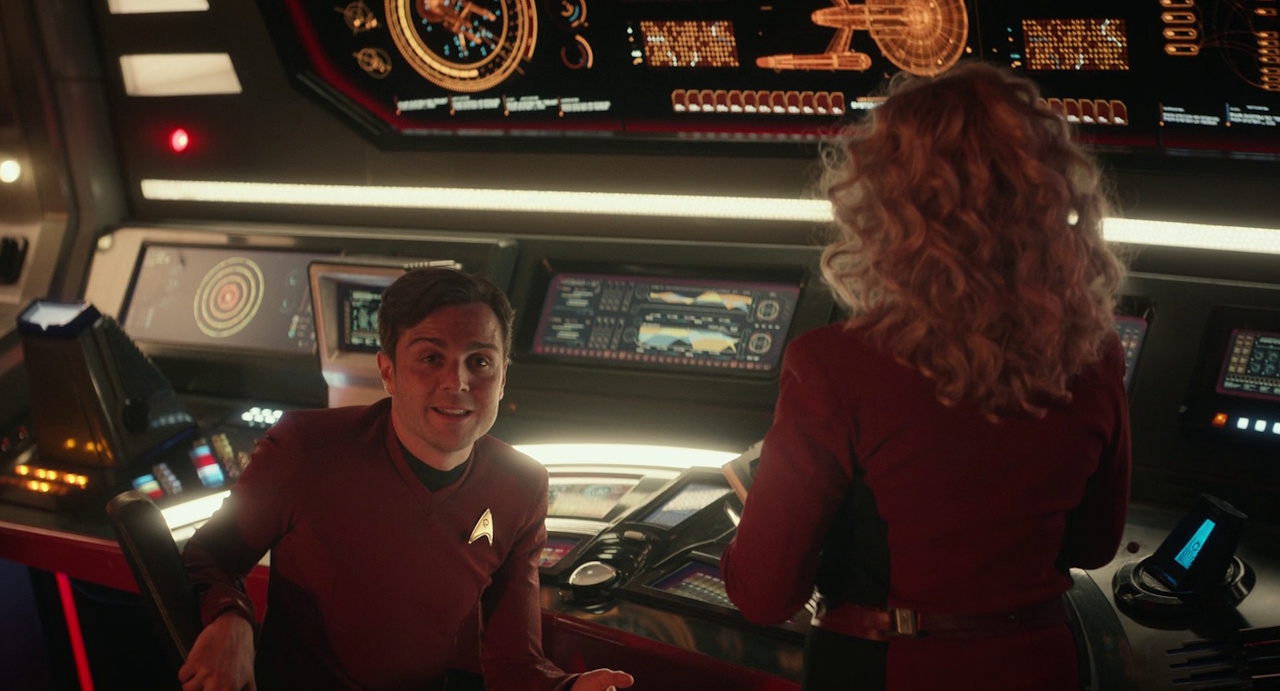
At the beginning of the episode, we got another fun sequence with the crew in Pike’s quarters – and Scotty being the latest victim of the “showing up in your dress uniform” prank that Uhura also fell for back in Season 1. I liked Scotty’s flustered reaction, here, it was cute. And Martin Quinn (whom I met at a Star Trek convention here in the UK not long ago) showed off that side of the younger Scotty incredibly well. There was also a Doctor Who reference during this sequence – Pelia mentioned having once known a “time-travelling doctor.” Obviously this was just a little easter egg; a nod and wink to fans of sci-fi. But it was a fun inclusion, and I like to see Star Trek making little in-jokes like that from time to time.

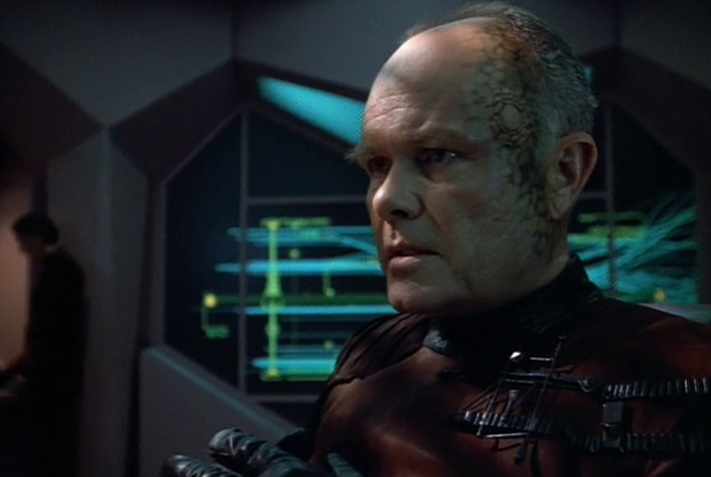
Dr Korby, although his role was smaller this time, made a welcome return. His presence this season has been a thread of continuity, binding different episodes together, and I think his relationship with Chapel is played well by both Jess Bush and Cillian O’Sullivan. Dr Korby took what he’d learned on Vadia IX and continued to pursue it, again in the name of finding some pathway to eternal life. There’s a lot of deliberate foreshadowing here, setting up Korby’s role (and ultimate demise) in The Original Series.

Still frame from Star Trek: Strange New Worlds 3x10 (New Life and New Civilizations) showing Dr Korby and Nurse Chapel.
Korby and Chapel.

The first away mission to Skygowan (before the crew apparently gave up on the idea of going incognito and, y’know, following the Prime Directive) included some wonderful colourful costumes, and I really liked the way Una, Uhura, Chapel, La’an, and Dr M’Benga looked. Those costumes felt like they came straight out of The Original Series or The Next Generation, which I really do mean as a compliment. I also liked the way the aesthetic of Vadia IX’s prison from a few weeks ago was retained, but given a more lively feel. The use of the AR wall was pretty solid here, too.

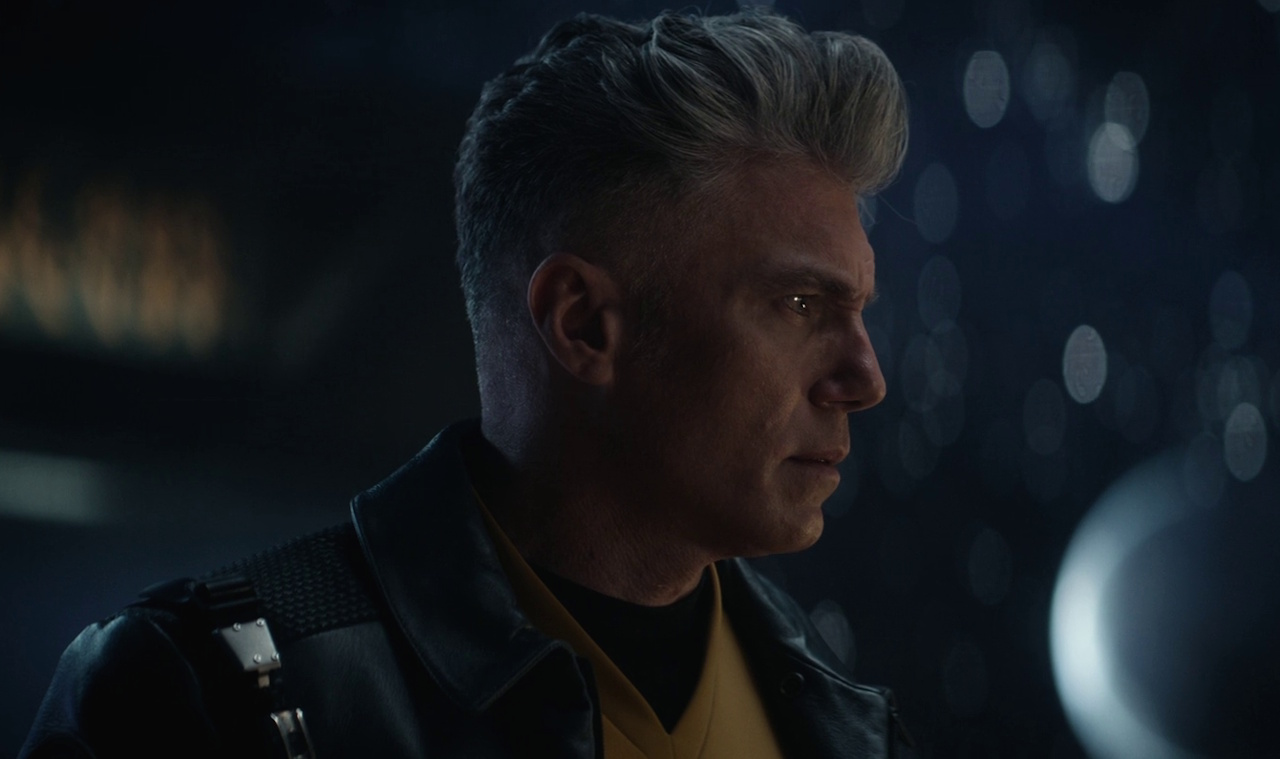
Despite some narrative weaknesses on his side of the story, Anson Mount put in a spectacular performance. Particularly towards the end of the episode, I really felt Pike’s grief and the weight of what he’d lost – not only Captain Batel, but the fantasy life that he could have led. This was a challenging role, one which involved putting Pike in old age makeup as the fantasy timeline unfolded, showing him wrangling with the changes to the timeline, gaining and then losing a family, and really going through a range of emotions. Mount did an exceptional job.

Still frame from Star Trek: Strange New Worlds 3x10 (New Life and New Civilizations) showing Captain Pike in his away mission jacket.
Anson Mount did a fantastic job in this episode.

Before we wrap things up, I want to talk about one more topic.

Star Trek is science-fiction, and some of its storylines lean heavily on the “fiction” side of that little hyphen! But one area where I’ve felt Star Trek has been more detached and rational in its approach is when it comes to questions like “fate” and “destiny.” Even Captain Pike’s story – with its ending set in stone – isn’t treated as his “destiny,” but rather as the consequences of choices he made. As Pike said in Discovery: “I’m not going to abandon the things that make me who I am because of a future… that contains an ending I hadn’t foreseen for myself.” Whatever we think of “time crystals” and the Klingons on Boreth, the way the story was presented made it clear that it was still Pike’s choice. A Quality of Mercy, with its time-travelling future Pike, doubled-down on that, explaining that Pike does have the freedom to avoid his accident, but that it comes at a price.

This story, in contrast, really went out of its way to lean into the ideas of fate and destiny… and I gotta be honest: I don’t love that for Star Trek. Some stories in fantasy settings work really well with the idea of a character’s fate or the outcome of a battle being predetermined, but I don’t think it’s right for a sci-fi series like Strange New Worlds. I didn’t like it when Deep Space Nine messed about with Sisko’s birth, saying it was caused by the Prophets so he could be their Emissary, and I don’t like it here with Captain Batel, either. It feels, to me, too far removed from the more objective and scientific way that Starfleet officers handle things.

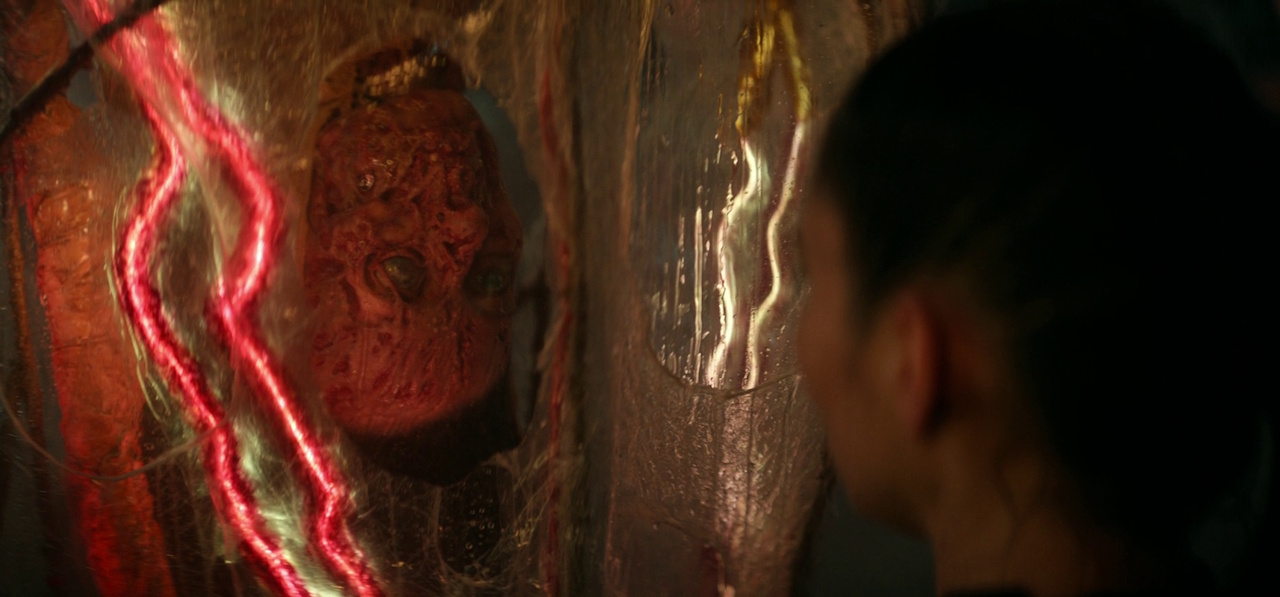
Still frame from Star Trek: Strange New Worlds 3x10 (New Life and New Civilizations) showing Captain Batel's sacrifice.
This was Captain Batel’s “destiny.”

There was a creditable attempt to explain this, with Spock talking about “effect coming before cause,” and time being non-linear. That throws a scientific bone in the direction of this story about fate. But at no point did it seem as if Captain Batel had a choice or could regain control of her life and her future. Once Chapel established that Batel was the Vadia IX statue, and she’d decided it was her destiny… that was it. Everyone just kind of went along with it. And this isn’t just a question of pacing, though a longer version of this story could have dedicated more time to this debate. But rather it’s a question of whether a story about predetermination and fate – presented in this manner – is right for Star Trek. I’d argue that it’s not. It wasn’t right with Sisko and the Prophets, and it isn’t right with Batel and the Vezda, either.

There are other Star Trek stories which have come close to this line. Daniels and Archer in Enterprise, Picard with Q in The Next Generation, and even The City on the Edge of Forever all looked at questions of destiny and unavoidable fates. But it’s about how these stories are presented, not so much their content, and for me at least, New Life and New Civilizations went too far with the idea of Captain Batel having a predetermined “destiny” in a way that felt closer to fantasy than sci-fi.

Still frame from Star Trek: Strange New Worlds 3x10 (New Life and New Civilizations) showing a close-up of Spock.
Spock talked about effect coming before cause and time being non-linear.

Here’s a question: with Captain Batel being written out of the series… does that mean there’s now an open slot for a new recurring character? If so, it’s bound to be someone else from The Original Series, right? Maybe in a future piece we’ll have to speculate about that! I’ll also go into this in more detail another time, but I generally liked what Strange New Worlds did with recurring characters this season. Kirk, Dr Korby, and Captain Batel all had roles to play in some episodes, but not all, and I felt they worked pretty well.

But after Kirk’s first appearance came in the Season 1 finale and Scotty showed up at the end of Season 2, I can’t have been alone in wondering if we might’ve gotten a new TOS character this time! I’m kind of glad we didn’t, though, and I could absolutely entertain the idea of Season 4 not introducing anyone new, but rather narrowing its focus on the characters already in play. Some folks, like Pelia, haven’t had a lot of time in the spotlight, so bringing in someone like Sulu, McCoy, or even a secondary character like Kor to fill the slot vacated by Batel isn’t strictly necessary.

Still frame from Star Trek: Strange New Worlds 3x10 (New Life and New Civilizations) showing Pike and Batel exchanging presents in their fantasy life.
Will Strange New Worlds replace Captain Batel with a TOS character?

So let’s bring this review to a conclusion.

“Good but not great.” That’s my four-word summary, I guess. In a season where some episodes have been truly fantastic, I don’t think New Life and New Civilizations reached the highest bar. But it wasn’t the season’s weakest offering by any stretch, and my complaints mostly focus on the fact that potentially interesting storylines were cut too short, paced poorly, and not given enough time to shine. I think, if I were in charge, I’d have cut an episode like Wedding Bell Blues or Four-and-a-Half Vulcans in favour of a two-part version of this story.

But that doesn’t mean I hated New Life and New Civilizations. The decision to keep the Vezda as a brand-new alien race was a good one. The sets and costumes were great, and there were some fantastic uses of the AR wall, as well as a beautiful starship “dance” in space. Though Kirk’s inclusion in the story felt particularly flimsy, I liked his scenes with Spock overall, and furthering their relationship was a good choice. Dr M’Benga got an emotional turn with Gamble, and Pike’s fantasy-life sequence could, potentially, set up something for him in Seasons 4 or 5.

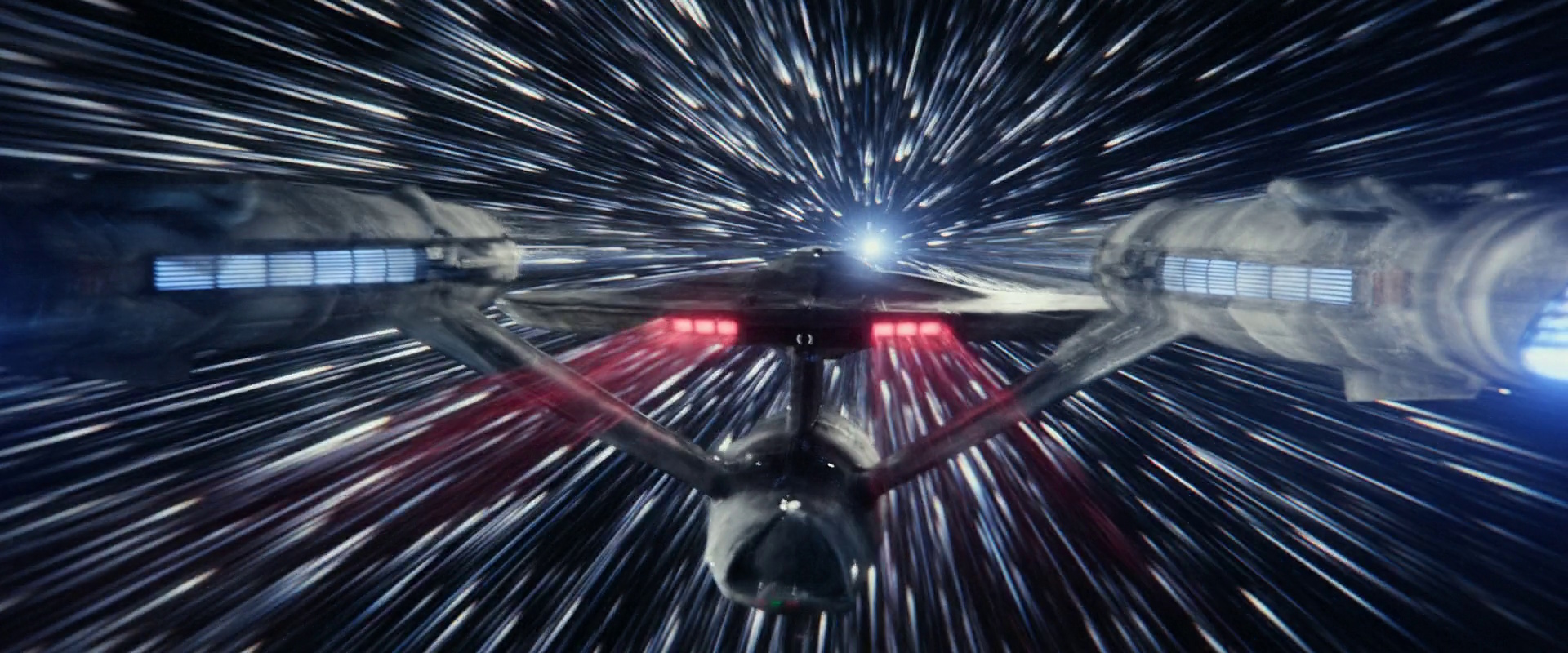
Still frame from Star Trek: Strange New Worlds 3x10 (New Life and New Civilizations) showing the USS Enterprise at warp.
The Enterprise warps away to her next adventure.

So that’s a wrap on Season 3. It was a two-year wait after Season 2 ended, but that was partially due to strikes over in Hollywood. With Starfleet Academy on the schedule for the first half of 2026, and presumably taking up time and resources in post-production, I wouldn’t expect to see Season 4 of Strange New Worlds for at least a year – and 2027 isn’t off the table. So… watch this space, I guess! Having finally reviewed all ten Season 2 episodes – and gotten around to Season 3 in a much more timely manner – I’d like to go back and write up re-watches of Season 1 in the months ahead. I hope you’ll join me for some of those!

And there’s more Star Trek content to come here on the website. Later in the autumn, I’d like to do a review of the Khan audio drama, I’m planning a couple of episode re-watches involving actors that I met at a recent Star Trek convention, and there’s the upcoming Voyager video game that I’m looking forward to, too. And, of course, there’s my usual chatter, previews, and theory-crafting! So even though Strange New Worlds Season 3 is over… don’t be a stranger. Check back from time to time, because I’m sure I’ll have plenty more to say about Star Trek.

Live Long and Prosper, everyone!


Star Trek: Strange New Worlds Seasons 1-3 are available to stream now on Paramount+ in countries and territories where the platform exists. The first two seasons are also available on DVD/Blu-ray. The Star Trek franchise – including Strange New Worlds and all other properties discussed above – is the copyright of Skydance and/or Paramount. This review contains the thoughts and opinions of one person only and is not intended to cause any offence.

Star Trek: Strange New Worlds Episode Review – Season 3, Episode 9: Terrarium

Star Trek-themed spoiler warning.

Spoiler Warning: There are spoilers ahead for Strange New Worlds Seasons 1-3. Spoilers are also present for the following Star Trek productions: The Original Series Season 1, The Search for Spock, The Next Generation Season 3, Discovery Season 2, and Picard.

Of all the main characters on Strange New Worlds, we’ve spent the least amount of time with Erica Ortegas. She’s been a presence on the show and has had some memorable scenes, but she hasn’t gotten a major storyline or a spotlight episode… until now. There are reasons for that, of course, and we don’t have to go over all of it again. But I know that a lot of Trekkies – myself included – have been waiting for an episode in which Ortegas would get her moment to shine.

And what an episode it was!

Terrarium was intense, dramatic, emotional, and just fantastic. It’s rare for me to sit down to write a review having taken no notes, but I was so absorbed in the story that I genuinely didn’t have a second’s pause to write anything. The only negatives I can find from Terrarium are total nitpicks; the kinds of silly things only the most detail-obsessed Trekkies might ever care about. The episode really was exceptional. One of the best from all three seasons of the show without a doubt.

Still frame from Star Trek: Strange New Worlds 3x09: Terrarium, showing the crash site and Ortegas.
Uh-oh, Ortegas is in a spot of bother…

Because Strange New Worlds is a prequel, and because we know that several of the characters it includes will go on to have careers in Starfleet during The Original Series era, it isn’t always easy for the show to create a genuine sense of danger. We know Pike’s fate, we know where Spock will end up, and we know Uhura, Scotty, Chapel, Dr M’Benga, and others all have futures beyond the series. In the modern entertainment landscape, that can change how we perceive stories which put these people in the firing line.

In the aftermath of shows like The Walking Dead and Game of Thrones – shows which use what I’ve termed the “disposable cast,” where any main character can be killed off at almost any moment – television storytelling has shifted. Being a main character is no longer a guarantee of safety. Star Trek has struggled to keep pace, with characters in Picard and Discovery almost all surviving even the most apocalyptic dangers (or being resurrected afterwards!) But Strange New Worlds has already been different – Season 1 saw the untimely demise of the brand-new character of Hemmer. Terrarium got me to feel like Ortegas was genuinely in danger of losing her life and being written out of the show in a way that stories like Shuttle to Kenfori simply couldn’t for Pike and M’Benga. And I think that shows the advantages, in this new media environment, of using brand-new characters as opposed to relying too heavily on legacy characters whose fates and futures are set in stone.

Still frame from Star Trek: Strange New Worlds 3x09: Terrarium, showing Ortegas right after the crash.
This genuinely felt like it could’ve been the end for Ortegas…

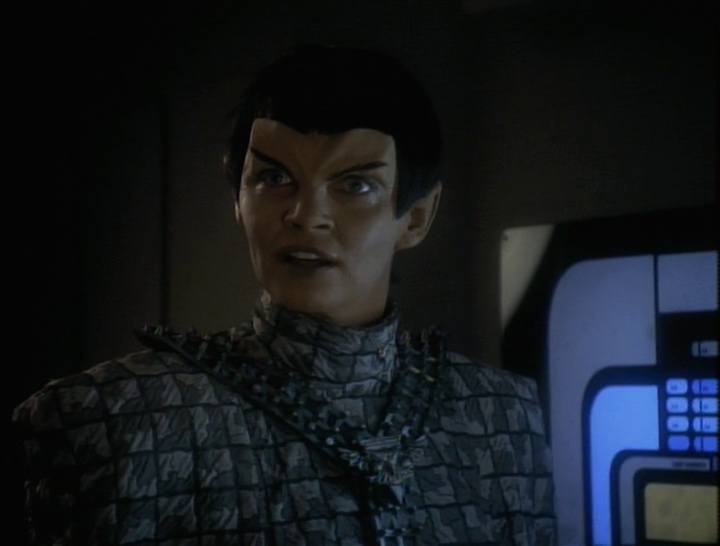
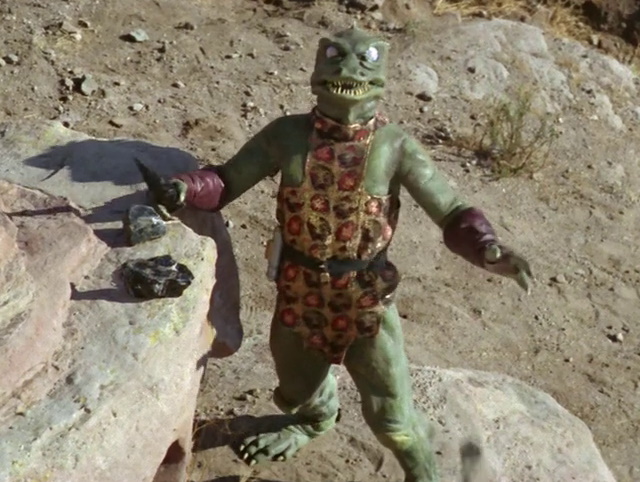
I said recently that I don’t like when Star Trek stories blatantly rip off what’s come before, but I appreciate it when they “rhyme.” And for me, Terrarium reminded me of The Next Generation Season 3 episode The Enemy, in which Geordi La Forge and Bochra, a Romulan, are similarly trapped together on the desolate planet of Galorndon Core. The barren, stormy world, the pairing up of a Federation officer with a member of an enemy faction… Terrarium uses these same elements in a similar way, but still feels like a totally distinct story. That isn’t easy to pull off, and the differences between the stories – the shuttle crash, the wormhole, the difficulty of communicating with the Gorn, and Ortegas’ hostility toward the Gorn as she still processes her trauma – are a big part of what makes Terrarium work.

If I might make one criticism that falls outside of nitpick territory, it would be the editing and pacing of a few of the scenes. In short, Ortgeas seemed desperate for food and water immediately after crash-landing, and the passage of time was not particularly well-communicated at first. Pike said, at one point, that they’d been searching for her for over two days, and by the time she was eventually rescued, even more time seemed to have passed. Ortegas might’ve spent a couple of days on the moon before encountering the Gorn. Or a week. Or a few hours. Or maybe she and the Gorn lived together for a couple of weeks before the rescue? Some of those scenes just felt a little… choppy, if that makes sense – particularly the sequence after Ortegas crash-landed, and the scenes in the run-up to her first meeting with the Gorn. I can’t help but feel adding a card or some text saying “48 hours later…” or something like that might’ve helped at a couple of points.

Still frame from Star Trek: Strange New Worlds 3x09: Terrarium, showing Ortegas on the shuttle, resting.
It wasn’t totally clear to me how much time passed in between some of these sequences.

Can I skip to the end and talk about that? Because the end of Terrarium was brutal. After working together, surviving together, and planning out an escape together… for Ortegas’ Gorn friend to just be gunned down by La’an and the redshirts was harrowing. Star Trek stories almost always present our heroes as being in the right – even if they do something bad or against the rules, it’s almost always for a noble reason. La’an and the security team just opened fire without warning against an unarmed opponent, killing her in cold blood. I was shocked – and I’m genuinely struggling to call to mind a similar moment anywhere in Star Trek, in which the death of a friendly character was handled with such ruthlessness by Starfleet personnel.

The writers took a narrative necessity – that the Federation couldn’t have a Gorn just hanging out aboard the flagship years before the events of Arena – and turned it into a truly shocking twist ending for this kind of “let’s all learn to live together in peace” storyline. Ortegas is probably the second character, after La’an, to have held such genuine fear and hatred for the Gorn, and it seemed as if Terrarium was trying to echo Arena and similar Star Trek “morality plays” with a story all about overcoming hatred, finding common ground, and learning to work together. All of that was ripped away with seconds to spare – after Ortegas and the Gorn had risked everything to achieve rescue. It was… well, it was brutal. There’s no other word for it.

Still frame from Star Trek: Strange New Worlds 3x09: Terrarium, showing the dead Gorn.
Shocking and brutal.

Ortegas still learned a lot, of course. She overcame her fear and hatred for the Gorn, and as the Metron told her at the end of the episode, that was real and she’ll be able to retain all of that knowledge and those feelings. She’ll also be able to convey to Starfleet that the Gorn can, under the right circumstances, be dealt with, reasoned with, and communicated with – which, hopefully, are things that could set the stage for dialogue in the future. So those “morality play” ideas are still present, they still matter, and they’re still a big part of the episode’s story. It feels very “Star Trek” in a way that not every modern episode has done!

But the ending is straight out of the modern entertainment playbook! Arena ended with Kirk injuring the Gorn, but refusing to kill him. The Enemy ended with La Forge and his Romulan counterpart being rescued. But Terrarium went for the twist ending, the shock of seeing Ortegas’ new friend gunned down right at the moment of victory. Betrayed by Starfleet – unintentionally, perhaps, and even arguably understandably – but that doesn’t make it feel better.

Still frame from Star Trek: Strange New Worlds 3x09: Terrarium, showing La'an firing her phaser rifle.
La’an firing her phaser rifle.
(Colour/brightness tweaked for clarity)

If anything, I’d say this kind of ending ramps up the “morality play” angle. Terrarium is different from the likes of Arena and The Enemy, which got happier, or at least more positive endings. But the final act of Terrarium hammers home its message about bridging cultural divides, working with someone from a different race, and finding comradeship with an enemy. Ripping that away so coldly, and for no good reason, shows us how far Starfleet and the Federation still have to go – and how the “good guys” can still make mistakes or be too quick to anger.

This is what Star Trek has always been about – just updated with a more modern style. What was the point of The Enemy, if not learning to see an enemy as an equal? Or Arena – that “the other” is not a monster, but a person? Kirk starts his battle with the Gorn by talking of the revulsion he feels for the reptilian monster, but stops short of killing him at the end. Terrarium builds from the same narrative foundation, but twists the knife right at the end. Ortegas may have learned to let go of her fear and her hate… but Starfleet is still too quick to reach for the phaser.

Still frame from Star Trek: Strange New Worlds 3x09: Terrarium, showing a close-up of the Gorn.
Ortegas came to see the Gorn as a friend.

Despite feeling like she was genuinely in danger the entire time, I’m glad Ortegas lives to fight another day. The opening act of Terrarium, which showed Ortegas with Spock and Uhura, felt comparable in tone to how Discovery set up Airiam’s death, or how, earlier this season, Ensign Gamble was sent on the away mission that claimed his life. That kind of setup, knowing what we know of modern Star Trek, has an almost eerie feel, so when Ortegas’ mission went wrong and she crash-landed, I really did feel like she was in danger.

Given that Strange New Worlds has been adding to its roster of legacy characters, fleshing them out, and even trying to set up a “Year One” spin-off focusing on the likes of Kirk, Spock, and Scotty… I wondered if Ortegas might be about to be brushed aside to bring someone like Sulu on board. But I’m very glad that didn’t happen (or at least, it hasn’t happened yet) because she’s someone we’re still getting to know – and she’s such a fun character. Ortegas is cut from the same cloth as Voyager’s Tom Paris insofar as she’s a genuinely passionate pilot, not just a helmsman. Having that kind of person in the pilot’s seat – both of the Enterprise and in shuttlecraft – is a ton of fun, and I can feel her passion for the role every time she takes the helm. Shuffling her out of the way to make way for Sulu (or another legacy character) wouldn’t sit right with me.

Still frame from Star Trek: Strange New Worlds 3x09: Terrarium, showing Ortegas piloting her shuttle.
Ortegas is at home in the pilot’s seat.

Speaking of piloting… what do we make of Captain Pike taking the helm? I absolutely loved it – and I think Terrarium is a great episode for Pike, despite him not being the centre of attention. I wrote last week that, across the three seasons of Strange New Worlds that we’ve had so far, several episodes saw Pike transformed into a different person, recreated as a hologram, or just… behaving out-of-character. It’s gotten to the point where I feel like it’s almost a refreshing change of pace to see Pike as the upstanding, decent, honourable Starfleet captain that we remember – the character who, as Trekkies, we were so desperate to see given his own show.

Pike taking the helm also reminded me of another Next Generation Season 3 episode: Booby Trap. That episode sees Picard – to the shock of everyone on the bridge – take the helm to guide the Enterprise-D out of a sticky situation, and Pike’s turn at the helm definitely brought up echoes of that story for me. I would’ve liked to see Pike take his seat, perhaps… but maybe that would’ve been too similar, I don’t know. Either way, it was a really great moment, and it drew on Pike’s history as a Starfleet test pilot, which Strange New Worlds has brought up on a few occasions. I like that this is an ongoing aspect of his character and wasn’t newly-invented for Terrarium; these consistent story threads make a series and a setting feel so much more real.

Still frame from Star Trek: Strange New Worlds 3x09: Terrarium, showing Spock in the captain's chair with Una and Pike at the helm/navigation console.
Captain Pike at the helm.

Pike’s side of the story also brought up the weight of command and the difficulties of making command decisions. This is something we know weighs on the captain – in The Cage (and The Menagerie) Pike spoke about how he felt the burden of command and how being responsible for the ship and crew was taking a toll on him. In Terrarium, Pike had to balance the needs of the many with the needs of the one (to quote a future Mr Spock), wanting to do everything in his power to search for and save the wayward Ortegas – but having a time limit to deliver vaccines to a colony world.

I loved Pike’s line to Uhura that he knew she “fudged the numbers,” and he would’ve undertaken the rescue mission regardless. I think that says a lot about the kind of captain he is, and the way he handles his ship and crew. Pike was confronted with a genuinely impossible situation, but he stayed calm, he did everything he could to buy his crew as much time as possible to look for Ortegas, and his role this week reminded me exactly why I was so keen on “the Captain Pike show” back in 2019!

Still frame from Star Trek: Strange New Worlds 3x09: Terrarium, showing Pike looking at Uhura.
This was a great episode for both Uhura and Pike.

Did you spot a reference to The Doomsday Machine? Decker – a commodore by the time of The Original Series – was in command of the USS Constellation, the ship Pike and the Enterprise were set to rendezvous with in Terrarium. I just thought that was a neat little reference. It doesn’t need to be expanded into something massive, with the Constellation and Commodore Decker being shown on screen next week, but it was a cute little nod and wink to Trekkies – and another reminder that all of these stories are taking place in a shared setting. It wasn’t a big thing, but it was neat that the writers went the extra mile, instead of saying that the vaccines were to be delivered to Captain Bob of the USS Whatsisname.

Terrarium was also a fantastic episode for Uhura. Her empathy and love were on full display as she supported Ortegas ahead of her first solo mission in months, then became the strongest advocate for searching for her, even when Spock seemed (perhaps a little too keen) to throw cold water on her plans. We’ve seen Uhura grow in confidence across Strange New Worlds so far, and as Pike remarked, bending the rules is a new frontier for her! But it came from an understandable place, and had been set up incredibly well earlier in the episode.

Still frame from Star Trek: Strange New Worlds 3x09: Terrarium, showing Uhura on the bridge, happy.
Uhura at the episode’s climax.

Uhura has had several “moments” across the first three seasons of Strange New Worlds in which she becomes more confident, solidifies her relationship with Starfleet, or just grows in some way. And Terrarium was another great example, building on storylines like visiting the comet, bonding with Hemmer, and inspiring the crew to sing their way out of trouble. The notion that Uhura would do anything to help a friend in need… that’s a core part of the character we remember, and seeing her bend the rules, thinking that was the only way to help Ortegas? It sets up Uhura joining Kirk’s mission to steal the Enterprise in Star Trek III, as well as countless other examples of her going out of her way to help her friends.

Spock was, perhaps, a little too quick to dismiss some of Uhura’s ideas – but this was never really presented as a conflict; more so a hurdle for Uhura to overcome. And Spock, despite his initial predictions of failure, didn’t come across as being a jerk for the sake of it. He even stayed with Uhura, continuing to help her work on her simulations, which I think also says a lot about how far he’s come across the show so far. After so many “Spock comedy” storylines – something I talked about at length last week – it’s nice to see Spock in a more familiar and straight-laced role. It’s also nice to see Spock contributing, but taking a back seat to other characters. This side of the story mostly looked at Uhura and, to a lesser extent, Pike. Spock played a role, but he doesn’t always have to be centre-stage.

Combo of two still frames from Star Trek: Strange New Worlds 3x09: Terrarium, showing Spock and Uhura in the science lab.
Uhura and Spock.

So let’s return to the main part of the story: Ortegas and the Gorn.

I really liked the moon that Ortegas crashed on. It made fantastic use of the AR wall, and just felt like such a barren and desolate place. Seeing the wind sweeping across the surface of the moon, with nothing but dust and rocks in sight, with occasional quakes and rumbles shaking the ground… it made for a very unnerving place to have crash-landed; very lonely, very bleak. The addition of the flaming blue gas giant in the sky obviously added a huge sense of impending danger, which was intimidating. The camera work on the surface of the moon, combined with the AR wall, actually led to a really great effect – something Paramount hasn’t always been competent at if you look back at some other recent Star Trek projects, like Discovery’s fifth season.

And this sense of being lost, alone, and trapped in a desolate, barren wasteland was really hammered home by the presence of the wormhole. I don’t think we ever learned exactly how far away the wormhole’s terminus was from where the Enterprise was situated – but, as Spock said, it could be basically anywhere in the universe. That added so much to the sense of isolation and abandonment compared to, say, an episode like The Enemy, in which the Enterprise-D was still in orbit, even if for technobabble reasons it wasn’t possible to beam out Geordi right away. Again, that sense of genuine danger – that we might be about to lose Ortegas from the series entirely – was ramped up by just how badly wrong this mission was going.

Still frame from Star Trek: Strange New Worlds 3x09: Terrarium, showing the USS Enterprise wedged in a wormhole.
The Enterprise in the wormhole.

A couple of weeks ago, I said that I was worried that Ortegas’ injury and trauma from the beginning of the season hadn’t been picked up in a big way, and that if it did come back, it would be harder to pull off effectively after having seen her “back to normal.” And I stand by that to an extent – I think if, instead of Terrarium, we’d gotten a Discovery-style “let’s all talk about our feelings” story, it would have been difficult to put Ortegas into that after several episodes had passed in between her injury, her insubordination, and her apparent recovery. But because of the way Terrarium approached it – putting her face-to-face with a Gorn for the first time since the end of Hegemony, Part II – it actually worked incredibly well.

Ortegas’ character arc built on her earlier encounter with the Gorn and the lingering trauma it caused her without feeling like we’d missed a step. By throwing her into this tense survival situation, we got to see her going from “just kill me already you alien monster,” to “okay, we can be friends.” And Terrarium built this up slowly and carefully, taking us from Ortegas’ shock at spotting the Gorn, trying to hide, fearing for her life, and eventually coming to terms with the fact that they’d have to work together to have any chance of escape. It was incredibly well written – and given that Melissa Navia was the only one to actually have any dialogue on this side of the story, incredibly well performed and emoted. Having to act out an incredibly intense and emotional storyline against a person in a Gorn suit can’t have been easy – but she made it look easy! This is why, for almost three full seasons, a lot of us have been champing at the bit for a proper Ortegas episode!

Still frame from Star Trek: Strange New Worlds 3x09: Terrarium, showing Ortegas inside the shield dome.
Melissa Navia absolutely excelled.

We got to see Ortegas run the gamut of emotions. The elation of her mission and the piloting challenge, the anxiety and loneliness after the crash-landing, the sheer terror of her first Gorn encounter, a slowly-developing friendship which culmintaed in board games, and the abject grief at her new friend’s utterly brutal execution. And Melissa Navia had to do all of that (well, almost all of it) on her own, with no other actor to bounce her lines off of. It’s an incredible solo acting performance, one which really encompasses a huge range of different emotional states across a dangerous and nearly fatal away mission.

After Strange New Worlds has reimagined the Gorn to be closer to Alien’s Xenomorphs or other horror movie monsters, it was incredibly refreshing to see a different and softer take this time. We got to see a Gorn – for the first time in the entire series, really – not as “the other,” or a monster, but as a person. This Gorn showed Ortegas – and by extension, us as the audience – that the Gorn are more than just mindless killing machines who see humans as food. They have a complex language, a culture, they enjoy playing games, they can get sick and injured… again, to tie into the theme of Star Trek stories as “morality plays,” we’re seeing the Gorn – through Ortegas’ eyes – as people… basically for the first time since they were re-worked for Strange New Worlds. This only makes the brutal killing of the Gorn at the end of the story hit so much harder and feel so much worse.

Still frame from Star Trek: Strange New Worlds 3x09: Terrarium, showing Ortegas on her knees.
Ortegas at the end of the story.

May I nitpick? If you know me… you know I must!

If you can transport down to a moon, it stands to reason that you can also transport up from a moon, right? So why did La’an have to beam down to search for Ortegas? And why did La’an beam down with a squad of redshirt tactical officers for a rescue mission, instead of – oh, I dunno – a doctor? The “we have to deliver these vaccines on time” added an extra source of tension to the episode, but it felt a bit exposition-y – mostly because of the timing of its introduction. If the episode had begun with Pike saying, “we’re en route to deliver these vaccines, but we stopped off briefly to study this unusual phenomenon,” I think it would’ve worked a lot better than Una springing it on us after Ortegas had already gone missing. The “scanning ability” percentage wasn’t really explained, and I could’ve entertained a brief line of technobabble discussing it, especially given its importance to Uhura and Pike’s storyline.

But, as I said, all of those are incredibly minor points, and none of them detracted from the finished product. I include them here because, well, I’m a Trekkie – and as Trekkies, we love nothing more than to pick at the tiniest little details in Star Trek, sometimes!

Still frame from Star Trek: Strange New Worlds 3x09: Terrarium, showing the away team beaming down.
The rescue team beams down.

Terrarium joins Shuttle to Kenfori and Through the Lens of Time as one of my favourites from Season 3. It was fantastic all around, with great moments for Pike and Uhura, as well as an incredibly intense story for Ortegas.

I loved this completely different way to include the Gorn. Don’t get me wrong – I’ve enjoyed Strange New Worlds’ reinterpretation of the Gorn, by and large. But I also think we were beginning to come up against the limits of the “alien monster” idea, so to show a softer, more personable side to the Gorn – and to put Ortegas, who had suffered so severely at their hands, right in the middle of it – was a fantastic storytelling decision, and one that was executed incredibly well. Melissa Navia got her first major spotlight episode – and rose to the occasion, overcoming a difficult acting challenge.

I really can’t heap enough praise on Terrarium, as you can probably tell! It truly is an outstanding episode, one that harkens back to the likes of Arena and The Enemy from those older shows, but puts a completely different spin on a familiar setup thanks to a brutal ending. I’m not sure I’d have chosen to include Arena’s Metrons; I’m just not convinced that brief scene at the end added an awful lot or that the story really needed it. But doing so helps to square a circle, perhaps, while hinting at a “different” take on the Gorn by the time of Kirk’s encounter in Arena.

Still frame from Star Trek: Strange New Worlds 3x09: Terrarium, showing Ortegas and the Gorn playing chess.
Playing chess with a Gorn.

So that was Terrarium. Absolutely fantastic. No notes – literally, in my case!

Season 3 has been pretty good, overall. Strong episodes like Terrarium are a nice balance after a weaker offering like Four-and-a-Half Vulcans last week, and I’m rooting for an excellent season finale to close things out with a bang! Can you believe Season 3 is almost over, already? I’m actually feeling pretty sad about that.

The final episode of the season will be titled New Life and New Civilizations. So far, there’s been nothing released – no promo photos, no blurb, no trailer. Something big could be hiding under the surface, then! Check out my latest theory about Captain Pike and Captain Batel, if you’re interested – you can find it by clicking or tapping here. And join me next week for the final episode review of the season. Oh, and if you missed it, I met Martin Quinn (Scotty) over the weekend at a Star Trek convention here in the UK. Click or tap here to check out my write-up of the events of the day. Live Long and Prosper, friends!


Star Trek: Strange New Worlds Seasons 1-3 are available to stream now on Paramount+ in countries and territories where the platform exists. The first two seasons are also available on DVD/Blu-ray. The Star Trek franchise – including Strange New Worlds and all other properties discussed above – is the copyright of Skydance and/or Paramount. This review contains the thoughts and opinions of one person only and is not intended to cause any offence.

Star Trek: Strange New Worlds Episode Review – Season 3, Episode 1: Hegemony, Part II

A Star Trek-themed spoiler warning.

Spoiler Warning: Beware of spoilers for Star Trek: Strange New Worlds Seasons 1-3. Spoilers are also present for the following Star Trek productions: The Next Generation Seasons 3-4, Deep Space Nine Seasons 4-6, and Discovery Season 5.

After a frankly ridiculous two-year wait, Strange New Worlds is back! Hegemony, Part II is the conclusion to last season’s excellent cliffhanger, picking up right where we left off with the Gorn attack on the non-Federation planet Parnassus Beta. And, as always, I have a lot to say – so buckle up, this could be a long review!

The tl;dr is this: Hegemony, Part II wrapped up its key storylines… but perhaps didn’t have quite enough time to do so flawlessly. The episode was good, unquestionably, and I think the two parts of Hegemony form one of the show’s strongest and certainly most explosive and action-packed offerings. But as the credits rolled and the Enterprise set course for Earth, I couldn’t help but feel that an extra ten minutes or so would’ve been necessary to really achieve what this episode’s writers and director wanted. There were a few moments that were just a little too short, that needed a bit more explanation, or where we could’ve spent just a tad longer lingering on key characters. Maybe a fifty-five-minute cut of the episode would’ve been better than the forty-five-minute version we ultimately got.

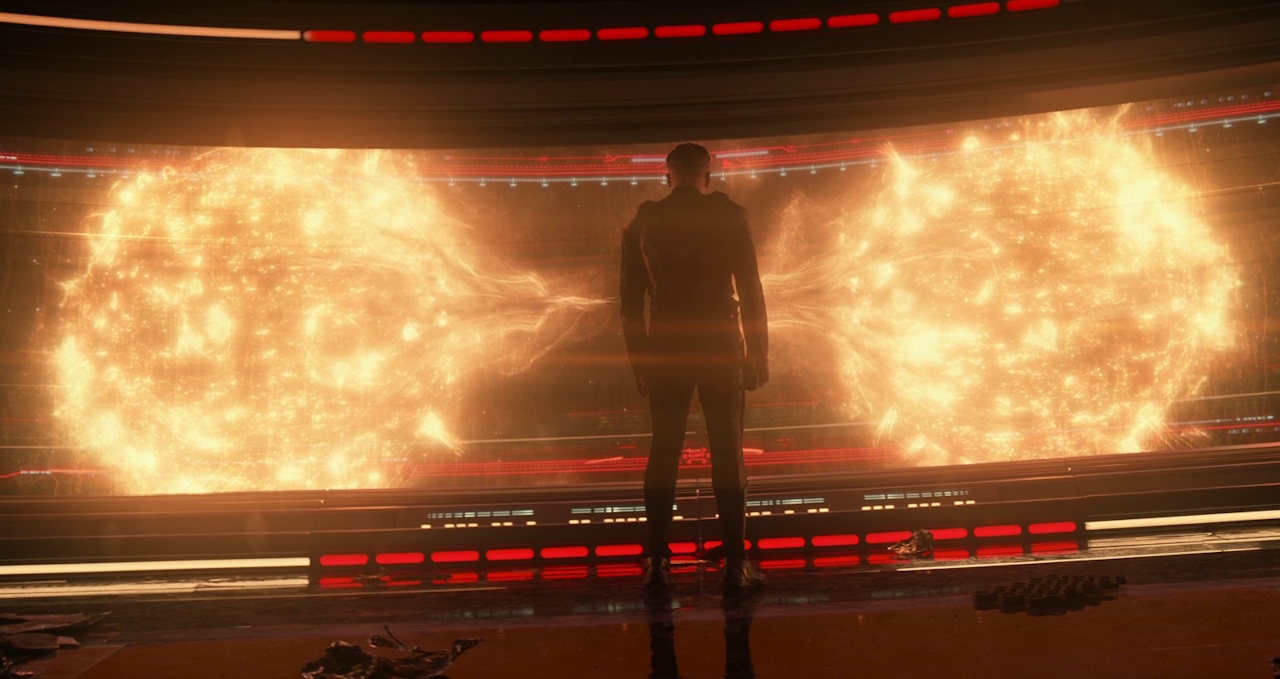
Still frame from Star Trek: Strange New Worlds 3x01: Hegemony, Part II, showing Captain Pike standing in front of the viewscreen, with two stars on the screen.
Captain Pike and the crew are back!

Before we go any further and get into the meat of the review, I’d like to give my usual disclaimer! Everything we’re going to talk about today is the entirely subjective opinion of just one Trekkie. If you detested Hegemony, Part II and think I’m rating it far too highly, or you love it more than I did and you feel I’m being unnecessarily harsh… that’s okay. There’s plenty of room in the Star Trek fan community for differences of opinion and polite discussion. I share this review with the online Trekkie community in that spirit.

We waited two years with the cliffhanger ending to Hegemony, and a massive part of that was the question of what would happen to Captain Batel. Would she survive her Gorn infection… and what would it mean for Pike if she couldn’t be saved? Batel was a great character to endanger; as a brand-new character, she could easily be killed off, and as someone so closely connected to Pike – whose future is set in stone – their relationship is doomed one way or another. We also saw, in Season 1, how deadly a Gorn infection could be with Hemmer’s untimely death. So again, to reiterate that: it was a fantastic storytelling decision to place Captain Batel in this incredibly dangerous position.

Still frame from Star Trek: Strange New Worlds 3x01: Hegemony, Part II, showing Captain Batel in sickbay.
Captain Batel was infected at the end of last season.

So why, then, did the absolute fucking morons who’ve somehow managed to waddle into Paramount’s marketing department completely spoil Captain Batel’s survival weeks ahead of Season 3’s premiere? It completely ruined that storyline, undermined some genuinely tense sequences, and rendered some great performances by Anson Mount, Jess Bush, and Ethan Peck completely impotent. Thanks to her appearance in two trailers and photos released ahead of Season 3, we could tell that Captain Batel was going to survive. And while I concede that for a more casual audience that would be less of an issue (folks who don’t follow Star Trek on social media would’ve been less likely to see these spoilers) I still don’t think that excuses it.

This cliffhanger had been simmering away for two years, and while we knew Melanie Scrofano would be back as Captain Batel in Hegemony, Part II… her status in the rest of the season could’ve easily been kept under wraps. As soon as I saw her in those trailers, I knew she was going to survive, because those clips were clearly taken from after the Gorn conflict. And the photos released for subsequent episodes just hammered that home even more. There was absolutely no reason for this; there were other clips that could’ve been chosen, or Batel could’ve even been edited out of the clips in which she appears. Why go to all the bother of setting up this otherwise fantastic and engaging storyline, which was performed beautifully and emotionally by all involved, and keep it under wraps for almost two years… only to blow it with a few weeks to go? Paramount is utterly useless, which is why Star Trek as a whole is probably going to be disappearing before the end of the decade. But things like this are such incredibly basic mistakes that I cannot fathom how they were allowed to happen. Knowing Captain Batel would survive significantly harmed my enjoyment of this storyline in Hegemony, Part II – and there was just no need for that to have happened.

Promotional photo for Star Trek: Strange New Worlds Season 3.
Captain Batel’s survival was spoiled ahead of time for anyone who follows Star Trek on social media or who was paying attention to the ad campaign for the new season.

The sad thing about all of this is that, episode-ruining spoilers aside, Captain Batel’s storyline gave us the episode’s best and certainly most emotive performances. We got some fantastic moments with Anson Mount, as he beautifully portrayed Pike struggling with Batel’s condition, and Jess Bush, who took us through Chapel’s strengths and vulnerabilities when facing a traumatic situation. Ethan Peck showed off a softer side to Spock, here, too, picking up last season’s relationship with Chapel. We’ll get into that a bit more later – because Spock and Chapel have kind of run their course for me – but again, it was a solid performance and a new situation for Spock.

Melanie Scrofano spent a lot of Hegemony, Part II lying asleep on a table or bed, but when she was awake – both before and after her experimental surgery – she also contributed to some of the story’s most heart-wrenching moments. Asking Chapel to “take her out,” if there was no solution, and in those final scenes with Pike, we saw Captain Batel at her best and her most vulnerable simultaneously. That’s not an easy thing to communicate, especially with limited screen time, but it was utterly fantastic. It’s such a shame that this entire storyline was spoiled ahead of time for no good reason.

Still frame from Star Trek: Strange New Worlds 3x01: Hegemony, Part II, showing Captains Pike and Batel in sickbay.
Pike with Batel at the end of the episode.

In The Original Series, there was a suggestion that Nurse Chapel had “a thing” for Spock. Strange New Worlds took this bare-bones idea and really expanded upon it, pairing them up in a romantic way. However, if Spock is to continue his character arc – one which should bring him more in line with the character we’re familiar with – then I think this relationship has run its course. And in Hegemony, Part II, I didn’t feel this side of Spock and Chapel’s story really added very much. It wasn’t as bad as anything Discovery did with its forced drama, but there were moments that came close, as Spock and Chapel seemed to lose focus on the task to talk about their relationship. I don’t think this otherwise-interesting story needed to be interrupted by relationship drama, and both characters seem to be on different trajectories right now. That’s for the best, and while their entanglement was occasionally fun and could be called back to in the future, keeping them as friends will, in my view, work a lot better going forward.

With Dr M’Benga missing in action, it fell to Spock and Chapel to perform Captain Batel’s life-saving treatment – and this was interesting. We could absolutely nitpick and say surely a ship the size of the Enterprise has at least one other doctor (as evidenced by Dr M’Benga’s original appearance alongside Dr McCoy in The Original Series), but for the sake of the story, I think it worked well! Spock and Chapel made a good pair in this kind of environment, tackling a problem neither of them was fully-qualified to solve and being forced to think outside the box. The callback to Una’s Illyrian heritage was good, and a creative way for the episode to technobabble its way to a resolution by relying on something which been set up all the way back in Season 1.

Still frame from Star Trek: Strange New Worlds 3x01: Hegemony, Part II, showing Spock and Nurse Chapel.
With Dr M’Benga nowhere to be found, it fell to Spock and Chapel to save Captain Batel’s life.

If you recall the episode Ghosts of Illyria, where we learned about Una, we also discovered that the Illyrians’ penchant for genetic engineering left their people particularly resistant to disease and infection. I love that Star Trek – and Strange New Worlds within its own story – has this depth of lore. A technobabble miracle could’ve always been found to save Captain Batel, but referencing events and characters from earlier in the show’s run strengthened this significantly, and gave Spock and Chapel’s plan a truly solid narrative foundation. It worked great – and it connected to Una’s backstory in a way I’ve been hoping Strange New Worlds will continue to do.

The only part of this that I felt was rushed was the surgery itself. While Chapel’s hand was literally on the scalpel (alright, the weird techno-device with blinking lights), Spock intervened and suggested changing their entire plan. That’s already a bit flimsy, in my view, and it came without much setup. A longer episode could’ve dedicated just a minute or two more to Spock and Chapel working out ideas, and stretched out this moment a bit longer, which I feel would’ve strengthened it. The idea of flipping the problem around was creative, but the explanation just felt a bit rushed in the moment, and I would’ve happily enjoyed seeing them actually enacting some part of their new plan.

Still frame from Star Trek: Strange New Worlds 3x01: Hegemony, Part II, showing the surgery on Captain Batel.
This was not the ideal moment for a total change of plans…

Speaking of things that were rushed: Scotty and Pelia’s explanation of how the Enterprise could fly into the binary stars. It felt like Scotty came on the bridge, sat down, and worked out this incredibly complex plan in the span of just a few seconds, when he hadn’t been briefed or known anything about what was going on just a moment earlier. The prior sequence with Scotty and Pelia was great, and it did something I really hoped Strange New Worlds would do – give Scotty room to grow, showing us that he isn’t quite the miracle-worker from The Original Series just yet. That was communicated incredibly well, and I really hope we get more with Scotty and Pelia, building on their difficult history together and their somewhat antagonistic working relationship.

But the moment on the bridge needed more. We needed to see Pike, Pelia, and Scotty slow things down and figure out their plan at a more reasonable pace. Pacing of these technobabble ideas in many Star Trek episodes can feel rushed, so this isn’t a unique issue by any means. However, that doesn’t make it less of a problem here, and considering this scheme was the lynchpin of the entire operation to stop the Gorn… I just think we needed to arrive at it a bit more slowly to allow it to sink in. Could you even explain what Scotty’s idea involved? It was so rushed that I don’t think I could off the top of my head.

Still frame from Star Trek: Strange New Worlds 3x01: Hegemony, Part II, showing Scotty and Pelia on the bridge.
Scotty’s plan was explained a bit too fast for my liking.

As the apparently-final act in Strange New Worlds’ multi-season Gorn conflict story arc, I would’ve liked to have spent a bit more time on this moment. Planning, scheming, coming up with different ideas… kind of like we saw Rom, Dax, and O’Brien doing in the Deep Space Nine episode Call To Arms. That episode saw the characters trying to come up with a way to stop Dominion reinforcements coming through the Bajoran Wormhole, but the scene was just the right length, and we saw the characters talking through several different variants of the plan before settling on the one they ultimately chose to enact. The circumstances of the conflict are different in Hegemony, Part II, but the complexities of the situation involving Gorn hibernation rituals, stellar flares, and the engineering challenges of the Enterprise’s shields and hull still require some discussion and debate.

After I’d written in my notes that Strange New Worlds was doing exactly what I wanted to see with Scotty – showing that he isn’t perfect, that he has room to grow – this scene kind of undermined all of that. Scotty leapt into action, coming up with the perfect plan on the spot in a matter of seconds. And the plan was creative and interesting! I liked that Strange New Worlds, once again, is connecting back to story threads that had been set up in earlier episodes with the Gorn using light to communicate and having sensitivities to light. But again, I feel a fifty-five-minute episode could’ve communicated this at a better pace.

Still frame from Star Trek: Strange New Worlds 3x01: Hegemony, Part II, showing the computer simulation of Scotty's plan.
I wanted this sequence to be a bit slower-paced.

Speaking as we were of Deep Space Nine’s Dominion War, I felt echoes of another fantastic episode in Pike’s desperate attempt to stop the Gorn. Sacrifice of Angels sees Captain Sisko, on the Defiant, making a last stand against an encroaching Dominion fleet, and Pike’s attempt to warn Starfleet and stop the Gorn invasion as their ships swarmed definitely reminded me of that moment. When Pike gave the order to open fire, and Una replied incredulously, reminding him they’re facing an entire armada… again I felt echoes of Sisko and Dax on the bridge of the Defiant. It was really impressive moment – in both episodes!

And we can kind of compare the resolutions to those stories, too. The Prophets intervened in Sacrifice of Angels, removing the Dominion fleet. Pike and Scotty’s solar flare plan to “put the Gorn to sleep” likewise averted the attack without actually turning it into a large-scale battle or a wider war. Star Trek has a knack for finding technological or engineering solutions, even to what seem on the surface to be military problems, and that’s been a core tenet of the franchise going all the way back to the beginning. Using the knowledge they’d gained about the Gorn in this way, the crew was able to turn back the tide and avert a wider invasion. That’s kind of a neat idea, even if parts of the buildup to it weren’t flawless. You could also compare this plan to Picard and Data putting the Borg to sleep in The Best of Both Worlds.

Still frame from Star Trek: Strange New Worlds 3x01: Hegemony, Part II, showing the Enterprise approaching the Gorn armada.
Oh look, it’s the Battle at the Binary Stars

In my review of the Hegemony, Part I, I noted what I consider to be a particularly significant plot hole, and unfortunately, Part II doubled-down on it. In brief: Admiral April asserts that the Federation doesn’t want to become involved in a wider war with the Gorn, effectively ceding Parnassus Beta to the Gorn Hegemony. Because Parnassus Beta wasn’t a Federation colony, and April was choosing to prioritise Federation worlds, that was a sacrifice he was okay with making. But that doesn’t make sense in-universe.

The attacks on the USS Cayuga and the USS Stardiver by the Gorn are, in effect, declarations of war against the Federation. Parnassus Beta may not be a Federation world, but those starships are both Starfleet vessels crewed by Federation citizens. April’s argument makes no sense when he has that information, and the losses of the Cayuga and Stardiver were known to him by the time he boarded the Enterprise to debrief Captain Pike. Everyone was acting as if the only attack was on Parnassus Beta – but the attacks on not one but two Federation starships prove the Gorn’s wider militaristic intent. I could have happily entertained a storyline about appeasement, about not reacting emotionally when provoked, or anything along those lines. But for April, Pike, and everyone else involved to just ignore what happened to the two ships, and not even mention those attacks as a reason for or against taking certain actions… it rubs me the wrong way. I don’t think it makes sense based on what we know of April, of Starfleet, or even of Captain Pike himself. While I didn’t really expect Part II to completely change this angle based on what we saw last time, I’m a bit disappointed that the writers doubled-down on this mistake. It makes Admiral April look either uncaring to the point of sociopathy or totally incompetent, and I think Pike’s failure to bring up the attacks on Starfleet ships to support his case doesn’t do wonders for his characterisation, either.

Still frame from Star Trek: Strange New Worlds 3x01: Hegemony, Part II, showing Admiral April consulting a map of Gorn space.
Admiral April completely ignored the attacks on the USS Stardiver and USS Cayuga.

The final part where I think a slightly longer episode might’ve been beneficial was with La’an and the captured members of the away team. This is less important than Captain Batel’s treatment or Scotty’s plan, as I felt these scenes were generally pretty great. But spending an extra minute or two, spread across those sequences, might’ve allowed for a couple of things – Ortegas having to figure out how to pilot the Gorn ship and La’an taking a bit longer to locate the Gorn warship’s transporter codes. Both of those points seemed to be blitzed through quite quickly, and while they didn’t not work, I think they could’ve been improved with a slightly slower pace.

Think about it: you’re hacking into a totally alien computer system for the first time ever. And Strange New Worlds has gone out of its way to really emphasise the “other-ness” and truly alien nature of the Gorn, with no universal translator or even any real communication at all. So you hack into this computer, and just instantly scroll to the transport frequencies like you were finding your favourite song in Spotify. It took me ages to get the hang of Windows XP after I’d been used to Windows 98… do you really believe La’an is gonna hack the Gorn in an instant? She’s a security officer, not even an engineer or tech expert. I just think this could’ve benefited from another few seconds, even, showing her scrolling, taking wrong turns, or getting locked out and having to work around it.

Still frame from Star Trek: Strange New Worlds 3x01: Hegemony, Part II, showing Dr M'Benga and La'an aboard the Gorn vessel.
I found it hard to buy La’an’s perfect hack of the Gorn computer system.

Likewise with Ortegas. Ortegas’ story at the end of Hegemony, Part II is basically summarised in the line she repeats to herself: “I fly the ship.” But… it’s not a familiar ship. It uses a weird interface (that reminded me a little of Mr Garrison’s bike invention in South Park (if you know, you know)), it’s in an alien language, and frankly… “I’m a pilot, so I can pilot anything” is a bit of a flimsy excuse when you’re dealing with a totally different kind of technology. I would’ve liked to see her struggle, just for a moment, with figuring out the controls – and that could’ve actually added to the tension as the away team attempted to escape the Gorn while under fire.

I don’t think either of these are particularly egregious, but since we’ve been talking about moments that felt a little cut down or where we could’ve seen things expanded, I felt it worth including them.

Sticking with Ortegas for just a moment, Strange New Worlds really succeeded at convincing me that she was in danger. When the adult Gorn attacked her as the away team made their escape, I genuinely feared for her survival in a way that I didn’t with practically any of the others. I mentioned this in Part I in relation to Chapel; I tried to explain that Chapel was an awful choice for the kind of “death fake-out” that the story went for because she’s a familiar character and this is a prequel series. Ortegas has no known future – so the thought that she could genuinely be killed off was right there, front-and-centre.

Still frame from Star Trek: Strange New Worlds 3x01: Hegemony, Part II, showing Ortegas losing a fight with a Gorn.
Ortegas seemed to be in big trouble…

Obviously I’m glad that Ortegas seemingly lives to fight another day! We haven’t spent that much time with her, one-on-one, across both seasons of the show so far, and I think there’s a ton of potential in her character as a really enthusiastic pilot – something Star Trek doesn’t always have in its helm officers! But the way Hegemony, Part II signalled that she was in danger was done incredibly well. This is a series that has already killed off one main character, something Discovery and Picard refused to do, and I just think that adds to the stakes. Putting these new characters in danger, when they aren’t guaranteed to survive, ups the tension and drama and keeps me on the edge of my seat.

The injuries to the away team – and Ortegas in particular – were pretty gruesome and horrific, at least by Star Trek standards. I was reminded of Mass Effect 2′s “Collectors” in the depiction of the Gorn prison/feeding chamber, and the acid dissolving their skin, Ortegas’ injured hand, and the general slimy and grotesque feel of the place all added to that sense of the Gorn being totally otherworldly and alien. Star Trek’s depictions of humanoid aliens – the “nose and forehead” types – don’t always convey how truly different alien life might be, but this new take on the Gorn really does – and I like it!

Still frame from Star Trek: Strange New Worlds 3x01: Hegemony, Part II, showing Ortegas' injured hand (with two missing fingers).
Ortegas’ injury was pretty brutal by Star Trek standards.

As I said either last season or in my write-up of Season 1, Strange New Worlds’ depiction of the Gorn is clearly influenced by the likes of the Xenomorphs from Alien – with a dash of Jurassic Park’s velociraptors thrown in for good measure! The acid, the slime, the ooze – all of that really adds to the kind of monstrous presentation of the Gorn that the show is going for, and it feels like a real masterstroke to take this under-explored alien race from classic Star Trek and reinterpret it, while also going into way more detail. I recently re-watched The Original Series’ Season 1 episode Arena, where the Gorn made their first appearance, and while the two shows have very different takes on the Gorn… I don’t think they’re a million miles apart. The DNA of Strange New Worlds’ Gorn is still present in Arena, and while there are different designs and there are clearly limitations to the older portrayal, the core concept of a reptillian monster remains.

Click or tap here to check out my write-up of Arena, if you’re interested.

Last year, I criticised Discovery’s fifth and final season for some pretty slapdash and amateurish uses of Paramount’s expensive AR wall! There were several places in that season where the AR wall was just not well-integrated with the physical props around it, and the effect looked cheap. Not so in Hegemony, Part II, where the AR wall stage was thoroughly transformed to become the Gorn prison. It was such a horrifying setting, and the AR wall helped bring it to life in a way that a static background arguably wouldn’t have. It’s one of the best uses of the AR wall I’ve seen so far, and proof that – at least sometimes – Paramount does know how to properly use the things it spends all its money on.

Still frame from Star Trek: Strange New Worlds 3x01: Hegemony, Part II, showing the Gorn prison.
This was a well-constructed set.

Another area where Hegemony, Part II excelled in the visual department was its presentation of the binary stars. The CGI for the stars was fantastic, but what was even better was the cinematography at the episode’s climax, showing Pike and others on the bridge as they flew close to these binary stars. Parts of that reminded me of the film Sunshine (co-starring a certain Michelle Yeoh) which depicted a mission to the sun. Well worth a watch if you’ve never seen it, by the way! But that film also had characters in close proximity to a star, struggling with the radiation and bright light. For my money, Hegemony, Part II did a great job here.

The visual of the infant Gorn growing in Captain Batel’s body was also gruesome – and also inspired, perhaps, by Alien. The wriggling, pulsing creature under her skin was a horrifying thing to see – and I think it was so much better done as a physical prop than it would’ve been if it had been CGI. CGI is great, and it’s better today than it was when, say, Enterprise used it to create its take on the Gorn some twenty years ago! But I still enjoy physical special effects, especially in a franchise like Star Trek, so this proto-Gorn/Gorn foetus… thing was so much better for being created that way!

Still frame from Star Trek: Strange New Worlds 3x01: Hegemony, Part II, showing Captain Batel's Gorn-infected back.
Captain Batel’s Gorn infection. Yuck.

I will be curious to see whether Strange New Worlds follows up La’an’s story from this episode in future. She was clearly struggling with being back in Gorn captivity, having flashbacks to her childhood. I don’t think we need a Discovery-style “let’s all sit around and talk about our feelings” kind of thing, but if La’an is meant to be suffering with PTSD from her Gorn experiences, I hope the show doesn’t just completely drop this idea going forward. If we have truly seen the last of the Gorn in Strange New Worlds, she might not have to come face-to-face with them again, but there could and arguably should be some kind of follow-up to what she went through.

La’an and Una have established a strong bond, so perhaps Una could be the one she turns to at first, if indeed she’s struggling. There is value to good and well-written depictions of mental health, and while modern Star Trek hasn’t gotten this right a lot of the time, I’m willing to give the franchise another chance. At the very least, there’s a strong foundation for that kind of story to build on if the writers want to take La’an down that route in the future.

Still frame from Star Trek: Strange New Worlds 3x01: Hegemony, Part II, showing La'an with a corpse.
I’ll be interested to see what comes next for La’an after this.

Captain Pike is also seemingly not at his best, with the toll of command and stress about Captain Batel clearly weighing on him. It was agonising for Pike to have to entrust Batel’s treatment to Spock and Chapel while he remained on the bridge, and you could see that etched on his face. His moments of hesitation also hammered home for me how he might be struggling – and feeling the heavy burden of command is something we know Pike feels. His first introduction – in The Cage – shows him talking to Dr Boyce about this very issue. Perhaps the Gorn conflict has exacerbated that for Pike, or maybe it was just the stress of Captain Batel’s condition. Either way, I think we got a complex and nuanced depiction of Pike in Hegemony, Part II, as he seemed to waver and hesitate, perhaps second-guessing himself, while also having moments of firey passion and intense vulnerability.

As I said above, this was a fantastic performance from Anson Mount. I’ve said this before, but I was sceptical of the decision to bring back Pike when he was announced as a character in Discovery’s second season – but I was so very wrong about that! This complex performance, taking Pike through the wringer as he had to balance protecting his ship, the wider Federation, and Captain Batel… it was a masterclass, truly.

Still frame from Star Trek: Strange New Worlds 3x01: Hegemony, Part II, showing Captain Pike in the captain's chair, with his face in his hands.
Pike went through all of the emotions in this episode.

Martin Quinn has also been a joy to watch. Yes, there are issues with Scotty’s way-too-fast plan near the climax of the story, but his earlier conversations with Pelia showed a different side to the character, and Quinn brought that to life in a way I wasn’t expecting. Scotty is suffering after the loss of the Stardiver, and being forced to go toe-to-toe with Pelia again, listening to her berating him for not documenting his work, it was definitely something I think we needed to see. Scotty’s emotional reaction, storming out as he reiterated that his crew and commander are dead… it was heartbreaking stuff.

Here’s a question: does Captain Batel’s treatment and survival undermine Hemmer’s sacrifice in Season 1? Hemmer’s name was mentioned, albeit briefly, in Hegemony, Part I, but in Season 1 his act of self-sacrifice was presented as a brave decision. Not only did he spare himself a horrendous fate, he prevented new Gorn from being spawned and saved his shipmates. But Pike was right: Hemmer didn’t give them a chance to save him. It seems now, based on what we saw with Captain Batel, that there might’ve been a chance to save Hemmer’s life.

Still frame from Star Trek: Strange New Worlds 3x01: Hegemony, Part II, showing Pike and Batel in sickbay.
Could Batel’s treatment have worked for Hemmer, too?

This comes just a few episodes after All Those Who Wander (thirteen episodes later, if you’re keeping score). We’ve seen two characters suffer the same infection not that far apart, but only one of them was able to be saved. At the very least, I’d suggest this paints Hemmer as reckless or hasty; at worst, perhaps his death starts to feel like a bit of a waste. I like Pelia, and as a replacement for Hemmer I think she’s been a lot of fun. Her relationship with Scotty is interesting, too, and there’s a lot of potential there for both fun moments and some deeper conversations, perhaps.

But Hemmer was unique. He was Star Trek’s first ever Aenar (or Andorian of any kind) to be a main character, the first since Enterprise to revisit the Andorians and their Aenar sister race. I felt his death came too early in the show’s run; Hemmer had only been present in six episodes before his demise. As a result, we didn’t really get to know him particularly well, nor was there much of an opportunity to explore what an Aenar officer might be like. Hemmer’s visual impairment, pacifism, and even his relationships with most of his colleagues were things the show touched on but never got the chance to really delve into. I’m glad Captain Batel is still around, and having spent some time with Pelia, I think she’s been a fine addition to the cast, too. But this treatment for the Gorn infection, while clearly dangerous and experimental, kind of brought all of that back for me, and emphasised again how Hemmer departed the show a little too hastily.

Okay, enough about poor Hemmer! He wasn’t even in this episode.

Still frame from Star Trek: Strange New Worlds 3x01: Hegemony, Part II, showing Scotty walking away from Pelia.
Hemmer was replaced by Commander Pelia – and now Scotty has joined her.

Assuming that Hegemony, Part II is the culmination of Strange New Worlds’ Gorn conflict storyline… how do we feel about that? This is something that was set up early in Season 1, picked up steam in the wonderful horror-tinged All Those Who Wander, and that came back in a big way at the end of Season 2. Don’t get me wrong: I love that Pike and the crew found a scientific, non-violent solution to the Gorn threat. But given the buildup and the way it played out in the episode… was it good enough? Or was it maybe a little anticlimactic?

That word, “anticlimactic,” is what I put in my notes about the way this storyline wrapped up. I just can’t help feeling a little underwhelmed that, after two seasons of buildup, scarring backstories, a main character’s death, and a two-year-long cliffhanger, the Gorn basically being sent to bed without any dinner, like they were misbehaving toddlers, is the right way for this story to end. I think it also raises questions about the nature of the Gorn; if they’re really so easily manipulated, how did they invent things like warp drive in the first place? If they’re able to be triggered into hibernation by a few flashes of light… how did they ever make it to the stars? This version of the Gorn seems animalistic, not intelligent, and while we can see that they clearly possess spaceships and technology… I don’t think that gels with how the Gorn themselves are presented on screen. Had there been a different ending to this story – perhaps involving communication – I think that feeling could’ve been averted.

Still frame from Star Trek: Strange New Worlds 3x01: Hegemony, Part II, showing a close-up of a Gorn's face.
You can’t eat Lieutenant Ortegas, you naughty little rascal! Now, off to bed with you!

I’m all for non-violence and peaceful conflict resolution! Some of the best Star Trek stories involve diplomacy, negotiation, and compromise. And even after Strange New Worlds reinterpreted the Gorn to be these kinds of animalistic monsters, I still felt it was possible we could’ve sat down with the Gorn leader and hammered out some kind of deal. Captain Pike and Admiral April would’ve been great at that, and I think we could’ve seen a very conflicted Captain Pike trying to negotiate a peace treaty while Captain Batel was fighting for her life. That could’ve been really interesting.

But this trick of the light – using the Gorn’s sensitivity to solar flares against them – I dunno. Perhaps because that part of the puzzle was resolved quite quickly, as discussed above, it just feels a little… underwhelming. Pike and the crew were staring down an invasion fleet one minute, then the next the Gorn just turned around and went home to take a nappy-nap. It… I’m struggling to find the right words, to be honest. I think “underwhelming” and “anticlimactic” are in the mix, though.

Still frame from Star Trek: Strange New Worlds 3x01: Hegemony, Part II, showing Captain Pike on the bridge.
Pike and the crew tricked the Gorn… into going back to sleep.

Star Trek has always been a franchise that sought out scientific answers, even to the toughest questions. But something about the way Pike and the crew basically tricked the Gorn into abandoning their invasion plans isn’t quite sitting right. And if this is to be the Gorn’s final appearance in the series – which Pike implied it could be as the Gorn retreated – I wonder if that’s good enough. As a resolution to this two-part story, I think it works. But as the ending of a multi-season arc involving numerous characters across several episodes, which has been Strange New Worlds’ biggest ongoing story thus far? Hmm. I can’t help but feel a little underwhelmed.

I don’t think Strange New Worlds would’ve benefited from an ongoing war. We’ve seen that in Deep Space Nine, Enterprise, and Discovery in different ways – and some of those worked well. But for the kind of episodic, exploration-focused show that I’ve loved to see so much, a long-running war would’ve completely changed the tone – and not for the better, in my view. So in that sense, I’m glad Hegemony, Part II wrapped things up with the Gorn. But the pacing of Scotty devising the plan, and even the implementation of this attempt to trick the Gorn into going beddie-byes… it just doesn’t seem to quite fit with all of the dramatic moments that led up to it.

Still frame from Star Trek: Strange New Worlds 3x01: Hegemony, Part II, showing a Gorn roaring.
An adult Gorn.

The space battles were tense and exciting, and the way the Enterprise moves in space feels much more responsive and three-dimensional than it did in years gone by. The design of the smaller Gorn ships felt like something right out of The Original Series with its three-spoke design, and it felt like a bit of a cool throwback in that sense. In Arena – the original version, not the remaster – there is no Gorn ship, but if there had been, I can absolutely picture it looking like Strange New Worlds’ Gorn vessel! Oh, and I loved the sequence as the away team escaped – the cutting back-and-forth between their ship and the pursuing Gorn was great, and it reminded me a little of Star Wars’ famous starfighter dogfights and the trench run!

The larger Gorn ships are truly spectacular! The closest thing in Star Trek I could think of was either the huge Dominion battle cruiser from DS9 or the massive Breen warships from Discovery’s fifth season. There was something, again, very “alien” about this design; it seemed like something from another sci-fi property – like Warhammer 40K, perhaps – rather than Star Trek! And I think I mean that as a compliment; this version of the Gorn needs a warship that embodies the same traits and the same design philosophy – and I think we got that both inside and out.

Still frame from Star Trek: Strange New Worlds 3x01: Hegemony, Part II, showing a Gorn warship.
The Gorn warship.

So that was Hegemony, Part II. I think the cliffhanger was wrapped up reasonably well, and if my biggest complaint isn’t actually to do with the story itself, but rather Paramount’s amateur-hour, cack-handed marketing… well, that’s not really the fault of the episode! I stand by what I said, though: a slightly longer cut, giving just a couple of extra minutes each to Scotty, La’an, and Chapel across their storylines would have been to the benefit of Hegemony, Part II.

So… roll on Wedding Bell Blues! It’s a bit of an oddity to see two episodes premiere at once, but it’s not unheard of in the current streaming landscape. With the Enterprise bound for Earth, and a wedding seemingly on the horizon, the next episode seems like it’ll switch things up and be a nice change of pace. I think we need that after two quite intense war stories!

Be sure to join me in the days ahead for a review of that. Until then, I hope this has been interesting!


Star Trek: Strange New Worlds Seasons 1-3 are available to stream now on Paramount+ in countries and territories where the platform exists. The first two seasons are also available on DVD/Blu-ray. The Star Trek franchise – including Strange New Worlds and all other properties discussed above – is the copyright of Paramount Global. This review contains the thoughts and opinions of one person only and is not intended to cause any offence.

Star Trek: The Original Series Episode Re-Watch: Season 1, Episode 18: Arena

A Star Trek-themed spoiler warning.

Spoiler Warning: There are spoilers ahead for Star Trek: Strange New Worlds Seasons 1, 2, and 3, Star Trek: Enterprise Season 4, and Star Trek: The Original Series Season 1.

It’s been more than five years since I set up this website. In that time, I’ve written hundreds – literally hundreds – of articles, essays, and reviews all about Star Trek. But this’ll be the first time I’ve written up a full re-watch of an episode of The Original Series. I must be the first Trekkie in history to write up a re-watch of an episode of The Animated Series before The Original Series! But this catastrophic failure of Trekkie-dom comes to an end today, as we sit down together to watch the classic first season episode Arena.

I’m going to split this article into two parts. We’ll talk about Arena on its face, including some of the episode’s production history – and the reason why the creator of the iconic Gorn costume went uncredited and unknown for almost a decade after the episode aired – and then we’ll talk about the Gorn themselves in a bit more detail. Spoiler alert if you haven’t watched Strange New Worlds and still plan to, but the Gorn appear prominently in that show. That’s actually part of the reason why I wanted to re-visit Arena ahead of the third season premiere!

Still frame from a TV advert for the Star Trek video game circa 2013 showing William Shatner and someone in a Gorn costume.
The Gorn and Captain Kirk…

Arena is an iconic episode – and the Gorn captain has to be one of The Original Series’ most recognisable villains. In fact, I was a little surprised not to see Arena on the list when I did my recent recap of IMDB’s top-rated Star Trek episodes – according to that site’s users, Arena ranks a measly 19th out of The Original Series’ 79 episodes! I think I’d have put it a fair bit higher than that; it’s gotta be a top ten episode, at the very least! It has a strong story, expanding our understanding of the Federation, while also containing enough of that esoteric sci-fi “weirdness” that makes Star Trek the franchise we know and love.

It’s also best-known, of course, as “the Gorn episode,” introducing the famous reptillian species to the franchise. But Arena is as much about another alien race – the Metrons – as it is about the Gorn. The Metrons feel, with the benefit of decades of hindsight now, almost like a prototype of what would become the Q Continuum – millennia ahead of the Federation, considering themselves to be enlightened, but not above a bit of interference in galactic affairs. The Metrons have never returned to Star Trek, though, and I can kind of understand why: for a “morality play” like Arena, they work well as a somewhat neutral arbiter. But as the franchise has expanded, we’ve seen fewer of these kinds of stories. Modern Star Trek in particular lends itself much more to the inclusion of the Gorn than it does the Metrons!

Still frame from Star Trek: The Original Series Season 1 episode Arena, showing a Metron.
An unnamed Metron from the end of the episode.

Because the battle at Vasquez Rocks is so well-remembered, it can be easy to overlook the first part of Arena – but the away mission to Cestus III is one of the first season’s most tense combat sequences. Drawing on war films for inspiration, with an unseen enemy and whistling noises reminiscent of World War II-era mortars, the entire away mission to the destroyed outpost is – for the time, anyway – really exciting stuff. This is also one of the first away missions to be shot on location – i.e. not on a sound stage or backlot. Following the previous episode, Shore Leave, which was also shot in the Los Angeles area, Arena took the cast and crew to a set near Vasquez Rocks which had been built a few years earlier for a different television series.

I think I’m right in saying that it’s this away mission sequence in Arena, which used several pyrotechnic explosions to create the effect of the Gorn attack, that led to both William Shatner and Leonard Nimoy suffering from tinnitus – a condition that causes ringing in the ears and can be painful. The Original Series used pyrotechics throughout its run, but this battle sequence pushed the performers to act in close proximity to these explosive devices. Knowing the impact the sequence had on the actors, that does taint how we view it. Because as exciting and intense as the Cestus III mission was, no television scene is worth suffering from life-long after-effects.

Still frame from Star Trek: The Original Series Season 1 episode Arena, showing Kirk being flung into the air by an explosion.
One of the explosions on Cestus III.

The first part of Arena, it could be argued, plays out similarly to Balance of Terror, which would’ve premiered just a month or so earlier. The attack on a Federation outpost, pursuing a powerful but unseen enemy… it starts the story in a familiar way. But the episode soon takes a completely different turn with the intervention of the Metrons. What begins with a deadly raid and an attack on the away team seems to be building up to another starship battle – but just as the Enterprise seems to be catching up to the Gorn vessel, the Metrons rebuke both ships and crews for their violent nature.

The Metrons are an interesting addition to the story. Rather than just another enemy encounter or a straightforward action story, their intervention puts a different spin on things. Kirk, who seemed hell-bent on revenge at first, is forced to confront the way he handled the interaction, and this idea of revenge at any cost – mutually assured destruction, perhaps – is thrust into the spotlight in an uncomfortable way.

Still frame from Star Trek: The Original Series Season 1 episode Arena, showing the crew on the bridge.
Spock, Kirk, and the crew on the bridge while the chase unfolded.

That’s part of the context behind Arena, this idea that seeking revenge isn’t healthy and is, in itself, a violent urge. But there’s more to it than that. The revelation that the Gorn considered Cestus III to be one of their planets, and that’s why they attacked the outpost, reframes things for Kirk, Bones, and the rest of the crew. The Federation may not have been aware of the Gorn claim, but either way, they settled an outpost on a planet that someone else considered to be their territory. There’s another analogy here that I think is particularly interesting.

The Original Series draws inspiration from the western genre. The idea of space as a new “frontier” conjures images of the wild west, and in Arena itself, Kirk refers to himself and the Enterprise as the only lawmen in this region of the galaxy. The Gorn, therefore, are this story’s metaphorical Native Americans, having a pre-existing claim to the land and attacking the Federation settlers who’d moved in on their territory. Maybe that wasn’t exactly how the story was written, but I think that reading is there, just beneath the surface. And for the 1960s – when the western genre was still riding high at the box office, with films like El Dorado, Ride in the Whirlwind, and The Good, the Bad, and the Ugly – that’s kind of a progressive idea. To make the point that, in this case, the Federation may have been in the wrong… that’s a pretty neat inversion of the typical western-inspired frontier story.

Still frame from Star Trek: The Original Series Season 1 episode Arena, showing Dr McCoy.
Dr McCoy put it best: “we could be in the wrong.”

Vasquez Rocks has become an iconic location within the Star Trek franchise, and that really began here in Arena. The filming location, which is just inside the famous “thirty-mile zone” around the film studios in Los Angeles, has appeared in The Next Generation, Voyager, Enterprise, Picard, and two of the Kelvin films as well as The Original Series and The Voyage Home. It was a great choice for Kirk’s battle against the Gorn commander, and even though I’ve criticised some modern Star Trek productions for re-using the same filming locations too often, I think Vasquez Rocks is such an iconic spot that it gets a pass!

I absolutely love the original Gorn design, and even though it might not be as “realistic” as the updated variant seen in Strange New Worlds… I think there’s something special about the original costume. I always compared the Gorn to a Tyrannosaurus Rex – but that’s because I first watched Arena after having seen Jurassic Park in the mid 1990s! The design draws inspiration from real-world reptiles like the komodo dragon, using reflective, almost insect-like eyes and needle-sharp teeth to complement the monstrous design.

Still frame from Star Trek: The Original Series Season 1 episode Arena, showing Kirk and the Gorn captain's first encounter.
I just love this costume.

Wah Chang designed the Gorn costume as well as many other iconic Star Trek props. The tricorder, the flip-open communicator, and tribbles were all his creations – but he went uncredited for all of it, and was unknown until members of the Star Trek fan community uncovered his role in the 1970s. Chang seems to have been commissioned by Desilu – Star Trek’s production company – in a weird legal grey area; director and producer Bob Justman wanted to use Chang’s work, but Chang wasn’t a member of the prop-makers union. In a kind of workaround, Desilu would “purchase” items from Chang, but he was never credited on screen for any of his creations.

This is another great example of the early Star Trek fan community pulling together! Chang’s role was eventually uncovered in the 1970s by Trekkies, who were keen to find out more about some of the show’s iconic props and designs. It’s one of those fun little stories that, were it not for the dedication of fans, would’ve simply never come to light. Chang’s contributions to Star Trek – not only the episode Arena, but really across the entire first season – helped to define the look and feel of this vision of the 23rd Century. Who knows where Star Trek would’ve been without him?

Two set photos from Star Trek: The Original Series showing the Gorn costume.
The original Gorn costume.

There are some great moments between Kirk and Spock in Arena, as they wrangle with the aftermath of the Gorn attack on Cestus III and what it could mean. In the context of Arena itself, disregarding any other Gorn stories, we can see both points of view. Kirk argues that the attack – which seems, at first, to be completely unprovoked – could be the precursor to a wider invasion, and as the only ship in the area, it falls to the Enterprise to prevent that. But Spock is also correct – without more information about what happened, who perpetrated the attack, and why… Kirk is kind of jumping to conclusions. His line about seeking revenge hits particularly hard.

We’ll get into this more in a moment when we discuss the Gorn, but this is one area where more recent Star Trek productions – and Strange New Worlds in particular – arguably re-frame this conversation. As a veteran of conflicts against the Gorn while serving under Pike’s command, Spock is acutely aware of how bloodthirsty and vicious the Gorn can be, and how single-minded they are when staking their claims to planets that the Federation already occupies. There is wiggle-room here, and nothing in Strange New Worlds explicitly contradicts Arena (at least as of the end of Season 2). But it does change how we perceive these conversations – which, it shouldn’t need to be said, supposedly take place a decade or so after the events of that show.

Still frame from Star Trek: The Original Series Season 1 episode Arena, showing Kirk and Spock in Kirk's cabin.
The conversation in Kirk’s cabin.

Kirk’s hand-to-hand battle with the Gorn captain is a ton of fun. The lumbering monster reminds me of the titular Creature from the Black Lagoon with its heavy rubber suit and somewhat clumsy movements, and I just really love that kind of old-school style of creature design. The rubber suit may be old-fashioned compared to, say, the new dinosaur-inspired Gorn depiction from Strange New Worlds… but I think it’s light-years ahead of the awful CGI rendition that we got in Enterprise! The very “sixties” fabric used for the Gorn captain’s uniform just adds to the charm.

The fight has its tense and serious moments. Kirk’s two-handed attack, which we’ve seen him use to great effect across the show’s first season, has absolutely no impact on the powerful and muscular Gorn, which was interesting. We also see the Gorn’s own ingenuity as he devises a trap – Kirk ends up injured and seemingly about to be impaled… just in time for the ad break! But the fight also has moments that, almost sixty years later, seem almost cartoonish or campy. The obviously polystyrene rocks – which look even less convincing in HD on a large television set – are part of that.

Still frame from Star Trek: The Original Series Season 1 episode Arena, showing the Gorn captain using a communicator.
The Gorn captain.

Then there’s Kirk’s “Wile E. Coyote” moment! Sneaking up on the Gorn captain from atop Vasquez Rocks, Kirk plans to drop a very large boulder on his opponent. And look, I get it: it’s a smart move given the circumstances. But the way this sequence is framed and shot makes it look like something straight out of the old Road Runner cartoon. It’s a ton of fun, but perhaps less tense or serious to a modern audience than it was intended to be in 1966!

The fight ends with Kirk choosing to show mercy to his defeated and injured opponent, impressing the Metrons and showing that, despite his earlier feelings about the attack on Cestus III, Kirk has learned something from the experience. His final conversation with Spock suggests that Federation diplomats might be able to contact the Gorn and peacefully resolve the Cestus III dispute. This resolution was clearly successful, because according to Deep Space Nine, Cestus III had a Federation colony again in the 24th Century… though we never saw this on screen for ourselves!

Still frame from Star Trek: The Original Series Season 1 episode Arena, showing Kirk and a boulder.
Captain Kirk’s plan was clearly inspired by the great tactician Wile E. Coyote.

With Strange New Worlds’ third season coming up, I want to talk a little bit more about the Gorn, and how Arena still has relevance to Star Trek today.

The Gorn have become Strange New Worlds’ most important villain, filling a role that the Klingons arguably did in The Original Series, the Borg did in The Next Generation, or the Cardassians and Dominion did in Deep Space Nine. Gorn stories have had profound impacts on Pike and the crew, from La’an’s tragic backstory, through Hemmer’s untimely death, and ultimately leading to the attack on Parnassus Beta, the infection of Captain Batel, and the abduction of Ortegas and many surviving colonists.

Strange New Worlds took the barest of outlines of the Gorn – a race who, since Arena, had only made a couple of other appearances in Star Trek – and changed them into a genuinely intimidating and threatening villain. Strange New Worlds’ depiction of the Gorn blends together the likes of Jurassic Park’s velociraptors with Alien’s iconic Xenomorphs. The new series takes the foundation established by Arena – that the Gorn are kind of monstrous reptillians – but pads it out with newer inspirations from the horror and sci-fi genres.

Still frame from Star Trek: Strange New Worlds Season 2 episode Hegemony showing Captain Batel and a Gorn.
An updated depiction of the Gorn from Strange New Worlds.

If you take a straight reading of Star Trek as a whole, from the point of view of a “canon purist,” then I guess I can understand why this change might not work. It *is* a change, at the end of the day, and with Strange New Worlds being a prequel, the fact that a major conflict against the Gorn happened just a few years earlier – involving several of the same characters – arguably gets close to treading on Arena’s toes. I’m not a “canon purist,” though, and I’m perfectly happy to enjoy both of these different depictions of the Gorn on their own terms.

I wish I had the photoshop skills to bring Arena’s Gorn captain into Strange New Worlds! I think that would be a really funny visual, and would make a great little Star Trek meme. Highlighting the differences in these depictions would be fun, and much of that would come from how different they appear to be – even though, I would argue, in terms of how they’re depicted, the Gorn aren’t actually all that inconsistent.

Still frame from the Star Trek: Strange New Worlds Season 3 trailer showing a Gorn.
A Gorn from the Strange New World Season 3 trailer.

Think about it: the attack on Cestus III and the total destruction the Gorn wrought isn’t far off what we see on Parnassus Beta in Strange New Worlds. The Gorn captain still makes the same kinds of horror-inspired “monster” noises, emphasising how different this life-form is to our familiar characters. The differences are really twofold: the limitations of the visual effects of the time compared to a more modern production with a higher budget, and perhaps more importantly, the limitations imposed on broadcast television at the time in terms of how graphic and horrifying visuals could be. For the mid-1960s, the Gorn captain is pure horror – and I think we can forget that because of how much time has elapsed and the kinds of things television shows today can do that they couldn’t do back then.

All that being said, I still adore the original Gorn design. I think it was incredibly creative, and Arena is just a fantastic episode all around, really. I think the parts we tend to overlook – the mission to Cestus III, the spaceship chase, and the involvement of the Metrons – are arguably the story’s most interesting parts, and to reduce Arena to Kirk and the Gorn squabbling in the desert is incredibly reductive and does Arena a huge disservice.

Still frame from Star Trek: The Original Series Season 1 episode Arena, showing Kirk firing his cannon at the Gorn captain.
Captain Kirk fires his makeshift cannon.

So that’s it for now. The Gorn are coming back, though… and soon! Strange New Worlds’ third season is just a couple of weeks away at time of writing, and I’m really looking forward to the resolution of the cliffhanger from Hegemony last season. I’ll do my best to write up reviews of Hegemony, Part II and the rest of the episodes in a more timely fashion this time around!

I hope this has been a bit of fun. I’ve been wanting to do a full write-up of an Original Series episode for ages, but I kept putting it on the back burner for one reason or another. Stay tuned, though, because I’ll definitely return to Star Trek’s roots before too long! I’d love to tackle one of my favourite episodes next: The Doomsday Machine! I have no idea when that’ll be… but one of these days, for sure.

Live Long and Prosper!


Star Trek: The Original Series (a.k.a. Star Trek) is available to stream now on Paramount+ in countries and territories where the platform is available. The series is also available on DVD and Blu-ray. The Star Trek franchise – including The Original Series, Strange New Worlds, and all other properties discussed above – is the copyright of Paramount Global. This article contains the thoughts and opinions of one person only and is not intended to cause any offence.
Star Trek’s Scariest Alien Monsters!

A spoiler warning graphic.

Spoiler Warning: There are spoilers ahead for the following Star Trek productions: The Original Series Season 1, The Voyage Home, The Next Generation Season 1, Deep Space Nine, Voyager, Picard Season 3, and Strange New Worlds Season 1.

It’s Spooktober – the spookiest month of the year! So I thought we could have a bit of fun and talk about some of the scariest aliens and villains that the Star Trek franchise has brought to screen.

Star Trek isn’t a franchise that’s well-known for being all that frightening. I don’t think that’s a controversial statement at all – in fact, I’d wager that most TV viewers would consider it pretty tame, especially when thinking about the horror genre and alien monsters! But that doesn’t mean Star Trek is never scary. There are some wonderfully atmospheric episodes and stories scattered throughout the franchise’s fifty-eight-year history that have some of those more frightening elements.

Still frame from Star Trek: Picard Season 3 (2023) showing a Borg cube.

Today, rather than talking about individual stories or episodes, what I’d like to do is pick out some of the franchise’s scariest aliens, monsters, and villains – and talk about why they work so well, why they’re so intimidating, and perhaps even just the potential they have to be frightening or scary in future stories.

My usual caveat applies: everything we’re going to talk about is the entirely subjective opinion of one person only. If I miss something you think is blindingly obvious or if I include a “scary” alien that you think isn’t frightening in the least… that’s okay! There’s plenty of room in the Star Trek fan community for disagreement and differences of opinion.

With that out of the way, let’s talk about some of Star Trek’s scariest aliens and villains!

Number 1:
Q and the Q Continuum

Still frame from Star Trek: Picard Season 2 (2022) showing Q.

The Q are on the list less for their out-and-out fear factor and more for their potential. I don’t think there have been many terrifying or bone-chilling Q appearances – though I will entertain the argument that Q’s penchant for randomness can have an unsettling or unnerving quality. Things like conjuring up aliens in Napoleonic uniforms or a post-atomic courtroom would be incredibly frightening in real life, even if they’re portrayed more as chaotic and wacky when we see them unfold on screen.

The Q Continuum’s real fear factor comes from their apparently unlimited power. No other alien race in Star Trek is as powerful as the Q, and they could quite literally wipe out humanity, the Federation, or even the entire galaxy with a wave of the hand. Although we always see Q as humanoid, their true form is a mystery, and their power seems to be without limit – and without a reliance on technology. No war against the Q seems possible, and if they ever chose to move against the Federation (which they could do for reasons beyond our comprehension, or to prevent some kind of conflict in the far future that we have no inkling of right now) they could be far more destructive than even the Borg.

Number 2:
The Gorn
(As they appear in Strange New Worlds)

Still frame from Star Trek: Strange New Worlds Season 1 (2022) showing a juvenile Gorn.

The Gorn are one of Star Trek’s oldest alien races, appearing in the first season of The Original Series. But after that initial appearance and a few scattered mentions through The Next Generation era, they didn’t show up on screen again until Enterprise. That depiction wasn’t great, in my view – it relied too heavily on CGI that didn’t look great at the time and hasn’t aged well. But the return of the Gorn in Strange New Worlds has been a triumph.

After several episodes built up the terror of Gorn raids on the Federation, it was the episode All Those Who Wander that really showed us what this new depiction of the Gorn can do. Strange New Worlds’ writers unleashed the Gorn in an episode that, more than any other in the franchise, leans into the horror genre. The Gorn are depicted almost like the Xenomorphs from the Alien film series, possessing strength and stealth abilities that left the away team cornered.

Number 3:
The Founders/Changelings

Still frame from Star Trek: Deep Space Nine showing a changeling in their gelatinous state.

Maybe this one is a little controversial, but after the way Changelings were depicted in Picard’s third season I think we have a pretty good case to include them as a frightening bunch! The idea that shape-shifters could infiltrate Starfleet and the Federation was addressed in a fantastic Deep Space Nine two-parter: Homefront and Paradise Lost. These episodes took more of a political thriller/drama approach to the topic, but the core idea is a deeply unsettling one.

With the Dominion playing a growing role in Deep Space Nine, the idea of Changeling infiltrators was scaled back and only used sparingly – probably because it’s not an easy story to write or pull off successfully. But Picard Season 3 brought the idea back in a creative way, showing how deadly Changelings could be and how a Changeling plot could be an existential threat to the Federation.

Number 4:
The M-113 Creature
(a.k.a. The Salt Vampire)

Still frame from Star Trek: The Original Series Season 1 (1966) showing the M-113 Creature.

The first ever alien to appear on The Original Series remains one of the franchise’s most frightening! The episode The Man Trap kick-started the Star Trek franchise back in 1966, and the Salt Vampire was the first alien that audiences saw Kirk and the crew wrangling with. As discussed above with the Changelings, the alien’s ability to change shape and blend in added to its fear factor – but moreover, its true appearance is pretty unsettling even today. There’s something to be said for those old rubber suits, eh?

The Salt Vampire is a sci-fi take on ancient legends and creatures from folklore, and that gives it a uniquely frightening feel. Preying on some of these old primordial fears lends the creature a genuinely intimidating vibe, and its grotesque appearance just adds to that. The Salt Vampire is, however, a tragic figure, as it appears to be the last of its kind; more akin to an animal acting out of instinct than a truly nefarious villain.

Number 5:
The Borg

Still frame from Star Trek: First Contact (1996) showing a Borg drone.

In my essay The Borg: Space Zombies, I go into a lot more detail on this topic, but the condensed version is this: the Borg fill a similar role to zombies in horror fiction, while also picking up on both Cold War-era fears of brainwashing and concerns about technology getting out of control. The idea of assimilation is incredibly clever, as it turns every ally the heroes lose into a new enemy to fight, making the Borg grow in strength at the exact same rate as Starfleet weakens.

The idea of being assimilated and losing one’s mind and identity is arguably a fate worse than death – and we’ve got several examples in Star Trek of ex-Borg wrangling with the consequences of what the Collective forced them to do. I would note that the Borg’s fear factor has declined over the years, particularly during the latter part of Voyager’s run. Seeing Starfleet triumph over the same adversary again and again – no matter how intimidating it may be on paper – does start to take the shine off things.

Number 6:
Armus

Still frame from Star Trek: The Next Generation Season 1 showing Armus.

Armus has the distinction of being the first alien monster to kill a main character on a Star Trek TV series. There were many ways The Next Generation’s writers could have written out Tasha Yar when Denise Crosby opted to quit the show, but killing her off was a bold move. And doing so in such a brutal way, with Armus not even batting an eye at her death… it was quite something to see.

If you have the DVD or Blu-ray of The Next Generation it’s worth watching the actors and producers talk about working on the episode Skin of Evil, because creating Armus and performing around the inky-black oil slick was incredibly difficult for everyone involved to say the least! Jonathan Frakes in particular had a very tough time with Riker’s scene when he was pulled under the surface. Armus is a scary-looking villain, and also one that had a profound, long-lasting impact on The Next Generation.
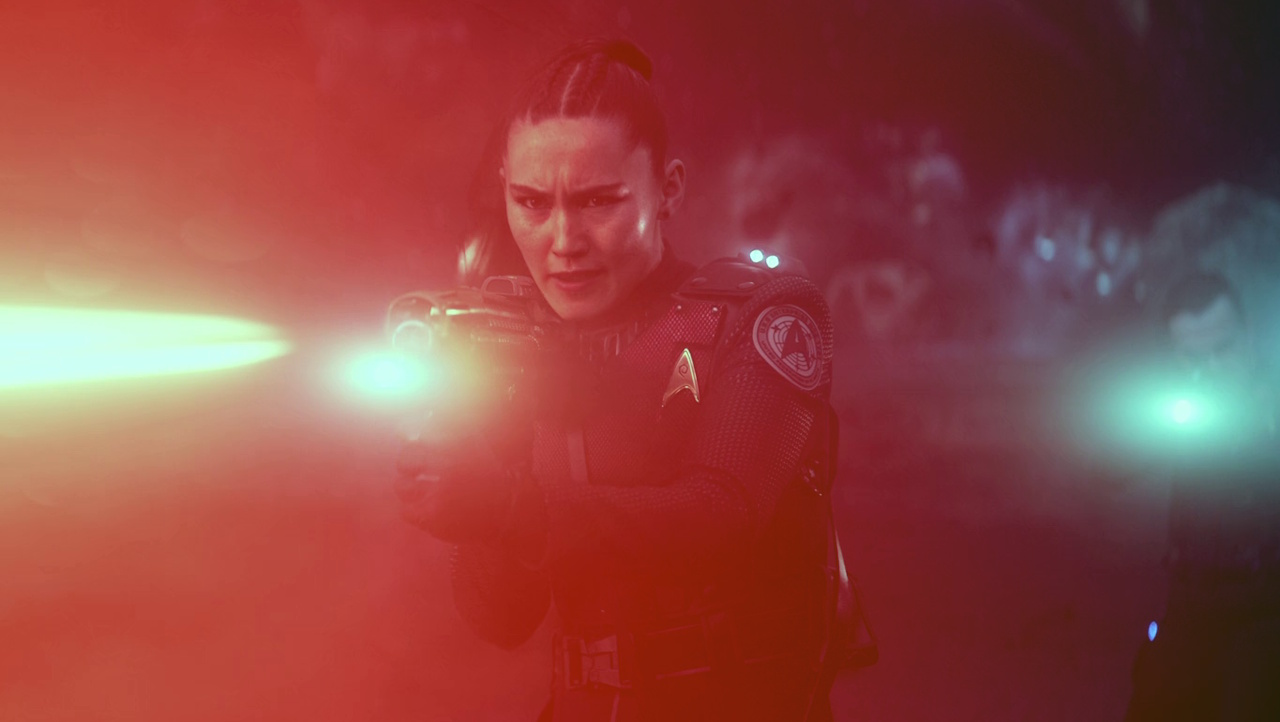
Number 7:
The “Whale Probe”

Still frame from Star Trek IV: The Voyage Home (1986) showing the Whale Probe.
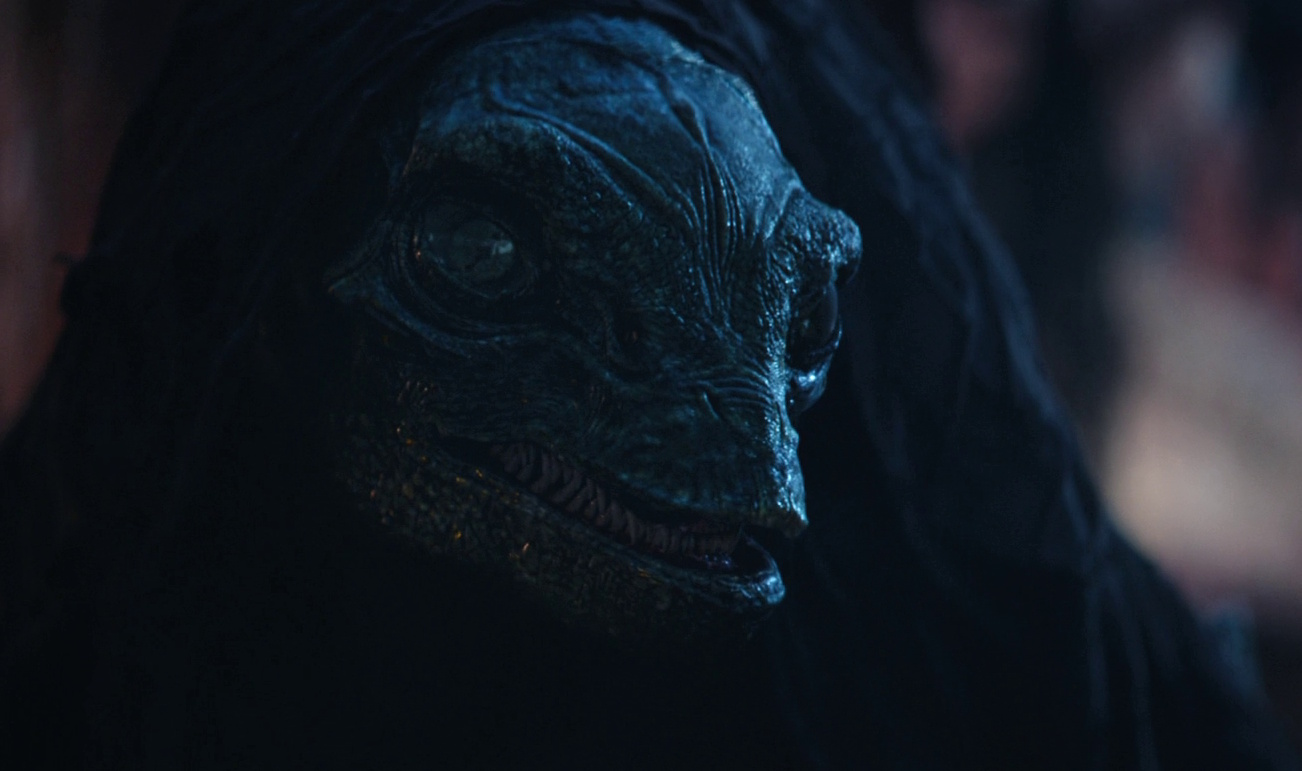
Although the tone of The Voyage Home is pretty light-hearted and comedic, the so-called “whale probe” that kicks off the plot is an incredibly terrifying adversary, when you think about it. The probe disables Starfleet vessels with incredible ease, and is resistant to weapons and all attempts at communication. The people of Earth have no idea what it wants, what its purpose is, or how to reason with it.
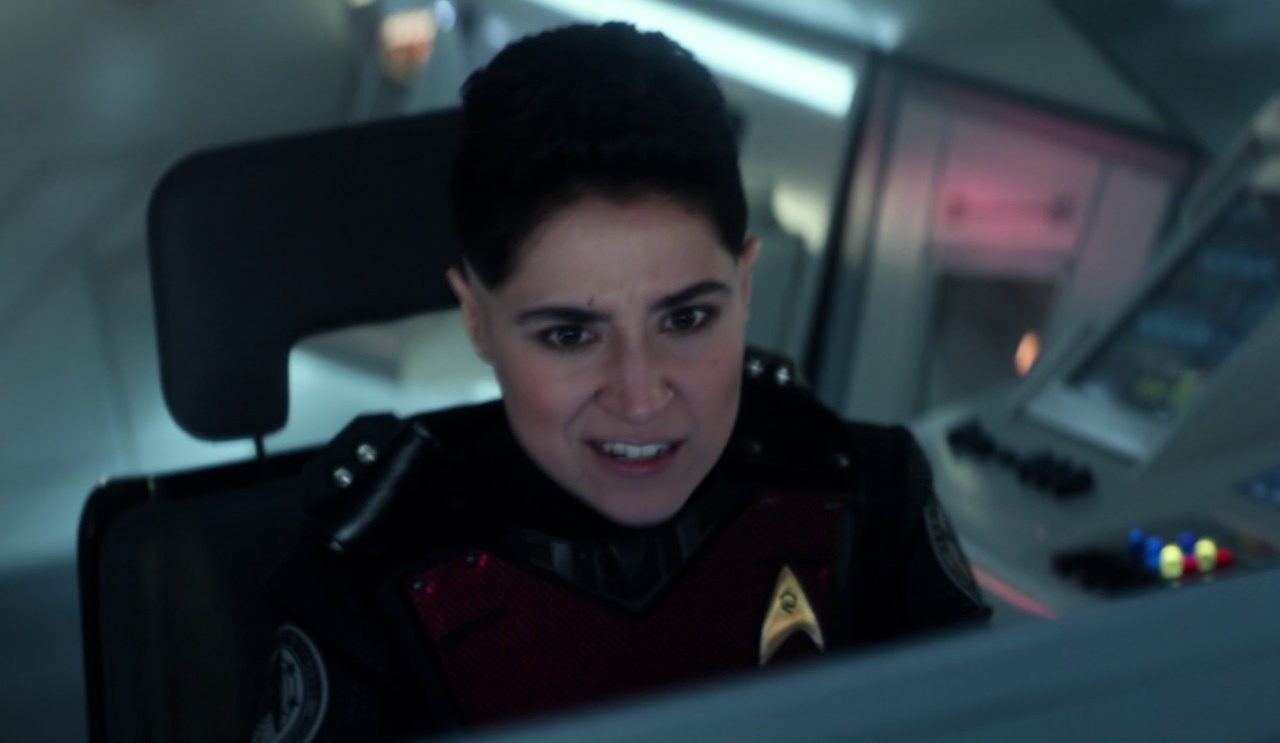
This monolith simply arrives unannounced, doesn’t declare its intentions, and seems to wreak havoc on Earth and Starfleet. That’s a pretty scary concept, in my view, as it could’ve gone pretty badly for everyone involved if Kirk and the crew hadn’t intervened!

Number 8:
The Pah-Wraiths

Still frame from Star Trek: Deep Space Nine Season 6 showing Jake Sisko possessed by a Pah-Wraith.

As with Armus, there’s something distinctly “evil” about the non-corporeal Pah-Wraiths. The way they’re presented in multiple Deep Space Nine episodes, where they’re deeply entwined with Bajoran religion, makes them out to be akin to demons or dark spirits – and we even see them “possess” several different characters. Their banishment to Bajor’s fire caves also ties into this demonic analogy.

In later seasons, Gul Dukat gets involved with the Pah-Wraiths, leading a cult on Empok Nor that’s genuinely unsettling in its depiction. The Pah-Wraiths have magical books, the power to turn people blind, and the desire to conquer the Prophets’ domain in the Wormhole; a truly frightening group!

Number 9:
The Conspiracy Parasite-Aliens

Still frame from Star Trek: The Next Generation Season 1 showing a parasite-alien.

The end of The Next Generation’s first season introduced a race of parasitic aliens that infiltrated Starfleet. Allegedly, the parasite-aliens were supposed to be connected to the Borg in some way, but this angle was later dropped. Still, they’re more than frightening enough on their own terms, and the idea that Picard and the crew wouldn’t be able to tell who was infected and who to trust made for an entertaining story.

Here in the UK, one scene toward the end of Conspiracy was cut from the original broadcast because of how gruesome it was! You know the one: where the “mother” parasite is killed and violently explodes. There’s something just unsettling about earwig-like alien parasites… just like the Ceti Alpha eel from The Wrath of Khan. Star Trek hasn’t revisited the parasite idea for a long time – maybe it could make for a fun and horrifying future episode?

Number 10:
The Krenim

Still frame from Star Trek: Voyager Season 4 showing Annorax.

The Krenim appeared in the Voyager two-parter Year of Hell, using their time-manipulation technology as a weapon. Repeated Krenim attacks against the USS Voyager left the ship in ruins, running on fumes, and many members of the crew dead or maimed. The captain of the Krenim time-ship, Annorax, was Khan-like in his single-minded obsession with restoring the Krenim colony that housed his wife and family, making him a frightening adversary.

Year of Hell is a pretty shocking episode, particularly in its second half. Seeing Voyager badly damaged, with whole parts of the ship uninhabitable, really hammers home how dangerous the Krenim and Annorax are as villains, and for a time their technology really does seem to be more than a match for Janeway and the crew.

So that’s it!

Still frame from Star Trek: The Original Series (1966) showing a Gorn.

We’ve picked out what I consider to be a selection of Star Trek’s most frightening aliens, monsters, and villains to celebrate the spooky season.

There are plenty of others that we could’ve included – either for their fully-blown fear factor or for their potential to do serious harm to our Starfleet heroes. And there are quite a few Star Trek episodes – a surprising number, really – that either lean fully into the horror genre or that have jump-scares or other frightening or unsettling moments. Last year, I put together a list of a few of them, which you can check out by clicking or tapping here if you’re interested!

So I hope this has been a bit of fun! I hope you’re having a fun and spooky October – and stay tuned, because I have a couple of other Halloween-themed ideas that may (or may not, time depending) make their way onto the website before the 31st. Don’t have nightmares!


Most of the films and episodes discussed above are available to stream on Paramount+ in countries and territories where the platform is available. They’re also available for purchase on DVD, Blu-ray, and video-on-demand. The Star Trek franchise – including all films, episodes, and other properties discussed above – is the copyright of Paramount Global. This article contains the thoughts and opinions of one person only and is not intended to cause any offence.