

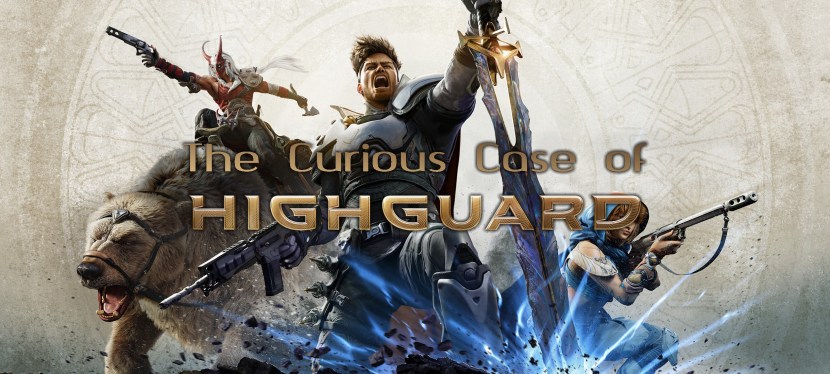
Highguard is the kind of game I’d never have been interested in. Online multiplayer shooters – even the best exemplars of their various sub-genres – just aren’t my thing, and never really have been. But the discussion around Highguard – the free-to-play hero shooter that launched just yesterday – has been inescapable over the last few weeks, and I wanted to share my thoughts. Because, despite my feelings (and my better judgement), I did actually fire up the game and play a few rounds.
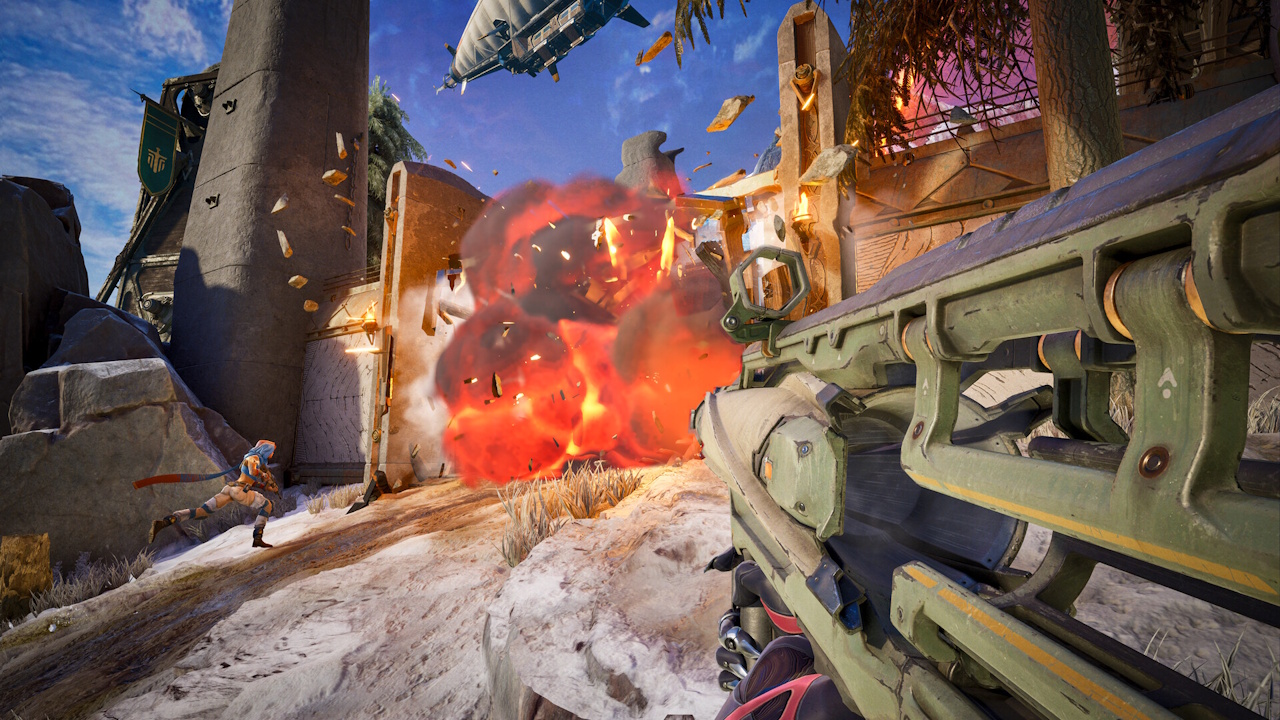
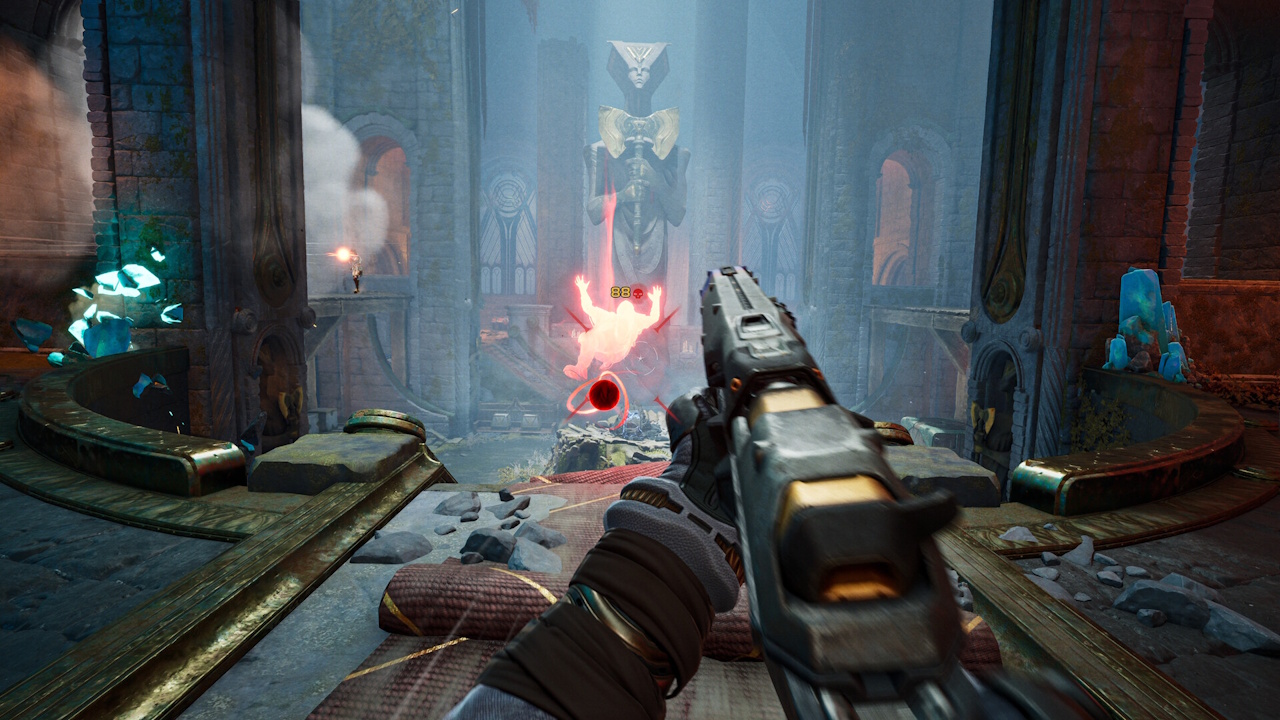
Let’s start with the game itself. On launch day, Highguard had issues. I couldn’t get into matches half the time, and often when the game did work, I’d get disconnected before a round could actually begin. Not a great first impression! But, from what I can tell from the few rounds I managed to play, Highguard is about what I’d have expected from a free-to-play shooter. It’s graphically solid, the music and sound design is fine, and its core shooting mechanic feels… decent. Overall, I wouldn’t say anything about Highguard feels exceptional – not its mounts, not its guns, and not its level design. But I am admittedly not the target audience, and for people who are interested in a new free-to-play 3 vs. 3 shooter, I can see it holding some appeal.
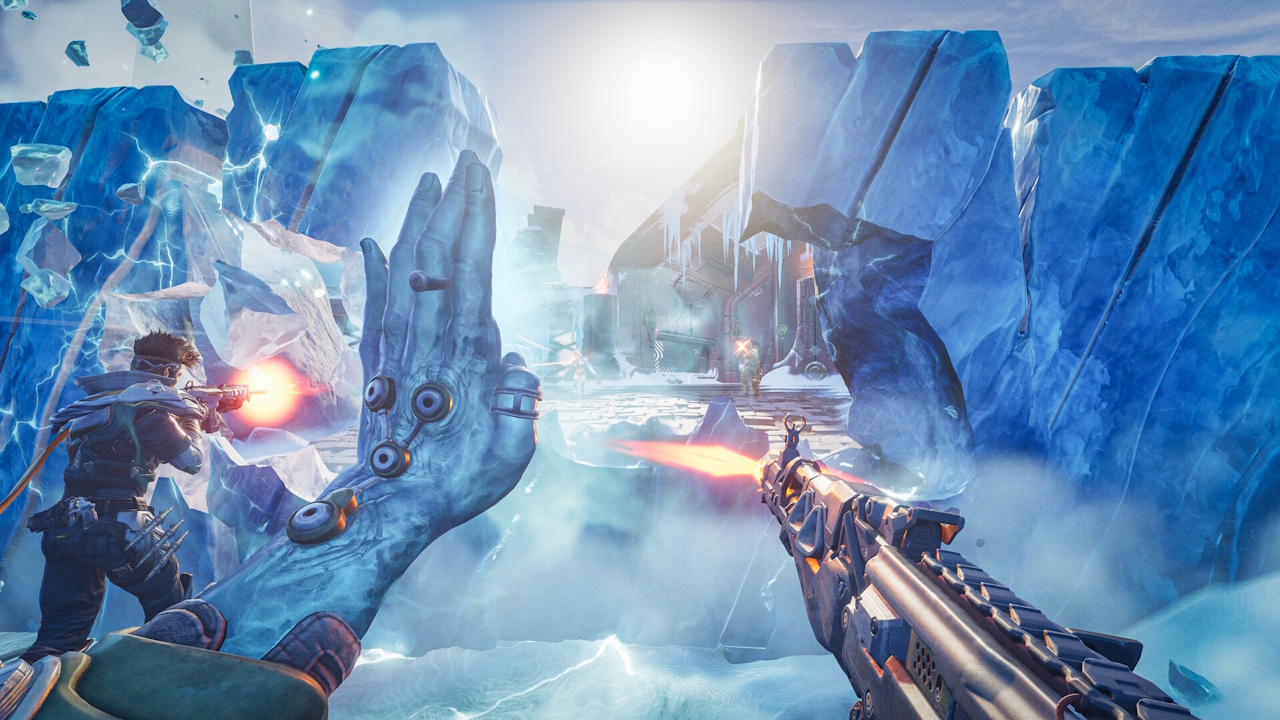
At a mere 20 GB, Highguard wasn’t an excessive size to download. And being free, I didn’t mind booting it up to test it out – even if my main purpose for doing so was to have something to write about here on the website! I wouldn’t have wanted to pay money for a game like this… but I didn’t have to, so that worked out okay!
The truth is, though, that the intense backlash Highguard attracted after its reveal last month is a big part of why I wanted to try it out for myself, and why I felt compelled to share my thoughts.
I used to work in video games marketing a long time ago. And Highguard’s marketing campaign – if we can even call it that – is one of the strangest I’ve ever encountered. Because of my background, I really found the whole situation to be both fascinating and thoroughly bizarre, which is another big reason why I needed to comment on the situation.

Stock photo: Unsplash.
If you’d offered me the chance – back when I worked in the industry – to have a game I was trying to promote shown off at the most-viewed moment of what has become the most important marketing event in the gaming calendar, I’d have jumped all over it. One of the issues a lot of games face, even if they’re backed up by a big publisher, is just getting their name out there and getting any amount of attention whatsoever. So the opportunity to be featured at the games industry’s equivalent of the Super Bowl halftime show… that’s something special.
And, according to reporting, Highguard was offered that spot for no extra cost.
Highguard’s developer/publisher, Wildlight Entertainment, paid for an advertisement at the Game Awards, as all studios do if they have a trailer they want to premiere. But it was the event’s organisers who chose to offer the game the highly-coveted “one more thing” slot; the final trailer of the night, which is usually the moment of maximum attention as the “Game of the Year” award is being handed out. If that’s true, and I believe it to be based on what I’ve read, then Wildlight’s marketing team must’ve felt they’d been given a real gift; a “golden ticket” to success.

Unfortunately, it didn’t pan out that way.
Immediately after last year’s show ended, a pretty vitriolic hate campaign began against Highguard, and it must’ve taken the team – and the organisers of the Game Awards – by surprise. Wildlight went radio-silent after the trailer was broadcast, and made literally no further comments on the game until yesterday, when it officially launched.
That is *bizarre* in the extreme. The weeks and days leading up to a game’s launch are when a marketing team would usually be doing its most intense work; social media pushes, buying up ad slots targeting particular demographics, showing off as many of the core features of the game in as positive a light as possible… that’s the moment to do everything in your power to generate hype and to get people talking – *especially* if you’re launching a brand-new title in a new I.P.
I can only assume that one of two things happened. Either the backlash to the Game Awards trailer was *so* intense that the team at Wildlight felt they needed a mental health break. And if that’s the case… fair enough. No shame in that. Or, as an alternate suggestion, perhaps someone at the company believed wholeheartedly in the “there’s no such thing as bad publicity” slogan, figuring that, as long as people were talking about Highguard – be that in a positive or negative way – it would translate into downloads, a big launch, and ultimately, sales of the game’s microtransactions.
In my time in games marketing, I was never in the latter camp!
There really is such a thing as bad publicity, I’m sorry to say, and the job Wildlight needed to focus on over the last month or so was steering the conversation in a more positive direction. They could’ve done that in a number of ways, but if I’d been advising them (or running the campaign), I’d have strongly advocated for grasping the nettle. Acknowledge the backlash, engage with the jokes and the memes, and use that as a springboard to turn the conversation around. Worst case? Your game still flops and you make a bit of a tit of yourself in the process. But in the best case, there was a possibility for Highguard’s team to have shown that they have a sense of humour about the whole situation, and that can, in turn, lead to positive engagements with what they must’ve hoped would become the game’s community of players.
Very few companies can get away with dumping a trailer onto the internet for a new game and then saying… nothing. Prospective players have genuine questions that need to be addressed. Journalists and reviewers want to get their hands on the game early. People who started out critical have a chance to be converted. Ignoring all of that – even if it was for understandable reasons – left a vacuum in which Highguard’s critics were able to shout and scream unopposed. The conversation around the game started negatively… and then it got worse. Folks were proclaiming it a failure on the scale of 2024’s Concord.
By the way, I don’t believe in the tired argument that “you can’t judge something until you’ve played/watched it for yourself!” The whole point of marketing material – like a trailer – is to generate interest and excitement. If a trailer is poor, people are going to be turned off, and that’s a totally valid response. Folks clearly felt that Highguard looked generic and uninteresting based on the trailer they saw at the Game Awards, and that’s not their fault – that’s Wildlight’s fault for putting together a pretty bland and uninspired piece of marketing material.
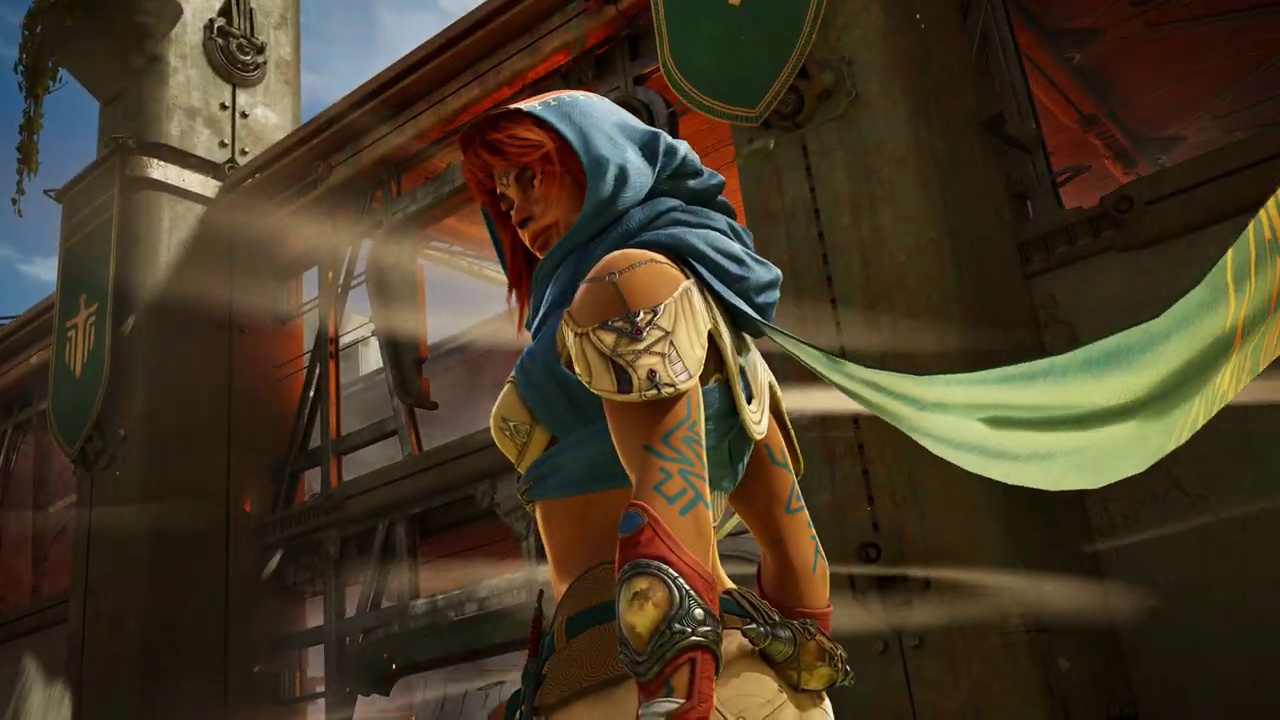
But after that misstep, there was almost a month in which to course-correct. Re-doing whole chunks of the game is clearly off the table, but from a marketing standpoint, there absolutely were ways that Highguard’s team could’ve at least *tried* to regain control of the situation. I don’t know Wildlight’s situation, so I can’t speak to the kind of marketing budget they may have been working with, but a closed play-test of the game was offered to a number of influencers – and that kind of thing doesn’t come cheap. Inviting some of the more critical influencers, and trying to – for want of a better term – “wine and dine” them, while extolling the virtues of the game would have been a great idea.
And online, on social media, simply disappearing and going completely silent ceded the stage to the critics. Folks who felt the game was generic and bland had free rein to say so, with not even a scintilla of pushback from Wildlight. I can understand, on a personal level, why stepping into the social media fray, when toxicity is swirling like this, isn’t going to be hugely appealing or a lot of fun. But that’s the job, sometimes, isn’t it? You can’t always be blessed to work on universally beloved games that get absolutely zero criticism – and if you want to reframe the narrative, sometimes you have to demonstrate the ability to be self-deprecating and take things in good fun.
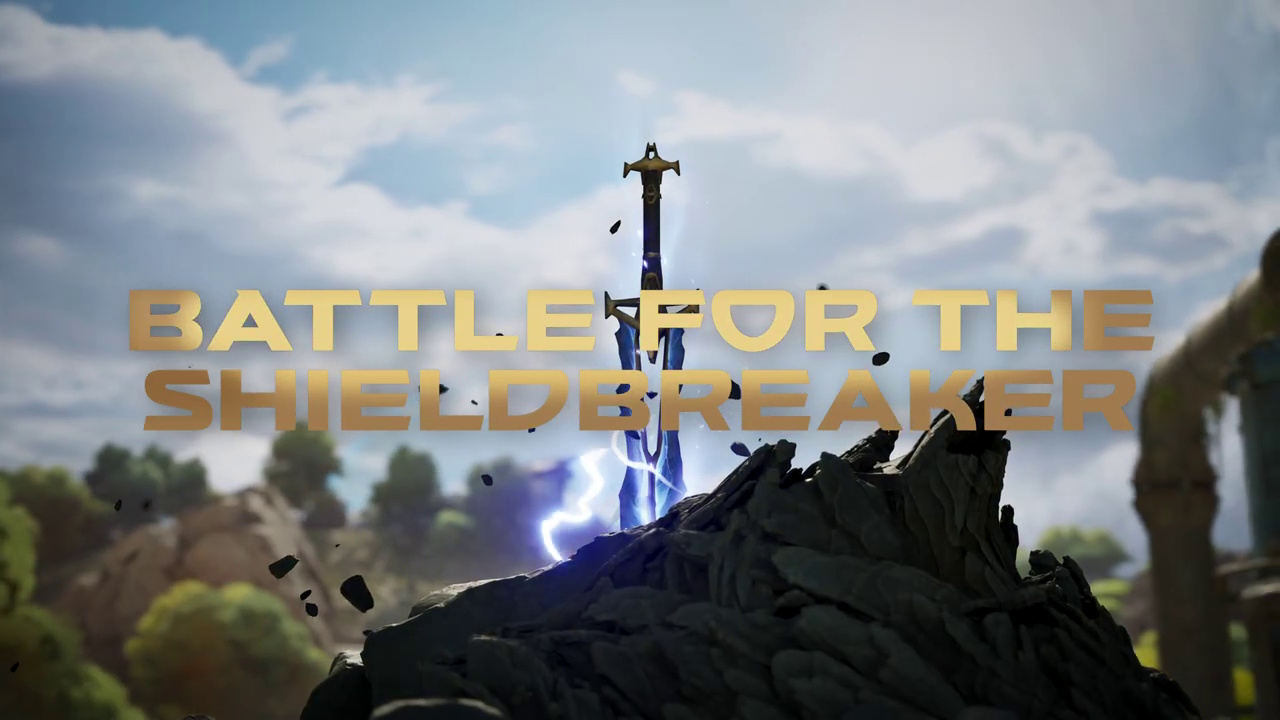
But hey, maybe Wildlight’s “say nothing” approach… kinda worked? I mean, I played the game. A game I would never have played were it not for the attention and the backlash! So maybe the way I’d have tried to handle the marketing is outdated in the days of TikTok and memes. Who knows! It’s been a hot minute since I worked in the industry, after all.
One final thing I wanted to comment on was the *scale* of the backlash that this game received.
There are bad games that release all the time. And there are bland, uninspired games, too. The whole point of media criticism is to point this out, and one thing I genuinely appreciate about social media (and the internet in general), is how media criticism has become democratised, with all kinds of people free to share their thoughts on… everything. Reviews are no longer limited to a handful of English and journalism majors from the top universities, and that is genuinely a positive thing. I say that as someone who runs a small website where media criticism is the name of the game. I’d never have got a job as a critic at a newspaper in decades past, so the very existence of my website is testament to the power of the internet to open up reviews and critiques to all kinds of different voices.
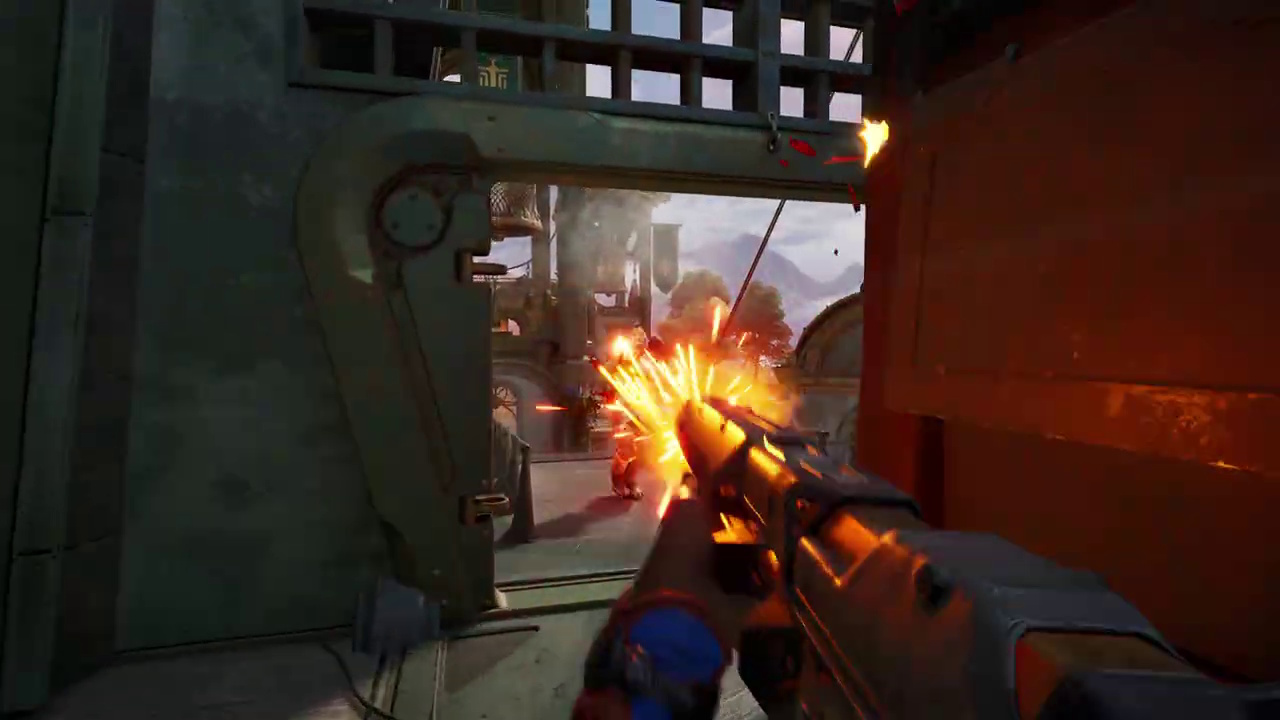
But the flip side to that is that not all criticism is of the same quality… or even relevant. Highguard suffered from a “pile-on” effect, where folks who wouldn’t have been interested in the game, or wouldn’t have cared about it one way or another, saw hate comment after hate comment on social media, and decided to join in. The snowball started rolling (if I can mix my metaphors), and Highguard quickly became one of the most-criticised and most-memed games of the last few months – all before it even launched.
And yes, there are valid reasons for some of the criticism. The game is, at best, an Overwatch clone; a free-to-play hero shooter in an already-saturated marketplace. Visually, it neither excels nor stands apart; nothing about the way the game looks – which is the main thing audiences take away from a trailer – gives it a strong visual identity. And, of course, previous “one more thing” trailers at the Game Awards have been for bigger titles, either in well-known I.P. or from established studios. Most have also been announcements or teases of *single-player* titles, too. So the choice of slot, which I’d have been overjoyed about if I’d been on the marketing team, may have contributed to the disappointment and ultimately the backlash.
But I admit that I was somewhat taken aback by the scale of the criticism – and how quickly some of it descended into hate, name-calling, and general toxicity. And I think some folks ought to take a look in the mirror. It’s totally okay not to like a game, or not to want to play an upcoming game based on its marketing material – but it’s not okay to be toxic, to send death threats to developers, or to cross the invisible line between a shared joke with friends and something more… sinister. Some of the conversation around Highguard did cross that line, and you don’t have to look far to see examples of that.
As to the game’s future… it’s hard to say. Highguard managed a creditable 97,000 concurrent players on Steam, according to tracking website SteamDB, which puts it light-years ahead of the likes of Concord. But it also saw a significant drop-off in those players basically immediately; time will tell how many of those initial players will stick around, especially if server and matchmaking issues persist.
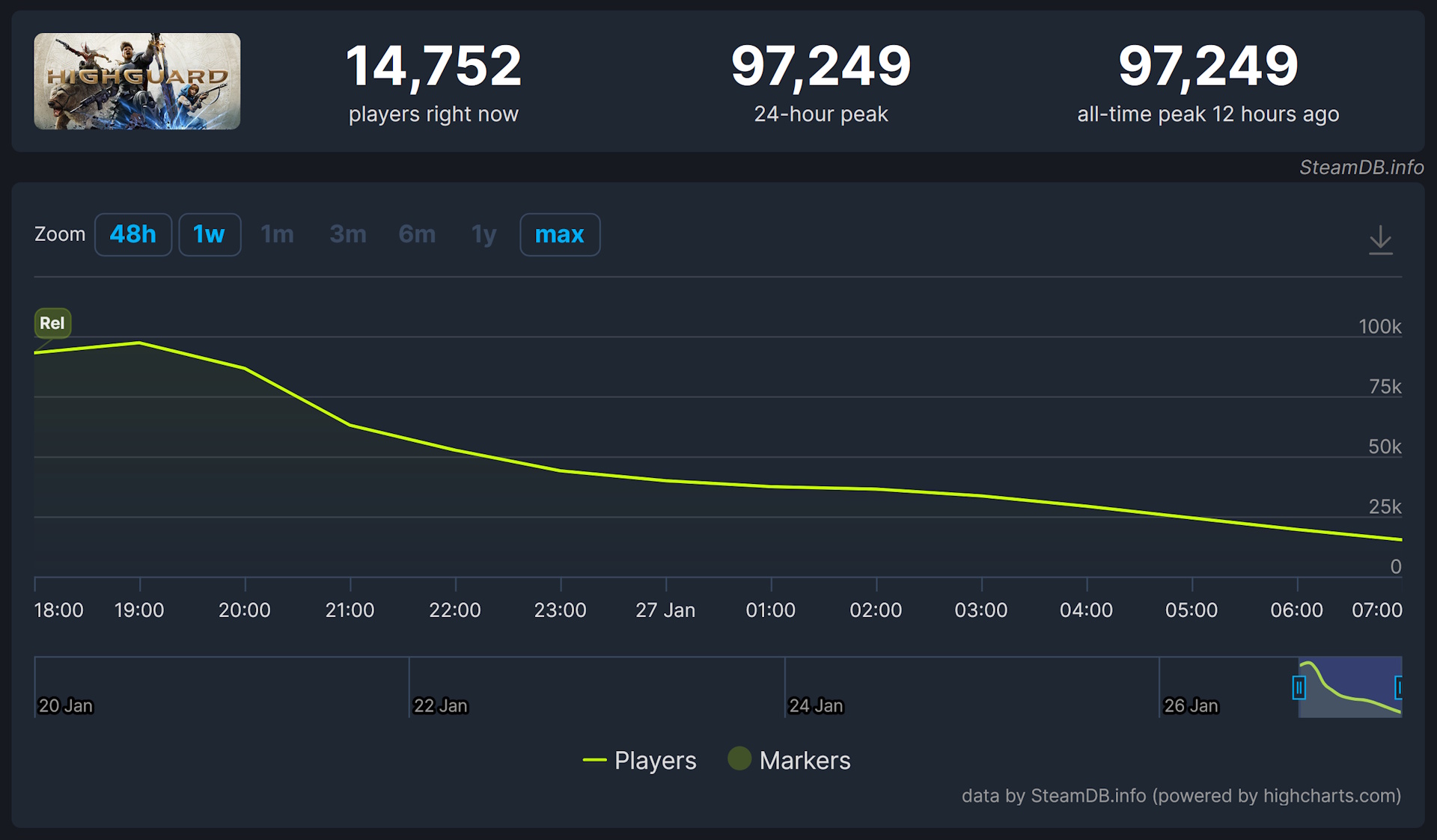
Graph: SteamDB.info
For my part… I can say I’m glad I tried Highguard. But, as I could’ve told you ahead of time, it didn’t exactly convert me into a full-time multiplayer gamer! And to the teammates I was placed with during the rounds I played… sorry. You got stuck with an arthritic forty-something who basically never plays competitive games. I know I didn’t exactly excel or help us win!
So I know this has been an unusual subject for me. Online multiplayer titles aren’t my thing. But Highguard, with its rather odd marketing campaign and all of the backlash… it was a subject I felt that I needed to cover. Thanks for reading, and if you decide to check out Highguard, I genuinely hope you have a great time with the game. Just because it’s not my thing doesn’t mean it won’t find its niche.
Have fun out there… and happy gaming.
Highguard is out now for PC, PlayStation 5, and Xbox Series consoles. Highguard is the copyright of Wildlight Entertainment. Stats courtesy of SteamDB, and some promo art courtesy of IGDB. This article contains the thoughts and opinions of one person only and is not intended to cause any offence.


 Trekking with Dennis