
Game Studios in Danger

A spoiler warning from SpongeBob SquarePants.

Spoiler Warning: Beware spoilers for the following games: Batman: Arkham Knight, Mass Effect 3, Halo Infinite, and The Last of Us Part II.

Microsoft’s latest round of layoffs has really hammered home how shaky some parts of the games industry feel as the 2020s roll along. Big games – like the remake of Perfect Dark, Rare’s long-awaited Everwild, and an unnamed title from ZeniMax Online – have all been canned as Microsoft “restructures” its gaming division… despite making literally more money than it ever has in its corporate existence. And all of this comes after some ridiculous studio closures barely twelve months ago. But the Xbox situation got me thinking… which other games and studios could be in danger?

So that rather depressing topic is what we’re going to tackle today. To be clear: I don’t think the entire games industry is heading for some kind of repeat of the 1983 “crash.” Gaming is too big nowadays, and there are so many people playing games, that the idea of gaming as a whole ever disappearing or experiencing that kind of huge slowdown just doesn’t seem feasible anymore. So to reiterate that last point: I am not predicting an industry-wide “crash.” But there are multiple publishers and developers that I believe are in danger – and one badly-received game could, in some cases, lead to their exit from the industry altogether.

This piece was prompted by the Microsoft and Xbox news, but it’s not only Microsoft-owned studios that could be on the chopping block. There are issues at outfits owned by Sony, too, as well as third-party publishers and developers.
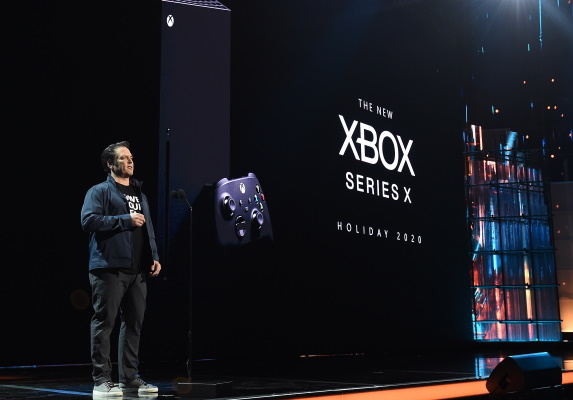
Phil Spencer on stage at the launch of the Xbox Series consoles.
Xbox just announced another round of layoffs.

A few caveats before we go any further. Firstly, if you or someone you know works at one of these companies, please know that I don’t mean this as any kind of attack or slight against you or the quality of your work. This industry can be brutal, and as a commentator/critic, what I’m doing is sharing my view on the situation. What I’m categorically *not* doing is saying any of these companies “should” be shut down. I really don’t want to see more people in the industry put out of work. I spent a decade working in the games industry, and I worked for companies that went through tough times. I know what it’s like to feel like your job is on the line… and the last thing I want to do is rub salt in the wound or make things worse.

Secondly, I have no “insider information” from any of these developers or publishers. I’m looking in from the outside as someone who hasn’t worked in the industry for more than a decade at this point. Finally, all of this is the entirely subjective, not objective, opinion of just one person. If you disagree with my take, think I’ve got it wrong, or you’re just convinced that a company’s next game is sure to be an absolute banger… that’s totally okay. Gamers can be an argumentative lot sometimes, but I like to believe there’s enough room in the wider community for polite discussion and differences of opinion.

With all of that out of the way, let’s get started.

Endangered Studio #1:
Halo Studios
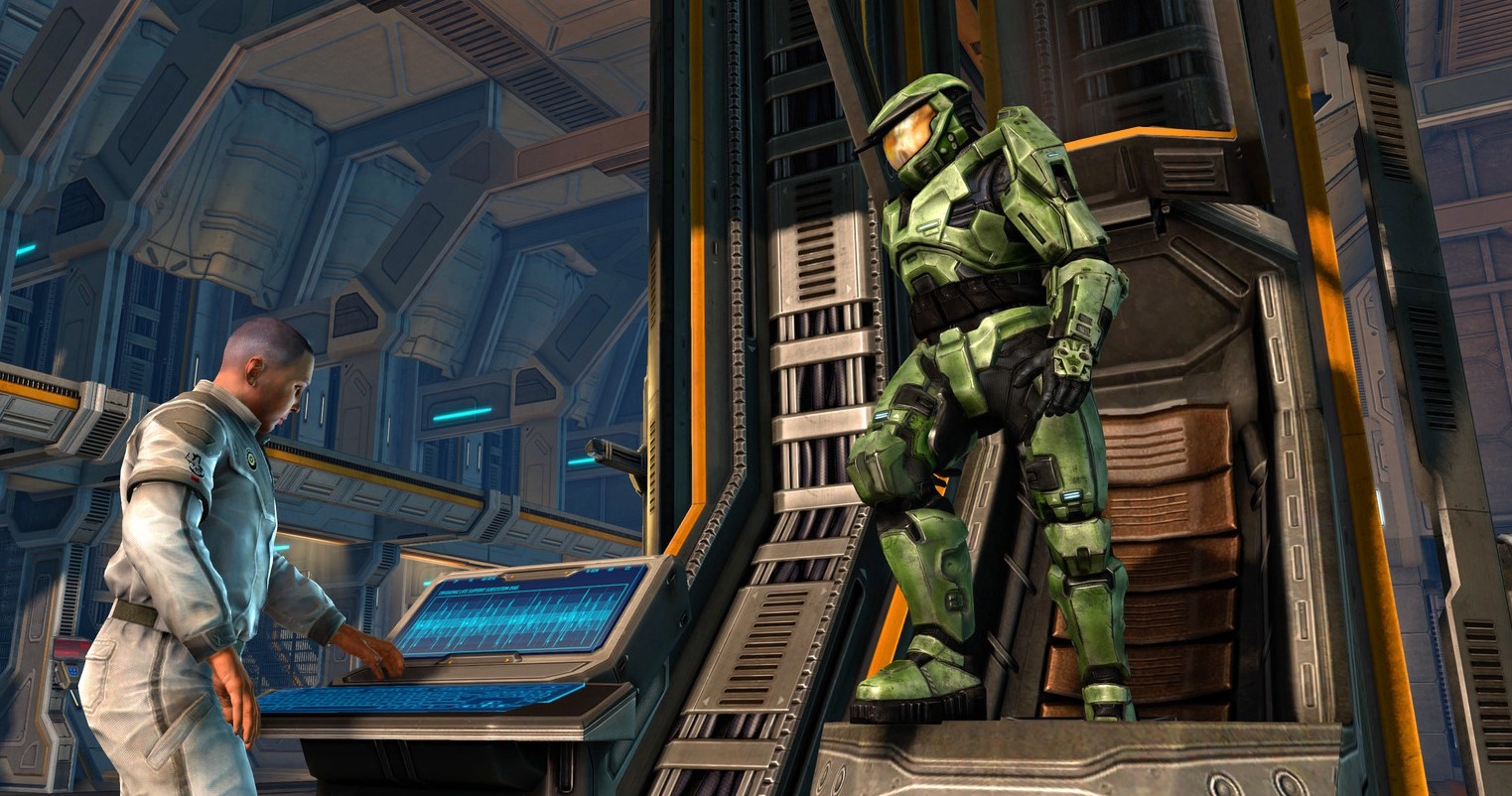
Promo screenshot of Halo: The Master Chief Collection showing the beginning of the first game.
Is the long-running Halo series in trouble?

Halo Studios, formerly known as 343 Industries, is Microsoft’s in-house development team working on the Halo franchise. But… well, it wouldn’t be a stretch to say that 343/Halo Studios has never released a *big* hit. The closest they’ve come, in more than a decade, was remastering the original Halo games… and even then, we have to give the huge caveat of the bugs and performance issues that plagued early versions of the remasters.

Whether we look at Halo 4, Halo 5, Halo Infinite, the Halo Wars spin-off, or the mobile games… Halo Studios hasn’t exactly taken the gaming world by storm. Infinite was supposed to be the Xbox Series X’s “killer app;” a launch title to really sell people on the new console and make it a must-buy, just as the original Halo: Combat Evolved had done some twenty years earlier. That didn’t happen, and the reception to that game – including from yours truly – was pretty mixed.
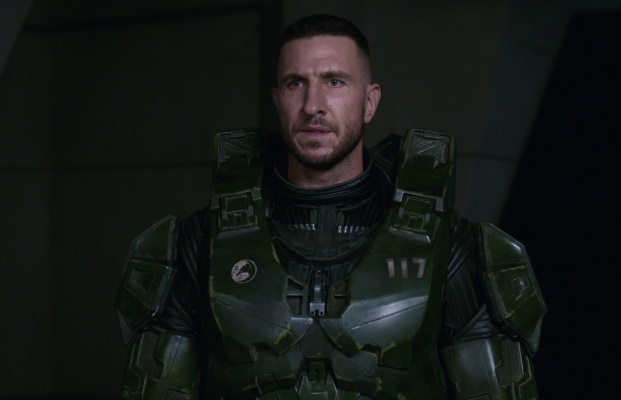
Still frame from the Halo TV series showing the Master Chief without his helmet.
The cancellation of the TV adaptation won’t help.

Although Halo Studios has been hit by Microsoft’s layoffs in recent weeks, and a recent leak suggested that “no one at the studio is happy” with the state of their next title right now, I still think Xbox will give them another chance. The Halo series and Xbox are inseparable, at least in the minds of some players, and the name recognition and series reputation still count for something. But I don’t think those things will count indefinitely, so if the next Halo game isn’t a smash hit, Halo Studios will be in trouble.

This also comes after the failure of the Halo TV series. I happened to think the show was decent for what it was, but I understand where a lot of the criticism was coming from. That hasn’t helped Halo Studios’ case, though, and one of the best opportunities to grow the brand was squandered.

As a final note: every story has a natural end. I would suggest, perhaps, that Halo – or at least the Master Chief’s story – has pushed past that point. Recent narratives felt overly complicated, and I felt that Halo Studios was having to invent increasingly silly reasons for why the Master Chief was still fighting the Covenant and the Flood. Maybe the franchise just needs a break?

Endangered Studio #2:
Ubisoft
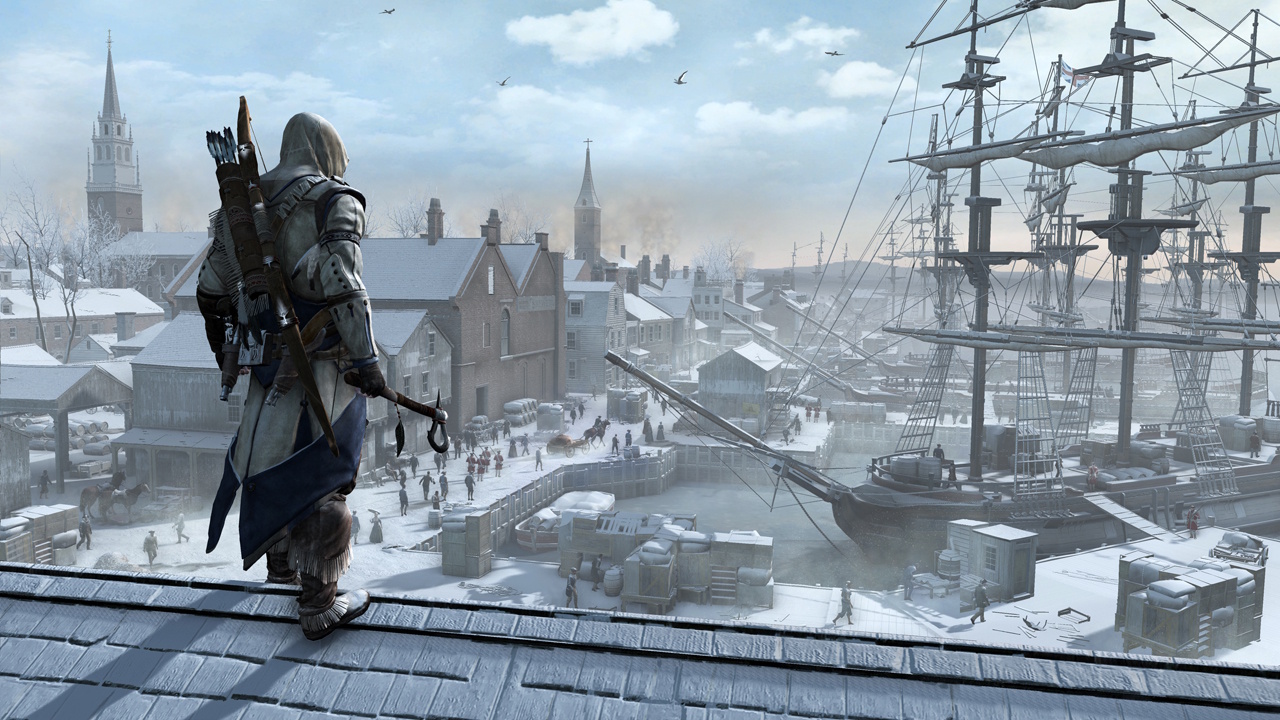
Promo art for Assassin's Creed 3.
Ubisoft publishes the Assassin’s Creed series, among others.

Ubisoft hasn’t been in great shape for quite some time. I think it’s fair to say that Ubisoft’s open world level design has stagnated, and a lot of players have kind of hit the wall when it comes to that style of game. But because the studio has doubled-down on that formula and that way of making games… it might be hard to find a way back.

Ubisoft has slapped its open world style on franchises like Assassin’s Creed, Far Cry, Avatar, and even Star Wars… but many recent games have felt pretty repetitive; the same thing every time, just with a different coat of paint. I’m on the record saying that the open world formula doesn’t work for a lot of games, and although I don’t play a ton of Ubisoft titles… I think the repetitiveness of their games is a contributing factor, at least. Open worlds can be fun, but they can also be bloated and uninspired.
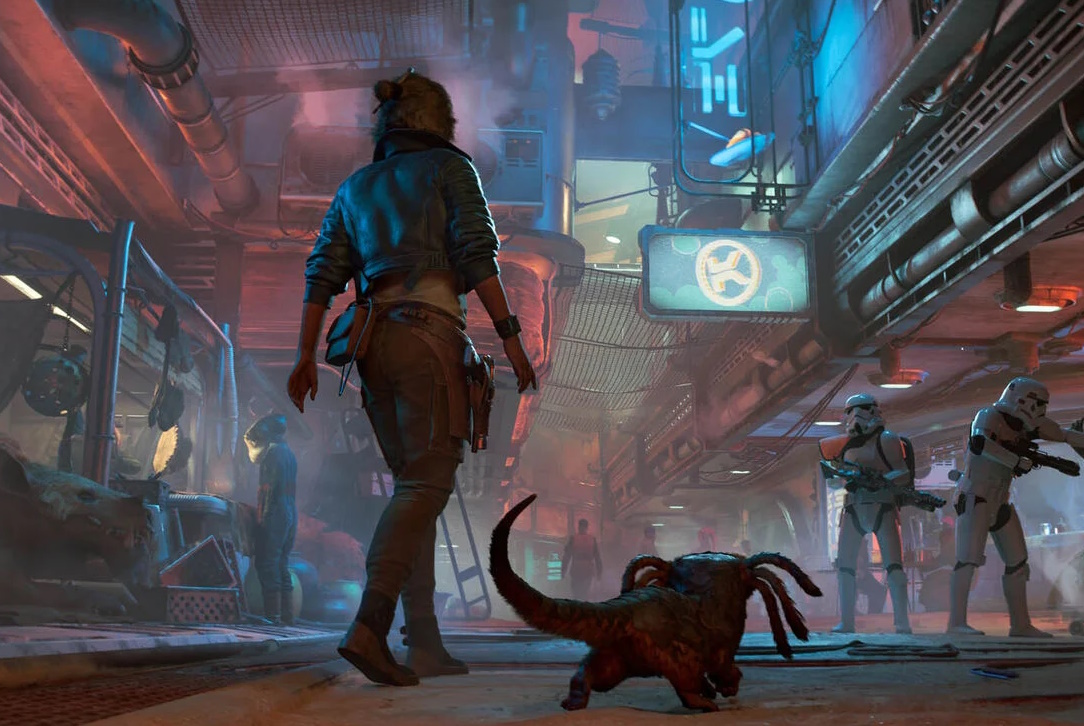
Promo art for Star Wars: Outlaws showing Kay Vess and Nyx.
Star Wars: Outlaws wasn’t particularly well-received.

Earlier in 2025, a lot of folks seemed to be saying that Ubisoft’s financial situation basically meant that Assassin’s Creed: Shadows was the company’s “last chance.” I’m not sure I’d have gone that far myself; there are clearly other projects in the pipeline that at least have some potential. But Shadows seems to have been a modest success, at least, which has probably bought the company some time. A remake of the popular Assassin’s Creed: Black Flag could be a much-needed boost, too, if it succeeds at grabbing a new audience.

But in the longer-term, Ubisoft needs to try new things. Its open world formula worked for a while, but repetitiveness and stagnation seem to have crept in. There are only so many open world “collect-a-thons” that anyone can be bothered to play, and if it feels like the same game is just being given a new skin every time… that’s not a lot of fun, in the end. Just Dance can’t keep the company afloat forever, so something’s gotta change, and soon.

I’m still crossing my fingers for that Splinter Cell remake, though!

Endangered Studio #3:
Nintendo

Still frame from the Nintendo Direct broadcast announcing the Switch 2 showing three Nintendo executives.
Nintendo recently launched the Switch 2 console.

Bear with me on this. Nintendo is a titan of the games industry… but it’s also a more vulnerable company than folks realise. I don’t think people fully appreciate how big of a risk the Switch 2 has been with its high price, sole exclusive launch title, and repetitive design and branding. The console may have sold well in its first couple of weeks on sale – though, as I noted, it didn’t seem to have sold out everywhere – but that’s to be expected from a company with a well-trained legion of super-fans! The real question is still whether casual players, families, and people less connected to the gaming world will be willing to shell out for a console that’s now competing with the PlayStation 5 and Xbox Series X in terms of price.

I don’t know anyone – not one single person – who only owned a Nintendo Switch as their sole gaming device. I’m sure some people do, but most folks I spoke to bought a Switch for one of three reasons: to play a handful of Nintendo exclusives, like Mario Kart 8 and Animal Crossing: New Horizons, to play some of their favourite games in a handheld format, or for their children to play some kid-friendly titles. The Switch was well-positioned for any of those use cases… the Switch 2, at its higher price point, is less so.
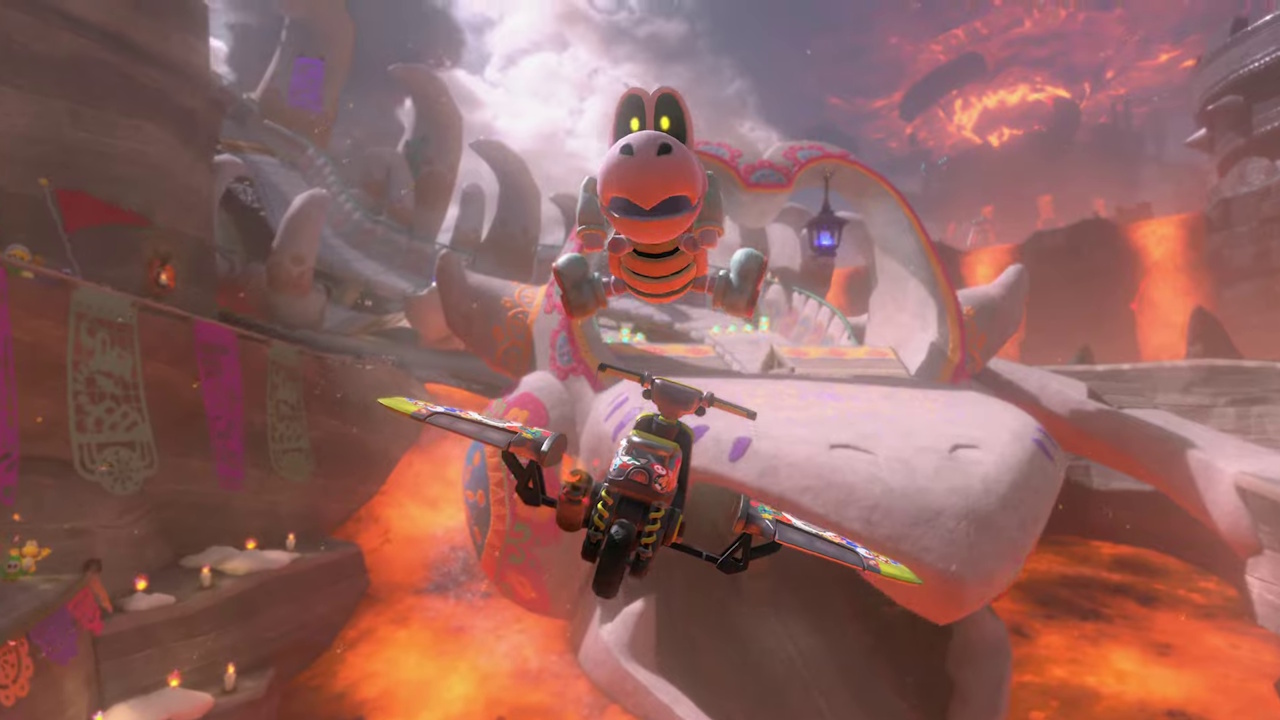
Still frame from the Mario Kart World broadcast showing Dry Bones.
The Switch 2 and its games are expensive.

In 2013/14, when the Wii U was clearly faltering, Nintendo still had the 3DS to turn a profit and keep its corporate head above water. But now, the company is all-in on the Switch 2… meaning there’s less room for manoeuvre if things don’t go to plan. Because of Nintendo’s unique position in the industry, if its hardware falters it’s gonna be in big trouble, and the Switch 2 represents a departure from a successful business model. The Wii, the Switch, and Nintendo’s handhelds have all been well-positioned and well-priced to attract casual players… I’m not so sure the Switch 2 is. The company has some cash in reserve to keep going for a short while… but not indefinitely.

For those of you screaming that “it’ll never happen!!1!” I would remind you of Sega’s unceremonious exit from the console market just after the turn of the millennium. If you’d asked any gamer in the late ’90s what the future held for Sega, no one would’ve predicted that the Dreamcast’s failure would lead to the company shutting down its hardware division altogether. Nintendo is at the tippy-top of the games industry, and the Switch has been a phenomenally successful console. But its position is more precarious than people realise, and it would only take one console failure to throw the company into chaos. To be clear: I don’t necessarily think that Nintendo would just shut down and that would be that… but a Sega-style exit from the hardware market, and far fewer Nintendo games being produced, could happen. Never say never.

Endangered Studio #4:
Naughty Dog
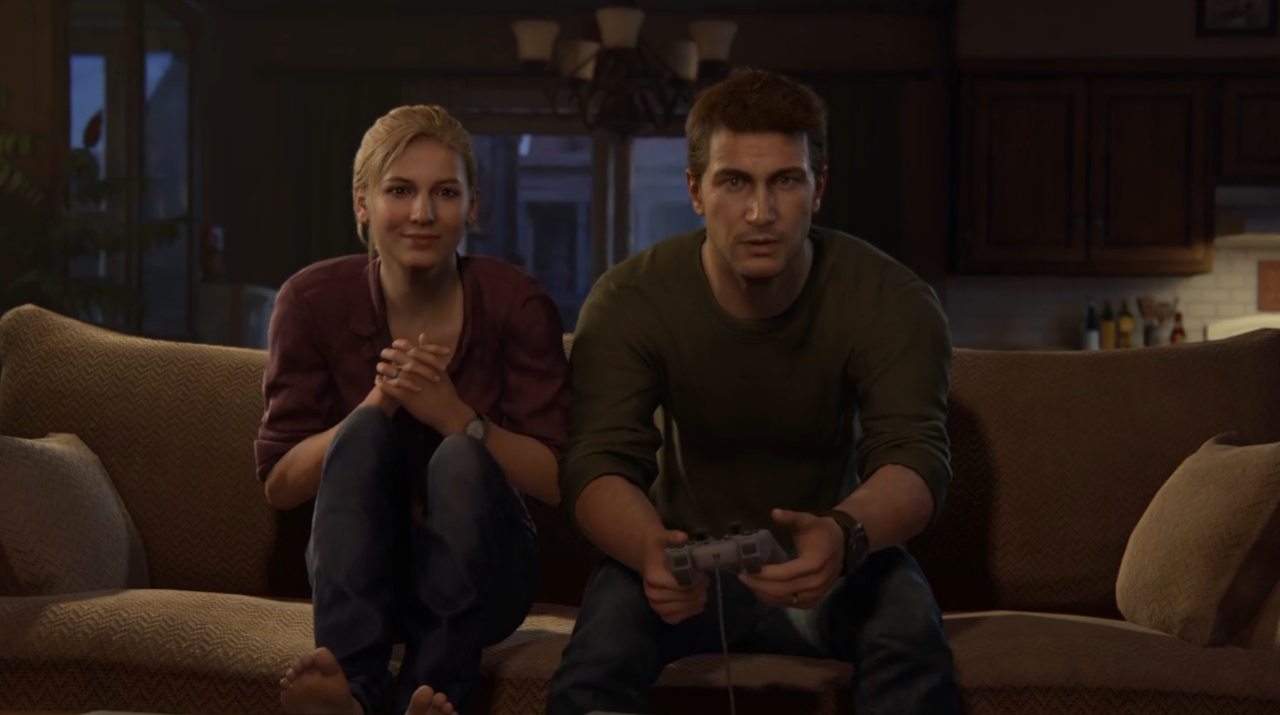
Screenshot from Uncharted 4 showing Elena and Nate playing on a PlayStation console.
A gaming “Easter egg” in Uncharted 4.

Naughty Dog developed Crash Bandicoot for the first PlayStation, the Jak and Daxter games, the Uncharted series, and The Last of Us. Although The Last of Us Part II proved controversial (I once said a 3/10 seemed like a fair score for that game), it seems to have sold pretty well, and the first title has been remastered… twice. But when Naughty Dog premiered a trailer for Intergalactic: The Heretic Prophet, the reception was less than glowing.

That game seems like it’s still a way off, too, and it might realistically launch as one of the final titles of the PlayStation 5 generation. But with the Uncharted series seemingly on the back burner, and after the controversy surrounding The Last of Us Part II… can the studio survive if Intergalactic underwhelms? I think there’s a very real possibility that Sony would be swift and brutal in that event.
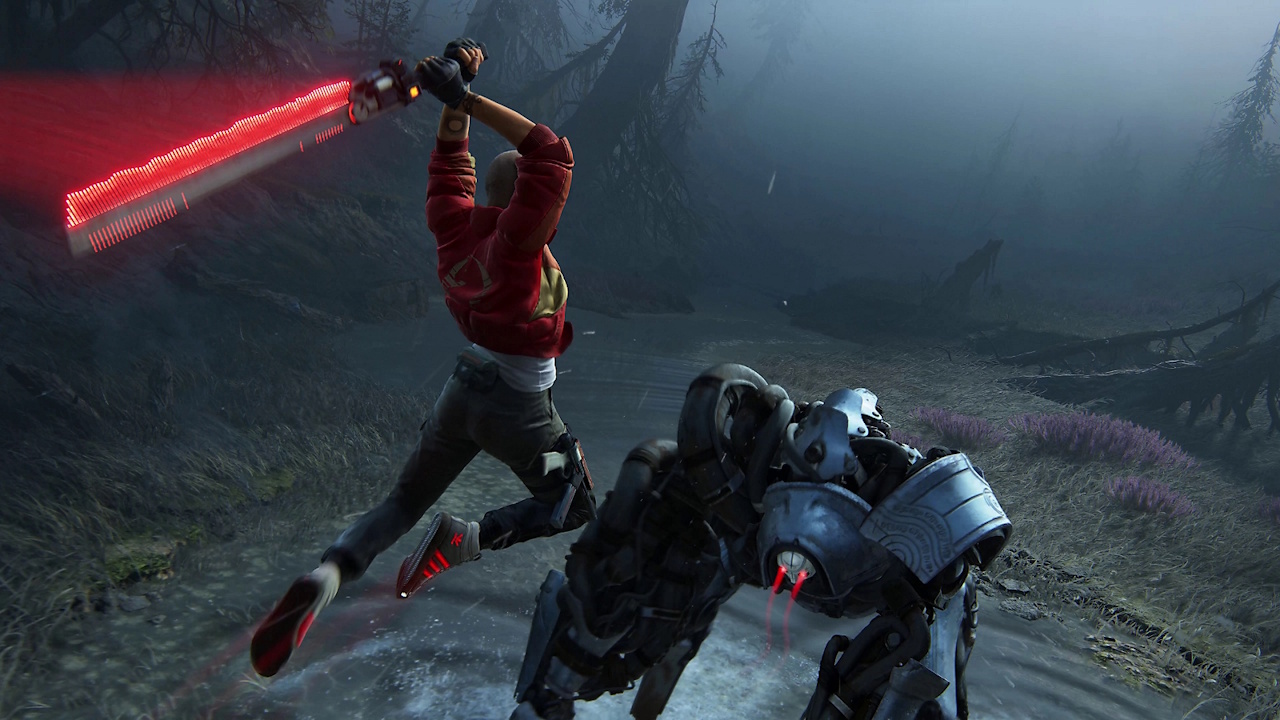
Promo art for Intergalactic: The Heretic Prophet showing the protagonist fighting a robot.
Will Intergalactic be well-receieved by players when it’s ready?

It’s silly to pre-judge any title based on a single trailer that didn’t show so much as a frame of actual gameplay. Intergalactic: The Heretic Prophet might have a silly, clunky name… but we really don’t know much about its story or what it’ll feel like to play. Naughty Dog has pedigree (get it?) so I think there are reasons to be optimistic about their next game. But I can also see a world in which Intergalactic doesn’t succeed in the way Sony is surely demanding.

There are some upcoming games that are generating a ton of buzz and excitement. So far, Intergalactic isn’t amongst them. Maybe that will change as we get closer to the game’s launch and the marketing campaign kicks off. But maybe it’ll always be one of those games that just… didn’t do much for a lot of people. If that’s the case, Naughty Dog could be in trouble.

Endangered Studio #5:
Turn 10

Promo art for Forza Motorsport showing a driver.
It’s already the end of the road for Forza Motorsport.

Turn 10 are the folks behind Forza Motorsport. Or they were. As of July 2025, the Motorsport series seems to be going on hiatus, with Turn 10 suffering significant layoffs. The spin-off Forza Horizon series had been developed by another Microsoft subsidiary: Playground Games. But with Playground working on the new Fable title, it seems as if Turn 10 might be working on Forza Horizon 6 in the months ahead.

The Forza Horizon games are a ton of fun… but they’re also more arcadey, and the open world design isn’t Turn 10’s style. I can’t help but feel the studio only still exists after Forza Motorsport’s disappointment because Microsoft needs someone to take over the Horizon brief now that Playground Games is busy with Fable. After Forza Horizon 6 launches, if the main Motorsport brand is still on the back burner… what could Turn 10 realistically do?

Promo still for Forza Horizon 5 showing a race.
Forza Horizon 5 was great, though…

If Xbox is going to persevere with its home consoles in the future – and I suspect that it will – then those consoles will need at least one proper racing game. Turn 10 had been providing that for the brand since 2005, back when the first Forza Motorsport launched on the original Xbox. There are third-party racing games, of course, and Microsoft has several on Game Pass, including rally titles, Formula 1 games, and more. But Forza should be a genuine competitor to Sony’s Gran Turismo series, and again, it should be giving players an incentive to consider picking up an Xbox console.

With Turn 10’s main series seemingly shut down, at least for the foreseeable future, and after having already suffered with layoffs, I’m not sure where the studio finds a successful future. Maybe if Forza Horizon 6 knocks it out of the park… but even then, I could see Microsoft returning that series to Playground Games.

Endangered Studio #6:
Bethesda Game Studios

Still frame from the Starfield promo broadcast showing Bethesda head Todd Howard.
Hi, Todd…

To be clear: we’re talking about Bethesda the developer, not all of the studios under Bethesda’s publishing umbrella. There are several factors here, so let’s go over all of them. Starfield was a disappointment and its DLC didn’t salvage the project. Fallout 4 and Fallout 76, despite achieving success in recent years, launched to controversy. The Elder Scrolls VI is still a ways off, which has pushed a potential Fallout 5 to the mid-2030s or beyond. Fallout 4 and Fallout 76 are thus the only Fallout titles that Microsoft can push to players enamoured with the Fallout TV series.

For me, this boils down to the success or failure of The Elder Scrolls VI. If that game truly lives up to the hype and reaches the high bar set by Skyrim, then Bethesda will be okay and will continue developing games for years to come. If it doesn’t, and it ends up closer in reputation and sales to Starfield… that could be it. Curtains. Microsoft will retain the studio’s various IP, but could conceivably distribute the ones that still have potential to other development teams. Speaking of which…
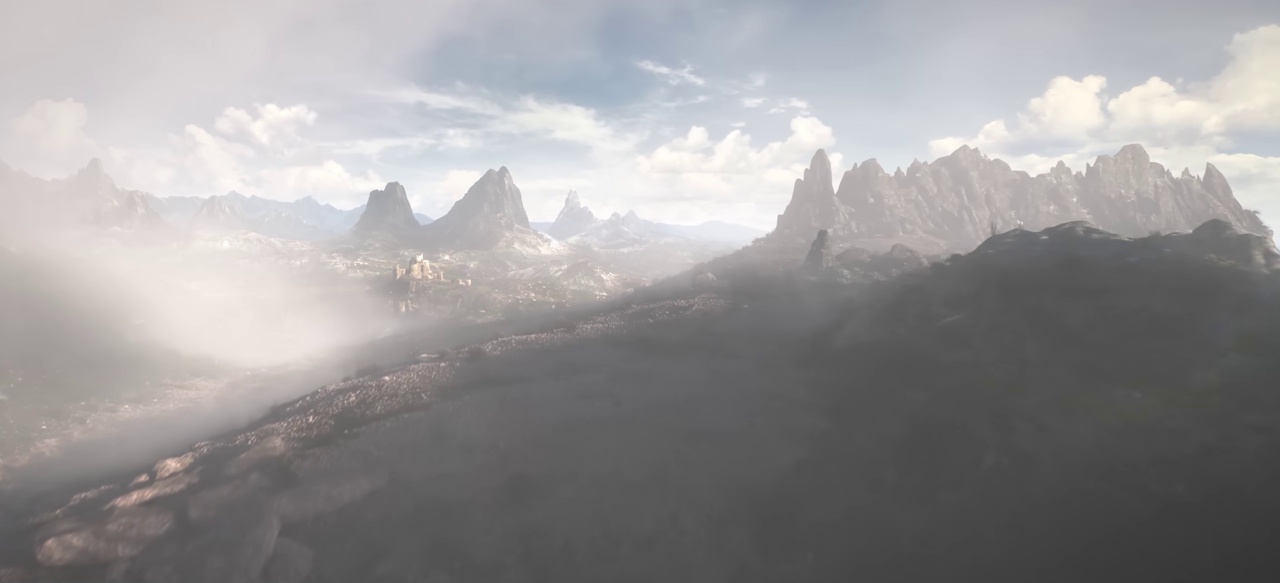
Still frame from the Elder Scrolls VI teaser showing mountains shrouded in fog.
Can The Elder Scrolls VI save Bethesda?

With the Fallout TV show proving to be a hit, it’s pretty clear that Microsoft is hankering for a new game. There have been all kinds of rumours, with a Fallout 3 remaster seemingly the only one that’s guaranteed at this stage. But could Microsoft tap one of its other developers to make another Fallout spin-off, or perhaps something like a New Vegas remaster? If that were to happen, and if that hypothetical game were to eclipse Bethesda’s entries in the long-running series, that could be another nail in Bethesda’s coffin. Bethesda only has two well-known franchises under its belt, so if one of those were taken away – even on an alleged “temporary” basis – that could be hugely symbolic.

Here’s my take: Bethesda made some great games in the 2000s, but has shown absolutely no ability to move with the times in the almost fifteen years since Skyrim. The studio’s leaders seem to have bought into their own hype, believing that every game they develop will automatically be as well-received as Skyrim… and can be heavily-monetised without repercussions. There is still merit in the original Bethesda formula; an open-world game that turns players loose and opens up factions, questlines, and exploration. But other studios are doing similar things… and doing them way better. Bethesda feels like a bit of an outdated dinosaur, still clinging to Skyrim’s success more than a decade later. One more poorly-received game could be the end of the line.

Endangered Studio #7:
Bungie
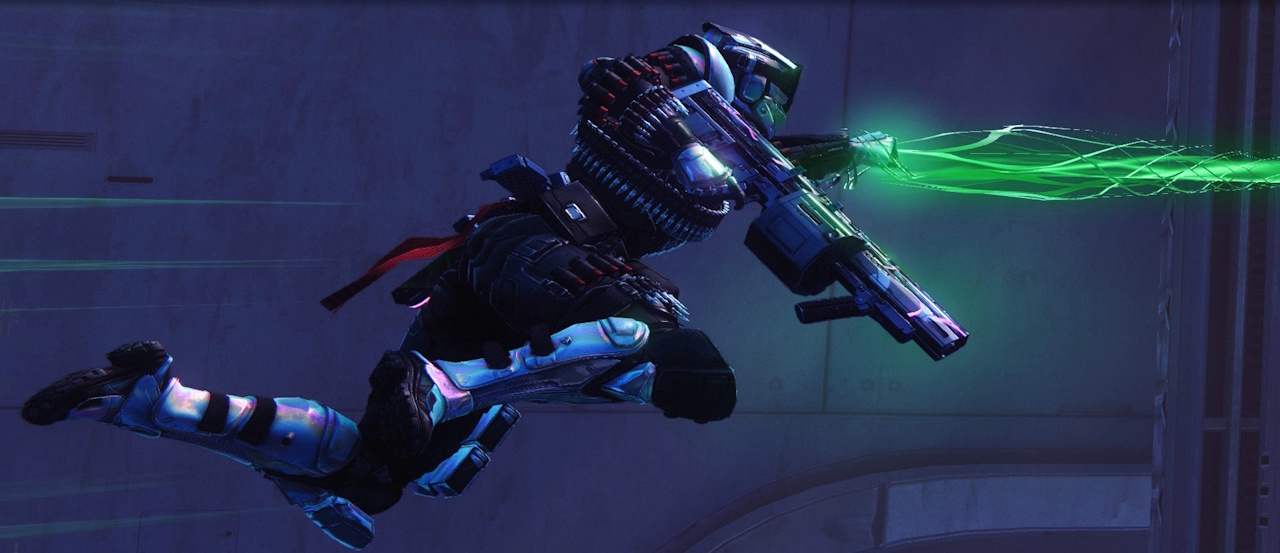
Promo art for Bungie's Destiny 2.
Promo art for Bungie’s Destiny 2.

We talked about the Halo series a moment ago, but that franchise’s new developer isn’t the only one in trouble. The originators of the Halo franchise, Bungie, are in dire straits right now, and could be only a year or so away from closure. The Destiny games may have sold reasonably well, but I don’t think it’s unfair to say that the whole “live service” thing didn’t exactly go to plan for Bungie. Then came the development of Marathonsomething I talked about a few weeks ago.

Marathon was in a world of trouble after a seriously underwhelming closed playtest left critics and fans feeling like the game needed a lot of work. Then came the news that Bungie had – not for the first time – plagiarised a whole bunch of art assets for the game without payment or credit to the artist. These pieces quite literally define Marathon’s “quirky” visual style… which was pretty much the only thing the game had going for it.
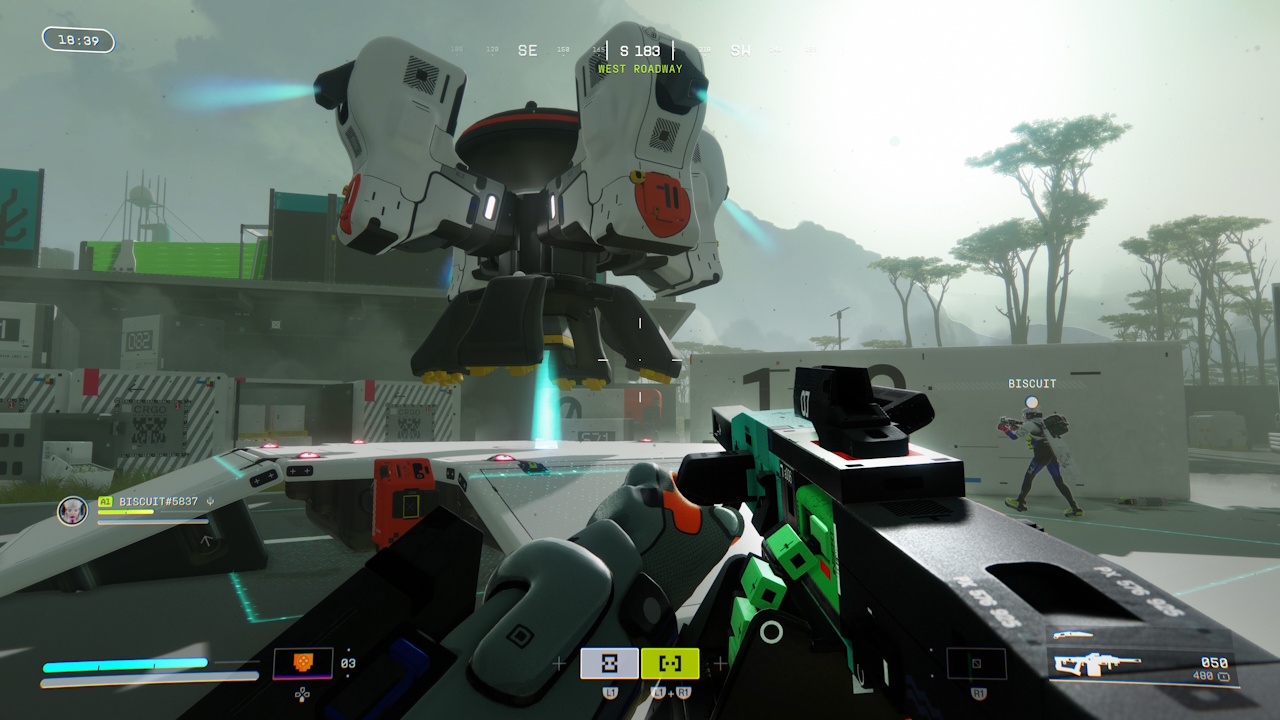
Promo still for Marathon showing a first-person battle.
Marathon is in a huge amount of trouble.

Sony recently acquired Bungie for what many have argued was an overly inflated price. A delay to Marathon has recently been announced, but any goodwill or positive buzz that the game could’ve had has entirely evaporated at this point. It’s at a point where even a total overhaul won’t be enough; Marathon is pretty much dead on arrival, even after the delay. So… what happens to Bungie if that’s the case?

Sony can be just as brutal as everyone else when it comes to killing off underperforming studios. Just ask Firewalk, Pixelopus, Bigbig Studios, or London Studio. Bungie should not consider itself safe simply by virtue of its name or its high price tag… if Marathon fails, which it inevitably will, there are gonna be some tough questions asked by Sony. If Bungie can’t prove that they have something big lined up… that could be it.

Endangered Studio #8:
BioWare
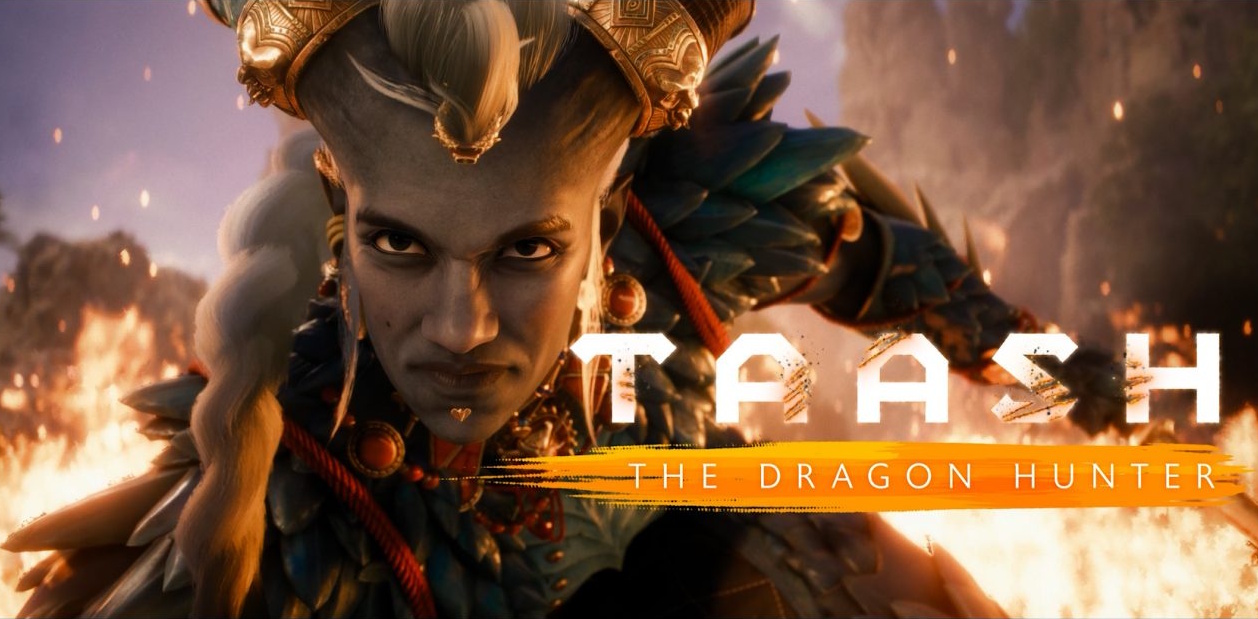
Promo art for Dragon Age: The Veilguard showing the character of Taash.
Taash from Dragon Age: The Veilguard.

Mass Effect: Andromeda. Anthem. Dragon Age: The Veilguard. BioWare has endured basically a decade of failures since the launch of Dragon Age: Inquisition, and it’s difficult to see Electronic Arts being willing to put up with another title that doesn’t live up to expectations. And I’m afraid there are serious questions about the studio’s next project: a sequel to the beloved Mass Effect trilogy.

I have a longer piece in the pipeline that I’ve been working on for a while about the importance of endings – and how, in the modern entertainment industry, very few stories are allowed to come to a dignified, natural end. The Mass Effect trilogy, with its buildup to the defeat of the Reapers, is an example of that… and it’s hard to see how telling another story in that universe won’t feel tacked-on, repetitive, or underwhelming in comparison to what’s come before. That was a big part of the Andromeda problem, in my opinion: after literally saving the galaxy, there’s basically nowhere for Mass Effect to go.
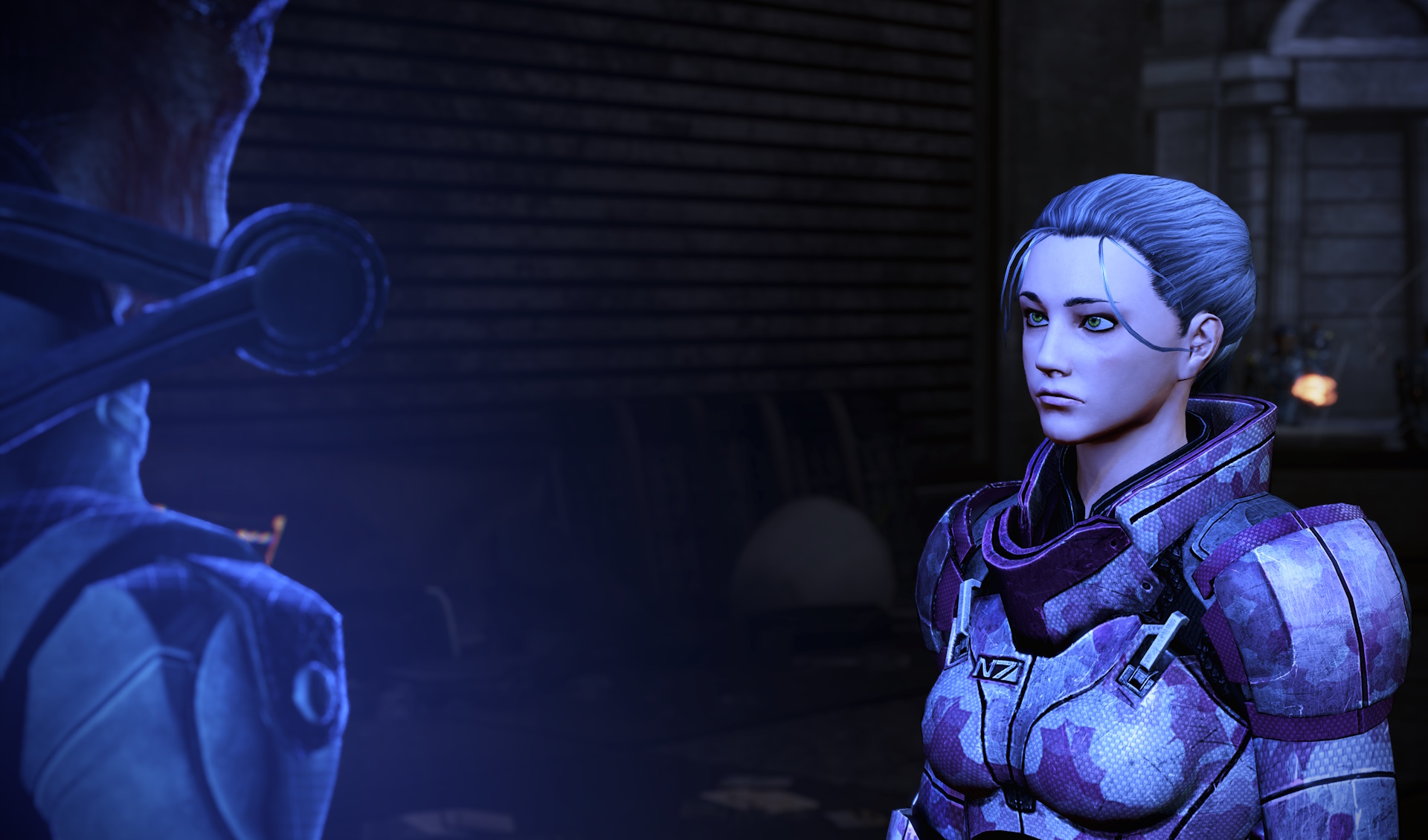
Screenshot of Mass Effect: Legendary Edition showing a custom Commander Shepard having a holo-call with Mordin.
Where does Mass Effect go after literally saving the galaxy?

I don’t buy the criticisms of Dragon Age: The Veilguard failing because it was “too woke.” I think a lot of armchair critics seized on a single line from one character and tried to make the game all about that. But there were clearly issues with The Veilguard, not least its stop-start development, multiple changes in focus, and deviation from the art style of the earlier games. I hope BioWare has learned something from that experience… but, to be blunt, they should’ve learned those lessons already from Andromeda and Anthem.

I will almost certainly play Mass Effect 4. So BioWare can take comfort in the fact that they have at least one guaranteed sale right here! But… am I optimistic? I’m curious, sure, and I want the game to be good. But I also can’t shake the feeling that it’s going to be a story that’s just going to struggle to make the case for itself. Why, after Shepard beat the Reapers, do I need to see this new story? What’s going to be the hook? And without that… will it be worth playing? This is surely BioWare’s absolutely final chance, and with EA notorious for shutting down underperforming studios, everything is now riding on Mass Effect.

Endangered Studio #9:
Firaxis Games
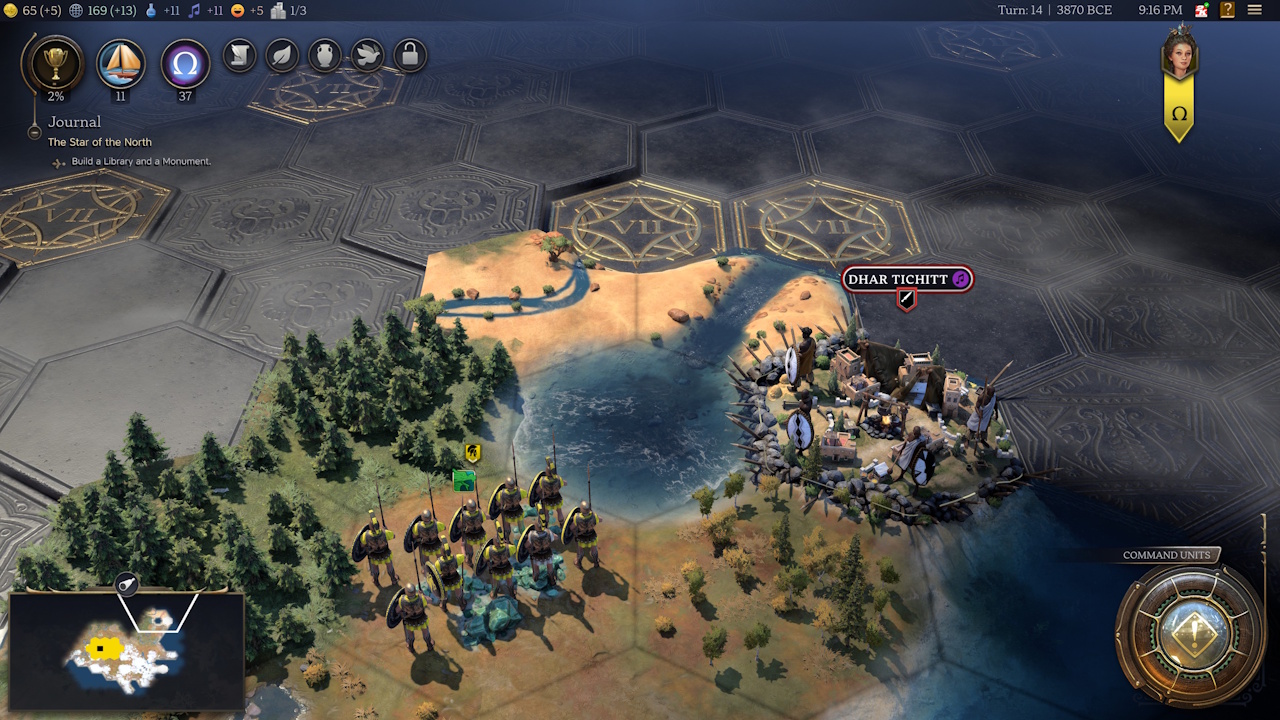
Screenshot of Civilization VII showing troops moving near a hostile AI village.
Are the barbarians at the gates?

Like BioWare above, Firaxis is on a bit of a weak run right now. XCOM: Chimera Squad underperformed on PC, leading to its console port being cancelled. And Marvel’s Midnight Suns was also considered a disappointment by parent company Take-Two Interactive. Then we come to this year’s Civilization VII, which is struggling right now. Civ VII is currently underperforming, with players seemingly preferring to stick with Civ VI or even Civ V, and there’s criticism of various aspects of the game – not least its three-era structure.

I believe Civilization VII has potential, but there’s clearly a limited window of time to really showcase that potential before panic sets in. At time of writing, there have only been a couple of significant updates to the base game, which launched almost six months ago. Players are still calling on Firaxis to patch bugs, rebalance key features, and add more to the game… and many of those players seem to have drifted back to Civ VI while they wait.
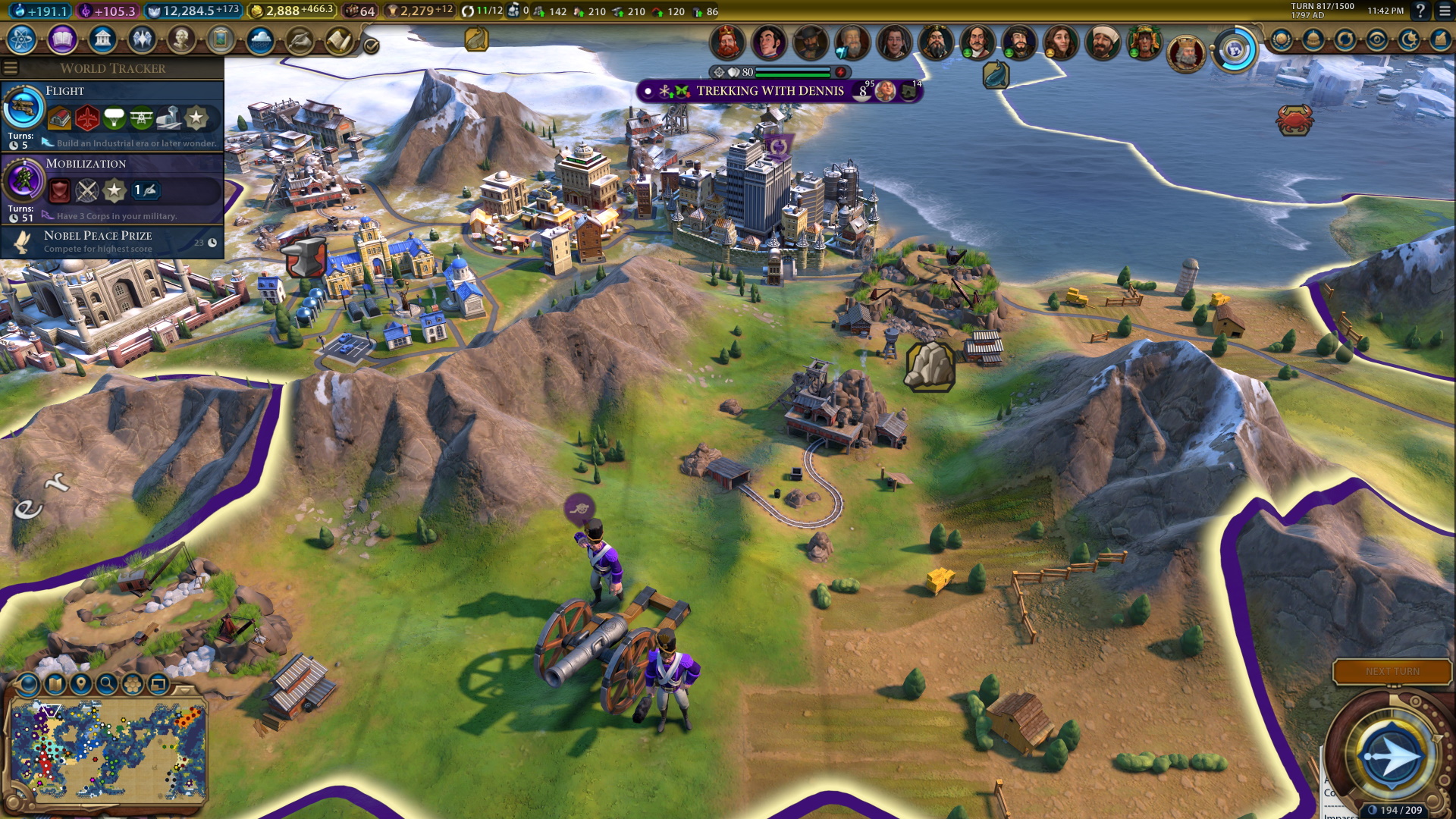
Screenshot of Civilization VI showing a ranged unit next to two mountain tiles, with a city in the background.
A lot of players tried Civ VII but have already drifted back to Civ VI.

Other “digital board games” inspired by the venerable Civilization series have been eating Firaxis’ lunch, too. They don’t have the genre all to themselves any more, and I think we’re seeing the limitations of releasing a partial game, then hoping to sell expensive DLC to patch the holes. Civ VI did that, too, but there was arguably a stronger foundation to build upon and a fun base game to get players interested in the DLC in the first place.

I suspect Firaxis will get another chance. Even if work on Civilization VII were to end sooner than expected, 2K still recognises the strength of the series and its name recognition. But if a hypothetical Civ VIII or some other sequel or spin-off were to flop, too? That’s when Firaxis could be in real trouble.

Endangered Studio #10:
Rocksteady Studios
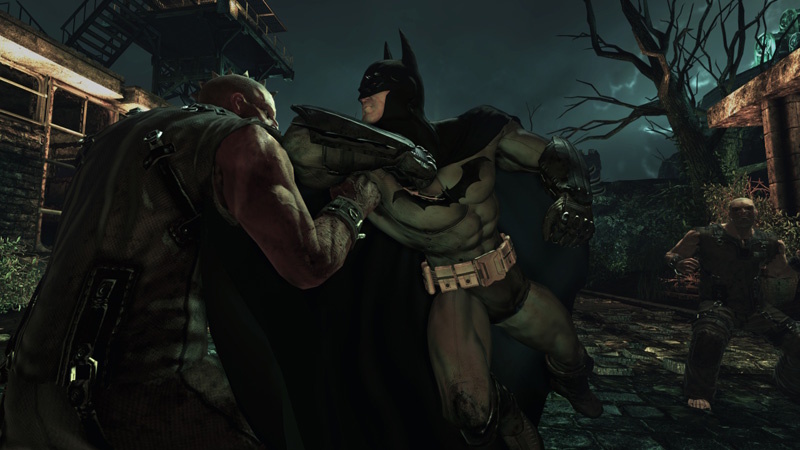
Promo art for Batman: Arkham Asylum showing the title character.
Batman and a villain in Arkham Asylum.

No, not Grand Theft Auto developers Rockstar, we’re talking about Rocksteady – the team behind the Batman: Arkham series and last year’s critically panned Suicide Squad: Kill the Justice League. In 2015, Arkham Knight suffered horribly with a ridicululously poor PC port, but the Arkham series has been otherwise popular and well-received, especially by Batman fans. But in 2024, Suicide Squad: Kill the Justice League was not, and left many players wondering how such a bad game could’ve taken Rocksteady such a long time to craft.

The bottom line is this: Kill the Justice League has lost parent company Warner Bros. Games more than $200 million. That’s… well, that’s not exactly great news when you’re trying to keep the lights on! These live service types of games are notorious for being expensive flops in a lot of cases, and what often follows an expensive, poorly-reviewed title is a studio closure.
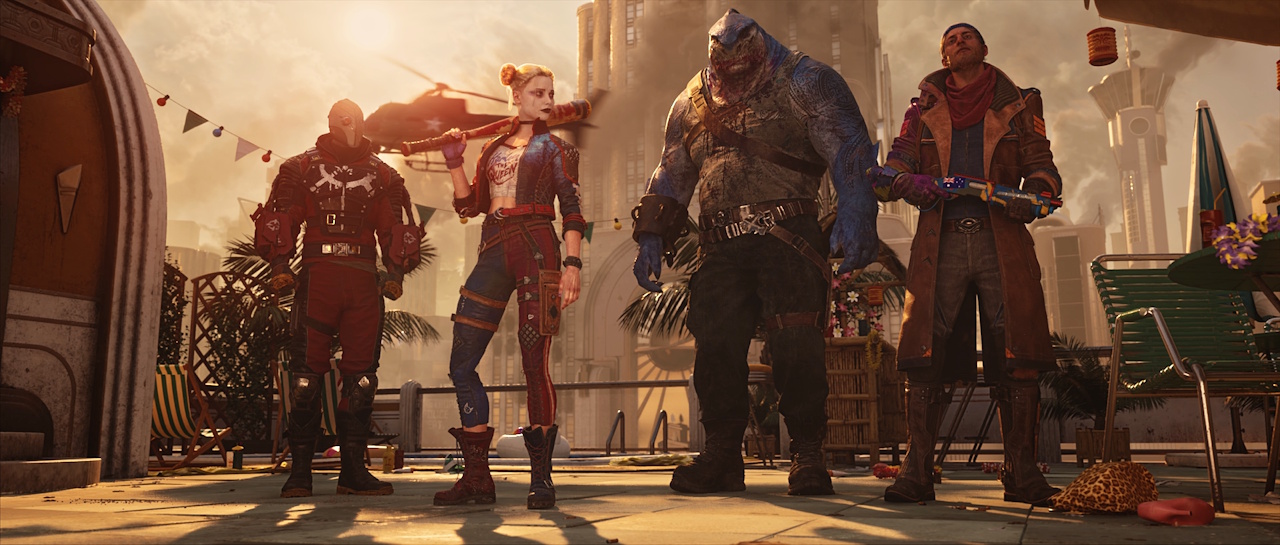
Promo still for Suicide Squad: Kill the Justice League showing the main characters.
Suicide Squad: Killed Its Studio

There are rumours that Rocksteady has already been laying off staff, first in the QA department, and later in other technical fields, too. The studio also has no new game on its schedule at time of writing; it seems some staff are still working on Kill the Justice League in supporting roles, while others may be working to assist Portkey Games with a new version of Hogwarts Legacy. Again, that doesn’t bode well for the studio.

Practically all of the studios we’ve talked about today were once well-regarded and had at least some popular and successful titles in their back catalogues. But with the Arkham series having wrapped up a decade ago, I don’t think its lingering goodwill will be enough to save Rocksteady. Kill the Justice League was a game outside of the studio’s area of expertise, seemingly forced on them by Warner Bros. Games, and it sucks that they couldn’t stick to making the kinds of single-player titles at which they excelled.

So that’s it.
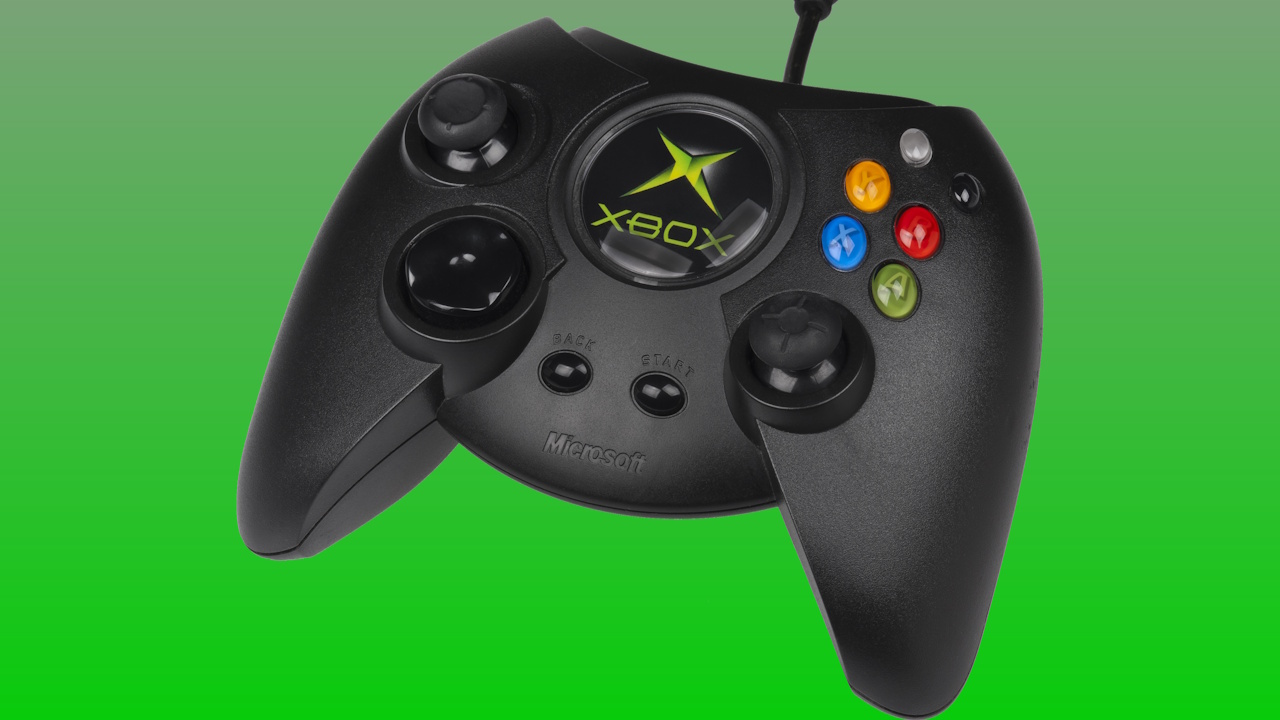
An Xbox "Duke" controller on a green background.
Xbox prompted me to think about this topic…

We’ve talked about a few developers and publishers that *could* be in danger in the months and years ahead.

As I said at the beginning: I’m never rooting for anyone to fail. Well, except really low-quality shovelware or games with abusive gambling baked in! But those obvious exceptions aside, I don’t want to see games fail or studios closed down, and I especially don’t want to see hard-working developers and other industry insiders losing their jobs. There’s more than enough of that going around without adding to it.

But as a critic and commentator who talks about gaming, I wanted to share my opinion on these studios in light of what’s been going on in the games industry. There are plenty of examples of high-profile failures, collapses, and shutdowns. Whether we’re talking about Atari, Interplay, most of Maxis, Sega, THQ, Lionhead, Acclaim, or Neversoft, one thing is clear: being a well-known brand with a good reputation isn’t enough. The games industry is cutthroat, and not all companies – not even those that seem to have scaled the heights and reached the very top of the gaming realm – can be considered safe.
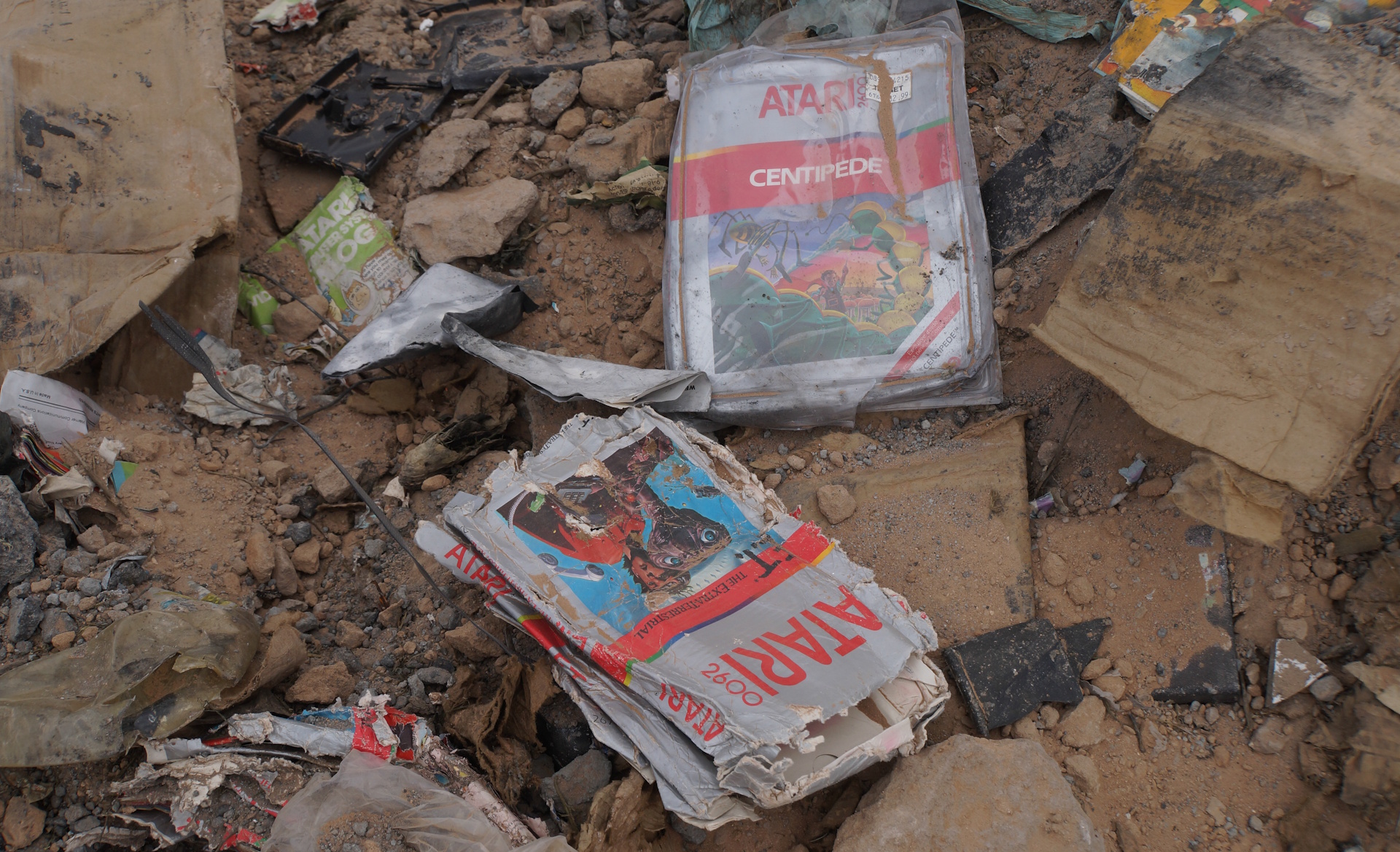
Two Atari games in a landfill from the 1983 crash, excavated in 2014.
Atari was one of the biggest names in gaming once upon a time…
Photo: taylorhatmaker, CC BY 2.0 https://creativecommons.org/licenses/by/2.0, via Wikimedia Commons

Maybe I’m wrong about some or all of these companies – and in a way, I hope that I am. But at the same time, gaming is like any other industry and it needs innovation. If the same companies dominate the gaming landscape forever, things will quickly stagnate. What gives me hope is that there are plenty of smaller studios producing new and innovative titles, and some of them will go on to be the “big beasts” of tomorrow.

So I hope this has been… well, not “fun,” but interesting, at any rate. And please check back here on Trekking with Dennis, because there’s more gaming content and coverage to come!


All titles discussed above are the copyright of their respective developer, studio, and/or publisher. Some screenshots and promotional artwork courtesy of IGDB. This article contains the thoughts and opinions of one person only and is not intended to cause any offence.

Games Industry “Hot Takes”

A few months ago, I put together a list of “hot takes” about video games. As much as I enjoy gaming as a hobby, there are things that annoy me and things to criticise! There were a few other things that I considered including, but they didn’t really fit with that list. These “hot takes” have less to do with games themselves and more to do with the games industry, development, and gaming as a whole – so that’s what we’re going to discuss today!

If you’re interested in checking out that earlier list, by the way, you can find part one by clicking or tapping here, and part two by clicking or tapping here.

Whenever I use the term “hot take” it’s because I’m acutely aware that we’re talking about something contentious! So before we get started, let’s re-emphasise that: these are all topics of debate among players and critics, and mine may well be the minority position. I don’t pretend to be 100% right, and I welcome disagreements and differences of opinion.

A stock photo of a crying girl.
Let’s not throw a tantrum if we disagree, okay?

I worked in the games industry for close to a decade, and I worked with large and small games companies in that time. I’ve got a bit of a feel for how development works from the time I spent “on the inside,” and I know that developers are passionate people who care deeply about their art. But that doesn’t mean games get a free pass; a bad game is a bad game, no matter how well-intentioned it may have been!

As I always like to say: all of this is just the subjective opinion of one player, and I believe that there should be enough room in the community for differences of opinion and respectful disagreement. The topics we’re going to get into today are the subject of discussion and debate, and there isn’t a right answer – just opinions.

If you aren’t in the right headspace to see some potentially controversial games industry opinions, this is your final chance to nope out – because we’re about to jump into the list!

“Hot Take” #1:
“Game development is hard” isn’t an excuse for selling a sub-par title.

Stock photo of a woman working at a computer with two monitors.
A lot of people work really hard on some absolutely shite games…

Speaking as both a player and as someone who used to work in the industry, believe me when I say that I get it. Game development is undeniably difficult, it isn’t straightforward, and there are many, many reasons why a game may not be as good, enjoyable, or polished as we’d like it to be. There can be problems getting an engine to work, fixing one bug might cause ten more to pop up elsewhere, and the more complex and in-depth a title is, the greater the chance of these kinds of issues occurring. Publishers and corporations also meddle, moving the goalposts and pushing developers to hit unreasonable deadlines. So I get it. But that doesn’t make “development is hard” a good enough excuse.

Here’s a helpful analogy: suppose I buy a house, move in, and every time I turn on the washing machine, the electric goes off. Then when I ring the electrician, he basically says “wiring a house is really hard. You wouldn’t get it because you aren’t an electrician.” That’s not an excuse. If I go to a bakery and the bread is stale and mouldy, I likewise wouldn’t accept the excuses that “baking is really difficult,” or “running a business and keeping track of sell-by dates is hard.” The same basic principle applies to video games.

Stock photo of loaves of bread in a bakery.
You wouldn’t accept sub-par bread from a baker, so why should you accept a sub-par game from a developer?

I will acknowledge and agree that game development is hard, and that bigger games are harder to make; it’s an almost exponential scale of difficulty. But trying your best and failing is still failing, and in a competitive marketplace where most games aren’t free, if you release a sub-par, broken, uninspired, or inferior game, you’re gonna get called out for it. Media criticism exists for this purpose, and just because a critic has never worked in the games industry or has no experience with development doesn’t invalidate their criticism.

When a game is listed for sale, even if it’s discounted or at a low price, players still have expectations – and those expectations aren’t “wrong” just because they didn’t see how hard the game was to create. If you’re a brand-new developer releasing your first-ever game for free and asking for feedback, then maybe some of the harshest words should be held back. But this asinine argument is too often made by publishers and executives who work for massive companies. When a game underperforms, they trot out the trusty old “game development is hard” argument as a rebuttal to critics.

Screenshot of The Lord of the Rings: Gollum showing a serious bug.
The Lord of the Rings: Gollum was widely criticised upon its release for being riddled with bugs and glitches.

In no other business or industry would customers be told that “my job is hard, you should be grateful for what you got” as a response to genuine criticism. Selling a game that’s outdated, riddled with glitches, or just not fun can’t be excused in this way, and developers – no matter how hard they may have worked and no matter what programming hurdles they may have had to overcome – have to accept that. Criticism is inevitable in entertainment and media, and even if a developer had created an impossibly perfect game, there’d still be players who didn’t like it in whole or in part, or who just weren’t interested in its narrative or its gameplay. That’s unavoidable.

Some developers and studios actively make things worse for themselves by trying to respond to criticism in this way. It never works, it never succeeds at garnering sympathy, and practically zero players come away from this conversation having more positive thoughts about the game. It’s an argument that needs to go away, and developers and publishers should think long and hard before reacting to genuine criticism with this irritating whine.

“Hot Take” #2:
Subscriptions are happening and physical discs and cartridges are dying out.

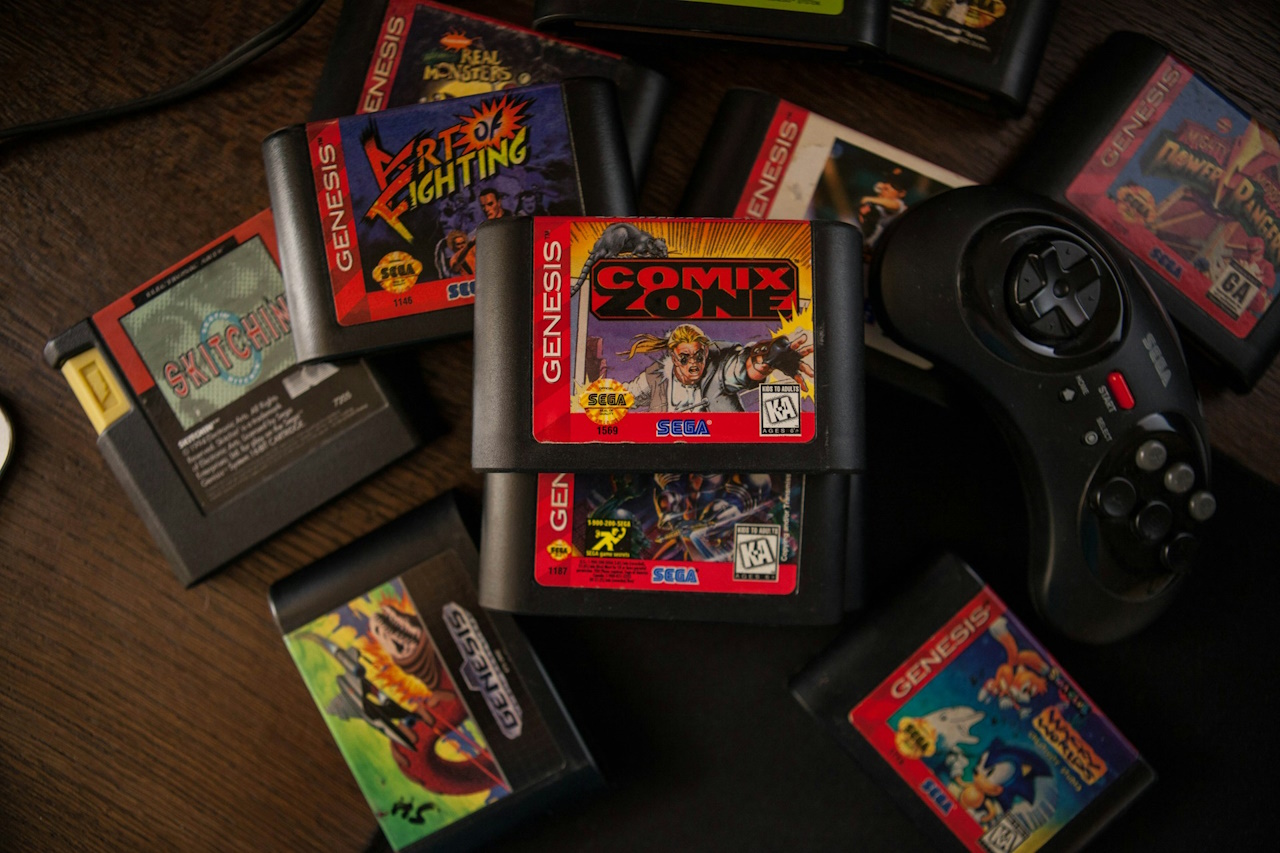
A stock photo of Mega Drive games.
A selection of Sega Mega Drive game cartridges.

This is a subject I’ve tackled before in a longer column here on the website. In that piece I took a look at the media landscape in general, talking about how the move away from physical media started with music, then moved to film and TV, and is now belatedly arriving in gaming, too. You can find that piece by clicking or tapping here, if you’re interested! But for the games industry specifically, a move away from discs and cartridges has been happening for a long time – and the rise of subscriptions could well be the final nail in the coffin.

In the very early days, no one owned a video game outright. If you wanted to play a game, you had to go to where the games were: an arcade. It was only with the growth of home consoles in the ’80s that physically owning a video game became possible for a mainstream audience, and even then, renting games or even whole systems was still a big deal. Many of the SNES, Nintendo 64, and Dreamcast games that I played in through the ’90s and into the new millennium were rented, not purchased outright. The idea of owning a massive media library is, when you think about it, a relatively new phenomenon that was kicked into a higher gear when DVD box sets became a thing in the mid-2000s.

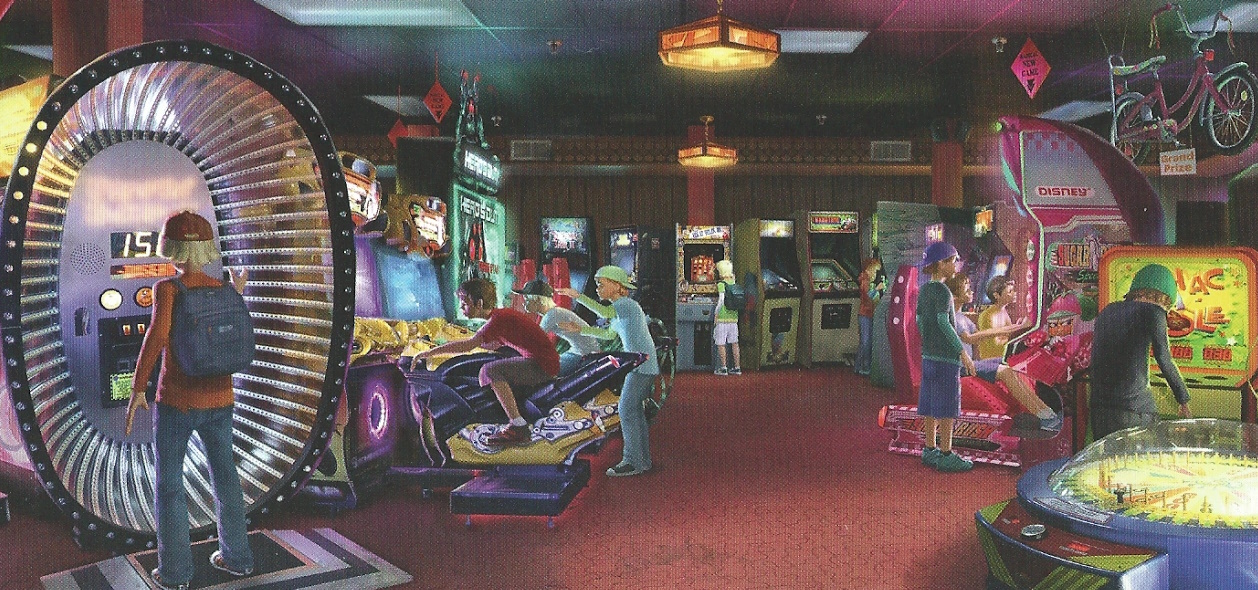
Concept art for Wreck-It Ralph showing the arcade.
Arcades (like this one from Wreck-It Ralph) used to be the only place to play video games.

In that sense, we could argue that subscriptions aren’t “changing” the way people engage with media, they’re just a return to the 20th Century status quo. For much of the history of film, television, music, and gaming, audiences have had a temporary or impermanent relationship with media… and to me, that’s absolutely fine. It’s a trade-off I and many other players are happy to make.

I could probably count on my fingers the number of games I’d want a permanent hard copy of… because most games aren’t gonna be played on a loop forever nor returned to every few months. Just like when I used to rent SNES and N64 games in the ’90s, I’m totally okay with not having a huge library of titles gathering dust on a shelf (or metaphorical dust in a digital library), because once I’ve beaten a title like Donkey Kong 64 or Bioshock, I’m in no rush to play them again.

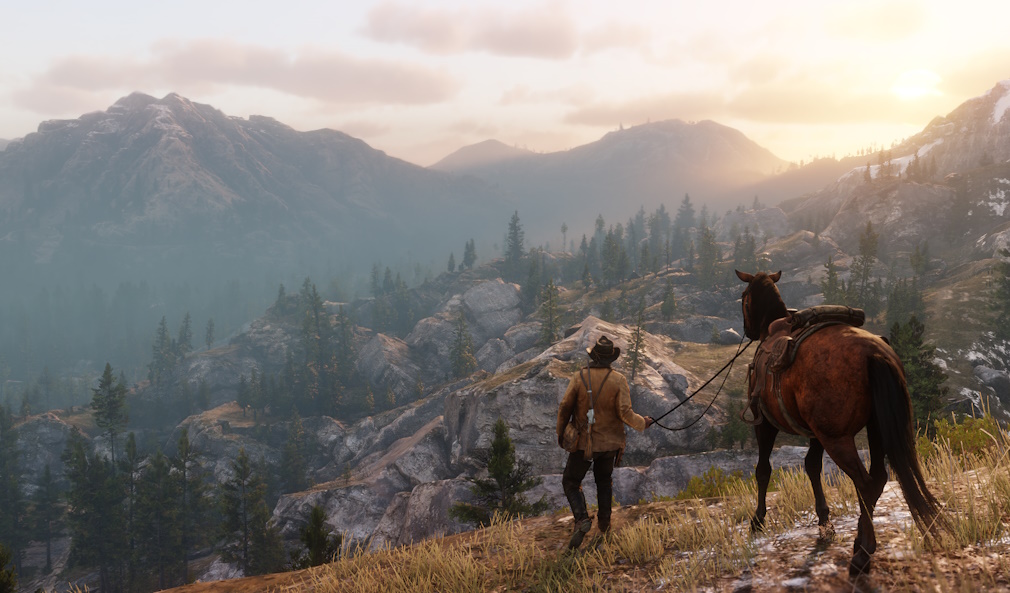
Promo screenshot of Red Dead Redemption II.
Red Dead Redemption II is one of just a handful of games I might conceivably want a hard copy of.

Speaking as someone on a low income, subscription services like Netflix and Xbox Game Pass open up a huge library of titles to me – allowing me to play more games than I’d ever be able to afford if I had to buy or even rent them individually. I’ve played dozens of games over the past couple of years that I’d never have bought for myself, and some of them have become personal favourites. Subscriptions like Game Pass are a great way into gaming for players on a budget – because for a single monthly fee a huge library of titles become available.

If the trade-off for that is that titles are occasionally removed from the platform and become unplayable… well, I’m okay with that. And for one-in-a-generation masterpieces like Red Dead Redemption II or Baldur’s Gate 3, I’m happy to splash out. When you consider that an annual subscription to Game Pass is more or less the same price as buying one or two games… you start to see why people are choosing to sign up. I wouldn’t be surprised at all if Xbox, PlayStation, or both choose to go all-digital later in the decade when their next-generation machines are ready.

“Hot Take” #3:
Microtransactions have no place in single-player games.

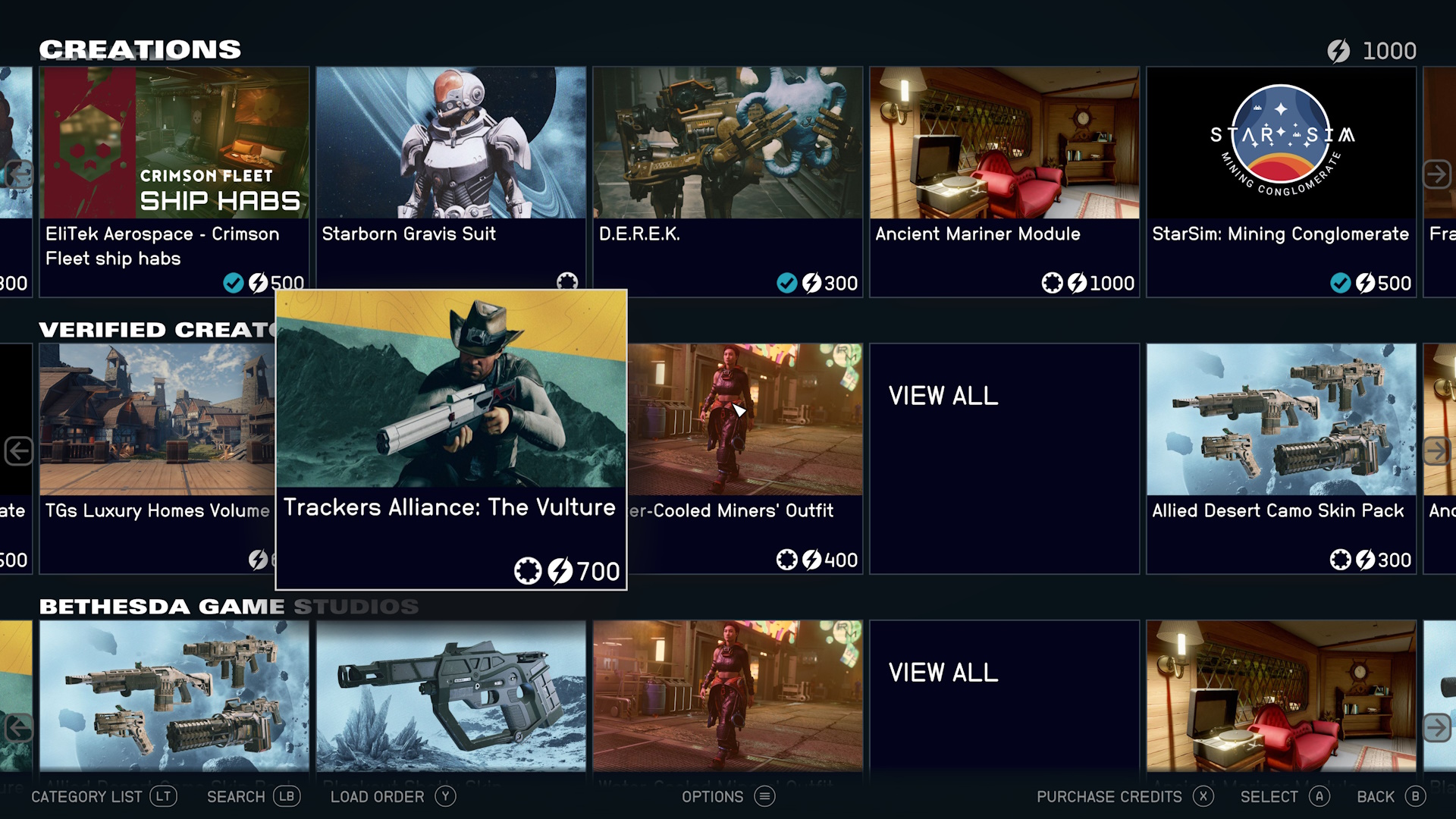
A screenshot of part of Starfield's in-game shop.
*cough* Starfield *cough*

I’m not wild about microtransactions in general – but in online multiplayer games and especially free-to-play titles, I accept that they’re an established funding model. They should still be regulated and prevented from being exploitative, but in those genres the microtransaction model seems to work well enough. But in a single-player game? Microtransactions need to GTFO.

Going back decades, games have released expansion packs – and large pieces of content that add new maps, quests, characters, and so on are usually okay. Look at something like Morrowind’s expansion Bloodmoon, or a more recent example like Phantom Liberty for Cyberpunk 2077. These are the kinds of expansion packs that have always been okay. Some are better than others, sure, and some expansions offer much more in terms of value. But as a general rule, I’m okay with expansion packs.

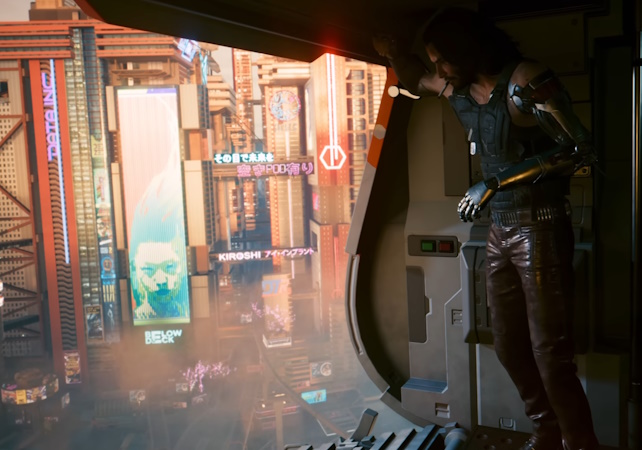
A still frame from the trailer for Cyberpunk 2077: Phantom Liberty showing Johnny Silverhand in a helicopter.
Phantom Liberty is a great example of an expansion pack that offers good value.

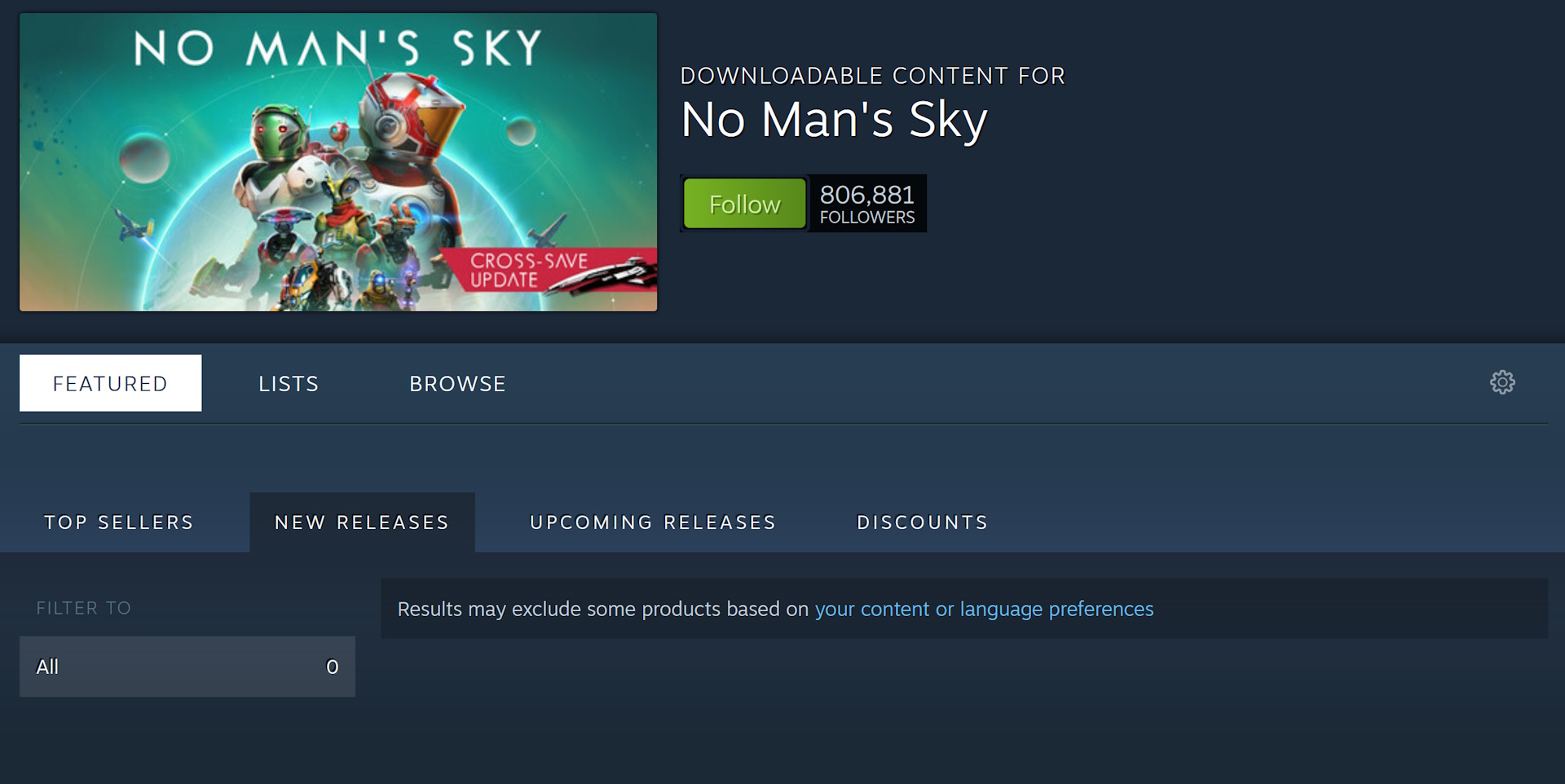
But in a single-player game, I shouldn’t be asked to purchase a “premium currency,” weapon skins, cosmetic items, and so forth. These microtransactions have no place in a single-player title, and there’s no excuse for adding them in other than pure, unadulterated greed. If a game like No Man’s Sky can remain profitable for Hello Games for close to a decade without charging for a single additional piece of content, there’s no excuse for the disgusting in-game marketplace in a title like Starfield.

I love a game with cosmetic customisation. Making my character feel personal to me goes a long way to enhancing the experience and making my playthrough feel like “mine,” so I enjoy having the option to change a hairstyle, outfit, or do things like re-paint a vehicle. But these things are an integral part of the game experience – not something to charge extra for. Exploiting players by locking basic items behind a paywall is despicable – and that’s before we say anything about “XP boosters,” damage multipliers, and other pay-to-win or pay-to-skip-the-grind items.

Steam page for No Man's Sky showing that the game has no DLC.
Oh look, it’s all of the DLC available for No Man’s Sky

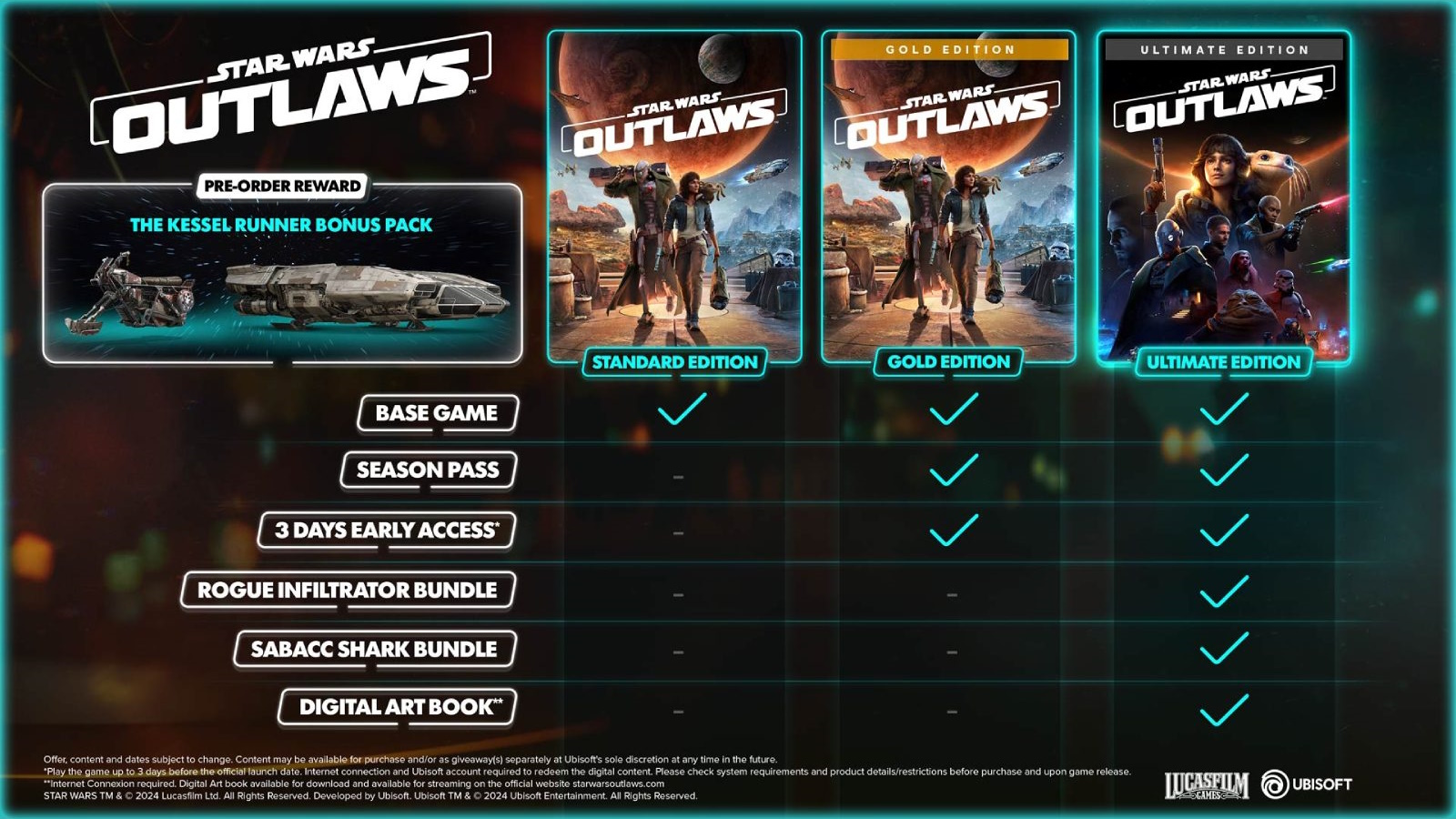
I’ll also include in this category “super premium deluxe editions” of games that come with exclusive content. You might think that Han Solo’s vest in Star Wars Outlaws is okay to lock behind a paywall, but some games do this with whole quests. Hogwarts Legacy infamously locked an entire mission behind a paywall, and it’s far from the only game to have done so in recent years. Offering an in-game item as a pre-order bonus is one thing, locking a whole chest full of items and even pieces of gameplay behind an expensive “luxury edition” that can easily run to $100 or more is just scummy.

If I’m paying full price for a game, I don’t expect that game to reach into my wallet and try to grab even more cash every time I want to use a consumable item or change my character’s appearance. I tend to avoid online multiplayer games, where this phenomenon primarily exists, but inserting a microtransaction marketplace into a single-player game where it has absolutely no business being is enough to make me uninstall that title and never return to it. I’ll even refund it if I can. Some studios have even taken to concealing in-game marketplaces at launch, hoping to garner better reviews and more sales, before adding them in a few weeks or months later. Truly disgusting stuff.

“Hot Take” #4:
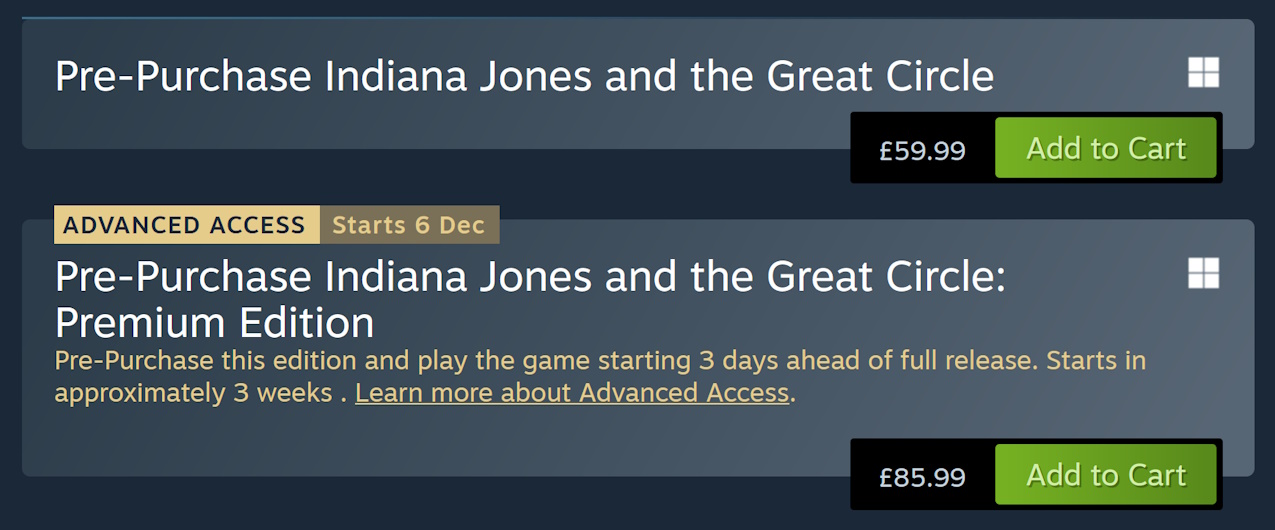
You aren’t paying for “early access,” you’re being charged an additional fee to play the game on its real release date.

Early access info for Indiana Jones and the Great Circle.
An example of what I’m talking about.

“Early access” is controversial in general, but let me just say before we start that I’m generally supportive of smaller studios and indie developers using early access as a way to get feedback and even to keep the lights on during what can be a difficult process. I very rarely touch an early access title, but independent devs should always feel free to use whatever tools are available to them, including launching an early access version of their game. But that’s where my patience with early access ends.

Recently we’ve seen two pretty shitty trends in the games industry: firstly, massive studios backed up by big publishers have been abusing early access, sometimes leaving a game officially unreleased for four, five, or six years, charging almost full price for it all the while. And secondly, the issue we’re looking at today: “early” access for an extra charge.

Promo graphic for Star Wars Outlaws showing the different versions of the game.
Ubisoft wanted to charge players an extortionate amount of money to play Star Wars Outlaws on its real release date.

This kind of “early” access usually grants players access to a game a few days or maybe a week ahead of its official release date, but by that point the game is finished and should be ready to go. The “early” version that players get is usually no different from the launch version, and there’s no time for a studio to act on player feedback or patch bugs. This is a scam, plain and simple, and an excuse for wringing even more money out of players.

If a game launches on the 1st of September for players who pay £100, and the 6th of September for players who “only” pay £65, then the release date is the 1st of September. They’ve just charged more to players who want to play on release day – or, if you flip things around, deliberately penalised players who didn’t splash the extra cash. These versions of games – which I think we should call “real release date” versions – are often $20, $30, or $40 more expensive than their delayed counterparts.

A stock photo of a hand holding burning dollar bills.
And who has that kind of money to waste these days?

Buying a game on day one is a risk nowadays. So many games – even those that go on to be hailed as masterpieces – arrive on launch day with bugs, glitches, and other problems. So paying extra to play what is almost always a demonstrably shittier version of a game just feels… stupid. I’ve been burned by this before, and just as with pre-orders, I’ve sworn to never again pay for so-called “early” access.

I’d like to see digital stores like Steam, Epic Games, and ideally Xbox and PlayStation too clamp down on this practice. Early access should be reserved for studios that need it, and charging players extra to play a game on release day is something that should be banned outright.

“Hot Take” #5:
Players’ expectations aren’t “too high.”

A stock photo of an angry man holding a PlayStation control pad.
It isn’t the players that are wrong…

There have been some fantastic games released over the last few years. Red Dead Redemption II, Baldur’s Gate 3, and Kena: Bridge of Spirits all come to mind in the single-player space, but I’m sure you have your own favourite. These games are, in a word, masterpieces; titles that did everything right and are rightly considered to be at the very pinnacle of not only their genres but video games as an art form in general. So… if your game doesn’t get that kind of glowing reception, whose fault is it?

Some developers think it’s the fault of players, and that we’ve had our expectations set “too high.” They argue that it was unrealistic to expect their game to be as engaging or entertaining as others in the genre, and we should be grateful for what we got. They worked hard on it, after all.

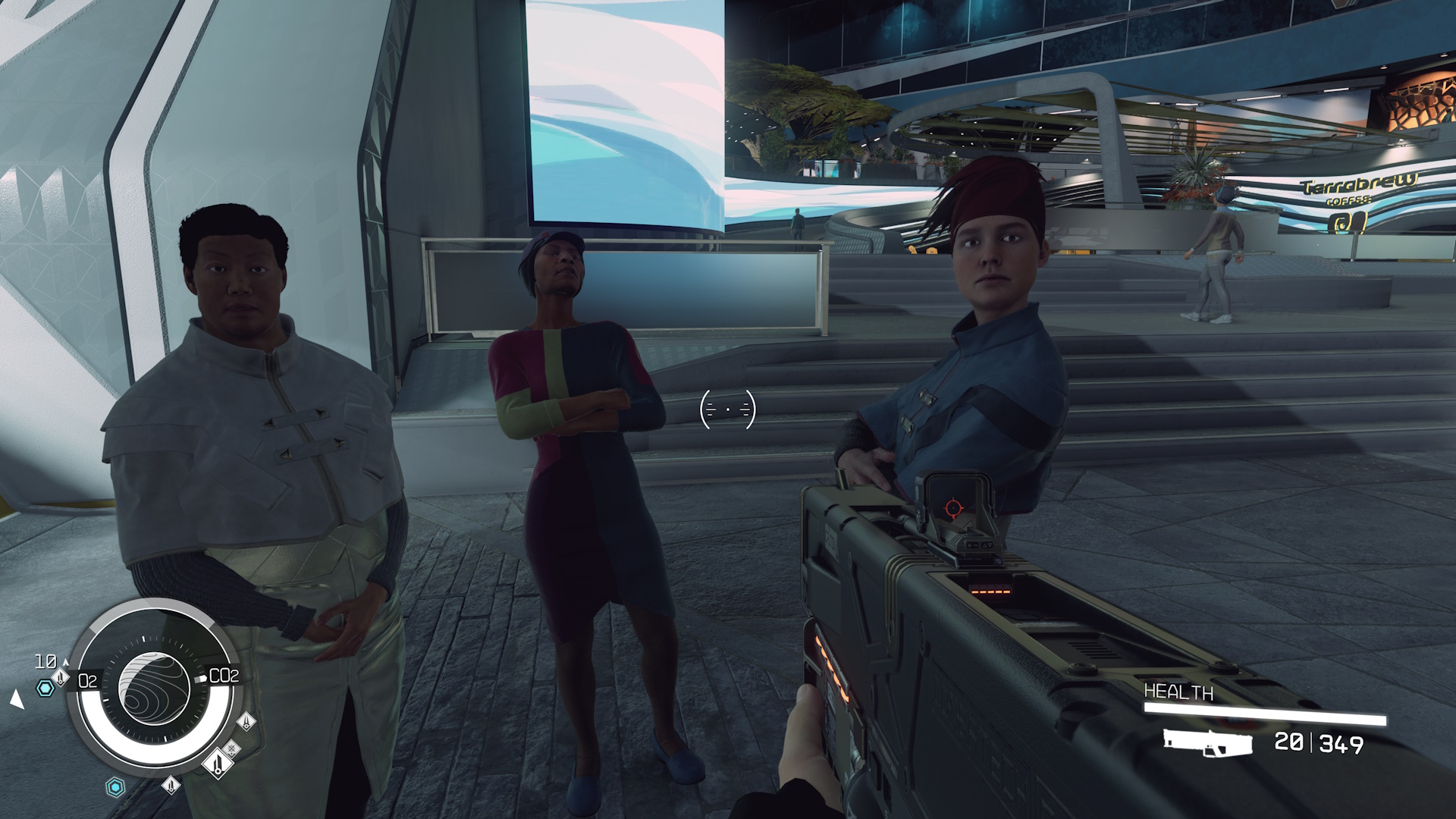
A screenshot from Starfield showing a first-person perspective and three NPCs.
I wonder which game might’ve prompted this “hot take.”

The tl;dr is this: it isn’t the fault of players if they don’t like your game – it’s yours. Complaining about high expectations makes no sense when other titles have demonstrably been able to meet and even exceed those expectations, so if you learned nothing from your competition, once again that isn’t anyone else’s fault but yours! That’s to say nothing of the out-of-control and frequently dishonest marketing that promises players way more than the game can deliver. Studios and publishers are responsible for reining in hype and keeping their marketing honest. That, more than anything else, will help players set appropriate expectations.

I get it: it isn’t fun to be criticised or see your work picked apart. It’s even less fun to see a game you worked hard on for a long time compared negatively to another title in the same space. But to lash out at players – the people who are supposed to be your customers and the people it’s your job to entertain – just doesn’t make any sense to me. Not only is it wrong, but it also risks building up resentment and ill-will, so the next time you work on a game and get it ready for launch, players will be even more sceptical and perhaps even quicker to criticise.

A stock photo of a smartphone showing social media apps.
This is a problem exacerbated by social media.

Thankfully, it isn’t all developers who say this – at least not in public! I heard complaints like this from time to time when I worked in the industry, but most developers I worked with were smart enough to keep such thoughts to themselves if they had them. So we’re fortunate that it’s only a minority of developers who take this argument into the public square.

Some developers need to get off social media. Social media is a great tool, don’t get me wrong, and being able to communicate directly with players can be useful in some situations. But if a developer is so thin-skinned that they feel the need to react in real-time and respond to every armchair critic and Twitter troll… that can’t be good for them, and it certainly isn’t good for the company they work for. For their own good, some developers need to shut down their social media profiles!

So that’s it… for now!

A promo graphic of an Xbox Series control pad.
I hope this wasn’t too controversial!

I’m always finding more “hot takes” and things to criticise in the games industry, so I daresay this won’t be the last time I put together a piece like this one! Despite what I’ve said today, I still really enjoy gaming as a hobby and I find there are far more positives than negatives. And if you hated all of my points, just remember that all of this is the entirely subjective opinion of a single old gamer.

So I hope this has been a bit of fun… and maybe a little thought-provoking in places, too. If you don’t agree with any of my points that’s totally okay! I tried my best to present my arguments as articulately as possible, but these are “hot takes” so I’m sure plenty of people can and will disagree with all of them. If I gave you a chuckle or you found this discussion interesting in some way, then I reckon I’ve done my job!

Until next time… and happy gaming!


All titles discussed above are the copyright of their respective publisher, studio, and/or developer. This article contains the thoughts and opinions of one person only and is not intended to cause any offence.

The Way We Engage With Media Is Changing… Get Over It!

Earlier this year, a quotation from Ubisoft director of subscriptions Philippe Tremblay was doing the rounds. Many news outlets seized upon it, as did bloggers and commentators – and the reaction, at least from what I’ve seen, was pretty negative. Tremblay suggested that players will get comfortable with “not owning [their] games,” and that four-word phrase sent usually sensible critics and analysts into a state of meltdown.

As I state in the title of this piece, the way in which practically all of us engage with and consume media has changed dramatically in the last few years – and that change is continuing. I’ve been through multiple stages of this transition myself with different forms of media for at least twenty years, if not more. It began with music, with digital downloads replacing cassette tapes and CDs. It happened again with DVDs and Blu-ray discs losing out to video-on-demand. It’s happened already in gaming with the move from cartridges to discs and then the decline of optical discs in favour of digital downloads.

And all of that is before we get into subscription services and streaming.

Promo graphic for Xbox Game Pass.
Xbox Game Pass is the first major gaming subscription service… but it won’t be the last.

Twenty years ago, I couldn’t have predicted the rise in streaming and subscription platforms – but now they’re everywhere. Many people, especially younger people, have never purchased so much as a single song or film – they’ve grown up streaming their music and videos. Forget about physical discs or tapes, there’s a whole generation of younger people who’ve never even bought a song on iTunes or paid to watch a film or TV series on demand. Subscriptions have become the way many people want to engage with different forms of media – and it’s easy to see why.

Subscriptions offer a “best of both worlds” approach. Like a cable or satellite TV package, they offer a good deal of choice. And like video-on-demand or a DVD box set, they let viewers choose when they want to watch. Music streaming, too, has these same advantages: an abundance of choice and the freedom to choose what to listen to and when. Audiences no longer have to put up with the rigid schedules of broadcasters and TV channels, while also having access to far more viewing or listening options than they would with CDs or DVDs. For a relatively low price per month, massive libraries of content become available – opening up far more titles than any of us would ever be able to reasonably expect to purchase. This was the original appeal of streaming, and while in the film and TV space there are problems resulting from the “streaming wars,” it remains the major appeal of the format.

Paramount+ logo on a blue background.
Paramount+ is one of a growing number of film/TV subscription services.

I don’t have a crystal ball, so I can’t predict what the media landscape might look like another twenty years down the line. It’s quite possible that further changes and disruptions will have come along, and streaming may no longer be the flavour of the month. But right now, as things stand, it’s the direction of travel for music, television, film… and even gaming. Anyone who doesn’t acknowledge that is simply wrong, and unfortunately for folks who want to push back against it… I think that’s a losing battle right now. Is it worth being aware of the shortcomings of streaming and subscriptions? Absolutely! Is there a reasonable chance of reversing this trend in the next few years, and can we expect people to go back to buying cassette tapes and DVDs? Absolutely not.

It’s no shock to me that gaming is also moving toward a subscription model. The only real surprise, if I’m being honest, is that it’s taken until now for subscriptions to begin to take off. An all-digital product like a video game is well-suited to being bundled into a subscription package, and gamers – who tend to be a younger demographic on the whole – are exactly the kind of tech-savvy people who are already engaging with other forms of media in this way. It makes perfect sense that subscriptions would be the “next big thing” in the gaming market.

A selection of PlayStation 4 games in boxes.
A subscription model for video games actually feels overdue!

Here’s the fundamental question at the heart of this controversy: do I, as a player or viewer, need to own outright the media that I’m engaging with? Because answering this question should go some way to explaining why some people are so angry at Ubisoft for this comment, and why others seem to be just fine with it.

I’m happy to watch a movie or TV show once and never come back to it again. I can think of many, many films and TV shows in that category. I watched them, I enjoyed them, but I have absolutely no need or desire to go back to them. Buying the DVD box set of a show like Battlestar Galactica just to watch it once seems wasteful, and while I could re-sell it afterwards, I wouldn’t get most of my money back. I could rent it – as we used to do in the days when Blockbuster and other video rental stores were in every small town… and that’s basically what streaming subscriptions are. Yes, you don’t own the media you consume when you subscribe to a platform. You pay to access it – i.e. you rent it.

Logo for the 2004 Battlestar Galactica reboot series.
No offence, Battlestar Galactica

For a lot of TV shows and films, that’s totally fine. Last year, for instance, I watched Ladybug and Cat Noir: The Movie. It was a decent enough film; a perfectly enjoyable superhero adventure for kids. But I don’t need to own a copy of Ladybug and Cat Noir: The Movie… because I’m almost certainly never going to watch it again. Paying £15-20 for a DVD, Blu-ray, or digital copy just seems wasteful.

And that mindset also applies to games. There are many, many games that I’ve played over the last thirty-plus years that were one-and-done affairs. These are titles I enjoyed but just see no need to revisit… such that owning them outright, either digitally or on a disc/cartridge, is unnecessary. So if a streaming service is going to come along and let me essentially rent the games that I want to play – while also giving me access to a library so colossal that I could never afford to purchase even one-tenth of the titles on offer – then heck yes. Sign me up!

A selection of "trending" titles on PC Game Pass in February 2024.
A selection of “trending” titles on PC Game Pass in February 2024.

When I first started talking about Microsoft’s Game Pass service in 2020, that was how I felt. And I will admit that subscriptions in the gaming space have some bugs and kinks to be worked out – in particular how DLC and expansion packs should be handled. But those are surmountable hurdles, and the benefits of the subscription model, particularly to low-income folks like myself, outweigh the disadvantages. If you asked me right now, in early 2024, what would be the most cost-effective route into current-gen gaming, I would say without hesitation that an Xbox Series S console and a Game Pass subscription is by far the best option for folks on a budget.

At present, there are no titles (of which I’m aware, at any rate) that are only available to people who sign up for an expensive subscription package. That means that players can still choose to purchase – and own outright – any game or games that they choose to. Some developers and studios, such as Baldur’s Gate 3 creators Larian, have indicated that they won’t put their games on any subscription service in the near future – and that’s okay, too. An independent publisher or studio will always have the freedom to choose whether to engage with subscription platforms – and which to sign on with, if any.

Screenshot of Baldur's Gate 3 showing the character creator.
Developers Larian Studios have pledged not to put titles like Baldur’s Gate 3 on subscription platforms for the foreseeable future.

Permanently owning media is, if you think about it, a relatively new concept. When films came along in the first years of the 20th Century, they’d be shown in cinemas – but there was no way for the average person to own a copy of a film until really the late 1970s. The same applied to television shows: audiences would be entirely dependent on broadcasters to watch their favourite shows, with no way to purchase their own copy. This was even true of shows that eventually spawned long-running series and franchises: Star Trek, for instance, and Doctor Who, both started off in the 1960s, when viewers could only ever hope to re-watch their favourite episodes when television networks would do re-runs.

Even within my own lifetime, owning a copy of a film or television series was a relative rarity. When I was very young we didn’t have a video recorder at home, and it was only in the late ’80s that my parents purchased a Betamax system, and then later still a VHS recorder. I could count on my fingers the number of video cassettes I owned as an adolescent, and most of those were blank tapes used for recording programmes directly from the TV; even in the ’80s and into the ’90s, the idea of purchasing and owning a vast media library was far from the norm.

A collection of (mostly horror) films on VHS cassette.
Nobody that I knew in the ’80s or ’90s had a collection like this one!

In gaming, too, this idea of permanent ownership hasn’t always been around. Games started in arcades, where players would have to pay to play a game that they didn’t own. And in the ’80s and ’90s, renting individual games and even entire consoles from rental shops was commonplace. I still remember the mad rush of trying to complete a game the night before it was due to go back to the shop!

With streaming and subscriptions growing in the music, film, and television spaces, their arrival in gaming was inevitable. And perhaps in the future we’ll look back on the period of media ownership from the 1980s through to the early 2020s as a bit of a blip; an outlier in a media landscape that has tended to favour a less permanent relationship with audiences. I don’t have a great track record at predicting the future… but that seems at least plausible to me, at any rate!

Stock photo of a neon sign advertising psychic services.
I don’t claim to predict the future…

I could probably count on my fingers the number of films, television shows, and video games that I’d want hard copies of, because there really aren’t that many that I consider to be the kinds of masterpieces that I need to return to over and over again. There are a great many games that I’m happy to only play once, and that I don’t need to own outright because I’ll never play again. Paying the inflated asking price of £60/$70 for a game in that category feels wasteful… even more so to think that a physical copy of the game would just end up gathering dust on a shelf.

All that being said, I don’t expect to see “physical” copies of games disappear entirely. As we’ve surprisingly seen with the resurgence of the vinyl and cassette markets in music, there’s a hard core of collectors (and hipsters) who long for those slightly archaic formats – and the same will almost certainly be true of video games, too. Many games that began as digital-only products end up releasing a physical copy on a disc or cartridge – Hades, one of my favourite games of 2021, is one such example. And “collector’s editions” of games aren’t going anywhere, either. So for collectors and fans of games in boxes, I don’t think they’re going to entirely disappear. Whether they’ll remain affordable is another matter, of course!

Olivia Rodrigo's album Guts in vinyl format.
Many modern artists release their albums on vinyl.

Returning to the quotation that prompted all of this, though, here’s what I have to say: I’m totally fine with renting most of the games I play. I can think of several titles from just the past couple of years that I paid full price or close to full price for that 100% did not deserve it, and if I could’ve tried those games as part of a subscription package, I could’ve saved myself some money and bother! For the way I personally play games, subscriptions and renting are perfectly fine. And for those occasional once-in-a-generation masterpieces like Baldur’s Gate 3? I’m happy to splurge!

The way all of us engage with media has changed a lot over the past decade – and it changed in the decade preceding it, too. There will undoubtedly be more changes to come in the years ahead, and it’s entirely plausible that a return to one-off purchases and full ownership will be on the cards. But right now, subscriptions and renting are the way things are going. The transformation has already happened in music, it’s ongoing if a little unsettled in film and television, and gaming is just beginning to catch up. There are drawbacks, of course, and we mustn’t kid ourselves: corporations are doing this for their benefit, not ours. But as someone on a low income, and who remembers growing up as a gamer with literally a few pennies in my pocket, having access to a massive library of titles for one monthly price still feels like a great deal. And if I don’t own any of those titles and can’t replay them if they get taken off the service… well, that’s a trade-off I’m okay with.

All titles discussed above are the copyright of their respective studio, publisher, and/or developer. This article contains the thoughts and opinions of one person only and is not intended to cause any offence.

A new Star Wars: Knights of the Old Republic game rumoured to be in development

Spoiler Warning: There are spoilers ahead for Star Wars: Knights of the Old Republic and Star Wars: Knights of the Old Republic II.

I don’t usually cover rumours here on the website. There are always unsubstantiated rumours flying around every corner of the entertainment industry, and many are either completely wrong or entirely made-up. Sometimes covering a rumour and getting all worked up about it can make you look rather foolish! But the rumour of a new Star Wars: Knights of the Old Republic game feels like it has some weight to it, with multiple news outlets all picking it up.

I adored Knights of the Old Republic and its sequel. The two games were released in 2003 and 2004 for PC and Xbox, and if you’re unfamiliar with them they’re single-player role-playing games. At a time when the Star Wars franchise had released two pretty crap films, Knights of the Old Republic did a lot for rehabilitating the franchise’s reputation in my mind.

The two games told connected but separate stories focusing on two Jedi Knights – Revan and the Exile. They were set millennia before the main Star Wars films, and while they did borrow some aesthetic elements and themes from the films, they stood alone and apart from Star Wars’ cinematic output. At the time, with Star Wars being dragged through the mud by The Phantom Menace and Attack of the Clones, that was precisely what I needed!

A screenshot from Knights of the Old Republic.

Bioware developed the first Knights of the Old Republic, and in many ways you can see the legacy of that game in their subsequent Mass Effect trilogy. In fact, the first time I sat down to play Mass Effect I considered it to be little more than a generic Star Wars knock-off! The sequel was developed by Obsidian Entertainment, and though it didn’t sell quite as well, and had some issues due to being rushed, it was still a fantastic title.

Both games told genuinely engaging stories with fleshed-out characters who felt real. They allowed a great degree of player choice – which at the time was still a novelty – and in addition to expanding the Star Wars map, visited just enough familiar locations and themes as to clearly be part of the franchise. If someone asked me to describe the “perfect Star Wars game,” it would be one of these two titles. The story, the freedom of choice, the excellent characters… they’re absolutely outstanding.

Other Star Wars games had previously allowed players to fight for the Empire or wield Sith weapons, so being a bad guy was nothing new. But Knights of the Old Republic and its sequel had a Light Side-Dark Side system which allowed players not only to choose which path to follow, but sometimes forced difficult decisions. Sometimes you’d encounter a puzzle or situation where the preferred option would result in pushing your character toward the Dark Side – and if you wanted to do a 100% Light Side playthrough that was difficult! Many smaller moments like this across both games made each playthrough unique.

A screenshot from Knights of the Old Republic II.

In the second game, the characters you would recruit for your party would differ not only by your Light or Dark inclination but also by gender. Male characters recruited one ally, females another. And the characters would have a big impact on your playthrough, with whole side-missions and cut-scenes featuring them. I must’ve played both games half a dozen times by now, even revisiting them as recently as 2017 when I bought them on Steam. Speaking of which: you can pick up both games for less than £15, and they’re usually discounted at sale time. Well worth a buy!

But we’re not here to advertise the first two games! Let’s consider what a third entry in the series could be.

There has already been a sequel of sorts: Star Wars: The Old Republic, a massively-multiplayer online game which is still running almost a decade after its initial release. I only played it for a short while – I don’t enjoy MMO titles as you may recall if you’re a regular around here – so I’m not 100% up to speed on everything that came out of The Old Republic. However, I do remember that it was set a few hundred years later, but managed to bring back some locations, themes, and story points from the original two titles.

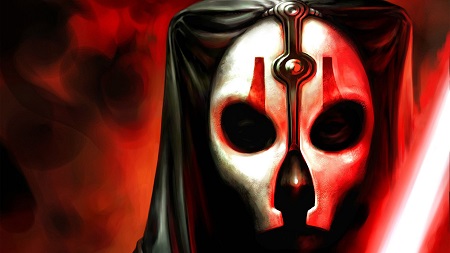
Promo art for Knights of the Old Republic II.

A new entry in the series must surely be a single-player title. Though this is unconfirmed right now (as with everything else to do with this game) reusing the Knights of the Old Republic name for a multiplayer title or “live service” would not endear whichever company is developing it to Star Wars fans! And that’s another good point: no developer or publisher has been confirmed for this title yet.

Knights of the Old Republic II ended with some unanswered questions. Where had Revan gone? What would he find beyond the Galactic Rim? Would the Jedi Exile (i.e. the second game’s protagonist) be able to find him? These questions were never addressed, though they may have been touched on in The Old Republic, and thus could be answered by a new title.

One thing we’ve been assured of by this rumour is that the new Knights of the Old Republic will not be a remake or reimagining of either of the first games. That strongly suggests we’re looking at a sequel or prequel, and raises the prospect of bringing back some of the original characters. There could be copyright and/or licensing issues there, as studios have changed hands since the original games were made. But it seems at least possible that we could see the return of characters like Carth, Bastilla, and HK-47.

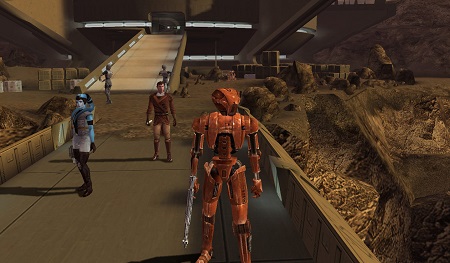
HK-47 in Knights of the Old Republic.

A direct sequel would certainly be popular with fans of the first two games. I’d be truly happy with that, and being able to pick up where the second game ended and carry on the story would be something absolutely wonderful. But would that have widespread appeal? How many gamers and Star Wars fans have played Knights of the Old Republic? PC or Xbox gamers in the early 2000s had access to these titles, and they were subsequently re-released on Steam and even iOS/Android. But there are undoubtedly a lot of gamers and fans who have never touched either title. The games are both approaching their 20th anniversaries, after all.

In that sense, perhaps a direct sequel is less likely, and what will follow will be a new game with new characters occupying a similar position in the galaxy and timeline. There may be references and even a degree of overlap, but not a straight continuation of Revan and the Exile’s stories. While that may disappoint some hardcore fans, it would arguably offer the broadest possible appeal.

It’s possible that this new game could connect in some way to the ongoing High Republic setting that Star Wars has been pushing recently. The High Republic era is set around 300 years before the main films, during the Republic but millennia after Knights of the Old Republic. Though cinematic Star Wars and Disney+ shows seem focused on prequels and spin-offs at the moment, the High Republic era is the setting for a number of apocryphal works like novels – and perhaps games. So while we’re calling this game Knights of the Old Republic, perhaps what it’ll actually be is Knights of the High Republic!

The High Republic is currently a focus for non-filmed Star Wars stories.

We’ll have to wait and see what a new Knights of the Old Republic will bring. It certainly seems as though the game is a long way off; with no official announcement to go on it could be a long while before we see any gameplay or even a trailer. However, the reinvigorated LucasFilm Games has certainly got off to a flying start in 2021. First came the announcement of an Indiana Jones game, then the new Ubisoft-published Star Wars game, and now this Knights of the Old Republic rumour. It seems that there will be plenty of new games on the horizon to get stuck into in the years ahead – and that’s wonderful.

The opportunity to revisit Knights of the Old Republic would be fantastic, and one of the things I enjoyed about Jedi: Fallen Order when I played it last year was that the game took me back to the planet of Kashyyyk – the homeworld of the Wookies that I first explored in Knights of the Old Republic. Whether it ultimately ends up being a true sequel or just a related story, I think there’s a lot of potential to have a truly amazing time back in the Star Wars galaxy.

Star Wars: Knights of the Old Republic was released in 2003 by Bioware and Electronic Arts. Knights of the Old Republic II was released in 2004 by Obsidian Entertainment – now owned by Microsoft. The Star Wars franchise – including all titles mentioned above – is the copyright of Disney and LucasFilm. Some screenshots and/or promo artwork courtesy of IGDB. This article contains the thoughts and opinions of one person only and is not intended to cause any offence.
Electronic Arts seemingly loses its exclusive rights to Star Wars

For almost a decade following Disney’s acquisition of LucasFilm, only one company has been able to make Star Wars video games: Electronic Arts. A deal between Disney and EA gave them exclusive rights to the Star Wars license, and in the years since there have been four mainline Star Wars games, one Lego tie-in, one VR game, and a handful of mobile titles.

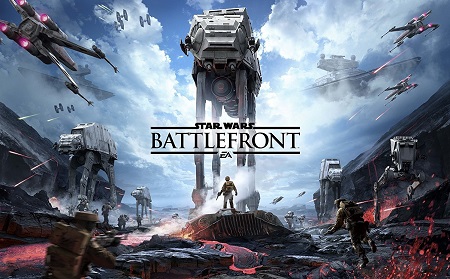
Both 2015’s Battlefront and of course 2017’s Battlefront II proved controversial and divisive; the former being disappointingly threadbare and the latter for its aggressive in-game monetisation. 2019 saw Jedi: Fallen Order, which I played through last year and was a fun title, and finally 2020 saw Star Wars: Squadrons, which I’ve also been enjoying. However, four games in nine years is perhaps less than many fans were expecting, especially with two of them having serious issues.

2015’s Battlefront was disappointing to many fans.

Calls for Electronic Arts to be “stripped” of the Star Wars license began after Battlefront’s release in 2015, but reached fever pitch in the weeks after Battlefront II’s launch. There was even a petition that hundreds of thousands of folks signed to ask Disney to revoke EA’s exclusive arrangement. That went nowhere, of course – fan petitions never achieve anything – but is indicative of the strong feelings over EA holding the rights.

The well-received Jedi: Fallen Order and Squadrons, combined with updates and patches which greatly improved Battlefront II, led to a cooling-off period, and as of early 2021 cries for the Disney-EA deal to be somehow undone had largely abated. It was a surprise, then, when LucasFilm announced a new Star Wars game… published not by EA but by Ubisoft!

“A surprise, to be sure, but a welcome one.”

Ubisoft has been honing its style of open-world games for years, with franchises like Assassin’s Creed, Far Cry, and Watch Dogs. It seems, from the teaser announcement made yesterday, that the new title will be an open-world game in a similar style, though no mention has yet been made whether it will be a single-player title like those in Ubisoft’s other open-world series, or a multiplayer “live service.” From my point of view I’m hoping for the former!

The game itself may be several years away, though Star Wars does have a recent track record of announcing games closer to release – that’s what happened with Squadrons last year, for example. No release window has been suggested as yet, and in fact we know precious little about the game itself beyond the publisher responsible.
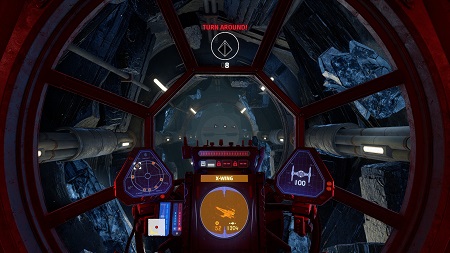
Star Wars: Squadrons.

The upcoming game is just one part of this story, though. Most industry watchers agreed that Electronic Arts had a couple of years remaining on their deal with Disney, which raises the question of how and why this Ubisoft game has been able to enter development. It’s possible that the original contract was incorrectly reported, in which case it may simply have run its course. Or there may have been clauses regarding a number of titles, profit made, etc. that Electronic Arts didn’t live up to, allowing Disney to open up Star Wars to other companies. We don’t know the details – and unless someone senior breaks ranks to tell us, we likely never will!

Exclusivity arrangements can be difficult, and the Disney-EA deal over Star Wars is pretty much a textbook example of why. An exclusive contract like the one Disney offered EA effectively gives that company a monopoly over the license, and anyone who knows anything about basic economics can tell you why monopolies are a bad idea in practically every industry.

No, not that kind of Star Wars monopoly…

Having a monopoly meant there was no threat of competition, and this allowed EA to sit on the Star Wars license, cancelling titles that senior executives didn’t think would bring in “recurring user spending” and not feeling under any real pressure to develop or release anything. They could afford to be complacent because no one else was contractually allowed to even pitch a concept for a Star Wars title.

This attitude was changed when Electronic Arts saw the scale of the backlash to Battlefront II. The effects of that debacle are still being felt, and the game opened the eyes of parents, journalists, and even politicians to the shady practice of in-game gambling. But we’re off-topic. Too late, EA shifted focus away from cash-grabs, putting out the single-player Jedi: Fallen Order and following up with the space-sim Squadrons.

2017’s Battlefront II controversy may have triggered a change in thinking at EA – and at Disney.

Fans had been clamouring for a single-player story-driven Star Wars game for years, and while Battlefront II had a creditable single-player campaign, it wasn’t until Jedi: Fallen Order’s release in November 2019 that the single-player itch was truly scratched for most fans. By then the damage had been done for Electronic Arts, though, and their earlier complacency and attempts to swindle players with truly awful monetisation came back to bite them.

Though Electronic Arts will continue to work on Star Wars titles – most significantly the upcoming sequel to Jedi: Fallen Order – they will no longer be the only company Disney trusts with their incredibly expensive, incredibly lucrative license. The Ubisoft game may be the first of several upcoming Star Wars projects to be taken on by other companies, and hopefully what results will be a broader range of genres and styles of game.

Protagonist Cal Kestis in Jedi: Fallen Order.

In December 2020, LucasFilm announced half a dozen or so upcoming Star Wars films and television shows. There will be a lot of Star Wars content to come over the next few years at least, and while not all of the shows and films will be suitable for a video game adaptation, some may be. Disney and LucasFilm need to ensure they have access to the broadest possible range of talents in the video game industry if they hope to make the most of Star Wars.

I wasn’t especially excited by the film and television announcements made last month, to put it politely. Too many of them seem to be spin-offs, prequels, and deep dives into uninteresting side-characters rather than expanding Star Wars beyond its original incarnation. But even so, several of these projects seem ripe for video game tie-ins, and the end of the Skywalker Saga of films coupled with this expansion into new films and television projects may have been a contributing factor to Disney ending or not renewing its exclusive arrangement with EA.

Could a game based on the upcoming series Rangers of the New Republic be in the works?

For my two cents, I see the ending of this kind of exclusivity deal as a good thing. Monopolies are problematic for consumers for precisely the reasons the Disney-EA arrangement shows, and in future it could even be used as a case study for why these kinds of deals are a bad idea. Opening up Star Wars games to other companies allows for different points of view, competition, and hopefully what will result at the end of the day will be better games. Not necessarily more games. But better ones.

It is worth noting that Ubisoft is a company that hasn’t exactly escaped controversy recently. There have been serious problems within the company, including sexual harassment accusations against senior executives, and the accusation that the company itself tried to cover this up and cover for abusers. Company culture and institutional problems count against Ubisoft, and while Star Wars fans are rightly excited to learn that the franchise will be moving away from the EA exclusivity deal, it’s worth noting that Ubisoft has issues – and Disney should also be aware of this. The last thing the Star Wars brand needs right now is further controversy, yet a team-up with Ubisoft risks precisely that.

So that’s it. The end to Electronic Arts’ monopoly over the Star Wars license. Now if only someone would make a Star Trek video game…

The Star Wars franchise – including all titles mentioned above – is the copyright of Disney and LucasFilm. Star Wars: Battlefront, Star Wars: Battlefront II, Star Wars Jedi: Fallen Order, and Star Wars: Squadrons were published by Electronic Arts. Some screenshots and promo art courtesy of IGDB. This article contains the thoughts and opinions of one person only and is not intended to cause any offence.