
Iron Lung: Film Review

A spoiler warning graphic

Spoiler Warning: There are spoilers ahead for Iron Lung.

After reviewing one video game adaptation – The Super Mario Galaxy Movie – just the other day, I’m back to check out another game-turned-into-a-film! But I think it’s fair to say that this one’s a little different.

I haven’t played Iron Lung, the game upon which this film is based. If you think my unfamiliarity with its source material makes my take somehow less valid… well, no hard feelings! But I wanted to be up front about that before we got started. I also want to add that I’m not a viewer of the video game YouTuber Markiplier, as Iron Lung is a film he wrote, directed, produced, edited and starred in. Note that I *didn’t* say that I dislike Markeplier, merely that his channel isn’t one I’m familiar with, as that kind of “gamer” content isn’t something I watch. Again, if you think my unfamiliarity with the film’s lead invalidates this review, that’s okay. These things are all subjective, at the end of the day.
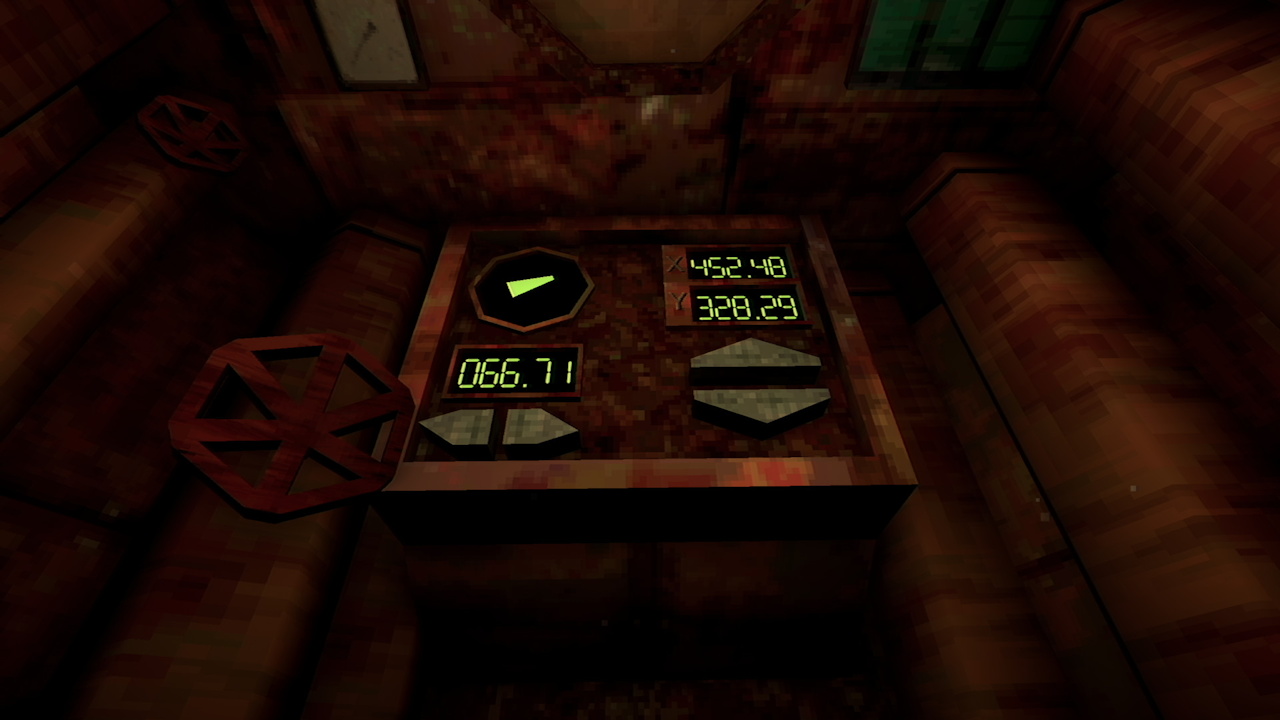
Promo screenshot of the video game Iron Lung
Iron Lung is based on the video game of the same name.

I love to hear that someone is *passionate* about a story – even more so in the overly-commercialised film and entertainment landscape we inhabit in the 2020s. So I’m always willing to give passion projects like Iron Lung an opportunity to impress me, and perhaps a bit of a pass if things don’t quite measure up to other titles in the same space. The story behind the cinematic adaptation of Iron Lung is genuinely pleasing, even to an old cynic like me, and knowing that a video game could compel someone to use their money, fame, and connections to put together an entire film… that counts for something.

But let’s be honest: not all passion projects are any good, right? John Travolta’s Battlefield Earth, for instance, or last year’s Megalopolis, which I also reviewed; that film being the longstanding passion project of legendary director Francis Ford Coppola. Being truly excited about something – and exercising full creative control over the subsequent project – does not always make for a compelling or enjoyable movie. And, to be blunt, it’s in that category that I would place Iron Lung: a well-intentioned film, clearly created by someone truly passionate about its story… but that just didn’t come together to make something I enjoyed watching.
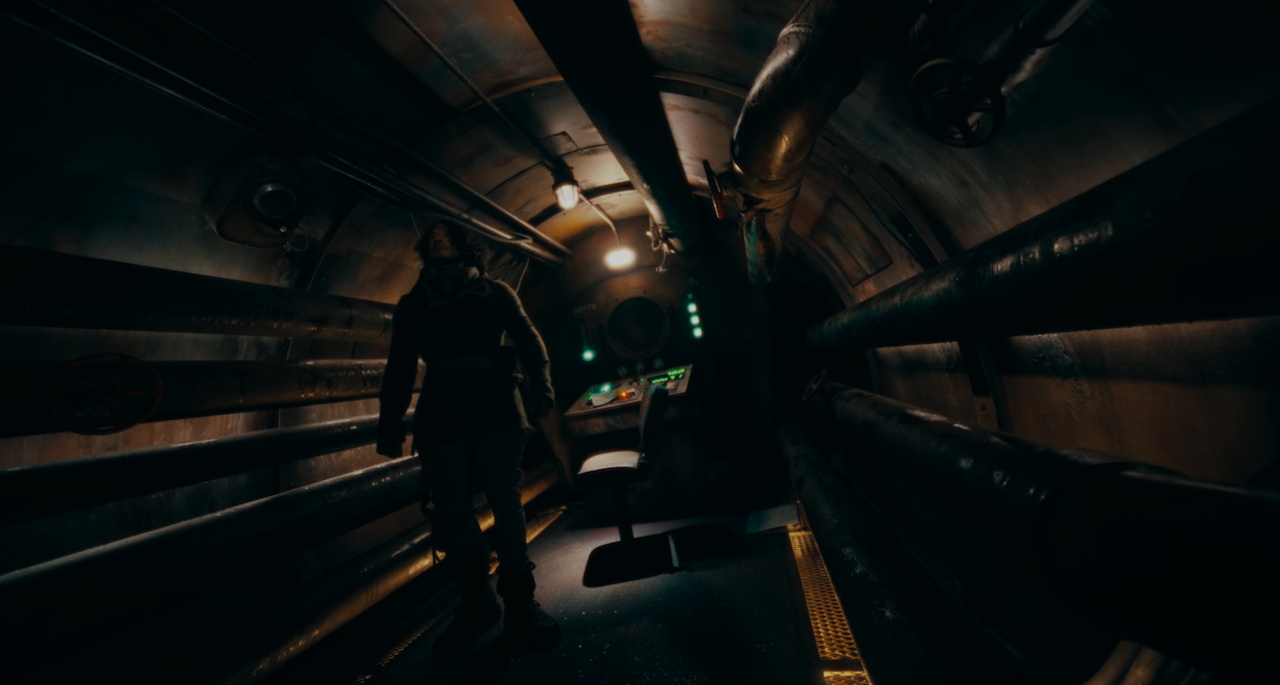
Still frame from Iron Lung (2026) showing Simon on the sub
Simon (the protagonist) aboard his submarine.

Let’s start with the film’s central – and, for almost its entire runtime, *only* – on-screen performance. Being the only character on screen almost all of the time, having to react and emote and talk to oneself… these are acting challenges that would trip up even a seasoned Hollywood veteran. And, as I said a moment ago, I don’t doubt the passion behind the performance, nor that Mark Fischbach (a.k.a. Markiplier) truly gave the role everything he had. But there were moments in his performance which, to be blunt, were so bad that they veered into being unintentionally funny. There weren’t enough of those, sadly, to turn Iron Lung into a “so-bad-it’s-good” title that I could ironically enjoy. But the performance of the film’s lead, especially as the story progressed and Simon began to hallucinate and spiral… it was too over-the-top, too unbelievable, and just wasn’t good enough to carry the film.

When the staging is so minimalist, and the story is so muddled, a film like Iron Lung needs that sole acting role, that central performance, to step up and carry it over the line. And for me, it absolutely couldn’t do that. Perhaps Fischbach would’ve been better served by hiring a professional actor to take on the lead role instead of trying to do it himself – even if that might’ve taken some of the fun out of the production for him.
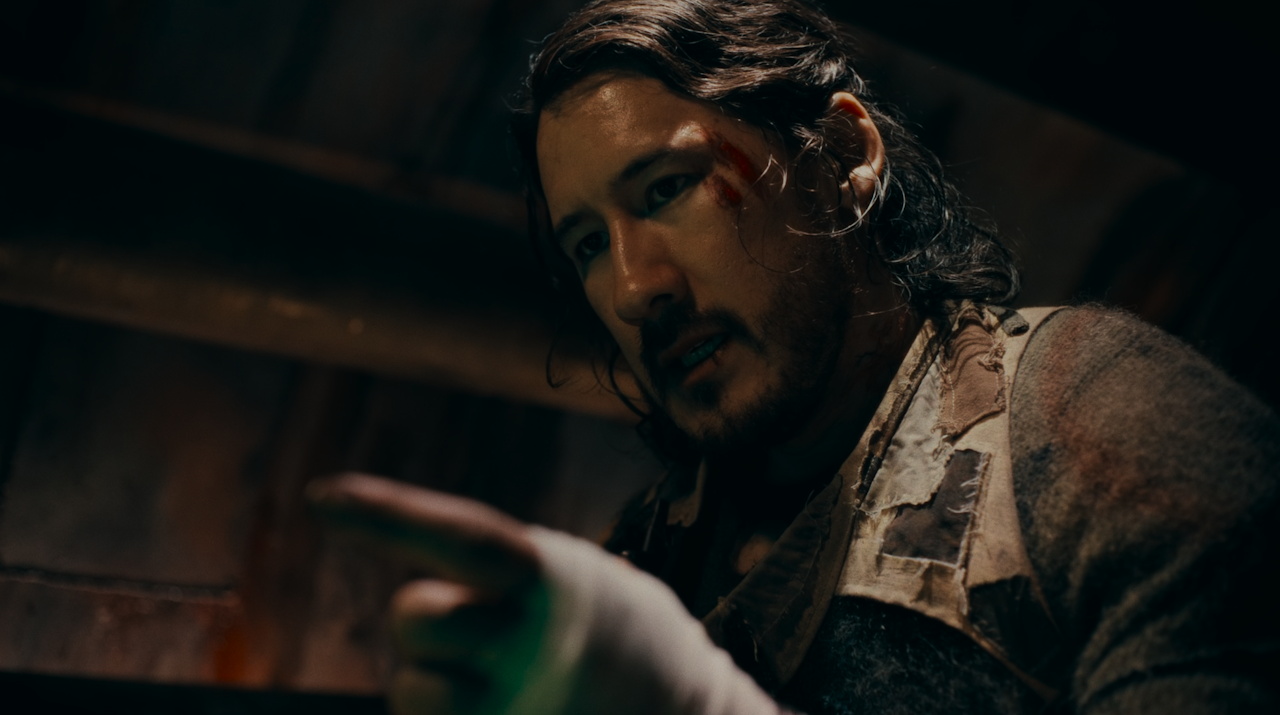
Still frame from Iron Lung (2026) showing Simon
Simon was the only character on screen almost all of the time.

I called the story “muddled,” so let’s talk about that.

At key moments in the film, and especially from the halfway point onwards, I struggled to follow what was going on. The script didn’t make clear why Simon was doing some of the things he was doing or what his goals may have been. From the first moment we meet him, Simon’s main objective appears to be to survive the expedition and win his freedom. Great, got that. That explains why he’s mapping the cave, why he’s trying to find his way back, and why he seems, at points, to be pretty desperate and despondent.

But we don’t get enough of an explanation, either through monologue/dialogue, or even just from staging, camera work, and environmental storytelling, to explain some of the things that are going on. There’s deliberate ambiguity in some cases – like his hallucinations, the question of radiation exposure, and so on. But others – like the attack on the second submarine, and Simon sabotaging his own sub at the film’s climax – that really needed some more explanation. If Simon was going to go out in a blaze of glory; a heroic act of self-sacrifice to try to preserve the unseen and unexplained data… why was that not made clearer? I just didn’t get it… and it took looking up a plot summary after the credits had rolled for me to finally go “oh, so he deliberately rigged his own sub to explode.” Still not clear on the “why,” but at least I get what he was trying to do now.
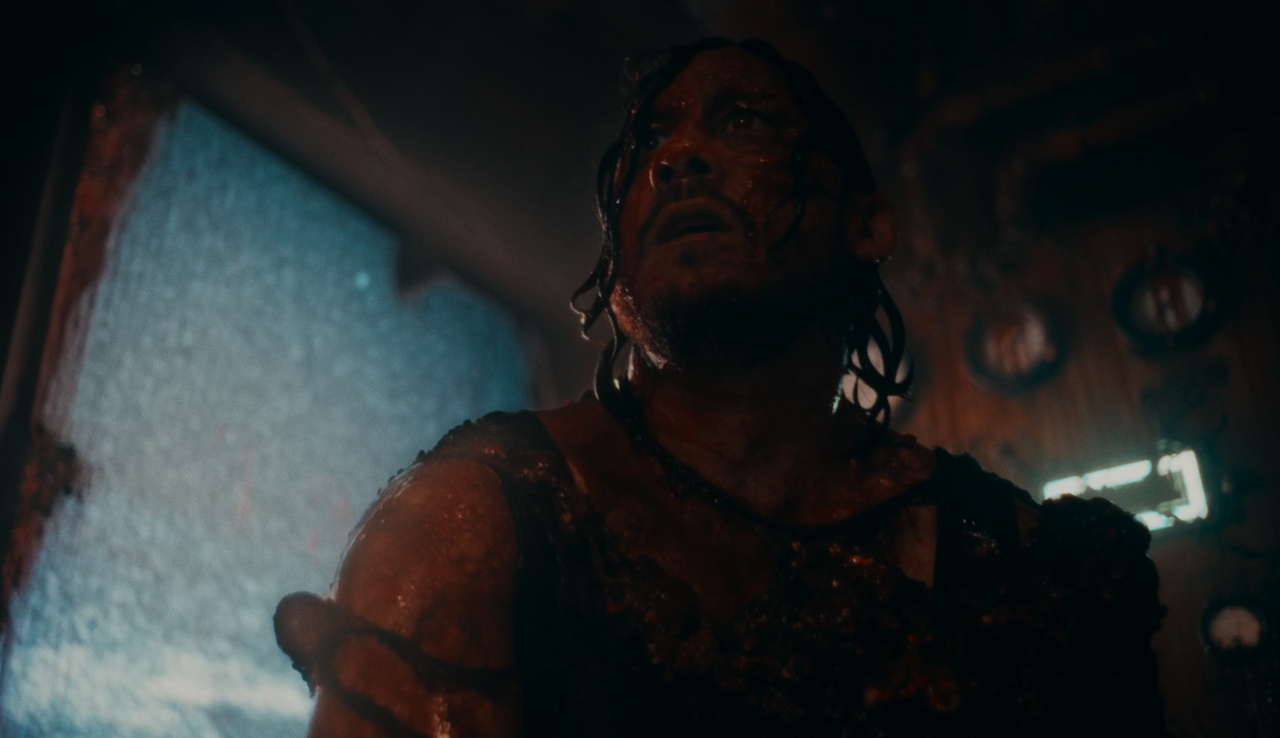
Still frame from Iron Lung (2026) showing Simon covered in blood
The story felt muddled and confusing, especially towards the end of the film.

I will credit Iron Lung for its practical effects and its visual style. The submarine’s X-ray camera, set back from the minimalist pilot’s station, was genuinely well done, and it made for a tense voyage of exploration when Simon couldn’t see, in real-time, anything that was in front of him. Having to constantly stop and check the camera upped the tension, and the large rectangular button, with its slightly ominous green light, was a huge part of that. The grainy black-and-white X-ray images that the camera produced also added to this effect, and it was a lot better doing it this way than, for example, trying to have a bunch of CGI shots of the outside of the submarine.

The submarine set – which is more or less directly copied from the video game, as far as I can tell – was minimalist, but it was still an atmospheric space. The rusted, corroded metal, all of which felt old and decrepit, the clunky physical buttons and switches, the gauges and valves, they all evoked old World War II submarine films, and the claustrophobia that classic titles of the genre could create. Sealing the only porthole on the sub, too, added to that sense of being trapped; that this submarine was really just an over-engineered tomb from the very first moment Simon was sealed inside.
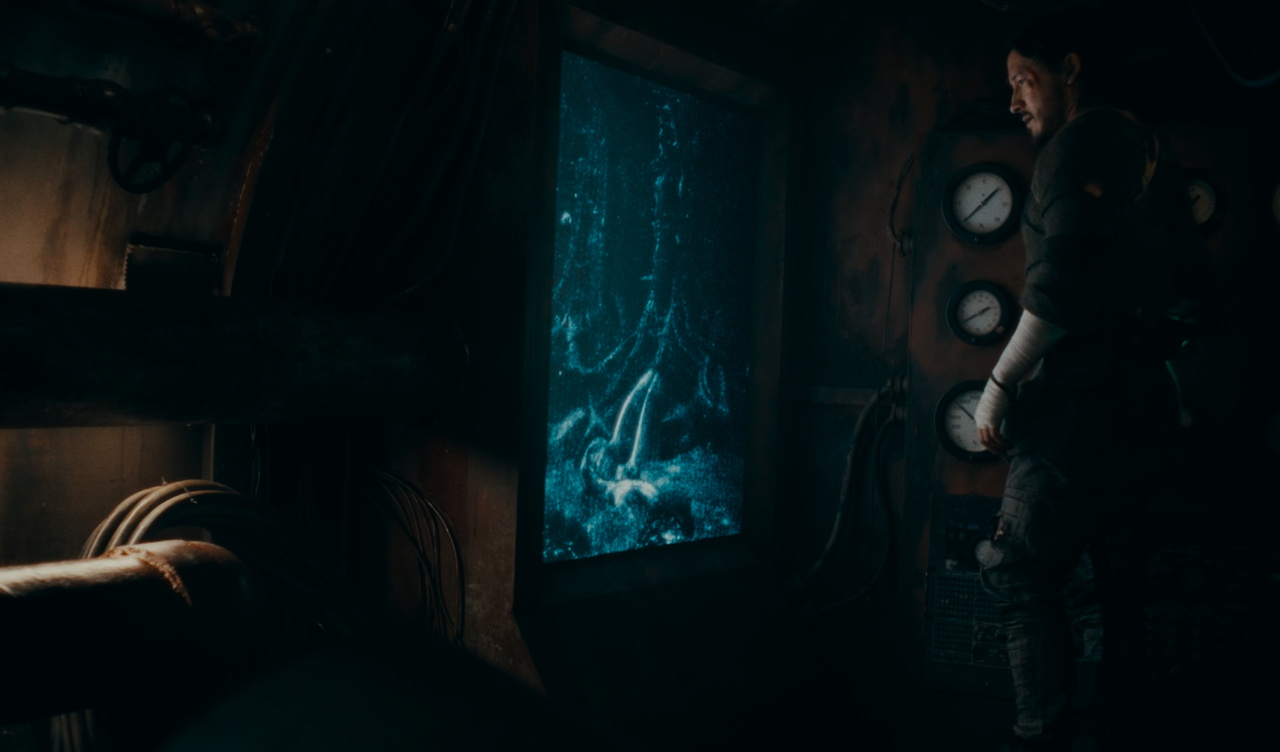
Still frame from Iron Lung (2026) showing Simon and the camera
Simon at the camera station.

Fake blood, especially in lower-budget titles, doesn’t always look great – but Iron Lung did a pretty good job with it. Especially later in the film, the blood became incredibly important, and the viscosity of the liquid actually looked about right, as did the colour. There were a couple of moments where I felt maybe it wasn’t *perfect*, but I’m content to let such things slide for the most part. What Iron Lung desperately needed to avoid was using something too thick – and looking like ketchup – or too thin and watery. I think, on balance, this exceptionally important aspect of the film landed about right.

I’m also pleased to see, in 2026, a film that doesn’t over-use CGI and digital animation. There’s something just… neat about old-school physical sets and props, and while there was CGI in the film, it didn’t swamp the production or feel overdone. And again, for a film on a shoestring budget compared to a lot of Hollywood titles, the CGI that was present actually looked pretty darn good.

Still frame from Iron Lung (2026) showing fake blood
An example of the film’s use of blood.

Although Mark Fischbach’s performance was more miss than hit, the voice roles of some of the other members of the cast were a lot better. Captain Ava stuck the landing, really nailing the feel of being a post-apocalyptic captain, barely keeping her ship and crew together. I was still confused why she was so willing to risk her own life at the end to rescue the data… but that’s a script issue rather than a performance issue. And the other voices we heard – the male engineer during Simon’s second dive, or the crew of the doomed SM-8 (and their hallucinatory forms) – were likewise well acted and well performed.

Iron Lung is, in a way, a bit of a tough one to review. I didn’t really like the film as it was presented, and ultimately… you can be as excited about a subject as you like, but if the way you bring it to life isn’t up to scratch, that’s what I’m gonna remember. But at the same time, it’s the kind of project I want to see more of and I want to be supportive of – not because I support this particular YouTuber; I’m not a viewer of his channel or familiar with any of his other work – but because I think the world needs more independent films, and films that don’t easily fall into the typical Hollywood mould.

Mark Fischbach (Markiplier) at an Iron Lung (2026) promo
Writer, director, and star Mark Fischbach at a promo event for Iron Lung.

I will say that I’m glad to have been able to watch Iron Lung, and for the money I spent on it (about tree-fiddy on YouTube at time of writing (£3.50 in the UK)) I wasn’t exactly furious that I didn’t like it! It’s my hope that Mark Fischbach, and the team he put together, will continue to make films, and will continue to find projects that excite them and that they *want* to adapt for the big screen. And, like any actor, Fischbach has room to grow. A less challenging role, or even a lead role as part of a bigger cast, where he has other actors to bounce off of and work with, may well suit him better.

Perhaps Iron Lung was never gonna be “my thing.” I’m not a big horror aficionado, I’ve never played the game it’s based on, and I’m not a viewer of Markiplier’s YouTube show. But… the point of adapting a story is to bring it to new eyes, and I like to think I gave the film a fair shake. I wouldn’t have paid to watch it if I didn’t think it had potential, and I certainly didn’t sit down to view it wanting or hoping to have a bad time. It just… didn’t do it for me, I’m afraid.

Thanks for reading. There are a couple of other horror and horror-adjacent films that I’d like to check out later this year, such as The End of Oak Street and Disclosure Day, so I hope you’ll stay tuned for that. And I’ve also recently reviewed both 28 Years Later and its sequel, 28 Years Later: The Bone Temple, so follow those links if you want to get my take on those titles.


Iron Lung is available to stream now (for a fee) on YouTube. Iron Lung is the copyright of Markiplier Studios and/or Iron Lung Productions. Two images used above courtesy of IGDB and IMDB. This review contains the thoughts and opinions of one person only and is not intended to cause any offence.
Ten films that (probably don’t) need a video game adaptation!

Spoiler Warning: There are spoilers ahead for the titles on this list.

Gone are the days when your run-of-the-mill popcorn flick came with a video game adaptation. Why? Well, the truth is that many of those games were mediocre or just outright bad, and after a while the entire film tie-in sub-genre became tainted. Gamers weren’t as interested, and at the same time, studios and publishers were able to make more money developing their own franchises instead of sharing the proceeds from a licensed title. There are still tie-ins from time to time, but not to the same extent there were a few short years ago.

Today, there are a few remaining film franchises that produce video games, but more often than not they’re not direct film adaptations. Instead we see titles like Alien Isolation, which is set in the world of the 1979 film Alien, but isn’t a direct adaptation of any of the films. There are also games like Star Wars Jedi: Fallen Order, which I recently played through. Jedi: Fallen Order likewise uses Star Wars’ setting but tells an original story.

It’s a shame, because over the years there have been some outstanding video game adaptations of films. I talked about this a little while ago when I put together a list of titles that I’d love to see remastered, but the adaptation of Star Trek: Generations is up there as one of my all-time favourite games.

With all that in mind, here are ten films that I’d love to see adapted as a video game. The usual disclaimer applies: these are not titles that I’m saying will ever be adapted, just titles that I feel could be fun to play through – provided the game was good (and had a suitably high budget!)

Number 1: Star Trek: First Contact (1996)

Out of all the Star Trek films, First Contact’s relatively action-heavy nature could make for an inspired first-person shooter. The narrow hallways of the Enterprise-E and the menacing threat of the Borg would make for a terrifying combination, and this could even be a game which veers close to the horror genre if developers chose to go down that route. As I said when I wrote about the Borg a little while ago, out of all of Star Trek’s villains, they’re the ones best-suited to a crossover into horror.

There are several ways this could go, including a multiple-protagonist approach which would see players take on the roles of several of the main cast. Or alternatively, the player character could be a nondescript security officer tasked with retaking the lower decks of the Enterprise-E.

First Contact isn’t exclusively a Borg story, though, and the game could be split into different chapters which would include slower-paced missions set on Earth, repairing the Phoenix and preparing for humanity’s first warp flight.

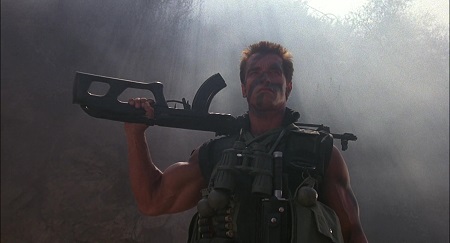
Number 2: Commando (1985)

By coincidence, a video game sharing the title of this action flick was released the same year as the film, and some people still think the game is supposed to be an adaptation – but it’s not! Commando has garnered a cult following that arguably exceeds its status as a competent but otherwise unremarkable title. Arnold Schwarzenegger gives a typical “Arnie” performance, and the story is suitably over-the-top.

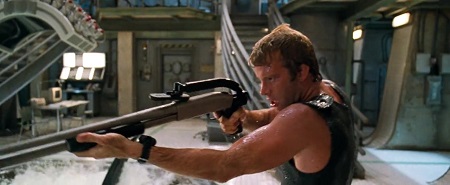
But I bet players would love stepping into the shoes of Colonel John Matrix and just going postal on wave after wave of kidnappers, terrorists, mercenaries, and all manner of typical eighties action film baddies! This one wouldn’t need to be a massively high-budget production to be successful; any mid-tier action/shooter could be redressed in the style of Commando and be a success. It would work as either a first- or third-person title.

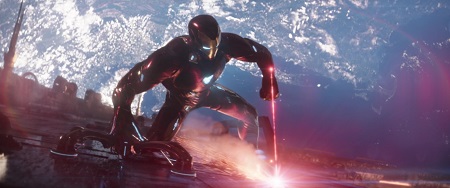
Number 3: Any of the recent Marvel titles

A couple of the earlier films in the MCU received proper video game adaptations, and a couple of others got mobile game tie-ins, but there hasn’t been a major game in the series since the Xbox 360/PlayStation 3 era. The new Marvel’s Avengers video game is plagued with issues, and one of the strangest for me is that it didn’t license any of the actors’ likenesses. I’ve heard the game described as feeling like “a cheap knock-off” of the films as a result.

I’m not the biggest fan of Marvel or of comic book films in general, but even I have to admit that they’re big business right now, and should be ideally suited to a proper video game adaptation. Realistically any of the films could work, but what might be even better is a game that lets gamers play through the events of multiple films, perhaps those leading up to Avengers Infinity War and Endgame.

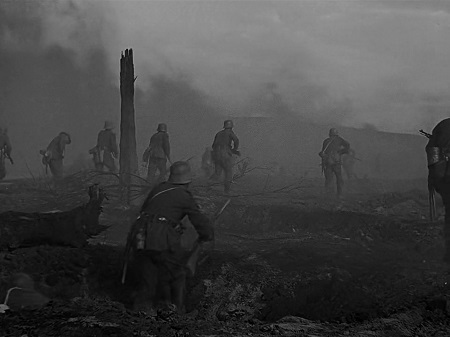
Number 4: All Quiet on the Western Front (1930/1979)

This is really just an excuse to talk about the lack of First World War titles! However, both the original 1930 version and the 1979 remake of All Quiet on the Western Front are great films with strong characters and an emotional story that could be adapted to make a fascinating game.

When looking at war stories, in some respects the “obvious” choice is a first-person shooter – in the vein of Battlefield One, one of the rare shooters to use a First World War setting. But for All Quiet on the Western Front, a real-time tactics game akin to the recent Broken Lines could be great too – that format can work well to tell stories that rely on multiple playable protagonists.

Since Wolfenstein 3D in 1992 – which was a game that led directly to the creation of the first Doom a year later – many war games have used World War II as a setting. There’s nothing wrong with that (though the World War II shooter definitely became stale by the mid-2000s) but the First World War makes for a fascinating, underused setting.

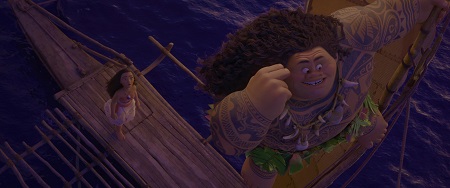
Number 5: Moana (2016)

Disney was one of the last companies to give up on tie-in games, and because their films are aimed at kids, it makes a certain kind of sense that they’d feel able to churn out a basic but playable title to accompany big releases. However, by the time of Moana’s 2016 release even Disney wasn’t interested in tie-ins, and while a free mobile game was cobbled together it’s no substitute for a proper video game adaptation.

Moana’s adventure narrative perfectly suits an action/adventure title, as she travels from island to island on her boat to save her people. A 3D platformer with puzzle elements would also work, in the vein of a classic title like Banjo-Kazooie. The world of Moana offers a lot of different environments, including different islands and the realm of monsters, meaning a good variety of levels should be available.

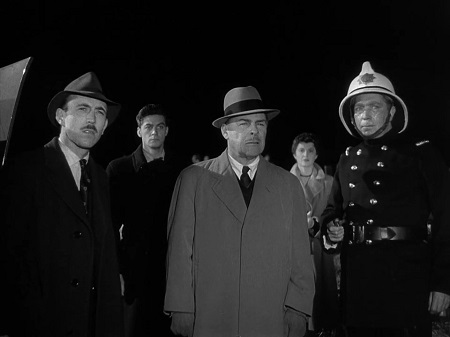
Number 6: The Quatermass Xperiment (1955)

Based on an earlier television special, The Quatermass Xperiment is a fascinating example of mid-century horror/sci-fi, and features a plot in which an alien organism infects an astronaut. The infected man escapes, and the titular Professor Quatermass must work to find him before it’s too late. This setup would make for an exciting horror/adventure title, in which players would not only have to track down the mutating monster, but would have to find clues to figure out what’s happening and what to do about it.

The original film was in black-and-white, and I love the idea of having both a colour and monochrome version of the game to allow players to choose what kind of experience they want to have. I’m not the biggest fan of black-and-white in a general sense, but in some properties it works very well, and it’s something that has only ever been attempted in a handful of modern games.

Number 7: Deep Blue Sea (1999)

Recent titles like this year’s comic Maneater demonstrate that there’s still a market for shark-horror games, and 1999’s Deep Blue Sea is one of the better shark films of recent years. A game adaptation would be a marriage made in heaven then, surely?

If you’ve played Star Wars: Knights of the Old Republic, you may remember an underwater base on the ocean planet Manaan that served as one of the game’s levels. It was creepy and claustrophobic as players had to contend with not only the wildlife outside, but flooded sections and crazy inhabitants of the base. Deep Blue Sea, being set on an underwater facility, lends itself to that kind of gameplay too, and players could navigate the base and the waters outside while trying to fend off the hungry, overly-aggressive sharks.

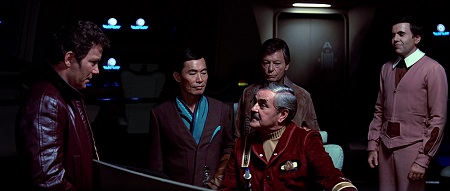
Number 8: Star Trek II, III, and IV (1982-86)

The Wrath of Khan remains for many Trekkies the high-water mark of both the Star Trek film series and of all stories featuring The Original Series’ cast. It also formed the first part of a trilogy of films that told one expanded story, and in many ways, a game that only adapted The Wrath of Khan would be leaving out the rest of that story.

The Wrath of Khan would obviously be the best and most exciting part, and could feature the Battle of the Mutara Nebula as its climactic boss fight. Ship-to-ship combat has been tried in a number of Star Trek games, and in my opinion getting this aspect of the game right would be the biggest challenge – but one that would have the biggest payoff if it was successful.

The Search for Spock could have levels including stealing the Enterprise, which could make for a fun stealth section, as well as sabotaging the USS Excelsior, and The Voyage Home would not only let players pilot a Kingon Bird-of-Prey but would also feature a fun and nostalgic ’80s setting. I love this idea, and producing a fun adventure title from this trilogy would be amazing.

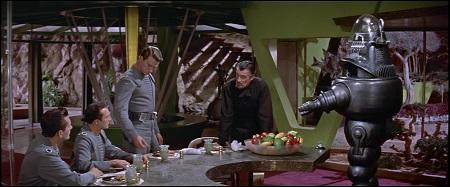
Number 9: Forbidden Planet (1956)

Forbidden Planet is an absolute classic of the science fiction genre, and arguably inspired franchises like Star Trek and Star Wars to a degree. The fictional world it created, with the planet Altair IV and the starship C-57D has never been revisited – though the film has been referenced and paid homage to many times.

This is one film where the plot could be directly adapted, but also we could see a broader game world based on the setting that it created. When you consider the success of the Fallout franchise with its ’50s-esque retro-futuristic aesthetic, there’s clearly a market for the visual style of Forbidden Planet in the gaming realm.

Number 10: For Your Eyes Only (1981)

James Bond films tend to have stories that are well-suited to a stealth/action title. The Nintendo 64 game Goldeneye is a classic example of how Bond can work as a video game. While other attempts to make Bond games have been overshadowed by Goldeneye in some respects, there are several creditable titles that have been released.

For Your Eyes Only might be my favourite Bond film – though there’s certainly room for others, like License to Kill! The storyline is a Bond classic – the secret agent must retrieve a stolen piece of technology that could fall into enemy hands. Roger Moore’s Bond visits a number of exotic locales, gets to drive some classic cars, and of course has an array of fancy gadgets at his disposal. All of which would make for an exciting and fun video game!

So that’s it. Ten films which probably don’t need a video game adaptation – but could absolutely be given one regardless! In a way I can understand why the tie-in video game has disappeared, and while many players won’t be terribly upset or won’t care, there are many recent titles which, had they been released fifteen years earlier, could have been accompanied by a solid video game.

The titles I’ve put on this list are from a variety of eras, including some from well before video games existed! But as we continue to see with titles like Friday the 13th and the aforementioned Alien Isolation, going back to older films isn’t something game developers should be afraid of. Trying to make an unabashed classic into a modern game may draw criticism from some quarters, but if the game is good when it ultimately releases, practically all of that criticism will melt away and the game will find an audience.

This list was just for fun, and to give a few examples of titles that could – but almost certainly won’t – be made into video games.

All titles mentioned above are the copyright of their respective studio and/or distributor. This article contains the thoughts and opinions of one person only and is not intended to cause any offence.