

Spoiler Warning: Beware of minor spoilers for some of the franchises discussed below.
I thought it could be a bit of fun to mark the start of the year by making a few predictions! This isn’t something that I usually do here on the website, but if it proves to be enjoyable, maybe I’ll make it an annual thing… who knows? For now, though, I wanted to look ahead to 2026 and share some of my predictions for what may happen in the wide world of geeky entertainment.
I’ll give a couple of important caveats, and then I’ll explain the format I’m going to use.
Firstly, I have no “insider information,” and I’m not trying to claim that anything discussed below can, will, or must happen in 2026. These are my own predictions based on… I dunno. Vibes, I guess? And, as always, all of this is the *subjective, not objective* opinion of just one person. If I miss something that you think is obvious, or I predict something you think sounds utterly ridiculous… that’s okay! This is just for fun, and I share my predictions with you in that spirit.
Okay, let’s talk format! I’ve got four categories into which my predictions will fall: Films, Games, Television, and the Star Trek Franchise. And within each category, I’m going to make three predictions using the 90/50/10 format: that’s one thing I’m 90% sure will happen, one that I’m 50/50 on, and an outlier that I think has a remote 10% chance of happening – but probably won’t!
So… have we got all that? Four categories, three predictions in each! I’ll briefly explain my prediction, discuss why I think it may or may not happen, and just generally share my thoughts on why I think it’s likely or plausible.
With all of that out of the way, let’s get started and try to predict what 2026 will look like!
Film – 90% Prediction:
A KPop Demon Hunters sequel will be announced.
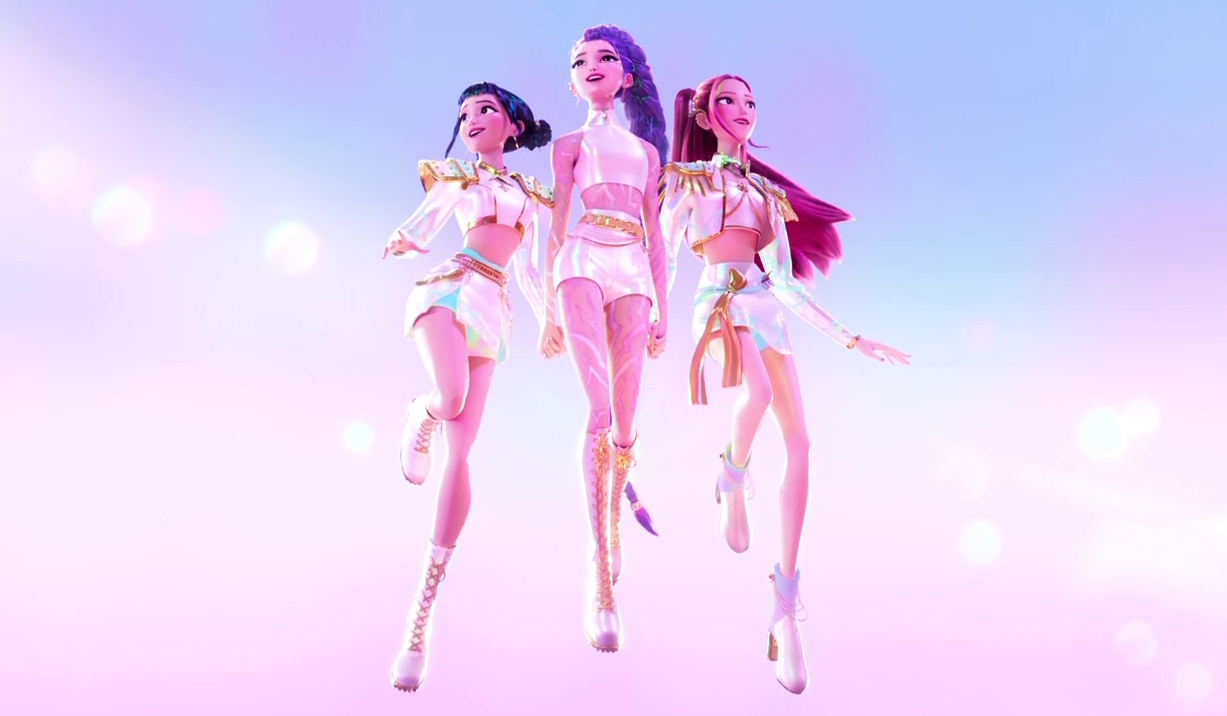
KPop Demon Hunters was one of the most successful films of 2025 – and I don’t just say that because it won the highly-coveted End-of-Year Award here at Trekking with Dennis! The film topped the charts for weeks on end, becoming Netflix’s most popular original animated film ever, earned itself a sell-out theatrical release, and even saw its soundtrack reach the top of the charts, dethroning the likes of Taylor Swift in the process.
So it’s a shoo-in, then, surely, that Netflix and Sony Pictures Animation will announce a sequel within the next twelve months.
I’m not someone who believes that every successful film should – or even *can* – be turned into an ongoing franchise, and I think there’s merit in the idea of one-off, complete stories that don’t need to be revisited. But I also recognise that, in the modern entertainment landscape, big corporations don’t behave like that! Any successful film is bound to see a sequel; to Netflix and Sony, it would be like leaving guaranteed money on the table. Rumours of a KPop Demon Hunters sequel are already beginning to swirl, and I’d expect the companies involved to want to get a formal announcement out while the film is still popular to capitalise on that momentum to the highest possible degree.
Film – 50% Prediction:
The Mandalorian and Grogu will be a box office bomb.
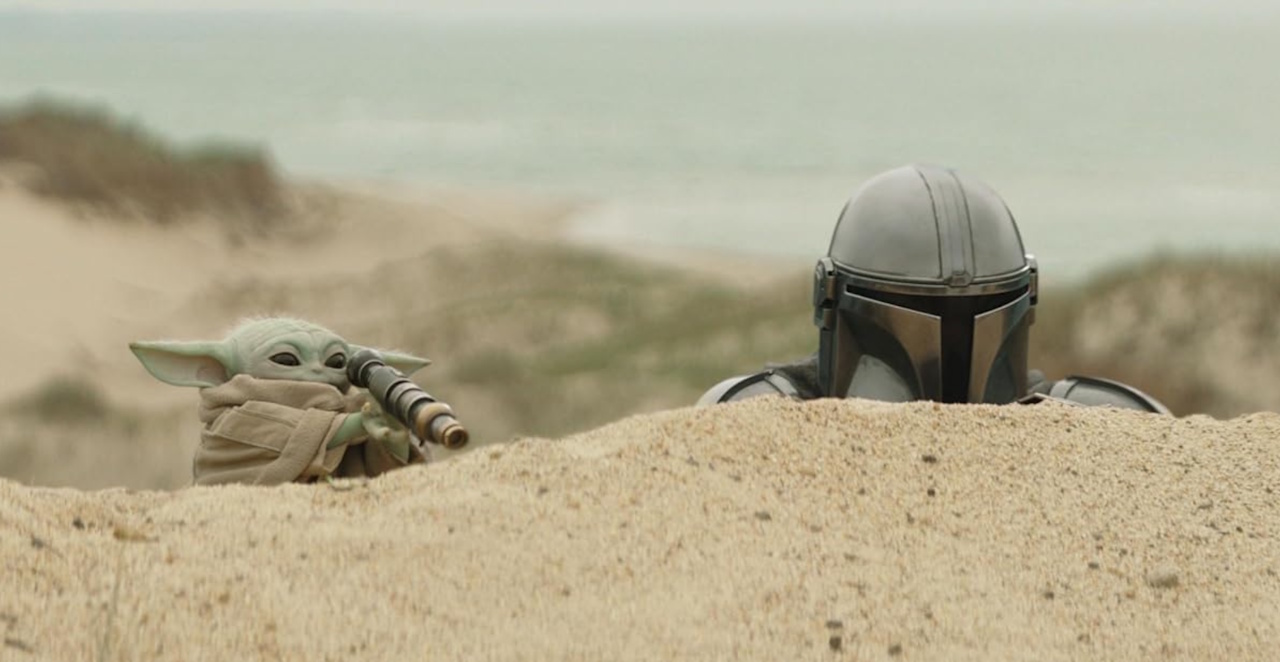
Star Wars is in a weird place right now. The brand is oversaturated, with Disney having produced so much content just since 2019 that it’s hard for even big fans of the franchise to keep up. The Mandalorian and Grogu is supposed to be the final chapter of the Disney+ series The Mandalorian, but the show’s third season received mixed reviews, as did The Book of Boba Fett spin-off. I’m not sure that the fanbase is there for The Mandalorian in 2026 in the way it was in 2019, and given how Star Wars as a whole has been mishandled, I could easily see this one flopping hard at the box office.
However, this is Star Wars’ first trip to the cinema since 2019, and it’s possible that a more casual audience – folks who haven’t been trying to keep up with everything Star Wars on Disney+ – will show up for that. I don’t think it’s a guaranteed failure, hence its position on this list. But if I were an executive at Disney, I’d be concerned.
Film – 10% Prediction:
The first film with a digitally-recreated dead actor in a leading role will be announced.
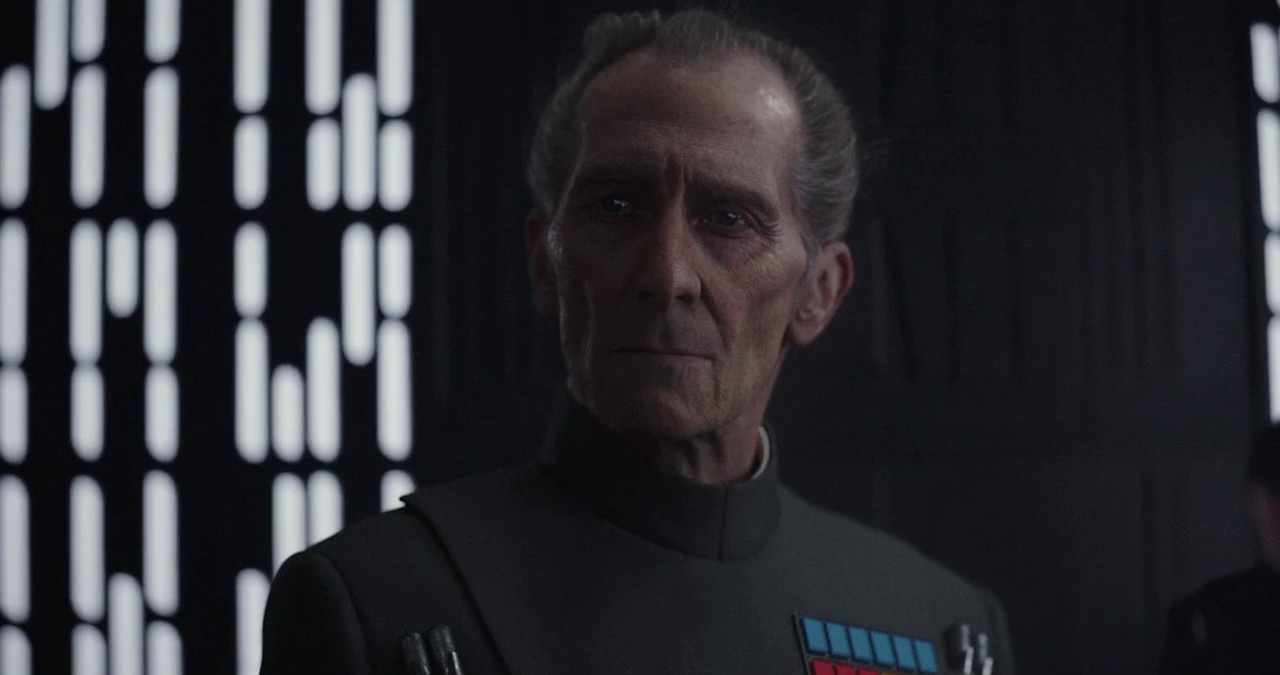
I’ve believed for a long time now – even since before “generative A.I.” was a big deal – that we weren’t far off a snooty director deciding that the leading role in their magnum opus could *only* be played by someone like James Dean or Marilyn Monroe. And with today’s technology – motion capture, voice cloning, facial animations, etc. – it’s technologically feasible to bring back long-dead actors in films. As far back as 2016, we saw this, when the Star Wars franchise digitally recreated both Peter Cushing and a young Carrie Fisher in Rogue One. And the technology has only improved over the last decade.
What we still haven’t seen, though, is a film where the *lead* role is “played” by a long-dead performer. That’s different from using a lookalike or recreating an actor for just a couple of scenes, and I think it would be incredibly controversial. There’d be arguments over who owns the rights to the performer’s likeness and image… but that’s something a project could clear. Whether a film like this would be any good, and whether a digital performance (perhaps assisted by A.I.) would actually be worth watching… the jury’s out, I guess. But as I’ve said before: people care more about the finished product than the process that went into it, so if a film that was created using this method was good, and the result was basically indistinguishable… it could start a whole new trend!
Video Games – 90% Prediction:
Prices will rise even further.
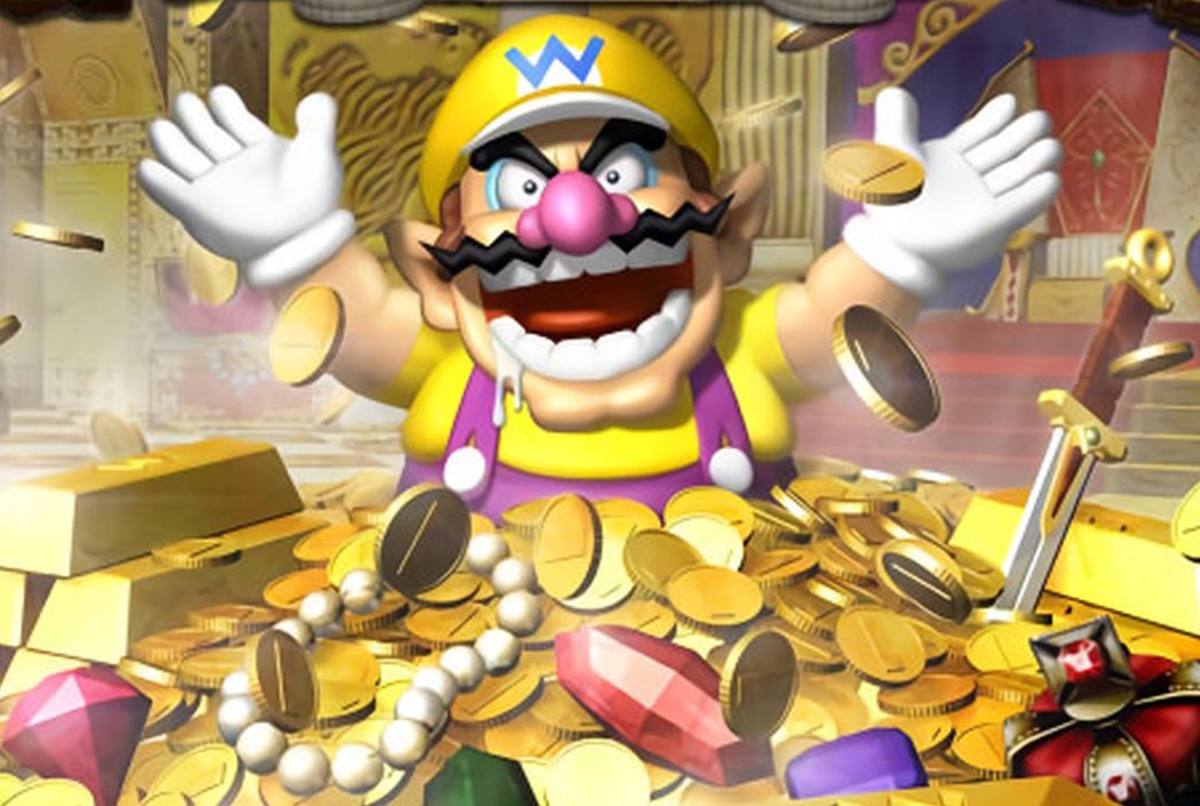
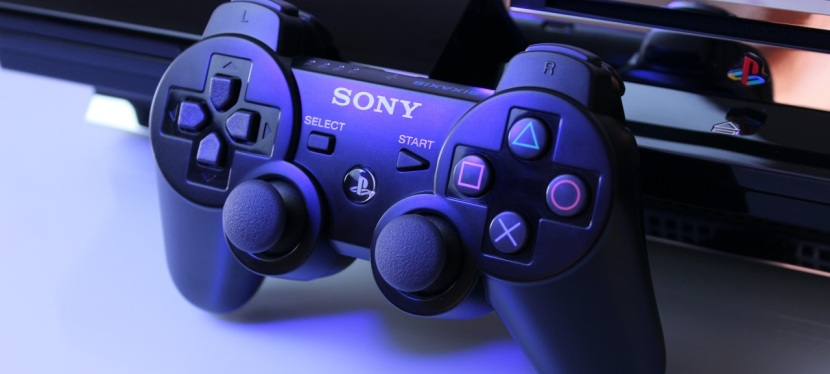
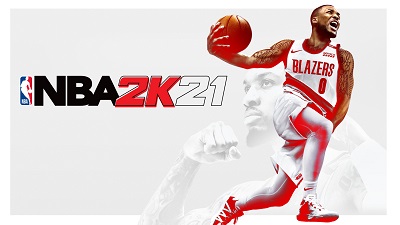
Sorry, everyone. I’m not happy about it, but after several years of price hikes across the games industry, I don’t see this unfortunate trend stopping. Grand Theft Auto VI could legitimately launch with a base price of $100, which would almost certainly see other publishers raise their prices to match. And with component shortages thanks to A.I. datacentres buying up large volumes of stock – as well as major manufacturers “pivoting” to an A.I.-first strategy – hardware prices may very well rise, too.
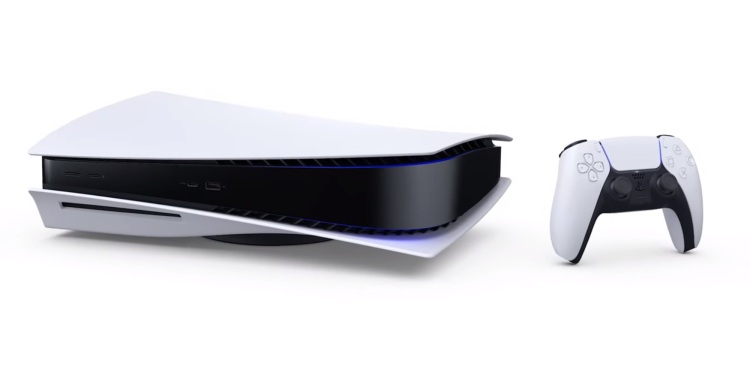
2025 saw the Switch 2 launch at an inflated price, as well as the first $80 game. It also saw price hikes from Sony and Microsoft, as well as a rise in the price of the Game Pass subscription service. Much of this isn’t actually a reaction to events – it’s plain and simple greed. These things are a cause of, not a consequence of, inflation. But, regrettably, I don’t see it stopping anytime soon, especially if sales remain weak. Games companies will try to wring more money out of existing players to compensate for a lack of new ones.
Video Games – 50% Prediction:
Microsoft and Xbox will announce a new Fallout game… which is not being developed by Bethesda.
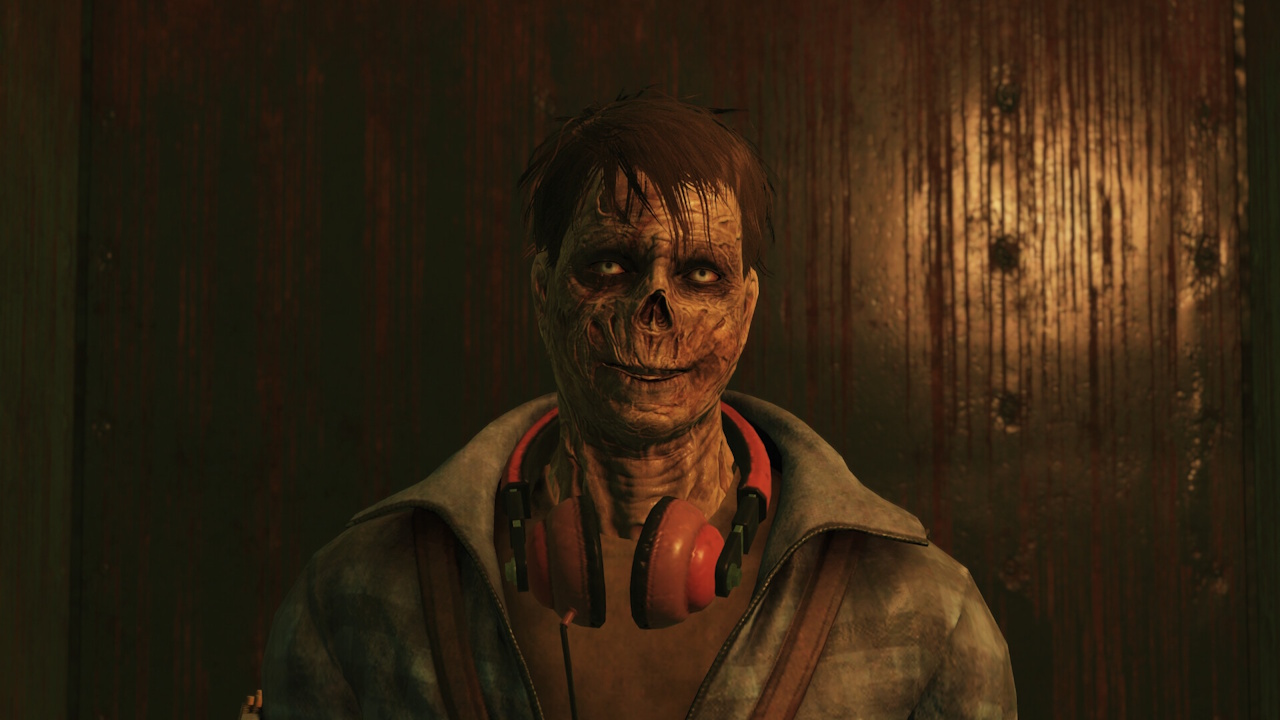
With The Elder Scrolls VI still years away, and the Fallout TV series riding high on Amazon Prime Video, it’s not exactly a secret that Microsoft and Xbox want a new Fallout game for fans to sink their teeth into. But because of Bethesda’s absolutely idiotic and outdated approach to making video games, their hypothetical version of Fallout 5 may not even *begin* development until 2029, and likely won’t see the light of day until, say, 2034 or beyond.
So could Microsoft hit the nuclear button (pun very much intended) and take Fallout away from Bethesda? If it were to happen, there’d surely be a ton of PR-speak about how this new game is a spin-off, the license is still Bethesda’s, Microsoft still has full confidence in Bethesda… blah, blah, blah. But it would also speak volumes about how far Bethesda has fallen since their 2000s heyday, and how their approach to creating games needs to change if they still want to tell stories in multiple franchises.
Video Games – 10% Prediction:
Grand Theft Auto VI fails to meet its sales targets and is considered an expensive failure.
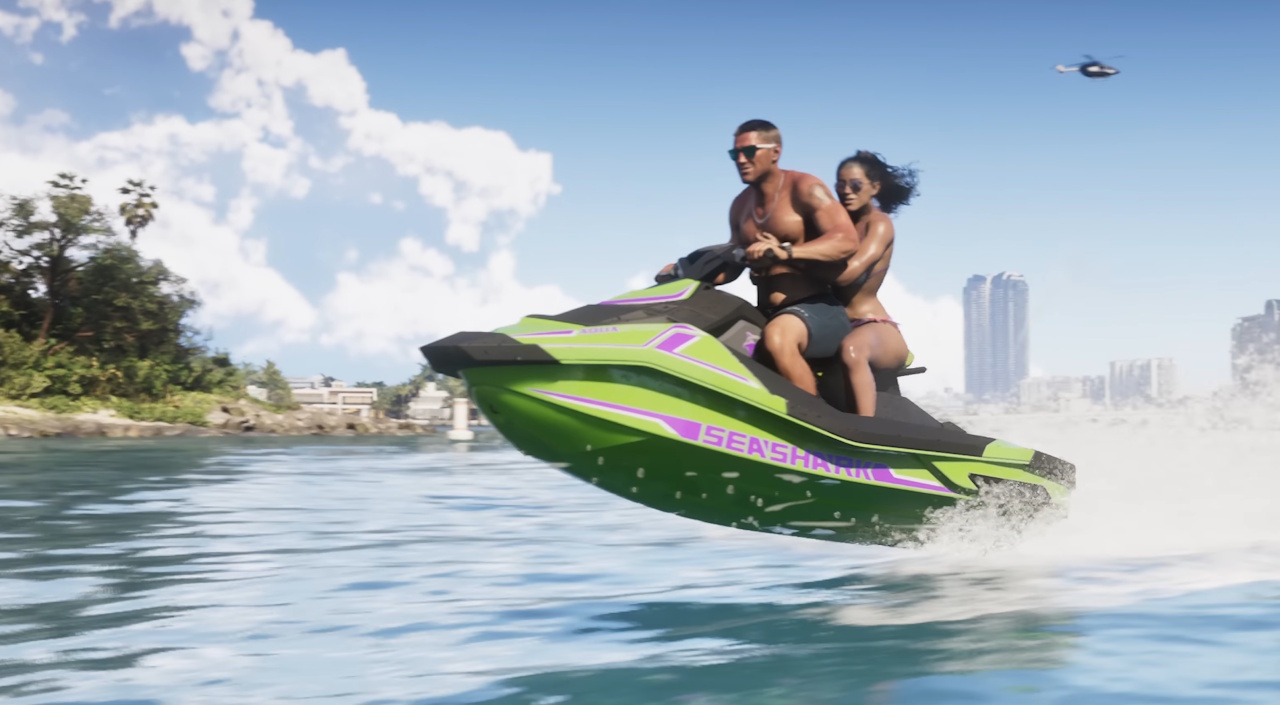
No video game is a “guaranteed” hit. Not even the sequel to the most successful video game of all-time. So I consider it an outside possibility that, for any one of a number of reasons, Grand Theft Auto VI fails to convince fans of GTA 5 that they need to switch to the new game, with its online mode in particular struggling to gain traction. Players who do buy the game and try out the online mode could even drift back to GTA 5 if it isn’t what they’re hoping for. The result? GTA 6 could go down in history as one of the most expensive video game flops.
To be clear, while I can conceive of a world in which something like this happens, it feels very unlikely – hence its place on this list! But there are reasons to be concerned if you’re a Take-Two executive. Slow hardware sales for the PS5 and Xbox Series, combined with GTA 6 not getting a PC release, mean there’s a smaller potential audience for the game. Price rises for the game itself and the hardware it plays on in a difficult economy could price people out. And if GTA 5 is still fun and enjoyable for its online players, convincing them to switch to a new game – especially if it means an investment of £650-700 to buy the game and a new console to play it on – won’t be a walk in the park.
Television – 90% Prediction:
Either 3 Body Problem or Strange New Worlds will be my “TV Series of the Year” in December.
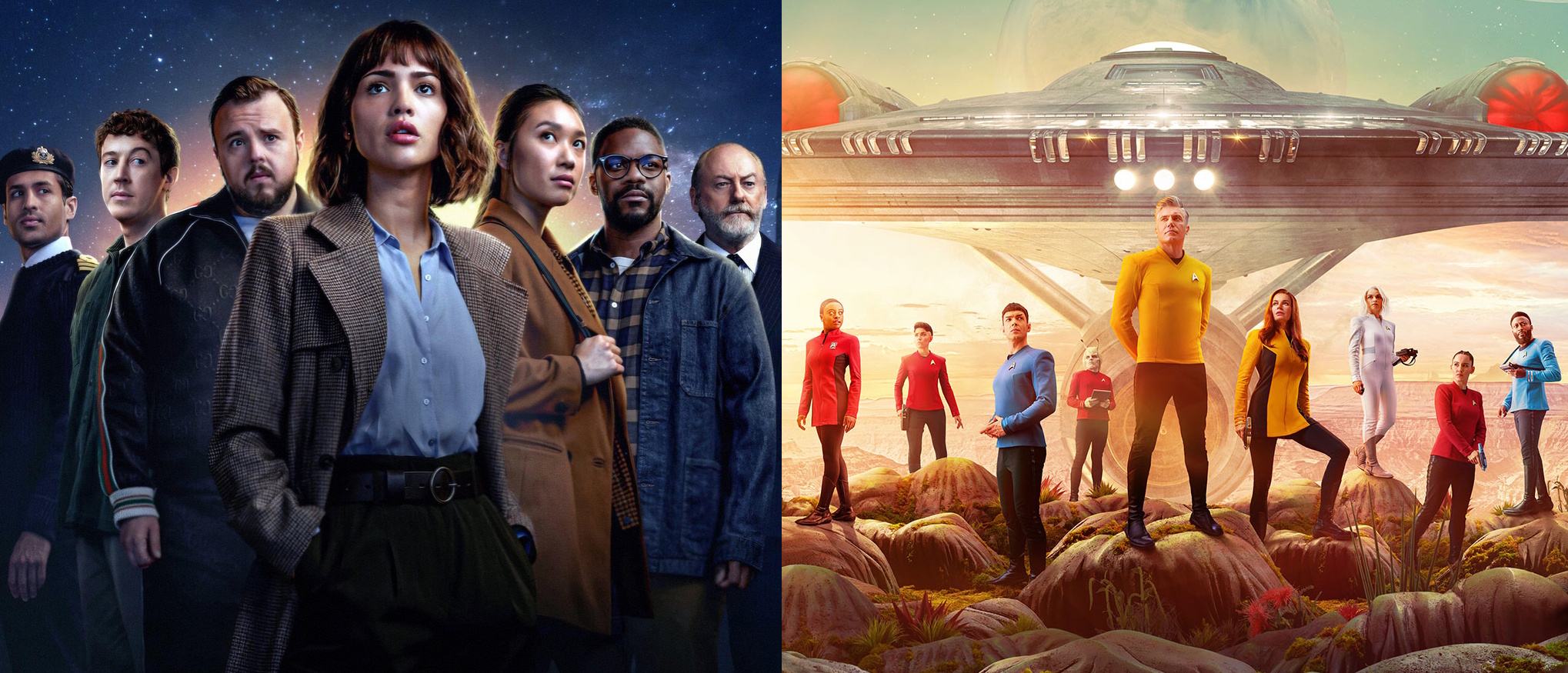
I dish out my annual “End-of-Year Awards” every December – in fact, I just did the awards for 2025 a couple of days ago; click or tap here to check them out! But when I look ahead to 2026, there are really only a couple of shows that I think (at this early stage) could be in contention for the top award. Those are 3 Body Problem and Star Trek: Strange New Worlds. I’d be very surprised if something else comes along this year and eclipses *both* of these productions; the only one I could see even possibly doing so would be Silo.
Strange New Worlds is far and away the best modern Star Trek series, and even one of the best parts of the franchise as a whole. I was very disappointed to learn it would be cancelled after a cut-down fifth season. And 3 Body Problem’s first season was one of the best, most grown-up sci-fi shows I’ve seen in a long time. I’m genuinely looking forward to both shows’ continuations – and unless, for some reason, neither debuts in 2026, I’m almost positive they’ll be competing for my “TV Series of the Year” award in eleven-and-a-bit months from now!
Television – 50% Prediction:
A big, long-running series will finally be cancelled.
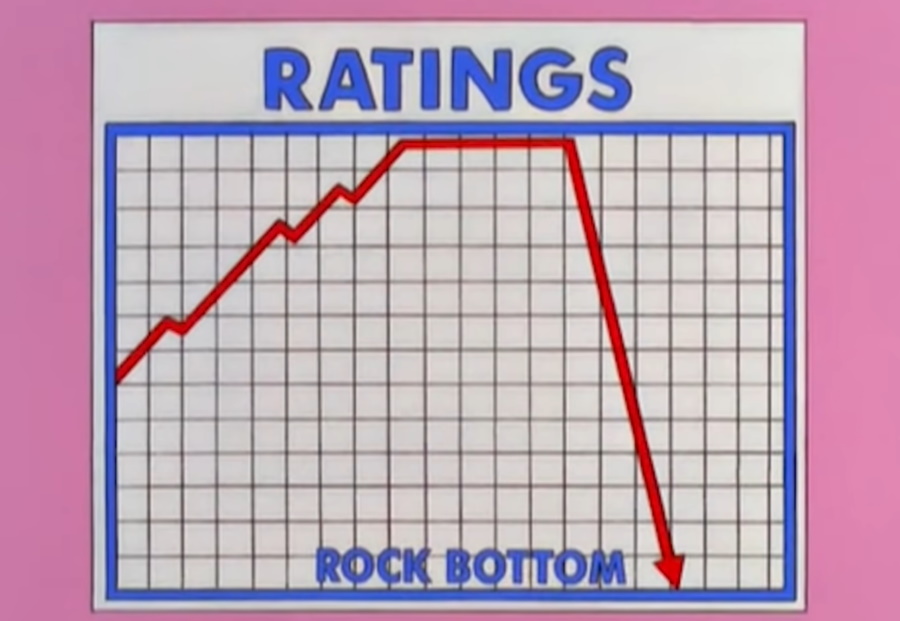
There are quite a few shows floating around that have been running for fifteen years or more. Grey’s Anatomy, Family Guy, Law and Order, Doctor Who, SpongeBob SquarePants, Criminal Minds, The Simpsons… the list goes on. But some of these shows are almost unrecognisable from their original incarnations, or worse, feel like they’re just going through the motions and coasting on past success. I tried for years to keep up with The Simpsons, for example, even though I could feel the quality declining. But I haven’t watched any new episodes for several seasons at this point, and it just feels like the show has well and truly run its course.
The Simpsons has been renewed for several more seasons and – inexplicably – another movie. But could we learn in 2026 that the show will eventually end? Or could another long-running programme, like Doctor Who’s revival, SpongeBob SquarePants, or Grey’s Anatomy, finally find themselves on the chopping block? I’d always rather a show end too soon, leaving me wanting more and lamenting that we didn’t get “just one more episode,” instead of running too long and becoming a joke. Maybe 2026 will finally be the year that one or more of these long-running television institutions kicks the bucket.
Television – 10% Prediction:
The Lord of the Rings: The Rings of Power will be cancelled after Season 3.
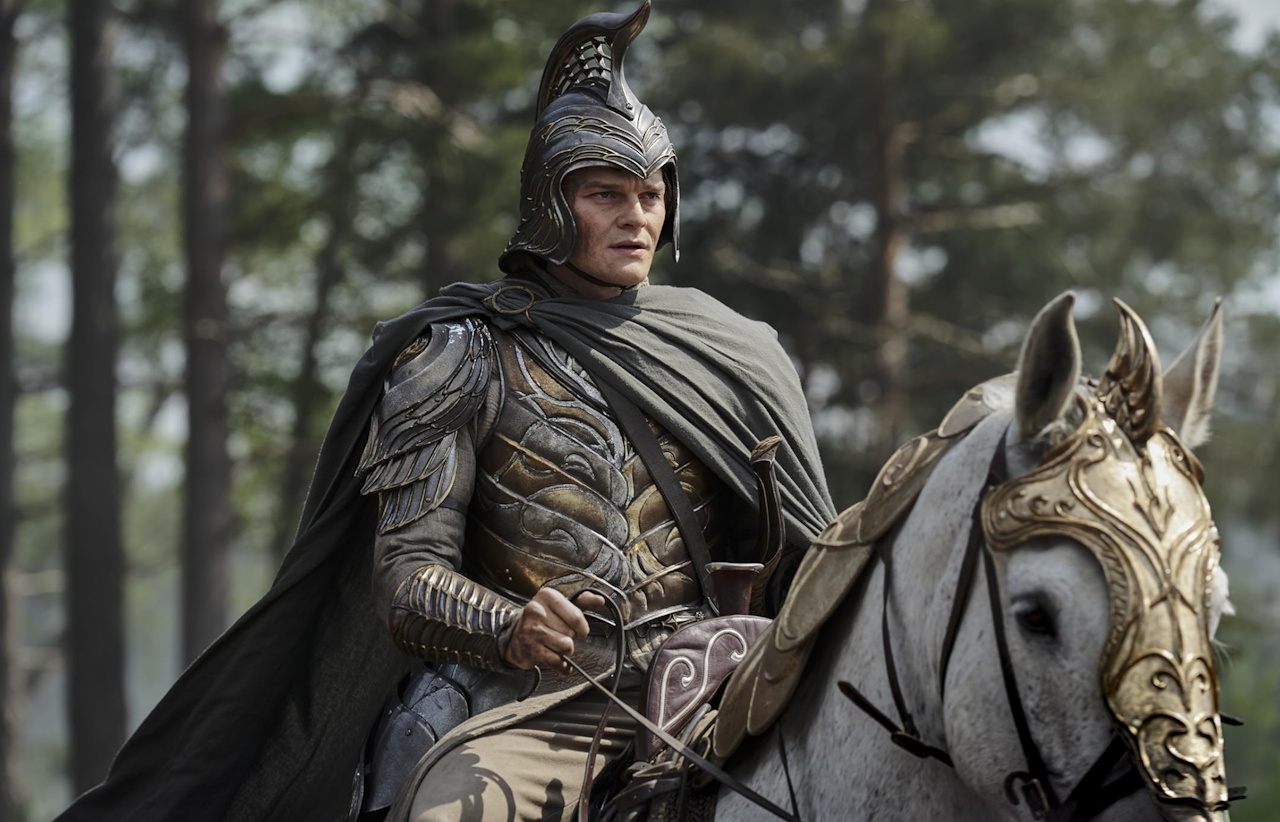
The Rings of Power hasn’t been everyone’s favourite show, to put it mildly. And with long breaks in between seasons – Season 3 is not guaranteed to land in 2026, despite Season 2 wrapping up in the autumn of 2024 – even the folks who did tune in have begun to find other things to watch. Although Amazon and the Tolkien Estate had an agreement to make five seasons of The Rings of Power… are we sure the series will hit that mark?
According to some reports, The Rings of Power shed boatloads of viewers across its first season, with barely one-third of the people who watched the premiere making it to the finale. And Season 2 didn’t bring them back. No TV show is going to be worth making if no one’s turning up to watch it, let alone the most expensive TV series ever made. And with middling reviews from audiences, and a baked-in hate campaign from some folks online… The Rings of Power could, hypothetically, be more vulnerable than we thought. Amazon has done this before with another high fantasy show: The Wheel of Time was cancelled before its story could be wrapped up.
Star Trek – 90% Prediction:
Starfleet Academy will be confirmed to run for just two seasons.
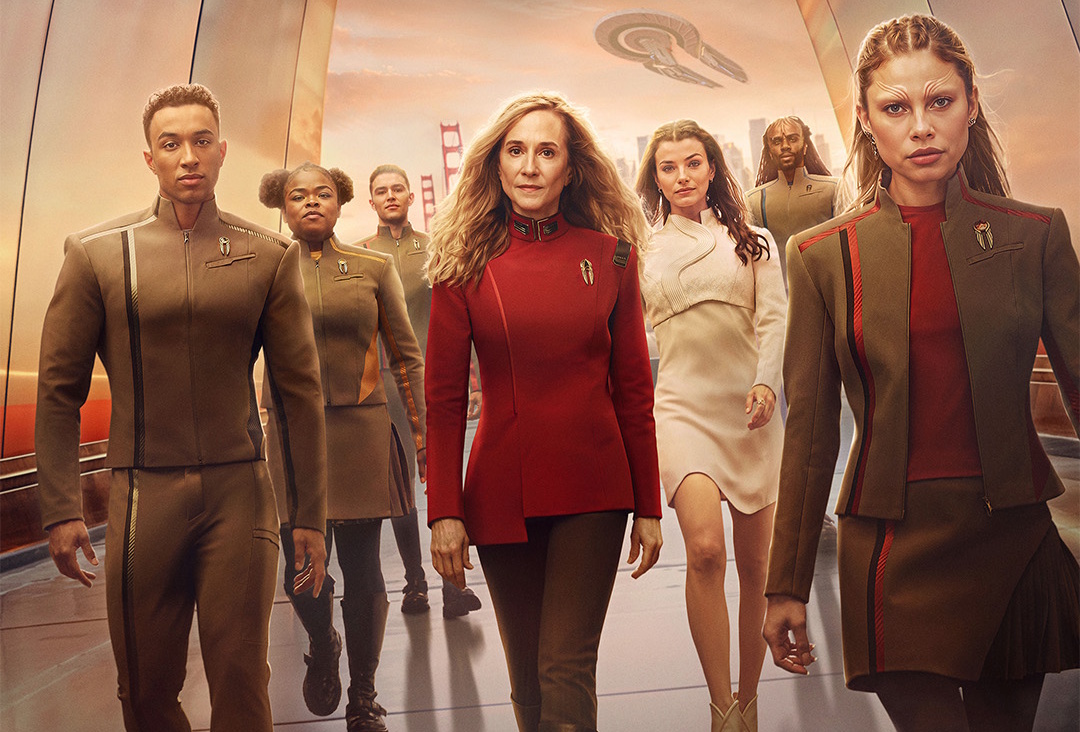
Unless Starfleet Academy can do something extraordinary that no other Star Trek show of the current streaming era has done, I think we’ll learn that there won’t be a third season. The series would, in my view, need to go viral and become a phenomenon – particularly with its younger target audience. If Starfleet Academy can genuinely compete with the likes of Stranger Things and Wednesday in terms of review scores and audience numbers, and also drive a massive, unprecedented number of new subscribers to Paramount+, then – and only then – would Skydance consider renewing the show.
But… do we really think that’s gonna happen?
I’ve said a few times now that I’m not particularly hyped for Starfleet Academy. The show, with its serialised story and teen focus, just doesn’t seem like it’ll be my thing. But that’s not why it’s part of this discussion. I’d love nothing more than to see Starfleet Academy succeed at bringing in legions of new fans to the franchise. I just struggle to see how it’ll manage to do so. And given Skydance’s obvious preference for films over TV, and the cancellations of all other Star Trek shows, I just get the sense that the two seasons which have already entered production will be all the series will get.
Star Trek – 50% Prediction:
Paramount-Skydance will do very little to celebrate the franchise’s 60th anniversary.
With the exception of soap operas, how many TV shows reach their 60th anniversary with new episodes still being created and aired? Star Trek is practically unique amongst big sci-fi properties – heck, amongst entertainment franchises in general. Yet I don’t think that this new incarnation of Paramount really intends to do anything major to acknowledge the milestone. We’ve heard talk of a float at some parade in the United States. And Star Trek’s god-awful online shop will probably release some crappy A.I.-generated merch, like tote bags and beanies, featuring the new “Star Trek 60” logo. But will there be a crossover episode? Some kind of unannounced project that really leans into what Star Trek means and goes all-in?
I would *love* to see Paramount/Skydance do something big. A live broadcast, maybe, reuiniting the stars of past shows to talk all things Trek. Or a documentary about the creation of those early episodes. I’d really love to see a crossover – like we got in 1996 for the 30th anniversary. Maybe we could see Starfleet Academy characters visiting Pike’s Enterprise, or even using the Strange New World sets and bringing back some of the performers to re-tell a classic TOS story. Because Star Trek had gone off the air, we couldn’t get anything like that for the 40th or the 50th. But there’s a window of opportunity right now, in 2026, that may not come again, to really celebrate Star Trek with some kind of big on-screen event. I really hope Skydance has already given it the green light.
Star Trek – 10% Prediction:
A brand-new series will be announced.
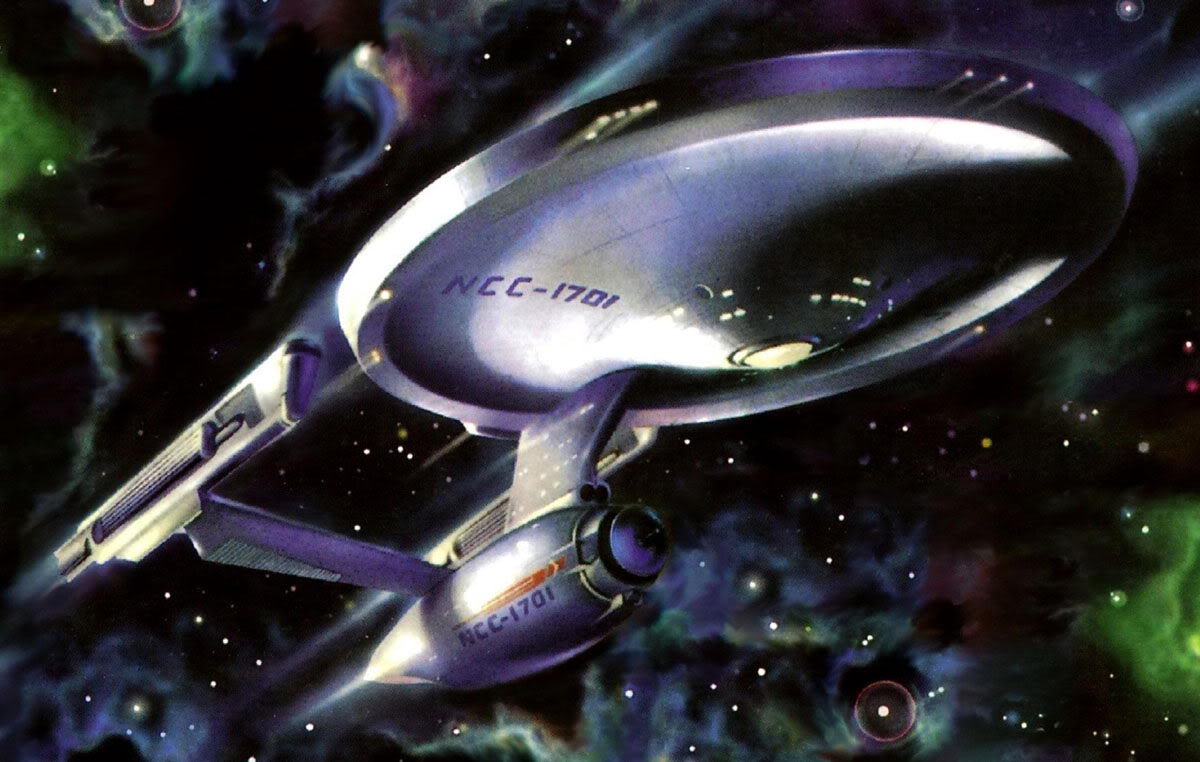
This one… I mean, it’s not gonna happen, is it? Don’t get me wrong: I’d love nothing more than for Skydance to make the genuinely shocking announcement that they’re commissioning a brand-new, episodic, exploration-focused Star Trek series! But I think it’s a remote possibility right now, given the new corporation’s clear choice to prioritise the cinema over television and streaming. A new Star Trek film has been announced and is potentially targeting a 2028 release, so will we see a new show announced before then?
My view remains that Star Trek as a whole – save for the occasional film project – will be shutting down for the foreseeable future after 2027 or 2028, whenever the final episodes of Starfleet Academy and Strange New Worlds air. But there’s still so much potential in this franchise, and it’s downright depressing to go into the big sixtieth anniversary year predicting cancellation and failure. So I’m crossing my fingers that we’ll get just one new series being announced.
So that’s it.
I’ve made a few predictions for 2026, so let’s revisit this piece together in late December to see how much I got wrong! This is my first year making predictions like these, but I really like the 90/50/10 format, so I might try to make it an annual thing… if I remember. And if, next year, I actually have more predictions to make!
In any case, I hope this has been interesting, or just a bit of fun. I’m hopeful for some enjoyable entertainment experiences this year, and I’ll be doing my best to keep up with some of the films, games, and TV shows that I’ve been looking forward to – so stay tuned for some reviews and commentary here on the website!
All titles discussed above are the copyright of their respective developer, publisher, broadcaster, studio, distributor, etc. This article contains the thoughts and opinions of one person only and is not intended to cause any offence.


 Trekking with Dennis