

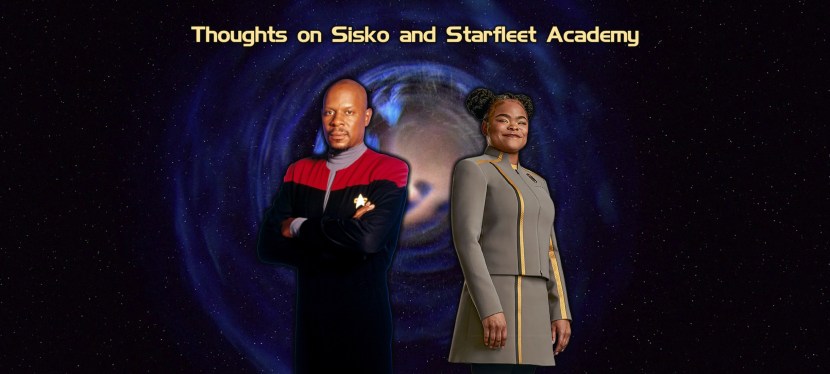
Spoiler Warning: There are major spoilers ahead for Star Trek: Starfleet Academy Season 1. Spoilers are also present for Star Trek: Deep Space Nine, Star Trek: Strange New Worlds, and the comic series Star Trek: Godshock.
We’re going to get into serious spoiler territory for one of the recent episodes in Starfleet Academy’s first season, so if my little spoiler warning graphic didn’t put you off… just beware. I don’t want to ruin the show for anybody!
This isn’t going to be a “review” of the episode Series Acclimation Mil. I’m not doing individual episode reviews for Starfleet Academy this year, and in this piece, we’re really only going to get into one of the episode’s storylines. There will be a review of Season 1 as a whole in March, and I’m sure I’ll touch on the episode (and this storyline) again at that point. So check back for that if you want to get my thoughts on the entire season more broadly. And I have a review of the two-part premiere, which you can find by clicking or tapping here.
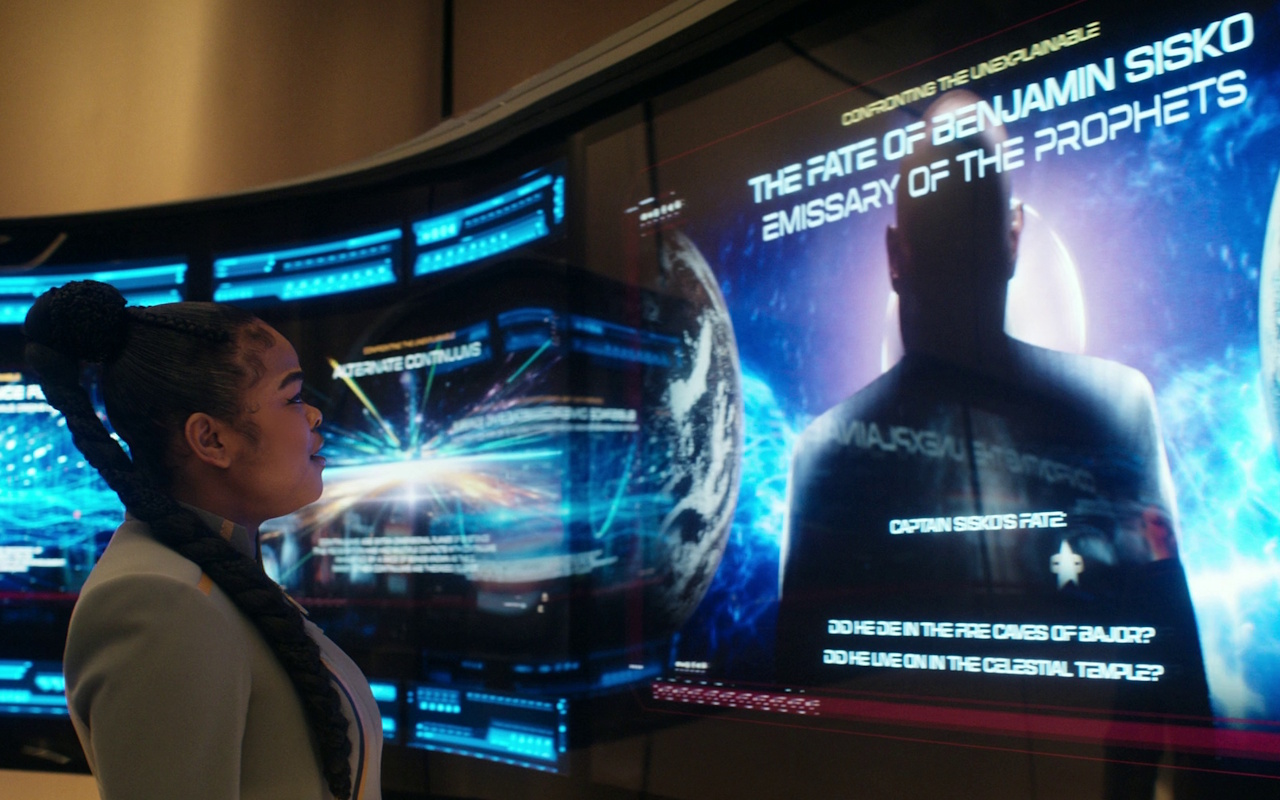
Series Acclimation Mil returned to Star Trek: Deep Space Nine in a pretty big way, and I wanted to talk about that element in a longer format, in a way that I don’t think I could do justice to in my season review piece. DS9 is a hugely important series for me, and this episode was clearly well-intentioned, with writer Tawny Newsome wanting to draft a “love letter” to the series and to Captain Sisko in particular.
But… is that how it came across?
Captain Sisko is, on balance, almost certainly my favourite Star Trek captain. And if you put my back against the wall and pushed a phaser to my head, forcing me to choose, I’d also name Deep Space Nine as my favourite Star Trek show. Out of all the Star Trek shows, DS9 got what is arguably the most definitive and complete series finale, but Captain Sisko’s story was deliberately left ambiguous. In Starfleet Academy, the episode Series Acclimation Mil picked up this narrative thread and aimed to tell a story about the intersection of religion and science, as well as one that really celebrated the legacy of Star Trek’s first African American captain and series lead. I admire the intention, and I don’t doubt that everyone involved, from the writers and producers to the performers, came into this story for the right reasons and genuinely intended for it to be a celebration of Sisko and DS9.
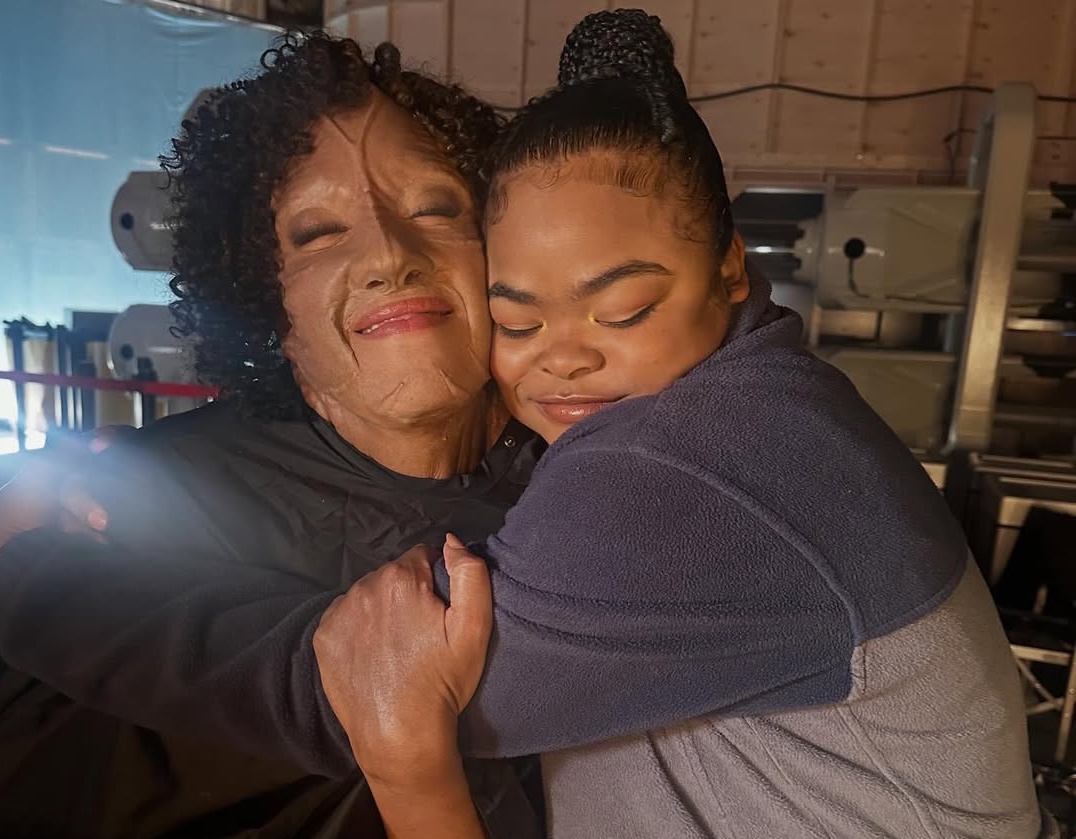
Fundamentally, I think Starfleet Academy was the wrong choice of series for an episode like this for one simple reason: its place in the timeline. If this were a Picard-era series (as I argued it should be once upon a time), we might be having a different conversation. But because Starfleet Academy takes place in the 32nd Century, more than 800 years after the events of DS9′s finale… the story it was able to tell, far from celebrating Sisko and his legacy, arguably detracts from it.
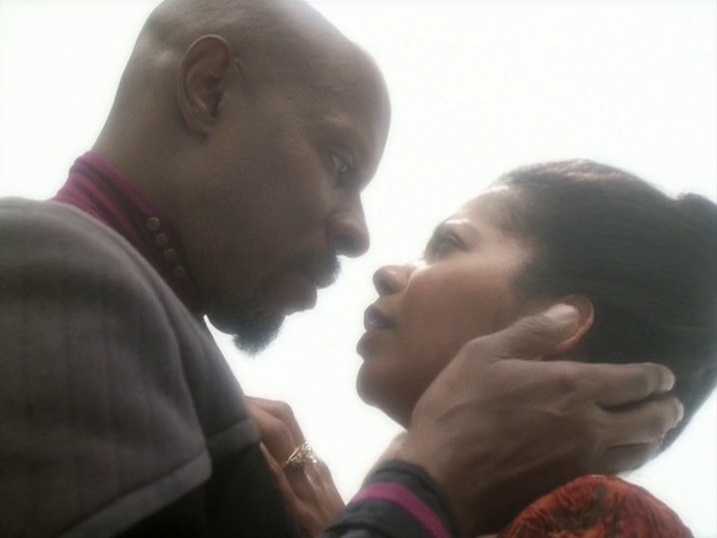
When work on What You Leave Behind was ongoing, Sisko actor Avery Brooks insisted on a change to the script. The original version of DS9′s finale saw Sisko “ascending” to become a Prophet, permanently leaving the world behind as he moved to live in the Celestial Temple. But Brooks felt that the idea of a black man (Star Trek’s first African American captain, too) effectively “abandoning” his pregnant wife and son wasn’t the right message for Sisko’s story to end on. And so that ambiguity was written into What You Leave Behind, allowing Sisko to one day “return,” as he said to Kassidy in his final vision.
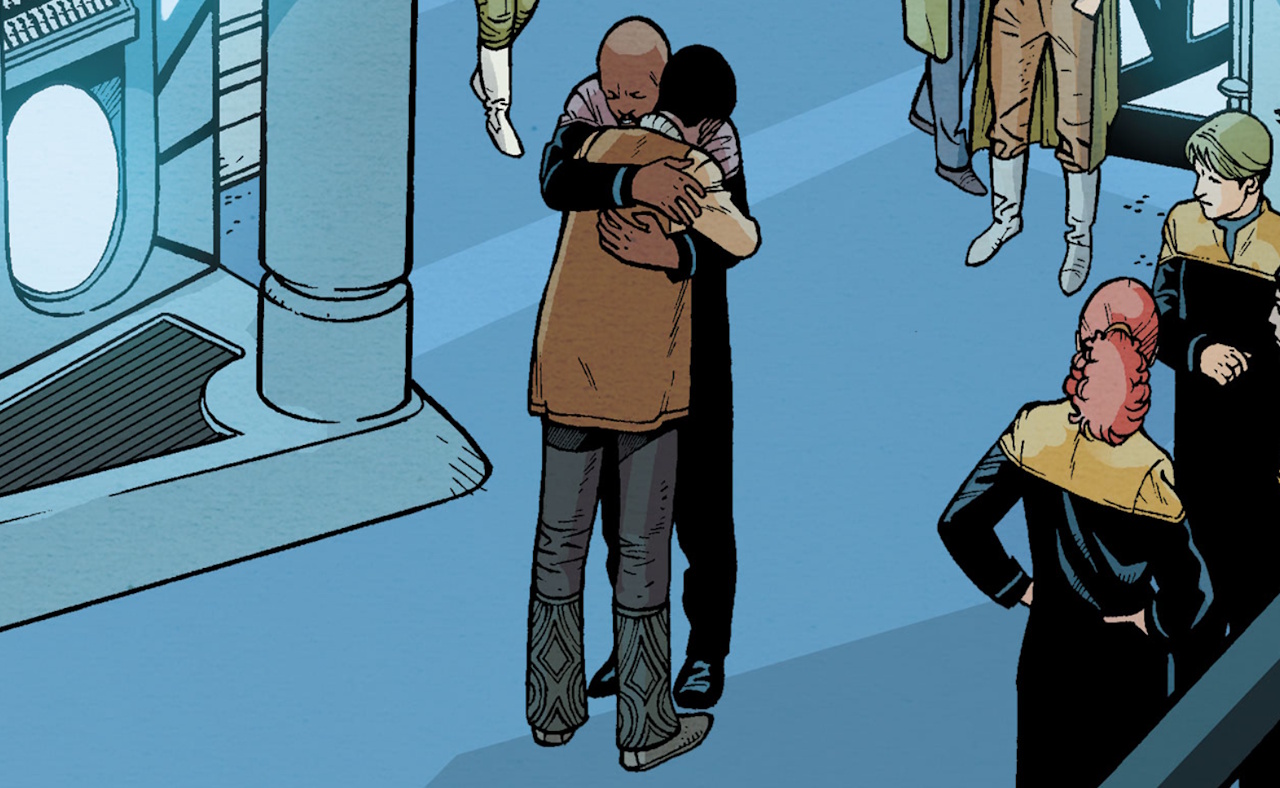
For years, that was the end of it. DS9 was over, but fans could speculate about how and when Sisko would return. There was even a comic series – Star Trek: Godshock – in which Sisko returns from the Wormhole about three years after the events of DS9′s finale. I’m not a comic book fan myself, but this was an officially-licensed publication, and while comics aren’t strictly part of Star Trek’s canon, they can be a good format for telling stories involving legacy characters who can no longer be involved in Star Trek on the screen.
Avery Brooks, who played Sisko in all seven seasons of DS9, has effectively retired. His last on-screen credits came shortly after Deep Space Nine ended, and his final involvement with the Star Trek franchise came in the 2006 video game Star Trek: Legacy (not to be confused with the proposed Picard spin-off of the same name), in which he reprised his role in voiceover form. Following DS9, Brooks worked as a professor at Rutgers University, and was also involved with the Smithsonian Institution. As far as I know, an on-screen return to Star Trek or the role of Sisko was never officially proposed, but it seems, from what I can gather, that Brooks would have turned down such an approach. He may have done so if the writers of Starfleet Academy had asked.
Recasting such an iconic and important character wouldn’t sit right with me – nor with a lot of other Trekkies, I suspect. So with Brooks effectively out of the picture, not wanting to return as Sisko… the idea of a Godshock type of story, in which Sisko very definitely kept his word and came back from the Celestial Temple, is off the table. Starfleet Academy was left without the most important element of any Sisko story – the man who portrayed the character – but tried to go there anyway.
I will concede that, given the restrictions and limitations placed on the story by Avery Brooks’ absence, the kind of story told in Series Acclimation Mil was probably about as good as it could get. But that’s not really the point. My argument is that, without Avery Brooks being involved, and without Sisko able to keep his word and return from the Wormhole during the lifetime of his wife, son, and other friends… this story shouldn’t have been attempted. If they asked Brooks to return and he said no, or if it was communicated to them clearly that Brooks was unavailable, this story should simply have been set aside, and something else written for the character of Sam.
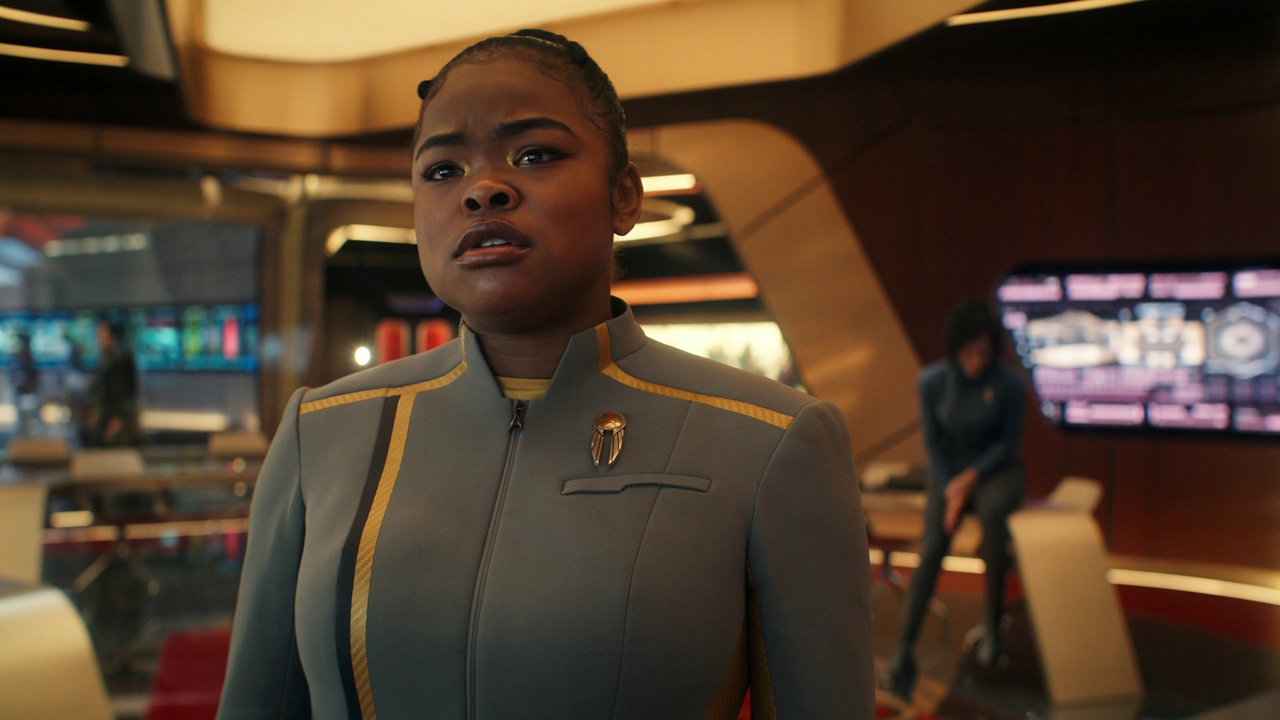
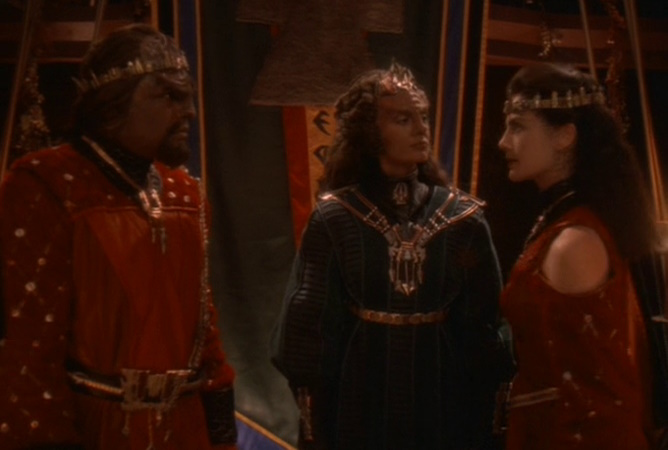
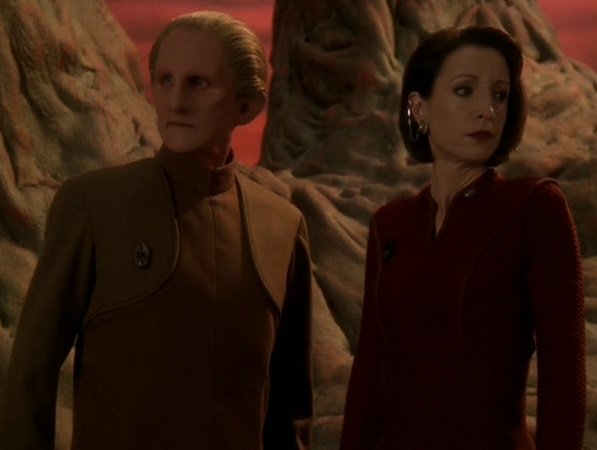
There are other ways to celebrate DS9, and other characters from that series who could’ve been included. Series Acclimation Mil introduced us to a brand-new host for the Dax symbiont, for example – something I argued Discovery should’ve done during its various Trill episodes – but we spent very little time with her and learned practically nothing about her. Or Starfleet Academy could’ve picked up on Lower Decks’ idea that O’Brien was widely celebrated in the far future, doing something with that character’s legacy. The Klingon story could’ve revisited Worf and his ties to Starfleet, with Starfleet Academy having already visited Bajor there was scope to do something with Kira, or we could finally learn more about Cardassia, perhaps touching on the legacy of someone like Garak.
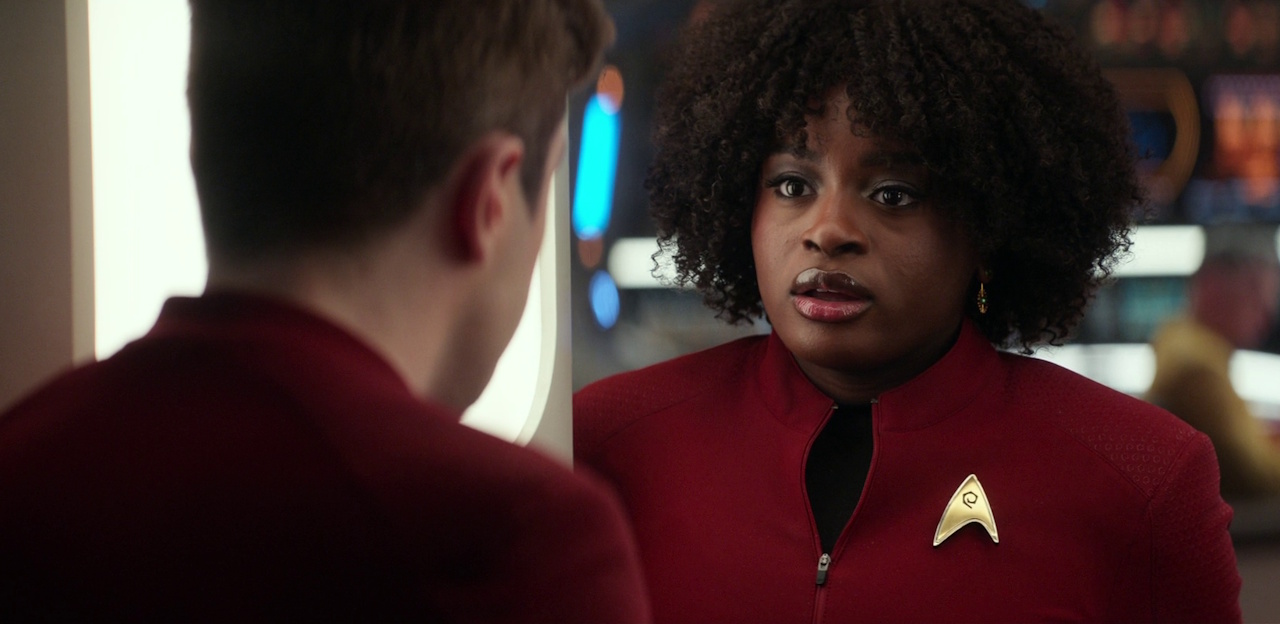
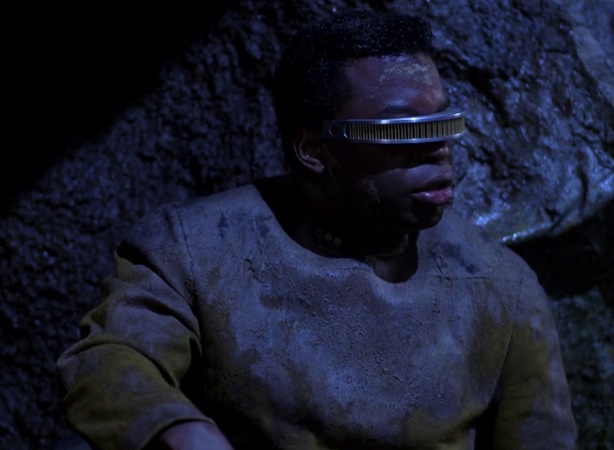
But really, DS9 wasn’t the point. This was an episode intended to celebrate the legacy of Star Trek’s first African American captain. So… what else could Starfleet Academy have done to acknowledge Star Trek’s African American connections? A great choice would be Uhura – the first African main character in Star Trek. I’d have loved to see a crossover, perhaps involving Cadet Sam meeting Strange New Worlds’ Uhura on the holodeck. Or the show could’ve called back to the legacy of Geordi La Forge, or Travis Mayweather – two characters brought to life by African American performers. Avery Brooks may have been the first to be a series lead, but there are other African American performers Starfleet Academy could’ve called on for this kind of celebratory story.
And I am firmly in the camp that says “celebrate DS9″ and “celebrate Star Trek’s African American performers and heritage!” I think those are fantastic ideas, especially in this landmark 60th anniversary year. The Original Series was groundbreaking for African American representation on television, thanks to Nichelle Nichols’ main role, with even the venerable Martin Luther King saying so. There is a lot to celebrate on that front, and I don’t begrudge the writers of Starfleet Academy wanting to do so.
Unfortnately, though, the very celebratory episode that they set out to create has, I would argue, done a bit of damage to Sisko’s character – turning him into the very “delinquent dad” that Avery Brooks argued against almost three decades ago. By choosing Sisko over other characters, and because of the limitations placed on the story by both Starfleet Academy’s place in the timeline and Brooks’ retirement from acting, Series Acclimation Mil answered one of Star Trek’s “unanswerable” questions in pretty much the worst way possible.
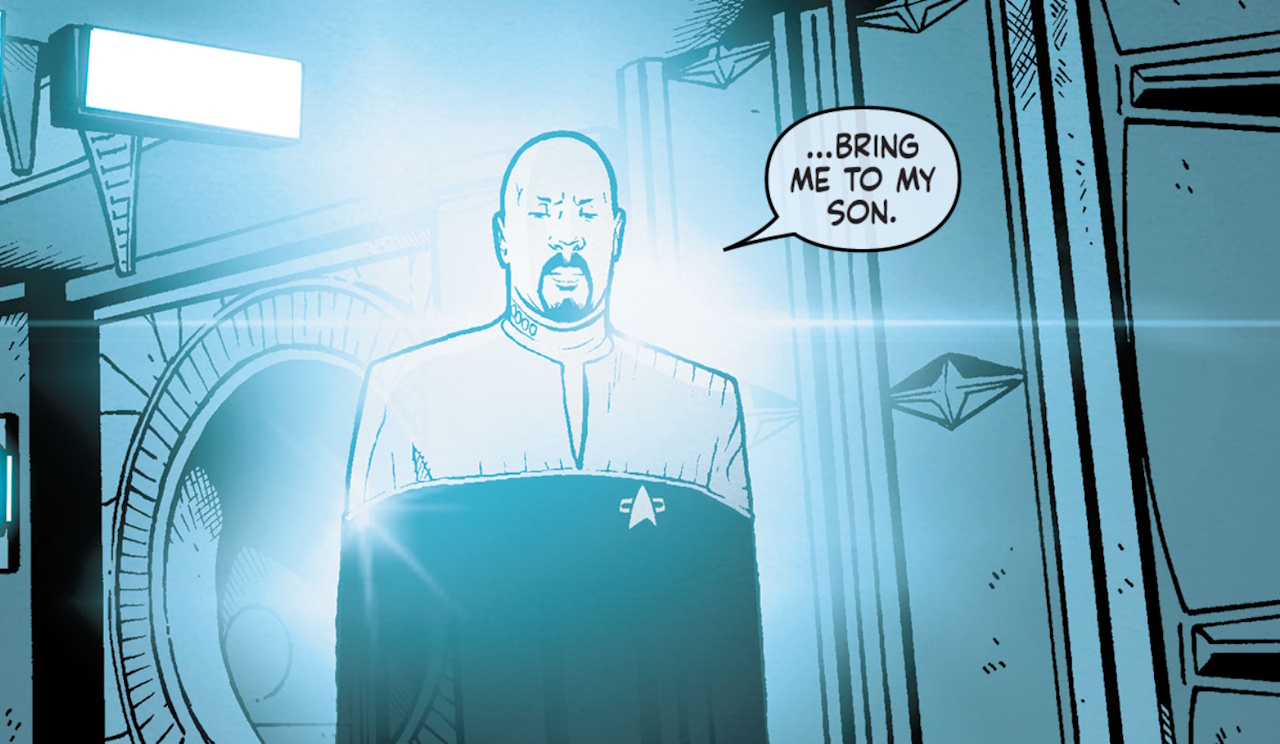
Regardless of where you stand on the episode’s crucial question of “did Sisko die or enter the Celestial Temple,” Series Acclimation Mil confirmed that, in Star Trek’s canonical prime timeline, Sisko never returned. He stayed away from the galaxy for more than eight centuries, breaking his promise to his wife, never seeing his son grow up, and never contacting Dax or any of his other friends.
And I would further argue that the episode’s central question, which Sam sets herself the task of answering, *was already answered a quarter of a century ago*!
Deep Space Nine’s finale didn’t end with Sisko falling into the Fire Caves. There was one final scene involving Sisko: his vision to Kassidy Yates. This was presented in the story as a vision from the Prophets, and the character was not a random Prophet impersonating Sisko, but Sisko himself. What You Leave Behind definitely and clearly stated that Sisko didn’t die and was taken by the Prophets to their Celestial Temple. And his final words to his wife? “But I *will* be back.”
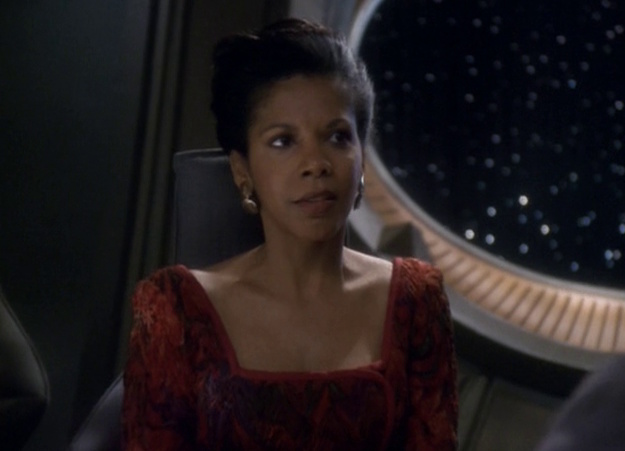
I never read that scene in What You Leave Behind as leaving any room for doubt or ambiguity. Sisko didn’t die – he was taken to the Wormhole by the Prophets. And he intended to stay with them only for as long as necessary to learn whatever they needed to teach him, but he absolutely, categorically planned to return.
So what does Series Acclimation Mil have to say about that? What does this episode now mean for Sisko, the Prophets, and DS9?
There are a couple of ways we can interpret things, I guess, if we go back to DS9′s finale. Firstly, we could say that Kassidy either didn’t receive a vision from the Prophets at all, and hallucinated a reunion with Sisko out of grief, or that she received a vision from a different Prophet who pretended to be Sisko to give her a bit of hope to tide her over. That kinda sucks.

Alternatively, we could say that Sisko wanted to leave the Wormhole… but was unable to do so in time. Maybe his lessons with the Prophets went on longer than he thought. Maybe he “lost track of time” in a dimension that exists… outside the normal flow of time? Maybe the Prophets kept him prisoner and prevented him from leaving, even though he really wanted to. Or maybe only Sisko’s “soul” still exists, and with his physical body having been destroyed, he had no way to come back.
Again, none of those ideas hold *any* appeal whatsoever, at least not for me.
So we’re back to some fundamental questions: was this the right moment for an episode like this? Was Starfleet Academy the right series – or the right *kind* of series? Without Sisko himself, and without recasting the character, was it wise to attempt this kind of story? Could other ways have been found to celebrate Star Trek’s African American performers, Deep Space Nine as a series, or both?

I wouldn’t have given the green light to this episode, if I had the opportunity over at Paramount. Not because I don’t want to pick up the dangling thread of Sisko’s story, and not because I don’t want Star Trek to do more with DS9, but because of what this story does to Sisko’s character. Despite what Newsome, Cirroc Lofton, and others have said on behalf of Avery Brooks – that he gave the episode “his blessing,” and that that was important to them – Series Acclimation Mil, in my view, harms Sisko’s characterisation, it harms Star Trek as a whole, and it gives a fundamentally unsatisfying answer to a question that didn’t really need to be asked.
We already knew that Sisko was alive in the Celestial Temple; Starfleet Academy didn’t even need to ask that question. And we already knew that he planned to return. What We Left Behind – Looking Back at Star Trek: Deep Space Nine even saw the show’s original creators and writers putting together their own idea of what Sisko’s return might’ve looked like. Combine that with the comic book, fan theories, and more… and I think us Trekkies have had more than enough ways to envision Sisko’s return, even if none of that could ever be “officially canon.”
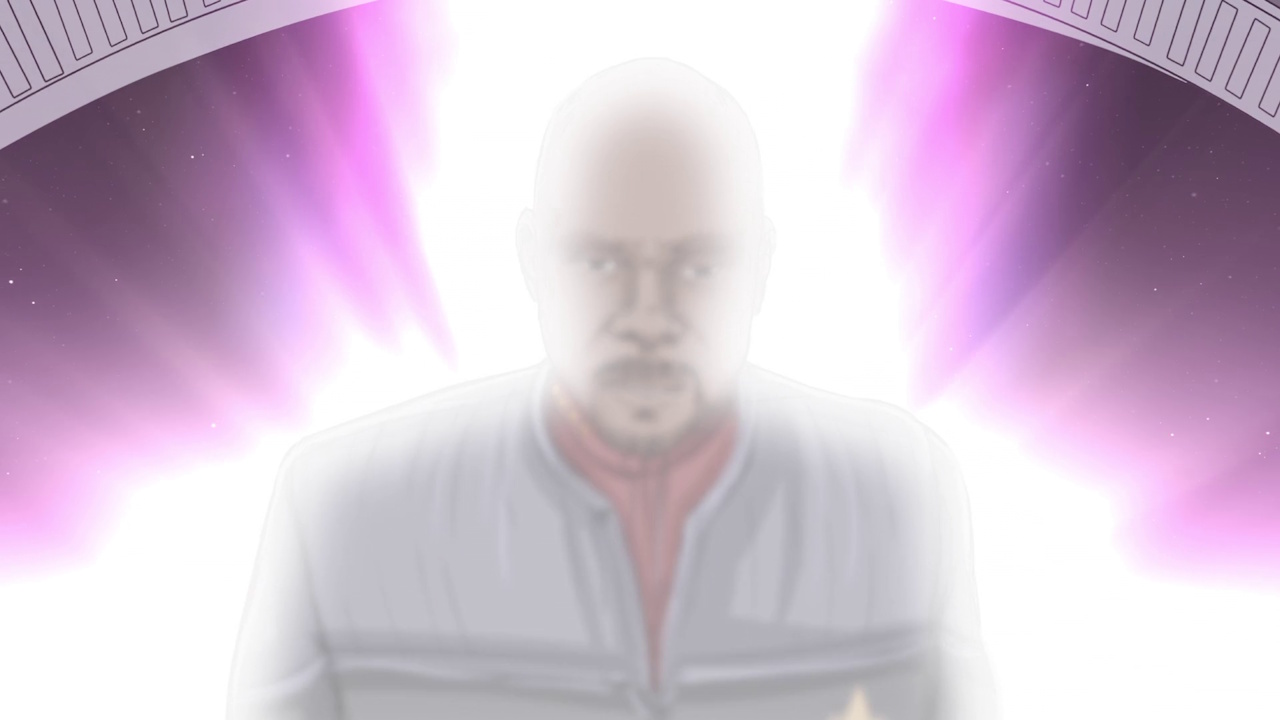
By sidelining all of that, Starfleet Academy’s writers set out to answer the question of what happened to Sisko using their own ideas – but also being severely hampered by the unavailability of Avery Brooks, and the show’s place in Star Trek’s timeline. The result was an episode that betrayed Brooks’ final intervention on Sisko’s behalf at the end of DS9′s run, turning the character into the “absent black father” trope that has been so harmful on TV and in movies. Whatever in-universe reasons we might try to concoct to excuse Sisko, or whatever successes Series Acclimation Mil may have had elsewhere – and there absolutely were highlights and successes – that point is so basic, so existential, and so fundamentally awful that it would warrant scrapping the entire thing and writing it off.
In defence of the episode, I will say that Cirroc Lofton’s appearance hit all of the right emotional notes for me, and especially towards the end, I felt myself tearing up. Jake Sisko’s return to Star Trek – in holographic and visionary forms – made the best of a bad situation, and I don’t want to take away from Lofton’s masterful performance in Series Acclimation Mil. Nor from the work of Kerrice Brooks, who stepped up to take on a spotlight episode for the first time and really nailed it. Both performances were exceptional, and I can tell that Lofton, in particular, really wanted to celebrate the legacy of his on-screen dad and the series he’d been a part of.
It’s just such a shame that, to tell a story about Sisko at this moment and in this series… it had to be *this* story.
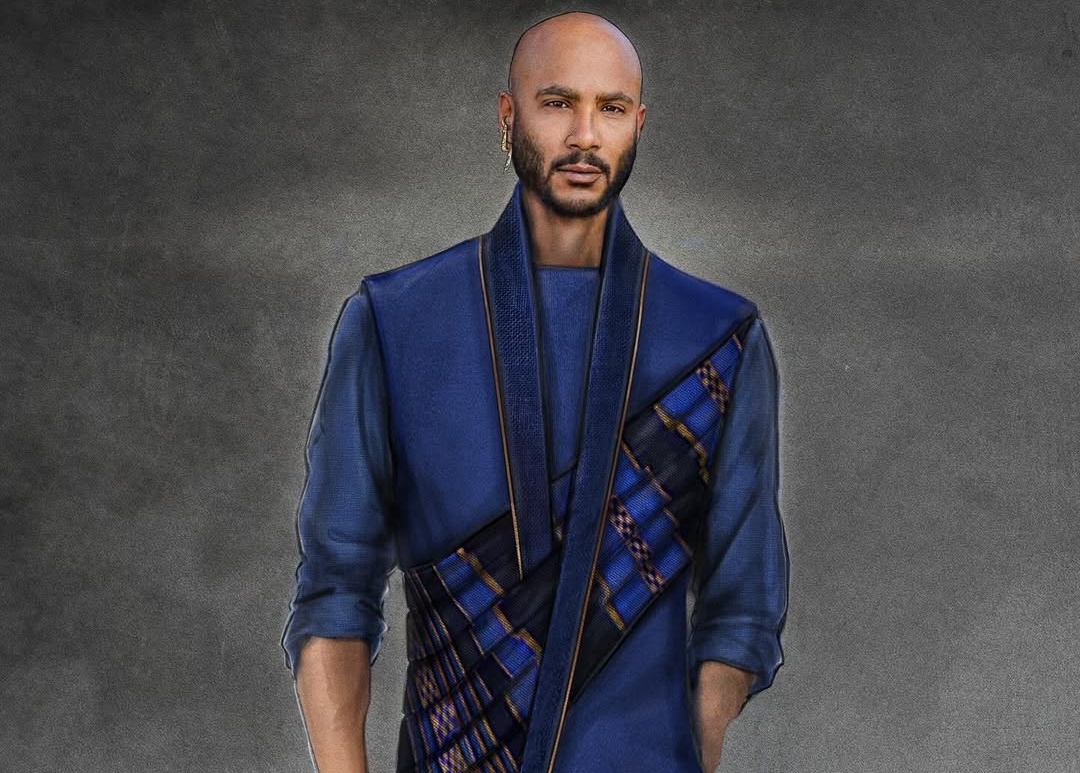
Series Acclimation Mil conflicts with, or changes how we have to interpret, other Star Trek episodes, too. What was the message of The Visitor? Widely considered to be one of DS9′s finest episodes, The Visitor depicted an older Jake Sisko trying to figure out a way to rescue his father from a temporal anomaly. The older Jake argues passionately that his younger self needed his father, and it also seems as if Sisko’s absence from the timeline ultimately proved harmful to the Federation – DS9 had fallen into disrepair, and Starfleet needed to get permission from the Klingons to even enter the Bajoran system.
That timeline’s Jake Sisko gave his life to send his father back to the Defiant, so that his younger self would have the dad he needed. Now we know that Jake’s sacrifice bought Ben… what? A couple of extra years? And that Kassidy had to raise their child alone, while Jake’s writing career seems to have unfolded similarly to how it did in The Visitor, with only a couple of books being published. I just… I just don’t like what it says about Sisko, his promise to return, and how he ultimately ended up abandoning the family he seemed willing to do anything for.
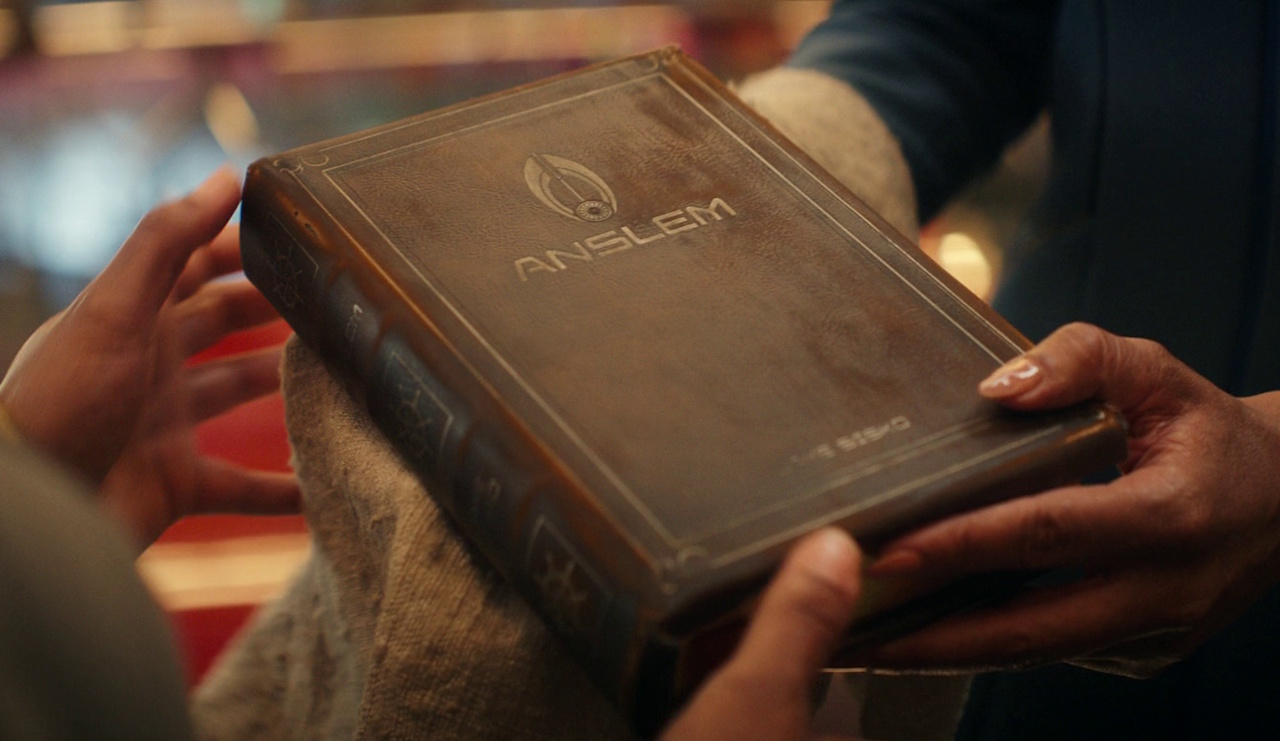
I respect the good intentions behind Series Acclimation Mil, both as an episode that aimed to celebrate Deep Space Nine and Star Trek’s first African American captain. And Jake Sisko’s appearance, in particular, did a lot to elevate the story, connect it back to DS9, and lean into the legacy of Benjamin Sisko. This wasn’t an episode concocted thoughtlessly, nor purely as a business decision to play the nostalgia card and make money. There was genuine artistry behind it, and it was a well-intentioned effort.
Which makes it all the more disappointing, in a way, that the final cut of the story does so much harm to Sisko’s character. If Series Acclimation Mil had been just a cheap overplaying of the nostalgia card by a corporation running out of ideas… maybe I’d feel less bad or less guilty at tearing into it so much. Because this isn’t an easy essay to write, to be blunt about it. I don’t take any pleasure in writing these words, nor in crapping all over the hard work and good intentions that went into the story’s creation. But I have to be honest with you at how the episode made me feel, and how I feel it harms the last words of the man who is still my favourite Star Trek captain.
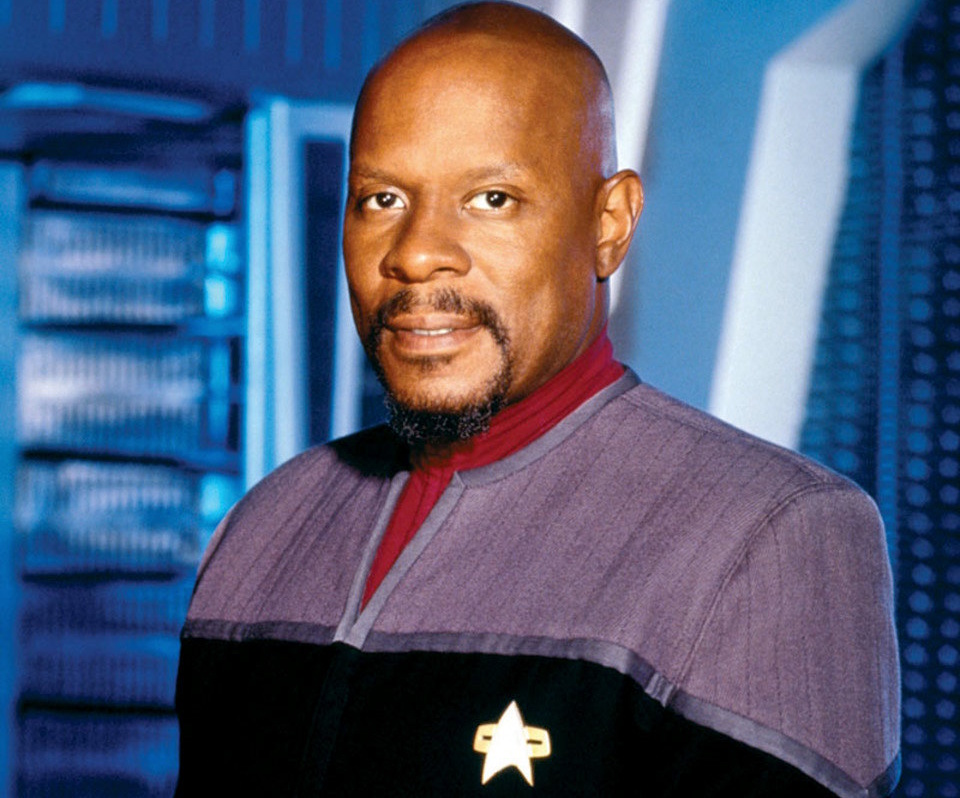
When Picard went off the air, and Lower Decks came to the end of its run… that was realistically the last chance to do a Sisko story that could’ve worked, and that might’ve felt right. I would have thoroughly enjoyed a story about cadets learning about Captain Sisko and his legacy in that era, too, had Starfleet Academy been a different show. But because of its place in the timeline, and because of the kind of episode it had to be in the absence of Avery Brooks… I’m firmly of the opinion that no episode at all would have been better than this.
I’ve said this before, and I’ll probably have to say it again before too long: stories end. Every story eventually reaches a natural end point. While, as fans, we might like to imagine what came next for our favourite characters… when the credits roll, the curtain falls, or we reach the last page, that should be it. Too often in the modern entertainment industry, characters or stories are unnaturally resurrected for unnecessary epilogues, telling us more than we needed or wanted to know about what came next. And for me… Series Acclimation Mil falls into that category, even if there were genuine reasons for its creation beyond a mere corporate nostalgia play.
It’s no exaggeration to say that I’d rather have seen no continuation of Sisko’s story than this one. And even with Avery Brooks’ “blessing,” and his willingness to allow the Starfleet Academy team to use one of his spoken-word recordings to close out the episode… I’d rather Sisko had remained in What You Leave Behind, his fate confirmed, his return scheduled… and for Star Trek to never acknowledge it again. That would have been better, and more respectful, than the story this episode told.
So that’s my take on how Sisko was handled in Series Acclimation Mil.
This is a delicate subject, as it touches on themes of race, and modern Star Trek’s handling of the franchise’s first African American captain. As you may know, I’m British, not American, so I don’t have the same connection to Sisko as perhaps some folks out there might. But he’s a character I love and I’ve always respected, and I really do mean it when I say that a better end to Sisko’s story would have been his ambiguous promise to return at the end of What You Leave Behind. I can’t *hate* the episode Series Acclimation Mil, because seeing Jake again was a treat, it’s nice to know Dax is still around, and the cadets got into some interesting scrapes while Sam was chasing down Sisko’s legacy. But, damn… what a horrible fate for Sisko in canon, just to disappear and never be heard from again.
If you made it this far, thank you for reading. I tried to approach the subject as sensitively as possible, and despite my feelings about Series Acclimation Mil, this piece shouldn’t be interpreted as an “attack” on the writers, producers, performers, or behind-the-scenes folks. I genuinely respect and appreciate the intentions behind the story, even if the end result isn’t something I enjoyed or wanted to see.
Next month, when Starfleet Academy’s first season wraps up, I’ll write up a full review, which may touch on other elements of Series Acclimation Mil that I didn’t discuss this time. I wanted this piece to be laser-focused on Sisko and what the episode said about him, rather than a broader review of the episode. So I hope you’ll join me for that.
Thanks again for reading… and Live Long and Prosper.
Star Trek: Starfleet Academy Season 1 is streaming now on Paramount+ in countries and territories where the service is available. The Star Trek franchise – including Starfleet Academy, Deep Space Nine, and other properties discussed above – is the copyright of the Paramount-Skydance Corporation. This article contains the thoughts and opinions of one person only and is not intended to cause any offence.
 Trekking with Dennis