

Spoiler Warning: There are spoilers ahead for the modern Star Trek franchise, including Discovery, Picard, Prodigy, Strange New Worlds, Section 31, and Starfleet Academy.
It was recently announced that the second season of Starfleet Academy has finished filming. This comes a few weeks after the fifth and final season of Strange New Worlds also wrapped up – and it means that, for the first time since Discovery entered production in 2015, there’s no new Star Trek being produced.
Since Star Trek peaked in 2022, with a whopping fifty-one episodes of TV being broadcast across five different shows, we’ve seen a growing swathe of cancellations. And while it’s very much unconfirmed at this stage, I wouldn’t be surprised if Starfleet Academy won’t get that third season renewal. The newly-established Skydance-Paramount corporation doesn’t seem interested in pursuing Star Trek on the small screen right now – or at least, had no interest in retaining and renewing any of the Star Trek shows that were in production at the time of the merger – so when Strange New Worlds and Starfleet Academy finish their runs in 2027 or 2028, there’ll be one new Star Trek movie… and that could be it.
I’ve said a few times here on the website that I think it’s an awful shame, in this milestone 60th anniversary year, to be thinking negatively and potentially seeing Star Trek reaching the end of the line. But this time… I want to try to flip the script. Taking a break can be a positive thing, and no franchise can realistically keep up the pace that Star Trek attempted in the first half of the 2020s. Add into the mix the poor way the previous incarnation of Paramount handled the franchise, and I think we can make the case for a hiatus not being the worst possible news.
Let’s begin with an observation – one which you may share, or may not!
I haven’t watched every single Star Trek episode. I’ve only seen about half of Lower Decks, Prodigy’s first season but not its second, hardly any of Scouts (and yes, I think Scouts counts as part of Star Trek), and I’m a couple of weeks behind on Starfleet Academy, too. I’m a pretty big Trekkie – I run a Star Trek fansite, for goodness’ sake! But even *I* have found the Star Trek franchise to be a lot to handle over the past few years.
In 2023, I wrote about the burnout I’d been feeling with Star Trek, and it was at that point that I paused my episode reviews for both Strange New Worlds and Lower Decks. I did resume watching SNW – belatedly – but Lower Decks just… ended up sitting in the pile. I plan to return to it, of course, and I know for a fact I’ll enjoy it when I do. But… well, sometimes it’s okay to take a break.
One of the problems I’d argue Star Trek has faced in this streaming era is a lack of overall direction and consistency. I’m all in favour of trying out different genres, styles, and trying to reach new audiences – those are all good things. But since 2020, Star Trek has broadcast two serialised dramas, an animated comedy, a kids’ show, a preschool-age web series, a spy-thriller TV movie, a young adult/teen drama series, and one semi-episodic, somewhat “classic” feeling series.
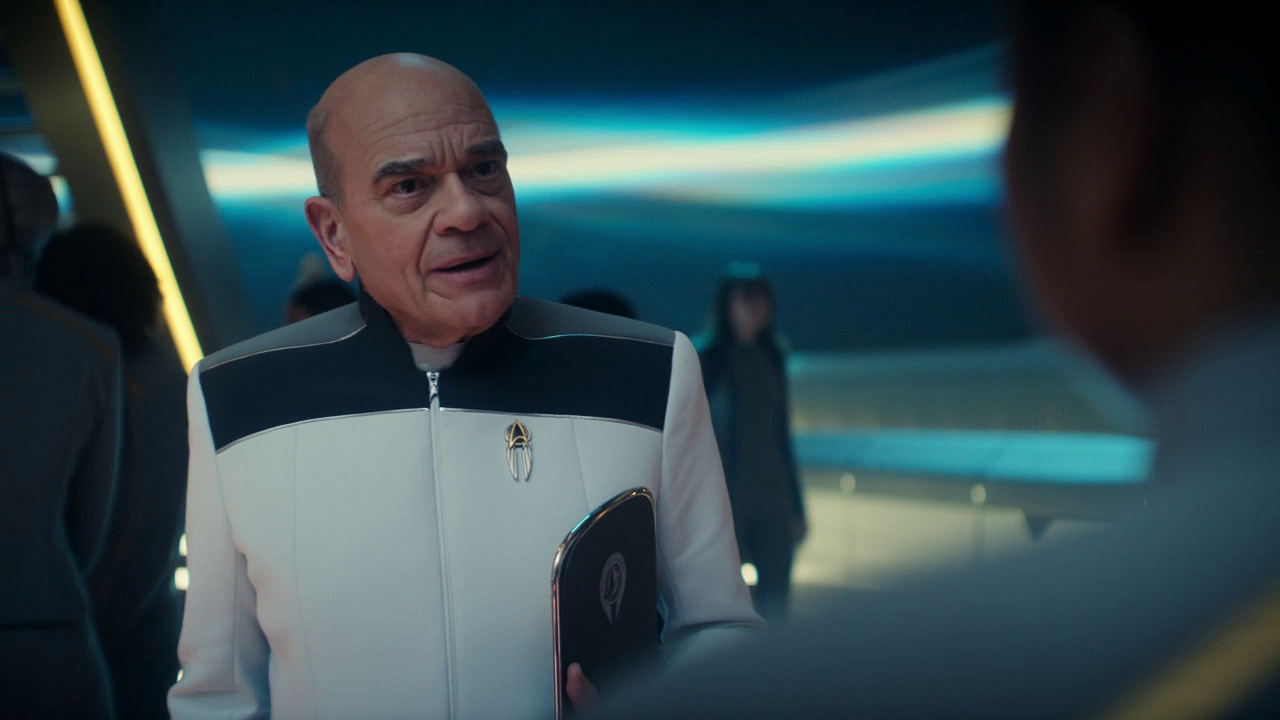
Moreover, the franchise’s timeline has become completely fractured. Discovery was set in the 23rd Century, but then leapt forwards in time by 900 years to the 32nd. Picard was set decades after Nemesis and Voyager, but nowhere near as far forward as Discovery. Strange New Worlds was set after Enterprise and Discovery but before The Original Series. Prodigy was set after Voyager, but not at the same time as Picard. Section 31 was set after Discovery and the TOS films, but before The Next Generation. Lower Decks was set in between Nemesis and Picard, but still managed a crossover with Strange New Worlds. And, of course, Starfleet Academy is now set after Discovery in the far future.
Did I miss one? I feel like I missed one.
One thing I really hoped Star Trek could do, after Enterprise was cancelled and a reboot film was in production, was shake off its image as a convoluted franchise that only nerds could possibly keep up with. And it did… briefly. But the franchise’s streaming era didn’t just bring back the complicated prime timeline, it doubled- and tripled-down on making it even *more* convoluted than ever. And what’s been the result of that? It’s increasingly difficult for new viewers to know where to start, it’s hard for audiences who’ve enjoyed one series to try out another and fully join the fan community, and even for long-time Trekkies… it can be hard to keep up.
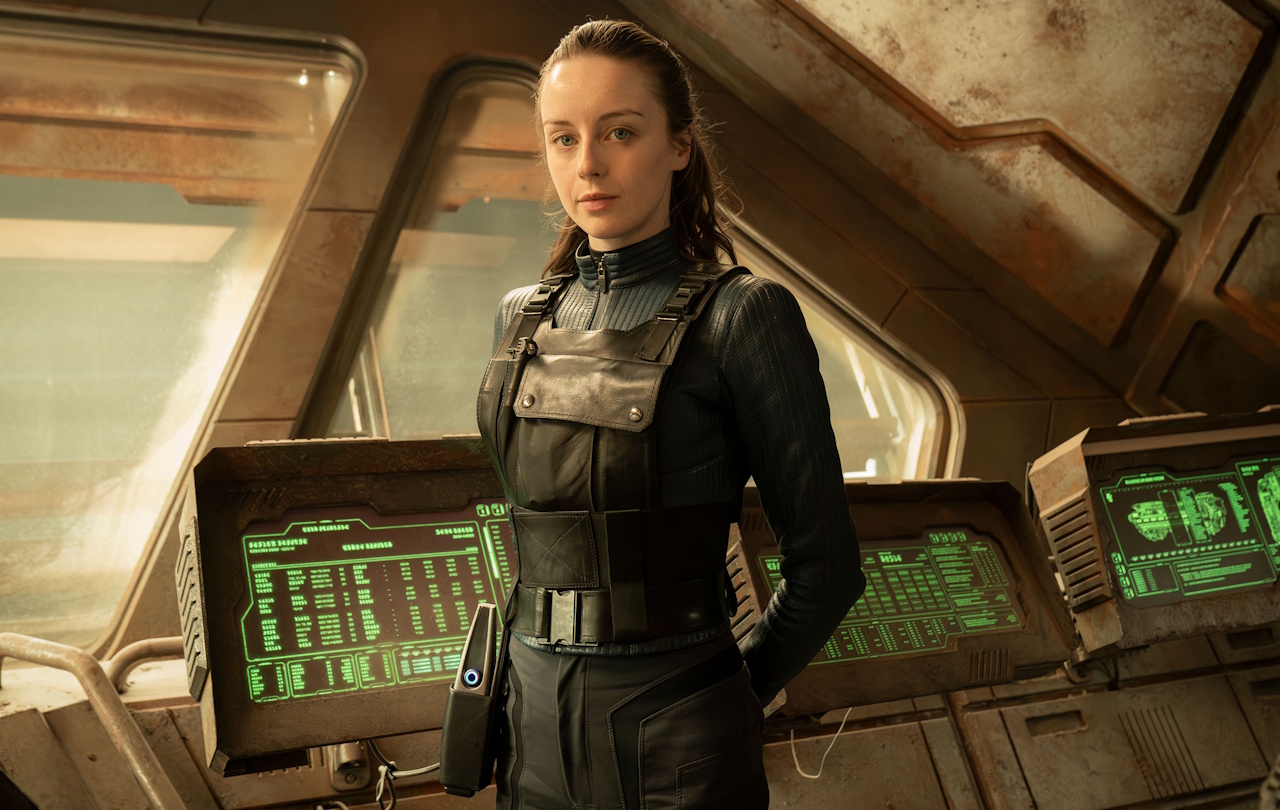
I don’t believe that Star Trek should do the Marvel thing of making *every* film and series share a single setting, with characters and storylines criss-crossing the franchise. That brings with it its own issues, as Disney and Marvel are slowly discovering. Nor do I believe that Star Trek should take the Star Wars approach of only focusing on a handful of legacy characters at the expense of everything else. Again, that’s small-minded and has left that franchise with fewer and fewer options as time has gone on.
But what I do think is necessary, at this point, is for Star Trek to slim down and try to refocus. The days of producing five series at once, all in different time periods, has to be over. Star Trek’s corporate owners spread the franchise too thin in the first half of the 2020s, and simultaneously expected it to be one of the principal flag-bearers for a streaming platform. There’s a good case to be made for picking a single era, producing a single series, and sticking with it until it finishes its run.
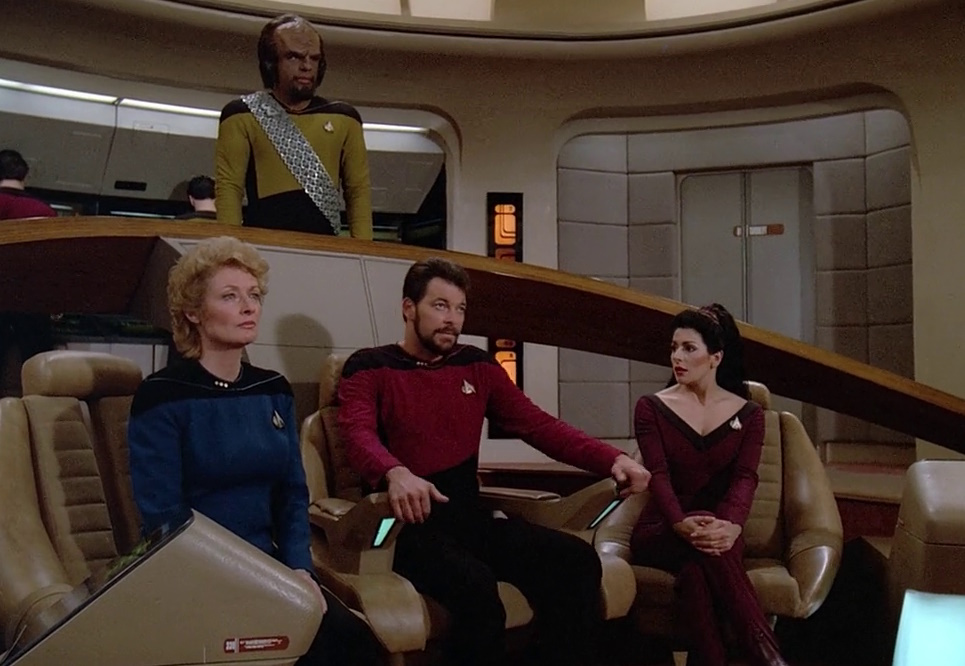
With Alex Kurtzman’s contract at Paramount having run its course, and with a new feature film (allegedly) in early pre-production, this is as good a time as any for the franchise to take that break. When the current shows have run their course, and the film has premiered in cinemas, there’ll be time for Skydance to assess what’s worked, what hasn’t, and perhaps find where there could be a place for Star Trek in the future. And I do believe there should be a place for the franchise in the future! I’m just… not entirely certain what that looks like as we get closer to 2030.
Taking a break – having a clear twelve months or so without any new shows or films in production or on the air – will give the franchise breathing room. It’ll give all of us a chance to think about what we enjoyed, what we didn’t, and what we’d like to see more of. Star Trek – like any franchise, really – can’t be everything to everyone all the time, and decisions will have to be taken about where to focus and where to spend that energy. And it could be the case that a break is exactly what’s needed to give everyone involved a bit of clarity – the ability to see where Star Trek can and should go next.
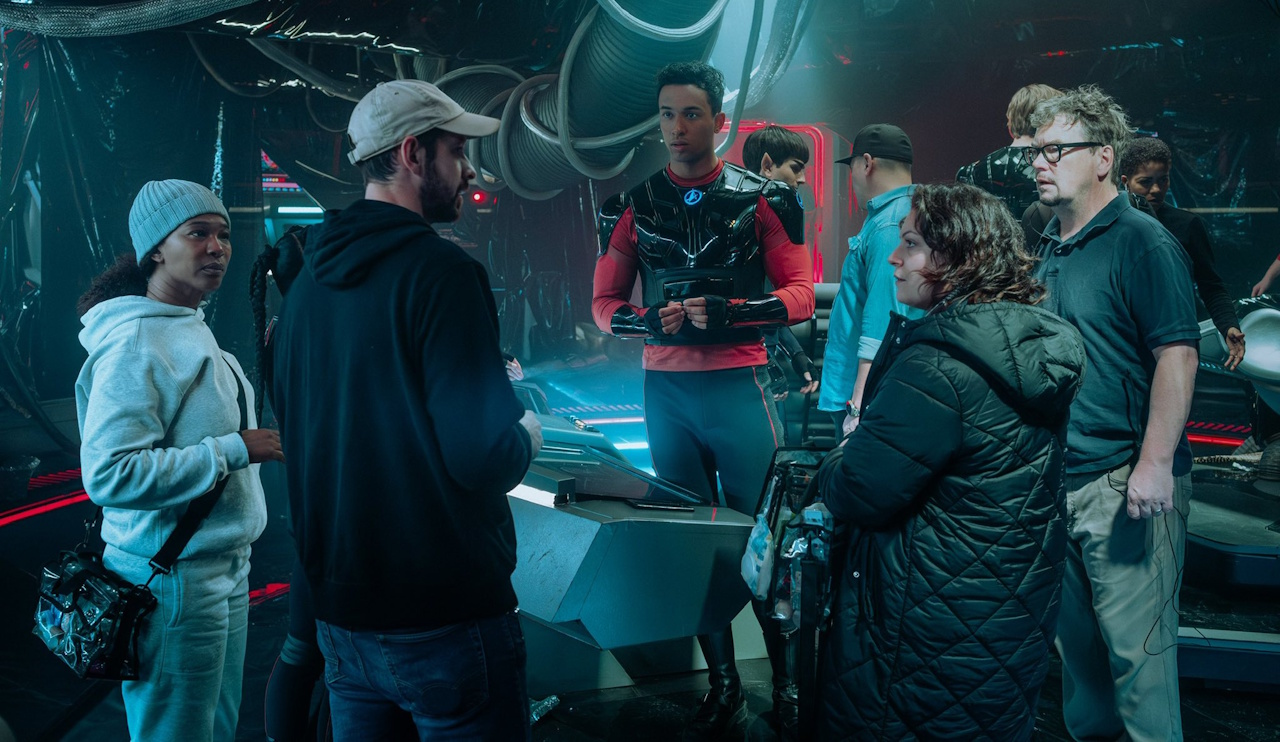
Unlike a lot of entertainment franchises, Star Trek has always felt pretty open-ended. There’s no overarching story that’s drawn to a close, and really, the only limitations should be the imagination of the folks in the writers’ room. As long as you can invent new planets, aliens, and weird space phenomena, you can make an exploration-focused, episodic Star Trek show pretty much… forever. It’s not like Star Wars, where Palpatine and Vader rose to power and were defeated, or The Lord of the Rings, which couldn’t very well continue after Sauron’s defeat. There *are* more stories to be told in this galaxy… if someone can be found to tell them.
When we look back on Star Trek’s streaming era, I think we’ll come to regret the franchise’s over-use of legacy characters. Strange New Worlds prioritises Spock, and latterly Kirk, Scotty, and Uhura, at the expense of its original creations – and even Captain Pike, sometimes. Picard jettisoned its new characters in favour of bringing back the cast of The Next Generation – even though doing so made no sense in at least one instance. And I’m afraid that, for all of its successes, making Prodigy a half-kids show, half-sequel to Voyager left it in a very odd narrative space, one that worked against its core function of attracting younger viewers. For you and I, long-standing Trekkies who love this franchise, some or maybe even all of those shows worked well. But for the franchise’s longer-term prospects? Doubling-down on legacy characters has left Star Trek with a lot less room for manoeuvre.
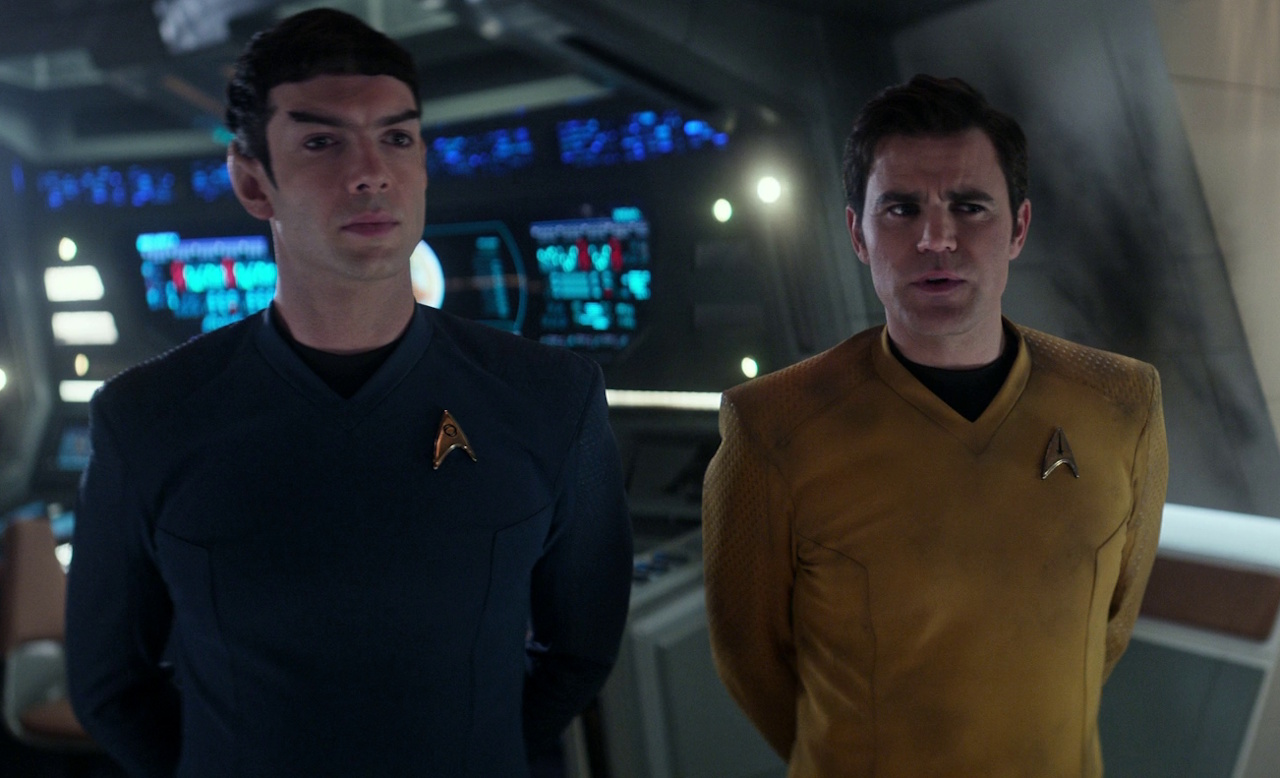
Pitches abound from ex-Star Trek stars – whether it’s the Ceti Alpha V idea that eventually became the Khan audio drama, Scott Bakula’s “President Archer” series, the unironically-pitched Captain Proton show, a Strange New Worlds spin-off called Year One… and more. But are any of these ideas what Star Trek needs at the current moment? We’re coming off a long run of prequels, sequels, and shows with legacy characters shoehorned into them. And if the people in charge believe that what Star Trek *used to be* is all it can ever be in the future… well, maybe we really do need a break.
Why did Star Trek succeed in the 1980s and 1990s when The Next Generation and its spin-offs were on the air? It wasn’t because the writers and creatives kept going back to the same handful of characters and alien races over and over and over again. It was because there were passionate people who loved the franchise – but who were also willing and able to take it to new places. We’ve seen some of that on streaming, too – don’t get me wrong. But… not enough.
At the same time as Star Trek has continually revisited legacy characters and familiar settings, we’ve also seen the franchise repeatedly forced into a modern, streaming TV mould that – I would argue – simply is not a good fit. Season-long, fully-serialised stories with big, galaxy-threatening villains… I mean, that kinda thing might work for Star Wars, but it’s just not what this franchise has ever really been about. Even when Deep Space Nine ran its Dominion War arc, the show was still largely episodic, and in twenty-plus-episode seasons, there was a lot more room to tell different kinds of stories within that framework.
I’m trying not to dwell too much on decisions that have already been taken. But I can’t shake the feeling that, in five or ten years’ time, we might look back at this streaming era as a huge missed opportunity… perhaps Star Trek’s last great opportunity to reach new audiences. By the time we got Strange New Worlds – the show I consider to be the high-water mark of the modern franchise – Discovery, Picard, and, to an extent, Prodigy as well, had already burned a lot of goodwill and a ton of cash. By the time the higher-ups at the former Paramount corporation realised that the best way to make a Star Trek show was to… y’know, *make a Star Trek show*, it was already too late. The merger was inbound and cancellation loomed.
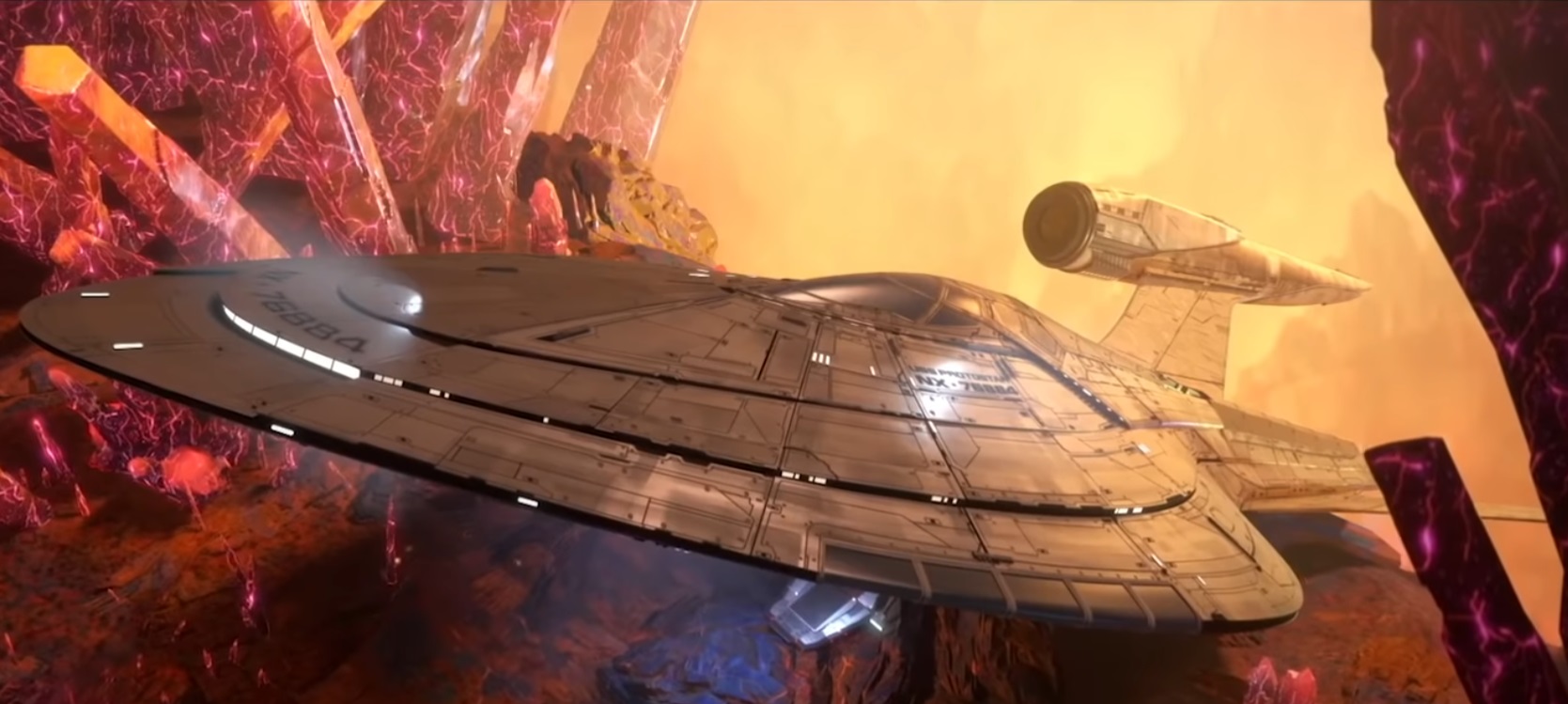
I don’t want to say that I regret ViacomCBS and Paramount trying new things with Star Trek, nor trying to modernise the franchise, either. Both Discovery and Picard were well-intentioned efforts to take this classic franchise and see if it could slot into a modern, serialised, short-season format. But I think we also have to acknowledge that the results of those experiments were more miss than hit, and Strange New Worlds’ success is what’s proven to me that Star Trek *still* works best when you have the freedom to warp away to a new planet and a new adventure pretty much every week.
And that’s what I hope the new Skydance/Paramount leaders will reflect on in the months and years ahead.
I would say, to its credit, that the six episodes of Starfleet Academy that I’ve seen so far have also been more episodic than I initially feared, and that there are some fun standalone stories in Discovery, Prodigy, and of course, in Lower Decks as well. But where those shows fell down, in my opinion, was in trying to use (and then re-use) a serialised streaming mould that may have worked elsewhere… but just wasn’t the right fit for Star Trek.

If you’ve been a regular reader for a while, you might remember me saying this shortly before Picard Season 1 landed back in 2020: “I’d like to give the new cast a chance to become fan favourites for the next generation (pun intended) of Star Trek fans. I really hope that in another thirty years’ time they’ll be clamouring to find out what happened next to some of these characters the way we are for those of the TNG era.”
That was genuinely what I hoped for as Picard premiered; that fans would be just as enamoured with the likes of Dr Jurati and Elnor as you and I were for Dr Crusher or Worf. Unfortunately, I really can’t think of a single character from modern Star Trek – across all of the shows – who might genuinely be in that category. Can you?
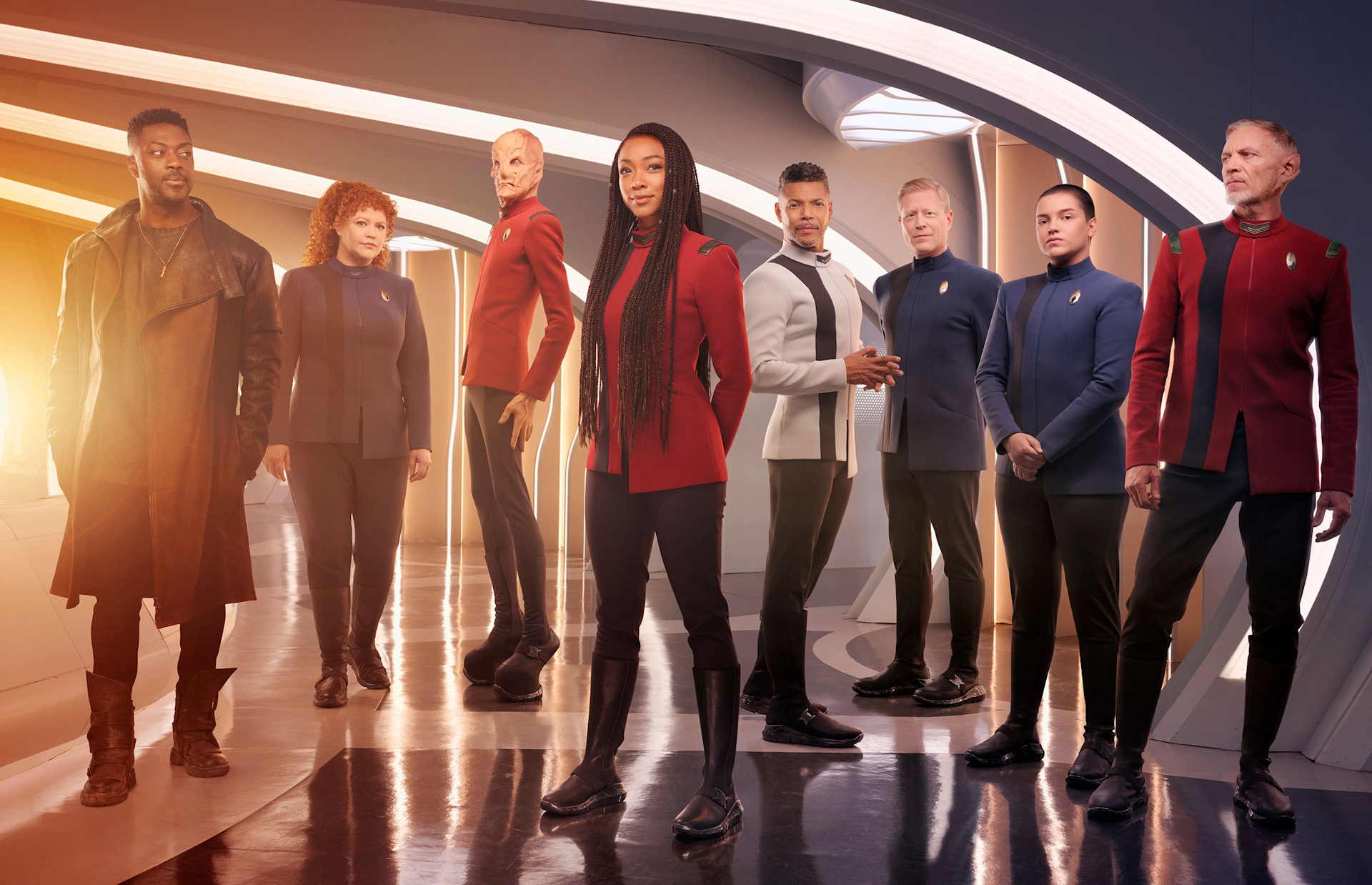
But… I could be wrong about that. And perhaps, with the passage of time, we’ll gradually fold these newer shows into the broader lore of Star Trek. I wasn’t a huge fan of Enterprise when it premiered, and I only tuned in sporadically during its original broadcast run. But I’ve since come to appreciate the stories it told a lot more, so… maybe there’s hope there, too. Sometimes, you need a bit of time and space before you can fully appreciate a good story, and maybe that’s going to prove the case with modern Star Trek.
Another benefit of taking a break is that it gives a whole new crop of writers and creative folks a chance to step up. There may be folks out there who have great ideas for Star Trek – or who *will* have a great idea in a few years’ time – who simply wouldn’t get a look-in with Paramount right now because there’s already a full creative team in place. I note that some of the same folks have been hired to work on the production side of multiple shows of the current streaming era – as also happened, by the way, from the ’80s through to Enterprise’s cancellation. But when the same people have been at the helm for a while, any franchise is going to need an injection of new talent. New writers, new producers, new directors… people who have different ideas.
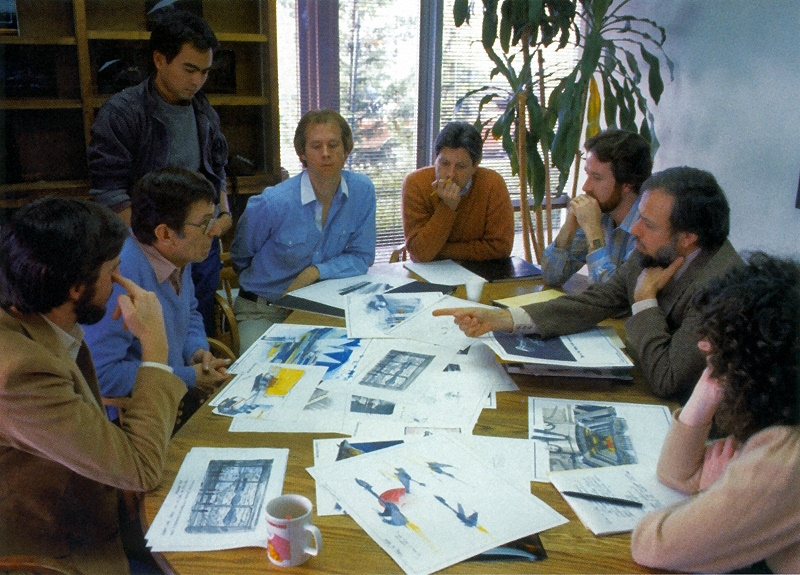
Some of those folks may be Trekkies already, and they’re just waiting for their chance. Others may have only come to Star Trek recently, in this current streaming era, and are just beginning to explore the franchise and what they might be able to do with it one day. Either way, having a clear-out at the top and opening the door to new pitches and new ideas from different people… it’s not a bad thing. Star Trek, in its current form, has been in production for over a decade, and Alex Kurtzman – the franchise’s current head – has been involved with Star Trek since the reboot film back in the 2000s. I’ve *never* been a “fire Kurtzman now!!1!” person. But if his contract has run its course, and a new executive team is in charge at Skydance… it could be a natural break; the right time for everyone to go their separate ways.
And to be clear: I think Alex Kurtzman can hold his head up high and revel in the genuine successes he had. No showrunner or executive producer is gonna hit it out of the park every time, and I respect his willingness to be experimental and to give shows like Lower Decks a chance. And I respect how he was willing to listen to fan feedback when we were desperate for “the Captain Pike show” to be created. So I’m not saying he “should be fired,” or that I’ll celebrate his departure. I’m simply saying that, after several years at the top and having overseen such a broad expansion of the franchise, it’s probably time for new creatives to step into that role.
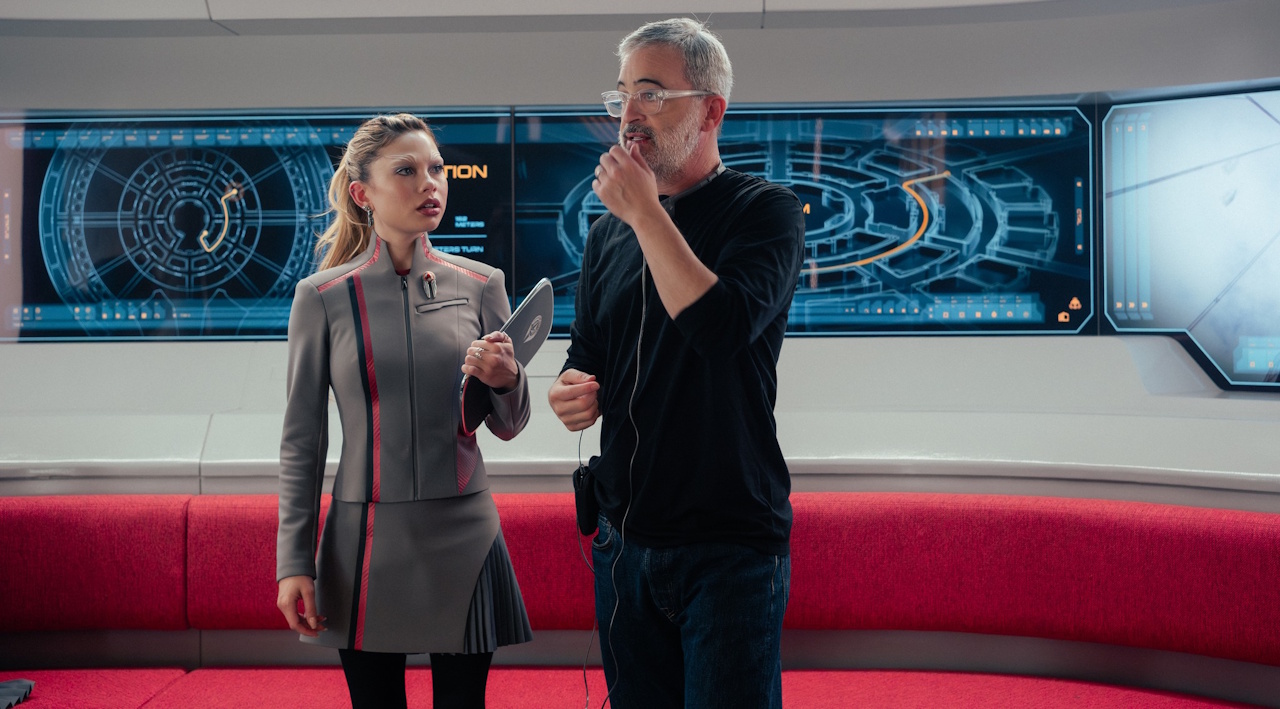
And for us, as fans… as tempting as it may be to say we want to get new episodes of Star Trek all day, every day, I think *we* need breaks sometimes, too. You need a break to appreciate a franchise, to avoid burning out on it or finding it stale, and to branch out. There are some great sci-fi and fantasy stories out there in other properties – some of which are similar to Star Trek, and some of which are very different. But as fans, we don’t need to be *only* interested in one thing at the expense of everything else. Look at my website as an example: yes, I’m focused on Star Trek a lot of the time, but I also talk about gaming, movies, and TV shows outside of the franchise, too.
I wasn’t around in the dark days of the 1970s after The Original Series was cancelled. But I can vividly recall the shock and disappointment I felt on learning that Enterprise was being shut down after just four seasons… and that *no* new Star Trek at all was going to be produced. And I don’t long to repeat that feeling, believe me! But at the same time, as I reflect on those days with twenty years of hindsight… I think that missing Star Trek is what helped me to fall in love with the franchise all over again.
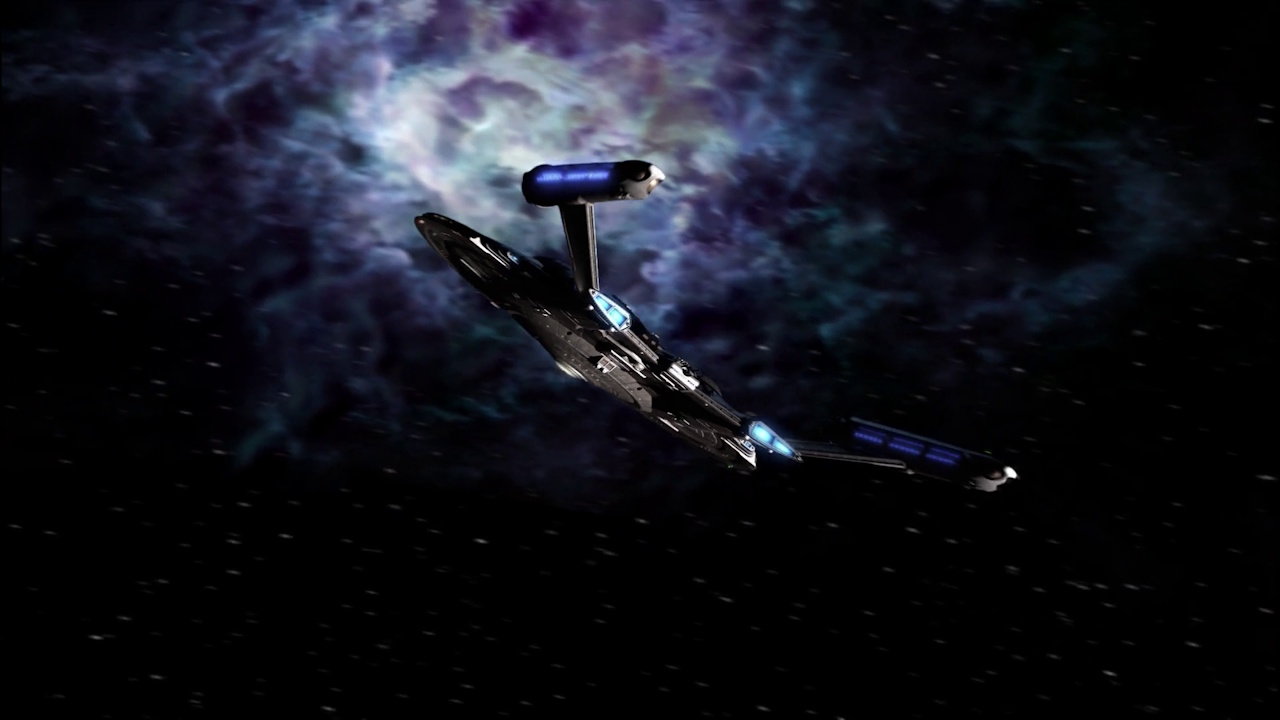
In 2005, when Enterprise was cancelled, I had quite a few Next Generation episodes on VHS, as well as most of the Star Trek films, and I’d begun my DVD collection with The Original Series. But I wasn’t a regular Enterprise viewer, and it had been a while since I’d watched much DS9 or Voyager in particular. But cancellation, and the thought that there might be no new Star Trek at all? That spurred me on to re-watch some of my favourite stories, and as I expanded my DVD collection in the second half of the ’00s, I spent more time with Star Trek than I had in years. By the time the reboot film arrived in 2009, I owned the entire franchise on DVD, and I was regularly re-watching all of it.
I don’t think I would’ve been so committed to doing all of that were it not for the cancellation. Having that break – though it didn’t feel good at the time – led me to doubling-down on Star Trek, watching old episodes that I hadn’t seen in years, and really coming to appreciate the *entire* franchise – even those parts, like Enterprise or The Animated Series, that I was less familiar with.
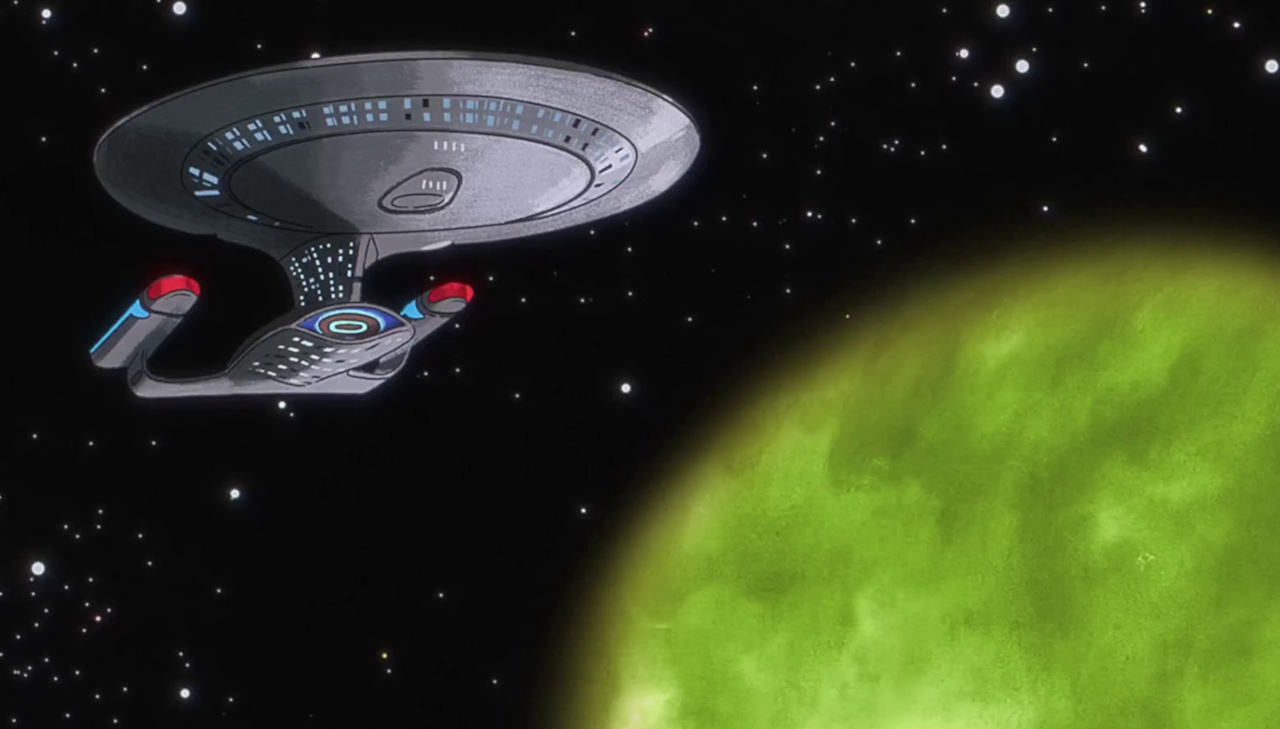
I’m not saying the same thing is guaranteed to happen again. But if Star Trek does go off the air for a while, all we’ll have are re-runs of old episodes on Paramount+ (or whatever it’ll be called by that point!) I don’t think it’s impossible to think that the passage of time, and the lack of any new stories being told in the franchise, will lead us to re-evaluate some of what we’ve seen over the past decade or so. Who knows… I might even discover an appreciation for Picard Season 2. I mean… it’s *possible*. Right?
At the end of the day, there are examples of franchises disappearing for a while and coming back stronger. And I would *hope* that Star Trek could be in that category. I mean… it’s happened before. Twice. And the likes of Star Wars, Doctor Who, and others… they’ve all gone on hiatus for a while, only to return to critical acclaim and praise from their fans. A break doesn’t have to be fatal… and it doesn’t have to be permanent. And sometimes, it’s just what a franchise needs – even if, as fans, it can be hard to recognise that in the moment.
So I hope this has been interesting.
I was prompted by the news of Starfleet Academy’s second season wrapping principal photography, and also the recent news that Skydance-Paramount looks set to acquire Warner Bros.-Discovery. Presumably becoming Para-Disco-Dance-Bros… with a streaming platform called HBParaOPlusMountMax? Who knows!
But assuming the takeover goes through, and survives all of the regulatory scrutiny it’s sure to endure… there could be interesting times ahead. I understand that the new corporate entity will be heavily indebted, which could provide an incentive to return to big-name franchises, like Star Trek, to attract cinemagoers and subscribers. But that will have to be a conversation for another day!
I wanted to tackle the thorny question of Star Trek’s possible cancellation from a completely different angle. And while I must concede that I’m not thrilled about the franchise potentially going off the air again… I can see glimmers of hope, at least, that a change in direction and perhaps a tighter focus could lead to better things somewhere down the road. I have no idea if I’ll live long enough to see any of that, of course! But if I do… hey, come back to Trekking with Dennis, and we can watch those new episodes and films together.
And until then… I’ll be here. It’s still the 60th anniversary year, and I’ve got plans for reviews, re-watches, and more right here on the website.
Thanks for joining me today, and Live Long and Prosper, friends!
The Star Trek franchise – including all properties discussed above – is the copyright of Skydance/Paramount. This article contains the thoughts and opinions of one person only and is not intended to cause any offence.
 Trekking with Dennis