Skydance and Star Trek: A New Era?

A Star Trek-themed spoiler warning

Spoiler Warning: There are spoilers ahead for the following Star Trek productions: Discovery, Picard, Lower Decks, and Starfleet Academy.

Well, folks, it’s official: Skydance – which already owns Star Trek’s parent company, Paramount – has completed its takeover of Warner Bros.-Discovery. The newly-merged company will trade under the name Skydance, though senior figures have promised that both the Paramount and Warner Bros. brands (as well as other brands, too) will be retained in some form, at least in the short-term. Today, I wanted to discuss the merger a little from the point of view of a Trekkie, and consider what – if anything – it might mean for the future of Star Trek on the big screen, the small screen, and beyond.

Before we go any further, I have a couple of caveats! Firstly, I’m not a businessperson, I’m not an entertainment industry insider, and I don’t have any information on the merger beyond what’s publicly available. I’m approaching the subject from the perspective of a fan of one of the (many) brands now under Skydance’s ownership, drawing on news reports and other info that’s in the public domain. Secondly, everything we’re going to get into is the *subjective, not objective* opinion of just one fan. If you disagree with me, if you hate my take on what the merger could mean for Star Trek, or you think I’ve completely misunderstood something important… *that’s okay!* There’s room in the fan community for differences of opinion, and I share mine with you in that spirit.

With that out of the way, let’s talk about the latest change on the corporate side of things for Star Trek.
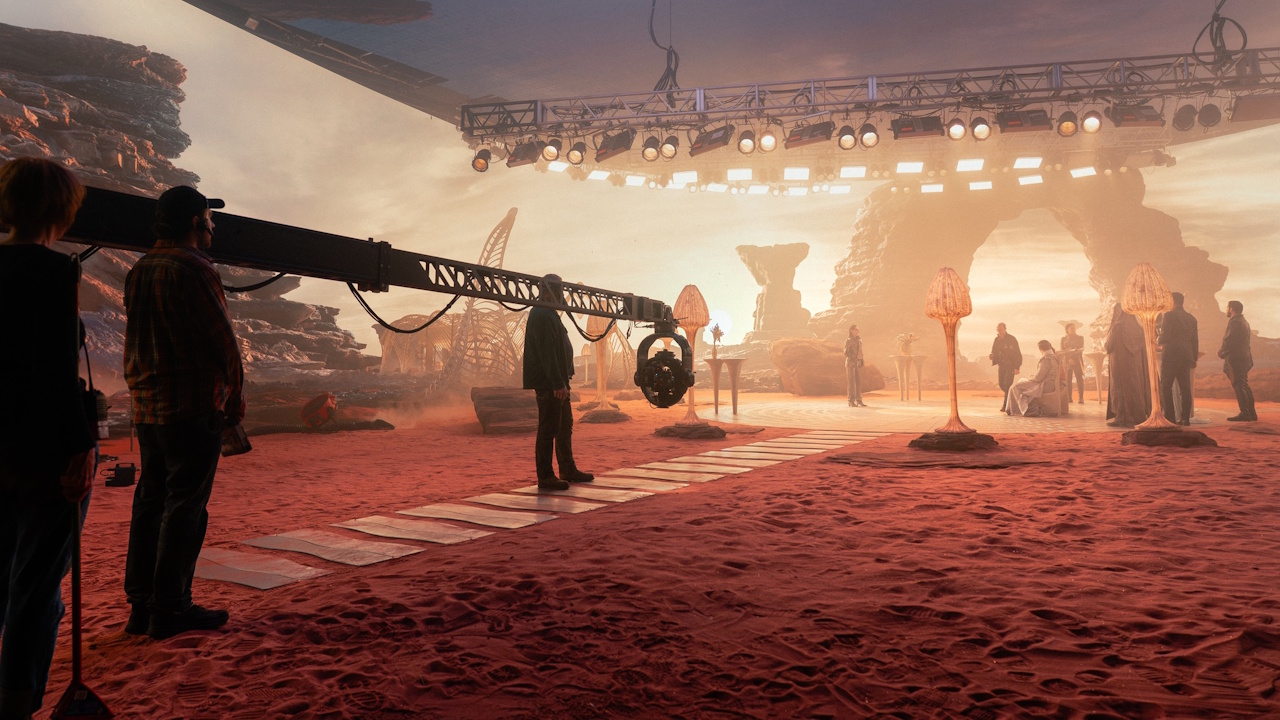
Behind-the-scenes photo from Star Trek SFA S1 showing a camera and the AR wall
On the set of Starfleet Academy.

On the one hand, very little has actually changed for Star Trek specifically as a result of this merger. Skydance already owned Paramount – Star Trek’s parent company – and had done since last year. Star Trek is not really “under new ownership” as a result of this latest acquisition; rather, Star Trek’s existing owner has expanded and is now even larger.

But I don’t think that technicality really covers how big of a deal this *could* be for Star Trek’s future prospects.

I don’t think it’s unfair to say that, for CBS, then ViacomCBS, and finally Paramount Global, Star Trek was one of the biggest and most well-known brands. There were others, of course: the CSI franchise, for example, or The Vampire Diaries. But there’s a reason why Star Trek was tapped to be the flagship series when CBS All Access launched, and why the former Paramount corporation leaned so heavily on Star Trek when pushing Paramount+. Simply put, Star Trek was a big fish in a relatively small pond.

The CBS All Access logo
Remember CBS All Access?

That has now changed… massively.

Star Trek had already fallen way behind the likes of Yellowstone and its spin-offs to lose the Paramount+ crown. But now, Star Trek finds itself under the same corporate umbrella as the likes of HBO, with shows like Game of Thrones and its spin-offs, Harry Potter (for better or worse), the cinematic Lord of the Rings trilogy, the entirety of DC Comics, which includes Superman, Batman, and other heroes, and so many more.

Star Trek is no longer a tentpole franchise for a corporate entity that can call on Harry Potter, Batman, the world of Westeros, and more. And that simple fact could set the stage for a fallow period – perhaps lasting just a few years, or perhaps lasting… a lot longer.

Still from Batman and Robin showing the titular heroes
Star Trek and Batman now share a corporate overlord.

In the short-to-medium term, we know that Skydance has a couple of Star Trek ideas in mind. There’s a new video game – one of the first to be published under the new Paramount Games brand – and a film that seems to still be in the “ideas” stage. But beyond that… there have been no announcements other than the cancellations of every show that had been in production at the time Skydance assumed control. I don’t see this merger making Skydance *more* likely to greenlight a new Star Trek show or film. If anything… it seems like it’ll make that less likely.

I’m increasingly iffy on the film that was announced last year, too. Maybe that’s a hangover from how poorly the previous incarnation of Paramount handled its film announcements for Star Trek… but at the same time, it’s been almost a full calendar year since we learned that Skydance wanted to commission a new film, which was to be spearheaded by the filmmaking duo Jonathan Goldstein and John Francis Daley. But since then, Goldstein and Daley have continued to work on Mayday, which released just last month, and there’s been very little by way of news about the project, which must still be at a very, very early stage. On past form, you have to acknowledge that it’s possible that this film just won’t make it off the drawing board… and I really don’t know what Skydance’s leaders would make of that. With so many other brands under their umbrella, would they care… or even notice?

Warner Bros. studios in Hollywood
The site of Warner Bros. studios in Hollywood.

Skydance clearly had no confidence in the Star Trek streaming shows that it inherited – cancelling all of them. I’m also of the opinion, by the way, that Starfleet Academy had been what I’ve called “de facto cancelled” before a single episode had even aired – such was Skydance’s dislike of streaming Trek.

Skydance CEO David Ellison seems much more interested in feature films than TV shows, but he now sits atop a media empire that relies heavily on both broadcast television and streaming. New spin-offs to Game of Thrones and Yellowstone are airing or will soon air, and none of those has been cancelled as a result of this merger. So there’s clearly still gonna be a place for TV and streaming in this new corporation.

Skydance CEO David Ellison
Skydance CEO David Ellison.

And that matters to me because, as I’ve said countless times before, Star Trek has always felt more at home on the small screen – at least to me. Don’t get me wrong, there have been some great cinematic adventures, too! But I just feel that a franchise like Star Trek works best on television, where the Enterprise can warp away to a new planet, a new alien, and a new adventure pretty much every week. If the franchise goes back to the cinema, we could get some fun sci-fi or action/sci-fi stories, for sure. But we’d also be missing a key part of what makes Star Trek feel like Star Trek.

However… I’ve also stated before that Star Trek quickly became oversaturated in the first half of the 2020s. And partly that’s because the former Paramount corporation wanted the franchise to almost single-handedly carry a loss-making streaming platform over the finish line. That was never gonna happen, and some truly epic mismanagement on the corporate side also saw such stupidity as two brand-new episodes airing at the exact same time, down to the minute, as Star Trek shows tripped over one another on Paramount+.

Maybe a break… isn’t a bad thing.
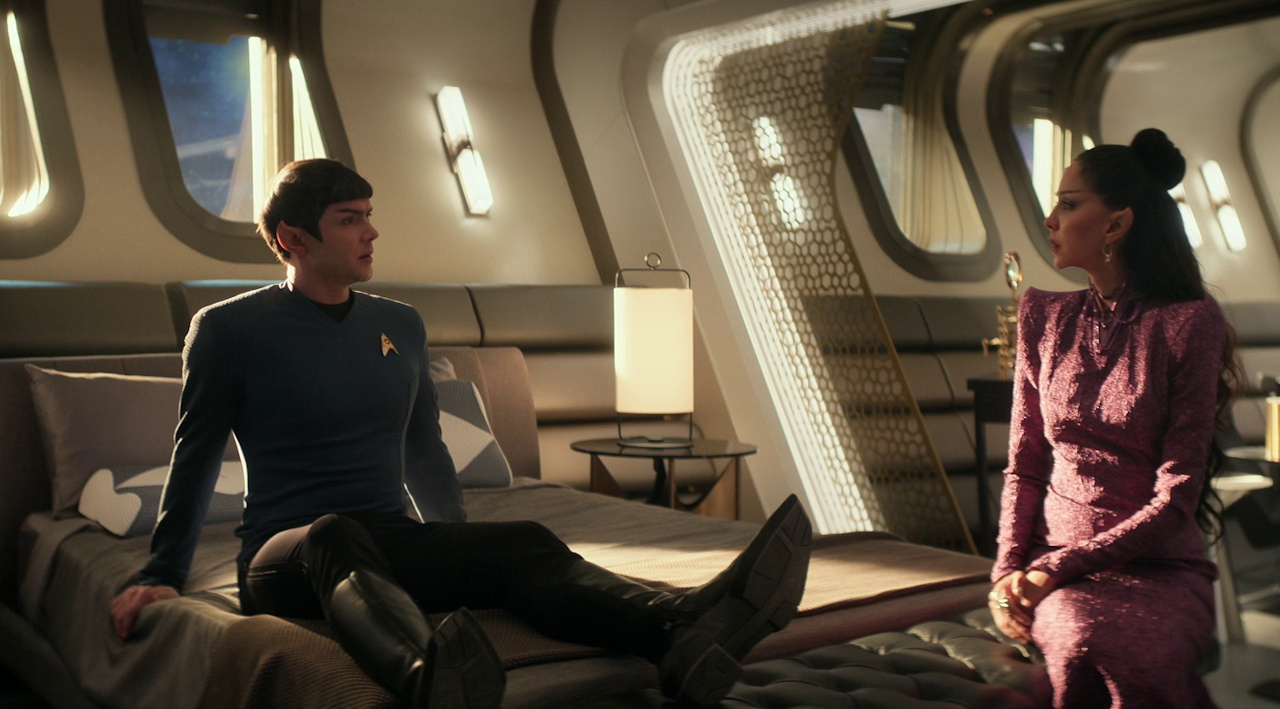
When Enterprise went off the air in 2005, I was left stunned. I scoured the internet for any rumours of a new Star Trek show to replace it, but obviously found nothing. Enterprise’s cancellation was the first time since I became a Trekkie almost fifteen years earlier that there was no new Star Trek in production. And what happened next… well, it led me to double-down on Star Trek, to re-evaluate parts of the franchise I’d overlooked, and discover my passion for it all over again.

After some missteps in recent Star Trek productions, I’m firmly of the opinion that a clear-out at the top is not only a good idea, but *necessary*. Many of the same creatives have been working on Star Trek for ten-plus years already; some have even been with the franchise since the Kelvin timeline films. It’s absolutely worth introducing new folks with new ideas and letting new leaders take the reins – and that’s something that shouldn’t be rushed. If Skydance wants to appoint a new head of streaming, it’ll take a while for that person (or team) to get a handle on where things sit and decide what they want to do. And it’ll take new creative folks time to figure out where they might want to take Star Trek next, put together a pitch, and get it approved. Rushing that process won’t lead anywhere good, I’m certain of that!
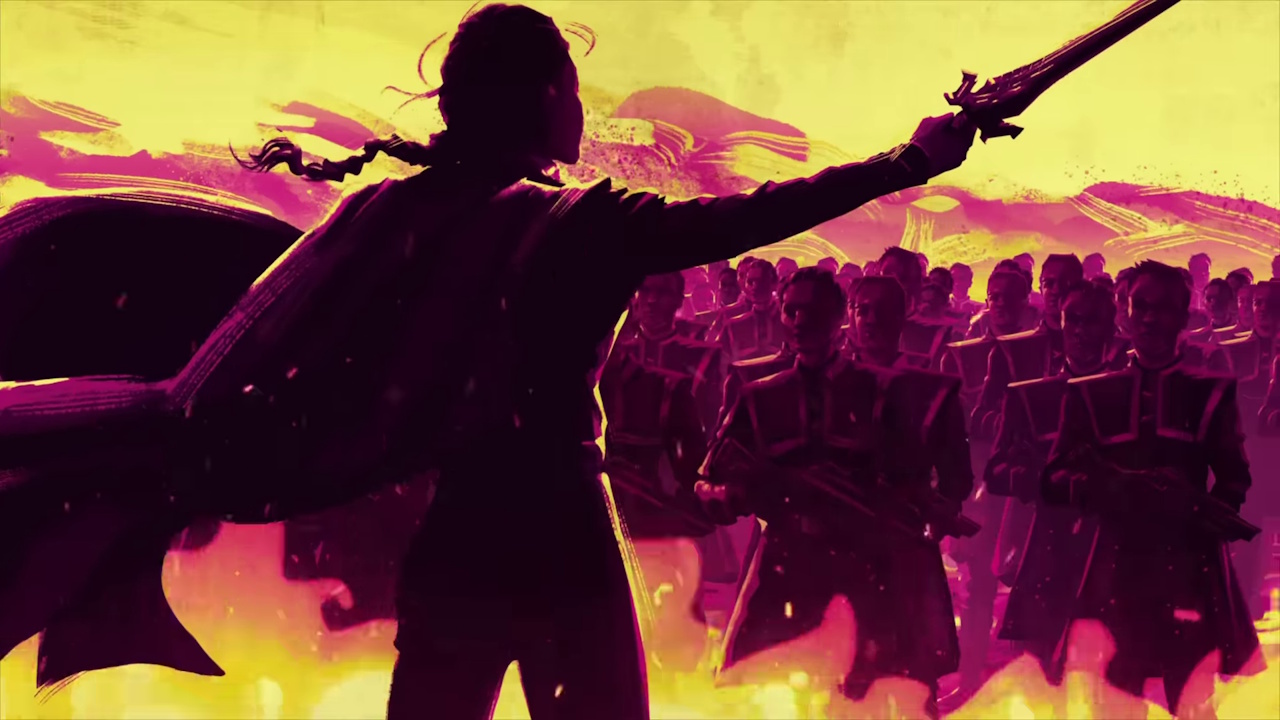
Promo graphic for Star Trek Section 31 showing Georgiou with a sword
Several recent Star Trek projects have flopped or underperformed.

It seems increasingly likely that, sooner or later, Paramount+ and HBO Max will unify as one singular streaming platform. That just makes sense; I can’t imagine Skydance keeping them separate for very long. And with streaming still dominant in the industry, that platform will be Star Trek’s new home. I can’t see Skydance being as shockingly incompetent as the former Paramount corporation, either, losing the rights to its own films and shows – so the days of the Star Trek films disappearing from Paramount+ for months should be over! So that’s a positive, I guess.

But when it comes to *new* creations, I still think we’ve got a while to wait.

The only thing I could see that might possibly change that is the amount of debt that Skydance is now in. Long story short, Skydance (which was already in debt from the Paramount acquisition) basically had to borrow *all* of the money it needed to fund the Warner Bros.-Discovery acquisition – and, on top of that, Skydance arguably paid over the odds for Warner Bros.-Discovery in order to muscle in on Netflix’s attempted takeover. So Skydance is in – what’s the technical term? – a metric fuckton of debt.

Stock photo of a briefcase full of US dollar bills.
Skydance is in *a lot* of debt.

How do media companies pay down debt? Well, selling tickets at the cinema for blockbusters is one way, sure. But in the 2020s, recruiting and retaining subscribers to a streaming platform is another. This is Netflix’s entire business model, and it’s phenomenally profitable when done right. A merged HBO Max-Paramount+ would have a lot of existing content from some of the brands and franchises discussed above, but it will also need new shows all the time to lock in subscribers and convince folks that it’s a must-have subscription.

If there’s a reprieve for Star Trek on streaming, I think that’s where it lies.

I could see this new Skydance corporation taking a bit of time to consider pitches and ideas, and to allow its new streaming folks a chance to get their feet under the table. And then, maybe in 2029 or 2030 – a scant three or four years from now – going ahead and commissioning a brand-new Star Trek series. Maybe, if their new film has been a hit, it’ll be a continuation or spin-off. Or maybe it’ll be its own distinct thing. But to be realistic, I think we’re looking at 2031-32 before any new Star Trek could hit the small screen.
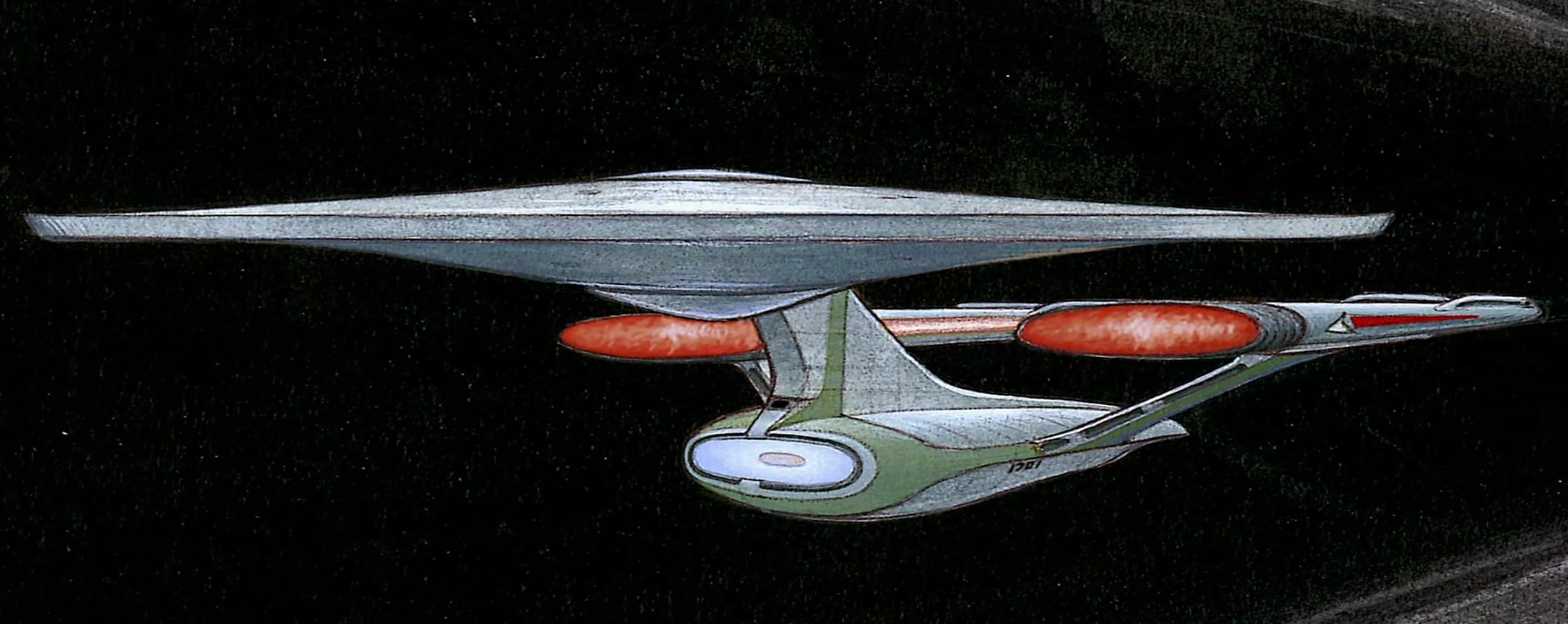
Concept art of the USS Enterprise created for Phase II/The Motion Picture
Concept art of the USS Enterprise.

If both Starfleet Academy Season 2 and Strange New Worlds Season 5 air next year, as we’re all assuming… that still means a break of five-ish years (at minimum) before there could be any new televised/streaming Trek. But that timeframe, to me, doesn’t feel unreasonable.

There are other possibilities, of course.

If Skydance struggles to manage this epic debt mountain, a “fire sale” of brands and IP could be on the cards in the years ahead. And where would a corporation want to start? With dormant brands that have good name recognition! Star Trek could, under those circumstances, potentially be sold to another media conglomerate. That’s much more of a hypothetical, but if Star Trek has been quiet for a few years and Skydance has struggled to make good on its debts… that’s the kind of thing that could happen. Though where Star Trek might end up, at that point, is anyone’s guess! I’ve heard some fans suggest that Apple TV, with its sci-fi programming, could be a good fit, and I don’t disagree. But whether Apple would really want to spend a lot of money on the rights to Star Trek is… questionable. Amazon founder Jeff Bezos is a known Star Trek fan, though, so maybe Star Trek would find its way over there. Amazon Prime Video did, once upon a time, pay for the international distribution rights to Star Trek: Picard, so it wouldn’t be totally unprecedented.
Still frame from Fallout S2 showing the Amazon MGM logo.
I could see someone like Amazon being interested in Star Trek if it were ever put up for sale.

But okay, those are much more speculative ideas on my part.

What I think seems more likely, at least in the short term, is Star Trek winding down. There will be books, comics, and the occasional video game if we’re lucky. And, if the stars align, either the previously-announced feature film or a different cinematic project could hit theatres in, say, 2029. The success or failure of that picture could determine whether there are sequels, spin-offs… or whether it’s back to the drawing-board again!

One thing that this merger has solidified for me is that Skydance doesn’t see Star Trek as either one of its biggest brands or a priority. Star Trek is now one property among dozens, some of which have much higher name recognition with casual audiences – and much greater profitability potential. If budgets are tight, Skydance won’t be able to commission every project that comes across the CEO’s desk. If it’s a choice between Batman and Star Trek, a Game of Thrones project and Star Trek, Harry Potter and Star Trek, or Yellowstone and Star Trek – to give a few examples – well, I don’t see Star Trek winning *any* of those quarrels as things stand.
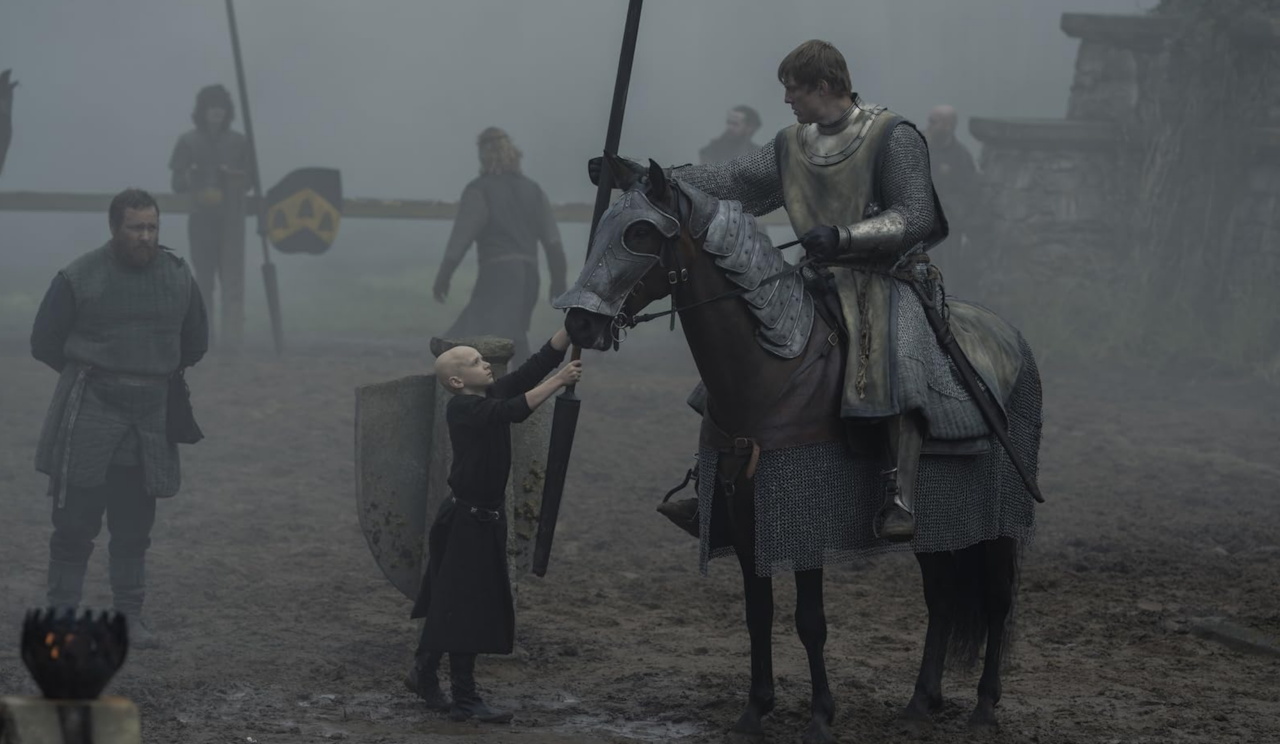
Promo still for A Knight of the Seven Kingdoms S1
I don’t see Skydance prioritising Star Trek over many of its other big brands.

For reasons that are unclear – and which, given the Ellison family’s ties, may be more political than anything else – production seems to be leaving Canada, which has been where most live-action Trek (except for Picard) has been produced for the last decade. A return to Hollywood could mean that Star Trek – and Skydance’s other big brands, too – are doubling-down on the cinema as opposed to the small screen, but I wouldn’t read too much into that, to be honest.

All of the sets that the previous CBS, ViacomCBS, and Paramount corporations had built have now been torn down in Canada, with many items being sold off at auction earlier this year. One thing I haven’t heard about, though, is the AR wall; the fancy screen that – to be honest with you – Paramount never seemed to properly figure out how to use! Maybe the AR wall will remain in use for other shows, and maybe we’ll even see something like it make a return in a future Star Trek production! But right now, a return to the United States, and to Hollywood, California in particular, seems to be where Skydance is going.

Behind-the-scenes photo from Star Trek SNW S3 showing the AR Wall
Filming Strange New Worlds on the AR Wall stage.

In terms of storylines and characters, I’m also of the opinion that most of the streaming Trek era won’t be revisited or returned to anytime soon. The only *possible* exception to that could be Lower Decks; for financial reasons, an animated series would be cheaper to produce than live-action, and most of the Lower Decks team have indicated that they’d be willing to return. Something like that could be a way for Skydance to test the waters and see how new Star Trek performs on its merged streaming platform without having to make the commitment to live-action.

However, that’s very much a hypothetical, and if I had to speculate, I’d say it won’t happen.

I really don’t see Skydance (or any future Star Trek owner/producer, come to that) wanting to revisit Discovery and Starfleet Academy’s 32nd Century. That timeline seems to have been completely shut down with Starfleet Academy’s cancellation, and of all the possible eras and settings to revisit, it’s rock bottom. I’d place it even below Enterprise’s 22nd Century – at least right now.
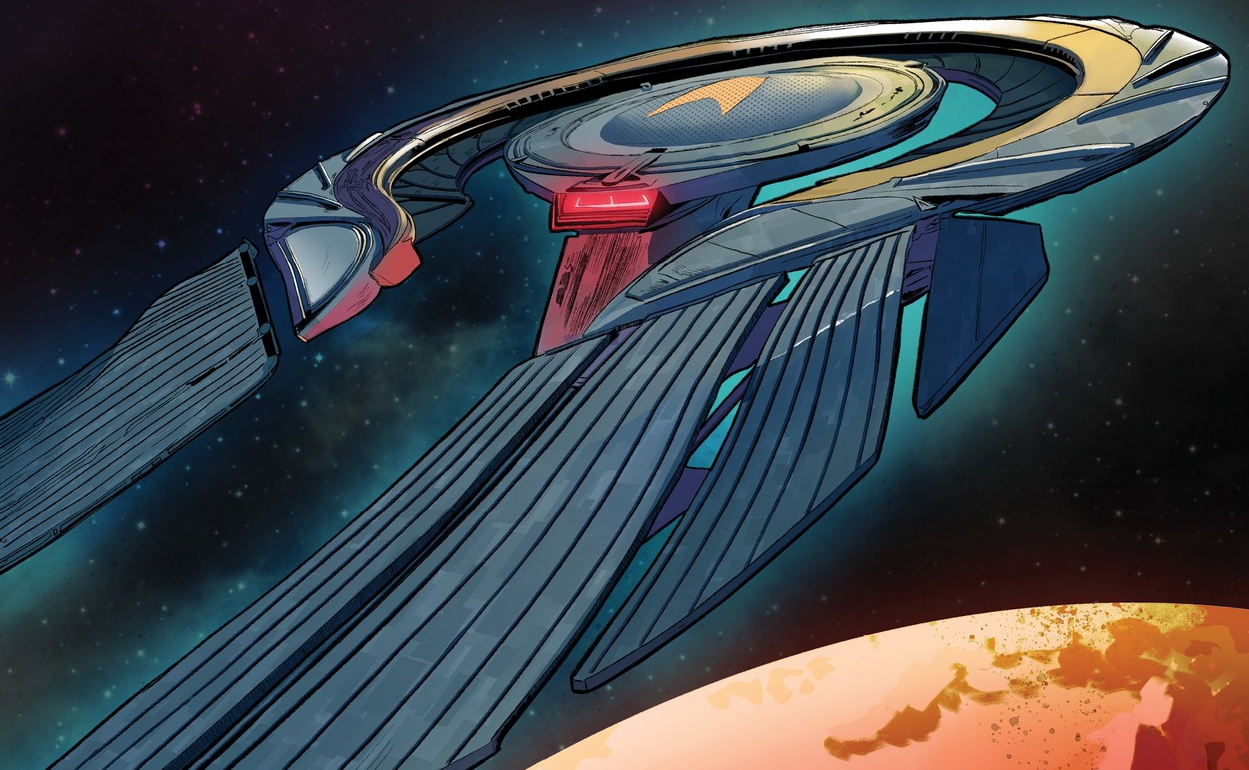
Crop from Star Trek Starfleet Academy (comic) Lost Contact showing the USS Athena
I don’t see the 32nd Century being revisited anytime soon.

While it’s *possible* we could see a Picard-type of series, picking up the story of a main character from The Next Generation era, I’m not sure that that’s especially likely right now, either. Firstly, you have the question of which character could even carry a series like that; Janeway is pretty much the only option, and she’s already had a major role in Prodigy. And secondly, even if you could find a character to follow, any such project naturally becomes a sequel – with the result being a more limited appeal primarily to existing Star Trek fans.

What seems more likely right now is a “reset.” Don’t call it a “reboot;” I don’t think we’re going to get another J.J.-verse alternate timeline thing! But some kind of attempt to reset the Star Trek franchise, to take this increasingly convoluted brand with a fractured timeline and simplify it, seems like it’s on the agenda. The best way to do that would be to set a new Star Trek series in the 25th Century, somewhere beyond the era glimpsed in Picard. Such a series could have a cameo or two from legacy characters, if handled well, but would basically be its own standalone thing.

Wire-frame schematic of the USS Enterprise from Star Trek SNW
Just don’t call it a “reboot!”

I just don’t see Skydance being interested in picking up any of the franchise’s dangling story threads right now – and given modern Star Trek’s failure to expand the fan community in a big way, that probably isn’t the wrong decision from a business point of view. A new series, functionally disconnected from anything that came before, would have the best chance of opening the door for new fans – fans who could then explore the rest of the Star Trek universe at their own pace. That’s what The Next Generation and the other shows of that era did, for the most part… and that’s what modern Star Trek has struggled with.

As the entertainment industry coalesces around a shrinking number of giant brands – Marvel, Star Wars, Westeros, and so on – I think there’s at least the *possibility* that Star Trek could join (or rejoin) that group. The brand name is still well-known, even amongst a casual audience; folks who’ve never seen a single episode have at least *heard* of Star Trek. But how Skydance turns that name recognition into interest, then excitement, then actual, ongoing viewership is an open question.

It’s the question that CBS, ViacomCBS, and Paramount all failed to answer convincingly.
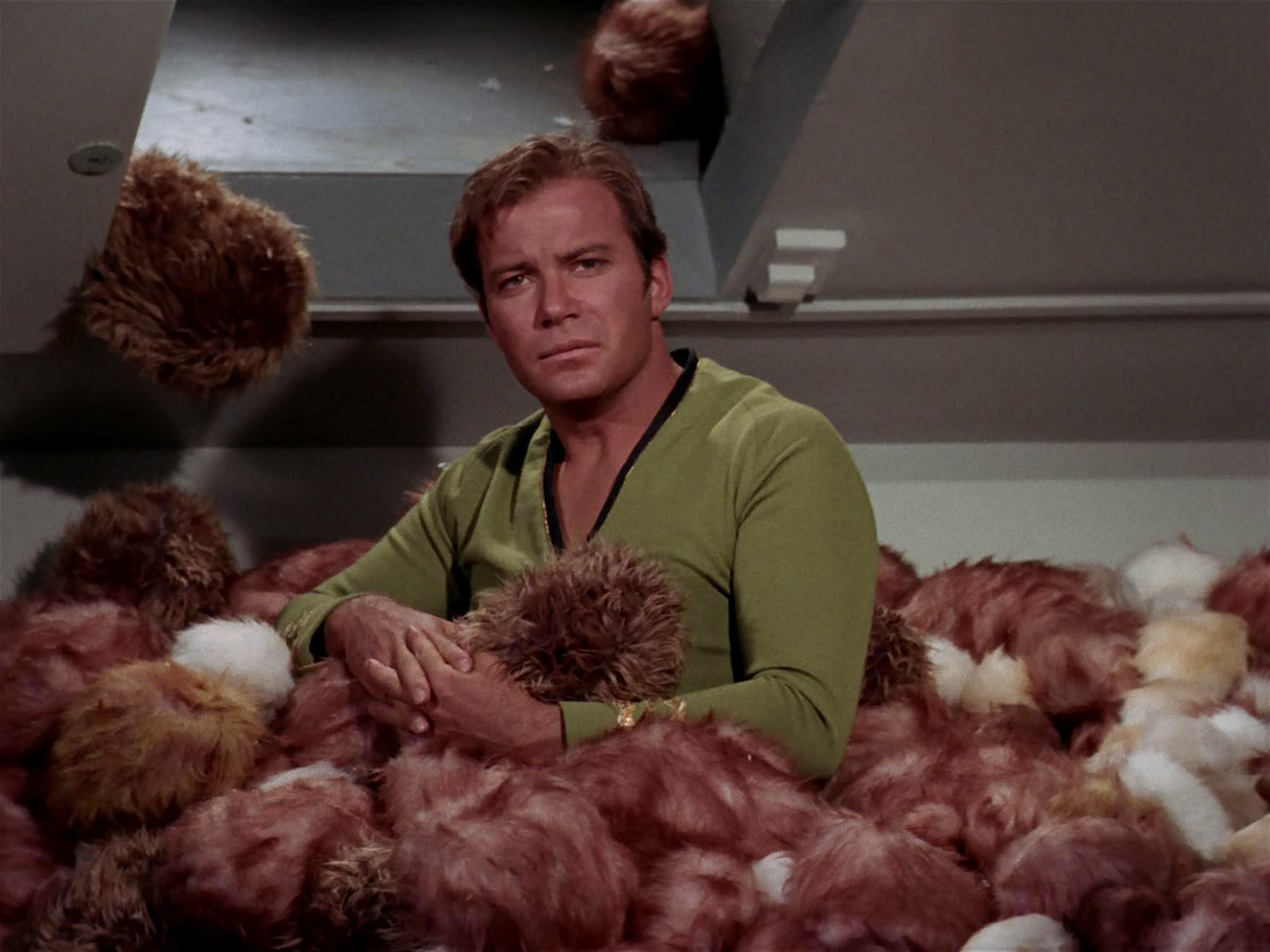
Still frame from Star Trek TOS The Trouble with Tribbles showing Kirk in a pile of tribbles
Star Trek is still a well-known and iconic sci-fi franchise.

One thing that I think is possible, though, as the 2020s roll on and streaming begins to settle into its routines, is that audiences will begin to ask for something different. Ten-episode, eight-episode, and even six-episode fully-serialised stories have become streaming’s bread-and-butter, but we’ve seen the limitations and dangers of telling stories like that. Game of Thrones – one of Skydance’s new properties – basically disappeared on account of how poorly its ending landed, and there are other examples of serialised stories that just didn’t work or failed to stick the landing. Long breaks of two-plus years in between short, serialised seasons hasn’t helped, either.

And a franchise like Star Trek is well-suited to challenge that model.

Rather than forcing Star Trek into a modern, serialised streaming mould that – I would argue – is not and never was a good fit, Skydance *could* take the franchise in a more episodic direction once more. If audiences are burning out on serialised shows and ever-shorter seasons, you couldn’t ask for a better franchise than Star Trek to lead a new trend – back towards longer seasons and episodic storytelling. A show set on a moving starship, warping away to a new planet, a new alien, and a new adventure every week? That’s what Star Trek was when it was at its best… and that’s what it could be again one day.
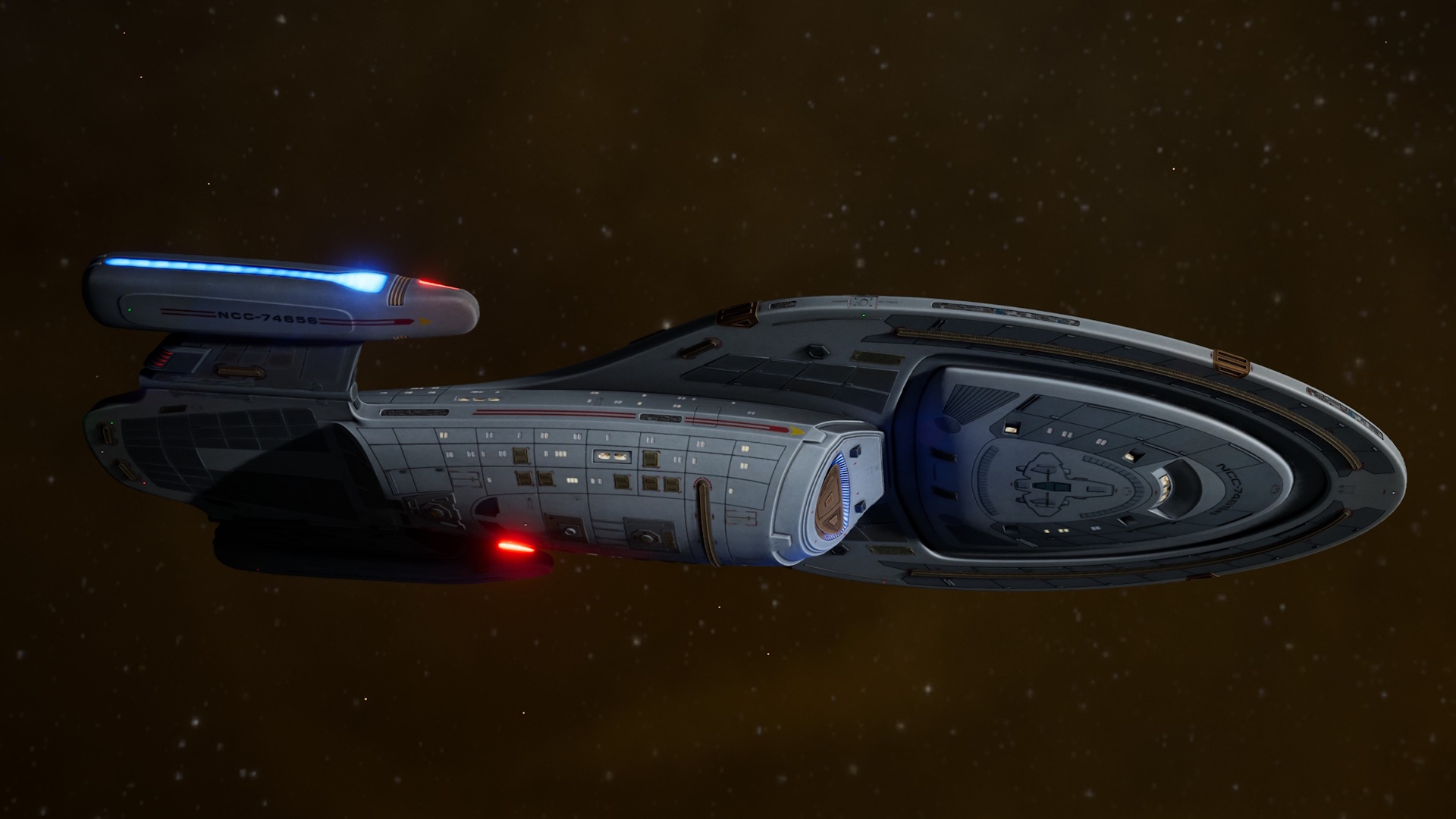
Screenshot of Across The Unknown showing Voyager
Could a new, exploration-focused, episodic Star Trek show be on the agenda one day?

If I was making a pitch to Skydance, it would be for that kind of show.

But all of that is for the future! Right now, today, in October 2026, I would say that the Skydance-Paramount-Warner Bros.-Discovery merger is, on the whole, a net negative for Star Trek’s short-term prospects. Star Trek has gone from being one of the previous corporation’s much-needed and biggest brands to merely one IP among many that could easily be overlooked. Skydance’s decision to cancel every extant Star Trek series shows that the new leaders had no faith in what they were seeing when they took over, and a CEO who clearly prefers film over TV and streaming indicates that Star Trek’s short-term future lies at the cinema. If that film should flop – like the last one did – well… then we could be in a very bad situation.

Longer-term, though, I still don’t believe we’ve seen the last of Star Trek. Skydance’s debts could lead to a new streaming series being commissioned to give a boost to Para-Max-Plus-HBO-Mount (or whatever the merged streamer will end up being called). Or, alternatively, the Star Trek franchise could be put up for sale, and there are several big players elsewhere in the entertainment space who might be interested in a brand with a built-in fanbase and near-universal name recognition. So it’s not *all* doom and gloom!

Promo poster for Star Trek '09 showing the cast
Star Trek will be back.

I hope this has been interesting. I wanted to consider the possible ramifications of the Skydance merger now that it’s official. Star Trek has survived corporate changes and shenanigans before, and I daresay that the brand isn’t going to completely disappear. But we are set to enter another fallow period – perhaps one that’ll feel closer to the 2010s than the 1970s, though, with at least one feature film (allegedly) in early pre-production. Whether Star Trek will remain an occasional cinematic franchise, though, or whether a return to the small screen could happen in the first part of the next decade… I think that’s still to be determined!

One thing I can promise is that I’ll do my best to be supportive of whatever moves Star Trek makes next. The upcoming video game, Shadow Frontier, genuinely has me interested, as it’s being developed by a studio with a solid track record. And despite my scepticism, I’m crossing my fingers and hoping that the film which was announced last year will actually make it to the big screen this time! None of that means Star Trek gets a free pass or should escape criticism – I can be very critical when it comes to missteps, mistakes, and poor decisions. But I don’t want Star Trek to just… disappear. So I think, as Trekkies, we have an opportunity to show Skydance how much this franchise means to us and how far we’re willing to go to support it. I’ll do my best – including writing about the franchise here on the website!

Thanks for joining me this time. I hope my read on the situation has been, if nothing else, interesting! Time will tell what Skydance plans to do with Star Trek, and I will be watching and waiting to see if any big announcements are coming. If something major does get announced, or if we get news about the new film or another upcoming project, I hope you’ll join me once again for my thoughts and analysis. Until next time… and Live Long and Prosper, friends!


The Star Trek franchise (except for Prodigy) is available to stream now on Paramount+ in countries and territories where the platform is available, and is also available on DVD/Blu-ray. The Star Trek franchise – including all properties discussed above – is the copyright of The Skydance Corporation. This article contains the thoughts and opinions of one person only and is not intended to cause any offence.
Star Trek: The Benefits of Taking a Break

A Star Trek-themed spoiler warning.

Spoiler Warning: There are spoilers ahead for the modern Star Trek franchise, including Discovery, Picard, Prodigy, Strange New Worlds, Section 31, and Starfleet Academy.

It was recently announced that the second season of Starfleet Academy has finished filming. This comes a few weeks after the fifth and final season of Strange New Worlds also wrapped up – and it means that, for the first time since Discovery entered production in 2015, there’s no new Star Trek being produced.

Since Star Trek peaked in 2022, with a whopping fifty-one episodes of TV being broadcast across five different shows, we’ve seen a growing swathe of cancellations. And while it’s very much unconfirmed at this stage, I wouldn’t be surprised if Starfleet Academy won’t get that third season renewal. The newly-established Skydance-Paramount corporation doesn’t seem interested in pursuing Star Trek on the small screen right now – or at least, had no interest in retaining and renewing any of the Star Trek shows that were in production at the time of the merger – so when Strange New Worlds and Starfleet Academy finish their runs in 2027 or 2028, there’ll be one new Star Trek movie… and that could be it.

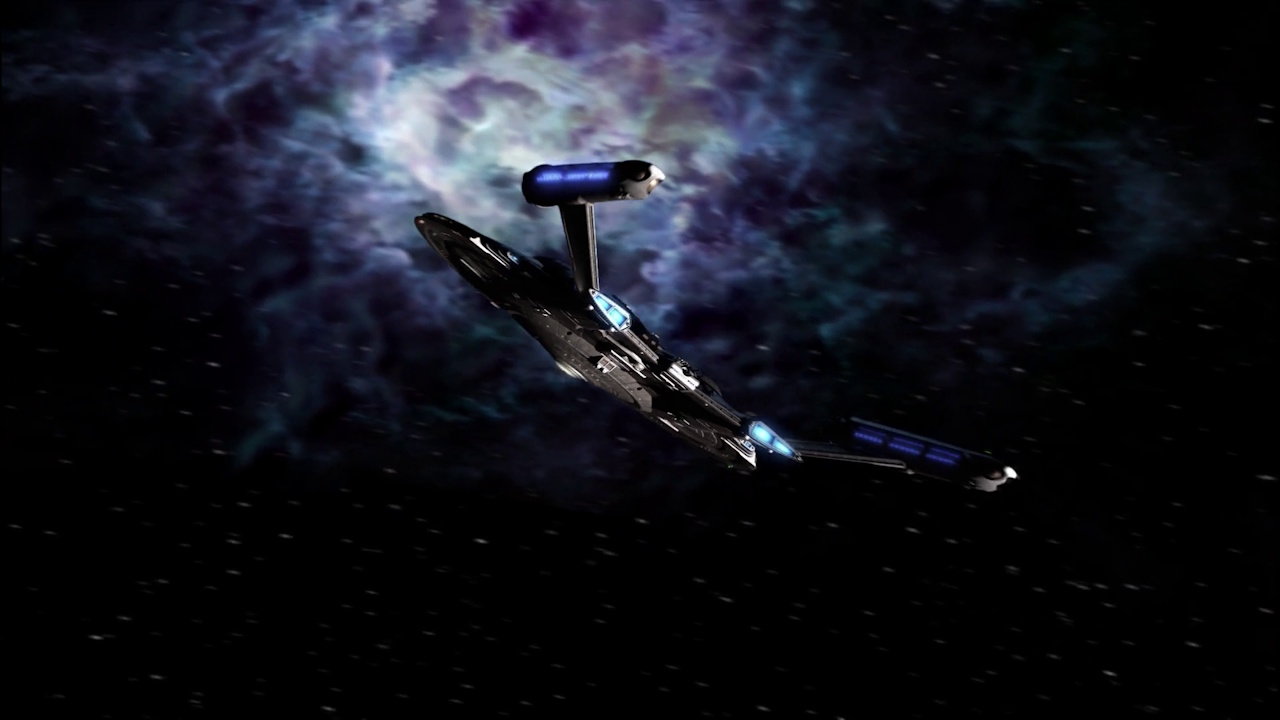
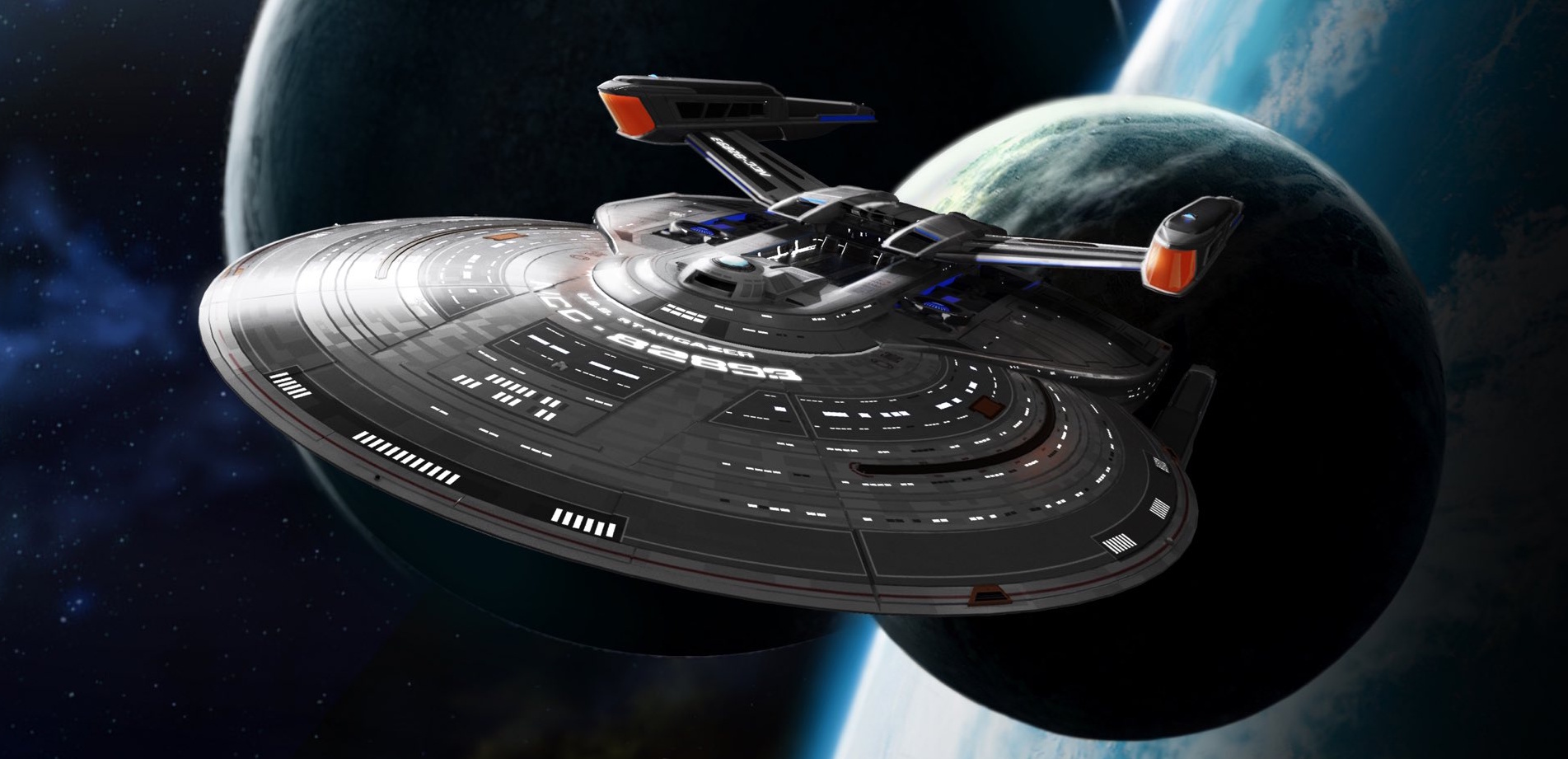
Concept art from Star Trek Picard S2 showing the Stargzer
The USS Stargazer.

I’ve said a few times here on the website that I think it’s an awful shame, in this milestone 60th anniversary year, to be thinking negatively and potentially seeing Star Trek reaching the end of the line. But this time… I want to try to flip the script. Taking a break can be a positive thing, and no franchise can realistically keep up the pace that Star Trek attempted in the first half of the 2020s. Add into the mix the poor way the previous incarnation of Paramount handled the franchise, and I think we can make the case for a hiatus not being the worst possible news.

Let’s begin with an observation – one which you may share, or may not!

I haven’t watched every single Star Trek episode. I’ve only seen about half of Lower Decks, Prodigy’s first season but not its second, hardly any of Scouts (and yes, I think Scouts counts as part of Star Trek), and I’m a couple of weeks behind on Starfleet Academy, too. I’m a pretty big Trekkie – I run a Star Trek fansite, for goodness’ sake! But even *I* have found the Star Trek franchise to be a lot to handle over the past few years.

Cropped poster for Star Trek Discovery S3
Michael Burnham on a Discovery promotional poster.

In 2023, I wrote about the burnout I’d been feeling with Star Trek, and it was at that point that I paused my episode reviews for both Strange New Worlds and Lower Decks. I did resume watching SNW – belatedly – but Lower Decks just… ended up sitting in the pile. I plan to return to it, of course, and I know for a fact I’ll enjoy it when I do. But… well, sometimes it’s okay to take a break.

One of the problems I’d argue Star Trek has faced in this streaming era is a lack of overall direction and consistency. I’m all in favour of trying out different genres, styles, and trying to reach new audiences – those are all good things. But since 2020, Star Trek has broadcast two serialised dramas, an animated comedy, a kids’ show, a preschool-age web series, a spy-thriller TV movie, a young adult/teen drama series, and one semi-episodic, somewhat “classic” feeling series.

Still frame from Star Trek: Starfleet Academy Season 1 showing the Doctor.
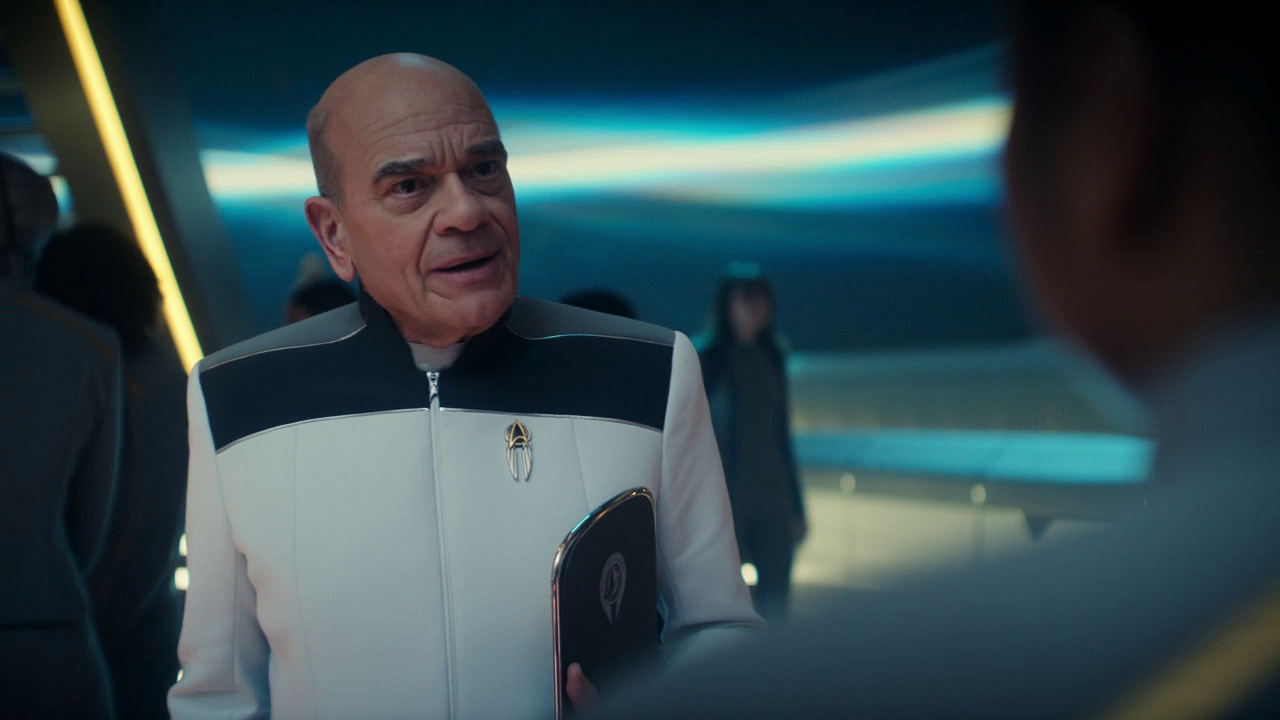
The Doctor in Starfleet Academy Season 1.

Moreover, the franchise’s timeline has become completely fractured. Discovery was set in the 23rd Century, but then leapt forwards in time by 900 years to the 32nd. Picard was set decades after Nemesis and Voyager, but nowhere near as far forward as Discovery. Strange New Worlds was set after Enterprise and Discovery but before The Original Series. Prodigy was set after Voyager, but not at the same time as Picard. Section 31 was set after Discovery and the TOS films, but before The Next Generation. Lower Decks was set in between Nemesis and Picard, but still managed a crossover with Strange New Worlds. And, of course, Starfleet Academy is now set after Discovery in the far future.

Did I miss one? I feel like I missed one.

One thing I really hoped Star Trek could do, after Enterprise was cancelled and a reboot film was in production, was shake off its image as a convoluted franchise that only nerds could possibly keep up with. And it did… briefly. But the franchise’s streaming era didn’t just bring back the complicated prime timeline, it doubled- and tripled-down on making it even *more* convoluted than ever. And what’s been the result of that? It’s increasingly difficult for new viewers to know where to start, it’s hard for audiences who’ve enjoyed one series to try out another and fully join the fan community, and even for long-time Trekkies… it can be hard to keep up.

Promo photo of Star Trek S31 showing Garrett
Star Trek has gotten even more convoluted in recent years.

I don’t believe that Star Trek should do the Marvel thing of making *every* film and series share a single setting, with characters and storylines criss-crossing the franchise. That brings with it its own issues, as Disney and Marvel are slowly discovering. Nor do I believe that Star Trek should take the Star Wars approach of only focusing on a handful of legacy characters at the expense of everything else. Again, that’s small-minded and has left that franchise with fewer and fewer options as time has gone on.

But what I do think is necessary, at this point, is for Star Trek to slim down and try to refocus. The days of producing five series at once, all in different time periods, has to be over. Star Trek’s corporate owners spread the franchise too thin in the first half of the 2020s, and simultaneously expected it to be one of the principal flag-bearers for a streaming platform. There’s a good case to be made for picking a single era, producing a single series, and sticking with it until it finishes its run.

Still frame from Star Trek TNG S2 showing Riker, Troi, Worf, and Pulaski
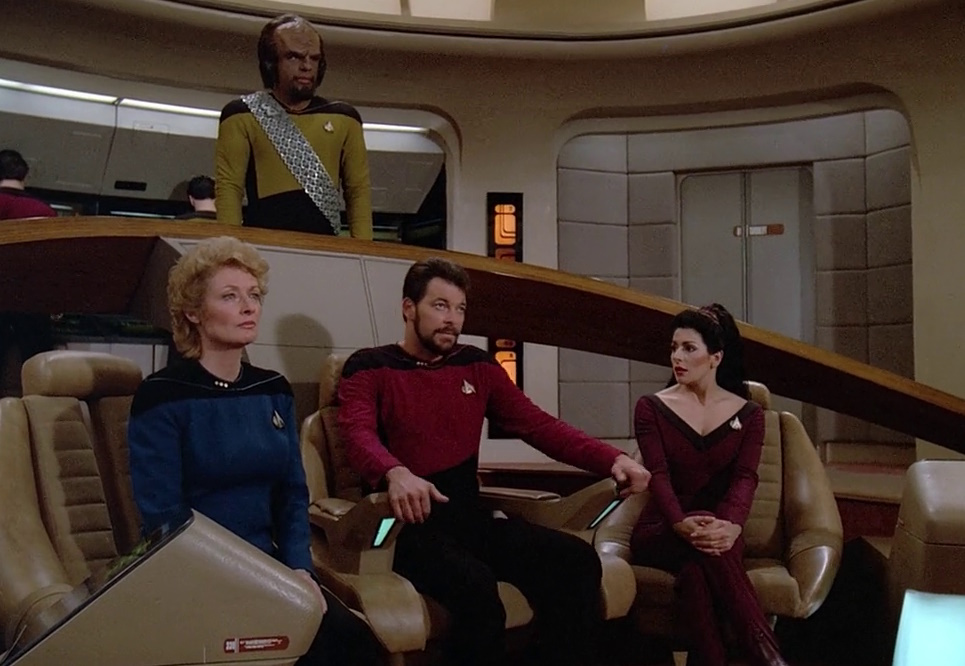
Riker in the captain’s chair in The Next Generation Season 2.

With Alex Kurtzman’s contract at Paramount having run its course, and with a new feature film (allegedly) in early pre-production, this is as good a time as any for the franchise to take that break. When the current shows have run their course, and the film has premiered in cinemas, there’ll be time for Skydance to assess what’s worked, what hasn’t, and perhaps find where there could be a place for Star Trek in the future. And I do believe there should be a place for the franchise in the future! I’m just… not entirely certain what that looks like as we get closer to 2030.

Taking a break – having a clear twelve months or so without any new shows or films in production or on the air – will give the franchise breathing room. It’ll give all of us a chance to think about what we enjoyed, what we didn’t, and what we’d like to see more of. Star Trek – like any franchise, really – can’t be everything to everyone all the time, and decisions will have to be taken about where to focus and where to spend that energy. And it could be the case that a break is exactly what’s needed to give everyone involved a bit of clarity – the ability to see where Star Trek can and should go next.

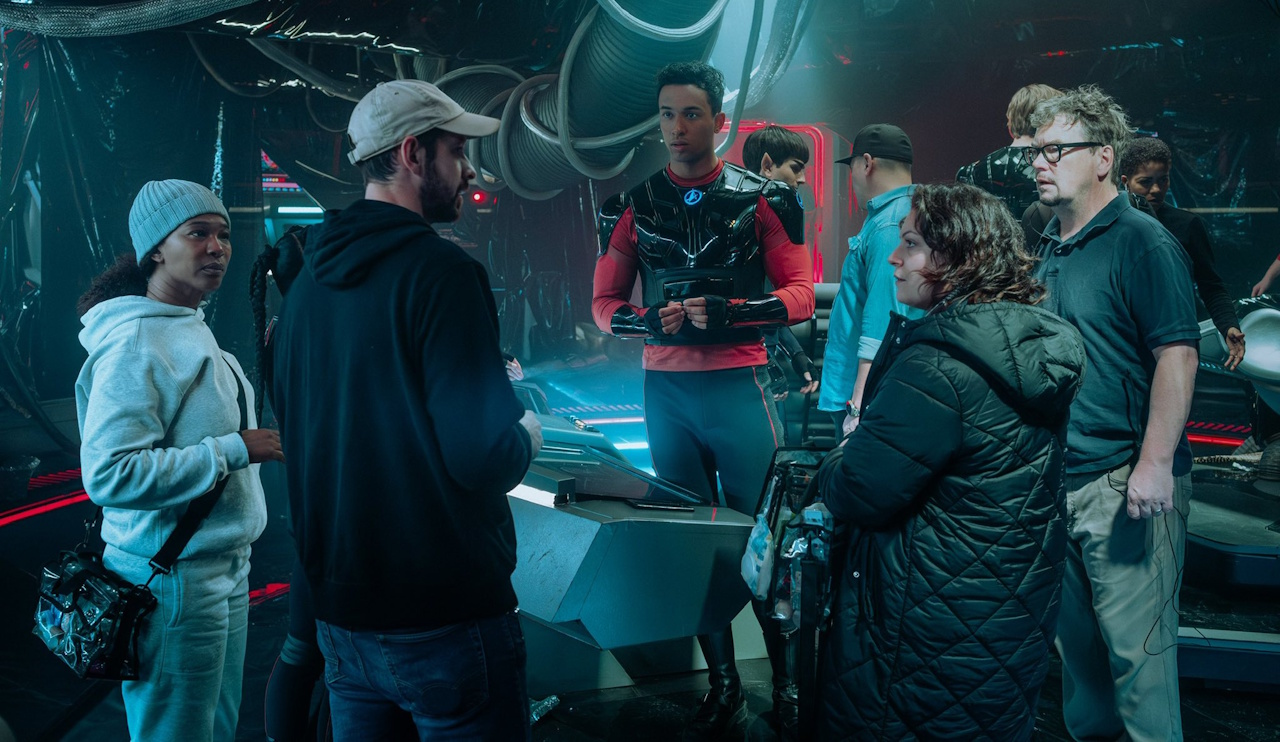
Behind-the-scenes photo from Star Trek Starfleet Academy S1
Behind-the-scenes on the set of Starfleet Academy.

Unlike a lot of entertainment franchises, Star Trek has always felt pretty open-ended. There’s no overarching story that’s drawn to a close, and really, the only limitations should be the imagination of the folks in the writers’ room. As long as you can invent new planets, aliens, and weird space phenomena, you can make an exploration-focused, episodic Star Trek show pretty much… forever. It’s not like Star Wars, where Palpatine and Vader rose to power and were defeated, or The Lord of the Rings, which couldn’t very well continue after Sauron’s defeat. There *are* more stories to be told in this galaxy… if someone can be found to tell them.

When we look back on Star Trek’s streaming era, I think we’ll come to regret the franchise’s over-use of legacy characters. Strange New Worlds prioritises Spock, and latterly Kirk, Scotty, and Uhura, at the expense of its original creations – and even Captain Pike, sometimes. Picard jettisoned its new characters in favour of bringing back the cast of The Next Generation – even though doing so made no sense in at least one instance. And I’m afraid that, for all of its successes, making Prodigy a half-kids show, half-sequel to Voyager left it in a very odd narrative space, one that worked against its core function of attracting younger viewers. For you and I, long-standing Trekkies who love this franchise, some or maybe even all of those shows worked well. But for the franchise’s longer-term prospects? Doubling-down on legacy characters has left Star Trek with a lot less room for manoeuvre.

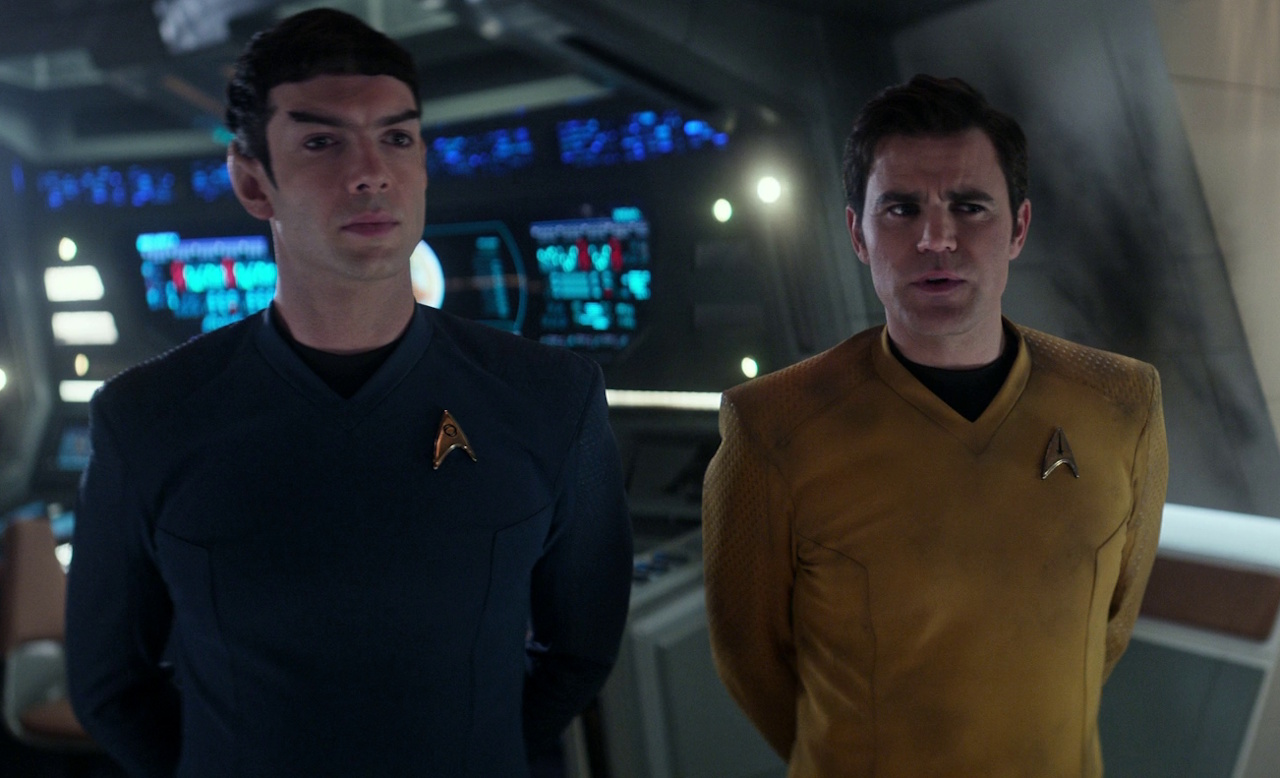
Still frame from Star Trek SNW S3 showing Spock and Kirk
Spock and Kirk in Strange New Worlds.

Pitches abound from ex-Star Trek stars – whether it’s the Ceti Alpha V idea that eventually became the Khan audio drama, Scott Bakula’s “President Archer” series, the unironically-pitched Captain Proton show, a Strange New Worlds spin-off called Year One… and more. But are any of these ideas what Star Trek needs at the current moment? We’re coming off a long run of prequels, sequels, and shows with legacy characters shoehorned into them. And if the people in charge believe that what Star Trek *used to be* is all it can ever be in the future… well, maybe we really do need a break.

Why did Star Trek succeed in the 1980s and 1990s when The Next Generation and its spin-offs were on the air? It wasn’t because the writers and creatives kept going back to the same handful of characters and alien races over and over and over again. It was because there were passionate people who loved the franchise – but who were also willing and able to take it to new places. We’ve seen some of that on streaming, too – don’t get me wrong. But… not enough.

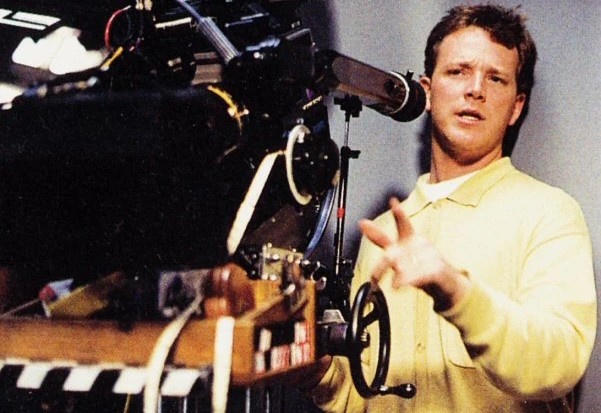
Behind-the-scenes photo from Star Trek Voyager showing Robert Duncan McNeill
Robert Duncan McNeill directing an episode of Voyager.

At the same time as Star Trek has continually revisited legacy characters and familiar settings, we’ve also seen the franchise repeatedly forced into a modern, streaming TV mould that – I would argue – simply is not a good fit. Season-long, fully-serialised stories with big, galaxy-threatening villains… I mean, that kinda thing might work for Star Wars, but it’s just not what this franchise has ever really been about. Even when Deep Space Nine ran its Dominion War arc, the show was still largely episodic, and in twenty-plus-episode seasons, there was a lot more room to tell different kinds of stories within that framework.

I’m trying not to dwell too much on decisions that have already been taken. But I can’t shake the feeling that, in five or ten years’ time, we might look back at this streaming era as a huge missed opportunity… perhaps Star Trek’s last great opportunity to reach new audiences. By the time we got Strange New Worlds – the show I consider to be the high-water mark of the modern franchise – Discovery, Picard, and, to an extent, Prodigy as well, had already burned a lot of goodwill and a ton of cash. By the time the higher-ups at the former Paramount corporation realised that the best way to make a Star Trek show was to… y’know, *make a Star Trek show*, it was already too late. The merger was inbound and cancellation loomed.

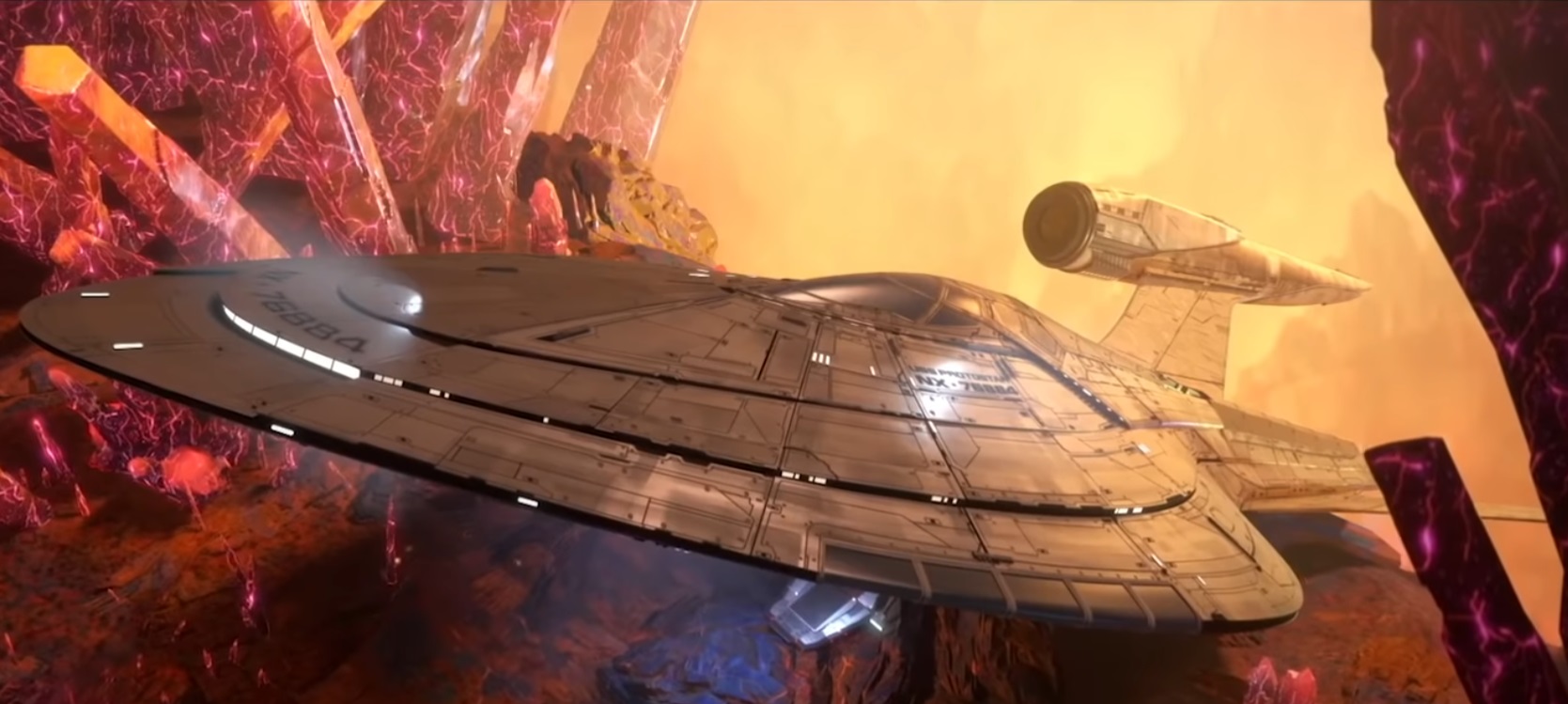
Still frame from Star Trek Prodigy showing the Protostar
The wreck of the USS Protostar…

I don’t want to say that I regret ViacomCBS and Paramount trying new things with Star Trek, nor trying to modernise the franchise, either. Both Discovery and Picard were well-intentioned efforts to take this classic franchise and see if it could slot into a modern, serialised, short-season format. But I think we also have to acknowledge that the results of those experiments were more miss than hit, and Strange New Worlds’ success is what’s proven to me that Star Trek *still* works best when you have the freedom to warp away to a new planet and a new adventure pretty much every week.

And that’s what I hope the new Skydance/Paramount leaders will reflect on in the months and years ahead.

I would say, to its credit, that the six episodes of Starfleet Academy that I’ve seen so far have also been more episodic than I initially feared, and that there are some fun standalone stories in Discovery, Prodigy, and of course, in Lower Decks as well. But where those shows fell down, in my opinion, was in trying to use (and then re-use) a serialised streaming mould that may have worked elsewhere… but just wasn’t the right fit for Star Trek.

Skydance CEO David Ellison
David Ellison, CEO of Skydance-Paramount.

If you’ve been a regular reader for a while, you might remember me saying this shortly before Picard Season 1 landed back in 2020: “I’d like to give the new cast a chance to become fan favourites for the next generation (pun intended) of Star Trek fans. I really hope that in another thirty years’ time they’ll be clamouring to find out what happened next to some of these characters the way we are for those of the TNG era.”

That was genuinely what I hoped for as Picard premiered; that fans would be just as enamoured with the likes of Dr Jurati and Elnor as you and I were for Dr Crusher or Worf. Unfortunately, I really can’t think of a single character from modern Star Trek – across all of the shows – who might genuinely be in that category. Can you?

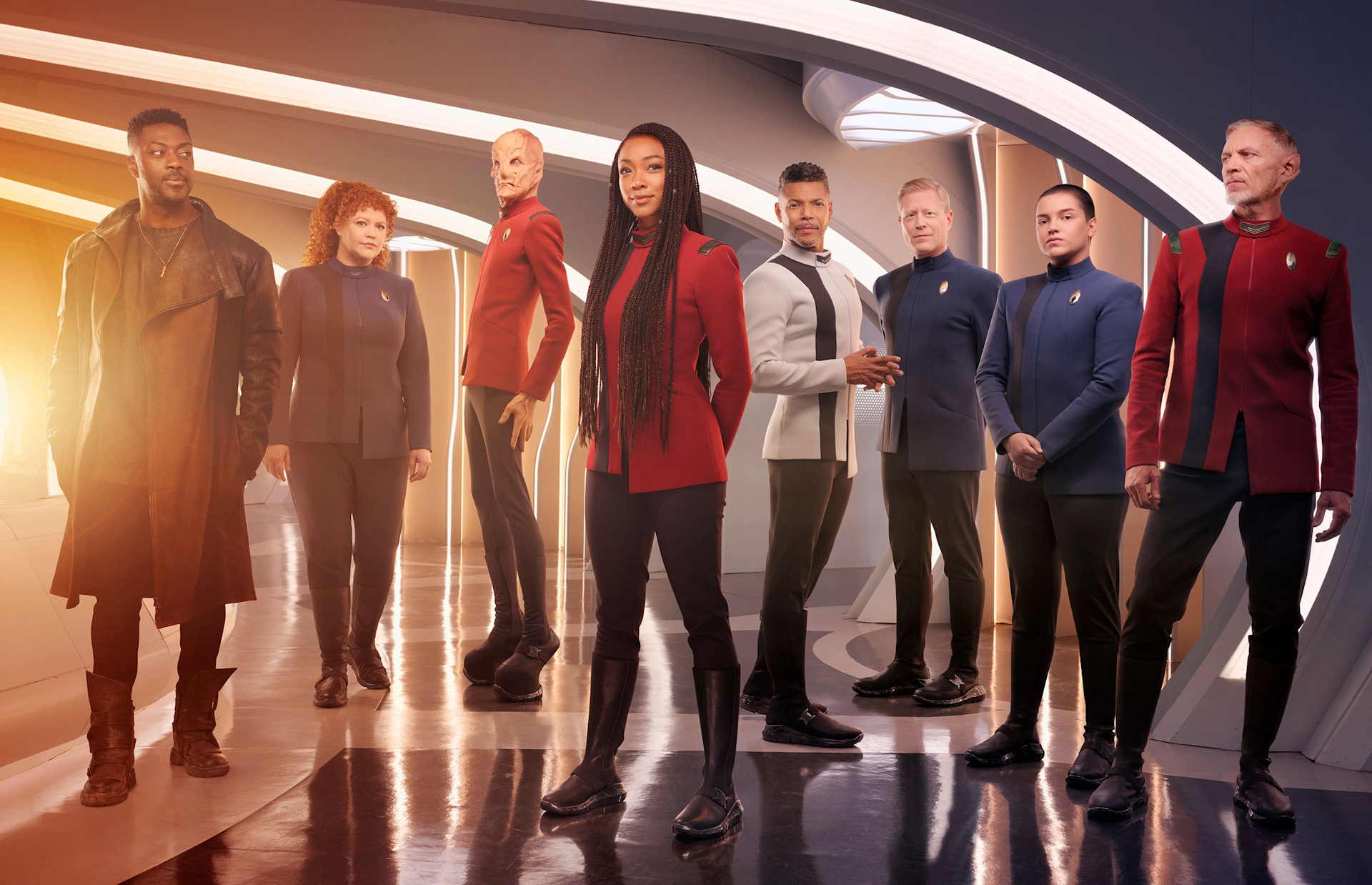
Promo photo for Star Trek Discovery S5 showing the cast
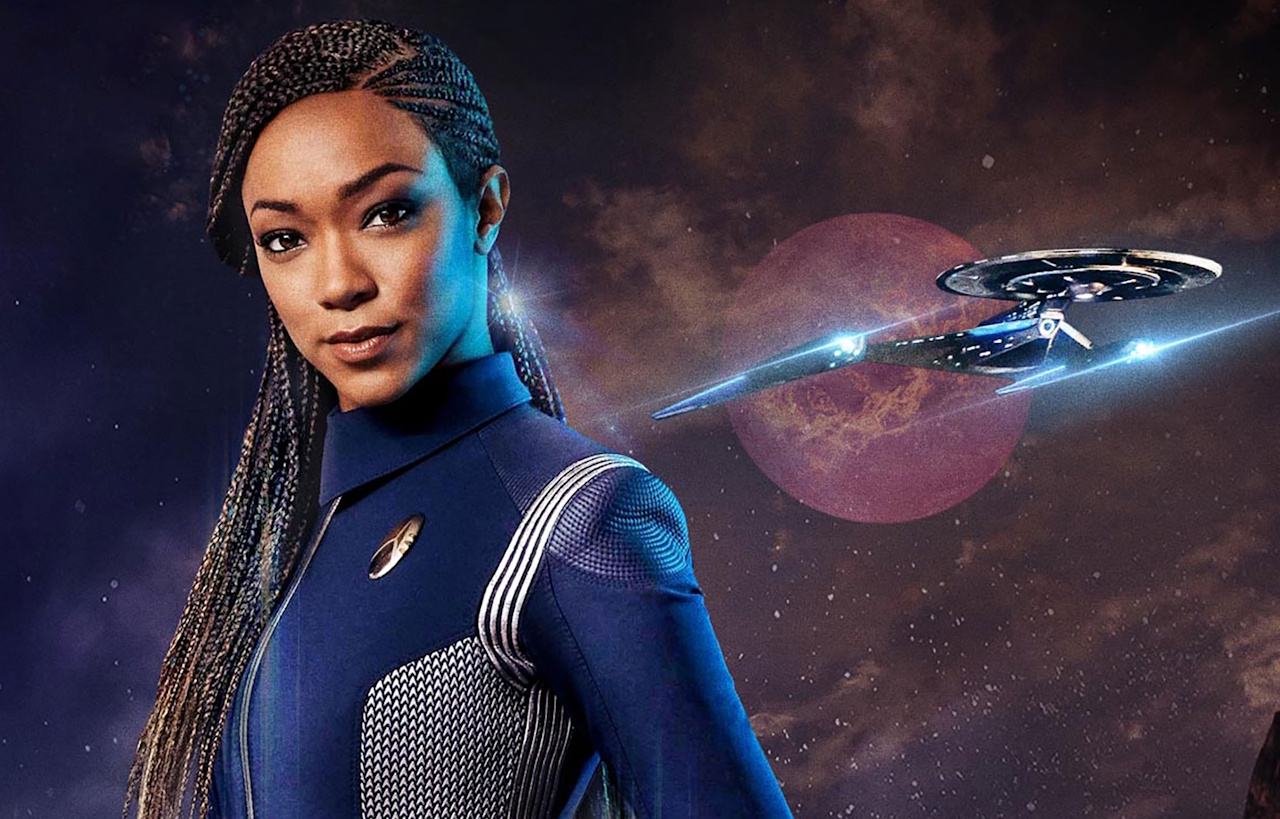
The main cast of Discovery’s fifth and final season.

But… I could be wrong about that. And perhaps, with the passage of time, we’ll gradually fold these newer shows into the broader lore of Star Trek. I wasn’t a huge fan of Enterprise when it premiered, and I only tuned in sporadically during its original broadcast run. But I’ve since come to appreciate the stories it told a lot more, so… maybe there’s hope there, too. Sometimes, you need a bit of time and space before you can fully appreciate a good story, and maybe that’s going to prove the case with modern Star Trek.

Another benefit of taking a break is that it gives a whole new crop of writers and creative folks a chance to step up. There may be folks out there who have great ideas for Star Trek – or who *will* have a great idea in a few years’ time – who simply wouldn’t get a look-in with Paramount right now because there’s already a full creative team in place. I note that some of the same folks have been hired to work on the production side of multiple shows of the current streaming era – as also happened, by the way, from the ’80s through to Enterprise’s cancellation. But when the same people have been at the helm for a while, any franchise is going to need an injection of new talent. New writers, new producers, new directors… people who have different ideas.

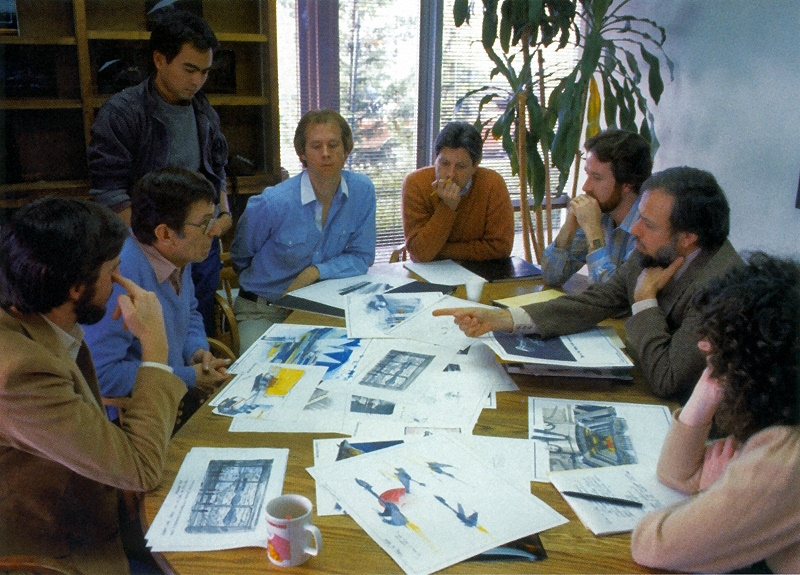
Behind-the-scenes photo from Star Trek 3 showing the writers room
Leonard Nimoy with the writers and producers of Star Trek III: The Search for Spock.

Some of those folks may be Trekkies already, and they’re just waiting for their chance. Others may have only come to Star Trek recently, in this current streaming era, and are just beginning to explore the franchise and what they might be able to do with it one day. Either way, having a clear-out at the top and opening the door to new pitches and new ideas from different people… it’s not a bad thing. Star Trek, in its current form, has been in production for over a decade, and Alex Kurtzman – the franchise’s current head – has been involved with Star Trek since the reboot film back in the 2000s. I’ve *never* been a “fire Kurtzman now!!1!” person. But if his contract has run its course, and a new executive team is in charge at Skydance… it could be a natural break; the right time for everyone to go their separate ways.

And to be clear: I think Alex Kurtzman can hold his head up high and revel in the genuine successes he had. No showrunner or executive producer is gonna hit it out of the park every time, and I respect his willingness to be experimental and to give shows like Lower Decks a chance. And I respect how he was willing to listen to fan feedback when we were desperate for “the Captain Pike show” to be created. So I’m not saying he “should be fired,” or that I’ll celebrate his departure. I’m simply saying that, after several years at the top and having overseen such a broad expansion of the franchise, it’s probably time for new creatives to step into that role.

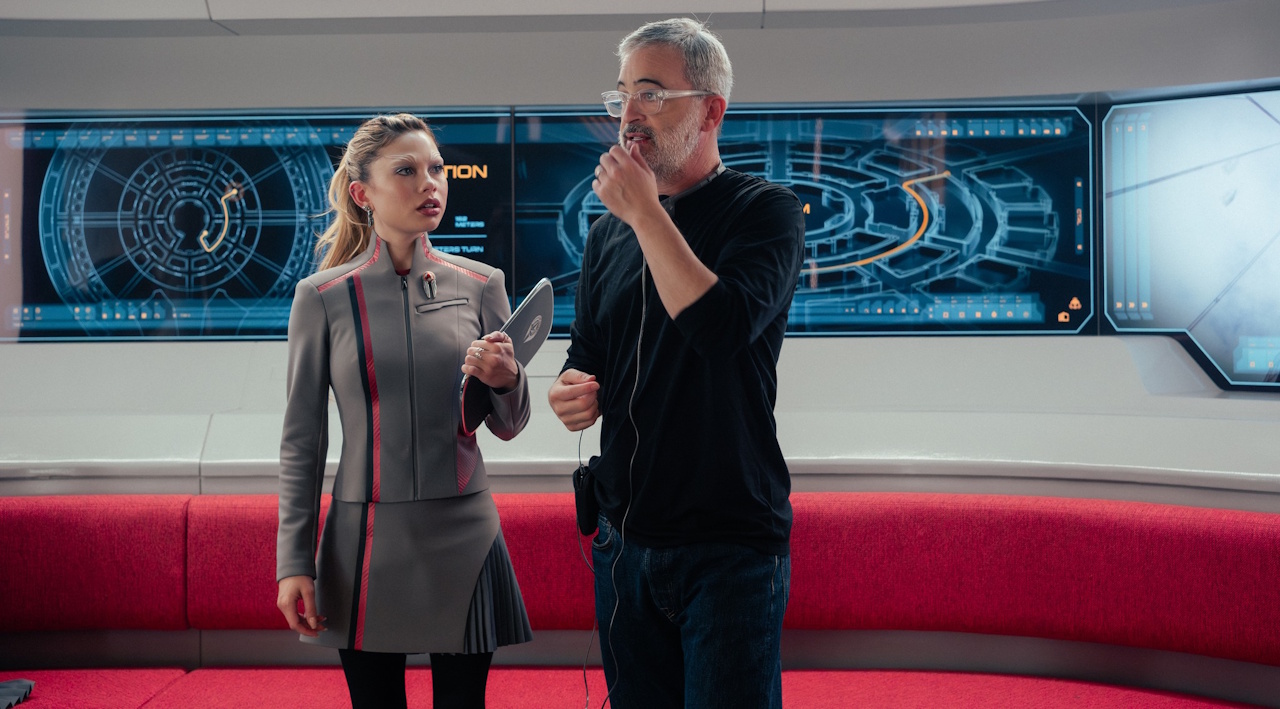
Behind-the-scenes photo from Star Trek Starfleet Academy S1 of Alex Kurtzman and Bella Shepard
Alex Kurtzman (right) with Bella Shepard on the set of Starfleet Academy.

And for us, as fans… as tempting as it may be to say we want to get new episodes of Star Trek all day, every day, I think *we* need breaks sometimes, too. You need a break to appreciate a franchise, to avoid burning out on it or finding it stale, and to branch out. There are some great sci-fi and fantasy stories out there in other properties – some of which are similar to Star Trek, and some of which are very different. But as fans, we don’t need to be *only* interested in one thing at the expense of everything else. Look at my website as an example: yes, I’m focused on Star Trek a lot of the time, but I also talk about gaming, movies, and TV shows outside of the franchise, too.

I wasn’t around in the dark days of the 1970s after The Original Series was cancelled. But I can vividly recall the shock and disappointment I felt on learning that Enterprise was being shut down after just four seasons… and that *no* new Star Trek at all was going to be produced. And I don’t long to repeat that feeling, believe me! But at the same time, as I reflect on those days with twenty years of hindsight… I think that missing Star Trek is what helped me to fall in love with the franchise all over again.

Still frame from Star Trek Enterprise S4 showing the NX01 Enterprise
It took Enterprise’s cancellation for me to really appreciate the show.

In 2005, when Enterprise was cancelled, I had quite a few Next Generation episodes on VHS, as well as most of the Star Trek films, and I’d begun my DVD collection with The Original Series. But I wasn’t a regular Enterprise viewer, and it had been a while since I’d watched much DS9 or Voyager in particular. But cancellation, and the thought that there might be no new Star Trek at all? That spurred me on to re-watch some of my favourite stories, and as I expanded my DVD collection in the second half of the ’00s, I spent more time with Star Trek than I had in years. By the time the reboot film arrived in 2009, I owned the entire franchise on DVD, and I was regularly re-watching all of it.

I don’t think I would’ve been so committed to doing all of that were it not for the cancellation. Having that break – though it didn’t feel good at the time – led me to doubling-down on Star Trek, watching old episodes that I hadn’t seen in years, and really coming to appreciate the *entire* franchise – even those parts, like Enterprise or The Animated Series, that I was less familiar with.

Still frame from Very Short Treks showing the Enterprise-D
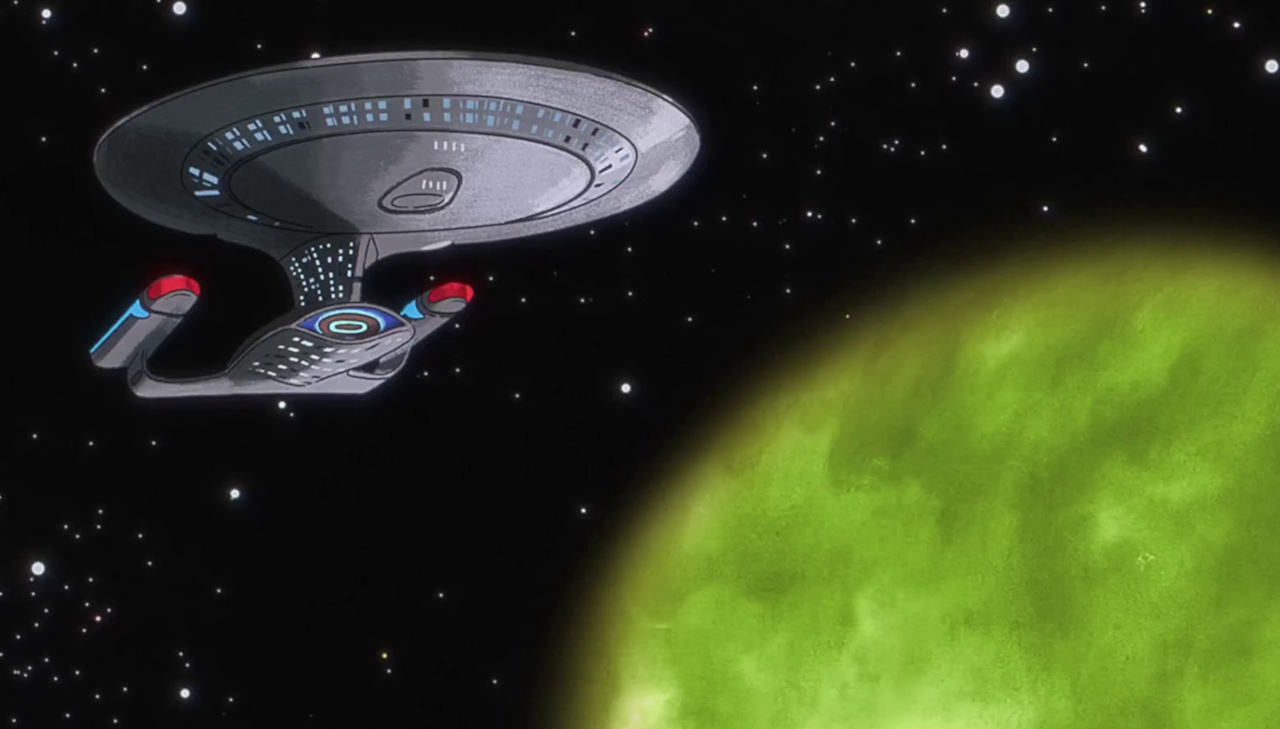
The Enterprise-D, drawn in the style of The Animated Series.

I’m not saying the same thing is guaranteed to happen again. But if Star Trek does go off the air for a while, all we’ll have are re-runs of old episodes on Paramount+ (or whatever it’ll be called by that point!) I don’t think it’s impossible to think that the passage of time, and the lack of any new stories being told in the franchise, will lead us to re-evaluate some of what we’ve seen over the past decade or so. Who knows… I might even discover an appreciation for Picard Season 2. I mean… it’s *possible*. Right?

At the end of the day, there are examples of franchises disappearing for a while and coming back stronger. And I would *hope* that Star Trek could be in that category. I mean… it’s happened before. Twice. And the likes of Star Wars, Doctor Who, and others… they’ve all gone on hiatus for a while, only to return to critical acclaim and praise from their fans. A break doesn’t have to be fatal… and it doesn’t have to be permanent. And sometimes, it’s just what a franchise needs – even if, as fans, it can be hard to recognise that in the moment.

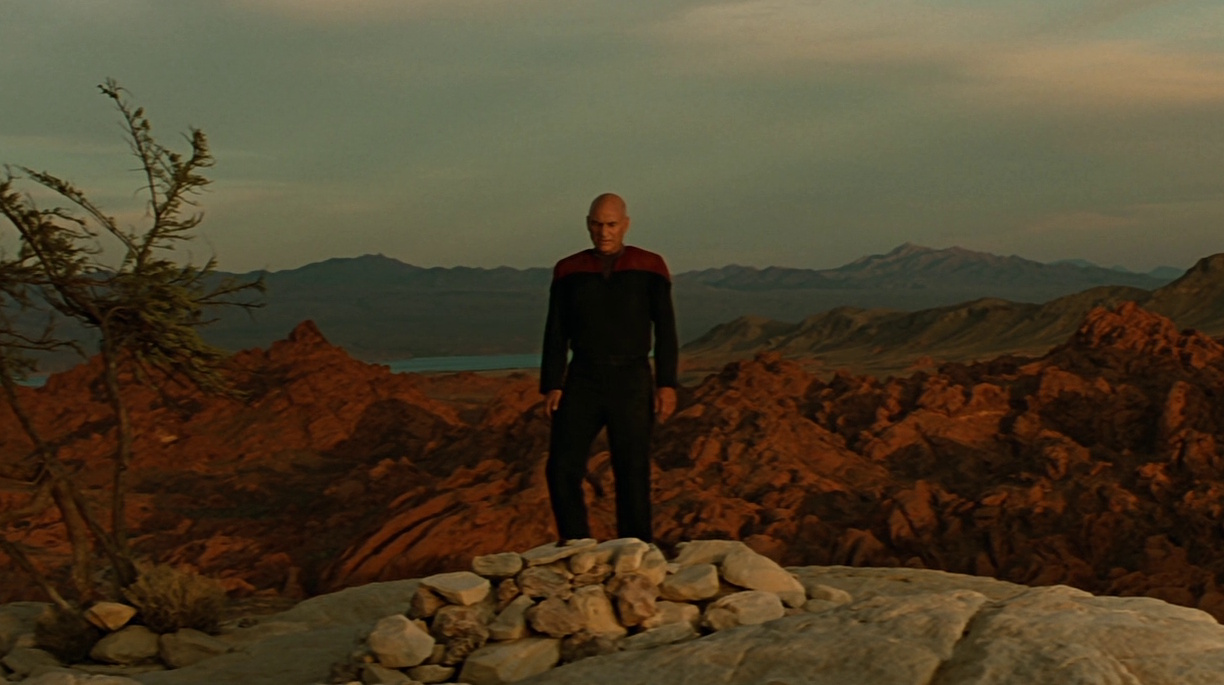
Still frame from Star Trek Generations showing Picard at Kirk's grave
A break doesn’t need to be the end…

So I hope this has been interesting.

I was prompted by the news of Starfleet Academy’s second season wrapping principal photography, and also the recent news that Skydance-Paramount looks set to acquire Warner Bros.-Discovery. Presumably becoming Para-Disco-Dance-Bros… with a streaming platform called HBParaOPlusMountMax? Who knows!

But assuming the takeover goes through, and survives all of the regulatory scrutiny it’s sure to endure… there could be interesting times ahead. I understand that the new corporate entity will be heavily indebted, which could provide an incentive to return to big-name franchises, like Star Trek, to attract cinemagoers and subscribers. But that will have to be a conversation for another day!

Promo photo for Star Trek Picard S1 showing Jeri Ryan
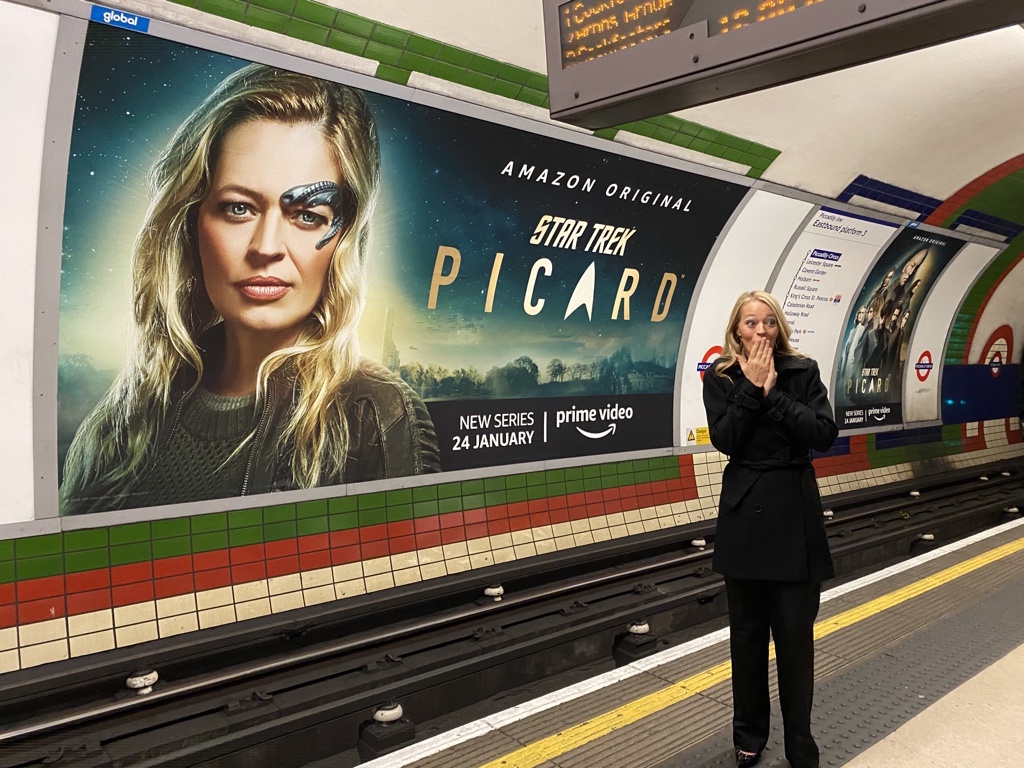
Jeri Ryan with a poster teasing Seven’s return in Picard Season 1.

I wanted to tackle the thorny question of Star Trek’s possible cancellation from a completely different angle. And while I must concede that I’m not thrilled about the franchise potentially going off the air again… I can see glimmers of hope, at least, that a change in direction and perhaps a tighter focus could lead to better things somewhere down the road. I have no idea if I’ll live long enough to see any of that, of course! But if I do… hey, come back to Trekking with Dennis, and we can watch those new episodes and films together.

And until then… I’ll be here. It’s still the 60th anniversary year, and I’ve got plans for reviews, re-watches, and more right here on the website.

Thanks for joining me today, and Live Long and Prosper, friends!


The Star Trek franchise – including all properties discussed above – is the copyright of Skydance/Paramount. This article contains the thoughts and opinions of one person only and is not intended to cause any offence.
The end of the beginning… or the beginning of the end?

Spoiler Warning: There are spoilers ahead for Star Trek: Discovery Seasons 1-4 and the trailers and teasers for Season 5.

We’re going to have to delay my review of the latest Star Trek: Picard episode by a day or two in order to do something that I rarely do here on the website: cover some breaking news. If you haven’t heard, let me be the bearer of what may or may not – depending on your perspective – be a bit of bad news: Star Trek: Discovery is going to end after its fifth season.

Forgive me for thinking negatively, but as soon as I heard that announcement, I felt a sinking feeling in my gut. Since filming wrapped on Discovery’s fifth season late last year, no live-action Star Trek has been in production for the first time in a couple of years. Not only that, but Picard’s ongoing third season is going to be that show’s swansong… and despite a spectacular first season, there’s been no news on a third season renewal for Strange New Worlds, at least at time of writing, even though production on Season 2 wrapped months ago. So could this be, as I fear, the beginning of the end for Star Trek in its modern incarnation?

How much life is left in the Star Trek universe?

Discovery brought Star Trek back to its small screen home in 2017 after twelve years in the wilderness. The show served as a launchpad for the Star Trek franchise as it exists today – and it’s highly likely that we would never have seen Picard, Lower Decks, Prodigy, or of course Strange New Worlds were it not for the trail that Discovery blazed. But with its cancellation after Season 5 – which is due to be broadcast sometime in early 2024 – is Star Trek in a better or more secure place than it was in 2017… or in 2005?

I’d argue that it isn’t.

Shortly after new year, I published a piece here on the website titled 2022: A Great and Terrible Year for Star Trek, in which I took a look at what I considered to be the highs and (considerable) lows that the franchise endured over the course of a rollercoaster year. Although there was a lot to say, perhaps my biggest conclusion was simply this: franchise fatigue is beginning to set in. It’s through that lens that I must view the news of Discovery’s imminent ending.

The final shot of Discovery’s fourth season finale.

Unlike with Enterprise in 2005, it’s my hope that Discovery’s writers will have known the end was coming well enough in advance to have planned out a conclusive ending for the series and its characters. Enterprise’s finale was divisive among fans, and the show’s final season seemed to leave more than a few characters and storylines up in the air by the time the curtain fell. If this recently-announced news had been known to the producers and creative team, hopefully they will have been able to put together an ending worthy of the show and its great cast of characters.

And as I’ve said more than once: it’s infinitely better for a show to end leaving its audience wanting more, lamenting that we didn’t get “just one more season,” rather than dragging on too long and having us regret that the end didn’t come earlier! Discovery has been an imperfect production, don’t get me wrong, but with the current state of Star Trek being what it is… maybe this is simply the right time for the show to come to an end. If there weren’t great ideas on the table for future story arcs, then I’d rather it came to a close with one last hurrah instead of dragging on ad infinitum.

Michael Burnham in the trailer for Discovery Season 5.

Star Trek can’t keep up the pace that we saw in 2022, where more than fifty episodes across five shows all debuted in a single calendar year. It’s just too much – and it risks putting off new viewers, who are precisely the people that Paramount needs to convince to tune in if Paramount+ is to have a snowball’s chance in hell of surviving the streaming wars. Making Star Trek too dense, too convoluted, and just too large is what’s been happening over the last few years, so stepping back from that shouldn’t be seen as a bad thing. If anything, it should be a net positive for the franchise.

With Picard also coming to an end, there’s the potential to perhaps scale back Star Trek and refocus. Take what worked about the shows over the last few years and hone it, disregard failed experiments, and have Star Trek operate in a similar fashion to other streaming franchises – with a focus on quality over quantity.

Star Trek: Picard is also coming to the end of its run.

But is that Paramount’s goal? With two live-action shows coming to an end, there’s the potential to put more money and energy into Strange New Worlds, for example, as that show was very well-received. But with no third season having been announced so far… I can’t shake the feeling that this really could be the beginning of the end for the franchise as a whole.

Depending on how things are scheduled, there’s enough Star Trek in production or post-production to coast through into the first half of 2024. But what then? A third season of Strange New Worlds – if one is to be produced – might also debut that same year… but 2025 could end up being like 2005: the end of the road.

Is this moment akin to 2005?

If that were to happen, Paramount only has itself to blame. The corporation has mismanaged both the Star Trek franchise and its streaming platform in catastrophic fashion, seemingly led by the most inept team of morons to ever assemble in a boardroom. Before Discovery had even been conceived, an ageing corporate board with no knowledge or understanding of streaming or the internet saw the success of Netflix and said “make me one of those.” CBS All Access was born – and Star Trek was tapped to be its flagship franchise.

But was Star Trek ever big enough to place such a burden upon it? Even if Discovery had been flawless and had landed with minimal controversy, pinning the profitability of a streaming platform on its success was always a bad idea. It isn’t Discovery’s fault that CBS All Access – as Paramount+ used to be known – didn’t become the “next big thing” in streaming… and it isn’t Discovery’s fault that Paramount+ remains massively unprofitable today.

Discovery was created to be the flagship series for CBS All Access.

Paramount is in the wrong business. The board is right about one thing: streaming is the future. But they jumped into that market a decade too late, unprepared, and without the technical know-how or infrastructure to really make it work. The only thing CBS All Access/Paramount+ had going for it were shows like Star Trek – but I think Paramount is belatedly learning that the Star Trek franchise simply doesn’t have the mainstream appeal to carry an entire streaming platform.

So what does all of this mean for Star Trek’s future? Maybe it’s too early to hit the panic button… but I confess that I feel echoes of 2005. It’s been surprising to me that no spin-offs or new projects have been announced, and in a way, the announcement of Discovery’s cancellation was another opportunity to do so. The tone would be very different if the press release had stated that “Discovery is coming to an end… but Starfleet Academy or Captain Seven are entering production.”

Does Alex Kurtzman have a surprise up his sleeve?

So here we are. After a creditable six-year run, and numerous cancellation scares, Discovery will be coming to an end. Its imminent fifth season actually looks fantastic – and if it makes good on its promise of telling a different kind of story, perhaps in another world that could have set the stage for the show’s continuation. Perhaps the tragedy here will be that Discovery changed tack too late – that four whole seasons of “the galaxy is in danger and only Burnham and the crew can save it!” was just too much. That would certainly be my assessment, and as enjoyable as parts of Season 4 were, maybe if a different kind of adventure had been written last time around, we could’ve gotten an extra season or two.

There are a lot of unanswered questions. What of the backdoor pilot for a Starfleet Academy series that we seemed to get partway through Season 4? If Star Trek as a whole continues, will another series pick up Discovery’s 32nd Century setting – or does Paramount consider the far future to have been a bit of a misfire? Will Star Trek continue at all after Strange New Worlds Season 2 and Discovery Season 5? Is anyone at Paramount ready for a difficult conversation about what’s going wrong?

Paramount ought to reconsider many of its recent decisions…

I’m not thrilled to learn that Discovery won’t continue. Although not every season and every character fully stuck the landing, there’s been some fantastic entertainment along the way – episodes and moments within episodes that hit all of the high notes that we know Star Trek can. Moreover, by the time the curtain fell on Season 4, I felt that Discovery had finally turned a corner. Having settled Burnham into the captain’s chair, and told a story about seeking out new life – the very core of Starfleet’s mission – it felt that the show had finally achieved its potential. Season 5 will hopefully capitalise on this – but it will be short-lived, with only ten episodes left for the series to shine.

The history of Star Trek is one of stepping-stones: series and films that lead to new, different, and often better things. Just as Enterprise and the Kelvin films led to Discovery, so too has Discovery led to Picard, Lower Decks, Prodigy, and Strange New Worlds. Whether these shows will lead, in turn, to new things, or whether the trail will go cold for a while, Discovery played its part. It may not have always done so perfectly, but I’m confident that its place in the franchise’s history is assured – and I suspect that at least some of its critics will be won over if they give it a second chance!

I’m still looking forward to Season 5 – but it’s now a rather bittersweet feeling, knowing it will be our final outing with Captain Burnham and the crew. Not to mention that this news has massively increased concerns for the overall direction – and indeed the future – of the Star Trek franchise as a whole.

Star Trek: Discovery Seasons 1-4 are available to stream now on Paramount+ in countries and territories where the platform is available, and are also available on Blu-ray. Season 5 will stream on Paramount+ in 2023 or 2024. The Star Trek franchise – including Discovery and all other properties mentioned above – is the copyright of Paramount Global. This article contains the thoughts and opinions of one person only and is not intended to cause any offence.