
The first part of this review of Disclosure Day is free from major narrative spoilers. The end of the spoiler-free section is clearly marked.
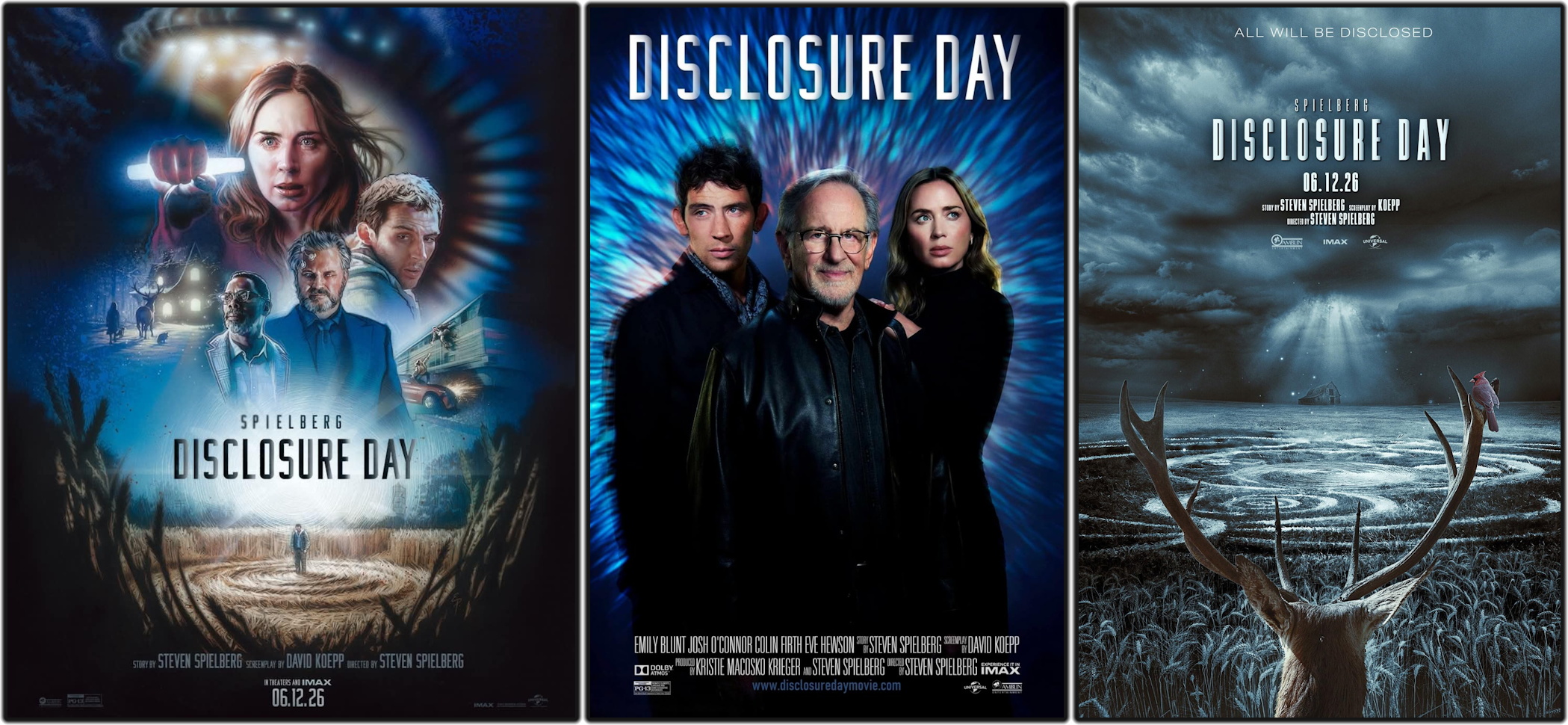
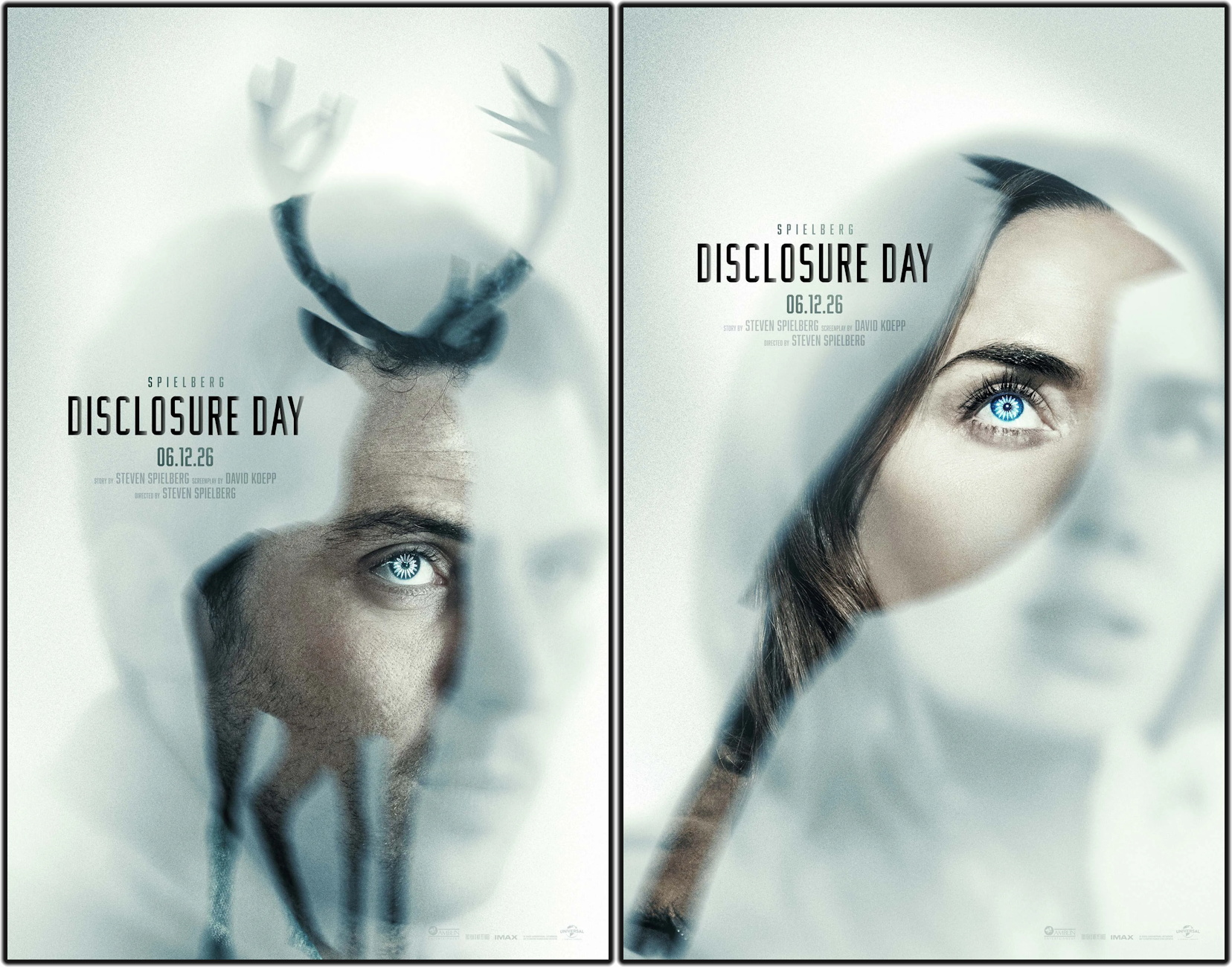
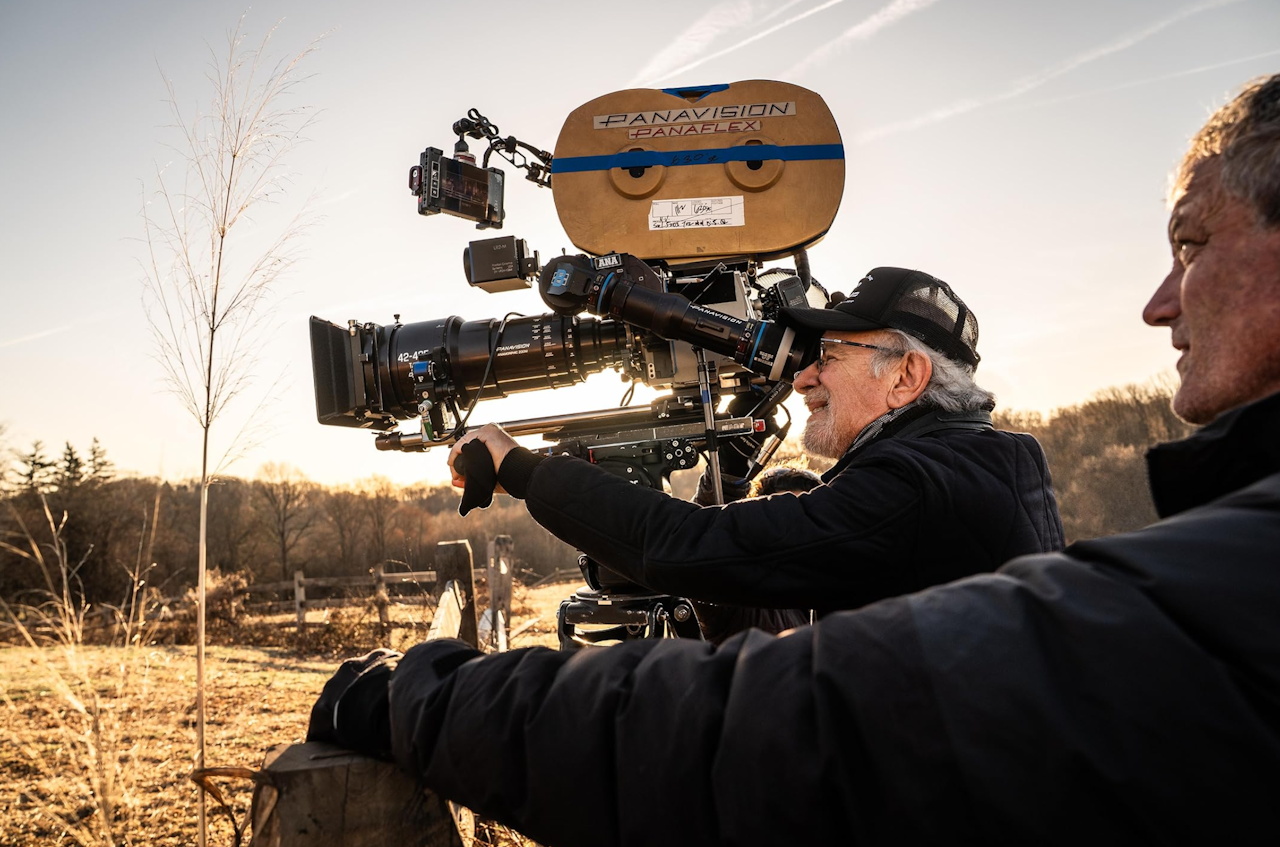
When I looked ahead to the cinematic experiences I hoped to enjoy in 2026, few stood out more than Disclosure Day. Steven Spielberg is a director whose films I’ve thoroughly enjoyed for decades, and not only was this a return to the science-fiction genre, but it was also something of a passion project. Spielberg has, apparently, been enamoured with UFOs and “little green men” for years, so Disclosure Day was the culmination of a long-held aspiration.
The trailer for Disclosure Day looked fantastic, too. An incredibly engaging mystery seemed to be on the cards, with government agents, alien abductors, and plenty of action to boot. I was genuinely looking forward to Disclosure Day, and I had high hopes for an enjoyable sci-fi UFO mystery-thriller.
And… I’m sorry to say that I came away pretty disappointed.
As you can see above, this review is in two parts. I’ll try to briefly explain what I did (and didn’t) like about Disclosure Day without getting into narrative spoilers in this first section. And if you stick with me to the second section, we’ll talk about the story in a bit more detail. If you haven’t watched Disclosure Day yet, and want to avoid spoilers, the end of the spoiler-free part of the review is clearly marked. Feel free to bookmark this page so you can come back after you’ve seen the film, if you want!
Okay. Let’s talk about what I did and didn’t like.
Disclosure Day was a bit of a mixed bag in visual terms. There were plenty of well-done moments, and 95% of the time, I’d say the film looked good. It doesn’t have a particularly distinctive or unique visual style, and there aren’t going to be any UFO or alien designs that people are going to consider “iconic” in years to come… but it was solid enough most of the time.

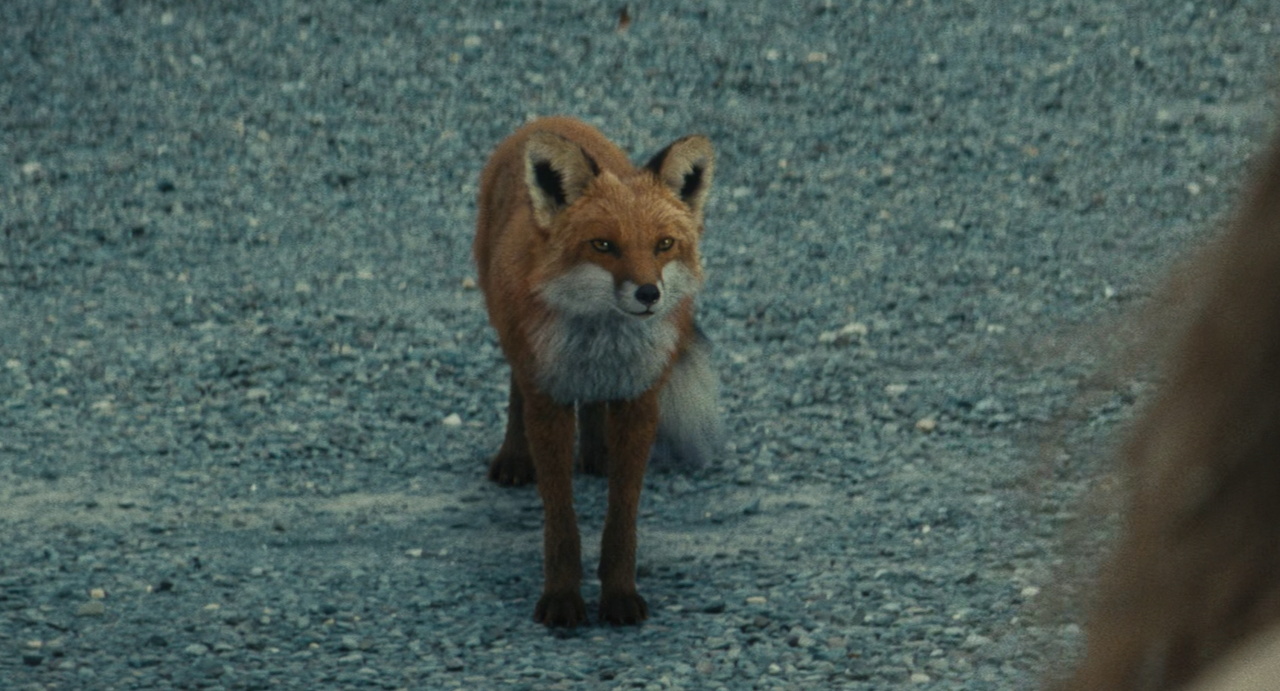
However, there were some visual misses – and they crossed the line into the dreaded “uncanny valley,” where people, animals, and aliens just didn’t look quite right. They weren’t realistic enough in terms of things like fur, hair, skin, or eyes… and it was incredibly jarring. Because these CGI creations were intended to be hyperrealistic, and because they were close enough that they didn’t look outdated or video-gamey, somehow that made it worse, if that makes sense! I just got the impression that more of Disclosure Day’s $115 million budget should probably have been spent on animation – or, failing that, the film could’ve used trained animals, puppets, and prosthetics to get a genuinely better and more believable visual effect.
Because some of these CGI misfires came at points that were incredibly important to the plot, they really dragged me out of Disclosure Day right at the moment where I *should* have been the most invested in the story. Because the film was a bit of a narrative mess, the story needed all the help it could get – and where the visuals and CGI should’ve been primed to assist… they fell way short of the target.
Although I consider myself a sceptic when it comes to things like UFOs and giant government conspiracies, I’m happy to set real-world considerations aside when it comes to sci-fi and movies. Disclosure Day ain’t a documentary, and I’m perfectly happy to suspend my disbelief and go along for the ride – just as I am with other mysteries, conspiracy thrillers, and sci-fi titles. But I found Disclosure Day to have a weak, muddled story, one where characters didn’t speak or act at all naturally, and where the core premises seemed to trip over one another.
Disclosure Day wanted to tell a story about a cover-up and the race to tell the whole world the truth about UFOs and extraterrestrial visitors. And I can see a world where that kind of story is a fascinating, thrilling adventure. But because of the way Disclosure Day went about it, with so many ideas and concepts haphazardly thrown together… not only did none of the individual story elements work, but the big ideas at the film’s core ended up falling completely flat.
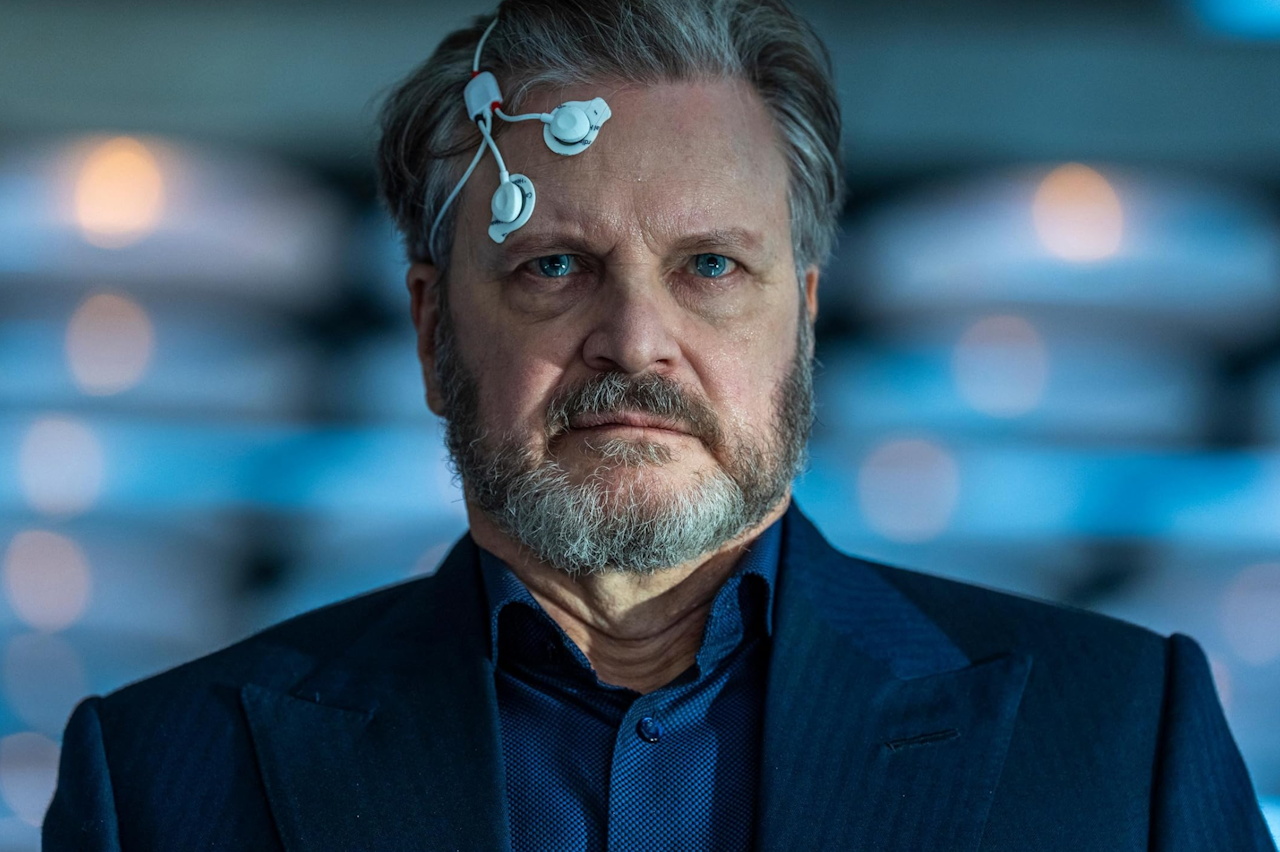
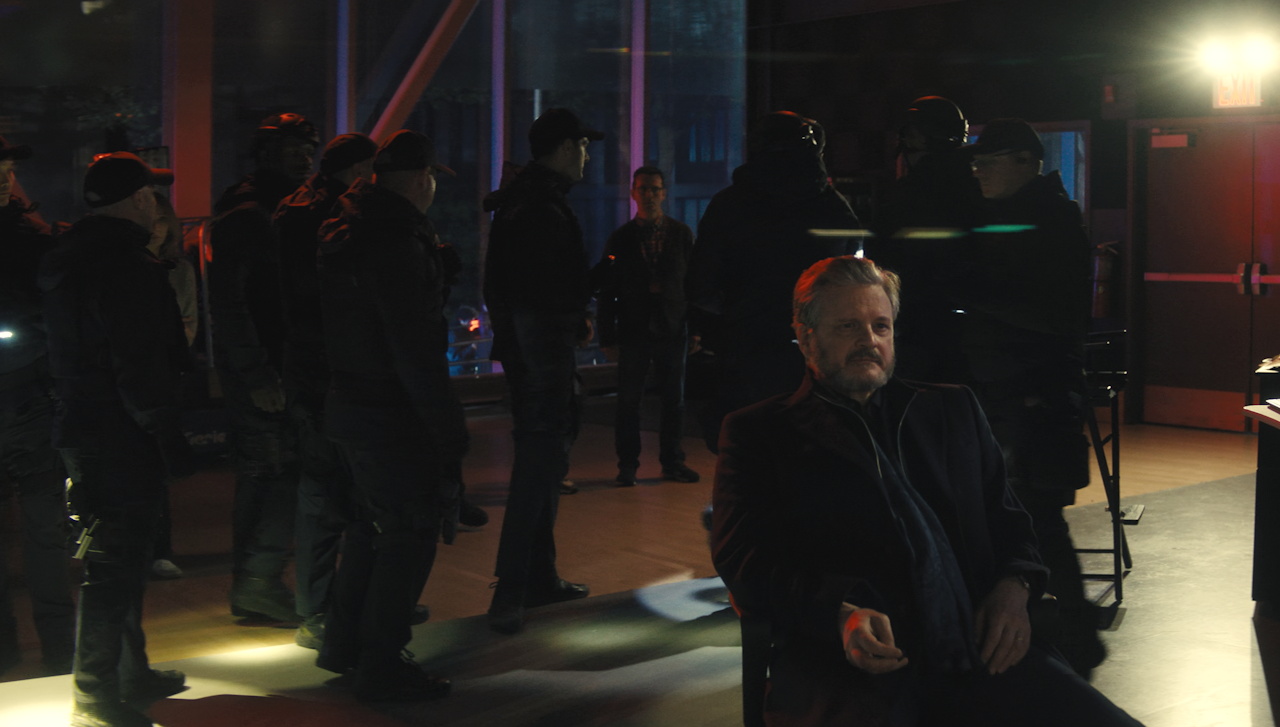
I don’t like to come across as “picking on” individual actors or performers in any of my reviews. An actor’s performance is always at least partially helped or hindered by the quality of the writing, direction, editing, and other elements in a movie; look at 2019’s Cats as an example, which has an all-star cast but still flopped hard. So believe me when I say that this line of criticism is a rarity for me. But I felt Colin Firth was horrendously miscast in Disclosure Day, and he was not at all convincing as the head of this supposedly off-the-books American black-ops organisation.
Firth is British, and made no effort to change his voice or to appear in any way American, and that’s just such a weird and jarring choice – especially considering the point that Disclosure Day desperately wanted to make about cover-ups in the United States government. A British villain is also a bit of a Hollywood cliché nowadays, and I can’t help but feel that this role would’ve been so much better and more impactful had it been taken on by someone else.
One area of Disclosure Day that definitely deserves praise is John Williams’ score. Williams – a long-time Spielberg collaborator – never disappoints, and his score was intense when it needed to be, mysterious, and emotional. Towards the end of the film in particular, I found that the music really managed to elevate some otherwise really disappointing scenes, and it definitely succeeded at getting the emotional tone across.
There were also some clever stunts, action-packed car chases, and solid camera work and cinematography throughout the film. Despite the aforementioned CGI that I disliked, the rest of Disclosure Day looked pretty good, and there were a few particularly creative camera shots which managed to convey the idea that something was hiding just out of sight, or that characters were in more danger than they appeared to be.
I think I’ve said as much as I can without getting into narrative spoilers. If you want to know whether or not I recommend Disclosure Day, I’m afraid that the answer is a very reluctant “no.” I regret paying to stream it, quite honestly, which is a rare thing for me to say, and at time of writing at the end of July, it’s certainly the most disappointing film I’ve seen so far in 2026.
If you’ve already seen Disclosure Day (or you don’t care about spoilers), then stick around. Up next I’m going to talk about the plot in a bit more detail, and cover some of the specific areas where I felt Disclosure Day came up short.

Spoiler Warning: There are major story spoilers for Disclosure Day, including the ending of the film, from this point on.
Disclosure Day’s story suffers from one issue more than any other: there are too many elements and narrative threads present, and several of them seem not to be serving the main themes and ideas that the film wants to convey. I get the sense that Spielberg – who both directed and co-wrote the film – had all of these ideas about alien abduction, UFOs, government conspiracies, astral projection, crop circles, alien technology, and so on… and just kind of threw them all into a single story. Disclosure Day would’ve worked so much better if several of these ideas were cut back or cut out entirely, allowing the film to have more of a tight focus on its characters and core conspiracy idea.
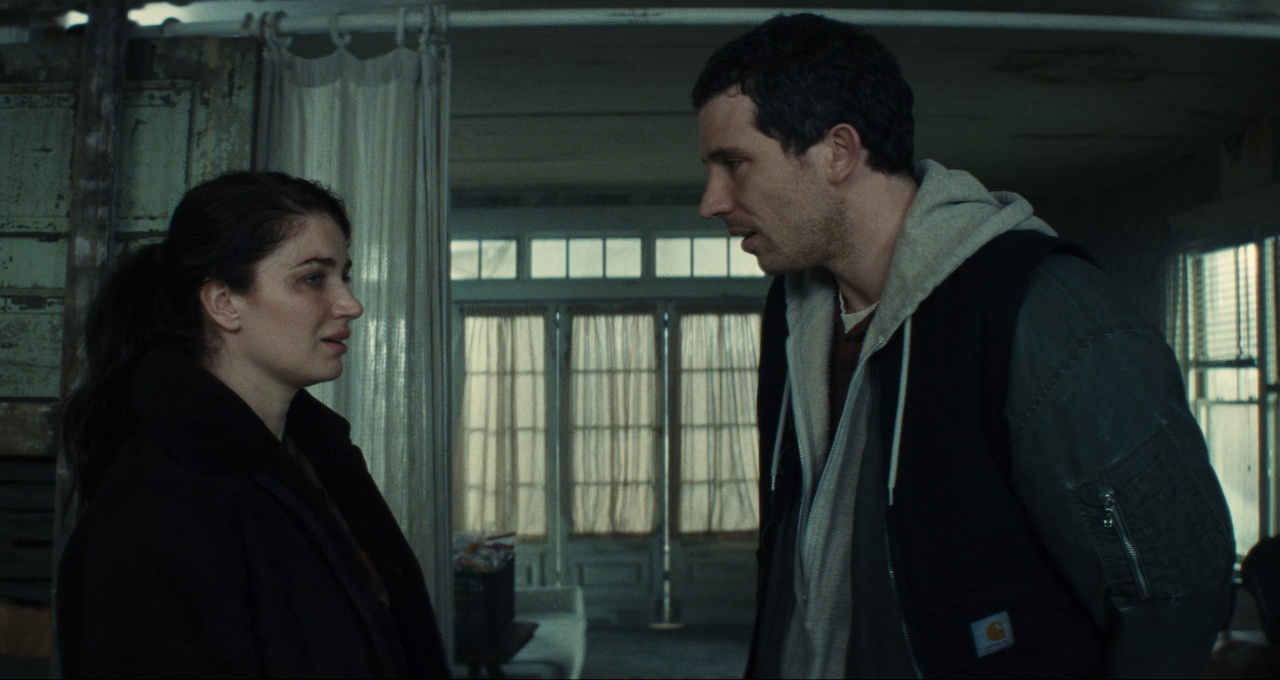
The two main characters we meet in the film – Margaret and Daniel – both have some kind of connection to the aliens. And there was merit in the idea of watching this unfold over the course of the film; that we’d slowly unravel this mystery at their pace, discovering the truth as they discovered it. But the way this was handled, by granting Margaret in particular these weird “superpowers” of language, empathy, and basically mind-reading… it came across about as well as any unexplained superpower might. Margaret seemed to have the perfect skill at just the right moment to advance the plot, and it felt like she was being guided not by the unseen hand of a benevolent alien, but by the unseen hand of a writer who was out of their depth and had to invent new powers on the fly.
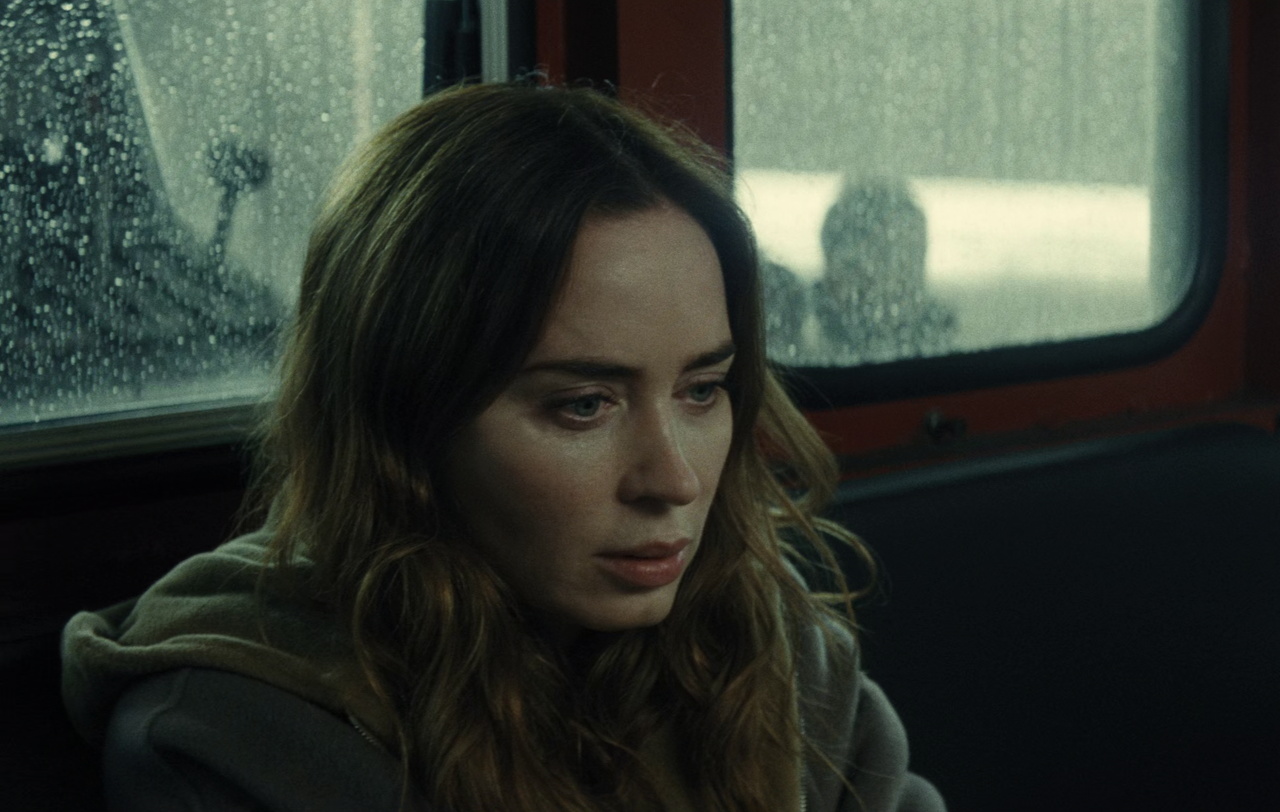
At key points in the story, Margaret was able to use knowledge from people’s minds and memories to basically give her the narrative equivalent of a “get out of jail free” card – literally breaking Daniel out of Wardex’s custody. And these powers weren’t established very well; she seemed to just pull them out of thin air, and then everyone around her acted strangely.
In the scene I just referred to, Margaret takes on the appearance of the wife of Scanlon (the head of Wardex). And by appearing as this (presumably) deceased individual, she’s able to just walk over to Daniel, break him out of custody, and even bring his backpack full of illegally-obtained evidence. She repeats this trick on half a dozen other agents who are tasked with stopping her. In order for this moment to be believable, we have to accept that not only can she do this – that she possesses this awesome power – but that everyone around her believes it, even though they still seem to know, deep down, that the person they’re seeing in front of them isn’t actually their loved one. Sure, it might be a shock for a few seconds to see a deceased partner or parent… but aren’t these supposed to be trained operatives? I had a hard time buying that *all of them* would just let her walk away because she has this party trick.
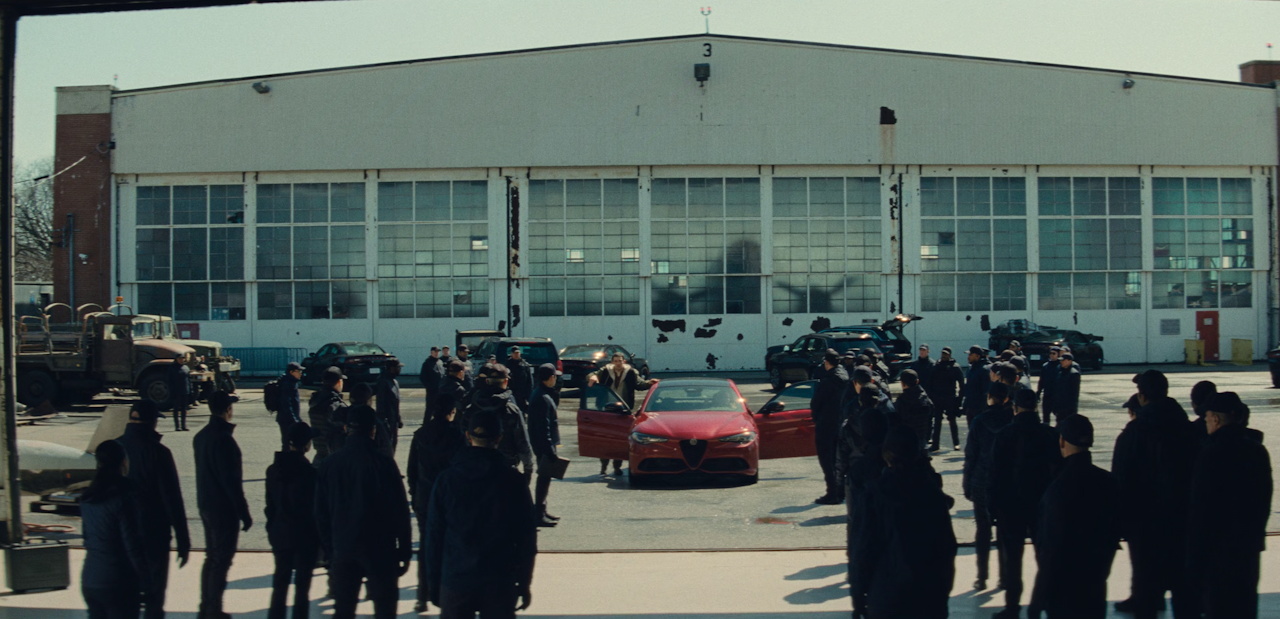
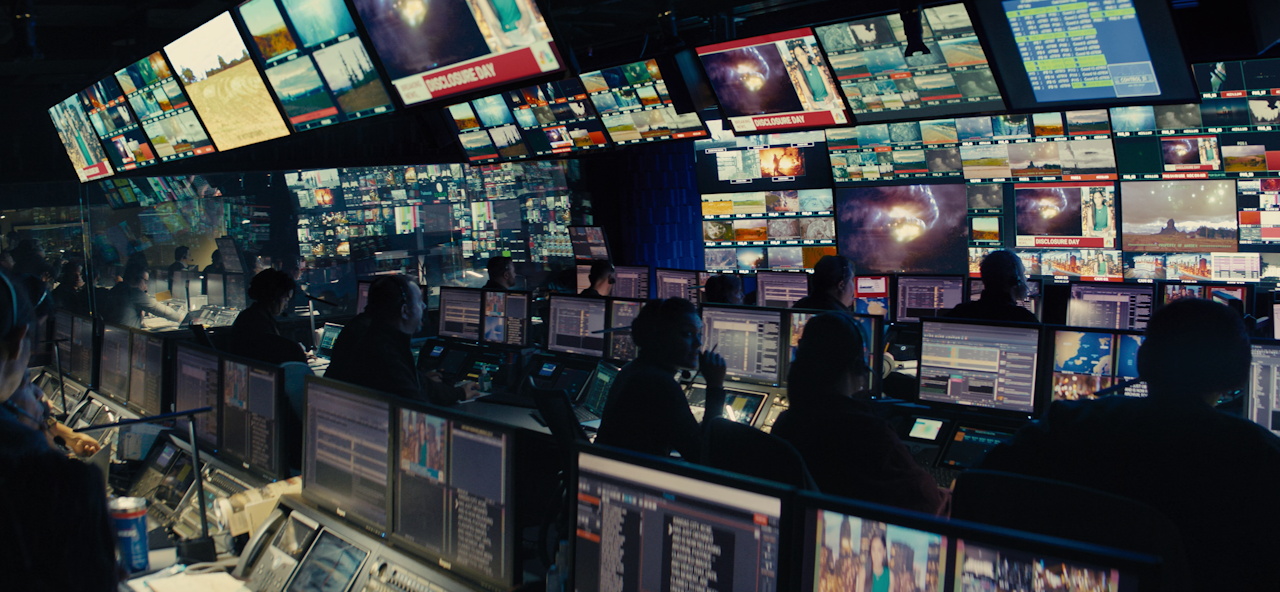
The same problem occurs at the film’s climax. After storming the TV station building, Scanlon and his team are ready to do anything to stop Margaret from revealing the truth. Until she picks up a magical macguffin and turns the power back on, at which point Scanlon apparently just gives up… and his team literally just walk away. That’s the culmination of this big fight, this conflict that’s been running for the entire length of the film. The villains just sit down, walk away, and let the heroes get on with it without, I dunno, firing their guns, breaking the cameras, arresting people, or whatever else shadowy government conspirators are meant to do at moments like that.
It was just so profoundly odd to sit there and watch the whole Wardex team, sans Scanlon, literally give up and walk away when they still had time to act. Stopping the truth from going public was the entire point of their organisation, and at the moment when they could have done something more to further that goal, they just… leave. Forget about “does that make sense in-universe,” because for a story, a narrative we’re supposed to be invested in? It’s massively unsatisfying. And it comes across like the writers realised they’d backed themselves into a corner and just kind of went “well, what if the Wardex agents all just… fucked off?”
For most of the film, I would’ve said that Disclosure Day did a reasonable job of avoiding the worst UFO and alien abduction clichés. There were oblique references to “seventy-nine years ago” (i.e. 1947, the year of the Roswell UFO incident, assuming the film is set in 2026), but that was okay. But the film’s final act leaned heavily into Roswell and other big UFO conspiracy events, and not in a way that felt natural. Perhaps a stronger story could’ve harkened back to these conspiracies and clichés, but for a film as muddled and narratively weak as Disclosure Day, I’m afraid this came across as desperate rather than anything else.
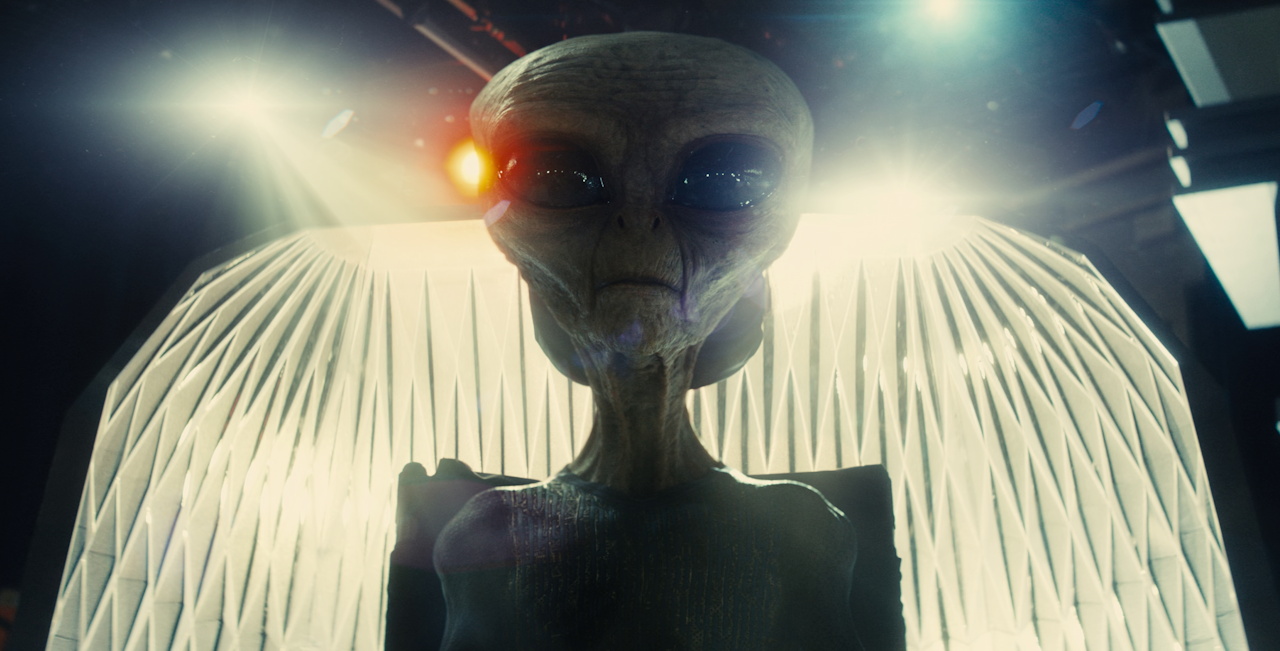
The same is true of the design of the aliens themselves. “Greys” have been a part of UFO lore for a long time, with some folks genuinely believing that this is what aliens will look like when we inevitably meet them. Whether you buy into that or not, I think we should be able to agree that the “grey alien” design feels pretty bland and trope-y in 2026, and a big-budget sci-fi film should be able to come up with something better and more original. Spielberg has already introduced us to a unique-looking alien in E.T. the Extra-Terrestrial, but the aliens he brought to screen this time were basically unchanged from his earlier film Close Encounters of the Third Kind – some fifty years ago. I just think that both Spielberg personally and the sci-fi genre as a whole can do better than that when it comes to depicting alien life.
All things considered, I think this ambitious story tried to bite off more than it could chew. Some elements – like crop circles or astral projection – could and should have been removed while Disclosure Day was still in the scriptwriting stage, and clichés like “two strangers who share a connection that only magical macguffins can reveal” should also have been cut out. The core idea of the government covering up UFOs – and UFOs, therefore, being a metaphor for all of the things that our governments hide from us or decline to tell us – is a genuinely interesting one, both on a surface level and more deeply. But a lot of the extraneous fluff got in the way and harmed that core message.
The film’s religious angle also seemed to go nowhere. Jane – the main character through whom this religious message was supposedly being conveyed – had a few moments of wrangling with it near the start of the film, but then both she and this idea fell by the wayside pretty quickly. Again, there’s the kernel of a good idea here: what would it mean for the world’s religions (Christianity in particular, I guess, since this is an American film) if alien life were revealed to exist? And would people worship benevolent aliens as akin to “gods” if they possessed sufficient powers?
Disclosure Day pretends to set out to answer these questions, but quickly abandons them. The argument of “should we cover up the truth” is seen through the lens of “religion is good for people, even if it isn’t true,” and that’s a conversation that’s absolutely worth having. But realistically, if the film wanted to approach that topic, it needed to be the main focus – not a half-arsed side-story.
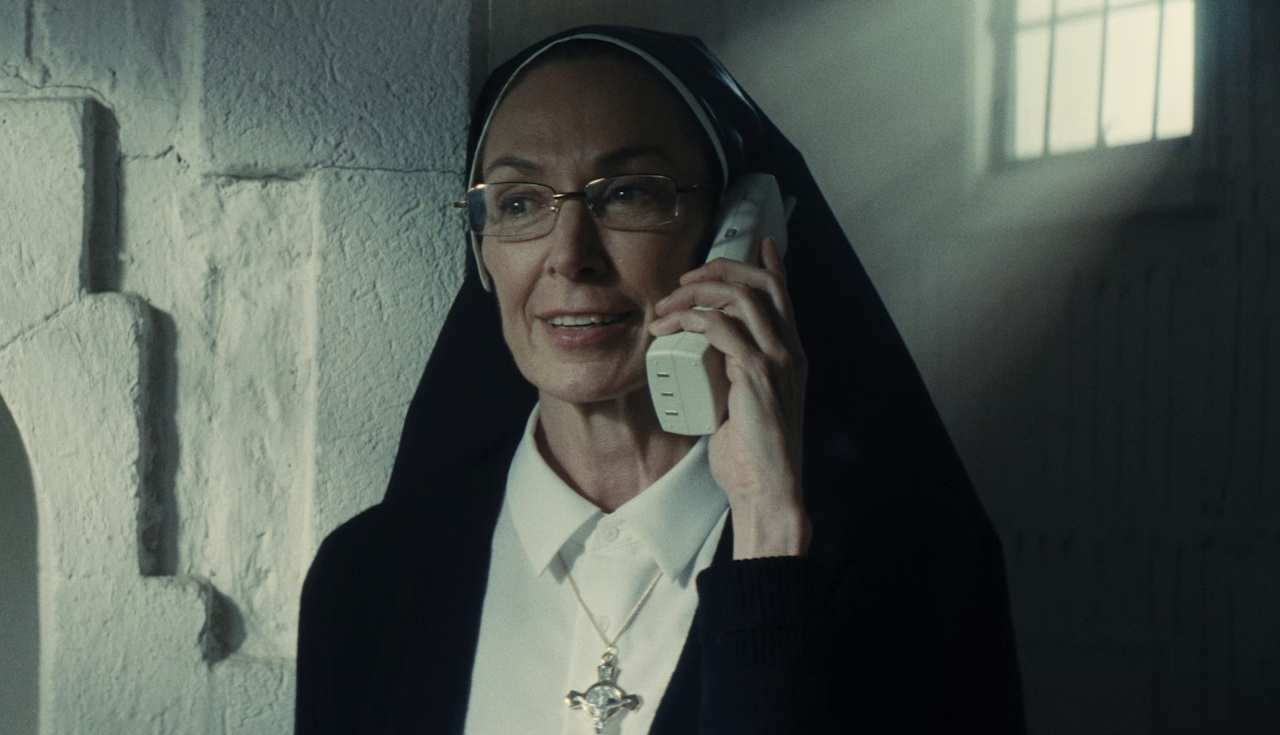
The film relies heavily on one-dimensional cardboard cut-outs outside of its main three (or even just two) characters, and we get very little characterisation for most of them. There are clichés aplenty, too, like dead wives and jealous boyfriends, and some incredibly convenient characters who happen to say just the right thing at just the right moment. Where else would we find, for instance, a nun who happens to be open to the idea of extraterrestrial life?
I wanted to like Disclosure Day. I like Steven Spielberg’s films – not all of them, but even some of his supposed “lesser” titles, like The BFG or Ready Player One – and I like the idea of a UFO mystery-thriller. Spielberg has pedigree in the sci-fi world, so I didn’t sit down to watch Disclosure Day hoping I’d hate it or wanting to have a bad time. I wouldn’t have paid good money to stream it if that were the case!
Unfortunately, though, the film’s trope-laden story, odd narrative choices, uninspired visual style, and more all came together to make a picture that I just did not enjoy. Even more disappointingly, I feel like I can see the barest bones of a good film buried deep beneath the surface. Excavating that version of the film would’ve taken major rewrites and a massive amount of work, though.
So that was Disclosure Day. Will it be eclipsed before December by an even worse film? Or have we found the first genuine contender for 2026’s “Worst Film” award? Every year, I like to hand out some made-up trophies and imaginary statuettes, so swing by just before New Year to see whether Disclosure Day makes the cut!
I’m a sci-fi fan and a Spielberg fan, so I hoped that Disclosure Day would be my kinda thing. It wasn’t, for the reasons I’ve tried to lay out in the review above, but I hope my take on the film has been of some interest, if nothing else. If you like film reviews, stay tuned! I’d like to take a look at titles like Supergirl, The End of Oak Street, and Digger over the weeks and months ahead. And I have reviews here on the website of a few other titles from earlier in 2026, including Iron Lung, 28 Years Later: The Bone Temple, and The SpongeBob Movie: Search for SquarePants. Click or tap the links to read any of those. Thanks for reading, and see you… out there!
Disclosure Day is available to stream now (for a fee) on platforms like YouTube and Amazon Video. The film will be released on DVD/Blu-ray at a later date. Disclosure Day is the copyright of Universal Pictures and Amblin Entertainment. This review contains the thoughts and opinions of one person only and is not intended to cause any offence.

