


Spoiler Warning: There are spoilers ahead for Star Trek: Strange New Worlds Seasons 1-4. Spoilers are also present for the following Star Trek productions: The Next Generation, Voyager, Generations, Discovery, and Starfleet Academy.
And we are back! Strange New Worlds’ fourth season has officially landed on Paramount+, so it’s time for a review of the season premiere. Unlike last time, Season 4 didn’t begin with a double-header, so there’s only one episode to get things started. I think I prefer it this way; Star Trek can be a binge-worthy franchise, but I personally prefer to give new episodes a bit of room to breathe.
As I did for Seasons 2 and 3, I’ll be following along with Strange New Worlds for weekly episode reviews, so I hope you’ll join me over the next couple of months.
As always, an important caveat before we get into the meat of the review! Everything we’re going to talk about today is the *subjective, not objective* opinion of just one old Trekkie. If you hate my take, think I’ve missed something important, or don’t share my opinion of either Valles Marineris or Strange New Worlds as a whole… that’s okay. There’s enough room in the Star Trek fan community for differences of opinion and polite disagreement.
The start of a new Star Trek season always feels like a cause for celebration, and there are definitely aspects of Valles Marineris that I can say that I enjoyed. But I’m afraid that I didn’t really think that this episode was an especially strong one, narratively speaking, and that’s really for one main reason: there were too many ideas, too many characters, too many storylines, and too much going on at once. The episode simply didn’t have enough runtime to do justice to, frankly, *any* of the main things it brought to the table. And that’s a pretty big disappointment.
I’ve said this before in several of my Star Trek episode reviews, so I’m sorry for repeating myself! But the disappointing thing about Valles Marineris isn’t that the ideas, concepts, storylines, or character moments were bad… it’s just that none of them really got an adequate amount of time on screen to be fully explored. As a result, we got an episode of Star Trek which felt bitty and scattered, and which left way too many things unsaid or on the cutting-room floor. There were several genuinely fascinating ideas in the mix, but because the writers threw *all* of them into this one single episode, none of them had enough time to shine. And the result? Well… a bit of a mess. A disappointment. An underwhelming start to the season. Take your pick.
Photo: Paramount
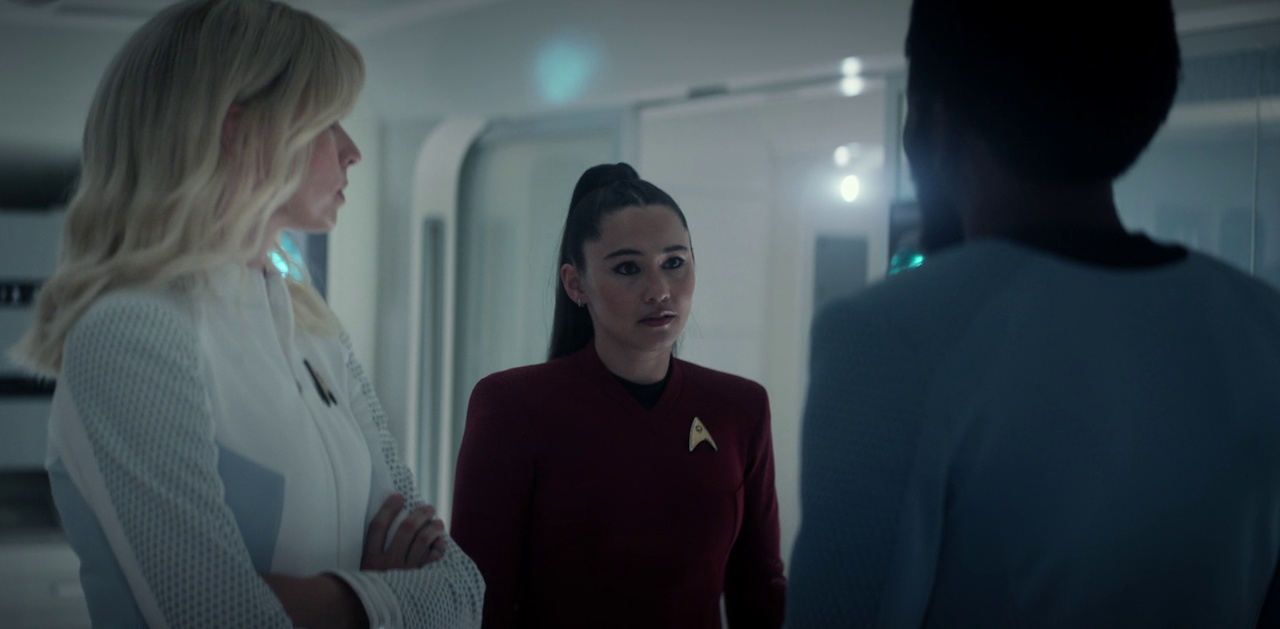
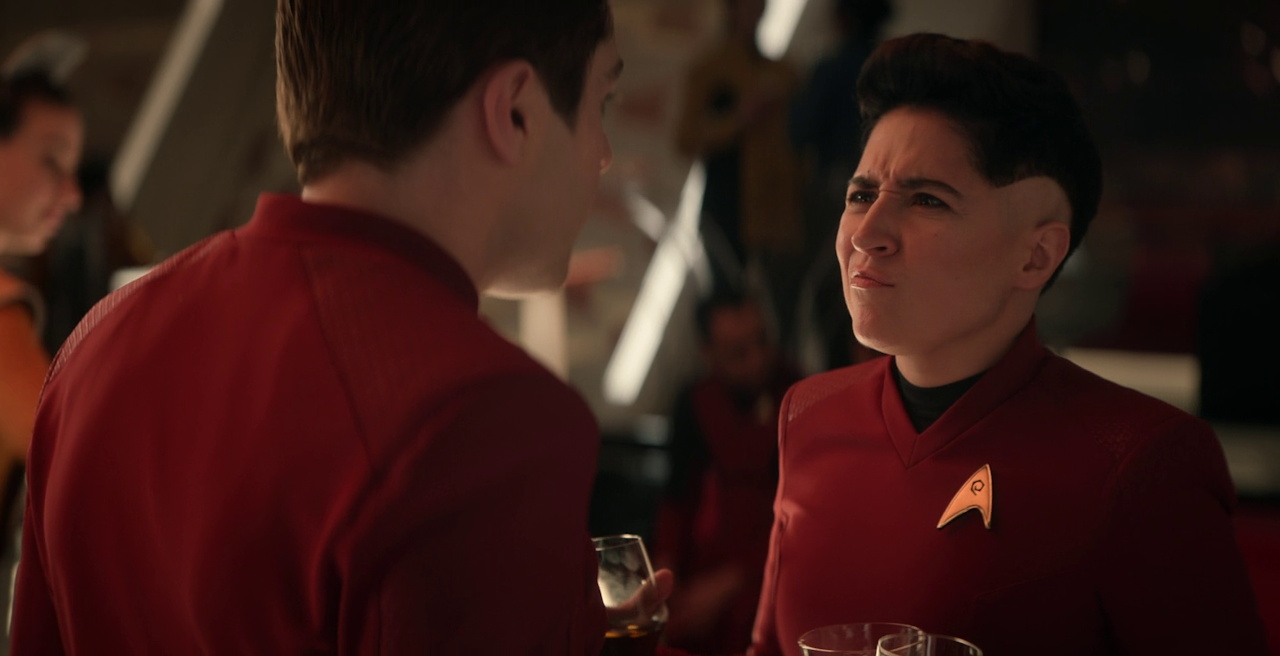
Let’s start with Uhura and her new Vulcan cadet. I’m sure this character (whose name I don’t think we even learned in the episode) will be back in subesequent episodes, and we’ll get to spend a bit more time with them then. That’s at least potentially interesting – and as I said in one of my Season 4 previews, I like the idea of Uhura getting this kind of character arc across the series as a whole – growing from the unsure cadet we met in Season 1 to a teacher and a mentor by Season 4. That’s a positive thing, and I’m happy to see it… at least, in theory.
But because this standoffish Vulcan cadet, and Uhura’s reaction to them, was such a nothing-burger in Valles Marineris, I can’t help but feel like this entire storyline could and should have been moved. Perhaps introducing this cadet next week, or in another episode where they’ll be more plot-relevant, would’ve been the better decision. It could’ve freed up a few absolutely vital minutes of screen time this week that other storylines were desperately lacking.
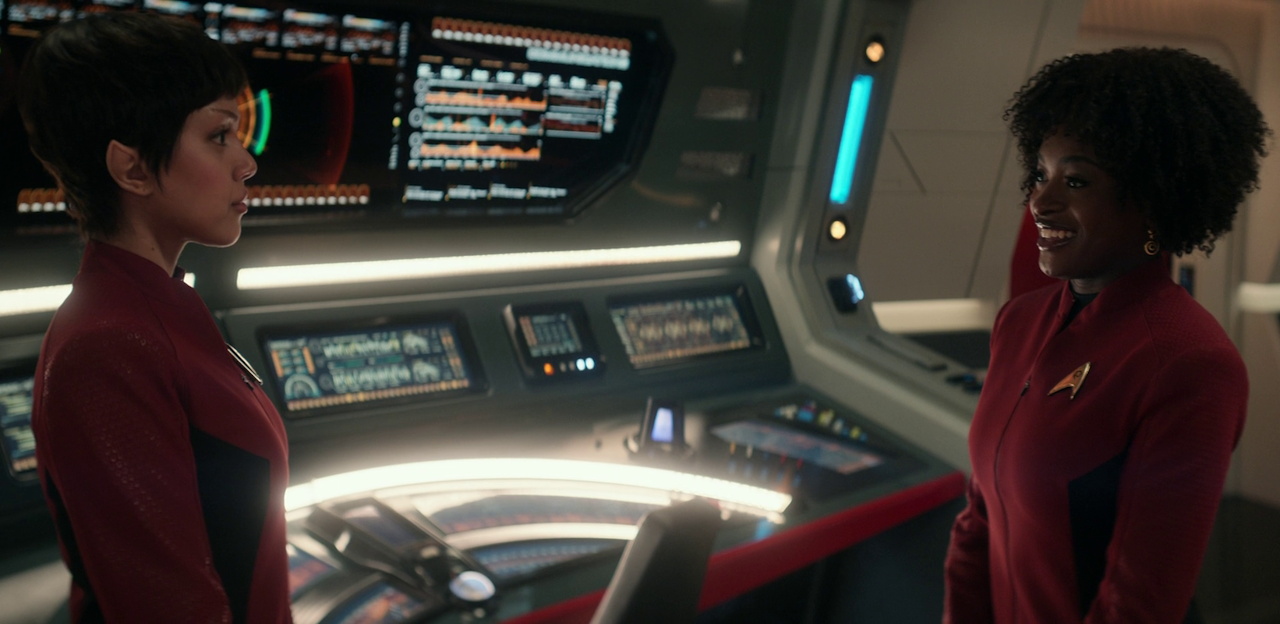
Again, for the sake of clarity: this storyline isn’t bad – or, at least, it isn’t off to a bad start. It’s just that this episode in particular already had so many other things going on that these moments between Uhura and the nameless cadet would’ve been better spent elsewhere. I have to assume that the cadet is going to be part of at least one significant storyline later in the season – and even if not, I like that their presence adds flavour and depth to the wider Star Trek universe. Seeing cadets on assignment like this is like seeing a random Andorian or Caitian in the background; it reminds us that Starfleet is bigger than just our main hero characters. And that’s a positive thing because it helps the Star Trek universe feel lived-in and real.
But on this occasion, Valles Marineris wanted to have storylines about time travel, dinosaurs, the concept of cosmic fate and destiny, Pike coming to terms with what happened to Captain Batel last time, Pike’s promotion, some kind of burgeoning conflict-slash-inevitable romance between Ortegas and Scotty, and brand-new additions to the history of Star Trek’s galaxy. There wasn’t time for everything… not at all. And I’m afraid that, in order for the episode to get across the *main* themes and story ideas that the writers wanted to convey, something should’ve been cut or adjusted. And if I had to pick one place to start cutting? It would be the scenes with Uhura and the cadet, as they were totally disconnected from everything else.
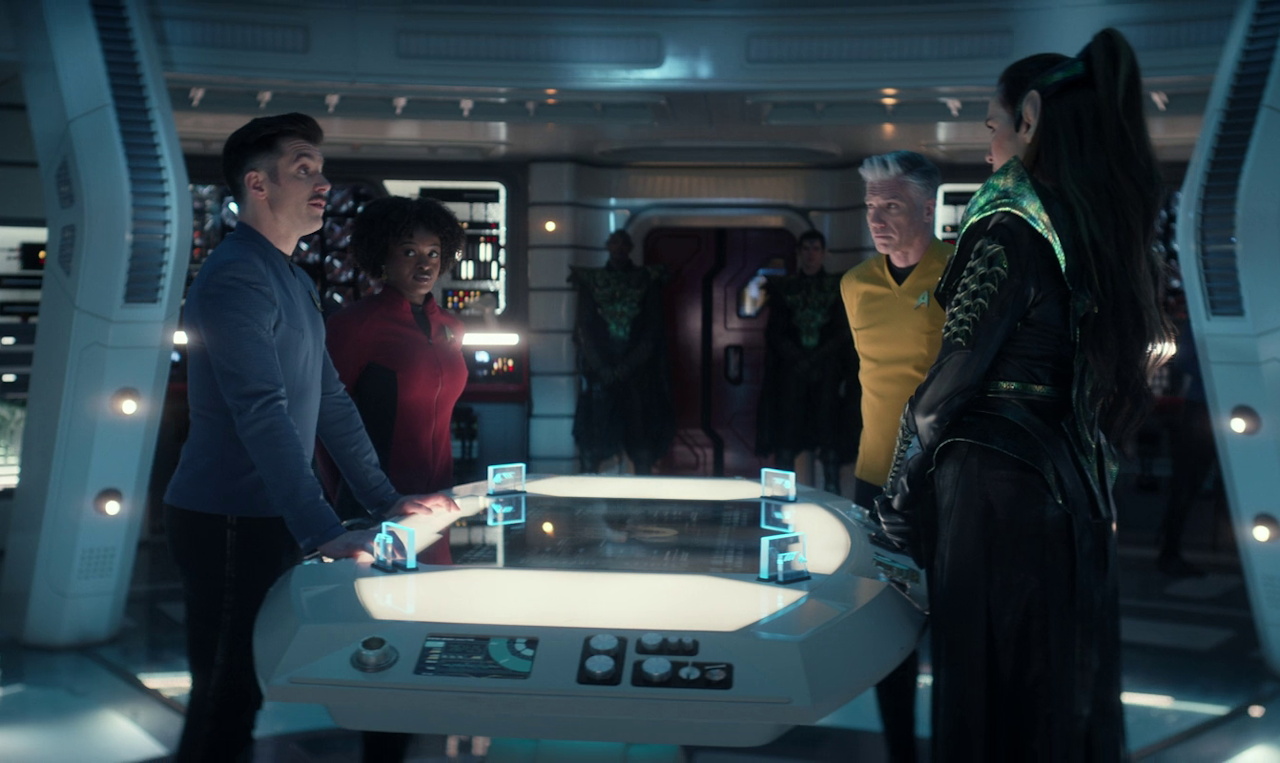
There were two big ideas on the go in Valles Marineris, and while they could – and arguably *should* – have been able to work together… they didn’t. The first was something that we saw teased in pre-season marketing material: Star Trek’s first-ever “dinosaur episode.” And the second was a time travel story about fate, destiny, and the need to allow a horrible catastrophe or crime to take place in order to secure the “correct” version of the present day.
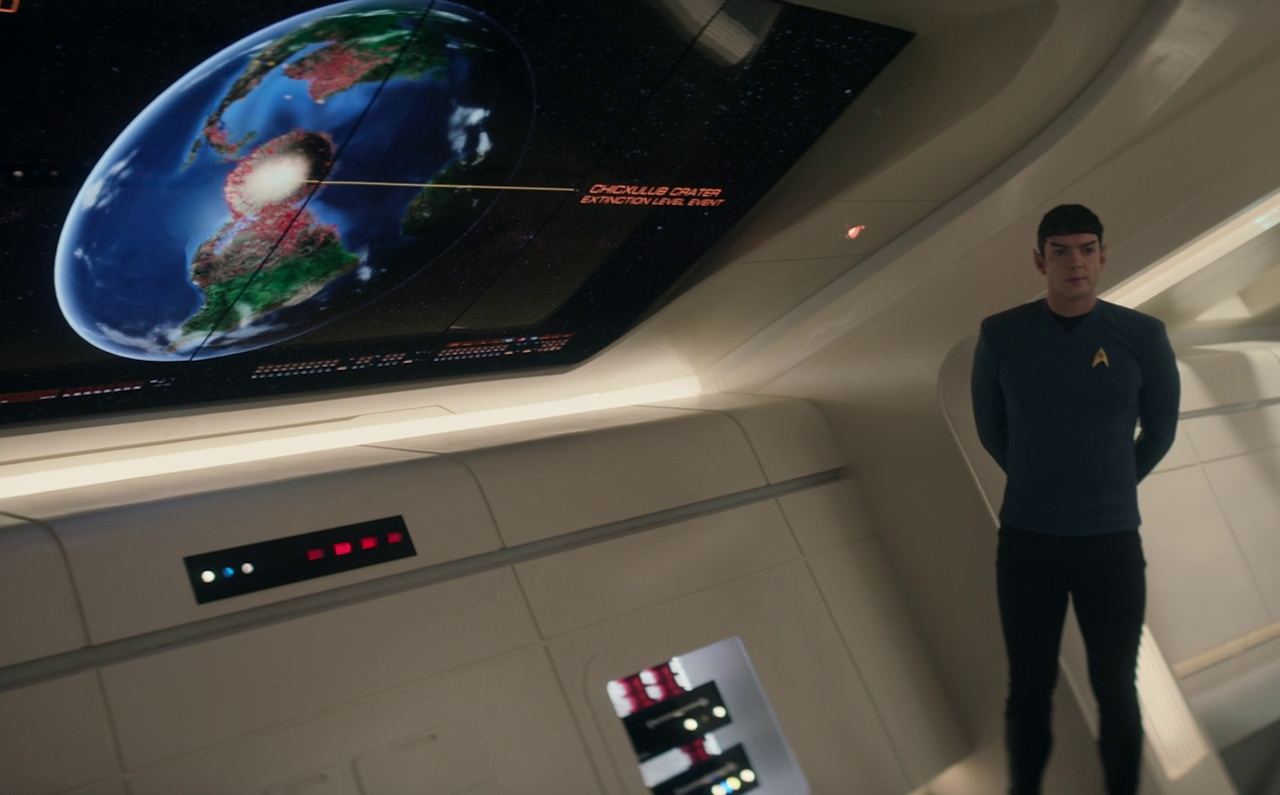
Going back to dinosaur times to set up this kind of story was a creative idea. But the way it was handled in Valles Marineris meant that we neither spent much time with the dinos, having a fun Jurassic Park-inspired adventure, nor was there sufficient time to consider the real ramifications of everything on Pike’s side of the story. We learned, in brief, that: Pike and the Enterprise are literally responsible for the asteroid wiping out the dinosaurs, and by extension, humanity’s existence, that there used to be two other sentient alien races (besides the precursors to the Voth) in the Sol system, that some kind of “fate” or “destiny” exists in Star Trek at the macro level, not just for individuals like Pike, and that a race of humanoid Martians from millions of years ago had some kind of role in seeding the galaxy with their DNA. That’s *a lot* for any story to incorporate, so it’s no wonder that basically none of these points got time to be sufficiently explored.
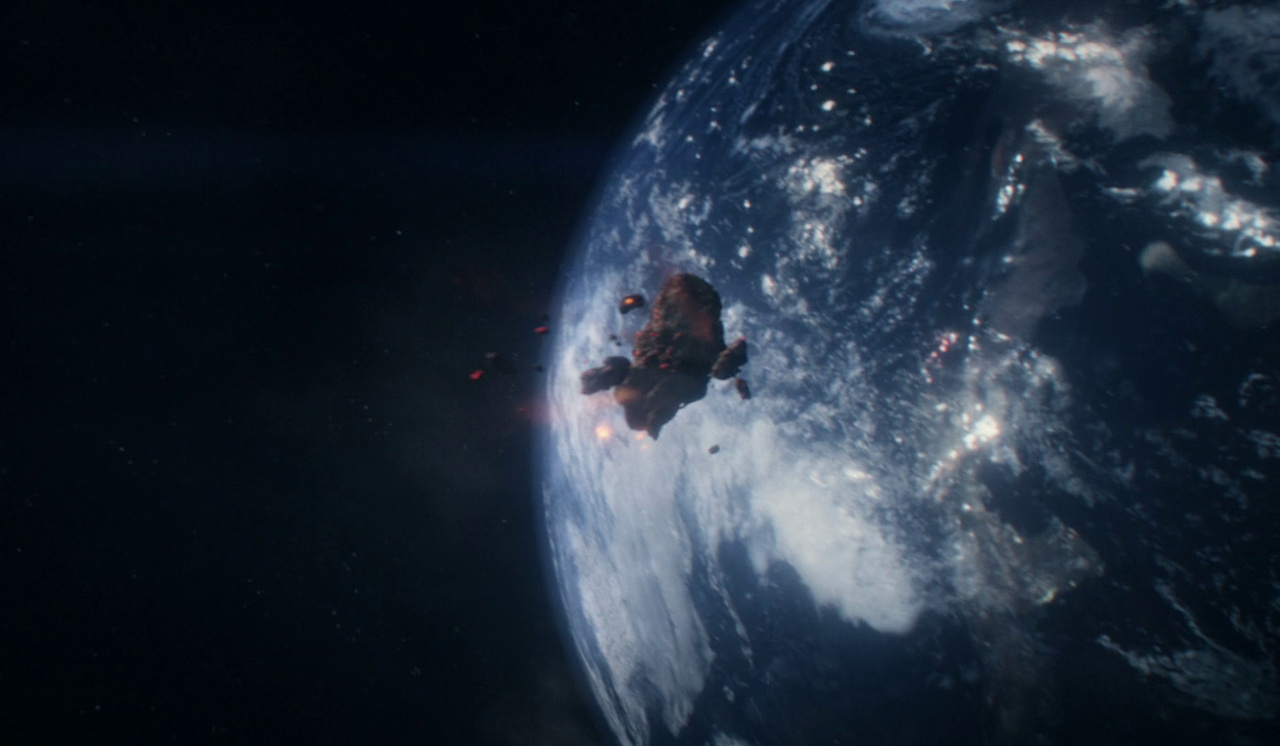
If you’ve read my review of Discovery’s fifth season, you might remember me saying something similar, but I don’t really like when Star Trek gets into the weeds with massive questions like “where did we come from?” or “who created the races in the galaxy?” because I think it robs the setting – and, by extension, us as the audience – of one of the franchise’s most fundamental building-blocks. We *don’t* always know why certain things happened – like the asteroid that caused the extinction of the dinosaurs – and we don’t *need* to know. There doesn’t have to be a single in-universe reason for why humanity evolved… and it certainly doesn’t need to be tied to some of our hero characters. Those kinds of things are best left unexplained.
This was, in a nutshell, the Discovery Season 5 problem. By going all-in on the Progenitors, the seeding of the galaxy, and so on… the show tried to answer questions that never needed to be asked, let alone given an in-universe explanation. And this side of Valles Marineris suffered the exact same fate. What do we, as the audience, gain by learning that the Enterprise caused the extinction of the dinosaurs? That was never the point of Star Trek; it was never a story that set out to ask the question “where did we come from and why?”, and because Strange New Worlds is still a semi-episodic project, the massive in-universe implications – for humanity at large and for our characters on the show – almost certainly won’t be addressed in a big way.
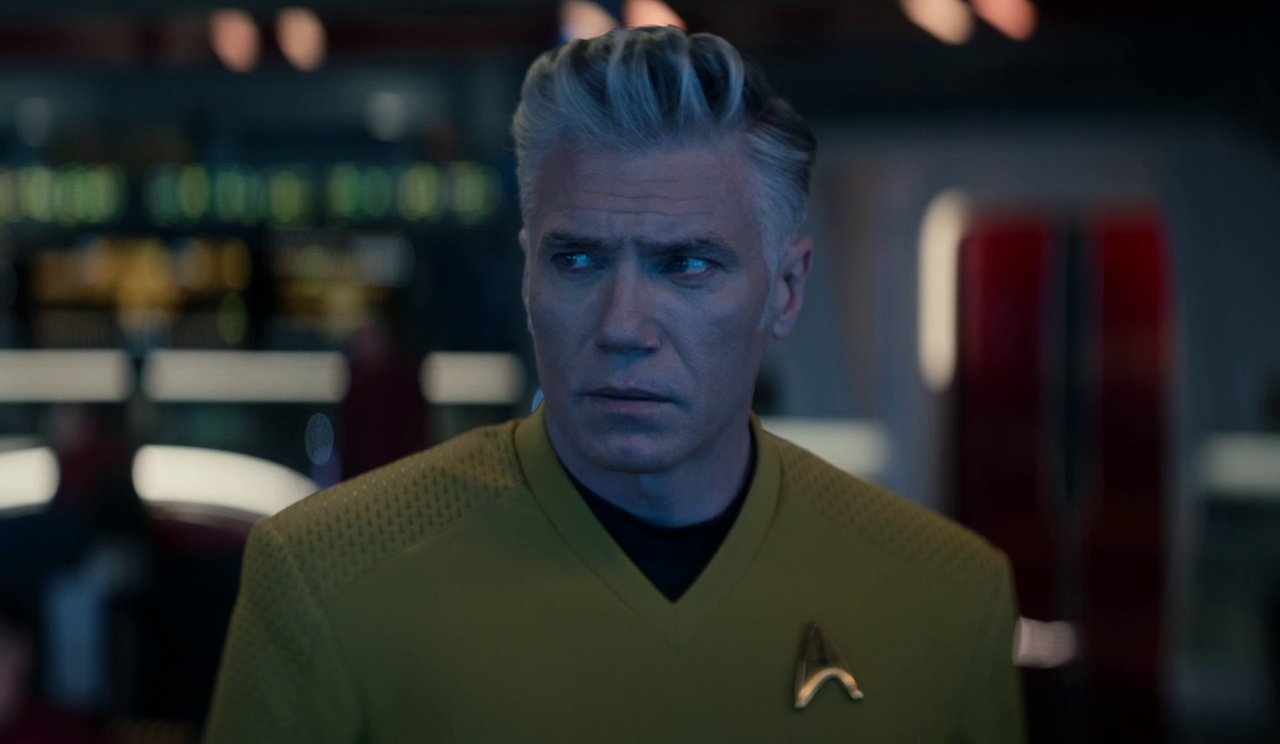
The appeal of Star Trek, to me, is that the Enterprise encounters different aliens, different planets, and goes on different adventures every week. There’s plenty of room in that framework for things like time travel, and even for encountering humanoid races in the distant past. I think both of those concepts could have been made to work. But by doing the Discovery-esque thing of making it this massive, fundamental, history-altering thing – let alone a time-loop paradox that’s hand-waved away with the old “destiny” excuse – I’m afraid that Valles Marineris didn’t stick the landing.
Going all the way back to The Lost World (not the Jurassic Park sequel; Arthur Conan Doyle’s 1912 novel), dinosaur stories have been all about adventure. Conan Doyle imagined a remote plateau in South America where dinosaurs still walked the Earth, Jurassic Park depicted mad scientists bringing the long-extinct creatures back to life to turn a profit… but there’s always been that adventurous tone. Valles Marineris offered the opportunity for Star Trek to have its very own dinosaur adventure… but an overladen episode didn’t have the time for that. The moments we got with the away team were fun – almost certainly the most fun I had with the entire episode. But they were so painfully short that the idea of “Star Trek meets the dinosaurs” fell pretty flat.
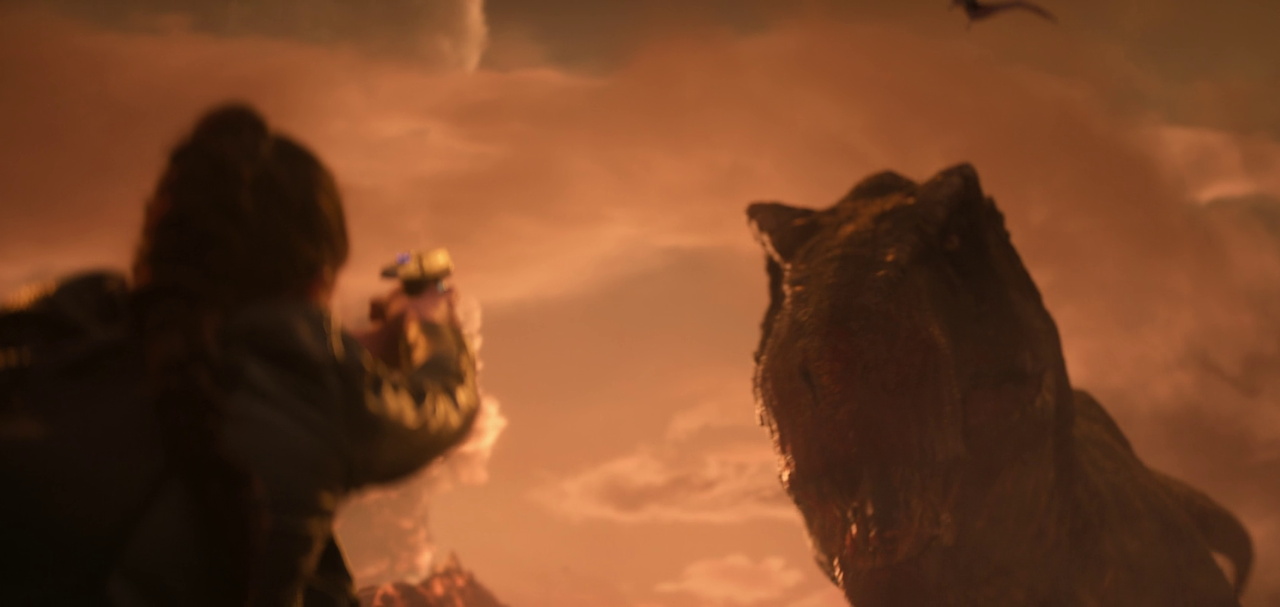
Perhaps it’s because “the dinosaur episode” had been so prominent in Season 4’s marketing material and promos, but I really feel this promised episode didn’t live up to expectations. I liked the idea of seeing, for example, Spock using his tricorder and meticulously scanning and categorising different dinosaurs. But, of course, Spock didn’t even join the away mission. The away team encountered precisely *two* dinosaurs: a T. Rex, which they shot and stunned, and some kind of feathered velociraptor, which La’an punched. That’s it. Two dinosaurs. In the dinosaur episode.
There were the beginnings of a fun story here. I like the idea, for instance, of an alien shipwreck on Earth in this era, and a stronger story could’ve considered what that might’ve meant for the history of life on Earth. And I liked the idea of the crew landing on a strange M-class world, without understanding where or when they are because of technobabble. Concealing the truth like that… it could have been a creative way to introduce this story and set up the kind of dino adventure I was hoping to see. But it turned out to be a disappointment, because the episode had too much to do elsewhere.
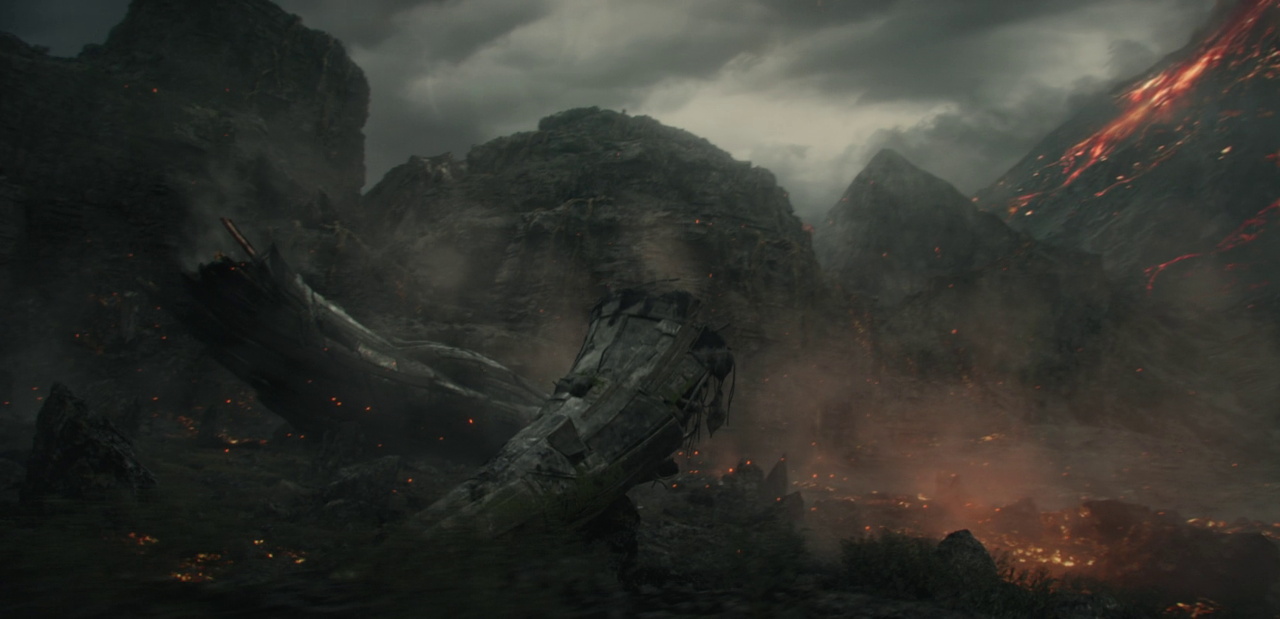
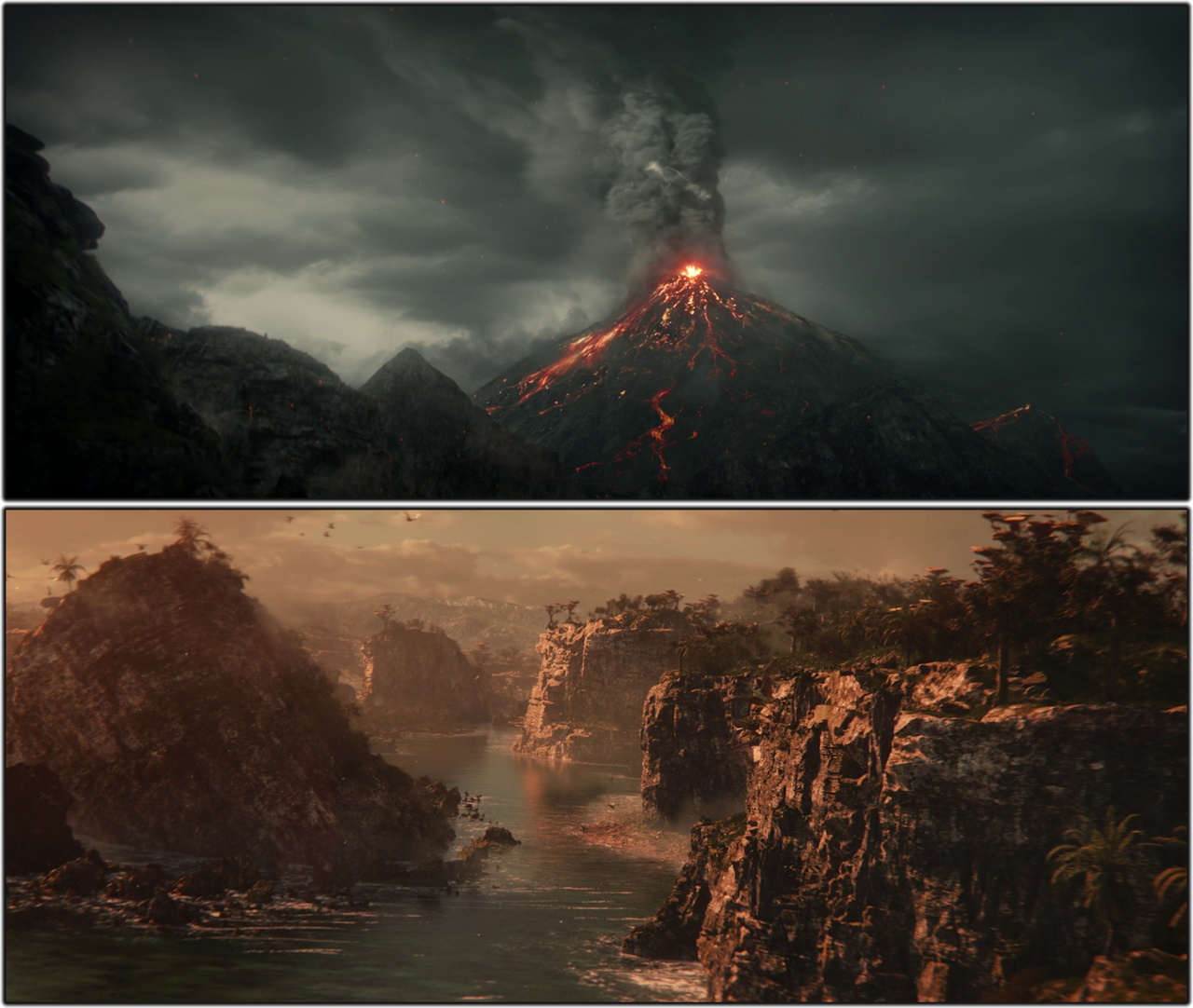
I will say, on a more positive note, that I liked the way the dinosaurs looked. It was nice to see a feathered dinosaur; since Jurassic Park’s premiere some thirty-odd years ago, palaeontologists have discovered that a lot more dinosaurs had feathers, and I’m glad the designers were able to incorporate that. The T. Rex, too, felt like it could’ve walked straight out of Jurassic Park! And even the plants and trees of prehistoric Earth looked pretty great.
Star Trek’s creative team have clearly gotten a lot more comfortable with the AR wall since its introduction. There are still some occasional misfires; the hideous CGI whale in Starfleet Academy’s premiere, for instance. But for the most part, sets built around the AR wall have looked pretty good, and I think the recreation of prehistoric Earth looked great here. There was some fantastic CGI and animation work to bring this place to life. I just wish we’d had the chance to spend a bit more time hacking through jungles, climbing volcanoes, and dodging dinos with the away team.
This next part is going to seem a bit nitpicky, so feel free to disregard it if you think it doesn’t matter!
Voyager’s third season episode Distant Origin introduced us to the Voth – the descendants of a race of sentient dinosaurs who left Earth millions of years ago and eventually settled in the Delta Quadrant. The latest DLC pack for the video game Star Trek: Voyager – Across The Unknown even features this race and a mission based on the episode, which is why it’s so fresh in my mind right now! The Voth were believed to have descended from hadrosaurs – a real-life dino species which existed in the Cretaceous period. So… where were the Voth, or proto-Voth?
When we saw an alien spaceship attaching itself to the Enterprise, I felt certain that we were about to encounter the Voth! That could’ve been a fun way to tie in this adventure to dinosaur times with an existing piece of Star Trek lore. Instead, we were introduced to a race of sentient Martians, and their enemies on another M-class planet in the Sol system. And while I don’t dislike that necessarily (at least, not in isolation), it does make me wonder why the Voth weren’t chosen instead. Was it the prosthetic makeup? I note that the Martians were pretty basic in their design, whereas the Voth’s reptillian makeup would’ve been more complicated (and expensive) to replicate.
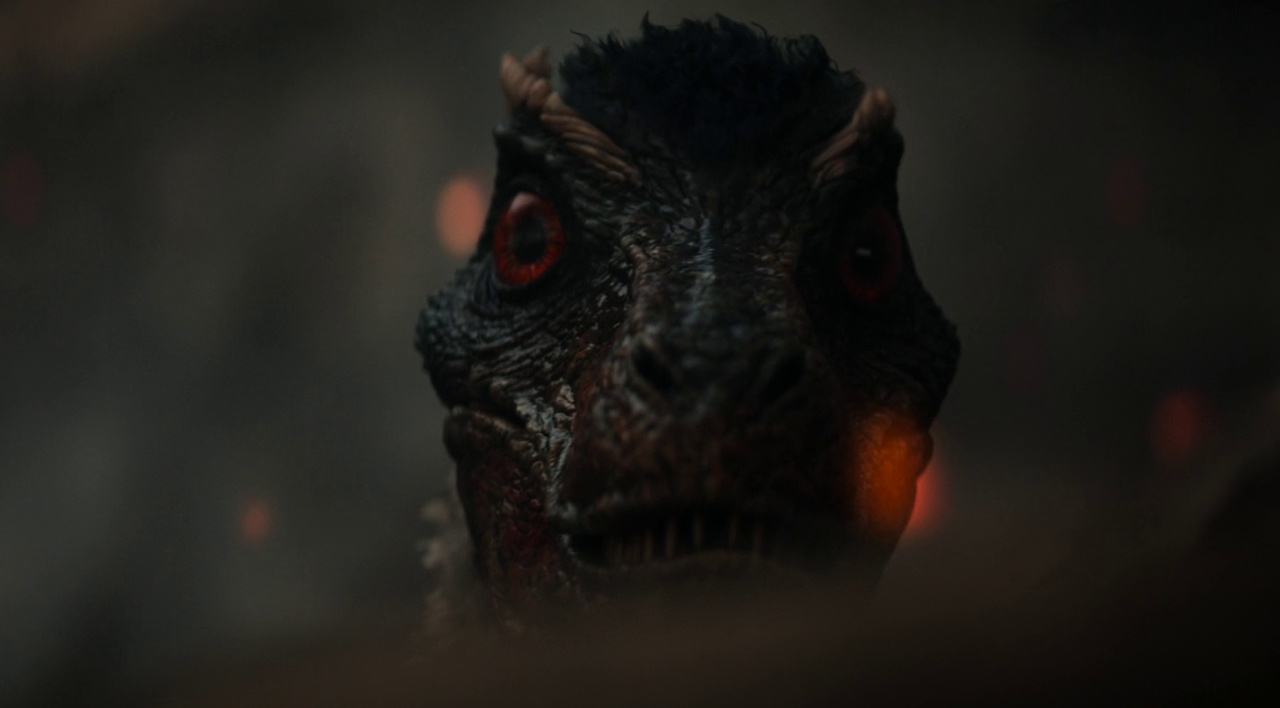
I don’t wanna spend too much time on this, and I think there’s enough wiggle-room based on dialogue in Distant Origin to argue that the Voth (or their ancestors) might not have evolved into a sentient species by this point in time, let alone have been a technological or spacefaring people. But it would’ve been a fun callback to Voyager if we’d encountered the Voth or proto-Voth in this episode.
I mentioned above that I don’t dislike the introduction of the Martians or the Dol’drm *in isolation*, so let’s expand on that a little.
The history of Star Trek’s galaxy is already… well, let’s just call it “unnecessarily complicated.” There are the Progenitors, who apparently seeded half of the galaxy with genetic material. There’s the Q Continuum, with all of their time travel shenanigans. Then we have all of the time travel episodes to various periods in Earth’s past (or the past relative to the 23rd and 24th Centuries), which often saw various characters getting a little *too* involved in history!
In short, if this was the first Star Trek episode to visit the past, or even to touch on events in this exact era, I think I’d be okay with the Martians and the Dol’drm. Their existence adds to our understanding of the Star Trek galaxy. But because Star Trek is some six decades old, closing in on its 1,000th story, and because we’ve had plenty of episodes and storylines dealing with Earth, Mars, human history, pre-human history, and so on… it feels like an unnecessary addition. It complicates elements of the Star Trek galaxy’s fictional history rather than explains storylines that needed to be expanded upon… and I can’t help but feel that the dangling narrative threads that this episode leaves behind will never be addressed.
How, for instance, did the pre-warp Martians manage to travel the galaxy and leave their genetic material in dozens of races? Isn’t that what the Progenitors did in The Next Generation and Discovery, so doesn’t it tread on the toes of that story? And where were the Voth, or the ancestors of the Voth, in an era where we should’ve seen some evidence of them? Star Trek had never before teased the idea of a prehistoric Martian race, nor of a destroyed planet in the Sol system, and while these ideas can be made to work… they’d have worked a lot better if they were painted on a blank canvas instead of having to be shoehorned in between existing pieces of lore from across sixty years of the franchise’s history.
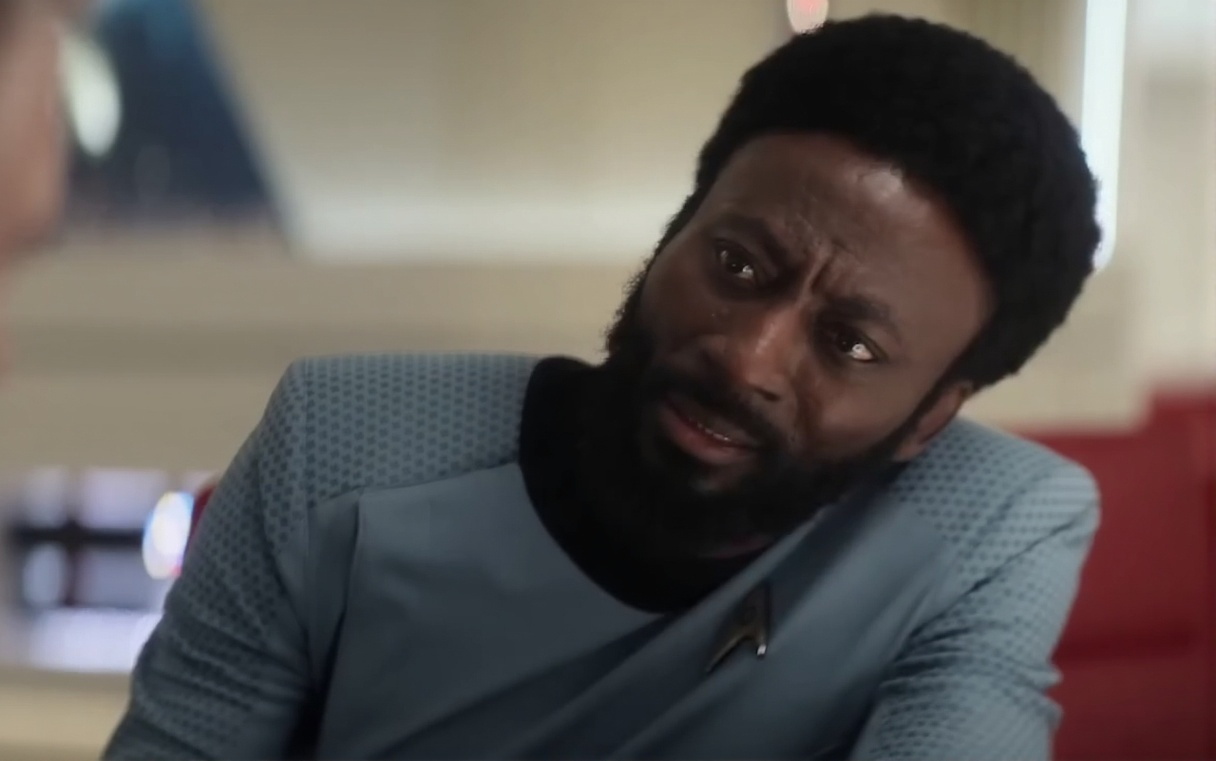
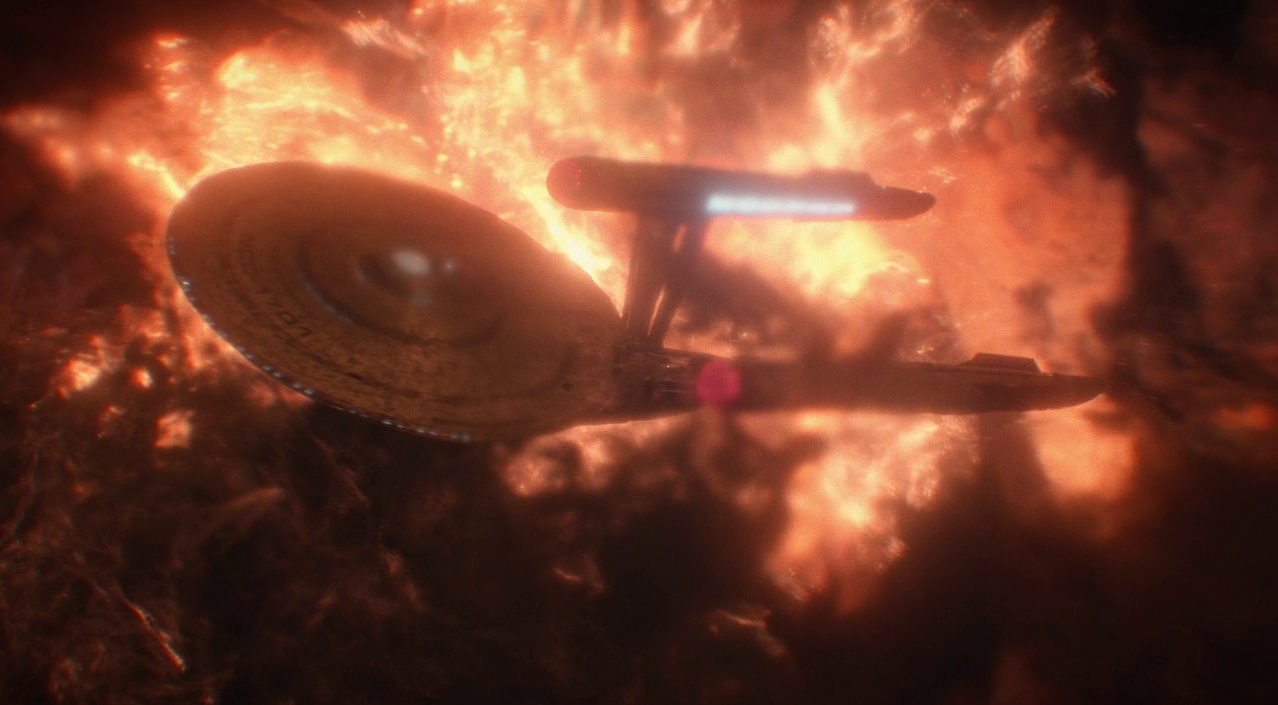
Time travel is not easy to get right. It doesn’t always work well in Star Trek, and even in dedicated films or books where time travel is a major plot point, it’s all too easy for writers to tie their stories in knots with paradoxes, time-loops, and so on. And Valles Marineris falls victim to this. The Enterprise’s direct involvement in the destruction of the Dol’drm homeworld and the Chicxulub asteroid impact is a predestination paradox; a particularly annoying kind of time travel plot hole that the episode tries to just hand-wave away right at the end. Why was the Enterprise there? Because *it was always supposed to be there*, duh. That’s it. That’s all the explanation we’re gonna get.
Even if this was for something small, it would still be infuriating! But the Enterprise is responsible for *literally all of humanity ever existing*, and it’s a fucking paradox! And all the explanation we’re offered is “well, that was supposed to happen. Now shut up and don’t tell anyone, ever.” Doesn’t that piss you off? Because it pisses me off! Throwing out “fate” and “destiny” as ways to get out of a time travel paradox is just so exceptionally lazy. Worse, it’s a massively overused trope; a cliché of time travel stories that’s been seen way too often. Star Trek has done this before, of course, but that doesn’t make it any better. And in a Discovery-inspired “the entire fate of all of history depends on this” storyline? It’s absolutely atrocious, to be blunt about it.
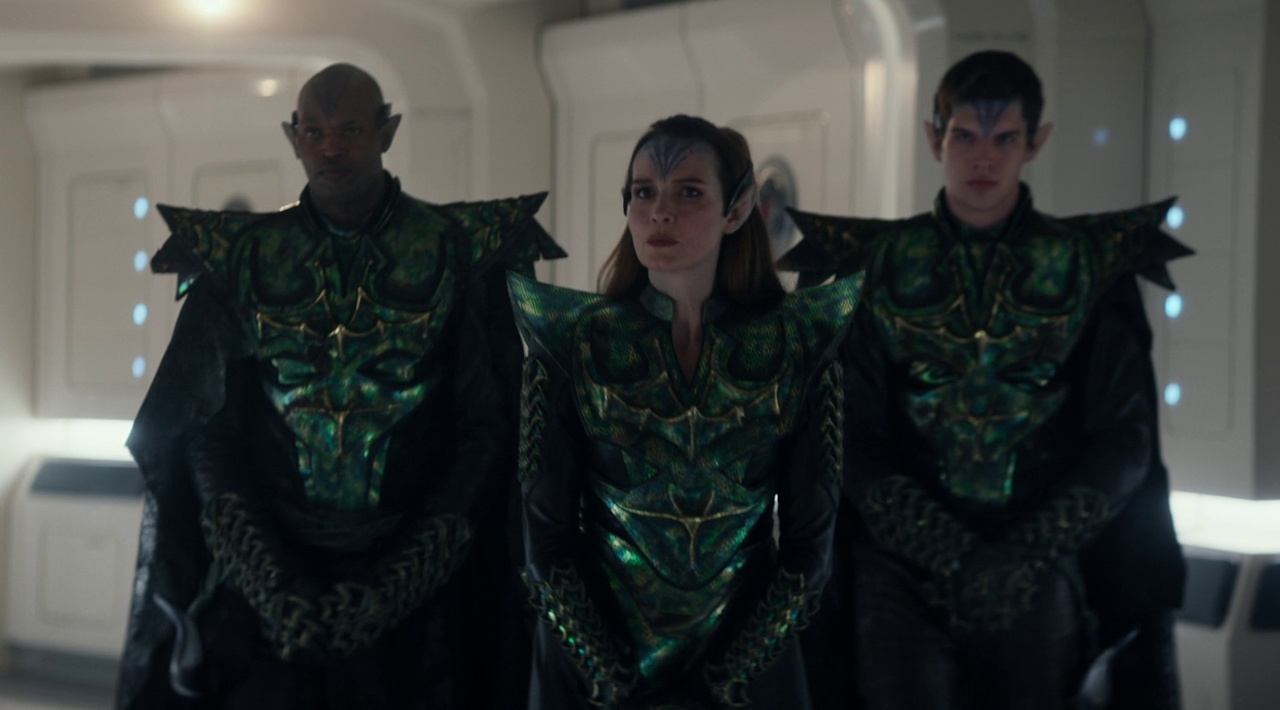
I want to talk about the Martians.
I was underwhelmed, to be honest, by the Martians’ visual presentation. The “humans with painted foreheads” thing really didn’t do it for me; they felt neither sufficiently ancient nor adequately alien, and their design didn’t even do what the Progenitors’ did back in The Next Generation, feeling like it could conceivably be a precursor to humans and other humanoid races. Costuming was also pretty uninspired; the Martians’ costumes looked like they might’ve originally been intended for the Romulans to wear.
Then there’s the question of technology. The Martian ship was easily able to pick up the damaged Enterprise, yet it was immediately assumed by Pike and co. that the Martians must be a pre-warp civilisation. Their visually impressive spacecraft apparently possessed no antimatter, because a single antimatter fuel cell from the Enterprise was able to be turned into a powerful weapon. Given that the Martians seemed to possess technology superior to Starfleet’s in some ways – like phasing through walls or language translation – I had a hard time buying that they were a pre-warp, pre-antimatter society. Heck, we can create actual antimatter here on Earth, today, in the real world. So how could the Martians not have that technology given the power of their spaceship, phasing, and so on? It just felt quite jarring to go from “oh no, this incredibly powerful warship has captured us!” to “the Prime Directive applies to these pre-warp simpletons” without sufficient explanation. “Show, don’t tell” – the old adage from Creative Writing 101 – should’ve been applied here, and if we’d seen for ourselves the limitations of the Martians’ technology, the episode would have avoided this. But, as we’ve already discussed, Valles Marineris was already overstuffed with storylines and content.
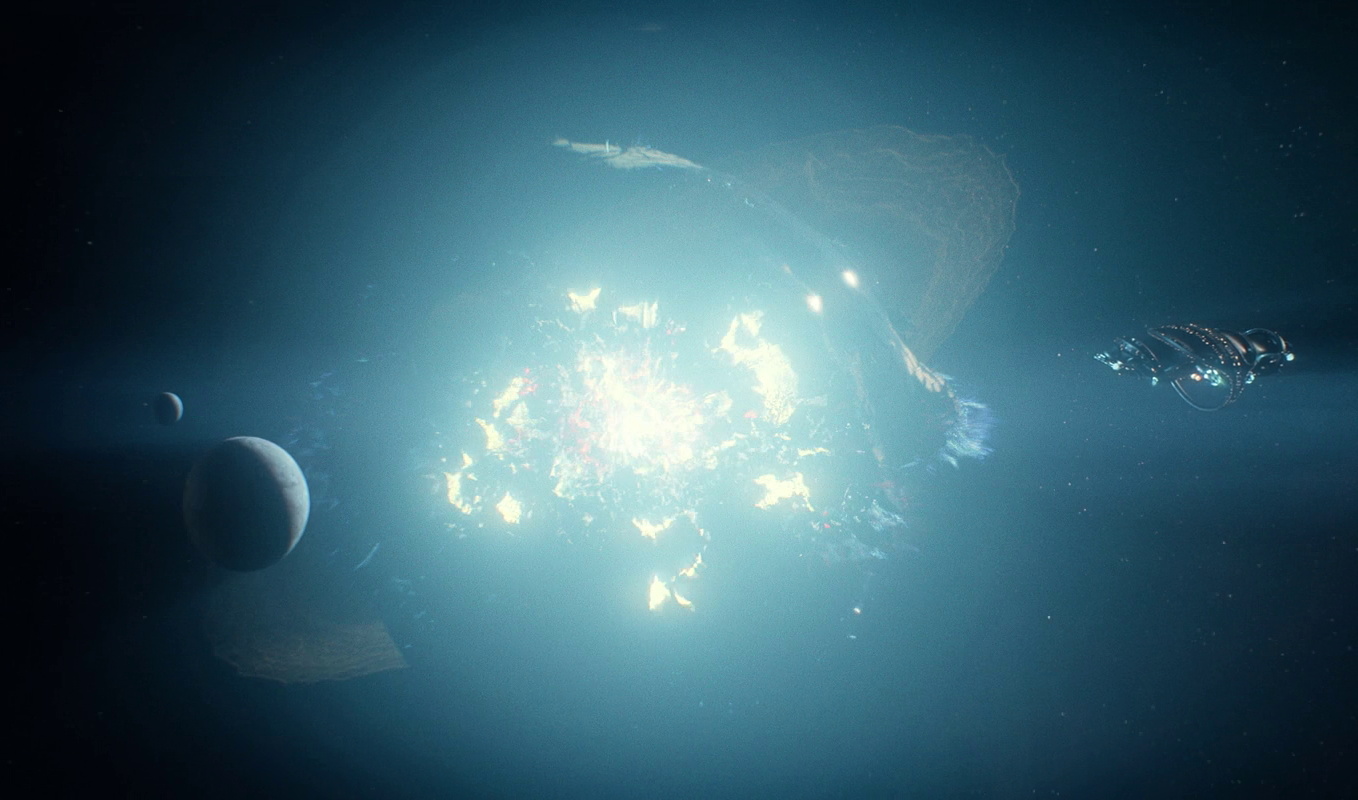
If I might nitpick (again), what do we make of a single starship fuel cell being used to destroy an entire planet? I know that antimatter is powerful – both in the real world and in Star Trek’s technobabble. Photon torpedoes use antimatter in some form, for instance, so we know it can be weaponised. But it seemed a bit of a stretch, to me, that an entire *planet* could be destroyed so casually with something that the Enterprise – and, by extension, every warp-capable ship in the galaxy – just uses for fuel. Why are *all* weapons not antimatter? Could a single torpedo blow up a planet?
In this instance, I get the sense that the writers just didn’t have the attention to detail or level of care that a story set in a long-running fictional universe needs. If a single fuel cell, small and light enough to be carried by a couple of people, can be used to blow up an entire planet… I mean, how are *any* planets left standing in the Star Trek galaxy? Surely the likes of the Klingons, the Cardassians, or the Borg would’ve weaponised antimatter in that way centuries or millennia ago. In other Star Trek stories, planet-killing superweapons – such as the unmanned vessel from The Doomsday Machine, or Red Matter from Star Trek ’09 – were assumed to be rare. They’re analogous to nuclear weapons: exceptionally powerful and dangerous, but very uncommon and difficult to create. Valles Marineris is apparently saying that every ship in the fleet is cutting about with dozens or even hundreds of potentially planet-killing superweapons that they do nothing with except use for fuel. And the only reason no one’s out there blowing up planets all willy-nilly is… just because?
In the run-up to Season 3, we learned that Strange New Worlds has been cancelled. And a big part of the marketing material for Season 4 has been this idea that the stories this time will take us “one step closer to where [Star Trek] all began” – i.e. The Original Series. As part of that, I have to imagine that we’re going to learn the eventual fates of several of Strange New Worlds’ original characters, the ones who weren’t part of The Original Series: La’an Noonien-Singh, Erica Ortegas, and Pelia, as well as Una Chin-Riley, who was absent after The Cage. I think Valles Marineris started at least one story arc which could tie into that.
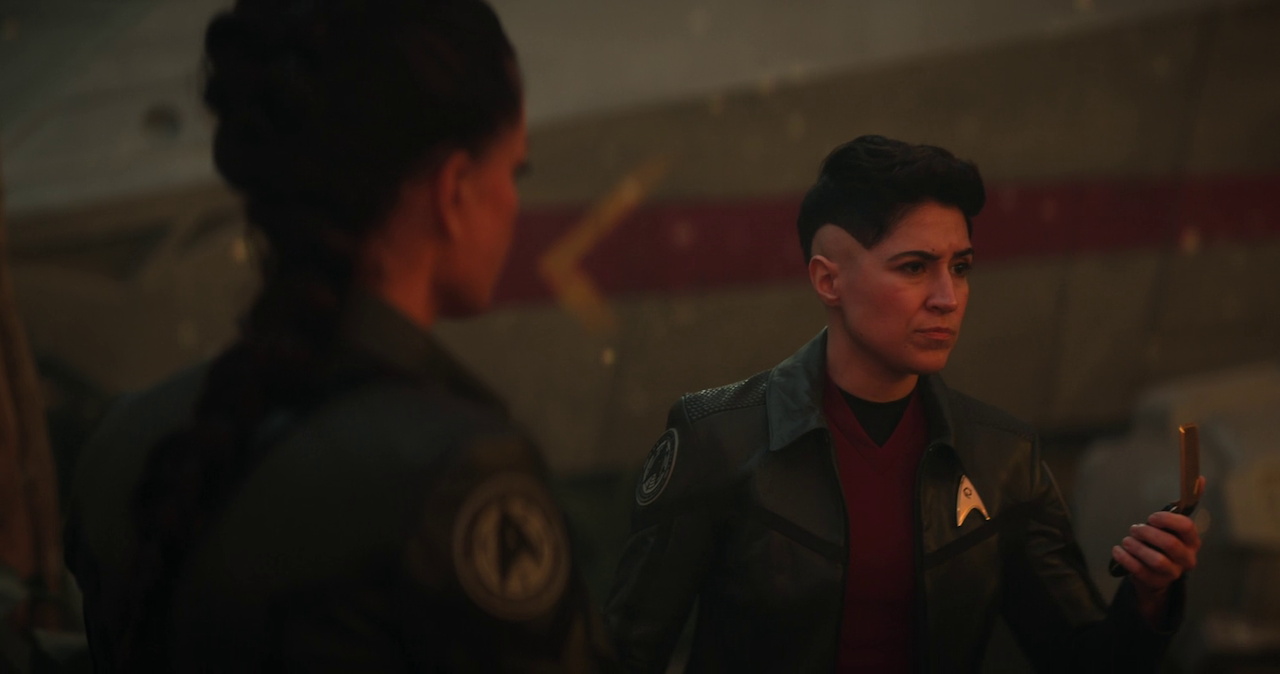
Though, once again, it didn’t get enough time on screen or a sufficient explanation, La’an suffered an injury to her hand in Valles Marineris. The conversation she had with Dr M’Benga and Nurse Chapel made reference to her (in)famous ancestry and her “recessive” augment DNA, though it was a massive dump of exposition and a clumsily-worded scene that was probably the worst in the episode. Given that we know La’an had left the Enterprise before TOS, and that modern Star Trek writers have a penchant for taking things to the extreme… I think it’s fair to say that *at least* one of SNW’s original characters is going to be killed off before the end of the series, right? And what we saw this week with La’an could have set the stage for that. Perhaps she’ll go rogue if her augment DNA activates, and someone will have to stop her. Or maybe, as we saw last time with Captain Batel and the Gorn, something’s going on inside her with this DNA that’s going to accelerate the end of her life. In any case… it was a very barebones foundation, but perhaps it’s something to build on.
In Season 3, Captain Pike got a complex and deeply emotional story with Captain Batel – their relationship expanded and deepened before her untimely sacrifice. I said after the Season 3 finale that I’d have liked to spend a bit more time with Pike to consider the ramifications of what he went through; he seemed to experience an entire lifetime with her before her sacrifice, and then saw that “perfect” life ripped away. It was not only a life he got to lead with someone he loved, someone he had a family with… but it was also a lifetime in which his debilitating accident never occurred. There was scope, I felt, to consider an age-old question: is getting a taste of paradise, for just a moment, worse than never experiencing it at all?
This time, the Martian commander picked up on Pike’s loss, and snippets of conversations with Admiral April and Number One both hinted at or referenced what happened with Captain Batel. But I don’t think we’ve fully explored this idea just yet, and I’ll be curious to see how much further Strange New Worlds takes Pike’s emotional journey in the aftermath of Captain Batel’s loss. As above with La’an, there’s an interesting framework to build upon, and I’m glad that Season 4 didn’t just try to drop it and move on – something modern Star Trek has done with too many storylines, to be honest! But there’s more to do with Pike and his emotional state, I feel.
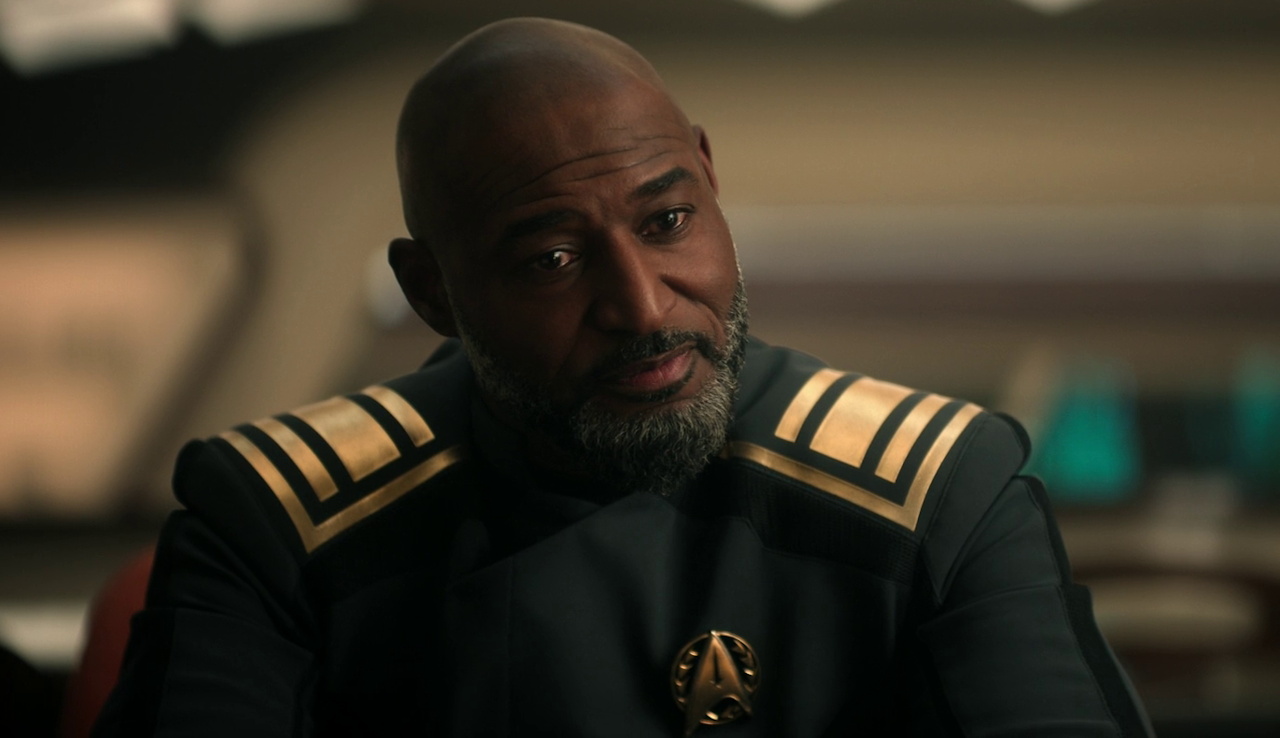
Then we have Pike’s promotion. This storyline reminded me a little of what we saw with Picard and Kirk in Generations – Kirk advises Picard to stay on the bridge of his ship, and not to accept a promotion to Admiral. Admiral April offers Pike the role of Commodore – a half-step to becoming a full Admiral, and role he may one day accept (depending on how we interpret Kirk’s line about Pike becoming a “Fleet Captain” by the time of The Menagerie), but on this occasion, Pike turns him down – though Una does receive a promotion of her own at the end of the episode, which was nice to see.
I think we’re going to see Pike’s promotion at the very end of the series, with him accepting this new role and having to transfer command of the Enterprise to Kirk as a result. But, again, this feels like Strange New Worlds laying the groundwork for that. Starfleet is sufficiently impressed with Pike as to offer him a promotion, and we know that, sooner or later, he *will* take a promotion ahead of his debilitating accident.
Before we wrap things up, a few final thoughts.
Is Strange New Worlds setting up a sitcom-y “frenemies to lovers” storyline with Scotty and Ortegas? I don’t remember much interaction between them in Season 3, after Martin Quinn joined the cast, but there was definitely something between them this week. Ortegas complained about Scotty’s safety features and mocked his accent, and the two developed some kind of rivalry between the pilot who flies the ship and the engineer who keeps it flying. Could this arc – if indeed it exists – be tied to Ortegas’ exit from the Enterprise bridge ahead of the season finale? We know, thanks to Paramount’s casting announcement, that Sulu will have some role to play in Season 5… and Sulu will be the Enterprise’s helmsman under Kirk’s command. So where does that leave Ortegas?
Pelia seemed to make a reference to long-running sci-fi series Doctor Who, claiming to have seen one of these solar storms before, while aboard “a phone box.” This is a fun little Easter Egg, of course, but it also ties into something that showrunner Akiva Goldsman has said: a crossover with Doctor Who was actively considered by both the Star Trek team and the Doctor Who team, and that it came relatively close to happening. In Goldsman’s words: “Pelia travelled in the TARDIS. Why not?” I don’t mean to say that this reference was intended to tie in with a specific crossover story idea, but it furthers something we saw in Season 3, and it’s another fun little connection between these two legendary sci-fi properties.
So that was Valles Marineris. It didn’t wow me, to be blunt about it. And I think, on balance, it’s the weakest of Strange New Worlds’ season premieres, which is a bit of a shame.
However, Strange New Worlds remains a mostly episodic show, and while there are storylines that kicked off this week that will be continued across the rest of the season, there will be a new adventure for Pike and the crew next time – hopefully a stronger, more enjoyable one. I had high hopes for a fun dinosaur-themed adventure when I saw them in the trailers and teasers, but unfortunately, the finished product was a muddled, overstuffed time travel episode with a glaring, overdone paradox at its heart, and an episode that didn’t really have enough time to spend on any of its potentially interesting and fun ideas.
Given that Seasons 4 and 5 were written with the knowledge of the show’s cancellation and ending in mind, I hope this week’s overladen, disjointed episode isn’t a harbinger of things to come. If the writers and creative team have more ideas for stories than there are available episodes… well, we could see more episodes that end up trying to cram in too much content. For me, that would really soil the remaining season-and-a-half, so I’m crossing my fingers that Valles Marineris is a one-off blip rather than an indication of what the rest of Seasons 4 and 5 will look like.
Thanks for joining me for this review. If you missed them, I have reviews of every Strange New Worlds Season 2 and 3 episode here on the website – you can find them by clicking or tapping here. And as this season rolls out, I’ll be following along with weekly episode reviews, so I hope you’ll stay tuned for some of that! In this big sixtieth anniversary year, I’ve also been writing a few pieces celebrating the Star Trek franchise, and I’ve reviewed Season 1 of Starfleet Academy and the video game Across The Unknown, too. I hope you’ll check out some of those articles and reviews if you have the time.
So Strange New Worlds Season 4 has landed… but not with as strong an episode as I’d have hoped to see. However, there’s still plenty of time for things to turn around, and every season of Star Trek, frankly, has these duds or less-interesting stories. As long as it’s a one-off, I think we can survive episodes like Valles Marineris. And hey, if you enjoyed it more than I did… then that’s great! The Star Trek fan community should be a big tent, and there’s always going to be a range of different opinions on which episodes and films are the best.
See you next week for a review of The Griffin Incident, and until then… Live Long and Prosper, friends!
Star Trek: Strange New Worlds Seasons 1-4 are available to stream now on Paramount+ in countries and territories where the platform is available. The first three seasons are also available on DVD and/or Blu-ray. The Star Trek franchise – including Strange New Worlds and all other properties discussed above – is the copyright of the Skydance-Paramount corporation. This review contains the thoughts and opinions of one person only and is not intended to cause any offence.

