

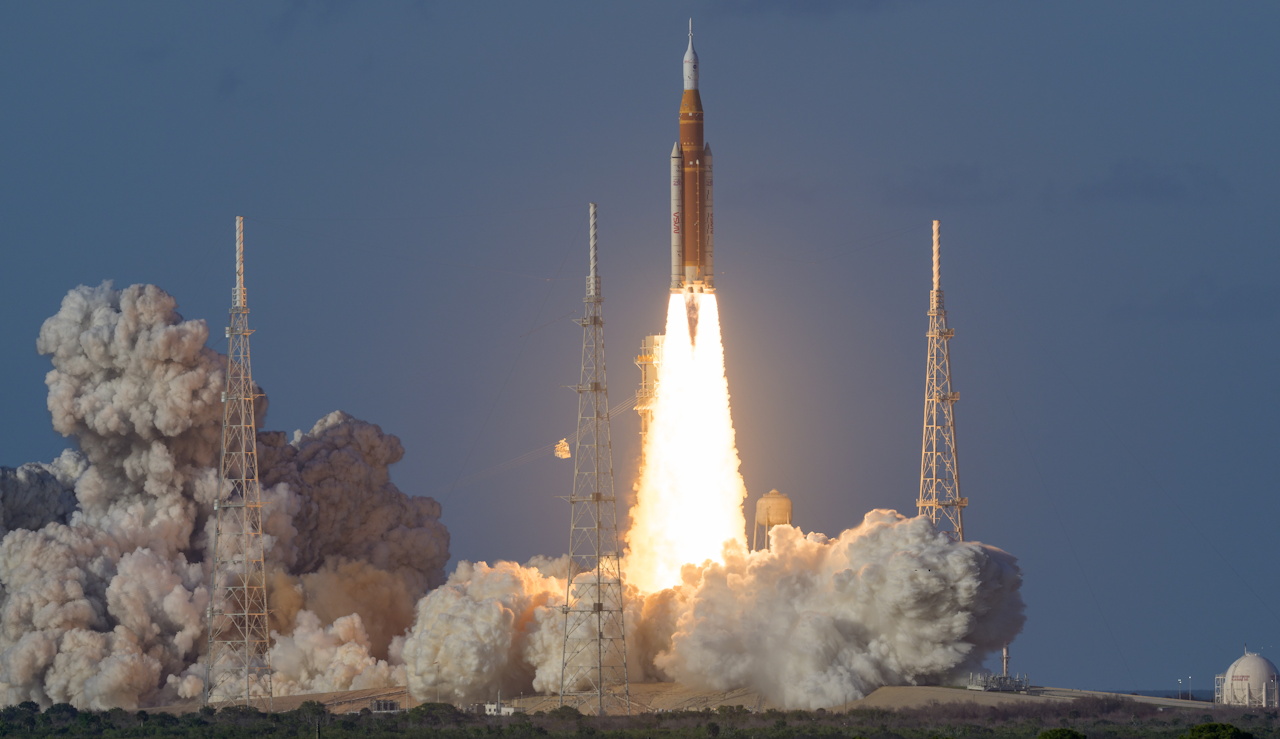
Even as the astronauts suited up and boarded the impressive Space Launch System rocket… I was sceptical. When the countdown got to ten minutes, and then paused… I was *even more* sceptical! Would this long-delayed, oft-postponed mission to the moon ever make it off the launchpad? Or would this be just another broken promise, another failure, and another let-down in a long line? After so many cancellations and disappointments courtesy of NASA, I’m afraid my faith in these things has been well and truly sapped.
But the idea of a return to the moon – even just for a flyby, this time – was so incredible, intense, and inspirational that even as I sat there, watching that stalled clock… I found myself *wanting* to believe it. As the minutes passed, and various NASA ground control crew talked to each other over the radio, it didn’t seem like a sure thing, but I felt my hopes slowly starting to build. And then… it actually happened. Artemis II took humanity back to the moon.
Here on the website, we’ve talked a few times about real-life space exploration. Specifically, I’ve shared my scepticism about recent space projects, and how a crucial element of space exploration – the inspirational factor – has gone missing more often than not. Flights to low Earth orbit have become so commonplace that I don’t really consider the most recent astronauts, space station visitors, and space tourists to truly be “pioneers” any more, which I guess says a lot about how far we’ve come as a spacefaring species! But on the other hand, I’ve come to feel distinctly uninspired by and even bored of repeated missions to the ISS, test launches for new rockets and vehicles, and even sending *another* rover to the same planet where we’ve already got one!
Space exploration *needs* that inspirational element. Without it, how are we to convince a new generation that there’s anything worth doing in space? If all we’re able to do any more is go back to the same space station time and again, or send identical-looking robots to the same planet over and over again, or launch the same wealthy bajillionaires into space for ten minutes over and over again… why would *anyone* be interested in that? And without that interest, that inspiration… how can humankind take the next big steps in space technology and space exploration?
That’s where Artemis II came in.
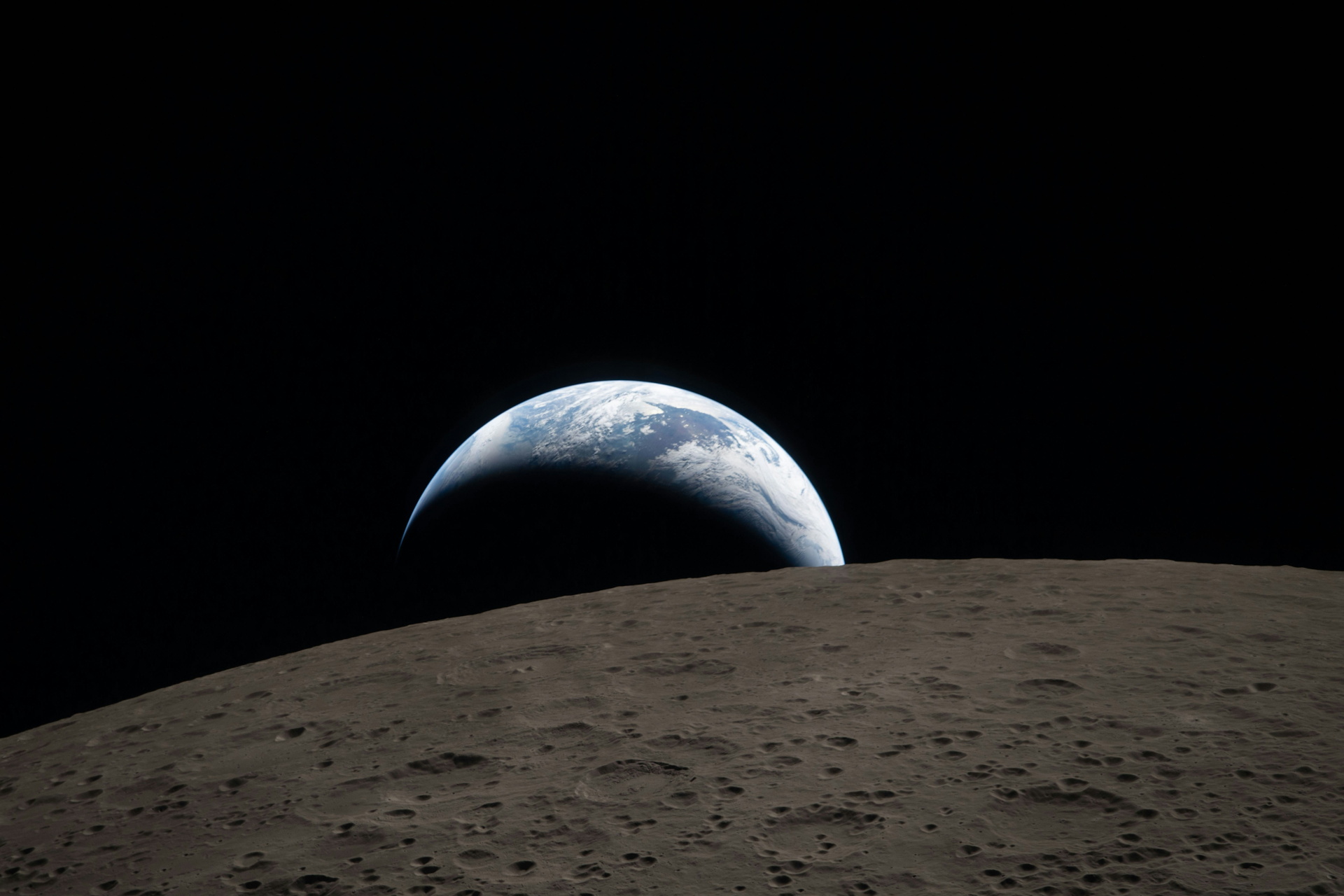
I’m the wrong side of forty, but in my entire lifetime, no humans had so much as left low Earth orbit. The last mission to the moon was all the way back in 1972, meaning you’d need to be past fifty to have even been alive for that – sixty-plus to remember it with any real clarity. Artemis II was the culmination of decades’ worth of effort to take humanity back to the true frontiers of space exploration – and the first spaceflight in years to really feel like it was inspiring masses of people and capturing the imagination of the public at large.
I watched the live stream of Artemis II’s launch – which was late at night here in the UK – while on a video call with my sister. My niece was born just last year, and my sister and I talked at length about how exciting it was that, within her first year of life, something that feels so profound and huge was happening. Artemis II took humans further from Earth than we’ve ever been before, and also paved the way for a new landing on the surface of the moon sometime in the next few years. Those are incredible achievements, and I was thrilled to be able to watch the mission as it unfolded.
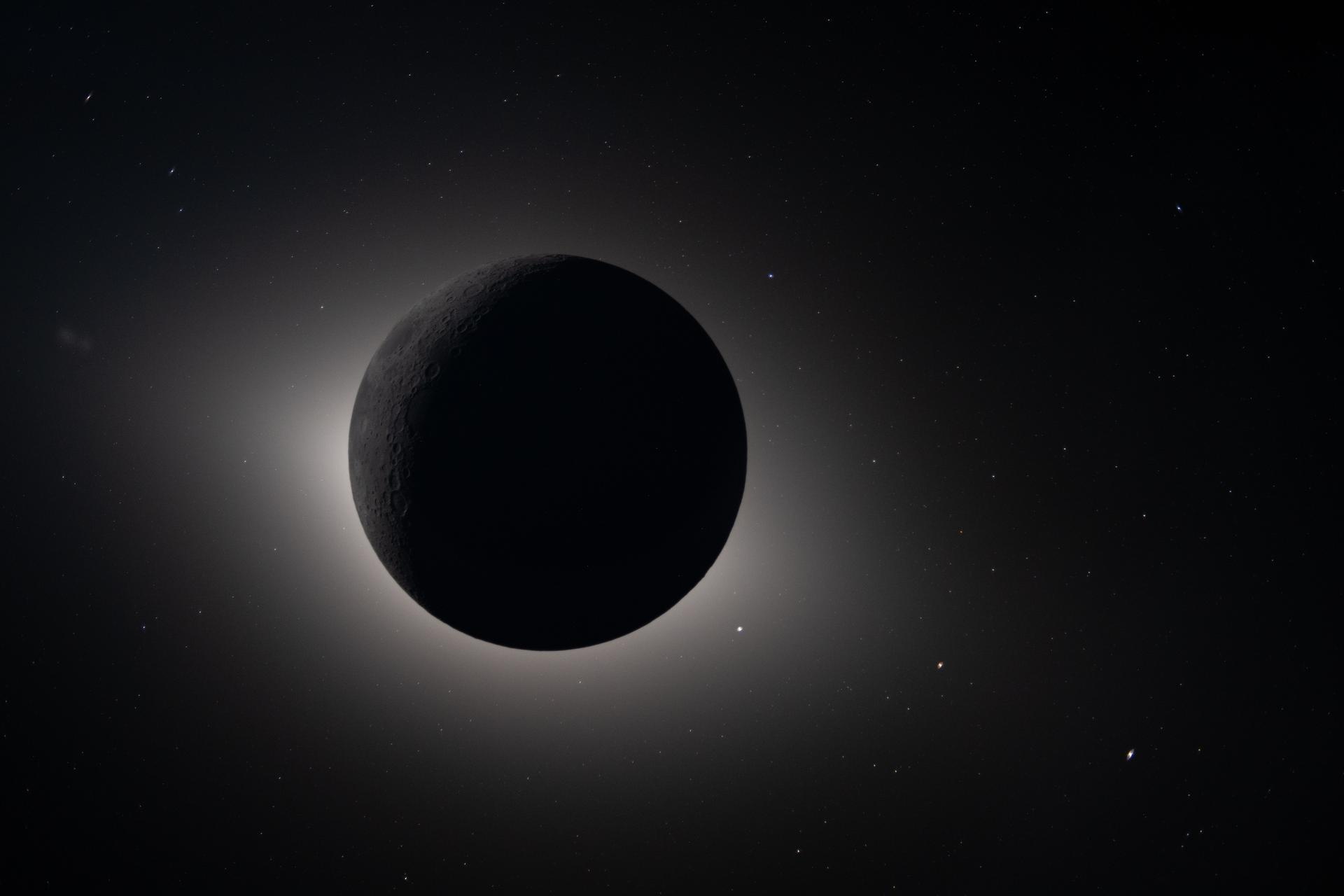
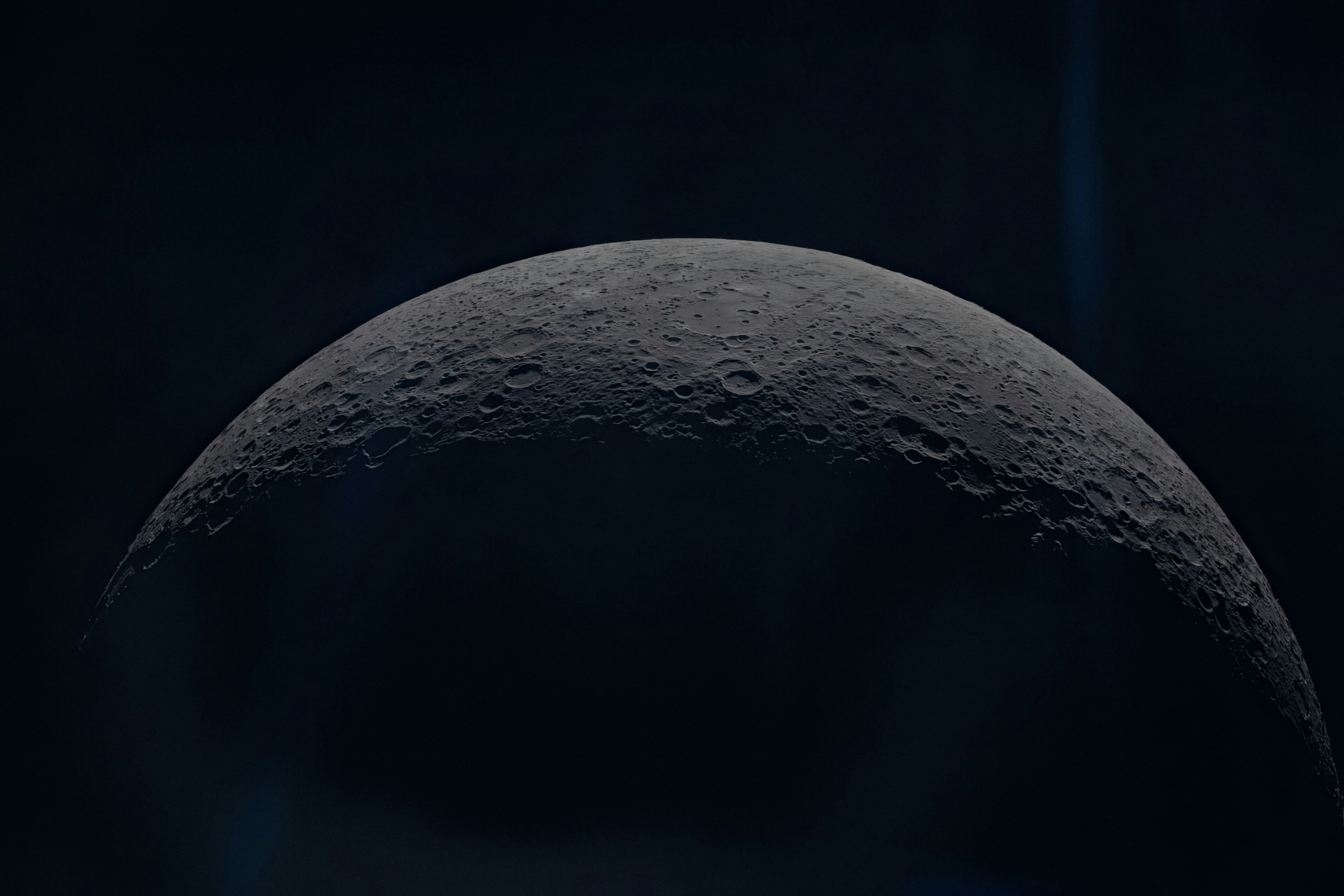
As Artemis II cruised to and around the moon, I periodically checked in with NASA’s live streams. I wouldn’t say I was glued to my screen for the duration of the mission, but I certainly spent a good amount of time seeing this mission unfold as close to first-hand as I could. And one evening, when the clouds had parted and the sky was clear, I perched outside on my garden wall, just gazing up at the moon. “It’s incredible,” I remember thinking to myself, “that right now, people are… there.” Was this what it felt like in the 1960s, during the first Apollo missions? Apollo 8 was the Apollo programme’s equivalent; the first mission to leave Earth behind and orbit the moon. I wonder how many people, in 1968, perched on their garden walls and gazed up at the moon, as I just did.
Artemis II feels like NASA (and the Americans in general, I suppose) planting a flag and saying, “we’re back, we’re really doing this.” And after so many false starts, cancellations, and disappointments… I’m glad to see it. And this isn’t some kind of flag-wavy thing; I’m not an American, and I’d have been just as excited if China or India or the European Space Agency had managed to launch a similar moon-orbiting mission. Space isn’t the sole preserve of one faction or one nation, and it should be something we can explore together – or at least somewhere we can celebrate all achievements, no matter where they originate.
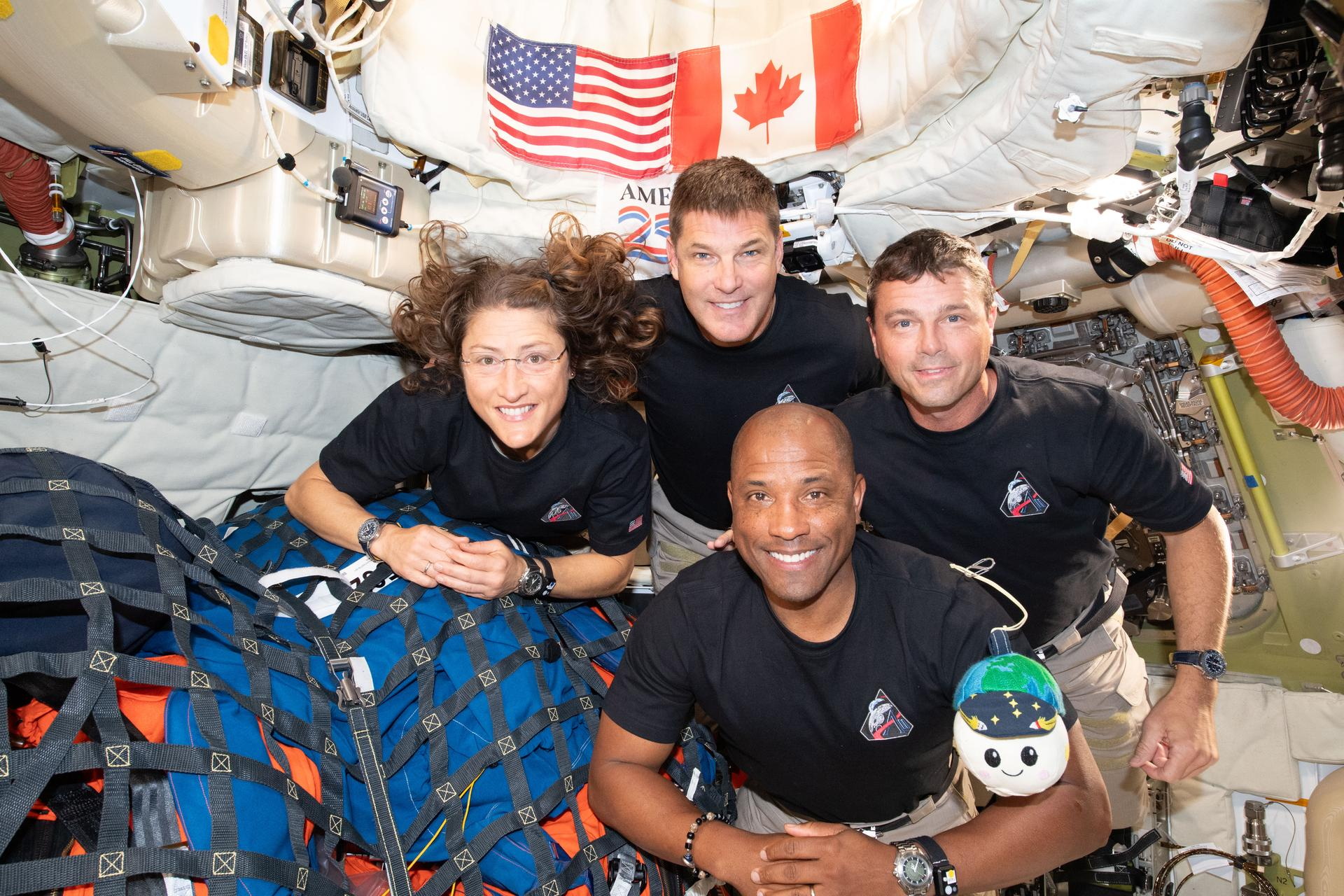
Clockwise from left: Christina Koch, Jeremy Hansen, Reid Wiseman, and Victor Glover.
There are still innumerable hurdles for current and future space missions to overcome. Going beyond the moon to send humans to visit the likes of Mars or Venus – our closest planetary neighbours – still feels out of reach with current technology, despite recent advancements and promises of a Martian colony springing up! And there will be more setbacks to come, for sure; Artemis III has been “downgraded” from its moon landing to another trial run, and Artemis IV has been pushed back to 2028. But that potential moon landing – humans setting foot on the moon’s surface for the first time in more than half a century, and for the first time in my lifetime… well, it feels a lot closer today than it did just a few months ago.
Sci-fi is what really kick-started my love for all things space. As a geeky little kid, I can remember reading every book about outer space that I could get my hands on, and being *obsessed* with the Space Shuttle and NASA. Going to space – actually sending real people up there – felt magical, like something out of Star Trek. But as time passed (and as I got older), that excitement seemed to fade. And there haven’t been very many missions in the last few years to truly recapture it. The last two I can remember before Artemis II were New Horizons’ visit to Pluto, which completed the “set” of the nine planets I learned about in school, and William Shatner’s trip to space. The idea of sending Captain Kirk himself into space in real life… that definitely tickled me!
I’m still not sure what the future will hold for space exploration. Events here on Earth have a tendency to get in the way, unfortunately, and with wars, political disruption, economic problems, and all kinds of other issues already plaguing us… I can’t say I have 100% confidence in Artemis IV landing on the moon a couple of years from now. But I feel more confident in the possibility – the idea that it plausibly *could* happen – than I did at the beginning of the year.
And that’s pretty neat! It’s a feeling I haven’t had in a long time, really.
So, as I said at the beginning: Artemis II inspired me. It’s a rare space mission in the 2020s to truly recapture that sense of excitement, that humanity was going “where no one has gone before” – quite literally, in this case, as Artemis II went further than any of the Apollo missions, setting a new record! It’s important that space exploration retains that sense of wonder and excitement if we’re to inspire the next generation of astronauts and rocket scientists, and I hope that many of my niece’s generation will look at Artemis II with the same sense of wonder that I had when I looked at the Apollo missions and the Space Shuttle. Who knows… maybe one day *she’ll* suit up and blast off to the final frontier. I may not be here to see it, but she’ll have an incredibly proud uncle either way.
Some images above are courtesy of NASA. This article contains the thoughts and opinions of one person only and is not intended to cause any offence.

