
Spoiler Warning: Beware of minor spoilers for The Elder Scrolls VI: Sentinel and Starfield.
So it’s gonna be called “Sentinel,” is it? Wonderful.
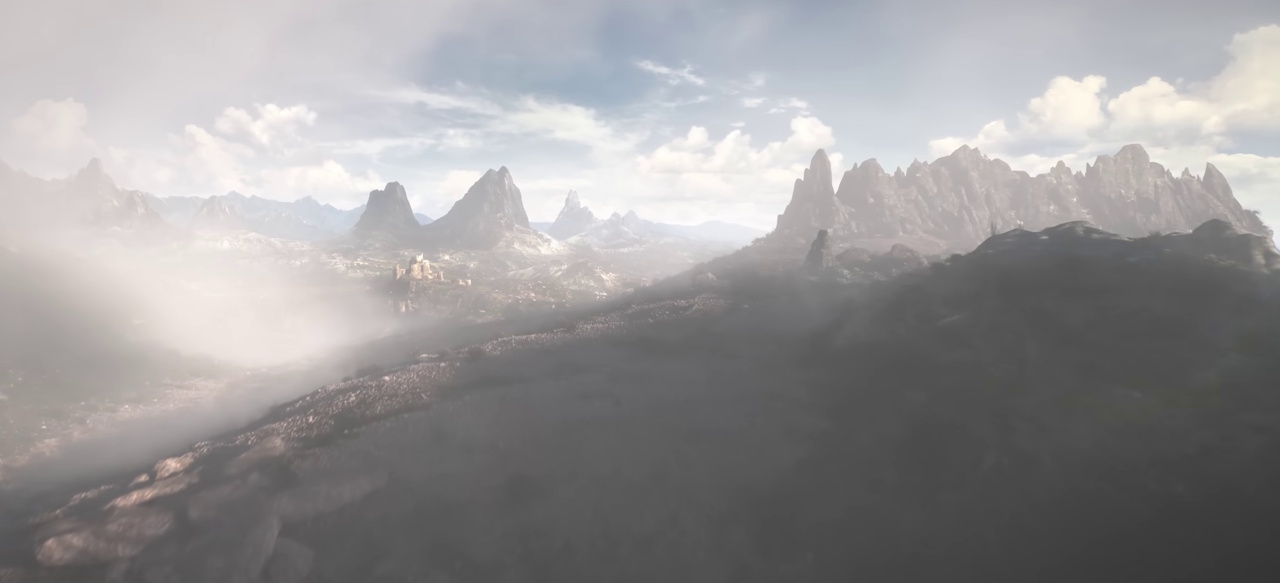
If any video game teaser or trailer from the last decade better encapsulated the phrase “this could’ve been an email,” I’ve yet to see it. Bethesda’s re-reveal of The Elder Scrolls VI was so lacklustre, so devoid of any content at all, and so pathetic that I hardly know what to say. It was quite obviously thrown together in a rush on a Friday afternoon by an artist whose thoughts were elsewhere, perhaps on the shopping they had to do on the way home, or the worry that they’d left the oven on.
The video was honestly so bad that it almost feels like malicious compliance from Bethesda to a directive that clearly came from Xbox: “Okay,” said Todd Howard to Asha Sharma, “we’ll make your trailer. Gonna do a shit job with it on purpose, though.”
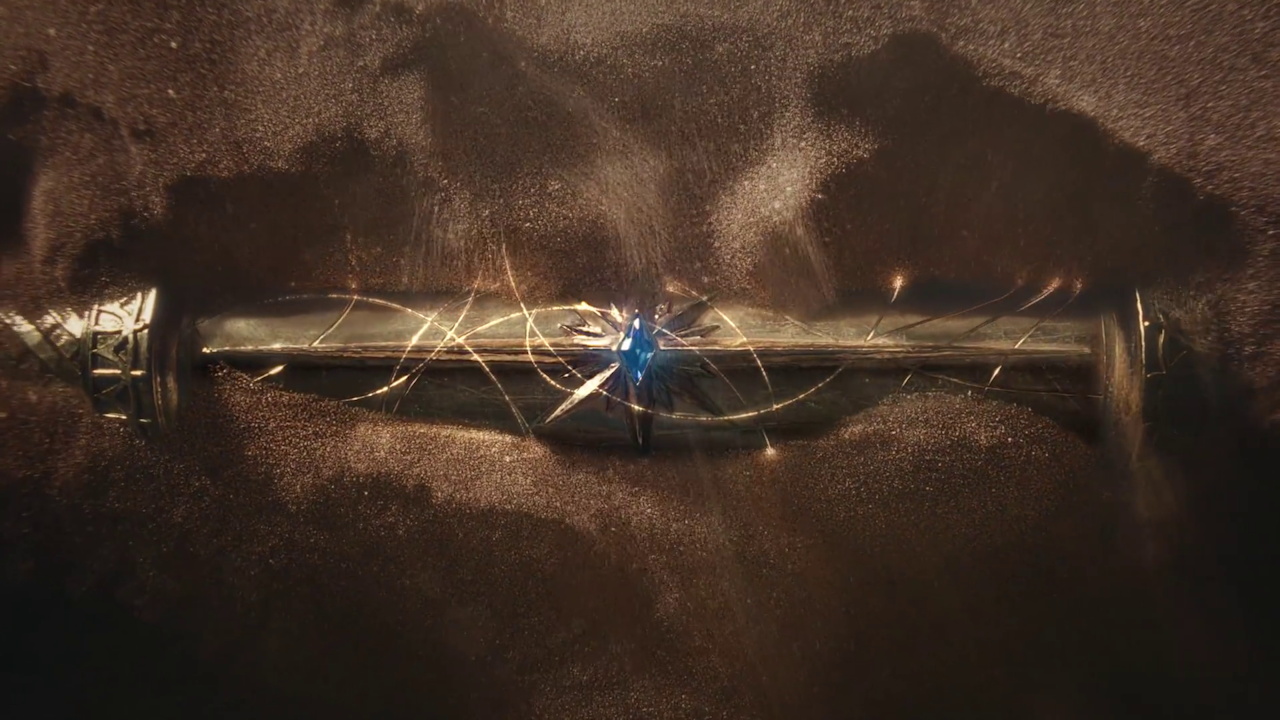
If you don’t have anything nice to say, don’t say anything at all. And, in this case, if you don’t have anything to show… why bother showing us a big load of nothing? The game’s title had already leaked, and with it being two-plus years away from launch, there was no need to do this now – especially not when there was clearly nothing worth showing.
Bethesda *could*, with a modicum of effort, put together a CGI teaser trailer that might’ve shown off, say, a bit of the desert landscape that the shitty teaser was trying to invoke. Or better, something to do with ships and sailing, if that’s gonna be part of the game. There were ways to reveal Sentinel’s title in less of a pathetic, boring, and uninspired way… which is why I circle back to this being malicious compliance from a studio that clearly didn’t want to be pushed into doing this right now.
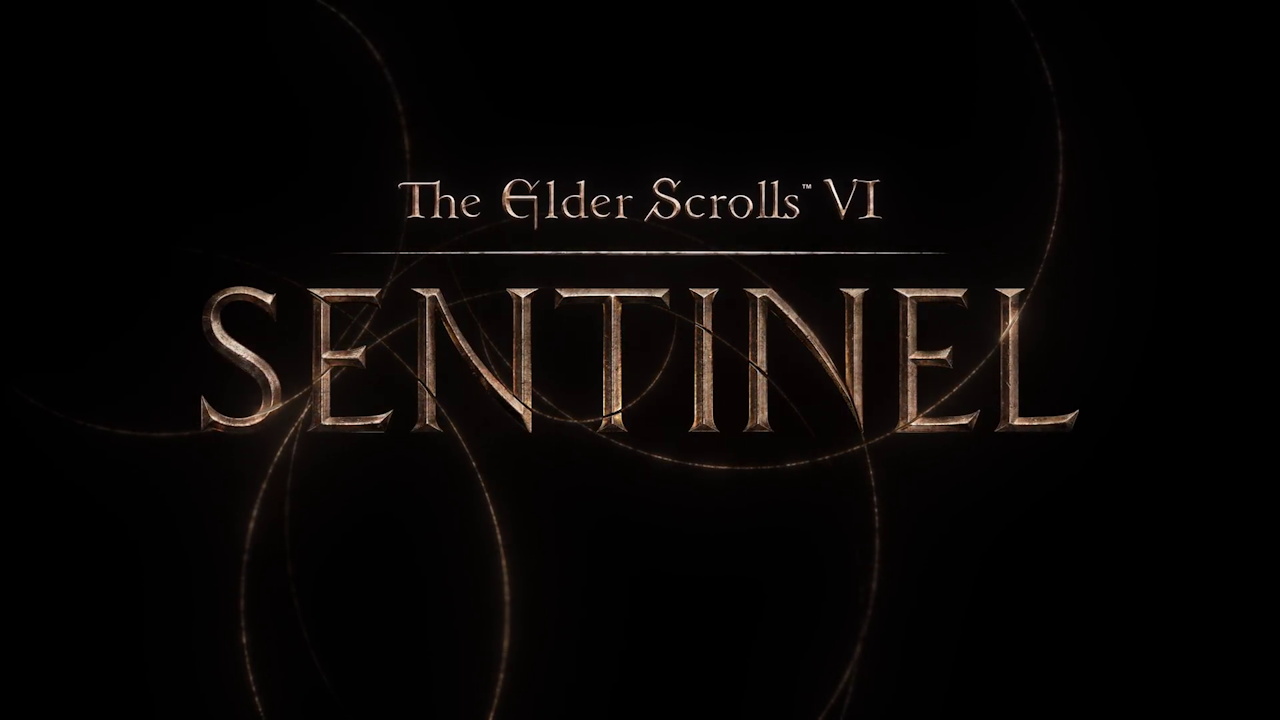
But Sentinel’s title being revealed – regardless of the manner of that reveal, I guess – gives us a bit of an opportunity to touch base with the game for the first time in a year or so.
Last year, I briefly covered comments by Todd Howard in which he stated that the game was still “several years away,” and reluctantly defended Howard and Bethesda against the backlash those comments generated from some delusional super-fans who’d somehow convinced themselves that Sentinel was mere months away from launch. I stand by what I said then: Starfield took five-plus years of active development, and Bethesda stubbornly and stupidly insists on only developing one game at a time, so The Elder Scrolls VI is undoubtedly a 2028 or 2029 game – with potential delays pushing it back even further than that, in the worst case.
That makes the timing of this name reveal quite odd, and given the manner of the reveal – with such a low-quality, low-effort, “minimum viable product” level of video clip – I’m absolutely convinced that this was an order from Bethesda’s corporate overlords rather than something the team actually wanted to do. As Xbox continues to flail around, desperately trying to grasp at whatever flimsy straw it can find, re-teasing The Elder Scrolls VI probably seemed like a reasonable business decision. It’s basically Xbox saying, “please stay with us! We have a good game coming, we pinky-promise!”

Or, more likely, it’s Xbox saying to Microsoft, “please don’t shut us down or cut us off! We’re gonna make money soon!”
Anyway… Sentinel. What does that name mean, and has anything changed now that we have the title officially confirmed?
We’ve known for a while that Hammerfell – home of the Redguards – was likely going to be the destination for the sequel to Skyrim, and Sentinel is a major settlement in that province, so that seems to confirm that. Sentinel is also a city on the northern coast, relatively close to – and directly across the bay from – the province of High Rock, which is the Bretons’ homeland. So that could imply that parts or even all of High Rock might be explorable in the game.
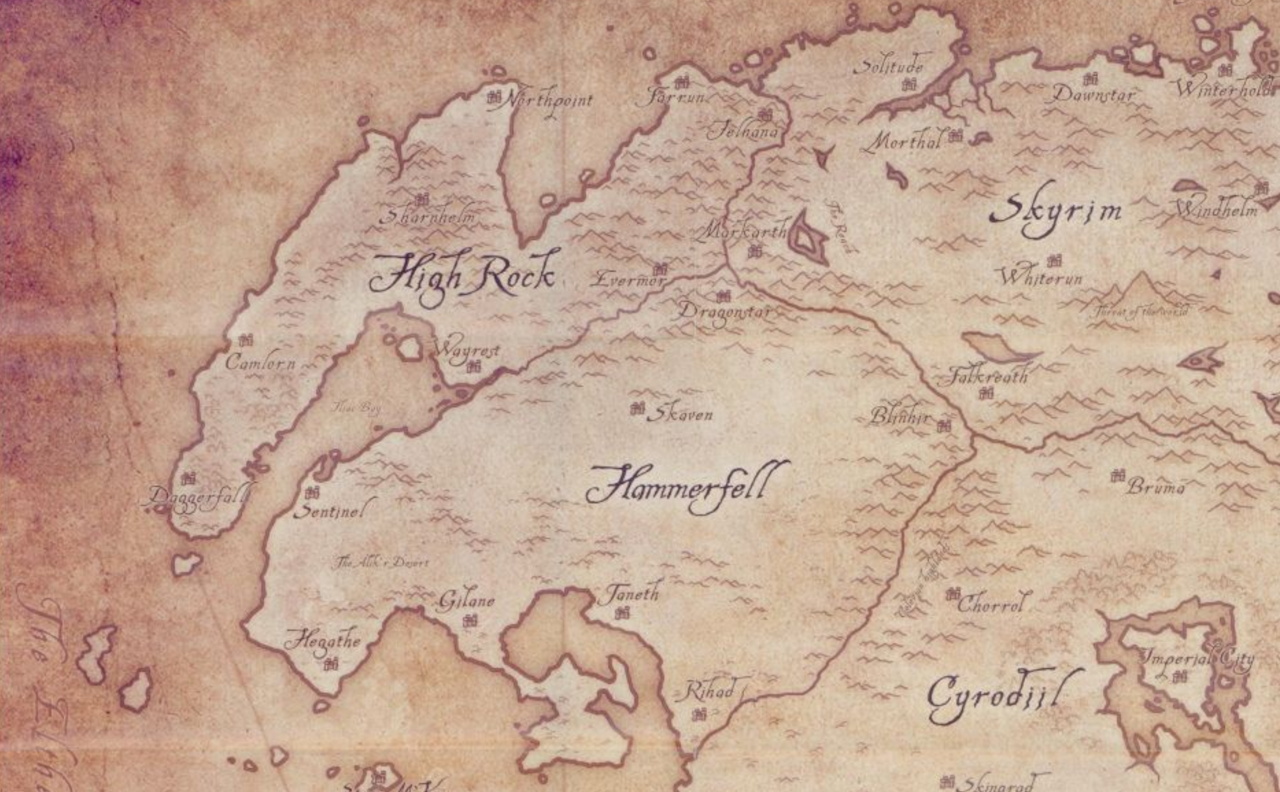
After such a long time since Skyrim, Sentinel will need to do *something* to differentiate itself and improve on the Elder Scrolls open-world formula – and allowing players to cross the border from one province to another could be a great way of doing that. Rather than locking the game to a single territory, being able to visit more than one could open up whole new gameplay options and factions, particularly if there’s conflict or intrigue between the provinces.
With sailing and shipbuilding having been touted as possible features for Sentinel, having two provinces – or parts of two provinces, anyway – could also work really well with that. Sentinel is a coastal city, and as noted, it’s directly across the waters from High Rock, so if sailing *is* part of the game… it’d be weird, really, if there was no way to sail to at least some ports and settlements in the neighbouring province. At the very least, ports and cities along the bay could be accessible, even if the hinterland isn’t.
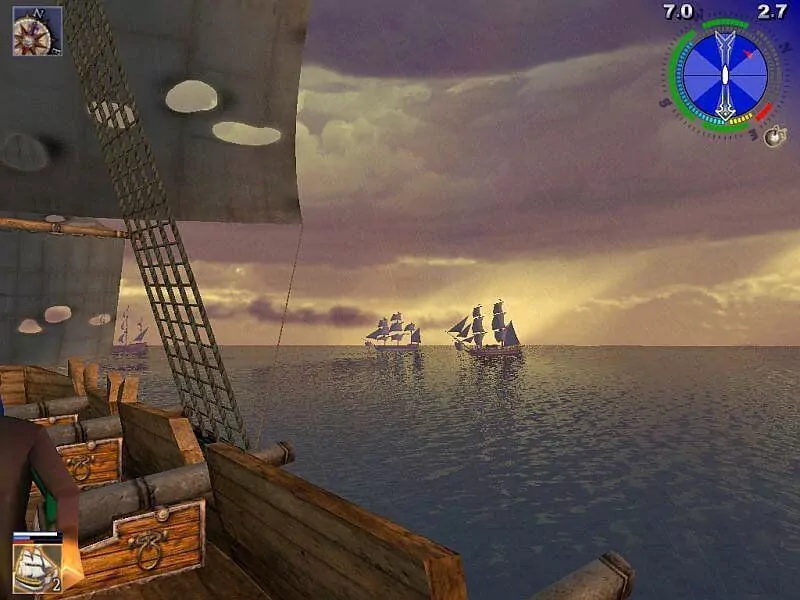
Shipbuilding wasn’t perfect in Starfield, but it was probably the part of that game where I had the most fun. So if shipbuilding or ship customisation is going to be part of Sentinel, that could be a positive thing. Giving players a moving home as they navigate from port to port could be a lot of fun, and there might be options for things like piracy and coastal raids, or treasure hunting and cargo hauling for more scrupulous characters!
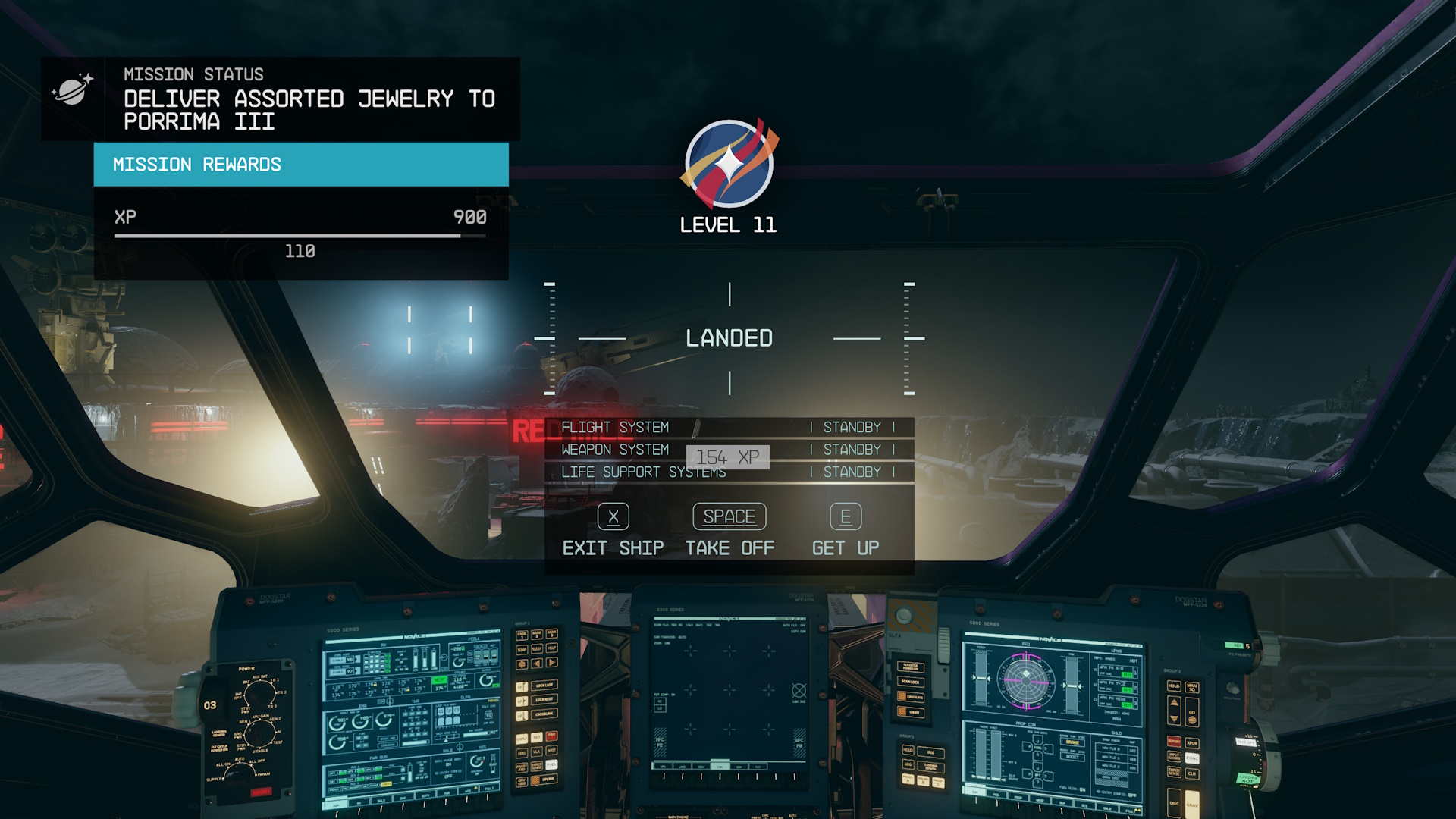
Any such missions, though, would have to be handled way, way better than they were in Starfield. I talked about this in one of my Starfield pieces, but I can still vividly recall the unmitigated disappointment I felt at how basic and boring the missions were. I thought it could be fun to be a “space trucker,” hauling cargo across the settled systems to make a bit of cash – but these so-called “missions” were so non-interactive that they basically played themselves. Cargo magically appeared on your ship at the tap of a button, then you opened the fast-travel menu, selected the planet, and as soon as you touched down – without even leaving your seat in the cockpit – the “mission” marked itself as complete. There were no NPCs, you didn’t have to manually load or unload anything… any possible immersive or even just interactive elements were missing, and the whole thing was a complete let-down.
So that’s an area to focus on for improvement, Bethesda!
The world of The Elder Scrolls has pretty rich and deep lore, so I’m less worried about the quality of the storytelling than some folks seem to be. I concede the point that Starfield’s world-building was particularly poor, and that should be a cause for concern. But Starfield, as a space game, brought some unique issues to the fore – most notably, as we’ve discussed before, the sense of *scale* that a game set in space desperately needs. Sentinel’s medieval-fantasy setting better lends itself to small settlements and the kinds of open worlds that Bethesda has been good at crafting in the past.
I doubt, though, that procedural generation will entirely disappear from Sentinel. If shipbuilding and sailing are gonna be important mechanics in the game, procedurally generated islands, or settlements on islands, could be a way to include that aspect of the game in a way that makes sense. However, Starfield shit the bed here by repeating the exact same copy-and-pasted “points of interest” over and over and over and over again. And when there were so few of those to begin with… it got stale very quickly. I only lasted about thirty hours before I permanently logged out of Starfield, but in that time I must’ve visited the same “abandoned research tower” at least a dozen times.

But, at least for me, there’s still an elephant in the room when it comes to Sentinel… one that’s taken the game from a “must-buy on day one” title to a “wait twelve months and see” kinda thing: microtransactions.
Bethesda seems to see its games not as complete experiences, but rather as platforms for in-game content, monetisation, and microtransactions… and if I’m paying full price for a single-player game, I have absolutely no interest in that whatsoever. Starfield launched with relatively few cosmetic options, but Bethesda was happy to offer more… for a fee.
At time of writing in November 2026, three-plus years after Starfield launched, the game still costs £45 for the PC version, with an extra £27 for the two pieces of paid DLC, and an additional £43 to buy 5,500 “Creation Points” to spend on the official Bethesda-created microtransactions. That’s £115 just to get started, and you could easily double, triple, or quadruple that total with paid mods and other paid in-game content.
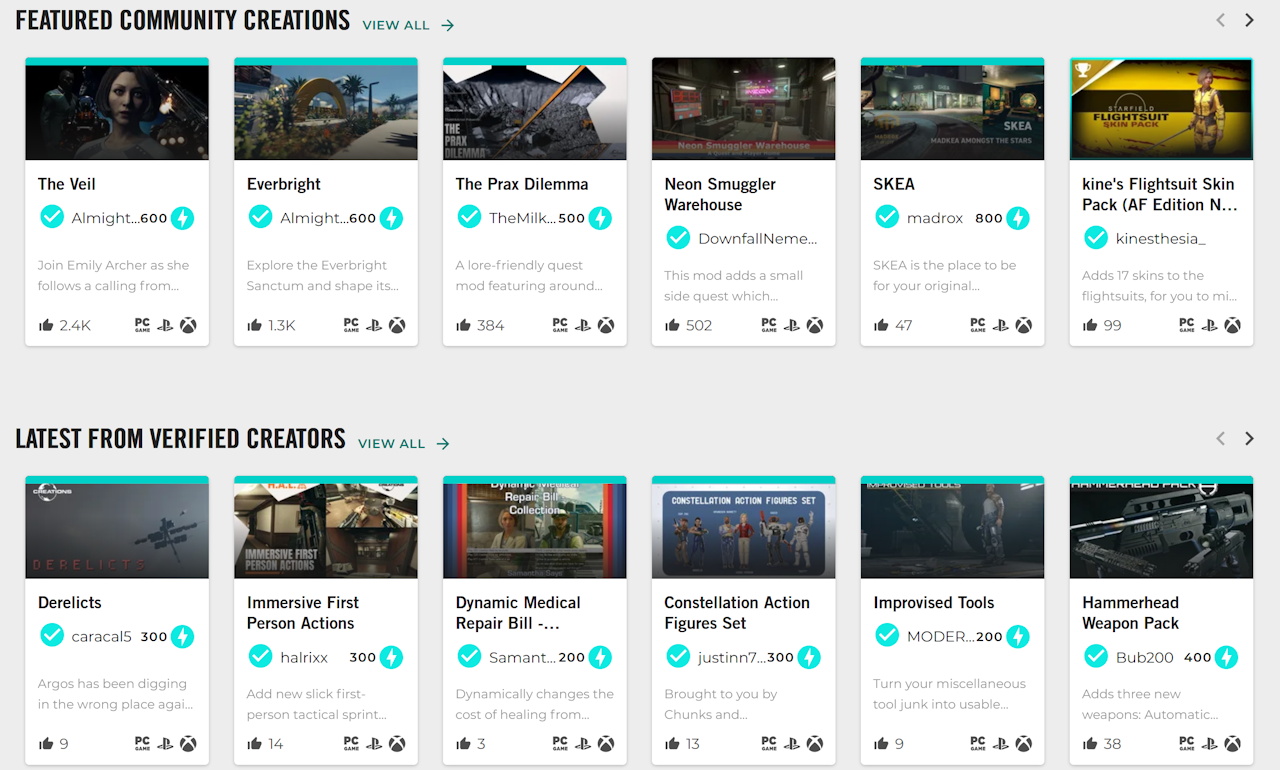
In short, if Sentinel is gonna be another marketplace instead of a game… I don’t even think I’m gonna play it.
In online games, especially free-to-play titles like Fortnite, Warframe, or Honkai: Star Rail, microtransactions are an established funding model and they make sense. They still mustn’t be predatory or aggressive, but I accept that that’s a reasonable way for a developer or publisher to make money and keep the lights on. But when a single-player game is launched at full price, I don’t think it’s unreasonable to say that all the content should be available and included within that price. Large expansion packs are one thing – and Bethesda has had several great expansions over the years, from Morrowind’s Bloodmoon to Fallout 4′s Far Harbor – but individual weapon skins, colour schemes, decorative items, outfits, and things like that? They should be part of a full-price game without having to reach into my wallet and spend even more.
If Sentinel goes down the Starfield road when it comes to in-game monetisation – and, at this stage, I’d be astonished if it doesn’t – then I think I’m out before I even get in! I don’t need that kind of bullshit, other studios don’t try to nickel-and-dime me like that, and there are plenty of other fantasy RPGs and open-world titles to play that aren’t greedy and aggressive.
Look at this year’s Crimson Desert as an example, or The Blood of Dawnwalker. Look at The Witcher 3, which just dropped a major update and visual overhaul completely for free. And by the time Sentinel launches, as the decade is drawing to a close, we might be able to point to other titles like Exodus, The Witcher 4, Kingdom Come III, and more. There’s going to be some stiff competition, and if the difference between Sentinel and some of those other titles is the extent of in-game monetisation, I know what I’m gonna choose to play… and what I’m not.
But all that’s still to be revealed, I suppose.
Thanks for joining me today. It had been a while since we last checked in with Bethesda, and the pathetically lacklustre trailer honestly made me laugh so much that I thought it gave us a good excuse to revisit Skyrim’s upcoming sequel. I hope this has been interesting, in any case. I wouldn’t bet on me buying Sentinel when it launches, let alone writing a review, but I daresay there’ll be more to say about the game sometime soon… so stay tuned. Have fun out there, and happy gaming!
The Elder Scrolls VI: Sentinel will launch on PC and Xbox consoles in 2028, 2029, or beyond. All titles discussed above are the copyright of Bethesda Game Studios, Bethesda Softworks, Xbox Game Studios, and/or Microsoft. Some screenshots and promo art courtesy of Steam and IGDB. This article contains the thoughts and opinions of one person only and is not intended to cause any offence.