
The Pathetic “Re-Reveal” of The Elder Scrolls VI

A Morrowind-themed spoiler warning

Spoiler Warning: Beware of minor spoilers for The Elder Scrolls VI: Sentinel and Starfield.

So it’s gonna be called “Sentinel,” is it? Wonderful.

If any video game teaser or trailer from the last decade better encapsulated the phrase “this could’ve been an email,” I’ve yet to see it. Bethesda’s re-reveal of The Elder Scrolls VI was so lacklustre, so devoid of any content at all, and so pathetic that I hardly know what to say. It was quite obviously thrown together in a rush on a Friday afternoon by an artist whose thoughts were elsewhere, perhaps on the shopping they had to do on the way home, or the worry that they’d left the oven on.

The video was honestly so bad that it almost feels like malicious compliance from Bethesda to a directive that clearly came from Xbox: “Okay,” said Todd Howard to Asha Sharma, “we’ll make your trailer. Gonna do a shit job with it on purpose, though.”
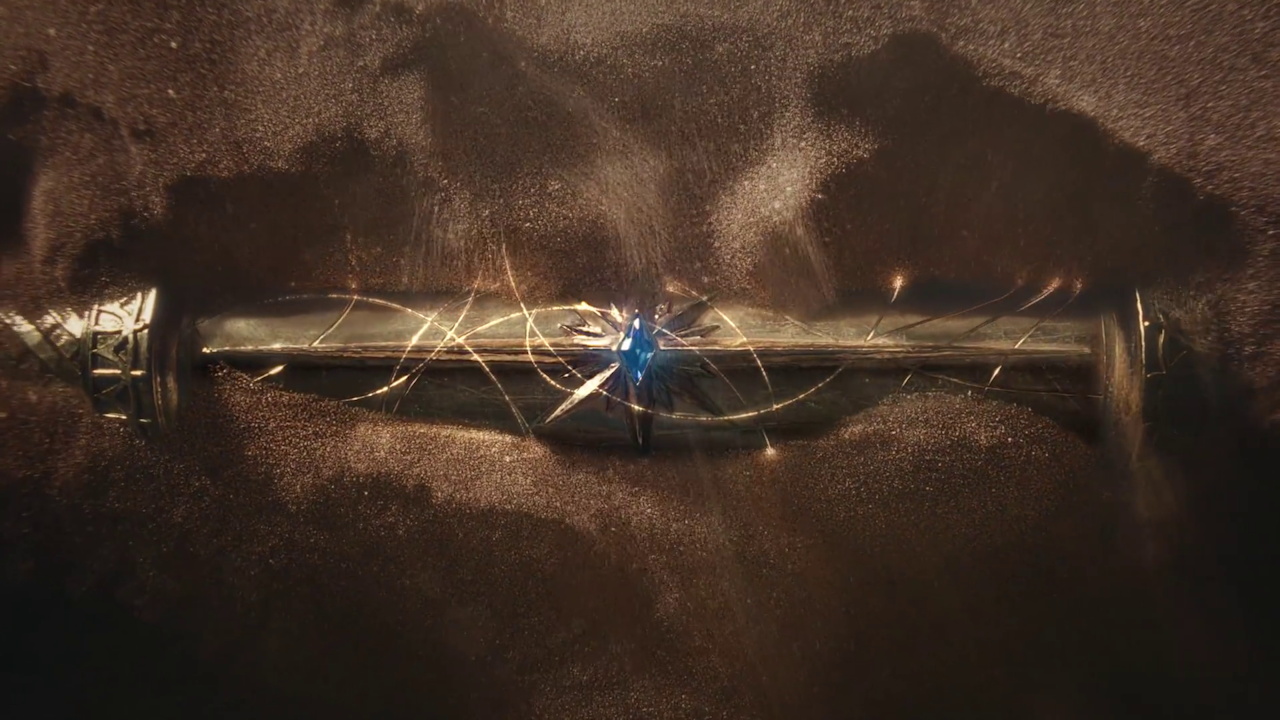
Still frame from the second TES VI trailer showing a golden object
Was this really the best Bethesda could manage… or is this a case of malicious compliance?

If you don’t have anything nice to say, don’t say anything at all. And, in this case, if you don’t have anything to show… why bother showing us a big load of nothing? The game’s title had already leaked, and with it being two-plus years away from launch, there was no need to do this now – especially not when there was clearly nothing worth showing.

Bethesda *could*, with a modicum of effort, put together a CGI teaser trailer that might’ve shown off, say, a bit of the desert landscape that the shitty teaser was trying to invoke. Or better, something to do with ships and sailing, if that’s gonna be part of the game. There were ways to reveal Sentinel’s title in less of a pathetic, boring, and uninspired way… which is why I circle back to this being malicious compliance from a studio that clearly didn’t want to be pushed into doing this right now.
So it’s gonna be called “Sentinel,” I guess.

But Sentinel’s title being revealed – regardless of the manner of that reveal, I guess – gives us a bit of an opportunity to touch base with the game for the first time in a year or so.

Last year, I briefly covered comments by Todd Howard in which he stated that the game was still “several years away,” and reluctantly defended Howard and Bethesda against the backlash those comments generated from some delusional super-fans who’d somehow convinced themselves that Sentinel was mere months away from launch. I stand by what I said then: Starfield took five-plus years of active development, and Bethesda stubbornly and stupidly insists on only developing one game at a time, so The Elder Scrolls VI is undoubtedly a 2028 or 2029 game – with potential delays pushing it back even further than that, in the worst case.

That makes the timing of this name reveal quite odd, and given the manner of the reveal – with such a low-quality, low-effort, “minimum viable product” level of video clip – I’m absolutely convinced that this was an order from Bethesda’s corporate overlords rather than something the team actually wanted to do. As Xbox continues to flail around, desperately trying to grasp at whatever flimsy straw it can find, re-teasing The Elder Scrolls VI probably seemed like a reasonable business decision. It’s basically Xbox saying, “please stay with us! We have a good game coming, we pinky-promise!”

Photo of Xbox CEO Asha Sharma
Xbox CEO Asha Sharma.

Or, more likely, it’s Xbox saying to Microsoft, “please don’t shut us down or cut us off! We’re gonna make money soon!”

Anyway… Sentinel. What does that name mean, and has anything changed now that we have the title officially confirmed?

We’ve known for a while that Hammerfell – home of the Redguards – was likely going to be the destination for the sequel to Skyrim, and Sentinel is a major settlement in that province, so that seems to confirm that. Sentinel is also a city on the northern coast, relatively close to – and directly across the bay from – the province of High Rock, which is the Bretons’ homeland. So that could imply that parts or even all of High Rock might be explorable in the game.
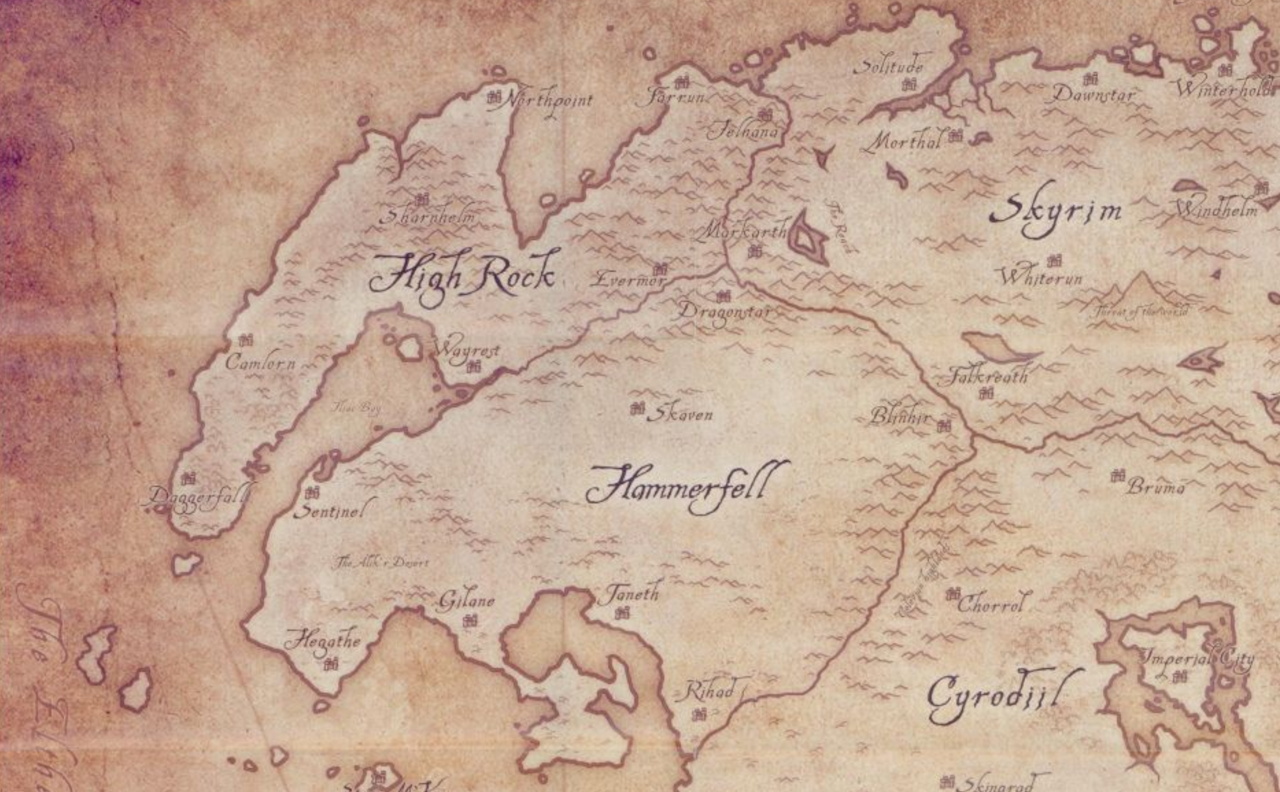
Crop of a map of Tamriel, focused on Hammerfell, the location of TES VI
Hammerfell sits to the north-west of Cyrodiil and the west/south-west of Skyrim. The city of Sentinel can be seen on its north-western coast, facing High Rock.

After such a long time since Skyrim, Sentinel will need to do *something* to differentiate itself and improve on the Elder Scrolls open-world formula – and allowing players to cross the border from one province to another could be a great way of doing that. Rather than locking the game to a single territory, being able to visit more than one could open up whole new gameplay options and factions, particularly if there’s conflict or intrigue between the provinces.

With sailing and shipbuilding having been touted as possible features for Sentinel, having two provinces – or parts of two provinces, anyway – could also work really well with that. Sentinel is a coastal city, and as noted, it’s directly across the waters from High Rock, so if sailing *is* part of the game… it’d be weird, really, if there was no way to sail to at least some ports and settlements in the neighbouring province. At the very least, ports and cities along the bay could be accessible, even if the hinterland isn’t.
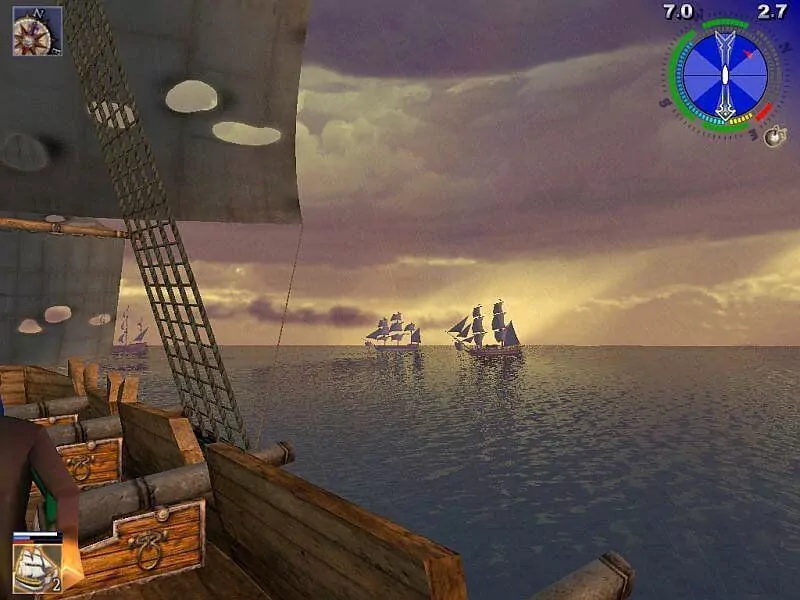
Screenshot of the 2003 game Pirates of the Caribbean showing ships in combat
In 2003, Bethesda published Pirates of the Caribbean – which featured piracy and ship combat.

Shipbuilding wasn’t perfect in Starfield, but it was probably the part of that game where I had the most fun. So if shipbuilding or ship customisation is going to be part of Sentinel, that could be a positive thing. Giving players a moving home as they navigate from port to port could be a lot of fun, and there might be options for things like piracy and coastal raids, or treasure hunting and cargo hauling for more scrupulous characters!

Any such missions, though, would have to be handled way, way better than they were in Starfield. I talked about this in one of my Starfield pieces, but I can still vividly recall the unmitigated disappointment I felt at how basic and boring the missions were. I thought it could be fun to be a “space trucker,” hauling cargo across the settled systems to make a bit of cash – but these so-called “missions” were so non-interactive that they basically played themselves. Cargo magically appeared on your ship at the tap of a button, then you opened the fast-travel menu, selected the planet, and as soon as you touched down – without even leaving your seat in the cockpit – the “mission” marked itself as complete. There were no NPCs, you didn’t have to manually load or unload anything… any possible immersive or even just interactive elements were missing, and the whole thing was a complete let-down.

So that’s an area to focus on for improvement, Bethesda!
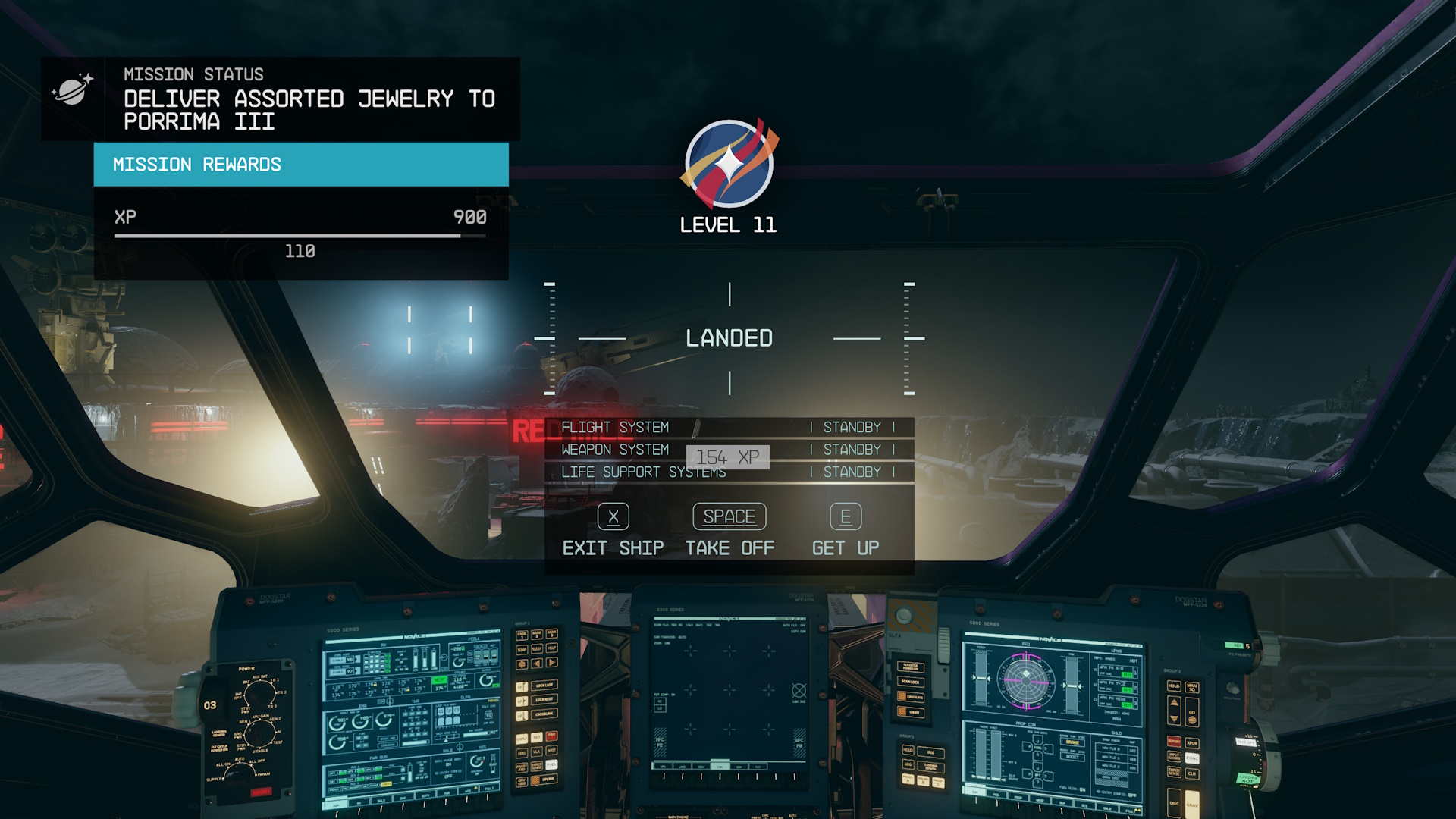
Screenshot of Starfield showing a mission being completed upon landing
This was so disappointing in Starfield…

The world of The Elder Scrolls has pretty rich and deep lore, so I’m less worried about the quality of the storytelling than some folks seem to be. I concede the point that Starfield’s world-building was particularly poor, and that should be a cause for concern. But Starfield, as a space game, brought some unique issues to the fore – most notably, as we’ve discussed before, the sense of *scale* that a game set in space desperately needs. Sentinel’s medieval-fantasy setting better lends itself to small settlements and the kinds of open worlds that Bethesda has been good at crafting in the past.

I doubt, though, that procedural generation will entirely disappear from Sentinel. If shipbuilding and sailing are gonna be important mechanics in the game, procedurally generated islands, or settlements on islands, could be a way to include that aspect of the game in a way that makes sense. However, Starfield shit the bed here by repeating the exact same copy-and-pasted “points of interest” over and over and over and over again. And when there were so few of those to begin with… it got stale very quickly. I only lasted about thirty hours before I permanently logged out of Starfield, but in that time I must’ve visited the same “abandoned research tower” at least a dozen times.

Screenshot of Starfield with the message 'you cannot go that way'
You cannot go that way.

But, at least for me, there’s still an elephant in the room when it comes to Sentinel… one that’s taken the game from a “must-buy on day one” title to a “wait twelve months and see” kinda thing: microtransactions.

Bethesda seems to see its games not as complete experiences, but rather as platforms for in-game content, monetisation, and microtransactions… and if I’m paying full price for a single-player game, I have absolutely no interest in that whatsoever. Starfield launched with relatively few cosmetic options, but Bethesda was happy to offer more… for a fee.

At time of writing in November 2026, three-plus years after Starfield launched, the game still costs £45 for the PC version, with an extra £27 for the two pieces of paid DLC, and an additional £43 to buy 5,500 “Creation Points” to spend on the official Bethesda-created microtransactions. That’s £115 just to get started, and you could easily double, triple, or quadruple that total with paid mods and other paid in-game content.

Screenshot of Starfield microtransactions in 2026
A small sample of Starfield’s in-game marketplace.

In short, if Sentinel is gonna be another marketplace instead of a game… I don’t even think I’m gonna play it.

In online games, especially free-to-play titles like Fortnite, Warframe, or Honkai: Star Rail, microtransactions are an established funding model and they make sense. They still mustn’t be predatory or aggressive, but I accept that that’s a reasonable way for a developer or publisher to make money and keep the lights on. But when a single-player game is launched at full price, I don’t think it’s unreasonable to say that all the content should be available and included within that price. Large expansion packs are one thing – and Bethesda has had several great expansions over the years, from Morrowind’s Bloodmoon to Fallout 4′s Far Harbor – but individual weapon skins, colour schemes, decorative items, outfits, and things like that? They should be part of a full-price game without having to reach into my wallet and spend even more.

If Sentinel goes down the Starfield road when it comes to in-game monetisation – and, at this stage, I’d be astonished if it doesn’t – then I think I’m out before I even get in! I don’t need that kind of bullshit, other studios don’t try to nickel-and-dime me like that, and there are plenty of other fantasy RPGs and open-world titles to play that aren’t greedy and aggressive.
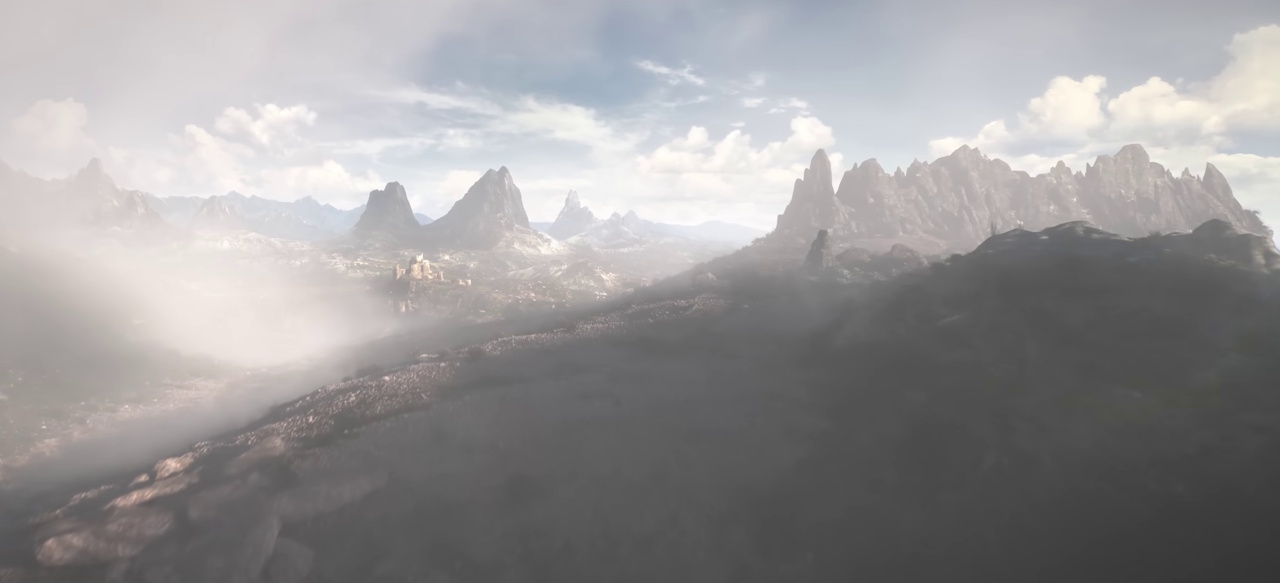
Still frame from The Elder Scrolls VI announcement trailer
We all remember this, right? It was eight-and-a-half years ago.

Look at this year’s Crimson Desert as an example, or The Blood of Dawnwalker. Look at The Witcher 3, which just dropped a major update and visual overhaul completely for free. And by the time Sentinel launches, as the decade is drawing to a close, we might be able to point to other titles like Exodus, The Witcher 4, Kingdom Come III, and more. There’s going to be some stiff competition, and if the difference between Sentinel and some of those other titles is the extent of in-game monetisation, I know what I’m gonna choose to play… and what I’m not.

But all that’s still to be revealed, I suppose.

Thanks for joining me today. It had been a while since we last checked in with Bethesda, and the pathetically lacklustre trailer honestly made me laugh so much that I thought it gave us a good excuse to revisit Skyrim’s upcoming sequel. I hope this has been interesting, in any case. I wouldn’t bet on me buying Sentinel when it launches, let alone writing a review, but I daresay there’ll be more to say about the game sometime soon… so stay tuned. Have fun out there, and happy gaming!


The Elder Scrolls VI: Sentinel will launch on PC and Xbox consoles in 2028, 2029, or beyond. All titles discussed above are the copyright of Bethesda Game Studios, Bethesda Softworks, Xbox Game Studios, and/or Microsoft. Some screenshots and promo art courtesy of Steam and IGDB. This article contains the thoughts and opinions of one person only and is not intended to cause any offence.
Thoughts on a (Potential) Morrowind Remake

Spoiler Warning

Spoiler Warning: Beware minor spoilers for The Elder Scrolls III: Morrowind. Minor spoilers are also present for Oblivion, Skyrim, and Starfield.

A quotation from former Bethesda developer Bruce Nesmith has been doing the rounds over the last few days, sparking a bit of conversation in role-playing games and Bethesda communities about the prospect of a remake or remaster of The Elder Scrolls III: Morrowind. I thought it could be fun to talk about that today, and consider what a Morrowind remake could or should look like – as well as whether it’s even *remotely* possible in the near future.

The original quotation from Nesmith is quite long, so I’m going to pick out the key parts that I find the most interesting. If you want to read the whole thing in context (as well as the rest of his interview with Press Box), I’ve linked it at the end of this article.

“[…]go back and play Morrowind and tell me that’s the game you want to play again. […] you go back and play a 20 year old game and you will cringe. […] the reality of playing Morrowind would not stand the test of time, in my opinion. Now if you were to completely remake Morrowind with the Skyrim engine, to try and rebuild it from the ground up, that’s a whole other story[…]”

Mock-up of a "Morrowind Remastered" title screen
Could it really happen one day?

So, as you can see, what Bruce Nesmith is basically saying is that Morrowind is – in his opinion – too outdated to be given the same kind of treatment that the recent Oblivion remaster got; that the only way to recreate the game for modern players would be to remake it from scratch. And I have to say… I’m inclined to agree on the latter point, even if I don’t agree at all that going back to replay Morrowind today feels in any way cringeworthy!

Morrowind lacks a lot of features that players today would want in an action/RPG, and some of its core gameplay systems are just… from another time. Morrowind launched at a moment of transition; it was a pioneer of the open-world genre, and being a pioneer often means that the folks who come later have a chance to refine things and make the experience a bit more smooth. The game doesn’t have voice acting, for instance, and while I’m perfectly happy to play text-based games… it’s not something that players today would accept as easily. It makes Morrowind more of a niche title, in that sense.

Early concept art for "Tribunal" (later renamed Morrowind) circa 1999-2000.
Early concept art for “Tribunal” – the game that would later become Morrowind.

Morrowind’s combat is also clunky, even by Bethesda standards, with every attack being determined by a “hit calculator,” which can lead to a pretty jarring disconnect between what you see on screen and how the game reacts. You’re standing right in front of a monster or villain, swinging your sword, but Morrowind’s digital roll of the dice says you didn’t score a hit – even though it looks like you absolutely should’ve! In 2002, that was just something I kind of… rolled with (if you’ll excuse the dice pun). But today, I can see it being something players would criticise.

Removing or updating such a core component of the game effectively means Morrowind would need to be rebuilt from scratch. Adding fully-voiced NPCs might be possible in the current engine, but I’m not a programmer, so I’m not positive about that. But something as major as implementing an entirely new combat system… that seems like major work.

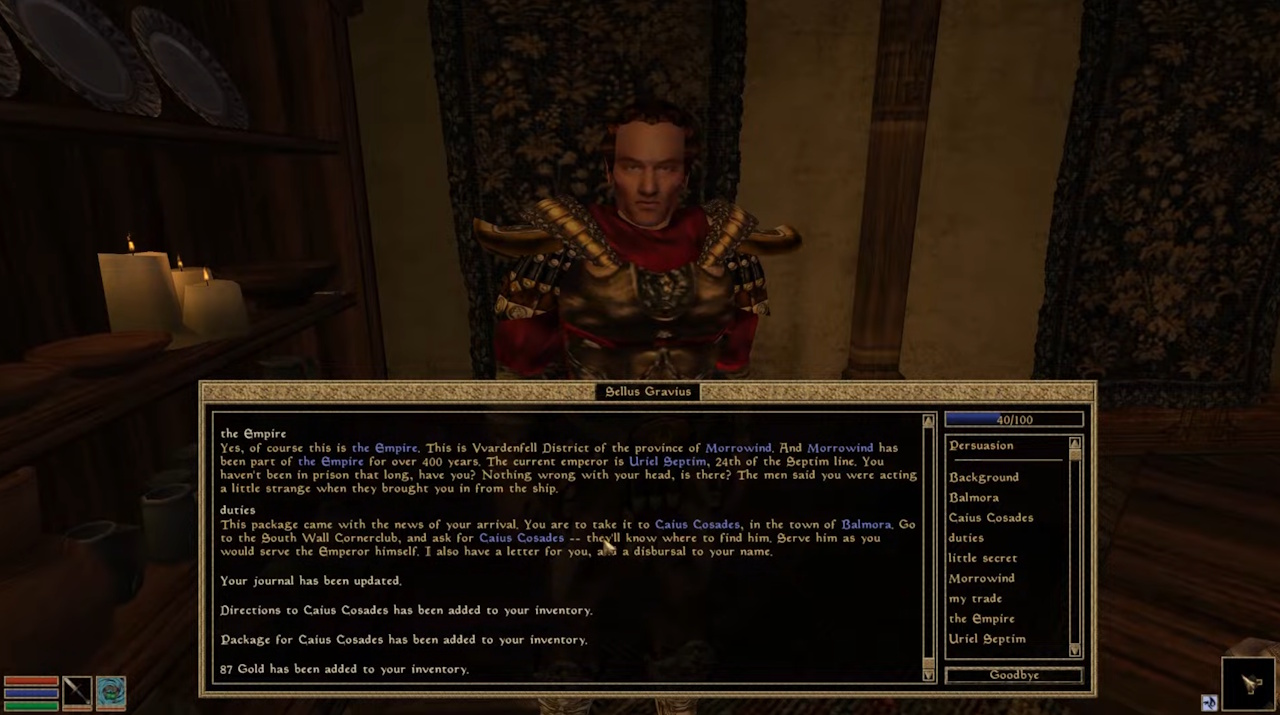
Screenshot of The Elder Scrolls III: Morrowind showing an NPC text box.
Morrowind had minimal voice acting.

Setting that aside for a moment, though, I think there’s a compelling *business* argument for Bethesda to remake Morrowind – namely, the incredibly long wait for The Elder Scrolls VI.

Not long ago, I covered remarks from Bethesda executive producer Todd Howard, in which he said that the next entry in The Elder Scrolls series was still “a long way off.” I said that we knew that already; The Elder Scrolls VI seems, to me, to be a 2028 or 2029 game at the earliest. But if a Morrowind remake were possible in the interim, wouldn’t it be a good idea?

Alternatively, Bethesda could sit on this idea for a year or two, perhaps comissioning a remake that could launch sometime in the 2030s, while the main studio is busy with potential new entries in the Fallout series and a sequel to Starfield. One of Bethesda’s biggest problems right now, as game development moves on and games take longer and longer to make, is the studio’s outdated (and stupid) insistence on only crafting one game at a time. Outsourcing the remake of Morrowind to a subsidiary or partner – as happened with last year’s Oblivion remaster – would be one way to keep the series fresh in players’ minds, assuming there’s going to be another very long wait in between titles.

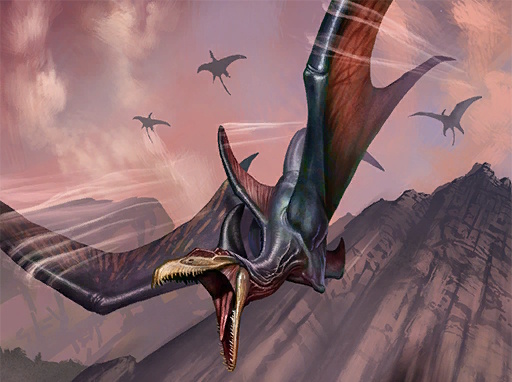
Screenshot from The Elder Scrolls: Legends showing a Cliff Racer in flight.
Remember the Cliff Racers?

Depressingly, I guess that means I’m unlikely to play a potential Elder Scrolls VII, even if it were to get made! I mean, on current form, a sequel to The Elder Scrolls VI might not launch till, say, the mid-2040s?

But the point stands! If Bethesda plans to continue with its current approach to making games, there’s a good reason to commission remakes or remasters of basically the entire back catalogue. Filling the ever-growing gaps in between major releases with these kinds of projects isn’t a bad idea, in theory, and as long as the project was handled well and not rushed, I could absolutely see a remade Morrowind finding an audience.

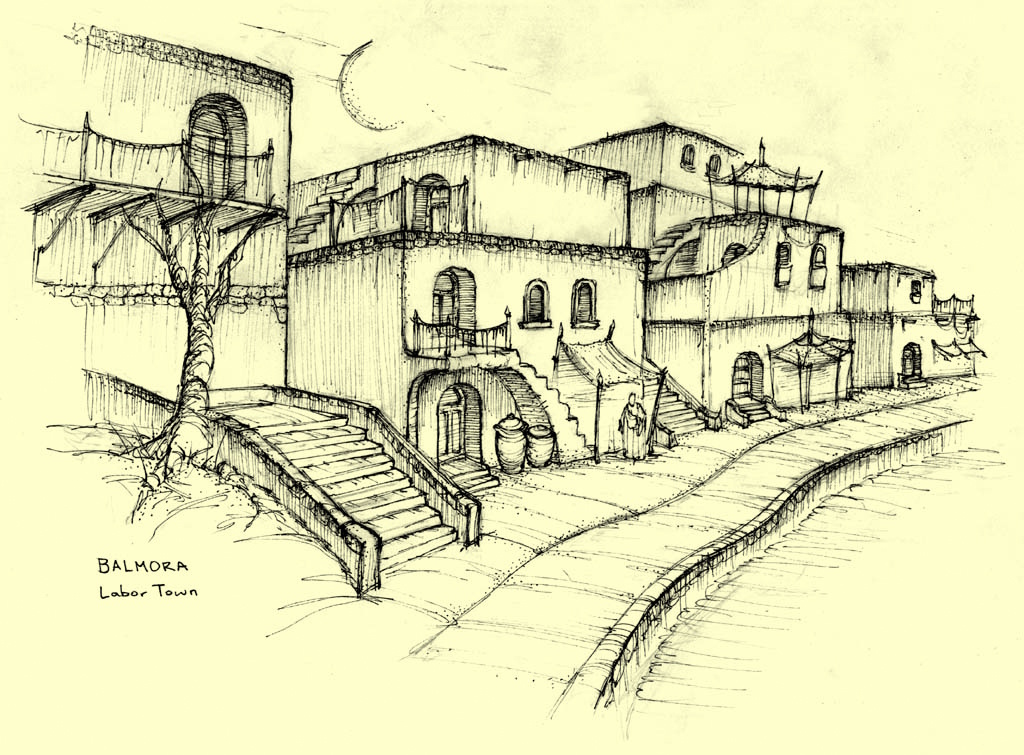
Concept art for The Elder Scrolls III: Morrowind showing Balmora.
Concept art for Morrowind showing the town of Balmora.

One of the things that can be disappointing or disheartening, sometimes, is hearing younger folks say they could “never” play a game from before, say, 2010 or 2005, because they find the gameplay to be clunky and the graphics too outdated. I guess that must’ve been how my parents felt when I criticised some of their favourite black-and-white films or TV shows from the ’50s! But as someone who played and fell in love with Morrowind in 2002, I would love it if new players could find an easy way into playing this incredible title.

A remake offers something to new players that even mods can’t. Yes, I agree that there are some fantastic graphics mods out there for Morrowind, capable of enhancing the game a lot. But a lot of folks don’t like to mess about with mods, have never done anything with mods, or don’t know how to get started – so an *official* remake is naturally going to find a much bigger audience. Compare the number of folks who played the Oblivion remaster to the number who’ve downloaded the most popular Oblivion graphical overhaul mods, just as an example.

Only one graphics mod (on popular modding site Nexus Mods) exceeded one million downloads for Oblivion, whereas the official remaster reached over nine million players in less than a year.

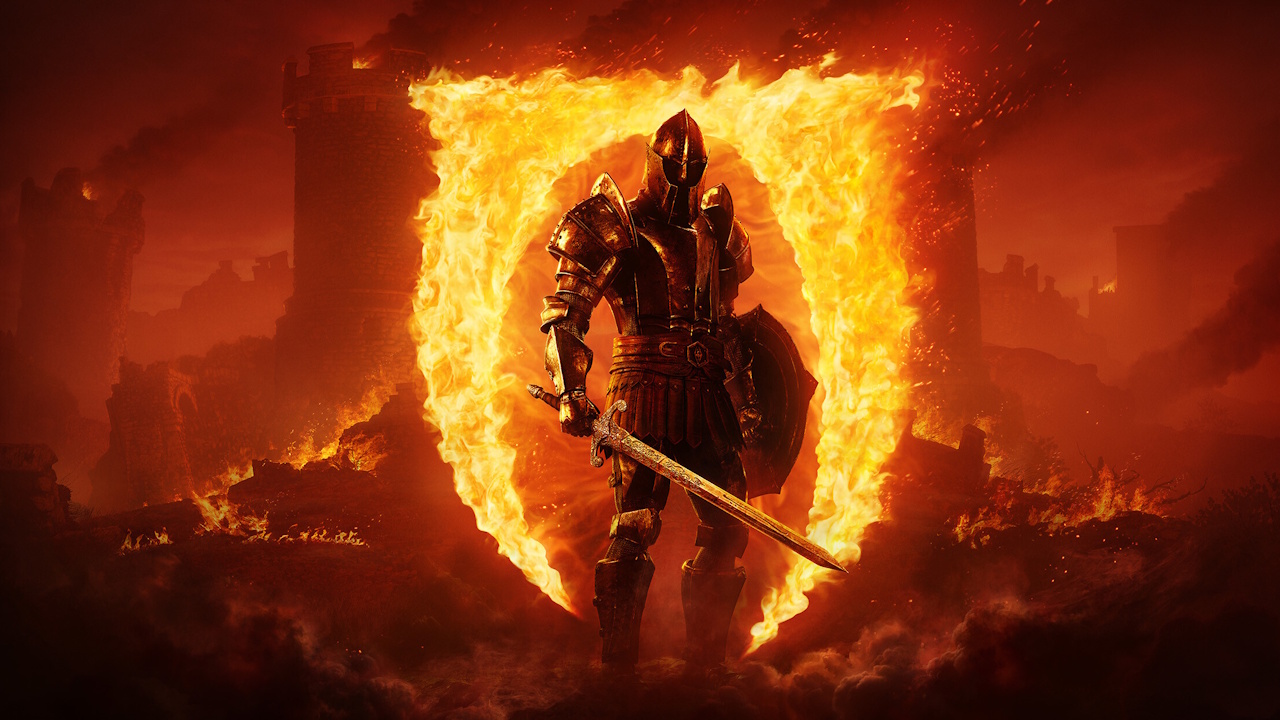
Key art for TES IV: Oblivion Remastered.
Last year’s Oblivion remaster reached way more players than any mod for the original game ever could.

The thing with a remake, though – especially if, as Nesmith suggested, a partner studio would recreate Morrowind’s world and NPCs in the engine used for Skyrim, or even the updated engine used for Starfield – is that there’d undoubtedly have to be changes and sacrifices. One of the double-edged swords of Oblivion and Skyrim when compared to Morrowind, in my opinion, is the removal of quite a few things: spells, weapons, character classes, and other features.

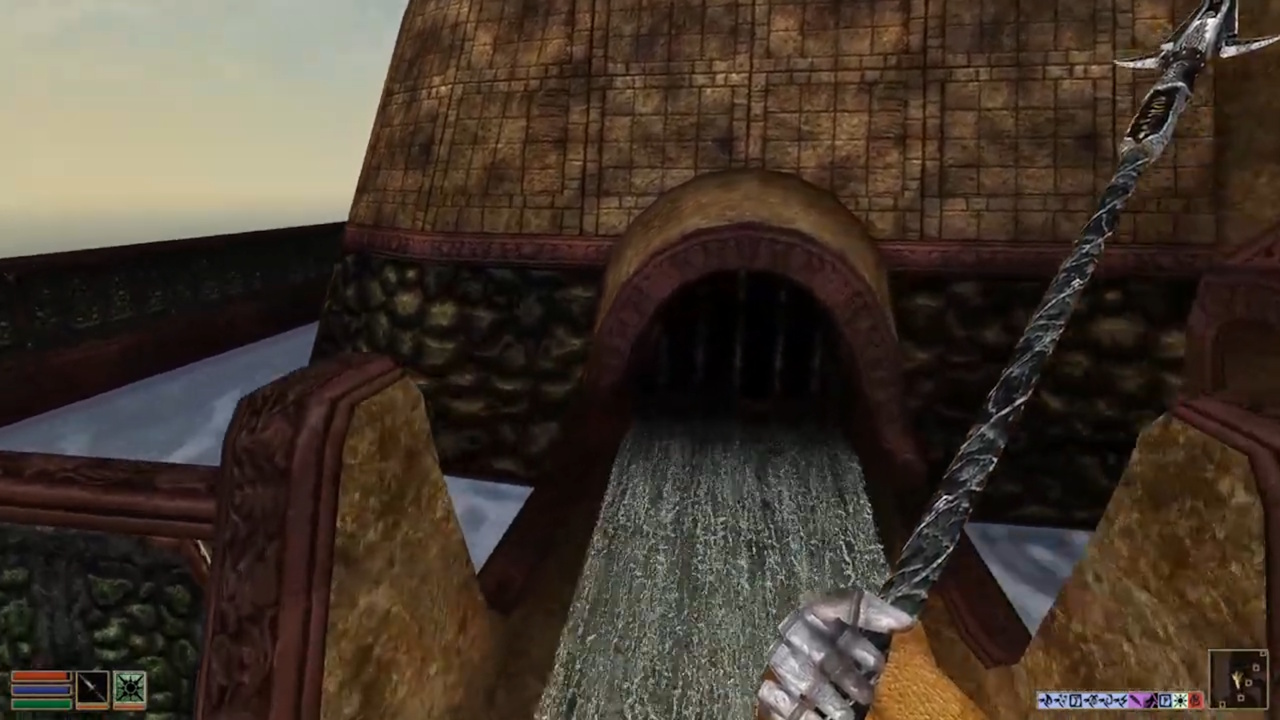
Did you know you could use spears and halberds in Morrowind? How about throwing knives and darts? There’s a levitation spell that lets you fly and hover – and it could be great for navigating the world and getting around obstacles. Mark and recall spells were so useful – allowing you to set a point on the map and return there by casting a spell, or even using a scroll or enchanted item. Morrowind also contained a lot of unique creatures that never appeared in Skyrim or Oblivion – and not just the ubiquitous Cliff Racers and Slaughterfish!

Screenshot of The Elder Scrolls III: Morrowind showing a player holding a spear.
Using a spear in Morrowind.

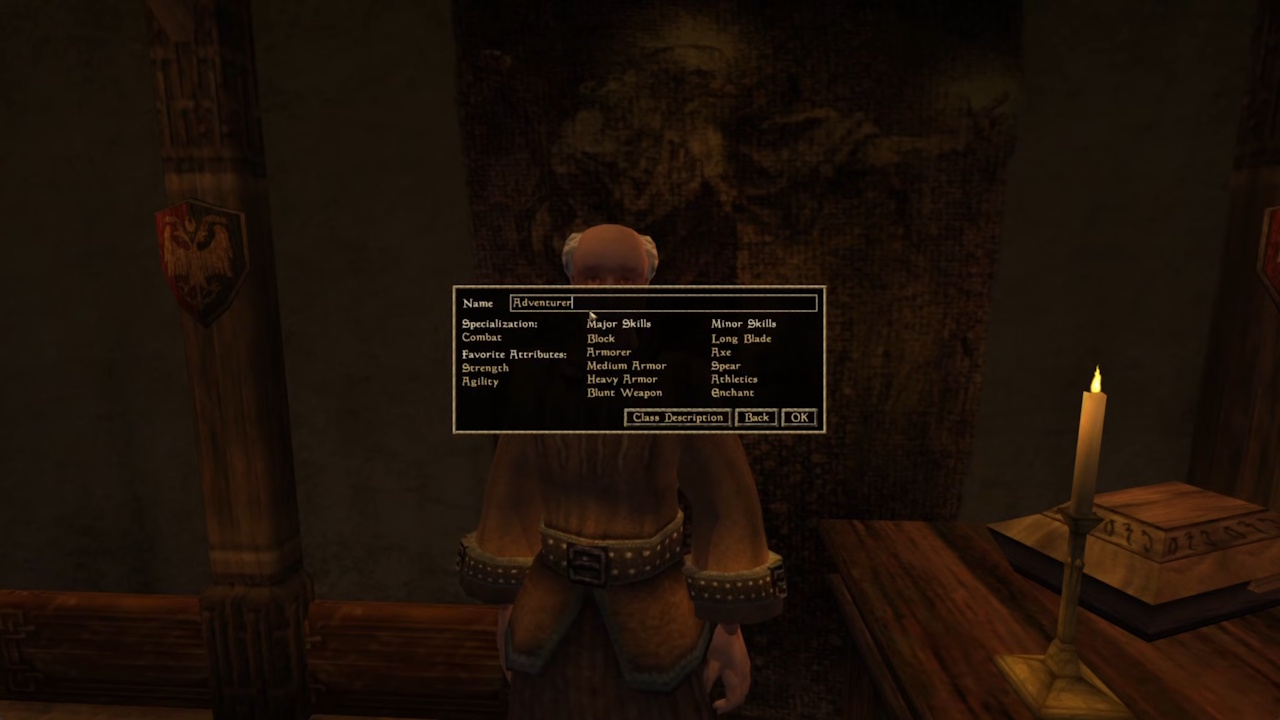
My point is that, unless a remake in the Creation Engine 2 *also* came with an overhaul to said engine, sacrifices would have to be made. Morrowind’s introductory sequence, with its classes, might have to be changed, and with no character classes in Skyrim at all… how well would that translate? And if a partner developer wanted to port the class system into a new engine… how difficult would that be, and how much work might be needed to get it to function properly? Bethesda’s most recent title, Starfield, had character backgrounds and a few traits, but nothing on the scale of Morrowind.

There are mods to bring classes to Skyrim, so obviously it’s technologically feasible to do so in that engine. Whether it would be easy, though, and how well Morrowind’s pre-made and custom classes would port… I don’t know. It would be a shame to lose something so central to the experience; a feature that gave Morrowind such genuine replayability. In fact, I’d go so far as to say that, if classes can’t be part of the game, don’t bother with the remake at all. If something so fundamental has to be stripped out, maybe it’s better to just… not do it.

Screenshot from The Elder Scrolls III: Morrowind showing a custom class.
Creating a custom class.

So that’s really my biggest concern, if a remake were to be announced. Could a remake retain the diversity of in-game systems, magic spells, weapons, classes, and more that made Morrowind the in-depth role-playing adventure that it was? And if not… will the sacrifices be worth it? If we get a shinier, more visually-appealing game, but one that’s lacking in that depth… will it even be the same game? Sure, some storylines might be the same, with fully-voiced characters who all look way better and more high-res than they ever did. But if the game is fundamentally transformed into less of an RPG and more of an open-world action/adventure… would it even still be Morrowind?

In recent years, Bethesda has shown a preference for making everything in its games accessible and playable in a single playthrough. Morrowind didn’t have that. Joining one of the three Great Houses would permanently cut off the other two. Joining one of the vampire clans likewise cuts off the others. And there are two religions which are effectively mutually-exclusive, too. Would *modern* Bethesda be okay with that? Or would a workaround be forced into the game, allowing players to join every faction and play every quest on a single save file? Again… that would detract from what made Morrowind the game it was.

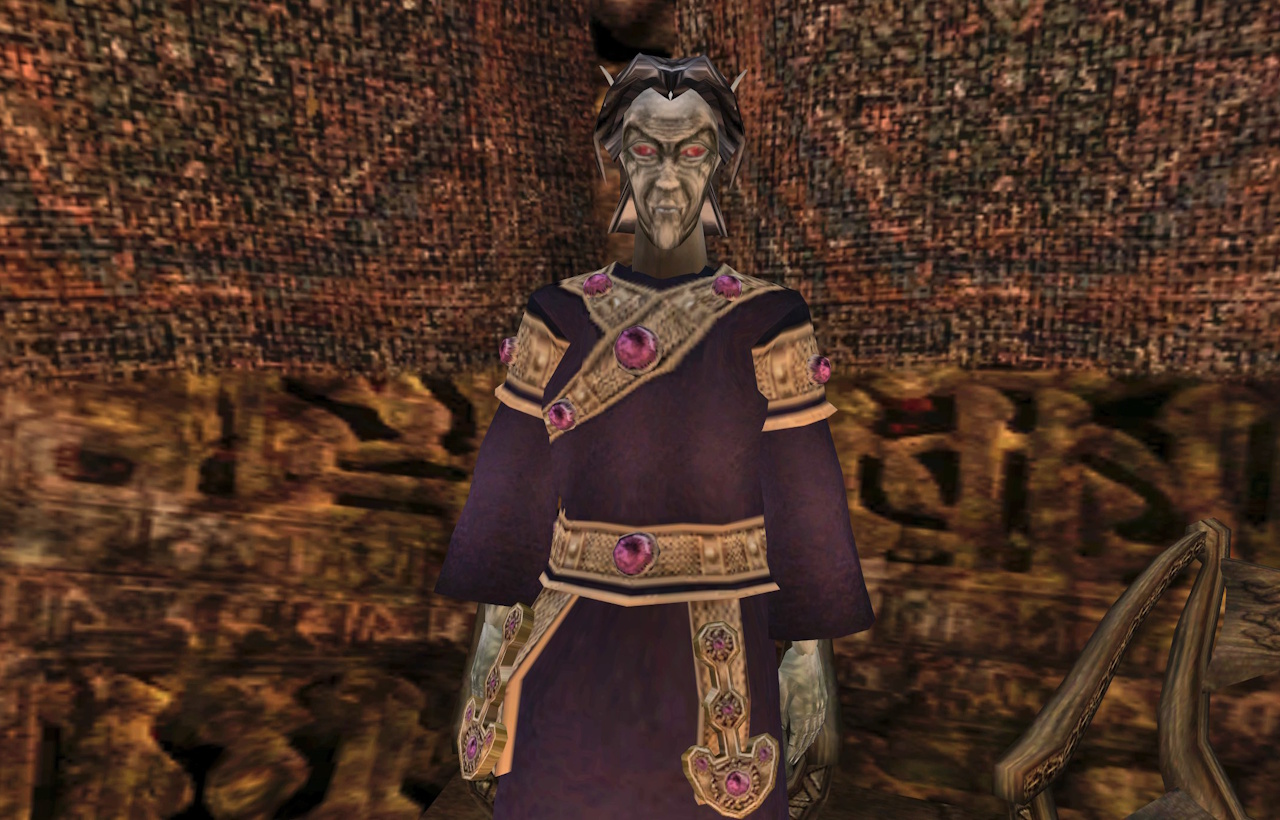
Screenshot of The Elder Scrolls III: Morrowind showing the head of House Telvanni.
Archmagister Gothren, the head of House Telvanni.

Then we come to killable NPCs. Morrowind was famous (or infamous) for allowing the player to kill anyone – including NPCs who were critical to the main quest and faction questlines. Because of its open world, it’s possible to stumble into a random building, ruin, or camp containing NPCs who may be critically important later in the game – and kill them to loot their stuff! But I can’t imagine *modern* Bethesda greenlighting something like that; today’s Bethesda seems to have far less confidence in the intelligence of its players.

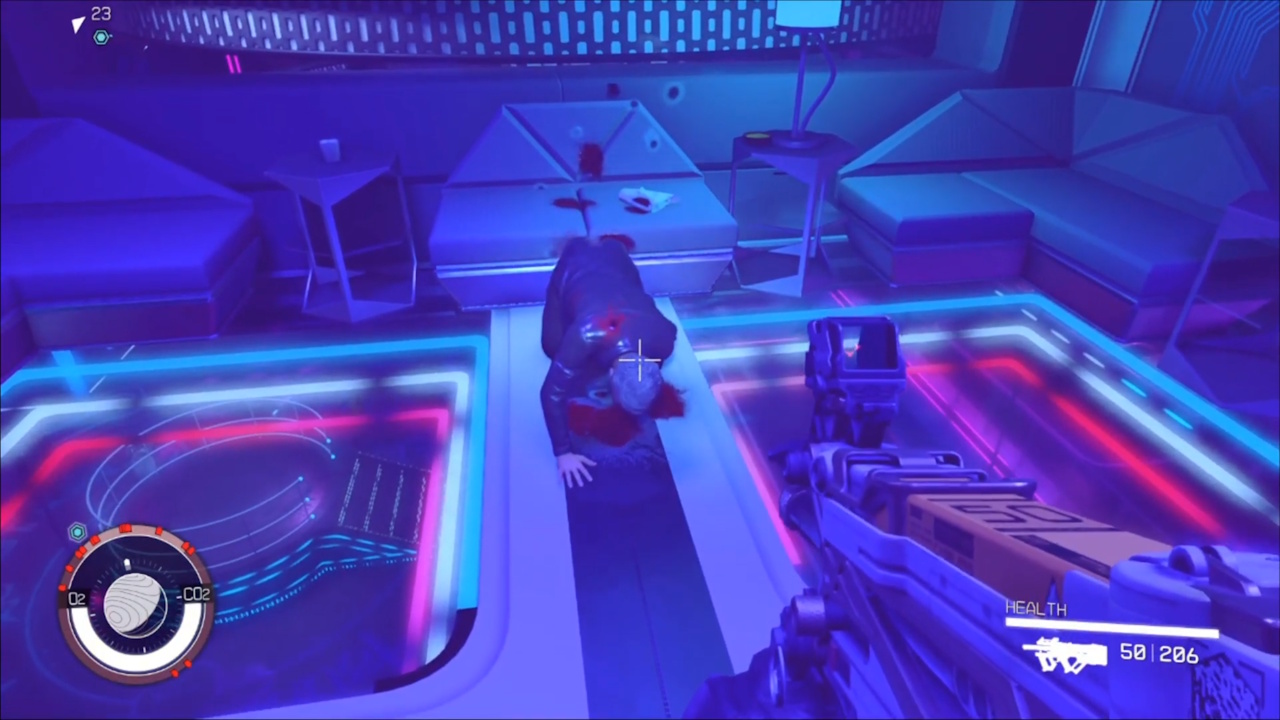
Modern Bethesda games are less free and more… restricted. Oblivion, Skyrim, Fallout 4, and Starfield all have mission-critical NPCs who literally cannot die, and that makes those games fundamentally different from Morrowind. While Morrowind doesn’t have the “take any approach you like” game design as, say, Baldur’s Gate 3 does, it’s a much less linear and more open game than the likes of Starfield and Skyrim. In part that’s because it’s possible to get locked out of quests, or to have to find complicated workarounds if vital characters die.

Screenshot of Starfield showing an essential NPC on Neon.
An unkillable NPC in Starfield.

I just can’t see the Bethesda of today being okay with that, even in a remake. Unlike character classes or lockable faction quests, the handful of killable NPCs who actually matter to the story isn’t massive, and I’d wager that *most* players don’t jump into a new save file and immediately rush to murder the god Vivec! But as a point of principle, removing the ability to kill these vital NPCs would also be a change for the worse, in my opinion. Morrowind didn’t need training wheels and guard rails in its original form… so why add them in now?

Then there’s the map and journal. Since Skyrim, if not Fallout 3, Bethesda has been a fan of quest markers; big on-screen arrows pointing you in the right direction. Morrowind didn’t do that – and some quest direction in the journal actually take a bit of thinking and puzzle-solving to figure out. Again, I can’t see today’s Bethesda being okay with that. But with a smaller map, wouldn’t quest markers make the game less fun? I’d argue they would.

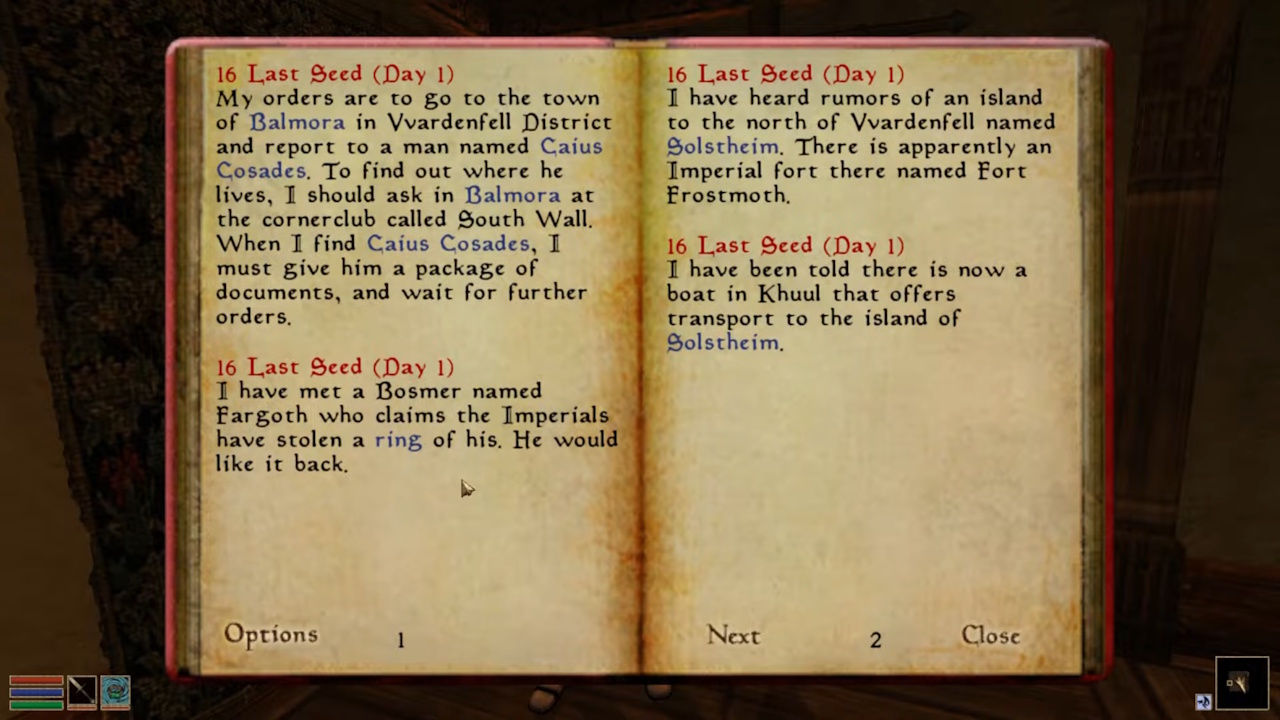
Screenshot of The Elder Scrolls III: Morrowind showing the journal.
The player’s journal in Morrowind.

If these things were added as toggleable options for players coming to Morrowind from more recent games, I’d be okay with it. I’m a big believer in accessibility in gaming, and I’m not trying to argue that games were better “back in my day,” when technological limitations prevented things like quest markers or unkillable NPCs from existing! And if someone wants the more streamlined experience of Skyrim but in Morrowind’s world… I mean, I’d be okay with giving players options to set that up. That way of playing could even be the default.

But if it was the *only* way to play a Morrowind remake, I think that would be a bit of a disappointment. I’m all for adding accessibility features, shortcuts, and even cheats to games to help players make the most of their time in a game world – but not always at the expense of other ways to play. And for me, as someone who played and loved the original Morrowind, I’d want to recreate as much of that experience as possible – just with a better, more modernised graphical style.

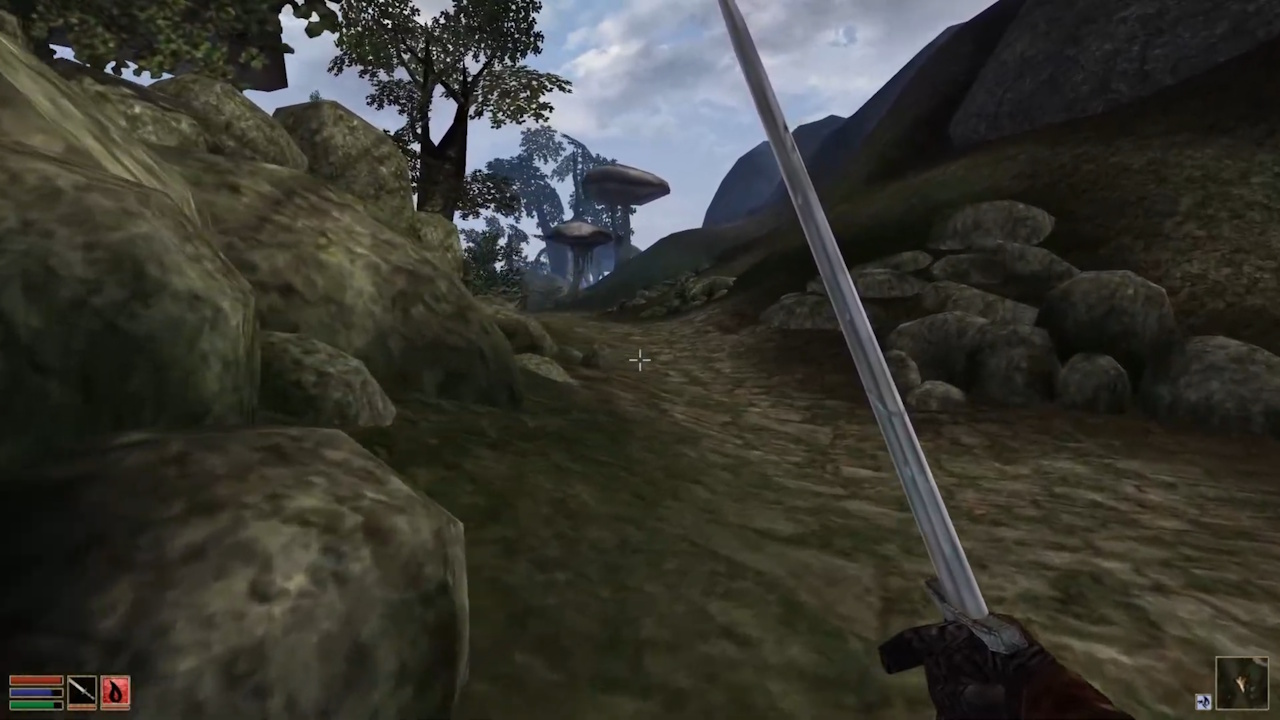
Screenshot of The Elder Scrolls III: Morrowind showing a player armed with a sword on a road.
Exploring the open world.

But okay, let’s not get upset about hypothetical changes to a probably-not-being-developed remake!

I think there are positives here – reasons why remaking Morrowind could work. And I think there are ways to do it that would give both new and returning players enough choices to tailor the experience to either the classic way to play, a more modern Starfield/Skyrim style of play, or something in between. And expanding Morrowind to give the game and its wonderful stories the opportunity to be experienced by a new generation of players is a fantastic idea. I’d say there’s *more* of a point to remaking Morrowind than there was to remaking Oblivion.

So… I disagree with Bruce Nesmith. Depending on how a remake was handled, there’s a ton of value in going back to Morrowind to give it an overhaul and present it to a new audience. As long as there were options for fans of the game to retain at least part of what made it so special the first time around, I’m all in favour of a remake.

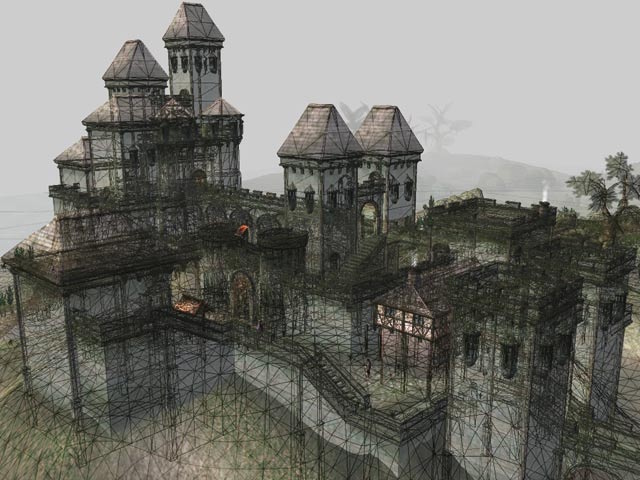
Pre-release render of Ebonheart from TES III: Morrowind.
An early wireframe render of the city of Ebonheart.

However, I think there are reasons to be concerned about a remake, given Bethesda’s recent form.

For one, I’d be *astonished* if a hypothetical Morrowind remake didn’t launch with a stupid “deluxe edition,” offering players a crappy digital sword, character skin, or something like that for a ridiculous extra fee. Then there’s Bethesda’s stripped-back game design, and how well Morrowind could be ported into an engine that doesn’t do character classes and that has fewer magic and weapon options. Bethesda’s insistence on making the entire game available in a single playthrough could mean that some of Morrowind’s replayability is likewise harmed.

But… despite some issues giving me pause, I think I’d still like to see a remake. Even if it wasn’t *as good* as the original experience, and even if some features had to be sacrificed, there’s still a fun story – or rather, “stories,” plural – at the heart of Morrowind that I’d love to see new players get the chance to experience. I don’t blame folks who grew up post-Skyrim looking back at games from the early 2000s and being turned off by clunky gameplay and outdated graphics; it’s natural to feel that way. And if I can’t convince younger folks to give Morrowind a shot on its own or with some of the player-made mods… a remake is a great option.

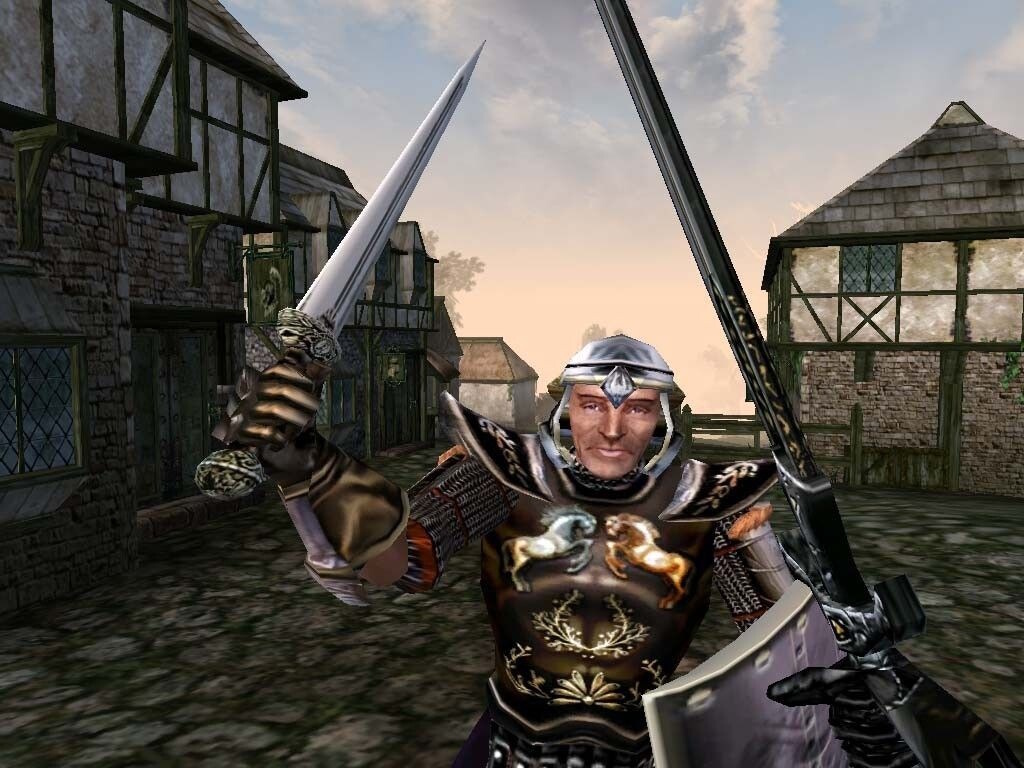
Promo screenshot of TES III: Morrowind showing combat with a guard.
Should Morrowind be remade?

That being said, I suspect Nesmith is right about one thing: Bethesda isn’t interested in this. The higher-ups likely share his view that the game is outdated and cringeworthy, and would need too much of an investment to make it “playable.” So… as much as I’d like to see it, I get the impression that a Morrowind remake isn’t coming any time soon. Never say never, of course, and there are good business reasons for moving forward with a project like this. But in the short-to-medium term? Don’t bet on seeing a Morrowind remake, I’m afraid.

I hope this has been interesting. Despite the fact that I don’t expect this to actually happen, Bruce Nesmith’s comments did, for a moment, spark some interest in the Bethesda fan community about a potential return to Morrowind, so I thought it was worth having a discussion about it! And if you really want to get back to the Dunmer’s home province, don’t despair! You can visit parts of Morrowind in The Elder Scrolls Online, the island of Solstheim in one of the Skyrim expansion packs, and there are a huge number of fan-made graphics mods and other overhauls which can take the original game and really modernise it. So… check out Nexus and other modding sites!

I keep meaning to fire up Morrowind again and have another adventure in that world. Maybe 2026 will finally be the year I complete the Tribunal Temple questline… who knows? Have fun out there… and watch out for Cliff Racers.


The Elder Scrolls III: Morrowind is out now for PC and Xbox consoles. The Elder Scrolls series – including Morrowind and all other titles discussed above – is the copyright of Bethesda Game Studios, ZeniMax Media, and/or Microsoft. Some art courtesy of UESP. This article contains the thoughts and opinions of one person only and is not intended to cause any offence.


You can find the original interview with Bruce Nesmith, including the full quote about Morrowind referenced above, by clicking or tapping here. (Warning: Leads to an external website).