


Spoiler Warning: There are spoilers ahead for the Star Trek: Voyager episodes on this list.
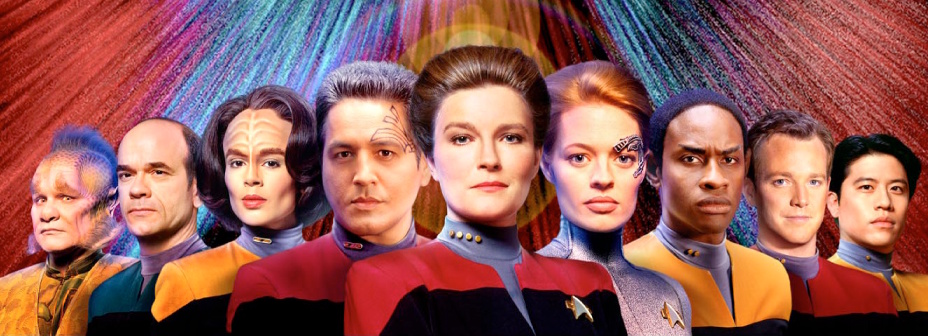
The celebration of Star Trek: Voyager’s thirtieth anniversary continues! Today, I’m marking the occasion by picking out a whopping thirty of my favourite Voyager episodes to mark thirty years since the series premiered in the United States. This is gonna be a long one, so you might wanna grab a drink and a snack before we jump in!
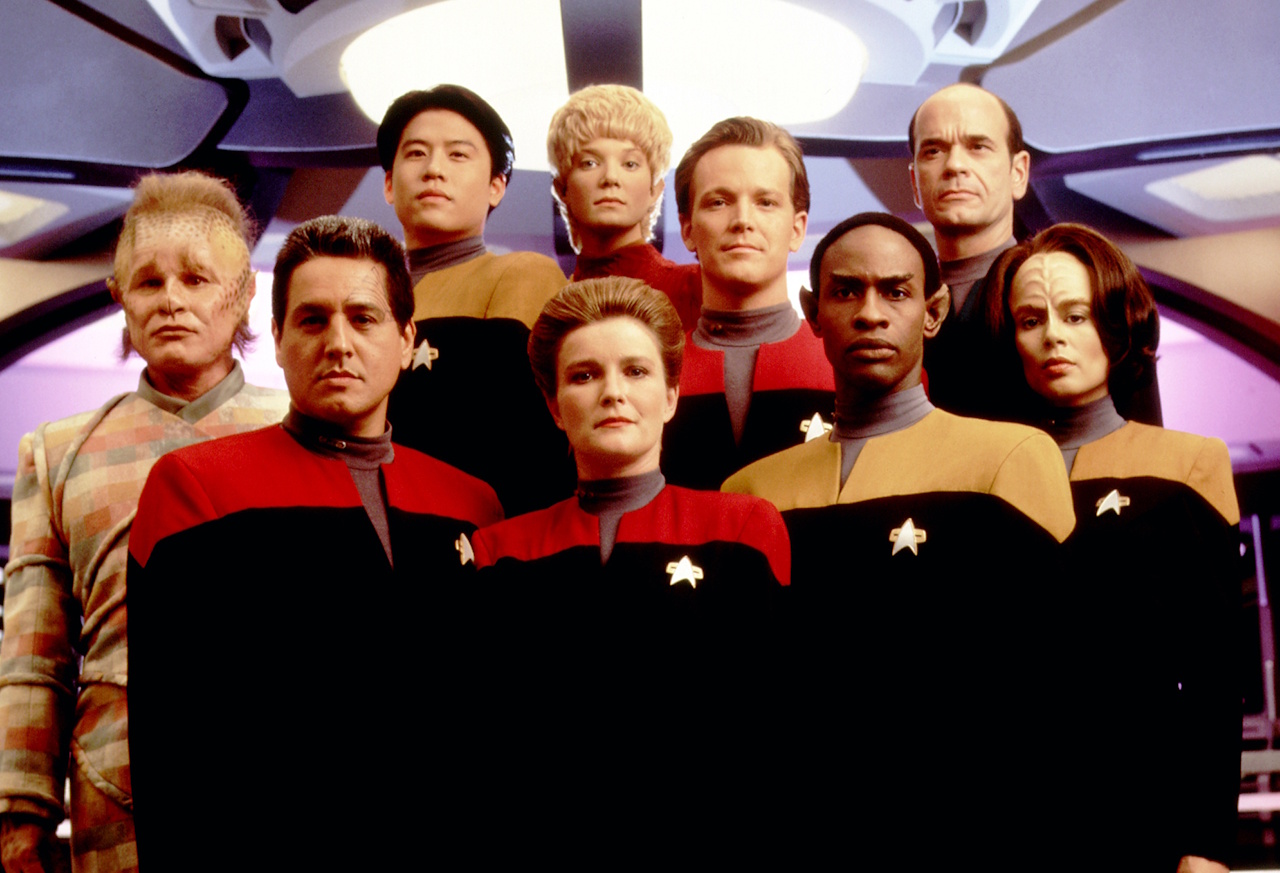
Voyager premiered on the 16th of January 1995, meaning it’s been a full thirty years since the series officially joined the Star Trek franchise. I wrote a longer piece detailing my thoughts and memories on Voyager as a whole, so if you missed that you can find it by clicking or tapping here.
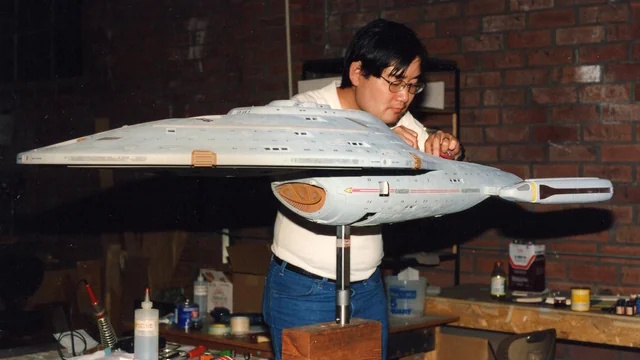
Photo Credit: Forgotten Treks/TrekDocs
Before we get into the list, a couple of caveats. There’s no right or wrong answer to the question “what’s the best Voyager episode,” so please keep in mind that all of this is subjective, not objective. If I pick out episodes you hate, or exclude something you think should’ve been on the list… that’s okay! We all have different opinions about the Star Trek franchise, and there’s enough room in the fan community for polite discussion and differences of opinion.
I’m listing the episodes in broadcast order – so these aren’t being ranked! There are a few two-part episodes that I’m counting as just one entry on the list. I’ll try to explain what I enjoyed, found amusing, or just what I thought about each episode as we go along.
With all of that out of the way, let’s talk about some of my favourite Voyager episodes!
Season 1, Episodes 1-2:
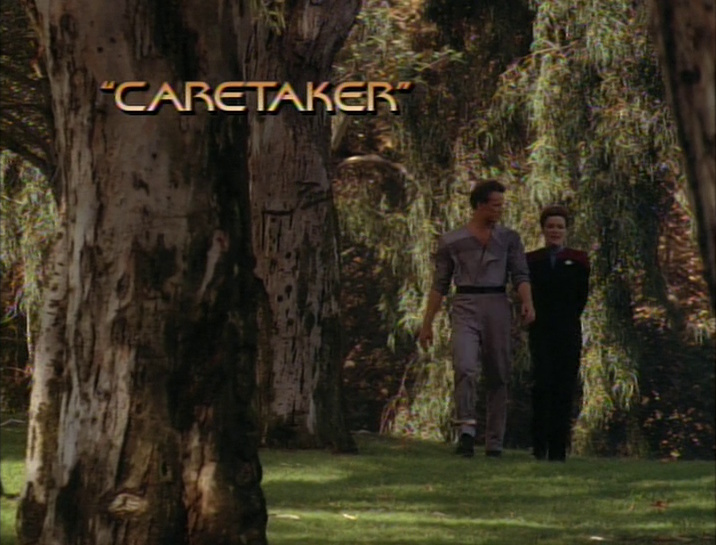
Caretaker
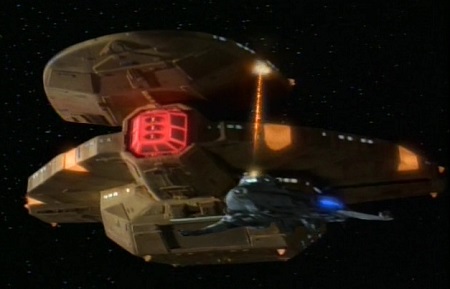
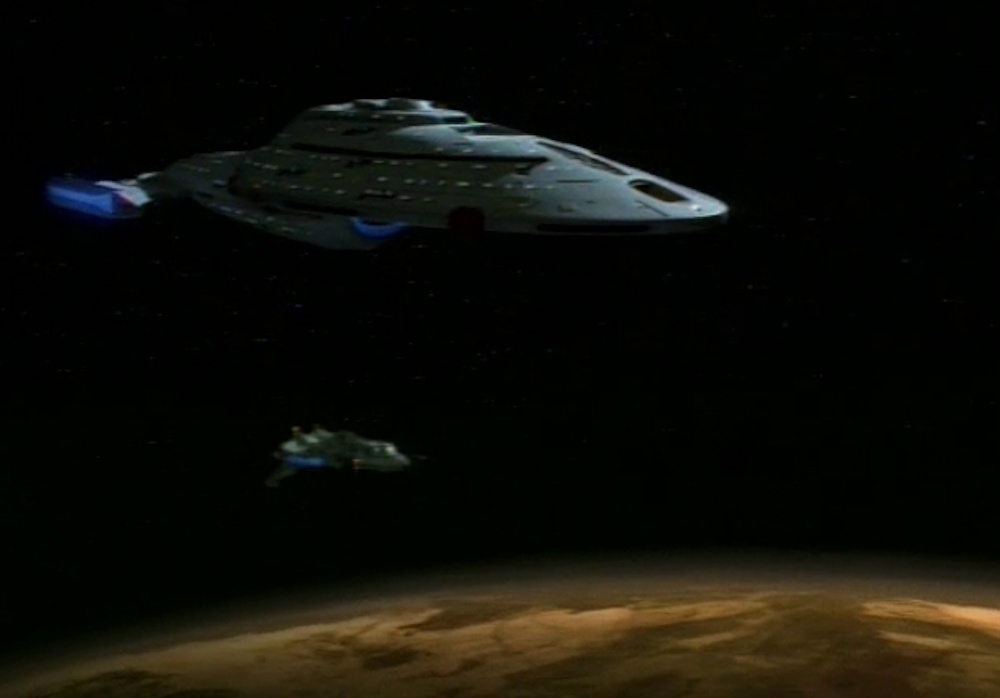
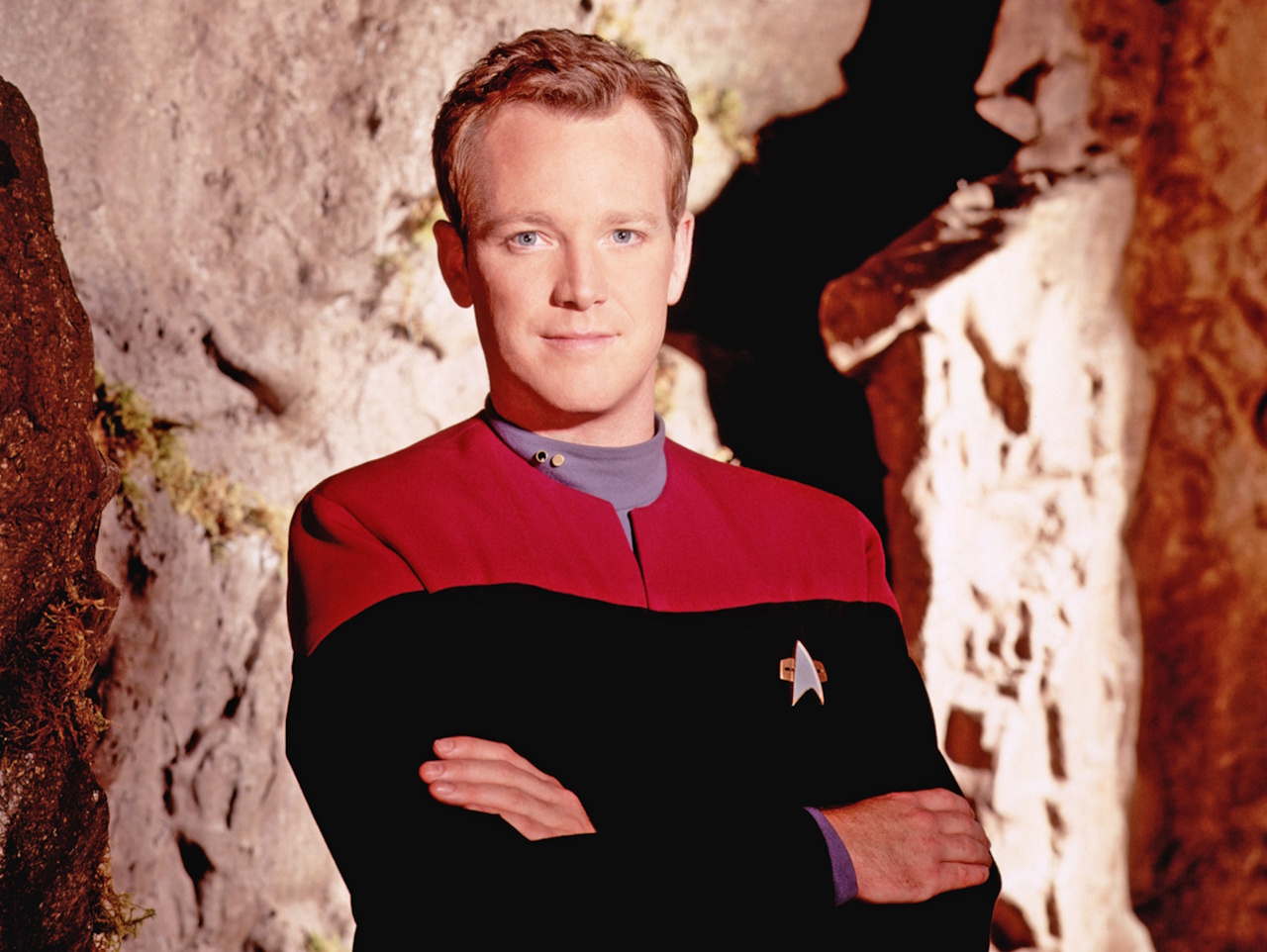
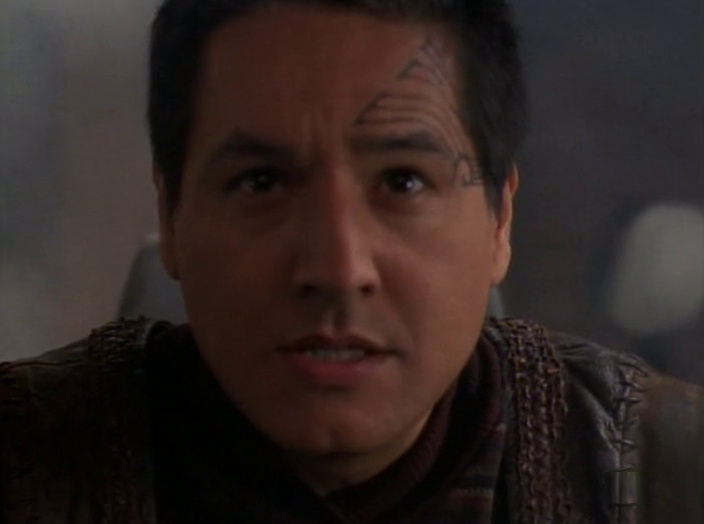
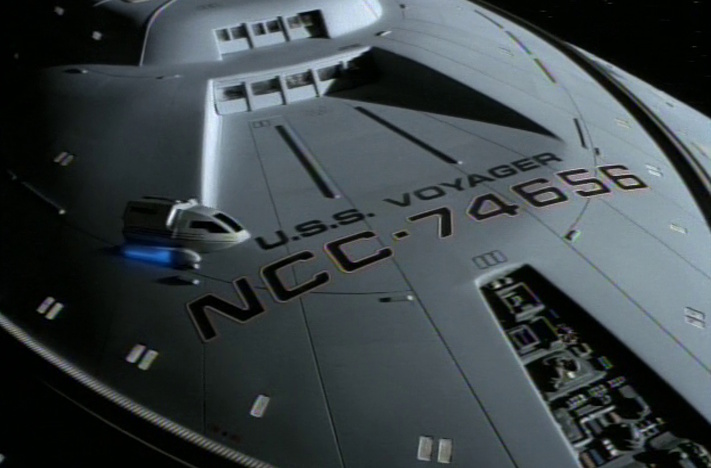
Where else to start but at the beginning? Caretaker set the stage for Voyager, kick-starting the voyage home that would run for all seven seasons. It’s a great episode, introducing us to Chakotay and his Maquis band, as well as to Captain Janeway and the crew of the USS Voyager. The sequence where Tom Paris is brought aboard Voyager by shuttlecraft was also a wonderful introduction to the starship.
Janeway has to confront a big ethical question in Caretaker, and ultimately makes the sacrifice of stranding her ship and crew on the far side of the galaxy. By destroying the Caretaker’s array, Janeway saved the Ocampans – at least in the short-term – but paid a heavy price. It’s a fascinating twist on a premise we’d seen before, taking the idea at the core of episodes like Where No One Has Gone Before and running with it.
Season 1, Episode 3:
Parallax
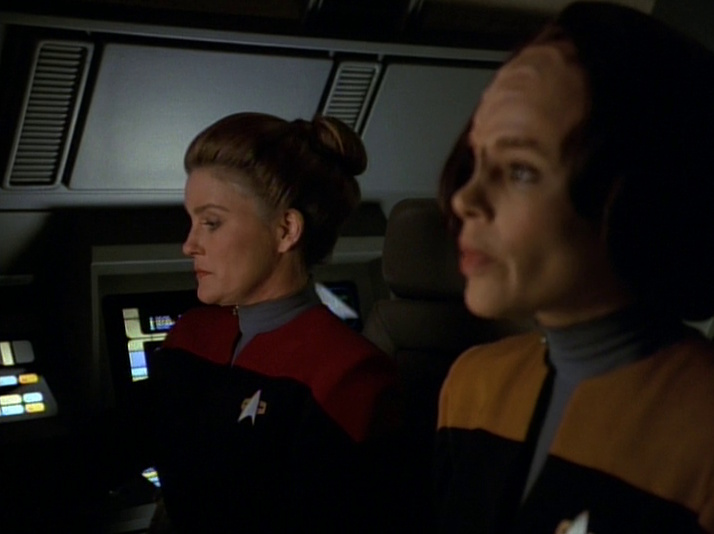
Parallax is one of a handful of Season 1 episodes to lean into the idea of a split between the Maquis and Starfleet members of Voyager’s crew – and that’s really why I’m placing it on the list. Its main “quantum singularity” plot is interesting, too, but it’s nothing we haven’t seen before in Star Trek. Where Parallax really shines is in those character moments – particularly as the two crews begin the process of coming together.
This episode also establishes B’Elanna as Voyager’s chief engineer, as well as Kes’ hydroponics bay and Neelix’s role as the ship’s cook. All of these would be important in future stories. Parallax is a great episode for Torres in particular, setting her up in engineering and developing her relationships with both Chakotay and Captain Janeway.
Season 1, Episode 7:
Eye of the Needle
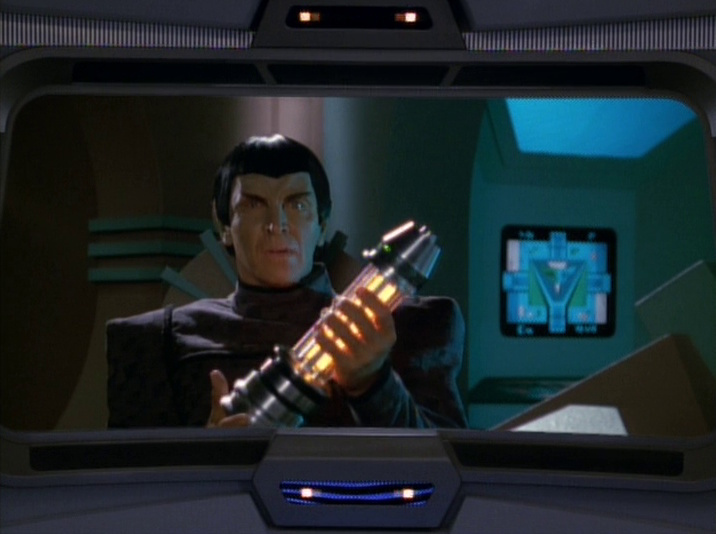
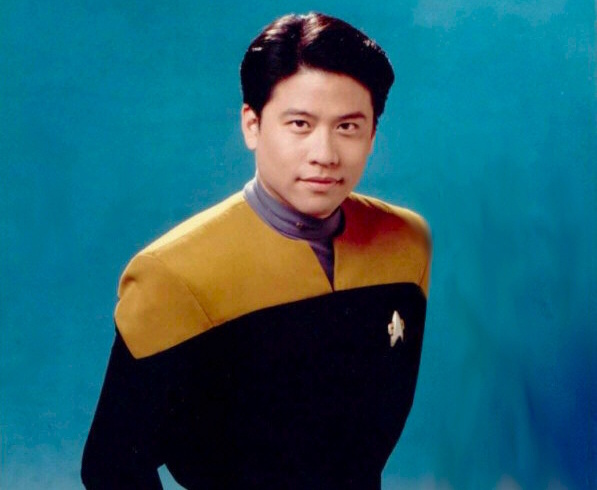
Eye of the Needle was one of the first episodes to tease Voyager’s crew – and Ensign Kim in particular – with finding a shortcut back to the Alpha Quadrant. Kim’s enthusiasm for the wormhole is cute, and just makes the disappointment later so much more heartbreaking. Garrett Wang puts in one of the best performances of the first season in those moments, taking Kim from elation to dejection.
The idea of bringing in the notoriously difficult Romulans as the faction Voyager is able to reach was a masterstroke, and Telek R’Mor was an engaging character, too. Guest star Vaughn Armstrong, who played R’Mor, had also played a Klingon in The Next Generation, a Cardassian in Deep Space Nine, and would go on to have a recurring role as Admiral Forrest in Enterprise. The final twist in Eye of the Needle felt particularly cruel for our heroes… but it wouldn’t be the last chance they’d get to communicate with someone back in the Alpha Quadrant!
Season 1, Episode 10:
Prime Factors
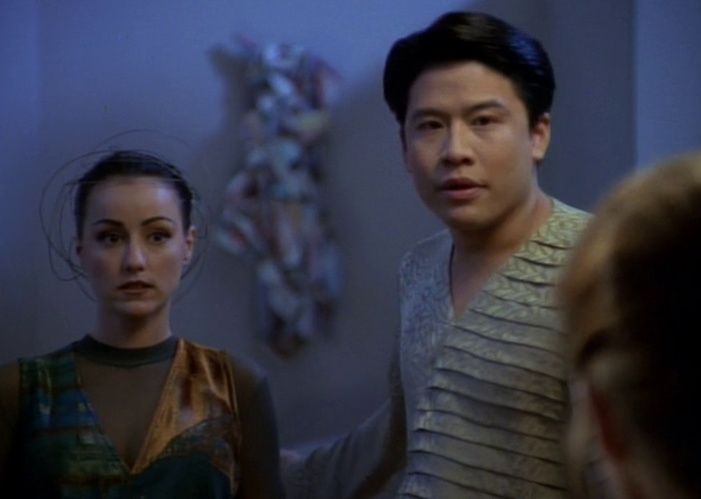
On several occasions, Star Trek stories have shown the Federation being unwilling to intervene or to share certain technologies, citing the Prime Directive as the reason why. Janeway herself invoked the Prime Directive when choosing not to trade replicators and weapons with the Kazon, and when destroying the Caretaker’s array. But Prime Factors did something different – it put Janeway and the crew on the other side, on the receiving end of that kind of intransigent attitude.
Prime Factors gave us another example of Harry Kim’s eager excitement at discovering a potential shortcut, but also did a lot for the relationship between Tuvok and Janeway – Tuvok’s breach of trust, while well-intentioned, hurt her. Seska’s involvement in the story was interesting, too, and set the stage for her future villainous arc.
Season 1, Episode 15:
Jetrel
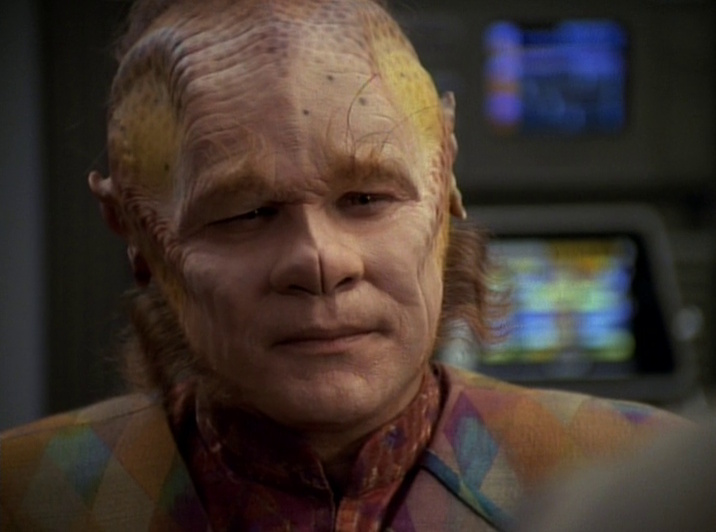
Jetrel is an intense and emotional Neelix episode… which is a weird statement when you consider Neelix’s usual role on Voyager! Neelix, however, had a tragic past, and we got to learn more about where he came from and what became of his people – the Talaxians. The metreon cascade, an obvious analogy for chemical and nuclear weapons, was presented as a real and very deadly weapon, and Dr Jetrel’s attempt at undoing some of the damage he’d caused made for an interesting character.
There’s one quite shocking jump-scare in Jetrel, which is still a rarity for the Star Trek franchise. You’ll know the one I mean if you remember the episode; if you don’t… well, consider this a warning! As an episode that got into the horrors of war and the dangers of weapons of mass destruction, Jetrel did what Star Trek has always done: used its sci-fi setting to examine real-world issues. For my money, it does so exceptionally well.
Season 2, Episode 3:
Projections
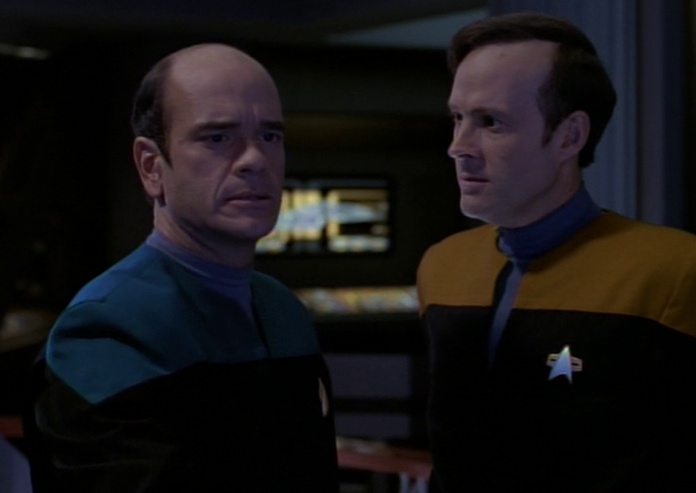
Projections was Reg Barclay’s Voyager debut – though after this episode it would be four years before he returned to the show! It was also a fun story with a deadly serious edge – as the Doctor awakened on an apparently abandoned Voyager. Seeing the Doctor able to leave the confines of sickbay was also a bit of a novelty; I think this was the first time he got to visit the bridge or engineering, coming years before he acquired his mobile emitter.
Barclay made for a pleasant surprise in Projections; I wouldn’t have expected to see him aboard Voyager, but his interactions with the Doctor were good fun. Dwight Schultz brought the same chaotic energy to the role as he had in The Next Generation, and he and Robert Picardo worked well together. This was a great episode for Voyager’s EMH, as we got to see him stepping outside of his comfort zone – literally and figuratively.
Season 2, Episode 5:
Non Sequitur
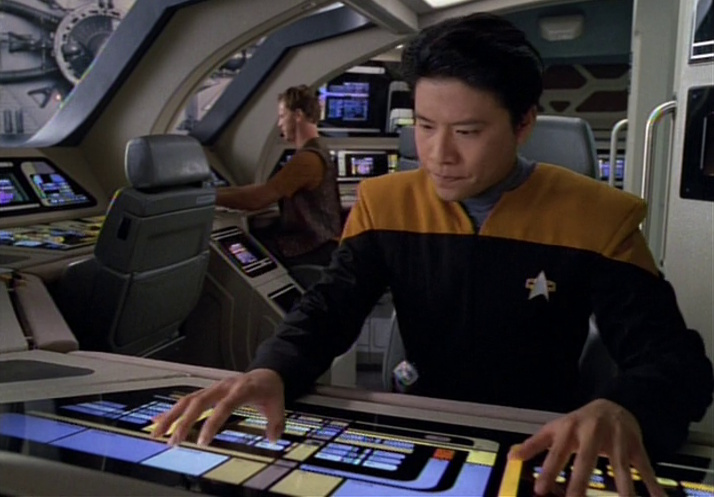
Harry Kim finally gets what he’s wanted all along: to be back home on Earth. But after realising that “something’s wrong with the timeline,” Kim has to spend the entire episode trying to get back to Voyager and the Delta Quadrant! This inversion of Kim’s goal made for an interesting episode, and I’ve always enjoyed Star Trek stories that showed us glimpses of civilian life back on Earth.
Non Sequitur also made for a great “bromance” story for Paris and Kim, showing off their friendship and putting them in a completely different situation. Friendship is about trust, and Kim turned to the only person he felt he could trust to get him back to Voyager and restore the timeline. Kim and Paris would remain firm friends across the show, but Non Sequitur was a great example of the depth of that relationship and the bond of trust they shared.
Season 2, Episode 6:
Twisted
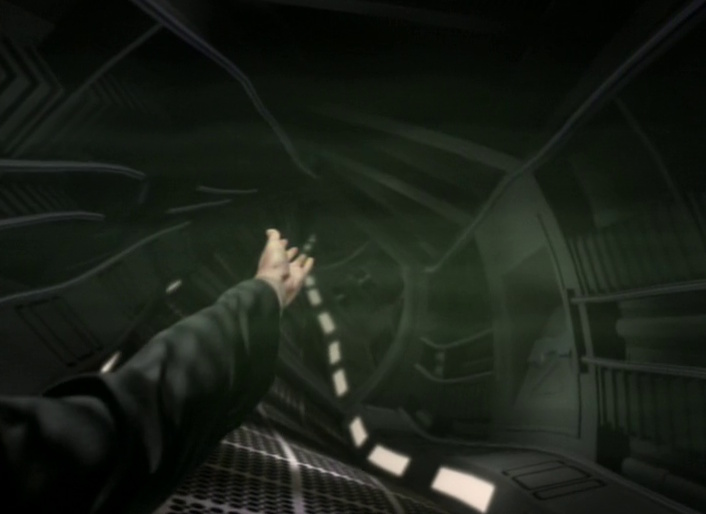
Apparently, Twisted has a bad reputation – not only among fans and viewers, but with the cast themselves. A holdover from Season 1, there was a rumour that Twisted was “so bad” that UPN (Voyager’s original broadcaster) didn’t want to air it… but the episode was eventually included as part of Season 2. For my money, Twisted isn’t anywhere near as bad as its reputation suggests!
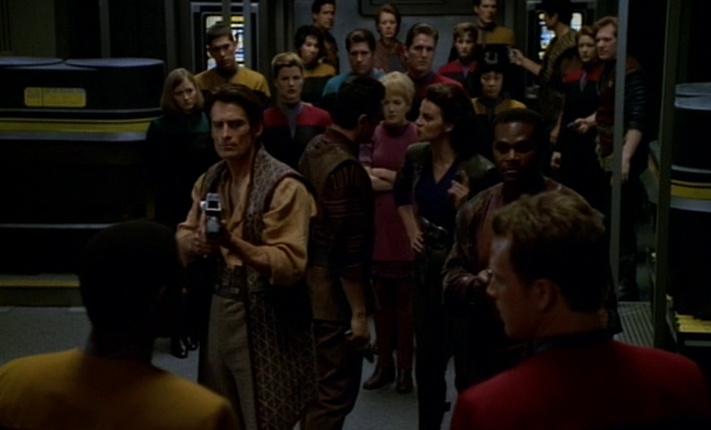
However, Twisted makes the cut on this list for one primary reason: the sequence near the end where most of the main characters are sitting in Sandrine’s, expecting to die. This is an intense moment, and several of the characters clear the air, while others pray or try to find comfort. Was it rendered a little anticlimactic by both a pretty poor visual effect and the revelation that no-one was ever in danger? Maybe. Was the whole “it was only trying to communicate” cliché a bit of a silly twist right at the end? Probably. But there are some great character moments in Twisted, so don’t let its reputation put you off.
Season 2, Episode 24:
Tuvix
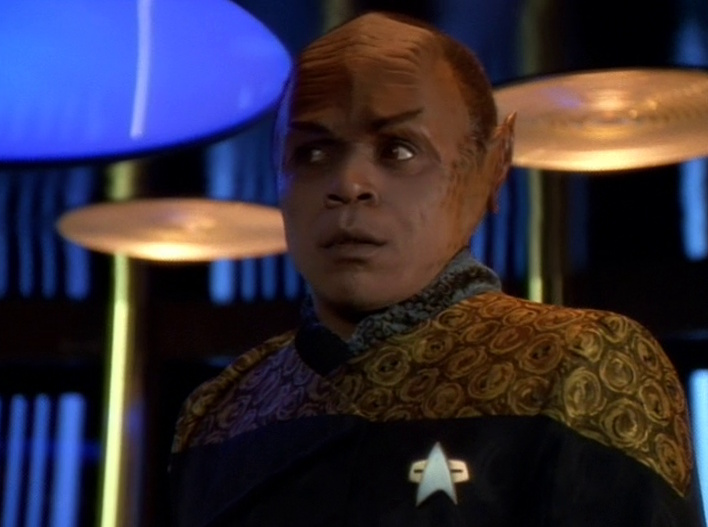
Ah, Tuvix: the meme episode. Seriously, what is up with Trekkies citing Tuvix all the time these days? I get that poor old Tuvix was hard done by at the end, but I admit that I’m surprised to see this episode constantly referenced and called back to! Memes aside, though, this “the transporter done goofed” story was actually a genuinely interesting one – for Janeway as well as Neelix and Tuvok.
If you were going to blend two characters together, you couldn’t pick two who were more different than Tuvok and Neelix. Neelix’s one-sided friendship with Tuvok was a fun element of Voyager, and Tuvix only added to that, in my opinion – giving both men a renewed appreciation for one another. Janeway’s final choice – and the Doctor’s refusal to carry it out – was heartbreaking, and I get why it’s still a hotly-debated topic all these years later. That just speaks to the quality of the episode, the writing, and the moral conundrum that Janeway had to confront.
Season 3, Episode 2:
Flashback
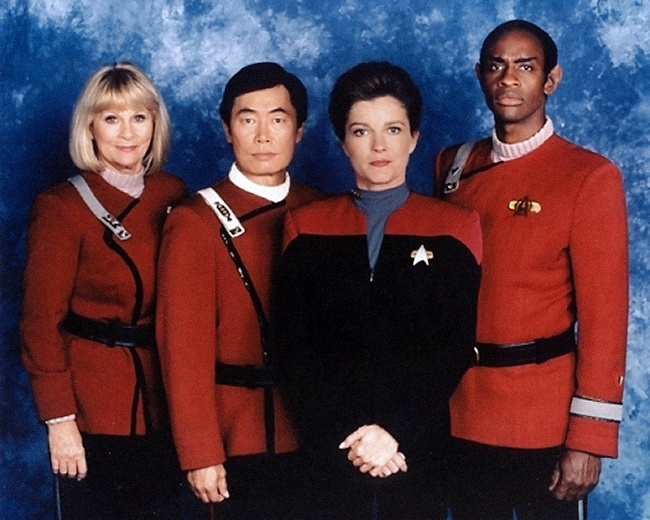
Flashback was one of two episodes made to celebrate the Star Trek franchise’s 30th anniversary; the other was Deep Space Nine’s Trials and Tribble-ations. I can’t believe we’re now celebrating Voyager’s own 30th anniversary – but time really does fly, I guess! Flashback saw Tuvok and Janeway take a visit to the USS Excelsior, and is set during the events of The Undiscovered Country. It was a fun way to include Captain Sulu and Janice Rand; the episode has become one of many threads of continuity that tie Star Trek together.
I would posit that Flashback’s core premise – a “memory virus” that Tuvok was infected by – wasn’t especially strong, but that’s almost incidental. Digging into Tuvok’s past was fun, and I’ll never tire of seeing Sulu in command of the Excelsior. Getting some interactions between Janeway and Sulu was fantastic to see, too. Perhaps Flashback is overshadowed by Trials and Tribble-ations, but it’s an excellent episode in its own right.
Season 3, Episodes 8-9:
Future’s End, Parts I & II
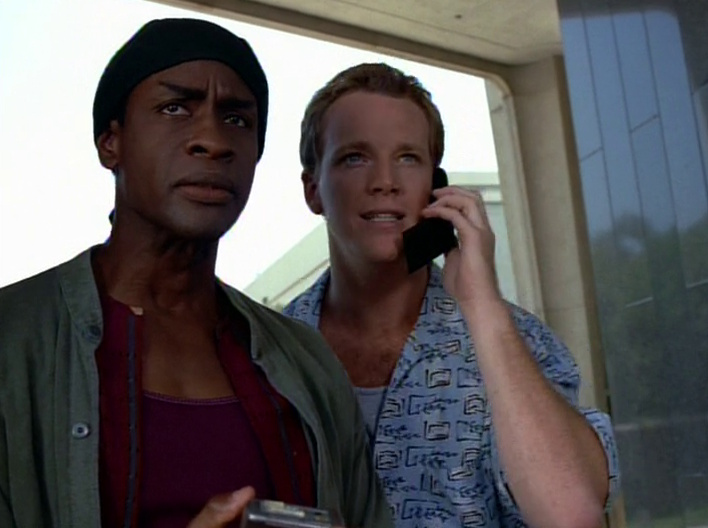
Let’s be honest: Future’s End is horribly dated – it might be one of the most dated Star Trek episodes. Everything about it screams “nineties,” but that’s just fine by me! At the time, Future’s End seemed like just another fun Voyager story – just with a time travel twist. But now, almost thirty years after its premiere, it feels like a little slice of history; Voyager captured perfectly this moment in time. And yes, I know that’s my nostalgia talking… but this is my list, so get over it!
Future’s End teased Janeway and the crew with a return to Earth… but unfortunately it was in the wrong time period! It was neat to see them visiting a sun-drenched California, though, and comedian Sarah Silverman made for an unexpectedly sweet guest star. Time travel episodes aren’t usually my favourites, but Future’s End bucks the trend.
Season 3, Episode 12:
Macrocosm
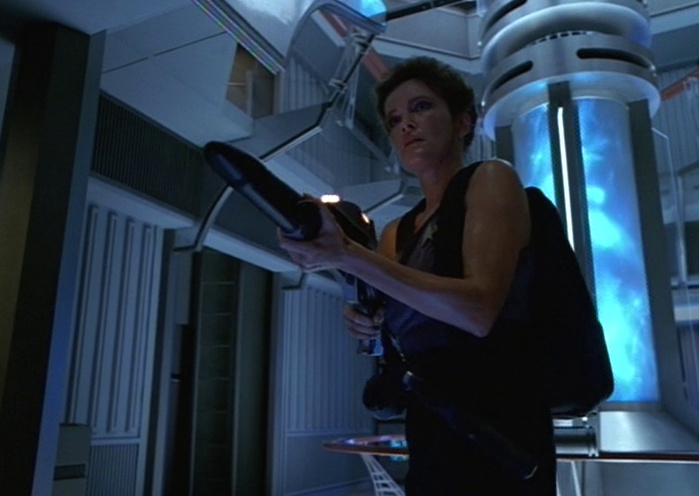
Macrocosm was a great episode for Janeway, showing off her action-heroine side! If you read my earlier piece marking Voyager’s thirtieth anniversary, you might remember I talked briefly about the first actress cast for the role of Janway, before it passed to Kate Mulgrew. Episodes like Macrocosm would’ve been borderline impossible if Voyager’s producers had stuck with a different interpretation of the character – and in my view, the series would be worse for it.
This was a story that did something Star Trek hasn’t always been good at: showing off a truly alien-feeling alien life-form. In this case, Janeway and the Doctor were forced to confront human-sized viruses, and it turned out to be a fight to the death! An action-packed episode, for sure.
Season 3, Episode 26/Season 4, Episode 1:
Scorpion, Parts I & II
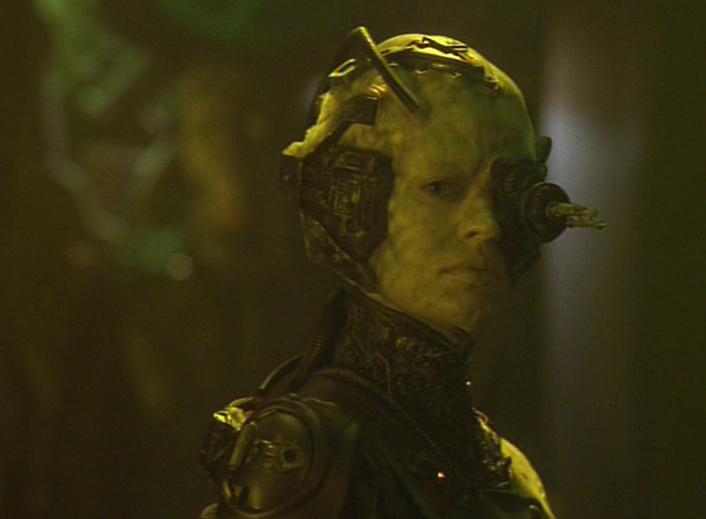
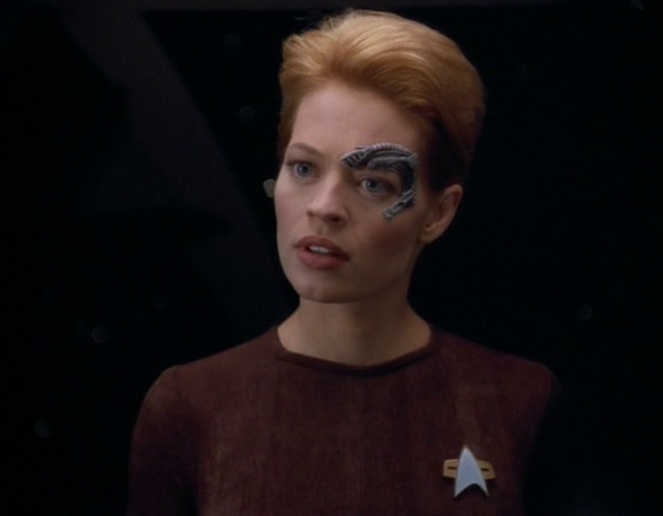
Alright, I suppose we’d better talk about Scorpion. The two-parter that introduced Seven of Nine also went a long way to damaging the Borg Collective as a villain. It wasn’t the only story to do so across the back half of Voyager’s run, but seeing the Borg so easily-defeated and inept… it took something away from them. Sure, it set up Species 8472 as a frightening adversary, but Voyager never really did much with them after this, so it all just feels a bit… wet.
Still, I recognise Scorpion’s importance to Voyager, shaking up the cast and setting the stage for more confrontations with the Borg – who would sporadically show up from here on out. Despite my later feelings about the character, Seven of Nine got one of the best introductions in Star Trek history, and seeing her reaction to being cut off from the Collective was especially interesting.
Season 4, Episode 6:
The Raven
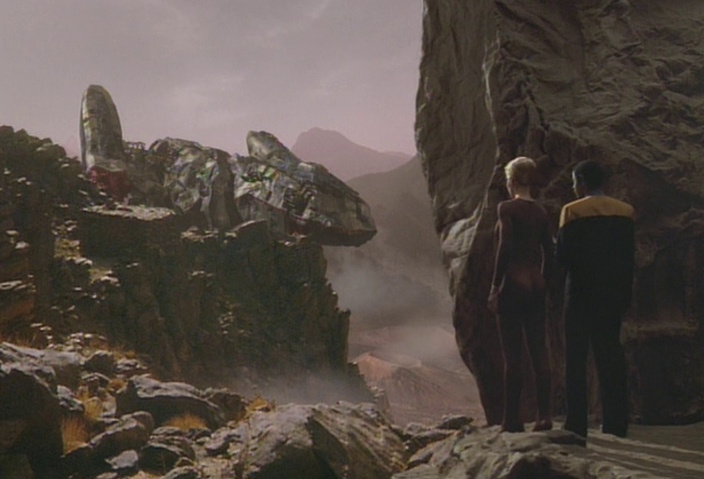
Across Voyager’s later seasons, I burned out on Seven of Nine going through one repetitive story after another. As one of the first to give her a starring role and explore her backstory, though, I give The Raven a bit of a pass. Finding out what became of Annika Hansen, and how she came to be assimilated, was genuinely interesting – even if it came as part of a story that muddled the history of the Borg’s contact with humanity and the Federation.
The wreck of the USS Raven was also an interesting setting. This was one of the first episodes to start the process of humanising Seven of Nine, breaking her away from her Borg indoctrination and establishing relationships with other members of the crew. The scene where she sits in the mess hall with Neelix was particularly cute.
Season 4, Episode 14:
Message in a Bottle
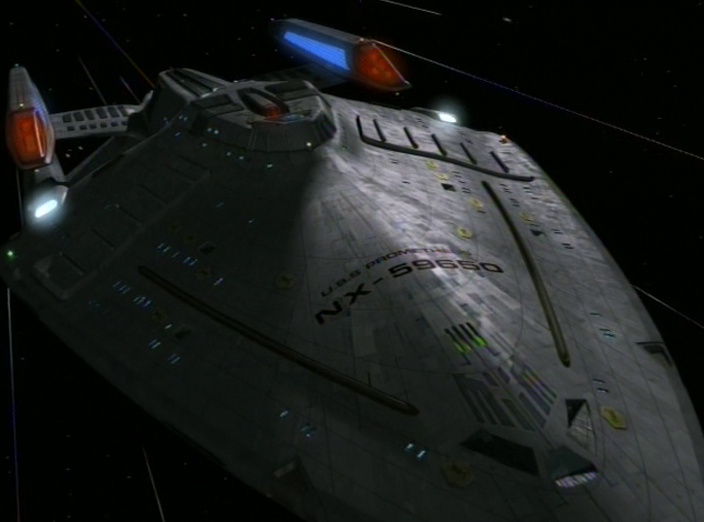
Coming at basically the halfway point of Voyager’s run, Message in a Bottle established contact between the stranded vessel and Starfleet Command for the first time. It’s also absolutely hilarious thanks to a wacky guest star, a prototype starship that can break into three parts, and a surprise attack by the Romulans!
There are some excellent comedic moments in Message in a Bottle, with comedian Andy Dick playing a new, updated version of the EMH. He and Robert Picardo both have great timing and played well off of one another, leading to some laugh-out-loud scenes. It’s also an important episode for establishing the first point of contact between Voyager in the Delta Quadrant and Starfleet back at home.
Season 4, Episode 21:
The Omega Directive
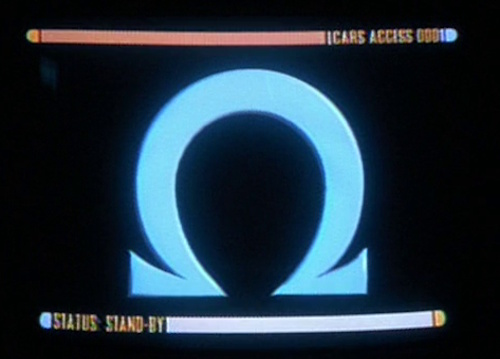
Are you interested in the philosophy of the Borg Collective? Or do you want to see one of Starfleet’s most top-secret, classified missions? Then The Omega Directive has you covered! This episode was a genuinely interesting look at the technology and science of Star Trek’s galaxy – from two very different and diametrically opposed angles.
Seeing Voyager ground to a halt by the titular Omega directive showed us how seriously Starfleet takes this issue, and it also became a challenge for Janeway – having to deal with Omega while being thousands of light-years from home with no backup. Her reluctance to open up to the crew and over-reliance on Seven of Nine weren’t great for her character, in my opinion, but that just shows the difficult situation she found herself in. The Omega Directive also expanded upon the idea of the Borg Collective seeking “perfection,” which was interesting.
Season 5, Episode 1:
Night
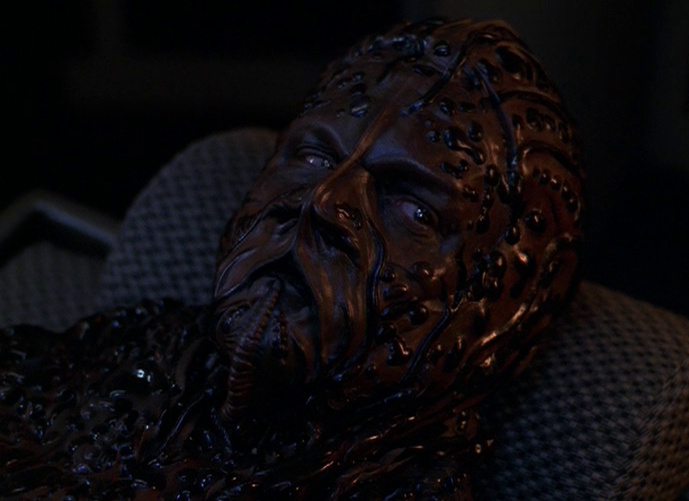
Night introduces us to the Malon – a villainous faction who showed up a few times in Season 5. There’s an interesting environmentalist message here, one that seems all the more important a quarter of a century later. Janeway and the crew also had to confront something that we’d never seen before: a species refusing the Federation’s help and superior technology for economic reasons. Again, something that’s still highly relevant today!
But Night isn’t really here for that reason. It shows us an empty region of space, which is something a bit different, and we get to see how the crew spend their time when there isn’t a mission of exploration to embark upon or a villain to be defeated. That’s something no Star Trek series had really done before; examining the “down time” in between missions while at warp was interesting, even if it only took up a small portion of the episode. Moreover, this is an important episode for Janeway – without something going on to distract her, she becomes depressed, re-playing the decision that stranded Voyager in the Delta Quadrant over and over again in her head.
Season 5, Episode 6:
Timeless
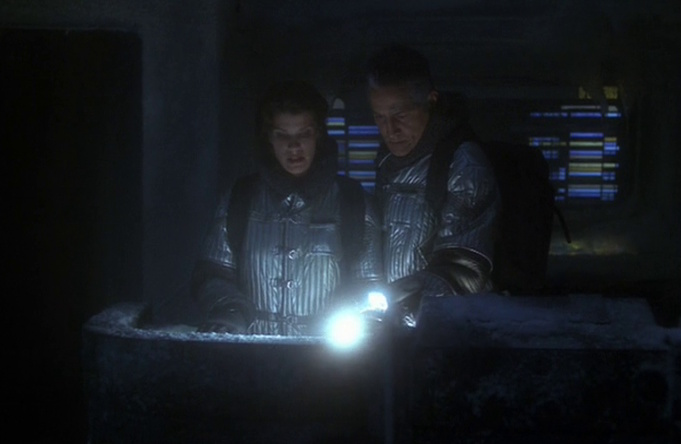
I don’t like time-loop/time-paradox storylines, and I don’t like stories in which the magical, magnificent Seven of Nine is the only one who’s able to save the day. So Timeless really shouldn’t have much to offer for me! But you know what? It’s a surprisingly entertaining affair, one that looks at how badly wrong Voyager’s journey home could’ve gone. Harry Kim and Chakotay are the stars; the former torturing himself over the mistakes and miscalculations that led to Voyager’s crash.
The sequence in which the ship crash-lands is brutal, and seeing most of our heroes meet an untimely end was genuinely shocking the first time I saw it. Timeless also brought back The Next Generation’s Geordi La Forge, which was neat to see, and we also caught a glimpse of the future of Starfleet in this era. There was an emotional character story at the core of Timeless, and plenty of other interesting elements, too.
Season 5, Episode 18:
Course: Oblivion
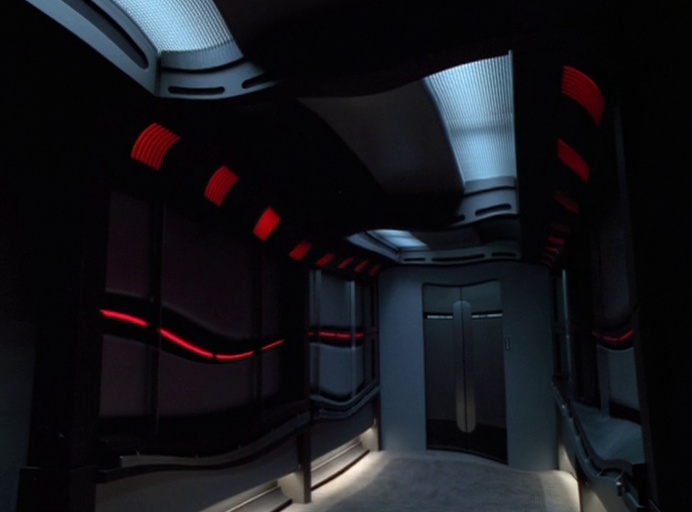
Course: Oblivion is a heart-wrenching episode – one that sees its entire cast of characters dead by the time the credits roll. Taking the Silver Blood aliens from the Season 4 episode Demon as a starting point, it sees the crew of an alternate Voyager discovering the truth about their identities, before slowly succumbing to the ravages of space, radiation, and warp engines over the course of an agonising forty-five minutes.
There’s a case to be made that Course: Oblivion is Voyager’s most depressing individual episode, even more so than the likes of Year of Hell. Because the Silver Blood characters took on the familiar identities of our heroes, there’s an automatic attachment to all of them when they’re in danger – and the episode delivers gut-punch after gut-punch as they slowly suffer the worst fate imaginable.
Season 5, Episode 23:
11:59
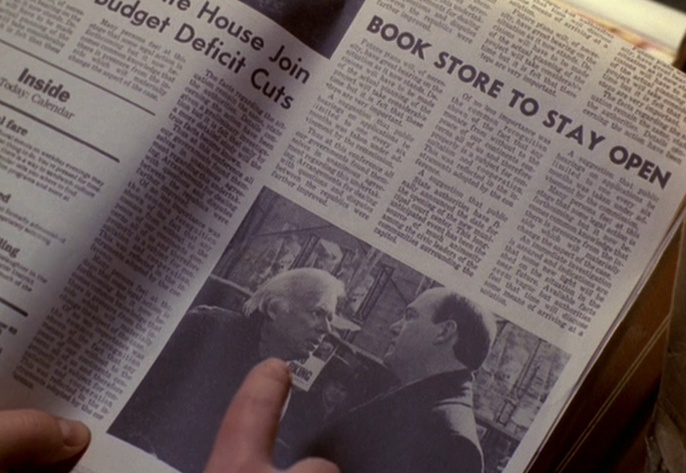
I don’t typically care for stories that leave Star Trek’s spaceships and future behind. The likes of Far Beyond the Stars, The Inner Light, and so on just aren’t my favourites, and I usually skip over them when re-watching The Next Generation and Deep Space Nine. But 11:59 – despite having a similar premise – has a unique charm, perhaps because of its close association with the millennium.
In the UK, 11:59 was broadcast in September 2000, mere weeks before it was set. I greatly enjoyed the episode and its focus on Janeway’s ancestors at the turn of the millennium. There was an interesting story about how “progress” can come at the expense of everyday people – and how history, even personal history, can be subject to interpretation. As an episode filmed before the millennium, it was also quite prescient in its observations of things like the millennium bug!
Season 5, Episode 26/Season 6, Episode 1:
Equinox, Parts I & II
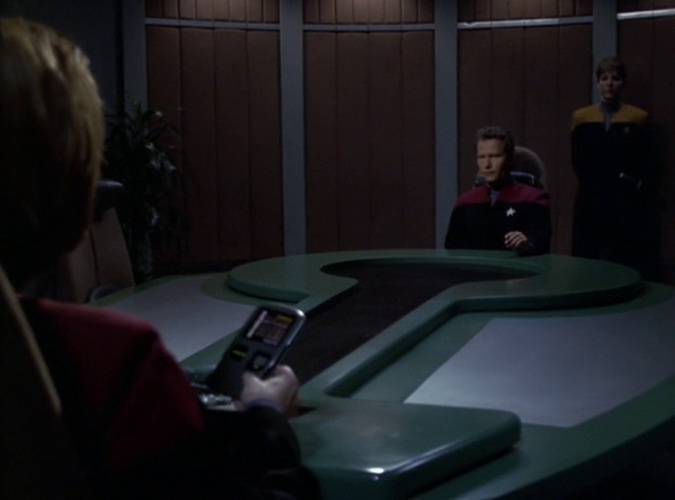
I’m glad that Voyager’s writers didn’t try to tell a story like Equinox too early – I think a run-in with Starfleet like this needed to come this far into the show. It’s a powerful story, one that doesn’t treat Captain Ransom as and out-and-out villain, but rather challenges viewers. Equinox asks: “what would you have done in his place?” and I think that’s a really interesting way to watch it.
Sure, there are moments of pure villainy. Equinox’s EMH is a deliciously immoral baddie, as is Lieutenant Burke. And the story of what the Equinox’s crew did to the sentient nucleogenic life-forms is horrible and tragic. But there’s an amount of moral ambiguity to Captain Ransom and at least some of his crew, making Equinox a tale of desperation and survival at any cost rather than a purely black-and-white morality play.
Season 6, Episode 7:
Dragon’s Teeth
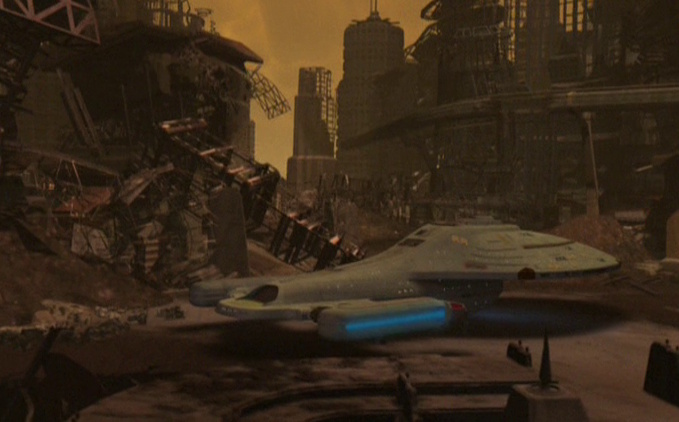
I love the idea of Dragon’s Teeth: an ancient alien race goes into cryo-sleep, only to be awakened centuries later. Voyager puts a fun spin on this story premise, too, by making the Vaadwuar into an evil all-conquering empire, adding to the moral complexity of the situation. Because they’d been in stasis for centuries, the surviving Vaadwaur also told us quite a bit about the Delta Quadrant as it was almost a millennium ago. Most interestingly, the Borg Collective was positively tiny, only occupying a handful of star systems. Little tidbits of information like that about the Star Trek galaxy are incredibly interesting to me!
Dragon’s Teeth also told an interesting story about the Vaadwaur and their enemies, with Voyager accidentally caught in the middle of the conflict. The Vaadwaur were an interesting race, and I’d love to see Star Trek revisit them one day. It would be fun to find out if the re-awakened Vaadwaur were able to re-establish their civilisation… or their empire.
Season 6, Episode 10:
Pathfinder
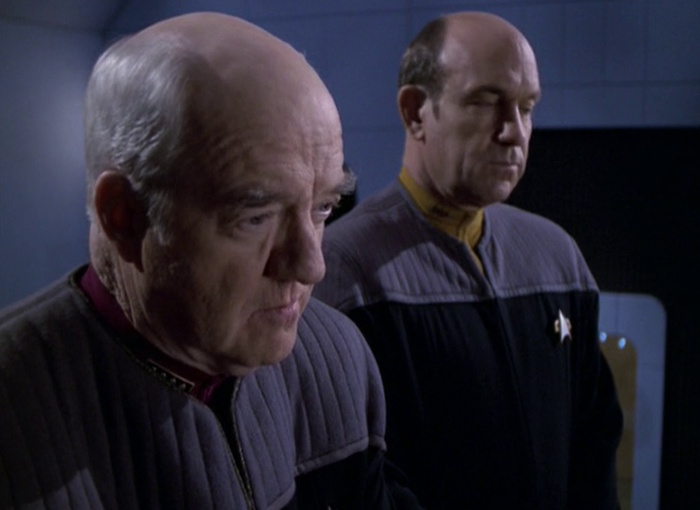
Pathfinder builds on Barclay’s appearance in Projections and the Doctor’s visit to the Alpha Quadrant in Message in a Bottle – see both of those episodes above for more! In short, the story focuses on Barclay and the Pathfinder Project at Starfleet, as the Federation attempts to find a way to establish contact with the USS Voyager, despite the vast distances involved.
Barclay is a fun character, and throwing him into a technological challenge like this was a bit of a change of pace. Bringing Deanna Troi into the episode, too, was a neat inclusion, and another of those threads of continuity that I talked about earlier. Barclay’s obsession with Voyager could feel uncomfortable, in places – but deliberately so, and it seemed in keeping with what we learned about him in The Next Generation. As the episode to establish the first proper communication between Voyager and Starfleet HQ, Pathfinder is an important one going into the show’s final couple of seasons.
Season 6, Episodes 11 & 17:
Fair Haven and Spirit Folk
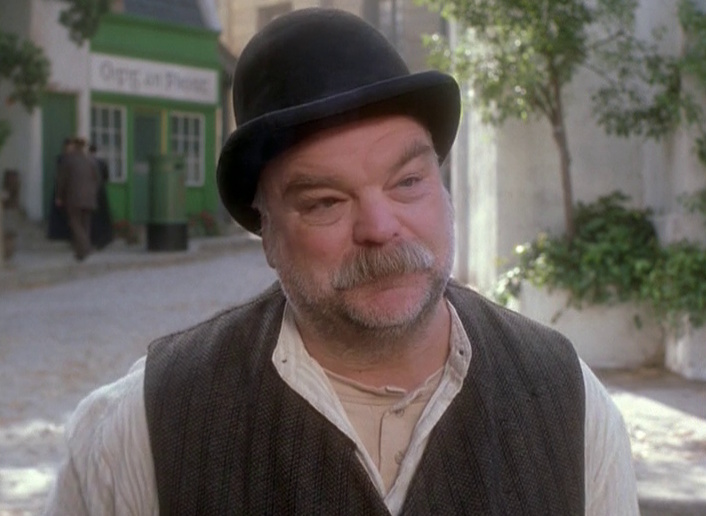
I’m putting these two episodes together because they form two parts of a single story. After Tom Paris created a holo-programme set in an Irish village, Spirit Folk expanded upon that idea, and let us see the impact the crew were having on the holographic world through the eyes of the villagers. Sentient holograms have been part of Star Trek since The Next Generation introduced us to Professor Moriarty, but this was a completely different take on the idea.
There are plenty of laugh-out-loud moments in both episodes, but also serious themes, too. It was nice to see the crew – including Captain Janeway – letting their hair down a bit and just having fun in a different setting. I definitely prefer Fair Haven’s holodeck stories to anything involving Captain Proton!
Season 6, Episode 20:
Good Shepherd
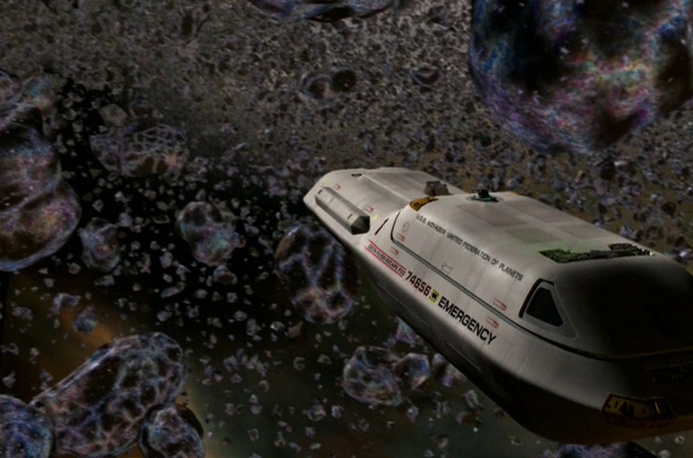
Good Shepherd sees Janeway go on an away mission with three under-performing crew members, trying to boost their confidence. I like the premise, and it was fun getting to meet other members of the crew that we don’t usually get to spend much time with. My only criticism of Good Shepherd, really, is that none of the three guest stars became recurring characters going into Season 7. There was definitely room for some of them to pop up in future episodes.
Disappointment aside, though, there was a neat story at the core of Good Shepherd, and it put Captain Janeway’s leadership skills to the test! I find the character of Harren to be especially relatable; I think I’d also want to squirrel myself away below decks and not interact with people if I were trapped on a starship!
Season 7, Episode 11:
Shattered
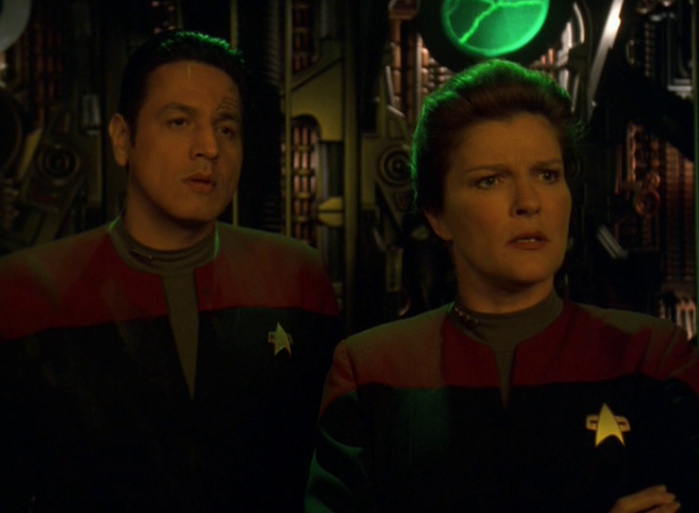
Shattered was a fun way to celebrate Voyager as the show entered its final season. The premise saw the ship caught in a temporal anomaly, with only Chakotay able to move between different parts of the ship. He’s able to turn to Janeway for help – but coming from different time periods, she struggles to trust him at first. It’s a creative take on Star Trek’s “temporal anomaly” idea, and one that Discovery would draw inspiration from for its fifth season episode Face the Strange.
I’m glad that Shattered was given to Chakotay, and not Janeway or Seven of Nine. He made for a fun point-of-view character as the madness unfolded, and stepping back in time to see different villains and different problems that befell Voyager earlier in the journey was a lot of fun. In many ways, Shattered feels like a love letter to Voyager.
Season 7, Episode 14:
Prophecy
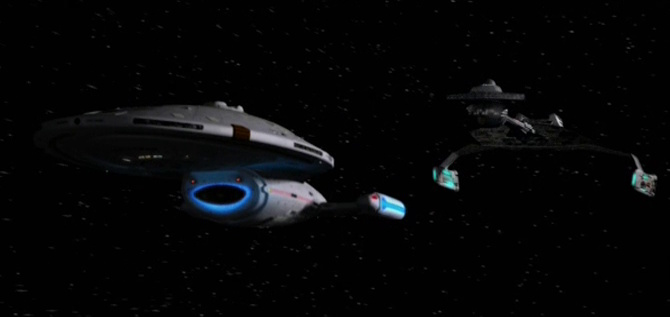
Because Voyager was in the Delta Quadrant, far away from Klingon space, there weren’t a lot of Klingon characters to meet. Prophecy changed all of that, and introduced us to a Klingon generation ship that had travelled across the galaxy for religious reasons. It was really fun to see a D7 battle cruiser in Voyager, and this episode was also an interesting one for B’Elanna Torres.
We’d seen B’Elanna confront her Klingon heritage before, in episodes like Barge of the Dead and Faces, but this time the Klingons were 100% real – and they were interested in her unborn child. Tom Paris got a turn wielding a bat’leth, which was fun to see, and the episode looked at the themes of religion and peace between old enemies; the Kligons not being aware of the Khitomer Accords was particularly interesting.
Season 7, Episode 20:
Author, Author
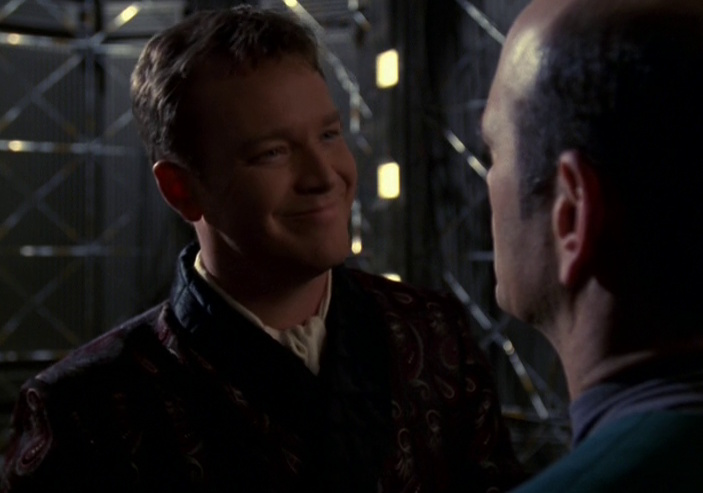
Author, Author focuses on the Doctor – and whether he, as a sentient hologram, has the same rights as the rest of the crew. It could’ve ended up as little more than a re-do of The Next Generation episode The Measure of a Man, where Data’s rights were also up for debate. However, it’s to the writers’ credit that Author, Author doesn’t feel repetitive at all. The Doctor’s holo-programme was also a lot of fun – and raised questions about discrimination, matters of perspective, and how conspicuous and out-of-place one can feel.
Tom Paris intervened with a hilarious re-working of the Doctor’s original holo-programme, giving him a taste of his own medicine. That was a fun sequence, and this was a great episode for the Doctor’s growth as an independent being and as a creator.
Season 7, Episode 23:
Homestead
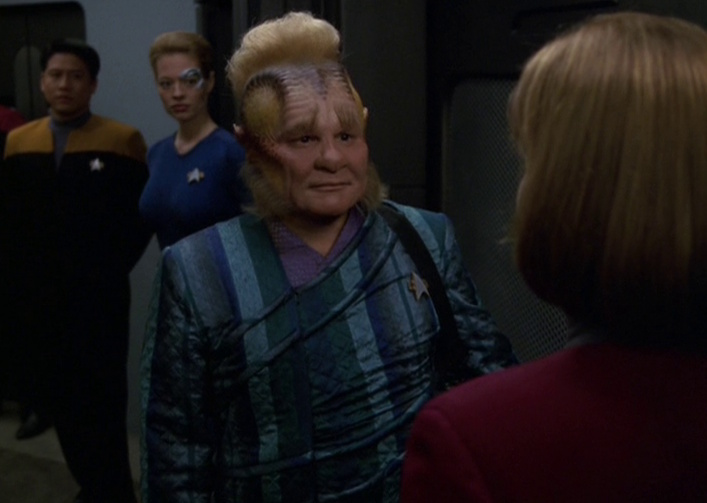
As Season 7 wound down, it seemed clear that Voyager and her crew were going to make it home. But Homestead really came out of left-field, seeing Neelix depart the ship – and the show – before making it back to the Alpha Quadrant. It always seemed a tad silly and unrealistic to me that a colony of Talaxians could be so many thousands of light-years away from home… but if you set that aside, what you get in Homestead is a touching story of a man finding his family.
Neelix’s departure is heart-wrenching, and Ethan Phillips puts in an outstanding performance. Neelix saying goodbye to Naomi is one of the most emotional moments, but seeing the entire crew lining up to say goodbye gets the tears flowing every single time.
Season 7, Episodes 25-26:
Endgame
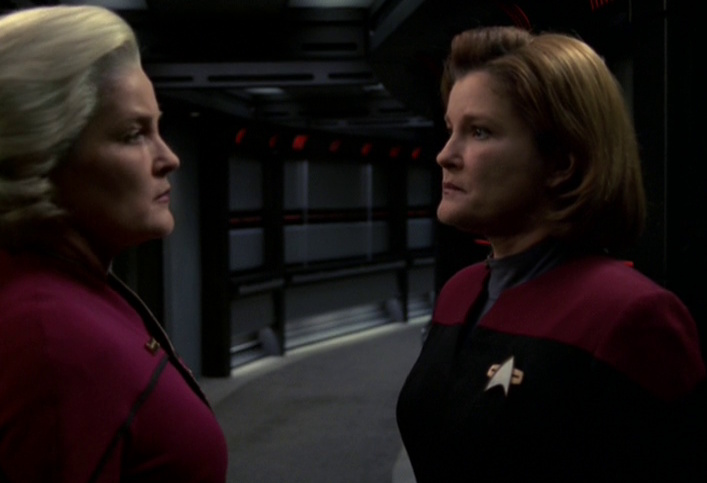
Endgame is a complicated episode – but there’s no way to finish a re-watch of Voyager without it! A time-travelling Admiral Janeway basically breaks every rule in the book for the sole purpose of saving Seven of Nine… and in doing so appears to have destroyed the entire Borg Collective. Scenes set in the future timeline are interesting, and I wish we could’ve explored more of this time period before hopping back to the 24th Century.
After seven seasons, it was great to see Voyager and her crew make it back home. I’ve heard some Trekkies say that the final scene of Endgame feels abrupt, but I never interpreted it that way. It was the end of the story – the goal Janeway and the crew had been striving for. Voyager made it home, back to Earth. What else were people expecting to see other than the ship being escorted back home by Starfleet? I don’t think Endgame as a whole is the perfect episode, but those closing scenes were great – at least in my opinion.
Bonus Video Game:
Star Trek: Voyager – Elite Force
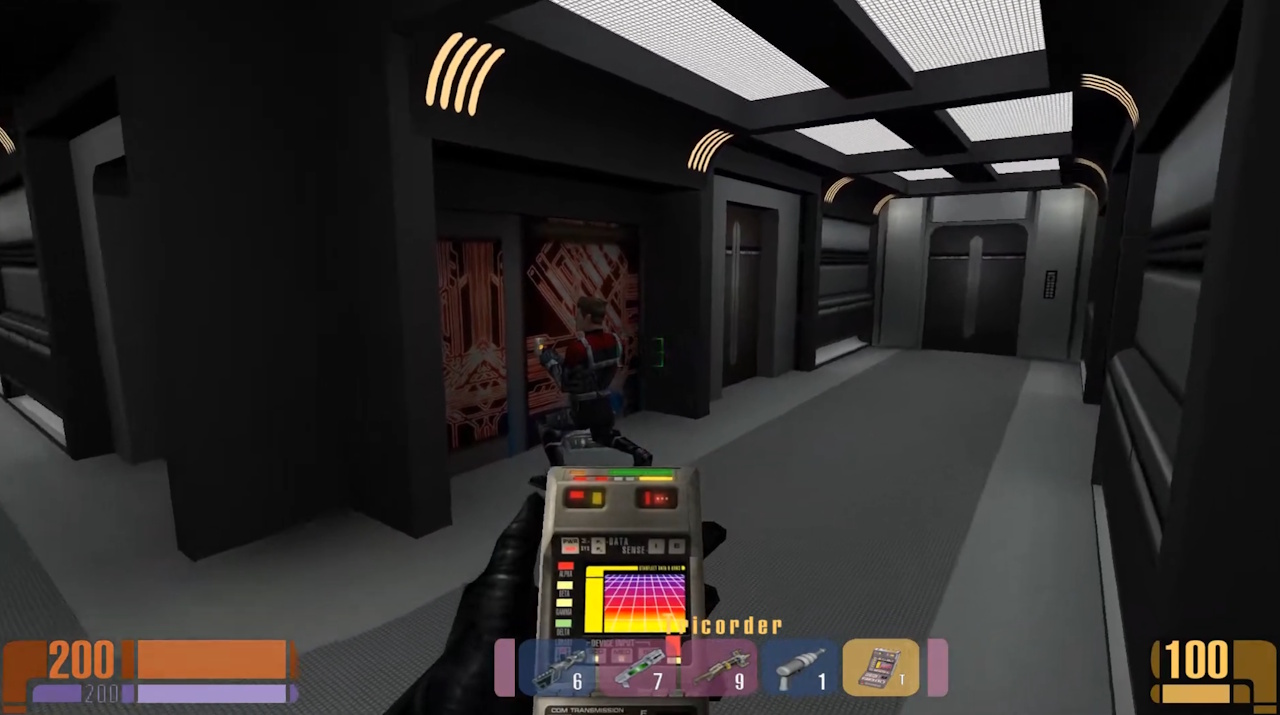
We’ve done thirty episodes, but I couldn’t let the occasion pass by without talking briefly about Elite Force. This game, which was released just after the turn of the millennium, was absolutely fantastic, and features a detailed (for the time) recreation of parts of the USS Voyager that can be walked through and explored. There’s a strong single-player story, too, with the USS Voyager pulled into a “void” in space.
Elite Force is a rare Star Trek game insofar as it broke through to a wider audience. In the early days of LAN parties and online matchmaking, Elite Force, powered by its Quake III engine, was pretty popular. Personally, I was always more interested in the single-player campaign, though! Copies are still available for PC and PlayStation 2, and I believe the game is also available digitally via the GOG platform.
So that’s it!
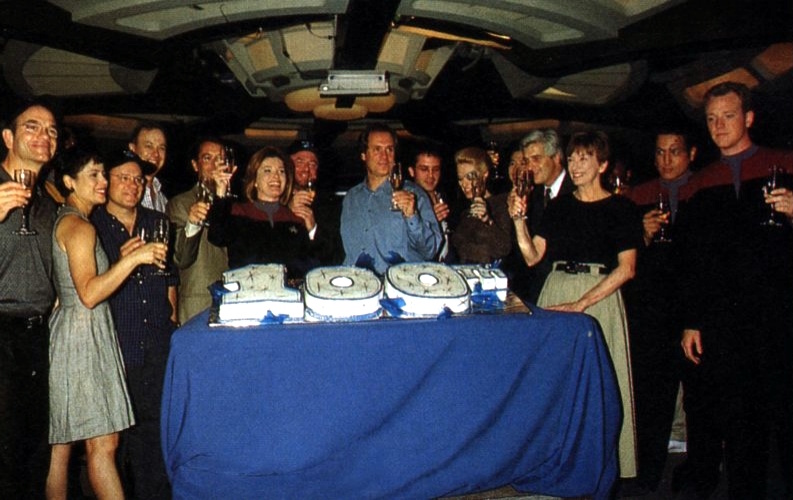
I’ve picked out a whopping thirty episodes (plus one bonus video game) to celebrate Voyager’s landmark anniversary.
I hope this has been an interesting look back at Voyager – and my personal memories of the show. I greatly enjoyed Voyager during its original run, and I don’t think I missed more than one or two episodes while the show was airing. I later went back and bought the entire series on DVD when it was released that way.
I keep holding out hope for a Voyager remaster – I think that would be a fantastic addition to Paramount+. Fingers crossed we’ll get to see the show in 4K one of these days, eh?
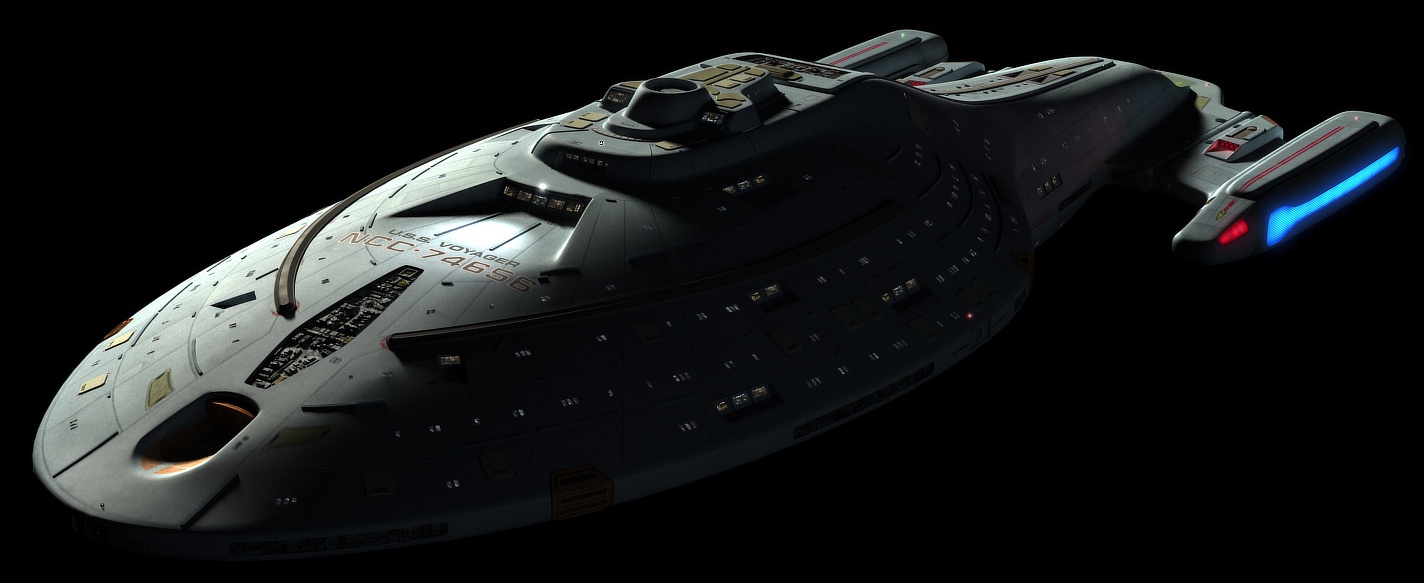
Image Credit: Robert Bonchune/TrekCore
So Star Trek: Voyager is officially thirty years old. Does that make you feel ancient? It makes me feel ancient. I enjoyed re-visiting the series to pick out this selection of episodes, and there were at least thirty others that I wanted to include! I tried to get a good mix of stories featuring different characters and with different themes, rather than being too repetitive or with a singular focus.
Thanks for joining me as we celebrate Voyager’s anniversary. I’m not sure what’s on the agenda next… perhaps a longer write-up of one or two of these episodes? Or another look at Elite Force? Truth be told I haven’t got a plan, but it would be nice to do something else in the next few days or weeks to continue the anniversary celebrations!
Until then… Live Long and Propser! And happy anniversary, Voyager!
Star Trek: Voyager is available to stream now on Paramount+ in countries and territories where the platform is available. The series is also available on DVD. The Star Trek franchise – including Voyager and all other properties discussed above – is the copyright of Paramount Global. Some images courtesy of TrekCore and Paramount. This article contains the thoughts and opinions of one person only and is not intended to cause any offence.










 Trekking with Dennis