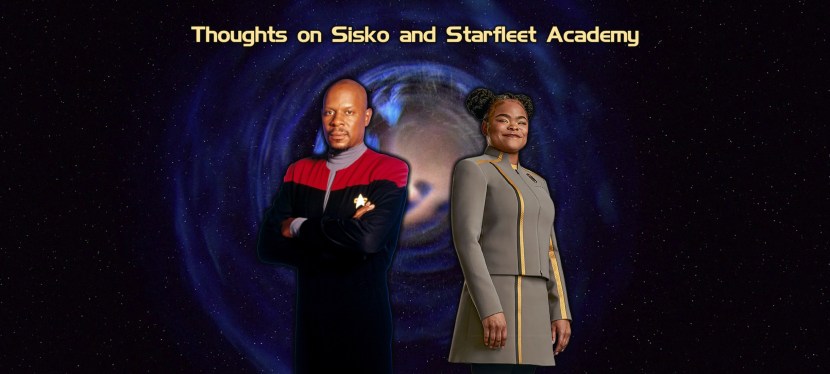
Thoughts on Sisko and Starfleet Academy

A Star Trek-themed spoiler warning.

Spoiler Warning: There are major spoilers ahead for Star Trek: Starfleet Academy Season 1. Spoilers are also present for Star Trek: Deep Space Nine, Star Trek: Strange New Worlds, and the comic series Star Trek: Godshock.

We’re going to get into serious spoiler territory for one of the recent episodes in Starfleet Academy’s first season, so if my little spoiler warning graphic didn’t put you off… just beware. I don’t want to ruin the show for anybody!

This isn’t going to be a “review” of the episode Series Acclimation Mil. I’m not doing individual episode reviews for Starfleet Academy this year, and in this piece, we’re really only going to get into one of the episode’s storylines. There will be a review of Season 1 as a whole in March, and I’m sure I’ll touch on the episode (and this storyline) again at that point. So check back for that if you want to get my thoughts on the entire season more broadly. And I have a review of the two-part premiere, which you can find by clicking or tapping here.
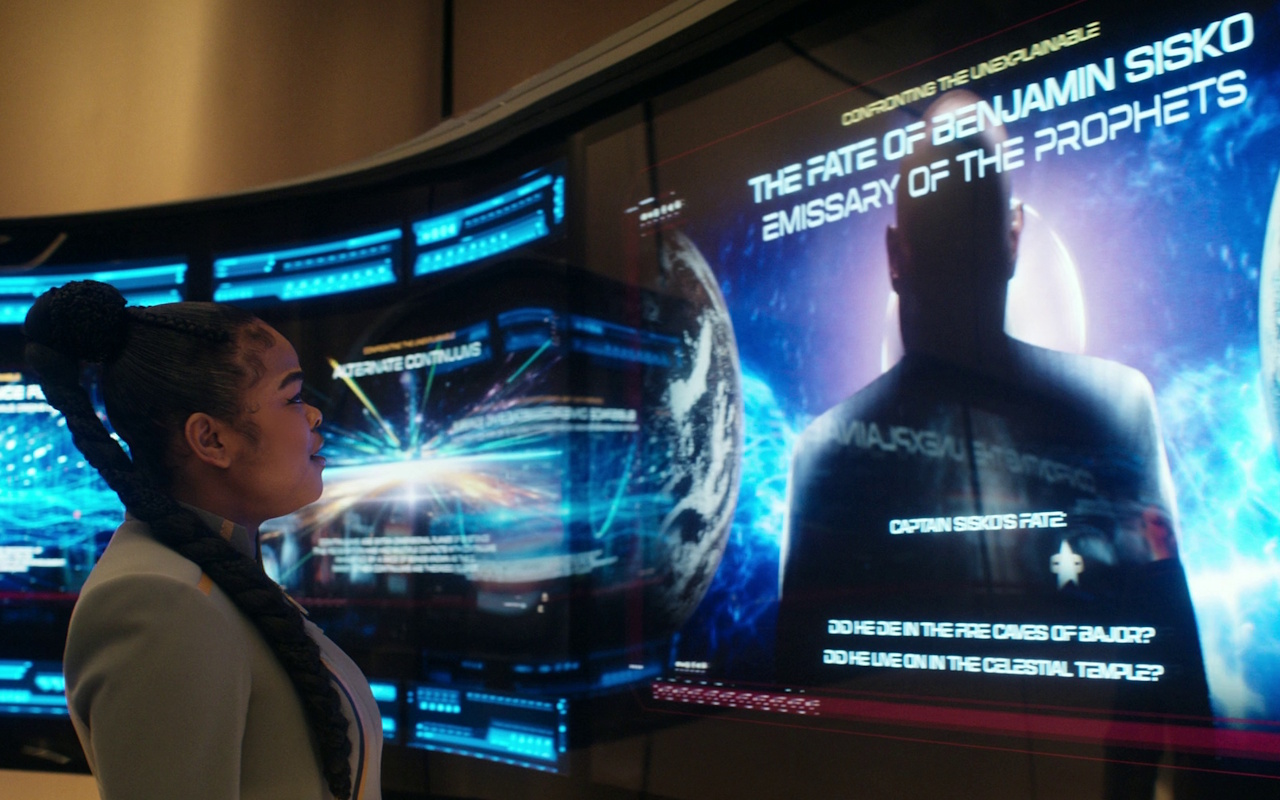
Still frame from Star Trek SFA S1 showing Sam and a Sisko poster.
Sam “confronts the unexplainable” in Starfleet Academy.

Series Acclimation Mil returned to Star Trek: Deep Space Nine in a pretty big way, and I wanted to talk about that element in a longer format, in a way that I don’t think I could do justice to in my season review piece. DS9 is a hugely important series for me, and this episode was clearly well-intentioned, with writer Tawny Newsome wanting to draft a “love letter” to the series and to Captain Sisko in particular.

But… is that how it came across?

Captain Sisko is, on balance, almost certainly my favourite Star Trek captain. And if you put my back against the wall and pushed a phaser to my head, forcing me to choose, I’d also name Deep Space Nine as my favourite Star Trek show. Out of all the Star Trek shows, DS9 got what is arguably the most definitive and complete series finale, but Captain Sisko’s story was deliberately left ambiguous. In Starfleet Academy, the episode Series Acclimation Mil picked up this narrative thread and aimed to tell a story about the intersection of religion and science, as well as one that really celebrated the legacy of Star Trek’s first African American captain and series lead. I admire the intention, and I don’t doubt that everyone involved, from the writers and producers to the performers, came into this story for the right reasons and genuinely intended for it to be a celebration of Sisko and DS9.
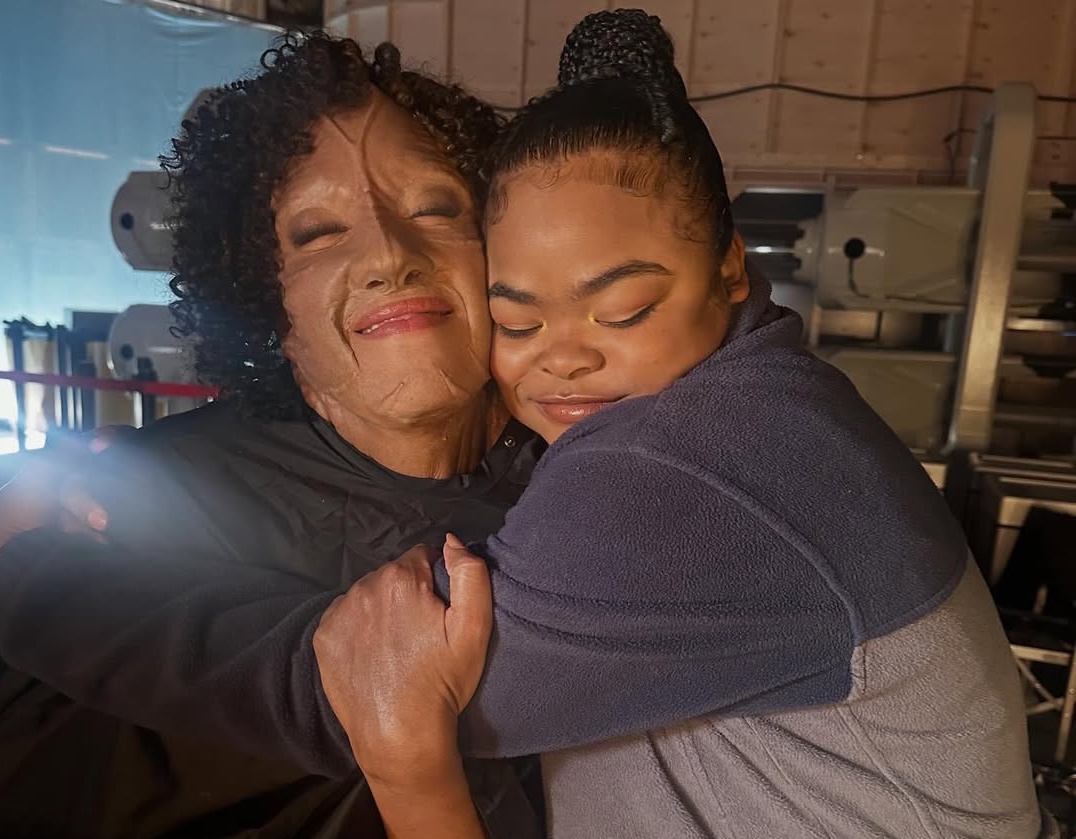
Behind-the-scenes photo from Star Trek SFA showing Newsome and Brooks.
Tawny Newsome (left) wrote and had a role in Series Acclimation Mil, along with series regular Kerrice Brooks (right).

Fundamentally, I think Starfleet Academy was the wrong choice of series for an episode like this for one simple reason: its place in the timeline. If this were a Picard-era series (as I argued it should be once upon a time), we might be having a different conversation. But because Starfleet Academy takes place in the 32nd Century, more than 800 years after the events of DS9′s finale… the story it was able to tell, far from celebrating Sisko and his legacy, arguably detracts from it.

When work on What You Leave Behind was ongoing, Sisko actor Avery Brooks insisted on a change to the script. The original version of DS9′s finale saw Sisko “ascending” to become a Prophet, permanently leaving the world behind as he moved to live in the Celestial Temple. But Brooks felt that the idea of a black man (Star Trek’s first African American captain, too) effectively “abandoning” his pregnant wife and son wasn’t the right message for Sisko’s story to end on. And so that ambiguity was written into What You Leave Behind, allowing Sisko to one day “return,” as he said to Kassidy in his final vision.
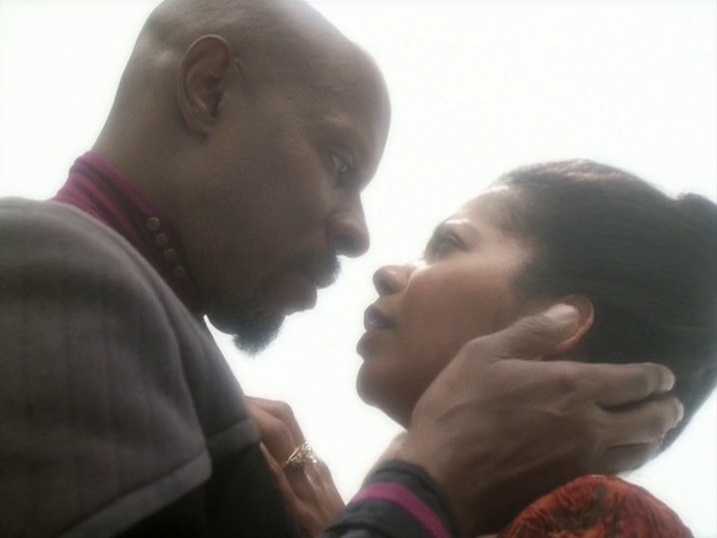
Still frame from Star Trek DS9 showing Sisko and Kassidy's vision.
Sisko’s final appearance to Kassidy.

For years, that was the end of it. DS9 was over, but fans could speculate about how and when Sisko would return. There was even a comic series – Star Trek: Godshock – in which Sisko returns from the Wormhole about three years after the events of DS9′s finale. I’m not a comic book fan myself, but this was an officially-licensed publication, and while comics aren’t strictly part of Star Trek’s canon, they can be a good format for telling stories involving legacy characters who can no longer be involved in Star Trek on the screen.

Avery Brooks, who played Sisko in all seven seasons of DS9, has effectively retired. His last on-screen credits came shortly after Deep Space Nine ended, and his final involvement with the Star Trek franchise came in the 2006 video game Star Trek: Legacy (not to be confused with the proposed Picard spin-off of the same name), in which he reprised his role in voiceover form. Following DS9, Brooks worked as a professor at Rutgers University, and was also involved with the Smithsonian Institution. As far as I know, an on-screen return to Star Trek or the role of Sisko was never officially proposed, but it seems, from what I can gather, that Brooks would have turned down such an approach. He may have done so if the writers of Starfleet Academy had asked.
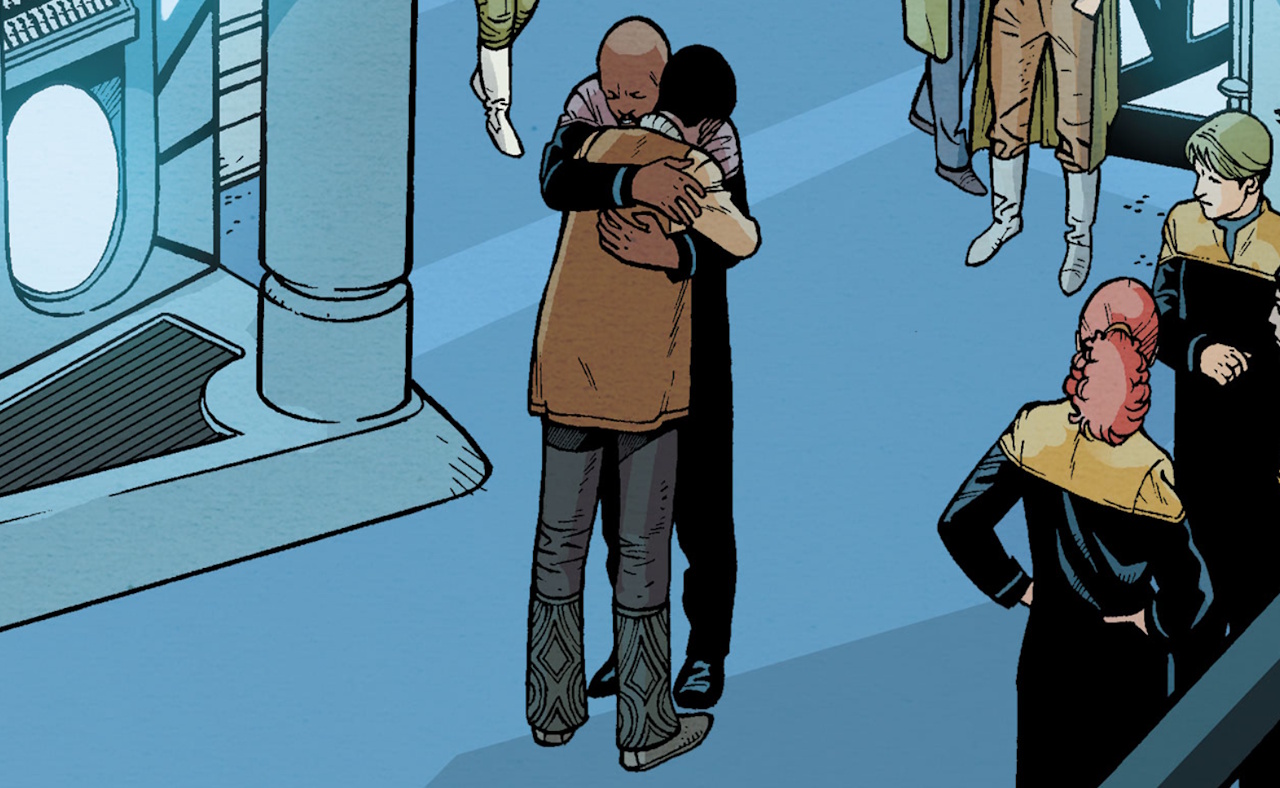
Crop from the comic Star Trek: Godshock showing Jake and Ben Sisko embracing.
Jake and Ben Sisko’s reunion in Godshock.

Recasting such an iconic and important character wouldn’t sit right with me – nor with a lot of other Trekkies, I suspect. So with Brooks effectively out of the picture, not wanting to return as Sisko… the idea of a Godshock type of story, in which Sisko very definitely kept his word and came back from the Celestial Temple, is off the table. Starfleet Academy was left without the most important element of any Sisko story – the man who portrayed the character – but tried to go there anyway.

I will concede that, given the restrictions and limitations placed on the story by Avery Brooks’ absence, the kind of story told in Series Acclimation Mil was probably about as good as it could get. But that’s not really the point. My argument is that, without Avery Brooks being involved, and without Sisko able to keep his word and return from the Wormhole during the lifetime of his wife, son, and other friends… this story shouldn’t have been attempted. If they asked Brooks to return and he said no, or if it was communicated to them clearly that Brooks was unavailable, this story should simply have been set aside, and something else written for the character of Sam.
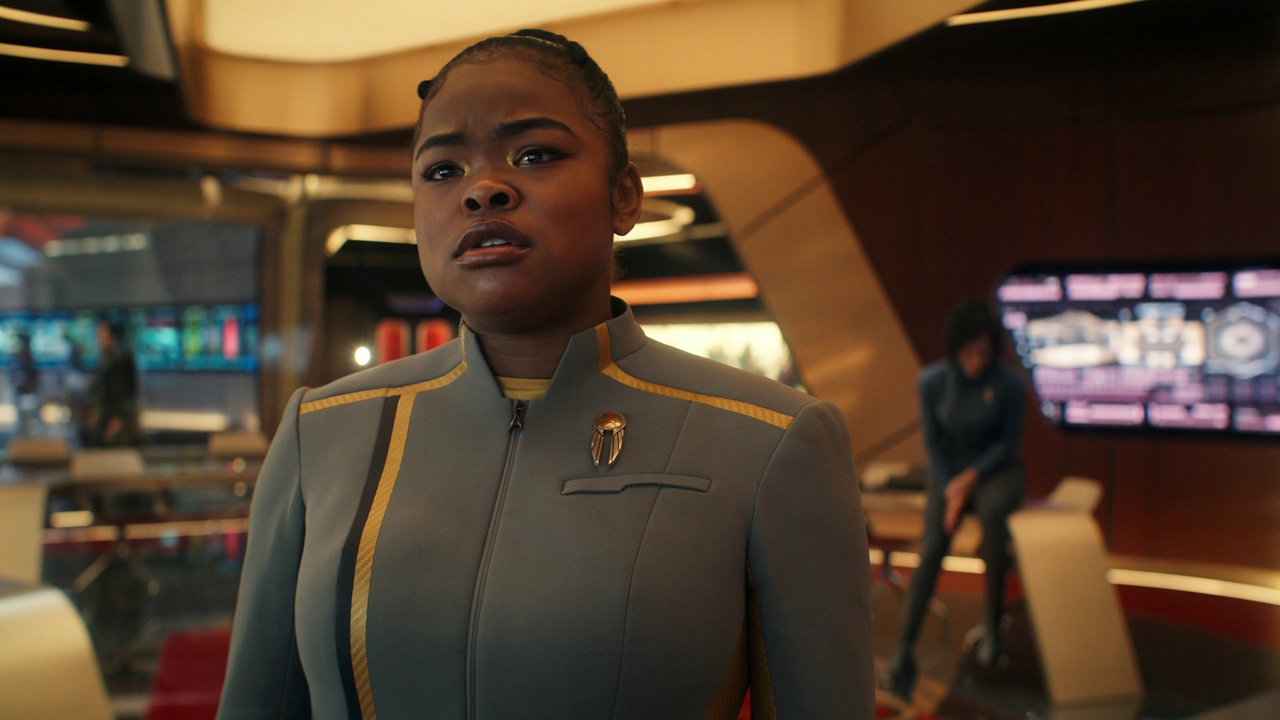
Still frame from Star Trek SFA 1x05 showing Sam.
Sam in Series Acclimation Mil.

There are other ways to celebrate DS9, and other characters from that series who could’ve been included. Series Acclimation Mil introduced us to a brand-new host for the Dax symbiont, for example – something I argued Discovery should’ve done during its various Trill episodes – but we spent very little time with her and learned practically nothing about her. Or Starfleet Academy could’ve picked up on Lower Decks’ idea that O’Brien was widely celebrated in the far future, doing something with that character’s legacy. The Klingon story could’ve revisited Worf and his ties to Starfleet, with Starfleet Academy having already visited Bajor there was scope to do something with Kira, or we could finally learn more about Cardassia, perhaps touching on the legacy of someone like Garak.

But really, DS9 wasn’t the point. This was an episode intended to celebrate the legacy of Star Trek’s first African American captain. So… what else could Starfleet Academy have done to acknowledge Star Trek’s African American connections? A great choice would be Uhura – the first African main character in Star Trek. I’d have loved to see a crossover, perhaps involving Cadet Sam meeting Strange New Worlds’ Uhura on the holodeck. Or the show could’ve called back to the legacy of Geordi La Forge, or Travis Mayweather – two characters brought to life by African American performers. Avery Brooks may have been the first to be a series lead, but there are other African American performers Starfleet Academy could’ve called on for this kind of celebratory story.
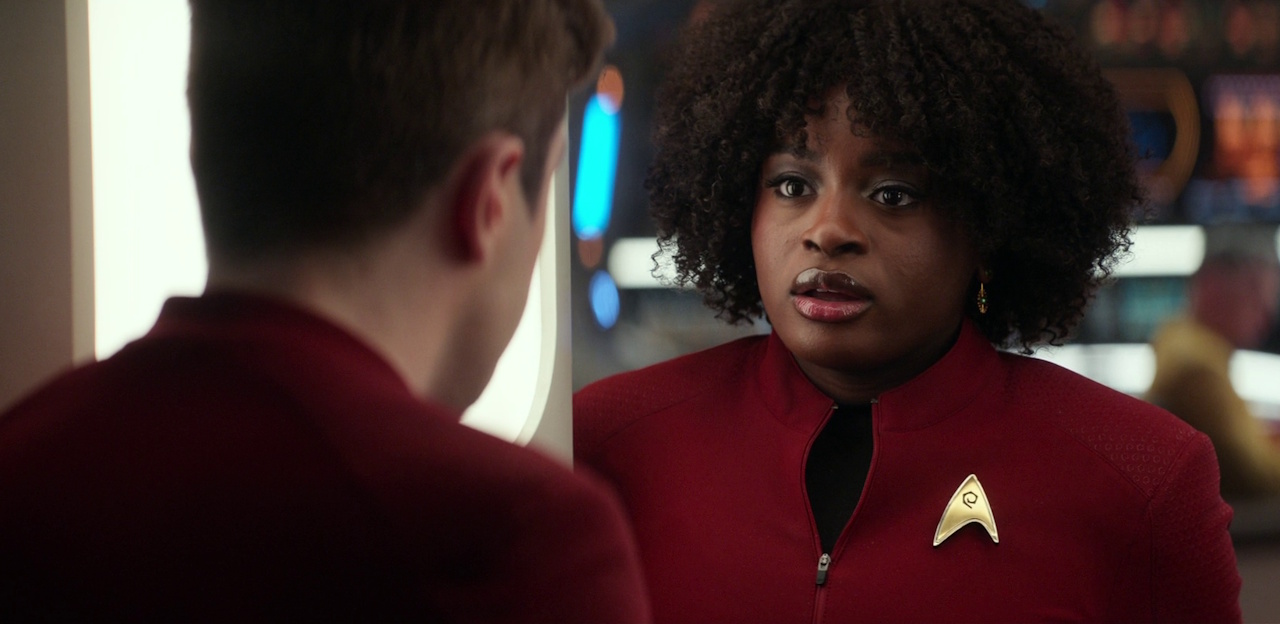
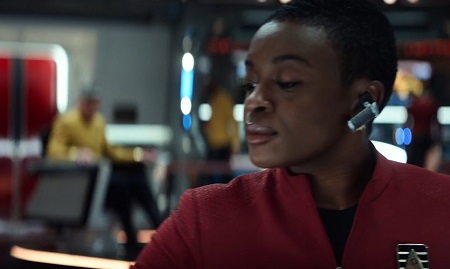
Still frame from Star Trek SNW showing Scotty and Uhura.
Uhura in Strange New Worlds Season 3.

And I am firmly in the camp that says “celebrate DS9″ and “celebrate Star Trek’s African American performers and heritage!” I think those are fantastic ideas, especially in this landmark 60th anniversary year. The Original Series was groundbreaking for African American representation on television, thanks to Nichelle Nichols’ main role, with even the venerable Martin Luther King saying so. There is a lot to celebrate on that front, and I don’t begrudge the writers of Starfleet Academy wanting to do so.

Unfortnately, though, the very celebratory episode that they set out to create has, I would argue, done a bit of damage to Sisko’s character – turning him into the very “delinquent dad” that Avery Brooks argued against almost three decades ago. By choosing Sisko over other characters, and because of the limitations placed on the story by both Starfleet Academy’s place in the timeline and Brooks’ retirement from acting, Series Acclimation Mil answered one of Star Trek’s “unanswerable” questions in pretty much the worst way possible.
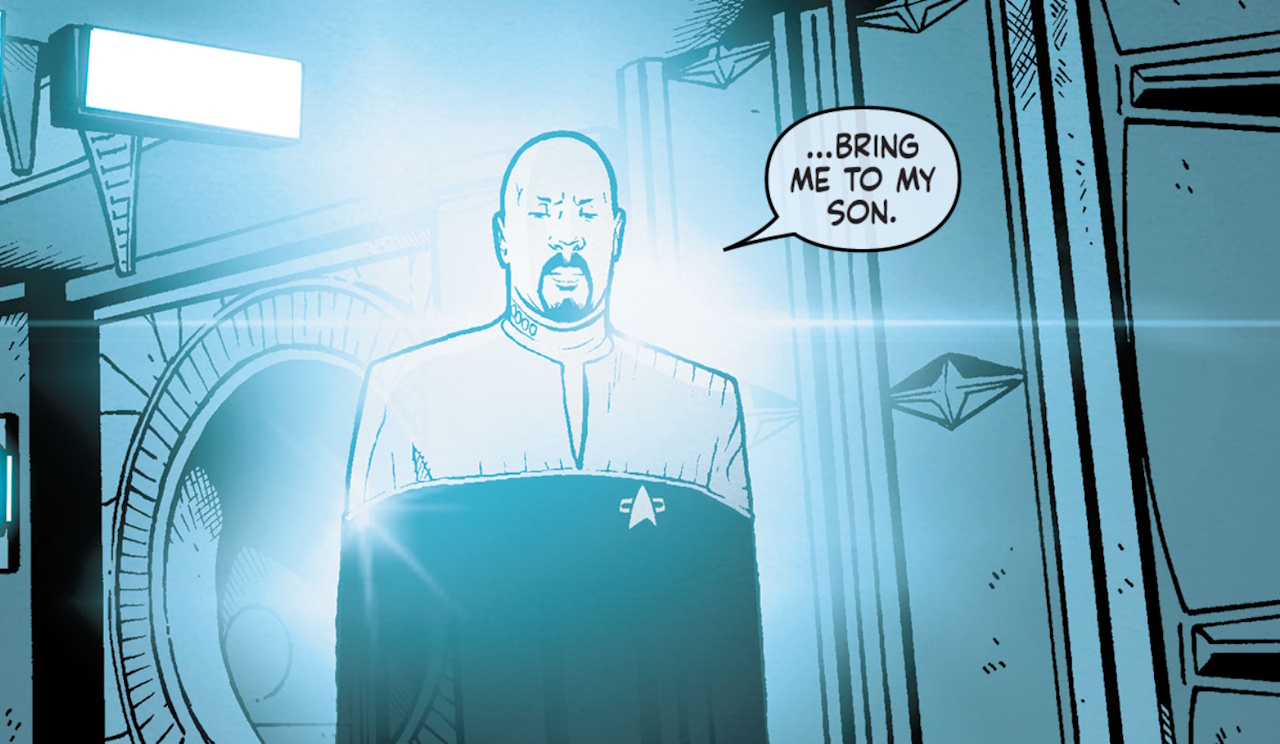
Crop from the comic Star Trek: Godshock showing Sisko's return.
Sisko’s first words after returning in the comic Godshock.

Regardless of where you stand on the episode’s crucial question of “did Sisko die or enter the Celestial Temple,” Series Acclimation Mil confirmed that, in Star Trek’s canonical prime timeline, Sisko never returned. He stayed away from the galaxy for more than eight centuries, breaking his promise to his wife, never seeing his son grow up, and never contacting Dax or any of his other friends.

And I would further argue that the episode’s central question, which Sam sets herself the task of answering, *was already answered a quarter of a century ago*!

Deep Space Nine’s finale didn’t end with Sisko falling into the Fire Caves. There was one final scene involving Sisko: his vision to Kassidy Yates. This was presented in the story as a vision from the Prophets, and the character was not a random Prophet impersonating Sisko, but Sisko himself. What You Leave Behind definitely and clearly stated that Sisko didn’t die and was taken by the Prophets to their Celestial Temple. And his final words to his wife? “But I *will* be back.”
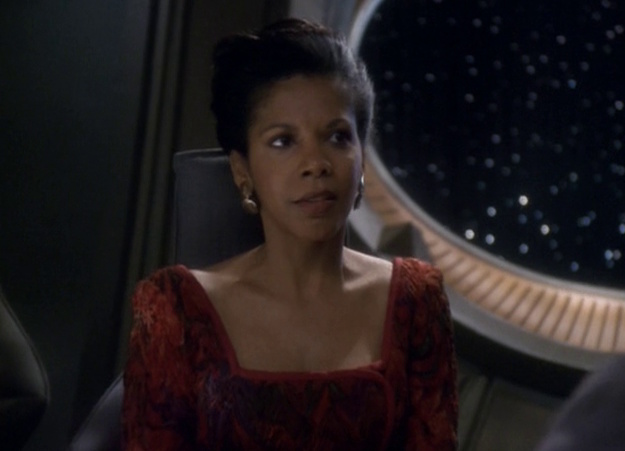
Still frame from Star Trek DS9 showing Kassidy.
Sisko promised Kassidy that he would return.

I never read that scene in What You Leave Behind as leaving any room for doubt or ambiguity. Sisko didn’t die – he was taken to the Wormhole by the Prophets. And he intended to stay with them only for as long as necessary to learn whatever they needed to teach him, but he absolutely, categorically planned to return.

So what does Series Acclimation Mil have to say about that? What does this episode now mean for Sisko, the Prophets, and DS9?

There are a couple of ways we can interpret things, I guess, if we go back to DS9′s finale. Firstly, we could say that Kassidy either didn’t receive a vision from the Prophets at all, and hallucinated a reunion with Sisko out of grief, or that she received a vision from a different Prophet who pretended to be Sisko to give her a bit of hope to tide her over. That kinda sucks.

HD still frame from What We Left Behind showing Sisko.
Captain Sisko.

Alternatively, we could say that Sisko wanted to leave the Wormhole… but was unable to do so in time. Maybe his lessons with the Prophets went on longer than he thought. Maybe he “lost track of time” in a dimension that exists… outside the normal flow of time? Maybe the Prophets kept him prisoner and prevented him from leaving, even though he really wanted to. Or maybe only Sisko’s “soul” still exists, and with his physical body having been destroyed, he had no way to come back.

Again, none of those ideas hold *any* appeal whatsoever, at least not for me.

So we’re back to some fundamental questions: was this the right moment for an episode like this? Was Starfleet Academy the right series – or the right *kind* of series? Without Sisko himself, and without recasting the character, was it wise to attempt this kind of story? Could other ways have been found to celebrate Star Trek’s African American performers, Deep Space Nine as a series, or both?
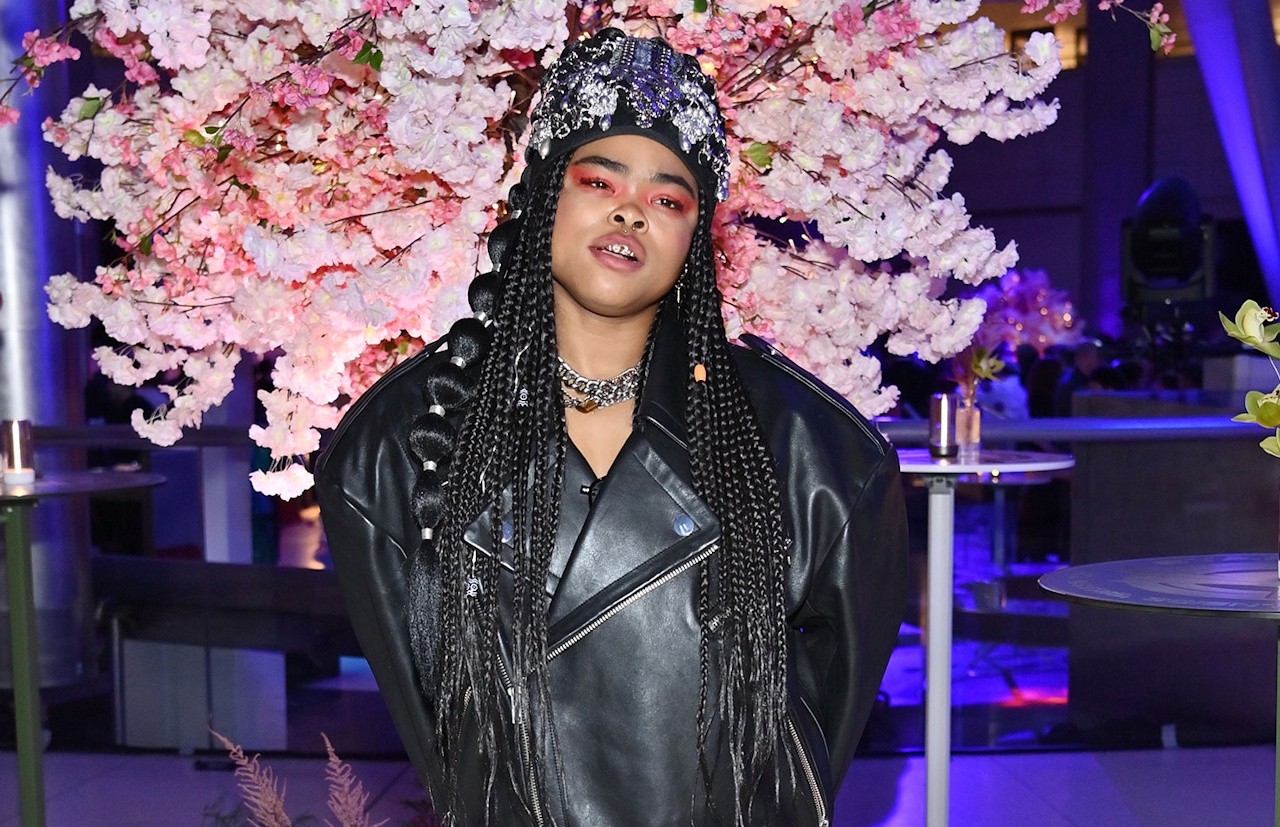
Photo from the Star Trek SFA premiere of Kerrice Brooks.
Kerrice Brooks, who plays Sam in Starfleet Academy.

I wouldn’t have given the green light to this episode, if I had the opportunity over at Paramount. Not because I don’t want to pick up the dangling thread of Sisko’s story, and not because I don’t want Star Trek to do more with DS9, but because of what this story does to Sisko’s character. Despite what Newsome, Cirroc Lofton, and others have said on behalf of Avery Brooks – that he gave the episode “his blessing,” and that that was important to them – Series Acclimation Mil, in my view, harms Sisko’s characterisation, it harms Star Trek as a whole, and it gives a fundamentally unsatisfying answer to a question that didn’t really need to be asked.

We already knew that Sisko was alive in the Celestial Temple; Starfleet Academy didn’t even need to ask that question. And we already knew that he planned to return. What We Left Behind – Looking Back at Star Trek: Deep Space Nine even saw the show’s original creators and writers putting together their own idea of what Sisko’s return might’ve looked like. Combine that with the comic book, fan theories, and more… and I think us Trekkies have had more than enough ways to envision Sisko’s return, even if none of that could ever be “officially canon.”
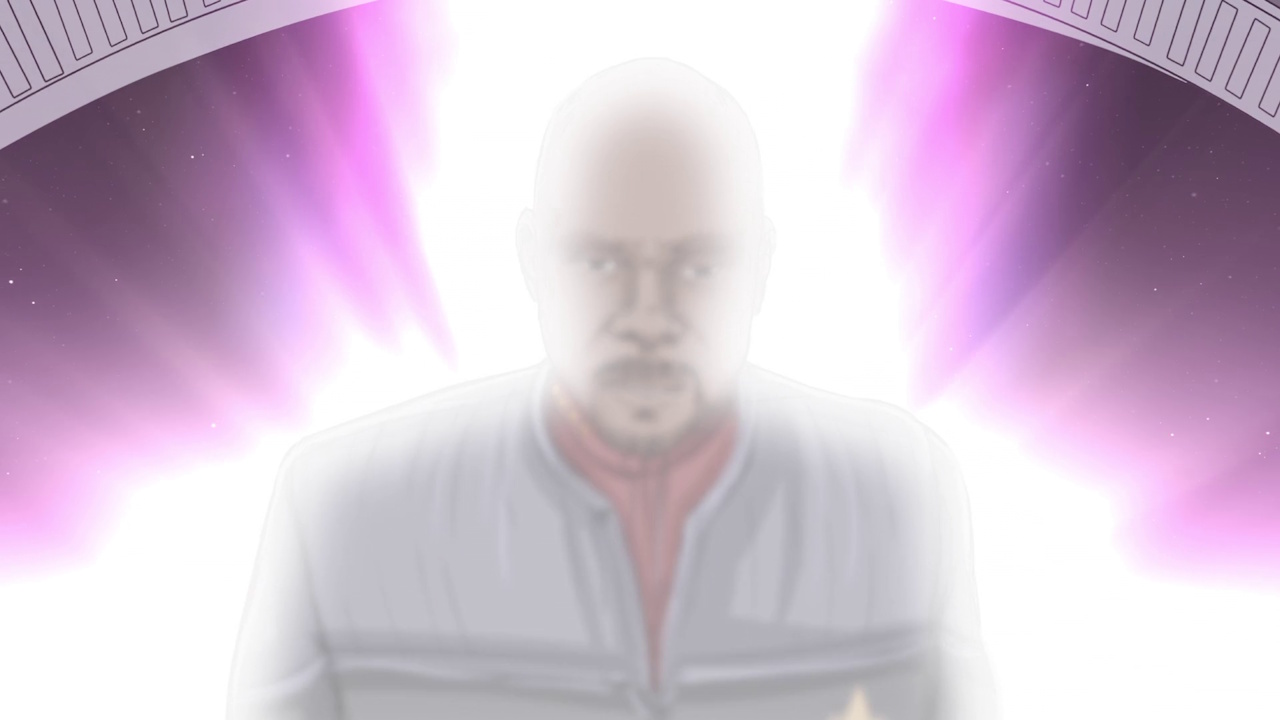
Still frame from What We Left Behind (DS9 documentary) showing Sisko's return.
Sisko’s return as imagined in What We Left Behind.

By sidelining all of that, Starfleet Academy’s writers set out to answer the question of what happened to Sisko using their own ideas – but also being severely hampered by the unavailability of Avery Brooks, and the show’s place in Star Trek’s timeline. The result was an episode that betrayed Brooks’ final intervention on Sisko’s behalf at the end of DS9′s run, turning the character into the “absent black father” trope that has been so harmful on TV and in movies. Whatever in-universe reasons we might try to concoct to excuse Sisko, or whatever successes Series Acclimation Mil may have had elsewhere – and there absolutely were highlights and successes – that point is so basic, so existential, and so fundamentally awful that it would warrant scrapping the entire thing and writing it off.

In defence of the episode, I will say that Cirroc Lofton’s appearance hit all of the right emotional notes for me, and especially towards the end, I felt myself tearing up. Jake Sisko’s return to Star Trek – in holographic and visionary forms – made the best of a bad situation, and I don’t want to take away from Lofton’s masterful performance in Series Acclimation Mil. Nor from the work of Kerrice Brooks, who stepped up to take on a spotlight episode for the first time and really nailed it. Both performances were exceptional, and I can tell that Lofton, in particular, really wanted to celebrate the legacy of his on-screen dad and the series he’d been a part of.

It’s just such a shame that, to tell a story about Sisko at this moment and in this series… it had to be *this* story.
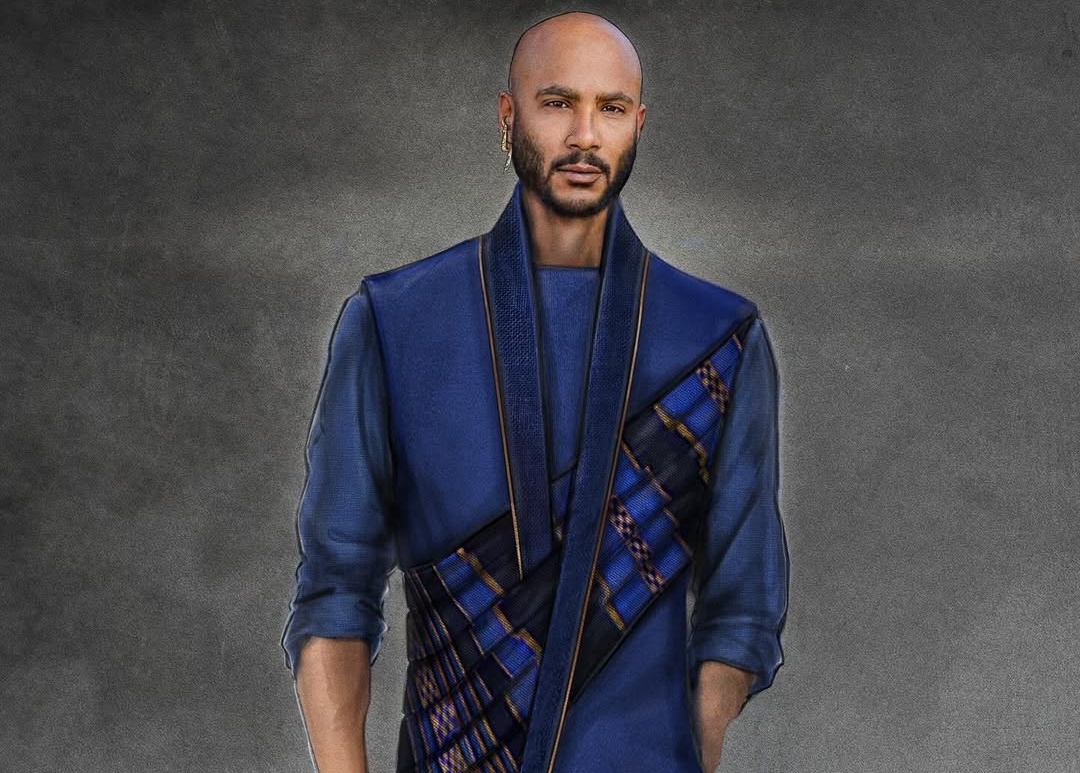
Star Trek SFA concept art: Jake Sisko.
Concept art of Jake Sisko, created for Starfleet Academy.

Series Acclimation Mil conflicts with, or changes how we have to interpret, other Star Trek episodes, too. What was the message of The Visitor? Widely considered to be one of DS9′s finest episodes, The Visitor depicted an older Jake Sisko trying to figure out a way to rescue his father from a temporal anomaly. The older Jake argues passionately that his younger self needed his father, and it also seems as if Sisko’s absence from the timeline ultimately proved harmful to the Federation – DS9 had fallen into disrepair, and Starfleet needed to get permission from the Klingons to even enter the Bajoran system.

That timeline’s Jake Sisko gave his life to send his father back to the Defiant, so that his younger self would have the dad he needed. Now we know that Jake’s sacrifice bought Ben… what? A couple of extra years? And that Kassidy had to raise their child alone, while Jake’s writing career seems to have unfolded similarly to how it did in The Visitor, with only a couple of books being published. I just… I just don’t like what it says about Sisko, his promise to return, and how he ultimately ended up abandoning the family he seemed willing to do anything for.
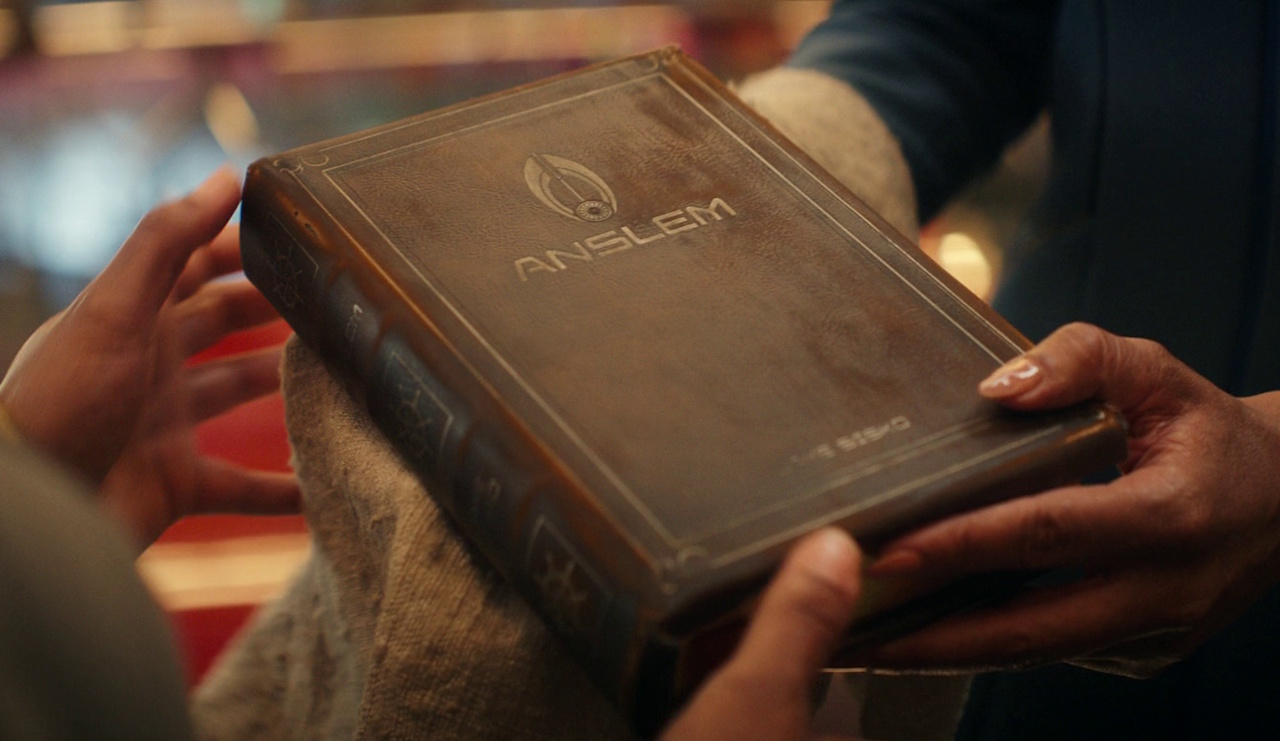
Still frame from Star Trek SFA S1 showing Jake's book Anslem.
Anslem, Jake Sisko’s finished book.

I respect the good intentions behind Series Acclimation Mil, both as an episode that aimed to celebrate Deep Space Nine and Star Trek’s first African American captain. And Jake Sisko’s appearance, in particular, did a lot to elevate the story, connect it back to DS9, and lean into the legacy of Benjamin Sisko. This wasn’t an episode concocted thoughtlessly, nor purely as a business decision to play the nostalgia card and make money. There was genuine artistry behind it, and it was a well-intentioned effort.

Which makes it all the more disappointing, in a way, that the final cut of the story does so much harm to Sisko’s character. If Series Acclimation Mil had been just a cheap overplaying of the nostalgia card by a corporation running out of ideas… maybe I’d feel less bad or less guilty at tearing into it so much. Because this isn’t an easy essay to write, to be blunt about it. I don’t take any pleasure in writing these words, nor in crapping all over the hard work and good intentions that went into the story’s creation. But I have to be honest with you at how the episode made me feel, and how I feel it harms the last words of the man who is still my favourite Star Trek captain.
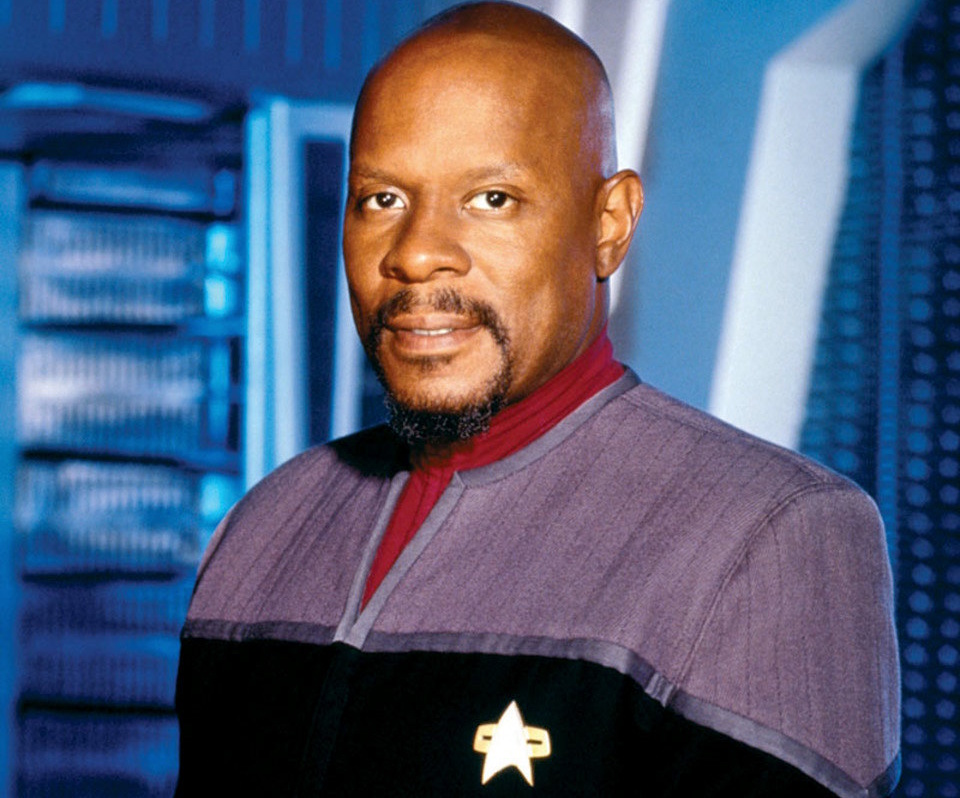
Publicity photo of Avery Brooks as Captain Sisko.
Captain Sisko.

When Picard went off the air, and Lower Decks came to the end of its run… that was realistically the last chance to do a Sisko story that could’ve worked, and that might’ve felt right. I would have thoroughly enjoyed a story about cadets learning about Captain Sisko and his legacy in that era, too, had Starfleet Academy been a different show. But because of its place in the timeline, and because of the kind of episode it had to be in the absence of Avery Brooks… I’m firmly of the opinion that no episode at all would have been better than this.

I’ve said this before, and I’ll probably have to say it again before too long: stories end. Every story eventually reaches a natural end point. While, as fans, we might like to imagine what came next for our favourite characters… when the credits roll, the curtain falls, or we reach the last page, that should be it. Too often in the modern entertainment industry, characters or stories are unnaturally resurrected for unnecessary epilogues, telling us more than we needed or wanted to know about what came next. And for me… Series Acclimation Mil falls into that category, even if there were genuine reasons for its creation beyond a mere corporate nostalgia play.
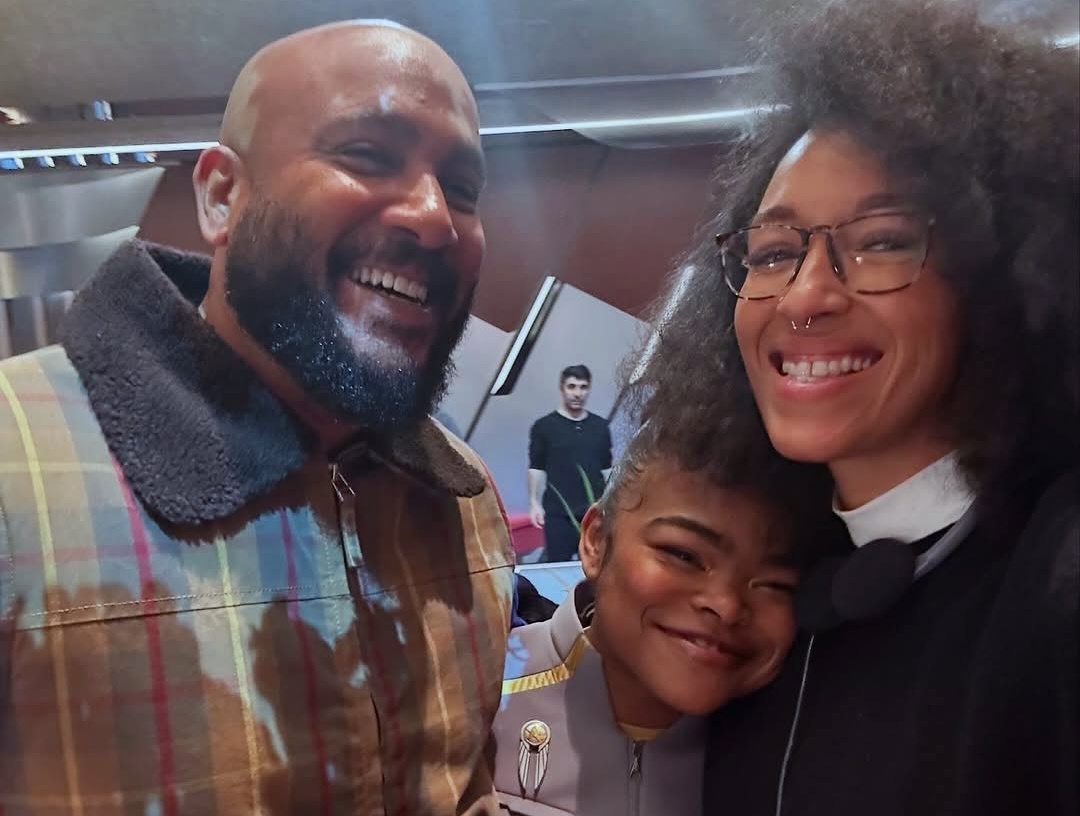
Behind-the-scenes photo from Star Trek SFA S1 of Cirroc Lofton, Kerrice Brooks, and Tawny Newsome.
DS9′s Cirroc Lofton (left) with Kerrice Brooks (centre) and Tawny Newsome.

It’s no exaggeration to say that I’d rather have seen no continuation of Sisko’s story than this one. And even with Avery Brooks’ “blessing,” and his willingness to allow the Starfleet Academy team to use one of his spoken-word recordings to close out the episode… I’d rather Sisko had remained in What You Leave Behind, his fate confirmed, his return scheduled… and for Star Trek to never acknowledge it again. That would have been better, and more respectful, than the story this episode told.

So that’s my take on how Sisko was handled in Series Acclimation Mil.

This is a delicate subject, as it touches on themes of race, and modern Star Trek’s handling of the franchise’s first African American captain. As you may know, I’m British, not American, so I don’t have the same connection to Sisko as perhaps some folks out there might. But he’s a character I love and I’ve always respected, and I really do mean it when I say that a better end to Sisko’s story would have been his ambiguous promise to return at the end of What You Leave Behind. I can’t *hate* the episode Series Acclimation Mil, because seeing Jake again was a treat, it’s nice to know Dax is still around, and the cadets got into some interesting scrapes while Sam was chasing down Sisko’s legacy. But, damn… what a horrible fate for Sisko in canon, just to disappear and never be heard from again.
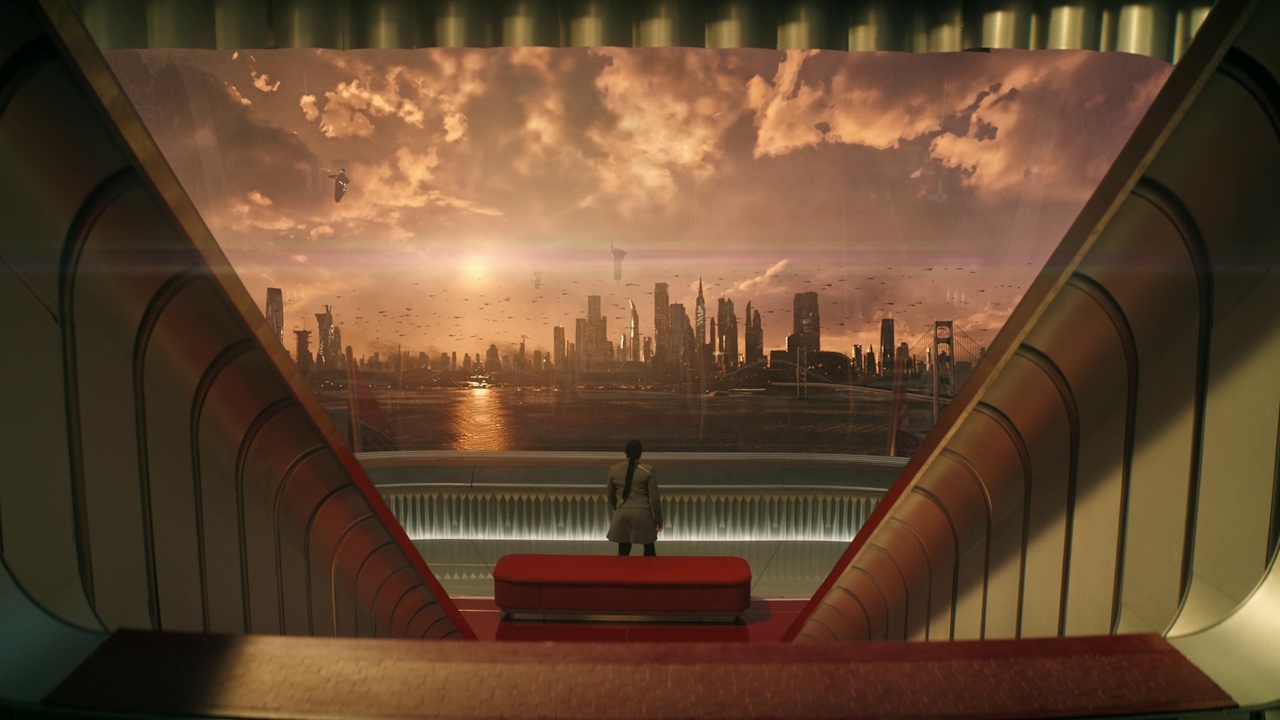
Still frame from Star Trek SFA showing Sam and San Francisco.
The final shot of the episode.

If you made it this far, thank you for reading. I tried to approach the subject as sensitively as possible, and despite my feelings about Series Acclimation Mil, this piece shouldn’t be interpreted as an “attack” on the writers, producers, performers, or behind-the-scenes folks. I genuinely respect and appreciate the intentions behind the story, even if the end result isn’t something I enjoyed or wanted to see.

Next month, when Starfleet Academy’s first season wraps up, I’ll write up a full review, which may touch on other elements of Series Acclimation Mil that I didn’t discuss this time. I wanted this piece to be laser-focused on Sisko and what the episode said about him, rather than a broader review of the episode. So I hope you’ll join me for that.

Thanks again for reading… and Live Long and Prosper.


Star Trek: Starfleet Academy Season 1 is streaming now on Paramount+ in countries and territories where the service is available. The Star Trek franchise – including Starfleet Academy, Deep Space Nine, and other properties discussed above – is the copyright of the Paramount-Skydance Corporation. This article contains the thoughts and opinions of one person only and is not intended to cause any offence.

Star Trek Day roundup!

Spoiler Warning: There are spoilers ahead for the Star Trek franchise, including the following upcoming series: Strange New Worlds Season 1, Picard Season 2, Lower Decks Season 2, Discovery Season 4, and Prodigy Season 1.

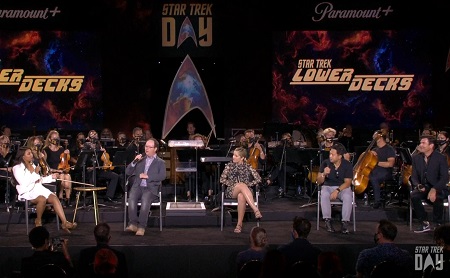
Yesterday was Star Trek Day! And in case you missed it, ViacomCBS held a live event that was streamed online and via Paramount+ showcasing and celebrating all things Star Trek! We’ll break down the big news in a moment, but first I wanted to give you my thoughts on the event as a whole.

This was the first big in-person event that many of the folks involved had been able to attend since 2019, and there was talk of the pandemic and its enforced disruption on the various shows that have been in production over the last couple of years. There was also a lot of positivity from presenters and interviewees not only about Star Trek – which was to be expected, naturally – but also about being back together and simply being able to hold a major event of this nature. The positivity of hosts Wil Wheaton and Mica Burton was infectious, and the event was much better for the role the duo played in hosting the panels and introducing guests.

Mica Burton and Wil Wheaton were great hosts.

That isn’t to say that Star Trek Day was entirely without problems, though. To be blunt, the event dragged on a bit too long (it ran to over three hours) and several of the panels and interviews were the worse for being conducted live instead of the pre-recorded, edited, and curated segments and panels we’ve had to get used to in the coronavirus era. Several of the guests seemed unprepared for what should’ve been obvious questions, and there were too many awkward silences and pauses while people gathered their thoughts and responded to the hosts. Such is the nature of live broadcasting – and it sounds rather misanthropic to criticise it!

During what I assume was an intermission on the main stage we were treated(!) to a separate pair of presenters on the red carpet reading out twitter messages and posts from the audience. This was perhaps the segment that dragged the most; one of the presenters even admitted to not being a regular Star Trek viewer (she hadn’t seen Discovery at all) so unfortunately this part of the show was less interesting as the pair were a little less knowledgeable about the franchise. If it had been made clear that this section of the broadcast was going to last as long as it did I might’ve taken a break as well!

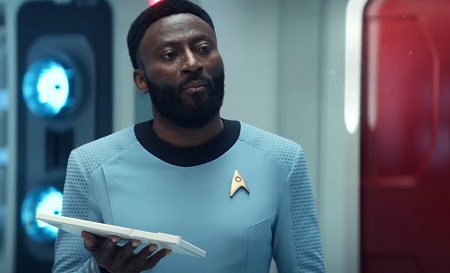
This segment in the middle of the broadcast dragged on a bit.

Overall, though, despite running a bit too long and the ending feeling a little rushed (something we’ll talk about later), Star Trek Day was a success. It didn’t only look forward to upcoming projects like Strange New Worlds and Picard Season 2, but it looked back at every past Star Trek series, inviting members of the casts of those shows to talk about what made them – and the franchise – so great.

As a true celebration of all things Star Trek, the broadcast has to be considered a success. And although a pre-recorded event could’ve been edited and streamlined to cut to the more interesting parts and to give interviewees a chance to gather their thoughts, it was nice to see many of the folks we know and love from Star Trek back together and able to spend time in person with one another. Hosts Wil Wheaton and Mica Burton did a great job at making us as the audience feel included, as if we were there at Star Trek Day right along with them. For those few hours – even through awkward moments and segments that seemed to run a little too long – it felt like being a member of the Star Trek family. As someone with few friends, I appreciated that immensely. For those few hours last night – and yes, even though Star Trek Day didn’t start until 1:30am UK time I did stay up to watch it – I felt like I, too, was an honorary member of the Star Trek family, and that’s a feeling I would never have been able to get anywhere else.

Star Trek Day was a successful celebration of all things Trek!

Now then! Let’s talk about the various panels, trailers, and interviews. Over the coming days I’ll be taking a closer look at some of the announcements and trailers in more detail (as well as perhaps crafting a few of my patented and often-wrong theories), but for now I want to try to include an overview of everything that was included in Star Trek Day.

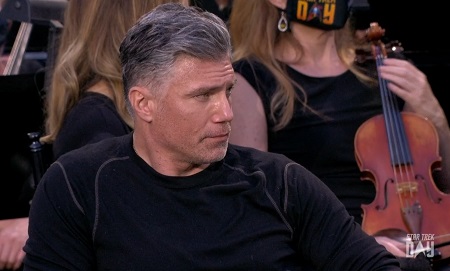
We’ll come to the biggest announcements and trailers at the end, but first I wanted to talk for a moment about the music. Star Trek Day had a live orchestra on its main stage, and we were treated to live renditions of Star Trek theme music past and present – as well as a medley that kicked off the event. I was listening to Star Trek Day on my headphones, and the music sounded beautiful. Composer Jeff Ruso (who composed the theme music to Discovery and Picard) picked up the conductor’s baton, and the medley he arranged was really an outstanding celebration of all things Star Trek.

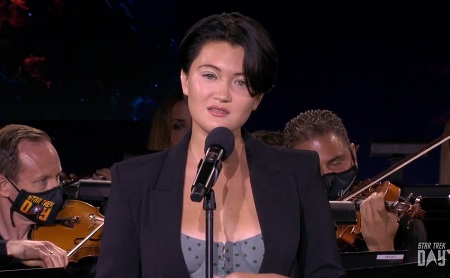
Star Trek Day both began and ended with music, as Isa Briones (Star Trek: Picard’s Soji) sang her rendition of Irving Berlin’s 1926 song Blue Skies to close out the broadcast.

Isa Briones’ rendition of Blue Skies brought proceedings to a fitting end.

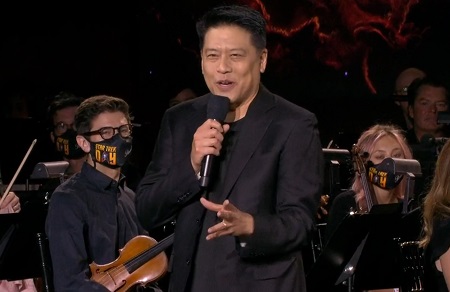
There were five “legacy moments” spread throughout Star Trek Day, and these celebrations of past Star Trek series were genuinely moving. Actors George Takei, LeVar Burton, Cirroc Lofton, Garrett Wang, and Anthony Montgomery spoke about their respective series with enthusiasm and emotion. Cirroc Lofton paid tribute to his on-screen dad Avery Brooks, talking about how Deep Space Nine showed a single dad balancing his work and family commitments. He also spoke about Deep Space Nine’s legacy as the first Star Trek show to step away from a starship and take a different look at the Star Trek galaxy.

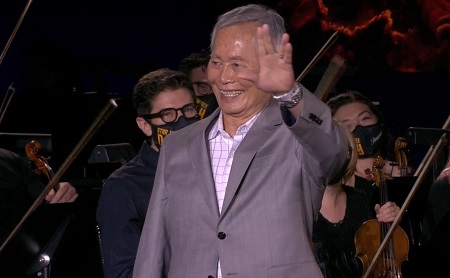
The themes of diversity and inclusion were omnipresent in these legacy moments, and all five actors spoke about how Star Trek and Gene Roddenberry have promoted diversity since the very beginning. George Takei spoke about Gene Roddenberry’s vision for Star Trek, how sci-fi had previously been something often seen as just for kids, and how putting a very diverse cast of characters together was groundbreaking in the 1960s. It’s always amazing to hear George Takei speak, and even fifty-five years later he still has a grace and eloquence when speaking on these topics. As someone who has himself been at the forefront of campaigning for diversity and equality, he does so with a gravitas that few can match.

George Takei’s speech was outstanding.

Garrett Wang spoke about how Voyager could be a “refuge” for fans; a place to go where everyone could feel included and like they were part of the family. The way the show combined two crews was, I would argue, one of its weaker elements, but Wang looked at it through a different lens, and I can see the point about how Voyager put those folks in a difficult situation and brought them together to work in common cause. He also spoke in very flattering terms about Captain Janeway and Kate Mulgrew – who is returning to Star Trek very soon.

Anthony Montgomery was incredibly positive about Enterprise, and how the series embodied the pioneering spirit of exploration. I loved his line about how Enterprise, although it was a prequel recorded later than many other shows, laid the groundwork and filled in much of Star Trek’s previously unvisited stories and unexplained lore. Above all, he said, Enterprise was a “fun” show – and it’s hard to disagree! The orchestra concluded this speech with Archer’s Theme – the music heard over the end credits for Enterprise – which is a beautiful piece of music. If I were to remaster Enterprise I’d drop Faith of the Heart (which is a nice enough song, don’t get me wrong) and replace it on the opening titles with Archer’s Theme. The orchestra played it perfectly.

Anthony Montgomery spoke with passion and good humour about Enterprise.

LeVar Burton talked about The Next Generation, and how Star Trek was reinvigorated for a new era. The Next Generation was the first spin-off, and it came at a time when spin-offs didn’t really exist in the sci-fi or drama spaces, so it was an unknown and a risk. Burton also spoke about The Next Generation’s sense of family, and how Star Trek can be a unifying force in the world.

Far from being mere padding, the five legacy moments saw stars of Star Trek’s past pay tribute to the franchise and the shows they were part of. There were consistent themes running through all five speeches, particularly the theme of inclusion. Star Trek has always been a franchise that strives to include people who are “different” – people like myself. For many fans, that’s one of the things that makes Star Trek so great. To see some of the biggest stars acknowledge and celebrate that aspect of Star Trek was wonderful, emotional, and rather cathartic.

Cirroc Lofton paid tribute to Deep Space Nine and his on-screen dad Avery Brooks.

Each of the five actors spoke with love, positivity, and enthusiasm for the franchise that made them household names. Anthony Montgomery’s incredibly positive attitude in particular shone through – he was beaming the whole time and seemed genuinely thrilled to have been invited to speak and to celebrate Enterprise.

If Star Trek Day aimed to celebrate all things Star Trek, then the legacy moments went a long way to making that ambition a reality on the night. The speeches were pitch-perfect, as were the orchestral renditions of all five Star Trek themes, and I had an unexpectedly good time with these moments. I wasn’t sure what to expect from the programme listed on the website; I didn’t really have any expectations of what the legacy moments would include. They surprised me by being one of the most enjoyable, down-to-earth parts of a hugely entertaining evening.

Garrett Wang represented Voyager in the show’s legacy moment segment.

Let’s talk about news and announcements. That’s what you’re here for, right?! That was certainly what I was most interested in and excited for when I sat down to watch the Star Trek Day broadcast – though, as mentioned, I was taken aback by some of the other elements present that I wouldn’t have expected!

First, a non-announcement! Wil Wheaton interviewed the head of production on Star Trek, Alex Kurtzman, early on in the evening. Kurtzman didn’t have anything to say about the Section 31 series, nor about the upcoming Star Trek film due for release in 2023. However, he mentioned something that I found really interesting: a Starfleet Academy series or project. This isn’t anything close to an official announcement, of course, and he and Wil Wheaton talked about it in abstract terms. But a Starfleet Academy series has been something Star Trek has considered in the past; Gene Roddenberry was quite keen on a Starfleet Academy spin-off prior to developing The Next Generation. Watch this space, because it’s at least possible that a project centred around Starfleet Academy will get off the ground under Kurtzman’s leadership.

Alex Kurtzman seemed to tease that a Starfleet Academy project may be coming sometime soon!

There were no brand-new shows or films formally announced at Star Trek Day. While I wasn’t necessarily expecting such an announcement, and Kurtzman’s earlier statement that no new show will be worked on until the current crop have run their course would seem to exclude it, there are multiple pitches and projects that have been rumoured or talked about over the last few years. The Section 31 series was absent again, as mentioned, and that’s more bad news for a series that feels like it isn’t going to happen. There were also no mentions of the likes of Ceti Alpha V, Captain Proton, or Captain Worf – just some of the heavily-speculated or rumoured pitches believed to be floating around over at ViacomCBS.

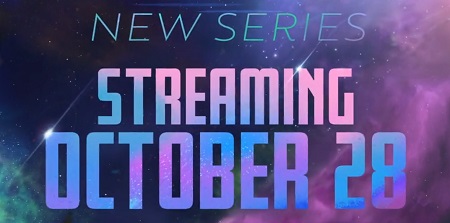
We did get release dates or release windows for several upcoming seasons, though! After Lower Decks Season 2 draws to a close in mid-October there’ll be a couple of weeks with no Star Trek, but then Prodigy will be available (in the United States at least) from the 28th of October. Shortly thereafter, Discovery Season 4 will kick off – it will premiere on the 18th of November in the United States and on the 19th internationally. Finally, Picard Season 2 is scheduled to arrive on our screens in February next year – presumably shortly after the season finale of Discovery.

Prodigy is coming soon… if you live in the USA, anyway.

All of this is great news! There was no release date for Strange New Worlds, but I think we can assume it will follow within a few weeks at most of Picard Season 2, which would put it perhaps in May or June 2022 at the very latest. But there will be a whole lot of Star Trek on our screens this autumn and winter, well into the first half of next year. Wil Wheaton said it best: with so many new Star Trek projects in production, we’re living through a new golden age of Star Trek right now!

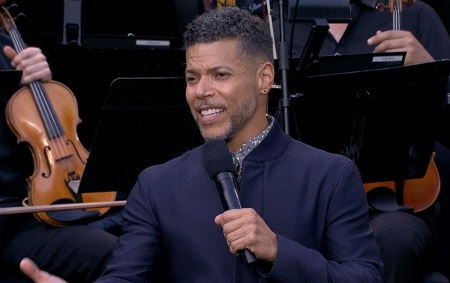
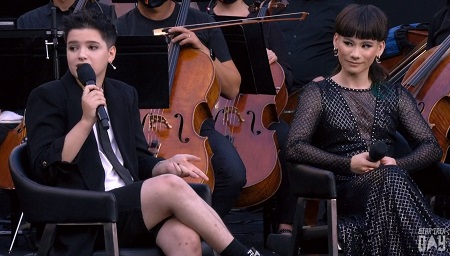
I was a little surprised when the Discovery panel ended without revealing a new trailer or teaser for Season 4. Michelle Paradise, Wilson Cruz, Blu del Barrio, and Ian Alexander talked about how the show is fostering a sense of family in the 32nd Century – and that we will see Gray get a “corporeal” body in Season 4 somehow, which is great! But I have to say I’d been expecting a new trailer; the show is only a couple of months away after all. Perhaps we’ll get that nearer to the time. There wasn’t any mention of Season 5 either, but it’s possible that announcement will come as the marketing campaign for Season 4 ramps up.

Wilson Cruz speaking during the Discovery panel.

Wilson Cruz seems like such a positive person in every interview I’ve ever seen him participate in, and he brought a lot of positive energy to the stage in Star Trek Day as well. There was talk of the Stamets-Culber relationship being revisited in Season 4, which is great – Stamets and Culber really form the emotional core of the show. He also spoke about how Dr Culber is embracing new roles in Season 4 – the role of counsellor to others aboard the ship as well as a parental role for Adira and Gray.

Gray’s storyline has the potential to be one of the most powerful in Discovery as the show moves into its fourth season. Being trans or gender-nonconforming can make one feel invisible – something I can speak to myself – and this is literally shown on screen by Gray’s invisibility. The powerful story of discovering how to be seen, and to do so with the help, encouragement, and support of one’s closest friends and family has the potential to be an exceptionally powerful story, one which I can already feel resonating with me. Blu del Barrio and Ian Alexander spoke very positively about their on- and off-screen relationships, and they seem like they work exceptionally well together as a duo. I can’t wait to see what Season 4 will bring for them both.

Blu del Barrio and Ian Alexander play Adira and Gray respectively. I’m greatly looking forward to their stories in Season 4.

I’ve already got a Prodigy theory! The show’s co-creators talked about how Prodigy Season 1 begins with the kids on a never-before-seen planet described as being “far removed and mysterious.” It sounds like we aren’t seeing a planet that the USS Voyager visited in the Delta Quadrant – something backed up by scenes seemingly set on that world in the trailer – and the USS Protostar appears to have crashed “inside” the planet. Did it crash during the final leg of Voyager’s journey home through the Borg transwarp network? Or perhaps during one of Voyager’s other flights – the space catapult from The Voyager Conspiracy or Kes’ telepathic launch in The Gift, for example. More to come on this, so stay tuned!

So we got a release date for Prodigy in the United States, but as I’ve said on a couple of occasions now it seems as though Prodigy isn’t going to be broadcast anywhere that doesn’t already have Paramount+. Considering that the series is a collaborative project between Star Trek and Nickelodeon (itself a ViacomCBS subsidiary), it should surely have been possible to secure an international broadcast on the Nickelodeon channel – a satellite/cable channel here in the UK and in many other countries. It’s a disappointment that, once again, ViacomCBS does not care about its international fans. It’s not as egregious a failing as it was with Lower Decks, because as a kids’ show Prodigy’s primary audience won’t really notice the delay. But for Trekkies around the world, to see Prodigy teased then find out we have no way to watch it is disappointing, and there’s no way around that.

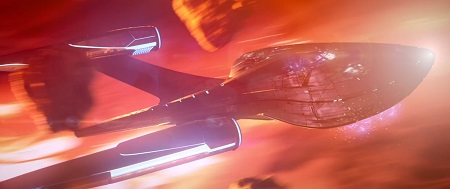
The USS Protostar in flight.

Despite that, the Prodigy panel was interesting. Dee Bradley Baker, who voices Murf – the cute blob-alien – seems like he’s a real Trekkie and spoke about the franchise with passion. It was so much fun to see him perform Murf’s voice live, as well! Brett Gray, who will take on the role of young leader Dal, seemed overjoyed to have joined a franchise – and a family – with such a legacy, and I liked the way he spoke about how the young crew of the USS Protostar will grow as the season progresses.

The show’s co-creators – brothers Dan and Kevin Hageman – spoke about how Prodigy won’t be a series that talks down to children, but rather aims to be a series with plenty to offer for adults as well. The best kids’ shows manage this – and the Hagemans have received critical acclaim and awards for their work on Trollhunters and Ninjago, so there’s a lot of room for optimism. They both seemed to have a good grasp of the legacy and role Star Trek plays and has played for young people, and I think the show is in safe hands.

Dee Bradley Baker gave us a tease of Murf’s voice!

The Prodigy trailer was action-packed and exciting! We got a glimpse of the villainous character played by John Noble – and heard his distinctive voice – as well as got a much closer look at the USS Protostar than we had before. Perhaps the most exciting moment, though, was seeing the Janeway hologram for the first time! Janeway’s role in the show seems like it will be that of a mentor; the kids will make their own calls and decisions, but Janeway will be on hand to offer advice – at least that’s my take at this stage.

There were some funny moments in the trailer, too, which will surely produce a lot of giggles from Prodigy’s young audience. “Just hit all the buttons” until the phasers fire was a great laugh line, and the ship losing artificial gravity was likewise hilarious. There was also a crash-landing that reminded me very much of a scene in the Voyager episode Timeless. I’m really looking forward to Prodigy and to spending time with the young crew of the USS Protostar.

The crew of Prodigy on the bridge of the USS Protostar.

The Lower Decks panel was perhaps the funniest of the night. It was also the one where the interviewees felt the most comfortable and did their best at participating and answering questions; there were none of the awkward silences or long pauses that made me cringe during other panels. Noël Wells, Eugene Cordero, and creator Mike McMahan initially took to the stage before being joined in truly spectacular fashion by Ransom voice actor Jerry O’Connell. The cast members clearly get on very well together, and this came across as the four talked with host Mica Burton about the first four episodes of the season as well as what’s to come in the remaining six episodes.

Wells and Cordero talked about how they see their characters of Tendi and Rutherford becoming friends and bonding over “nerd” things – geeking out together over things like new tricorders, engineering, or how best to do their work was a hallmark for both in Season 1. I’m not so sure how I feel about Mike McMahan saying that the rest of the season plans to go “even bigger” with some of its stories. Lower Decks can be overly ambitious, at times, with the number of characters and story threads it tries to cram into a twenty- or twenty-five-minute episode, and this can be to the detriment of some or all of the stories it wants to tell.

Mike McMahan, Noël Wells, Eugene Cordero, and Jerry O’Connell participated in the Lower Decks panel.

However, McMahan spoke about the episode Crisis Point from Season 1 as a kind of baseline for how big and bold the show wants to go in the second half of Season 2. That episode was one of the best, not just for its wacky over-the-top action, but for its quieter character moments. If the rest of Season 2 keeps in mind the successful elements from episodes like Crisis Point, then I think we’re in for a good time!

The mid-season trailer was interesting! Here are just some of the things I spotted: the Pakleds are returning, Rutherford seems to get a “Wrath of Khan-inspired” moment in a radiation chamber, Tendi was transformed into a monster that seemed reminiscent of those in Genesis from Season 7 of The Next Generation, Boimler and Mariner are involved in a shuttle crash, Mariner rejoins Captain Freeman on the bridge, there was a scene in which Boimler easily defeated some Borg that I assume must be a dream or holodeck programme, a Crystalline Entity was seen, the creepy bartender with the New England accent was back, and Boimler and Mariner shared a joke about the utility of phaser rifles. I’m sure there was more – but those were the key things I spotted! The rest of Season 2 will hopefully continue to hit the highs of the past few weeks – and there’s another episode coming out very soon here in the UK that I can’t wait to watch!

Rutherford’s “Wrath of Khan moment” from the mid-season trailer.

It was very sweet for Star Trek Day to take time to discuss Gene Roddenberry’s legacy, coming in the centenary year of his birth. His son Rod, and former Star Trek stars LeVar Burton, George Takei, and Gates McFadden joined Wil Wheaton to talk about Gene Roddenberry, and this was one of the most touching moments in the entire event. There were some laughs as George Takei told us about his first meeting with Gene Roddenberry and how he came to land the role of Sulu – including how both he and Gene mispronounced each others’ names! Gates McFadden seemed to have been talked into joining the cast of The Next Generation by Roddenberry, having initially wanted to return to the stage and join a play. Rod Roddenberry’s reminiscence of the design process for the Enterprise-D was hilarious – apparently his mother thought the ship looked like “a pregnant duck!”

LeVar Burton, who had been a Star Trek fan prior to joining The Next Generation, spoke about how he was overwhelmed at first when meeting “the Great Bird of the Galaxy,” and how a small role on a made-for-television film introduced him to producer Bob Justman, who later arranged for him to meet with Gene Roddenberry during pre-production on The Next Generation. All of these anecdotes went a long way to humanising Gene Roddenberry the man – we can often get lost in the legacy and philosophy he left behind, and how Star Trek and the world he created has influenced and impacted us, but this was a rare opportunity to hear small, personal stories about the man himself. I greatly appreciated that.

LeVar Burton spoke about working with Gene Roddenberry before giving a speech about The Next Generation.

George Takei got one of the biggest applause lines of the evening when he spoke about the importance of Star Trek’s fans, in particular Bjo Trimble, on popularising The Original Series and getting a nationwide fan community started. Decades before the internet came along to make fandoms and fan communities a part of many peoples’ lives, Star Trek was already developing its very own devoted fan community thanks to people like Bjo Trimble, and for George Takei to take time to acknowledge the role fans have played in Star Trek’s ongoing success was wonderful to hear.

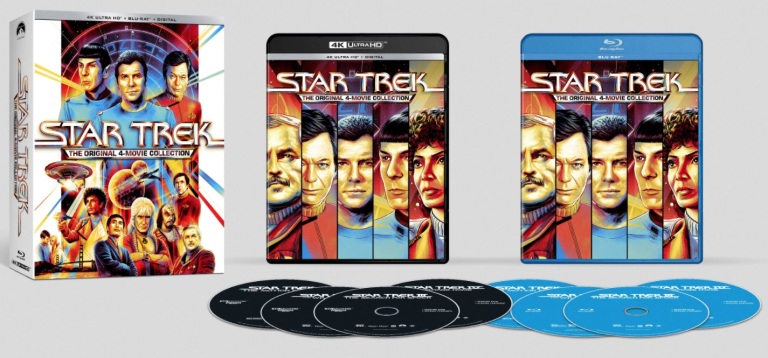
As I’ve said before, The Motion Picture was the culmination of this fan-led journey for Star Trek, but the film also laid the groundwork for much of what we’d come to know as Star Trek in the eighties and nineties. Many sets and design elements were in continuous use in some form from The Motion Picture’s premiere in 1979 right the way through to the cancellation of Enterprise in 2005, and much of the aesthetic and feel of Star Trek is owed to what The Motion Picture pioneered. George Takei acknowledged that, and that was a pretty cool moment. The Motion Picture is one of my favourite Star Trek films, and a 4K remaster was briefly shown off as well – the 4K blu-ray set of the first four Star Trek films is out now, so Star Trek Day took a moment to plug it!

There was a brief glimpse of the remastered version of The Motion Picture from this new box set.

The panel that seemed to get the most online attention was, I felt, one of the worst and most cringeworthy to watch! The Strange New Worlds panel was followed up by a pre-recorded video that introduced new members of its main cast, who joined Anson Mount, Ethan Peck, and Rebecca Romijn. Among the newly-revealed characters were an Aenar (an Andorian race introduced in Enterprise) a possible descendant or relation of iconic villain Khan, and three characters from The Original Series who are returning to Star Trek: Dr M’Benga, who appeared in a couple of episodes, Nurse Chapel, and the one who got the most attention: Cadet Nyota Uhura!

Uhura blew up online after the announcement, and it’s fair to say that I was not expecting this! There was scope, I felt, for Strange New Worlds to bring back classic characters, but the choices they made seem to be pitch-perfect. I’m especially excited to see more from Dr M’Benga – he was a minor character who feels ripe for a deeper look. The same could also be said of Captain Pike and Number One!

Uhura’s return pretty much broke the internet!

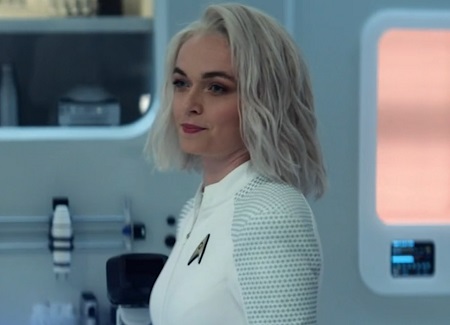
As I predicted a few months ago, the uniforms for Strange New Worlds have been slightly redesigned from their Discovery style. I was never wild about the asymmetrical collars; they worked okay on Discovery’s all-blue uniforms but looked perhaps a little clumsy on the recoloured uniforms worn by Pike and the Enterprise crew. So to see the teaser show off a redesigned style that keeps the bold primary colours but ditches the Discovery style was pretty great! As with any new uniform I think we need time to see them in action and get used to them, but there’s already a lot to like. In addition to the V-neck style worn by Pike and Spock, we saw a white medical variant worn by Nurse Chapel, another medical variant with a broad crew collar worn by Dr M’Benga, and a zipper style worn by Number One. Starfleet uniforms – like any aesthetic or design element – are of course subject to personal taste, but from what we’ve seen so far I like the Strange New Worlds uniforms.

The Strange New Worlds live panel was not the best, though. Anson Mount, who is usually so full of life and happy to talk about all things Trek, sat in silence for large parts of it, deferring to the rest of the panel to answer questions. He may have been trying to avoid jumping in too fast or dominating proceedings, but it led to several very awkward silences that weren’t fun to watch. I got the sense that perhaps he wasn’t feeling well.

Anson Mount was not on his best form for the Strange New Worlds panel, unfortunately.

The producers – Akiva Goldsman, who has previously worked on Picard, and Henry Alonso Myers – gave us a few tidbits of information about the series. I was very pleased to hear so much positive talk about returning Star Trek to a more episodic format. Goldsman, who had been instrumental in crafting Picard’s serialised story during Season 1, seems quite happy to return to episodic television. There are a lot of advantages in a show like Strange New Worlds – i.e. one about exploration – to using a more episodic format. Episodic television can still see wonderful character growth – I’d point to Ensign Mariner in Lower Decks as a recent Star Trek example – so it was great to see how positively the cast and crew talked about that aspect of Strange New Worlds.

The producers and cast seemed very keen to embrace the legacy of The Original Series in more ways than one. Without looking to overwrite anything, they want to bring their own take on classic characters, and I think that’s great. Spock benefitted greatly from the expanded look we got at him in Discovery’s second season, and there’s no reason to think characters like Nurse Chapel or Cadet Uhura won’t likewise get significant character development that plays into the characters we know and love from their roles in The Original Series.

Jess Bush will be taking on the role of Nurse Christine Chapel in Strange New Worlds.

In terms of aesthetic, Strange New Worlds is trying to walk a line between embracing the 1960s style of The Original Series and also updating the show to a more modern look. There was talk about the design of sets, in particular Captain Pike’s quarters, and how the designers had been keen to return to the 1960s for inspiration. Likewise hair and nail styles were mentioned by Rebecca Romijn for Number One – a ’60s-inspired, “retro” look seems to be on the cards for the character, but not to such an extent that it becomes distracting. Walking that line is a challenge – but one I’m glad to see the show tackling!

We didn’t get a full trailer for Strange New Worlds, and the character introductions were cut in such a way as to minimise what we could see of the USS Enterprise. However, we did get a decent look at the transporter room set, which looks really cool, and when we met Dr M’Benga we got a glimpse of what I assume to be sickbay – and it looks like the colour scheme from The Original Series is still present in some form. We also got to see the logo and typeface for Strange New Worlds.

The Strange New Worlds logo.

So an underwhelming panel in some respects led to one of the biggest reveals of the night! Uhura, Chapel, and Dr M’Benga make welcome returns to Star Trek, that’s for sure. And there’s a particular genius to choosing these three characters in particular: they’re all ripe for more development and exploration. Uhura was a mainstay on The Original Series, but compared with the likes of Kirk and Spock there’s still plenty of room to explore her characterisation, background, and learn more about who she is in a way that will inform the original character and portrayal. Likewise for Nurse Chapel and Dr M’Benga – in many ways these two characters are near-blank slates for the new writers and producers to mould into their own creations.

I’m more excited today for Strange New Worlds than I was 24 hours ago, and that’s really saying something! I loved how Mount and the producers spoke about how his portrayal of Pike and Pike’s leadership style led them to redesign parts of his quarters so he could accommodate more of his crew around the table. Cooking was a big part of Captain Sisko’s character in Deep Space Nine, and I picked up at least a hint of that in some of the things said about Pike.

Dr M’Benga, despite being a returning character, offers a lot of scope for further development by a new team of writers.

The panel also discussed how the USS Enterprise is a “star of the show” in many respects, and how episodic storytelling will allow the series to return to Star Trek’s roots in terms of producing entertaining stories with morals. As I’ve said before, Star Trek has always used its sci-fi lens to shine a light on real-world issues, and to learn that Strange New Worlds is embracing that is fantastic news.

Spock’s characterisation was mentioned by Ethan Peck and the producers, and there was talk of how we’d see different facets of his personality. The Cage was mentioned as showing us “smiley Spock,” and I liked how the producers have a keen knowledge of how Spock and other Vulcans perceive and experience emotions – Spock is an emotional person, even if he suppresses those emotions much of the time. An exploration of that aspect of his character – informed by his experiences in Discovery Season 2, perhaps – will be truly interesting to see play out.

Captain Pike and the crew of Strange New Worlds will be on our screens in 2022.

Finally we come to Star Trek: Picard. This was the final event of the evening, and unfortunately the way it was teed up felt incredibly rushed. Jeri Ryan – who will reprise her role as Seven of Nine in Season 2 – raced onto the stage to introduce the new trailer, and it just seemed very obvious that the people running the event were acutely aware of time constraints and wanted to get it over with as quickly as possible. There was no Picard panel, no appearance from Sir Patrick Stewart (even by video-link or in a pre-recorded message), and though the trailer was very interesting the way Picard Season 2 was handled felt rushed right at the end of Star Trek Day – ironic, perhaps, considering the rushed way Season 1 also ended!

We’ll get to the trailer in a moment, but it was great to see that Picard Season 3 has been officially confirmed. We knew this was coming – Season 3 is already in production, and filming has already begun. But to get an official confirmation was good, and it drew a huge cheer from the audience. There’s clearly a big appetite for more Picard!

Picard is coming back for a third season!

Onward, then, to the trailer. This is one that I’ll have to return to for a more detailed breakdown in the days ahead, but for now here are my summarised thoughts.

A return to the 21st Century is not what I would have chosen. Time travel isn’t my favourite Star Trek storyline, and in particular time travel stories which return to the modern day can feel awfully dated very quickly. Look, for example, at Voyager’s two-parter Future’s End, or Star Trek IV as examples of that. Star Trek feels like the future – one of the reasons I love it so much – and when it comes back to the modern day I think it risks losing something significant. It’s possible that only a small part of the story will be set in the modern day, but even so I wasn’t exactly wild about this story element, unfortunately.

We knew from the earlier trailer that there has been some kind of change or damage to the timeline. It now seems as though Q may be more directly involved, as Picard blamed him for breaking the timeline. Whatever the change was, it seems to be centred in our own 21st Century (though it could be anywhere from 2020-2040, I guess) and resulted not in the creation of the Federation but a “totalitarian state” by the 24th Century. I don’t believe that this is the Mirror Universe that we’re familiar with, but rather a change to the Prime Timeline itself – perhaps caused by Q, but earlier comments seemed to suggest that Q wasn’t to blame, so watch this space.

A visit to the 21st Century would not have been my choice… but I will give it a chance!

In voiceover we heard Laris questioning Picard’s motivation for wanting to join Starfleet or leave Earth, something we’d seen him talk about in episodes like Family and again in Generations. She seemed to question whether he’s “running” from something in his past – could it be some darker impulse or perhaps a family secret that’s connected in some way to the creation of the totalitarian state? Could it be, as I suggested recenly, tied into World War III?

One of the things I was most curious about was the role of the Borg Queen, whose return had been signalled a few days ago via a casting announcement. It seems as though Picard has access to the incarcerated remains of a Borg Queen – somehow – and that she may be vital to allowing the crew of La Sirena to travel through time. Rather than the Borg themselves playing a role in the story, then, this may be a battle involving Picard and Seven – victims of assimilation – and a captured, damaged Borg Queen.

What role will the Borg Queen play? She appears to be a captive of some kind.

There’s a lot more to break down from the Picard trailer, and in the days ahead I’ll put together my thoughts in more detail – as well as perhaps fleshing out a theory or two. For now, I think what I want to say is that I have mixed feelings. The big drawback I can see is the modern-day setting for part of the show. I hope I’m proven wrong, but to me Star Trek has never been at its best with these kinds of stories, and I’m concerned that it’ll stray from being a Star Trek show into something… else.

On the other hand, there are many positives. The return of Laris, who seems to have an expanded role compared to where she was in Season 1. Q’s mysterious time-bending role, too. Is he the villain of the piece, or is his latest “trial” something that he believes will help Picard and humanity? What role will he play – ally, adversary, or something in between? The “totalitarian state” definitely channelled some elements of the Mirror Universe, but also seems to have put its own spin on this concept, taking it to different thematic places. I’d be curious to see what role the Picard of this timeline has in the government of the totalitarian state.

Something has broken the timeline – leaving Picard and his crew trapped in a “totalitarian” nightmare.

So that’s all I have to say for now. In the days ahead I’ll take a closer look at the Picard trailer, as well as talk about other things we learned at Star Trek Day.

Although it was a late night and a long broadcast, I had a good time with Star Trek Day overall. There were some moments that didn’t work well, some unprepared interviewees and some segments that dragged on too long, but on the whole it was a fun and incredibly positive celebration of Star Trek. I came to the broadcast hoping to see more from upcoming shows, but I was blown away just as much by the celebration of Star Trek’s past as I was by the look ahead.

The hosts, presenters, and most of the speakers and guests showed off their passion and love for Star Trek in a very positive way. There was a lot of talk about returning the franchise to its roots, celebrating the legacy of Gene Roddenberry and his original vision for Star Trek and what made it so appealing to people of all ages across multiple generations. As we look ahead to Star Trek’s future in 2021, 2022, and beyond, taking these moments to look back at what got Star Trek to where it is today was fantastic, and well worth taking the time to see. Above all, Star Trek Day shone with passion and positivity, and that’s just what the franchise needed as it marked its fifty-fifth birthday. Here’s to the next fifty-five years of Star Trek!

Star Trek Day was broadcast online and on Paramount+ on the 8th of September 2021 (9th of September 2021 in the UK). At time of writing the event can be re-watched on the official Star Trek website; panels and trailers are supposed to be available via Star Trek and Paramount+ official YouTube channels. Clips may also be available via official social media pages and channels. The Star Trek franchise – including all properties and series mentioned above – is the copyright of ViacomCBS. This article contains the thoughts and opinions of one person only and is not intended to cause any offence.