


Spoiler Warning: There are spoilers ahead for Star Trek: Deep Space Nine. Minor spoilers are also present for Star Trek: Strange New Worlds Season 2.
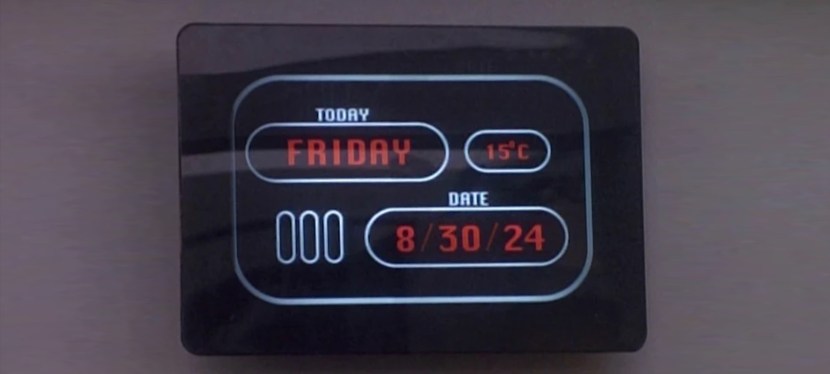
We’re marking a very strange anniversary today! See, the 30th of August 2024 is when the Deep Space Nine Season 3 two-part episode Past Tense is set! Well alright, parts of it take place over the next couple of days, too. The episode featured a time travel story that saw Commander Sisko and the crew of the Defiant thrown back in time to the early 21st Century, accidentally taking part in a major historical event. I thought it could be fun to mark this unusual occasion by revisiting the episode and its mid-90s vision of what today might’ve looked like.
Although Star Trek has done time travel episodes in practically every season going all the way back to The Original Series, moments like this one are rare. The franchise’s time travel stories tend to fall into one of three categories: they visit an older time period, like the classic episode The City on the Edge of Forever or The Next Generation’s Time’s Arrow. Then there are stories that visit part of Star Trek’s own fictional timeline – such as when characters from Lower Decks crossed over to visit Captain Pike’s ship, or the Deep Space Nine episode Trials and Tribble-ations, which was created to mark the franchise’s 30th anniversary. Finally, there are stories like Tomorrow is Yesterday, The Voyage Home, Voyager’s two-parter Future’s End, and the Strange New Worlds episode Tomorrow and Tomorrow and Tomorrow – all of these episodes see characters visit modern-day Earth (i.e. Earth in the year the episodes were written).
Past Tense is unusual for a Star Trek episode in that the story took its characters to a time period thirty-odd years after it was made; it’s a unique look at what the franchise’s writers thought 2024 could look like in 1995, based on their own beliefs but also, at least in part, on other stories that referenced the 21st Century. This is almost certainly the only chance I’m gonna get to talk about a Star Trek story on the day it was set; the next such opportunity won’t come until April 2063 – First Contact’s anniversary. And I’m reasonably confident that I won’t still be around by then!
One of the themes of Past Tense, according to the episode’s producers, was an examination of how society reached Gene Roddenberry’s “utopia.” Star Trek’s future has always been presented as a goal that should be within reach; a society which has overcome war, poverty, disease, and division thanks in no small part to technological progress. As Star Trek was continuing to expand, Past Tense was one of the first episodes to ask the questions “how did we get here?” and “what hardships and disasters did humanity have to overcome on the way to this utopia?”
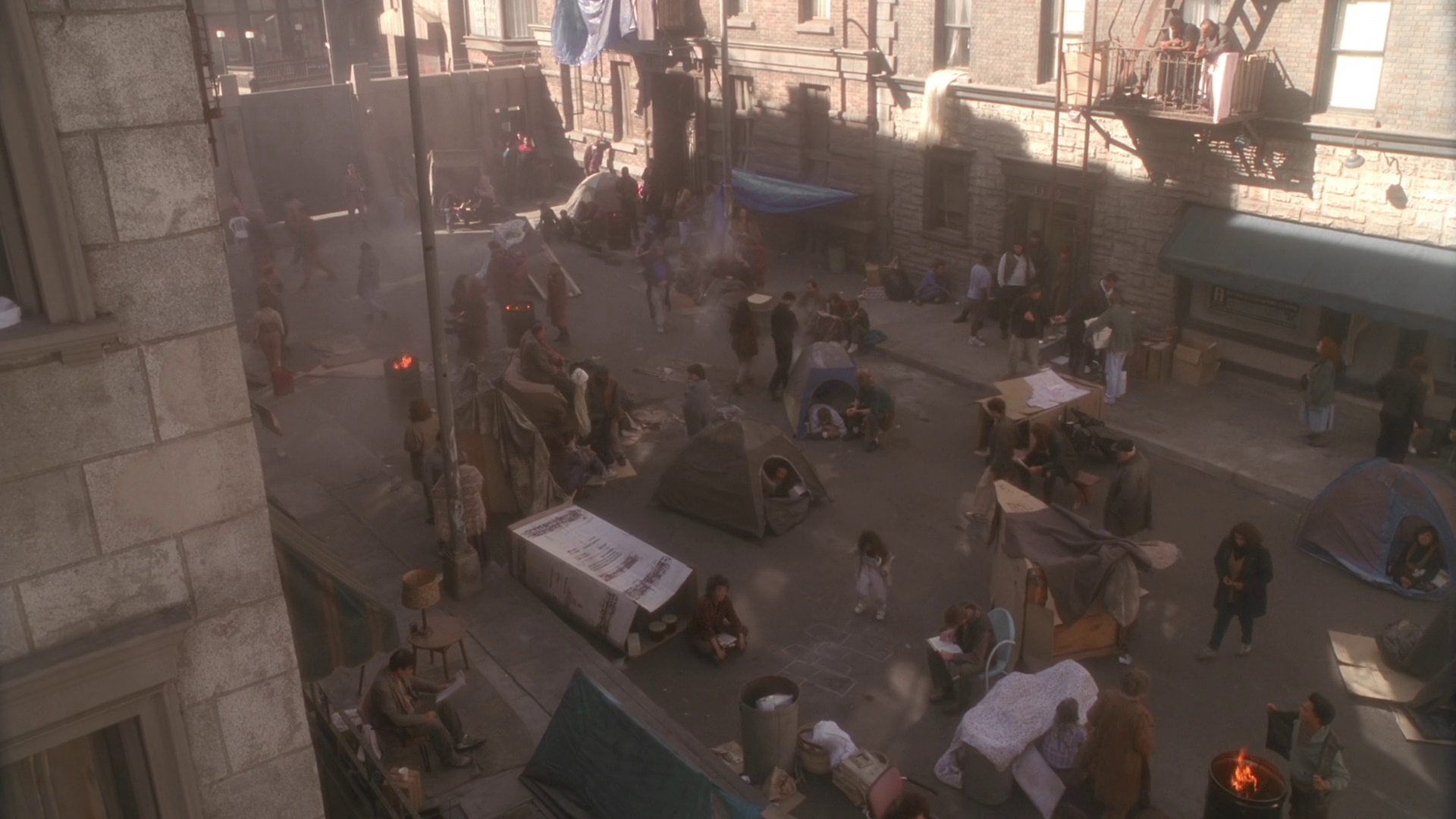
The biggest issues that the episode’s writers saw were homelessness, poverty, the government’s abdication of responsibility, overcrowding/overpopulation, and wealth inequality. Those factors led their vision of America in the 21st Century to create Sanctuary Districts – areas in which impoverished and homeless citizens could be essentially dumped and ignored by the rest of society. The real world doesn’t have such rigidly-defined, legally-mandated districts… but when you look at many big cities in America and across the western world, there are encampments of homeless people that bear striking resemblance to what we’ve seen in Past Tense.
In addition, people with mental health problems – referred to as “dims” by the characters in Past Tense – are often unable to access the help and support that they need. Many of the “tent cities” that have sprung up in towns and cities around the world are inhabited by people with mental health struggles, addictions, and so on. At least on that front, Past Tense wasn’t far off the mark in its depiction of groups of people ignored and left behind by society.
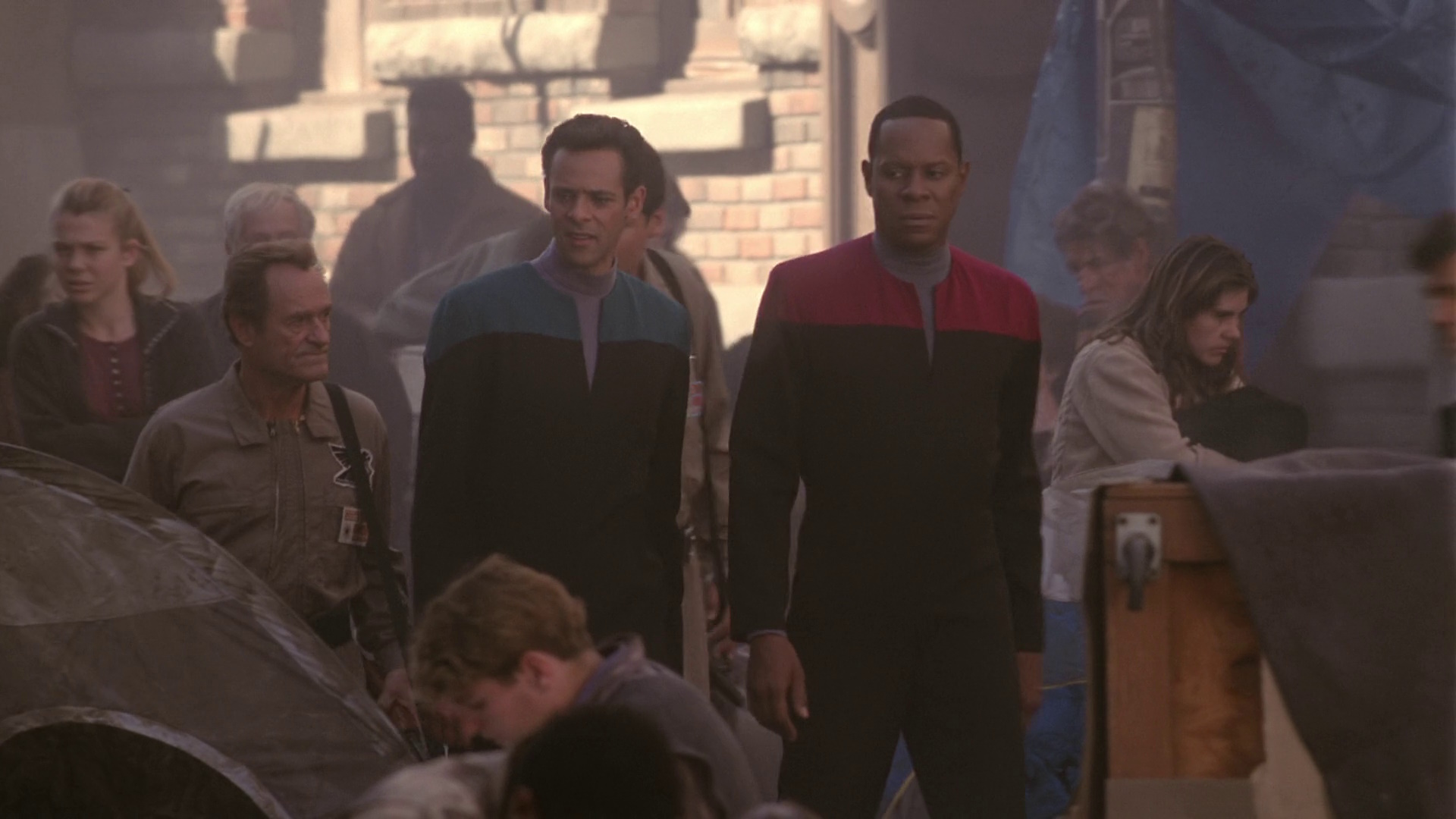
Parts of Past Tense are undeniably bleak; a deliberate choice that might seem antithetical to Star Trek’s depiction of a utopian, enlightened future. But this was intentional on the part of the writers – there was a desire to expand the franchise’s story and look at how that future came to exist in the form that we’re more familiar with. This is something I’d argue that Past Tense didn’t create from nothing – it borrows from The Next Generation’s brief glimpses of an illusory 21st Century as well as comments from Kirk and Spock in episodes like Space Seed from The Original Series. The idea that the late 20th and/or early 21st Centuries were rough times for Earth and humankind is something that has always been a part of Star Trek!
What Past Tense does that those earlier stories didn’t is take a deeper dive into what that might’ve looked like – taking advantage of Paramount’s extensive backlot filming location. The Sanctuary District was created from the “New York Street” portion of the backlot – which had previously been seen in The Next Generation both on the holodeck and in Time’s Arrow. It would reappear multiple times in Deep Space Nine, representing both San Fransisco and New Orleans, as well as appearing in Voyager and Enterprise.
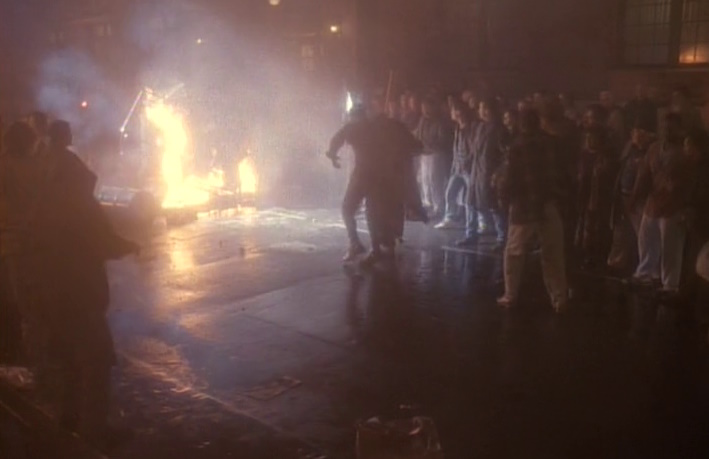
The episode’s story revolves around a major historical event in Star Trek’s fictional timeline: the Bell Riots. Named for Gabriel Bell, the riots changed the course of history. The United States abolished its Sanctuary Districts and was forced to confront the issues that led to their creation in the first place – and if the Bell Riots were removed from the timeline, the alternate future that was created didn’t even have the Federation in it.
There’s a really interesting parallel to The City on the Edge of Forever. In that story, Kirk fell for a woman from 1930, but later learned that her death was essential to preserving the timeline. Sisko, already aware of the importance of the Bell Riots, has to be the one to trigger them – knowing full well what the consequences will be and that many lives will be lost. There’s an element of “fate” to this in some ways, but the way it’s presented in both stories feels a little more scientific. We could argue the toss about whether the Bell Riots should be so influential given that World War III – which broke out a few years later – was surely a more significant factor in driving societal change… but that’s not really the point of the story!
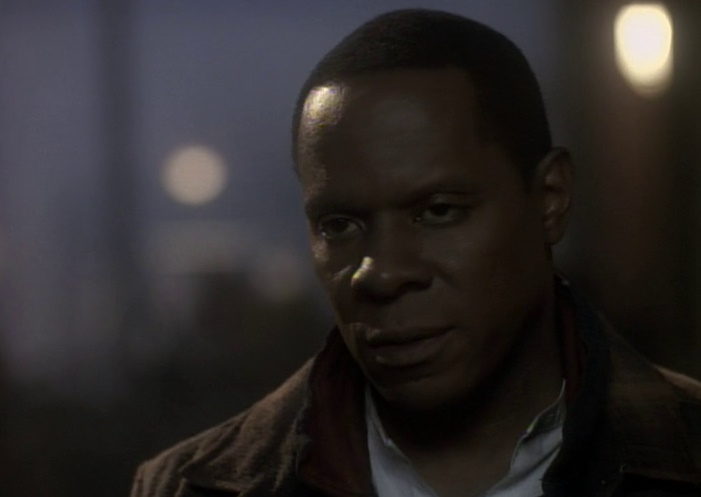
Past Tense succeeds because it throws Sisko into this incredibly difficult situation, forcing him to assume the role of Gabriel Bell after Bell is killed. Sisko has to act to preserve the timeline and ensure that the course of history proceeds as it should – even though doing so sparks a riot that leads to many casualties. And this isn’t something abstract for Sisko, either: he’s right there in the Sanctuary District in 2024, face-to-face with the people who will be impacted. It makes for a powerful story.
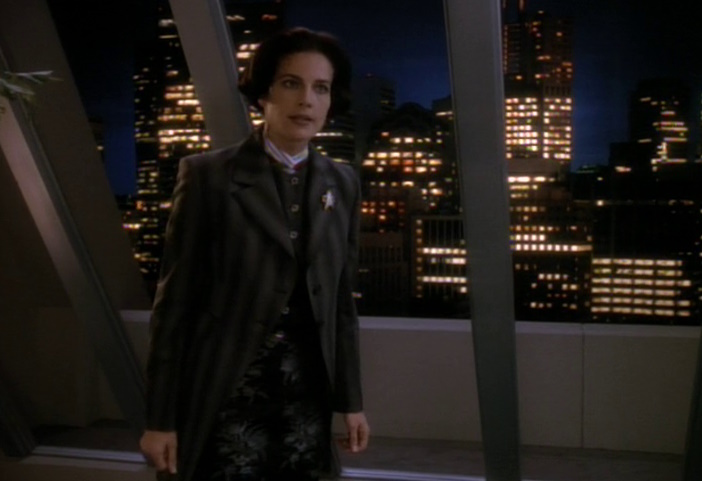
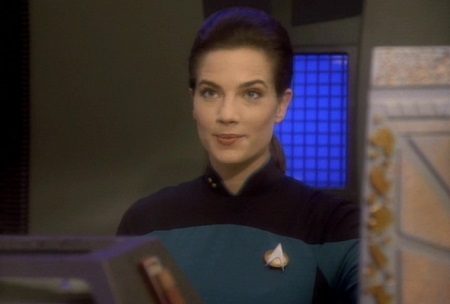
While we’re mainly focused on Sisko, Dax gets to see 21st Century society from the other side – she ended up materialising on the literal other side of town, and finds herself in the company of one of the city’s more well-off individuals. The contrast between how she and her host live with what Dr Bashir and Sisko find in the Sanctuary District really hammers home the episode’s point about wealth inequality and the need to do something about it.
This is one of many episodes we can point to when some Star Trek viewers try to claim that “everything is politicised nowadays” and that “Star Trek never used to be political!” Can you imagine the reaction in some quarters if an episode like Past Tense was made today as part of a series like Discovery? There would have been an outcry with plenty of allegations of the franchise “going woke” – whatever that even means any more!
Because of its place in the timeline, Past Tense doesn’t feel as dated as, say, Voyager’s two-parter Future’s End or even The Voyage Home – stories set in the year they were produced. It’s still a ’90s production – but in some ways it’s more interesting to look at an imagined near-future than to look at characters simply visiting the modern day. There’s humour in the latter setting, as some of Star Trek’s time travel stories have shown, but there’s more to Past Tense because of its choice of setting.
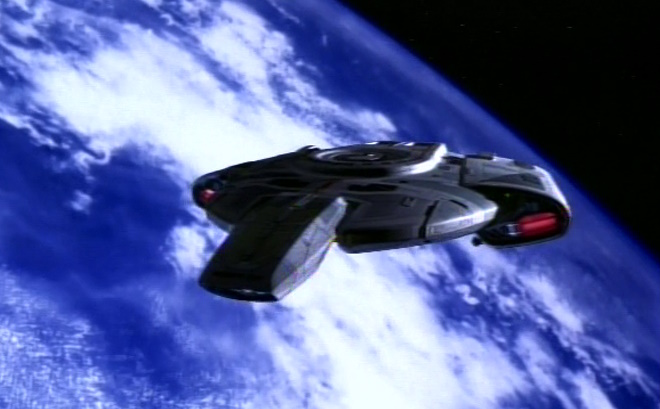
What started with a typical “the transporter done goofed” setup turned into one of the more interesting time travel stories in Star Trek’s back catalogue. Past Tense is an exploration of what was then the near-future – and as of today, our present day. It took on the challenge of explaining how society had developed and how incremental steps were made that led to the idealistic presentation of Earth and the Federation in the 23rd and 24th Centuries. And looking at it today, on the date it was set, parts of Past Tense feel unnervingly accurate.
The legacy of the episode is still present in the Star Trek franchise – a couple of years ago, during the second season of Picard, Sanctuary Districts were mentioned, albeit in a slightly different context. I think this shows how Star Trek grows and incorporates different pieces of its fictional universe into one cohesive setting. Several clips from Past Tense were also remastered for What We Left Behind – the crowdfunded Deep Space Nine documentary that was released back in 2018, where the episode briefly features.
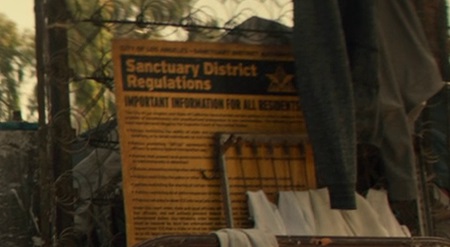
So as we mark this strange anniversary, looking back at an episode and a story that tried to predict the future, there are things the writers of Past Tense got wrong and some they got right. I guess that means that the warning the episode tried to give about poverty, homelessness, and how society should respond to those challenges wasn’t entirely heeded – which is a pretty depressing thought. But in other ways, we haven’t gone to quite such extremes as Past Tense’s writers might have feared. So there is a glimmer of hope, perhaps.
I hope that this has been an interesting look back. As far back as 2022 – when Picard’s second season was on the air – I had in mind that Past Tense’s anniversary was coming, and I wanted to do something to mark the occasion. As I said, it’s quite unlikely that I’ll be here for the next one! Though it would be neat to see First Contact Day for myself. If there’s still a Star Trek fan community in 2063, I wonder what they’ll do to mark the occasion? If, by some miracle, I’m still around by then – and still blogging away here on the website – maybe you’d like to check back and find out.
Until then, I hope you have a very happy Past Tense Day! And do us both a favour: don’t start a riot!
Star Trek: Deep Space Nine is available to stream now on Paramount+ in countries and territories where the platform is available. The series is also available on DVD. The Star Trek franchise – including Deep Space Nine and every other property discussed above – is the copyright of Paramount Global. This article contains the thoughts and opinions of one person only and is not intended to cause any offence.









 Trekking with Dennis