Highguard is the kind of game I’d never have been interested in. Online multiplayer shooters – even the best exemplars of their various sub-genres – just aren’t my thing, and never really have been. But the discussion around Highguard – the free-to-play hero shooter that launched just yesterday – has been inescapable over the last few weeks, and I wanted to share my thoughts. Because, despite my feelings (and my better judgement), I did actually fire up the game and play a few rounds.
Let’s start with the game itself. On launch day, Highguard had issues. I couldn’t get into matches half the time, and often when the game did work, I’d get disconnected before a round could actually begin. Not a great first impression! But, from what I can tell from the few rounds I managed to play, Highguard is about what I’d have expected from a free-to-play shooter. It’s graphically solid, the music and sound design is fine, and its core shooting mechanic feels… decent. Overall, I wouldn’t say anything about Highguard feels exceptional – not its mounts, not its guns, and not its level design. But I am admittedly not the target audience, and for people who are interested in a new free-to-play 3 vs. 3 shooter, I can see it holding some appeal.
Highguard was released yesterday.
At a mere 20 GB, Highguard wasn’t an excessive size to download. And being free, I didn’t mind booting it up to test it out – even if my main purpose for doing so was to have something to write about here on the website! I wouldn’t have wanted to pay money for a game like this… but I didn’t have to, so that worked out okay!
The truth is, though, that the intense backlash Highguard attracted after its reveal last month is a big part of why I wanted to try it out for myself, and why I felt compelled to share my thoughts.
I used to work in video games marketing a long time ago. And Highguard’s marketing campaign – if we can even call it that – is one of the strangest I’ve ever encountered. Because of my background, I really found the whole situation to be both fascinating and thoroughly bizarre, which is another big reason why I needed to comment on the situation.
I used to work in games marketing. Stock photo: Unsplash.
If you’d offered me the chance – back when I worked in the industry – to have a game I was trying to promote shown off at the most-viewed moment of what has become the most important marketing event in the gaming calendar, I’d have jumped all over it. One of the issues a lot of games face, even if they’re backed up by a big publisher, is just getting their name out there and getting any amount of attention whatsoever. So the opportunity to be featured at the games industry’s equivalent of the Super Bowl halftime show… that’s something special.
And, according to reporting, Highguard was offered that spot for no extra cost.
Highguard’s developer/publisher, Wildlight Entertainment, paid for an advertisement at the Game Awards, as all studios do if they have a trailer they want to premiere. But it was the event’s organisers who chose to offer the game the highly-coveted “one more thing” slot; the final trailer of the night, which is usually the moment of maximum attention as the “Game of the Year” award is being handed out. If that’s true, and I believe it to be based on what I’ve read, then Wildlight’s marketing team must’ve felt they’d been given a real gift; a “golden ticket” to success.
Highguard was developed and published by Wildlight Entertainment.
Unfortunately, it didn’t pan out that way.
Immediately after last year’s show ended, a pretty vitriolic hate campaign began against Highguard, and it must’ve taken the team – and the organisers of the Game Awards – by surprise. Wildlight went radio-silent after the trailer was broadcast, and made literally no further comments on the game until yesterday, when it officially launched.
That is *bizarre* in the extreme. The weeks and days leading up to a game’s launch are when a marketing team would usually be doing its most intense work; social media pushes, buying up ad slots targeting particular demographics, showing off as many of the core features of the game in as positive a light as possible… that’s the moment to do everything in your power to generate hype and to get people talking – *especially* if you’re launching a brand-new title in a new I.P.
Wildlight went radio-silent after the Game Awards trailer blew up.
I can only assume that one of two things happened. Either the backlash to the Game Awards trailer was *so* intense that the team at Wildlight felt they needed a mental health break. And if that’s the case… fair enough. No shame in that. Or, as an alternate suggestion, perhaps someone at the company believed wholeheartedly in the “there’s no such thing as bad publicity” slogan, figuring that, as long as people were talking about Highguard – be that in a positive or negative way – it would translate into downloads, a big launch, and ultimately, sales of the game’s microtransactions.
In my time in games marketing, I was never in the latter camp!
There really is such a thing as bad publicity, I’m sorry to say, and the job Wildlight needed to focus on over the last month or so was steering the conversation in a more positive direction. They could’ve done that in a number of ways, but if I’d been advising them (or running the campaign), I’d have strongly advocated for grasping the nettle. Acknowledge the backlash, engage with the jokes and the memes, and use that as a springboard to turn the conversation around. Worst case? Your game still flops and you make a bit of a tit of yourself in the process. But in the best case, there was a possibility for Highguard’s team to have shown that they have a sense of humour about the whole situation, and that can, in turn, lead to positive engagements with what they must’ve hoped would become the game’s community of players.
There were better ways to market this game, surely.
Very few companies can get away with dumping a trailer onto the internet for a new game and then saying… nothing. Prospective players have genuine questions that need to be addressed. Journalists and reviewers want to get their hands on the game early. People who started out critical have a chance to be converted. Ignoring all of that – even if it was for understandable reasons – left a vacuum in which Highguard’s critics were able to shout and scream unopposed. The conversation around the game started negatively… and then it got worse. Folks were proclaiming it a failure on the scale of 2024’s Concord.
By the way, I don’t believe in the tired argument that “you can’t judge something until you’ve played/watched it for yourself!” The whole point of marketing material – like a trailer – is to generate interest and excitement. If a trailer is poor, people are going to be turned off, and that’s a totally valid response. Folks clearly felt that Highguard looked generic and uninteresting based on the trailer they saw at the Game Awards, and that’s not their fault – that’s Wildlight’s fault for putting together a pretty bland and uninspired piece of marketing material.
Scarlet, one of the playable characters.
But after that misstep, there was almost a month in which to course-correct. Re-doing whole chunks of the game is clearly off the table, but from a marketing standpoint, there absolutely were ways that Highguard’s team could’ve at least *tried* to regain control of the situation. I don’t know Wildlight’s situation, so I can’t speak to the kind of marketing budget they may have been working with, but a closed play-test of the game was offered to a number of influencers – and that kind of thing doesn’t come cheap. Inviting some of the more critical influencers, and trying to – for want of a better term – “wine and dine” them, while extolling the virtues of the game would have been a great idea.
And online, on social media, simply disappearing and going completely silent ceded the stage to the critics. Folks who felt the game was generic and bland had free rein to say so, with not even a scintilla of pushback from Wildlight. I can understand, on a personal level, why stepping into the social media fray, when toxicity is swirling like this, isn’t going to be hugely appealing or a lot of fun. But that’s the job, sometimes, isn’t it? You can’t always be blessed to work on universally beloved games that get absolutely zero criticism – and if you want to reframe the narrative, sometimes you have to demonstrate the ability to be self-deprecating and take things in good fun.
The lack of a proper marketing campaign has, in my view, harmed the game’s reputation.
But hey, maybe Wildlight’s “say nothing” approach… kinda worked? I mean, I played the game. A game I would never have played were it not for the attention and the backlash! So maybe the way I’d have tried to handle the marketing is outdated in the days of TikTok and memes. Who knows! It’s been a hot minute since I worked in the industry, after all.
One final thing I wanted to comment on was the *scale* of the backlash that this game received.
There are bad games that release all the time. And there are bland, uninspired games, too. The whole point of media criticism is to point this out, and one thing I genuinely appreciate about social media (and the internet in general), is how media criticism has become democratised, with all kinds of people free to share their thoughts on… everything. Reviews are no longer limited to a handful of English and journalism majors from the top universities, and that is genuinely a positive thing. I say that as someone who runs a small website where media criticism is the name of the game. I’d never have got a job as a critic at a newspaper in decades past, so the very existence of my website is testament to the power of the internet to open up reviews and critiques to all kinds of different voices.
Firing a gun in Highguard.
But the flip side to that is that not all criticism is of the same quality… or even relevant. Highguard suffered from a “pile-on” effect, where folks who wouldn’t have been interested in the game, or wouldn’t have cared about it one way or another, saw hate comment after hate comment on social media, and decided to join in. The snowball started rolling (if I can mix my metaphors), and Highguard quickly became one of the most-criticised and most-memed games of the last few months – all before it even launched.
And yes, there are valid reasons for some of the criticism. The game is, at best, an Overwatch clone; a free-to-play hero shooter in an already-saturated marketplace. Visually, it neither excels nor stands apart; nothing about the way the game looks – which is the main thing audiences take away from a trailer – gives it a strong visual identity. And, of course, previous “one more thing” trailers at the Game Awards have been for bigger titles, either in well-known I.P. or from established studios. Most have also been announcements or teases of *single-player* titles, too. So the choice of slot, which I’d have been overjoyed about if I’d been on the marketing team, may have contributed to the disappointment and ultimately the backlash.
The game’s logo.
But I admit that I was somewhat taken aback by the scale of the criticism – and how quickly some of it descended into hate, name-calling, and general toxicity. And I think some folks ought to take a look in the mirror. It’s totally okay not to like a game, or not to want to play an upcoming game based on its marketing material – but it’s not okay to be toxic, to send death threats to developers, or to cross the invisible line between a shared joke with friends and something more… sinister. Some of the conversation around Highguard did cross that line, and you don’t have to look far to see examples of that.
As to the game’s future… it’s hard to say. Highguard managed a creditable 97,000 concurrent players on Steam, according to tracking website SteamDB, which puts it light-years ahead of the likes of Concord. But it also saw a significant drop-off in those players basically immediately; time will tell how many of those initial players will stick around, especially if server and matchmaking issues persist.
Highguard did solid numbers on launch day, at least on Steam. Graph: SteamDB.info
For my part… I can say I’m glad I tried Highguard. But, as I could’ve told you ahead of time, it didn’t exactly convert me into a full-time multiplayer gamer! And to the teammates I was placed with during the rounds I played… sorry. You got stuck with an arthritic forty-something who basically never plays competitive games. I know I didn’t exactly excel or help us win!
So I know this has been an unusual subject for me. Online multiplayer titles aren’t my thing. But Highguard, with its rather odd marketing campaign and all of the backlash… it was a subject I felt that I needed to cover. Thanks for reading, and if you decide to check out Highguard, I genuinely hope you have a great time with the game. Just because it’s not my thing doesn’t mean it won’t find its niche.
Have fun out there… and happy gaming.
Highguard is out now for PC, PlayStation 5, and Xbox Series consoles. Highguard is the copyright of Wildlight Entertainment. Stats courtesy of SteamDB, and some promo art courtesy of IGDB. This article contains the thoughts and opinions of one person only and is not intended to cause any offence.
If you’re a fan of action/role-playing games, chances are that Crimson Desert and Fable are on your watchlist for 2026. Both games are due out this year, and after recent glimpses at gameplay, interviews with the developers, and new trailers, I think it’s fair to say that the hype trains are boarding – if they haven’t already left the station! And it’s great to get excited about an upcoming title, especially given the state of the world and how important gaming can be as an escape from that. I don’t write pieces like this to rain on someone’s parade, so if you’re excited and want to stay excited… well, you do you, friend.
But hype isn’t always a positive thing, especially when it gets out-of-control. And uncontrolled hype for a new title can often lead to disappointment. Sometimes that disappointment is well-deserved and inevitable; I doubt anyone would’ve enjoyed games like MindsEye or Fallout 76 at launch, even if they hadn’t been hyped up beforehand. But in some cases, excessive hype – and the inability of marketing teams to know how to use it appropriately and when to rein it in – can mean a game fails to find its niche, or that audiences end up crashing down to earth hard when the “once-in-a-lifetime, genre-busting experience” they’d built up in their heads doesn’t pan out on screen.
We’ve recently seen new gameplay for the upcoming Fable.
Two of the biggest examples of this, from my own experience, would be No Man’s Sky and – ironically, considering one of the games we’re discussing today – the original Fable from 2004.
This is a profoundly “hot take,” and I appreciate that, but for me, No Man’s Sky in 2016 was a perfectly fun little game. You had a spaceship to fly around in, you could mine for resources, explore the galaxy, meet some weird-looking alien critters… and that was that. The disappointment players felt didn’t come because the game was broken or *bad* in its own right – it came because it was over-hyped. The game had been marketed dishonestly, with promised features not being as advertised, and players had built up impossible expectations for the title based on that. There was no way No Man’s Sky at launch could’ve been anything other than a disappointment.
And I felt the same way in 2004 when I got my hands on Fable. I’d enjoyed Morrowind a couple of years earlier, and the marketing material for Fable seemed to be promising an even more in-depth and personalised adventure. The idea of growing your character from childhood to adulthood, and moulding them through the weapons you used, the decisions you took, and so on… it sounded too good to be true. And it was. Fable turned out to be far more basic and linear than its pre-release hype would’ve had me believe.
I felt 2004’s Fable was a bit of a let-down compared to the hype.
It’s funny, in a strange kind of way, to be observing the hype as it builds for the new Fable, some twenty-two years later, and wondering if a new generation of players is about to make the same mistake as I did! The way I felt about the original Fable is definitely a big reason for my remaining sceptical about its reboot all these years on, but I’ve also been burned more recently by out-of-control hype and dishonest promises. Fable is being published by Xbox, and you know what other big Xbox-owned action/RPG was overhyped just a couple of years ago? Starfield. Remember “walk on, brave explorer,” and all of the other nonsense that came out of that game’s marketing push? I feel echoes of that with Fable, I’m afraid.
And then there’s Crimson Desert. Unlike Fable, which has a strange kind of double track record when it comes to excessive hype and dishonest marketing, publishers and developers Pearl Abyss have a pretty solid reputation thanks to their title Black Desert Online. But I can definitely feel the hype train for Crimson Desert picking up steam, and again, it isn’t difficult to find reasons to be sceptical based on what I’ve seen so far.
Crimson Desert is due for release in just a couple of months.
Any game that promises to be bigger, more detailed, and with more systems and mechanics than previous titles deserves to be looked at with a critical eye. And Crimson Desert is firmly in that space. The game promises hundreds of NPCs on screen at once, a combat system which will include complex multi-button combos, immersive medieval cities, mini-games like fishing and hunting, some kind of crafting mechanic, ridable mounts, including horses and dragons, and a bigger open world than Skyrim and Red Dead Redemption II. That’s *a lot* for a single game to cram in – and it’s all built on a new, proprietary engine that we’ve never seen before.
If Fable reminded me of the likes of Starfield or MindsEye, Crimson Desert is giving me a Cyberpunk 2077 or No Man’s Sky kind of vibe. No Man’s Sky simply couldn’t deliver on all of its promised systems and mechanics at launch – with some being almost entirely absent when compared to claims made about the game before release. And Cyberpunk 2077, at launch, was broken, sure – but a more egregious issue was hiding under the surface: it may have had a fun and immersive world, but gameplay was really nothing special. Both titles promised to be genre-redefining epics… but both took literal *years* of additional work and updates before they came close to reaching that bar.
It took a while for Cyberpunk 2077 to even be playable, let alone live up to the hype.
I guess what I’m saying is simply this: try not to get over-excited. Do both of these games look like fun? Sure. And do I hope that they’ll live up to – or even exceed – the high bar that’s being set? Of course! I’m always going to want to play incredible games. But at the same time, if I can resist getting swept along by the hype, I stand less chance of being disappointed if one or both of these games doesn’t turn out to be as exceptional as promised.
When I think back to my experiences of Starfield and No Man’s Sky, they couldn’t be more different. I was dimly aware of No Man’s Sky, but I hadn’t been following along with the online conversation or much of the marketing, so when I tried the game for myself, I felt it was fine for what it was. I had fun hopping between planets in my spaceship, mining for a few resources, and exploring. But when Starfield launched, I felt myself hit the wall. The game felt… small. The world-building didn’t keep me engaged. And so much of it just felt outdated, even when compared to titles from several years earlier.
A combat encounter in Fable.
For me, this encapsulates the danger of hype. If I’d gone into No Man’s Sky expecting it to break boundaries and redefine what a video game could even be… I’d have been disappointed. Because it wasn’t that – and it still isn’t, really. It’s a space game. A fun space game, especially now after receiving years’ worth of free updates. But it’s still just a space game. In contrast, if I’d deliberately shut out the hype for Starfield and tried to approach the game without expectations… maybe I’d have had a better time with it. Maybe Todd Howard and his marketing department managed to talk their way out of a successful launch and better reviews.
I used to work in video games marketing, and it was my job to paint even the worst games in the best possible light. It isn’t hard to spin even the most mundane and boring features as “revolutionary,” or to present a bland, uninspired title as the next big thing. And nowadays, with A.I. tools worming their way into marketing departments? It’s easier than ever to put together something completely unrepresentative of the finished product, feeding into the hype around a title.
A boss battle in Crimson Desert.
There’s a line that publishers have to walk between leaning into hype and reining it in. It’s great when people are talking about your game organically; when there’s a natural level of excitement that you don’t even have to pay for! But the risk can be extreme; if you don’t find a way to talk players down from building a game up to be something it’s not… that’s going to translate into lower review scores and perhaps even refunds when the game inevitably can’t be what players expected and believed. Learning how and when to say “no” is one of the most important skills in games marketing – and it’s a lesson that even big studios, like Xbox and Bethesda, have repeatedly failed to learn.
I genuinely hope that Crimson Desert and Fable will be great games. I’m not sure if I’ll get around to playing either this year; I have other games in my backlog, and now that I no longer subscribe to Game Pass, I definitely won’t be trying Fable on day one. This isn’t meant to be negative – I’m not rooting for these games to fail! But when I see a hype train building like this, I think it’s important to say something. I can be guilty of getting over-hyped, too; I’m not perfect. Just check out my pre-launch Starfield coverage for proof of that! But it’s necessary, sometimes, to offer a reality check, especially when games seem to be promising things that seem borderline impossible.
It’s great to have something to feel excited about. Just… be careful. It’s possible that both of these games will be fantastic. But it’s still possible, I’m afraid, that they won’t live up to expectations for one reason or another.
Crimson Desert will launch in March 2026 for PC, PlayStation 5, and Xbox Series consoles. Fable will launch in Autumn 2026 for PC, PlayStation 5, and Xbox Series consoles. Crimson Desert is the copyright of Pearl Abyss. Fable is the copyright of Xbox Game Studios and Playground Games. This article contains the thoughts and opinions of one person only and is not intended to cause any offence.
Bad news, guys: Anthem is gone. After today, you can never play it again.
What do you mean “WTF is Anthem?” You know: that BioWare game from 2019? With the flying “Iron Man” suits? BioWare’s genre-busting epic? The “ten-year experience” that defined a generation? The “Bob Dylan of video games?” Anthem!
Okay, all jokes aside, today – the 12th of January 2026 – is the final day that Anthem’s servers are going to be online. The game has already been removed from digital shops on all platforms in anticipation of this, and when the plug is pulled on those servers later today, that’s it. No more Anthem… ever.
Anthem was supposed to be the video game equivalent of Bob Dylan… Photo: Jean-Luc, CC BY-SA 2.0 , via Wikimedia Commons
Let’s not beat around the bush: Anthem was dog shit. It was a decade too late, developed by a studio that had no experience with online multiplayer titles, it suffered from weak world-building, and the entire game was rebuilt from scratch in the eighteen months before it launched because the version(s) shown to the higher-ups at EA were even worse. It relied on a totally fake CGI trailer to generate hype, players felt swindled and let down when they finally got to try the game, and it even seemed, for a hot minute, that Anthem’s failure would condemn BioWare to the ever-growing Electronic Arts graveyard.
So… why should we care that Anthem is finally being put out of its misery?
There are some pretty bad or poorly-received games that I think we *all* have enjoyed over the years. And there are plenty of so-bad-it’s-good titles that can be fun to boot up for a challenge… or just to have a laugh. The weird Home Improvement tie-in game for the SNES, Carmageddon 64, Blue Stinger on the Dreamcast… I’m sure you have your own examples. But the point is this: we can still play those games if we want to.
There are plenty of less-than-great games that are still around and playable.
Anthem may have sucked, but it shouldn’t be up to EA and BioWare to tell us we can’t play it. That’s the bottom line here, and loathe as we may be to defend a monotonous, boring slog of a game like Anthem… it should still be accessible. Converting the game to be playable offline isn’t beyond EA and BioWare’s capabilities, and while I absolutely concede that keeping dedicated server space online for a dead game is a waste of resources… that doesn’t excuse killing the game entirely and rendering it unplayable.
A lot of players (okay, not *a lot*, because it’s Anthem, but you know what I mean) played Anthem solo. Despite being intended to be a multiplayer experience, it was possible to go through the game on your own, if you wanted to. And games like this have bots all the time – how hard would it have been to tone down some of the more difficult moments, add bots to replace human teammates, and keep the game playable for solo players? Or how hard would it be to turn off the dedicated servers but keep the game playable for local multiplayer, or even for peer-to-peer multiplayer? These things *are* achievable.
Bad news for Anthem’s remaining fan.
Another notorious flop in the live service space is Suicide Squad: Kill the Justice League. That game is also dead, and cost its parent company well over $100 million. But last year, Suicide Squad was updated to give the game an offline mode for solo players. Even when its servers are inevitably shut down, the game will remain playable for the folks who enjoyed it. See how easy that was? Yes, Kill the Justice League isn’t a fun game, and you can see why people who tried it bounced off it. But some people did gel with it and did enjoy it for its gameplay, its story, and so on. The same is true of Anthem. Don’t both sets of players deserve to be able to continue to play the games they enjoy? Games that, lest we forget, *they paid for*.
Anthem was never free-to-play. If you picked it up on launch day, you paid £50/$60 for the privilege. That’s less than seven years ago, and now that money – and any additional money spent at the in-game shop – is just… gone. The product that folks bought is now useless; Anthem discs might as well be coasters or frisbees. That… well, it just isn’t right. Is it?
A promotional screenshot.
This is a much more fundamental, philosophical point, but I believe all works of art and media should be preserved. This is human creativity, free expression… Anthem is the culmination of the work of hundreds of people over several years. And like any other work of art, it should be preserved for posterity. If we allow games like Anthem to be deleted, we not only deprive players today of a game they might’ve actually enjoyed or at least wanted to try out, but we also deprive people in the future the chance to see what gaming looked like at that moment in time.
Anthem wasn’t the only big-budget live service title to fail hard in the late 2010s or early 2020s. But in a way, it’s become emblematic of a period in the games industry where corporate publishers went all-in on the live service model. And being able to see what that looked like is important. We shouldn’t allow Electronic Arts and BioWare to get away with scrubbing the internet of Anthem; their shameful failure *should* be on display for all to see. It needs to be seen to be understood, and it needs to be understood because it says a lot about the state of the games industry in the late 2010s. Future media historians are being deprived of the opportunity to study Anthem… and learn what went wrong.
Electronic Arts (EA) is responsible for shutting down Anthem.
I made a similar argument in relation to the original Star Wars film from 1977. Most folks have never seen Star Wars. Sure, they’ve seen A New Hope – the modified version of the film with crappy CGI additions that George Lucas forced into it in the late ’90s. But the original version of Star Wars – the film that started it all – was deliberately being erased and overwritten by Lucasfilm and the Walt Disney Company. That is, until fans took the task of digitally preserving it into their own hands, and created something called “Project 4K77.” You can read more about that by clicking or tapping here.
The point is this: all works of art and pieces of media are important and worth preserving. No film, TV series, painting, novel, or video game deserves to be erased. They simply should not be made inaccessible to folks who want to engage with them, either for entertainment and enjoyment or for academic purposes. And we shouldn’t permit corporations to just arbitrarily decide which works of art and media us plebs are permitted to view. Once something has been created and released, it should remain accessible to everyone. There’s no justification for killing Anthem.
Anthem’s “roadmap” of content – most of which was never added.
Even if Anthem’s online servers needed to be shut down, there were still a plethora of options for preserving the game itself. And that’s what’s so disappointing about this move: Anthem could have been preserved as a single-player, offline experience, or even with local or peer-to-peer multiplayer. There simply are no technical limitations to prevent this from being possible, which means it was a conscious choice on the part of Electronic Arts to kill the game. It was EA cheaping out, refusing to spend the minuscule amount of money that would’ve been required to preserve the game.
So that task? Now it falls to fans, players, and game preservation groups.
Video games have always been a bit of an odd case when it comes to preservation for one simple reason: hardware. If you don’t own a functional SNES, playing games from Alien 3 to Zero the Kamikaze Squirrel becomes impossible. But that’s where players stepped in: emulation keeps those older games playable long after their original hardware is out of stock, and far beyond the moment where they went out of print. The same could happen for Anthem, though it’ll be a tougher task.
Games that originally released on older hardware, like the SNES, have been preserved thanks to emulation.
Anthem will need to be modified to be playable offline. I’m not even going to *pretend* that I understand what will need to be done to make that happen; “cracking” the game and modifying parts of its code are just way above my pay grade as a mere critic! But, if past experience has taught us anything, it’s that there are folks out there who are dedicated to video game preservation, and plenty of clever people who know just how to modify even the most complex of code. A playable offline version of Anthem is possible – and it may already be underway.
But it’s unfortunate that a version of this game that folks will be able to play offline wasn’t created officially by EA. And it’s a timely reminder of the importance of the “Stop Killing Games” initiative, which has launched petitions in various countries and territories. A change in the law would be needed, but it isn’t impossible to think that, one day, the kind of thing EA has just done to Anthem will be illegal; that future developers and publishers will be required to preserve their titles and keep a version of them playable indefinitely. For all of the reasons we’ve discussed, I think that’s vitally important.
It’s the end of the line for Anthem… at least, officially.
While I personally don’t give a shit about the utterly dire Anthem, I think its erasure by Electronic Arts is not something to celebrate – nor something to tolerate. And I encourage you to check out “Stop Killing Games” and see how the movement is progressing, whether there are active petitions in your region, and encourage local lawmakers and politicians to get on board. Anthem may not seem like it’s worth preserving, but who are any of us to decide what’s “good enough” for future players and academics to have access to? Even the very worst games you can think of – E.T., Superman 64, Sonic ’06, or Ride to Hell: Retribution – don’t deserve the ignominious fate of being *erased* entirely.
It’s important to preserve as many works of art and media as possible. And at a fundamental level, it’s important not to allow corporations to dictate to us which games we can play, which films we can watch, and so on. That choice should be ours.
Even if that choice is to play a truly awful game like Anthem.
Anthem was released by BioWare and Electronic Arts in 2019 for PC, PlayStation 4, and Xbox One consoles. The game is no longer available for purchase. This article contains the thoughts and opinions of one person only and is not intended to cause any offence.
Spoiler Warning: Beware minor spoilers for some of the productions discussed below.
You know what I find silly? When magazines, websites, and media outlets publish their “best of the year” articles and awards in early December or even November! I mean, at that stage there’s still a month or more of the year left! That’s why, here at Trekking with Dennis, I always publish my End-of-Year Awards at… the end of the year! What a novel concept, eh?
In 2025, I reviewed more films here on the website than in any prior year. But, to tell you the truth, I didn’t watch as many TV programmes or play as many games this year as I think I’ve done in years gone by. There are still more than enough to win some made-up trophies, don’t worry, but there are a few that I originally planned to get around to this year that I just… didn’t. Partly that’s because it’s been a pretty busy year for me, on the whole – you can see more on that by clicking or tapping here! And partly that’s just because I’ve been feeling pretty tired, sometimes, or I just haven’t felt up to starting a brand-new story.
Who will win the ultimate honour of a Trekking with Dennis End-of-Year Award?
As always, a few important caveats.
Firstly, and most importantly, all of this is *subjective, not objective.* If I give an award to a film, game, or TV show that you despise, or if I skip over one of your favourites that’s already won all of the other big awards… that’s okay. There will always be a broad spectrum of opinions on works of media and entertainment, and these are mine – and mine alone. We don’t need to get into a shouting match over a made-up statuette!
Secondly, there are a bunch of popular movies, games, and TV programmes that I didn’t get around to in 2025. For reasons that I hope are obvious, they won’t be entered into consideration for an award. Finally, I might include one or two titles from the tail end of 2024 as well, as I may have only got around to them in 2025.
Alright then! With all of that out of the way, let’s hand out some awards.
Best Web Series:
🥈 Runner-Up🥈 Mugthief
I don’t watch a lot of “gaming content” online, but there are a few content creators I still regularly tune in for. One of those is Mugthief, a YouTube-based video game reviewer and video essayist. I occasionally disagree with his takes, but I like the way he presents his coverage, and he always comes across as fair, even-handed, and not like someone seeking out games to “hate on.” I also appreciate the distinct lack of clickbait in videos, titles, and thumbnails!
There isn’t always a lot to be positive about in gaming, and Mugthief isn’t shy about criticising games and gaming companies when they deserve it. But he can also be passionate and positive about titles he enjoys, which is always great to see. I’ve had fun and learned about a few titles from Mugthief in 2025, and I just wanted to celebrate his channel and his content as the year comes to an end.
🏆 Winner 🏆 Quiet Nerd
I’m not someone who’s very good at engineering, electricals, or really doing anything hands-on! But I like to live vicariously through others, and YouTuber Quiet Nerd has taken me on some wild adventures with his self-made drivable camper, boat, and more. I’ve really come to enjoy videos about people building things like this – camper vans and caravans have always felt cute and cozy to me, and the idea of building one from scratch just seems like it must be a huge amount of fun. Quiet Nerd is one of the best in the business for that kind of content, in my opinion.
Some of the vehicles Quiet Nerd has built are incredible. Using electric batteries, tracks, steel beams, and a whole lot of knowledge that I do not possess, he’s constructed sturdy, drivable, livable camping vehicles that he then takes on adventures in the wilderness. It’s just a lot of fun. And as someone who doesn’t get out a lot due to my health – let alone go camping – it’s been hugely entertaining to be taken on those adventures with him.
Most-Improved Web Series:
🏆 Winner 🏆 Binging With Babish
I’d unsubscribed from Binging with Babish at least a year ago. The show seemed to have descended into – for want of a better term – slop, with videos like “I tried eating 100 different kinds of ramen!!” replacing the recipes that I’d originally tuned in for. By the end of my time as a subscriber, only Babish collaborator Alvin’s videos were of any interest to me at all, and they were so outnumbered by low-quality, low-effort nonsense that I felt sure I was done.
But in 2025, I was pleasantly surprised to see Binging With Babish make somewhat of a comeback. There’s still slop, but there are once again genuine recipes in the mould of Babish’s earlier content, and I’m glad to see the show’s pivot. Many creative folks get burned out doing the same thing over and over again, and I can empathise with the desire to branch out and try different things. But I’m very pleased to see what I consider to be a return to form from what had been a fairly unique and well-produced web series.
The “Too Early For Early Access” Award:
🏆 “Winner” 🏆 inZOI
After the disappointing cancellation of Life By You about a year ago, I was still hopeful that a genuine competitor or “spiritual successor” to The Sims series might be in the offing. The Sims 4 is catastrophically over-monetised, and Electronic Arts has shown no signs of developing a new entry in the series, either. And all of that was before the EA buyout situation that we discussed earlier in the year. So I had hopes that a game like inZOI might be the challenger that The Sims has needed for a long time – as well as a fantastic game in its own right.
But, as you may know by now, inZOI launched into early access far too early, in a near-unplayable state. Basic game features were missing, and I just got the impression that publisher Krafton was pushing the game’s developers too hard before inZOI was even close to being ready. Early access is hit-and-miss, and you have to understand that when you jump in. And I get that, believe me! But even for an early access title, inZOI felt horribly unready, and needed at least another year-plus of development time. I hope that the game’s difficult early access release hasn’t damaged its reputation too much ahead of its full launch.
Worst DLC:
🏆 “Winner” 🏆 The Oblivion Remaster’s “Deluxe Edition”
Remember Bethesda’s infamous “horse armour” debacle in 2006? Well, how would you like to pay extra money to Bethesda, again, for *more* horse armour in the remastered version of Oblivion? Because that’s what the shitty “Deluxe” version of the Oblivion remaster gets you. Paid horse armour. In Oblivion. In 2025. As I said back in June: piss off, Bethesda.
If this was meant to be a joke, I didn’t find it funny. If it was a freebie, a little nod-and-wink to longtime fans to say “hey, wasn’t this silly back in the day?” then sure. Add it in as a free DLC and we can all chuckle to ourselves about how Bethesda’s greed led directly to paid skins and other crappy DLC in single-player games. But as a *paid* feature in the Oblivion remaster? I was shocked at how brazenly Todd Howard and Bethesda were just taking the piss.
Best DLC:
🏆 Winner 🏆 No Man’s Sky: Voyagers
I didn’t play very much No Man’s Sky this year, but I loved what I saw of Voyagers. Hello Games has added almost a decade’s worth of content to No Man’s Sky completely for free – making a mockery of companies like Bethesda who want to charge for every weapon skin, outfit, and even individual quests in games like Starfield. And Voyagers is the biggest and most expansive No Man’s Sky DLC to date, introducing ship-building, among other features.
At this stage, No Man’s Sky is basically what I hoped Starfield could have been back in 2023. The seamless exploration, the ship- and base-building, and the sheer sense of *scale* that Starfield lacked are all present here. Maybe in 2026 I’ll jump back in and really get stuck into it! I know it’s a bit of a “hot take,” but I felt the launch version of No Man’s Sky was decent for what it was. But comparing that version to this one? It’s literally an entirely new game. If you missed it, or you wrote off No Man’s Sky after launch… fire it up again. I really don’t think you’ll regret it.
The “Stupidest Own Goal” Award:
🏆 “Winner” 🏆 Microsoft and Xbox
In 2025, Microsoft and Xbox hiked the prices of their consoles. Twice. But even then, I’d still have said that an Xbox Series S and a Game Pass subscription were a good-value way to get started with current-gen gaming. And then what did Microsoft do? Hiked up the price of Game Pass by a massive amount. On PC, Game Pass went up by 70% in the span of thirteen months. And on console, the price of the top tier of Game Pass – which is now the only way to get same-day releases of big titles – has basically doubled in just over a year.
As I said at the time, the subscription model is *a perfect fit* for gaming. And Microsoft, until now, has had the best service in town. But no one should accept price hikes of 50%, 70%, or more – and that’s why so many people went to cancel their Game Pass subscriptions that the website crashed. I cancelled Game Pass this year, and I doubt I’ll pick it up again. At these prices, it ain’t worth it. And with Microsoft’s consoles failing… Game Pass was all they had.
The “Most Unfriendly Company” Award:
🏆 “Winner” 🏆 Nintendo
For what it is, and considering which games are available for it, Nintendo’s Switch 2 console is overpriced. Nintendo Switch 2 games, at £75 or $80, are also overpriced – and worse, this threatens to normalise the second rise in the standard price of video games in less than five years, with other publishers now starting to follow suit. Nintendo is still embroiled in a frivolous lawsuit against Pokémon competitor Palworld and its developers. And, on top of all of that, Nintendo has tried to patent vaguely-defined in-game systems and mechanics, including the ability to have summonable allies fight alongside you in battles.
Nintendo’s well-trained legion of super-fans may not like to hear it, but Nintendo is an ugly, greedy, predatory corporation that behaves no differently from Ubisoft, Electronic Arts, Microsoft, and others in the industry. In fact, in some ways, Nintendo is *worse* than all of them, suing competitors when it feels a game is doing well, failing to innovate and move with the times, and just behaving in a horribly anti-consumer manner. I had hopes for both the Switch 2 and Mario Kart World… but Nintendo was just awful in 2025, and left me very disappointed.
Best Hack-and-Slash Game:
🏆 Winner 🏆 Dynasty Warriors: Origins
I had a blast playing Dynasty Warriors 2 with a friend a long time ago, but that had been my only real exposure to this long-running series. Origins hadn’t been on my radar at the start of the year, but something in the game’s marketing material just… called out to me, I guess. And I felt I needed to give the game a shot. I’m so very glad I did, because I had a blast with this game and its fantastic soundtrack!
I’m someone who usually plays games for their stories, with gameplay being a secondary consideration much of the time. But Dynasty Warriors: Origins was just plain *fun* to get stuck into, with hordes of enemies to slice through and bosses to whittle down. The game’s incredible soundtrack also feels like a throwback, with up-tempo rock and electronic-inspired music that’s obviously totally anachronistic to its ancient China-inspired setting. But I adored it, and I just had a wonderful time playing this game.
Best Mario Kart Game:
🏆 Winner 🏆 Sonic Racing: CrossWorlds
Sonic Racing: CrossWorlds is a fantastic kart-racer. It was ballsy of Sega to release it just a few weeks after Mario Kart World… but I think it’s fair to say that the risk paid off spectacularly, because this is genuinely one of the best arcade racing games I’ve played in the last few years. Its signature “CrossWorlds” mechanic guarantees that every race is going to be different – and gives you a reason to keep pushing to stay in the lead. Obviously I can’t compare it directly to a game I haven’t played, but I believe CrossWorlds would’ve given Mario Kart World a real run for its money if I’d picked up a Switch 2 this year.
There are some fun additions to CrossWorlds, bringing characters and settings from Minecraft and SpongeBob to the racetrack, and there’s more to come from the game in 2026, with new inclusions planned. The racing is fast-paced and fun, items add a lot of chaos to the game, and the CrossWorlds idea shakes up every single race and keeps things from feeling boring. All in all, a fantastic kart racer.
Best Strategy Game:
🏆 Winner 🏆 Civilization VII
This is somewhat of a reluctant award, to tell you the truth. Civilization VII is good, and it’s getting better now that we’re almost eleven months post-launch. But Civ VII is not as good as I wanted it to be or hoped it would be, and it takes this award basically by default. I want to see many more improvements to the game in 2026, and I hope I won’t come to regret giving the game this award by this time next year if they don’t come.
That being said, Civilization VII is my most-played game of 2025, and it would feel wrong not to at least acknowledge that achievement with an award. There are things that I enjoy about this game, and I don’t think it’s the total failure or dumpster fire that some reviewers have tried to claim. There are interesting ideas in the mix, some really fantastic graphics, and a good mix of new civilisations and leaders to play with. But the game is in need of a lot more work, and was arguably released too early. Perhaps in six or twelve months, it will truly live up to its potential.
Worst Game:
🏆 “Winner” 🏆 Nintendo Switch 2: Welcome Tour
Let’s get something straight: if Welcome Tour had been the *free* pack-in that it was clearly supposed to be, it wouldn’t be anywhere near this award. But by choosing to sell this non-game, this overblown manual, for $10/£8, Nintendo invited it to compete with actual, bona fide *games*. See, I don’t hate Welcome Tour for what it is. As a concept, a basic programme that explains some of the features of a brand-new console is not a bad idea. The Switch 2 – being so derivative and similar to the original Switch – arguably didn’t need this kind of software, but that’s somewhat beside the point. An interactive manual is a fun concept.
But something like that *needs* to be included with the console for free. Welcome Tour isn’t a game. It isn’t even a tech demo – it’s an interactive manual which goes over, in brief, what the console can do and how its controls operate. Nintendo used to be the company that gave away free copies of Tetris with the Game Boy, and that created Wii Sports as a free pack-in title to show off the Wii’s motion controls. And now? They’re the greedy, predatory company that tries to trick their own fans into buying a glorified manual. I don’t hate Welcome Tour – I hate what it stands for and what it says about how far Nintendo has fallen.
Video Game – Honourable Mention:
🏆 Winner 🏆 Indika
Indika was released in 2024, but I missed it when it was new. It can’t be entered into contention for “game of the year” because it didn’t come out this year, but I was gripped by Indika when I played it. The game has an intense story set in Tsarist Russia, following the story of a nun as she undertakes a harrowing journey. For an indie title made by a small team, the game was absolutely fantastic, and I went on an intense and emotional journey with Indika that really hit close to home.
Mechanically, Indika brought a lot to the table, too. In addition to being a “walking simulator,” there were quick-time events, and several beautiful pixel art sections, including a 2D platformer, a racing mini-game, and even a rhythm game of sorts (that I was terrible at!) Indika also had some beautiful and bleak landscapes that really captured the look and feel of the era and place in which it was set. Just a thoroughly fantastic indie game, well worth playing.
Game of the Year:
🥈 Runner-Up🥈 Mafia: The Old Country
Someone online said that Mafia: The Old Country “could’ve been a movie,” intending for that to be a criticism. I agree… only, I mean it in the best way possible! For decades, I’ve sought out games with fantastic stories, great world-building, and engaging characters, and that’s exactly what this prequel to the long-running Mafia series delivers. So yeah, it could have been a movie!
Mafia: The Old Country was recently given a free update which opens up its beautiful and detailed world quite a bit, making it feel less linear and closer to the open-world adventure that I think some folks were hoping for. Gameplay isn’t ground-breaking, but it’s fun, competent, and tightly-managed, keeping Enzo’s story on the rails. I had a good time with the game, and I thoroughly enjoyed stepping back in time to The Old Country’s neat recreation of Sicily.
🏆 Winner 🏆 South of Midnight
South of Midnight is a truly wonderful game. An adventure title with some difficult boss fights and fun platforming, South of Midnight also had a truly engaging story as protagonist Hazel sets off on a quest to find her missing mother. The world has a dark “Southern Gothic” style, and draws inspiration from the mythology of the Mississippi Delta region and African American folklore. The story was emotional, and Hazel made for a fun and relatable protagonist.
South of Midnight weaved its gameplay and story together with practised ease, ensuring that Hazel’s growing powers never felt out-of-place, and every level or fight was perfectly attuned to her new skills. Crouton, her sidekick, was adorable, and though the story was dark in places, I had a whale of a time with it. The game’s art style was beautiful, too, with its much-hyped stop-motion effect being especially notable in cut-scenes. A thoroughly fantastic adventure that I’m happy to crown my “game of the year.”
Best Film Soundtrack:
🏆 Winner 🏆 KPop Demon Hunters
I cannot stop listening to Golden and This Is What It Sounds Like! Those two songs have been living rent-free in my head for *months,* and I’m not even mad about it. KPop Demon Hunters was a fantastic film, and its soundtrack was exceptional. I’ve never considered myself a fan of K-pop, nor had I listened to any Korean songs since Gangnam Style a few years ago… but these songs absolutely stunned me with how good they were. I’m admittedly not a music critic, but I know what I like when I hear it!
I bought the KPop Demon Hunters soundtrack, and I’m pretty sure I’m single-handedly responsible for Golden topping the charts here in the UK, as I was streaming the track so often! I know the film’s meant for kids, but come on! These songs are outstanding, and I really can’t find a bad one amongst them. The sooner we get a sequel to this fantastic film, the better!
Best Film:
🏆 Winner 🏆 KPop Demon Hunters
A very rare two-for-two this year, as KPop Demon Hunters also nabs the award for best film! As I was saying, the film and its soundtrack are both absolutely fantastic, with Sony Pictures Animation and Netflix absolutely wiping the floor with Disney’s sequels and live-action adaptations. Who knew that making a good, original film with a fun cast of characters, a unique setting, and a great soundtrack would be… a really good idea? Not Disney, obviously.
KPop Demon Hunters had an easy-to-follow story that was surprisingly deep and emotional. Its central characters kept things grounded, even amidst a story about popstars saving the world from demons, which is no mean feat. I found myself getting thoroughly invested in the story and its great cast of characters, and KPop Demon Hunters is the first film in a long time that I’ve voluntarily watched more than once – and not just to take notes for my review! I returned to the film several times this autumn and winter, and I daresay I’ll watch it again in 2026, too.
Worst TV Series/Miniseries:
🥈 ”Runner-Up”🥈 Earth Abides
I saw some ads for Earth Abides on social media earlier in the year, and the post-apocalyptic miniseries seemed like it would be worth a look. But I bounced off it hard after about three episodes. Earth Abides just couldn’t decide what kind of show it wanted to be: a post-apocalyptic tale of survival and mystery, or a dense philosophical take on the structure of civilisation. It ended up being neither, overladen with tired tropes of the post-apocalypse, and just… boring.
The protagonist (whose name I’ve already forgotten) wakes up from a coma to find the world has collapsed. He runs to a supermarket – where the lights are still on and cars are still in the parking lot – to stock up on supplies. He goes to Vegas, where he meets a couple of other survivors who are debauching themselves before the last of the power runs out. And… I’ve seen this all before, done way better, in other shows. Earth Abides was based on a novel, and maybe the novel is better than the show turned out to be.
🏆 “Winner” 🏆 King and Conqueror
I don’t necessarily think that King & Conqueror was significantly worse than Earth Abides. I mean, I actually made it to the end of this one! But in terms of raw, unbridled disappointment… this is by far the worst I experienced in 2025. I had really high hopes for this big-budget retelling of a story all British kids learn about in school: the Norman Conquest of 1066. But what I got instead was a Game of Thrones-ified, over-dramatised, totally fictitious let-down.
If you don’t care about historical accuracy, maybe King & Conqueror works. But when you have such blatant silliness as William and Harold wrestling half-nude in the mud, and total transformations of major historical figures like Harold’s brother Tostig, Edward the Confessor, and Edward’s wife… I can’t forgive it. King & Conqueror should have kept closer to the real story, because there’s more than enough excitement and drama there. This fictional account may as well have been called something else, and dropped the pretence of “real history” entirely. What a disappointment.
Best Animated TV Series:
🏆 Winner 🏆 Phineas and Ferb Season 5
I was eagerly awaiting Phineas and Ferb’s revival this year, and in true summer vacation style, it arrived in June! I felt that the season – which isn’t totally complete, as there are still three or four episodes remaining – was pretty good, on the whole. Perhaps it was closer in quality, much of the time, to Season 4 of the original run than to Seasons 1-3, but there were a good mix of classic adventures and new stories.
A revival of any long-running show after a long break has to do more than just be “more of the same,” and Phineas and Ferb’s writers found some great justifications for bringing the series back. New character groupings and new storylines went a long way to keeping things feeling fresh, but there were also plenty of classic adventures, inventions, and evil schemes which harkened back to the show’s original run. All in all, a solid revival.
Best TV Miniseries:
🏆 Winner 🏆 Zero Day
Zero Day was good fun for what it was. I think it leaned a bit more on the political side of things than I’d been expecting at first, and there was a lot of “post-9/11” security stuff that, arguably, feels a bit outdated in 2025. But Robert De Niro put in a spectacular performance as the conflicted ex-President, and the series shone a light on the vulnerability of society in general to this kind of cyber attack. I think the show’s focus was a bit split, in places: it wanted to be a kind of “dark mirror,” warning America about the dangers of giving unchecked power to agencies and political figures. But parts of it, with a focus on a “good man doing bad things for virtuous reasons,” felt a bit… flag-wavey.
That being said, I binge-watched the show in a couple of days, and I had a good time with it. The main character was complex and believable, the threats it depicts seem totally plausible out here in the real world, and I’m always a sucker for a good political thriller.
Best TV Series:
🥈 Runner-Up🥈 Alien: Earth
Alien: Earth feels like a great foundation to build on. It took the Alien franchise in a bit of a different direction while remaining true to the original film’s themes of out-of-control corporate greed and the very alien nature of extraterrestrial life. The show’s best episode by far was In Space, No One… which managed to recapture much of the tension and fear factor of 1979’s Alien in a way that practically none of the sequels, with their more action-heavy tone, managed to.
Alien: Earth also did something that the Alien franchise has desperately needed to do for a long time: introduced new and different extraterrestrial creatures. The eyeball alien in particular could be a massive part of the series going forward, and with the Xenomorph kind of being a one-trick pony, there was a sense that Alien as a whole might be beginning to run out of steam before Alien: Earth came along. As I said in my review, I’d rank Alien: Earth only just behind the original film, and well ahead of any of the sequels and spin-offs.
🏆 Winner 🏆 Star Trek: Strange New Worlds Season 3
Season 3 is arguably not Strange New Worlds’ best. But there are some fantastic episodes in the mix, some great standalone and semi-standalone stories, and some wonderful moments of characterisation, too. Strange New Worlds has been, for me, the absolute high-water mark of modern Star Trek, and I was so disappointed earlier in 2025 when we learned – prematurely – that the series will end after a truncated fifth season. There should still be so many stories to tell with Captain Pike and the crew… ending it so soon feels positively criminal!
But I had a fantastic time with the season as a whole. Not every episode was perfect, but the good ones outnumbered the bad, and even the “worst” of the season still had a lot to offer. Strange New Worlds remains a largely episodic project, with the Enterprise able to warp away to a new destination – and a new kind of adventure – every week. That format suits Star Trek so perfectly, and it feels like the very best kind of throwback to the franchise’s heyday.
Best Star Trek Episode:
🏆 Winner 🏆 Terrarium
Terrarium was the “Ortegas episode” that fans had been clamouring for for three seasons! And the Enterprise’s pilot got a genuinely fantastic and emotional outing that really made the wait more than worth it. After taking on a solo mission aboard a shuttlecraft, Ortegas finds herself crash-landing on a desolate world, and is forced to survive alongside someone she couldn’t communicate with – and might’ve considered an enemy. There were echoes of stories like The Enemy from The Next Generation, and the episode isn’t just one of Strange New Worlds’ best – it’s one of Star Trek’s best.
Terrarium also packs an emotional punch! There was a callback to The Original Series that, while potentially interesting, didn’t actually add a lot, and felt a little unnecessary. But all things considered, this was absolutely one of the best things I watched in all of 2025. It’s an episode that I’d show to even the most aggressive haters of “nu-Trek,” to prove the point that modern Star Trek can, and does, still get it right.
So That’s It… Till 2026!
We’ve handed out some imaginary statuettes!
So there you have it! The End-of-Year Awards have been distributed for another year, and now there are just a few hours left to go until we’ll be ringing in 2026. Whatever you’re up to tonight, I hope you have a great time! And I hope my silly little awards show has been a bit of fun, too. It’s always nice, at this time of year, to take a step back and think about some of the highlights of the year as we prepare to turn over the calendar.
The website isn’t going anywhere in 2026. And in the next couple of days, I’ll be sharing some of my predictions for the new year, as well as looking ahead to some of the TV programmes, video games, and films that I’m most looking forward to. So please join me here on the website for some of that!
So all that’s left to say, really, is this: Happy New Year! Thanks for showing up this year, and I hope to see you again in 2026, where I’ll still be geeking out about gaming, Star Trek, and so much more!
All titles discussed above are the copyrights of their respective developers, studios, broadcasters, distributors, etc. This article contains the thoughts and opinions of one person only and is not intended to cause any offence.
You can find individual reviews, articles, and essays about some of these award-winning titles by following the links below:
Spoiler Warning: Beware of minor spoilers for Morrowind, Skyrim, Fallout 4, and Starfield.
There seem to have been some pretty explosive outbursts from Bethesda fans online following a recent interview with studio head Todd Howard. Howard, who is also the director of the upcoming sequel to Skyrim, was quoted as saying that The Elder Scrolls VI is “still a long way off.” But we knew that already. Didn’t we?
I’m sorry, but if *anyone* genuinely believed that the next Elder Scrolls game was going to be launched next year… that’s on them. They set themselves up for disappointment by buying into a clearly and demonstrably false narrative about the game. This quote from Todd Howard shouldn’t come as a surprise, and to be honest, the only surprising thing about it for me is how genuinely hurt and upset some folks seem to be as a result. I guess that just proves that Todd Howard was right, for once, to try to tamp down some of the rumours and “cope” from die-hard fans about a release being imminent.
Todd Howard, director of The Elder Scrolls VI.
Starfield, Bethesda’s most recent game, took five years to make, with development lasting from 2018 to 2023. It launched in September 2023, and, to be realistic, much of Bethesda’s team was still dedicated to patching, updating, and preparing DLC for Starfield for at least a few months afterwards. We also know that Bethesda only works on one game at a time. We’ll get into that in a moment (because it’s an idiotic mistake for a studio this size at this point in time), but it’s also a known fact that fans should have accounted for. Knowing those two things – Starfield’s long development and Bethesda’s commitment to only working on one game at a time – how could *anyone* believe that The Elder Scrolls VI would be ready in just a couple of years? It’s going to take at least as long as Starfield; there’s no chance it’ll be ready in half the time. And if someone convinced themselves it would be… this is a rare case where I’ll defend Bethesda, to an extent, and say that that disappointment is on them.
There are plenty of things to criticise Bethesda and Todd Howard for. Fallout 4 is broken, and its “Anniversary Edition” is really just an excuse to shove paid mods and microtransactions into a decade-old game. Starfield and Shattered Space just… weren’t very good, and are also riddled with microtransactions that Bethesda deliberately hid during the game’s first few weeks on sale. The studio has failed to modernise or keep up with the competition, relying on the creaking, zombified remains of a three-decade-old game engine that is no longer fit for purpose. And, of course, The Elder Scrolls VI was announced years too early, contributing to the disappointment fans feel today.
Fallout 4′s “Anniversary Edition” has not been well-received.
I look at studios like Obsidian – once a Bethesda collaborator – as an example of how Bethesda could do so much better. Obsidian released not one but *two* massive role-playing games this year: Avowed and The Outer Worlds 2. How did they manage such a task? Well, isn’t it obvious? As they’ve gotten bigger and become more successful, they’ve been able to build up their studio a lot more, allowing them to have separate teams of developers for different projects. Bethesda could – and I would argue *should* – be looking to do the same thing.
Because it isn’t only Elder Scrolls fans who are upset. It’s now been a decade since the last single-player Fallout title, and at the current rate Bethesda is going, it’s gonna be close to *another* decade before we’ll see their version of Fallout 5. Fallout fans, already burned by the disappointments of 76 and now the “Anniversary Edition,” have every right to be upset about that – just as Elder Scrolls fans do about the long wait for their next game.
It’s been almost fifteen years since Skyrim…
So while I stand by what I said a moment ago, that any disappointment Elder Scrolls fans may feel about learning the game won’t be coming out any time soon is on them… that’s not the whole story. Bethesda has spent close to fifteen years repeatedly porting, remastering, re-releasing, and adding microtransactions to Skyrim, and the games they’ve released since then, beginning really with Fallout 4, haven’t been as well-received as they were in the 2000s. Bethesda should, after the Microsoft acquisition, have created a second development wing, and given either Starfield or The Elder Scrolls VI to them, allowing them to have both games ready in a more reasonable time frame.
Skyrim launched in November 2011. And by the time The Elder Scrolls VI launches in 2028 or 2029 (or beyond, perhaps), it’ll be closer to Skyrim’s twentieth anniversary than its fifteenth. In the intervening years, fans of role-playing games have been treated to the likes of The Witcher 3, Baldur’s Gate 3, and Elden Ring, and open-world adventures like Grand Theft Auto V (and VI), Red Dead Redemption II, and Cyberpunk 2077. And yeah, you read that right – in spite of all the memes and jokes, there’ll have been *two* Grand Theft Auto games released in between Skyrim’s 2011 launch and the eventual release of The Elder Scrolls VI.
There’ll have been two GTA games – V and VI – since Skyrim launched…
Given what happened with Starfield, with its lacklustre world-building, characters, and stories, I can’t be the only one thinking that The Elder Scrolls VI is going to struggle… can I? Bethesda seems content to double-down on the same basic approach, employing the same writing team, and using the same game engine. But isn’t that going to lead to the same kind of outcome? After all this time, is The Elder Scrolls VI going to end up as little more than a microtransaction-riddled disappointment? I hope not, but I confess that I’m sceptical. As I wrote last year, The Elder Scrolls VI is no longer a “must-buy on day one” title for me, but rather a “wait six months and see” kinda game.
There is clearly still a Bethesda fanbase, and at least some of those folks won’t care if the game feels a generation or two out-of-date, or the writing and voice acting aren’t up to par, because that “jankiness” is just part of what makes the Bethesda experience. So I’m not arguing that there’ll be no audience for The Elder Scrolls VI, but I think it’s interesting to note that, even among hard-core Bethesda fans, there’s discontent and disappointment – albeit that some of that disappointment, when it comes to the game’s release window, is rather self-inflicted!
The Elder Scrolls III: Morrowind.
In 2002, I absolutely adored Morrowind, and it remains one of my favourite games to this day. But I’m struggling to get excited for another Bethesda game right now, even in a series I have a genuine fondness for, after a decade-plus of the studio focusing more on wringing money out of players than keeping up with the competition. Now that I no longer use PC Game Pass, I really don’t expect to pick up The Elder Scrolls VI until it’s been out for a while and I can assess to what extent it’s being monetised. If it looks anything like Starfield, which has a microtransaction marketplace that resembles something out of a free-to-play mobile game… I might not even pick it up at all.
So this has been an odd one. I will reluctantly defend Bethesda and Todd Howard on the timing of The Elder Scrolls VI, simply because anyone with a brain cell should have been able to understand that the game wasn’t going to be released in just a few months’ time. But at the same time, it’s still a problem of Bethesda’s own making: a massively premature announcement in 2018 led fans to believe that the game was being actively worked on, and the studio’s unwillingness to change and adapt the way it creates games means they’re *still* only working on one game at a time, despite having the resources to do more. After all, what else are they gonna spend all the money from Microsoft and those paid mods on?
All titles discussed above are the copyright of Bethesda Game Studios, Bethesda Softworks, Xbox Game Studios, and/or Microsoft. Some screenshots and promo art courtesy of Steam and IGDB. This article contains the thoughts and opinions of one person only and is not intended to cause any offence.
Spoiler Warning: Beware of minor narrative spoilers for some of the entries on this list.
Are you familiar with Desert Island Discs, the long-running radio programme here in the UK? Desert Island Discs brings famous people on as guests, and asks them to choose eight records (as well as one book and one “luxury” item) to take with them if they were a castaway on a desert island. It makes for a fun little thought experiment, so I thought I’d co-opt the idea and talk about some of the video games I might want to play if I were similarly shipwrecked!
Obviously this isn’t a unique idea; other people have made similar lists of “desert island games,” so please don’t think I’m stealing your idea if you got to it first! And since there are plenty of other people sharing their own lists, it could be a lot of fun to see what games other folks might’ve chosen, so be sure to take a look.
Ready for some desert island gaming?
Before we get into it, let’s explain the format and lay down some rules.
I’m going to use the Desert Island Discs format – but I’ll be replacing music records with video games. For the purposes of the hypothetical scenario, we’re going to assume that the desert island comes equipped with electricity, a screen, and the necessary hardware to play all of the games. I’m also going to keep the book and luxury item, because they could be fun to talk about, too!
The games can be from any console, any year, and will be listed in no particular order. Combo packs (where two or more games are sold in one box) can count as one entry, but multiple titles in the same series would have to be included separately if they were never sold together. As an example: Mass Effect: Legendary Edition would count as one entry, but if I also wanted to bring Mass Effect: Andromeda for some reason (spoiler alert: I don’t) then I’d have to include it as a separate entry, because it was never sold in a package with the original trilogy. I’m treating each game as the complete version – with all of its DLC and expansion packs included.
The Mass Effect trilogy could count as one entry thanks to Legendary Edition, but Andromeda would have to be added separately.
As I’ll explain in a moment, I’m not considering this to be my “all-time favourite” list of games – though, naturally, they’re all games that I like. And, as always, please keep in mind that all of this is the subjective, not objective, opinion of just one person. If I highlight a game you despise or ignore a title that you think should be obvious… that’s okay! There’s enough room in the gaming community for differences of opinion.
Now that all of that’s out of the way, let’s talk for a moment about how I want to approach this! When I’ve seen people make similar “desert island” lists, whether we’re talking about films, games, TV shows, books, or whatever… I often see the same mistake. Well, maybe “mistake” is too strong a word, but I’ll try to explain what I mean. The purpose of this exercise is not to say “here are eight of my favourite games ever,” but rather to answer this more nuanced question: if you could only play eight games for the rest of your life, which games would you pick? That’s the question at the heart of this “desert island” idea – at least in my opinion.
There are plenty of games I’ve played and thoroughly enjoyed that I only need to play once, or that are particularly short. See, in this thought experiment, things like a game’s length and replayability are big considerations! So a title like Indika, which I played through recently, was interesting, emotional, and a wonderful experience – but it’s a linear game that doesn’t even crack the five-hour mark. There’s little room for replay value and longevity is an issue if I’m going to have a limited number of games to play on my desert island.
I also don’t want to only pick games within the same genre, series, or even from the same developer. Getting a decent amount of variety in the mix is also going to be key – I don’t want to be stuck with eight very similar-feeling games if those are the only ones I’m ever gonna play! I’m not setting limits for how many games from a specific developer or genre I’m going to allow myself to choose, but if I feel I’m picking too many of a certain type of title, I’ll definitely walk it back.
I don’t want to only choose Bethesda games, for example.
So that’s my approach. I want to consider good games – games I enjoy. Then I want to whittle down that list to games with plenty of replay value, games in a variety of genres, and games I’d be happy to play over and over again.
Am I overthinking it? Maybe. But putting some ground rules in place, and making sure I have an idea of the kinds of games I want to choose, is all part of the fun. I’m never actually going to be stranded on a desert island – at least, I hope not – but I wanted to approach this thought experiment in this way. So if that sounds like fun to you… buckle up. We’re about to dive into the games!
Desert Island Game #1: Civilization VI PC, 2016
Civ VI.
I don’t have the stats for every single game I’ve played in my forty-some years on this planet, but Civilization VI has to be one of the titles I’ve spent the most time with. I’m currently sitting at over 1,500 hours – that’s more than 62 full 24-hour days! And I could easily spend another 1,500 hours (or more) playing one of my favourite strategy games ever. Civ VI has a ton of factions, leaders, and map types – making each game a unique experience. Years’ worth of DLC and expansions have added a lot more to the game, too, including new gameplay modes, mechanics, and features, as well as new leaders and other content.
When I first started thinking about “desert island” gaming from the point of view of replay value and longevity, Civ VI was quite literally the first title that came to mind. It’s the kind of game I can go back to over and over again, and the AI is good enough to still pose a challenge even after so many different matches.
A different city in the late game.
Often in games like this, I’ll have a favourite leader or faction that I like to play as. But Civ VI is different, and one of the fun things is choosing someone new each time. Each faction and leader has their own strengths and weaknesses, and different map types can be more challenging for some civs depending on these unique attributes. It makes even the process of setting up a game feel interesting – and, of course, there’s the option to completely randomise everything, too.
I love being able to customise and rename my cities! I was astonished earlier in the year when that incredibly basic mainstay of the series was absent from the launch version of Civilization VII! The game also includes unique scenarios if the main game ever starts to feel stale – and completing some of those challenges was a ton of fun, too. Civ VI has given me so much enjoyment over the past eight-plus years that I really couldn’t think of a better title to kick off this list.
Desert Island Game #2: Shenmue I & II HD PC/PlayStation 4, 2018
The harbour.
Shenmue I & II HD brings together two of the best games I’ve ever played. The Shenmue saga was criminally under-appreciated when it launched, and it felt light-years ahead of its time. You probably know the next part of the story, though: the games were massively expensive to create, and the hardware they were exclusive to – Sega’s Dreamcast console – failed hard. But when Shenmue III was in production, someone had the brilliant idea to re-release the first two games in one package – so I’m picking it for my list!
Shenmue is a narrative experience unlike any other I’d played in the year 2000, and it’s the game that kept me interested in the hobby at a time in my life when I might’ve begun to drift away. Ryo’s adventure was a masterclass in storytelling that would’ve felt at home on the big screen, and it’s no exaggeration to say that Shenmue showed me what video games in the new millennium could be. And for the purposes of our list… well, it doesn’t hurt that there are three full ’80s arcade games (Space Harrier, Hang-On, and Outrun) playable within it, too!
The arcade.
I’ve heard some folks say that Shenmue’s slower pace is “boring,” but I never really got that criticism, myself. Sure, these games aren’t non-stop action in the way a lot of titles are… but that’s the point. This is a narrative experience and a mystery as much as anything else; the fighting sections actually take up relatively little time compared to everything else. And there’s so much on offer. I mentioned the arcade games, but there are also QTEs, a darts minigame, a massive number of collectables, exploration, a fortune-teller, forklift driving, arm-wrestling, part-time jobs… there’s enough here to feel like you’re stepping into Ryo’s shoes and living his life.
Shenmue probably isn’t the kind of game I’d want to play every day – not all the way through, at any rate. But it absolutely could be a game to fire up any time I want to escape to a different place and time, to wander through some gorgeous environments, talk to NPCs, and play a few rounds of darts!
Desert Island Game #3: Mario Kart 8 Deluxe + Booster Course Pass Switch, 2017
It’s Dry Bones!
I’d have loved to include Mario Kart 64 – my favourite entry in the series – but when I considered replayability for this thought experiment, Mario Kart 8 Deluxe was the hands-down winner. With 96 racetracks and a whopping 50 drivers, there’s so much fun to be had that it almost never gets boring! I’ve been playing Mario Kart 8 for more than a decade at this point – having first bought it when I was one of about seven people who owned a Wii U – and I still find myself going back to it time and again. It’s my most-played Switch game by quite a long way, eclipsing even Animal Crossing: New Horizons.
Mario Kart 8 Deluxe is the kind of game I can fire up for twenty minutes to play a few races – or lose half a day trying to beat records in time trial mode. Though I’m not really a battle mode kind of player, I daresay it’s something I could try to get into if I was stuck on a desert island! My point is that the game has a lot going on besides just grand prix races, and it’s pretty versatile with what’s on offer.
Gliding across Kalimari Desert.
I usually play as Dry Bones – they’ve been my character of choice since Mario Kart Wii, and I’ll always pick Dry Bones in any Nintendo game where they’re an option! But because Mario Kart 8 Deluxe has so many other characters to choose from, if Dry Bones ever got boring… well, it’s nice to have options. Sure, there are some I’d never choose (lookin’ at you, Pink Gold Peach) but just knowing that variety is there is nice.
A couple of years ago, I put all 96 racetracks into a tier list. You can find part one by clicking or tapping here, and part two by clicking or tapping here, if you’re interested to see where I’d rank them! Considering this is probably going to be my only racing game… I think I’ve made a good choice. Sure, it’s not as realistic or immersive as something like a Project Gotham Racing or Forza Horizon 5, but Mario Kart 8 Deluxe knows what kind of game it wants to be and offers a ton of good, arcadey fun.
The Book: The Great Siege: Malta 1565 Ernle Bradford 1961
Malta.
Desert Island Discs usually gives its castaways the Bible (or a religious text of their choice) and the complete works of Shakespeare – then asks them to choose just one other book. I’ll level with you: I read fewer books these days than I really should, especially for someone who loves writing as much as I do! For this list, I want to talk about what is probably my favourite book of all-time: Ernle Bradford’s The Great Siege: Malta 1565.
History is another of my passions – it was the subject I read at university. I’d studied the Ottoman period at school, but only in a pretty basic, surface-level way, so this book was a deep dive into a conflict I knew very little about. Bradford has a wonderful writing style that made the siege of Malta come alive – The Great Siege feels, in places, more like an adventure novel than a work of non-fiction. I was hooked in from almost the first moment, and I really came to appreciate this way of engaging with history.
Ernle Bradford and the cover of a more modern printing of The Great Siege.
My copy of The Great Siege was gifted to me by a distant relative after a chance encounter. We got chatting after a family funeral and somehow the topic of history came up. He promised to send me a copy of the book, and after we parted ways I thought nothing of it. But low and behold, a few weeks later, The Great Siege arrived in the post! That’s always a fun little story to tell; something I’m reminded of every time I re-read The Great Siege. It’s also gotta be a fairly uncommon way of discovering one’s favourite book!
The Great Siege tells the story of the Ottoman siege of Malta in 1565 – arguably the Ottoman Empire’s first significant defeat. This period of Ottoman history – the final years of the reign of Suleiman the Magnificent – have come to be seen as the peak of the Empire’s expansionism and power. So it’s an interesting moment in history to revisit – and it’s told beautifully in this book. Track down a copy, if you can – it’s well worth a read.
Desert Island Game #4: The Elder Scrolls III: Morrowind PC/Xbox, 2002
One of the first locations in the game.
Bethesda’s role-playing games offer a lot of replay value – but in my view, Morrowind is still the developer’s high-water mark. Because of the way Morrowind is structured, it’s impossible to join every faction and play every quest in a single playthrough; the game is practically begging to be replayed in a completely different way each time! There are Great Houses, guilds, vampire clans, and religious sects which are all mutually-exclusive, meaning every playthrough can feel unique.
In addition, Morrowind offers a huge amount of choice when it comes to classes and gameplay styles. There are weapons – like throwing knives and spears – that didn’t appear in Oblivion or Skyrim, and which offer completely different ways to play than the stereotypical “stealth archer” that so many Skyrim players love. And there’s a wide variety of magic, too, including spells like levitation which can be really useful for navigating the game world.
Ghostgate.
Morrowind packs a huge amount of content into its map, which is geographically diverse, too. There’s a frozen island to the north, volcanic wastes in the middle, swampy areas, grassland, cities that feel dense and lived-in, and so much more. It’s been more than two decades since I first booted up Morrowind, and there are still quests I haven’t completed and dungeons I haven’t fully explored – not because I didn’t want to, but because there’s just so much to do in this game.
When I think about fantasy role-playing games, Morrowind is still the title that leaps to mind first. I have so many fun memories of the game, from the time I became head of House Telvanni despite not knowing any magic spells to modding the PC version to give myself a cool sword and a house that could teleport me to every town on the map! Morrowind really is a fantastic game – and not one to sleep on if you missed it when it was new.
Desert Island Game #5: Grand Theft Auto: The Trilogy PC/PlayStation 2/ Xbox, 2005
The player character firing a weapon in GTA III.
Not to be confused with the atrocious remaster from a couple of years ago, this box set includes Grand Theft Auto III, Vice City, and San Andreas – so that’s three games in one to bring to the desert island! Though they seem a bit janky compared to modern titles, the GTA III trilogy still gives you three of the best and most immersive open world games of their era. The Grand Theft Auto series’ switch from top-down to 3D was a masterstroke in 2001, and the game’s world felt incredible. Being able to go off the beaten path in between missions, causing chaos in the city, was a ton of fun.
Vice City’s setting – both in time and place – felt pitch-perfect; a true pastiche of the likes of Miami Vice and Scarface. Tommy Vercetti was a fun protagonist, and I had a whale of a time exploring Rockstar’s sun-drenched tropical paradise and building up my criminal empire! Vice City was a true ’80s crime fantasy come to life, and its city felt fantastic to navigate on foot or in a vehicle.
Vice City.
Then we come to San Andreas – and what a leap forward that game was! Three cities instead of just one, and all of the countryside and small towns in between? It’s astounding how much Rockstar managed to cram onto a game of the Xbox/PS2 era, quite frankly. San Andreas also has a much more engaging and relatable story – at least in the beginning – with protagonist CJ heading home for the first time in years only to see how badly wrong things have gone for his family and friends.
I had so much fun with all three of these games on the Xbox. I have especially fun memories of using the Xbox’s music player to rip CDs and listen to them in-game. A friend of mine would often come over after work and we’d play Vice City while listening to some of our favourite ’80s hits, and nearer to Christmas we’d tear up San Andreas in two-player mode while blasting a festive playlist! It was a ton of fun. And for the purposes of our hypothetical desert island, there’s more than enough content here to keep me going for a good long while!
The Luxury Item: My Star Trek Collection
I still have my TOS DVD box set somewhere!
On Desert Island Discs, there have been some wild “luxuries” over the years – including the likes of a church window or an entire art museum. Then there are the folks who were more practical, opting for survival necessities like a bed or a fishing rod. But I’m choosing my Star Trek collection – I have every film and episode on a combination of VHS, DVD, and Blu-ray. Well, okay, I might be missing a couple of the most recent releases! But I’ve got most of Star Trek – including the older shows, which are the ones that still matter the most to me.
If you’re a regular reader (or you just read the name of my website), you’ll know I’m a bit of a Trekkie! If I was stuck on a desert island and I could only bring one thing to watch… it’s gonna be Star Trek. And with there being over 950 episodes and films at time of writing… I think that’s enough to keep me going for a while. I could go back to the start and watch The Cage, or leap forward to the most recent episodes of Discovery and Strange New Worlds. Or I could pick some of my favourites and watch them in a random order.
Captain Pike.
Star Trek is a wonderfully diverse franchise, too. There’s comedy in shows like Lower Decks, war stories in Deep Space Nine and Enterprise, mysteries, exploration, noir, horror, drama, romance… the list could go on and on. I genuinely believe I could find at least one Star Trek story that would appeal regardless of what I might be in the mood for, because the franchise has pretty much done it all! Speaking as we were of the need to have variety in a situation like this, I think that’s a huge mark in Star Trek’s favour.
If we’re being strictly literal, and I can only bring the episodes and films that I already own on disc, then we’re going to be missing Section 31, Strange New Worlds’ third season, and Prodigy. But then again, if we’re being strictly literal, and I bring my “Star Trek collection,” could I also bring my Star Trek books and games, too? Maybe that’s a bridge too far – so let’s compromise and say I get to bring all of the Star Trek TV series and films!
Desert Island Game #6: Disney Dreamlight Valley PC/PS4/Xbox One/Switch, 2022
Taking a selfie with Merida and Flynn!
I haven’t been back to Dreamlight Valley in a while – but it was my pick for “game of the year” in 2022. I don’t like the way the game is currently being over-monetised, and that’s a black mark against it in my opinion. But despite that… it’s probably the best cozy life-sim that I’ve ever played. Though I don’t consider myself a “Disney adult,” I enjoy Disney’s animated films. And having this kind of game populated by a whole host of familiar characters adds a lot to the experience.
At least in part, I think I’m comparing Dreamlight Valley to Animal Crossing: New Horizons and appreciating the improvements it offers over Nintendo’s similarly-pitched title. There are so many quality-of-life things that Dreamlight Valley does better, like the simplicity of moving buildings around, the quests and activities villagers can offer, and the ease of crafting. The valley has a diverse array of biomes to explore, each with different plants and other features, and there’s plenty of crops to grow, recipes to create, and a main quest to boot.
Furniture items in the game.
I’m dead certain that I’d want at least one cozy life-sim type game for my desert island, and honestly… I can’t think of a better one than Dreamlight Valley. I really don’t know at this stage if I’m ever going to pick it up again, or whether I’m gonna wait for the next Animal Crossing. But there’s a lot of relaxing fun to be had with a cozy game like this, and one populated by fun Disney characters just feels… right.
In 2022 and 2023, I sunk a lot of time into Dreamlight Valley. But it could be a lot of fun to start over, especially with new characters, quests, and other content having been added to the game since its launch. I could easily see Dreamlight Valley keeping me entertained for months or even years on end during my exile on a desert island – even if some days I just play for a few minutes to attend to some daily chores.
Desert Island Game #7: Hoyle Puzzle & Board Games (a.k.a. Encore Classic Puzzle & Board Games) PC, 2008
1,000 games in one, you say?
Over 1,000 digital board games in one package? That seems like something to bring to our desert island, eh? I don’t know if this is *the* definitive largest collection of these kinds of games, but it has to be one of the biggest. There’s everything here from chess to mastermind, with word games, puzzles, and more. If we’re looking for a ton of content and plenty of variety, Puzzle & Board Games delivers on both counts!
I thought about puzzle games like Tetris and even Wordle – the kind of almost infinitely replayable titles that you might pick up and play for a few minutes or an hour at a time. I even considered things like Angry Birds and Words of Wonder, which are kind of in the same category. But then there are these big compilations, incorporating a ton of board games, tile games, word games, and so on – and the sheer amount of different games included made it seem like a worthwhile title to bring!
Chess.
Some of the games included here – like chess – are basically infinitely replayable. And if you’re spending the rest of your life on a desert island, well… you’ve got time to learn to play! I haven’t actually played chess in years; I used to play with my grandfather when I was very young, and he always beat me! But these are the kinds of games that I think could fill a lot of downtime in this hypothetical situation, so bringing as many as possible in one package seems like a good idea to me.
Will I regret bringing a puzzle game compilation instead of a strategy game like Banished or a big-budget adventure like the Mass Effect trilogy? I mean, maybe. I guess it’s possible! But equally, if all I had to play were a selection of different third-person action/adventure games, I could see that getting boring, too. The point of bringing something like this is to get some variety – and with a whole bunch of different board games and puzzles to get stuck into, there’s plenty of that!
Desert Island Game #8: American Truck Simulator PC, 2016
Let’s go truckin’!
I’ve played a bit of American Truck Simulator, and its cousin, European Truck Simulator, but I never really got massively into either title. I adore the open road, though, and there are some absolutely stunning environments, particularly in American Truck Simulator’s recreations of the western United States. These kinds of simulator games can be a huge time-sink for a lot of people, and I’ve always wondered if I just need to spend a bit more time with a game like this and… well, see if I might be one of them!
American Truck Simulator also feels like a chill-out kind of game. Yes, you have to be aware of the road and pay attention, but just the act of driving from one place to another can be an incredibly enjoyable experience – that’s why, in days of yore when petrol didn’t cost its weight in gold, people would go cruising just for fun!
The game has some beautiful environments.
I also think our desert island scenario is perfect for an in-depth simulator like this. The game is basically open-ended and infinitely playable; you’re hauling all different kinds of cargo from one part of the country to another. There are tons of different trucks to drive, DLC has added a wide range of different cargoes, and over time, developer SCS Software has been adding more and more detail to the game’s map.
I spent a while trying to decide what I wanted for the final slot on this list! And as above, maybe this’ll end up being a regret; I can think of plenty of narrative adventure games that I’d probably enjoy more for the hours they’d last. But again, the point of the exercise isn’t to pick an all-time list of favourites, but rather games that I could see myself playing, or returning to, over the long term. American Truck Simulator fills several niches: it’s a potential time-sink if I was to really get invested in it, it’s got that relaxing chill-out vibe to parts of its driving, and it’s also the kind of thing I could pick up and play for an hour or so to decompress or unwind… after a long day of existing on my desert island!
Some Exclusions:
I couldn’t pick every game…
Putting together this list was more time-consuming and thought-provoking than I originally intended or expected, to be honest with you! I ran through dozens of games, ruling out a ton of classic titles and personal favourites for a variety of reasons. I thought we could finish off the article by talking about eight of the titles I excluded – and why. These games could form their very own desert island list, or you could call this the “honourable mentions” section!
Cyberpunk 2077 (+ Phantom Liberty): After a very rocky launch, Cyberpunk eventually made it to a playable state. I wasn’t wild about the way some missions were designed, but the game’s open world is spectacular and incredibly immersive. Phantom Liberty adds a cool new questline, too. It was a toss-up in the end between Cyberpunk and the GTA III trilogy, and I came down on the side of the latter.
Cyberpunk 2077 is much better now.
Red Dead Redemption II: This is one of the best narrative experiences I’ve ever had in gaming, and it’s a title I point to whenever I want to make the point about gaming as an artistic medium comparable to film and television. But it’s also an intense and emotional experience. I will definitely play Red Dead Redemption II again… but I don’t think it’s the kind of game I’ll want to play very often. When I’m ready to get hurt again, sure! But if it’s one of only eight games I can play for the rest of my life… I just don’t see it getting dusted off all that often.
Super Mario 64: A 3D platformer would be great for a list like this, and Super Mario 64 is still one of the best of the bunch almost three decades later. It’s a blast, it’s easy to pick up and play for a few minutes at a time, and each of its fifteen stages feels unique. If I wanted a real challenge, I could try to finally get all 120 stars – something I never managed back in the N64 era! But I’ve already got a Mario game on the list, and I wasn’t willing to swap out Mario Kart 8 Deluxe.
It’s-a me, Mario!
Baldur’s Gate 3: This was my pick for “game of the year” back in 2023, and for good reason: it’s one of the best narrative adventures and role-playing games I’ve ever played. Being able to go back to the game and choose one of the pre-made heroes, or just making a new custom character from a different race and background adds to the replayability, too. I considered swapping Morrowind for Baldur’s Gate 3 as they’re both high fantasy RPGs – but for me, Morrowind edges it because of the game’s open-ended nature, optional faction quests, and more. Baldur’s Gate 3 has a focused main quest, and while it’s a blast, it’s not really something you get to deviate from. Morrowind lets you set up shop in its world and basically do whatever you want.
Animal Crossing: New Horizons: This was briefly my most-played Switch game in 2020 and into 2021, but I bounced off it more quickly than I expected. Repetitive villager dialogue and a lack of mini-games were the main culprits there. And with Disney Dreamlight Valley being a better game all-around, there was no way New Horizons was gonna make the cut. Plus, let’s be honest… playing a game about living on a deserted island while living on a deserted island is kinda on the nose!
New Horizons.
X4: Foundations: I don’t have a lot of experience with this game, but it feels like the kind of space-sim fantasy that I could really get stuck into. In the end, I opted for the more familiar American Truck Simulator, just because I’m not sure how I’d really feel about X4. If I ended up hating it, it would be a total waste of time! It’s definitely a game I wanna try out, though – it feels like it could scratch some of the itch that Starfield didn’t manage to.
Banished: I adore Banished. It’s one of the best town-builders around, and to think the entire thing was created by just one person is incredibly impressive. I’ve spend hundreds of hours in Banished and I’m sure I’m gonna pick it up again one of these days for dozens more. But Civ VI took the strategy game spot on this list, simply because it’s much bigger and more diverse. I can play dozens of Civ VI games and have a different experience every time – once I’ve got my Banished town started, I find things tend to slow down and become fairly similar.
A town in Banished.
Mass Effect: Legendary Edition: Though I really didn’t appreciate the lack of polish and upgrades that Legendary Edition brought to the table, the Mass Effect games it contains are still three of the best sci-fi action/RPGs out there. The only drawback here, really, is that I’ve replayed the Mass Effect trilogy quite a few times at this point, and I’ve basically been every character class and seen all the games have to offer. Is it a fun narrative? You bet. Will I play it again? Yes – and probably soon! But having played it so many times already… did I want it as one of my eight? Apparently not.
So that’s it!
We’ve filled out our list with eight games to take to a desert island! As well as a book and a generous luxury item, too.
Ah, the perfect gaming location.
This has been a fun thought experiment, and I really tried to think hard about a list of games that would provide plenty of variety and different options. I’m not always in the mood for just one type of game – even if it’s a classic or a ten-out-of-ten masterpiece! My priorities were finding games in different genres and styles, games which were either open-ended or offered a lot of replayability, and I tried to be sneaky with multi-packs and games-within-games, too!
I hope this has been a bit of fun, at any rate. Since I have no plans to become the next Robinson Crusoe, it should all be a moot point, thankfully! But it was interesting to get stuck into this hypothetical question and wrangle with the idea of being stranded, and only having eight games to play for the rest of my life. At the very least, I tried to give myself options!
Stay tuned, because there’s more gaming content to come here on the website. In the last few weeks I’ve reviewed Indika and South of Midnight, both of which were fantastic. And hopefully I’ll get my hands on Mafia: The Old Country relatively soon. Until then, I guess I’ll see you on the nearest desert island.
All titles discussed above are the copyright of their respective developer, studio, and/or publisher. Some promo art and screenshots courtesy of IGDB. Some stock photos courtesy of Unsplash. This article contains the thoughts and opinions of one person only and is not intended to cause any offence.
I’m back with another edition of my infamous Gaming “Hot Takes!” I’ve officially given up on numbering these; I think this might be piece number four or five, but I’ve made several other posts over the last few years in which I share a few of my “hot takes” on gaming and the games industry in general. As I’ve said before, it’s never long before something in the world of gaming comes along to prompt another “hot take,” so that’s what we’re gonna look at today!
Video games are… well, they’re pretty darn good, to be honest with you. And I always like to make sure you know that I’m not some kind of “hater;” I like playing video games, and there are some titles that I genuinely believe eclipse films and TV shows in terms of their world-building, storytelling, or just pure entertainment value. We’re going to tackle some controversial topics today, though!
Let’s get into some gaming “hot takes!”
Before we take a look at the “hot takes,” I have a couple of important caveats. Firstly, I’m well aware that some or all of these points are the minority position, or at least contentious. That’s why they’re called “hot takes” and not “very obvious takes that everyone will surely agree with!” Secondly, this isn’t intended to be taken too seriously, so if I criticise a game or company you like, just bear that in mind. Finally, all of this is the entirely subjective, not objective, opinion of just one person.
Although gamers can be a cantankerous bunch, I still like to believe that there’s enough room – and enough maturity – in the wider community for respectful discussion and polite disagreement that doesn’t descend into name-calling and toxicity! So let’s all try to keep that in mind as we jump into the “hot takes,” eh?
“Hot Take” #1: If your game is still in “early access,” you shouldn’t be allowed to sell DLC.
Pre-purchase to play early!
“Early access” means a game hasn’t been released yet, right? That’s what it’s supposed to mean, anyway – though some titles take the absolute piss by remaining in early access for a decade or more. But if you haven’t officially released your game, your focus ought to be on, y’know, finishing the game instead of working on DLC. Paid-for downloadable content for games that are still officially in “early access” is just awful.
Star Citizen is arguably the most egregious example of this. The game – from what I’ve seen – would barely qualify as an “alpha” version, yet reams of overpriced downloadable content is offered for sale. Some it exists in-game, but a lot of it is really just a promise; an I.O.U. from the developers, promising to build a ridiculously expensive spaceship if and when time permits.
Expensive DLC ships in Star Citizen.
Early access has a place in gaming, and I don’t want to see it disappear. But that place is with smaller independent projects seeking feedback, not massive studios abusing the model. Selling DLC that doesn’t exist for game that also doesn’t fully exist feels like a total piss-take, and given how often these things go horribly wrong, I’m surprised to see people still being lured in and falling for what can, at times, feel like a scam.
There have been some fantastic expansion packs going back decades, and I don’t object to DLC – even if it’s what I would usually call a pack of overpriced cosmetic items. But when the main game isn’t even out, and is supposedly still being worked on, I don’t think it’s unreasonable to say that charging money for DLC is wrong – these things should either be free updates or, if they’re definitely going to be sold separately, held in reserve until the game is launched.
“Hot Take” #2: Bethesda Game Studios has basically made four good games… ever.
Yup, you heard me.
Morrowind, Oblivion, Fallout 3, and Skyrim. That’s it. That’s the list. From 2002 to 2011 – less than a decade – Bethesda Game Studios managed to develop and release four genuinely good games… but hasn’t reached that bar since. Bethesda has spent longer as a declining, outdated, and thoroughly mediocre developer than it ever did as a good developer. The studio is like the games industry equivalent of The Simpsons: fantastic in its prime, but what followed has been a long period of stagnation, decay, and mediocrity as they’ve been completely overtaken and eclipsed by competitors. To be blunt… I don’t see Starfield’s next (and probably last) expansion pack, or The Elder Scrolls VI, changing that.
There is a retro charm to the likes of Arena and Daggerfall, and I won’t pretend that Fallout 4 didn’t have its moments. Even Starfield, with all of its limitations and issues, still had interesting elements, and the ship-builder was genuinely fun to use… at least at first. But since Skyrim in 2011, I would argue that Bethesda has been in decline. In fact, I believe Skyrim’s unprecedented success broke something fundamental in the way Bethesda’s executives and directors think about games. Gone was the idea of games as one-and-done things to be created and released. Replacing it was the concept I’ve called the “single-player live service,” where titles were transformed into “ten-year experiences” that could be monetised every step of the way.
Starfield has an in-game marketplace comparable to even the worst free-to-play mobile games.
As I said recently, I don’t have a lot of faith in The Elder Scrolls VI any more. It seems all but certain to contain another disgusting in-game marketplace for skins, items, and even entire questlines and factions. When there are so many other games to play that aren’t hideously over-monetised… why should I bother getting excited for The Elder Scrolls VI? Even worse, it’s being made in Bethesda’s “Creation Engine;” the zombified remains of software from thirty years ago that clearly isn’t up to the task and hasn’t been for a while.
Bethesda’s decline has been slow, and folks who skipped titles like Starfield and Fallout 76 might not be aware of just how bad things have gotten. Maybe I’m wrong, and maybe The Elder Scrolls VI will be a miraculous return to form. I hope so – I never want to root for a game to fail. But with so many other role-playing games out now or on the horizon… I just don’t see it measuring up as things stand. And in a way, I can’t help but feel it would be better in the long run if another studio were to take on the project.
“Hot Take” #3: There won’t ever be another 1983-style “crash.”
It ain’t gonna happen.
Given the absolute state of modern gaming – at least insofar as many of the industry’s biggest corporations are concerned – I genuinely get where this feeling is coming from. But I think the people making this argument either don’t fully understand the 1983 crash, or don’t appreciate how massive gaming as a whole has become in the decades since then.
In short: in 1983, video games weren’t much more than pretty expensive digital toys. The home console market was relatively small, and like so many products over the years, it was genuinely possible that video games themselves could’ve been a flash in the pan; something comparable to LaserDisc, the hovercraft, or, to pick on a more modern example, Google Glass. All of these technologies threatened to change the world… but didn’t. They ended up being temporary fads that were quickly forgotten.
Fast-forward to 2025. The games industry is massive. So many people play games in some form or another that the idea of a total market collapse or “crash” is beyond far-fetched. That isn’t to say there won’t be changes and shake-ups – whole companies could disappear, including brands that seem massive and unassailable right now. Overpriced games and hardware are going to be challenges, too. Changing technology – like generative A.I. – could also prove to be hugely disruptive, and there could be new hardware, virtual reality, and all sorts.
But a 1983-style crash? Gaming as a whole on the brink of disappearing altogether? It ain’t gonna happen! There is still innovation in the industry, though these days a lot of it is being driven by independent studios. Some of these companies, which are small outfits right now, could be the big corporations of tomorrow, and some of the biggest names in the industry today will almost certainly fall by the wayside. Just ask the likes of Interplay, Spectrum HoloByte, and Atari. But whatever may happen, there will still be games, there will still be big-budget games, and there will still be hardware to play those games on. Changes are coming, of that I have no doubt. But there won’t be another industry crash that comes close to what happened in ’83.
“Hot Take” #4: Nintendo’s die-hard fans give the company way too much leniency and support – even for horribly anti-consumer shenanigans.
If you dare to criticise Nintendo, fans are going to riot!
I consider myself a fan of Nintendo’s games… some of them, at least. I’ve owned every Nintendo console from the SNES to the first Switch, and unless something major comes along to dissuade me, I daresay I’ll eventually shell out for a Switch 2, too. But I’m not a Nintendo super-fan, buying every game without question… and some of those folks, in my opinion at least, are far too quick to defend the practices of a greedy corporation that doesn’t care about them in the slightest.
Nintendo isn’t much different from the likes of Ubisoft, Activision, Electronic Arts, Sony, Sega, and other massive publishers in terms of its business practices and its approach to the industry. But none of those companies have such a well-trained legion of die-hard apologists, ready to cover for them no matter how badly they screw up. Nintendo fans will happily leap to the defence of their favourite multi-billion dollar corporation for things they’d rightly criticise any other gaming company for. Price hikes, bad-value DLC, lawsuits against competitors or fans, underbaked and incomplete games… Nintendo is guilty of all of these things, yet if you bring up these points, at least in some corners of the internet, there are thousands of Nintendo fans piling on, shouting you down.
Welcome Tour.
Obviously the recent launch of the Switch 2 has driven this point home for me. The console comes with a very high price tag, expensive add-ons, a paid-for title that should’ve been bundled with the system, an eShop full of low-quality shovelware, literally only one exclusive launch title, and over-inflated prices for its first-party games. But all of these points have been defended to the death by Nintendo’s super-fans; criticising even the shitty, overpriced non-entity Welcome Tour draws as much vitriol and hate as if you’d personally shat in their mother’s handbag.
Very few other corporations in the games industry enjoy this level of protection from a legion of well-trained – and pretty toxic – super-fans. And it’s just… odd. Nintendo has made its share of genuinely bad games. Nintendo has made plenty of poor decisions over the years. Nintendo prioritises profit over everything else, including its own fans and employees. Nintendo is overly litigious, suing everyone from competitors to its own fans. And Nintendo has taken actions that are damaging to players, families, and the industry as a whole. Gamers criticise other companies when they behave this way; Electronic Arts is routinely named as one of America’s “most-hated companies,” for instance. But Nintendo fans are content to give the corporation cover, even for its worst and most egregious sins. They seem to behave like fans of a sports team, insistent that “team red” can do no wrong. I just don’t understand it.
“Hot Take” #5: “Woke” is not synonymous with “bad.” (And many of the people crying about games being “woke” can’t even define the word.)
He seems like a reasonable man…
In some weird corners of social media, a game (or film or TV show) is decreed “woke” if a character happens to be LGBT+ or from a minority ethnic group. And if such a character is featured prominently in pre-release marketing material… that can be enough to start the hate and review-bombing before anyone has even picked up a control pad. The expression “go woke, go broke” does the rounds a lot… but there are many, many counter-examples that completely disprove this point.
Baldur’s Gate 3 is a game where: the player character can be any gender, and their gender is not defined by their genitals. Players can choose to engage in same-sex relationships, practically all of the companion NPCs are pansexual, and there are different races and ethnicities represented throughout the game world. But Baldur’s Gate 3 sold incredibly well, and will undoubtedly be remembered as one of the best games of the decade. So… is it “woke?” If so, why didn’t it “go broke?”
The famously not-woke-at-all Baldur’s Gate 3.
Many “anti-wokers” claim that they aren’t really mad about women in leading roles, minority ethnic characters, or LGBT+ representation, but “bad writing.” And I will absolutely agree that there are some games out there that are genuinely poorly-written, or which have stories I just did not care for in the least. The Last Of Us Part II is a great example of this – the game’s entire narrative was based on an attempt to be creative and subversive, but it hacked away at too many of the fundamentals of storytelling to be satisfying and enjoyable. But you know what wasn’t the problem with The Last Of Us Part II? The fact that one of its secondary characters was trans and another female character was muscular.
Good games can be “woke” and “woke” games can be good. “Woke” games can also be bad, either for totally unrelated reasons or, in some cases, because they got too preachy. But to dismiss a game out of hand – often without playing it or before it’s even launched – because some armchair critic on YouTube declared it to be “woke” is just silly. Not only that, but there are many games that contain themes, storylines, or characters that could be reasonably described as “woke” that seem to be completely overlooked by the very folks who claim it’s their mission to “end wokeness.” The so-called culture war is just a very odd thing, and it’s sad to see how it’s impacted gaming. I would never tell anyone they “must” play or not play certain games, but I think it’s a shame if people miss out on genuinely fun experiences because of a perception of some ill-defined political concept that, in most cases, doesn’t have much to do with the game at all.
So that’s it!
It’s a-me, Mario!
We’ve looked at a few more of my infamous “hot takes!” I hope it’s been a bit of fun… and not something to get too upset about! It’s totally okay to disagree, and one of the great things about gaming nowadays is that there’s plenty of choice. If you like a game that I don’t, or I enjoy a genre you find boring… that’s okay. If you’re a super-fan of something that I’m not interested in… we can still be friends. Even if we don’t agree politically, we ought to be able to have a civil and reasonable conversation without screaming, yelling, or name-calling!
Be sure to check out some of my other “hot takes.” I’ve linked a few other pieces below. And I daresay there’ll be more of these one day soon… I keep finding things in gaming to disagree with, for some reason. It must be because I’m getting grumpy in my old age; I’m just a big ol’ sourpuss!
Have fun out there, and happy gaming!
All titles mentioned above are the copyright of their respective publisher, developer, and/or studio. This article contains the thoughts and opinions of one person only and is not intended to cause any offence.
Since writing up my first impressions of Civilization VII a few weeks ago, I’ve continued to play the game. Today, I wanted to cover a few points that I didn’t make in that original piece – which I wrote after about six hours of gameplay – as well as make one amendment to something I feel was unclear last time.
For the record, I still think Civilization VII has a lot of potential. But right now, there are things holding it back – as well as a few bugs and issues that I didn’t notice at first that really need to be patched out as quickly as possible. I’ve kind of hit the wall with Civ VII after about 40 hours of gameplay, and I probably won’t jump back in until the next update. There’s a reason for that, and we’ll begin there.
A scout near the edge of the map.
At time of writing, there’s a bug – or at least a major imbalance – that has totally ruined several games for me. In short, either AI civs are underpowered or barbarian city-states are overpowered. In several recent games I’ve played – or rather, attempted to play – this has led to barbarians conquering and defeating AI players before the game can really get going. There’s no way to increase the number of AI players in the game to try to counteract this, and it isn’t something that’s only happening on lower difficulty settings or certain maps, either.
Having barbarians and hostile city-states is great, it adds a whole extra dynamic to gameplay and it makes the very early game feel more tense and dangerous. But these mini-factions have to be balanced better, because they shouldn’t be able to knock out AI civilisations except under rare and unusual circumstances. Making them an obstacle for human players is great – but making them so overpowered that they can kill one, two, or even three civs in the ancient era before the game has a chance to get going… that ruins the game for me. And I’m sure it has for other players, too.
An AI city facing a barbarian raid…
…and the same city a few turns later after being captured.
I’m mostly familiar with Civilization VI. That was the first game in the series I played extensively, so it’s my point of comparison. Barbarian tribes in that game could be aggressive, particularly in the early game. And while I can’t call to mind any specific examples, it must’ve happened at least once that an AI civ was knocked out of the game by a particularly strong barbarian attack. If that did happen, though, it was a rare occurrence no matter what the settings were, and it simply isn’t something that should be happening so often in Civilization VII.
Because of the way Civ VII’s eras work, knocking out an AI player cuts down the amount of time an age lasts. In one recent game, the ancient age seemed to be over in a flash after not one but two AI players were defeated off-screen – presumably by barbarians. The game only has three eras to begin with… so speed-running one of them in this fashion isn’t great.
A hostile city-state/barbarian village.
That leads into my next point. This is much bigger for Civilization VII and much less easy to fix… but there really aren’t enough ages in the game, and the way they operate as effectively three mini-games in one feels limiting.
I’m an adaptable person, and Civilization VII’s new rules and new gameplay mechanics should be surmountable for me. I’m not lashing out at the game because I “don’t like change,” or I want to keep playing Civ VI. Having played quite a few games now, with different leaders and factions, I’m beginning to get used to most of the changes and differences – but the way eras function is something I’m still struggling with.
I mentioned in my first impressions that war doesn’t carry over from one era to another – nor do most units. Even units that survive an era transition don’t remain where they had been placed on the map; they’re either grouped together in an army or dropped one by one into cities and towns – which also don’t survive the era transition in their previous form. All cities except for the capital revert to being towns, losing all of the bonuses cities get and forcing you to re-convert them later.
The beginning of a new era removes some units entirely, relocates others, and changes most cities back into towns.
This really limits the way Civilization VII plays. To give one example: if I want to wage war in the ancient era, I basically have to build up my military from turn one and choose the first civ I meet as my target for conquest. There just isn’t enough time – even in a game with the maximum number of turns and eras that are as long as the game allows with its current, very limited options – to do things any other way. However you look at it, this is a limitation on play styles, because I’m forced to do one of two things. Either I have to write off the idea of an early war and conquest of a neighbour – which can be limiting and annoying, as AI civs have a tendency to forward-settle, placing cities right next to mine or even in the middle of my burgeoning empire. Or I have to prepare for war from turn one.
War can be time-consuming in a game like Civilization VII, and if you’re coming up on the end of an era, there’s basically no point in even starting one. The end of an era forces you to make peace with anyone you’re fighting, and it also removes units from the board and repositions others, meaning it isn’t possible to instantly re-start a conflict after the transition. This makes war in the early game much more limited – either you launch an attack as early as possible against whichever unlucky civ you’re right next to, or you’re stuck on the defensive, lacking enough time to build up a sufficiently-sized army to launch a full-scale conquest.
War in the ancient era.
The one thing a 4X strategy game like Civilization VII mustn’t do is limit your options. War, diplomacy, exploration, peace… everything should be on the table, and as the player I should feel in control. Sure, there are gonna be times where I’m under attack and on the defensive. And there should be unpredictable elements in there. But if I know for a fact that there’s basically no point starting a war once the era clock reaches a certain point, or that all I have to do is hold on for a few more turns because a mandatory peace treaty is coming as soon as the era ends… that puts real limits on even defensive wars.
Beyond just war, though, I find the way eras are handled to be pretty limiting. Each faction has unique civics to unlock, for example, but these come at the expense of the regular civics tree, and with one civics tree per era your choice is either fall behind the AI or sacrifice those unique policies and bonuses. In a longer game with one civics tree, it might be easier to catch up – or to race ahead in order to dedicate time later on to unlocking those dedicated civilisation civics. But the eras limit this mechanic in a pretty disappointing way.
Each faction gets its own unique civics tree.
Eras also limit exploration, and by extension what kinds of maps are available. Because the middle exploration era is entirely focused on colonisation, it’s impossible to speed-run a tech like celestial navigation in order to settle islands or continents that are separated from your starting area by ocean tiles. There are also resources – like cocoa, for instance – that are locked until the exploration era. It isn’t even possible to explore islands and continents elsewhere on the map before the game deems it acceptable.
Again… this is really limiting. I can’t build a ship or a scout and send them off to the far corners of the map; I’m stuck on my starting continent or island until one-third of the game has passed. This, in turn, limits what kind of maps are available – there are no Mediterranean maps, for example, with land surrounding a body of water, or single-continent maps with outlying islands. There are fewer map types and less map variety in order to accommodate this eras system… and for me, the trade-off isn’t close to being worth it.
All six of the available map types.
Then we come to era transitions, and choosing new factions. In my first impressions, I noted that most factions are locked until certain gameplay requirements are met to unlock them – and I should clarify that I was referring to this transition between eras. In one case, I had been playing as Isabella and chose Spain for the exploration age. But when the era ended, I literally only had one option for the modern age: Mexico. All of the other modern era civs were locked because I hadn’t, for instance, settled a city on tundra or dug three oil wells. Because these requirements were not communicated well – and were not communicated at all in the preceding era – I had no choice but to finish that game as Mexico.
Obviously I’ve got nothing against playing as Mexico, and I would’ve picked that civ eventually. But why should Civ VII be so restrictive with its faction choices? Even in more recent games where I’m more aware of these limitations and I’ve tried to overcome them, there are always some civs locked when the ancient age transitions to the exploration age, or when the exploration age gives way to the modern age.
Mexico’s unique unit: the Soldaderas.
I can understand the developers wanting to make sure players don’t accidentally shoot themselves in the foot by choosing a civ with bonuses that aren’t applicable or with unique abilities that they’d struggle to take advantage of because of the way earlier era(s) have unfolded. But these restrictions feel way too limiting as they’re currently implemented, and with the whole “choose one civ per era” mechanic being Civilization VII’s biggest new feature, it shouldn’t be so difficult and finicky to work with. This is basically the entire selling-point of the game – so why make it so limited and restrictive?
Part of the appeal of Civilization VII is the idea that I can chart my own unique route through history. I can start as Egypt, then become the Inca, before ending the game as Prussia. If I play as Spain and find I can only transition to become Mexico… that completely robs this aspect of the game of its one unique selling-point, and is yet another limitation on gameplay styles in a game that already has no shortage of those.
In this example, two modern age civs are locked.
I want to be able to choose in what order I move units or set policies. Sometimes, Civilization VII will arbitrarily limit this, forcing me to choose the benefits of a celebration before I can move units. If I’m in the middle of a war or trying to lay siege to a city, I want to focus on that first and foremost! If I select a unit, I shouldn’t be forced to do something else before I can order it to move or attack.
There also seems to be a bug where, after building the Dogo Onsen wonder, every city in my empire gains population (meaning I have to manually grow each city by adding a tile or specialist). This is pretty annoying, especially when you have twenty-plus cities; having to manually click through all of them, adding a tile or specialist, before the game will let you do anything else takes up a lot of time. Hopefully this bug can be fixed in the next update.
Growing a town is fun… growing twenty in a single turn? Less so.
Speaking of bugs, I’m concerned that natural wonders are glitched. In short, every single game I’ve played has had the same three natural wonders: the Grand Canyon, the Redwood Forest, and Zhangjiajie. I’ve seen the Great Barrier Reef once in one other game – and that’s it. There are, according to the Civ Wiki, fourteen others… but I’ve never seen any of them even once, not in any of the games I’ve played. And this isn’t because I always pick the same civ or the same map type: I’ve played most leaders and most civs at least once, and I’ve tried out all of the map types (but not every size of map, to be fair).
So… is this a bug? Or in forty-some hours of gameplay, have I just been randomly unlucky to continually encounter the same three natural wonders every time? There’s something to be said for that level of random chance… so maybe I should buy a lottery ticket this week! Seriously, though, there are already a pretty sparse amount of these natural wonders – way more need to be added. To keep encountering the exact same ones is just boring and repetitive. If this is a bug I hope it’s patched out. If not… what the heck’s going on?
There are more natural wonders… right?
I like the idea of crises. But unfortunately, this is another area where I fear a bug is causing games to feel repetitive and less-interesting – to the point where I’ve started turning off the crisis option when starting a new game. Crisis events throw up a challenge for your civilisation and force you to implement certain policies which have to be accommodated and worked around. But as above, in every single game I’ve played so far, I’ve encountered the exact same crisis in every age every time.
In the ancient age, I’ve only ever gotten the “revolt” crisis, which sees my empire tested by towns and cities losing happiness due to a variety of factors. There’s some potentially-interesting storytelling here, which is neat… but it gets boring game after game. In the exploration era, every game saw my cities laid waste by plagues. Again, this was potentially interesting, but it wore off after the fourth or fifth time I saw it in successive games. Then, when it came to the modern era, I don’t know if there even are any crises to be had – I haven’t encountered any.
A city afflicted by plague in the exploration age.
Adding in these kinds of events should be interesting. But if the same ones trigger every single time… is that a bug? I don’t play the game the same way every time, and with different leaders, different civs, and the game set up in totally different ways on different maps, why should I constantly encounter the same crisis events? It’s just another thing that feels, well, limiting. And it got to the point where I decided to just turn off crisis events altogether rather than have yet another instance of the same thing making my game feel repetitive and dull.
Finally, I’d like to talk about Civ VII’s art style – and particularly the way cities look.
I love Civilization VII’s graphics, and going for a more “realistic” look after the stylised and cartoonish Civ VI is a choice that I personally appreciated. It might not be to everyone’s taste, but I felt it was a step up, and I really like the way the game represents water and ships at sea in particular.
A battleship on the ocean.
However, there’s a problem – and I didn’t really notice it at first. In Civilization VI, it was really easy to tell at a glance which buildings you’d constructed in a city. Campuses and science buildings were blue, for example, and military buildings had red detailing. But in Civ VII, most buildings look very similar to one another, and with no districts or zones that are specific to certain types of building, they can be literally anywhere in a city. This makes it really hard to tell, without zooming in closely or digging through a menu, whether you’ve built all of the libraries and science buildings you wanted to, or whether a city has an important building like a railway station or a market.
This isn’t insurmountable, as it just takes a bit of checking. But when you have a sprawling empire of twenty-plus cities in the late game, it can be hard to keep track of every building. In order to ensure you’re getting the most out of your settlements and maximising your available yields, you need to be on top of what buildings you have and which ones you need. Being able to see, at a glance, which ones are present in which settlement is useful – and stripping this away to leave very generic-looking buildings and urban districts just gets in the way of that. It might make cities look “more realistic,” but it’s less useful and feels like a bit of a hurdle to smooth gameplay.
Can you tell at a glance which buildings this city has and where they are?
So after playing a bit more Civ VII (okay, quite a lot more) those are some additional points that I wanted to make. Later in the year, after the game has received more updates, patches, and its first pieces of DLC, I’ll definitely jump back in and see if I want to write an updated review or some additional notes.
I still believe Civ VII is fun – I wouldn’t have played multiple games over forty-plus hours if I wasn’t having a good time most of the time. But there are more limitations than there were in Civilization VI, and the core eras mechanic is one that I feel is doing more to hold the game back than it is to improve it, at least as things sit in March 2025. I’d love to see some bug fixes, changes to the way menus and tech trees are displayed, and perhaps some visual or graphical changes to make certain key buildings more obvious. Those things feel achievable in the short-term, and perhaps updates or expansions could address some of the bigger issues I’ve found.
I hope this has been interesting. I paid a lot of money for Civilization VII, so I definitely want to see the game succeed. I raise these points not out of spite but because I want to see Civ VII improved. There’s a lot of potential in this game… but some of it is being denied or restricted by creative decisions that have limited key aspects of gameplay. There’s plenty of time to make changes and improvements, though, and it’s still early days. I’m hopeful that, in the next few months, things will get noticeably better for Civ VII.
Civilization VII is out now for PC, Mac, Linux, PlayStation 4, PlayStation 5, Nintendo Switch, Xbox One, and Xbox Series S/X consoles. Civilization VII is the copyright of Firaxis and/or Take-Two Interactive. This article contains the thoughts and opinions of one person only and is not intended to cause any offence.
I did something I never usually do: I pre-ordered a game. Violating yet another of my own game-buying rules, I paid extra for the “founder’s edition,” which – among other things – granted me access to Civilization VII on its actual release date instead of five days later. Do I detest myself for succumbing to that? Just a little. Was it worth the £120 (that I put on the credit card and plan to spread over a few months)? Well… read on to find out, I guess.
This piece is my “first impressions” of Civilization VII, and I suppose I should first define that term so we’re all on the same page! A game as massive and varied as Civilization VII will take days – weeks, even – to fully get a handle on. Having only played the game for around six hours (split into two sessions) and completed a single game, I can’t in good conscience call this a “review.” I’ve had an opportunity to jump in, played around with some of the settings, and completed what was basically a tutorial game. That’s enough to give me a taste of a game this massive, but not enough for an article that I could reasonably title a “review.” So in this piece I’m going to share my immediate thoughts and feelings about the game – and later in the year, perhaps when there have been one or two updates, patches, and pieces of additional content, I’ll return and share some further thoughts.
A solider in the opening cinematic.
If that’s not what you’re looking for, that’s totally okay. I won’t be offended if you jump out and read someone else’s review instead! But if you like the sound of what I’m doing today, I hope you’ll read on.
For some context, I came late to the Civilization series. I think I played either the first game in the series or Civilization II in the mid-1990s, but only briefly on a friend’s computer. When I started getting into strategy games around that time, it was real-time strategy titles like Command and Conquer, Red Alert, and Age of Empires that I enjoyed the most. Turn-based strategy didn’t hold much appeal to me… not until Civilization VI came along twenty years later!
It’s time for the dawn of Civilization VII!
I’ve sunk well over 1,000 hours into Civilization VI since it launched in 2016, and it quickly became one of my favourite strategy titles of all-time. I’ve bought every single piece of DLC for it, played a bunch of scenarios and special campaigns, and I’ve had an absolute blast. When Civilization VII was announced last year, it shot right to the top of my “must-play” list, leading to me pre-ordering it so I could pre-install it and play it as soon as it was available! There are very, very few games for which I’d break my “never pre-order or pay for expensive premium editions” rules – so I hope Sid Meier, Firaxis, and Take-Two are especially grateful today!
If you just want the headline, I’ll say this: Civilization VII is already a lot of fun, and I only encountered one bug in my first six hours of playing. However, there are missing features that have been part of the series going all the way back, paywalling content at launch – including entire civilizations and leaders – is pretty scummy, and while the base game feels solid… it’s incomplete. There will undoubtedly be DLC packs over the next few months and years that add in a lot of the missing content and features, but all that will do is push up the price of a game that I’ve already paid a lot of money for. If you’re a Civilization VI fan ready to move on to a new challenge, Civilization VII feels like a no-brainer, and just getting started with the game and understanding all of the changes will take time. But if you’re brand-new to the series and looking to get started with a game that’s already complete… pick up the complete edition of Civilization VI when it’s on sale!
Mississippian archers (their unique unit) next to a city.
Visually, Civilization VII is stunning. I was surprised to see just how graphically impressive the game is considering its relatively small install size (Civilization VII takes up about 15GB of disc space) and that it’s a game that also has to function on the Nintendo Switch. I played the PC version, just so you’re aware of that. Units all have smooth animations for movement and combat, and there’s a ton of variety in the way units and buildings look depending on what era you’re in and which faction you’re playing as. There also seem to be more unique military units – each of the three civs I played as had at least one, which is noticeable coming from Civilization VI.
Environments look stunning, too. Mountains, deserts, and grassland all looked great – but where I was most impressed was in looking at coastal waters, rivers, and forests. These places feel genuinely alive in a way that they just didn’t in Civilization VI, and sending a unit marching into dense jungle or forest had a different feel to it as a result. Water looks great in the game, too, which is something some titles can struggle with. And the addition of navigable rivers adds a whole new challenge to exploration and combat.
There are some beautiful environments in Civilization VII.
Let’s talk about Civilization VII’s biggest and most-discussed new feature: choosing leaders and factions separately from one another. This was a big part of the game’s marketing and one of the main ways Civilization VII stands apart not only from Civ VI but from other entries in the series, too. This isn’t a totally unique thing to Civilization VII, as choosing a new faction in each era was also a big part of the turn-based strategy game Humankind a couple of years ago – and I think that’s worth keeping in mind. But as to how it works in Civilization VII… I have to admit that I’m still on the fence.
On the surface, picking one leader and then being able to choose up to three different factions (one per age) as the game progresses is interesting. Not only that, but it means the number of potential combinations of leaders + civs is huge! Someone smarter than me will have to crunch the numbers on that, but if we assume new leaders and factions will be added periodically, the sheer variety on offer should mean that games never get old or feel repetitive. But is that really how it’s going to work?
Choosing a faction one-third of the way through the game!
Two things. Firstly, it seems to me that, in order to make sure every combination of leader + faction is competitive or at least functionally playable, some of the most different – and outstanding – unique features have to be toned down. A faction like Civilization VI’s Polynesians – whose unique traits were that they started with a ship at sea and could navigate ocean tiles from the start of the game – could never work with Civ VII’s random leaders and heavy focus on the middle age being one of maritime exploration.
It’s also clear that the developers want to prevent players from accidentally screwing themselves over by picking a leader whose traits make them somehow incompatible with a particular civilisation, or whose bonuses would be completely useless. As another example from Civilization VI, Canadian leader Wilfrid Laurier is granted bonuses for building on snow and tundra, while the Brazilian civ gets bonuses from rainforest tiles – which don’t spawn anywhere near snow and tundra. In order to avoid these problems and counteract them, Civilization VII’s leader bonuses and civilisation-specific bonuses feel a little bit more restricted. That isn’t to say they’re bad, it’s just they’re arguably toned-down from what they might’ve been if leaders and civs were joined at the hip as in past titles.
Choosing a leader and civ separately is a first for the Civilization series.
This isn’t always a comfortable topic, but the Civilization series – and many other historical and strategy games, too – come in for criticism sometimes for being historically inaccurate or insensitive. Because of the way it breaks leaders and factions apart, it’s possible in Civilization VII for Napoleon to take charge of Egypt or Harriet Tubman to lead Prussia. While Civilization VII veers away from any truly controversial picks (there’s no Hitler or Chairman Mao, for example) some of the combinations are odd at best. The AI, for its part, doesn’t seem to really care which leaders and civs it chooses, so expect some truly random ones if, like me, you mostly play against the computer.
For all the criticism of past Civilization games for being western-centric, not reflecting real history, and so on… at least they could claim to attempt to fictionalise real-world empires and historical factions. This disconnect between leader and civ is going to take some getting used to on my end – which is to be expected, I admit – but something about it also feels a bit… I don’t know. Uncomfortable in a sense, perhaps. Maybe it’s because I was a student of history (it’s the subject I studied at university) but something about breaking leaders and their civs apart is something I don’t feel thrilled about.
I’m not sold on the separate leaders and civs… not yet, anyway.
Mechanically, this separation also leads to one of Civilization VII’s biggest weaknesses: there are only three eras. In Civ VI, there were eight at launch, with a ninth added later. Not only that, but eras in that game were expanded to add “golden” and “dark” ages, giving new policies and other effects. There are a few “golden” and “dark” age elements in Civilization VII, but they don’t seem anywhere near as impactful. And to be fair, how could they be? If there are only three eras, who wants to spend at least one-third of the game in a dark age with all of the drawbacks that could bring? But to me, that highlights the difference between the two titles… and I’m not sure it’s an improvement.
What arguably is an improvement, though, is that every player in every age should be playing a civ with era-specific advantages. In Civilization VI, if you were playing a faction like Egypt, the majority of your bonuses and your only unique units were only any use in the early game. And if you played Germany or the United States, you’d have to wait until the late game to take advantage of your bonuses and unique advantages… if you could last that long. Civilization VII feels more balanced in that respect, with each civ having bonuses and advantages – based on real history – that make sense and work in their eras.
There are fewer eras, but more civs that have relevant bonuses and unique abilities in those eras.
I was a little disappointed to see so few options when starting a new game. There are only a handful of map types – and they’re all pretty basic. As someone who prefers longer, slower games over short, fast-paced ones, there don’t seem to be a lot of options to play on a “massive” map over a longer time frame, which is also a bit of a letdown. Most leaders and factions are also locked until certain gameplay requirements are met to unlock them… which might be fun for you if you like the challenge that comes with unlocking things. For me, I’d usually rather everyone was available to play straight away, with those challenges and unlocks saved for things like achievements.
I’m also disappointed that, for some reason, it isn’t possible to re-name cities and towns. This is something I always like doing in any strategy game, and it was possible in Civ VI so I have no idea why it hasn’t been implemented here. There’s a petition on the Civilization forums to add city re-naming to Civilization VII, so I have to imagine it will be implemented sooner or later, but why couldn’t it be part of the game at launch? That doesn’t make a lot of sense to me.
Why can’t I rename my cities?!
While we’re nitpicking and talking about relatively small things: why can’t I quit to the desktop from the in-game pause menu? That was possible in Civilization VI, and it’s silly to force me to go back to the menu only to have to quit to the desktop from there. A minor annoyance, sure, but a pretty basic thing to resolve that someone should’ve picked up on before Civilization VII launched!
In terms of gameplay, I found some AI units seemed to occasionally take a very circuitous route before attacking, which didn’t really make a lot of sense to me. While standing one tile away, you’d think they’d move to the next tile and attack. Instead, some AI units seemed to walk the longest route around before starting their attacks – and there wasn’t an obvious reason why. As far as I could tell they weren’t doing this to avoid terrain disadvantages or to link up with allied units; it was just a quirk of the game’s pathfinding or AI.
AI pathfinding feels imperfect right now.
Diplomacy leaves something to be desired, unfortunately. Making friends and alliances with another faction works well enough, and while the system is different from Civilization VI it’s something I daresay I’ll get used to in time! But when a war comes to an end, it’s very odd – and very limiting – that there are so few options for making peace. In Civ VI, to end a war you could offer or demand money, great works, rare resources, and so on. In Civ VII, the only options on the table when trying to end a war are cities – and in some cases, it seems like an enemy won’t accept a peace offer if you refuse to give up a city – even if they haven’t conquered any of your cities or even killed a single unit in combat.
This really limits the way war works, and unless it’s addressed it’s going to be a weight around the game’s neck. There are occasions where, after capturing a city, I’ll want to keep it or sell it back as part of a peace treaty. But that’s far and away not the only way I want to make peace – in fact, in Civ VI cities were usually the bottom of my list when negotiating. The fact that some war-hungry powers won’t make peace very easily makes the game feel unbalanced, and it means war and combat – two of the most important features in a 4X strategy game – are less useful. Starting a war is always going to be a risk, but if I know that making peace is painfully difficult in some cases, it makes me far less interested in even attempting to play the game that way. Again, this is limiting.
The peace treaty system needs some work.
Weirdly, declarations of war don’t seem to survive the transition from one era to another. In short, if you’re at war with someone when the age ends, you won’t be when the new age begins. Since we were speaking of things that limit the warfare and combat system… that’s another.
Think about it: if you’re running out of time in the ancient or exploration ages, why would you start a war that you’d be unlikely to finish in time? I’m kind of hoping this is a bug or something that will be changed, because automatically ending a war just because the clock rolled over feels like something that really puts the brakes on that side of the game. Eras can be long, sure, but by the time you’ve got research and unit upgrades done, there might not always be time for a full-blown conquest. Now, the flip side is that this adds another level of strategic planning to the game, which some folks might appreciate. But in Civilization VI, if you were at war in one age you’d remain at war when the next one rolled around.
The exploration age ended while I was at war with three civs…
…but we were at peace when the modern age began in the very next turn.
I struggled with cities and towns rebelling – but not in the way you might think! Relatively early in my game, one nearby city rebelled from its founder and asked to join my empire (who wouldn’t want to be part of the great Empire of Dennis, after all?) This city then spent the rest of the game threatening to rebel against me… but without ever doing so. I don’t know why it never went into full-blown revolt; I had a military unit stationed there, but that was all. It became annoying to keep seeing these pop-ups warning me of an imminent rebellion, when no rebellion ever came.
It’s great, though, that cities can revolt if certain conditions are met. I just wish I knew what the conditions were so I could either trigger them in enemies or avoid them in my own settlements! This feels like an evolution of the way it worked in Civ VI, and it’s definitely something I want to dig into more in my next game.
I kept getting this message warning me that a revolt was imminent… but it never came.
Gwendoline Christie has taken over the role of narrator for Civilization VII. She has a wonderful voice, and particularly in the opening cinematic I think she did a good job. But… there… are… some… sentences… that… she… reads… with… a… lot… of… unnecessary… pauses… in… between… words… and… clauses. It’s almost like she’s doing a William Shatner impression – which, unfortunately, I don’t mean as a compliment. She also seems to have a tendency toward over-enunciating certain words, which I definitely picked up on. It’s not the worst thing in the world, sure, and I’ll get used to it. These lines can be skipped, too, with a simple click of the mouse. But I thought it was worth noting.
As in any new game, there are changes to the rules that can feel a little arbitrary. But given enough time, I’ll get used to all of them. I didn’t do spectacularly well in my first game, but I feel like I learned a lot and I’m starting to understand how some of the changes work. Civilization VII feels like a solid start, with plenty to build on in the months and years ahead.
Charlemagne and Hatshepsut are going to war!
One of the biggest changes for me was the lack of a builder unit. Builders in past Civilization games have played different roles, but I think I’m right in saying they’ve always been present in some form. Civilization VII doesn’t use builders, with buildings and occupied tiles being handled from the city menu. That’s definitely gonna take some getting used to!
Cities being different from towns is also a big change. Towns can’t construct wonders and can only purchase buildings and units with gold, but can also specialise and focus on one thing – food, happiness, gold, etc. – adding more of the chosen resource to your civilisation’s total. Again, this is something I’ll need to spend more time with to really get the hang of, but I think it’s at least an interesting change.
A large city in the modern age.
Civilization VI introduced several gameplay mechanics revolving around climate change – and these have been removed from Civ VII. I will concede that the implementation of sea level rise and climate mitigation in the previous game was imperfect, but it added a lot to the late game in particular – as well as forcing players to consider how they use resources earlier in the game, too. It made for a lot of calculations like whether I could risk waiting for the technology to do nuclear power and renewables or whether I’d have to industrialise and use coal and oil, then try to clean up the mess later! It was a creative inclusion, and one that I’m sure could’ve been adapted this time.
I wonder if things like climate change and sea levels will be added as DLC somewhere down the line. These mechanics weren’t part of the launch version of Civilization VI, so maybe the plan is to see how they could be implemented once Civ VII gets going. If so, I guess I can get on board with that.
Discovering a natural wonder!
One element from Civ VI that its sequel retains, though, is natural disasters. In my first game I encountered a storm at sea, a blizzard, tornado outbreaks… and so many river floods. Seriously, there’s gotta be a way to tone down the frequency of some of these natural disasters, because when the same river has flooded for the twelfth time in a single playthrough… it starts to get annoying!
There also didn’t seem to be an easy way to ask for aid – in Civ VI, after suffering a natural disaster, players could request help in the form of gold. This added another layer to the game’s diplomacy, but it seems to be absent here. If natural disasters (floods especially) were less frequent, maybe I wouldn’t have even noticed!
I genuinely lost count of how many times the rivers flooded in just one game.
So I think that’s everything I had in my notes.
Civilization VII has a lot of potential to be a fantastic strategy game, one I can already see myself playing for hour after hour. There are a lot of changes from Civ VI – some of which feel rather arbitrary – and some weaknesses compared to that game, too. For me, I think the biggest weakness right now is that there are only three ages (or eras) to play through. While these are different, and arguably bigger and better than they have been in the past, it makes Civilization VII feel… smaller.
I’m also not fully sold on the separate leader and civ mechanic – at least, not yet. I like that different factions in different eras all feel tailored to those eras, avoiding the problems that could come from playing a civ with bonuses that only worked in one part of a longer game. But in order to keep things relatively fair, I can’t help but feel some of the most unique and interesting leader and civ bonuses and abilities have had to be toned down.
Archers preparing a ranged attack.
All that being said, my six hours flew by and I had a lot of fun getting into my first Civilization VII game. I tried my hand at exploration, diplomacy, war, combat, trading, and I even founded my own religion. There are a lot of fun-sounding civs to try out, including plenty that aren’t western or European, which is great to see. And as always, Civilization VII has a fantastic soundtrack!
Visually, the game shines. Animations look great, the landscape looks beautiful, and there are plenty of unique features in every civ in terms of the way units and buildings look. This definitely keeps things interesting and gives the game a ton of variety. I would say that, compared to Civ VI, Civilization VII is leaning more toward “realism” and going for a less cartoonish or board game-inspired look. Whether that’s your preference or not is going to be subject to personal taste!
A walled town.
I hope this has been interesting and informative. I tried to hit all of the big points from my first Civilization VII game so I could share my first impressions fairly, but there’s a lot more to this game that I need to explore. Later in the year, perhaps after some of the first patches, updates, and pieces of DLC have been released, I’ll definitely have more to say.
Now that I’m done writing this… I’m gonna jump back into Civilization VII, pick a new leader, and go around again. And if that isn’t a ringing endorsement (or a desperate cope from someone who spent £120 on this game) then I don’t know what is!
Seriously, though, unless you’re some kind of super-fan… just get the base game. I was silly to reward Firaxis and Take-Two for their shitty business practices, and I’m not pleased with myself for wasting extra money on in-game silliness that I didn’t need.
Civilization VII is out now for PC, Mac, Linux, PlayStation 4, PlayStation 5, Nintendo Switch, Xbox One, and Xbox Series S/X consoles. Civilization VII is the copyright of Firaxis and/or Take-Two Interactive. This article contains the thoughts and opinions of one person only and is not intended to cause any offence.
Spoiler Warning: There are spoilers ahead for Shenmue.
We’re marking an important anniversary today! Shenmue – a title which, for many folks, came to define the Dreamcast and Sega – launched in Japan on the 29th of December 1999. This game is one of my favourites, not only of the Dreamcast nor of the early 2000s, but… ever. Even twenty-five years later, and despite all of the problems that the saga has faced, Shenmue is still up there as one of my favourite games of all-time.
Here in the UK, we didn’t actually get Shenmue in December 1999. We’d have to wait eleven months for the game to arrive, but I already owned a Dreamcast at that point and I really couldn’t wait! I’d read all about Shenmue in the first issue of the UK’s Official Dreamcast Magazine, and I was immediately hooked in by how the game looked in those very first teaser screenshots, but more importantly how it was being described. This felt like a genuinely revolutionary title.
Shenmue was teased ahead of its launch in the Official Dreamcast Magazine.
So for months I was left in limbo, waiting to get my hands on the game for myself! After the dust had settled on the excitement of the celebrations for Millennium Eve, a new year got underway – and I knew that, at some point in the year 2000, I’d finally be able to play Shenmue! It really was one of the entertainment experiences that I was most looking forward to – and it remained in that position all year.
Perhaps it’s because I picked up Shenmue in early December, but it’s a game that I associate with this time of year. There are some in-game Christmas events, too, with a Santa Claus figure appearing in Dobuita, snow falling, and Christmas Day being noted – if you’re still playing when the calendar reaches that point! So for me, Shenmue and the holiday season have always been joined at the hip, and it’s a game that feels particularly well-suited to this time of year. Playing Shenmue in December also, I would argue, adds a little something extra to the role-playing side of things!
Ryo can meet Santa Claus in Dobuita!
I’ve enjoyed video games since I first picked up a joystick at a kids’ club in the late ’80s. This’ll have to be the subject of a longer piece one day, but I think what fascinated me the most about gaming was being able to control what was happening on the TV screen. I can’t remember a time without TV, and being able to be “in charge” of what was going on on the most important screen in the house… I remember it being a really powerful and exciting feeling.
But by 1999, I was beginning to feel that I’d gone as far as I could with games. Most games I’d played on the Super Nintendo and N64 were basically digital toys – and I don’t say that with too much disrespect intended! There had been some fun games on the N64, which was the console I’d owned before picking up a Dreamcast, and I was still enjoying several of them in 1999/2000. But none of those games were what you’d call “cinematic” or “grown-up,” and I guess I was beginning to feel like I was ageing out of the gaming hobby – particularly as I was working, commuting, going to school, and trying to balance all of that with my social life and finding time for friends and family.
Shenmue was released for the Dreamcast on this day in 1999.
But Shenmue changed all of that. It was the first game I played that felt gritty, realistic, and genuinely cinematic, telling a modern-day story set in the real world that would’ve been right at home on the big screen. It’s hard to speculate and deal in “what-ifs,” but I’ve wondered more than once if I’d have kept playing games beyond the early 2000s if it hadn’t been for Shenmue showing me what interactive media could be when it’s at its best.
It’s hard to put into words how many ground-breaking gameplay, visual, and narrative elements were present in this one single title. Things players have taken for granted for years – like lip-synced dialogue or hands with individual fingers – leapt out at me when I finally got my hands on the game for myself, and they felt like a gigantic leap forward from the blocky, polygonal graphics of the N64 generation.
Being able to hold in-game items and examine them up close was ground-breaking in 1999!
Perhaps the most impressive feature of Shenmue was its world. No one in 1999 knew what the term “open world” would come to mean, but Shenmue was the first game I played that is reasonably close to that category. The limitations of the Dreamcast still kept Shenmue divided up into several areas – but these were large, densely-packed, and diverse. Moreover, they were incredibly well-detailed, making just strolling down the street in Ryo’s home town of Yamanose feel like being transported thousands of miles across the sea to Japan.
Within Shenmue’s open world, every non-player character had a purpose. They ran a shop or went shopping, they swept the road outside their house and then went inside to take a break; they had jobs, they had objectives… and they felt real in a way that, even today, many NPCs just don’t. These characters, their schedules, and the way shops and businesses would open and close as the day wore on… they were completely revolutionary things at the time, and features that some open-world games today are worse and less realistic for failing to include. Shenmue also opened up almost every shop and building in the game for exploration – even those that had nothing whatsoever to do with the main story.
NPCs going about their lives in Dobuita.
For someone who had grown up playing games that had been, up until that point, pretty linear experiences, the freedom Shenmue allowed me felt incredible. I was free to totally ignore Ryo’s quest, instead taking his pocket money and squandering it on collectible figures – or at the arcade! An arcade which, need I remind you, contained two full-size games from the 1980s, as well as a fun darts mini-game and a QTE mini-game to boot.
I hadn’t played Space Harrier before I played Shenmue, but I have a vague recollection of playing Hang On – or a game like it, at least – on a rare visit to an arcade at some point in the late ’80s or early ’90s. So to get that experience again inside of another video game… it was a huge treat. I spent hours playing these games-within-a-game; it was just so much fun to visit the arcade and put other activities and the quest on the back burner!
I spent hours of my life (and Ryo’s) in the arcade…
Having Space Harrier and Hang On inside Shenmue’s arcade felt like a real power play from Sega – wrapping up two games inside of a much bigger, more elaborate game was a real flex and a way to show off how much bigger and better the Dreamcast was. And for someone who grew up in a rural area where there weren’t any arcades, being able to visit a digital arcade was pretty cathartic, too!
Shenmue began life in the mid-90s as Virtual Fighter RPG, a spin-off from Sega’s established fighting game series. Taking one of the Virtua Fighter characters as a starting point, creator Yu Suzuki began to build his magnum opus. Development was originally planned for the Sega Saturn console, but this later switched to the Dreamcast. The connection to Virtual Fighter was also abandoned, with the game taking on a fully standalone story. Shenmue and its sequel – Shenmue II – were in development at the same time, with work on the second game being well underway by the time the first game was released.
Early concept art of Ryo Hazuki.
Shenmue is famous – or rather, infamous – for its development budget. In 1999, it was reported that the game cost over $70 million to make, though this also includes part of the development costs of Shenmue II. Regardless, Shenmue was an expensive undertaking, and a big gamble for Sega. If the Dreamcast had sold as Sega hoped, and Shenmue had been its “killer app,” recouping that investment would’ve been possible. But with the Dreamcast underperforming, there was no way for Shenmue to make its money back, leading to the game being best-remembered outside of its fan community as one of the most expensive failures in video gaming history – at least for the time.
Of course, I didn’t know any of that at the time I bought a Dreamcast! I was dimly aware of the game’s reputation as an expensive undertaking, but at the time that just seemed like an even bigger boast on the part of Sega! “The most expensive game of all-time” shipped with some incredible features and an insane level of detail, genuinely changing my relationship with games and setting expectations that, time and again, other titles fail to live up to in one way or another.
Ryo at the harbour cafe.
At the heart of Shenmue’s story was a relatable protagonist caught up in a quest for answers – and revenge. Ryo Hazuki is an incredibly well-written character, someone who’s sympathetic and relatable, while also being from a completely different culture and having at least some characteristics of an anti-hero. Several times in Shenmue, Ryo’s friends and confidants would try to dissuade him from pursuing his quest for revenge, but he’d remain steadfast.
The concept of revenge is a difficult one, and the game doesn’t shy away from that. Rather than reporting the crime of his father’s murder to the police – which you can literally attempt to do in-game using the telephone – Ryo is determined to solve things on his own. He wants to kill the man who killed his father – but along the way, he’s forced to confront difficult questions about who his father truly was and how well he really knew him. There’s a lot of complexity and nuance to this story, and while Shenmue firmly places the player in Ryo’s shoes, questions linger about how justified he is in taking this course of action.
Shenmue is a classic revenge story.
There are areas of Shenmue that, by today’s standards, seem a little dated. The control scheme was designed before twin analogue sticks were a standard part of control pads, and on the Dreamcast, movement still used a four-way D-pad. This could feel clunky and often led to awkward moments as Ryo struggled to navigate a doorway or successfully climb a flight of stairs!
The clunky controls also extended to fighting sequences. Complicated multi-button combos worked well in Virtua Fighter and other 2D fighting games of that era, but I never felt they translated all that well to a fully 3D environment. I’m far from the best gamer, but even in the Dreamcast days I’d find Ryo flailing around, swinging punches and kicks at mid-air as an opponent moved out of range or to one side. In bigger fights with multiple enemies, that was less of a problem. In one-on-one situations, though, it could occasionally get annoying!
Ryo swings a kick at a villain.
In keeping with Shenmue’s philosophy of F.R.E.E – full reactive eyes entertainment; an early open-world, free-roaming idea – it was possible to practice fighting in one of several areas around the game world. I confess that I probably didn’t practice as much as I should’ve, and I didn’t make use of very many of the more complicated multi-button moves that Ryo could learn. I found that once I had a couple of solid kicks and strikes in my arsenal, the rest were just superfluous! Was that the right way to play? Well… isn’t that the fun of a game like Shenmue? That there are different ways to approach some of these sequences?
For me, the fighting portions of the game were really just bridges in between exploration and story sections. As long as I could get through a fight without losing repeatedly, I was content to play through them to advance the story. And that was a genuinely new feeling for me at the time – the idea that a video game could have such an engrossing story that the actual gameplay side of things was in a distant second place. Sure, I’d played story-driven games before Shenmue – titles like Shadows of the Empire and Jet Force Gemini come to mind – but this really was the first game with a realistic, gritty, and truly engaging story that I found myself getting lost in.
The katana.
For better or worse, Shenmue was the game that coined the phrase “quick-time event” and introduced this mechanic to a wider audience. We can debate whether QTEs were invented by Shenmue or not, but Shenmue’s marketing came up with the name – and QTEs have, in the years since, become rather controversial!
I’d like to defend quick-time events in Shenmue. Firstly, they felt genuinely new and revolutionary at the time, taking a part of the game that would’ve otherwise been a non-interactive cut-scene and making it part of gameplay – with consequences for messing up. And secondly, QTEs as they appeared in the first Shenmue didn’t feel overdone or particularly obtrusive. Shenmue’s QTEs felt like a big leap forward in terms of interactive storytelling.
Shenmue even found a way to make cut-scenes interactive.
Quick-time events have acquired a reputation through over-use in other titles in the years since Shenmue – rather than because of the way they were used in this game in particular! And sure, as the title that popularised QTEs, Shenmue might come in for some criticism – and I get that. But I maintain that the way they’re used in Shenmue itself is actually fine, and if other games stuck to that formula, maybe players today would have less of an issue with QTEs. But we’re dangerously close to veering off-topic.
Aside from Ryo himself, who was an especially well-written protagonist, Shenmue’s world was populated with some wonderful secondary characters. Ryo’s friend/crush Nozomi is sweet, and the interactions the two have across the game really raise the stakes when she’s put in danger later on. Tom, Ryo’s friend who sells hot dogs, is a great character too – and the friendship the two built up really packs an emotional punch, especially when Tom leaves Japan toward the end of the game. Fuku-san and Ine-san are the familiar faces of home that Ryo leaves behind – and occasionally seems to push away – as part of his quest. And Ryo’s other friends all have an impact, too.
Ryo and Nozomi.
Then there are the villains. Lan Di, though only seen in person at the beginning of the game, just oozes strength and power, and the mystery tied up with Iwao, Ryo’s father, is tantalising. Then there’s Chai – a genuinely disturbing, weird little guy! Chai’s way of speaking, his facial appearance, and his crouching gait all come together to make a really unsettling presentation. The way Chai interfered with Ryo’s quest was infuriating, too – deliberately so! A truly well-crafted villain that, to this day, makes my skin crawl!
At the harbour we also have the occupants of Warehouse #8: Master Chen and Guizhang. This mysterious father-and-son duo have a connection to Ryo’s father – and to Lan Di. Just tracking them down is a whole mystery in and of itself, and sneaking into their base can be difficult! I’m not really in favour of mandatory stealth sections in games, but once you know what you’re doing and get your bearings in the Old Warehouse District, getting there shouldn’t be too difficult.
Hiding from guards in the Old Warehouse District…
The harbour is probably my favourite individual area of Shenmue’s game world. It’s so atmospheric, with large warehouses, a rippling sea, and tired sailors and workmen all milling around. Particularly at night, the harbour really feels like a real place – but also a strangely nostalgic one, if that makes sense. I could spend hours at the harbour just walking around, soaking it all in.
The harbour is also where Ryo would get a job – and despite what you might’ve heard, driving a forklift and stacking crates was a lot of fun! The forklift race at the beginning of each day was great, too – and another totally unexpected gameplay feature in a game laden with mini-games, creative mechanics, and different things to do. The forklift gameplay was also strangely relaxing; the kind of “cozy” gameplay that makes people fall in love with simulator titles. Picking up crates and stacking them just right was a lot of fun.
I genuinely enjoyed being a forklift driver.
The only downside to Ryo’s forklift job is that it’s relatively short and comes at the beginning of the end of Shenmue. By the time you start the job at the harbour, you’re basically on the path to the endgame and the climactic final battles – and I could’ve happily spent an in-game month or two just having fun playing forklift driver at the harbour!
Ryo and Guizhang team up to take on seventy opponents at the end of the game; an epic, climactic battle that throws wave after wave of opponents at them at the harbour. This battle is difficult, but it’s also a ton of fun compared with some of the earlier one-on-one boss fights. Ryo has moves that can knock back several people at once, like his spinning kick, and smashing your way through huge numbers of gangsters… there was nothing like it at the time! The closest comparison I can think of to the game’s climactic seventy-person battle (from the same time period) is Dynasty Warriors 2, which released about six months later.
Ryo and Guizhang.
Shenmue was more than just a game. This landmark title completely changed how I came to see interactive media, set expectations for narrative games that, even today, many titles fail to live up to, created a living, breathing world years before anyone else even tried it, and above all, kept me invested in gaming as a hobby at a point in my life where I might’ve otherwise began to drift away. Twenty-five years on from its launch, it remains one of my favourite games of all-time.
For me, that’s Shenmue’s real legacy. It’s a game that set the bar for narrative action/adventure experiences, and even today I find myself comparing brand-new games to Shenmue, or noting that Shenmue was the first game I played with a particular feature or gameplay mechanic. I revisited Shenmue in 2017, shortly after it was re-released on PC, and I had a blast getting lost in that world all over again. Although some aspects of the game are definitely dated today, it’s amazing how well the world itself holds up.
Ryo with his backpack, headed for Hong Kong.
I wanted to acknowledge Shenmue’s milestone quarter-of-a-century anniversary, and I hope I’ve been able to adequately convey just how much this game meant to me – and how much it continues to matter all these years later. Despite the disappointment I felt at the developers’ inability to bring the story to a conclusion, I still look back on Shenmue with incredible fondness.
I’m so glad I got to play through this game on the Dreamcast, and it’s still a title I find myself recommending to players who missed it the first time around. With a port currently available on PC and PlayStation 4 – usually at a reasonable price, especially when there are sales – it’s incredibly easy to get started with Shenmue, and I honestly can’t recommend it enough. Sure, it’s a piece of gaming history nowadays – but it’s also an incredible narrative experience.
At the harbour.
A few weeks ago, I tackled the difficult question of whether the Shenmue saga has a future. Five years on from Shenmue III, is there a chance of yet another reprieve for this incredible – yet overlooked – series? Check out my answer to that question by clicking or tapping here! And at some point soon, I’d love to watch and review Shenmue – The Animation; the anime adaptation of the first two games. So be sure to check back for that.
Until then, I really hope this has been an interesting look back at one of my favourite games… ever. Shenmue blew my mind twenty-five years ago, and I really wanted to celebrate its anniversary in style. If you’ve never played it, do us both a favour and try and track down a copy! If you like games with a strong story, I really don’t think you’ll regret it. If you loved Shenmue in the Dreamcast days, or came to it after the fact when it was re-released, I hope you’ll join me in raising a glass to one of the most revolutionary, creative, and transformational games of its era.
Happy anniversary, Shenmue!
Shenmue I & II is available now for PC and PlayStation 4. Shenmue – The Animation may be available to stream on CrunchyRoll. Shenmue is the copyright of YSNet and/or Sega. Some images, screenshots, and artwork courtesy of Sega, YSNet, Shenmue Dojo, and Wandering Through Shenmue on YouTube. This article contains the thoughts and opinions of one person only and is not intended to cause any offence.
Spoiler Warning: Beware of minor spoilers for some of the entries on this list.
Every year, I like to share a few of my recommendations when PC games go on sale. With only a few days left until Christmas, Steam, GOG, and Epic Games have all kick-started their annual holiday sales – and there are some great games available at a discount.
These sales are great for gamers – and they help make up for the fact that PC gaming can be more expensive to get started with when compared with a home console. Or at least, that feels like a good rationalisation when buying expensive PC components! The fact that many titles can be discounted even within just a few months of release makes PC gaming feel like a good deal – and the best platform for enjoying interactive media!
Some powerful hardware!
So as I do every year, I’m going to pull out a few games that I think are worth your attention now that they’re discounted. If you missed any of these titles when they were new, or if you’ve been hanging around hoping they’d go on sale, now could be a great time to pick them up – either as an early Christmas treat for yourself or as a gift for someone else.
Now for the important bit! All prices below were correct at time of writing and are in pounds sterling as I’m based in the UK. Prices may vary by region and/or currency, and will no longer be accurate as of January when the sales end. It’s up to you to check with the store and make sure you’re happy with the price as well as any other terms and conditions that may apply; I’m just a random person on the internet making a list of games!
Ready to play some games on… the ultimate computer?
As always, everything we’re gonna talk about is the wholly subjective opinion of just one person – so if you hate all of my recommendations or I exclude one of your personal favourites… that’s okay. There’s plenty of room in the community for differences of opinion and disagreements. I share this list in the spirit of the holiday season, and to hopefully draw your attention to a game or two that you may not have considered.
Let’s jump into the deals!
Deal #1: Star Wars Jedi: Survivor Steam: 75% discount, £14.99
Truth be told, I didn’t enjoy Jedi: Survivor anywhere near as much as its predecessor. Jedi: Fallen Order was fantastic – and its sequel didn’t do enough, for me anyway, to live up to that. However, with the game being so heavily discounted, it’s an easy recommendation for either Star Wars fans, fans of the first game, or just players who enjoy a single-player action/adventure title.
There are still bugs left over from a rocky launch, but your mileage may vary with the game’s narrative – and if you enjoy Cal’s adventure more than I did, you might look back at this one as being a steal! With a sequel in the works, it’s worth sticking with Jedi: Survivor… if only in the hopes that a better continuation of the story is right around the corner.
Deal #2: The Plucky Squire Steam: 25% discount, £18.74
Spoiler alert for later this month, but The Plucky Squire is one of my favourite games of 2024. I adore the art style, the cute characters, and the incredibly fun and creative approach to gameplay. There’s a lot going on in this relatively short experience, and this is the type of game you can play through in an afternoon or two – it’s not something that requires a huge time commitment.
Considering it only released in September, and it’s been getting rave reviews, a 25% discount at this stage feels generous! If you missed The Plucky Squire this autumn, though, I really do think you’ll enjoy it if you give it a shot. There’s a lot to love here.
Deal #3: Ghost of Tsushima Steam: 20% discount, £39.99
Ghost of Tsushima had been on my radar for a while, and I’m glad to have finally picked it up. The game is, by all accounts, one of the best open-world action games of the last few years, and the samurai/ninja warrior game we all used to fantasise about when we were kids! There’s a beautiful, realistic open world set on the Japanese island of Tsushima to explore, and the Mongolian horde to defeat.
I’d been looking forward to the PC port of Ghost of Tsushima for a while, so I’m glad to finally have the chance to jump in. There are so many glowing reviews out there that it’s impossible not to recommend Ghost of Tsushima while it’s on sale.
Deal #4: Alan Wake 2 Epic Games: 50% discount, £19.99
I played and adored Remedy Entertainment’s Control a few years ago, and although I didn’t know it at the time, there were some subtle story connections to their earlier title Alan Wake. Alan Wake 2 came out just over a year ago, and was well-received by critics – though with many noting that the game’s tone has shifted in more of a survival horror direction.
I’m not usually a horror fan, but I enjoy the mysterious worlds that Remedy have been able to create. There’s something otherworldly about their stories, but at the same time, having everyday people with understandable motivations at the centre helps keep things grounded. At half price, who could say no? And while you’re at it, the remastered version of the original game is less than £7.
Deal #5: Star Trek: Voyager – Elite Force GOG: 25% discount, £6.29
Elite Force is one of the rare Star Trek games to have genuinely crossed over and picked up players outside of the Trekkie community! Shortly after its release (which is now almost a quarter of a century ago; I’m ancient) the game’s multiplayer scene was buzzing. In the days of LAN parties and the beginning of online multiplayer titles, Elite Force put in a creditable showing.
There’s also a fun and engaging single-player campaign that Trekkies will appreciate. It’s true that the game’s graphics look outdated by today’s standards, but most of the Voyager cast reprise their roles in voiceover, and there’s a strong story for players and Trekkies able to look past the game’s visual presentation. Elite Force feels like playing through an extended episode of the series.
Deal #6: Mass Effect: Legendary Edition Steam: 92% discount, £3.99
You basically have no excuse not to pick this up. I mean, three of the best single-player sci-fi action-RPGs ever made for the price of a coffee? How could anyone pass that up? Jokes aside, while I have some major gripes with the laziness of BioWare’s “remaster” of the Mass Effect trilogy, getting all three games and all of their DLC in one package is a great way to either get the games for the first time or re-acquire them on PC… and for such a low price it seems like a fantastic opportunity.
The world of Mass Effect is rich and detailed, and the story the trilogy tells is intense, action-packed, and emotional. Anyone who missed the games during the Xbox 360 era should definitely give them a shot, and while Legendary Edition isn’t all it could be, it’s by far the best way to get started with Mass Effect.
I think I’m going to be recommending Baldur’s Gate 3 to everyone I meet for as long as I live! The game is an absolute masterpiece in every sense of the word; a role-playing game with genuine roles to play that are distinct and different from one another. In many games, it doesn’t really make much difference what class or background you choose when making your character – but in Baldur’s Gate 3 it can impact everything from gameplay to character interactions and more.
There are so many ways to play Baldur’s Gate 3 that the game feels like a completely different experience on a second or third playthrough. There are incredibly in-depth systems for magic spells, combat, persuasion, and more – and the ever-present dice rolls help spice things up, too! It’s one of the best games I’ve ever played – and if that’s not a good enough endorsement, then I don’t know what’ll convince you to check this out!
Deal #8: Little Kitty, Big City Steam: 30% discount, £14.69
Another spoiler alert, but Little Kitty, Big City is another of my favourite titles of 2024! I absolutely adored roaming the streets of a Japanese city as an adorable black cat, meeting other animal critters, and generally causing mischief. I’m a cat lover, so a game like this was always going to be fun for me, but I was genuinely impressed at how well-built Little Kitty, Big City was.
I know it sounds silly, but I actually felt like a cat while playing this game. The scale of the world compared to the small cat, the jumping and pouncing abilities that had such cute animation work… the whole thing came together to really hit me with that sensation in a way I wasn’t expecting. It’s an adorable game, a cute, sweet, and fun experience – and one I cannot recommend highly enough!
I haven’t played as much of Manor Lords as I should’ve this year… but the game is fantastic. If you’re familiar with the likes of Banished (which is a game I also recommend, especially when it’s on sale for £7.49) then you’ll know the basics of Manor Lords. But this game goes beyond Banished, with a region map of areas that can be colonised, more types of crops, buildings, and professions, and other additions, too.
Manor Lords feels like a game that might take a little while to get the hang of – but when you know what you’re doing and get started, there’s a huge variety of options for your little medieval settlement! Balancing villagers’ needs isn’t easy, nor is acquiring and storing all of the resources you’ll need to get through the winter. But there’s a ton of fun to be had here, so if building and simulation are your thing, don’t sleep on Manor Lords… even though it’s technically still in early access!
Deal #10: Disney Dreamlight Valley Steam: 25% discount, £25.11
Be careful with Disney Dreamlight Valley – my earlier recommendation of the game from a couple of years ago now comes with the caveat that there’s a lot more monetisation in play. But if you can look past that, there’s a really cute and fun Animal Crossing-esque experience here. In fact, I’d argue that Disney Dreamlight Valley has completely eclipsed the Animal Crossing series – and should give Nintendo a serious kick up the backside!
All of your favourite Disney characters are here, living together in a beautiful little valley. Each character has their own house, and there are character quests and a main quest to get stuck into – uncovering the mysteries of the valley! There are also many different cosmetic items and pieces of furniture to both dress up your character and decorate their home. New content is added all the time – though some of it is either wholly or partially paywalled. I still love Disney Dreamlight Valley, but just remember to turn on parental controls if you have little ones!
If you’re burned out on Bethesda’s latest game – Starfield – but still craving something similar to play, why not step back to Morrowind? Most people have played Skyrim by now, but Morrowind – which was released on PC and Xbox back in 2002 – may have been too early for some of you young’ins! With some modern graphics mods, though, the game doesn’t need to look like a twenty-year-old title.
Here’s why Morrowind remains, for me, Bethesda’s high-water mark and the title to which I compare all of their subsequent games: there’s so much to do. There are literally quests in Morrowind that I haven’t played twenty years later. There are more weapon types, magical spells, and characters to interact with than in either Oblivion or Skyrim, and the game has a world that’s so rich, so detailed, and so different and alien in the way parts of it feel that it really is possible to get lost there, or just spend hours walking around, soaking it all in.
Deal #12: The Last Of Us Part 1 Steam/Epic: 50% discount, £24.99
The Last Of Us Part 2 is coming to PC next year – so it could be a great time to catch up on or re-play the first entry in the series. A mushroom apocalypse might sound weird at first, but the game is beautifully-written and incredibly well-paced, with intense moments of action as Joel and Ellie navigate a road-trip across a post-apocalyptic United States.
I adored The Last Of Us on the PlayStation 3, and while I don’t think it needed a remaster or a remake – and it certainly didn’t need two – there’s no denying that the game looks fantastic on PC when you crank the settings up! There’s some great gameplay here, but what makes The Last Of Us truly special are its story and characters.
So that’s it!
Let’s play some games!
We’ve picked out a few deals from the various sales that are going on in the PC gaming space at this time of year. For 2024, I seem to have almost entirely chosen third-person, single-player action/adventure games and RPGs… that wasn’t intentional, but those are just the kinds of games I’ve enjoyed playing, I guess!
Do keep in mind that not every game is on sale (or given the same discount) in every digital shop; several examples just on this list are discounted in one place but not in another, so it’s always worth double-checking to make sure you’re getting the best discount and the best deal.
If I’ve helped even one person find one new game to play this holiday season, I reckon I’ve done a good job!
All titles listed above are the copyright of their respective studio, developer, and/or publisher. Some screenshots and promotional artwork courtesy of IGDB. This article contains the thoughts and opinions of one person only and is not intended to cause any offence.
A few months ago, I put together a list of “hot takes” about video games. As much as I enjoy gaming as a hobby, there are things that annoy me and things to criticise! There were a few other things that I considered including, but they didn’t really fit with that list. These “hot takes” have less to do with games themselves and more to do with the games industry, development, and gaming as a whole – so that’s what we’re going to discuss today!
Whenever I use the term “hot take” it’s because I’m acutely aware that we’re talking about something contentious! So before we get started, let’s re-emphasise that: these are all topics of debate among players and critics, and mine may well be the minority position. I don’t pretend to be 100% right, and I welcome disagreements and differences of opinion.
Let’s not throw a tantrum if we disagree, okay?
I worked in the games industry for close to a decade, and I worked with large and small games companies in that time. I’ve got a bit of a feel for how development works from the time I spent “on the inside,” and I know that developers are passionate people who care deeply about their art. But that doesn’t mean games get a free pass; a bad game is a bad game, no matter how well-intentioned it may have been!
As I always like to say: all of this is just the subjective opinion of one player, and I believe that there should be enough room in the community for differences of opinion and respectful disagreement. The topics we’re going to get into today are the subject of discussion and debate, and there isn’t a right answer – just opinions.
If you aren’t in the right headspace to see some potentially controversial games industry opinions, this is your final chance to nope out – because we’re about to jump into the list!
“Hot Take” #1: “Game development is hard” isn’t an excuse for selling a sub-par title.
A lot of people work really hard on some absolutely shite games…
Speaking as both a player and as someone who used to work in the industry, believe me when I say that I get it. Game development is undeniably difficult, it isn’t straightforward, and there are many, many reasons why a game may not be as good, enjoyable, or polished as we’d like it to be. There can be problems getting an engine to work, fixing one bug might cause ten more to pop up elsewhere, and the more complex and in-depth a title is, the greater the chance of these kinds of issues occurring. Publishers and corporations also meddle, moving the goalposts and pushing developers to hit unreasonable deadlines. So I get it. But that doesn’t make “development is hard” a good enough excuse.
Here’s a helpful analogy: suppose I buy a house, move in, and every time I turn on the washing machine, the electric goes off. Then when I ring the electrician, he basically says “wiring a house is really hard. You wouldn’t get it because you aren’t an electrician.” That’s not an excuse. If I go to a bakery and the bread is stale and mouldy, I likewise wouldn’t accept the excuses that “baking is really difficult,” or “running a business and keeping track of sell-by dates is hard.” The same basic principle applies to video games.
You wouldn’t accept sub-par bread from a baker, so why should you accept a sub-par game from a developer?
I will acknowledge and agree that game development is hard, and that bigger games are harder to make; it’s an almost exponential scale of difficulty. But trying your best and failing is still failing, and in a competitive marketplace where most games aren’t free, if you release a sub-par, broken, uninspired, or inferior game, you’re gonna get called out for it. Media criticism exists for this purpose, and just because a critic has never worked in the games industry or has no experience with development doesn’t invalidate their criticism.
When a game is listed for sale, even if it’s discounted or at a low price, players still have expectations – and those expectations aren’t “wrong” just because they didn’t see how hard the game was to create. If you’re a brand-new developer releasing your first-ever game for free and asking for feedback, then maybe some of the harshest words should be held back. But this asinine argument is too often made by publishers and executives who work for massive companies. When a game underperforms, they trot out the trusty old “game development is hard” argument as a rebuttal to critics.
The Lord of the Rings: Gollum was widely criticised upon its release for being riddled with bugs and glitches.
In no other business or industry would customers be told that “my job is hard, you should be grateful for what you got” as a response to genuine criticism. Selling a game that’s outdated, riddled with glitches, or just not fun can’t be excused in this way, and developers – no matter how hard they may have worked and no matter what programming hurdles they may have had to overcome – have to accept that. Criticism is inevitable in entertainment and media, and even if a developer had created an impossibly perfect game, there’d still be players who didn’t like it in whole or in part, or who just weren’t interested in its narrative or its gameplay. That’s unavoidable.
Some developers and studios actively make things worse for themselves by trying to respond to criticism in this way. It never works, it never succeeds at garnering sympathy, and practically zero players come away from this conversation having more positive thoughts about the game. It’s an argument that needs to go away, and developers and publishers should think long and hard before reacting to genuine criticism with this irritating whine.
“Hot Take” #2: Subscriptions are happening and physical discs and cartridges are dying out.
A selection of Sega Mega Drive game cartridges.
This is a subject I’ve tackled before in a longer column here on the website. In that piece I took a look at the media landscape in general, talking about how the move away from physical media started with music, then moved to film and TV, and is now belatedly arriving in gaming, too. You can find that piece by clicking or tapping here, if you’re interested! But for the games industry specifically, a move away from discs and cartridges has been happening for a long time – and the rise of subscriptions could well be the final nail in the coffin.
In the very early days, no one owned a video game outright. If you wanted to play a game, you had to go to where the games were: an arcade. It was only with the growth of home consoles in the ’80s that physically owning a video game became possible for a mainstream audience, and even then, renting games or even whole systems was still a big deal. Many of the SNES, Nintendo 64, and Dreamcast games that I played in through the ’90s and into the new millennium were rented, not purchased outright. The idea of owning a massive media library is, when you think about it, a relatively new phenomenon that was kicked into a higher gear when DVD box sets became a thing in the mid-2000s.
Arcades (like this one from Wreck-It Ralph) used to be the only place to play video games.
In that sense, we could argue that subscriptions aren’t “changing” the way people engage with media, they’re just a return to the 20th Century status quo. For much of the history of film, television, music, and gaming, audiences have had a temporary or impermanent relationship with media… and to me, that’s absolutely fine. It’s a trade-off I and many other players are happy to make.
I could probably count on my fingers the number of games I’d want a permanent hard copy of… because most games aren’t gonna be played on a loop forever nor returned to every few months. Just like when I used to rent SNES and N64 games in the ’90s, I’m totally okay with not having a huge library of titles gathering dust on a shelf (or metaphorical dust in a digital library), because once I’ve beaten a title like Donkey Kong 64 or Bioshock, I’m in no rush to play them again.
Red Dead Redemption II is one of just a handful of games I might conceivably want a hard copy of.
Speaking as someone on a low income, subscription services like Netflix and Xbox Game Pass open up a huge library of titles to me – allowing me to play more games than I’d ever be able to afford if I had to buy or even rent them individually. I’ve played dozens of games over the past couple of years that I’d never have bought for myself, and some of them have become personal favourites. Subscriptions like Game Pass are a great way into gaming for players on a budget – because for a single monthly fee a huge library of titles become available.
If the trade-off for that is that titles are occasionally removed from the platform and become unplayable… well, I’m okay with that. And for one-in-a-generation masterpieces like Red Dead Redemption II or Baldur’s Gate 3, I’m happy to splash out. When you consider that an annual subscription to Game Pass is more or less the same price as buying one or two games… you start to see why people are choosing to sign up. I wouldn’t be surprised at all if Xbox, PlayStation, or both choose to go all-digital later in the decade when their next-generation machines are ready.
“Hot Take” #3: Microtransactions have no place in single-player games.
*cough* Starfield *cough*
I’m not wild about microtransactions in general – but in online multiplayer games and especially free-to-play titles, I accept that they’re an established funding model. They should still be regulated and prevented from being exploitative, but in those genres the microtransaction model seems to work well enough. But in a single-player game? Microtransactions need to GTFO.
Going back decades, games have released expansion packs – and large pieces of content that add new maps, quests, characters, and so on are usually okay. Look at something like Morrowind’s expansion Bloodmoon, or a more recent example like Phantom Liberty for Cyberpunk 2077. These are the kinds of expansion packs that have always been okay. Some are better than others, sure, and some expansions offer much more in terms of value. But as a general rule, I’m okay with expansion packs.
Phantom Liberty is a great example of an expansion pack that offers good value.
But in a single-player game, I shouldn’t be asked to purchase a “premium currency,” weapon skins, cosmetic items, and so forth. These microtransactions have no place in a single-player title, and there’s no excuse for adding them in other than pure, unadulterated greed. If a game like No Man’s Sky can remain profitable for Hello Games for close to a decade without charging for a single additional piece of content, there’s no excuse for the disgusting in-game marketplace in a title like Starfield.
I love a game with cosmetic customisation. Making my character feel personal to me goes a long way to enhancing the experience and making my playthrough feel like “mine,” so I enjoy having the option to change a hairstyle, outfit, or do things like re-paint a vehicle. But these things are an integral part of the game experience – not something to charge extra for. Exploiting players by locking basic items behind a paywall is despicable – and that’s before we say anything about “XP boosters,” damage multipliers, and other pay-to-win or pay-to-skip-the-grind items.
Oh look, it’s all of the DLC available for No Man’s Sky…
I’ll also include in this category “super premium deluxe editions” of games that come with exclusive content. You might think that Han Solo’s vest in Star Wars Outlaws is okay to lock behind a paywall, but some games do this with whole quests. Hogwarts Legacy infamously locked an entire mission behind a paywall, and it’s far from the only game to have done so in recent years. Offering an in-game item as a pre-order bonus is one thing, locking a whole chest full of items and even pieces of gameplay behind an expensive “luxury edition” that can easily run to $100 or more is just scummy.
If I’m paying full price for a game, I don’t expect that game to reach into my wallet and try to grab even more cash every time I want to use a consumable item or change my character’s appearance. I tend to avoid online multiplayer games, where this phenomenon primarily exists, but inserting a microtransaction marketplace into a single-player game where it has absolutely no business being is enough to make me uninstall that title and never return to it. I’ll even refund it if I can. Some studios have even taken to concealing in-game marketplaces at launch, hoping to garner better reviews and more sales, before adding them in a few weeks or months later. Truly disgusting stuff.
“Hot Take” #4: You aren’t paying for “early access,” you’re being charged an additional fee to play the game on its real release date.
An example of what I’m talking about.
“Early access” is controversial in general, but let me just say before we start that I’m generally supportive of smaller studios and indie developers using early access as a way to get feedback and even to keep the lights on during what can be a difficult process. I very rarely touch an early access title, but independent devs should always feel free to use whatever tools are available to them, including launching an early access version of their game. But that’s where my patience with early access ends.
Recently we’ve seen two pretty shitty trends in the games industry: firstly, massive studios backed up by big publishers have been abusing early access, sometimes leaving a game officially unreleased for four, five, or six years, charging almost full price for it all the while. And secondly, the issue we’re looking at today: “early” access for an extra charge.
Ubisoft wanted to charge players an extortionate amount of money to play Star Wars Outlaws on its real release date.
This kind of “early” access usually grants players access to a game a few days or maybe a week ahead of its official release date, but by that point the game is finished and should be ready to go. The “early” version that players get is usually no different from the launch version, and there’s no time for a studio to act on player feedback or patch bugs. This is a scam, plain and simple, and an excuse for wringing even more money out of players.
If a game launches on the 1st of September for players who pay £100, and the 6th of September for players who “only” pay £65, then the release date is the 1st of September. They’ve just charged more to players who want to play on release day – or, if you flip things around, deliberately penalised players who didn’t splash the extra cash. These versions of games – which I think we should call “real release date” versions – are often $20, $30, or $40 more expensive than their delayed counterparts.
And who has that kind of money to waste these days?
Buying a game on day one is a risk nowadays. So many games – even those that go on to be hailed as masterpieces – arrive on launch day with bugs, glitches, and other problems. So paying extra to play what is almost always a demonstrably shittier version of a game just feels… stupid. I’ve been burned by this before, and just as with pre-orders, I’ve sworn to never again pay for so-called “early” access.
I’d like to see digital stores like Steam, Epic Games, and ideally Xbox and PlayStation too clamp down on this practice. Early access should be reserved for studios that need it, and charging players extra to play a game on release day is something that should be banned outright.
There have been some fantastic games released over the last few years. Red Dead Redemption II, Baldur’s Gate 3, and Kena: Bridge of Spirits all come to mind in the single-player space, but I’m sure you have your own favourite. These games are, in a word, masterpieces; titles that did everything right and are rightly considered to be at the very pinnacle of not only their genres but video games as an art form in general. So… if your game doesn’t get that kind of glowing reception, whose fault is it?
Some developers think it’s the fault of players, and that we’ve had our expectations set “too high.” They argue that it was unrealistic to expect their game to be as engaging or entertaining as others in the genre, and we should be grateful for what we got. They worked hard on it, after all.
I wonder which game might’ve prompted this “hot take.”
The tl;dr is this: it isn’t the fault of players if they don’t like your game – it’s yours. Complaining about high expectations makes no sense when other titles have demonstrably been able to meet and even exceed those expectations, so if you learned nothing from your competition, once again that isn’t anyone else’s fault but yours! That’s to say nothing of the out-of-control and frequently dishonest marketing that promises players way more than the game can deliver. Studios and publishers are responsible for reining in hype and keeping their marketing honest. That, more than anything else, will help players set appropriate expectations.
I get it: it isn’t fun to be criticised or see your work picked apart. It’s even less fun to see a game you worked hard on for a long time compared negatively to another title in the same space. But to lash out at players – the people who are supposed to be your customers and the people it’s your job to entertain – just doesn’t make any sense to me. Not only is it wrong, but it also risks building up resentment and ill-will, so the next time you work on a game and get it ready for launch, players will be even more sceptical and perhaps even quicker to criticise.
This is a problem exacerbated by social media.
Thankfully, it isn’t all developers who say this – at least not in public! I heard complaints like this from time to time when I worked in the industry, but most developers I worked with were smart enough to keep such thoughts to themselves if they had them. So we’re fortunate that it’s only a minority of developers who take this argument into the public square.
Some developers need to get off social media. Social media is a great tool, don’t get me wrong, and being able to communicate directly with players can be useful in some situations. But if a developer is so thin-skinned that they feel the need to react in real-time and respond to every armchair critic and Twitter troll… that can’t be good for them, and it certainly isn’t good for the company they work for. For their own good, some developers need to shut down their social media profiles!
So that’s it… for now!
I hope this wasn’t too controversial!
I’m always finding more “hot takes” and things to criticise in the games industry, so I daresay this won’t be the last time I put together a piece like this one! Despite what I’ve said today, I still really enjoy gaming as a hobby and I find there are far more positives than negatives. And if you hated all of my points, just remember that all of this is the entirely subjective opinion of a single old gamer.
So I hope this has been a bit of fun… and maybe a little thought-provoking in places, too. If you don’t agree with any of my points that’s totally okay! I tried my best to present my arguments as articulately as possible, but these are “hot takes” so I’m sure plenty of people can and will disagree with all of them. If I gave you a chuckle or you found this discussion interesting in some way, then I reckon I’ve done my job!
Until next time… and happy gaming!
All titles discussed above are the copyright of their respective publisher, studio, and/or developer. This article contains the thoughts and opinions of one person only and is not intended to cause any offence.


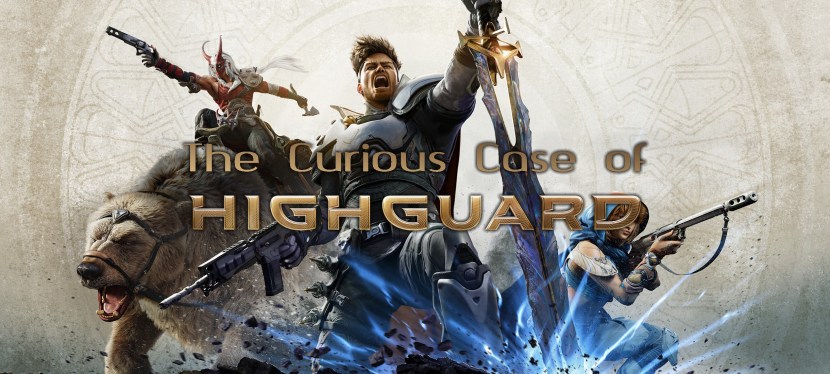
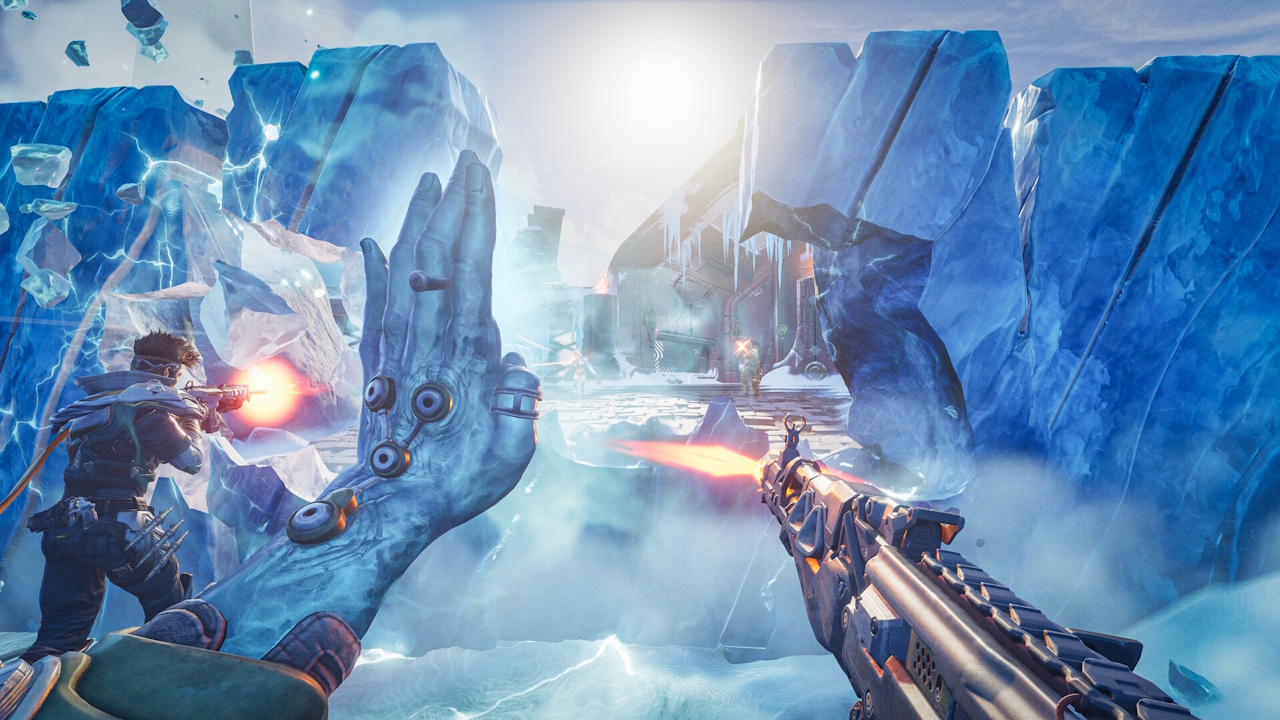


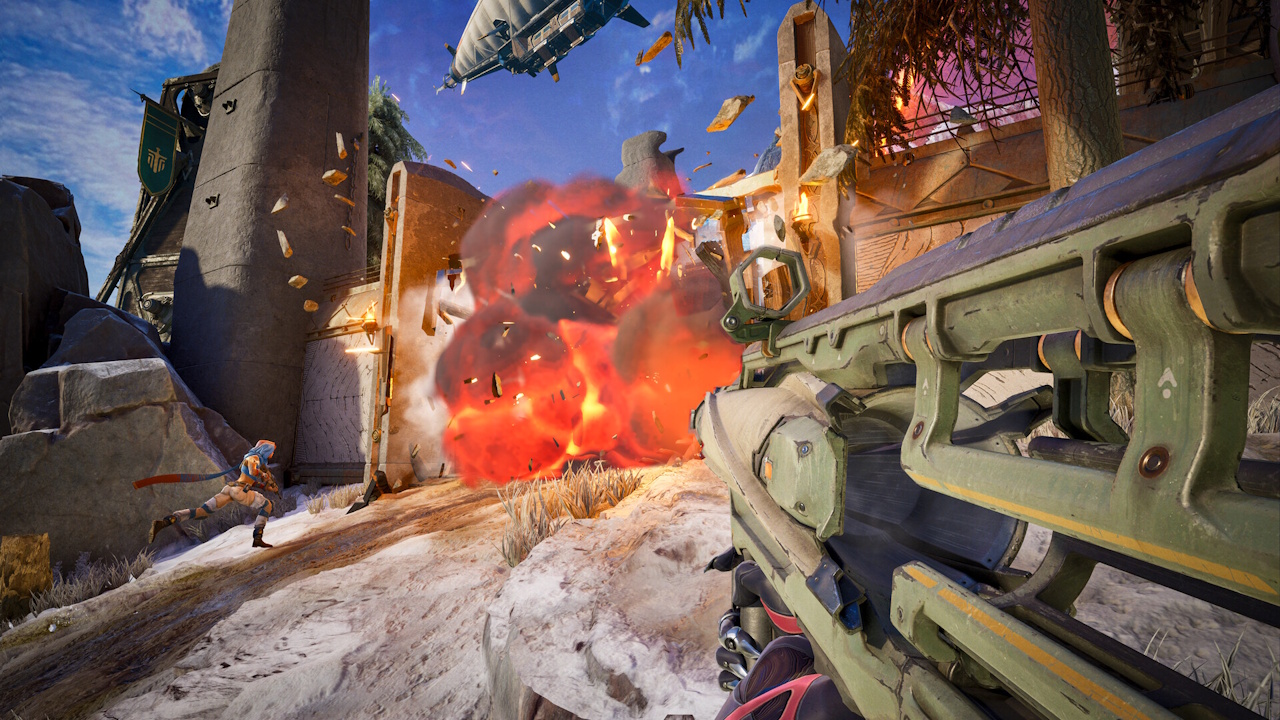
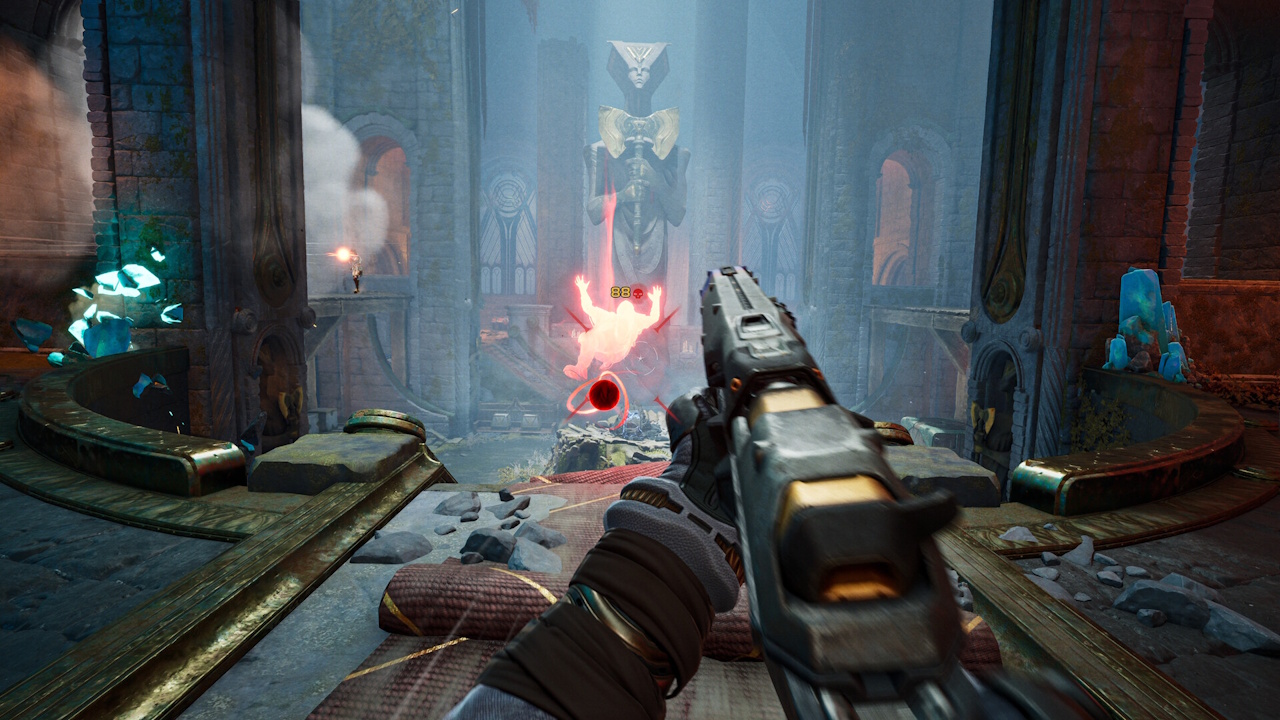
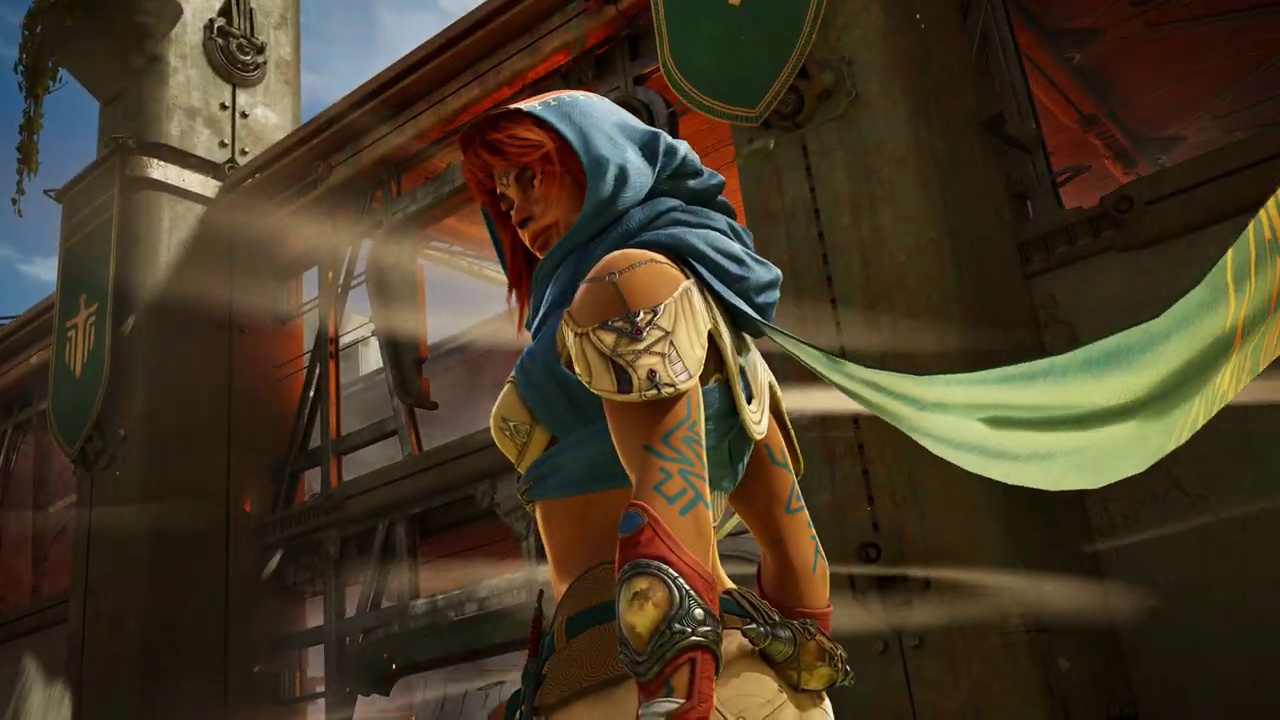
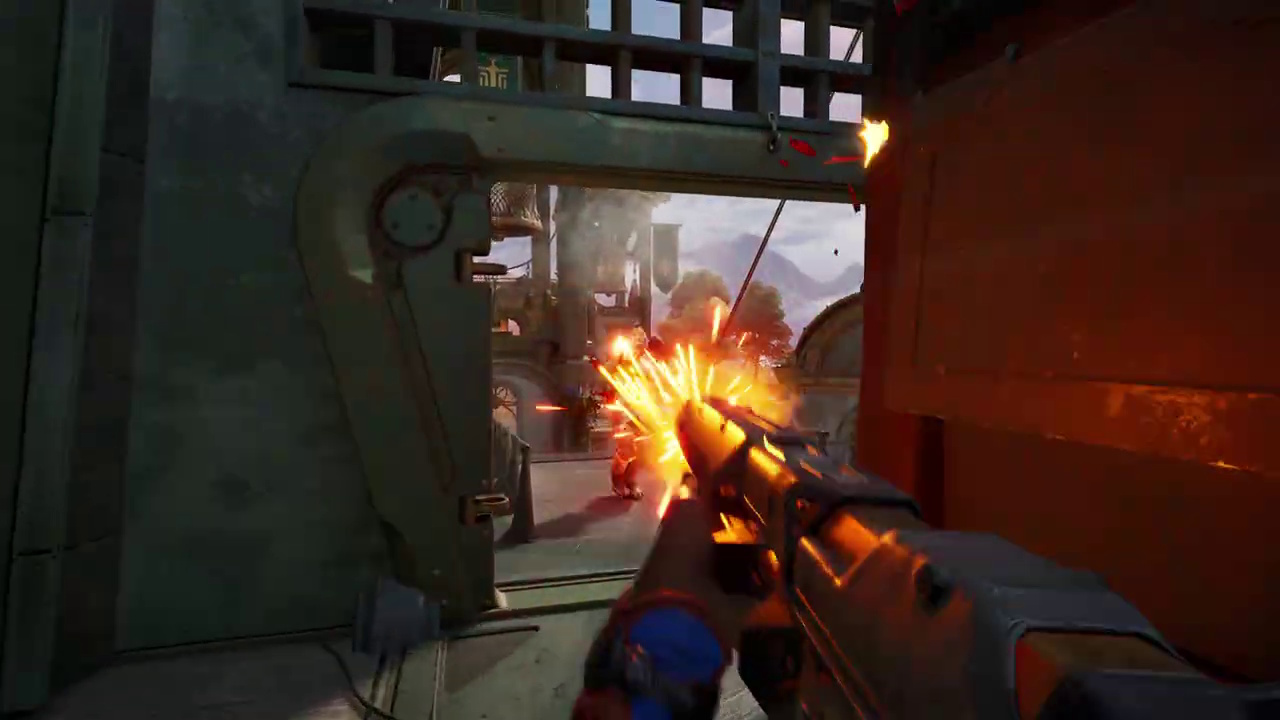
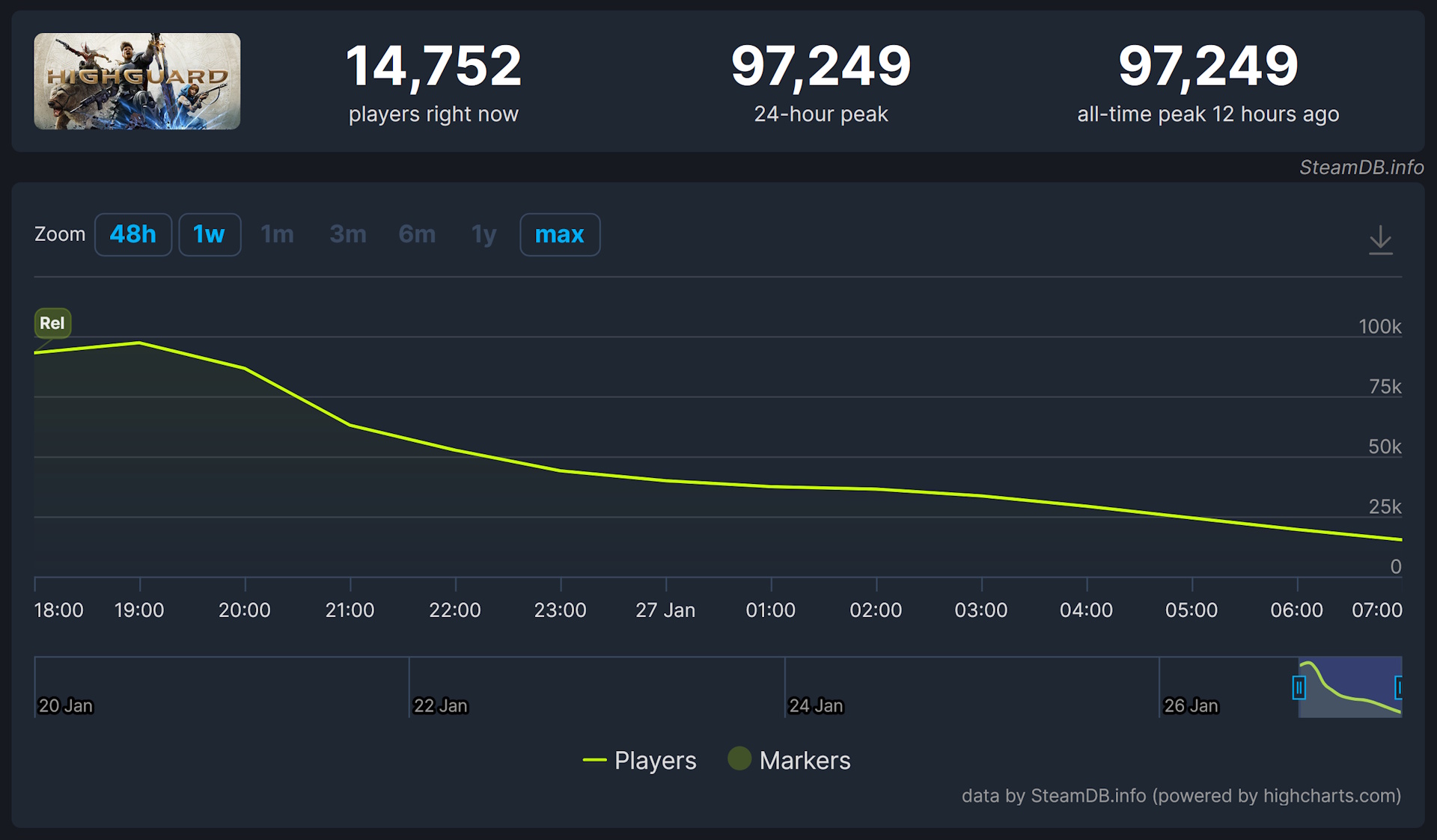
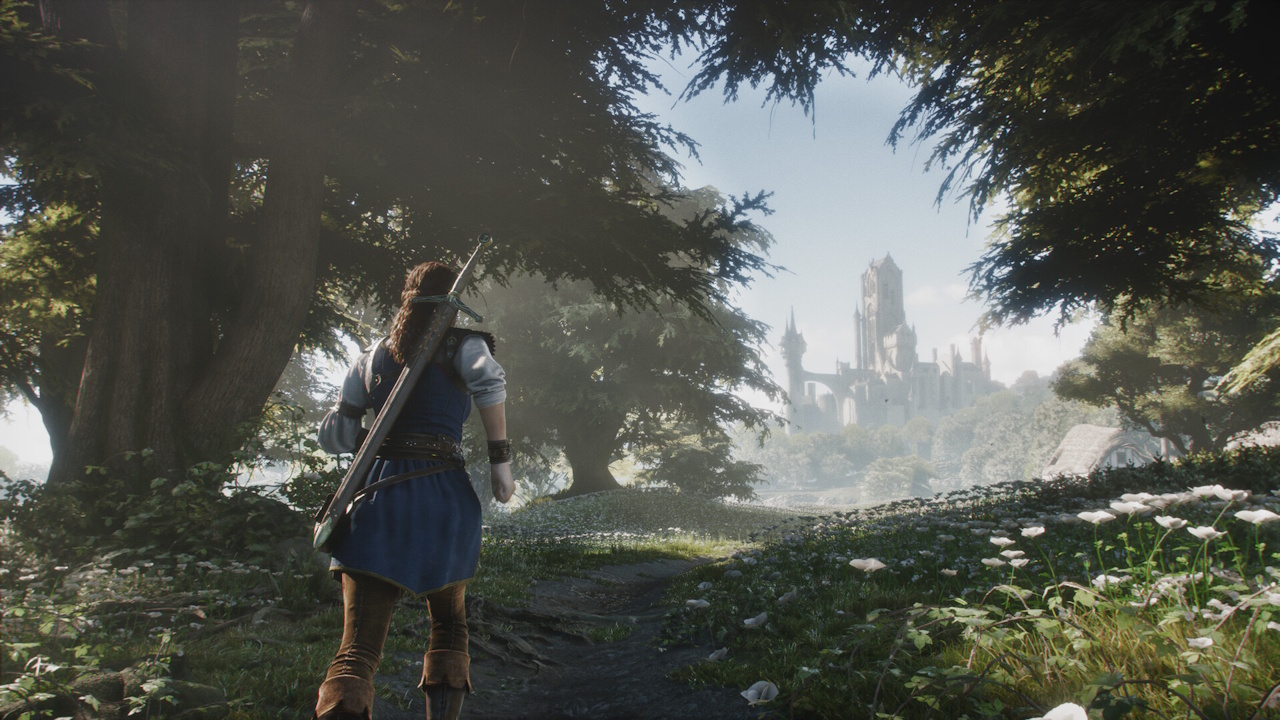
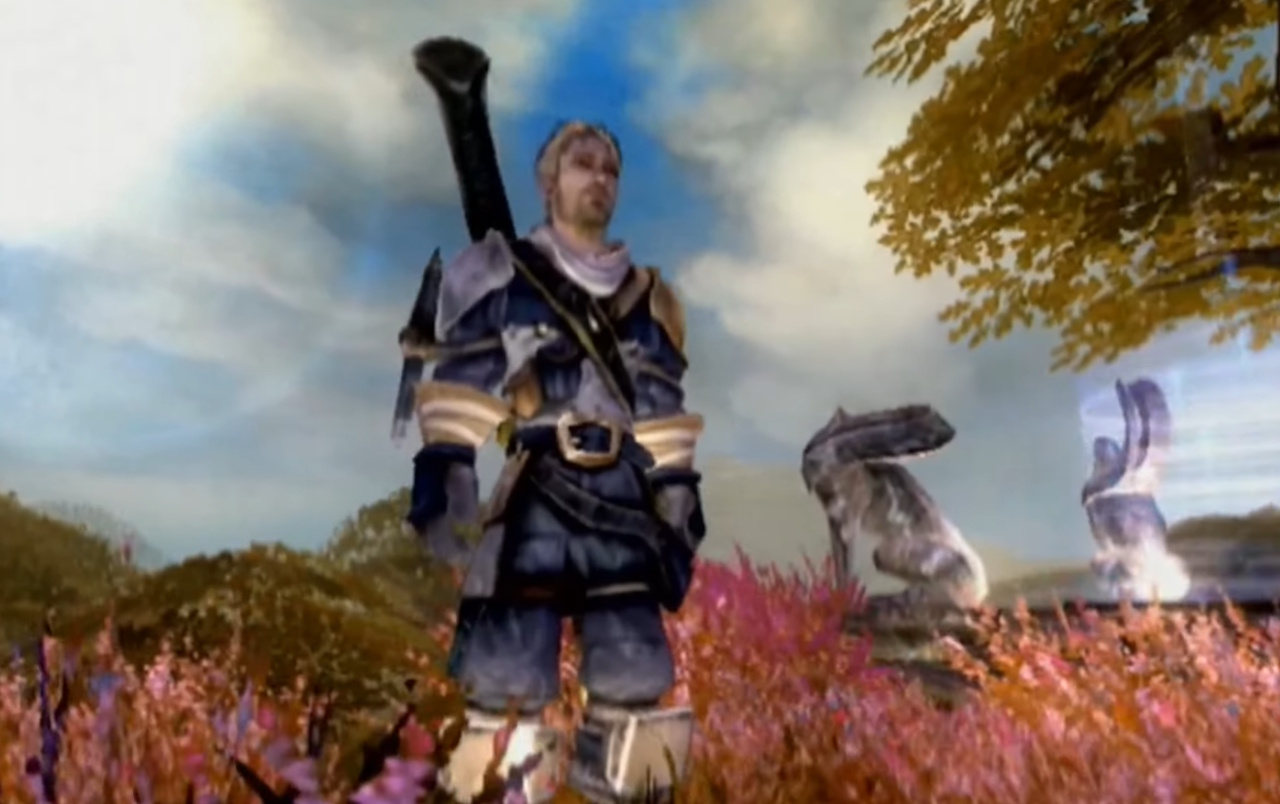
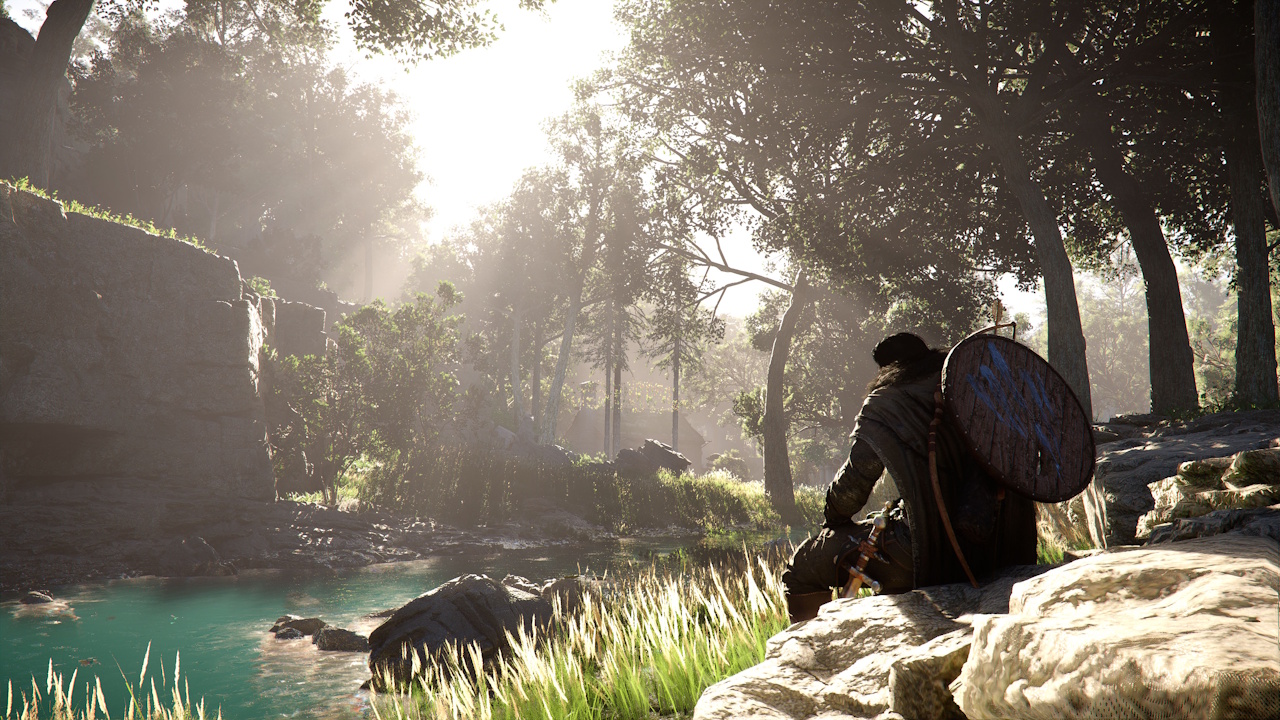

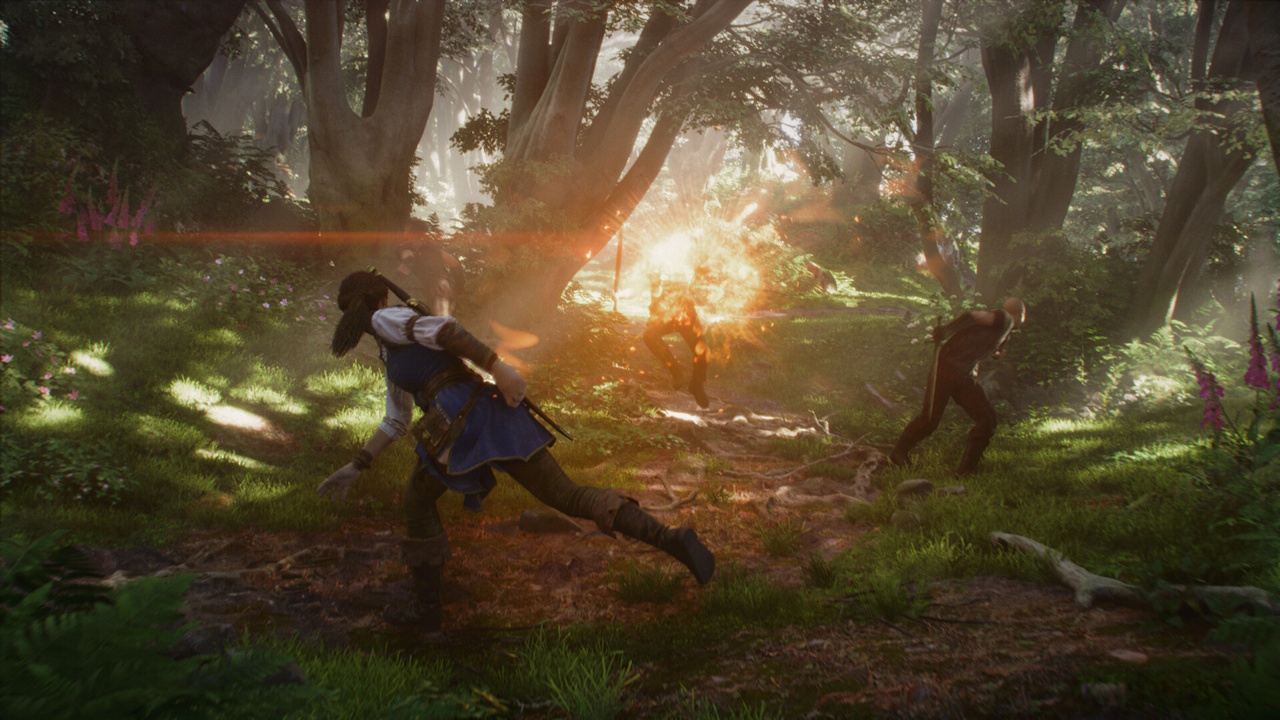
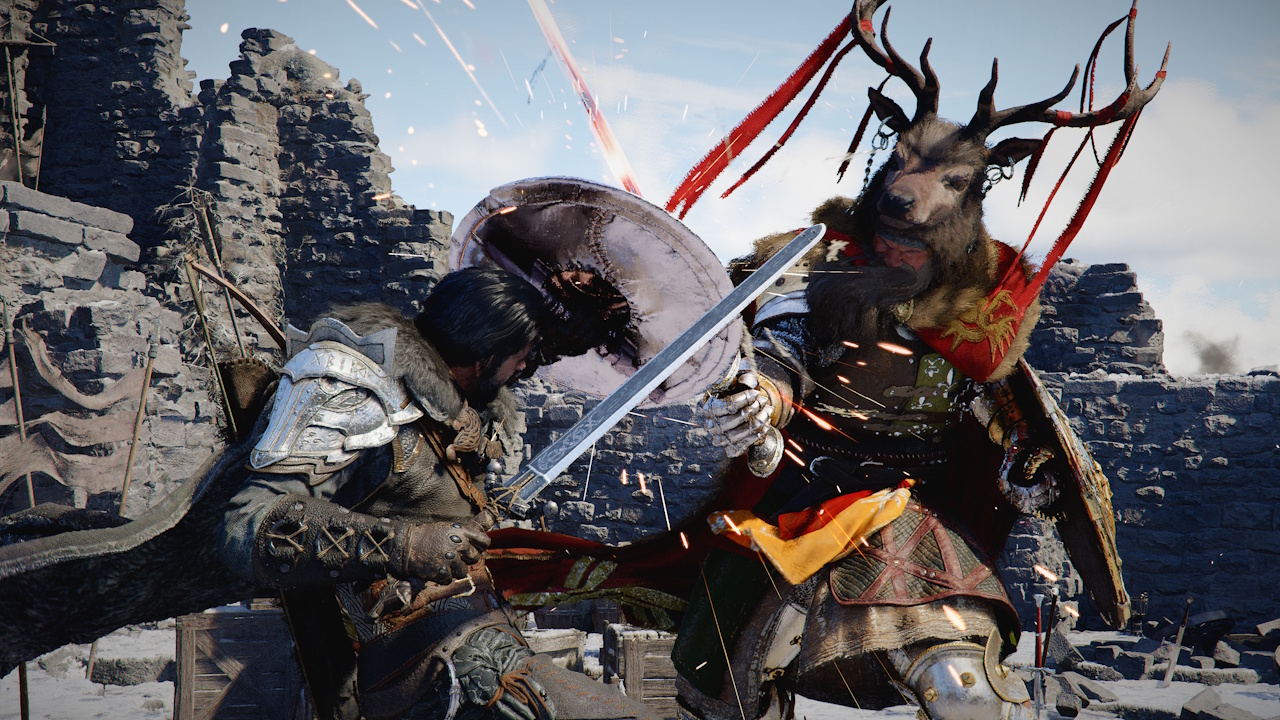

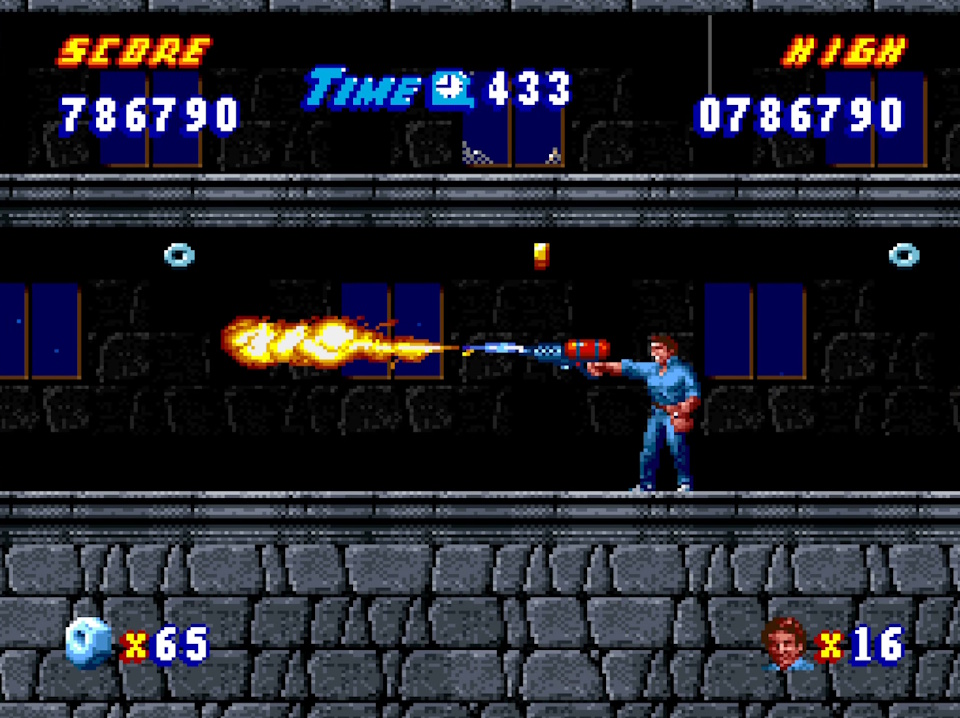

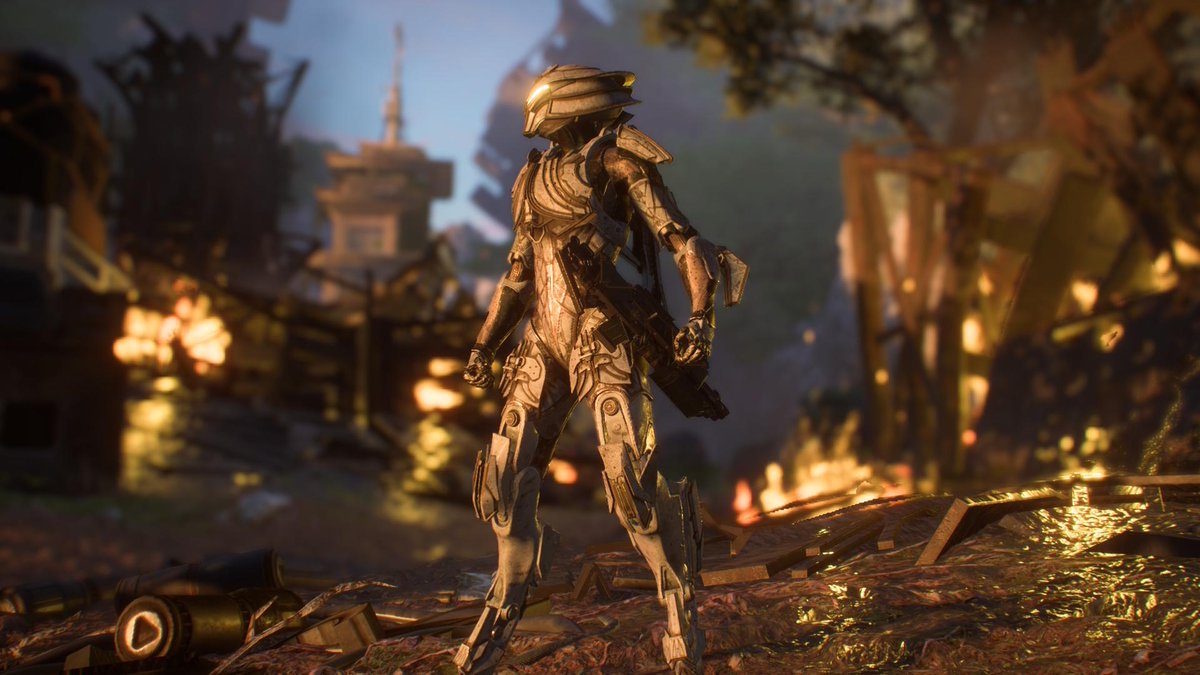

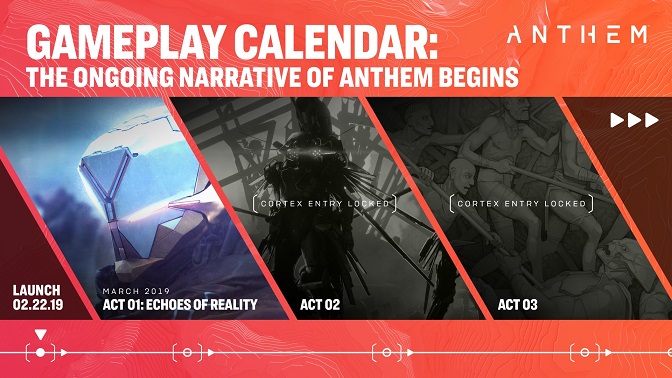

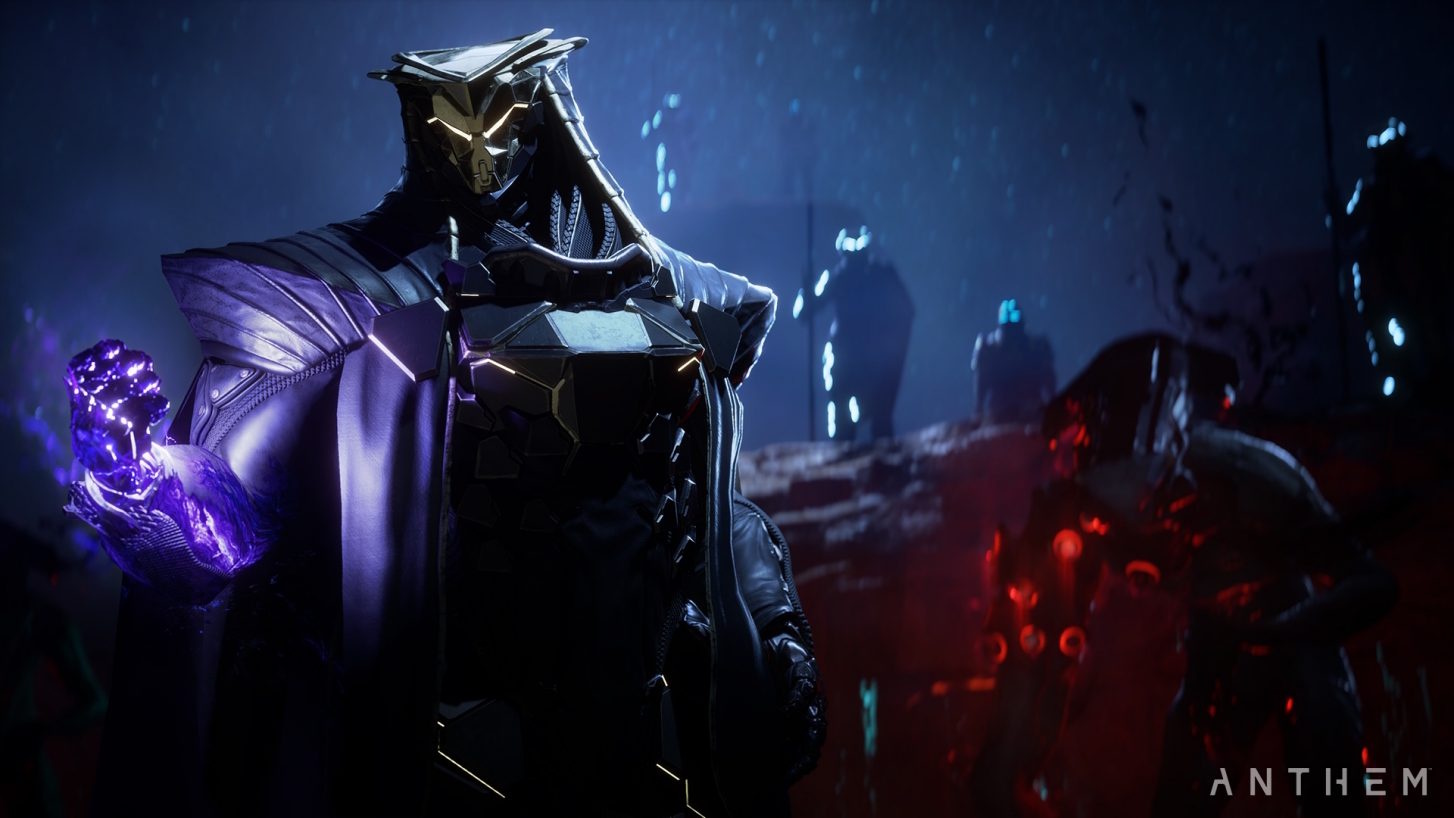







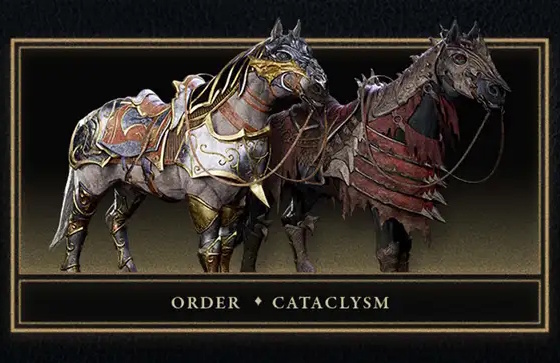
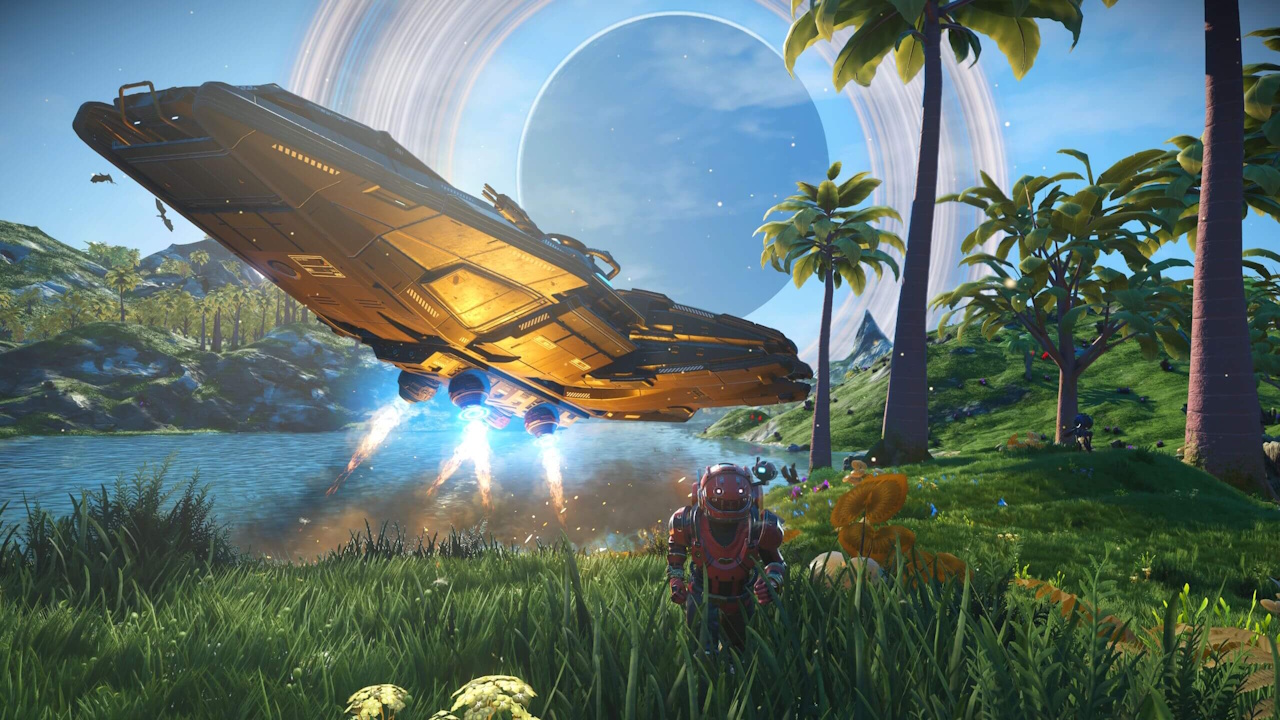
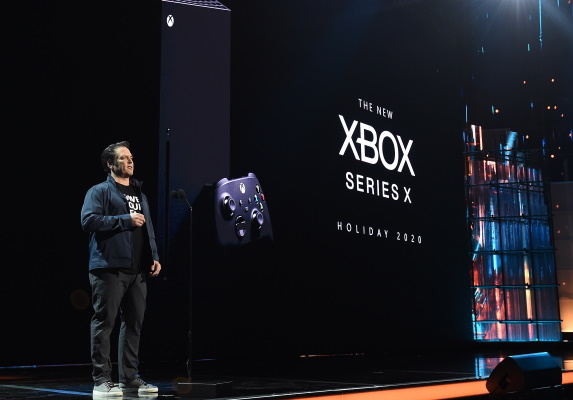

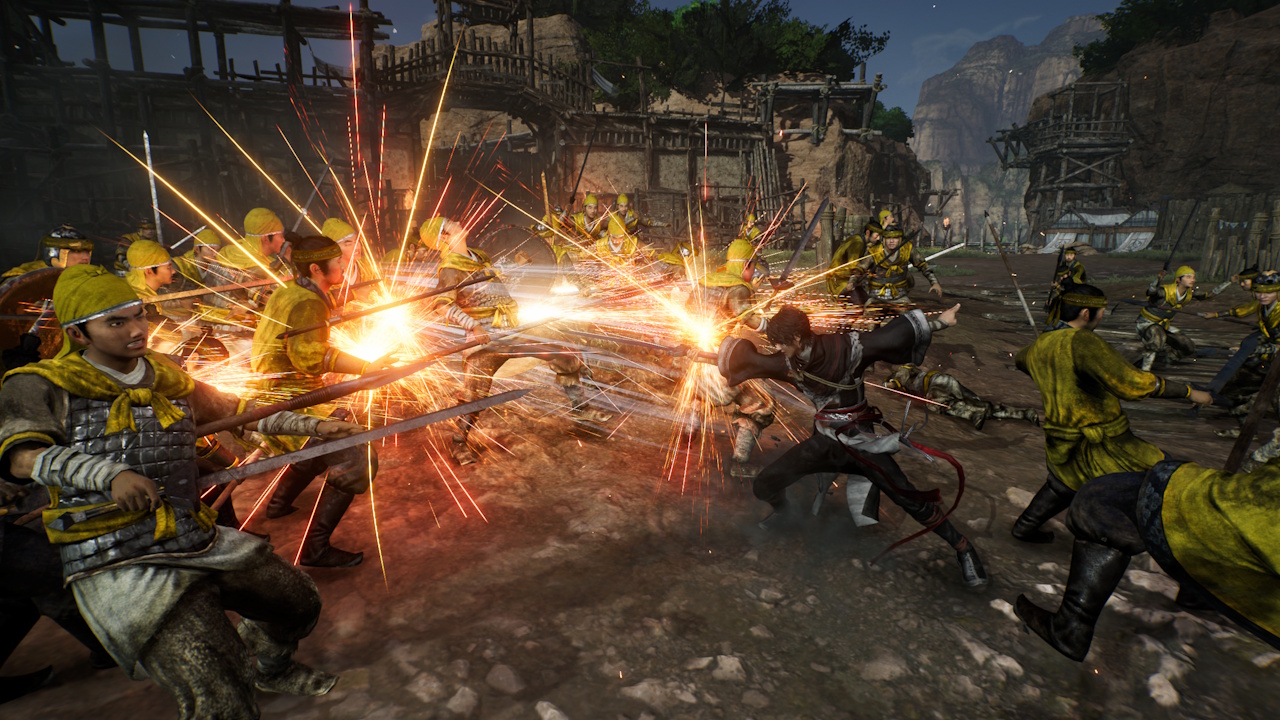
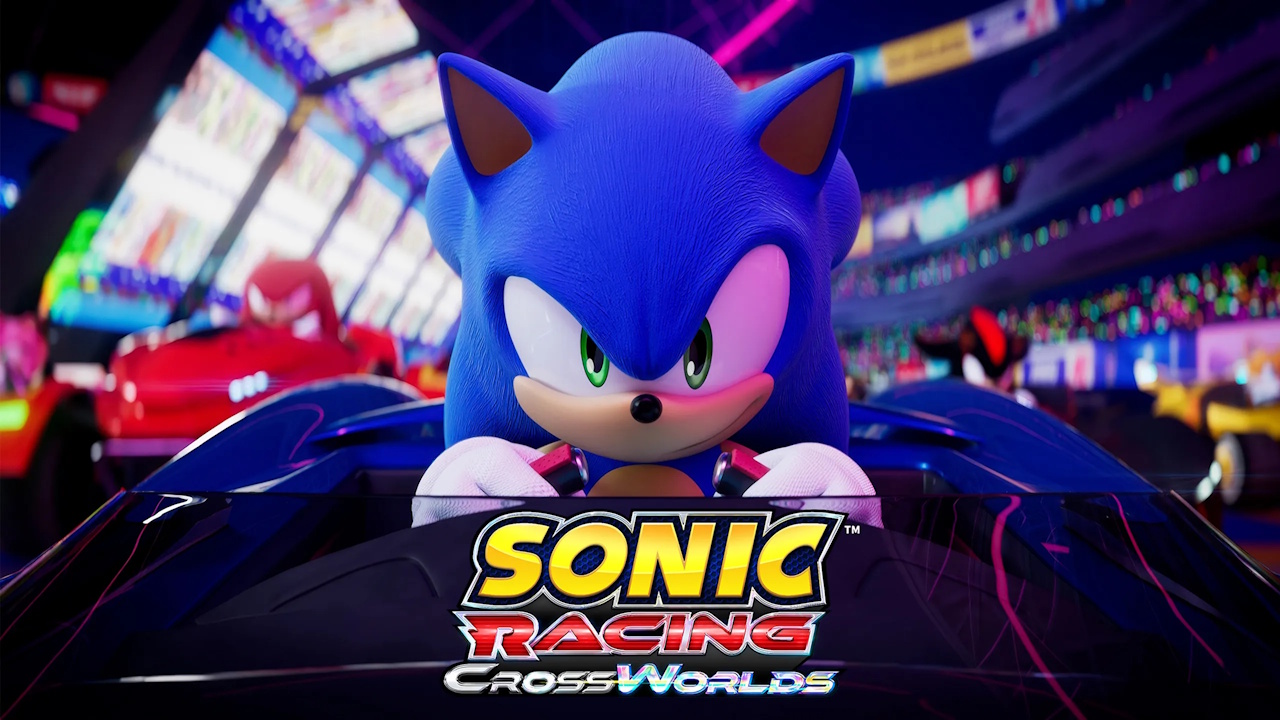
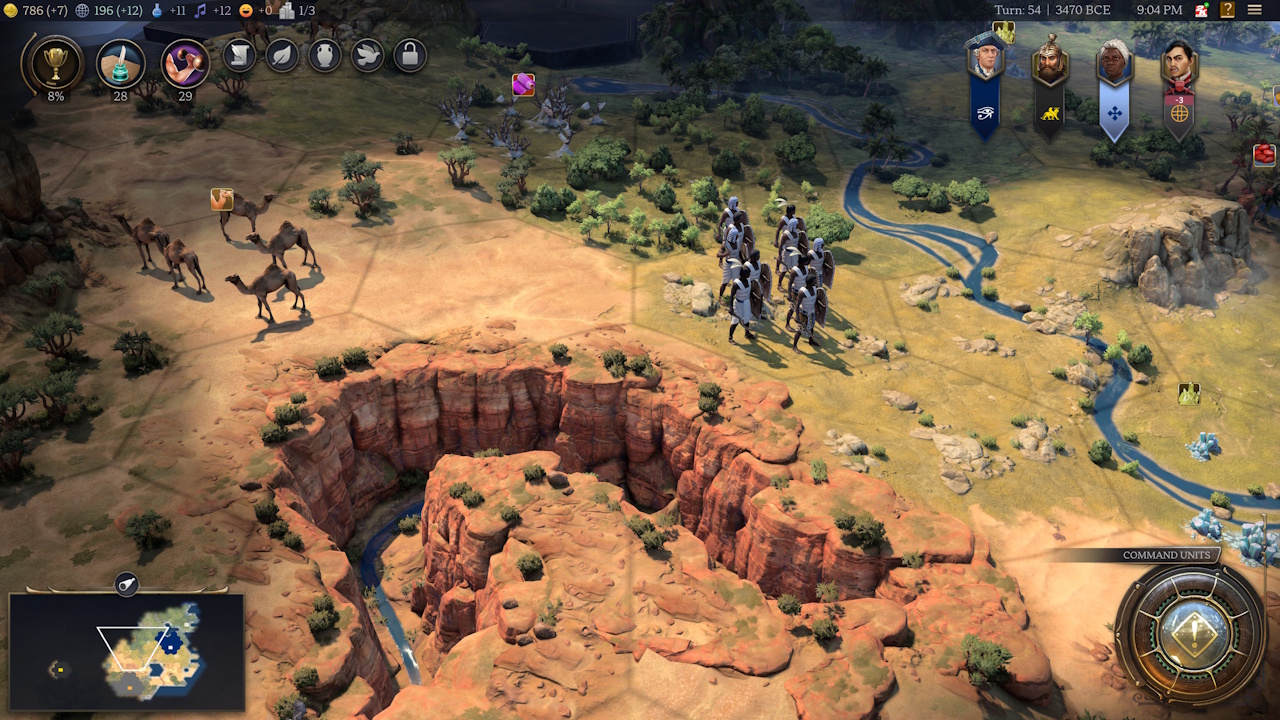
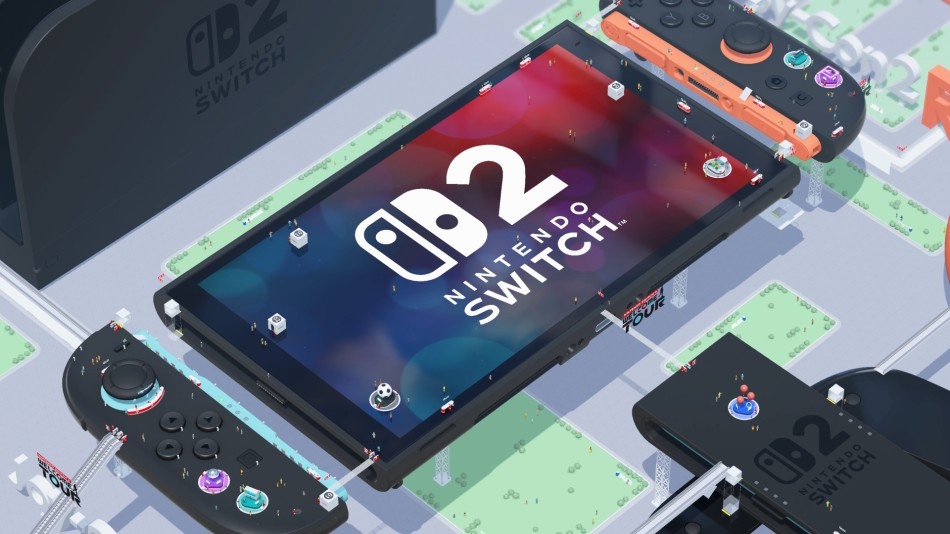
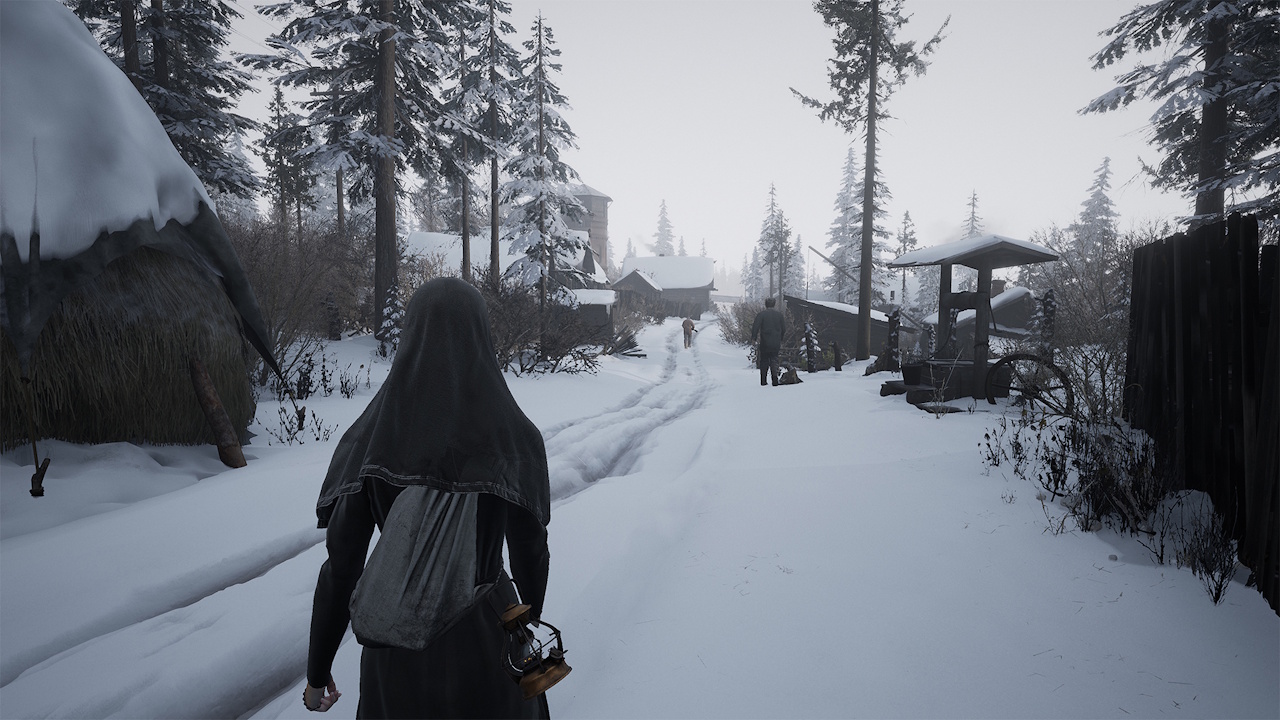
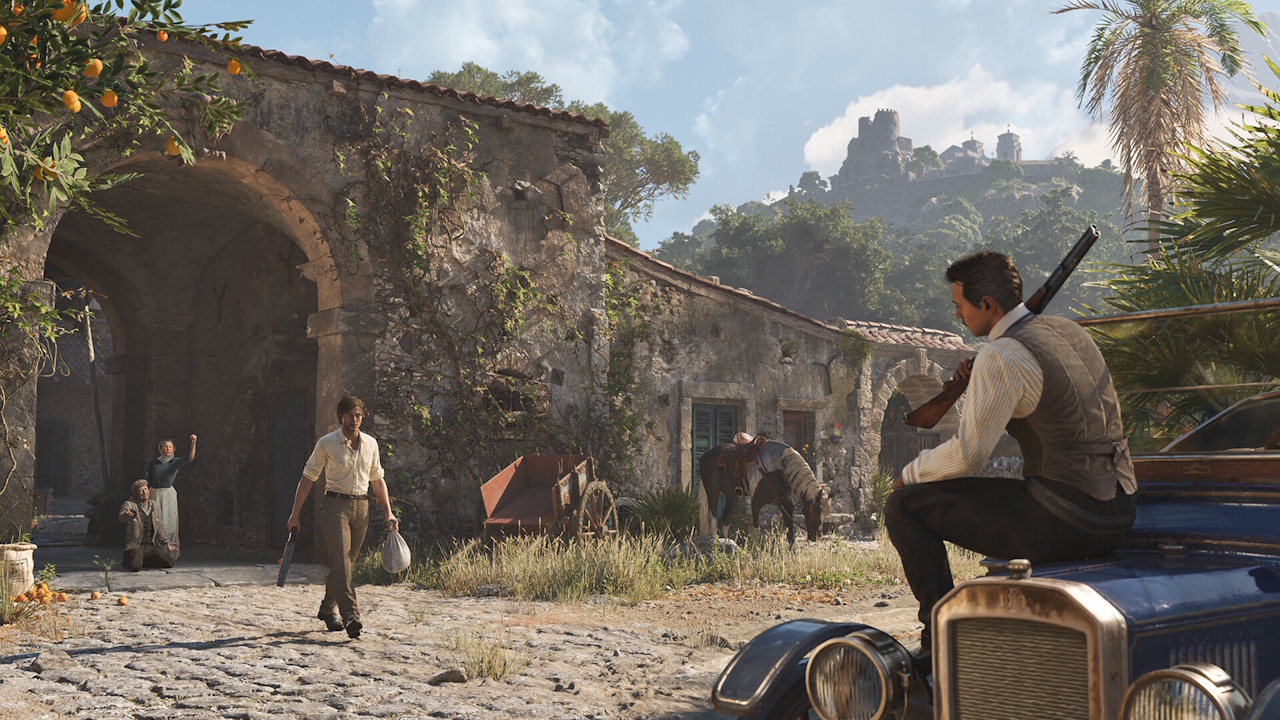
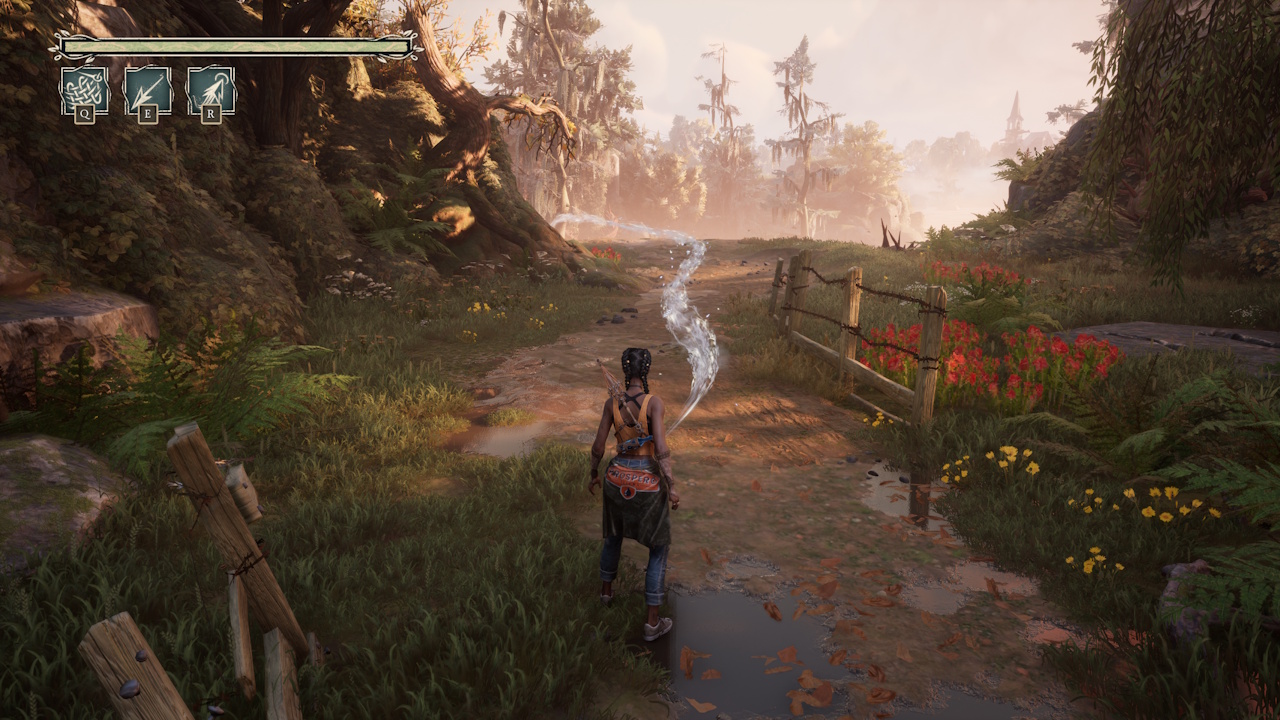
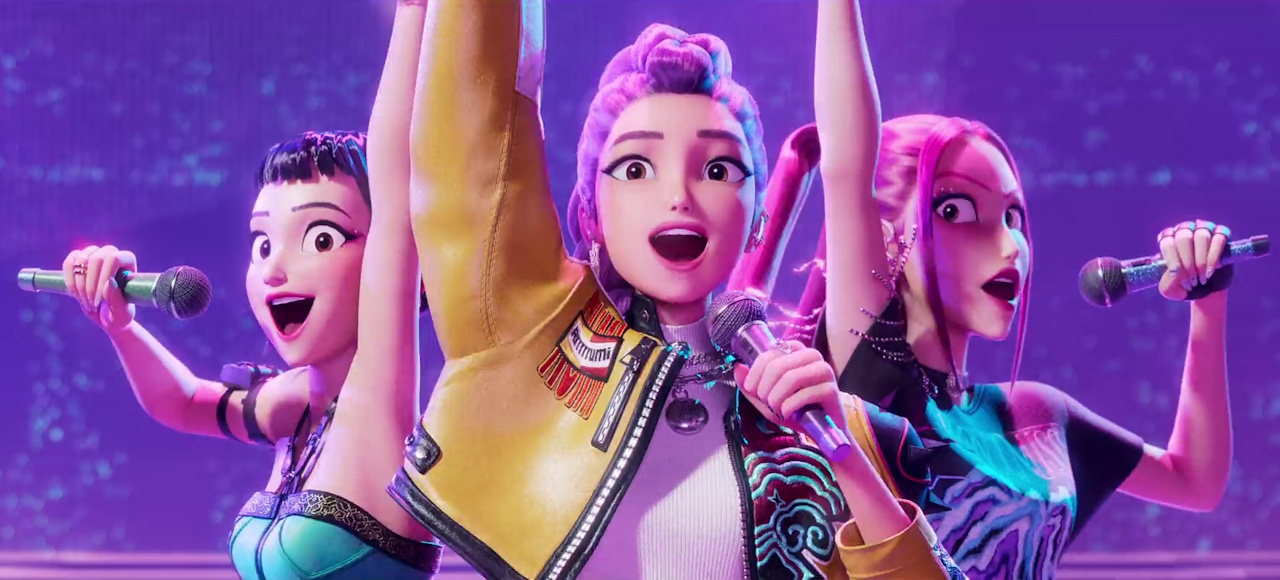

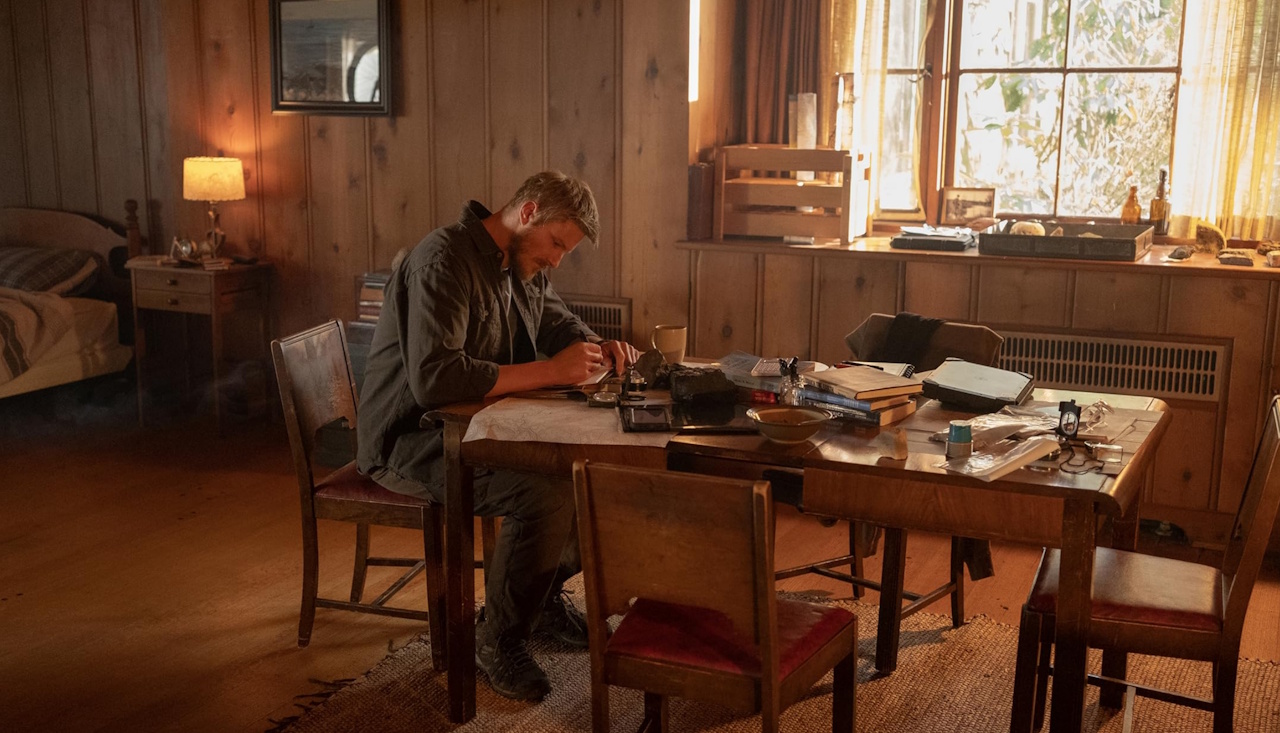
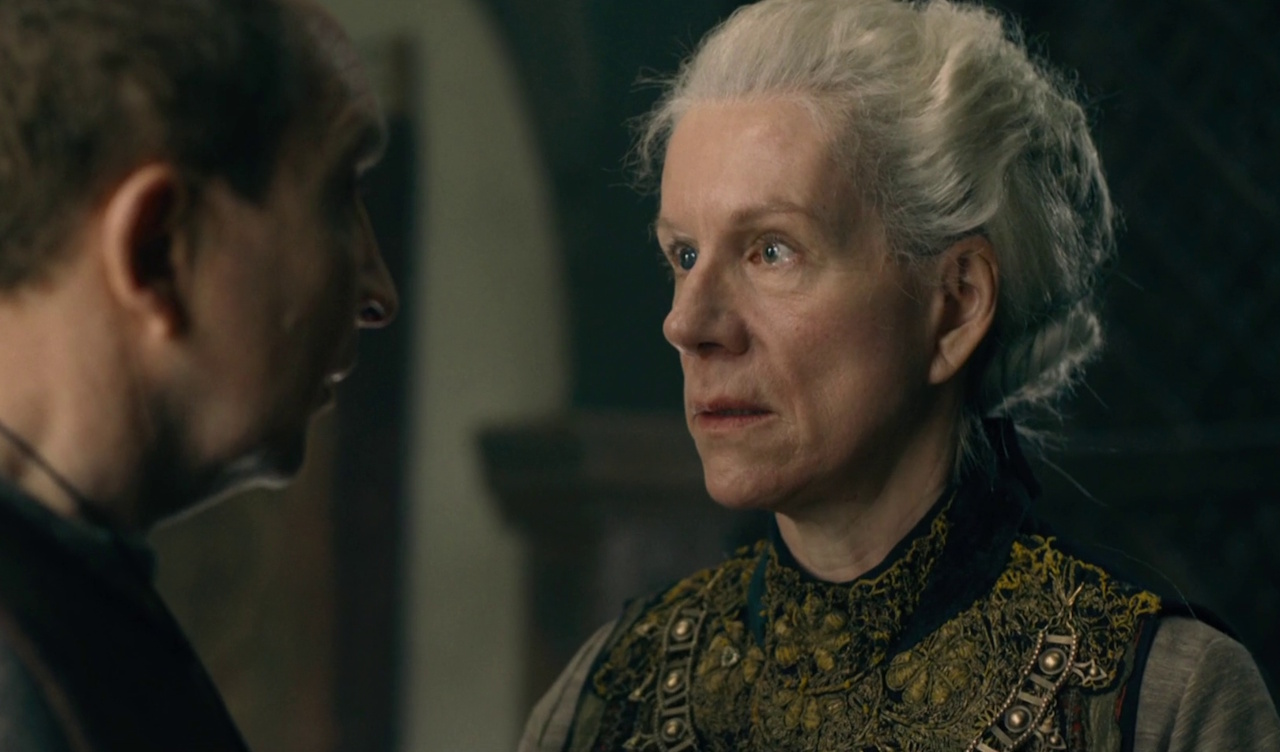
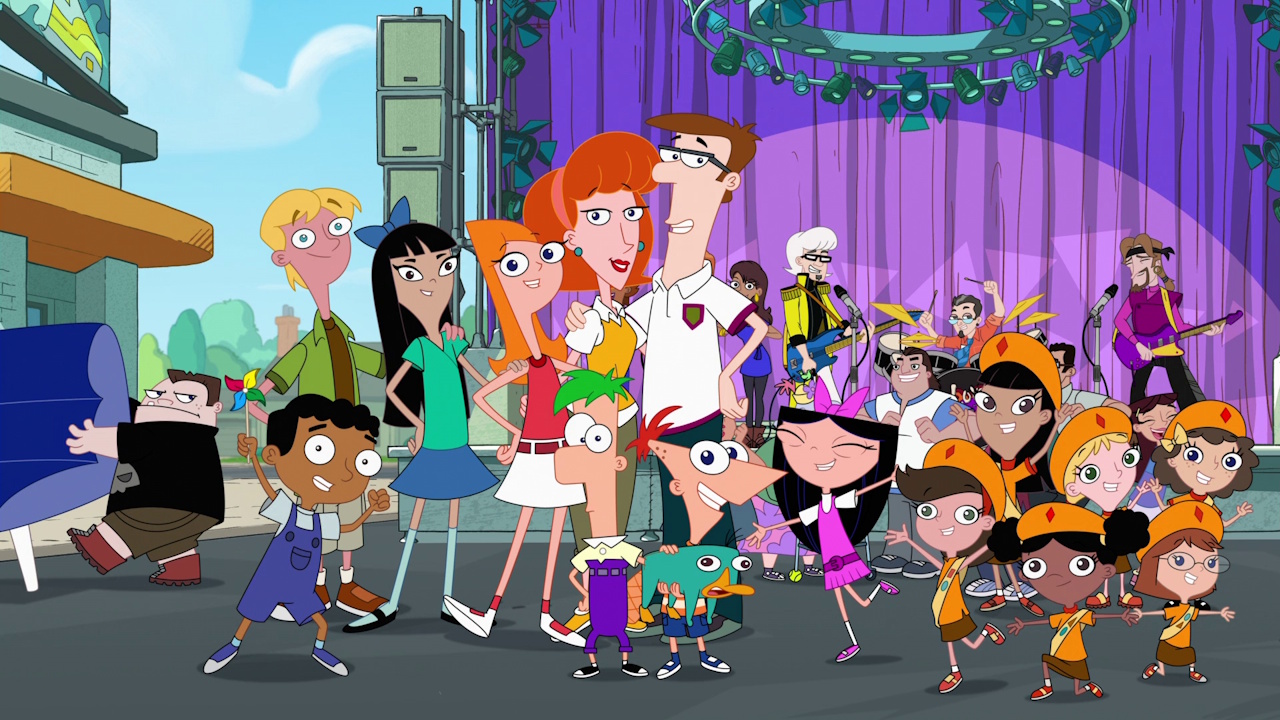

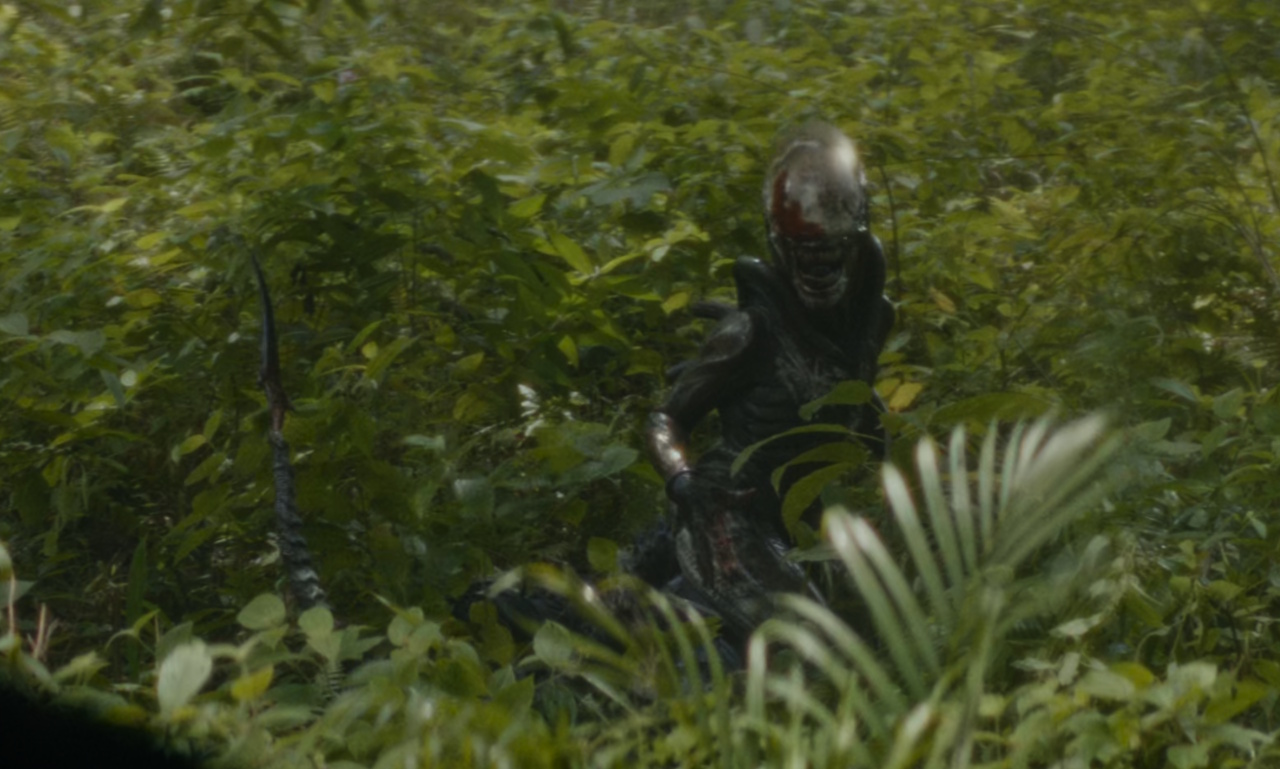
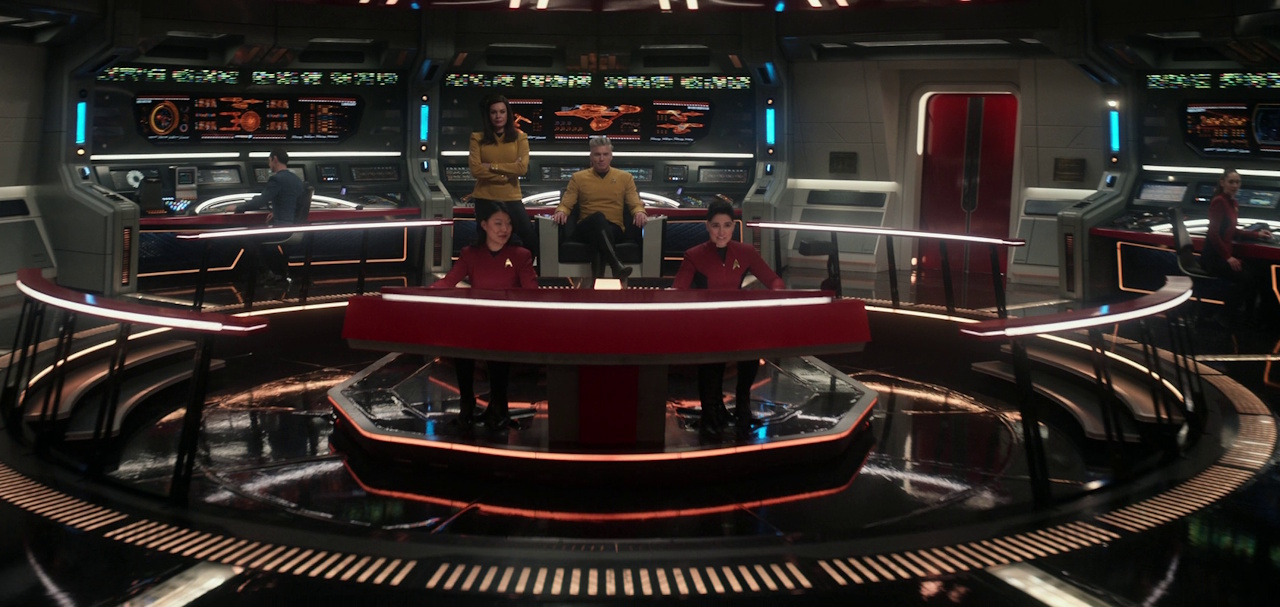

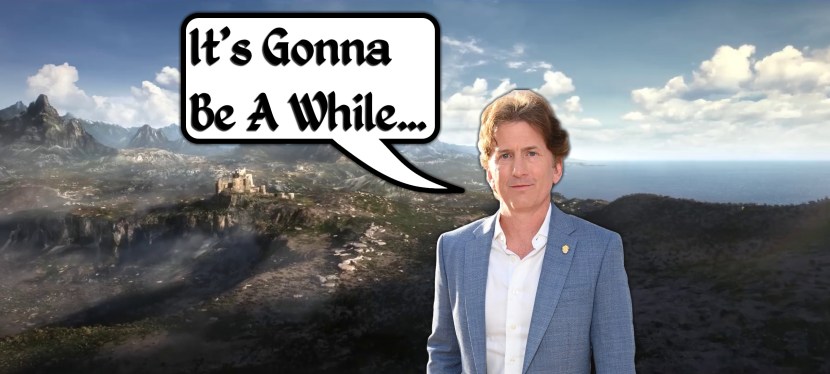

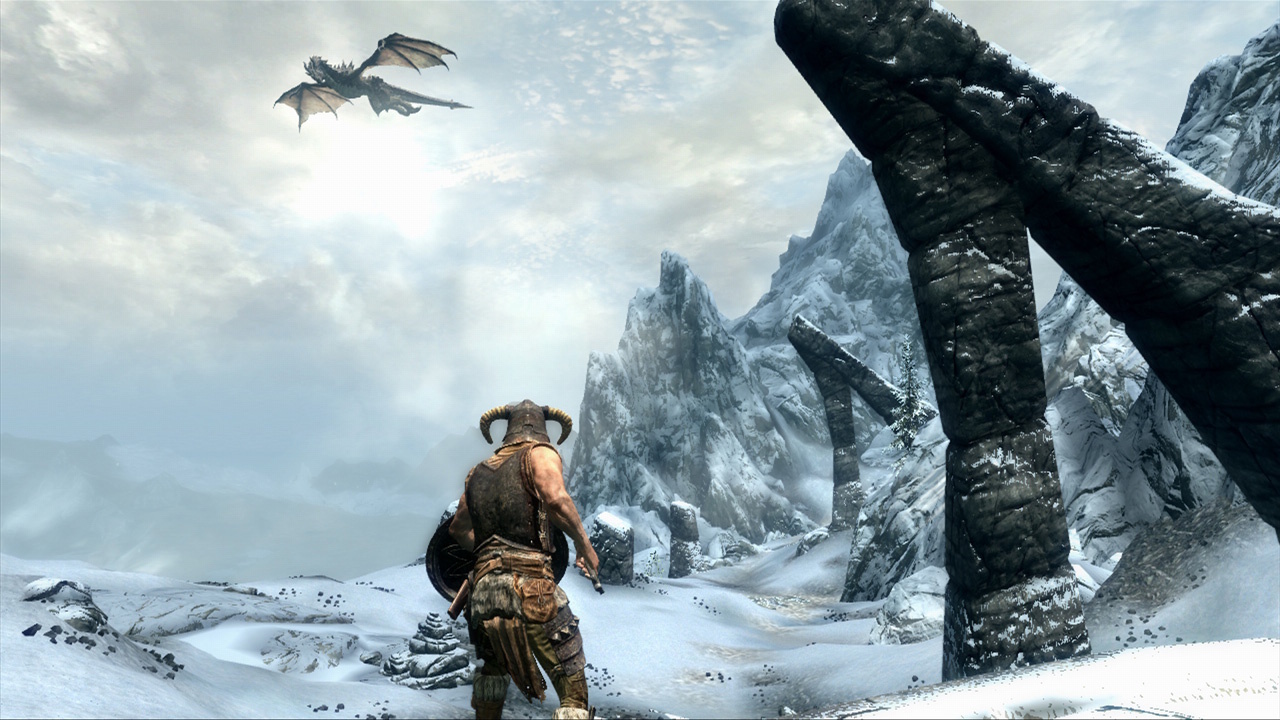

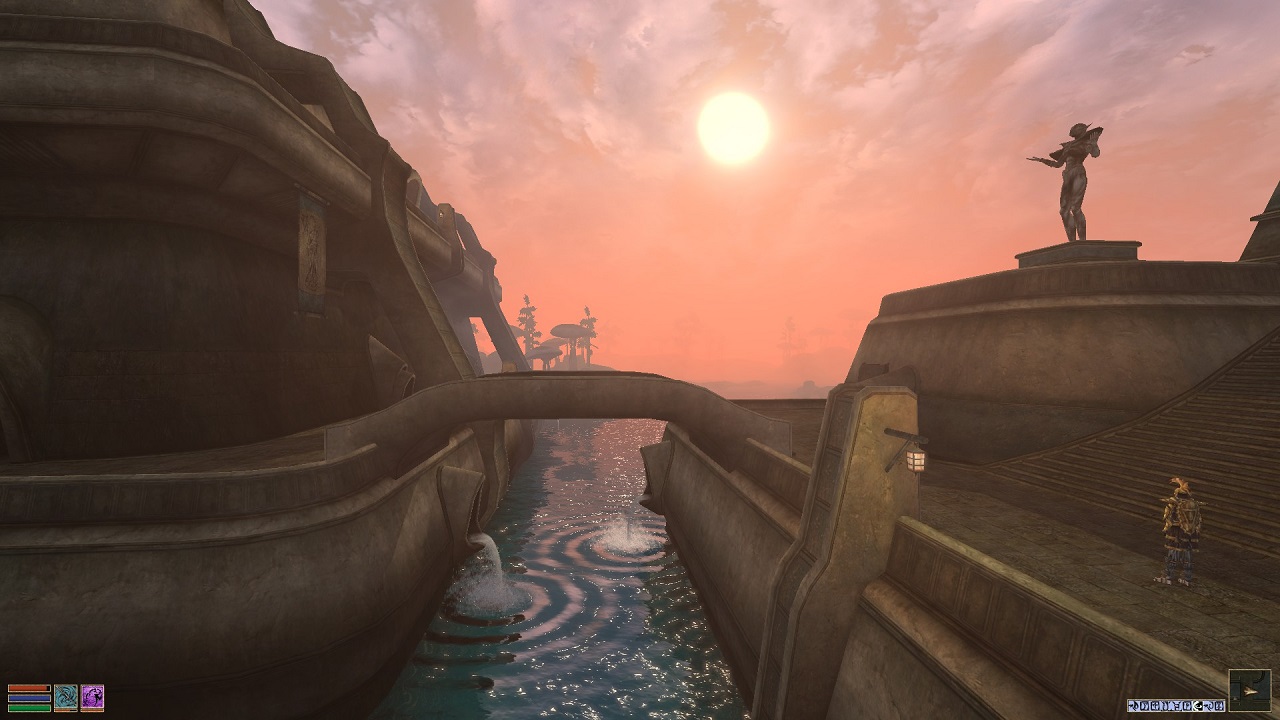


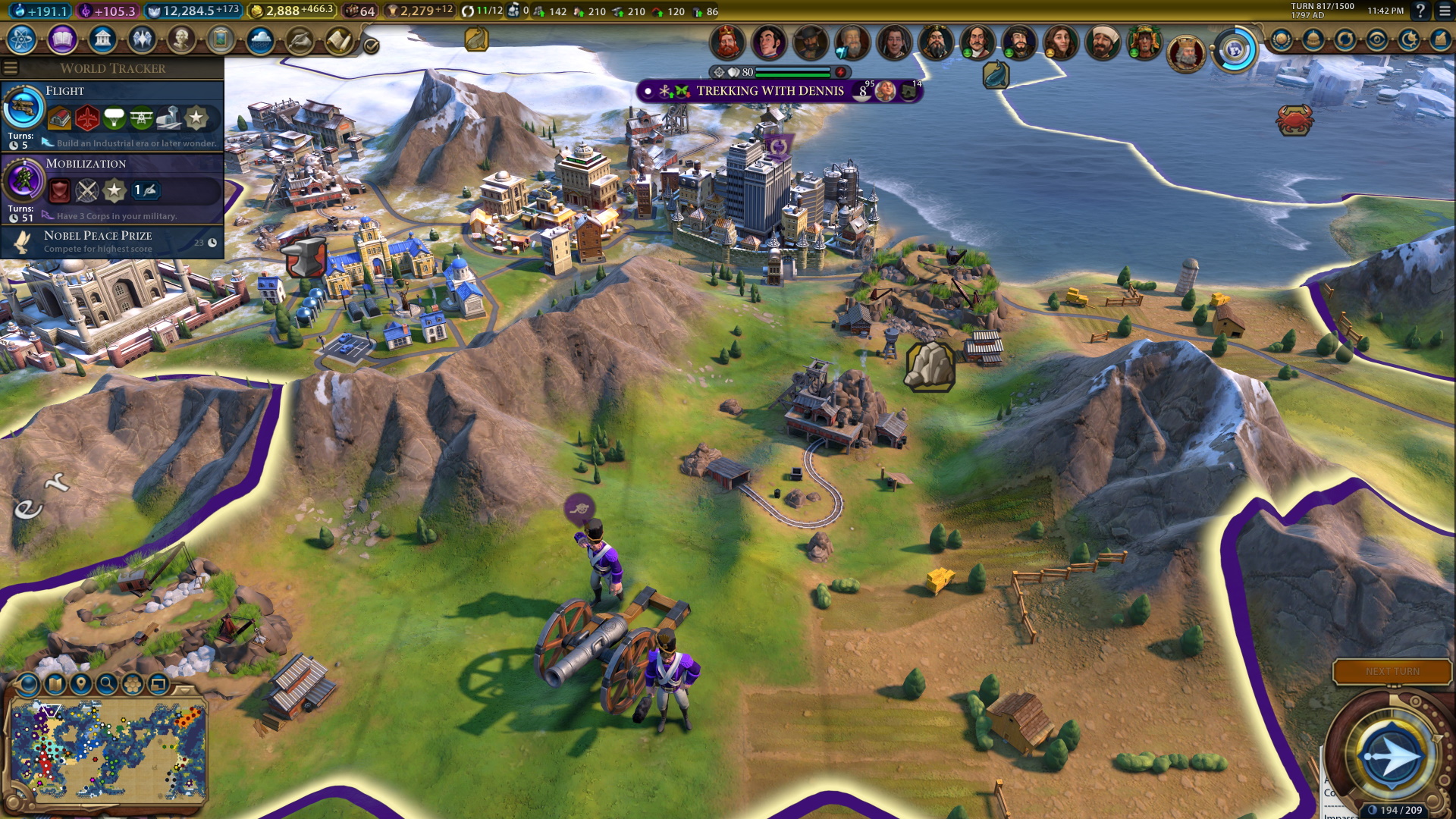

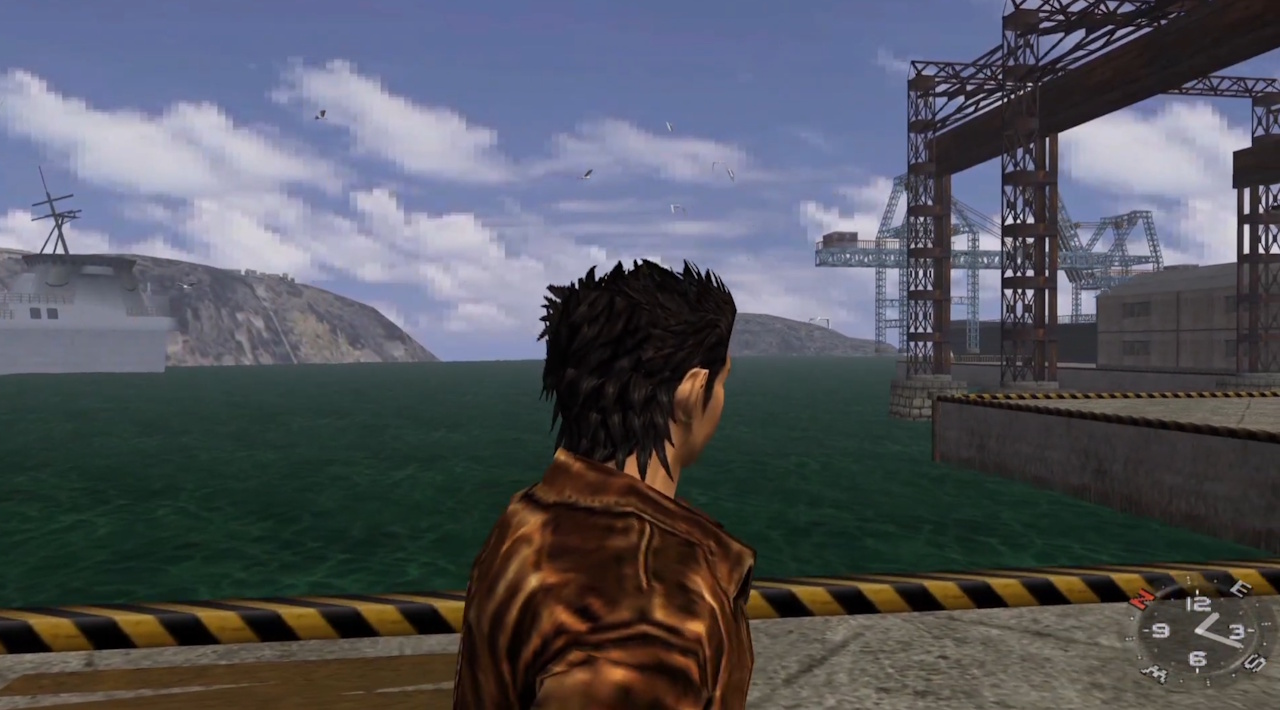
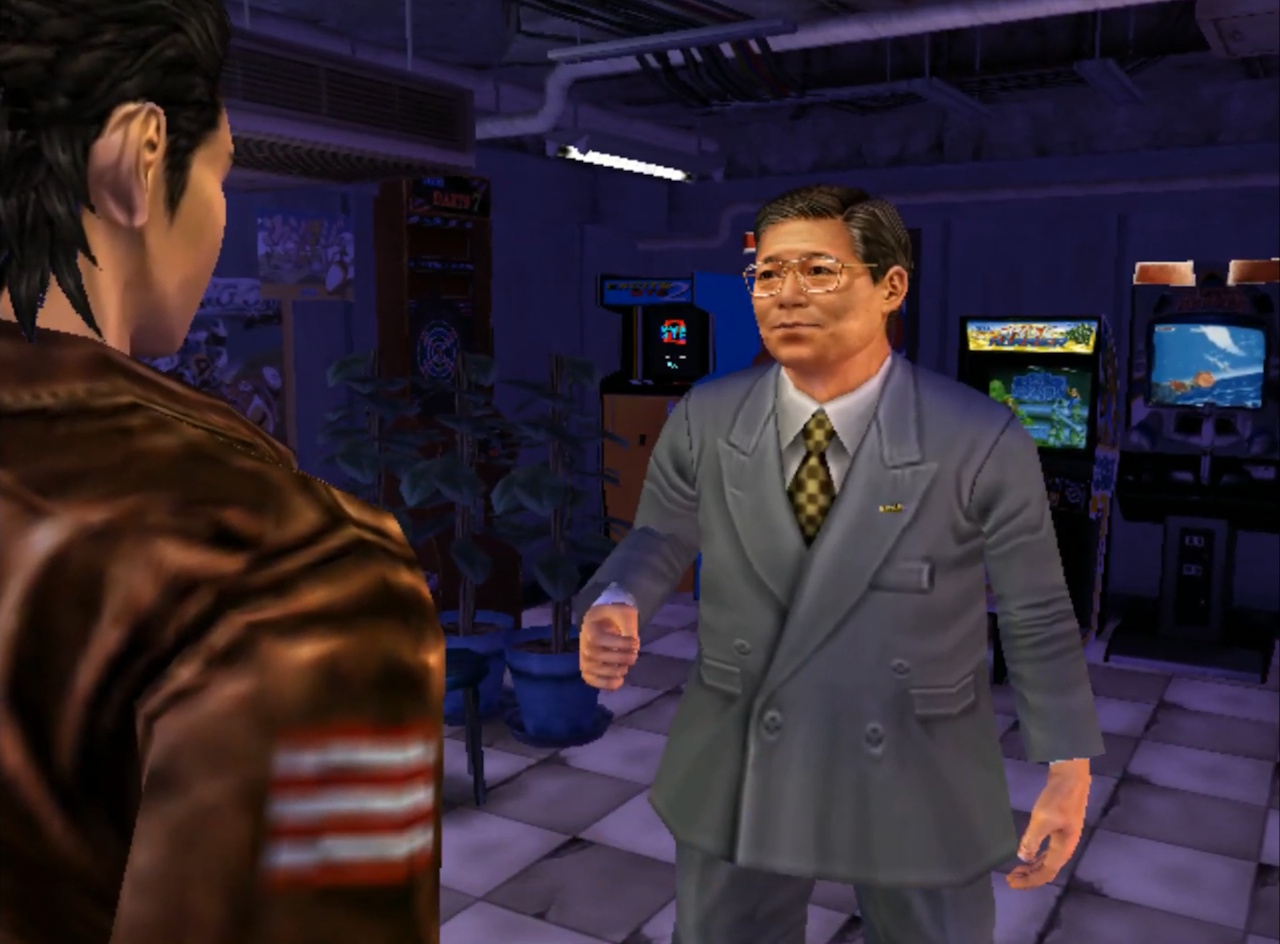
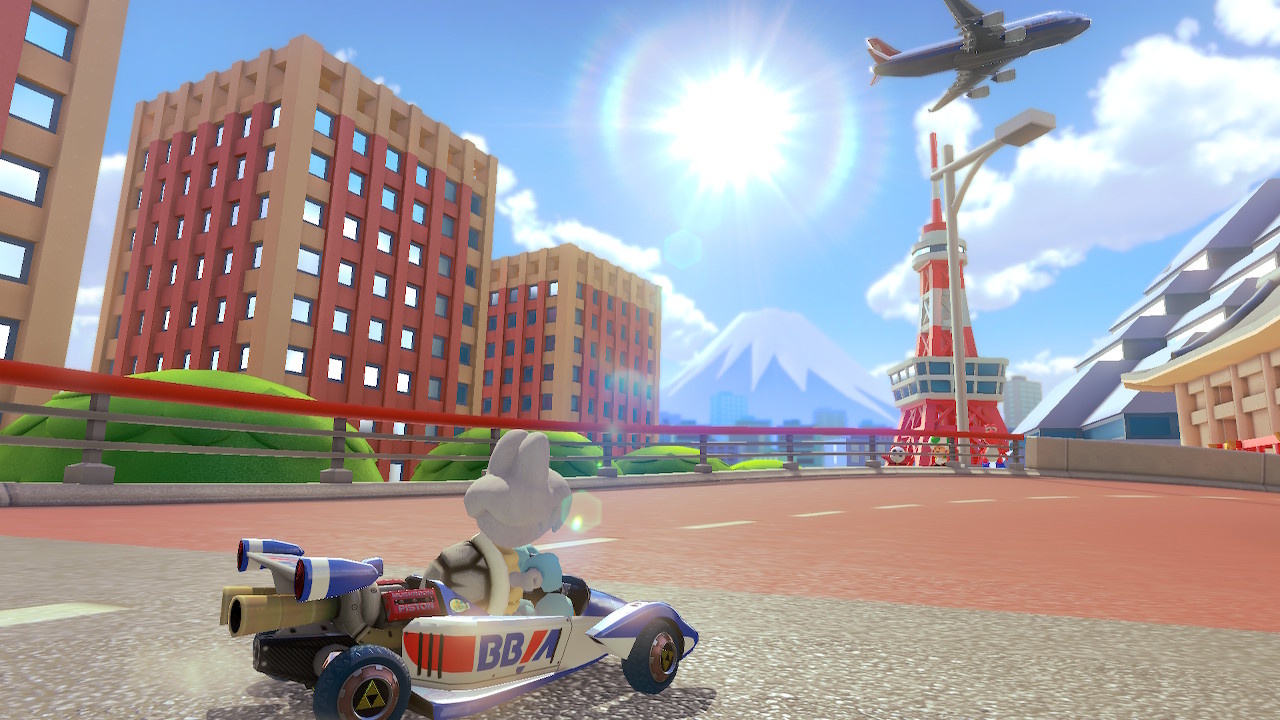
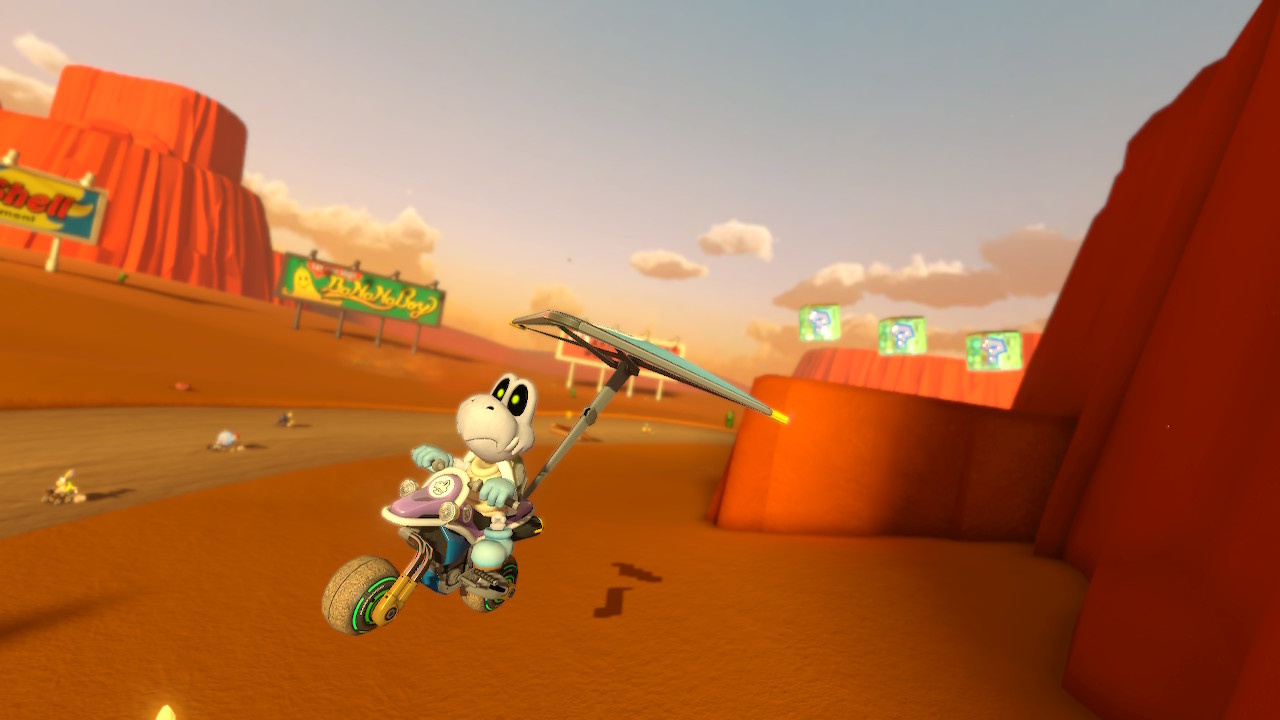


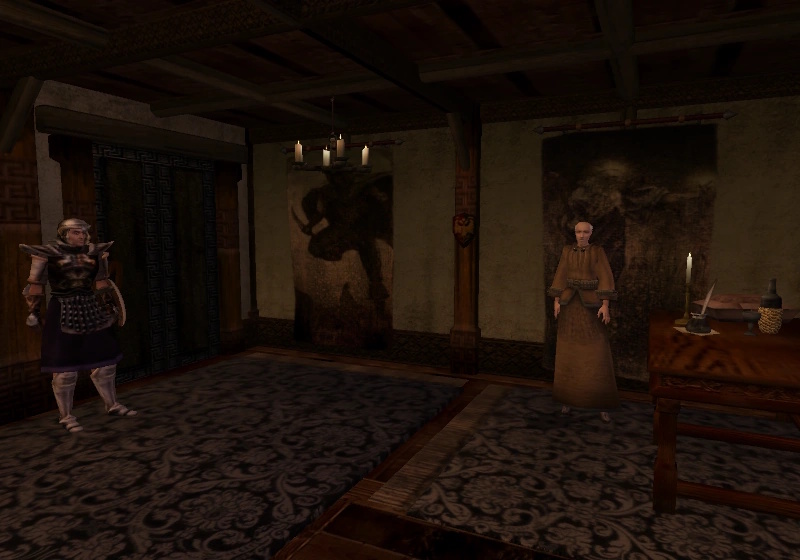
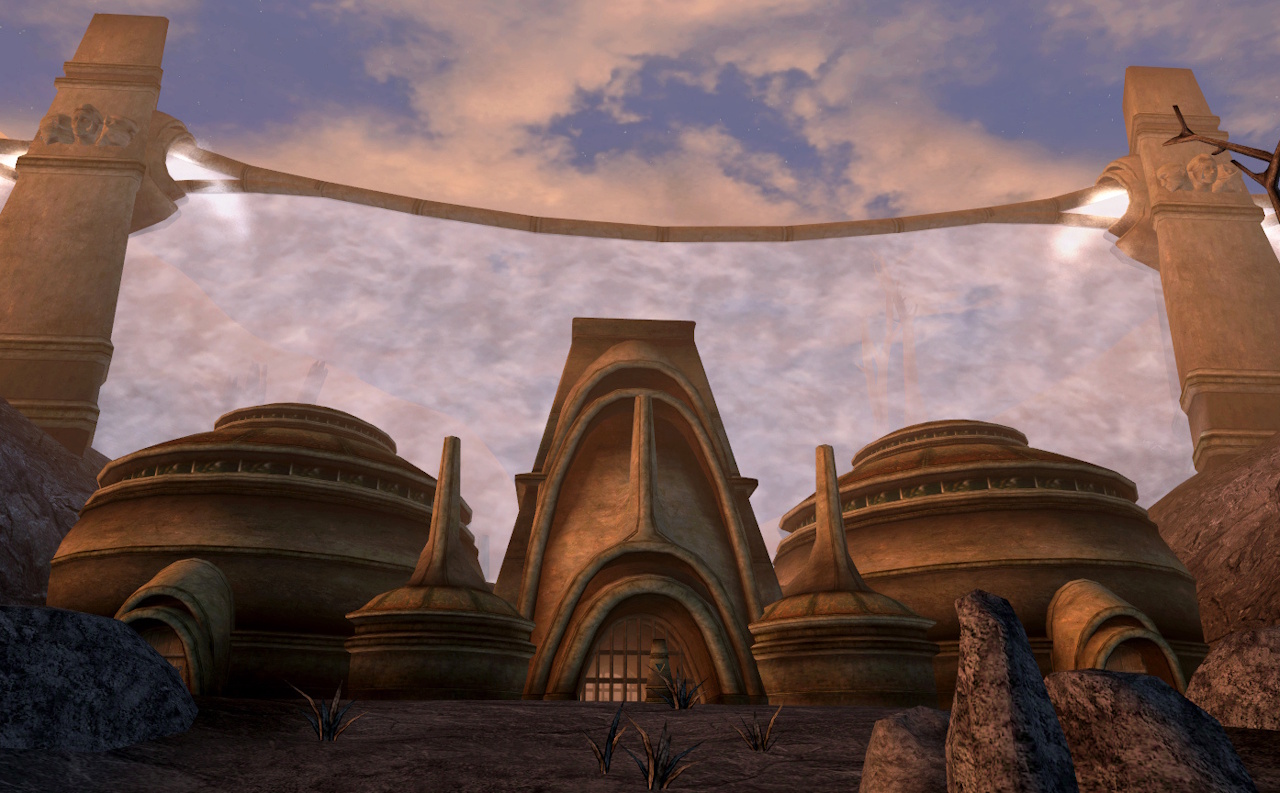
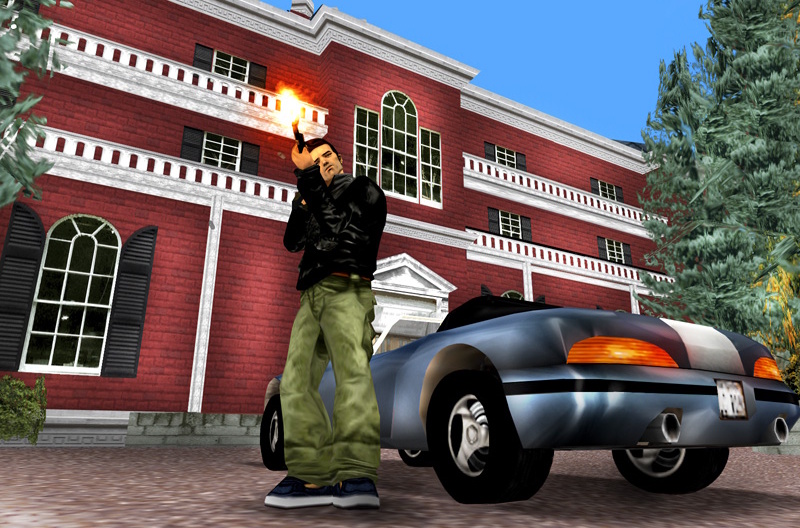

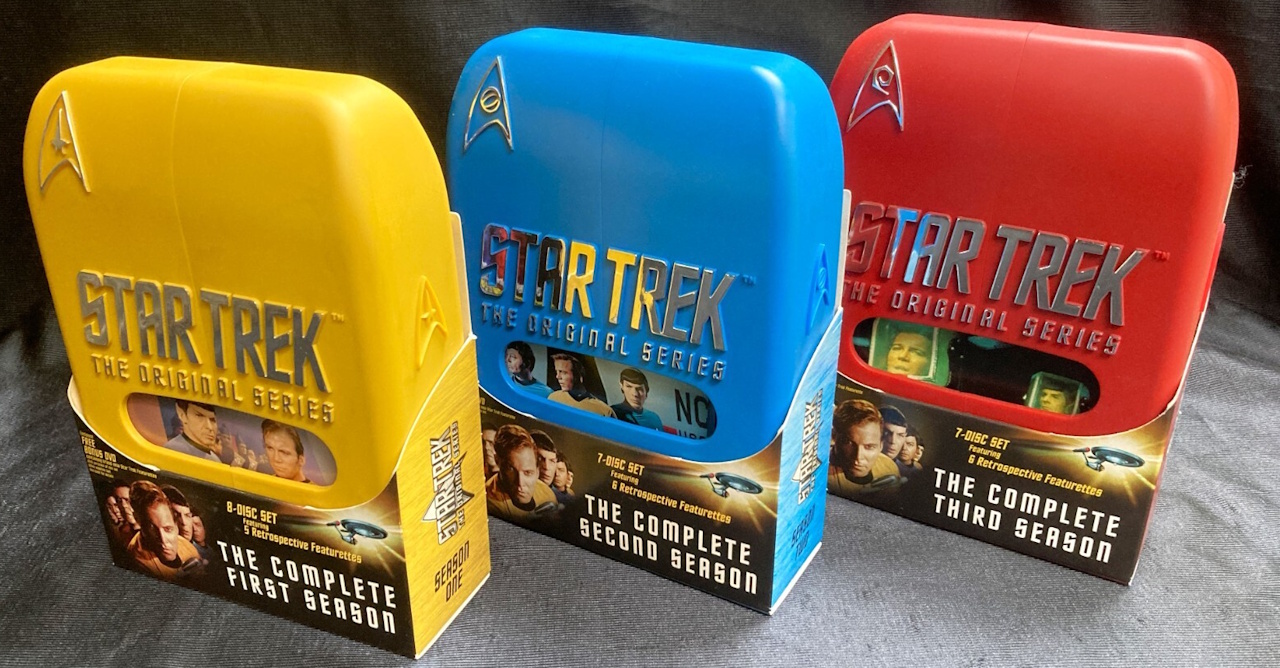

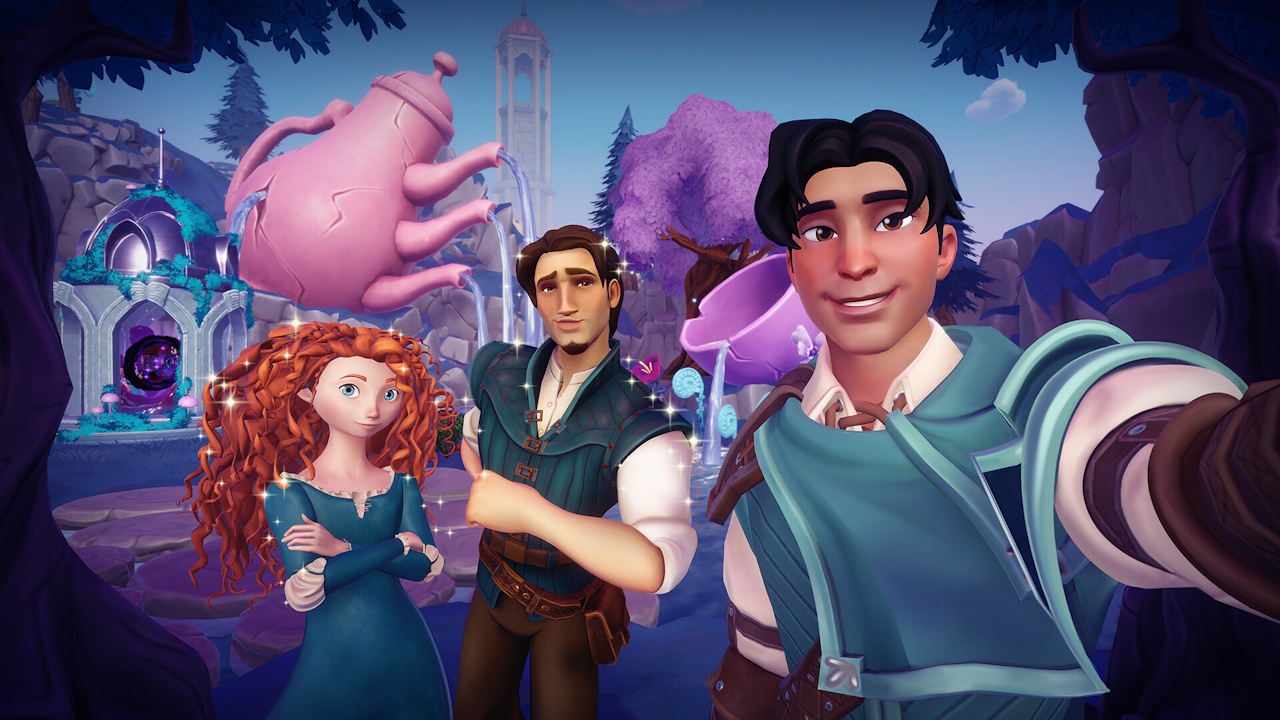

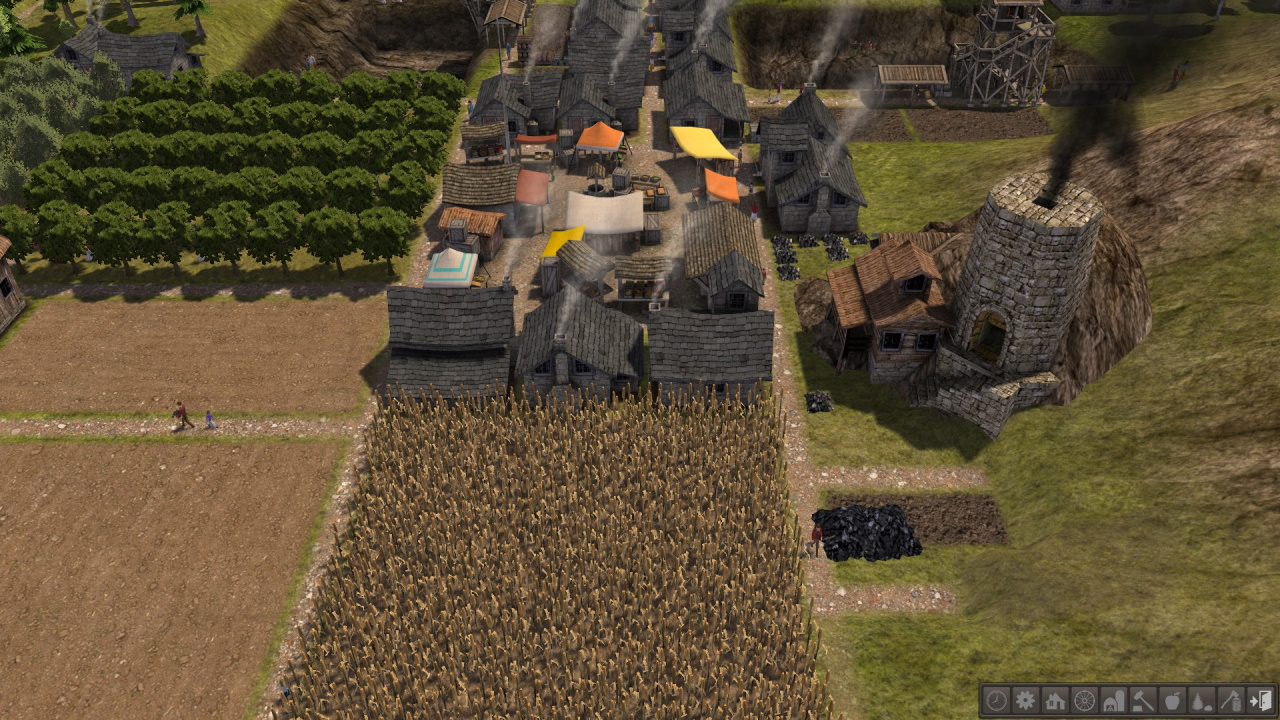

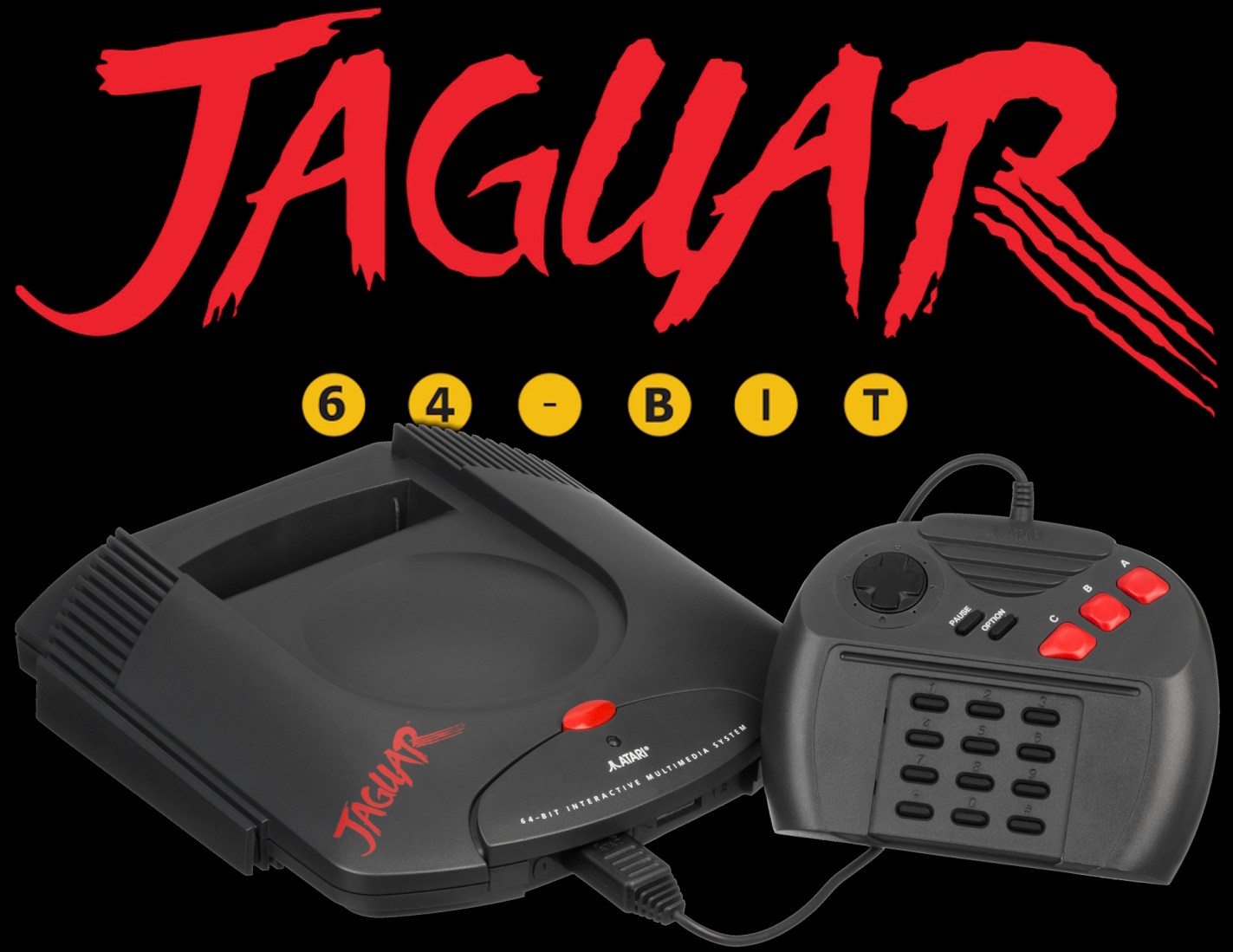
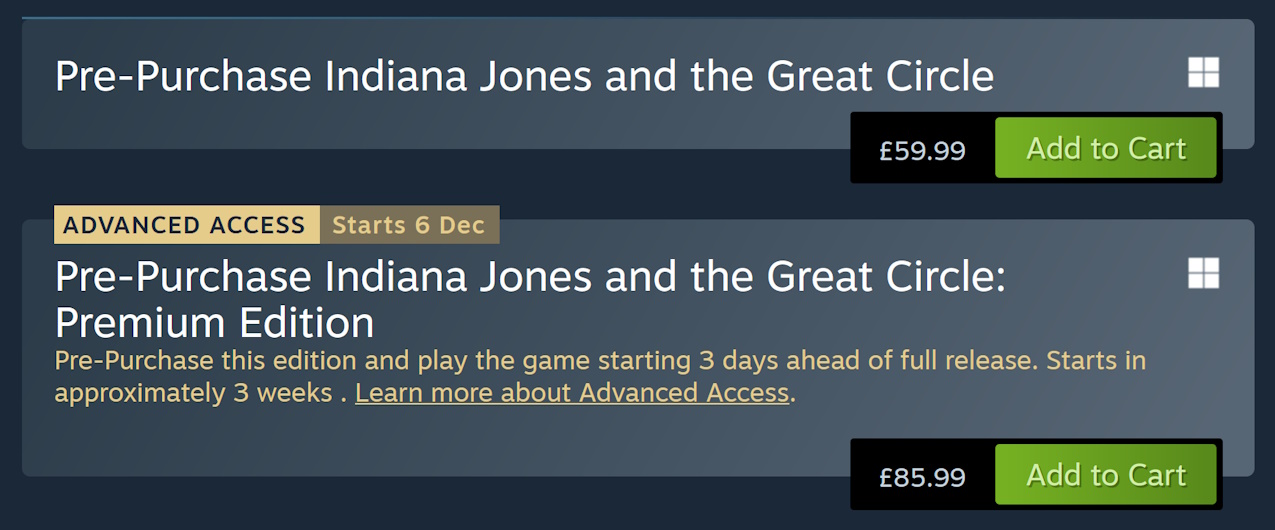


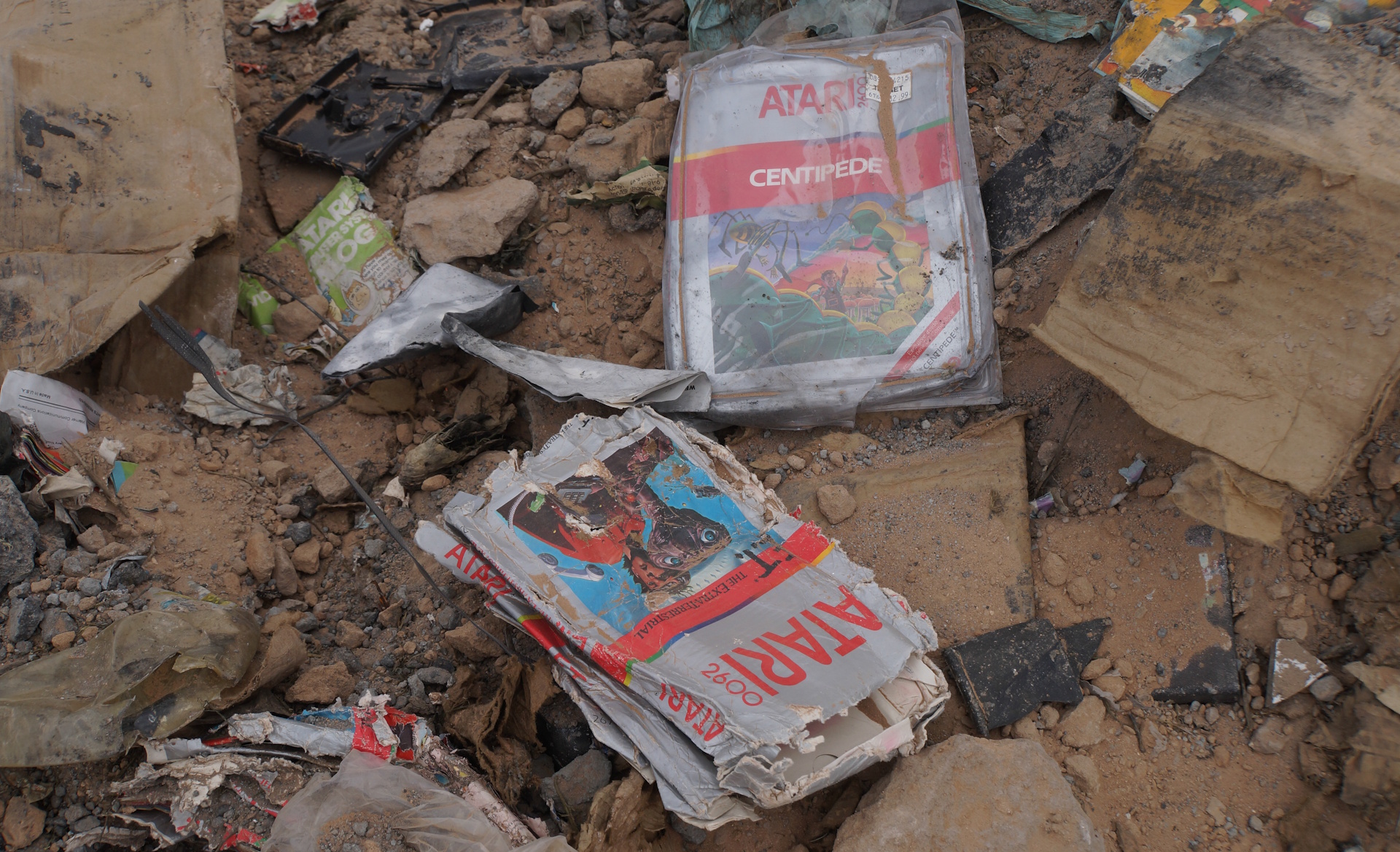

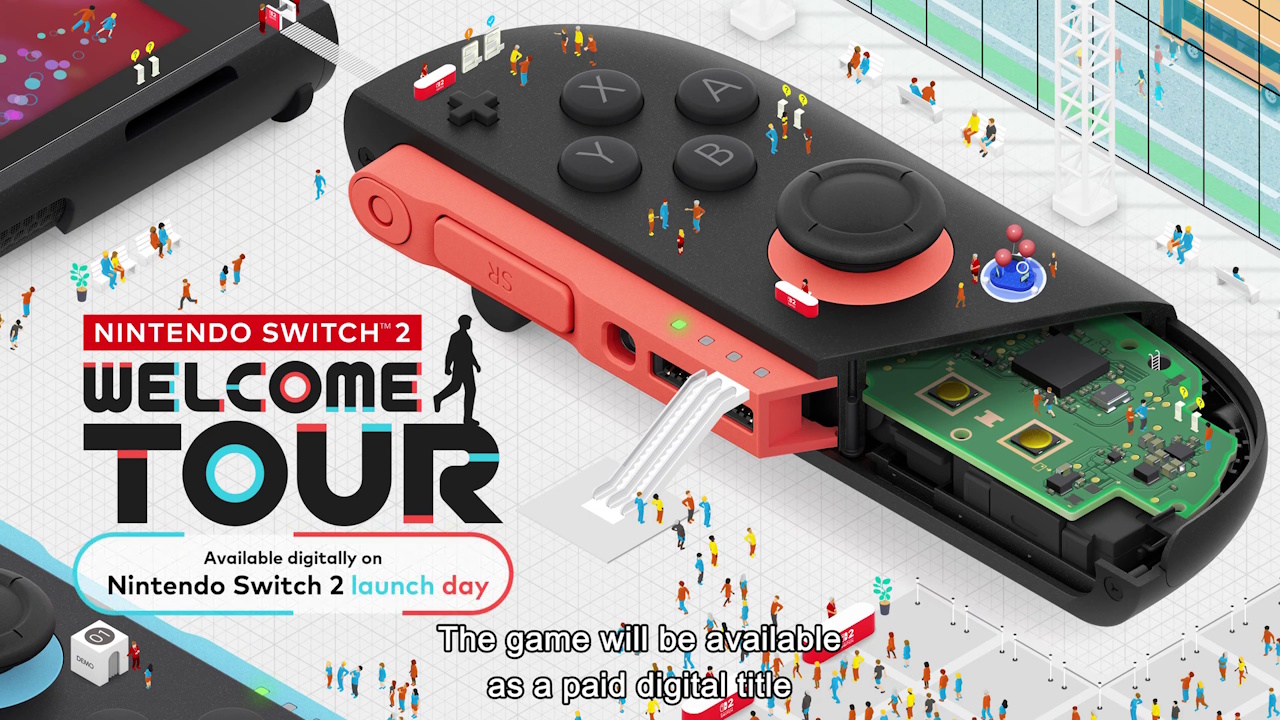

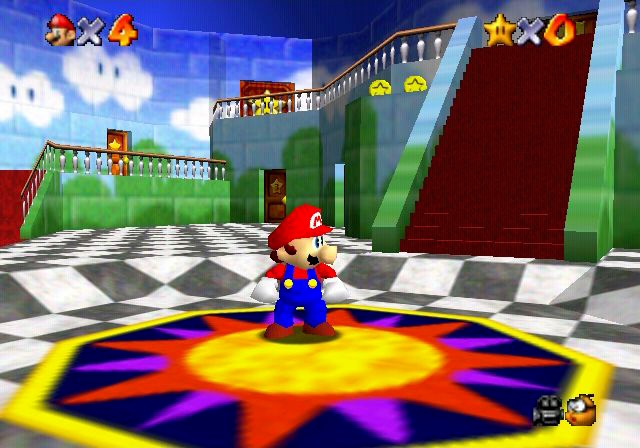
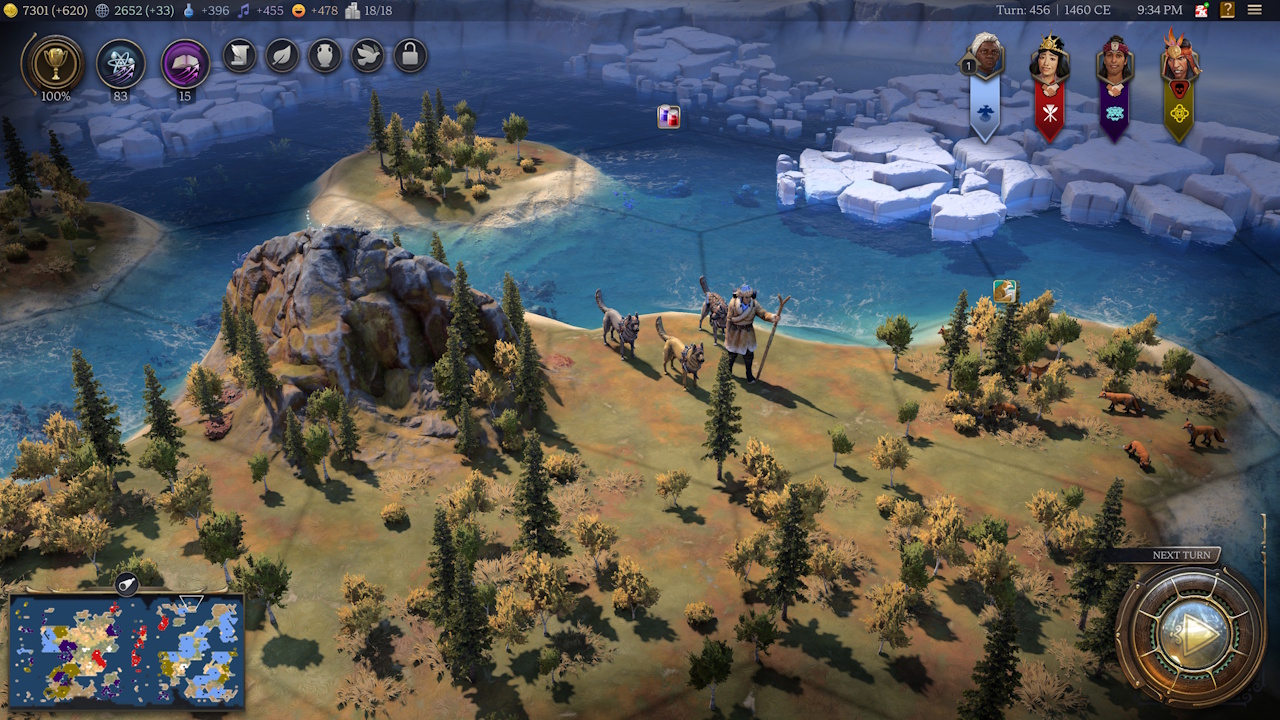
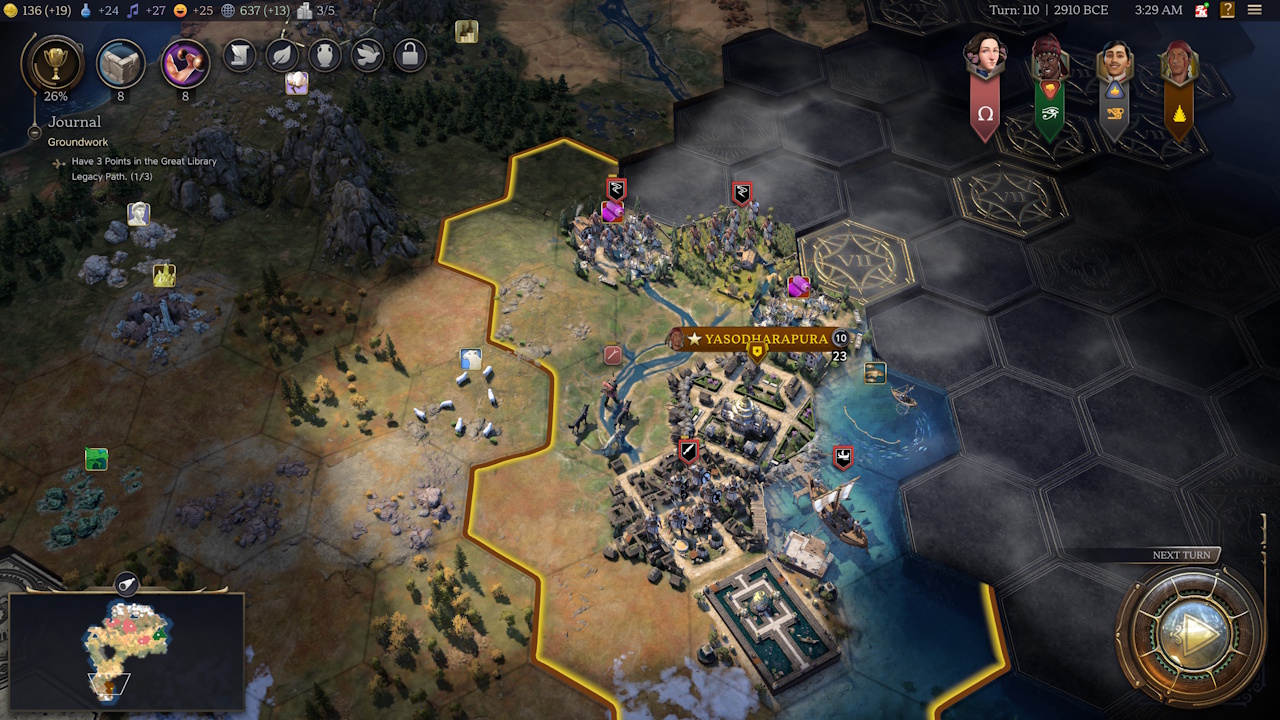
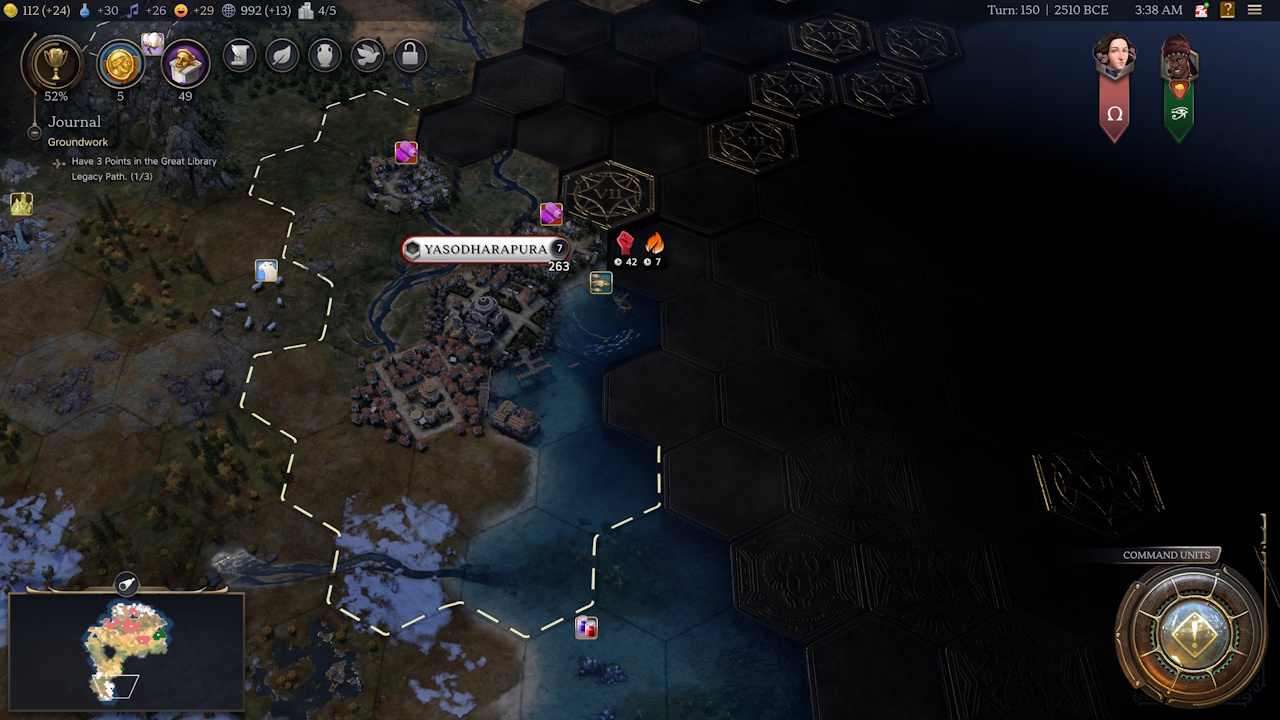
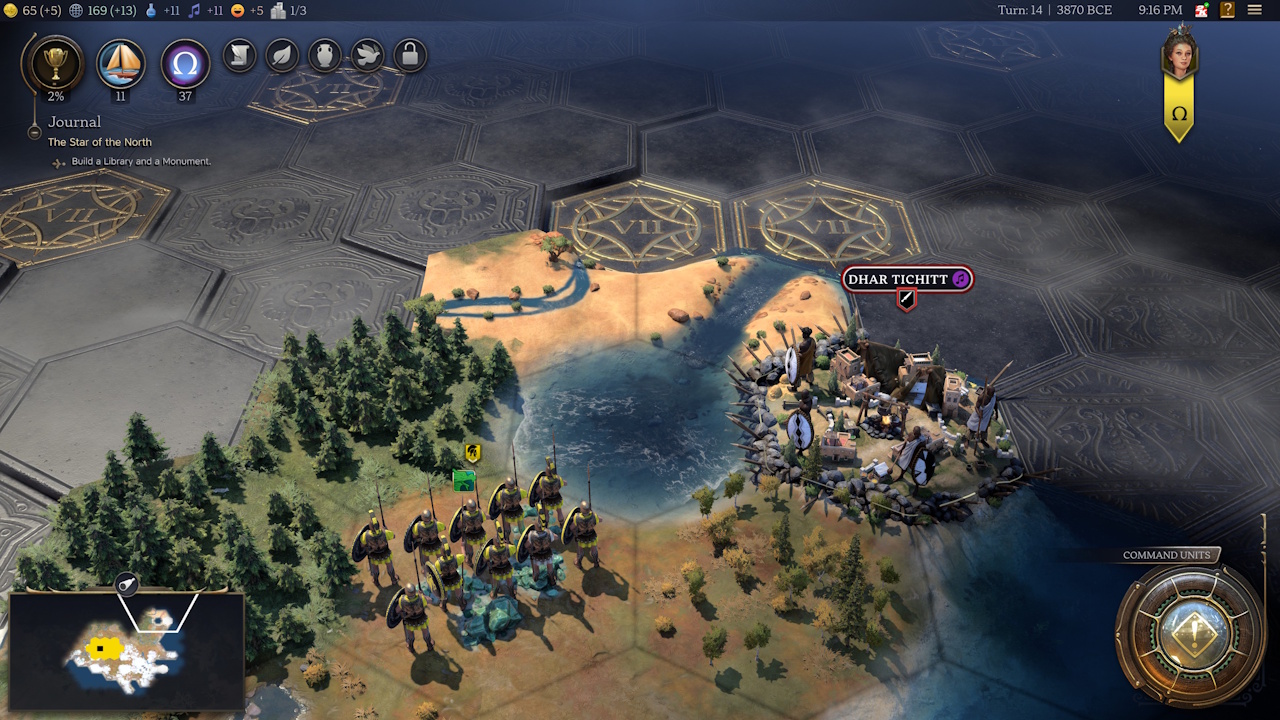
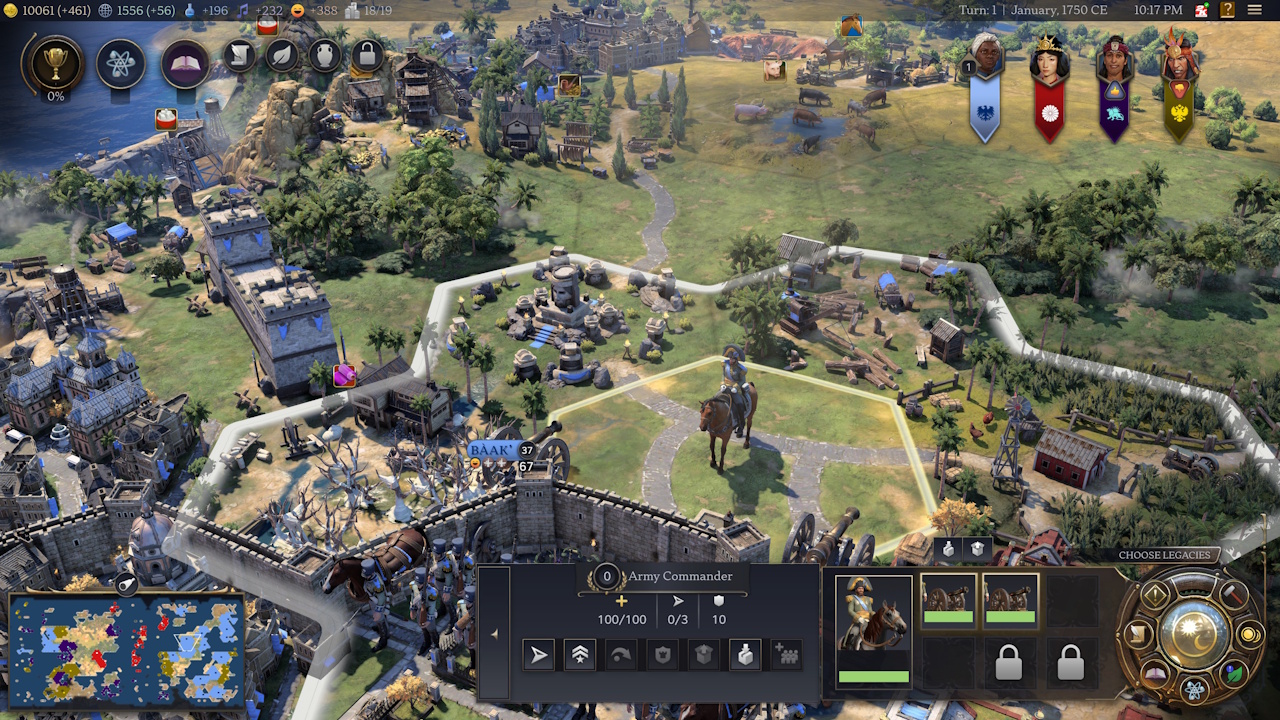
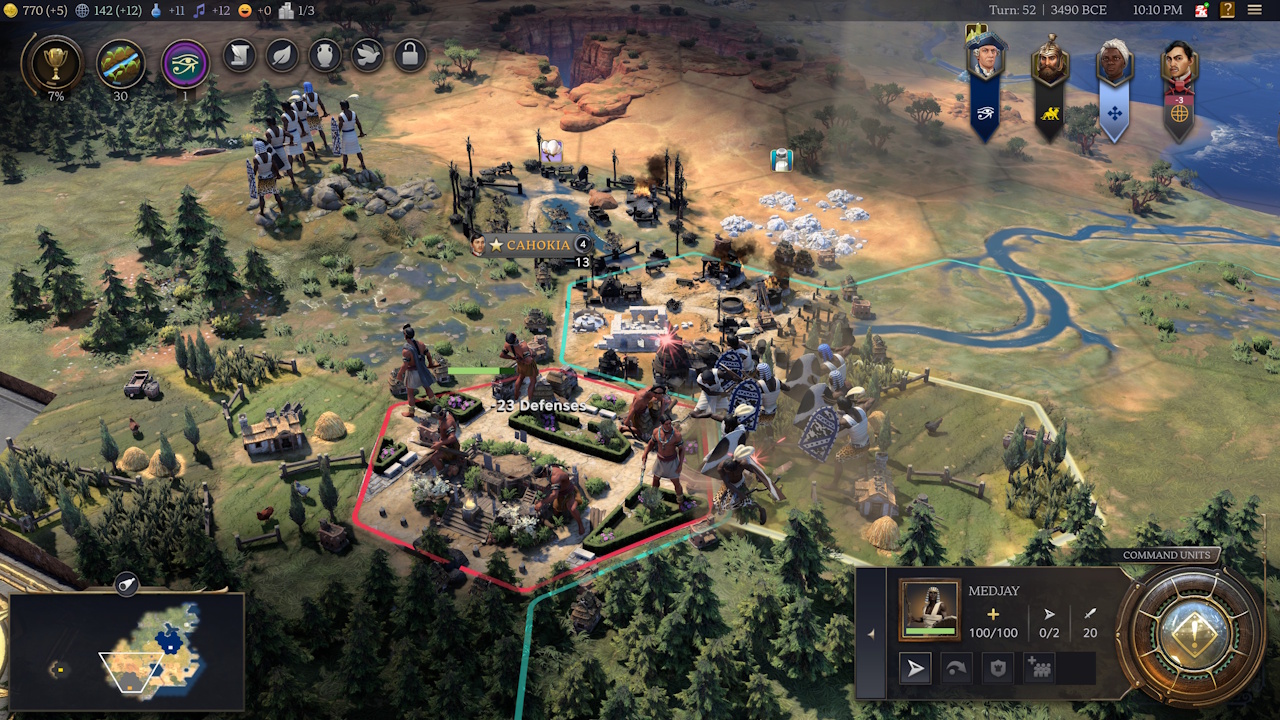
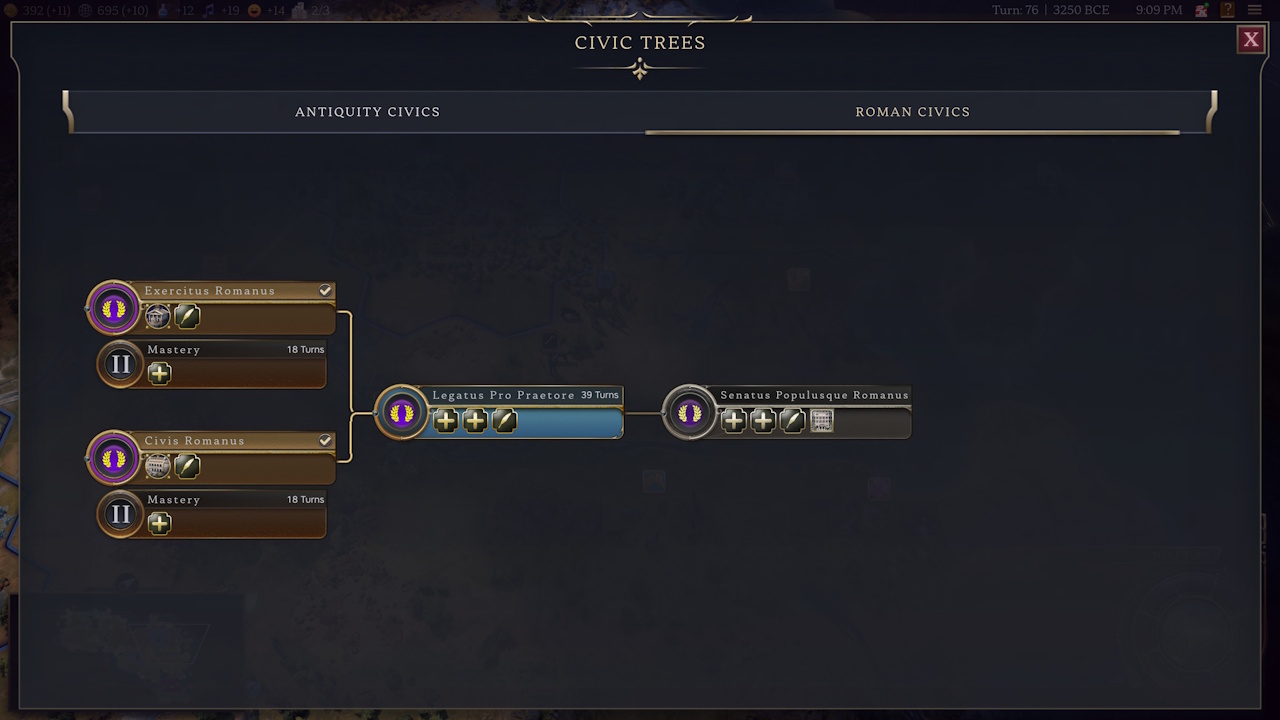
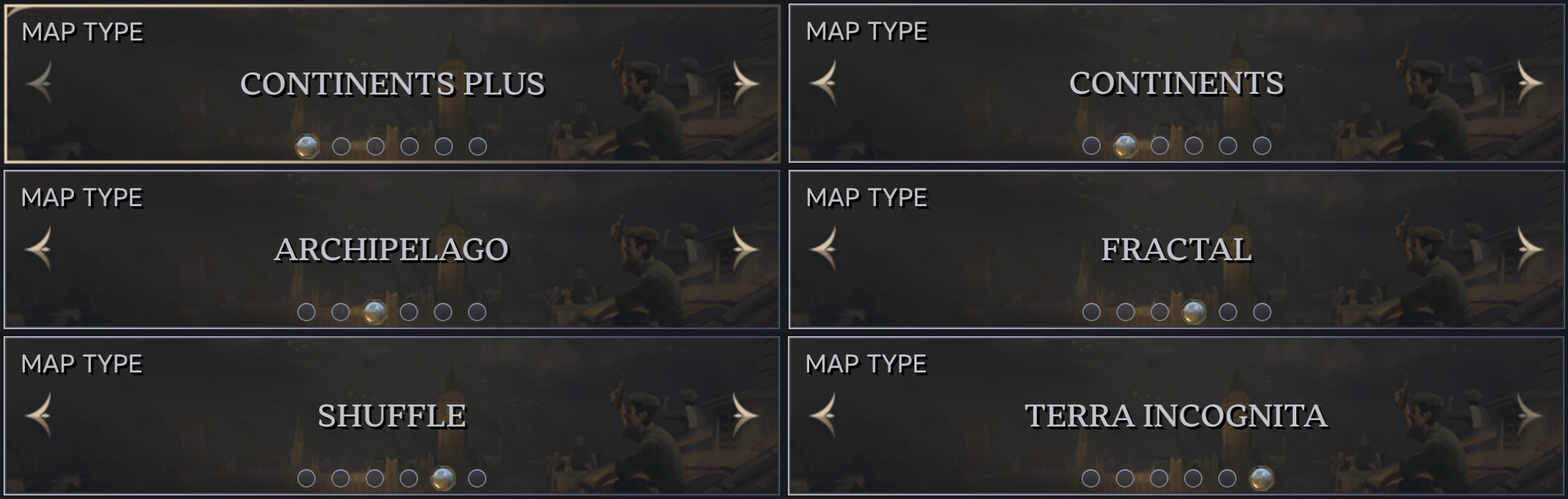
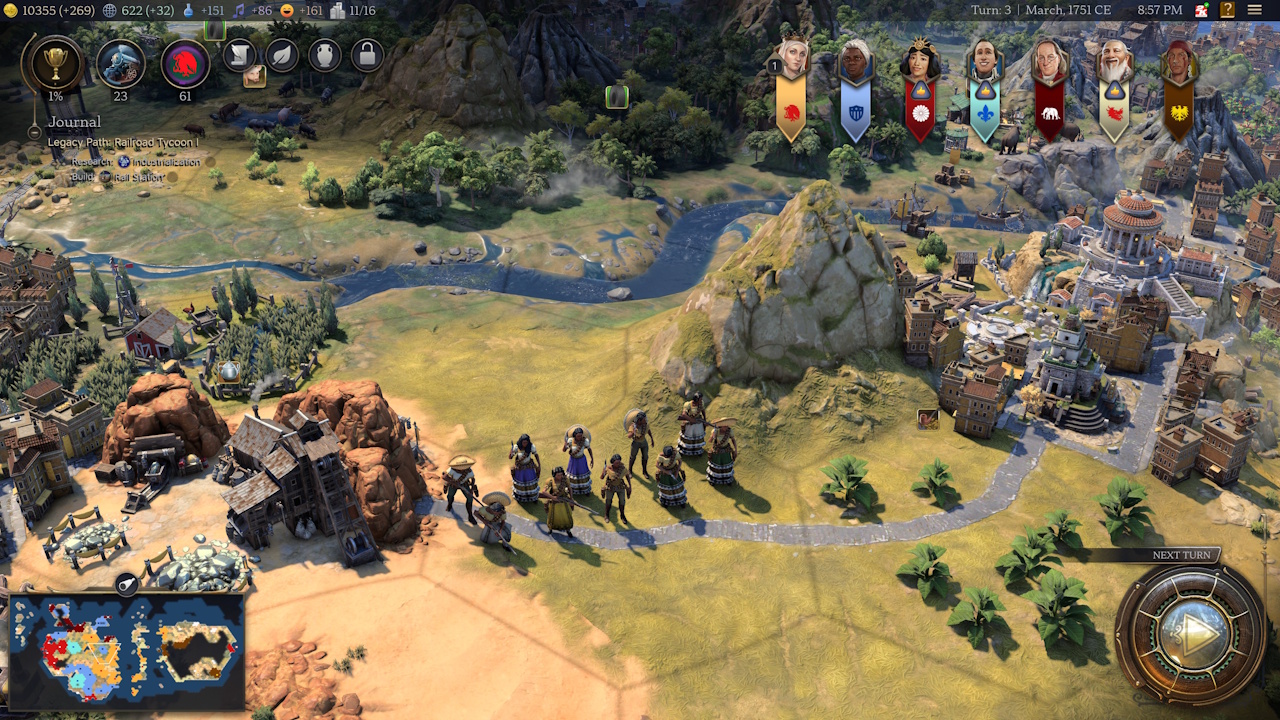
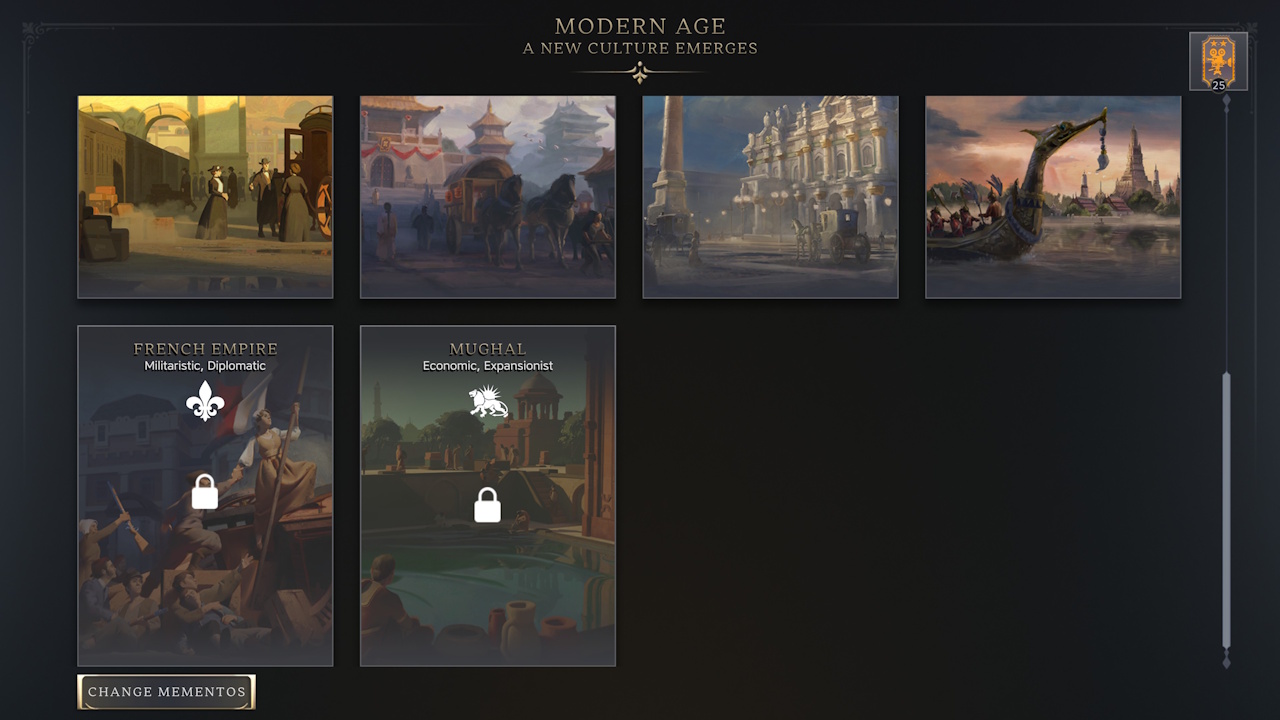
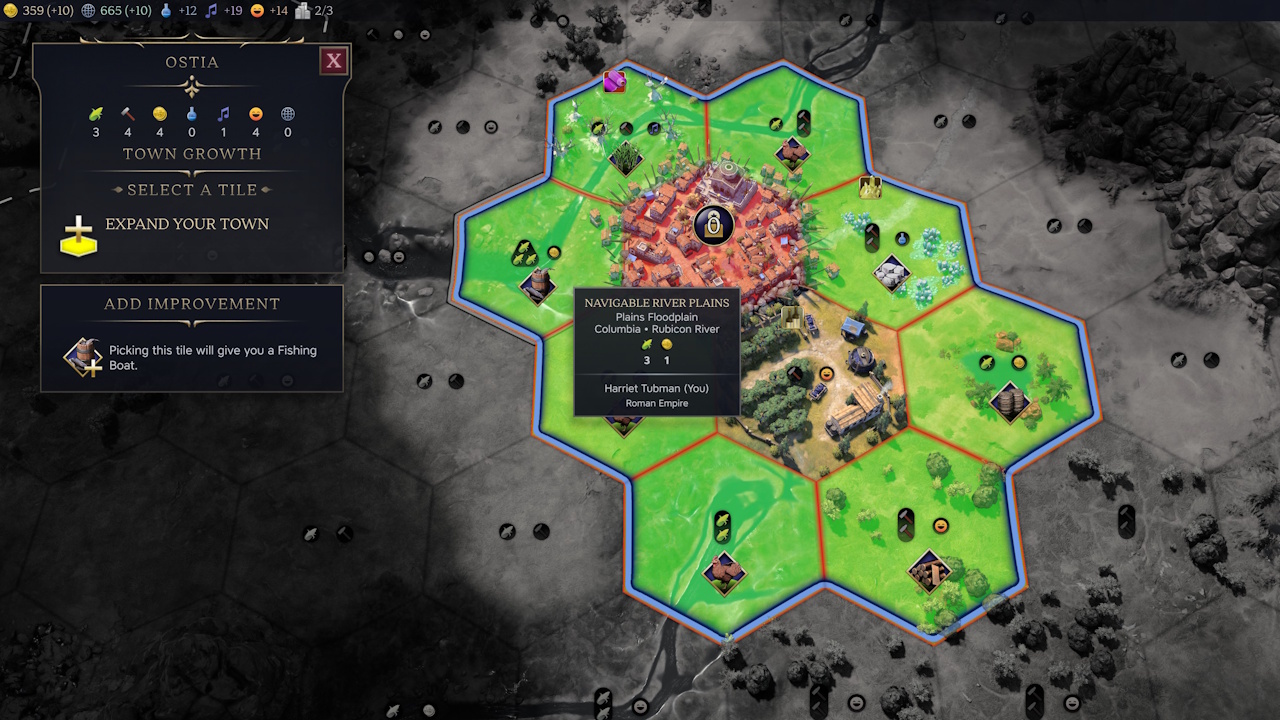
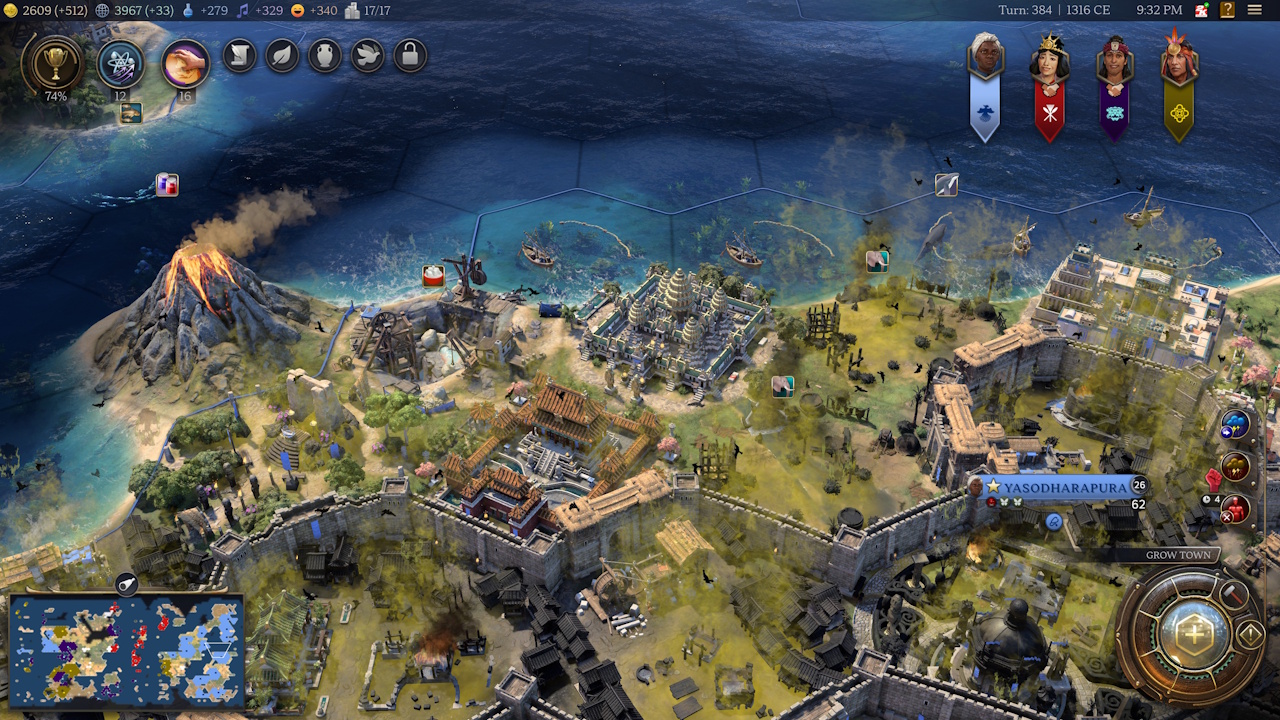
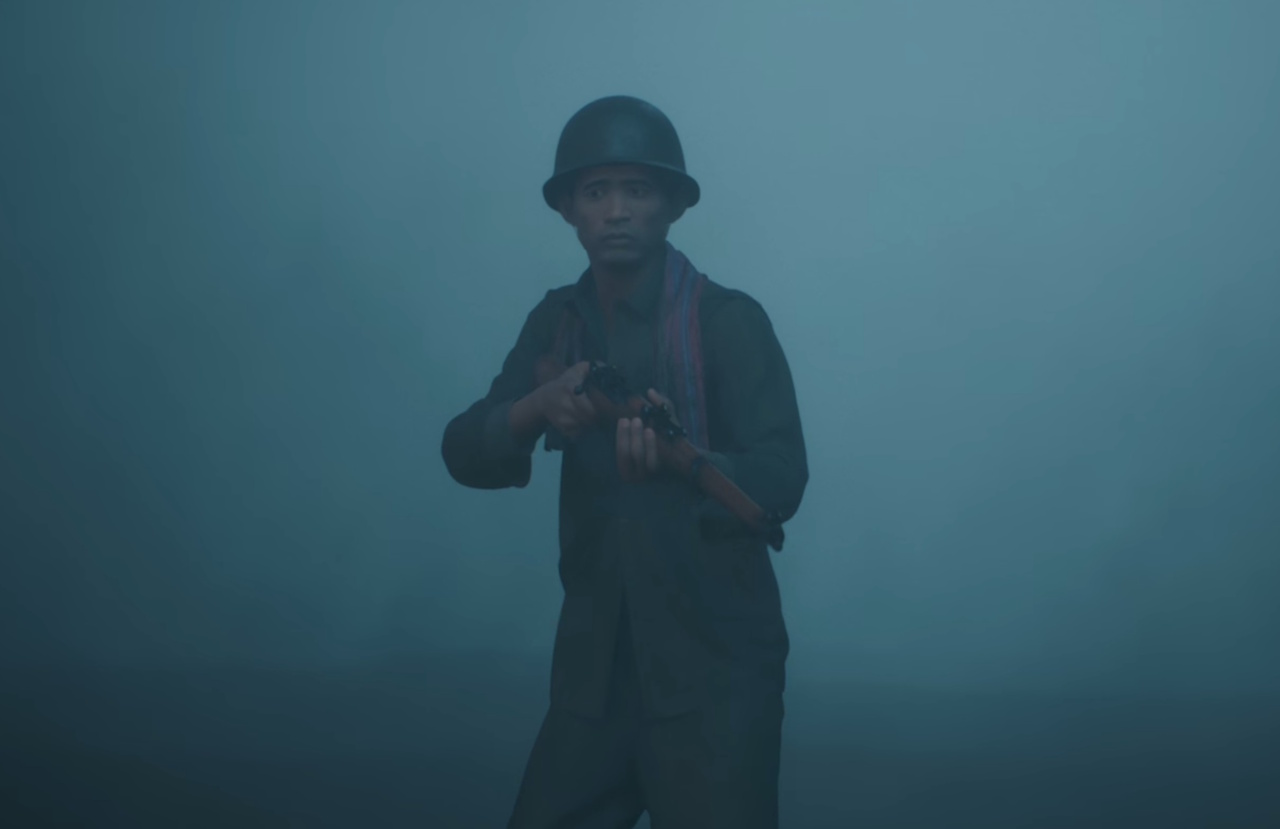
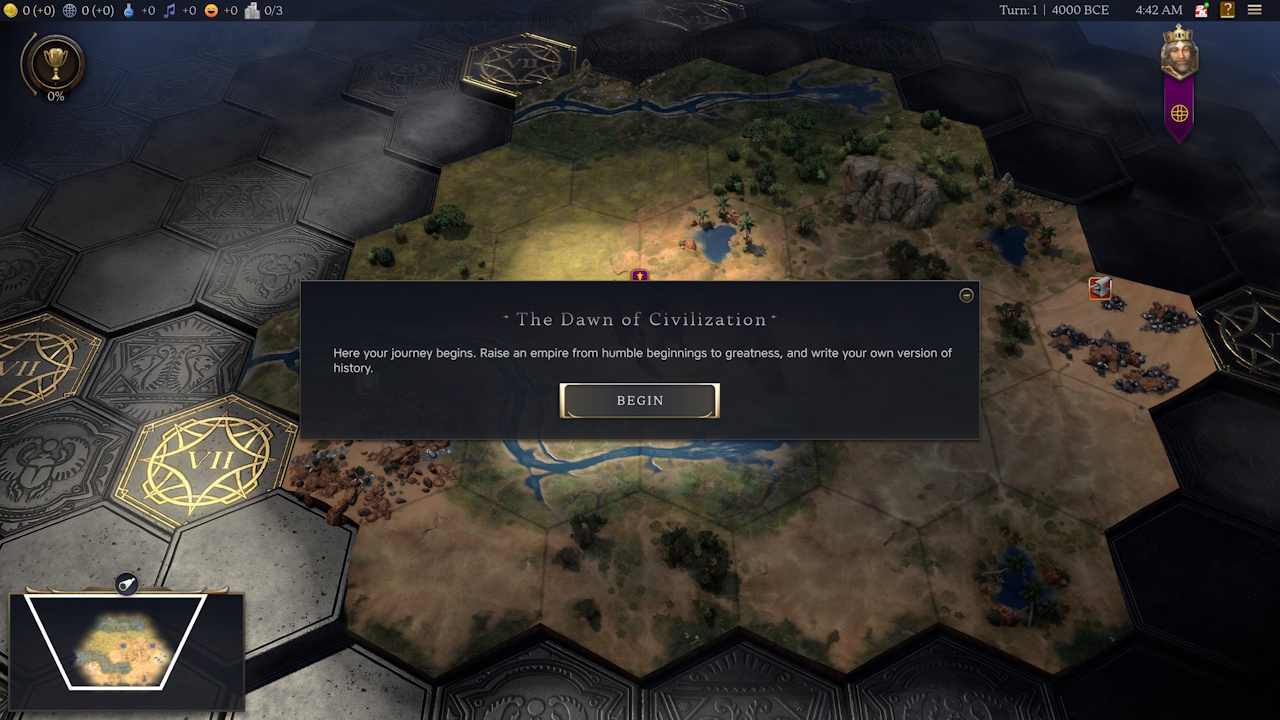
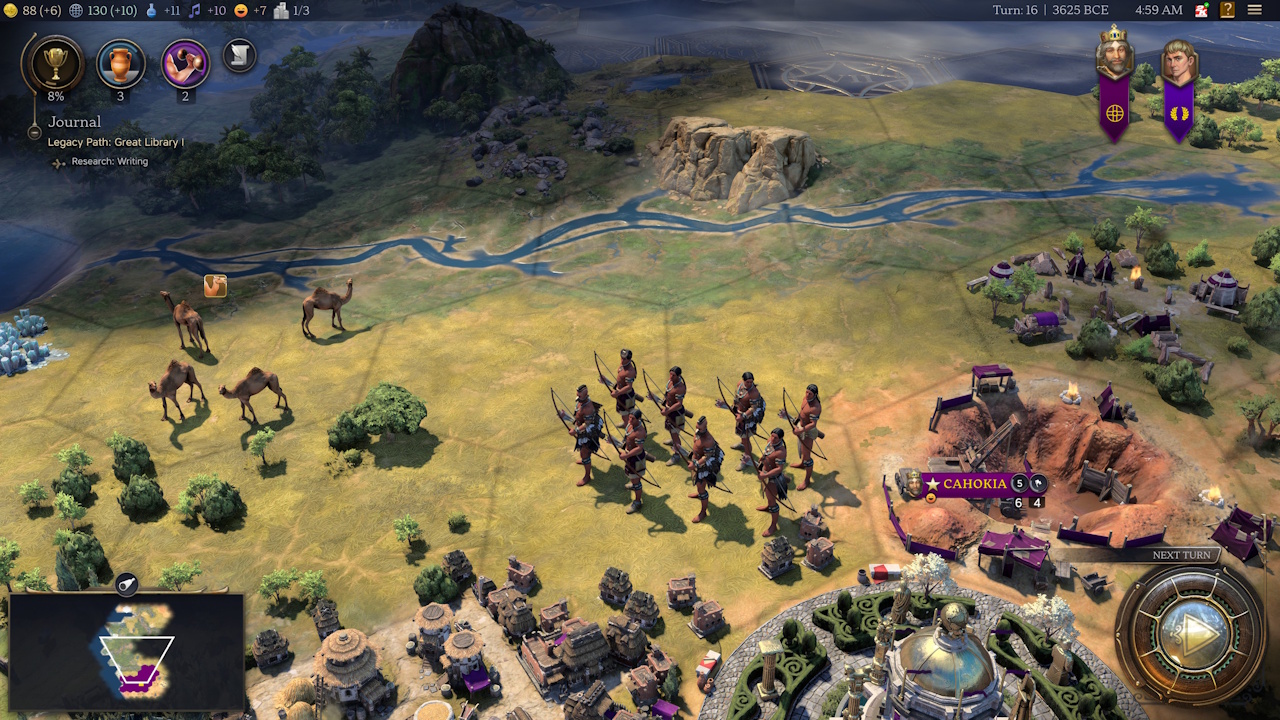
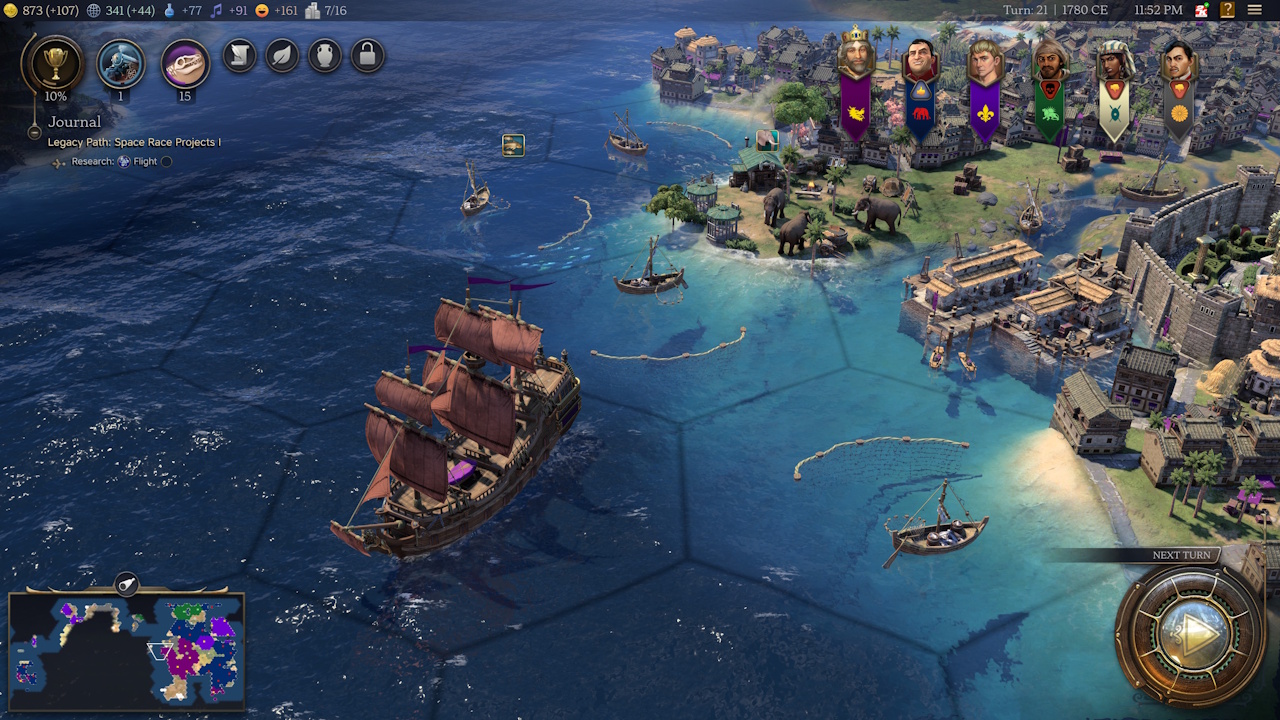
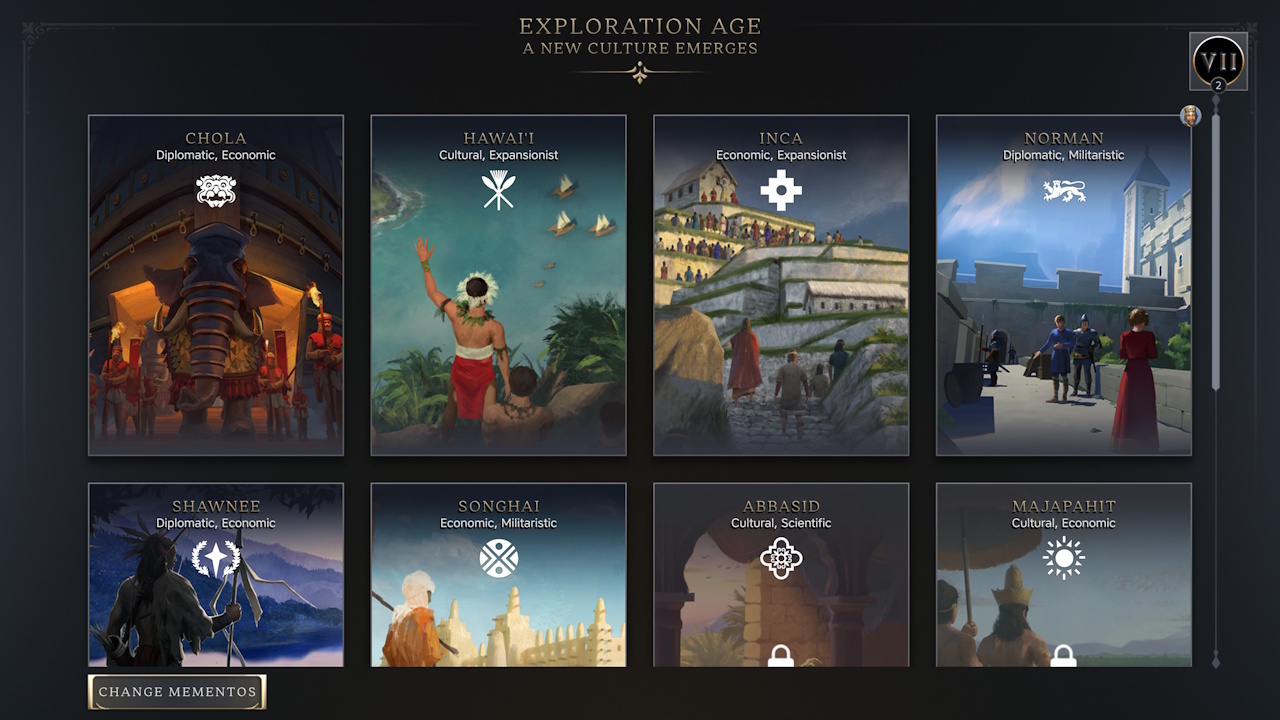
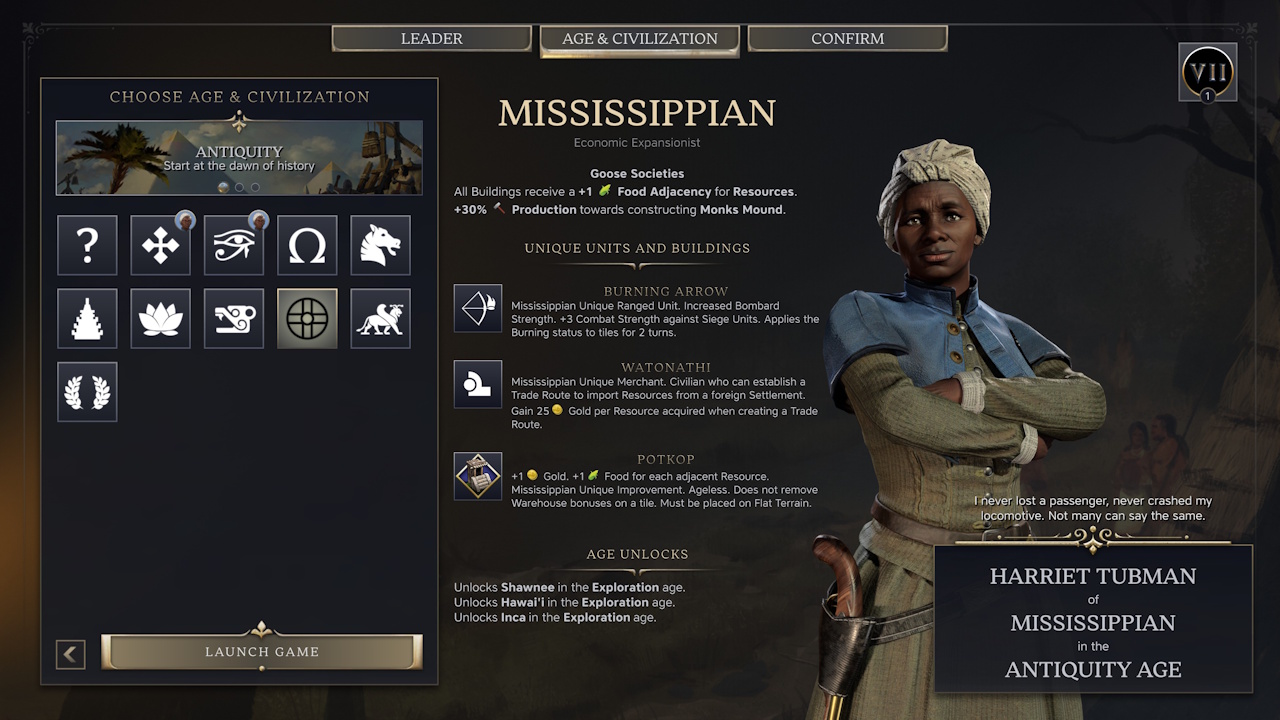
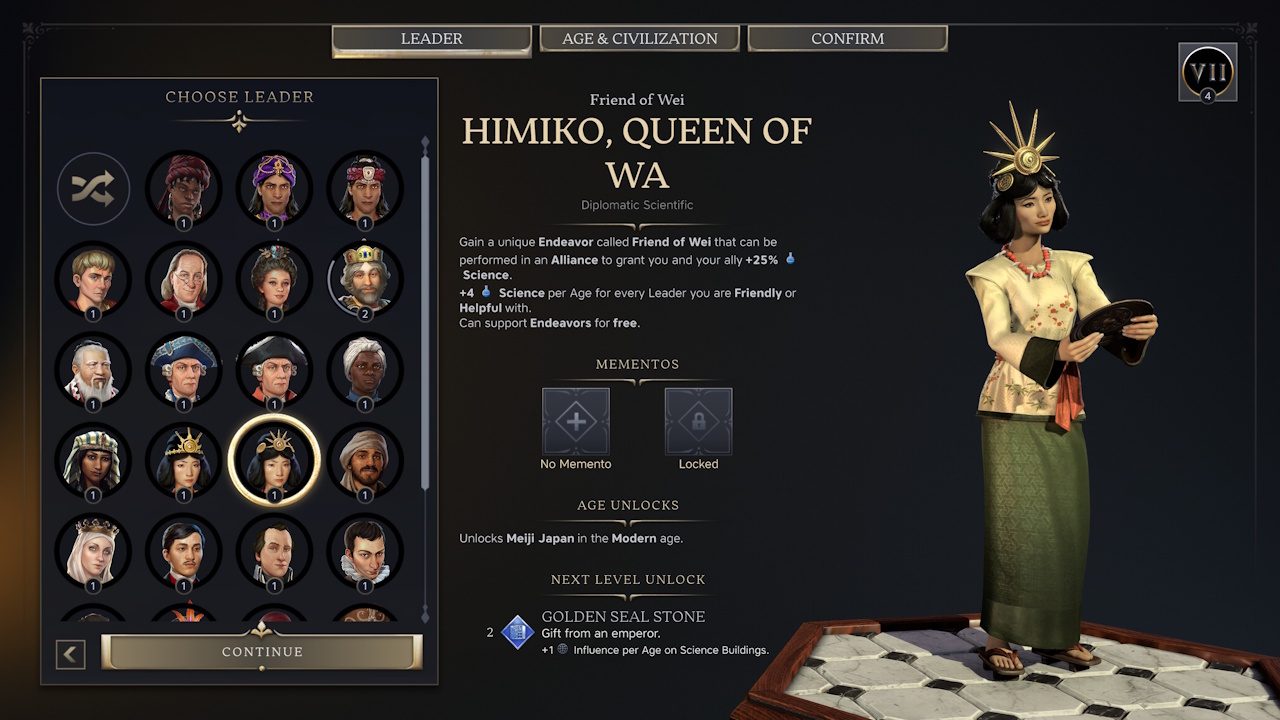
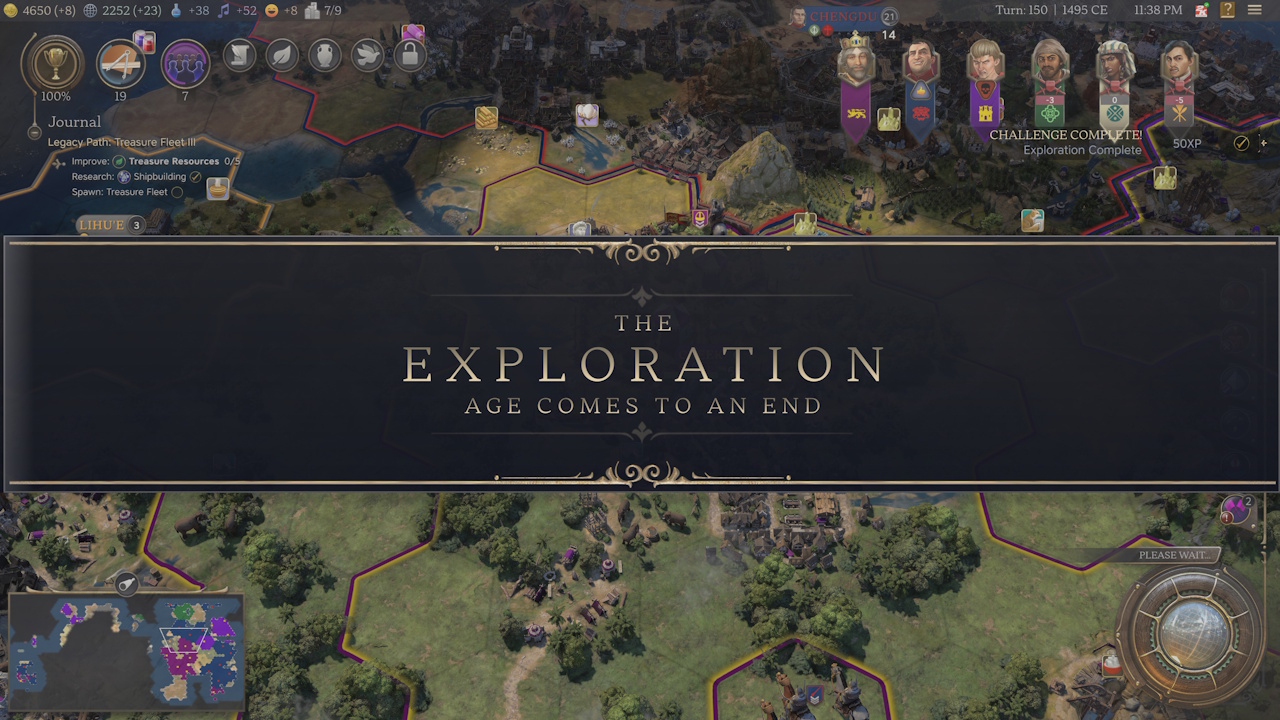
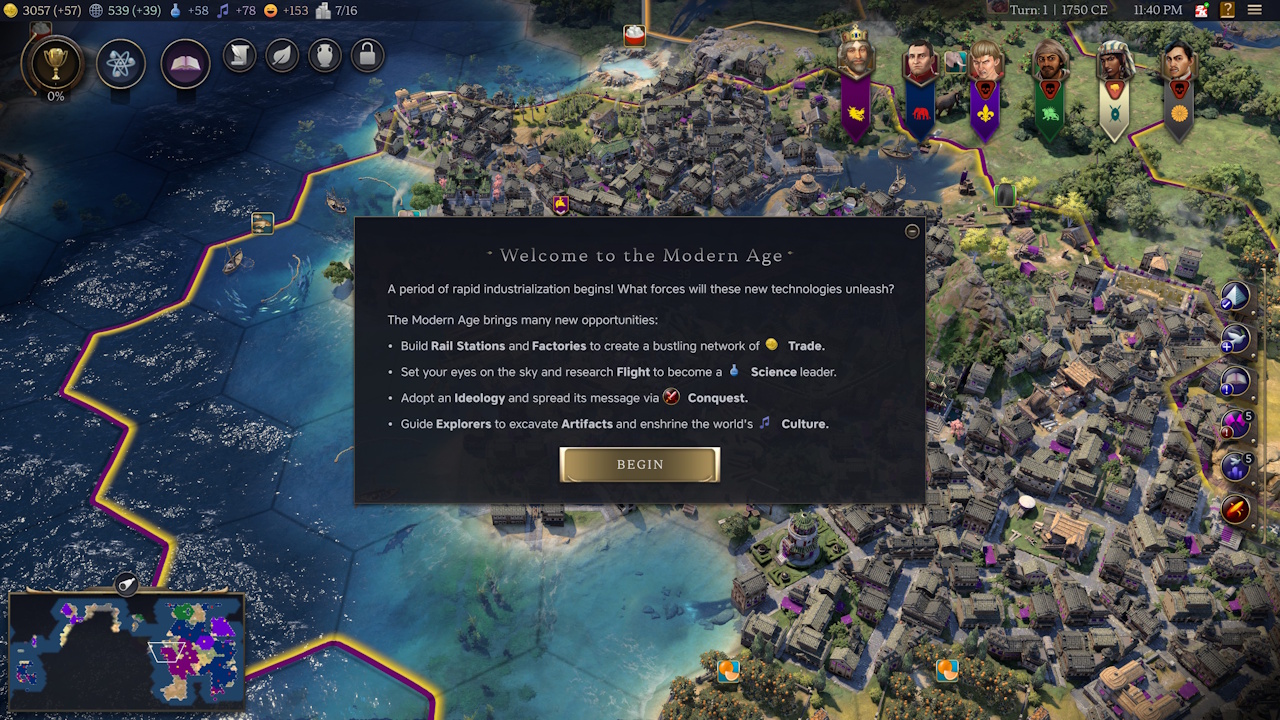
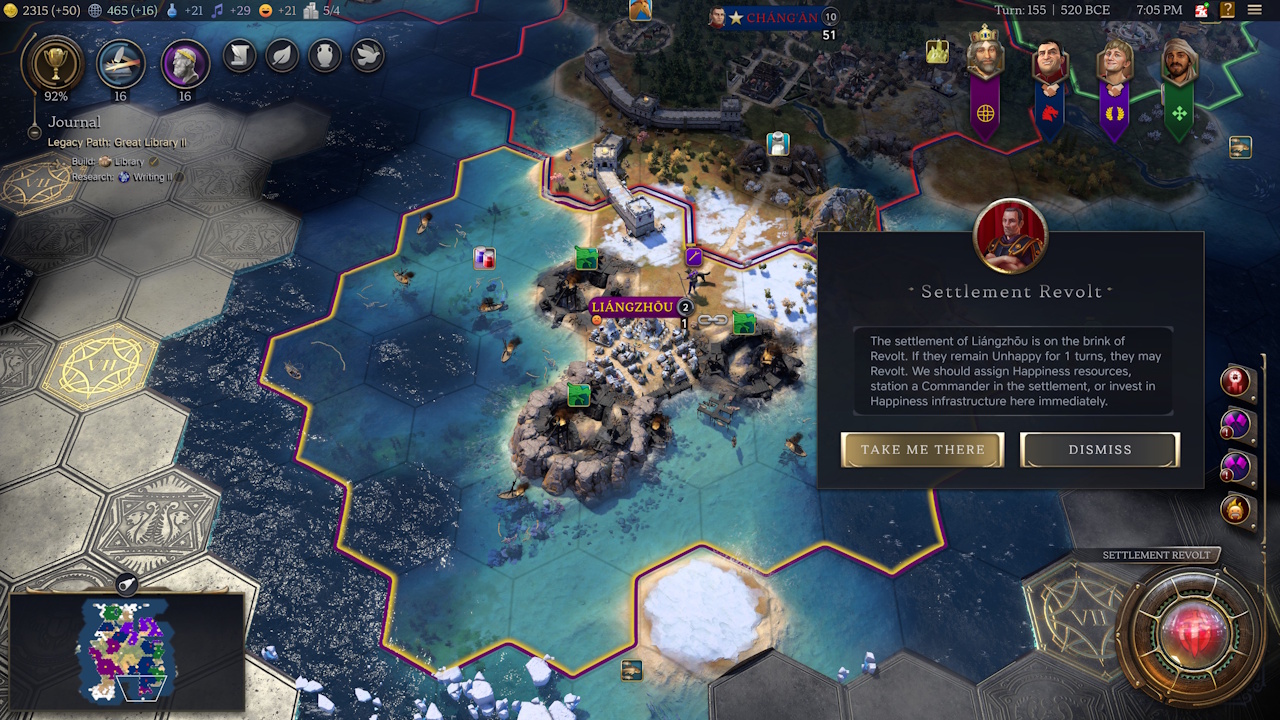
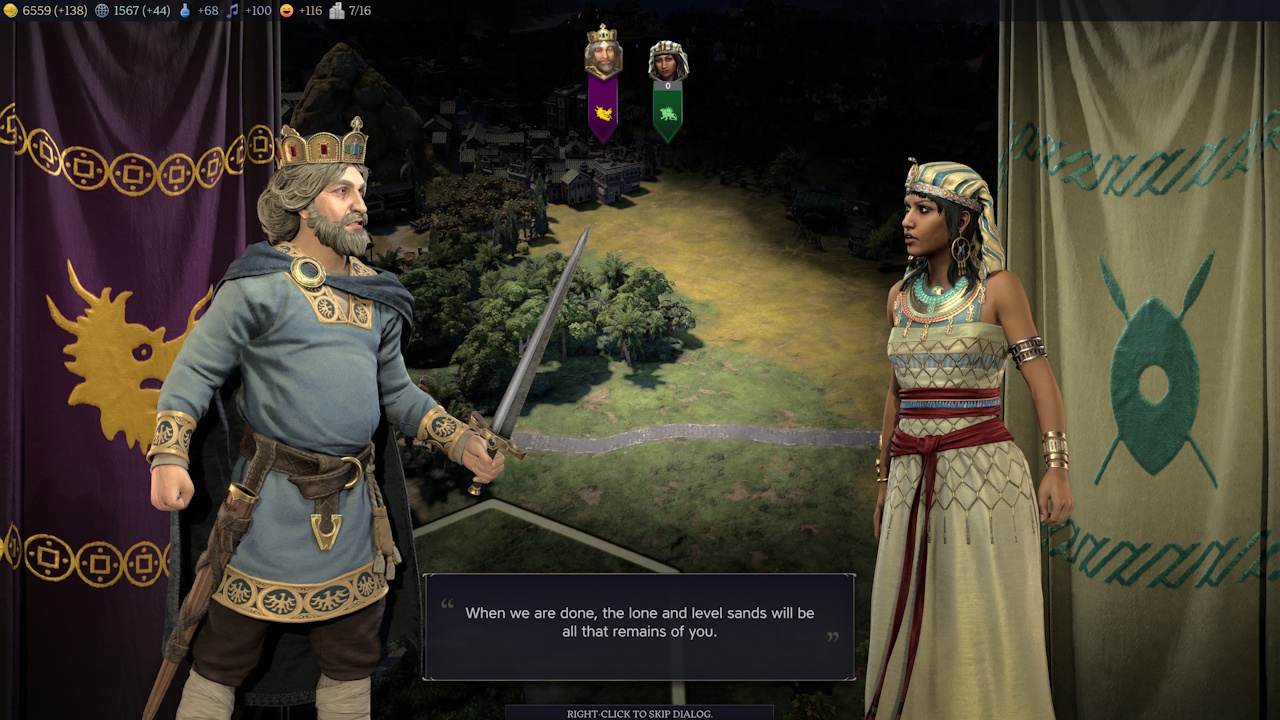
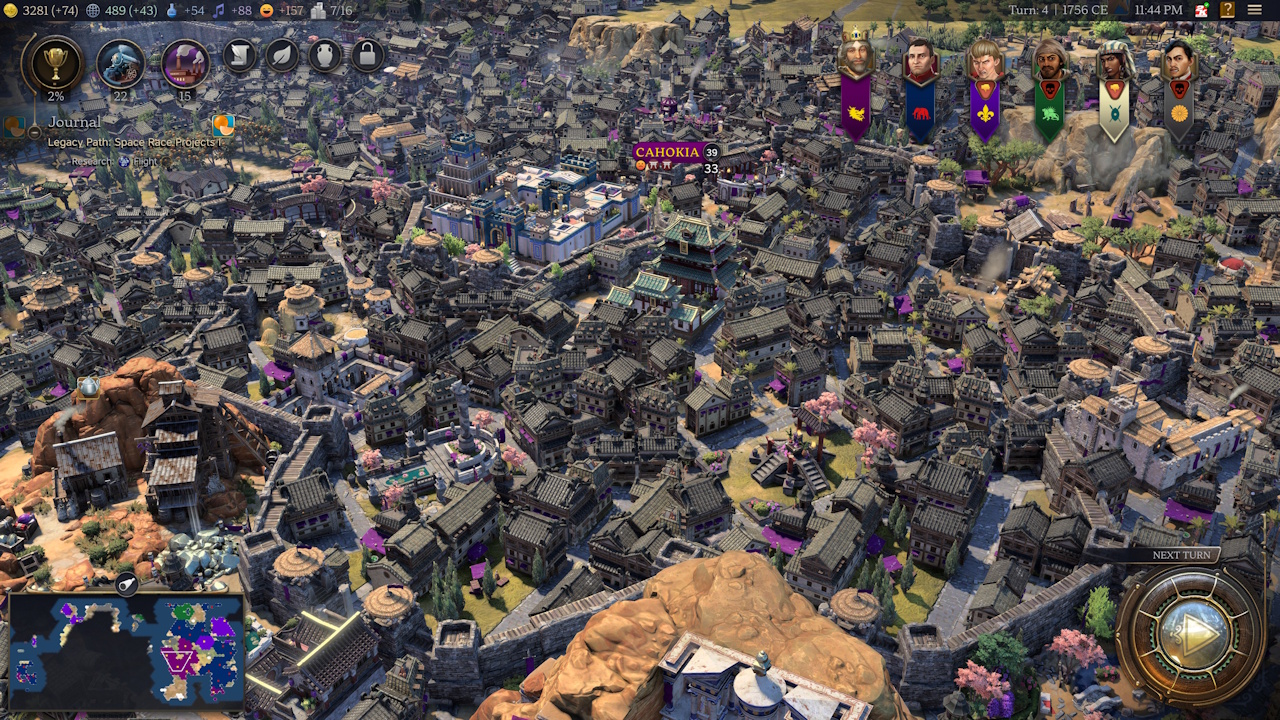
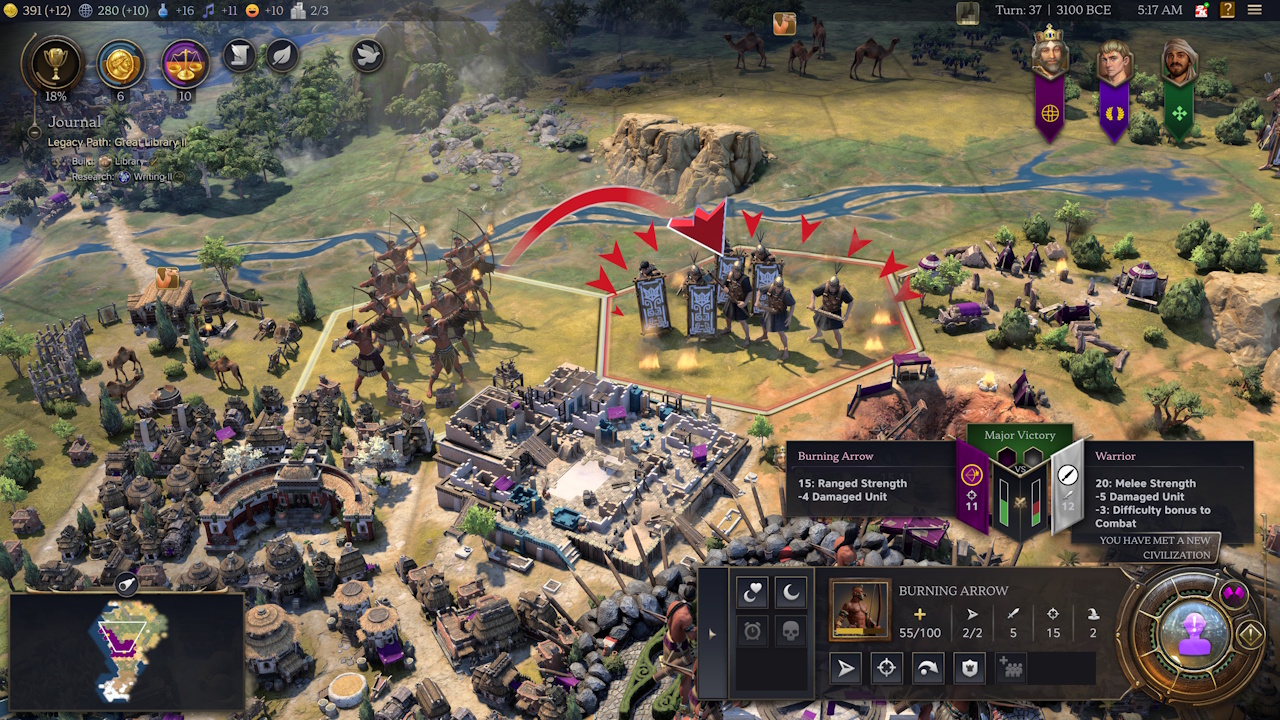
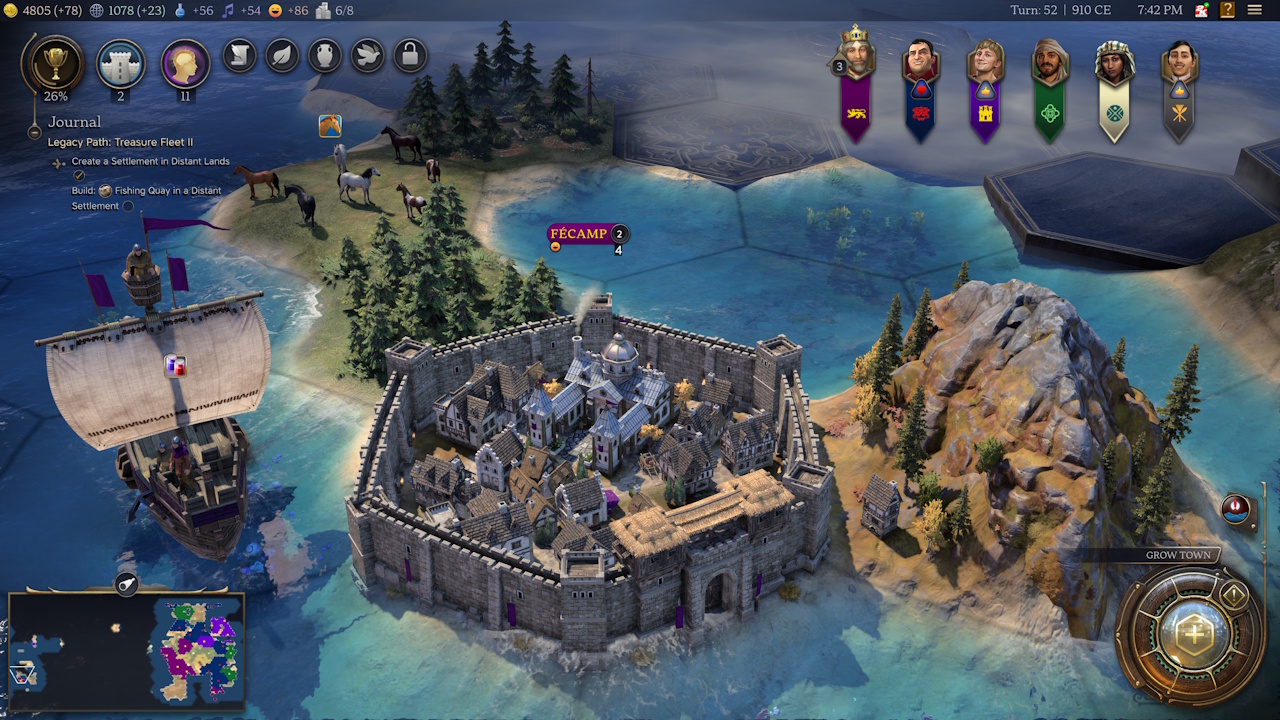
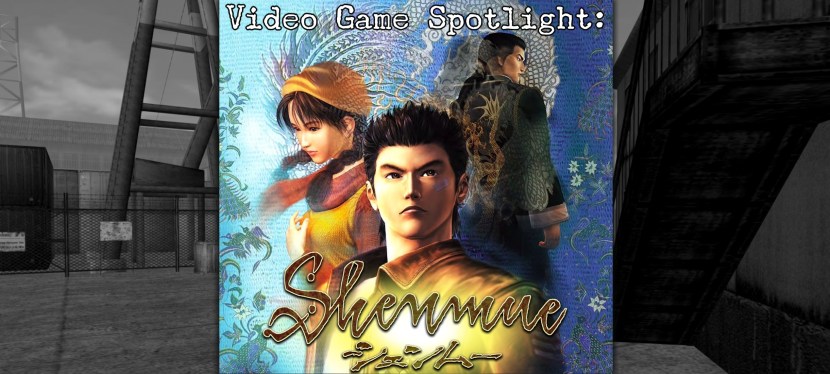

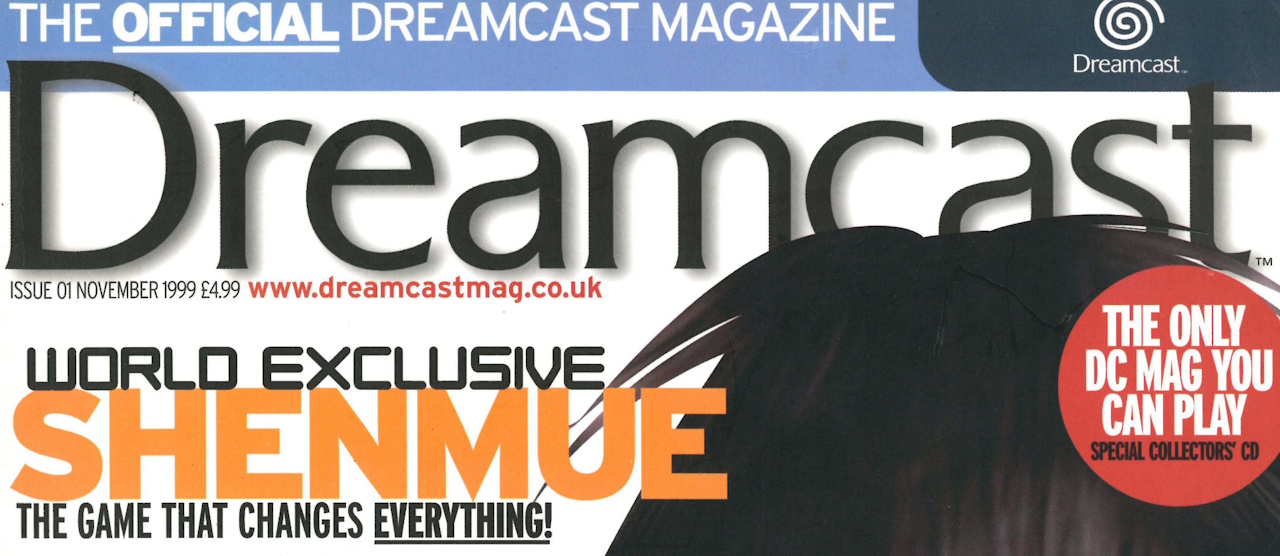
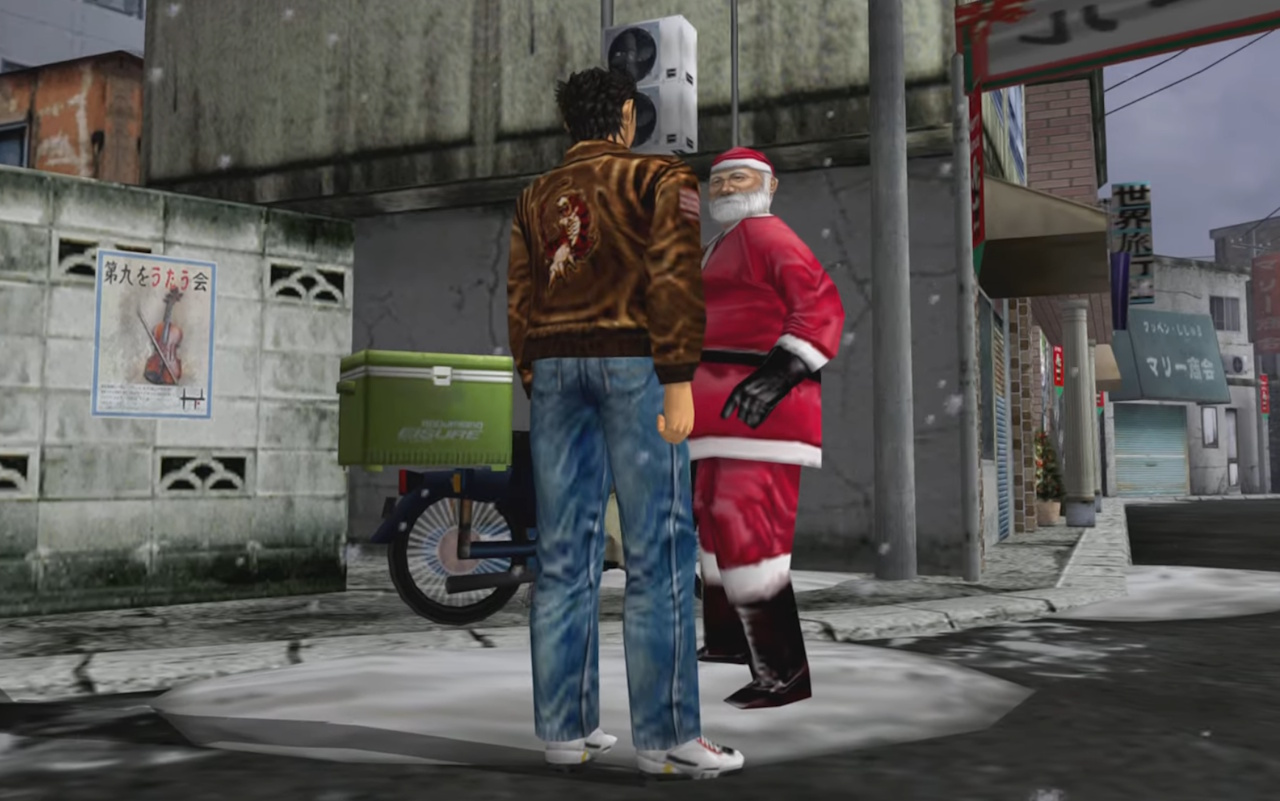

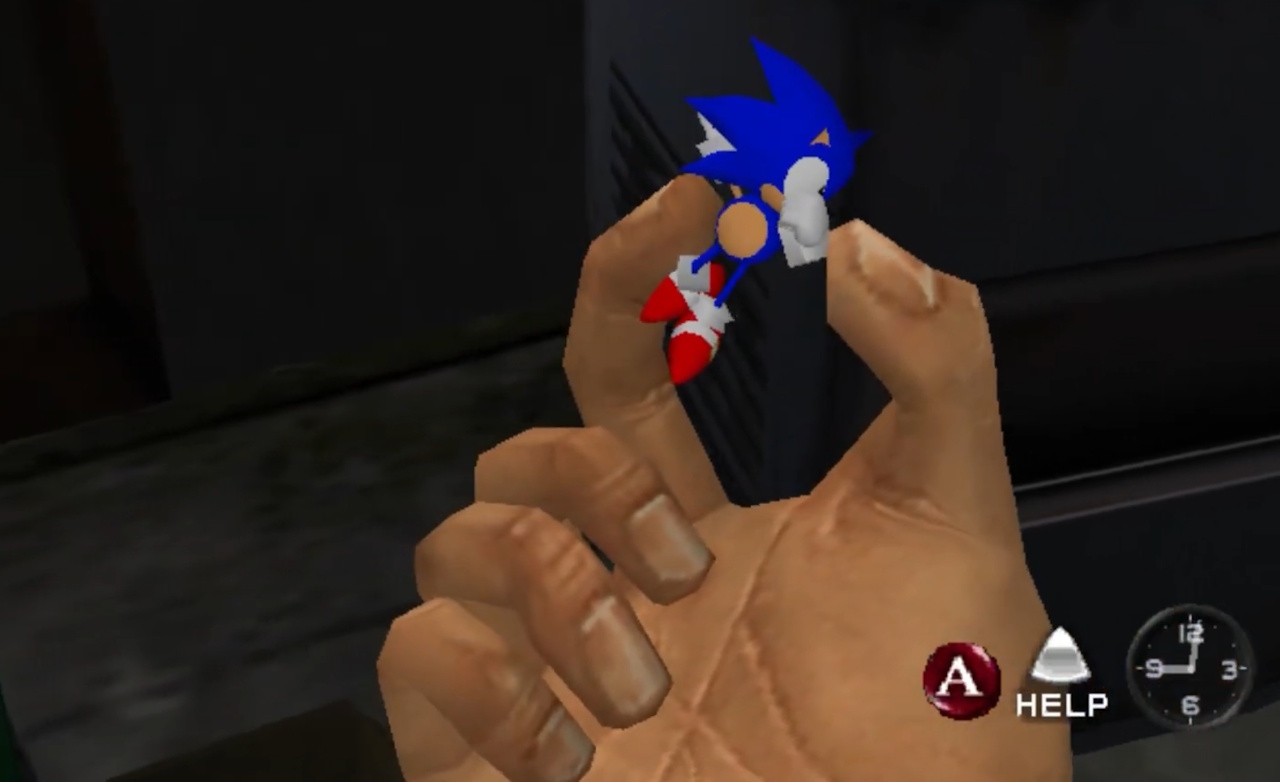
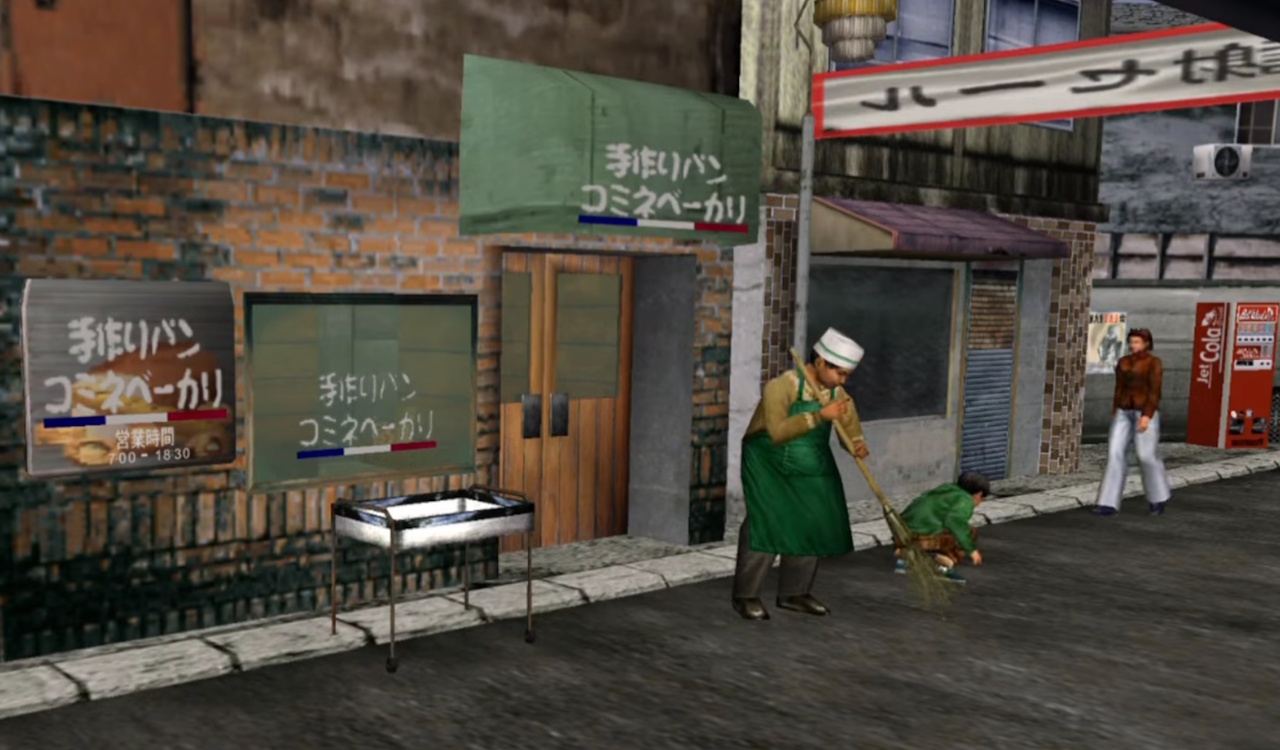
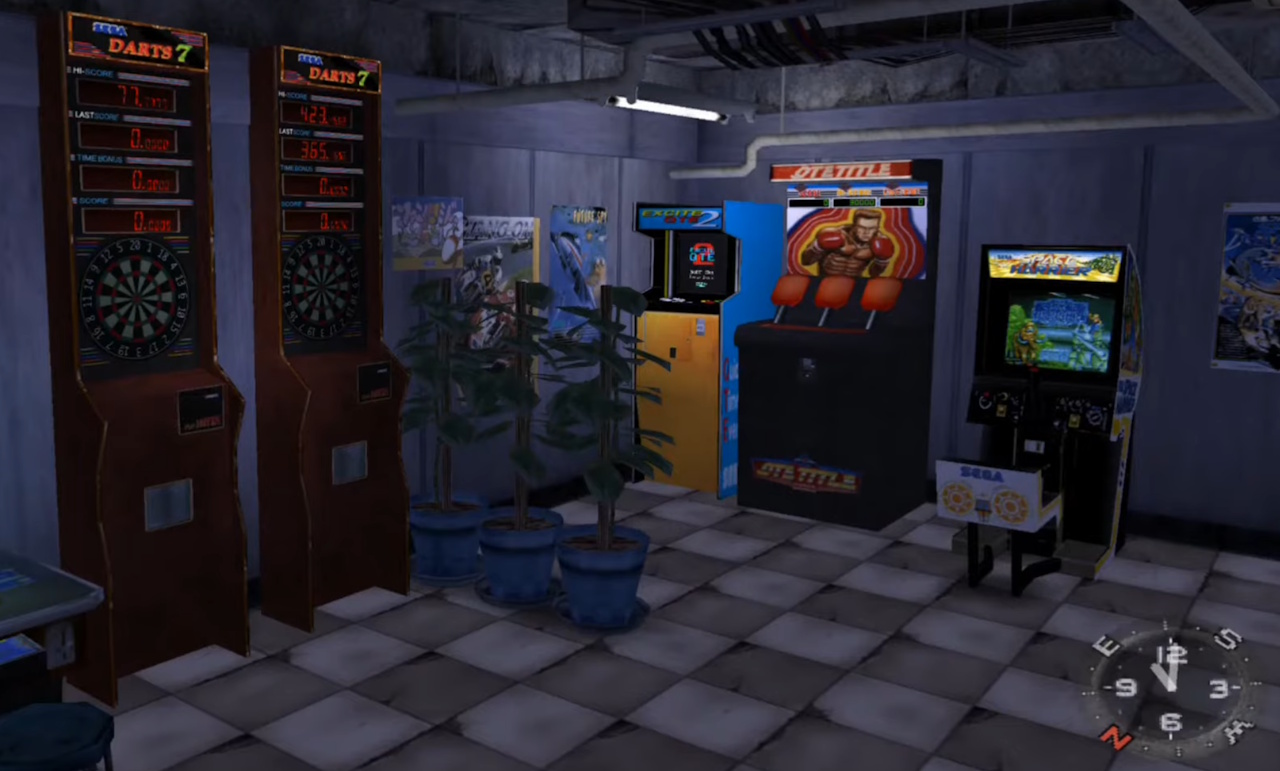
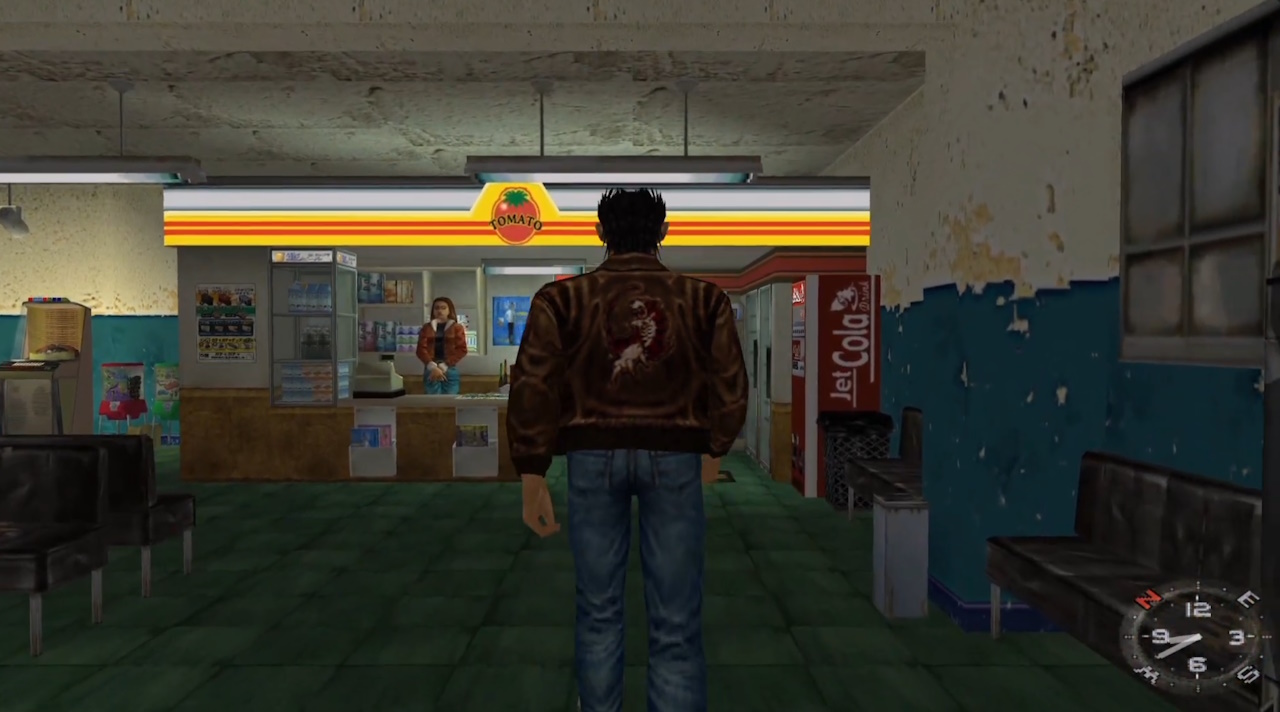
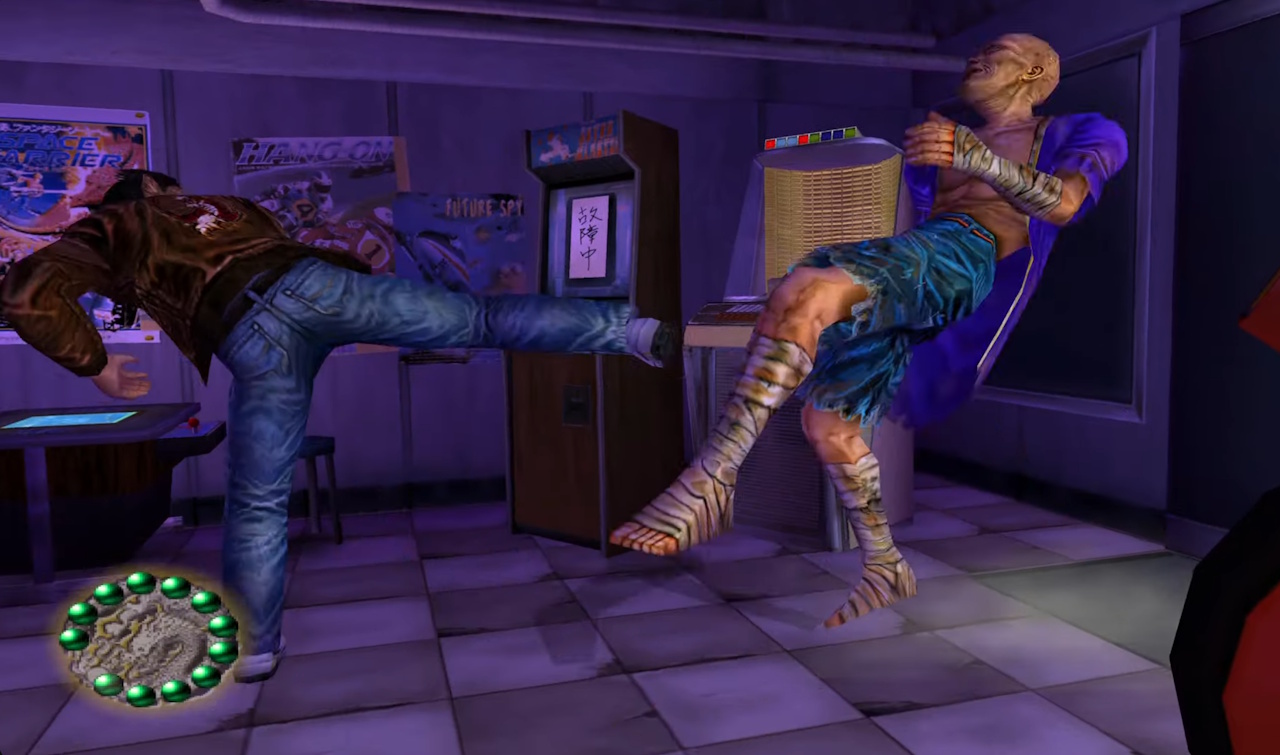
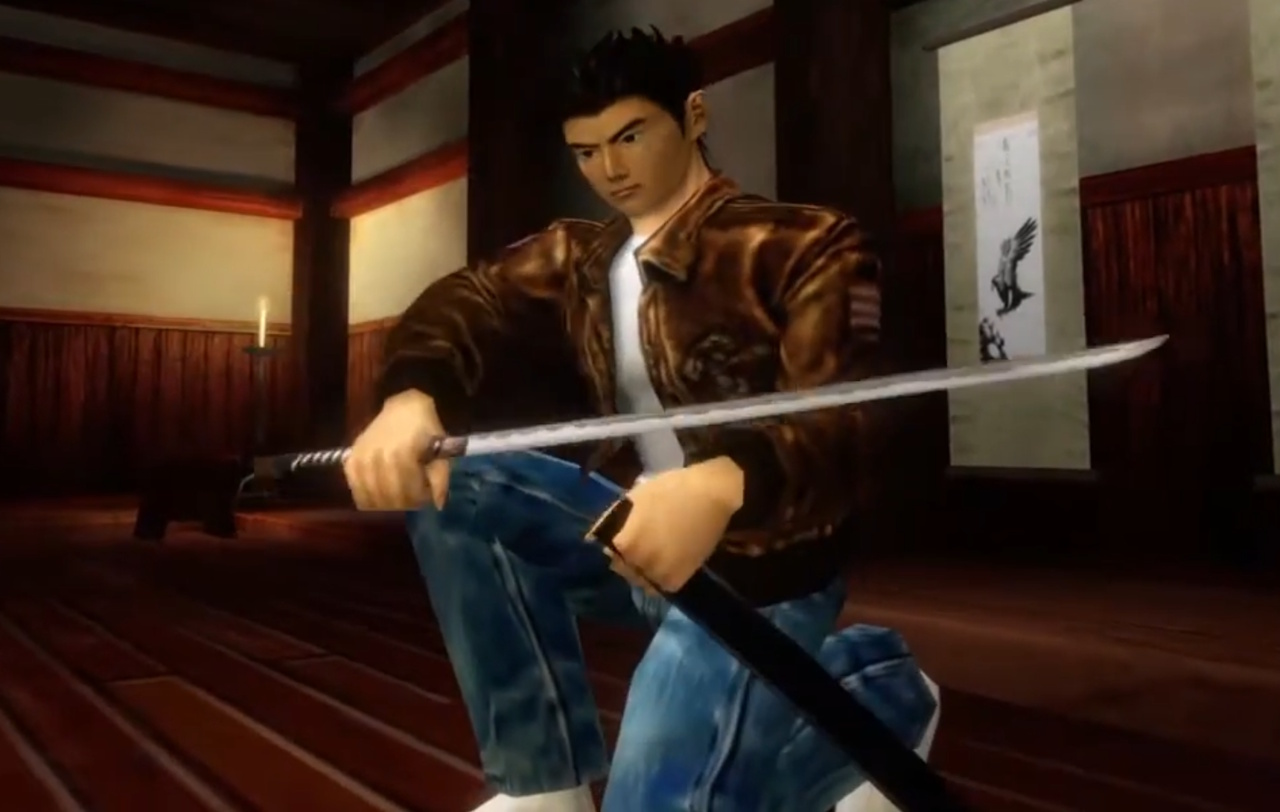
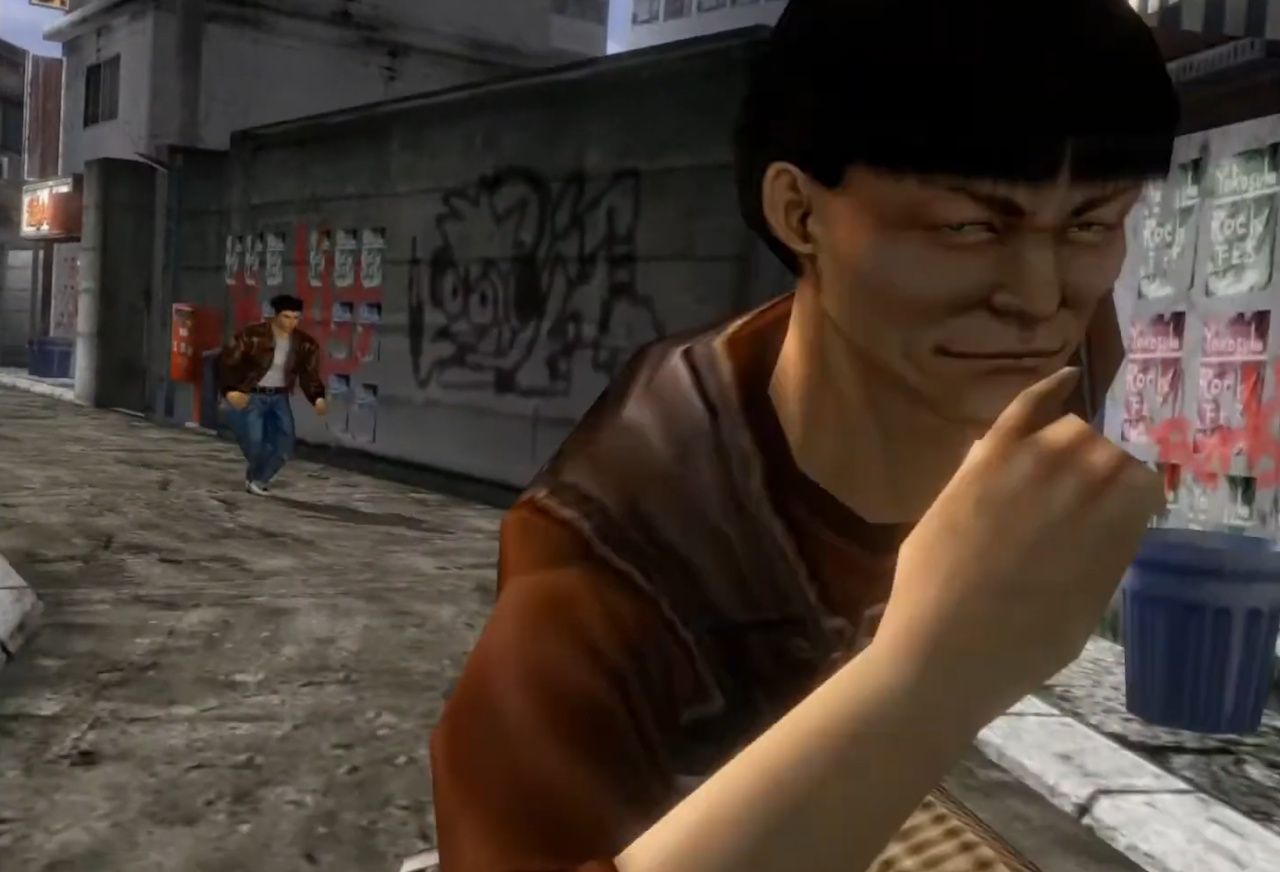
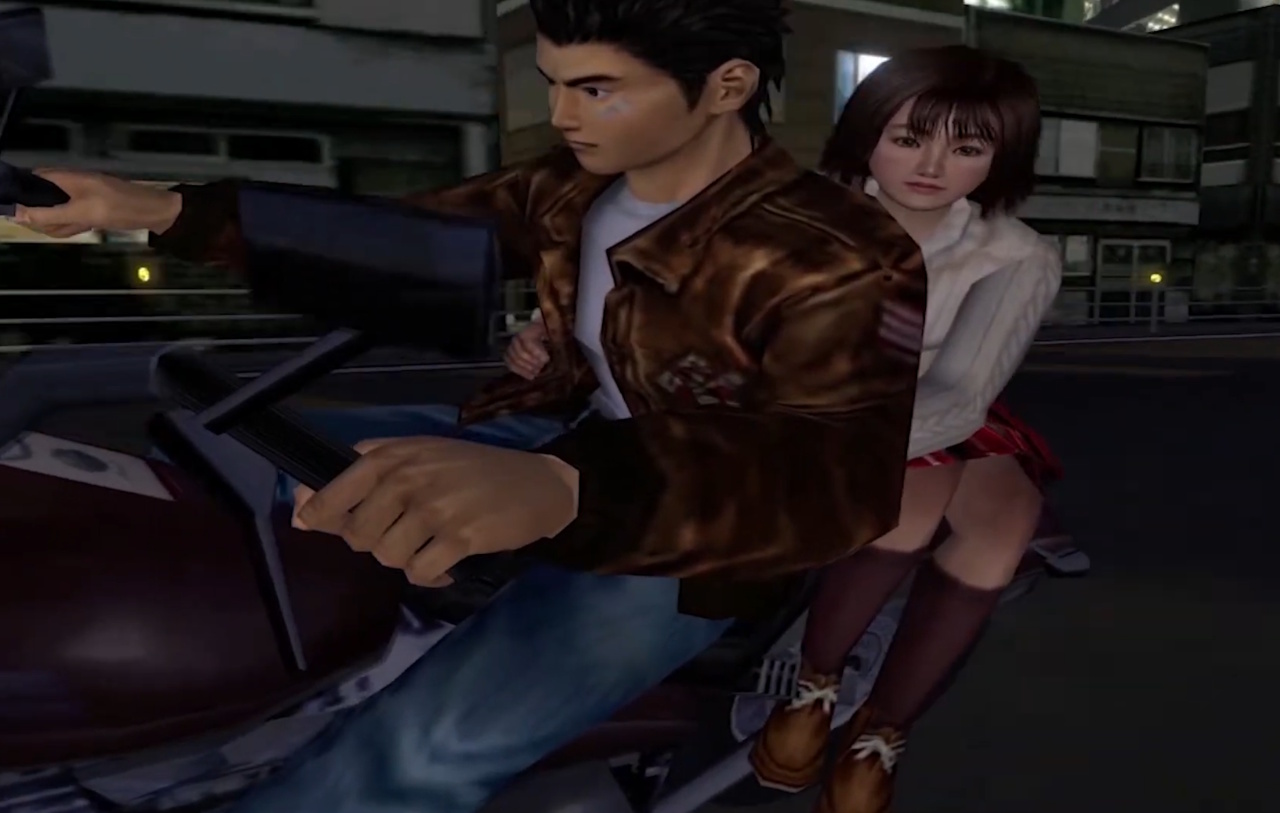
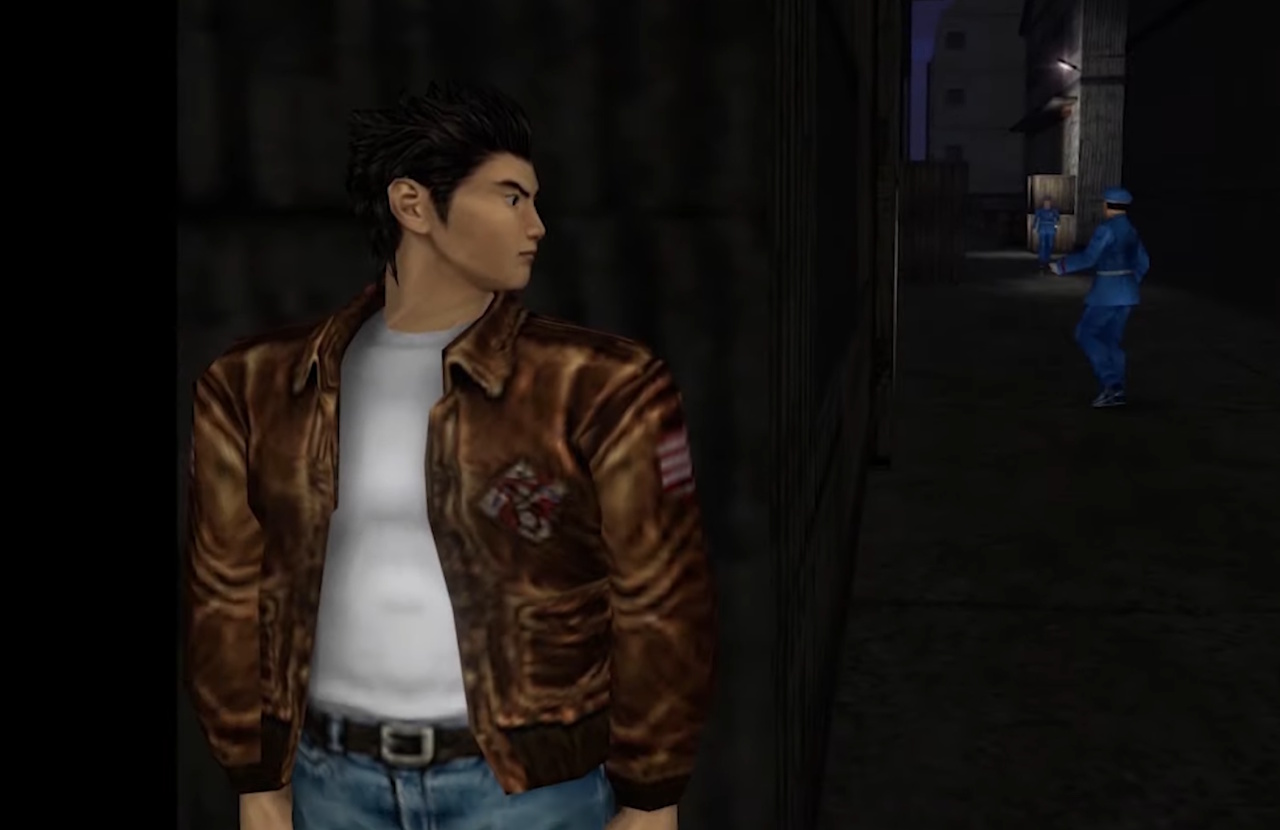
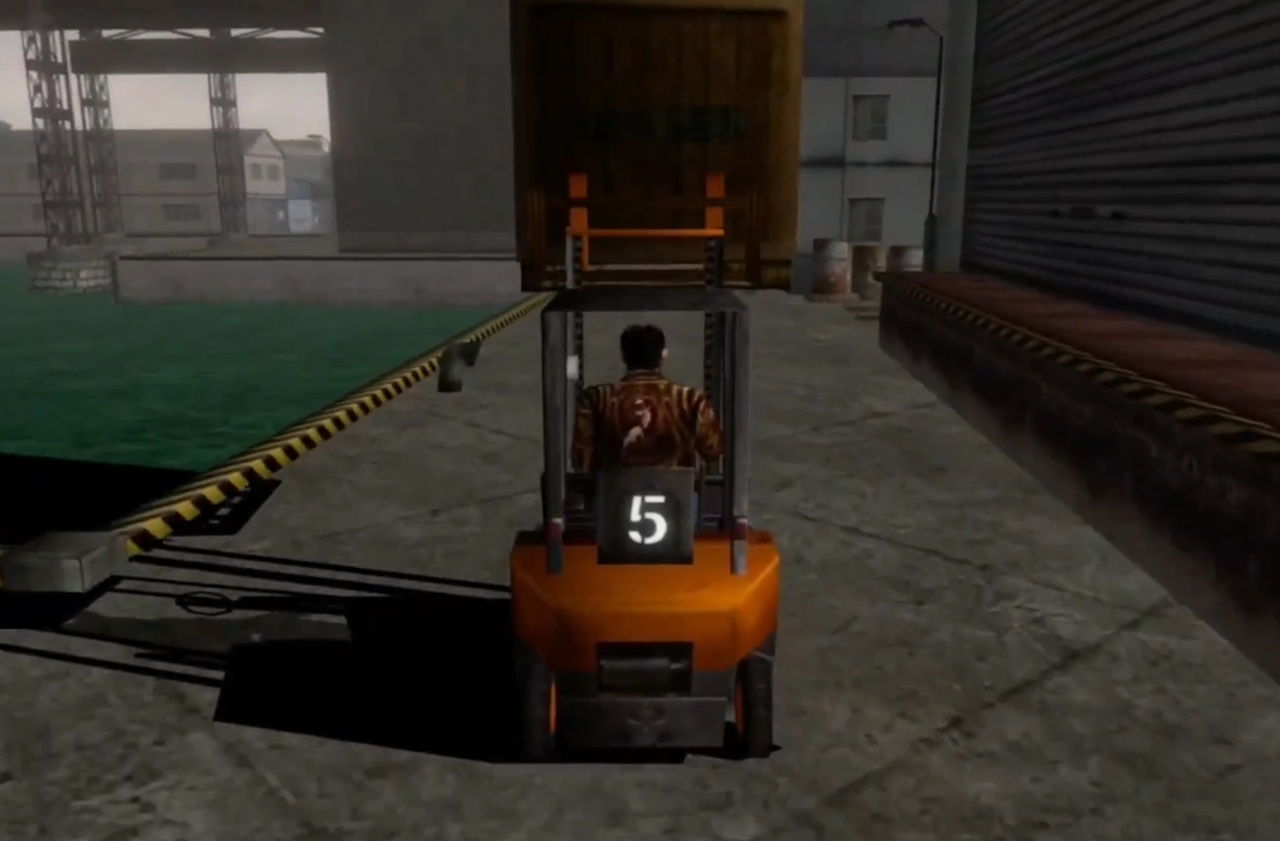
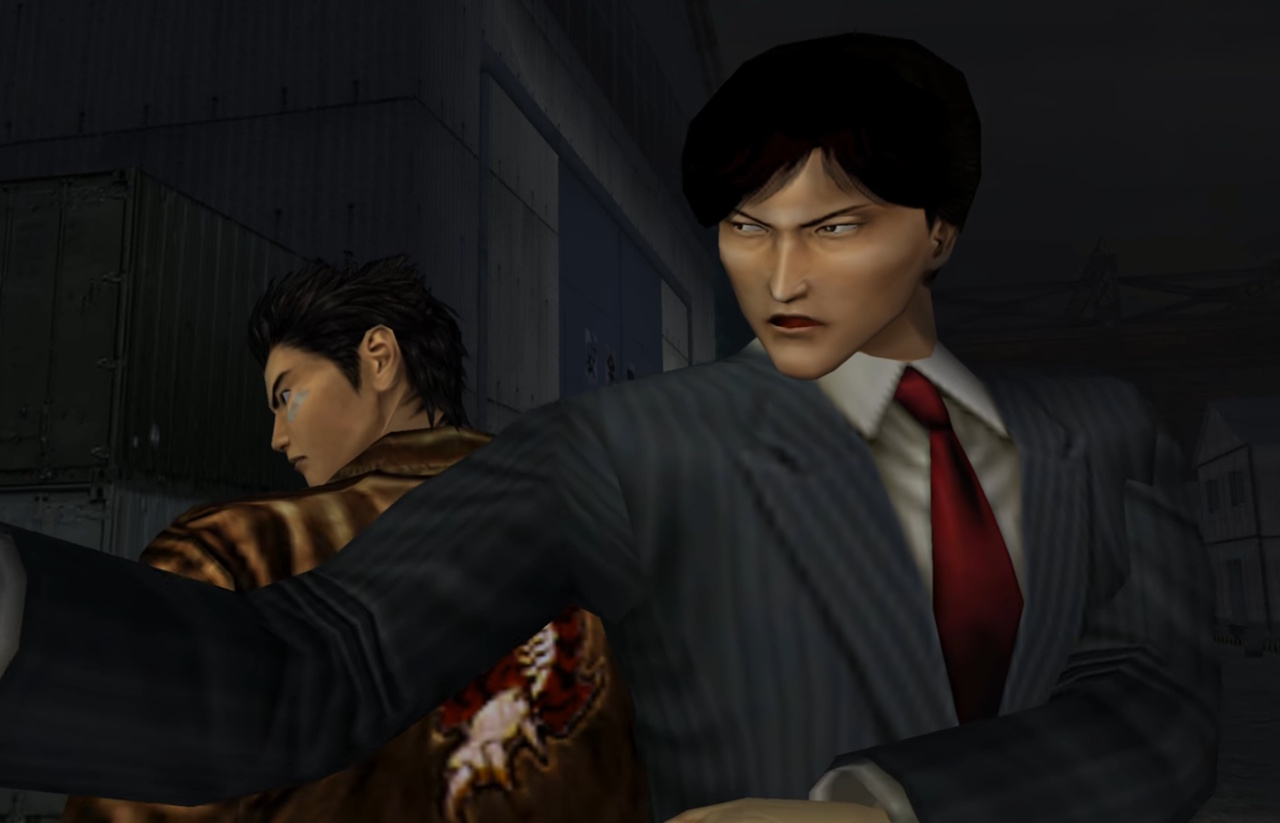
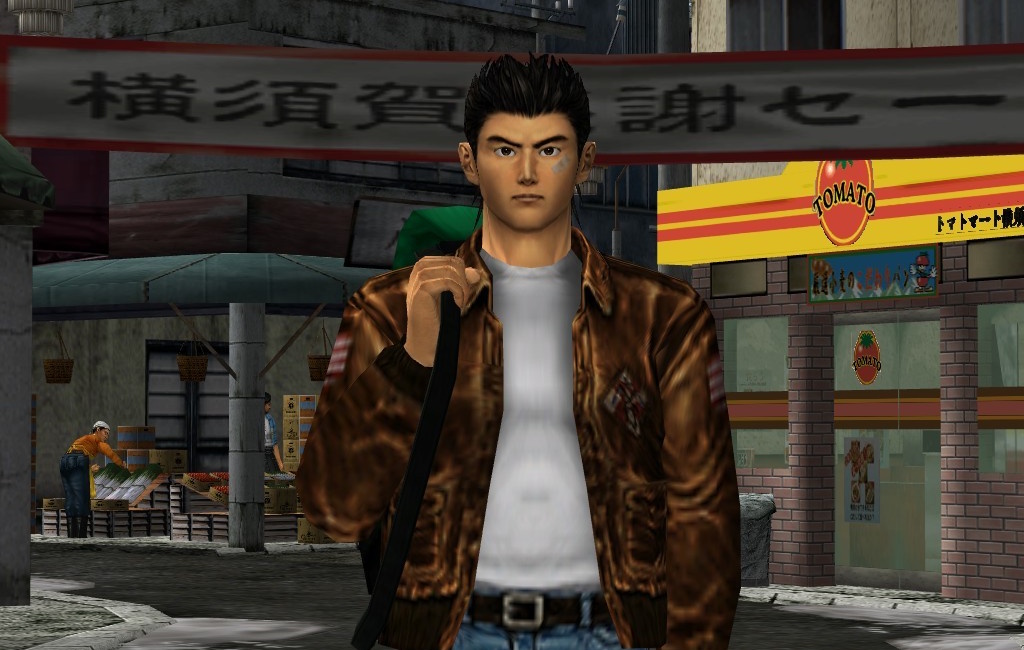
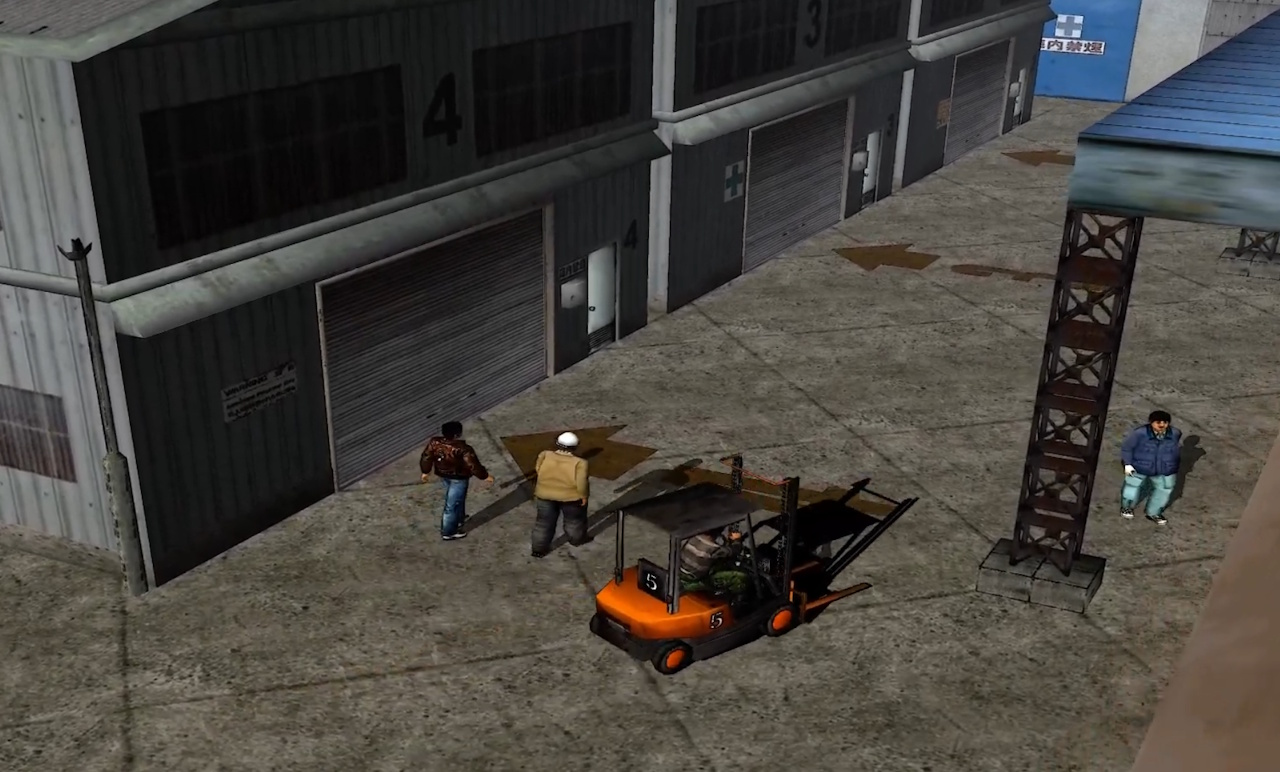



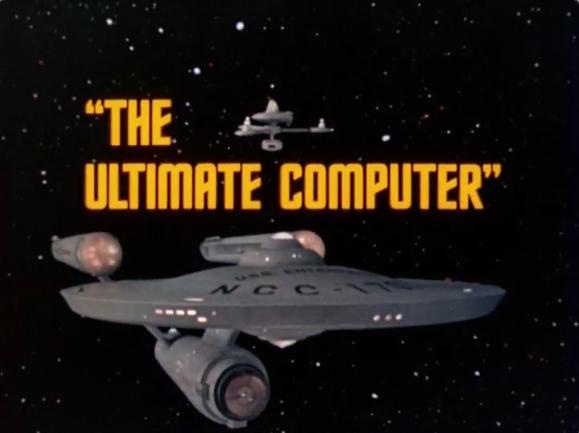
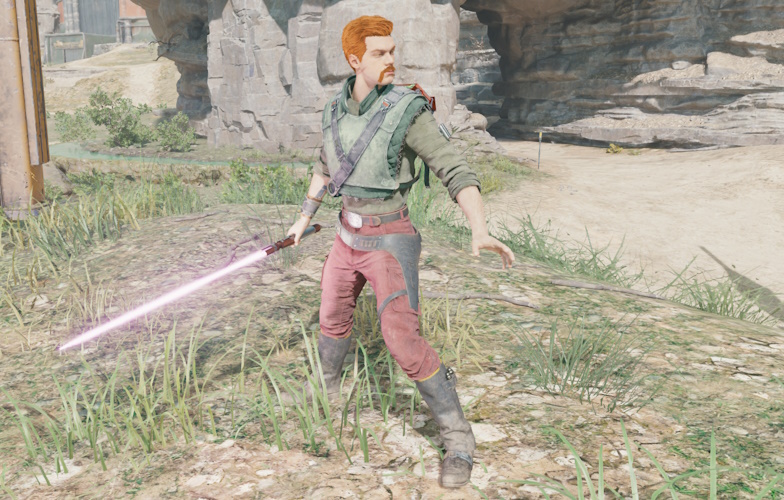
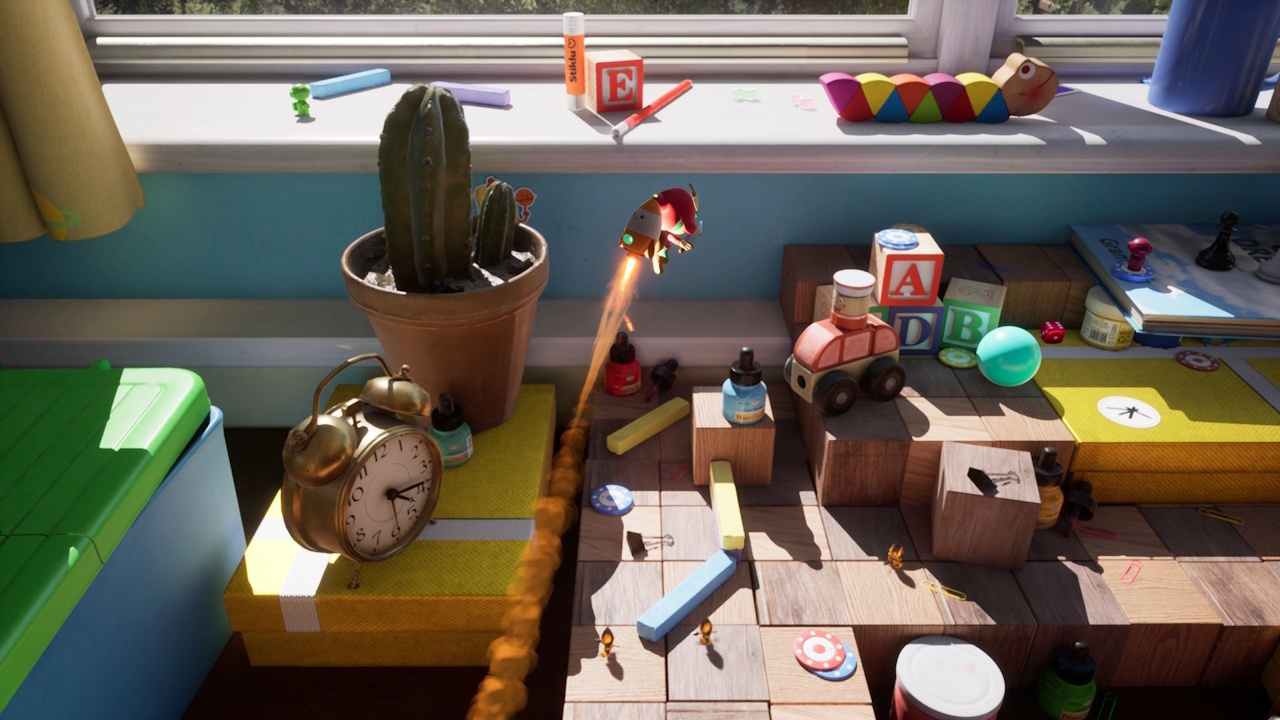

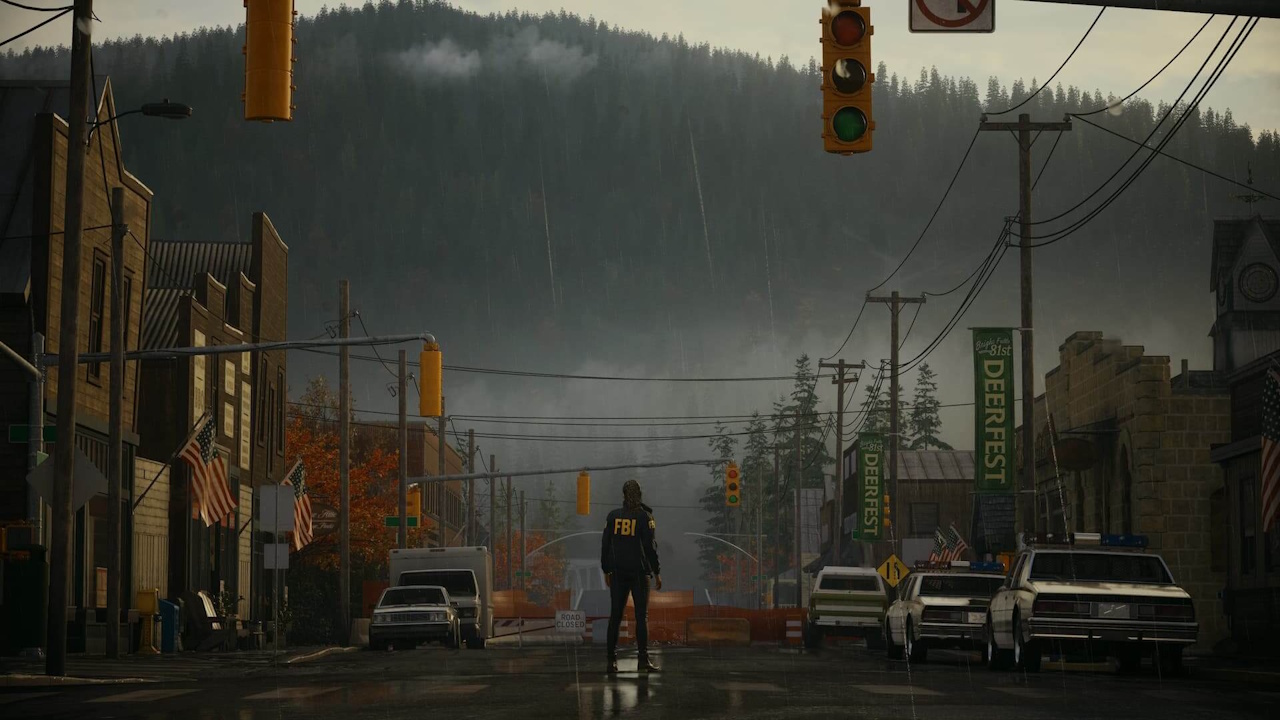
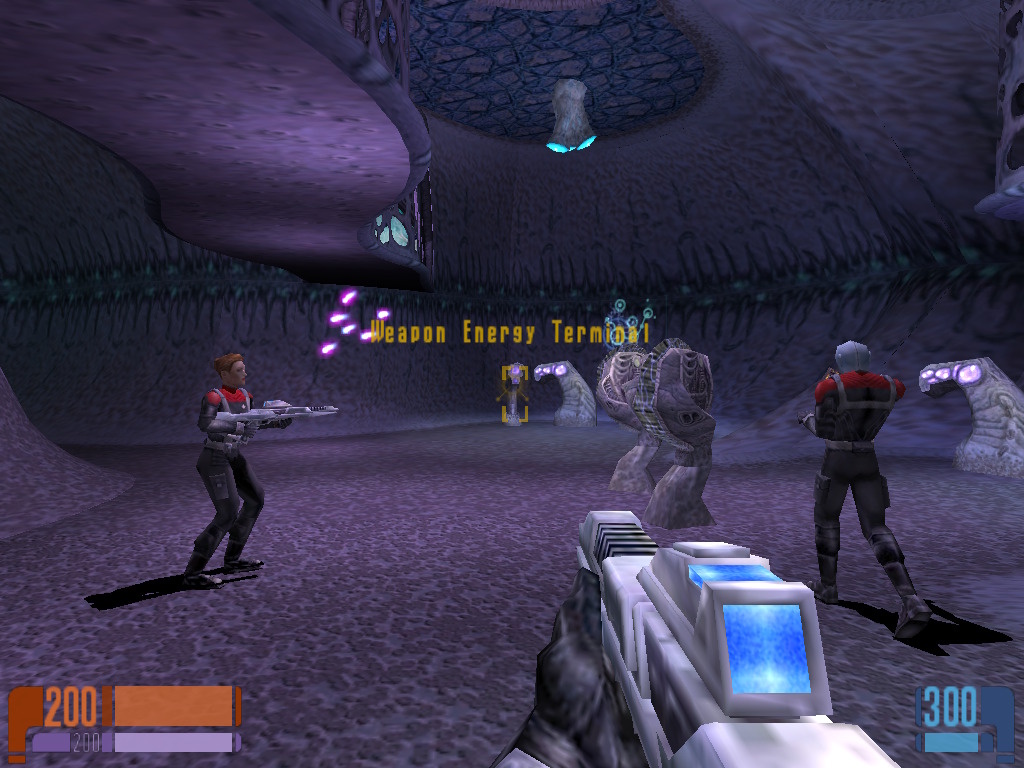
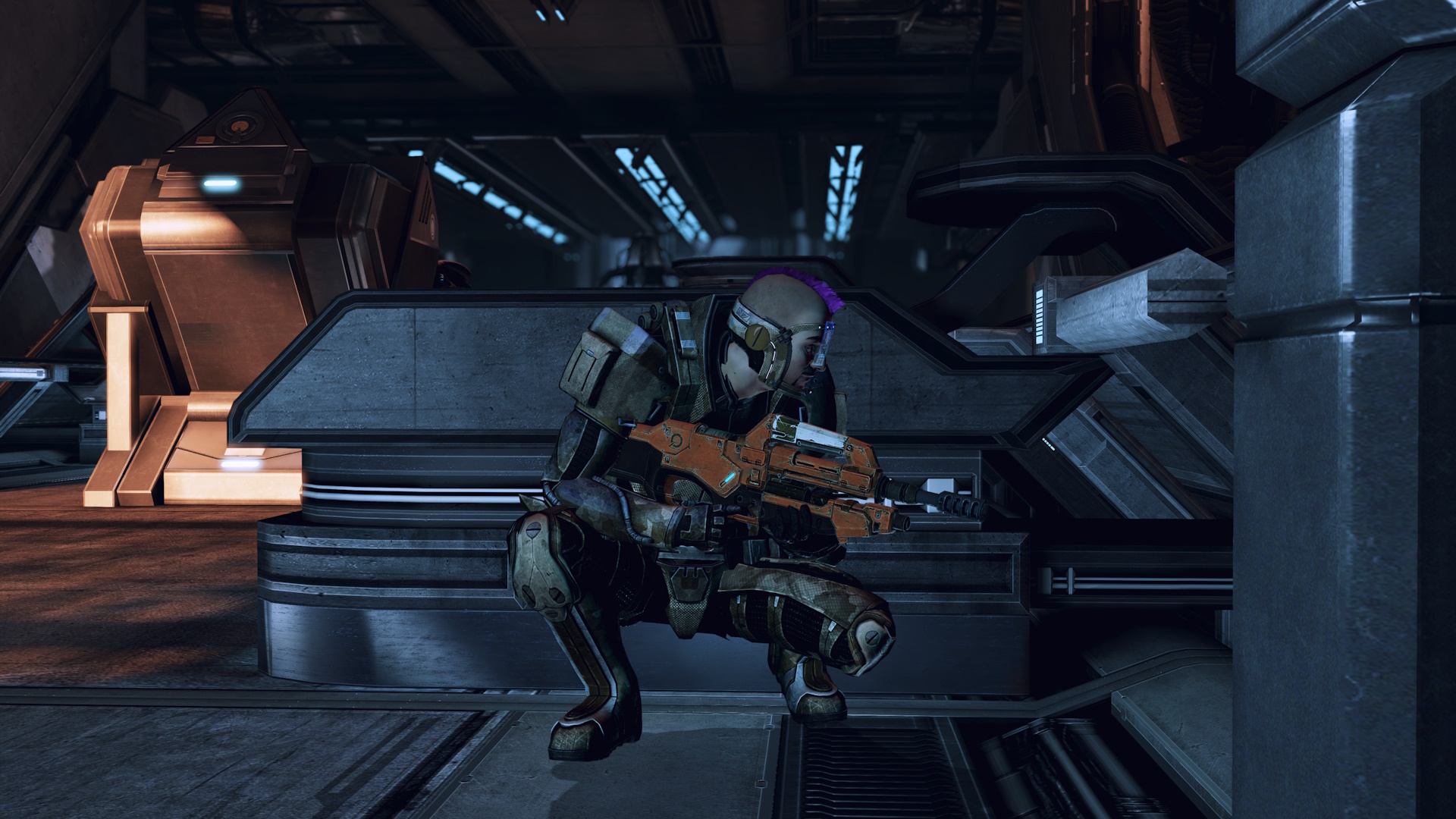
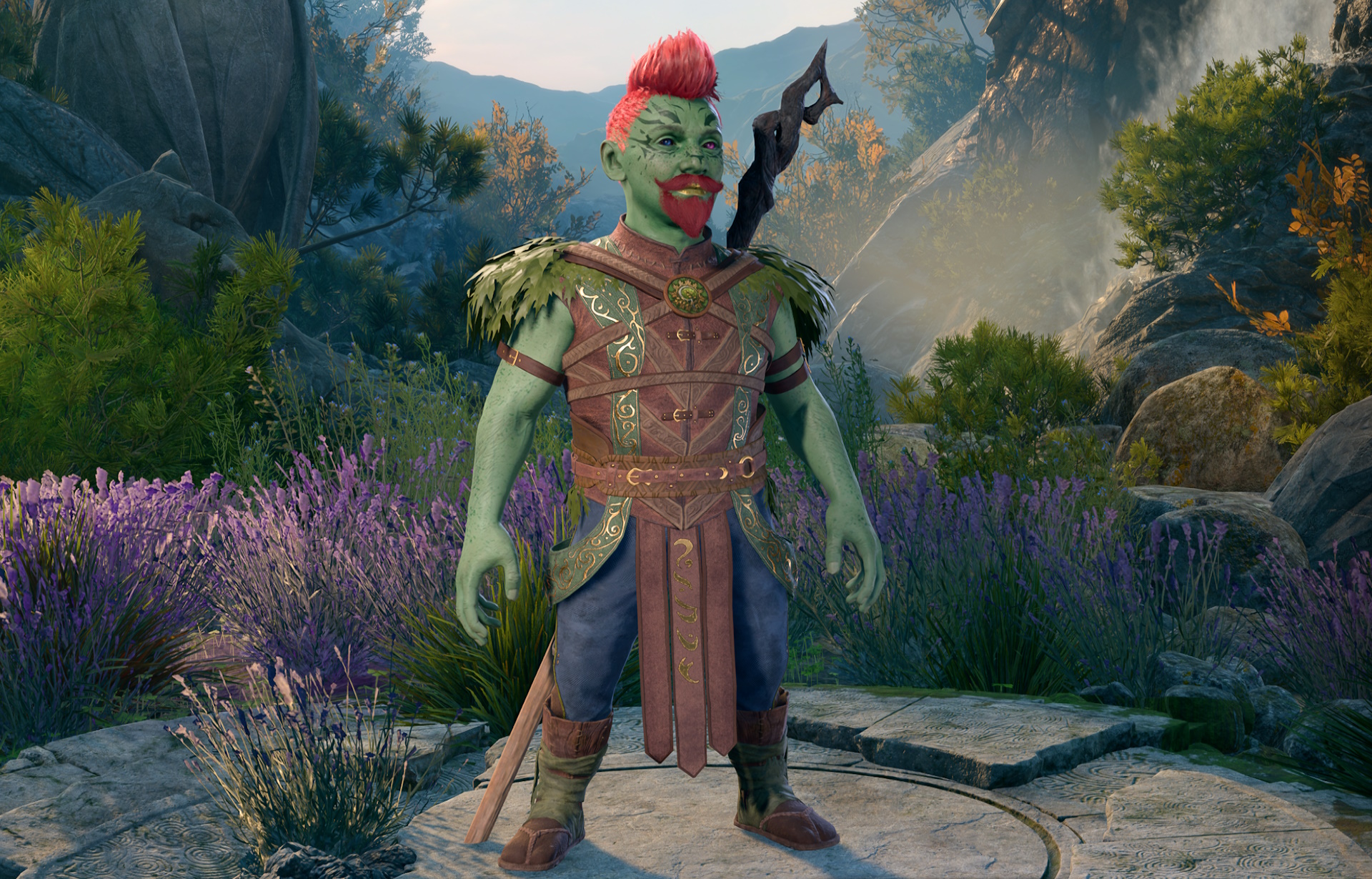
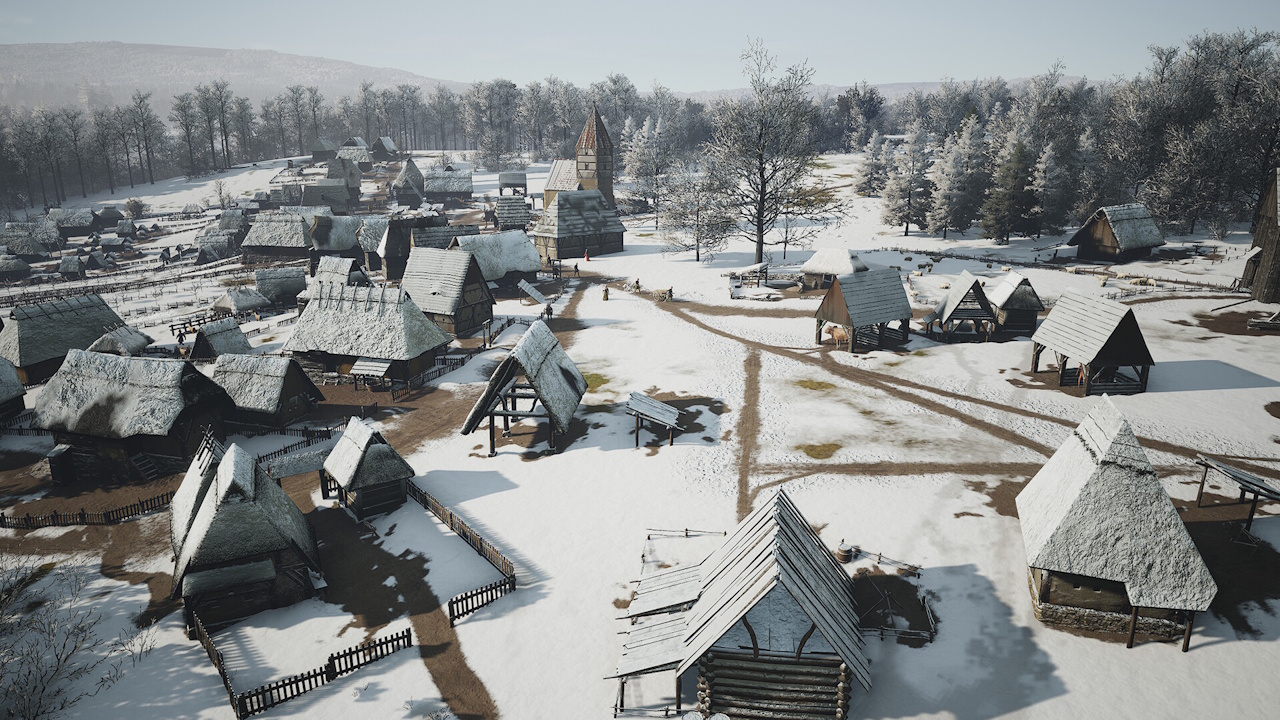
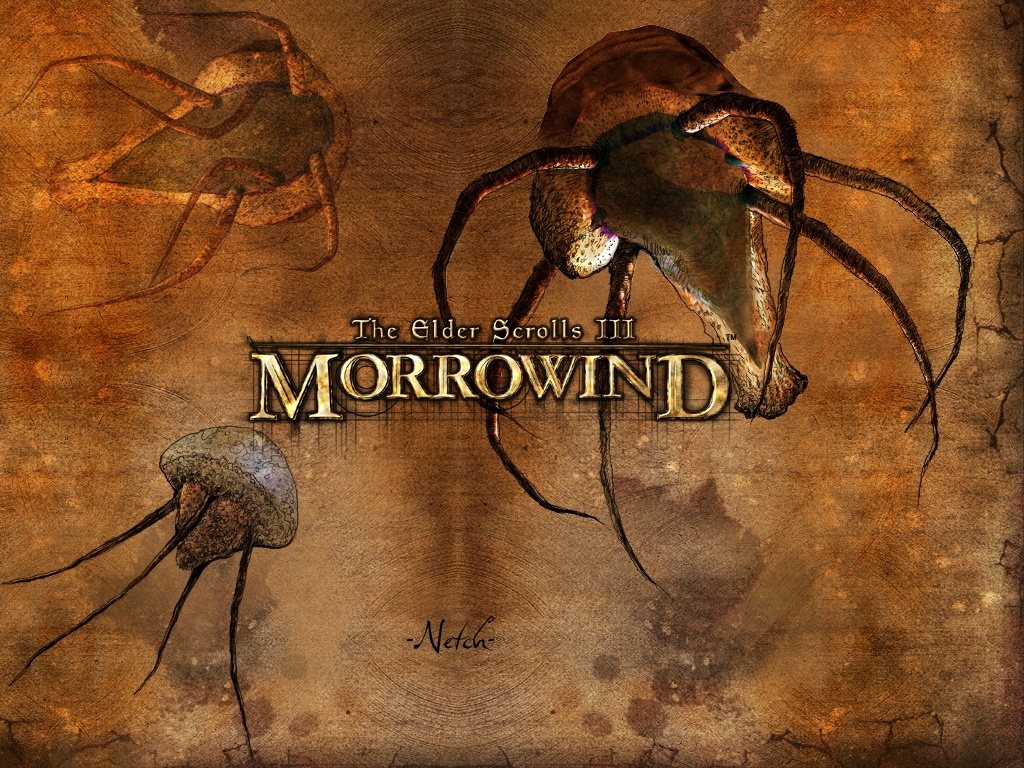





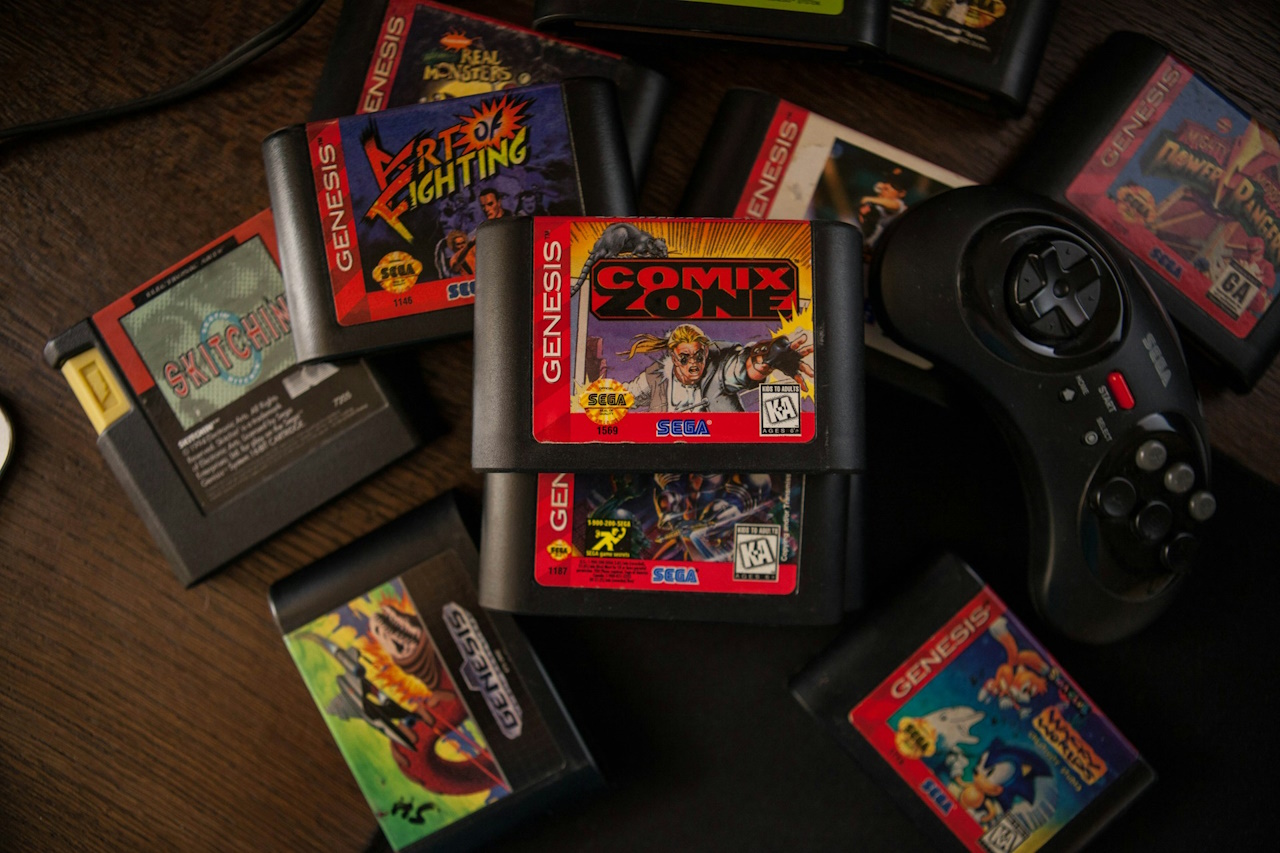
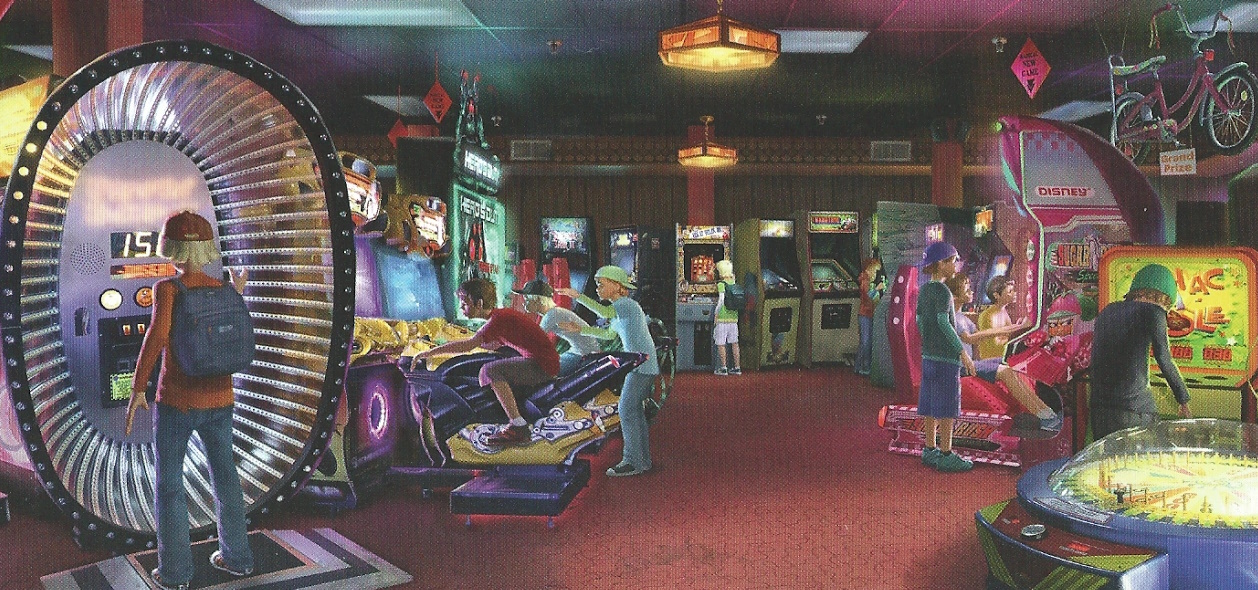
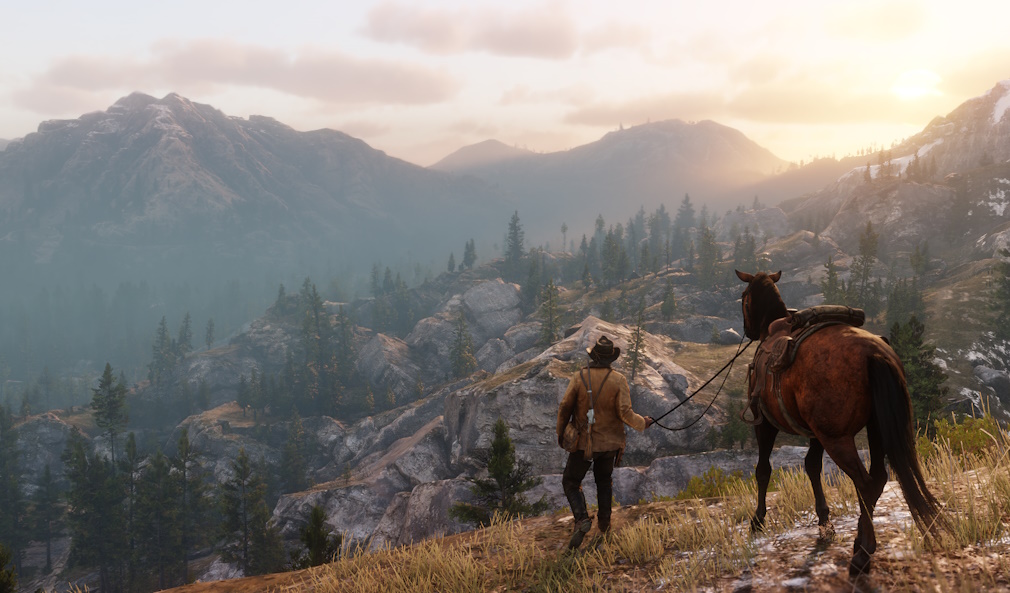
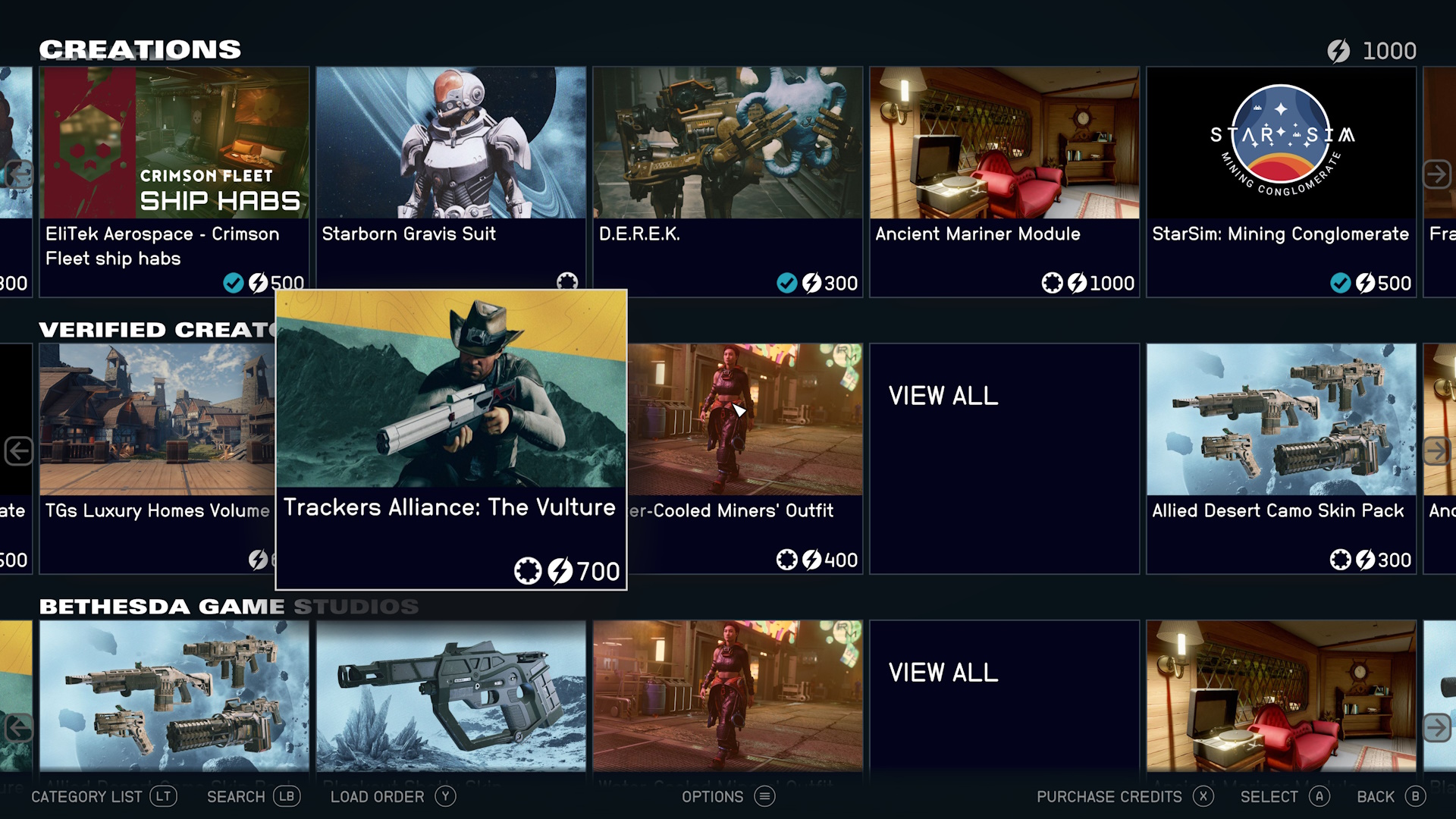
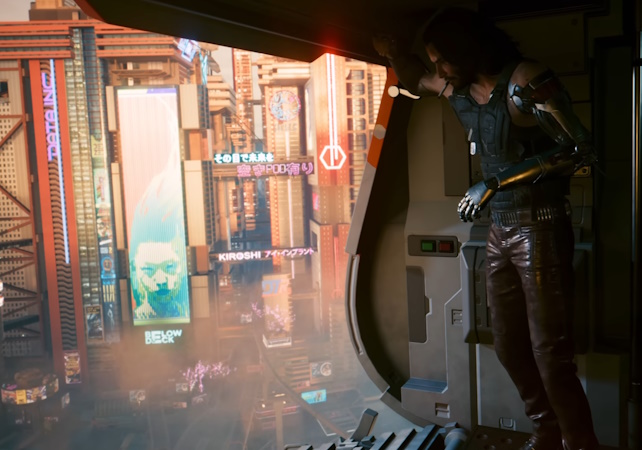
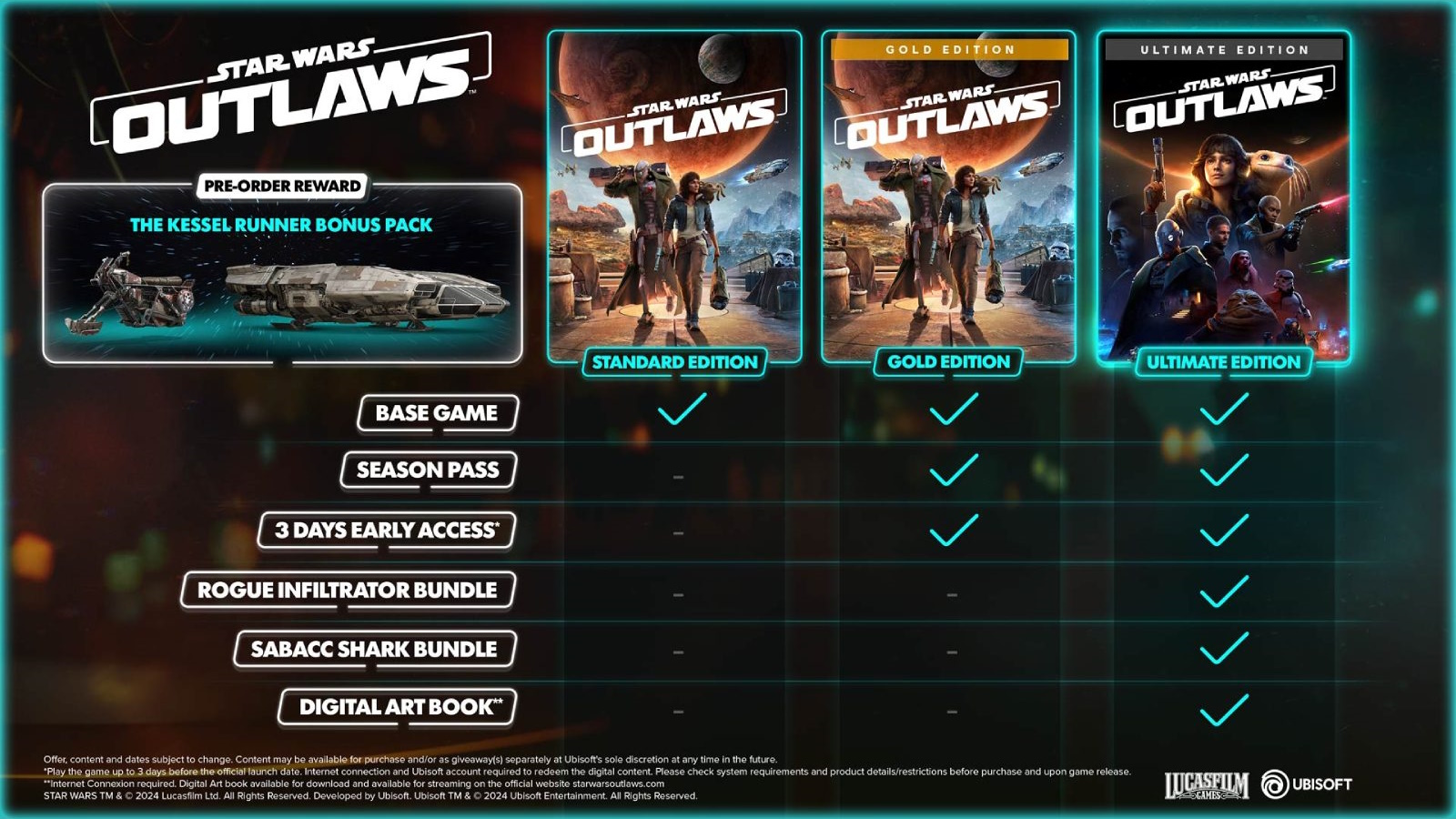


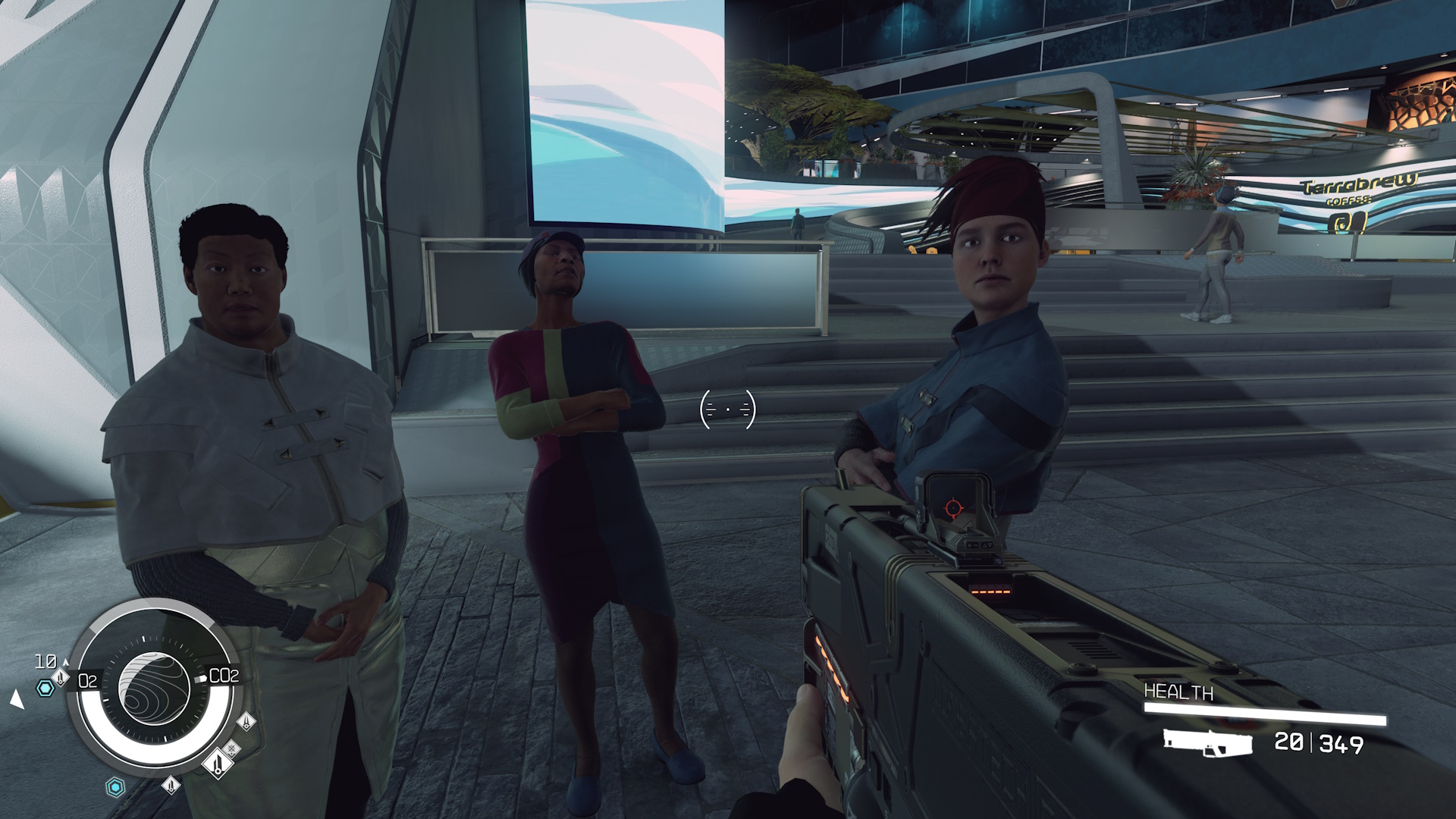


 Trekking with Dennis