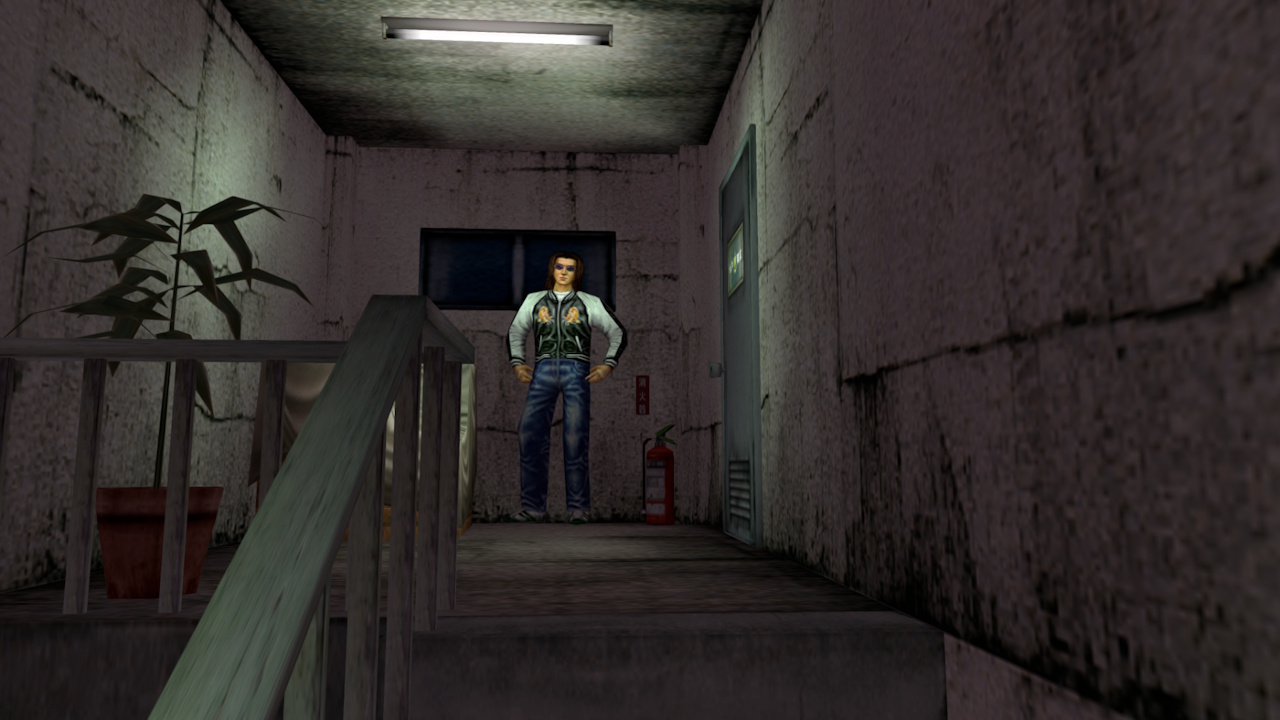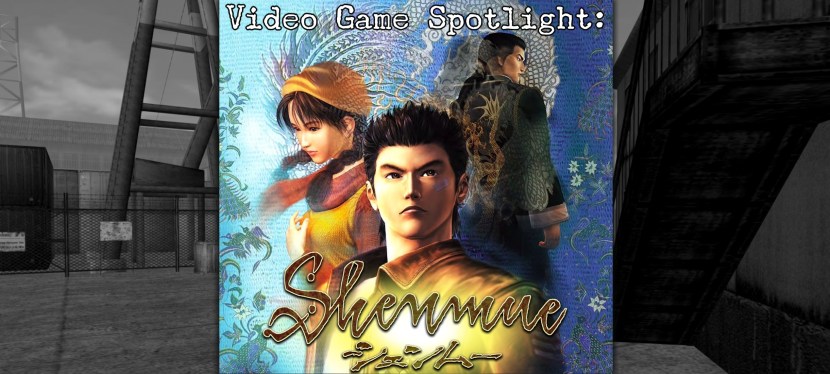
Video Game Spotlight: Shenmue II

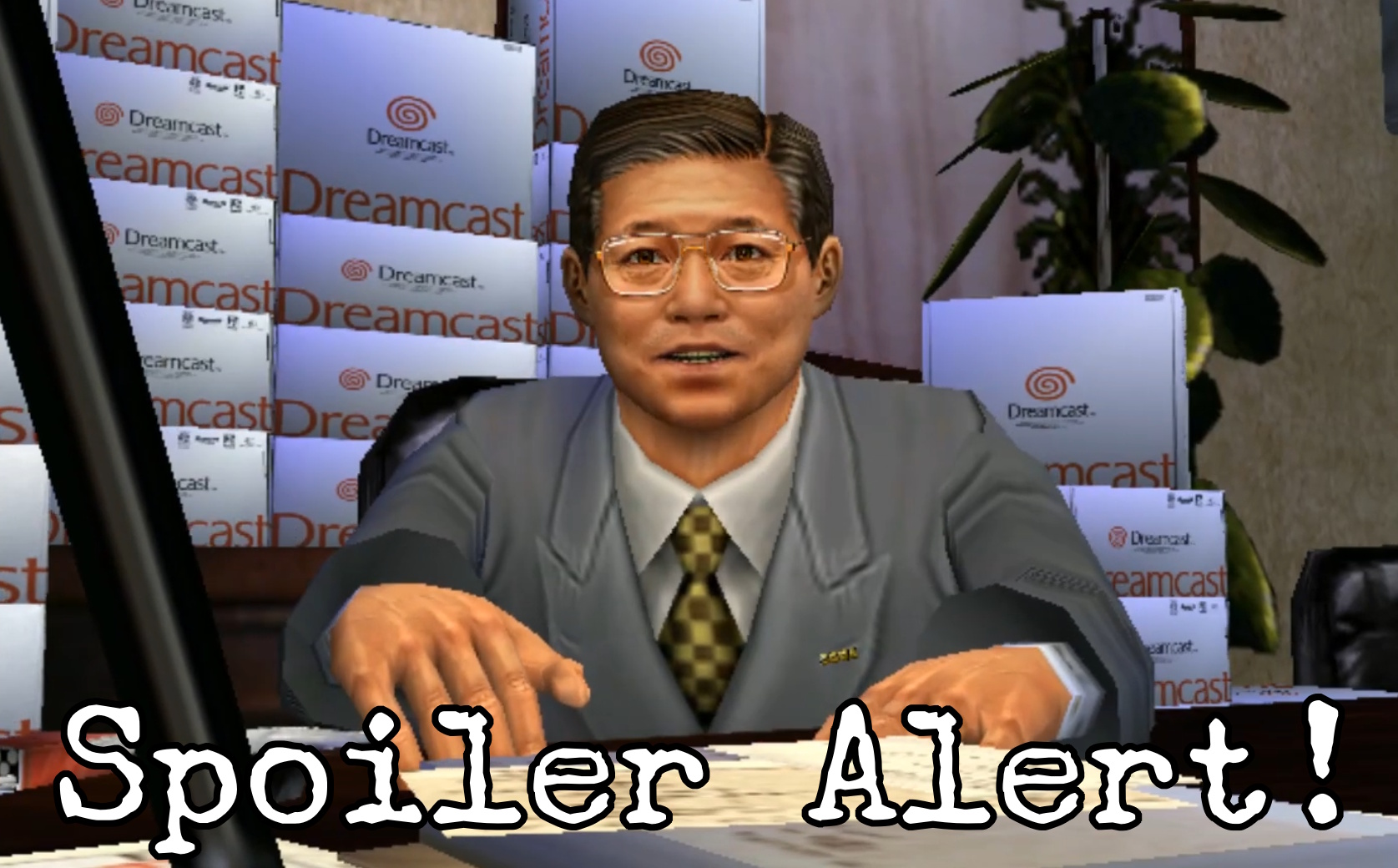
A Shenmue-themed spoiler warning.

Spoiler Warning: Beware spoilers for Shenmue and Shenmue II.

Happy twenty-fifth anniversary to Shenmue II!

The sequel to my favourite game of the Dreamcast era came along in September 2001, less than two years after Shenmue’s launch in Japan – and less than a year after the game launched here in the UK. By this point, though, it was already clear that the Dreamcast was on its last legs; Sega had announced earlier in the year that the Dreamcast would cease production.

Having been developed alongside the first game, Shenmue II was largely complete, and I guess there was a hope that launching the game would help Sega recoup at least a percentage of the money that had been spent on one of the most expensive titles of all-time. But you know the outcome by now: Shenmue II didn’t do anywhere near as well as its predecessor – selling, by some estimates, as little as 10-15% of the 1.3 million copies that the first game managed. An Xbox port, which launched just over a year later, did a little better, though… so at least there’s that!
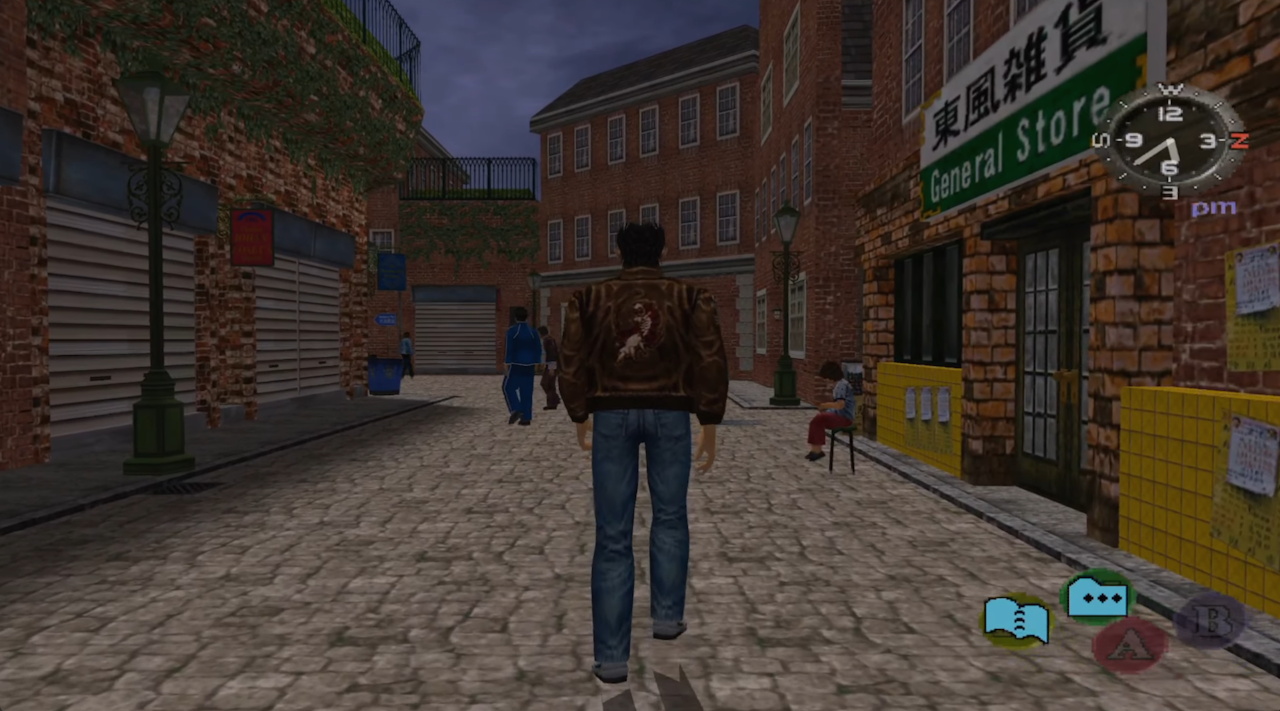
Screenshot of Shenmue II showing Ryo passing the general store
Stepping into Hong Kong.

I picked up Shenmue II for the Dreamcast pretty much as soon as it launched. Even though I knew the Dreamcast was on the way out, I still really wanted to dive into the next chapter of what was, at that point, my favourite video game ever! And my first impressions of Shenmue II were very positive. Here was the next part of Ryo’s story, which took him far from home to the shores of Hong Kong.

By the time I played Shenmue II, I must’ve gone through the first Shenmue at least five or six times. It really was my absolute favourite game at that moment; a title that utterly transformed my relationship with gaming as a whole and showed me a glimpse at what the future of the medium could look like. I’d played Shenmue almost incessantly since picking it up in December 2000, so I was intimately familiar with Yamanose, Sakuragaoka, Dobuita, the Yokosuka harbour, and Ryo’s family dojo.
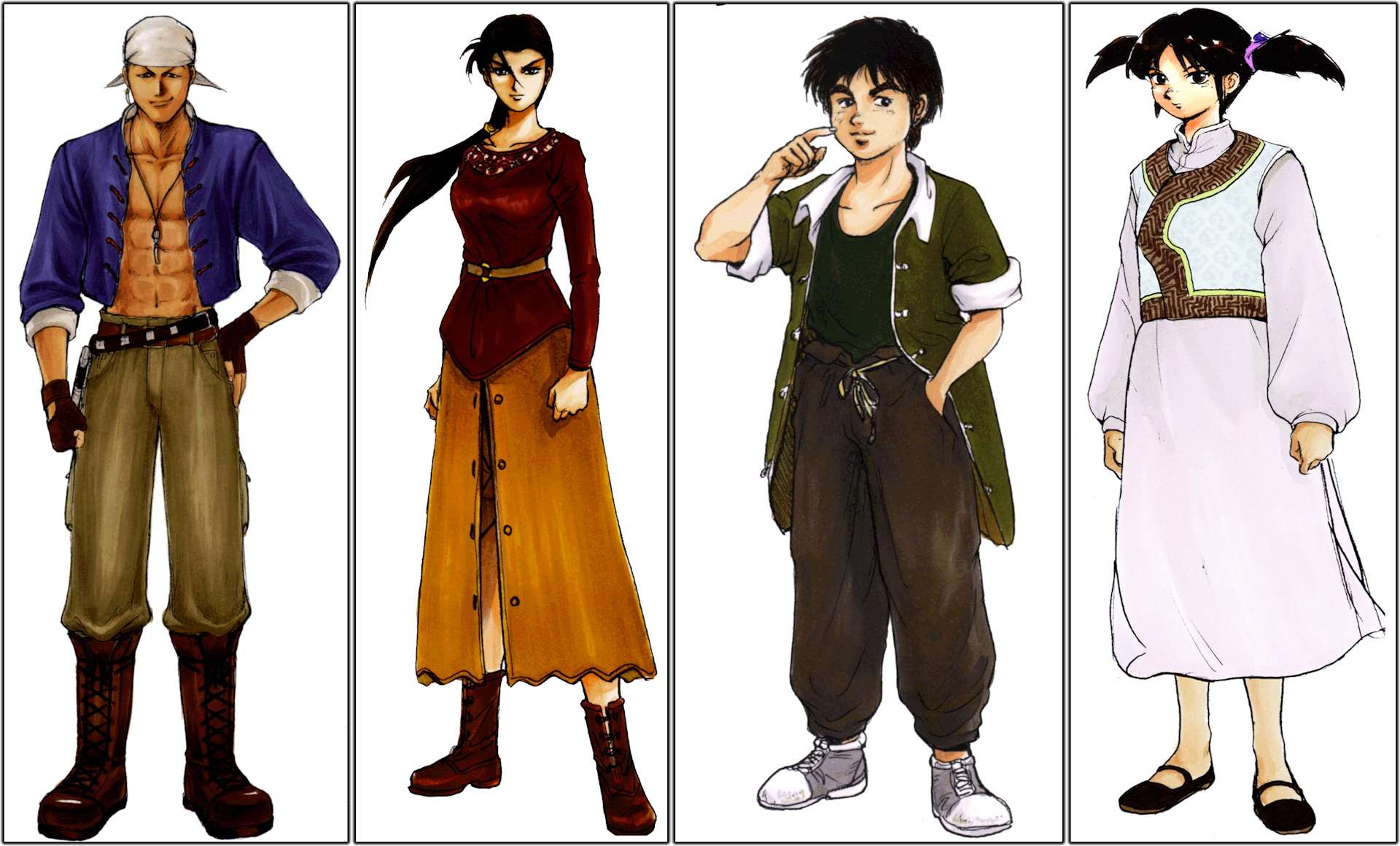
Four character concepts from Shenmue II
Concept art of Ren, Xiuying, Wong, and Fangmei.

That meant, when I sat down to play Shenmue II nine or ten months later, that I really *felt* the sense of stepping away from the familiar and leaping into the unknown – just as Ryo was doing. Because I’d spent so long wandering the streets of Japan with Ryo, getting immersed in that world, buying toys, going to the arcade, and getting home in time for Ryo’s curfew… going to Hong Kong really felt like I was leaving “home” behind and striking out in a completely new place. I don’t think that feeling would’ve hit me in quite the same way had I only played Shenmue once; it really took that familiarity from repeat playthroughs to make stepping into Hong Kong feel quite so odd and… different.

Although the gameplay is very familiar – thanks to being developed alongside the first game, by the same team, and for the same hardware – the setting of Shenmue II feels very different to the Yokosuka area that I’d become so at home in. Gone were the friendly neighbours and locals; people Ryo had known since childhood and regularly stopped to chat with. And in their place? Strangers, scammers, criminals… and a mysterious girl on a motorbike!
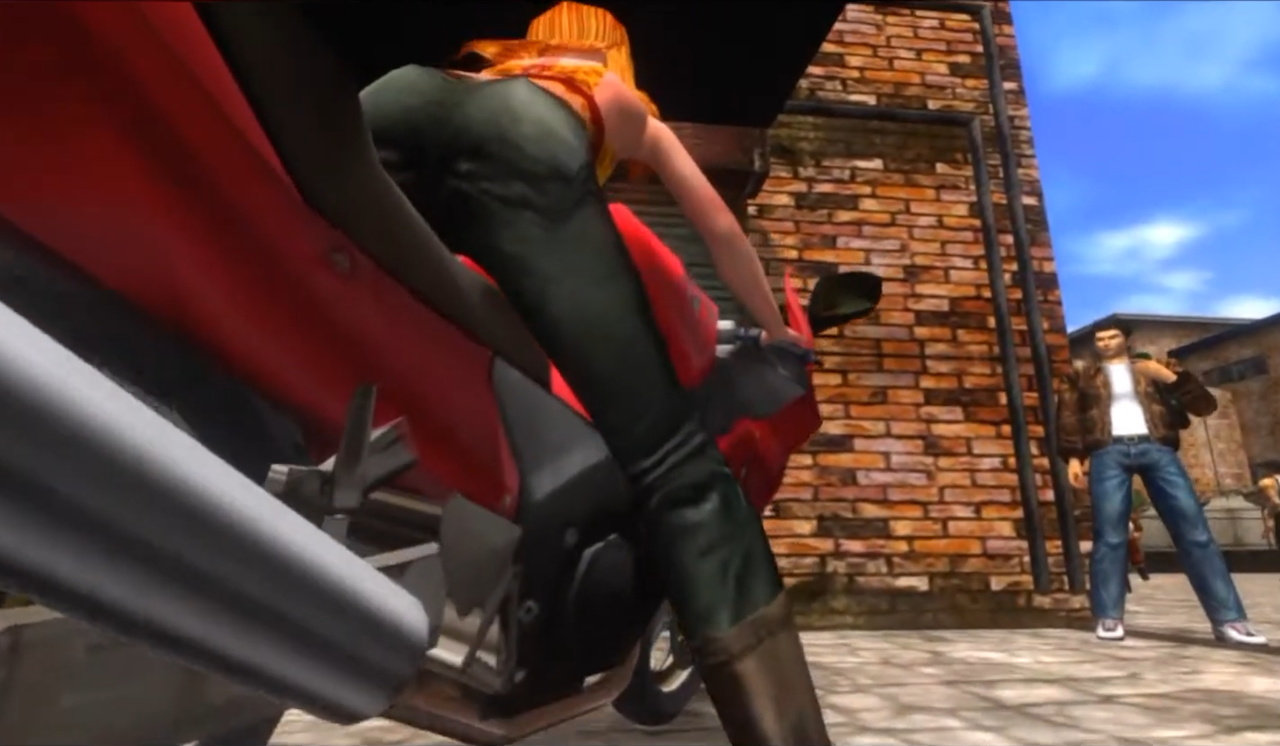
Screenshot of Shenmue II showing Joy and Ryo
Ryo meets Joy for the first time.

Those first moments of stepping into Hong Kong felt tense, but also adventurous. I can vividly recall the first steps Ryo took along the Aberdeen harbour, rucksack still on his back, making his way into this strange, new place. The bedroom I’d become so familiar with was gone, replaced by a cheap flophouse by the harbour, and then… just when I thought I was beginning to find my feet after visiting a few of the shops and bars, Ryo got his bag stolen!

The opening act of Shenmue II really was intense.

The first Shenmue had quite literally redefined my relationship with gaming as a hobby. At a time when I might’ve begun to drift away as my life got busier, Shenmue came along and showed me what games in the 2000s could be; these intense narrative experiences that would be right at home on the big screen. Shenmue II didn’t feel as revolutionary, in that sense, because I’d been sitting with the first game for months already, and I’d already fully absorbed that transformation. But it was really only the second game I’d ever played to fully embody that style – the “F.R.E.E.” proto-open world thing.
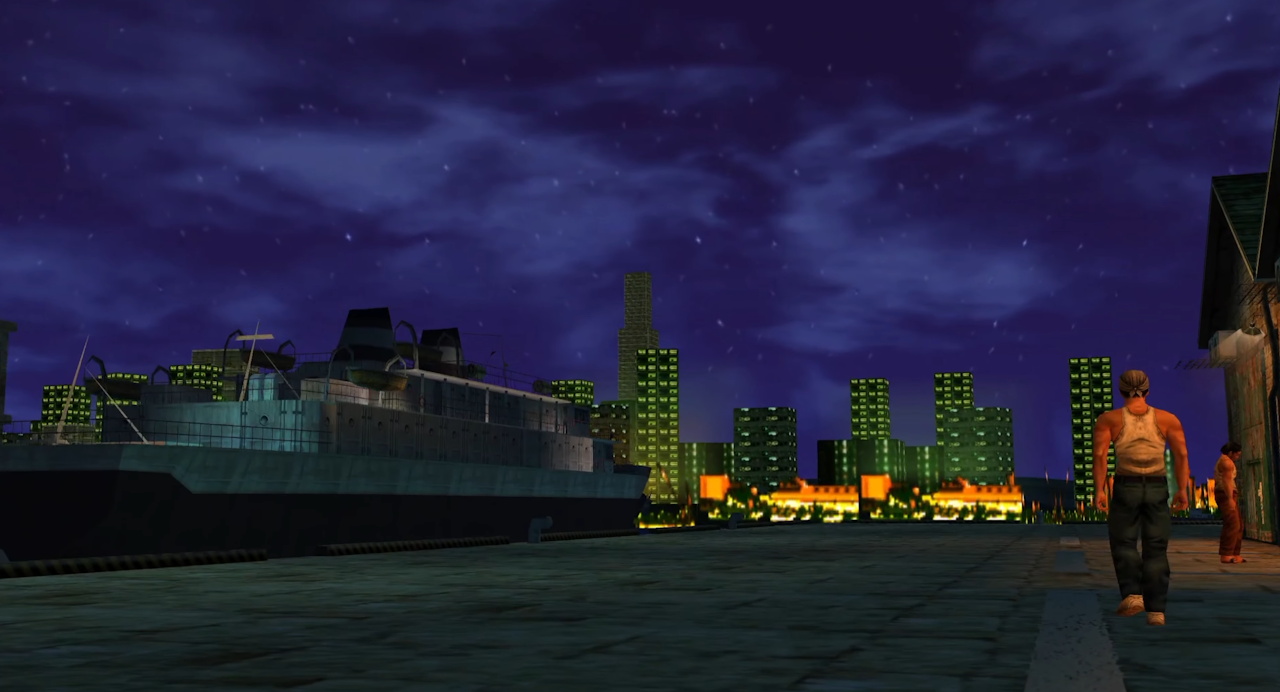
Screenshot of Shenmue II showing the harbour at night
The harbour at night.

Shenmue II’s Hong Kong felt densely-populated, even compared to the first game’s slice of Japan. Once Ryo got out of the harbour area and into Wan Chai, there were people *everywhere*, and even if most of them only had one or two lines, what was cool was that you could approach and try to talk to all of them. As in Shenmue, shops and restaurants that you had no need to visit and didn’t serve any narrative function could be entered at will and explored, and there was so much going on in Hong Kong’s cramped streets that the world felt *alive* in a way that, even today, many game worlds just… don’t.

I felt like there was a bit more diversity of environments in Shenmue II compared to the first game, too. While you really only got the rural area right at the end, each of the areas of the city felt distinctive – some were more modern, others clearly older and more run-down. The harbour had beautiful views across the water; the city streets were so built-up and vertical that you couldn’t see very far. There were luxurious hotels and arcades in some areas, literal ruins or people living on boats in others.
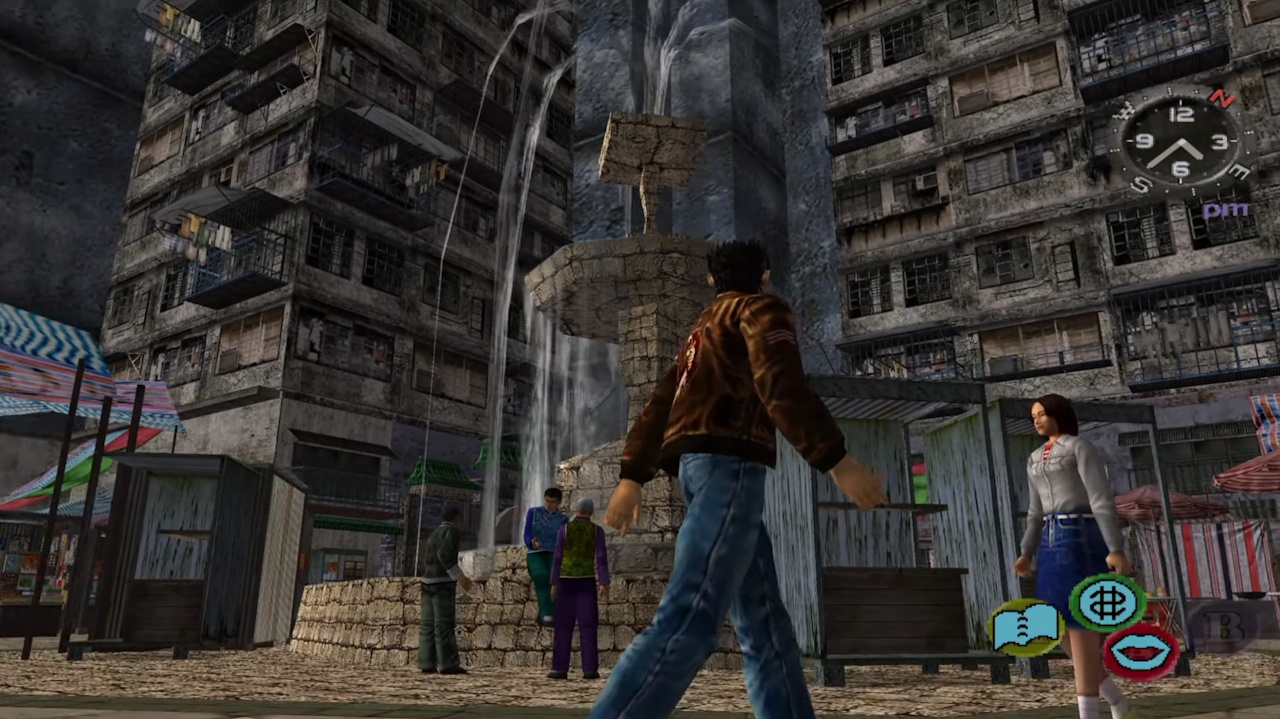
Screenshot of Shenmue II showing Ryo in Kowloon
Kowloon.

Shenmue II also captured a moment in time. The Hong Kong of 1987 is very different to how it was even when the game launched; the handover in 1997 changed a lot for the city and its people, as did the clearing of the Kowloon Walled City. By the time Shenmue II launched, the way of life that some of the game’s characters had was already gone… and that’s something that I didn’t feel from the first game in the same way.

When Shenmue launched, I was engrossed by its Japanese setting – but also, I genuinely enjoyed playing through a depiction of the real world in the (almost) modern day. I didn’t see Shenmue as this ’80s nostalgia-fest – which I think you’d definitely get a lot more of if the game had been made in the 2020s. But because Hong Kong changed so much in the years between the game’s setting and its launch, it feels like it captured a piece of history, really – a world that just didn’t exist any more. And that’s a bit of an odd feeling, too, even if I couldn’t quite put my finger on it all those years ago.
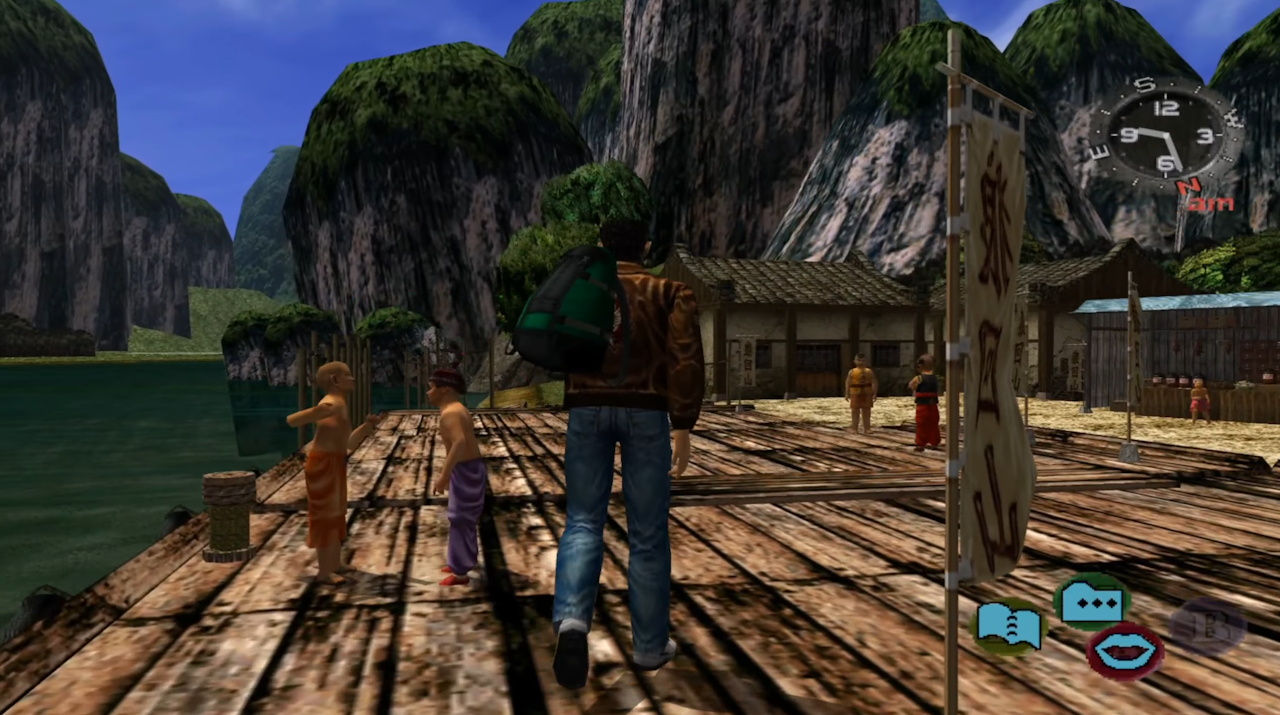
Screenshot of Shenmue II showing Ryo arriving in Guilin
Arriving in Guilin.

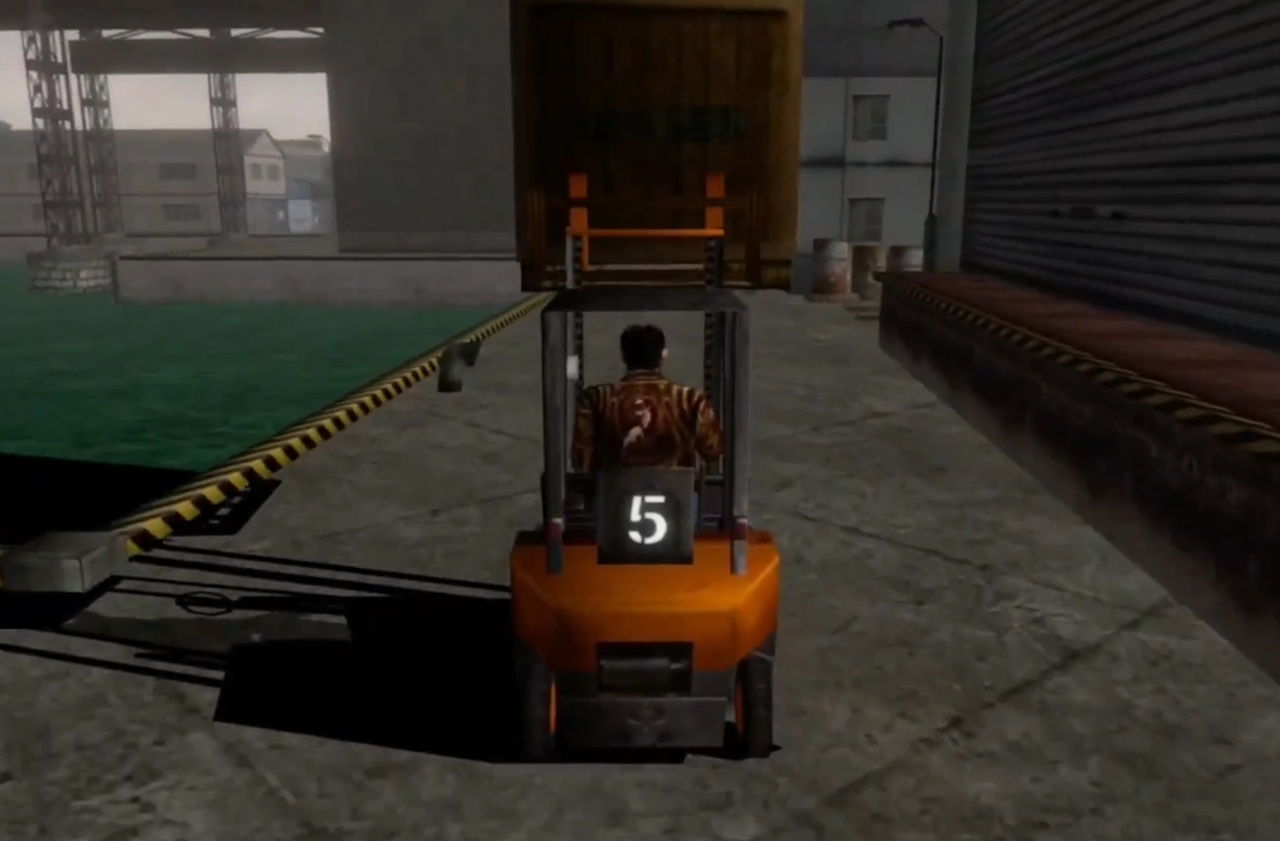
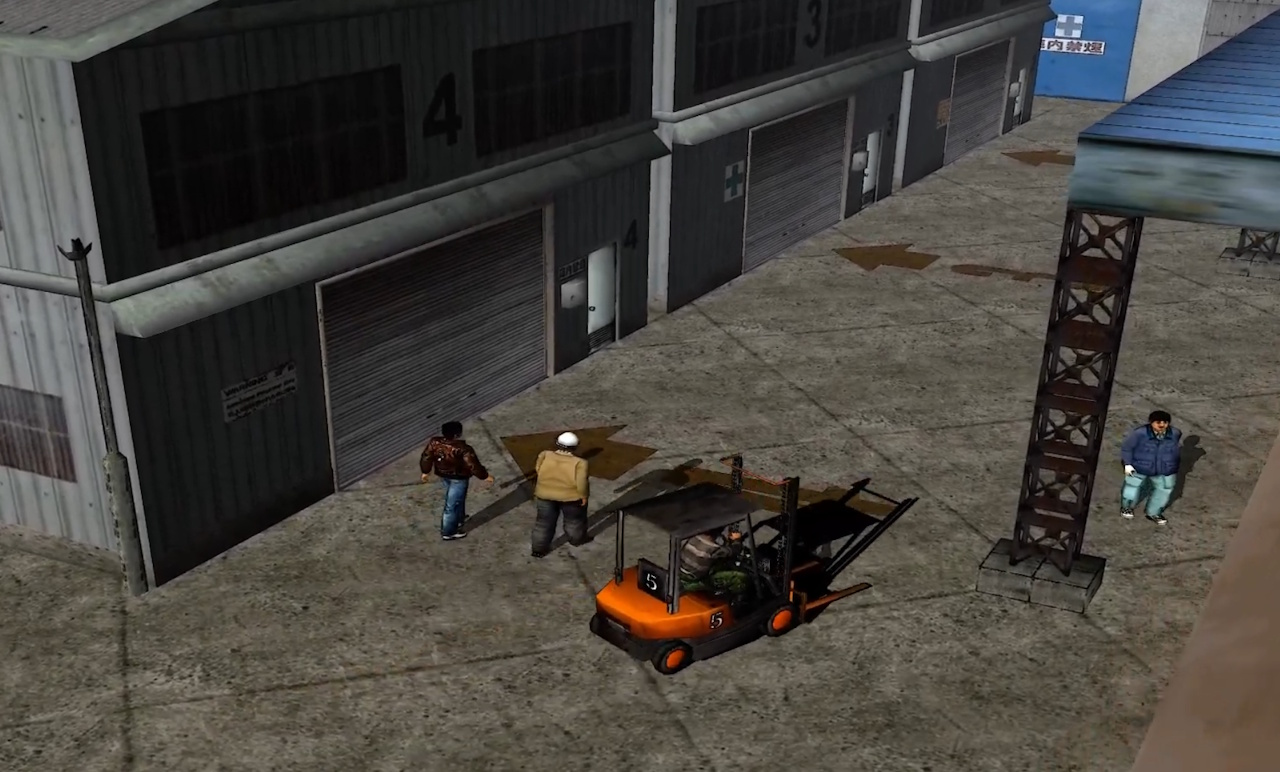
Gameplay-wise, Shenmue II does what any good sequel should: it keeps what worked and expands upon it. The game plays similarly to its predecessor, with collectables, QTEs, mini-games, martial arts moves, and combat – but some of these elements feel more refined, or at least different. You don’t get to drive a forklift, but you can work a part-time job. You can gamble, buy and sell capsule toys, and make money. Money is arguably *more* important this time around – not only does Ryo need, for parts of the game, to pay for his lodgings, but there’s no pocket money from Ine-san to top up his wallet, and there are a couple of points where Ryo needs a certain amount of money to progress the main story.

Quick-time events have developed a bit of a reputation with some players in the years since Shenmue launched, and as the first game to popularise the mechanic, I think these games get a bit of a bad reputation. You have to try to cast your mind back to 2001; quick-time events took what would’ve been cut-scenes and found a way to make them interactive. This was revolutionary at the time, and even if some games have overused or misused QTEs over the last quarter of a century, I’ll always give Shenmue and Shenmue II a pass when it comes to their inclusion.
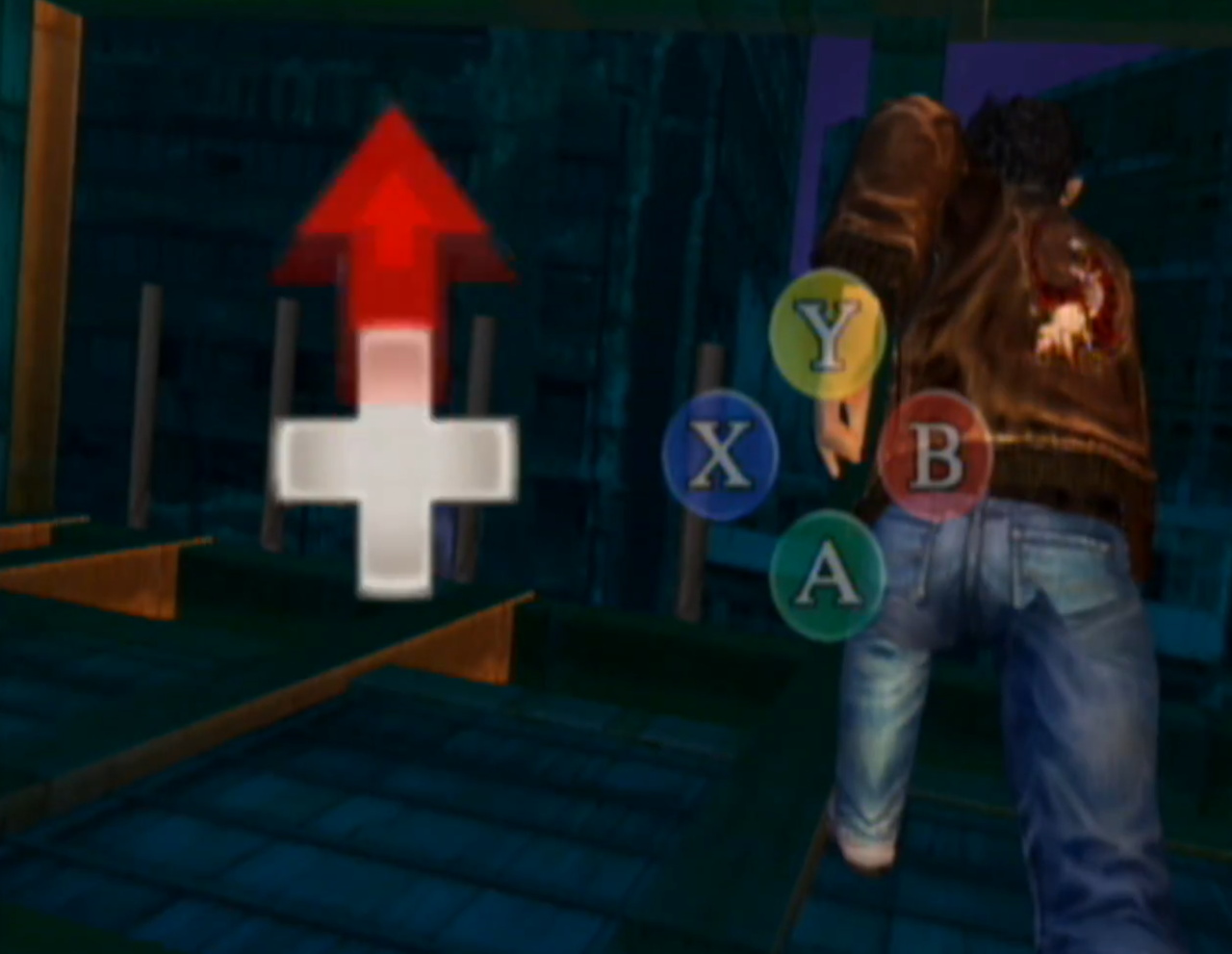
Screenshot of Shenmue II showing a QTE
QTEs have become somewhat infamous, eh?

Shenmue II expands the series’ roster of characters. Ryo makes friends and allies in Hong Kong – Xiuying and Ren being, perhaps, the most noteworthy. The characters are diverse – Ryo can befriend younger characters, like Wong and Fangmei, as well as people his own age, like Ren and Joy, and even meet older folks like Guixiang and Jianmin. There are some incredibly memorable characters that Ryo will meet on his journey, and when it’s time to say goodbye to some of them… well, even all those years ago, I can remember how bittersweet that felt. Like, it was great to be progressing through the story – but sad that the likes of Xiuying couldn’t come along for the next chapter.

There are also some great villains and anti-heroes. I’ve already mentioned Ren and Wong; both characters get off on the wrong foot with Ryo, but become more friendly as the story unfolds. In terms of bosses and baddies, the one that sticks in my mind is the game’s biggest boss – figuratively and literally – Dou Niu. I remember that fight being incredibly difficult back on the Dreamcast, but the reward of beating him and advancing to the final part of the story was just… indescribably fantastic!
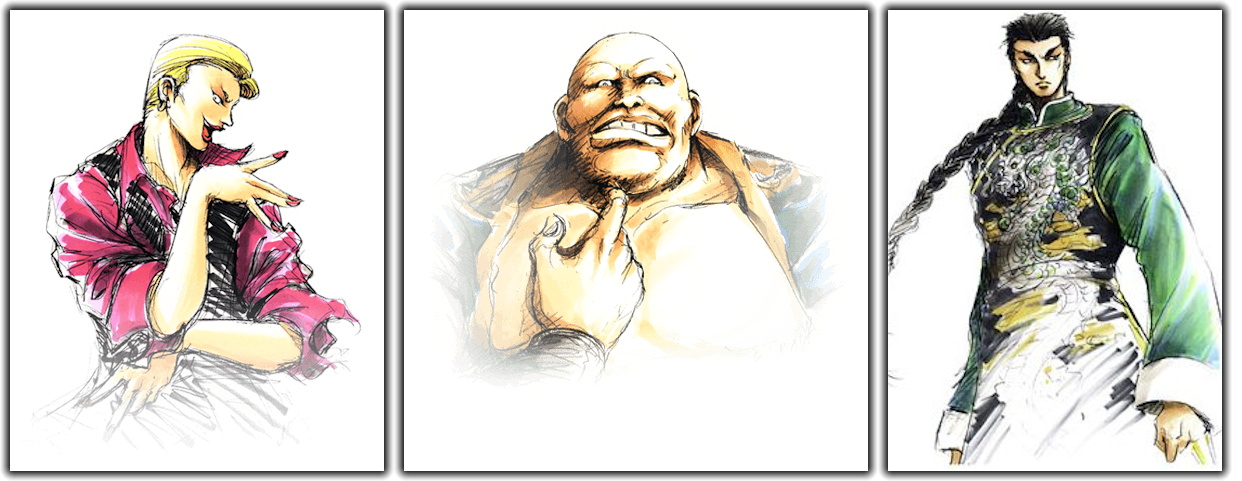
Concept art for Shenmue II showing Yuan, Dou Niu, and Lan Di
Yuan, Dou Niu, and Lan Di: a trio of villains!

Shenmue is a game I’ve always associated with the winter time and festive season; the first game takes place in December, and at points, there’s even some explicitly Christmas theming that you can encounter. But Shenmue II has more of a springtime flavour, I guess, although I wouldn’t say it’s quite so intensely tied to one specific moment in the year in the way its predecessor is. As in the first Shenmue, it’s possible to run out of time – though you almost have to deliberately choose to trigger the game’s bad ending, because both Shenmue and Shenmue II are pretty lenient when it comes to timing and running out the clock.

Ryo’s quest for revenge still feels just as relatable as it had in the first game, and it remains his driving force. But the story is incredibly well-written, and Ryo is challenged in his assumption that he can simply track down the murderous Lan Di and enact his revenge. Ryo has to learn patience – as exemplified by the book-carrying and leaf-catching mini-games that I just *know* some fans of faster-paced action games despise! But there’s more to Shenmue II than mindless action; the game’s story leans into the idea that Ryo isn’t ready for the challenge ahead, and that he needs to take time to slow down, hone his skills, and build up to that climactic confrontation.
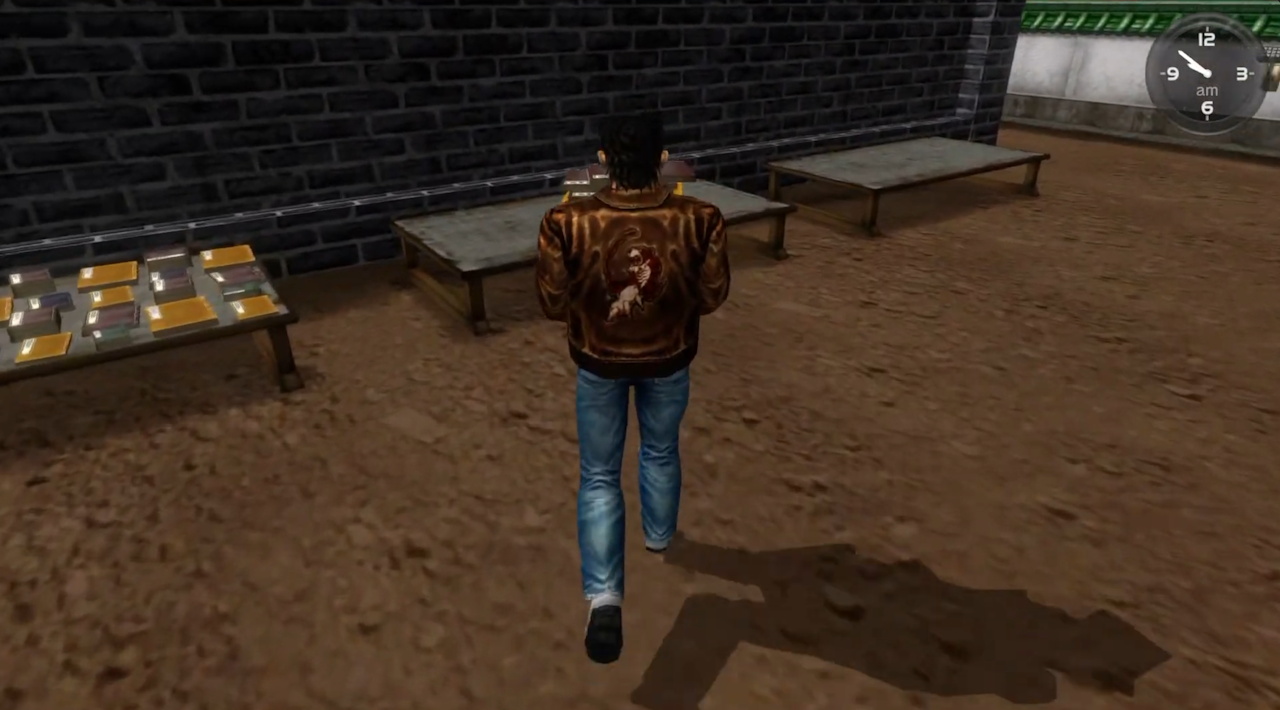
Screenshot of Shenmue II showing Ryo airing the books at the Man Mo temple
Airing out the books…

It’s just such a shame that the Dreamcast’s demise meant that the story couldn’t be continued in the way it should’ve been. It’s also disappointing that, when a reprieve was belatedly granted and Shenmue III finally entered production… well, it wasn’t the ending that it should’ve been.

But this isn’t a forum to debate Shenmue III, is it?

To get back on topic, Shenmue II did exactly what I hoped it would do in 2001: it expanded the story, took Ryo to new places, introduced him to new friends and new enemies alike, and began to unravel some of the mysteries that the first game had so expertly set up. Many questions weren’t resolved by the time the credits rolled – and, in many ways, leaving Ryo and Shenhua in a mysterious, otherworldly, and magical cave felt like a cruel cliffhanger! But the way these storylines advanced felt satisfying at the time.
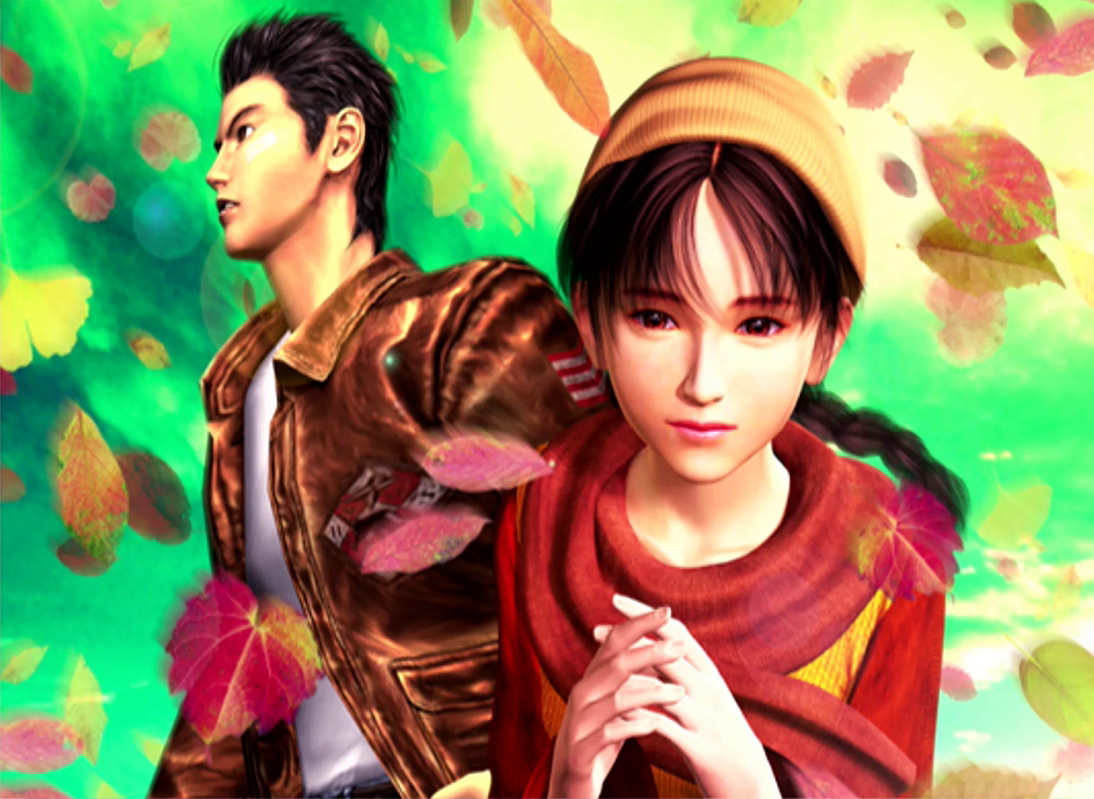
Screenshot of Shenmue II showing Ryo and Shenhua
Ryo and Shenhua.

Because I played Shenmue II on the Dreamcast, there was no English audio available. And I think I’m remembering correctly when I say that this was the first time I’d played any game in Japanese. I know absolutely nothing of the Japanese language, of course – though with subtitles, the game was perfectly fine to play! But I wonder if that experience of playing the game in Japanese changed how I think about Shenmue II. In some ways, it probably meant I had to concentrate a little more; relying on subtitles meant I couldn’t look away, even for a second, lest I risk missing something important! On the other hand, I think that language barrier was another reason why Shenmue II’s world felt just a bit more different and “alien” than the first game’s had.

I don’t object to non-English media, of course, and Shenmue II was almost certainly the first video game I played that didn’t have an English translation. I guess folks from other countries are laughing at that; if your first language is anything other than English or Japanese, chances are a lot of games you were playing in the ’90s and into the 2000s weren’t in your native tongue! But for me, as someone who grew up in the UK and speaks English, that was just another thing that made Shenmue II a little… different.
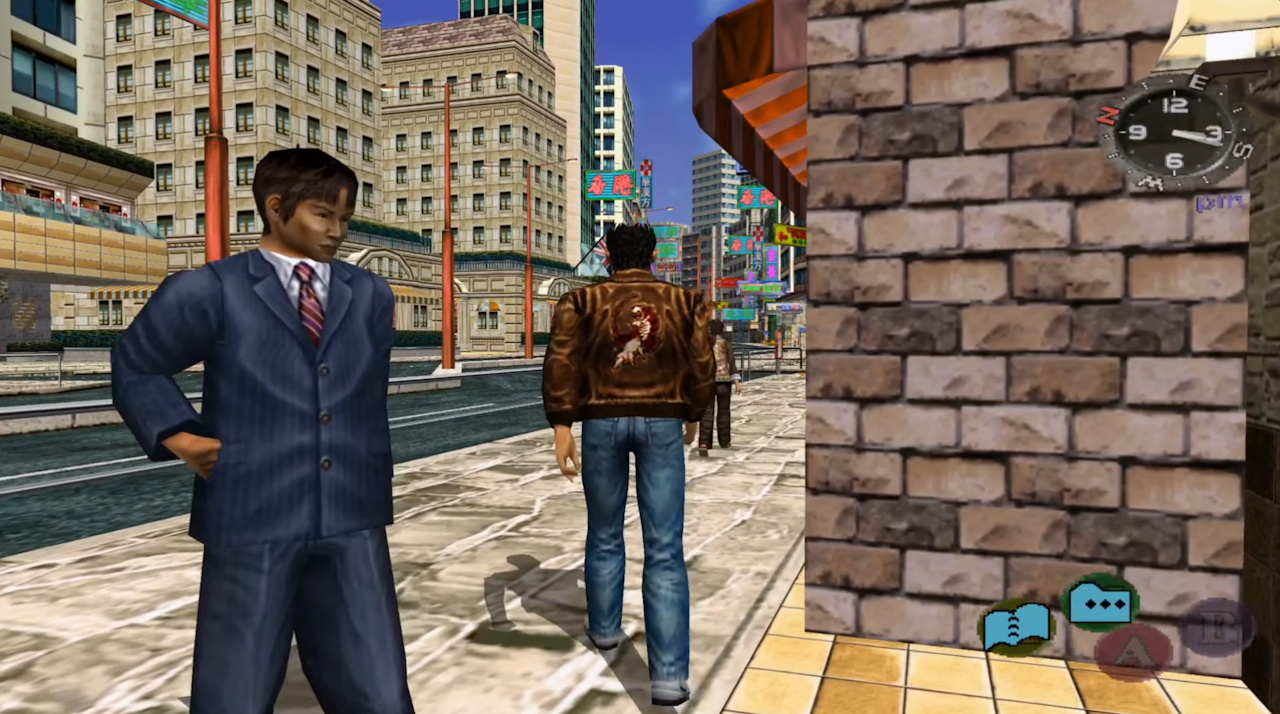
Screenshot of Shenmue II showing Ryo walking
I played Shenmue II on the Dreamcast where it only had Japanese audio.

Looking back on it now, a quarter of a century later, I don’t think Shenmue II is quite as big or revolutionary a title as its predecessor. But it continued and expanded on that wonderful story – and I really do wonder why so many people who played the first game didn’t come back for the sequel. Was it just the Dreamcast having already been cancelled? Were people – especially in Japan – already moving on to new hardware? Or was the first game even more of a niche thing than I appreciated back then? I guess the answer is a combination of those things, as is often the case!

Perhaps it’s because I played the first Shenmue over and over, but I feel the first game has more memorable locations than its sequel. There are places in all of Shenmue’s main areas that just stick in my mind or that capture a very specific kind of atmosphere. The cafe at the harbour, the car park in Dobuita, the candy store in Sakuragaoka, the arcade, and so on. Shenmue II, in contrast, has some absolutely beautiful and well-crafted locations, but I don’t think as many of them are “iconic” in the same way.
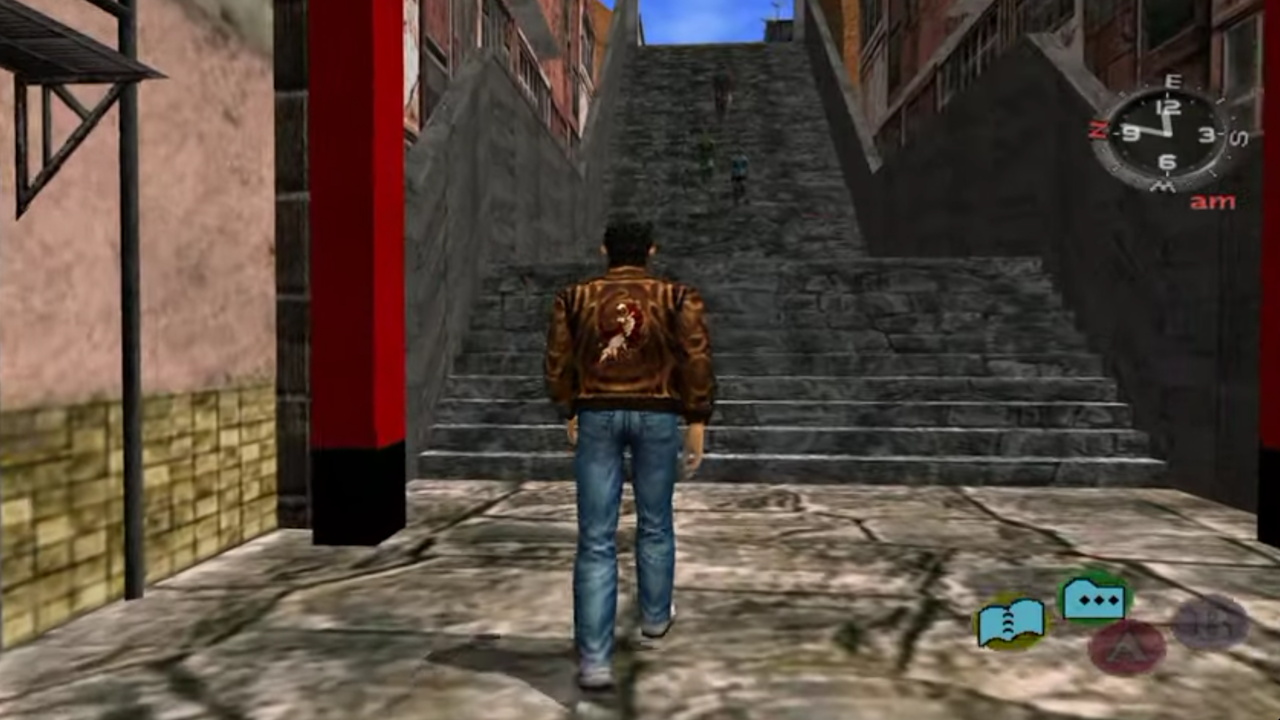
Screenshot of Shenmue II showing the stairs in Scarlet Hills
The stairs leading to Man Mo temple.

However, I’d also say that Shenmue II has by far the better character roster. Ren, Xiuying, Dou Niu, Wong, Fangmei, and more are all absolutely fantastic, deep characters, and compared to the first title… I just think Shenmue II takes the win on that front! That’s not to say that any of the first game’s characters are “bad,” but the way the story unfolds and these characters are introduced more naturally just gives the second game the edge.

There are some very memorable moments in Shenmue II. Obviously, visiting the mysterious cave in Guilin has to be among them; this was, for more than eighteen years, as far as Ryo’s story got. Moreover, it was the moment when this grounded story of revenge set in a realistic, modern-day setting took a turn in more of a fantastical direction. And that was truly an interesting development!
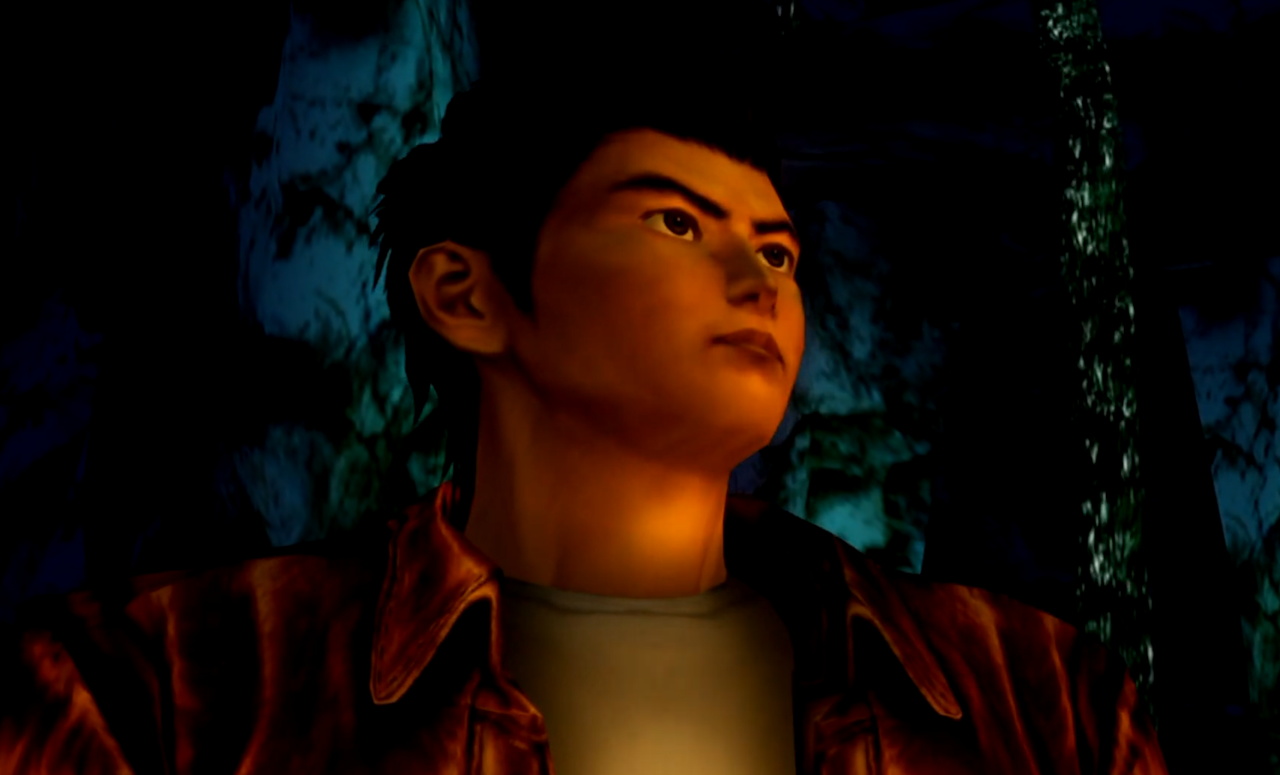
Screenshot of Shenmue II showing Ryo at the end of the game
Ryo at the end of the game.

The long QTE section of ascending the Ghost Hall Building in Kowloon is also incredibly memorable – probably because of just how damn long it took me to perfectly progress through that particular challenge! Often if I encounter a similar section in a game – balancing on beams or boards, navigating narrow or dangerous elevated paths, and so on – it reminds me a lot of Shenmue II! I think I noted that in a review of a recent game – Indika.

In terms of narrative or character moments, Ryo realising that the person he’d been sent to track down – this famous martial arts master who he hoped would help him – was… shock horror, a *woman* is still pretty funny. It says a lot about Ryo, his expectations, and his biases – and I love how the story takes him to task for making such assumptions, particularly when Xiuying easily kicks his butt! Then there’s Ryo catching up with Wong on his boat-home, giving Fangmei a birthday gift, and the burgeoning friendships Ryo develops with Joy and Ren. There’s some great stuff here, and it’s beautifully brought to life in the game, making the world and characters feel real.
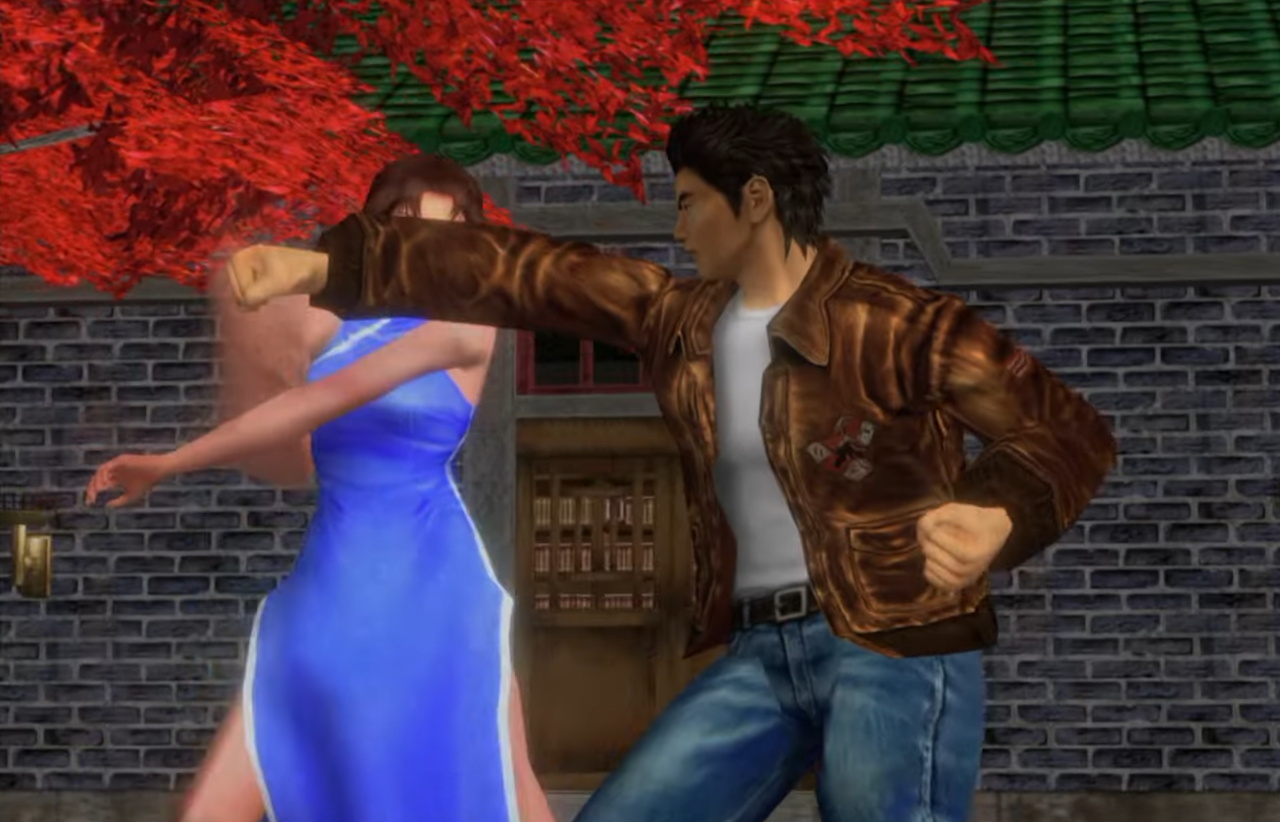
Screenshot of Shenmue II showing Ryo fighting Xiuying
Ryo has his expectations challenged… and gets his butt kicked.

I still haven’t watched Shenmue: The Animation, but it’s on my list, and I hope to get to it sooner or later! As I think I said last time, when we celebrated the first game’s anniversary, I’ll be curious to see how well the story translates to a completely new medium. And having just started to dip my toes into anime this year, I’m definitely interested in continuing that by revisiting Shenmue and Shenmue II.

So I hope this has been a fun look back!

Shenmue II is a great game – and, even more so than its predecessor, is sorely underrated and underappreciated. The mystery of the mirrors unfolds, Ryo’s quest for revenge continues, and along the way, he meets some fascinating characters in a dense, lived-in world. I adored Shenmue II back in 2001… and I still appreciate its successes today, a quarter of a century later.
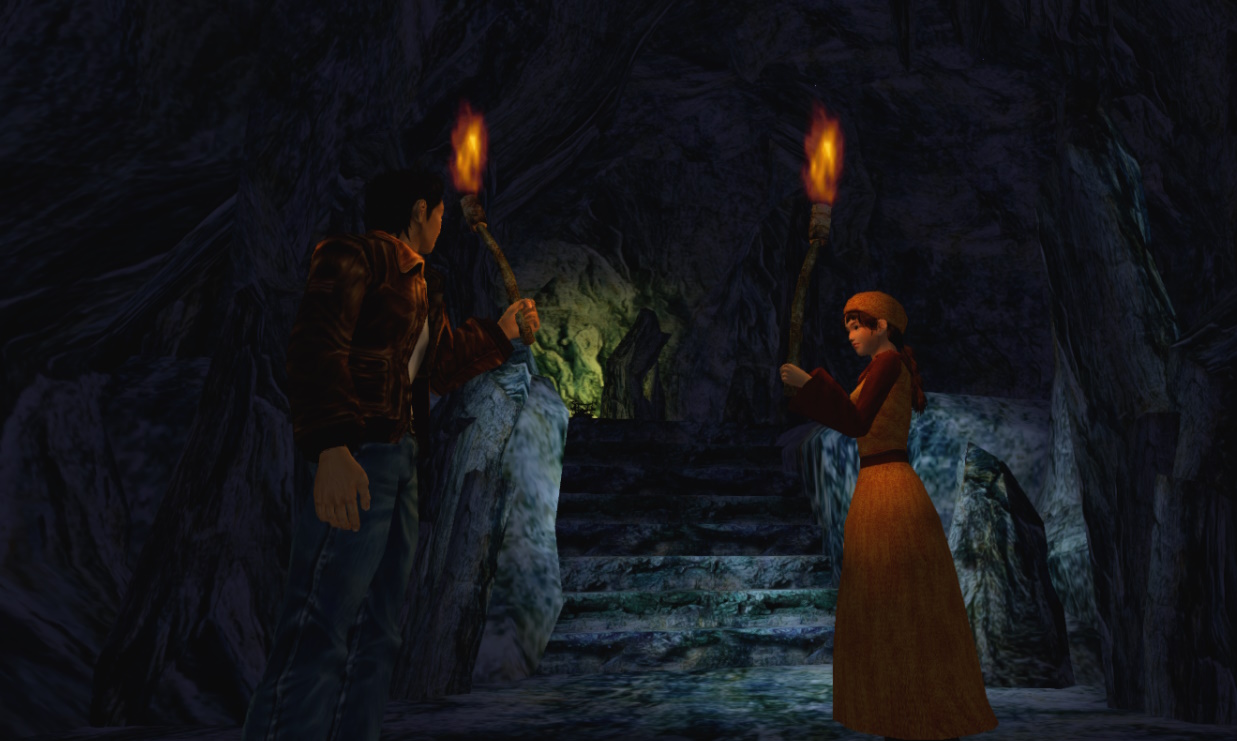
Screenshot from Shenmue II showing Ryo and Shenhua in the cave
The cave at the end of the game.

Thanks for joining me on this retrospective. I really need to do more of these “video game spotlight” pieces; I have at least a dozen other games that I’d like to talk about in this format! If you missed it, I wrote up a similar 25th anniversary piece for the first Shenmue, which you can find by clicking or tapping here. Earlier this year, I also talked a little about the hoax trailer for a fourth game, and you can check out my thoughts on that by clicking or tapping here. And all of my other pieces about the Shenmue saga can be found by clicking or tapping here.

For me, Shenmue II is still where this story ended. Incomplete and on a cliff-hanger… a masterpiece of the Dreamcast generation that, for reasons beyond its control, wasn’t able to be continued. I have my doubts, but if – *if* – a fourth Shenmue game ever makes it to production… I’d still like to see how this story ends. Never say never, I suppose.


Shenmue I & II is available now for PC and PlayStation 4. Shenmue – The Animation may be available to stream on CrunchyRoll. Shenmue is the copyright of YSNet and/or Sega. Some images, screenshots, and artwork courtesy of Sega, YSNet, Shenmue Dojo, and Wandering Through Shenmue on YouTube. This article contains the thoughts and opinions of one person only and is not intended to cause any offence.
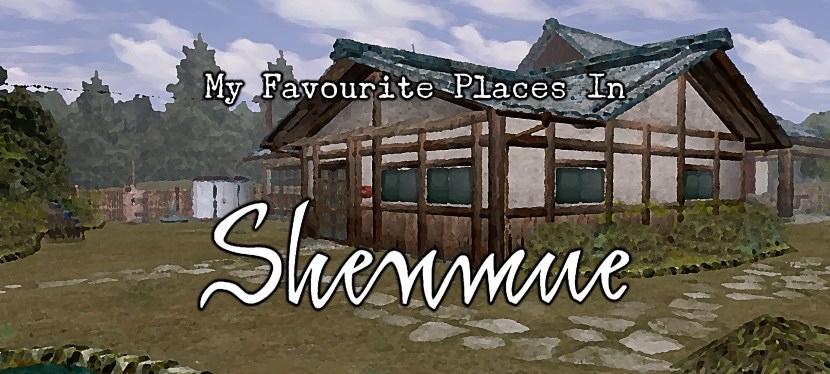
My Favourite Places in Shenmue

A Shenmue-themed spoiler warning graphic.

Spoiler Warning: There are spoilers ahead for Shenmue.

This year is all about Shenmue’s 25th anniversary! A little while ago, I wrote up my reflections of the game to mark the anniversary of its launch in Japan, but I find myself with more to say about this landmark, transformative game. So today I thought it could be a bit of fun to explore Shenmue’s game world together and visit a few of my favourite locations.

Shenmue was the first game I played that gave me a profound sense of freedom. The game’s world was open and explorable – and many buildings could be entered and investigated, too, including those that had nothing to do with the main quest. That was revolutionary twenty-five years ago, and went a long way to making Shenmue into the incredibly immersive title that it was. It wouldn’t be overstating it to say that Shenmue showed me what the future of gaming could look like in the 21st Century – and kept me playing at a time when I might’ve otherwise drifted away from the hobby.

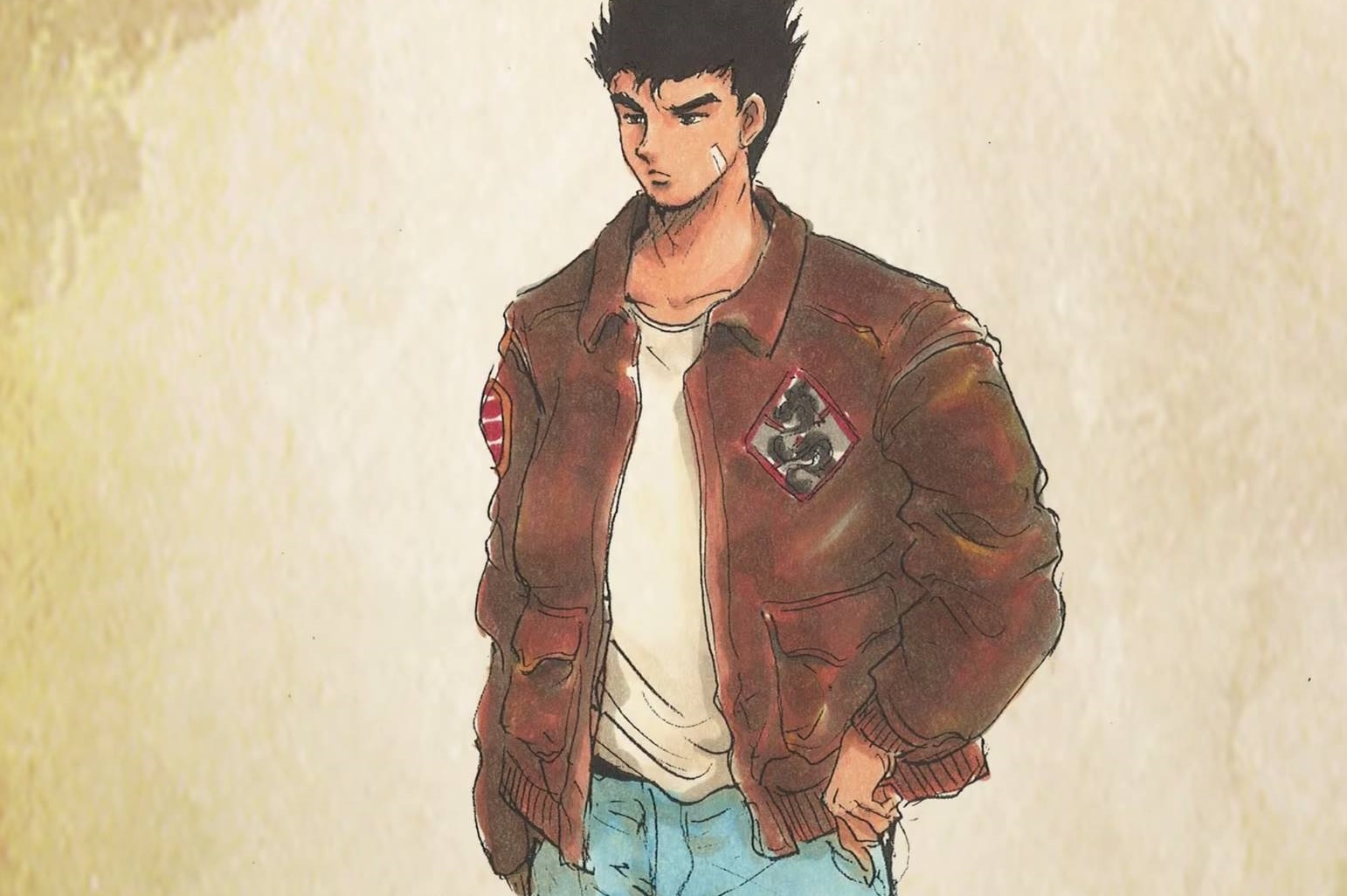
Concept art for Shenmue (1999) showing Ryo Hazuki.
Concept art of Ryo Hazuki.

That’s really just a summary, though, so if you want to read more about my recollections of playing Shenmue, you can find the full article by clicking or tapping here.

A couple of caveats before we go any further! Firstly, all of this is just the subjective opinion of one player. If I highlight places and locales you hate, ignore somewhere you think is important, or you just don’t like what I have to say… that’s okay. There’s a lot to love about Shenmue, and there ought to be room in the fan community for differences of opinion and polite discussion.

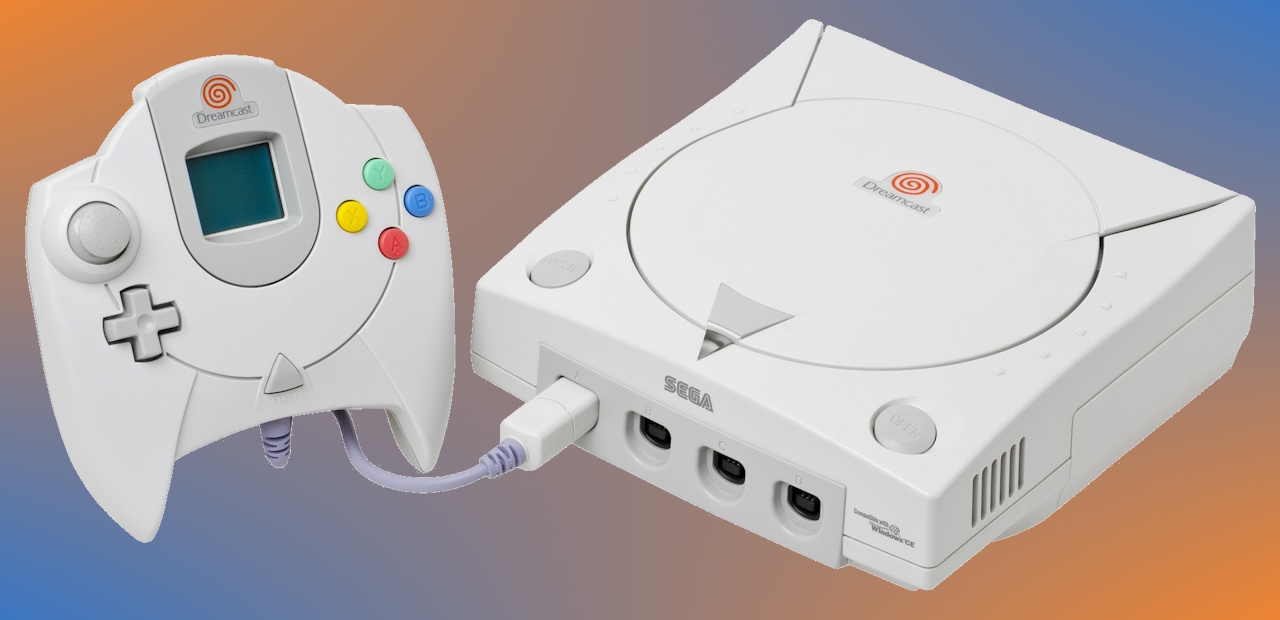
A Sega Dreamcast console and control pad (USA/Japan edition) on an orange and blue background.
Shenmue was released in December 1999 for the Dreamcast.
(2000 in North America and Europe)

Secondly, I’m only going to be looking at locations from the first Shenmue on this occasion. When Shenmue II celebrates its 25th anniversary in September next year, I’m planning to do a similar write-up of the game… and possibly another piece like this one (assuming I’m still around and assuming I remember!) So don’t worry, I haven’t forgotten about Shenmue II… but it isn’t the focus of this piece today.

Phew! With all of that out of the way, let’s get started.

Location #1:
Hazuki Residence: The Kitchen

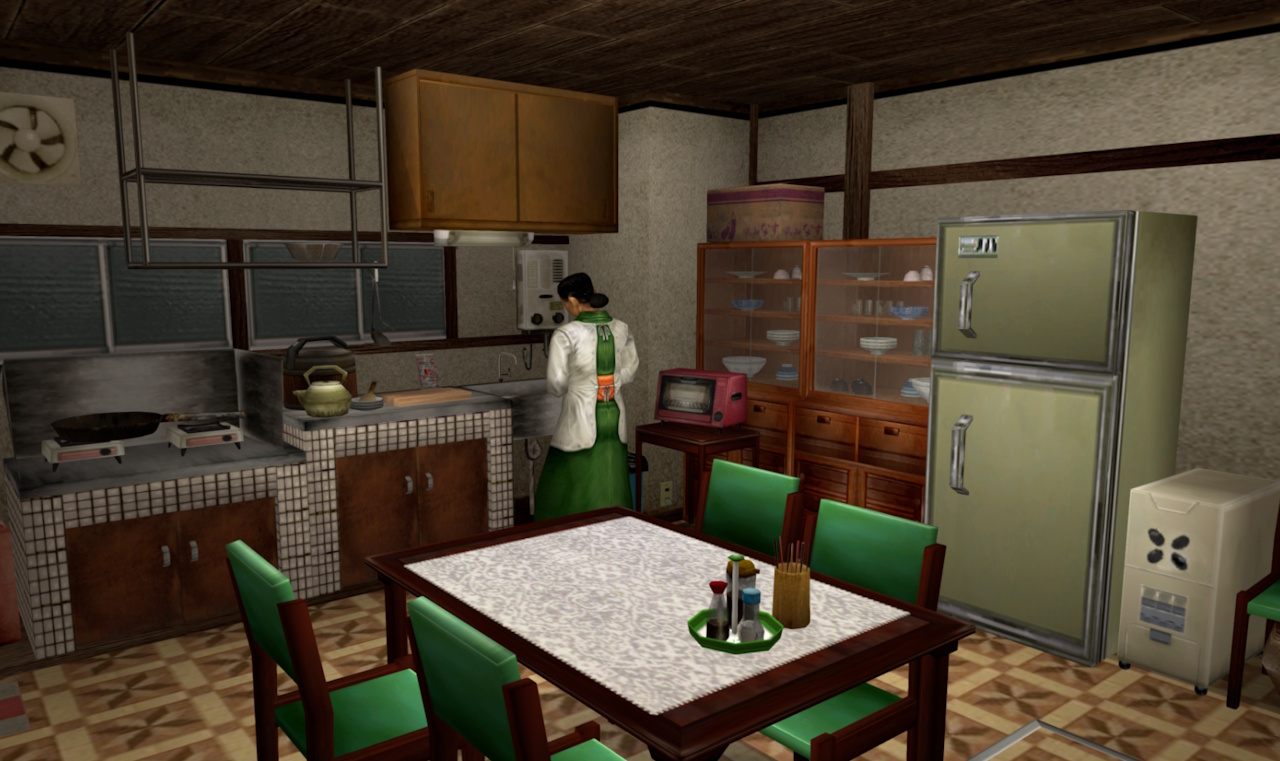
Screenshot of Shenmue (1999/2000) showing the Hazuki kitchen, with Ine-san.

Let’s start at home: which for Ryo is the Hazuki residence and dojo in Yamanose. There are plenty of iconic places around here – but an underrated one has to be the kitchen. In a normal house, the kitchen is usually a hub of activity; it’s where we cook, where we sit and eat, and a room we generally spend a large amount of time in. But in Shenmue – and many other similar games, to be fair – the kitchen is just… set decoration. It exists because without it, Ryo’s house would feel incomplete. But there’s not really much of a reason to spend time here, and aside from a couple of cut-scenes, the game’s story largely passes this room by.

And I think that’s what makes this room (and several of the other places on this list) so interesting to me. It’s a space where nothing happens, but it’s important for the immersion and world-building that a game like Shenmue needs. There are also a few interesting little things in the kitchen; Ryo can find a can of tuna for the kitten, for example. Cupboards and the fridge can be opened and examined, which is something that felt really immersive in 1999/2000. And it’s possible to chat with Ryo’s house-keeper/surrogate mother, Ine-san, too, as she spends a fair amount of her time in the kitchen.

Location #2:
The Harbour: Fishing Spot Behind the Lounge

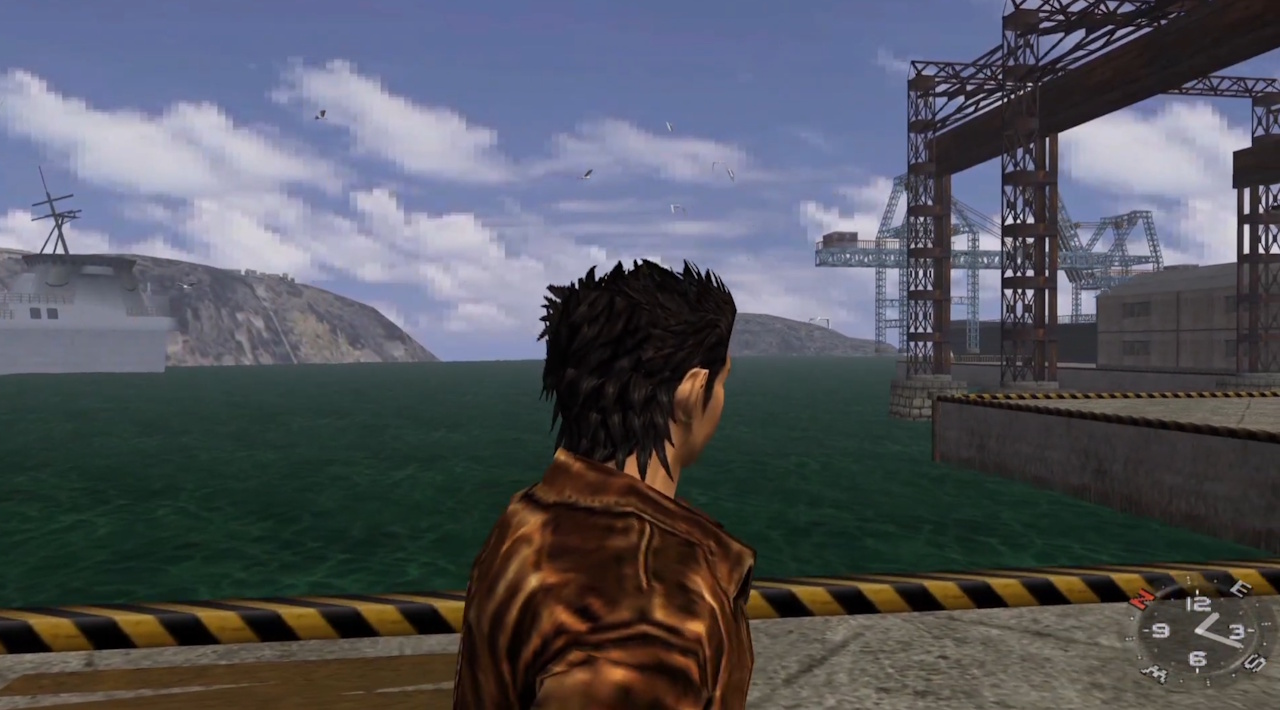
Screenshot of Shenmue (1999/2000) showing Ryo walking at the harbour.

The harbour is one of my favourite places in Shenmue; it’s just so atmospheric. And for someone who grew up near a working harbour, it’s also the location in the game that probably feels the most familiar – at least in some ways. Directly behind the lounge, past the steps where the homeless man sits, is one of my favourite spots in the harbour. This is an area you’ve definitely walked through and driven through, but probably haven’t spent a lot of time in! There are occasionally fishermen here, as well as an NPC with a sketchbook, but other than that, Ryo has no reason to ever stop here; it’s a connection point between other, more densely-packed or story-rich areas.

I find something peaceful and serene about this area, though – especially after dark. The view across the water shows the far side of the bay, and there’s a large warship or other vessel in the distance. But this part of the harbour doesn’t see much action – aside from the odd pedestrian or forklift during daylight hours, you’re on your own. And that makes it a peaceful, easily-overlooked spot. The world of Shenmue – which feels so rich and deep thanks to its numerous NPCs with their own schedules – simply rolls along, passing you by as you take in the sights and sounds of the harbour.

Location #3:
Dobuita: Game You Arcade

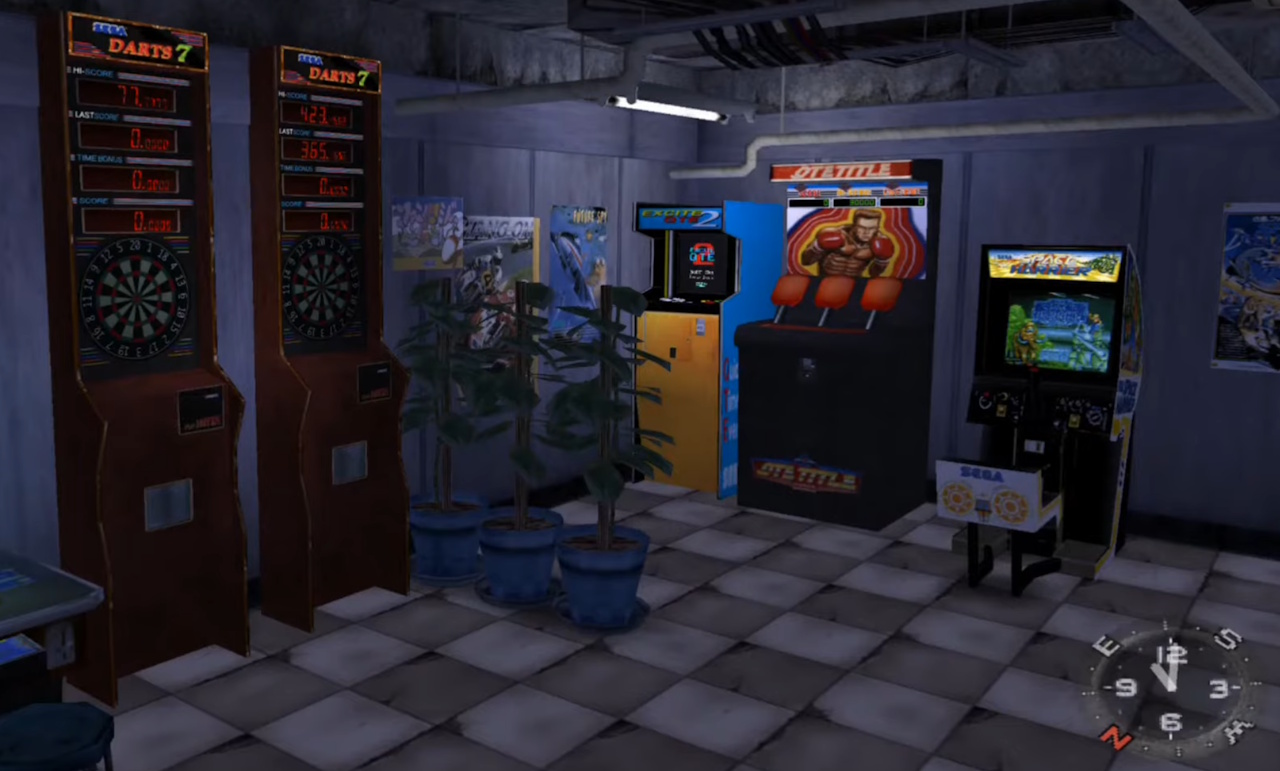
Screenshot of Shenmue (1999/2000) showing the interior of Game You Arcade.

I grew up in a rural area, and where I lived there weren’t any video game arcades. I visited one a few times as a kid, when we’d visit a bigger city, but I never really had the arcade experience that many folks my age did – and I think it’s for that reason that I fell in love with Shenmue’s arcade. I’d played Hang On – or a motorcycle game similar to it, at any rate – at least once before, but Space Harrier was brand-new to me. I spent hours in the Game You arcade playing those titles, as well as the darts mini-game which was also surprisingly fun.

The arcade is compact, but beautifully detailed. The room is lit by old fluorescent lights, and the cabinets seem to glow, even from a distance. The whole thing has a very artificial feel – which, ironically, perfectly recreates this kind of environment. The arcade always has at least one other person present, yet it can feel empty and almost like a “liminal space;” the room exists to guide you to the mini-games, yet it’s a beautiful rendition of an ’80s video game arcade in its own right. It’s a very atmospheric space.

Location #4:
Yamanose: Down the Stairs

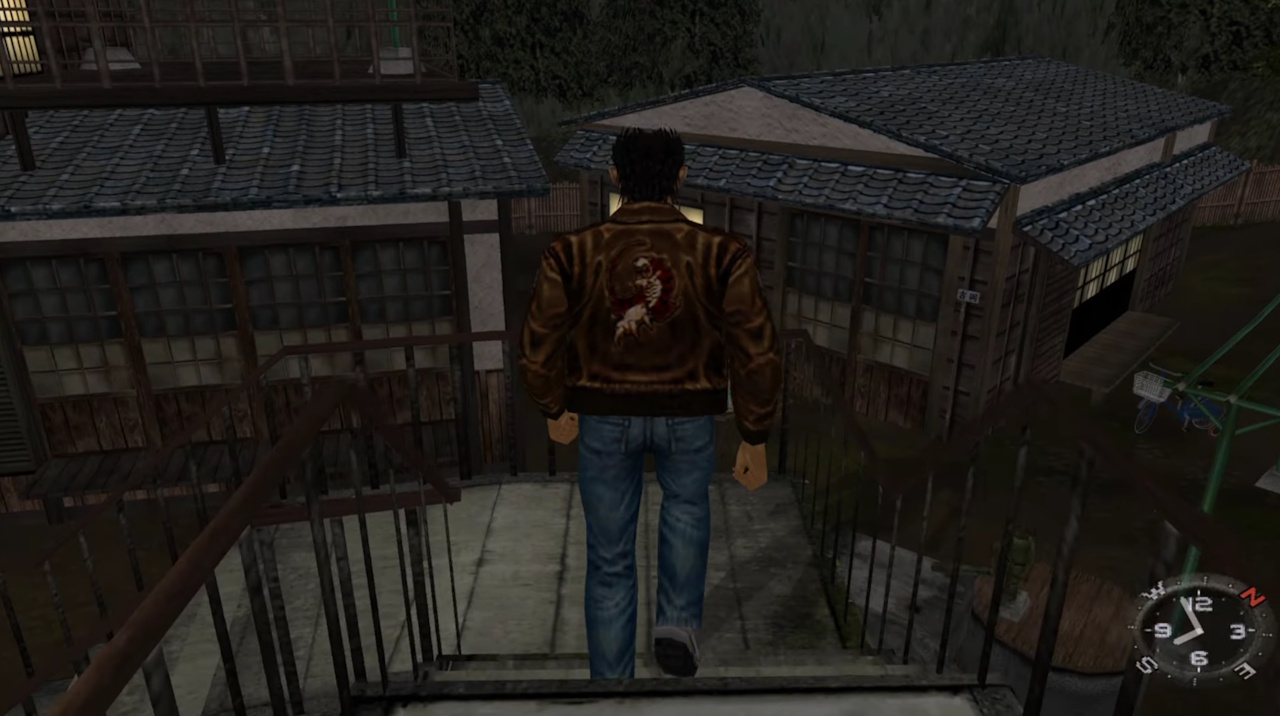
Screenshot of Shenmue (1999/2000) showing Ryo descending the stairs in Yamanose.

In Ryo’s hometown of Yamanose, there’s a flight of stairs that you’ll have passed by countless times on your adventures. But did you ever once descend those stairs to see the houses below? There’s only one reason to visit this area, and it’s easily overlooked: if you feed and pet Megumi’s kitten at the shrine, eventually it gets better and wanders off – and you can find it by one of the homes down these steps. But that side-quest is very much optional – so many players will have missed it.

For me, these houses just have a vibe to them that’s hard to put into words. They’re traditional Japanese houses, which I guess is part of it. But they help make Shenmue’s world feel lived-in and real; the people inside seem to have lives of their own, like everyone else in the game world. It would’ve been really easy for Shenmue’s developers to make this area inaccessible; set dressing for Yamanose. But you can explore this area, knock on doors, and even see the clotheslines, wheelbarrows, bicycles, and other little pieces of these people’s lives. Little details like that are what made Shenmue stand out to me when I first played it – and I always like taking a little detour to this uninteresting little corner of Yamanose.

Location #5:
Dobuita: Nagai Industries (The Yakuza Den)

Screenshot of Shenmue (1999/2000) showing the way into Nagai Industries.

Have you ever walked into a room and instantly known you weren’t supposed to be there? That’s the feeling I get when Ryo enters Nagai Industries in Dobuita, which is a Yakuza den masquerading as a legitimate business. That feeling is really hard to pull off in any form of media, and Shenmue absolutely nails it here. Ryo can be directed to Nagai Industries as part of his quest to find “men with tattoos,” but it isn’t an essential part of the story and it can be accessed at other times, too.

The conversation Ryo can have with the obviously shady man inside made the hairs on the back of my neck stand up the first time I accidentally triggered it – it’s so well-written. Even if you do find yourself going here as part of Ryo’s quest, you won’t spend long in the building – yet it’s a unique space in the game’s world. Ryo does get mixed up with a gang later on in the story… but it isn’t this gang. These criminals are just doing their own thing, and Ryo can wander into their office almost at random. It’s a strange interaction – and a fun place to visit.

Location #6:
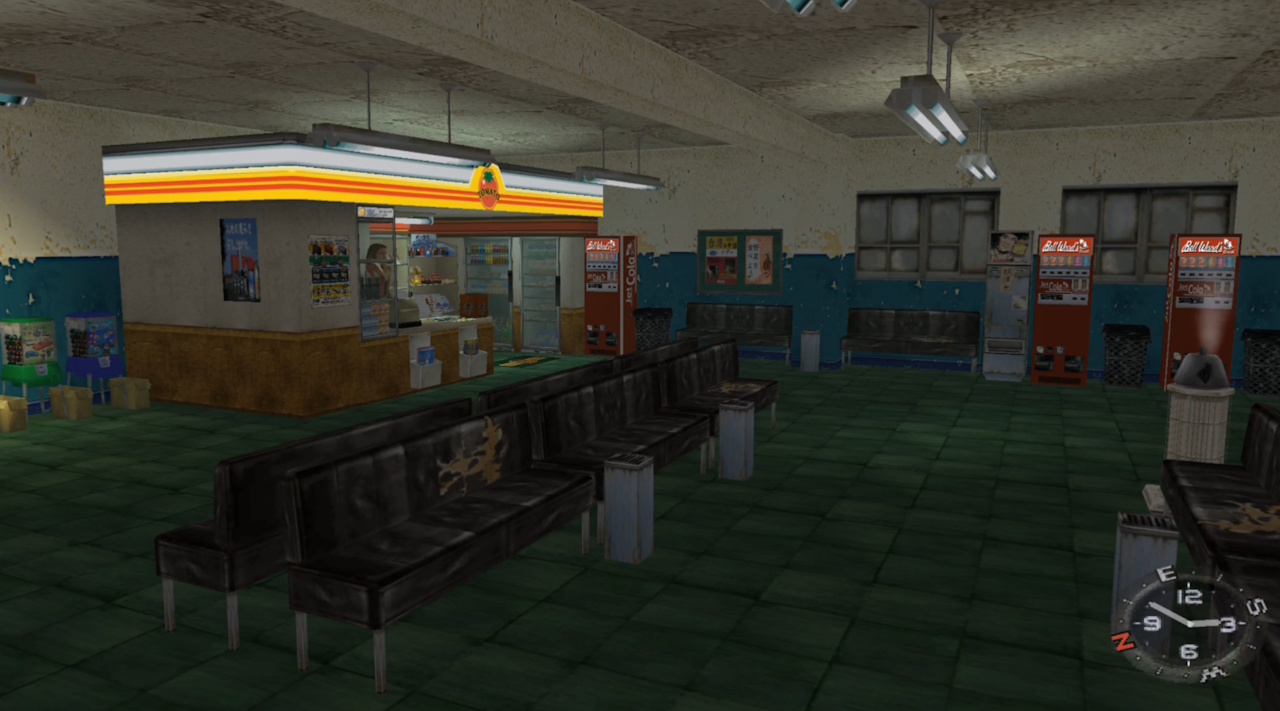
The Harbour: Harbour Lounge

Screenshot of Shenmue (1999/2000) showing the harbour lounge while it's empty.

There’s a strange kind of beauty in urban decay… at least, sometimes there is. The harbour lounge feels like a well-used space that’s in need of a new coat of paint and a bit of TLC, and that’s exactly the kind of vibe that the developers wanted to convey. The paint on the walls is chipped and peeling, the leather seats have seen better days, and I just get the sense that the lounge is a heavily-trafficked space, probably bustling with sailors, harbour workers, ferry passengers, and the like. The soundscape for this area has inaudible conversation chatter playing, too.

Which makes it all the more eerie that the harbour lounge is usually all but deserted. Aside from the small shop counter in one corner, which is always staffed, the harbour lounge is usually empty. At most, you might encounter one or two people in here. Again, it’s giving me “liminal space” vibes; there’s an almost otherworldly feel to a place that should be packed with people – and has all the evidence of being well-used – yet is often empty.

Location #7:
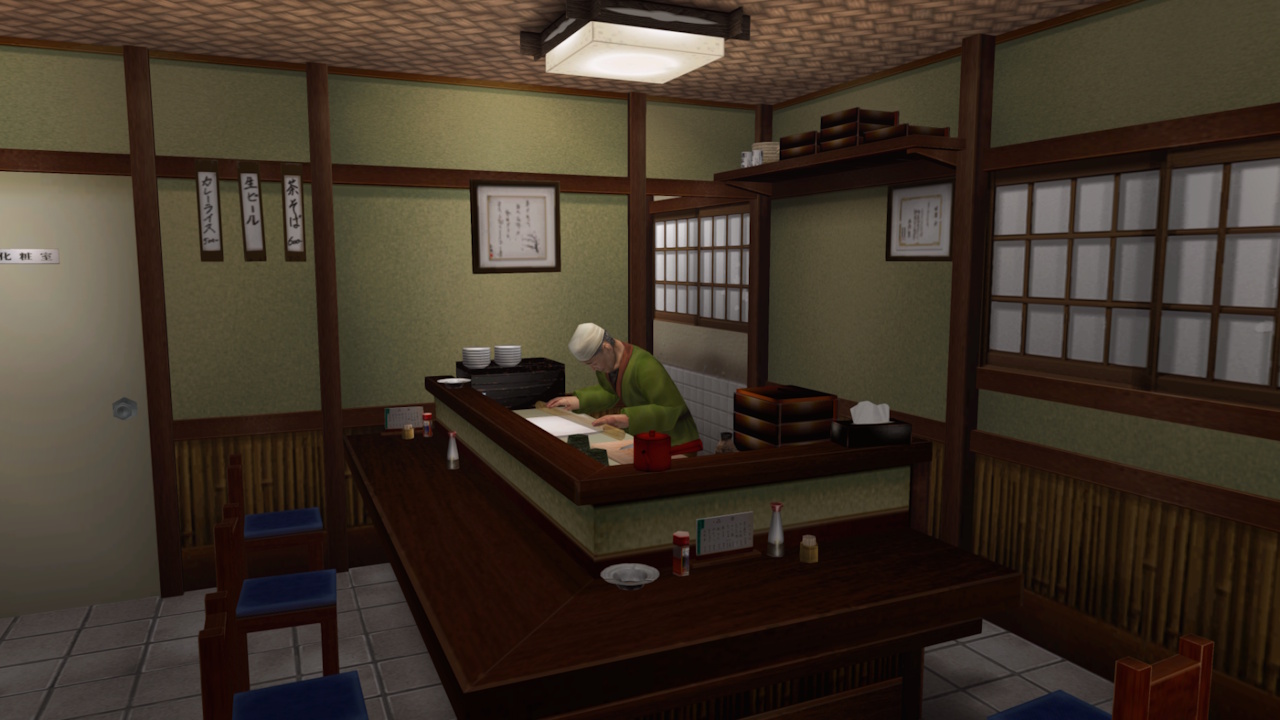
Dobuita: Yamaji Soba Noodles

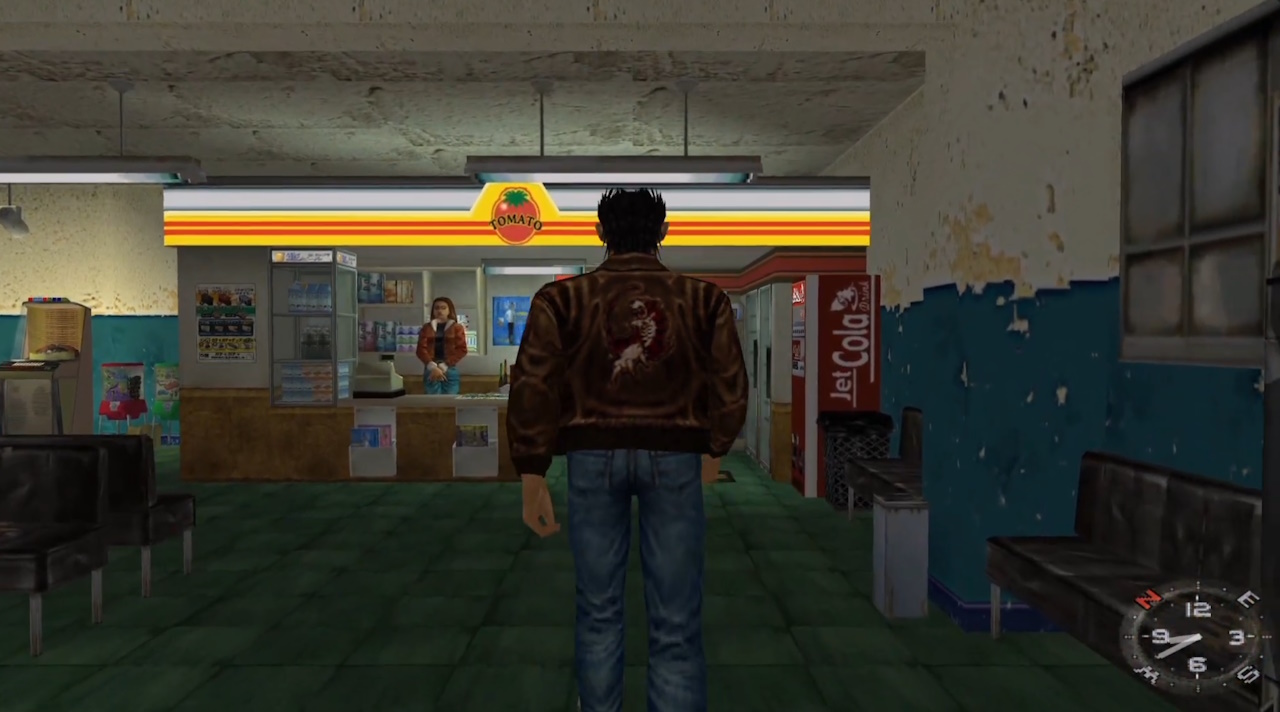
Screenshot of Shenmue (1999/2000) showing the inside of Yamaji Soba Noodles, including the owner.

The owners of Yamaji Soba Noodles clearly know Ryo, and one of the people Ryo needs to speak to on his quest is a regular patron. But there’s no reason to set foot in this noodle parlour… other than for the fun of exploring Dobuita and Shenmue’s game world. In 1999, no one knew what the term “open world” would come to mean, but to me, a shop like Yamaji Soba Noodles in Shenmue perfectly encapsulates the open world idea. It’s the kind of place that needs to exist in a real town; the denizens of Dobuita need places to eat. But from a gameplay perspective, it doesn’t have a purpose. It’s the kind of place that was created for the sole purpose of adding depth to Shenmue’s world… and I really admire that.

The noodle shop itself is compact with a bar area for patrons to sit, and behind the counter the owner can be seen working away. A member of the restaurant’s staff can be encountered out in Dobuita, and you can even find his apartment elsewhere on Dobuita Street. You can’t go inside… but again, this adds so much depth to the game world and makes these NPCs feel real in a way some open world games struggle with even today.

Location #8:
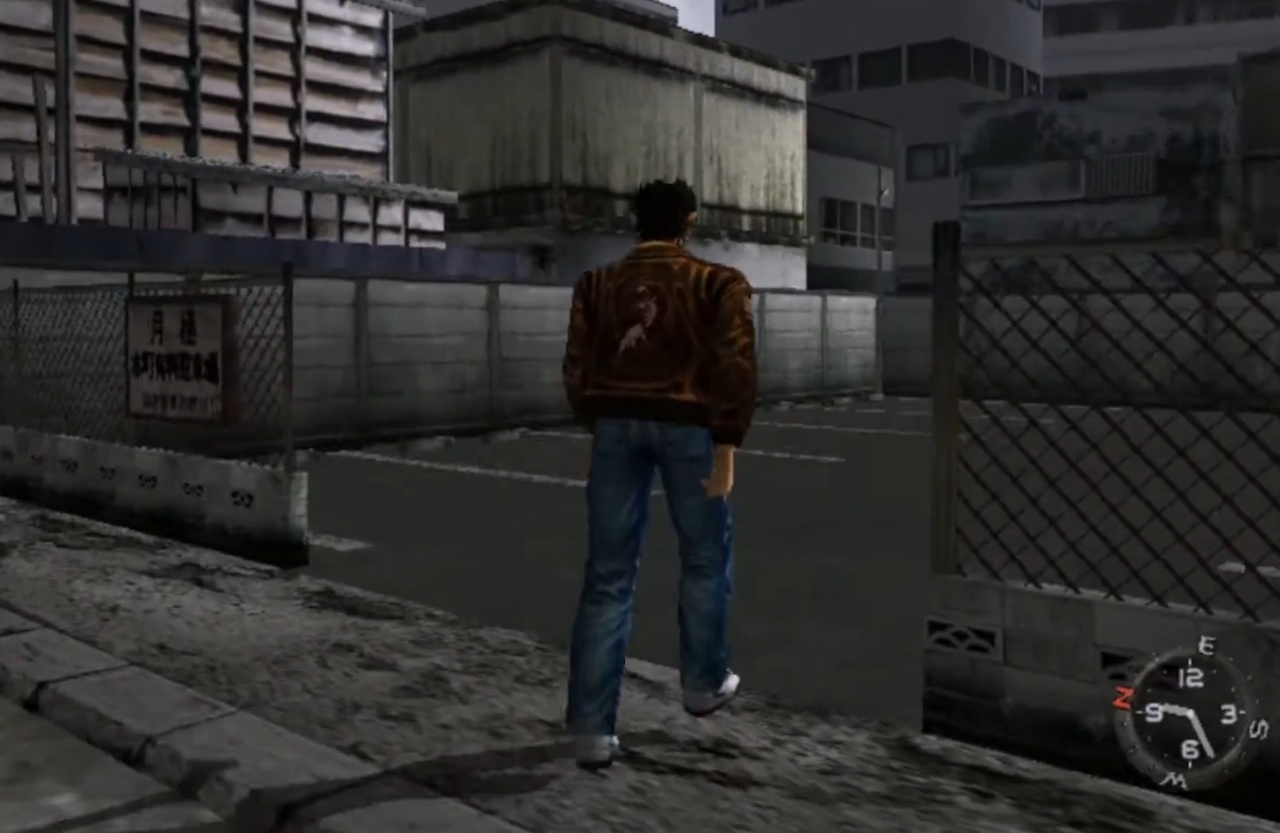
Dobuita: Car Park

Screenshot of Shenmue (1999/2000) showing Ryo entering the parking lot.

The car park near the end of Dobuita Street has an in-game function: it’s one of only a few places where Ryo can practice his moves in between fights. But I think it’s also worth acknowledging the area on its own merit – it’s more than just an empty arena to throw kicks and punches around! There are no cars on Dobuita Street – but there are plenty on the main road just beyond. The car park is, therefore, a space for both residents and visitors to leave their vehicles before venturing out on foot.

I’d never paid any attention to a car park in a video game before. I’m sure titles like Grand Theft Auto had car parks in their game worlds, but because of how rich and detailed Shenmue was, I felt compelled to explore this space more than I ever had before. The way it was integrated into the game, too, worked really well – and it quickly became my favourite place to practice Ryo’s martial arts moves.

Location #9:
The Harbour: Old Warehouse #8

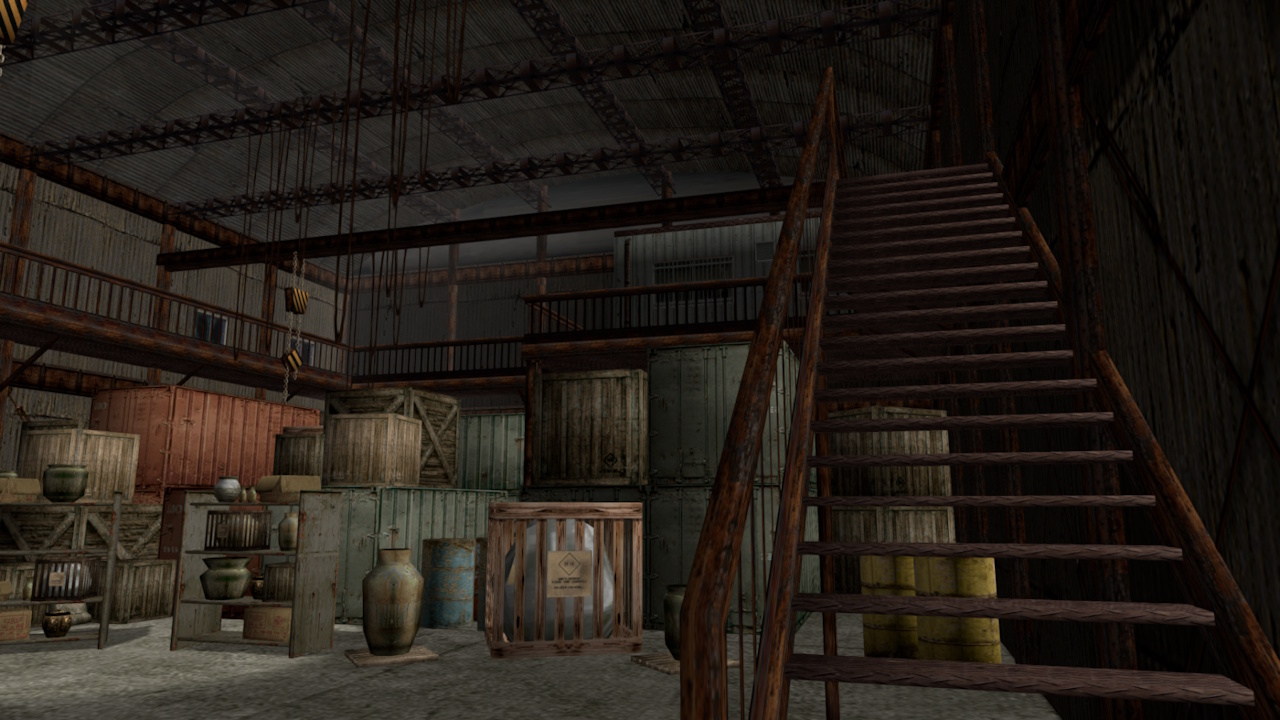
Screenshot of Shenmue (1999/2000) showing the interior of Warehouse #8.

Nobody likes mandatory stealth sections in games… especially mandatory stealth sections in old games with janky controls and awkward AI. But once you get past the “sneaking in” portion, Old Warehouse #8 – home of Master Chen and Guizhang – is a really interesting place to be. Most of the time you’ll spend here comes in cut-scene form, but if you take a break from the story and just visit the warehouse, there’s a lot to see. It has a quiet, understated feel that contrasts with the bustling harbour outside.

I like antiques, and the warehouse isn’t the only place in Shenmue to find old and interesting artefacts! But there’s something special about walking around the warehouse, looking at some of the items on display. It’s an interesting place to spend a little time, and one that’s easily overlooked.

Location #10:
Sakuragaoka: The Taxi Cab

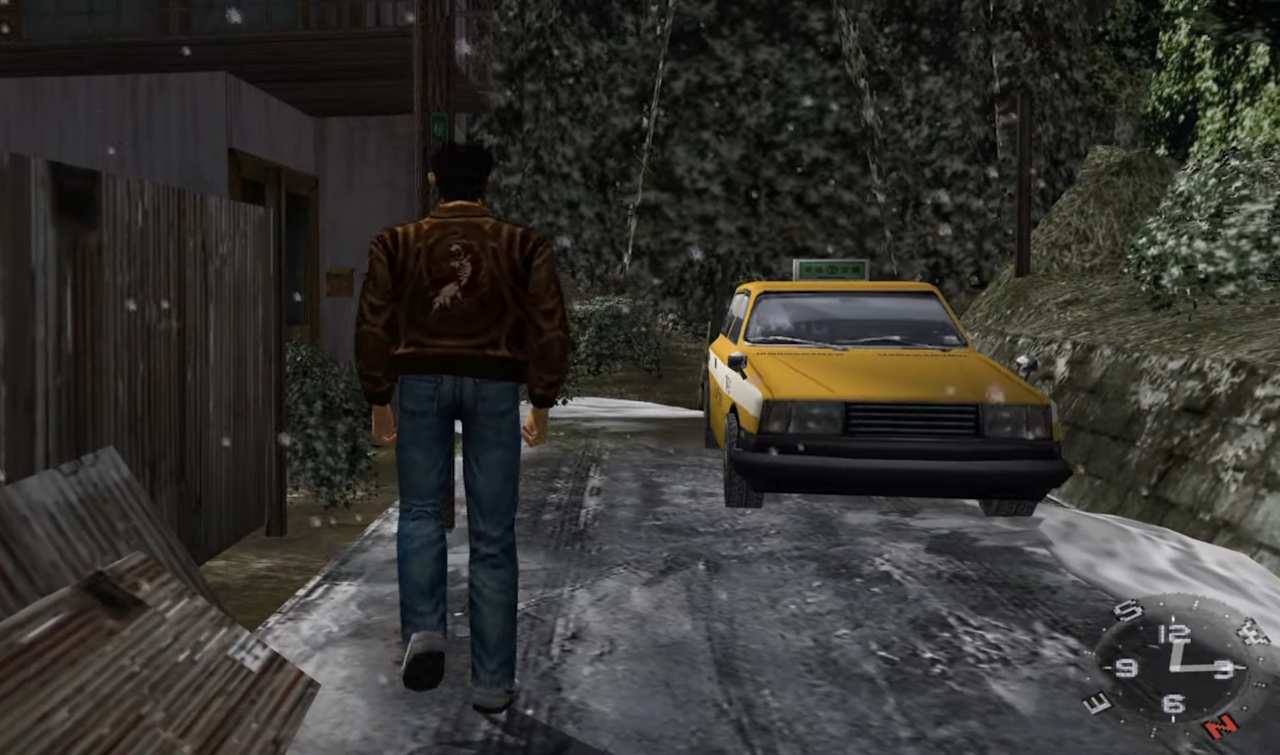
Screenshot of Shenmue (1999/2000) showing Ryo approaching a parked taxi.

At the end of the road in Sakuragaoka, past the park, you can find a taxi cab. Ryo can’t take a taxi anywhere, and because it’s located beyond both the park and any houses in Sakuragaoka that you might want to visit… there’s really no need to come here. But the taxi is interesting; it feels like more than just set dressing. There’s a man – Nomura-san – who Ryo can speak to who drives the taxi, and he clearly knows Ryo and will tell him a little about his life. Nomura-san can also be encountered in Dobuita, as well as seen tending to his taxi.

Walking beyond the “edge” of a game world can often feel empty; the world stops where the developers say it stops. But Shenmue has content beyond the edge of where its story takes place – there’s no reason to come here or talk to the taxi driver other than “because they’re there,” and I really love that about the game. Standing here, at the end of the street, doesn’t feel like the edge of a video game level with an invisible wall… it feels like a road with a taxi parked on it.

So that’s it.

Screenshot of Shenmue (1999/2000) showing Ryo at the end of the game.
Ryo is headed for Hong Kong!

We’ve taken a look at some of my favourite places in Shenmue… places that, maybe, you wouldn’t have expected to see on a list like this!

I wanted to convey just how immersive and interesting Shenmue’s world was twenty-five years ago… and still is today. Even in the smaller places, and areas with no storylines or quests, there are still interesting things to see, NPCs to talk to, and ways to soak in the atmosphere of this incredible game. Shenmue pioneered open-world designs and features that titles today are still striving for – and many modern games either miss out or don’t get right. It really is a landmark title, and one that I wish more people had paid attention to back in the day!

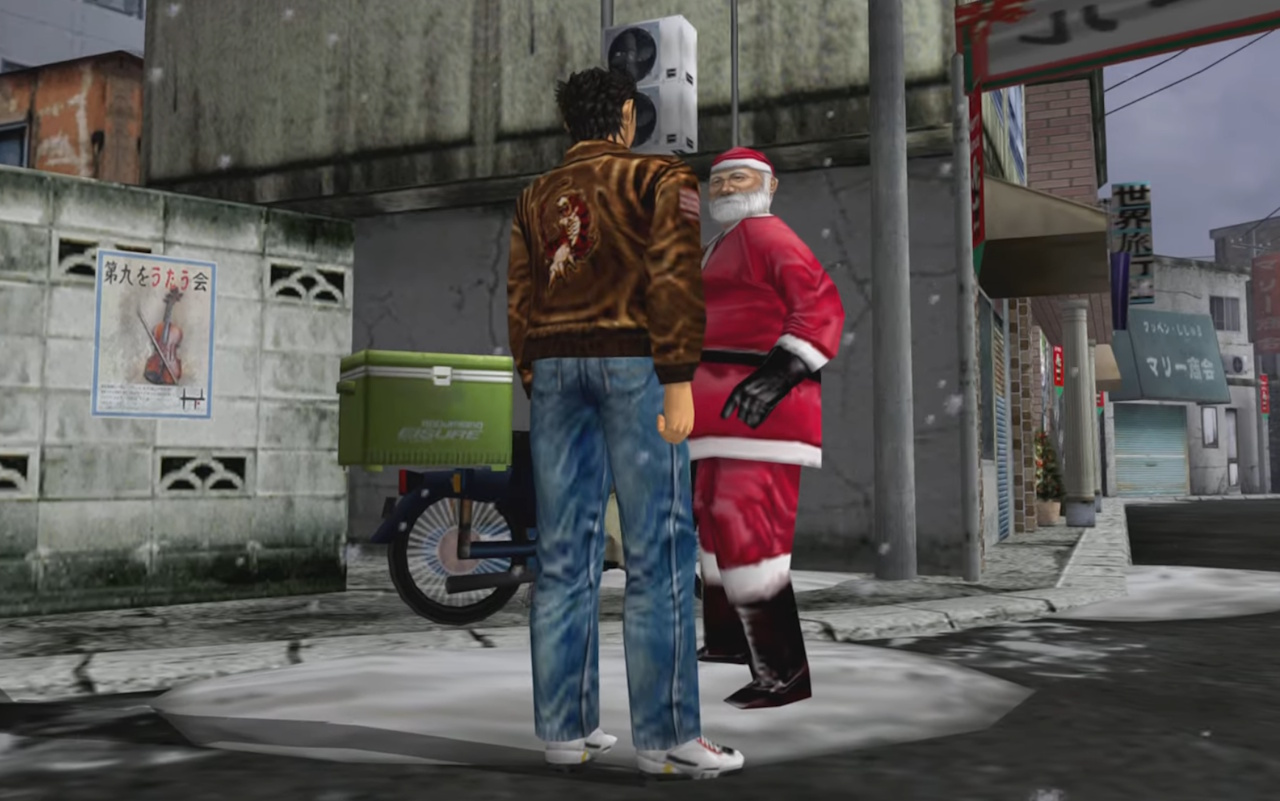
Screenshot of Shenmue (1999/2000) showing Ryo with Santa Claus.
I know Christmas is over… but it’s Ryo and Santa!

So I hope this has been something a bit different. I was inspired by a couple of YouTube channels: Wandering Through Shenmue, whose channel I encountered while looking for screenshots of specific locations in the game world when writing a couple of my other articles about Shenmue, and Any Austin, whose video essays on video game levels and designs are genuinely interesting. I hope you’ll check out both of those channels if you have time.

If you missed my piece celebrating Shenmue’s twenty-fifth anniversary, you can find it by clicking or tapping here. And if you want to check out my thoughts on whether the Shenmue saga might have a future in light of some recent news, you can find that by clicking or tapping here.

I honestly can’t believe that it’s been twenty-five years – a quarter of a century – since Shenmue launched. At any rate, I hope revisiting some of these locations with me was a bit of fun!


Shenmue I & II and Shenmue III are available now for PlayStation 4 and PC. Some images, promo artwork, and screenshots courtesy of Wandering Through Shenmue on YouTube and Shenmue Dojo. This article contains the thoughts and opinions of one person only and is not intended to cause any offence.
Video Game Spotlight: Shenmue

Spoiler Warning: There are spoilers ahead for Shenmue.

We’re marking an important anniversary today! Shenmue – a title which, for many folks, came to define the Dreamcast and Sega – launched in Japan on the 29th of December 1999. This game is one of my favourites, not only of the Dreamcast nor of the early 2000s, but… ever. Even twenty-five years later, and despite all of the problems that the saga has faced, Shenmue is still up there as one of my favourite games of all-time.

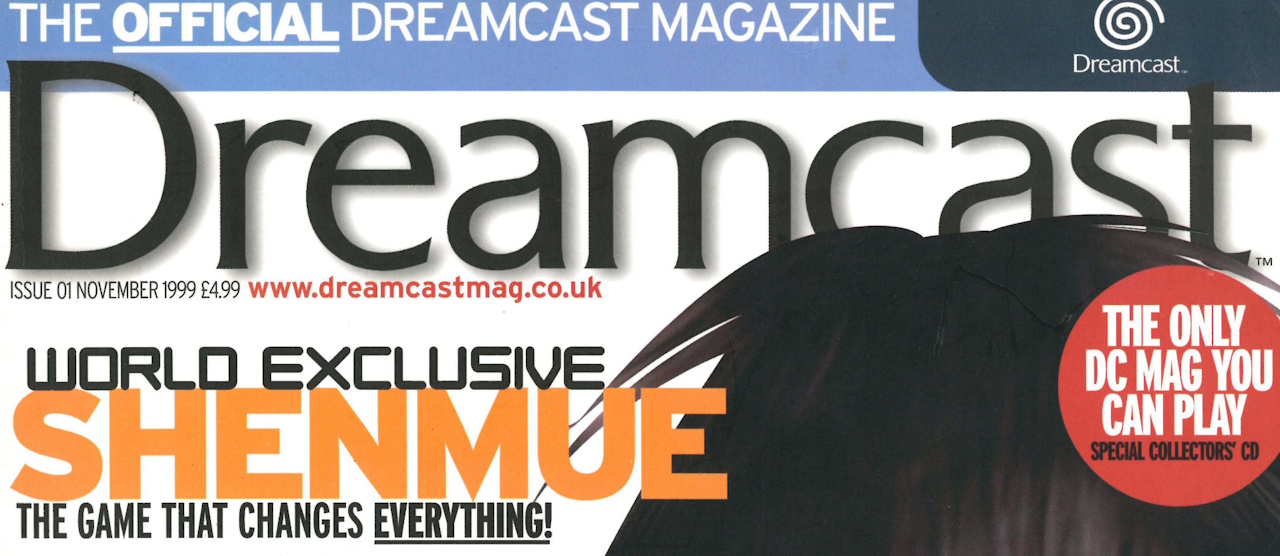
Here in the UK, we didn’t actually get Shenmue in December 1999. We’d have to wait eleven months for the game to arrive, but I already owned a Dreamcast at that point and I really couldn’t wait! I’d read all about Shenmue in the first issue of the UK’s Official Dreamcast Magazine, and I was immediately hooked in by how the game looked in those very first teaser screenshots, but more importantly how it was being described. This felt like a genuinely revolutionary title.

Crop of the Official Dreamcast Magazine (UK) November 1999 issue cover, featuring Shenmue.
Shenmue was teased ahead of its launch in the Official Dreamcast Magazine.

So for months I was left in limbo, waiting to get my hands on the game for myself! After the dust had settled on the excitement of the celebrations for Millennium Eve, a new year got underway – and I knew that, at some point in the year 2000, I’d finally be able to play Shenmue! It really was one of the entertainment experiences that I was most looking forward to – and it remained in that position all year.

Perhaps it’s because I picked up Shenmue in early December, but it’s a game that I associate with this time of year. There are some in-game Christmas events, too, with a Santa Claus figure appearing in Dobuita, snow falling, and Christmas Day being noted – if you’re still playing when the calendar reaches that point! So for me, Shenmue and the holiday season have always been joined at the hip, and it’s a game that feels particularly well-suited to this time of year. Playing Shenmue in December also, I would argue, adds a little something extra to the role-playing side of things!

Screenshot of Shenmue (1999) showing Ryo meeting Santa Claus.
Ryo can meet Santa Claus in Dobuita!

I’ve enjoyed video games since I first picked up a joystick at a kids’ club in the late ’80s. This’ll have to be the subject of a longer piece one day, but I think what fascinated me the most about gaming was being able to control what was happening on the TV screen. I can’t remember a time without TV, and being able to be “in charge” of what was going on on the most important screen in the house… I remember it being a really powerful and exciting feeling.

But by 1999, I was beginning to feel that I’d gone as far as I could with games. Most games I’d played on the Super Nintendo and N64 were basically digital toys – and I don’t say that with too much disrespect intended! There had been some fun games on the N64, which was the console I’d owned before picking up a Dreamcast, and I was still enjoying several of them in 1999/2000. But none of those games were what you’d call “cinematic” or “grown-up,” and I guess I was beginning to feel like I was ageing out of the gaming hobby – particularly as I was working, commuting, going to school, and trying to balance all of that with my social life and finding time for friends and family.

Stock photo of a Dreamcast console.
Shenmue was released for the Dreamcast on this day in 1999.

But Shenmue changed all of that. It was the first game I played that felt gritty, realistic, and genuinely cinematic, telling a modern-day story set in the real world that would’ve been right at home on the big screen. It’s hard to speculate and deal in “what-ifs,” but I’ve wondered more than once if I’d have kept playing games beyond the early 2000s if it hadn’t been for Shenmue showing me what interactive media could be when it’s at its best.

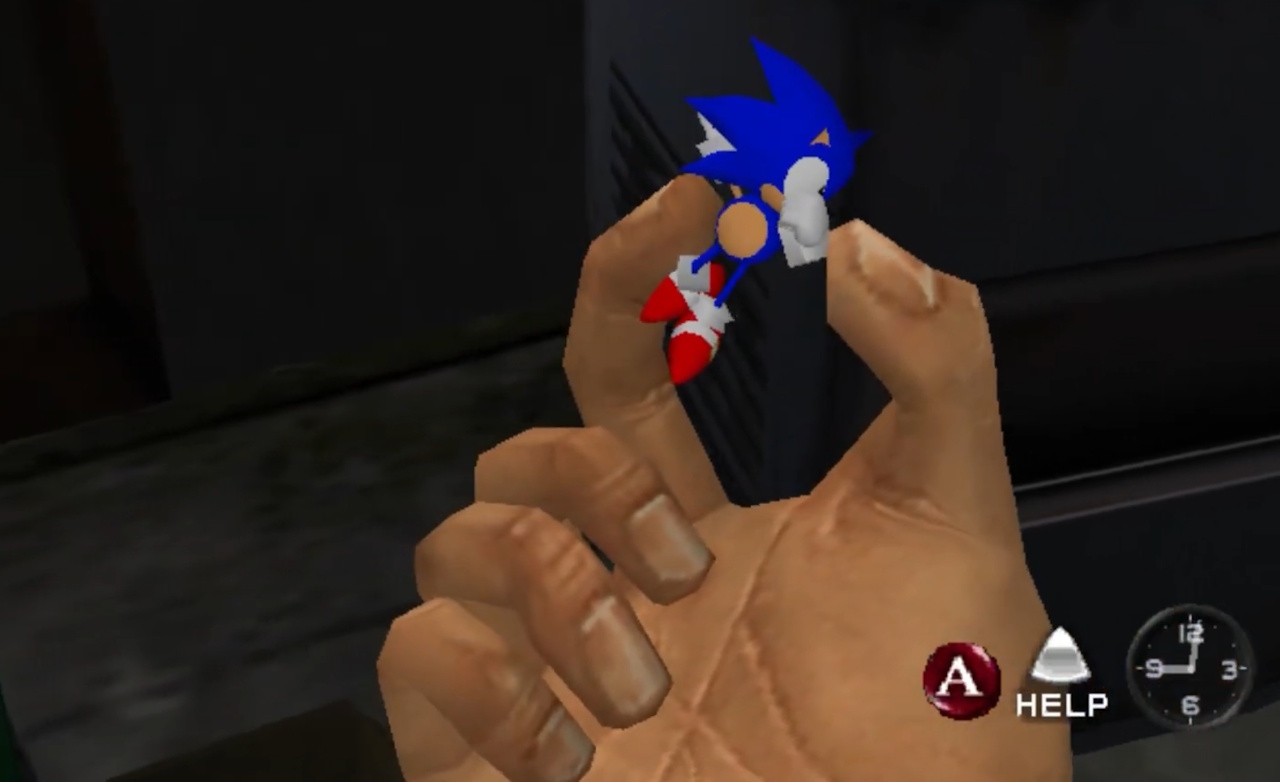
It’s hard to put into words how many ground-breaking gameplay, visual, and narrative elements were present in this one single title. Things players have taken for granted for years – like lip-synced dialogue or hands with individual fingers – leapt out at me when I finally got my hands on the game for myself, and they felt like a gigantic leap forward from the blocky, polygonal graphics of the N64 generation.

Screenshot of Shenmue (1999) showing Ryo holding a Sonic the Hedgehog toy.
Being able to hold in-game items and examine them up close was ground-breaking in 1999!

Perhaps the most impressive feature of Shenmue was its world. No one in 1999 knew what the term “open world” would come to mean, but Shenmue was the first game I played that is reasonably close to that category. The limitations of the Dreamcast still kept Shenmue divided up into several areas – but these were large, densely-packed, and diverse. Moreover, they were incredibly well-detailed, making just strolling down the street in Ryo’s home town of Yamanose feel like being transported thousands of miles across the sea to Japan.

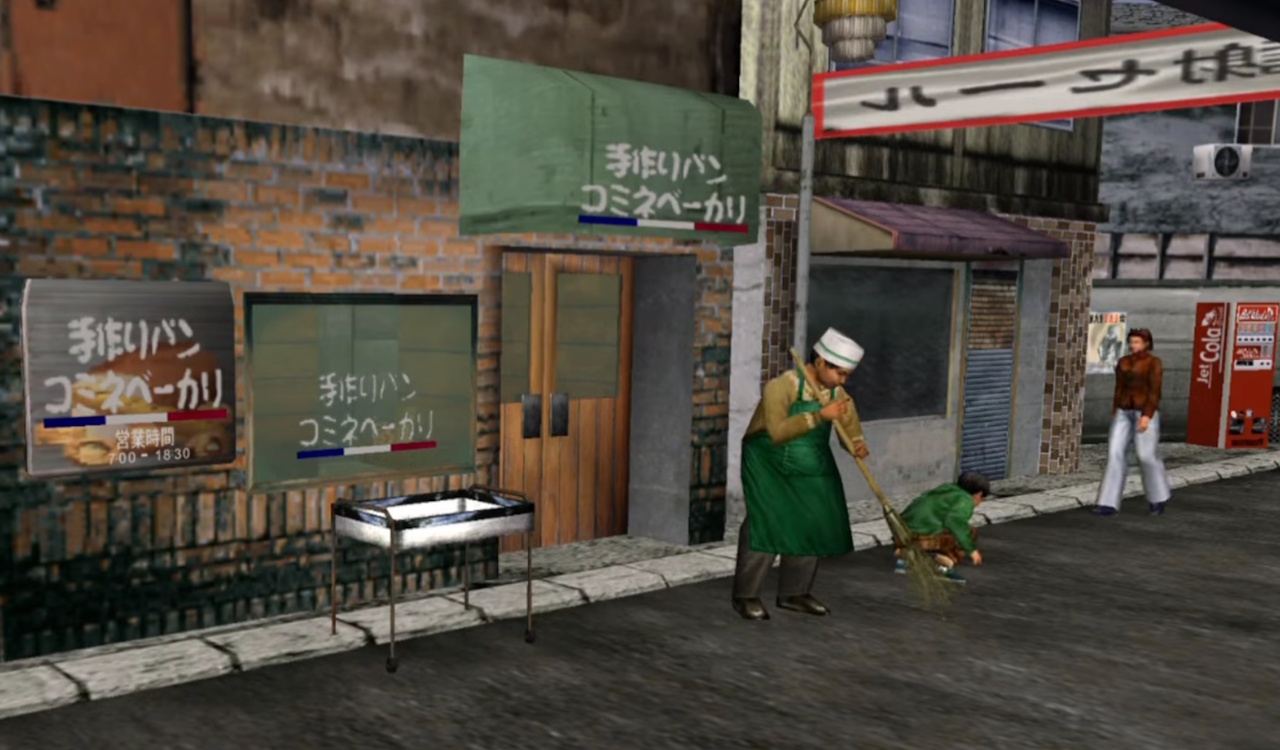
Within Shenmue’s open world, every non-player character had a purpose. They ran a shop or went shopping, they swept the road outside their house and then went inside to take a break; they had jobs, they had objectives… and they felt real in a way that, even today, many NPCs just don’t. These characters, their schedules, and the way shops and businesses would open and close as the day wore on… they were completely revolutionary things at the time, and features that some open-world games today are worse and less realistic for failing to include. Shenmue also opened up almost every shop and building in the game for exploration – even those that had nothing whatsoever to do with the main story.

Screenshot of Shenmue (1999) showing the bakery in Dobuita.
NPCs going about their lives in Dobuita.

For someone who had grown up playing games that had been, up until that point, pretty linear experiences, the freedom Shenmue allowed me felt incredible. I was free to totally ignore Ryo’s quest, instead taking his pocket money and squandering it on collectible figures – or at the arcade! An arcade which, need I remind you, contained two full-size games from the 1980s, as well as a fun darts mini-game and a QTE mini-game to boot.

I hadn’t played Space Harrier before I played Shenmue, but I have a vague recollection of playing Hang On – or a game like it, at least – on a rare visit to an arcade at some point in the late ’80s or early ’90s. So to get that experience again inside of another video game… it was a huge treat. I spent hours playing these games-within-a-game; it was just so much fun to visit the arcade and put other activities and the quest on the back burner!

Screenshot of Shenmue (1999) showing the arcade.
I spent hours of my life (and Ryo’s) in the arcade…

Having Space Harrier and Hang On inside Shenmue’s arcade felt like a real power play from Sega – wrapping up two games inside of a much bigger, more elaborate game was a real flex and a way to show off how much bigger and better the Dreamcast was. And for someone who grew up in a rural area where there weren’t any arcades, being able to visit a digital arcade was pretty cathartic, too!

Shenmue began life in the mid-90s as Virtual Fighter RPG, a spin-off from Sega’s established fighting game series. Taking one of the Virtua Fighter characters as a starting point, creator Yu Suzuki began to build his magnum opus. Development was originally planned for the Sega Saturn console, but this later switched to the Dreamcast. The connection to Virtual Fighter was also abandoned, with the game taking on a fully standalone story. Shenmue and its sequel – Shenmue II – were in development at the same time, with work on the second game being well underway by the time the first game was released.

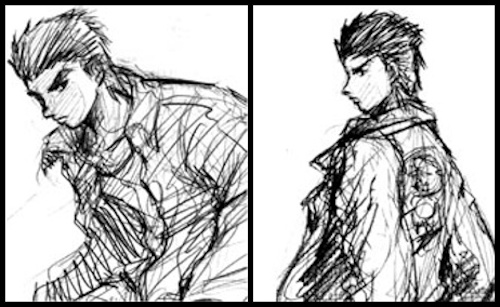
Concept art for Shenmue (1999) showing two sketches of Ryo.
Early concept art of Ryo Hazuki.

Shenmue is famous – or rather, infamous – for its development budget. In 1999, it was reported that the game cost over $70 million to make, though this also includes part of the development costs of Shenmue II. Regardless, Shenmue was an expensive undertaking, and a big gamble for Sega. If the Dreamcast had sold as Sega hoped, and Shenmue had been its “killer app,” recouping that investment would’ve been possible. But with the Dreamcast underperforming, there was no way for Shenmue to make its money back, leading to the game being best-remembered outside of its fan community as one of the most expensive failures in video gaming history – at least for the time.

Of course, I didn’t know any of that at the time I bought a Dreamcast! I was dimly aware of the game’s reputation as an expensive undertaking, but at the time that just seemed like an even bigger boast on the part of Sega! “The most expensive game of all-time” shipped with some incredible features and an insane level of detail, genuinely changing my relationship with games and setting expectations that, time and again, other titles fail to live up to in one way or another.

Screenshot of Shenmue (1999) showing Ryo in the cafe.
Ryo at the harbour cafe.

At the heart of Shenmue’s story was a relatable protagonist caught up in a quest for answers – and revenge. Ryo Hazuki is an incredibly well-written character, someone who’s sympathetic and relatable, while also being from a completely different culture and having at least some characteristics of an anti-hero. Several times in Shenmue, Ryo’s friends and confidants would try to dissuade him from pursuing his quest for revenge, but he’d remain steadfast.

The concept of revenge is a difficult one, and the game doesn’t shy away from that. Rather than reporting the crime of his father’s murder to the police – which you can literally attempt to do in-game using the telephone – Ryo is determined to solve things on his own. He wants to kill the man who killed his father – but along the way, he’s forced to confront difficult questions about who his father truly was and how well he really knew him. There’s a lot of complexity and nuance to this story, and while Shenmue firmly places the player in Ryo’s shoes, questions linger about how justified he is in taking this course of action.

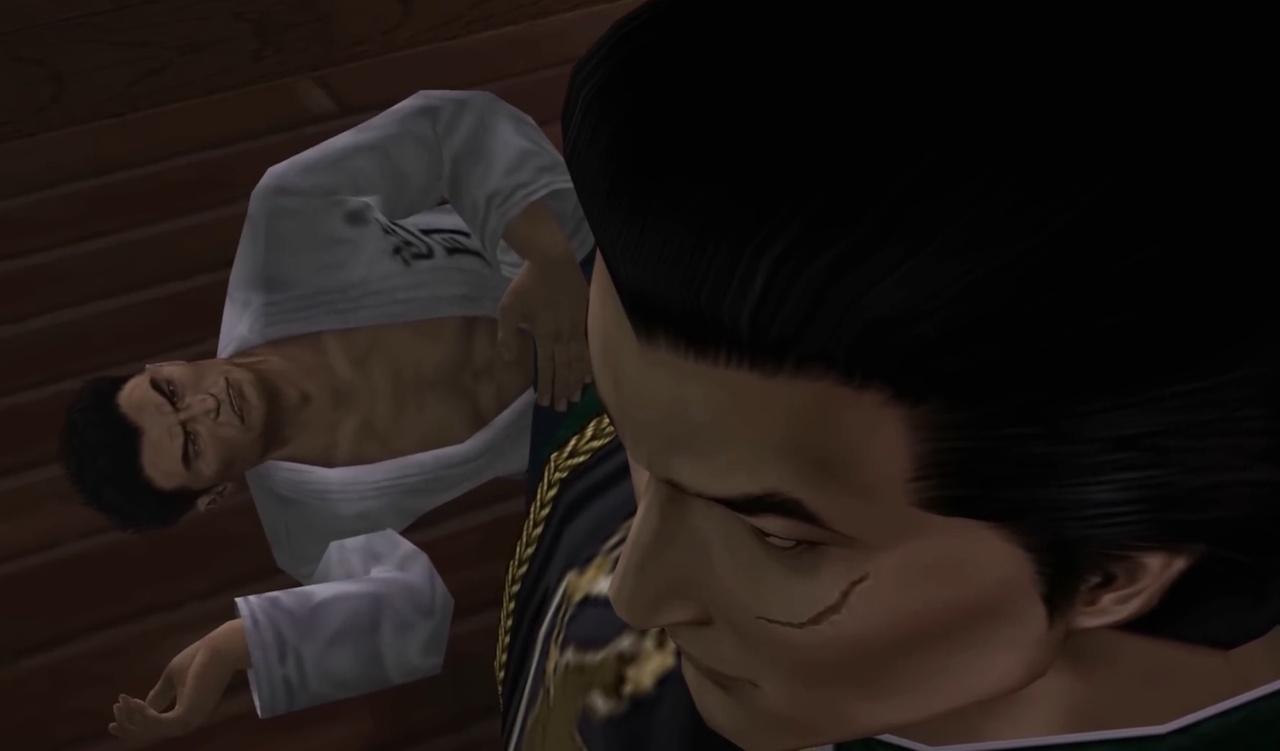
Screenshot of Shenmue (1999) showing Lan Di standing over Iwao at the beginning of the game.
Shenmue is a classic revenge story.

There are areas of Shenmue that, by today’s standards, seem a little dated. The control scheme was designed before twin analogue sticks were a standard part of control pads, and on the Dreamcast, movement still used a four-way D-pad. This could feel clunky and often led to awkward moments as Ryo struggled to navigate a doorway or successfully climb a flight of stairs!

The clunky controls also extended to fighting sequences. Complicated multi-button combos worked well in Virtua Fighter and other 2D fighting games of that era, but I never felt they translated all that well to a fully 3D environment. I’m far from the best gamer, but even in the Dreamcast days I’d find Ryo flailing around, swinging punches and kicks at mid-air as an opponent moved out of range or to one side. In bigger fights with multiple enemies, that was less of a problem. In one-on-one situations, though, it could occasionally get annoying!

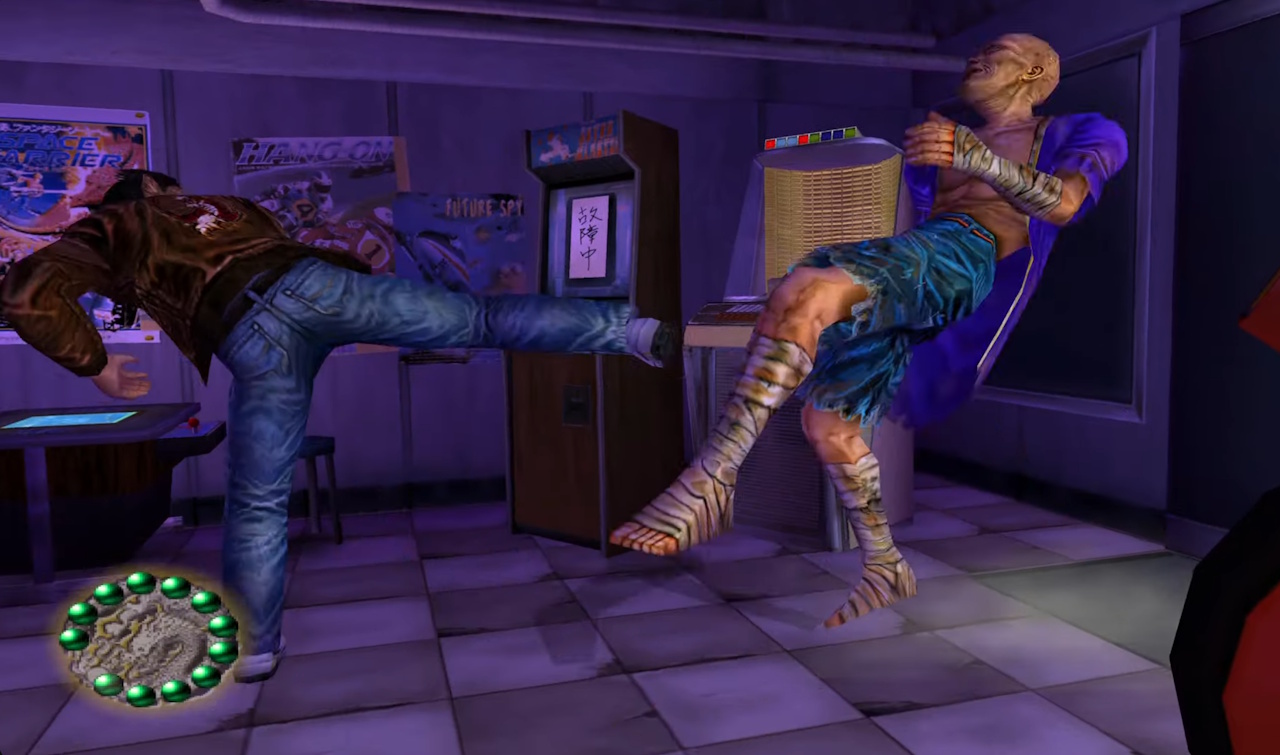
Screenshot of Shenmue (1999) showing Ryo fighting Chai at the arcade.
Ryo swings a kick at a villain.

In keeping with Shenmue’s philosophy of F.R.E.E – full reactive eyes entertainment; an early open-world, free-roaming idea – it was possible to practice fighting in one of several areas around the game world. I confess that I probably didn’t practice as much as I should’ve, and I didn’t make use of very many of the more complicated multi-button moves that Ryo could learn. I found that once I had a couple of solid kicks and strikes in my arsenal, the rest were just superfluous! Was that the right way to play? Well… isn’t that the fun of a game like Shenmue? That there are different ways to approach some of these sequences?

For me, the fighting portions of the game were really just bridges in between exploration and story sections. As long as I could get through a fight without losing repeatedly, I was content to play through them to advance the story. And that was a genuinely new feeling for me at the time – the idea that a video game could have such an engrossing story that the actual gameplay side of things was in a distant second place. Sure, I’d played story-driven games before Shenmue – titles like Shadows of the Empire and Jet Force Gemini come to mind – but this really was the first game with a realistic, gritty, and truly engaging story that I found myself getting lost in.

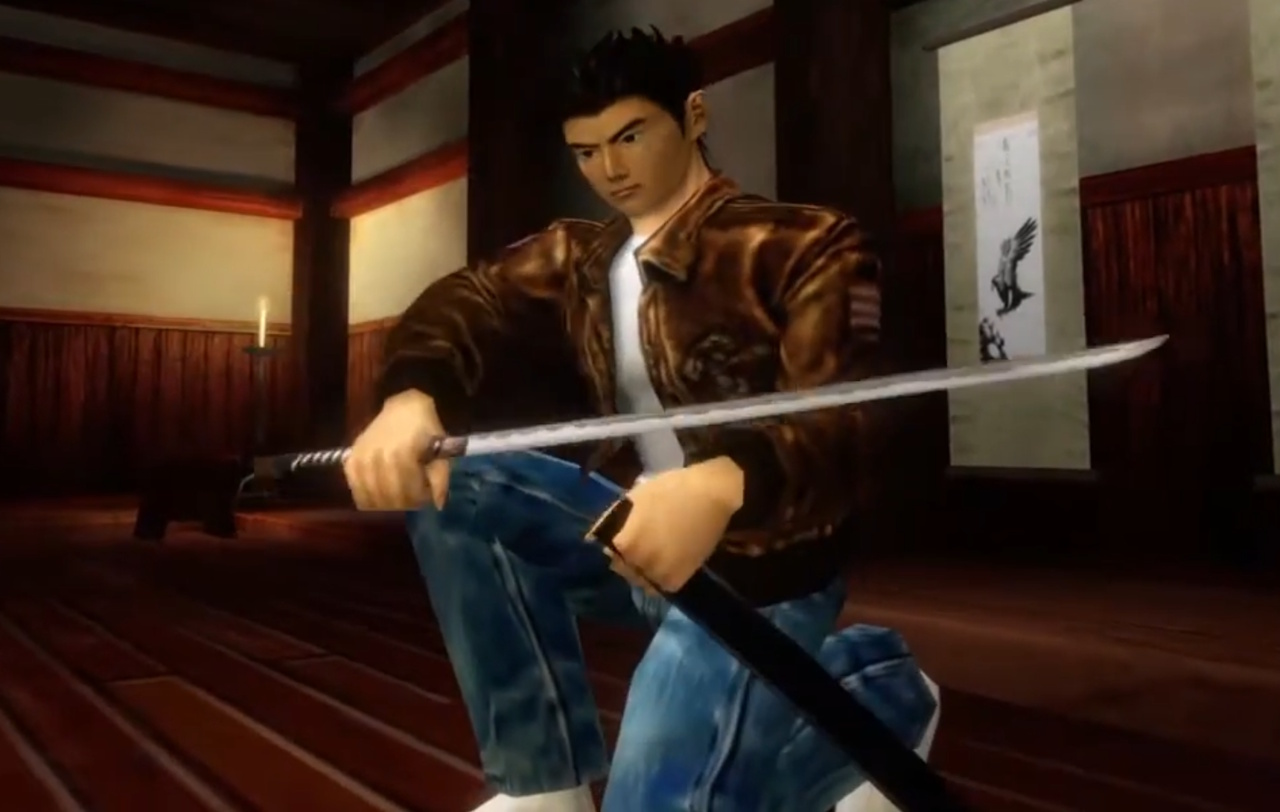
Screenshot of Shenmue (1999) showing Ryo with his father's sword.
The katana.

For better or worse, Shenmue was the game that coined the phrase “quick-time event” and introduced this mechanic to a wider audience. We can debate whether QTEs were invented by Shenmue or not, but Shenmue’s marketing came up with the name – and QTEs have, in the years since, become rather controversial!

I’d like to defend quick-time events in Shenmue. Firstly, they felt genuinely new and revolutionary at the time, taking a part of the game that would’ve otherwise been a non-interactive cut-scene and making it part of gameplay – with consequences for messing up. And secondly, QTEs as they appeared in the first Shenmue didn’t feel overdone or particularly obtrusive. Shenmue’s QTEs felt like a big leap forward in terms of interactive storytelling.

Screenshot of Shenmue (1999) showing Ryo chasing a travel agent during a quick-time event.
Shenmue even found a way to make cut-scenes interactive.

Quick-time events have acquired a reputation through over-use in other titles in the years since Shenmue – rather than because of the way they were used in this game in particular! And sure, as the title that popularised QTEs, Shenmue might come in for some criticism – and I get that. But I maintain that the way they’re used in Shenmue itself is actually fine, and if other games stuck to that formula, maybe players today would have less of an issue with QTEs. But we’re dangerously close to veering off-topic.

Aside from Ryo himself, who was an especially well-written protagonist, Shenmue’s world was populated with some wonderful secondary characters. Ryo’s friend/crush Nozomi is sweet, and the interactions the two have across the game really raise the stakes when she’s put in danger later on. Tom, Ryo’s friend who sells hot dogs, is a great character too – and the friendship the two built up really packs an emotional punch, especially when Tom leaves Japan toward the end of the game. Fuku-san and Ine-san are the familiar faces of home that Ryo leaves behind – and occasionally seems to push away – as part of his quest. And Ryo’s other friends all have an impact, too.

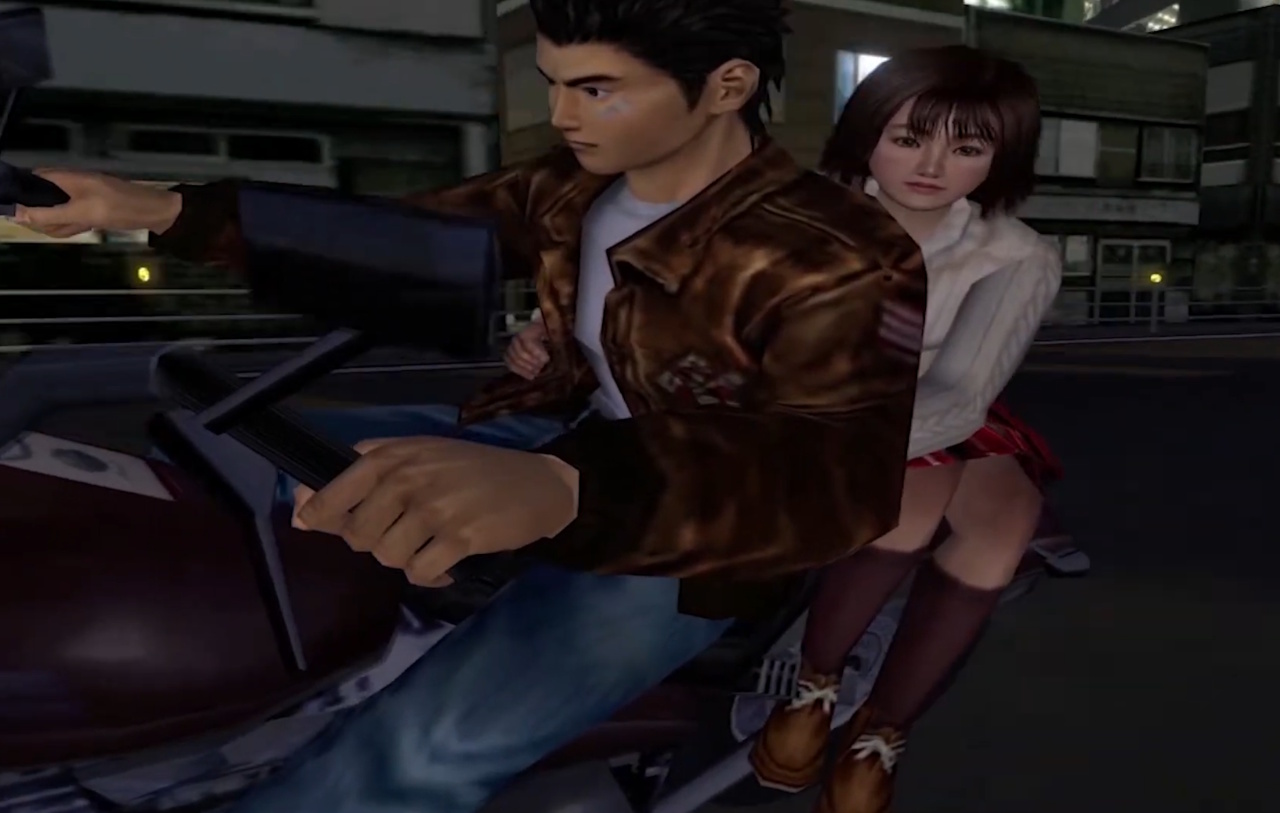
Screenshot of Shenmue (1999) showing Ryo and Nozomi on a motorcycle.
Ryo and Nozomi.

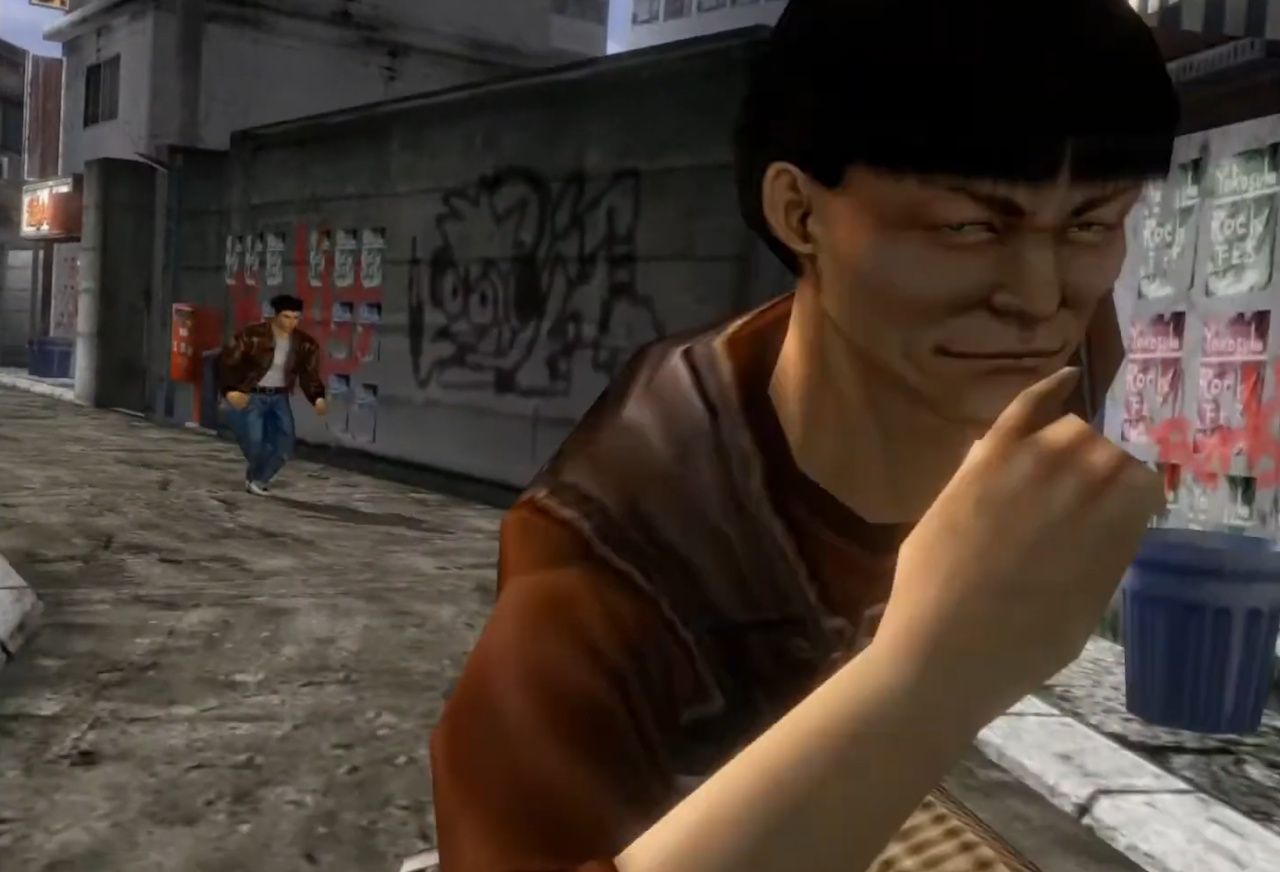
Then there are the villains. Lan Di, though only seen in person at the beginning of the game, just oozes strength and power, and the mystery tied up with Iwao, Ryo’s father, is tantalising. Then there’s Chai – a genuinely disturbing, weird little guy! Chai’s way of speaking, his facial appearance, and his crouching gait all come together to make a really unsettling presentation. The way Chai interfered with Ryo’s quest was infuriating, too – deliberately so! A truly well-crafted villain that, to this day, makes my skin crawl!

At the harbour we also have the occupants of Warehouse #8: Master Chen and Guizhang. This mysterious father-and-son duo have a connection to Ryo’s father – and to Lan Di. Just tracking them down is a whole mystery in and of itself, and sneaking into their base can be difficult! I’m not really in favour of mandatory stealth sections in games, but once you know what you’re doing and get your bearings in the Old Warehouse District, getting there shouldn’t be too difficult.

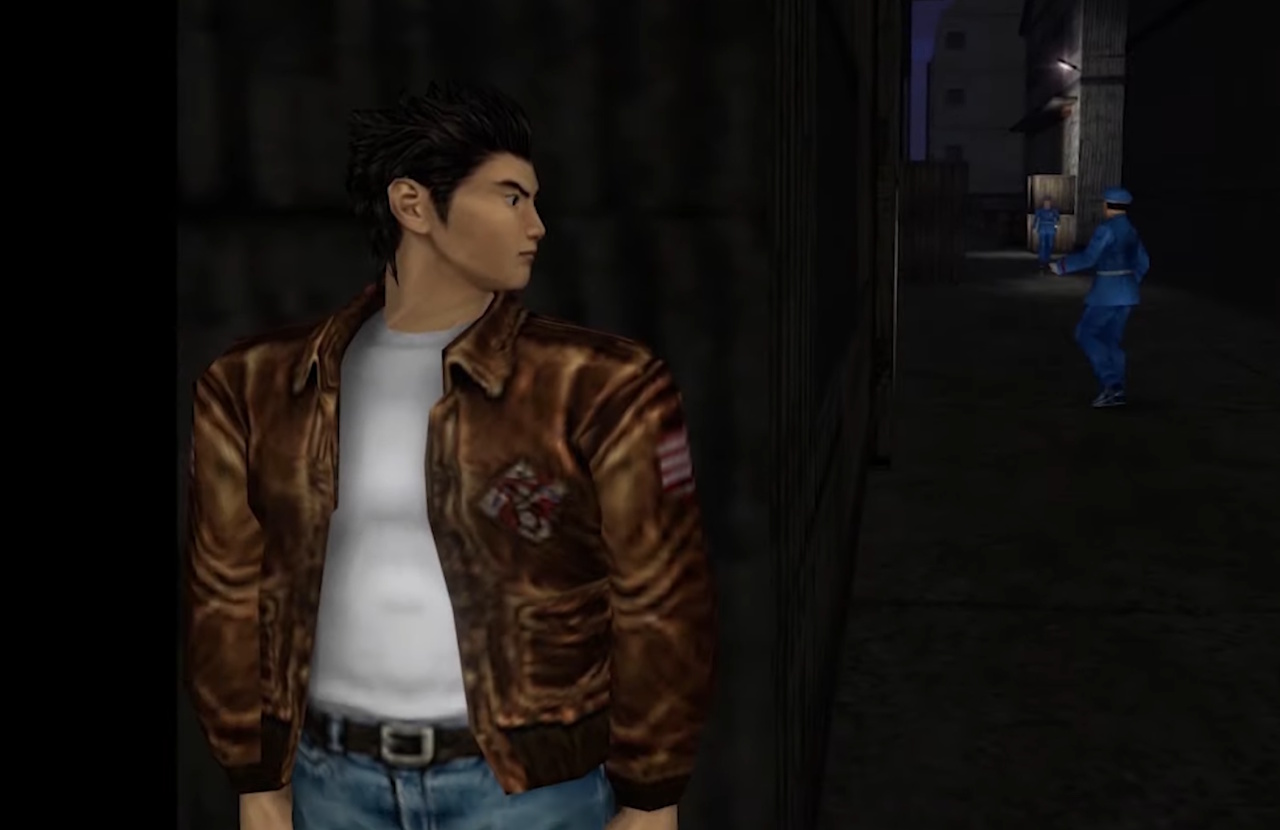
Screenshot of Shenmue (1999) showing Ryo hiding from security guards at the Old Warehouse District.
Hiding from guards in the Old Warehouse District…

The harbour is probably my favourite individual area of Shenmue’s game world. It’s so atmospheric, with large warehouses, a rippling sea, and tired sailors and workmen all milling around. Particularly at night, the harbour really feels like a real place – but also a strangely nostalgic one, if that makes sense. I could spend hours at the harbour just walking around, soaking it all in.

The harbour is also where Ryo would get a job – and despite what you might’ve heard, driving a forklift and stacking crates was a lot of fun! The forklift race at the beginning of each day was great, too – and another totally unexpected gameplay feature in a game laden with mini-games, creative mechanics, and different things to do. The forklift gameplay was also strangely relaxing; the kind of “cozy” gameplay that makes people fall in love with simulator titles. Picking up crates and stacking them just right was a lot of fun.

Screenshot of Shenmue (1999) showing Ryo driving a forklift at the harbour.
I genuinely enjoyed being a forklift driver.

The only downside to Ryo’s forklift job is that it’s relatively short and comes at the beginning of the end of Shenmue. By the time you start the job at the harbour, you’re basically on the path to the endgame and the climactic final battles – and I could’ve happily spent an in-game month or two just having fun playing forklift driver at the harbour!

Ryo and Guizhang team up to take on seventy opponents at the end of the game; an epic, climactic battle that throws wave after wave of opponents at them at the harbour. This battle is difficult, but it’s also a ton of fun compared with some of the earlier one-on-one boss fights. Ryo has moves that can knock back several people at once, like his spinning kick, and smashing your way through huge numbers of gangsters… there was nothing like it at the time! The closest comparison I can think of to the game’s climactic seventy-person battle (from the same time period) is Dynasty Warriors 2, which released about six months later.

Screenshot of Shenmue (1999) showing Ryo and Guizhang preparing to do battle.
Ryo and Guizhang.

Shenmue was more than just a game. This landmark title completely changed how I came to see interactive media, set expectations for narrative games that, even today, many titles fail to live up to, created a living, breathing world years before anyone else even tried it, and above all, kept me invested in gaming as a hobby at a point in my life where I might’ve otherwise began to drift away. Twenty-five years on from its launch, it remains one of my favourite games of all-time.

For me, that’s Shenmue’s real legacy. It’s a game that set the bar for narrative action/adventure experiences, and even today I find myself comparing brand-new games to Shenmue, or noting that Shenmue was the first game I played with a particular feature or gameplay mechanic. I revisited Shenmue in 2017, shortly after it was re-released on PC, and I had a blast getting lost in that world all over again. Although some aspects of the game are definitely dated today, it’s amazing how well the world itself holds up.

Screenshot of Shenmue (1999) showing Ryo walking toward the bus stop near the end of the game.
Ryo with his backpack, headed for Hong Kong.

I wanted to acknowledge Shenmue’s milestone quarter-of-a-century anniversary, and I hope I’ve been able to adequately convey just how much this game meant to me – and how much it continues to matter all these years later. Despite the disappointment I felt at the developers’ inability to bring the story to a conclusion, I still look back on Shenmue with incredible fondness.

I’m so glad I got to play through this game on the Dreamcast, and it’s still a title I find myself recommending to players who missed it the first time around. With a port currently available on PC and PlayStation 4 – usually at a reasonable price, especially when there are sales – it’s incredibly easy to get started with Shenmue, and I honestly can’t recommend it enough. Sure, it’s a piece of gaming history nowadays – but it’s also an incredible narrative experience.

Screenshot of Shenmue (1999) showing a cut-scene at the harbour with Ryo, the foreman, and a forklift.
At the harbour.

A few weeks ago, I tackled the difficult question of whether the Shenmue saga has a future. Five years on from Shenmue III, is there a chance of yet another reprieve for this incredible – yet overlooked – series? Check out my answer to that question by clicking or tapping here! And at some point soon, I’d love to watch and review Shenmue – The Animation; the anime adaptation of the first two games. So be sure to check back for that.

Until then, I really hope this has been an interesting look back at one of my favourite games… ever. Shenmue blew my mind twenty-five years ago, and I really wanted to celebrate its anniversary in style. If you’ve never played it, do us both a favour and try and track down a copy! If you like games with a strong story, I really don’t think you’ll regret it. If you loved Shenmue in the Dreamcast days, or came to it after the fact when it was re-released, I hope you’ll join me in raising a glass to one of the most revolutionary, creative, and transformational games of its era.

Happy anniversary, Shenmue!


Shenmue I & II is available now for PC and PlayStation 4. Shenmue – The Animation may be available to stream on CrunchyRoll. Shenmue is the copyright of YSNet and/or Sega. Some images, screenshots, and artwork courtesy of Sega, YSNet, Shenmue Dojo, and Wandering Through Shenmue on YouTube. This article contains the thoughts and opinions of one person only and is not intended to cause any offence.