Thoughts on The Winds of Winter

A spoiler warning graphic.

Spoiler Warning: Beware of spoilers for A Song of Ice and Fire and Game of Thrones.

Remember Game of Thrones? Well the series of novels that it was based on – George R R Martin’s A Song of Ice and Fire – remains conspicuously incomplete more than five years after the show finished its run. Recent comments by Martin – and his evident lack of progress on the next book in the series, The Winds of Winter – have left some fans of the books feeling quite worried and even angry. I thought we could get into that today and consider whether A Song of Ice and Fire will ever be complete – and if not, why not?

For context, here’s what George R R Martin had to say about writing The Winds of Winter in an interview in December 2024. In his own words: “That’s still a priority. A lot of people are already writing obituaries for me. ‘Oh, he’ll never be finished.’ Maybe they’re right. I don’t know. I’m alive right now! I seem pretty vital!”
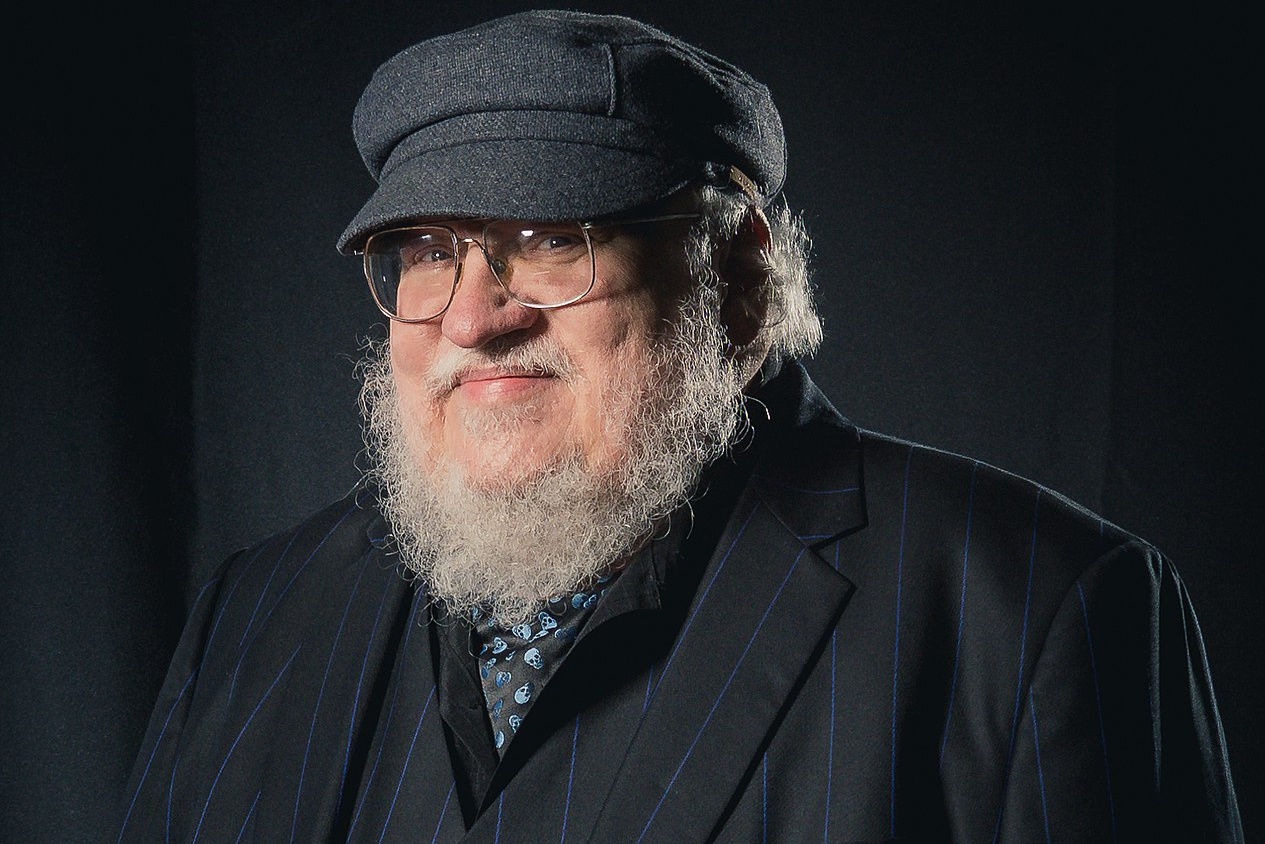
Photo of George R R Martin at an event in 2017.
George R R Martin in 2017.
Photo Credit: Henry Söderlund; CC BY 4.0 https://creativecommons.org/licenses/by/4.0, via Wikimedia Commons

Firstly, I think some people have seized on this idea of Martin “admitting” that he might never finish A Song of Ice and Fire based on that statement. But for me, there’s a world of difference between saying “maybe those people are right” and something like an admission of defeat. Martin is clearly still dedicating at least some of his time to The Winds of Winter, and in my view, headlines proclaiming that “George R R Martin says A Song of Ice and Fire might never be finished!!1!” are overstating things in a pretty clickbaity way.

But that isn’t all there is to say, obviously.

A Dance With Dragons, the most recent novel in the series, was published in 2011. For context, the television adaptation of Game of Thrones had only just finished airing its first season at the time of the book’s arrival in shops, and there was an expectation from fans, from broadcaster HBO, and everyone involved that The Winds of Winter would take at most three or four years – putting its publication in 2014 or 2015, in time for Game of Thrones’ fourth or fifth season. That did not happen!
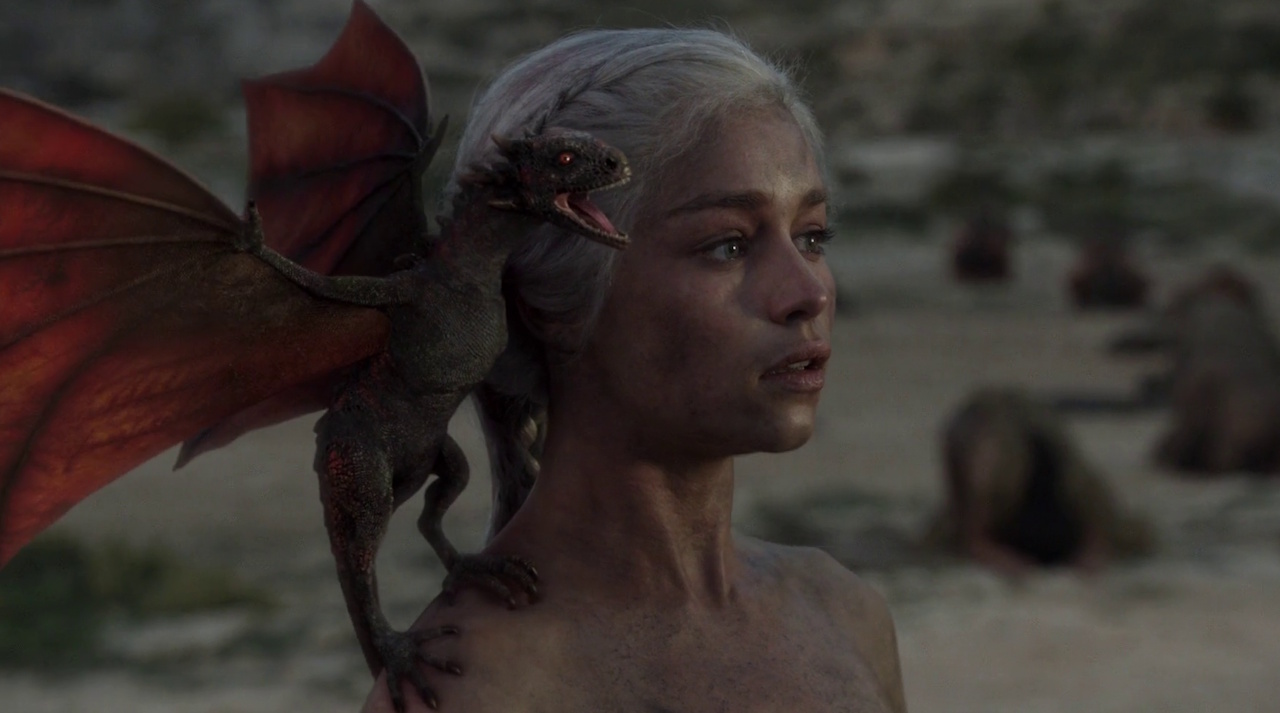
Still frame from Game of Thrones Season 1 showing Daenerys and a baby dragon emerging from the fire.
A Dance With Dragons was published a few weeks after the first season of Game of Thrones aired.

Game of Thrones was not a totally faithful adaptation of A Song of Ice and Fire, and the show diverged from the books more and more as it went along. There are whole characters and storylines that are absent from the series, a couple of characters were amalgamated or changed entirely, and there were other alterations made as the story was adapted for a new format and a new audience. But Game of Thrones still followed the basic outline of Martin’s story, and showrunners David Benioff and D B Weiss have said on the record that Martin gave them an outline of where the story was headed and where most of the characters were supposed to end up.

It was this story treatment that formed the basis for Game of Thrones’ latter seasons once the material available in the books had been used up. And if you’re familiar with the timeline of criticism and reaction to Game of Thrones, you might notice something! Around the show’s fifth season, more and more fans started voicing concerns about the quality of the writing, and particularly the direction of character arcs and major storylines. When the show reached Season 7, this had escalated a lot, and by the time it ended its run a year later… a lot of people were disappointed, upset, and even downright angry at the direction the story ultimately took.
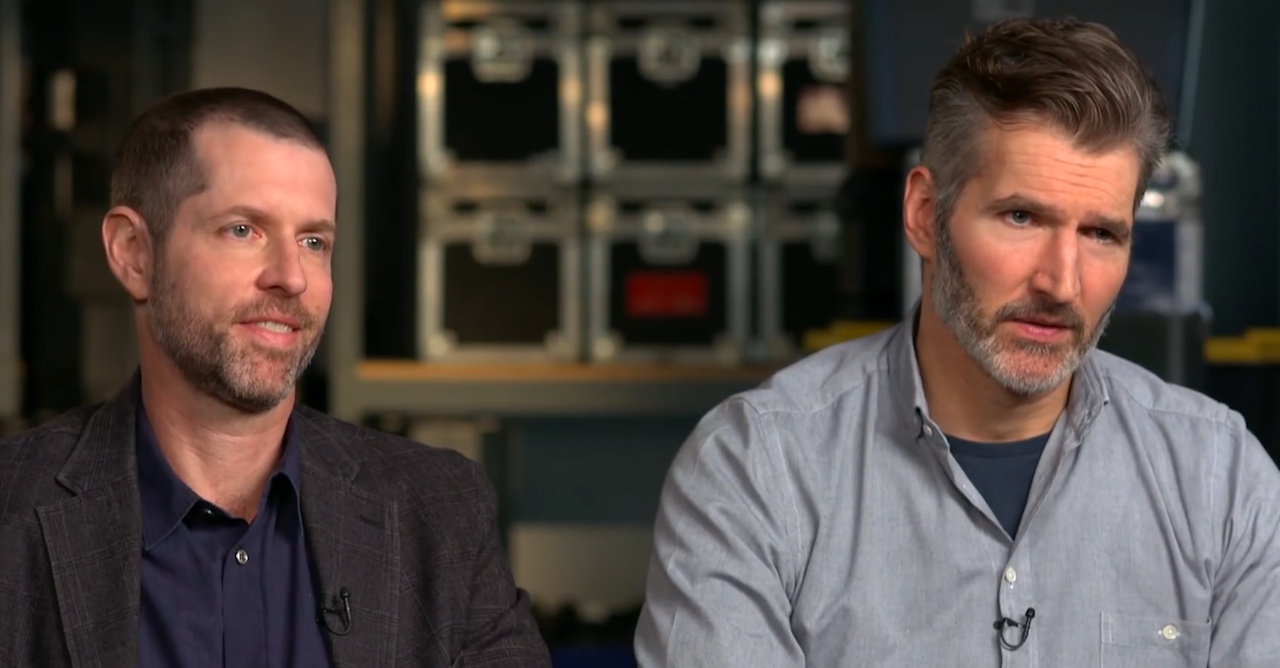
David Benioff and DB Weiss during an interview with 60 Minutes.
Game of Thrones showrunners David Benioff and D B Weiss.

For George R R Martin, I can only imagine that this was pretty devastating. Martin continued to work on Game of Thrones for all eight seasons, being credited as an executive producer. He’d written the books upon which the show was based, and he’d given the writing team his story treatment or outline for where it was going to go after the show overtook his novels. And fans hated it. Game of Thrones went from being the most popular show of the decade to something that seemed to have pissed off basically its entire audience.

And then, as I’ve noted before, Game of Thrones disappeared. The show, which had been at the forefront of our collective cultural conversation for close to a decade, vanished almost without a trace. No one wanted to go back and re-watch it; the ending was so universally panned – for a wide range of reasons – that it tainted the entire series. I don’t think I’ve ever seen a television series collapse and lose its fanbase as quickly and as spectacularly as Game of Thrones did in 2019. And for George R R Martin, the man who created the world, the characters, and the story… that’s bound to sting.
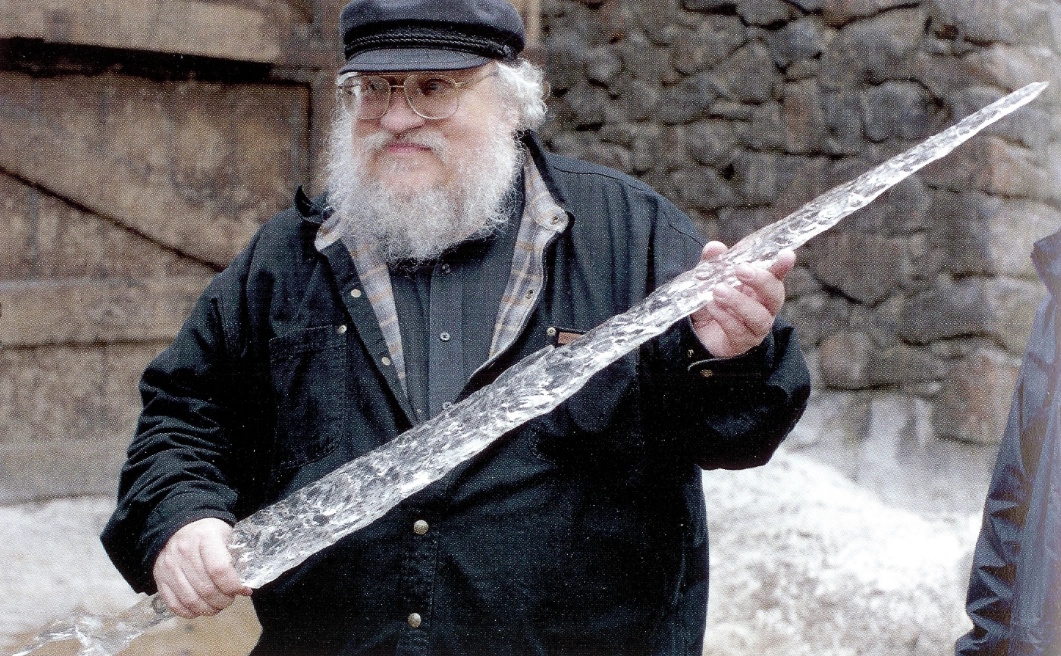
Photo of George R R Martin holding a large ice sword prop on the set of Game of Thrones.
George R R Martin with an ice blade prop on the set of Game of Thrones.

I’m not pretending to analyse George R R Martin’s mental state from thousands of miles away. But I know that, speaking for myself, if something I’d written or created had been received so universally poorly… I’d be pretty upset about that. It might even cause me to reevaluate what I’m working on. And because The Winds of Winter was unpublished at the time of Game of Thrones Season 8 and all of the backlash… part of me wonders if that’s exactly what George R R Martin has done.

More than five years ago, Martin claimed that he was “three-quarters” of the way to completing The Winds of Winter, but later seemed to suggest he was revising or re-working some of what he’d already written. Could that be in response to the backlash? And if so, how much of the story would he really be willing to change? If he was genuinely upset by what happened with Game of Thrones, he might almost have to start from scratch, re-doing entire character arcs and storylines to change the outcome.
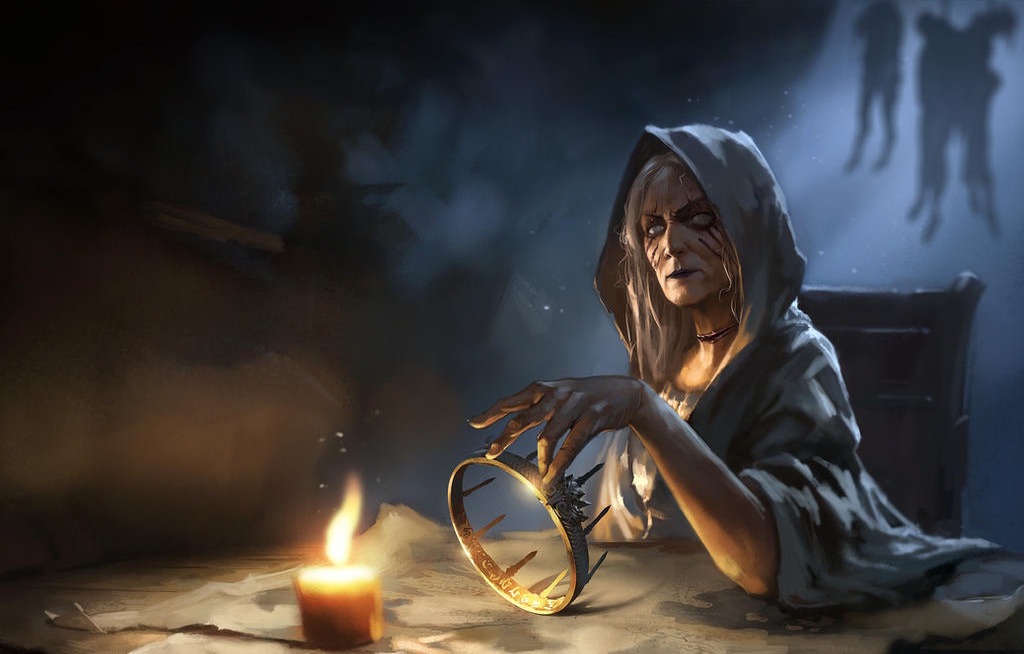
Digital painting of Lady Stoneheart from A Song of Ice and Fire by zippo514 on DeviantArt.
Game of Thrones diverged significantly from the books.
Image Credit: zippo514 on DeviantArt.

Beyond the end of A Dance With Dragons, it’s hard to say to what extent Game of Thrones may have continued to diverge from Martin’s original story. So he could reasonably make the case that the “book ending” is the true way the story was supposed to go, even if that wasn’t even close to the story treatment he gave to the Game of Thrones production team! I think we are gonna see significant differences if The Winds of Winter and A Dream of Spring are ever published – partially because the books were already on a different trajectory. But also, at least in part, because of the reaction to Game of Thrones.

Whenever this conversation crops up in fan communities online, it isn’t long before you’ll hear some variation of the following expression “well, George R R Martin doesn’t owe you a finished book!” And I gotta be honest with you: I find that to be an incredibly petty and asinine argument. Sure, technically there’s no binding legal contract. But Martin started writing a series of novels and hasn’t finished them; there’s an unsaid expectation on the part of readers and fans that the story will, one day, be complete. That doesn’t mean The Winds of Winter needs to be published next Thursday… but fans want – and reasonably expect – to see Martin continuing to work on it.
Still frame from Game of Thrones Season 2 showing several characters addressing Robb Stark.
Are fans being too demanding?

And that brings me to the next issue: George R R Martin is, apparently, quite easily distracted. Since A Dance With Dragons in 2011, Martin has published ten books, worked on at least four potential and ongoing television shows, and even found time to contribute to the development of the video game Elden Ring. It’s great to be busy, and no one is really demanding that Martin lock himself away and do nothing except work on The Winds of Winter. But it does raise eyebrows when he’s clearly procrastinating and doing other stuff – especially when a lot of what he’s doing seems to be, to put it bluntly, pretty unimportant fluff.

Imagine if J R R Tolkien had published The Hobbit, The Fellowship of the Ring, and The Two Towers… then spent the next fifteen years working on side-stories with titles like The Baggins Family Tree, Gandalf: The Man, The Myth, The Legend, or 101 Hilarious Quotes From Grima Wormtongue. As time wore on, fans would begin to wonder whether The Return of the King was even still being written, or whether Tolkien planned to publish it at all. That’s basically where we’re at with A Song of Ice and Fire, if you’ll forgive the rather crude analogy.
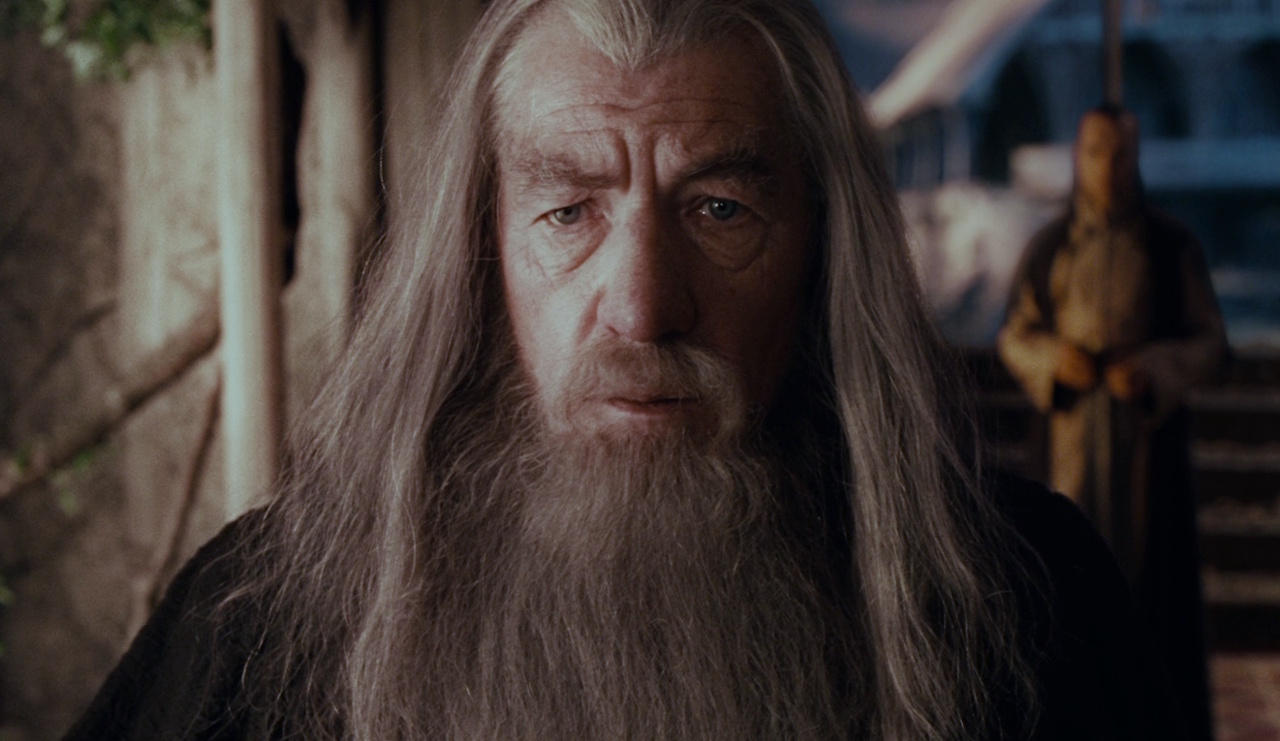
Still frame from The Lord of the Rings: The Fellowship of the Ring, showing Gandalf with Elrond in the background.
Imagine if Tolkien wrote a book about Gandalf’s backstory instead of Return of the King

With his interviews, photoshoots, and public appearances, it’s clear that Martin likes being in the public eye; a “celebrity,” for want of a better word. And there’s nothing wrong with that at all – after a lifetime of toiling behind the scenes, it must be cathartic to have the level of recognition that the TV adaptation of Game of Thrones won him. But could his celebrity status and public image also be a contributing factor to his writing slowing down? It seems an odd coincidence that 2011 – the year Game of Thrones premiered – is the last time Martin published a book in the main series.

Martin strived for a long time to work in Hollywood, moving to California in the ’80s with the hope of working in film or television. And he’s finally able to do that now, thanks to the success of Game of Thrones. Perhaps the appeal of writing a complex multi-novel saga has diminished for him in light of belatedly achieving that career objective. It would certainly explain why Martin has spent so much time over the last decade-plus working on television pitches, serving as an executive producer, and even contributing to unrelated projects like Elden Ring.
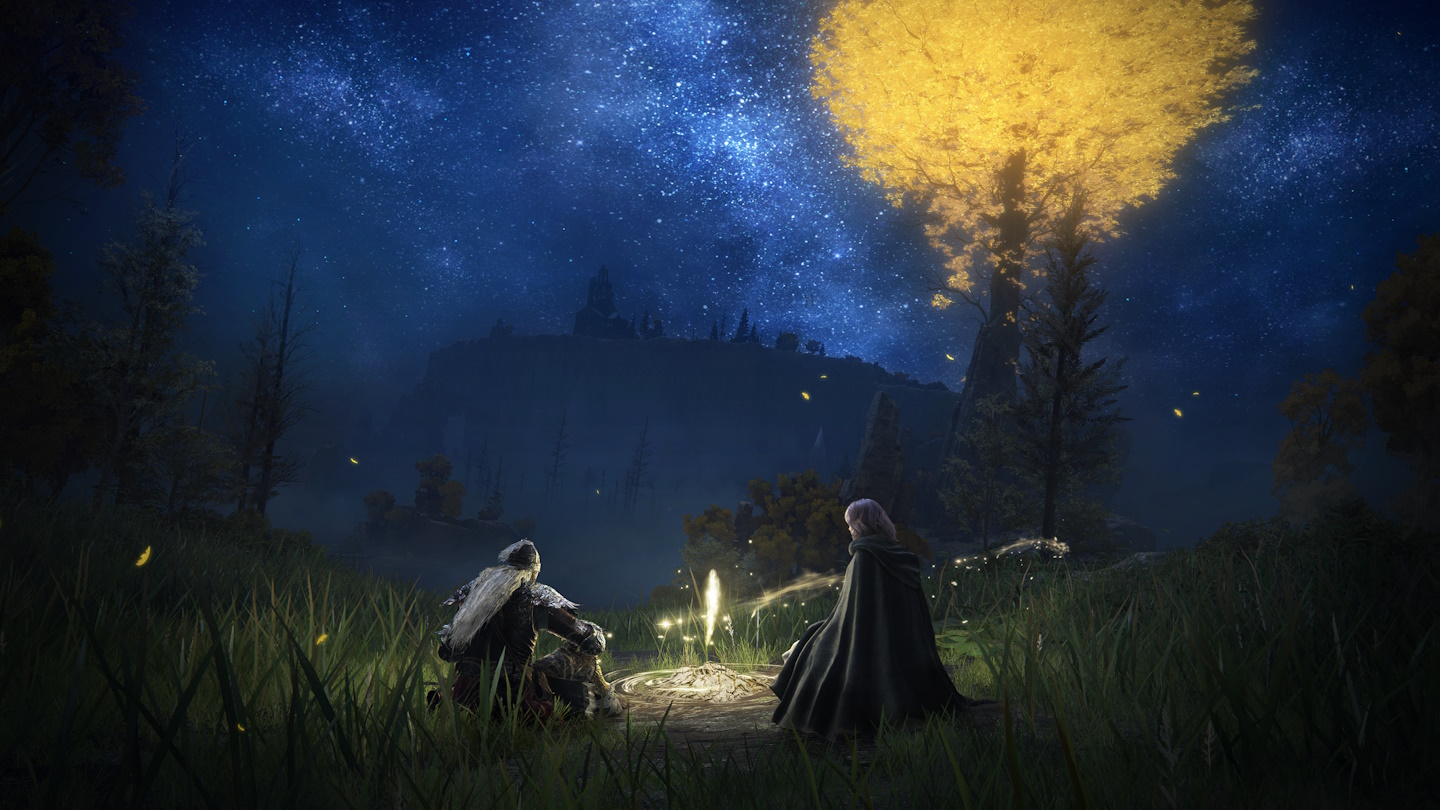
Concept art for the game Elden Ring, showing two characters by a campfire and a glowing tree.
George R R Martin found the time to work on the video game Elden Ring.

I think fans have every right to be upset with George R R Martin. He started writing a saga; his magnum opus. But for a variety of reasons, he now seems pretty uninterested in finishing it. Having built up an audience and seen huge numbers of people get invested in his characters and his world, to then spend years procrastinating and putting it on the back burner was always going to lead to a lot of people feeling disappointed.

I don’t want to be seen as “attacking” George R R Martin personally. He’s a great writer in many ways, and he’s created a world that will outlive him – something very few people can really say. But he also hasn’t been totally up-front and honest with his fans and readers since Game of Thrones premiered – and especially since it ended. While it’s totally understandable to think he’d feel upset or disappointed at the reaction audiences had to the show’s final season, there’s been a lot of time since then to re-work The Winds of Winter and make changes. But Martin still seems distracted by other projects.
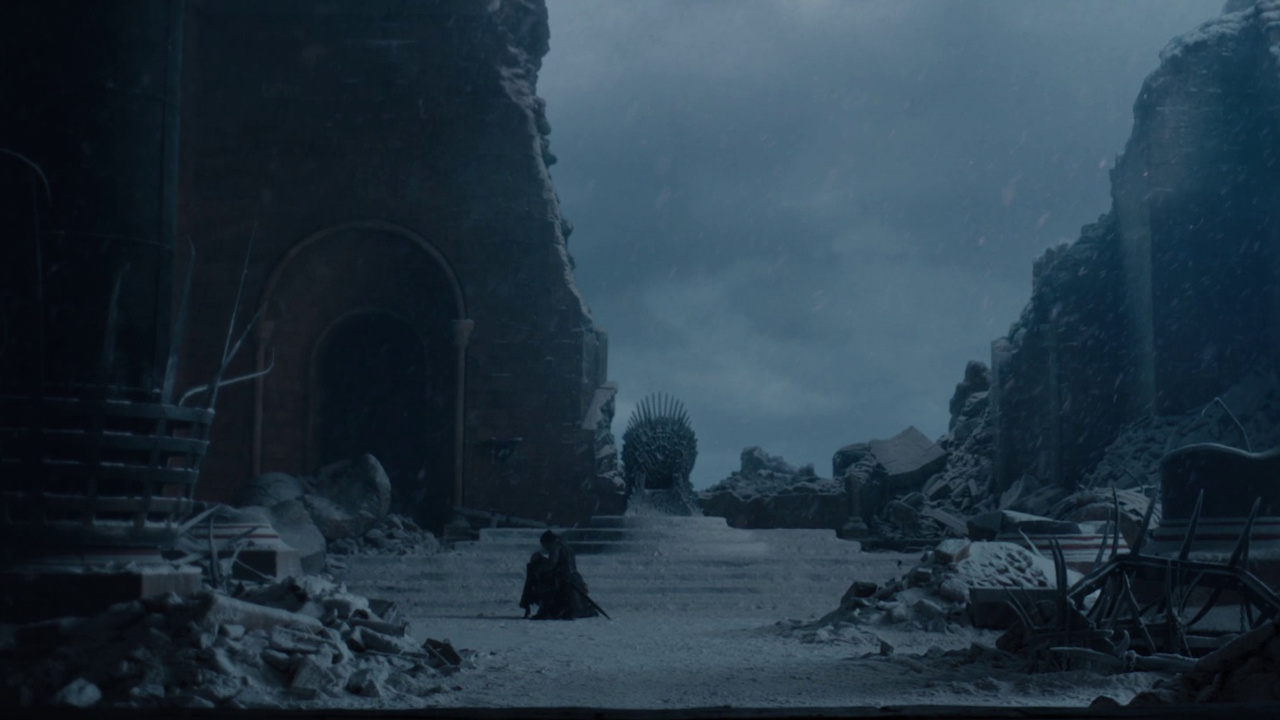
Still frame from the Game of Thrones series finale showing the damaged throne room, the Iron Throne, Jon Snow, and Daenerys Targaryen.
The end of Game of Thrones upset a lot of viewers and fans.

I think my little Tolkien analogy above is an interesting one. But you could also make the same argument using any number of popular series and stories. Imagine if Lucasfilm took a fifteen-year break after The Empire Strikes Back, working on the prequel trilogy, the Clone Wars TV series, and other such things instead of getting to work on Return of the Jedi. Martin has left his fans on a cliffhanger for more than a decade – and part of that cliffhanger has already been spoiled for a lot of people by what was seen on screen in the final seasons of Game of Thrones.

Writer’s block is awful – trust me, I know! And it can’t be nice to feel an ever-growing amount of pressure from a fan community that’s clearly losing patience and losing trust. In some ways, that makes working on The Winds of Winter even harder, I expect. But Martin does himself no favours with his public appearances and by working on so many other projects, books, films, TV shows, and video games. He invites that criticism by those actions, unfortunately.

Stock photo of a mechanical typewriter.
George R R Martin is under a lot of pressure to finish A Song of Ice and Fire.

My personal read on the situation is that Martin has been working to re-write either huge chunks of The Winds of Winter or possibly the entire book. In large part that’s because of the overwhelmingly negative reaction to the way Game of Thrones ended – an ending that will have contained at least some ideas and storylines that Martin intended to use in his remaining books. That’s why a book that was allegedly three-quarters of the way to being finished almost a decade ago is still unpublished in 2025.

But Martin is also enjoying his life in Hollywood and working in television, and his newfound fame and status basically gives him carte blanche to ignore deadlines and do what he wants, when he wants. No publisher or editor is able to make demands of him anymore or set deadlines – and that means he’s been freed up to write other things and dedicate his time to other pursuits. On an individual level, you can’t begrudge a seventy-six-year-old man for that!
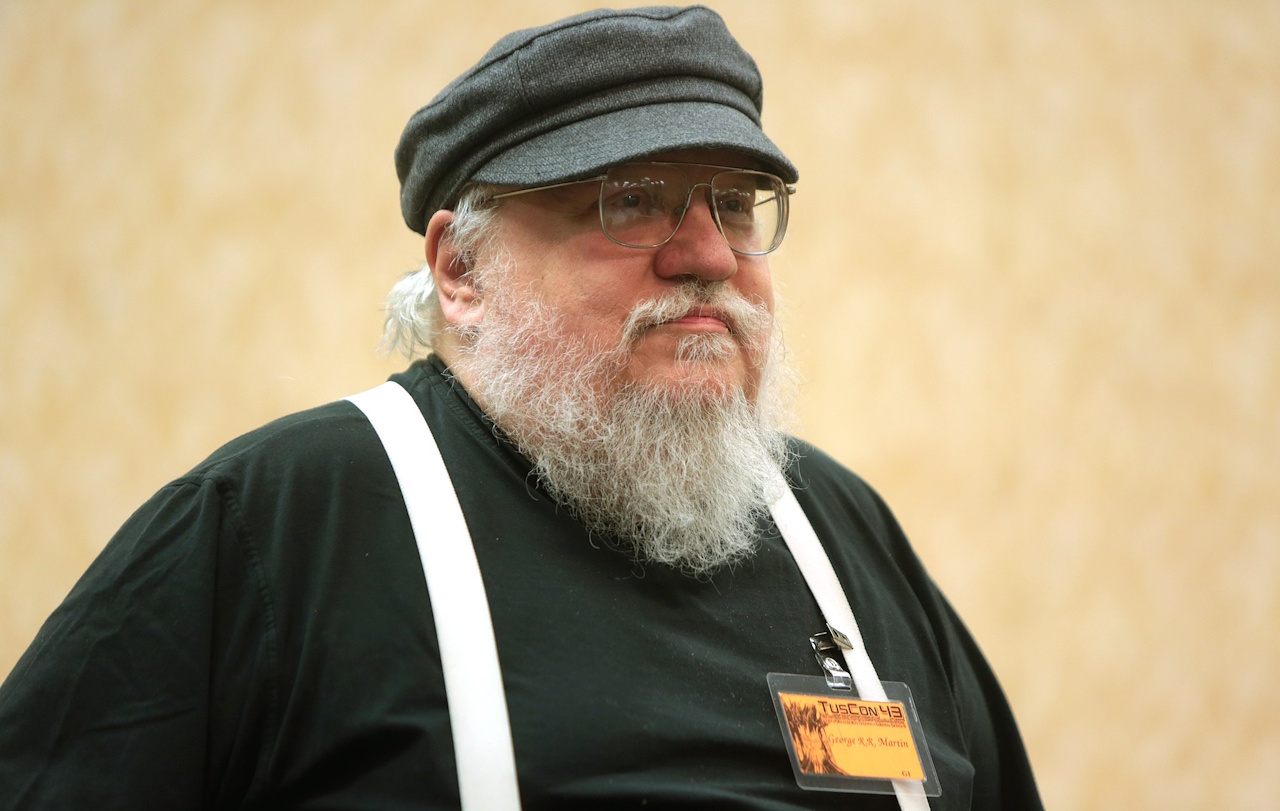
Photo of author George R R Martin at an event in Arizona in 2016.
George R R Martin.
Photo Credit: Gage Skidmore; CC BY-SA 2.0 https://creativecommons.org/licenses/by-sa/2.0, via Wikimedia Commons

But as a fan, I get where the dissatisfaction is coming from. I’m not getting any younger, and with my health issues, I don’t know for sure whether I’ll be around by the time The Winds of Winter is ready – let alone A Dream of Spring! If it takes another fifteen years to get that book ready, well… I’ll probably have checked out by then. I don’t think it’s wrong for fans to feel the way they feel and to ask questions about The Winds of Winter. I also think, to be realistic, fans of A Song of Ice and Fire should begin preparing for the eventuality of the saga never being completed.

At least Game of Thrones Season 8 told the final chapter of the story, right?!

I hope this wasn’t too depressing and didn’t come across as a personal attack. I’ve seen a lot of discussion of The Winds of Winter over the last few weeks since George R R Martin was quoted in that interview, and I wanted to share my two cents on why I think the book is taking so long. I hope he’s still working on it and I hope that, one day, A Song of Ice and Fire will be complete. But at this point… I wouldn’t bet on it.


A Song of Ice and Fire and all other books and novels mentioned above are the copyright of George R R Martin, HarperCollins, and/or Bantam Books. Game of Thrones is the copyright of HBO/HBO Entertainment. This article contains the thoughts and opinions of one person only and is not intended to cause any offence.

Answering Ten of the Biggest Geeky Questions!

A spoiler warning graphic.

Spoiler Warning: Spoilers may be present for some of the franchises/properties discussed below.

There are a handful of “big questions” that define one’s place in geekdom – and today it’s my turn to answer some of them!

I thought it could be a bit of fun to consider some of the biggest questions that geeks like us have to wrangle with. Which fictional character is stronger? Which gaming platform is the best? These questions are contentious, especially here on the interweb – but I hope you’ll engage with this piece in the spirit of light-hearted fun! That’s how I’m choosing to present my answers, in any case.

As I always like to say, nothing we’re going to talk about today is in any way “objective!” These are my wholly subjective takes on questions that are intended to evoke strong reactions, so I hope you’ll keep that in mind! Although I’ve said that these are ten of the “biggest” geeky questions, I’m sure you can think of others – so this is by no means a definitive list.

A stock photo of a contemplative man surrounded by question marks.
Let’s contemplate some big questions together!

I’ve considered myself a geek – and been considered a geek by others – for basically my whole life. As a kid and a teenager, I moved in nerdy circles and friend groups where the likes of fantasy, sci-fi, horror, and video games were frequent topics of conversation. And in the ’80s and ’90s, those things were far less “mainstream” than they are nowadays! It’s actually been really cool to see the likes of The Lord of the Rings, Star Wars, and Marvel become some of the biggest entertainment properties on the planet – as well as the explosion in popularity of video games. When I was at school, and even into my young adulthood, admitting to being interested in those kinds of things could lead to mockery and even bullying!

For these questions today, I’ve set myself the rule of providing an actual answer – no cop-out, fence-sitting, “I like both equally” answers here! As I’ve already said, all of this is just one person’s opinion – and at the end of the day, this is supposed to just be for fun. So please try not to take it too seriously; none of this is worth getting into an argument over!

With the introduction out of the way, let’s answer some tough geeky questions!

Question #1:
Who’s the best Doctor?
Doctor Who

A promo image for Doctor Who showing all of the various incarnations of the titular character.
All of the Doctors – so far!

I don’t really remember watching much Doctor Who as a kid. The original incarnation of the long-running BBC sci-fi series was coming to an end when I was younger, and by the time I was getting interested in the genre, it was Star Trek: The Next Generation that really captured my imagination. As a result, I’m going to exclude all of the pre-2005 Doctors from consideration; I simply haven’t seen enough of any of them to really have a favourite.

Of the Doctors that have been part of the revived series, the Twelfth – played by Peter Capaldi – is my favourite… but with a big caveat! Capaldi gave the best individual performance as the Doctor in the role – hands down. No disrespect meant to any of the others… but I don’t think it’s even close. He’s a performer with exactly the right style, look, and gravitas – and in my view, he played the role absolutely perfectly. That’s why I didn’t hesitate when it came to naming him as my favourite!

Still frame from Doctor Who (2005) showing Pearl Mackie and Peter Capaldi.
Peter Capaldi’s Twelfth Doctor is my personal favourite.

But there’s a catch, as I said. Capaldi’s seasons as the Doctor – Seasons 8 through 10 of the post-2005 series – were almost universally terrible. There was one decent companion (Bill, played by Pearl Mackie) but her character was treated almost as an afterthought and she met a stupid and unsatisfying end. There were hardly any decent villains or antagonists, no truly standout episodes, and really very few memorable moments at all. In fact, Capaldi’s tenure as the Doctor marked a significant decline in Doctor Who’s quality… and the series doesn’t seem to have recovered.

In terms of the best seasons of the revived Doctor Who, I’d have to give the award – somewhat begrudgingly – to Seasons 2 through 4, which starred David Tennant in the title role. The quality of the stories produced at that time was so much higher, with some truly outstanding adventures in the mix. If only there was some way to go back in time and combine Capaldi’s performance with Tennant’s storylines. Where’s a Tardis when you need one, eh?

Question #2:
Who would win in a fight: Batman or Superman?
DC Comics

Cropped poster for Batman vs Superman (2016) featuring the title characters.
Wasn’t there a mediocre film dedicated to answering this question?

Uh, this one should be obvious. It’s Superman, right? It has to be – if you gave any other answer then I don’t think you’ve been paying attention! Who would win in a fight between an overpowered demigod and a billionaire with some expensive gadgets? Yeah… the demigod is gonna win this one. He could launch Batman into the sun, punch him so hard that every bone in his body would shatter, use his heat-vision on him from half a mile away… the list of ways in which Superman could not just defeat but murder and utterly annihilate Batman is nearly endless!

Superman is, I would argue, increasingly difficult to depict in film because of how blatantly overpowered he is. If you read my review of Zack Snyder’s Justice League a couple of years ago, you might remember me saying that the film flopped around, desperately trying to find a way to include the rest of its cast of superheroes… but to no avail. There was no getting away from the simple fact that Superman could do it all single-handedly without even breaking a sweat.

Cropped cover of Action Comics #19 showing Superman.
Superman on the cover of Action Comics #19 in 1939.

At the time the character of Superman was first created, all the way back in 1938, it wasn’t a problem. In fact, creating an “all-round, all-American hero” for comic books aimed at children was exactly the point. Superman is textbook escapism – he’s the perfect hero archetype that can do it all. In context, Superman works, and when all you want is a “good guy” to save the day and stop the evil villains, he’s perfect for the part.

But any story that puts Superman in genuine danger has to come up with a reason why. The man’s basically invincible, save for the mysterious crystal known as kryptonite, and I think at least some of Superman’s big-screen and small-screen adventures suffer as a result of that. But to get back on topic: Superman would win in a fight, and he’d win incredibly quickly and incredibly easily!

Question #3:
Console or PC?

A Super Nintendo console on a red background.
A Super Nintendo – or SNES.

In the early ’90s, the first home console I ever owned was a Super Nintendo. From then on, all the way through to the middle of the last decade, console was my preference. I liked the pick-up-and-play nature of consoles, with no need to check system requirements or fiddle with settings to just get a game running. The underpowered PCs that I had in the ’90s weren’t much good for gaming, so I think that’s part of it, too. But you have to also remember that, for a long time, consoles were just better in terms of performance – and especially in terms of value – than PC.

But nowadays I’m firmly on Team PC! I built my own PC for the first time a couple of years ago, and prior to that I had a moderately-priced “gaming” PC. Since about the middle of the 2010s, PC has been my platform of choice for practically everything. I will consider picking up Nintendo’s next machine when it’s ready, but my Nintendo Switch has been gathering dust since I stopped playing Animal Crossing and Mario Kart 8… so I’m not sure how great of an investment that’ll really be!

Stock photo of a gaming PC.
A very pretty gaming PC setup.

PC offers the best of both worlds. Wanna play an in-depth strategy game or city-builder with loads of options and menus that really need a mouse and keyboard to navigate? PC can do that. Wanna plug in a modern control pad to play a third-person adventure title? PC can do that too. Wanna install a virtual machine and play games from the Windows 95 era? PC can do that! Wanna emulate every console from the Atari 2600 to the Dreamcast and play games that are out-of-print everywhere? PC can do that too!

With Game Pass bringing a lot of new titles to PC on launch day, and with Sony even porting over some of its previously-exclusive titles too, PC really feels like the place to be. It’s a lot more expensive to get started with – and that’s still a massive point in favour of consoles for players on a budget. But once that initial expense is out of the way, the abundance of sales on platforms like Steam means that a lot of titles – even newer ones – can be picked up at a discount. I’m really happy with my PC as my main gaming platform, and I doubt I’ll be picking up an Xbox or PlayStation this generation.

Question #4:
What would be the best fictional world to live in?

There are plenty of fictional worlds to choose from!

There are loads of absolutely awful answers that people give to this question! Who’d want to live in Star Wars’ fascist-corporate dystopia, for example, which seems absolutely terrible for anyone not blessed with space magic? Or any fantasy setting with a medieval level of technology? Sure, you might have a magic elf as your buddy… but if there’s no central heating, antibiotics, or flushing toilets… you’re gonna have a bad time!

My pick is simple: Star Trek’s 24th Century. There are things to worry about, sure: the Borg, the Cardassians, and the Klingons to name but a few threats! But there are so many wonderful inventions and technologies that would make life so much better. For me, as someone with disabilities, the idea of some or all of my health issues being cured is perhaps the biggest – but there are plenty of others, too.

The USS Enterprise orbiting Earth.

Star Trek does not depict, as some have tried to claim, a “communist utopia.” As we see on multiple occasions throughout the franchise, private property still exists, and people have a great deal of freedom and autonomy. Star Trek’s future could be more accurately described as a post-scarcity society – one in which technological improvements have brought unlimited power generation, food, and other resources to the people.

There are some dark spots in Star Trek’s future – but these tend to be places outside of or separate from the Federation. Assuming I could live somewhere in the Federation, and have access to replicators, warp drive, weather-controlling satellites, and Starfleet for defence… I think it would be bliss! And so much better than anywhere else I can think of.

Question #5:
Martin or Tolkien?

Who’s the superior author?

I don’t need to think too long about this one! JRR Tolkien is, for me, one of the greatest authors of all-time. George RR Martin, in contrast, can’t even finish his own story, and seems far too easily distracted by other projects – including writing TV episodes and working on video games. And c’mon… he literally copied the “RR” part of Tolkien’s name for his own pen name!

Jokes aside, I think both writers are pretty great. Tolkien could be, in places, a little too black-and-white with his protagonists and antagonists, with the goodies being pure and virtuous and the villains being corrupt and evil. Martin’s work deliberately upends many of those notions, and he places imperfect and even selfish characters at the heart of his stories. Some of George RR Martin’s characters feel more nuanced – and dare I say more human – than Tolkien’s.

The Fellowship of the Ring at Rivendell from the 2001 film adaptation.

But Tolkien was a pioneer, writing the first modern fantasy epic. Martin, and countless other writers, are simply following in his footsteps. While Martin’s work is hardly derivative, some of the choices he makes in his writing are a reaction to the way Tolkien’s worlds and characters were set up. It’s impossible to critique A Song of Ice and Fire without making multiple references to Tolkien – whereas Tolkien’s work has always stood on its own two feet.

I would love it if George RR Martin would finish his magnum opus, but as time passes I feel less and less sure that he’s even interested in doing so. Now that Game of Thrones has finished its run on television, and Martin has seen the overwhelmingly negative reaction to its ending – which will have contained at least some elements that he planned to include in the remaining books – I just don’t get the impression that his heart is in it in the same way it was a few years ago. Tolkien’s work, in contrast, is complete and has been for decades – and people are still interested in new adaptations.

Question #6:
Who’s the best Star Trek captain?

Promo banner for Star Trek Day showing multiple characters.
Multiple captains on a promo banner for “Star Trek Day.”

I’ve always struggled with this question. But I’ve gone on record several times here on the website as saying that if you put a gun to my head and forced me to choose – as this question is metaphorically doing – I’d pick Deep Space Nine’s Captain Benjamin Sisko. So that’s gonna be my answer!

There’s a lot to be said for Captain Kirk – Star Trek’s first captain. He paved the way for all of the others, and without him, Star Trek would not be the same today – if it even existed at all. And Captain Picard was my personal first captain; it was through The Next Generation that I became a Trekkie in the early ’90s. Without him and the crew he led, there’s a chance I would never have fallen in love with Star Trek in the way that I did. And all of the other captains from Janeway and Burnham to Archer and Pike all have wonderful qualities that make Star Trek into the franchise it is today.

Still frame from the documentary What We Left Behind showing Avery Brooks as Captain Sisko in a remastered clip.
Captain Benjamin Sisko.

But Captain Sisko has always stuck out to me. In the first few seasons of Deep Space Nine he only held the rank of Commander, so we got to see his rise to the rank of captain as the story of that show unfolded. He was also a man with a deeply traumatic past, having to come to terms with the death of his wife while raising his son alone. He was a fantastic leader – not just of a crew, but of a community. Sisko could reach out across the cultural divide to Ferengi, Klingons, changelings, Bajorans, and more. He turned DS9 from a military outpost into a friendly place to visit and a bustling port.

Although words like “scientist” and “explorer” might not be the first ones that spring to mind when we think of Captain Sisko, he had those traditional Starfleet qualities, too. We’d see him as a pioneer of exploring the Gamma Quadrant and the wormhole, as well as interacting with the non-corporeal Prophets – the very definition of seeking out new life! Sisko could also be a soldier and a diplomat when he needed to be – and to me, he embodies the very best of Starfleet in the 24th Century.

Question #7:
Marvel or DC?

The logos of both Marvel and DC.

I don’t read comic books – and I never did, even as a kid. So my limited knowledge of both of these brands comes from their cinematic outings, not the original source material! I wanted to get that caveat out of the way before we got into the weeds with this one.

If you were to ask 100 people on the street to name a superhero, I think Superman and Batman would probably be the two names you’d hear most often. So DC, at least in my opinion, has produced the two most memorable and noteworthy superheroes. But Marvel, at least on the big screen, has a bigger and stronger ensemble – as we saw when Avengers Endgame briefly became the highest-grossing film of all time.

Still frame from Batman & Robin (1997).
Batman & Robin (1997).

Although I want to say that I’ve gotten roughly equal enjoyment from DC and Marvel over the years, I promised you no fence-sitting and no cop-outs! Based on the strength of characters like Batman, who have starred in some really great films over the years, I think I have to give the win to DC. Marvel’s output is becoming increasingly convoluted, and just keeping up with the franchise to know who’s who and what happened last time can feel like a full-time job! At least DC still produces some standalone or semi-standalone films and TV shows that I can dip in and out of.

Aside from Batman and Superman, though, DC hasn’t really been able to successfully capitalise on its other superheroes – let alone turn them into household names. Wonder Woman, Aquaman, the Flash, and Green Arrow have all had limited success in a single film or TV series, but others have struggled. Batman may drag DC over the finish line this time… but there’s still room for improvement!

Question #8:
Star Wars or Star Trek?

Still frame from Star Wars (1977) showing the Death Star.
The Death Star at Yavin IV in Star Wars.

If you’ve read the name of this website, I’m sure you can guess which way this one’s going to go! Thankfully the whole “Star Wars versus Star Trek” rivalry that was a big deal a few years ago has more or less died out, and fans no longer feel quite so tribal about which is the best. There’s been a lot more crossover in recent years, with Trekkies and Star Wars fans happy to enjoy both franchises.

I consider myself a Trekkie first and foremost – so I’ll answer this question by saying that I prefer Star Trek over Star Wars. But that doesn’t mean I hate or dislike Star Wars by any stretch. In fact, some of my favourite entertainment experiences of all-time have come courtesy of the Star Wars franchise: games like Knights of the Old Republic and films like Rogue One are genuinely fantastic.

Promo photo of the main cast of Star Trek: The Next Generation Season 2 (1988).
The cast of Star Trek: The Next Generation Season 2.

What I like about Star Trek is that many of its stories aren’t about fighting a villain or defeating an adversary – but about exploration, science, engineering, and just what it might be like to live in space in the future. Star Wars, by its very nature, is more violent, with more of a focus on conflict. That’s fine when I’m in more of an action mood – but there are times when a story about seeking out new life or learning to communicate is what I’m looking for.

It’s also worth pointing out that there’s a heck of a lot more Star Trek than Star Wars! At the time I first encountered the franchises, it wouldn’t be totally unfair to say that there were two good Star Wars films and one okay-ish one – at least in the opinion of a lot of folks! Star Trek already had more than 100 episodes of TV and five films under its belt, so there was plenty to get stuck into as a viewer in the early ’90s! Quantity over quality is never a good argument, of course… but if I’m enjoying something I’m always going to be happy to get more of it! Star Wars is slowly catching up to Star Trek now that Disney has commissioned several made-for-streaming series, but there’s still a long way to go to reach Star Trek’s 900+ episodes!

Question #9:
Sci-Fi or Fantasy?

The NeverEnding Story (1984) was one of my favourite films as a kid.

This may come as a surprise, but fantasy was my first love long before I got interested in sci-fi, space, and the “final frontier!” Among my earliest memories is reading The Hobbit – a book that was originally intended for children, lest we forget. I can even remember pointing out to my parents that there was a typo on one page; the word “wolves” had been misprinted as “wolevs.” Aside from Tolkien’s legendary novel, I read other children’s stories including Enid Blyton’s The Faraway Tree, and watched films like The Neverending Story.

But it’s not unfair to say that sci-fi became a much bigger deal for me by the time I was reaching adolescence. Inspired by Star Trek: The Next Generation I immersed myself in science fiction, reading as many books about space and the future as I could get my hands on, and watching films like Alien and the Star Wars trilogy. TV shows like Quantum Leap, Space Precinct, and Buck Rogers in the 25th Century graced my screens in the ’90s, as did more kid-friendly offerings like Captain Scarlet.

Star Trek: The Next Generation turned me into a sci-fi fan!

So while I can happily say that I enjoy both genres for what they offer, sci-fi has been my preference going back more than thirty years at this point! Star Trek opened my eyes to science fiction and remains one of my biggest fandoms to this day! But there are many other sci-fi films, shows, books, and video games that I’ve enjoyed – everything from Mass Effect and Foundation to Battlestar Galactica and Halo. Sci-fi is great escapism, and I love the feeling of being whisked away to another world or another moment in time.

Though I haven’t forgotten my roots as a fan of fantasy, and still enjoy many fantasy titles across all forms of media, if I had to choose I’d definitely say that I’m a fan of sci-fi first and foremost. Sci-fi feels broader and more varied in some respects – there are radically different presentations of humanity’s future, the kinds of aliens we might engage with, and so on. Modern fantasy tends to stick to a medieval level of technology and use the same kinds of magical spells and the same handful of races – Elves, Dwarves, Orcs, and so on – in different combinations depending on the story.

Question #10:
What’s your favourite anime/cartoon series?

Still frame from Shenmue: The Animation showing Ryo and Fangmei.
There’s an anime adaptation of Shenmue.

I have to confess something at this point: I’ve never seen any anime. I don’t know why exactly – I’ve never really been in friendship groups where anime was a topic of conversation, and when I was a kid, there wasn’t any anime on TV or in the cinema that I can recall. I’ve yet to encounter an anime series that felt like a must-watch – with the only exception being the adaptation of Shenmue that I really ought to get around to watching one of these days! But until I do… no anime for me.

I had to think about this question for a while, though. There are some great adult animation programmes: Lower Decks, Futurama, Rick and Morty, South Park, and The Simpsons all come to mind. The Simpsons in particular was a pioneer of adult animation, and a series I remember with fondness from its ’90s heyday here in the UK! The fact that my parents – and many others of their generation – absolutely loathed The Simpsons was a huge mark in its favour for a renegade adolescent!

Still frame from the Phineas and Ferb Season 3 episode What A Croc showing the kids on jet skis.
Phineas and Ferb.

But on this occasion, I’m giving the award to Phineas and Ferb. Regular readers might remember me talking about this series as one of my “comfort shows;” a programme I often return to when I need a pick-me-up. I recall watching a promo for the series circa 2007-08, and although kids’ cartoons on the Disney Channel should’ve held no appeal… something about Phineas and Ferb called out to me. I tuned in and I was hooked from almost the first moment.

Phineas and Ferb’s two-and-a-half story structure – with the kids making an invention, their sister trying to bust them for it, and special agent Perry the Platypus on a mission to fight evil – felt incredibly fun and innovative, and more often than not the storylines would intersect in creative and unexpected ways. There are also some fantastic moments of characterisation in Phineas and Ferb, particularly with the breakout character of Dr Doofenshmirtz. I was thrilled to learn that the series will be returning for two new seasons and a whopping forty new episodes, and I really hope it will be as good as it was the first time around.

So that’s it!

The famous "that's all folks" card shown at the end of Looney Tunes cartoons.
That’s all for now!

I hope this has been a bit of fun – and maybe bolstered my geeky credentials just a little. As I said at the beginning, I don’t think any of these subjects are worth fighting about or losing friends over, but I’ve had fun sharing my thoughts and nailing my colours to a few different masts!

The great thing about sci-fi, fantasy, gaming, and the wide world of geekdom is just how much of it there is nowadays. There are so many high-budget productions on the big screen, the small screen, and in the gaming realm that we’re really spoilt for choice. As much fun as it is to play favourites and pick one series or franchise over another… more than anything else I’m just glad to be living through a moment where geekdom is having its turn in the spotlight! That may not last forever – a return to action movies, westerns, or whatever else might be on the cards one day. So we should all make the most of it and enjoy it while it lasts!

It’s been interesting to consider some of these questions, and I hope reading my answers has been entertaining for you, too!


All properties discussed above are the copyright of their respective owner, company, distributor, broadcaster, publisher, etc. Some stock photos courtesy of Unsplash. This article contains the thoughts and opinions of one person only and is not intended to cause any offence.